Skip to content

Joe Pye Weed

Eupatorium Purpureum

Design with this plant

Overview

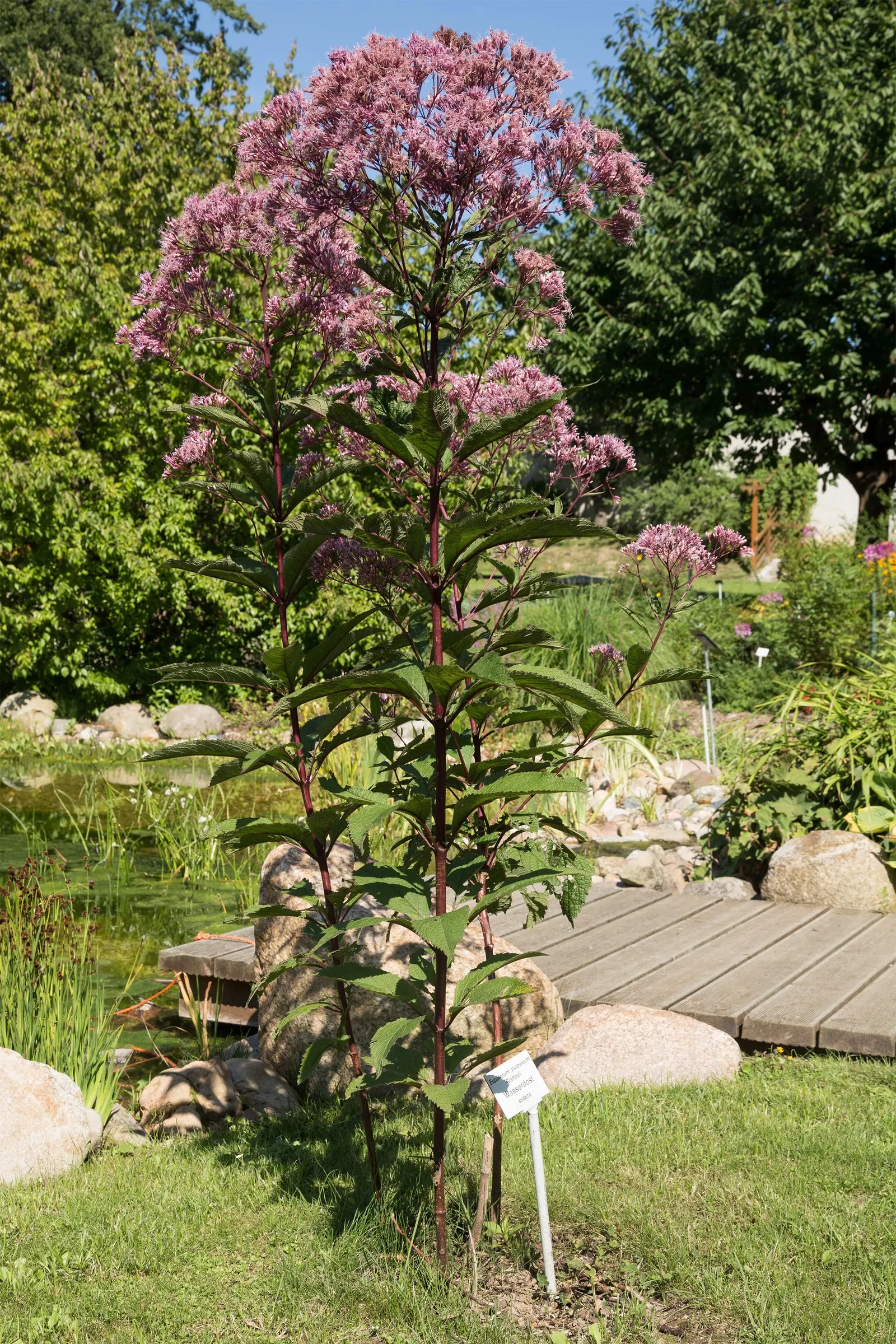
Joe Pye Weed, Eupatorium purpureum, is a robust perennial, thriving in USDA zones 4-9 and reaching heights of 4-7 feet with a spread of 2-4 feet. It showcases fluffy, mauve-pink flower clusters atop tall stems with whorled, lance-shaped leaves. This native plant prefers full sun to part shade and moist, fertile soil, and blooms from mid-summer to early fall, attracting butterflies and beneficial insects. Ideal for meadow-style landscapes and pollinator gardens.

Sun Full, HalfWater HighZones 4–8Type PerennialClimate Temperate
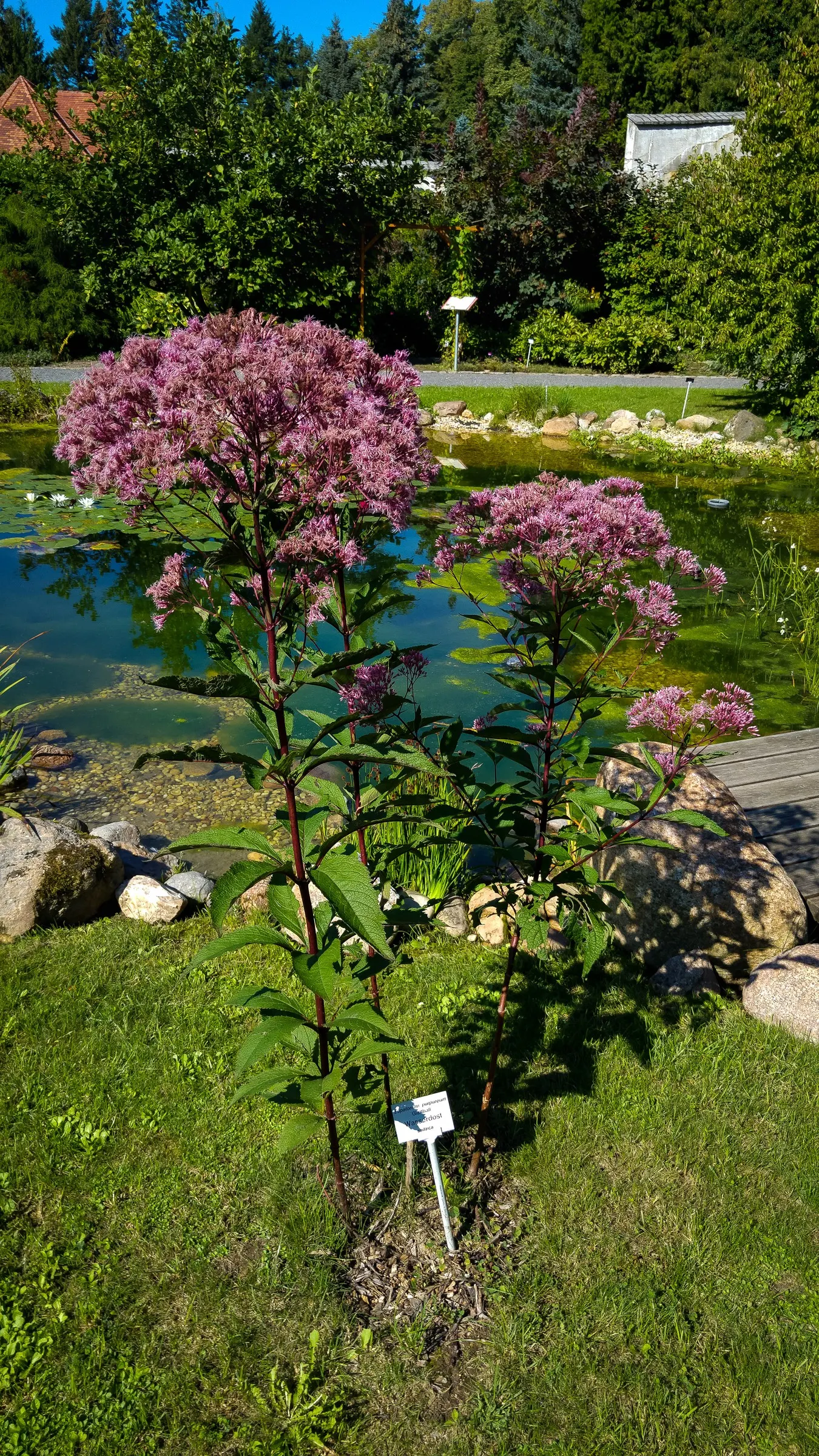
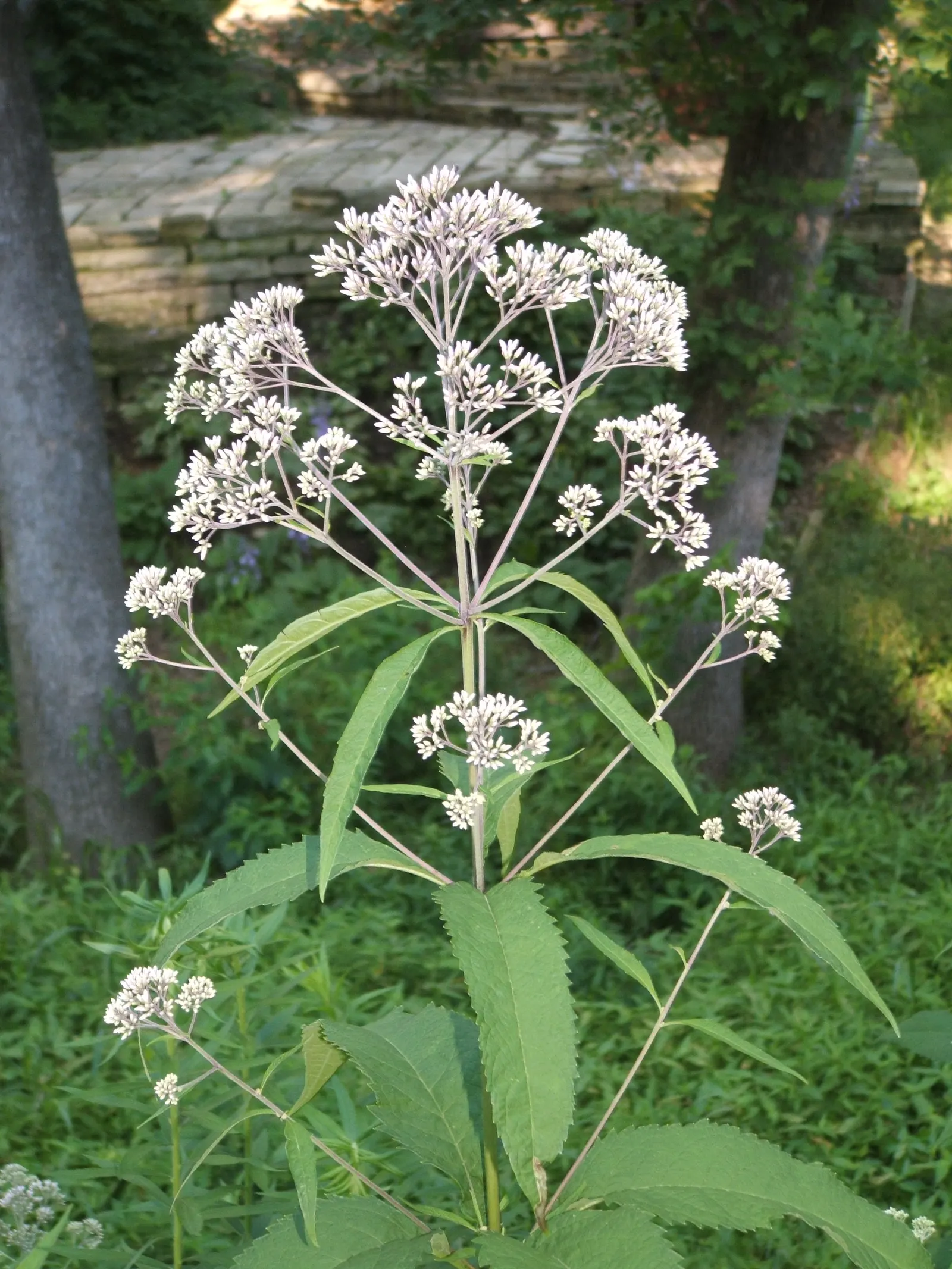
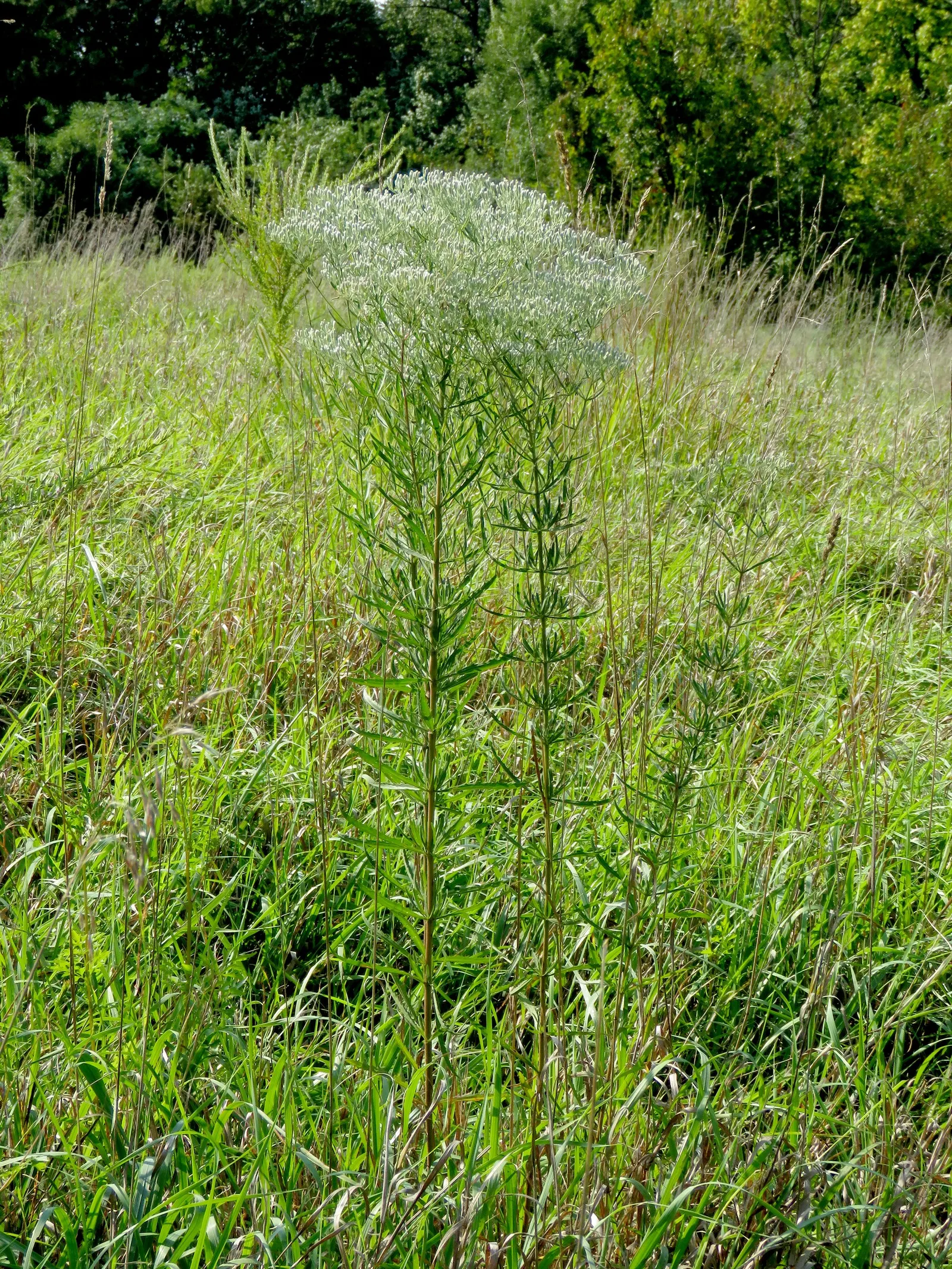
Joe Pye Weed (Eupatorium Purpureum) — with a spread of about 2 to 4 feet; it showcases fluffy, mauve-pink flower clusters atop tall stems with, image 59

Culture

Sun
Full, Half
Water
High
USDA zones
4–8

Shape & size

Mature height
5–7 Ft.
Mature width
2–4 Ft.

Classification

Type
Perennial
Family
Asteraceae
Climate
Temperate

See full data, regional cultivation notes, and design tools. Build a client presentation around this plant.

Start your 14-day trial

Photos (102)

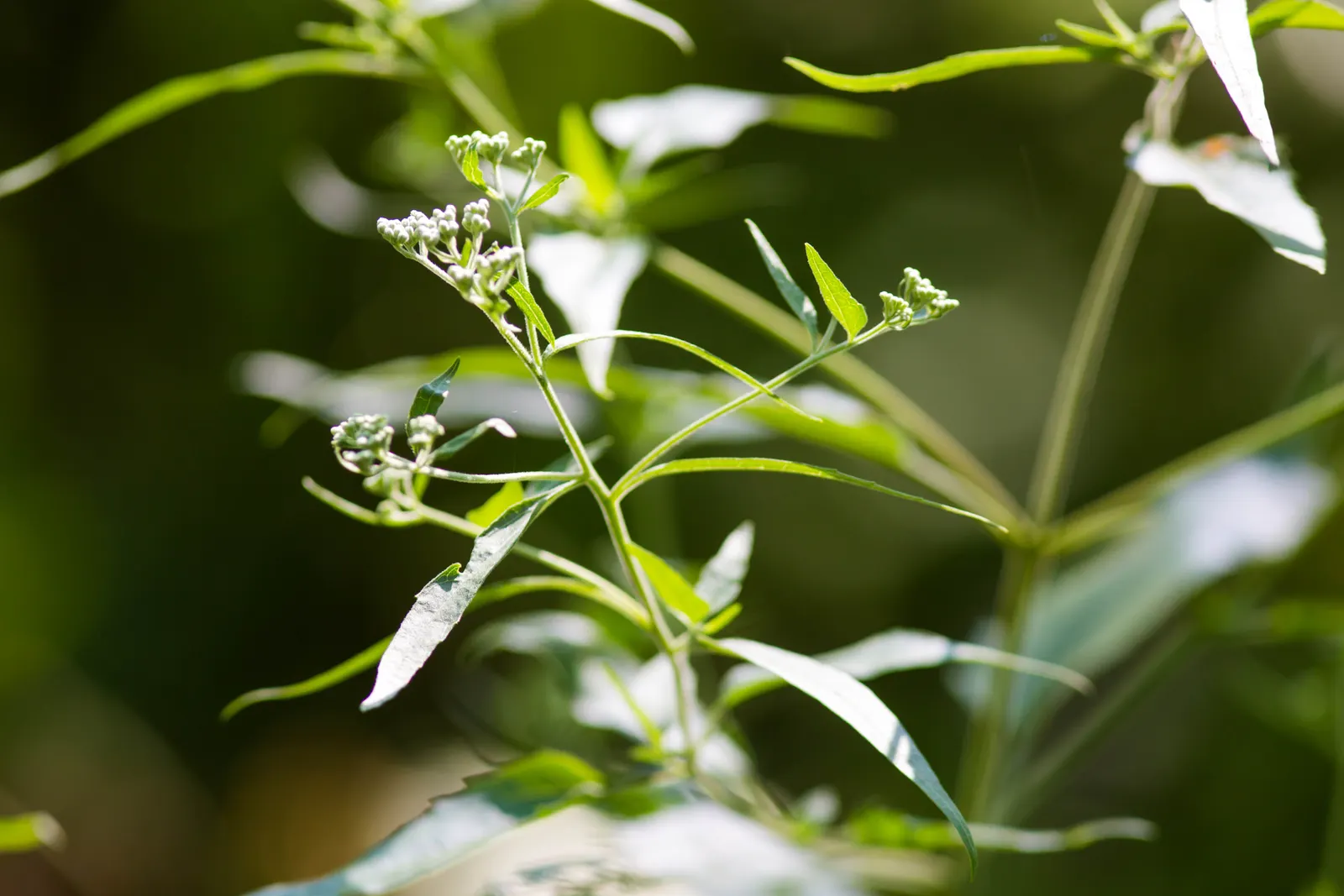
Joe Pye Weed (Eupatorium Purpureum) — and blooms from mid-summer to early fall; thriving in USDA zones 4-9 and reaching heights of 4-7 feet with a, image 52
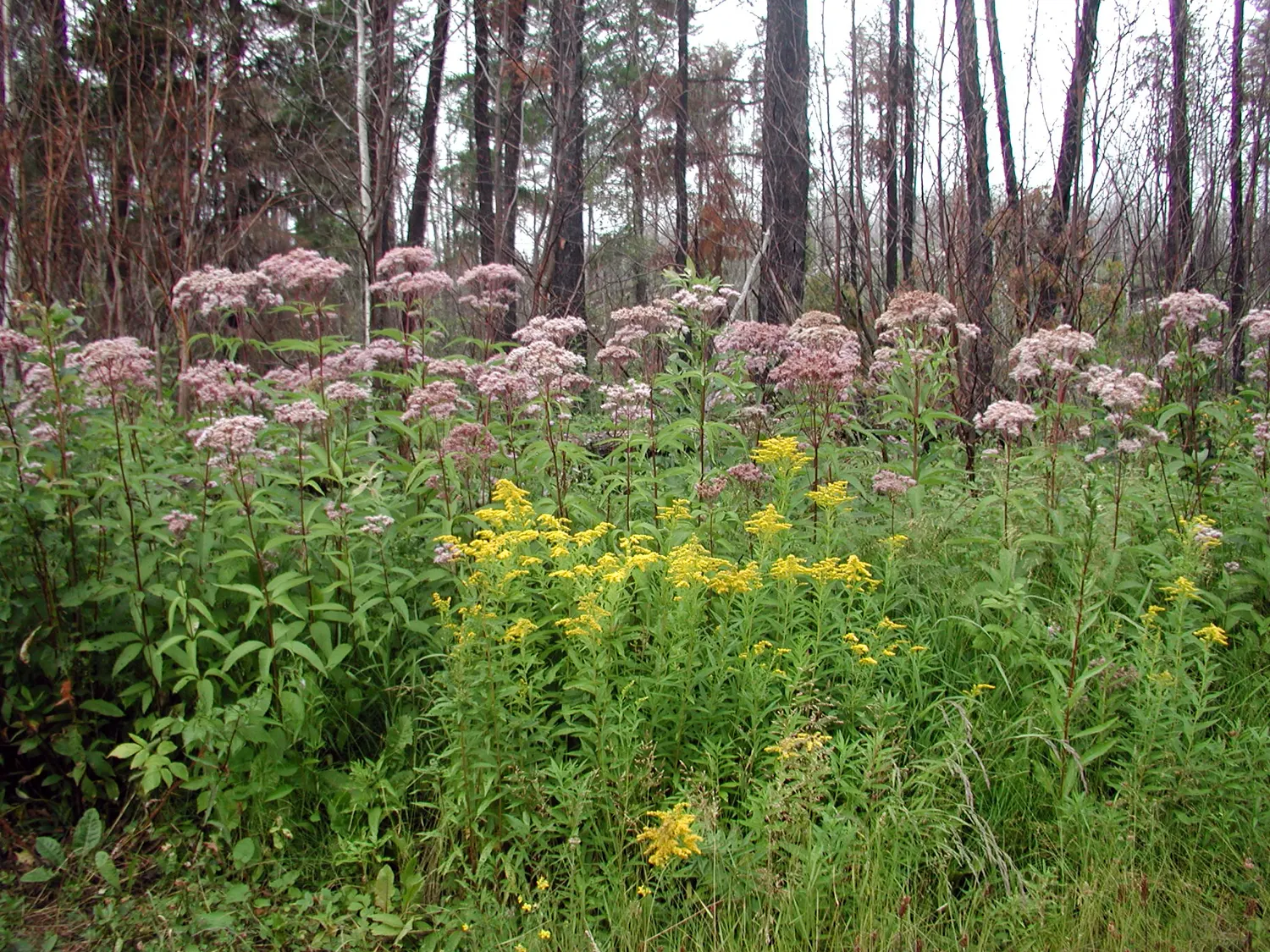
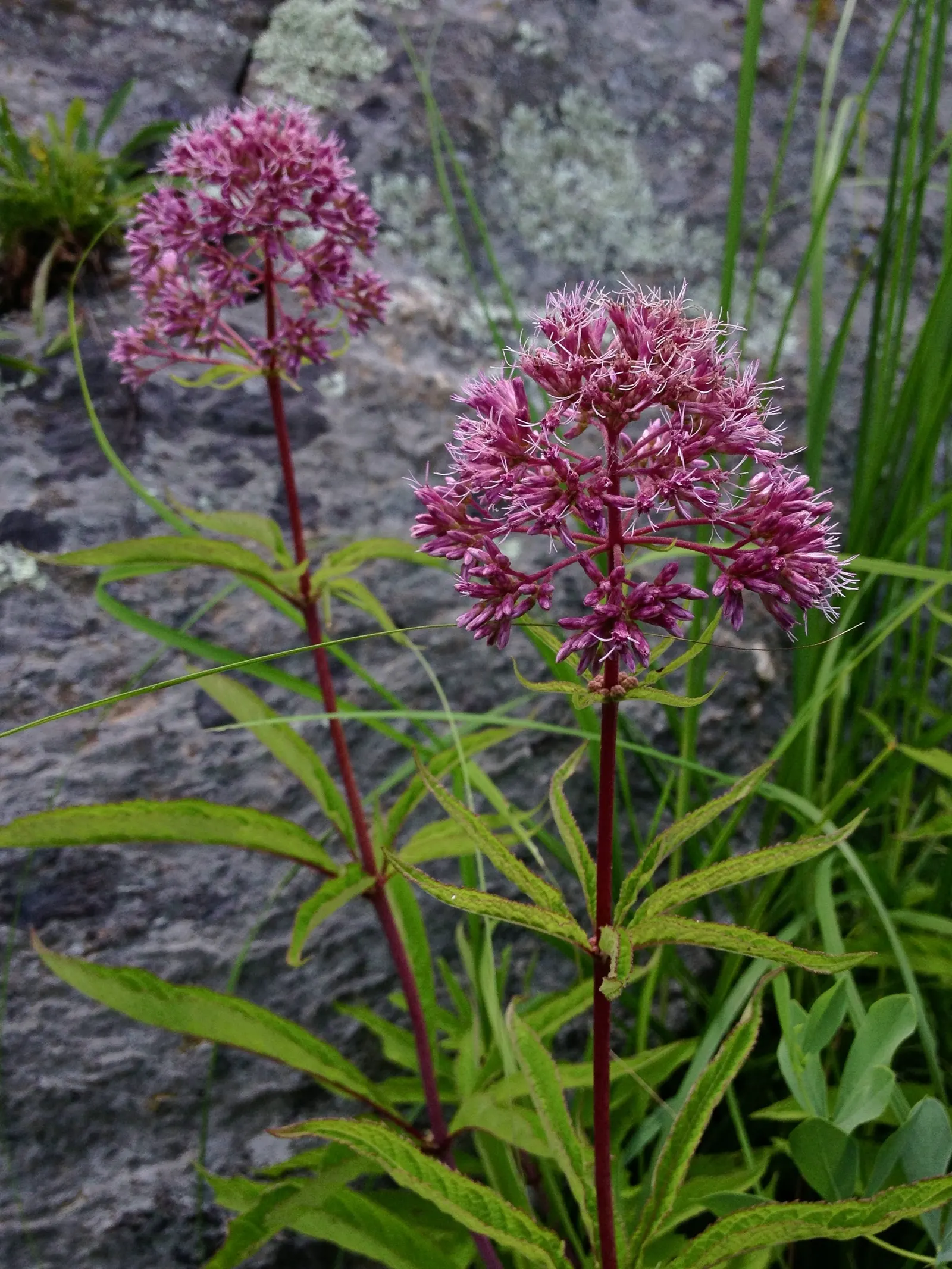
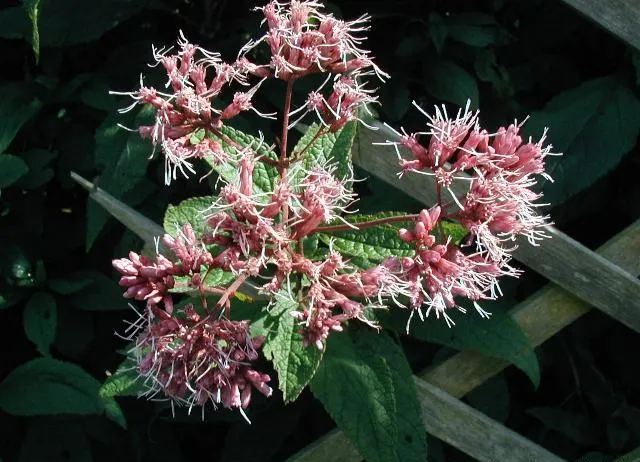
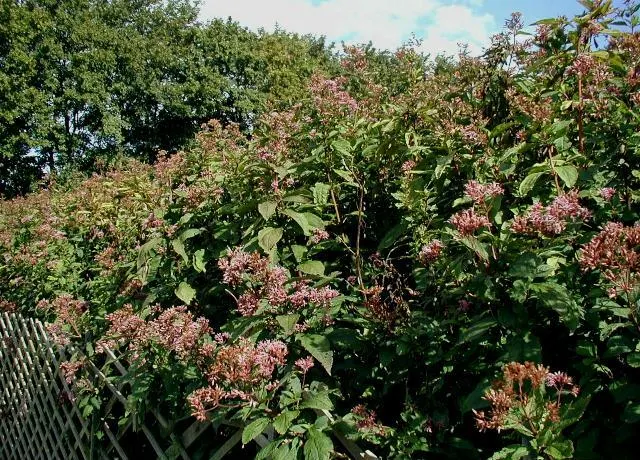
Joe Pye Weed (Eupatorium Purpureum) — lavender and purple flowers in the garden; scientifically named Eupatorium purpureum, image 70
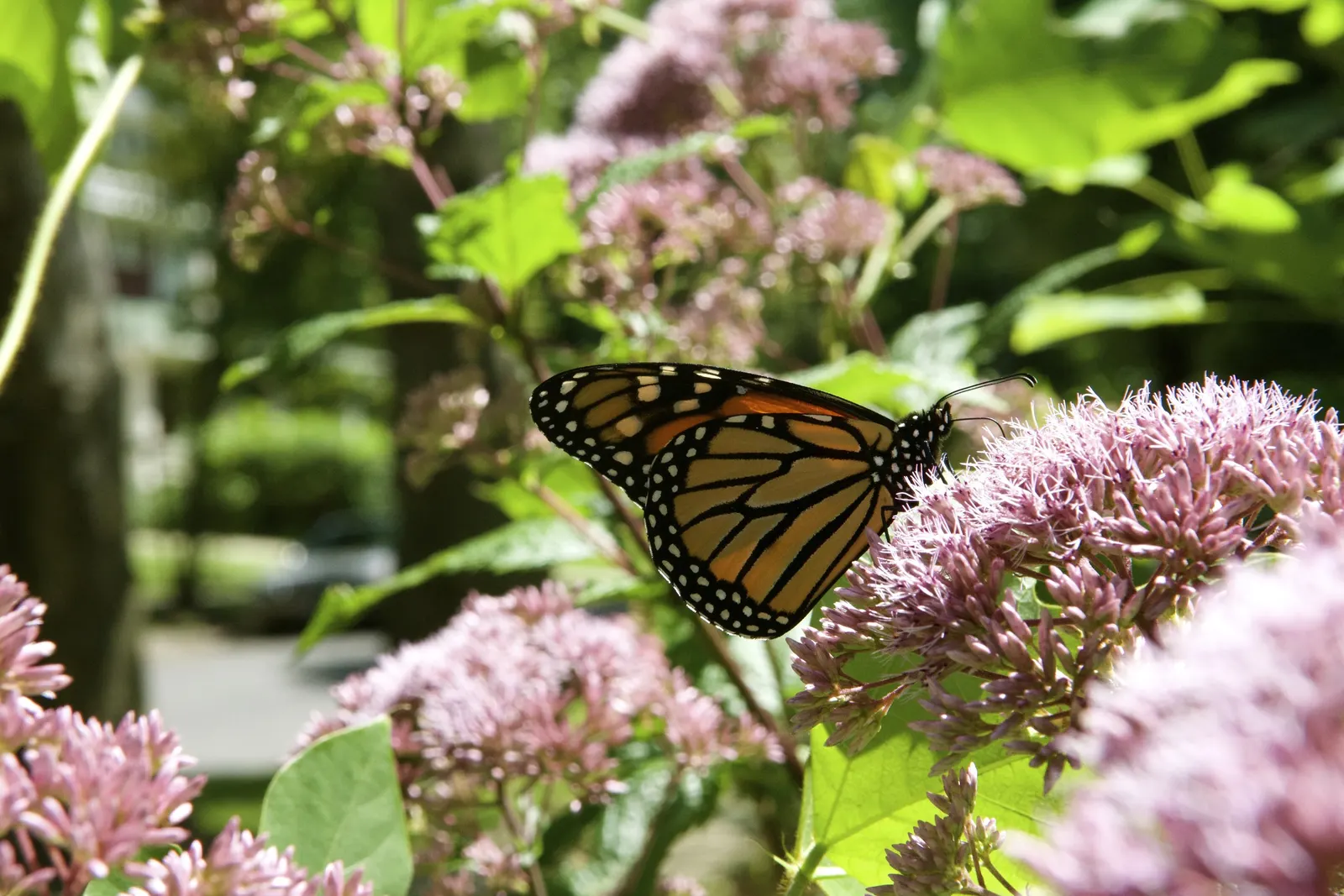
Joe Pye Weed (Eupatorium Purpureum) — revered for its statuesque height and ability to attract butterflies and pollinators
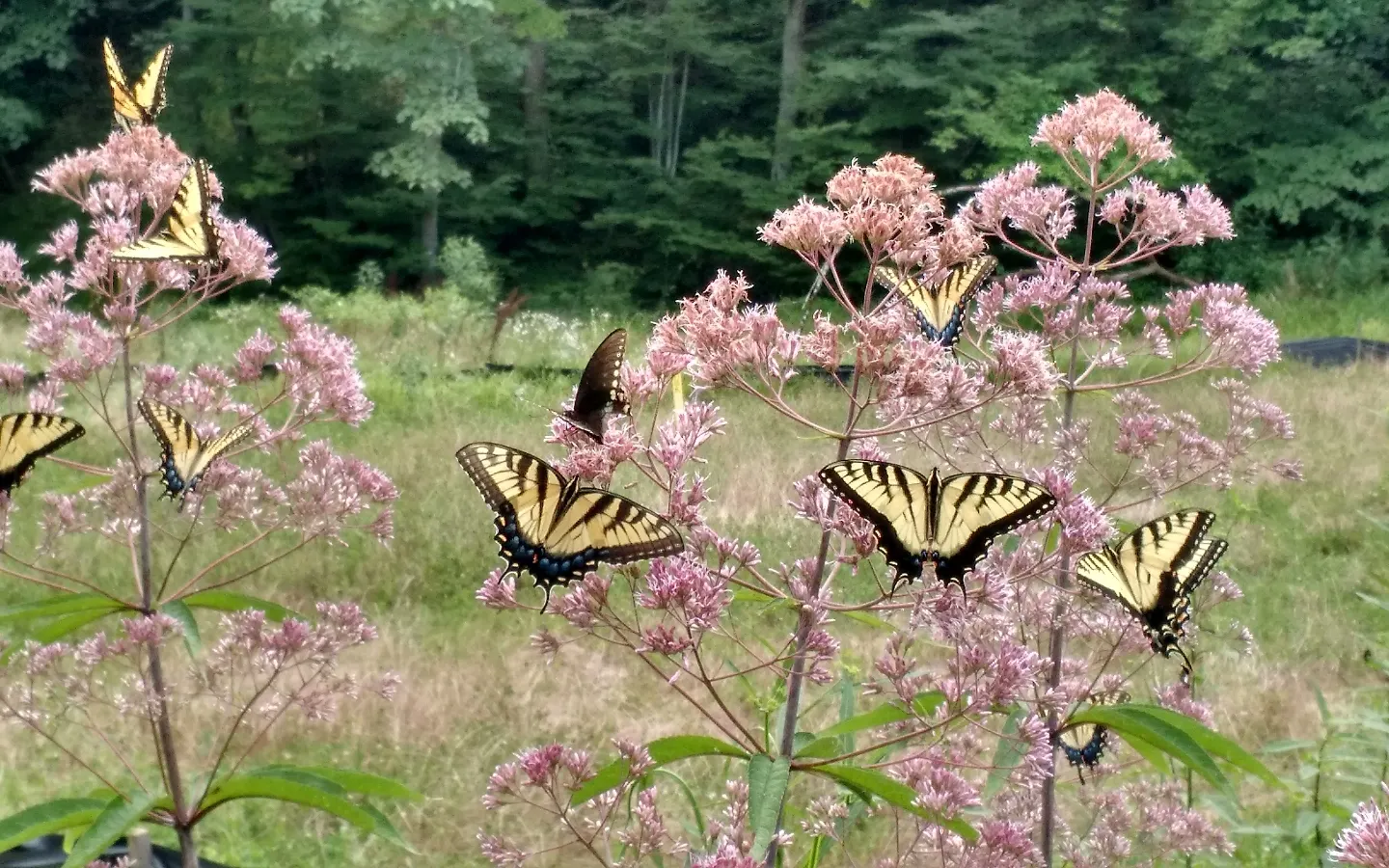
Joe Pye Weed (Eupatorium Purpureum) — revered for its statuesque height and ability to attract butterflies and pollinators; making it a dominant, image 57
Joe Pye Weed (Eupatorium Purpureum) — lavender and purple flowers in the garden
Joe Pye Weed (Eupatorium Purpureum) — is a stately perennial native to North America
Joe Pye Weed (Eupatorium Purpureum) — thriving in USDA zones 4-9 and reaching heights of 4-7 feet with a spread of 2-4 feet; and blooms from mid-summer to
Joe Pye Weed (Eupatorium Purpureum) — thriving in USDA zones 4-9 and reaching heights of 4-7 feet with a spread of 2-4 feet
Joe Pye Weed (Eupatorium Purpureum) — and blooms from mid-summer to early fall; thriving in USDA zones 4-9 and reaching heights of 4-7 feet with a, image 76
Joe Pye Weed (Eupatorium Purpureum) — or as a backdrop in perennial borders due to its height and seasonal interest.<br><br>Moreover
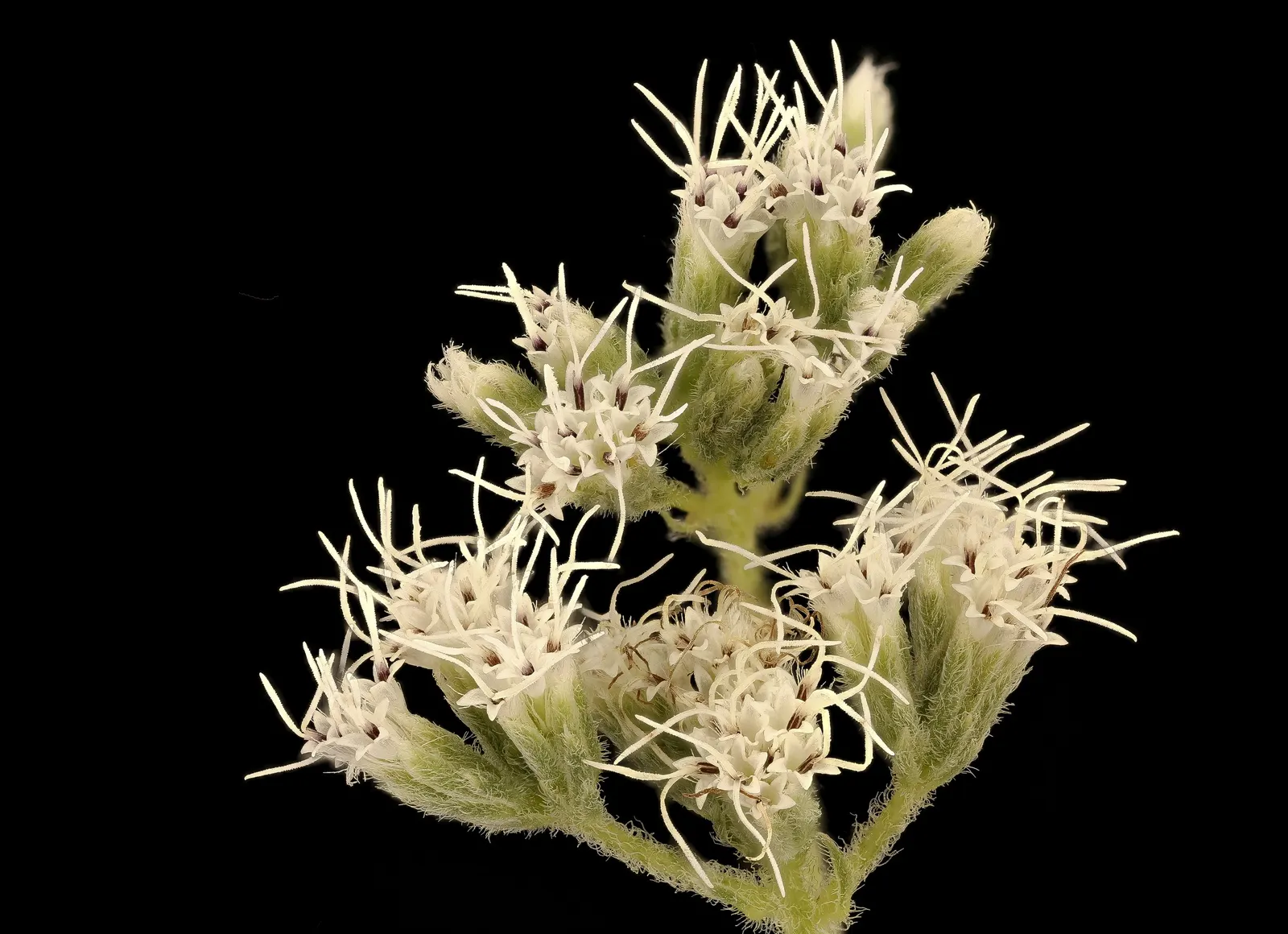
Joe Pye Weed (Eupatorium Purpureum) — the Joe Pye Weed's most notable feature is its dense clusters of tiny
Joe Pye Weed (Eupatorium Purpureum) — the robust Joe Pye Weed is largely pest-free; though it flourishes in medium to wet conditions with full sun to partial
Joe Pye Weed (Eupatorium Purpureum) — the robust Joe Pye Weed is largely pest-free
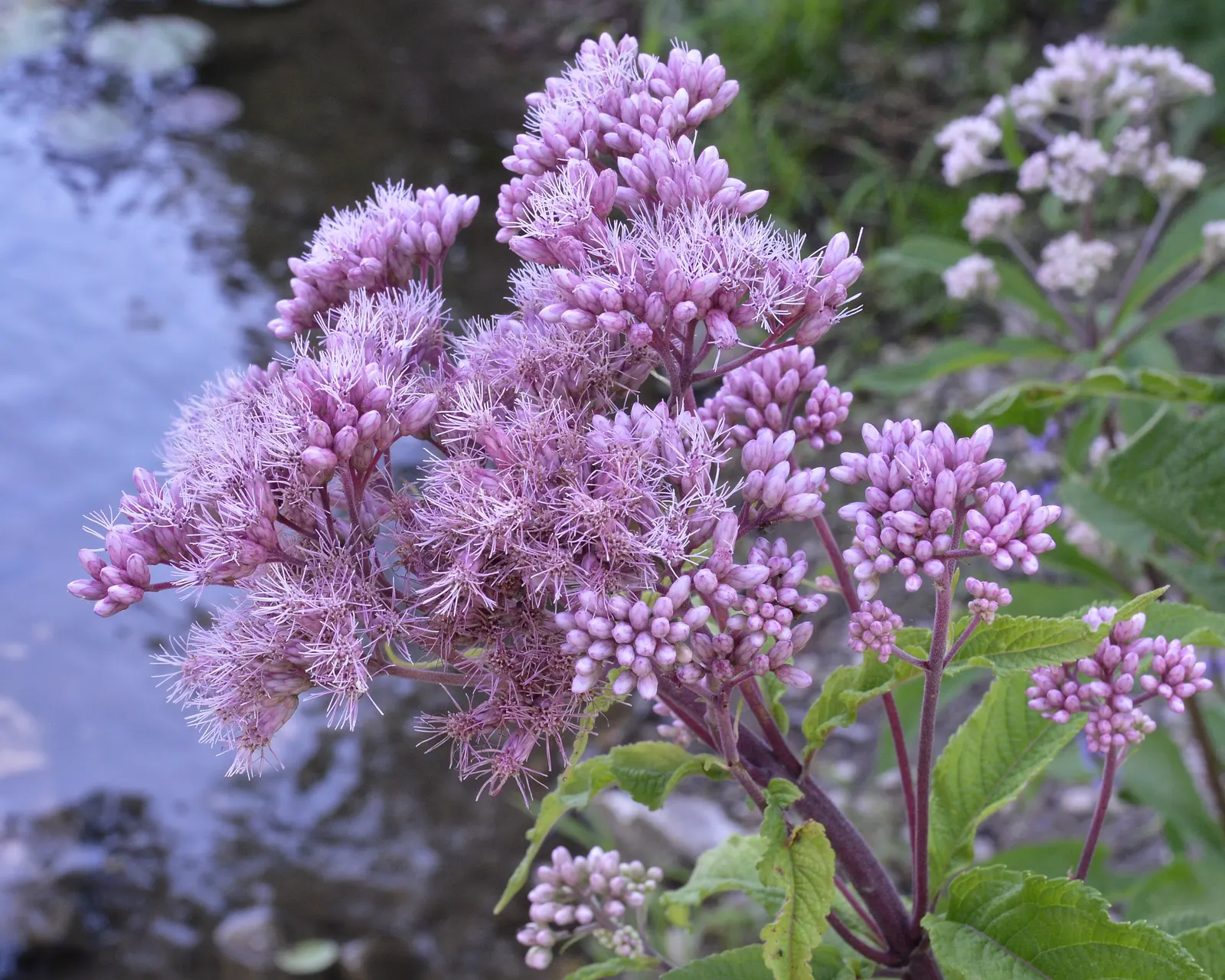
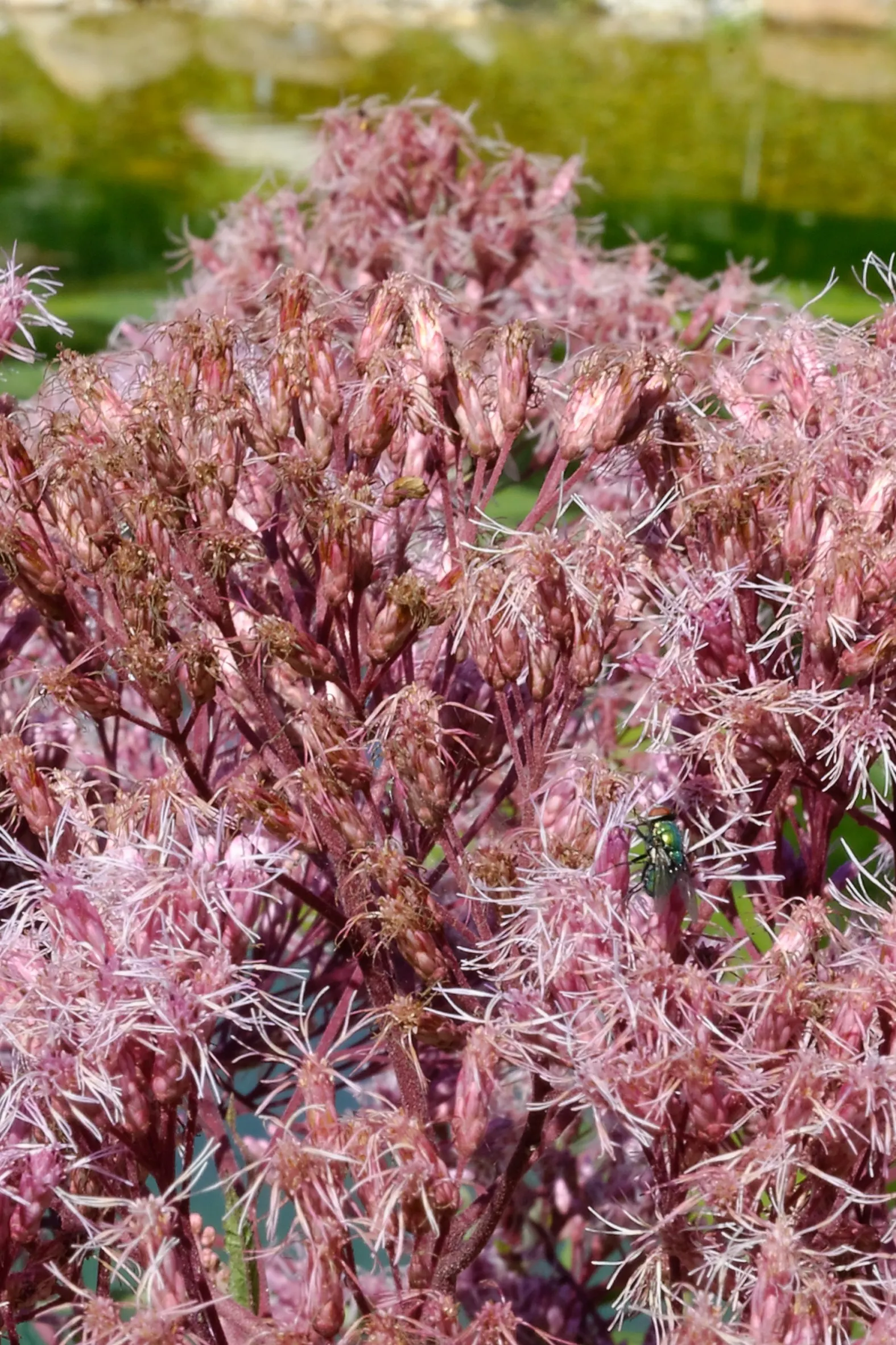
Joe Pye Weed (Eupatorium Purpureum) — perennial with lavender and purple blooms; mauve-pink flowers which crown the plant from late summer into fall, image 71
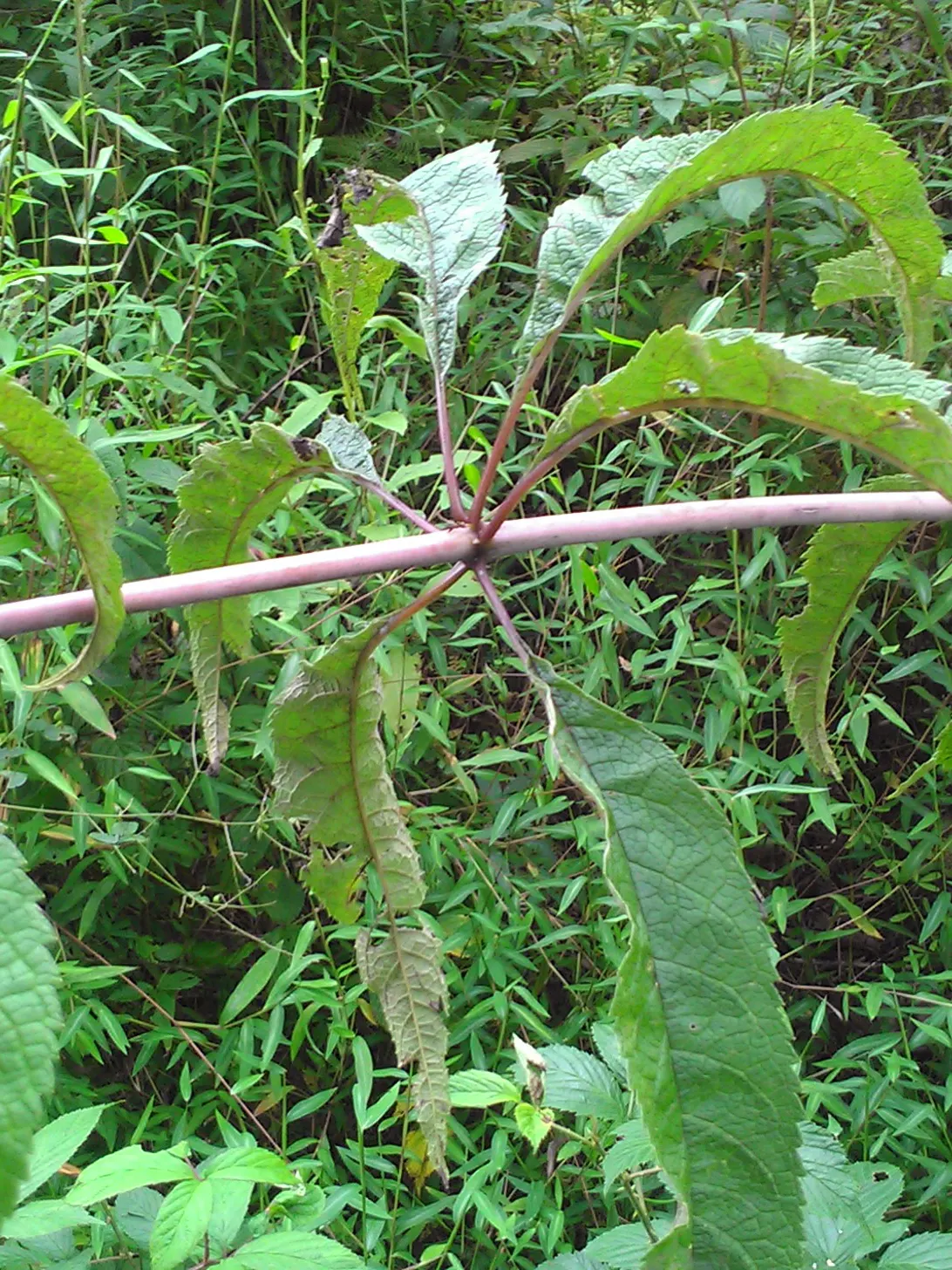
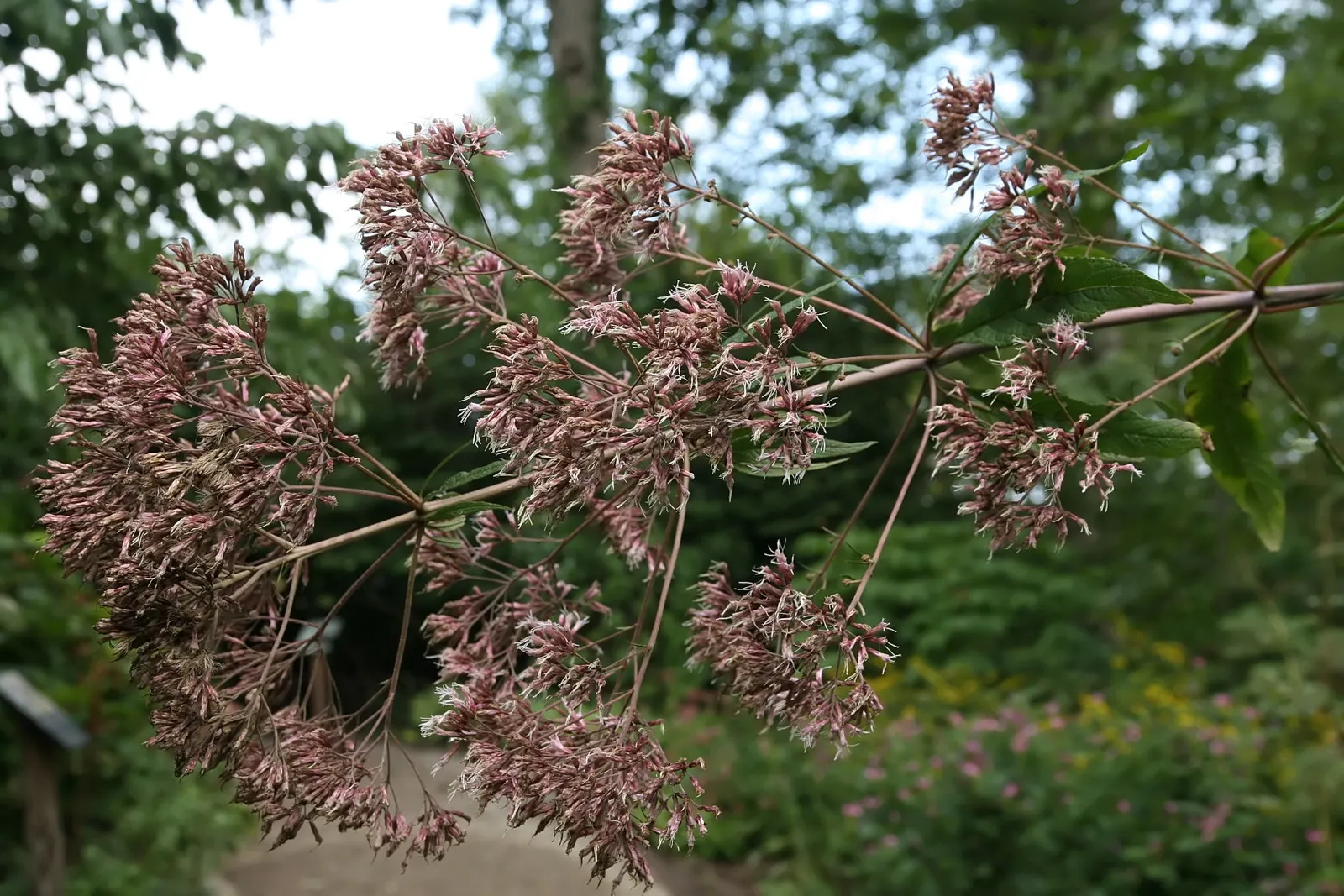
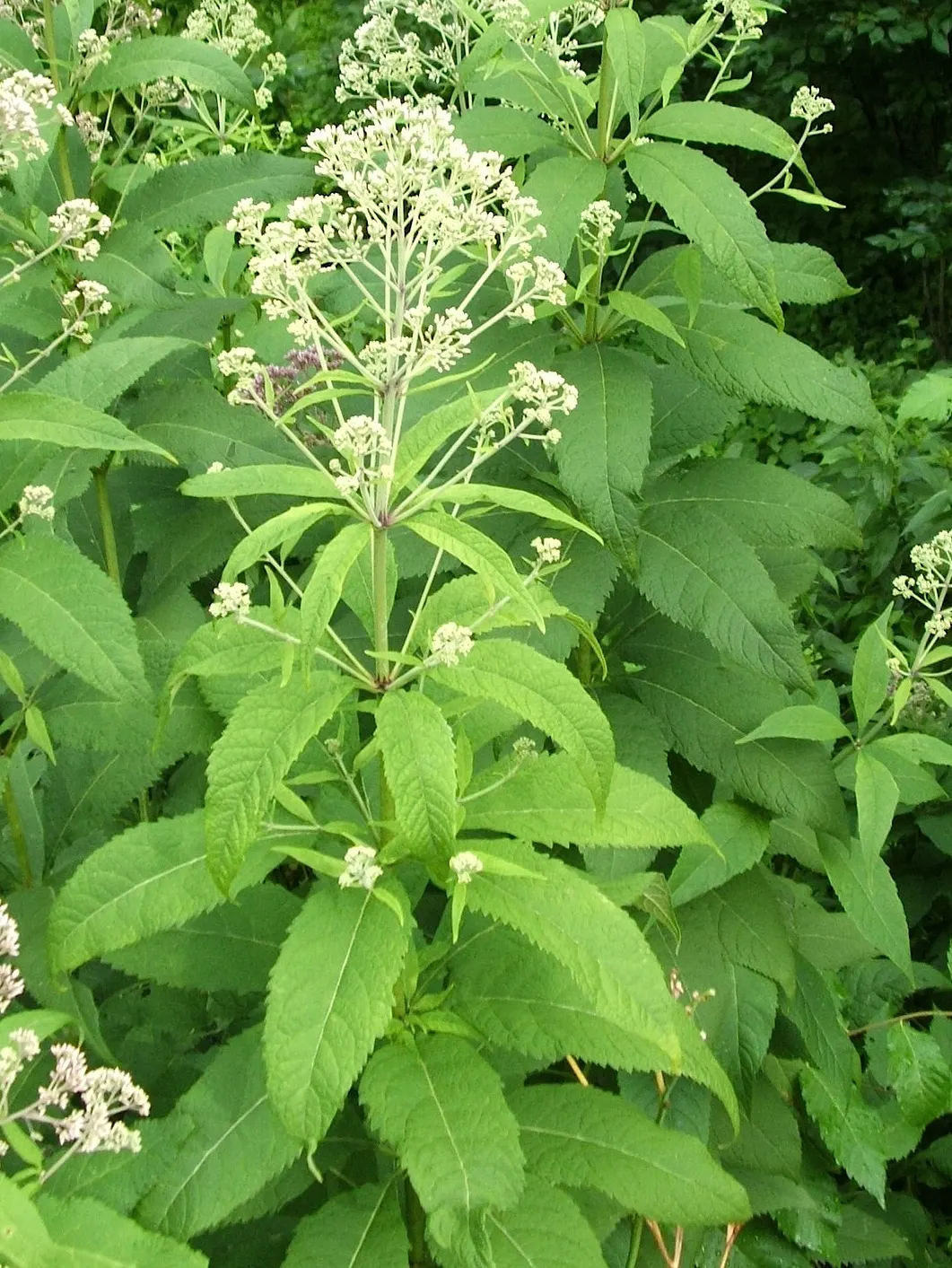
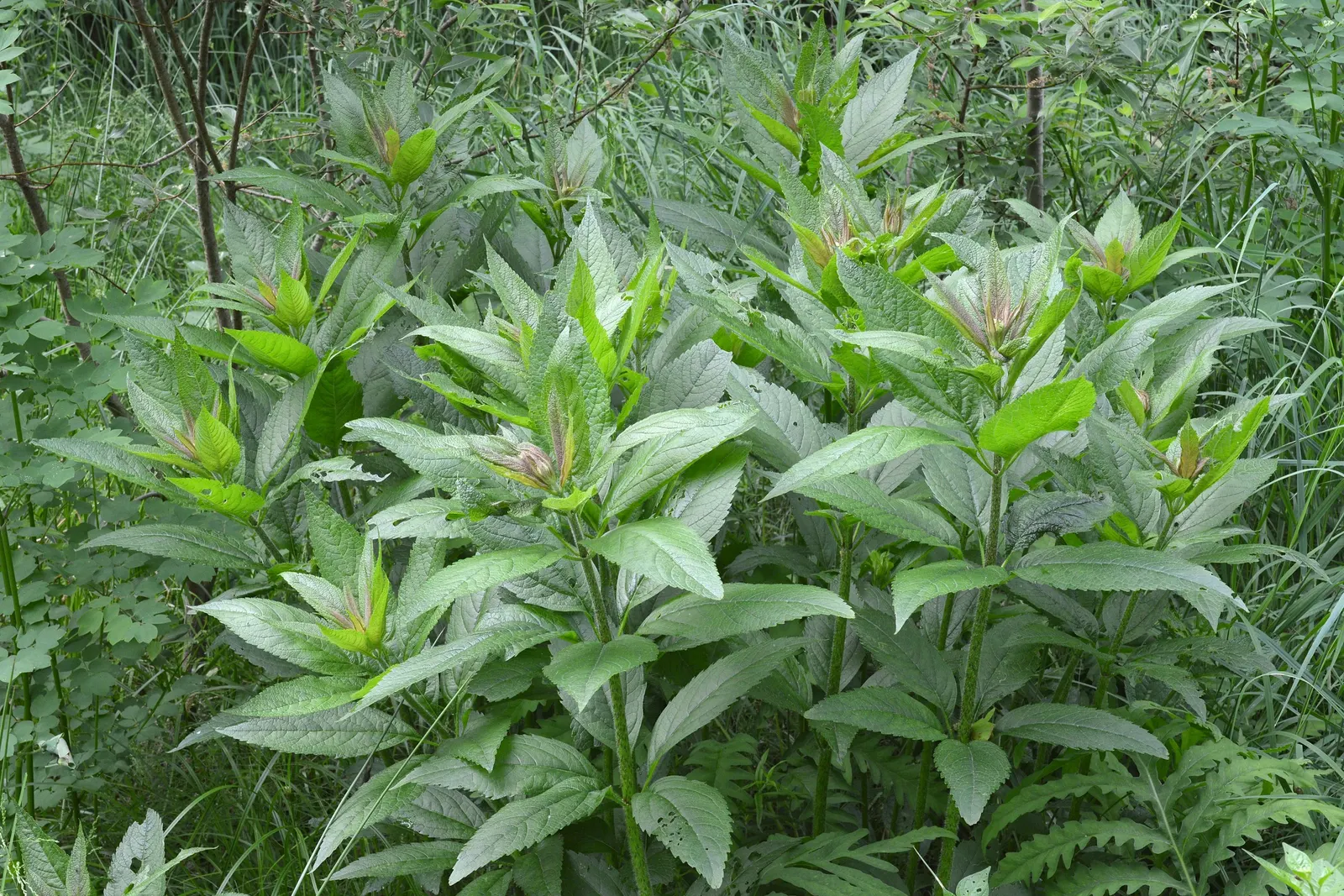
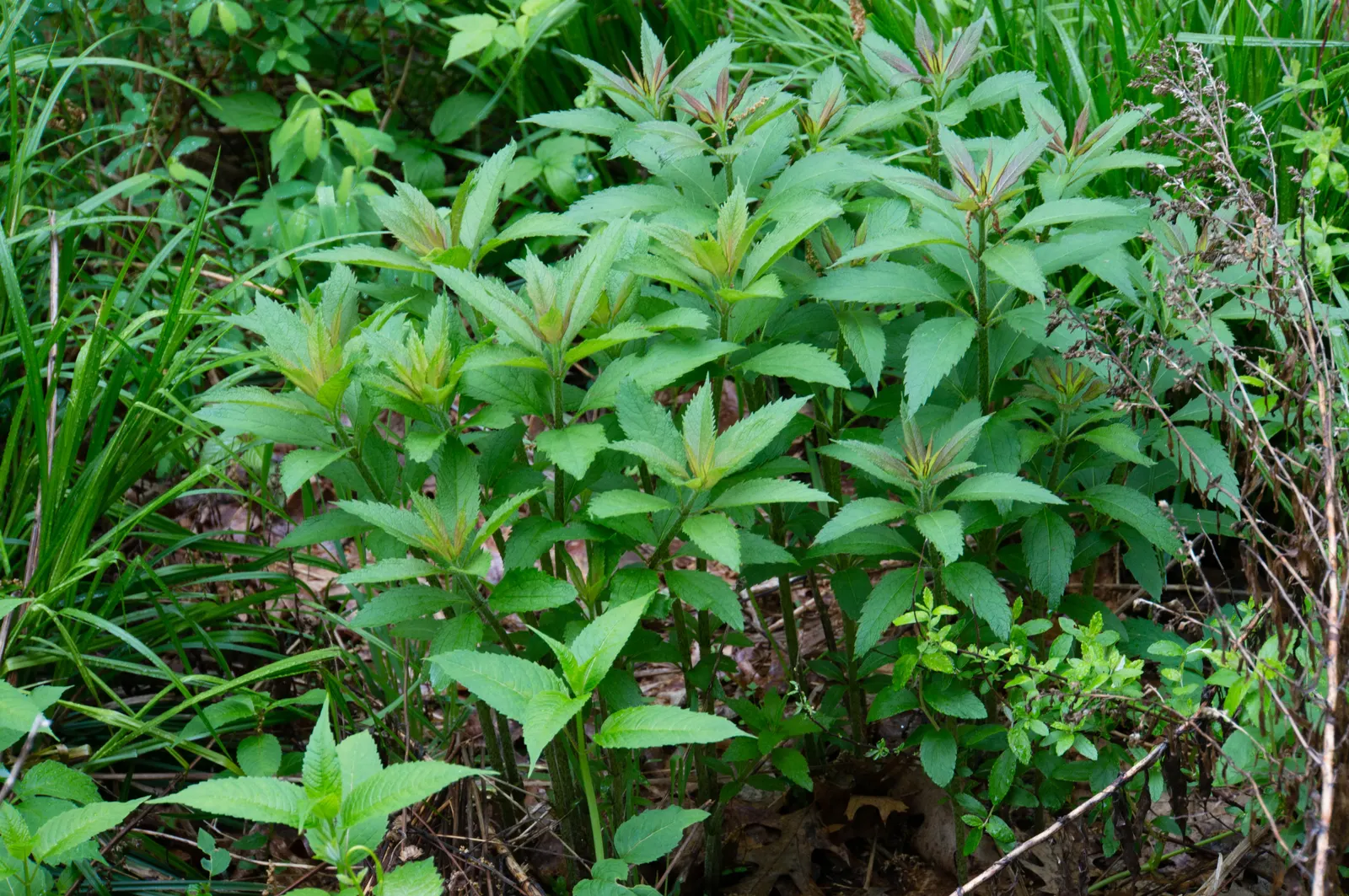
Joe Pye Weed (Eupatorium Purpureum) — It showcases fluffy, mauve-pink flower clusters atop tall stems with whorled, lance-shaped leaves
Joe Pye Weed (Eupatorium Purpureum) — perennial for full or half
Joe Pye Weed (Eupatorium Purpureum) — This native plant prefers full sun to part shade and moist; it's an excellent choice for naturalistic, image 51
Joe Pye Weed (Eupatorium Purpureum) — requiring minimal maintenance other than optional deadheading to promote additional blooms; perennial for full or half
Joe Pye Weed (Eupatorium Purpureum) — though it flourishes in medium to wet conditions with full sun to partial shade exposure; the robust Joe Pye, image 65
Joe Pye Weed (Eupatorium Purpureum) — This native plant prefers full sun to part shade and moist
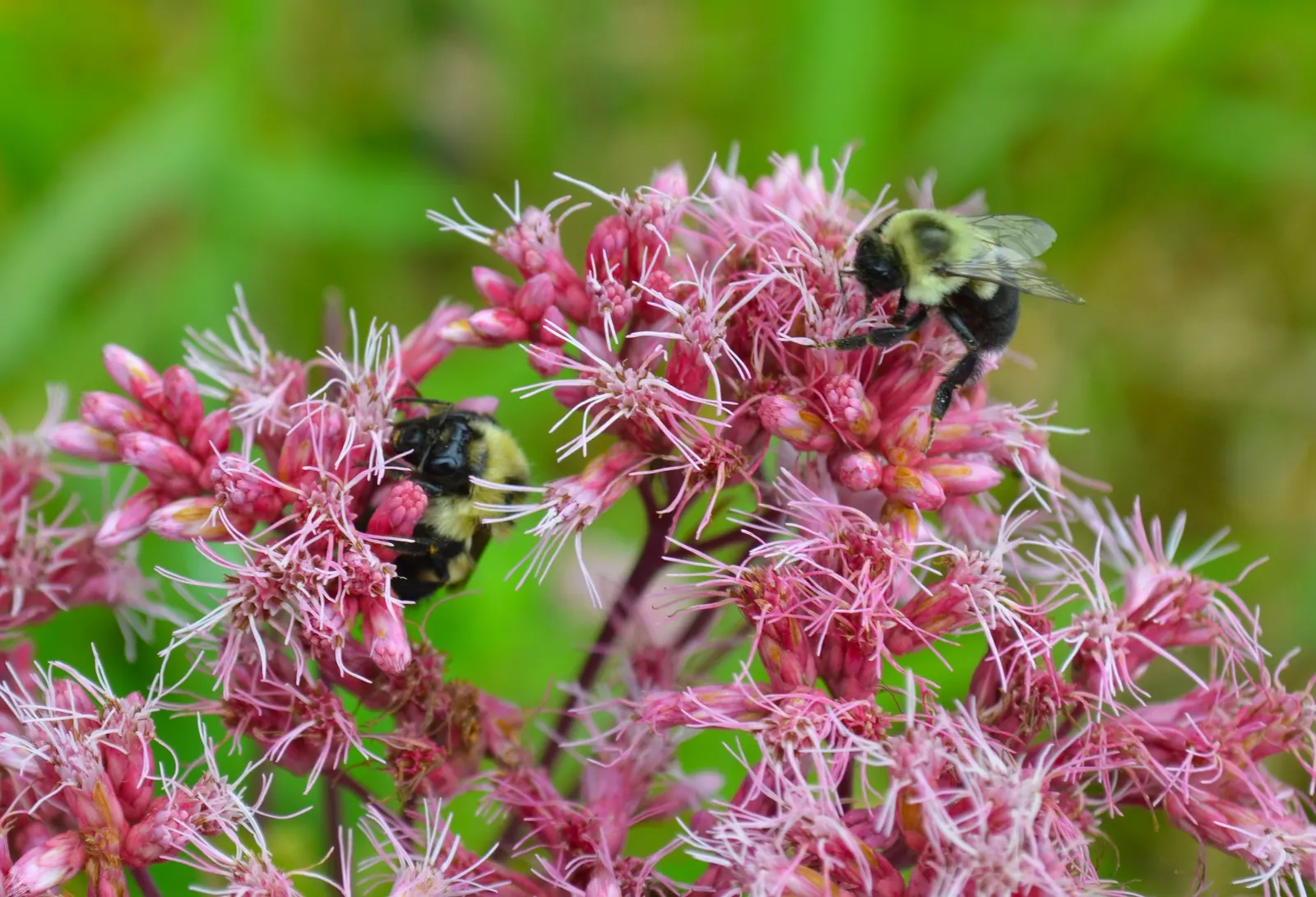
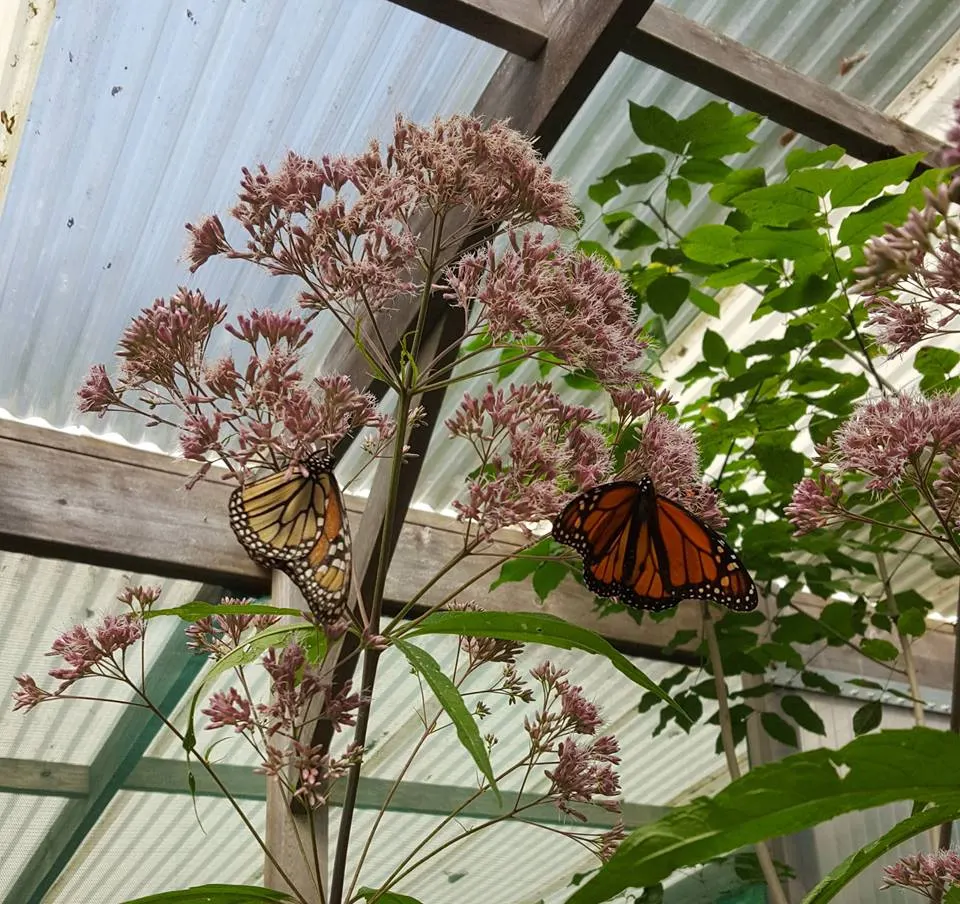
Joe Pye Weed (Eupatorium Purpureum) — attracting butterflies and beneficial insects; is a stately perennial native to North America, image 53
Joe Pye Weed (Eupatorium Purpureum) — requiring minimal maintenance other than optional deadheading to promote additional blooms
Joe Pye Weed (Eupatorium Purpureum) — making it a dominant presence in any garden design.<br><br>Adorned with whorled
Joe Pye Weed (Eupatorium Purpureum) — scientifically named Eupatorium purpureum; lavender and purple flowers in the garden, image 79
Photographs by 15 contributors

Related plants