Skip to content

Wintercreeper

Euonymus Fortunei

Design with this plant

Overview

Wintercreeper (Euonymus fortunei) is a versatile, evergreen shrub that thrives in USDA zones 4-9. Appreciated for its adaptability, it can grow in full sun to full shade, reaching 1-2 feet tall and spreading 2-4 feet wide. Dense foliage emerges green and may turn emerald to burgundy in cold. Ideal for ground cover or walls, it requires regular pruning to control its invasive nature. Slightly toxic if ingested.

Sun Full, HalfWater LowZones 5–10Type Ground cover, Shrub, VineClimate Temperate

Culture

Sun
Full, Half
Water
Low
USDA zones
5–10

Shape & size

Classification

Type
Ground cover, Shrub, Vine
Family
Celastraceae
Climate
Temperate

See full data, regional cultivation notes, and design tools. Build a client presentation around this plant.

Start your 14-day trial

Photos (113)

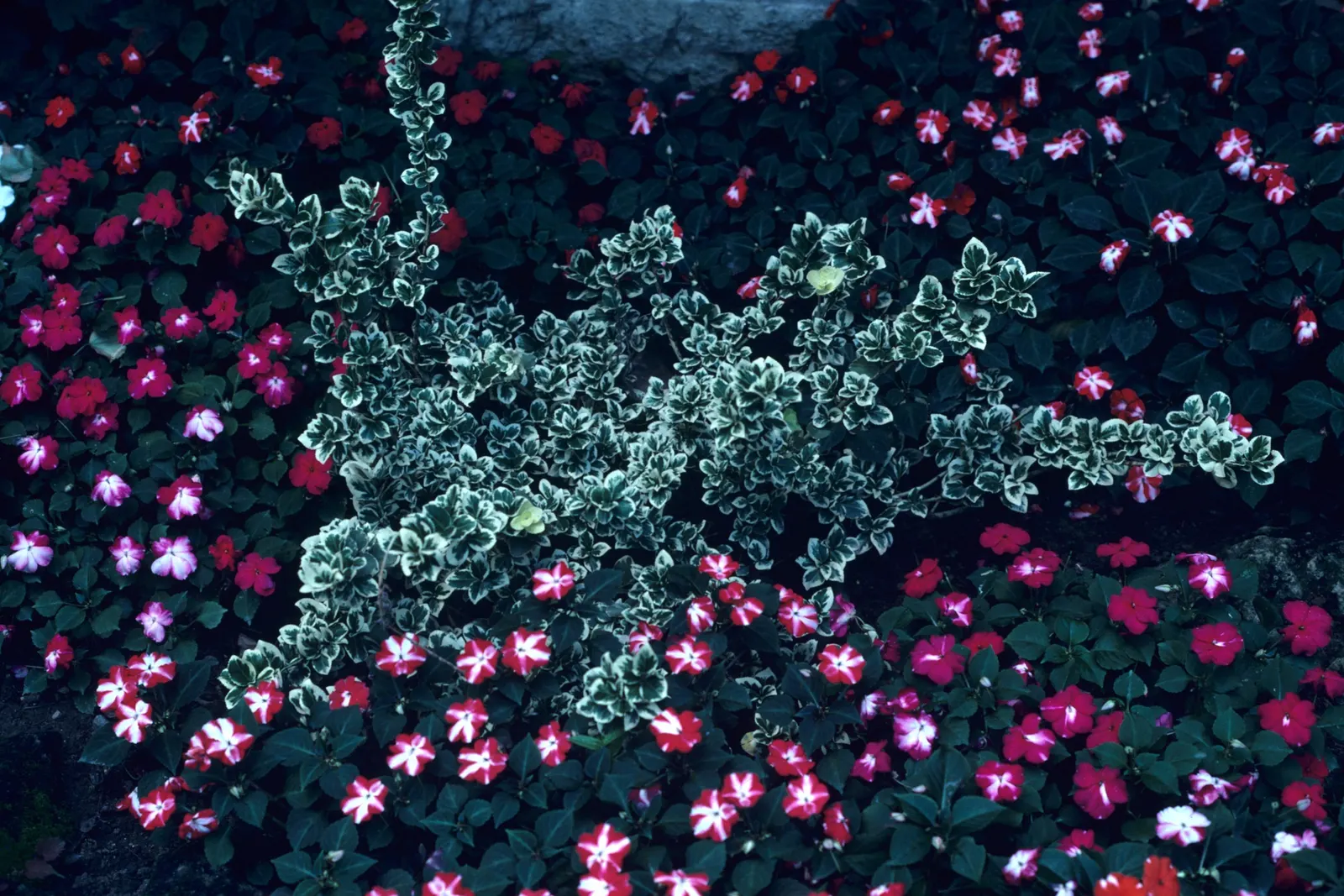
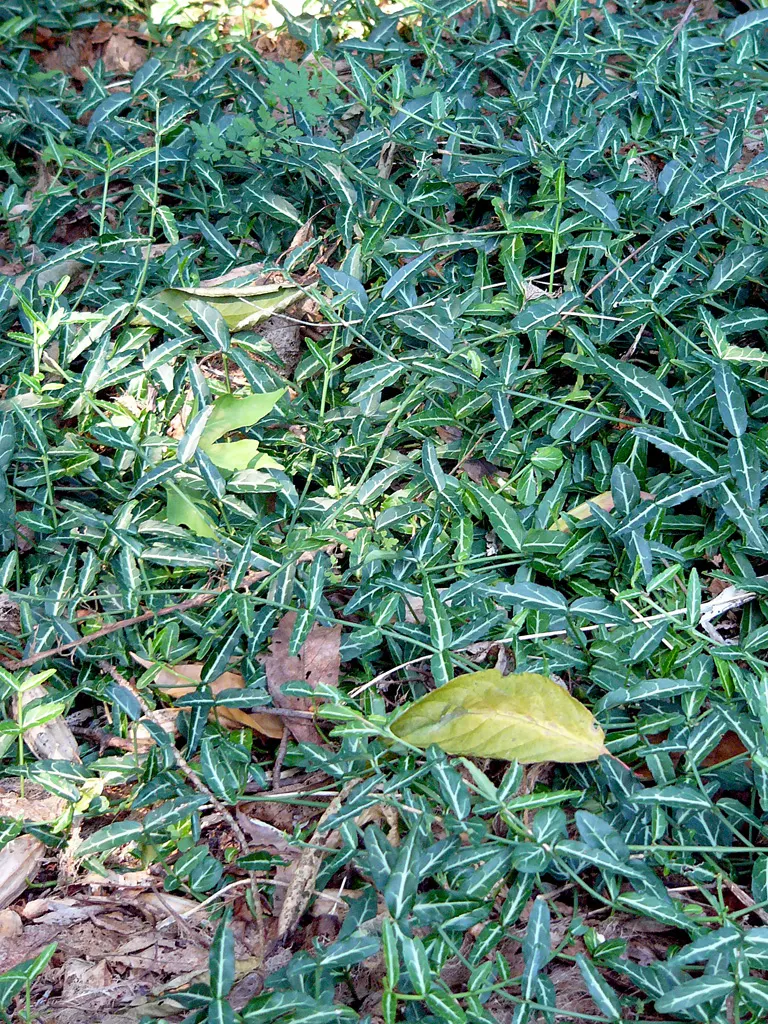
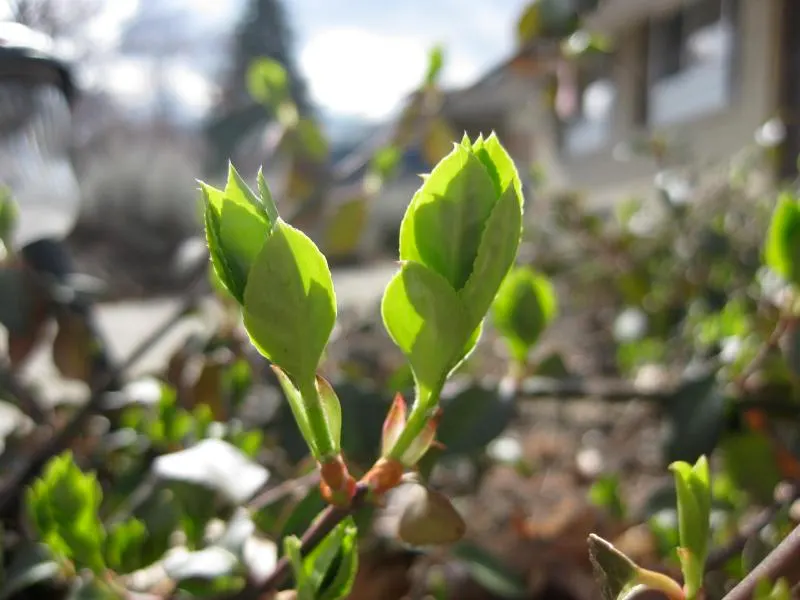
Wintercreeper (Euonymus Fortunei) — inconspicuous flowers may appear; wintercreeper (Euonymus fortunei) is a versatile, evergreen shrub that, image 86
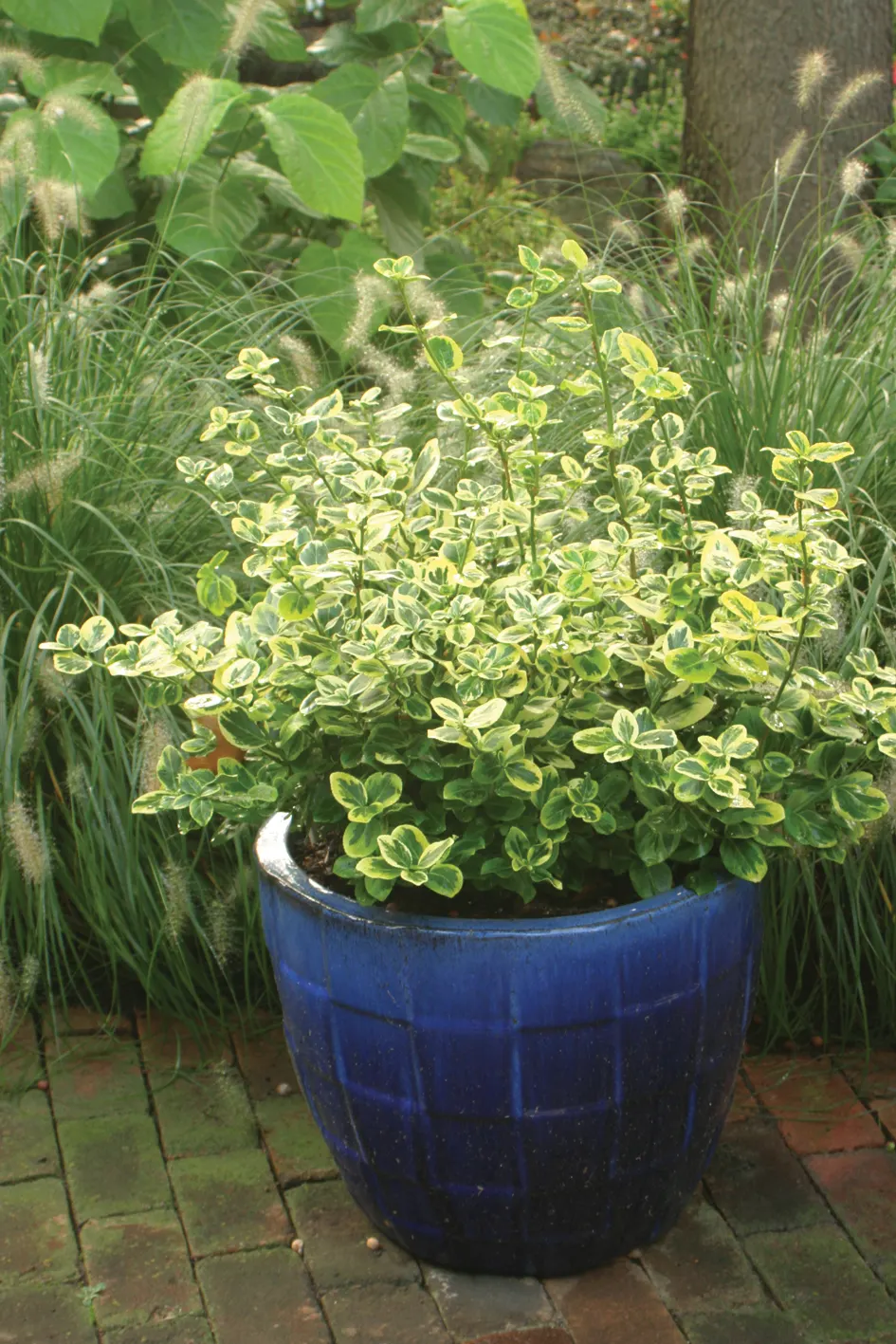
Wintercreeper (Euonymus Fortunei) — reaching 1-2 feet tall and spreading 2-4 feet wide; appreciated for its adaptability
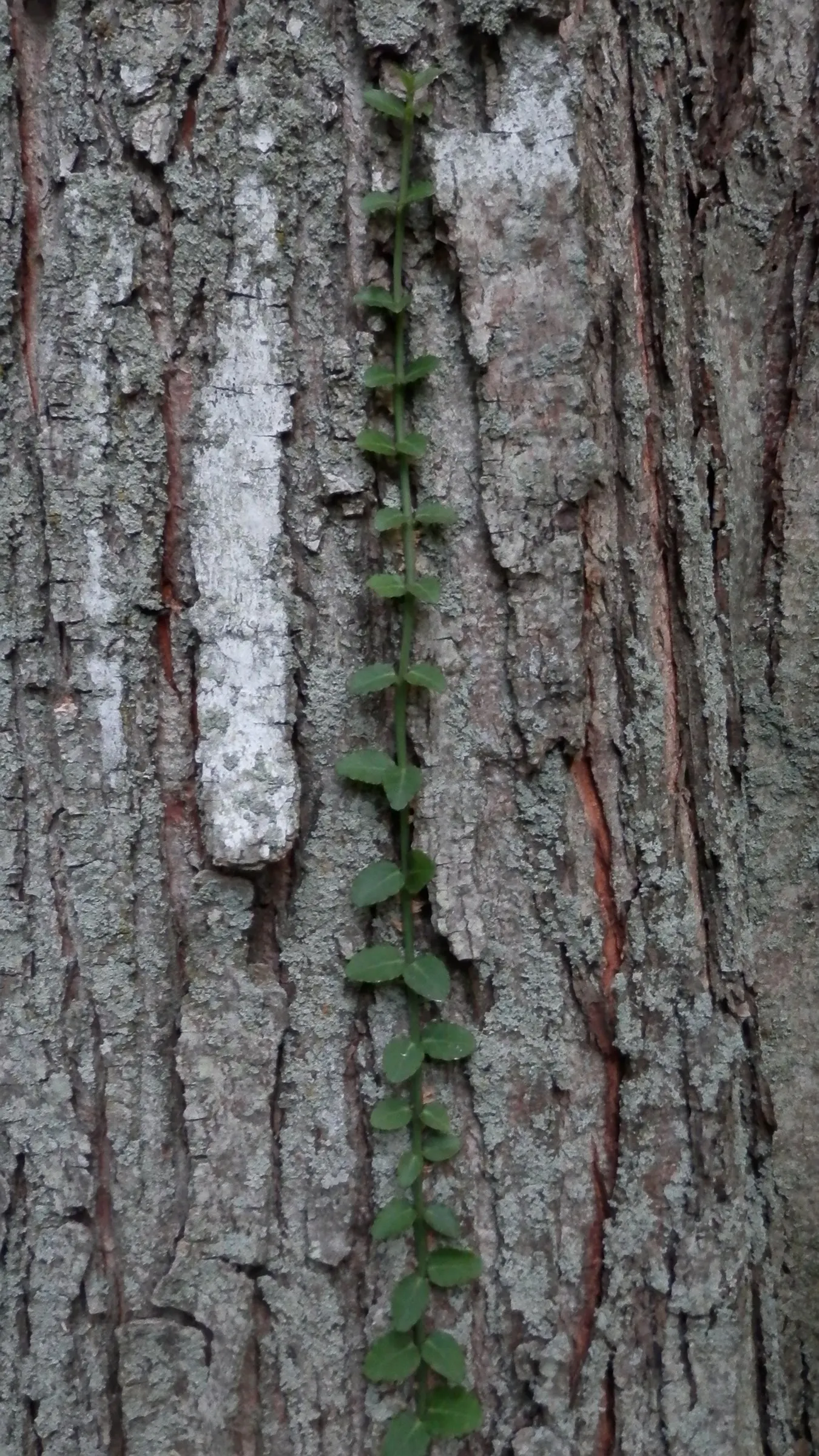
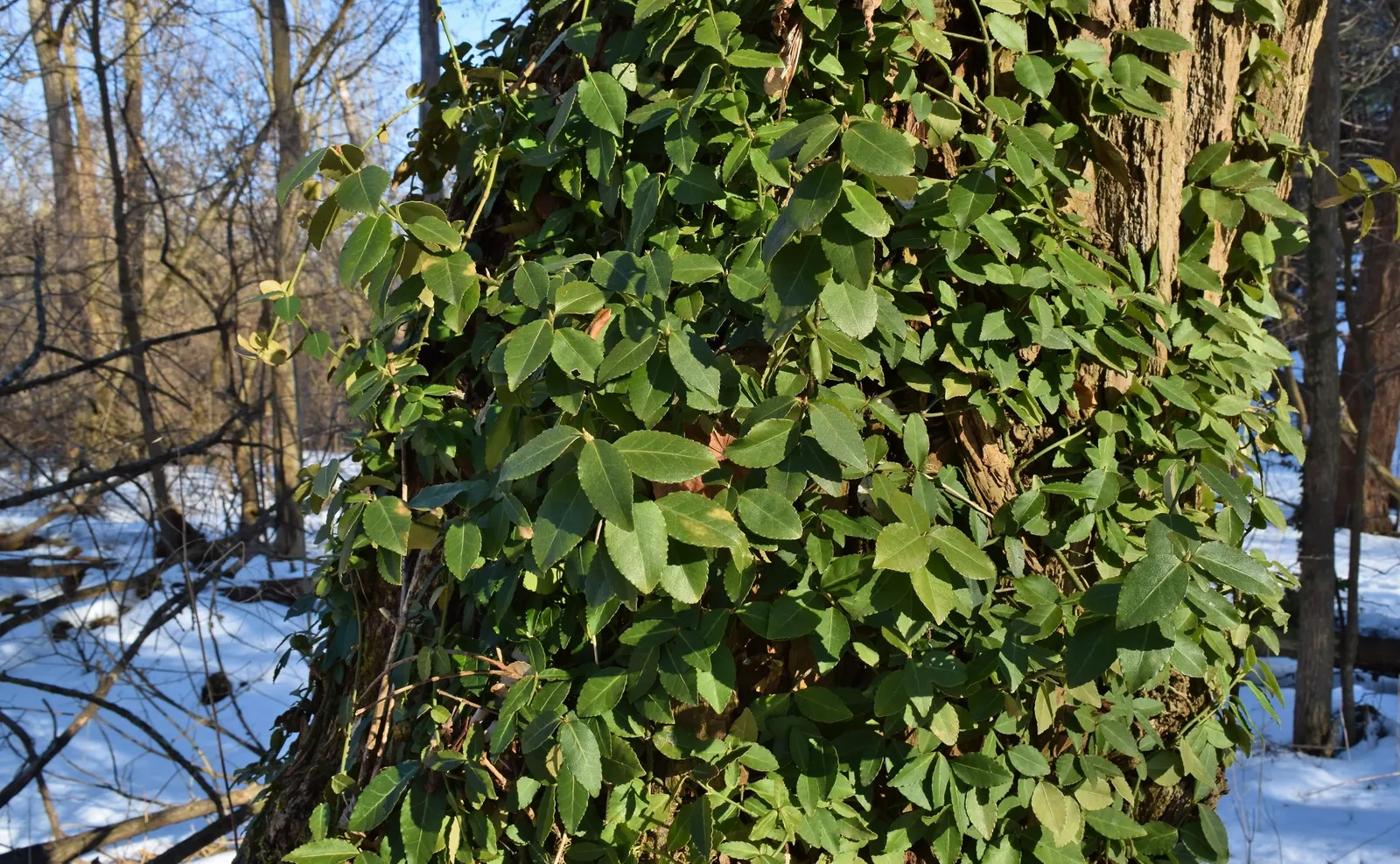
Wintercreeper (Euonymus Fortunei) — Ideal for ground cover or walls, it requires regular pruning to control its invasive nature
Wintercreeper (Euonymus Fortunei) — providing year-round visual interest.<br><br>Adaptable to both sun and shade
Wintercreeper (Euonymus Fortunei) — the Wintercreeper prefers well-drained soil and can tolerate a range of conditions; this evergreen perennial is, image 84
Wintercreeper (Euonymus Fortunei) — including dry or moist environments; it is hardy in USDA zones 4 through 9; inconspicuous flowers may appear, image 62
Wintercreeper (Euonymus Fortunei) — This evergreen perennial is known for its ability to thrive in a variety of conditions
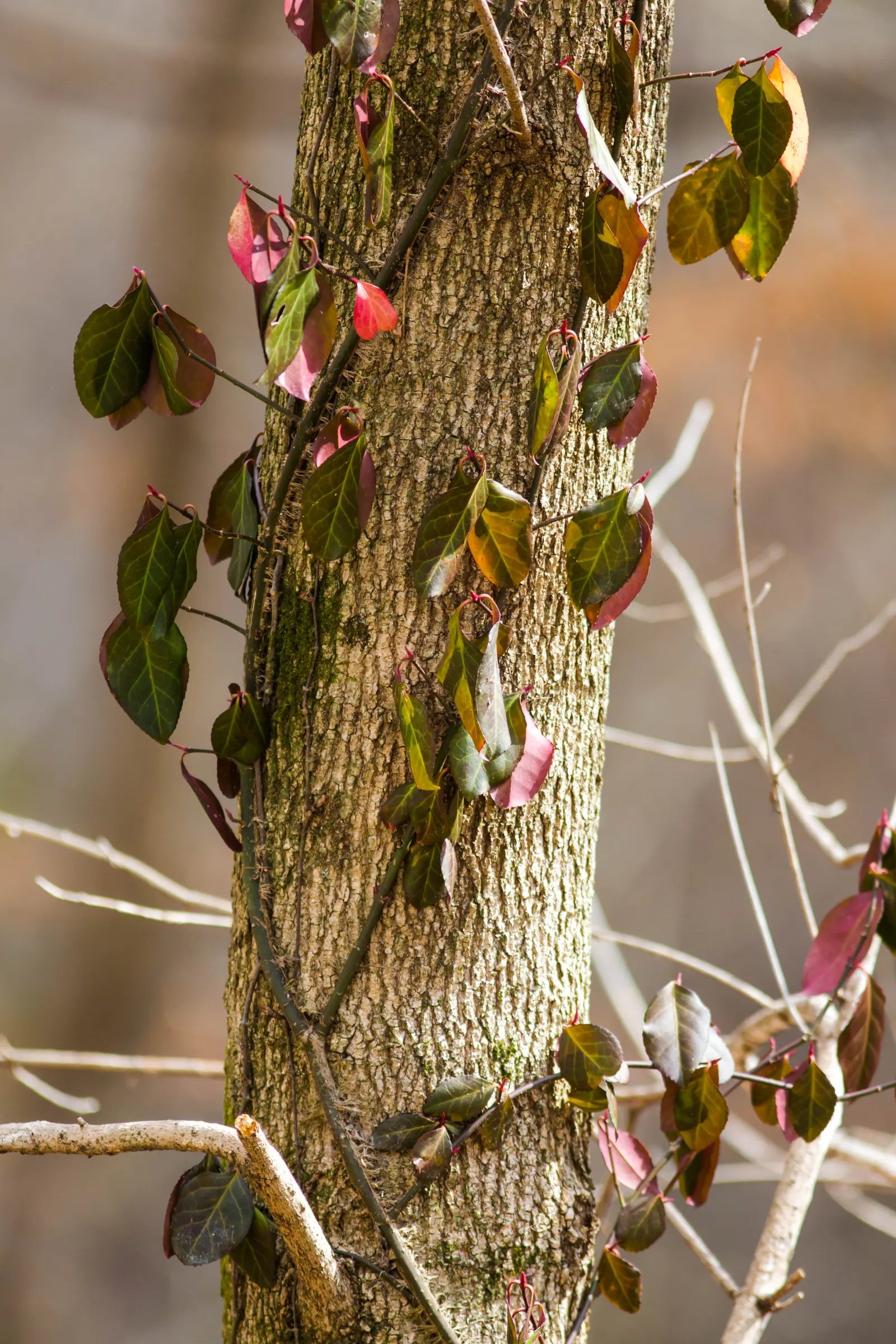
Wintercreeper (Euonymus Fortunei) — This evergreen perennial is known for its ability to thrive in a variety of conditions; its ability to climb, image 79
Wintercreeper (Euonymus Fortunei) — the Wintercreeper prefers well-drained soil and can tolerate a range of conditions; this evergreen perennial is known for
Wintercreeper (Euonymus Fortunei) — is a versatile and robust plant that proves itself a staple in many landscape designs; providing year-round visual
Wintercreeper (Euonymus Fortunei) — the Wintercreeper prefers well-drained soil and can tolerate a range of conditions
Wintercreeper (Euonymus Fortunei) — Regular pruning is recommended to maintain its shape and prevent excessive spreading; as it may cause damage if, image 66
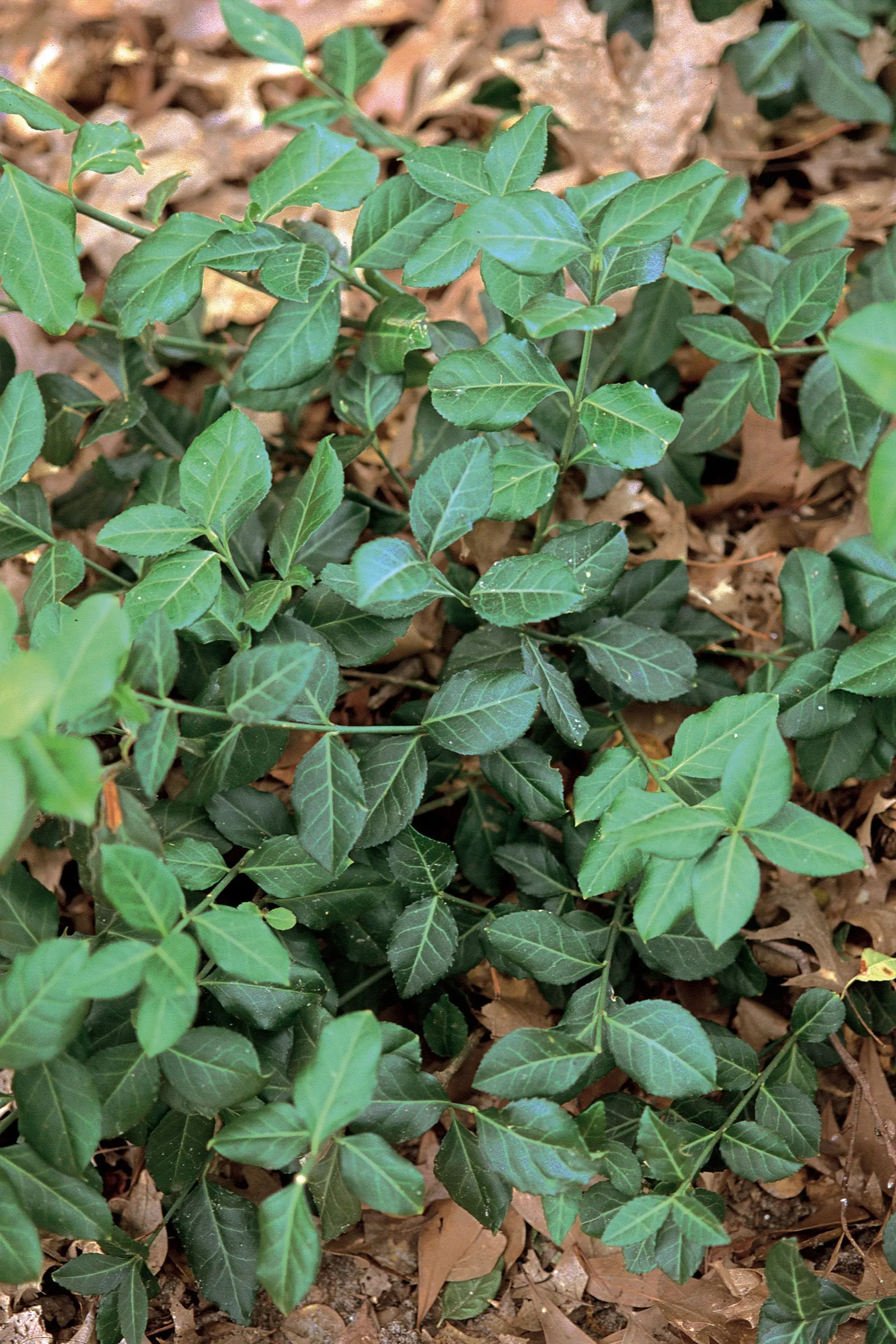
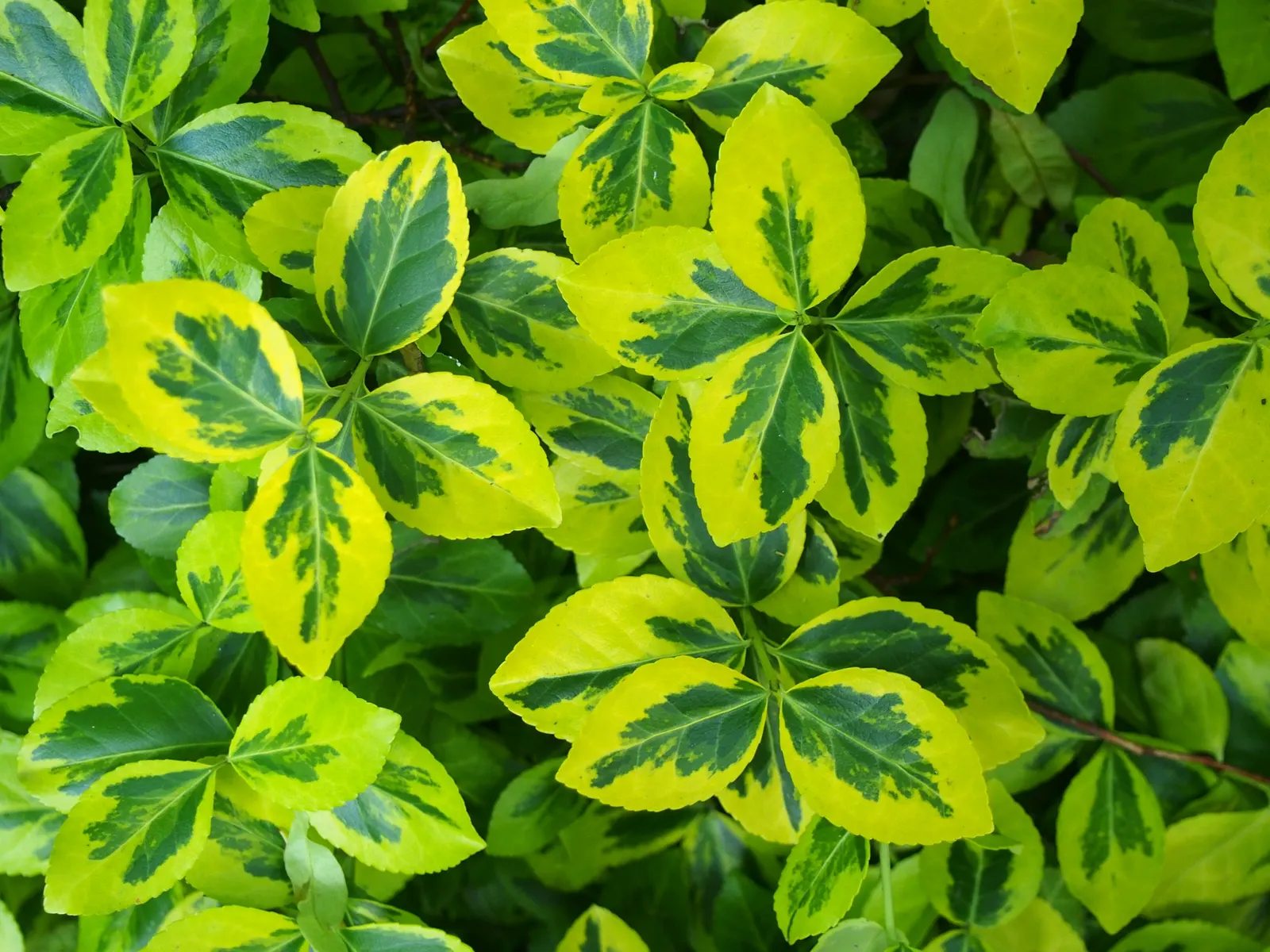
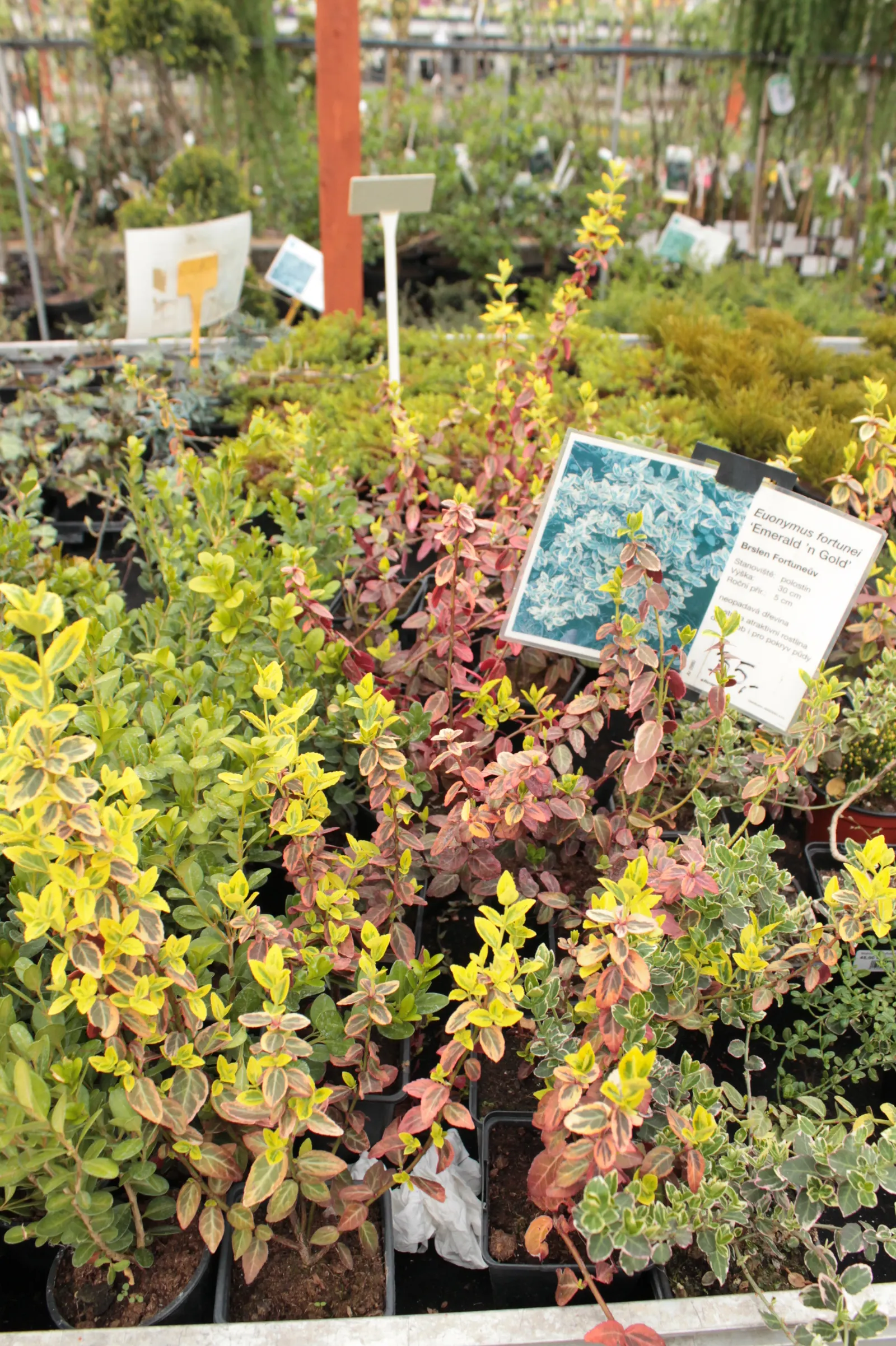
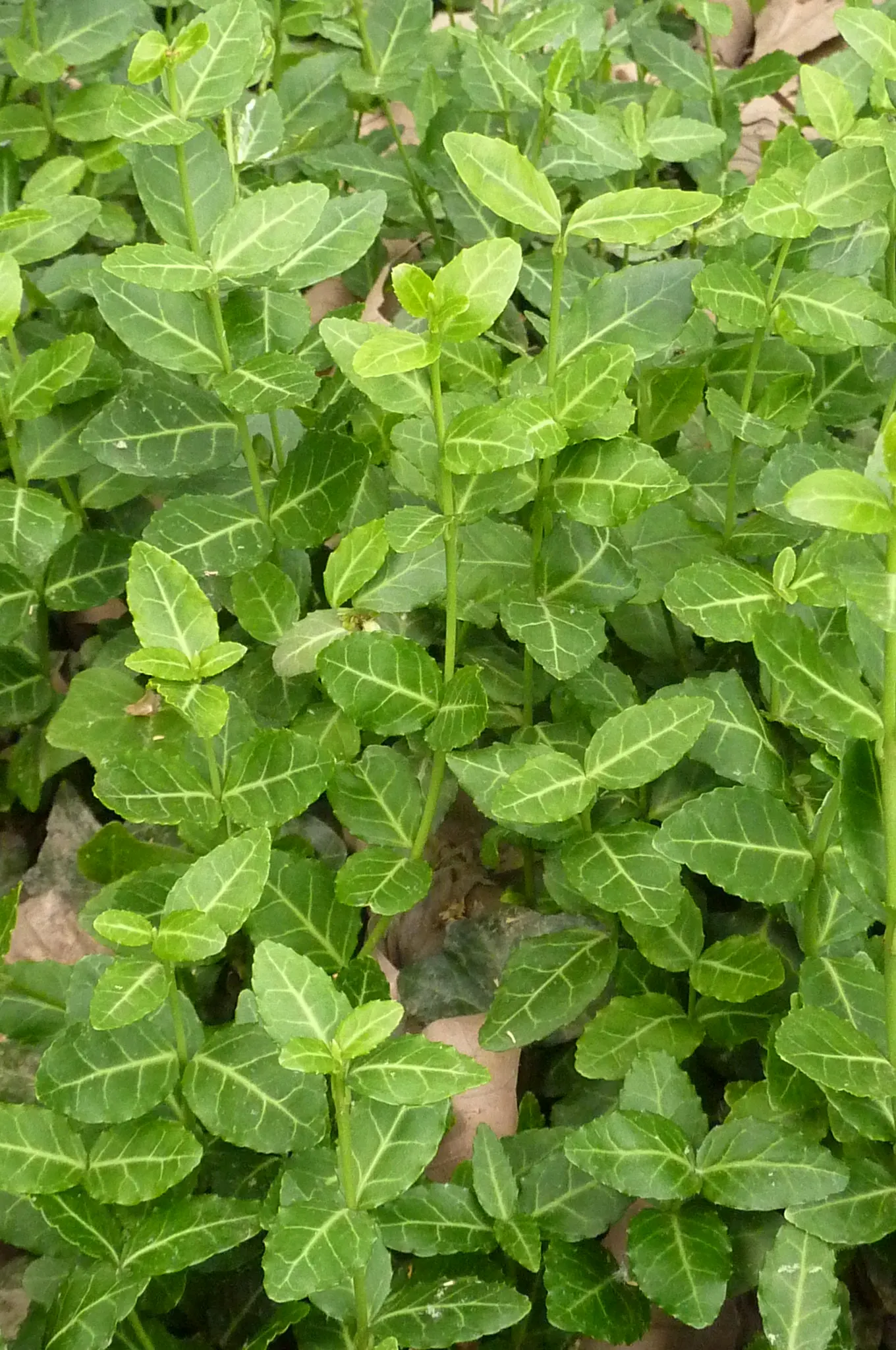
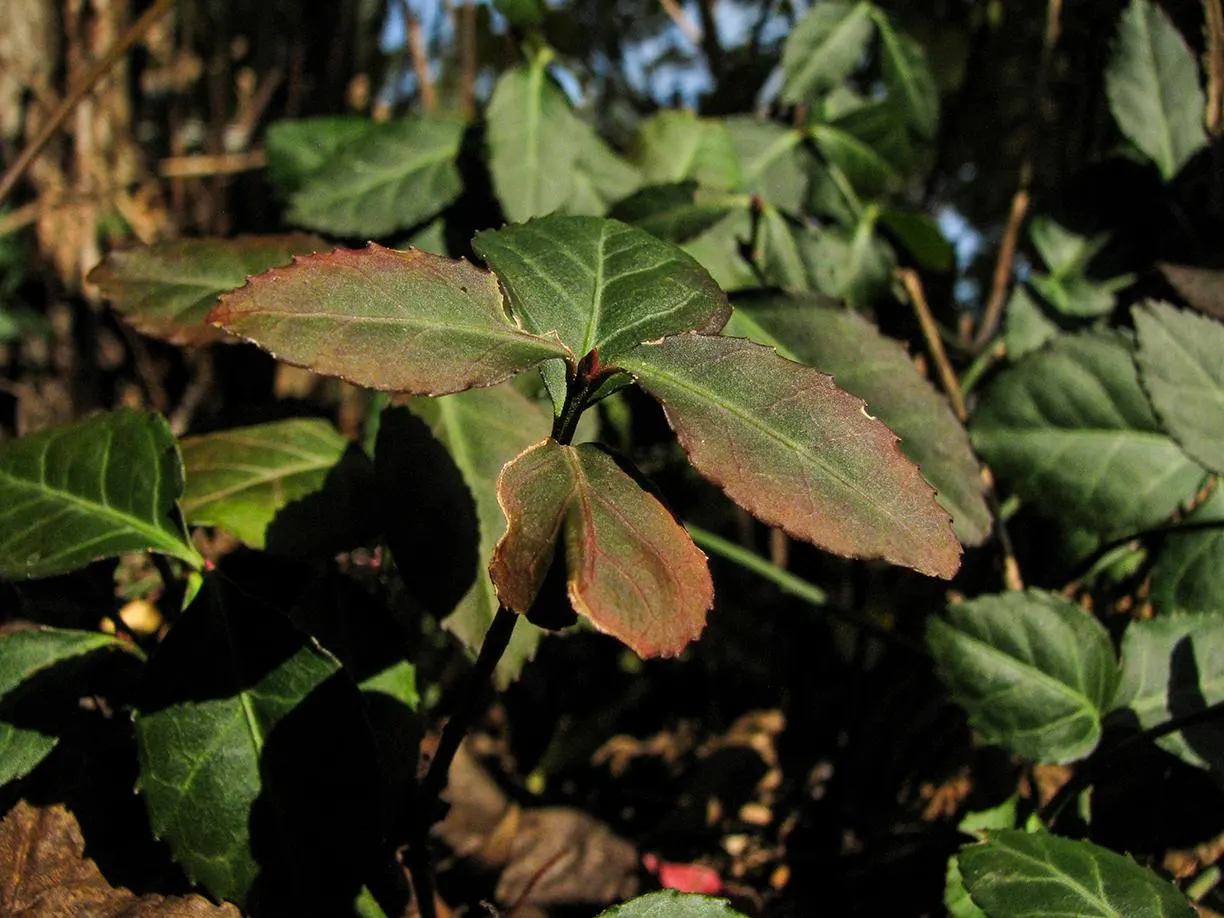
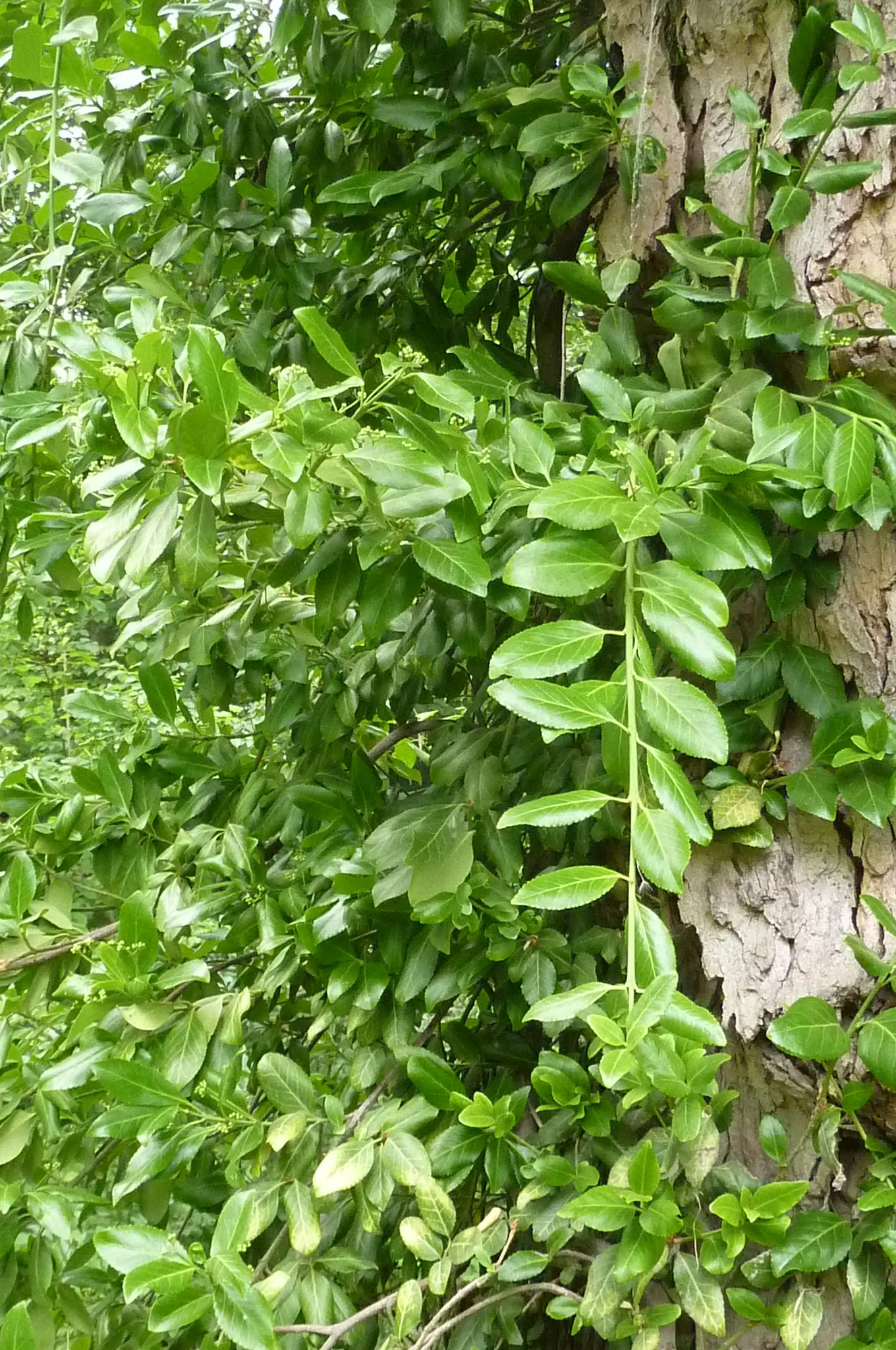
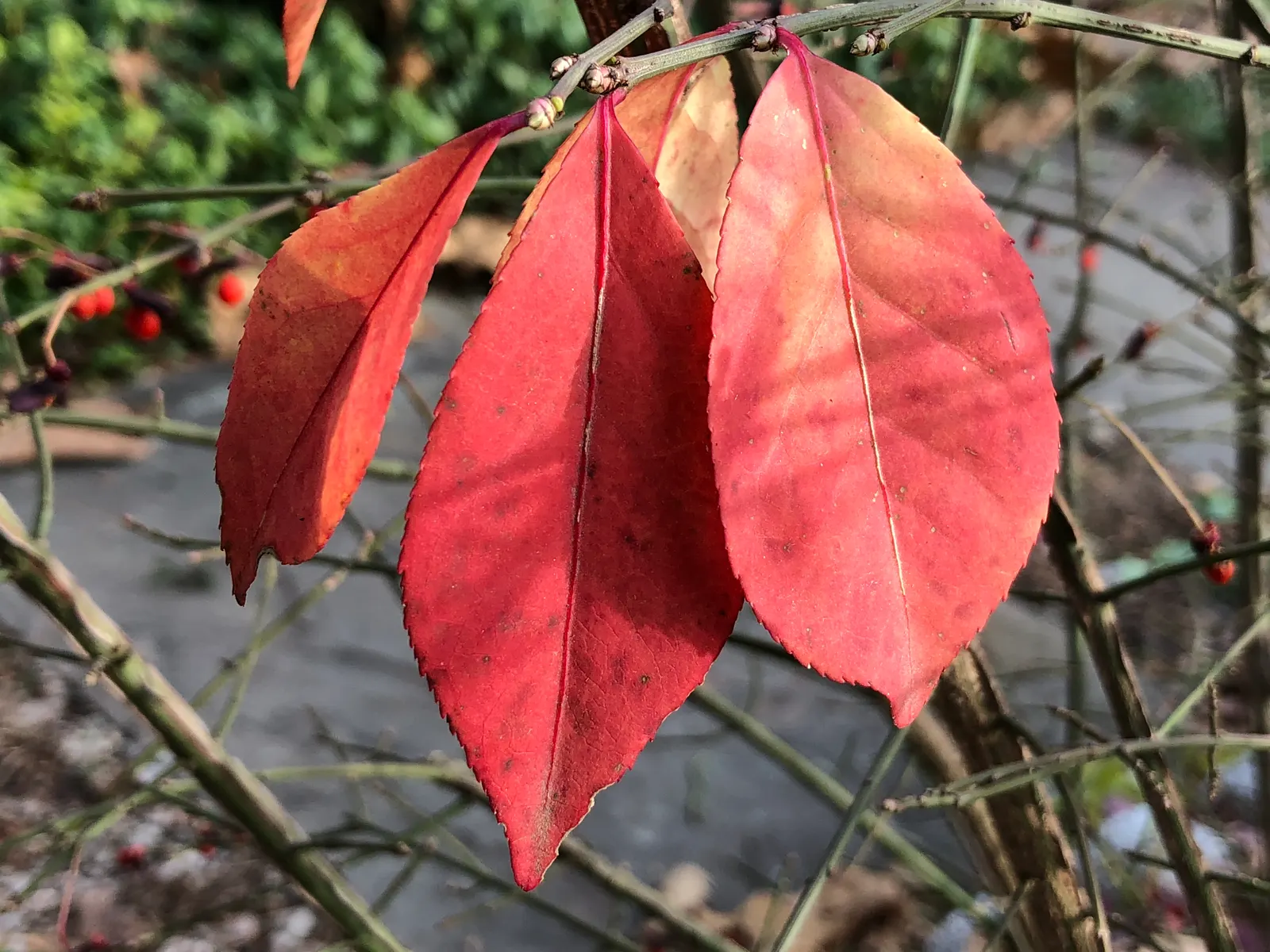
Wintercreeper (Euonymus Fortunei) — Dense foliage emerges green and may turn emerald to burgundy in cold
Wintercreeper (Euonymus Fortunei) — ground cover / shrub / vine for full or half; regular pruning is recommended to maintain its shape and prevent, image 92
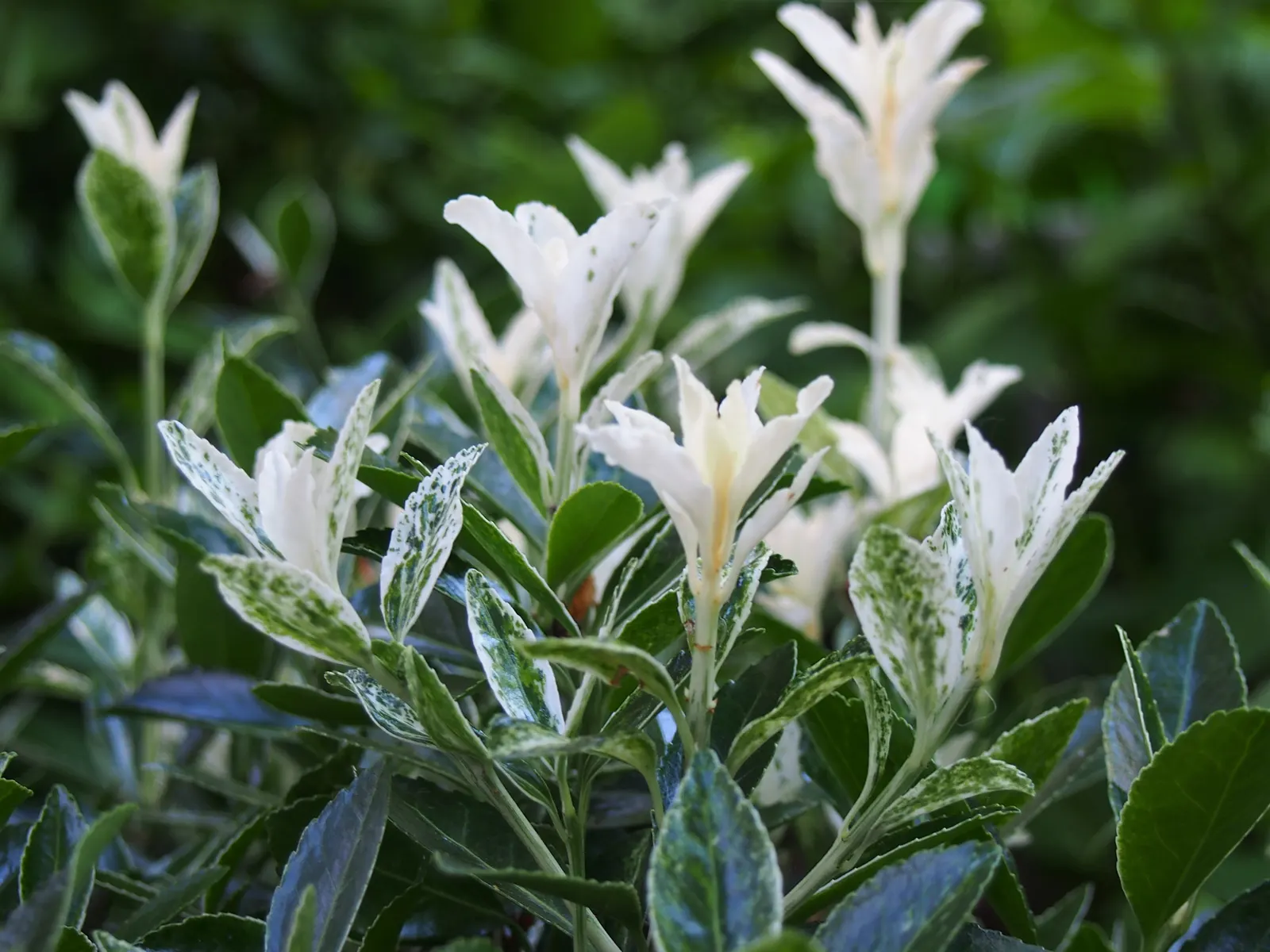
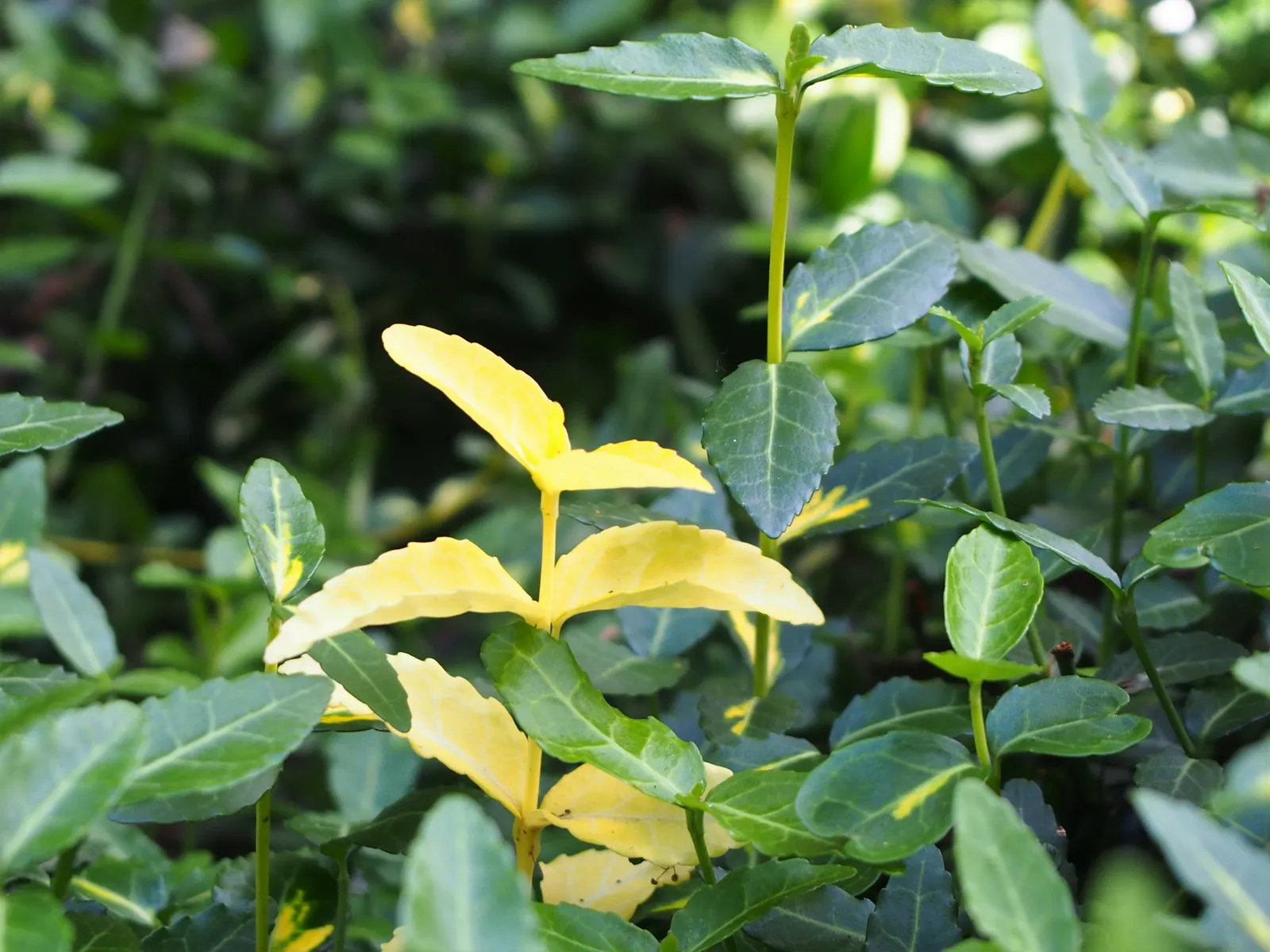
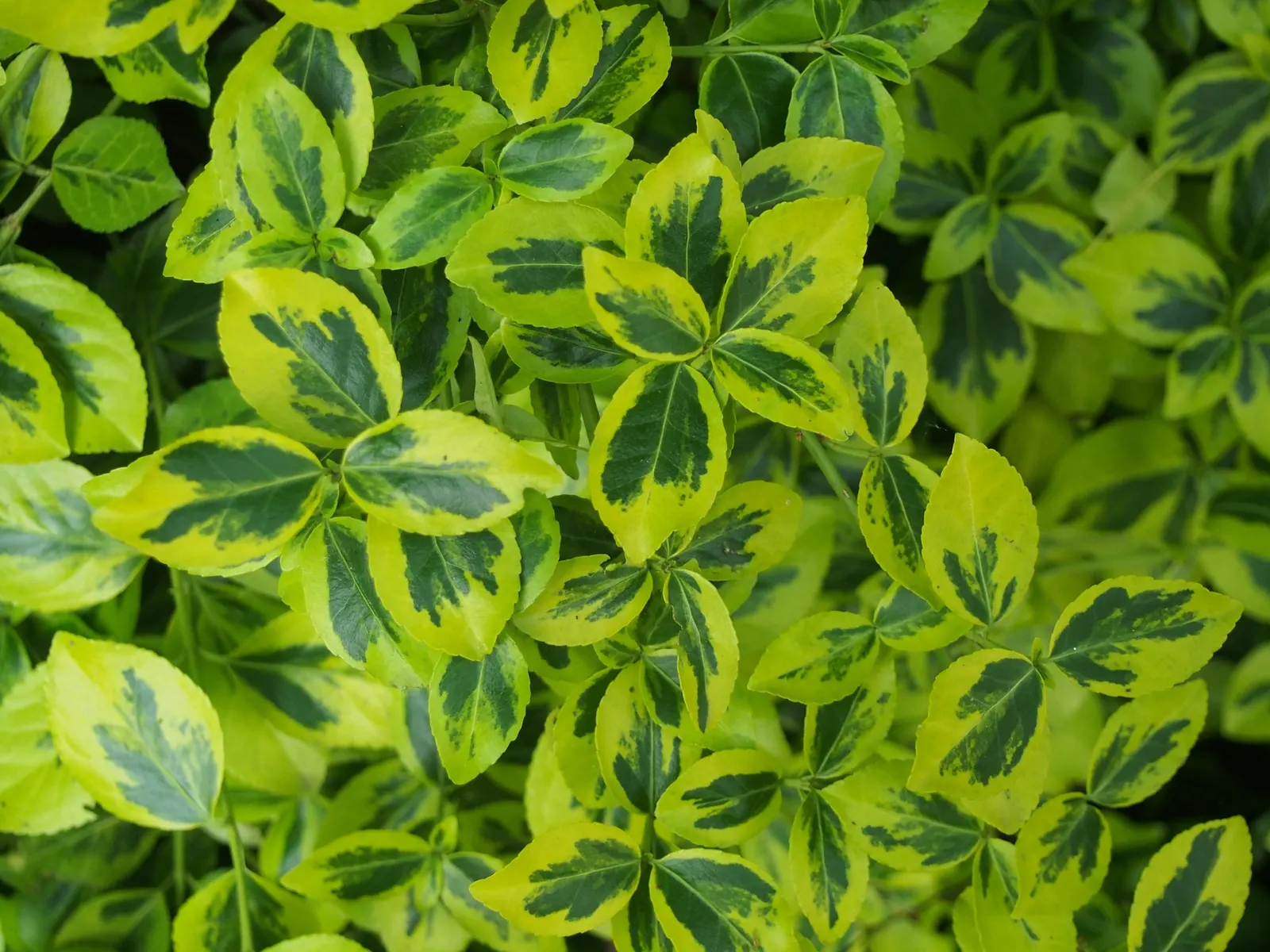
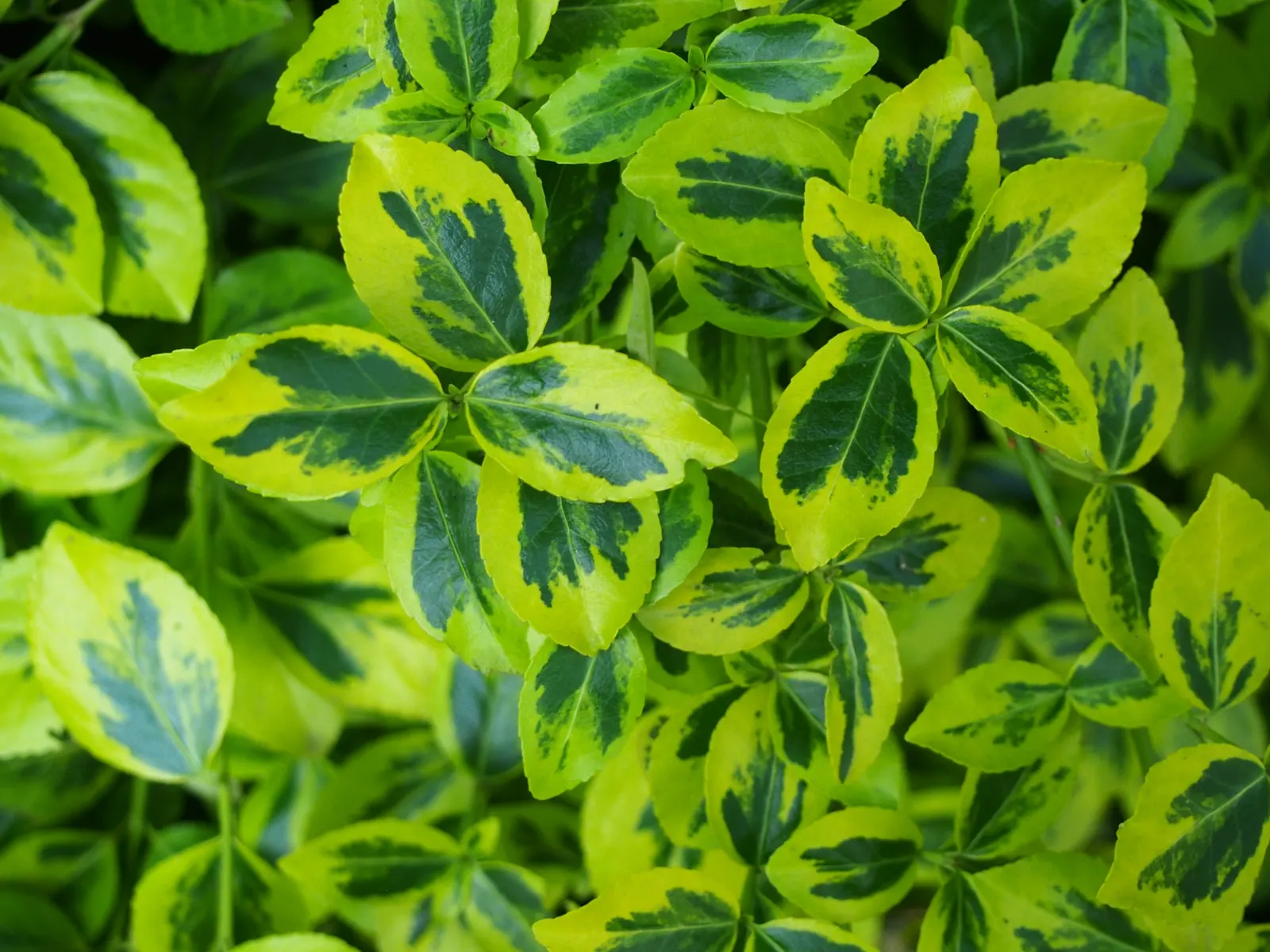
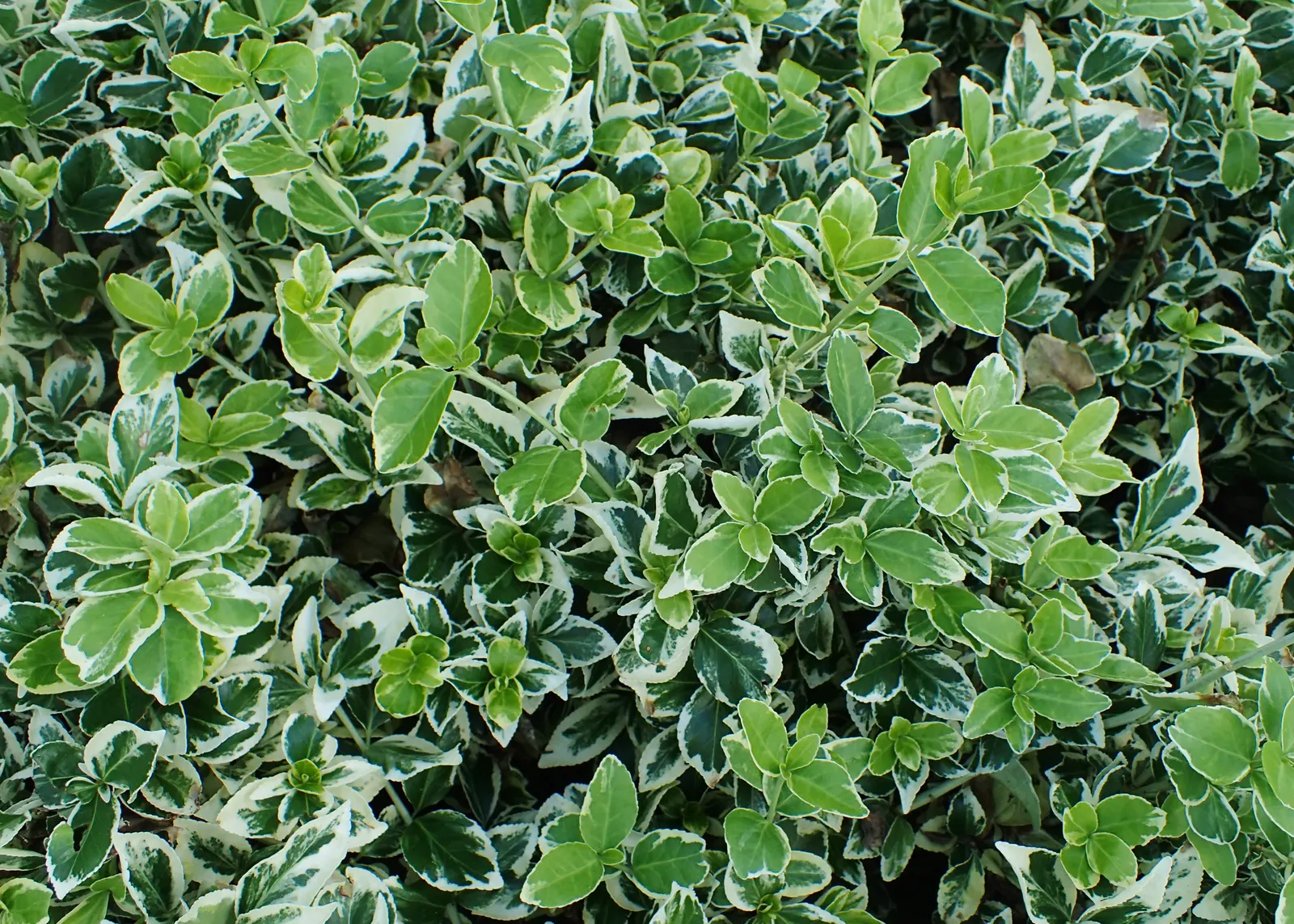
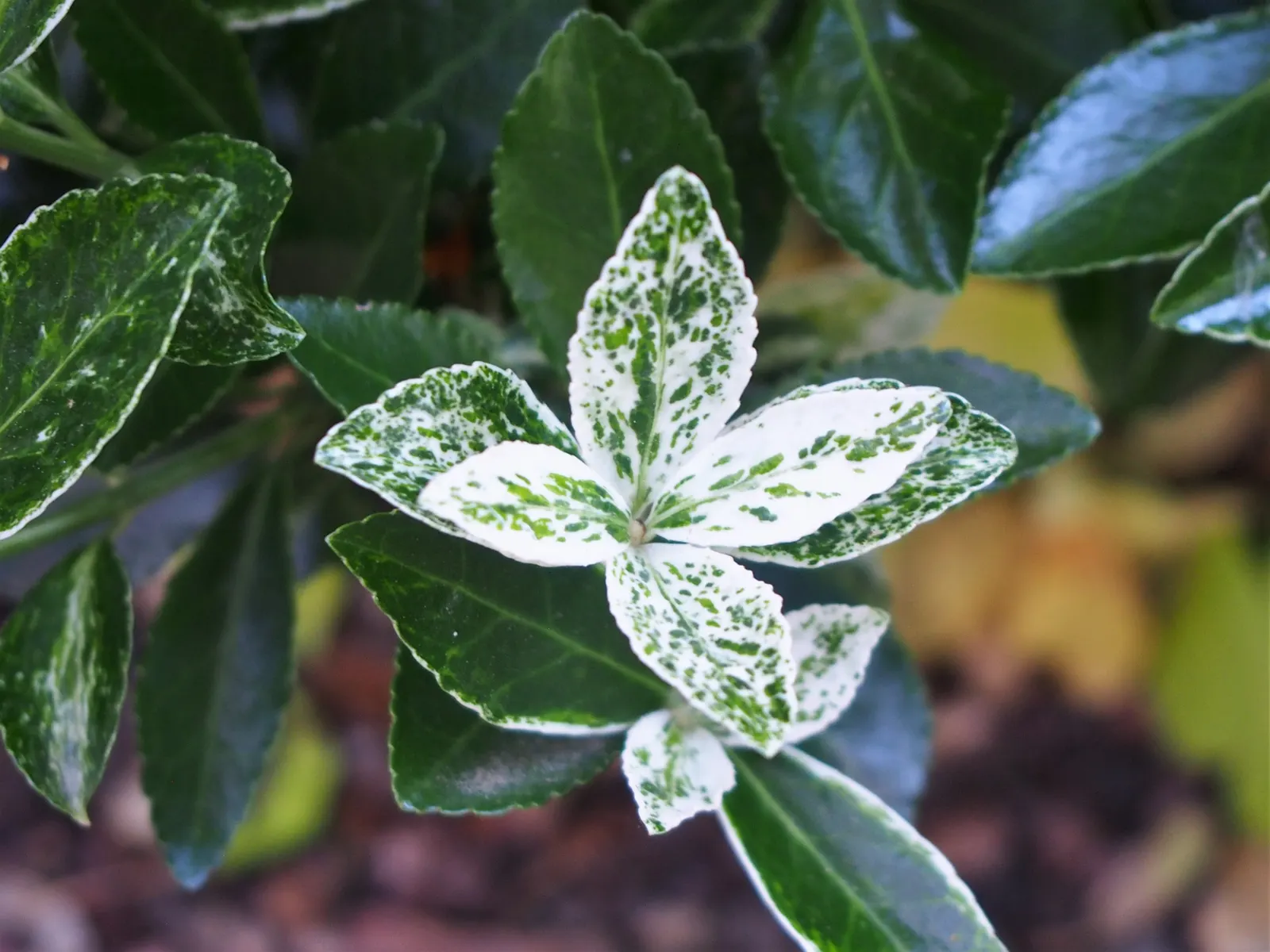
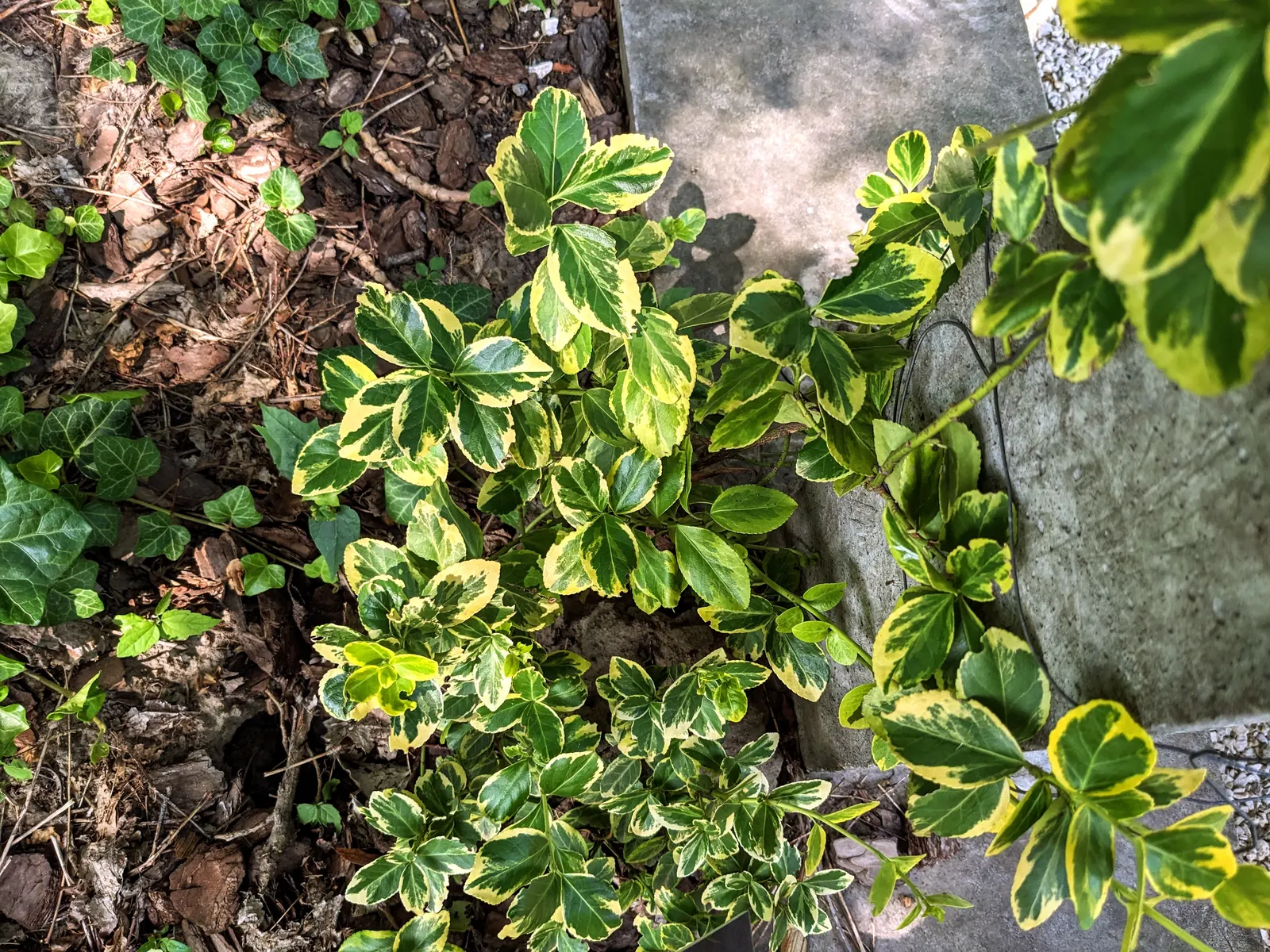
Wintercreeper (Euonymus Fortunei) — as it may cause damage if not properly managed; some variegated cultivars also offer white
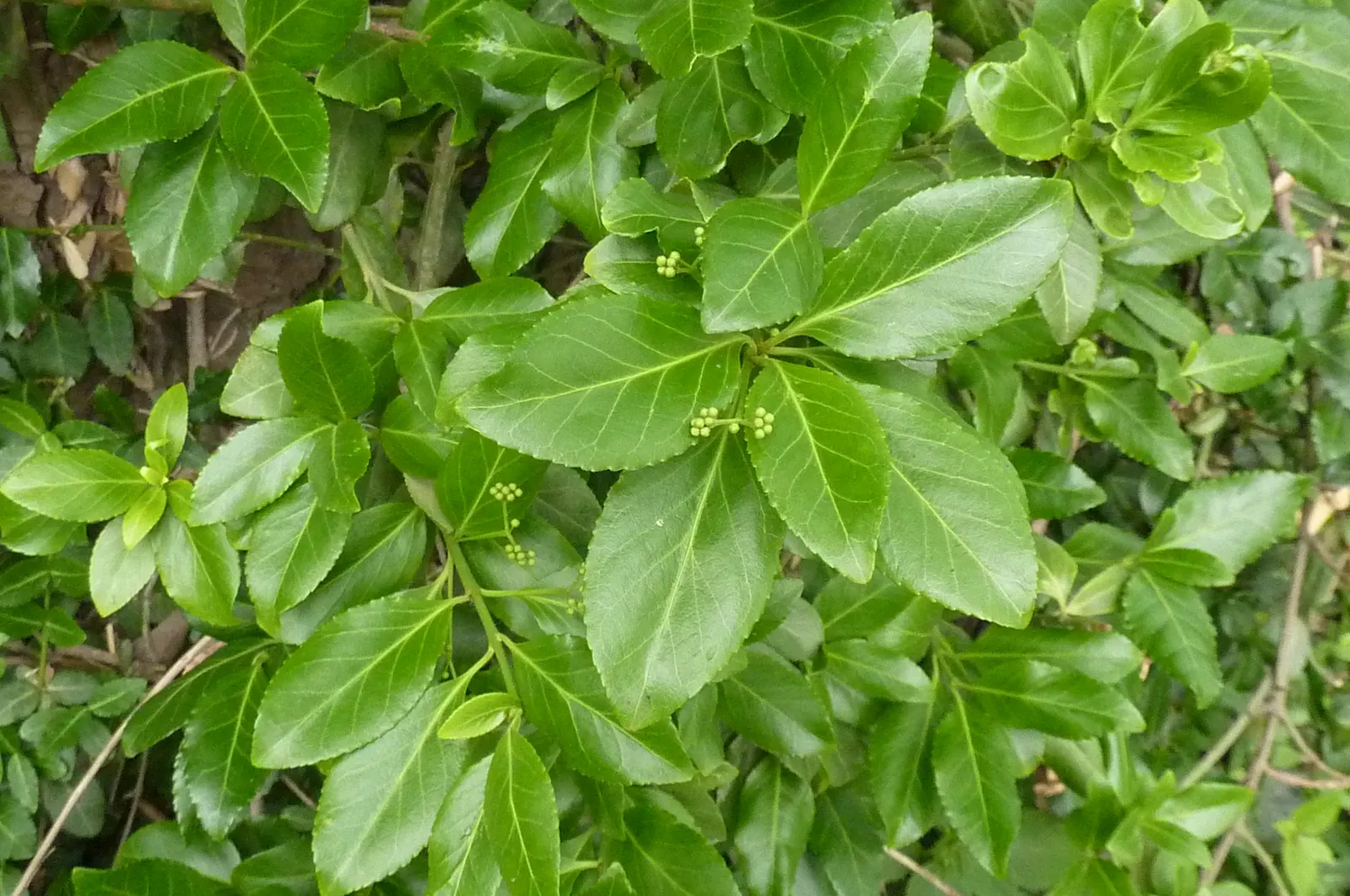
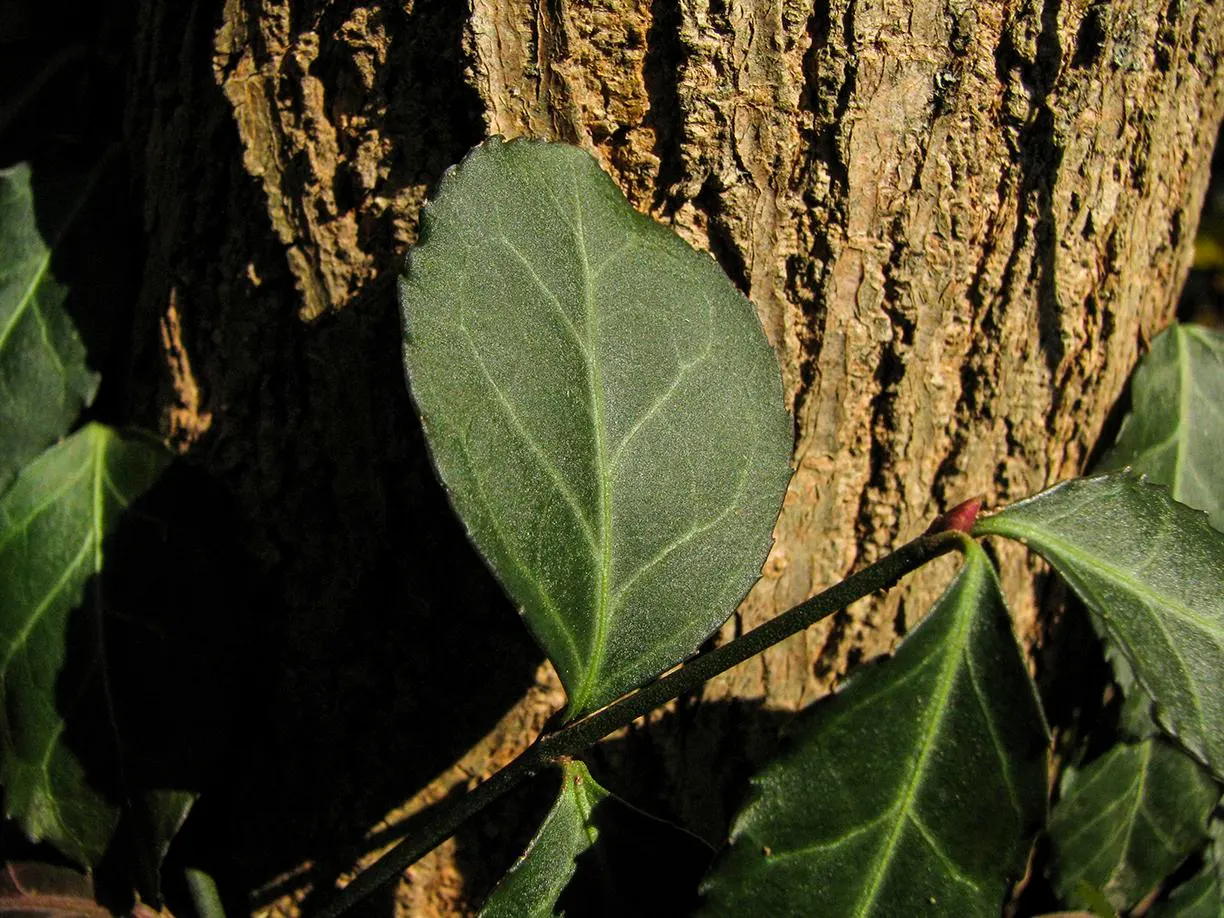
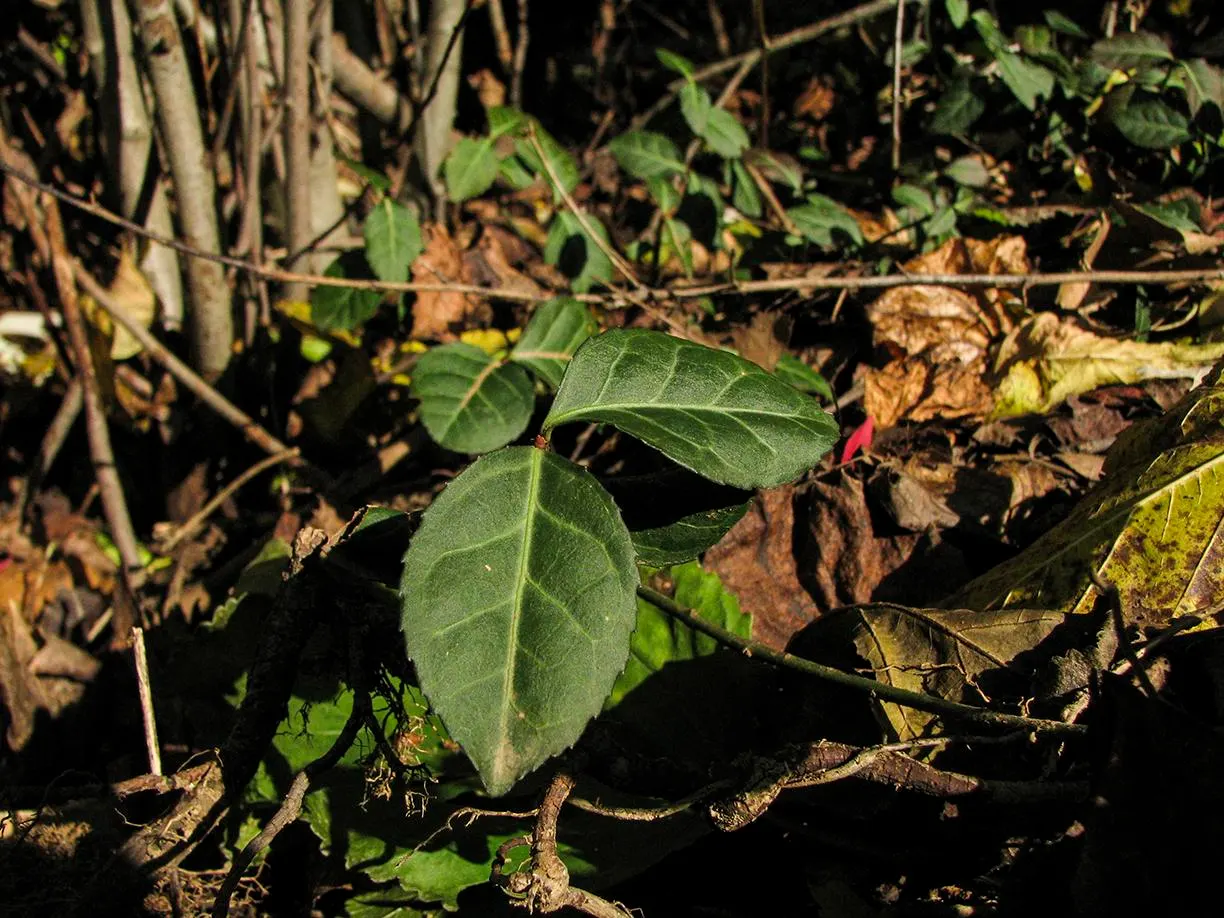
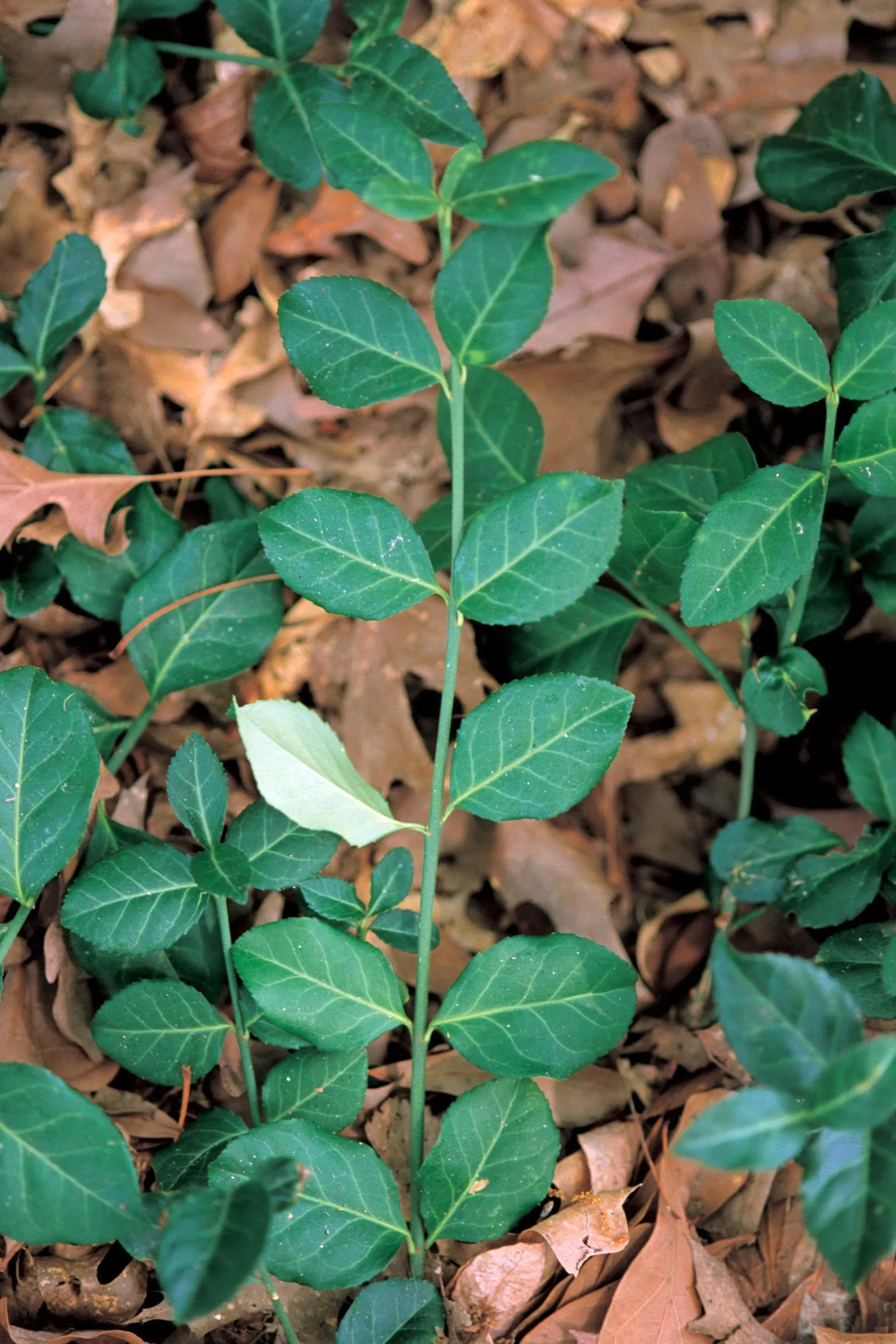
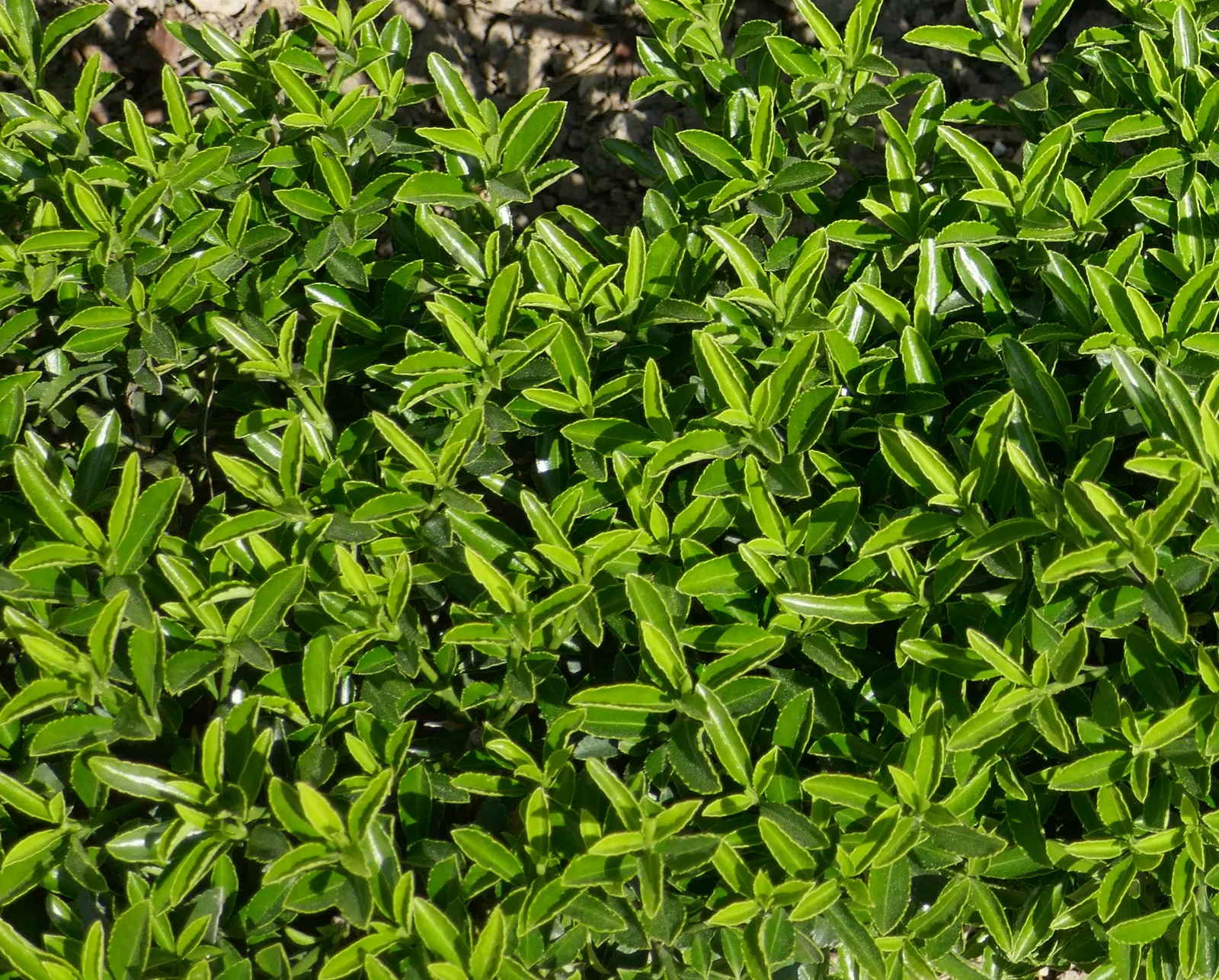
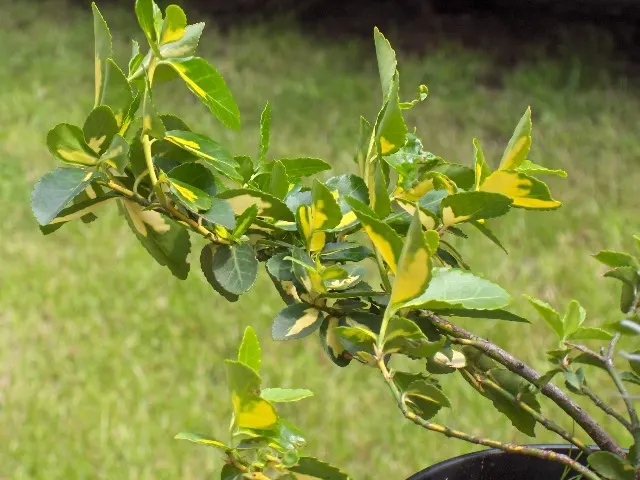
Wintercreeper (Euonymus Fortunei) — elliptical leaves of about 1 to 2 inches long
Wintercreeper (Euonymus Fortunei) — this plant's growth habits should be considered: it can become invasive if not kept in check; the Wintercreeper, image 65
Wintercreeper (Euonymus Fortunei) — as it may cause damage if not properly managed; some variegated cultivars also offer white, image 68
Wintercreeper (Euonymus Fortunei) — elliptical leaves of about 1 to 2 inches long; dense foliage emerges green and may turn emerald to burgundy in, image 80
Wintercreeper (Euonymus Fortunei) — is a versatile and robust plant that proves itself a staple in many landscape designs; providing year-round, image 78
Wintercreeper (Euonymus Fortunei) — which exhibit a glossy texture and typically come in various shades of green, image 81
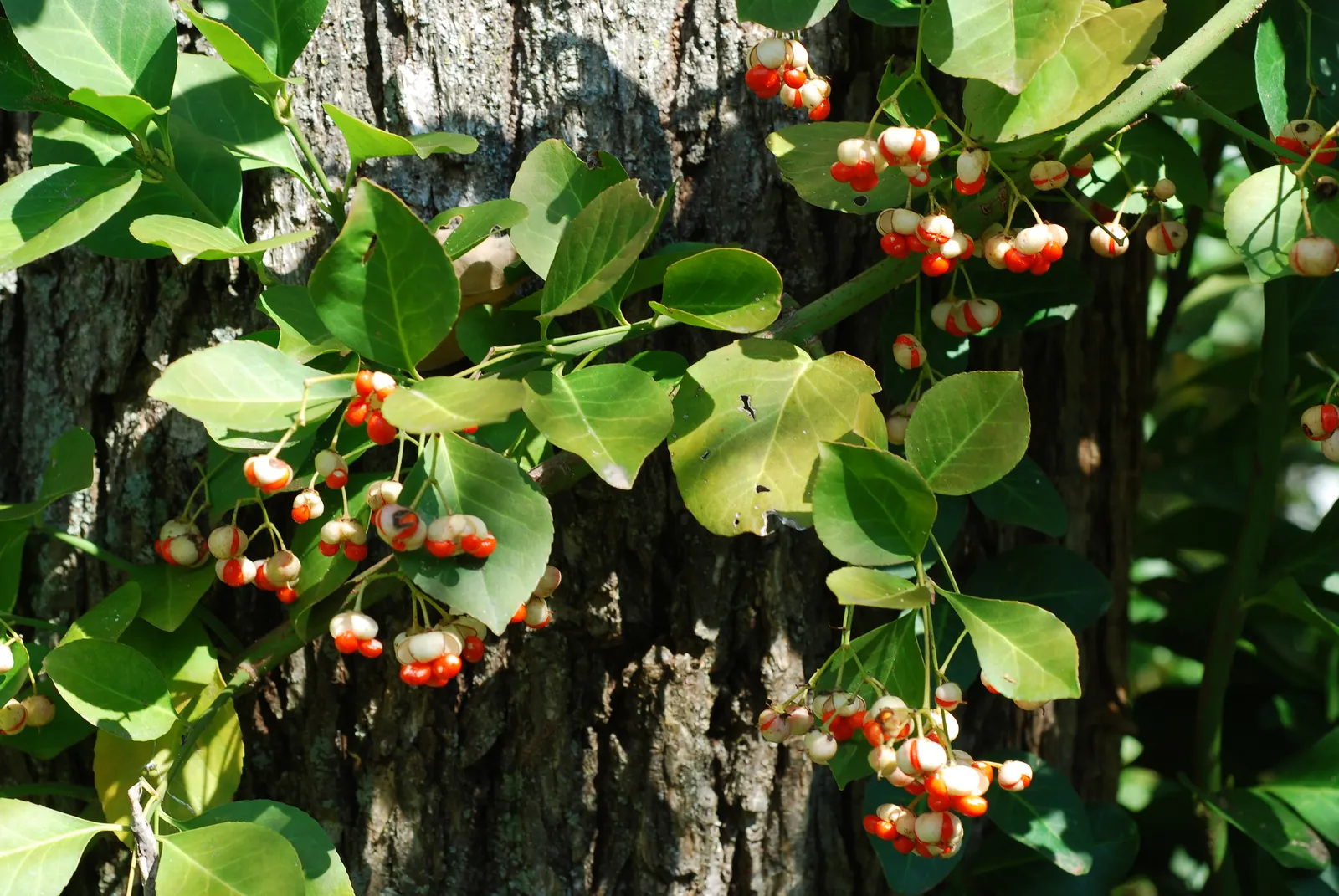
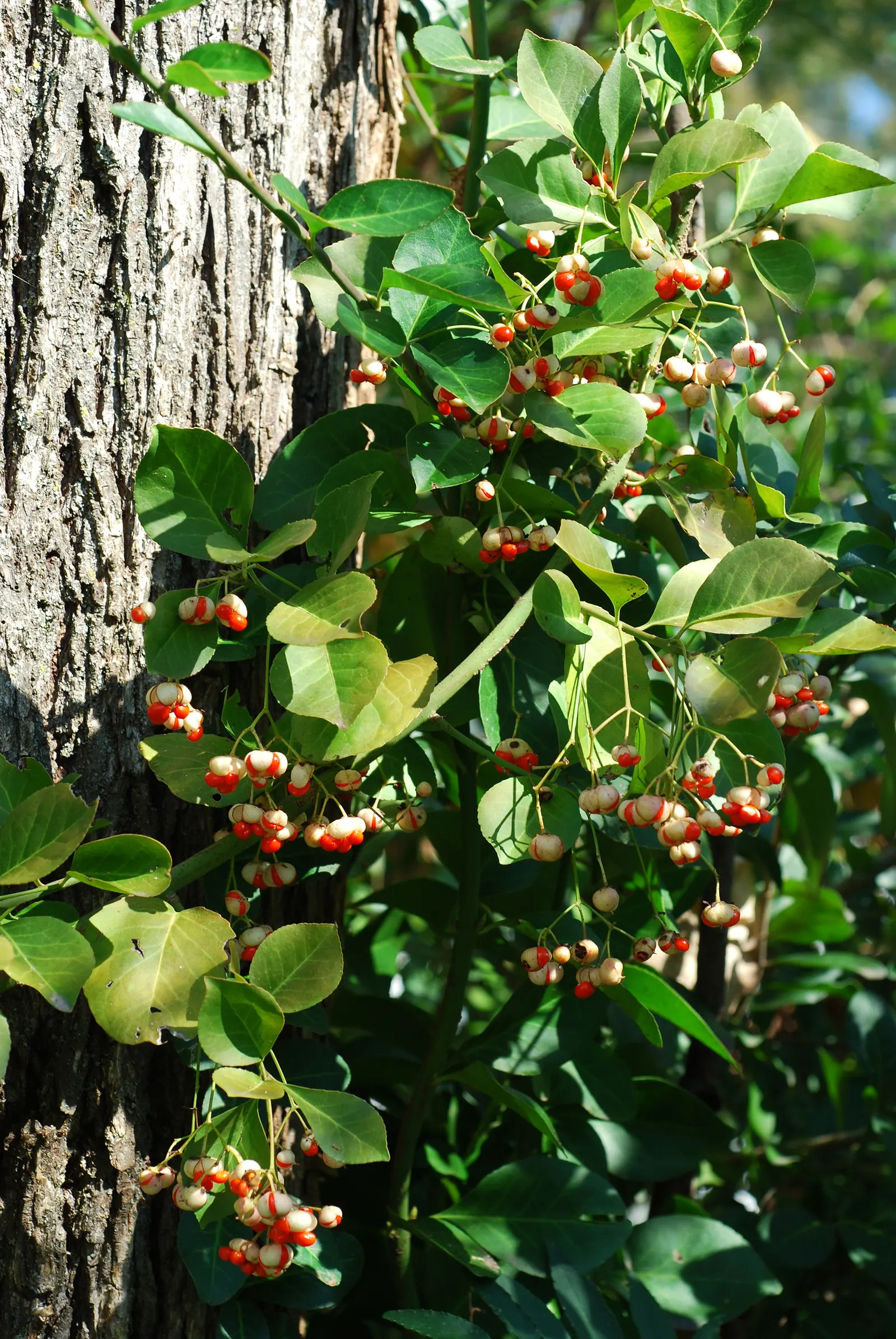
Wintercreeper (Euonymus Fortunei) — followed by seldom-seen fruits in the fall.<br><br>For the client; scientifically named Euonymus fortunei, image 64
Wintercreeper (Euonymus Fortunei) — Slightly toxic if ingested; ground cover / shrub / vine for full or half
Wintercreeper (Euonymus Fortunei) — scientifically named Euonymus fortunei; slightly toxic if ingested
Photographs by 11 contributors

Related plants