Skip to content

Ulmo

Eucryphia Cordifolia

Design with this plant

Overview

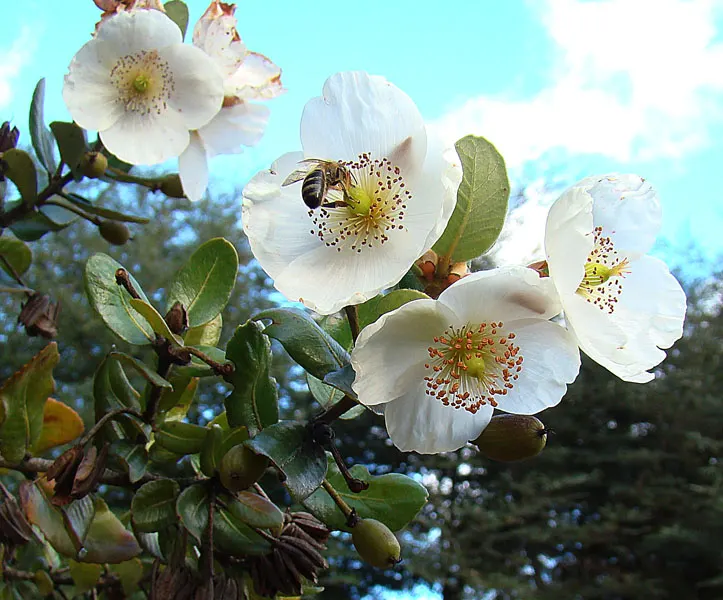
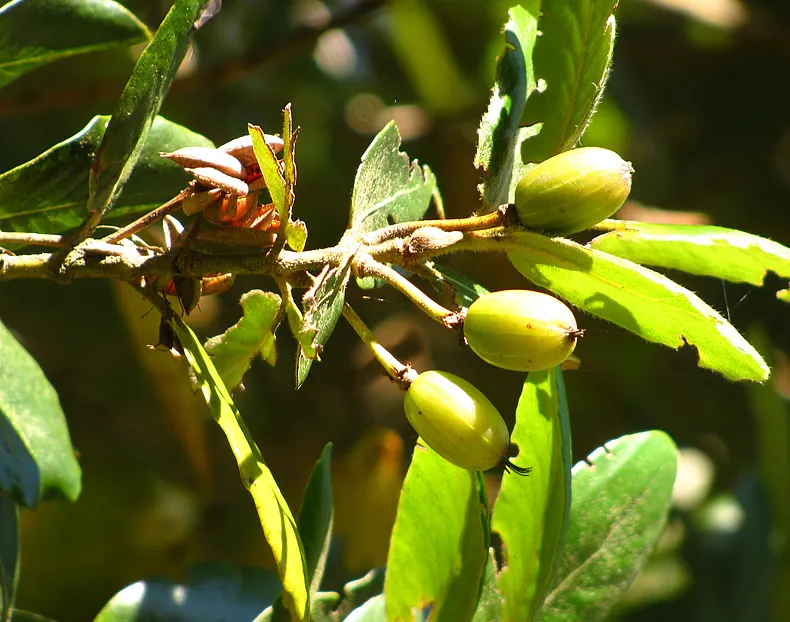
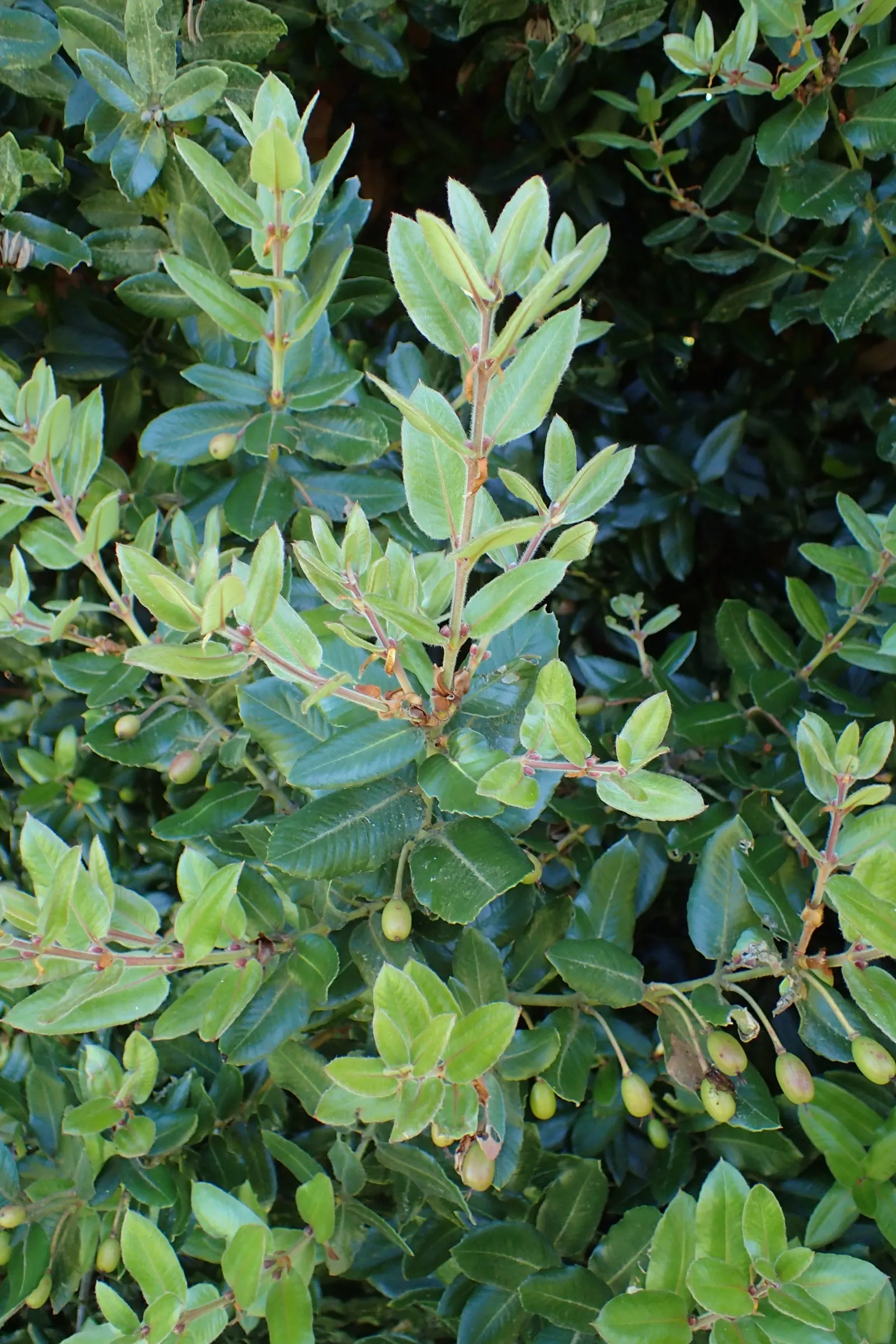
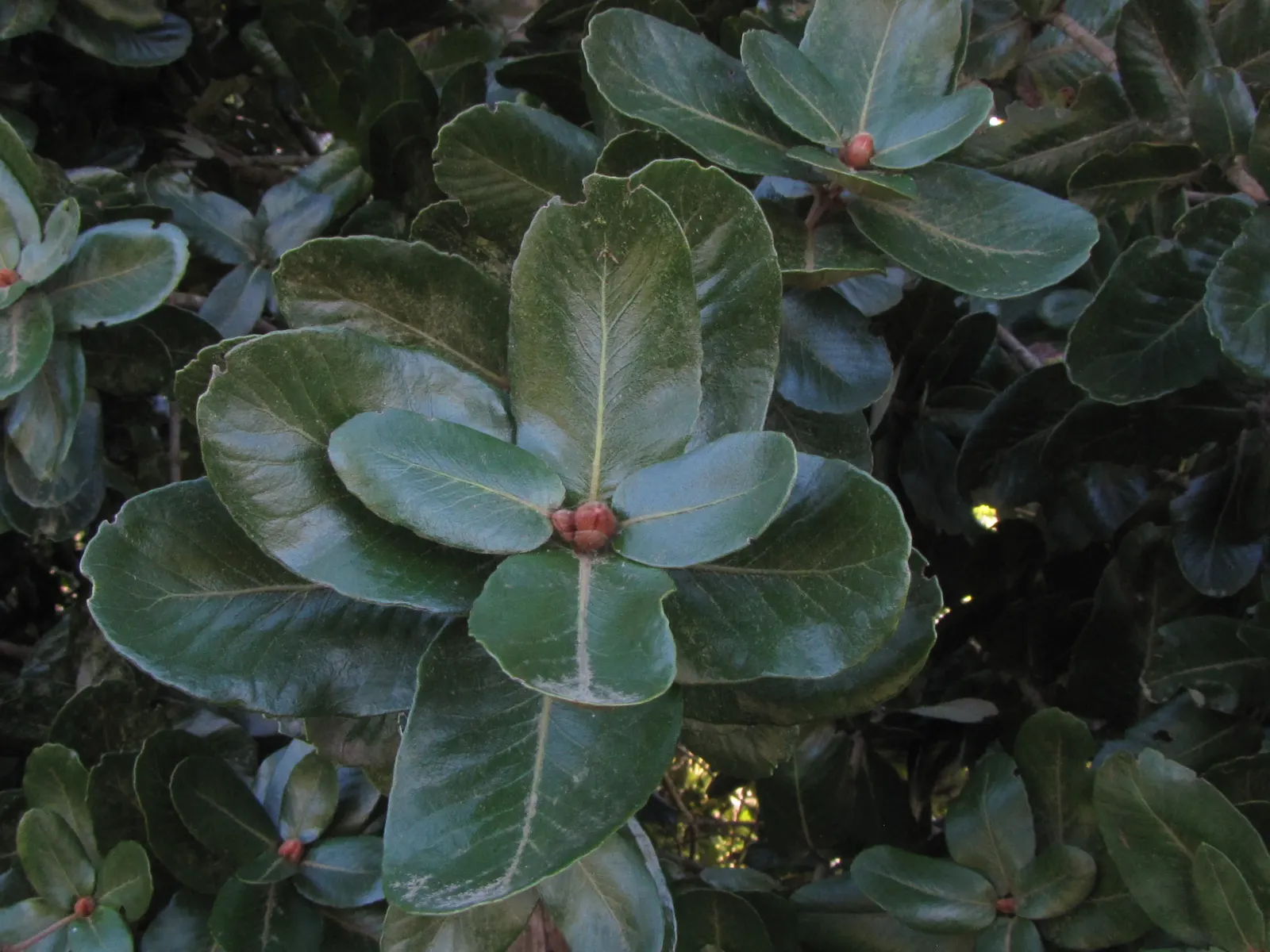
The Ulmo (Eucryphia cordifolia), an evergreen tree, thrives in USDA hardiness zones 9-10. It boasts broad, leathery leaves and grows 35-40 feet high with a 15-20 foot spread. Renowned for fragrant, white summer blossoms, it prefers well-drained, acidic soil and full to partial sun. Ideal for focal points in large gardens. Caution: it may not tolerate extreme cold or heat.

Sun FullWater MediumZones 8–10Climate Temperate
Ulmo (Eucryphia Cordifolia) — It boasts broad, leathery leaves and grows 35-40 feet high with a 15-20 foot spread

Culture

Sun
Full
Water
Medium
USDA zones
8–10

Shape & size

Mature height
30–40 Ft.
Mature width
20–30 Ft.

Classification

Family
Cunoniaceae
Climate
Temperate

See full data, regional cultivation notes, full-resolution photos, and design tools. Build a client presentation around this plant.

Start your 14-day trial

Photos (48)

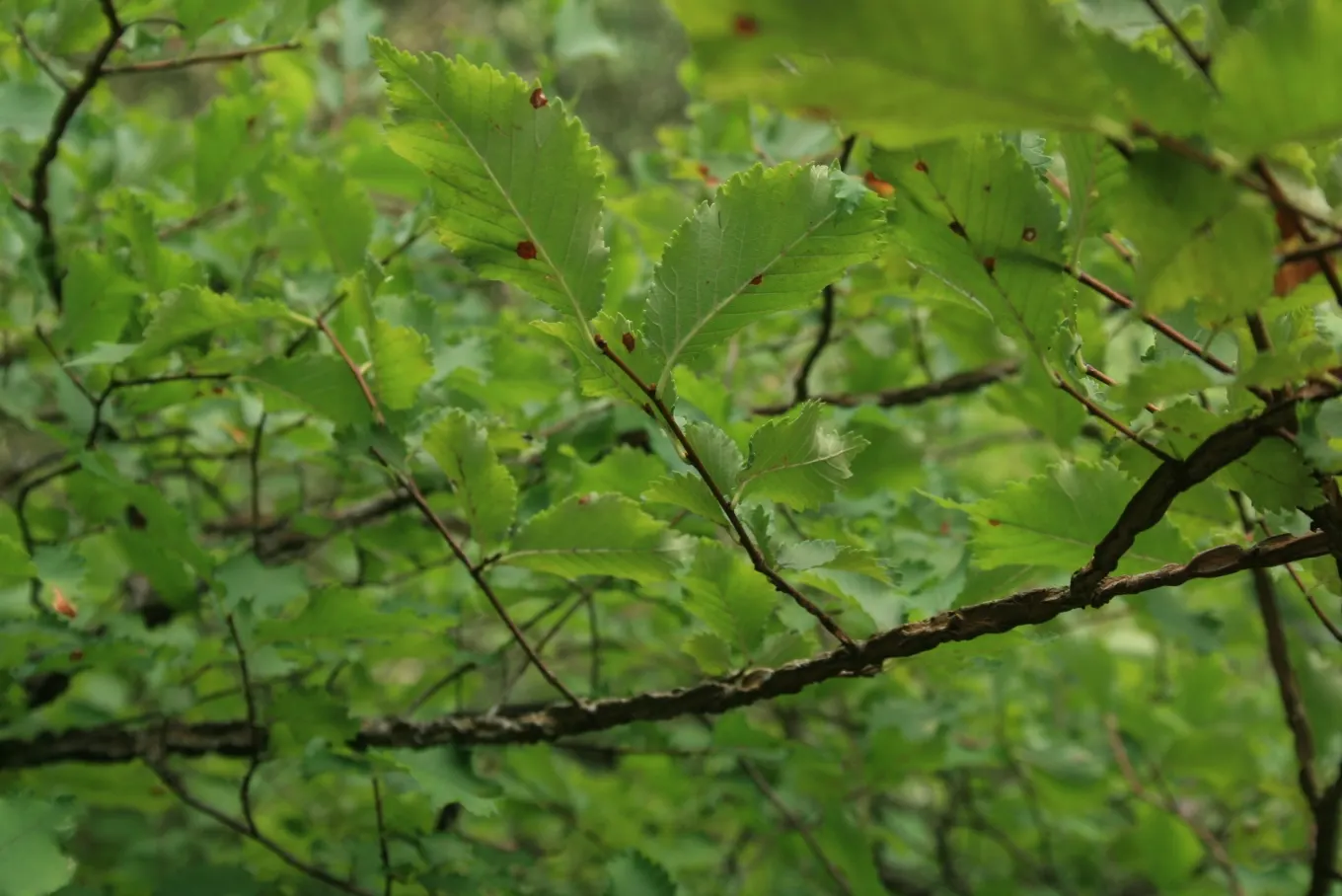
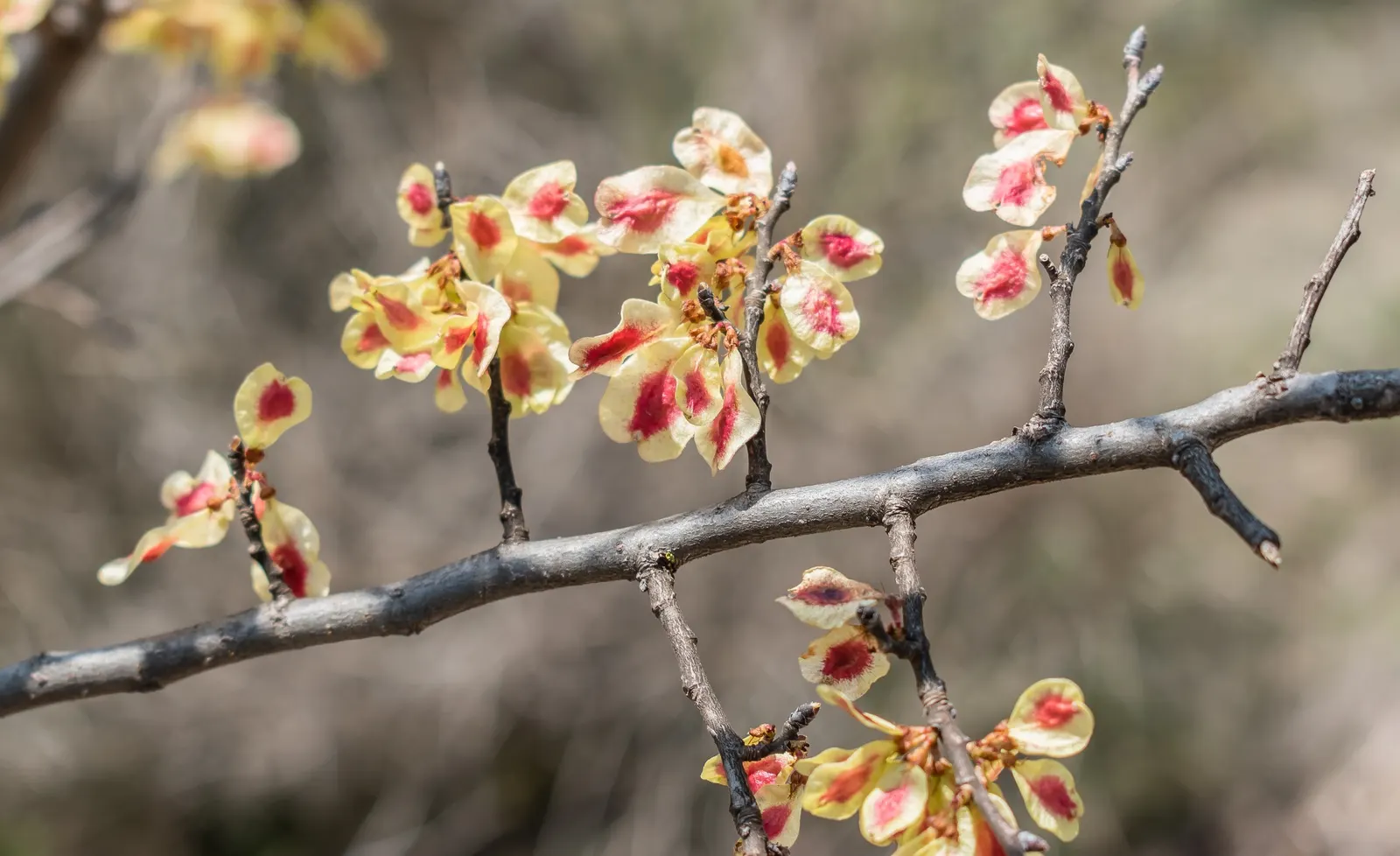
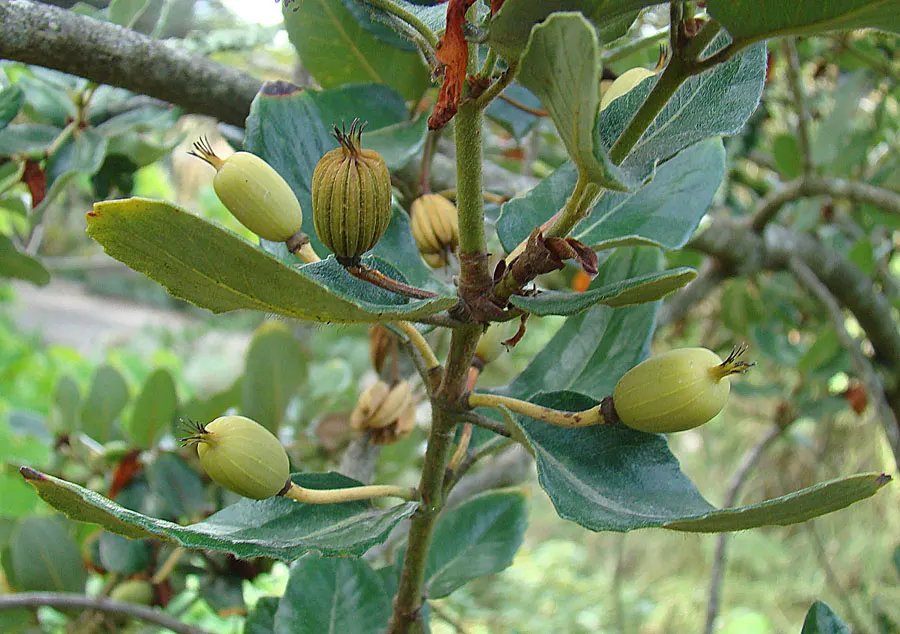
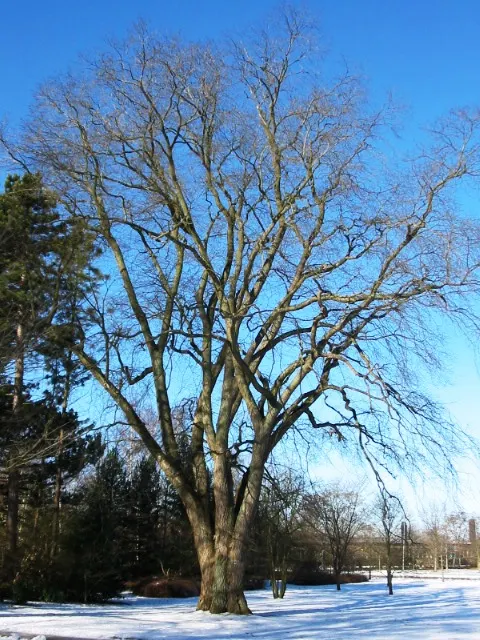
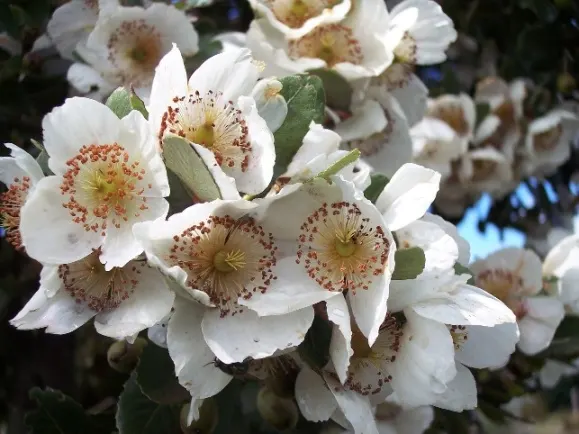
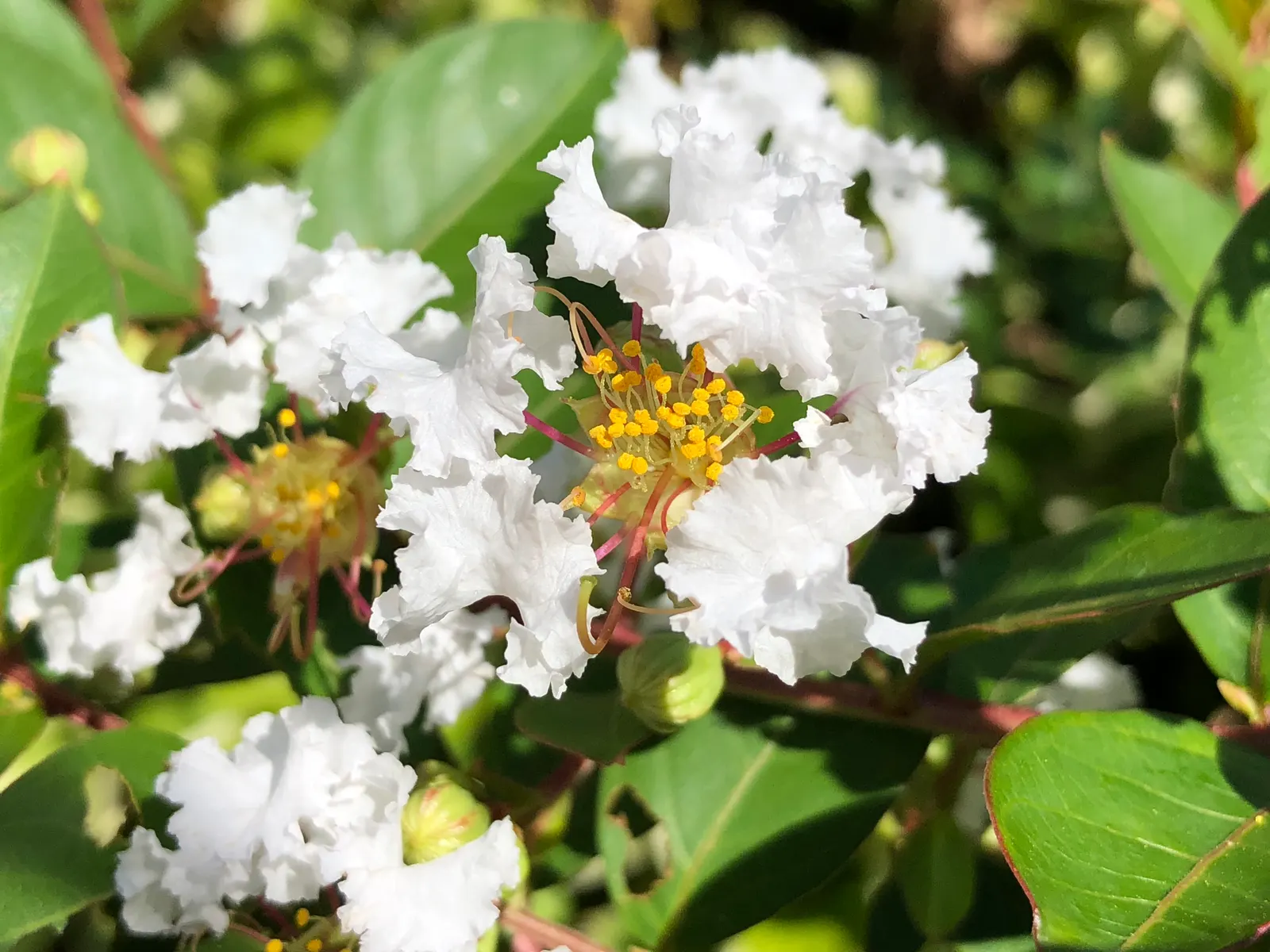
Ulmo (Eucryphia Cordifolia) — tree with white blooms
Ulmo (Eucryphia Cordifolia) — tree for full
Ulmo (Eucryphia Cordifolia) — The Ulmo (Eucryphia cordifolia), an evergreen tree, thrives in USDA hardiness zones 9-10; ideal for focal points in large gardens
Ulmo (Eucryphia Cordifolia) — It boasts broad, leathery leaves and grows 35-40 feet high with a 15-20 foot spread; fragrant flowers that adorn its branches
Ulmo (Eucryphia Cordifolia) — Renowned for fragrant, white summer blossoms, it prefers well-drained, acidic soil and full to partial sun; acidic soil and
Ulmo (Eucryphia Cordifolia) — Ideal for focal points in large gardens; tree with white blooms
Ulmo (Eucryphia Cordifolia) — Caution: it may not tolerate extreme cold or heat; is a captivating evergreen tree
Ulmo (Eucryphia Cordifolia) — is a captivating evergreen tree; offering a stark contrast against its glossy
Ulmo (Eucryphia Cordifolia) — native to the temperate rainforests of Chile and Argentina; when designing with this tree
Ulmo (Eucryphia Cordifolia) — Standing typically between 20 to 40 feet tall; it holds a special appeal in landscape design due to its striking ornamental
Ulmo (Eucryphia Cordifolia) — It holds a special appeal in landscape design due to its striking ornamental features and adaptability; the Ulmo (Eucryphia
Ulmo (Eucryphia Cordifolia) — with a canopy spread of 15 to 20 feet; these features contribute to a show-stopping display that can attract a variety of
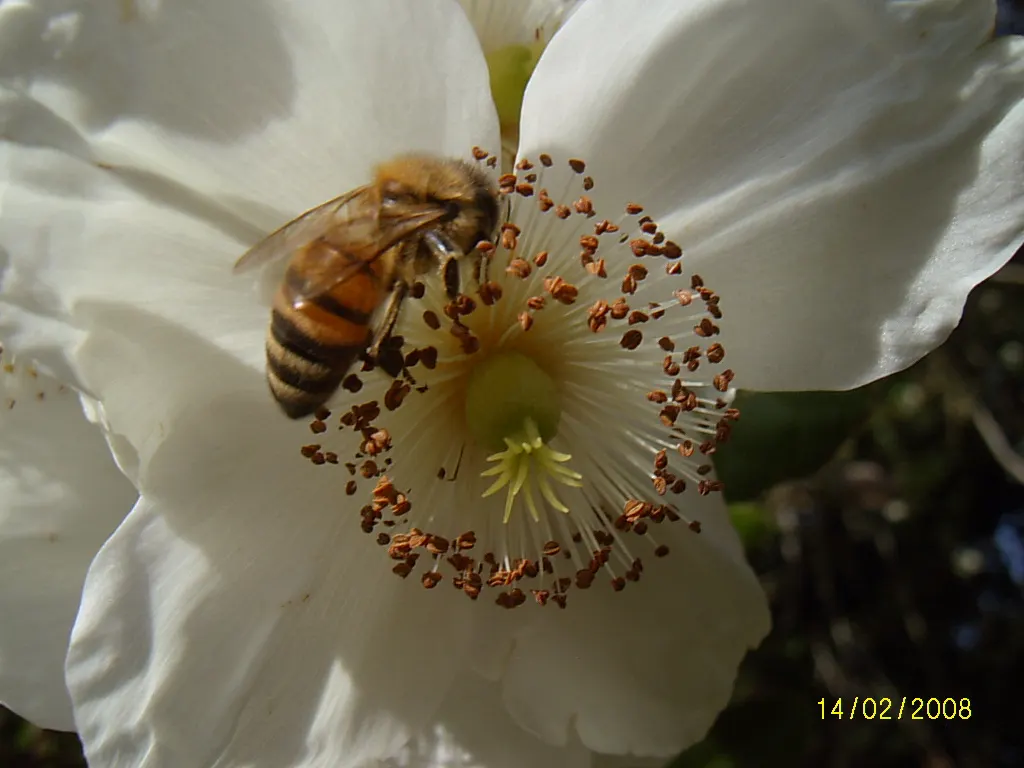
Ulmo (Eucryphia Cordifolia) — Each blossom spans approximately 2 inches across and boasts a conspicuous array of stamens; renowned for fragrant, white summer
Ulmo (Eucryphia Cordifolia) — fragrant flowers that adorn its branches from summer to early fall; the Ulmo is known for its resilience and relatively low
Ulmo (Eucryphia Cordifolia) — offering a stark contrast against its glossy; with a canopy spread of 15 to 20 feet
Ulmo (Eucryphia Cordifolia) — These features contribute to a show-stopping display that can attract a variety of pollinators; white flowers in the garden
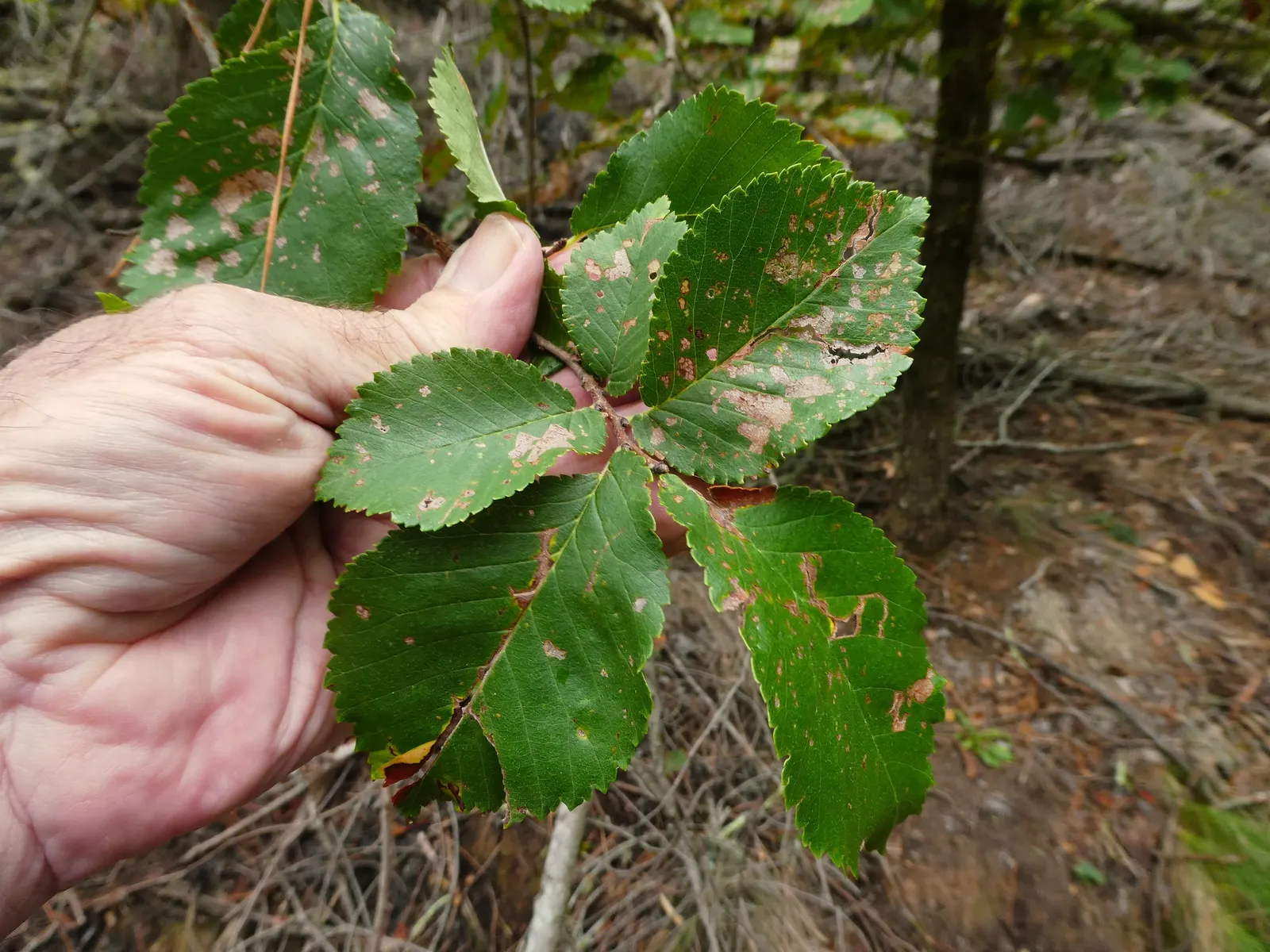
Ulmo (Eucryphia Cordifolia) — heart-shaped leaves that measure up to 3 inches long; enhancing the biodiversity of the garden.<br><br>The Ulmo prefers
Ulmo (Eucryphia Cordifolia) — including bees and hummingbirds; caution: it may not tolerate extreme cold or heat
Ulmo (Eucryphia Cordifolia) — enhancing the biodiversity of the garden.<br><br>The Ulmo prefers well-drained; each blossom spans approximately 2 inches across
Ulmo (Eucryphia Cordifolia) — acidic soil and thrives in both full sun to partial shade; thus offering some flexibility in its placement within the landscape
Ulmo (Eucryphia Cordifolia) — consider its moderate growth rate and eventual size for both aesthetic balance and practical spacing; heart-shaped leaves that
Ulmo (Eucryphia Cordifolia) — When designing with this tree; native to the temperate rainforests of Chile and Argentina
Ulmo (Eucryphia Cordifolia) — thus offering some flexibility in its placement within the landscape; tree for full
Ulmo (Eucryphia Cordifolia) — the Ulmo is known for its resilience and relatively low maintenance once established; consider its moderate growth rate and

Related plants