Skip to content

Trout Lily

Erythronium Oreganum

Design with this plant

Overview

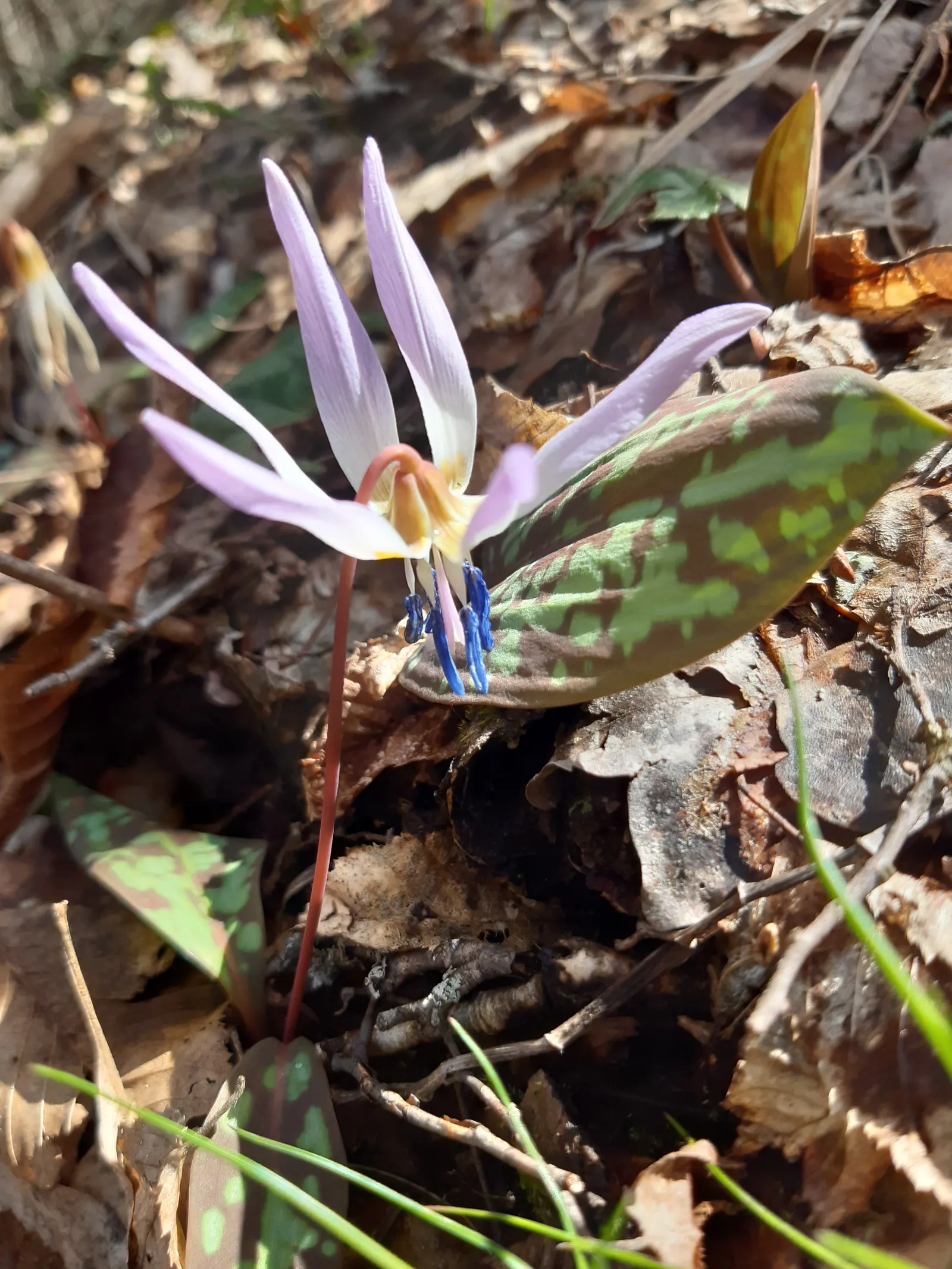
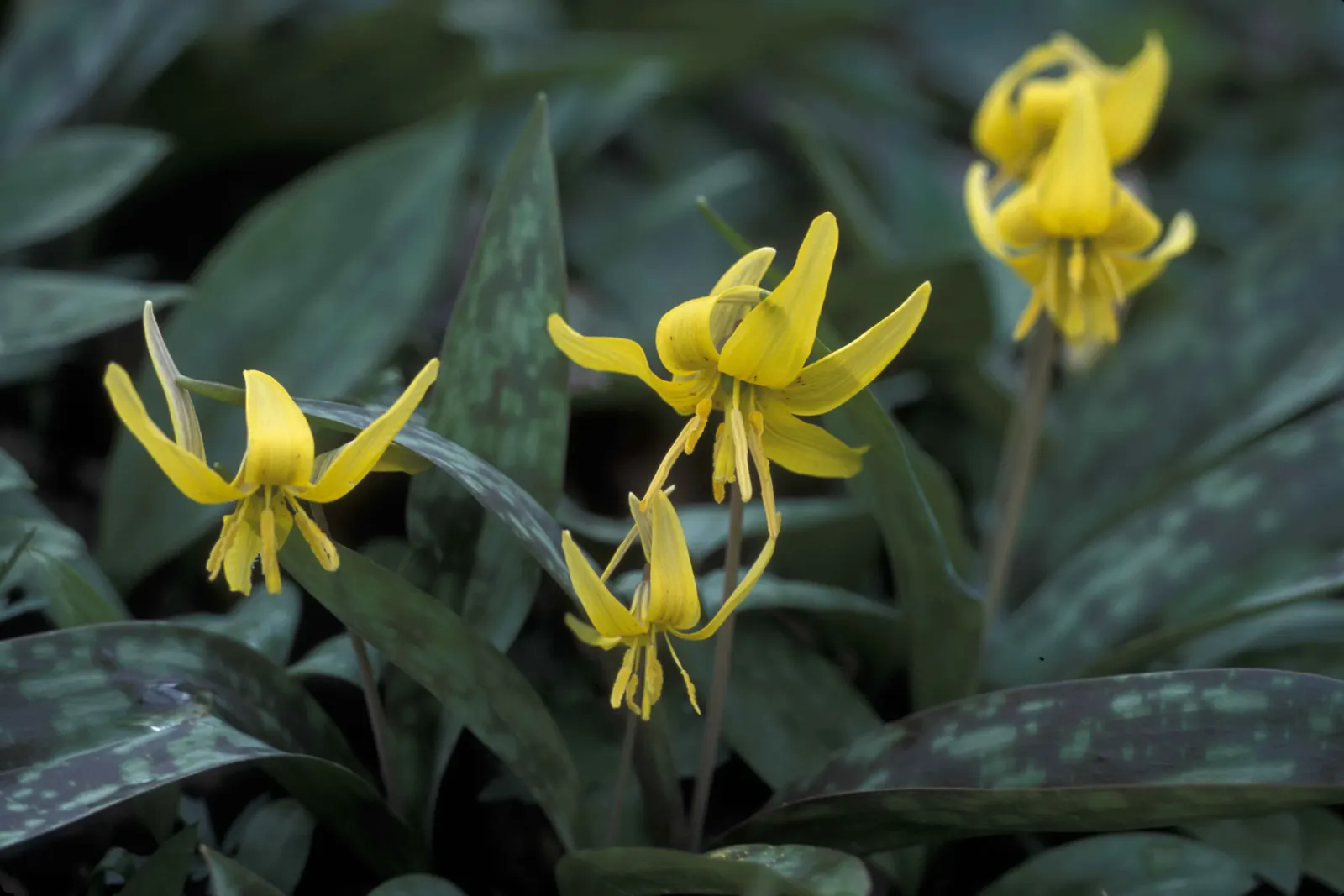
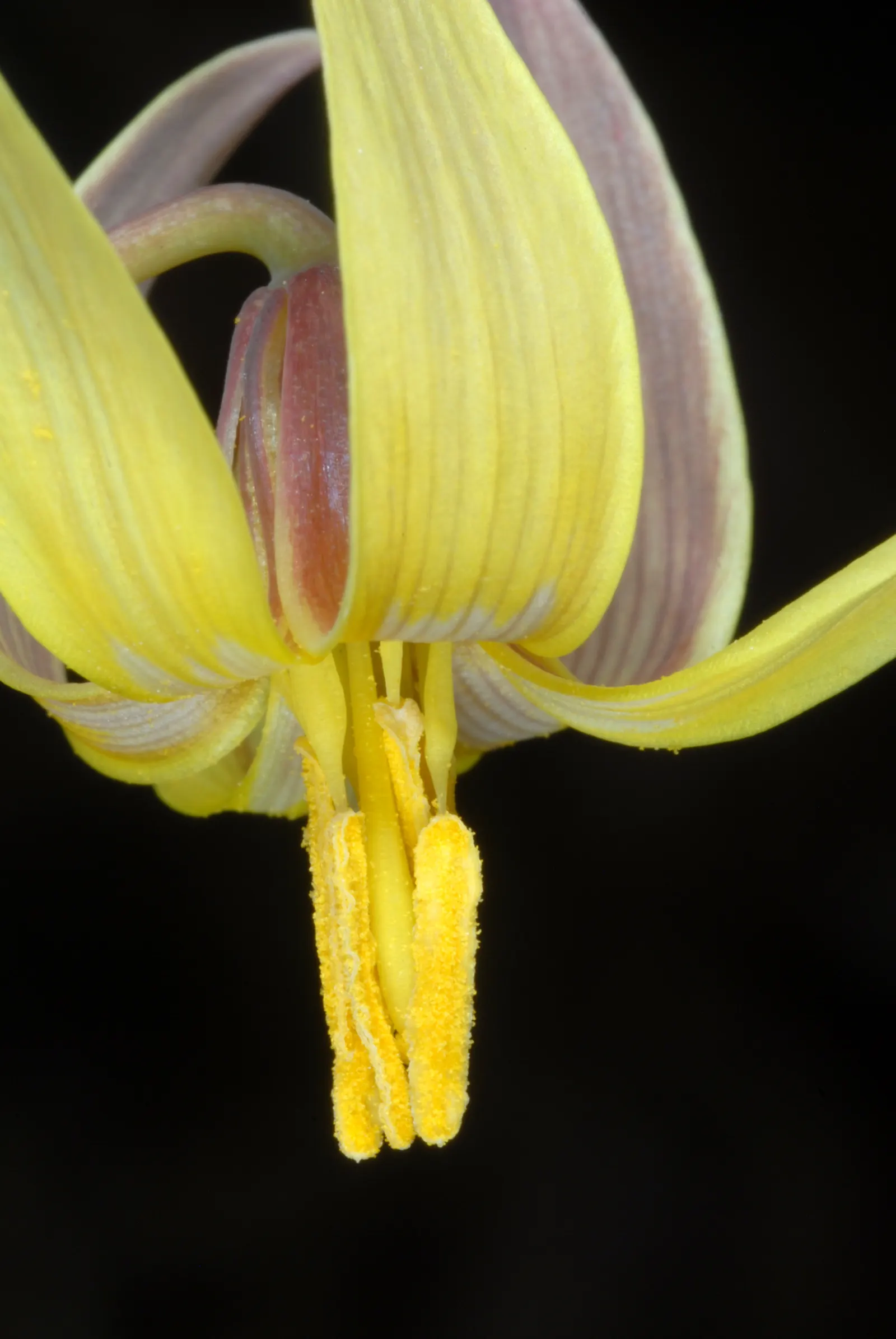
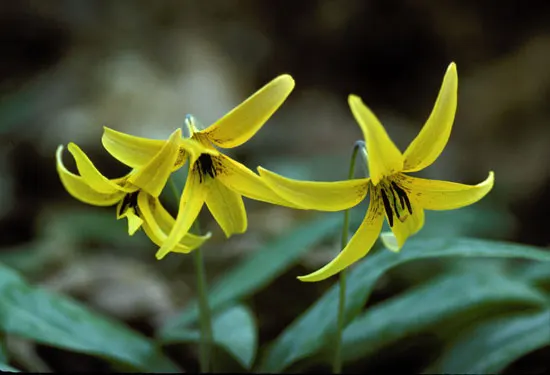
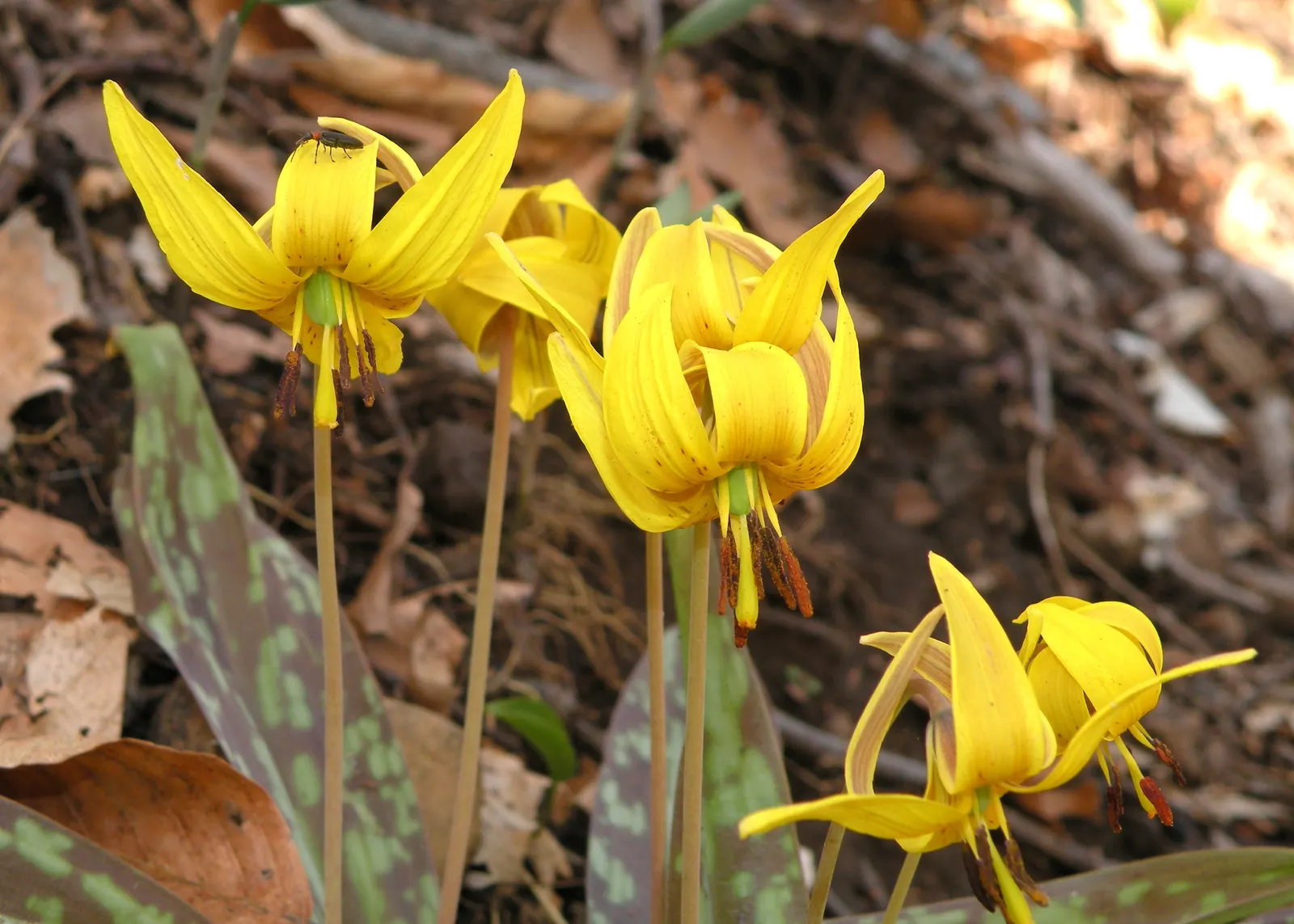
Erythronium oreganum, or Trout Lily, is a charming spring ephemeral, flourishing in USDA zones 3-9. Showcasing mottled leaves resembling trout patterns, it spans up to 8 inches. In April-May, its solitary, drooping yellow flowers, about 1-3 inches across, present atop slender stems. Preferring moist, acidic soil, it thrives under dappled sunlight in woodland gardens, spreading via corms. Ideal for naturalizing, it offers subtle beauty and low maintenance.
Sun Full, Half, ShadeWater Very LowZones 4–9Type BulbClimate Temperate
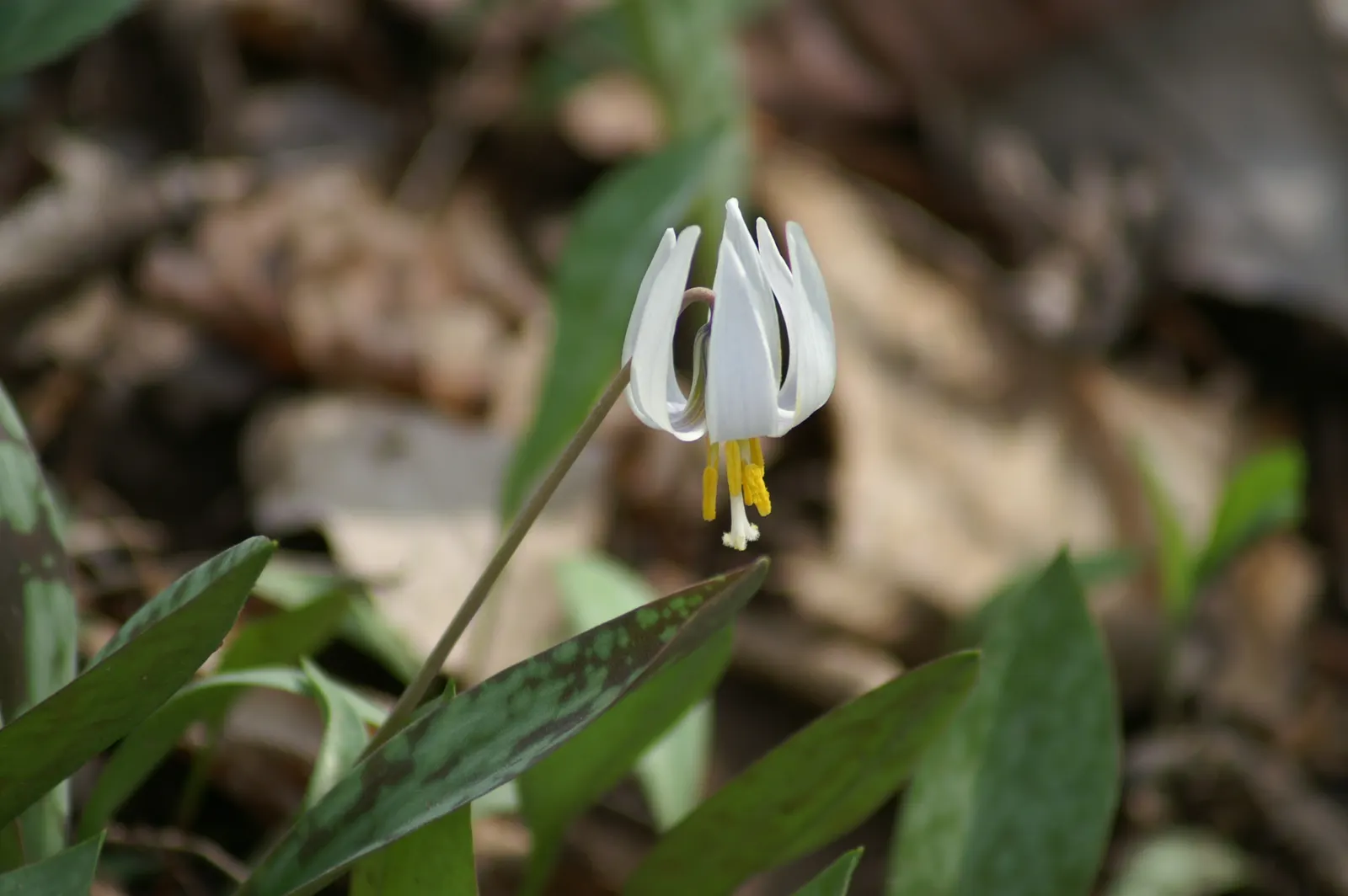
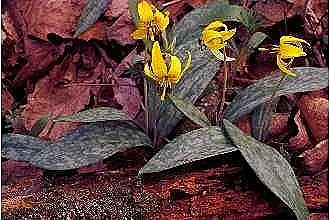
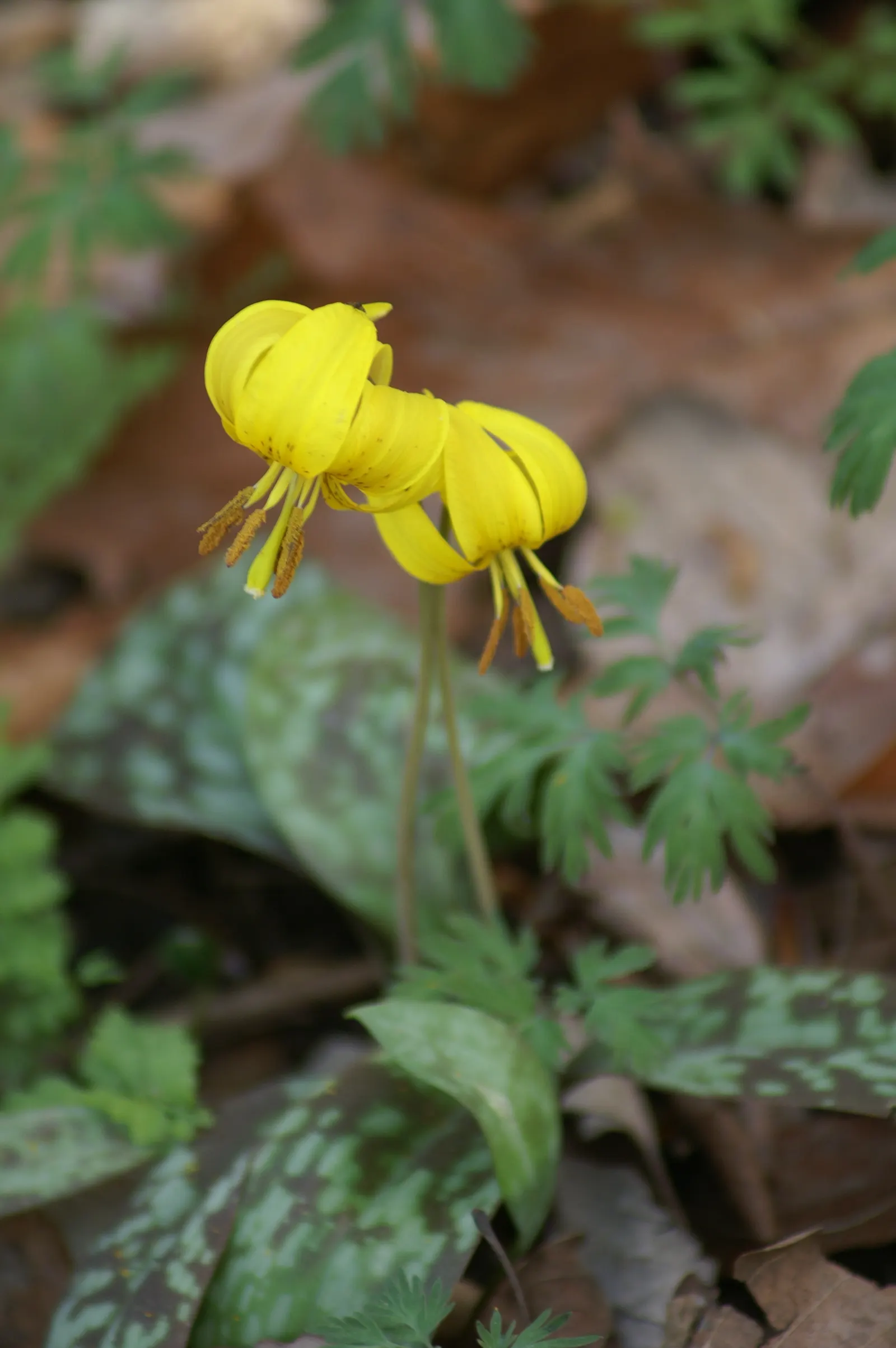
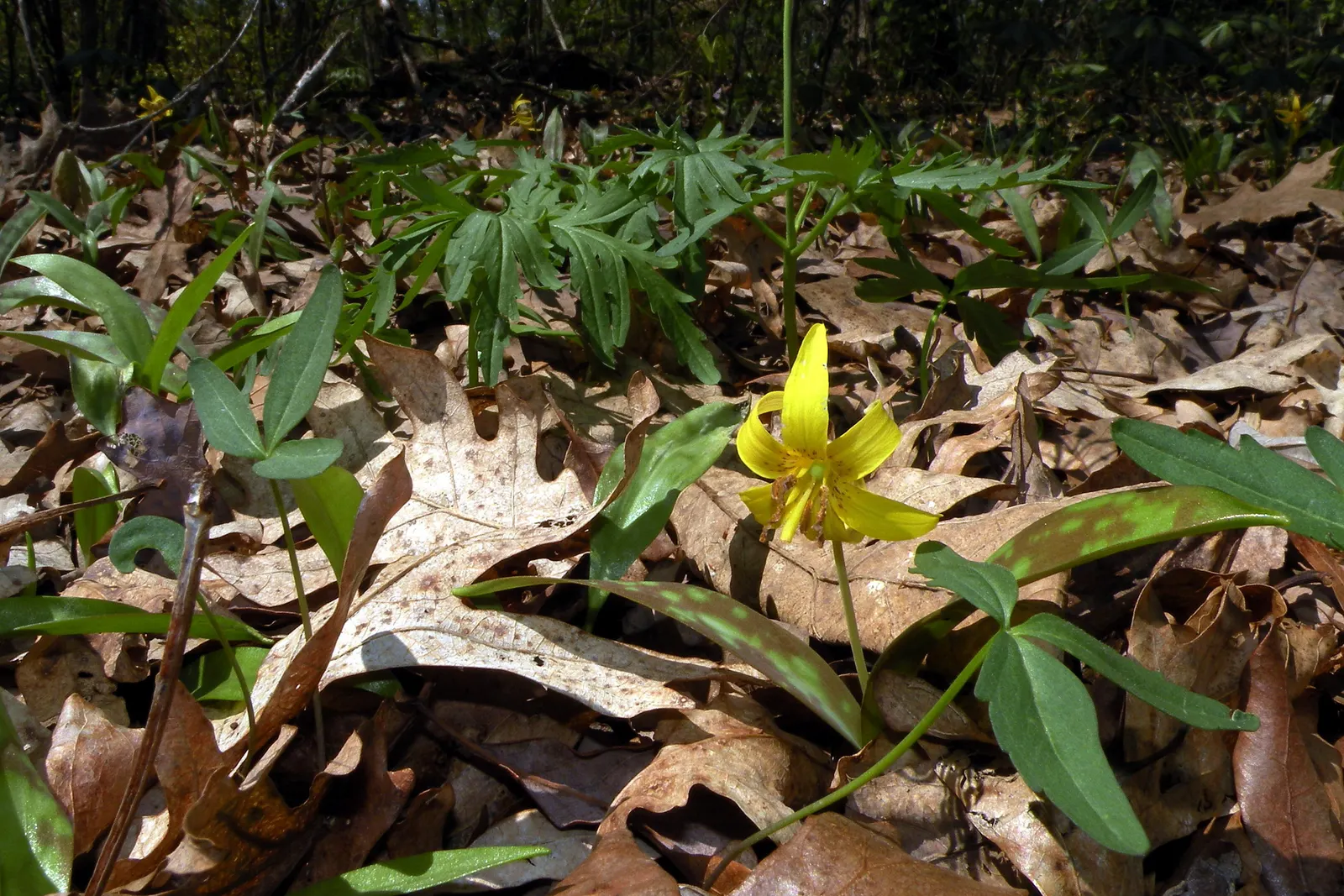
Trout Lily (Erythronium Oreganum) — reminiscent of a trout's patterns; scientifically known as Erythronium oreganum, image 63

Culture

Sun
Full, Half, Shade
Water
Very Low
USDA zones
4–9

Shape & size

Classification

Type
Bulb
Family
Amaryllidaceae
Climate
Temperate

See full data, regional cultivation notes, and design tools. Build a client presentation around this plant.

Start your 14-day trial

Photos (114)

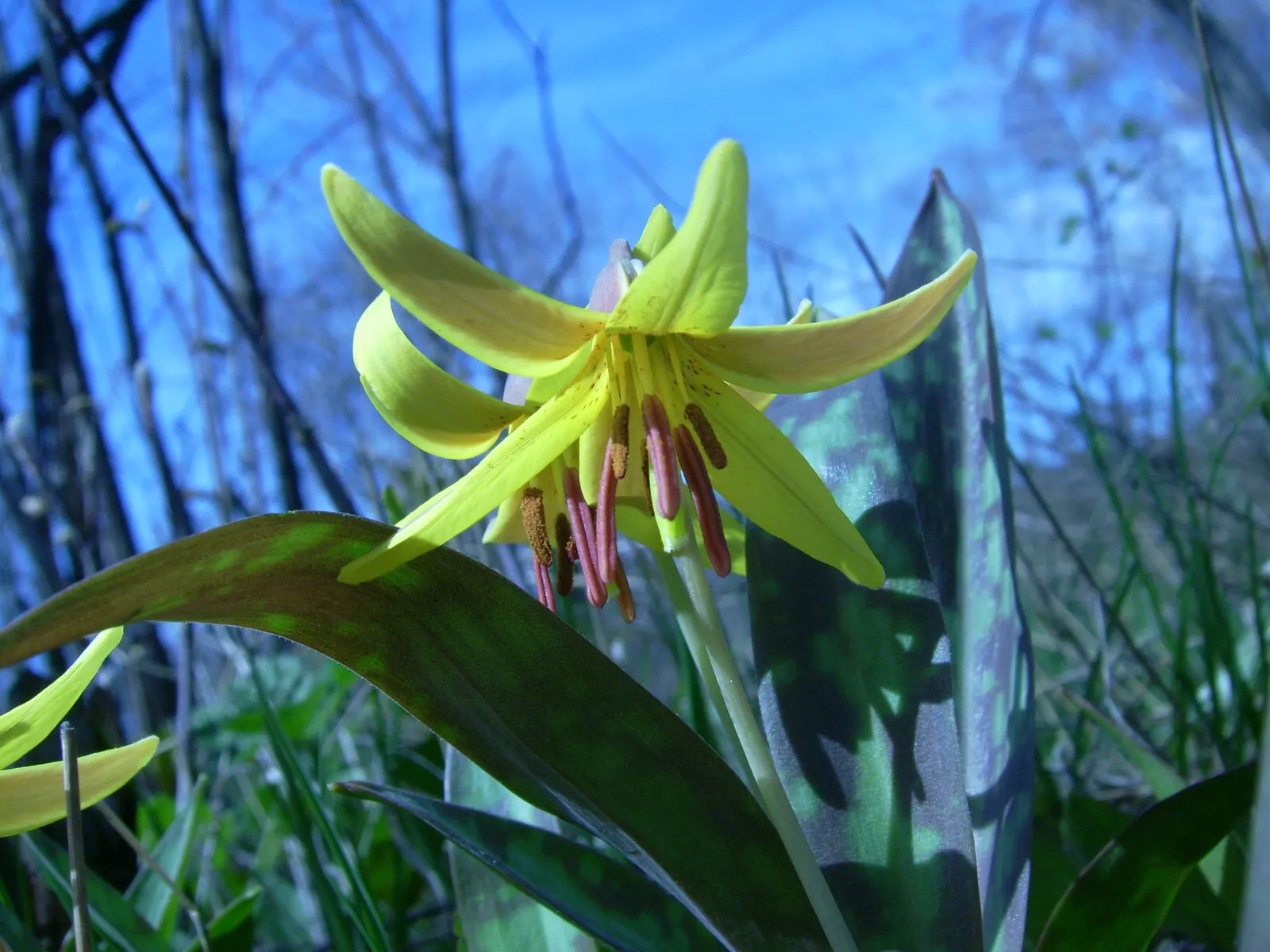
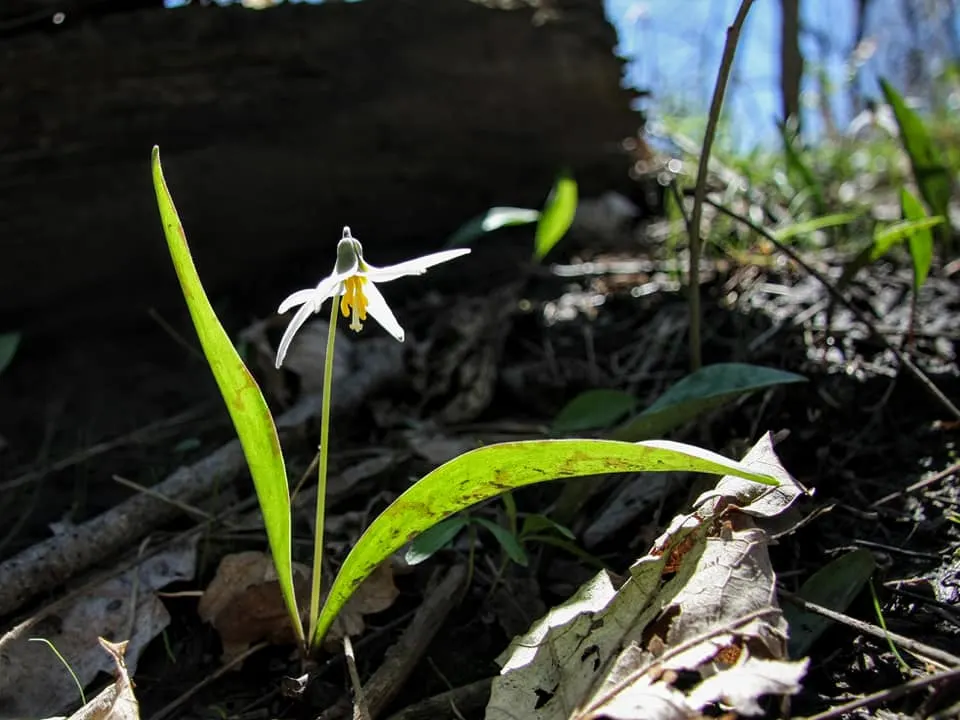
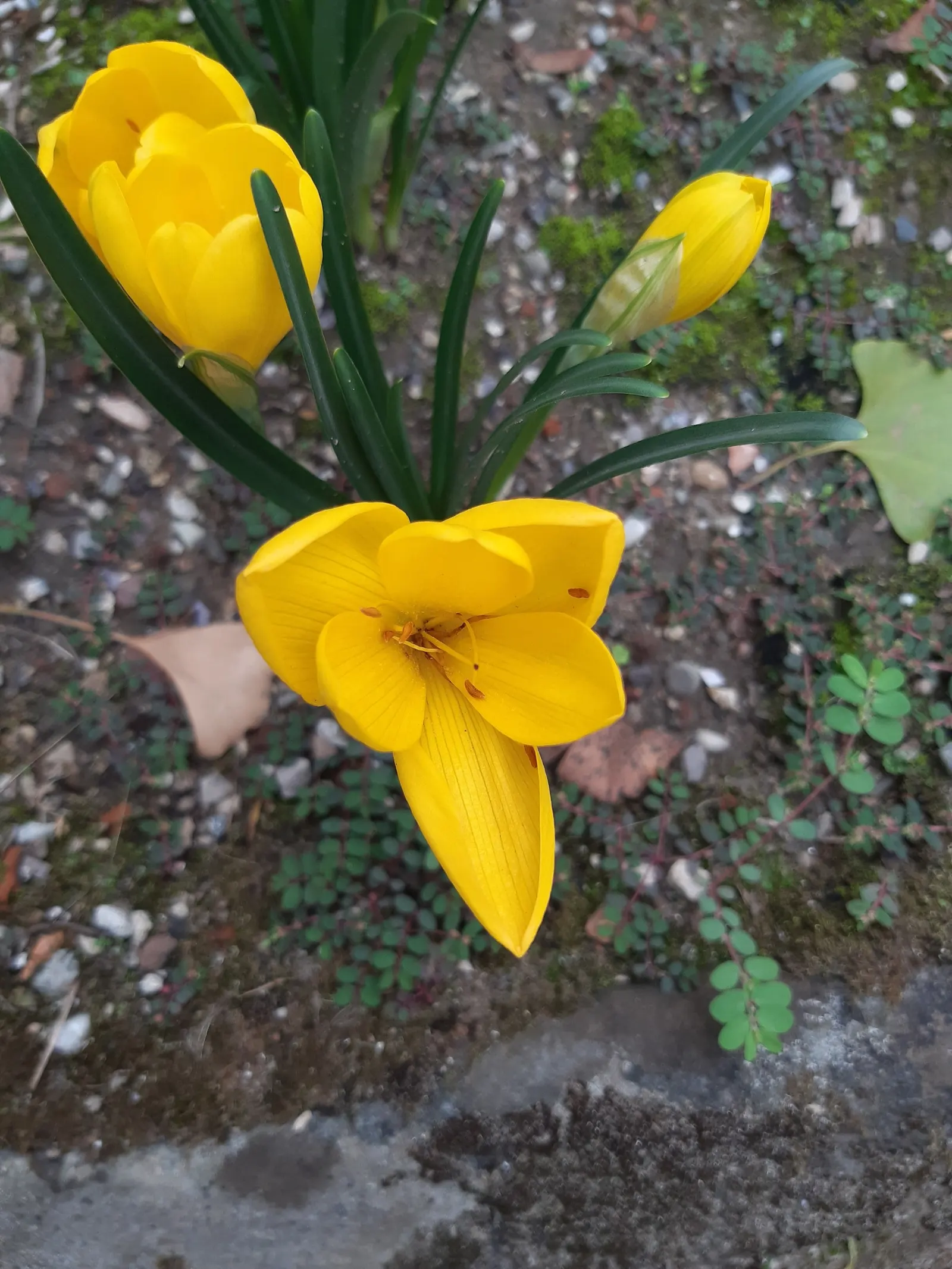
Trout Lily (Erythronium Oreganum) — In mid to late spring, each plant sends up a singular, nodding yellow or creamy-white flower; is a captivating perennial
Trout Lily (Erythronium Oreganum) — In mid to late spring, each plant sends up a singular, nodding yellow or creamy-white flower
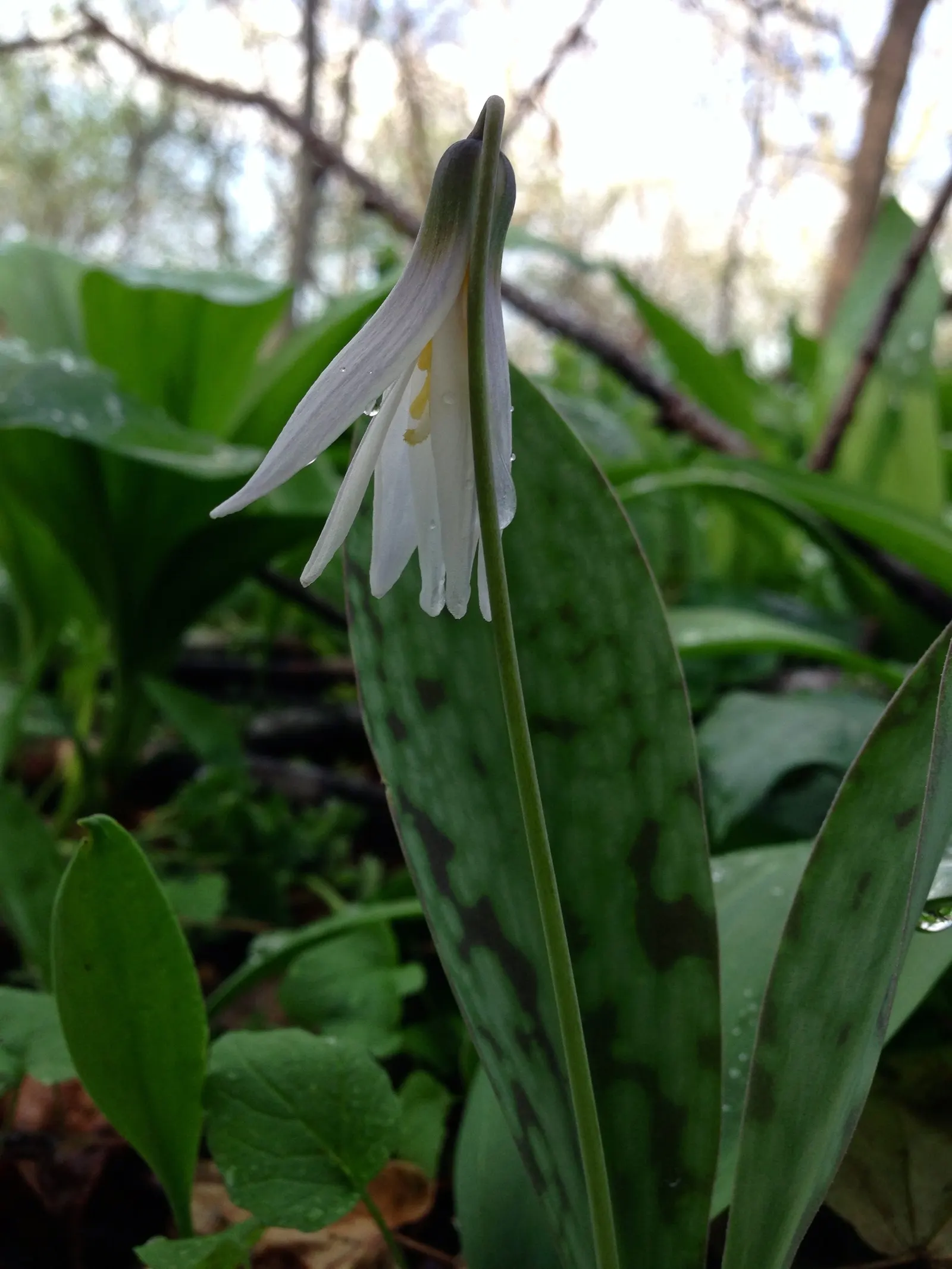
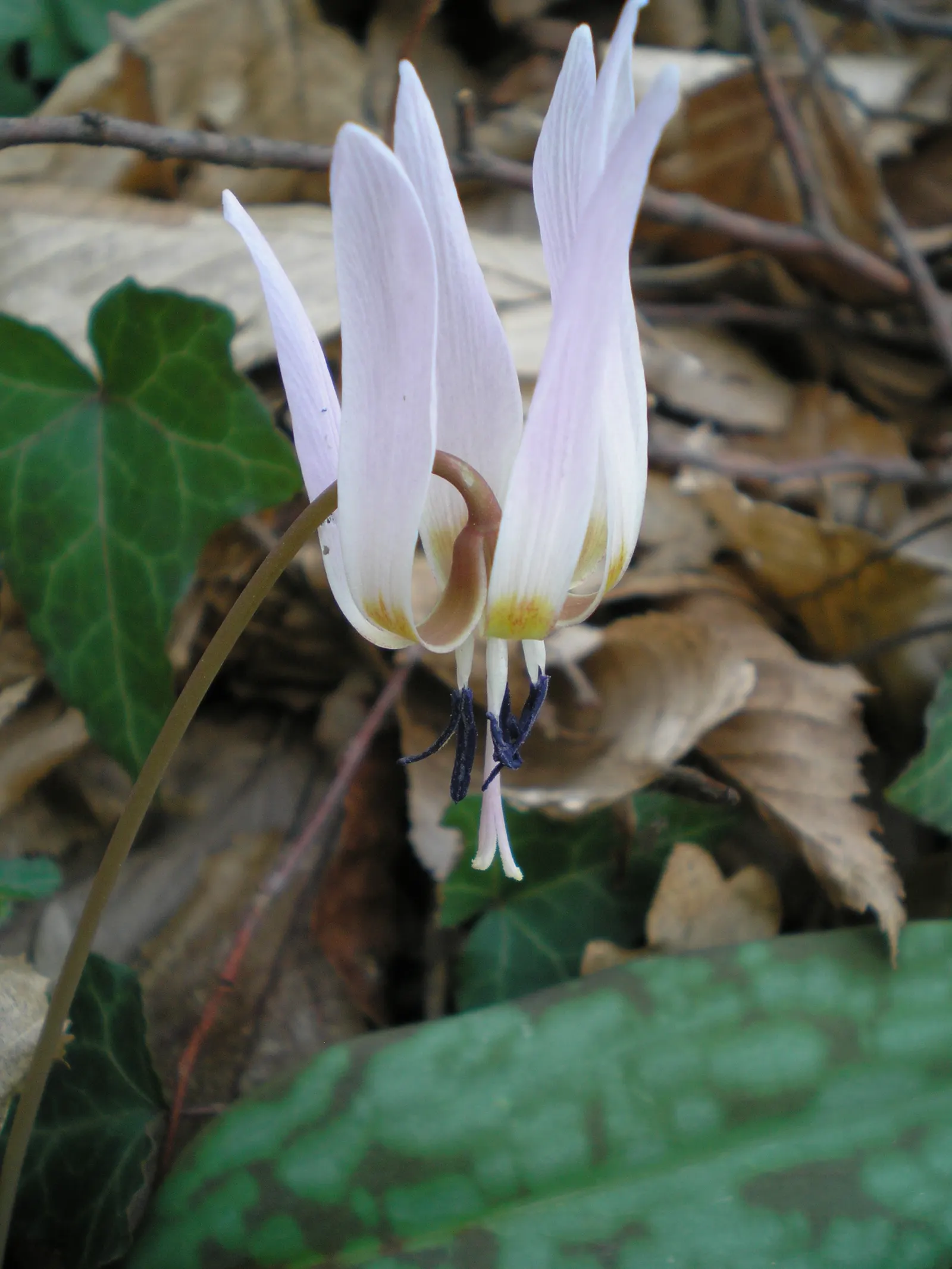
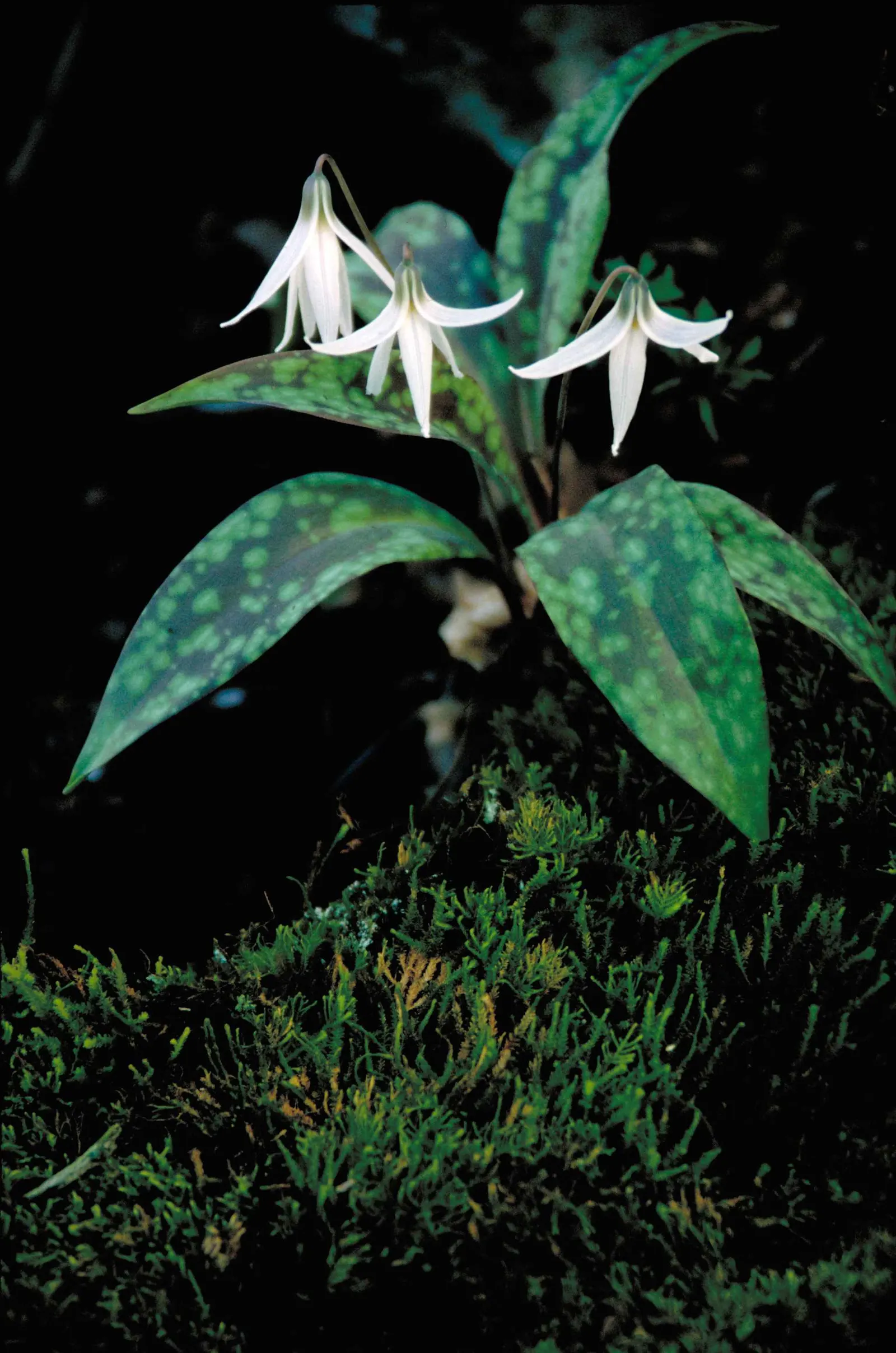
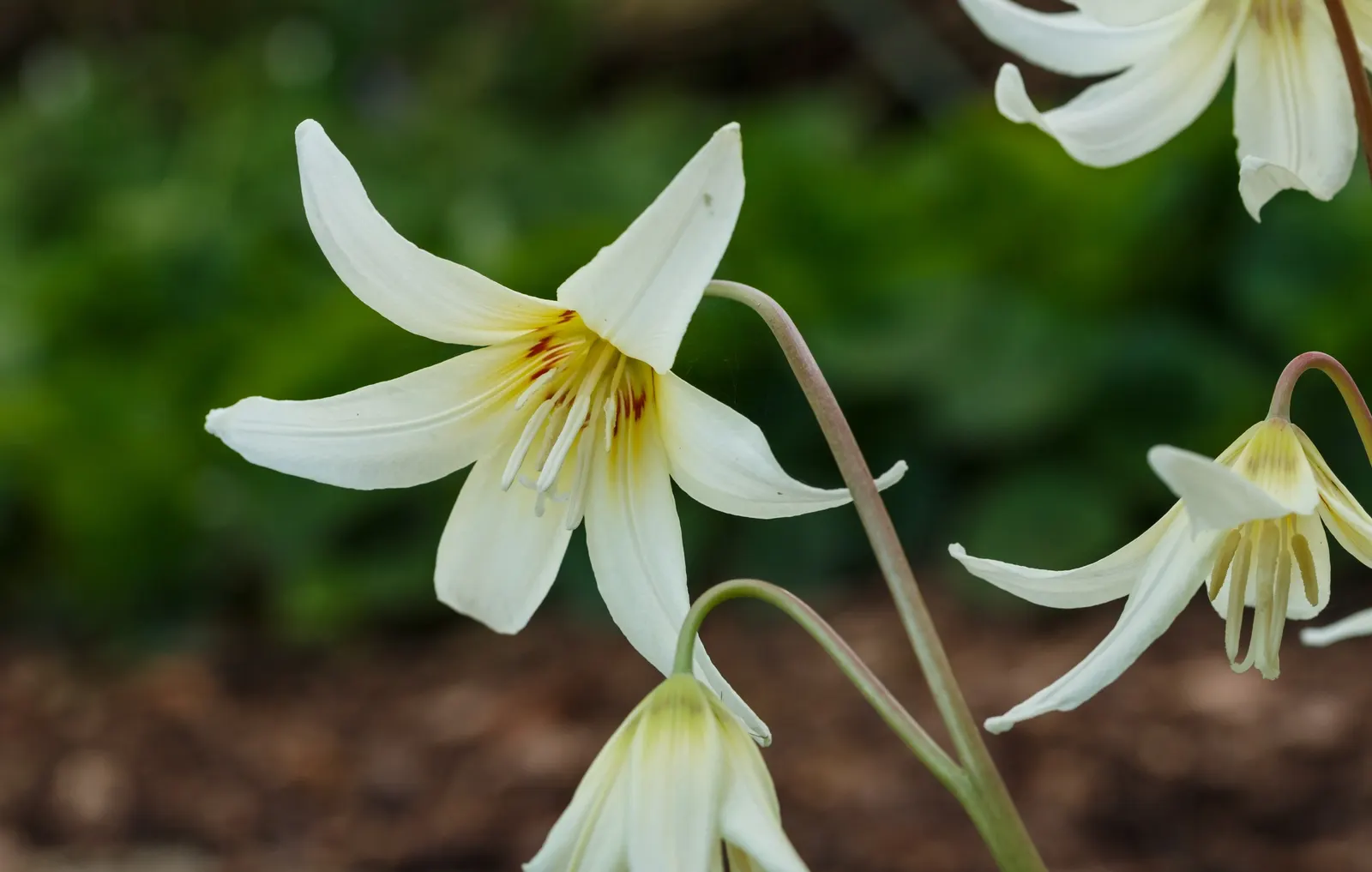
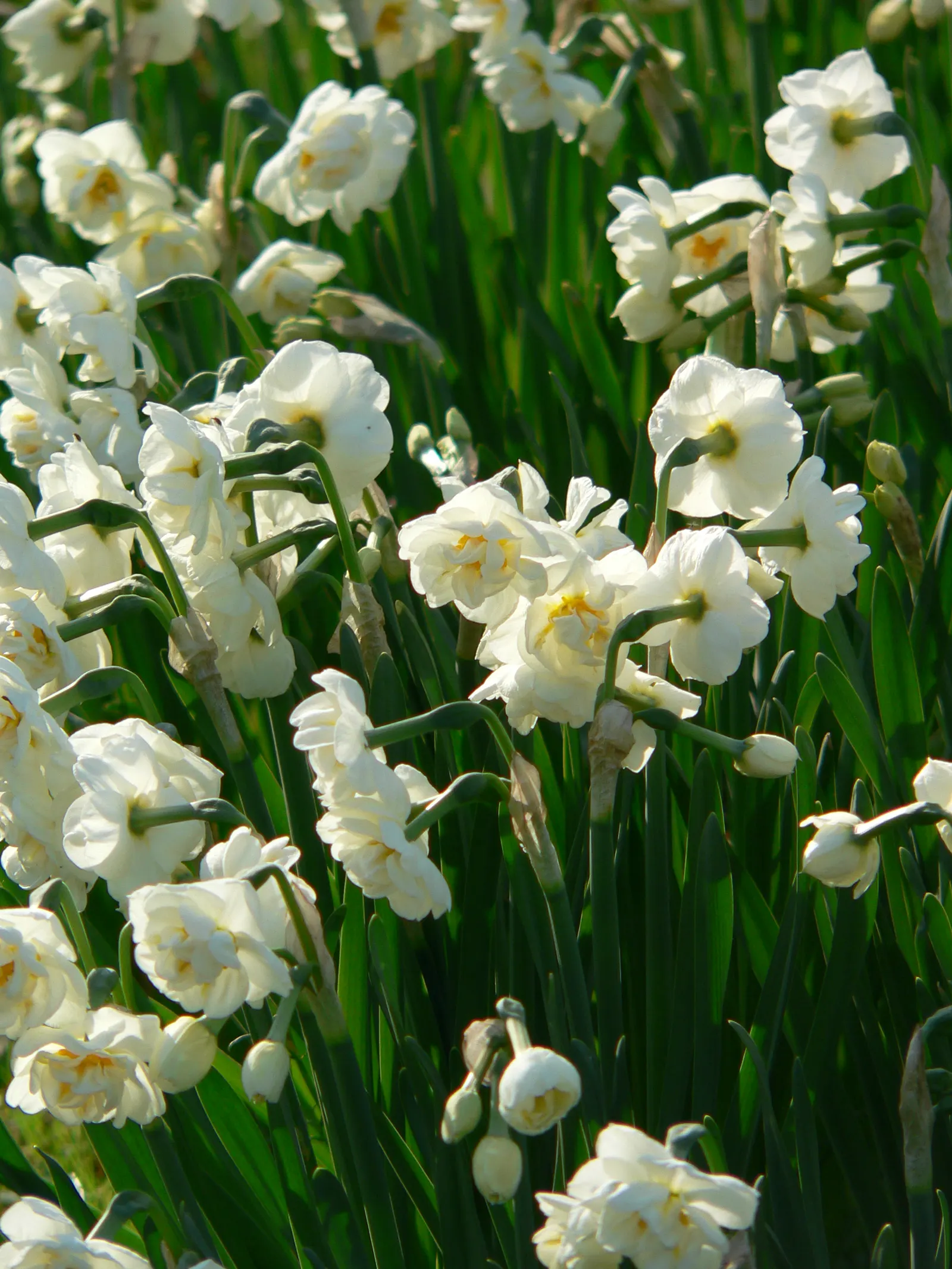
Trout Lily (Erythronium Oreganum) — white flowers in the garden; this plant thrives in dappled shade, image 106
Trout Lily (Erythronium Oreganum) — white flowers in the garden; this plant thrives in dappled shade
Trout Lily (Erythronium Oreganum) — achieved through rhizomes and seed dispersal
Trout Lily (Erythronium Oreganum) — bulb with white blooms; when incorporating Erythronium oreganum into your landscape design
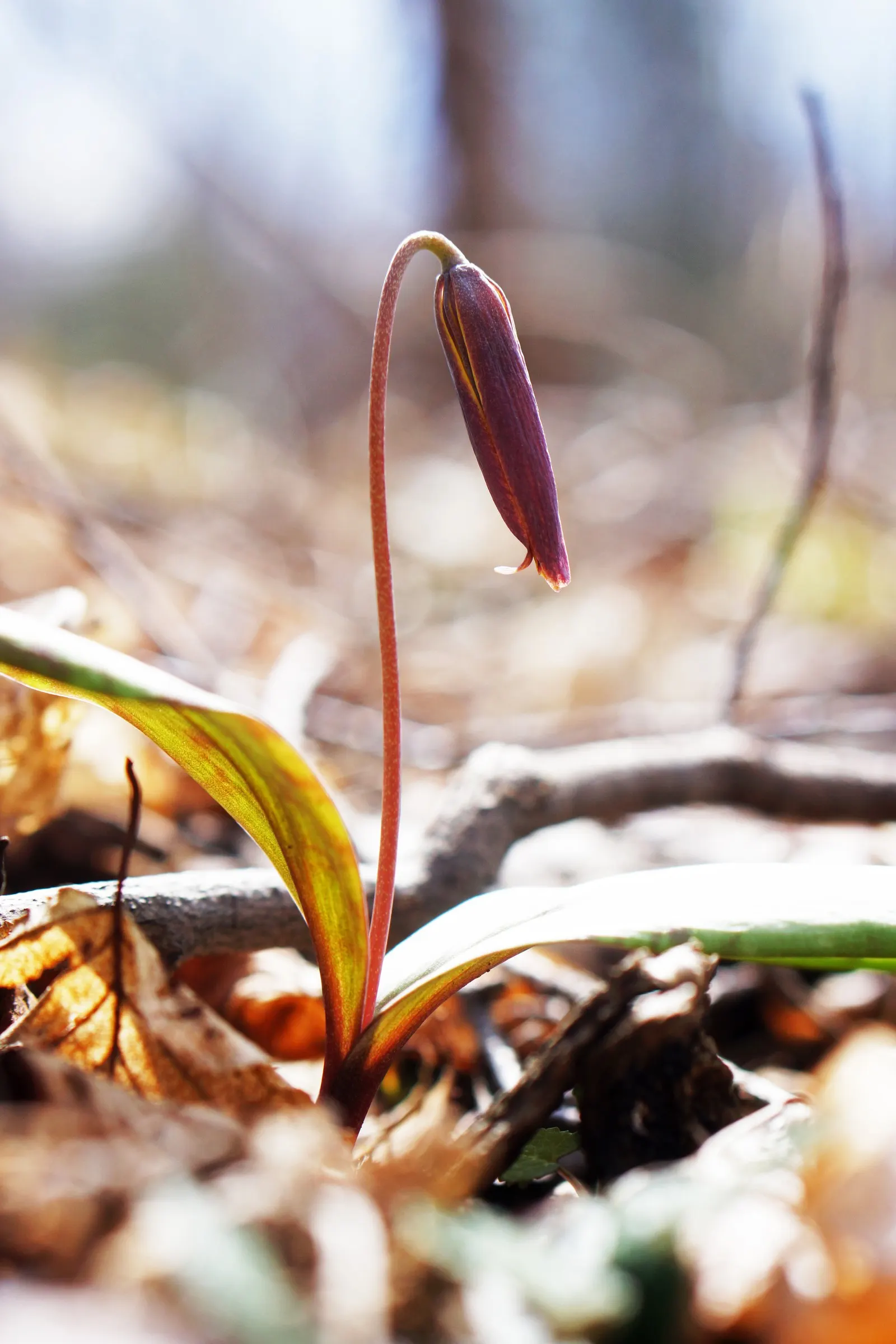
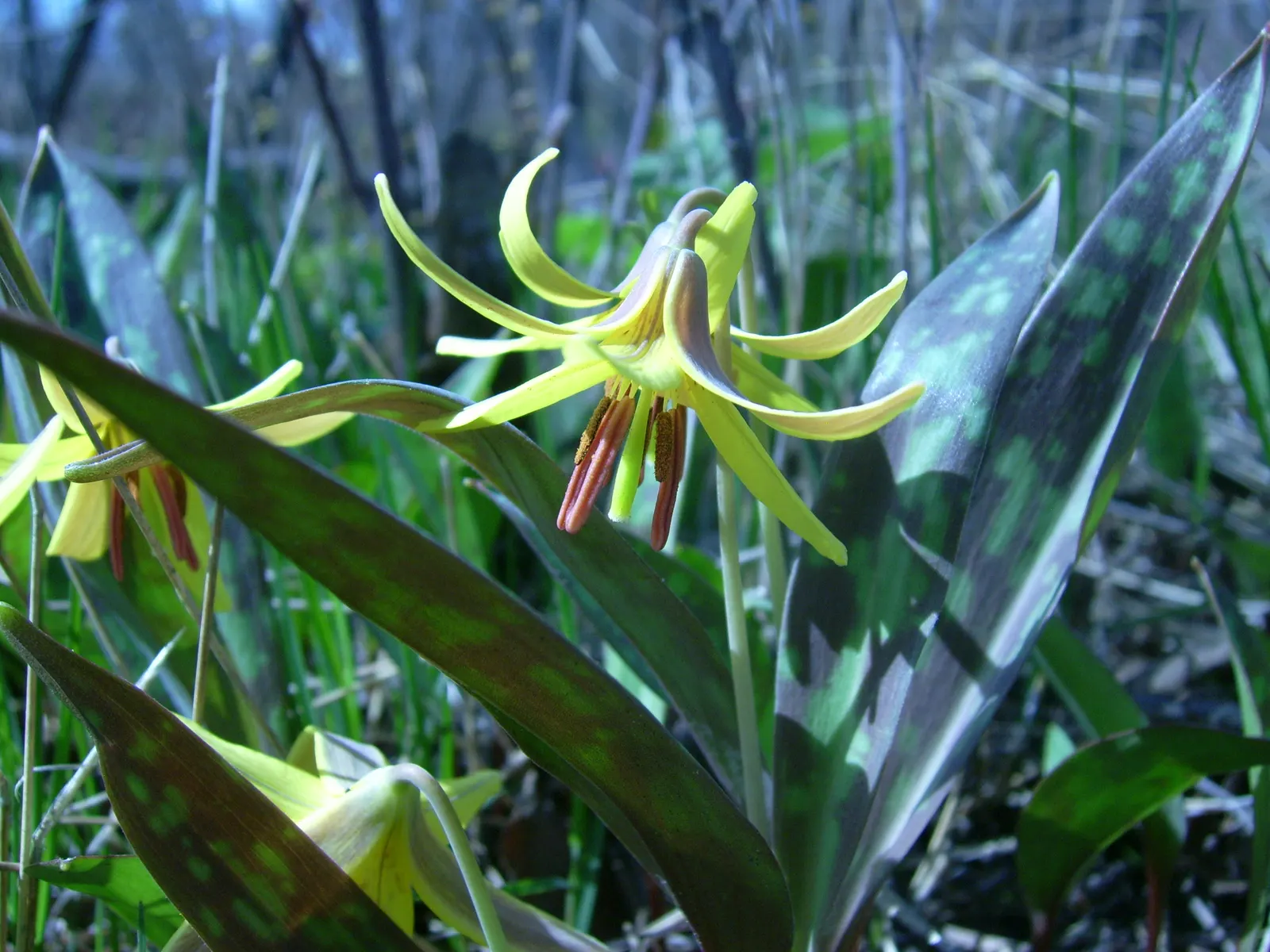
Trout Lily (Erythronium Oreganum) — In mid to late spring, each plant sends up a singular, nodding yellow or creamy-white flower; is a captivating, image 94
Trout Lily (Erythronium Oreganum) — allowing other summer-blooming plants to take center stage; in April-May, its solitary, drooping yellow, image 105
Trout Lily (Erythronium Oreganum) — with a spread of 4 to 6 inches; achieved through rhizomes and seed dispersal
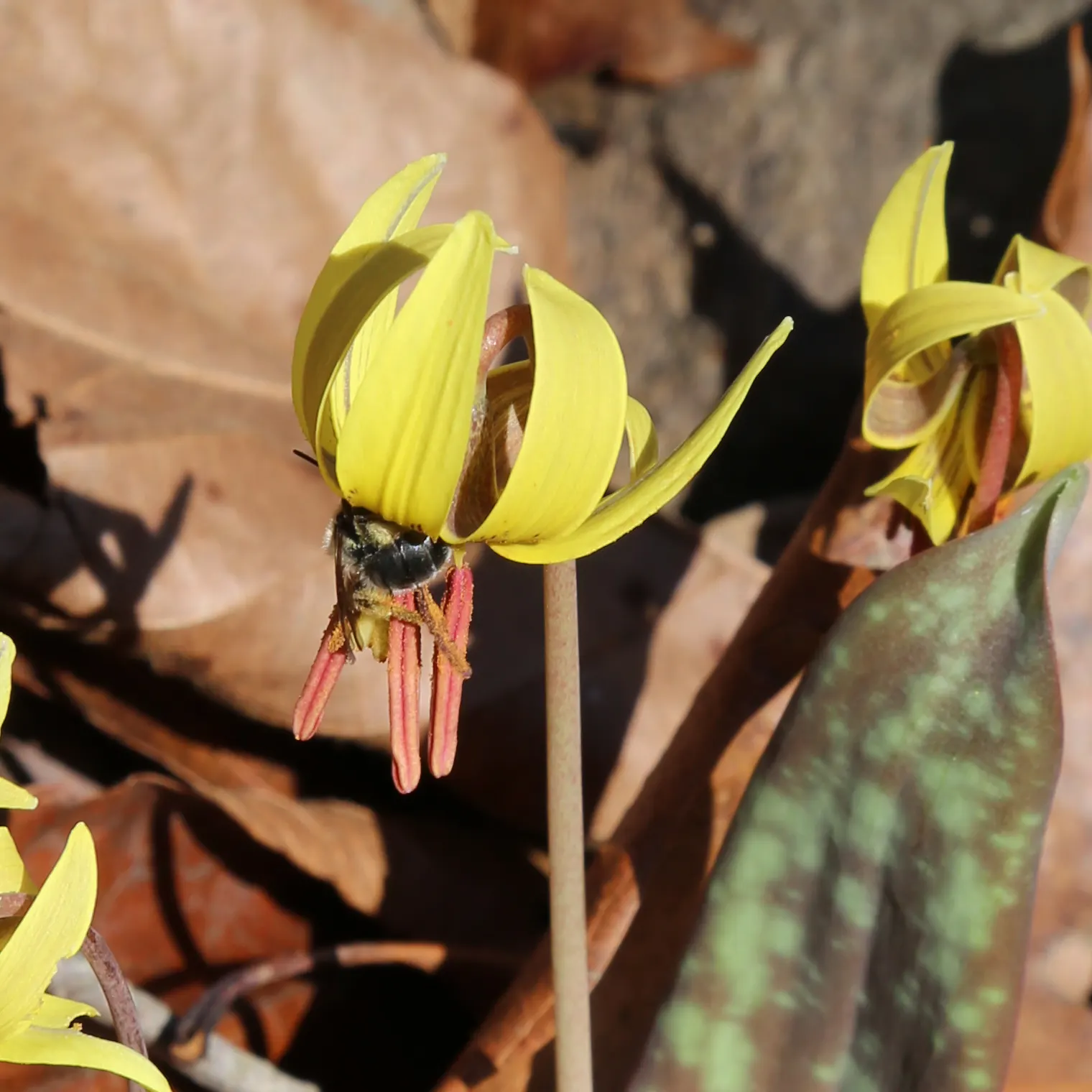
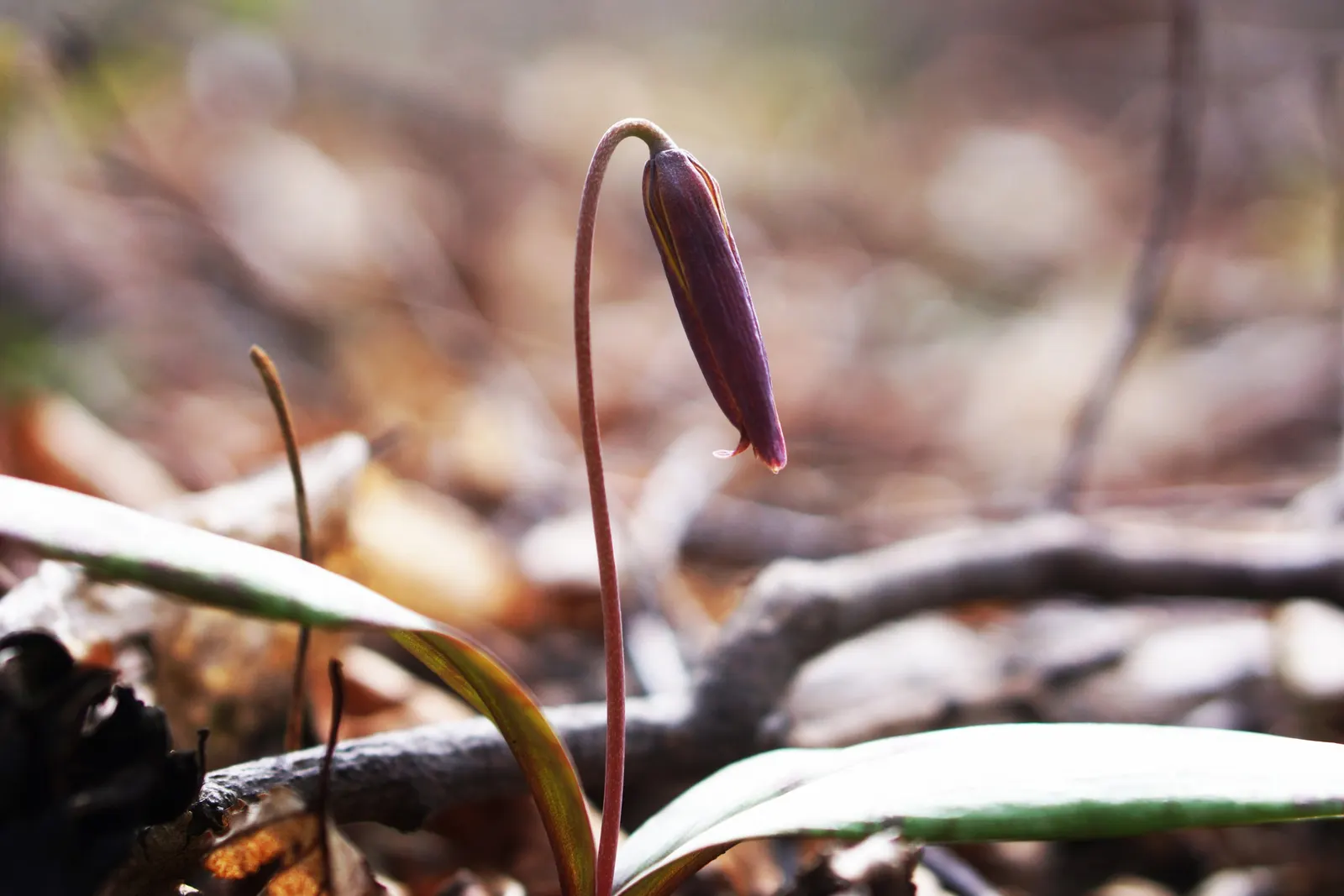
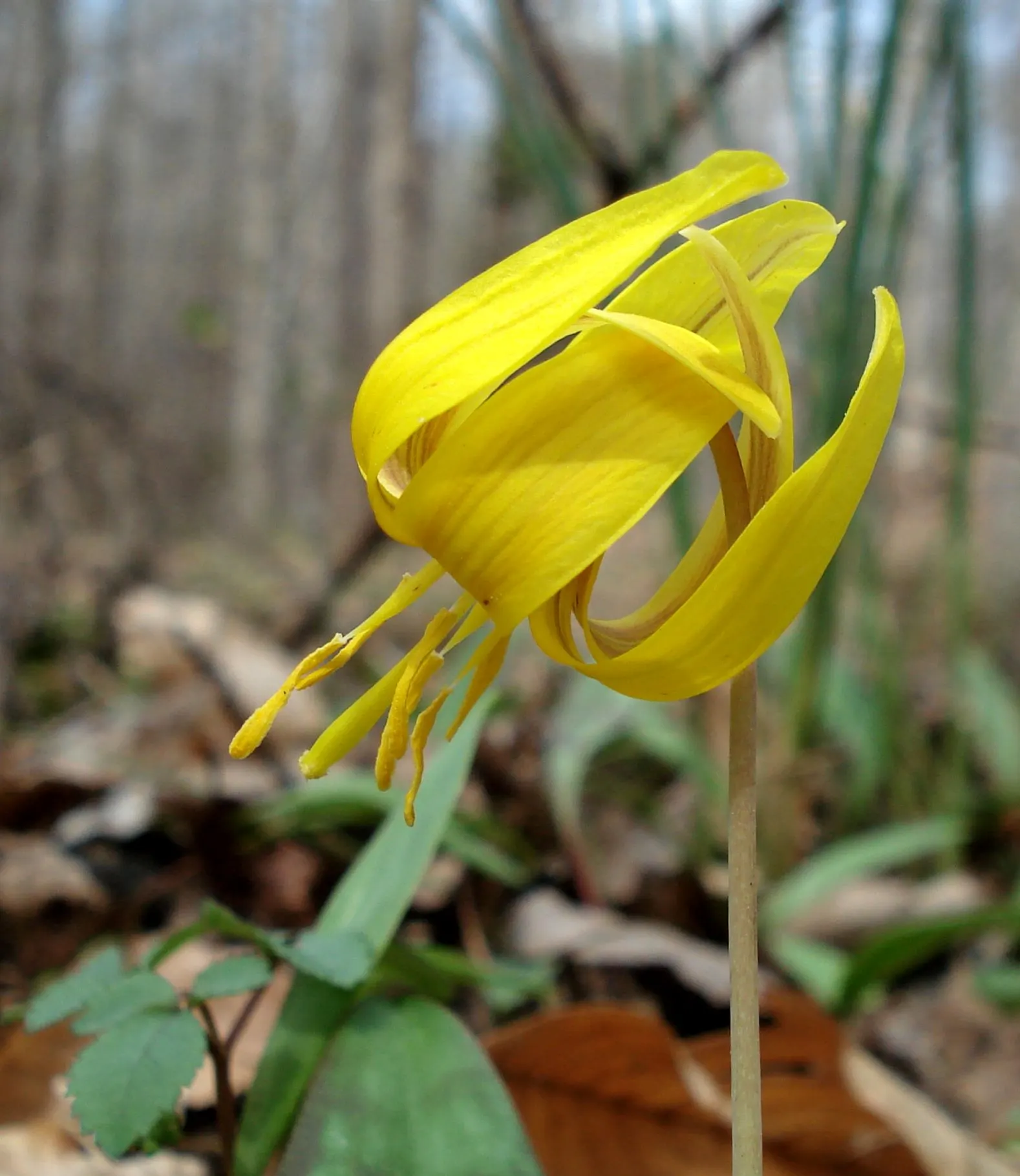
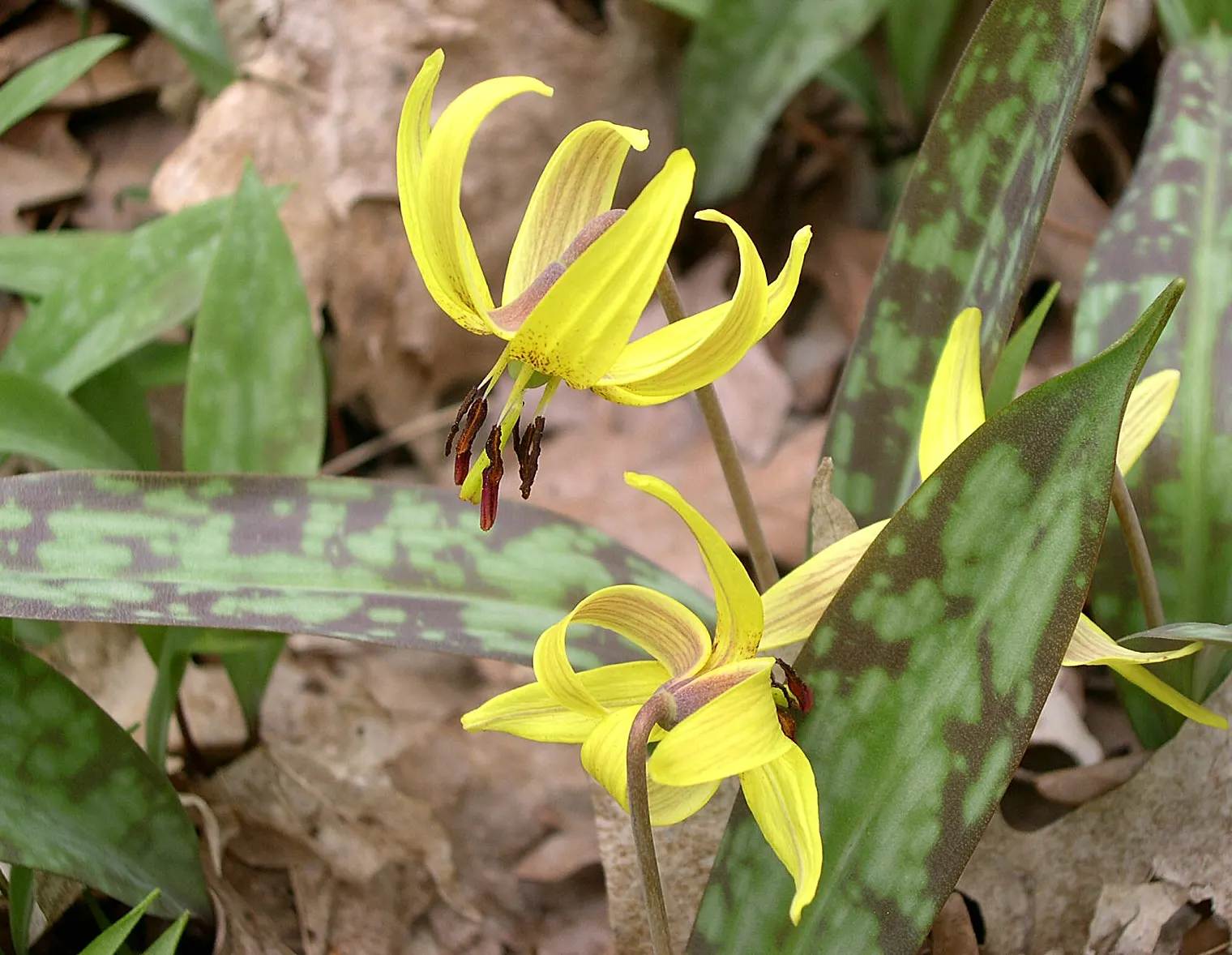
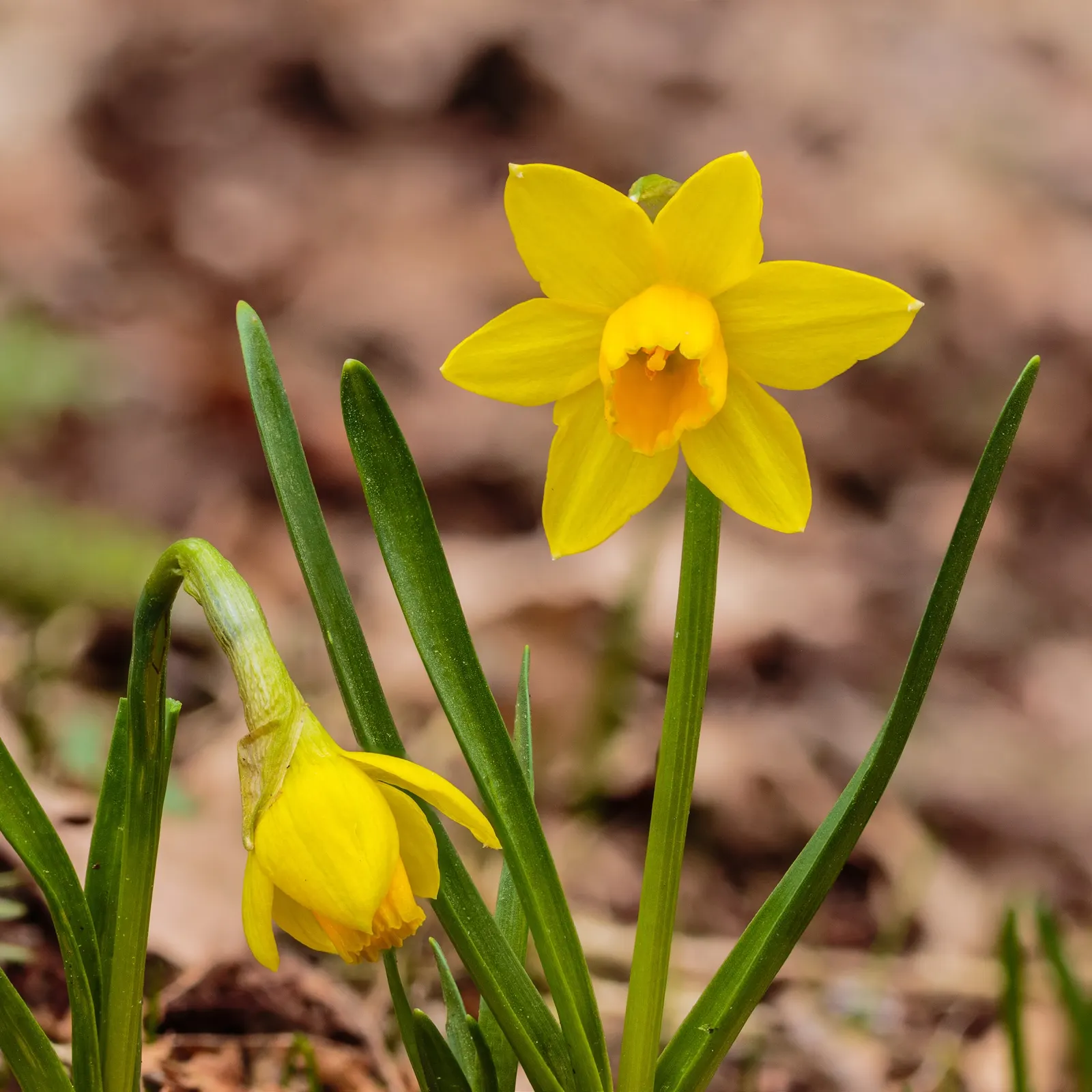
Trout Lily (Erythronium Oreganum) — In April-May, its solitary, drooping yellow flowers, about 1-3 inches across, present atop slender stems, image 57
Trout Lily (Erythronium Oreganum) — Preferring moist, acidic soil, it thrives under dappled sunlight in woodland gardens, spreading via corms
Trout Lily (Erythronium Oreganum) — allowing other summer-blooming plants to take center stage; in April-May, its solitary, drooping yellow, image 78
Trout Lily (Erythronium Oreganum) — bulb for full or half or shade
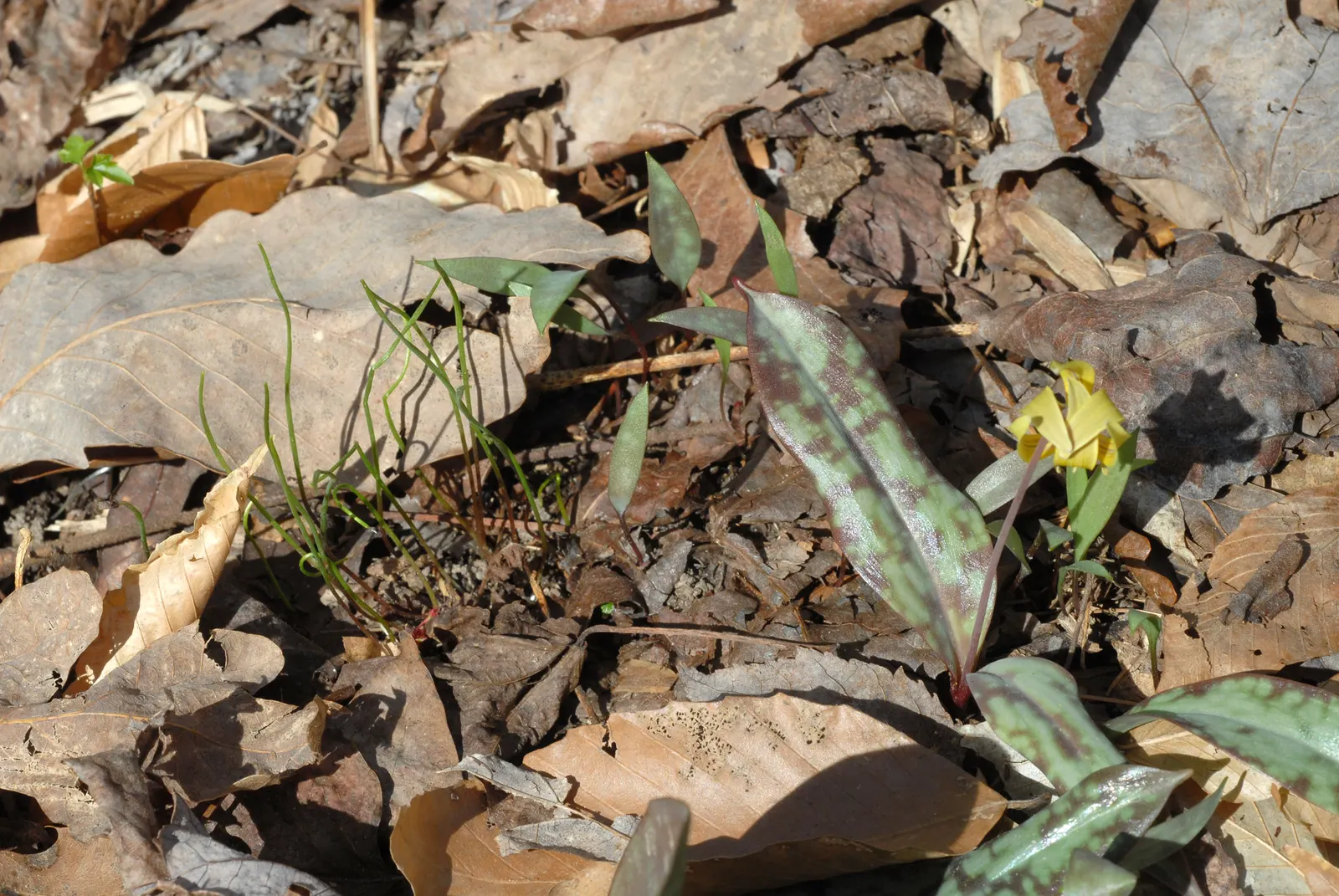
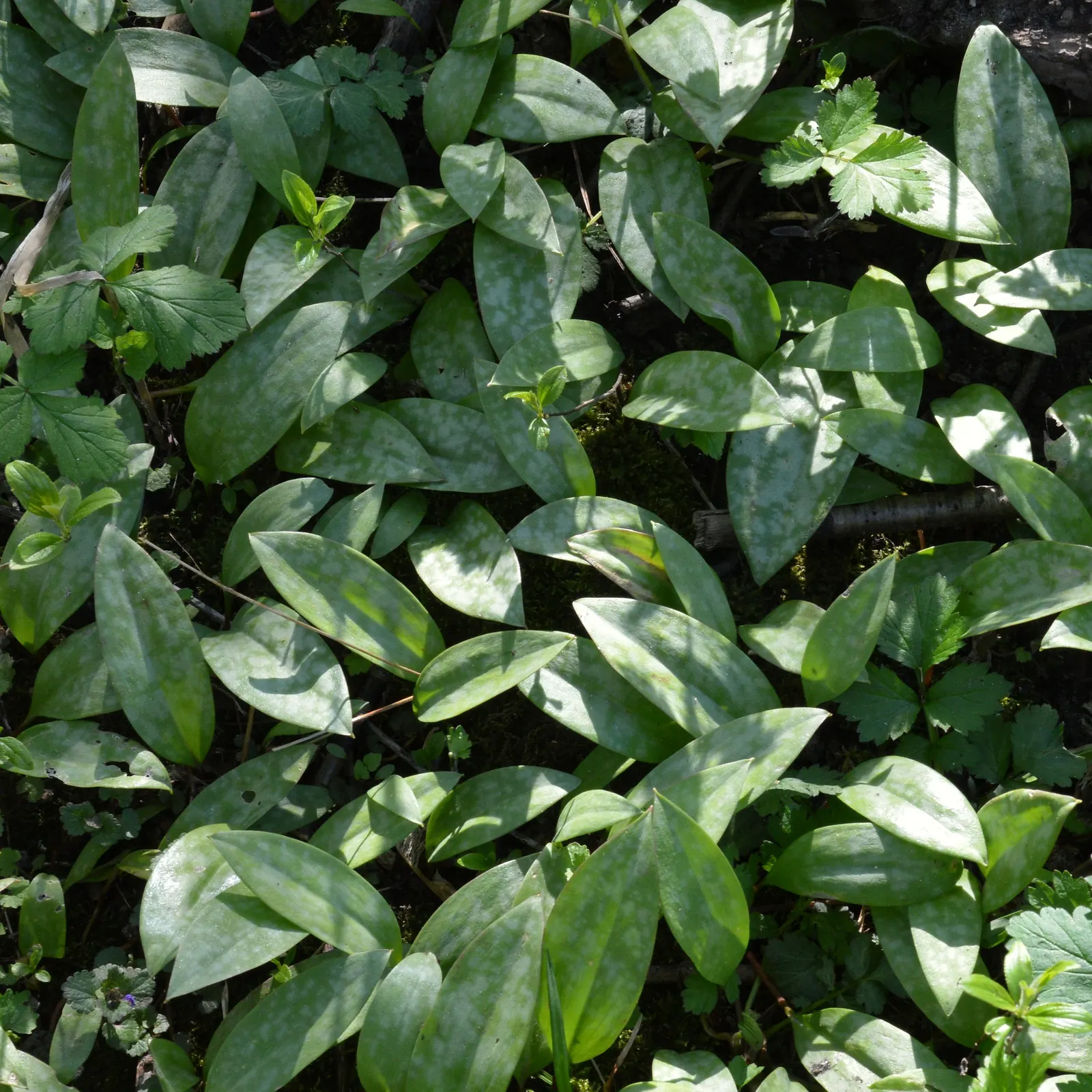
Trout Lily (Erythronium Oreganum) — Showcasing mottled leaves resembling trout patterns, it spans up to 8 inches
Trout Lily (Erythronium Oreganum) — is a captivating perennial that could bring a natural woodland aesthetic to your client's garden; the plant's, image 61
Trout Lily (Erythronium Oreganum) — They are tolerant of a pH range from mildly acidic to neutral
Trout Lily (Erythronium Oreganum) — this plant thrives in dappled shade; in mid to late spring, each plant sends up a singular, nodding yellow or creamy-white
Trout Lily (Erythronium Oreganum) — scientifically known as Erythronium oreganum; the Trout Lily is a low-maintenance ground cover that won't overshadow other
Trout Lily (Erythronium Oreganum) — Preferring moist, acidic soil, it thrives under dappled sunlight in woodland gardens, spreading via corms; white flowers in
Trout Lily (Erythronium Oreganum) — With its distinctive mottled leaves; bulb with white blooms, image 89
Trout Lily (Erythronium Oreganum) — Erythronium oreganum, or Trout Lily, is a charming spring ephemeral, flourishing in USDA zones 3-9; preferring, image 109
Trout Lily (Erythronium Oreganum) — Trout Lilies are ephemeral
Trout Lily (Erythronium Oreganum) — white flowers in the garden; this plant thrives in dappled shade, image 79
Trout Lily (Erythronium Oreganum) — achieved through rhizomes and seed dispersal; showcasing mottled leaves resembling trout patterns, it spans up, image 74
Photographs by 12 contributors

Related plants