Skip to content

Glacier Lily

Erythronium Grandiflorum

Design with this plant

Overview

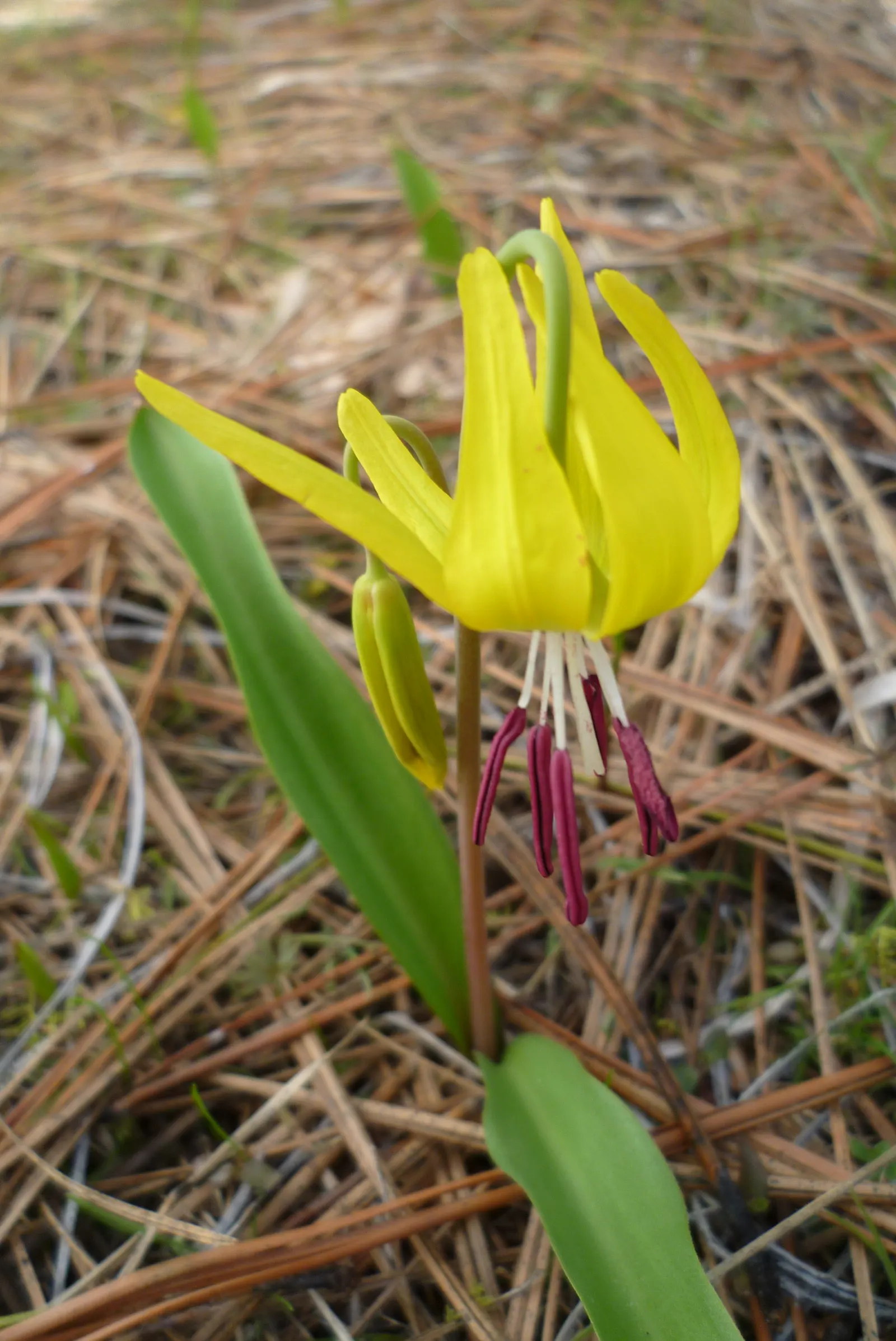
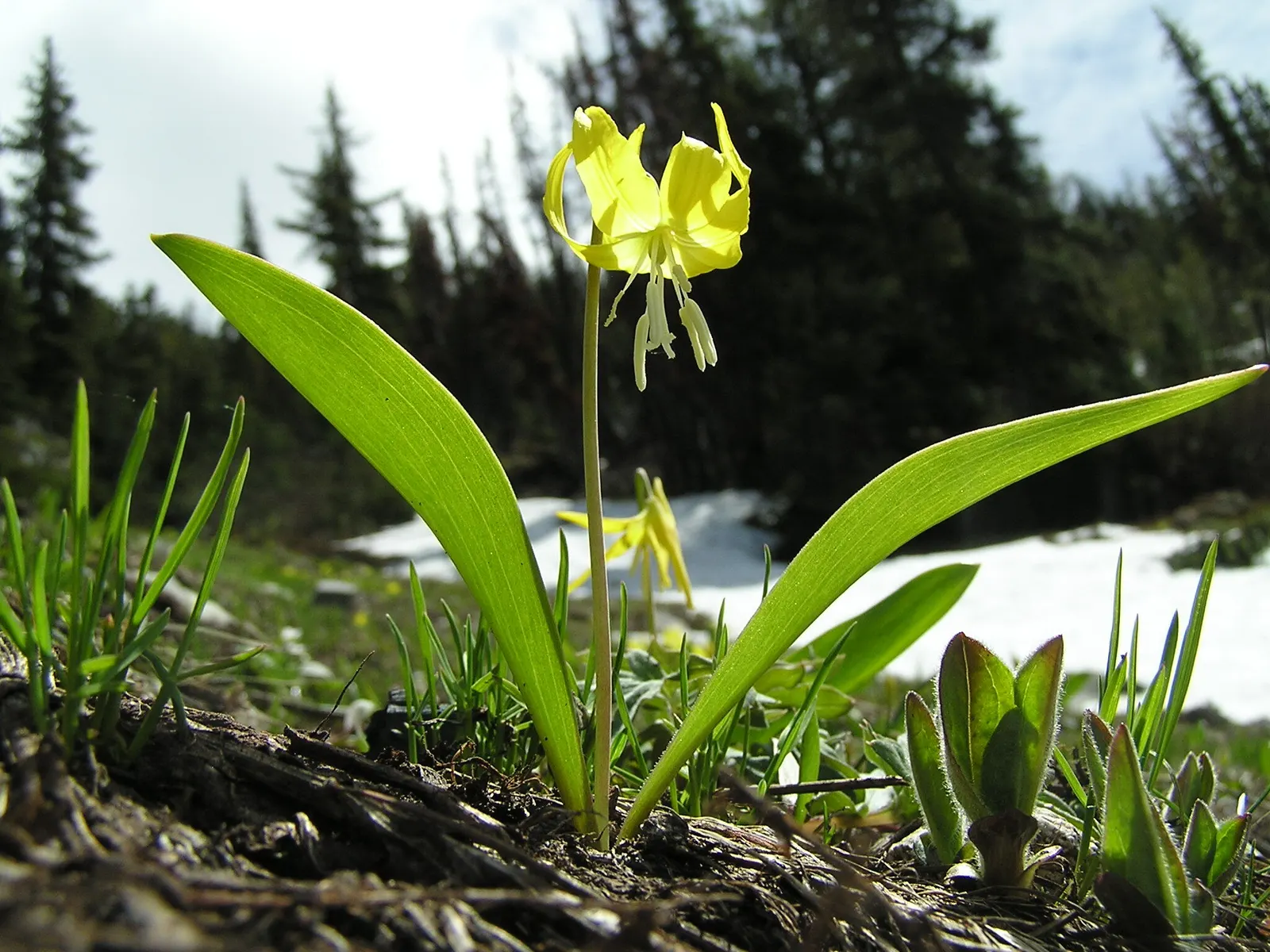
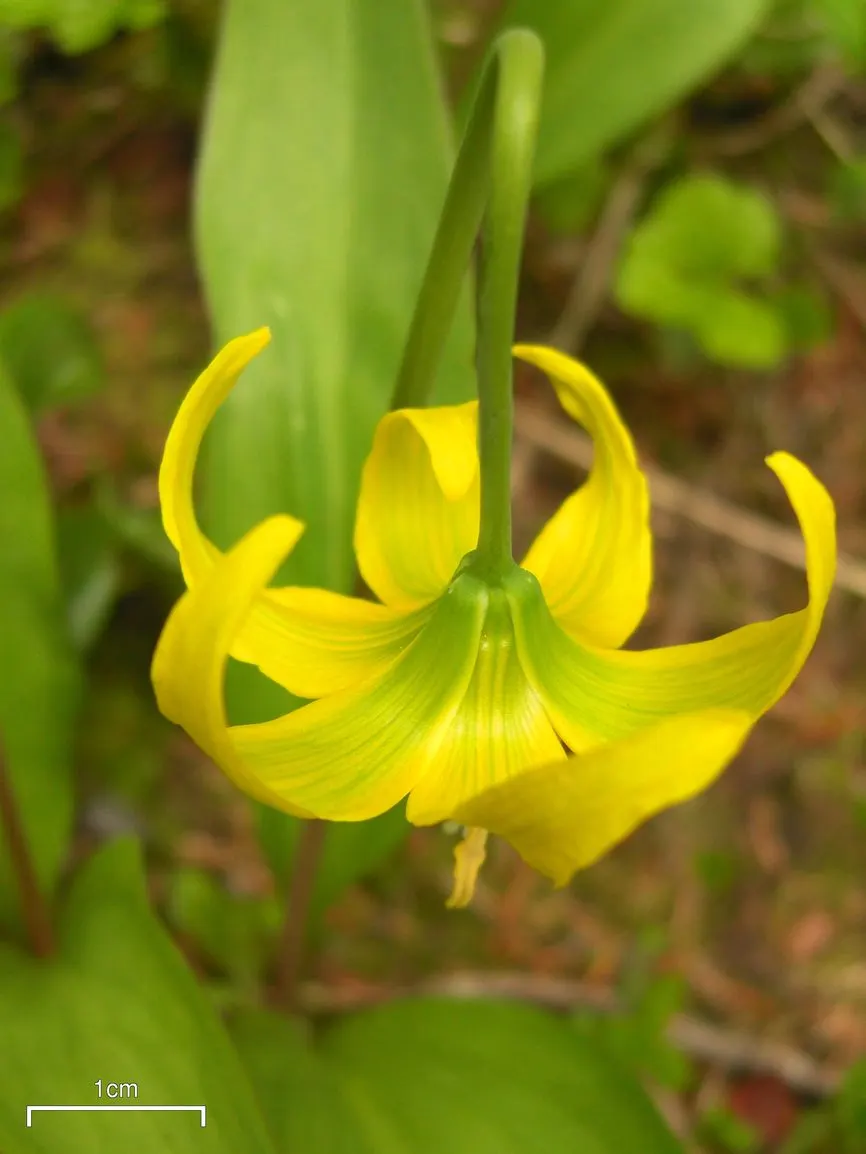
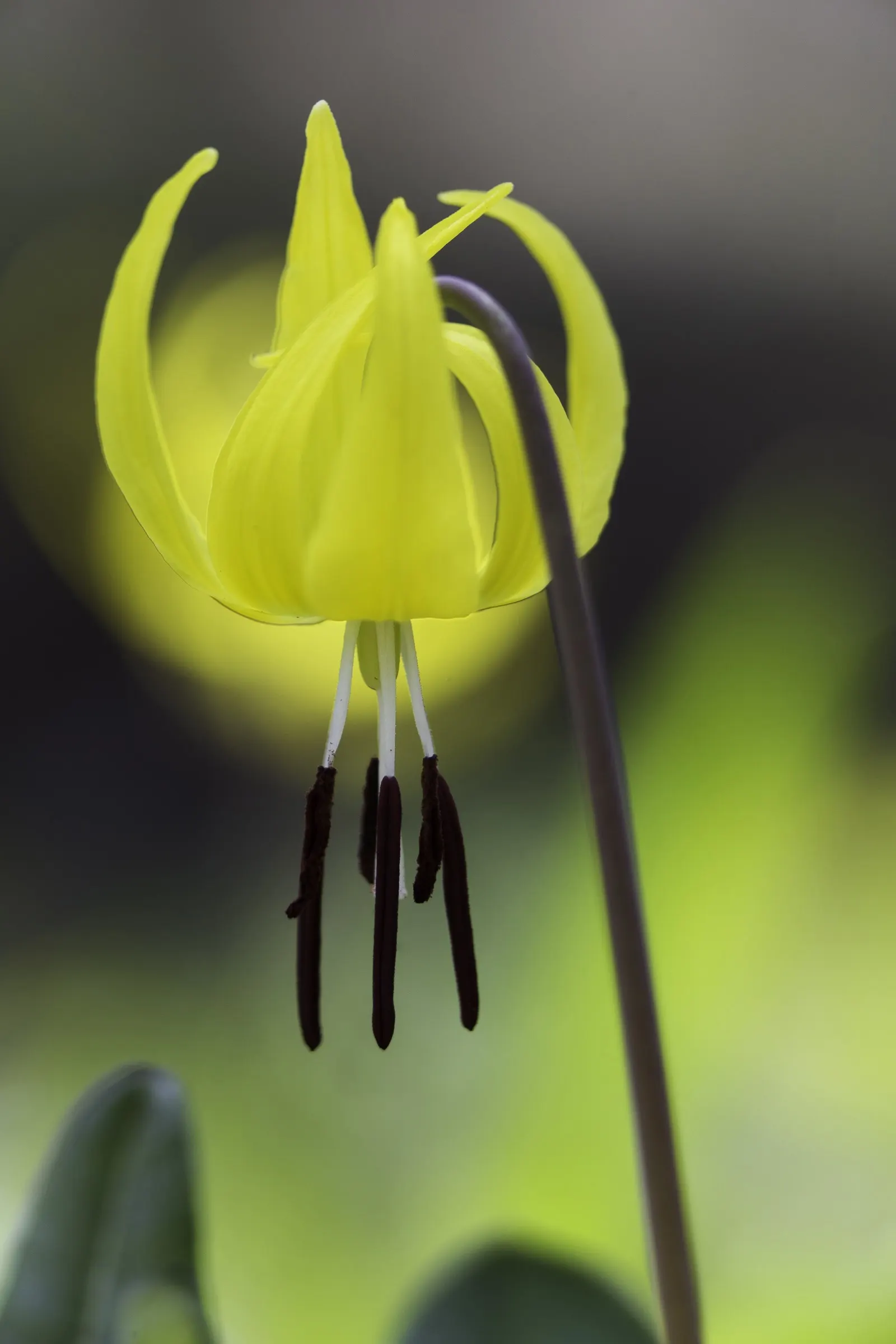
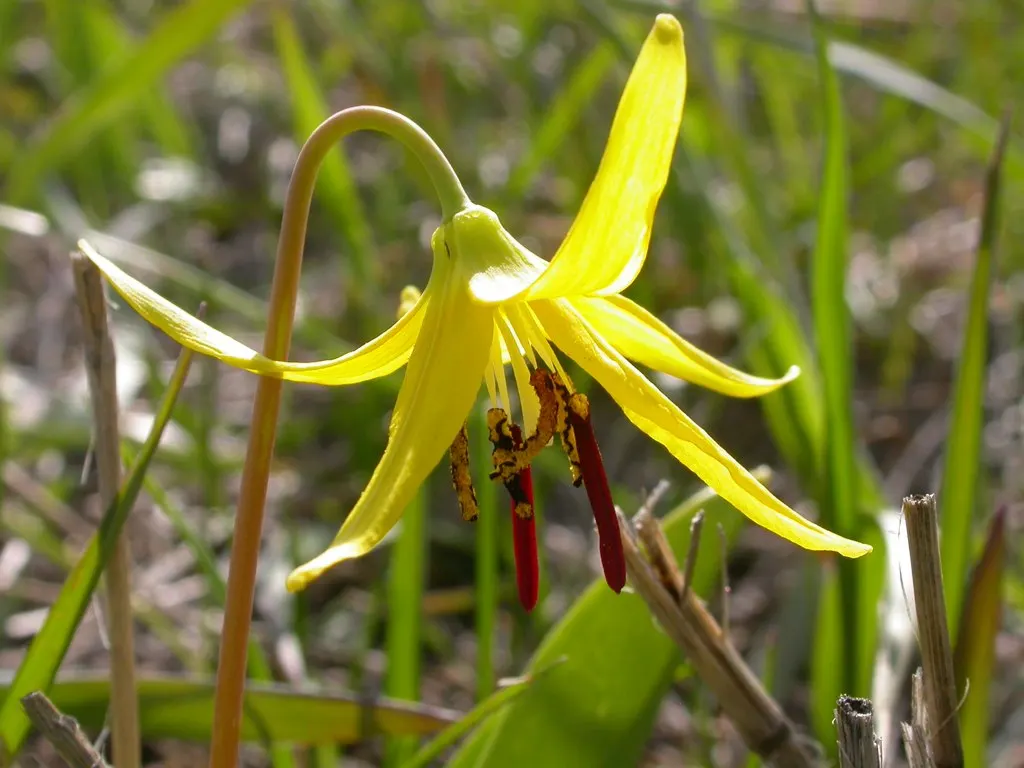
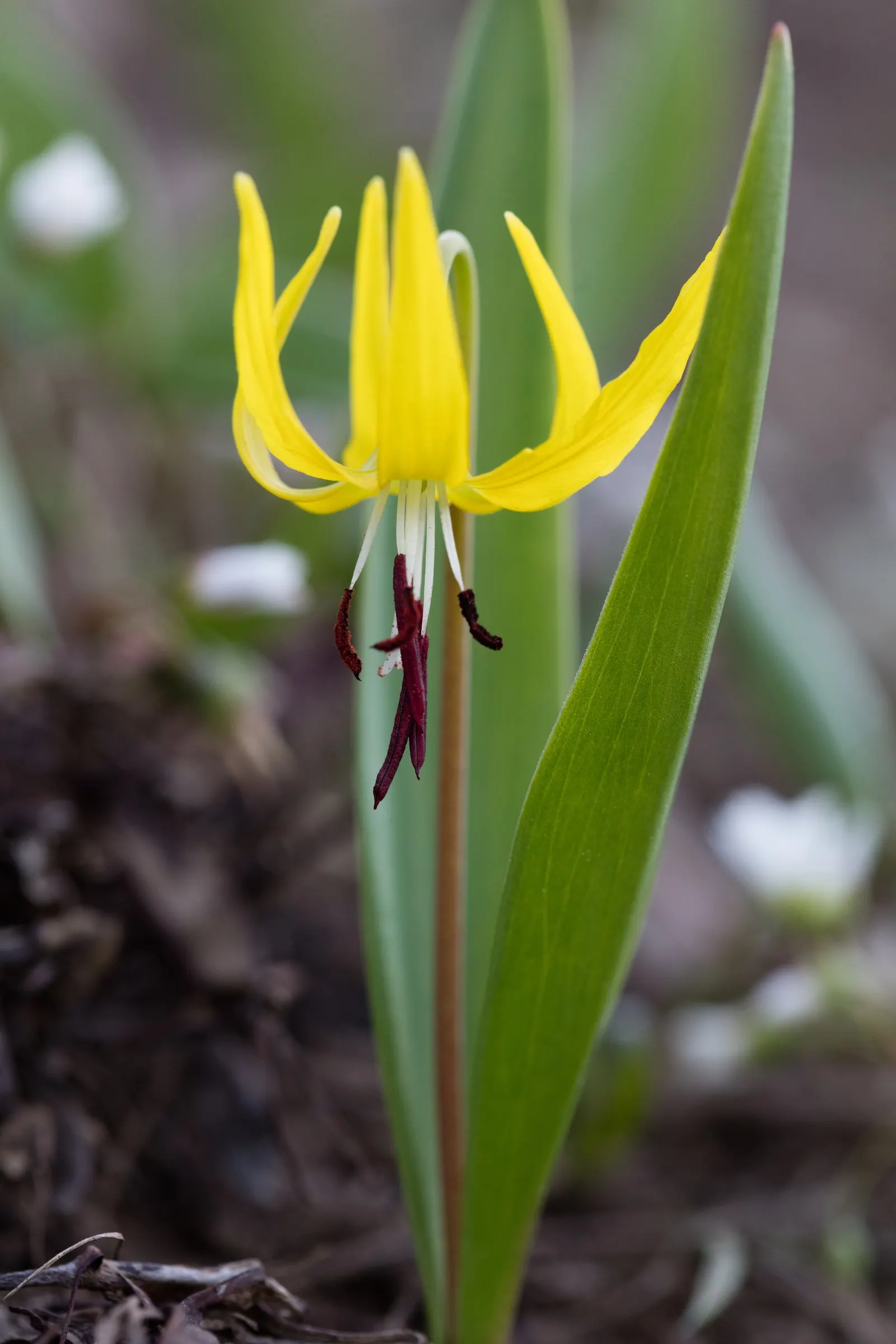
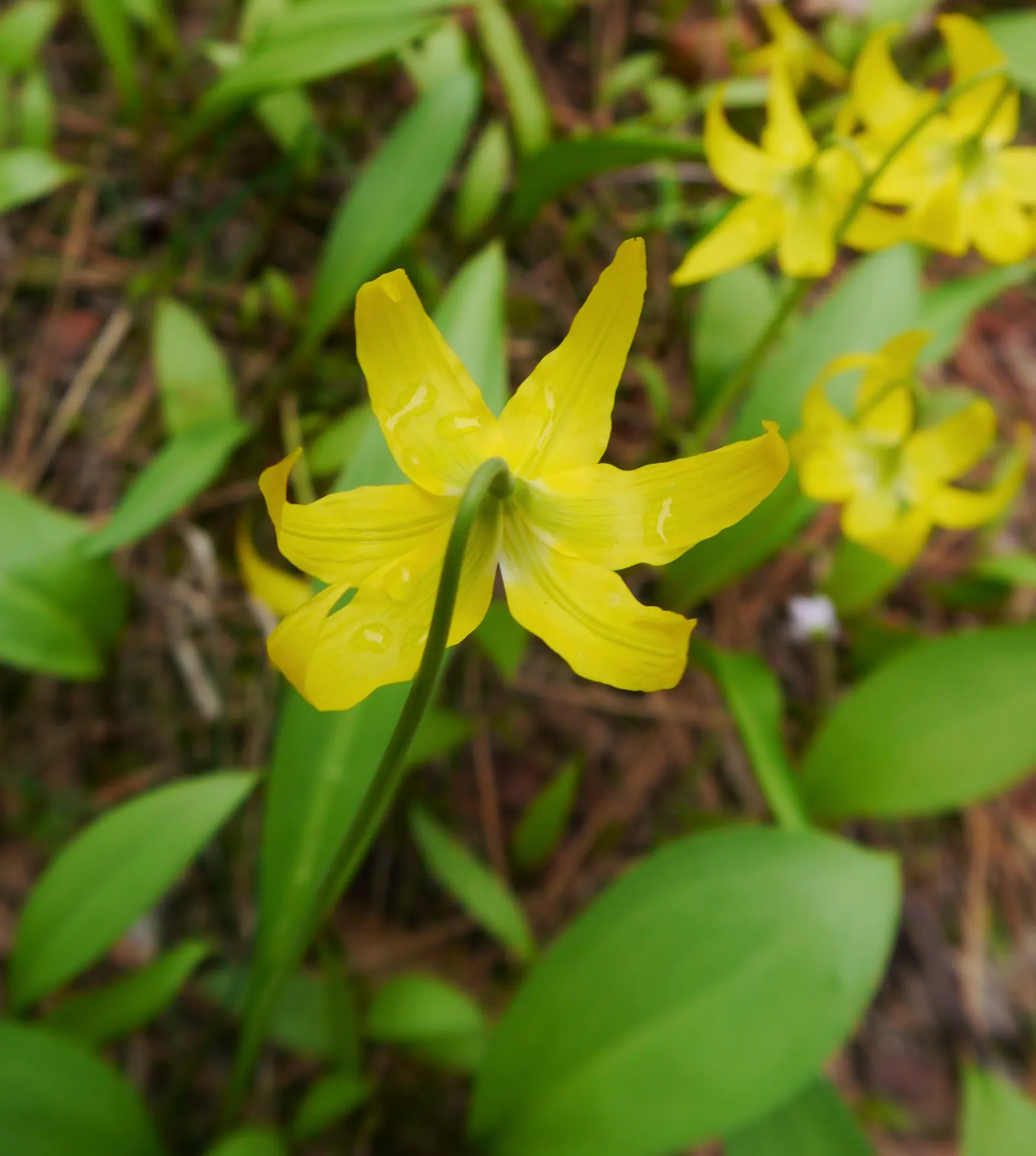
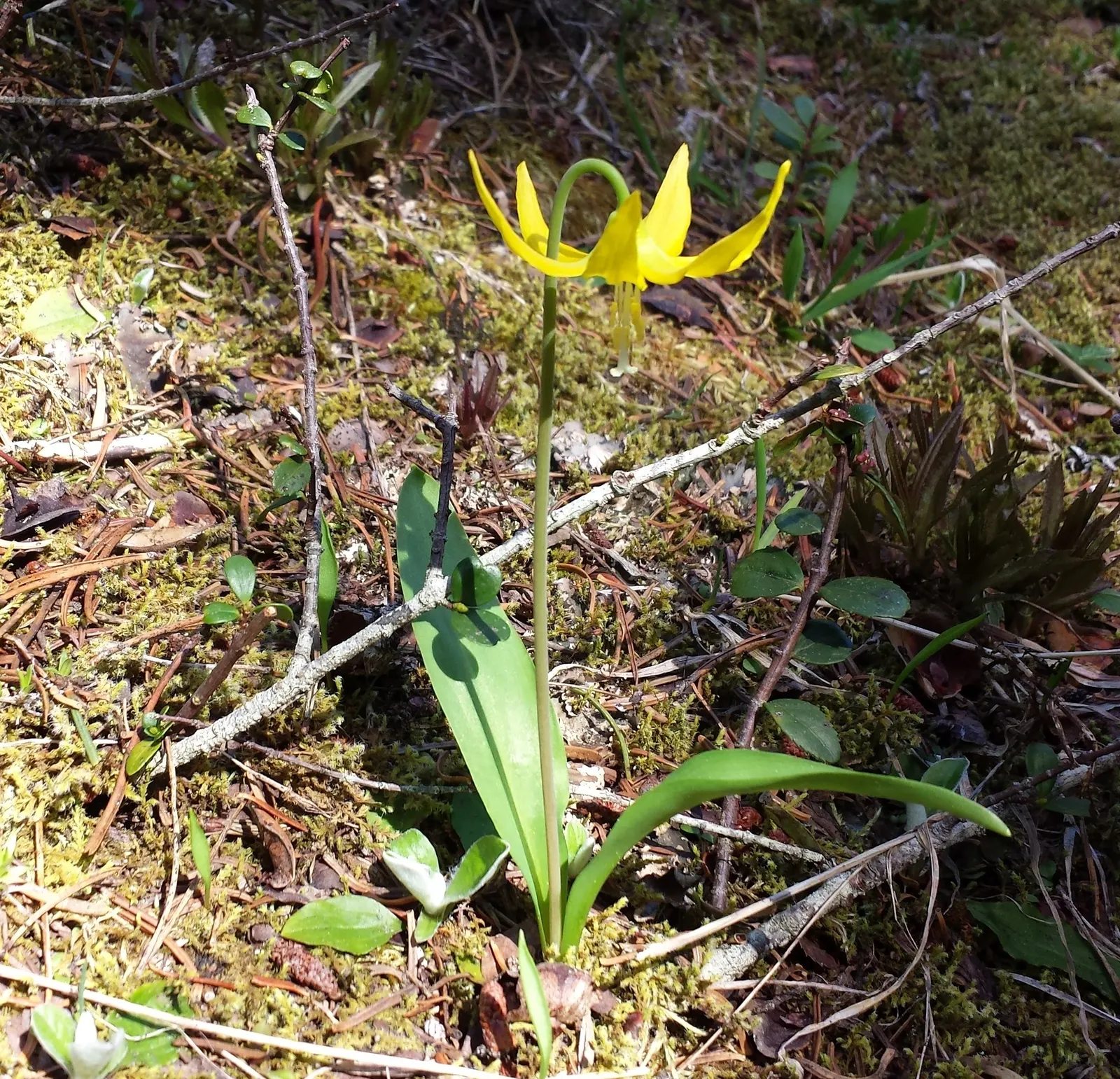
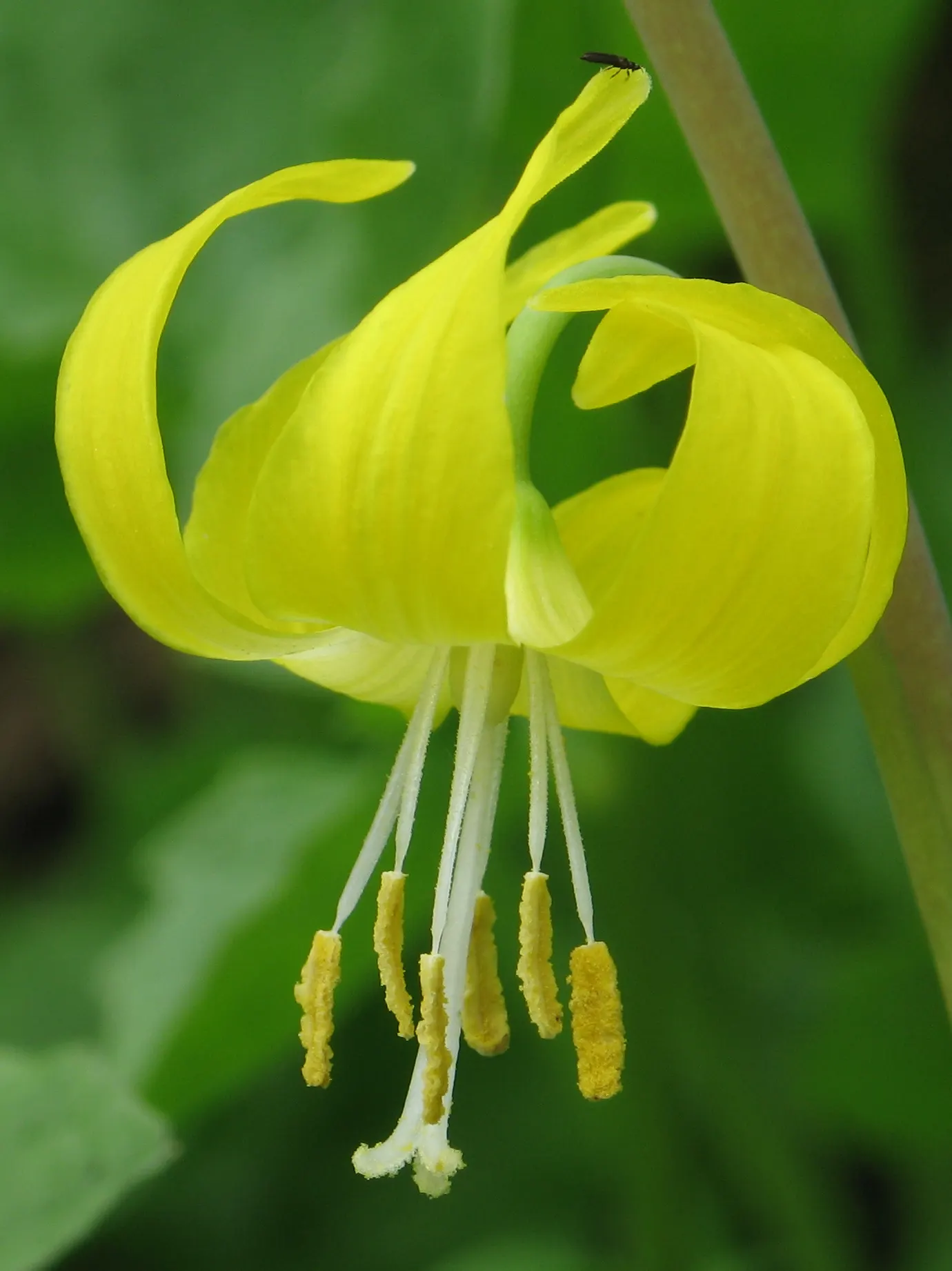
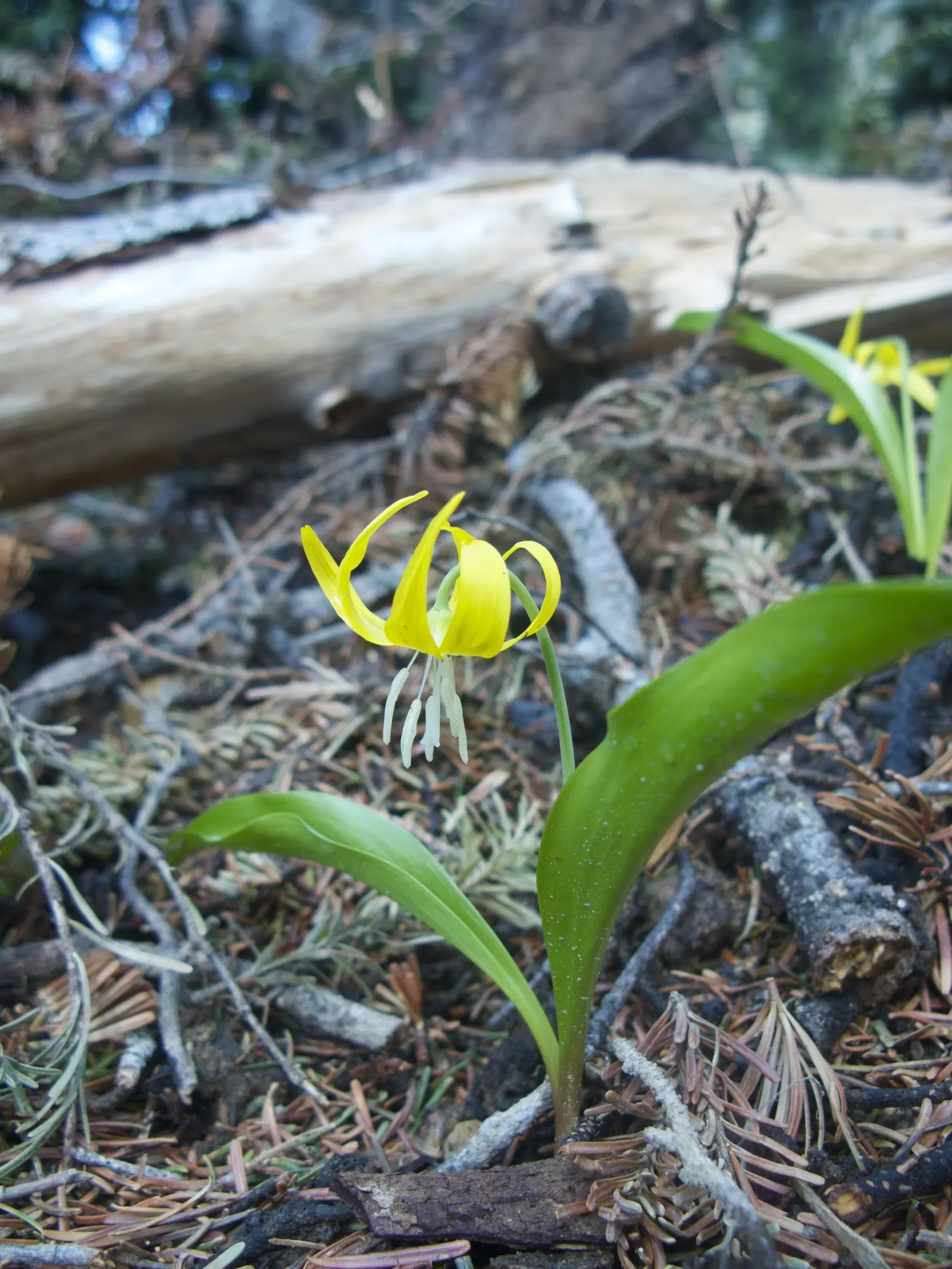
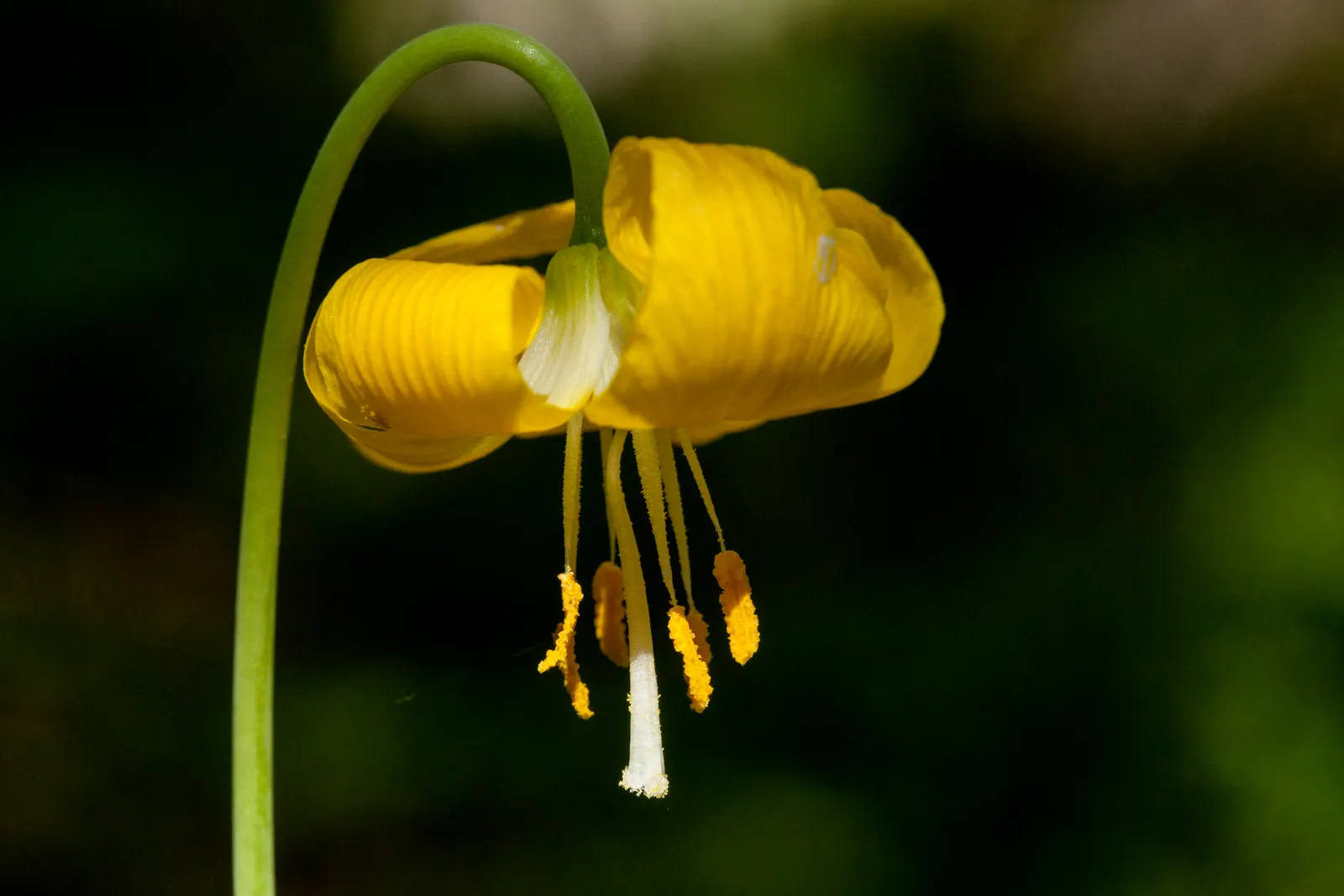
The Glacier Lily, Erythronium grandiflorum, is a delicate native bulb known for its bright yellow blooms. Flowers emerge in spring, reaching 8-20 inches in height, and thrive in well-drained, moist woodland soils. Ideal for naturalizing in shaded areas, it provides early-season nectar for pollinators. Hardy in Zones 3-8 and resistant to deer, it adds a splash of color in woodland gardens and under deciduous trees. Consider planting in groups for visual impact.
Sun Full, Half, ShadeWater Very LowZones 3–9Type BulbClimate Mediterranean
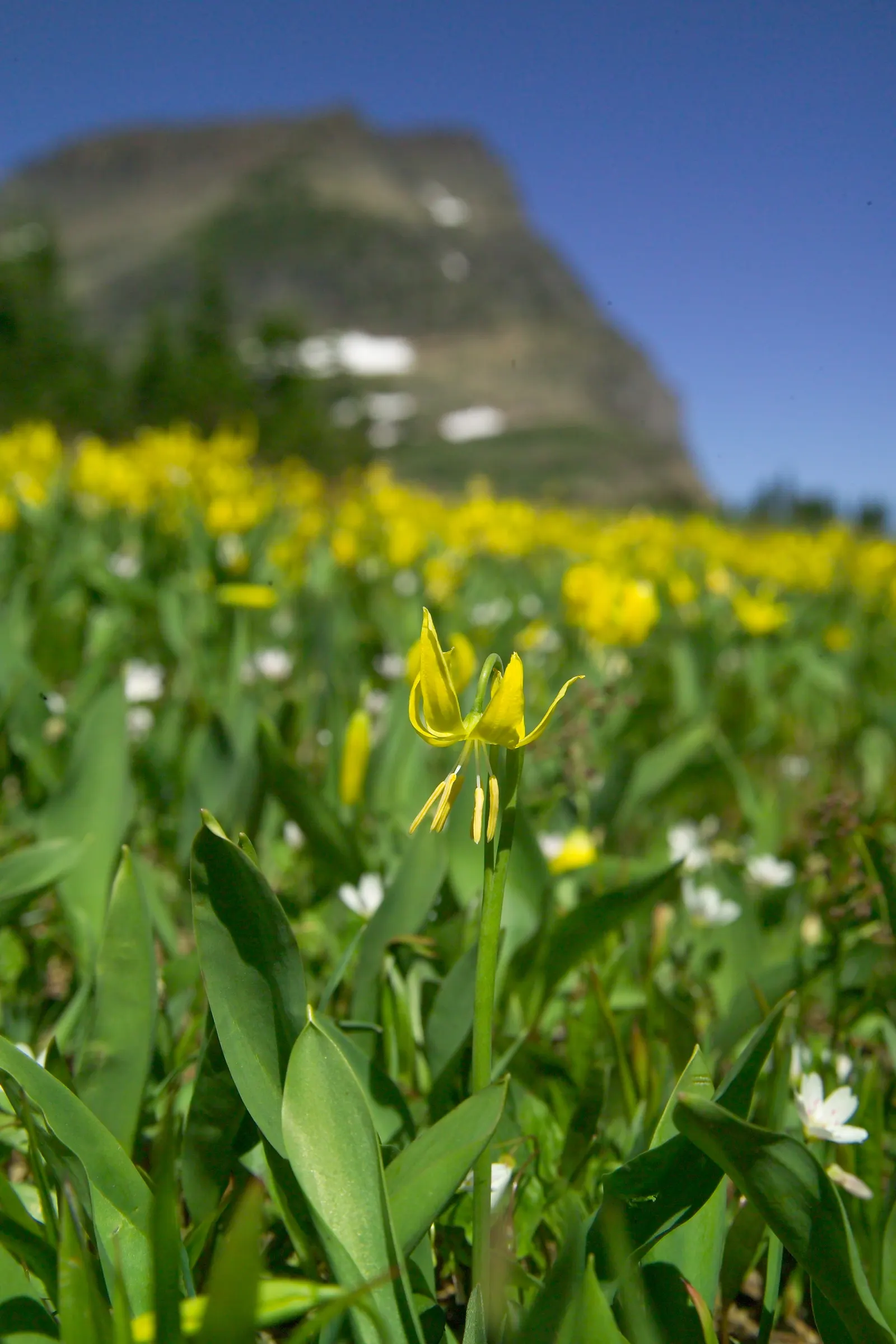
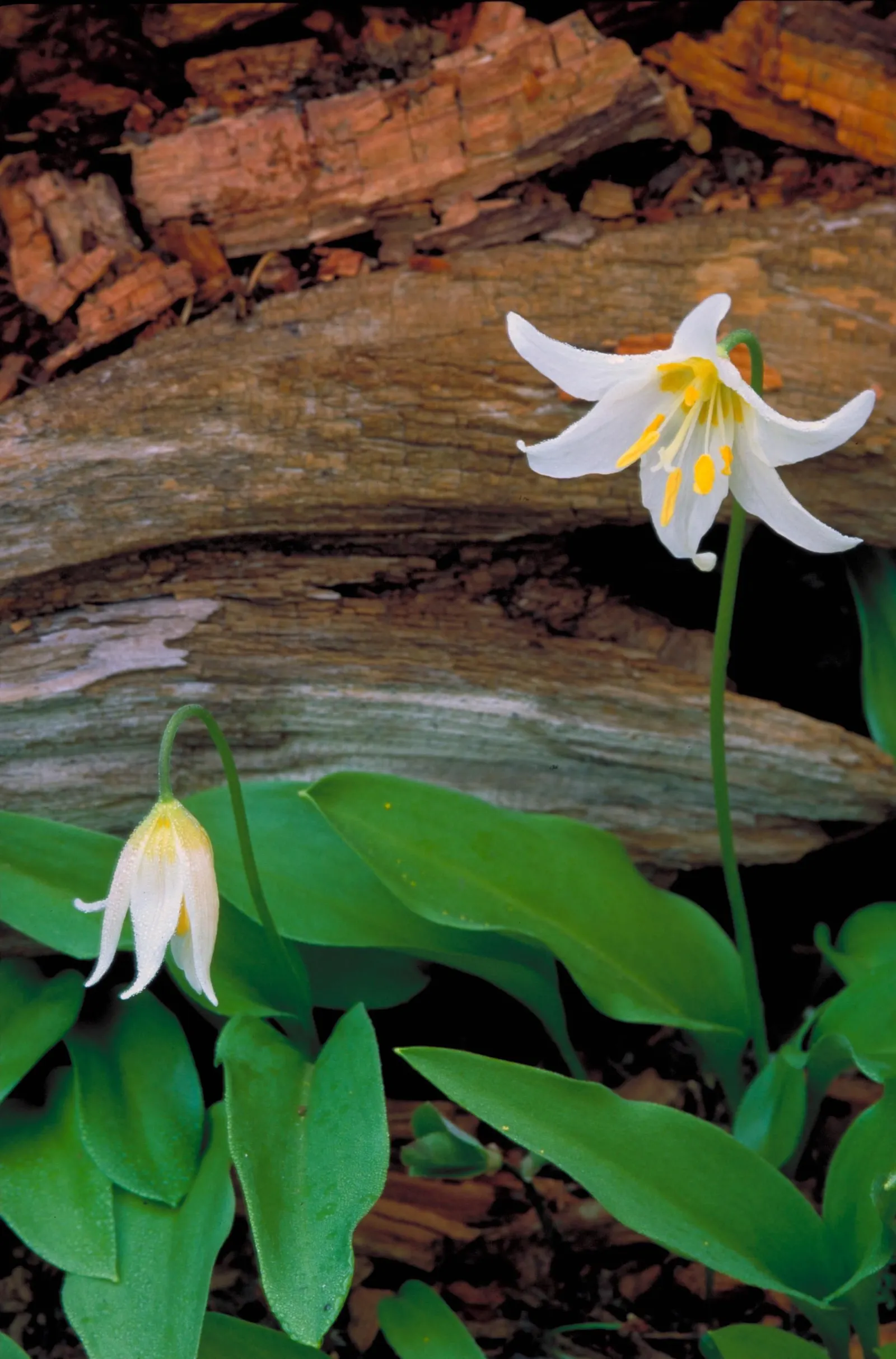
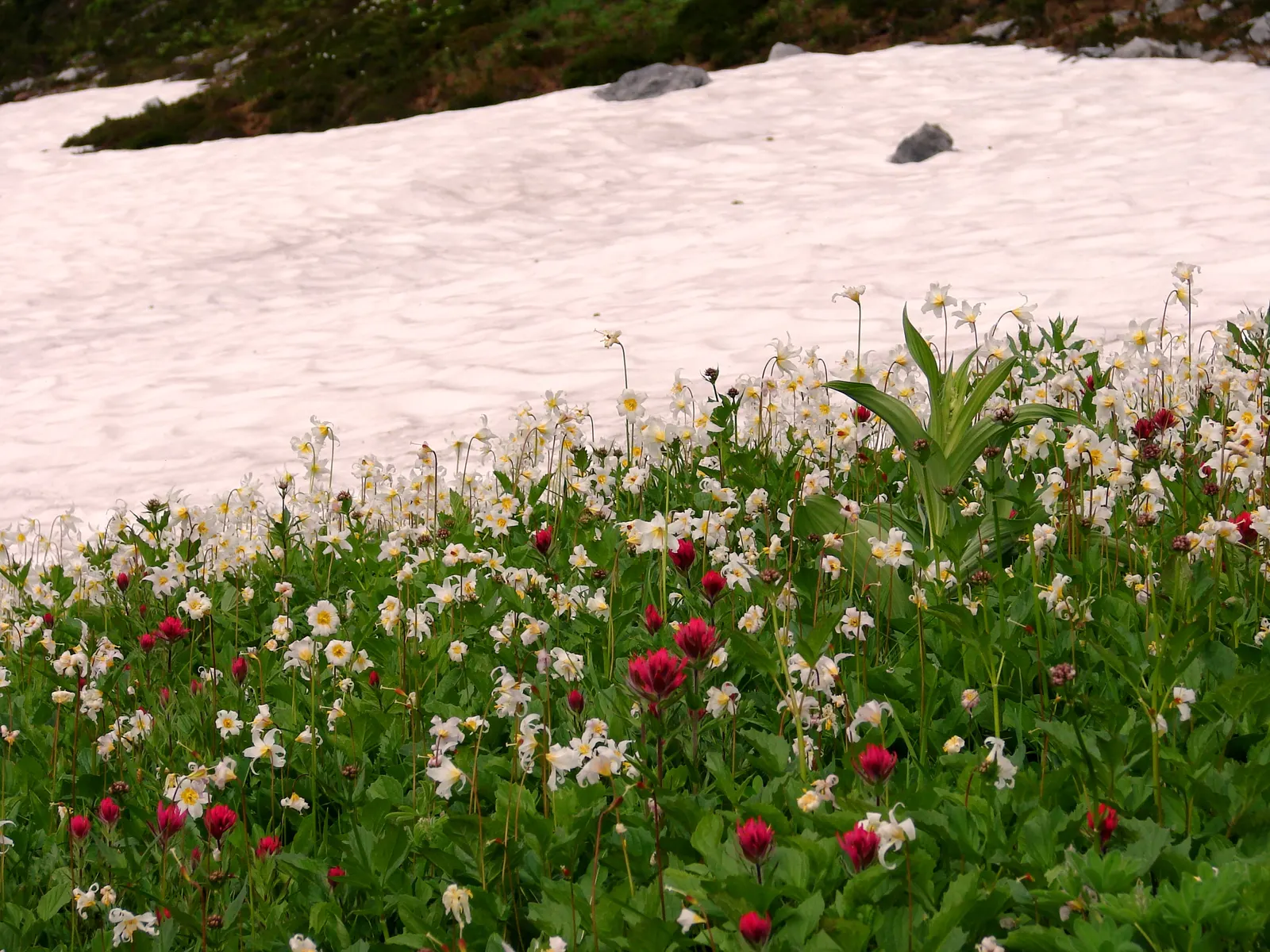
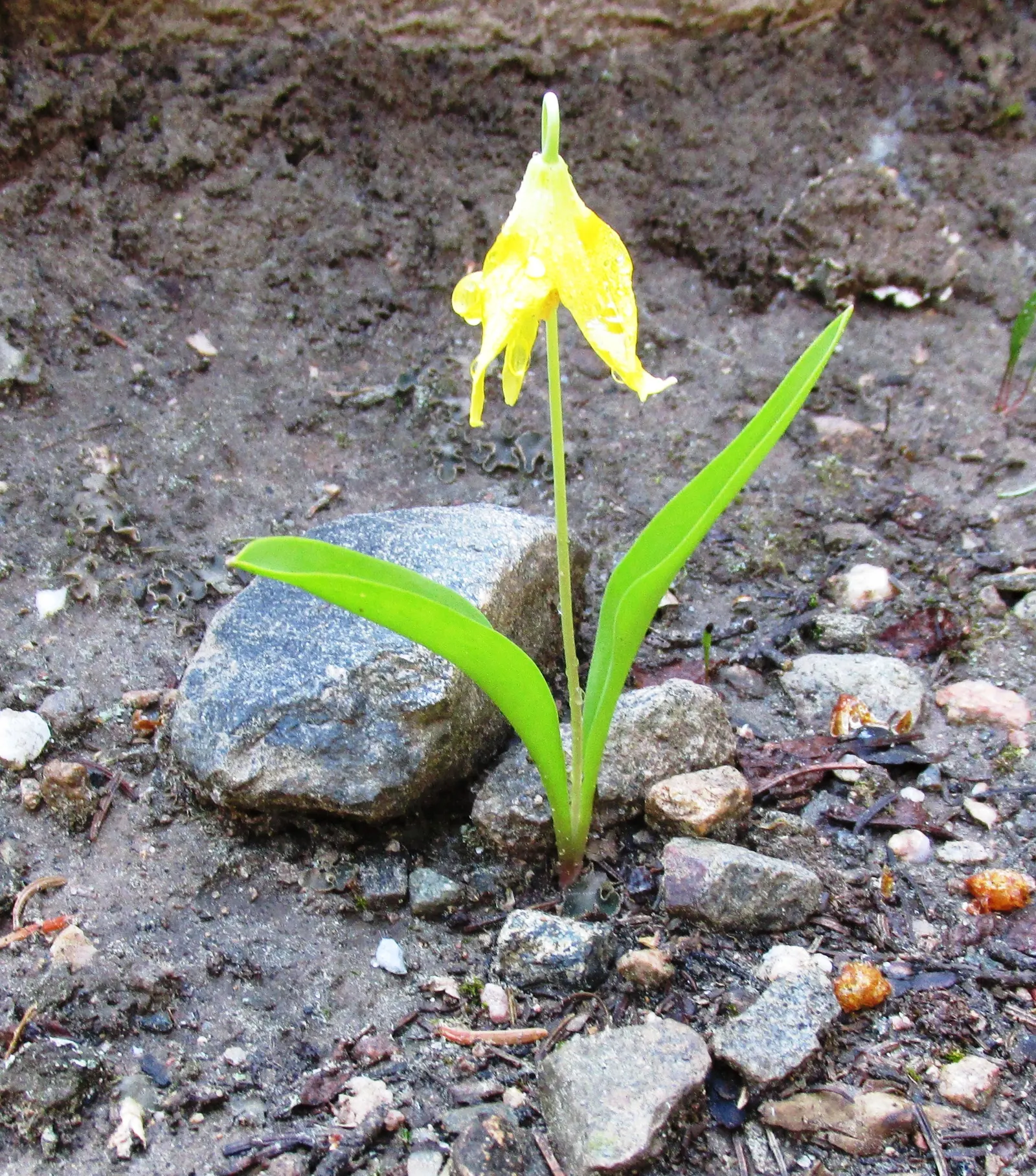
Glacier Lily (Erythronium Grandiflorum) — The Glacier Lily, Erythronium grandiflorum, is a delicate native bulb known for its bright yellow blooms

Culture

Sun
Full, Half, Shade
Water
Very Low
USDA zones
3–9

Shape & size

Classification

Type
Bulb
Family
Amaryllidaceae
Climate
Mediterranean

See full data, regional cultivation notes, and design tools. Build a client presentation around this plant.

Start your 14-day trial

Photos (113)

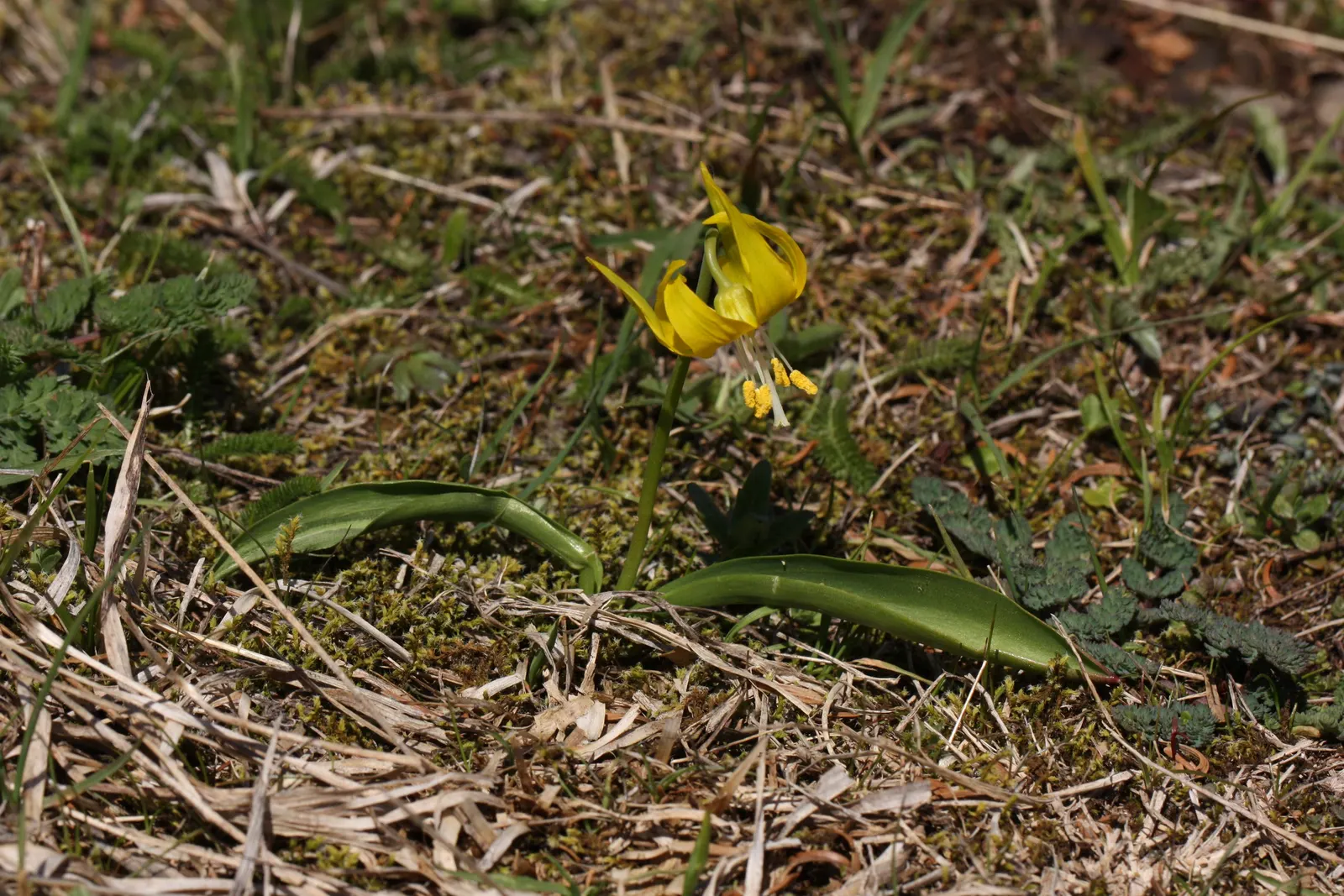
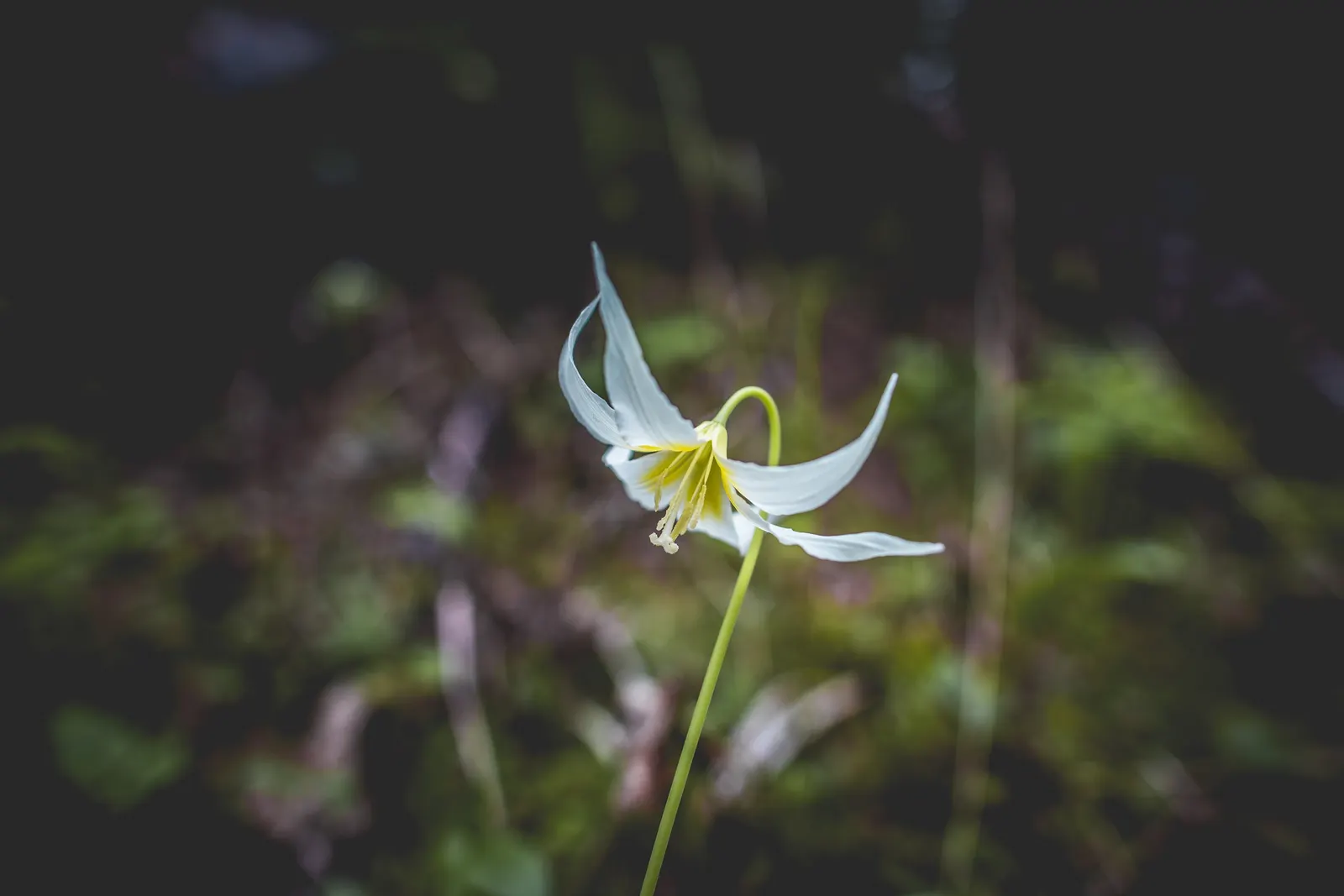
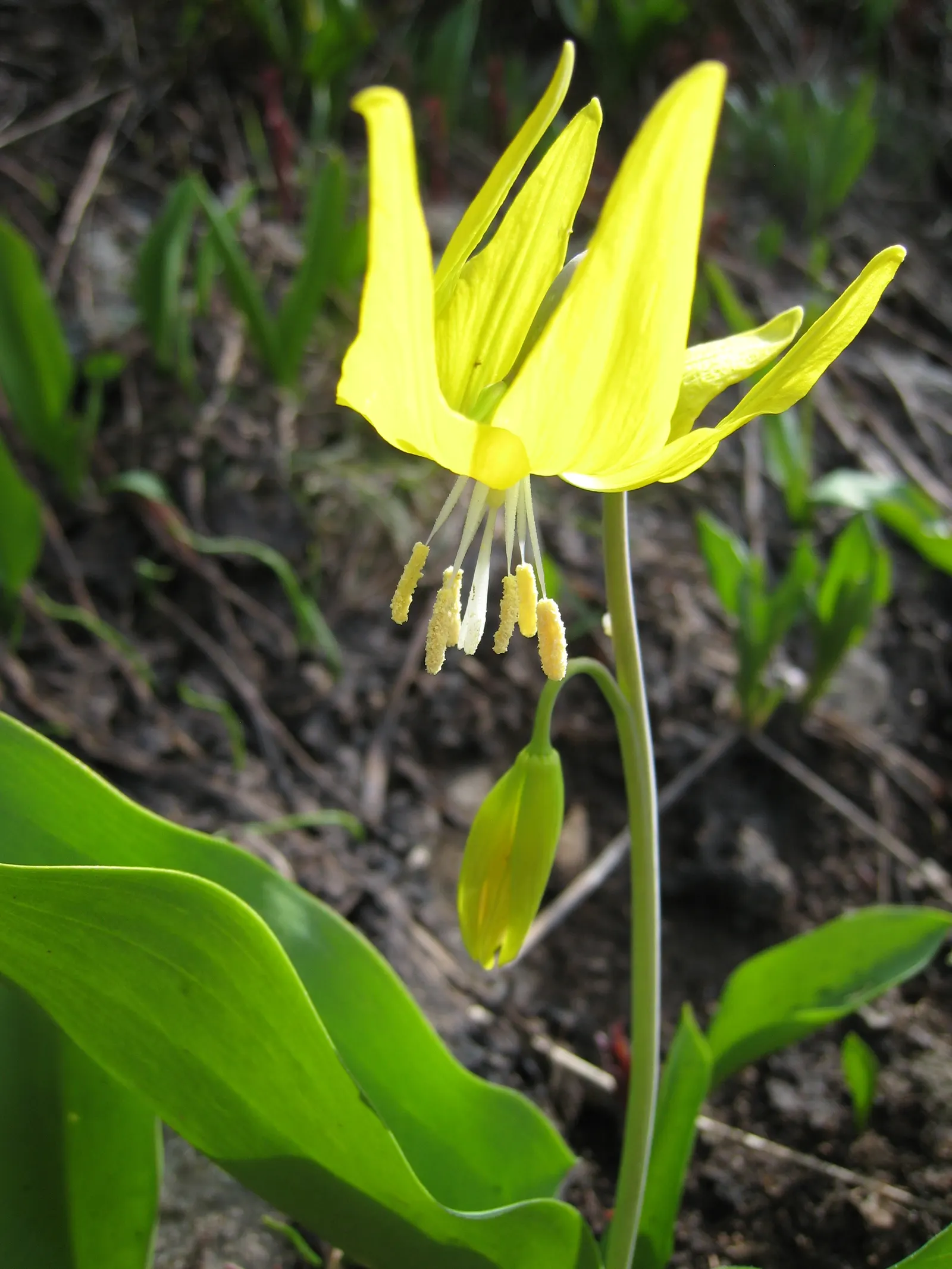
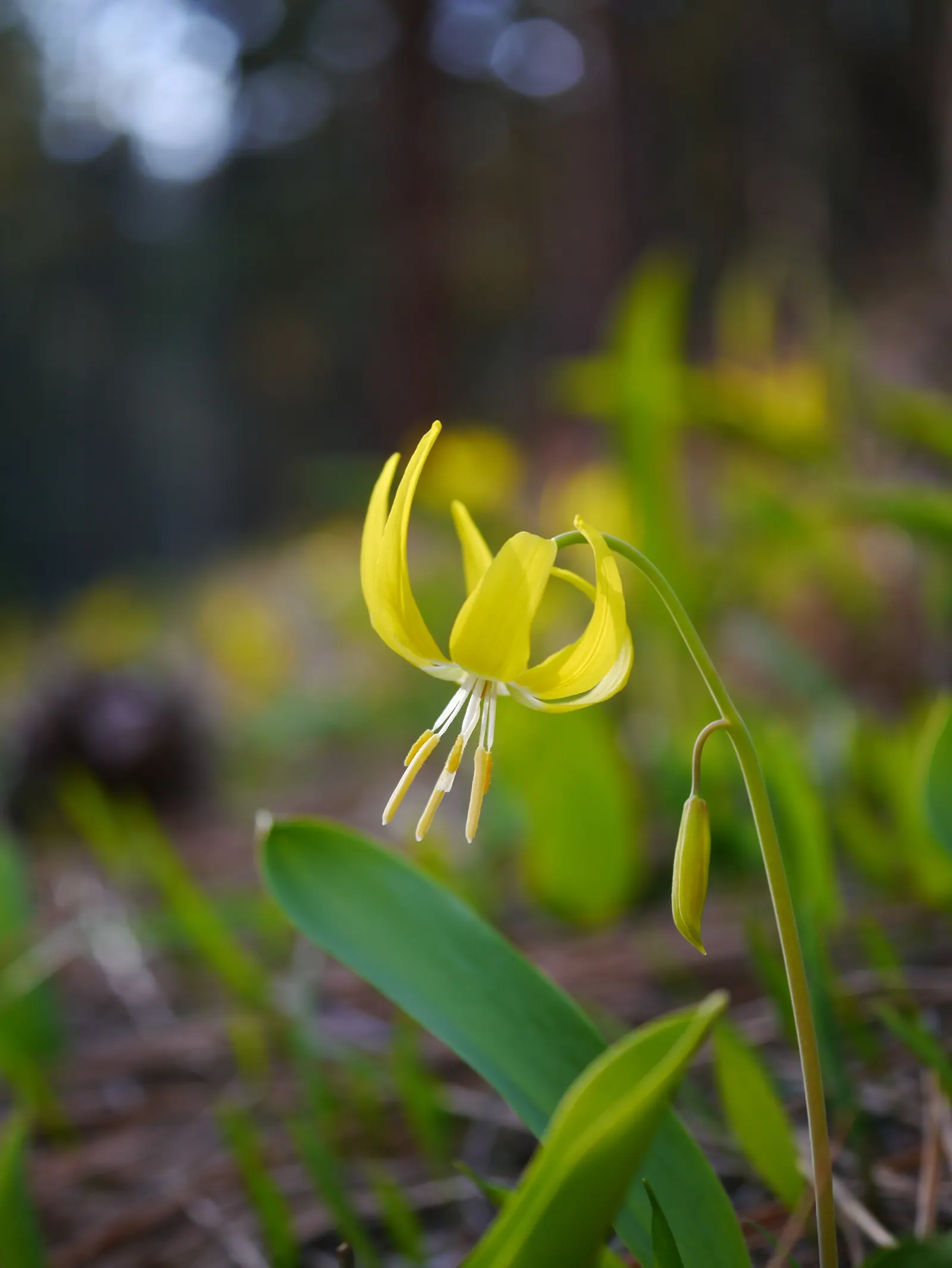
Glacier Lily (Erythronium Grandiflorum) — and other shade-loving perennials; from open woodlands to subalpine meadows.<br><br>In terms of size, image 91
Glacier Lily (Erythronium Grandiflorum) — bulb with yellow blooms; the Glacier Lily prefers moist
Glacier Lily (Erythronium Grandiflorum) — from open woodlands to subalpine meadows.<br><br>In terms of size
Glacier Lily (Erythronium Grandiflorum) — it adds a splash of color in woodland gardens and under deciduous trees
Glacier Lily (Erythronium Grandiflorum) — Blooming occurs from early to mid-spring; a partly shaded location mimics its native environment, though, image 61
Glacier Lily (Erythronium Grandiflorum) — Flowers emerge in spring, reaching 8-20 inches in height, and thrive in well-drained, moist woodland, image 50
Glacier Lily (Erythronium Grandiflorum) — the Glacier Lily can reach heights between 6 to 12 inches and spreads out approximately 4 to 8 inches wide; flowers
Glacier Lily (Erythronium Grandiflorum) — yellow flowers in the garden; scientifically known as Erythronium grandiflorum
Glacier Lily (Erythronium Grandiflorum) — is a captivating perennial that brings a touch of alpine elegance to the landscape; it adds a splash of, image 56
Glacier Lily (Erythronium Grandiflorum) — Hardy in Zones 3-8 and resistant to deer
Glacier Lily (Erythronium Grandiflorum) — the Glacier Lily prefers moist; bulb with yellow blooms, image 62
Glacier Lily (Erythronium Grandiflorum) — A partly shaded location mimics its native environment, though it can tolerate full sun in cooler, image 88
Glacier Lily (Erythronium Grandiflorum) — Erythronium grandiflorum provides a charming glimpse of wildflower beauty and pairs well with ferns, image 66
Glacier Lily (Erythronium Grandiflorum) — Ideal for naturalizing in shaded areas, it provides early-season nectar for pollinators
Glacier Lily (Erythronium Grandiflorum) — it adds a splash of color in woodland gardens and under deciduous trees; is a captivating perennial that, image 53
Glacier Lily (Erythronium Grandiflorum) — scientifically known as Erythronium grandiflorum; yellow flowers in the garden, image 55
Glacier Lily (Erythronium Grandiflorum) — yellow flowers in the garden
Glacier Lily (Erythronium Grandiflorum) — well-drained soils with an acidic to neutral pH; consider planting in groups for visual impact, image 63
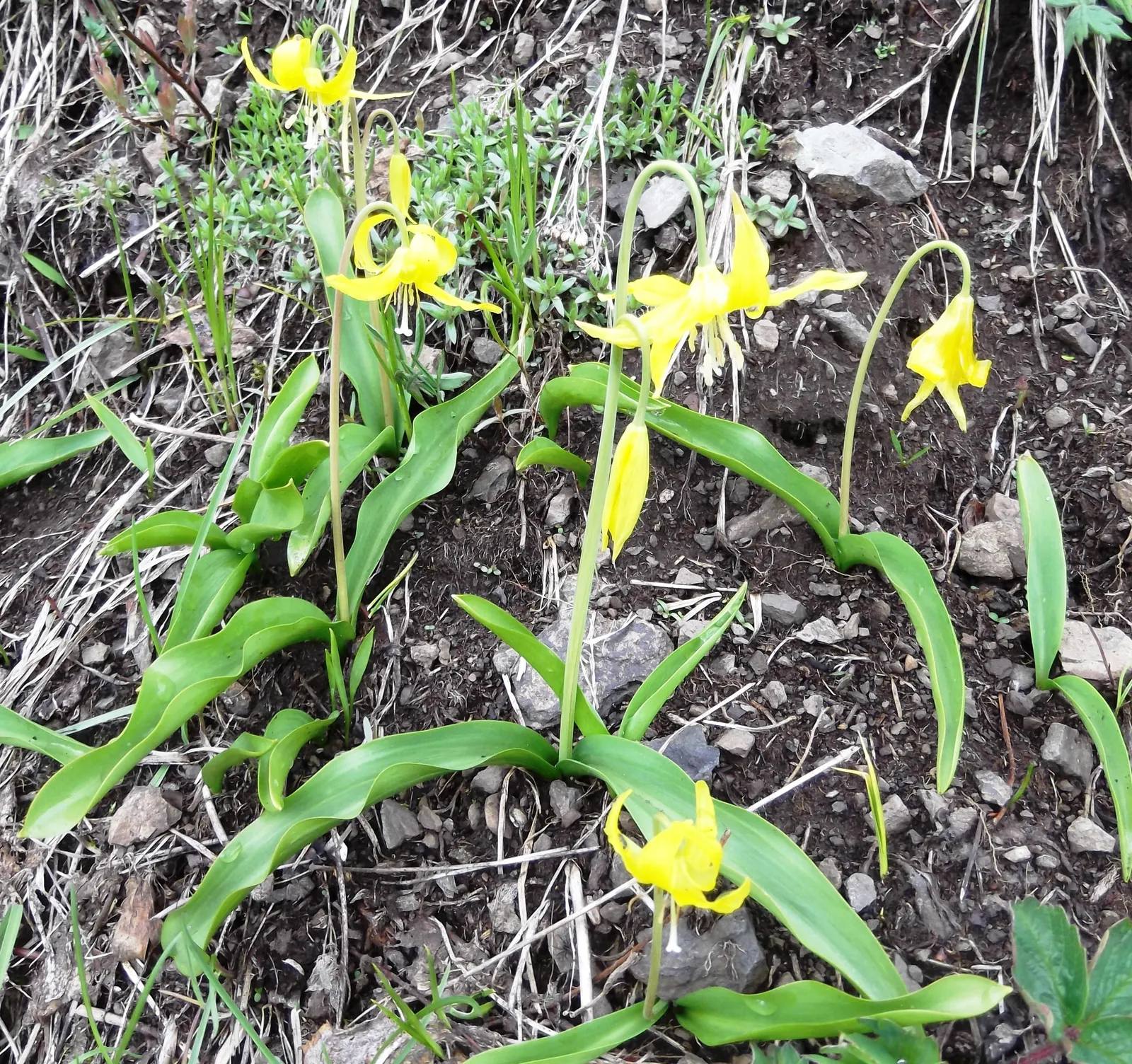
Glacier Lily (Erythronium Grandiflorum) — Consider planting in groups for visual impact
Glacier Lily (Erythronium Grandiflorum) — requiring only occasional watering during extended dry periods; bulb for full or half or shade
Glacier Lily (Erythronium Grandiflorum) — Flowers emerge in spring, reaching 8-20 inches in height, and thrive in well-drained, moist woodland soils
Glacier Lily (Erythronium Grandiflorum) — scientifically known as Erythronium grandiflorum; yellow flowers in the garden
Glacier Lily (Erythronium Grandiflorum) — and other shade-loving perennials; from open woodlands to subalpine meadows.<br><br>In terms of size
Glacier Lily (Erythronium Grandiflorum) — A partly shaded location mimics its native environment, though it can tolerate full sun in cooler, image 64
Photographs by 8 contributors

Related plants