Skip to content

Western Fleabane

Erigeron Divergens

Design with this plant

Overview

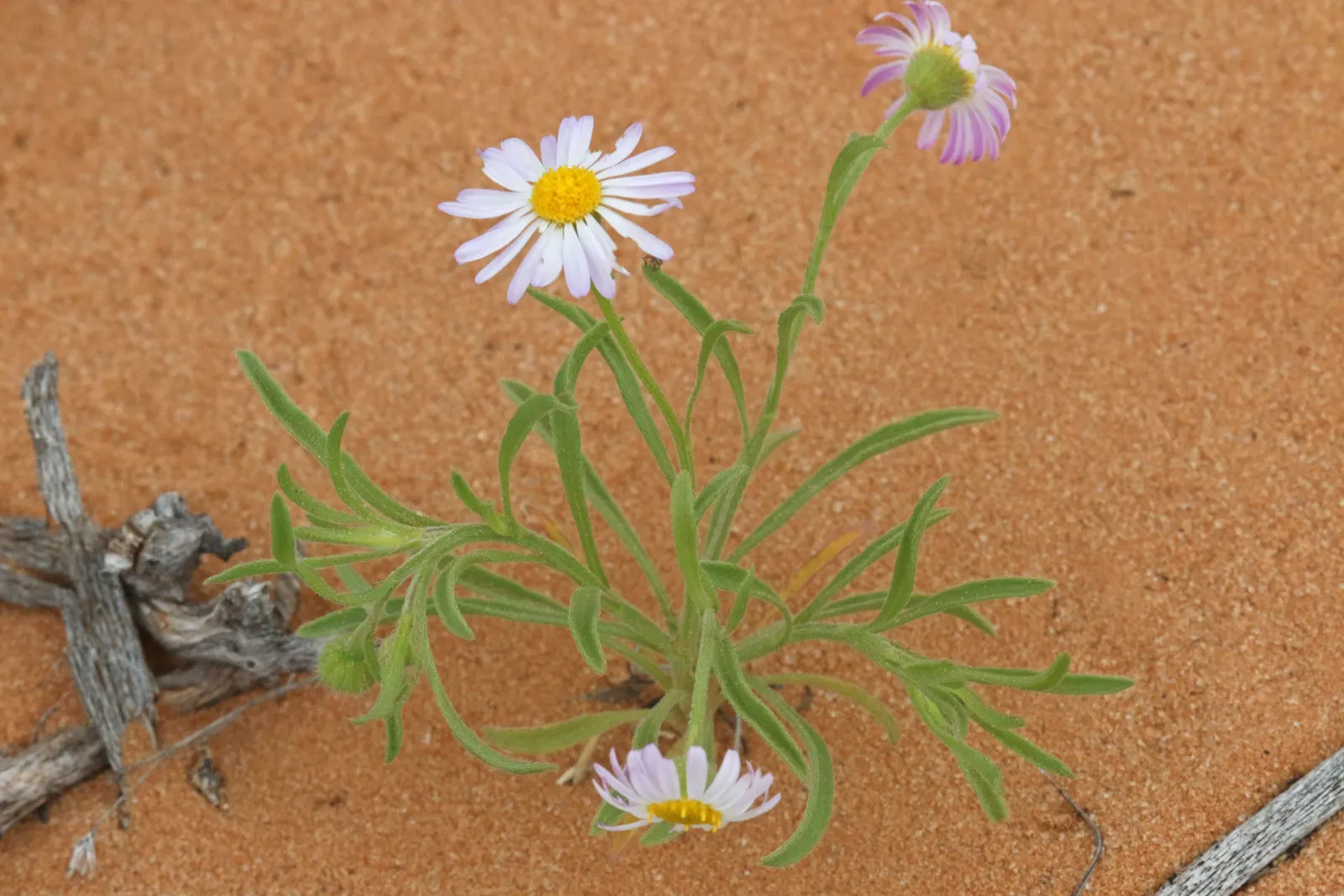
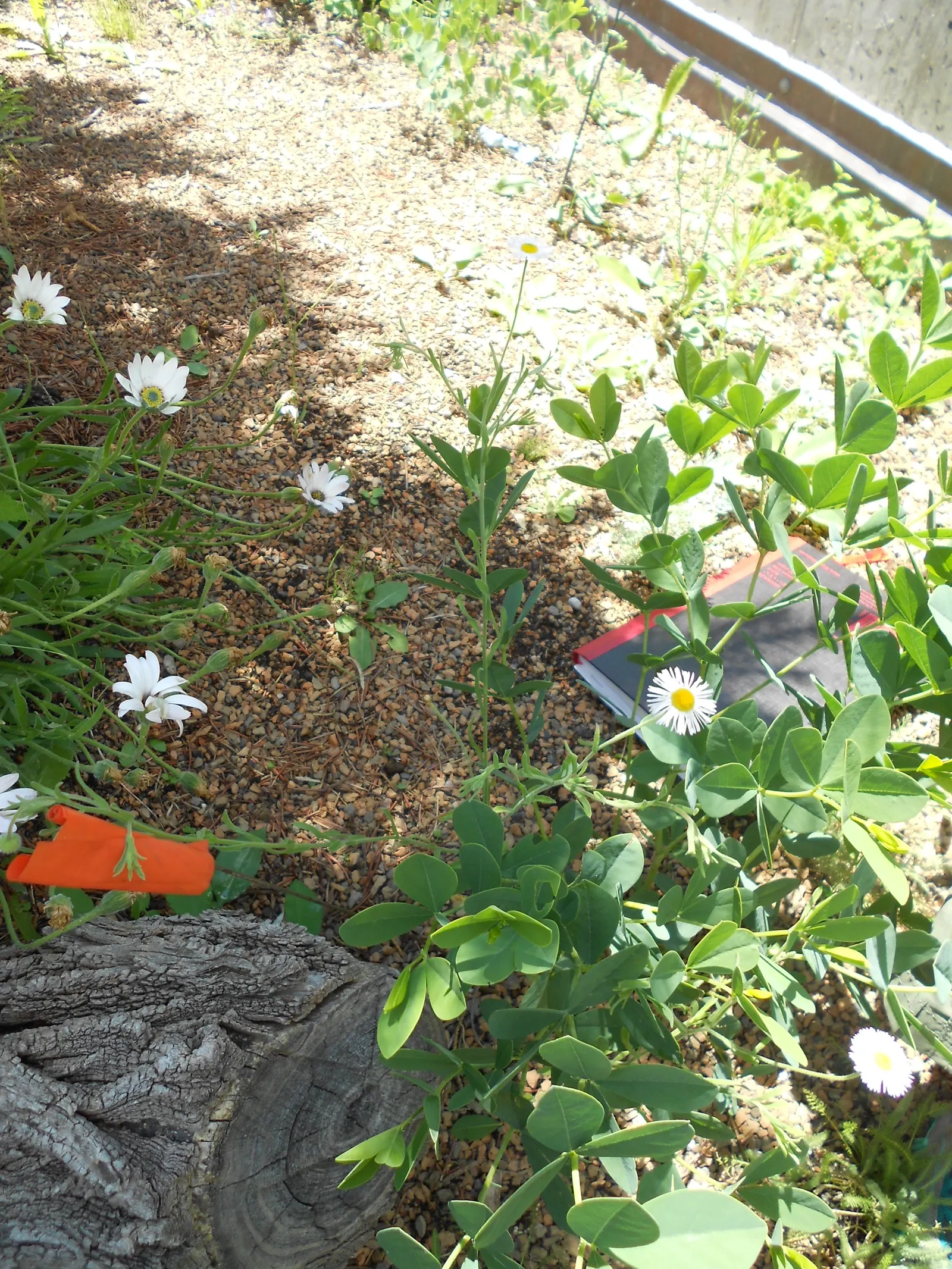
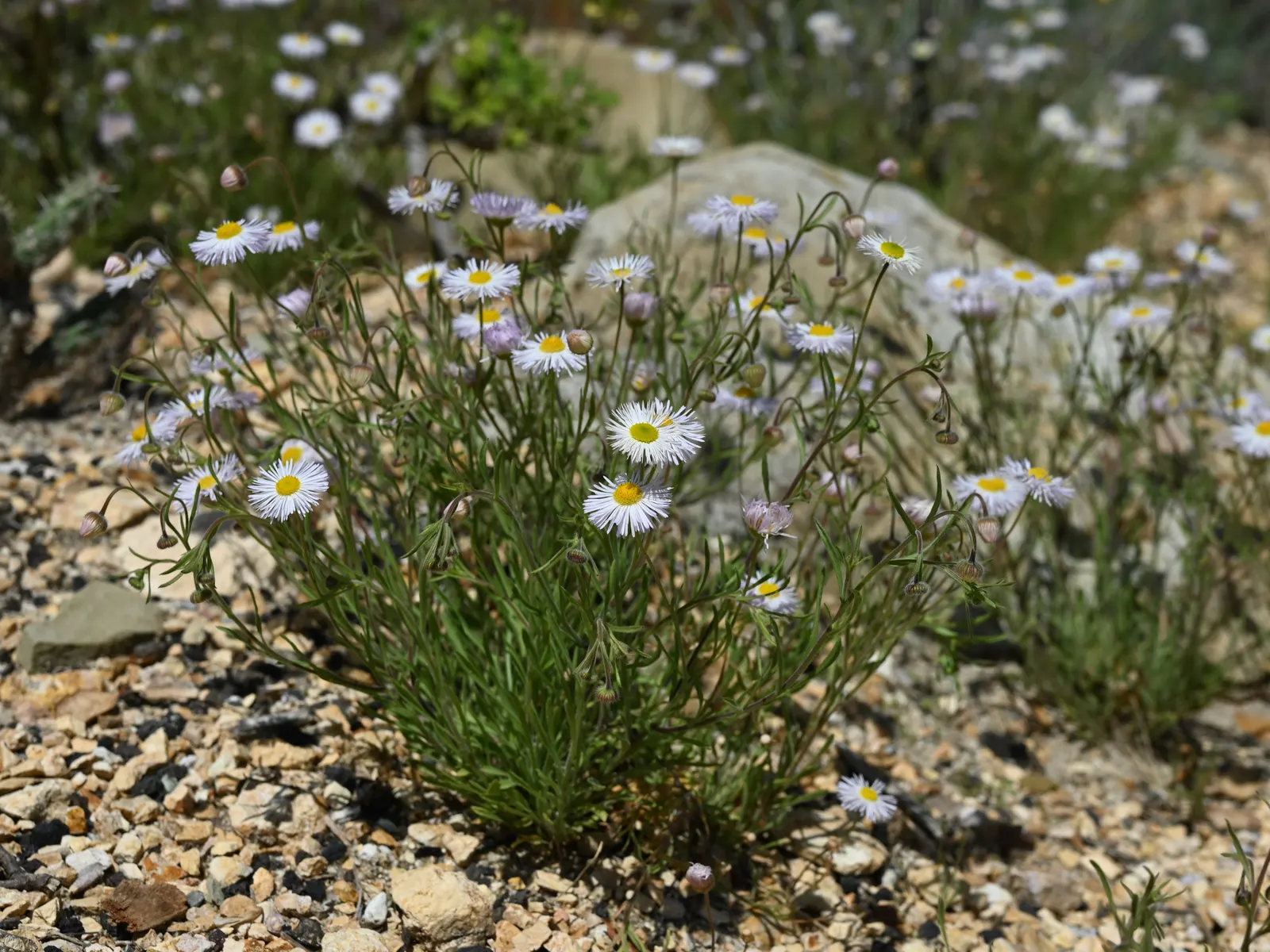
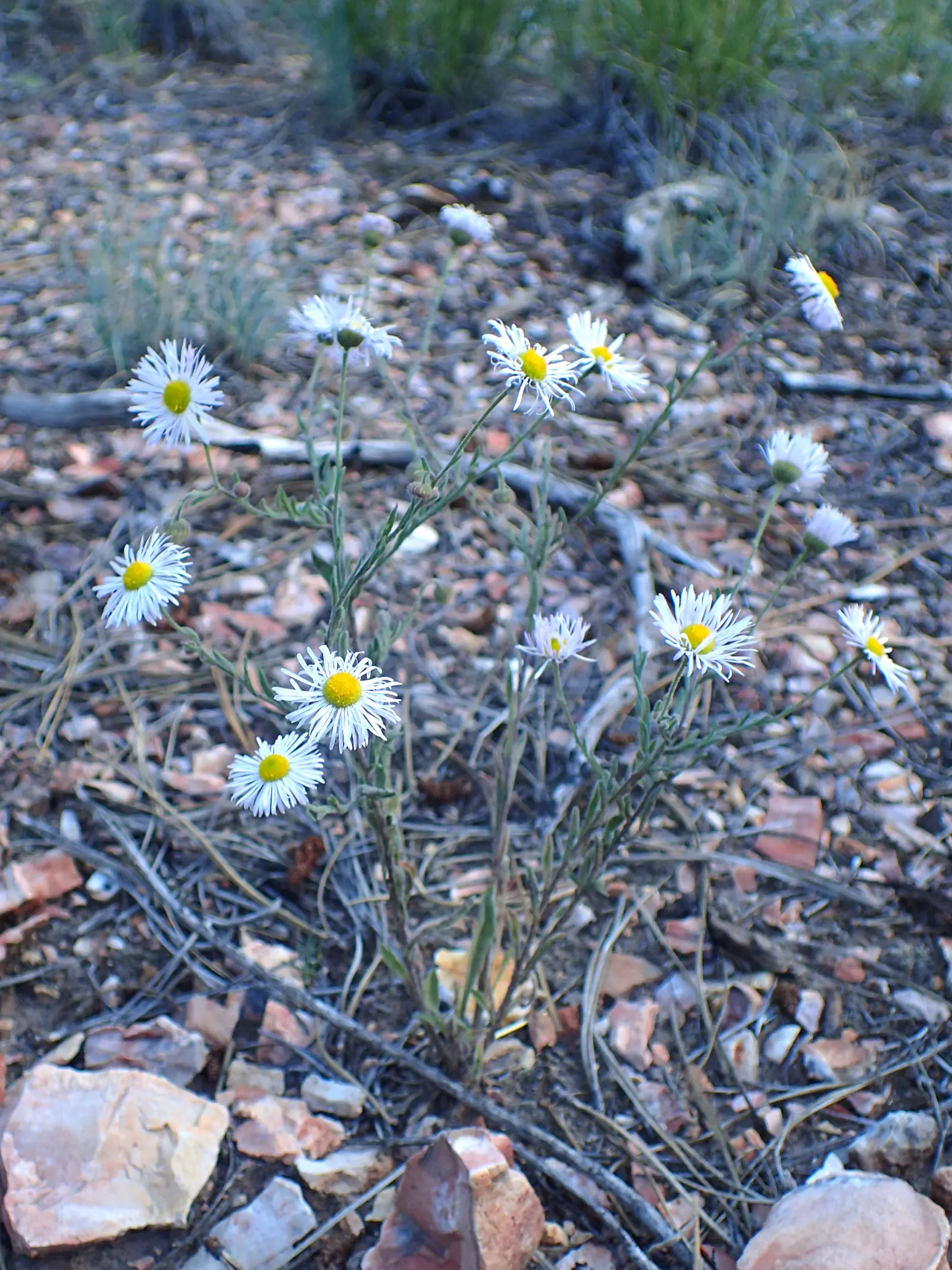
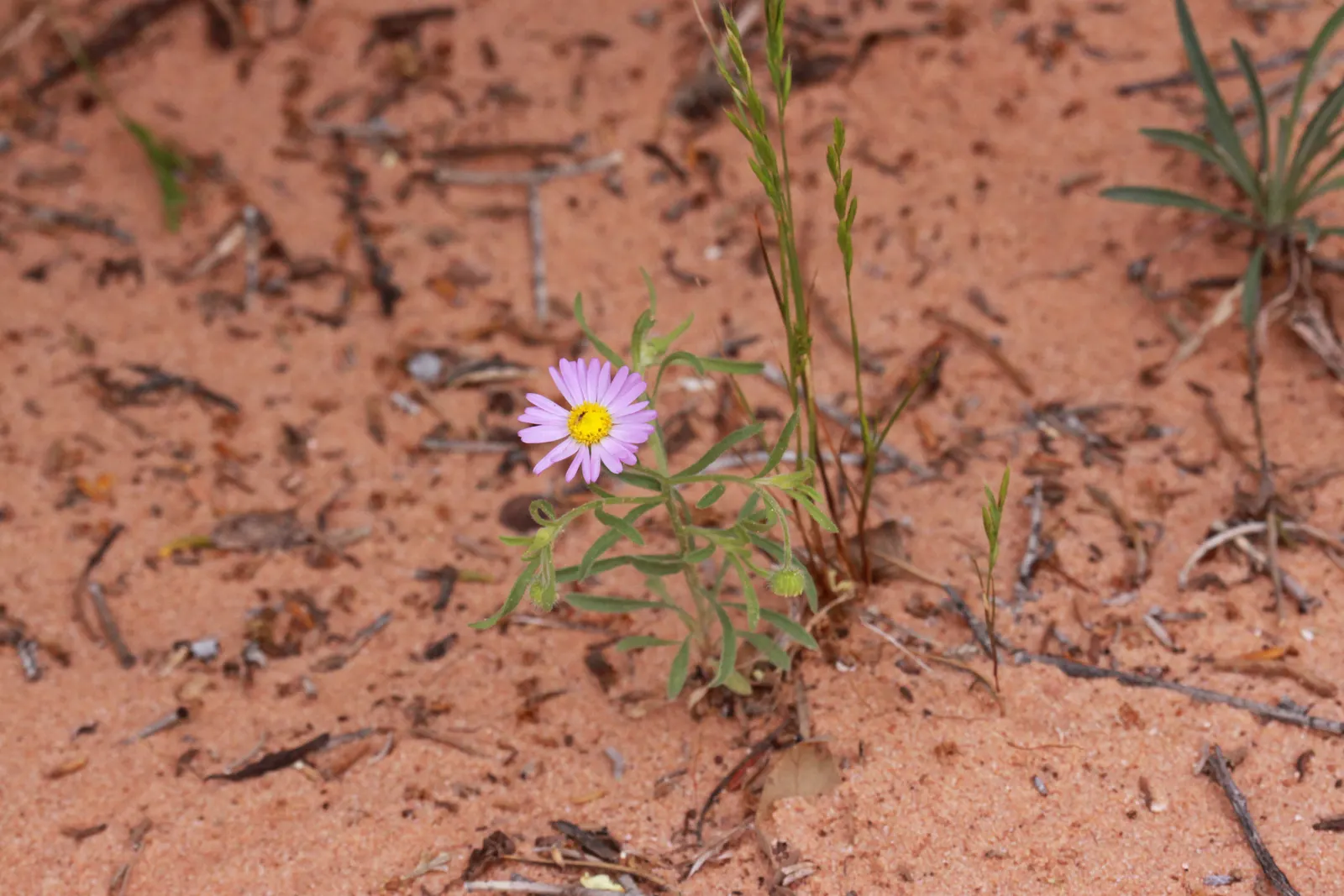
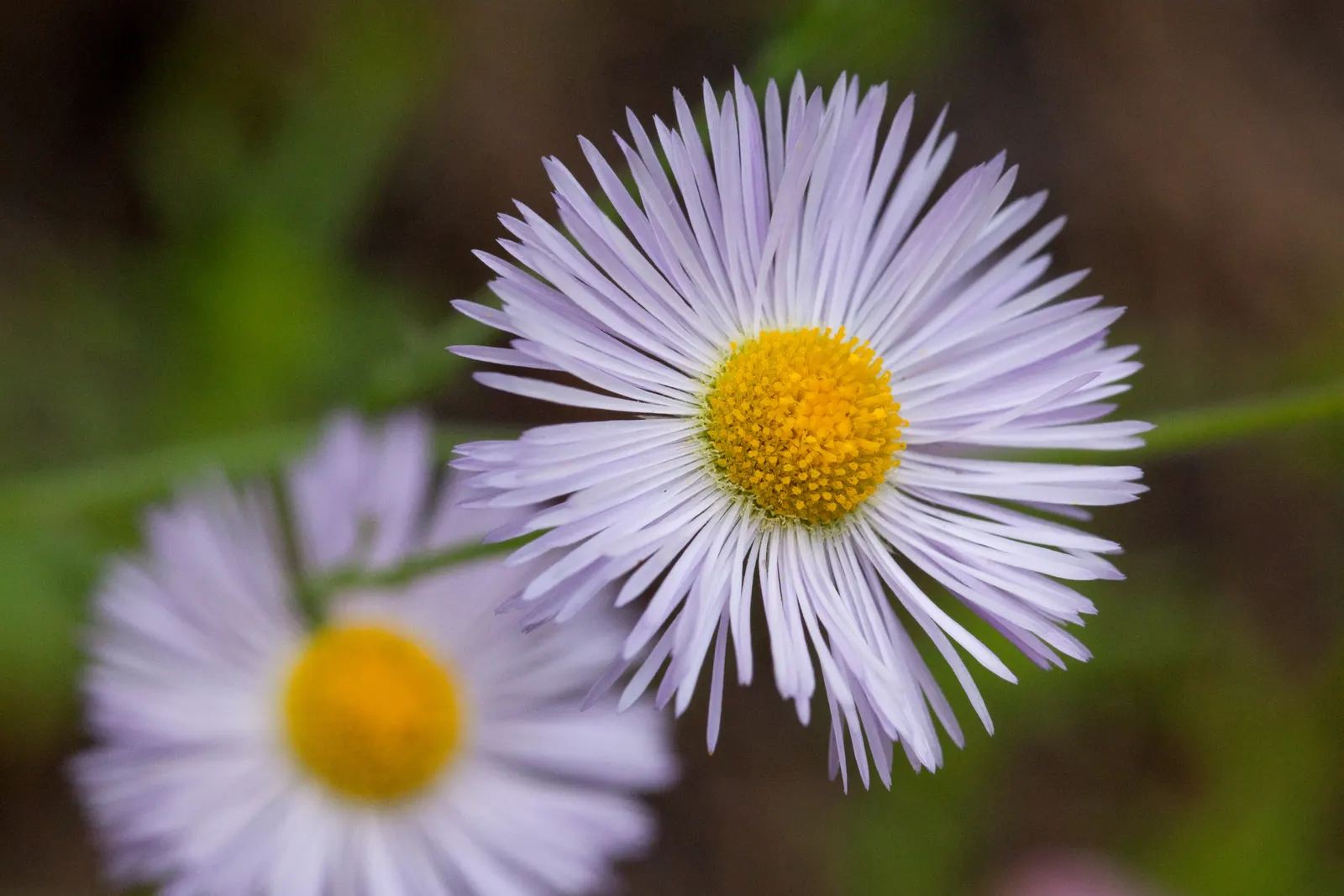
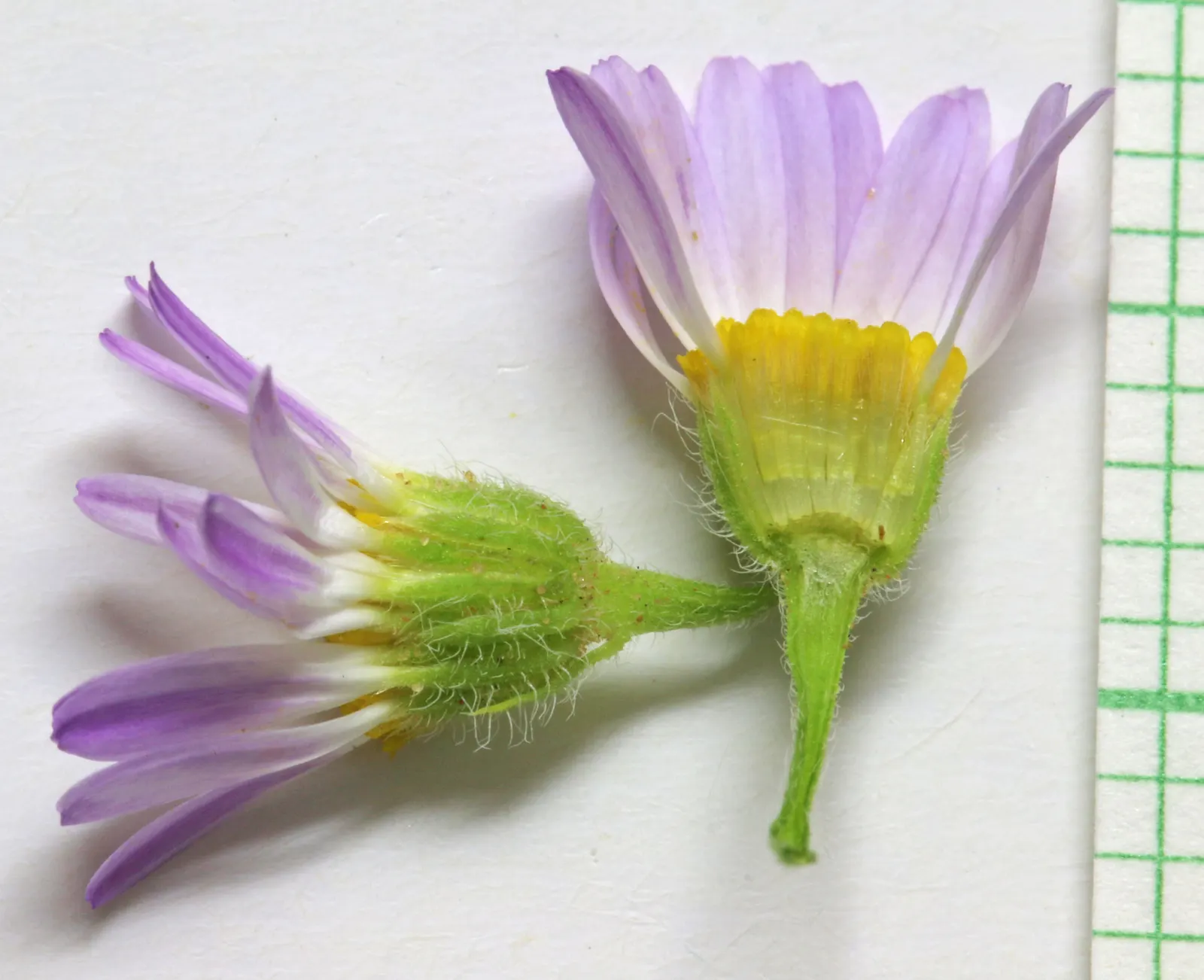
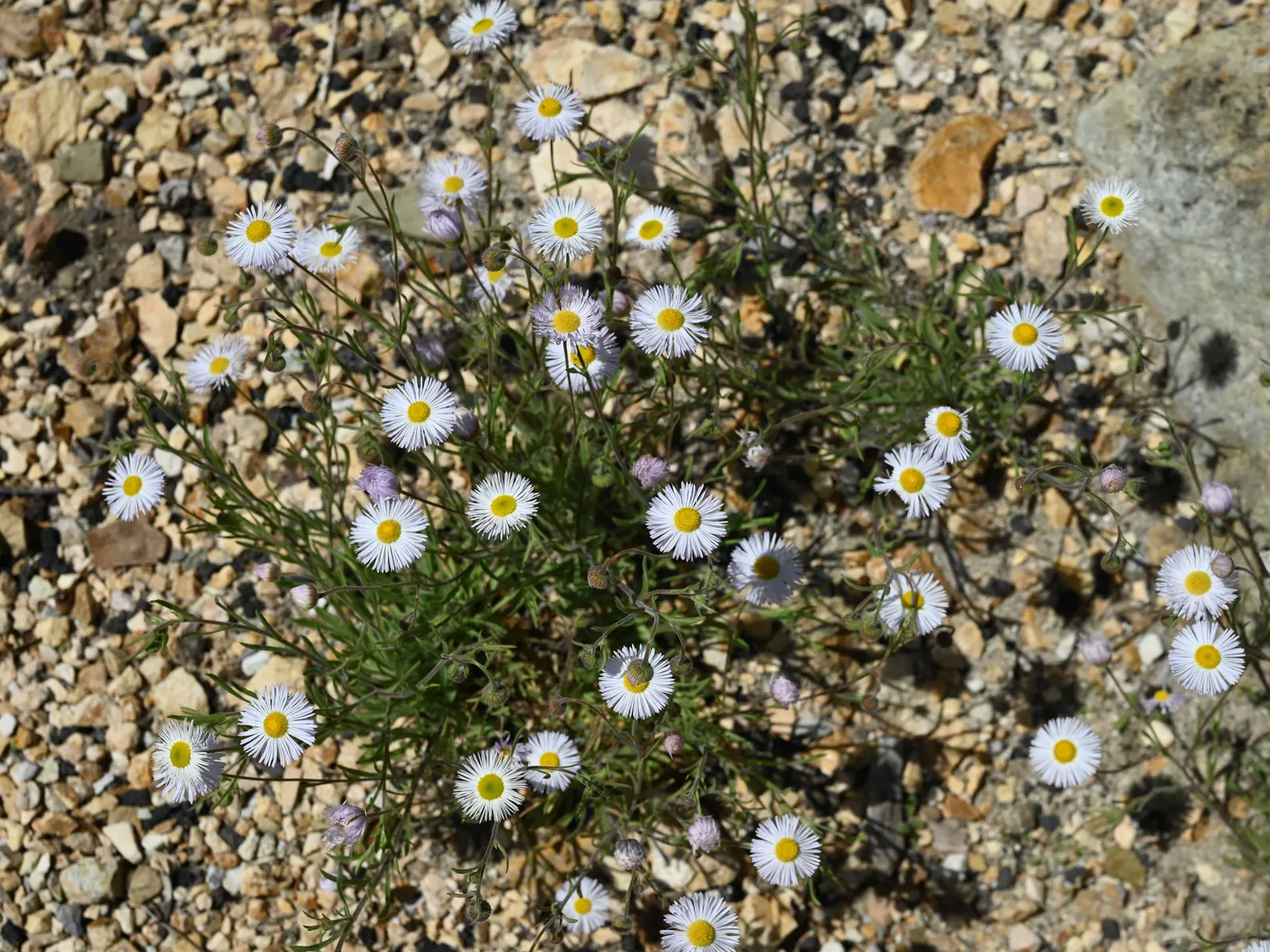
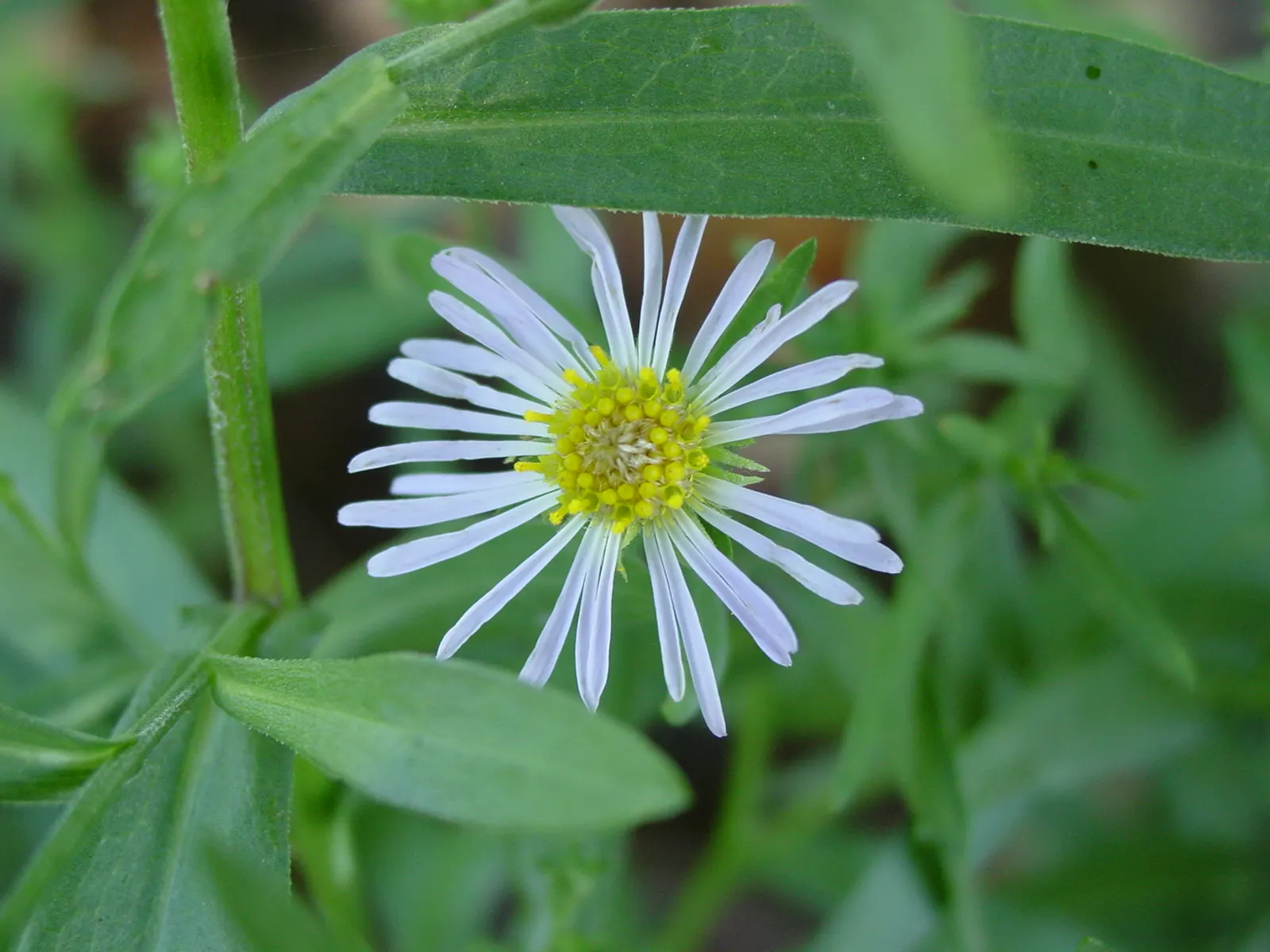
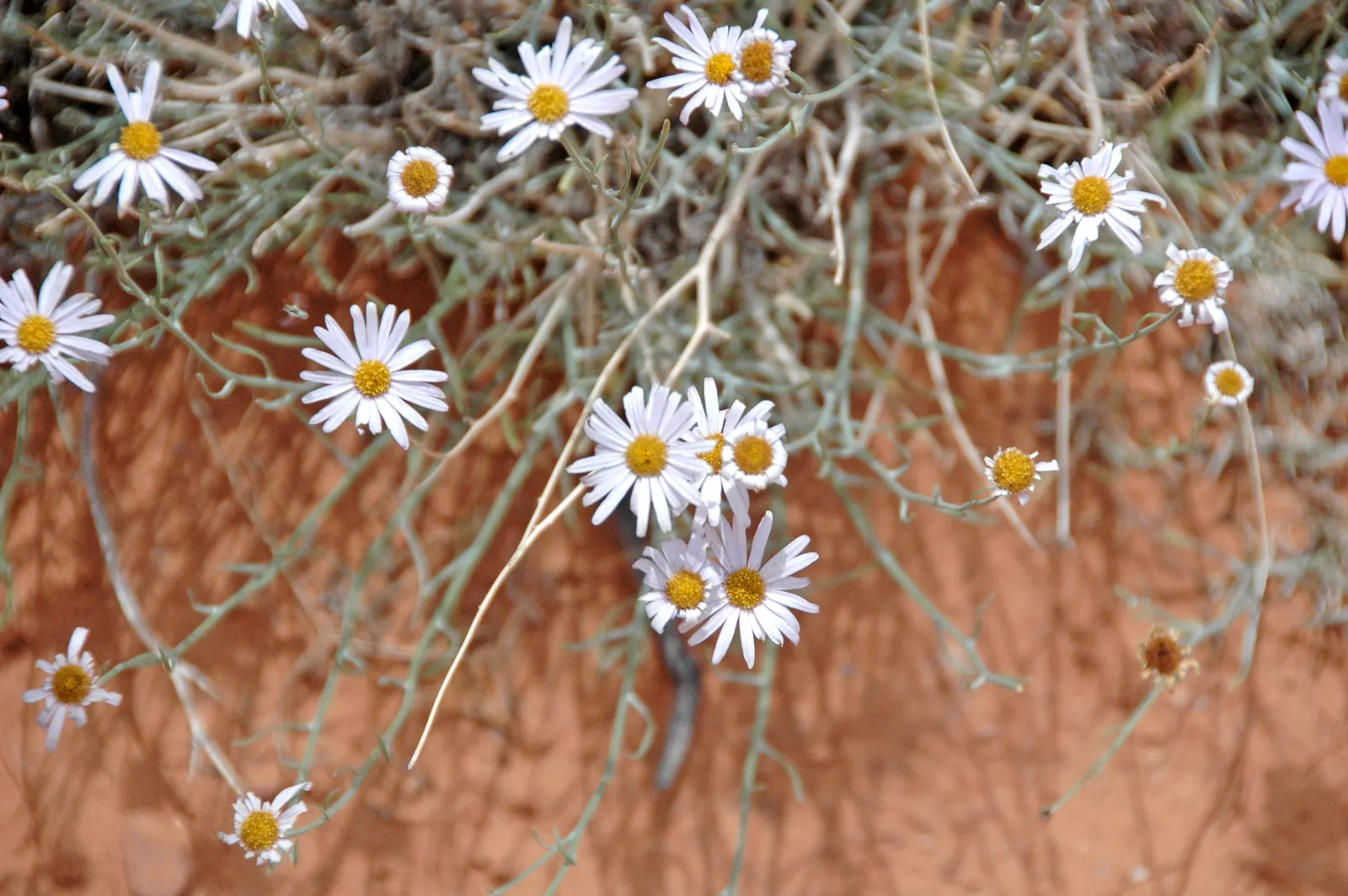
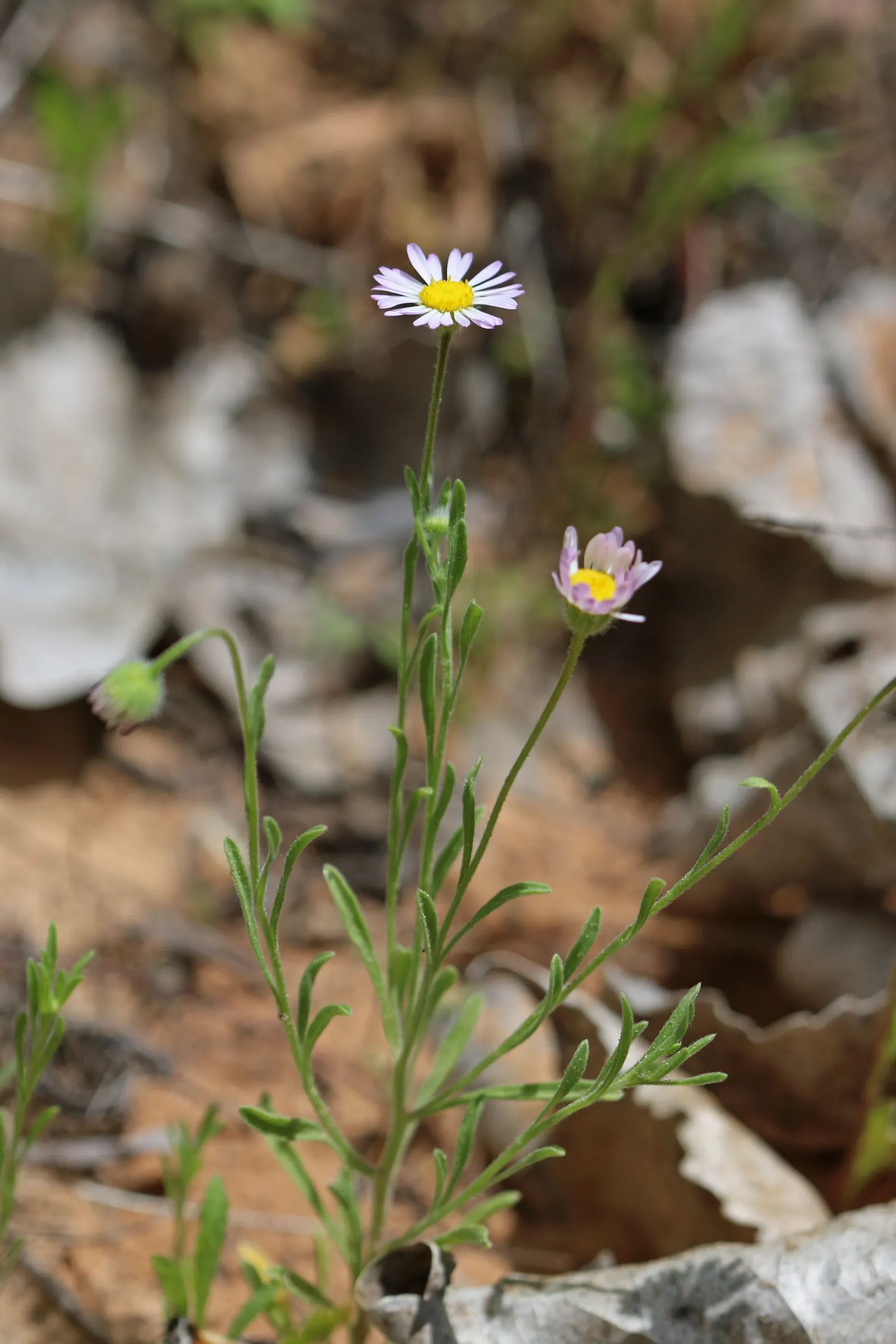
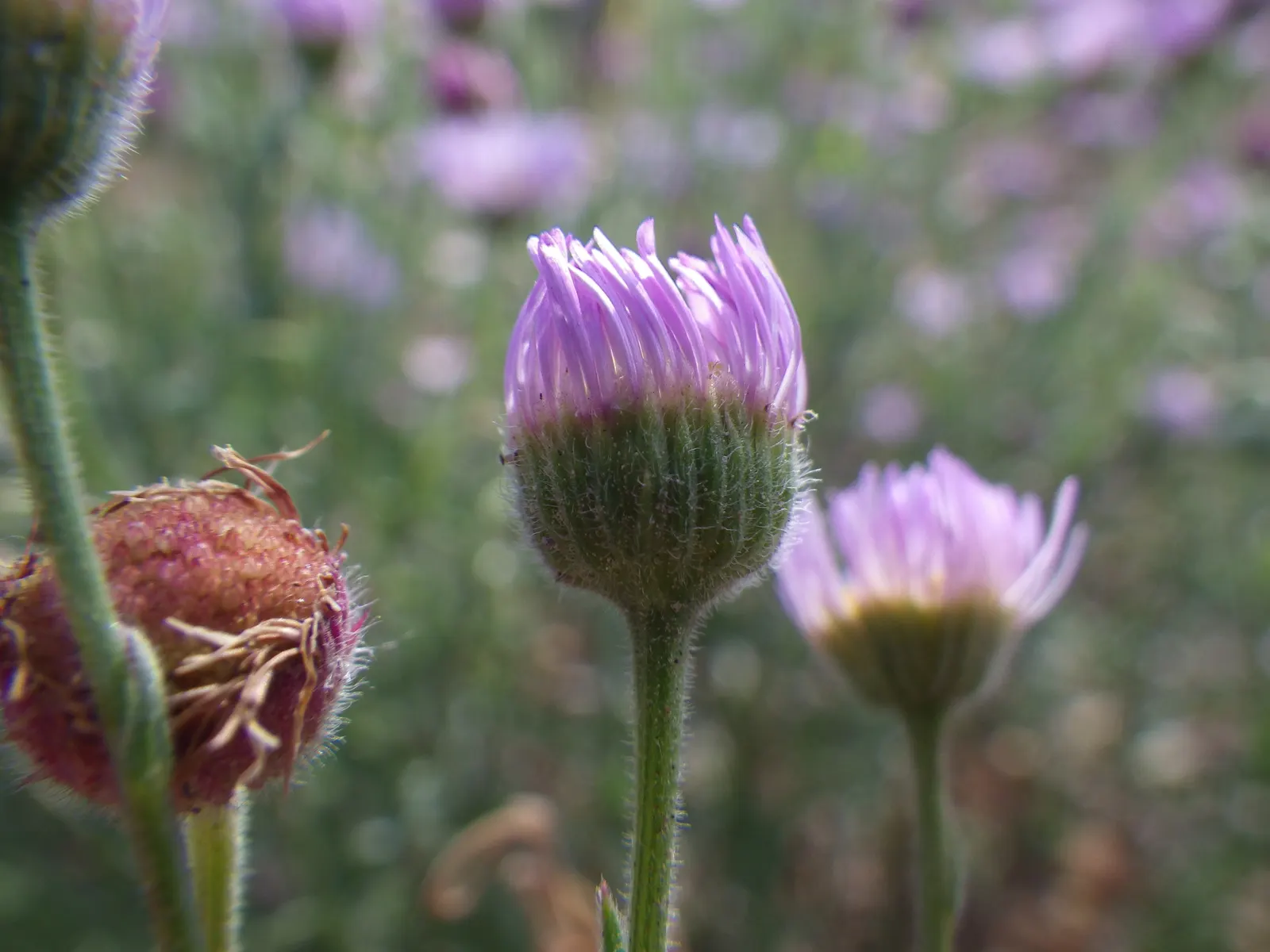
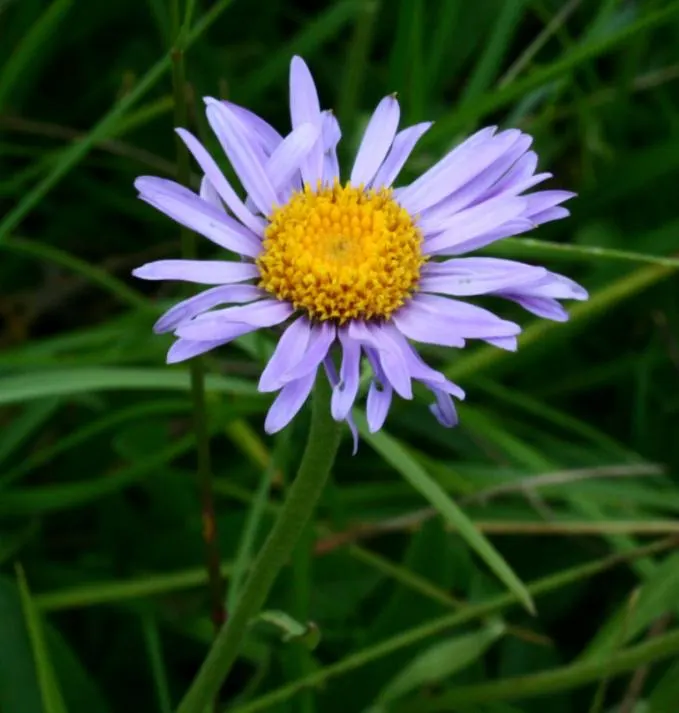
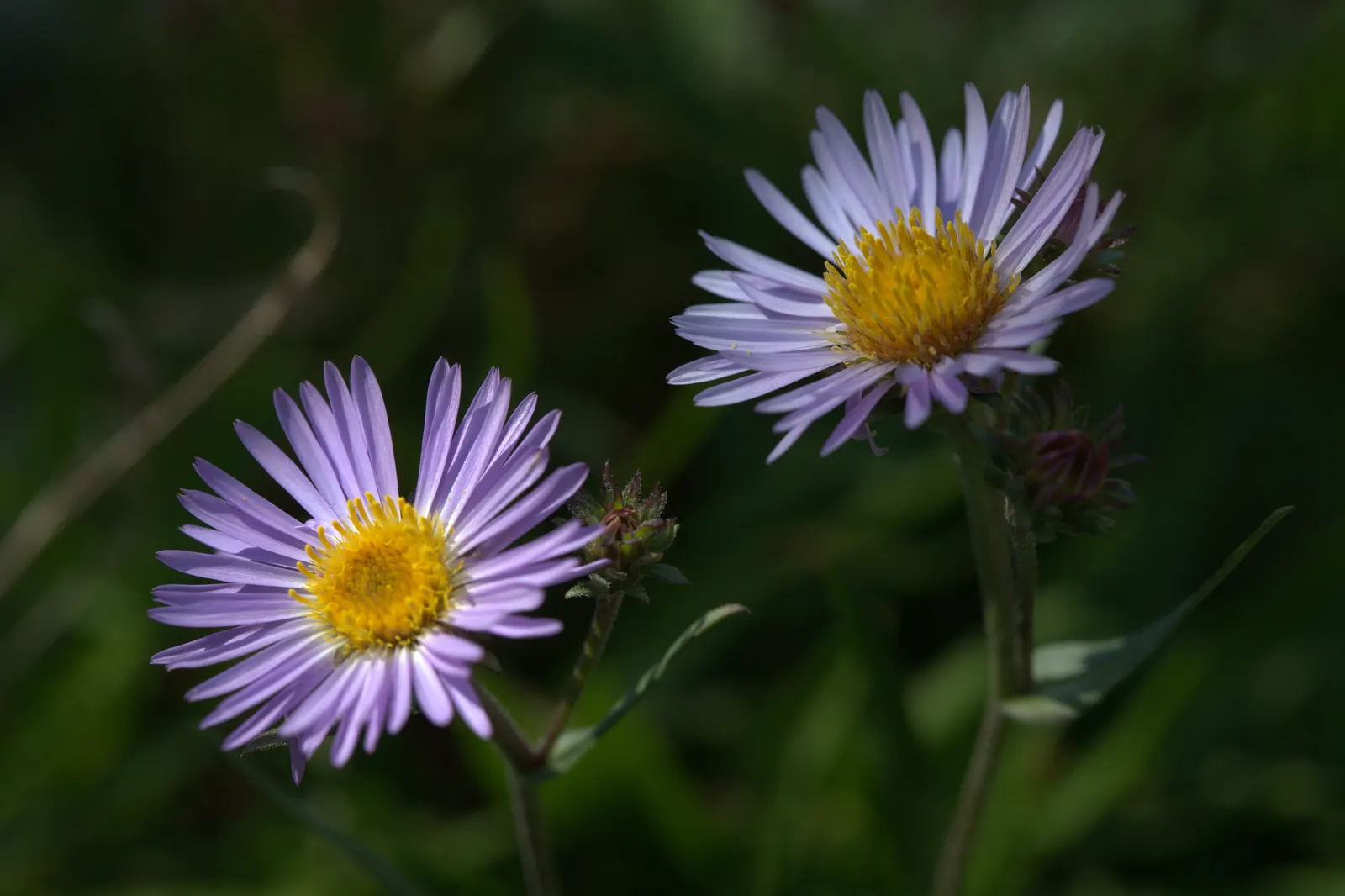
Western Fleabane (Erigeron divergens) is a hardy perennial native to North American grasslands. This sun-loving plant features a profusion of daisy-like flowers with yellow centers and delicate white to pinkish ray petals, spanning 1-2 inches across. Blooms from early spring to late summer, reaching 1-2 ft in height. Tolerates drought and thrives in well-drained soils. Ideal for wildflower meadows and naturalistic borders. Attracts pollinators such as bees and butterflies.
Sun FullWater Extra in Summer, Low, Very LowZones 6–11Type Ground cover, PerennialClimate Arid
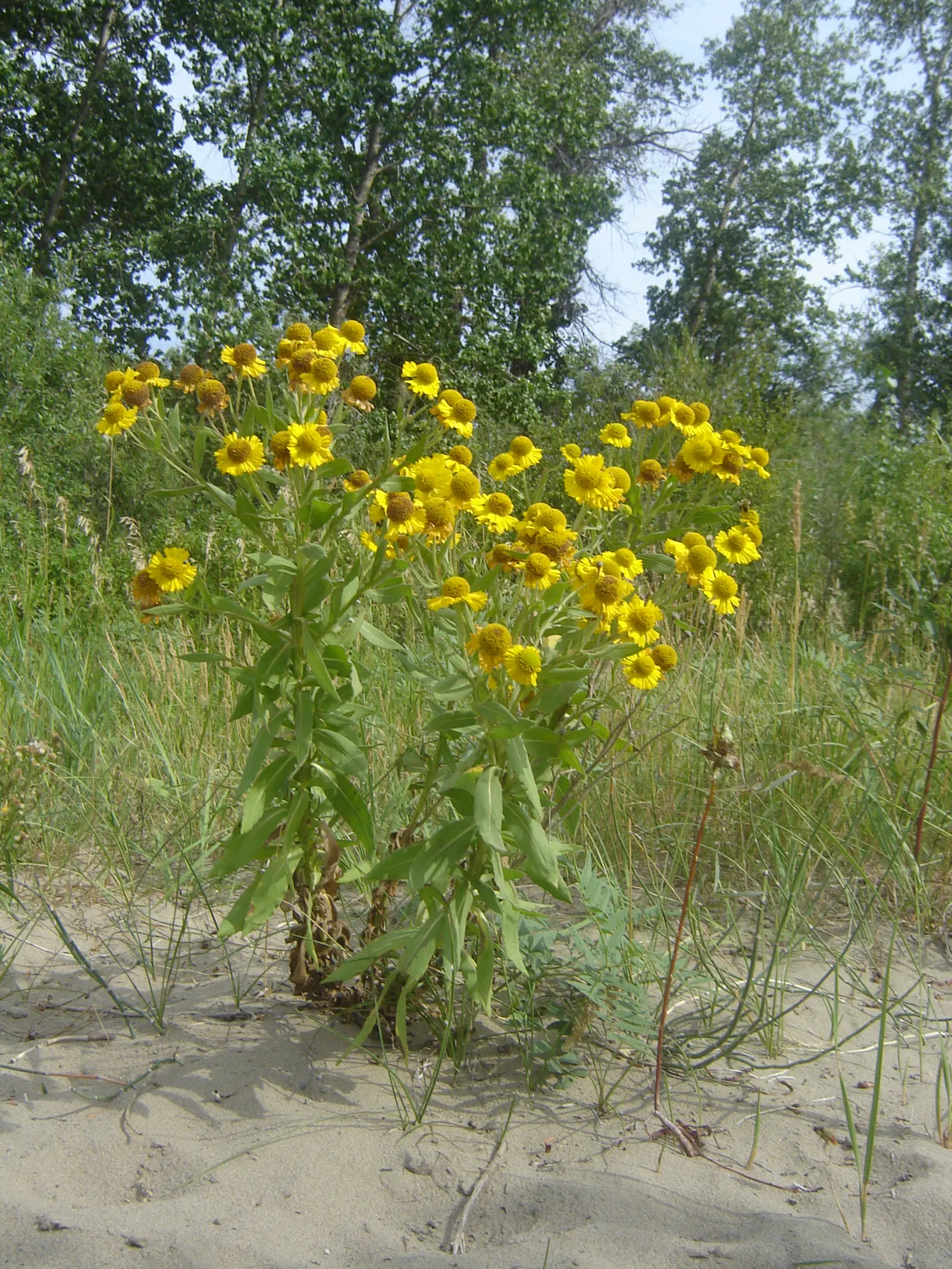
Western Fleabane (Erigeron Divergens) — spanning 1-2 inches across

Culture

Sun
Full
Water
Extra in Summer, Low, Very Low
USDA zones
6–11

Shape & size

Classification

Type
Ground cover, Perennial
Family
Asteraceae
Climate
Arid

See full data, regional cultivation notes, and design tools. Build a client presentation around this plant.

Start your 14-day trial

Photos (92)

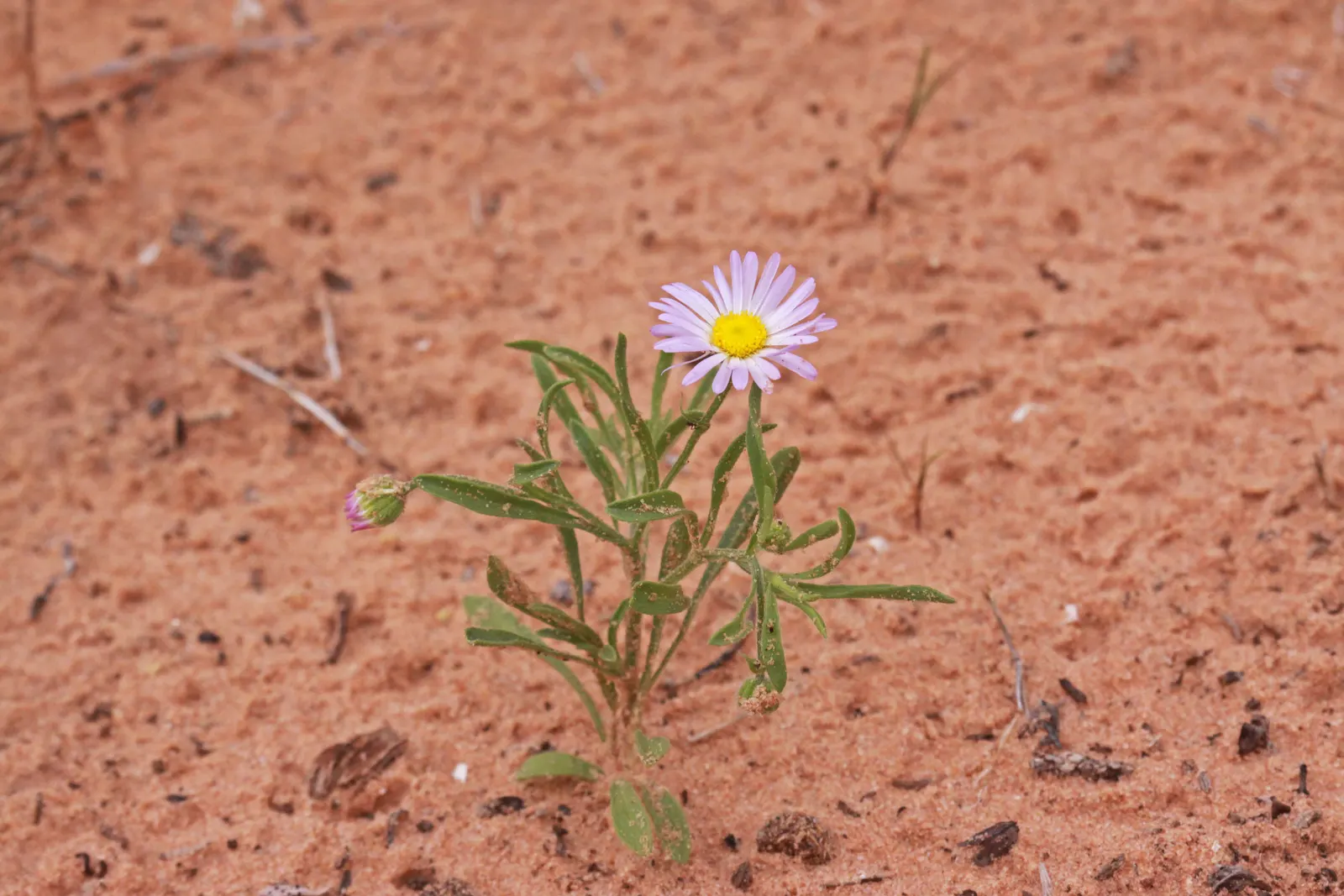
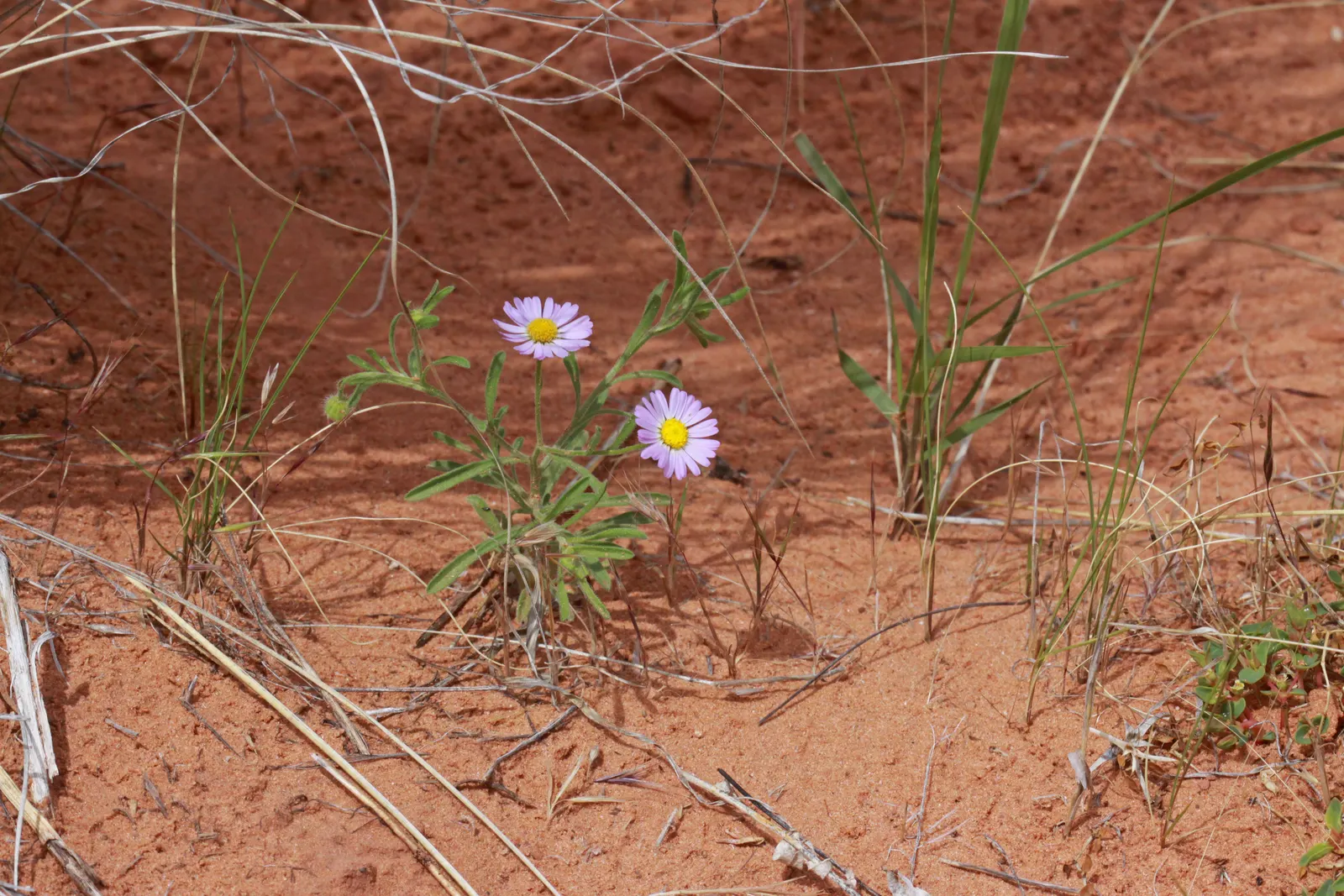
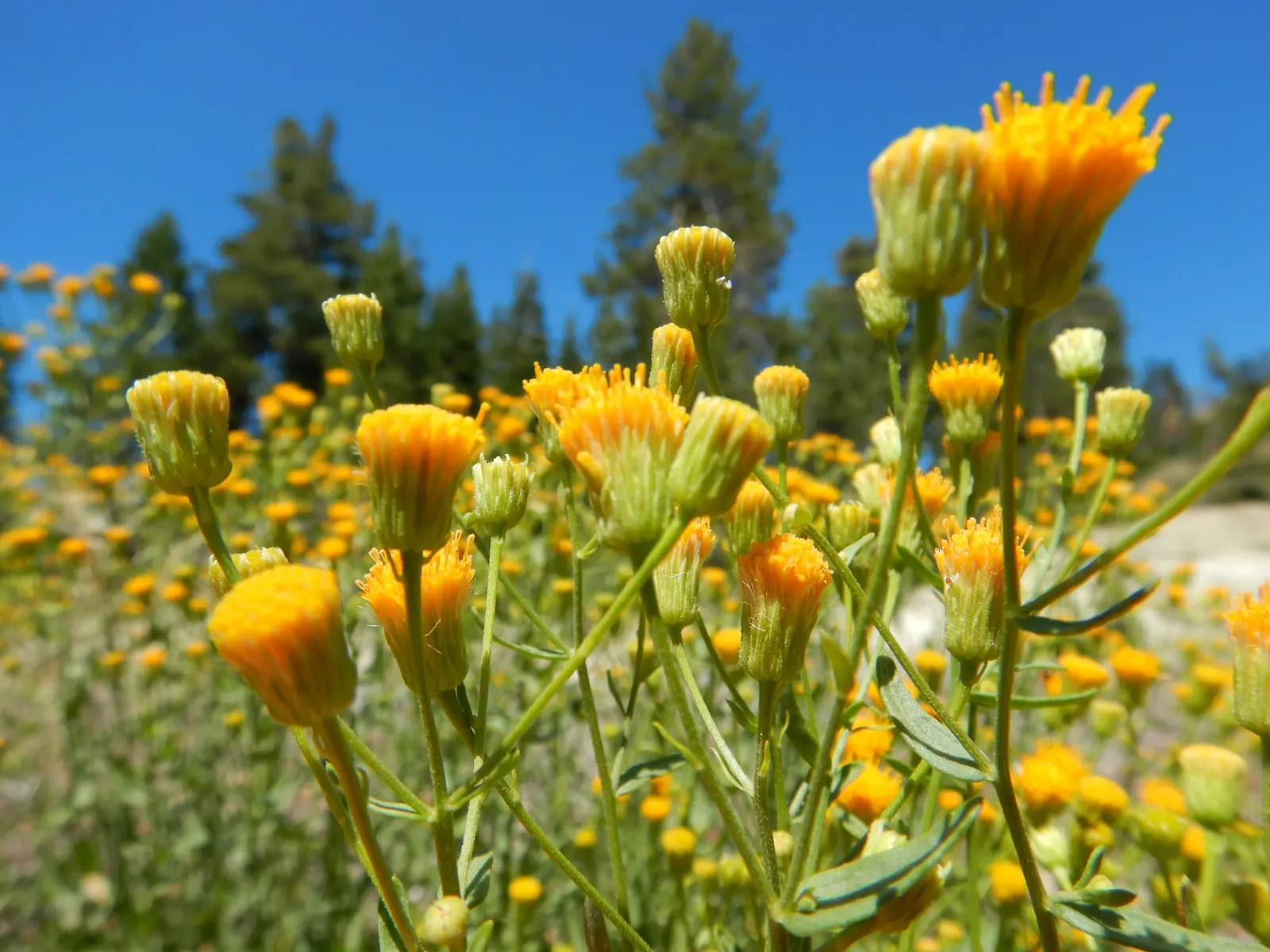
Western Fleabane (Erigeron Divergens) — ground cover / perennial with lavender and white blooms; though it flourishes in well-drained conditions
Western Fleabane (Erigeron Divergens) — Ideal for wildflower meadows and naturalistic borders; tolerates drought and thrives in well-drained soils, image 61
Western Fleabane (Erigeron Divergens) — Western Fleabane (Erigeron divergens) is a hardy perennial native to North American grasslands; tolerates drought and
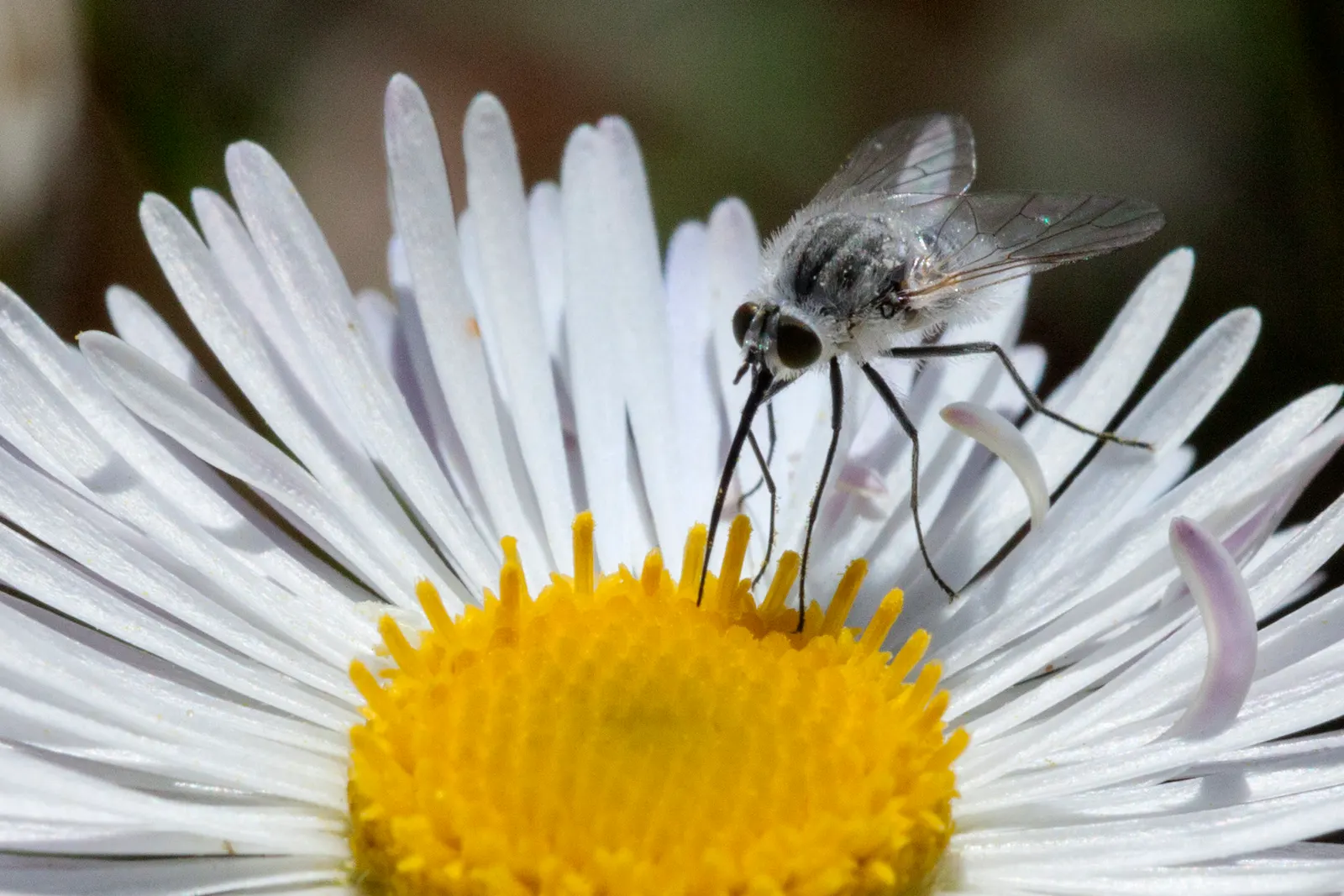
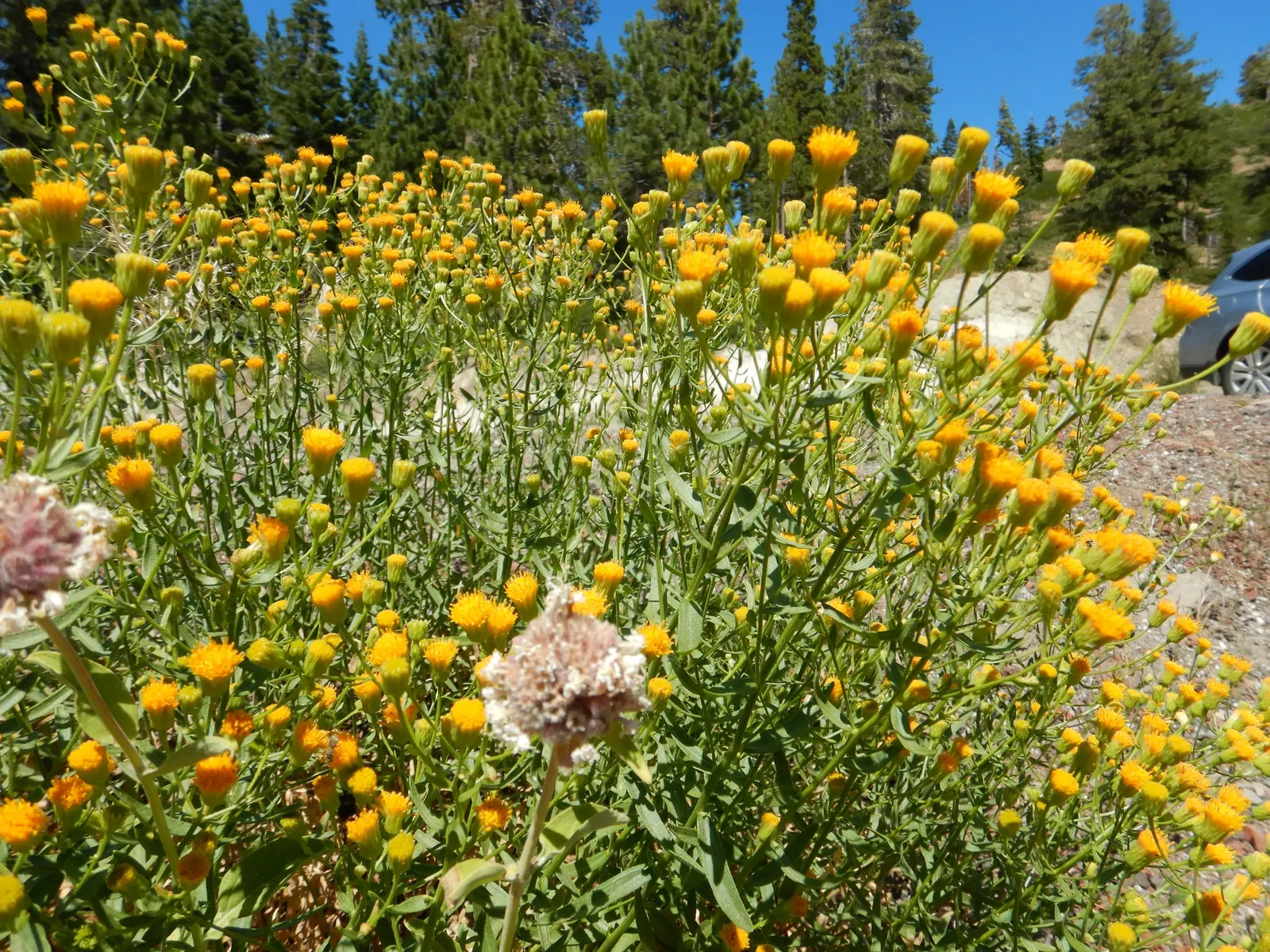
Western Fleabane (Erigeron Divergens) — Attracts pollinators such as bees and butterflies
Western Fleabane (Erigeron Divergens) — ground cover / perennial for full
Western Fleabane (Erigeron Divergens) — scientifically known as Erigeron divergens; though it flourishes in well-drained conditions
Western Fleabane (Erigeron Divergens) — scientifically known as Erigeron divergens
Western Fleabane (Erigeron Divergens) — scientifically known as Erigeron divergens; though it flourishes in well-drained conditions, image 63
Western Fleabane (Erigeron Divergens) — Blooms from early spring to late summer, reaching 1-2 ft in height; though it flourishes in well-drained conditions
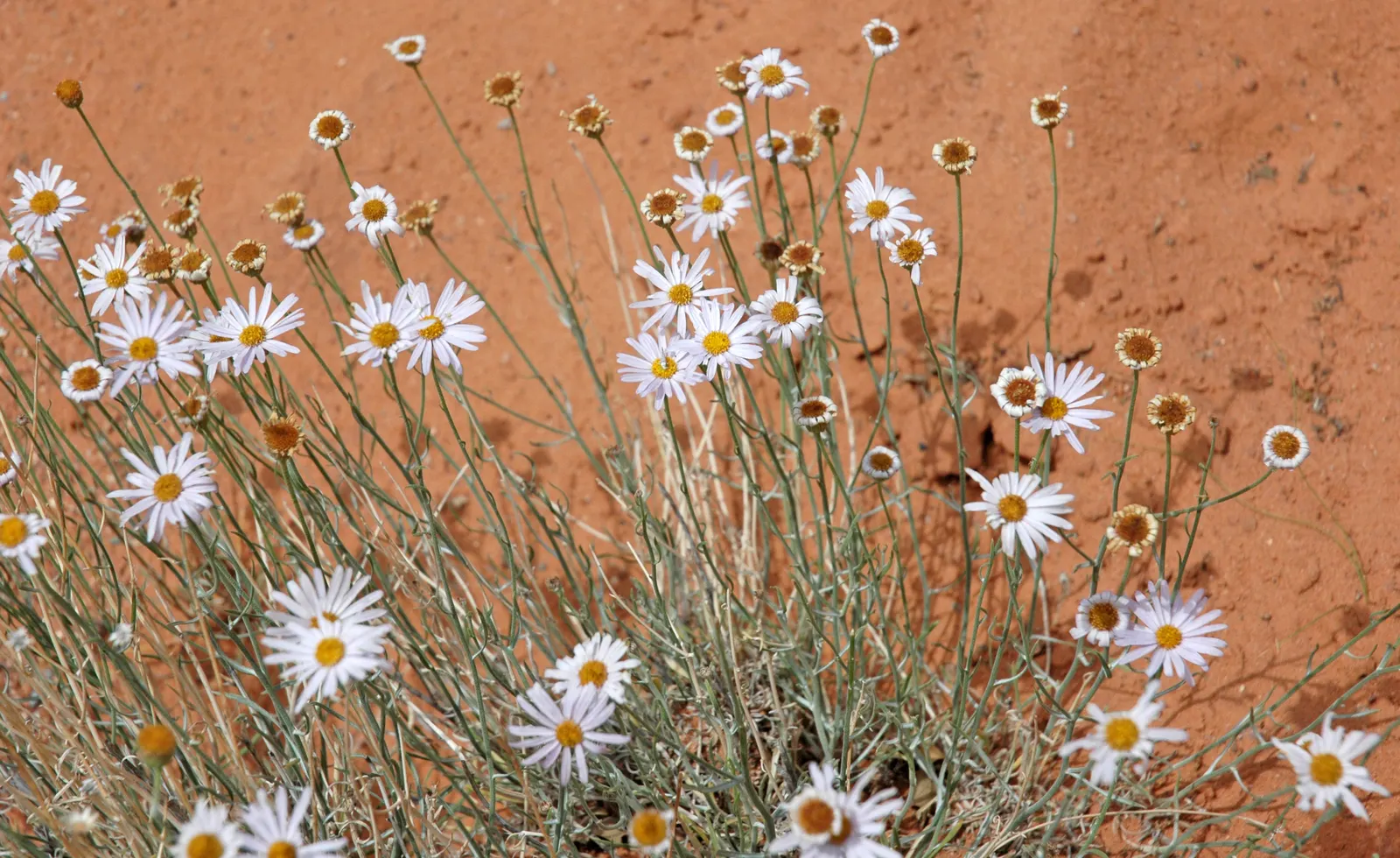
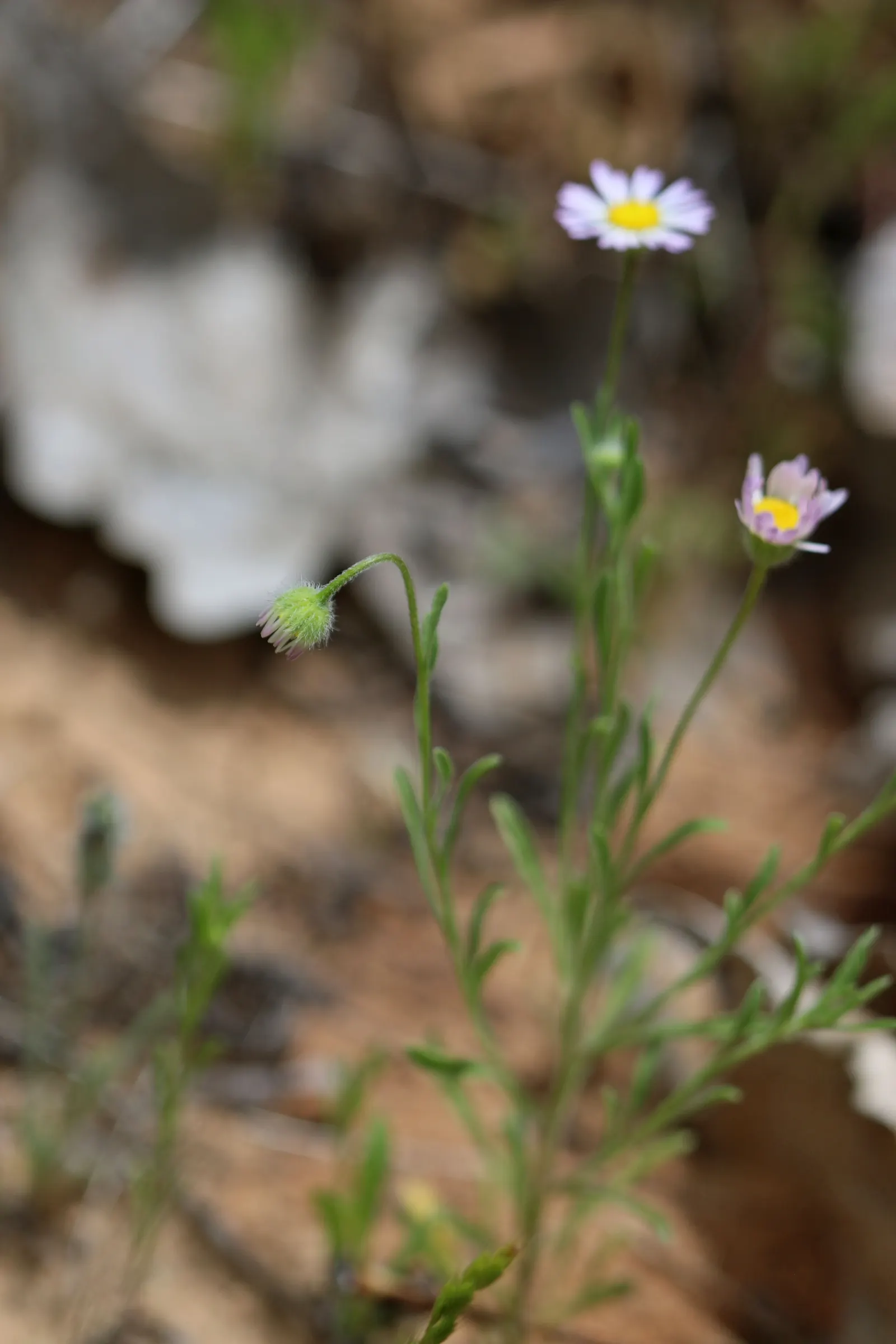
Western Fleabane (Erigeron Divergens) — thread-like ray petals surrounding a yellow disk center; making it a suitable choice for groundcover or as part of a
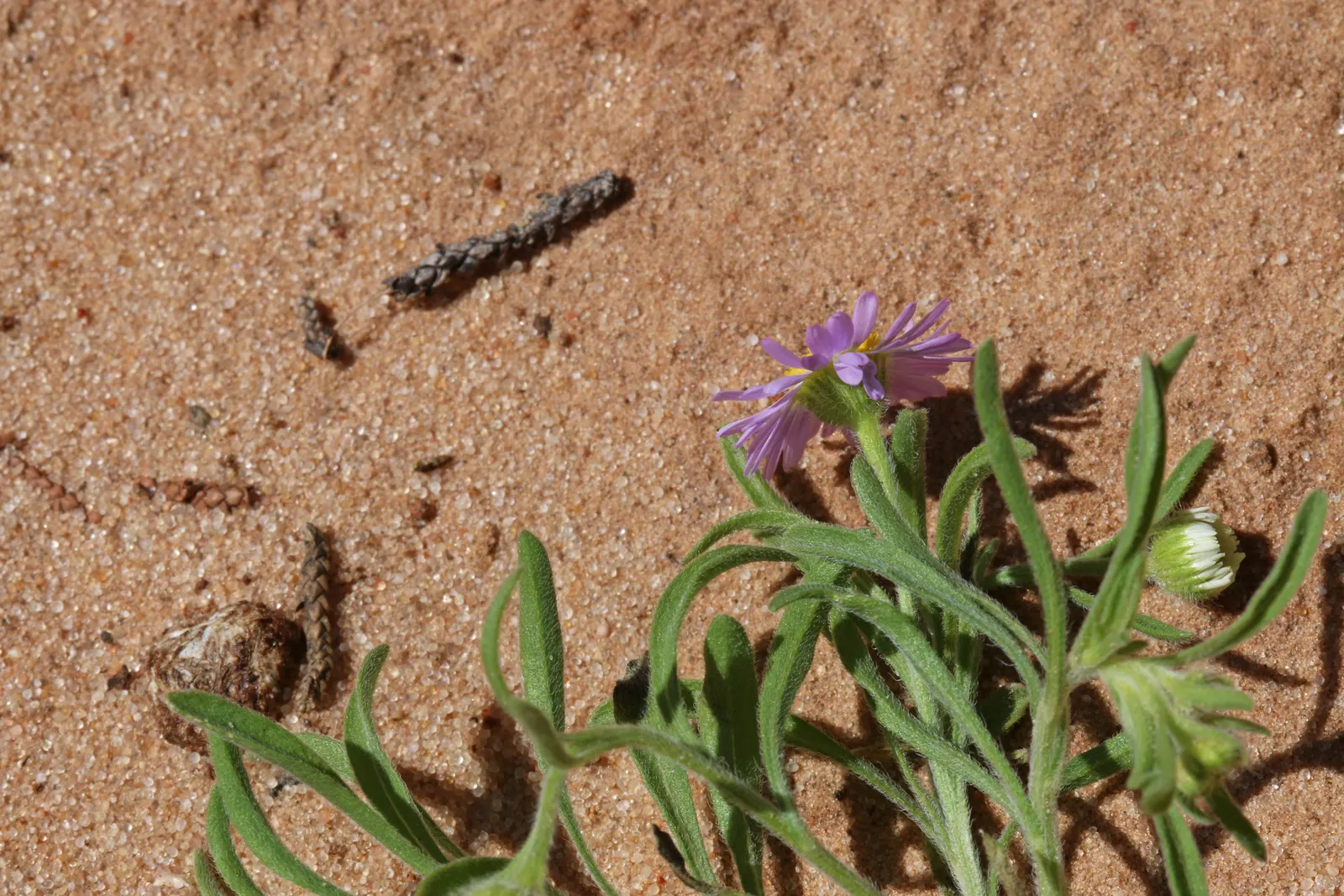
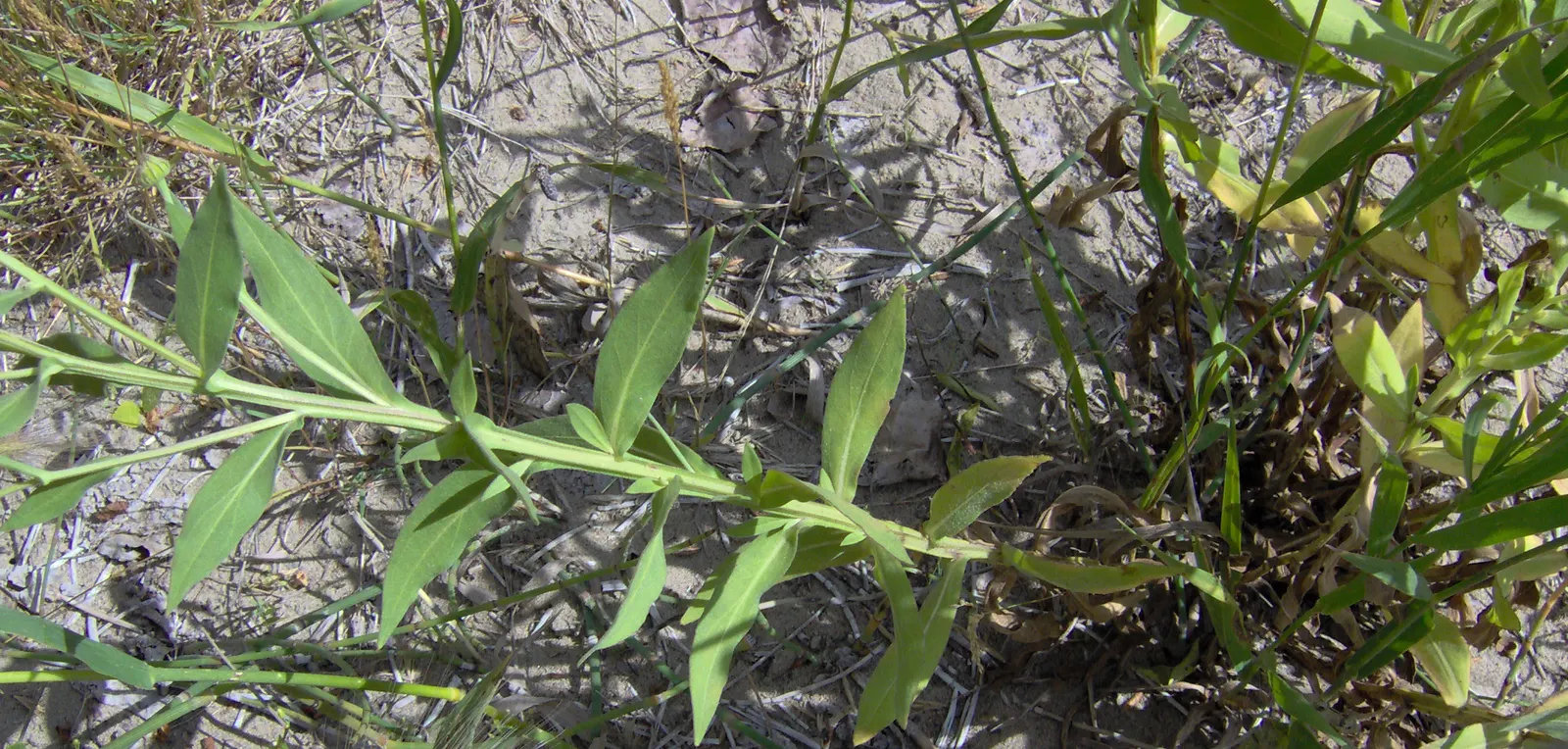
Western Fleabane (Erigeron Divergens) — lance-shaped leaves grow predominantly at the base of the plant; attracting pollinators while adding a splash of color
Western Fleabane (Erigeron Divergens) — this plant thrives in USDA Hardiness Zones 3 through 10; making it a suitable choice for groundcover or as part of a
Western Fleabane (Erigeron Divergens) — Tolerates drought and thrives in well-drained soils; attracting pollinators while adding a splash of color, image 60
Western Fleabane (Erigeron Divergens) — Tolerates drought and thrives in well-drained soils
Western Fleabane (Erigeron Divergens) — Each blossom consists of thin
Western Fleabane (Erigeron Divergens) — lance-shaped leaves grow predominantly at the base of the plant
Western Fleabane (Erigeron Divergens) — Attracts pollinators such as bees and butterflies; making it a suitable choice for groundcover or as part of a border
Western Fleabane (Erigeron Divergens) — creating a delicate spray of color
Western Fleabane (Erigeron Divergens) — this plant thrives in USDA Hardiness Zones 3 through 10; making it a suitable choice for groundcover or as, image 66
Western Fleabane (Erigeron Divergens) — often in lavender or white tones.<br><br>Erigeron divergens prefers full sun to partial shade; attracting pollinators
Western Fleabane (Erigeron Divergens) — this plant thrives in USDA Hardiness Zones 3 through 10
Western Fleabane (Erigeron Divergens) — making it a suitable choice for groundcover or as part of a border; though it flourishes in well-drained conditions
Western Fleabane (Erigeron Divergens) — ground cover / perennial with lavender and white blooms
Western Fleabane (Erigeron Divergens) — often in lavender or white tones.<br><br>Erigeron divergens prefers full sun to partial shade
Photographs by 8 contributors

Related plants