Skip to content

Winter Aconite

Eranthis Hyemalis

Design with this plant

Overview

Eranthis hyemalis, commonly known as Winter Aconite, heralds spring with its vibrant yellow blooms. This low-growing perennial reaches a modest height of just 3-4 inches and spreads 3 inches wide. It thrives in USDA hardiness zones 4 through 9, preferring partial shade and well-drained soil. Its early flowering, typically in late winter to early spring, makes it an excellent choice for underplanting deciduous trees and naturalizing in woodland gardens.

Sun Full, HalfWater MediumZones 4–8Type PerennialClimate Temperate

Culture

Sun
Full, Half
Water
Medium
USDA zones
4–8

Shape & size

Mature height
4–6 Inches
Mature width
4–6 Inches

Classification

Type
Perennial
Family
Ranunculaceae
Climate
Temperate

See full data, regional cultivation notes, and design tools. Build a client presentation around this plant.

Start your 14-day trial

Photos (159)

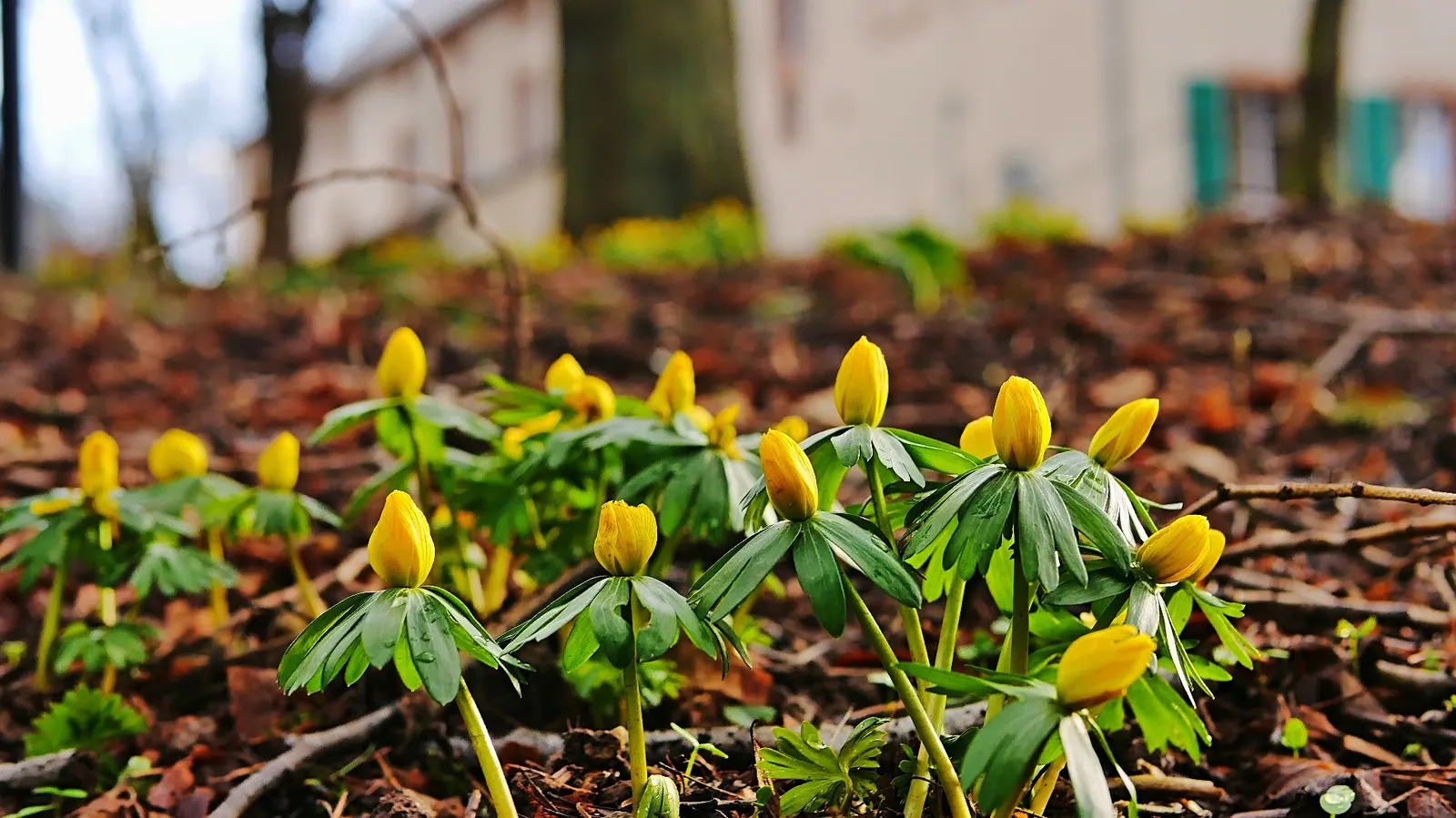
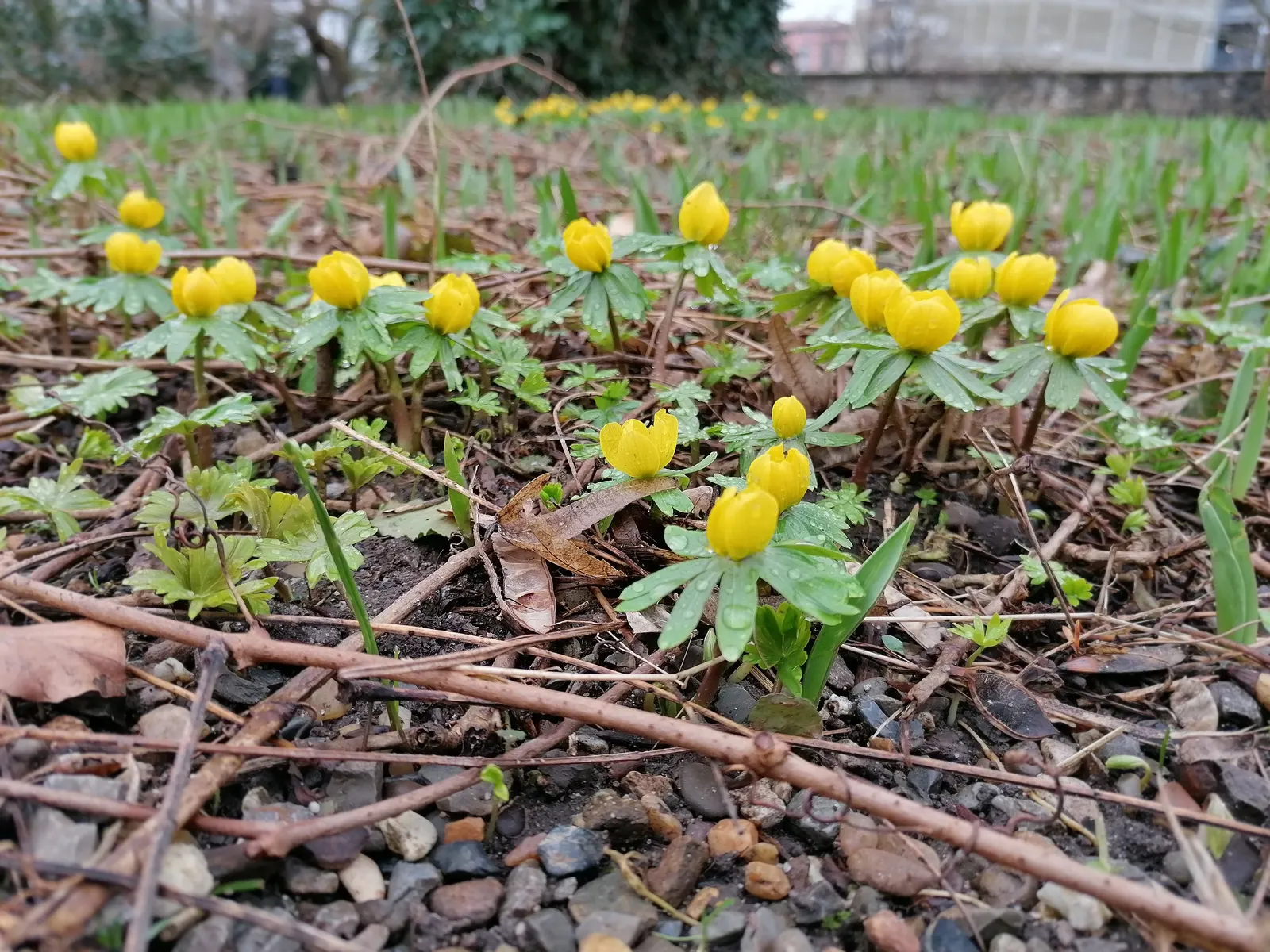
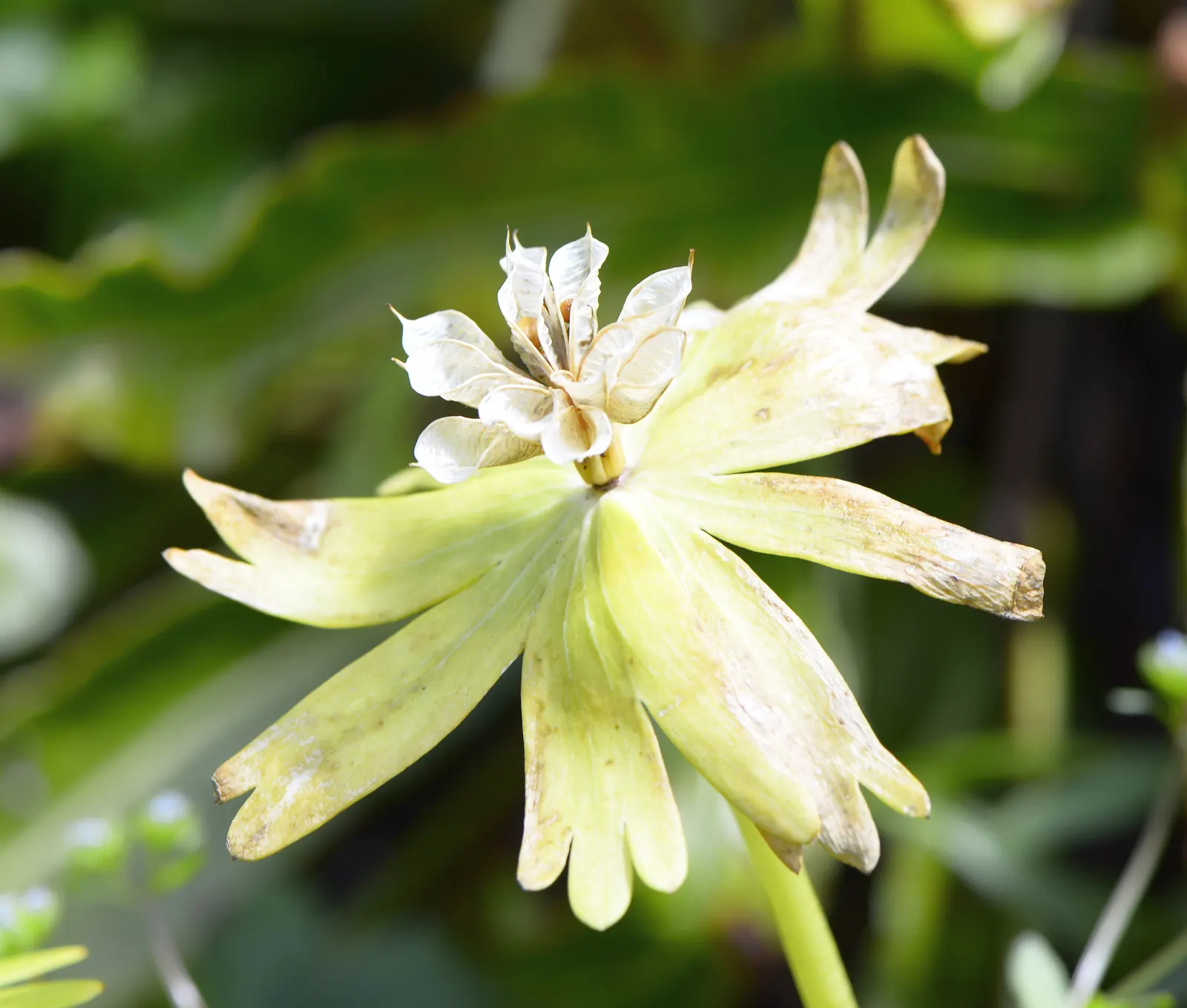
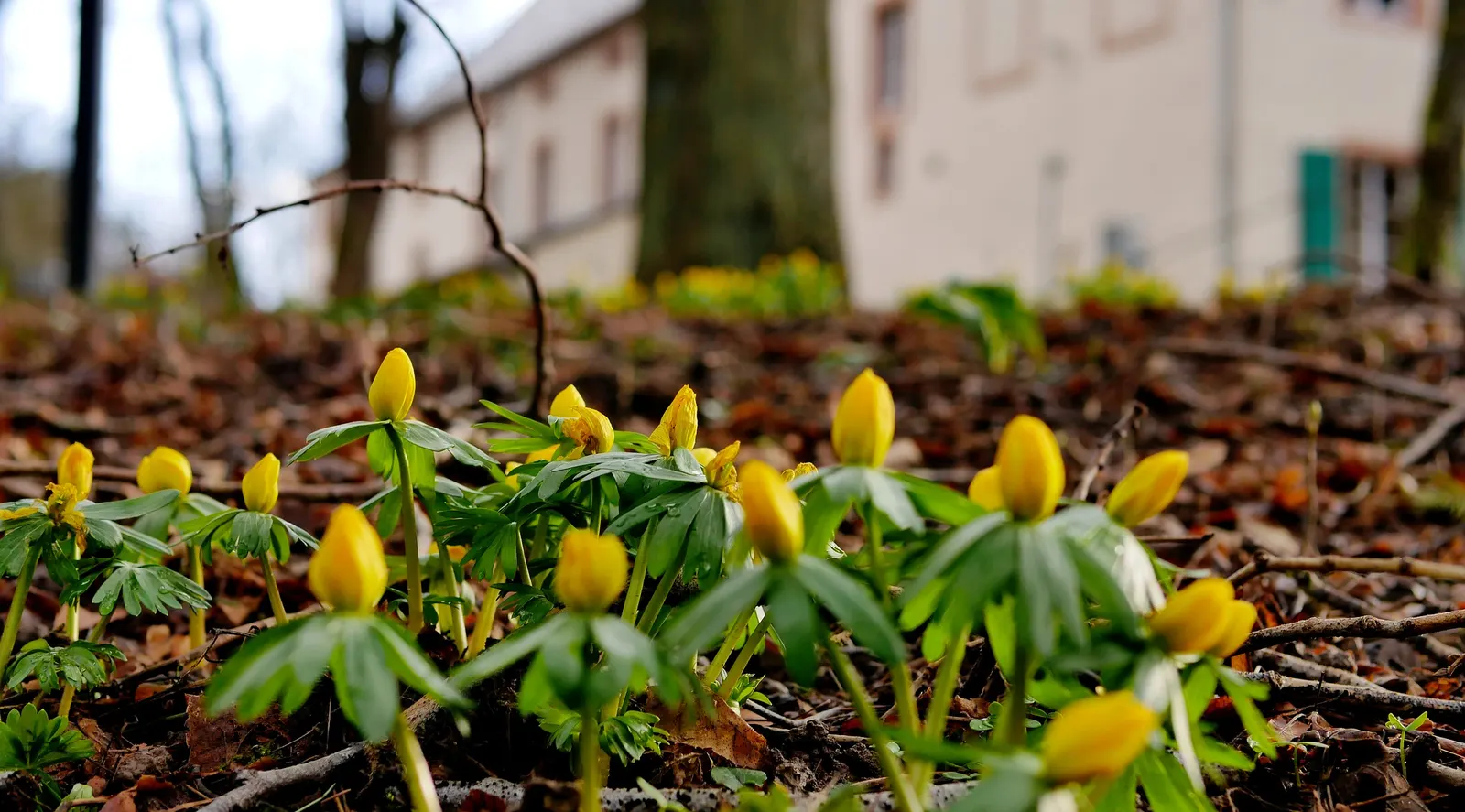
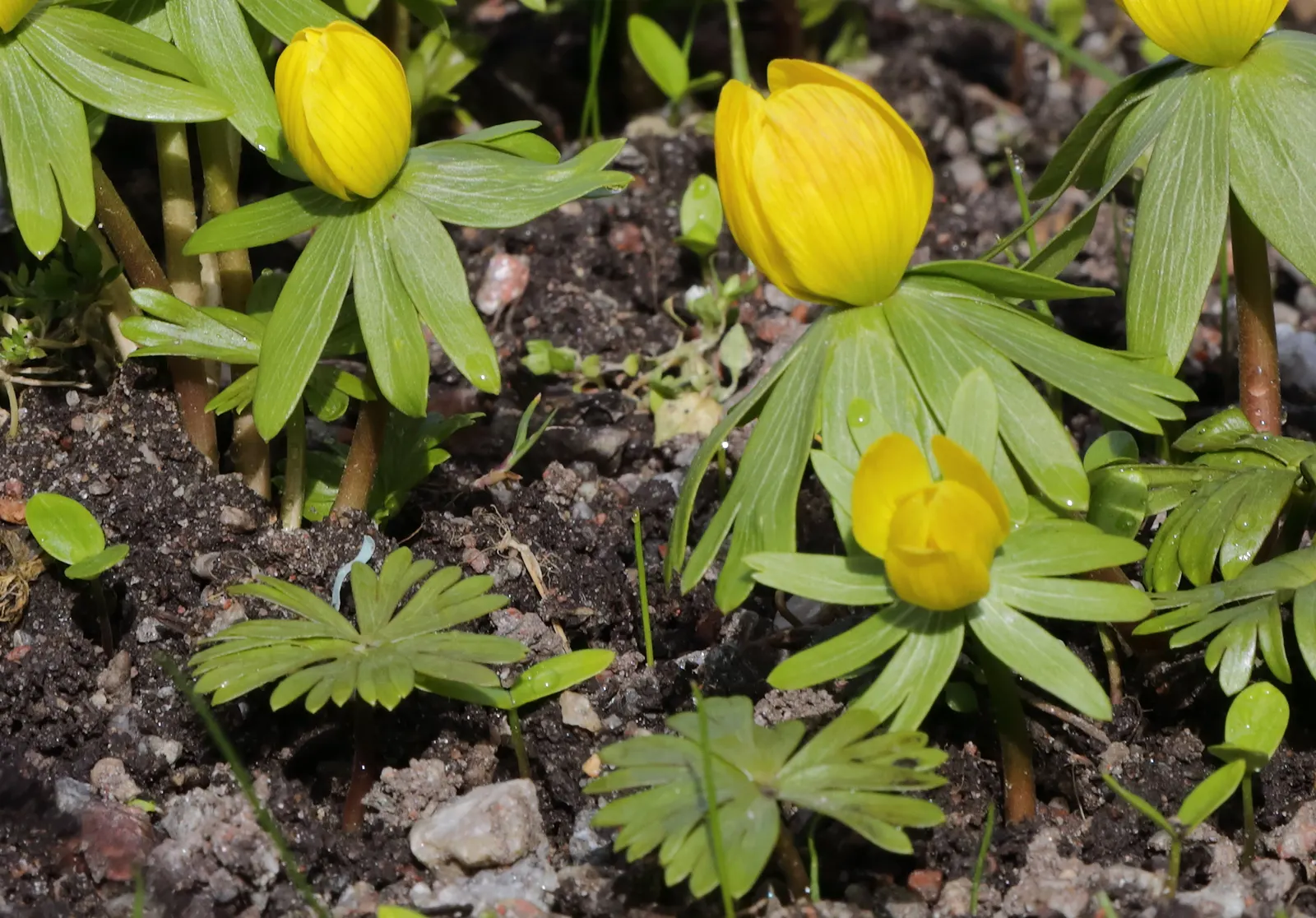
Winter Aconite (Eranthis Hyemalis) — reaching just 3 to 4 inches in height; eranthis hyemalis, commonly known as Winter Aconite, heralds spring, image 100
Winter Aconite (Eranthis Hyemalis) — which makes it ideal for planting at the front of borders or for naturalizing in woodland garden settings, image 101
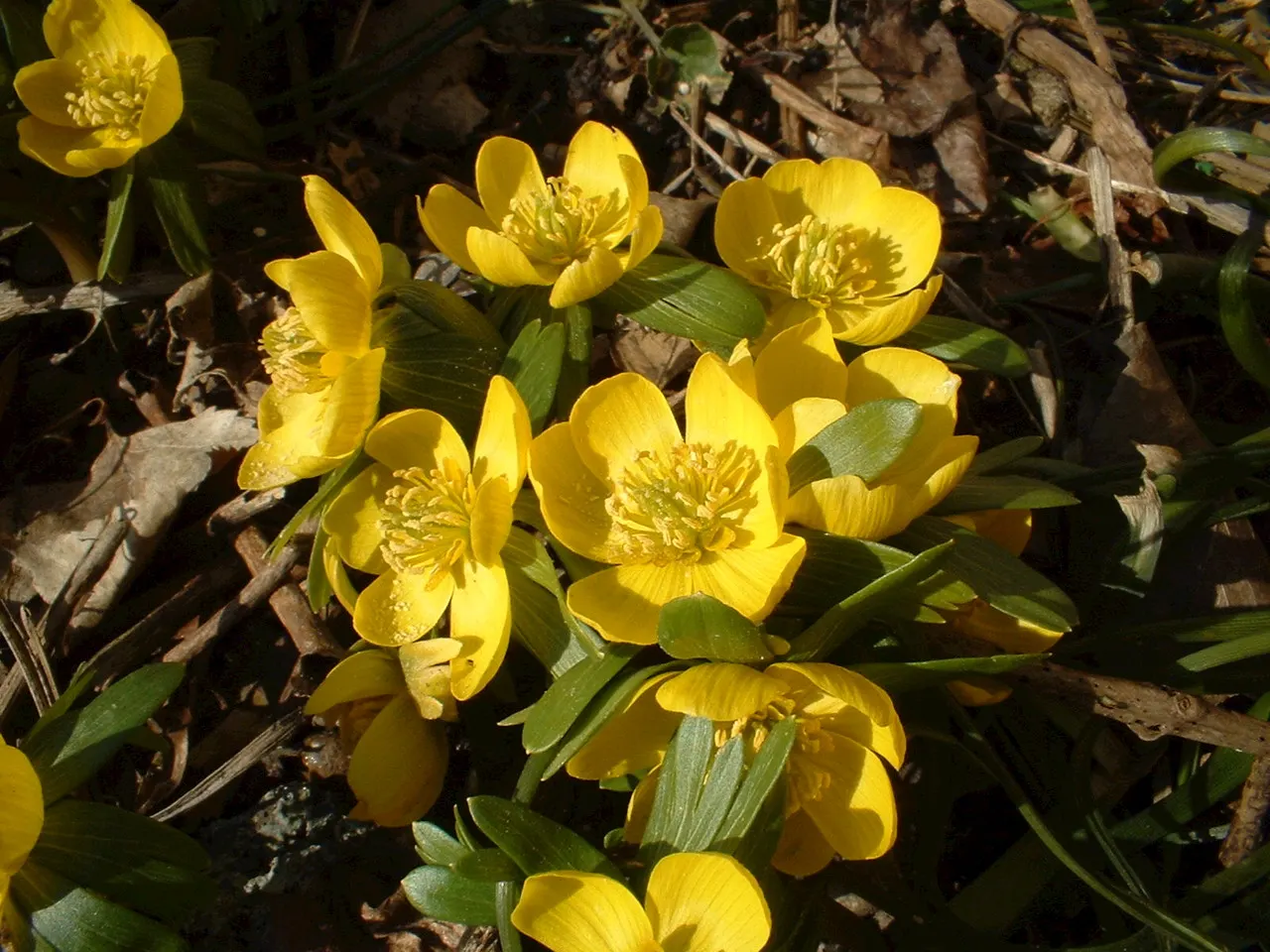
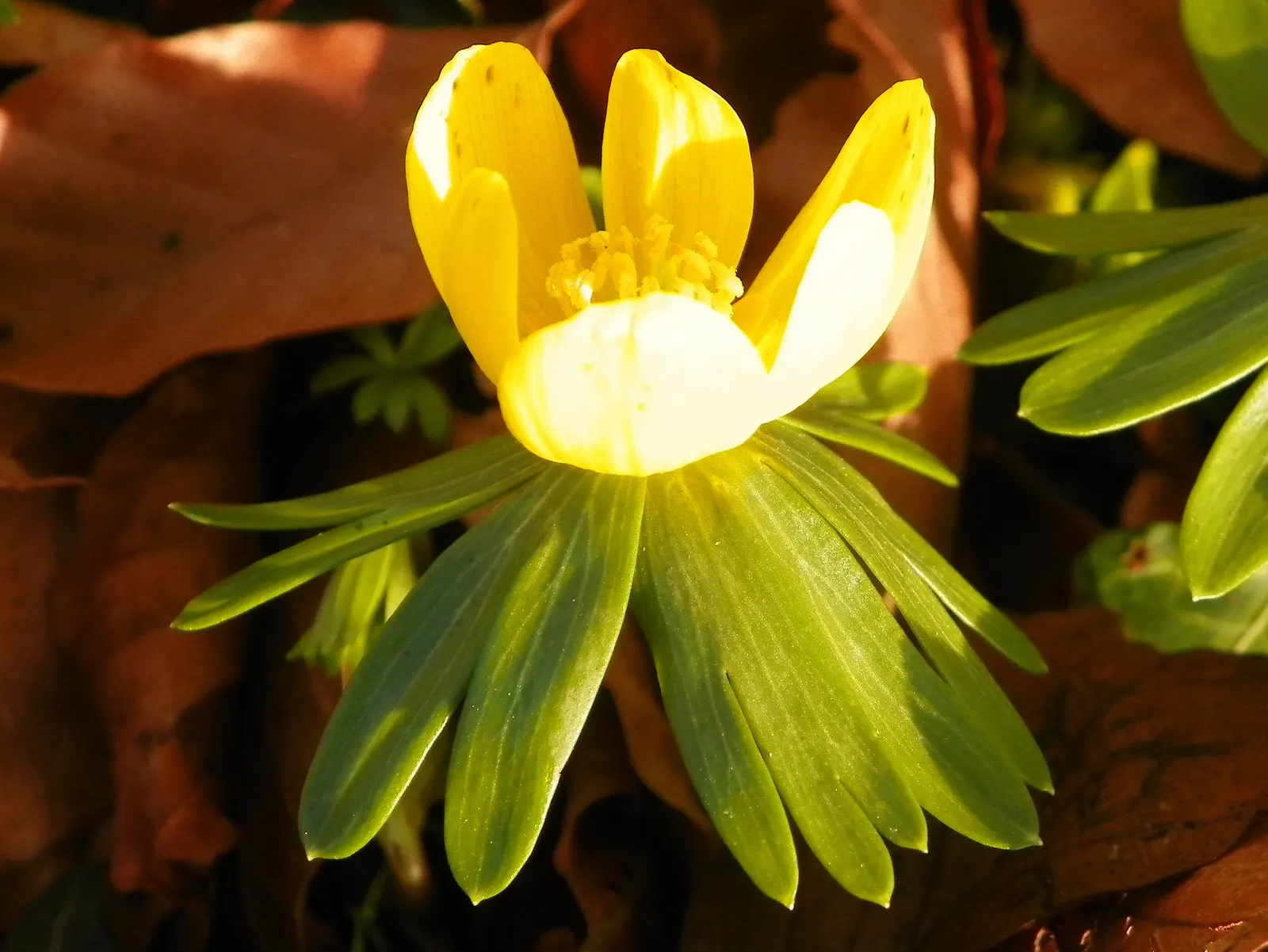
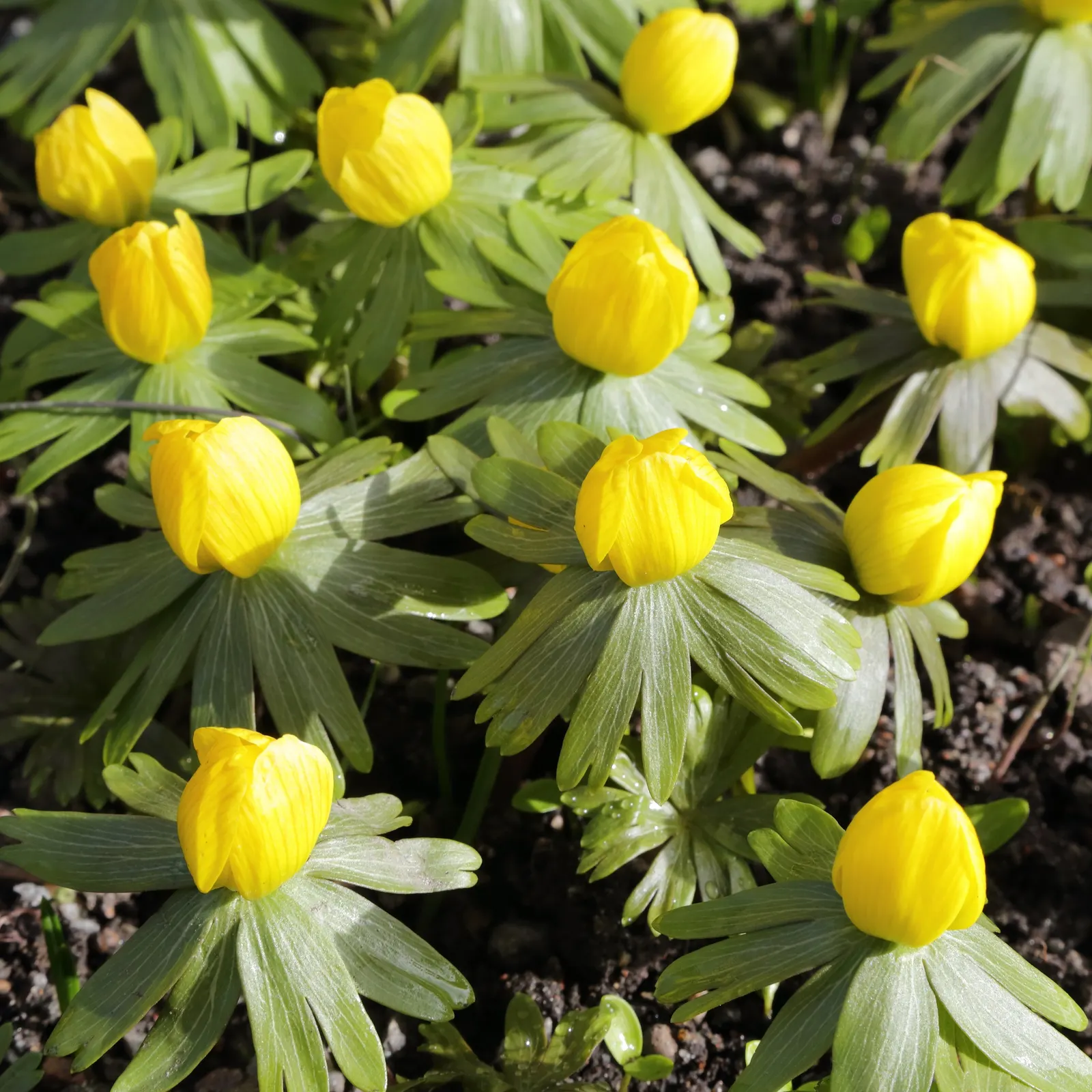
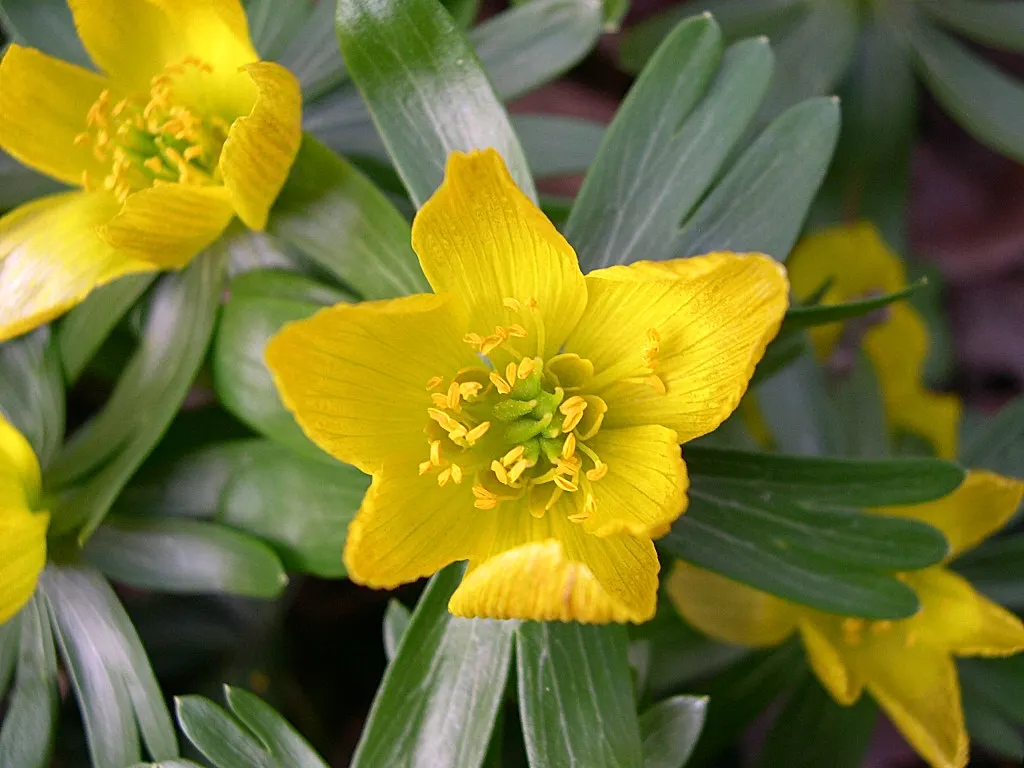
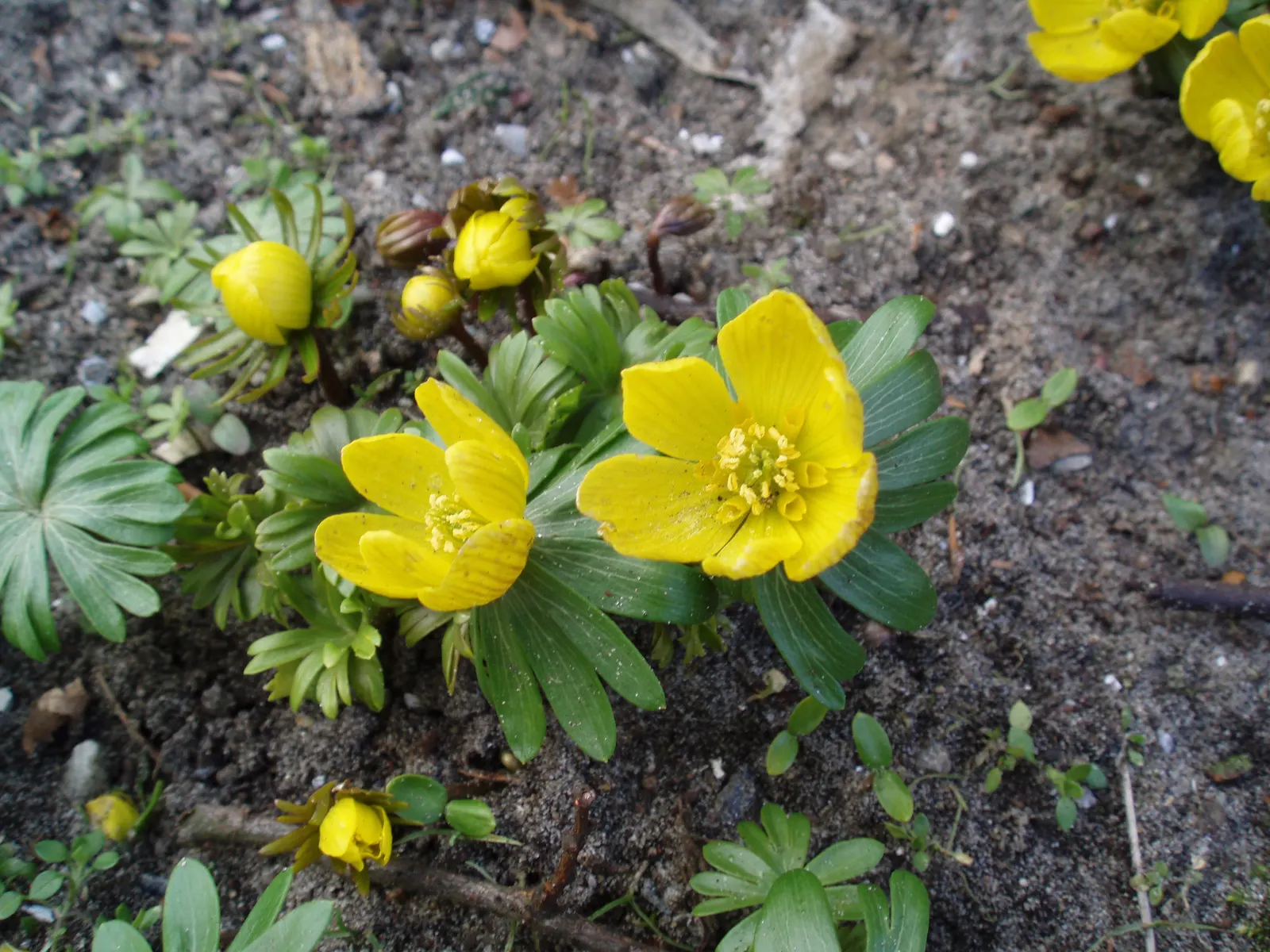
Winter Aconite (Eranthis Hyemalis) — buttercup-yellow flowers which are approximately 1 inch in diameter; this plant features bright
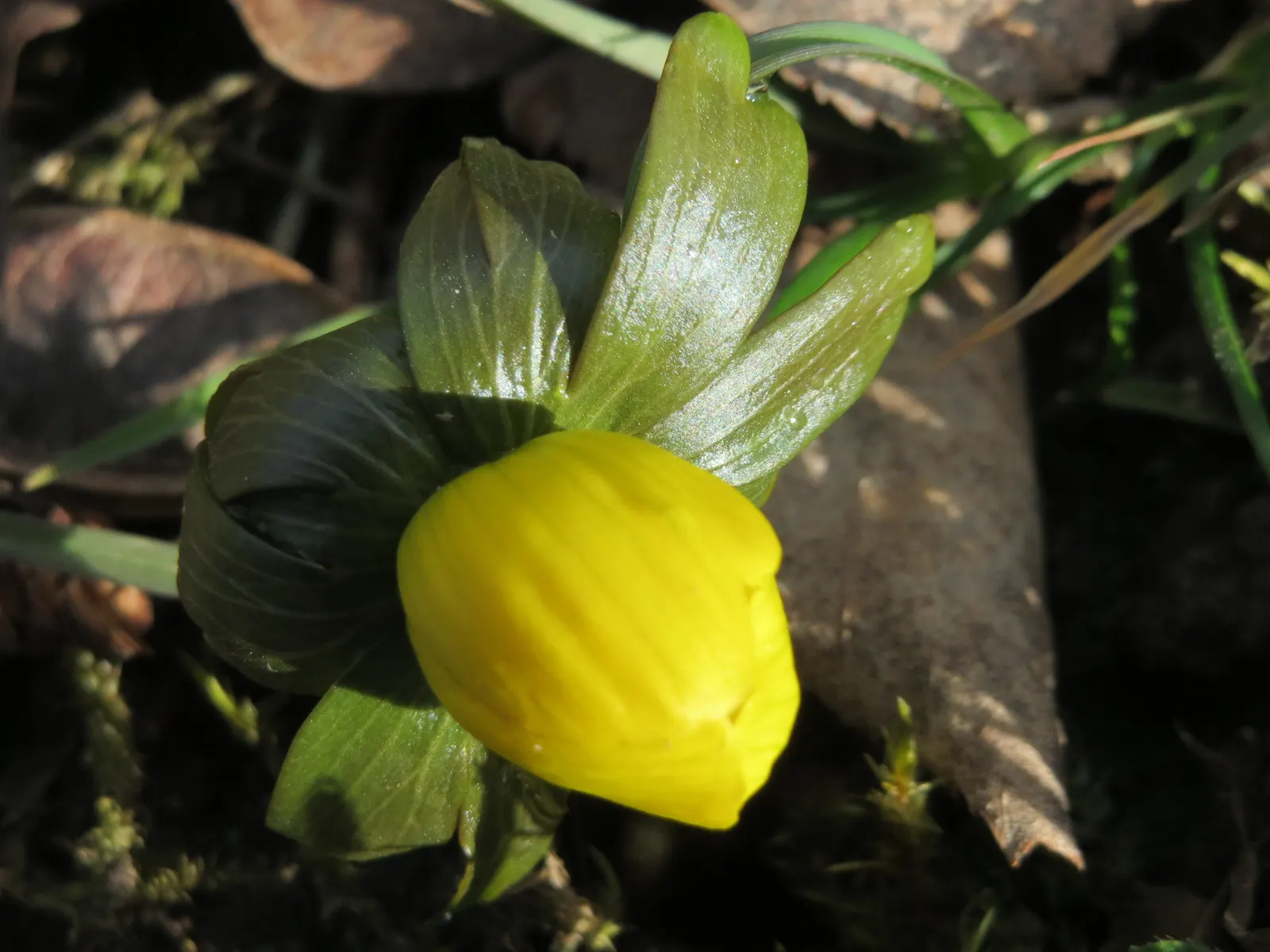
Winter Aconite (Eranthis Hyemalis) — resembling a collar that enhances the floral display.<br><br>The Eranthis hyemalis has a low growth habit, image 99
Winter Aconite (Eranthis Hyemalis) — Proper care includes planting the tubers at a depth of 1 to 2 inches and watering regularly during dry spells, image 113
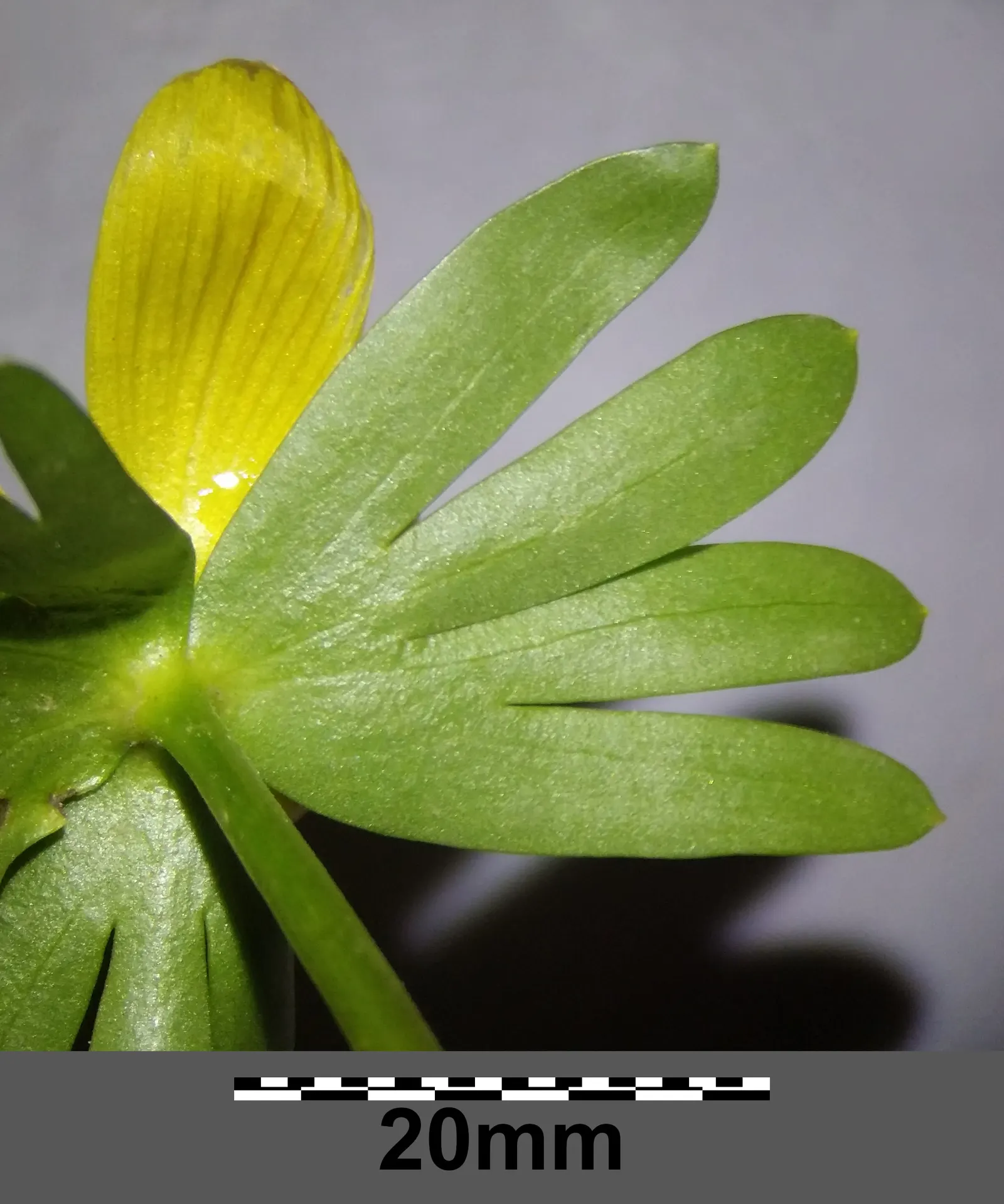
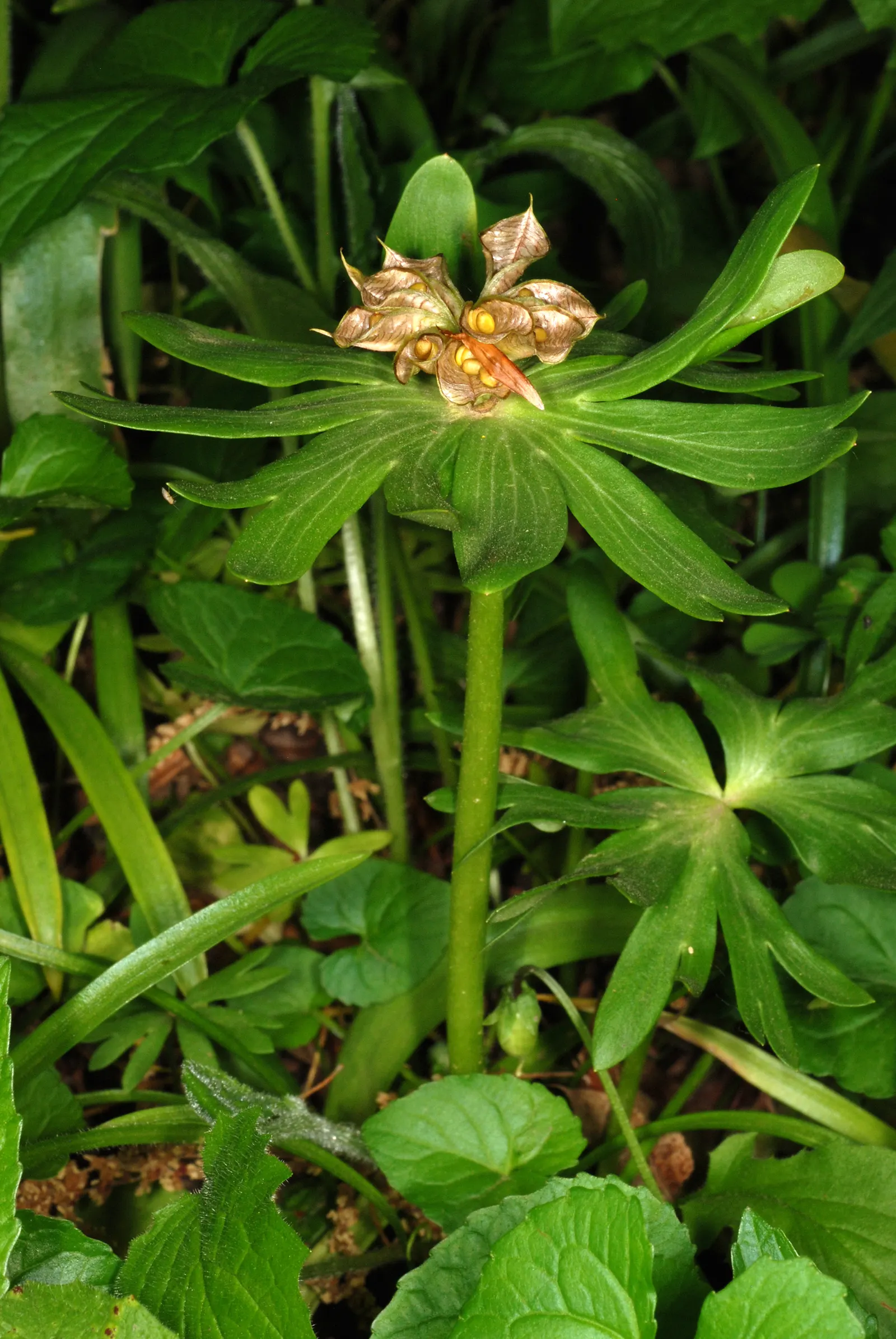
Winter Aconite (Eranthis Hyemalis) — The leaves are basal and divided into lobed segments; perennial for full or half, image 75
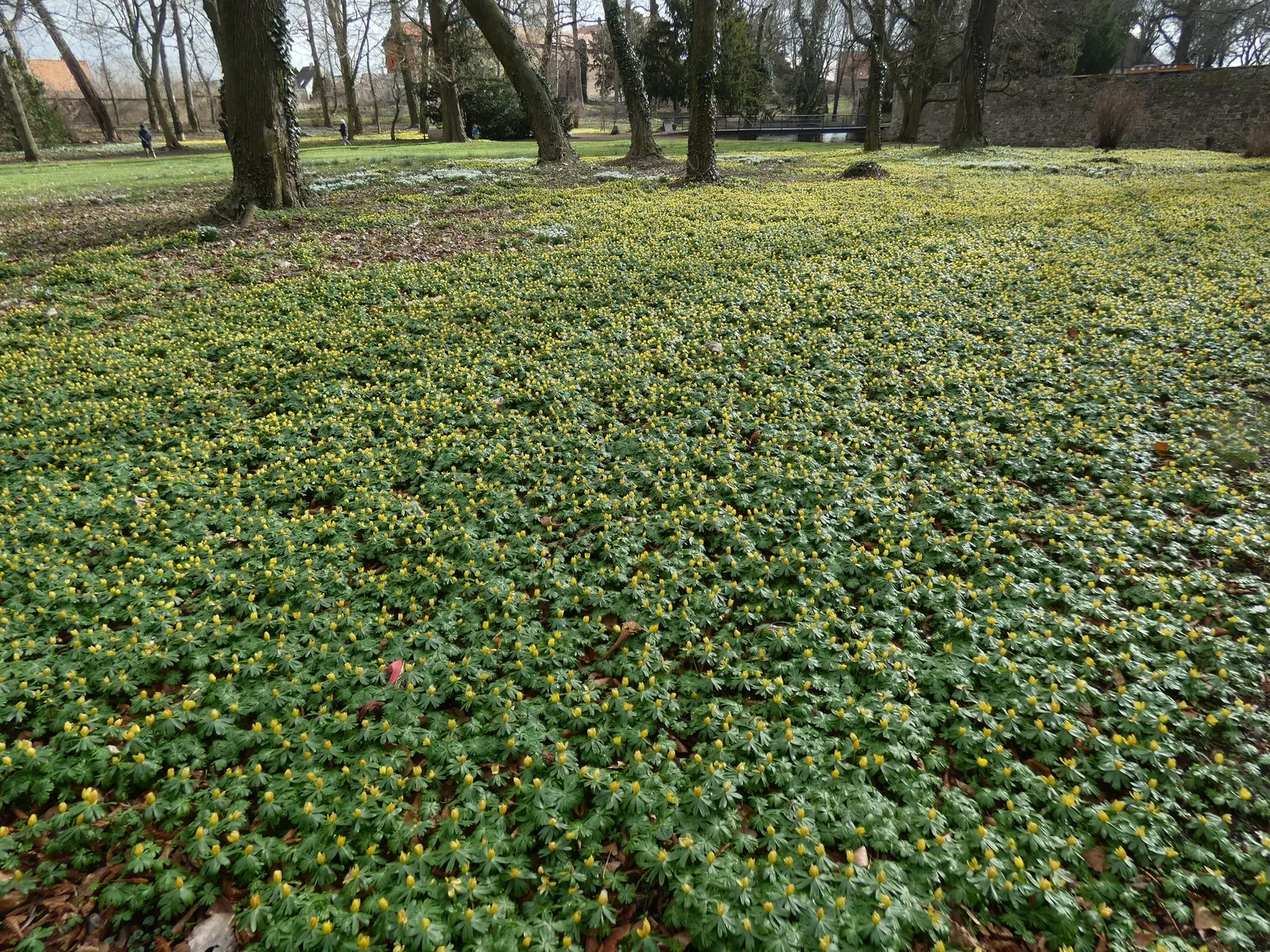
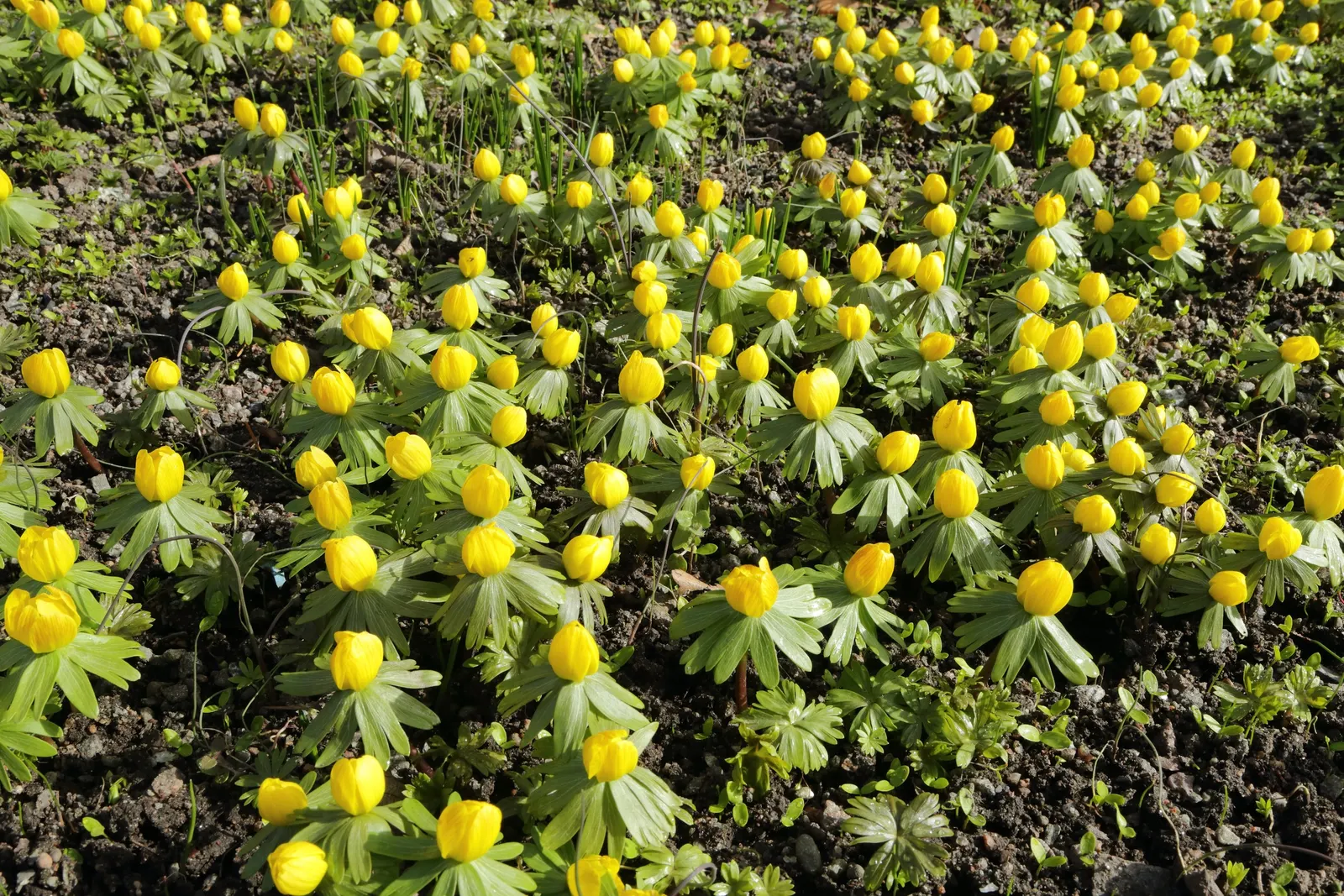
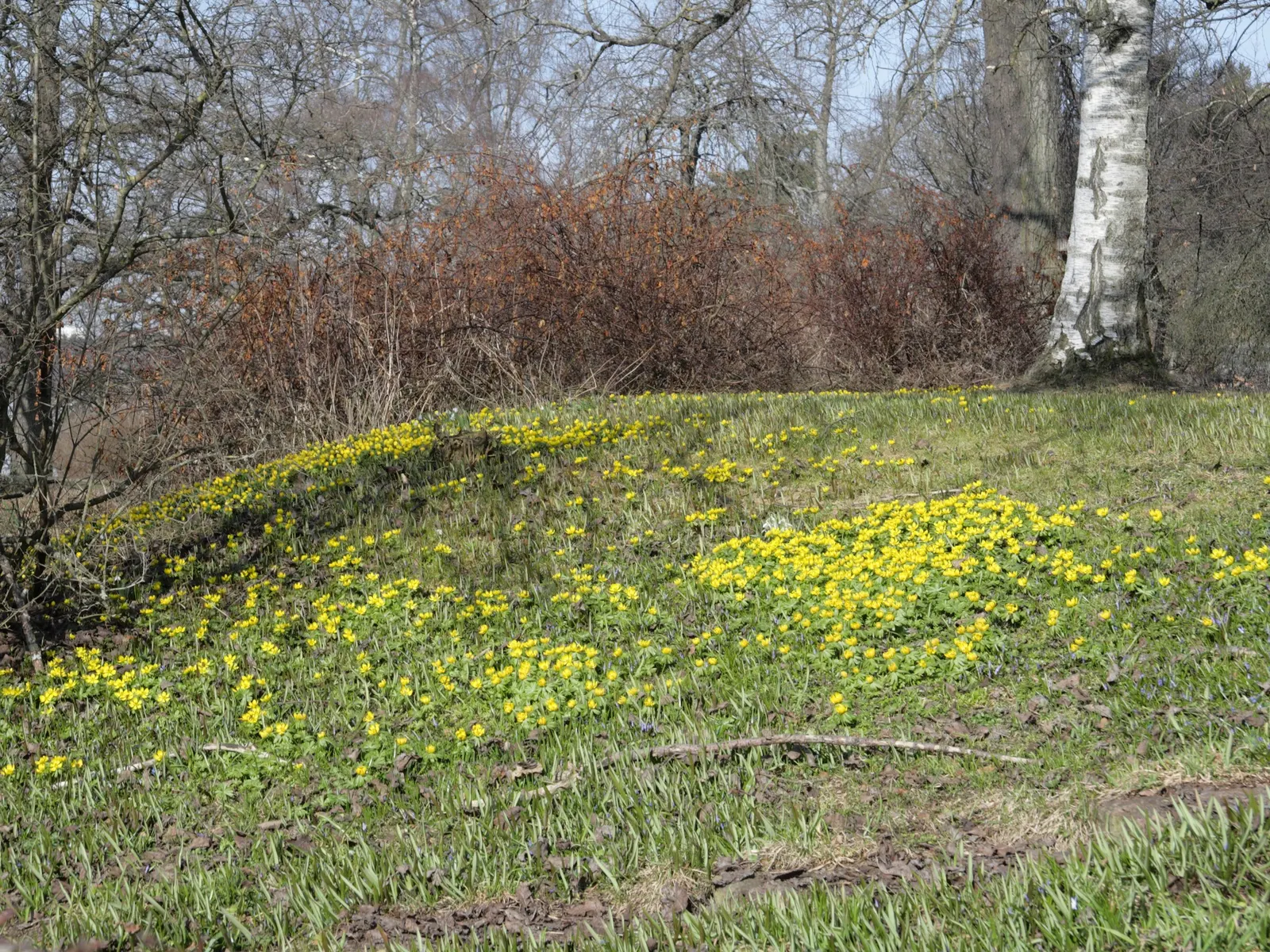
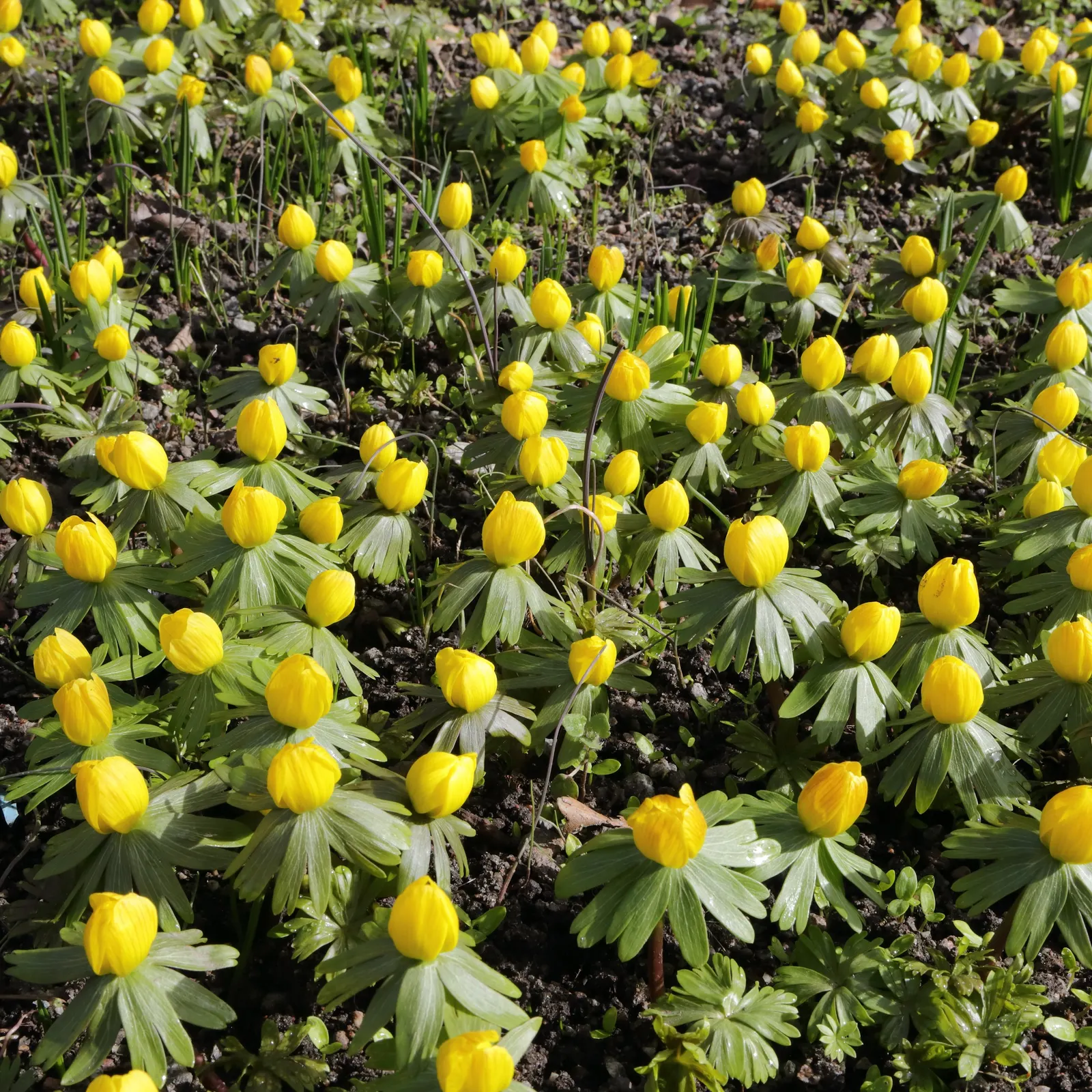
Winter Aconite (Eranthis Hyemalis) — offering a burst of color before the canopy above fills out.<br><br>When planning for mass plantings, image 108
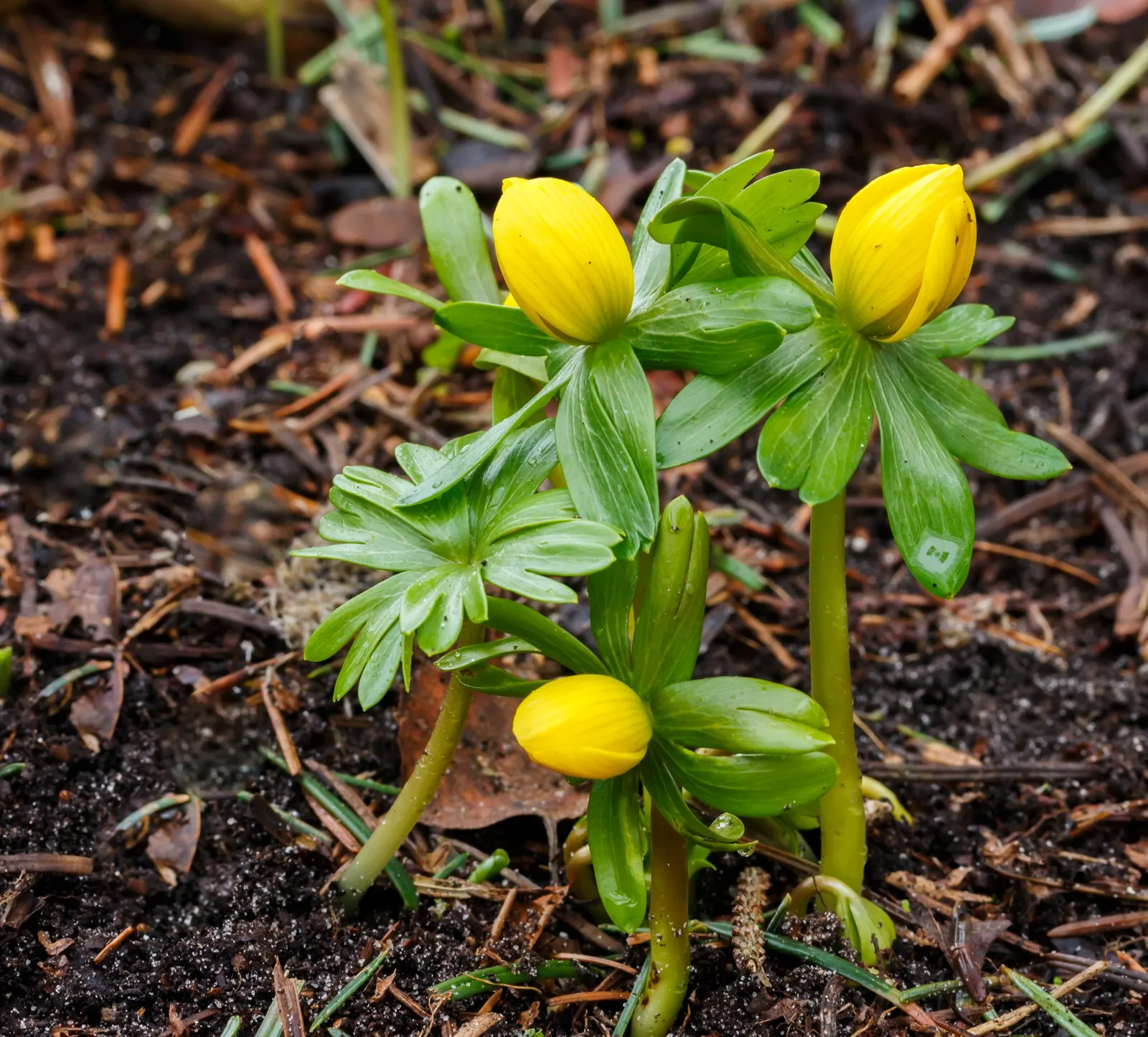
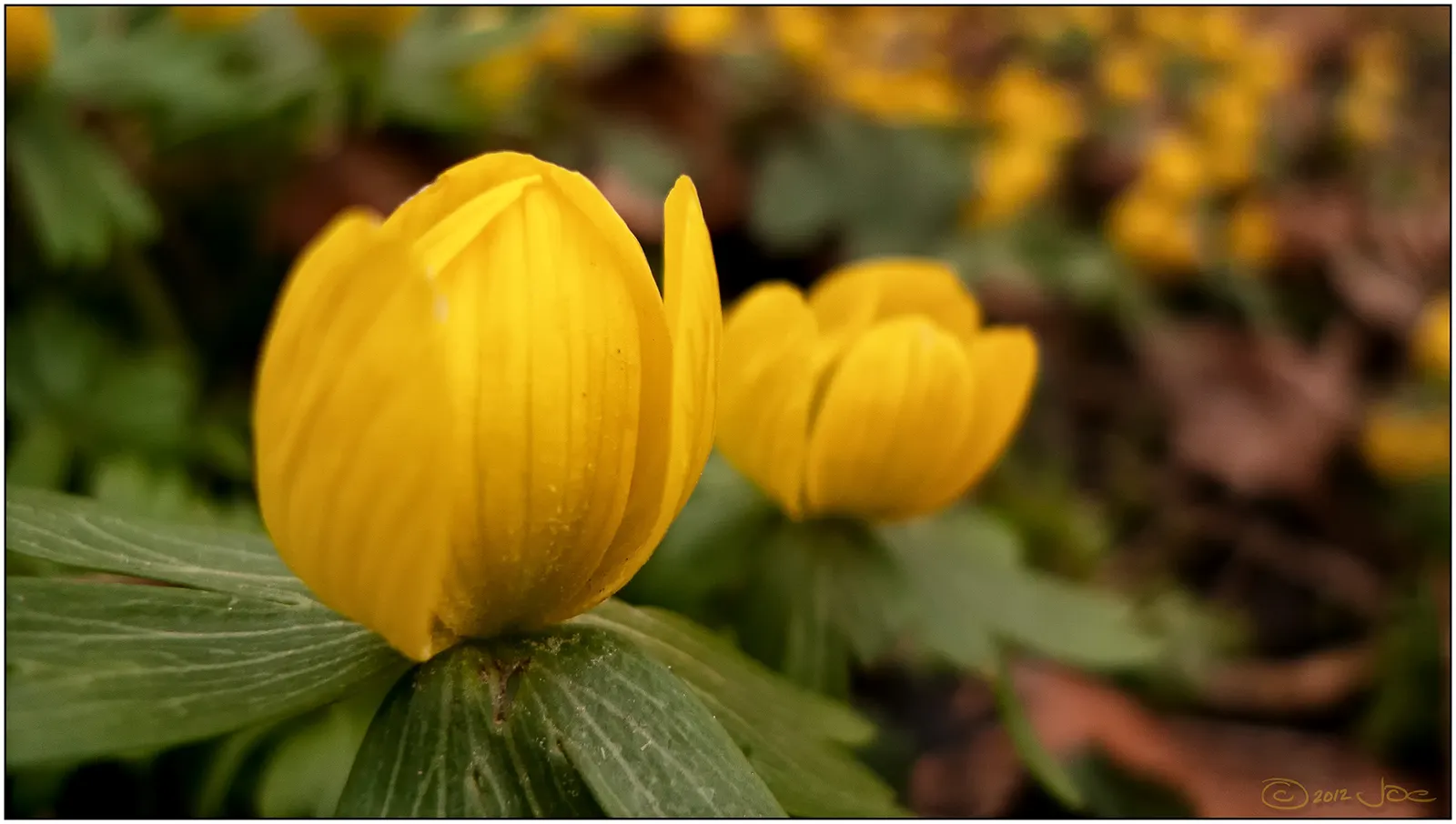
Winter Aconite (Eranthis Hyemalis) — Each bloom is cup-shaped and encircled by a green ruff of dissected bracts
Winter Aconite (Eranthis Hyemalis) — providing early pollen for bees and enhancing biodiversity in the garden; yellow flowers in the garden, image 112
Winter Aconite (Eranthis Hyemalis) — It thrives in USDA hardiness zones 4 through 9, preferring partial shade and well-drained soil; preferring, image 119
Winter Aconite (Eranthis Hyemalis) — resembling a collar that enhances the floral display.<br><br>The Eranthis hyemalis has a low growth habit, image 70
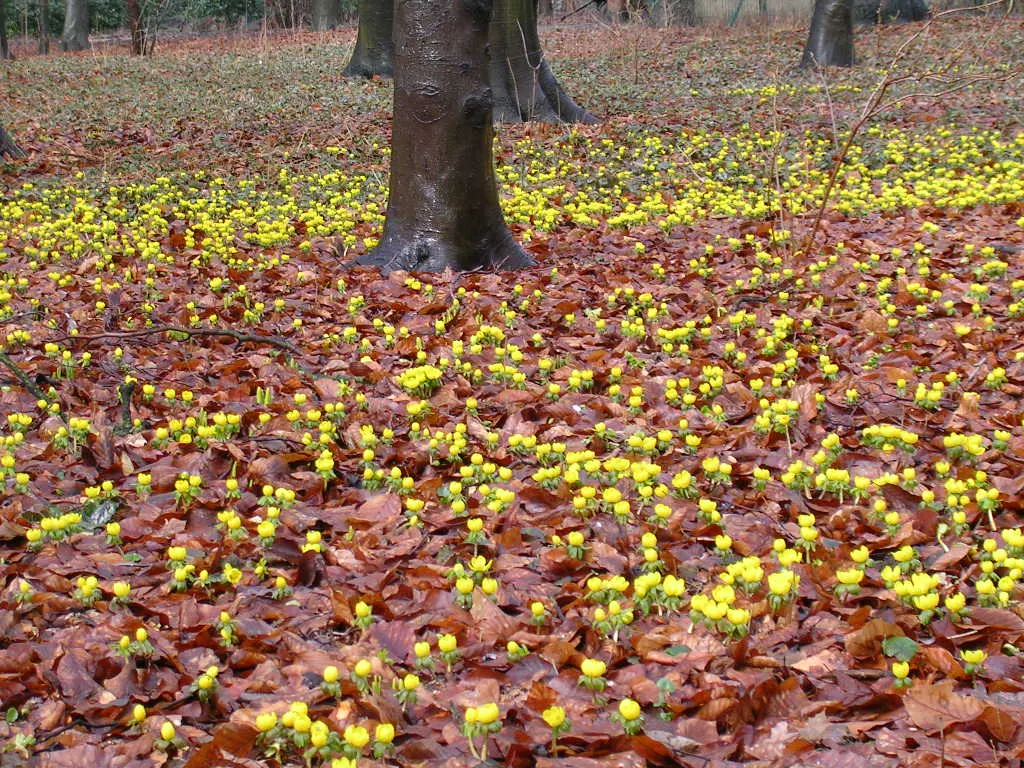
Winter Aconite (Eranthis Hyemalis) — bulbs should be spaced 3 inches apart to create a carpet of color; winter Aconite (Eranthis hyemalis) is a, image 138
Winter Aconite (Eranthis Hyemalis) — It is a superb choice for underplanting deciduous trees and shrubs; offering a burst of color before the, image 107
Winter Aconite (Eranthis Hyemalis) — this plant features bright
Winter Aconite (Eranthis Hyemalis) — appreciated for its ability to infuse color into the garden when most other plants remain dormant; the leaves, image 94
Winter Aconite (Eranthis Hyemalis) — This low-growing perennial reaches a modest height of just 3-4 inches and spreads 3 inches wide; each bloom is, image 118
Winter Aconite (Eranthis Hyemalis) — preferring well-drained soil and partial to full shade; appreciated for its ability to infuse color into the, image 105
Winter Aconite (Eranthis Hyemalis) — yellow flowers in the garden; resembling a collar that enhances the floral display.<br><br>The Eranthis, image 85
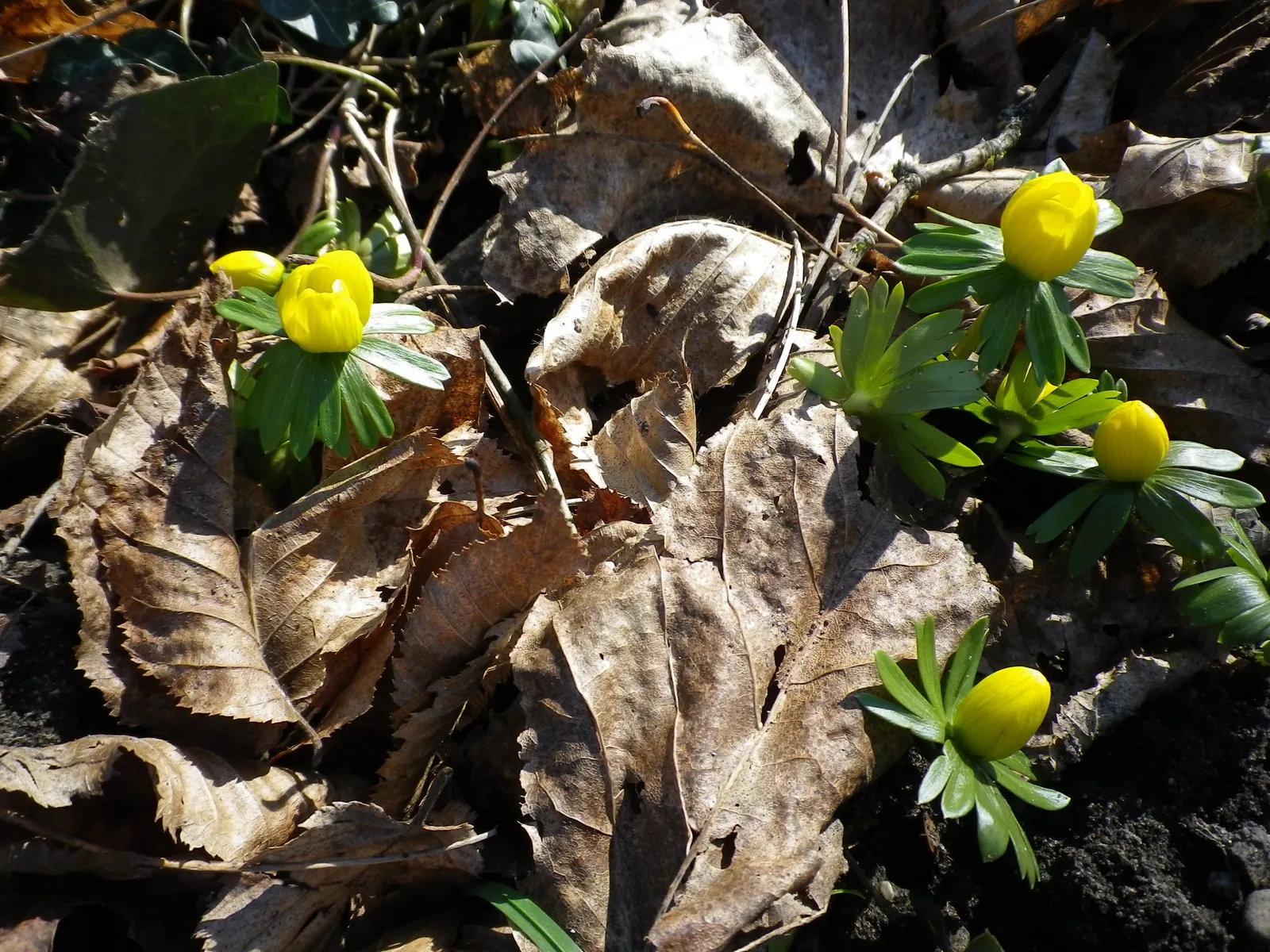
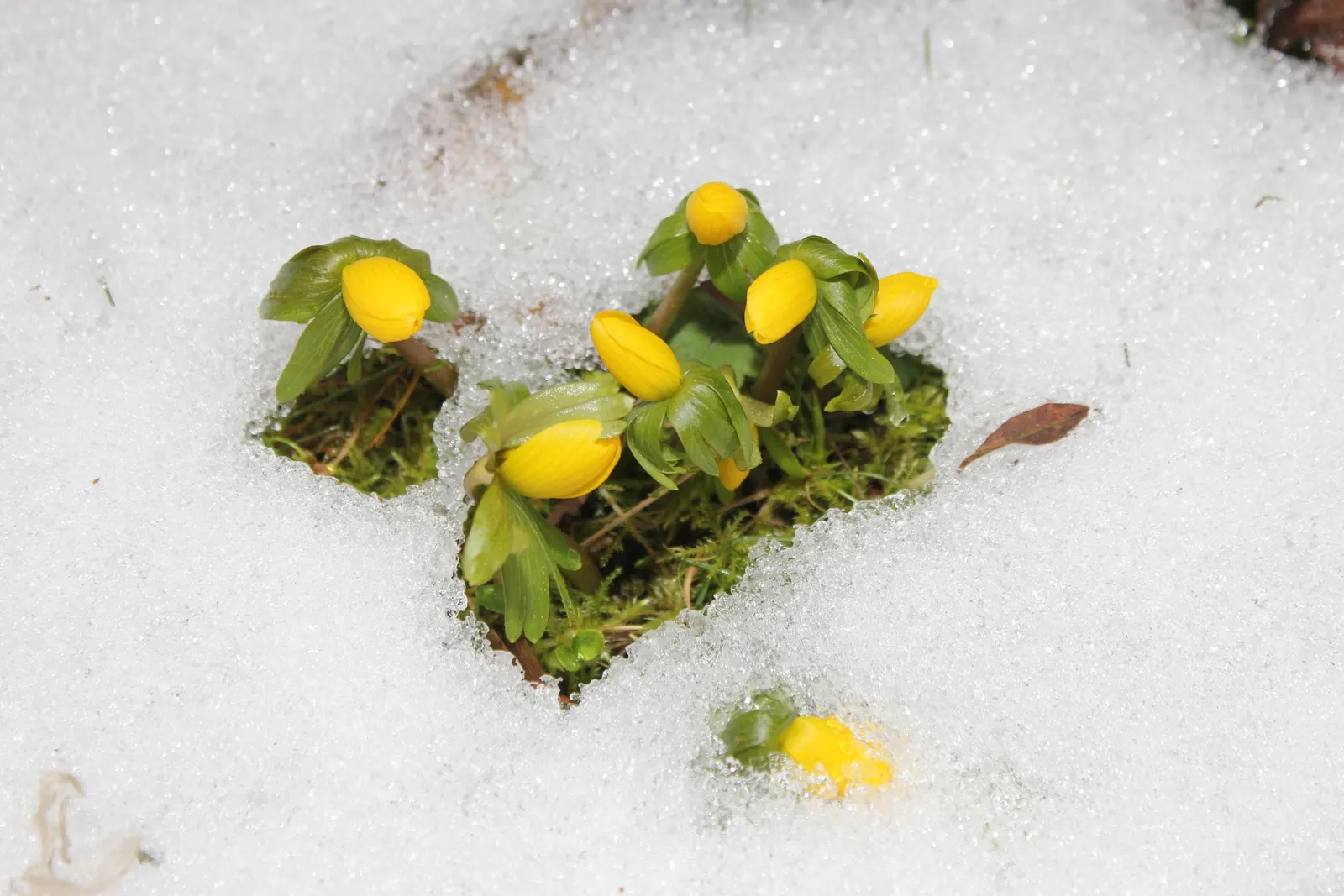
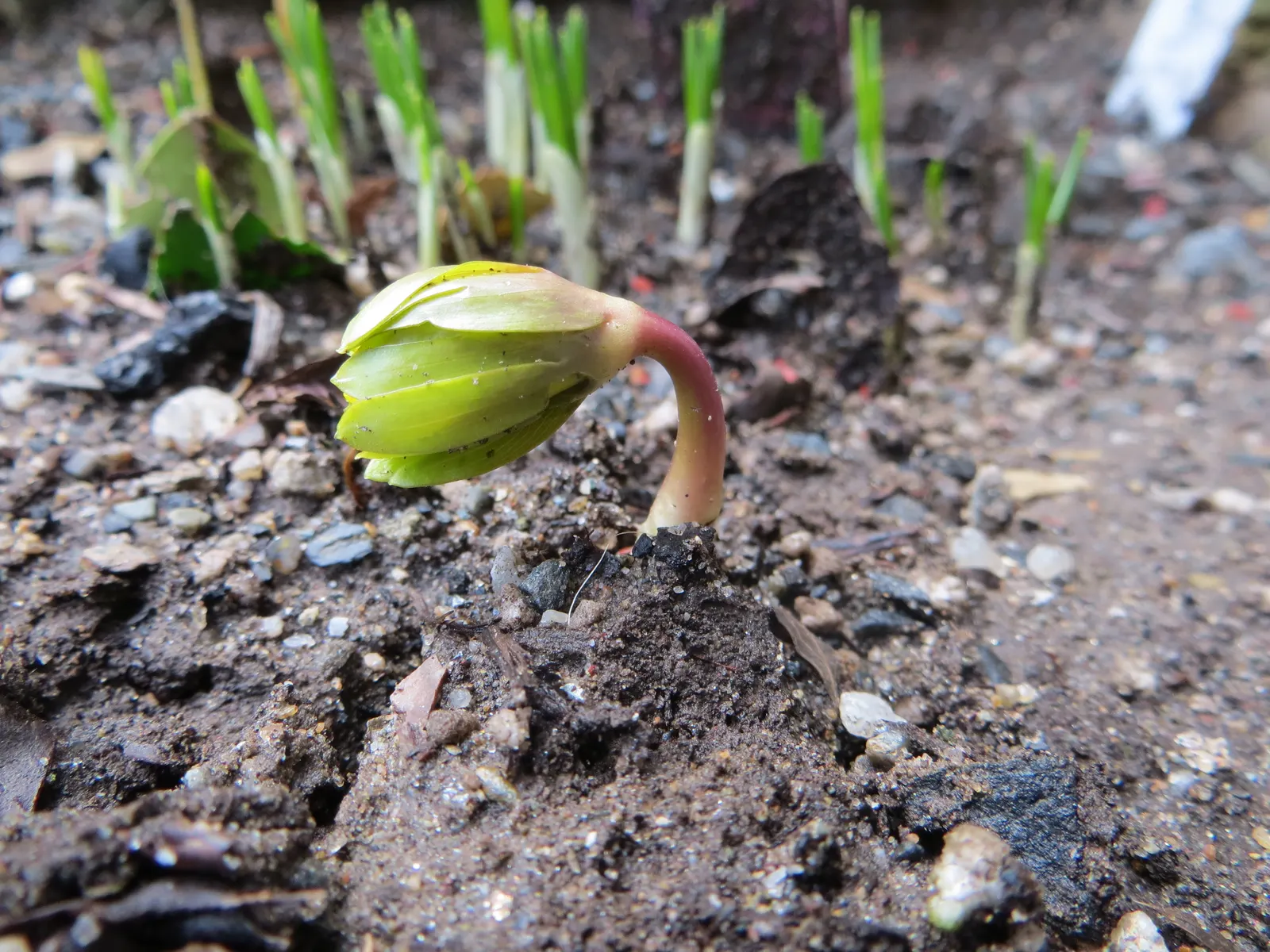
Winter Aconite (Eranthis Hyemalis) — Typically emerging in late winter to early spring; eranthis hyemalis is an excellent addition to a landscape, image 124
Winter Aconite (Eranthis Hyemalis) — makes it an excellent choice for underplanting deciduous trees and naturalizing in woodland gardens
Winter Aconite (Eranthis Hyemalis) — Eranthis hyemalis is an excellent addition to a landscape; it is a superb choice for underplanting deciduous trees and
Winter Aconite (Eranthis Hyemalis) — appreciated for its ability to infuse color into the garden when most other plants remain dormant; the leaves, image 123
Winter Aconite (Eranthis Hyemalis) — Each bloom is cup-shaped and encircled by a green ruff of dissected bracts; with dark green leaves that develop fully
Winter Aconite (Eranthis Hyemalis) — typically in late winter to early spring; providing early pollen for bees and enhancing biodiversity in the, image 120
Photographs by 11 contributors

Related plants