Skip to content

Mormon Tea

Ephedra Viridis

Design with this plant

Overview

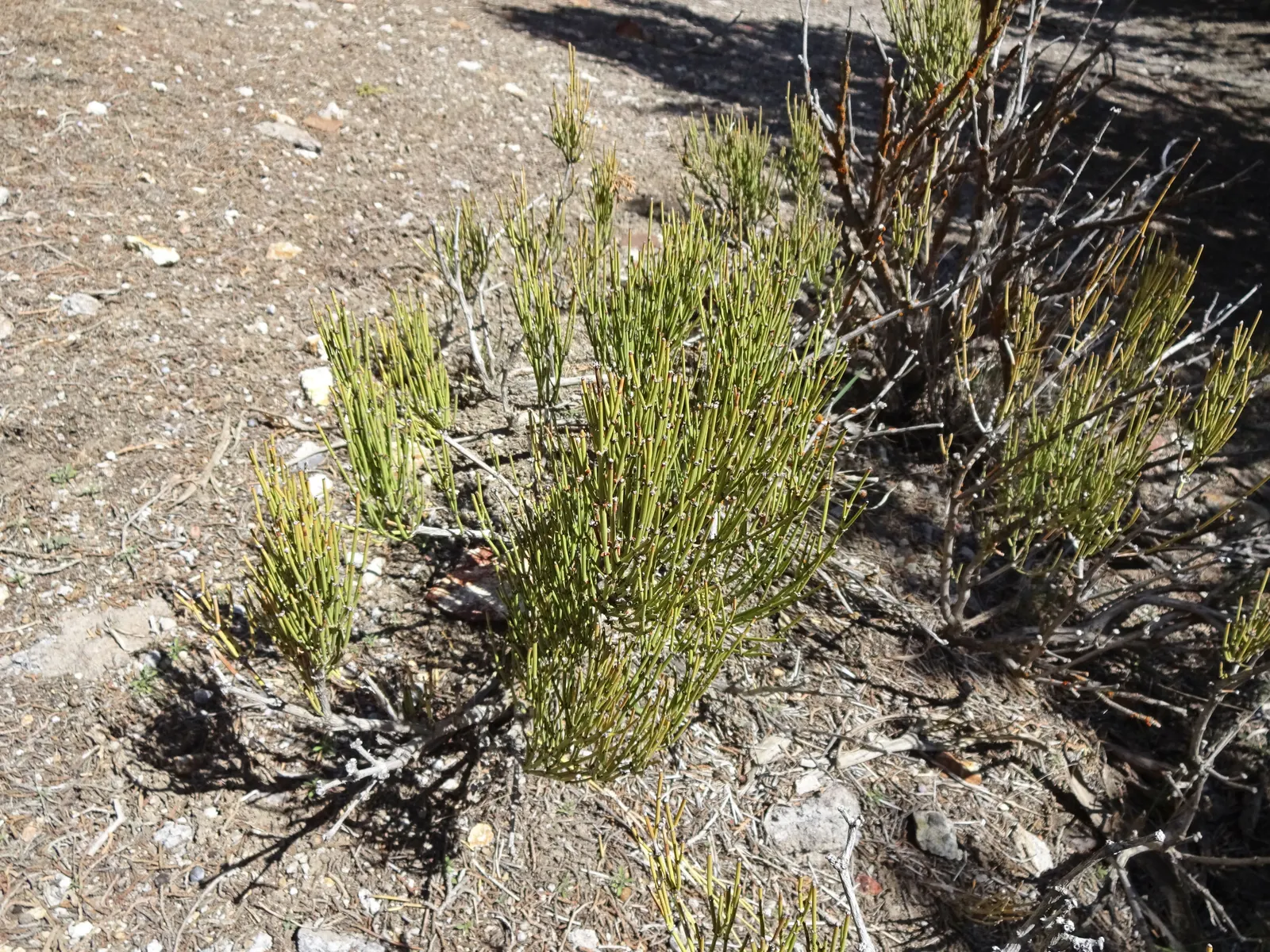
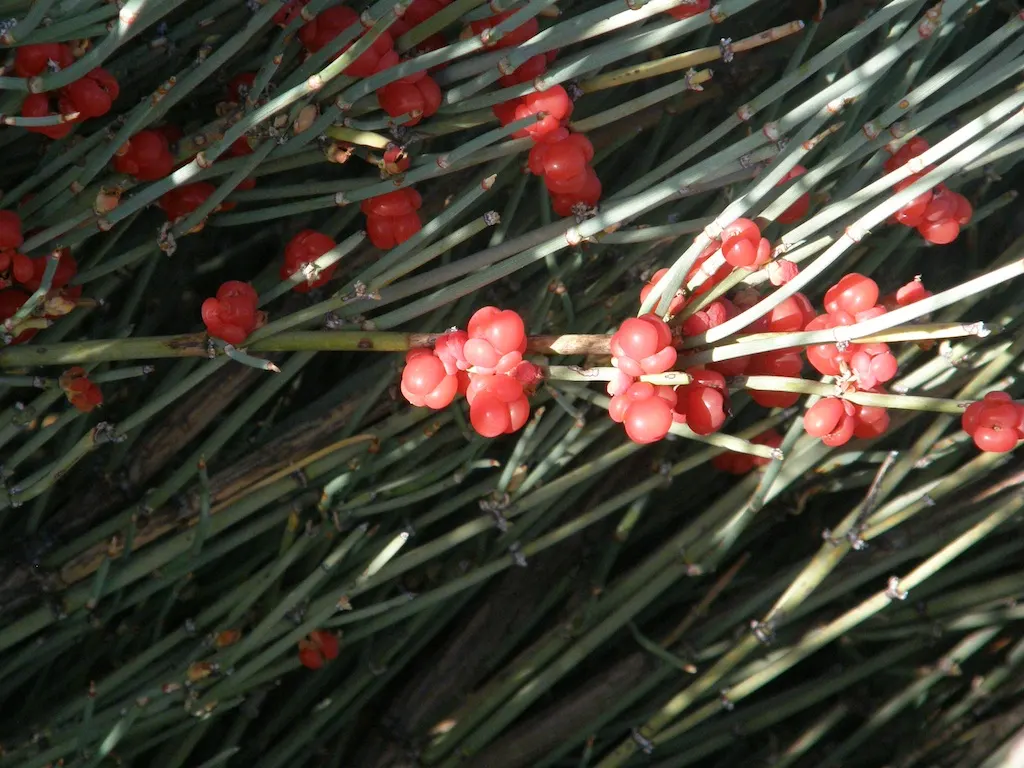
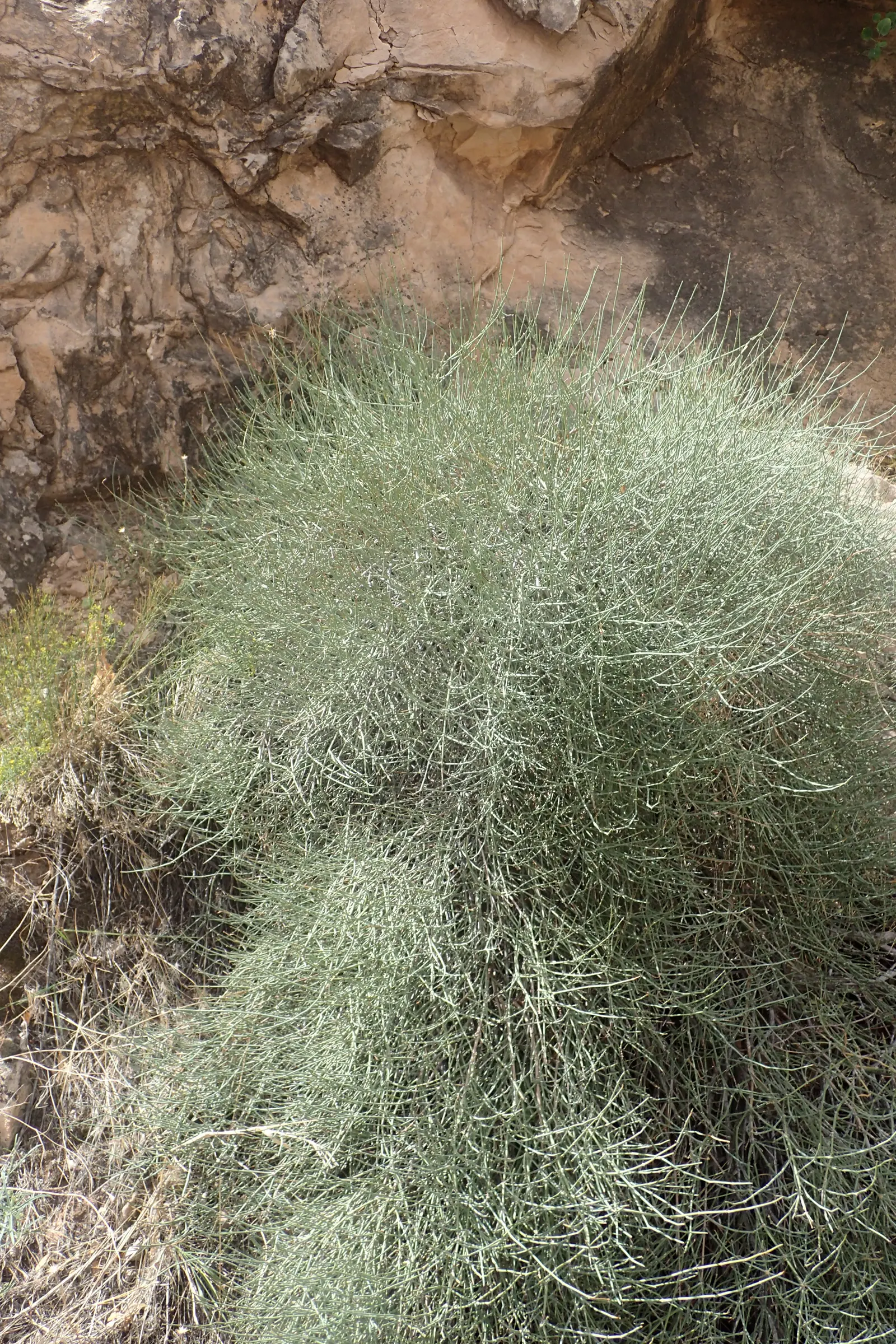
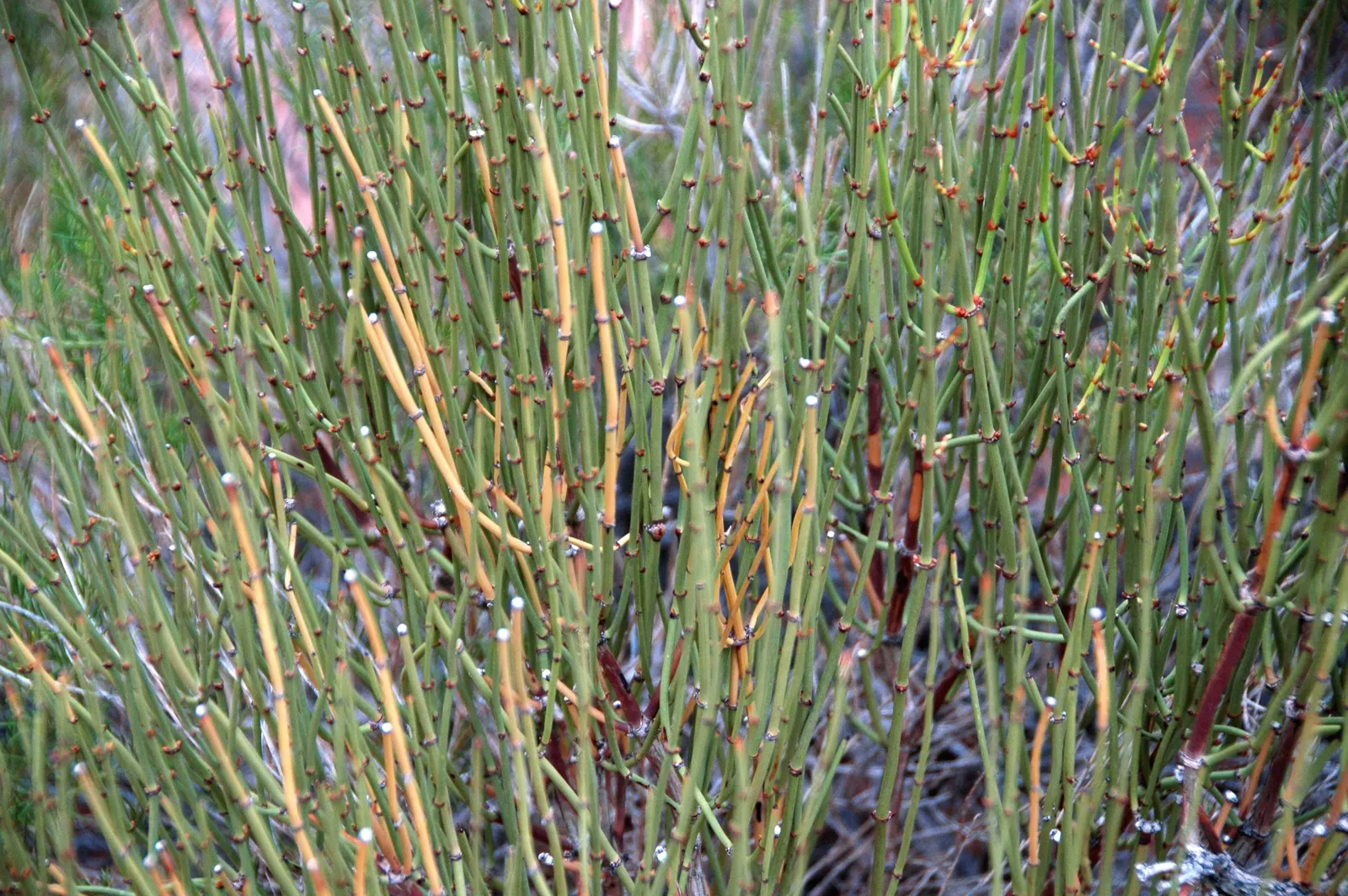
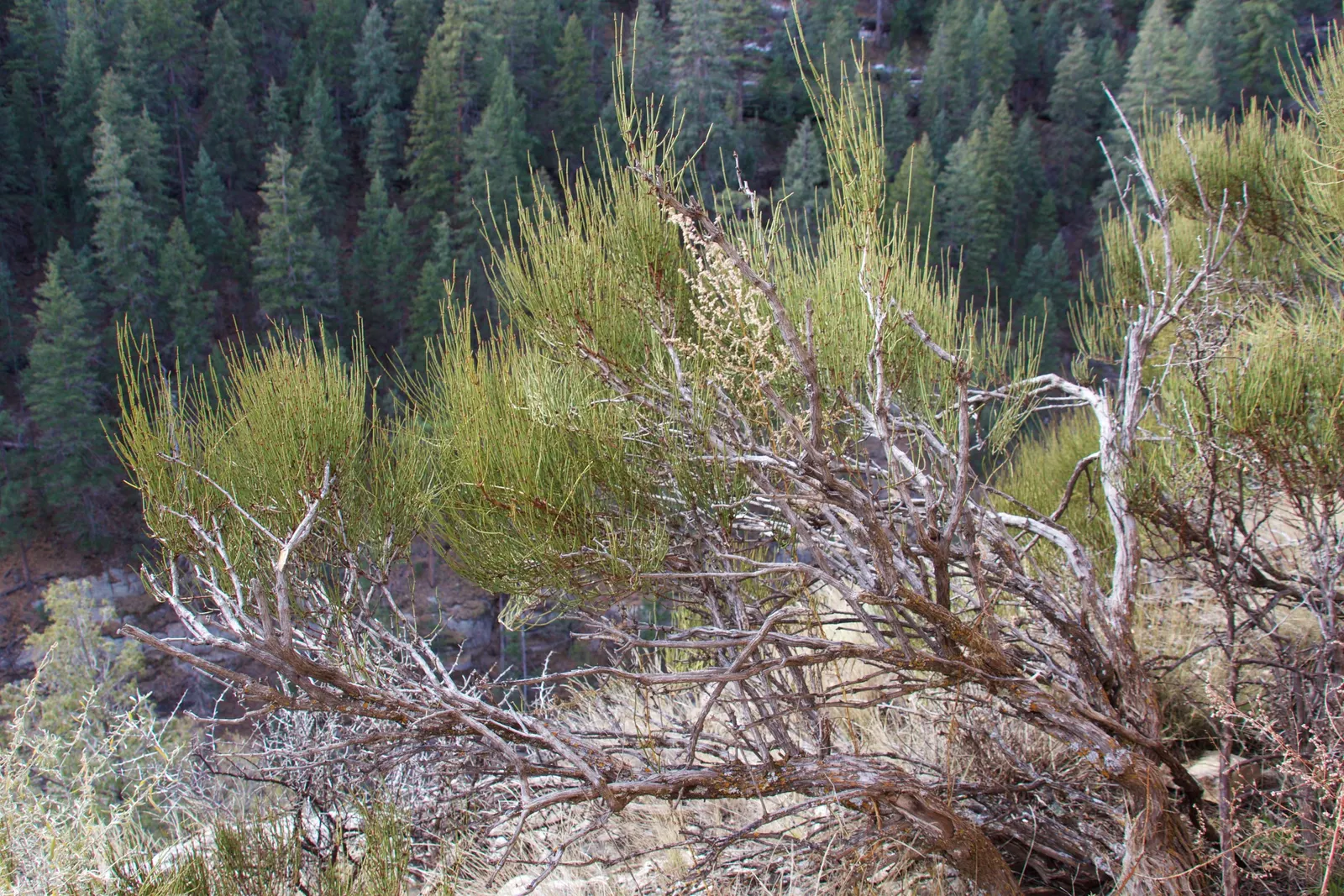
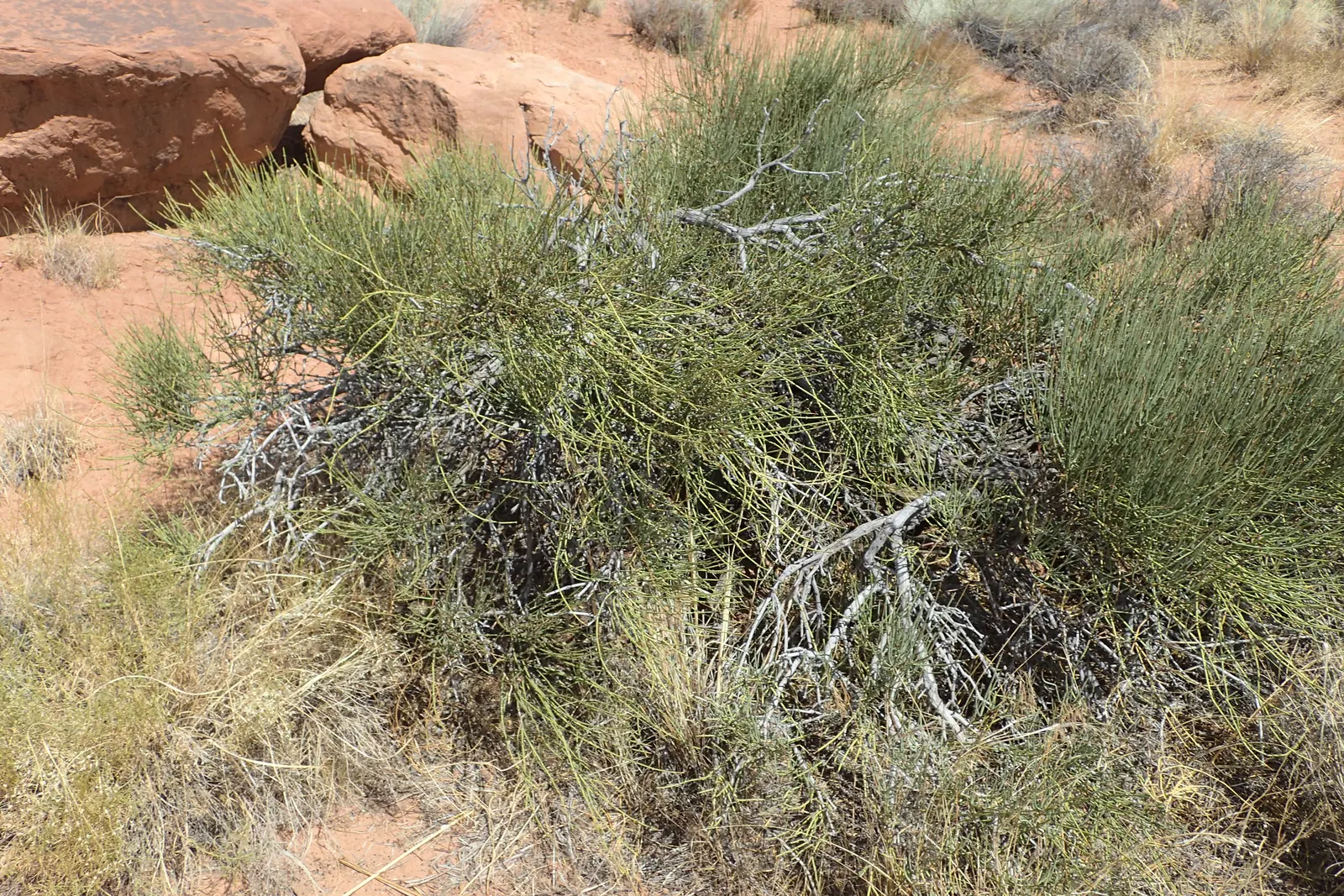
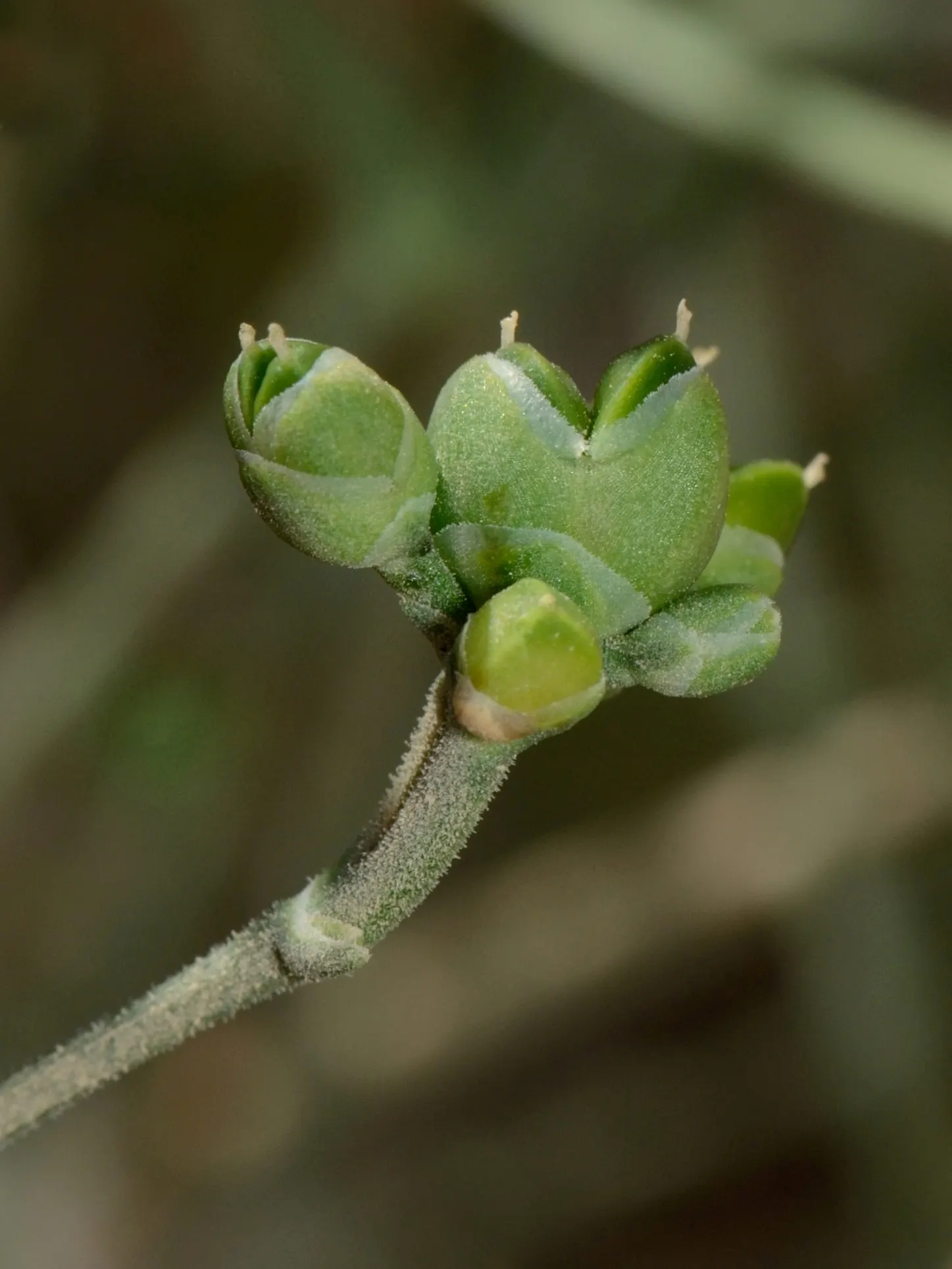
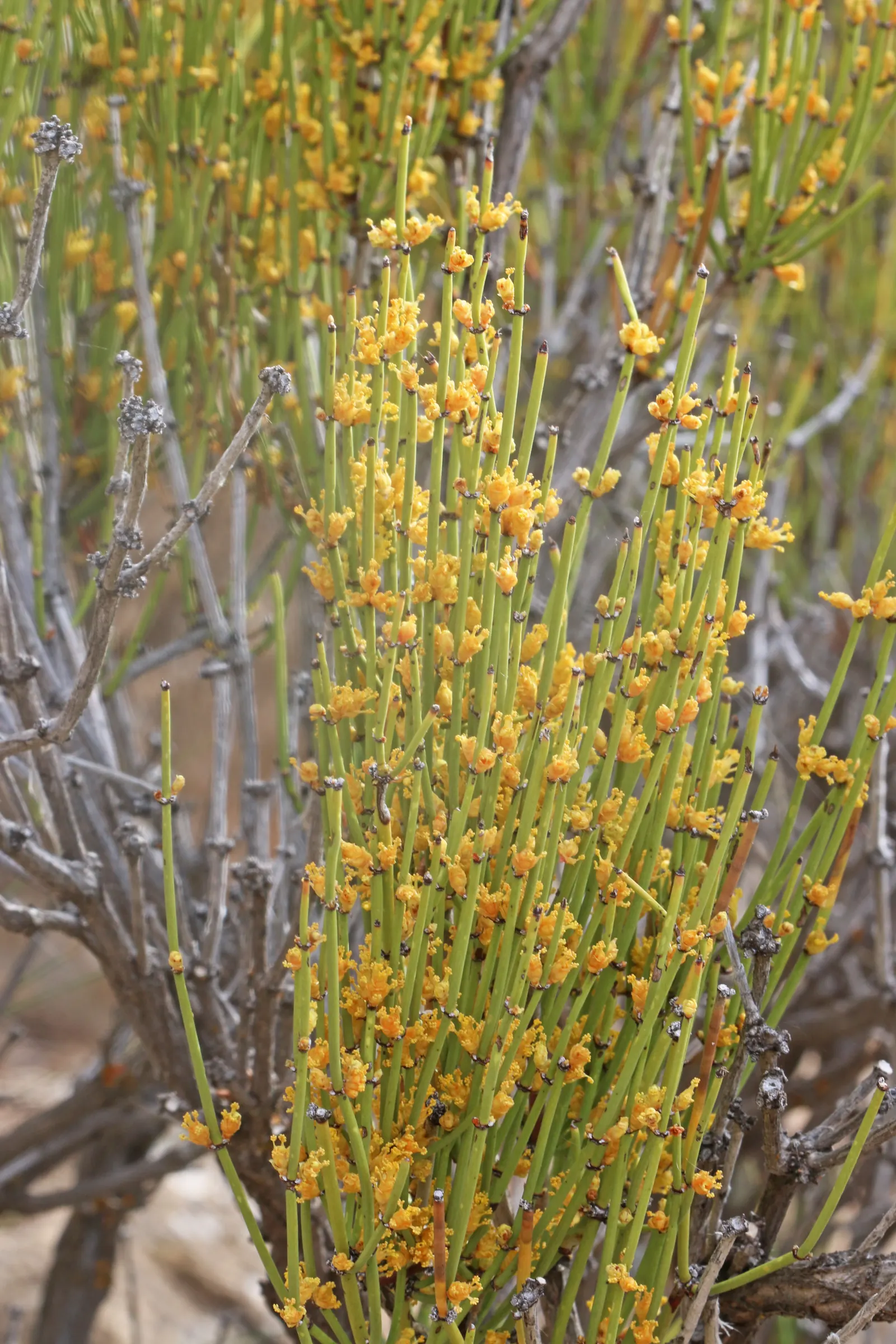
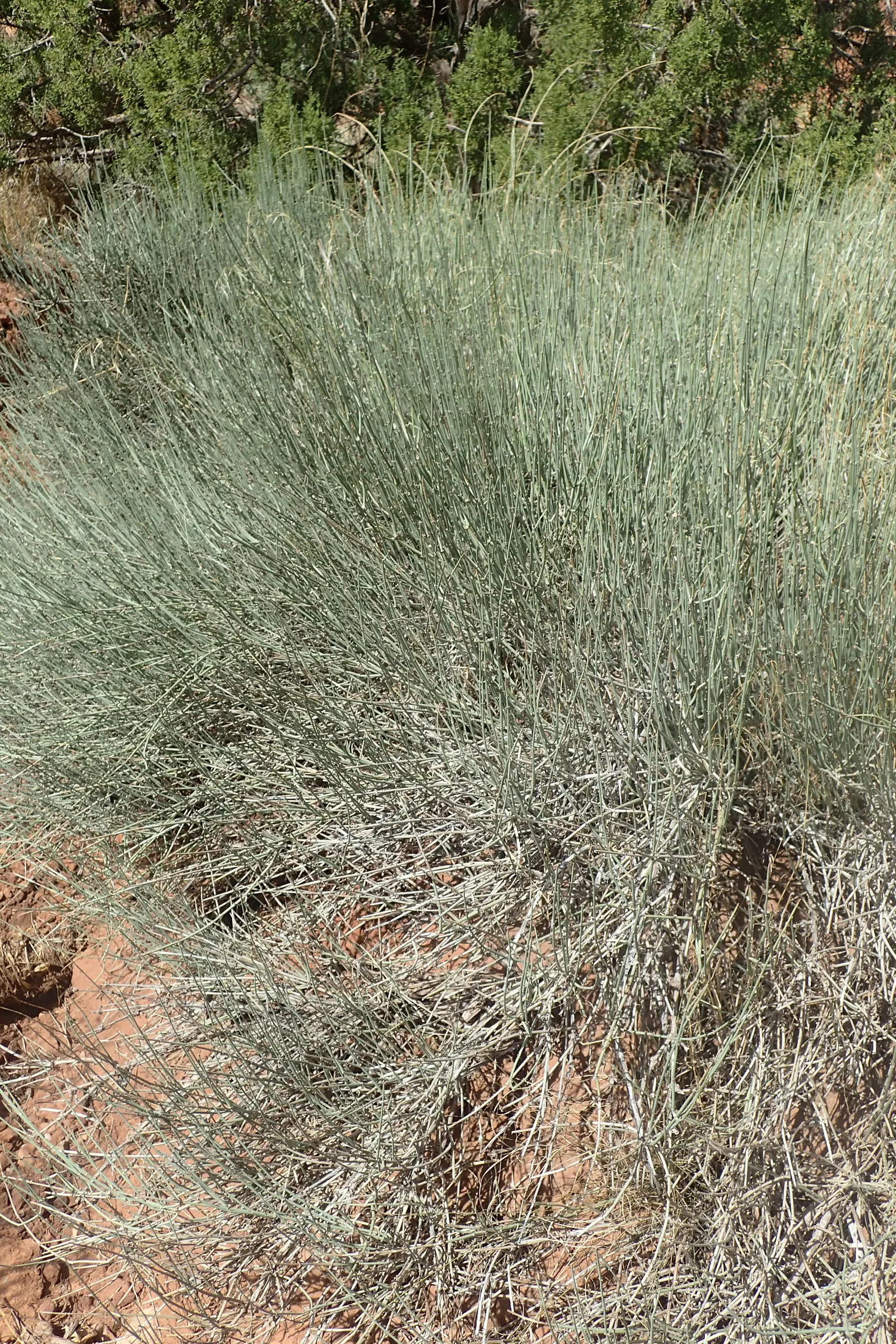
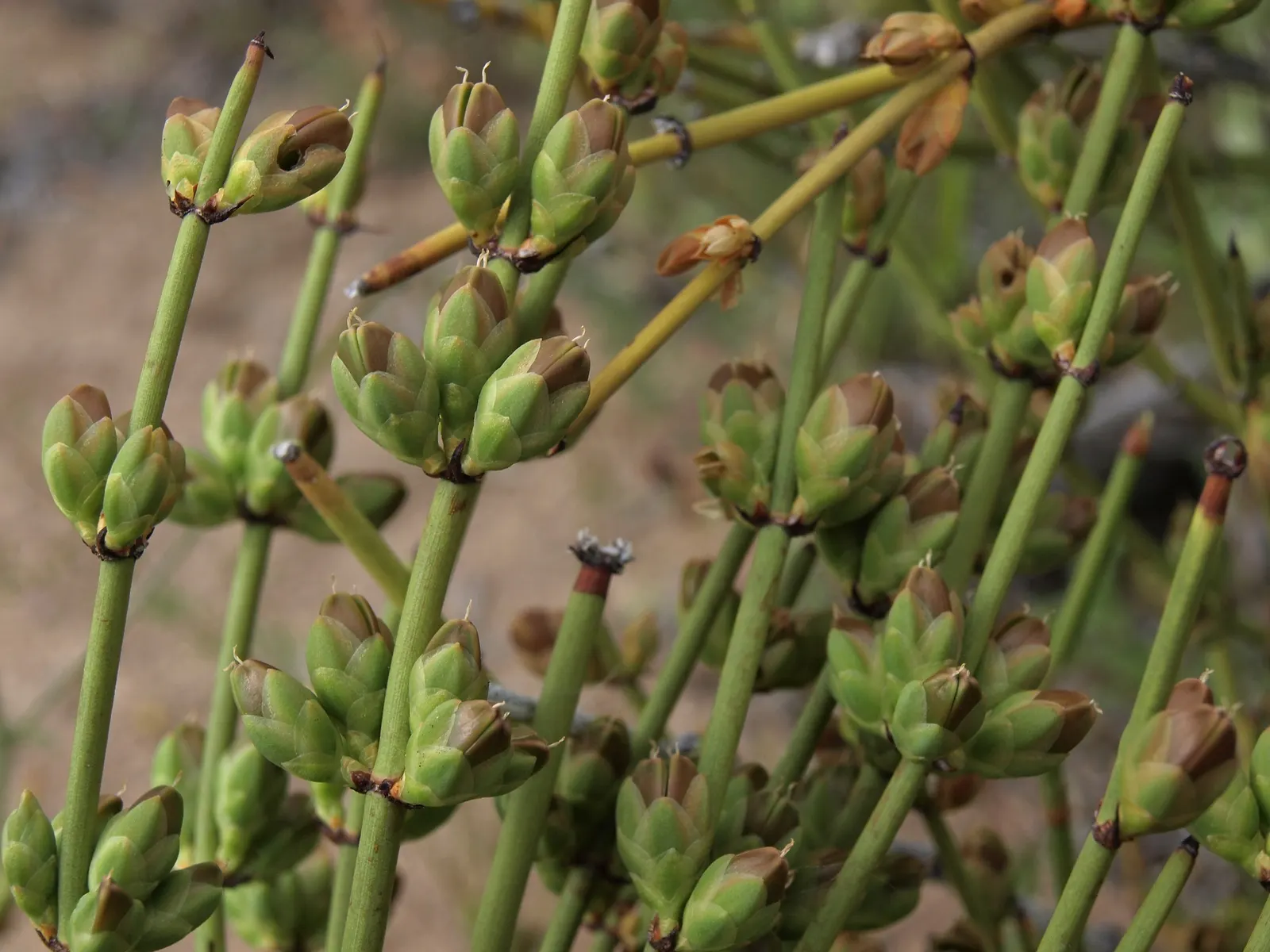
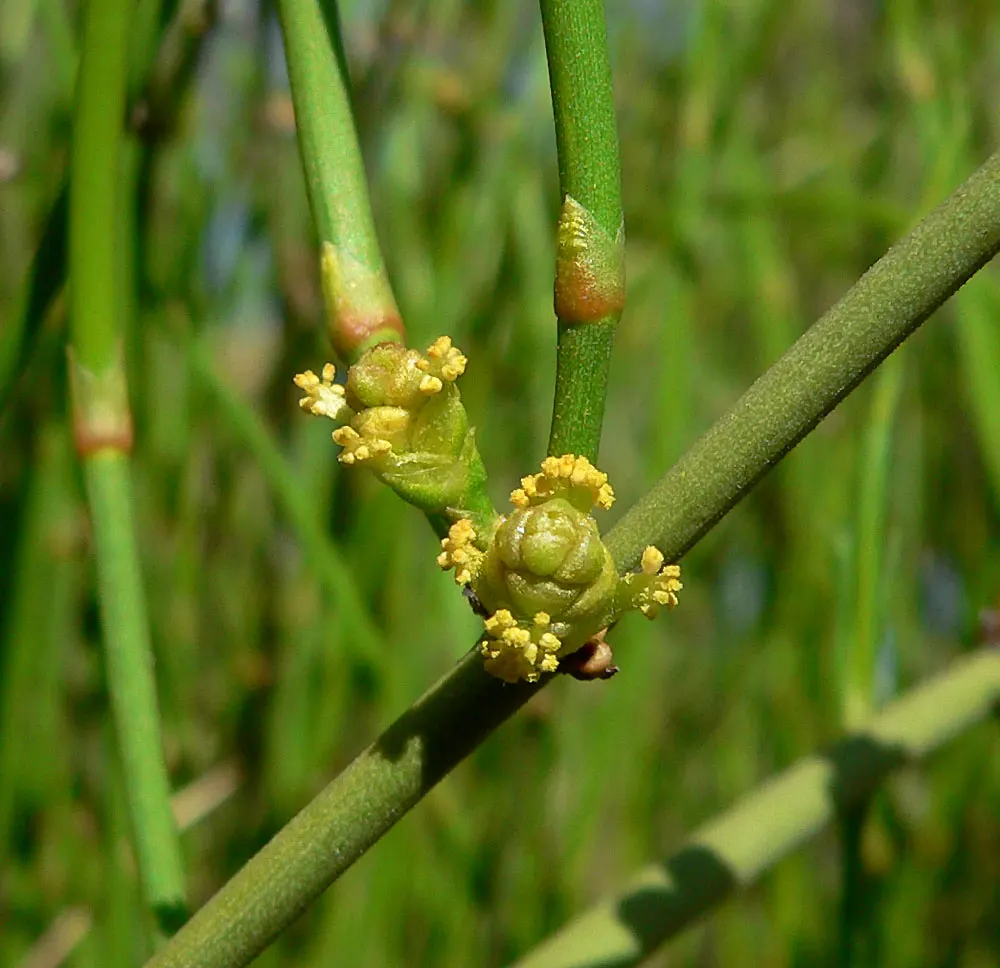
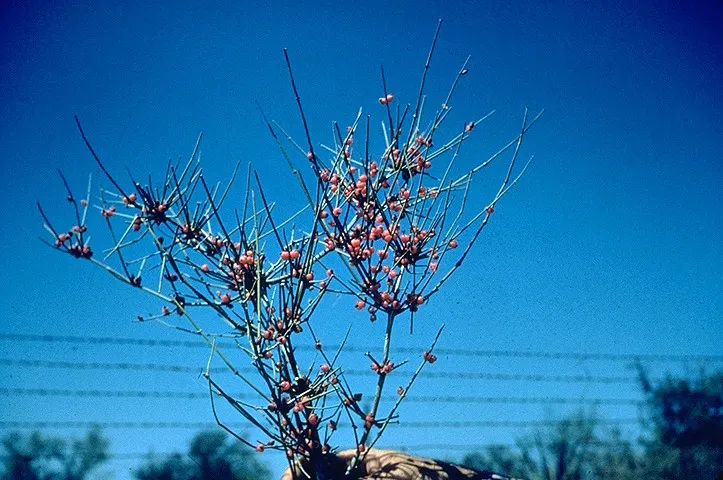
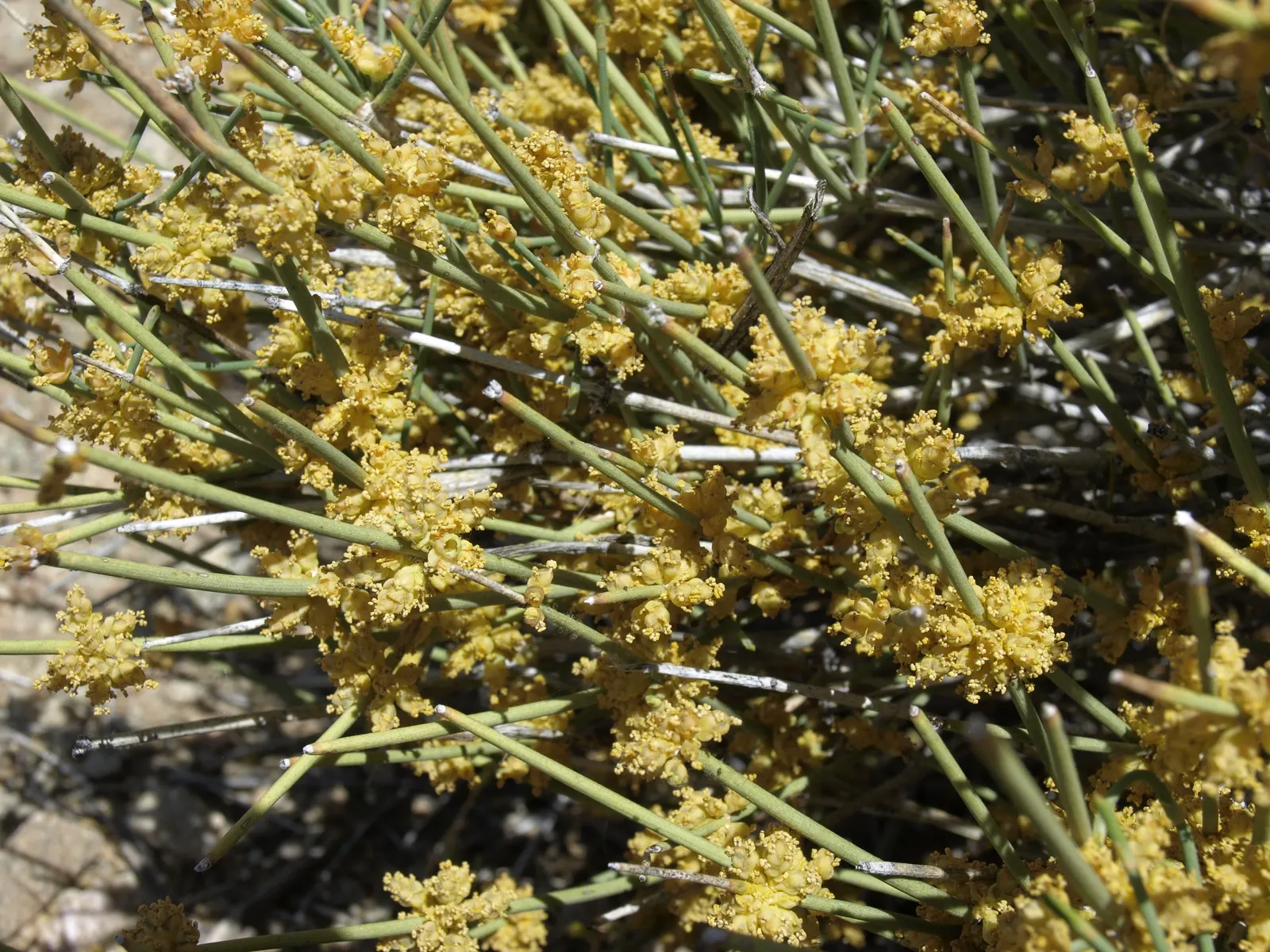
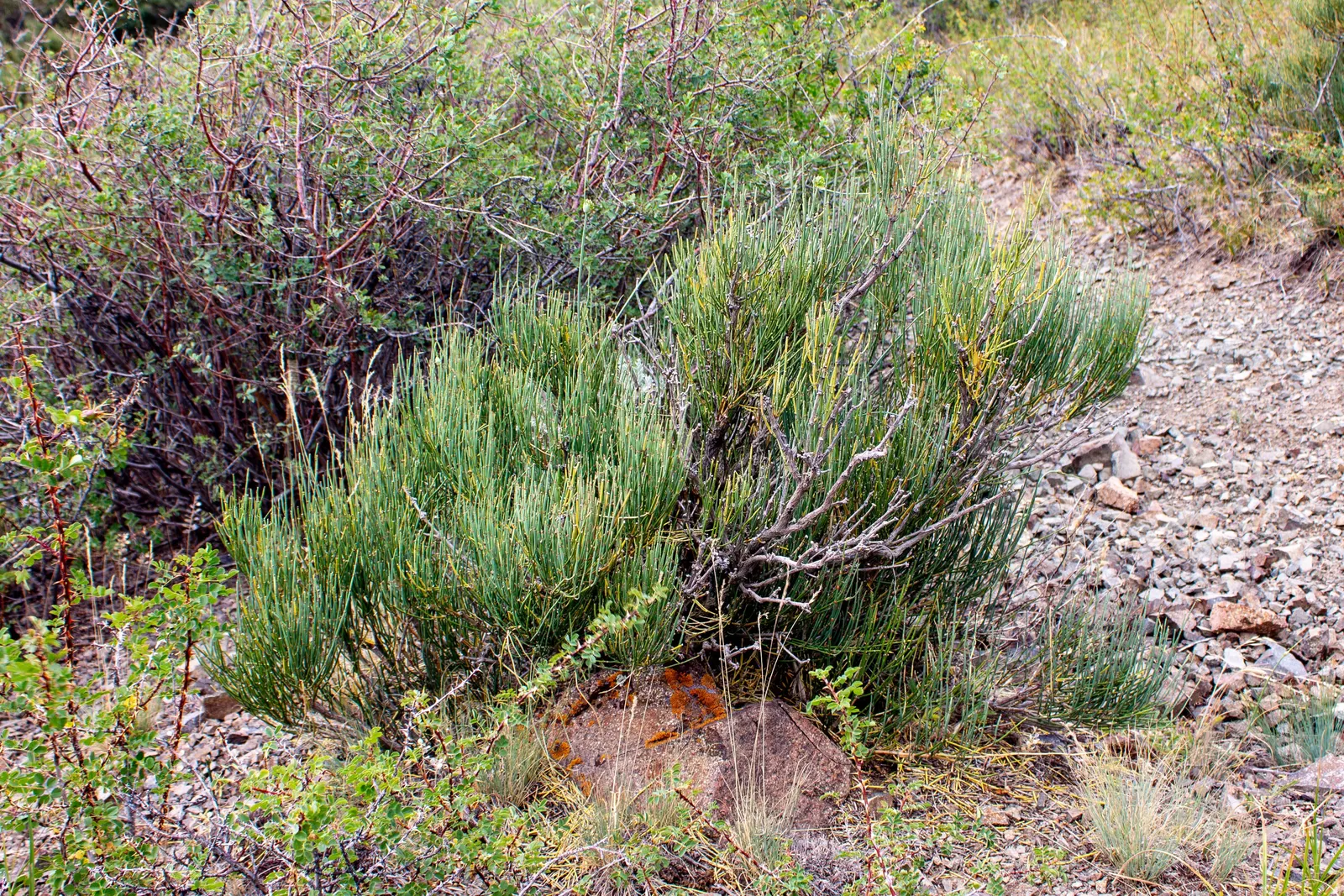
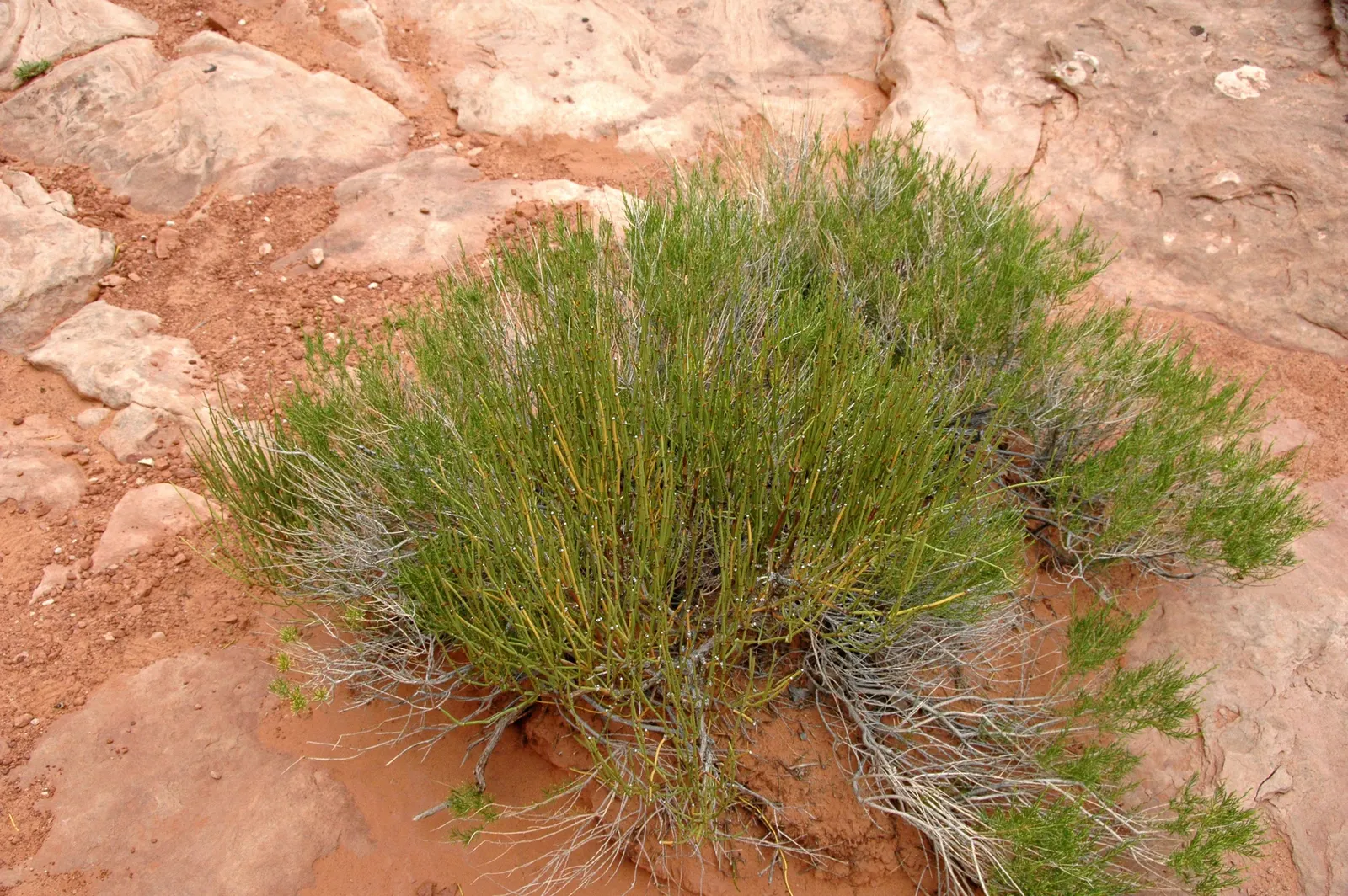
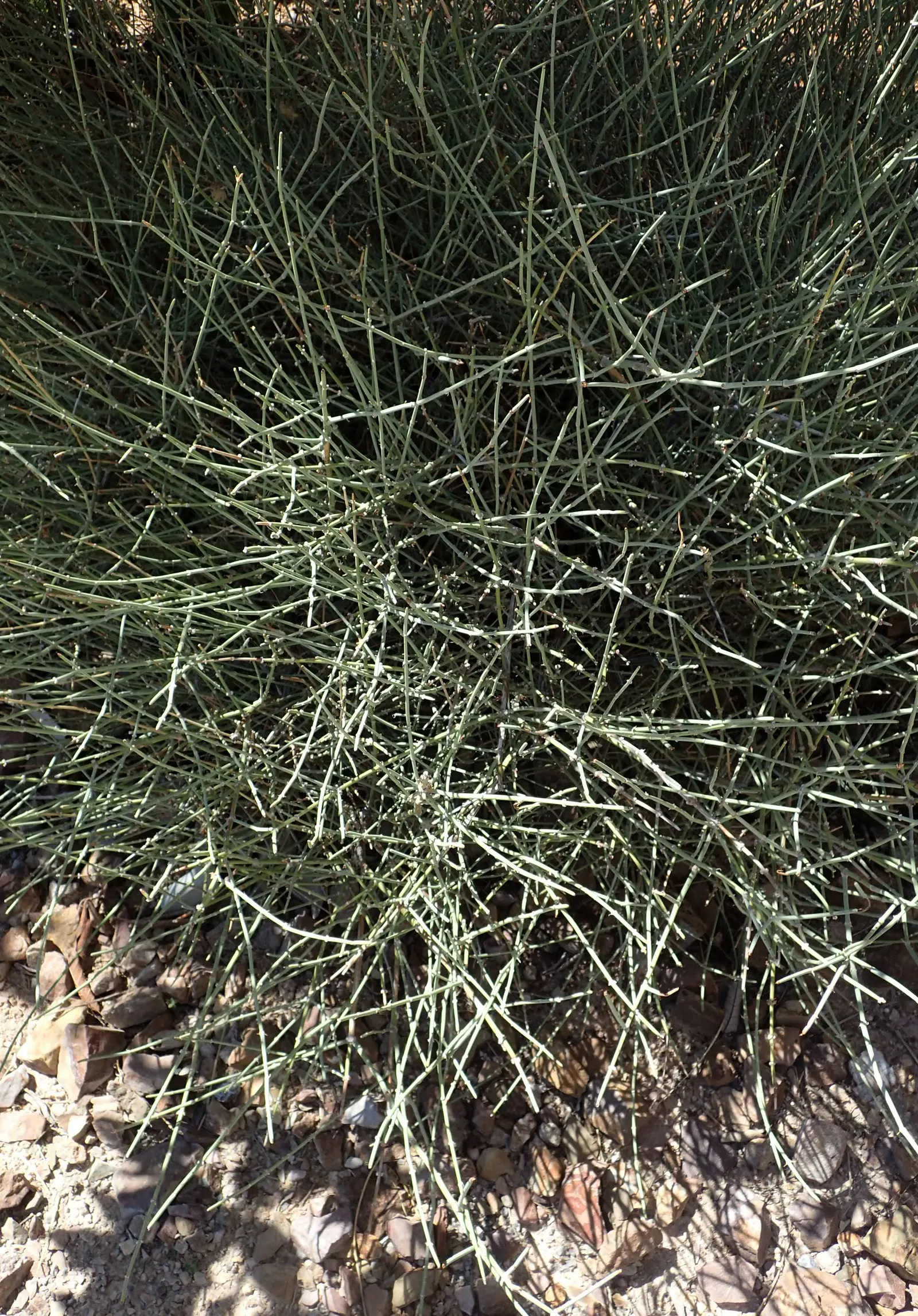
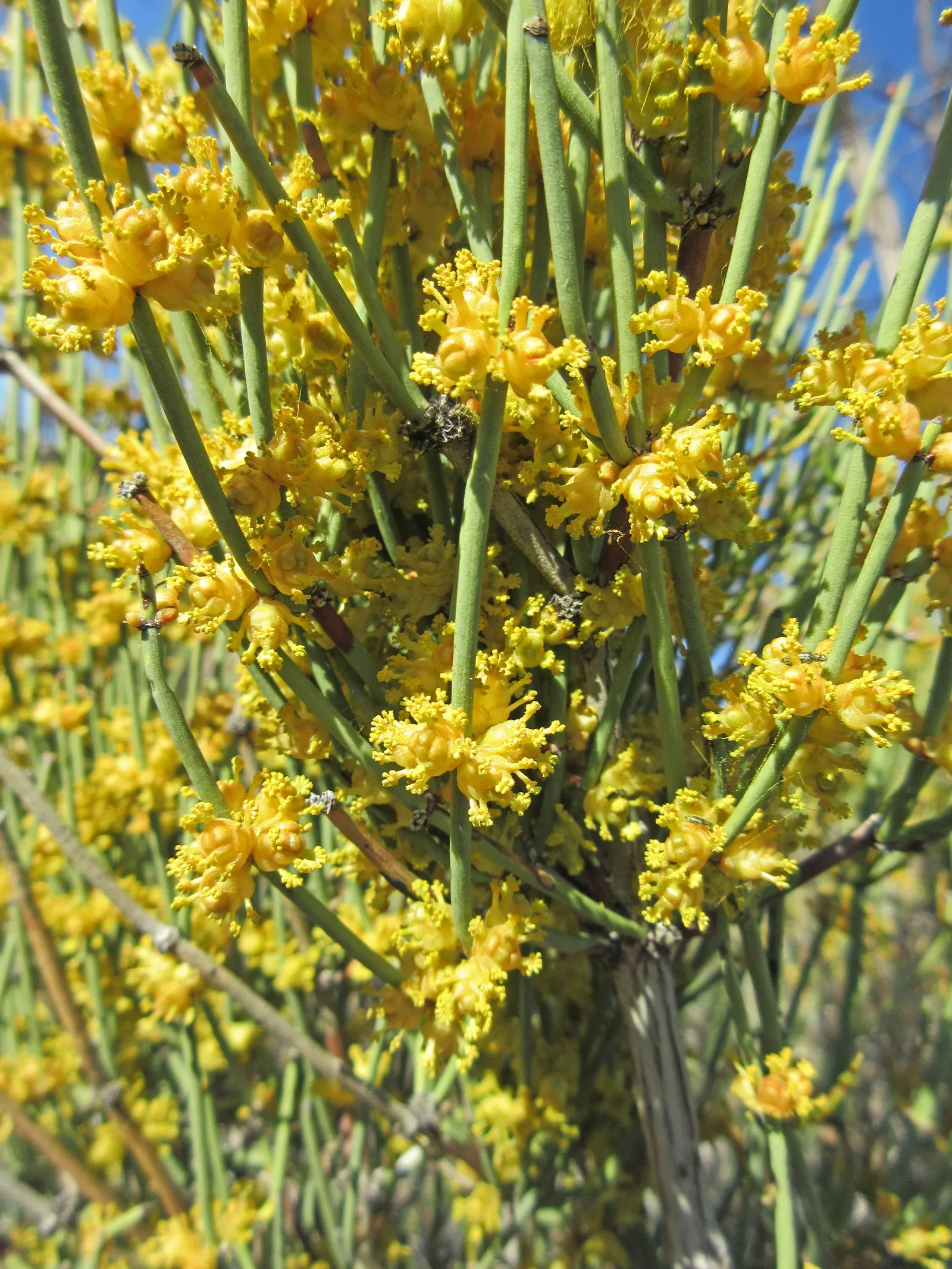
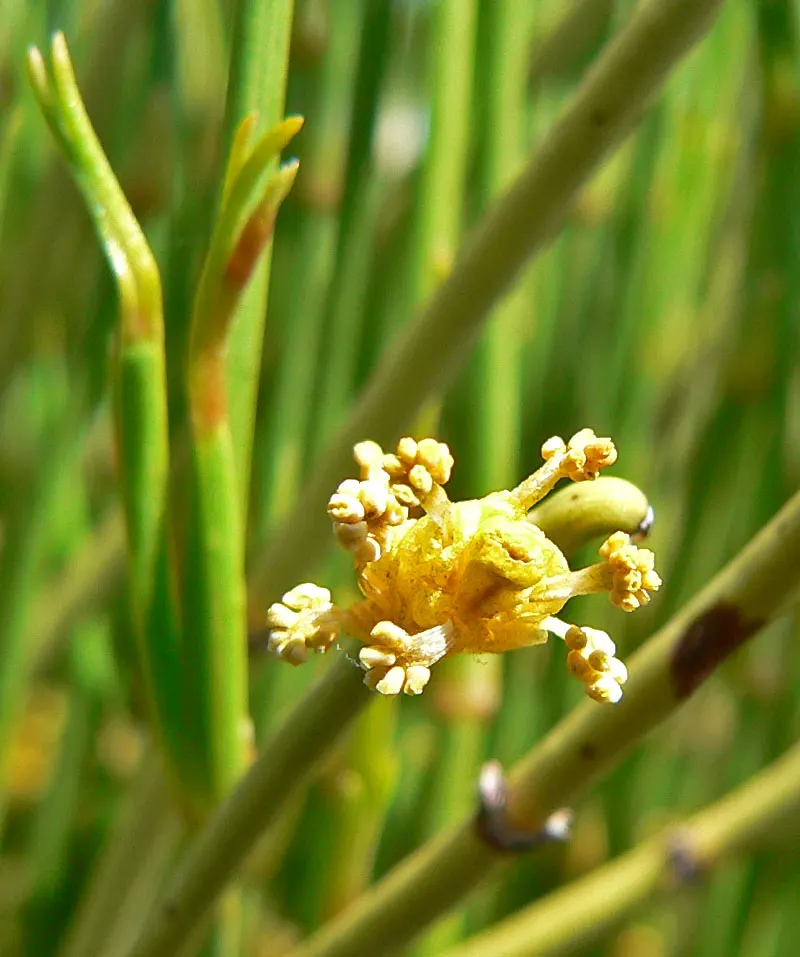
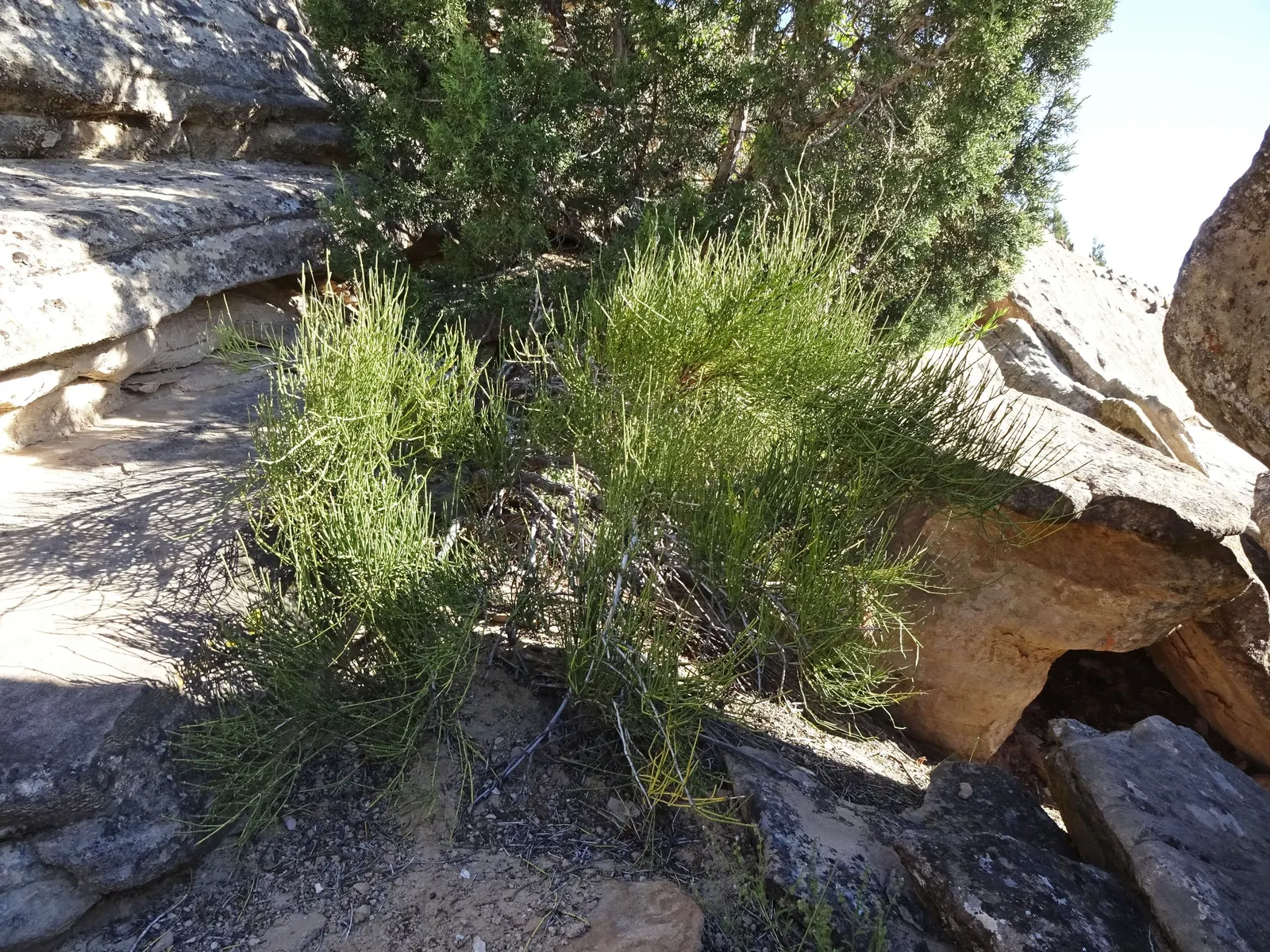
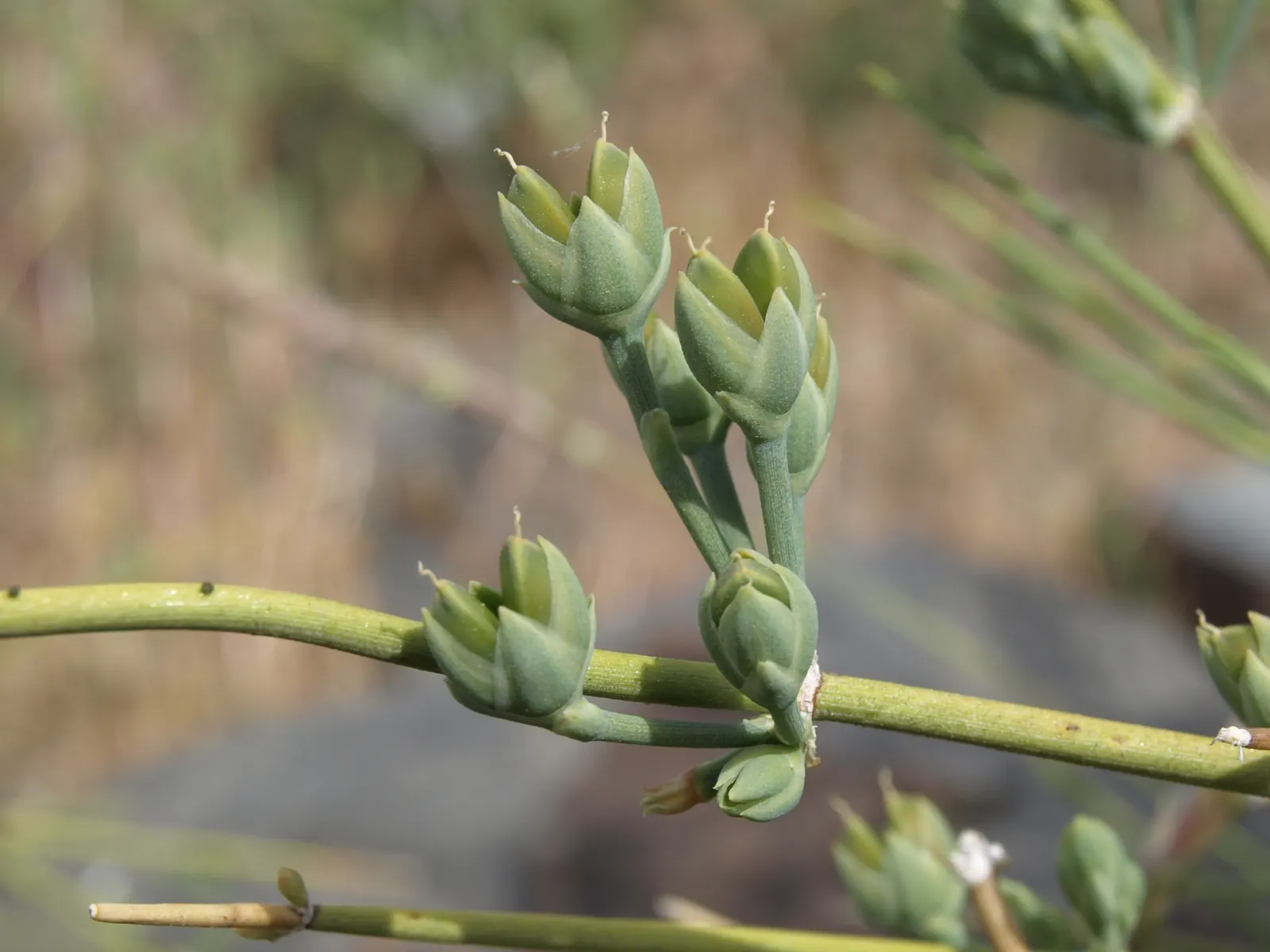
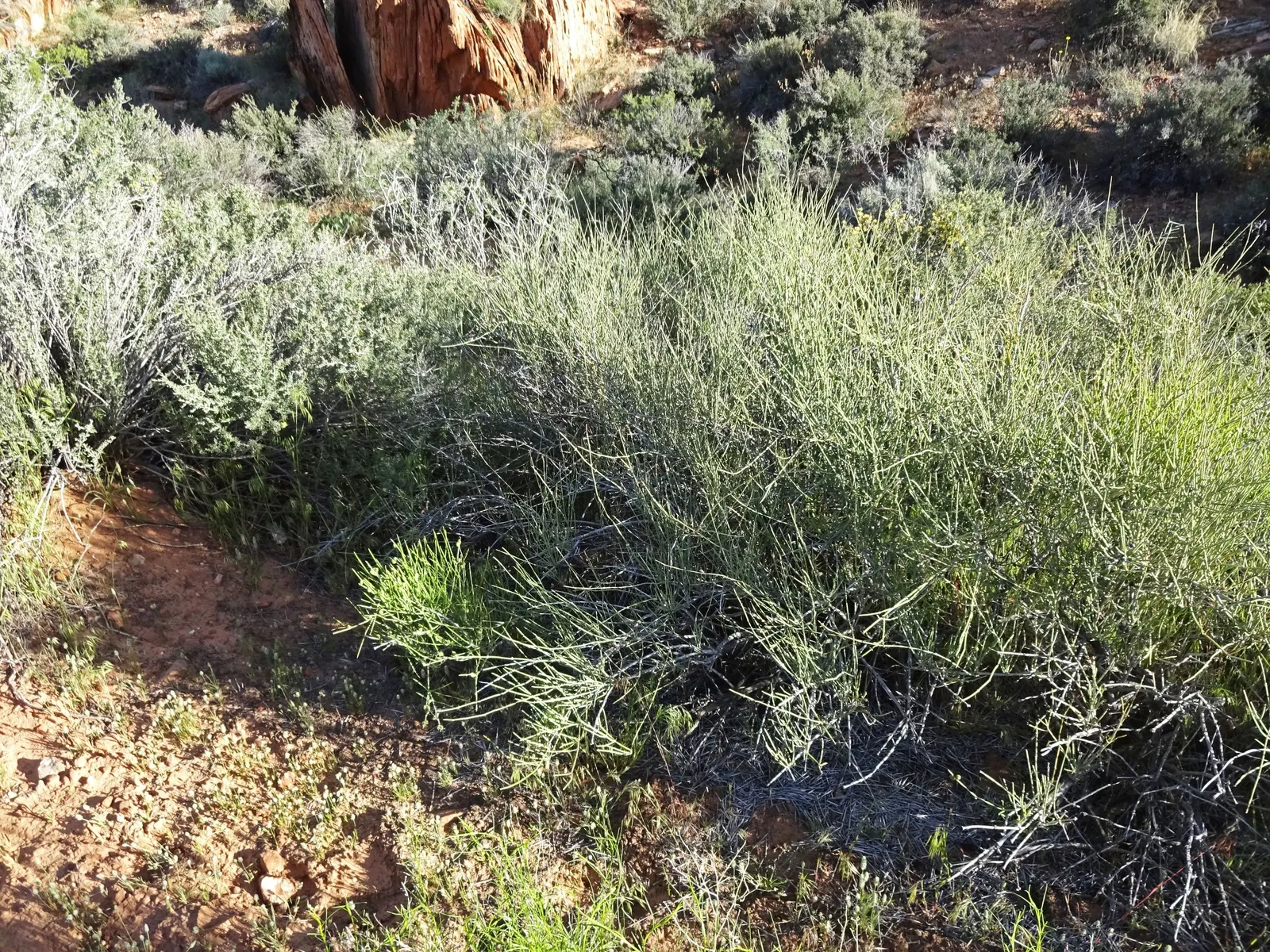
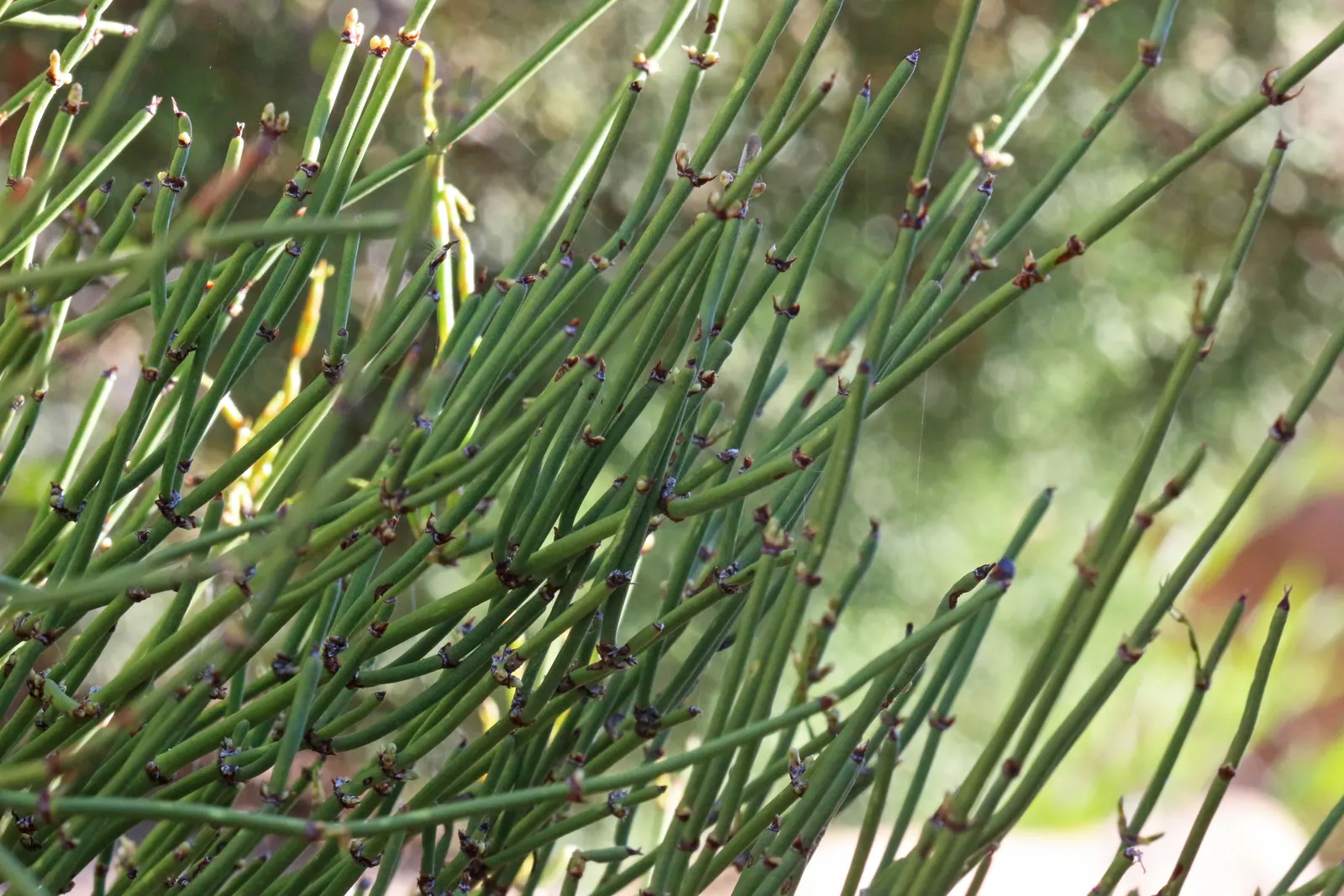
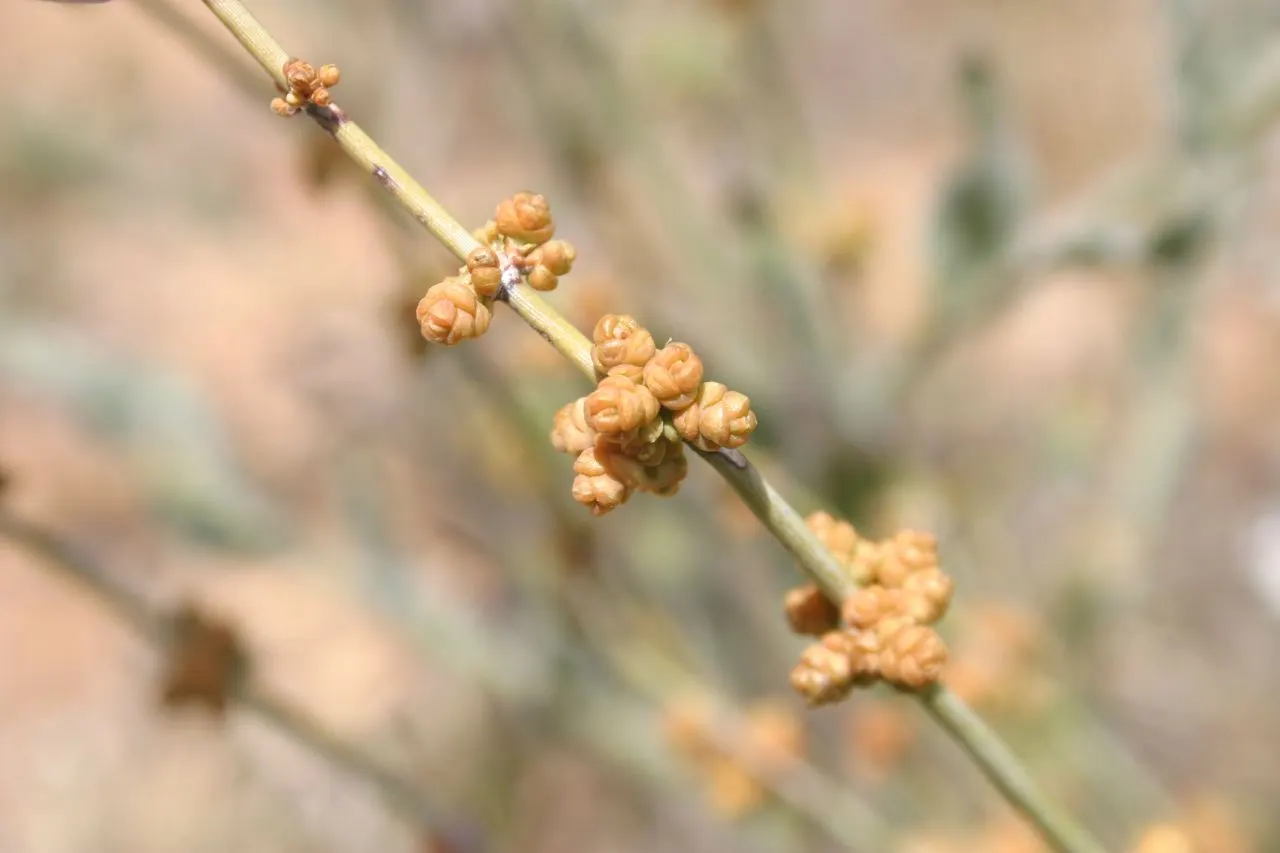
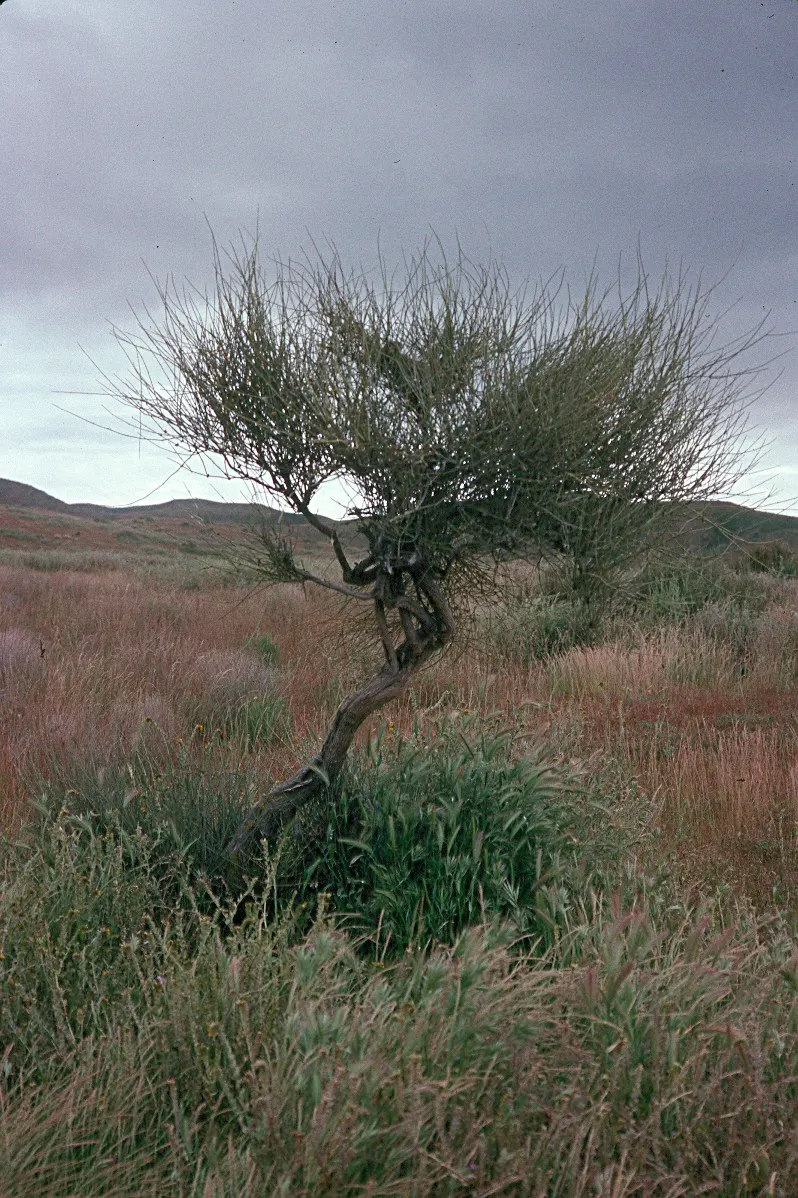
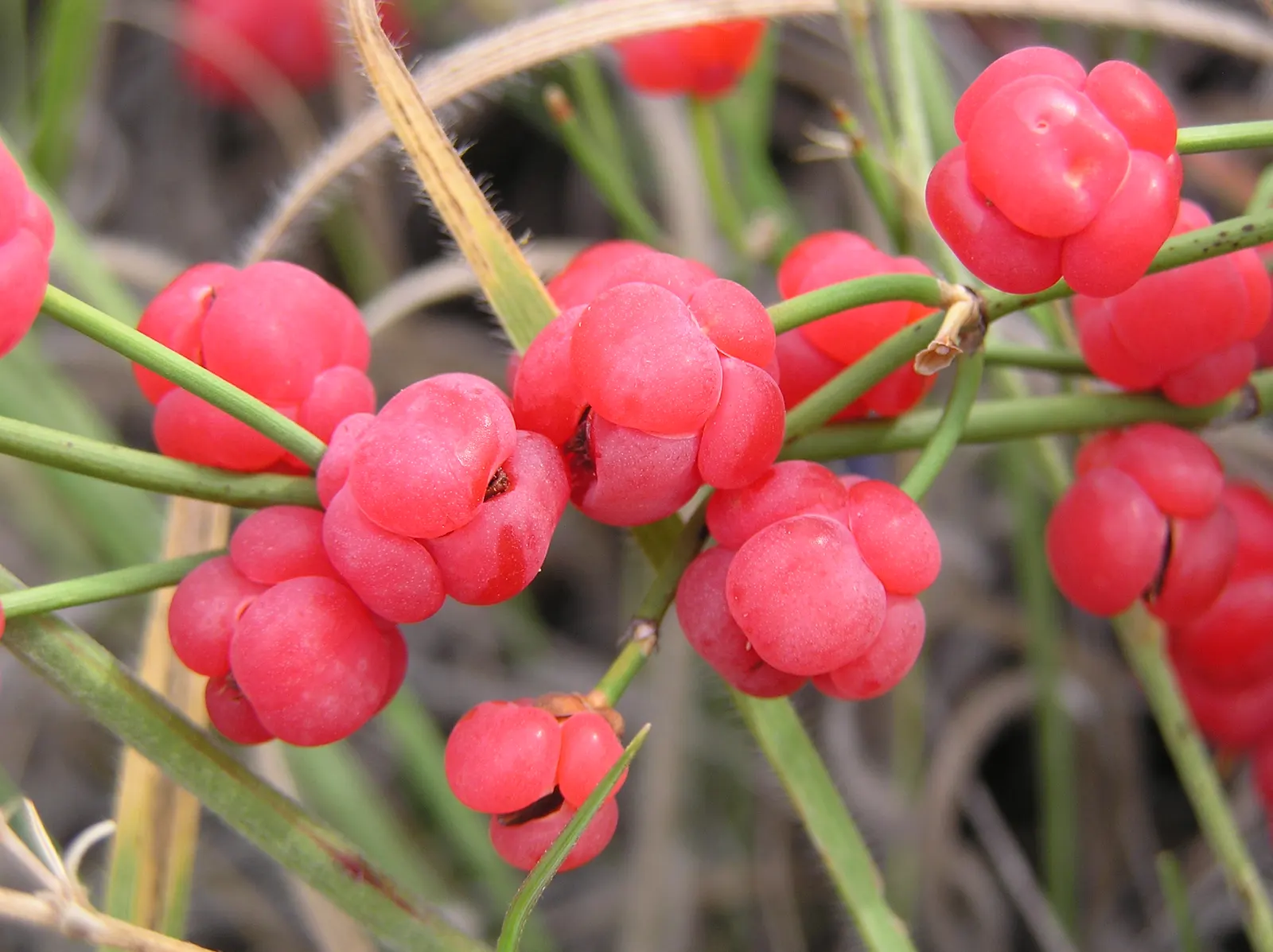
Ephedra viridis, commonly known as Mormon Tea, is a hardy evergreen shrub native to the Southwestern US. It reaches up to 3-4 feet tall and wide and thrives in USDA zones 5-9. Its jointed green stems are leafless, with tiny, scale-like leaves. This drought-tolerant plant prefers full sun and well-draining soils, making it an excellent choice for water-wise landscapes and rock gardens. Avoid excessive watering to promote healthy growth.

Sun FullWater Very LowZones 9–10Type ShrubClimate Arid
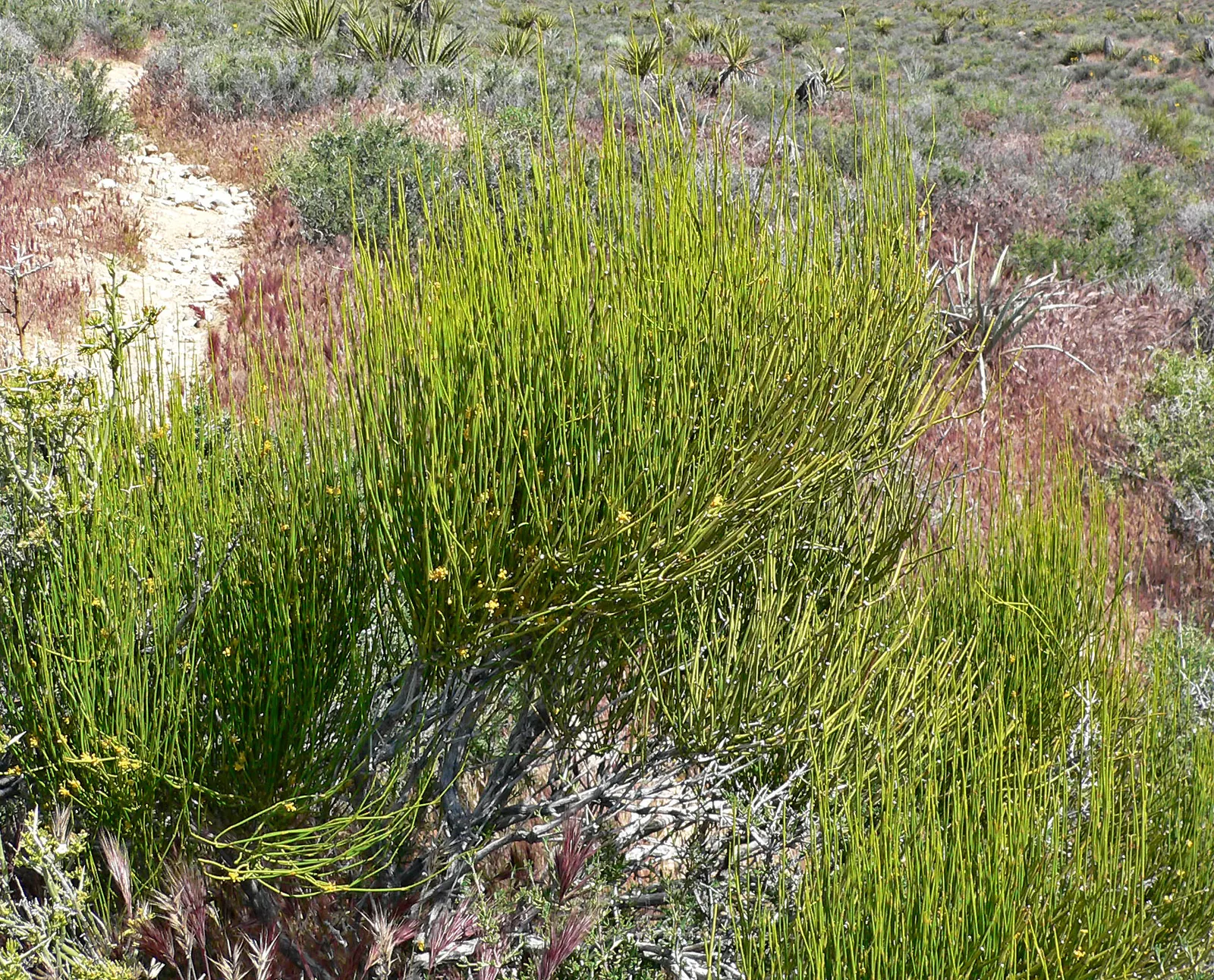
Mormon Tea (Ephedra Viridis) — Ephedra viridis, commonly known as Mormon Tea, is a hardy evergreen shrub native to the Southwestern US; this, image 89

Culture

Sun
Full
Water
Very Low
USDA zones
9–10

Shape & size

Classification

Type
Shrub
Family
Ephedraceae
Climate
Arid

See full data, regional cultivation notes, and design tools. Build a client presentation around this plant.

Start your 14-day trial

Photos (128)

Mormon Tea (Ephedra Viridis) — scientifically referred to as Ephedra viridis; it reaches up to 3-4 feet tall and wide and thrives in USDA zones 5-9, image 95
Mormon Tea (Ephedra Viridis) — it is a practical choice for low-maintenance gardens; making it an excellent choice for water-wise landscapes and, image 64
Mormon Tea (Ephedra Viridis) — thriving in USDA hardiness zones 6 through 9
Mormon Tea (Ephedra Viridis) — This drought-tolerant plant prefers full sun and well-draining soils; its jointed green stems are leafless, with tiny, image 48
Mormon Tea (Ephedra Viridis) — as early Mormon settlers brewed a tea from its stems; its small, scale-like leaves are virtually inconspicuous, and, image 106
Mormon Tea (Ephedra Viridis) — It reaches up to 3-4 feet tall and wide and thrives in USDA zones 5-9; with a similar spread.<br><br>The growth, image 68
Mormon Tea (Ephedra Viridis) — creating a unique textural component in the landscape; it prefers well-drained soils and full sun exposure but can, image 56
Mormon Tea (Ephedra Viridis) — Its small, scale-like leaves are virtually inconspicuous, and the stems perform photosynthesis; shrub for full, image 101
Mormon Tea (Ephedra Viridis) — It reaches up to 3-4 feet tall and wide and thrives in USDA zones 5-9; with a similar spread.<br><br>The growth habit of Ephedra
Mormon Tea (Ephedra Viridis) — Minimal maintenance is required; avoid excessive watering to promote healthy growth, image 105
Mormon Tea (Ephedra Viridis) — it is a practical choice for low-maintenance gardens; making it an excellent choice for water-wise landscapes and, image 86
Mormon Tea (Ephedra Viridis) — as long as there is adequate drainage; where it can provide a sculptural element and year-round greenery, image 82
Mormon Tea (Ephedra Viridis) — Ephedra viridis, commonly known as Mormon Tea, is a hardy evergreen shrub native to the Southwestern US; this, image 67
Mormon Tea (Ephedra Viridis) — it is a practical choice for low-maintenance gardens; making it an excellent choice for water-wise landscapes and, image 108
Mormon Tea (Ephedra Viridis) — Its jointed green stems are leafless, with tiny, scale-like leaves
Mormon Tea (Ephedra Viridis) — Ephedra viridis, commonly known as Mormon Tea, is a hardy evergreen shrub native to the Southwestern US; this, image 45
Mormon Tea (Ephedra Viridis) — Avoid excessive watering to promote healthy growth; minimal maintenance is required, image 72
Mormon Tea (Ephedra Viridis) — For the modern landscape designer
Mormon Tea (Ephedra Viridis) — shrub for full; for the modern landscape designer, image 88
Mormon Tea (Ephedra Viridis) — This resilient plant is known for its striking; as long as there is adequate drainage, image 97
Mormon Tea (Ephedra Viridis) — shrub for full; for the modern landscape designer, image 66
Mormon Tea (Ephedra Viridis) — as long as there is adequate drainage
Mormon Tea (Ephedra Viridis) — Avoid excessive watering to promote healthy growth; minimal maintenance is required, image 94
Mormon Tea (Ephedra Viridis) — This drought-tolerant plant prefers full sun and well-draining soils; its jointed green stems are leafless, with tiny, image 70
Photographs by 12 contributors

Related plants