Skip to content

Desert Encelia

Encelia Farinosa

Design with this plant

Overview

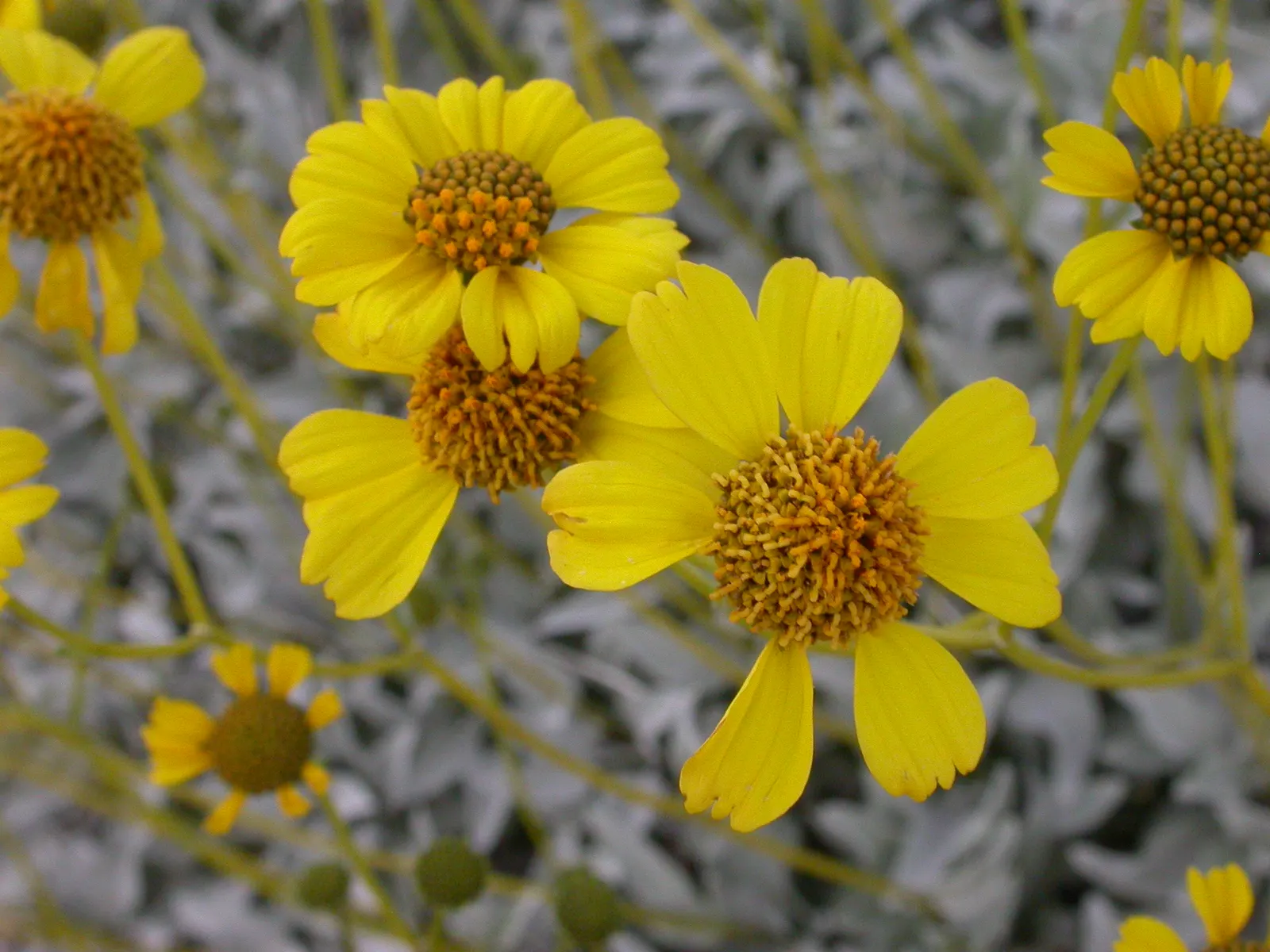
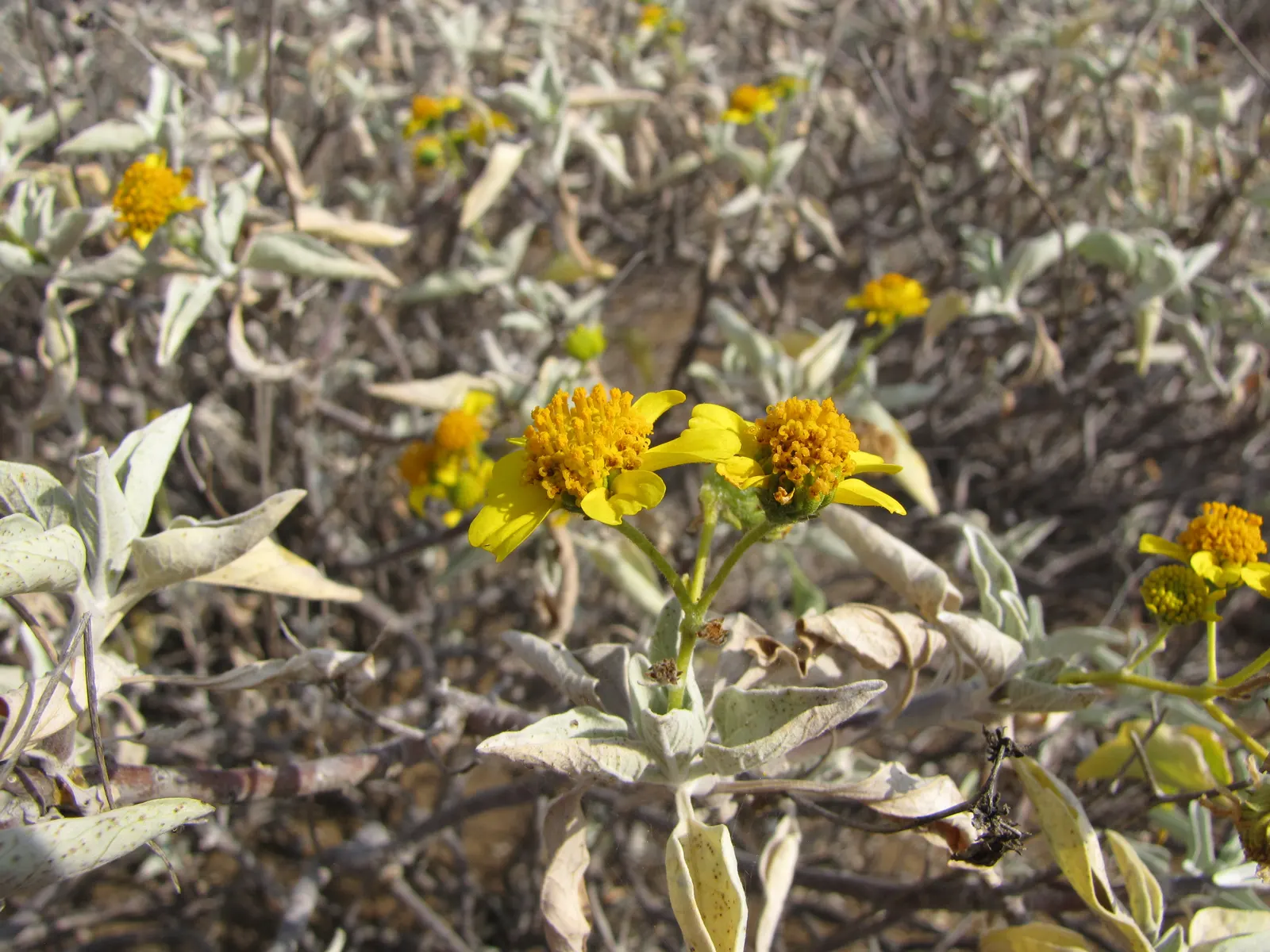
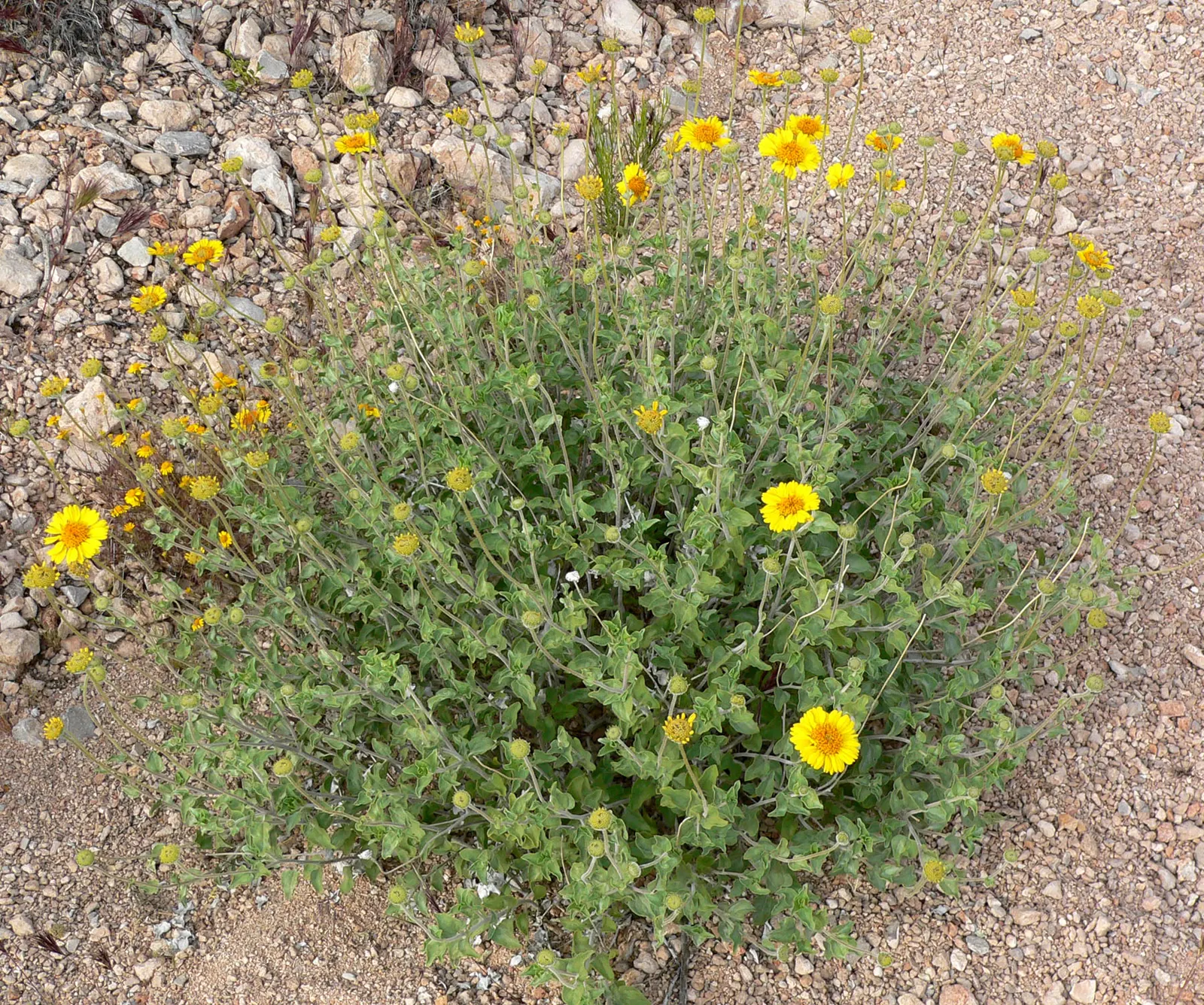
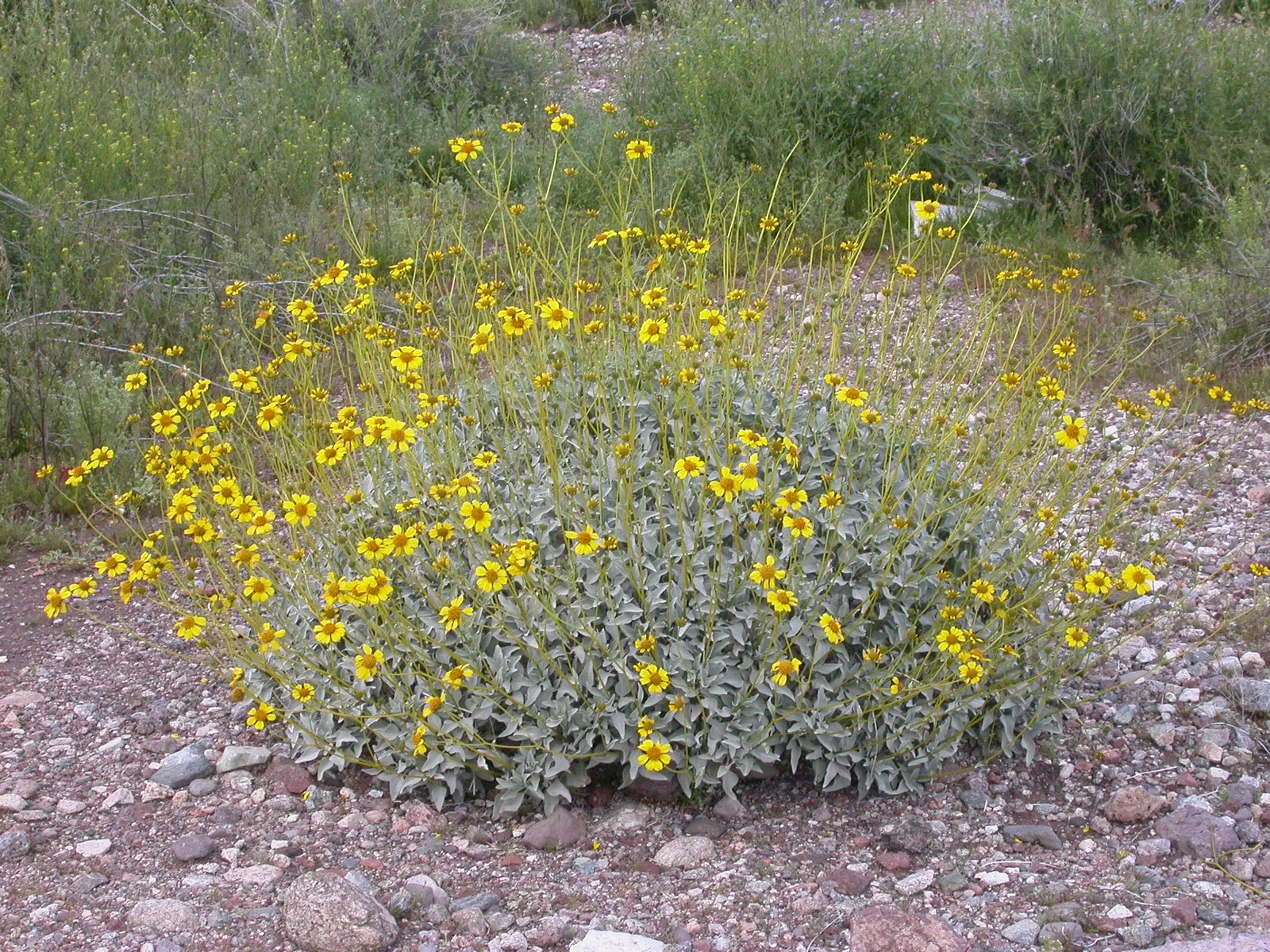
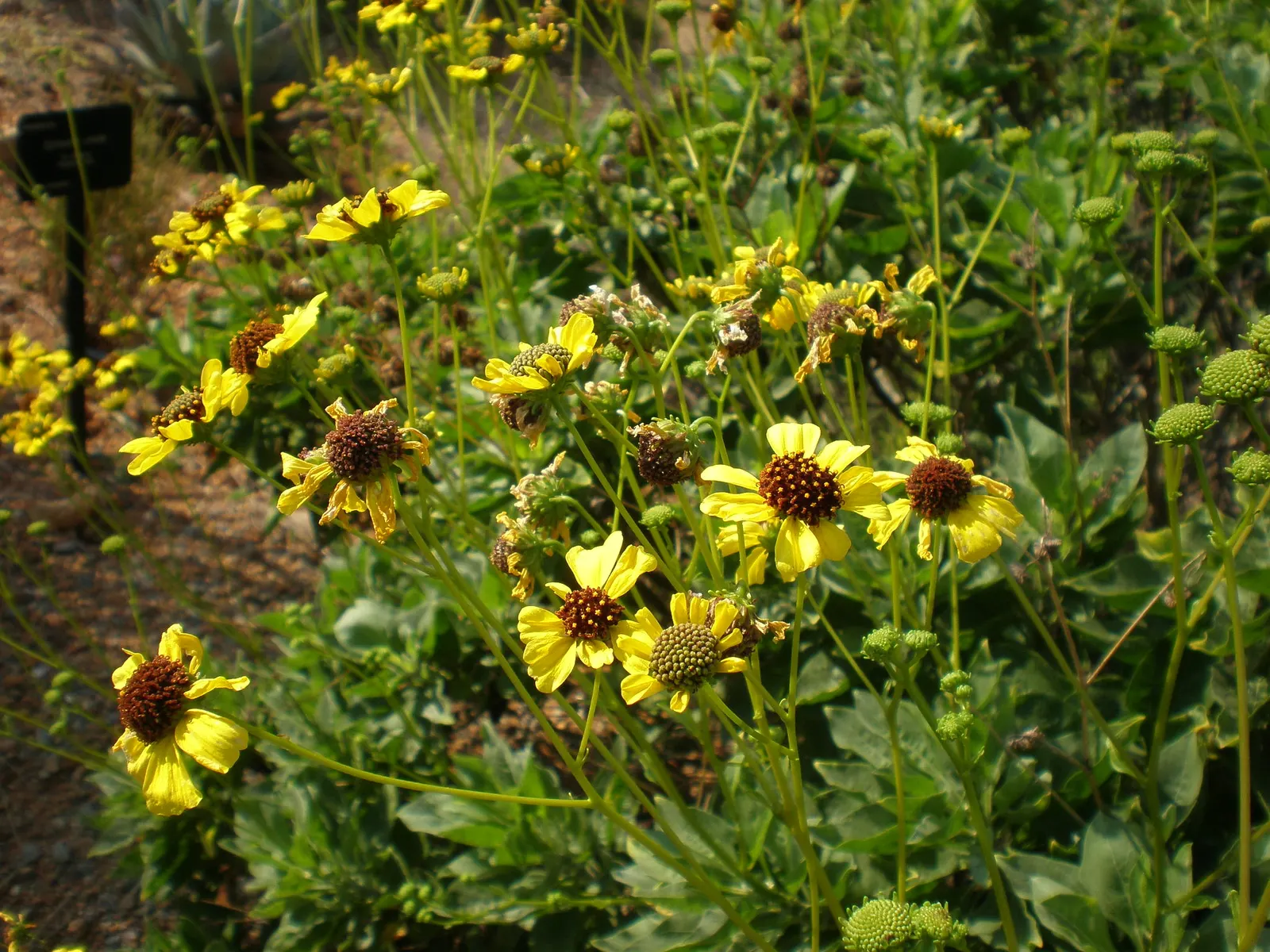
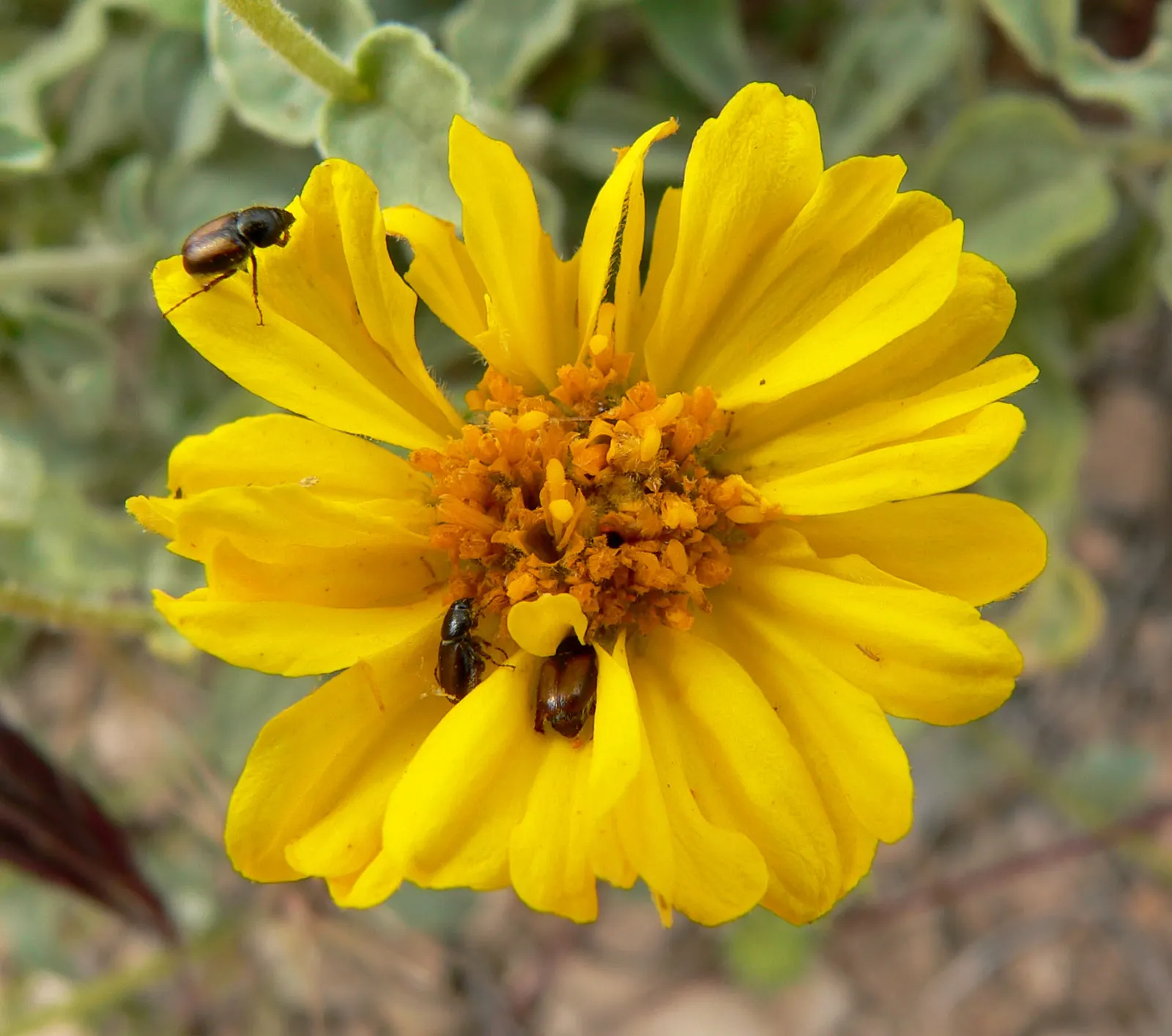
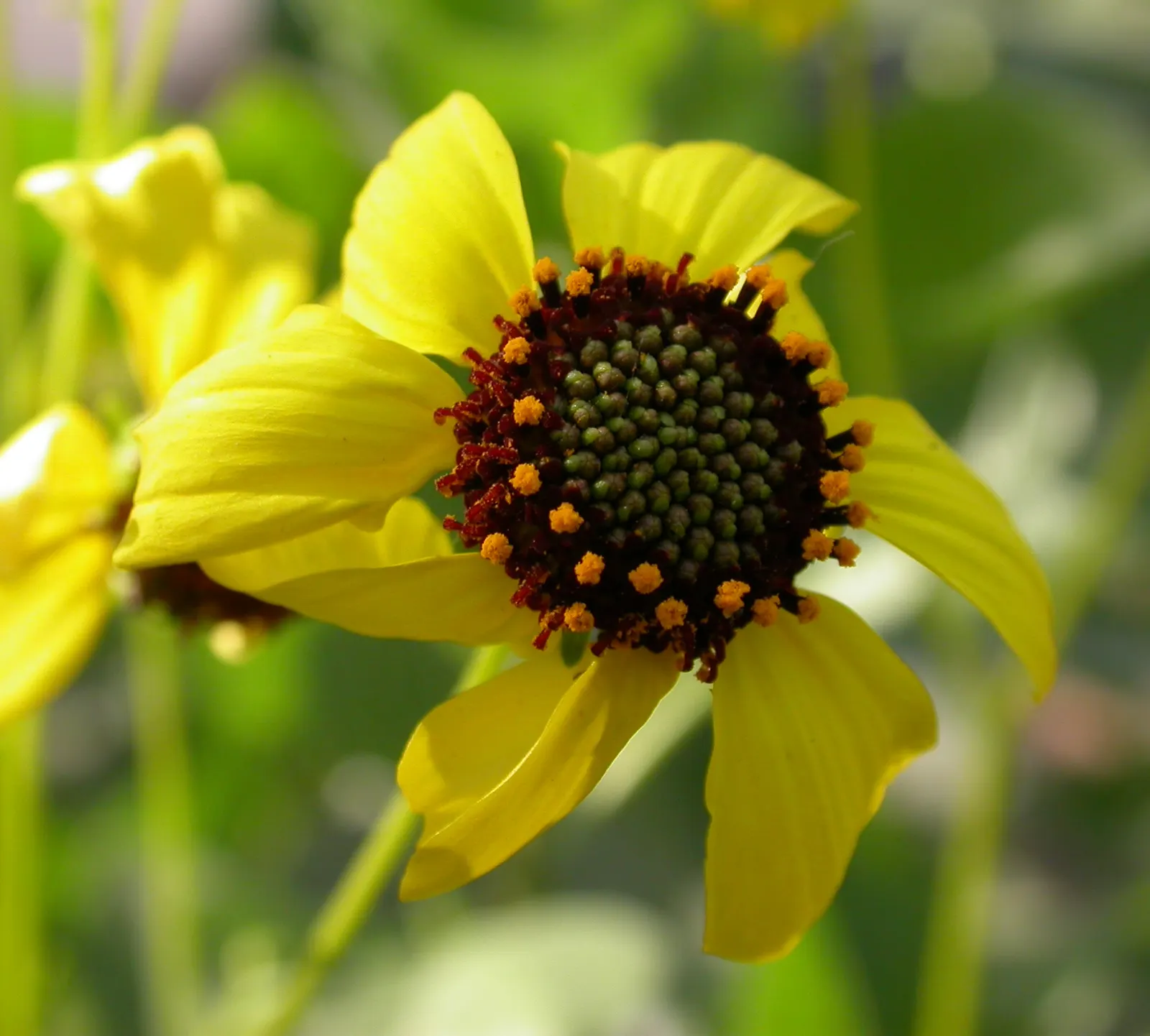
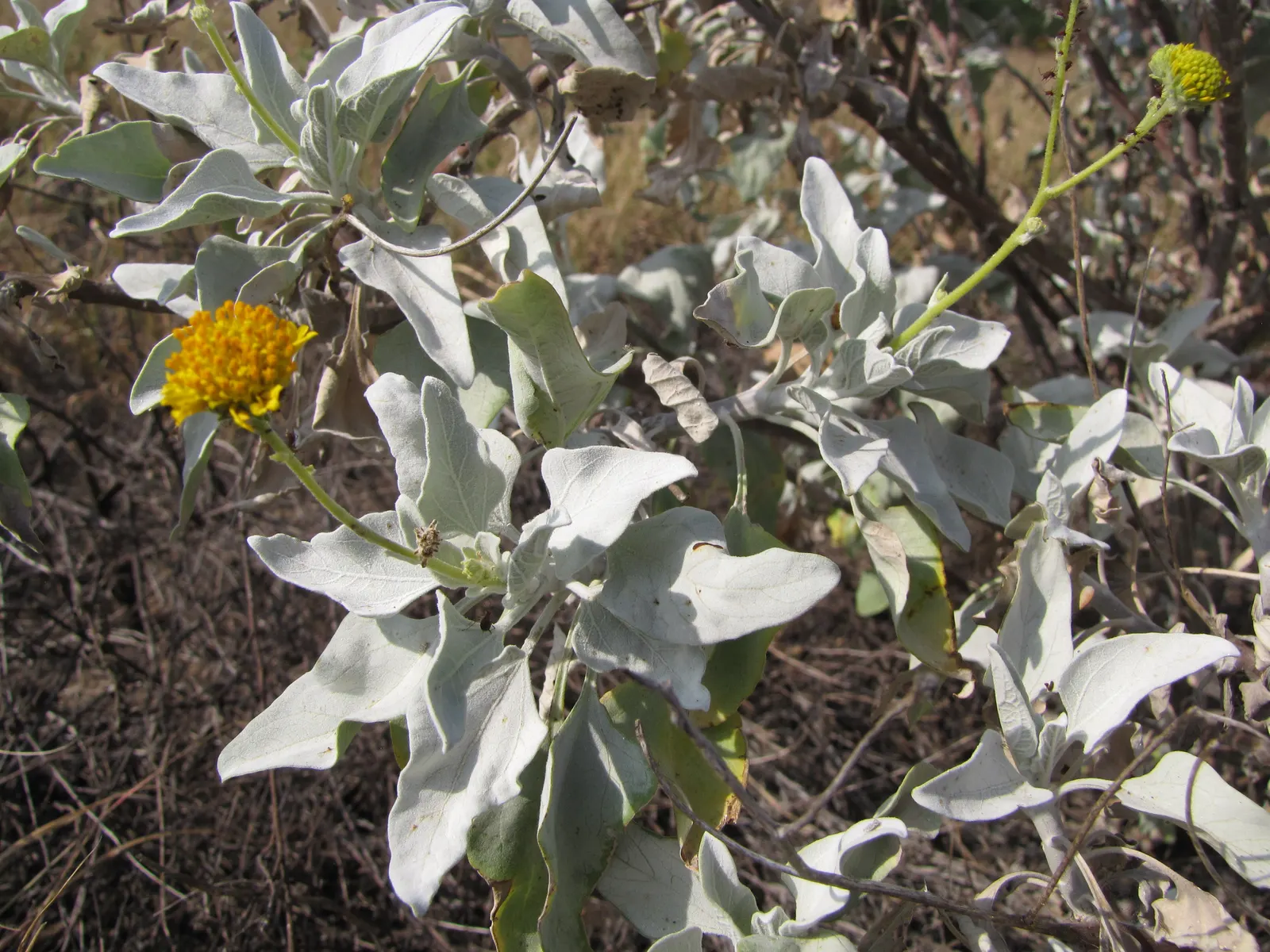
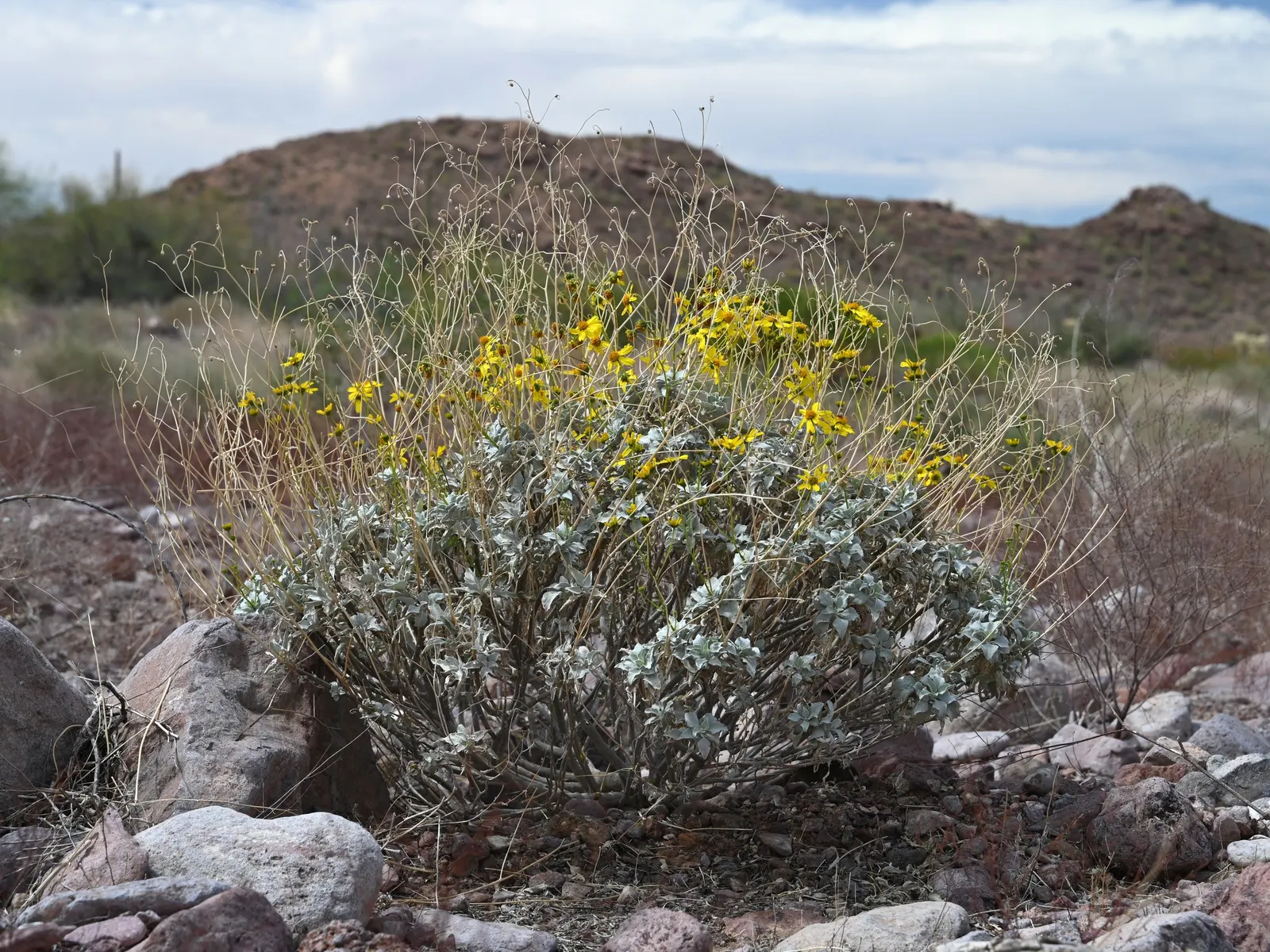
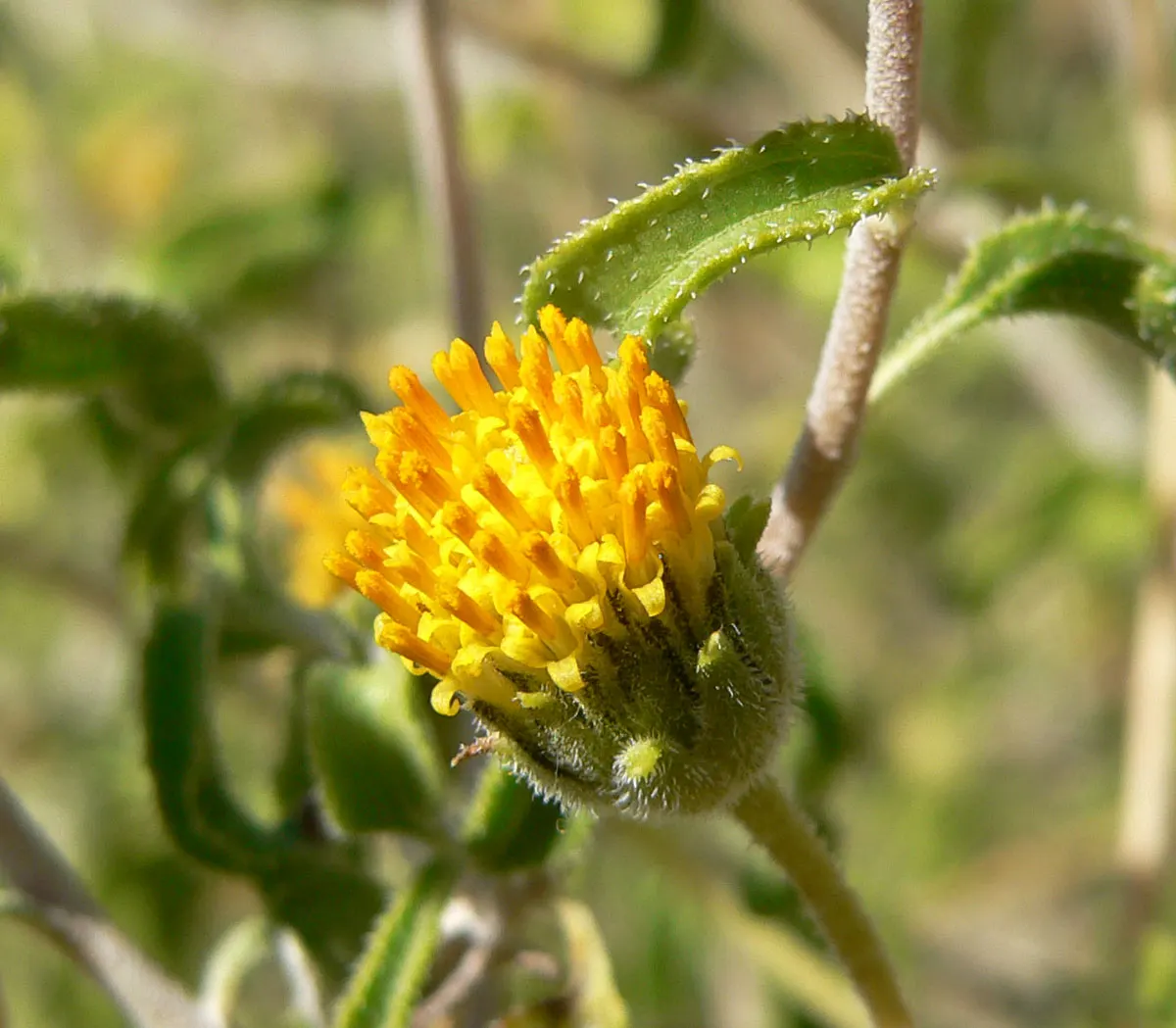
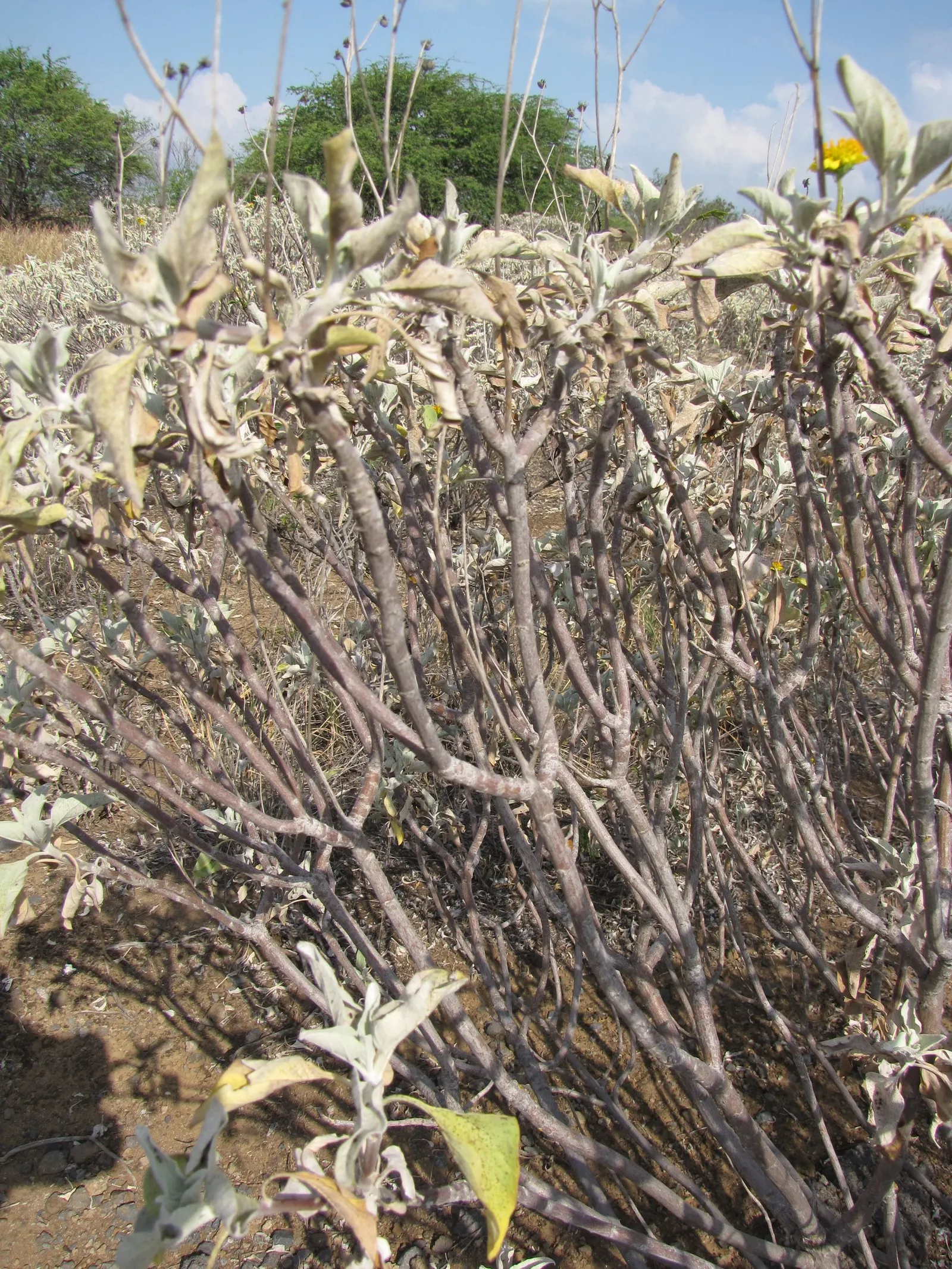
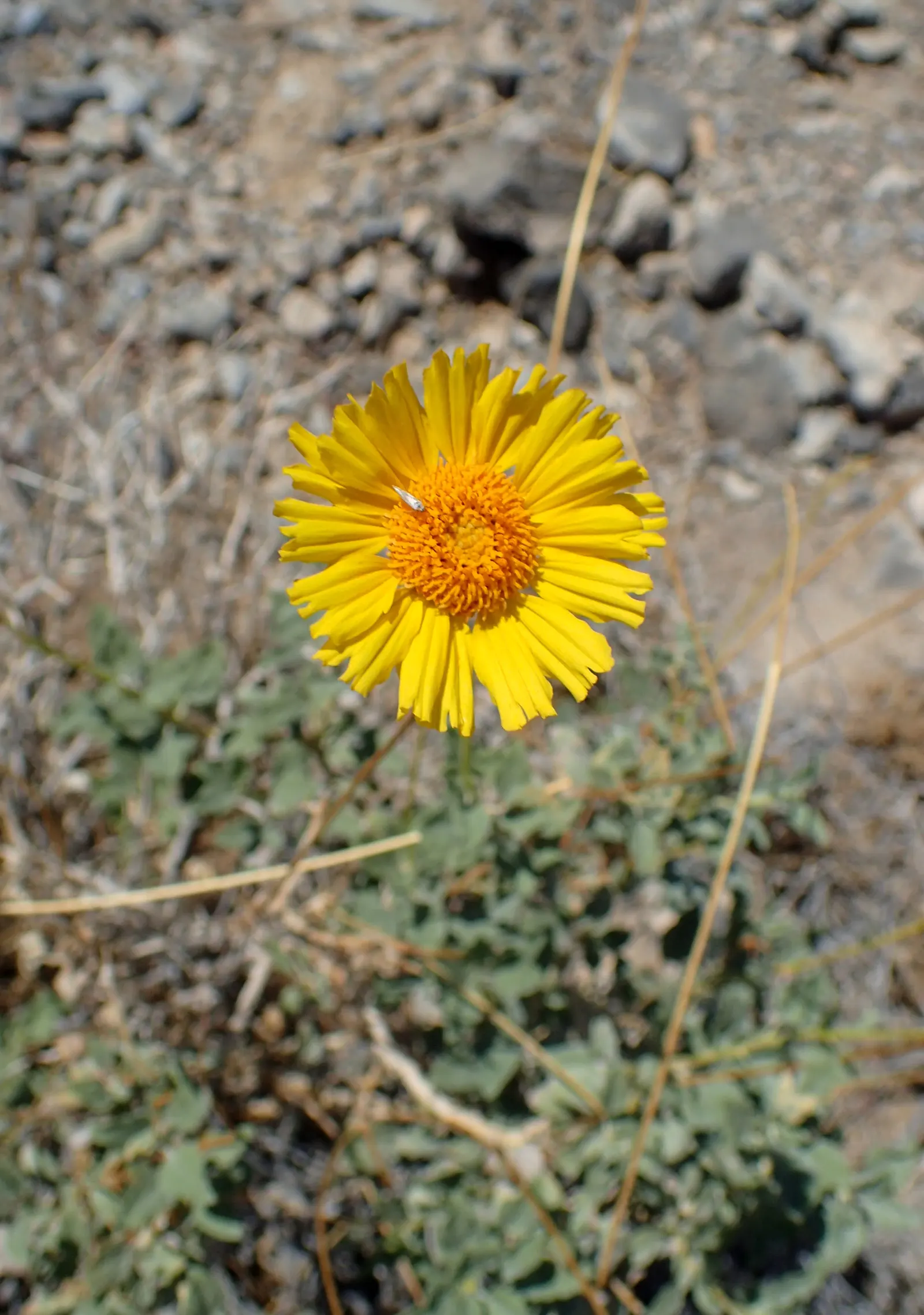
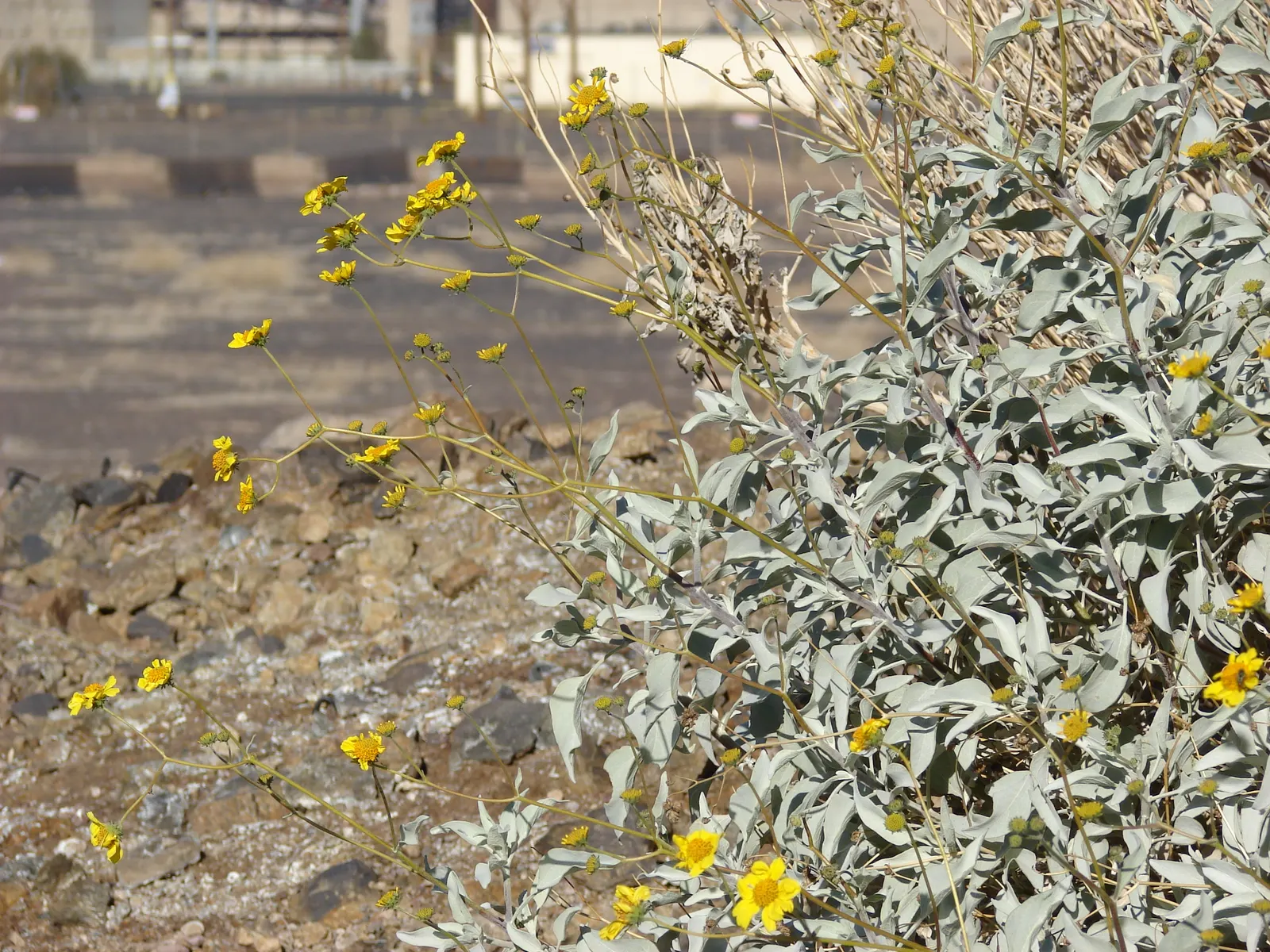
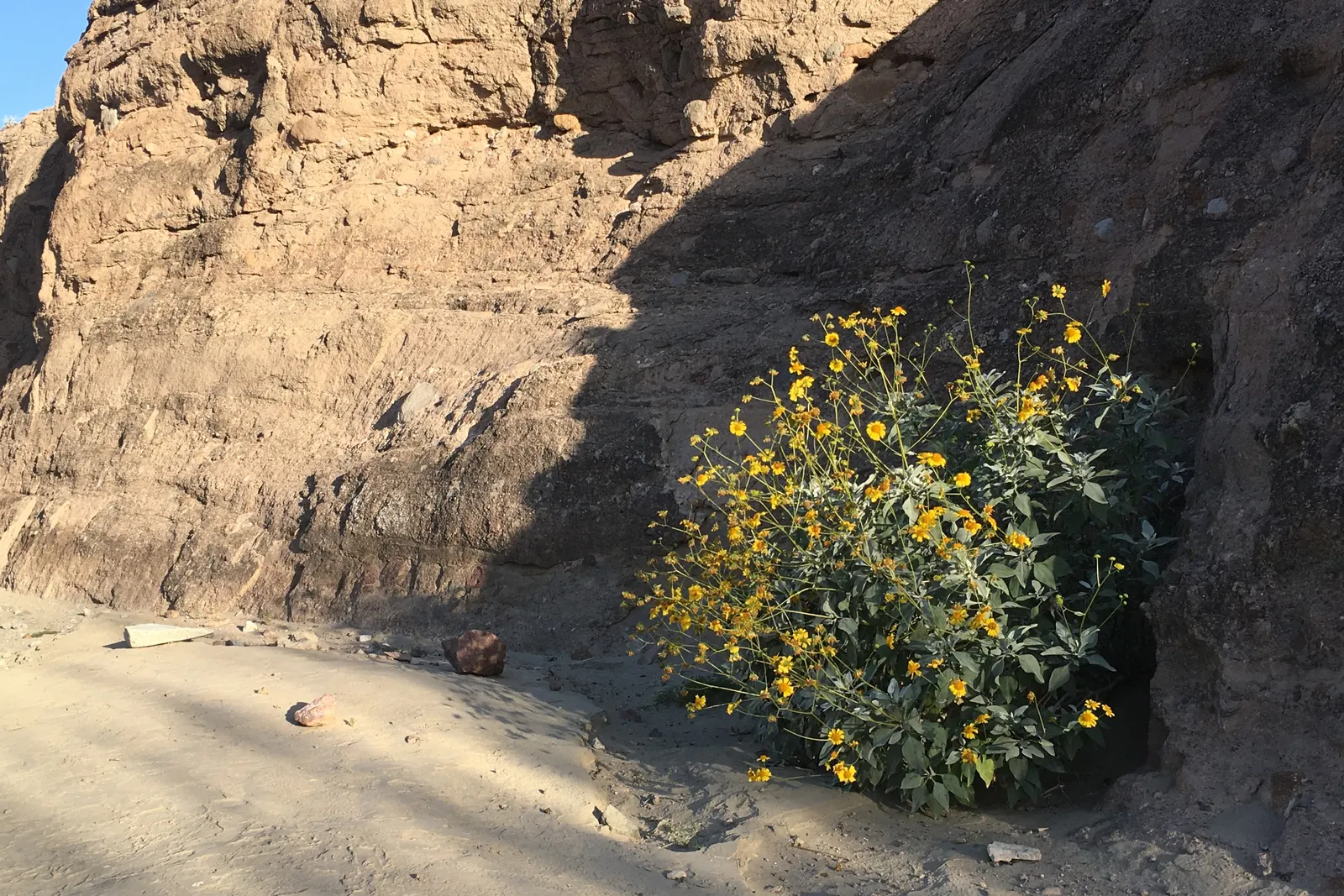
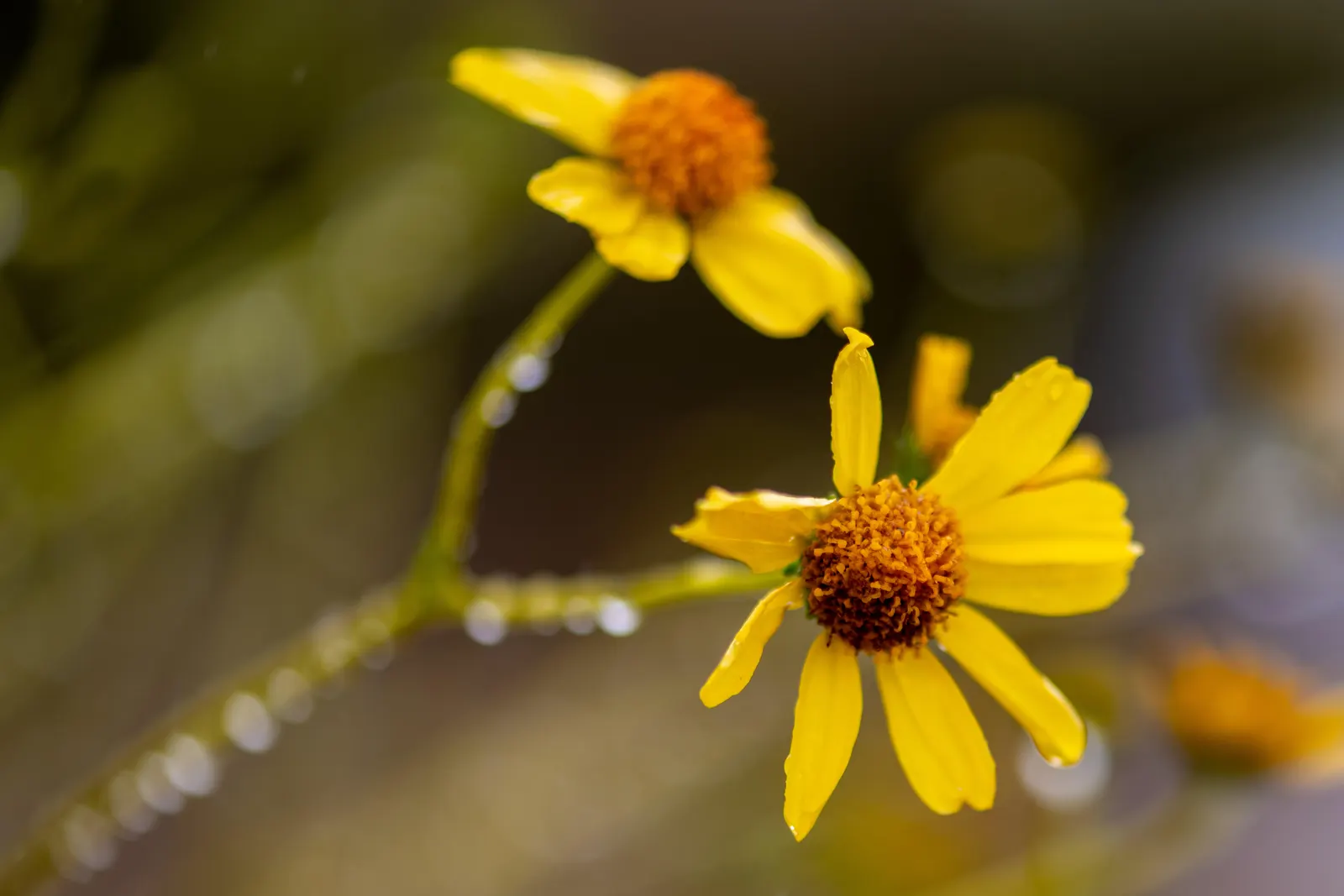
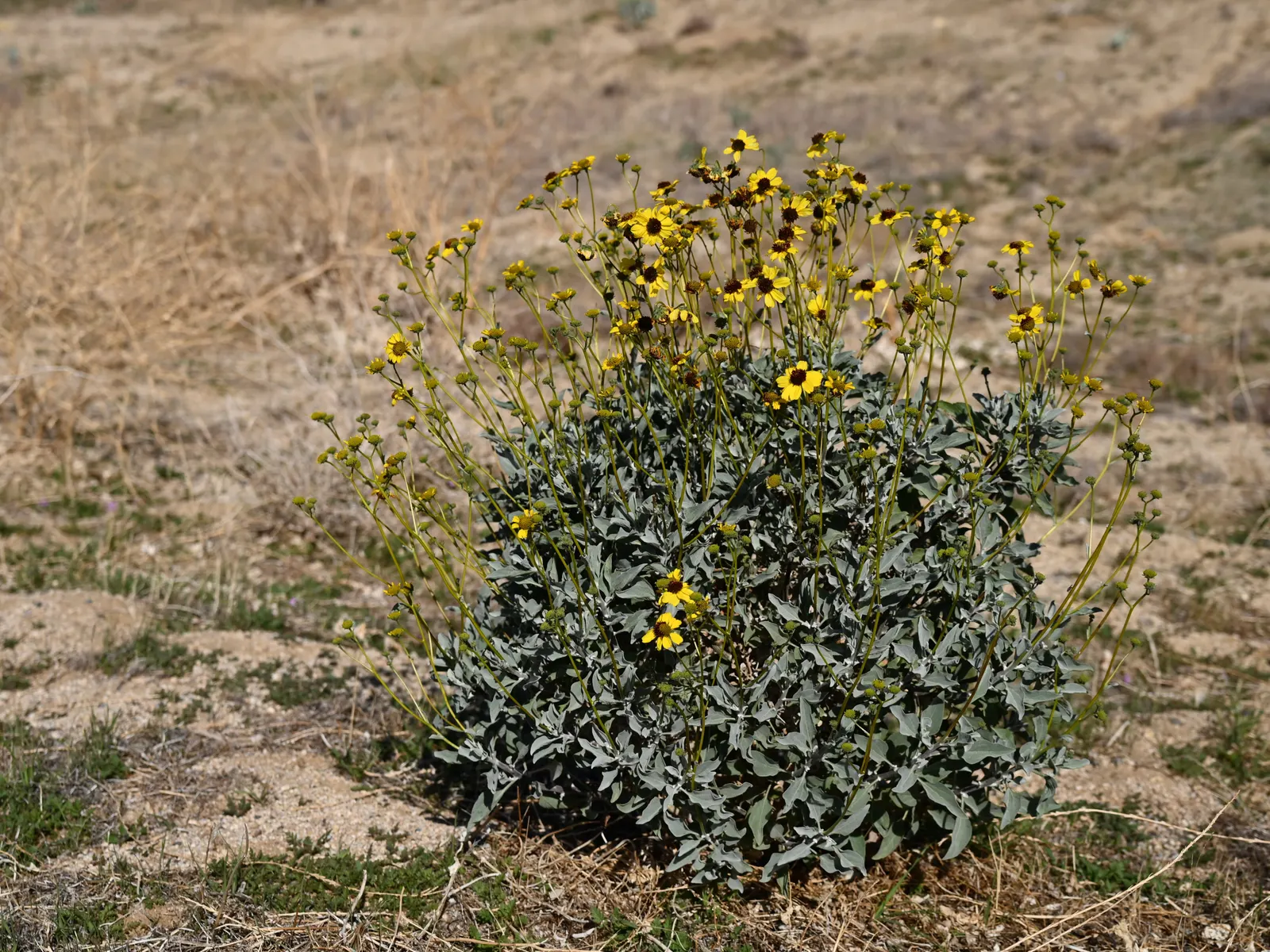
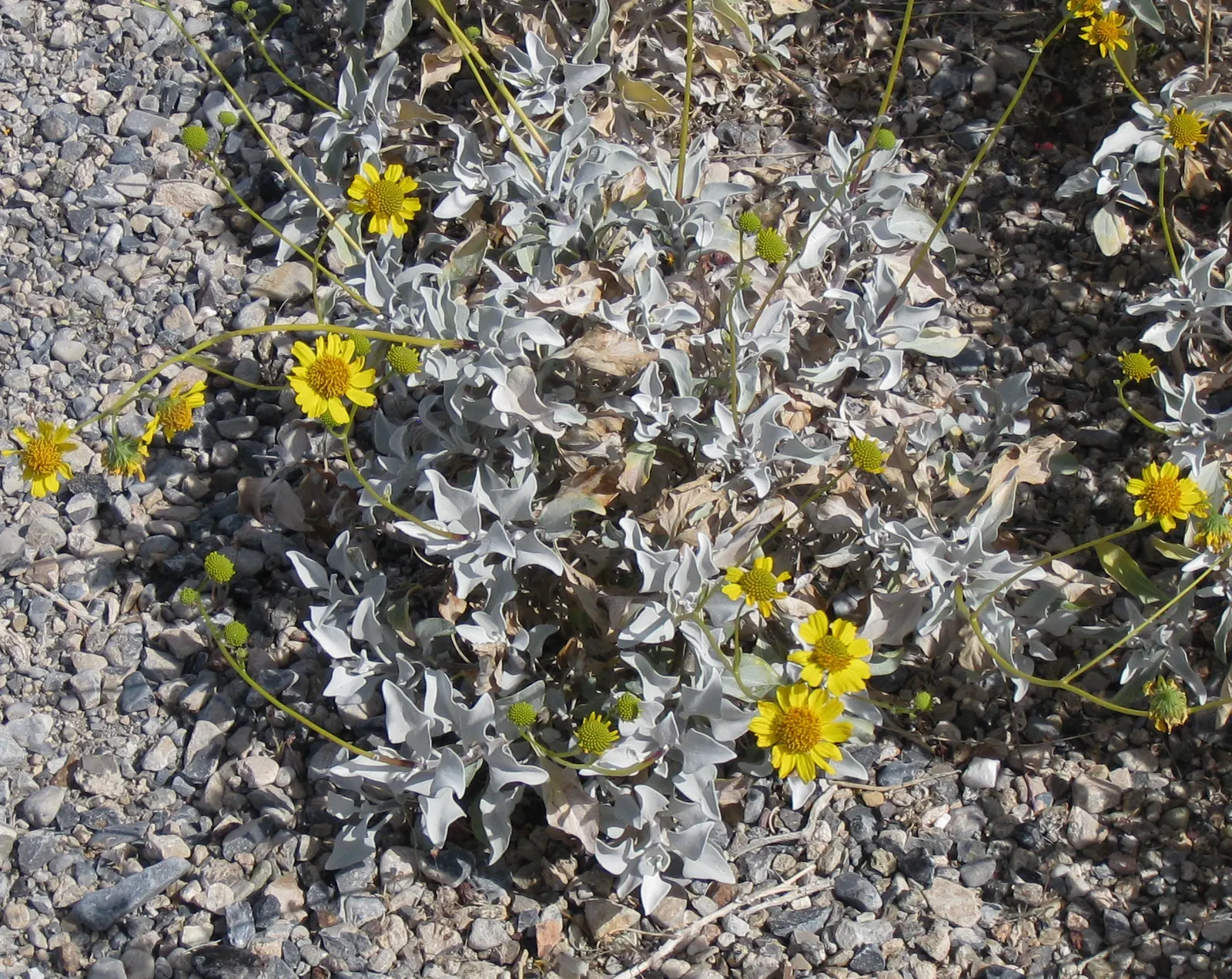
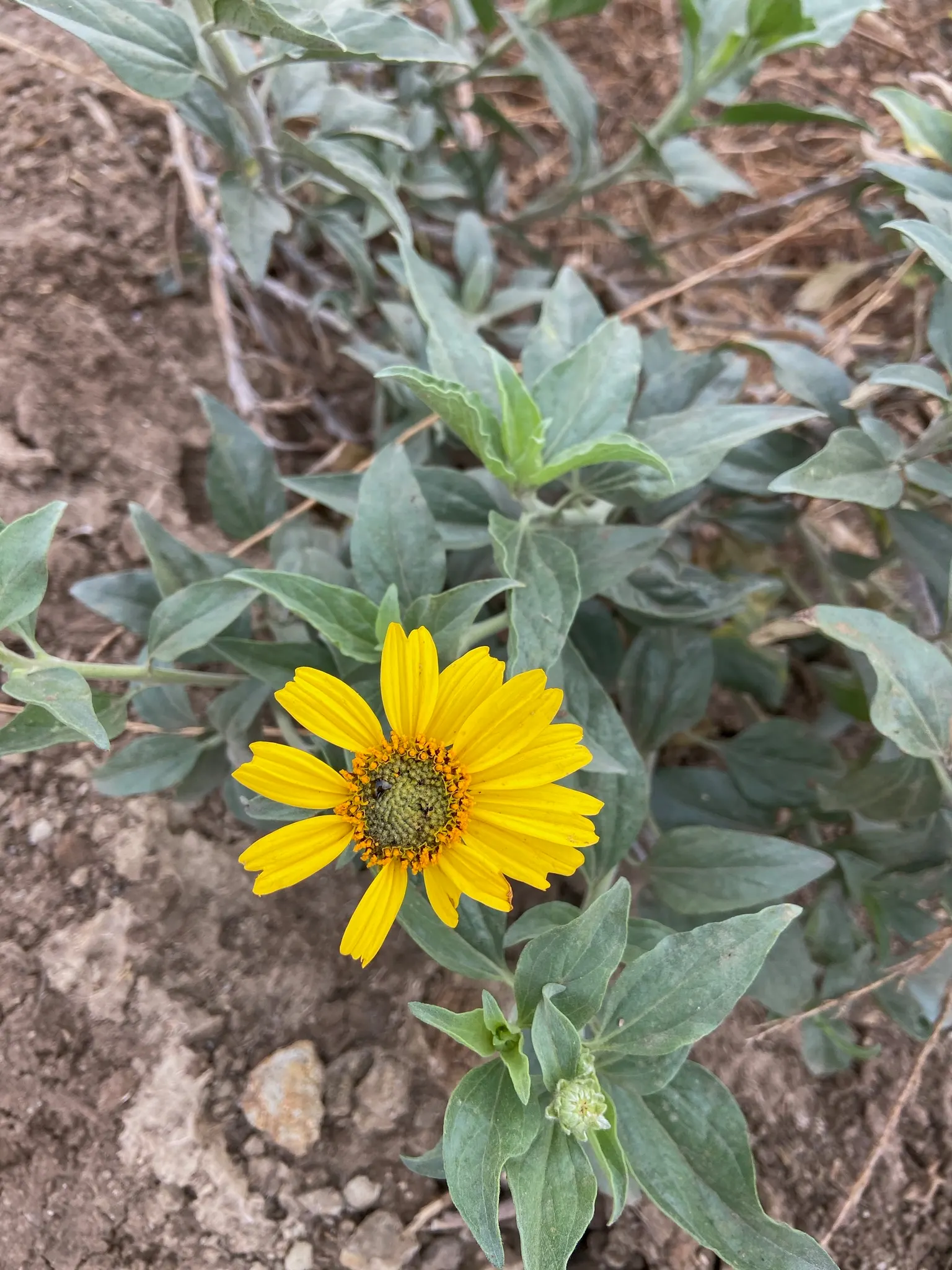
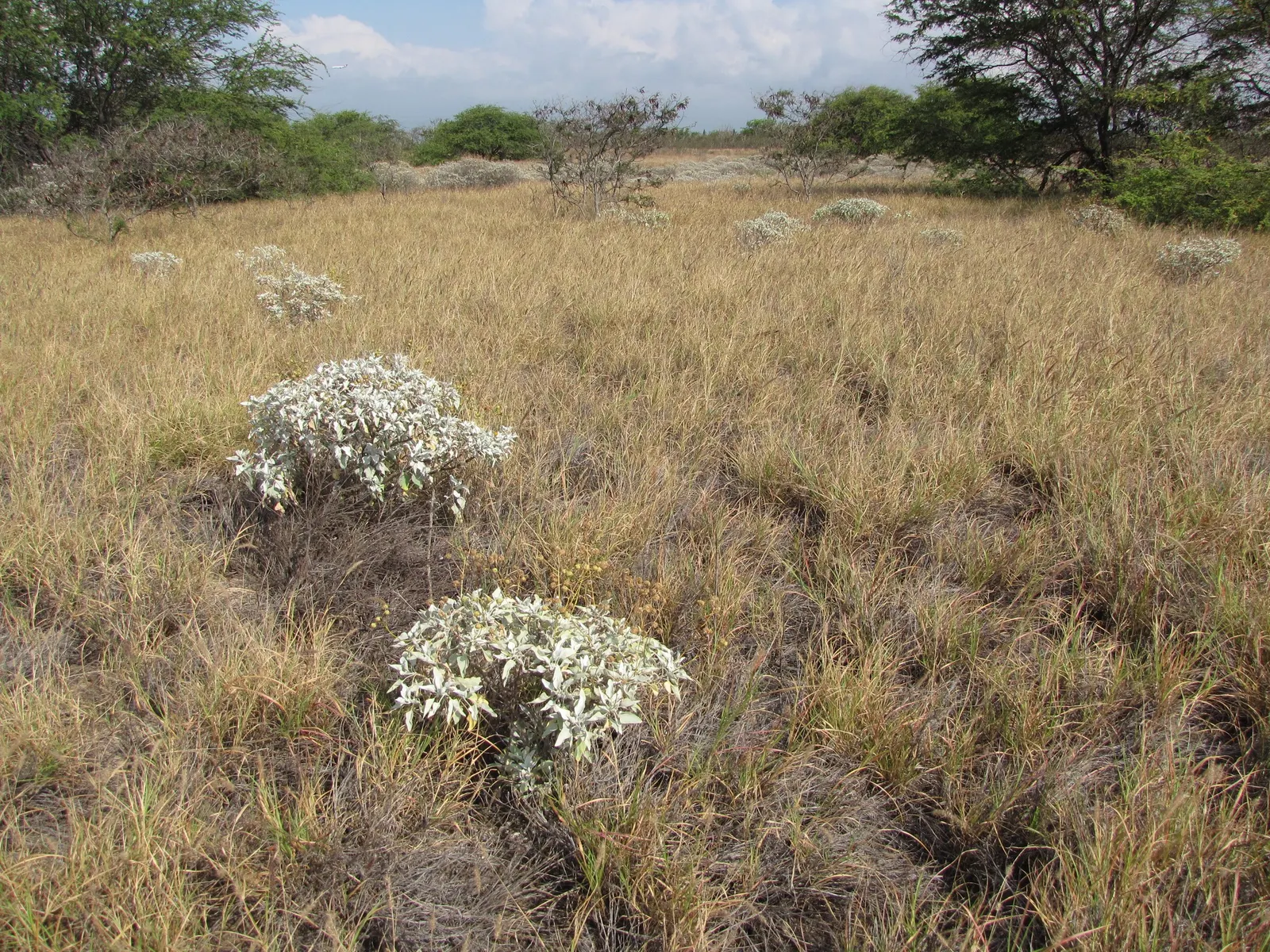
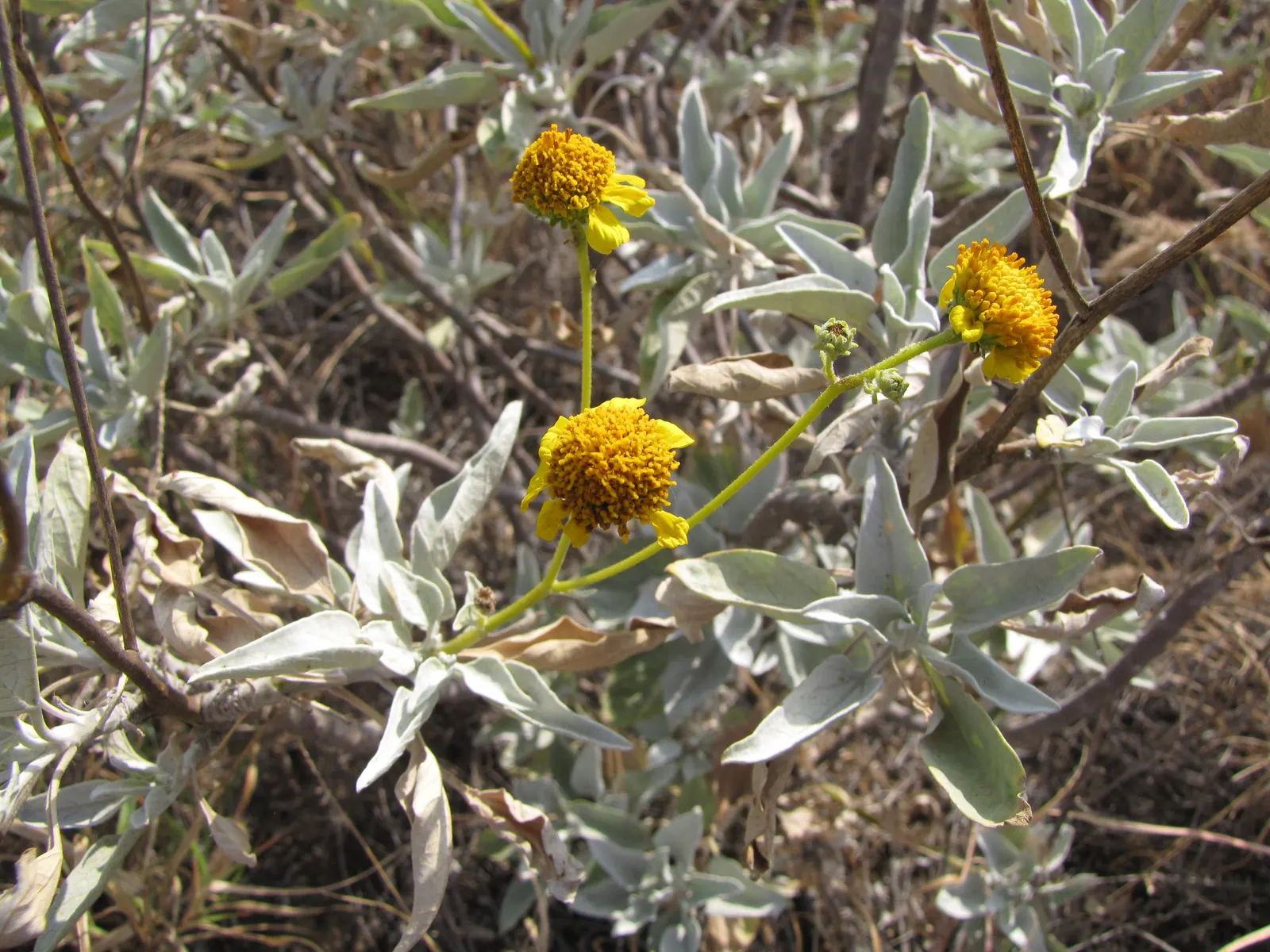
The Desert Encelia (Encelia farinosa), commonly termed Brittlebush, is a resilient desert shrub thriving in arid climates, zones 8-11. It boasts silvery-gray foliage reaching up to 3 feet in height and width. Springtime yields bright yellow daisy-like flowers, adding a vivid splash to xeriscaped gardens. Preferring full sun and well-draining soils, it’s a low-maintenance choice, requiring minimal water once established, epitomizing the beauty and toughness of desert flora.
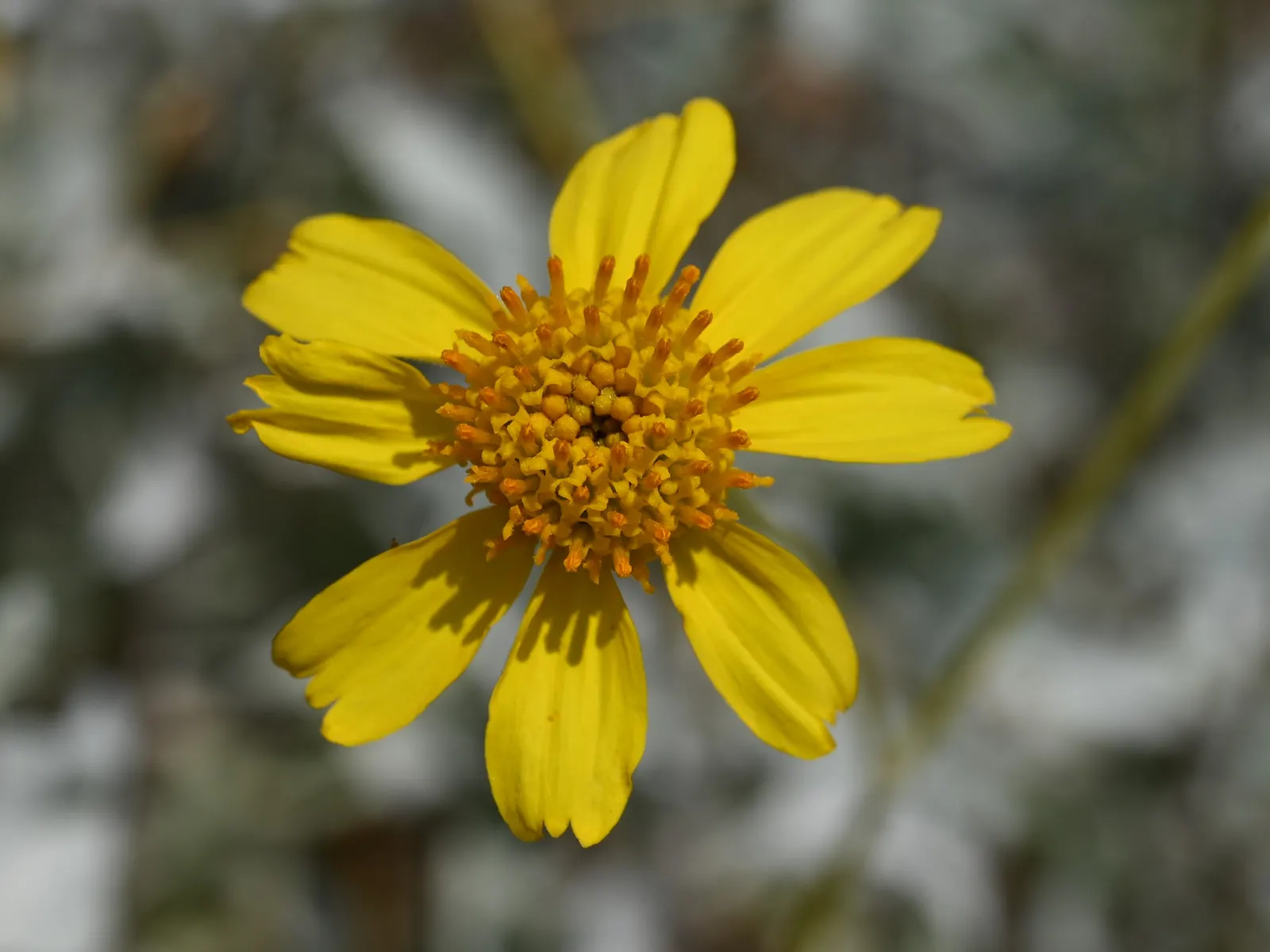
Sun Full, HalfWater LowZones 8–11Type ShrubClimate Arid, Subtropical
Desert Encelia (Encelia Farinosa) — Minimal supplemental watering is necessary once established, showcasing its drought-tolerant characteristics; which can

Culture

Sun
Full, Half
Water
Low
USDA zones
8–11

Shape & size

Classification

Type
Shrub
Family
Asteraceae
Climate
Arid, Subtropical

See full data, regional cultivation notes, and design tools. Build a client presentation around this plant.

Start your 14-day trial

Photos (136)

Desert Encelia (Encelia Farinosa) — the Desert Encelia is an excellent choice for gardeners aiming for a natural; requiring at least 6 hours of, image 96
Desert Encelia (Encelia Farinosa) — is a resilient desert shrub thriving in arid climates; it thrives in full sun exposure
Desert Encelia (Encelia Farinosa) — Preferring full sun and well-draining soils; thus reducing water loss and protecting the plant from the intense, image 81
Desert Encelia (Encelia Farinosa) — requiring minimal water once established; is a resilient desert shrub thriving in arid climates, image 108
Desert Encelia (Encelia Farinosa) — Preferring full sun and well-draining soils; thus reducing water loss and protecting the plant from the intense, image 56
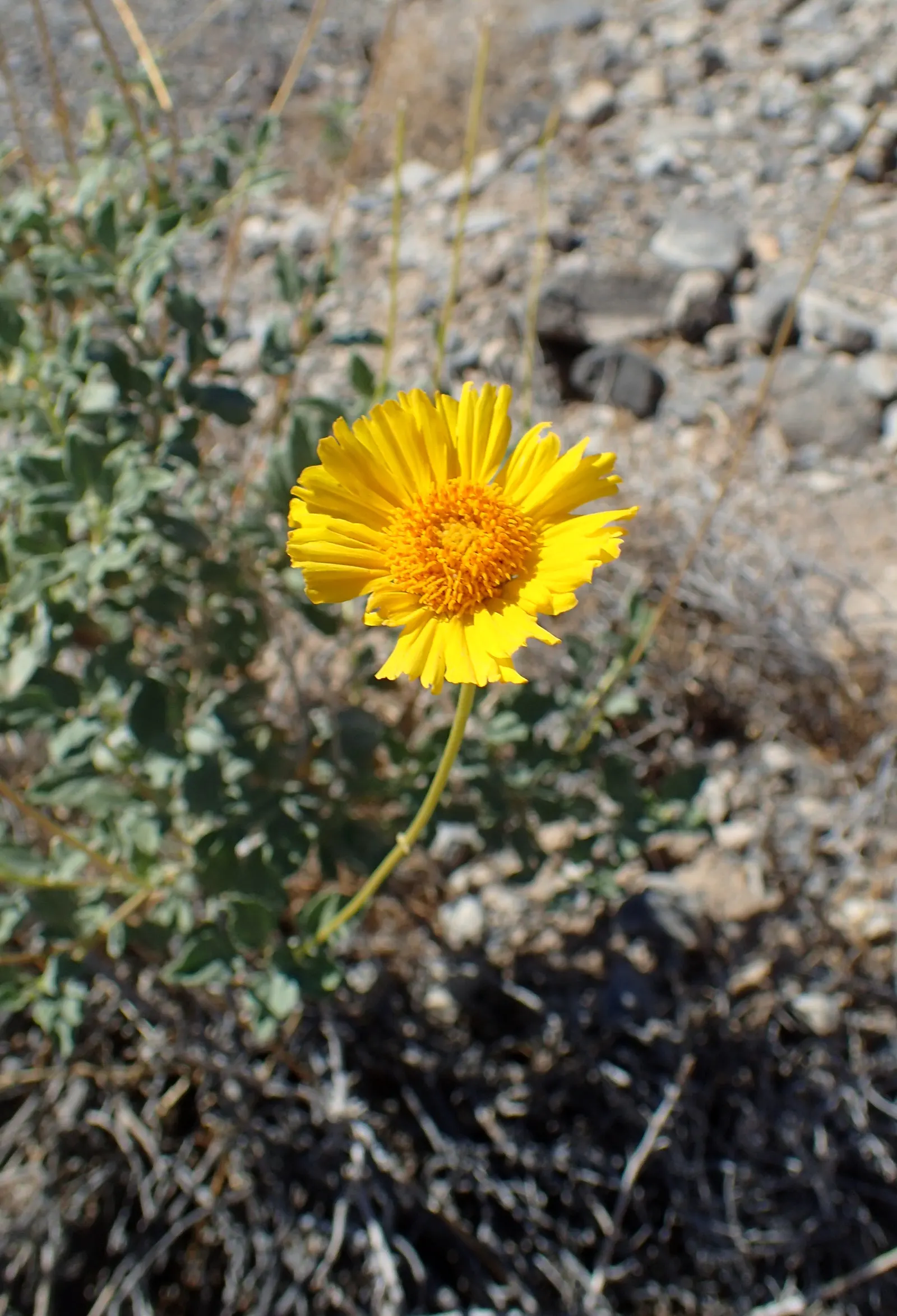
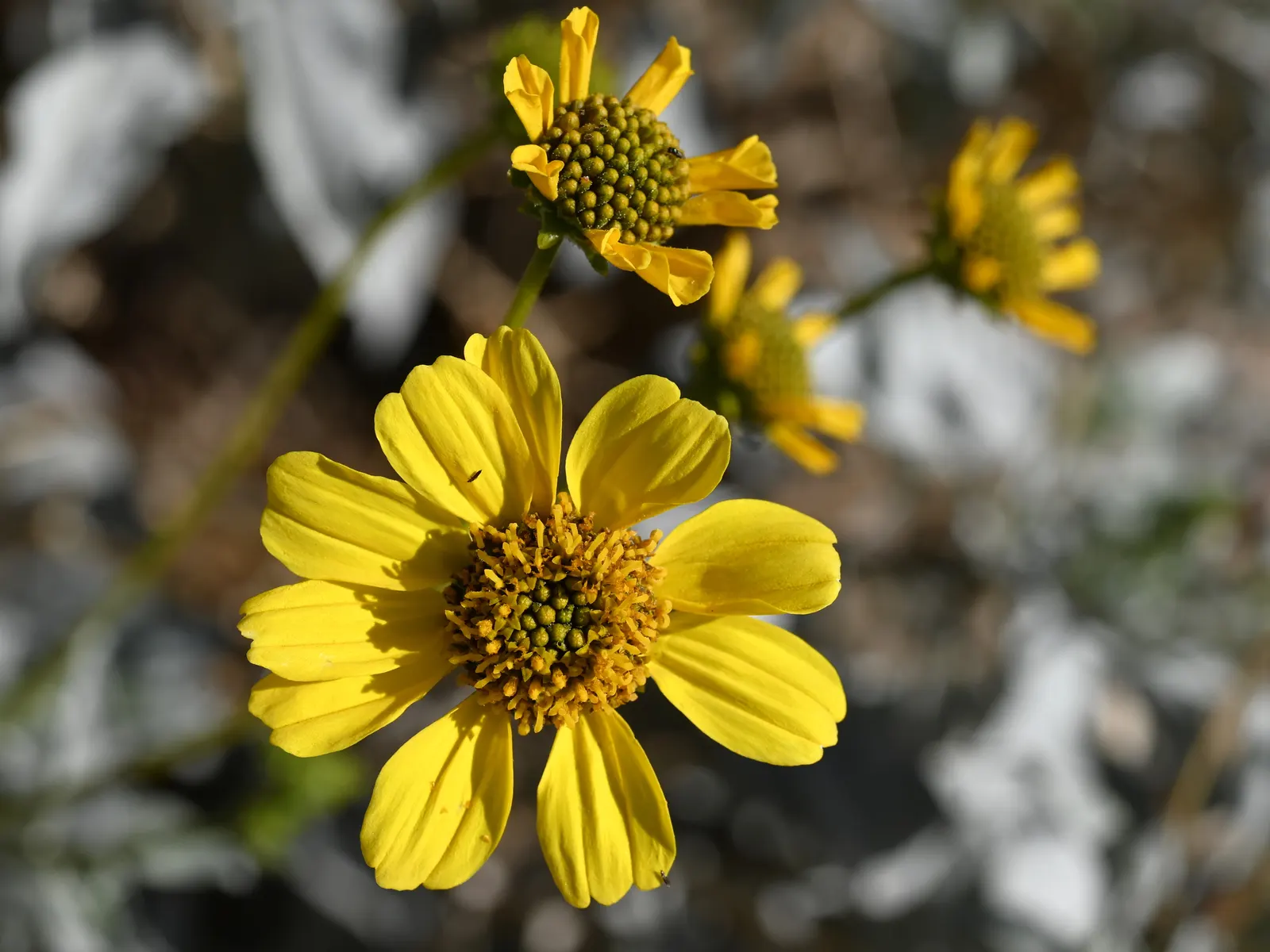
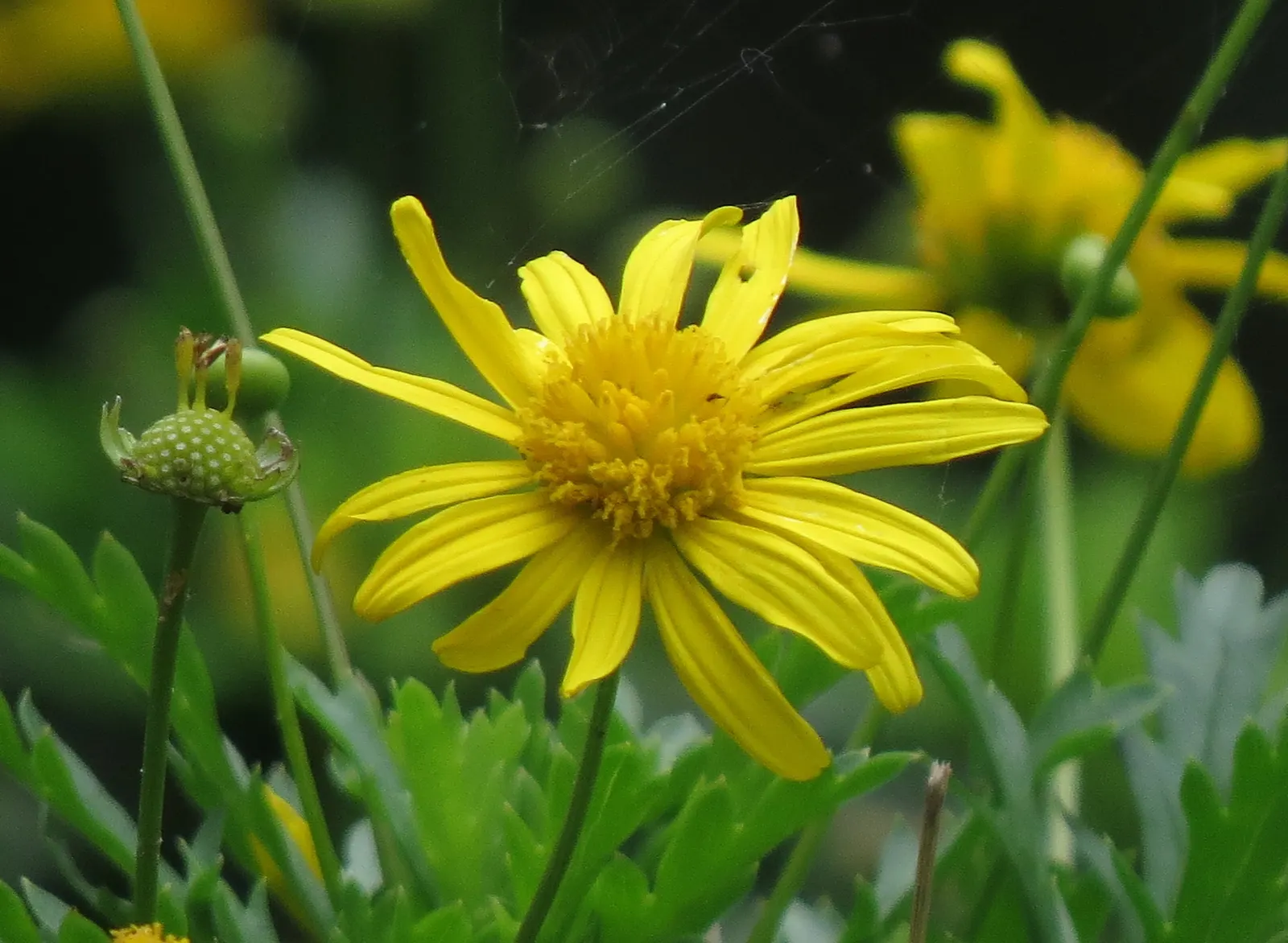
Desert Encelia (Encelia Farinosa) — These blooms stand on tall stems well above the foliage and attract a variety of pollinators; daisy-like, image 92
Desert Encelia (Encelia Farinosa) — is a resilient and adaptable shrub native to the Southwestern United States and Northern Mexico; shrub with, image 86
Desert Encelia (Encelia Farinosa) — epitomizing the beauty and toughness of desert flora; scientifically known as Encelia farinosa
Desert Encelia (Encelia Farinosa) — thus reducing water loss and protecting the plant from the intense desert heat
Desert Encelia (Encelia Farinosa) — yellow flowers in the garden; requiring minimal water once established, image 73
Desert Encelia (Encelia Farinosa) — the Desert Encelia is an excellent choice for gardeners aiming for a natural; requiring at least 6 hours of direct sunlight
Desert Encelia (Encelia Farinosa) — desert-inspired landscape; the Desert Encelia (Encelia farinosa)
Desert Encelia (Encelia Farinosa) — Minimal supplemental watering is necessary once established, showcasing its drought-tolerant characteristics, image 95
Desert Encelia (Encelia Farinosa) — The Desert Encelia (Encelia farinosa)
Desert Encelia (Encelia Farinosa) — shrub for full or half; desert-inspired landscape, image 75
Desert Encelia (Encelia Farinosa) — is a resilient and adaptable shrub native to the Southwestern United States and Northern Mexico; shrub with yellow blooms
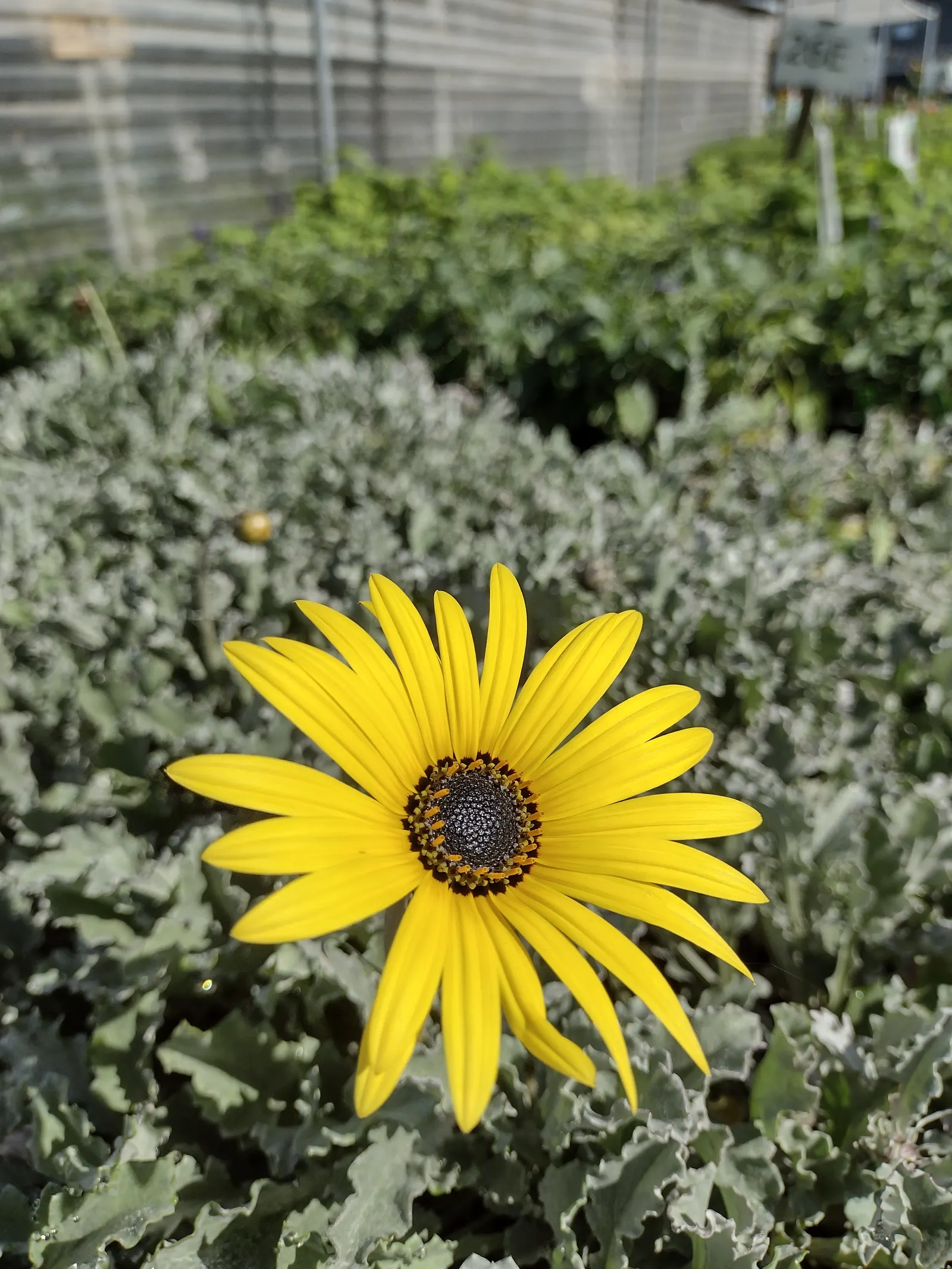
Desert Encelia (Encelia Farinosa) — Springtime yields bright yellow daisy-like flowers, adding a vivid splash to xeriscaped gardens; it‚Äôs a, image 55
Desert Encelia (Encelia Farinosa) — epitomizing the beauty and toughness of desert flora; scientifically known as Encelia farinosa, image 59
Desert Encelia (Encelia Farinosa) — It thrives in full sun exposure
Desert Encelia (Encelia Farinosa) — is a resilient desert shrub thriving in arid climates
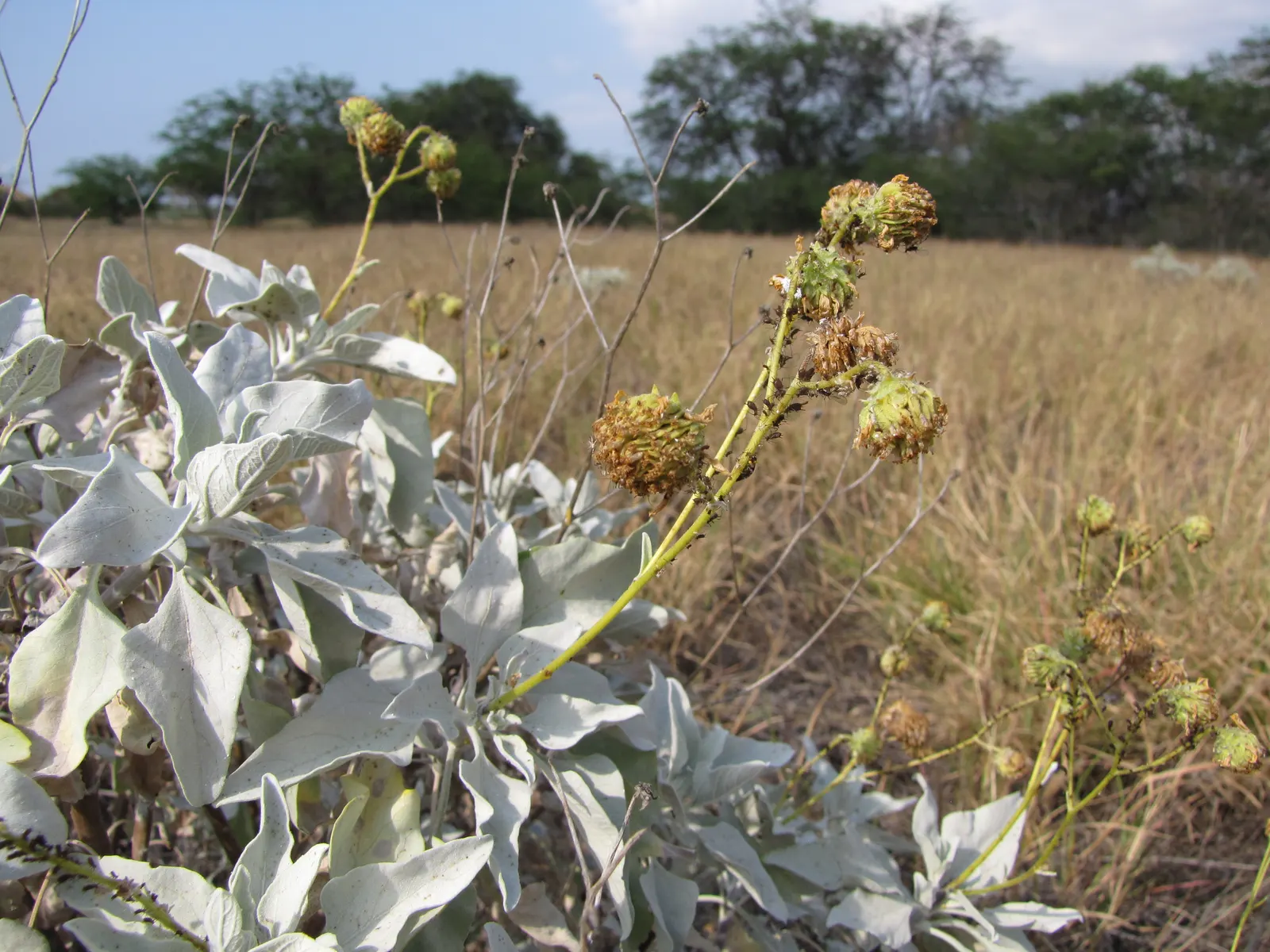
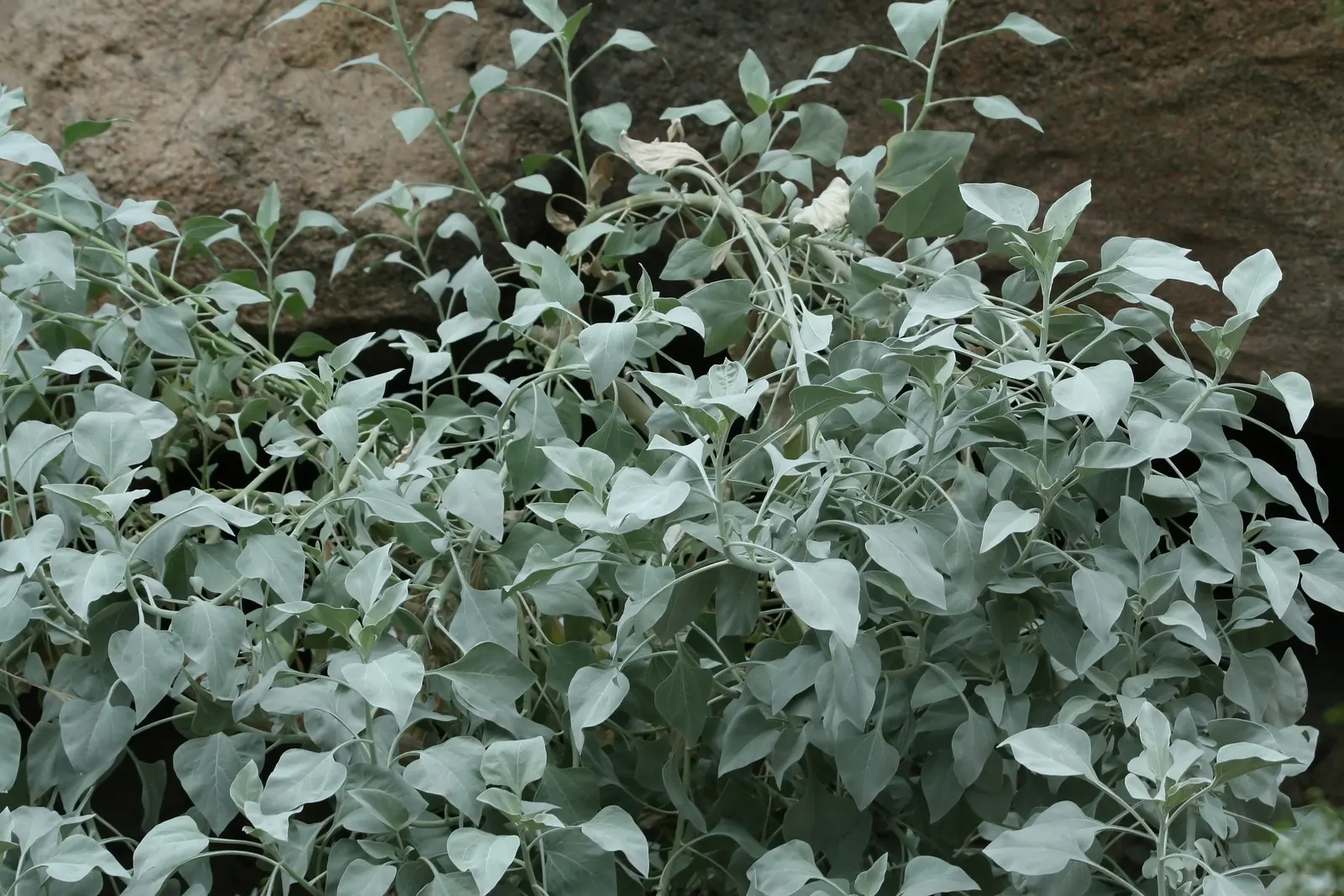
Desert Encelia (Encelia Farinosa) — the leaves are covered with fine hairs that reflect sunlight
Desert Encelia (Encelia Farinosa) — the leaves are covered with fine hairs that reflect sunlight, image 63
Desert Encelia (Encelia Farinosa) — These blooms stand on tall stems well above the foliage and attract a variety of pollinators
Desert Encelia (Encelia Farinosa) — requiring at least 6 hours of direct sunlight a day to ensure optimal growth and flowering
Photographs by 12 contributors

Related plants