Skip to content

Russian Olive

Elaeagnus angustifolia

Design with this plant

Overview

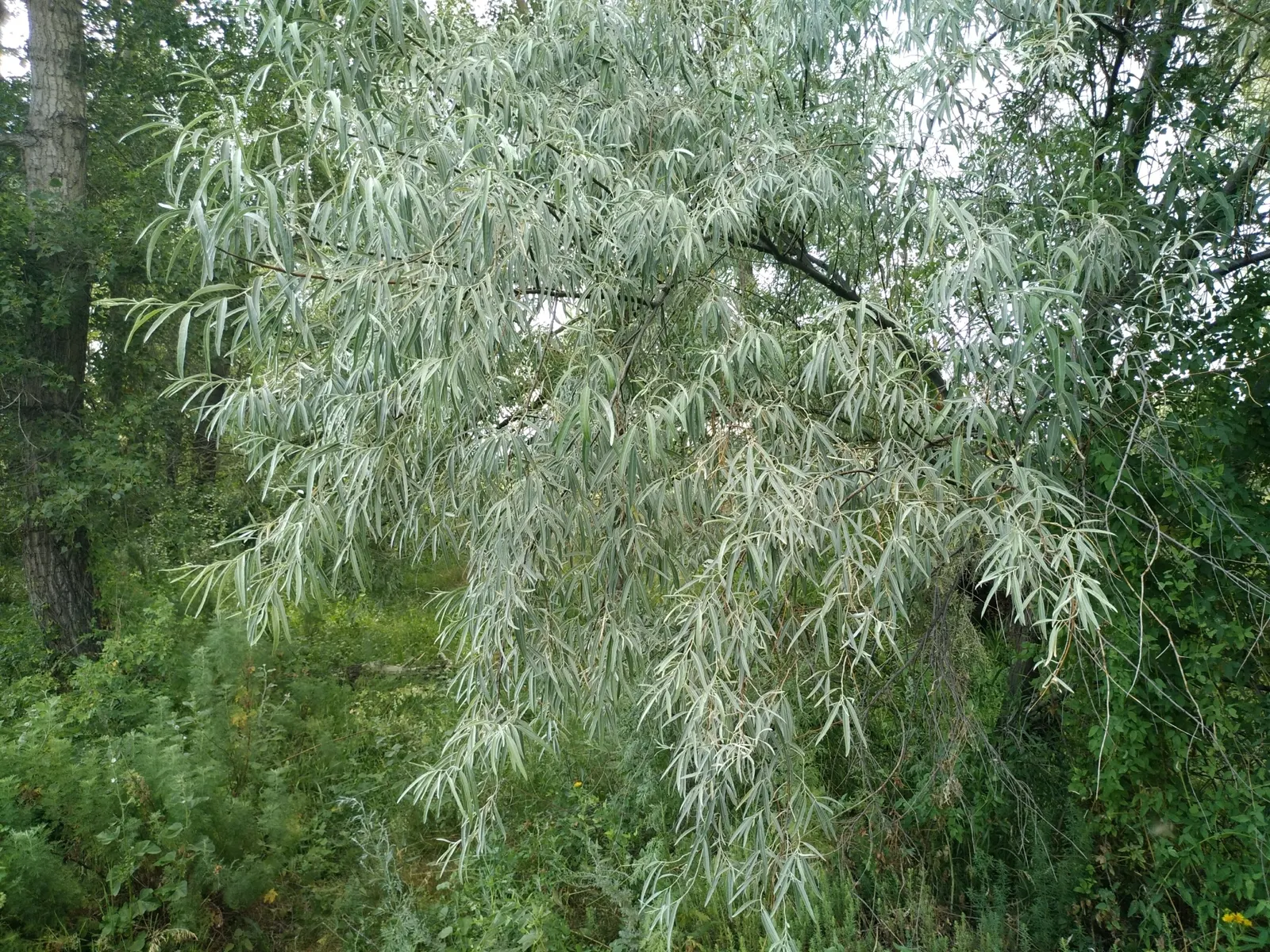
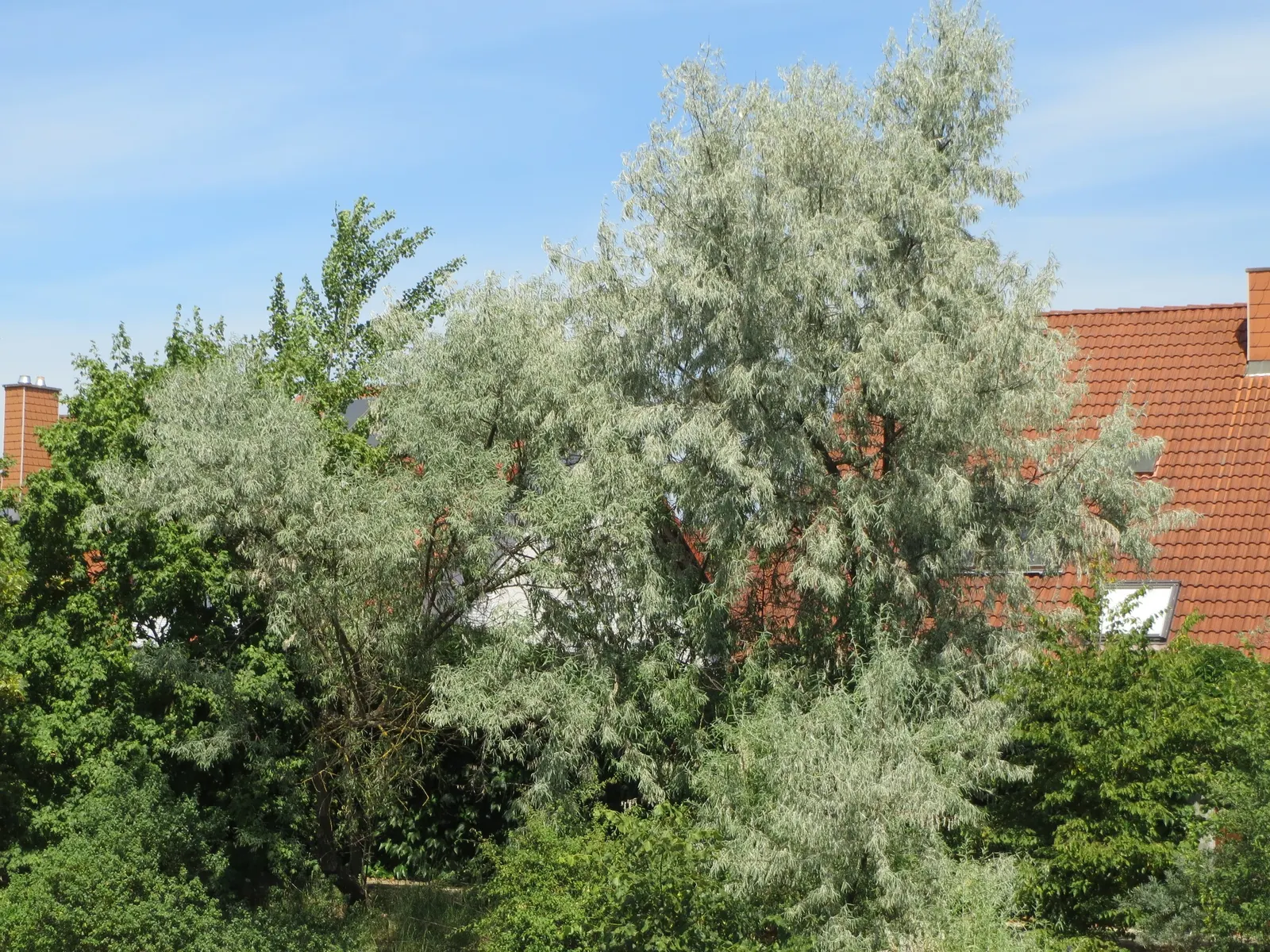
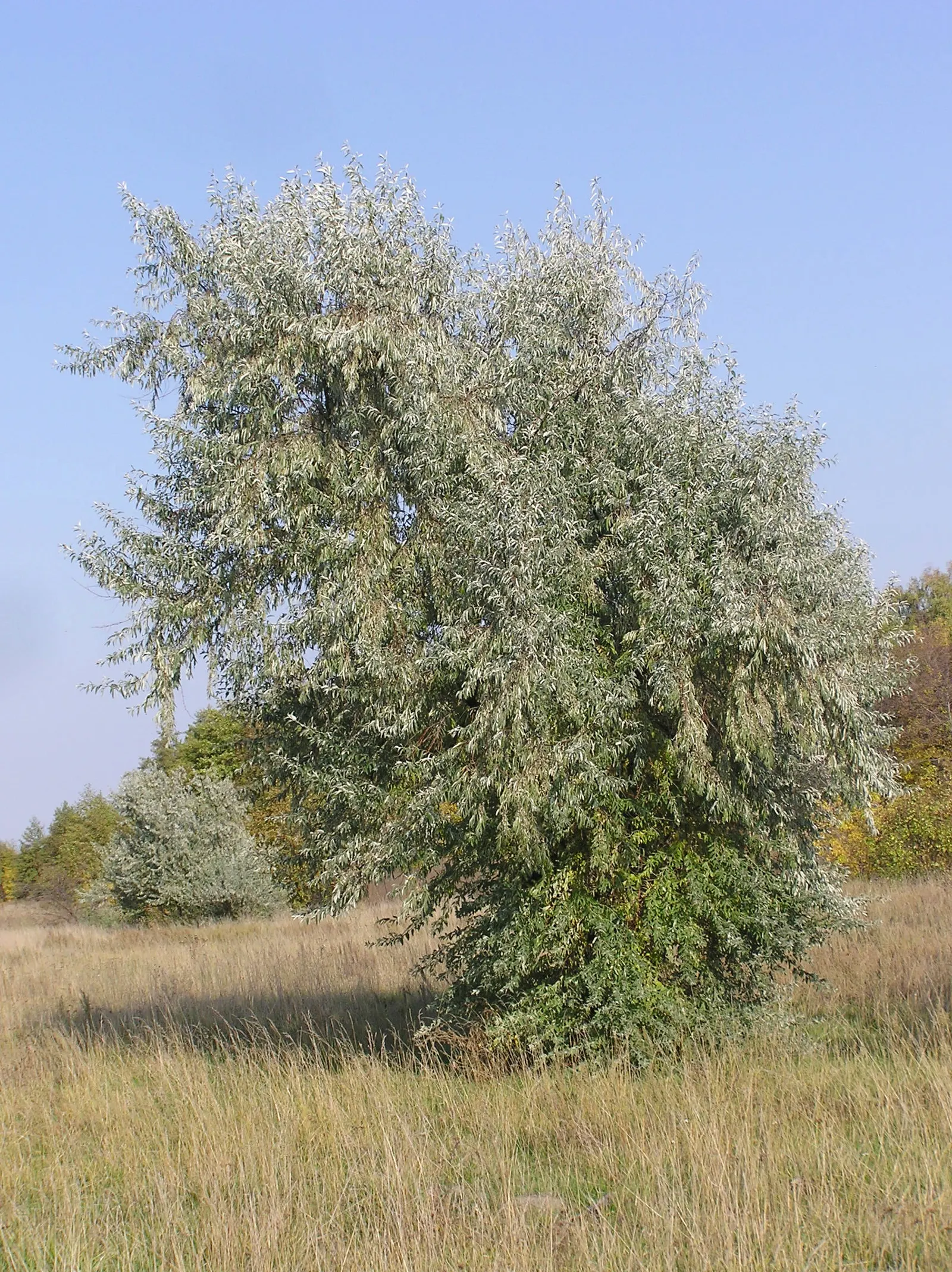
The Russian Olive (Elaeagnus angustifolia) is a hardy, deciduous shrub or small tree, reaching heights of 12-20 feet with an equal spread. It boasts narrow, silver-green leaves and fragrant, yellowish flowers in late spring, followed by olive-like fruits. Adaptable to various soils, it thrives in full sun and tolerates drought. Its use in design offers erosion control, windbreaks, and wildlife habitats with a rustic aesthetic. Zones 3-8.
Sun Full, HalfWater Low, Very LowZones 3–7
Russian Olive (Elaeagnus angustifolia) — deciduous shrub or small tree

Culture

Sun
Full, Half
Water
Low, Very Low
USDA zones
3–7

Shape & size

Classification

Family
Elaeagnaceae

See full data, regional cultivation notes, full-resolution photos, and design tools. Build a client presentation around this plant.

Start your 14-day trial

Photos (81)

Russian Olive (Elaeagnus angustifolia) — multi-colored and white and yellow flowers in the garden
Russian Olive (Elaeagnus angustifolia) — but it should be placed with consideration due to its potential invasiveness in some regions
Russian Olive (Elaeagnus angustifolia) — shrub / tree with multi-colored and white and yellow blooms
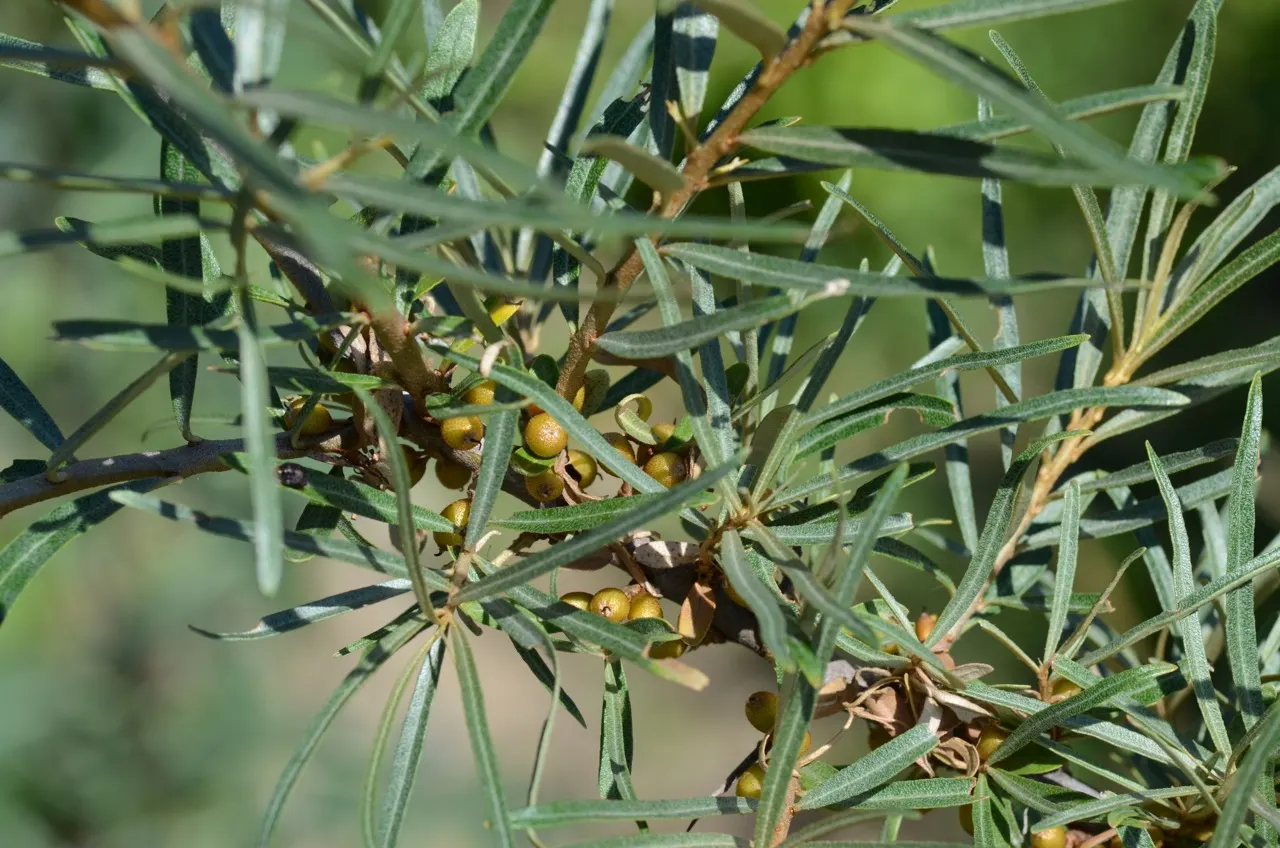
Russian Olive (Elaeagnus angustifolia) — The Russian Olive (Elaeagnus angustifolia) is a hardy; silver-green leaves and fragrant
Russian Olive (Elaeagnus angustifolia) — shrub / tree for full or half
Russian Olive (Elaeagnus angustifolia) — Adaptable to various soils, it thrives in full sun and tolerates drought; the Russian Olive thrives in full sun to
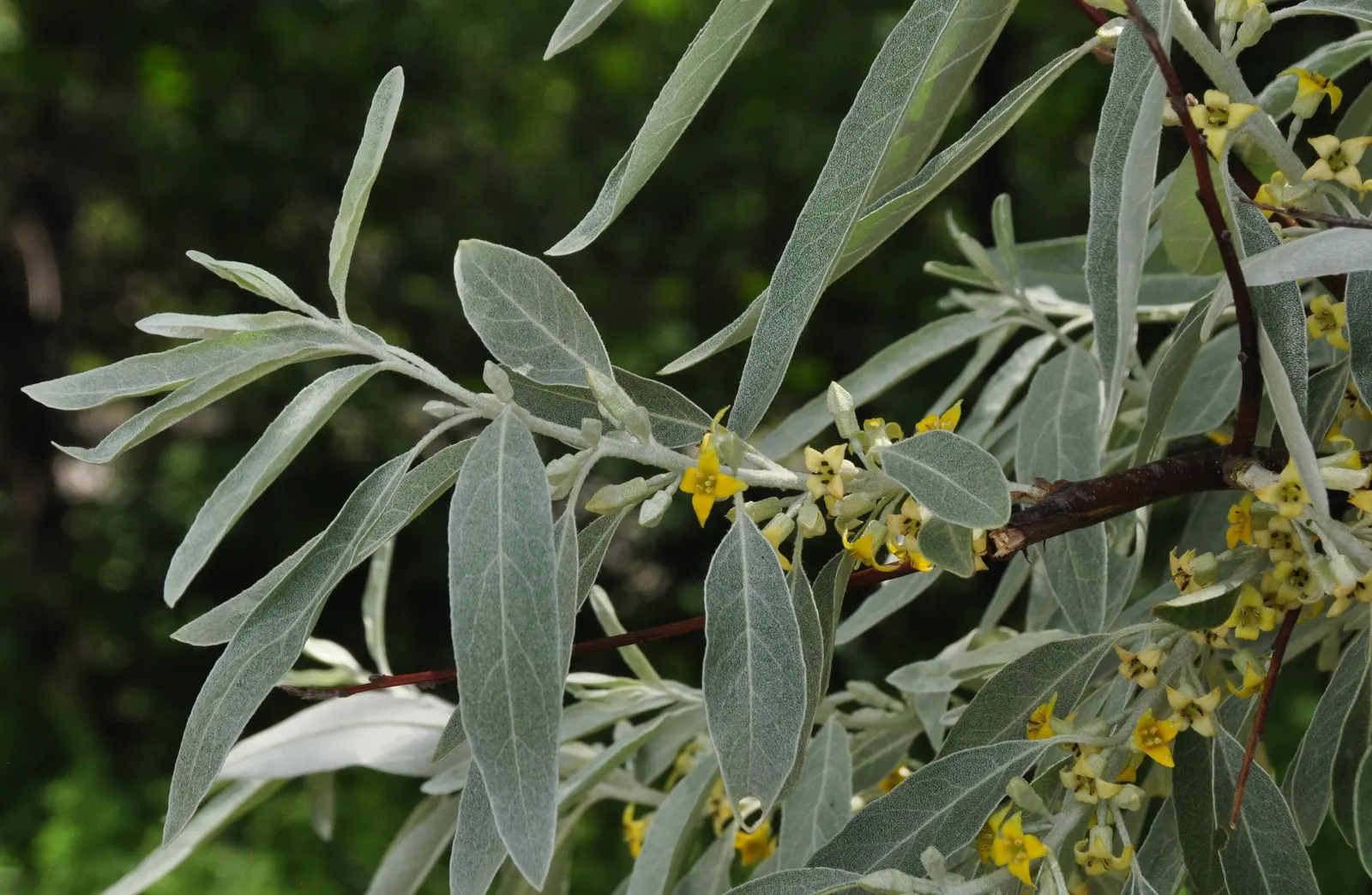
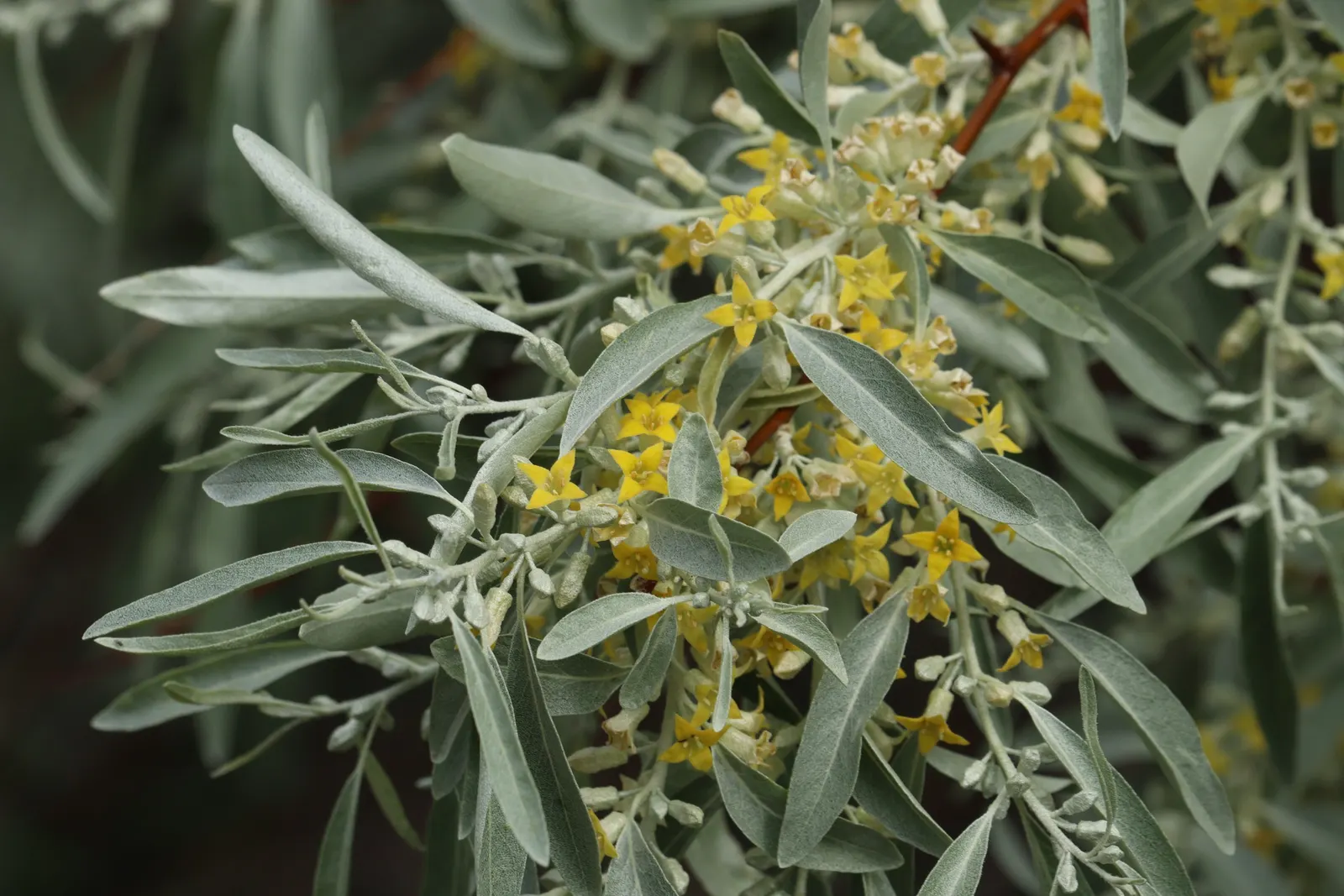
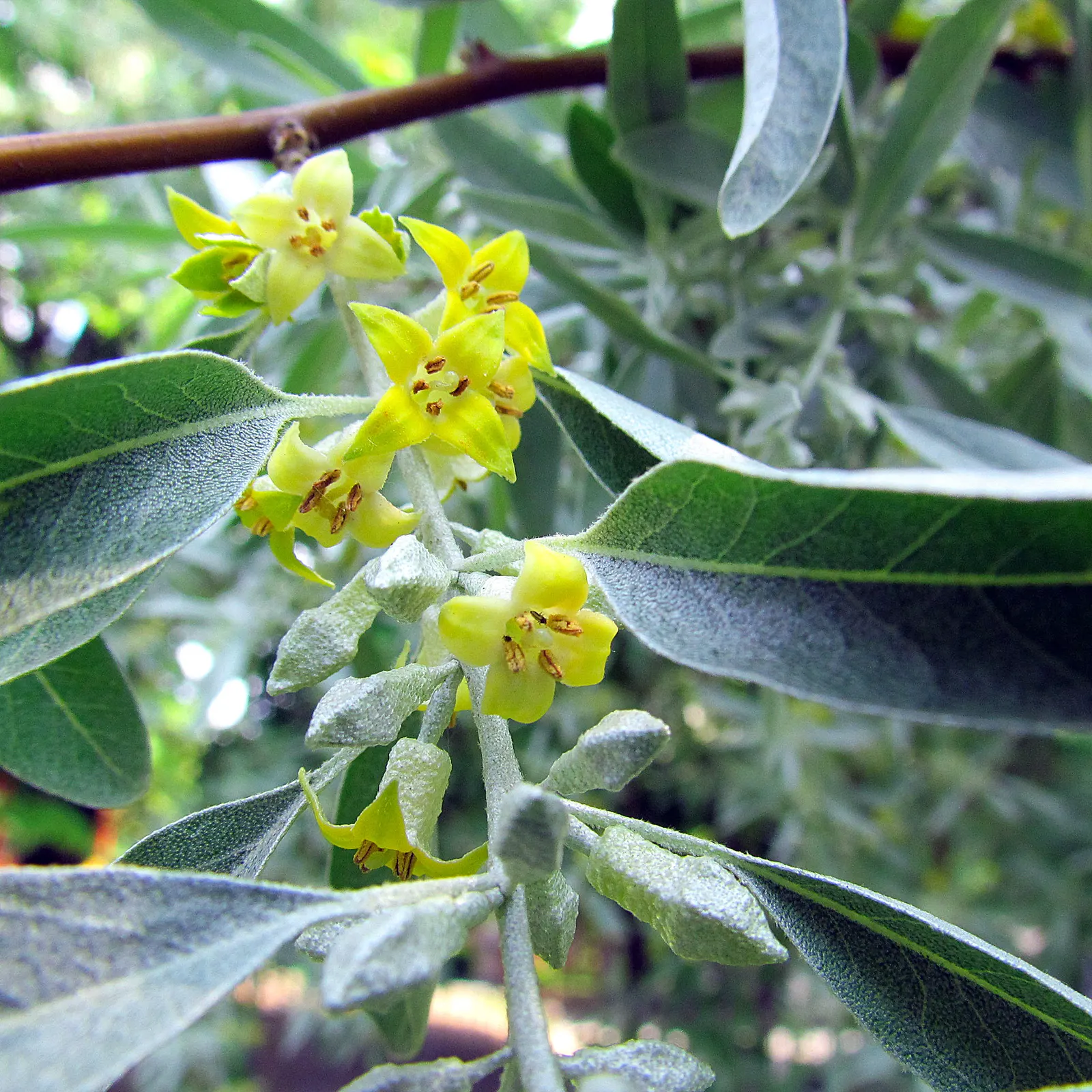
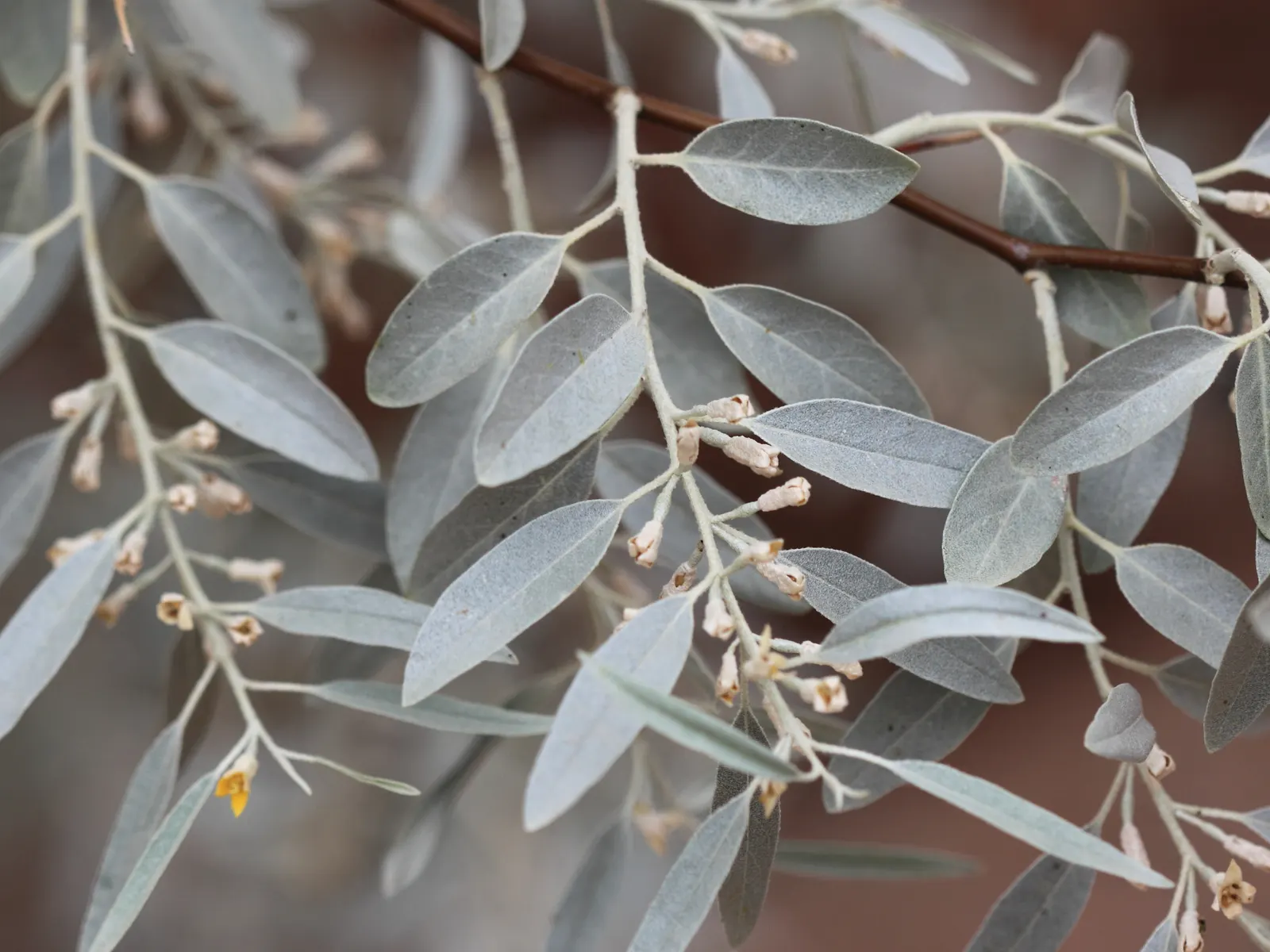
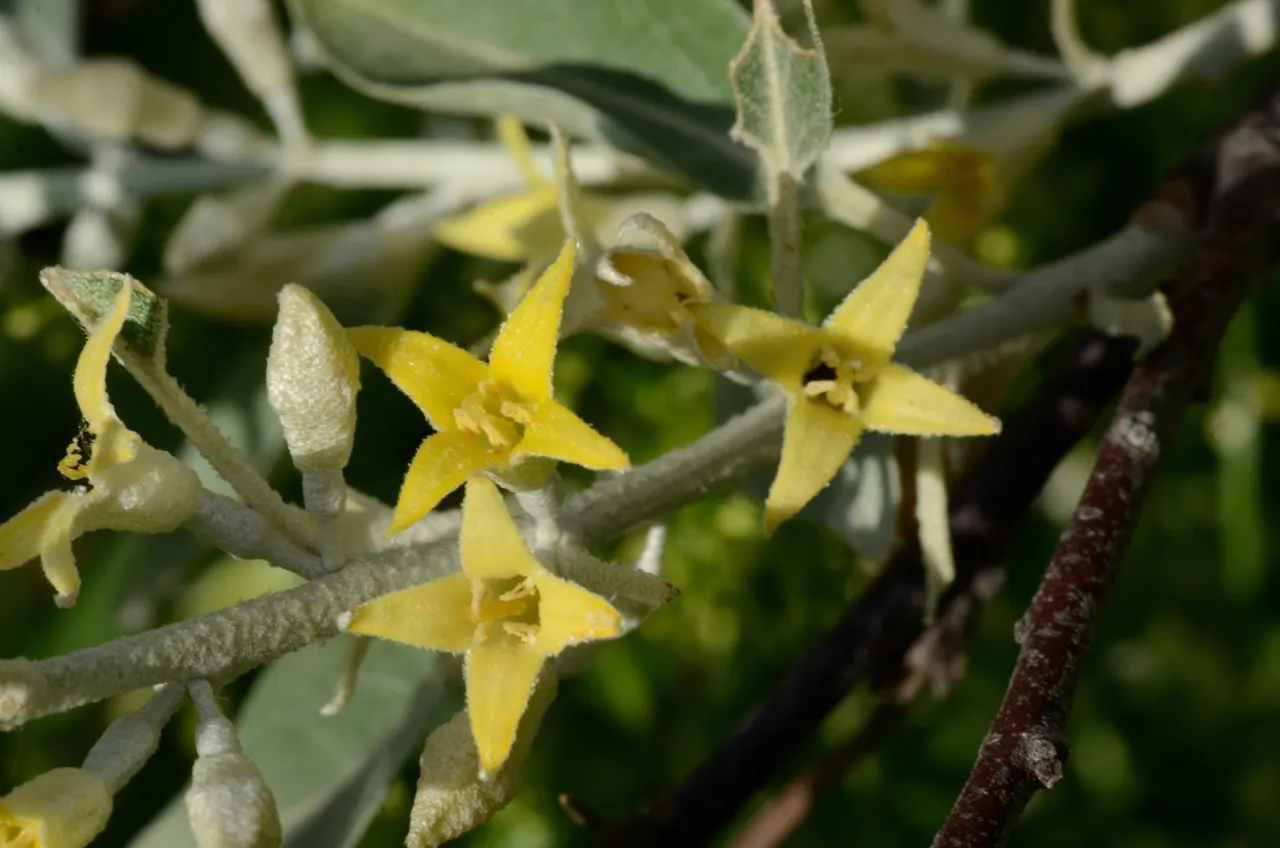
Russian Olive (Elaeagnus angustifolia) — yellowish flowers in late spring; silver-green leaves and fragrant
Russian Olive (Elaeagnus angustifolia) — silver-green leaves and fragrant; regular pruning may be required to maintain the desired shape and prevent
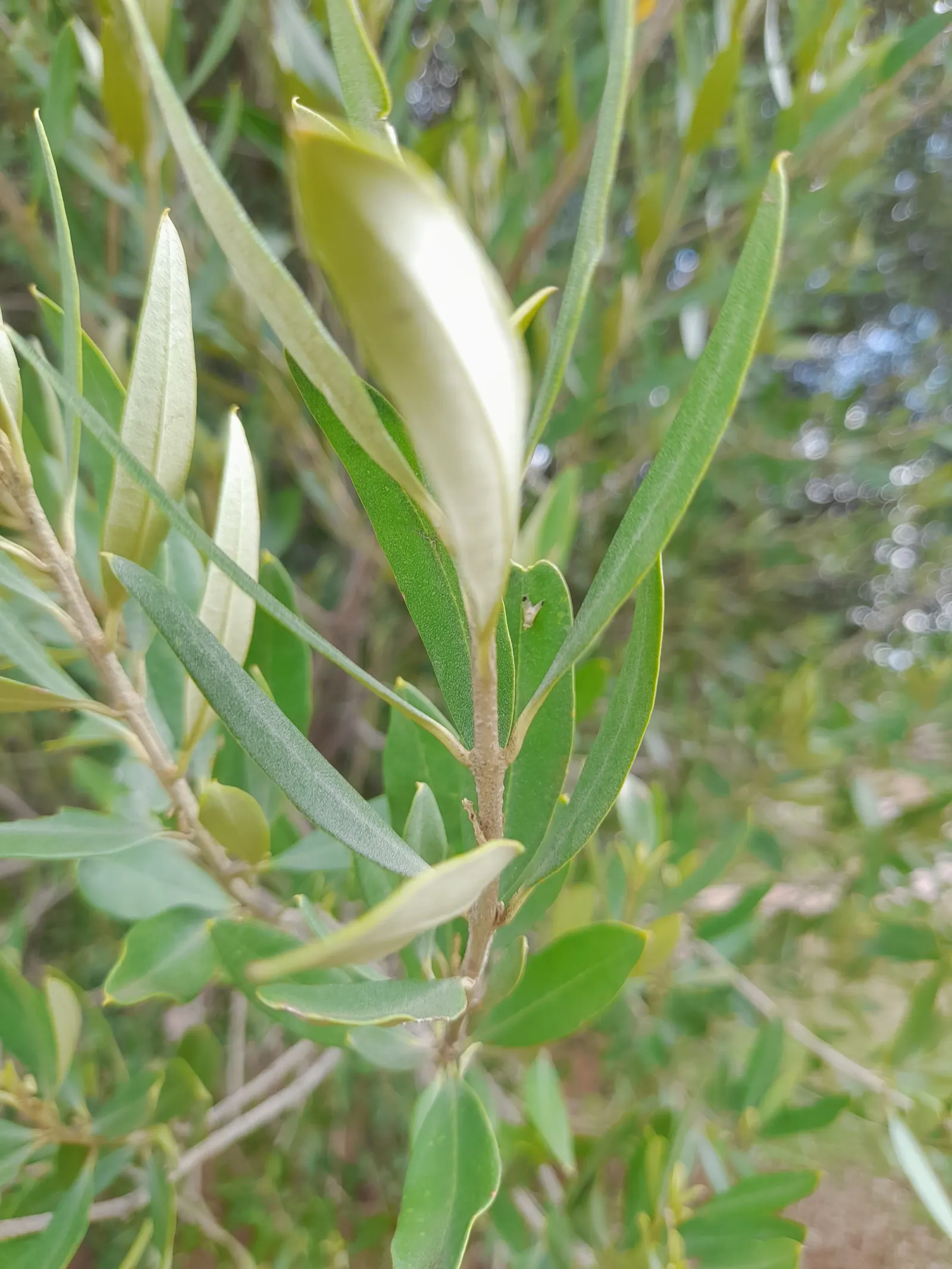
Russian Olive (Elaeagnus angustifolia) — deciduous shrub or small tree; lance-shaped leaves grow up to 4 inches long
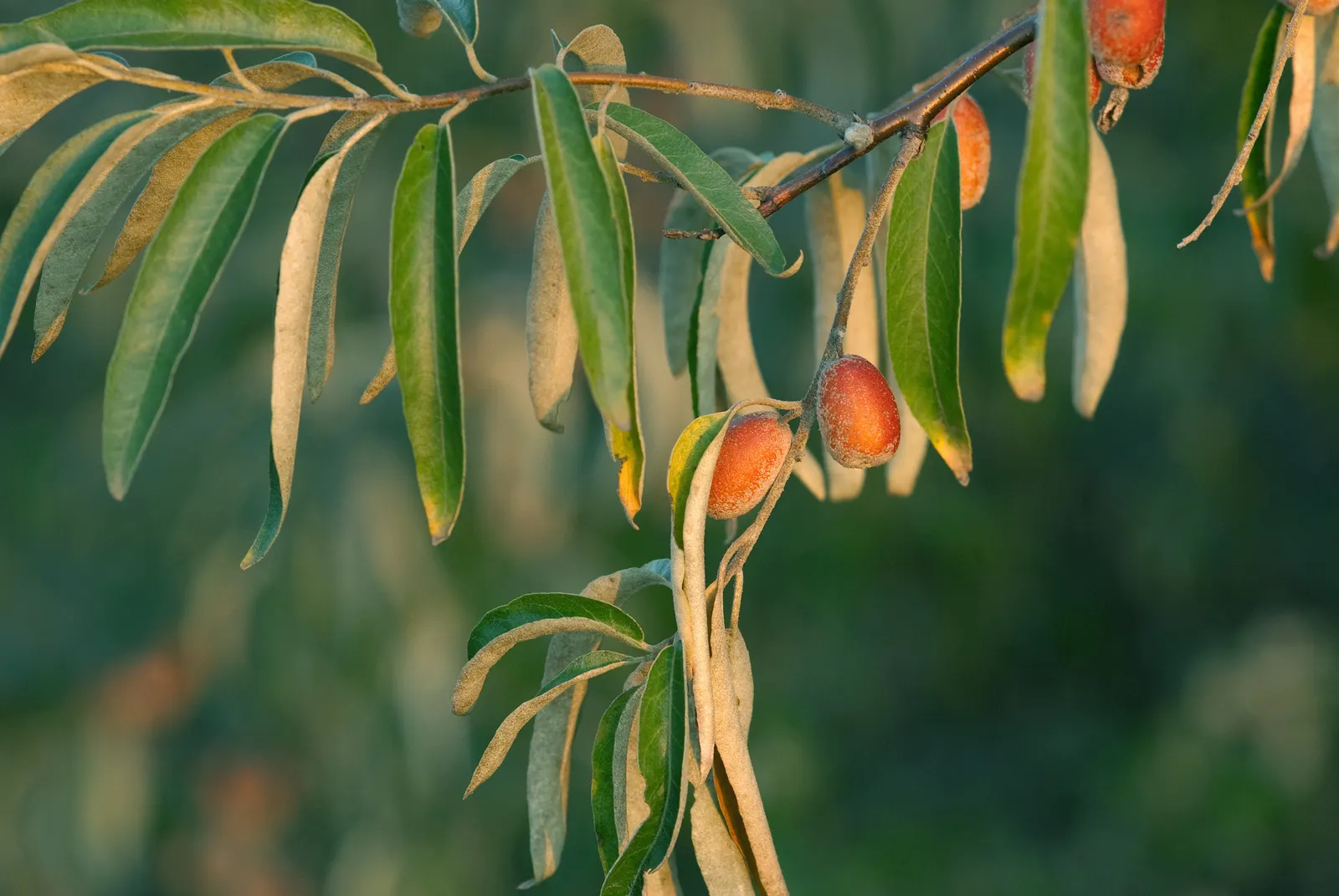
Russian Olive (Elaeagnus angustifolia) — followed by olive-like fruits; lance-shaped leaves grow up to 4 inches long
Russian Olive (Elaeagnus angustifolia) — reaching heights of 12-20 feet with an equal spread; the Russian Olive thrives in full sun to partial shade
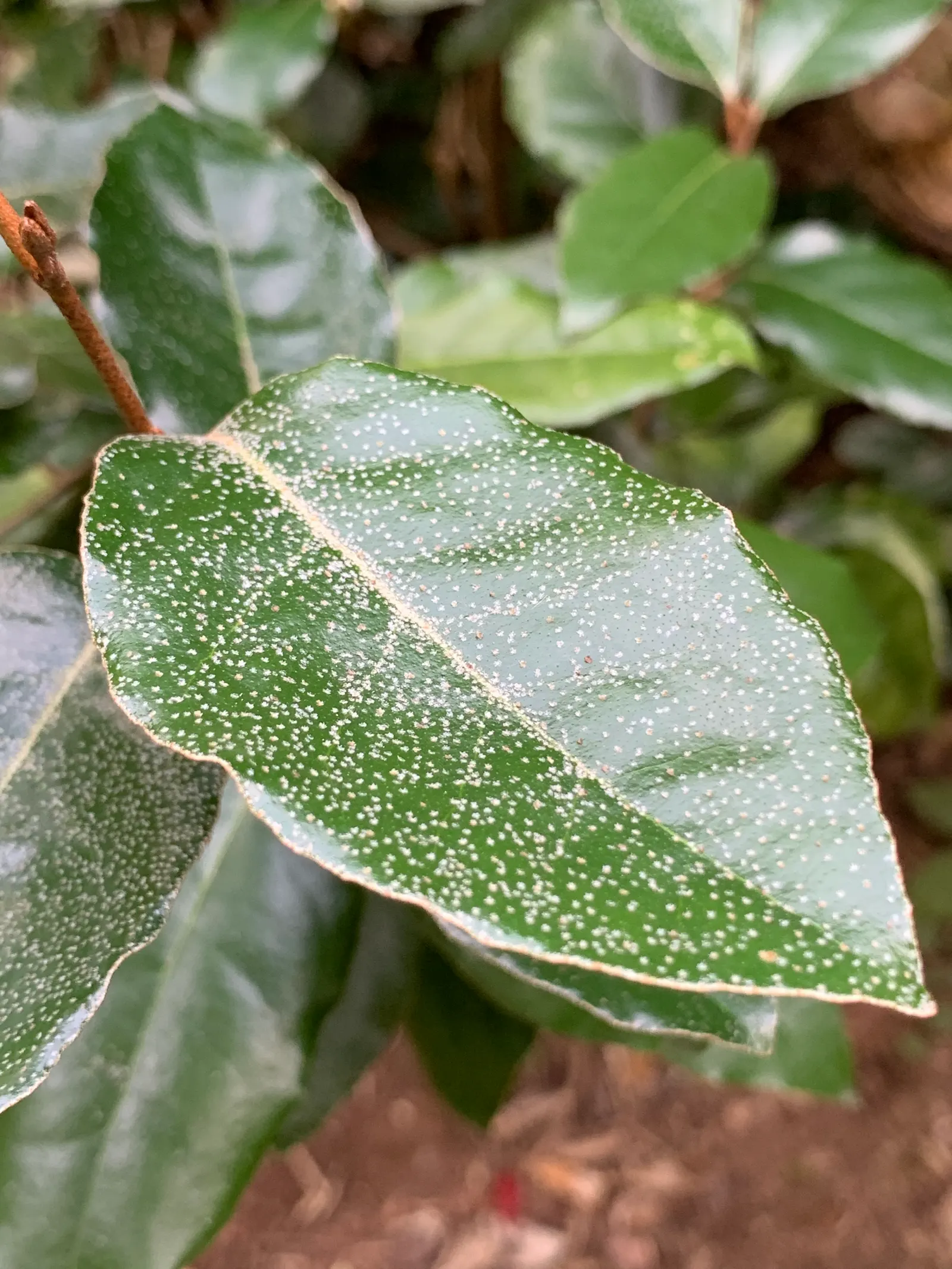
Russian Olive (Elaeagnus angustifolia) — presenting a silvery-green hue due to tiny scales on the surface; regular pruning may be required to maintain the
Russian Olive (Elaeagnus angustifolia) — is a resilient deciduous tree favored for its adaptability and ornamental features; silver-green leaves and fragrant
Russian Olive (Elaeagnus angustifolia) — Typically, it attains heights of 15 to 25 feet, with a similar spread, creating a rounded, open canopy; lance-shaped
Russian Olive (Elaeagnus angustifolia) — lance-shaped leaves grow up to 4 inches long; the Russian Olive thrives in full sun to partial shade
Russian Olive (Elaeagnus angustifolia) — Its use in design offers erosion control, windbreaks, and wildlife habitats with a rustic aesthetic; regular pruning
Russian Olive (Elaeagnus angustifolia) — inconspicuous yet attractive; silver-green leaves and fragrant
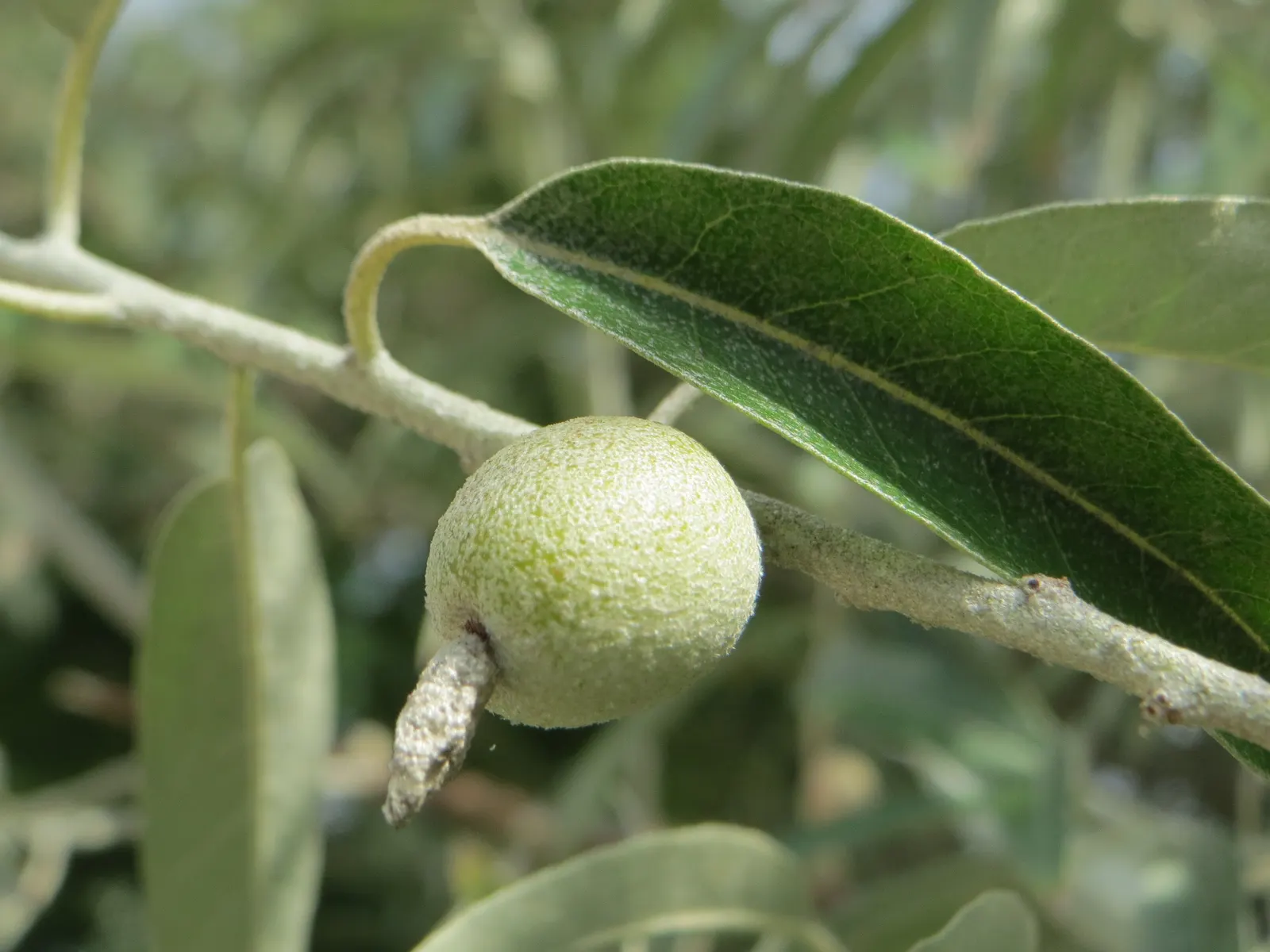
Russian Olive (Elaeagnus angustifolia) — ripening to a muted olive green; regular pruning may be required to maintain the desired shape and prevent
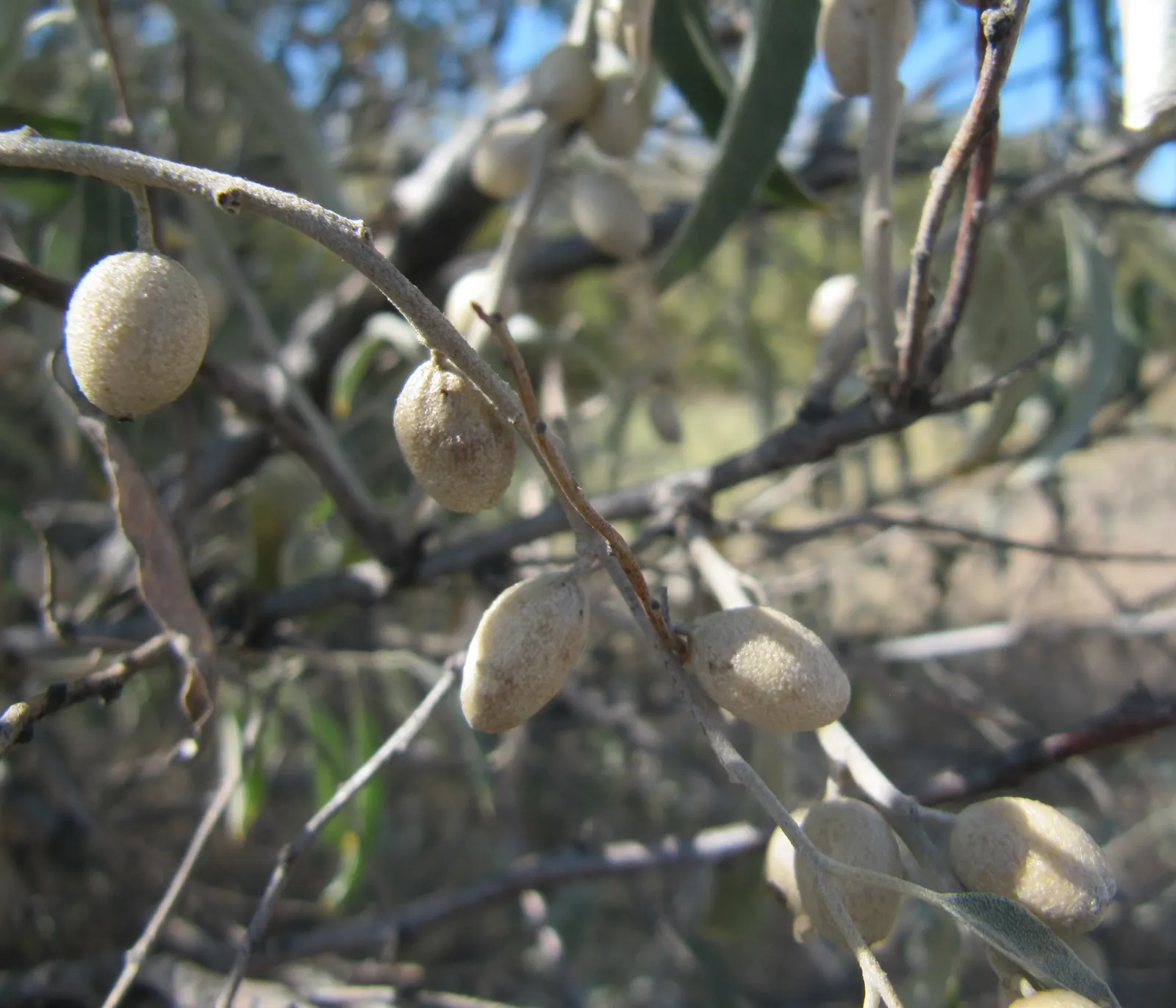
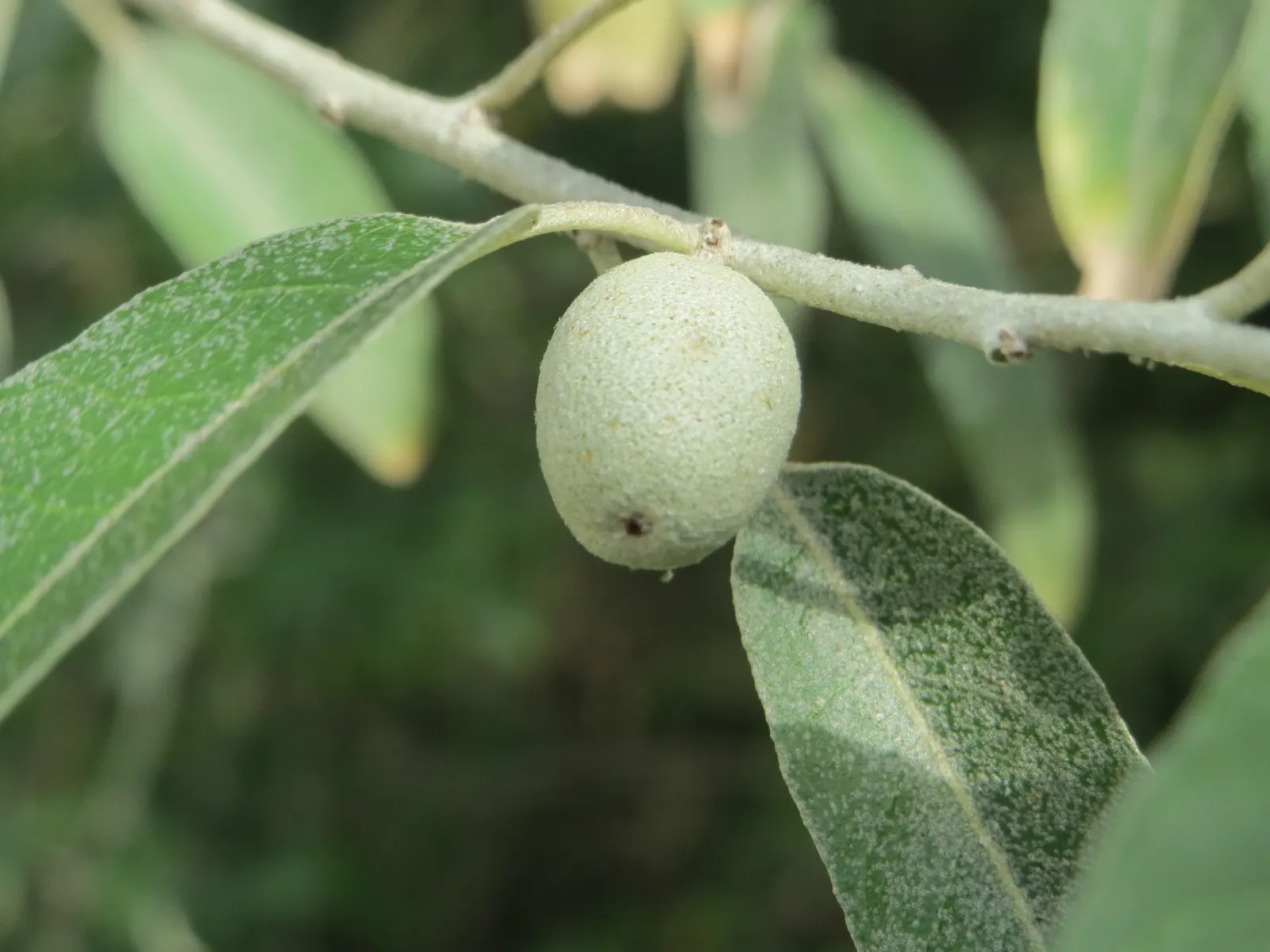
Russian Olive (Elaeagnus angustifolia) — silver-scaled fruits about 0.5 inches in length; the Russian Olive thrives in full sun to partial shade
Russian Olive (Elaeagnus angustifolia) — These blossoms give way to elongated; lance-shaped leaves grow up to 4 inches long
Russian Olive (Elaeagnus angustifolia) — including salt and urban pollution; silver-green leaves and fragrant
Russian Olive (Elaeagnus angustifolia) — Its preference for well-drained soils does not confine it; the tree copes well with a range of soil, image 48
Russian Olive (Elaeagnus angustifolia) — the Russian Olive thrives in full sun to partial shade; lance-shaped leaves grow up to 4 inches long
Russian Olive (Elaeagnus angustifolia) — It is drought tolerant once established, making it a practical choice for xeriscaping; the Russian Olive thrives in

Related plants