Skip to content

Coneflower

Echinacea Sp.

Design with this plant

Overview

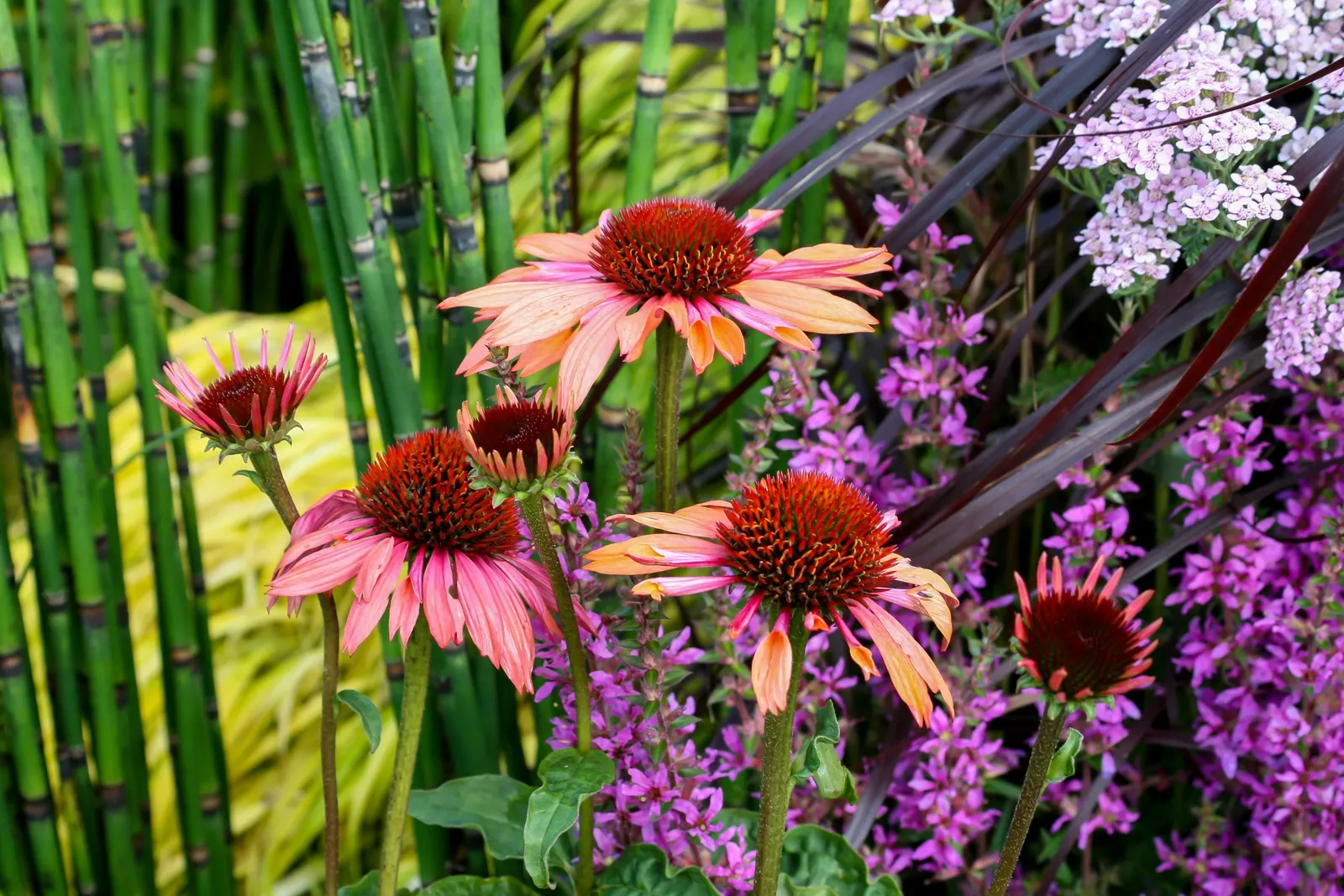
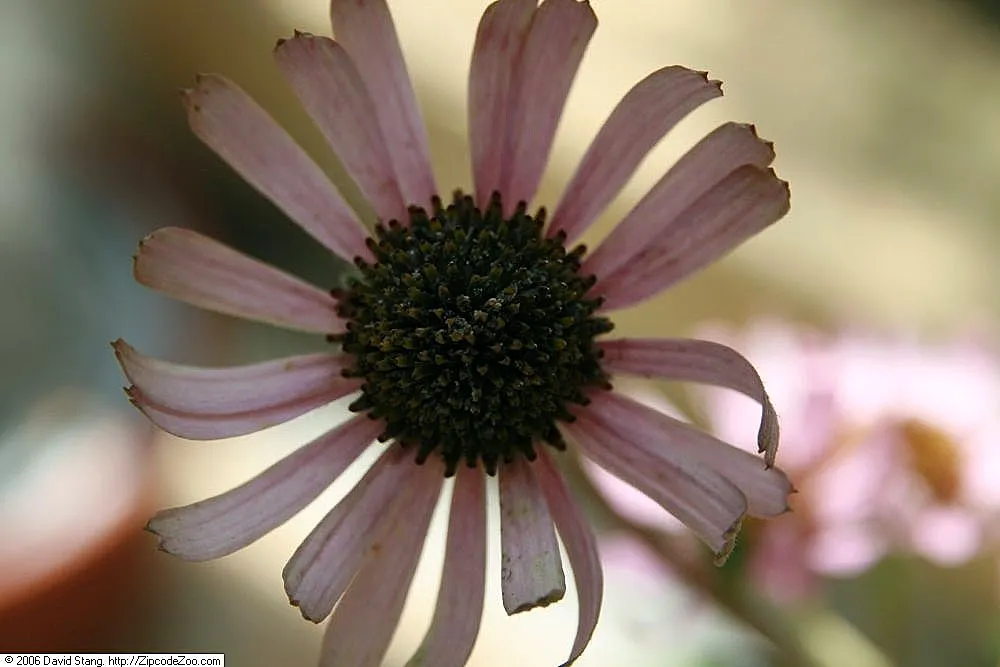
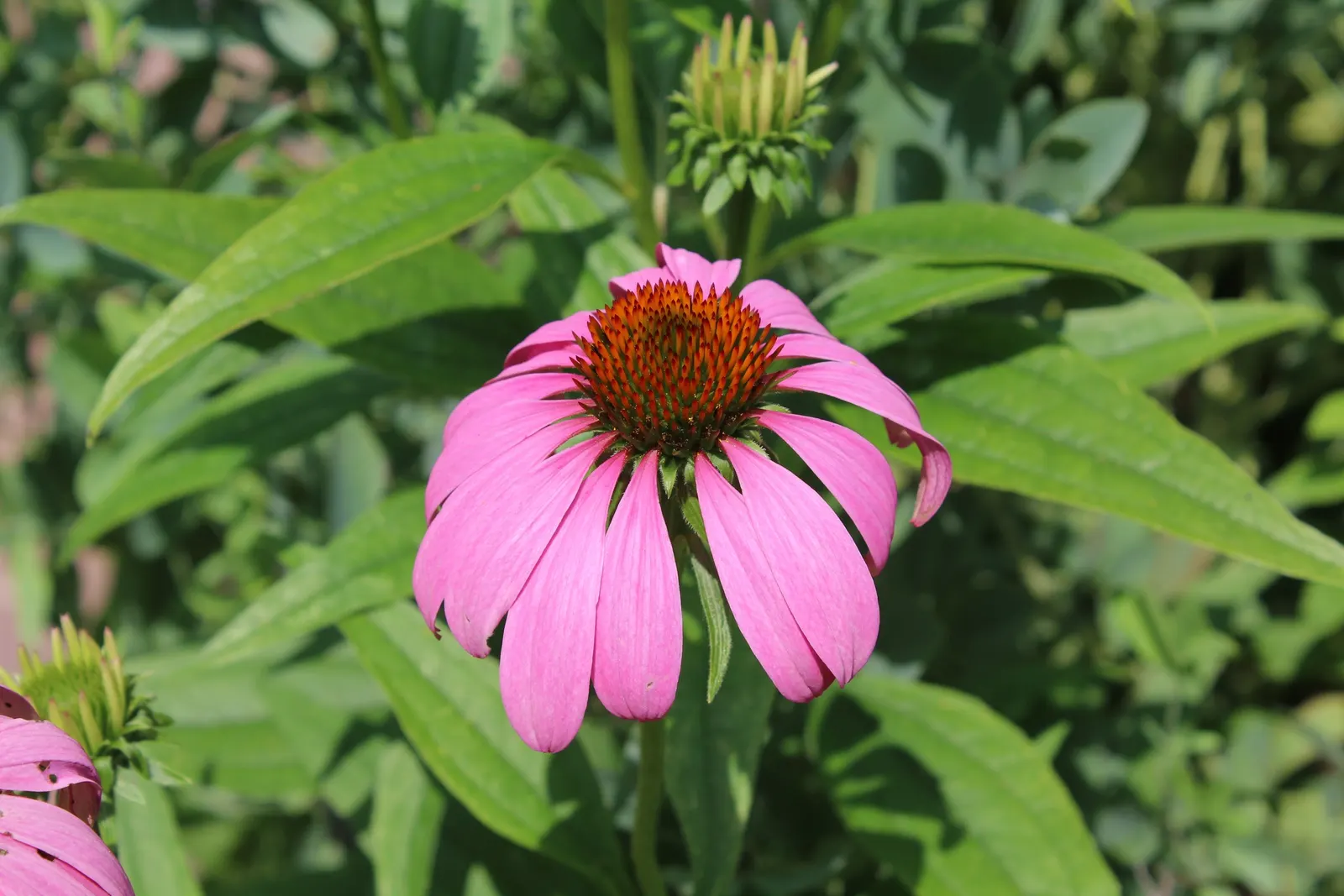
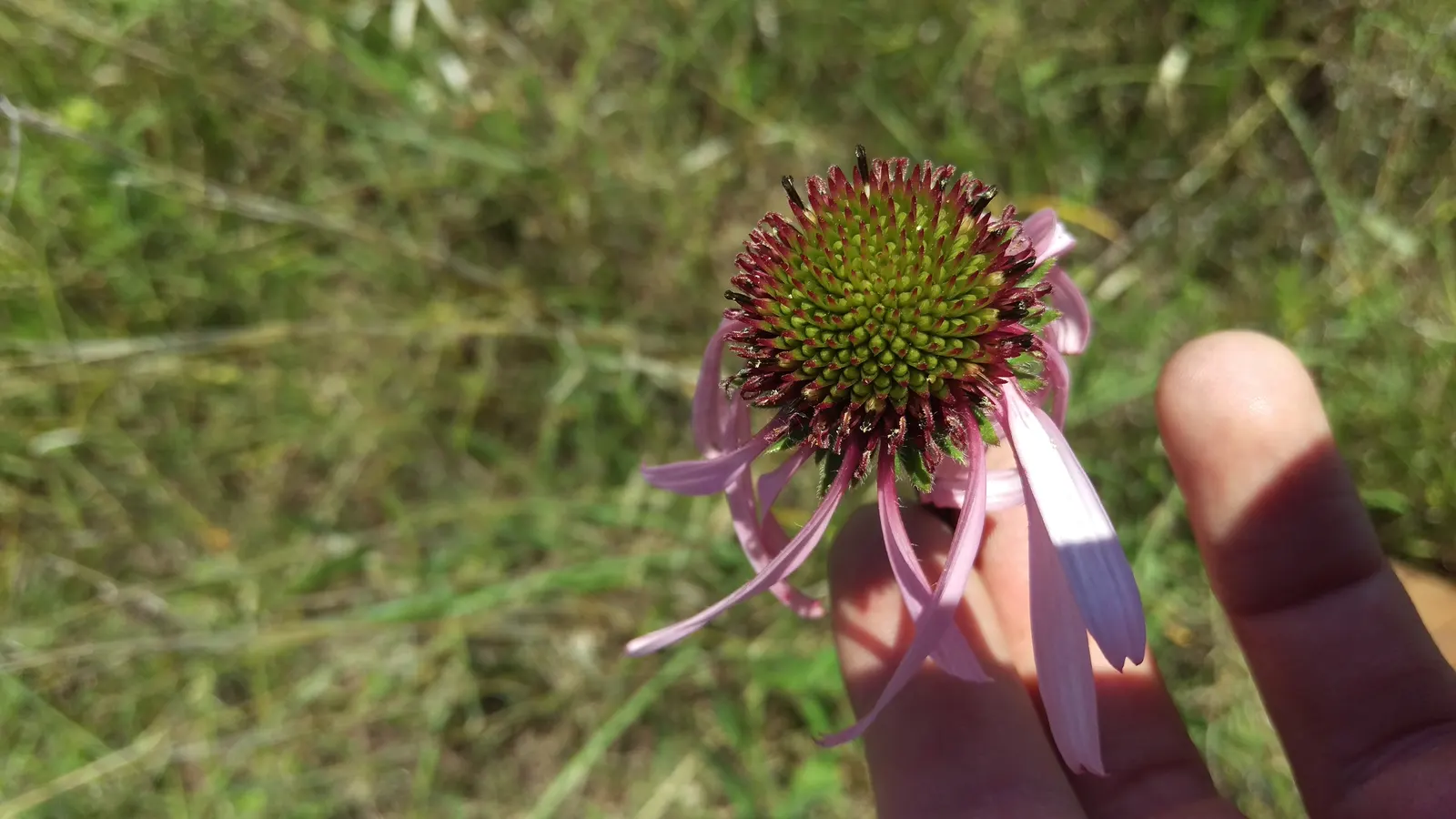
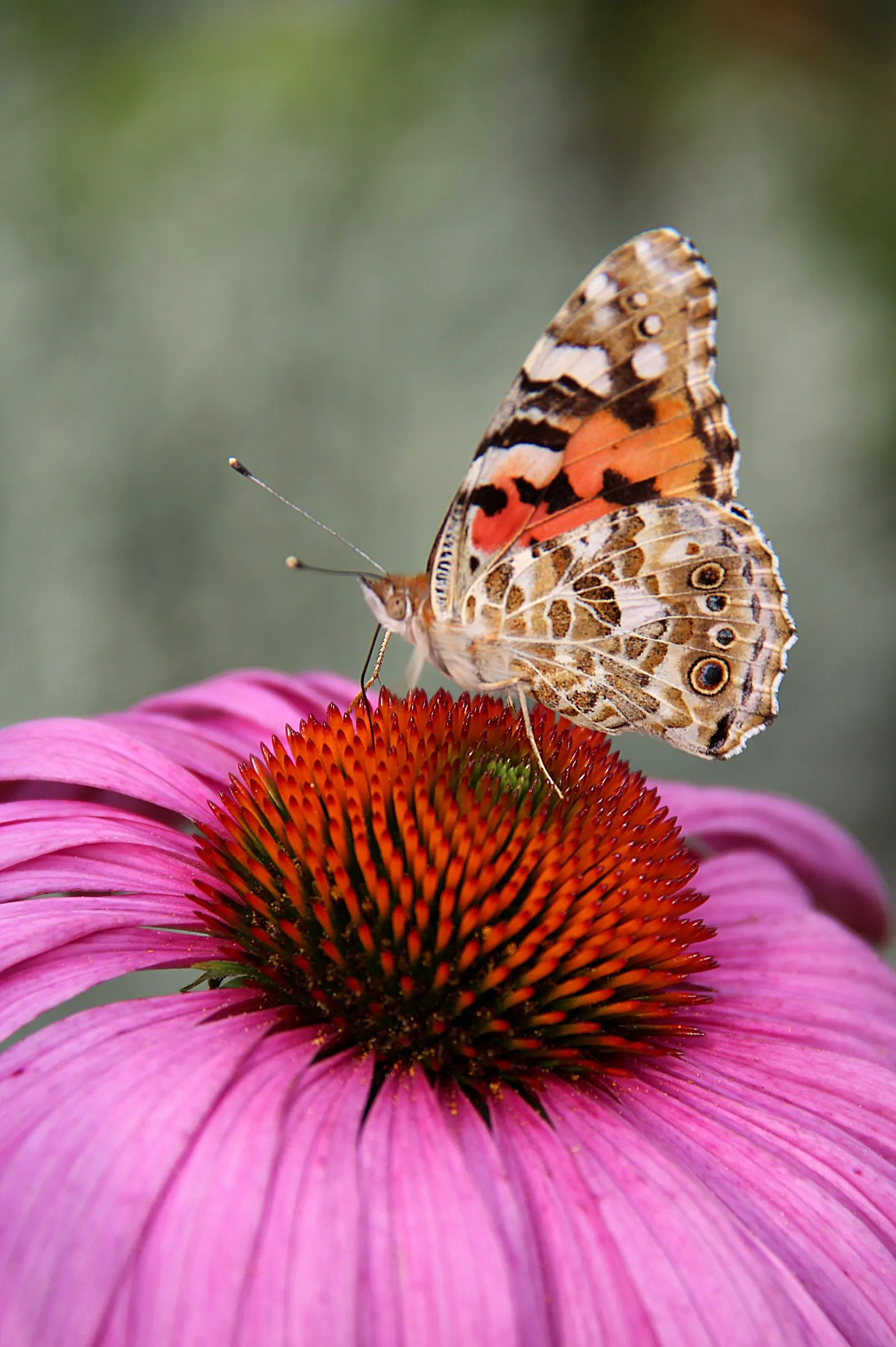
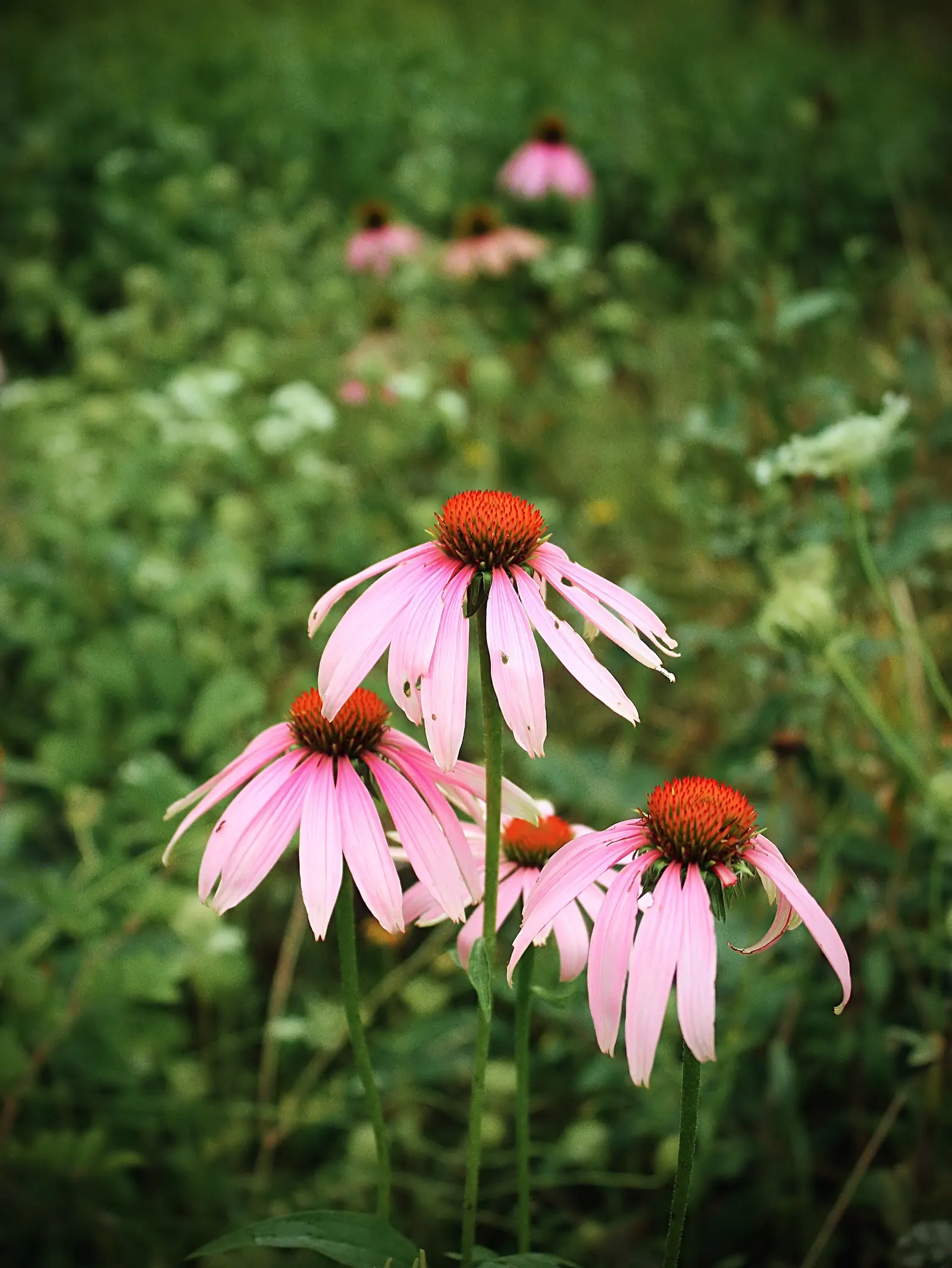
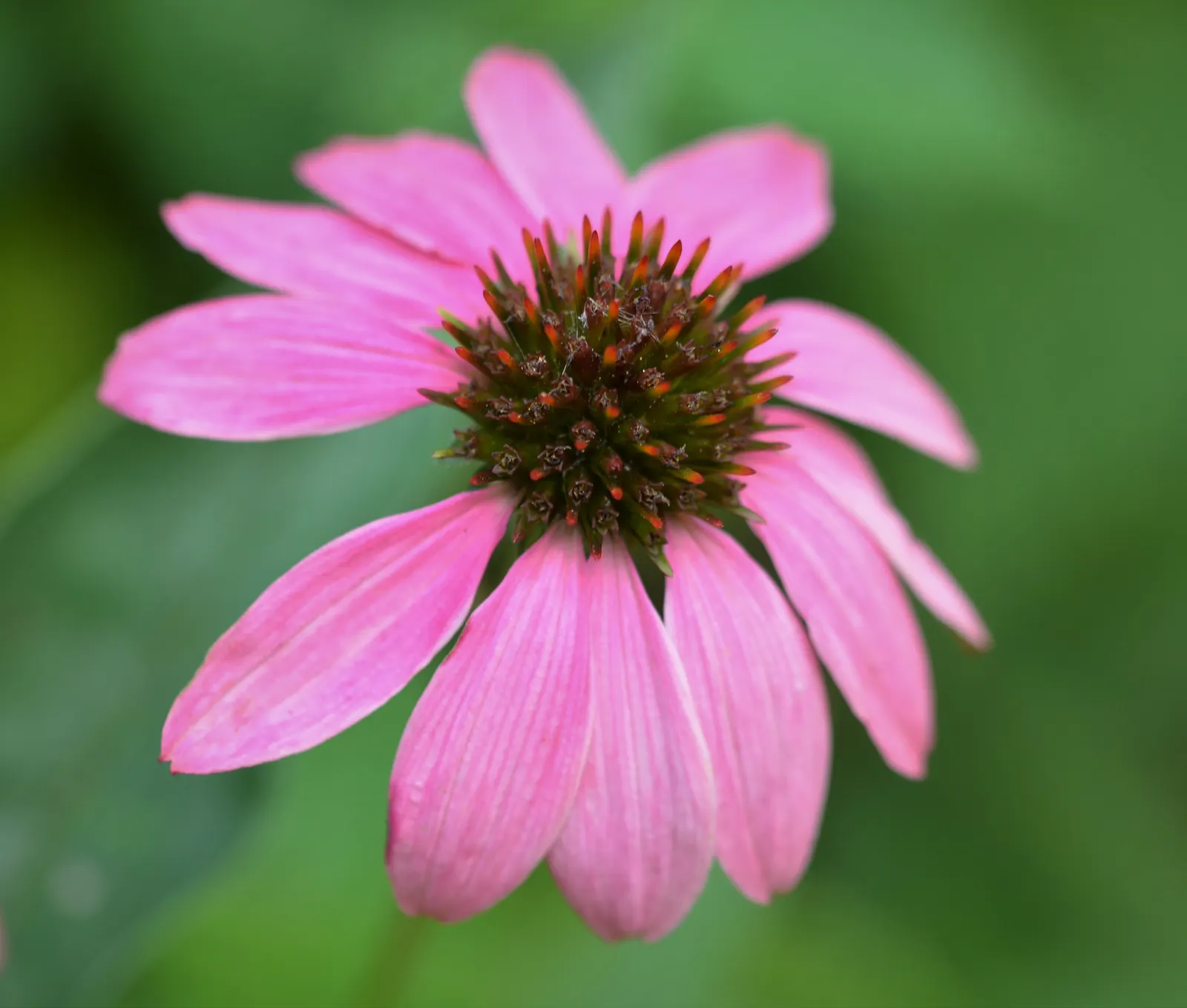
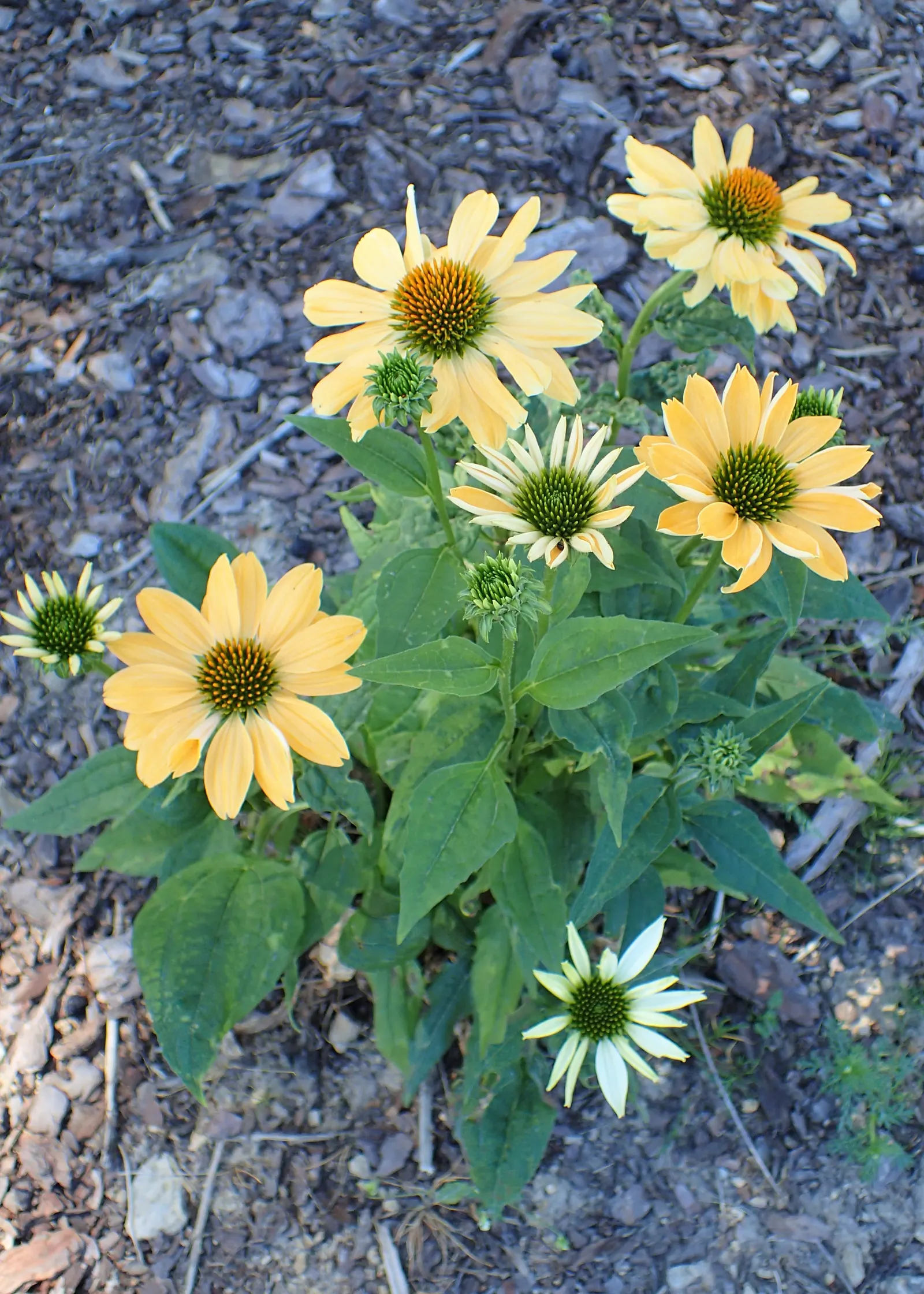
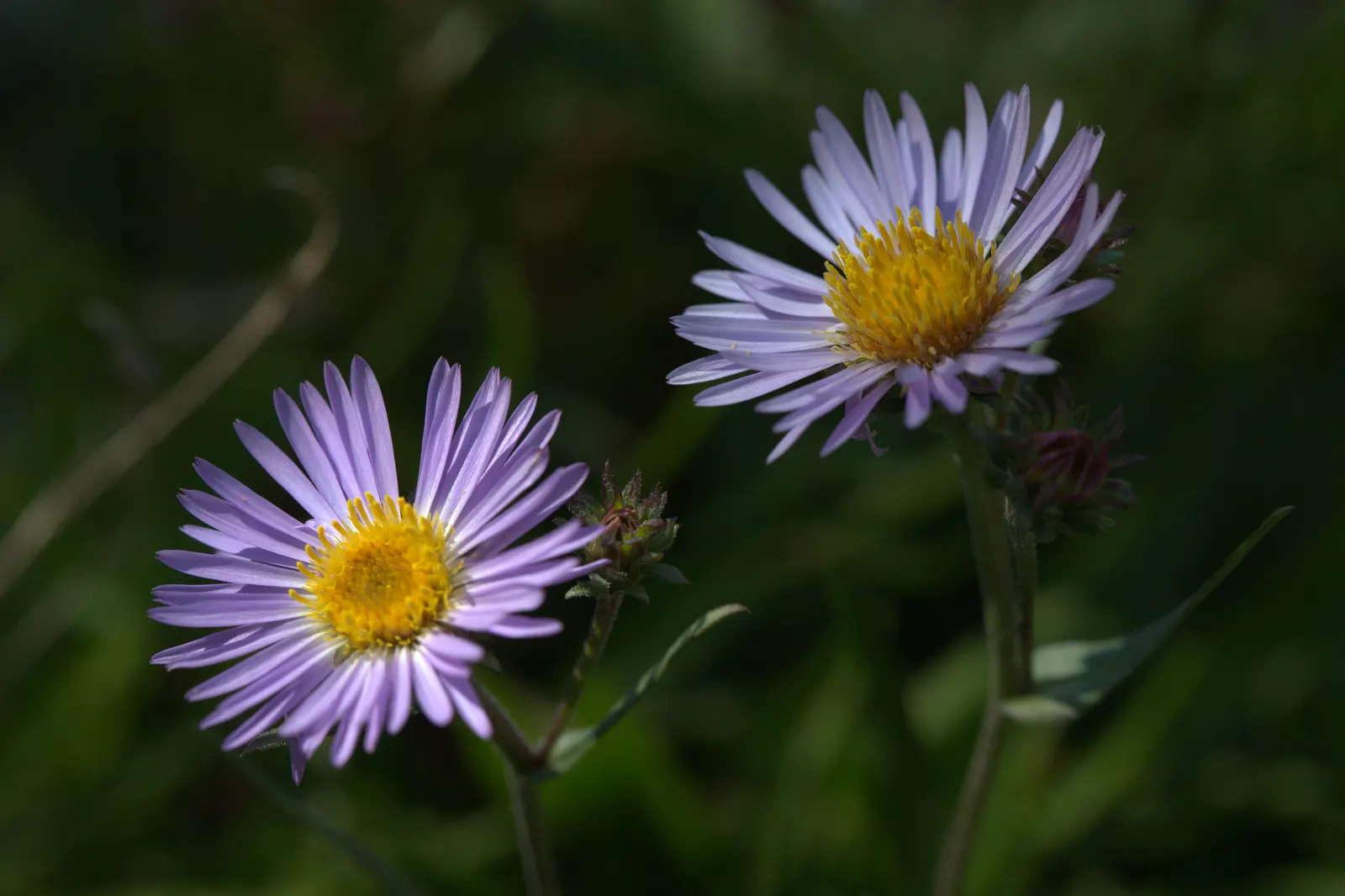
Coneflowers (Echinacea sp.) are hardy perennials offering a striking display of vibrant, daisy-like flowers with raised, cone-shaped centers. Typically reaching 2-4 feet in height, they thrive in full sun to light shade and prefer well-draining soil. Their blooms, in hues from purple to pink and white, are a magnet for butterflies and bees, providing a dynamic element to any garden. Blooming from early summer to fall, they add long-lasting color and texture.

Sun Full, HalfWater MediumZones 3–9Climate Temperate
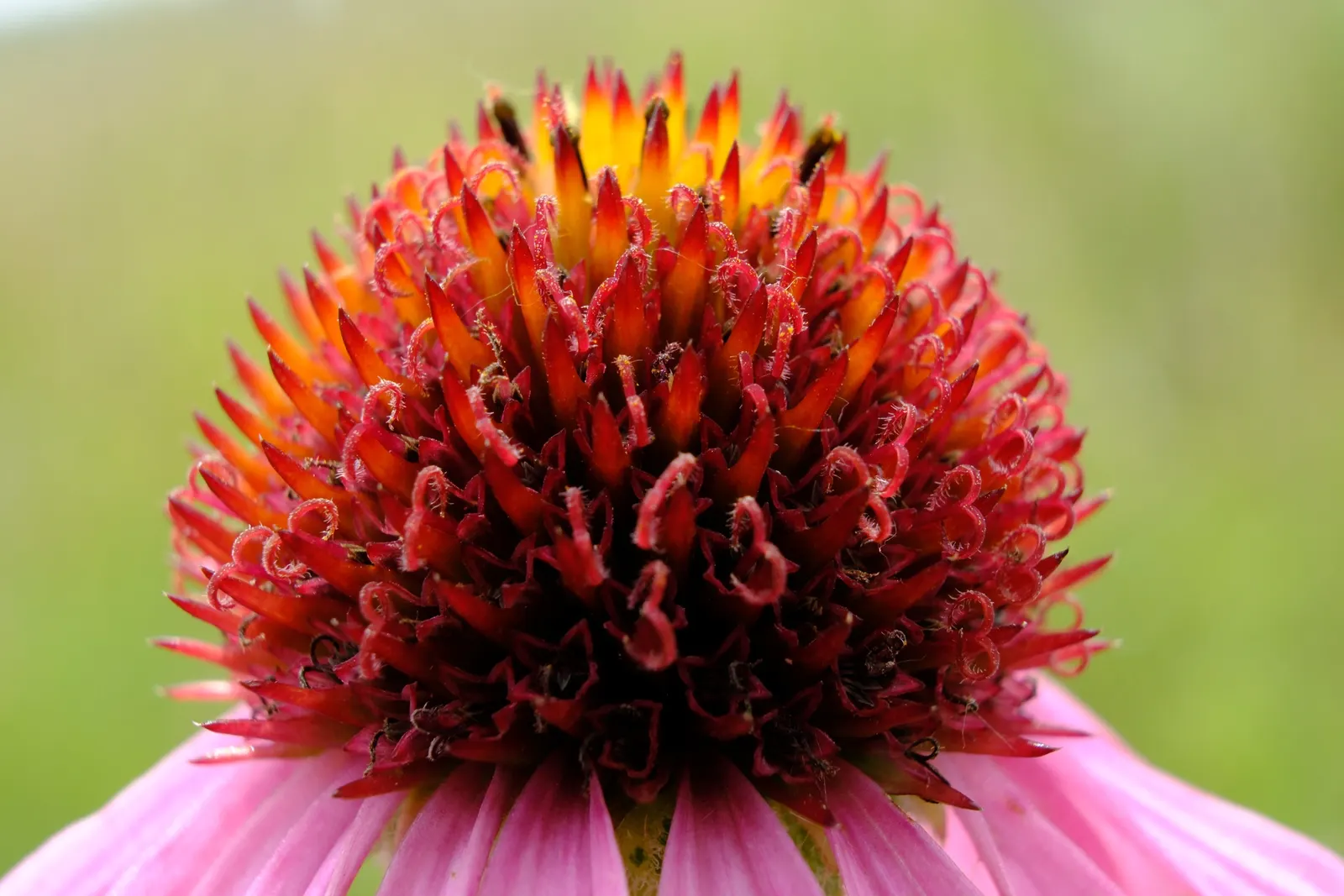
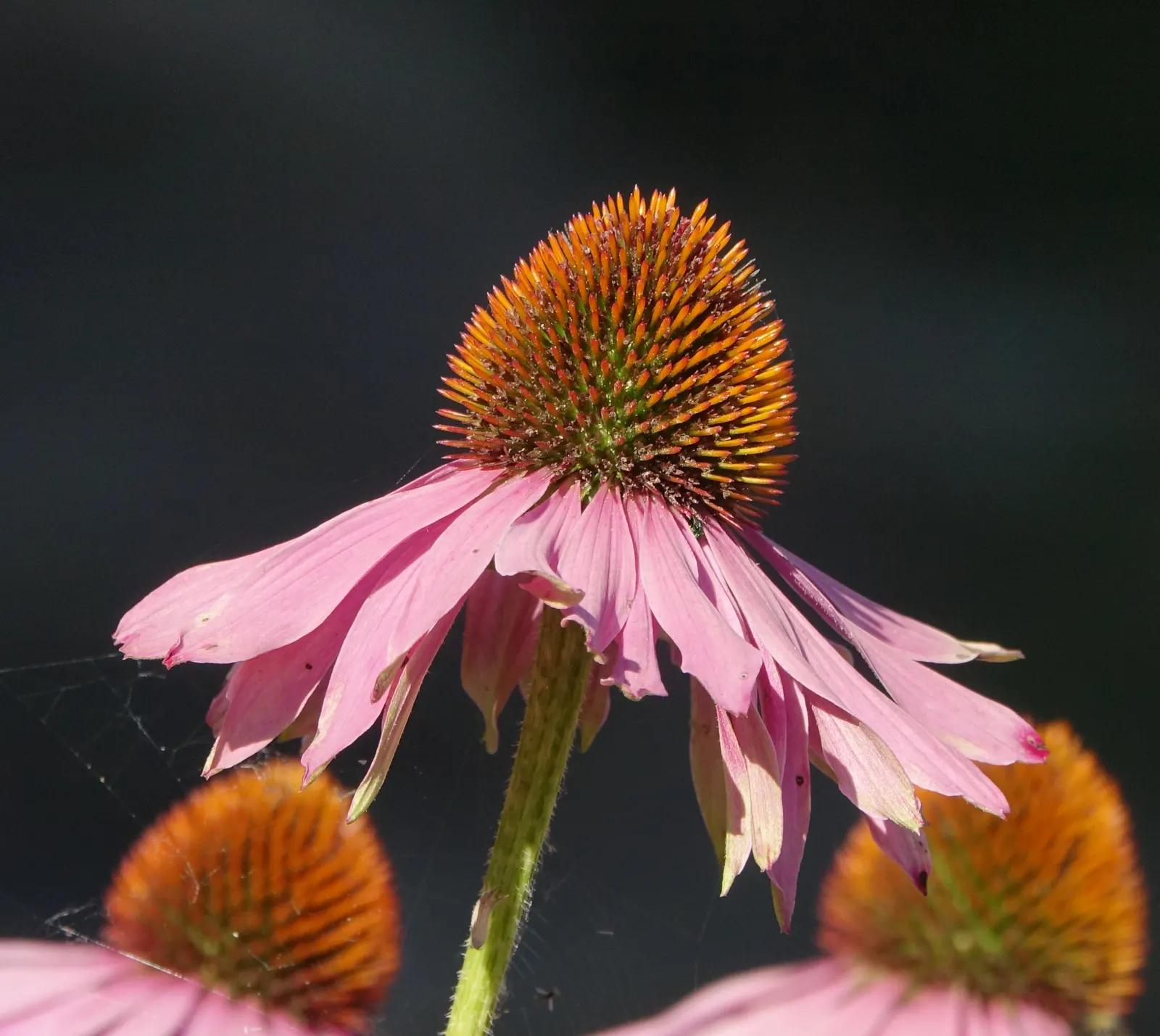
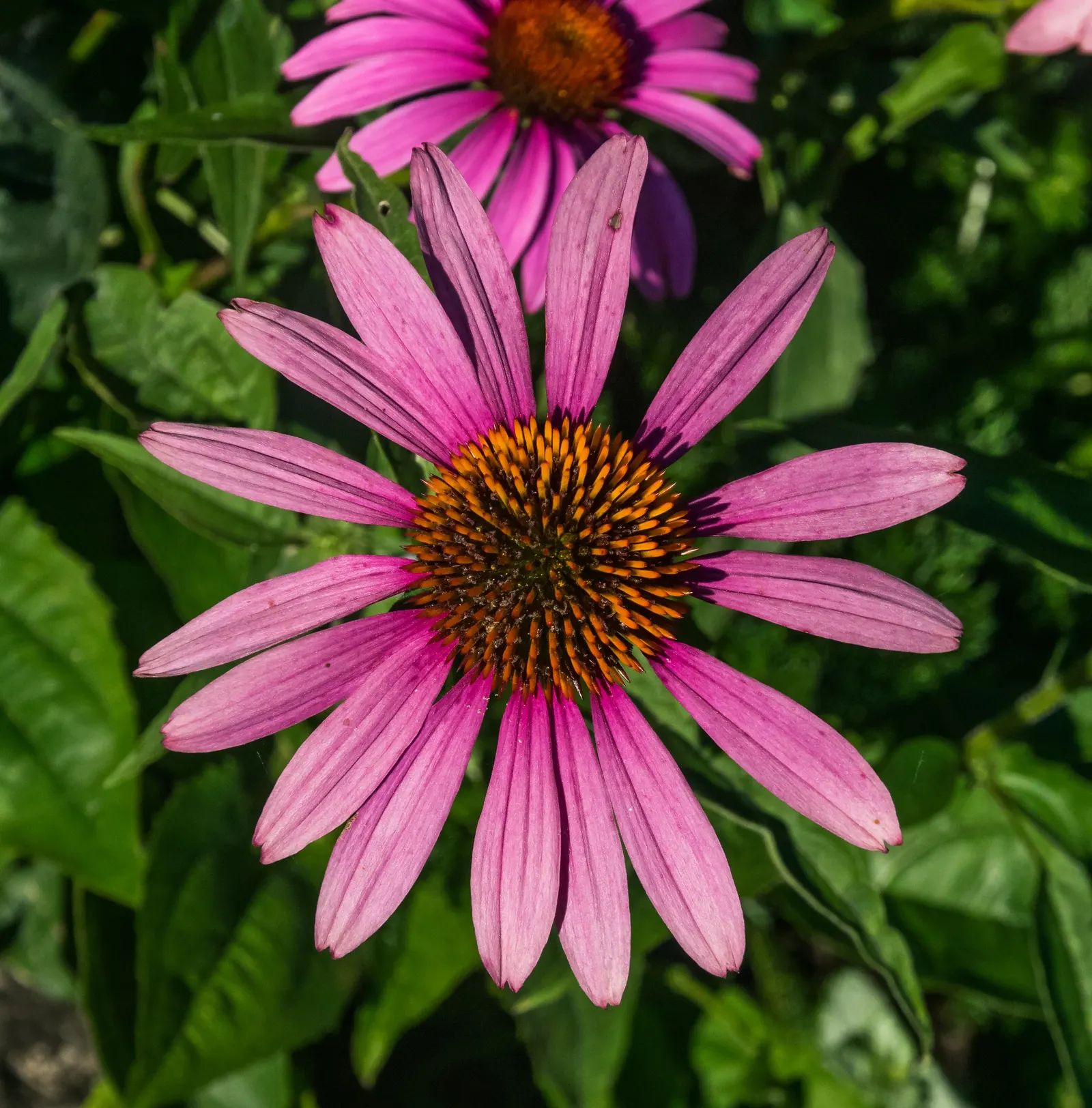
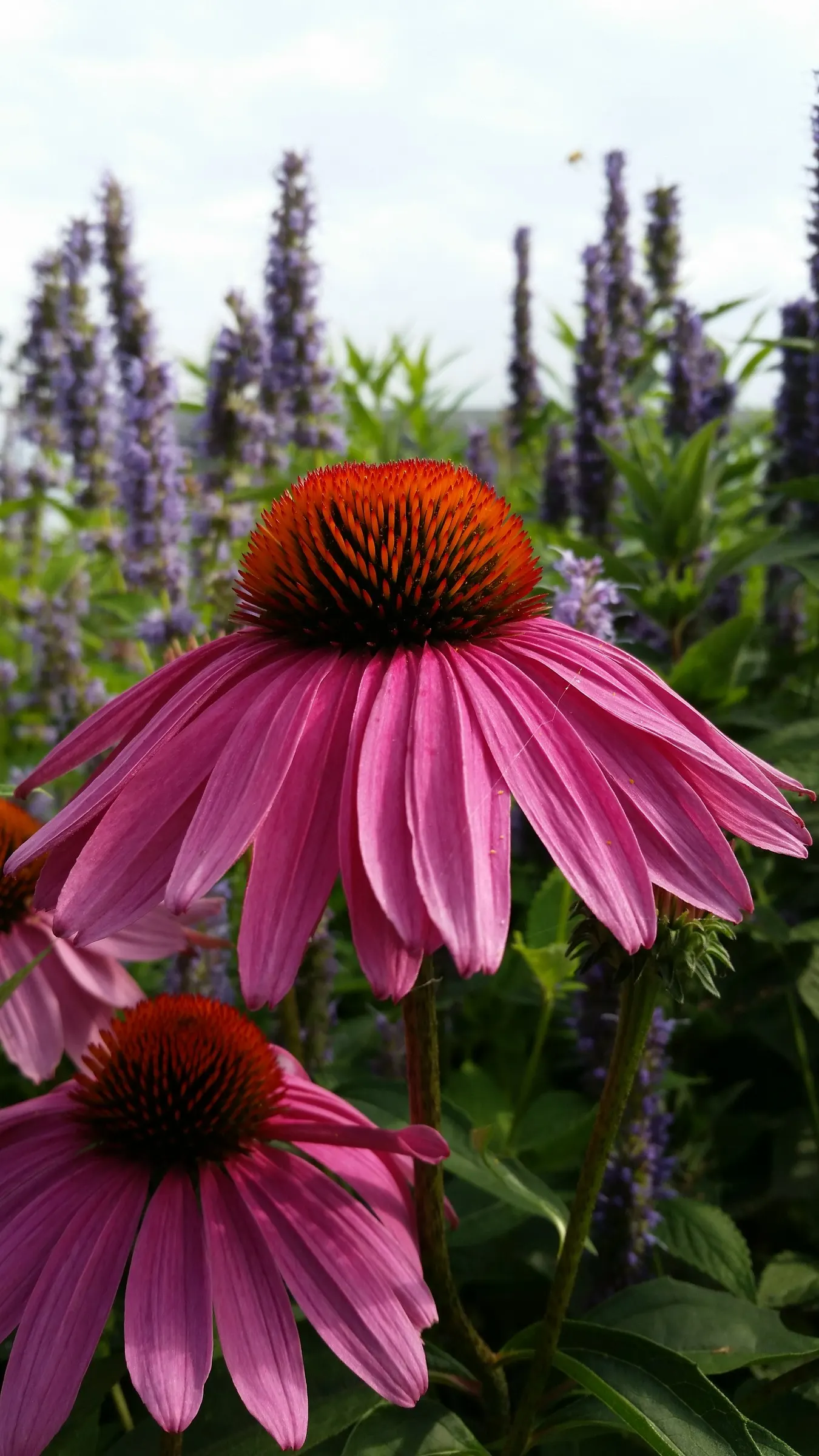
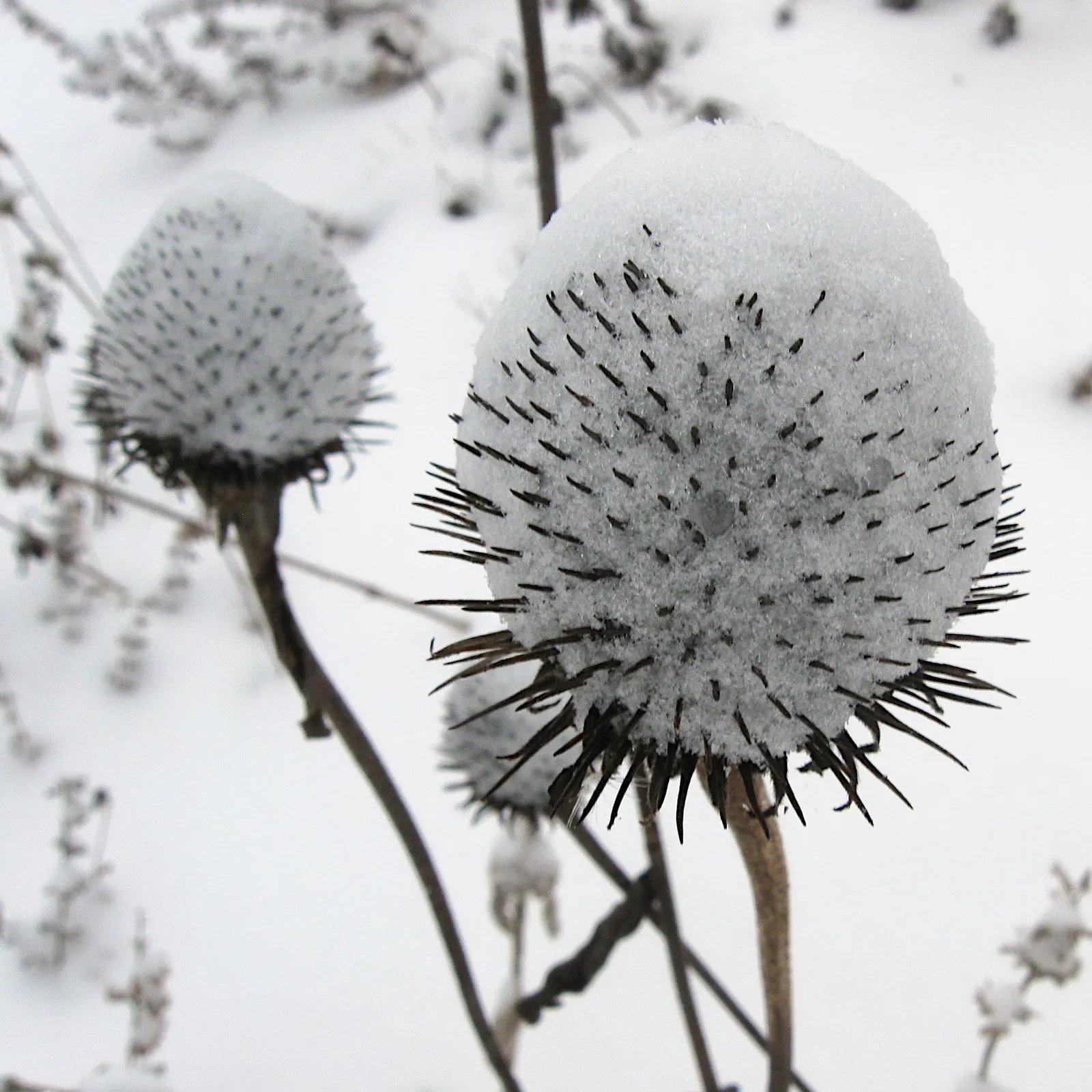
Coneflower (Echinacea Sp.) — daisy-like flowers with raised

Culture

Sun
Full, Half
Water
Medium
USDA zones
3–9

Shape & size

Classification

Family
Asteraceae
Climate
Temperate

See full data, regional cultivation notes, full-resolution photos, and design tools. Build a client presentation around this plant.

Start your 14-day trial

Photos (154)

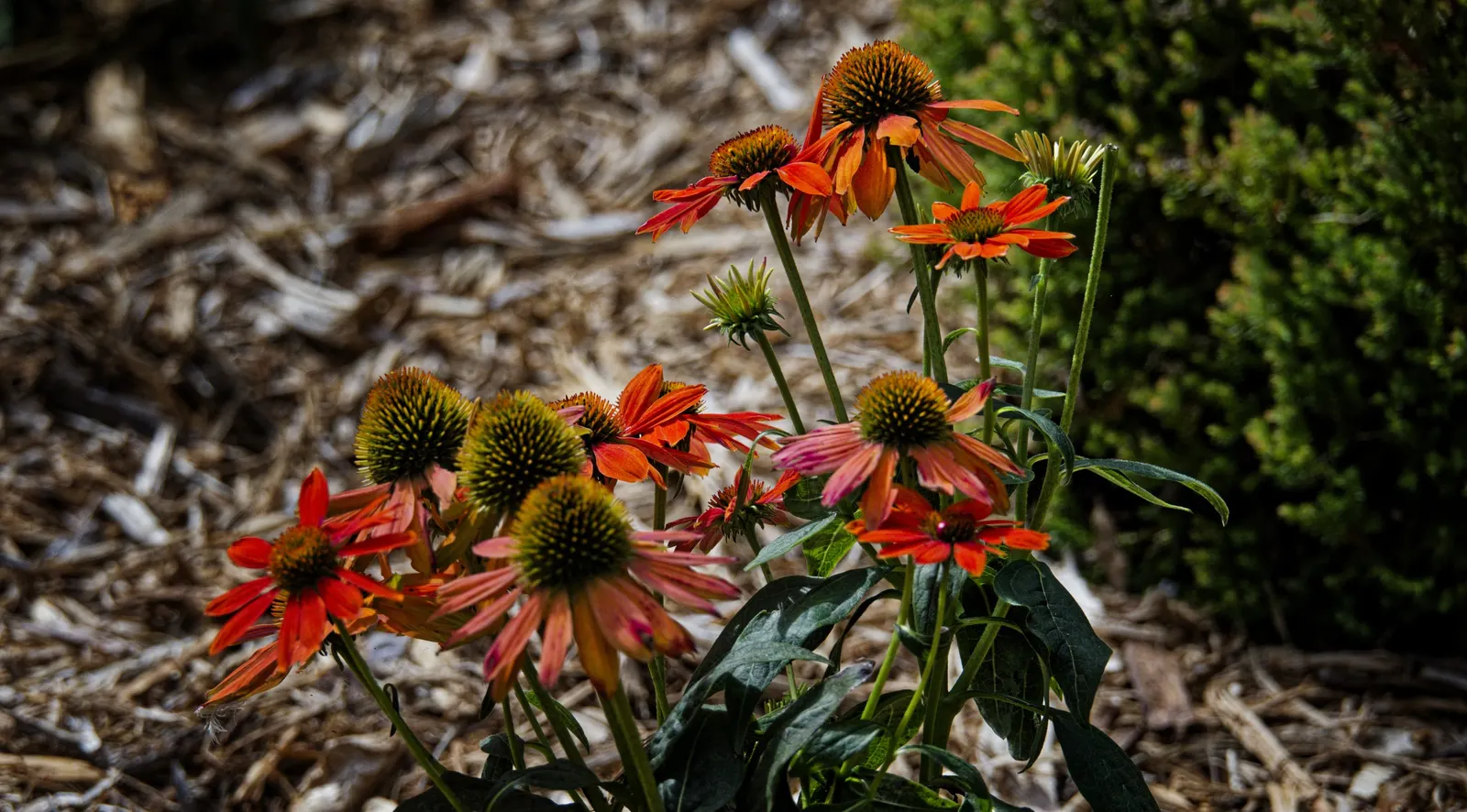
Coneflower (Echinacea Sp.) — perennial with multi-colored and purple and red and white and yellow blooms; it demonstrates notable drought tolerance
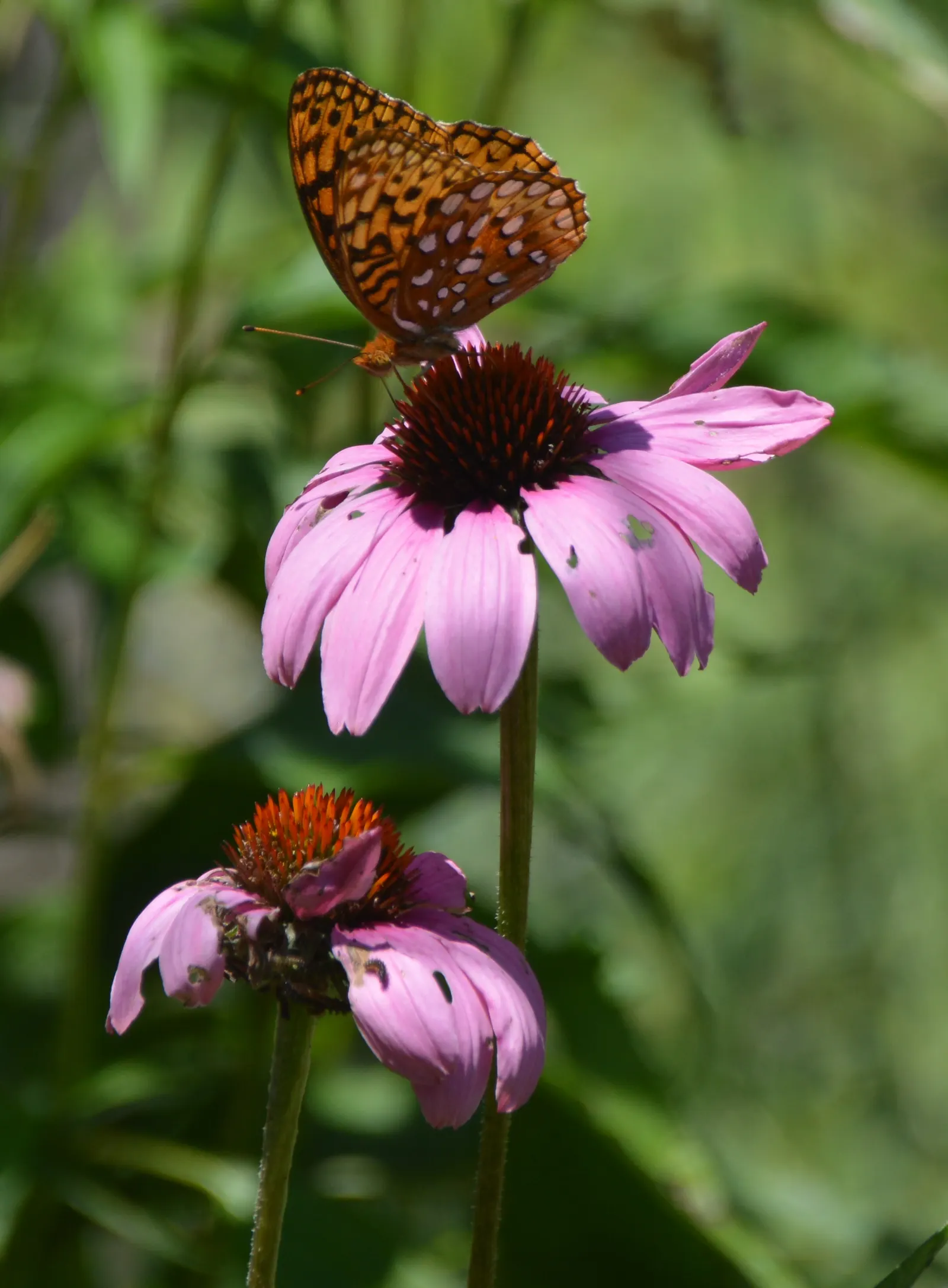
Coneflower (Echinacea Sp.) — such as butterflies and bees, image 50
Coneflower (Echinacea Sp.) — multi-colored and purple and red and white and yellow flowers in the garden; providing a touch of natural beauty and attracting a
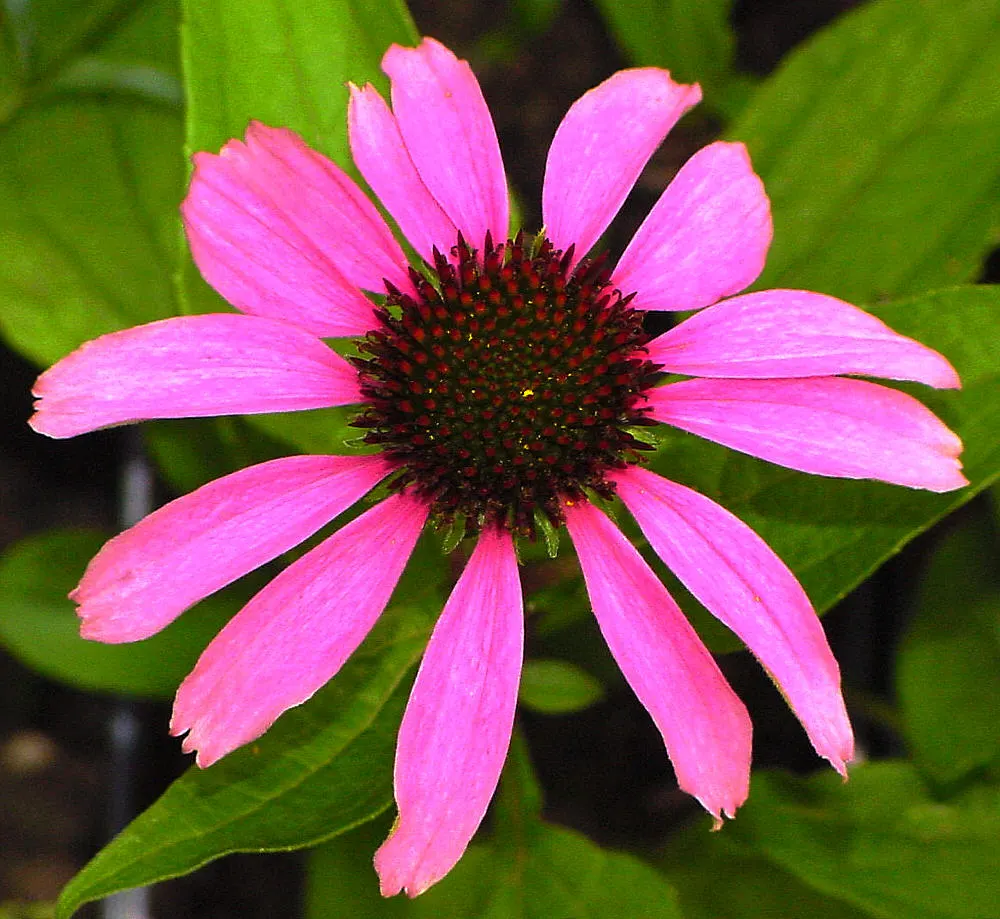
Coneflower (Echinacea Sp.) — granting a dynamic and environmentally synergistic component to your outdoor space; in hues from purple to pink and white
Coneflower (Echinacea Sp.) — in hues from purple to pink and white; making it ideal for xeriscaping schemes or areas with water, image 57
Coneflower (Echinacea Sp.) — Typically reaching 2-4 feet in height, they thrive in full sun to light shade and prefer well-draining soil; with, image 56
Coneflower (Echinacea Sp.) — daisy-like flowers with raised; are a magnet for butterflies and bees, image 55
Coneflower (Echinacea Sp.) — perennial for full or half; granting a dynamic and environmentally synergistic component to your outdoor space
Coneflower (Echinacea Sp.) — and flowers are known for their medicinal properties; echinacea thrives in full sun to light shade and prefers well-drained soil
Coneflower (Echinacea Sp.) — its robust stalks rarely require staking; perennial for full or half, image 66
Coneflower (Echinacea Sp.) — This North American native is an essential addition to any landscape; blooming from early summer to fall, they add, image 63
Coneflower (Echinacea Sp.) — is an herbaceous perennial treasured for its resilience and distinctive floral display; perennial with multi-colored, image 62
Coneflower (Echinacea Sp.) — Blooming from early summer to fall, they add long-lasting color and texture; its robust stalks rarely require staking, image 60
Coneflower (Echinacea Sp.) — providing a dynamic element to any garden, image 59
Coneflower (Echinacea Sp.) — contributing long-lasting color to the garden; commonly referred to by its genus name Echinacea sp., image 67
Coneflower (Echinacea Sp.) — are a magnet for butterflies and bees; multi-colored and purple and red and white and yellow flowers in the garden, image 58
Coneflower (Echinacea Sp.) — providing a touch of natural beauty and attracting a host of pollinators; contributing long-lasting color to the garden, image 64
Coneflower (Echinacea Sp.) — With species ranging in height from 2 to 5 feet; which helps prevent foliar diseases, image 65
Coneflower (Echinacea Sp.) — commonly referred to by its genus name Echinacea sp.; space these plants approximately 18 to 24 inches apart to allow, image 61
Coneflower (Echinacea Sp.) — and flowers are known for their medicinal properties; echinacea thrives in full sun to light shade and prefers, image 76
Coneflower (Echinacea Sp.) — Echinacea thrives in full sun to light shade and prefers well-drained soil; daisy-like flowers with raised, image 70
Coneflower (Echinacea Sp.) — Echinacea is not only visually appealing but also serves a dual purpose; the roots; this North American native is an, image 75
Coneflower (Echinacea Sp.) — surrounded by petals that range from the classic purples and pinks to yellows; echinacea is not only visually, image 69
Coneflower (Echinacea Sp.) — making it ideal for xeriscaping schemes or areas with water restrictions.<br><br>When designing a landscape, image 72

Related plants