Skip to content

Carpet Echeveria

Echeveria Agavoides

Design with this plant

Overview

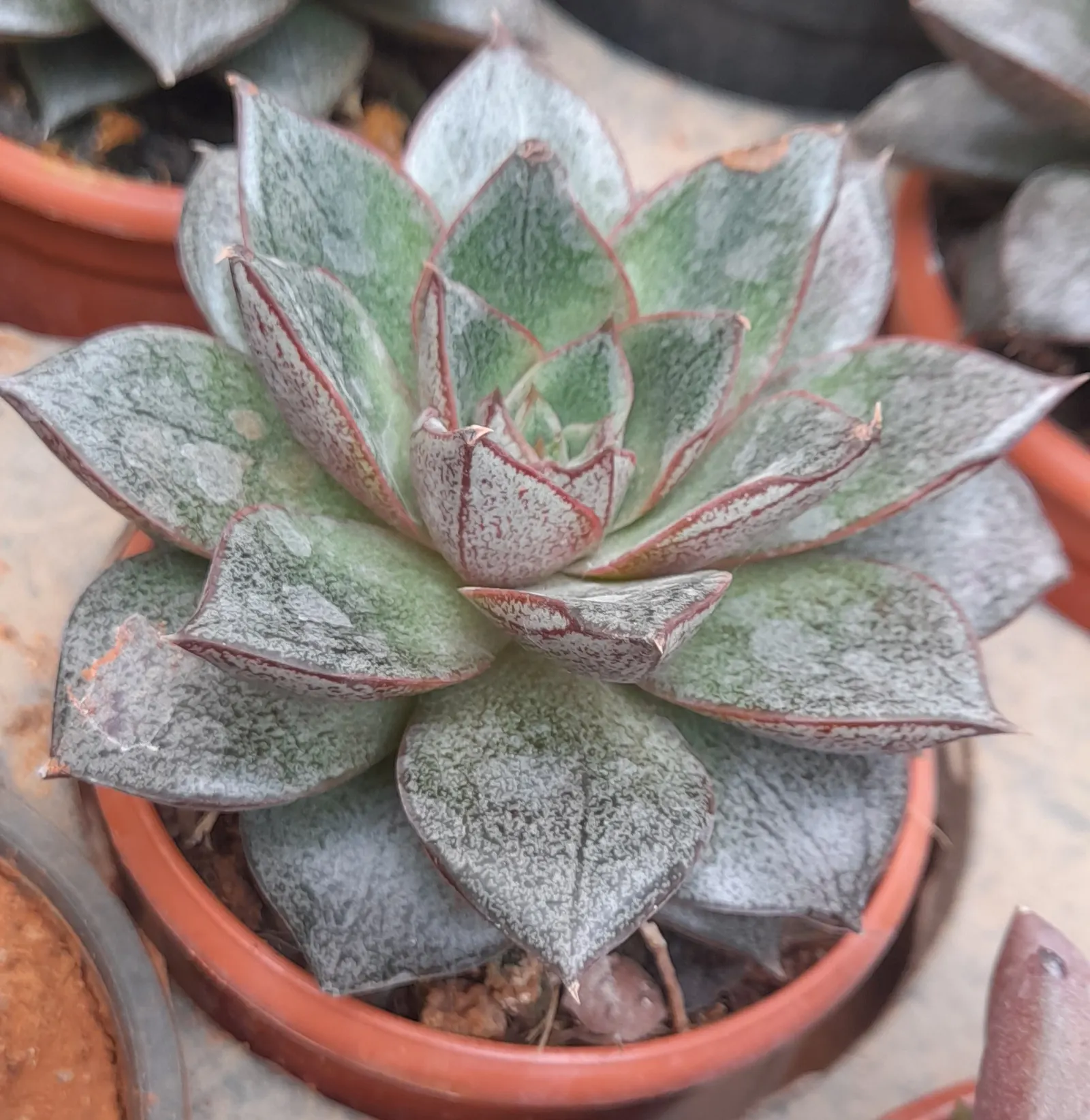
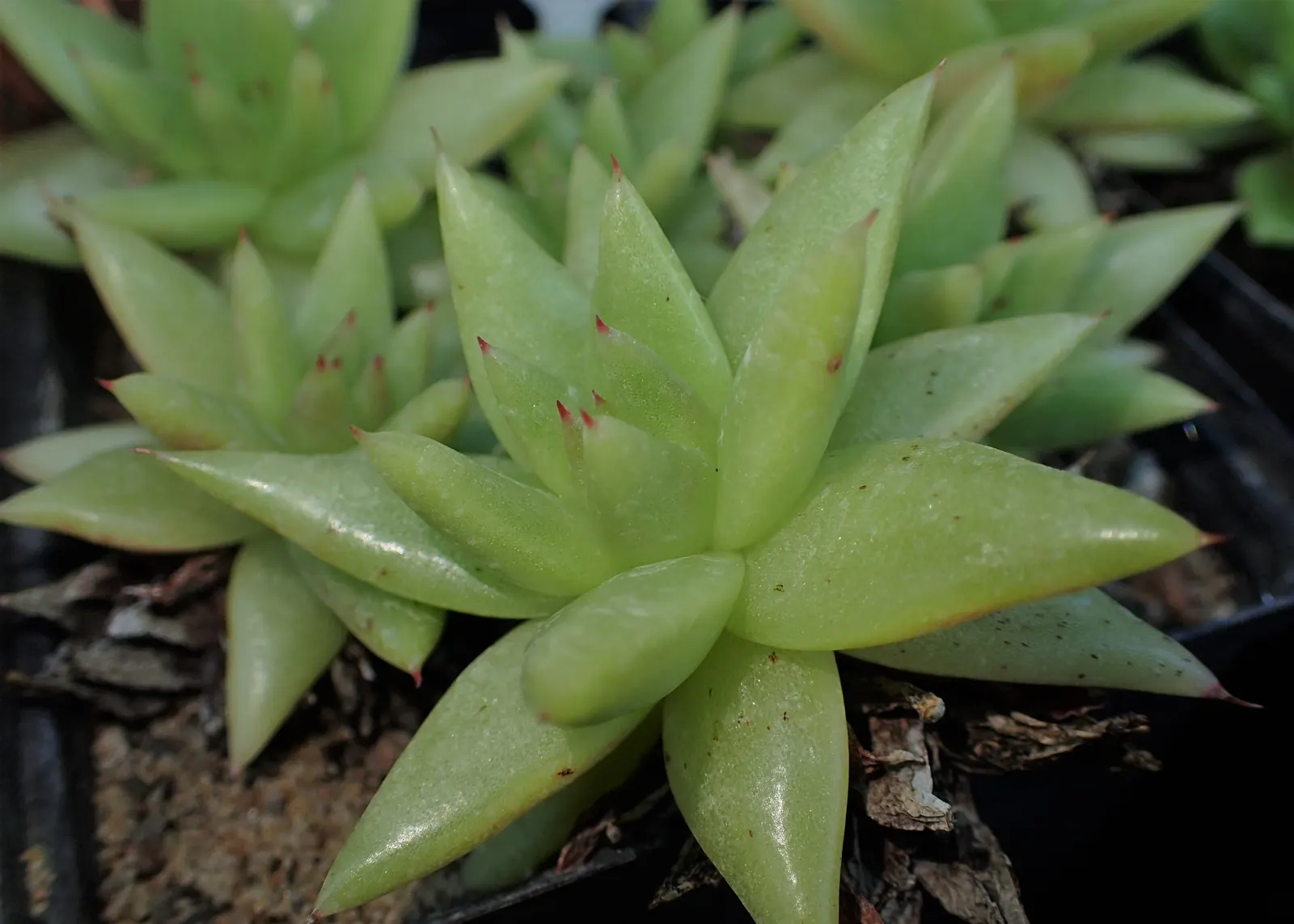
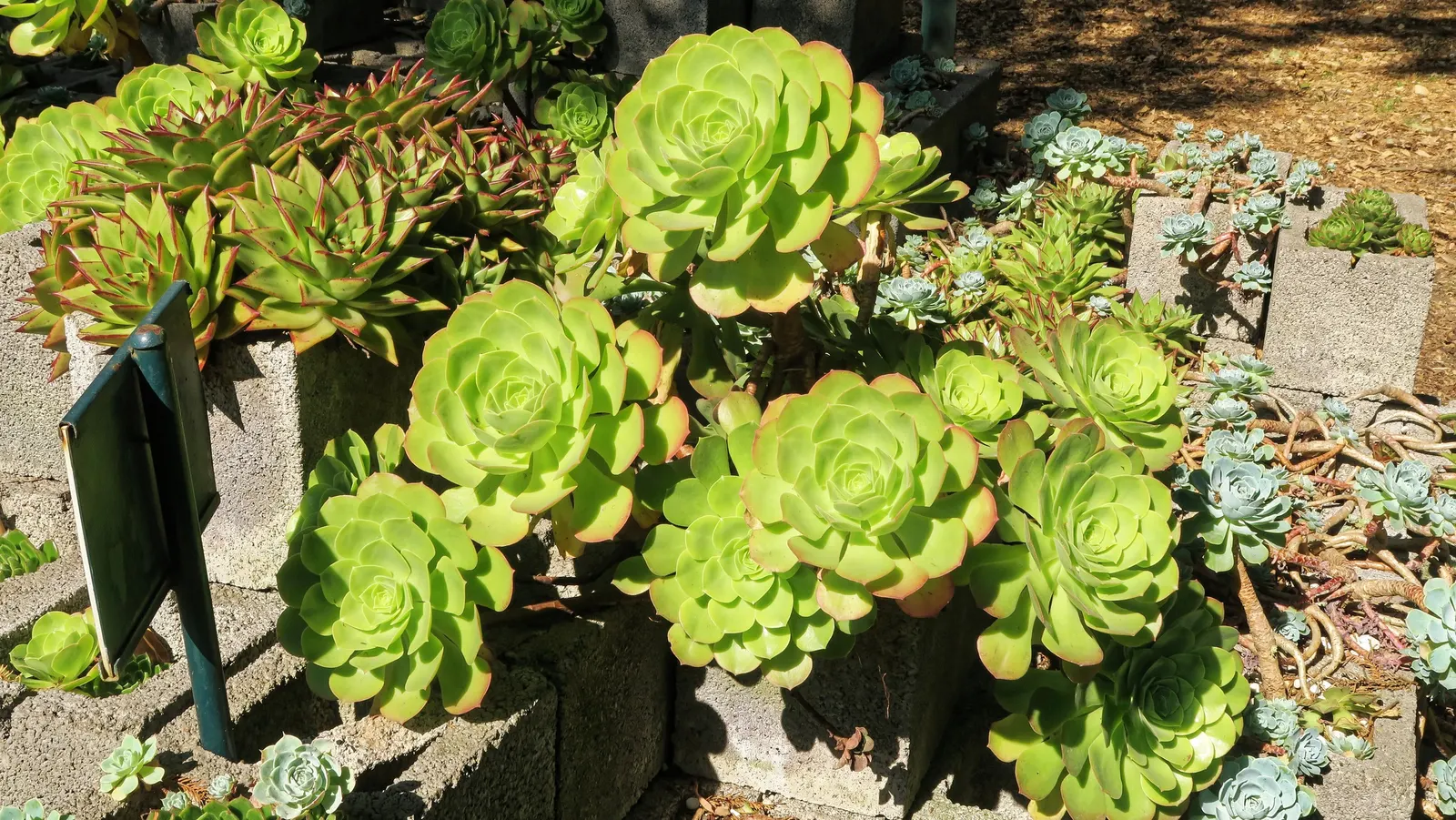
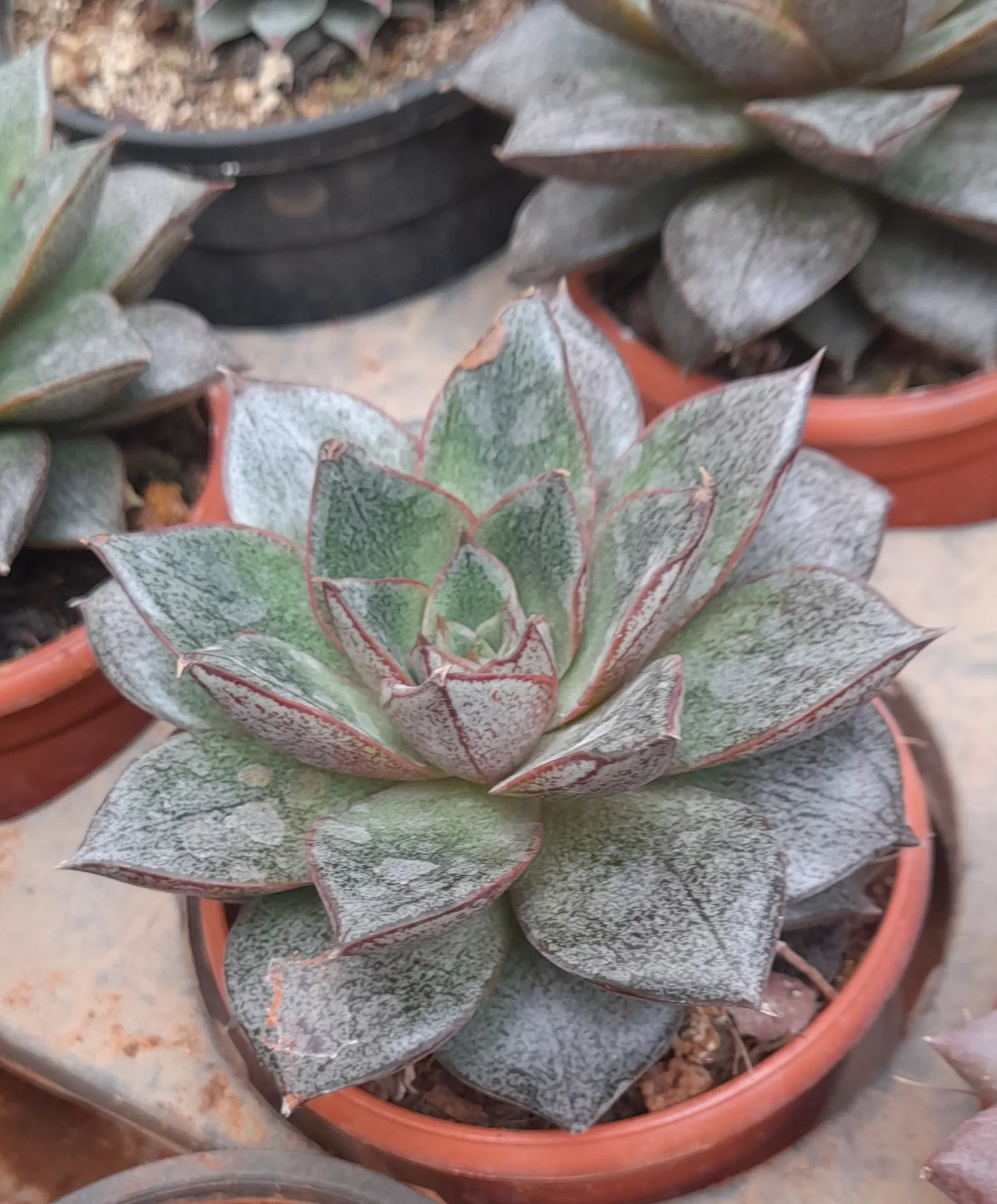
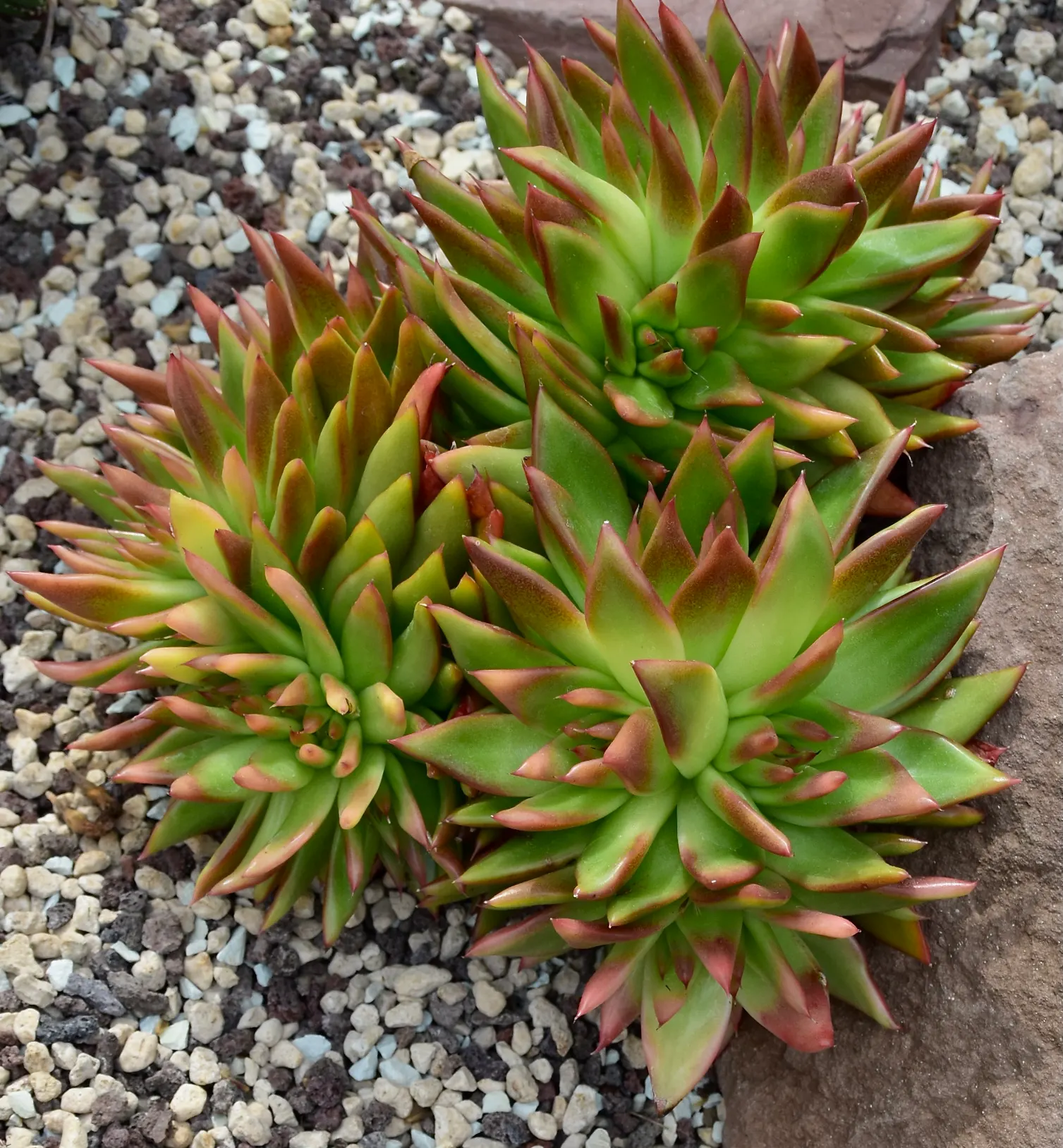
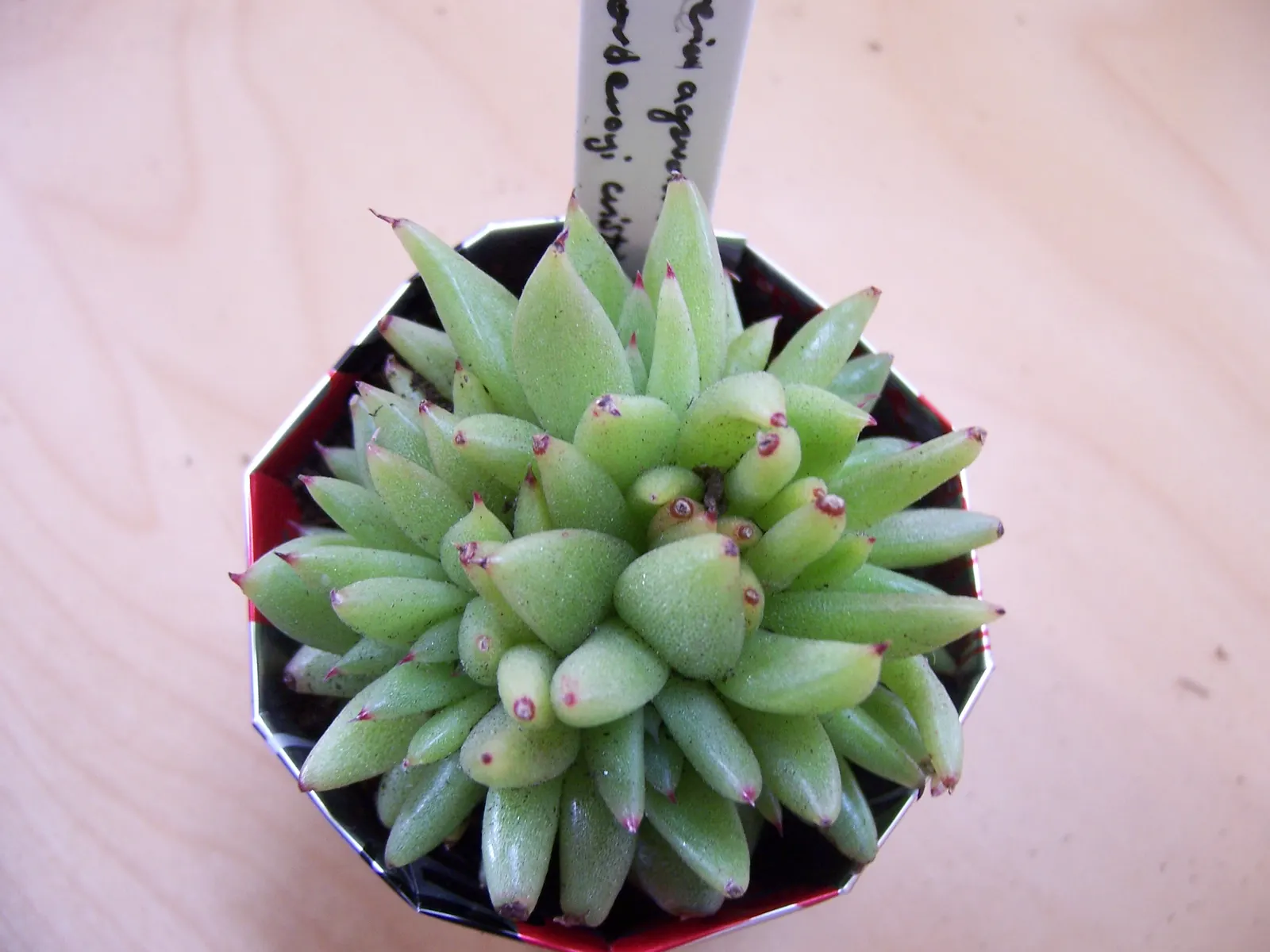
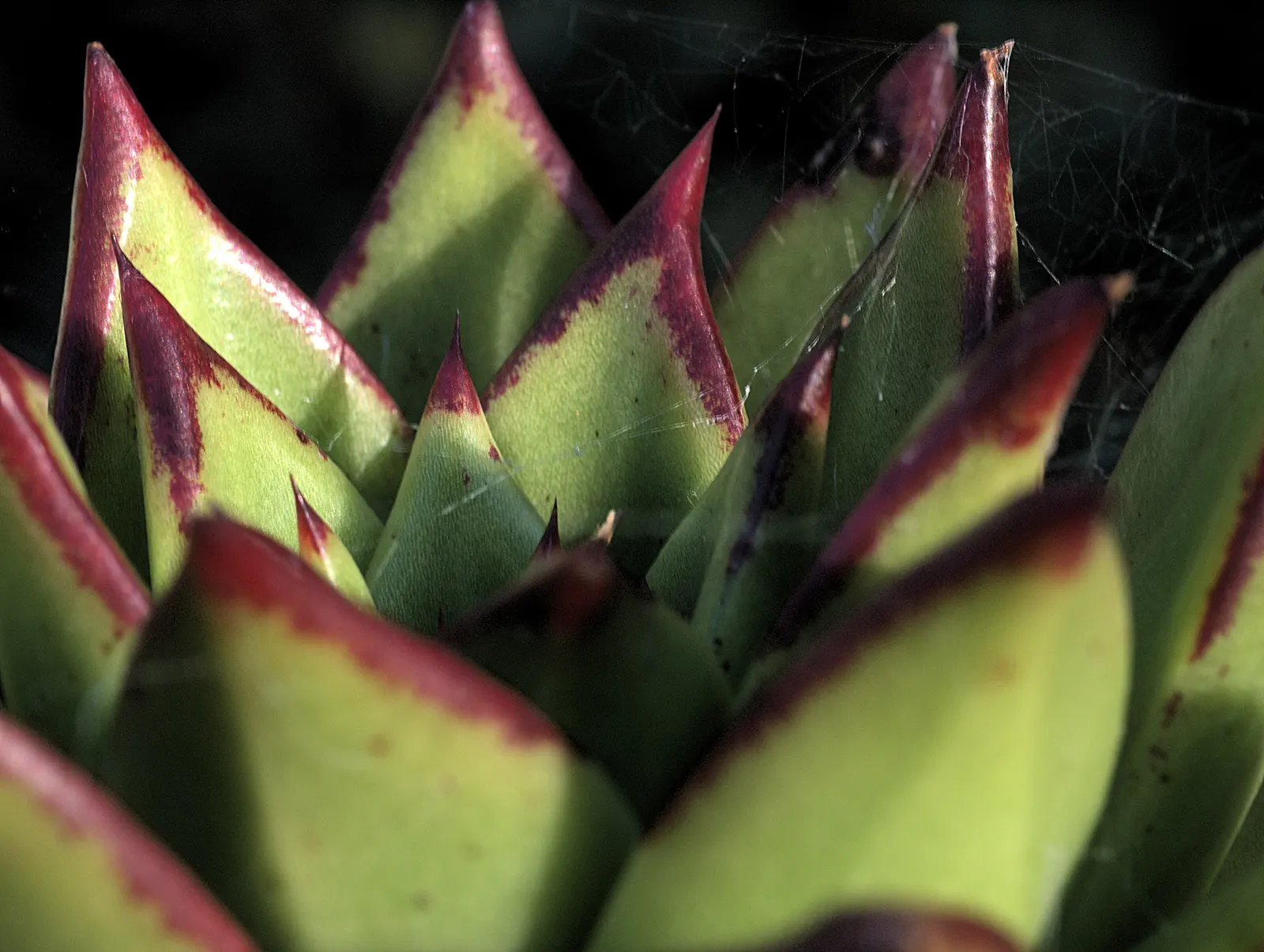
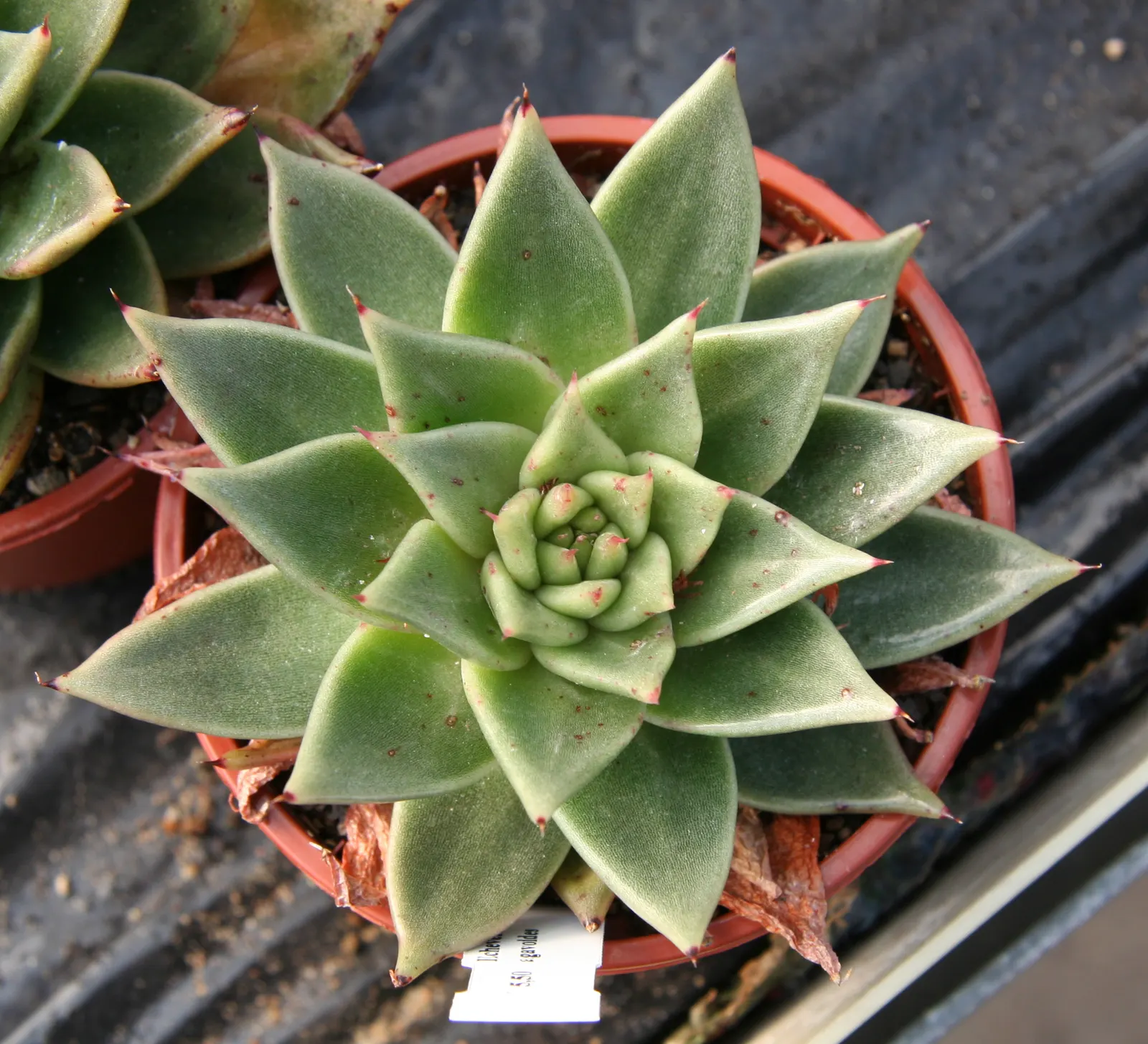
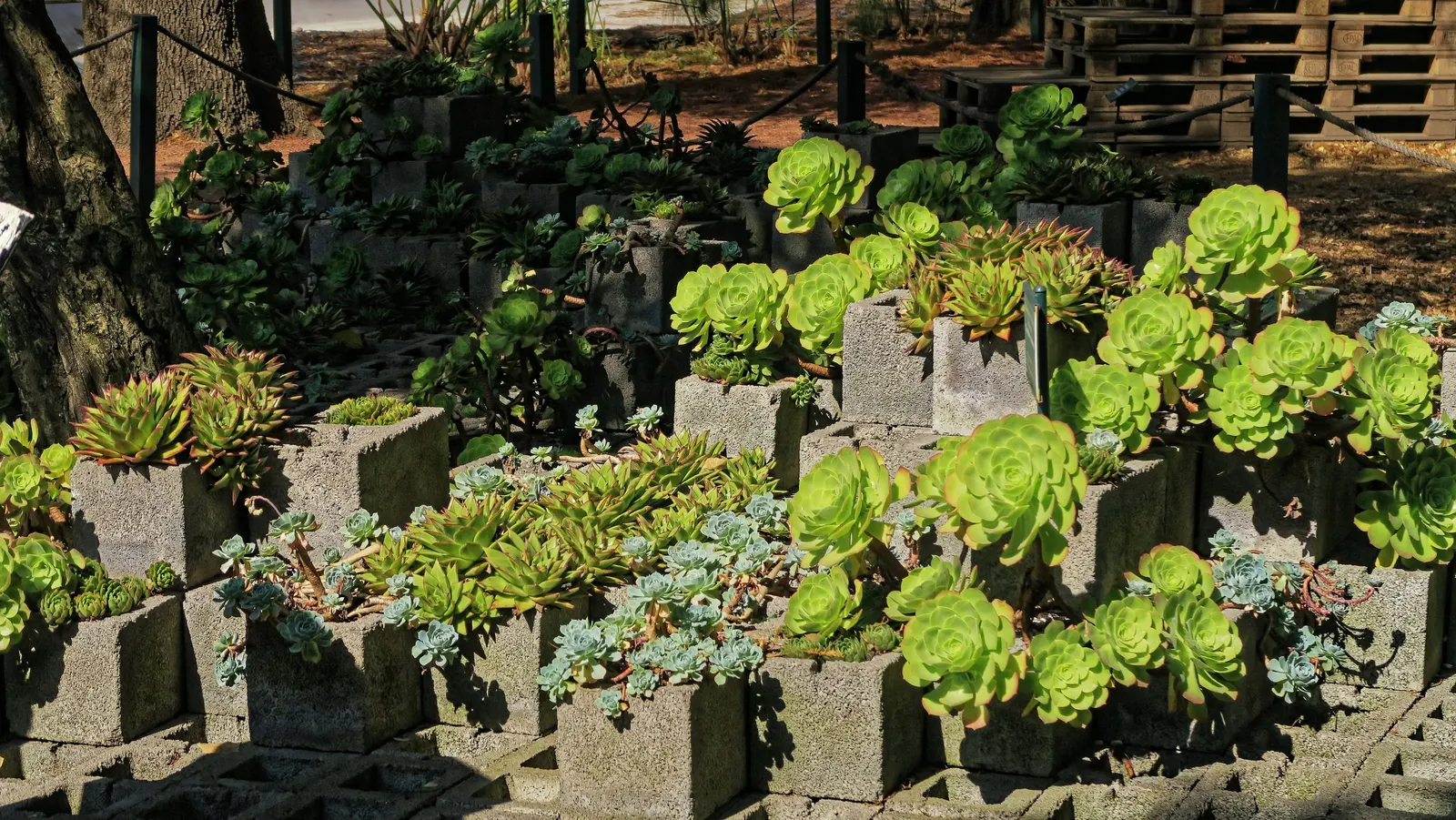
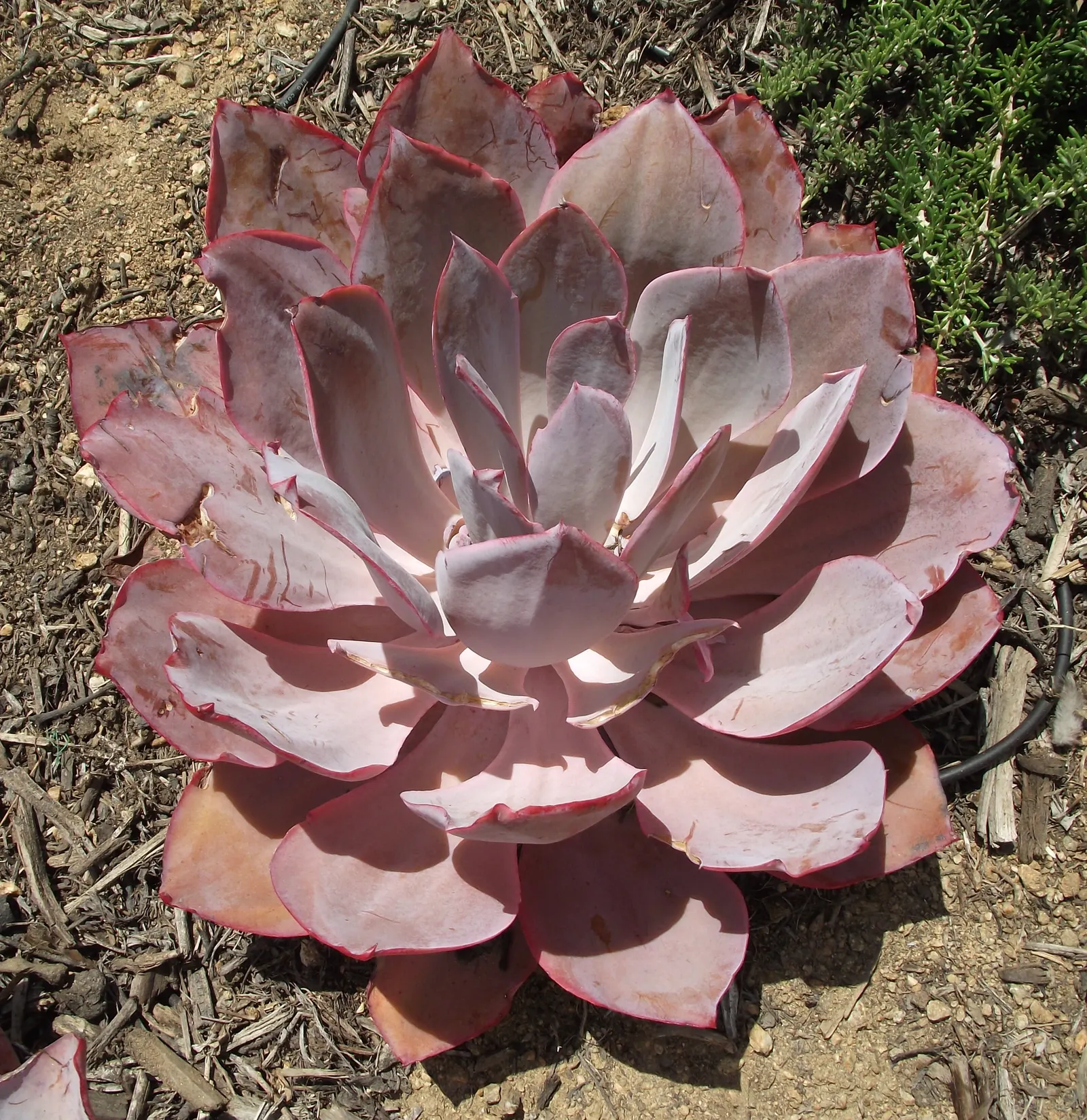
Echeveria agavoides, commonly named Carpet Echeveria, is a succulent forming rosettes up to 8 inches in diameter with pointed apple-green leaves. It's known for its compact size and low maintenance, thriving in USDA Hardiness Zones 9-11. It prefers full sun to partial shade and needs well-draining soil, with minimal watering. Perfect for rock gardens, containers, or as ground cover, it adds a touch of architectural beauty to any landscape.

Sun Full, HalfWater Low, Very LowZones 9–10Type SucculentClimate Arid

Culture

Sun
Full, Half
Water
Low, Very Low
USDA zones
9–10

Shape & size

Classification

Type
Succulent
Family
Crassulaceae
Climate
Arid

See full data, regional cultivation notes, and design tools. Build a client presentation around this plant.

Start your 14-day trial

Photos (44)

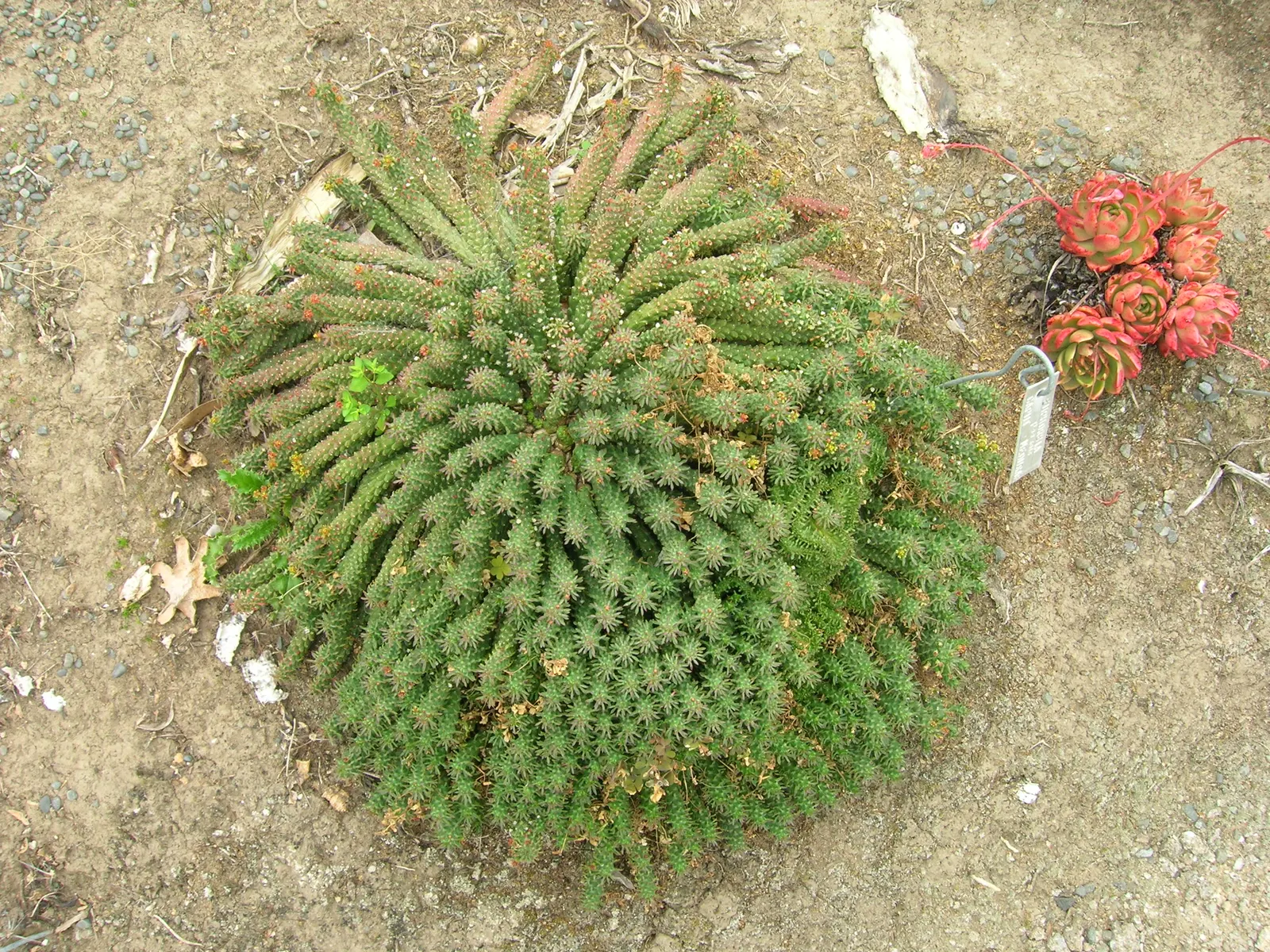
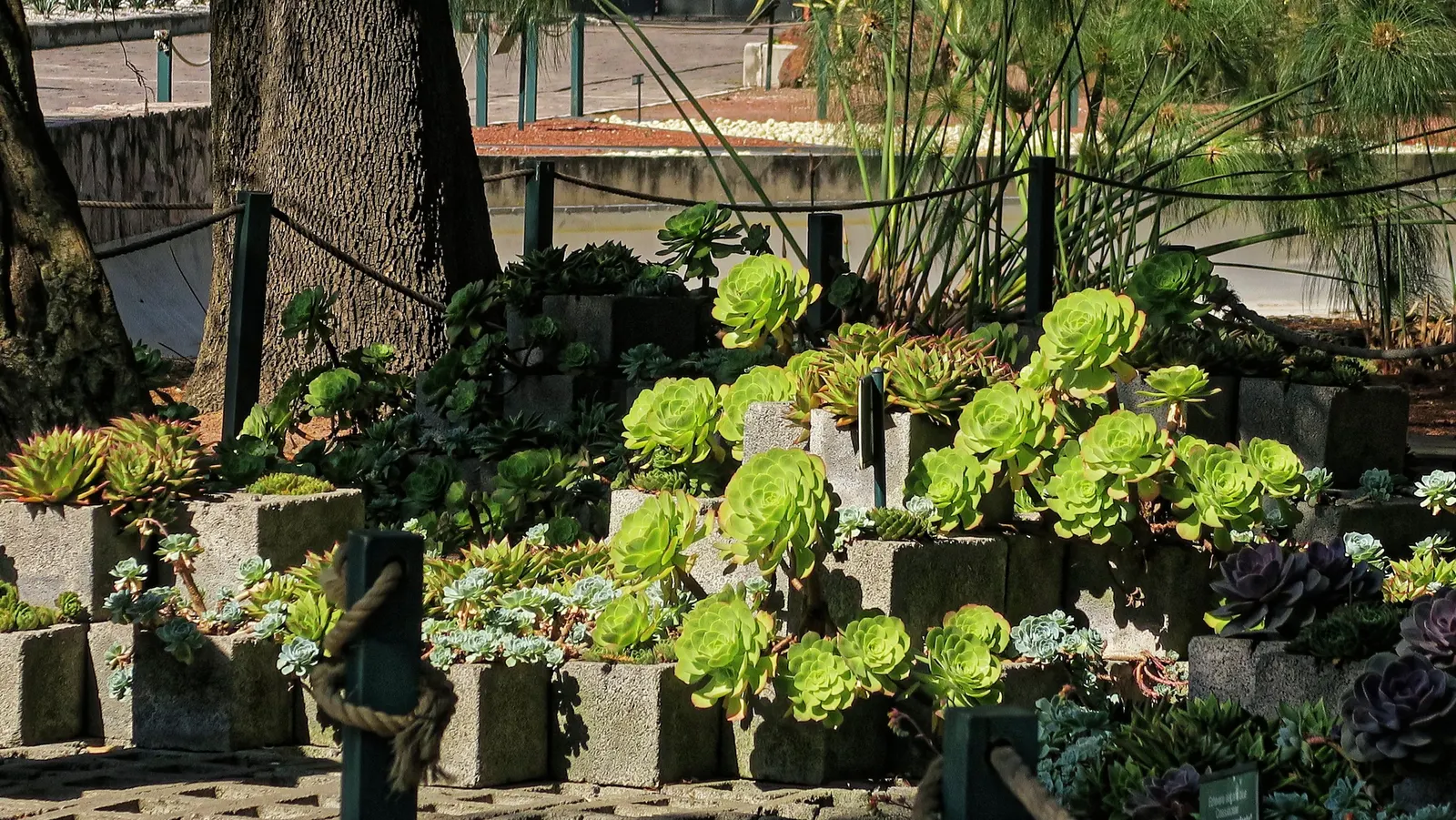
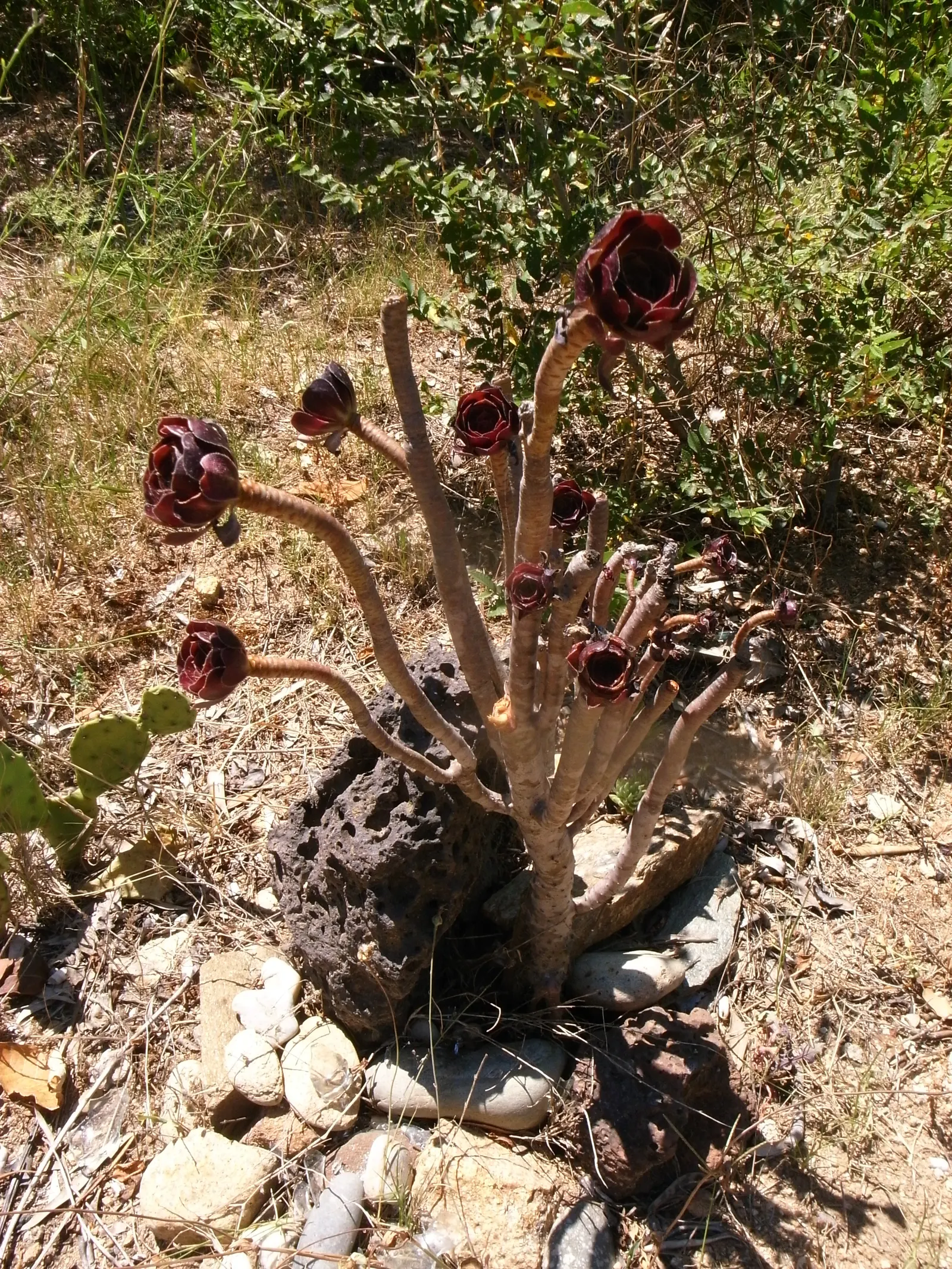
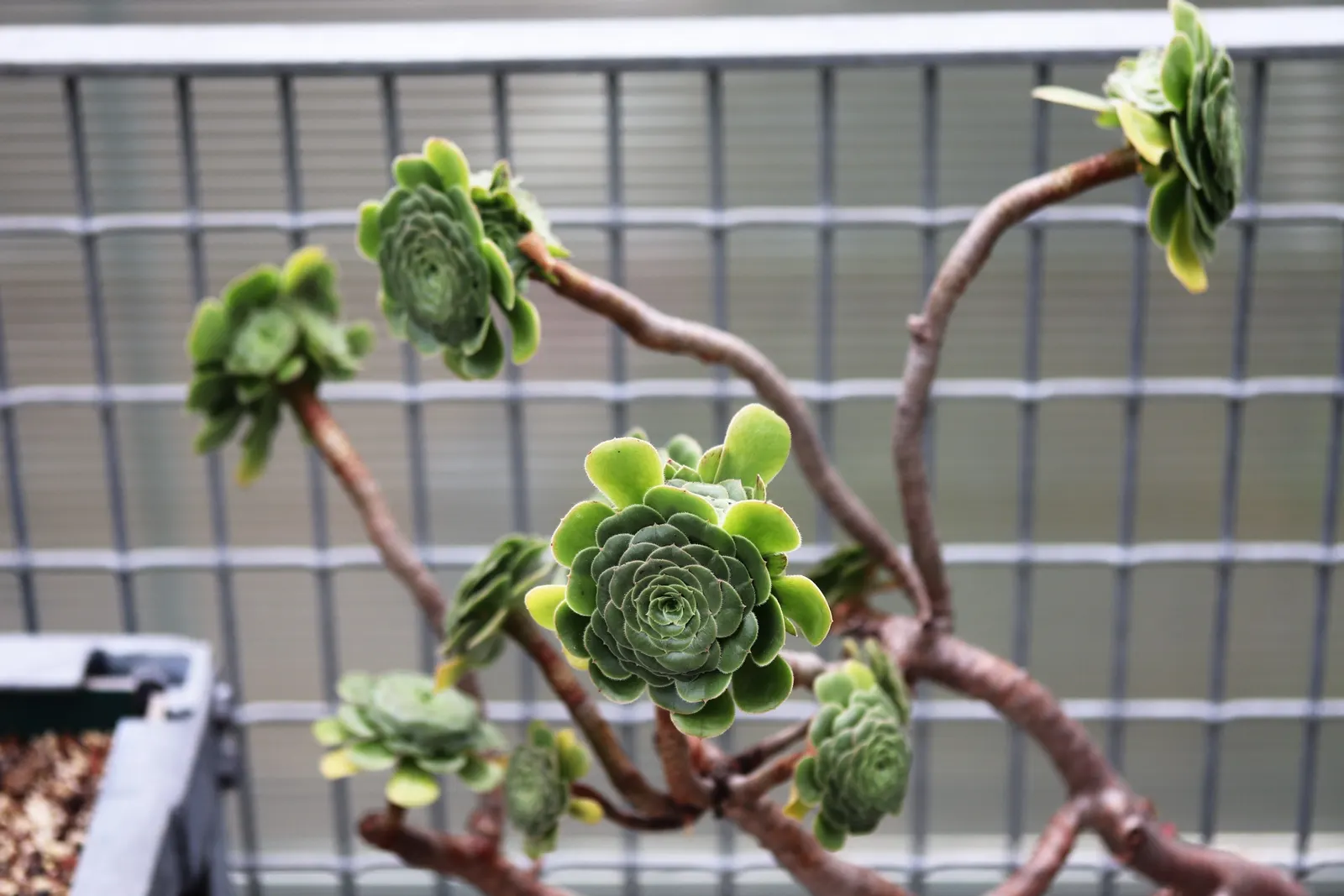
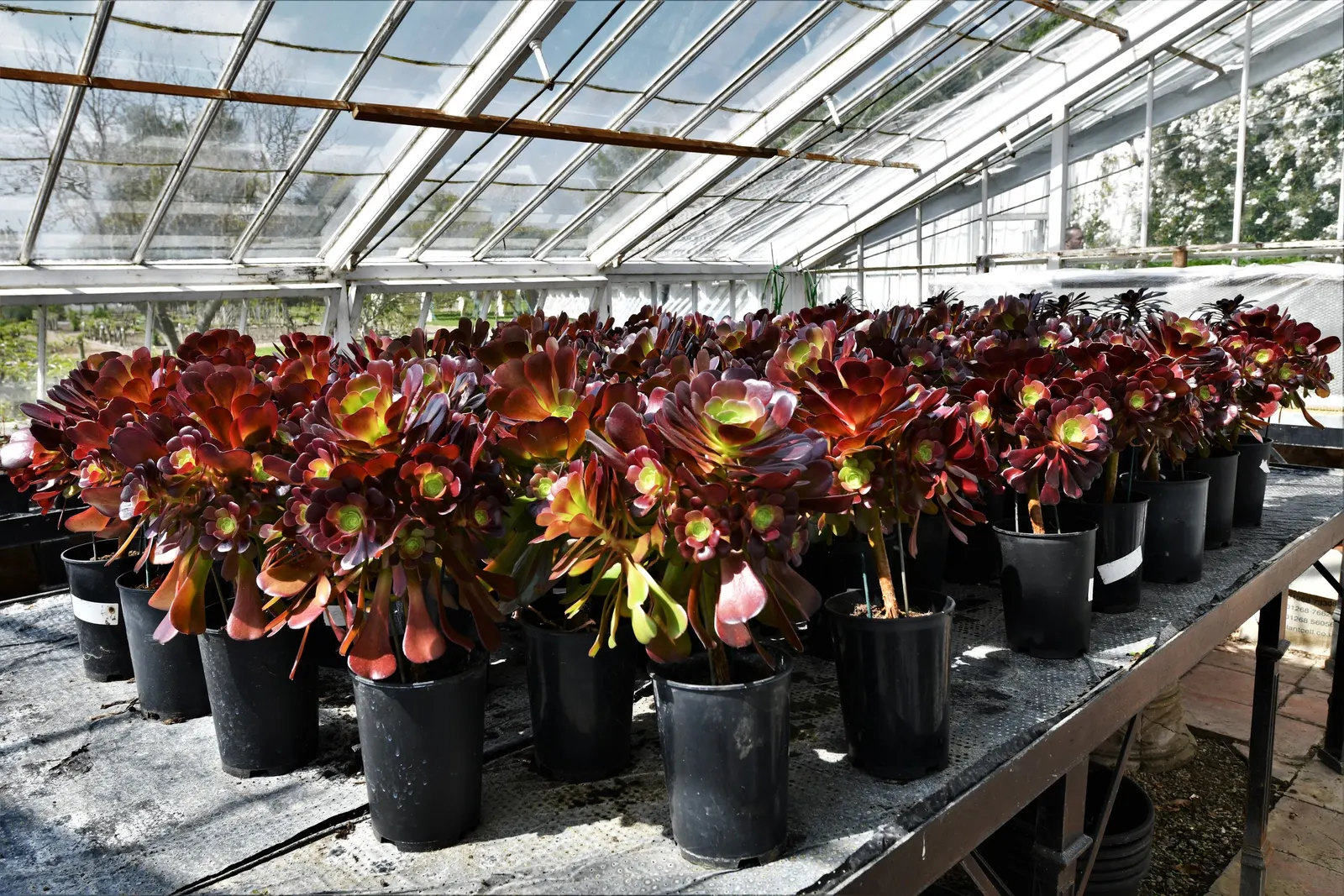
Carpet Echeveria (Echeveria Agavoides) — is a striking and low-maintenance succulent that adds a modern flair to any garden or landscape design; multi-colored
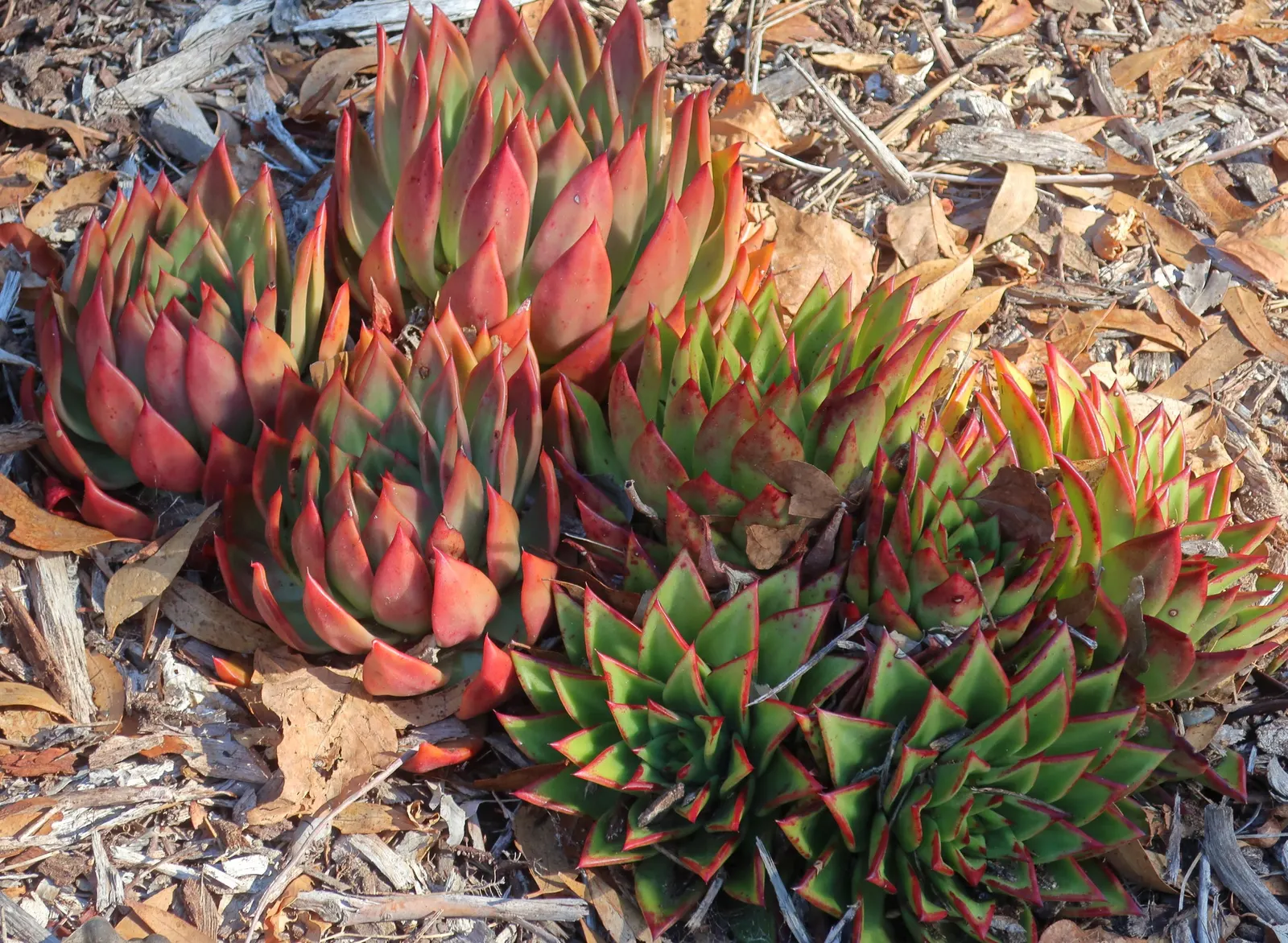
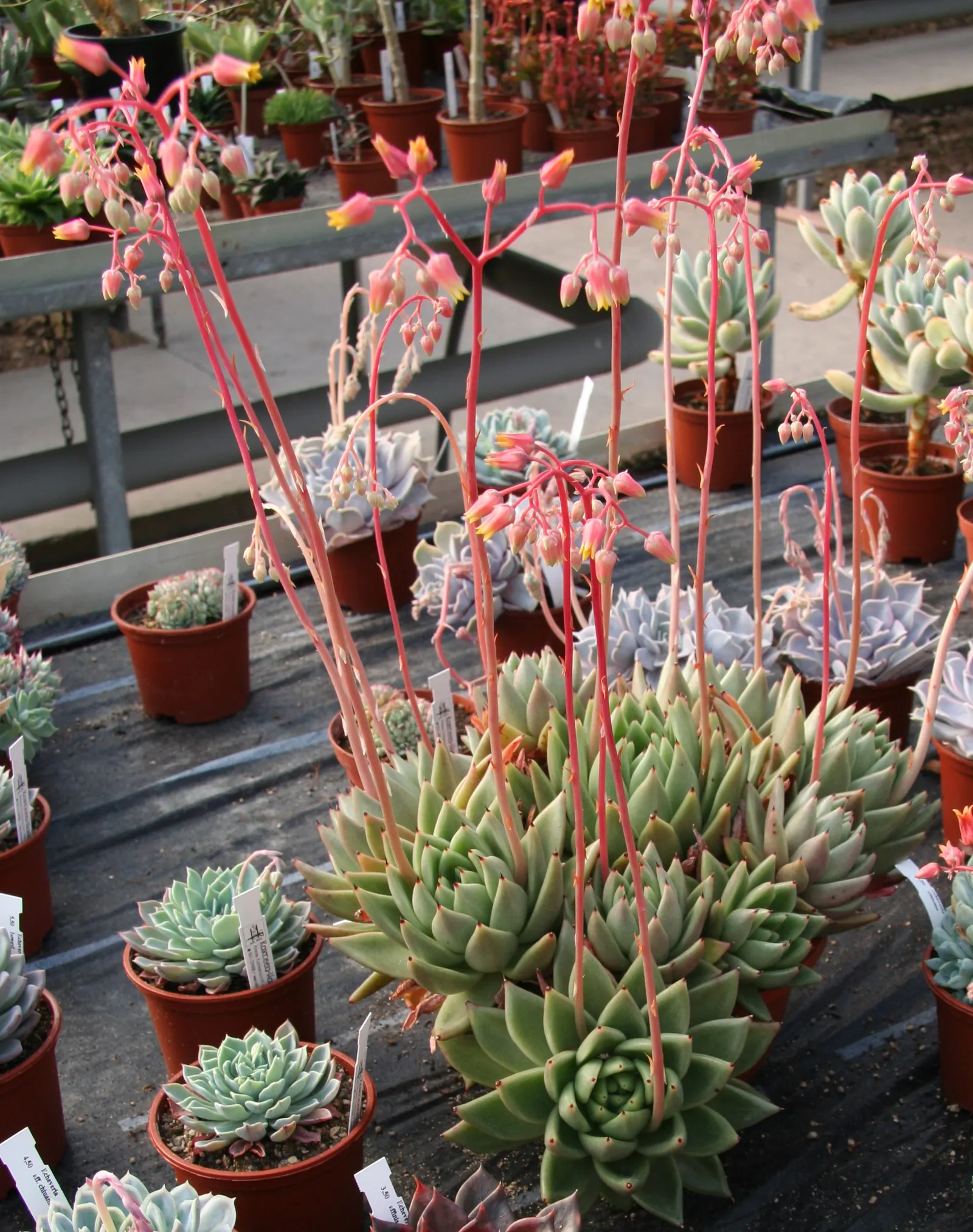
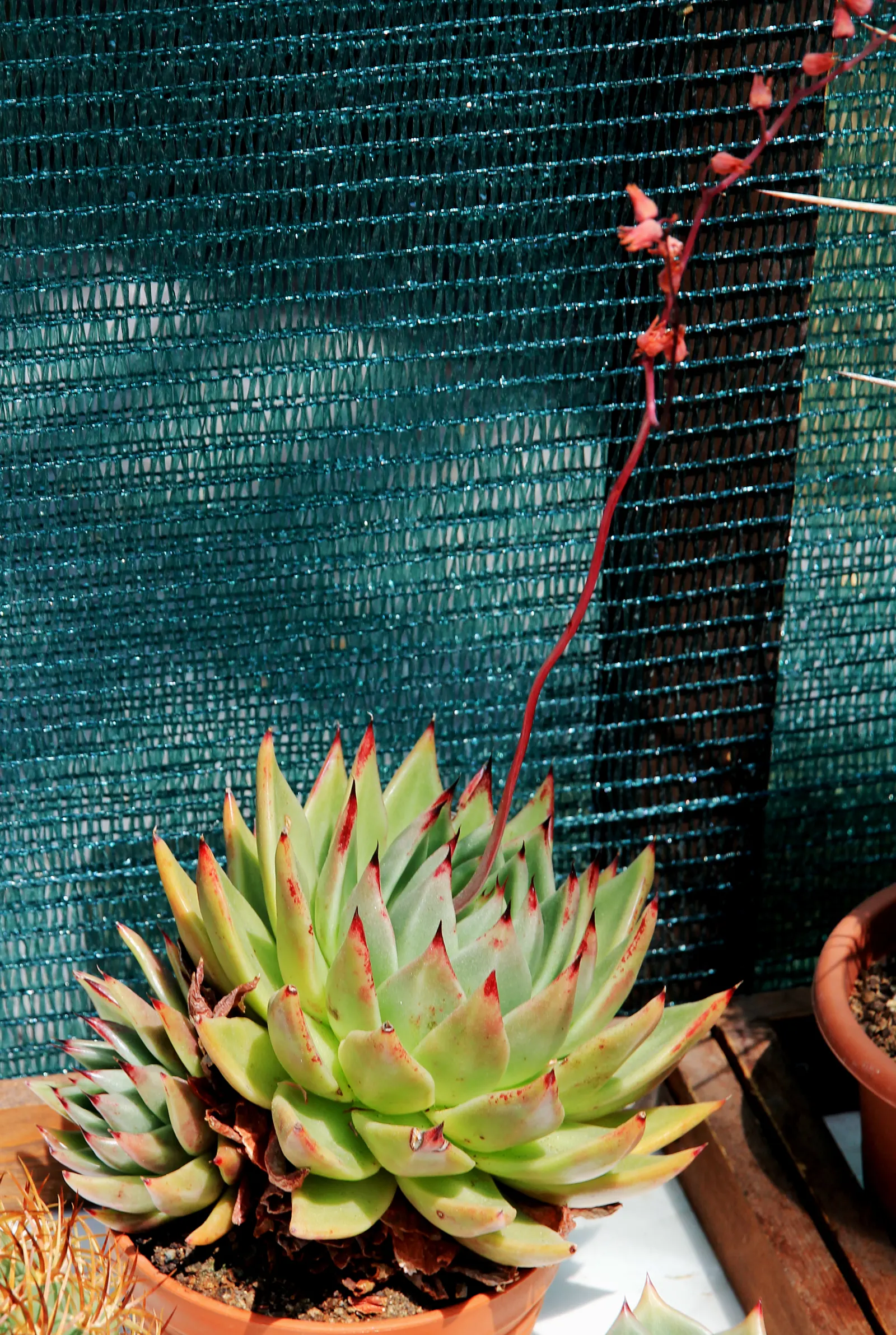
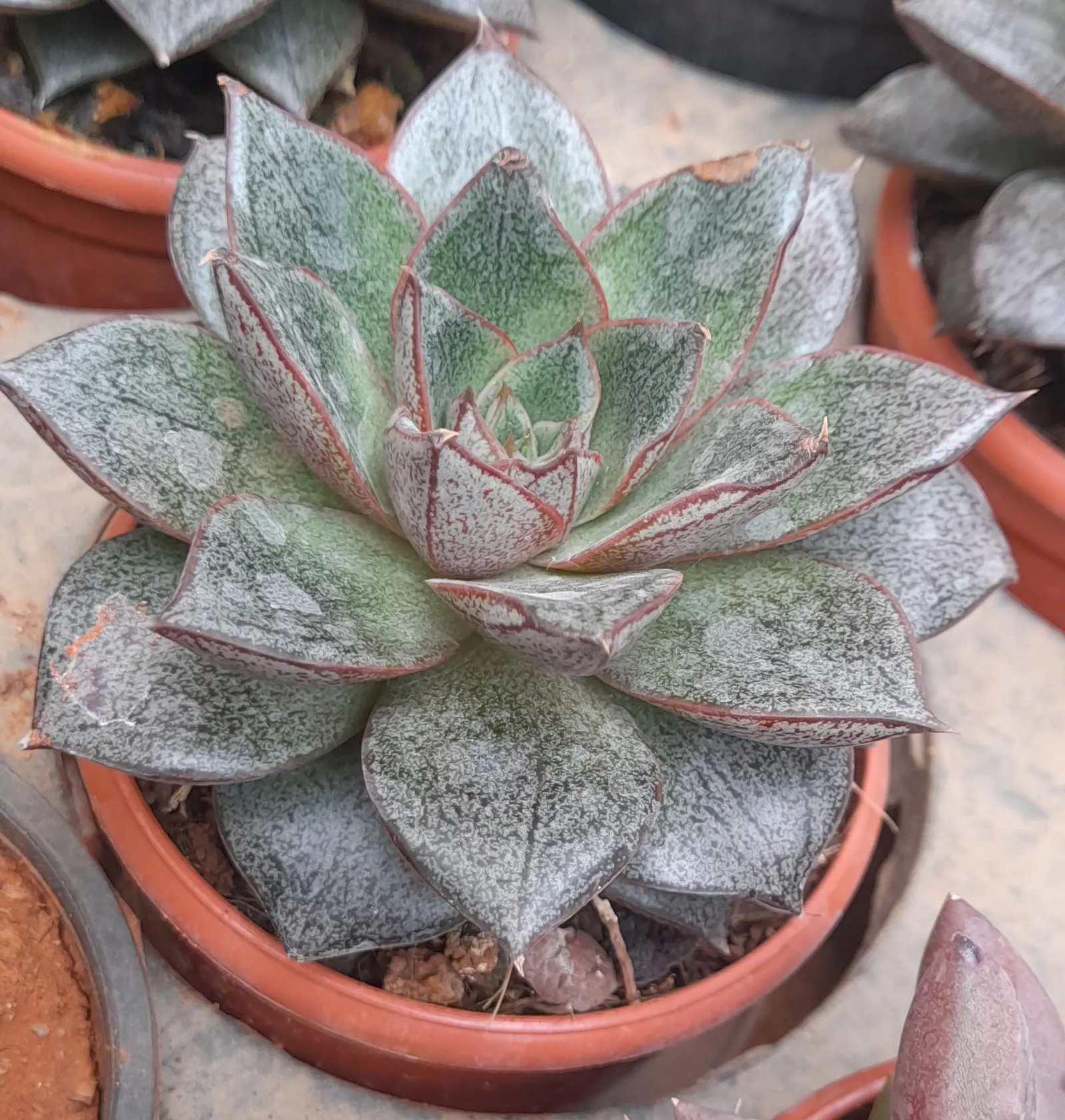
Carpet Echeveria (Echeveria Agavoides) — pointed leaves that emulate the shape of an agave; arching stalks that can reach up to 12 inches in height
Carpet Echeveria (Echeveria Agavoides) — preferring well-drained soil and a sunny to partial shade location; commonly referred to as Carpet Echeveria
Carpet Echeveria (Echeveria Agavoides) — It's known for its compact size and low maintenance, thriving in USDA Hardiness Zones 9-11; echeveria agavoides
Carpet Echeveria (Echeveria Agavoides) — sculptural form.<br><br>This drought-tolerant species requires minimal watering once established
Carpet Echeveria (Echeveria Agavoides) — commonly referred to as Carpet Echeveria
Carpet Echeveria (Echeveria Agavoides) — which is the inspiration behind its specific epithet 'agavoides'; is a succulent forming rosettes up to 8 inches in
Carpet Echeveria (Echeveria Agavoides) — which is the inspiration behind its specific epithet 'agavoides'
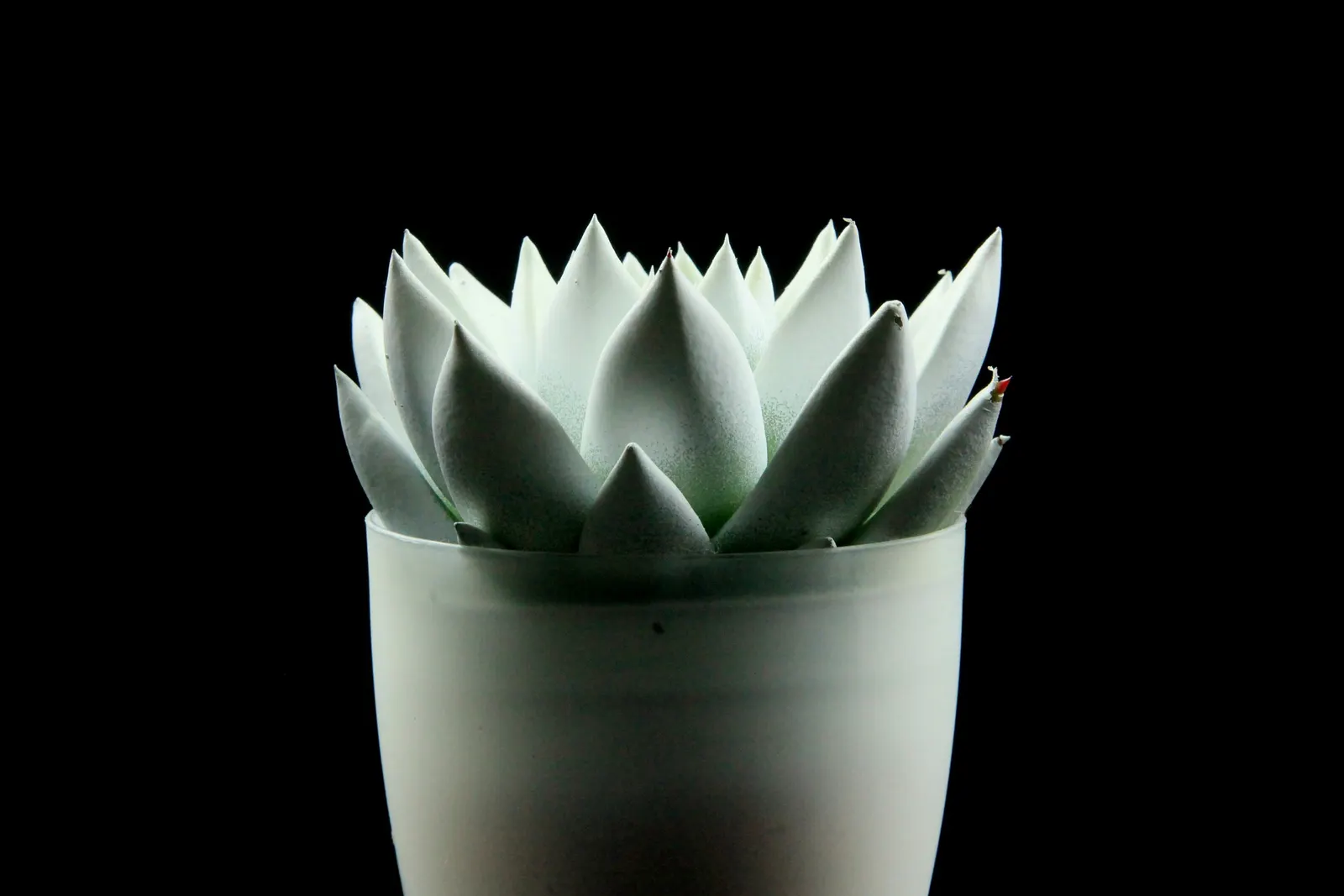
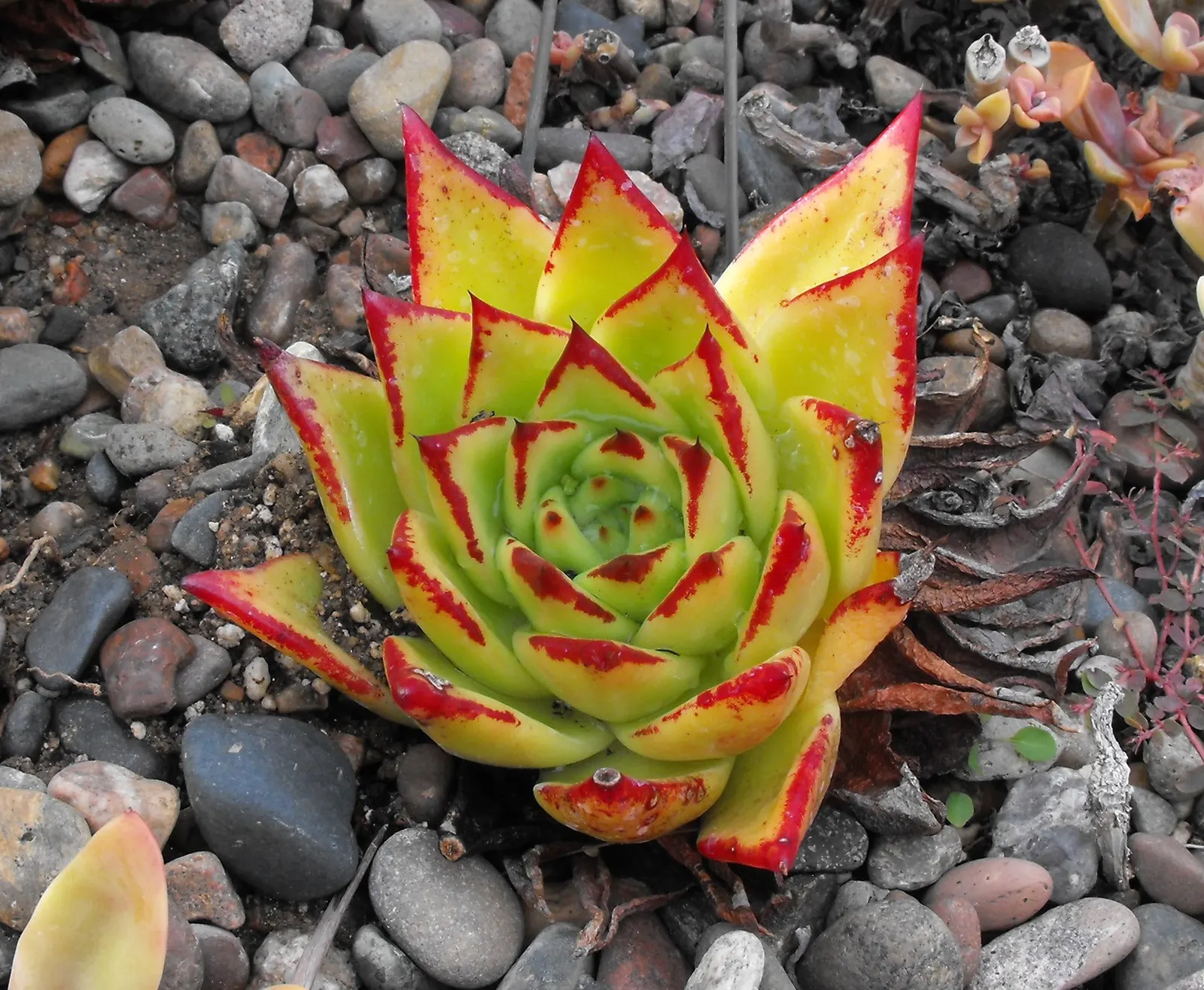
Carpet Echeveria (Echeveria Agavoides) — pointed leaves that emulate the shape of an agave
Carpet Echeveria (Echeveria Agavoides) — preferring well-drained soil and a sunny to partial shade location
Carpet Echeveria (Echeveria Agavoides) — offering an additional layer of visual interest to its already captivating foliage; making it suitable for outdoor
Carpet Echeveria (Echeveria Agavoides) — is a succulent forming rosettes up to 8 inches in diameter with pointed apple-green leaves; which is the inspiration
Carpet Echeveria (Echeveria Agavoides) — It prefers full sun to partial shade and needs well-draining soil, with minimal watering
Carpet Echeveria (Echeveria Agavoides) — Originating from the rocky areas of Mexico; it adds a touch of architectural beauty to any landscape
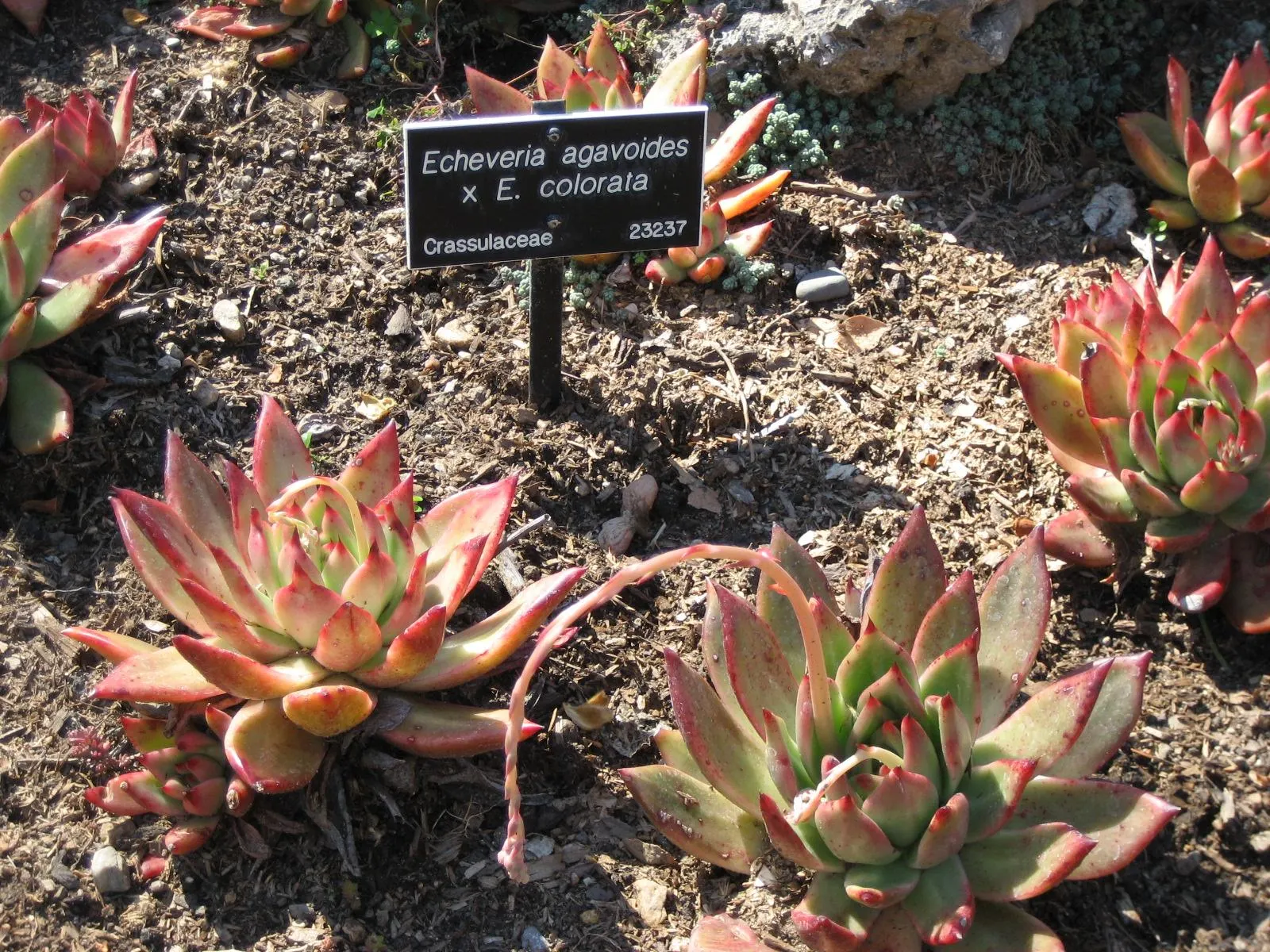
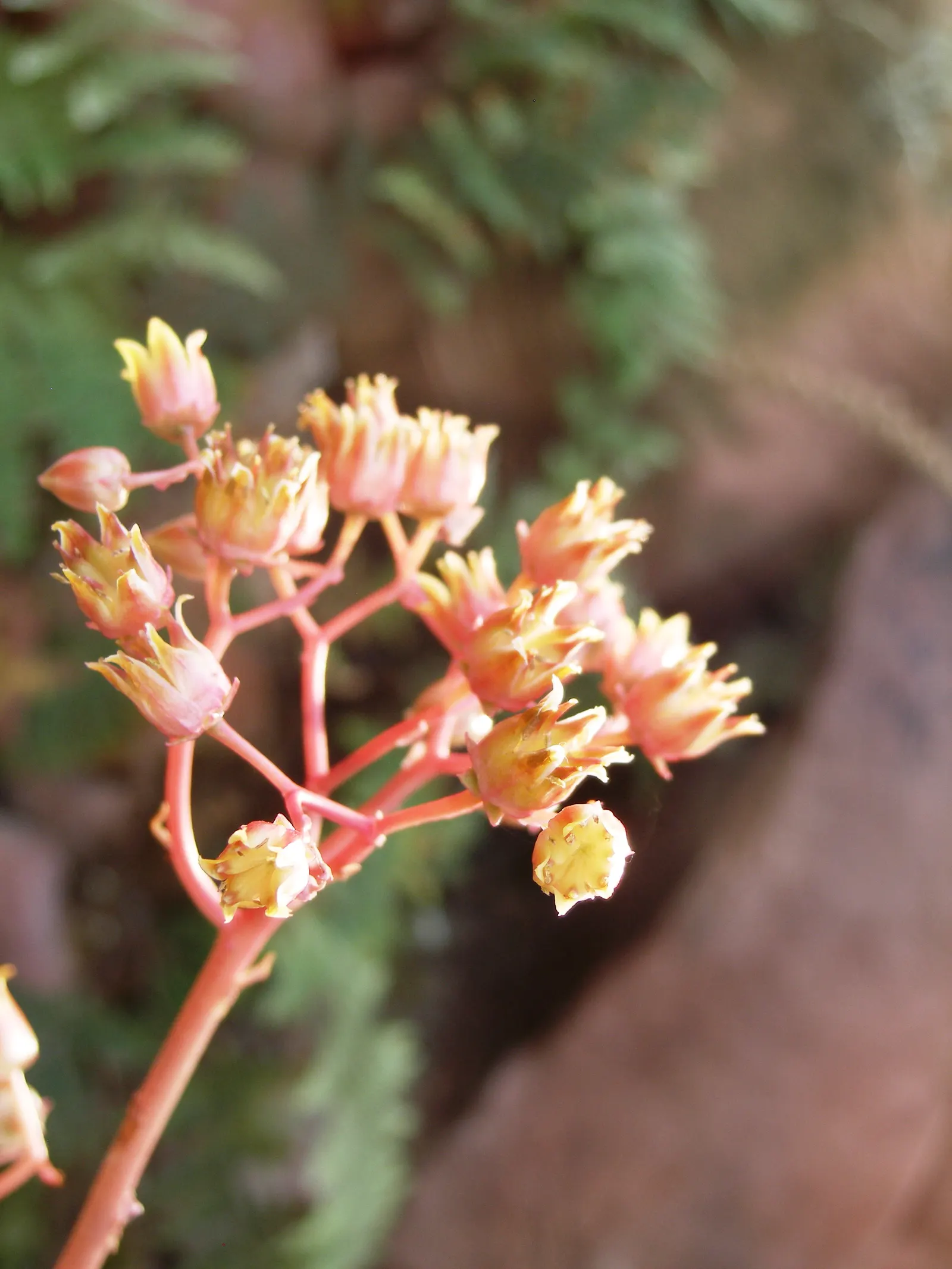
Carpet Echeveria (Echeveria Agavoides) — Echeveria agavoides produces coral-red to pink flowers on slender
Carpet Echeveria (Echeveria Agavoides) — making it suitable for outdoor planting in mild climates.<br><br>Beginning in late spring to early summer; offering an
Carpet Echeveria (Echeveria Agavoides) — it adds a touch of architectural beauty to any landscape
Carpet Echeveria (Echeveria Agavoides) — offering an additional layer of visual interest to its already captivating foliage
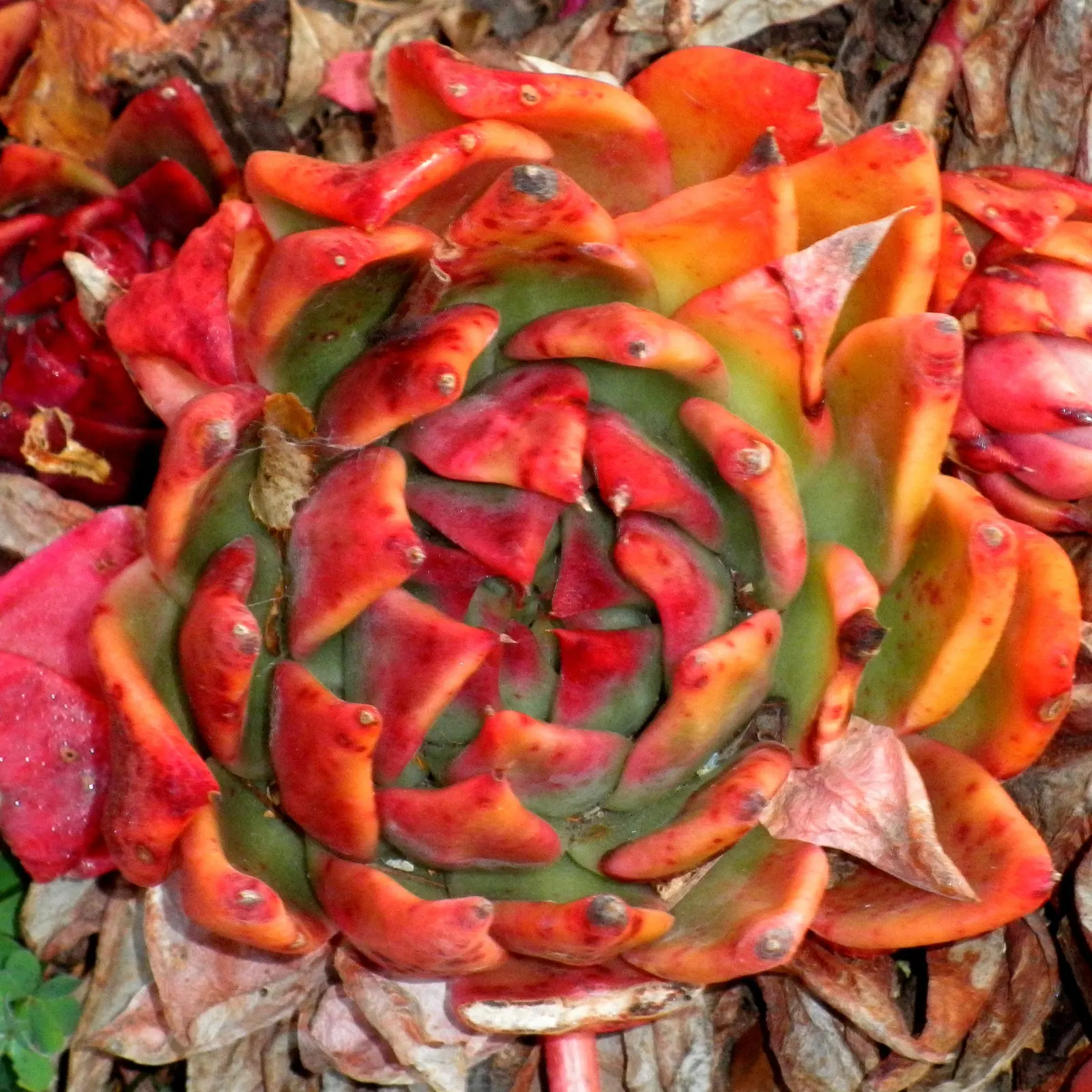
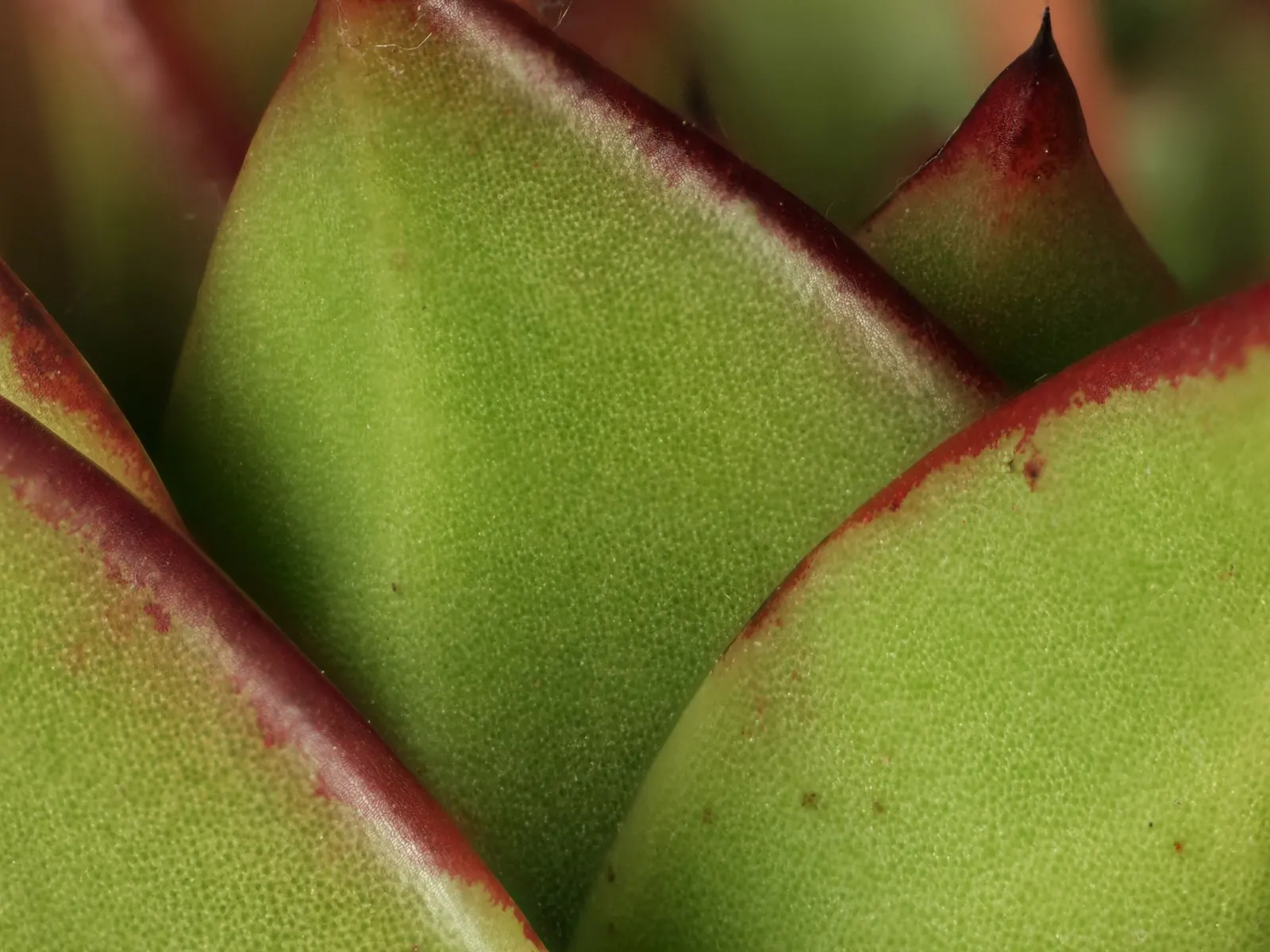
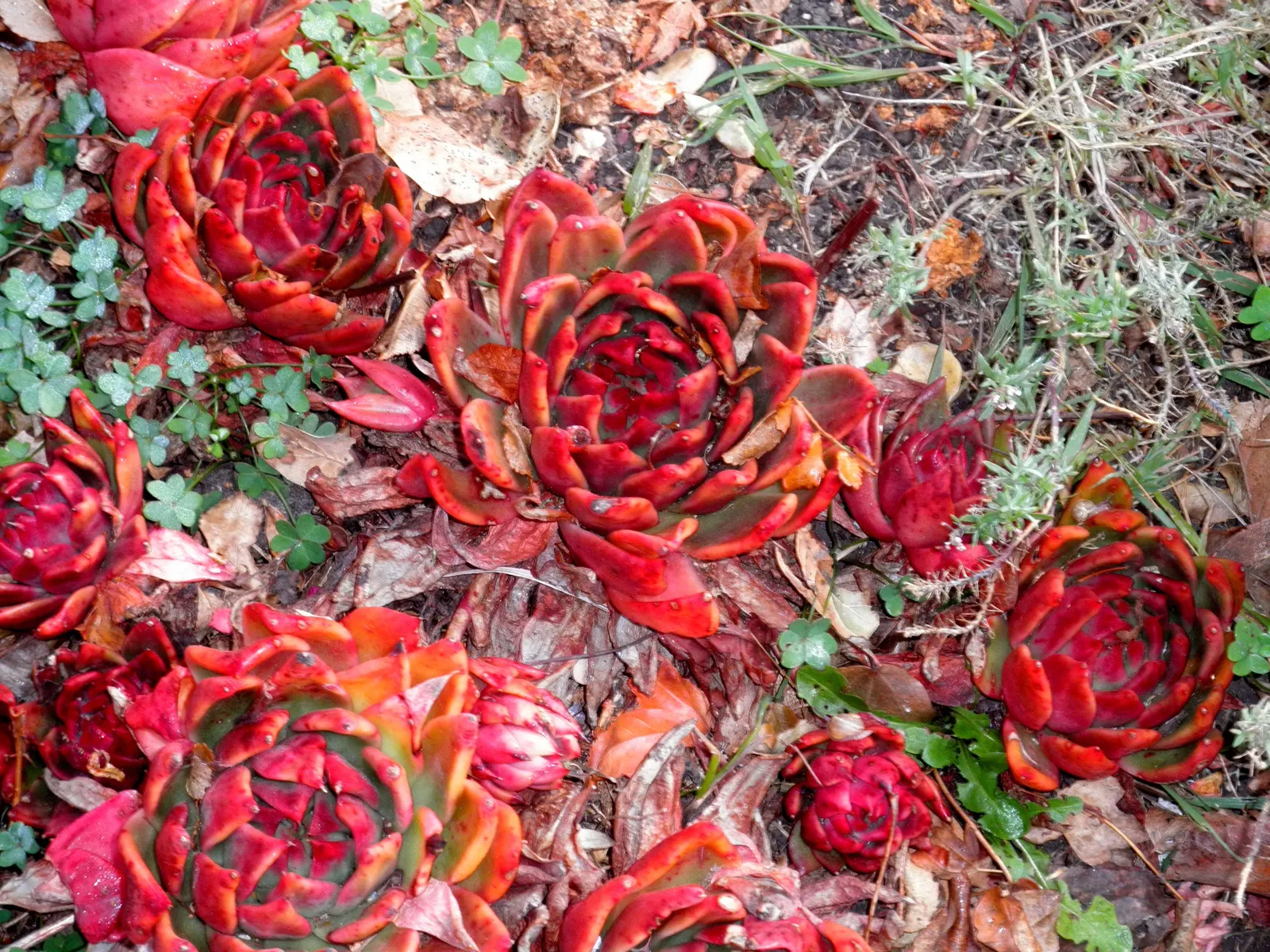
Carpet Echeveria (Echeveria Agavoides) — It is characterized by its compact; the leaves are a vibrant green and may exhibit red edges when exposed to
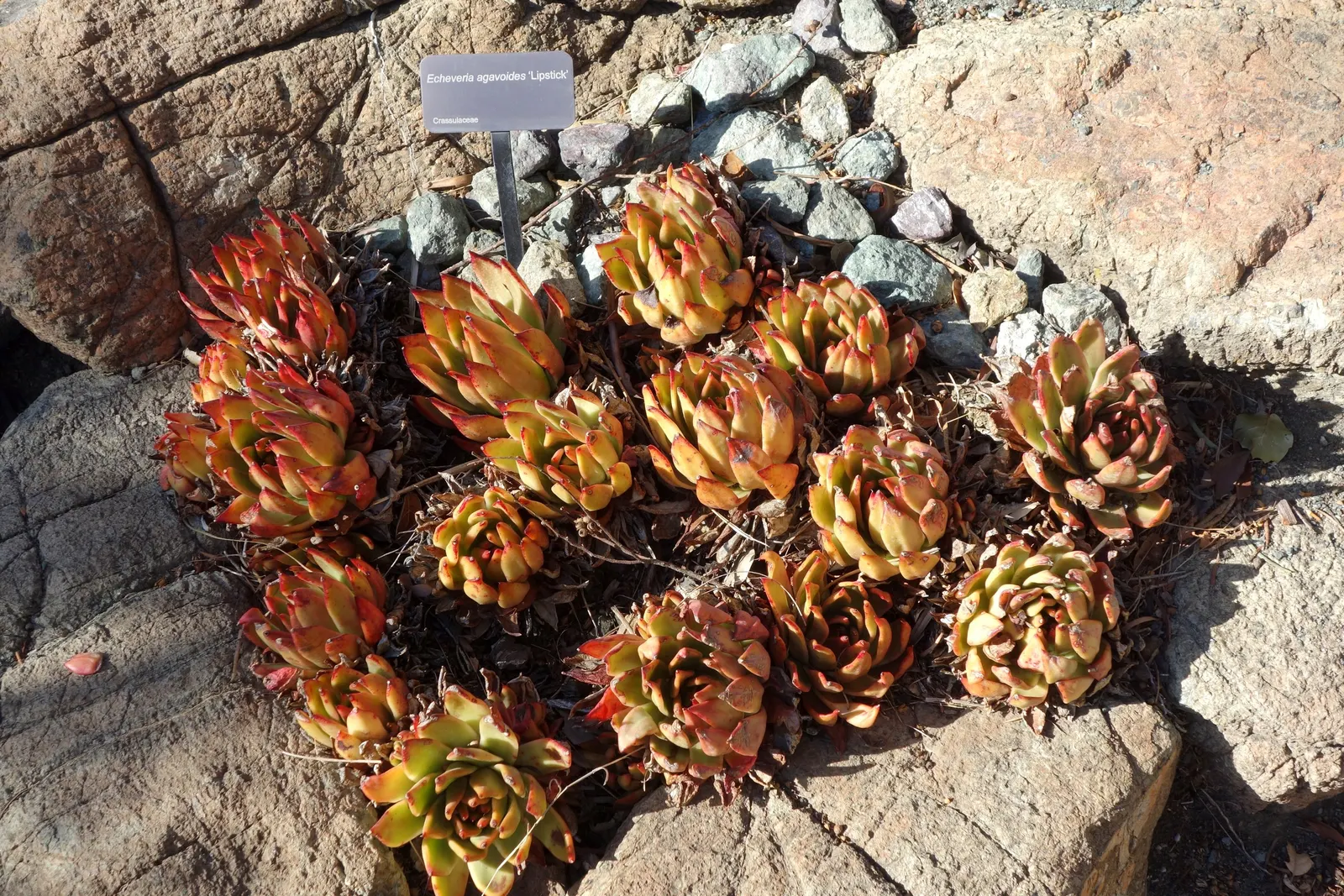
Carpet Echeveria (Echeveria Agavoides) — ensure each rosette is spaced approximately 6 to 9 inches apart to allow for proper air circulation and growth; which
Carpet Echeveria (Echeveria Agavoides) — commonly named Carpet Echeveria
Carpet Echeveria (Echeveria Agavoides) — ensure each rosette is spaced approximately 6 to 9 inches apart to allow for proper air circulation and growth
Carpet Echeveria (Echeveria Agavoides) — commonly named Carpet Echeveria; it prefers full sun to partial shade and needs well-draining soil, with minimal
Carpet Echeveria (Echeveria Agavoides) — it adds a touch of architectural beauty to any landscape; originating from the rocky areas of Mexico
Photographs by 12 contributors

Related plants