Skip to content

Shooting Star

Dodecatheon Meadia

Design with this plant

Overview

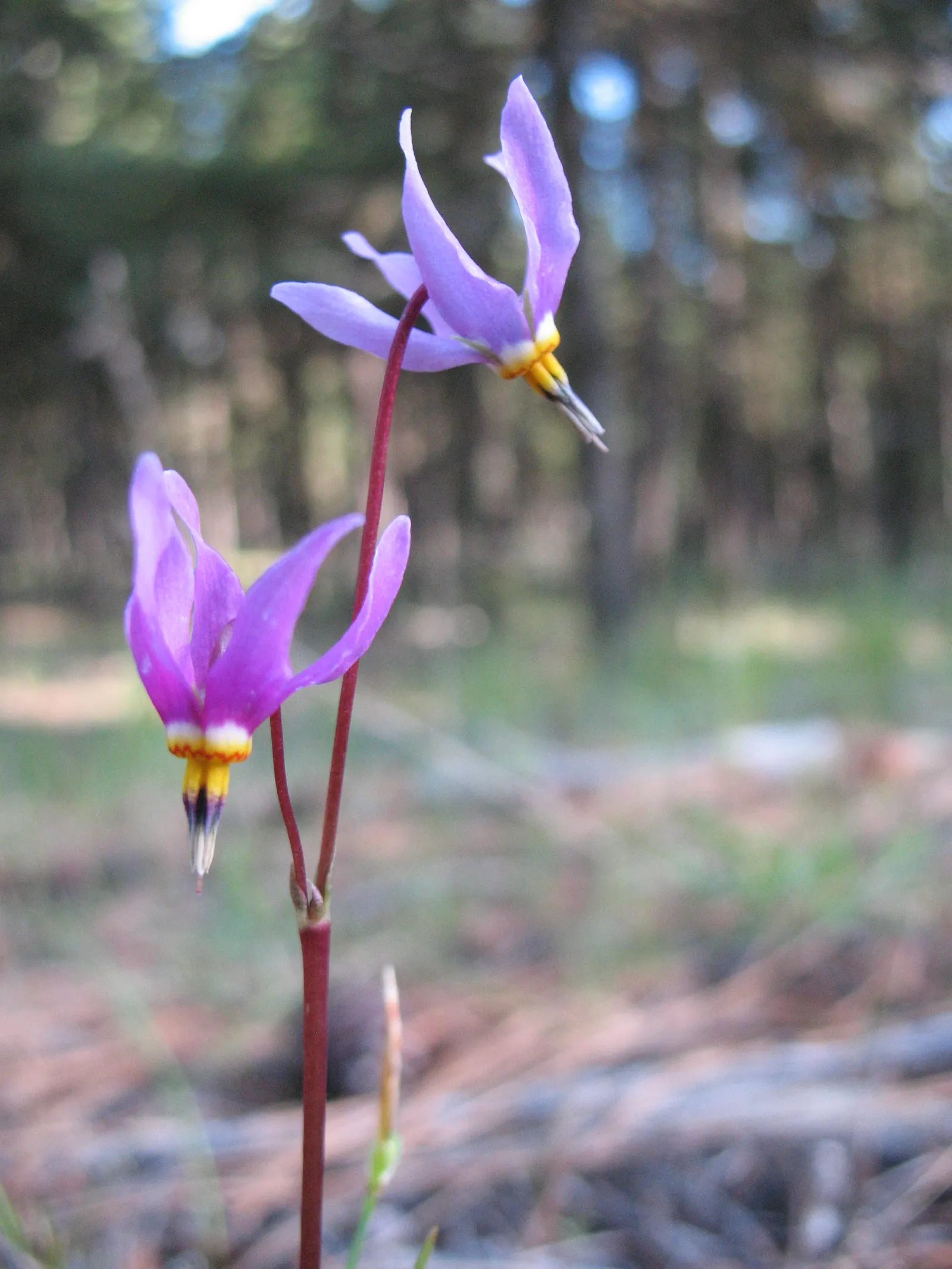
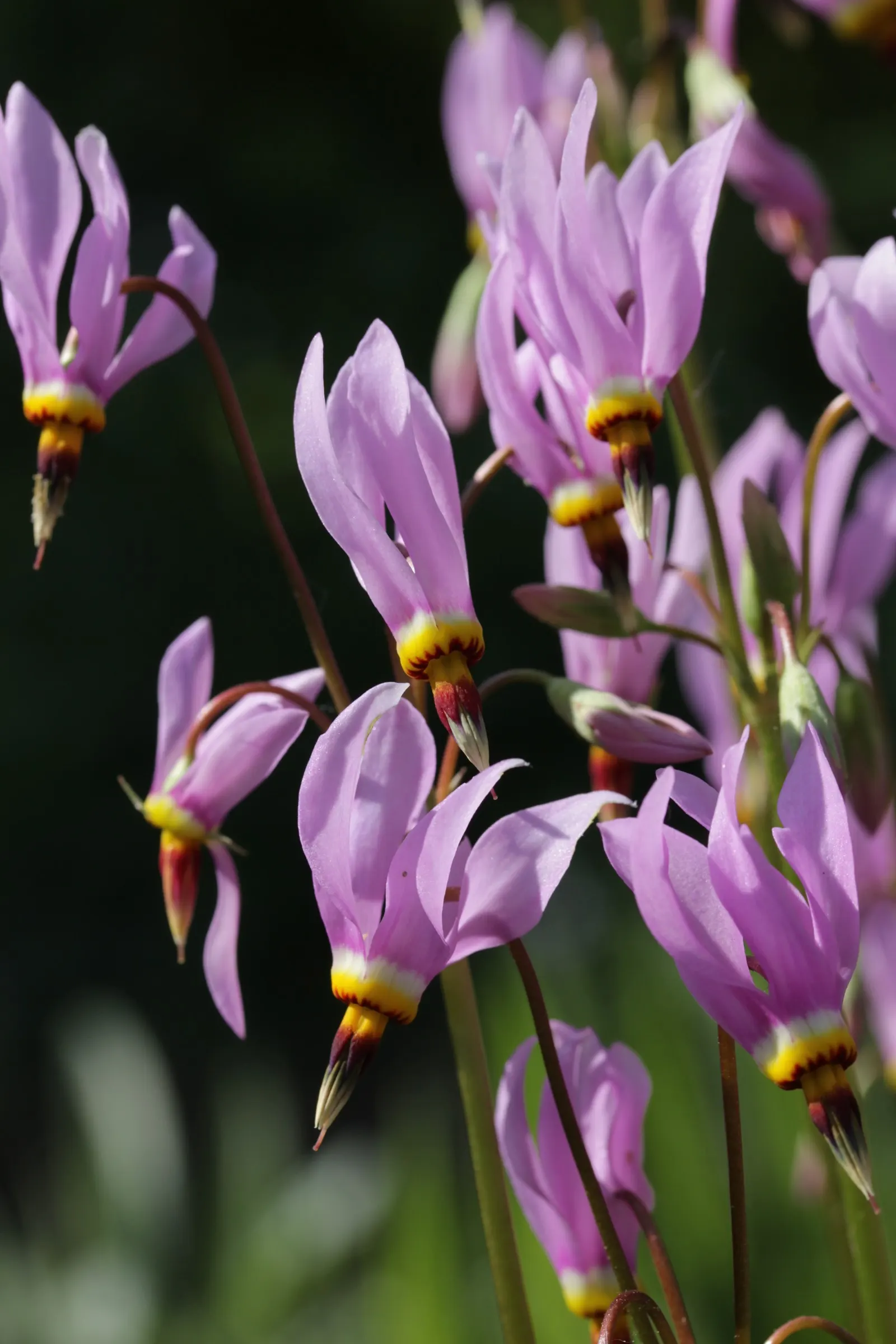
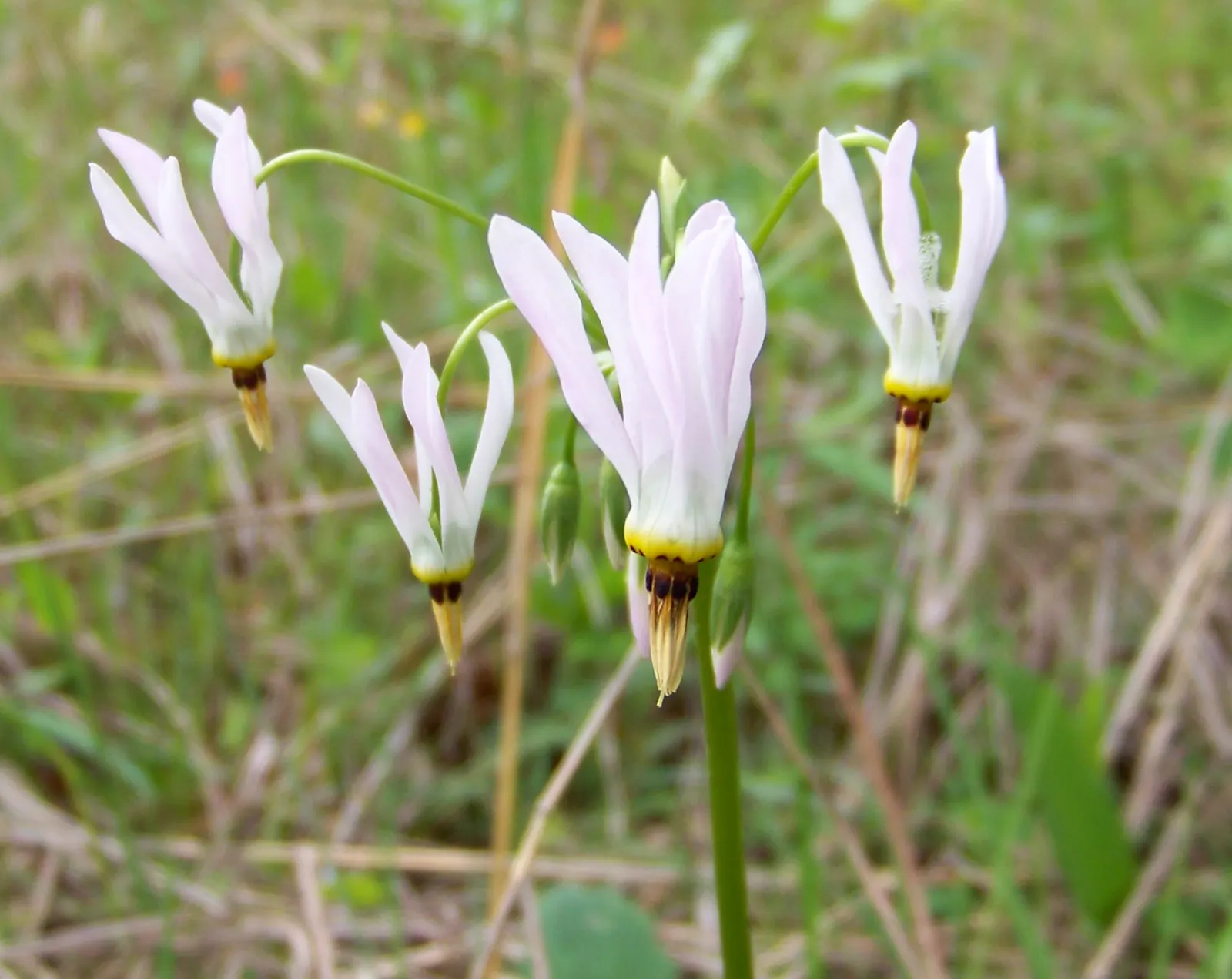
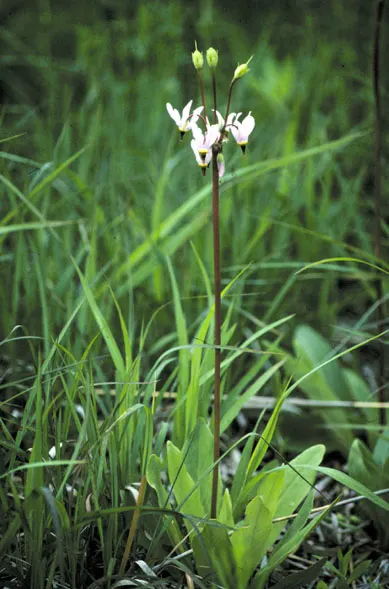
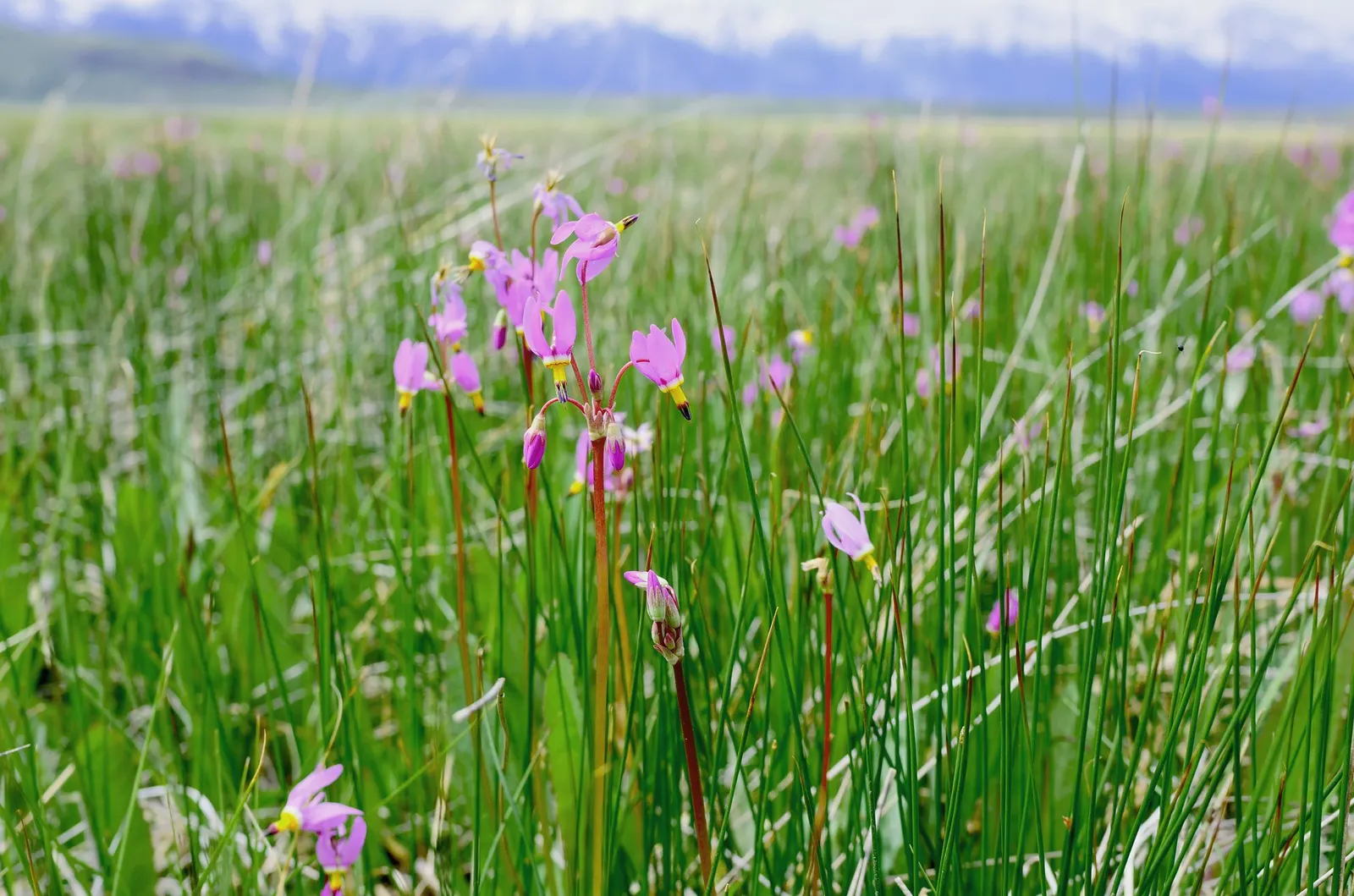
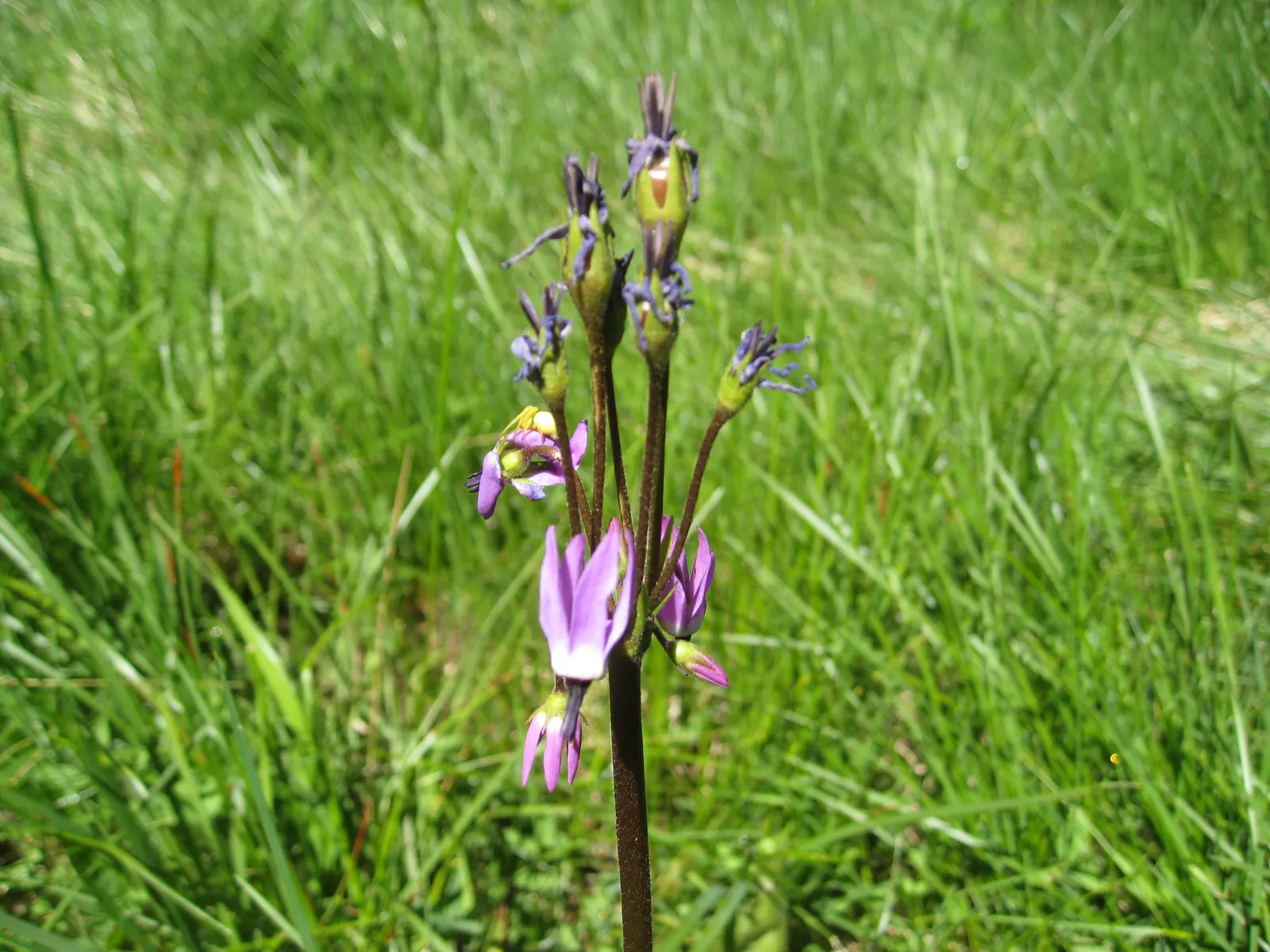
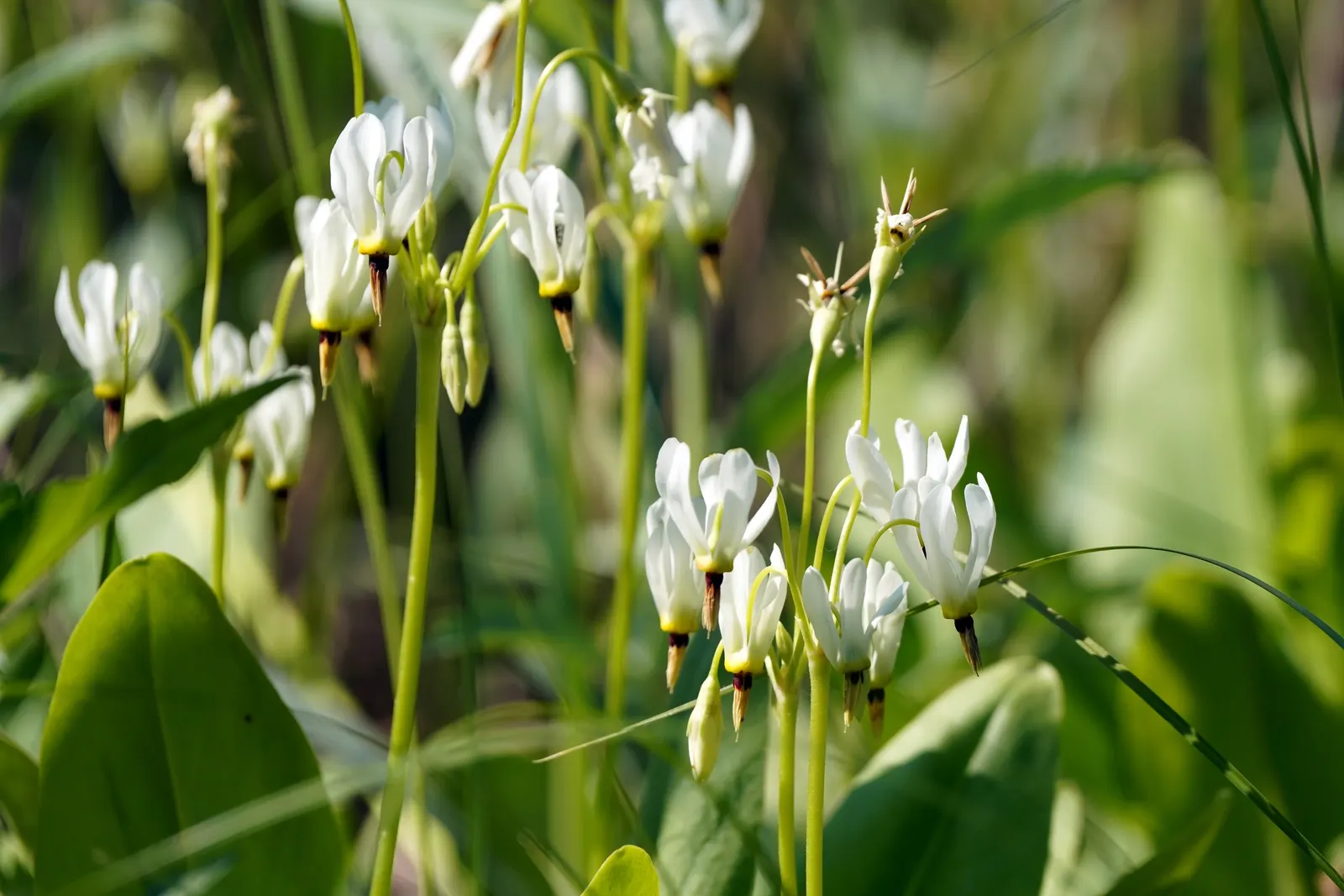
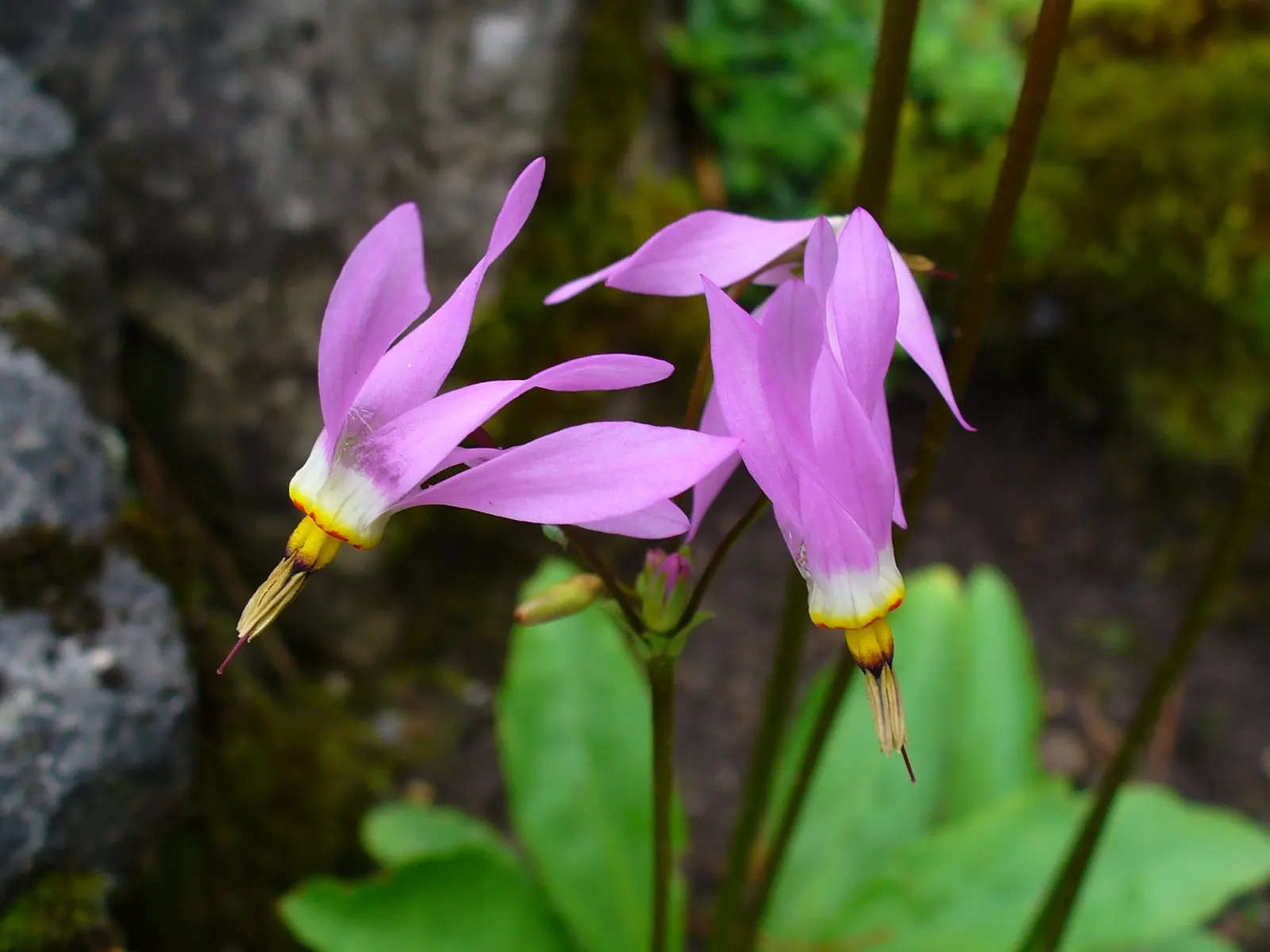
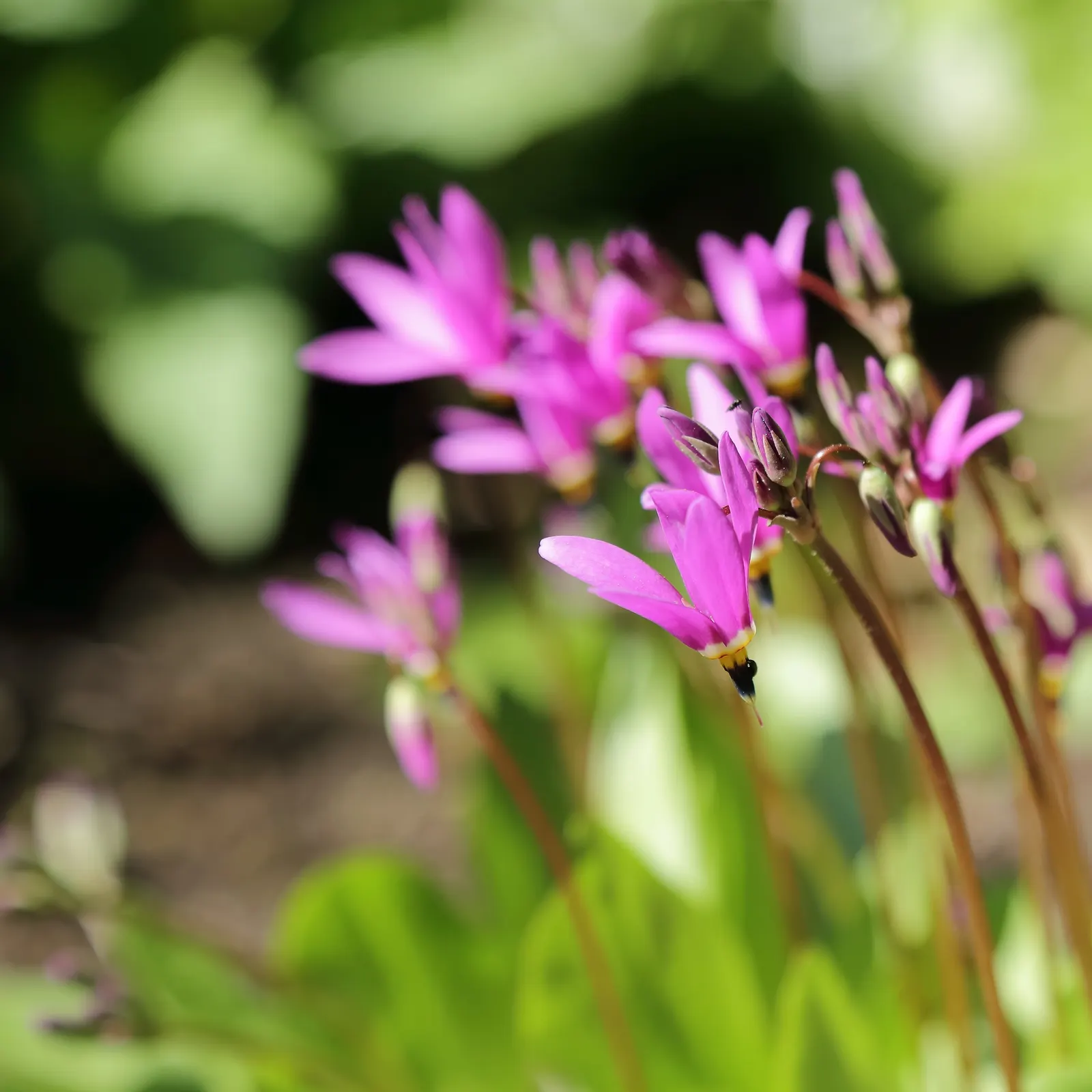
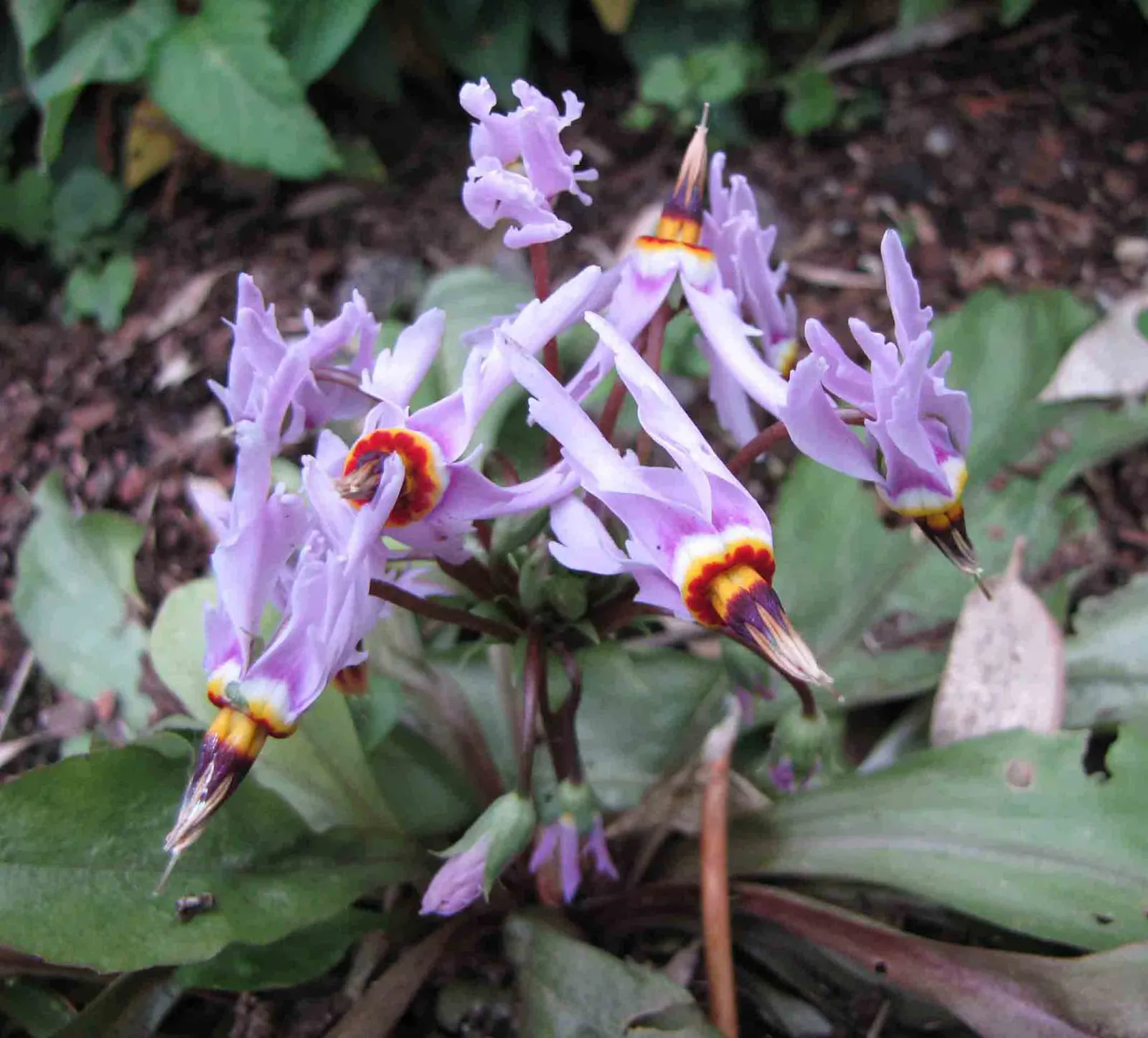
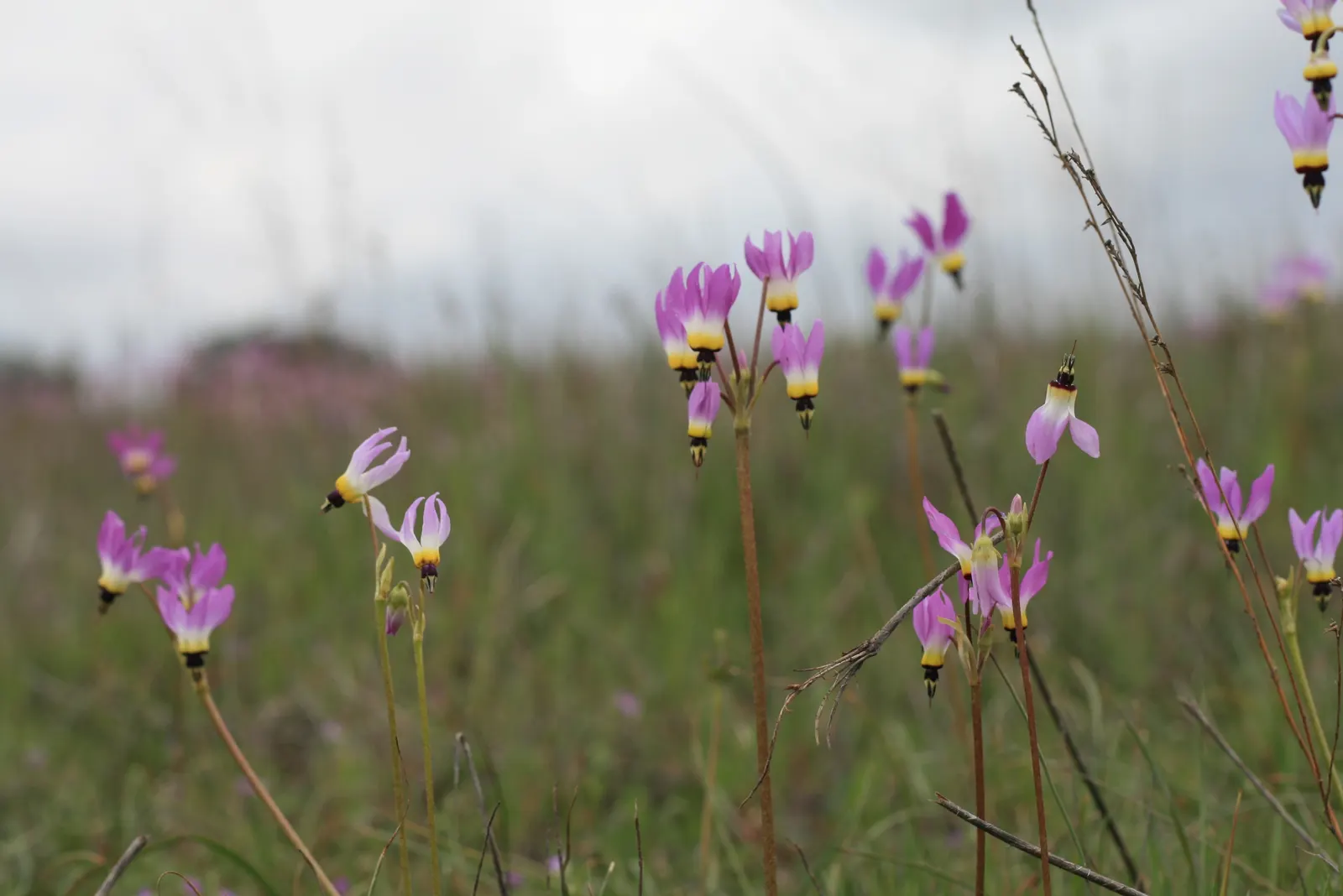
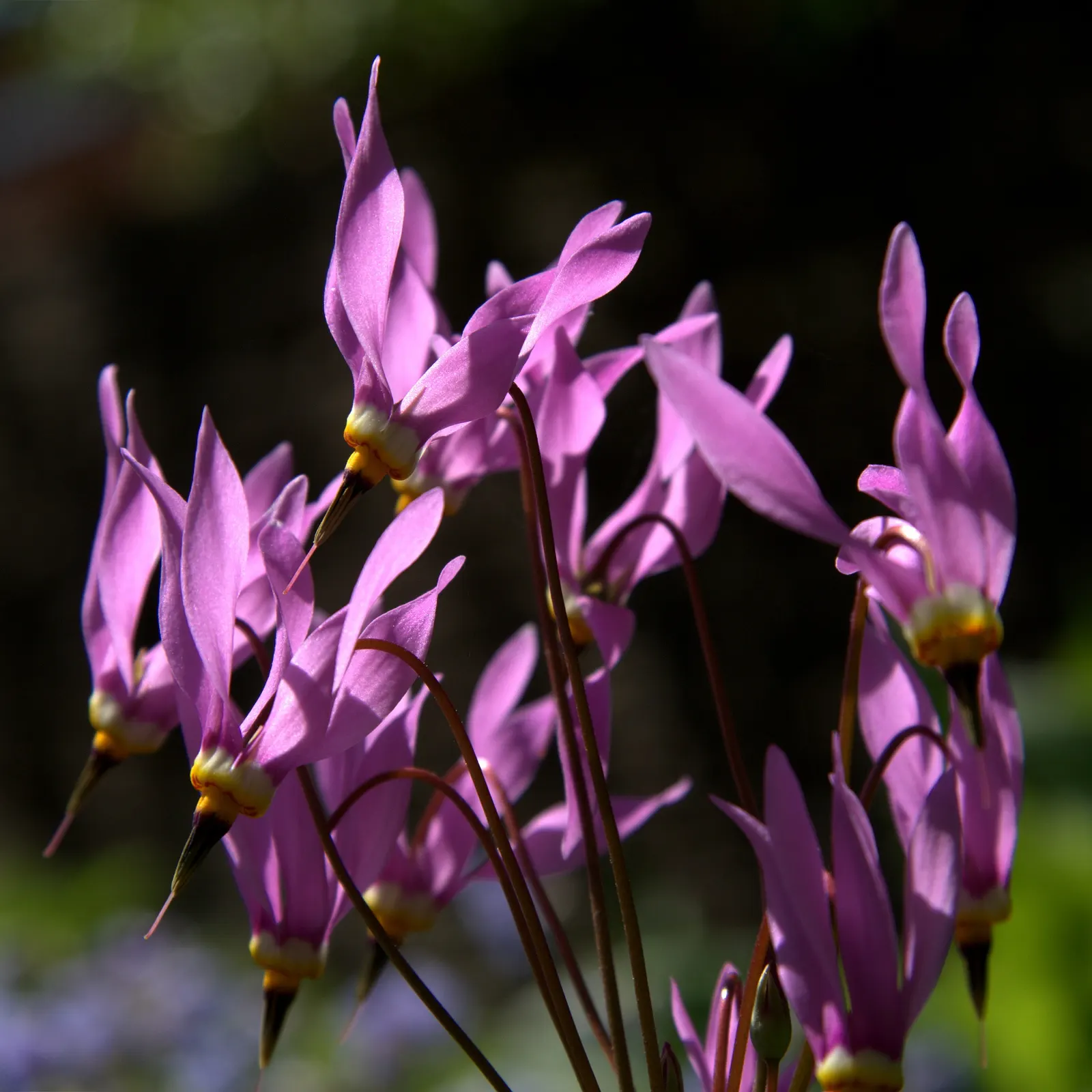
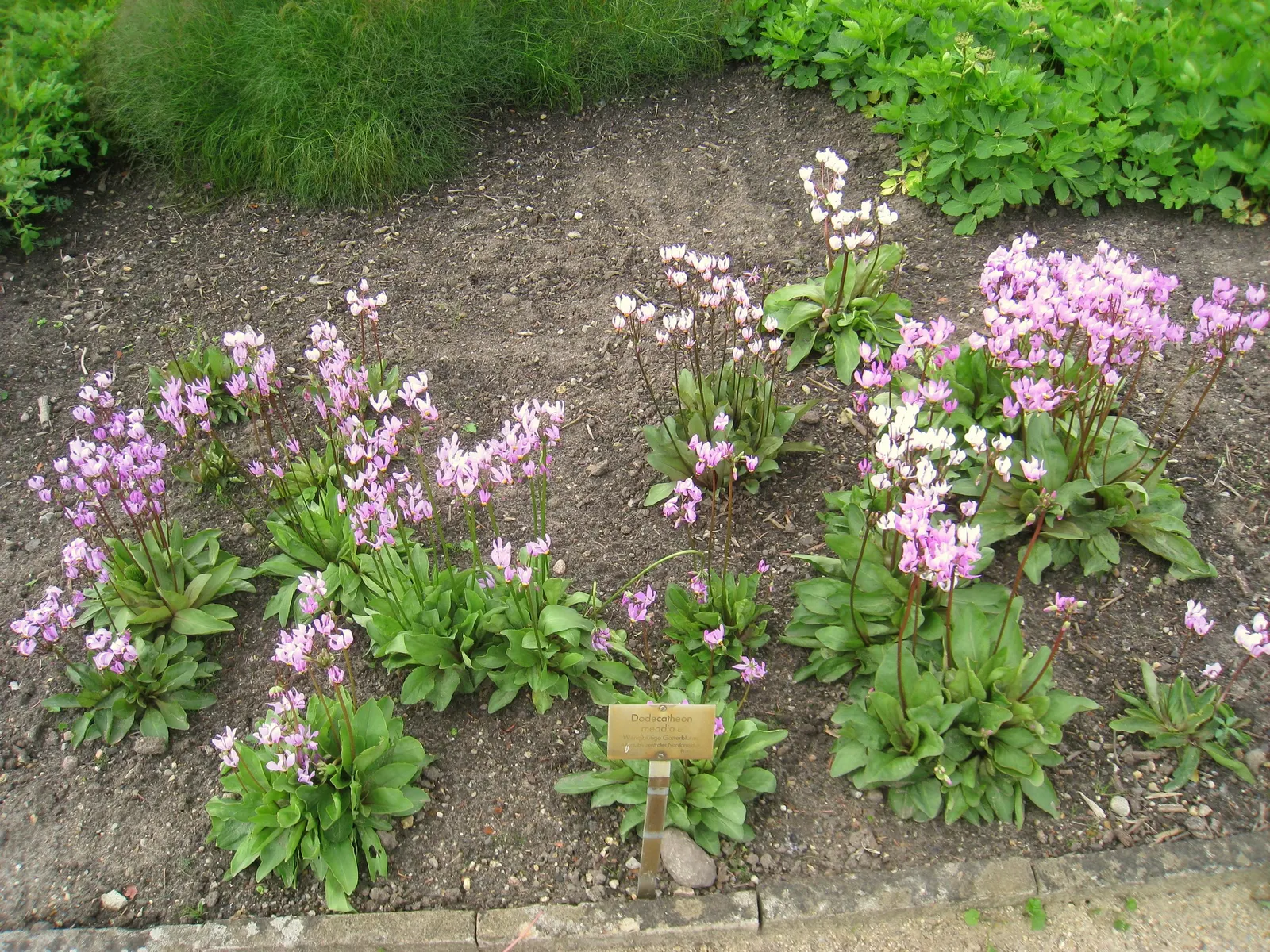
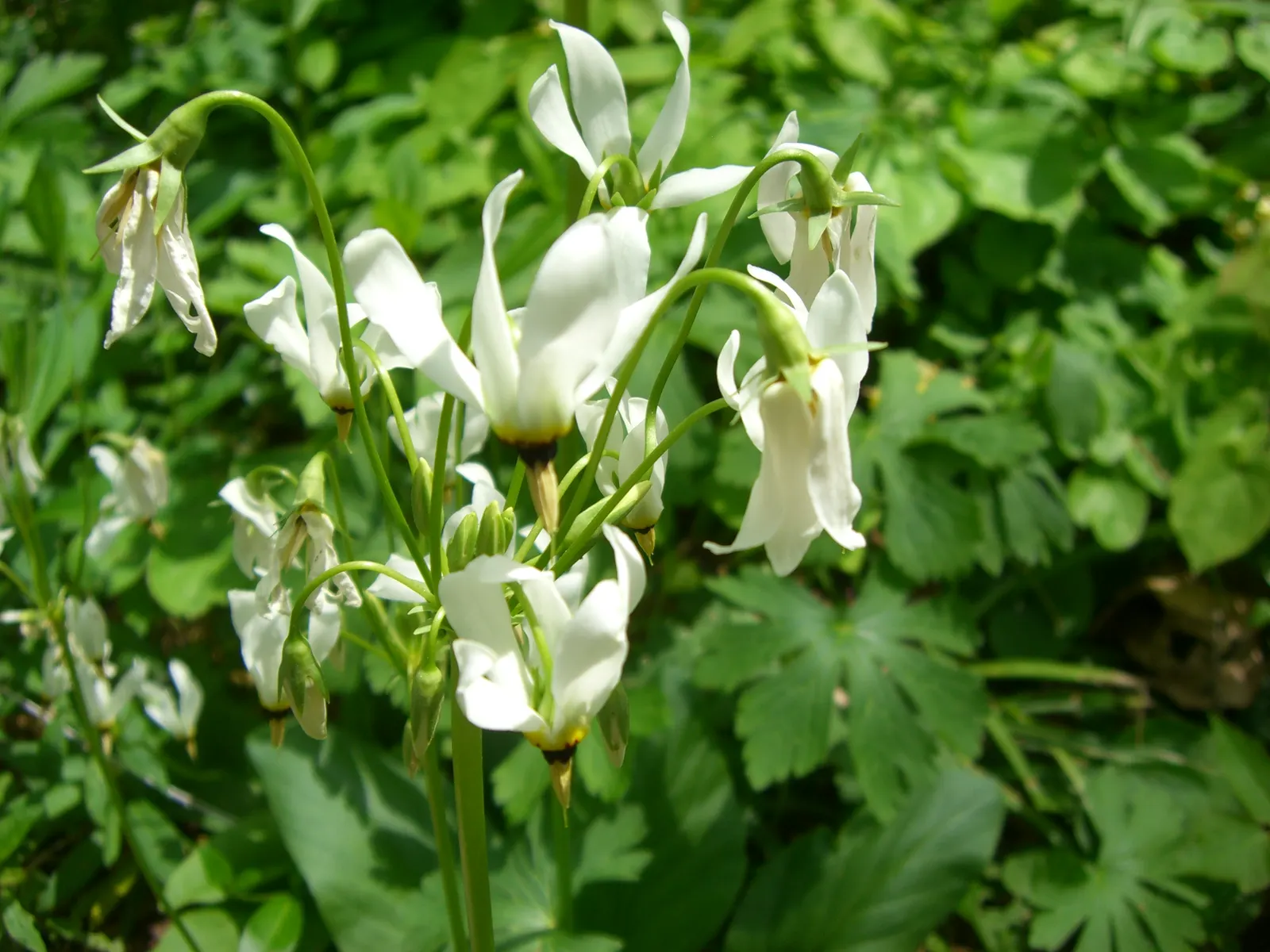
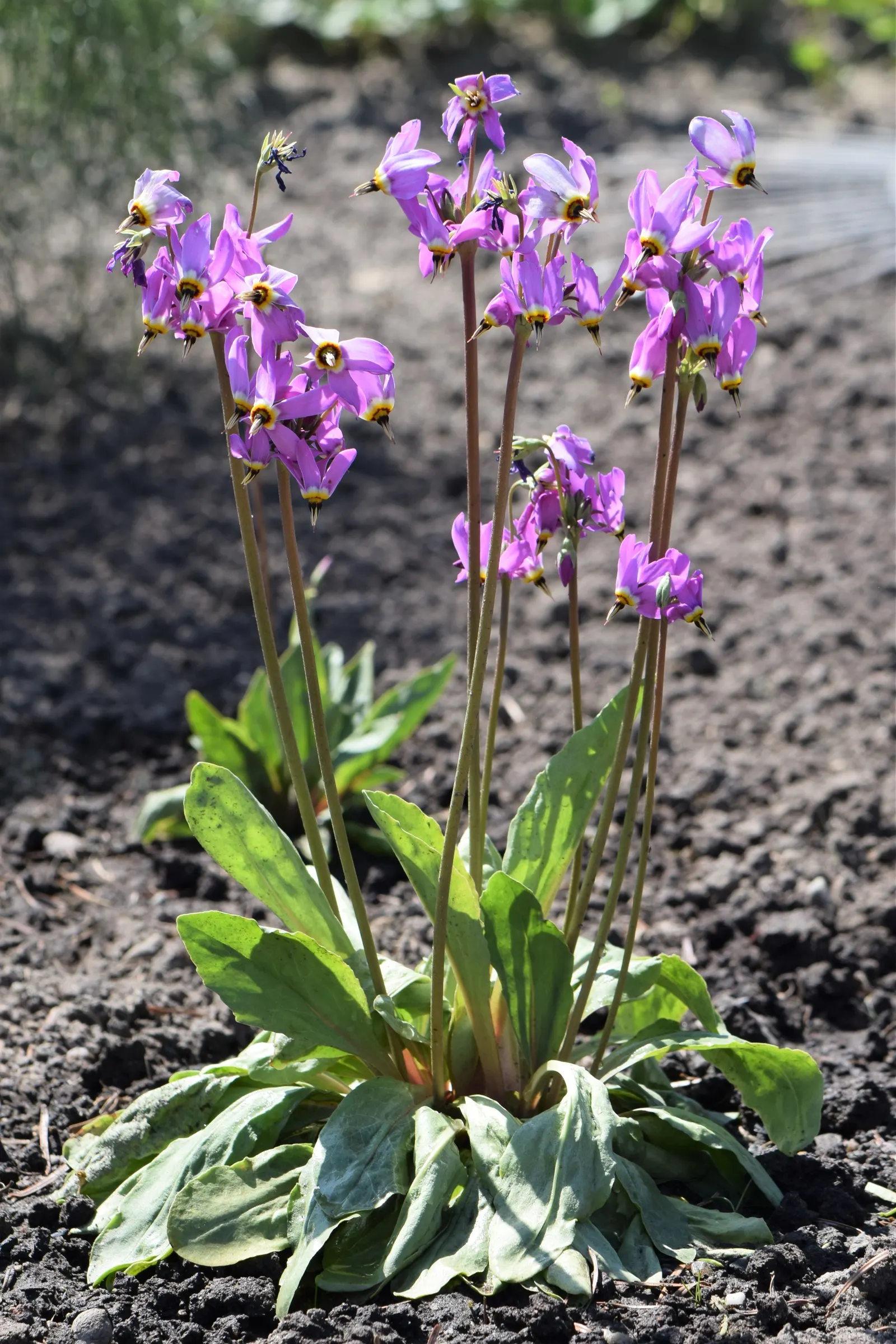
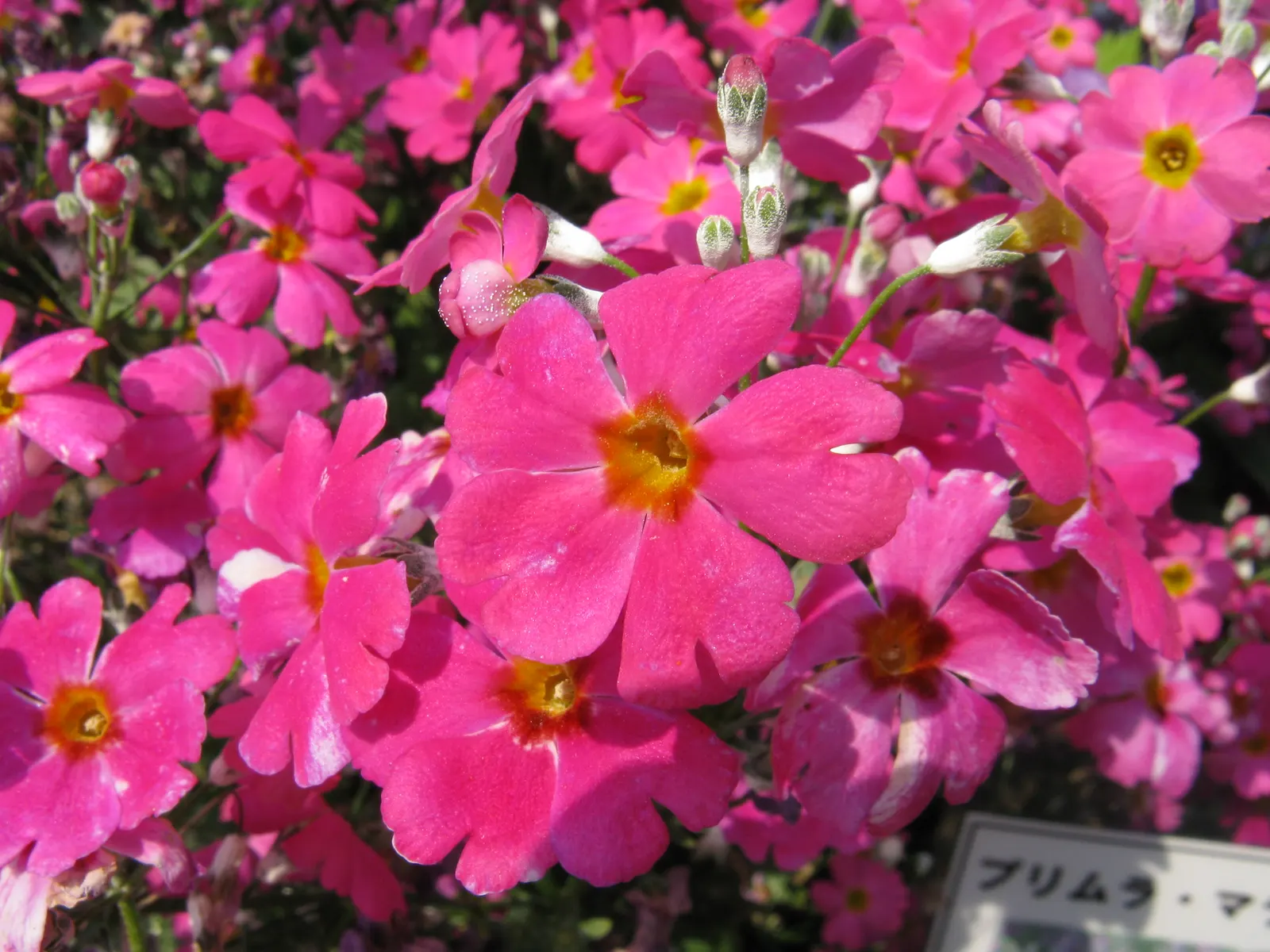
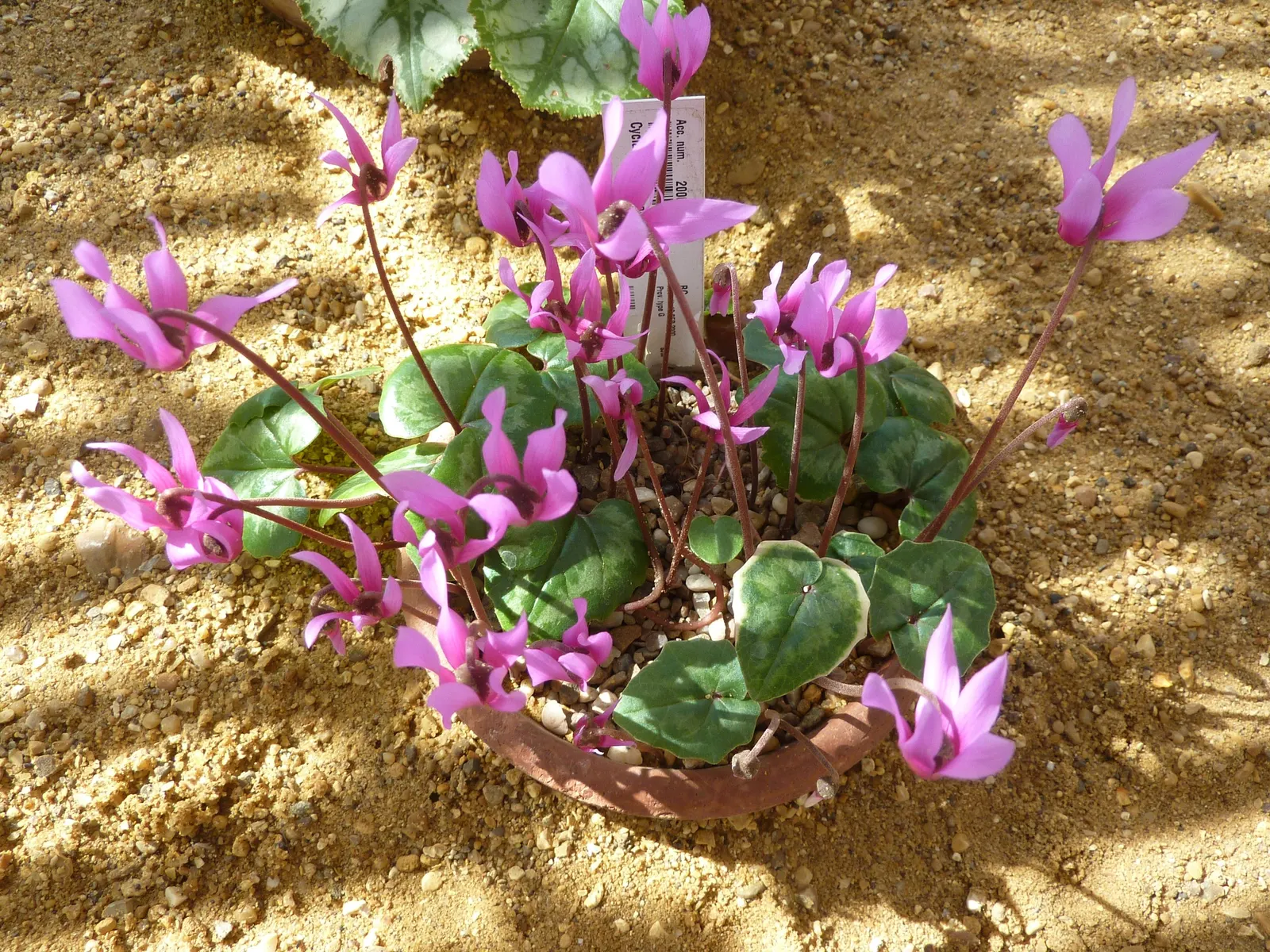
Dodecatheon meadia, known as Shooting Star, is a charming perennial featuring nodding, cyclamen-like flowers with reflexed petals in pink, white, or purple hues. Blooming in April-May, it reaches 8-20 inches in height, with a 6-12 inch spread. Preferring partial shade and moist, well-drained soil, it thrives in USDA zones 4-8. Ideal for woodland gardens, it's a pollinator magnet and goes dormant by midsummer.

Sun HalfWater MediumZones 4–8Climate Temperate
Shooting Star (Dodecatheon Meadia) — is a charming perennial featuring nodding

Culture

Sun
Half
Water
Medium
USDA zones
4–8

Shape & size

Classification

Family
Primulaceae
Climate
Temperate

See full data, regional cultivation notes, full-resolution photos, and design tools. Build a client presentation around this plant.

Start your 14-day trial

Photos (86)

Shooting Star (Dodecatheon Meadia) — The Shooting Star is a low-maintenance plant that once established
Shooting Star (Dodecatheon Meadia) — Blooming in April-May, it reaches 8-20 inches in height, with a 6-12 inch spread; the Shooting Star offers versatility
Shooting Star (Dodecatheon Meadia) — cyclamen-like flowers with reflexed petals in pink; it typically flourishes in partial shade to full sun environments
Shooting Star (Dodecatheon Meadia) — annual / perennial with pink blooms
Shooting Star (Dodecatheon Meadia) — annual / perennial for half
Shooting Star (Dodecatheon Meadia) — is a charming perennial featuring nodding; preferring partial shade and moist, well-drained soil, it thrives in USDA zones
Shooting Star (Dodecatheon Meadia) — This plant is a North American native; annual / perennial with pink blooms
Shooting Star (Dodecatheon Meadia) — which attests to its adaptability in various climates; in late spring to early summer, it produces striking flower stalks
Shooting Star (Dodecatheon Meadia) — thriving in USDA Hardiness Zones 4 through 8; scientifically known as Dodecatheon meadia
Shooting Star (Dodecatheon Meadia) — Preferring partial shade and moist, well-drained soil, it thrives in USDA zones 4-8; pink flowers in the garden
Shooting Star (Dodecatheon Meadia) — Ideal for woodland gardens, it's a pollinator magnet and goes dormant by midsummer, image 32
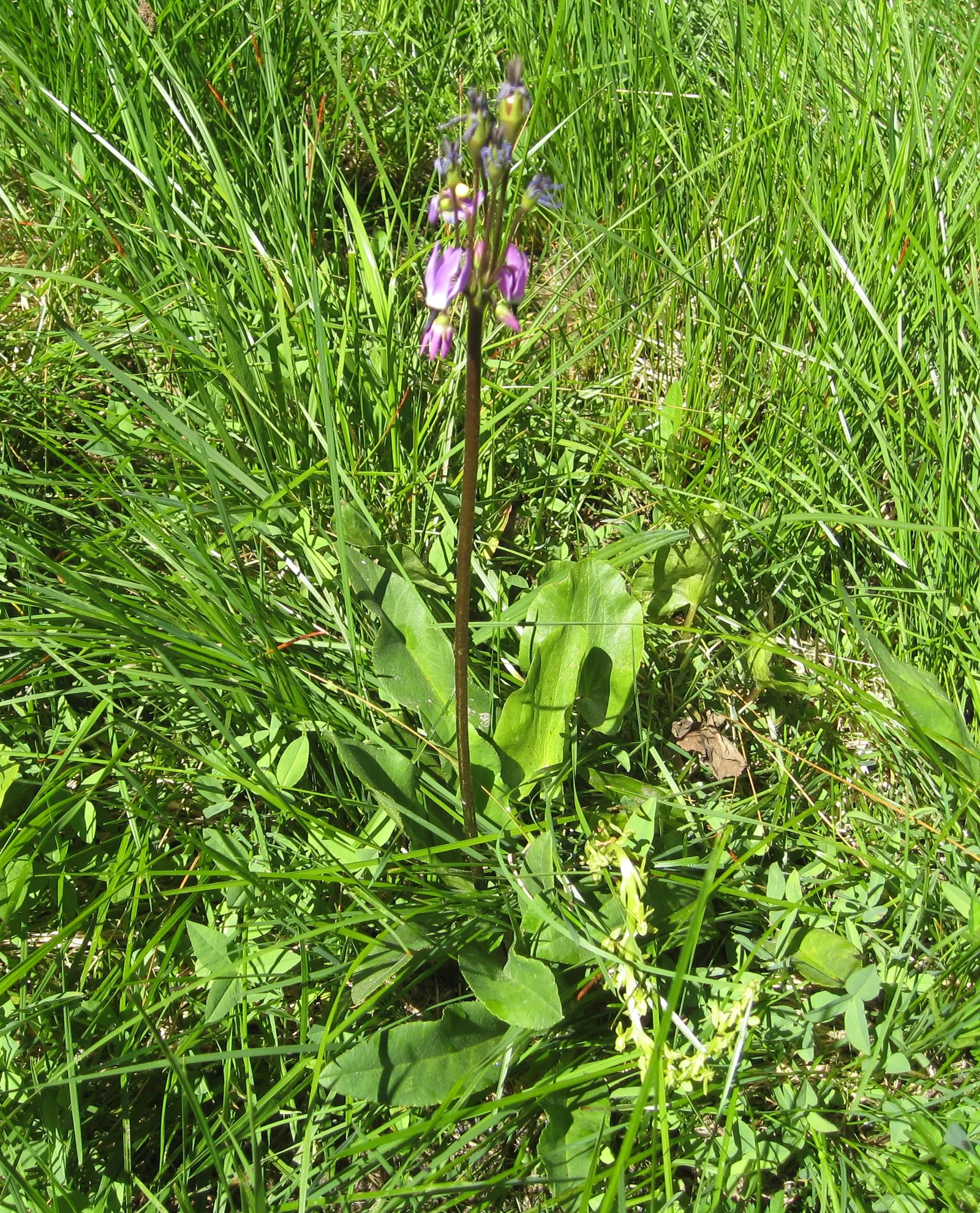
Shooting Star (Dodecatheon Meadia) — scientifically known as Dodecatheon meadia; the foliage is basal and lance-shaped, forming a rosette at the ground level
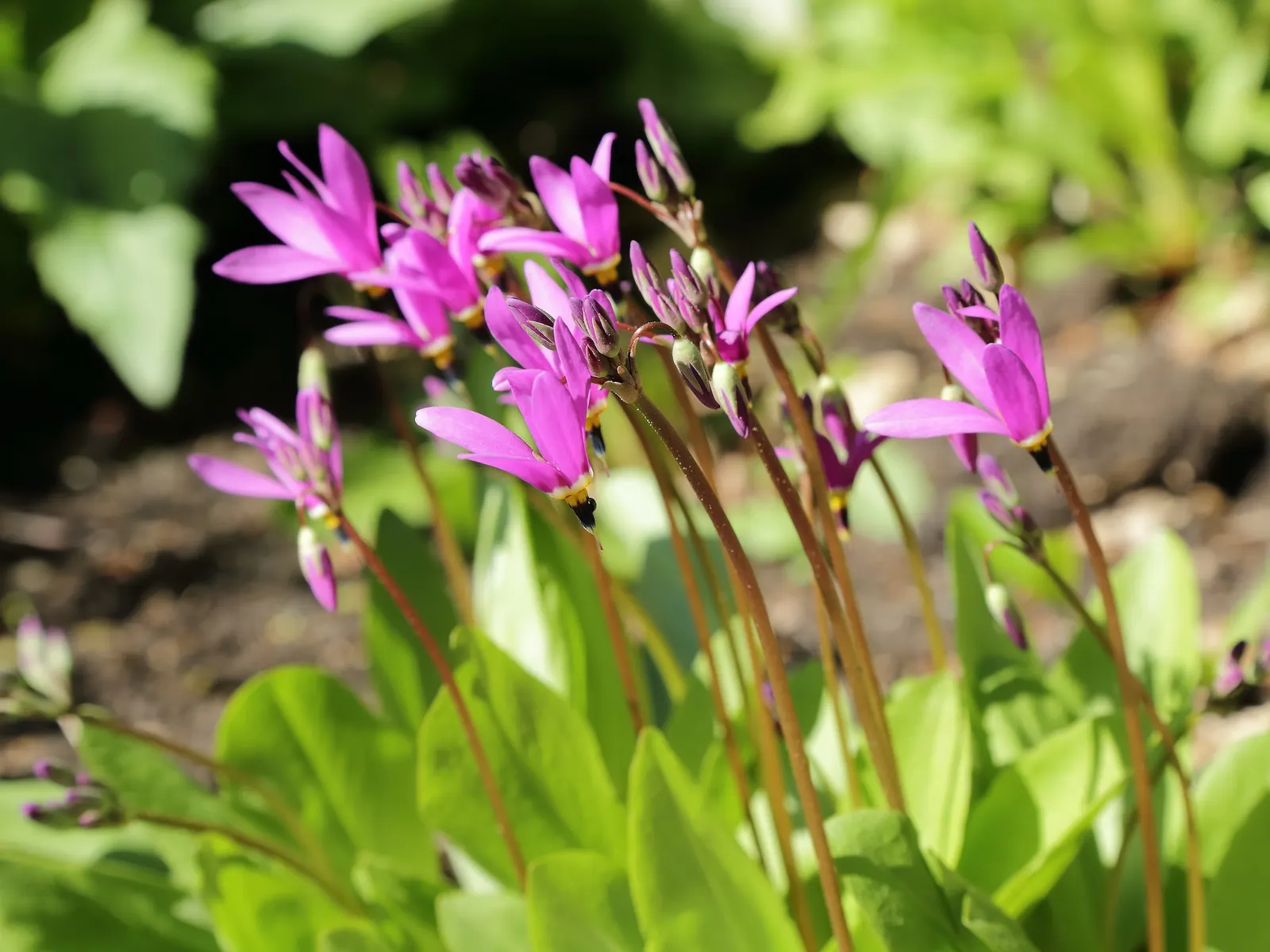
Shooting Star (Dodecatheon Meadia) — is a captivating perennial that adds a whimsical touch to any garden; it functions beautifully as a woodland garden
Shooting Star (Dodecatheon Meadia) — The colors range from white to pink to lavender; highlight that this plant is attractive to pollinators like bees and
Shooting Star (Dodecatheon Meadia) — It typically flourishes in partial shade to full sun environments; it is also an excellent choice for seasonal interest
Shooting Star (Dodecatheon Meadia) — The foliage is basal and lance-shaped, forming a rosette at the ground level; annual / perennial for half
Shooting Star (Dodecatheon Meadia) — In late spring to early summer, it produces striking flower stalks, each adorned with multiple nodding blooms; is a
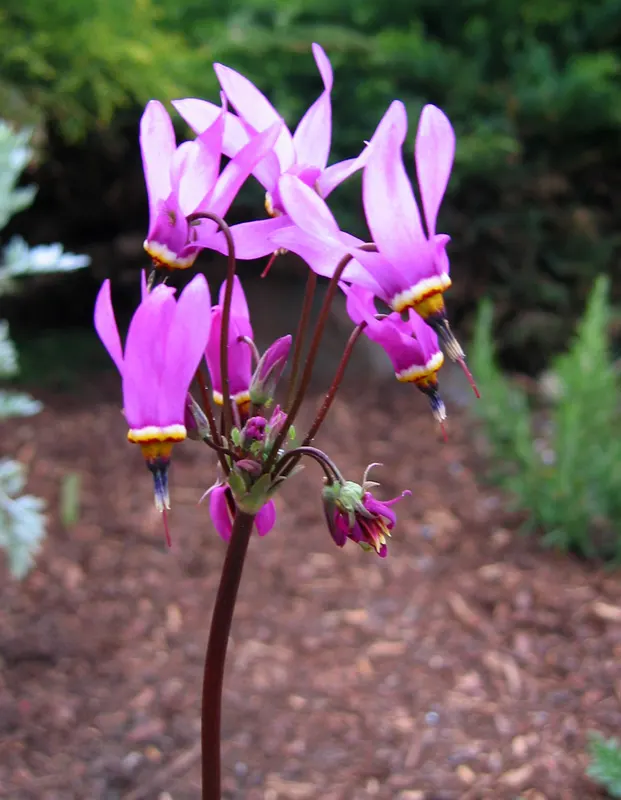
Shooting Star (Dodecatheon Meadia) — The blossoms are quite distinctive, with five reflexed petals that sweep backward, resembling a comet's tail, image 41
Shooting Star (Dodecatheon Meadia) — contrasting yellow or reddish ring and stamens at the base; is a charming perennial featuring nodding
Shooting Star (Dodecatheon Meadia) — further enhancing its allure.<br><br>For the landscape designer; this plant is a North American native
Shooting Star (Dodecatheon Meadia) — The Shooting Star is a low-maintenance plant that once established, image 50
Shooting Star (Dodecatheon Meadia) — It functions beautifully as a woodland garden addition, in rock gardens, or naturalized areas; thus supporting local
Shooting Star (Dodecatheon Meadia) — It is also an excellent choice for seasonal interest when used in borders or as part of a native plant garden, image 47
Shooting Star (Dodecatheon Meadia) — highlight that this plant is attractive to pollinators like bees and butterflies; thriving in USDA Hardiness Zones 4

Related plants