Skip to content

American Persimmon, Possumwood

Diospyros Virginiana

Design with this plant

Overview

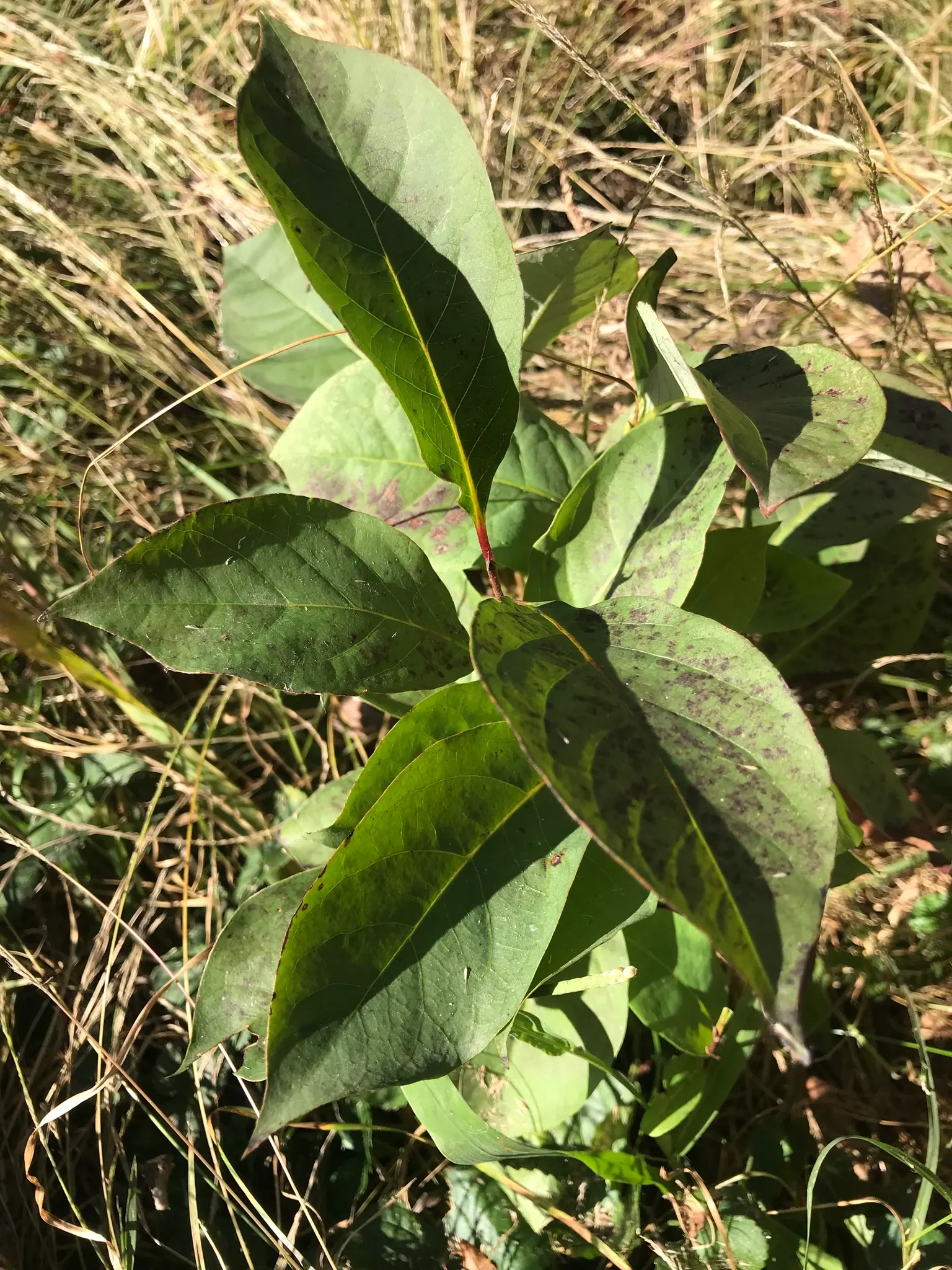
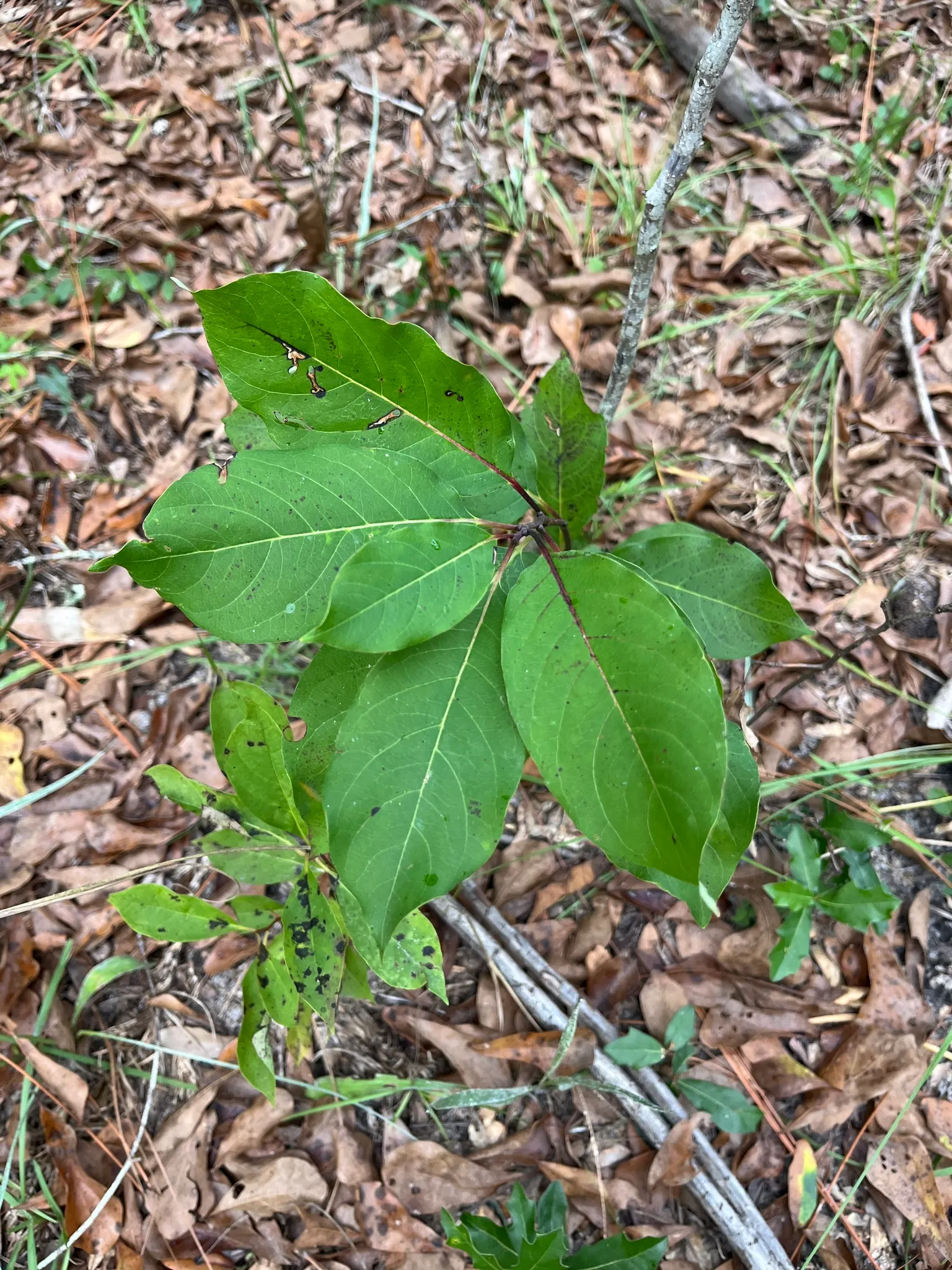
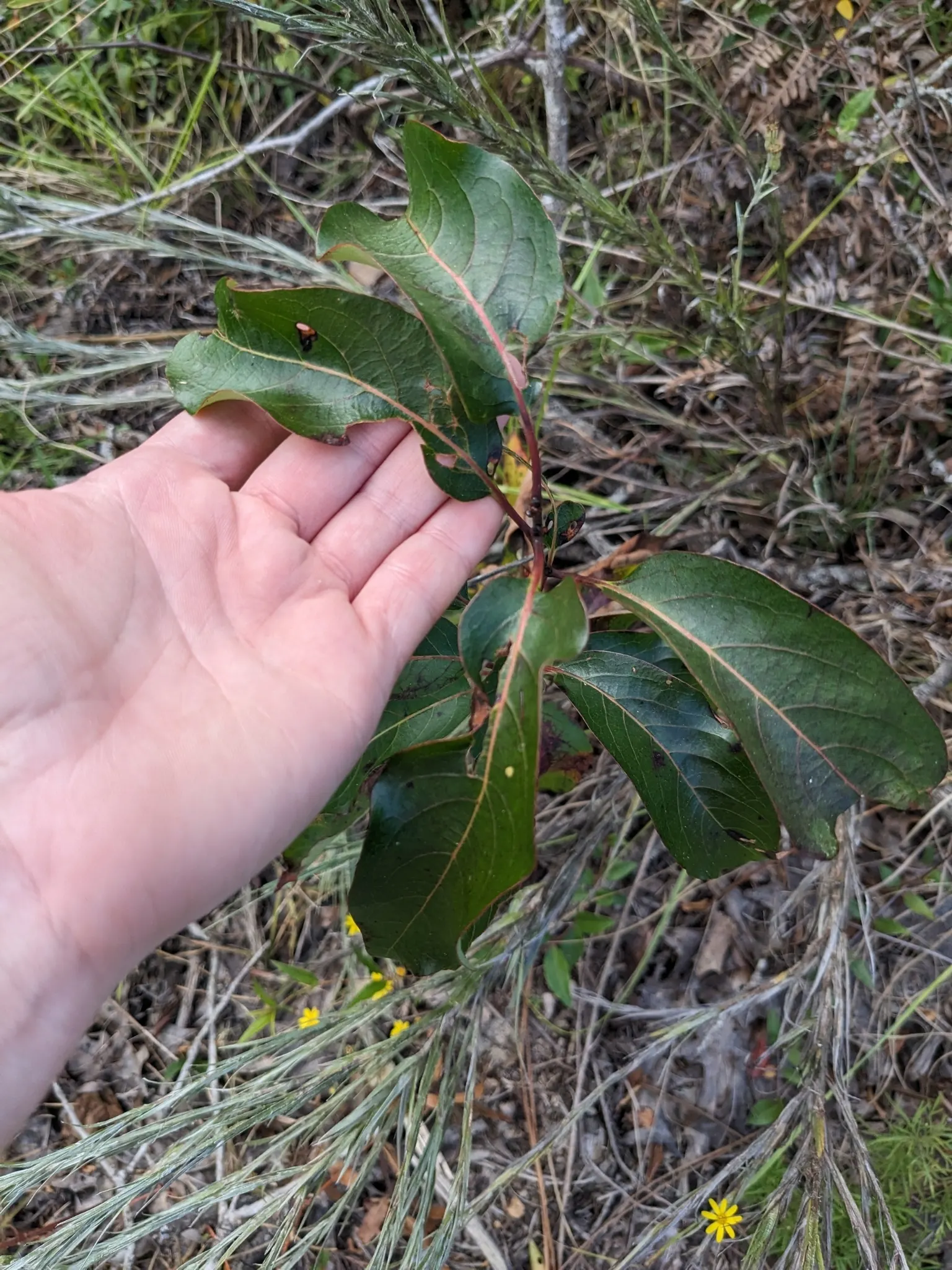
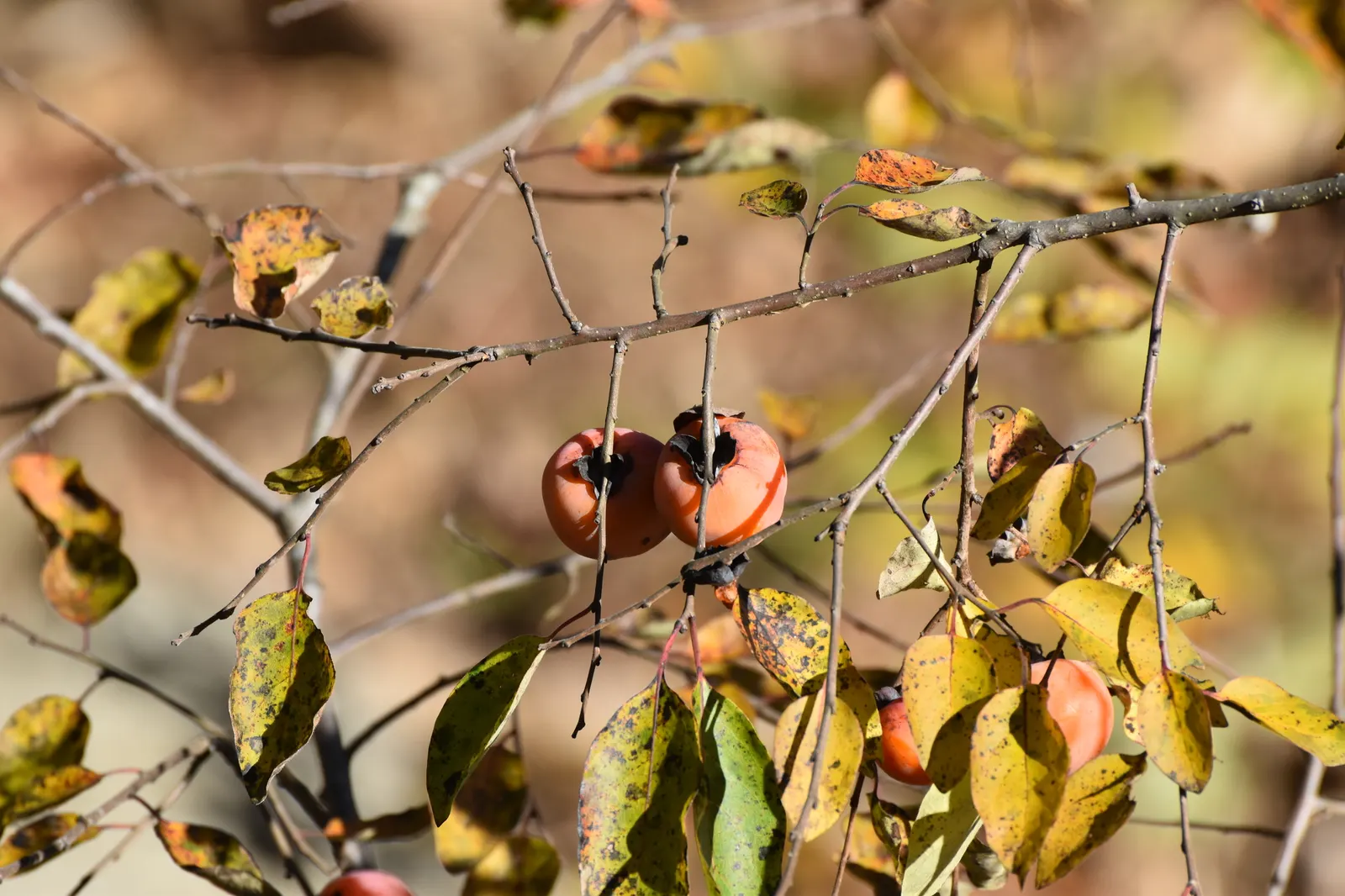
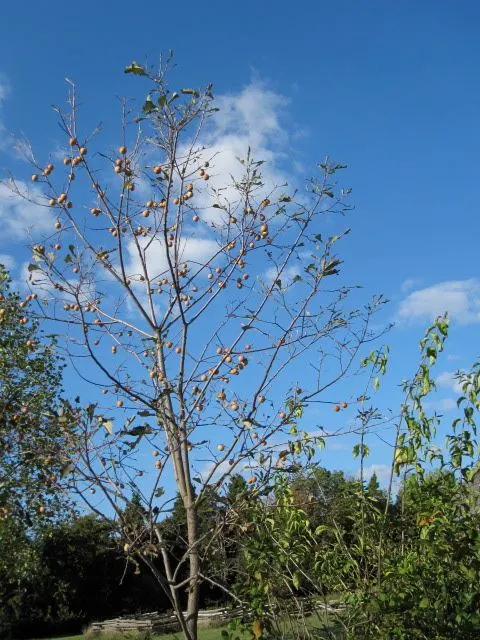
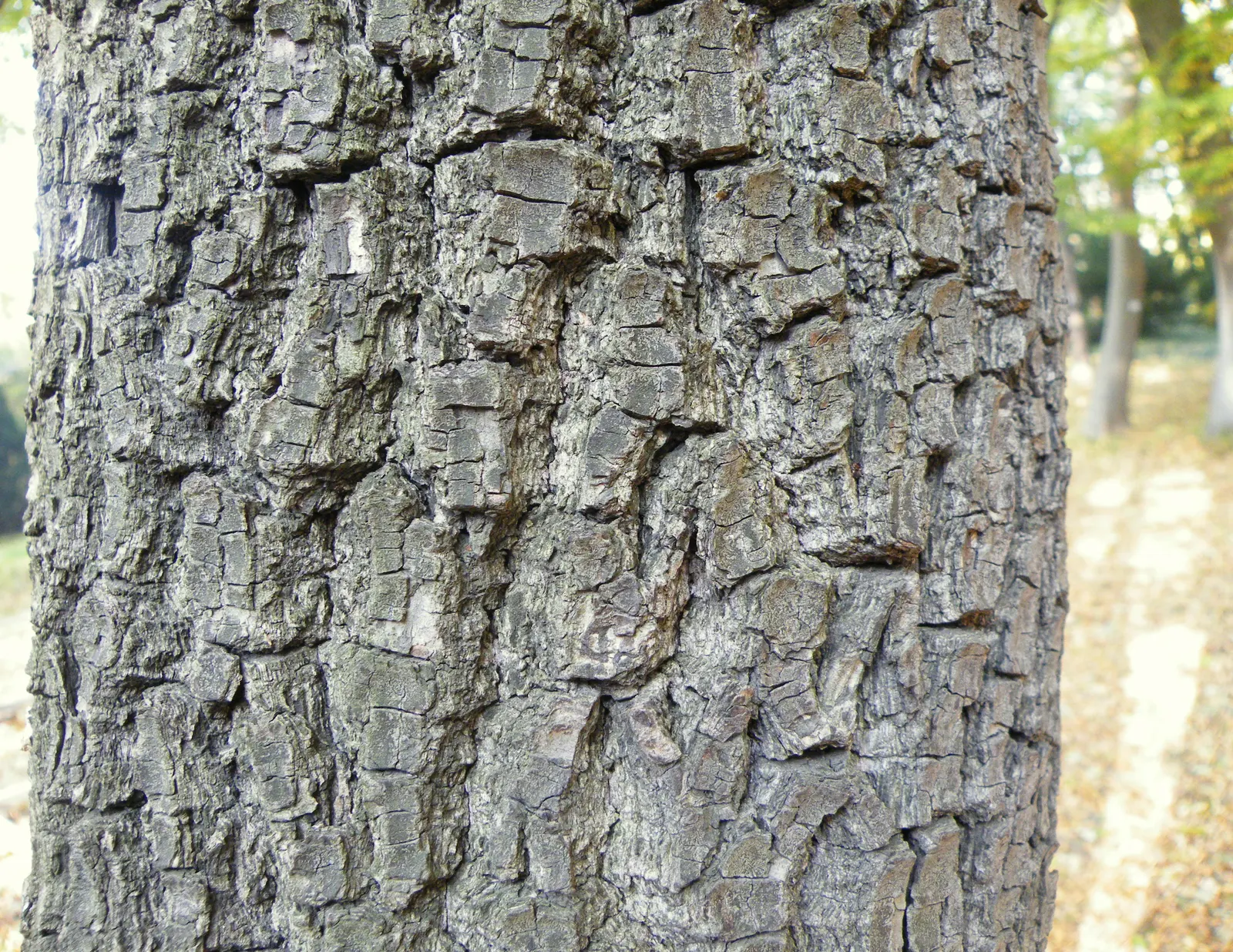
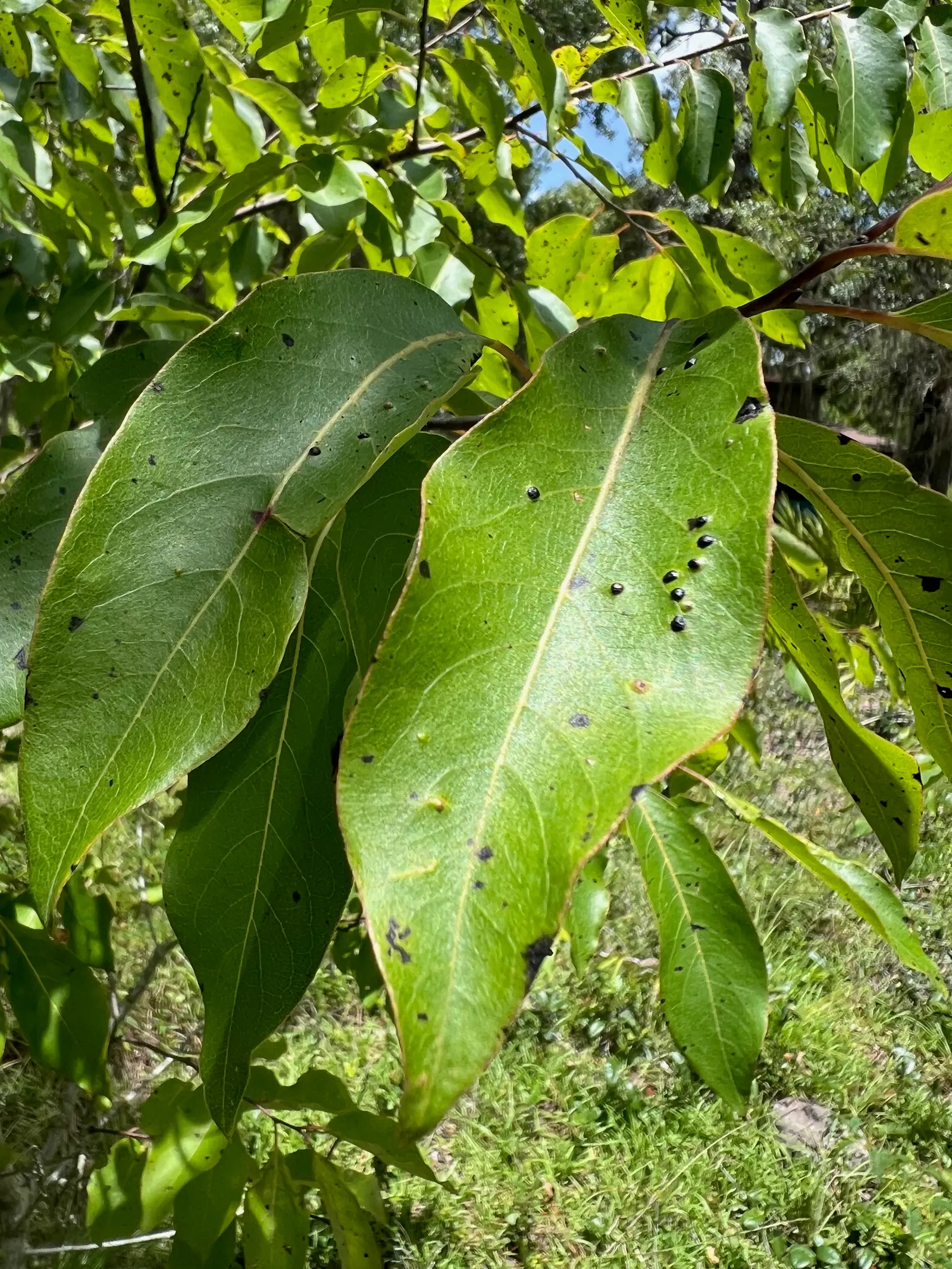
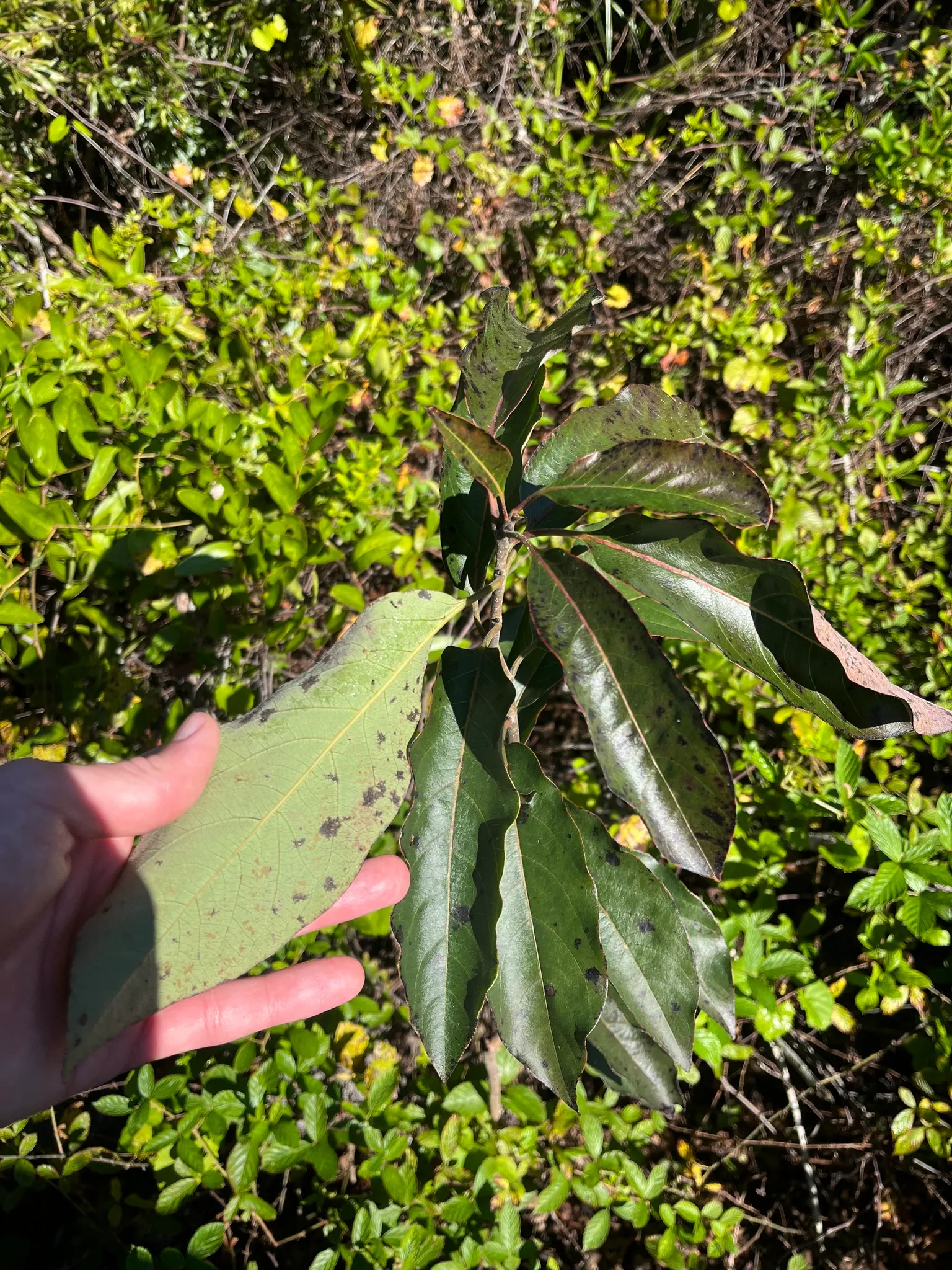
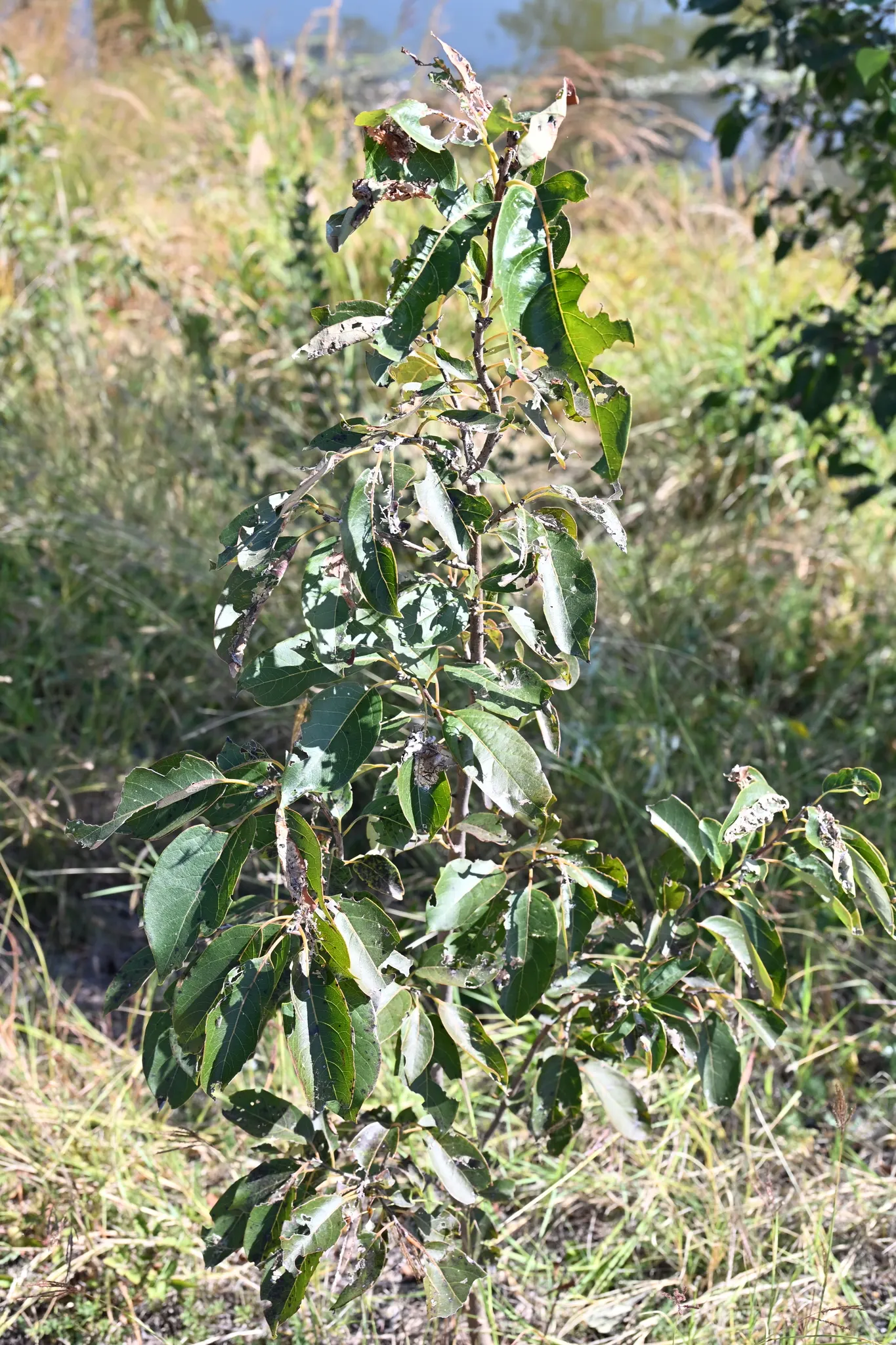
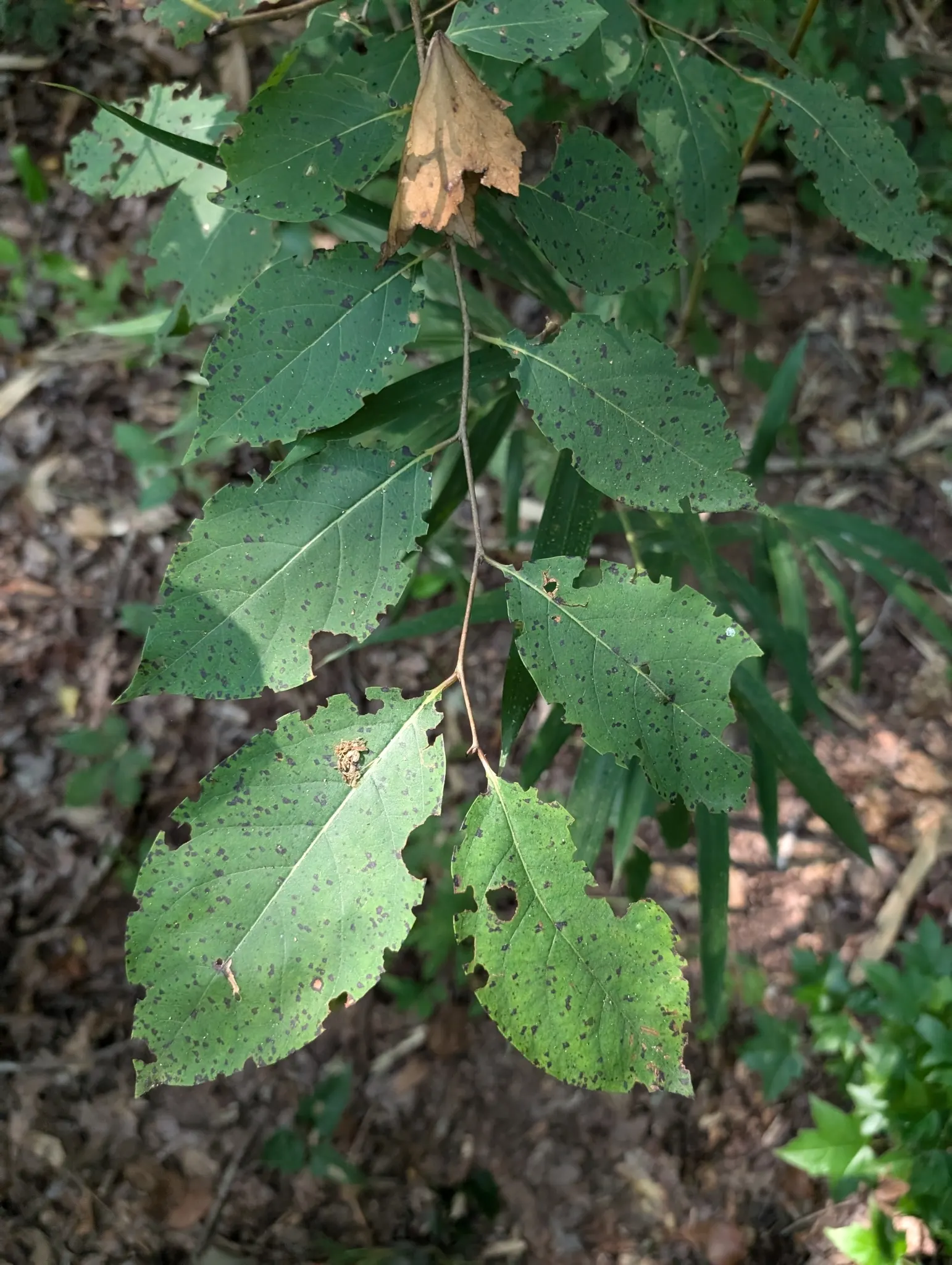
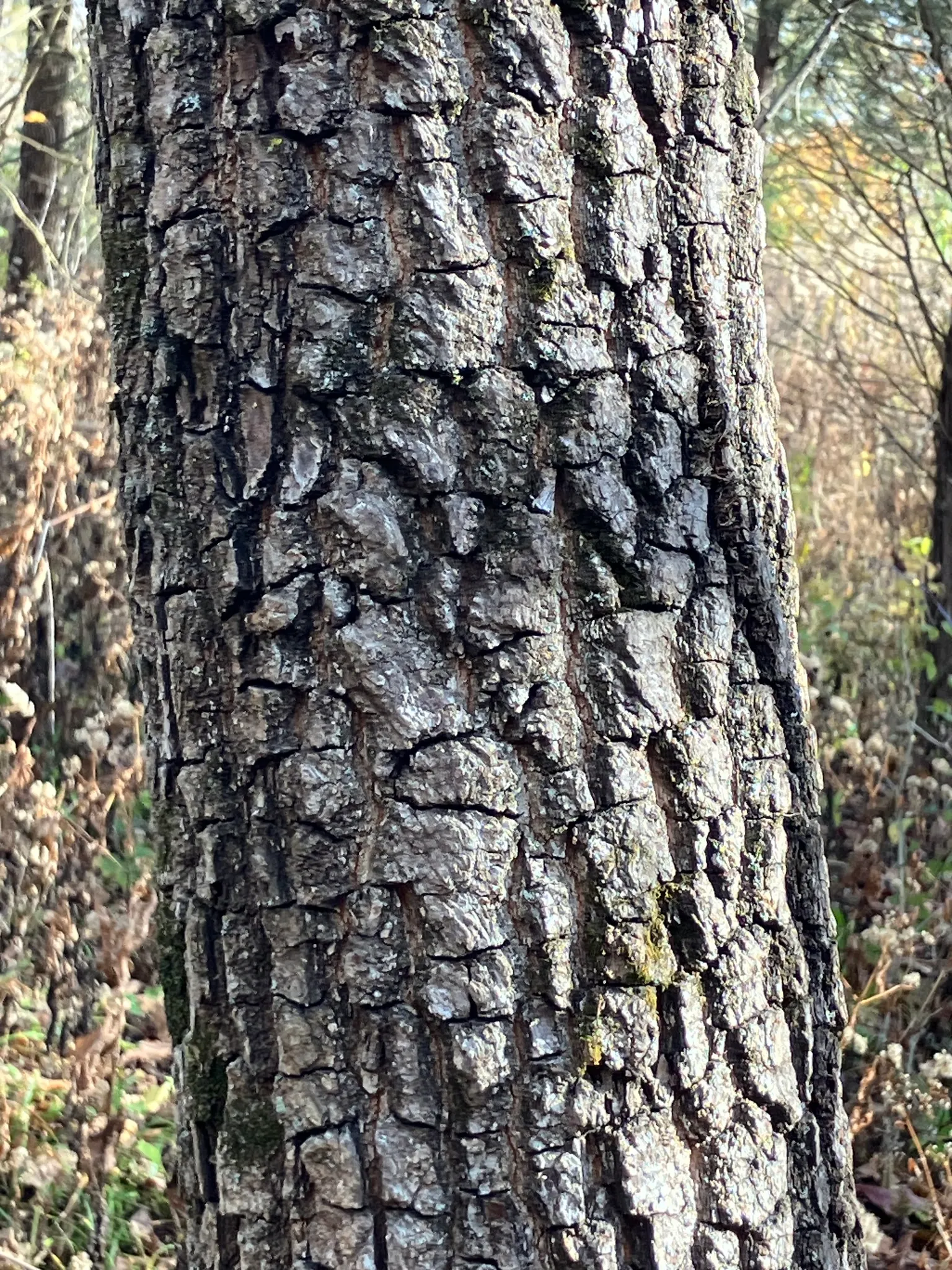
American Persimmon (Diospyros virginiana), also known as Possumwood, is a native deciduous tree valued for its adaptability and wildlife benefits. Mature at 35-60 feet tall, with a 20-35 foot spread, it thrives in zones 4-9. Features distinctive blocky bark, glossy green leaves, and yellow-to-orange fruits after female tree's white flowers. Fruit is edible when soft, attracting birds and mammals. Prefers full sun to partial shade and well-drained soils.
Sun FullWater Low, MediumZones 6–9Type TreeClimate Temperate
American Persimmon, Possumwood (Diospyros Virginiana) — and purple in autumn.<br><br>Its distinctive fruit

Culture

Sun
Full
Water
Low, Medium
USDA zones
6–9

Shape & size

Classification

Type
Tree
Family
Ebenaceae
Climate
Temperate

See full data, regional cultivation notes, and design tools. Build a client presentation around this plant.

Start your 14-day trial

Photos (139)

American Persimmon, Possumwood (Diospyros Virginiana) — These persimmons possess a sweet
American Persimmon, Possumwood (Diospyros Virginiana) — Noteworthy is its zoning resiliency, as it can flourish in USDA hardiness zones 4 through 9
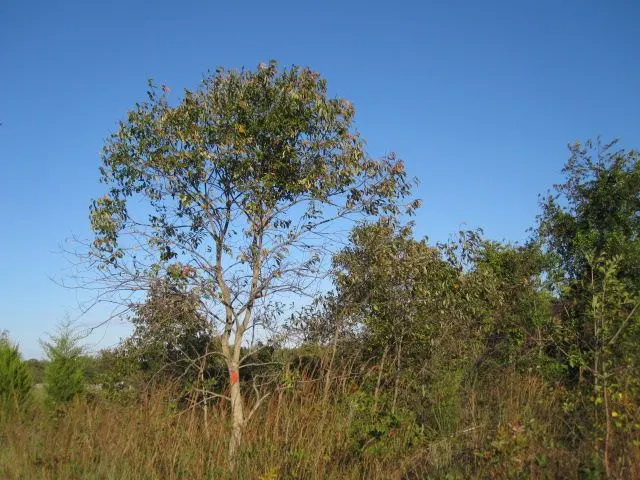
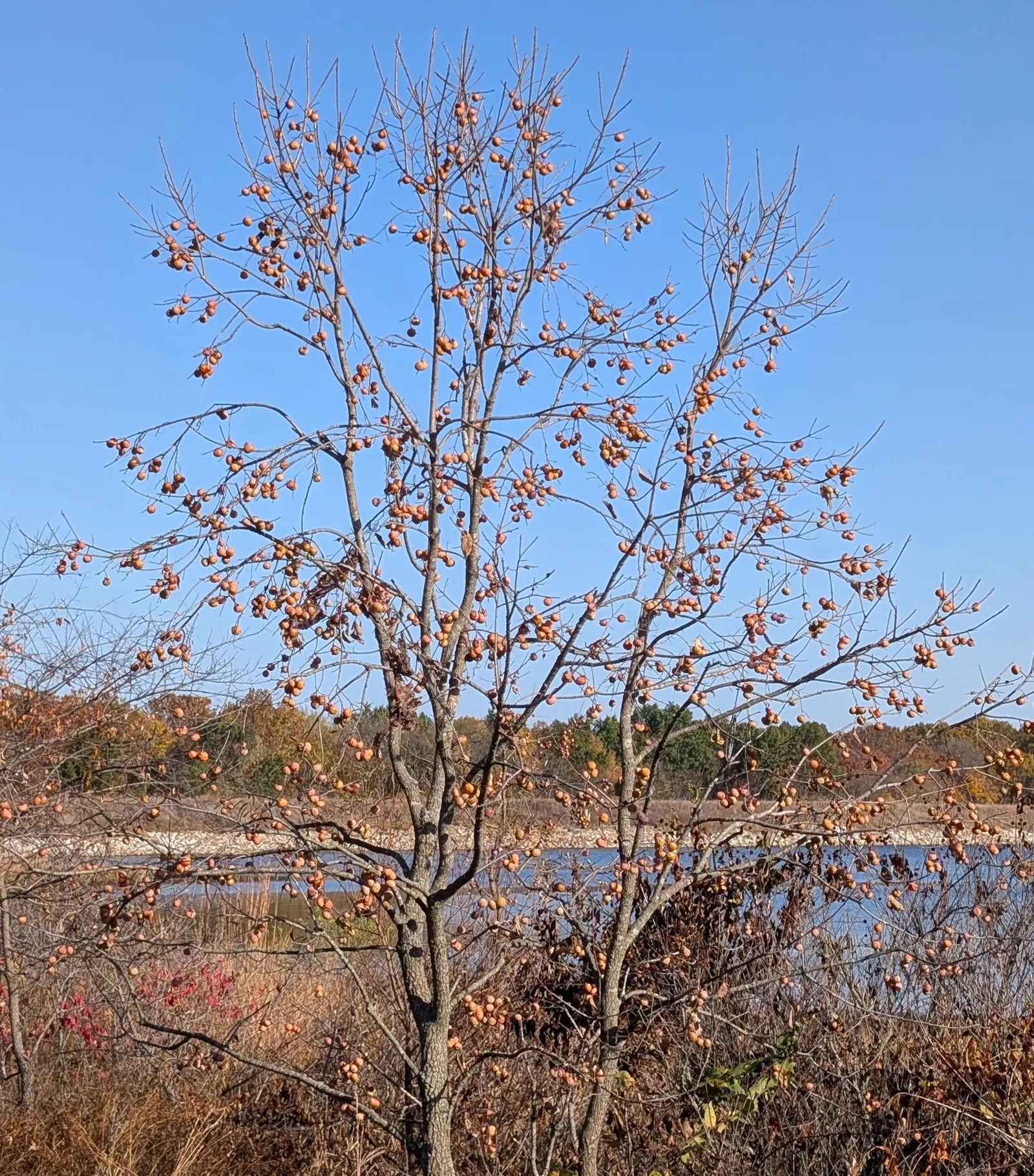
American Persimmon, Possumwood (Diospyros Virginiana) — grows moderately to a height between 35 to 60 feet
American Persimmon, Possumwood (Diospyros Virginiana) — but also attract diverse wildlife such as birds; this deciduous native tree, image 86
American Persimmon, Possumwood (Diospyros Virginiana) — Noteworthy is its zoning resiliency, as it can flourish in USDA hardiness zones 4 through, image 89
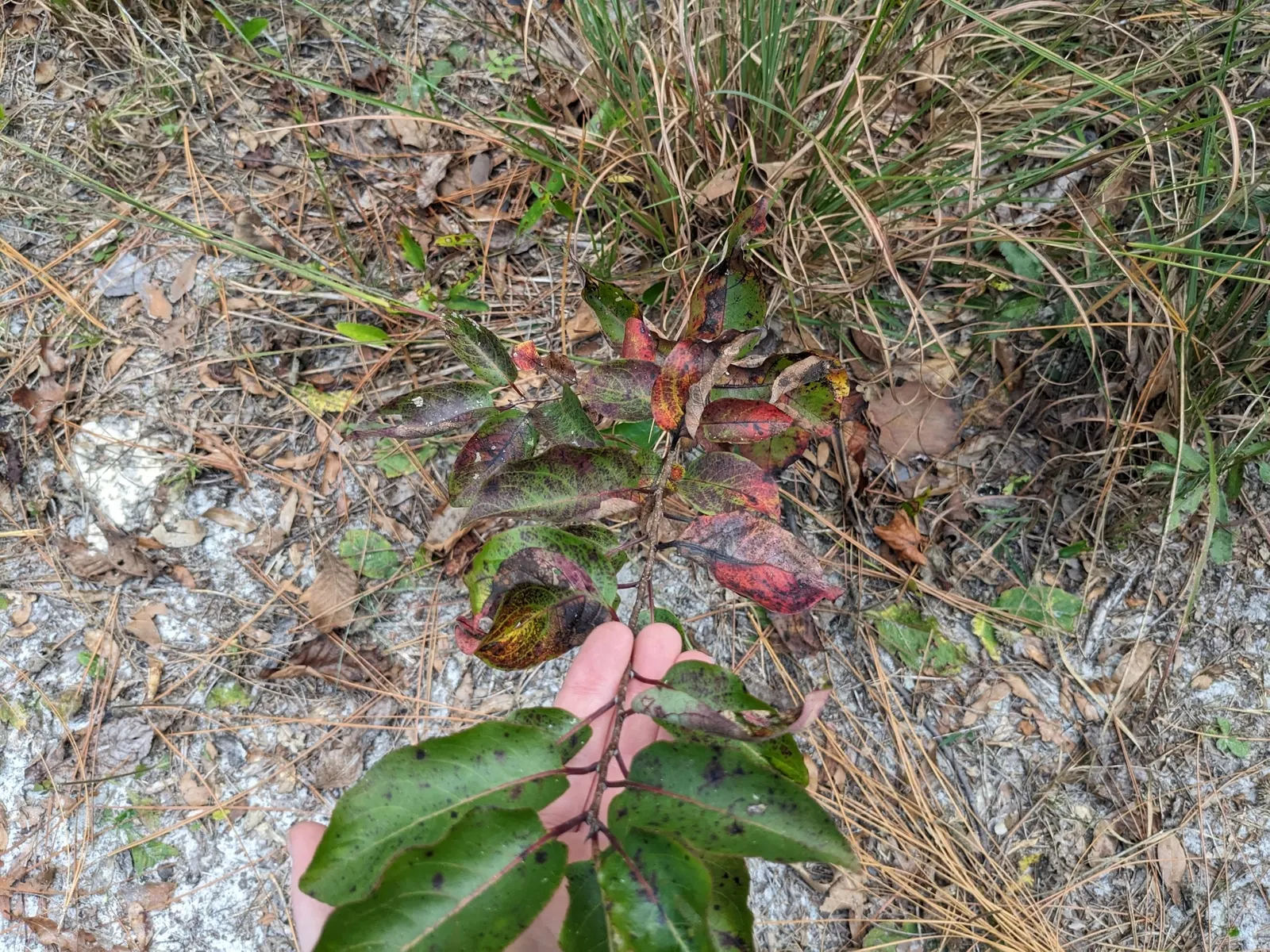
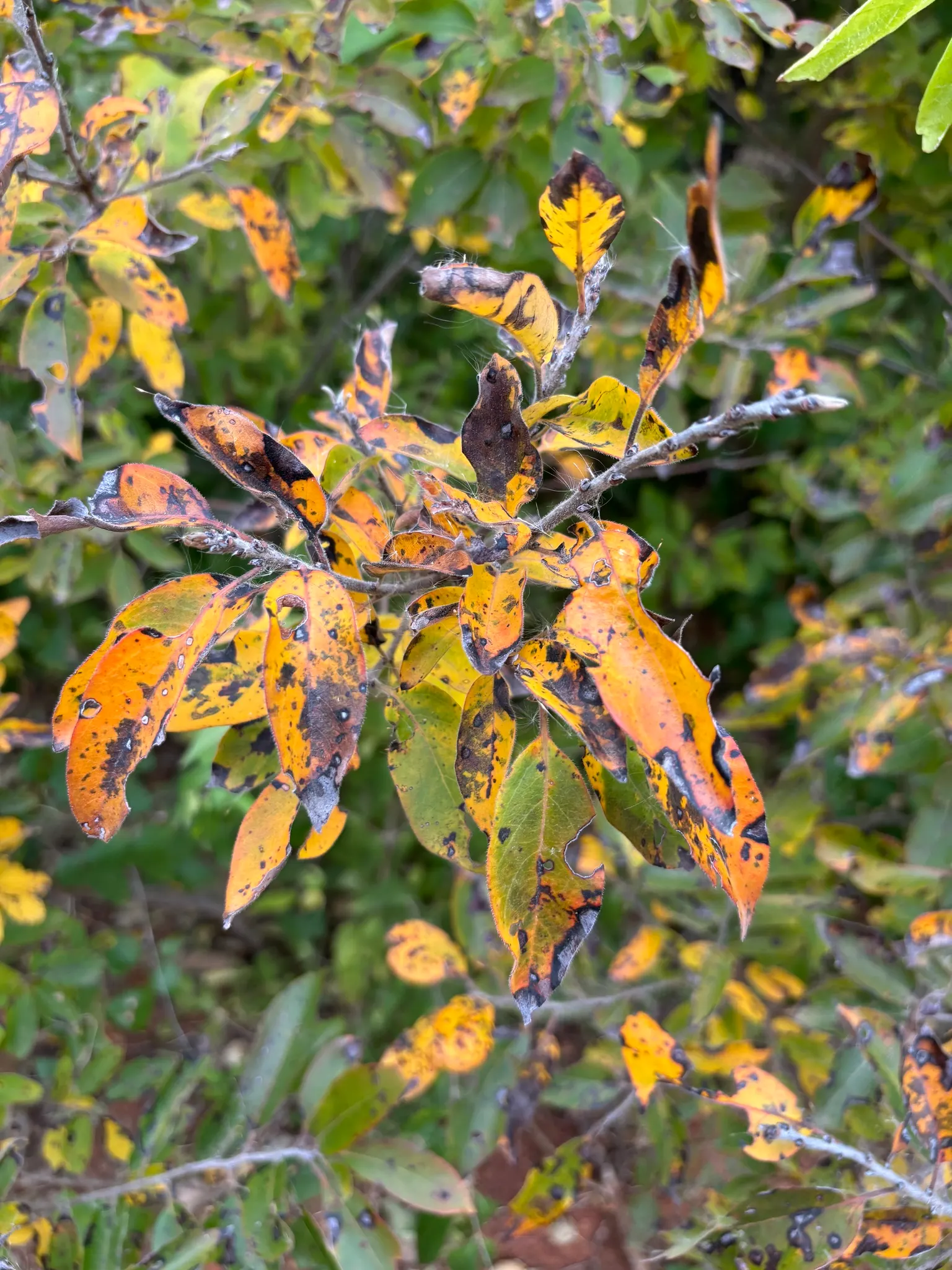
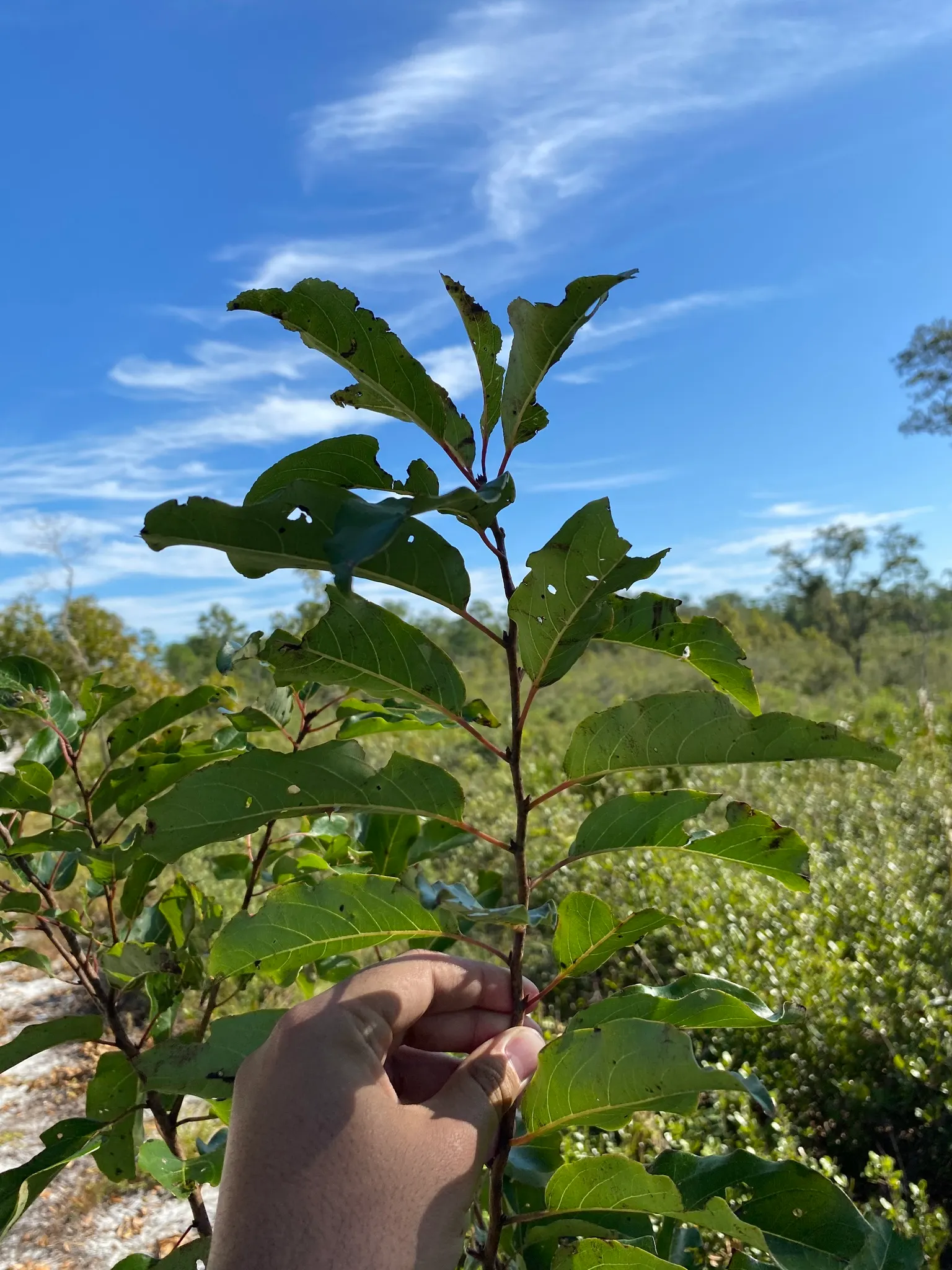
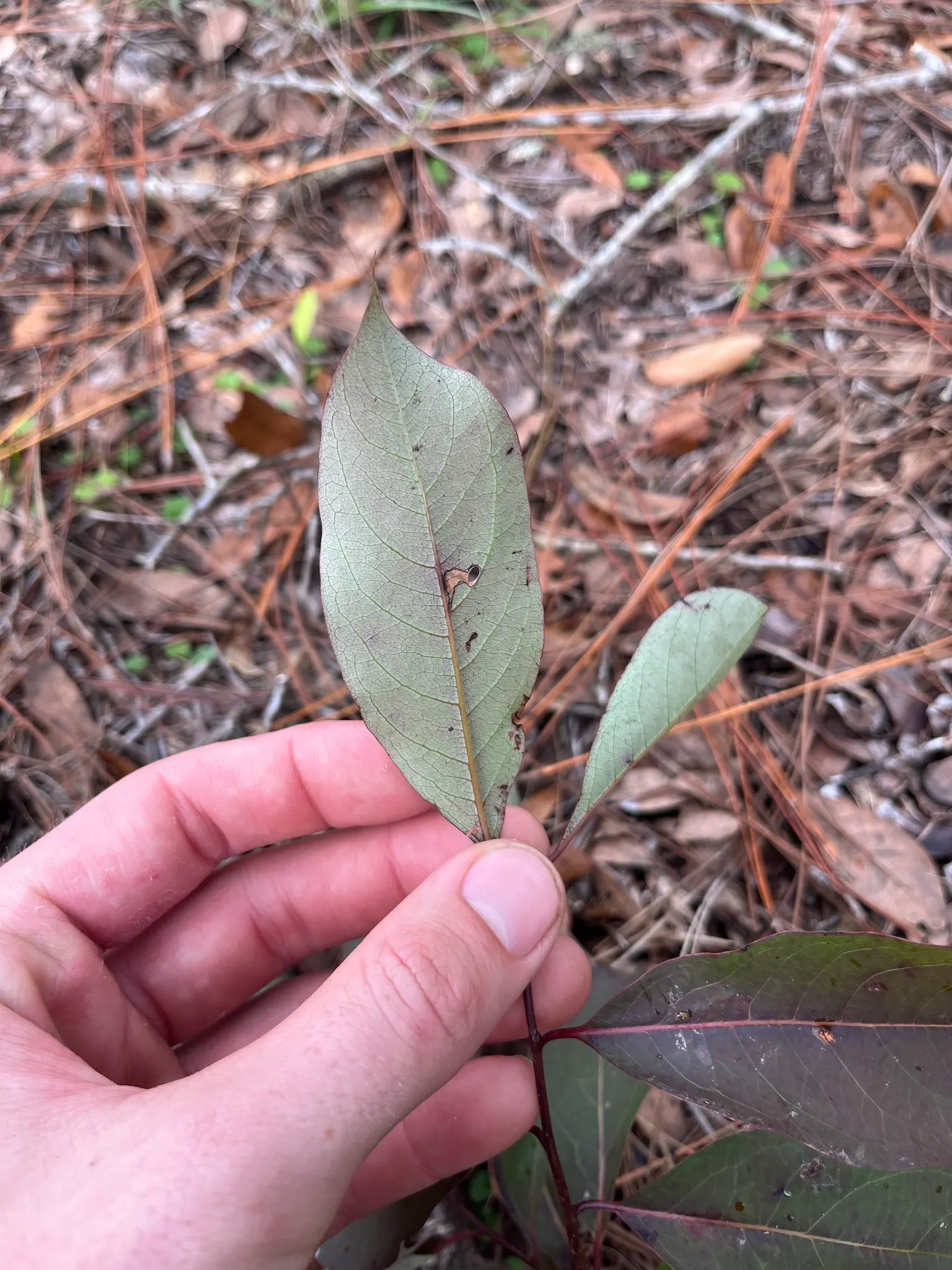
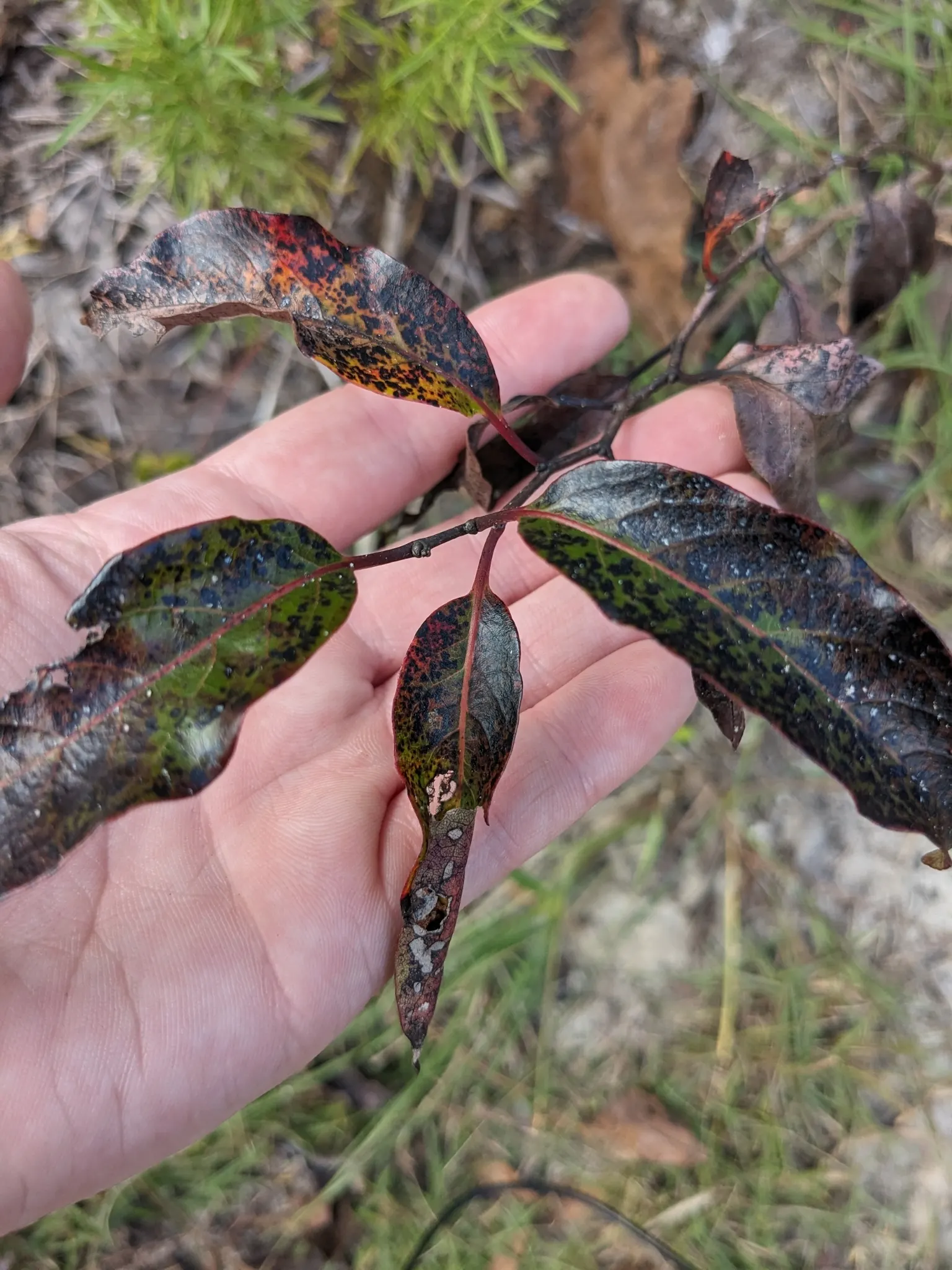
American Persimmon, Possumwood (Diospyros Virginiana) — gray to black bark and its lustrous green leaves which transition to striking shades of, image 108
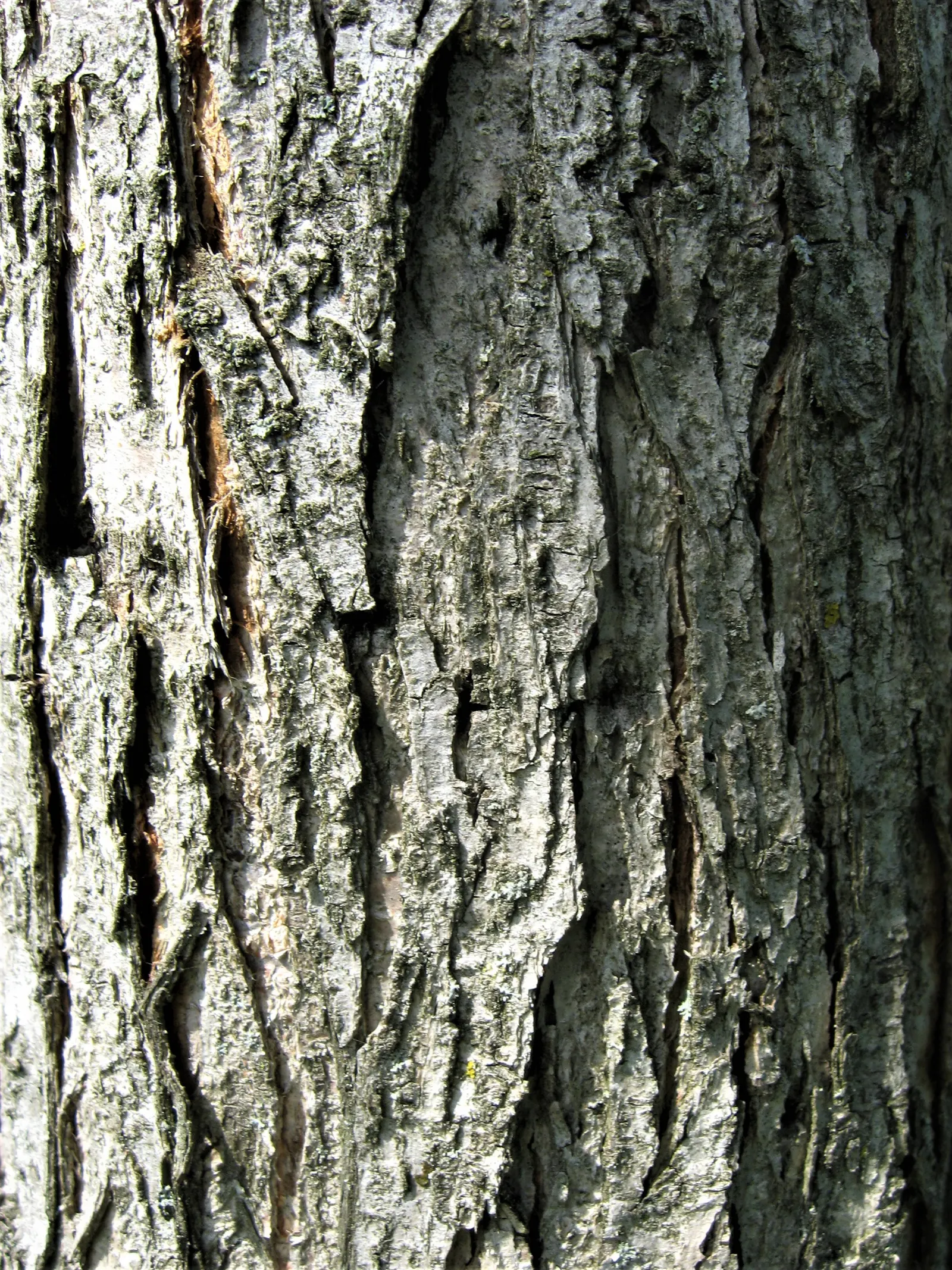
American Persimmon, Possumwood (Diospyros Virginiana) — Features distinctive blocky bark; the eponymous opossums.<br><br>Preferring well-drained, image 66
American Persimmon, Possumwood (Diospyros Virginiana) — commonly found throughout the Eastern United States; grows moderately to a height between, image 73
American Persimmon, Possumwood (Diospyros Virginiana) — and purple in autumn.<br><br>Its distinctive fruit, image 78
American Persimmon, Possumwood (Diospyros Virginiana) — Mature at 35-60 feet tall, with a 20-35 foot spread, it thrives in zones 4-9; starts out, image 96
American Persimmon, Possumwood (Diospyros Virginiana) — when designing your space
American Persimmon, Possumwood (Diospyros Virginiana) — Diospyros virginiana is drought-tolerant upon establishment and requires full sun to, image 57
American Persimmon, Possumwood (Diospyros Virginiana) — with a diameter of approximately 1 to 2 inches; especially in puddings and jams, image 110
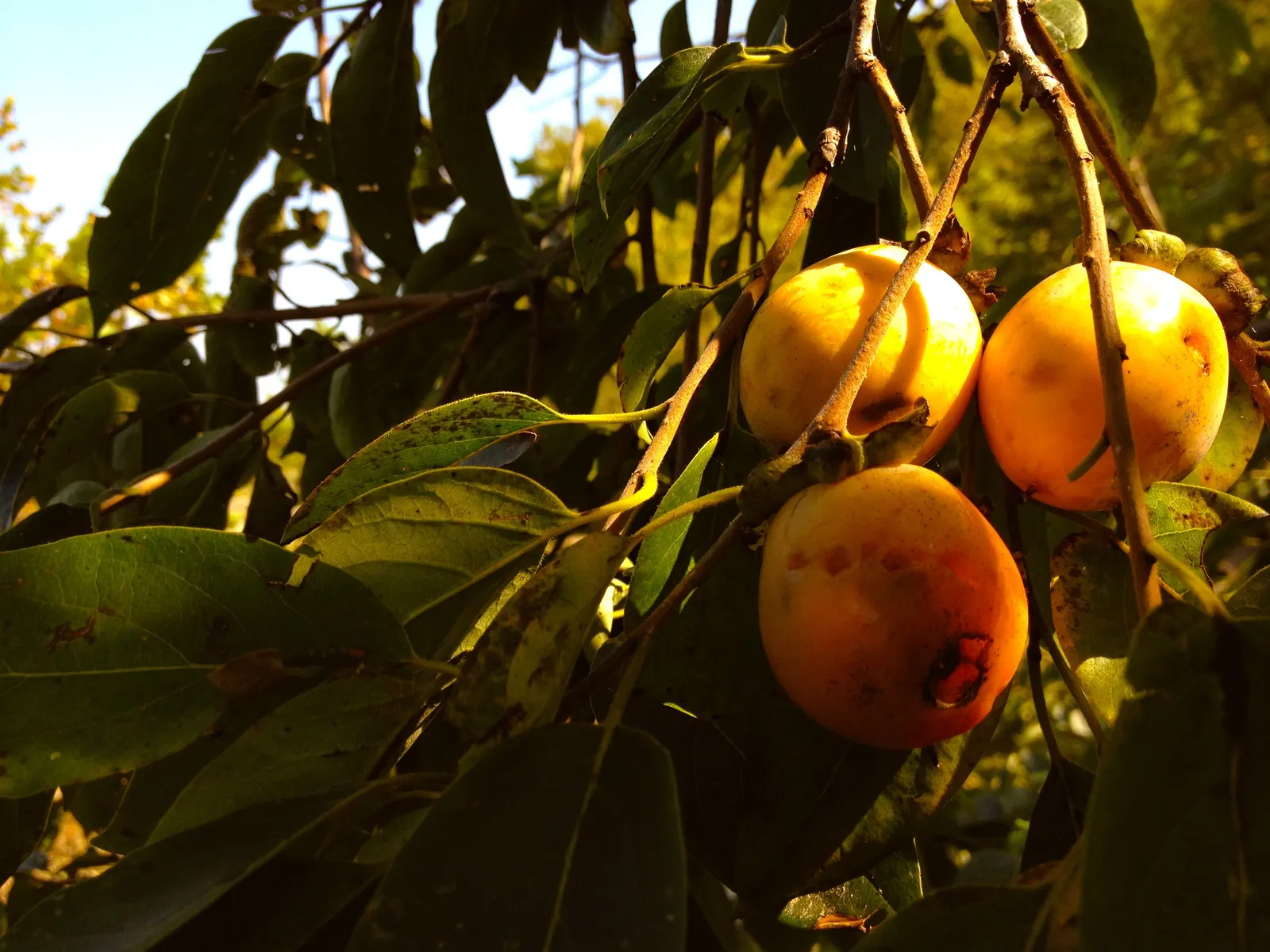
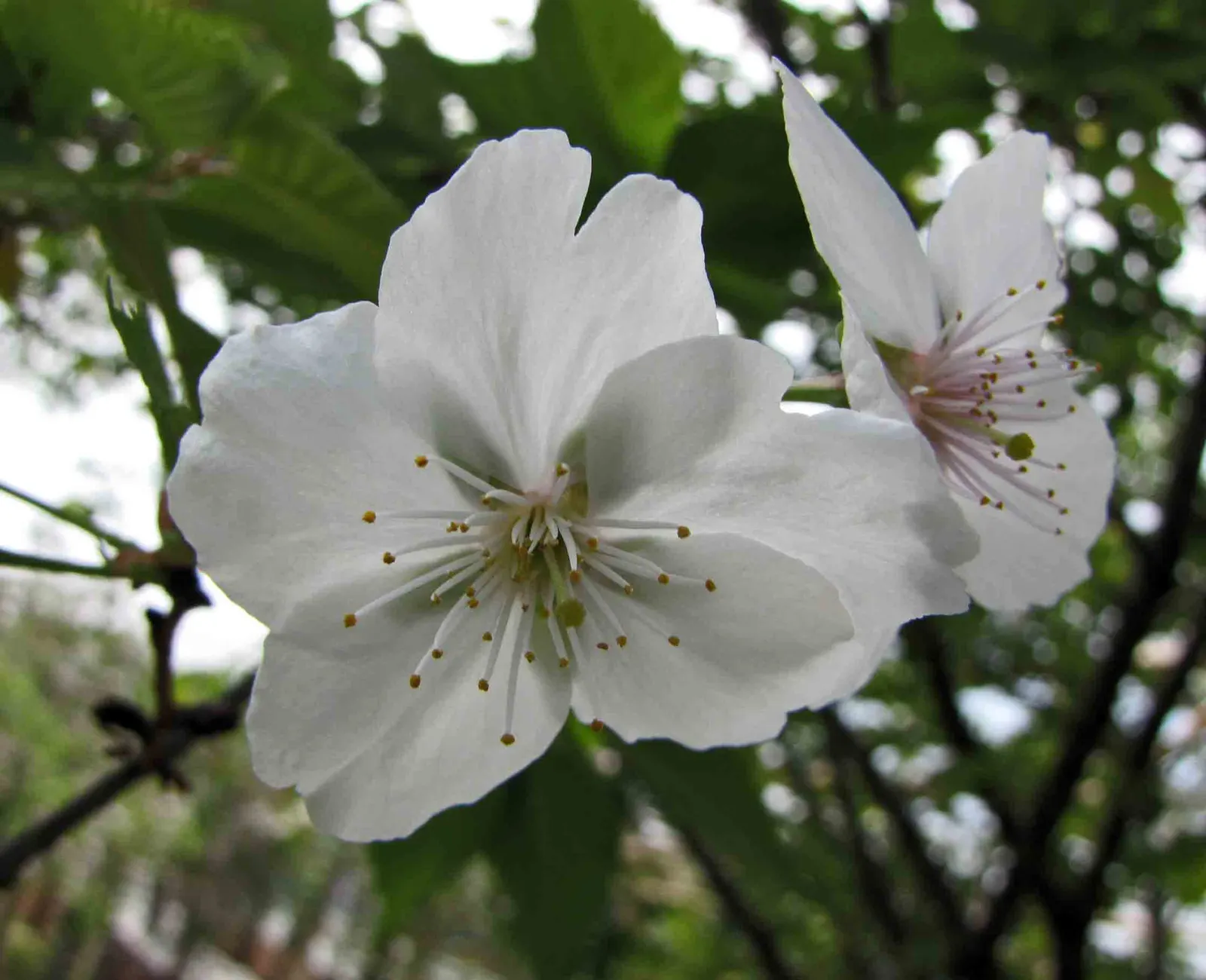
American Persimmon, Possumwood (Diospyros Virginiana) — and yellow-to-orange fruits after female tree's white flowers
American Persimmon, Possumwood (Diospyros Virginiana) — starts out green and ripens to a deep orange; consider the tree's potential drop zone for, image 111
American Persimmon, Possumwood (Diospyros Virginiana) — tree for full; given its deep taproot, ensure it is planted where it can remain undisturbed, image 93
American Persimmon, Possumwood (Diospyros Virginiana) — Gardeners admire its deeply furrowed
American Persimmon, Possumwood (Diospyros Virginiana) — Mature at 35-60 feet tall, with a 20-35 foot spread, it thrives in zones 4-9
American Persimmon, Possumwood (Diospyros Virginiana) — especially in puddings and jams; mature at 35-60 feet tall, with a 20-35 foot spread, it, image 116
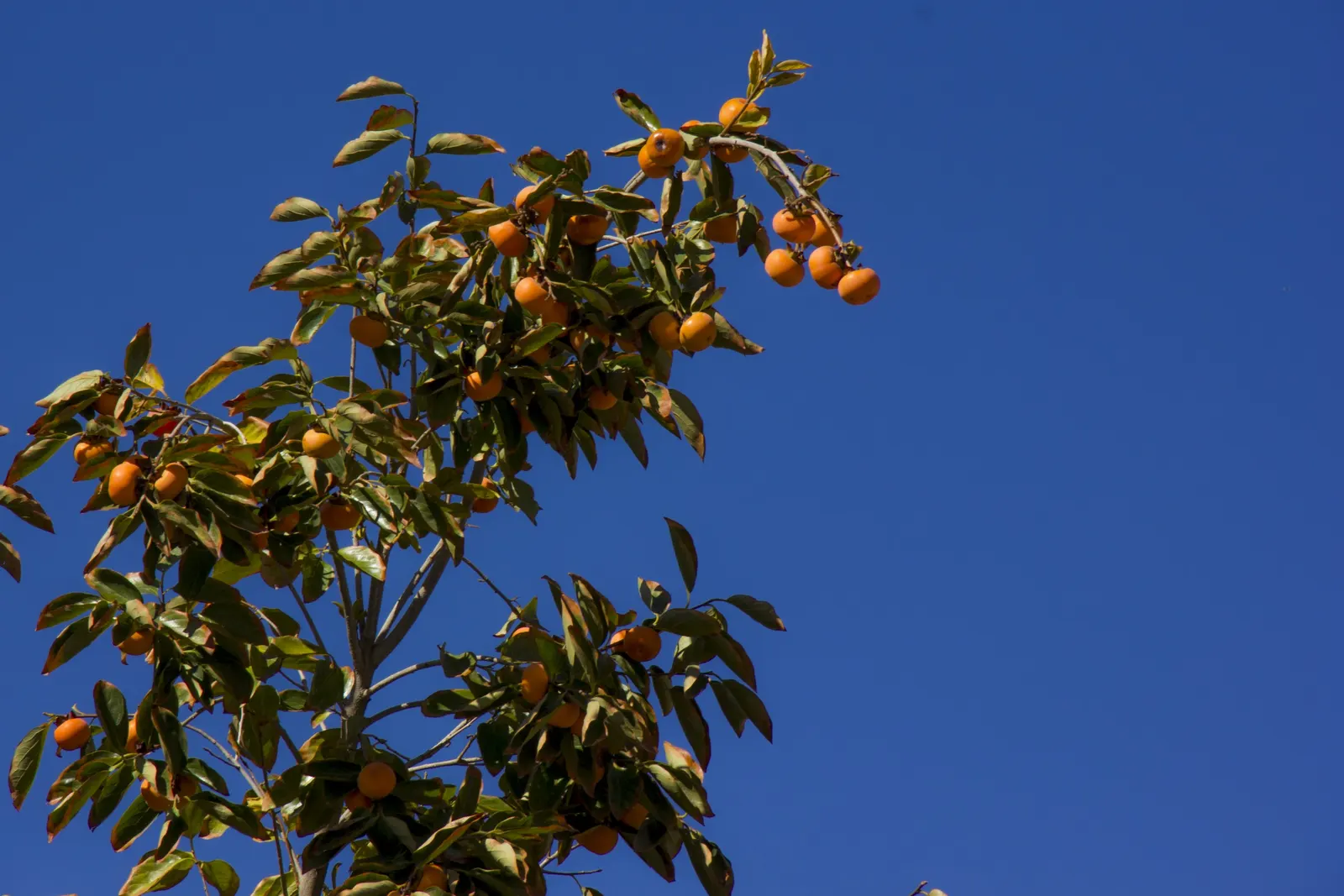
American Persimmon, Possumwood (Diospyros Virginiana) — starts out green and ripens to a deep orange
American Persimmon, Possumwood (Diospyros Virginiana) — Given its deep taproot, ensure it is planted where it can remain undisturbed
American Persimmon, Possumwood (Diospyros Virginiana) — tree for full
American Persimmon, Possumwood (Diospyros Virginiana) — presents a singular choice for both aesthetic and practical purposes within a landscape, image 71
American Persimmon, Possumwood (Diospyros Virginiana) — but also attract diverse wildlife such as birds; this deciduous native tree, image 117
Photographs by 16 contributors

Related plants