Skip to content

Common Foxglove

Digitalis Purpurea

Design with this plant

Overview

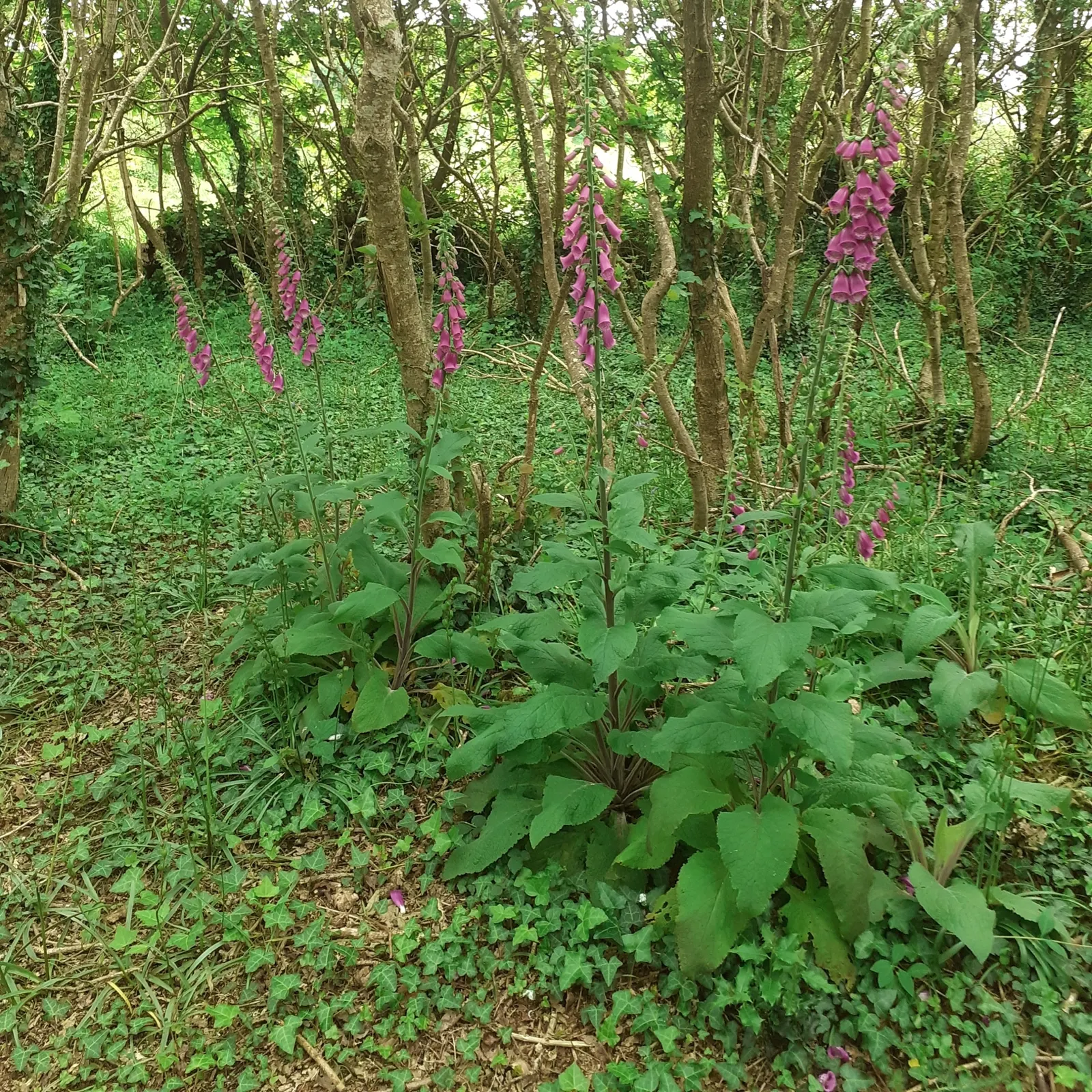
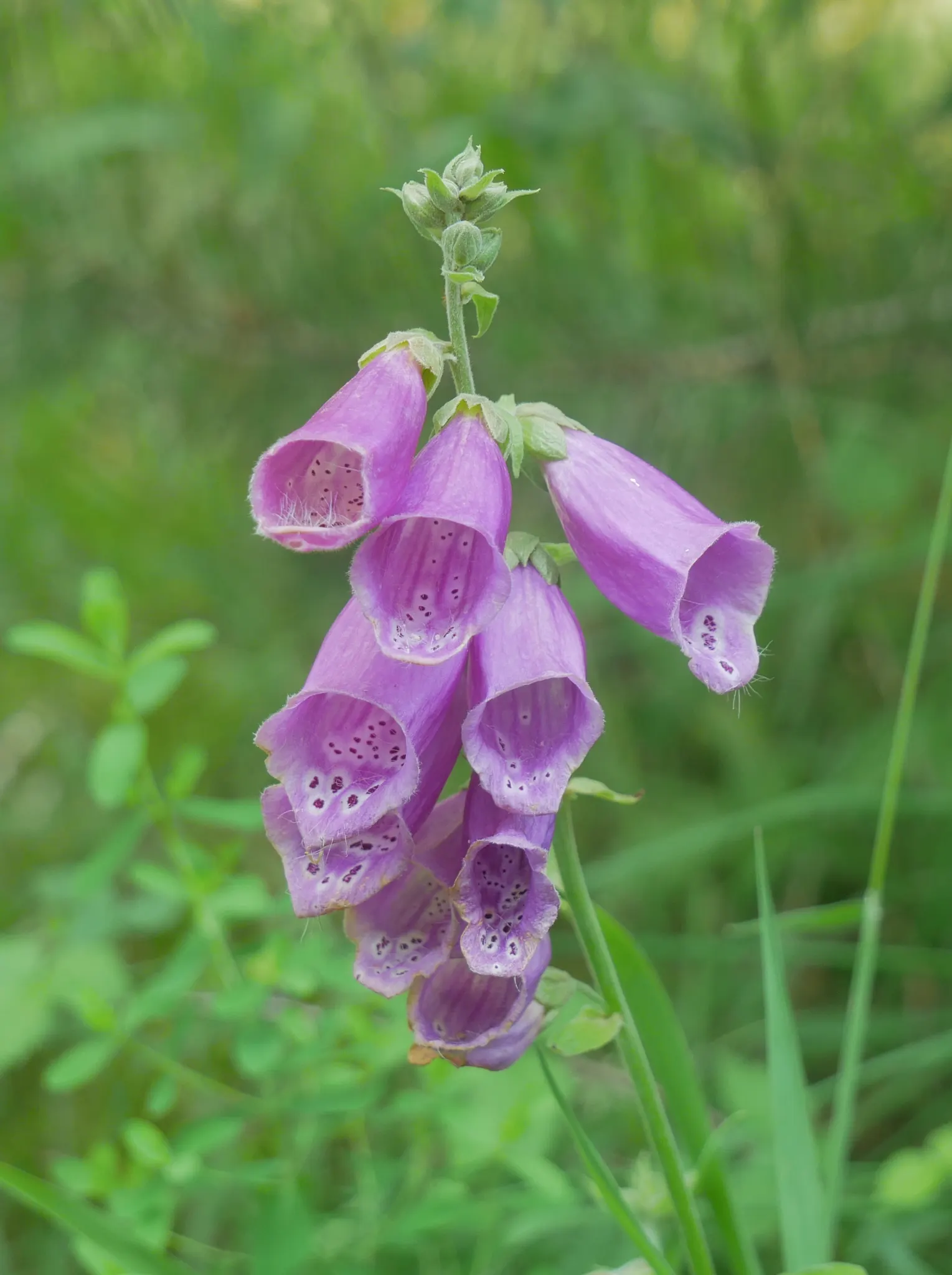
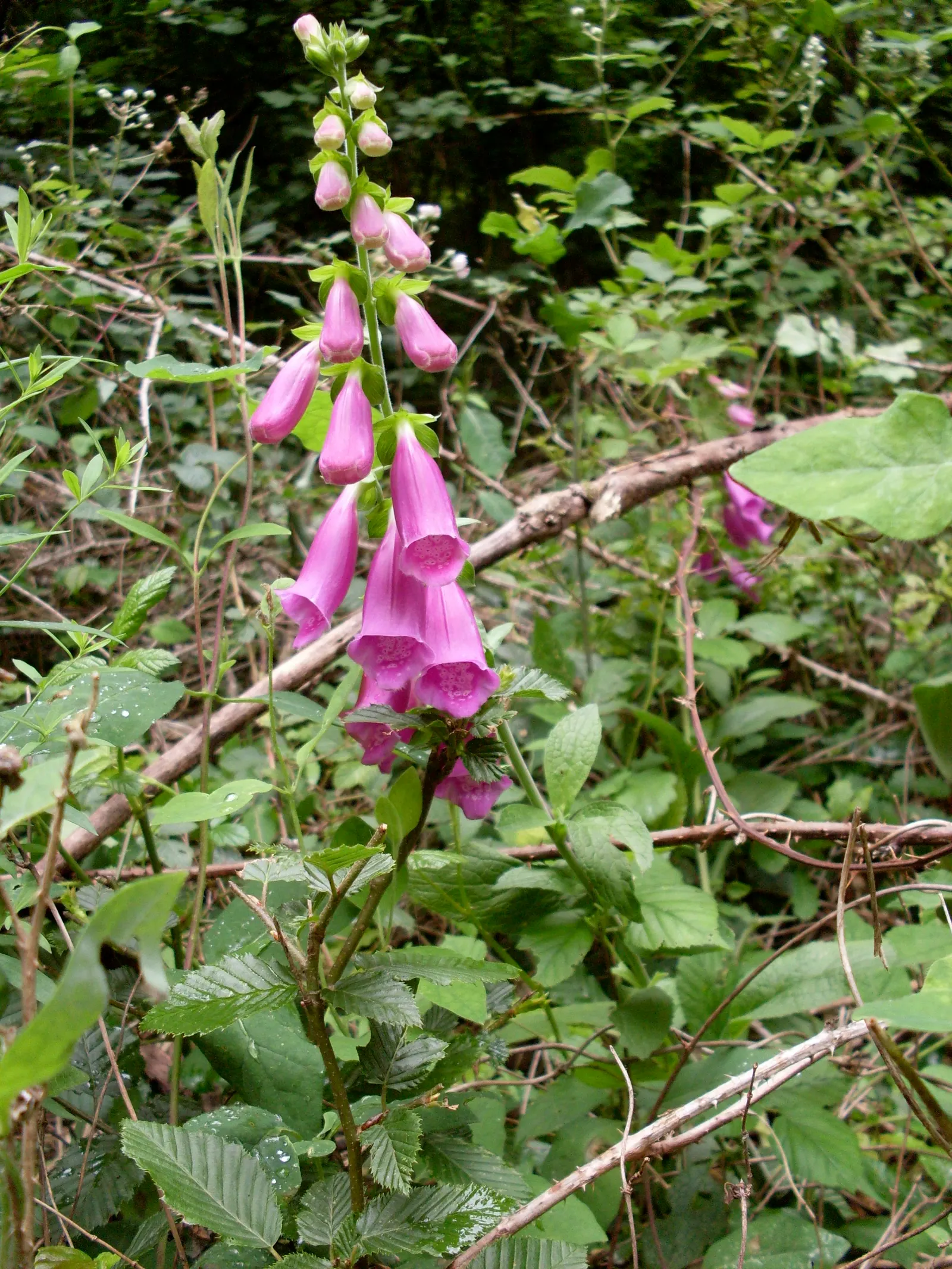
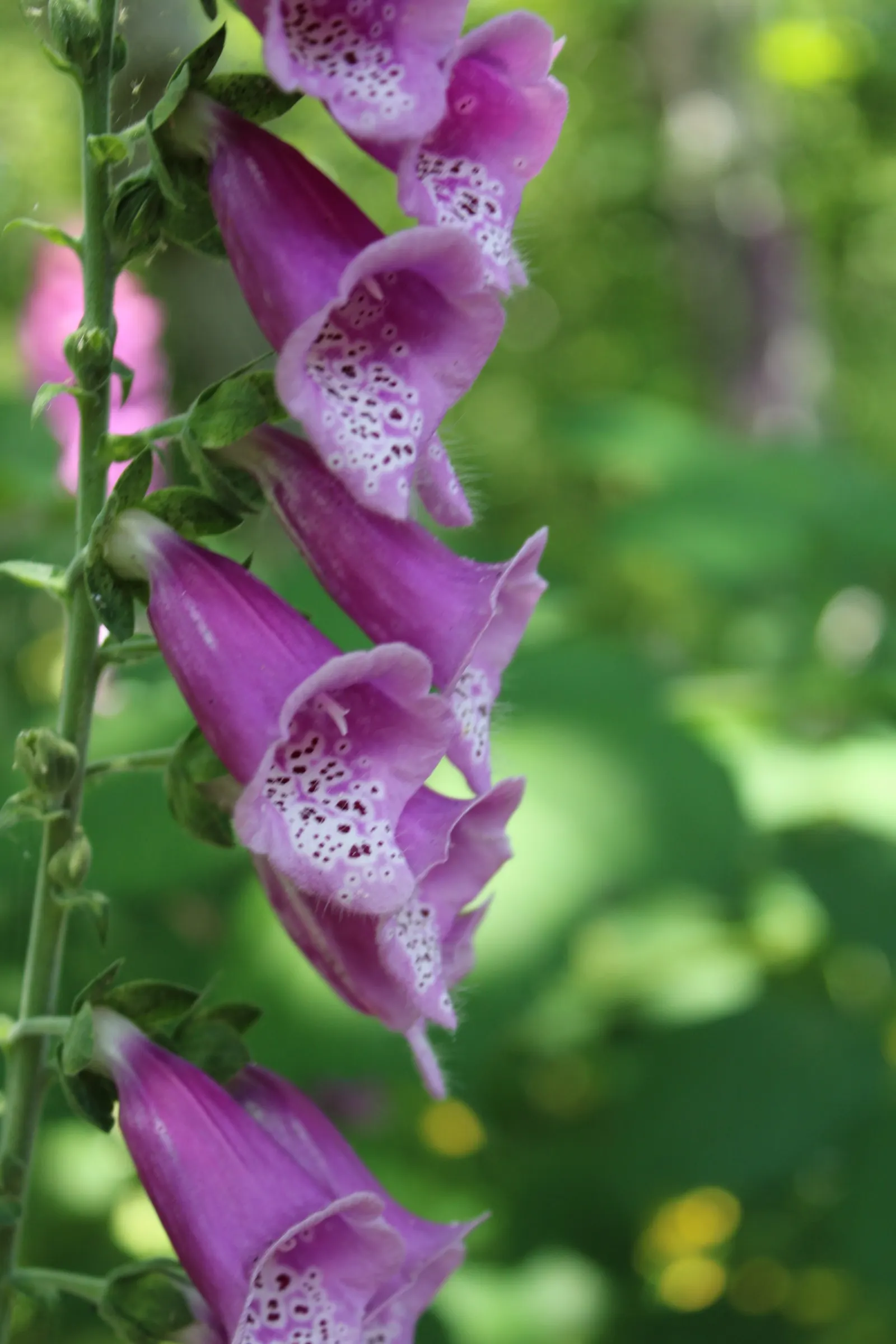
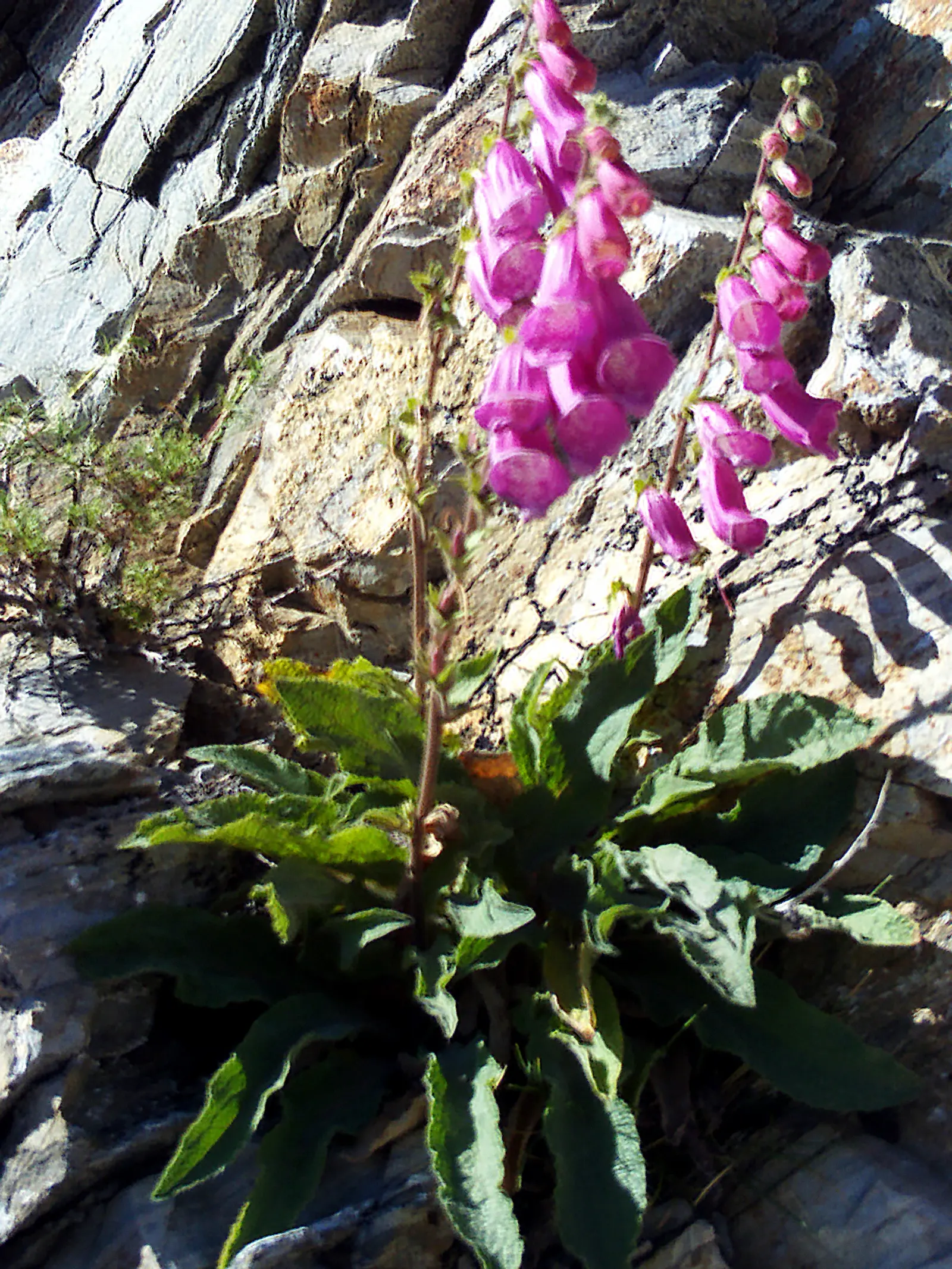
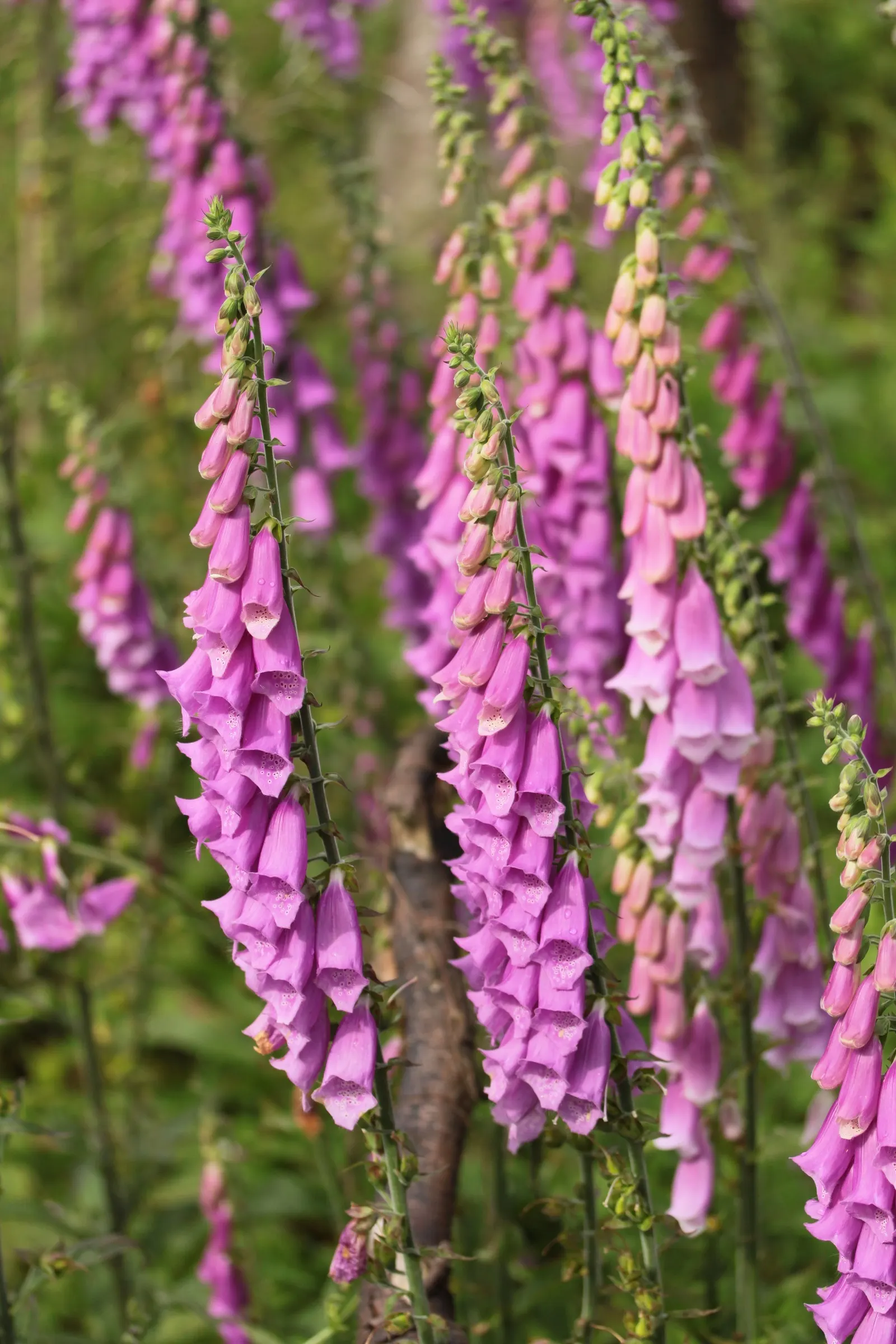
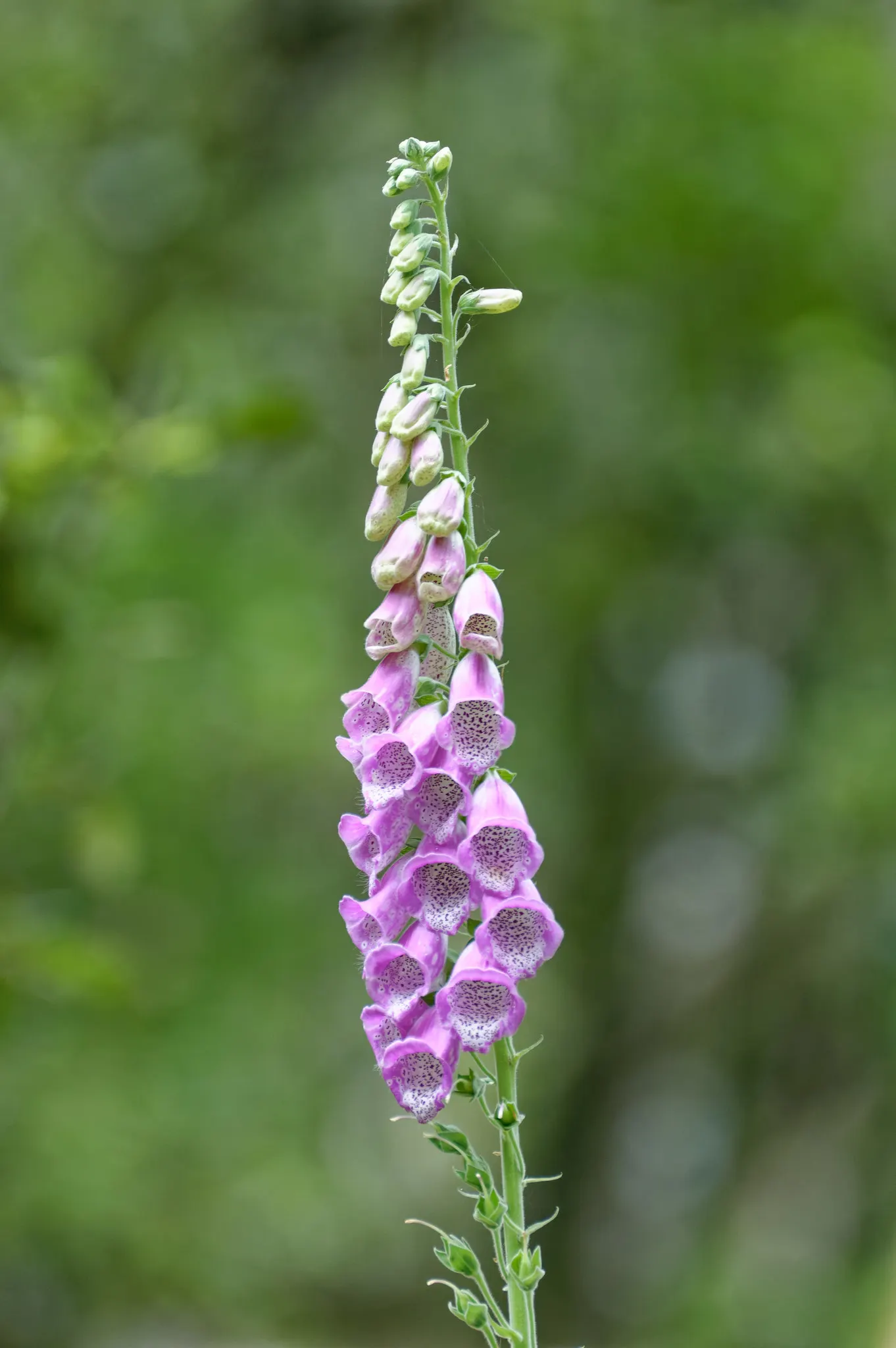
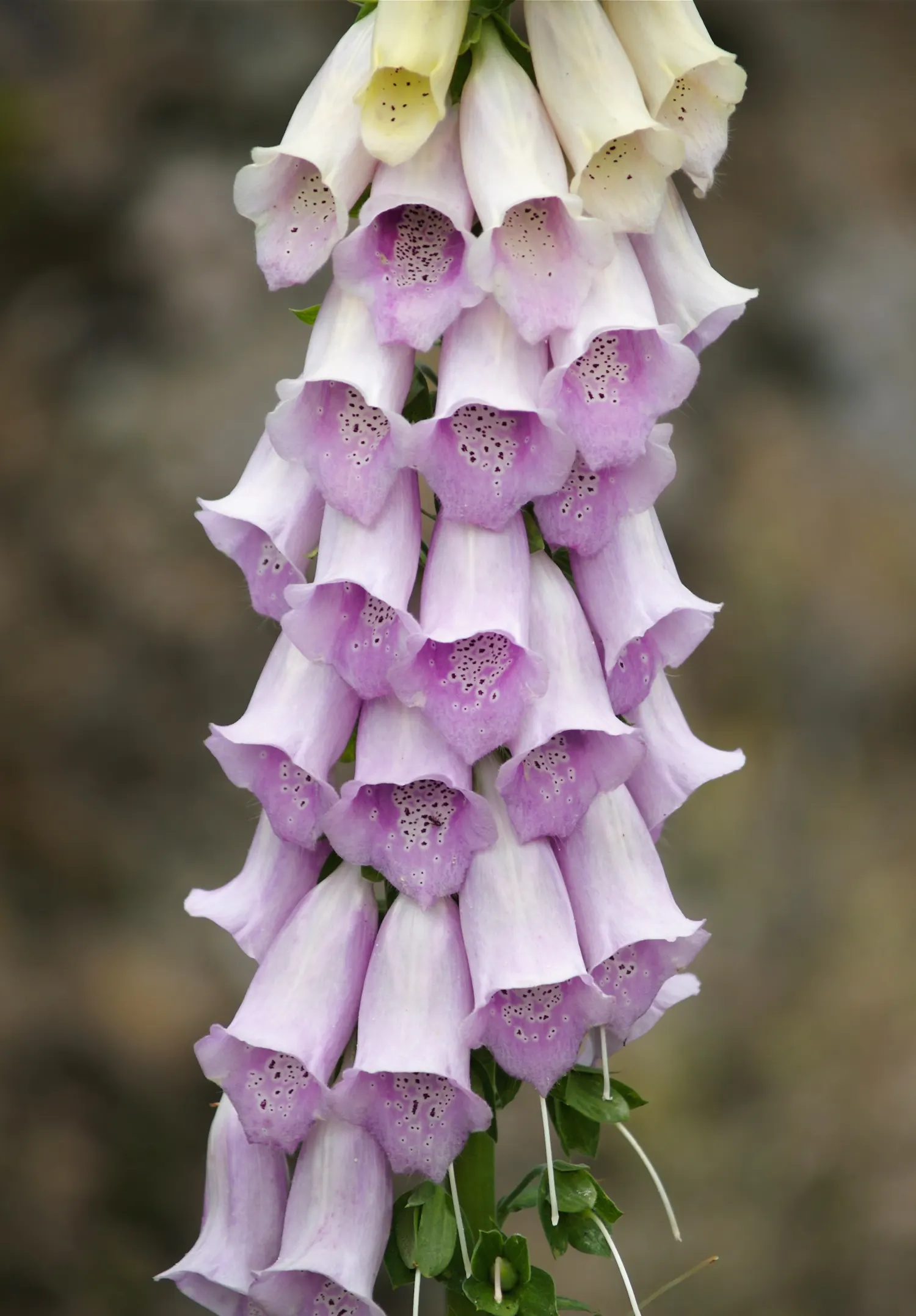
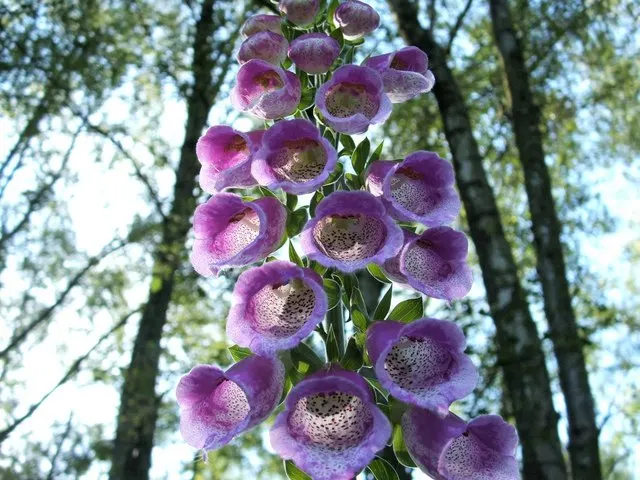
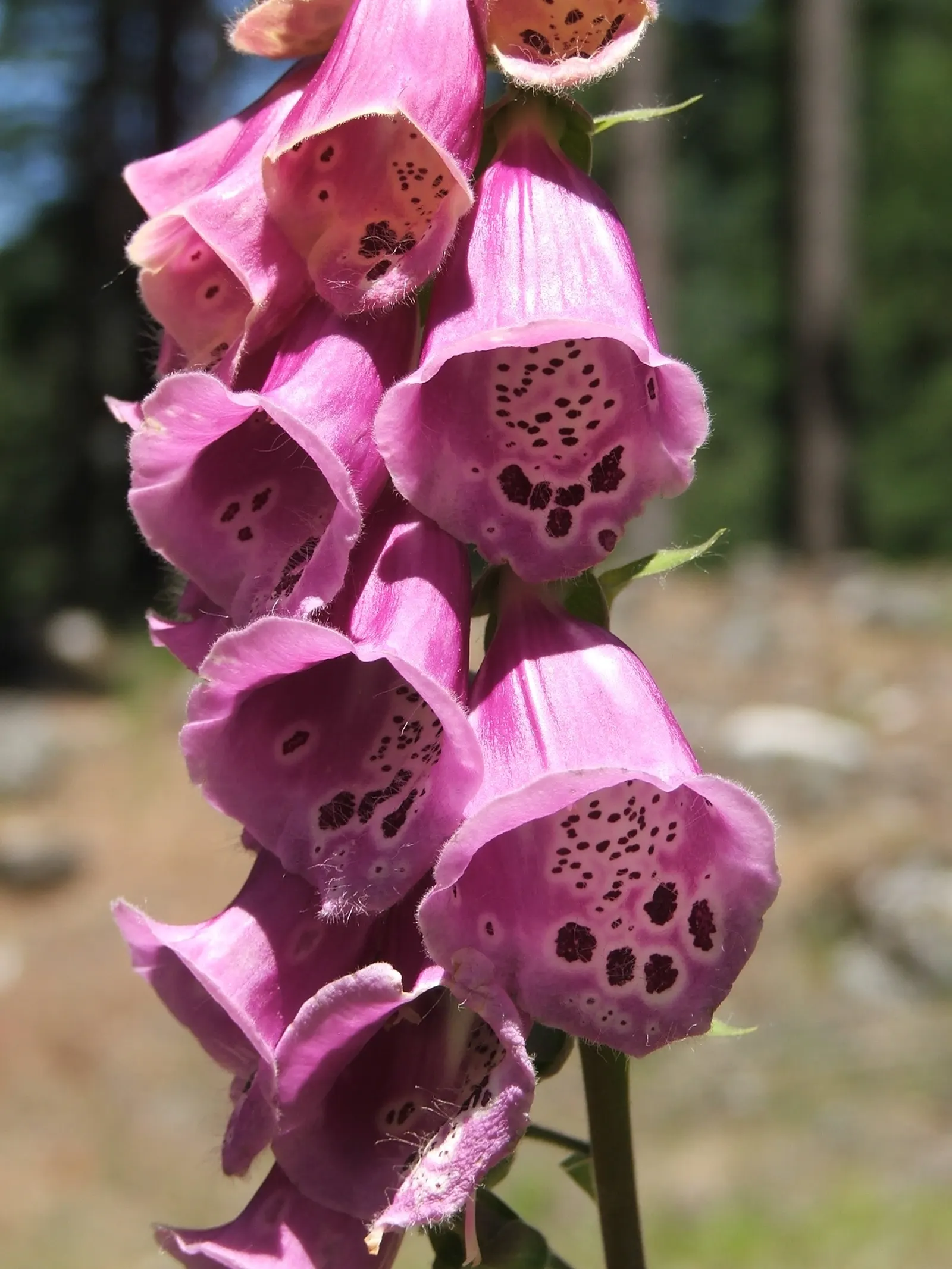
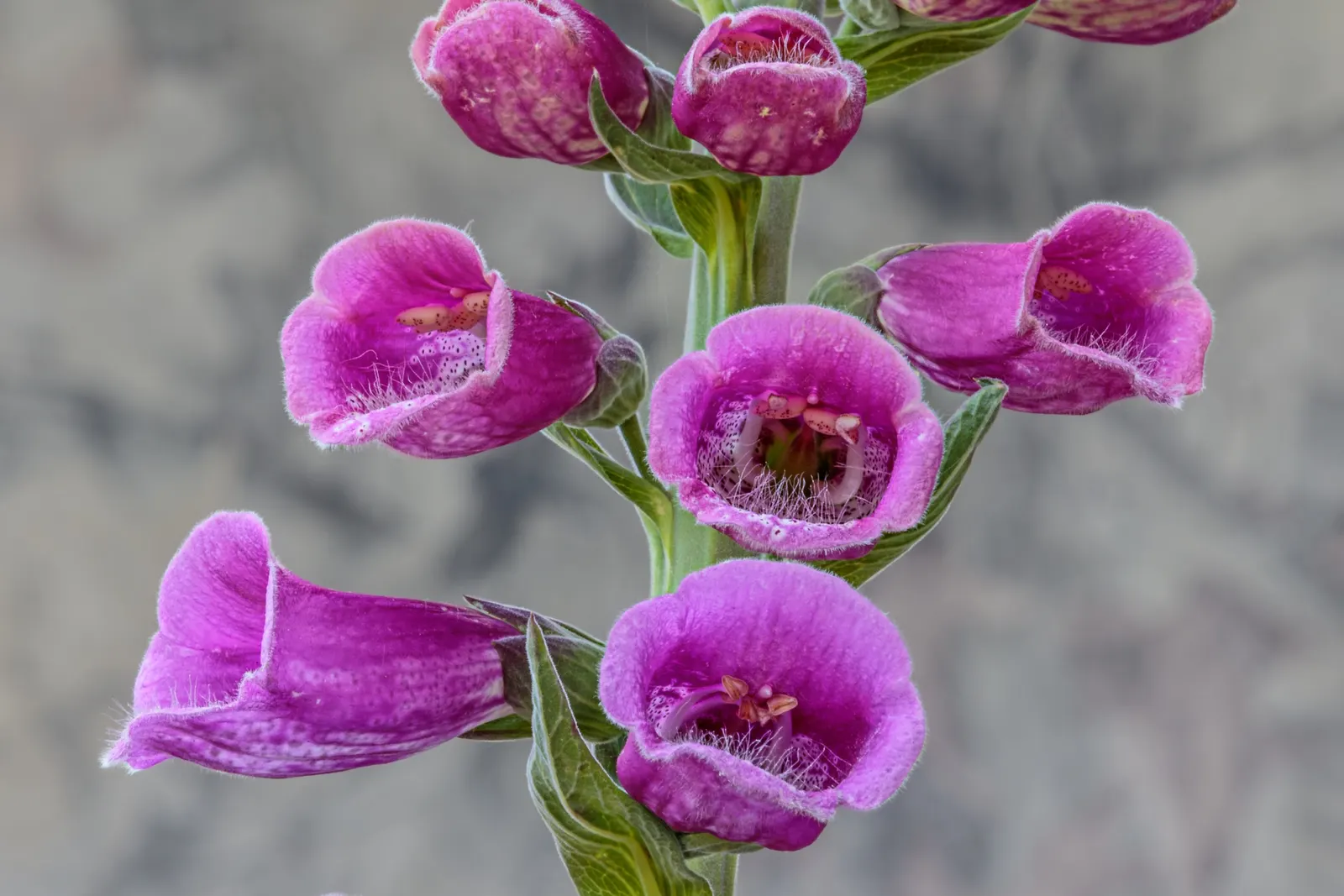
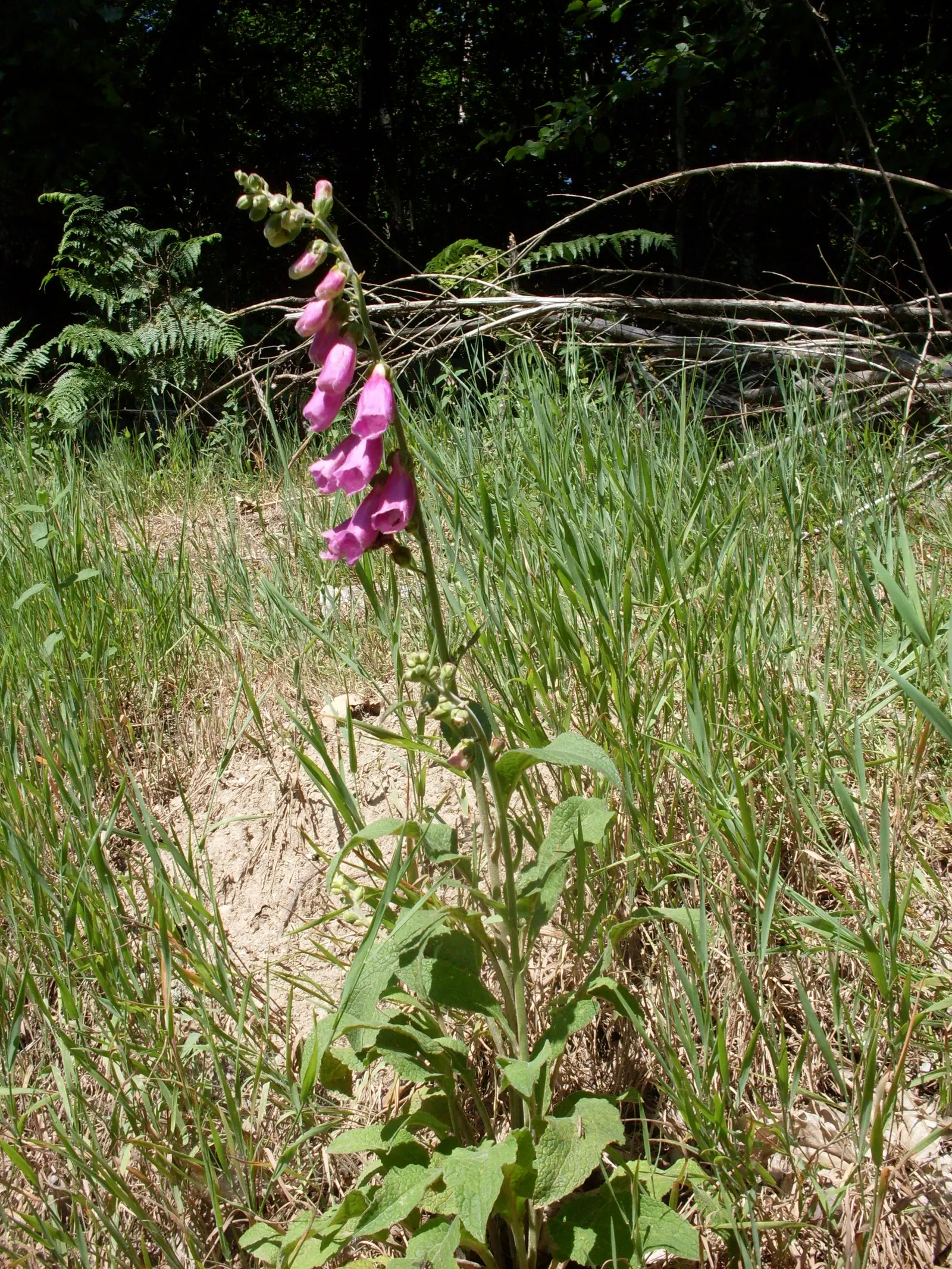
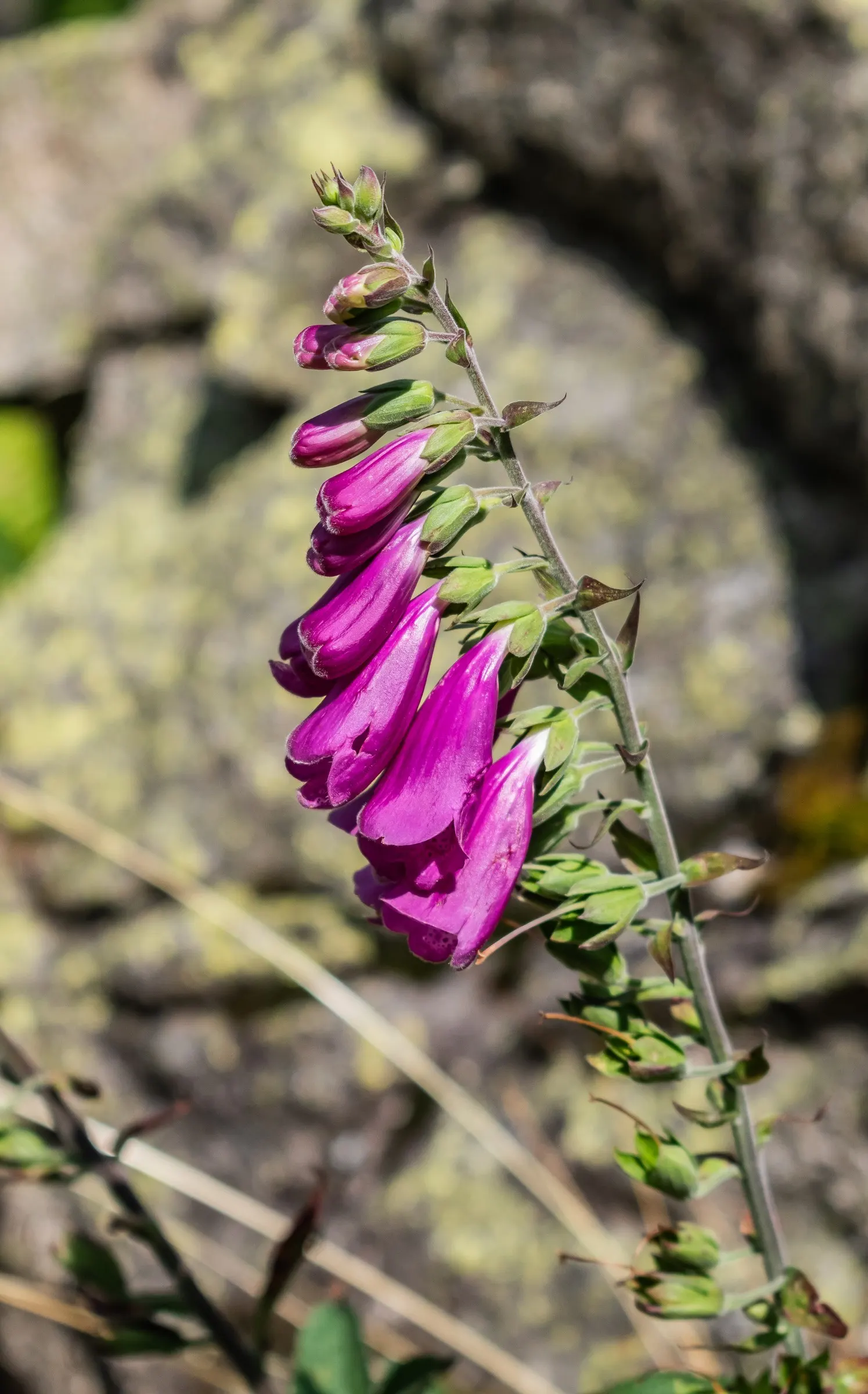
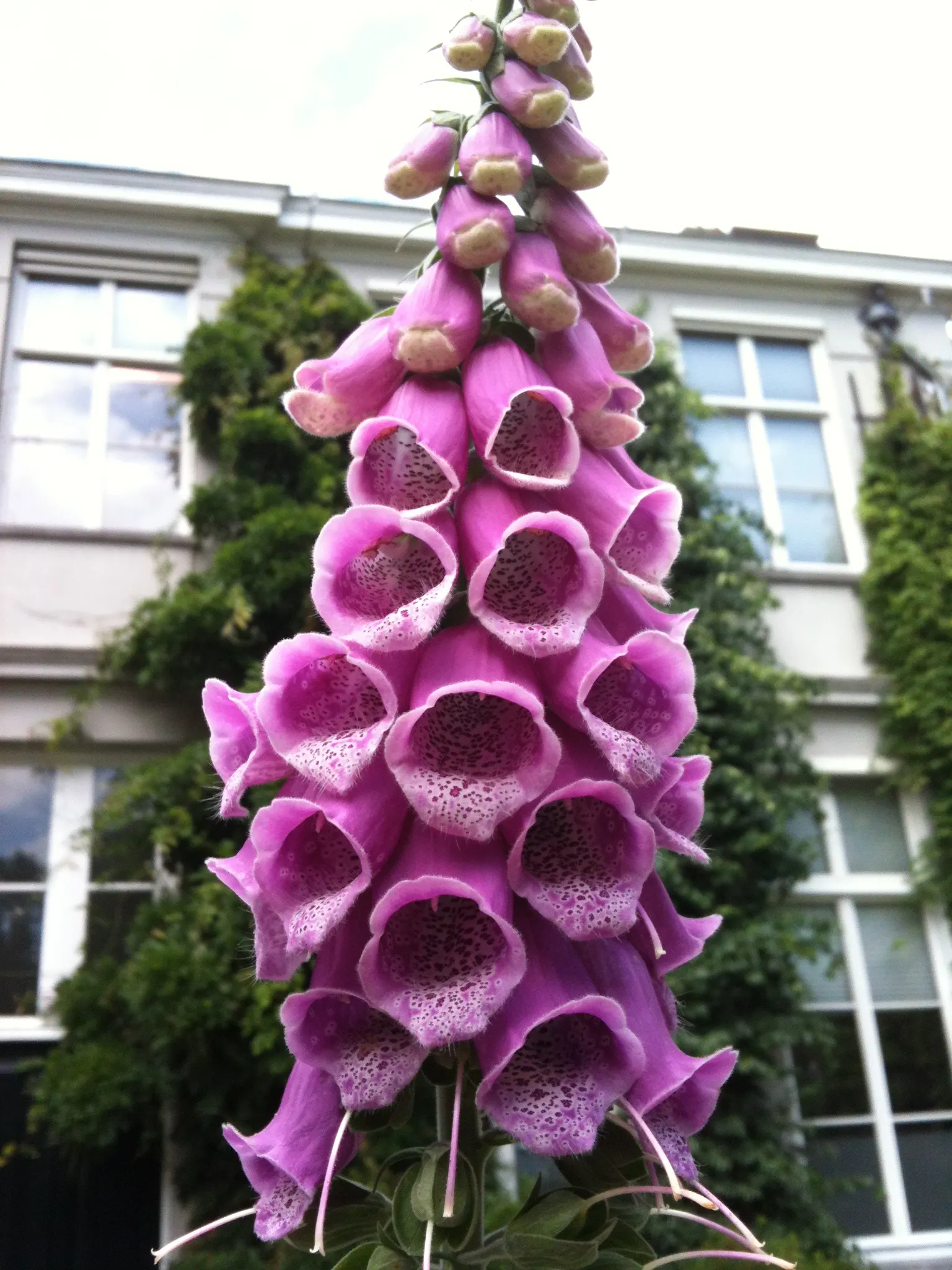
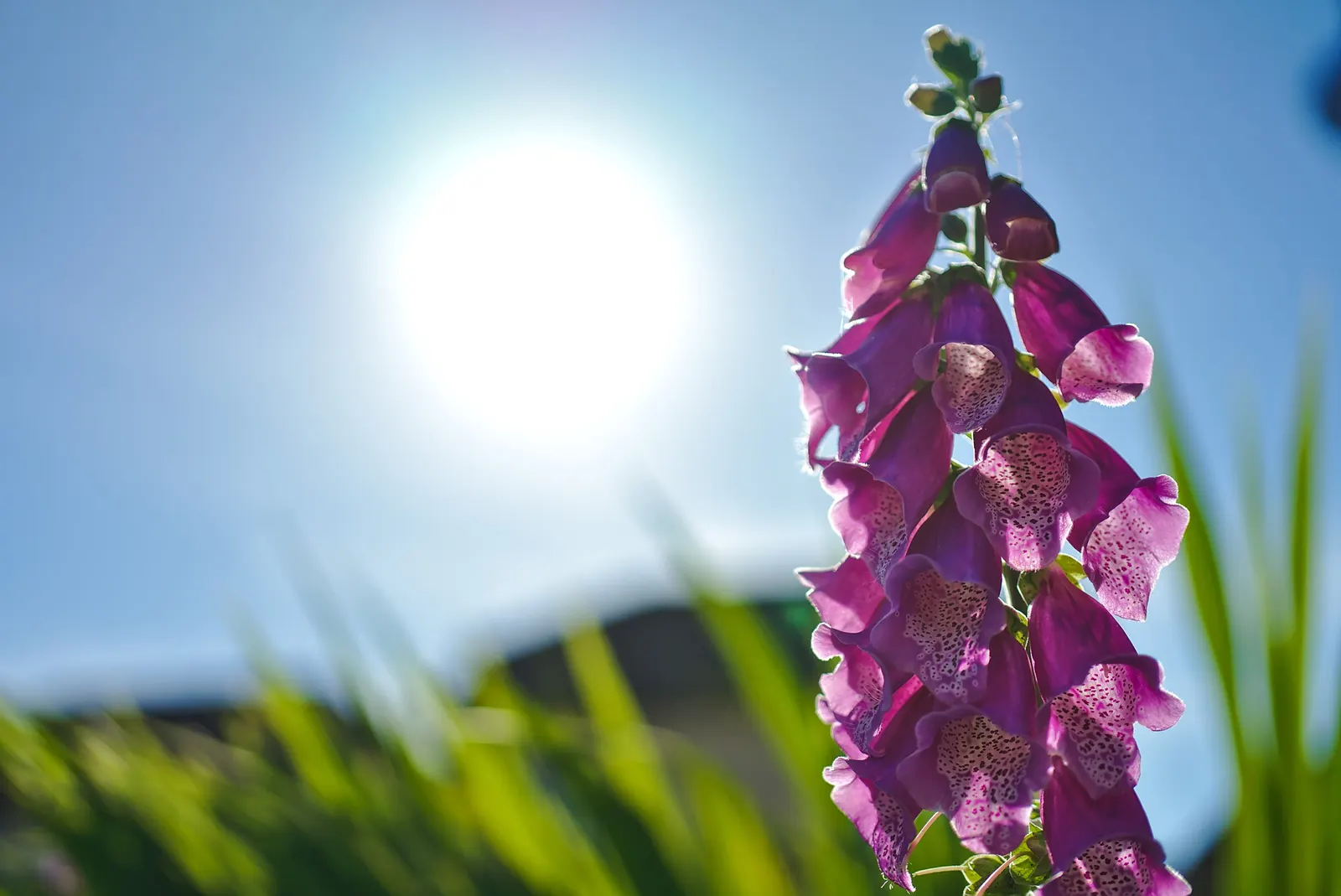
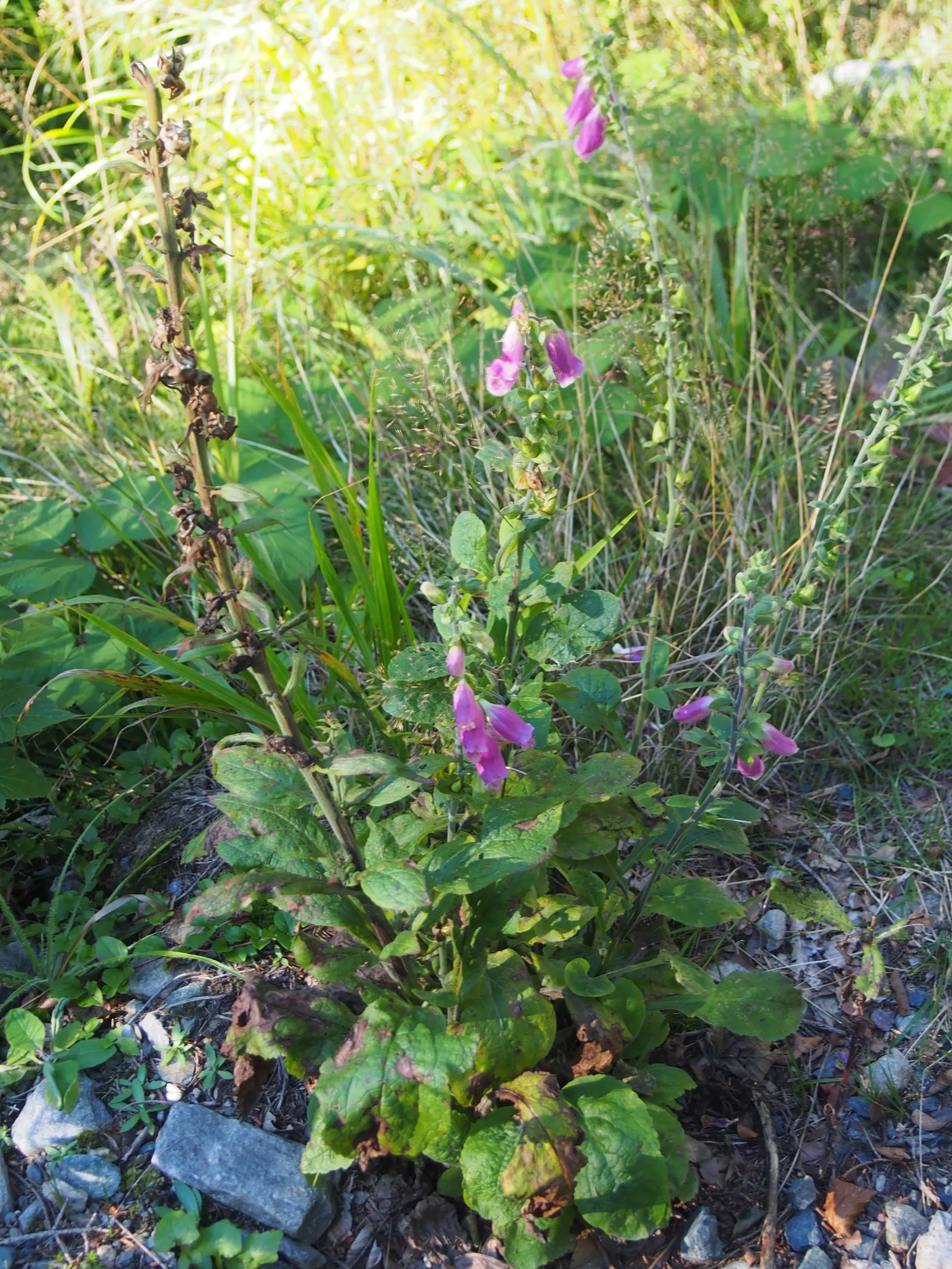
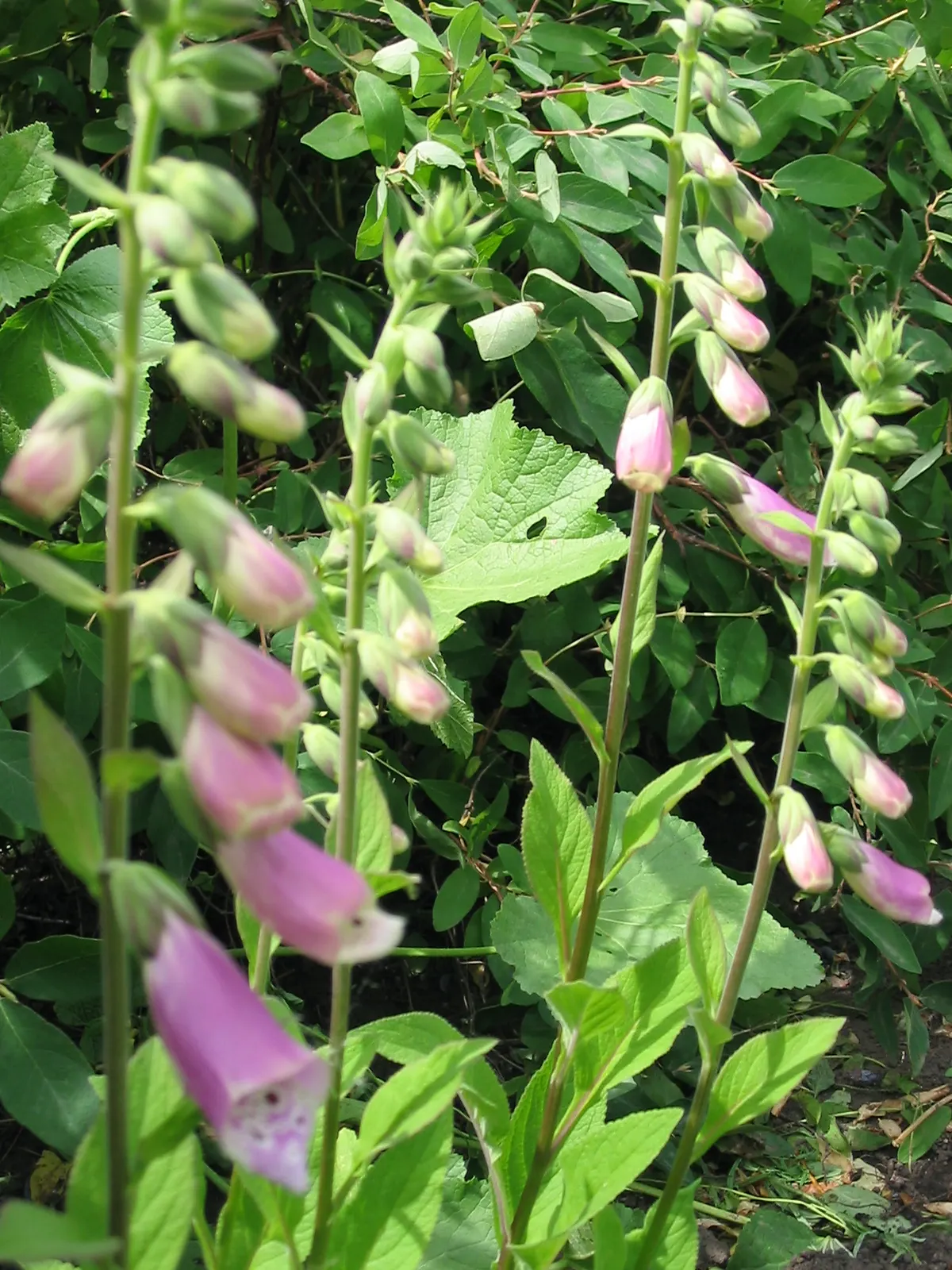
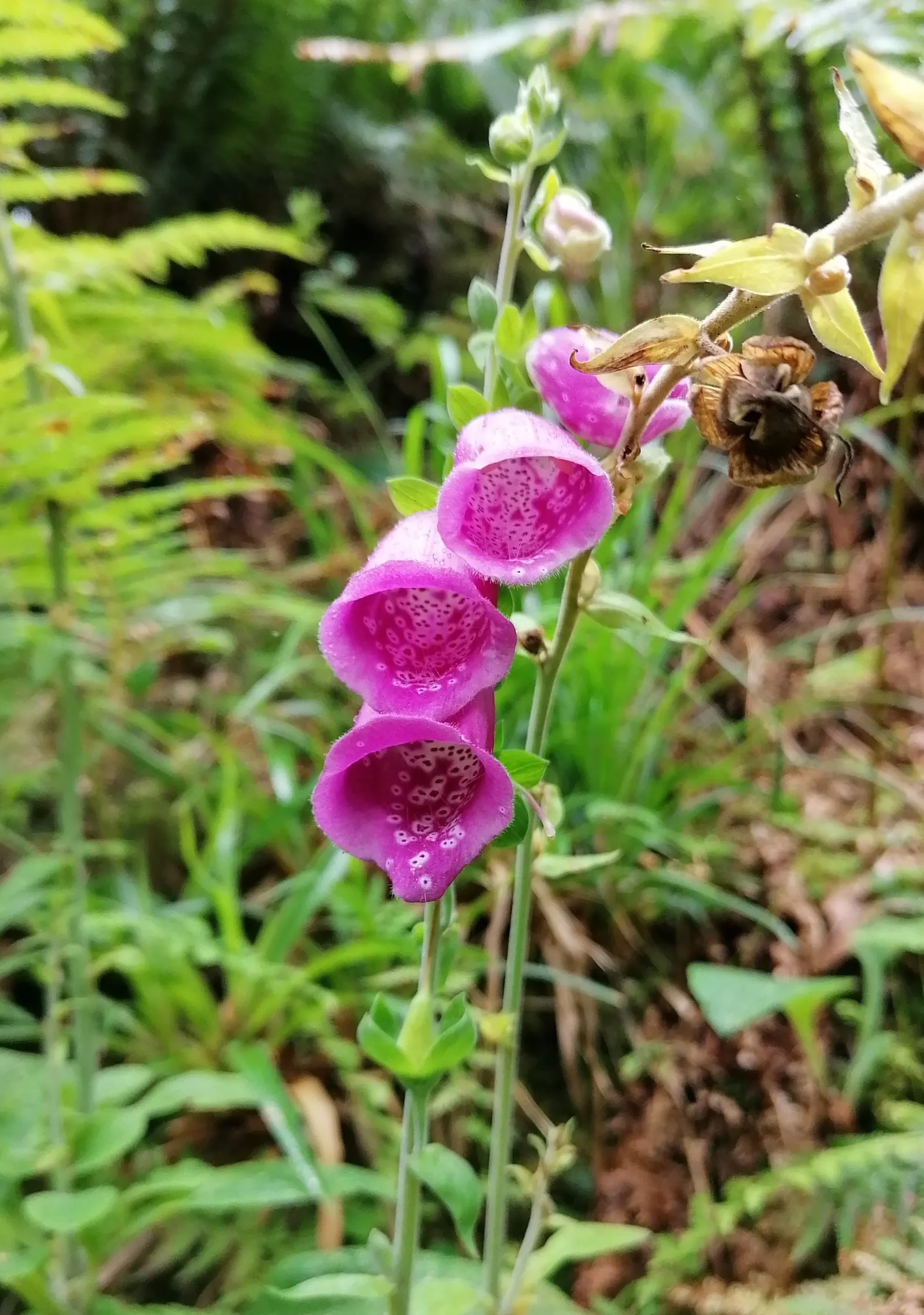
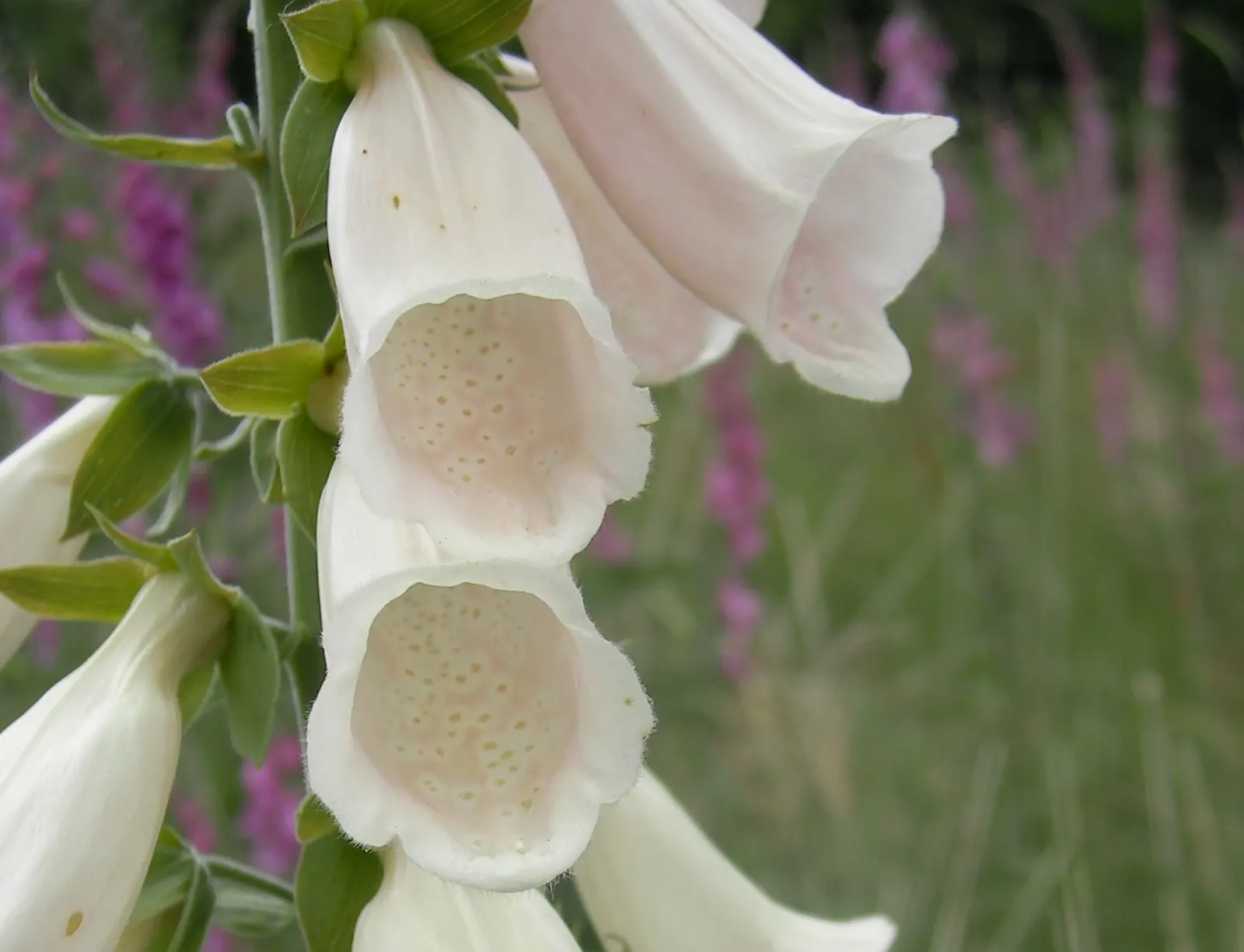
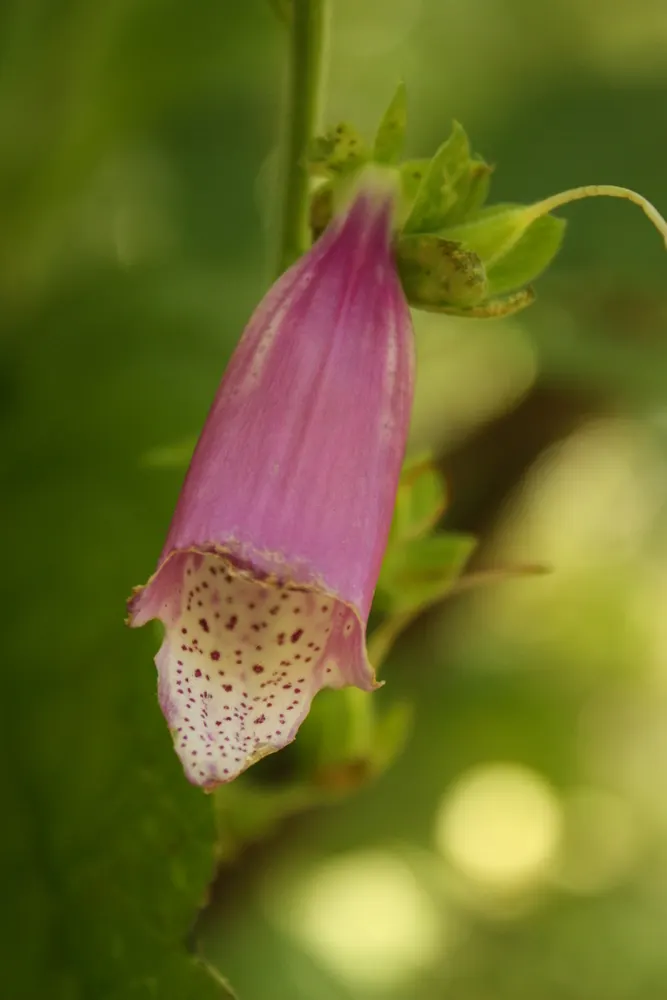
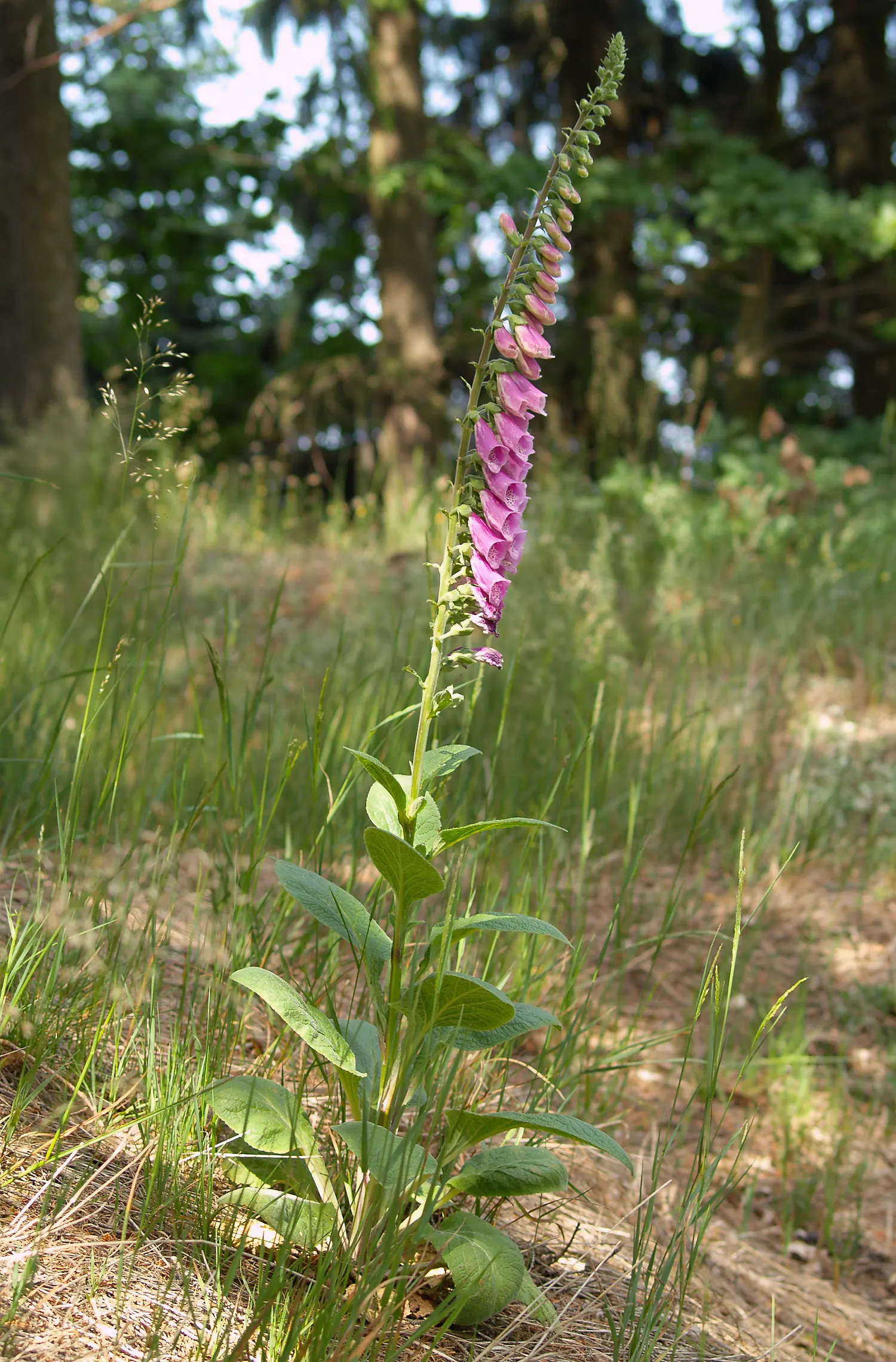
Digitalis purpurea, or Common Foxglove, is a striking biennial standing at 2-5 ft tall. It boasts tall spikes adorned with tubular blooms in shades of purple-pink and white, with speckled throats. Flowers appear in late spring to early summer, attracting bees and hummingbirds. Prefers partial shade and well-drained soil. Toxic if ingested—an important consideration for pet-friendly gardens. Utilize as a background plant in borders for vertical accent. Zone 4-8.
Sun HalfWater High, MediumZones 4–10Climate Temperate
Common Foxglove (Digitalis Purpurea) — Digitalis purpurea, or Common Foxglove, is a striking biennial standing at 2-5 ft tall

Culture

Sun
Half
Water
High, Medium
USDA zones
4–10

Shape & size

Classification

Climate
Temperate

See full data, regional cultivation notes, full-resolution photos, and design tools. Build a client presentation around this plant.

Start your 14-day trial

Photos (147)

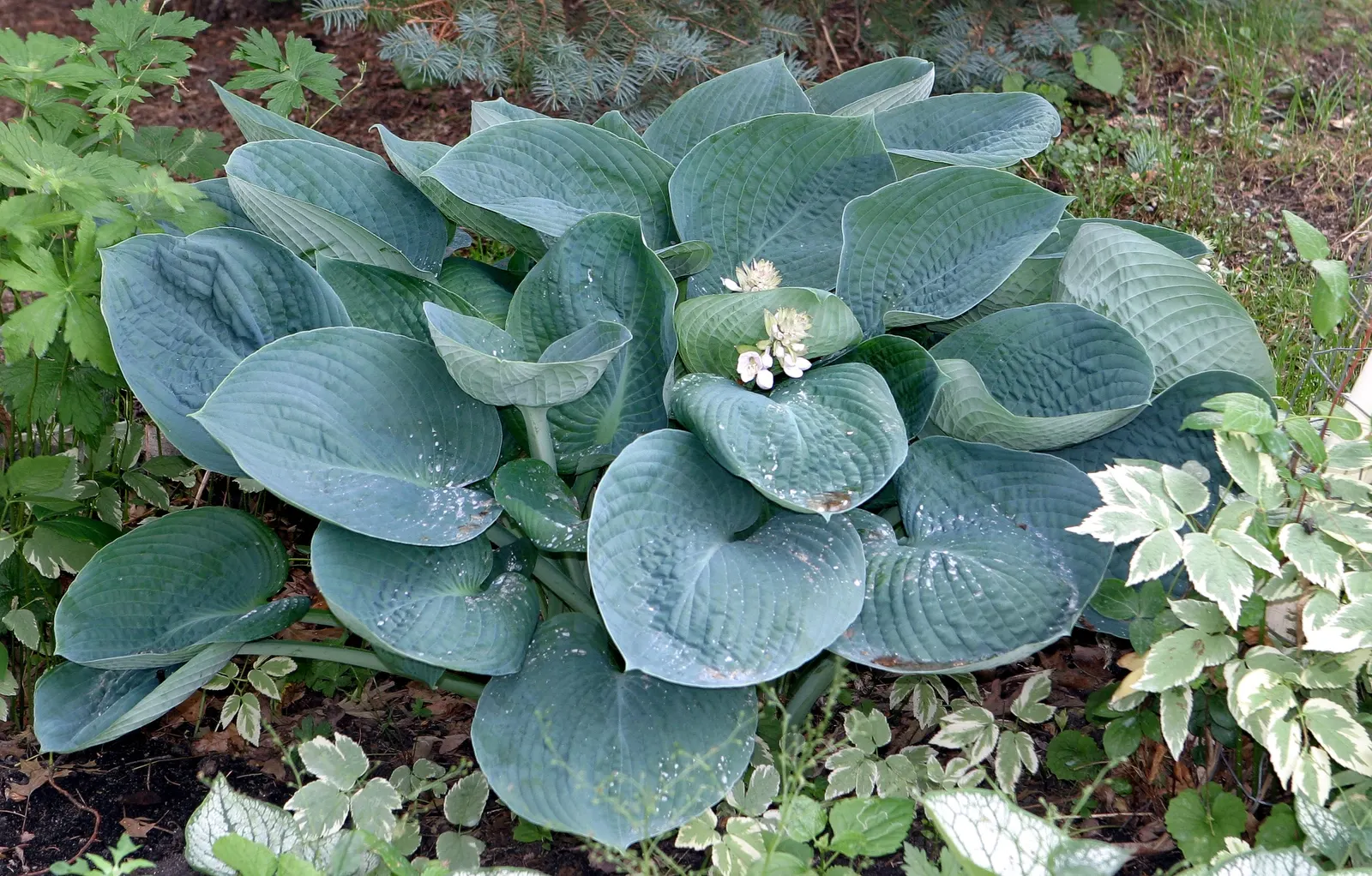
Common Foxglove (Digitalis Purpurea) — They pair well with ferns, hostas, and other shade-loving perennials
Common Foxglove (Digitalis Purpurea) — With its stately presence and rustic charm
Common Foxglove (Digitalis Purpurea) — multi-colored and pink and purple flowers in the garden
Common Foxglove (Digitalis Purpurea) — perennial with multi-colored and pink and purple blooms
Common Foxglove (Digitalis Purpurea) — perennial for half
Common Foxglove (Digitalis Purpurea) — Flowers appear in late spring to early summer, attracting bees and hummingbirds; which can lead to naturalization in the
Common Foxglove (Digitalis Purpurea) — Prefers partial shade and well-drained soil; multi-colored and pink and purple flowers in the garden
Common Foxglove (Digitalis Purpurea) — Toxic if ingested‚Äîan important consideration for pet-friendly gardens, image 32
Common Foxglove (Digitalis Purpurea) — Utilize as a background plant in borders for vertical accent; the flowers are typically a striking purple-pink with
Common Foxglove (Digitalis Purpurea) — is an enchanting biennial that brings vertical drama and a touch of wilderness to any garden setting; their towering
Common Foxglove (Digitalis Purpurea) — Growing to heights ranging from 3 to 5 feet; perennial with multi-colored and pink and purple blooms
Common Foxglove (Digitalis Purpurea) — and spreading approximately 10 to 18 inches; utilize as a background plant in borders for vertical accent
Common Foxglove (Digitalis Purpurea) — spiky racemes of tubular flowers which blossom in early to mid-summer; particularly bees and hummingbirds
Common Foxglove (Digitalis Purpurea) — this European native boasts tall; humus-rich soil with a slightly acidic to neutral pH
Common Foxglove (Digitalis Purpurea) — they will benefit from regular watering during prolonged dry spells; enhancing biodiversity within the garden
Common Foxglove (Digitalis Purpurea) — While moderately drought-resistant once established, image 41
Common Foxglove (Digitalis Purpurea) — humus-rich soil with a slightly acidic to neutral pH; is an enchanting biennial that brings vertical drama and a touch
Common Foxglove (Digitalis Purpurea) — The flowers are typically a striking purple-pink with spotted throats; perennial for half
Common Foxglove (Digitalis Purpurea) — particularly bees and hummingbirds; it boasts tall spikes adorned with tubular blooms in shades of purple-pink and
Common Foxglove (Digitalis Purpurea) — place foxgloves in the mid to back borders for a visually striking backdrop; so caution should be taken if placed in
Common Foxglove (Digitalis Purpurea) — With its stately presence and rustic charm; flowers appear in late spring to early summer, attracting bees and
Common Foxglove (Digitalis Purpurea) — They pair well with ferns, hostas, and other shade-loving perennials, image 50
Common Foxglove (Digitalis Purpurea) — so caution should be taken if placed in areas frequented by children or pets; digitalis purpurea, or Common Foxglove, is
Common Foxglove (Digitalis Purpurea) — Deadheading will encourage a second bloom and prevent self-seeding; growing to heights ranging from 3 to 5 feet