Skip to content

Dieffenbachia, Dumb Cane

Dieffenbachia Amoena

Design with this plant

Overview

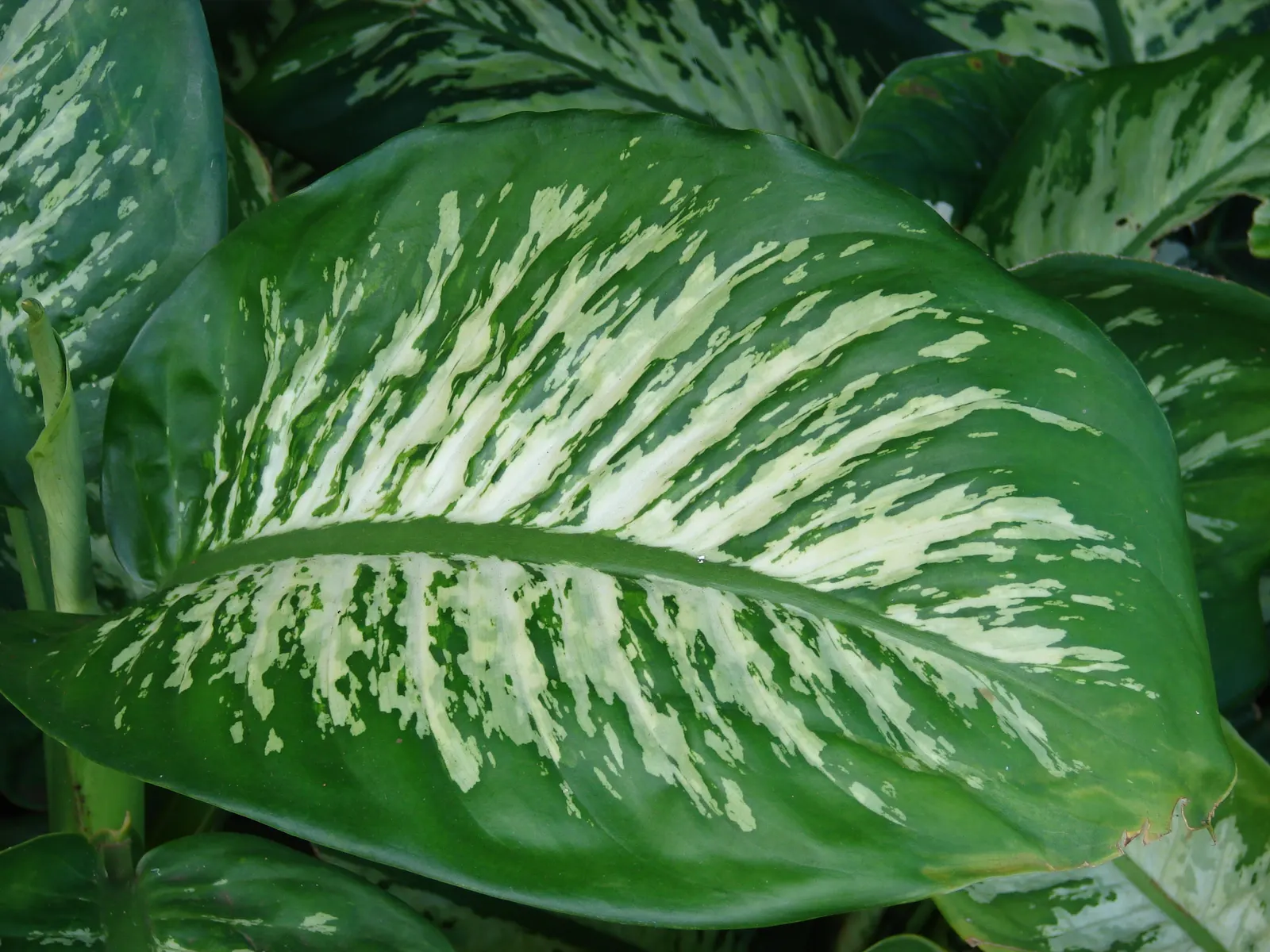
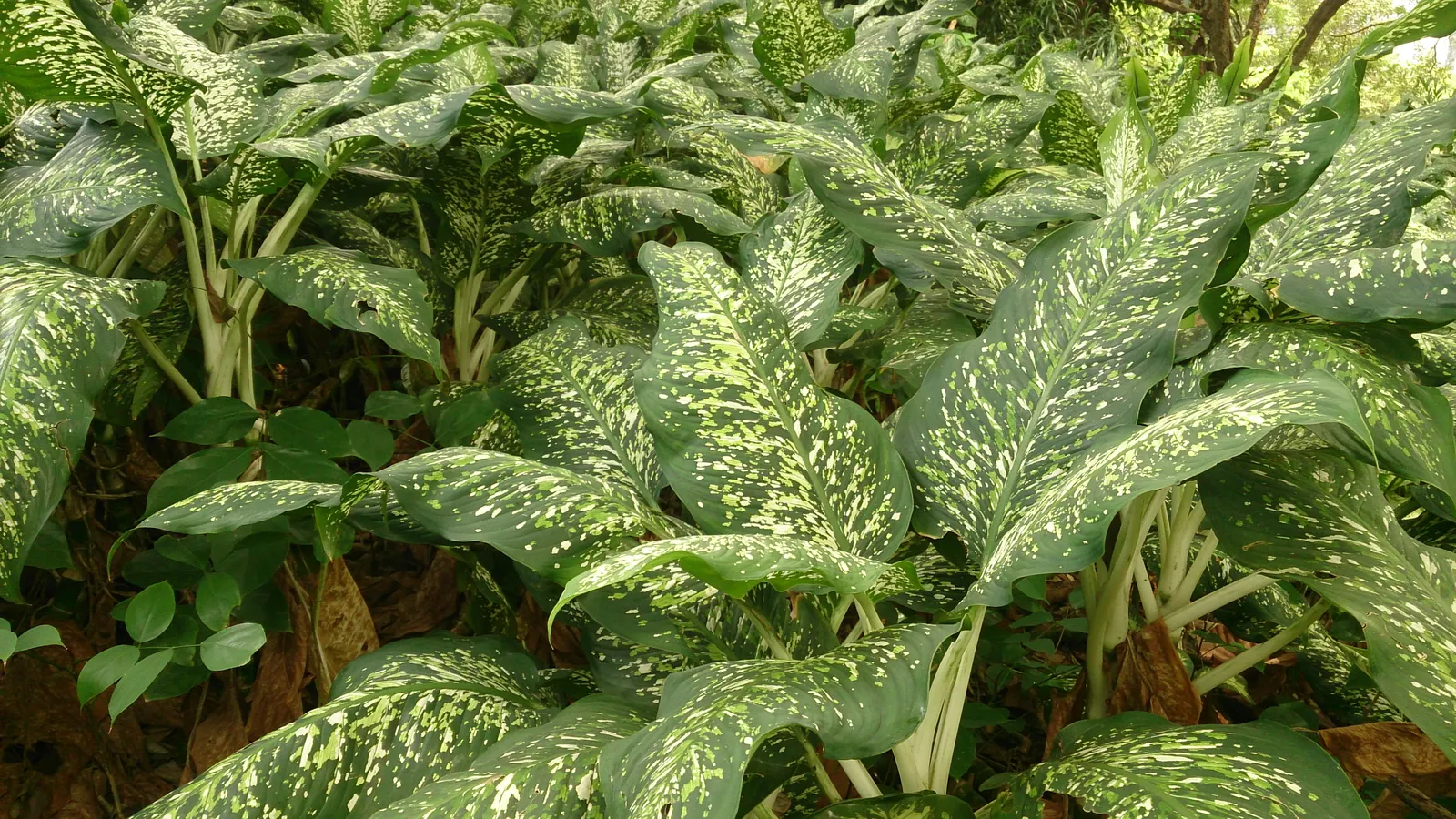
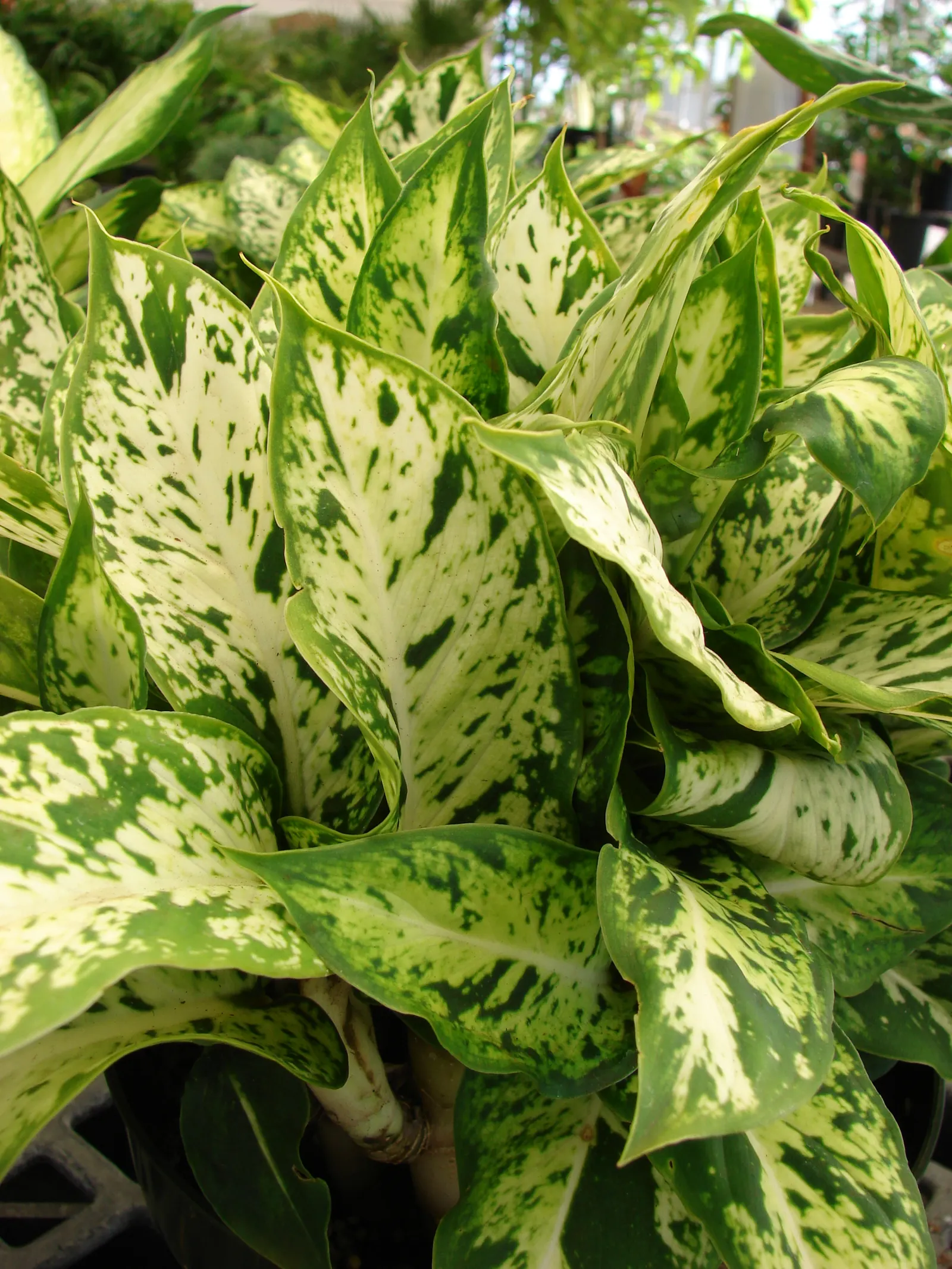
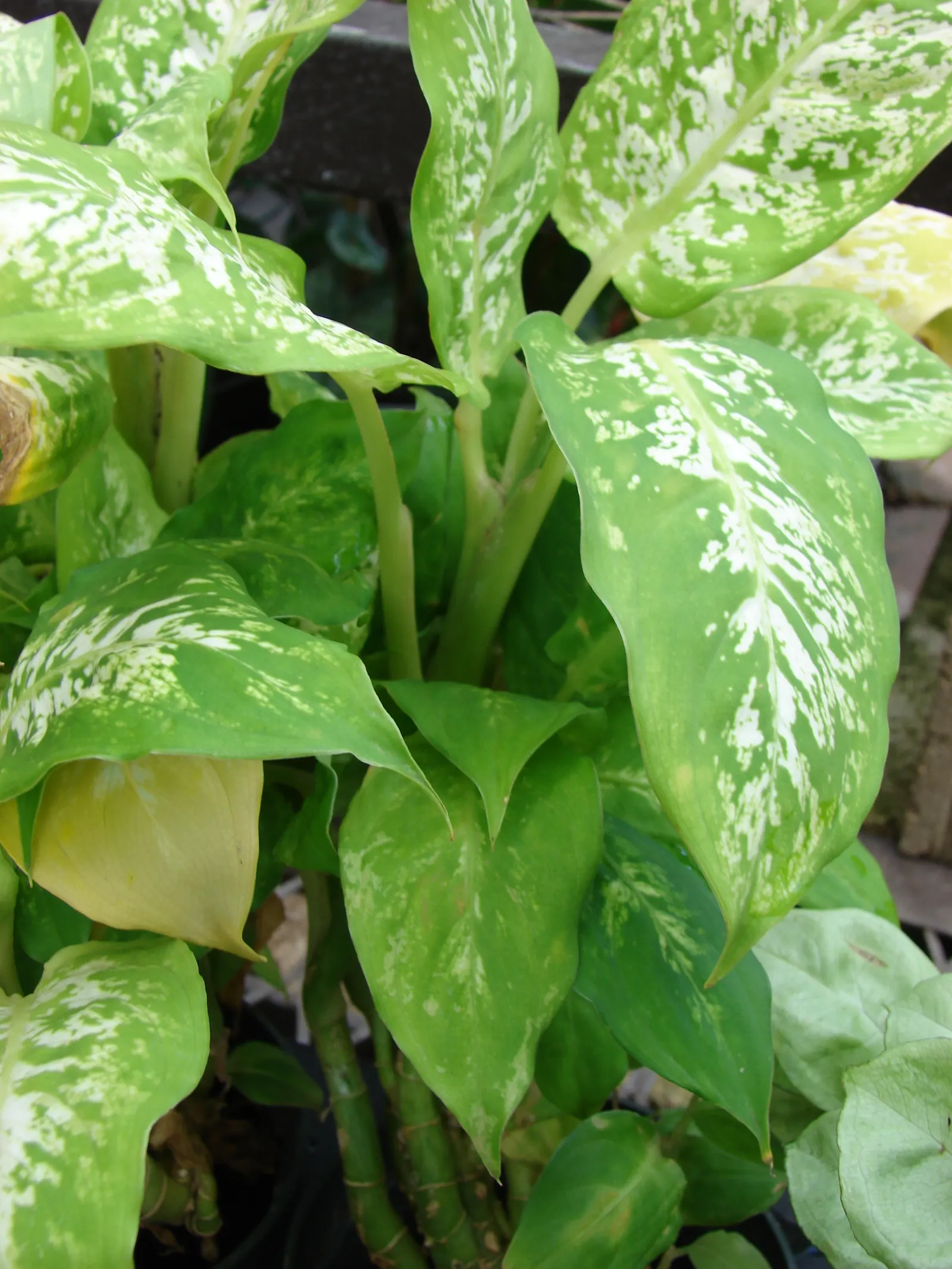
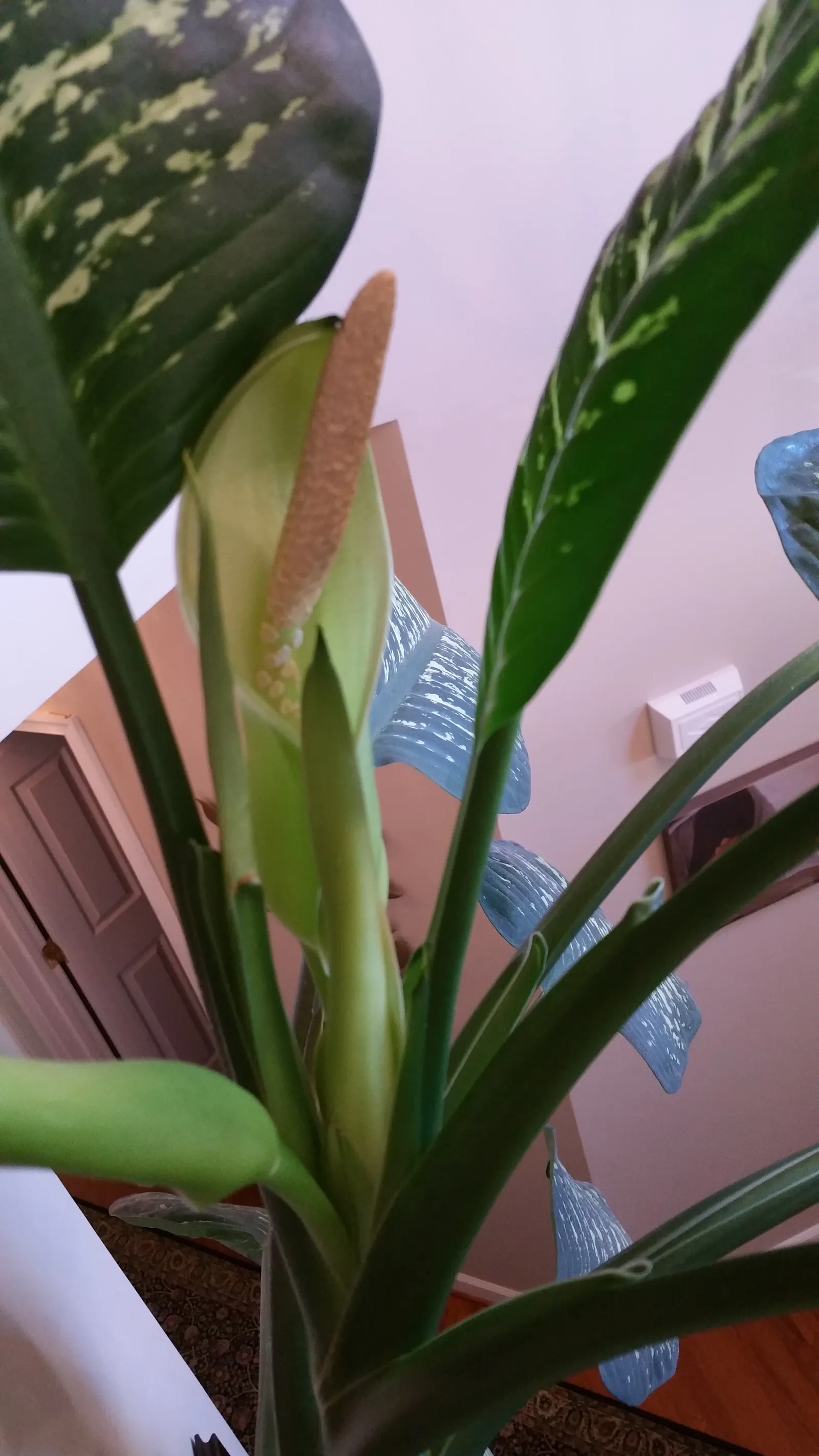
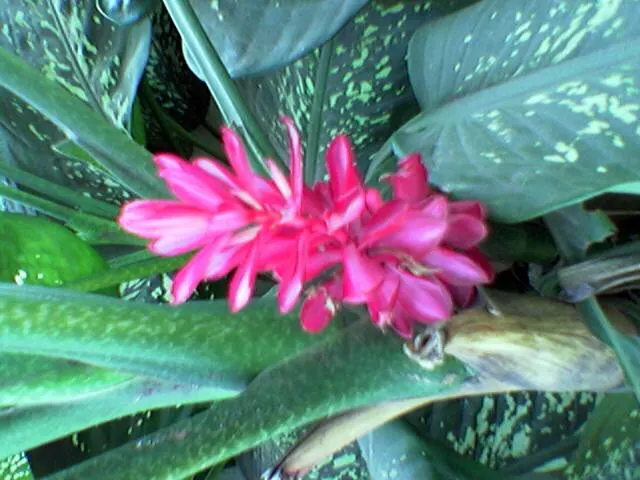
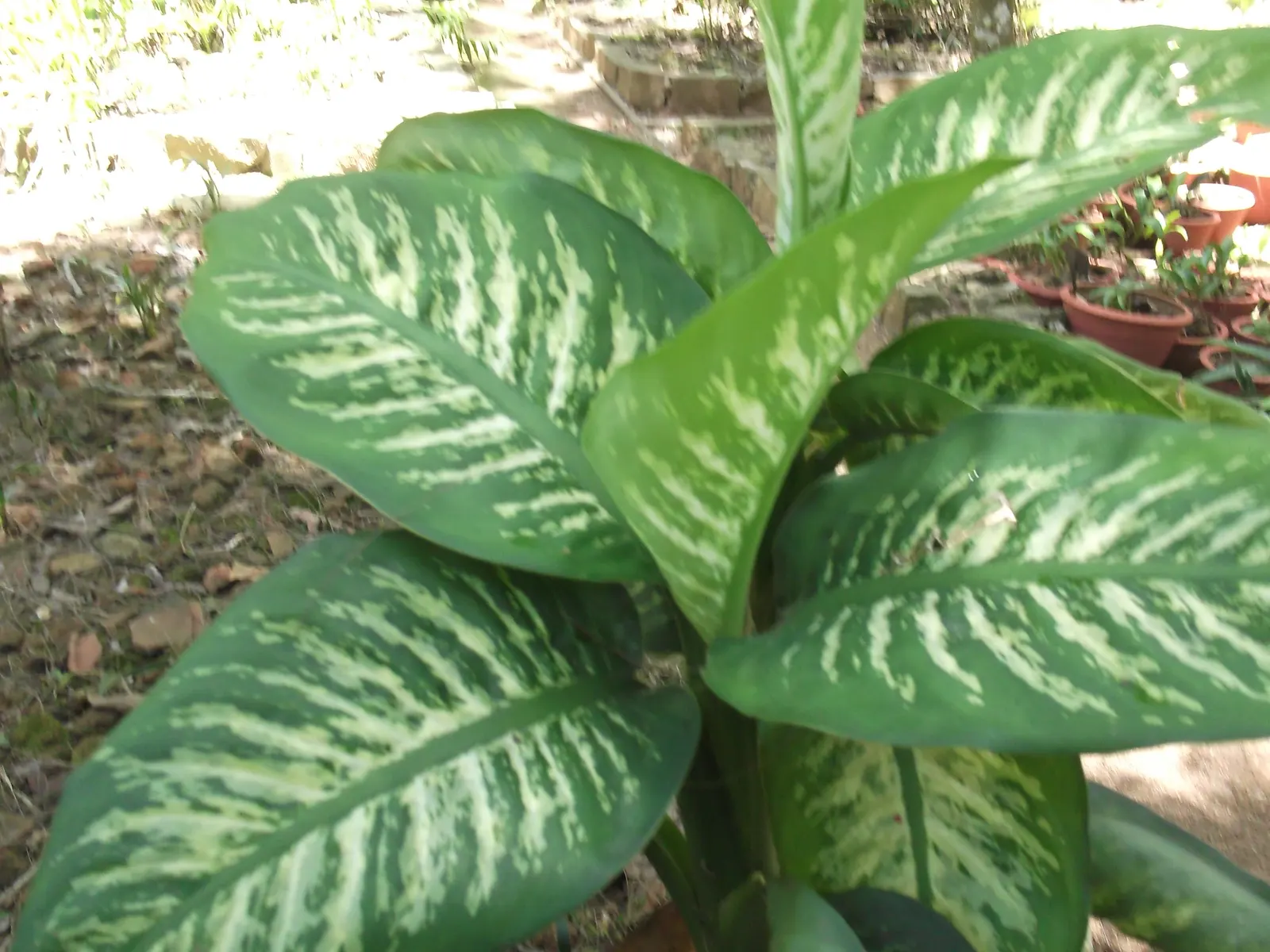
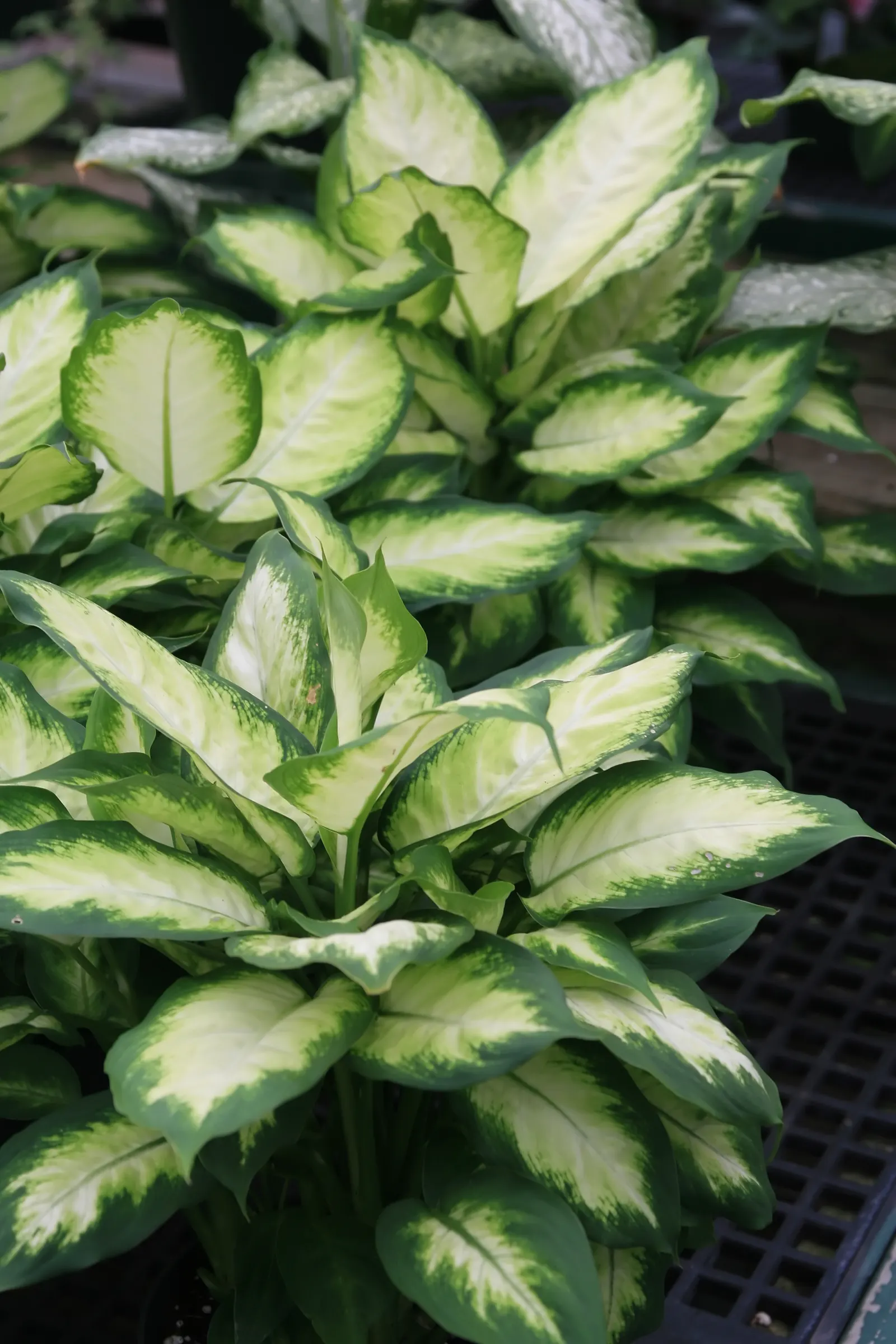
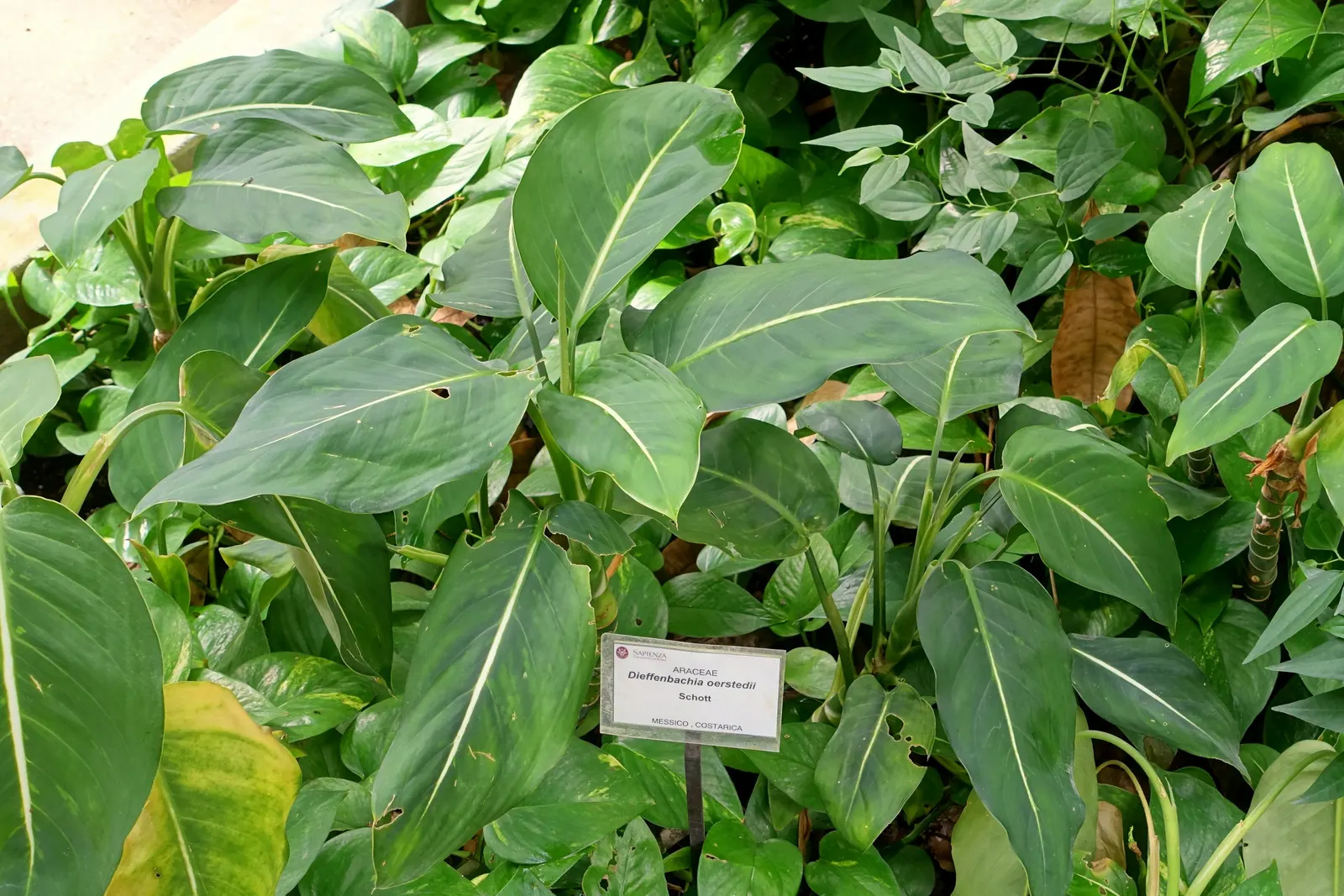
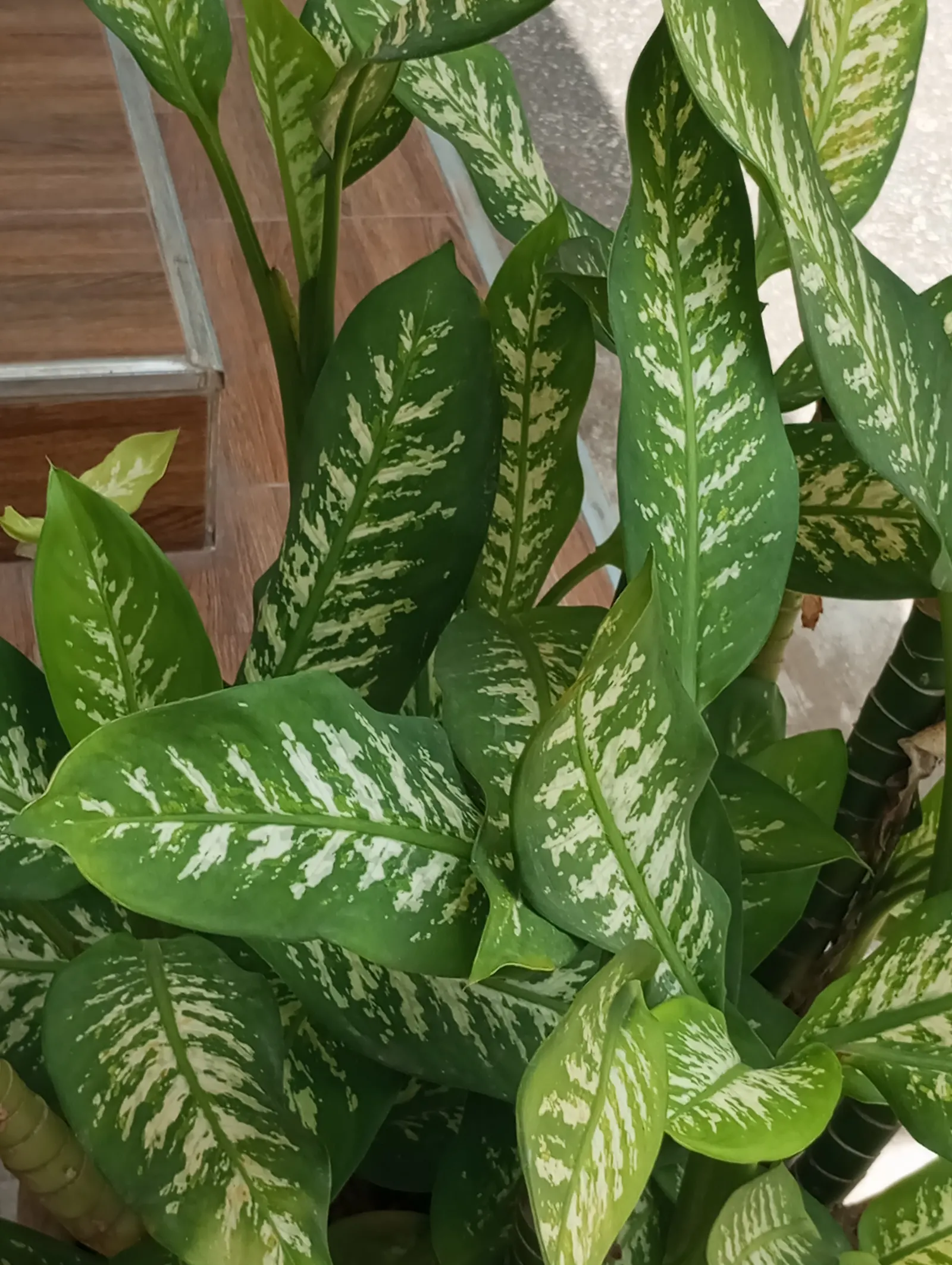
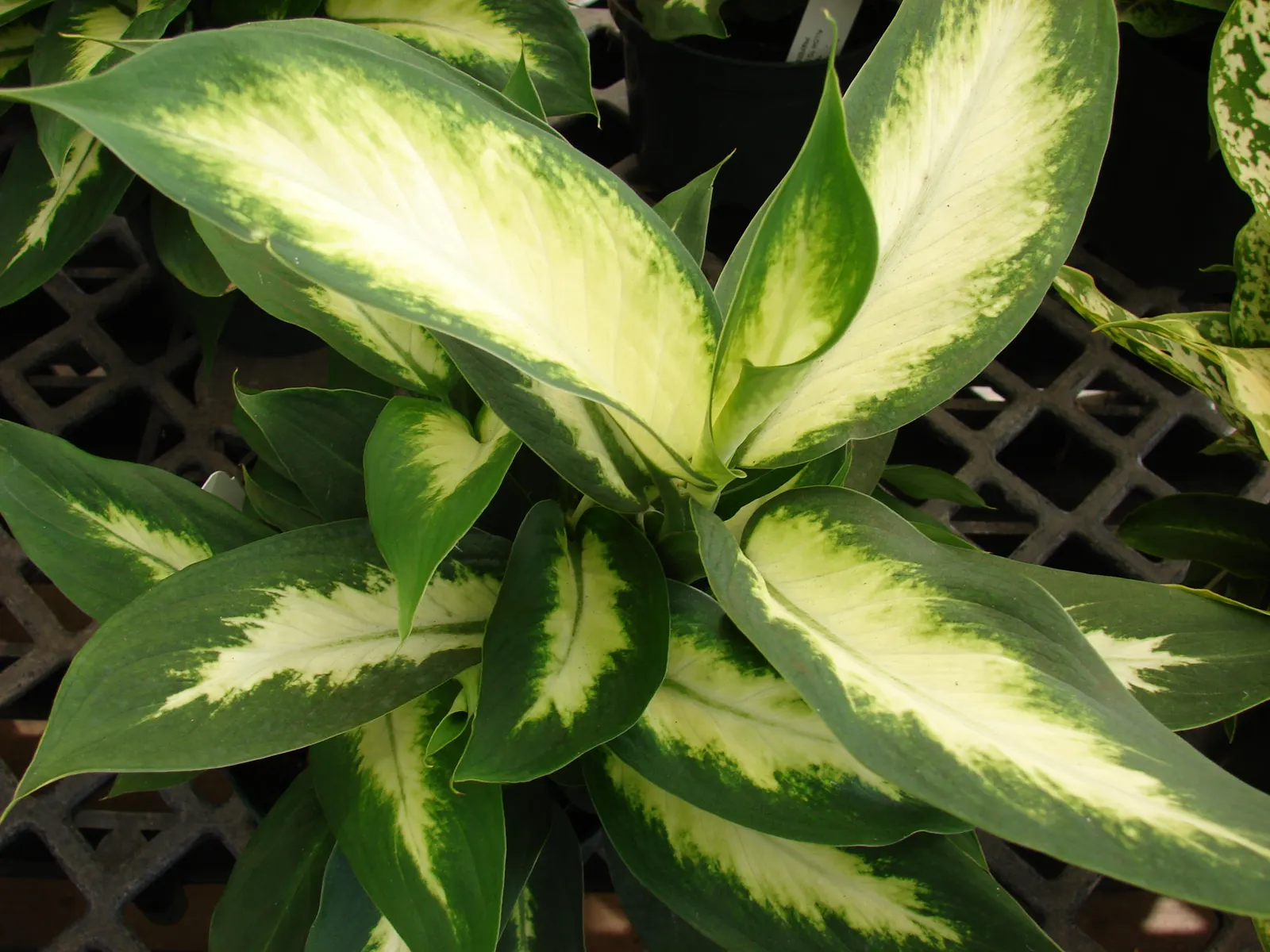
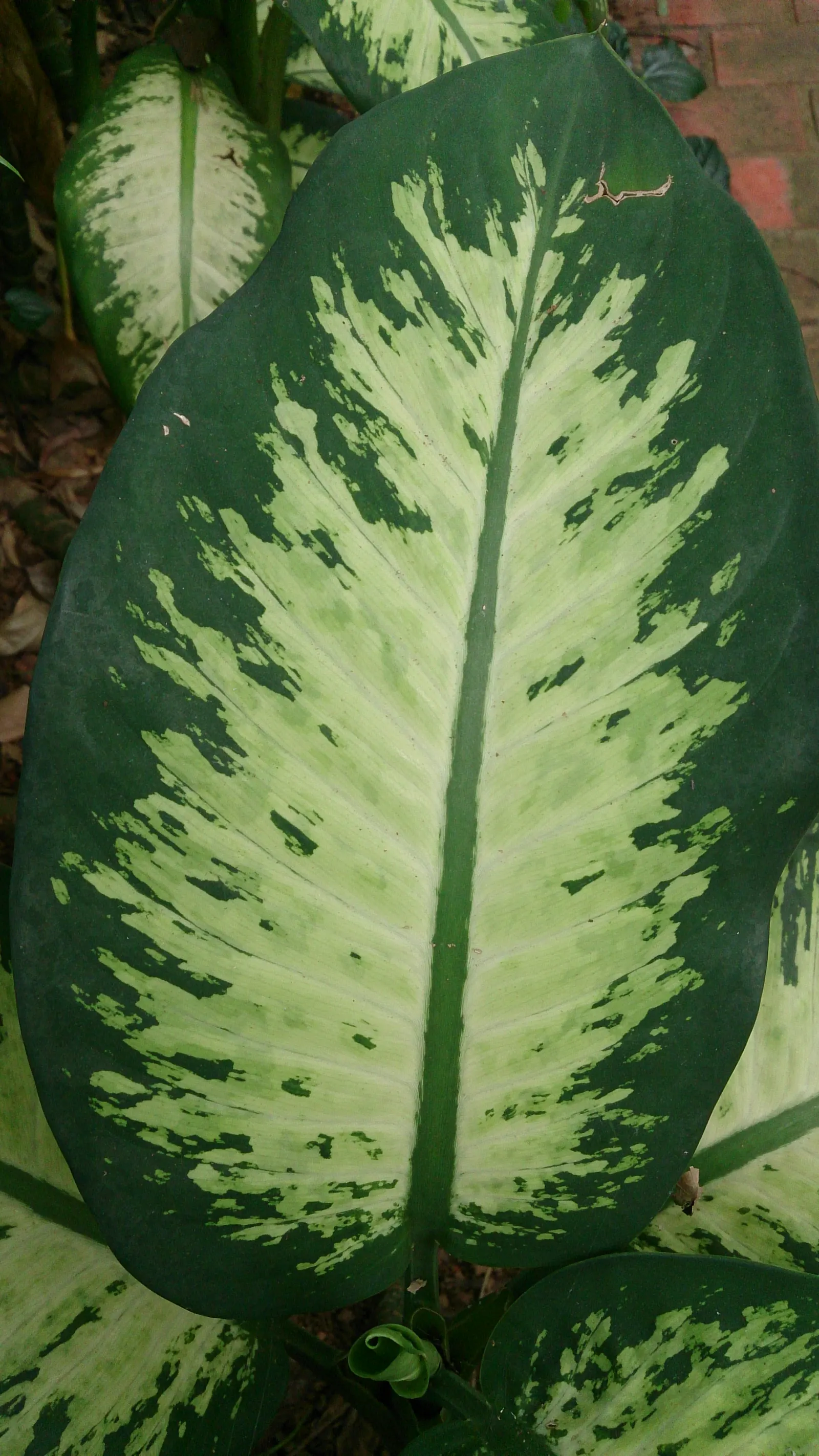
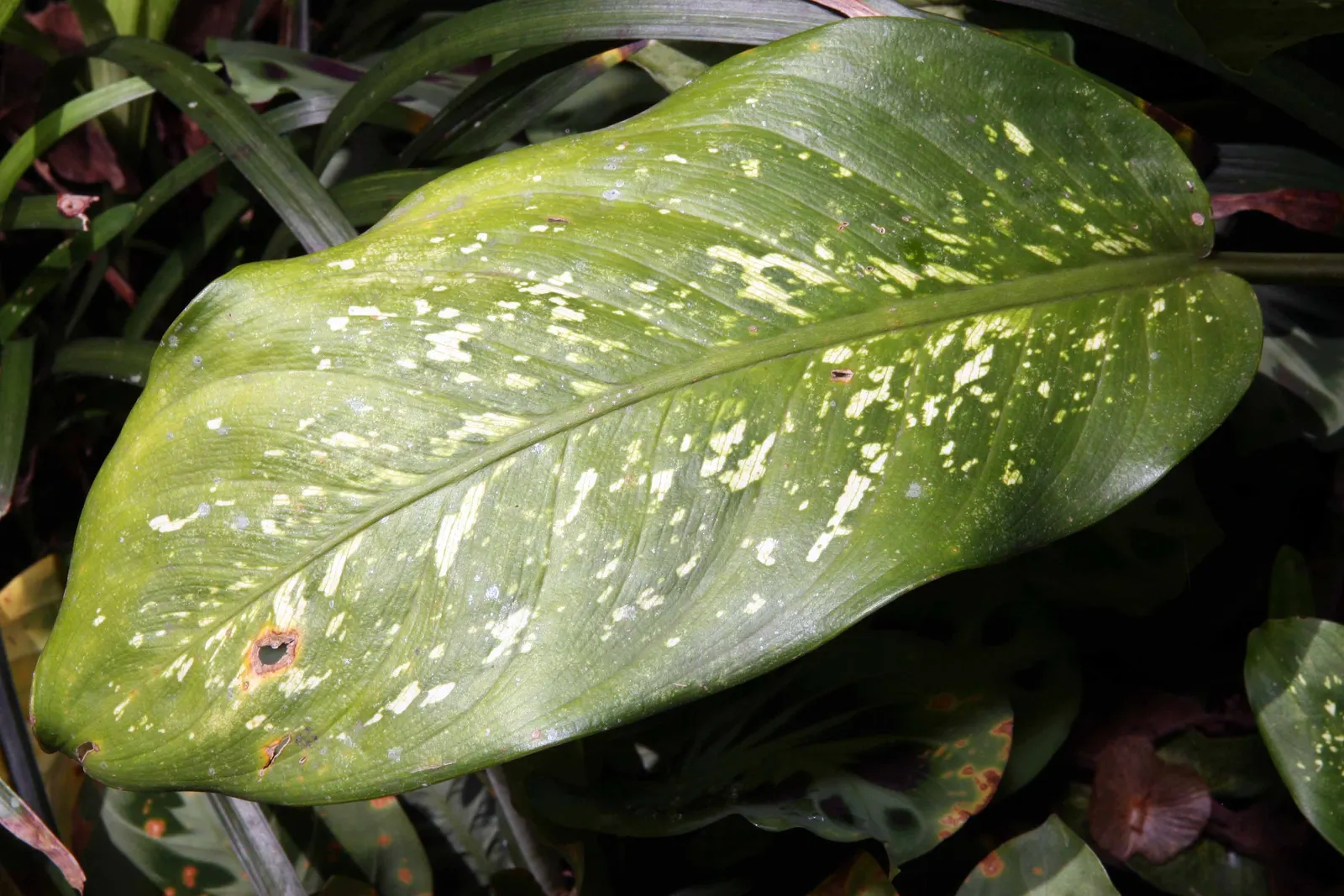
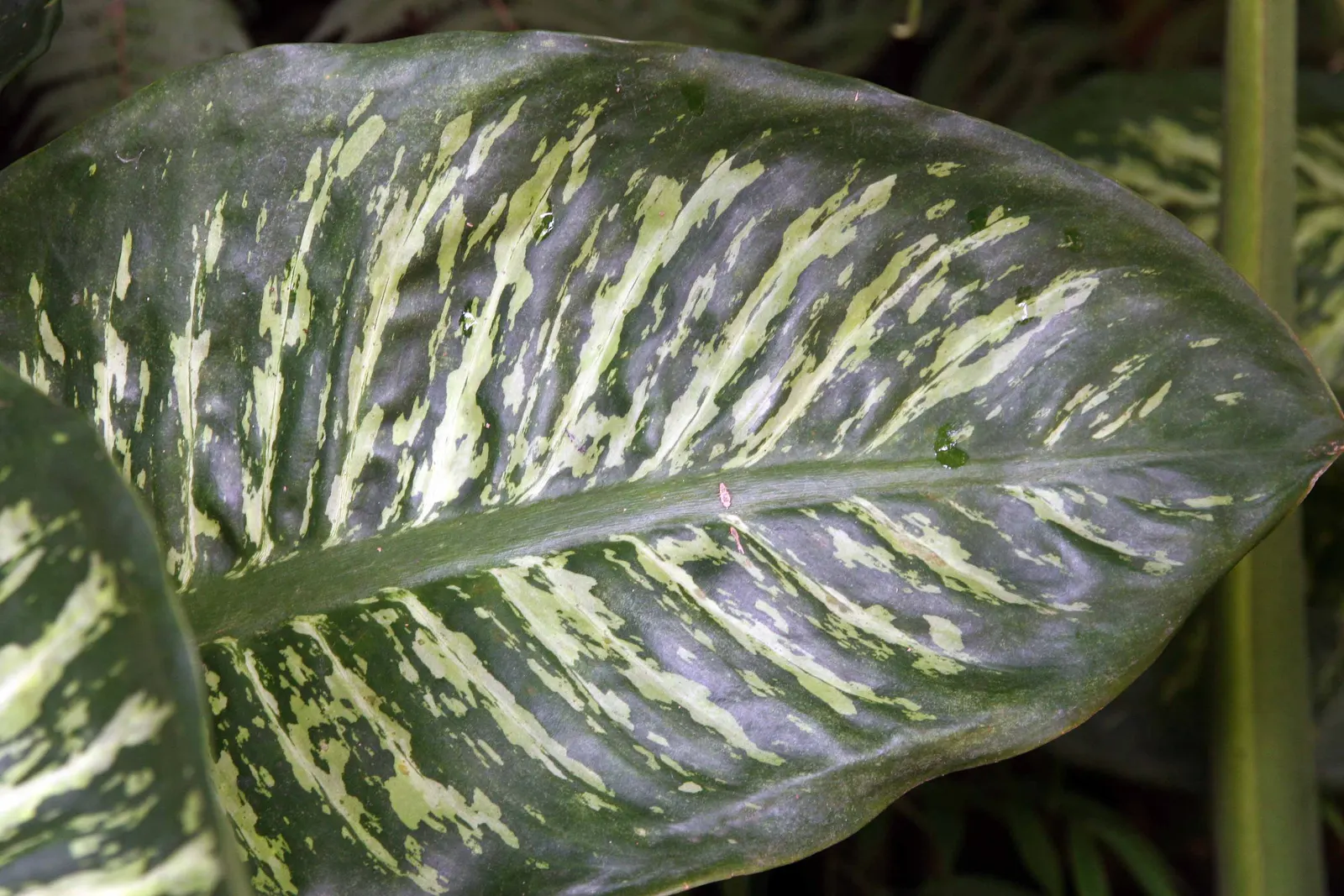
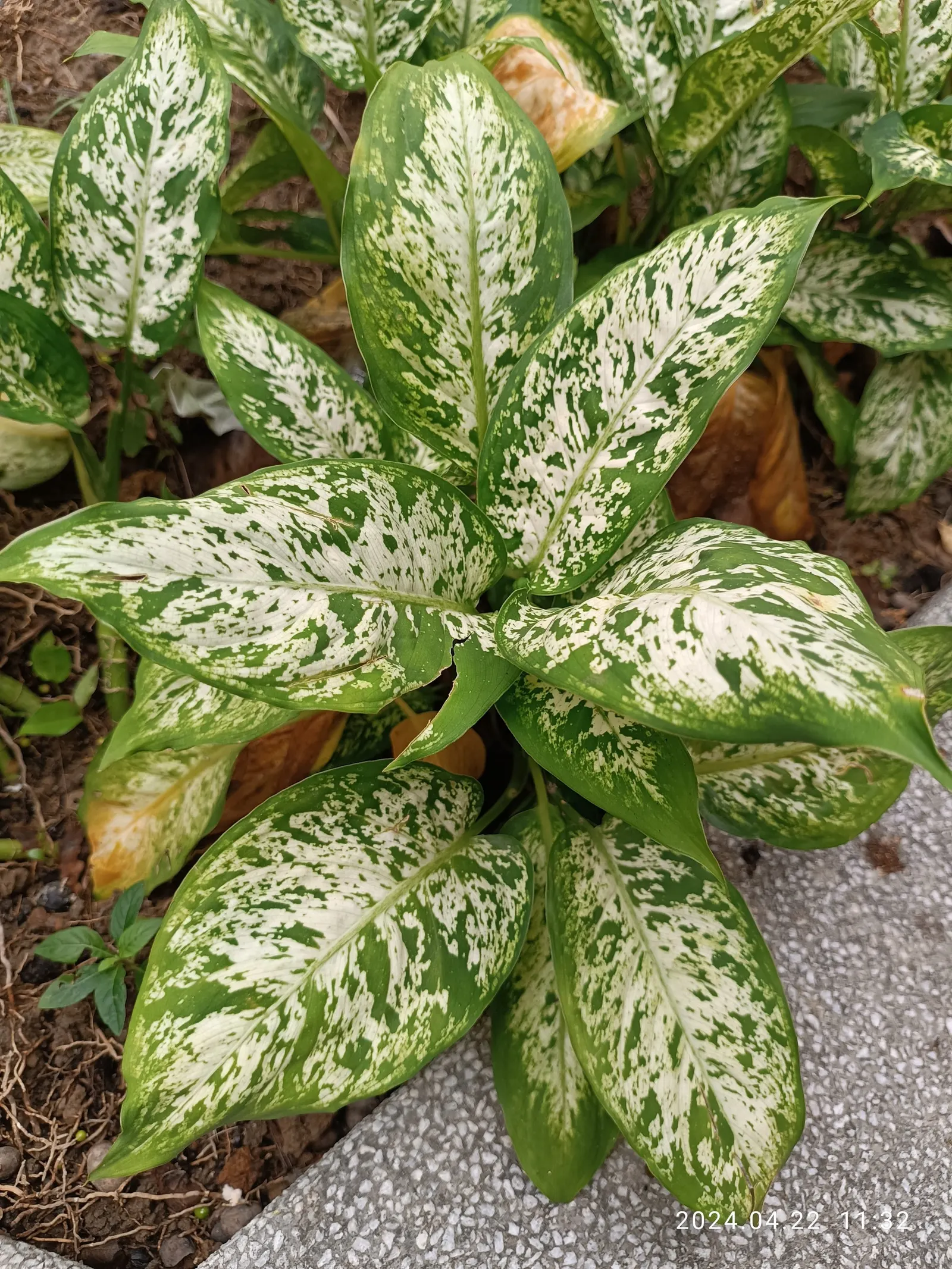
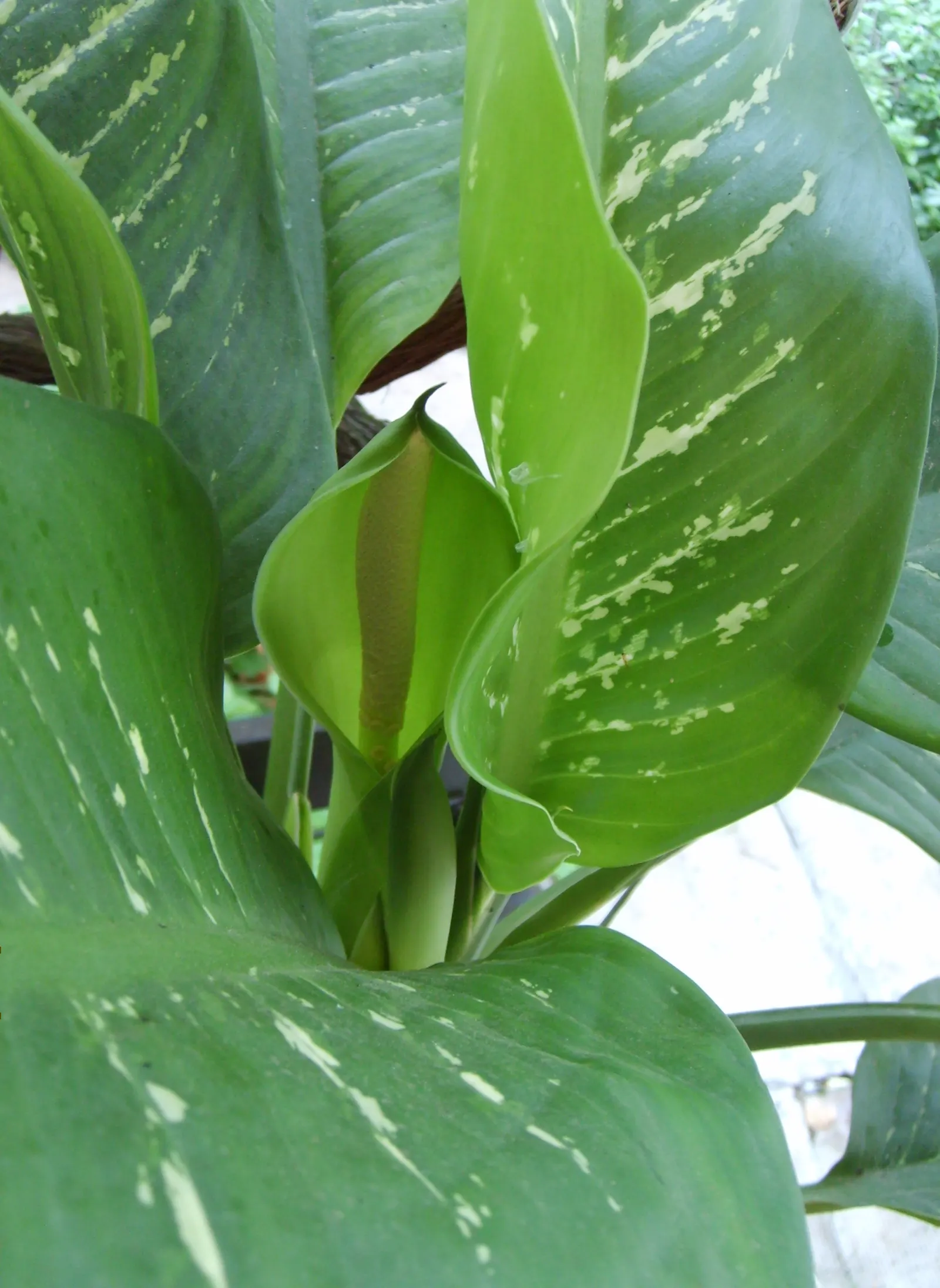
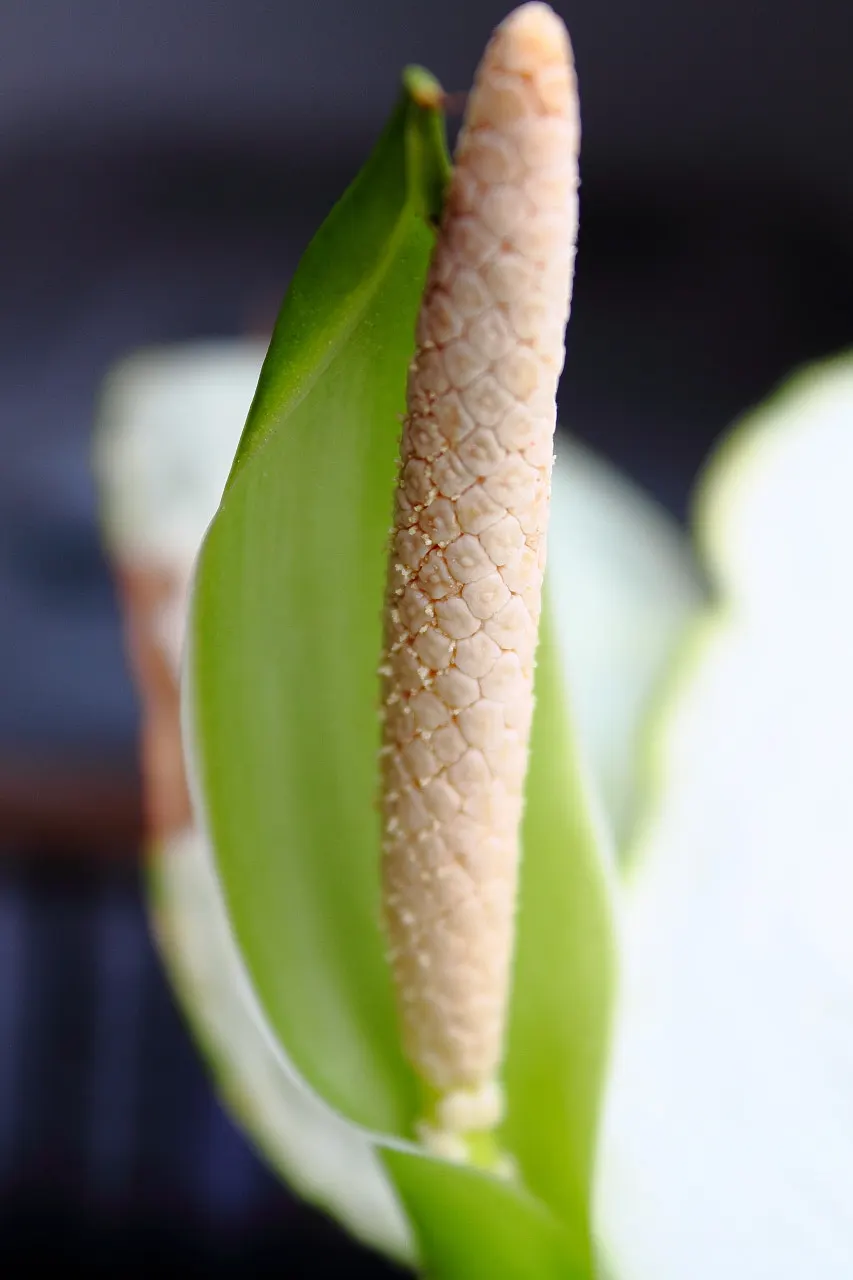
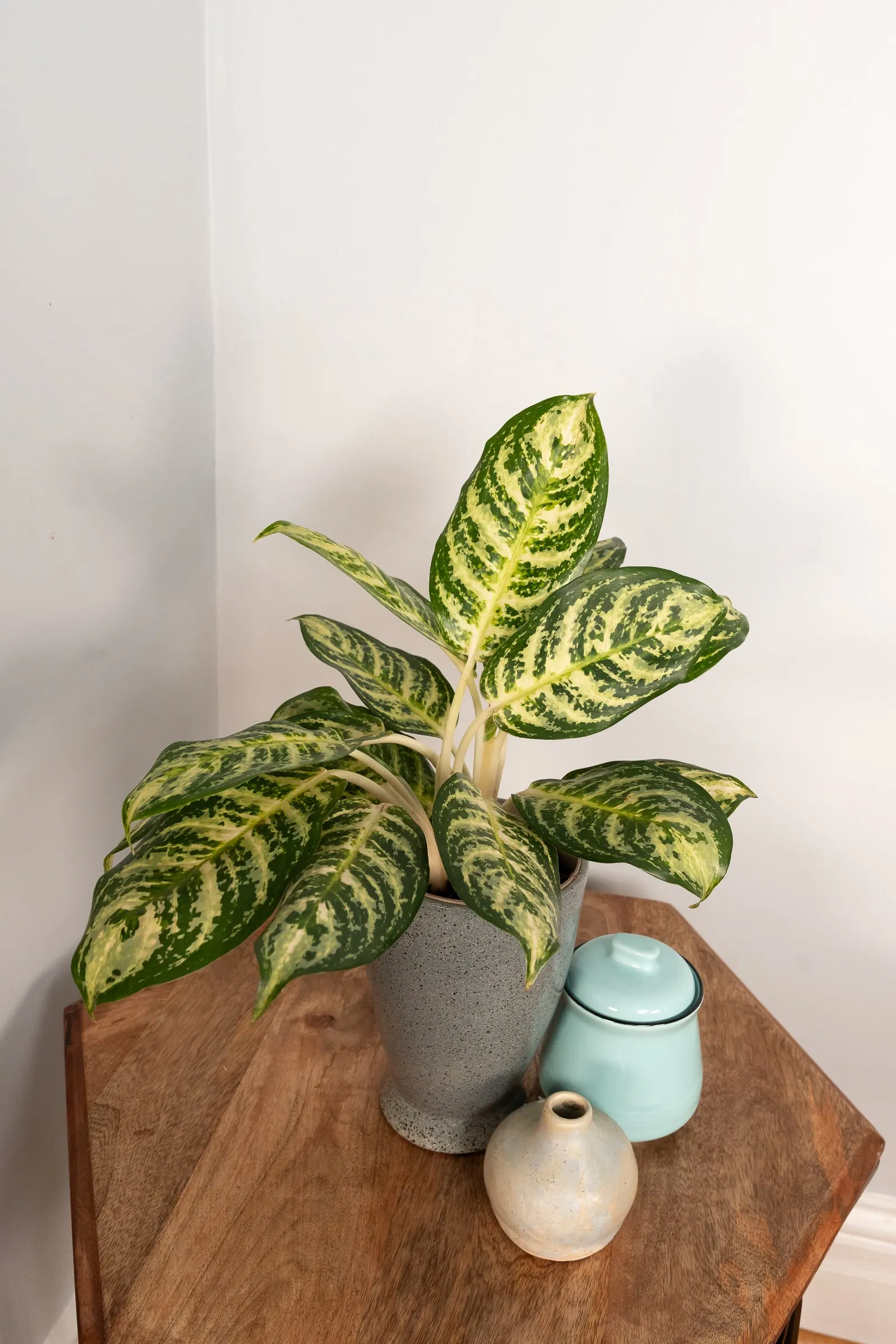
Dieffenbachia amoena, commonly known as Dumb Cane, is a lush, tropical perennial best suited for indoor shade or low-light areas. It boasts broad, variegated leaves with a blend of white and green, reaching heights of 3-5 ft. Caution is advised due to its sap, which can cause mouth irritation if ingested. Thrives in well-draining soil and regular misting, adding striking foliage to interior landscapes. Keep soil moderately moist.

Sun Half, ShadeWater Extra in Summer, MediumZones 9–10Type PerennialClimate Subtropical

Culture

Sun
Half, Shade
Water
Extra in Summer, Medium
USDA zones
9–10

Shape & size

Classification

Type
Perennial
Family
Araceae
Climate
Subtropical

See full data, regional cultivation notes, and design tools. Build a client presentation around this plant.

Start your 14-day trial

Photos (113)

Dieffenbachia, Dumb Cane (Dieffenbachia Amoena) — perennial for half or shade
Dieffenbachia, Dumb Cane (Dieffenbachia Amoena) — Caution is advised due to its sap, which can cause mouth irritation if ingested; tropical perennial best
Dieffenbachia, Dumb Cane (Dieffenbachia Amoena) — Keep soil moderately moist
Dieffenbachia, Dumb Cane (Dieffenbachia Amoena) — both in terms of height and spread; keep soil moderately moist
Dieffenbachia, Dumb Cane (Dieffenbachia Amoena) — making it a popular choice for indoor landscapes and tropical-themed gardens; and should be, image 55
Dieffenbachia, Dumb Cane (Dieffenbachia Amoena) — commonly referred to as Dumb Cane (Dieffenbachia amoena); perennial for half or shade
Dieffenbachia, Dumb Cane (Dieffenbachia Amoena) — tropical perennial best suited for indoor shade or low-light areas; indirect light but also tolerating lower
Dieffenbachia, Dumb Cane (Dieffenbachia Amoena) — is a broad-leaved foliage plant well-known for its easy care and striking variegated leaves
Dieffenbachia, Dumb Cane (Dieffenbachia Amoena) — Caution is advised due to its sap, which can cause mouth irritation if ingested; tropical, image 50
Dieffenbachia, Dumb Cane (Dieffenbachia Amoena) — When designing your landscape, image 81
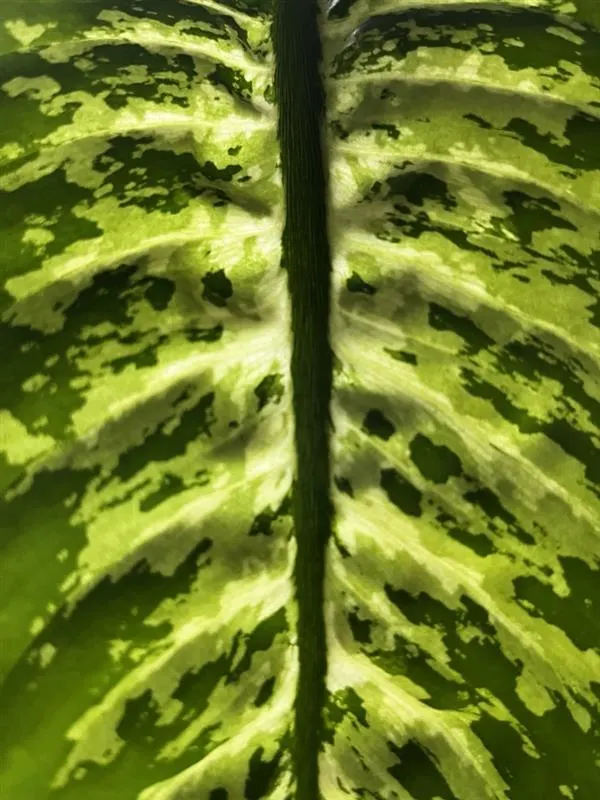
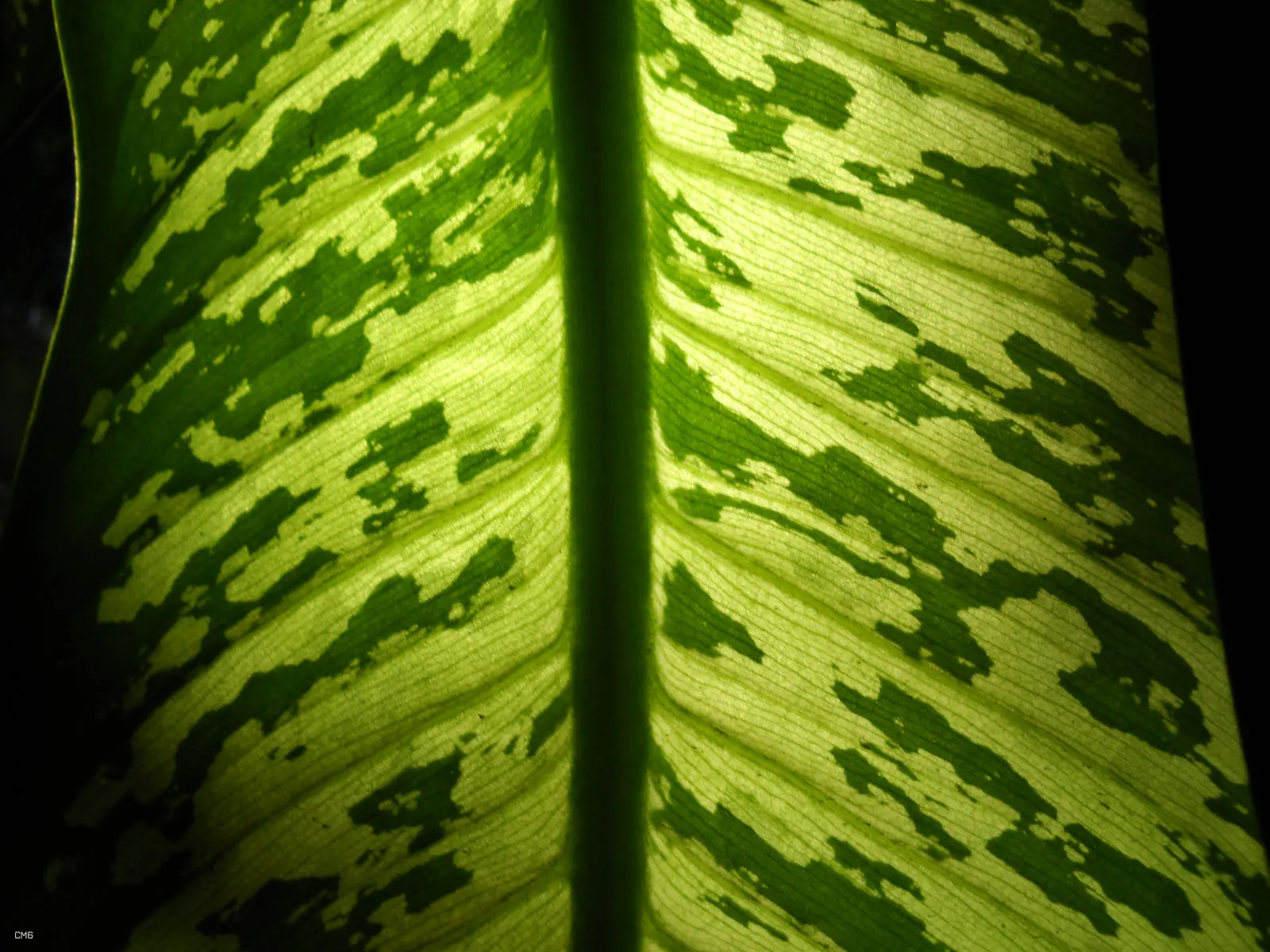
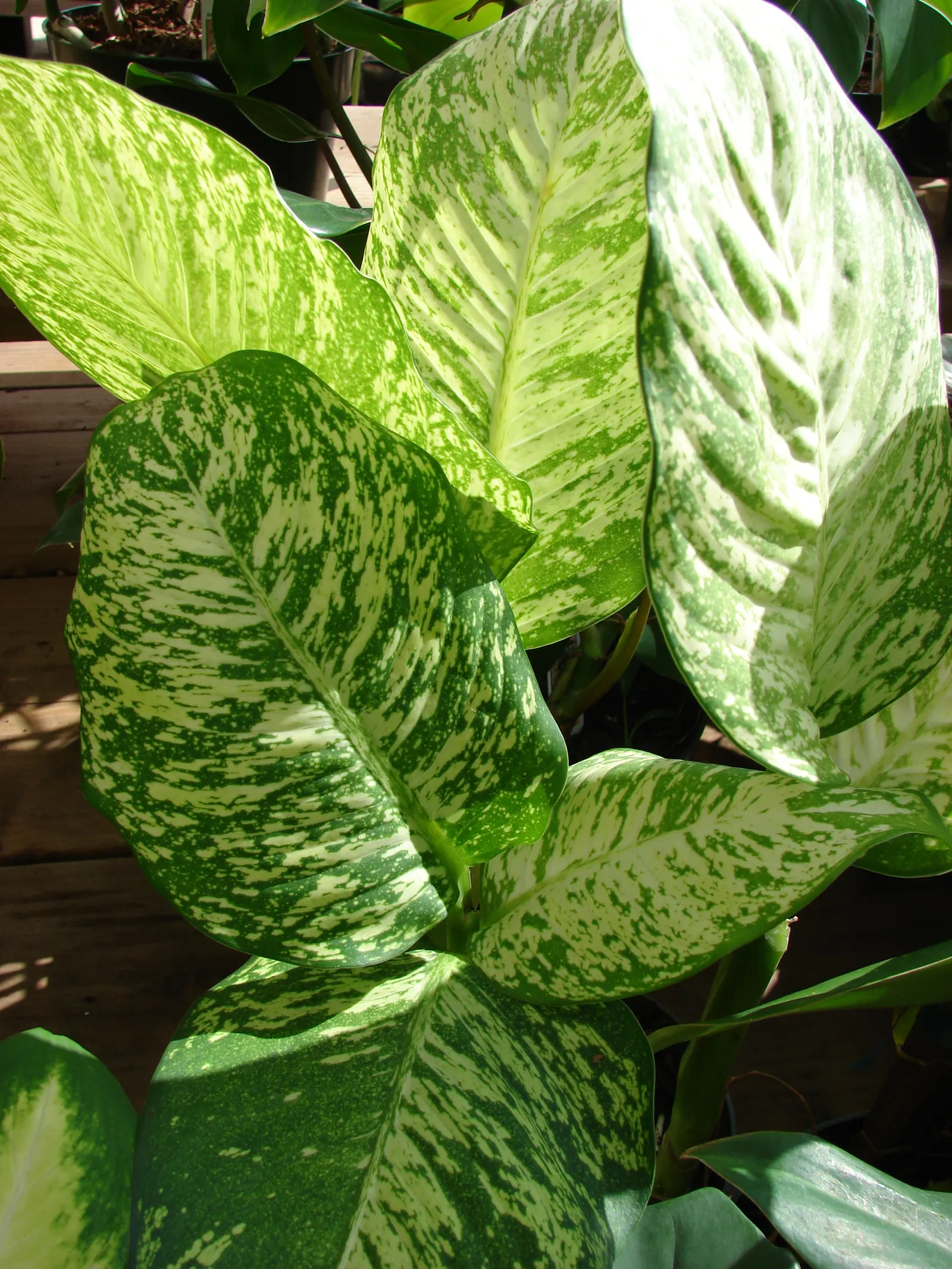
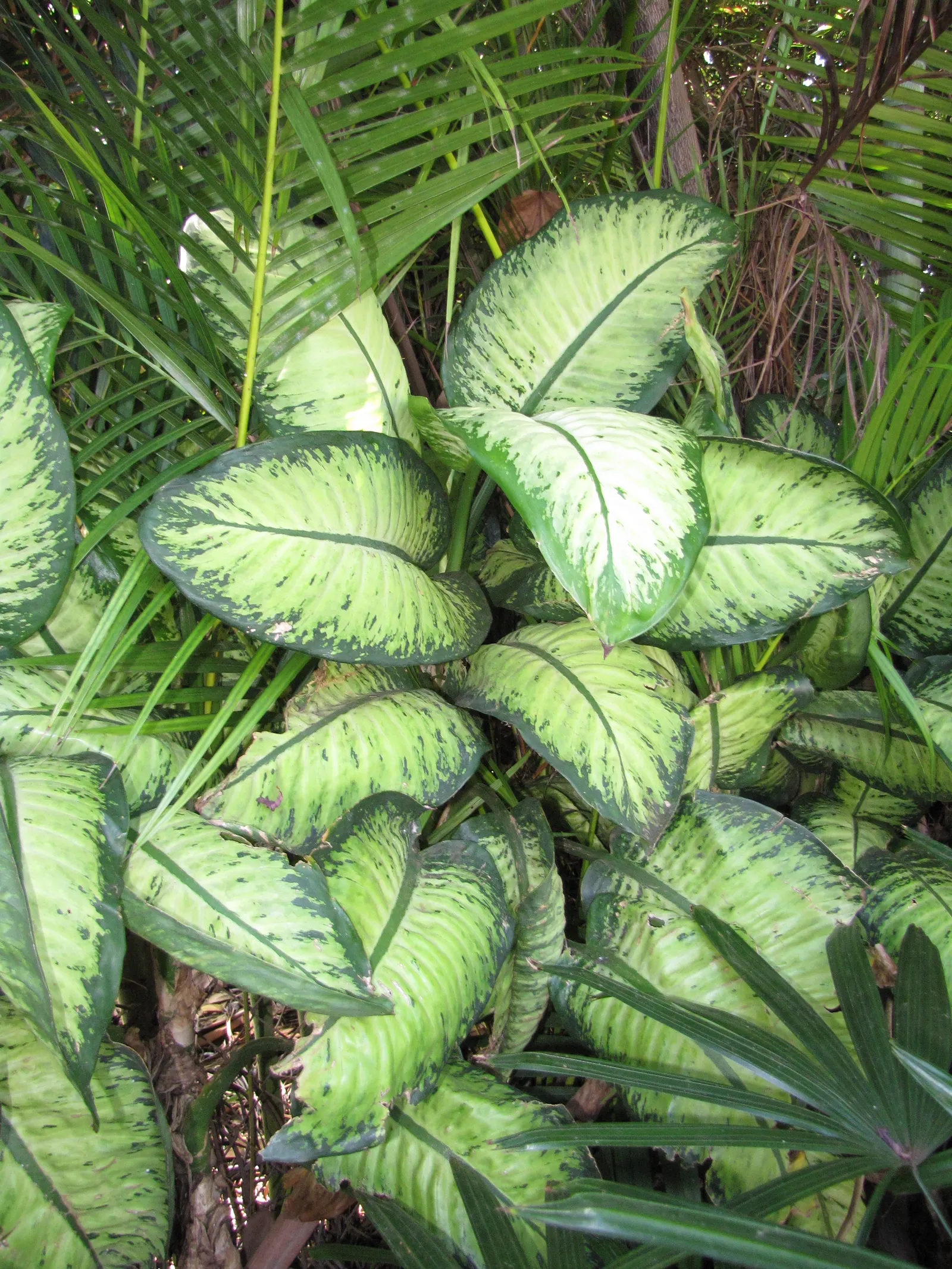
Dieffenbachia, Dumb Cane (Dieffenbachia Amoena) — It boasts broad, variegated leaves with a blend of white and green, reaching heights of 3-5 ft
Dieffenbachia, Dumb Cane (Dieffenbachia Amoena) — Keep soil moderately moist; which can irritate the skin and mucous membranes and are toxic if, image 75
Dieffenbachia, Dumb Cane (Dieffenbachia Amoena) — depending on environmental conditions; the plant thrives in a variety of lighting conditions
Dieffenbachia, Dumb Cane (Dieffenbachia Amoena) — Just ensure there is sufficient room for the plant to grow; when planning its position within the garden
Dieffenbachia, Dumb Cane (Dieffenbachia Amoena) — It can fill in understory spaces and thrive alongside ferns and other shade-loving plants
Dieffenbachia, Dumb Cane (Dieffenbachia Amoena) — Just ensure there is sufficient room for the plant to grow; when planning its position within the, image 89
Dieffenbachia, Dumb Cane (Dieffenbachia Amoena) — which can irritate the skin and mucous membranes and are toxic if ingested; care should be taken, image 85
Dieffenbachia, Dumb Cane (Dieffenbachia Amoena) — When designing your landscape, image 58
Dieffenbachia, Dumb Cane (Dieffenbachia Amoena) — Dumb Cane serves as an excellent accent plant in the landscape; is a broad-leaved foliage plant well-known
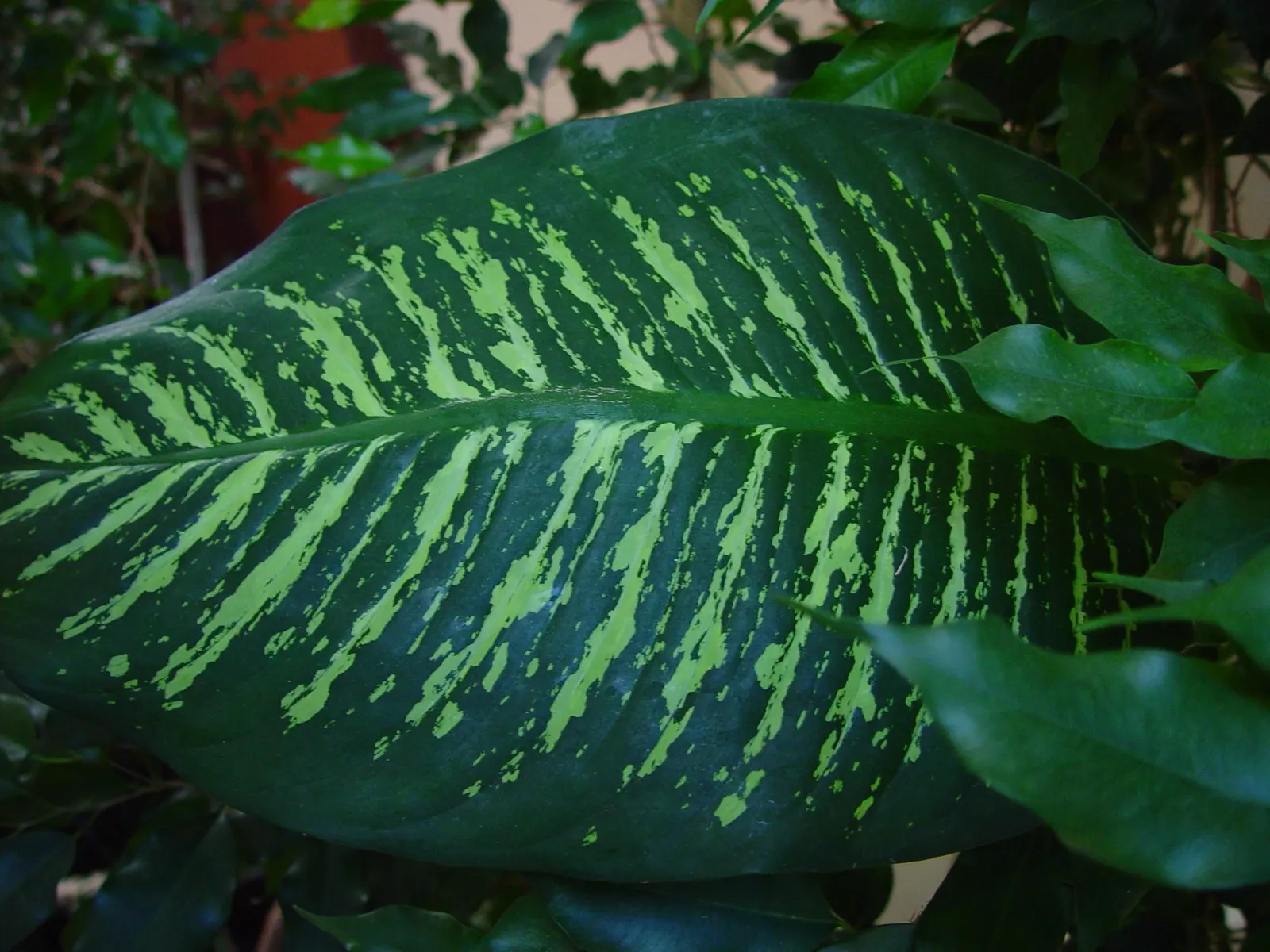
Dieffenbachia, Dumb Cane (Dieffenbachia Amoena) — elongated and often cream or white with green edges and can grow up to 18 inches long; it can, image 82
Dieffenbachia, Dumb Cane (Dieffenbachia Amoena) — commonly referred to as Dumb Cane (Dieffenbachia amoena); perennial for half or shade, image 76
Dieffenbachia, Dumb Cane (Dieffenbachia Amoena) — both in terms of height and spread; keep soil moderately moist, image 67
Dieffenbachia, Dumb Cane (Dieffenbachia Amoena) — It boasts broad, variegated leaves with a blend of white and green, reaching heights of 3-5 ft, image 49
Dieffenbachia, Dumb Cane (Dieffenbachia Amoena) — It can fill in understory spaces and thrive alongside ferns and other shade-loving plants, image 65
Photographs by 12 contributors

Related plants