Skip to content

Tasmanian Tree Fern

Dicksonia Antarctica

Design with this plant

Overview

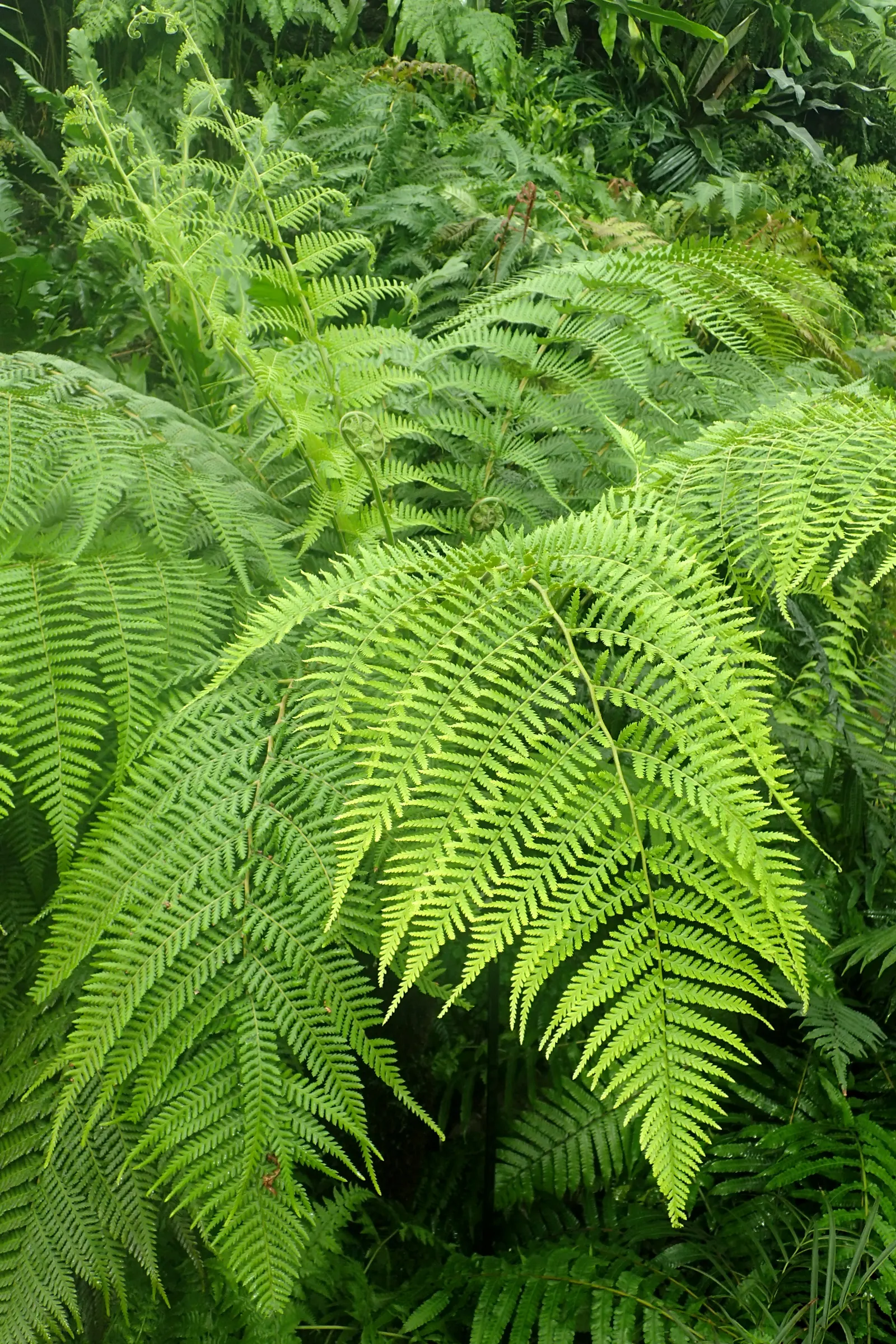
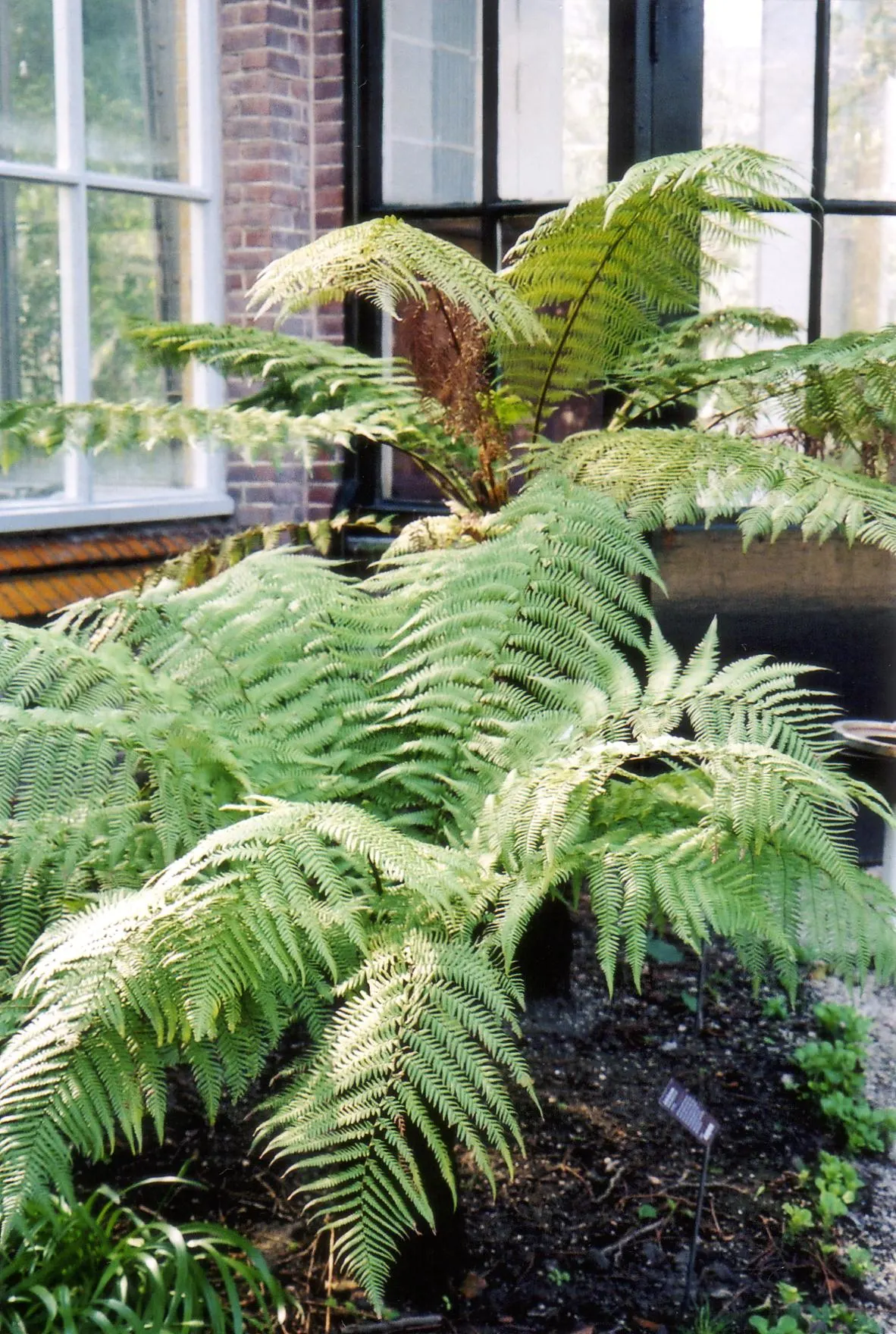
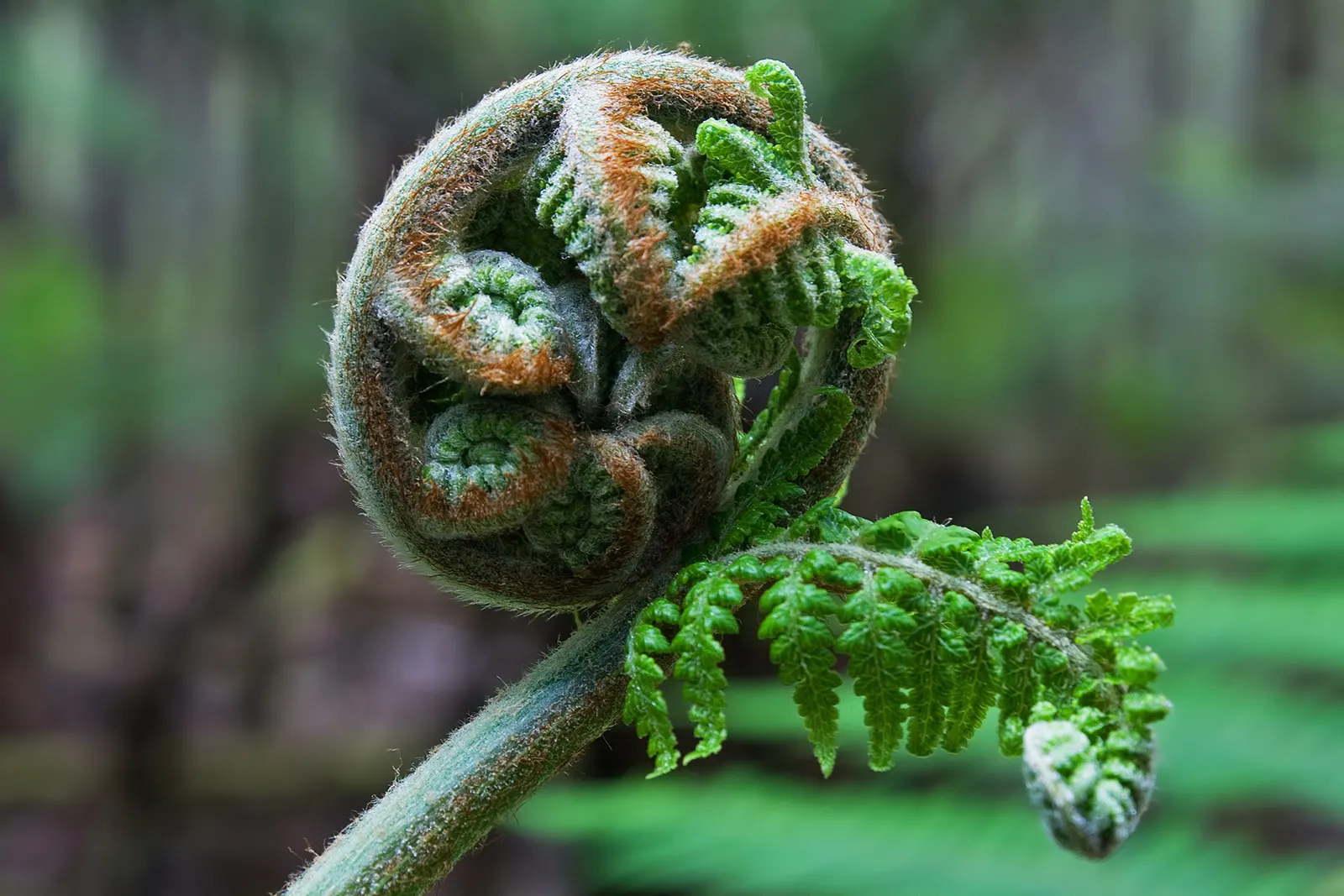
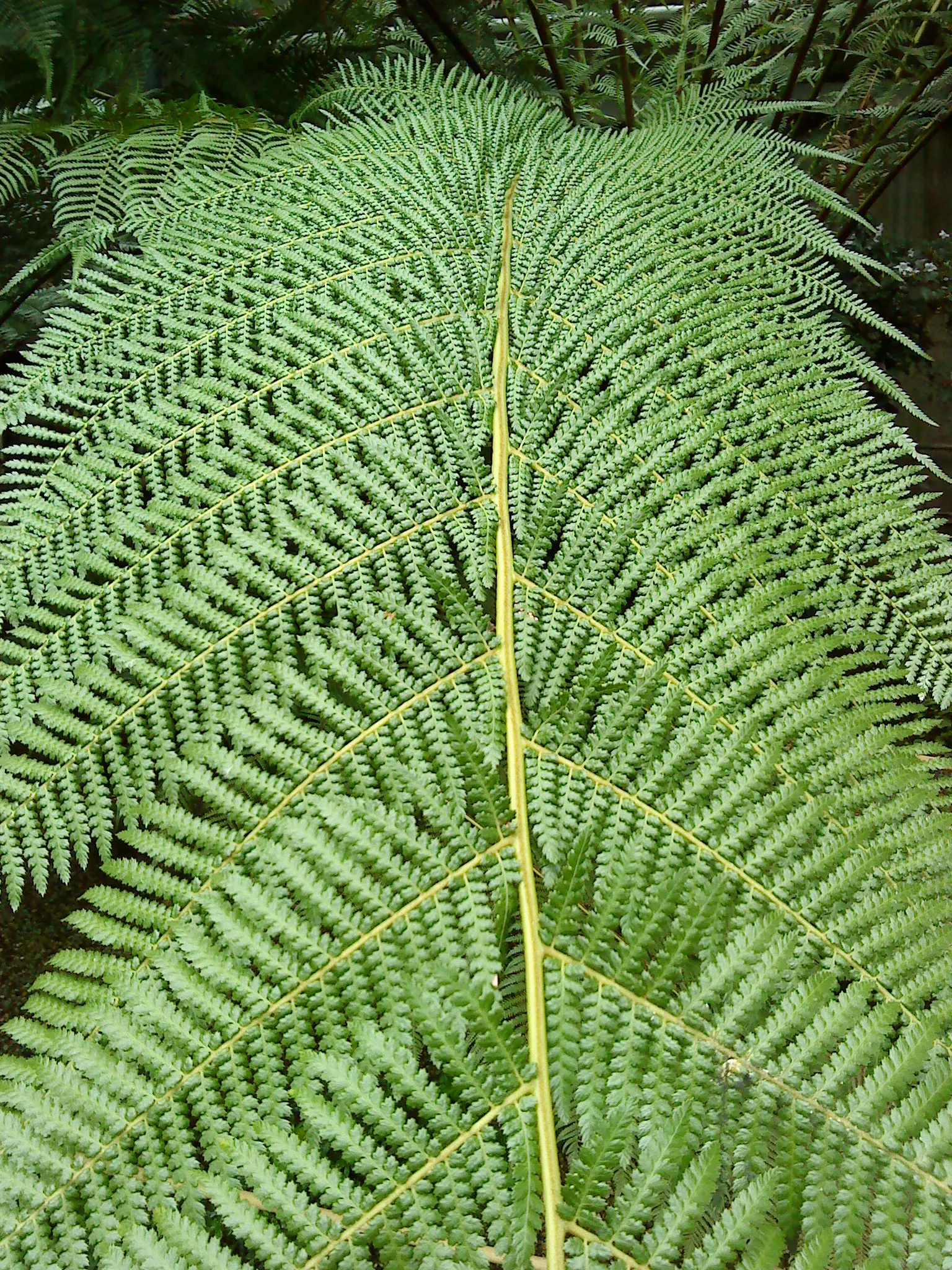
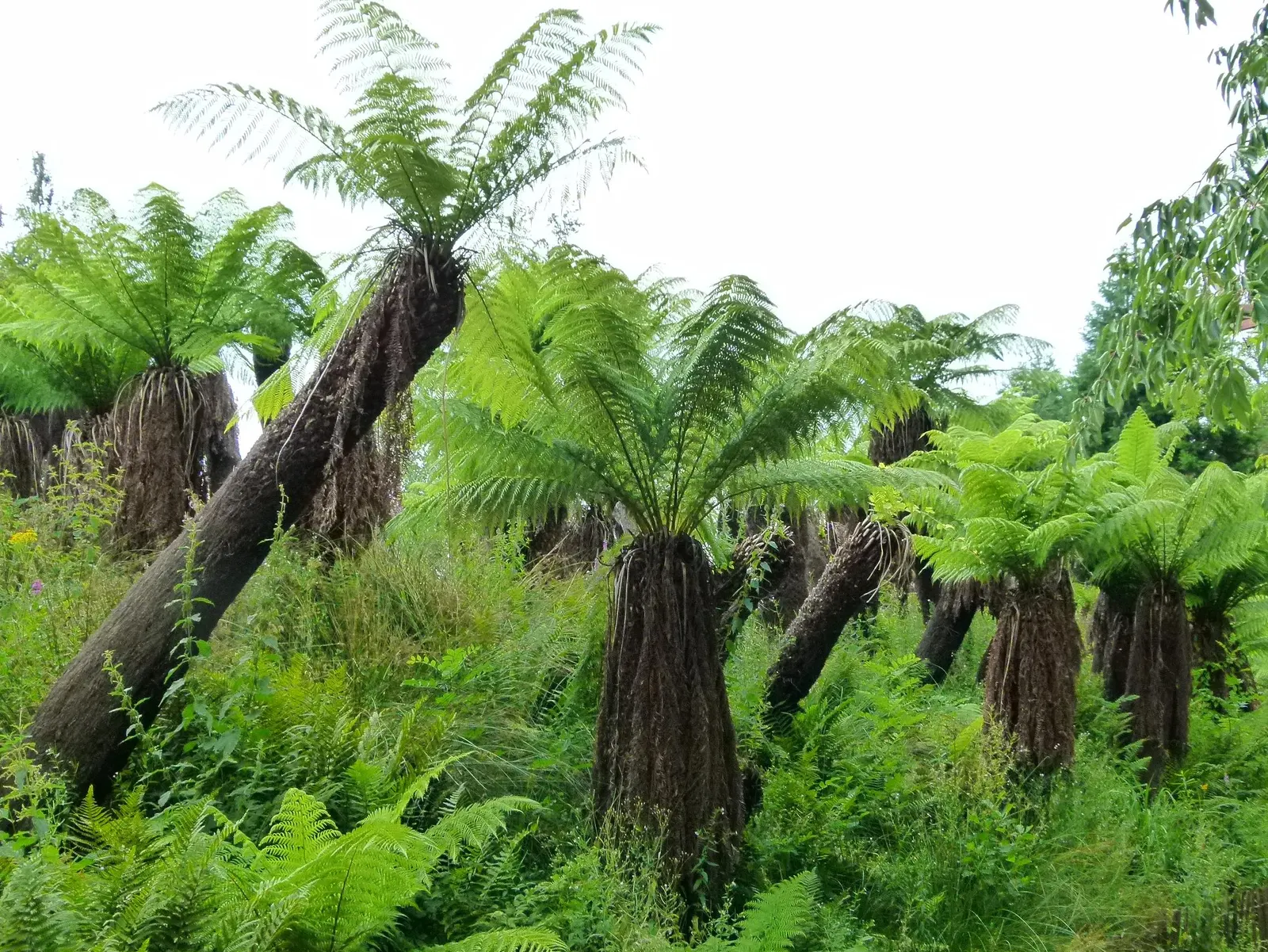
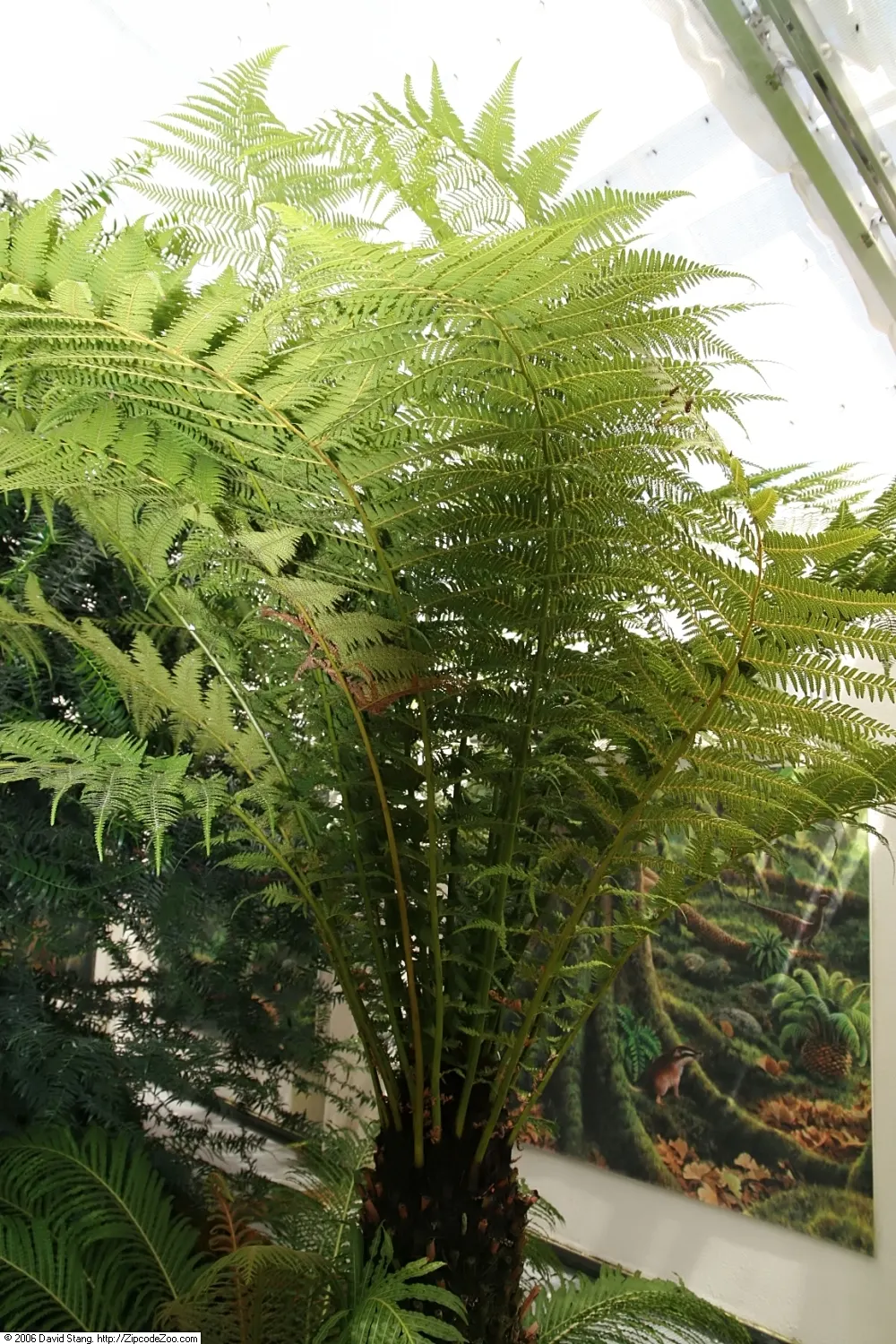
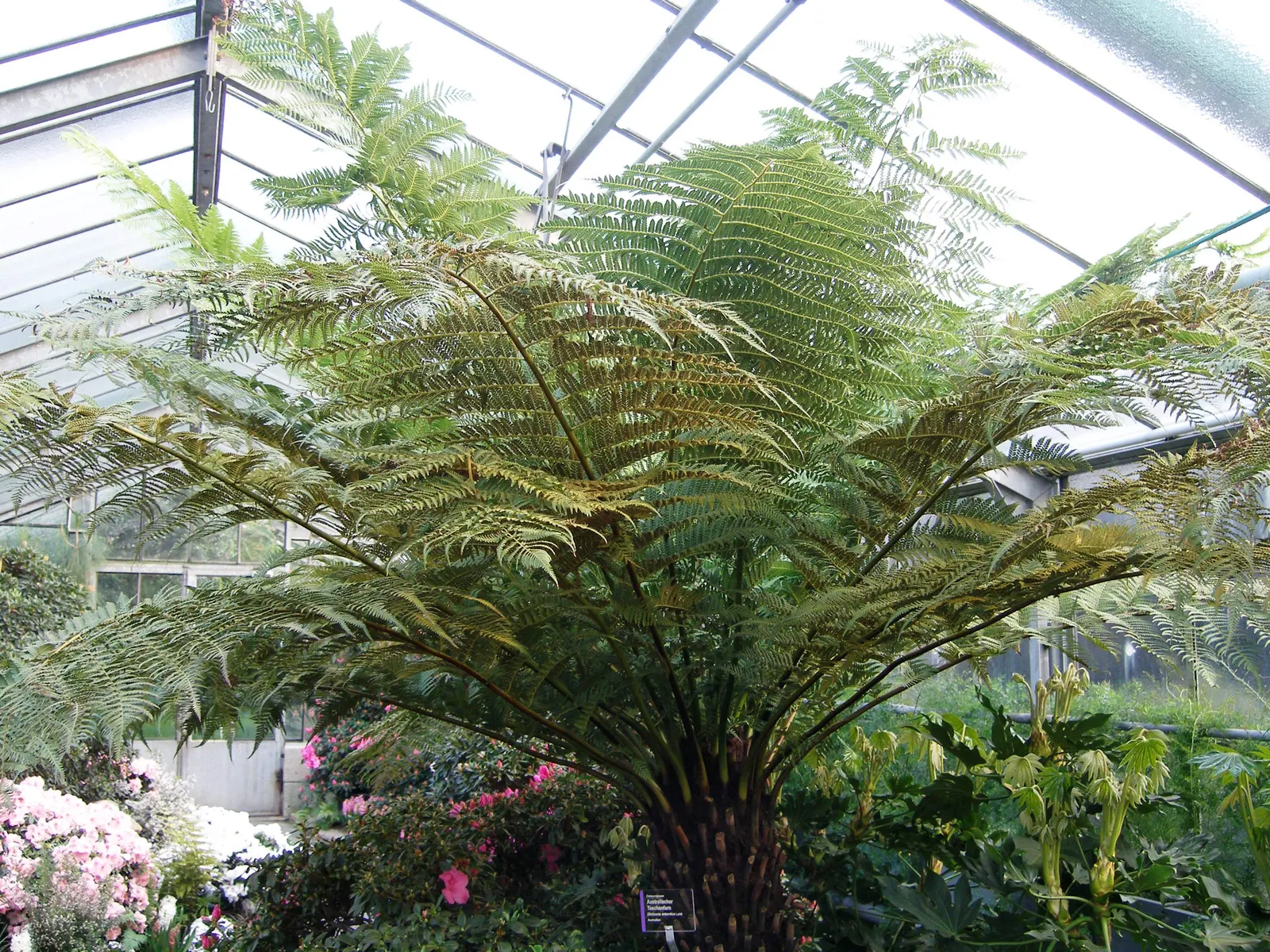
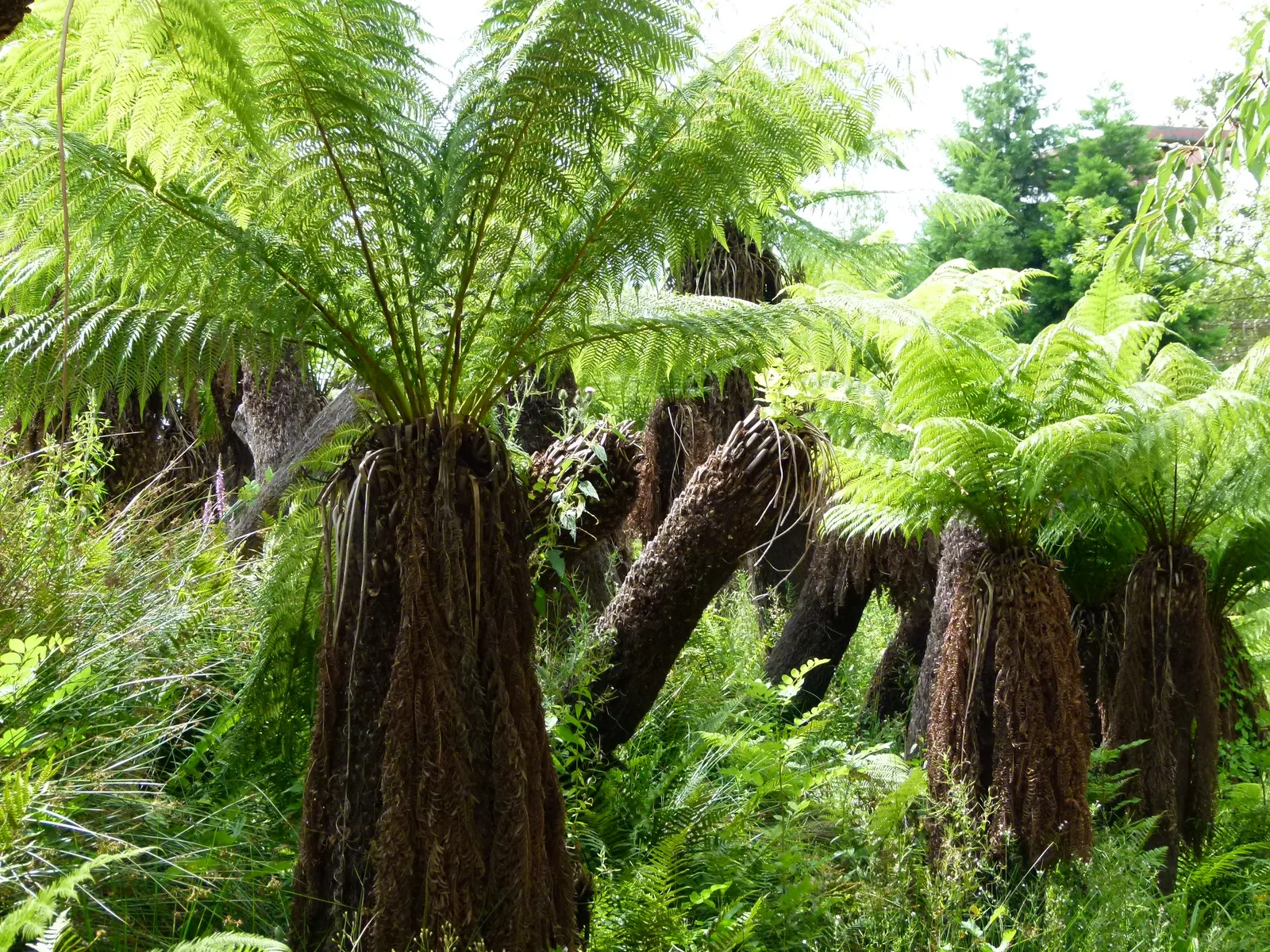
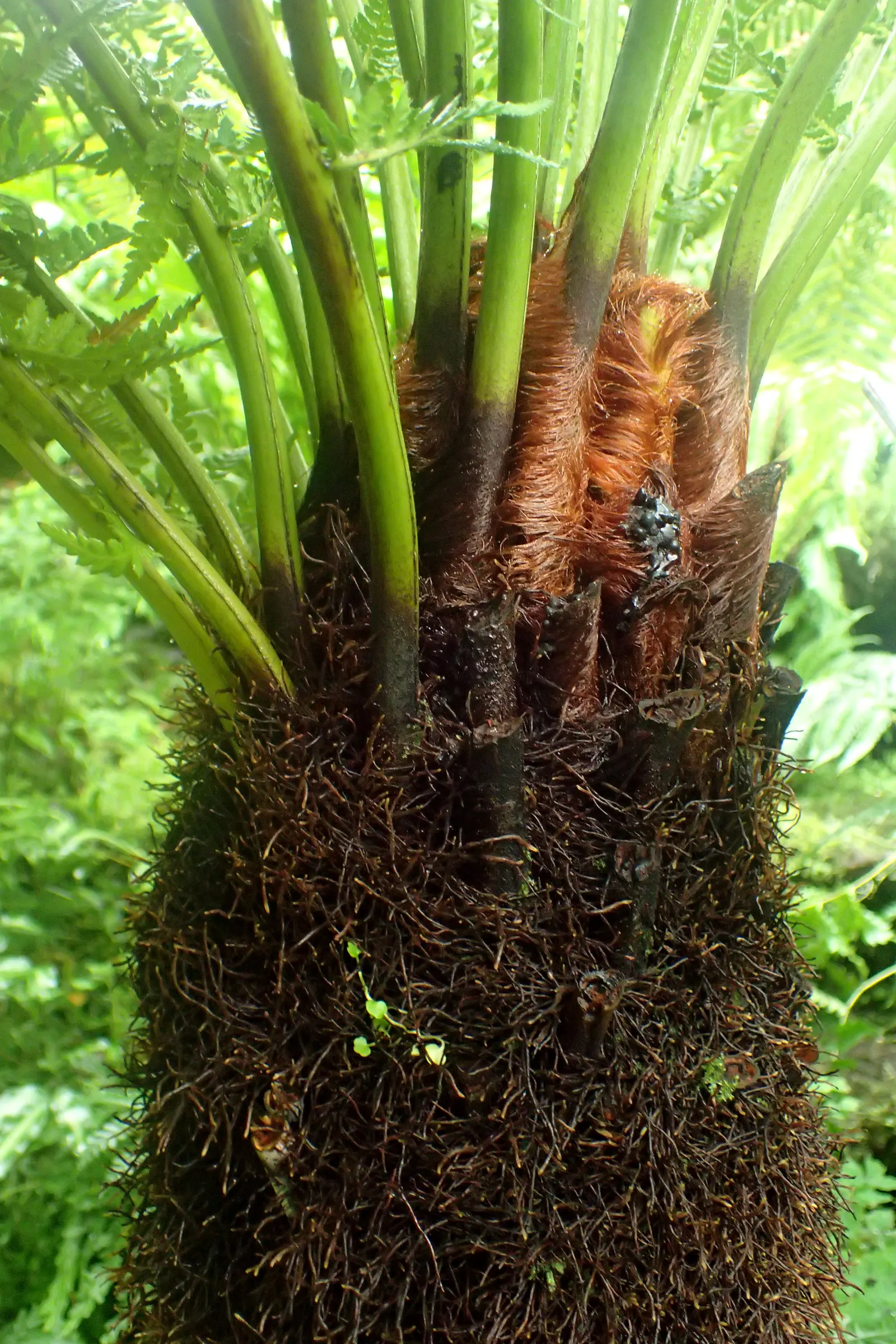
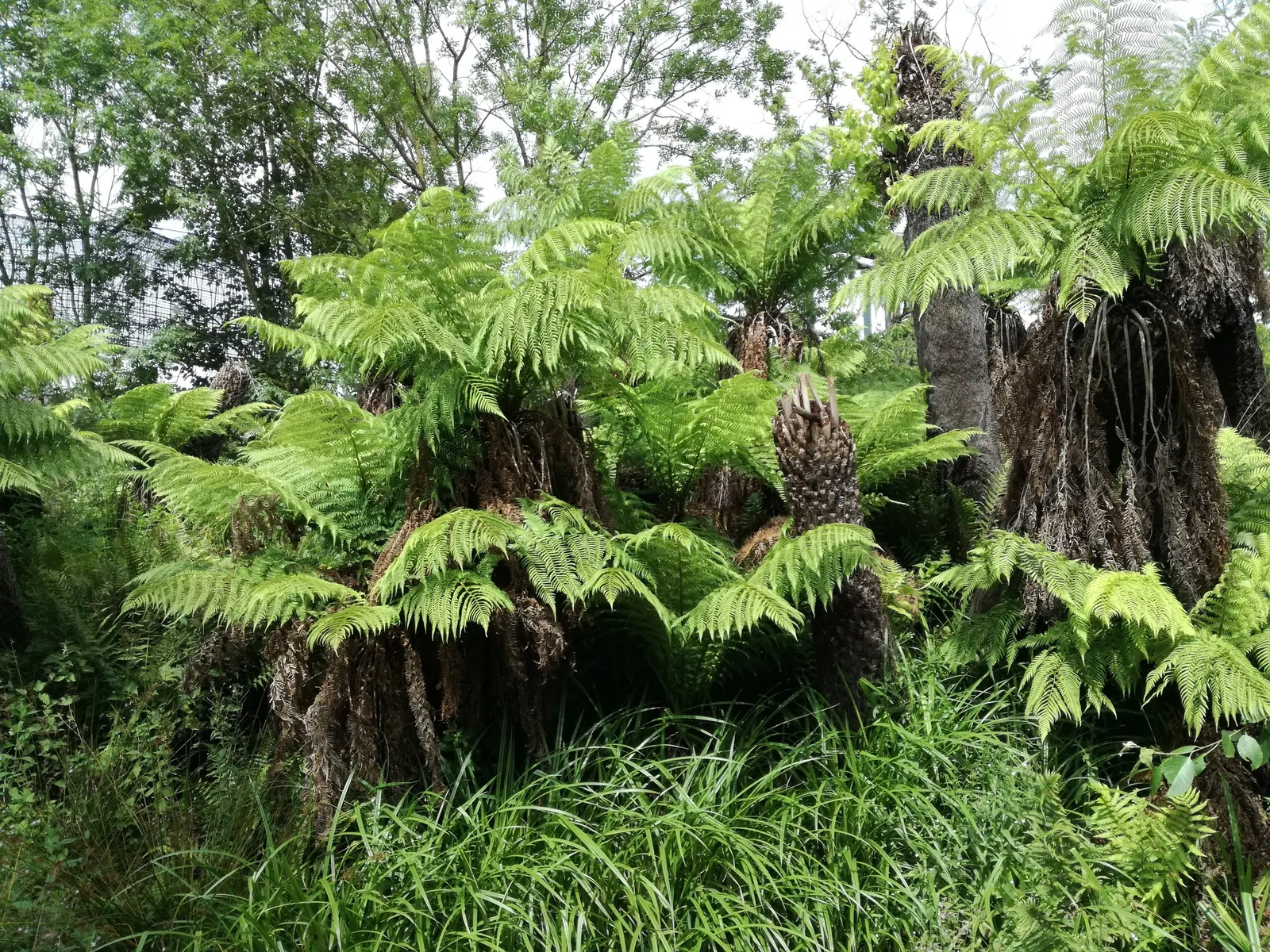
The Tasmanian Tree Fern (Dicksonia antarctica), an iconic, slow-growing evergreen that achieves a height of 10-15 feet and a frond spread of 6-8 feet. Its thick, fibrous trunk supports long, arching fronds creating a lush canopy. Thriving in partial to full shade with moist, well-drained soil, it prefers temperate conditions. Hardy to 20°F, it adds a dramatic prehistoric ambiance to any shaded landscape composition.

Sun Half, ShadeWater High, MediumZones 5–11Climate Subtropical
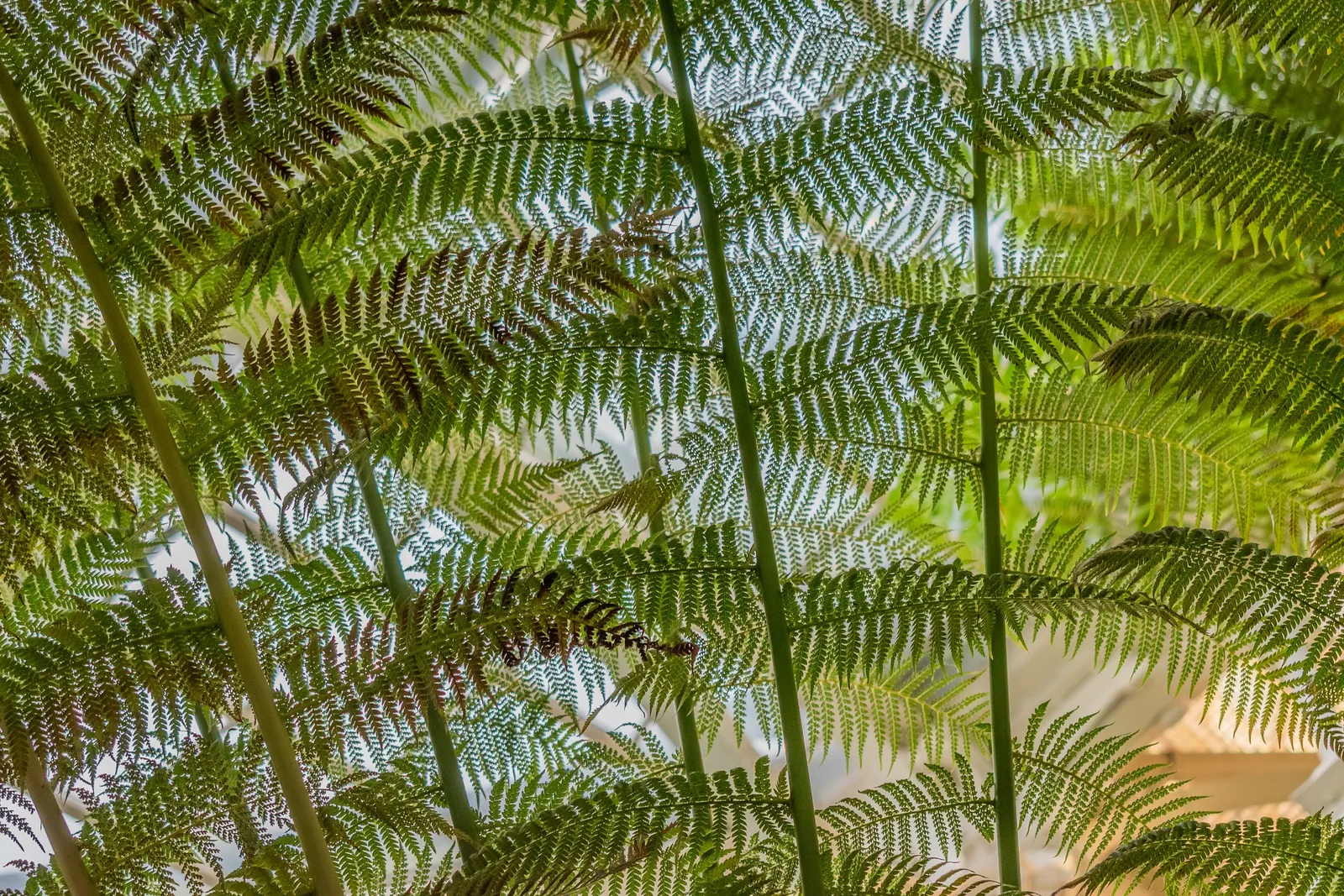
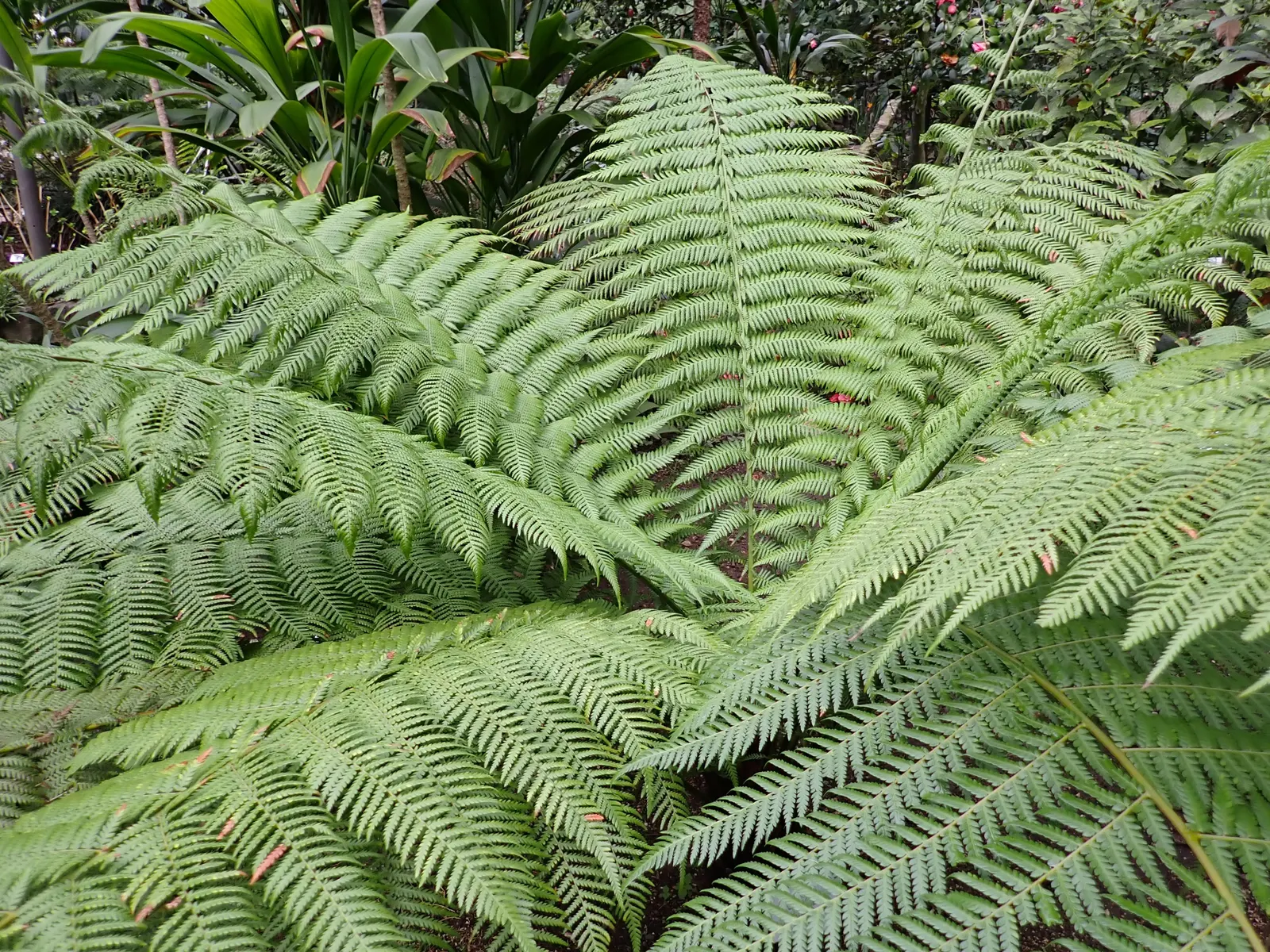
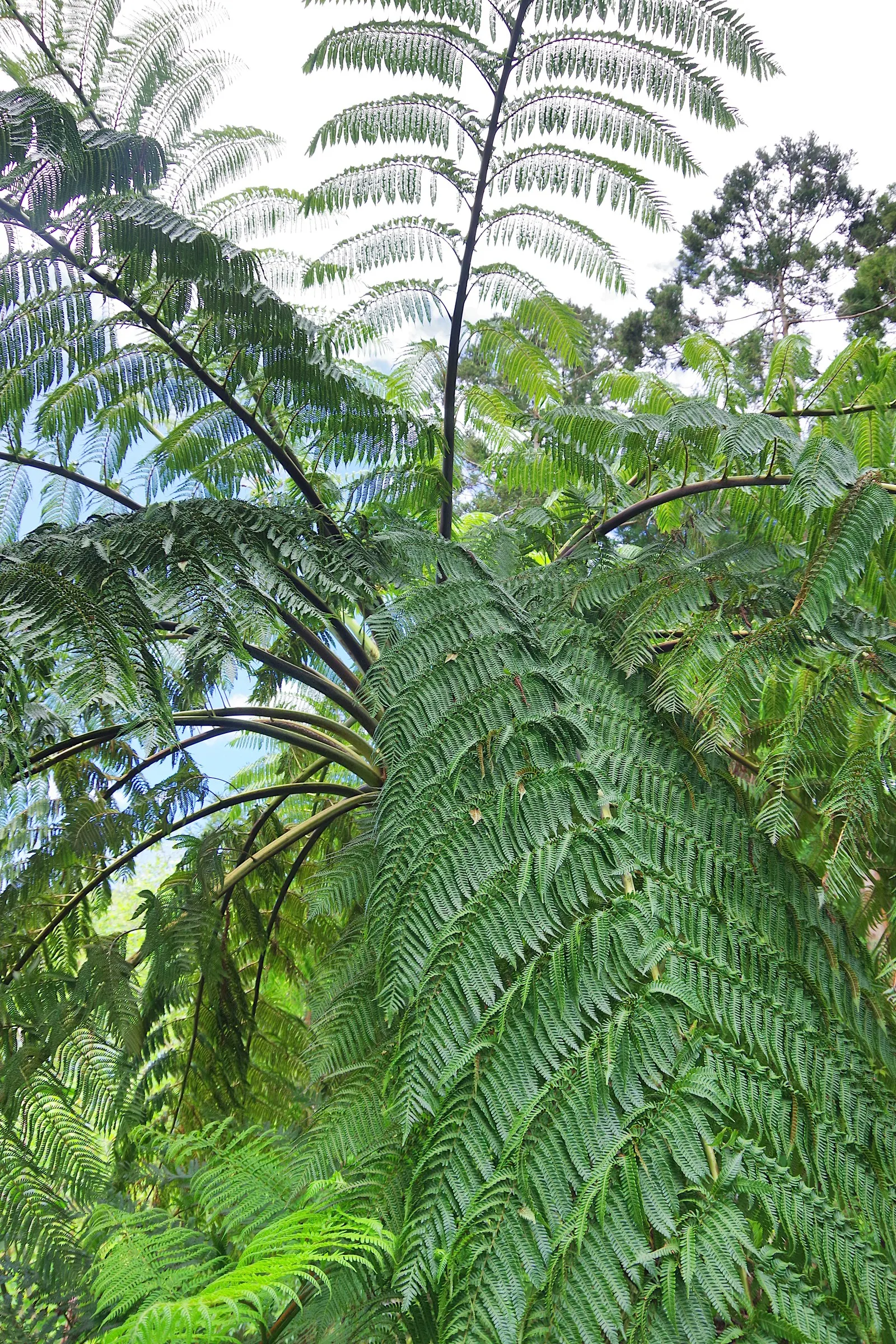
Tasmanian Tree Fern (Dicksonia Antarctica) — Its thick, fibrous trunk supports long, arching fronds creating a lush canopy

Culture

Sun
Half, Shade
Water
High, Medium
USDA zones
5–11

Shape & size

Classification

Family
Dicksoniaceae
Climate
Subtropical

See full data, regional cultivation notes, full-resolution photos, and design tools. Build a client presentation around this plant.

Start your 14-day trial

Photos (62)

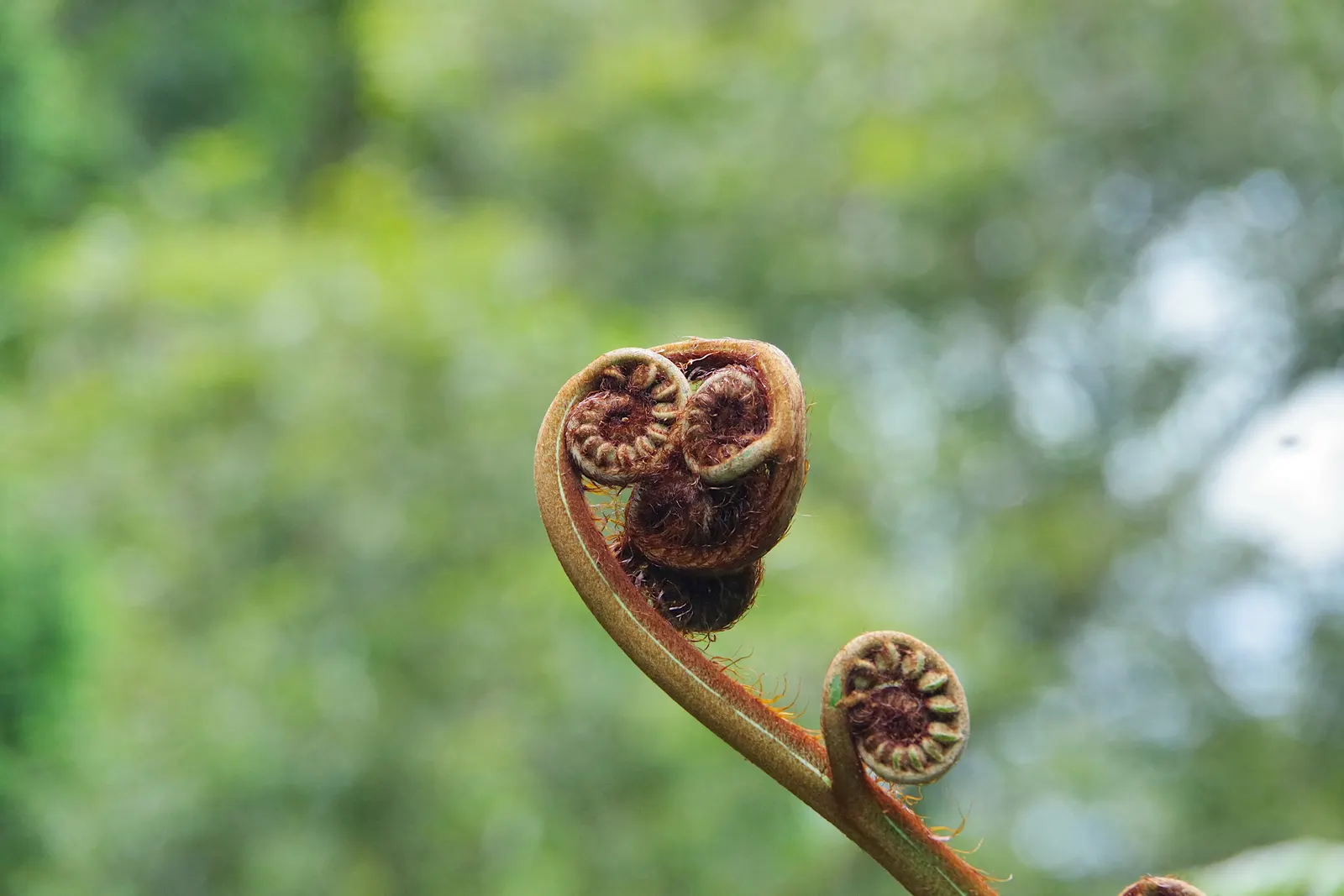
Tasmanian Tree Fern (Dicksonia Antarctica) — Provide the Tasmanian Tree Fern with a balanced
Tasmanian Tree Fern (Dicksonia Antarctica) — The Tasmanian Tree Fern (Dicksonia antarctica); thriving in partial to full shade with moist, well-drained soil
Tasmanian Tree Fern (Dicksonia Antarctica) — slow-growing evergreen that achieves a height of 10-15 feet and a frond spread of 6-8 feet; with its fronds
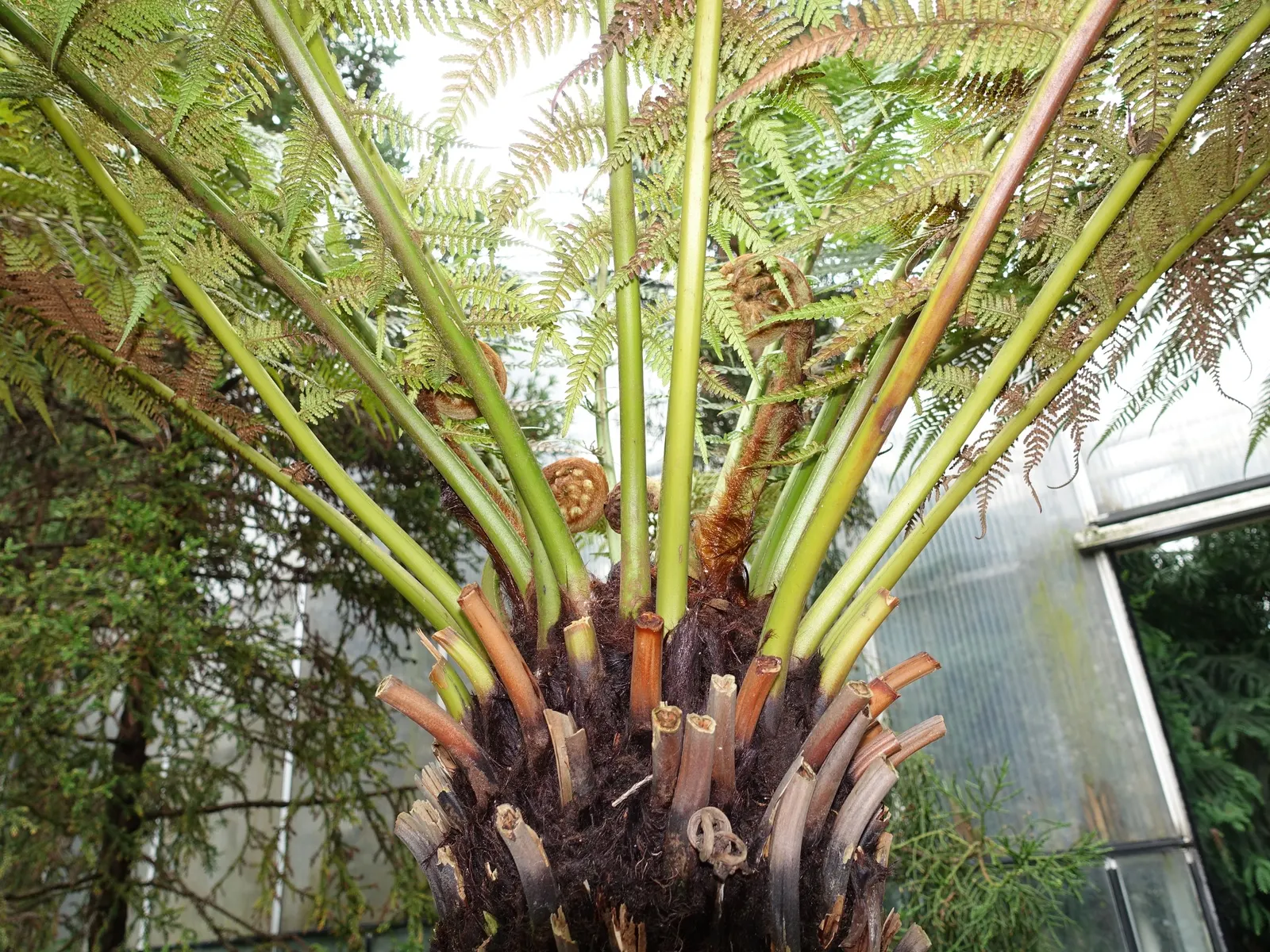
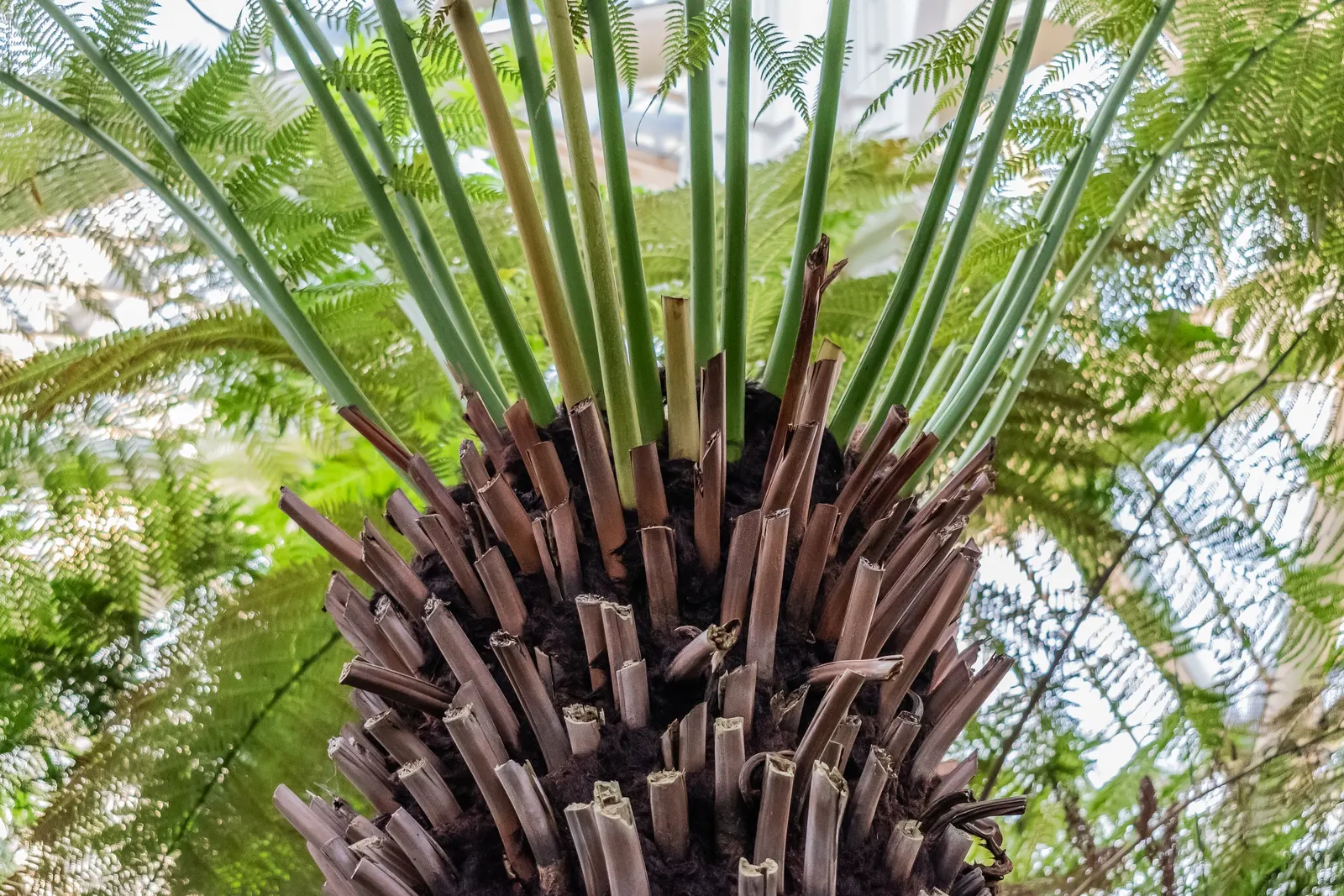
Tasmanian Tree Fern (Dicksonia Antarctica) — Its thick, fibrous trunk supports long, arching fronds creating a lush canopy; offering not only aesthetic appeal
Tasmanian Tree Fern (Dicksonia Antarctica) — Thriving in partial to full shade with moist, well-drained soil, it prefers temperate conditions; fern / shrub for
Tasmanian Tree Fern (Dicksonia Antarctica) — scientifically named Dicksonia antarctica; away from drying winds and extreme heat
Tasmanian Tree Fern (Dicksonia Antarctica) — Hardy to 20°F, it adds a dramatic prehistoric ambiance to any shaded landscape composition; is a majestic
Tasmanian Tree Fern (Dicksonia Antarctica) — with its fronds unfurling to a graceful span of 6 to 10 feet.<br><br>This ancient plant prefers a cool; requiring
Tasmanian Tree Fern (Dicksonia Antarctica) — typically an inch per year; this tree fern can reach towering heights of up to 15 feet
Tasmanian Tree Fern (Dicksonia Antarctica) — this tree fern can reach towering heights of up to 15 feet; arching fronds are a lush deep green
Tasmanian Tree Fern (Dicksonia Antarctica) — Growing at an achingly slow rate; its thick, fibrous trunk supports long, arching fronds creating a lush canopy
Tasmanian Tree Fern (Dicksonia Antarctica) — is a majestic species that brings a prehistoric ambiance to any shaded garden; particularly during dry spells
Tasmanian Tree Fern (Dicksonia Antarctica) — The ideal location for the Dicksonia antarctica is a sheltered spot that mimics its native understory, image 38
Tasmanian Tree Fern (Dicksonia Antarctica) — away from drying winds and extreme heat; suggests durability and a rugged history.<br><br>This species does well
Tasmanian Tree Fern (Dicksonia Antarctica) — thriving in USDA hardiness zones 9 to 11; scientifically named Dicksonia antarctica
Tasmanian Tree Fern (Dicksonia Antarctica) — The soil should be rich in organic matter; slow-growing evergreen that achieves a height of 10-15 feet and a frond
Tasmanian Tree Fern (Dicksonia Antarctica) — offering not only aesthetic appeal but also a habitat for various birds and insects; provide the Tasmanian Tree
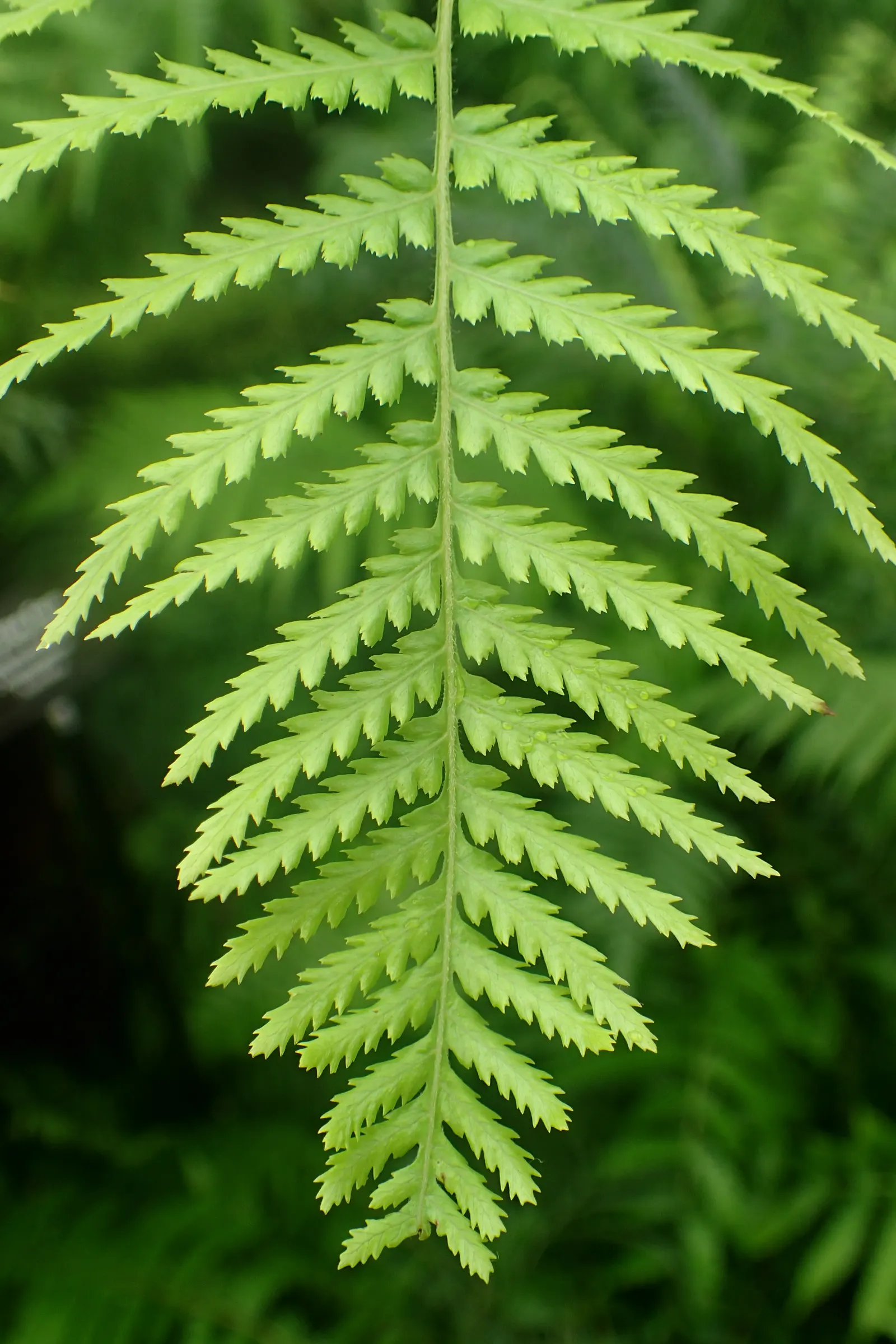
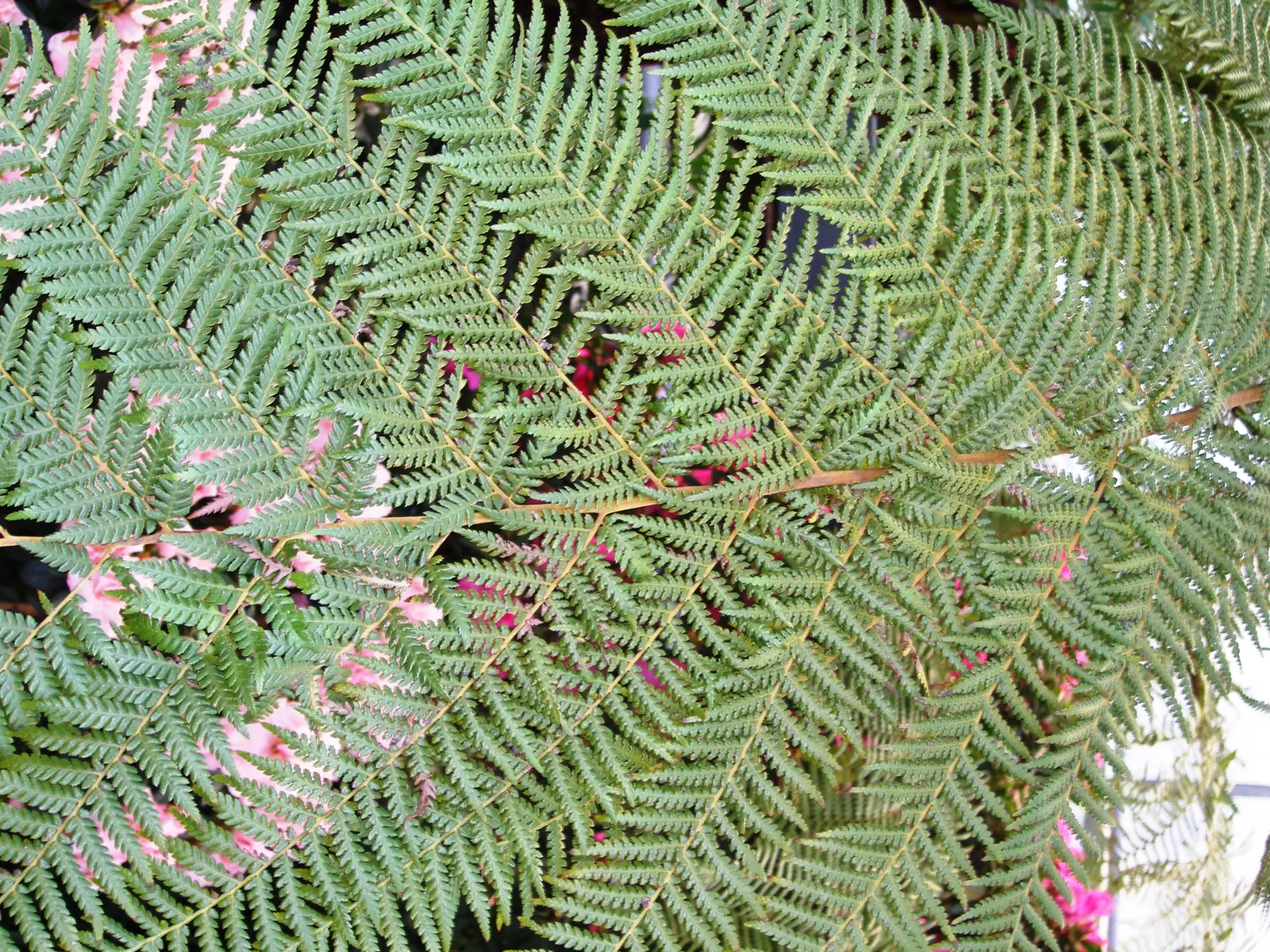
Tasmanian Tree Fern (Dicksonia Antarctica) — arching fronds are a lush deep green; yet consistently moist.<br><br>Its long
Tasmanian Tree Fern (Dicksonia Antarctica) — yet consistently moist.<br><br>Its long; typically an inch per year
Tasmanian Tree Fern (Dicksonia Antarctica) — particularly during dry spells; formed from the decaying remains of its previous fronds
Tasmanian Tree Fern (Dicksonia Antarctica) — A layer of mulch is beneficial to help retain soil moisture and protect its shallow roots; the Tasmanian Tree Fern
Tasmanian Tree Fern (Dicksonia Antarctica) — formed from the decaying remains of its previous fronds; hardy to 20&deg;F, it adds a dramatic prehistoric
Tasmanian Tree Fern (Dicksonia Antarctica) — suggests durability and a rugged history.<br><br>This species does well with a steady supply of water; thriving in
Tasmanian Tree Fern (Dicksonia Antarctica) — fern / shrub for half or shade; a layer of mulch is beneficial to help retain soil moisture and protect its