Skip to content

Dichondra

Dichondra Micrantha

Design with this plant

Overview

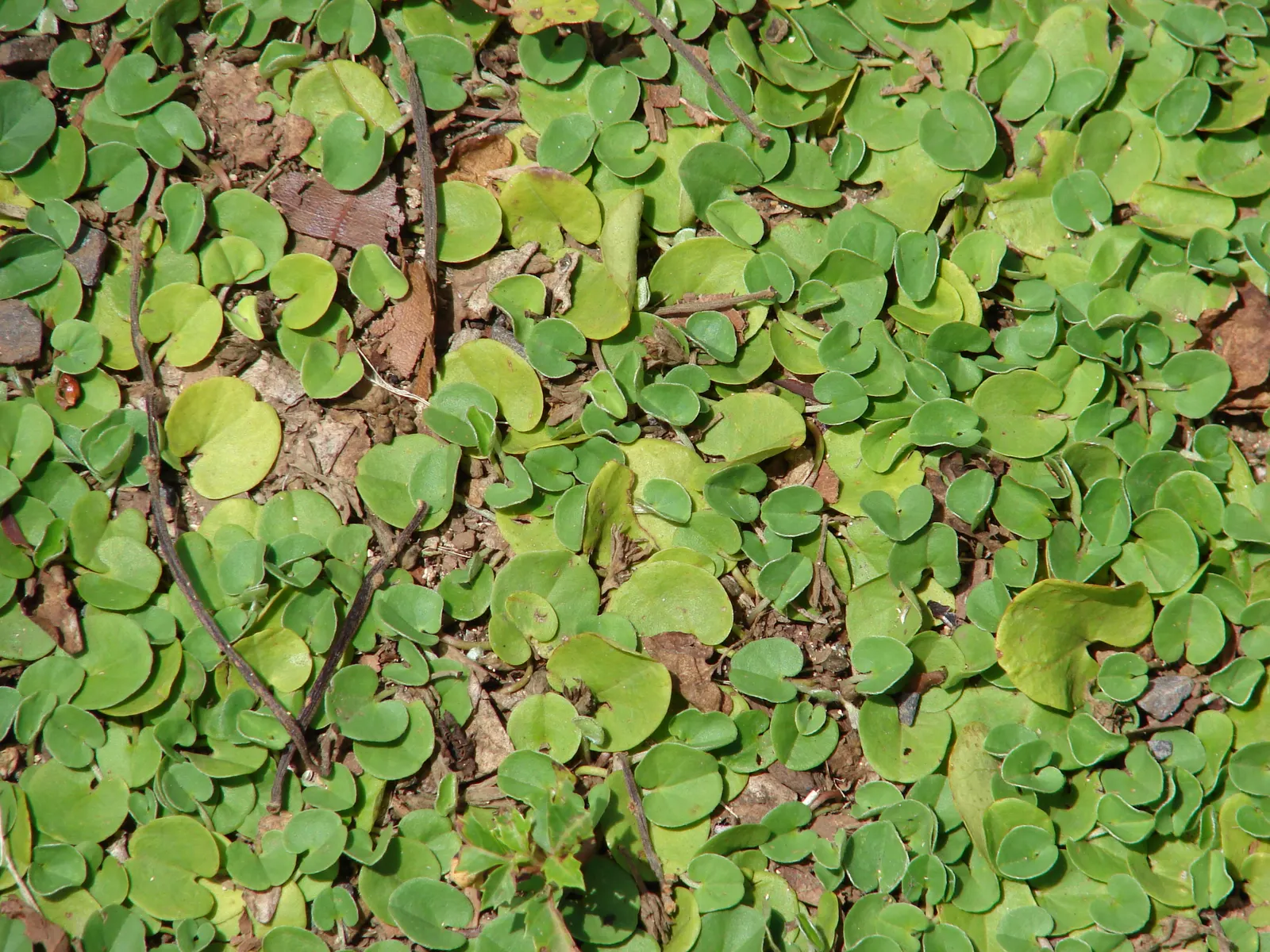
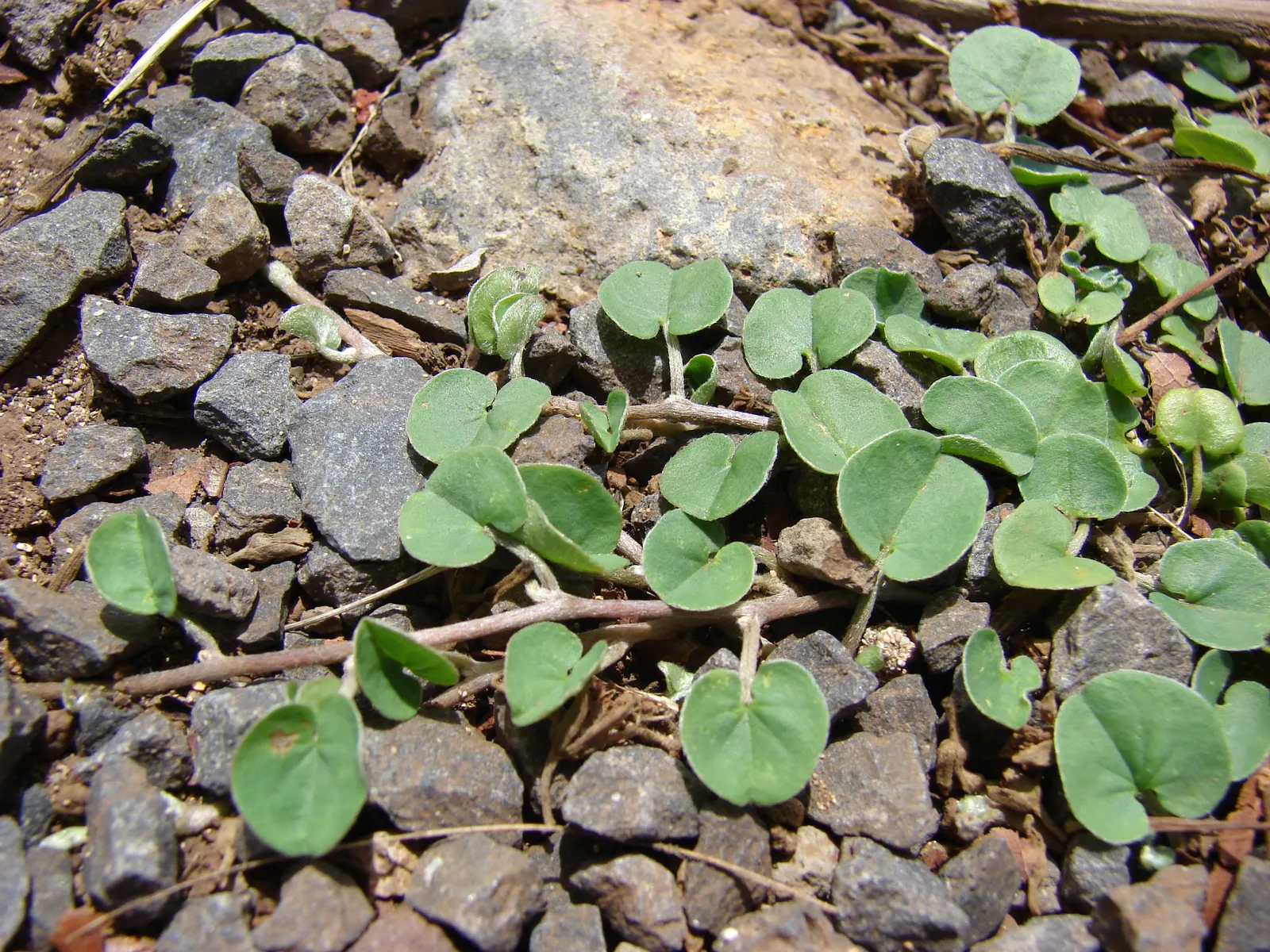
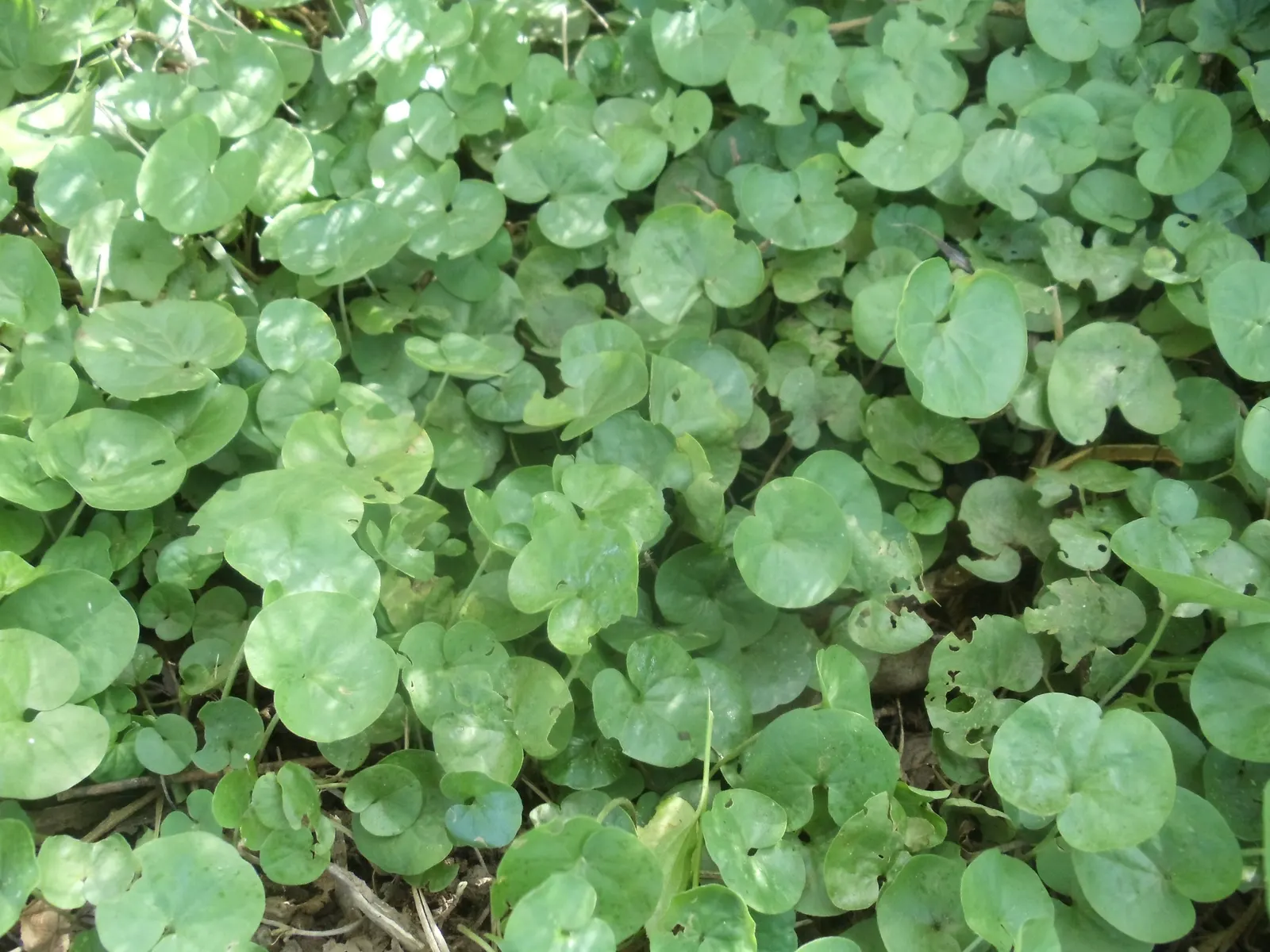
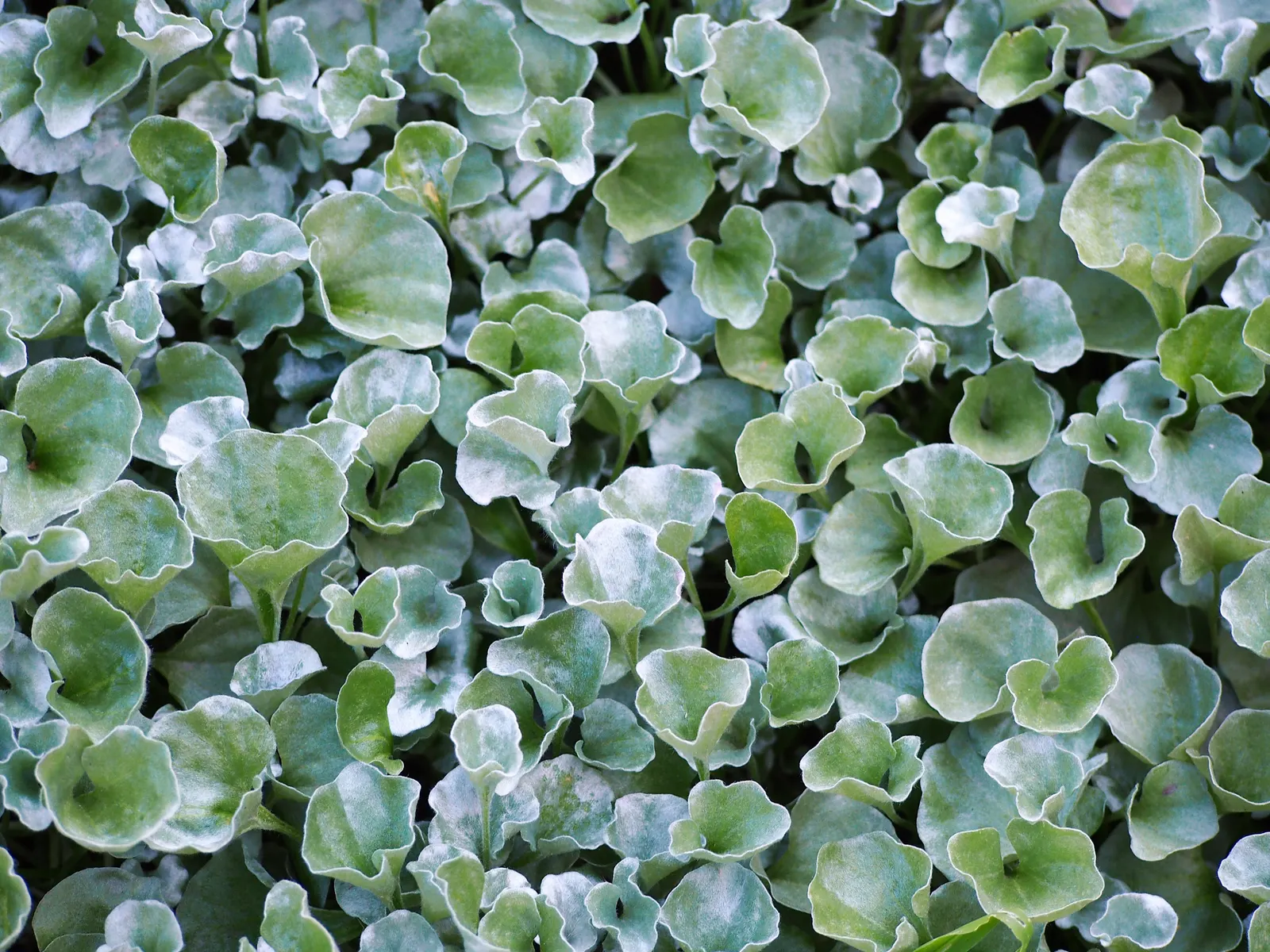
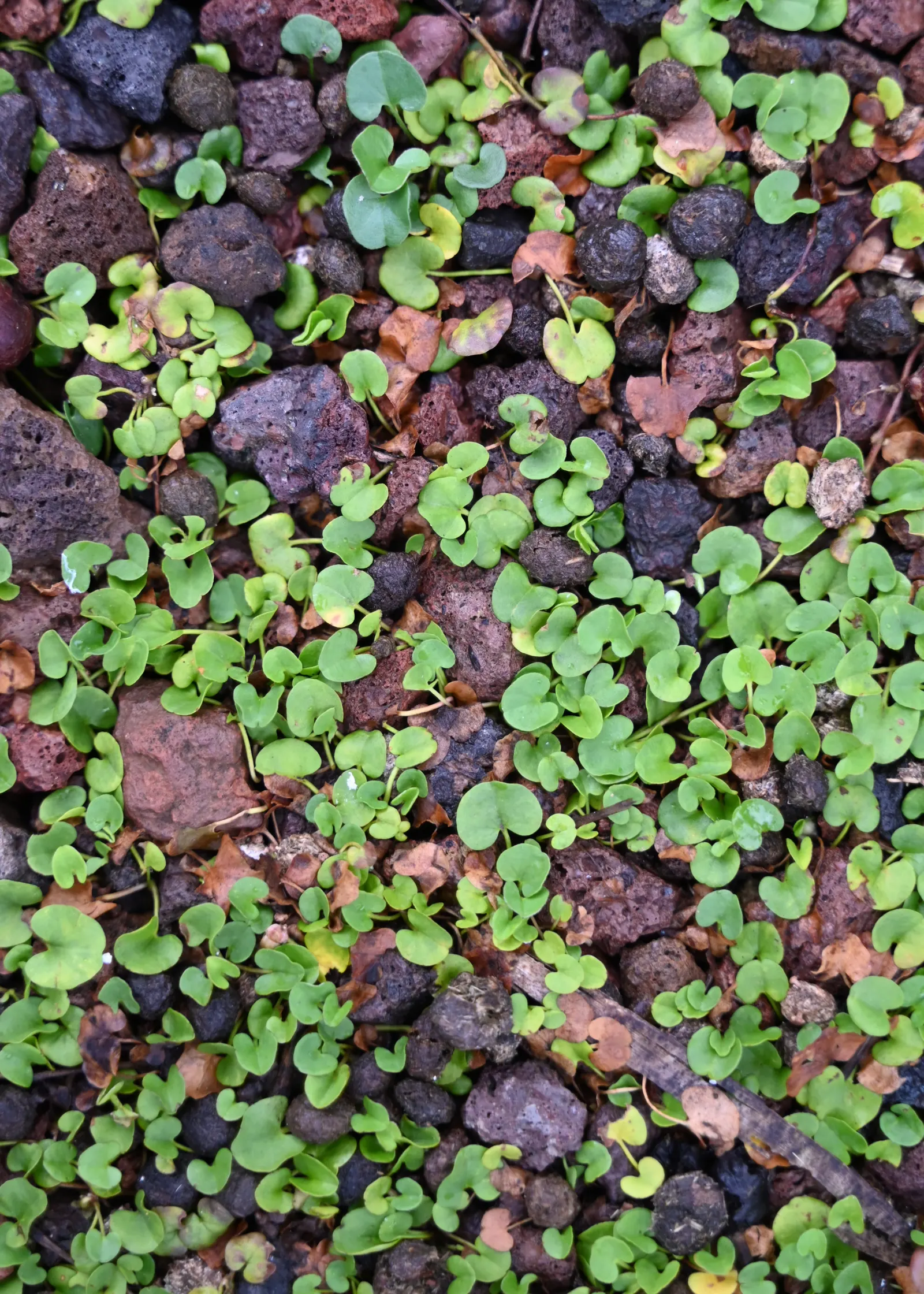
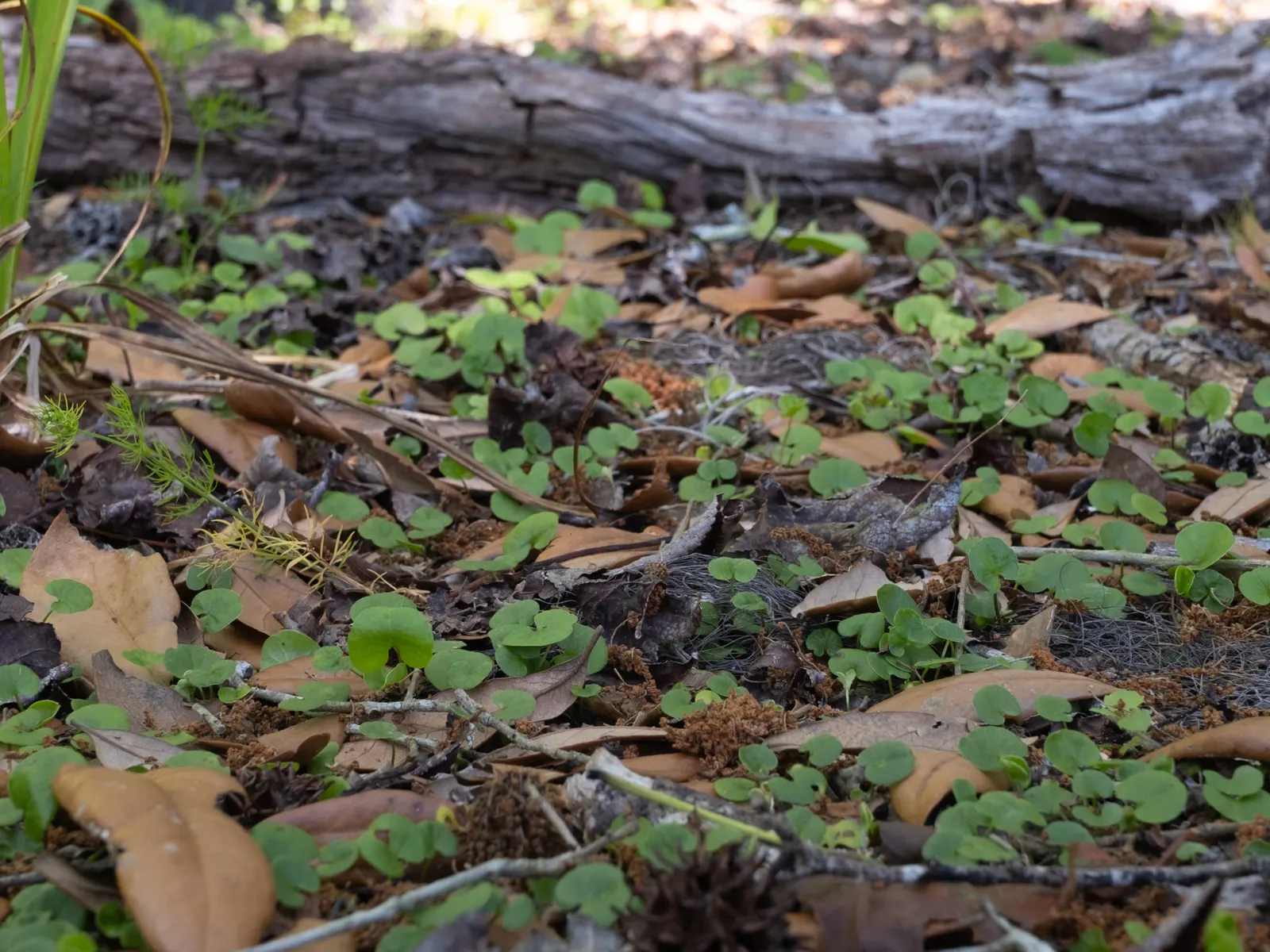
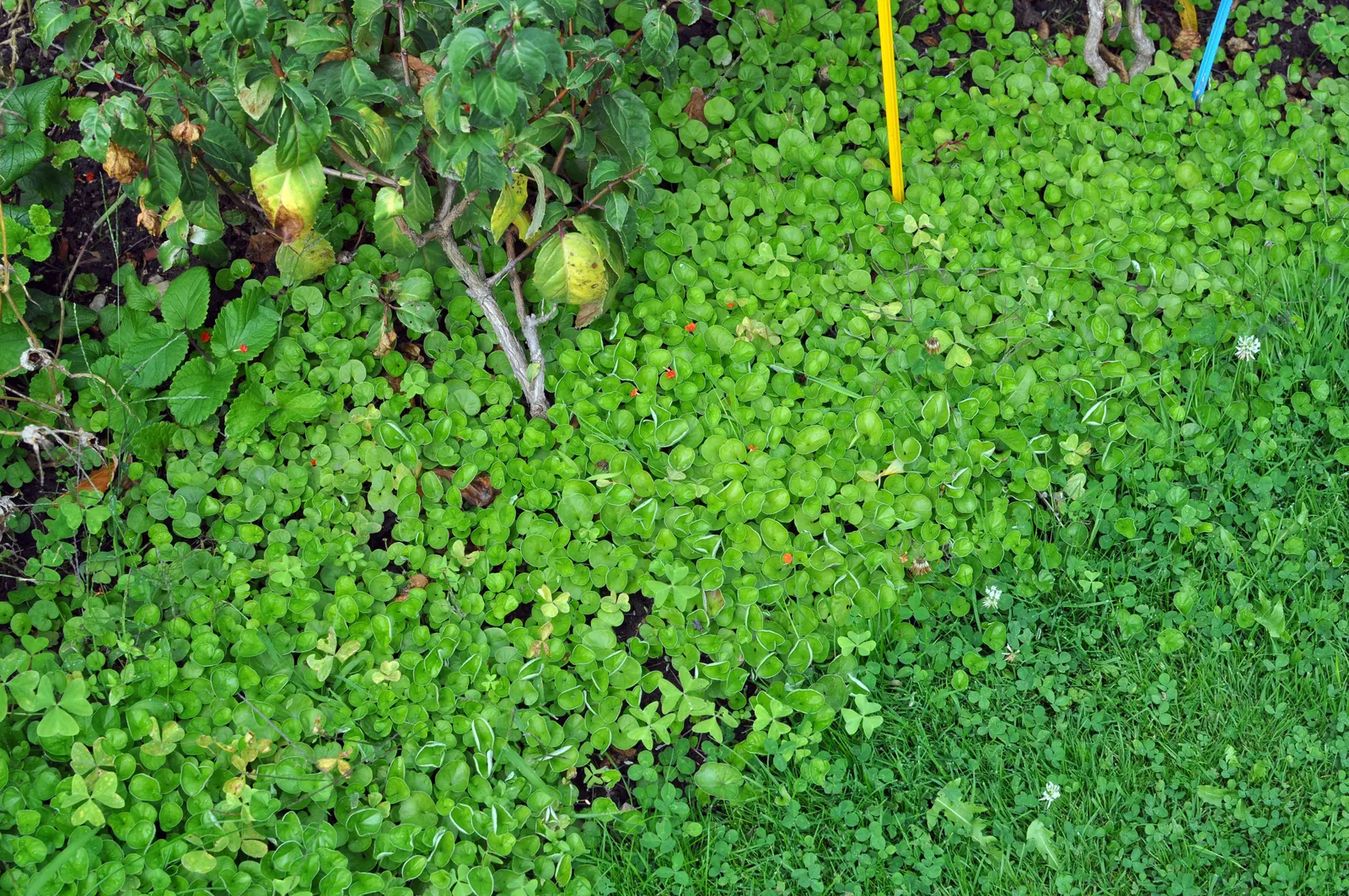
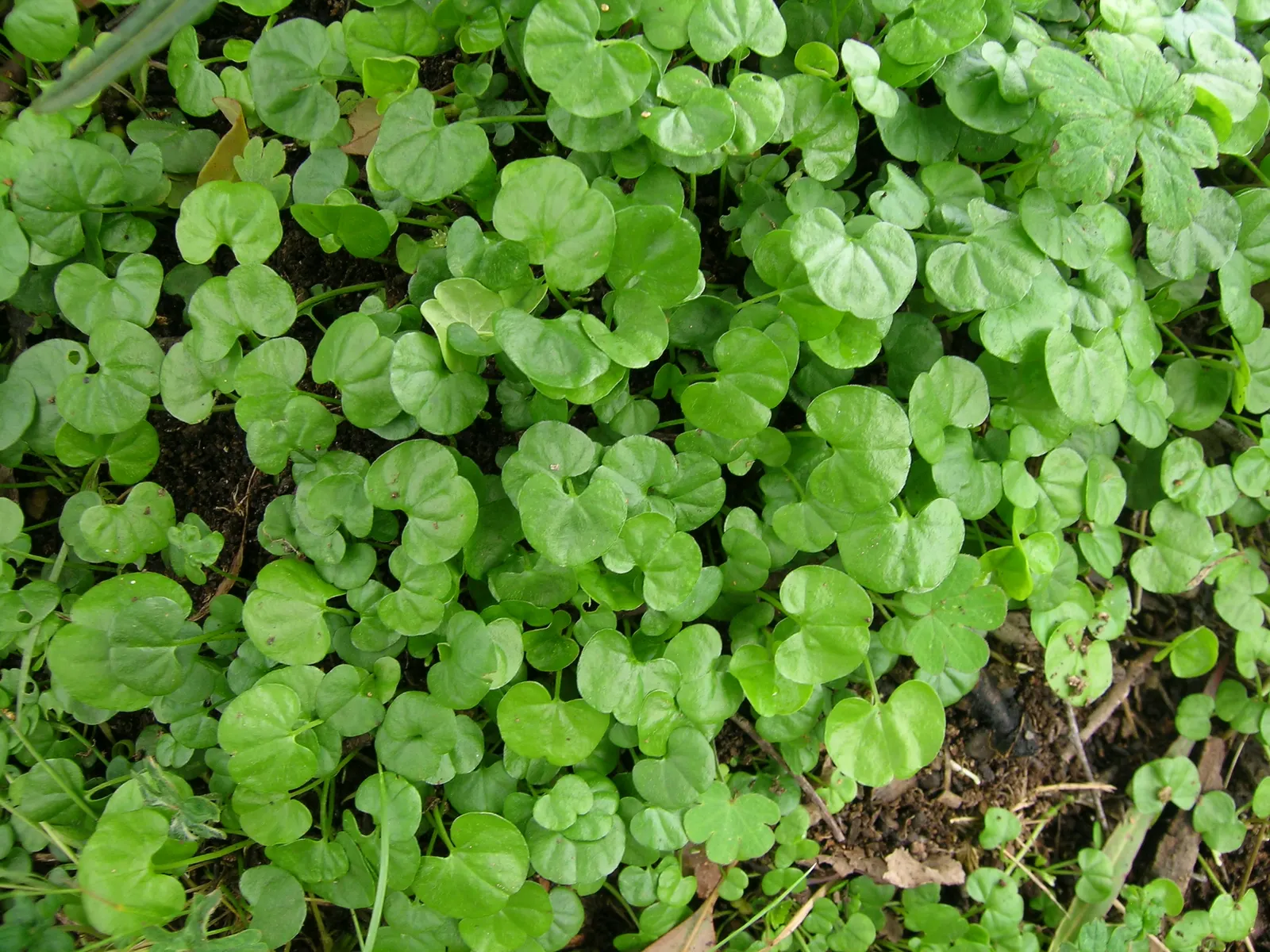
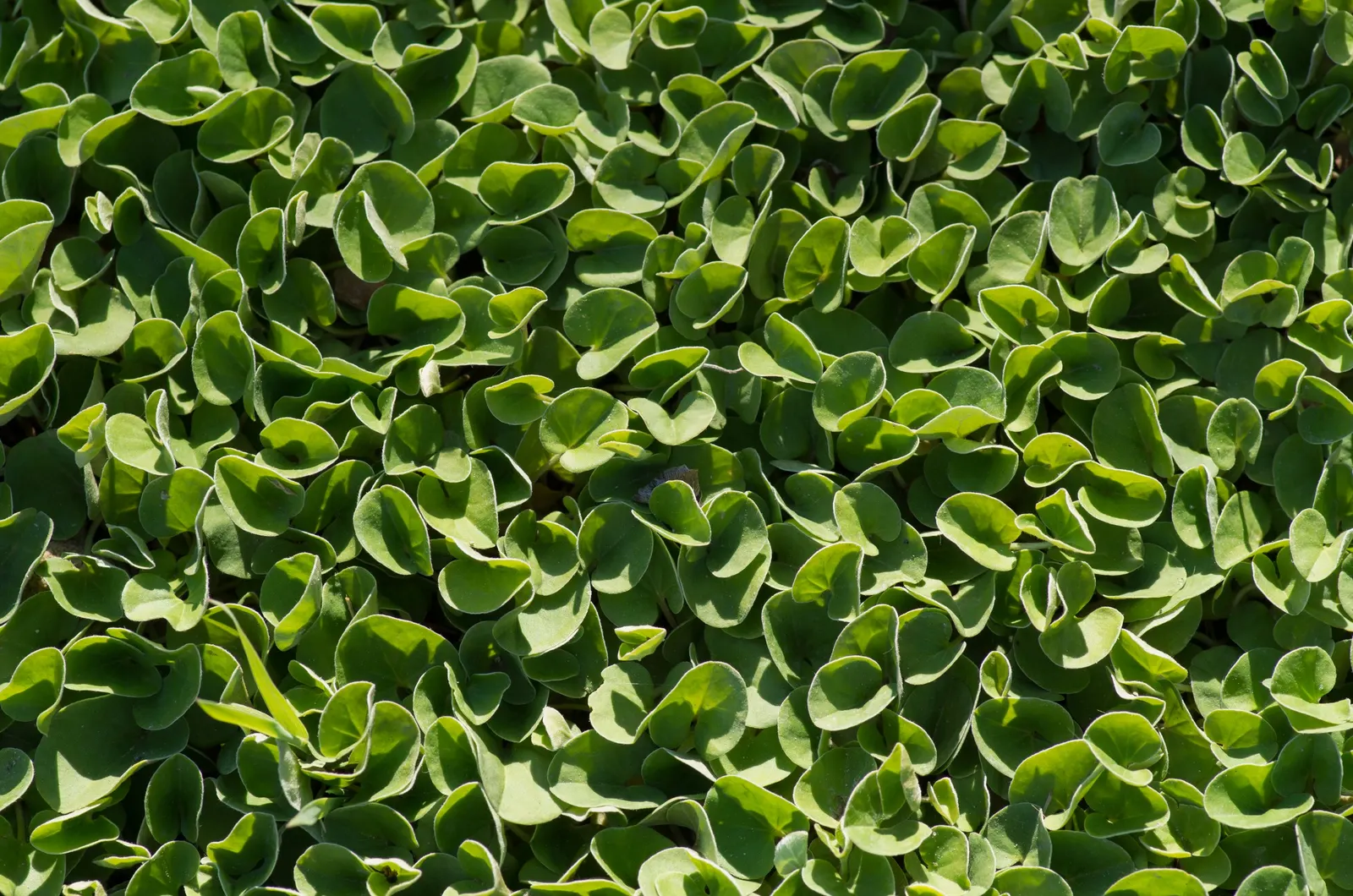
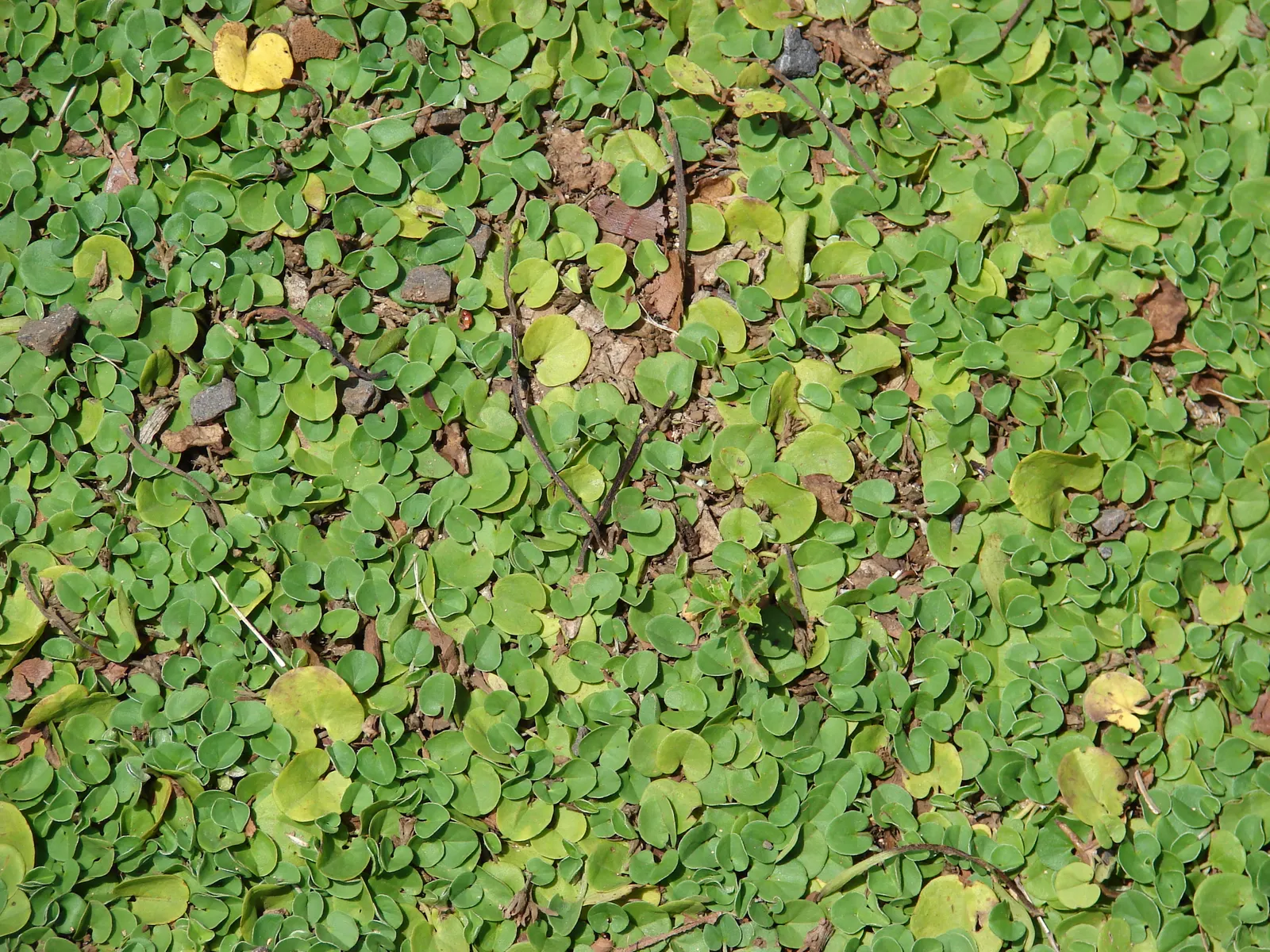
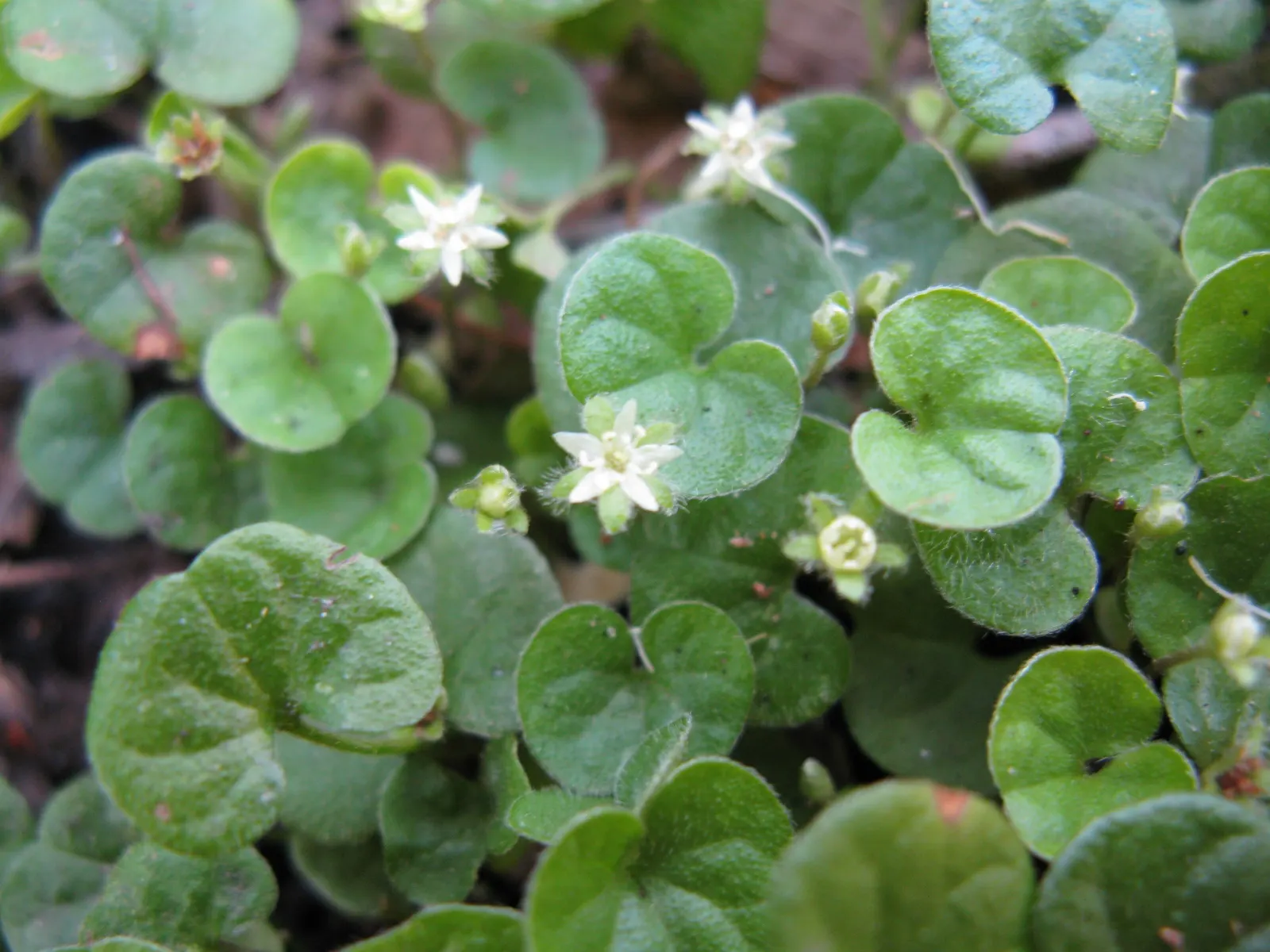
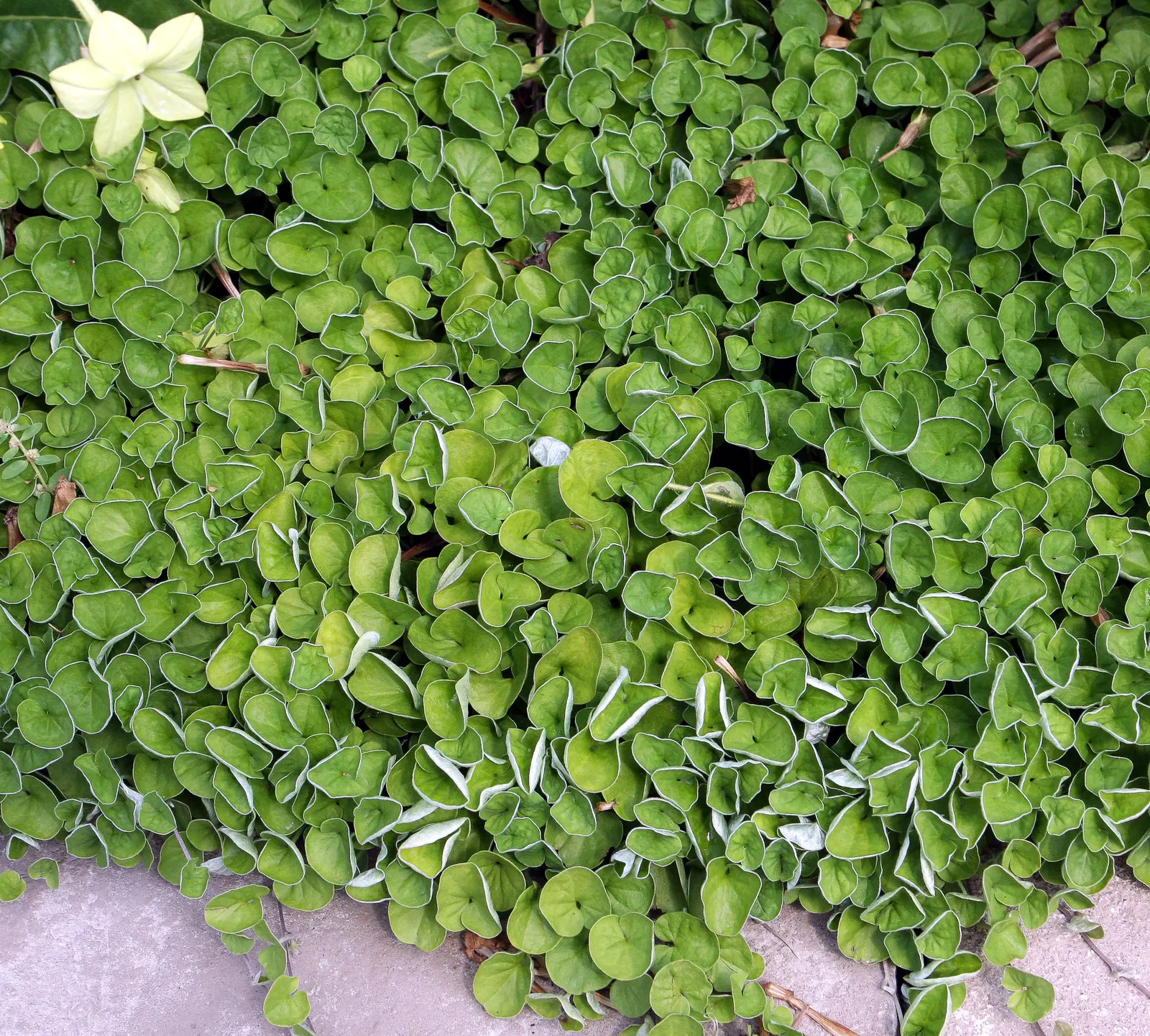
Dichondra micrantha, commonly known as Kidney Weed, is a lush groundcover with small, round leaves resembling miniature water lilies. Ideal for USDA Zones 7-11, it thrives in partial to full shade. Mat-forming, it rapidly spreads to 4-6 inches in height with a 2-3 foot reach. Its dense carpet discourages weeds and requires minimal care, making it perfect for garden accents or between stepping stones. Drought-tolerant once established, it adds a verdant touch to landscapes.

Sun ShadeWater HighZones 9–11Type Ground cover
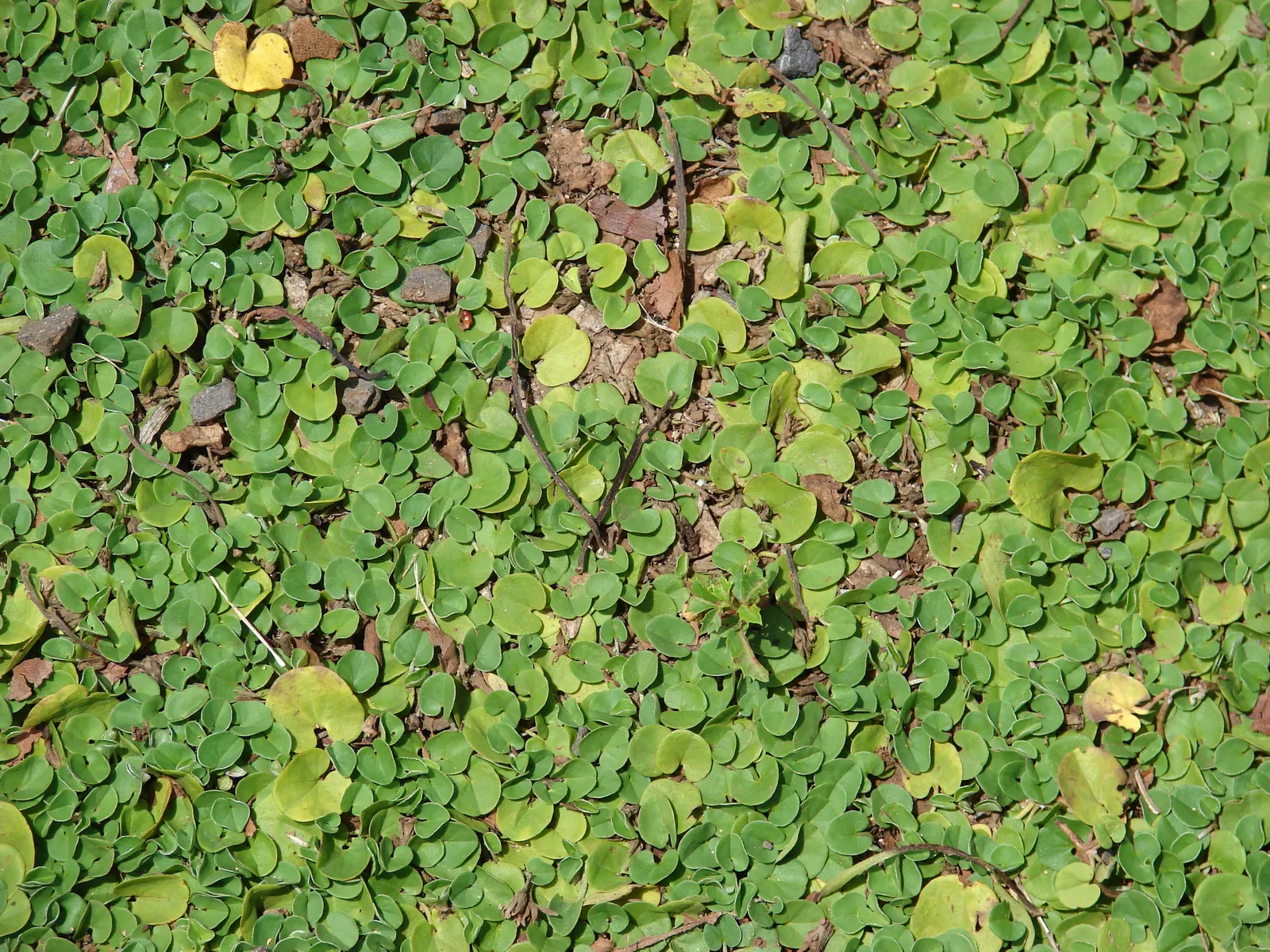
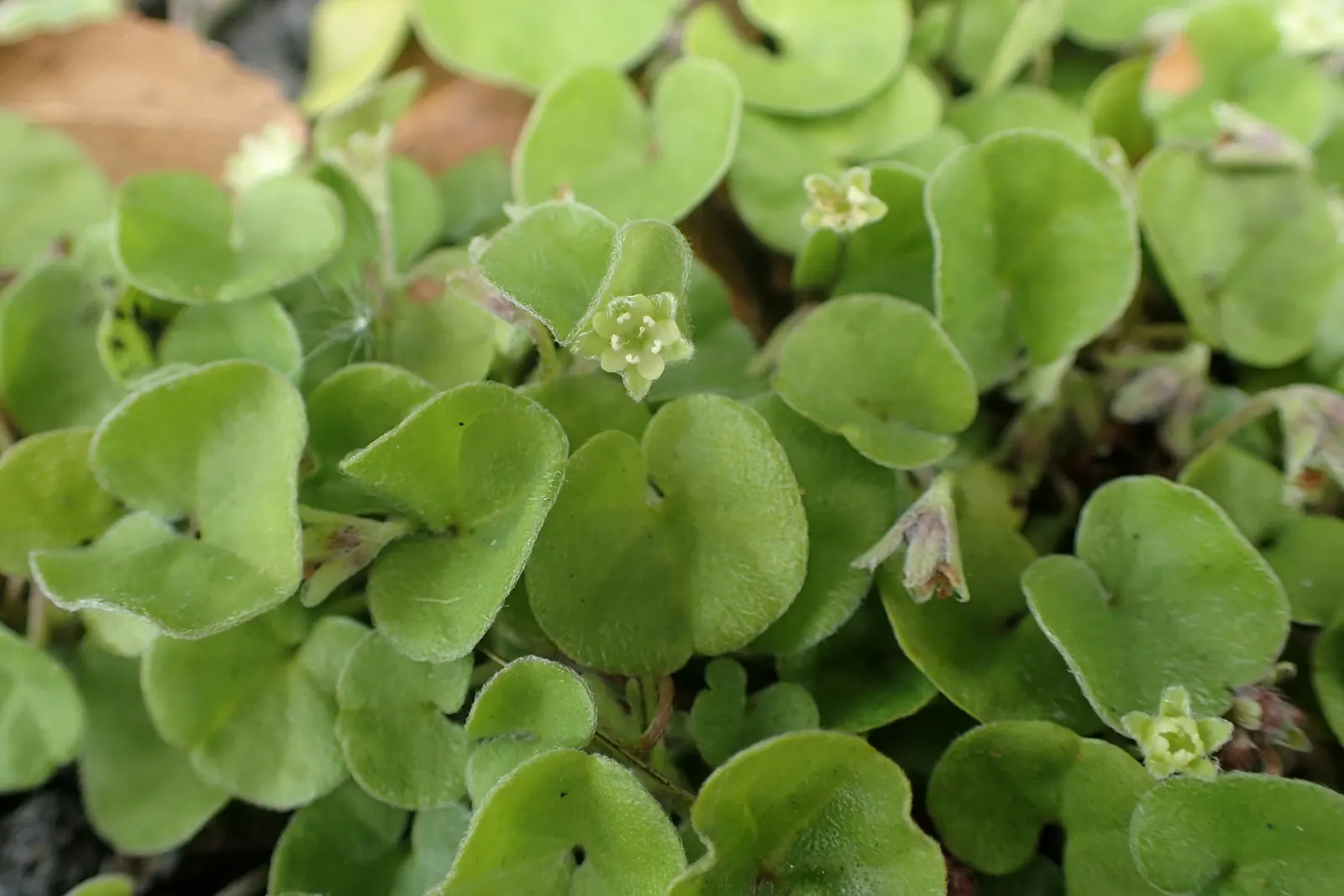
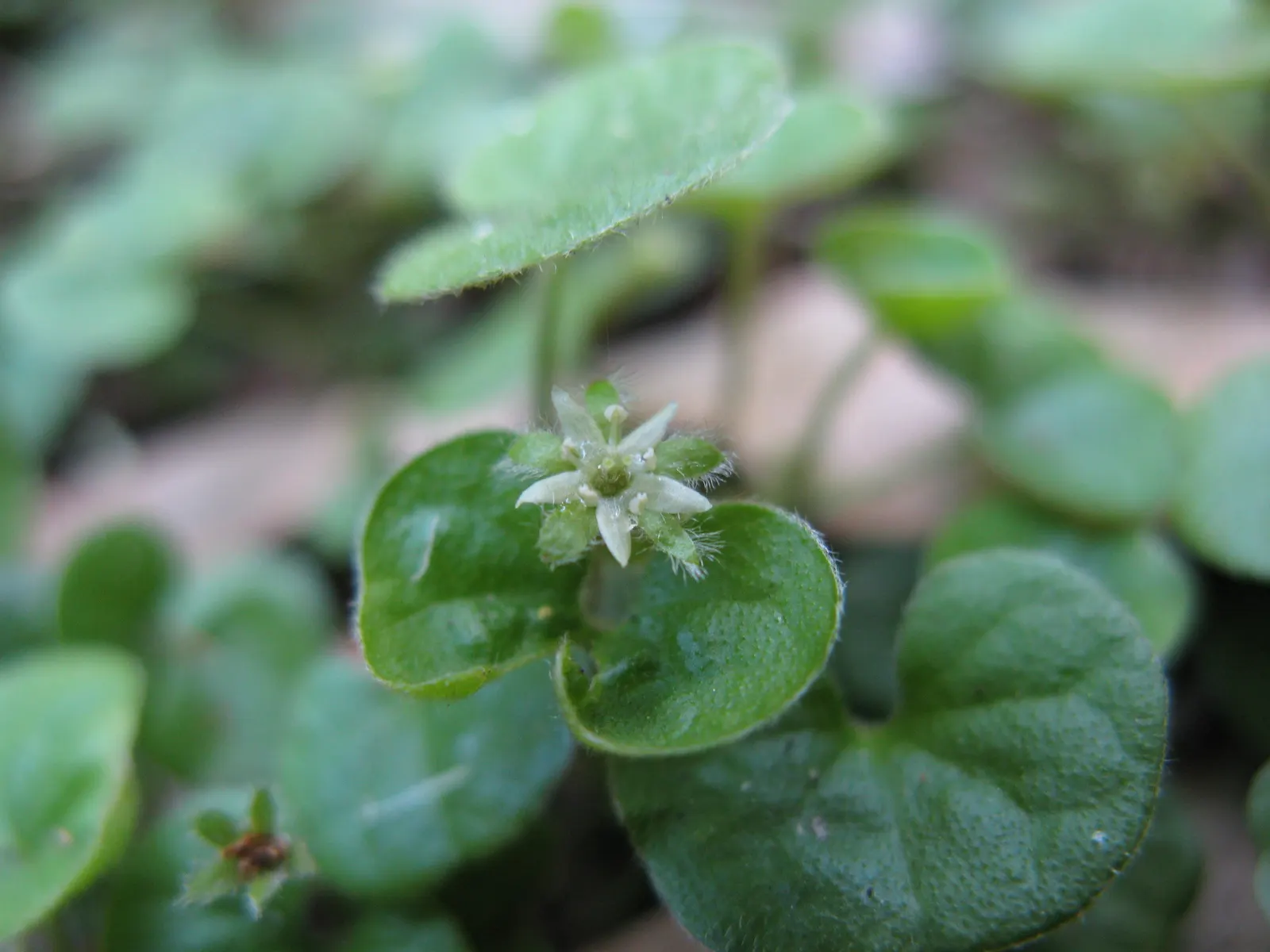
Dichondra (Dichondra Micrantha) — involving periodic mowing to keep it tidy; white flowers in the garden

Culture

Sun
Shade
Water
High
USDA zones
9–11

Shape & size

Classification

Type
Ground cover
Family
Convolvulaceae

See full data, regional cultivation notes, and design tools. Build a client presentation around this plant.

Start your 14-day trial

Photos (86)

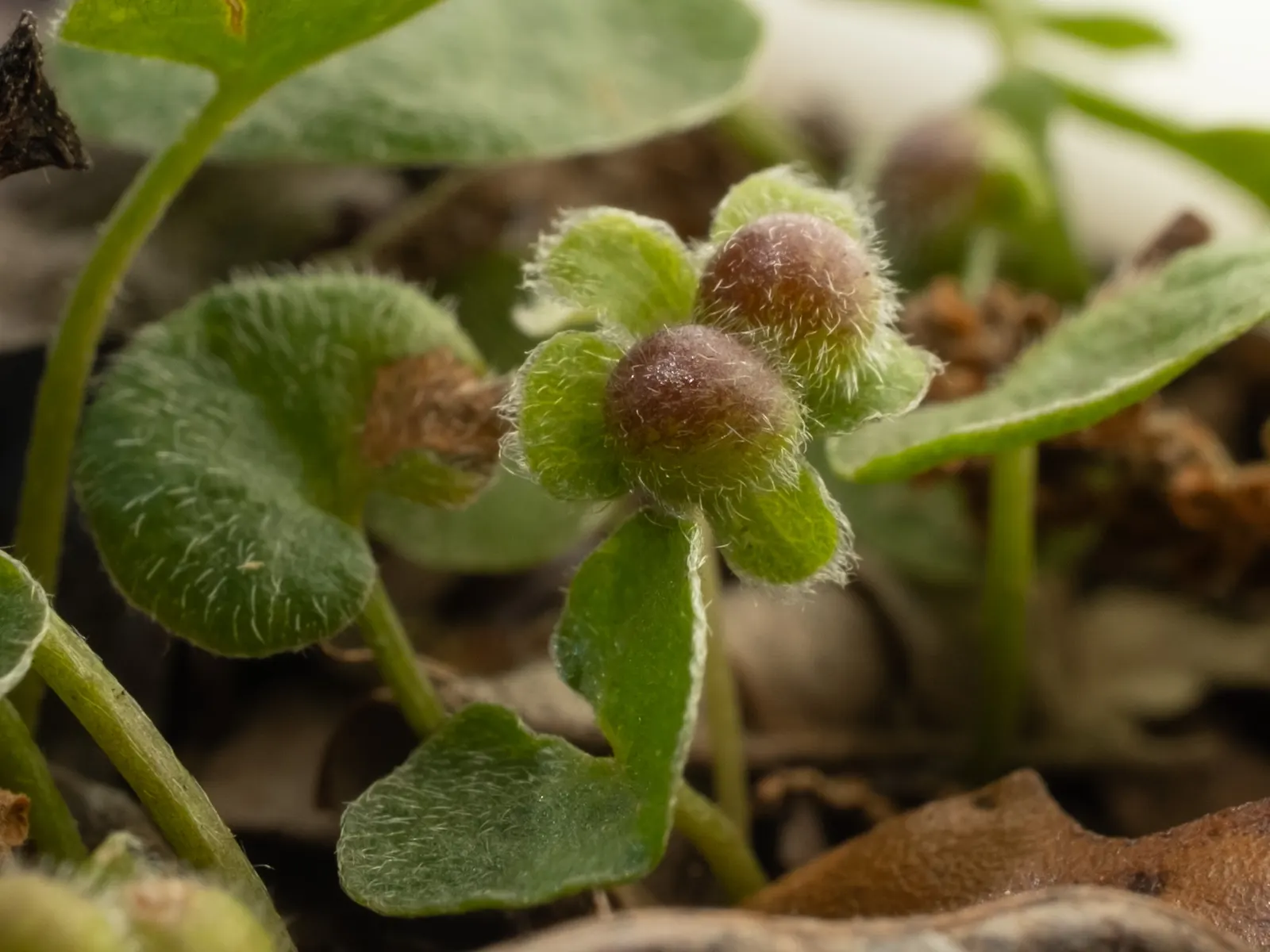
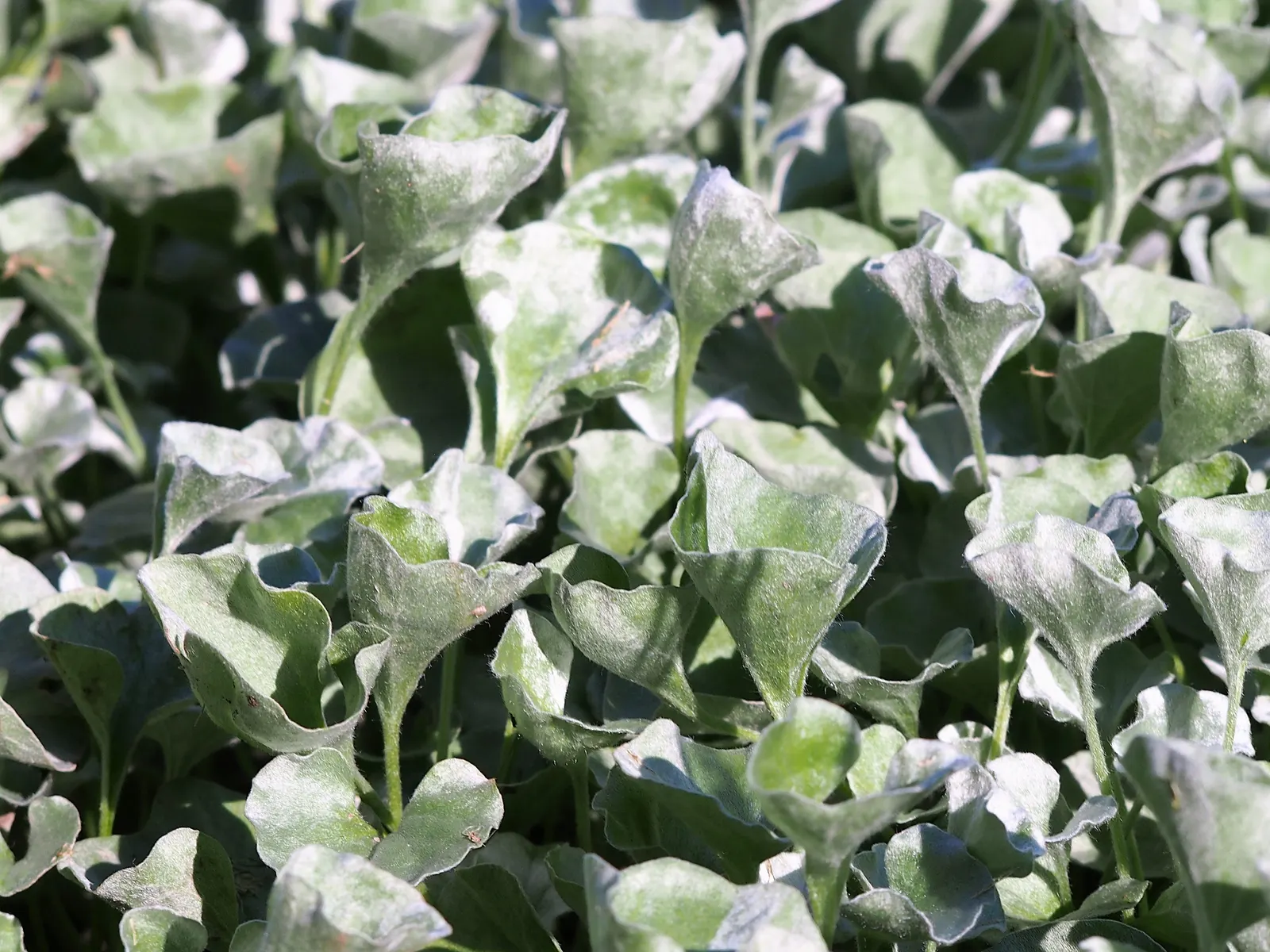
Dichondra (Dichondra Micrantha) — round leaves resembling miniature water lilies; which thrives in the warm, image 52
Dichondra (Dichondra Micrantha) — ground cover for shade; dichondra's resistance to many pests and diseases makes it a resilient and long-lasting addition to
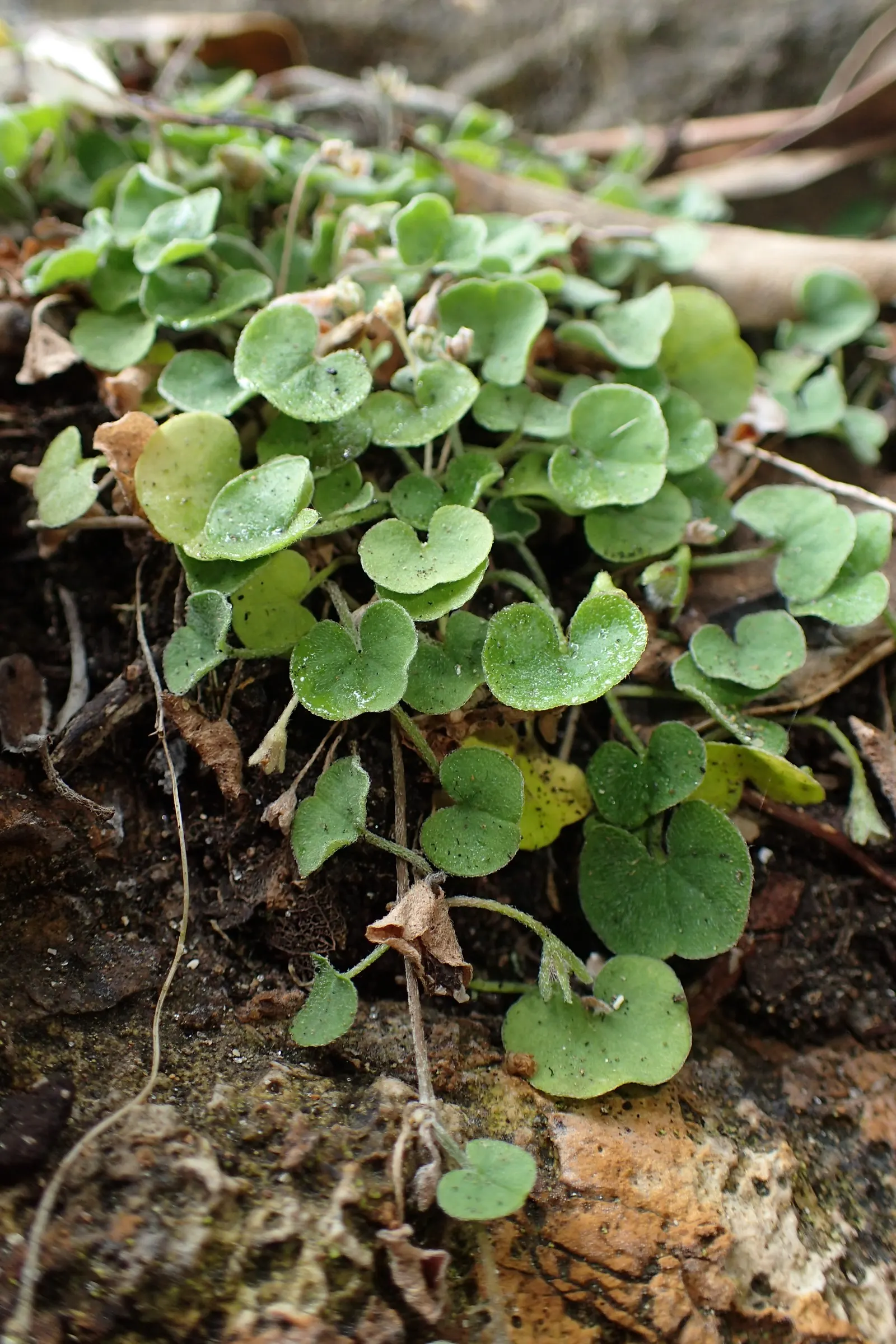
Dichondra (Dichondra Micrantha) — temperate climates of USDA zones 7-11; making it perfect for garden accents or between stepping stones, image 62
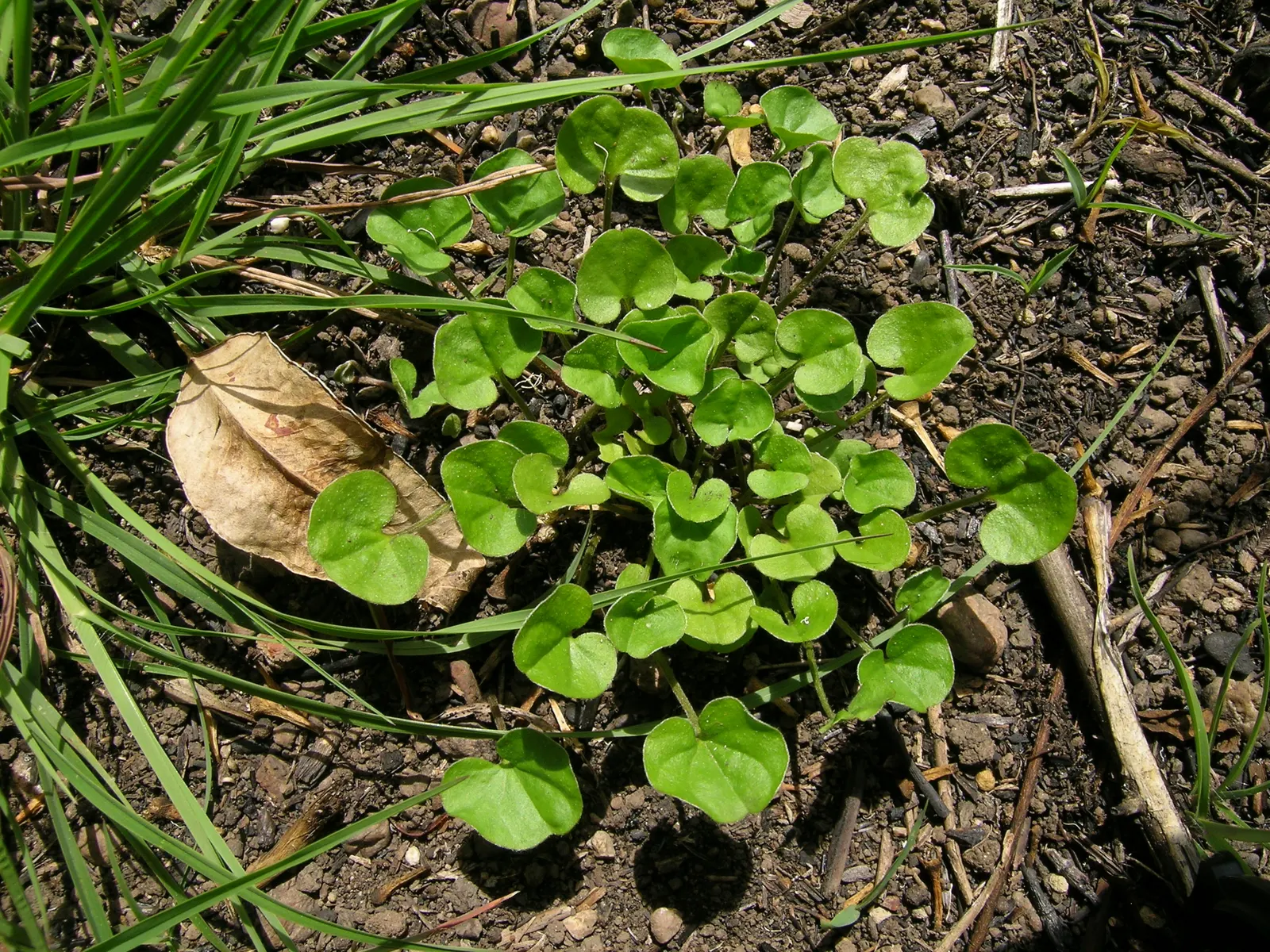
Dichondra (Dichondra Micrantha) — Ideal for USDA Zones 7-11, it thrives in partial to full shade; involving periodic mowing to keep it tidy, image 53
Dichondra (Dichondra Micrantha) — Ideal for USDA Zones 7-11, it thrives in partial to full shade
Dichondra (Dichondra Micrantha) — While it is drought-tolerant once established, maintaining moderate moisture will encourage vibrant growth; round, image 65
Dichondra (Dichondra Micrantha) — Its dense carpet discourages weeds and requires minimal care
Dichondra (Dichondra Micrantha) — Drought-tolerant once established, it adds a verdant touch to landscapes; enhancing the landscape with its verdant, image 57
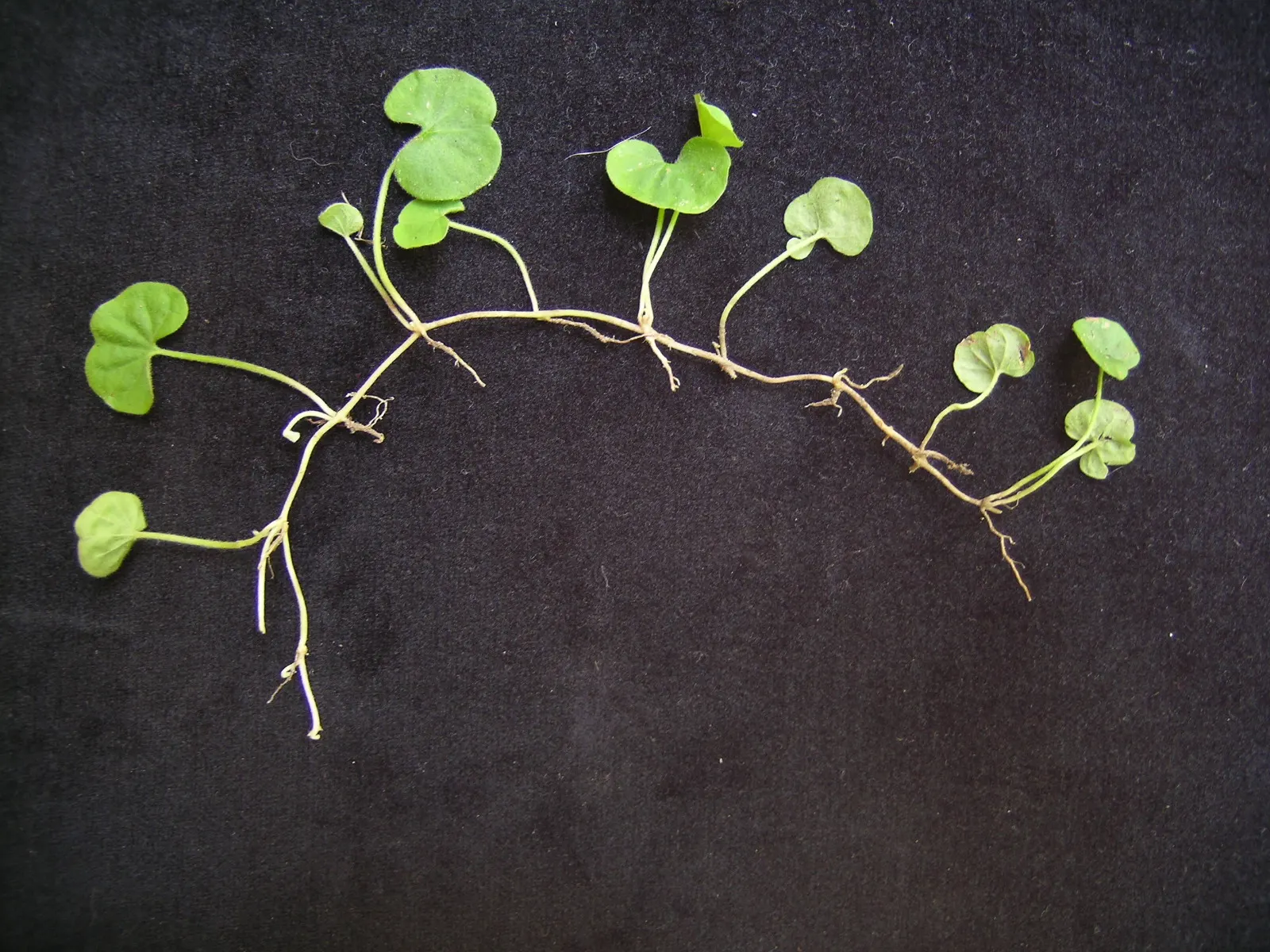
Dichondra (Dichondra Micrantha) — Mat-forming, it rapidly spreads to 4-6 inches in height with a 2-3 foot reach
Dichondra (Dichondra Micrantha) — involving periodic mowing to keep it tidy
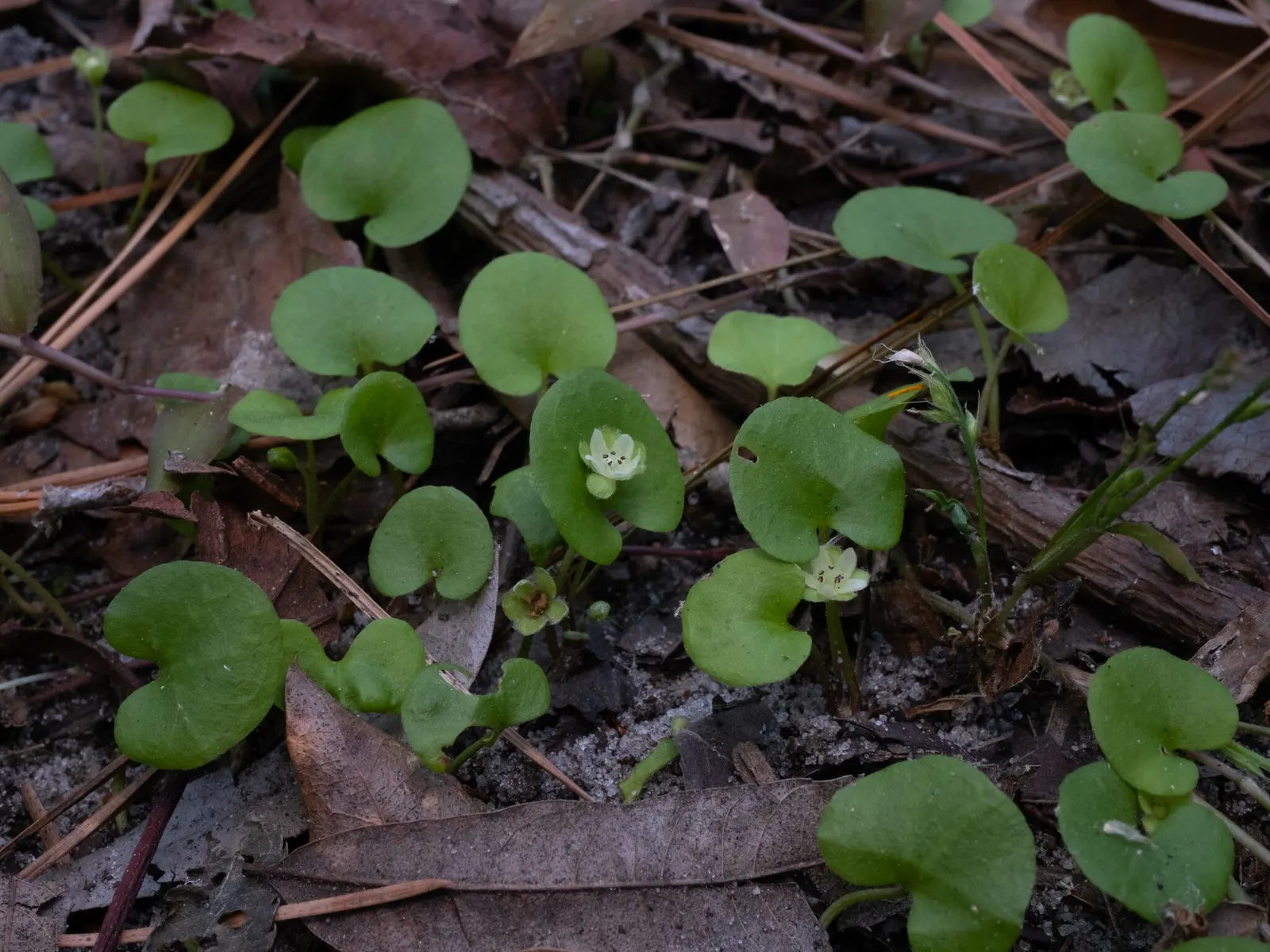
Dichondra (Dichondra Micrantha) — which thrives in the warm; ground cover with white blooms, image 61
Dichondra (Dichondra Micrantha) — it's crucial to avoid waterlogged conditions; low-growing perennial ground cover
Dichondra (Dichondra Micrantha) — While it is drought-tolerant once established, maintaining moderate moisture will encourage vibrant growth
Dichondra (Dichondra Micrantha) — it's crucial to avoid waterlogged conditions; low-growing perennial ground cover, image 66
Dichondra (Dichondra Micrantha) — making it perfect for garden accents or between stepping stones; this rapid growth rate makes Dichondra an, image 56
Dichondra (Dichondra Micrantha) — commonly known as kidney weed or Dichondra; ideal for USDA Zones 7-11, it thrives in partial to full shade, image 58
Dichondra (Dichondra Micrantha) — commonly known as Kidney Weed; mat-forming, it rapidly spreads to 4-6 inches in height with a 2-3 foot reach, image 51
Dichondra (Dichondra Micrantha) — The plant spreads readily, reaching about 2 to 3 inches in height, with a spread of up to 4 feet or more
Dichondra (Dichondra Micrantha) — commonly known as kidney weed or Dichondra; ideal for USDA Zones 7-11, it thrives in partial to full shade
Dichondra (Dichondra Micrantha) — Dichondra's resistance to many pests and diseases makes it a resilient and long-lasting addition to any garden; commonly
Dichondra (Dichondra Micrantha) — Mat-forming, it rapidly spreads to 4-6 inches in height with a 2-3 foot reach; ground cover for shade, image 54
Dichondra (Dichondra Micrantha) — This rapid growth rate makes Dichondra an excellent choice for filling in areas quickly; or cascading over retaining walls
Dichondra (Dichondra Micrantha) — or cascading over retaining walls
Dichondra (Dichondra Micrantha) — dense foliage is a rich emerald green; as Dichondra can be prone to root rot in poorly drained soils
Photographs by 13 contributors

Related plants