Skip to content

Blue Dicks

Dichelostemma Capitatum

Design with this plant

Overview

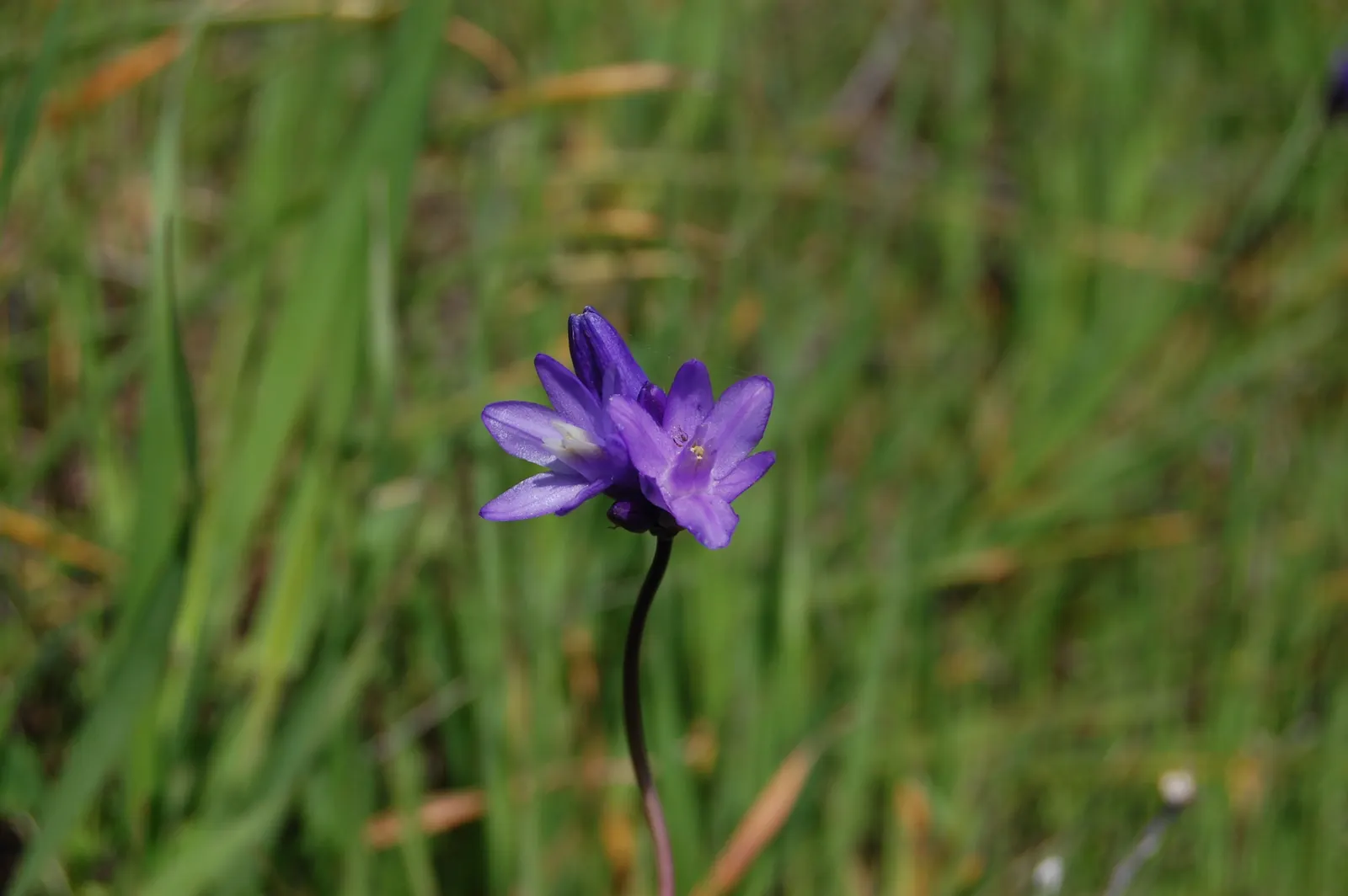
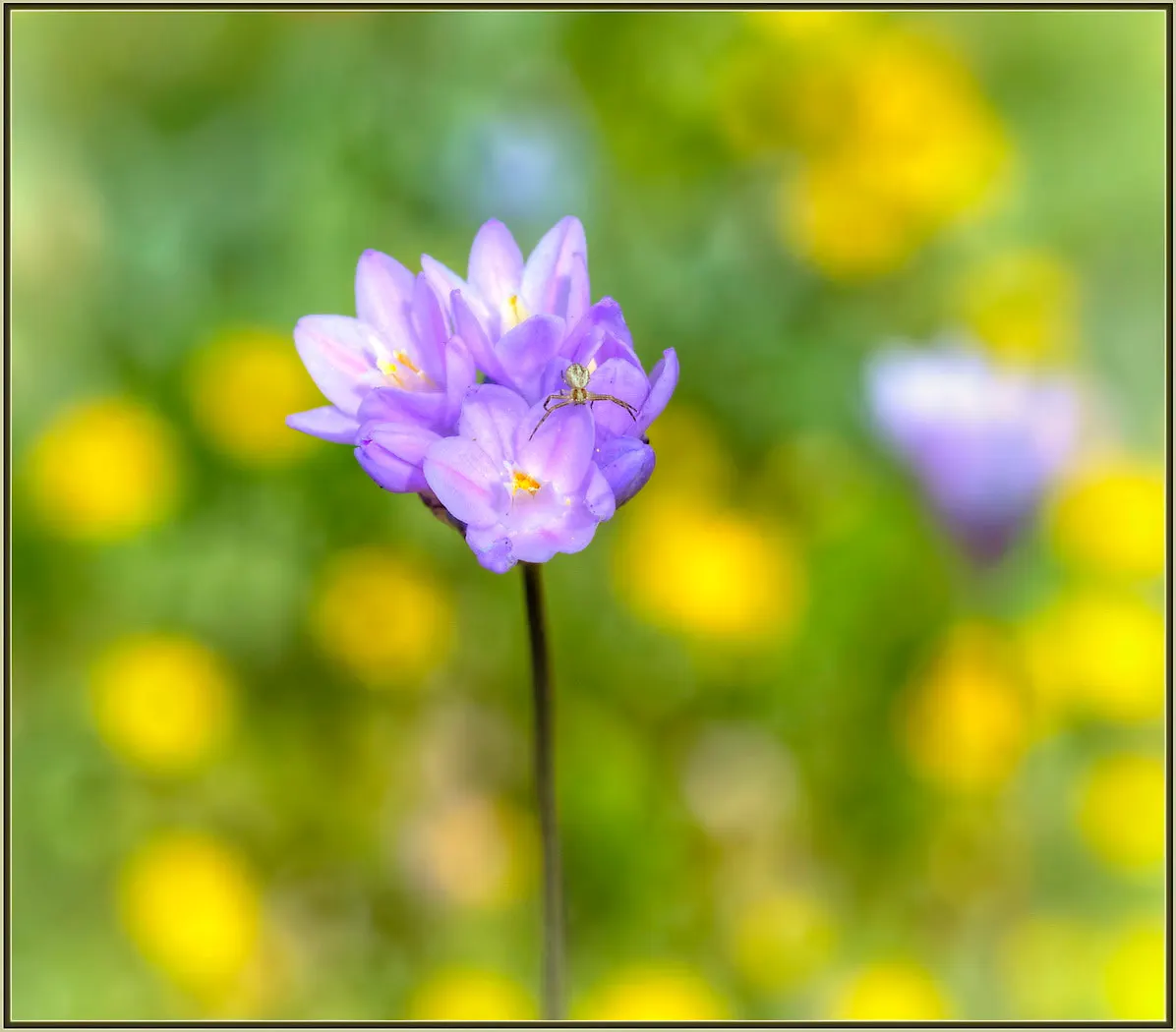
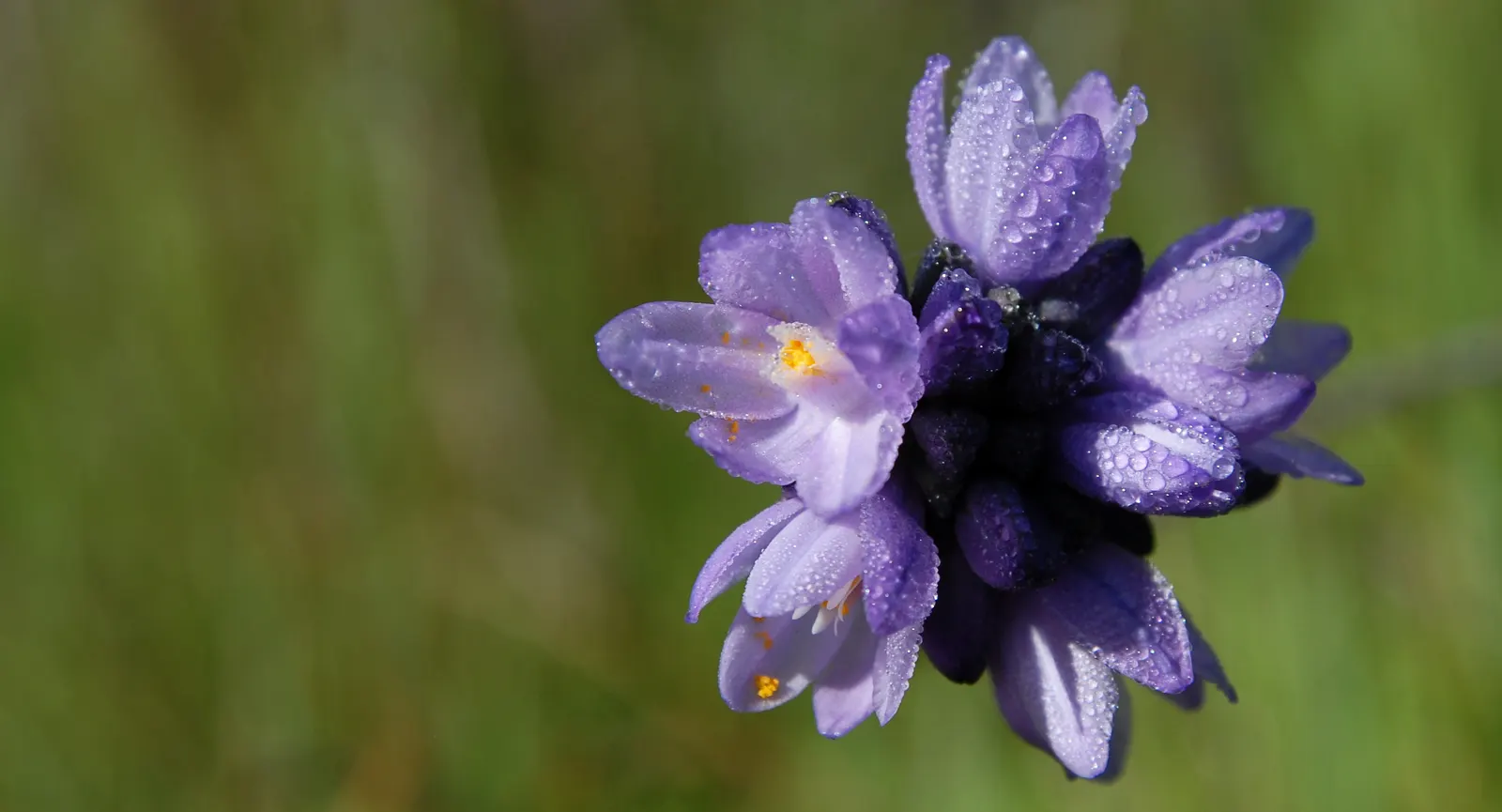
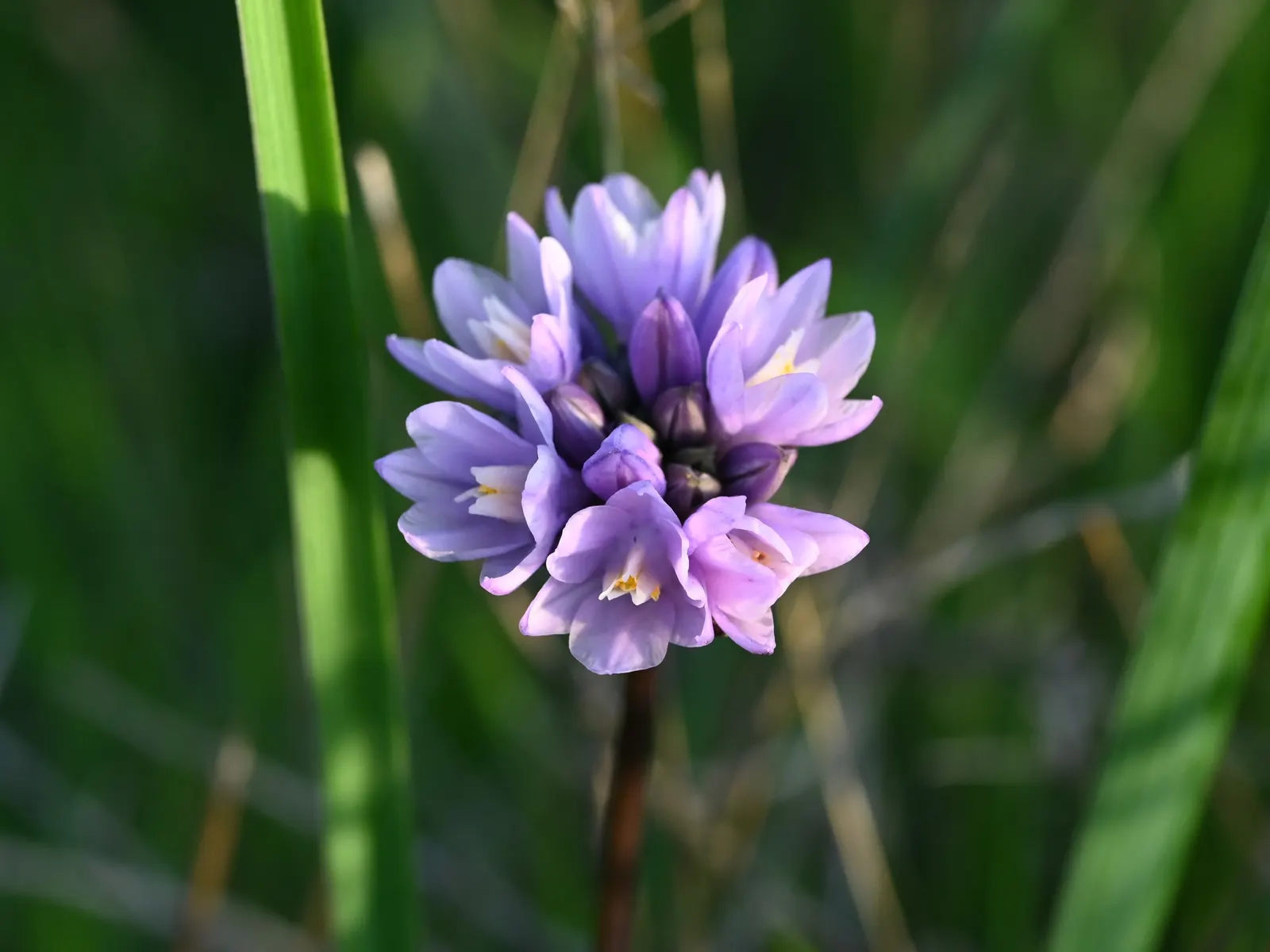
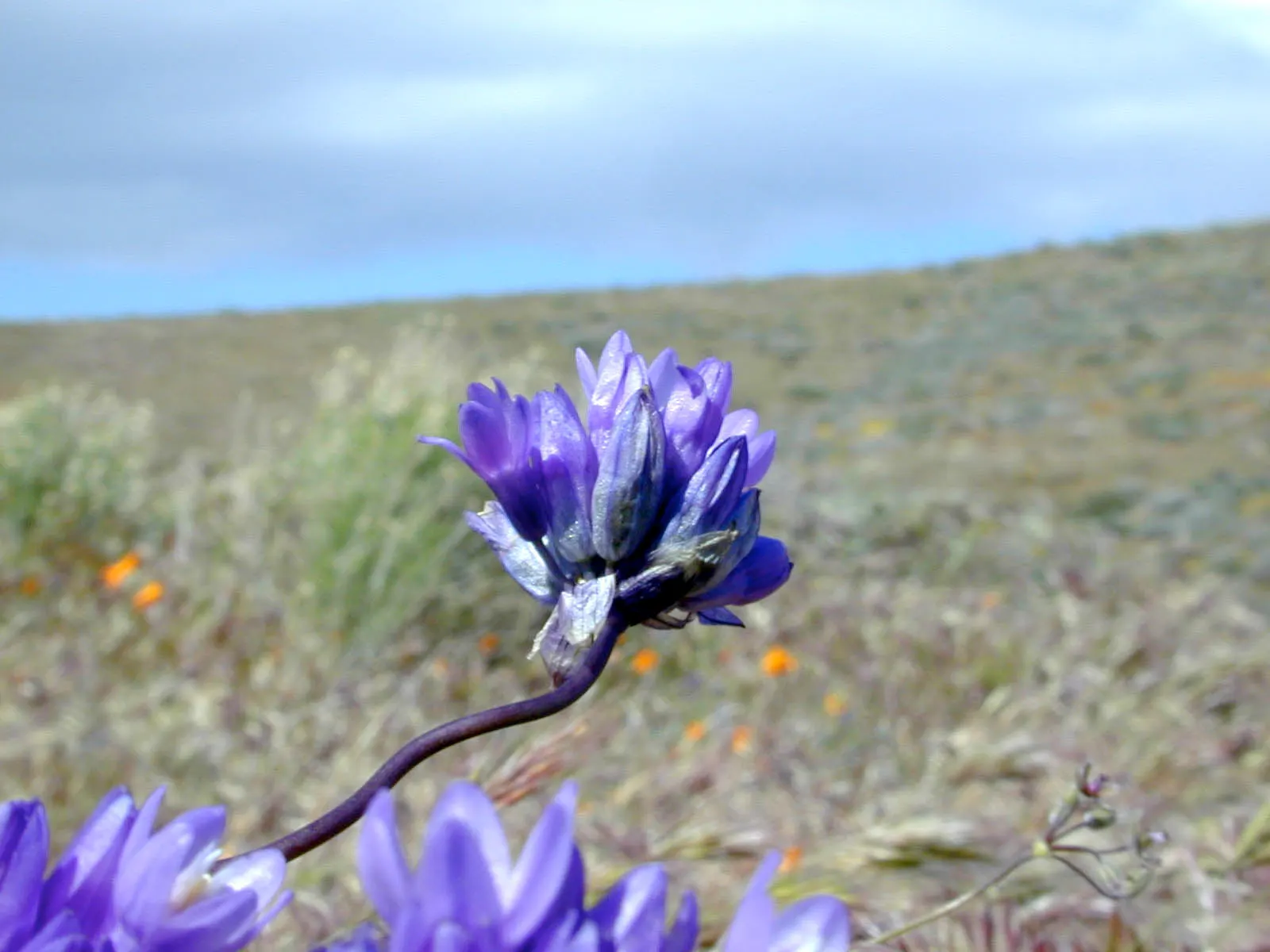
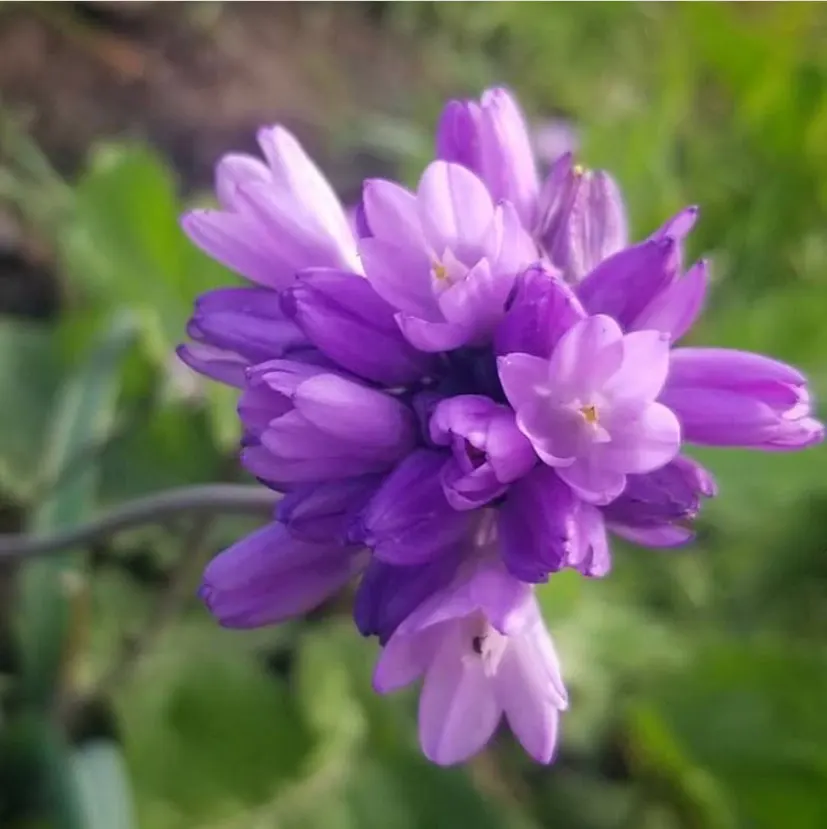
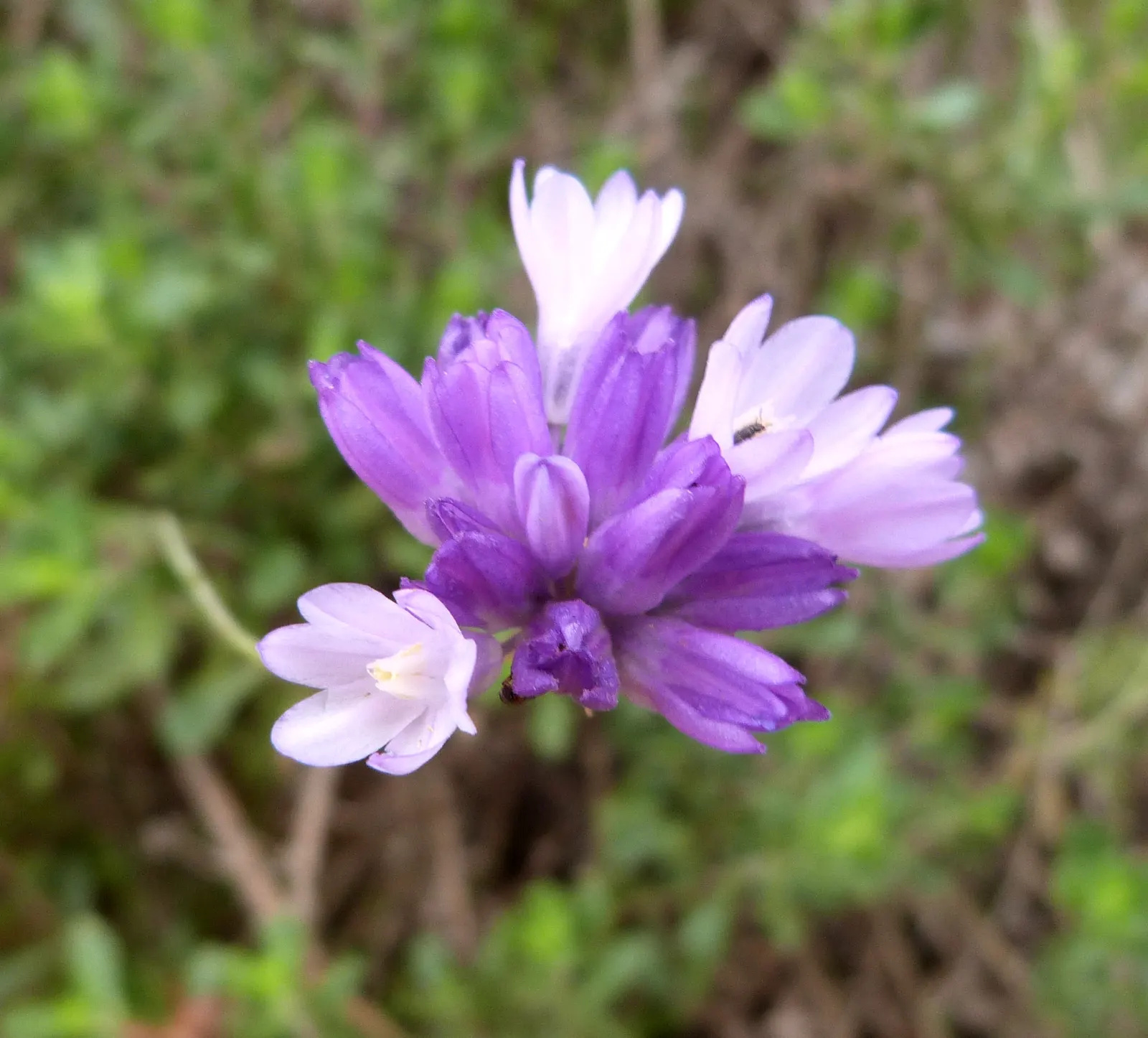
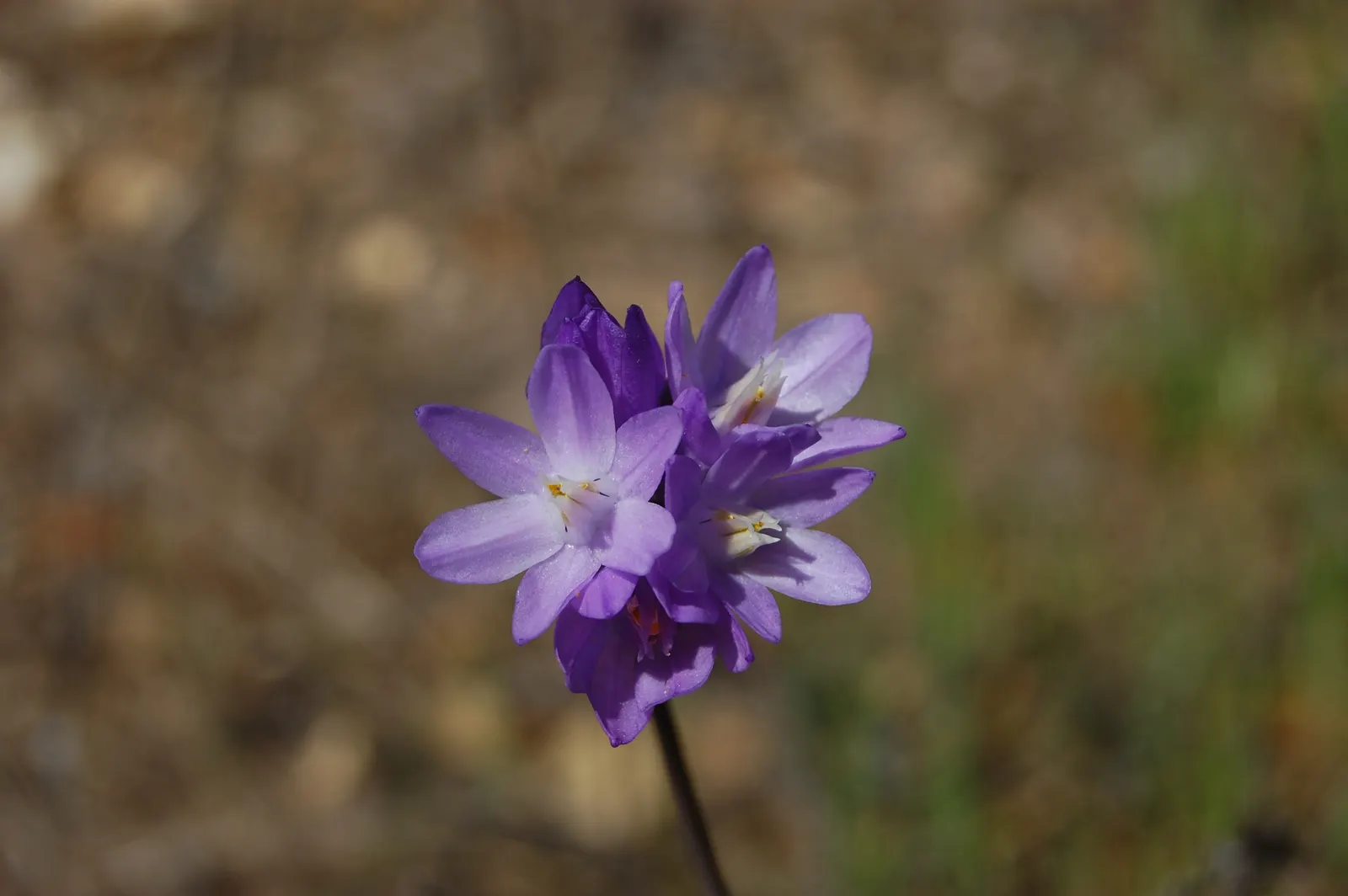
Dichelostemma capitatum, commonly known as Blue Dicks, is a perennial herb boasting lavender-blue blossoms. These flower clusters rise up to 3 feet on leafless stems each spring. Hardy bulbs thrive in USDA zones 6-9, preferring full sun or light shade. With minimal water requirements, they're excellent for xeriscapes. The tubular florets, about 3/4 inch long, attract bees and butterflies, adding both ecological value and vibrant color to any garden.

Sun FullWater Very LowZones 5–10Climate Temperate
Blue Dicks (Dichelostemma Capitatum) — Dichelostemma capitatum, commonly known as Blue Dicks, is a perennial herb boasting lavender-blue blossoms

Culture

Sun
Full
Water
Very Low
USDA zones
5–10

Shape & size

Classification

Family
Triteleia
Climate
Temperate

See full data, regional cultivation notes, full-resolution photos, and design tools. Build a client presentation around this plant.

Start your 14-day trial

Photos (67)

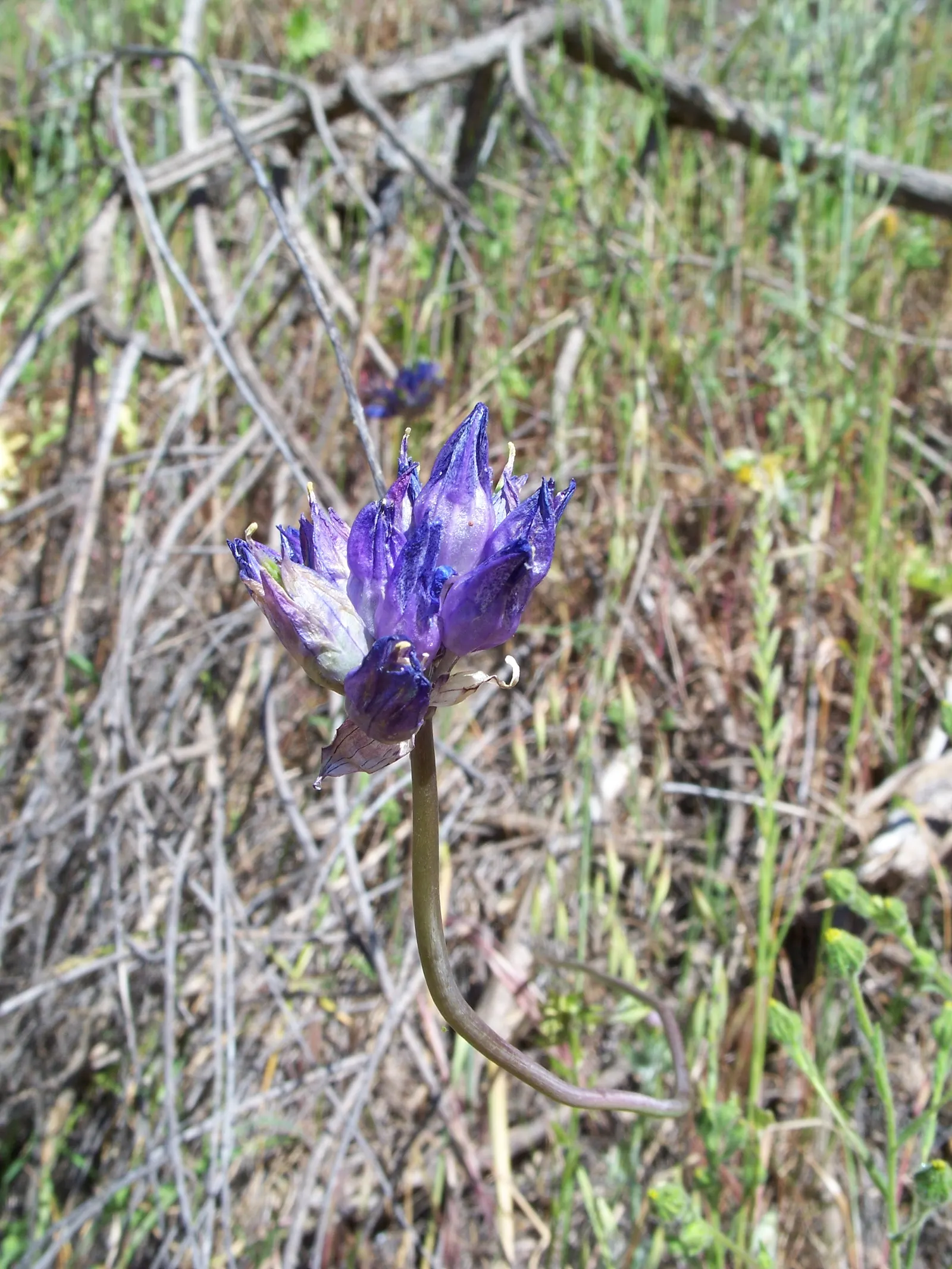
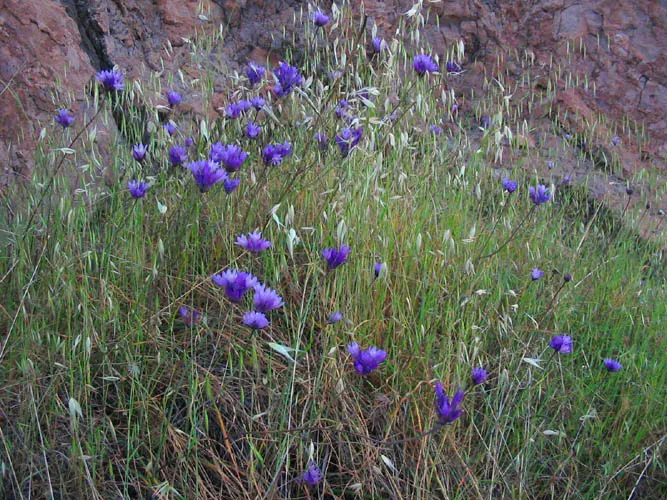
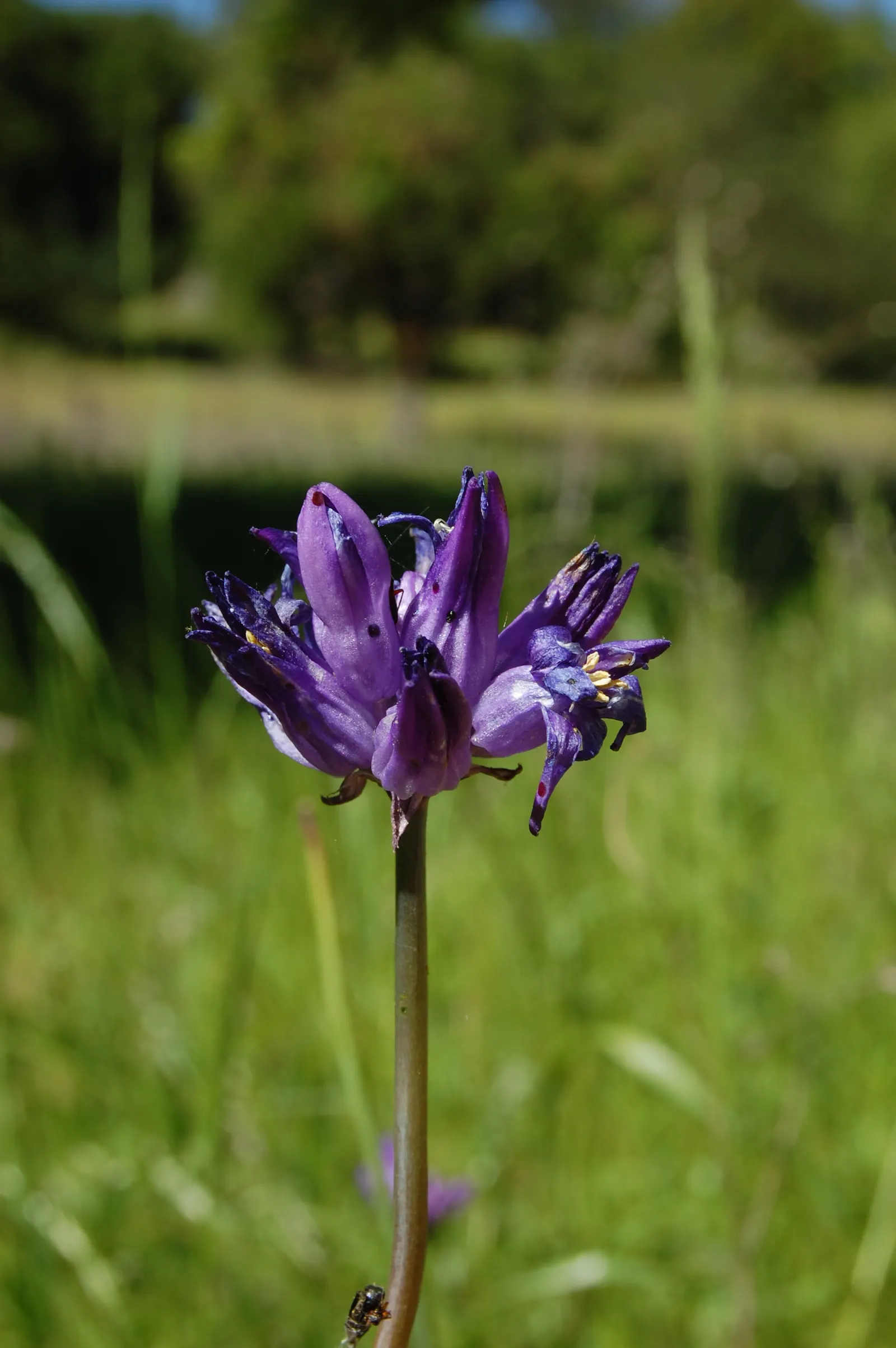
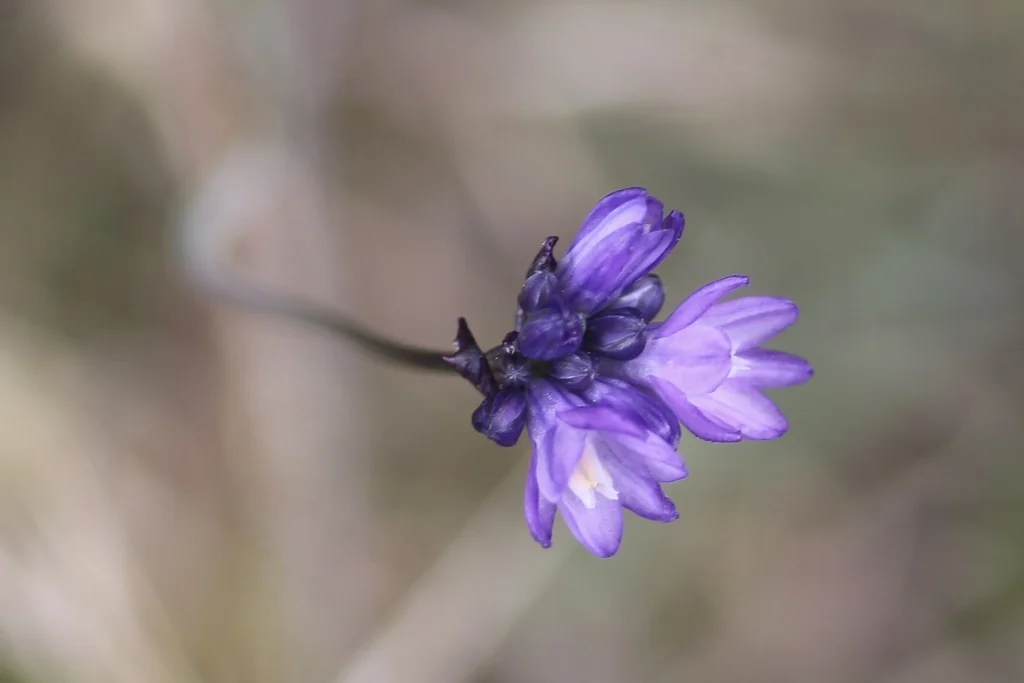
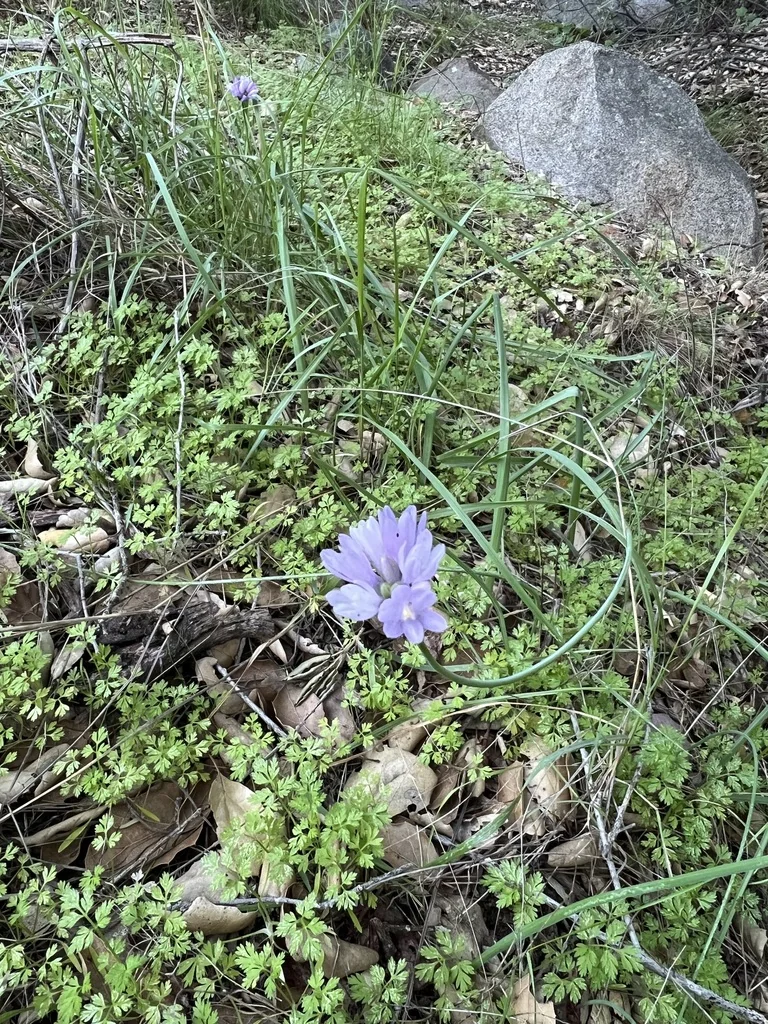
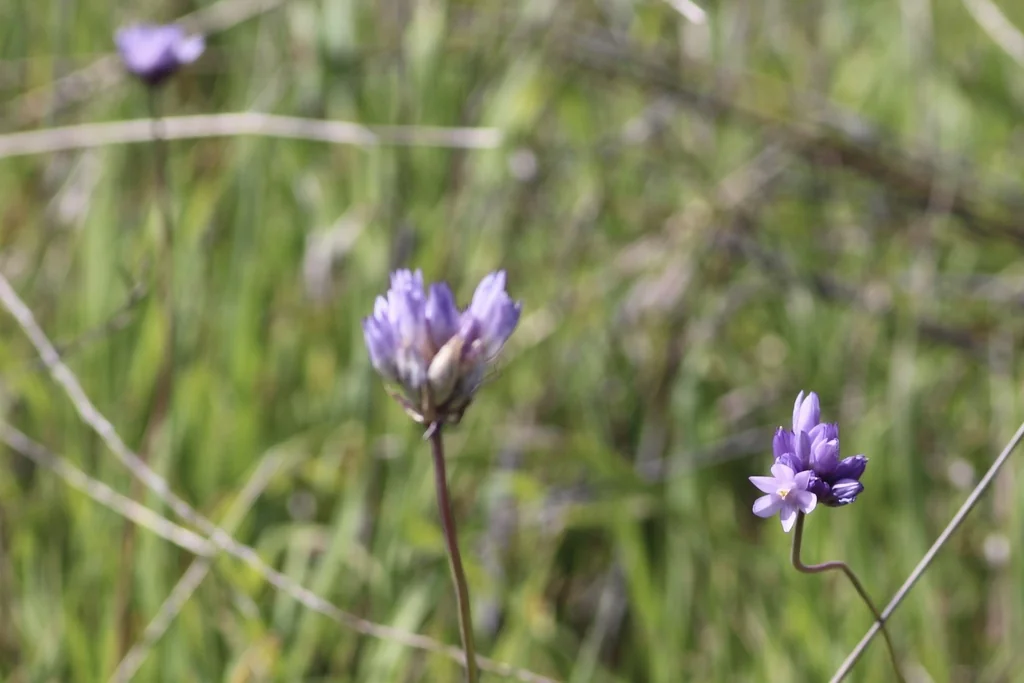
Blue Dicks (Dichelostemma Capitatum) — These flower clusters rise up to 3 feet on leafless stems each spring; exhibits sturdy stems that can grow, image 48
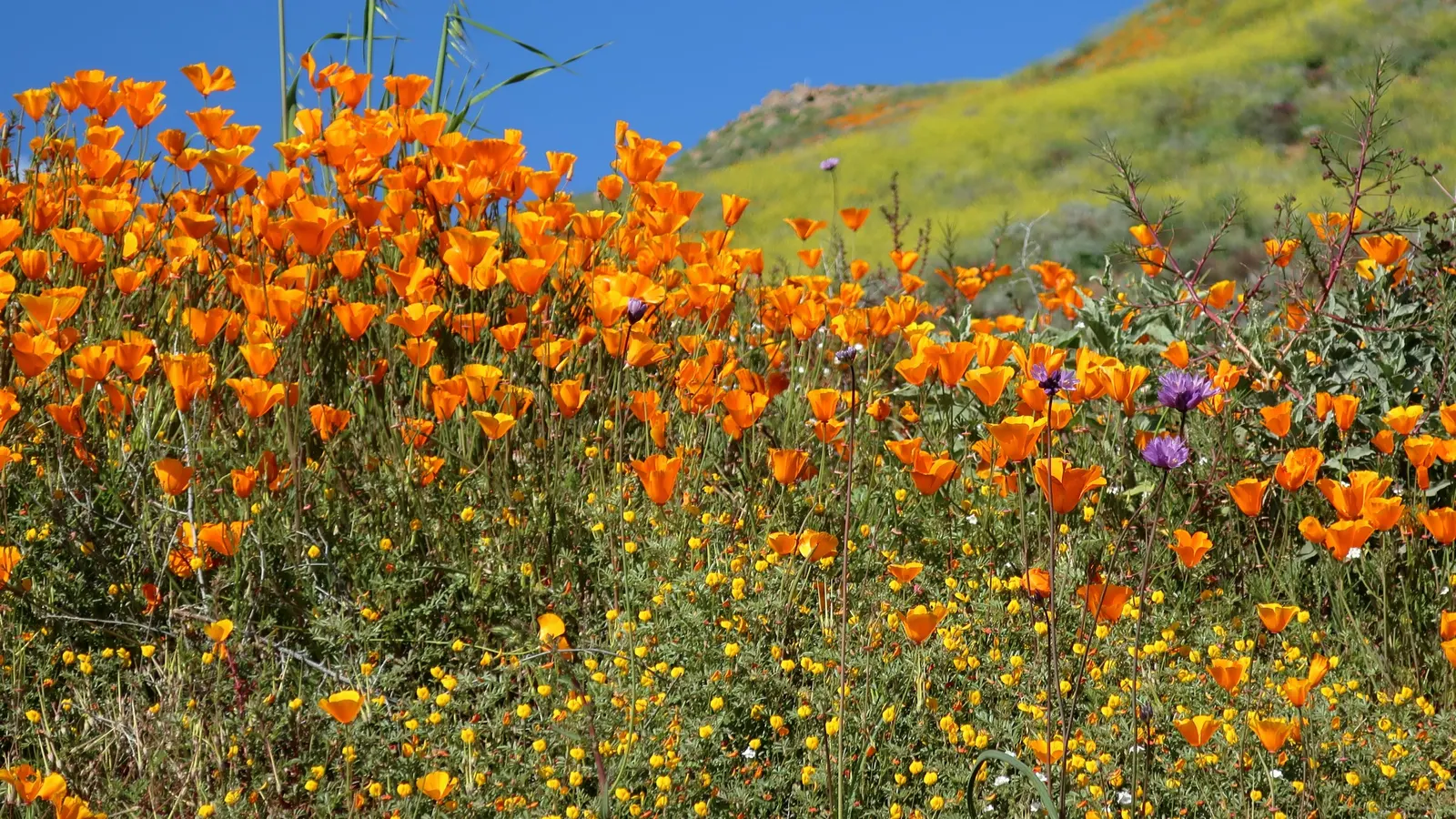
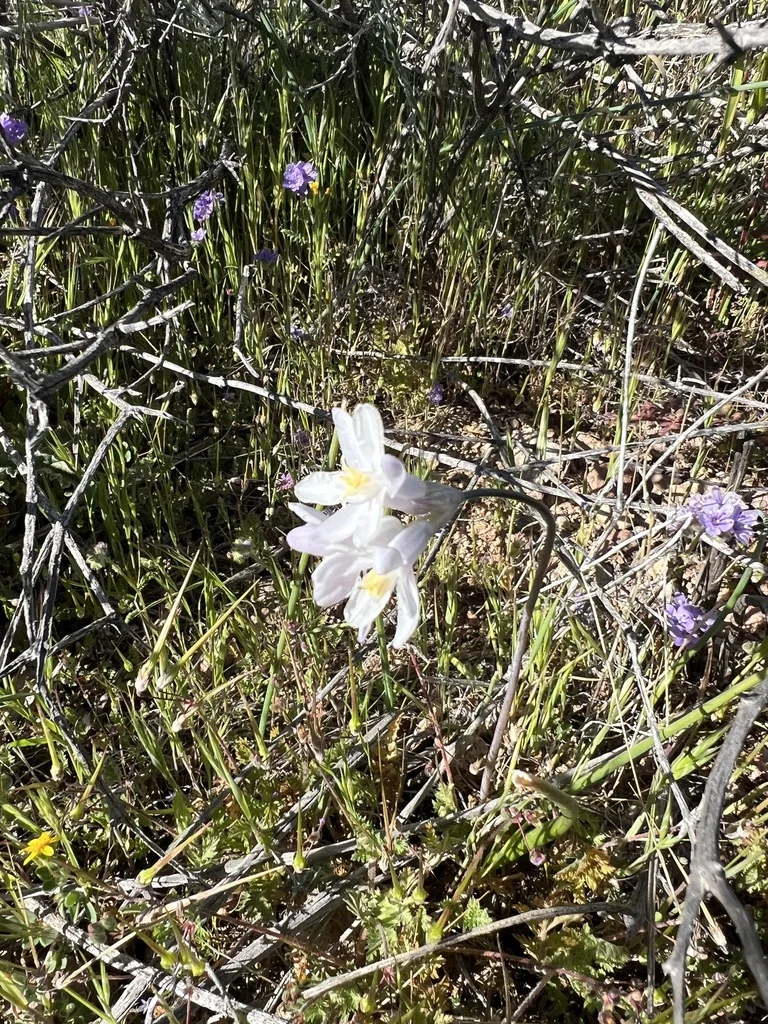
Blue Dicks (Dichelostemma Capitatum) — With minimal water requirements, they're excellent for xeriscapes; these flower clusters rise up to 3 feet, image 50
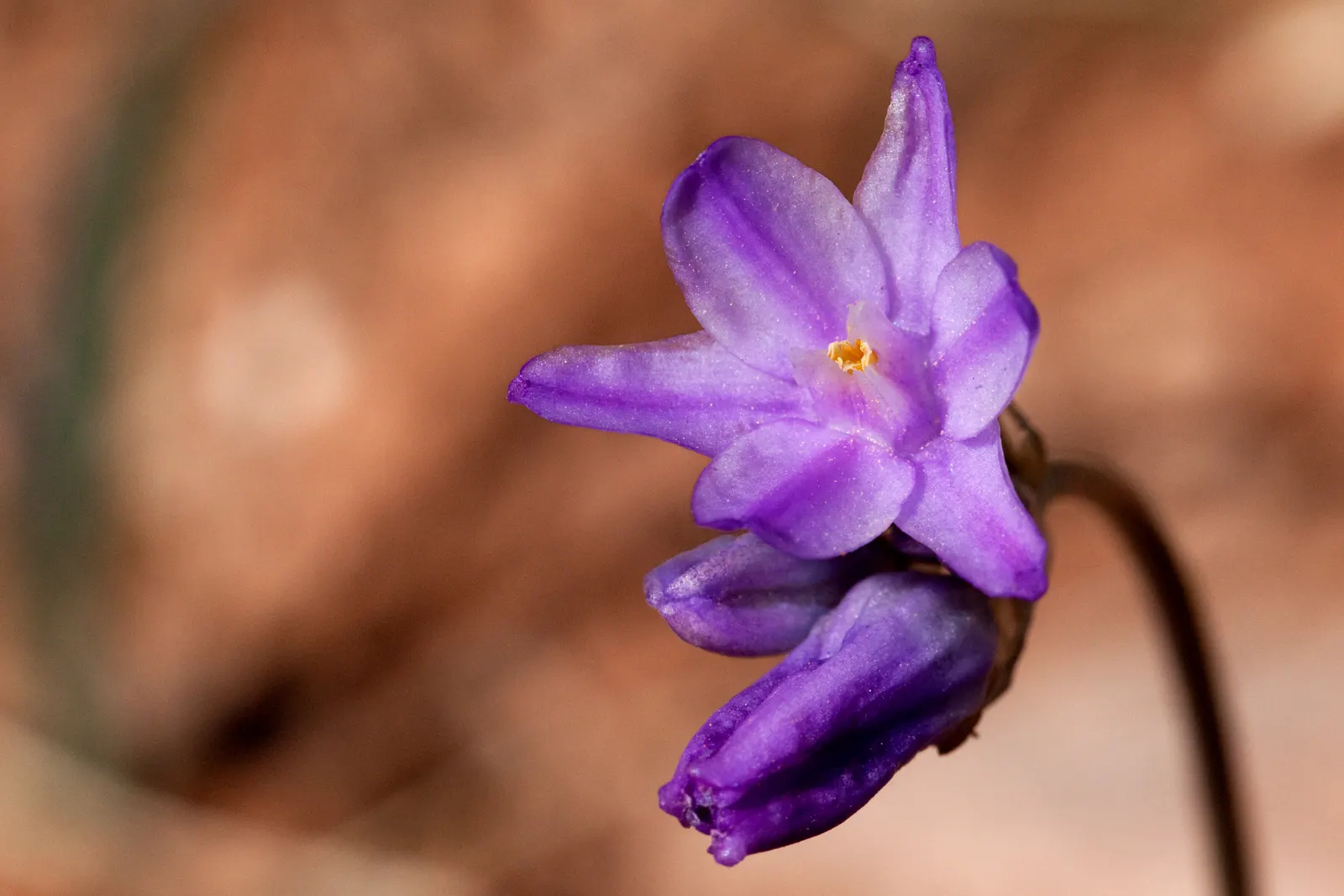
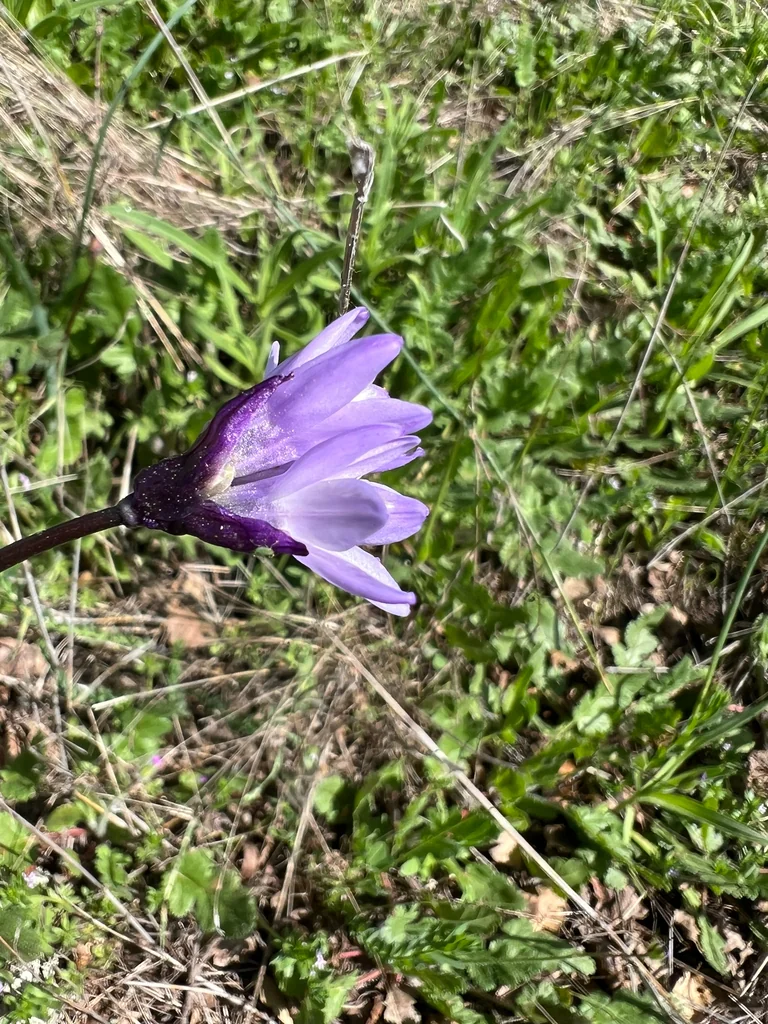
Blue Dicks (Dichelostemma Capitatum) — commonly known as Blue Dicks or Wild Hyacinth; bulb for full, image 53
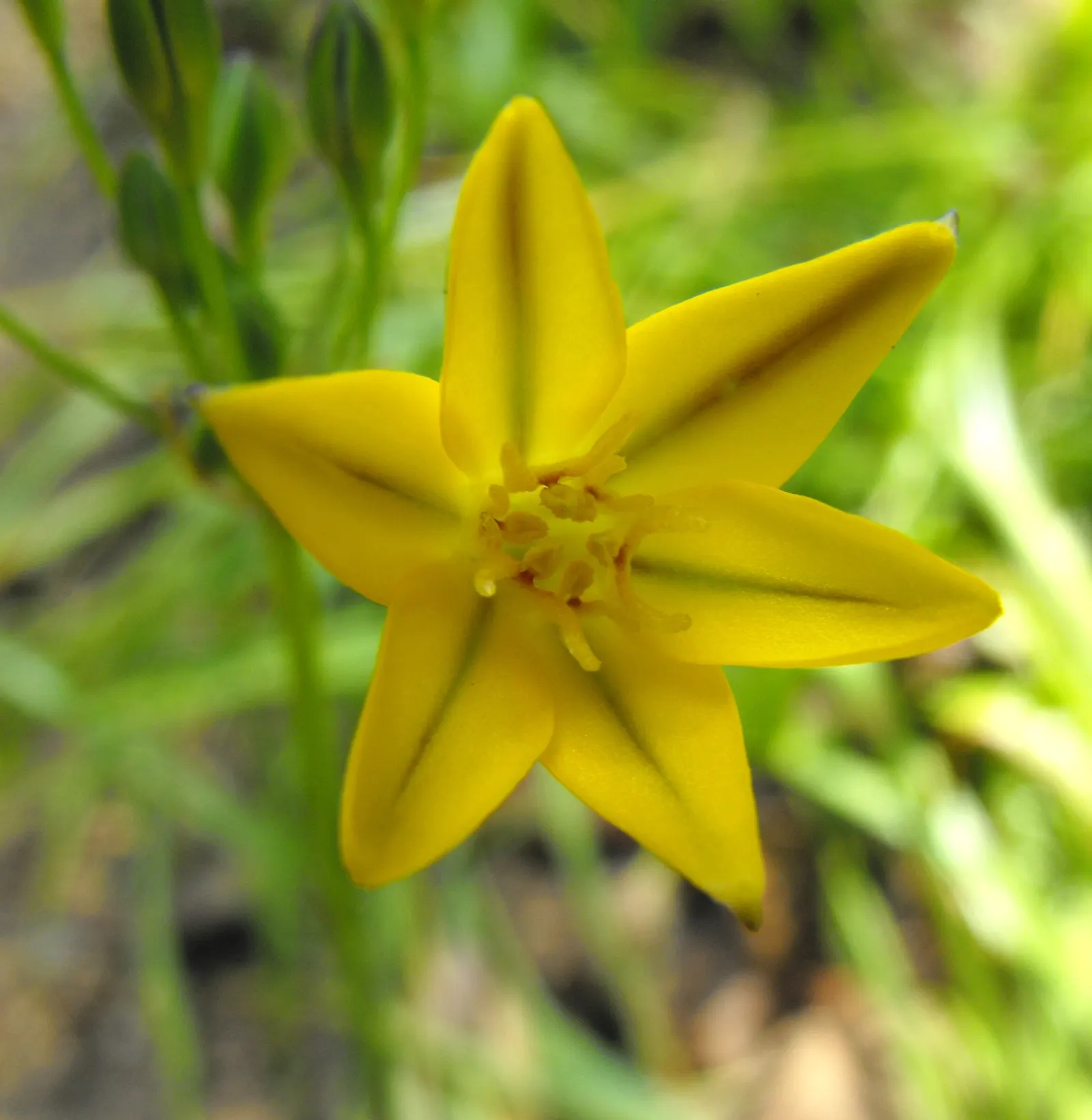
Blue Dicks (Dichelostemma Capitatum) — adding both ecological value and vibrant color to any garden; consider planting them in groups for a bold, image 52
Blue Dicks (Dichelostemma Capitatum) — attract bees and butterflies; this native wildflower of the Western United States, image 51
Blue Dicks (Dichelostemma Capitatum) — particularly found in California; blue and lavender and purple flowers in the garden, image 56
Blue Dicks (Dichelostemma Capitatum) — is a perennial bulbiferous plant that adds a delightful splash of color to any garden; commonly known as, image 54
Blue Dicks (Dichelostemma Capitatum) — This native wildflower of the Western United States; grass-like leaves that span about 12 to 18 inches in, image 55
Blue Dicks (Dichelostemma Capitatum) — exhibits sturdy stems that can grow between 12 to 30 inches tall; attract bees and butterflies, image 57
Blue Dicks (Dichelostemma Capitatum) — bell-shaped flowers flourish, image 58
Blue Dicks (Dichelostemma Capitatum) — though they often begin to wither away by the time the plant reaches its full blooming glory; particularly, image 61
Blue Dicks (Dichelostemma Capitatum) — consider planting them in groups for a bold visual impact; they are particularly striking when mixed with, image 62
Blue Dicks (Dichelostemma Capitatum) — typically blooming from the early spring months through to early summer; contributing to the ecological, image 59
Blue Dicks (Dichelostemma Capitatum) — grass-like leaves that span about 12 to 18 inches in length; hardy bulbs thrive in USDA zones 6-9, image 60
Blue Dicks (Dichelostemma Capitatum) — Blue Dicks is known for attracting pollinators such as bees and butterflies; is a perennial bulbiferous, image 64
Blue Dicks (Dichelostemma Capitatum) — blue and lavender and purple flowers in the garden; adding both ecological value and vibrant color to any, image 67
Blue Dicks (Dichelostemma Capitatum) — contributing to the ecological health of your garden; though they often begin to wither away by the time the, image 65
Blue Dicks (Dichelostemma Capitatum) — They are particularly striking when mixed with other drought-tolerant species; dichelostemma capitatum, image 63
Blue Dicks (Dichelostemma Capitatum) — this low-maintenance plant will provide years of vibrant color and natural charm to any outdoor space; bulb, image 66

Related plants