Skip to content

Pacific Bleeding Heart

Dicentra Formosa

Design with this plant

Overview

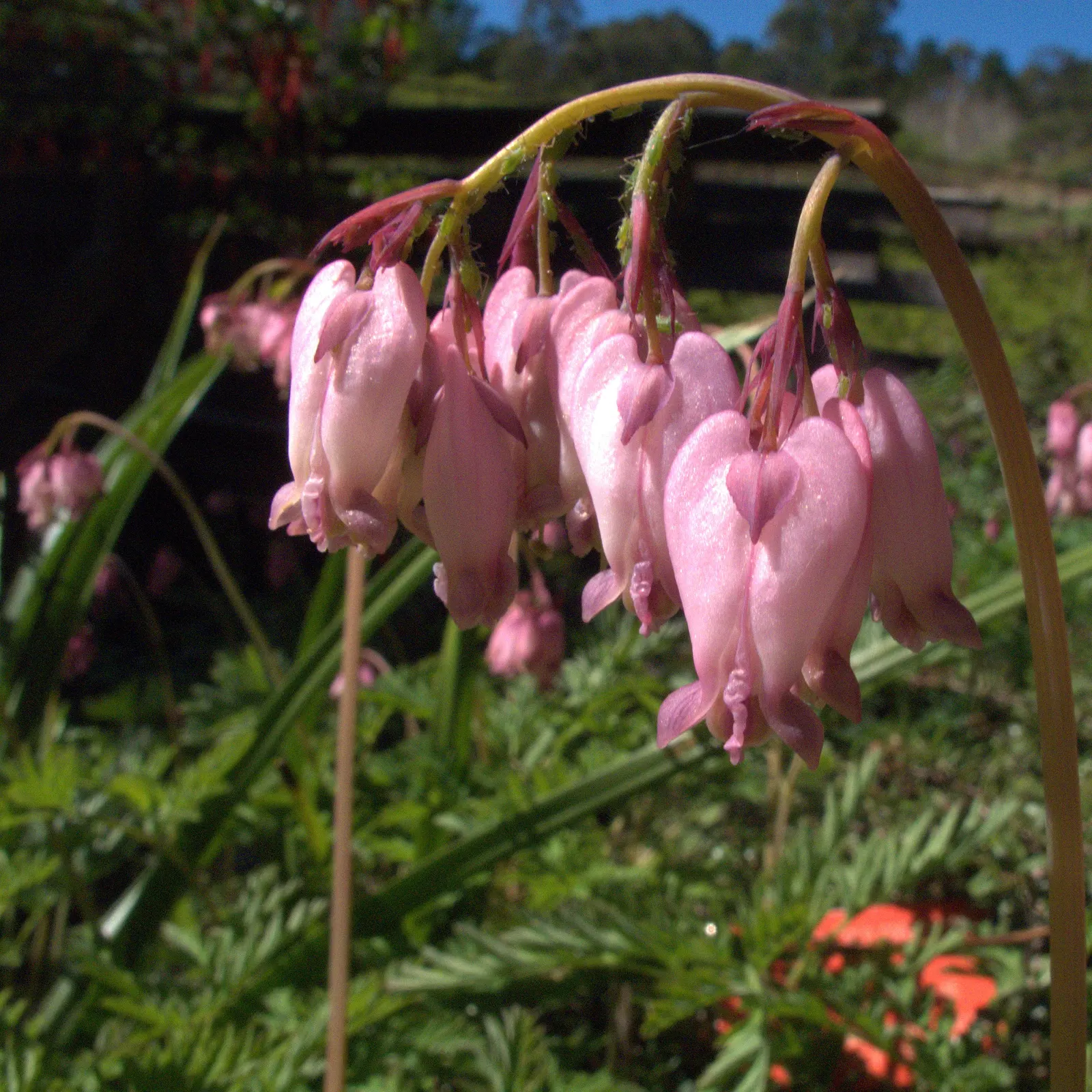
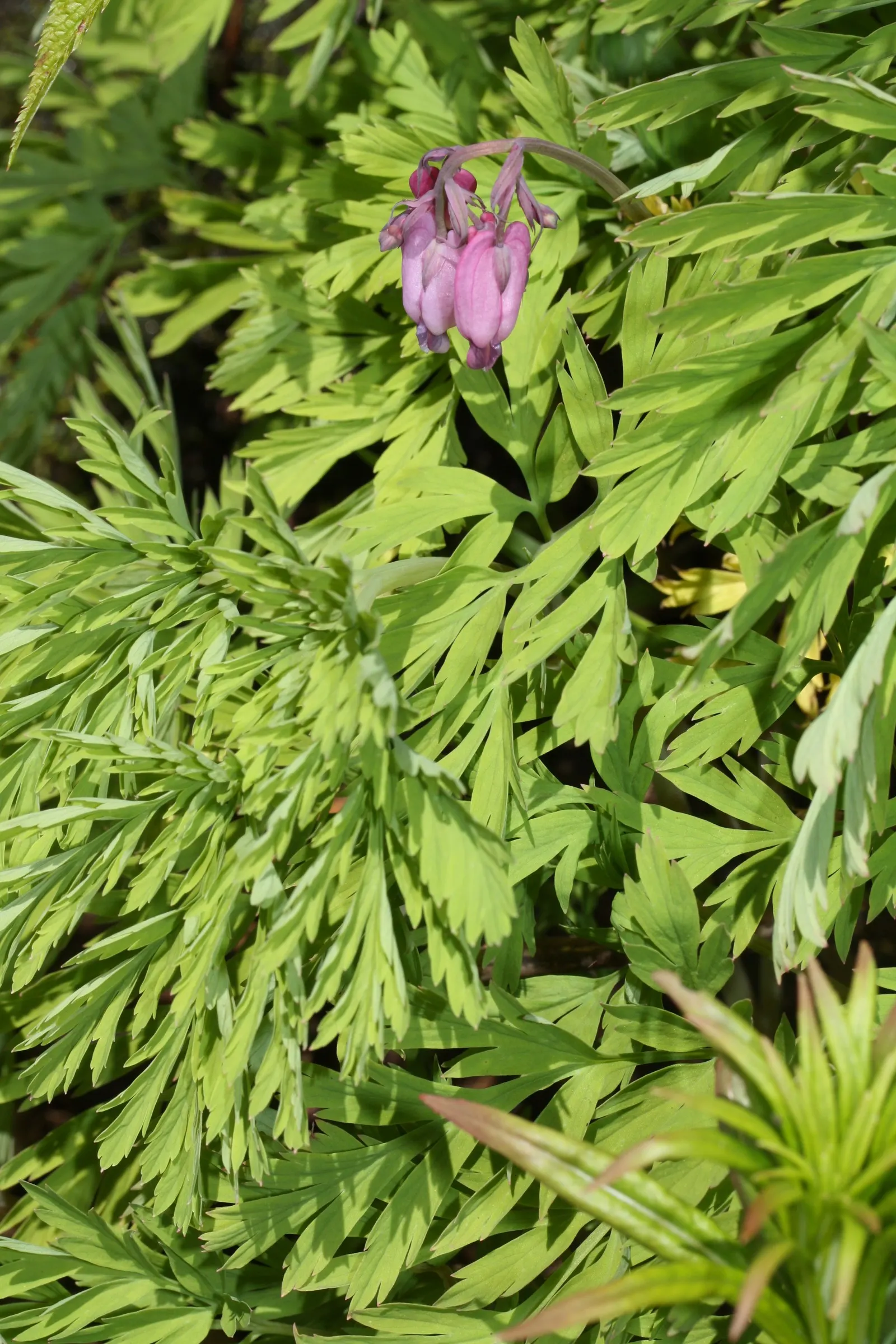
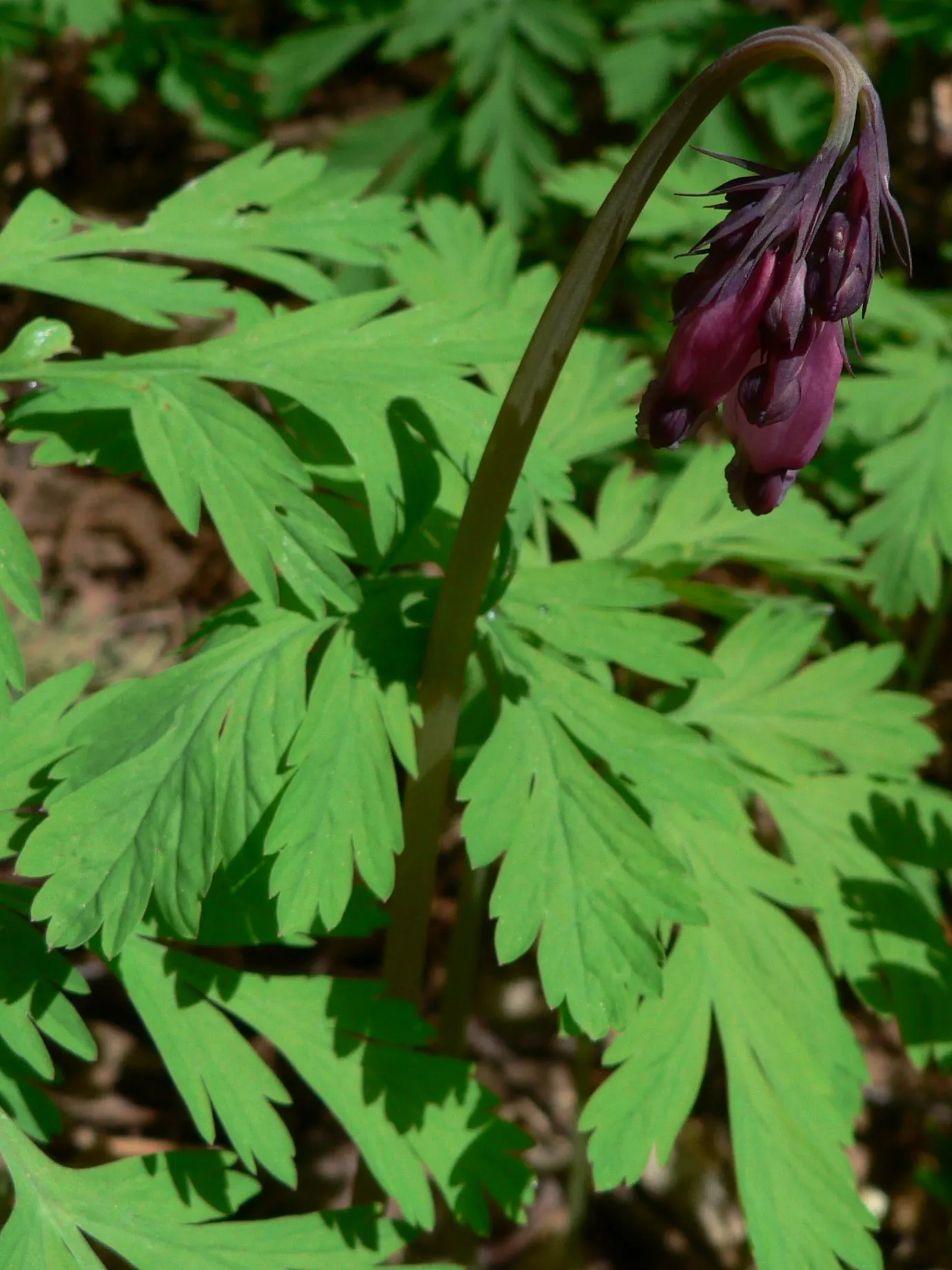
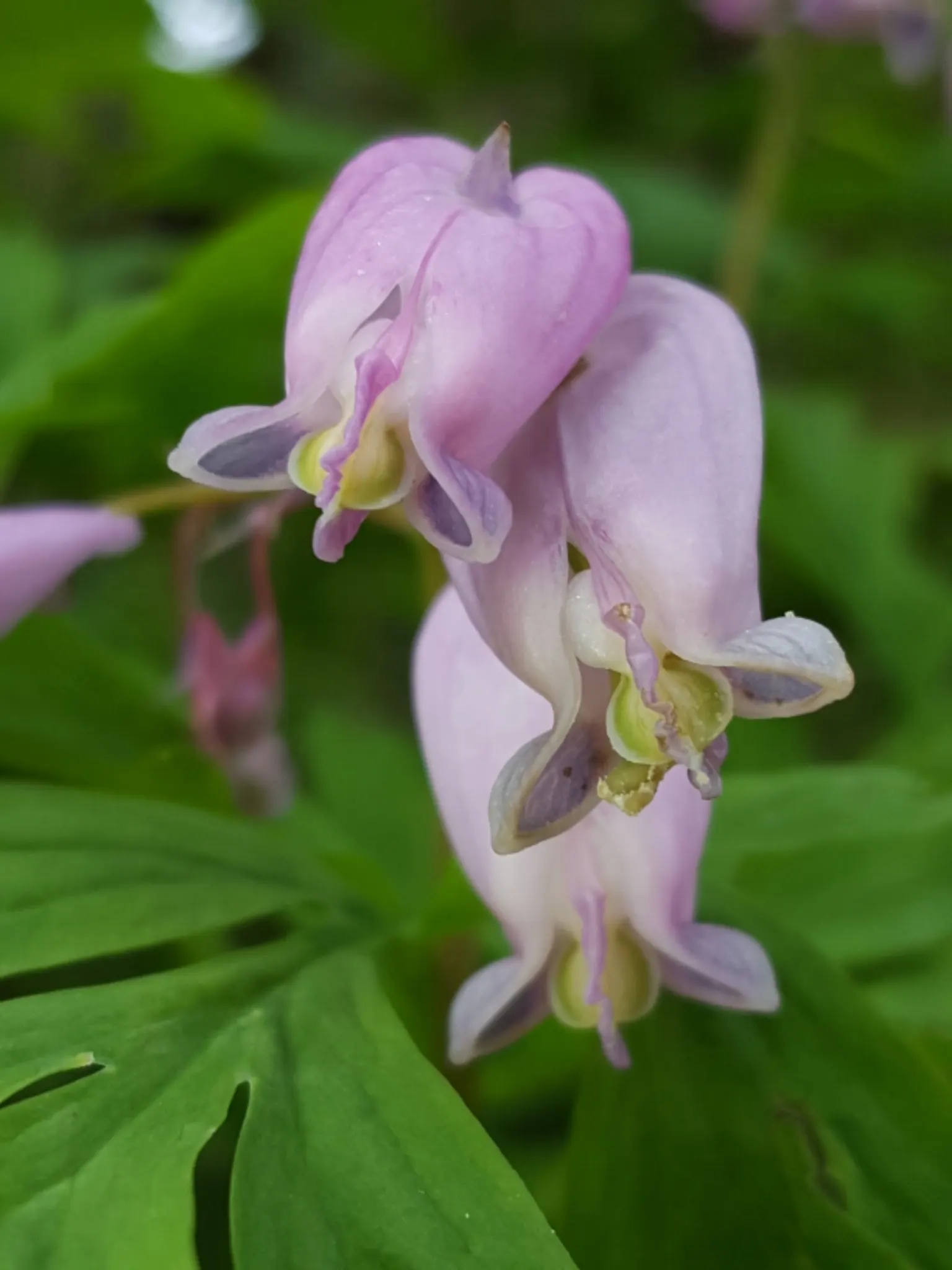
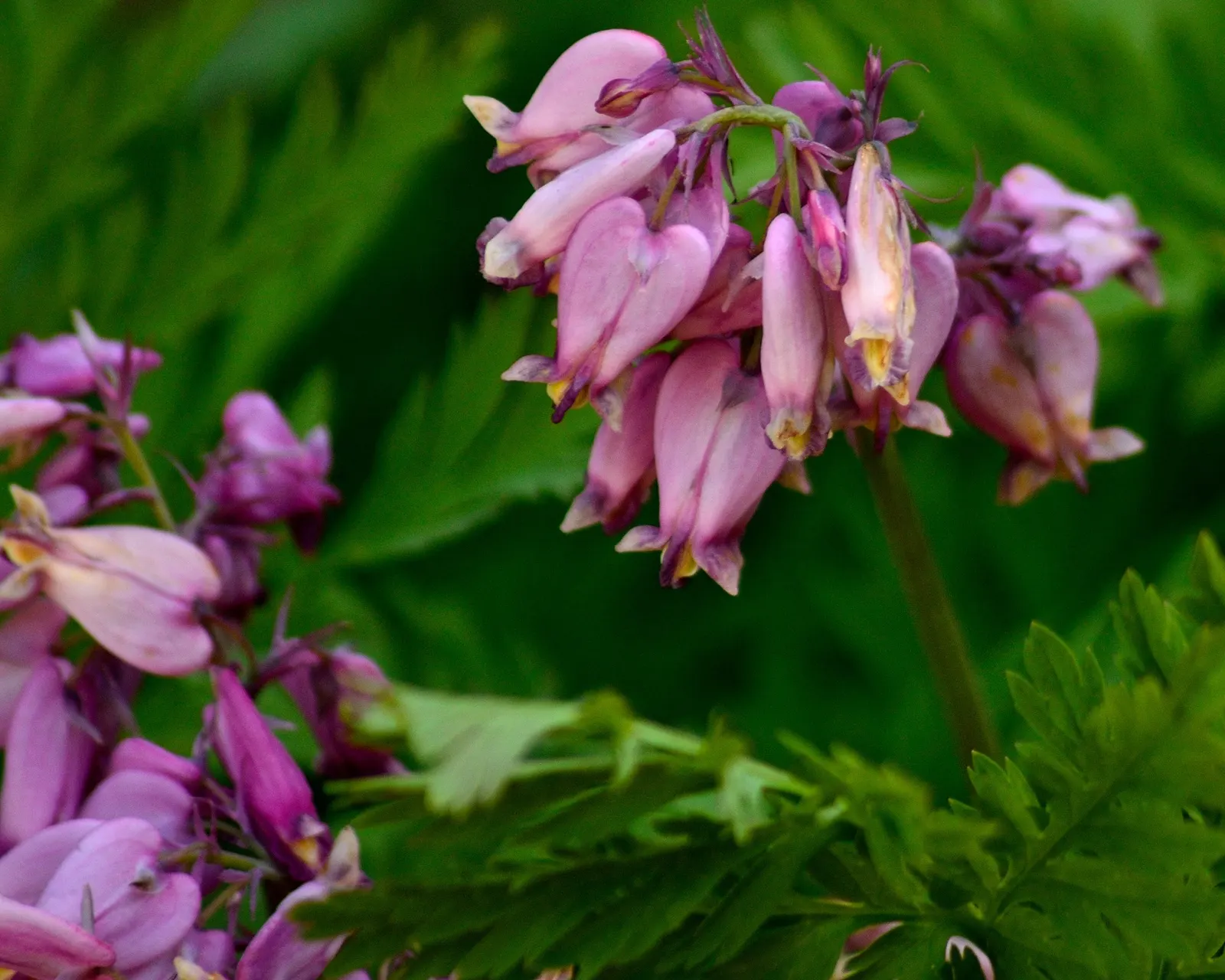
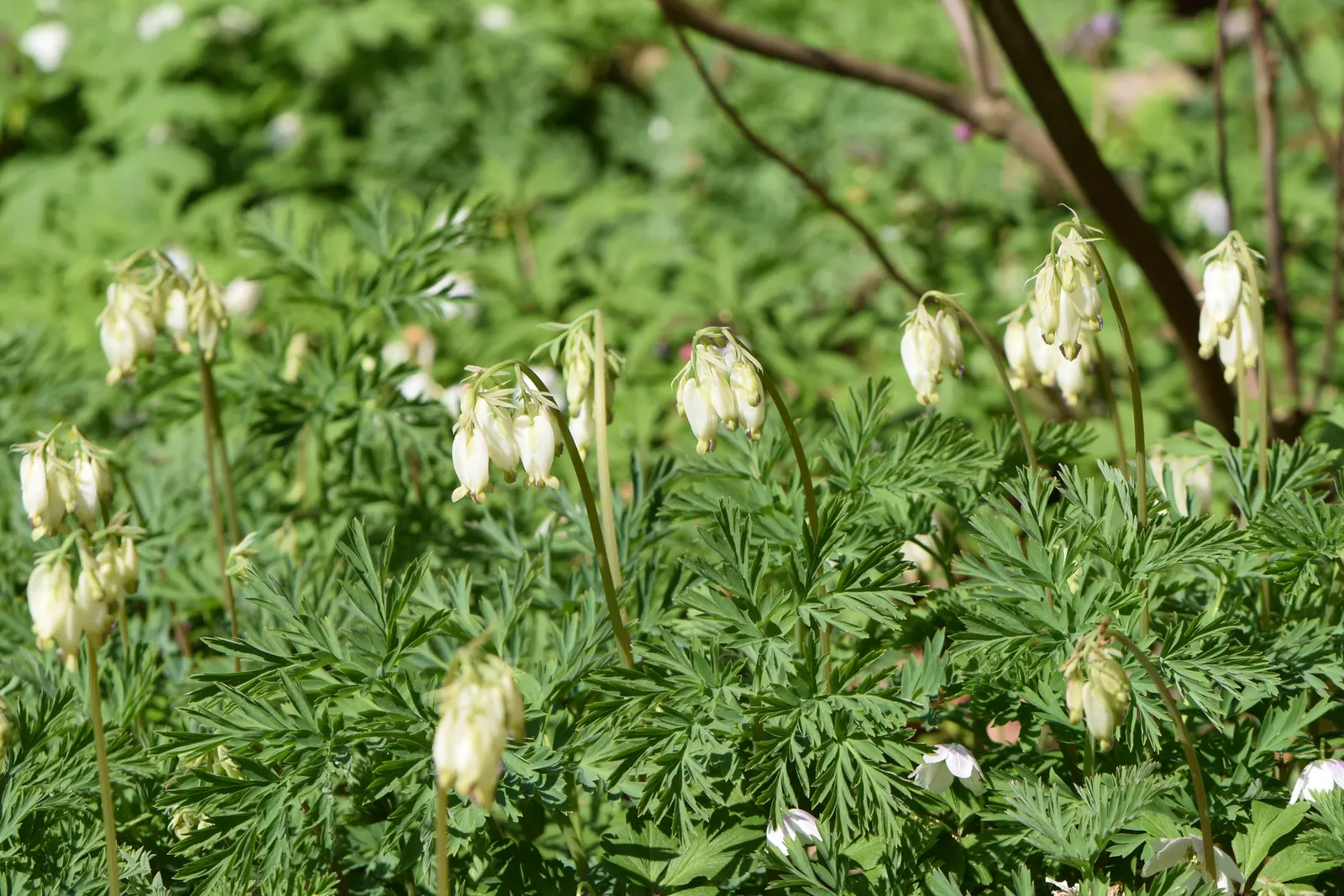
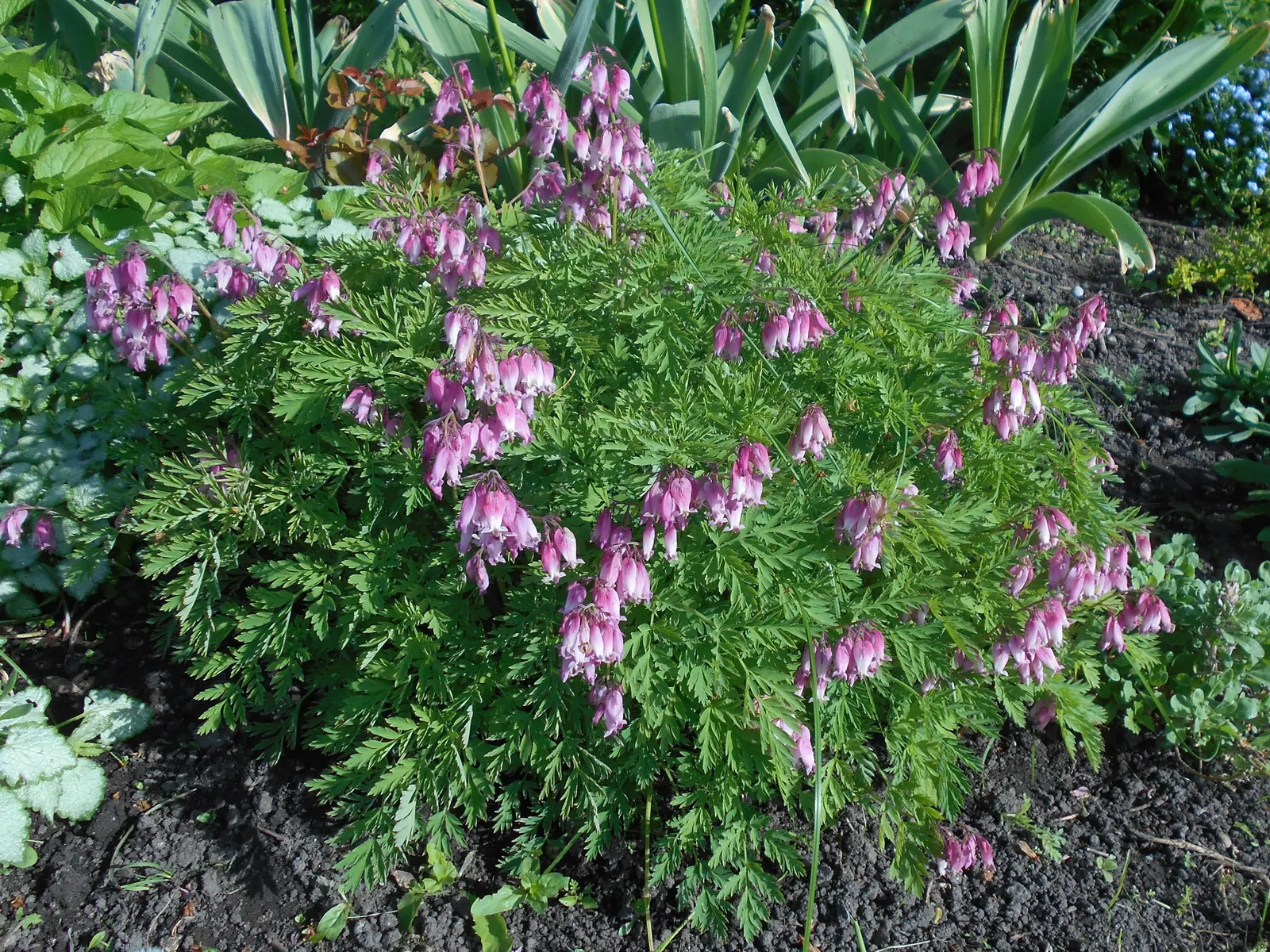
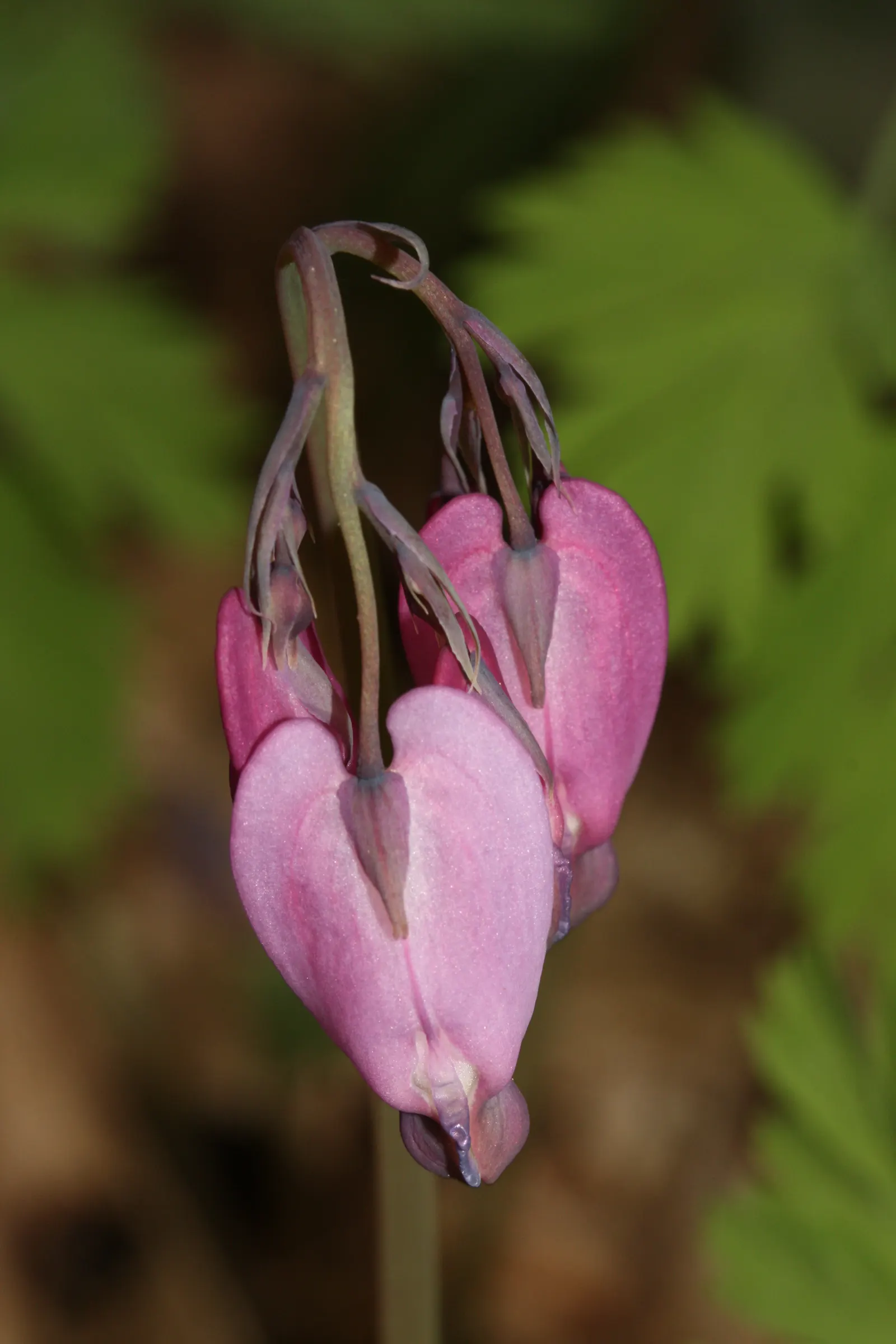
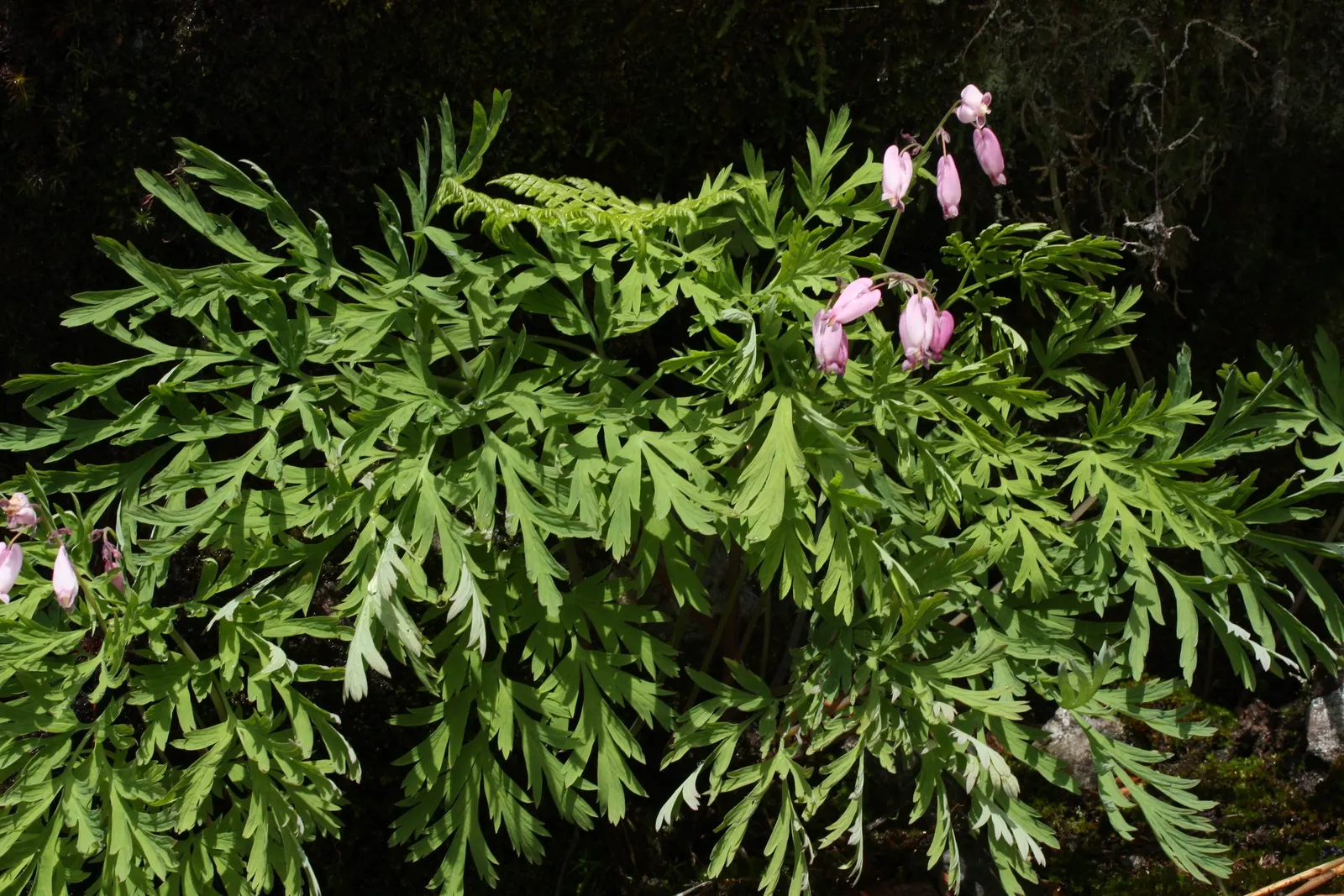
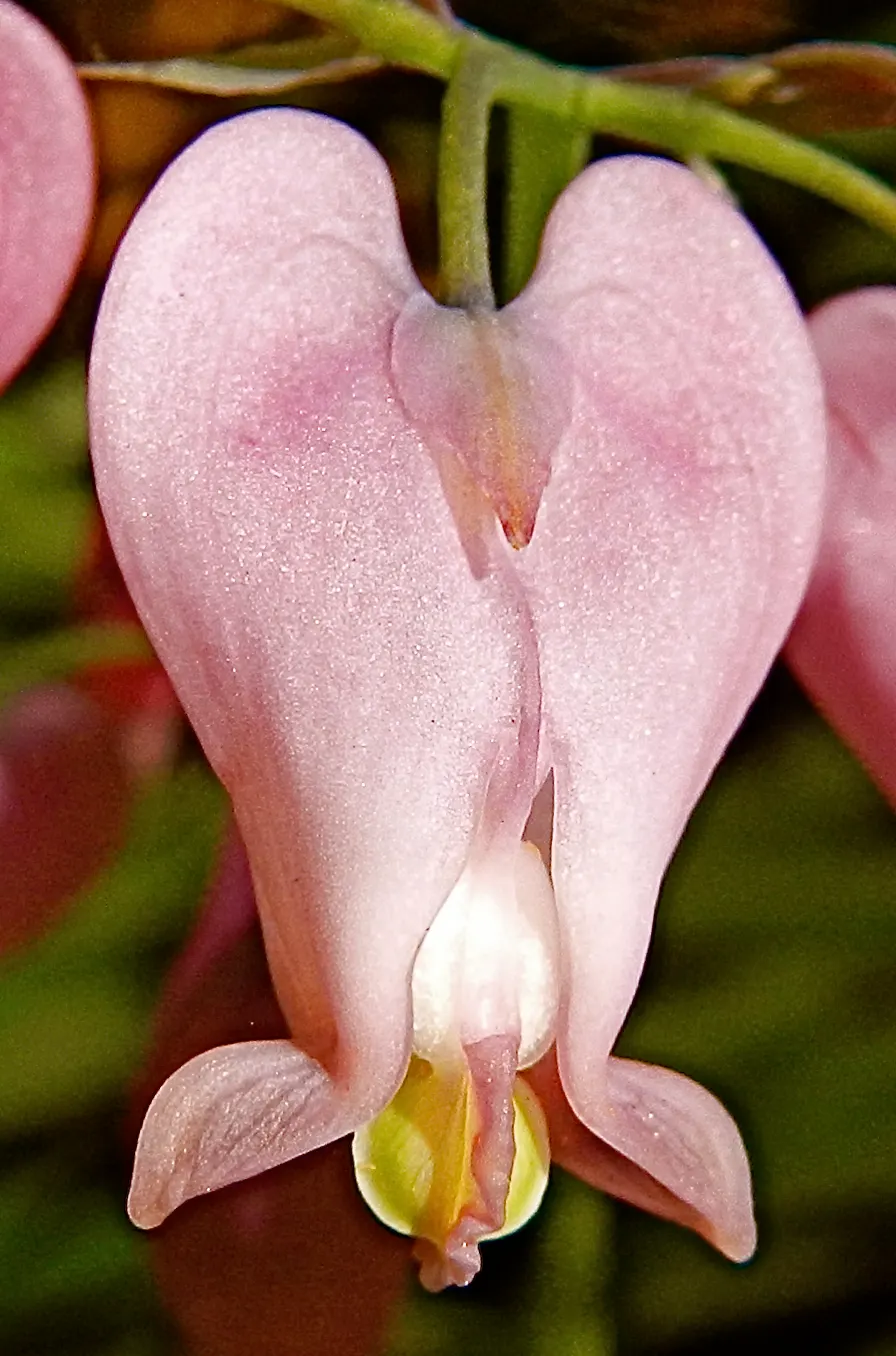
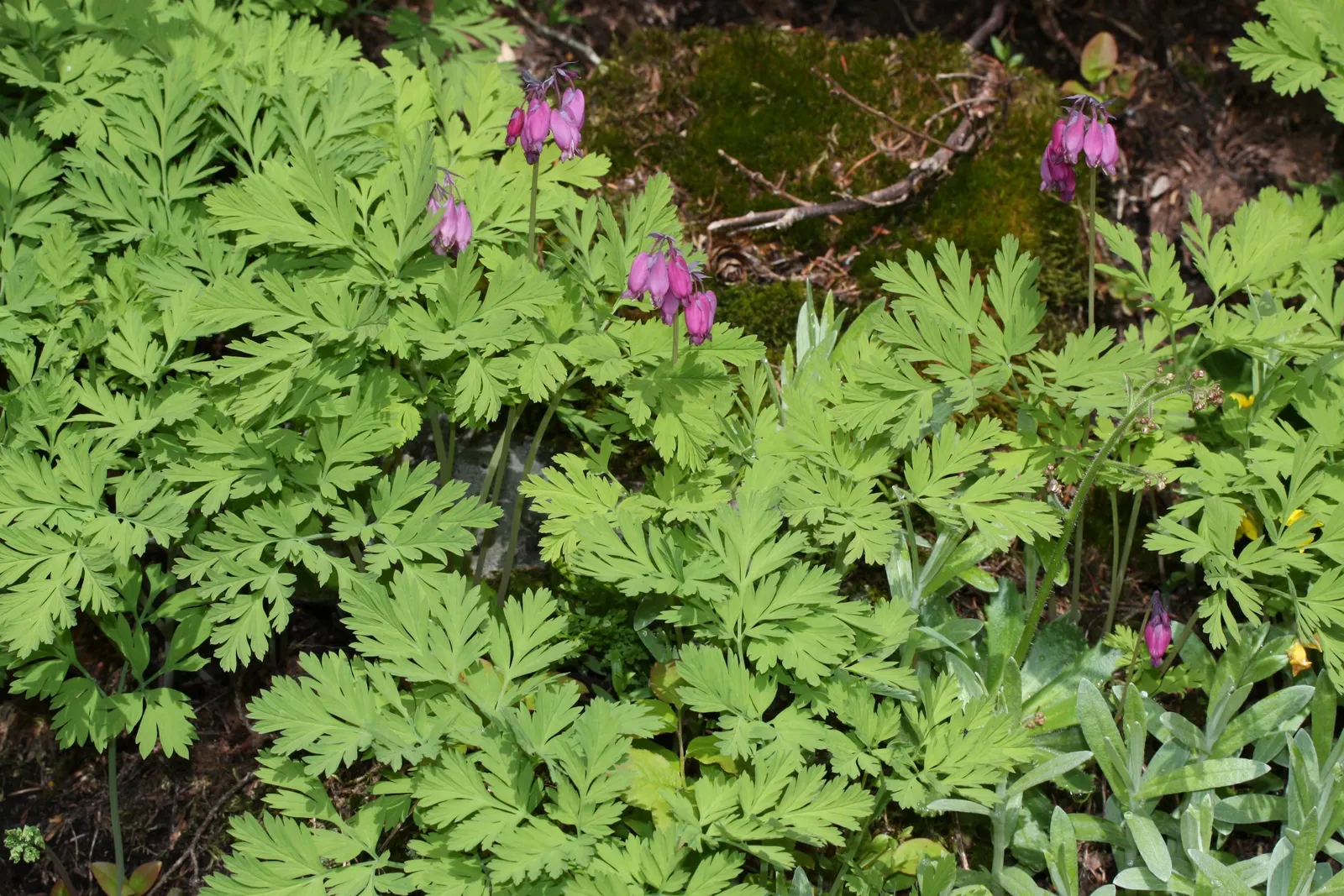
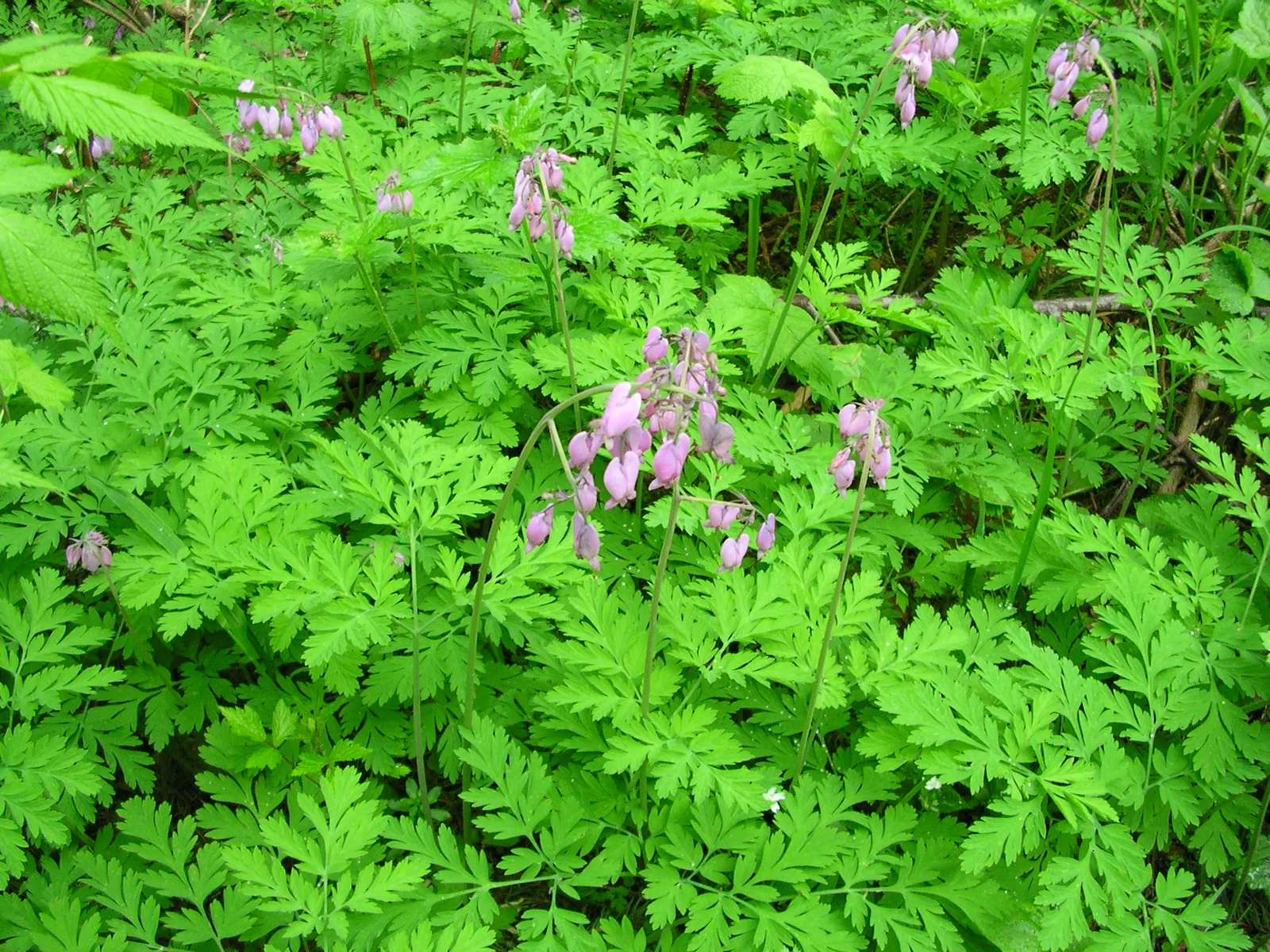
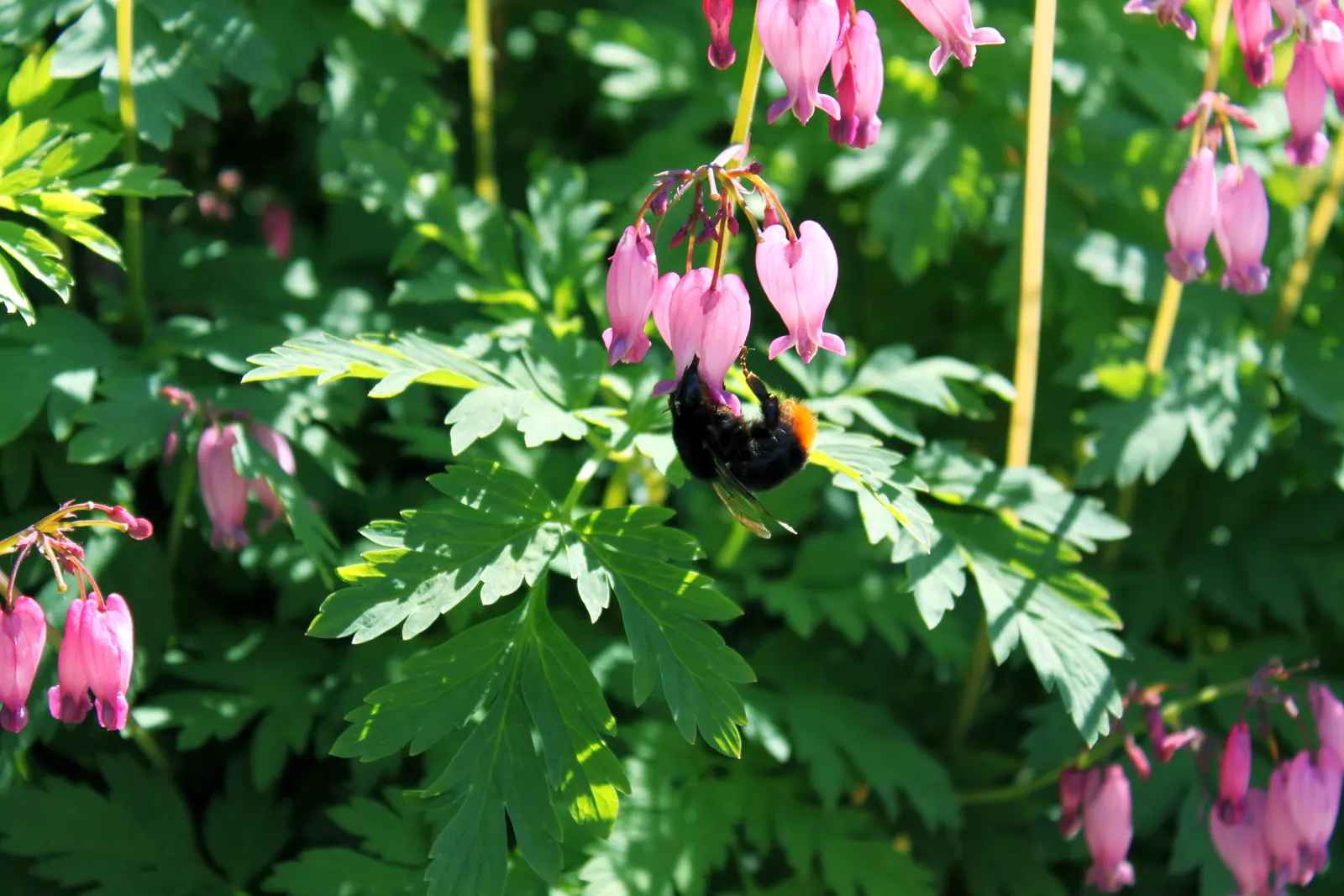
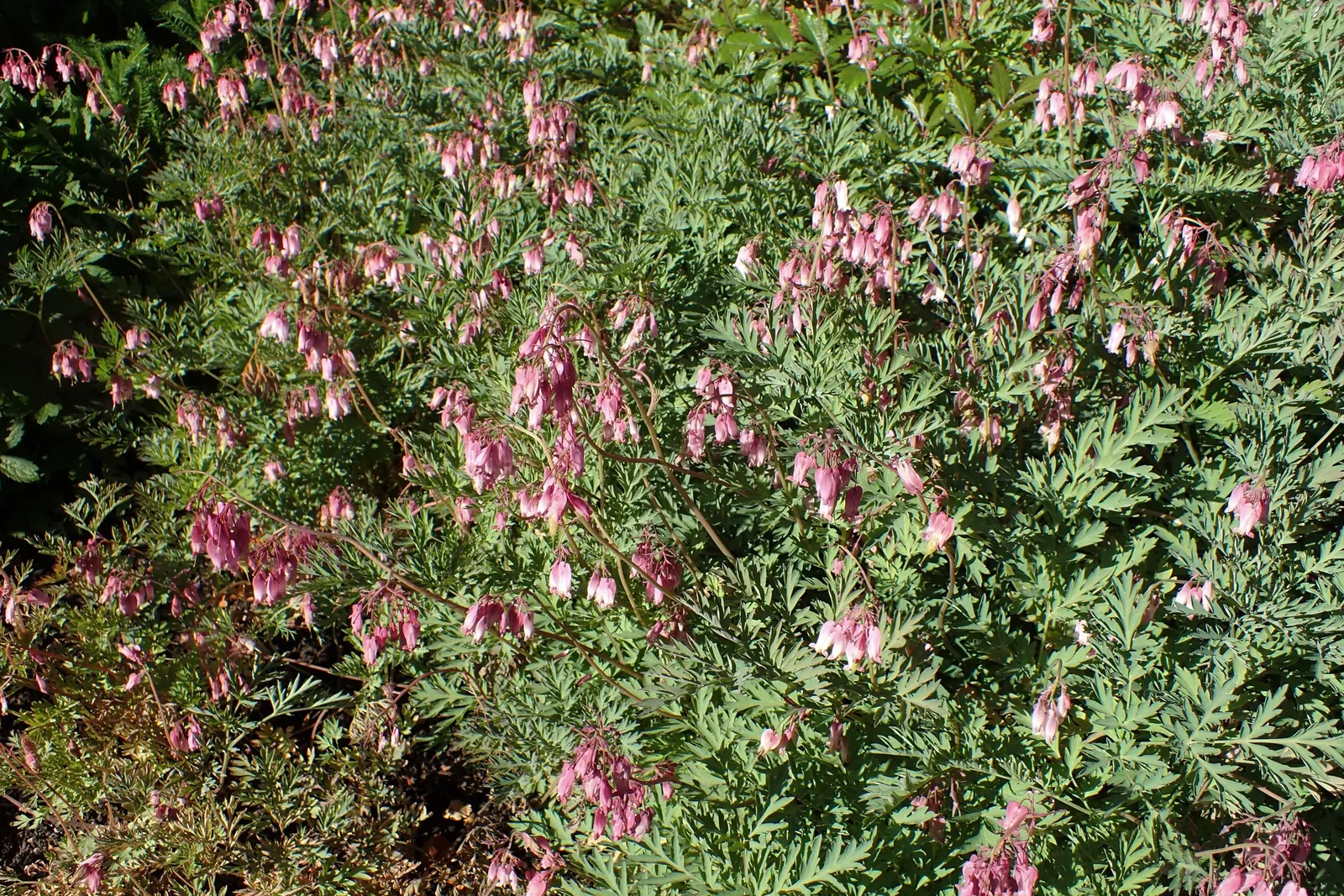
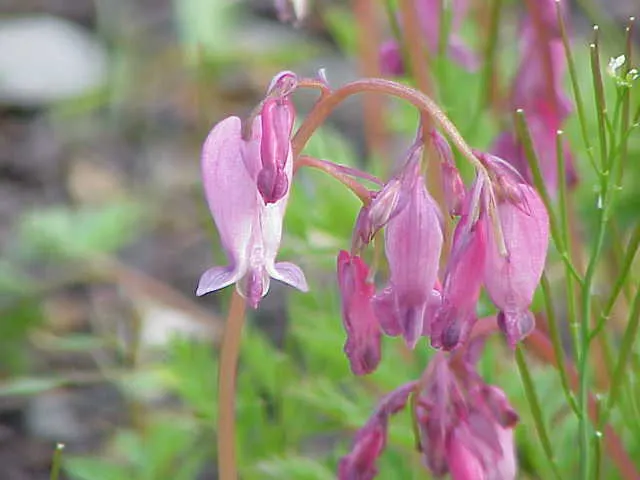
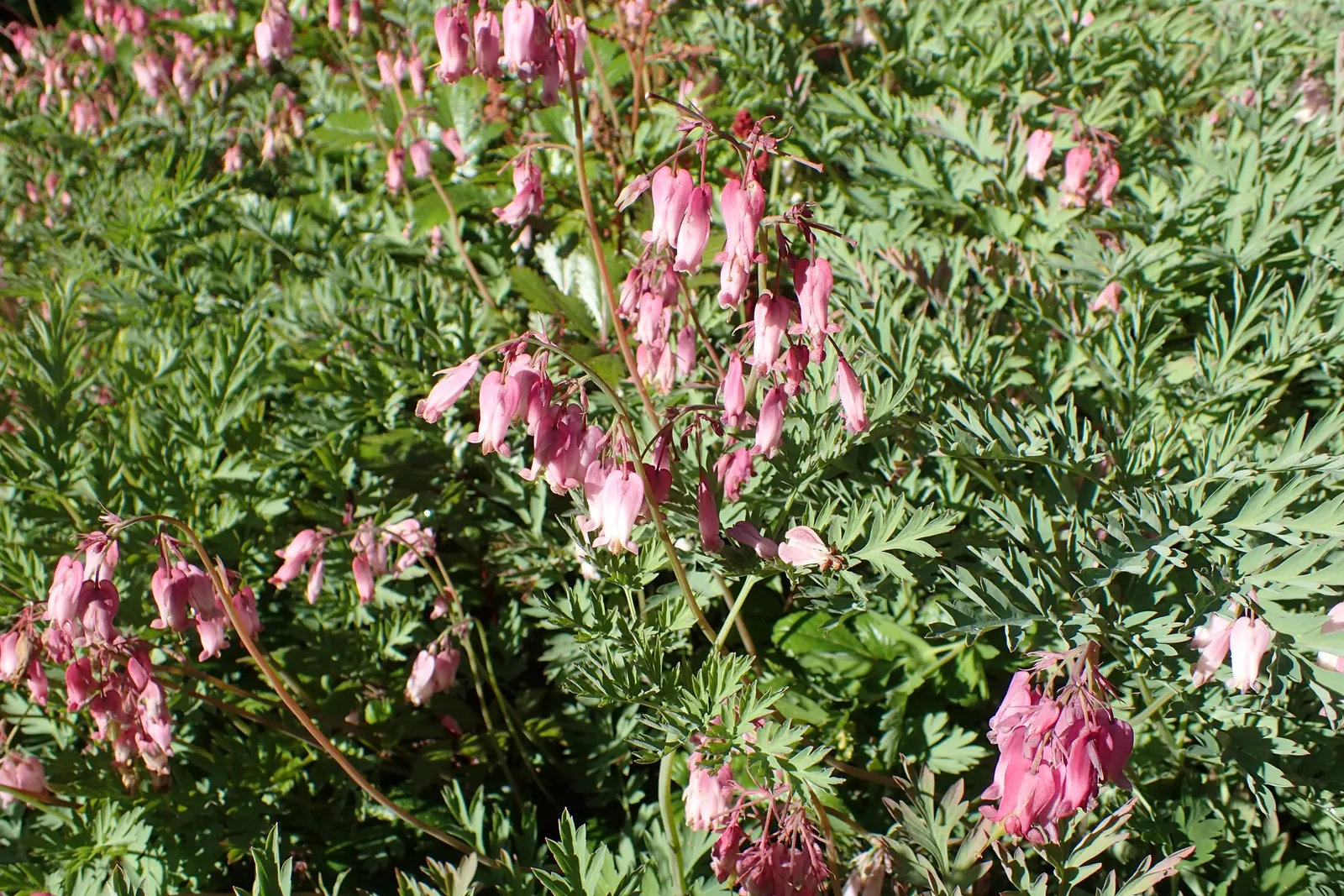
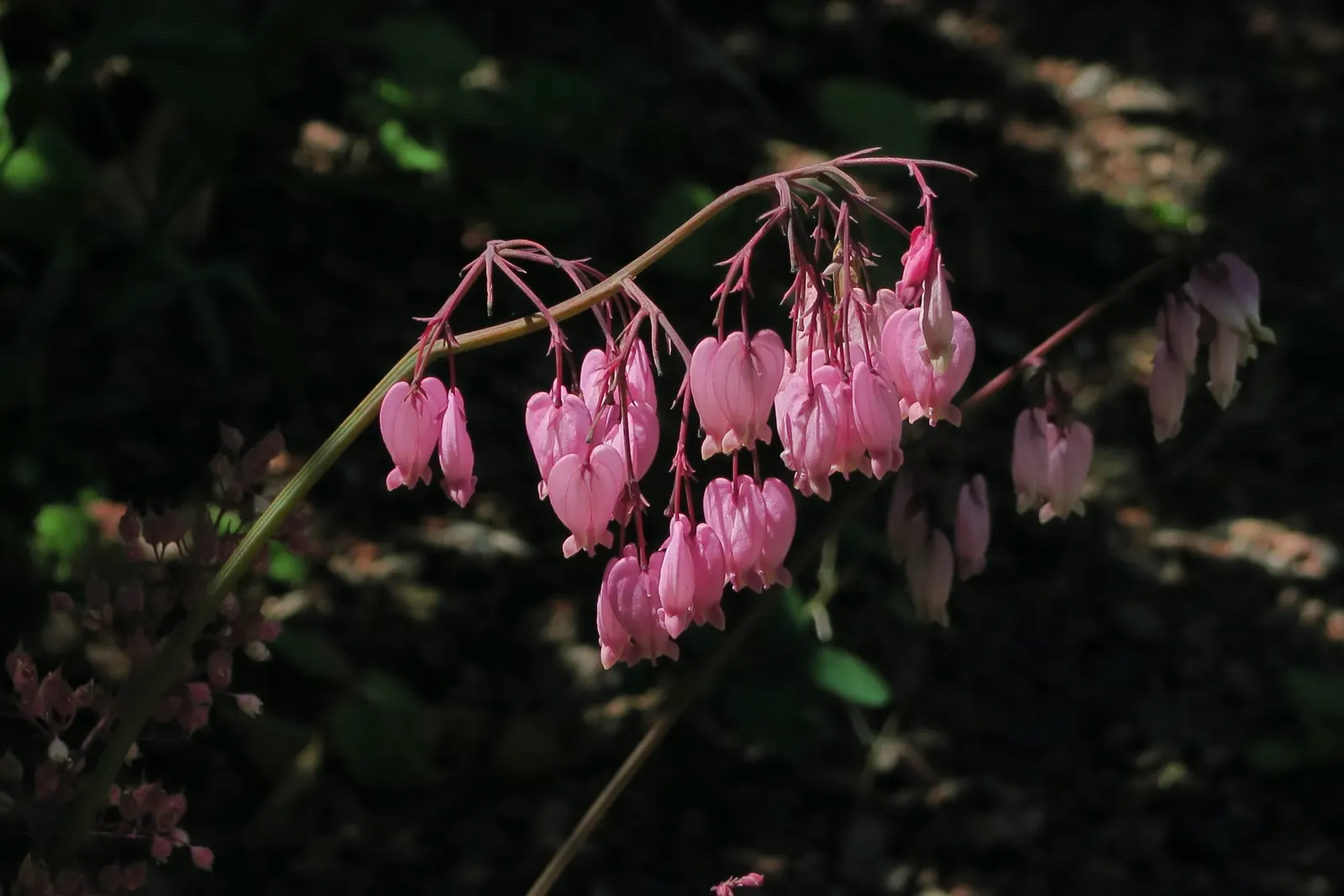
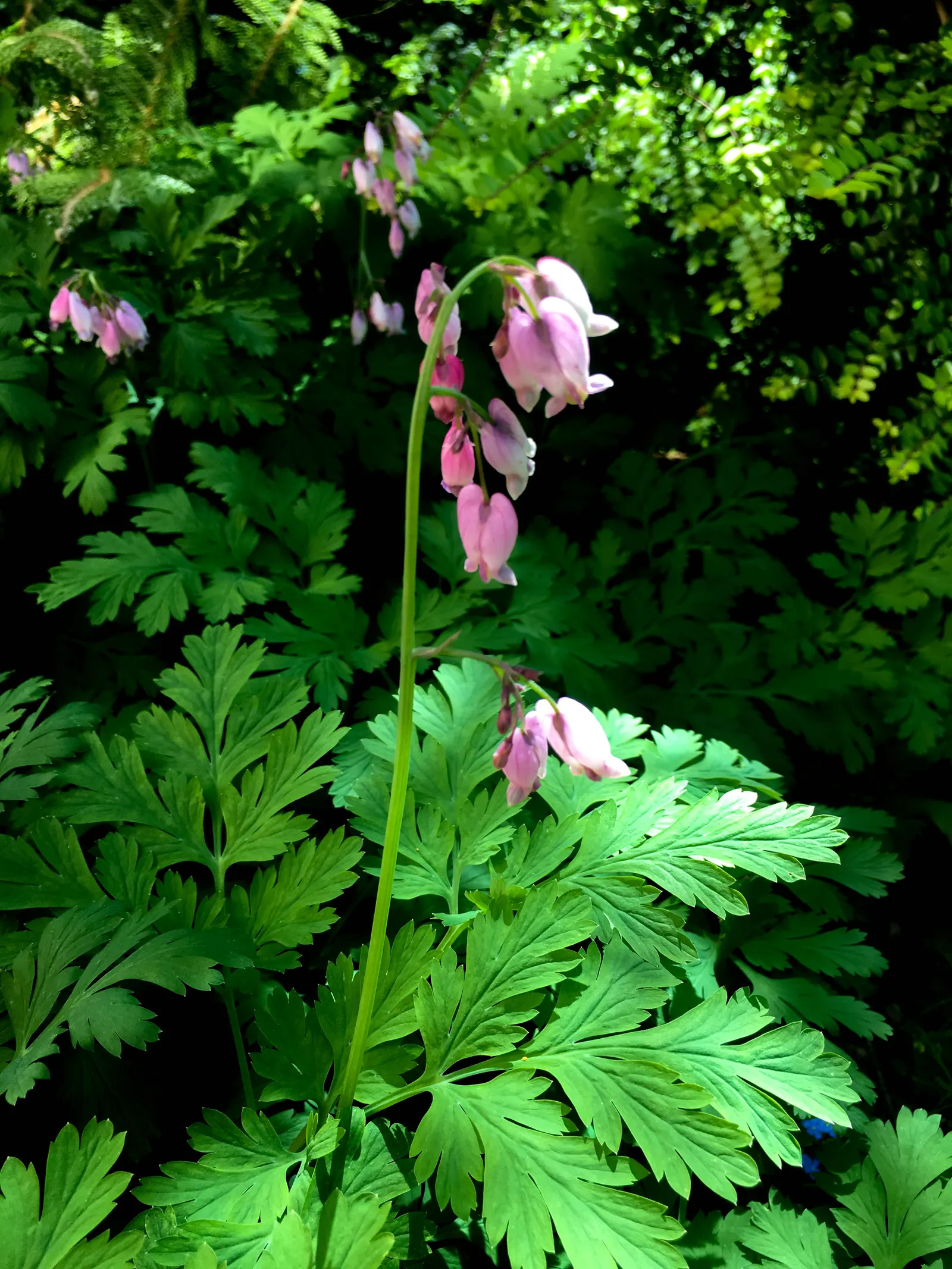
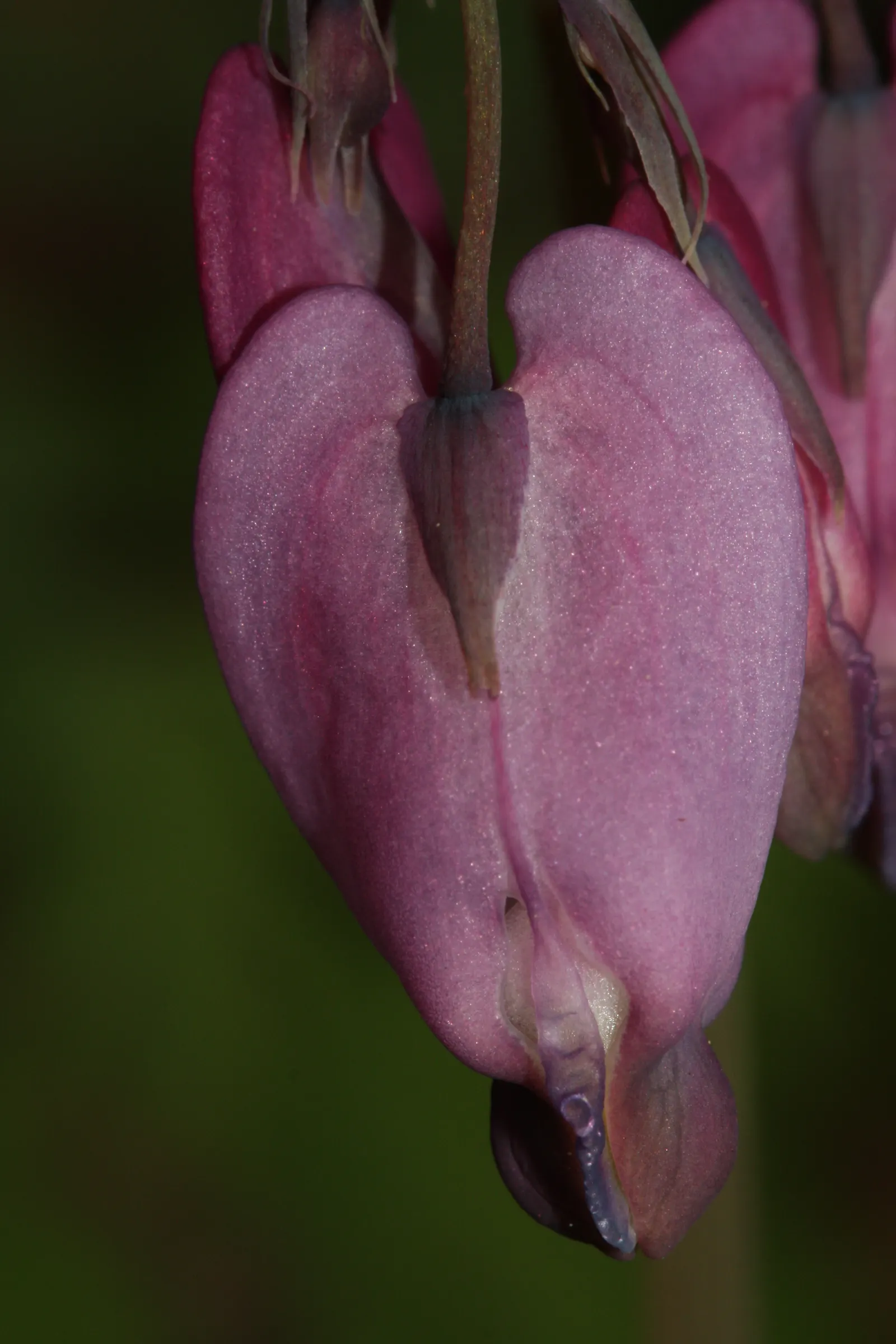
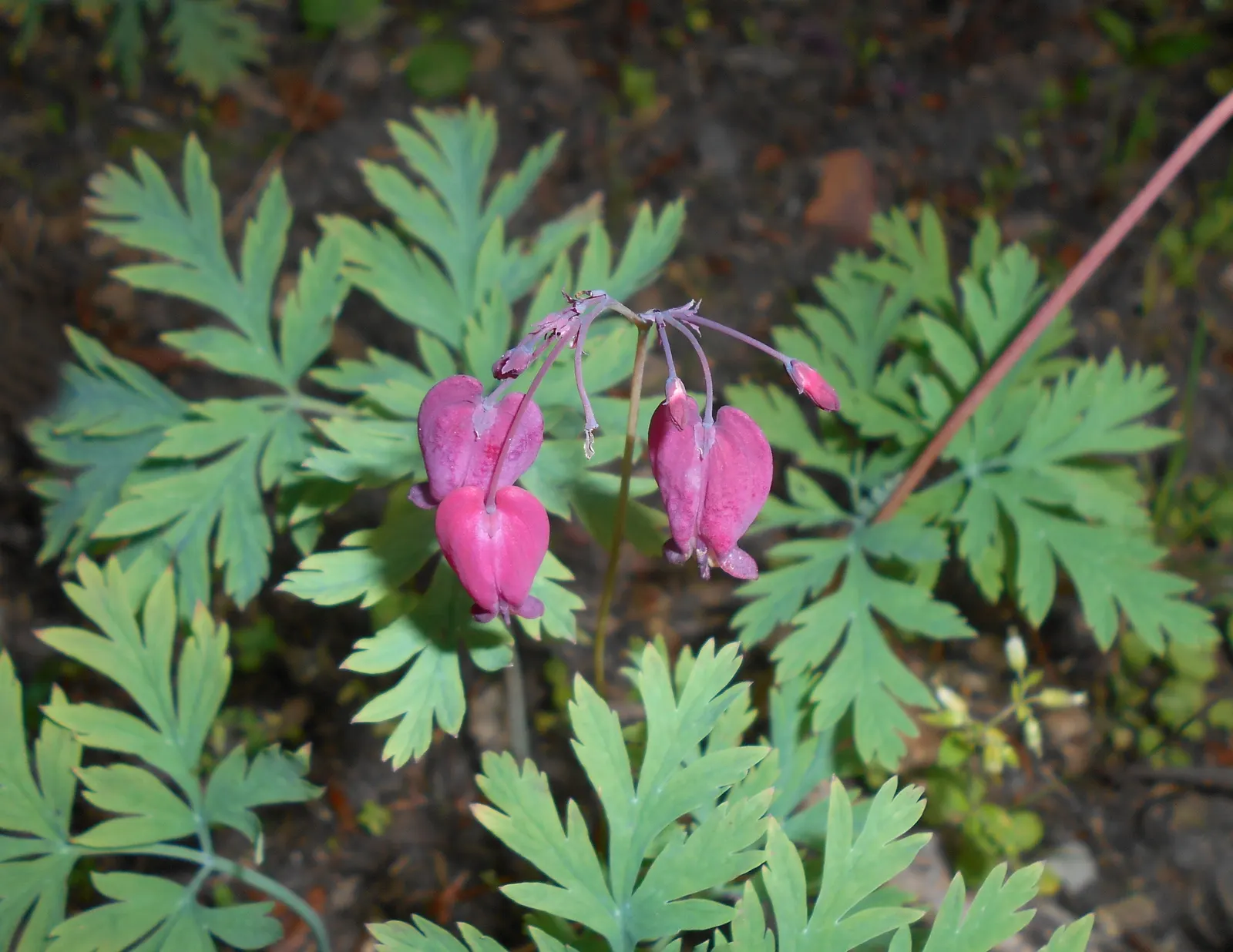
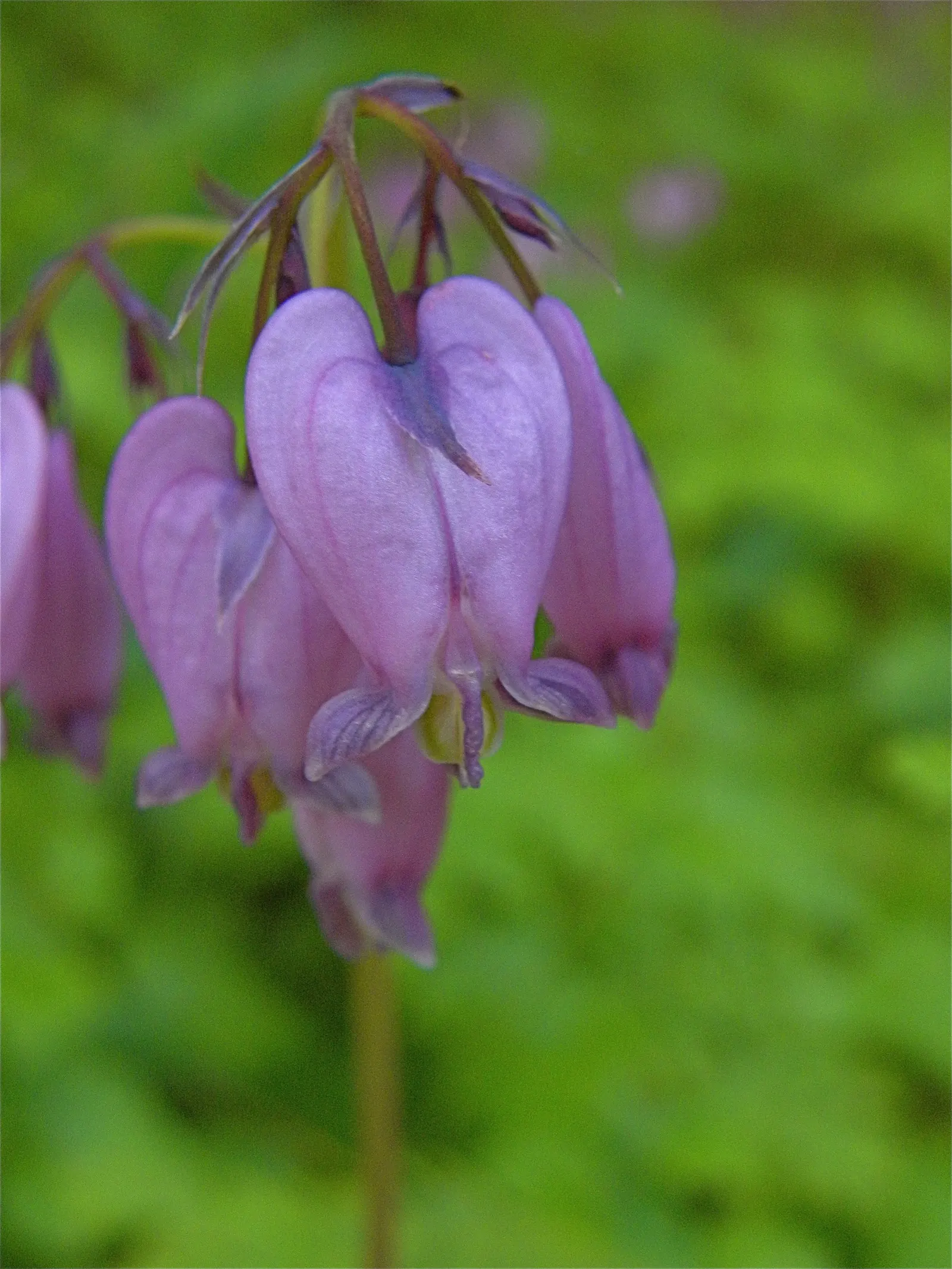
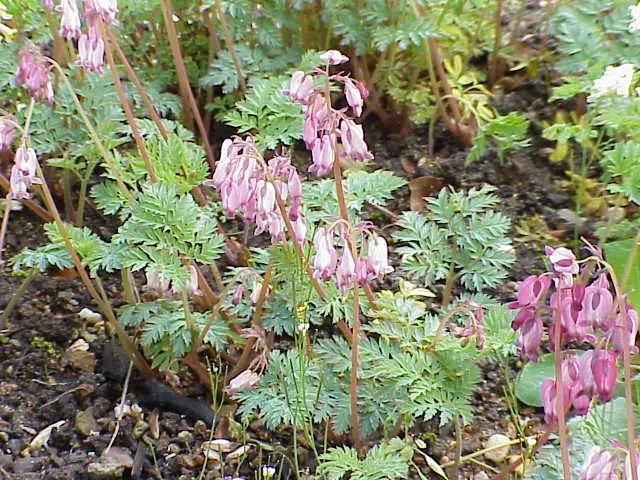
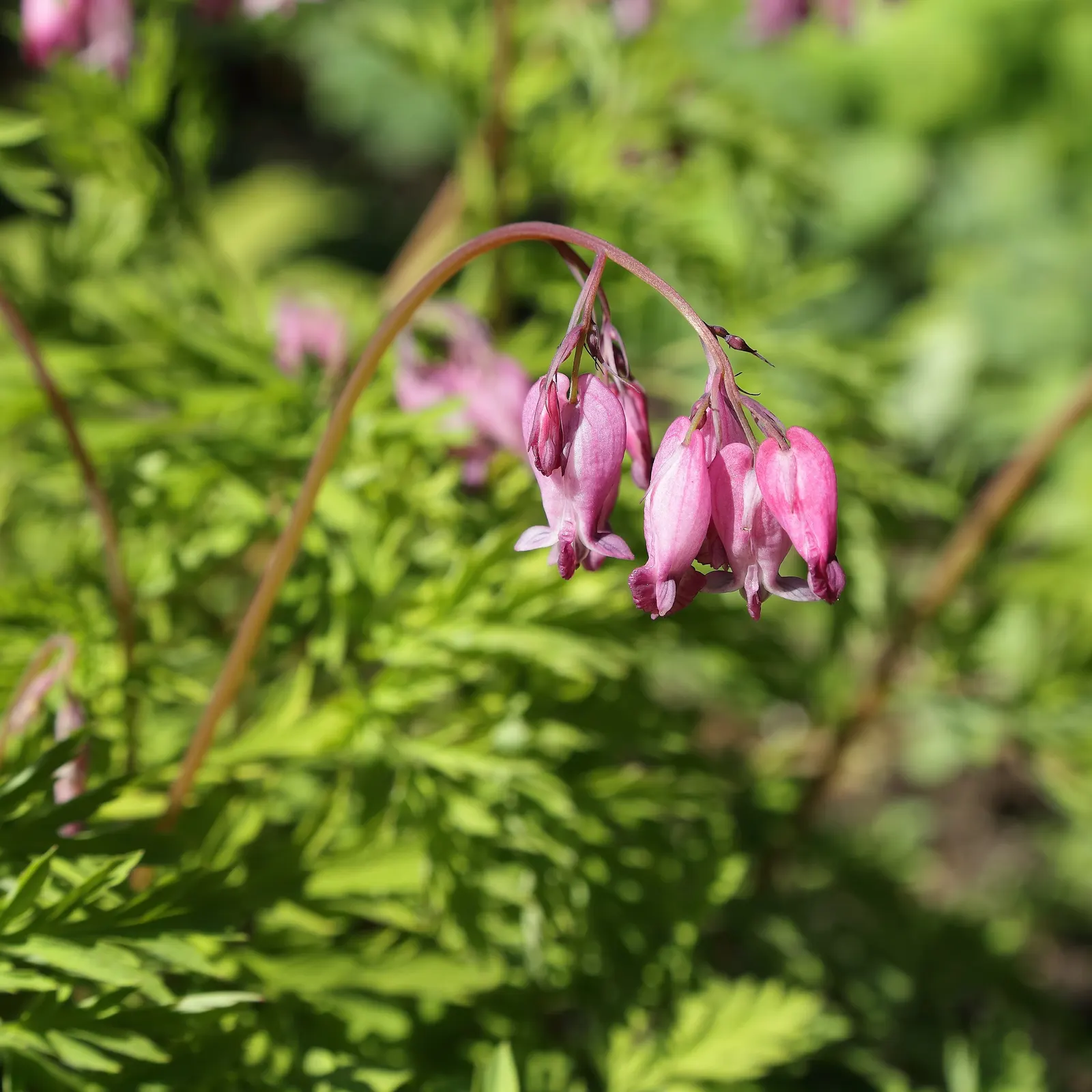
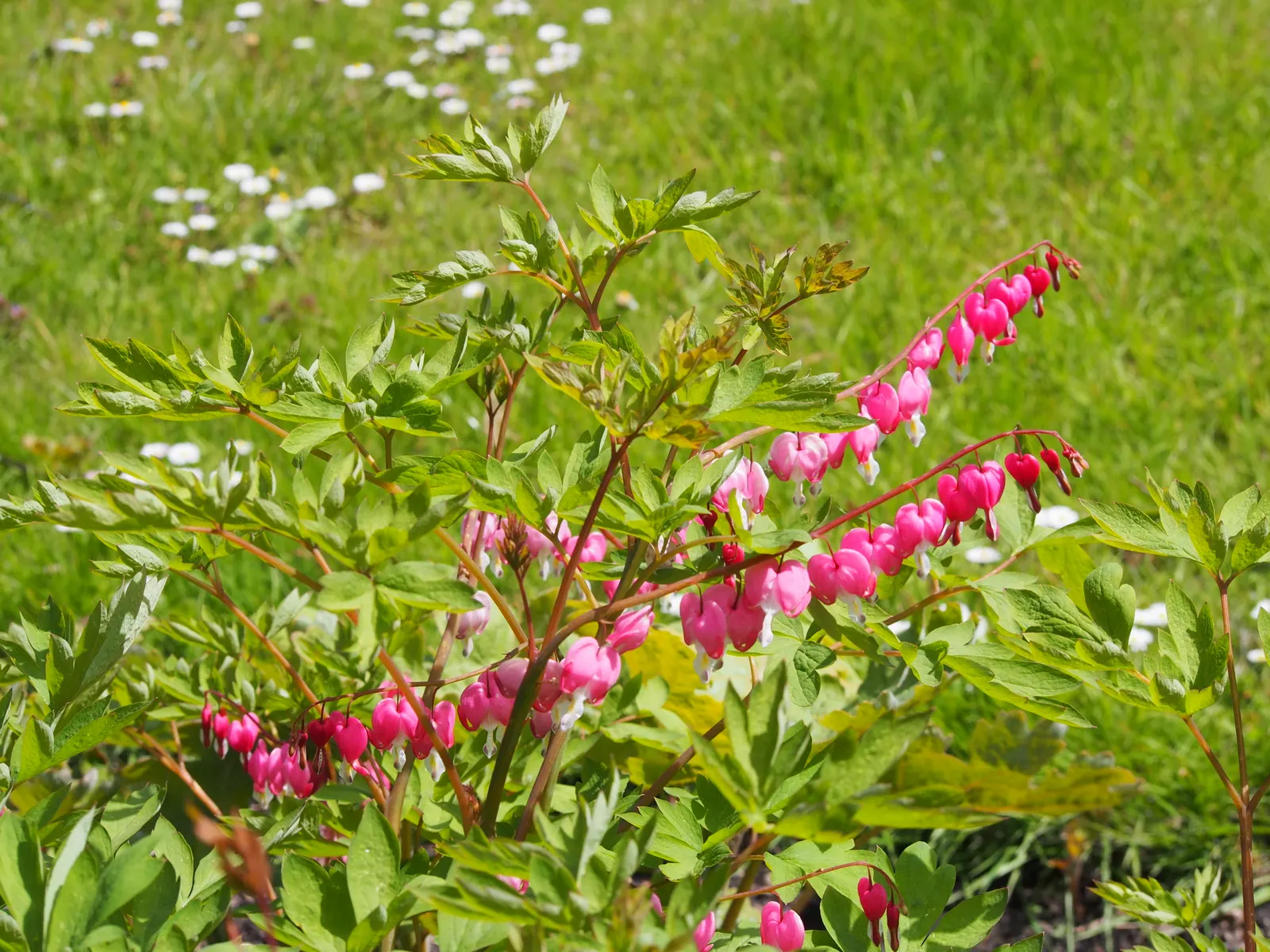
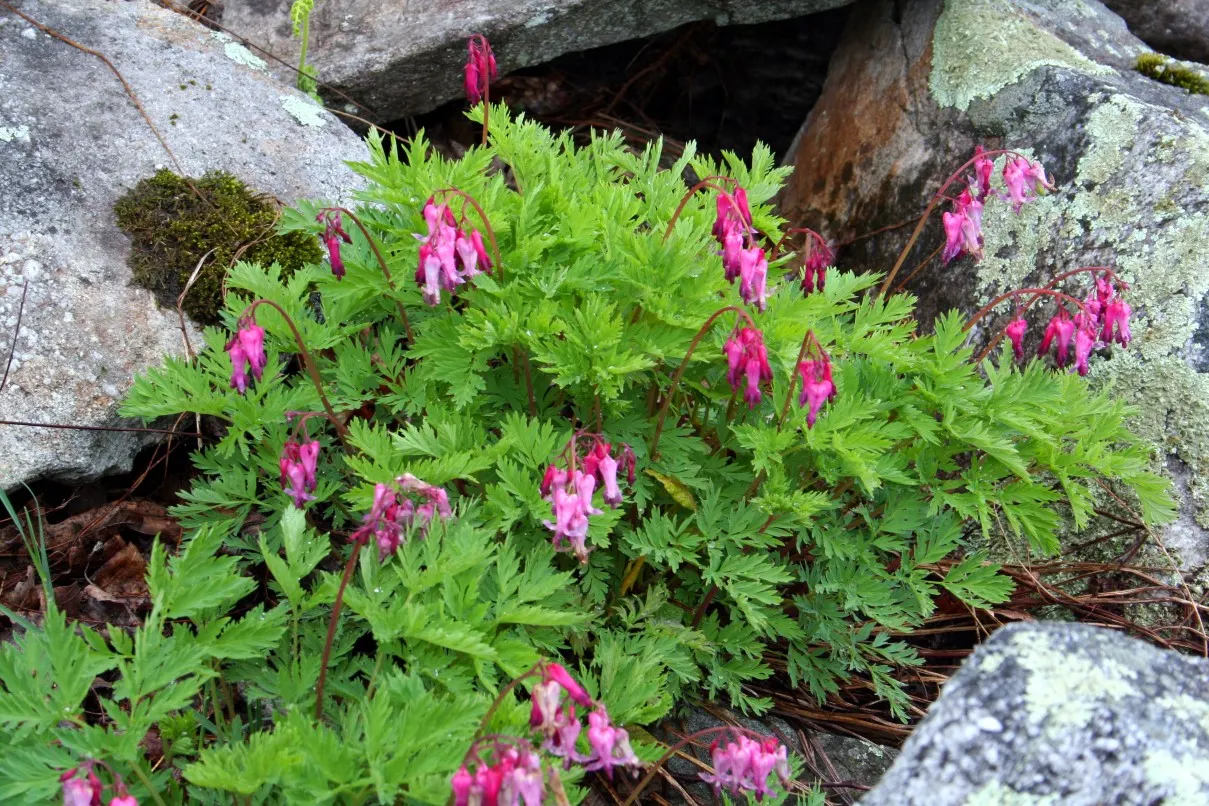
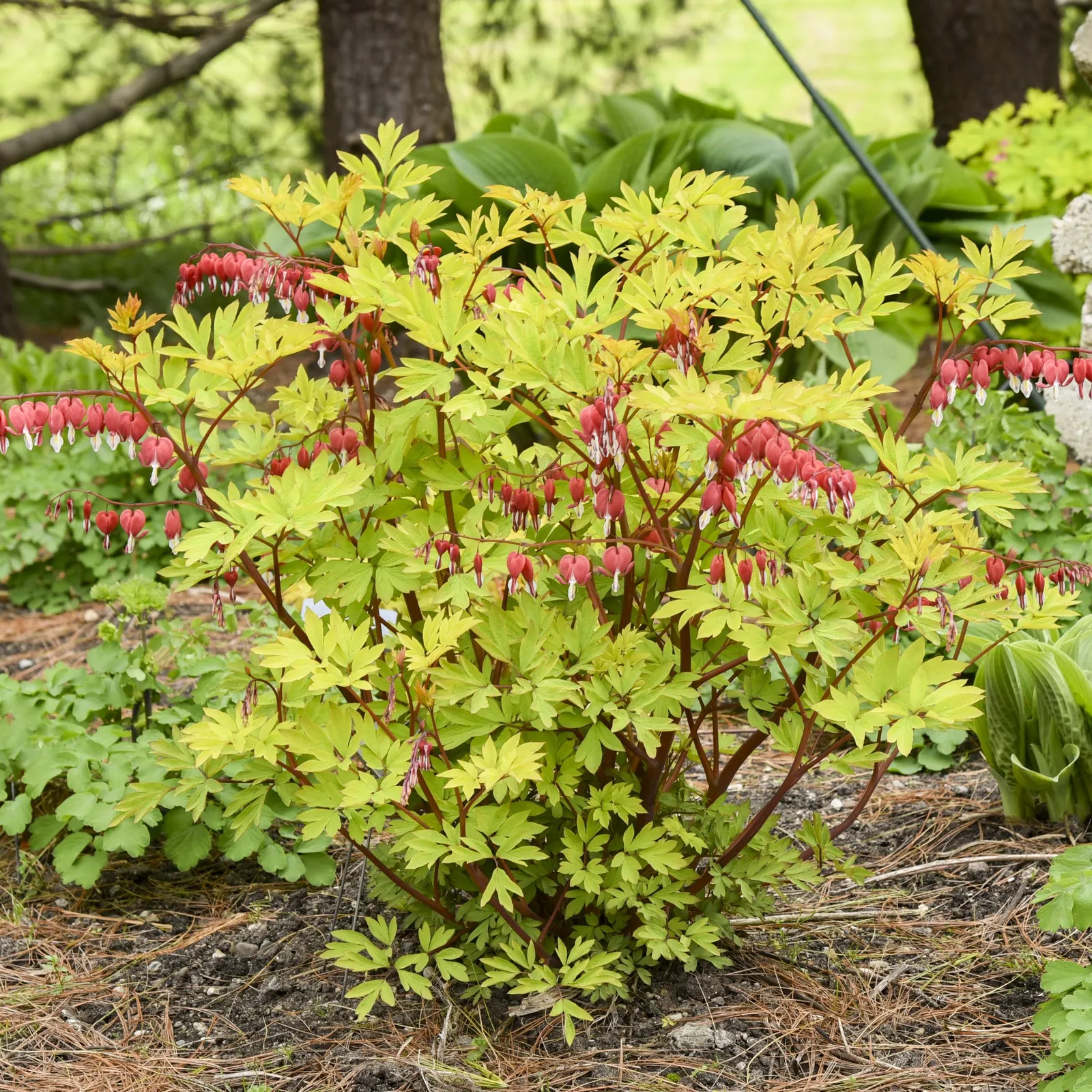
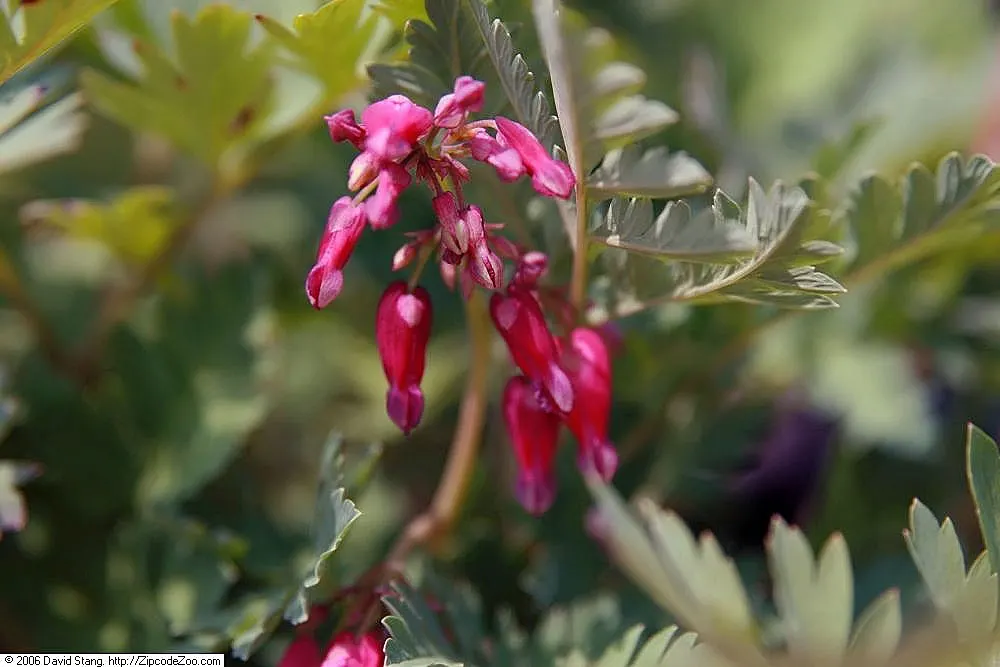
The Pacific Bleeding Heart (Dicentra formosa) is a perennial native to the Pacific Northwest, flourishing in Zones 4-9. Renowned for its delicate, heart-shaped pink flowers, this plant reaches 18 inches in height with a similar spread. Thriving in part to full shade, it prefers moist, well-drained soil. Foliage is fern-like, adding textural contrast. Ideal for woodland gardens, it blooms from April to July and gently self-sows without becoming invasive.

Sun Half, ShadeWater Extra in Summer, MediumZones 3–8Type Perennial

Culture

Sun
Half, Shade
Water
Extra in Summer, Medium
USDA zones
3–8

Shape & size

Classification

Type
Perennial
Family
Fumariaceae

See full data, regional cultivation notes, and design tools. Build a client presentation around this plant.

Start your 14-day trial

Photos (90)

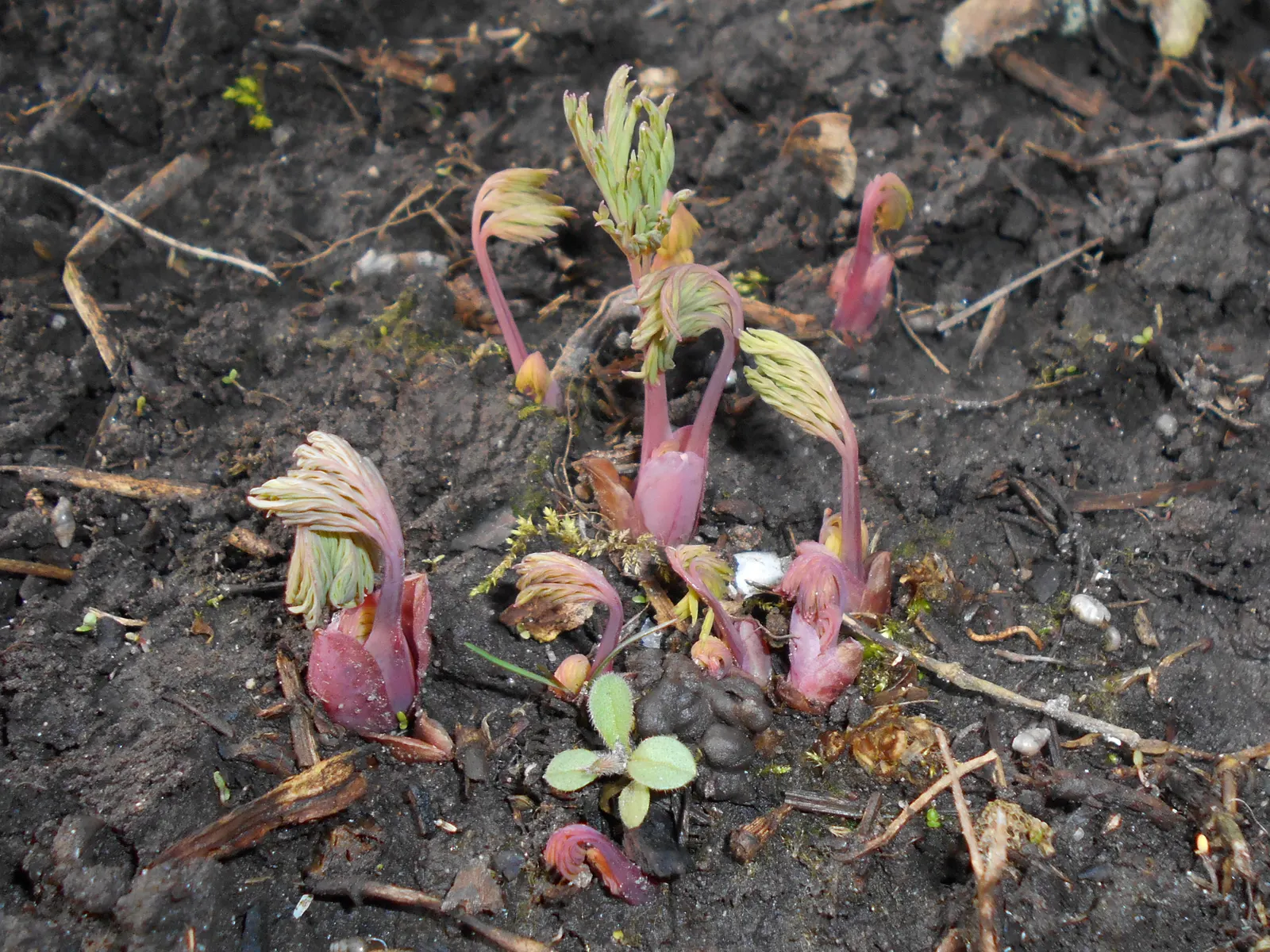
Pacific Bleeding Heart (Dicentra Formosa) — perennial with pink blooms; although the plant is drought-tolerant once established, consistent moisture will keep
Pacific Bleeding Heart (Dicentra Formosa) — this plant reaches 18 inches in height with a similar spread; although the plant is drought-tolerant, image 59
Pacific Bleeding Heart (Dicentra Formosa) — Thriving in part to full shade, it prefers moist, well-drained soil; and the season-long interest it provides when
Pacific Bleeding Heart (Dicentra Formosa) — is a captivating perennial plant that thrives in USDA Hardiness Zones 3 through 9; and the season-long, image 64
Pacific Bleeding Heart (Dicentra Formosa) — this shade-loving plant unfurls its charms in areas with dappled sunlight
Pacific Bleeding Heart (Dicentra Formosa) — natural spreading ability
Pacific Bleeding Heart (Dicentra Formosa) — When informing the client
Pacific Bleeding Heart (Dicentra Formosa) — scientifically known as Dicentra formosa; although the plant is drought-tolerant once established, consistent
Pacific Bleeding Heart (Dicentra Formosa) — making it suitable for a vast range of landscapes; thriving in part to full shade, it prefers moist, image 65
Pacific Bleeding Heart (Dicentra Formosa) — heart-shaped pink flowers; this shade-loving plant unfurls its charms in areas with dappled sunlight, image 58
Pacific Bleeding Heart (Dicentra Formosa) — Thriving in part to full shade, it prefers moist, well-drained soil; and the season-long interest it, image 60
Pacific Bleeding Heart (Dicentra Formosa) — scientifically known as Dicentra formosa; although the plant is drought-tolerant once established, image 63
Pacific Bleeding Heart (Dicentra Formosa) — The Pacific Bleeding Heart (Dicentra formosa) is a perennial native to the Pacific Northwest; thriving in part to
Pacific Bleeding Heart (Dicentra Formosa) — Thriving in part to full shade, it prefers moist, well-drained soil
Pacific Bleeding Heart (Dicentra Formosa) — blue-green that serves as a perfect backdrop for its unique; thriving in part to full shade, it prefers, image 69
Pacific Bleeding Heart (Dicentra Formosa) — a boon for those looking to create a garden sanctuary undisturbed by wildlife
Pacific Bleeding Heart (Dicentra Formosa) — blue-green that serves as a perfect backdrop for its unique
Pacific Bleeding Heart (Dicentra Formosa) — creating an ethereal effect; and the season-long interest it provides when combined with other shade-loving
Pacific Bleeding Heart (Dicentra Formosa) — pink flowers in the garden
Pacific Bleeding Heart (Dicentra Formosa) — perennial for half or shade; and the season-long interest it provides when combined with other shade-loving
Pacific Bleeding Heart (Dicentra Formosa) — Foliage is fern-like, adding textural contrast; thriving in part to full shade, it prefers moist, image 61
Pacific Bleeding Heart (Dicentra Formosa) — pink flowers in the garden; this shade-loving plant unfurls its charms in areas with dappled sunlight
Pacific Bleeding Heart (Dicentra Formosa) — The Pacific Bleeding Heart (Dicentra formosa) is a perennial native to the Pacific Northwest; thriving, image 57
Pacific Bleeding Heart (Dicentra Formosa) — Ideal for woodland gardens, it blooms from April to July and gently self-sows without becoming invasive; this
Photographs by 13 contributors

Related plants