Skip to content

Carnation

Dianthus Caryophyllus

Design with this plant

Overview

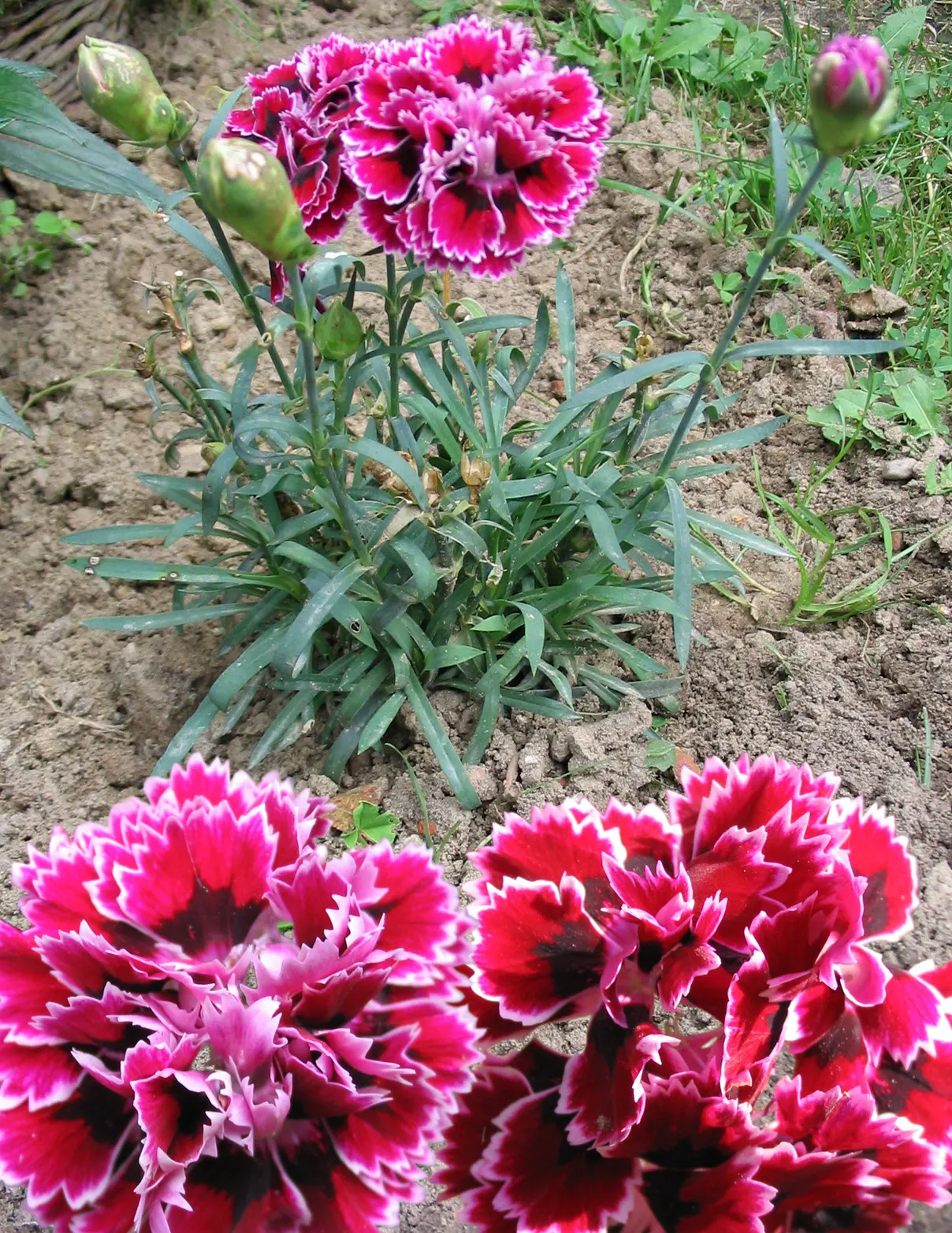
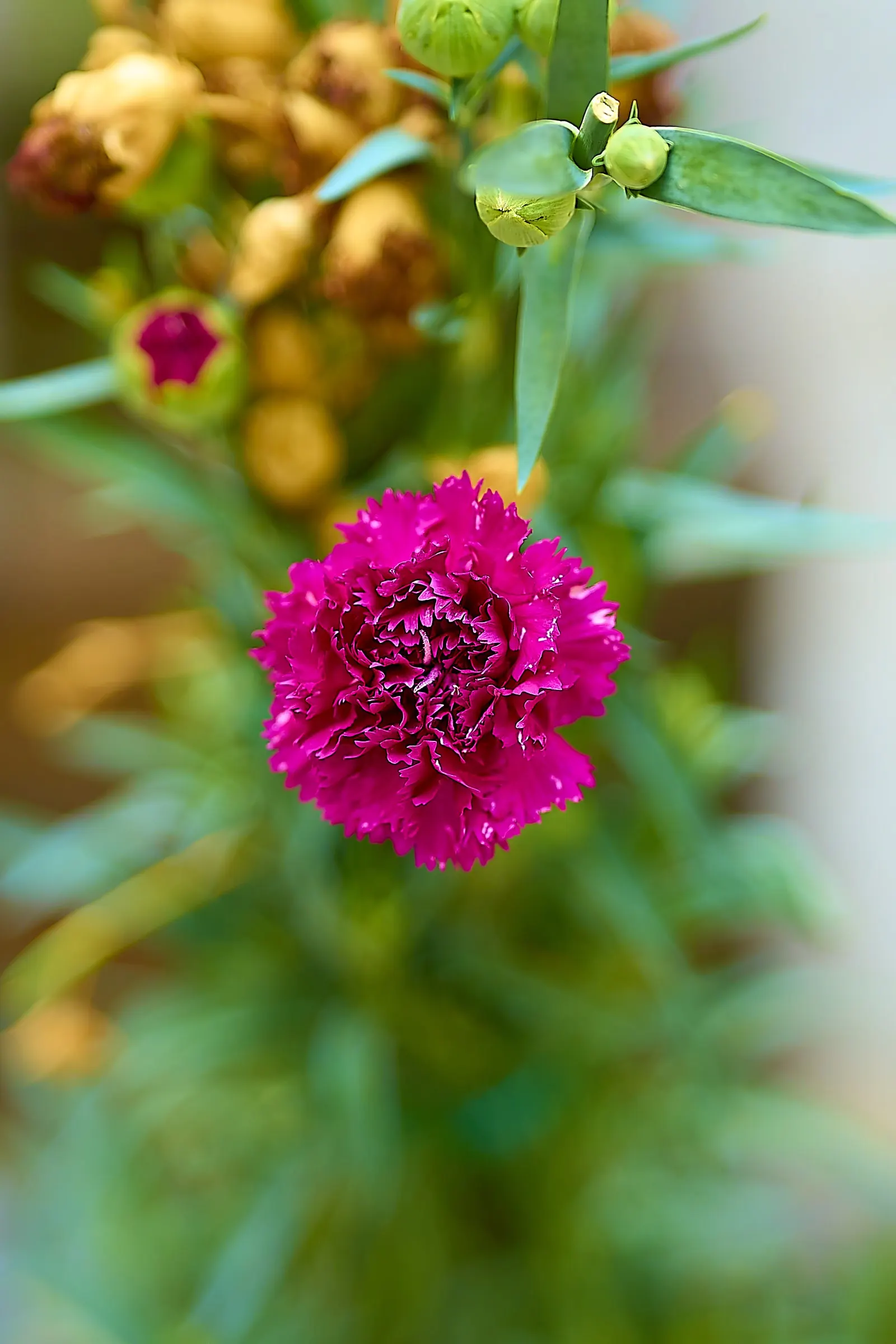
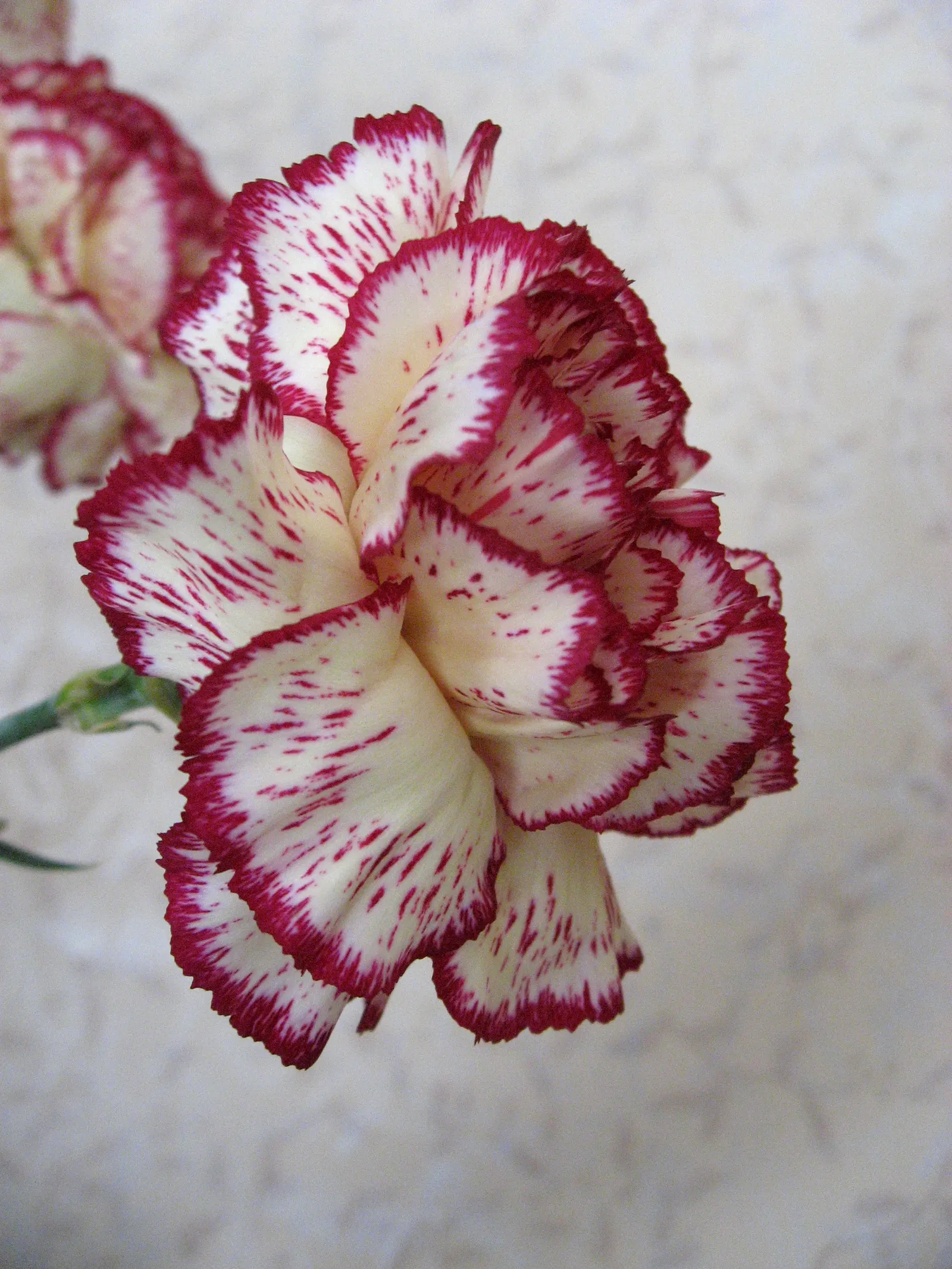
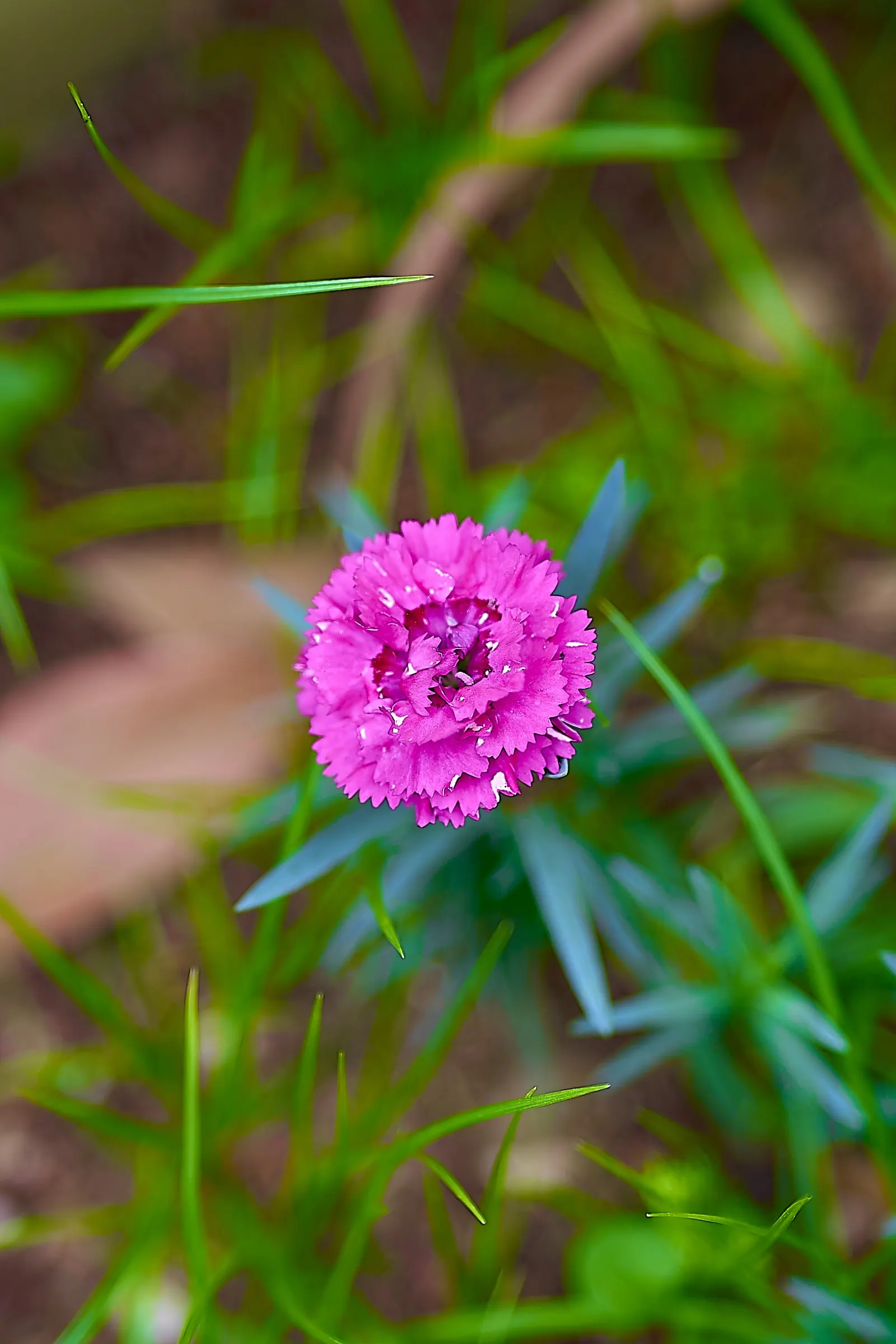
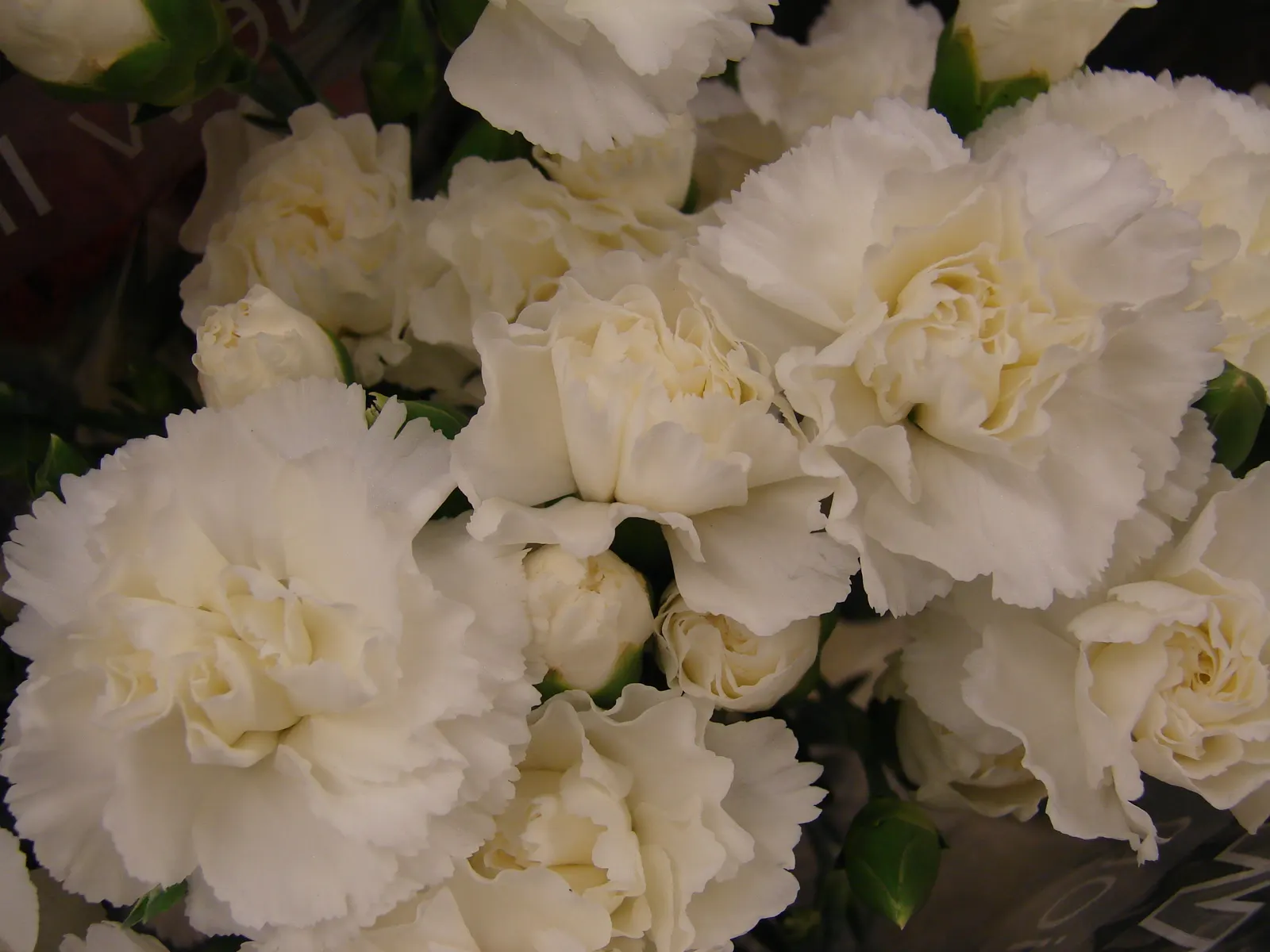
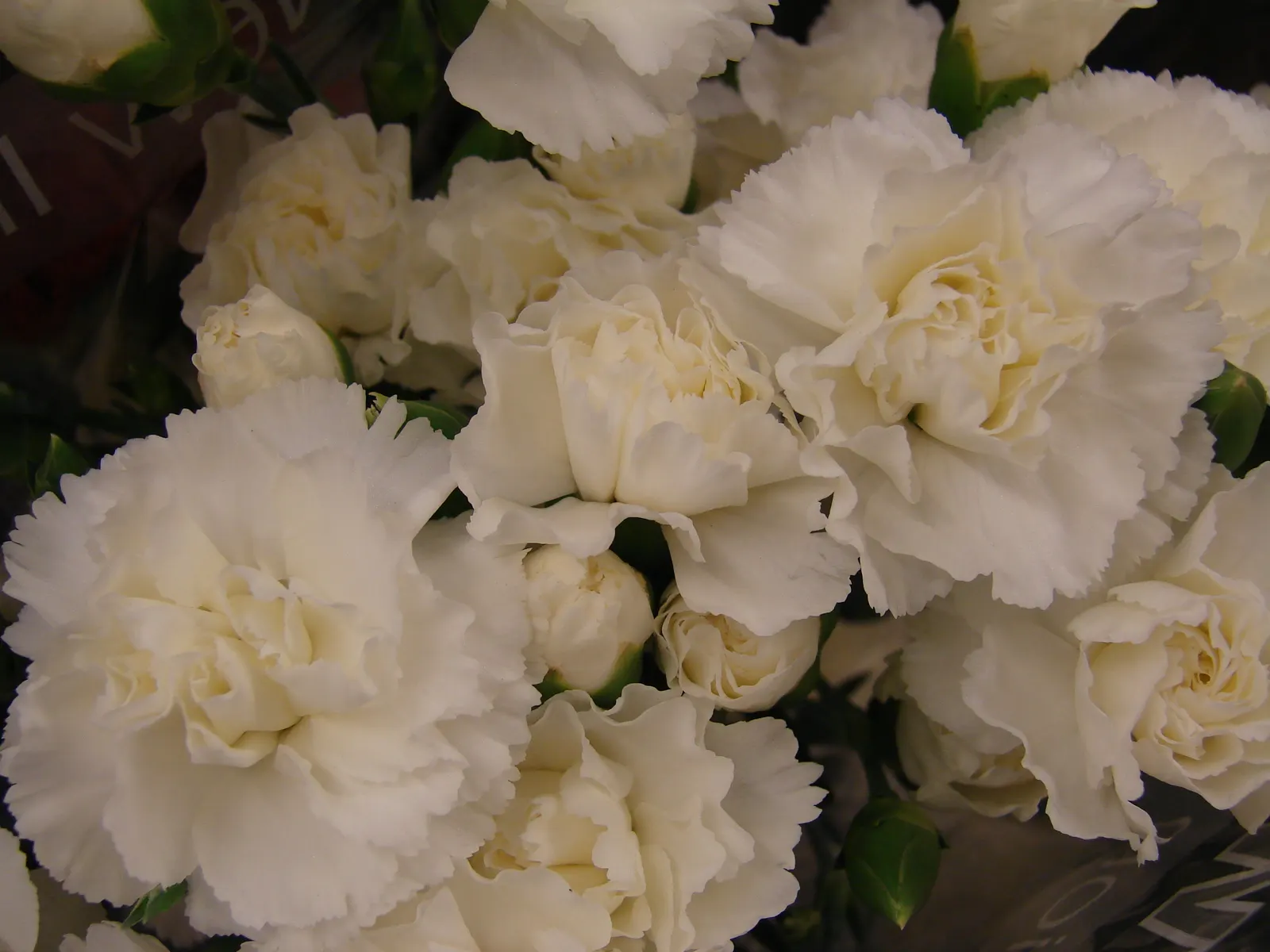
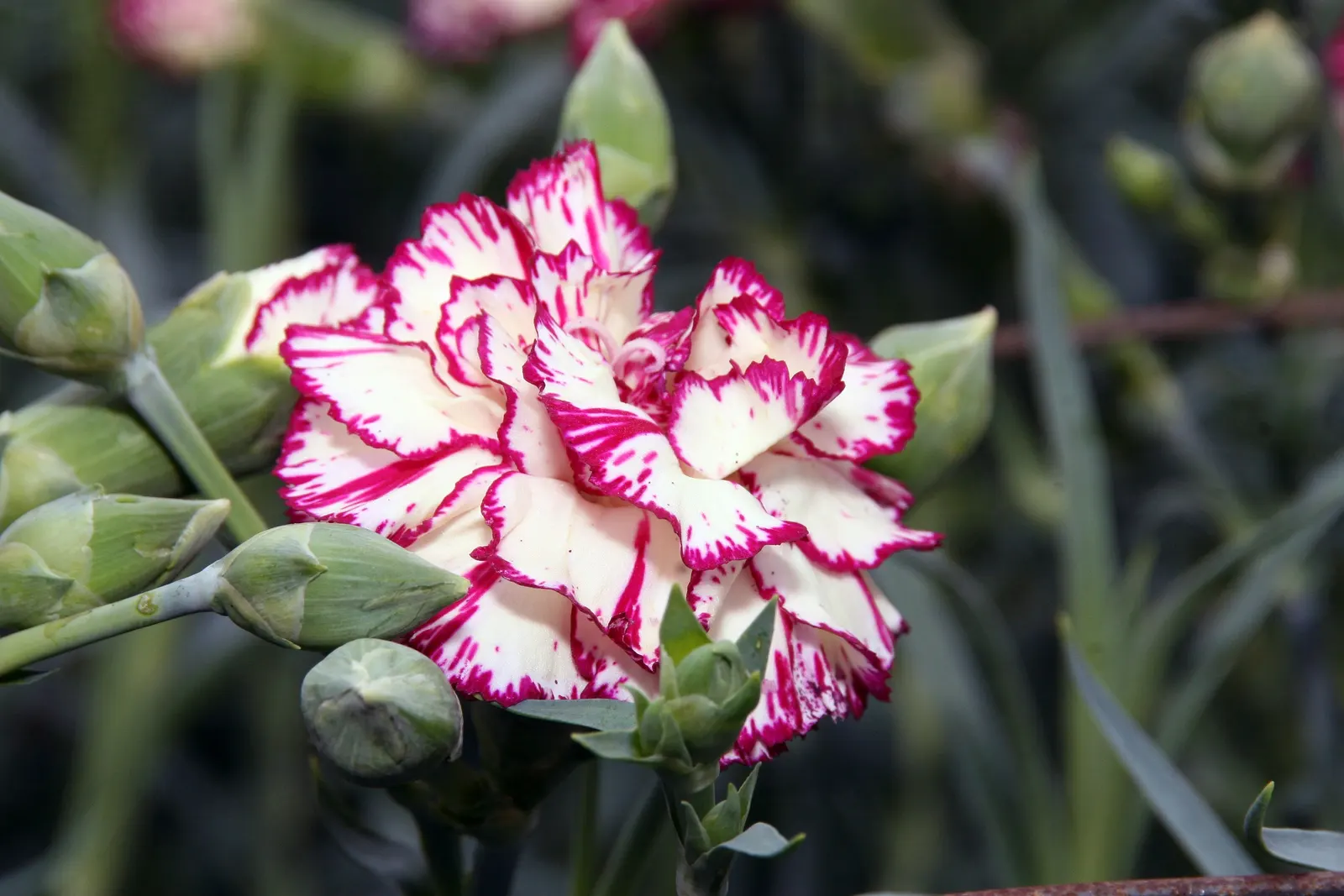
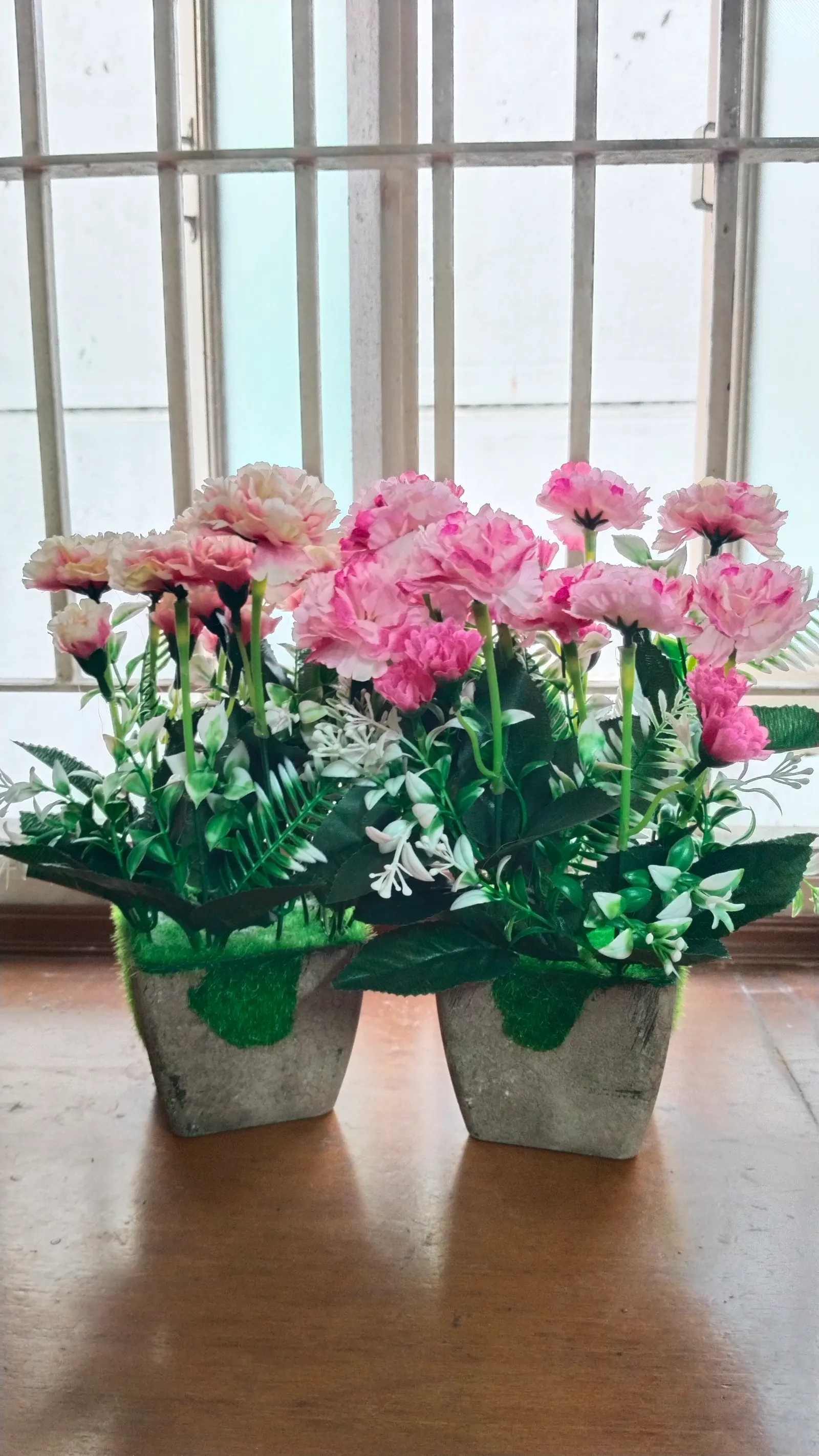
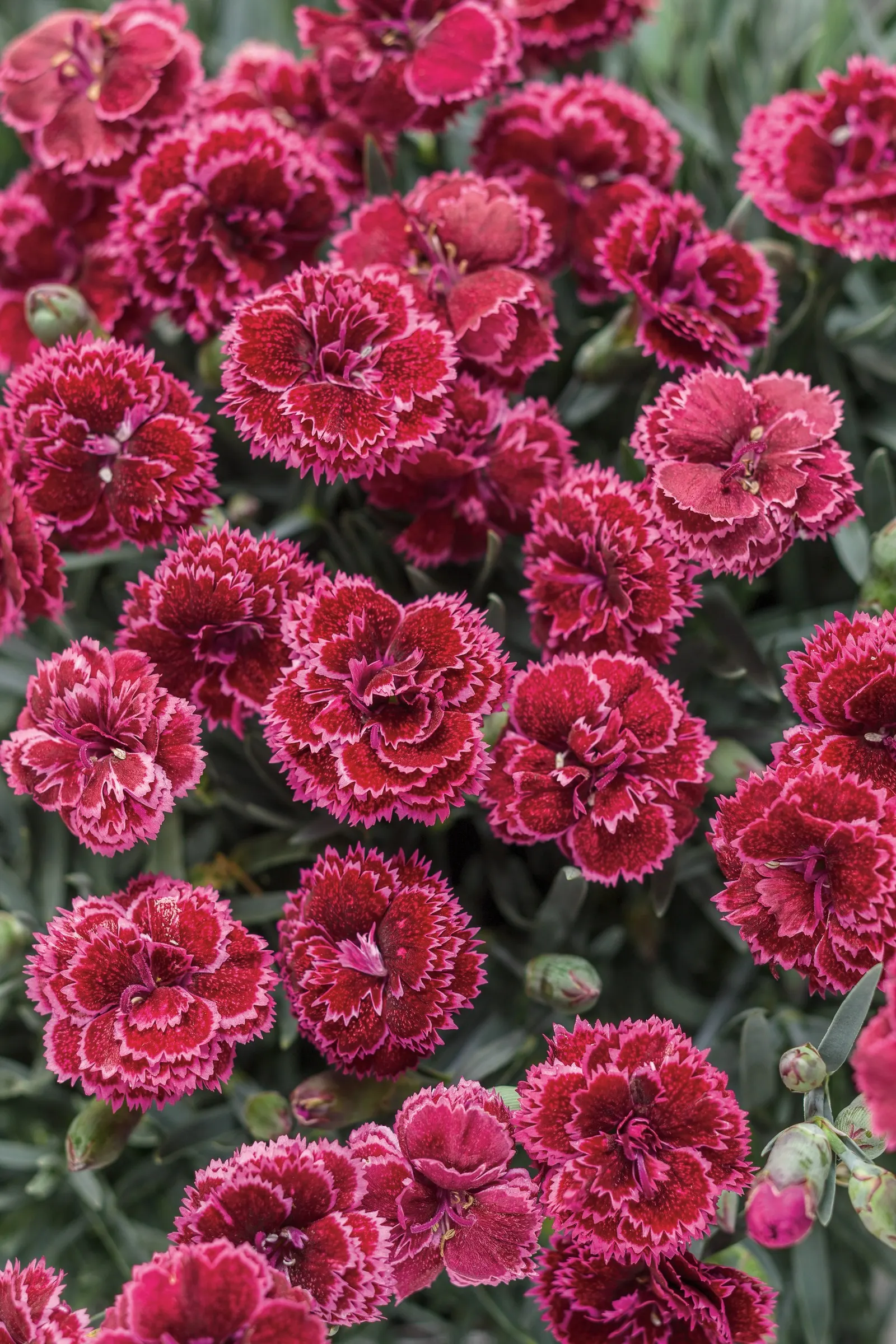
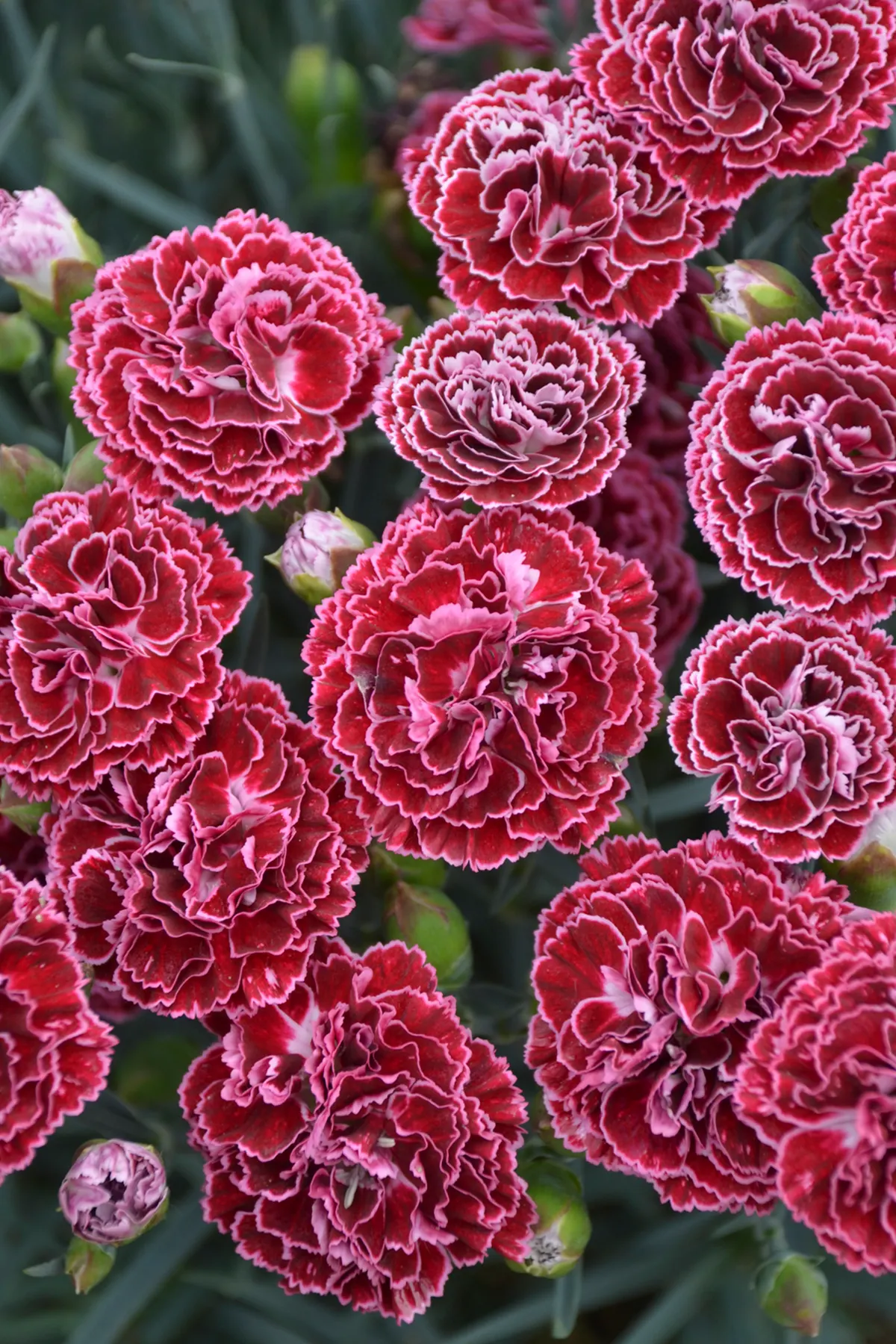
Dianthus caryophyllus, commonly known as carnation, is a perennial plant that typically grows 18 to 24 inches tall. Renowned for its ruffled, fragrant flowers in a variety of colors, it thrives in full sun and well-drained soil. Blooming from late spring through summer, carnations are excellent for borders, containers, and as cut flowers. They prefer cooler climates and require regular watering, with soil drying slightly between. Hardy in USDA zones 7-10.

Sun Full, HalfWater MediumZones 8–10Type AnnualClimate Mediterranean
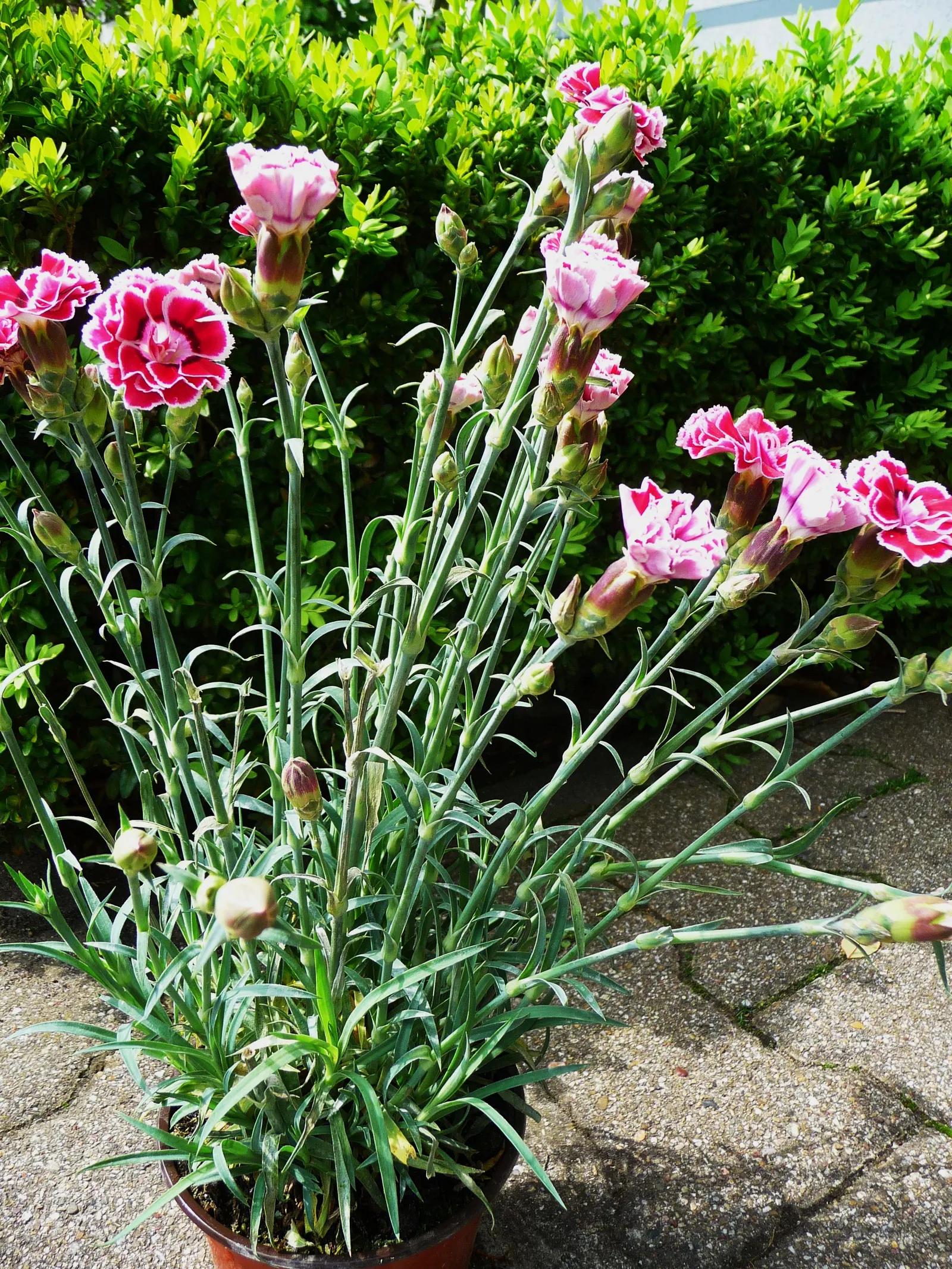
Carnation (Dianthus Caryophyllus) — annual for full or half; note that their perennial nature ensures they'll enjoy this engaging flower year after year with

Culture

Sun
Full, Half
Water
Medium
USDA zones
8–10

Shape & size

Classification

Type
Annual
Family
Caryophyllaceae
Climate
Mediterranean

See full data, regional cultivation notes, and design tools. Build a client presentation around this plant.

Start your 14-day trial

Photos (102)

Carnation (Dianthus Caryophyllus) — note that their perennial nature ensures they'll enjoy this engaging flower year after year with proper care
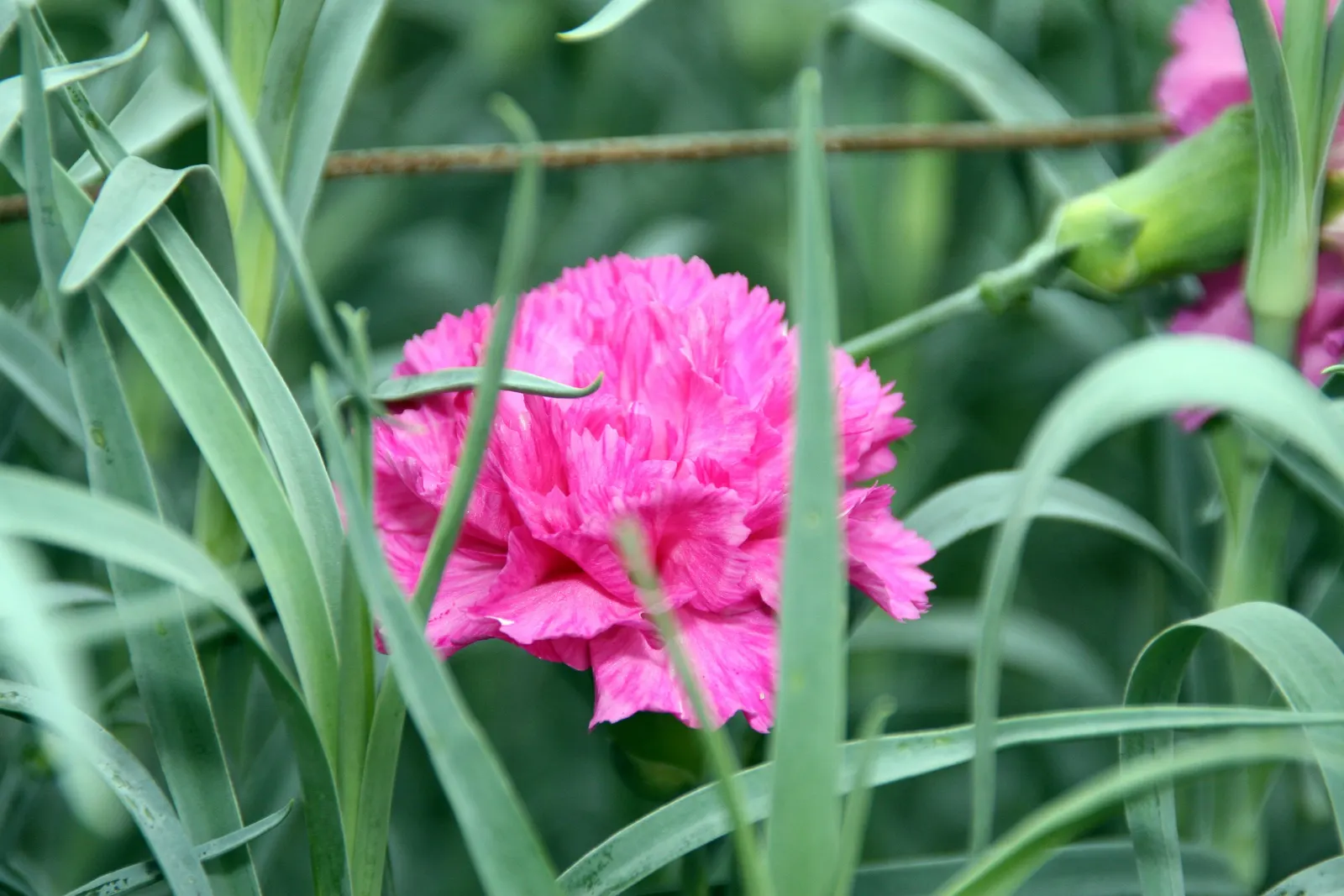
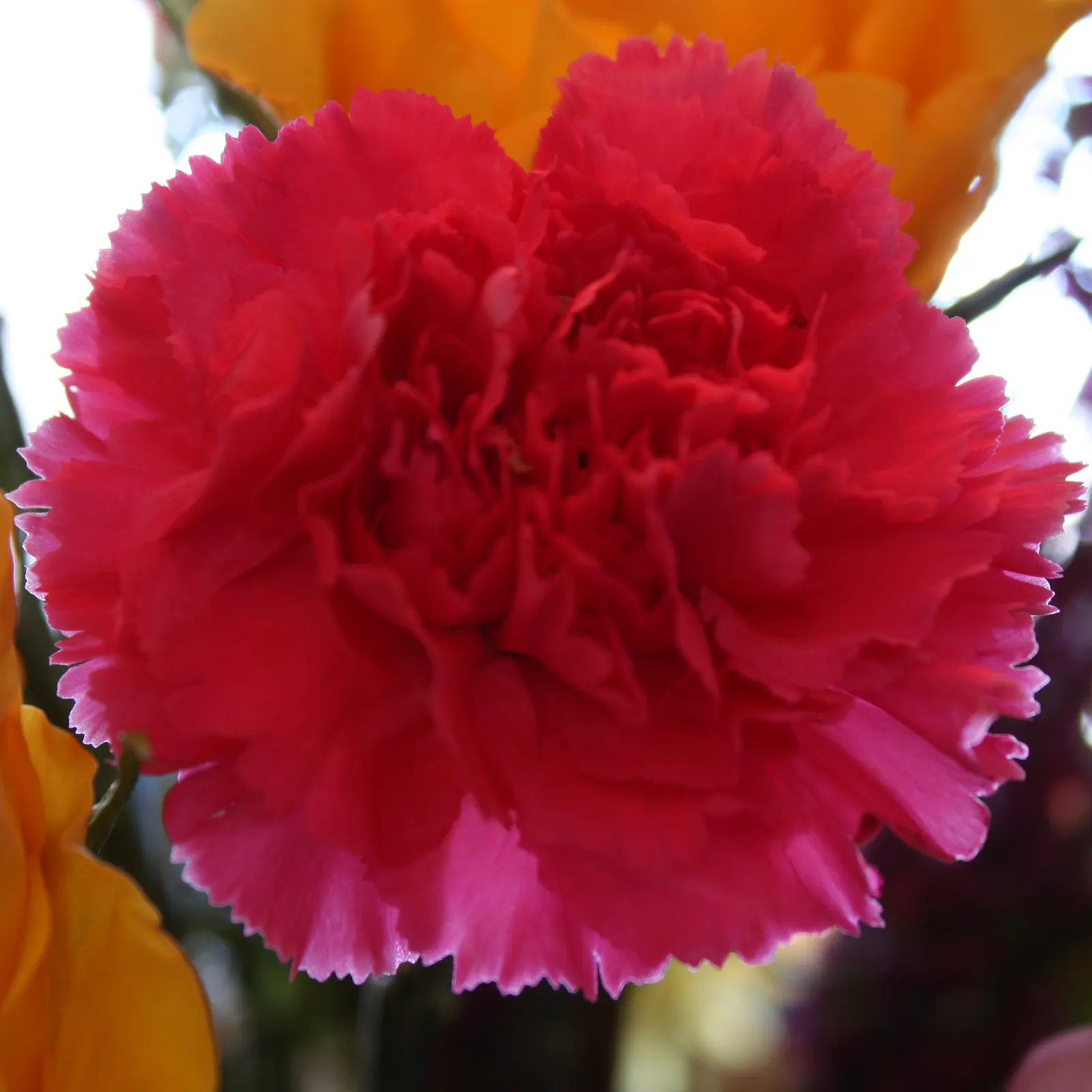
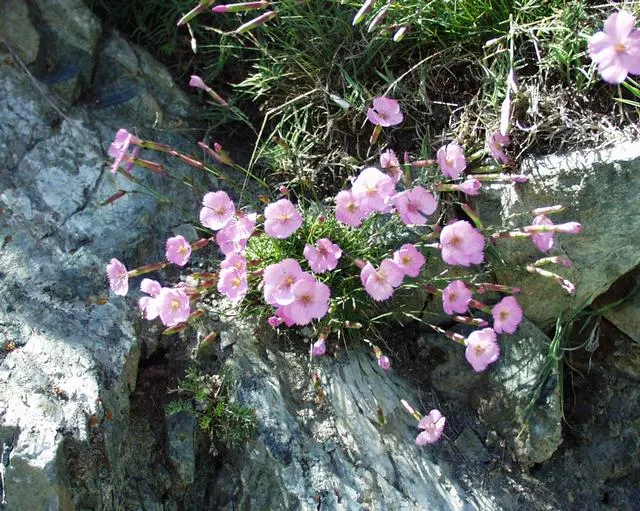
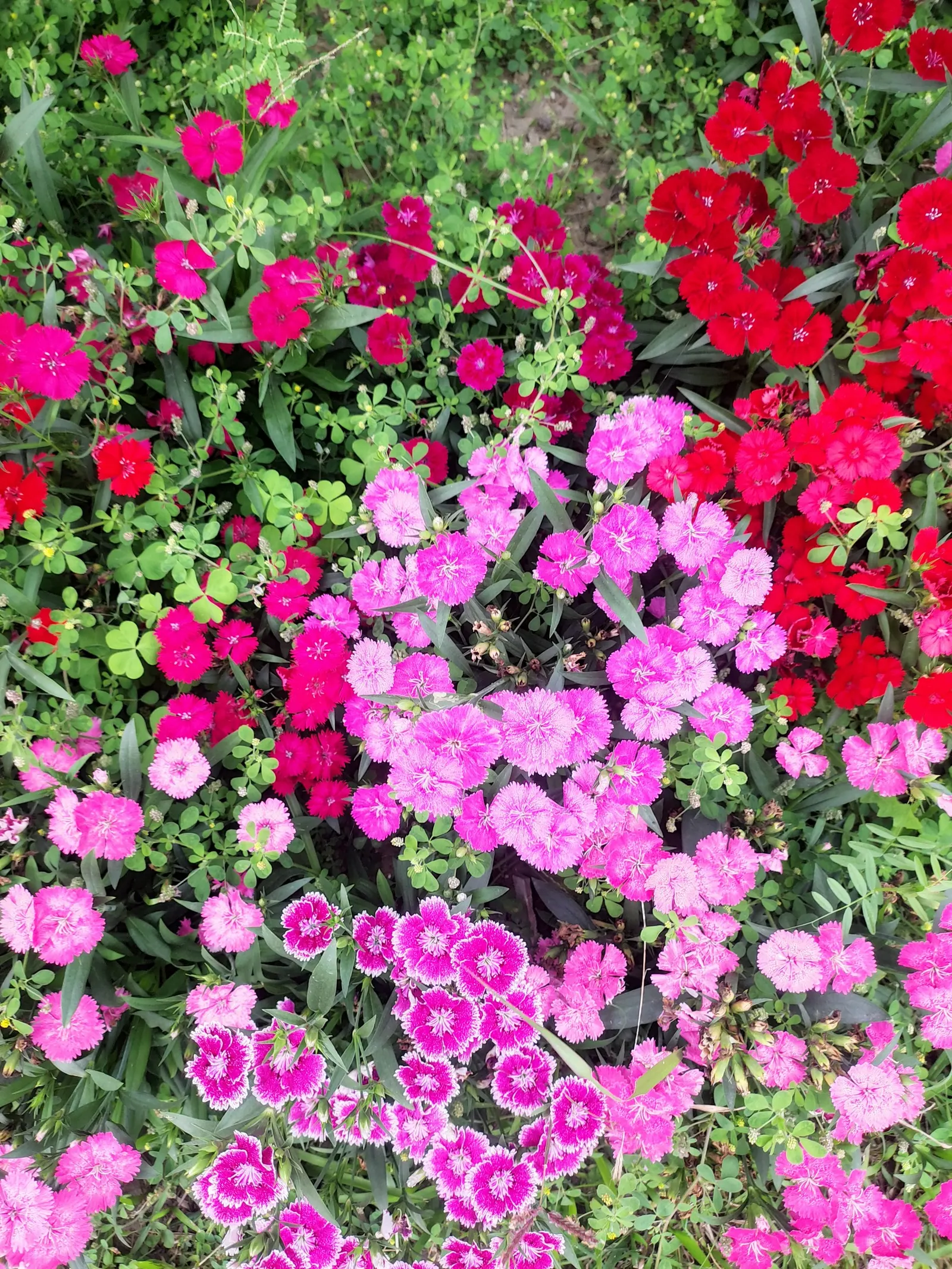
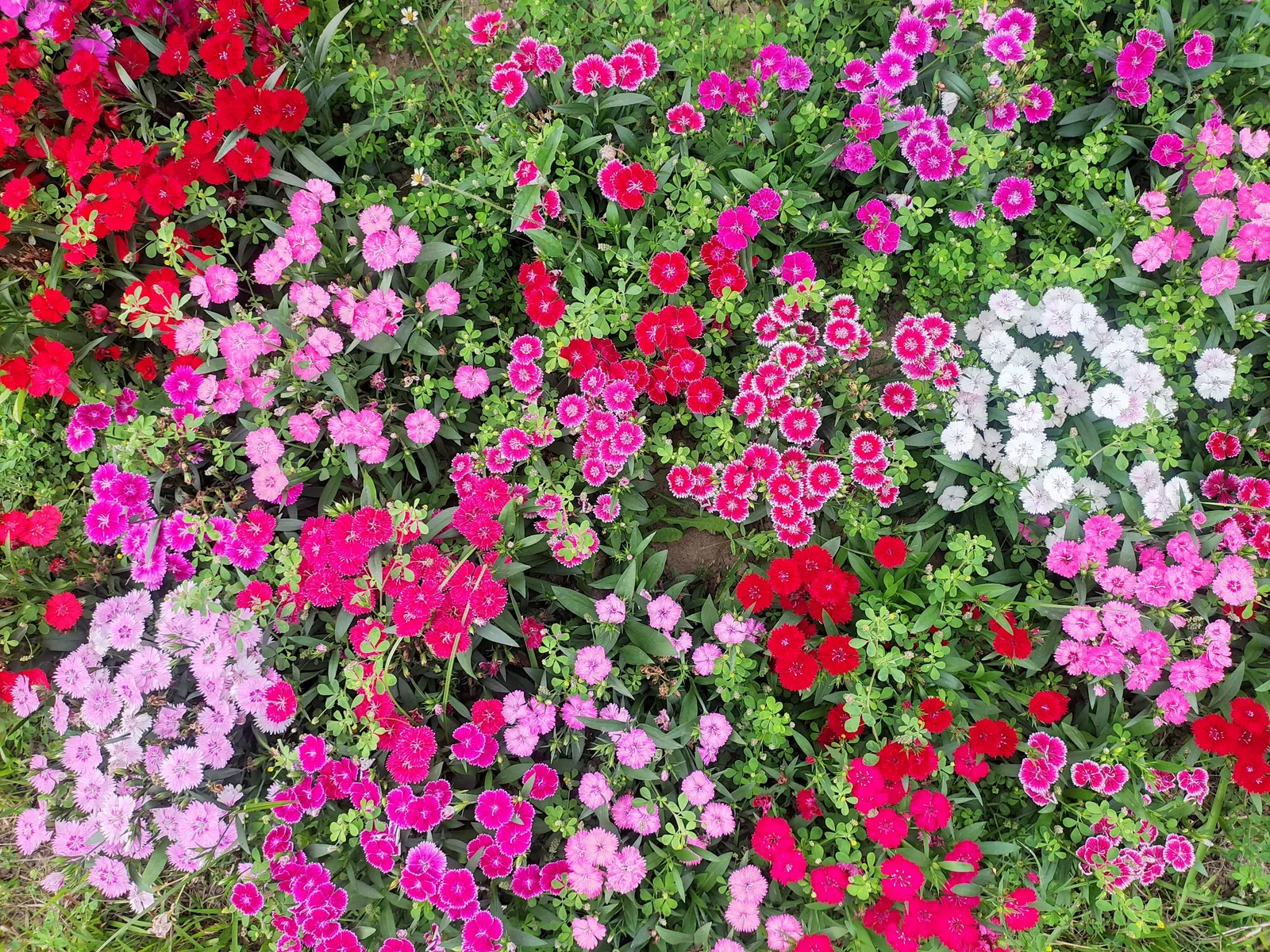
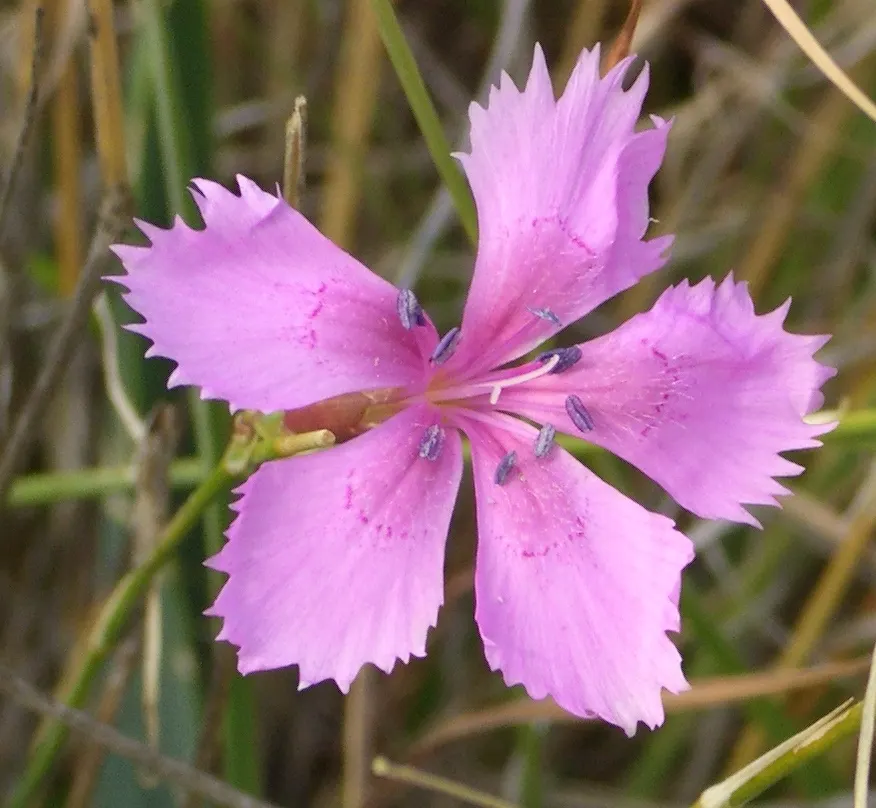
Carnation (Dianthus Caryophyllus) — pink flowers in the garden; scientifically known as Dianthus caryophyllus
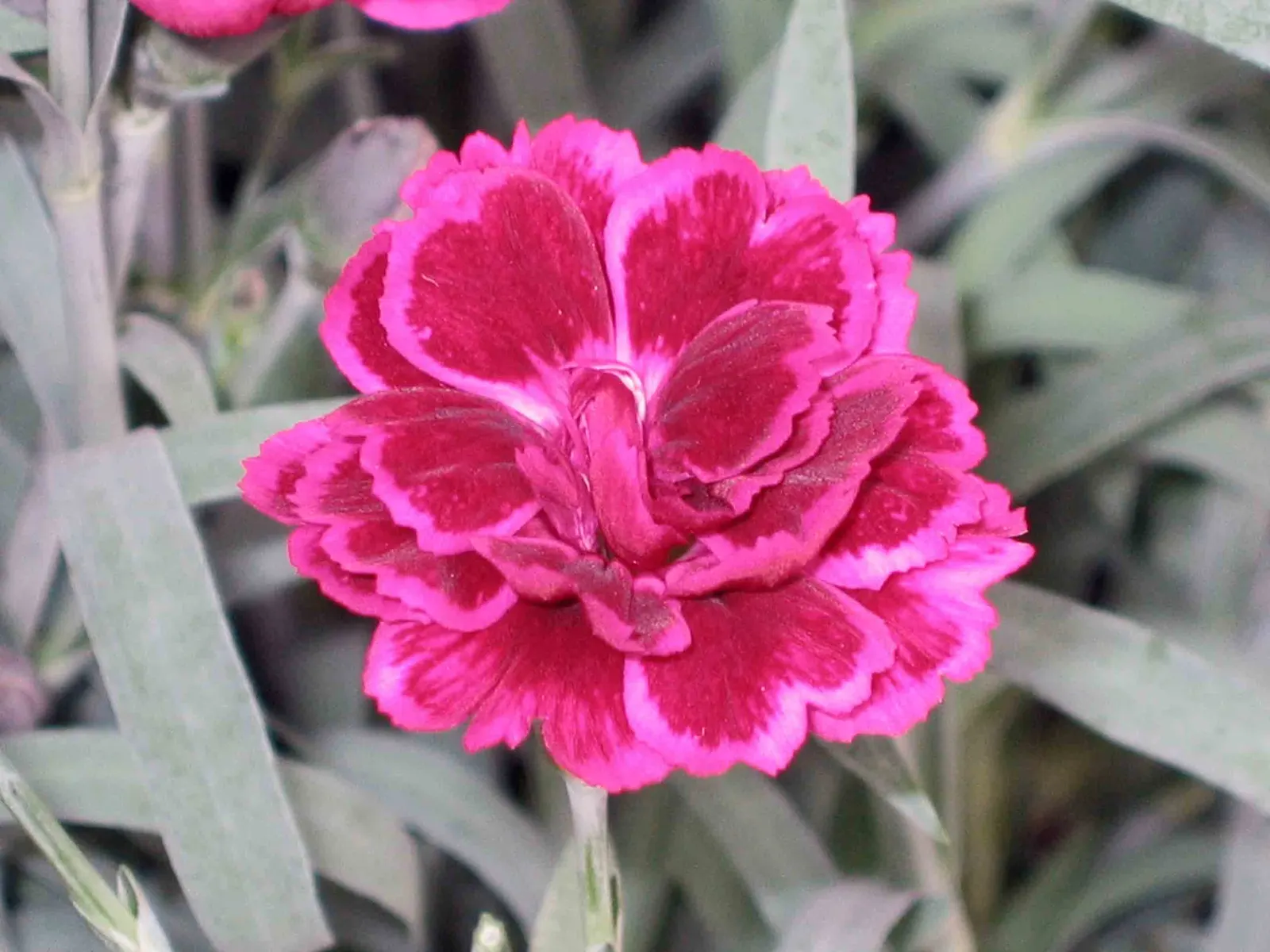
Carnation (Dianthus Caryophyllus) — This classic beauty is a staple in ornamental gardens and a favorite for cut flower arrangements; glaucous, image 57
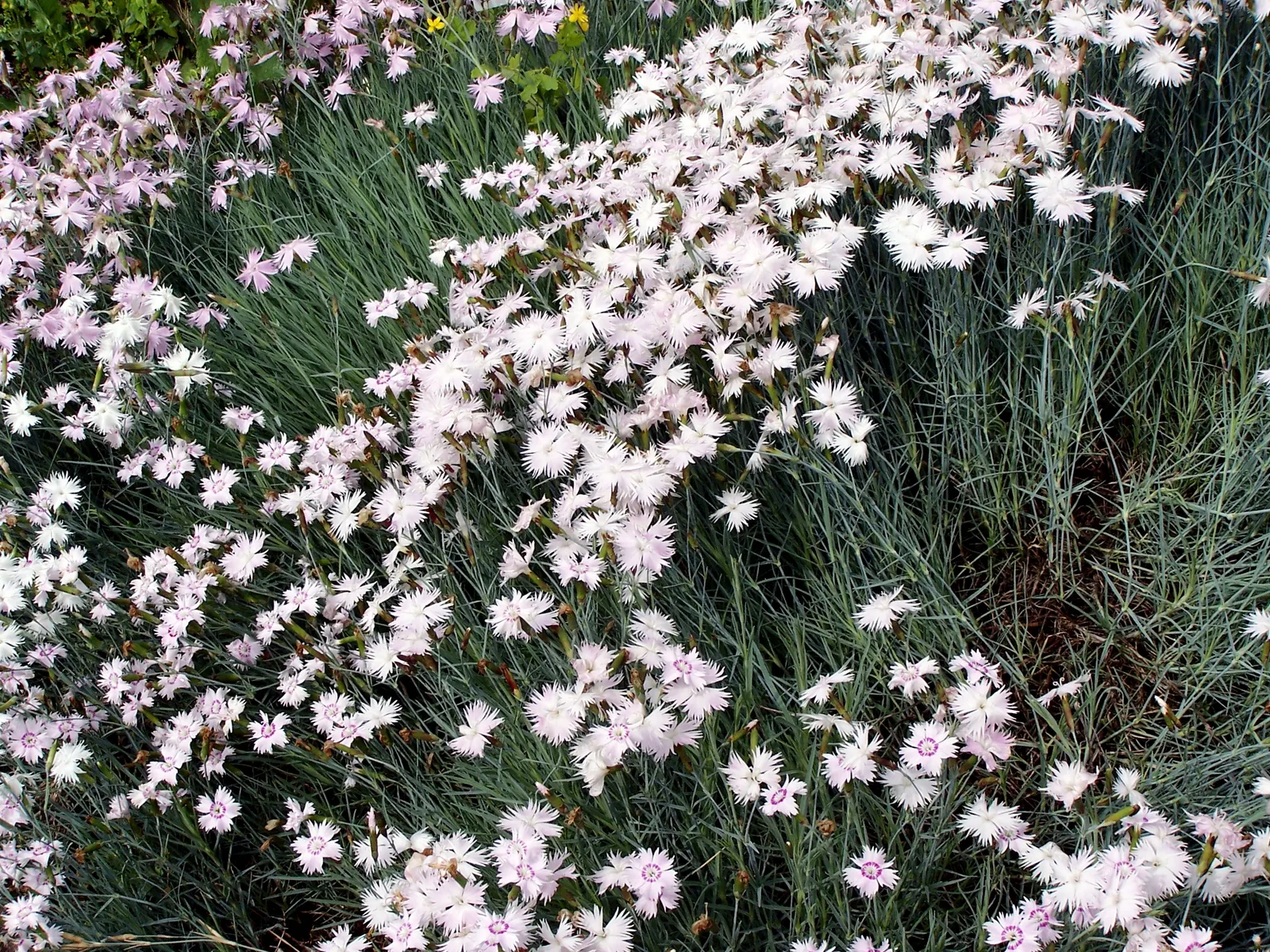
Carnation (Dianthus Caryophyllus) — glaucous green to blue-green foliage offers a striking contrast against the ruffled petal flowers
Carnation (Dianthus Caryophyllus) — They prefer cooler climates and require regular watering, with soil drying slightly between; regular watering is essential
Carnation (Dianthus Caryophyllus) — Regular watering is essential
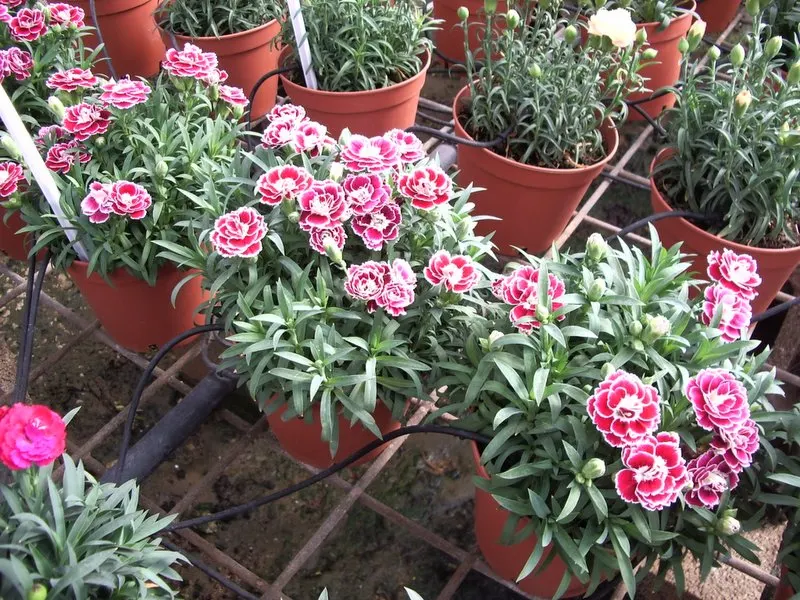
Carnation (Dianthus Caryophyllus) — Carnations make an excellent mid-level addition to floral beds and borders; is a perennial plant that typically grows 18 to
Carnation (Dianthus Caryophyllus) — commonly known as carnation; it thrives in full sun and well-drained soil, image 73
Carnation (Dianthus Caryophyllus) — Deadheading spent blooms will encourage further flowering
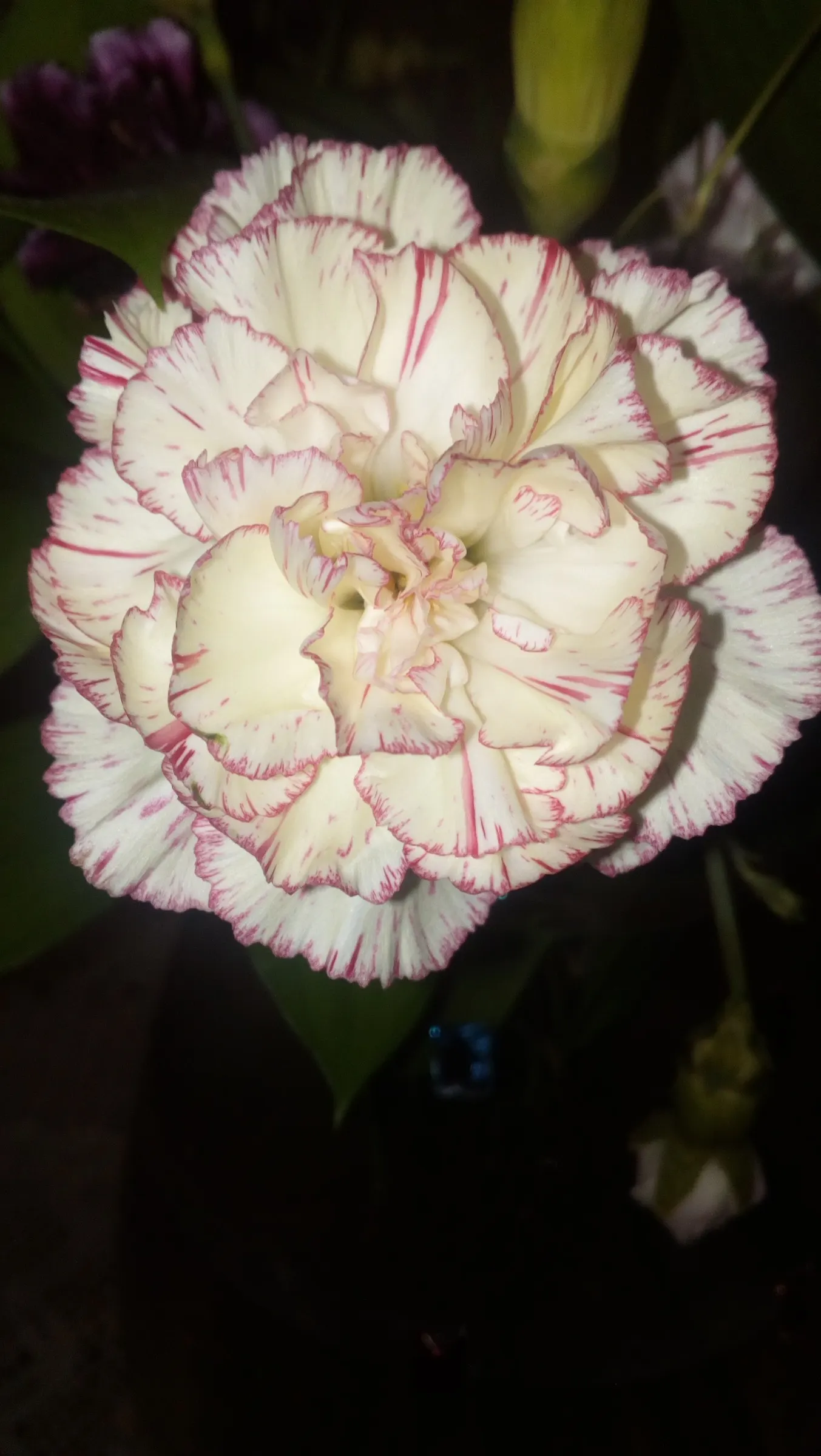
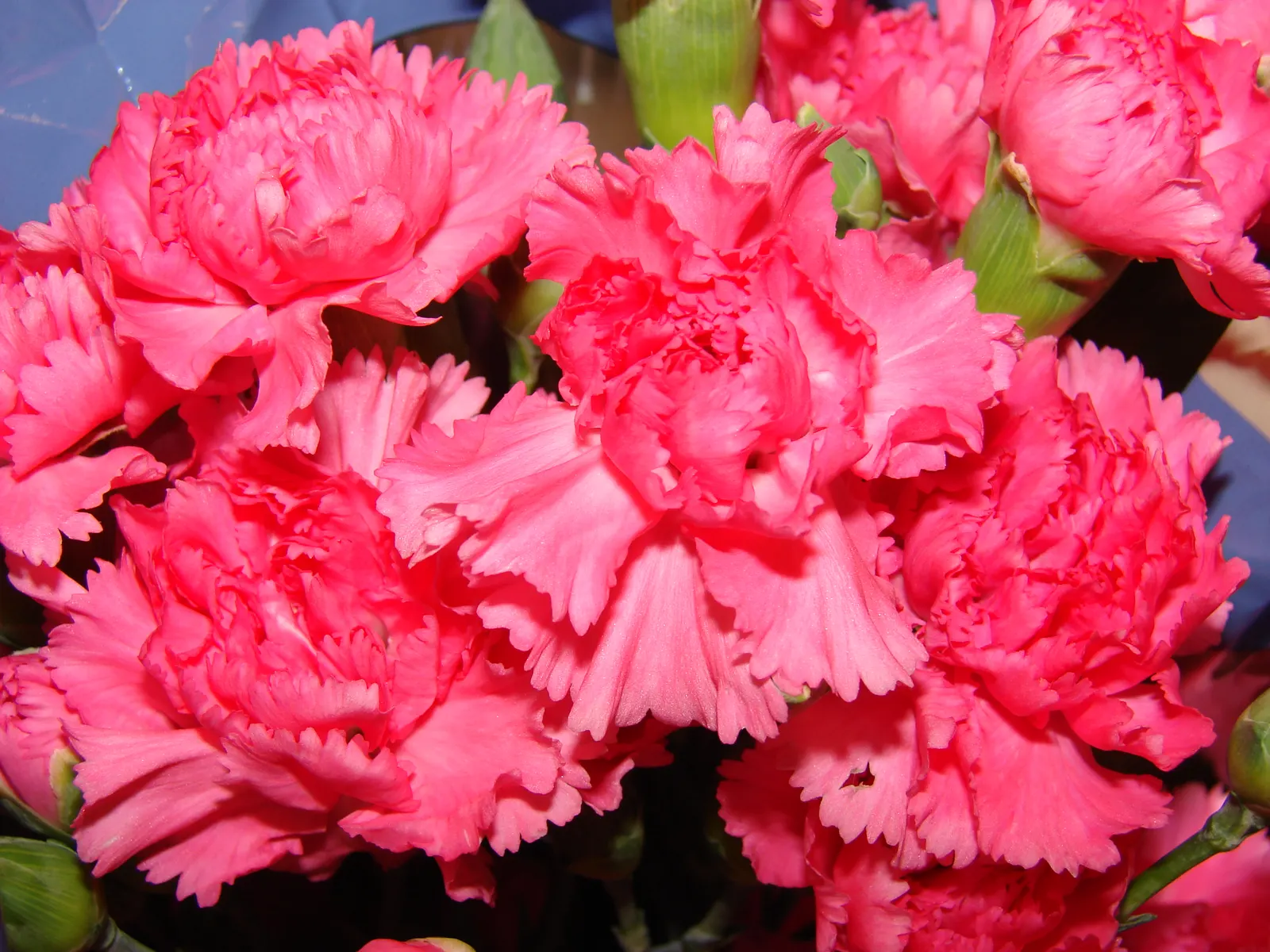
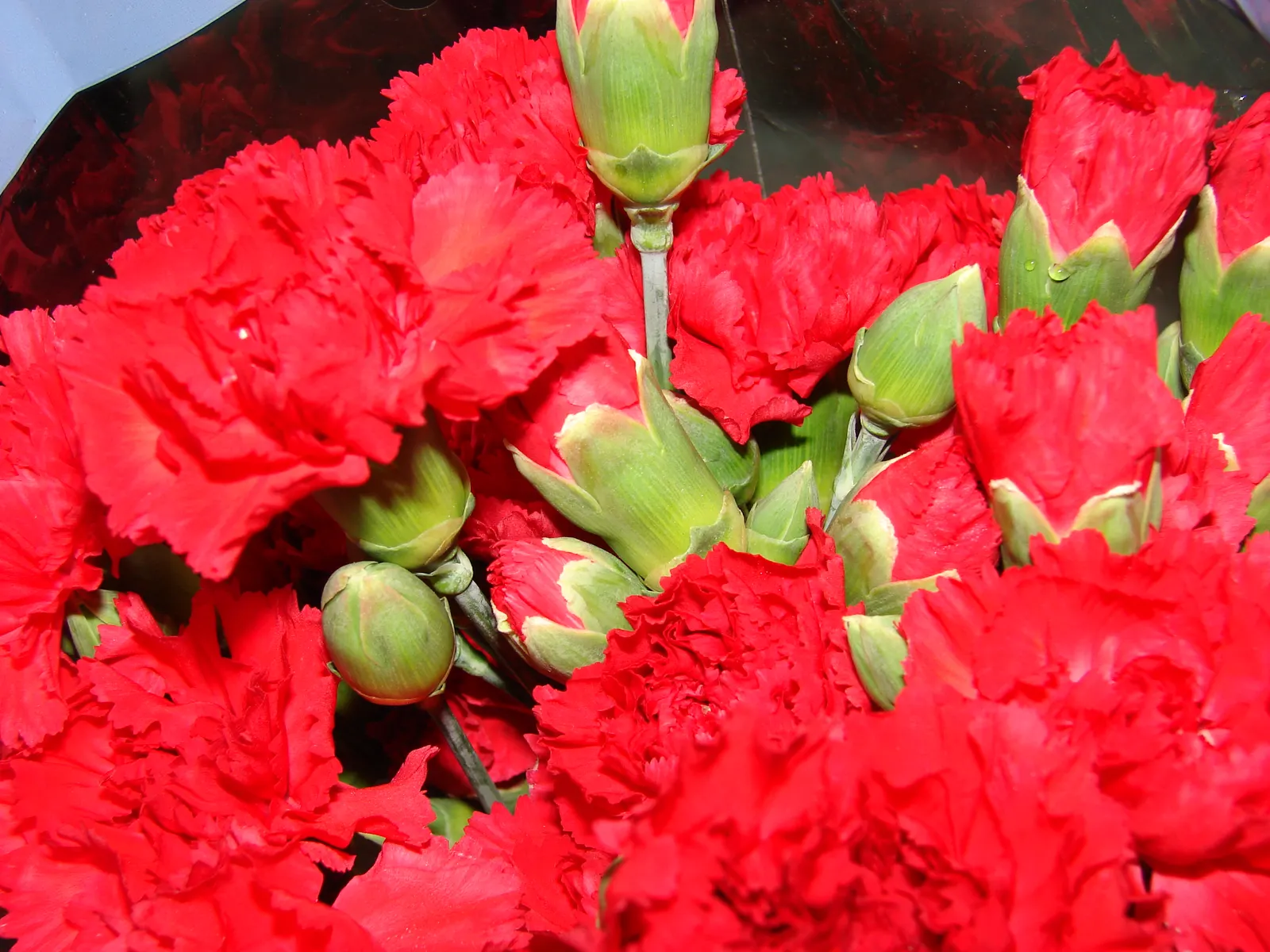
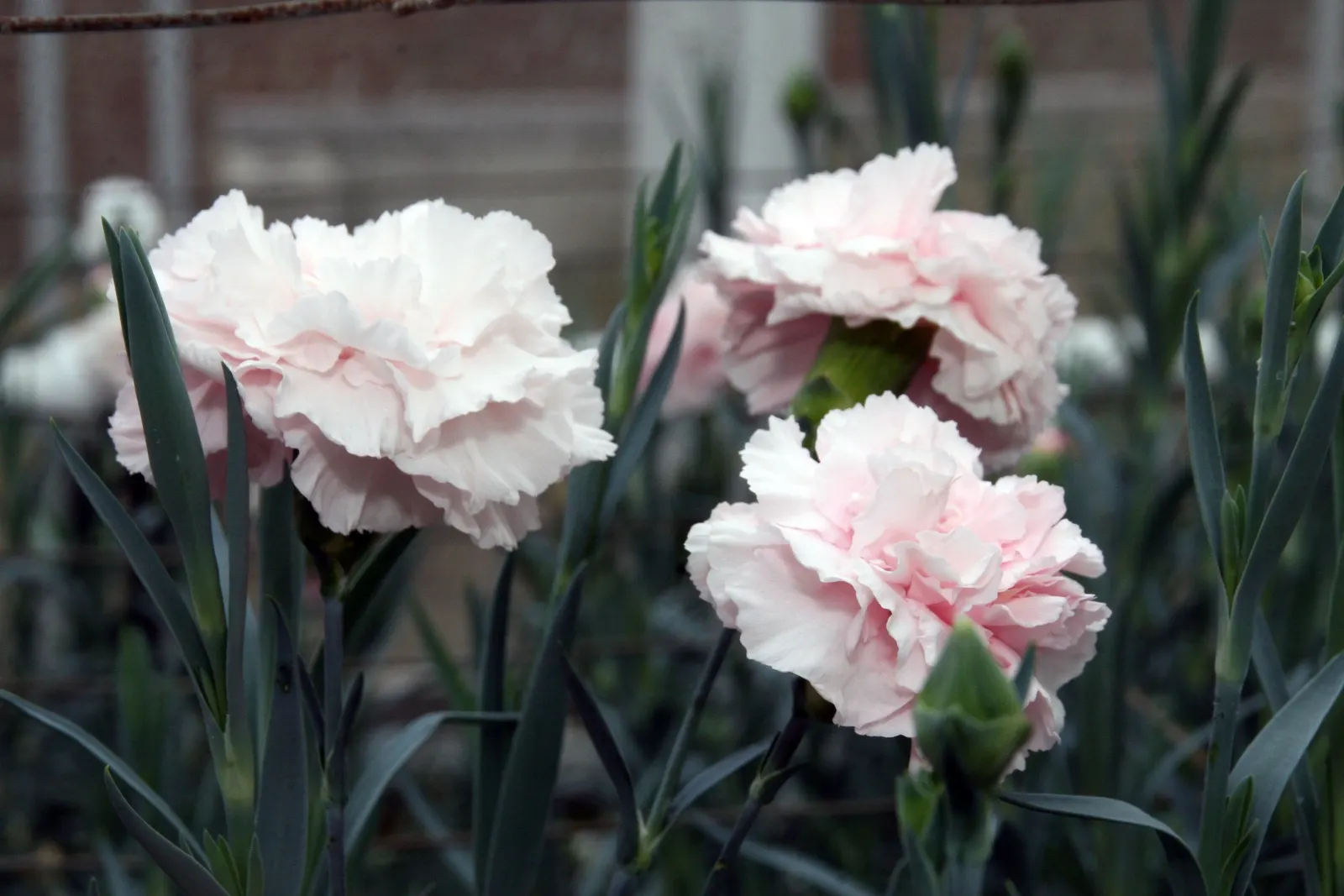
Carnation (Dianthus Caryophyllus) — This classic beauty is a staple in ornamental gardens and a favorite for cut flower arrangements
Carnation (Dianthus Caryophyllus) — To best educate the client; deadheading spent blooms will encourage further flowering, image 68
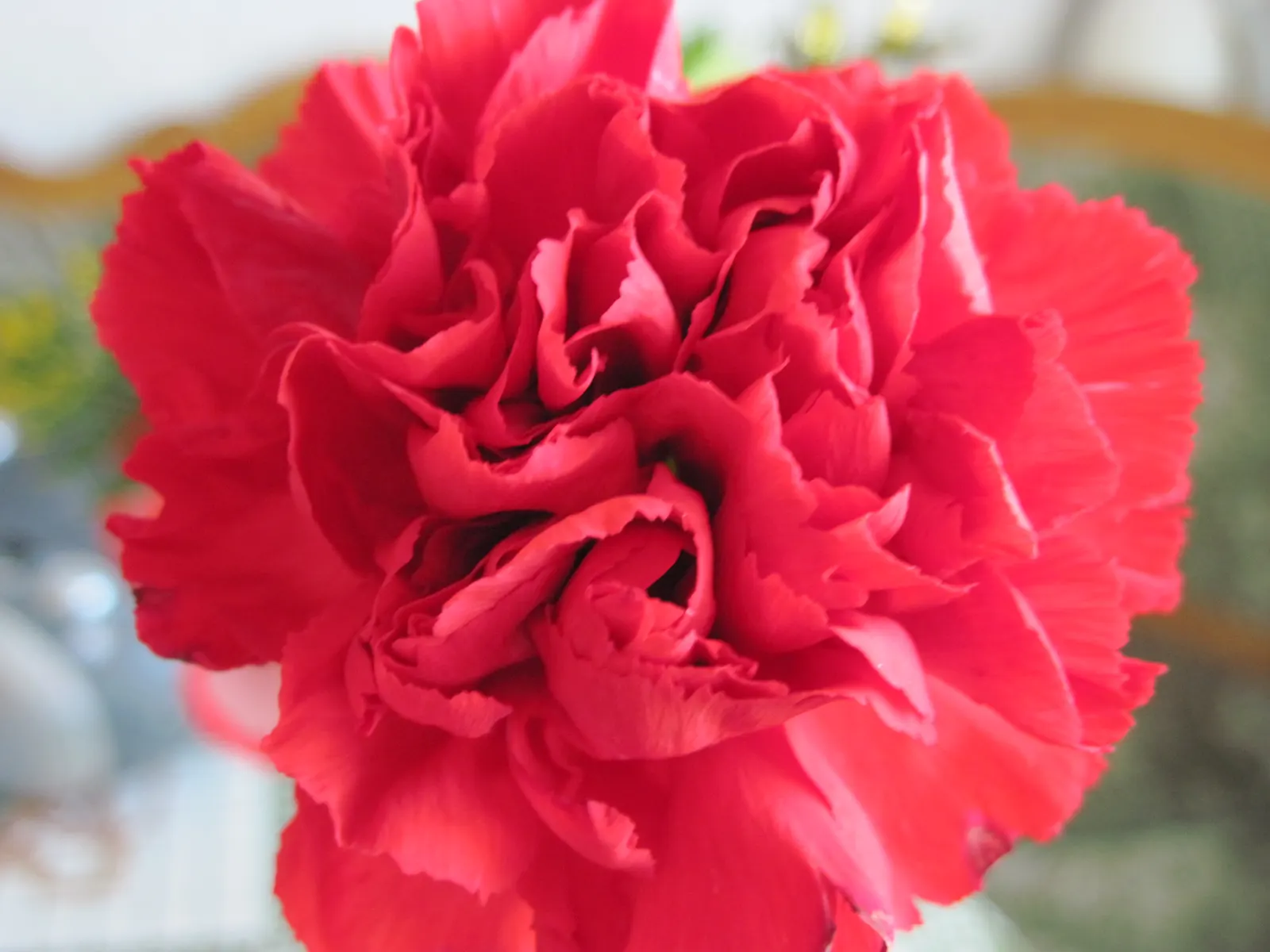
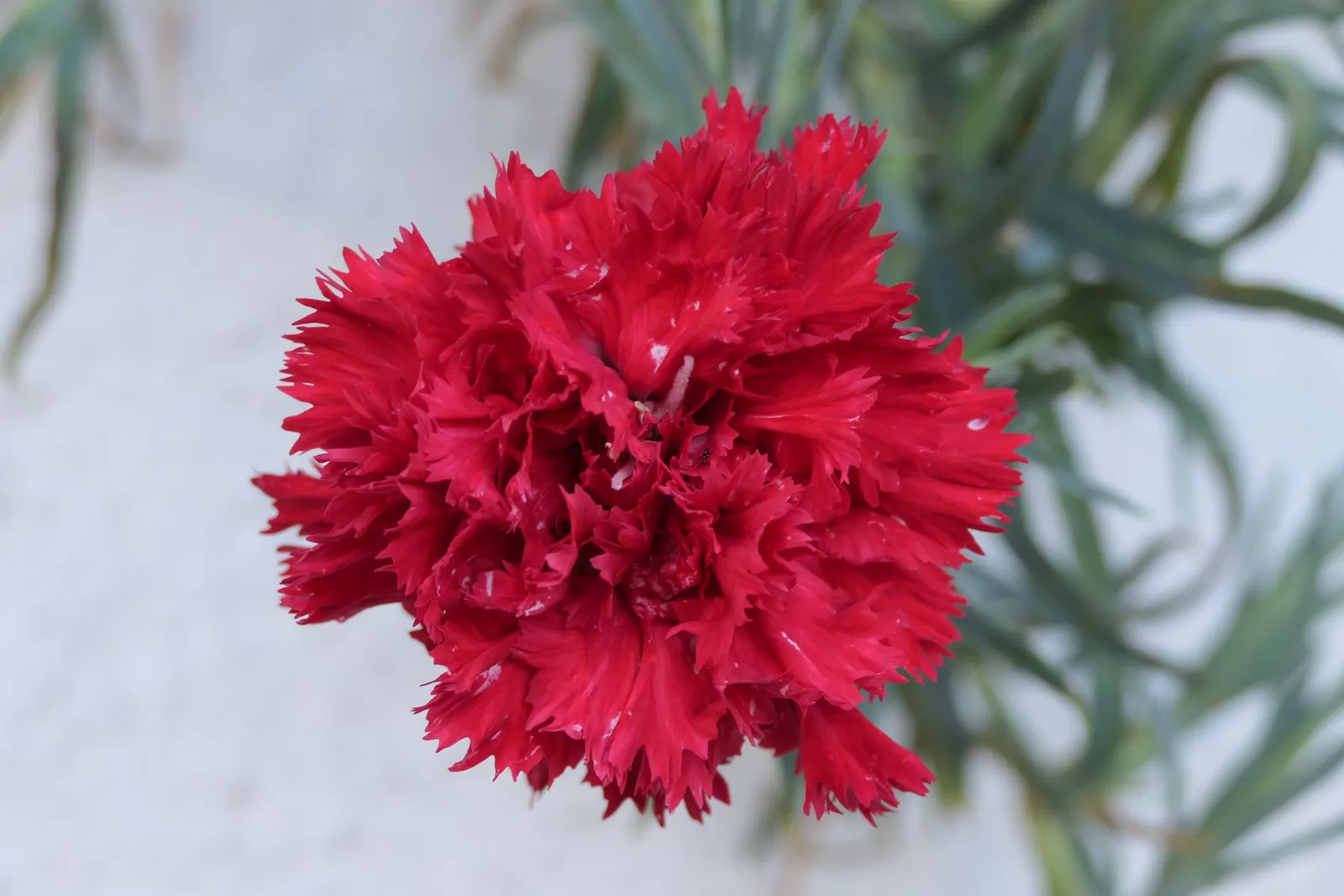
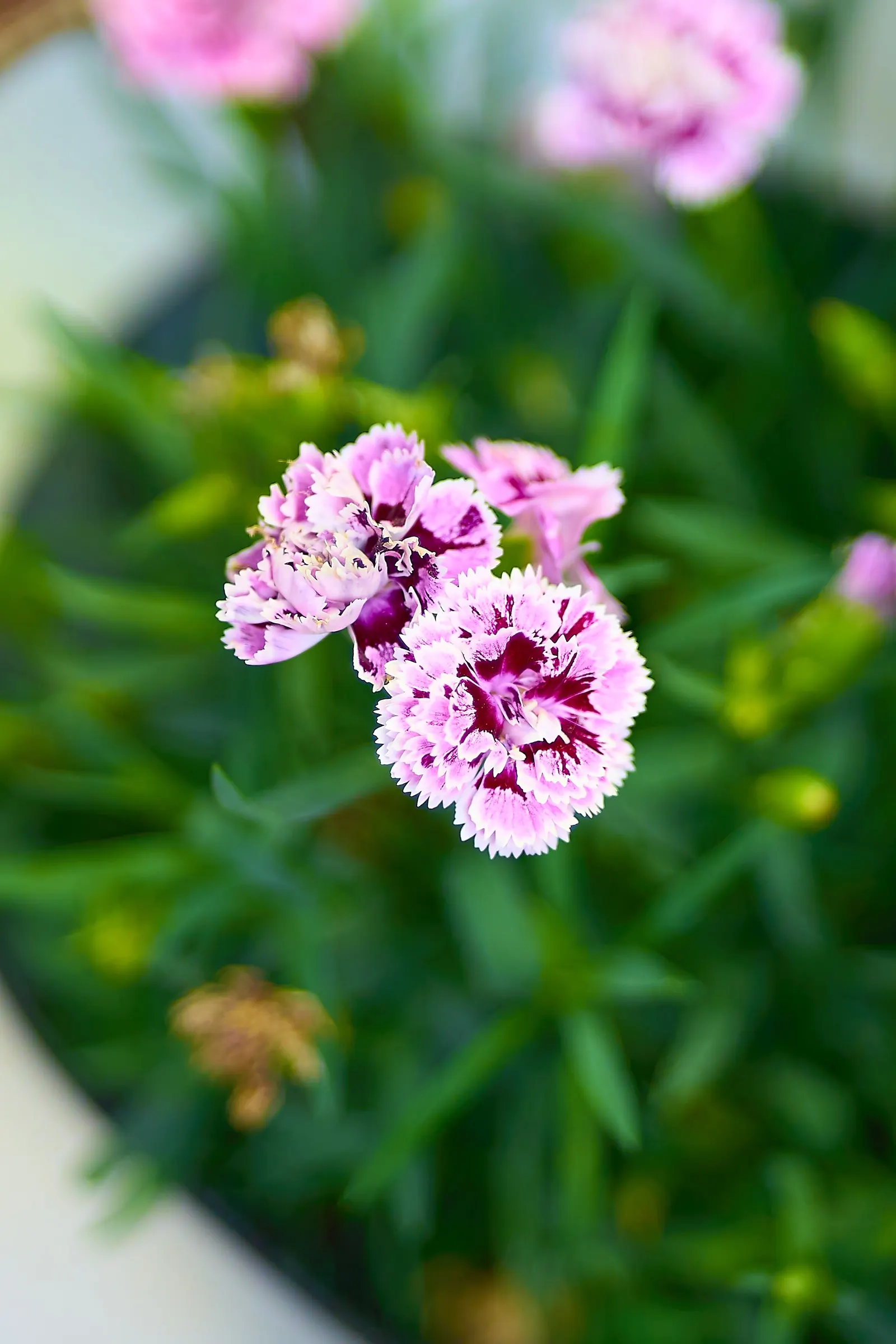
Carnation (Dianthus Caryophyllus) — commonly known as carnation
Carnation (Dianthus Caryophyllus) — with a spread of approximately 12 to 18 inches; carnations can withstand slight fluctuations in temperature but, image 82
Carnation (Dianthus Caryophyllus) — note that their perennial nature ensures they'll enjoy this engaging flower year after year with proper care; annual for
Carnation (Dianthus Caryophyllus) — but beware of over-saturation as it can lead to root rot
Carnation (Dianthus Caryophyllus) — They prefer cooler climates and require regular watering, with soil drying slightly between; regular watering, image 54
Carnation (Dianthus Caryophyllus) — Deadheading spent blooms will encourage further flowering; to best educate the client, image 65
Carnation (Dianthus Caryophyllus) — is a perennial plant cherished for its vibrant blooms and rich fragrance
Carnation (Dianthus Caryophyllus) — Deadheading spent blooms will encourage further flowering; to best educate the client
Carnation (Dianthus Caryophyllus) — commonly known as carnation; it thrives in full sun and well-drained soil
Carnation (Dianthus Caryophyllus) — is a perennial plant that typically grows 18 to 24 inches tall
Carnation (Dianthus Caryophyllus) — annual for full or half; note that their perennial nature ensures they'll enjoy this engaging flower year after, image 72
Carnation (Dianthus Caryophyllus) — This classic beauty is a staple in ornamental gardens and a favorite for cut flower arrangements; glaucous, image 81
Carnation (Dianthus Caryophyllus) — which can span 2 to 3 inches in diameter when fully bloomed.<br><br>Preferring full sun and well-drained; but, image 61
Photographs by 16 contributors

Related plants