Skip to content

Tasmanian Flax Lily

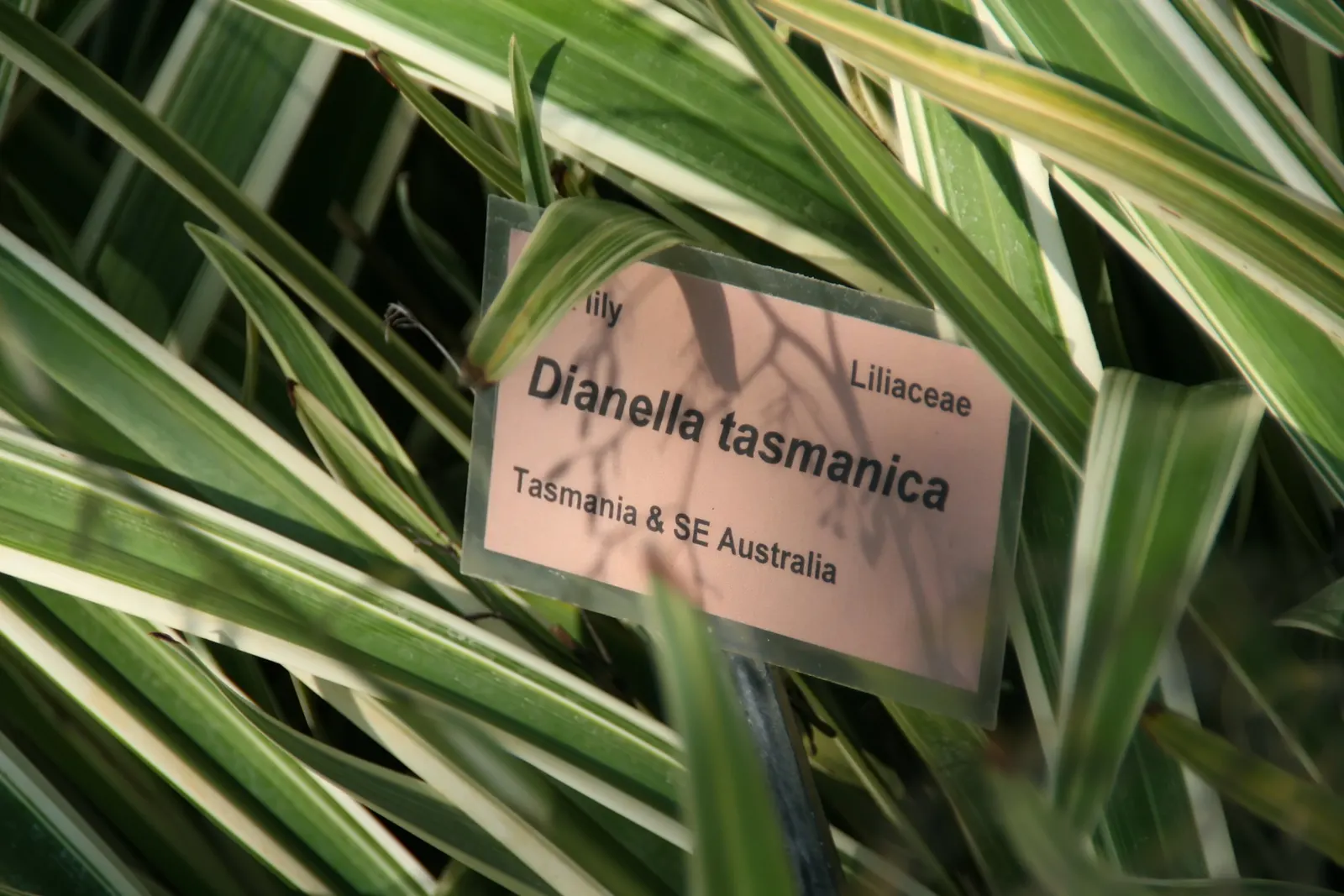
Dianella Tasmanica

Design with this plant

Overview

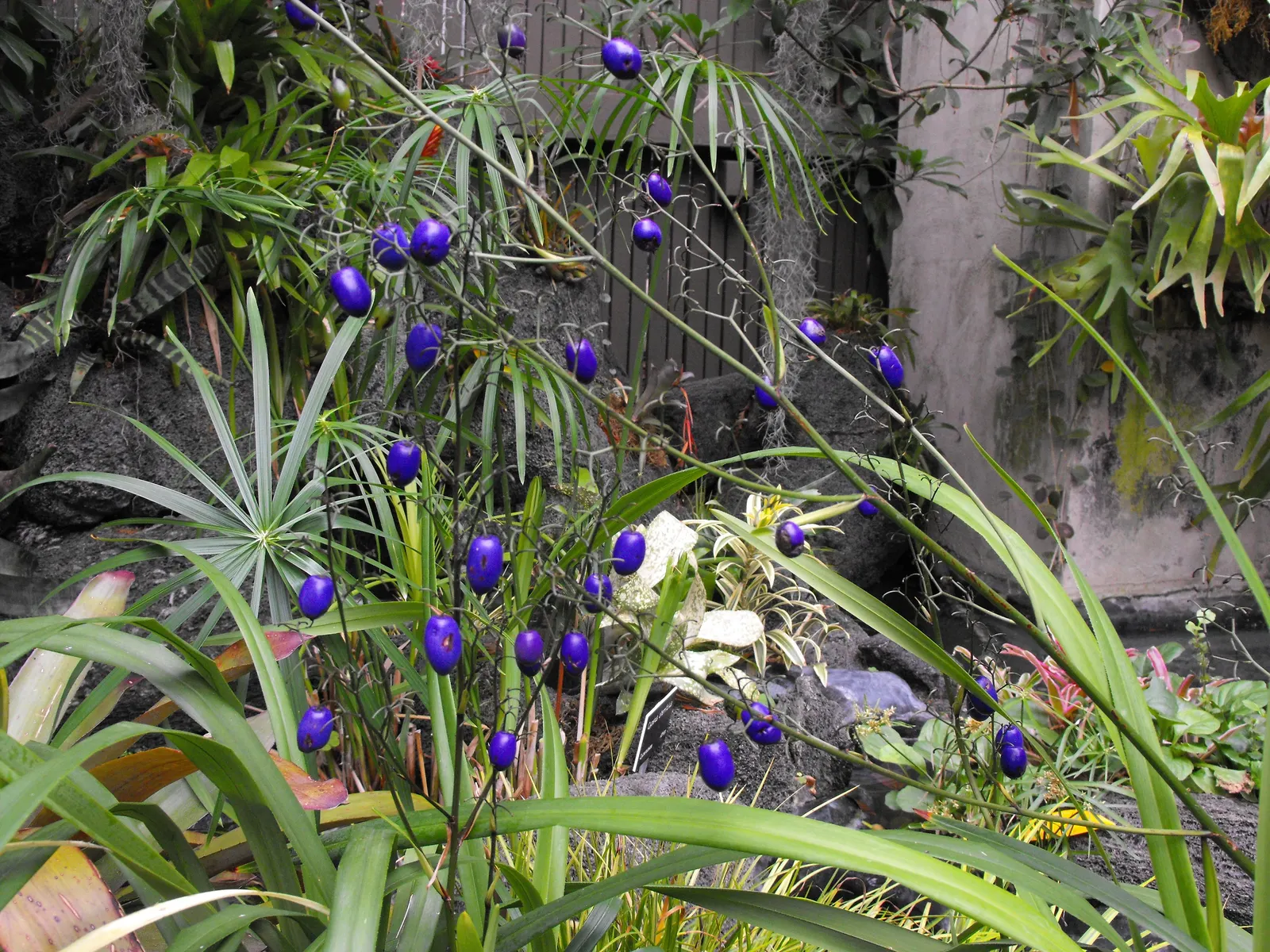
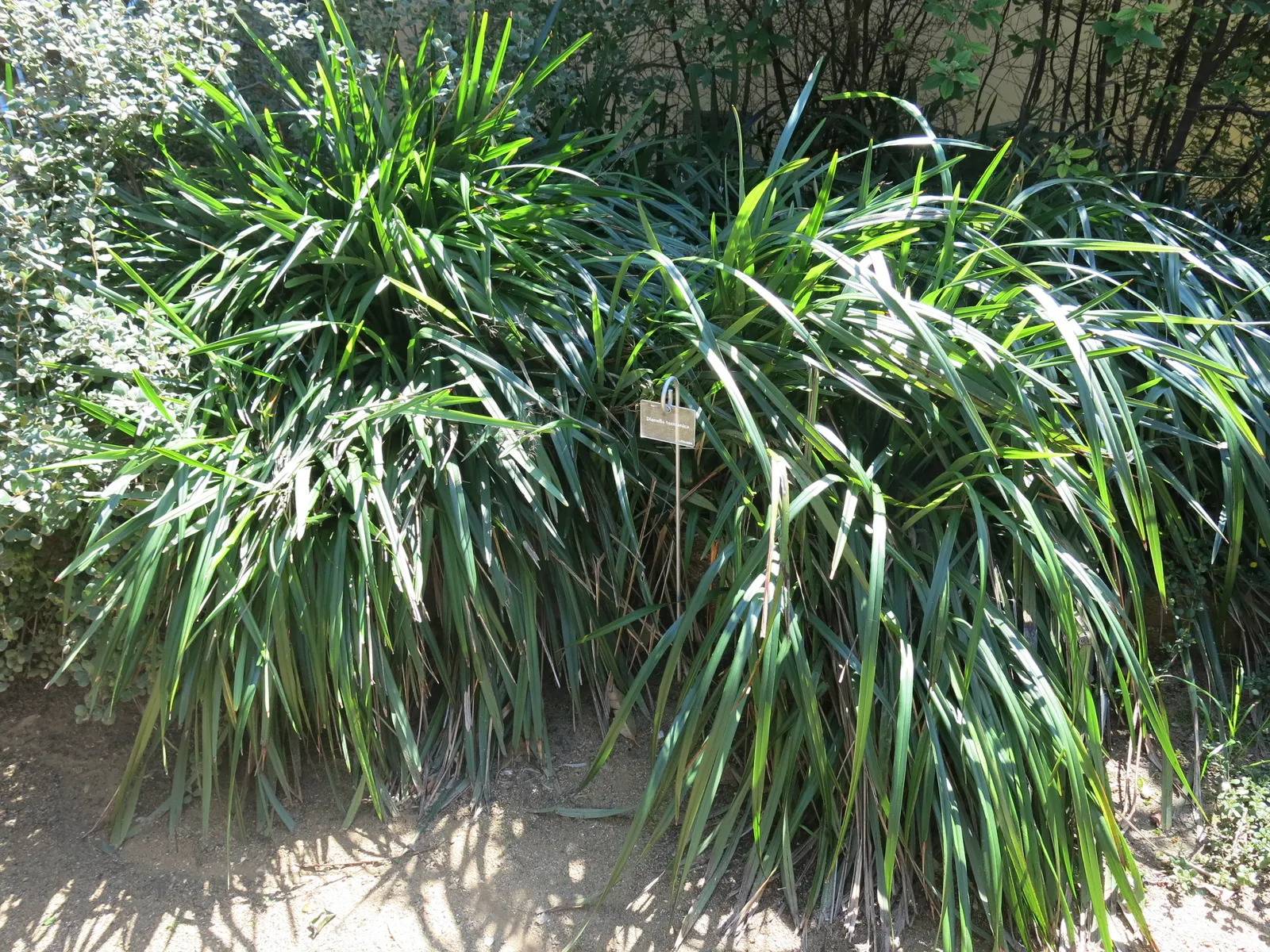
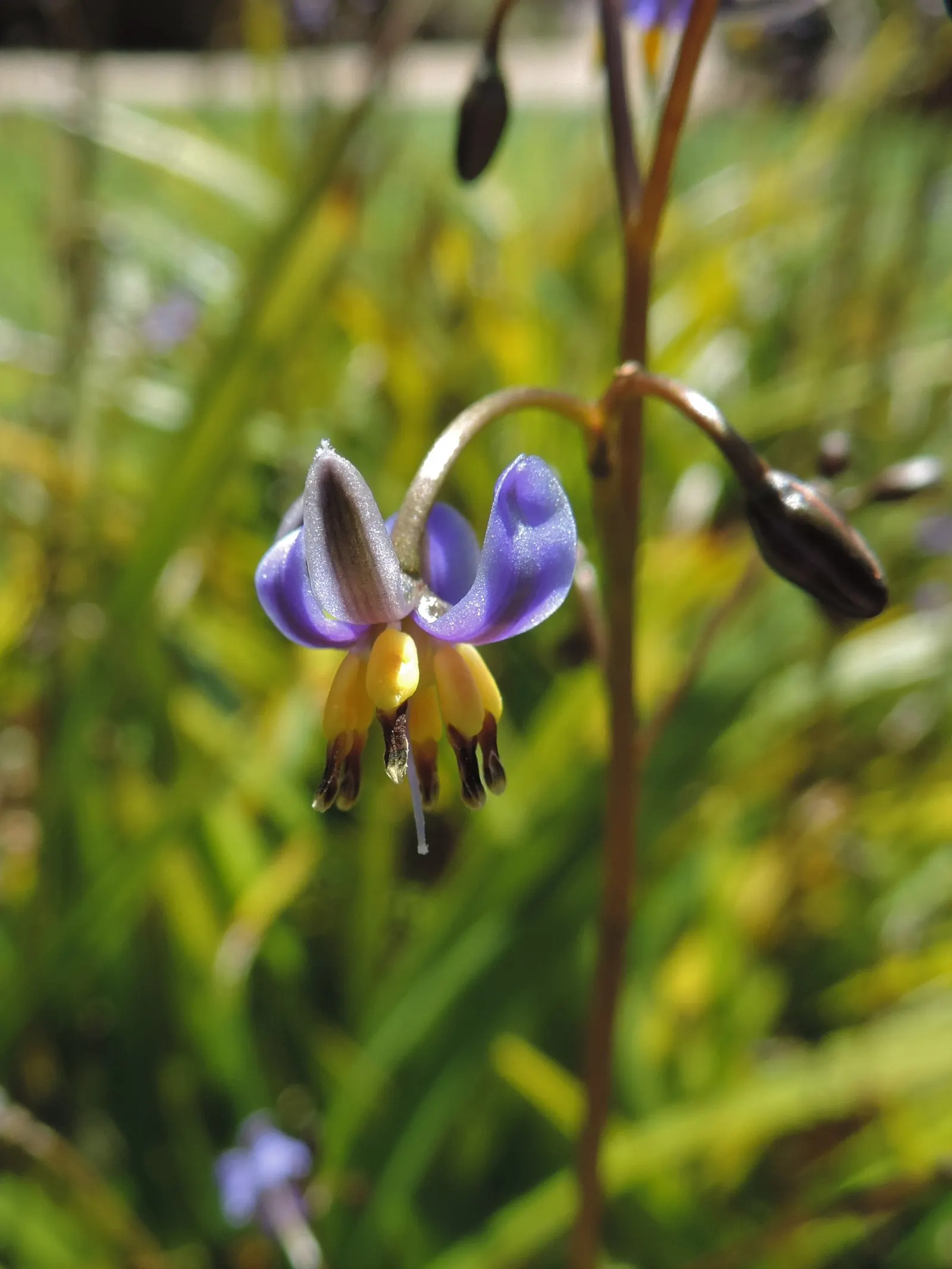
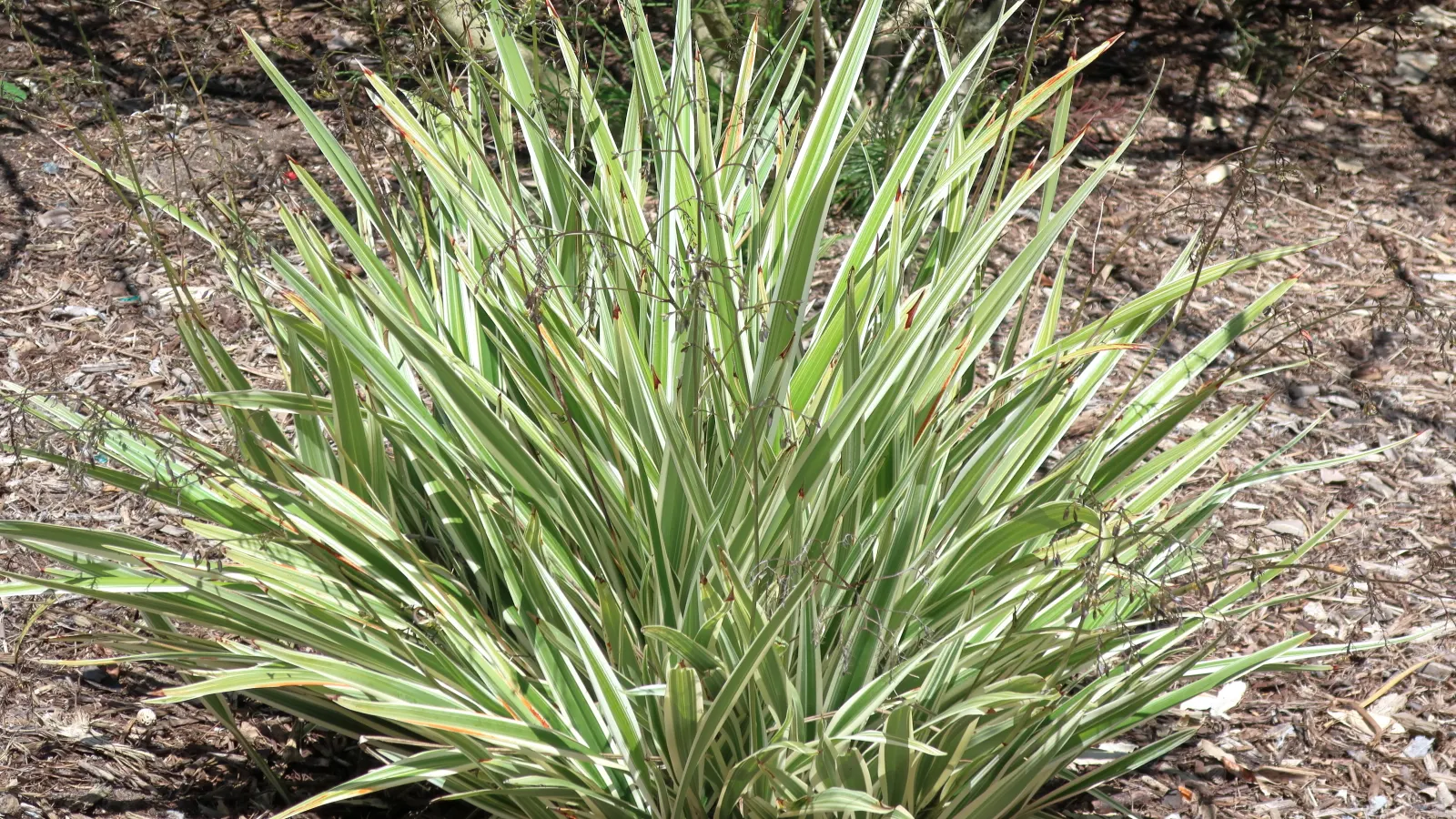
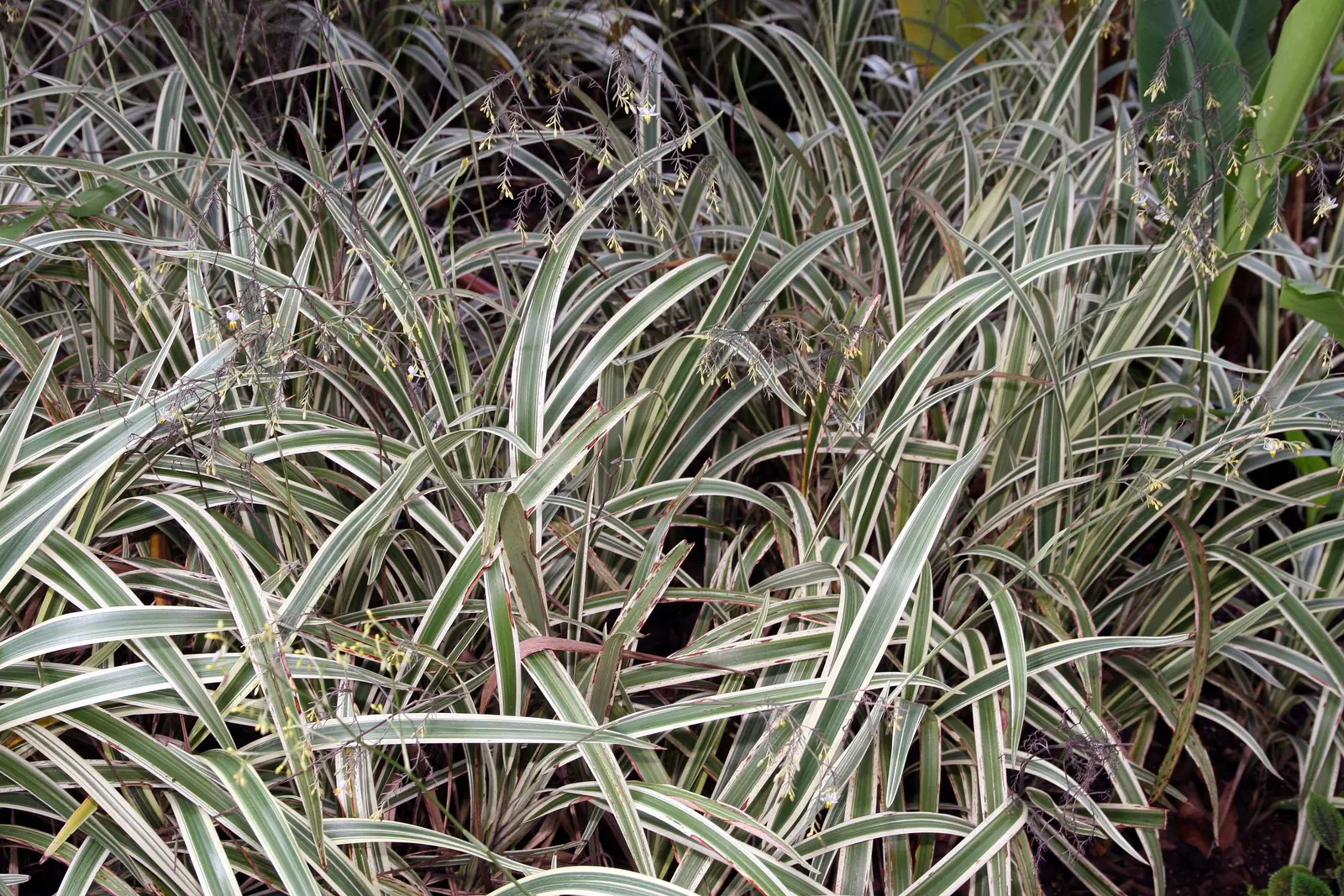
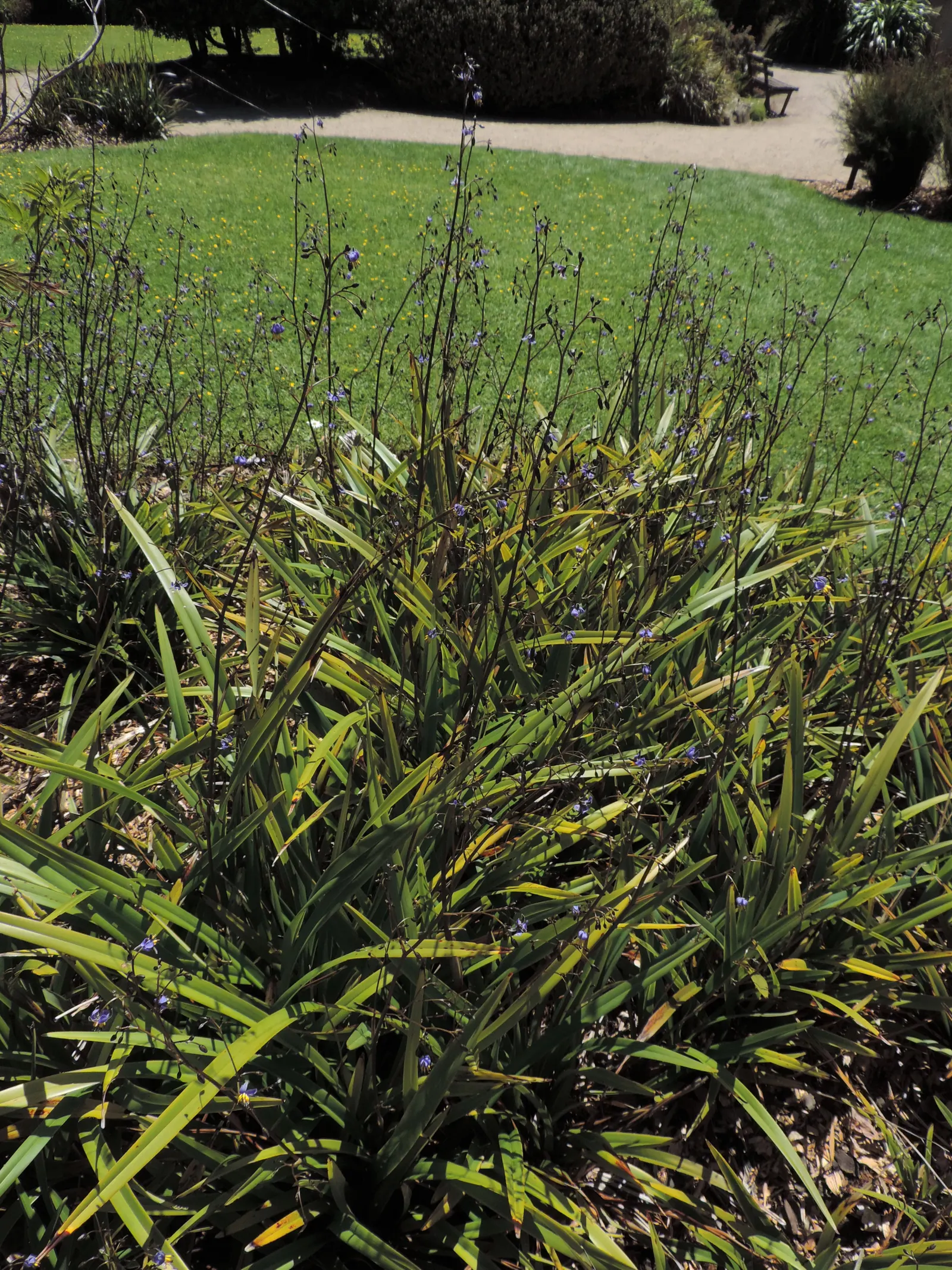
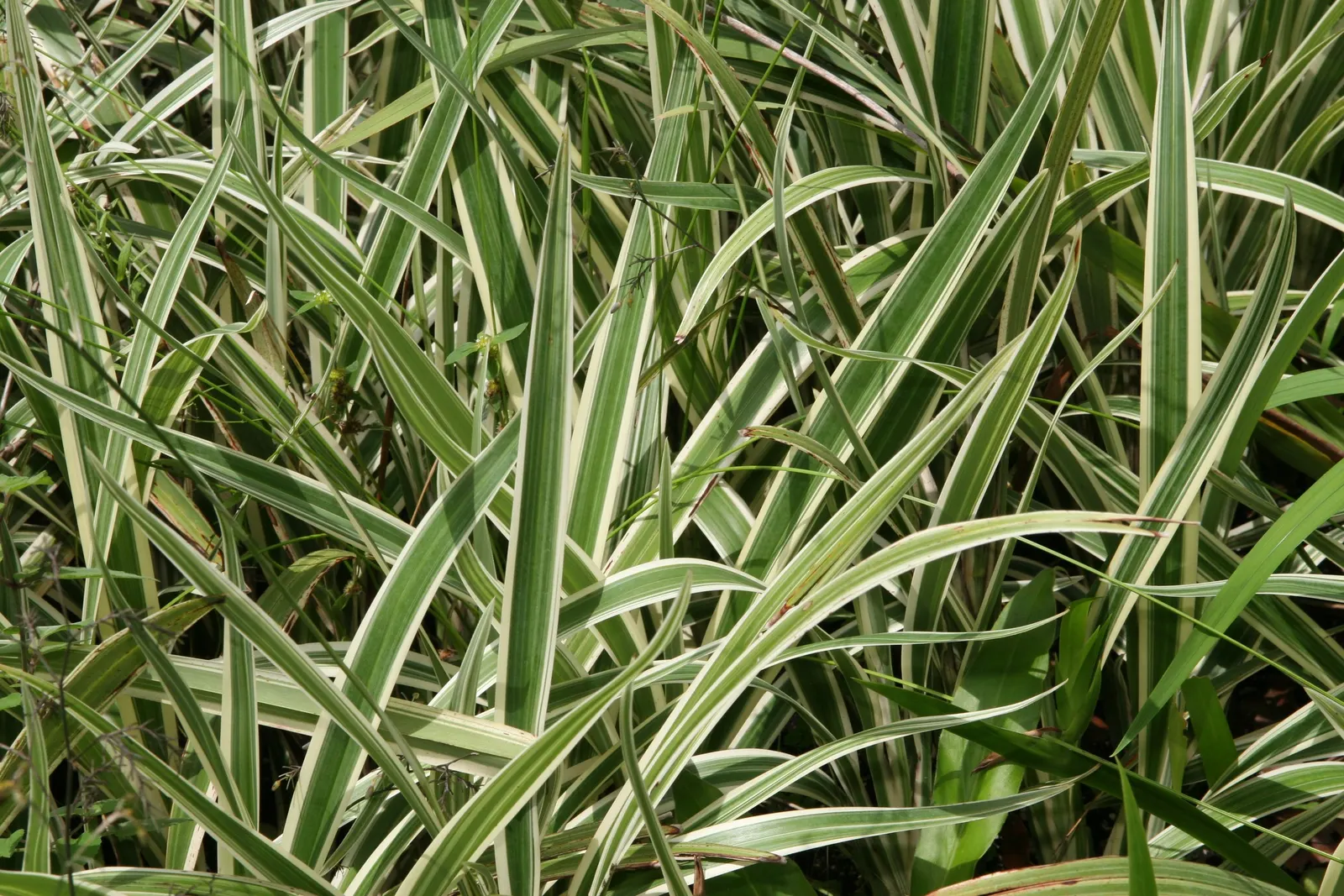
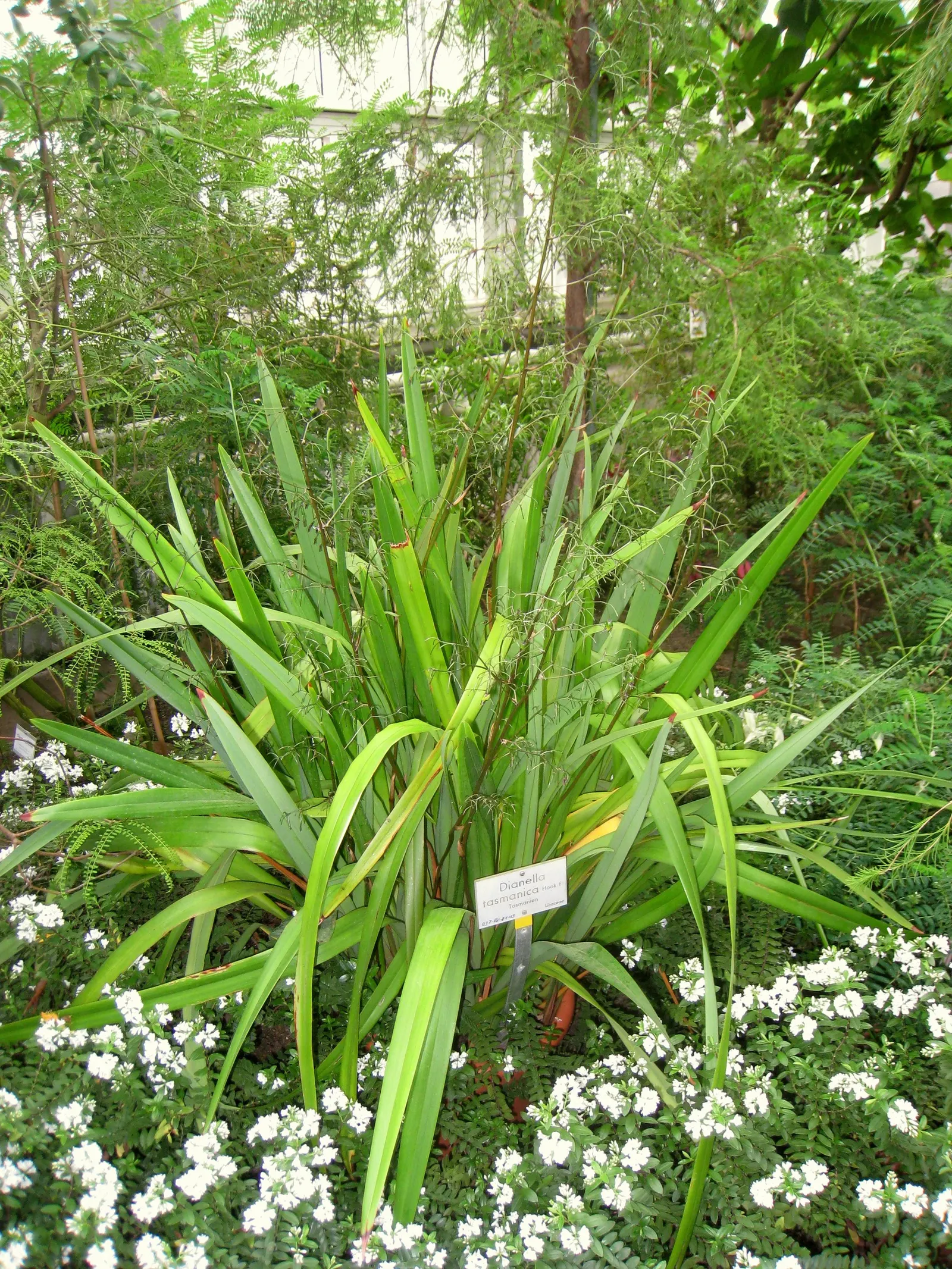
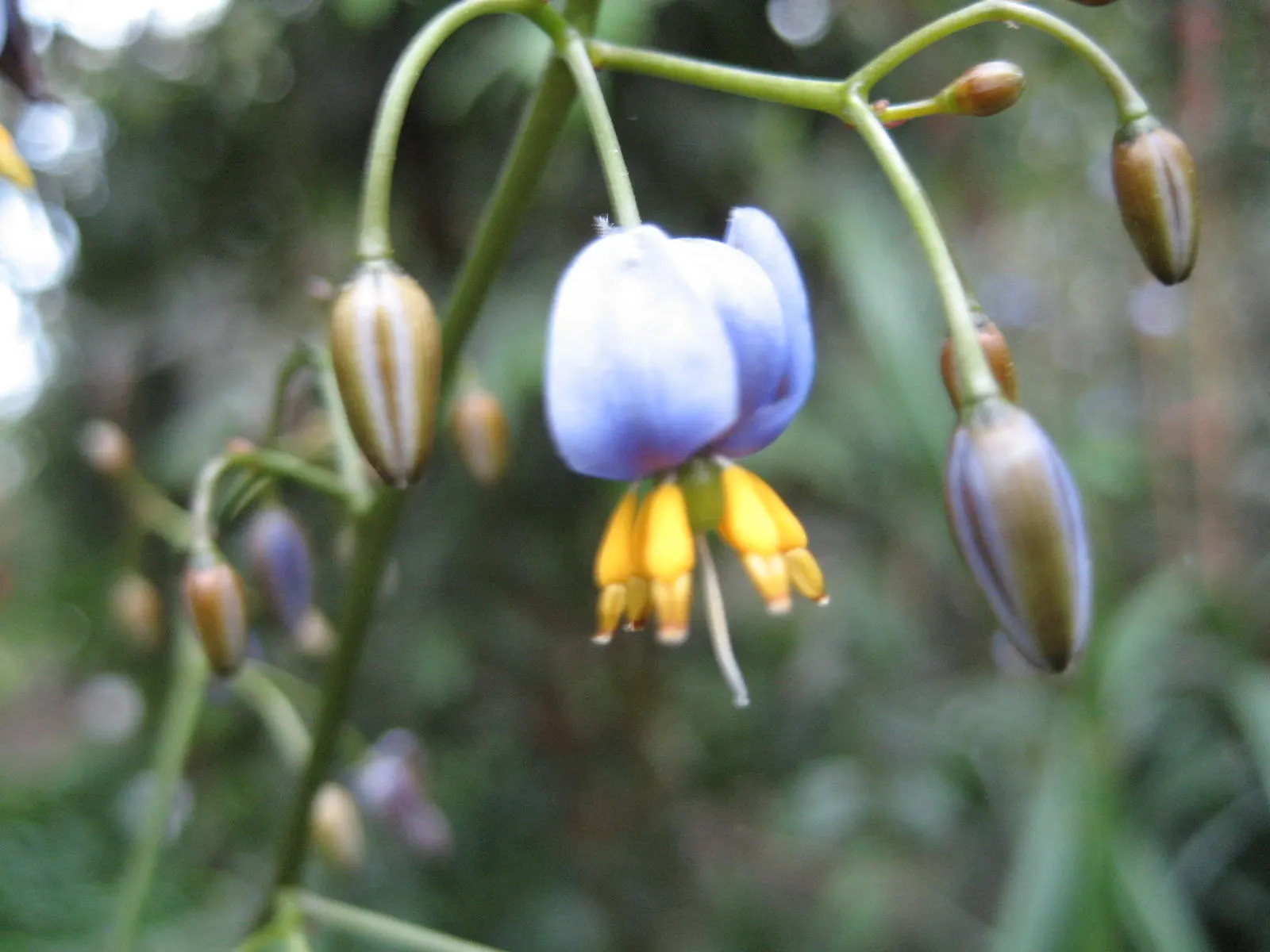
The Tasmanian Flax Lily (Dianella tasmanica) is an evergreen perennial with strappy, verdant green leaves that reach up to 3 feet in height and spread up to 2 feet wide. Its striking blue-purple flowers bloom in spring, leading to edible, metallic-blue berries. Ideal for mass plantings, this hardy species thrives in partial shade to full sun and adapts to a range of soils. Drought-tolerant once established; suitable for USDA zones 7-10.

Sun Full, Half, ShadeWater MediumZones 8–11Type Grass, Perennial
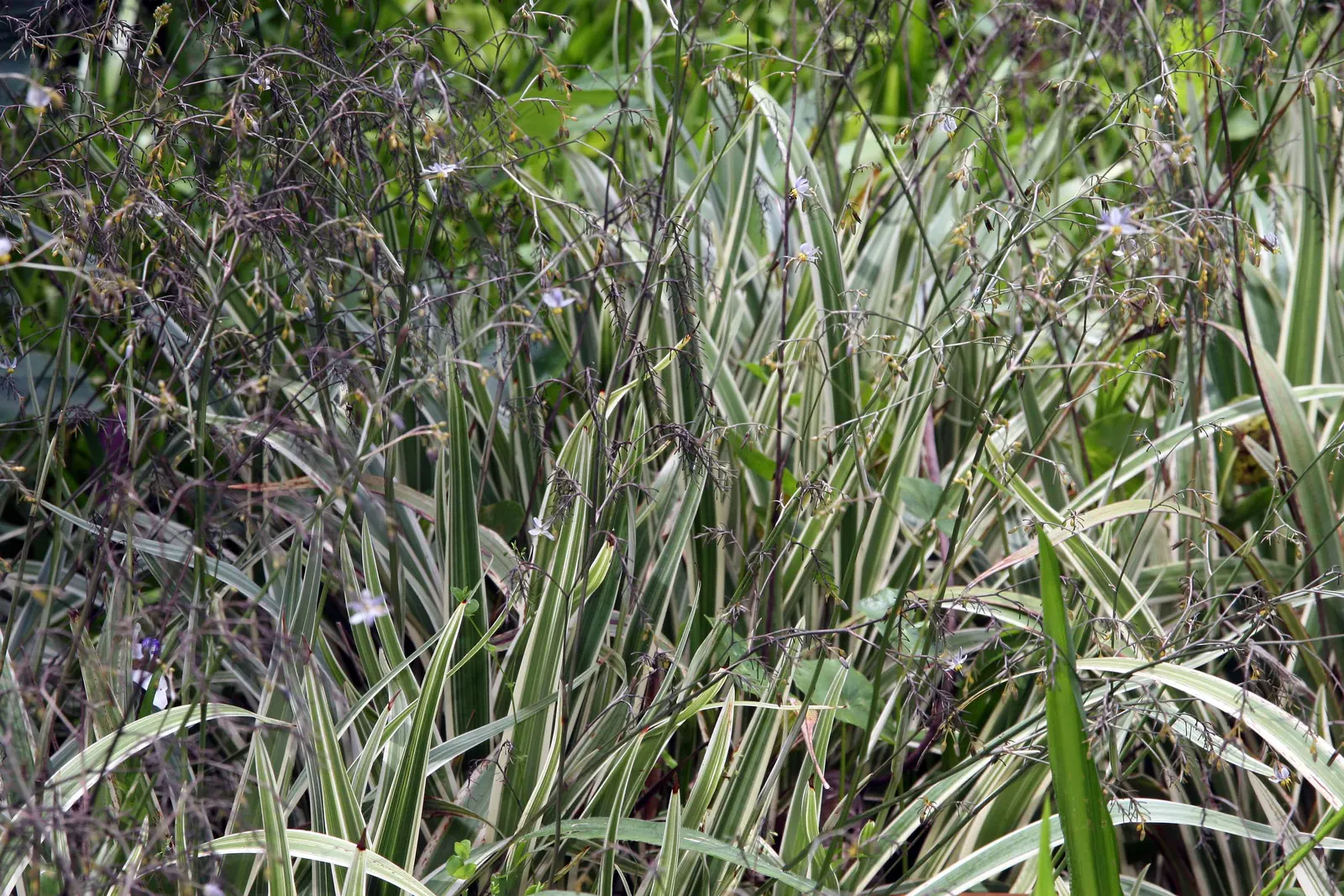
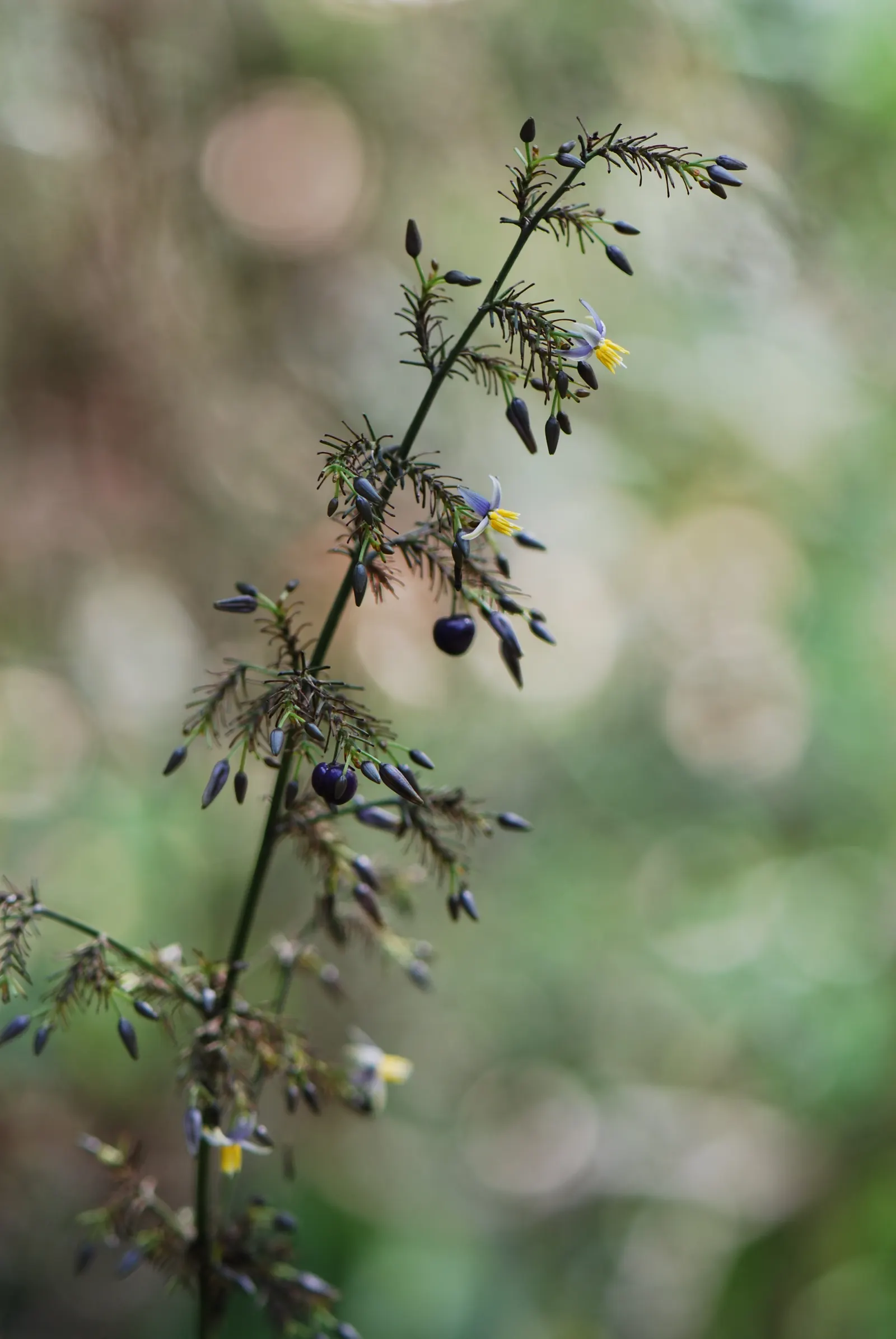
Tasmanian Flax Lily (Dianella Tasmanica) — or within container gardens; often chosen for its attractive foliage and vibrant indigo berries

Culture

Sun
Full, Half, Shade
Water
Medium
USDA zones
8–11

Shape & size

Classification

Type
Grass, Perennial
Family
Hemerocallidaceae

See full data, regional cultivation notes, and design tools. Build a client presentation around this plant.

Start your 14-day trial

Photos (78)

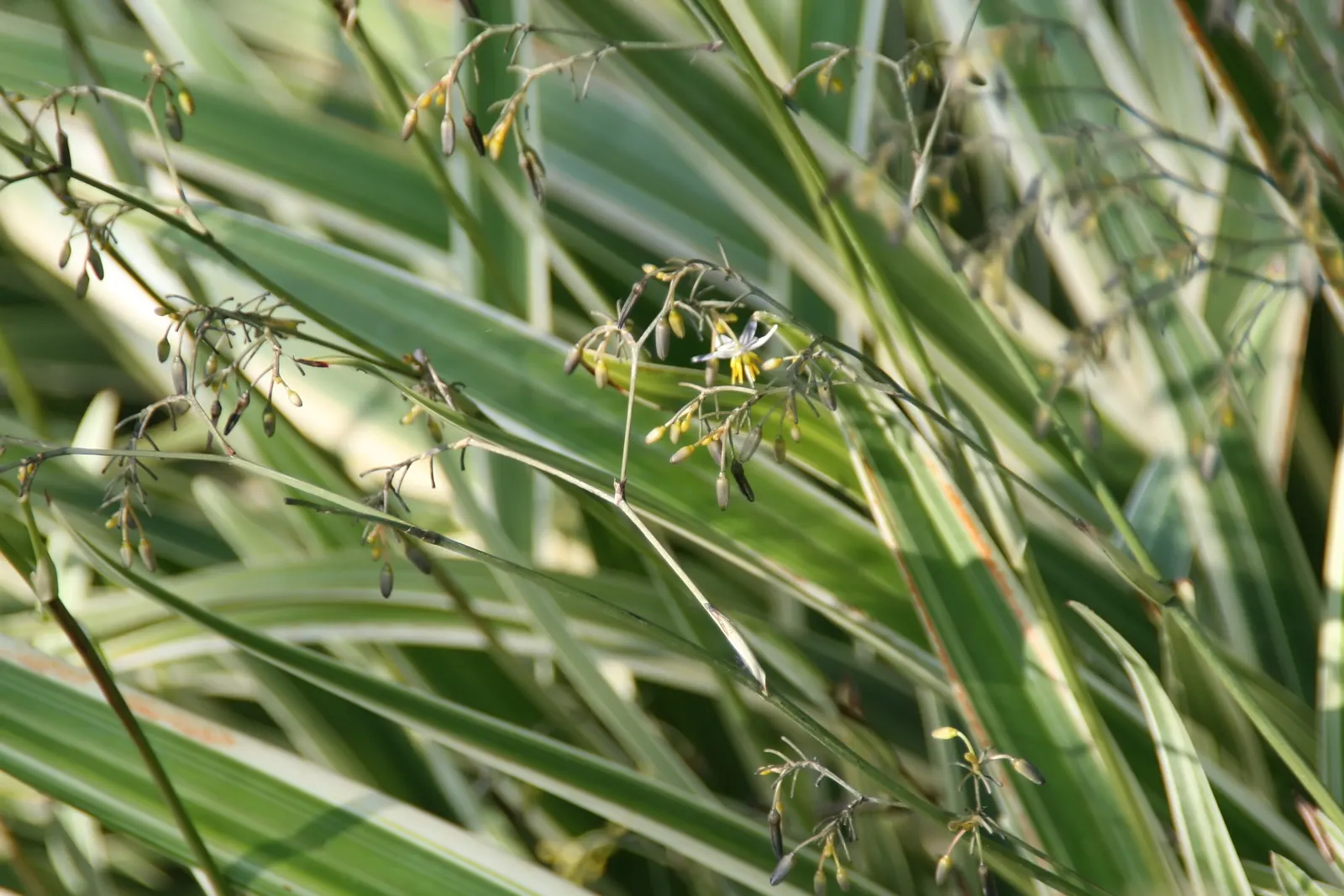
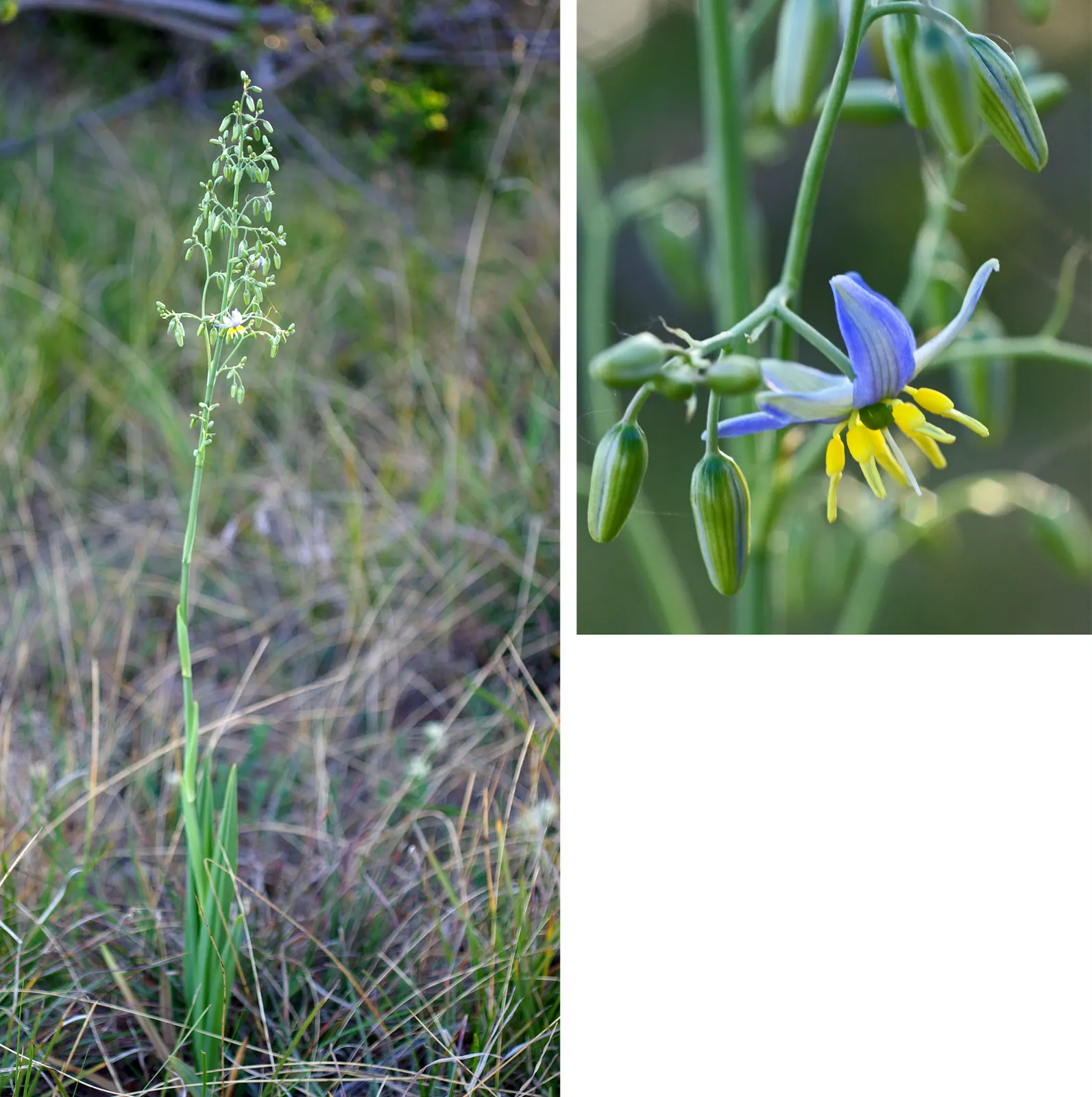
Tasmanian Flax Lily (Dianella Tasmanica) — ranging in color from soft violet to a deep purple-blue; grass / perennial for full or half or shade
Tasmanian Flax Lily (Dianella Tasmanica) — Drought-tolerant once established; suitable for USDA zones 7-10, image 32
Tasmanian Flax Lily (Dianella Tasmanica) — making it a low-maintenance option for landscapes in USDA Hardiness Zones 7-10; verdant green leaves that reach up
Tasmanian Flax Lily (Dianella Tasmanica) — verdant green leaves that reach up to 3 feet in height and spread up to 2 feet wide; star-shaped flowers in the
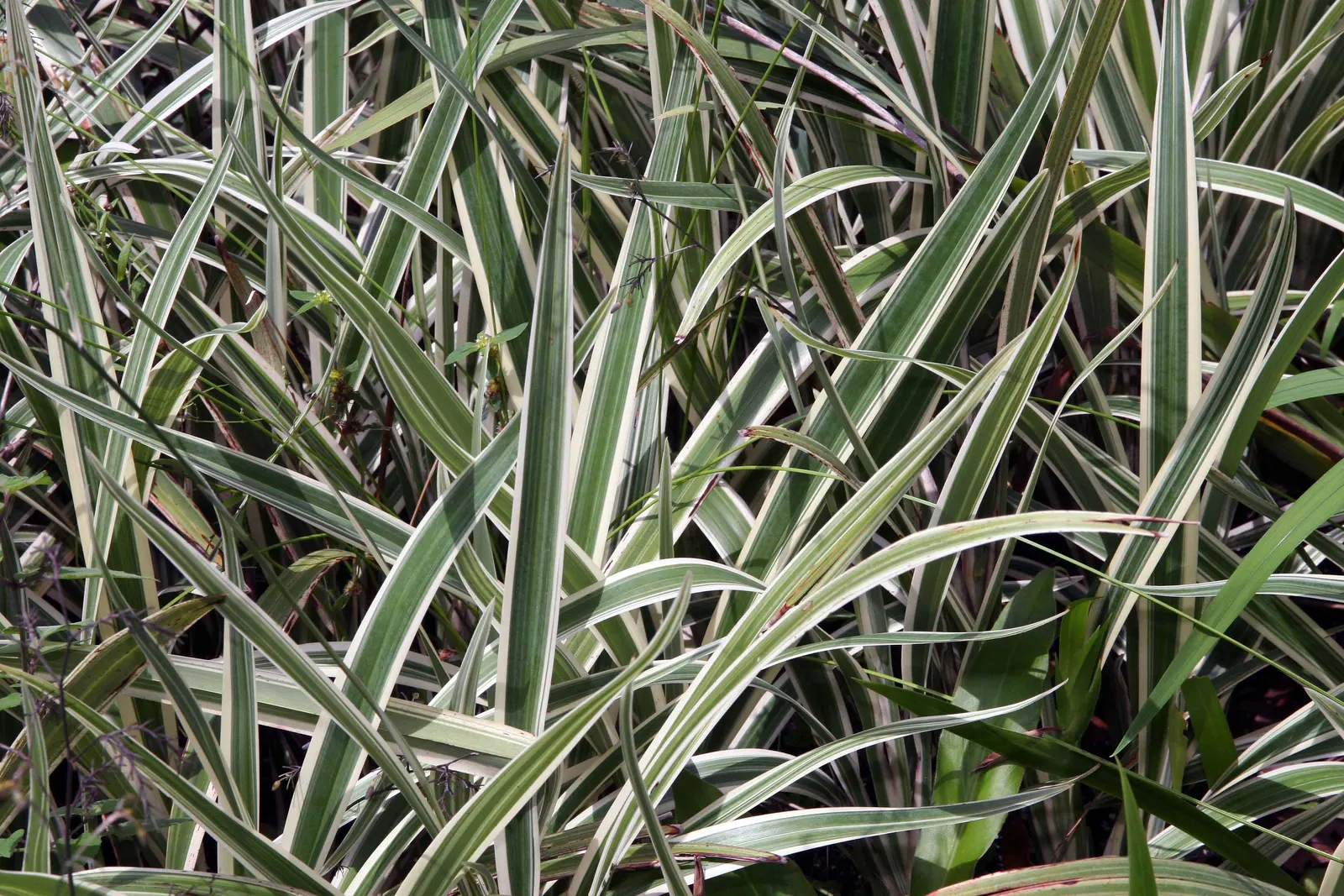
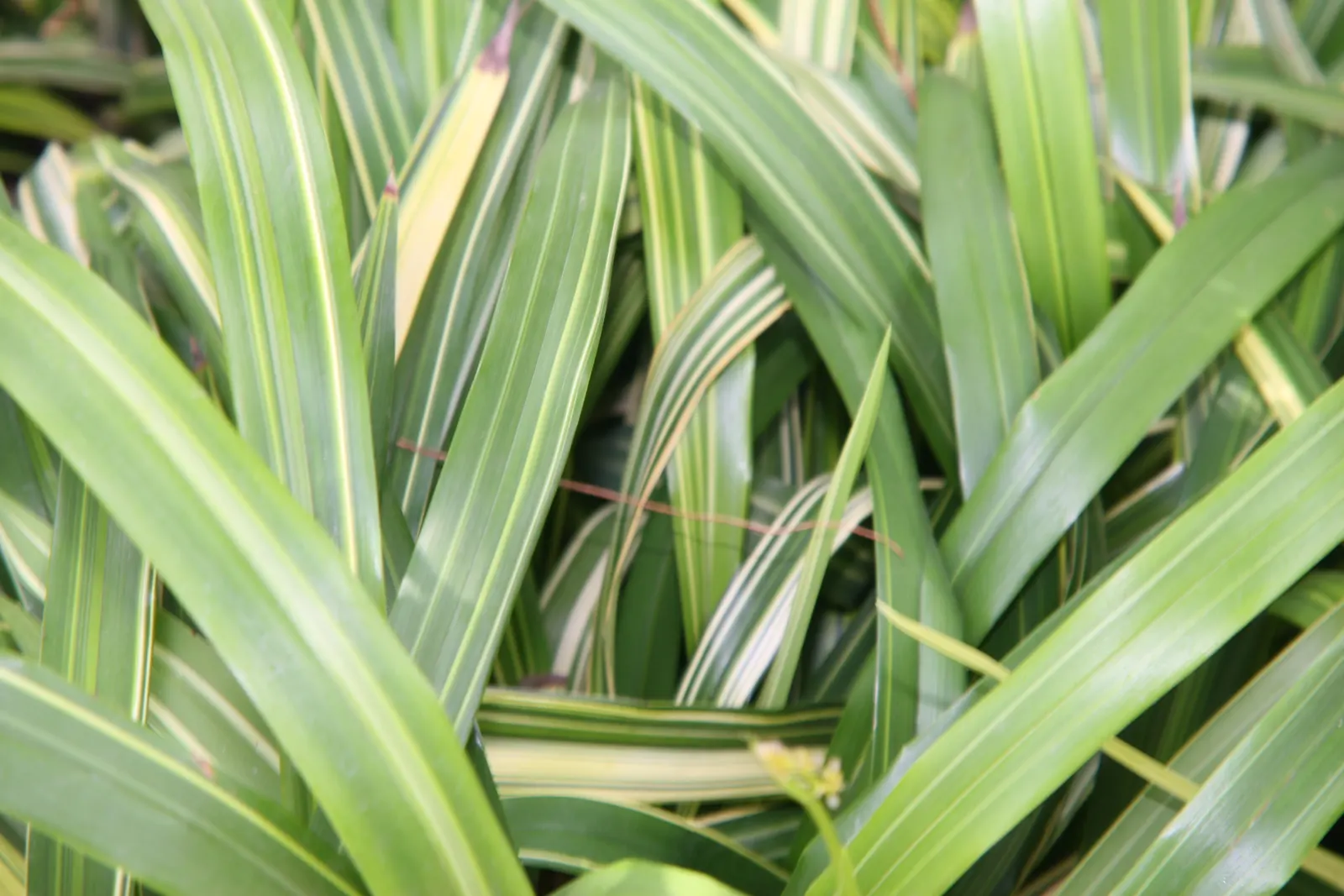
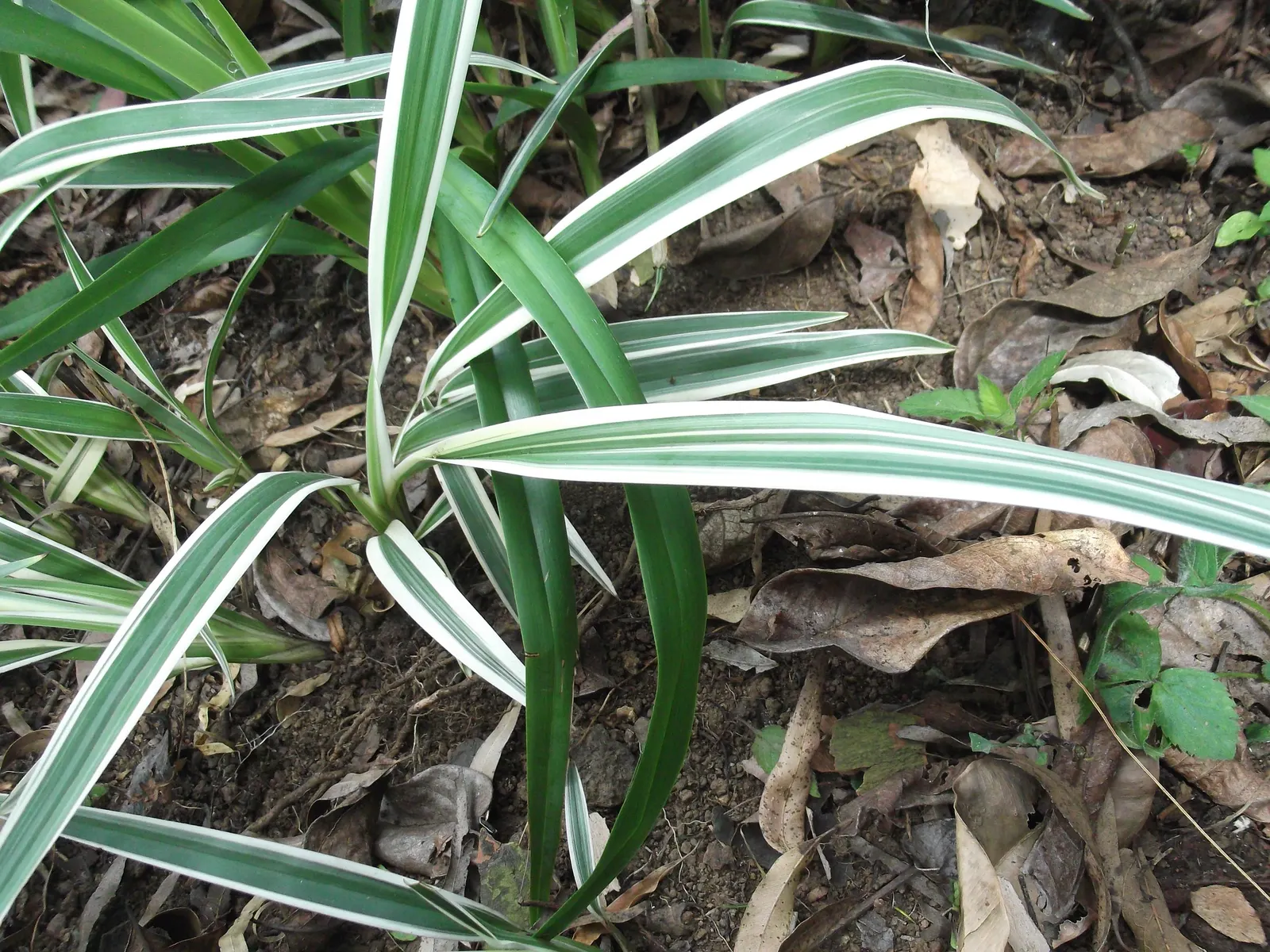
Tasmanian Flax Lily (Dianella Tasmanica) — verdant green leaves that reach up to 3 feet in height and spread up to 2 feet wide
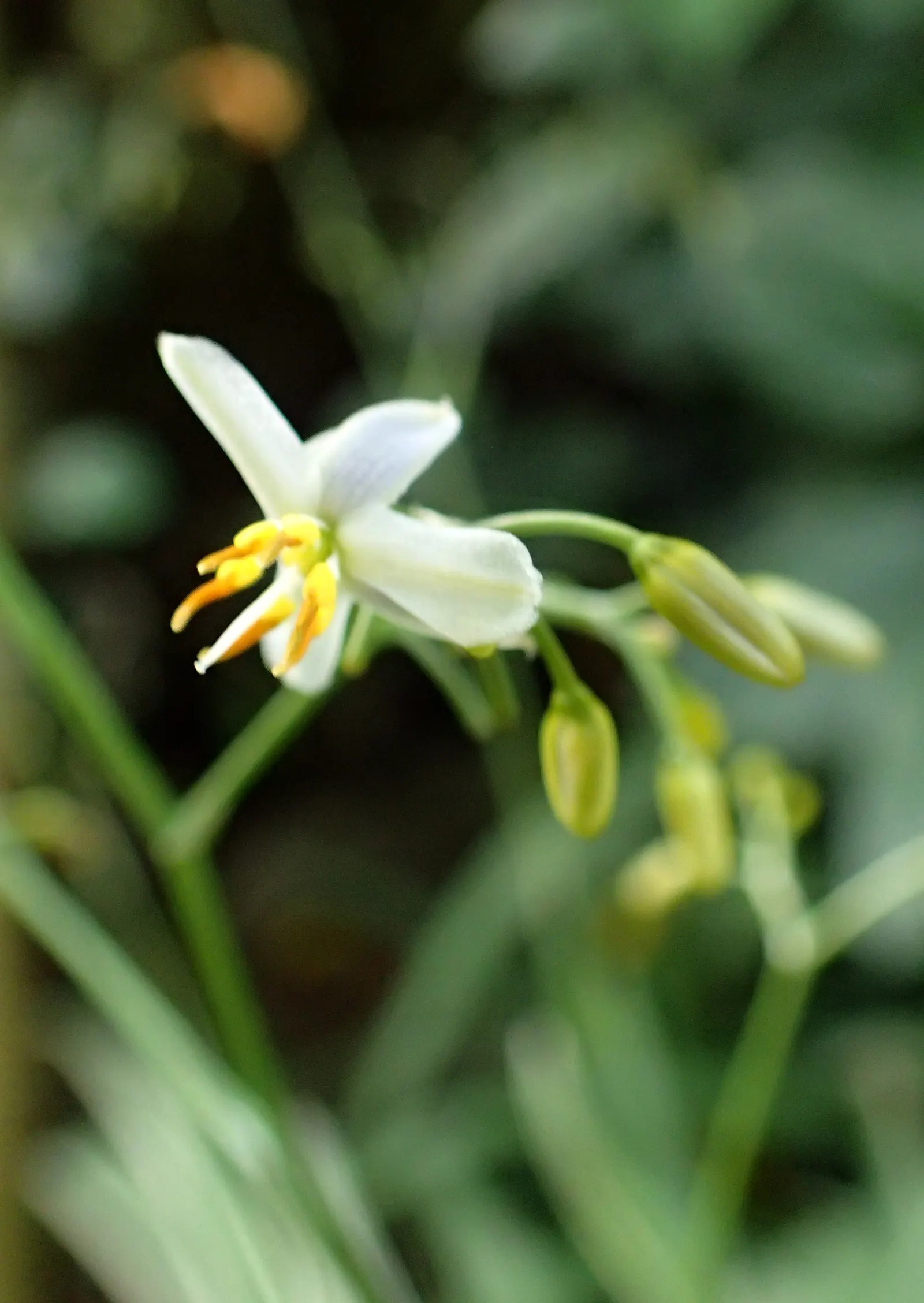
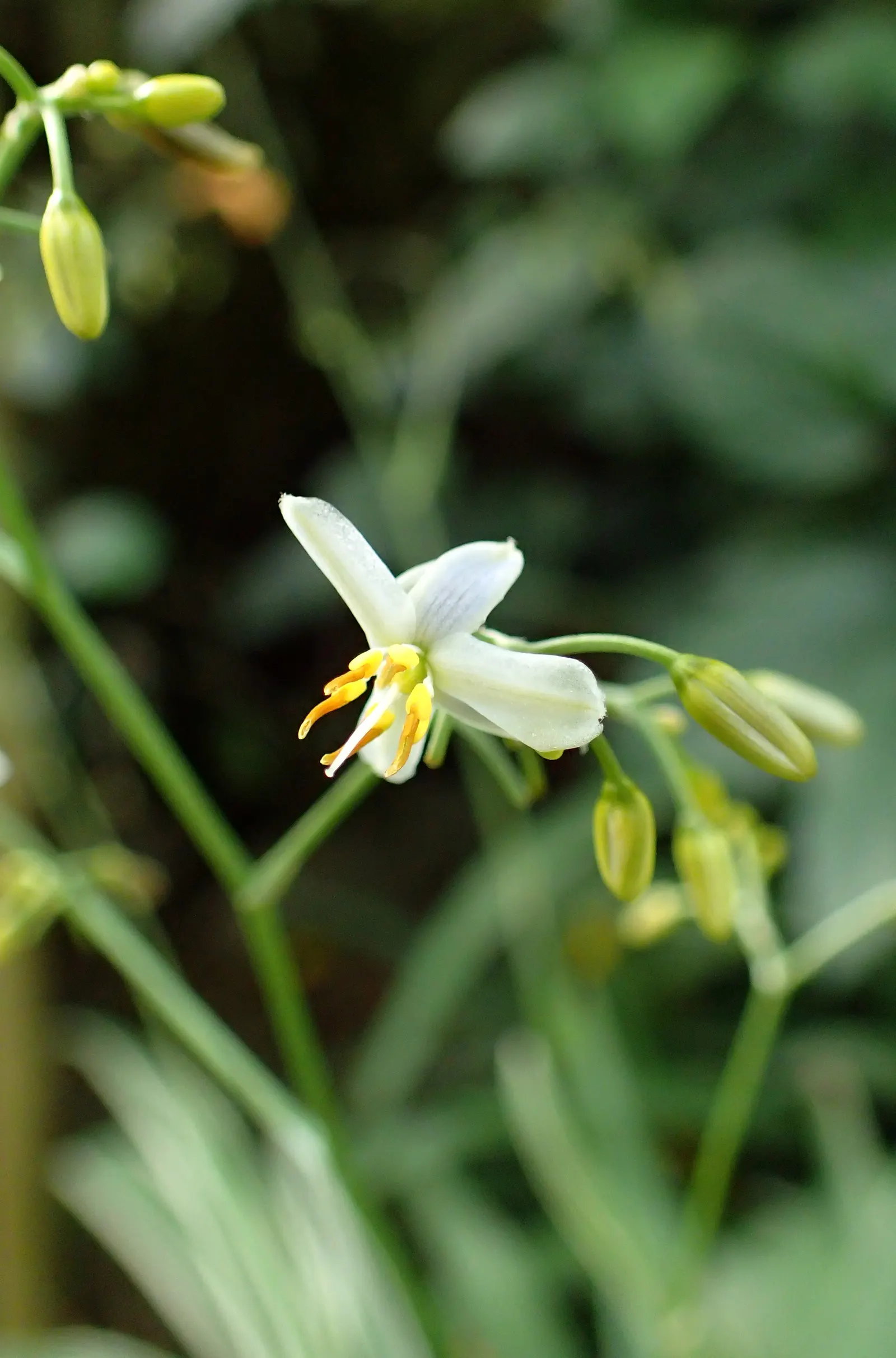
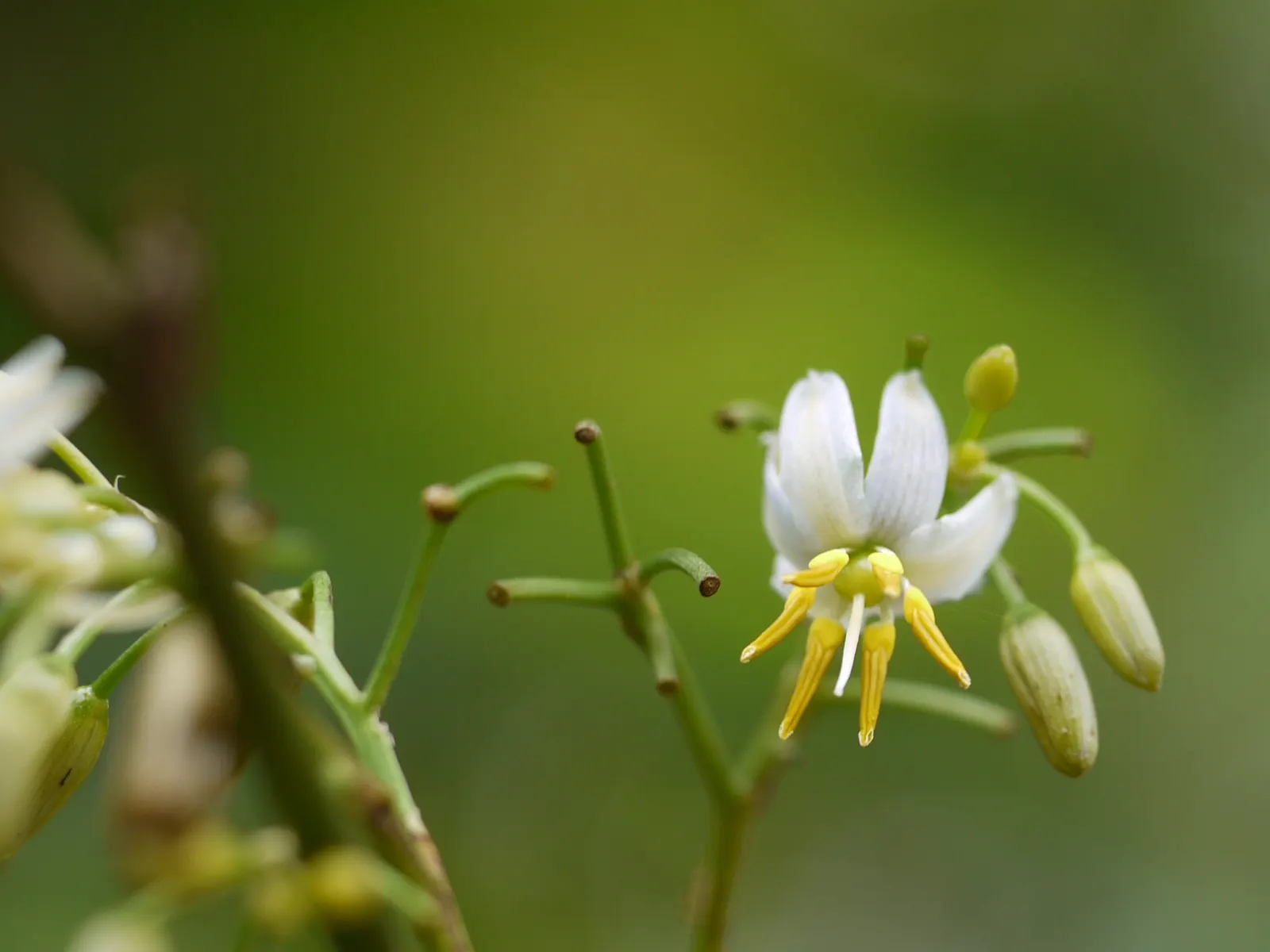
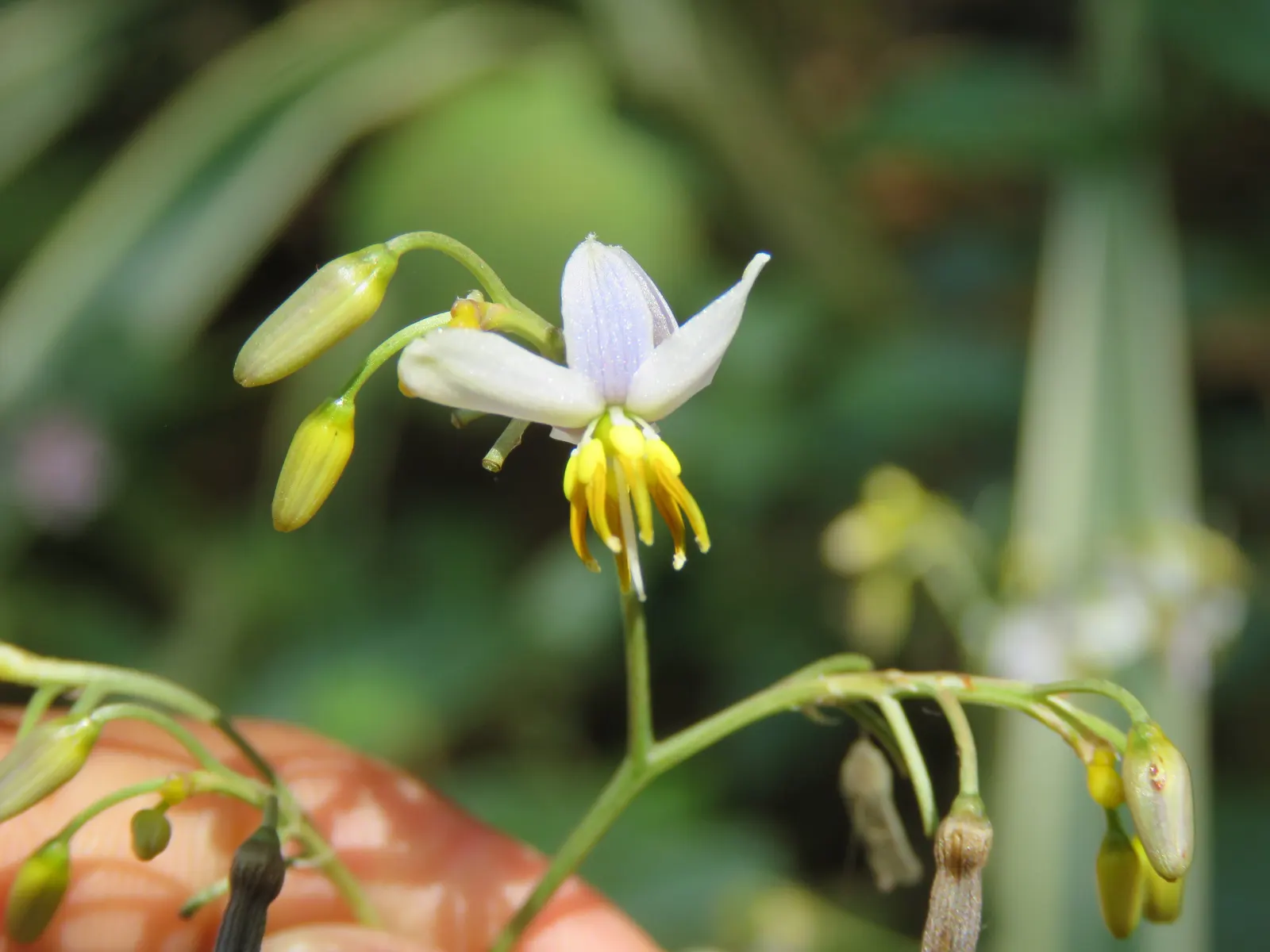
Tasmanian Flax Lily (Dianella Tasmanica) — each bloom approximately 0.75 to 1 inch across; is a striking evergreen perennial that adds a touch of elegance and
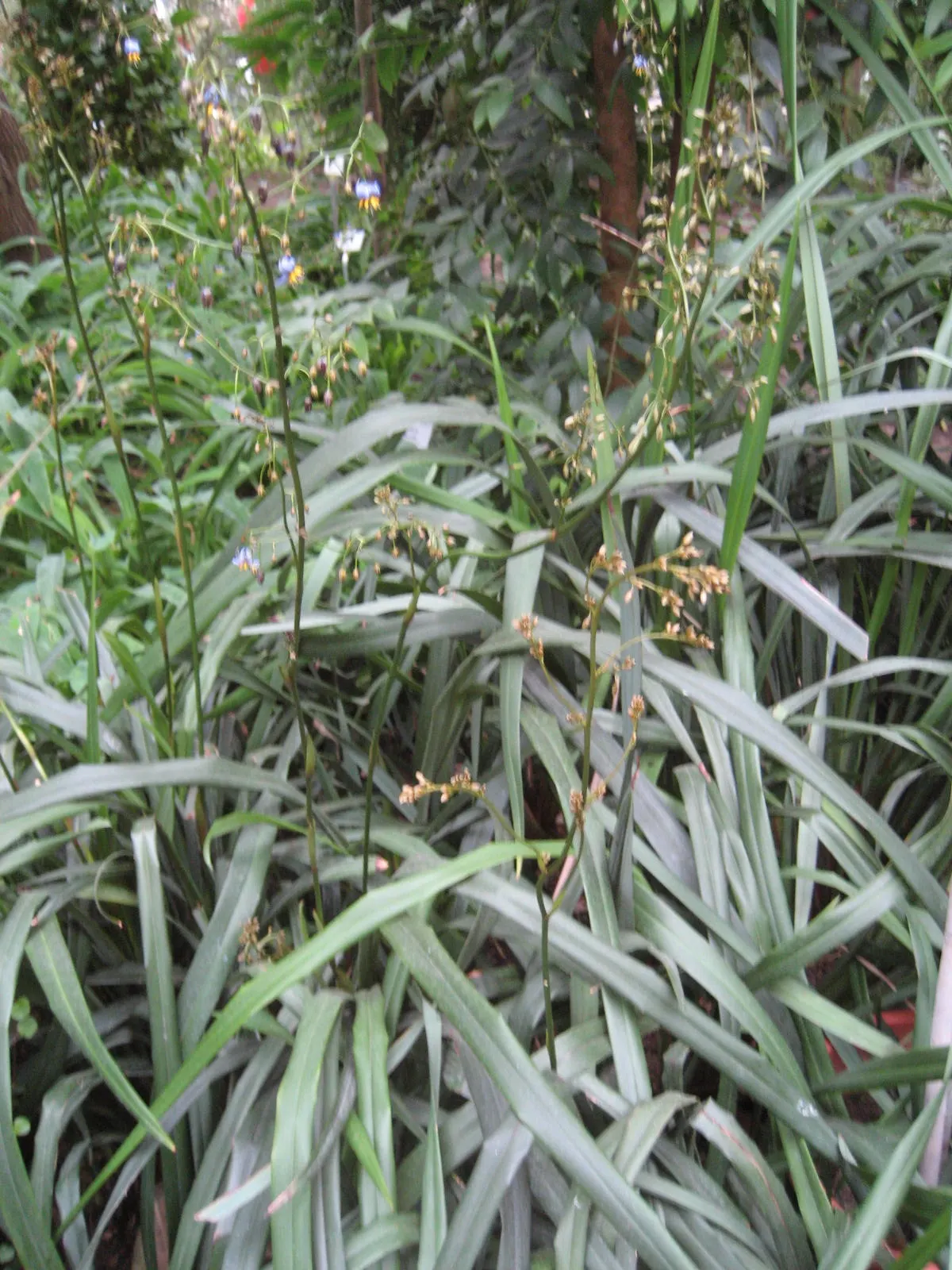
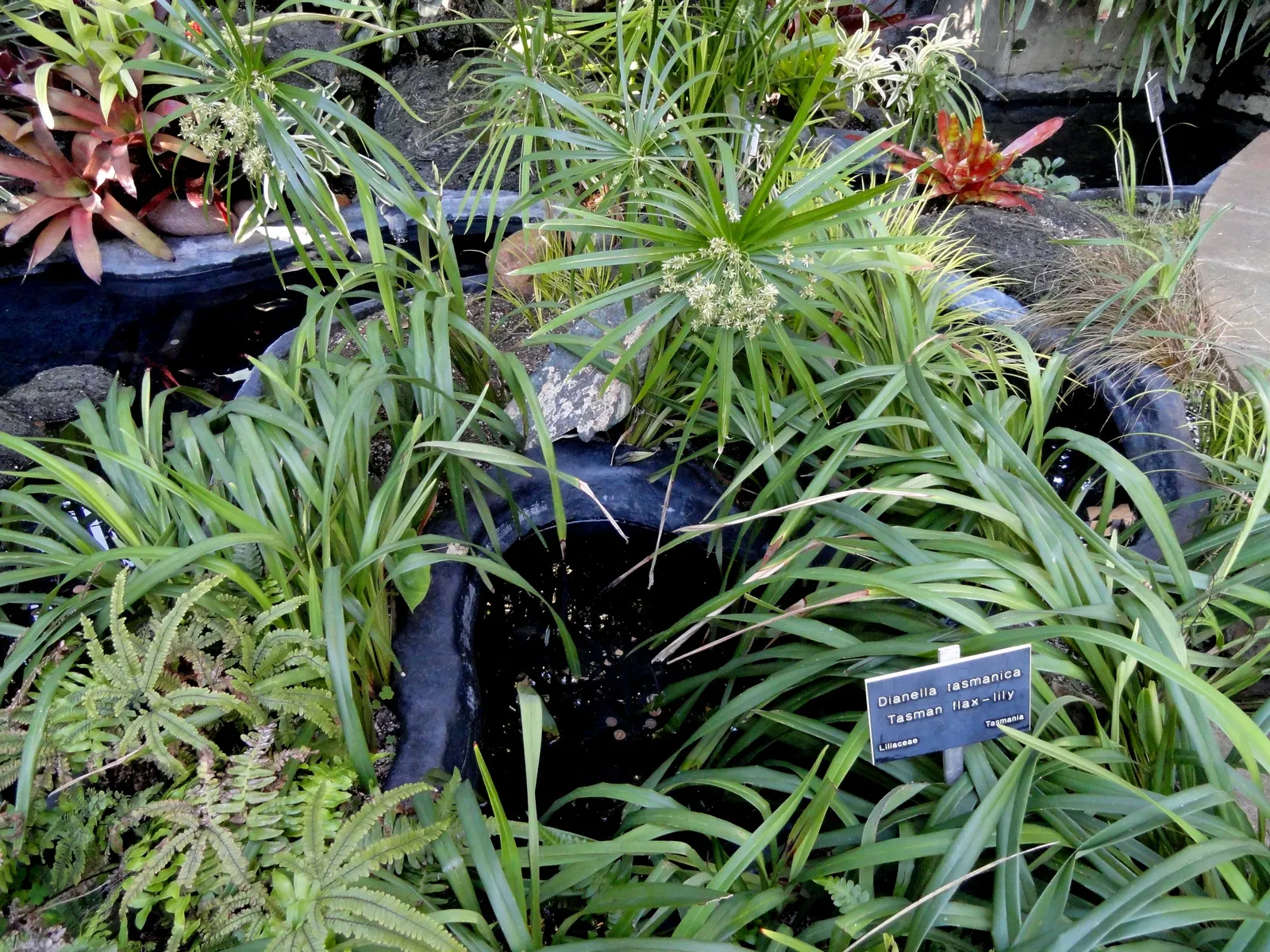
Tasmanian Flax Lily (Dianella Tasmanica) — grass / perennial with blue blooms; or within container gardens
Tasmanian Flax Lily (Dianella Tasmanica) — Dianella tasmanica thrives in full sun to partial shade
Tasmanian Flax Lily (Dianella Tasmanica) — making it an excellent choice for gardeners seeking a plant that offers both beauty and resilience
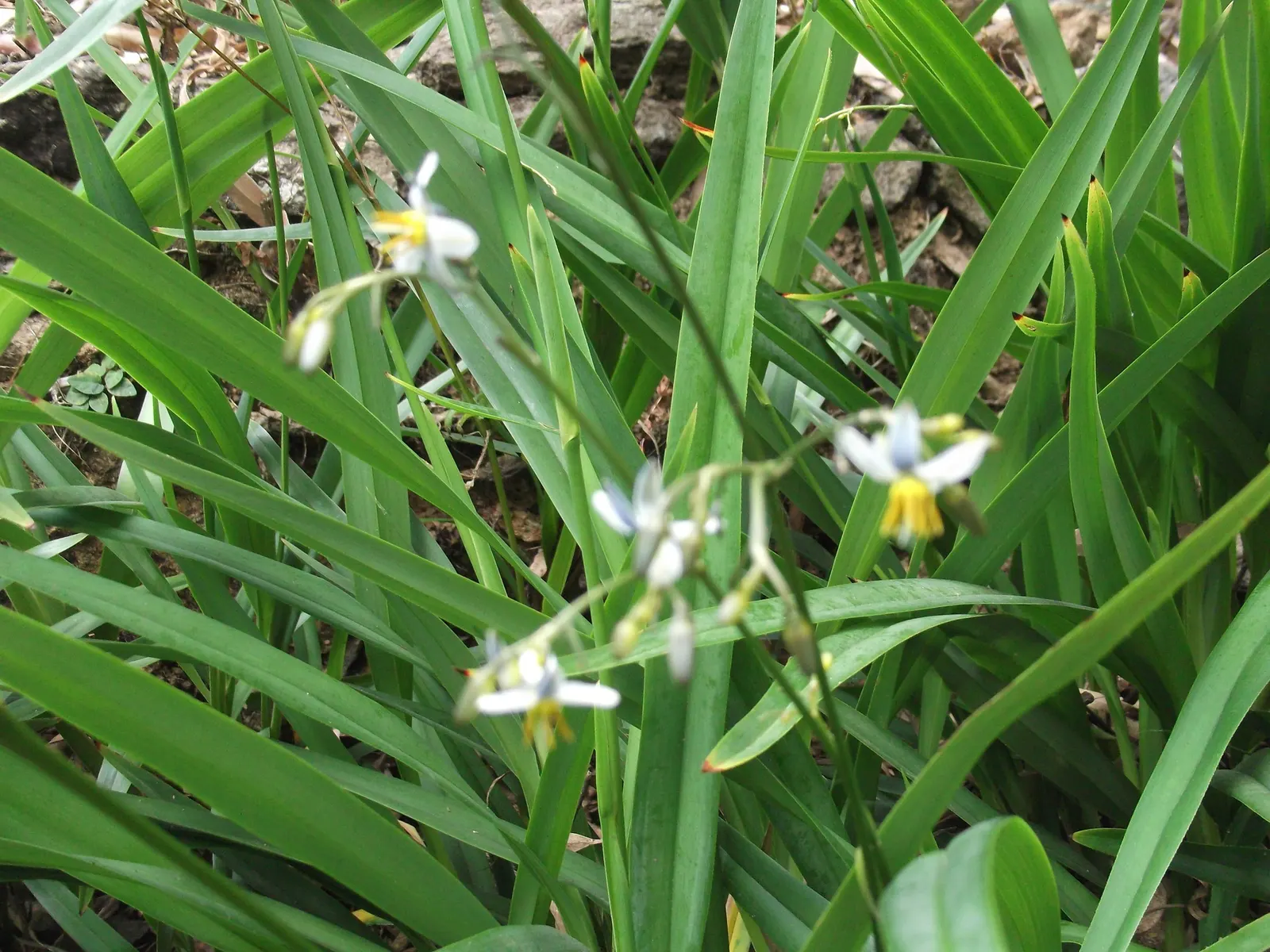
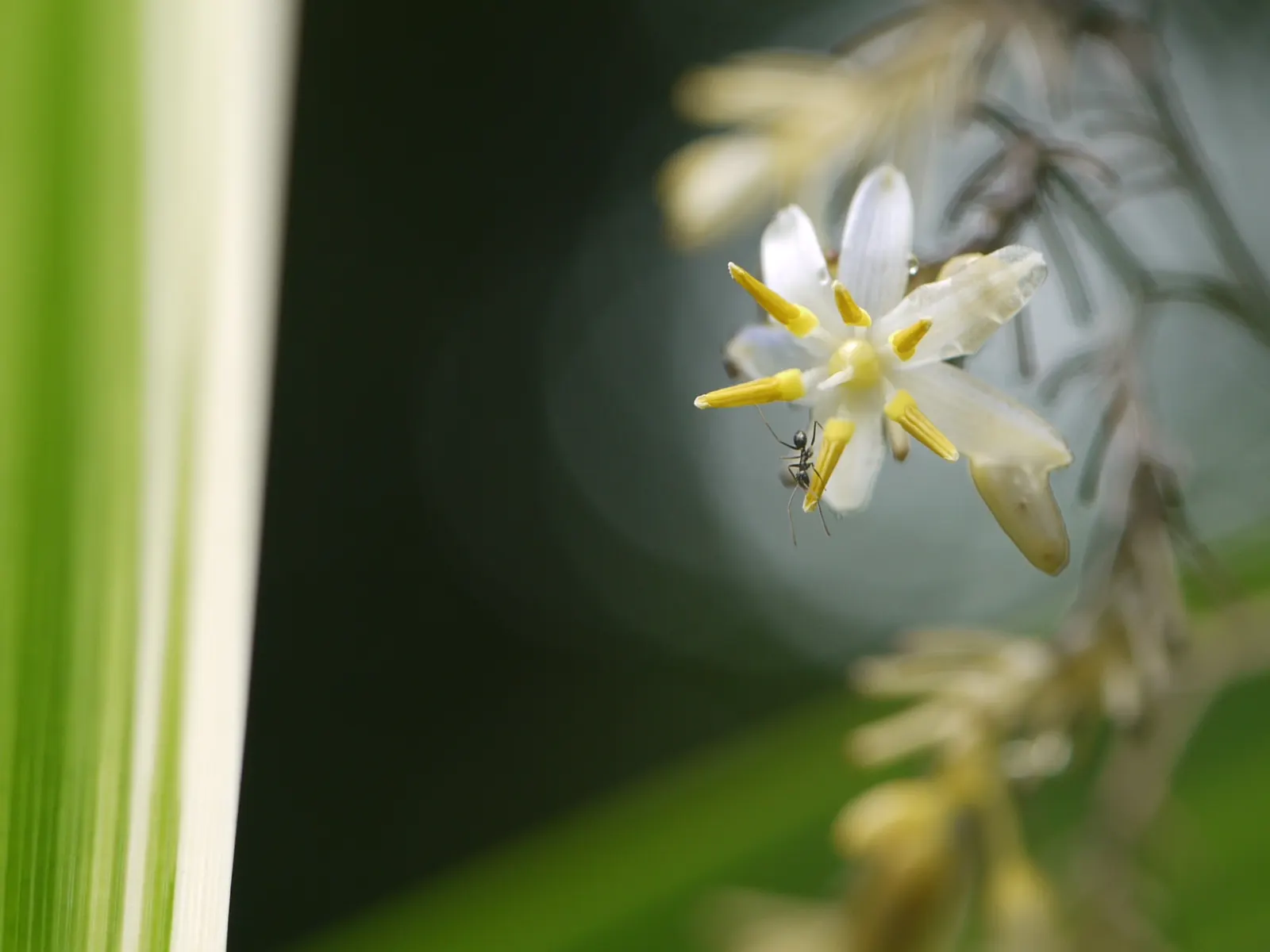
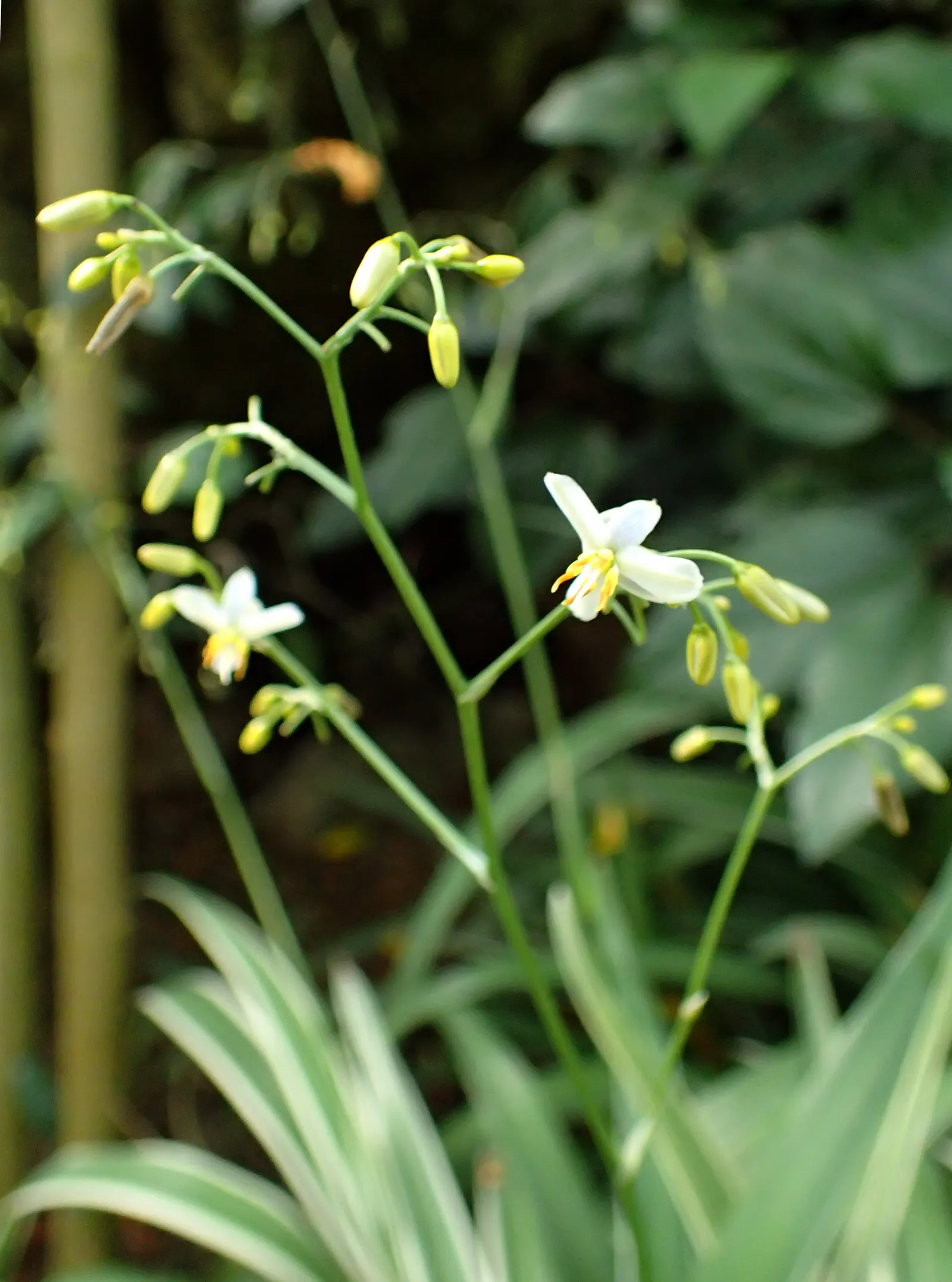
Tasmanian Flax Lily (Dianella Tasmanica) — star-shaped flowers in the spring and summer
Tasmanian Flax Lily (Dianella Tasmanica) — star-shaped flowers in the spring and summer; making it a low-maintenance option for landscapes in USDA Hardiness
Tasmanian Flax Lily (Dianella Tasmanica) — ranging in color from soft violet to a deep purple-blue
Tasmanian Flax Lily (Dianella Tasmanica) — the Flax Lily produces eye-catching
Tasmanian Flax Lily (Dianella Tasmanica) — this hardy species is native to Tasmania and southeastern Australia
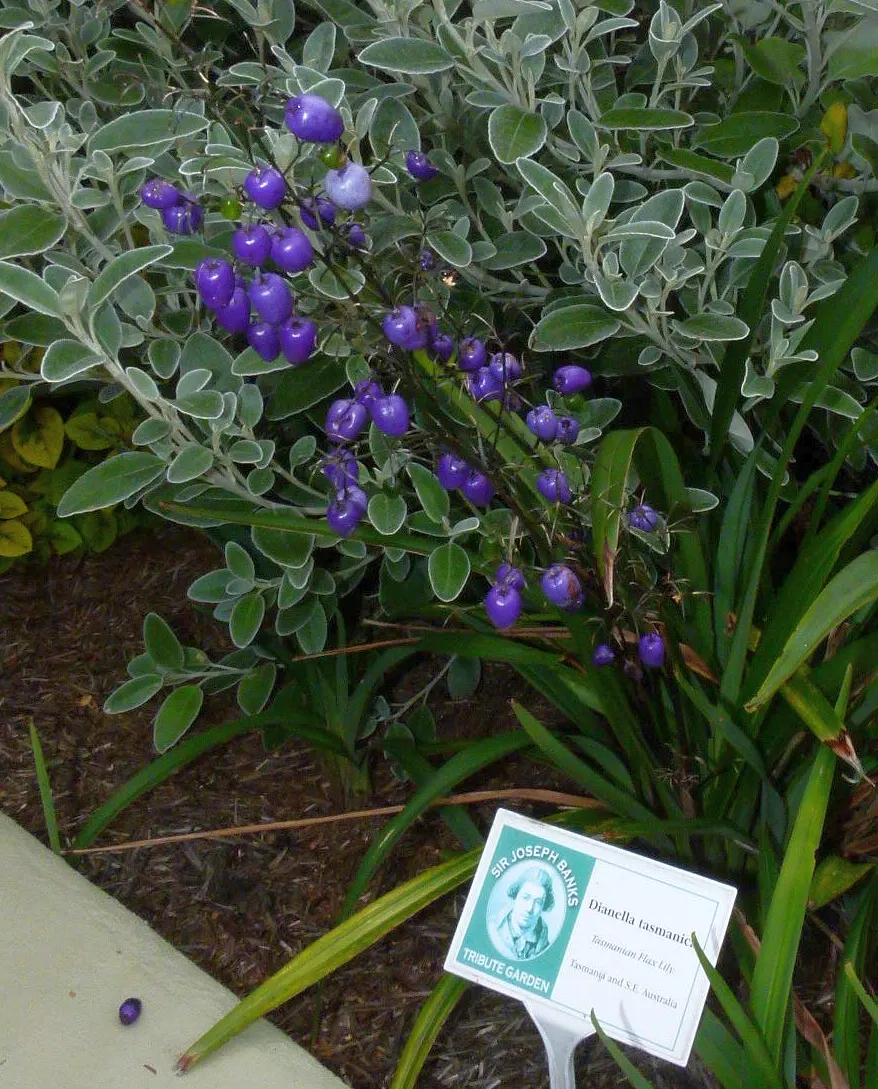
Tasmanian Flax Lily (Dianella Tasmanica) — Often chosen for its attractive foliage and vibrant indigo berries
Tasmanian Flax Lily (Dianella Tasmanica) — The Tasmanian Flax Lily (Dianella tasmanica) is an evergreen perennial with strappy; this hardy species thrives in
Tasmanian Flax Lily (Dianella Tasmanica) — Its striking blue-purple flowers bloom in spring, leading to edible, metallic-blue berries
Tasmanian Flax Lily (Dianella Tasmanica) — making it an excellent choice for gardeners seeking a plant that offers both beauty and resilience; dark blue
Tasmanian Flax Lily (Dianella Tasmanica) — verdant green leaves that reach up to 3 feet in height and spread up to 2 feet wide; star-shaped flowers, image 56
Tasmanian Flax Lily (Dianella Tasmanica) — the Flax Lily produces eye-catching; the Flax Lily's robust nature allows it to resist common pests and diseases
Tasmanian Flax Lily (Dianella Tasmanica) — Following the flowering season
Tasmanian Flax Lily (Dianella Tasmanica) — Its striking blue-purple flowers bloom in spring, leading to edible, metallic-blue berries; dianella tasmanica
Tasmanian Flax Lily (Dianella Tasmanica) — Dianella tasmanica thrives in full sun to partial shade; the Flax Lily produces eye-catching
Tasmanian Flax Lily (Dianella Tasmanica) — It requires well-drained soil but is relatively drought-tolerant once established
Photographs by 7 contributors

Related plants