Skip to content

Hay-Scented Fern

Dennstaedtia Punctiloba

Design with this plant

Overview

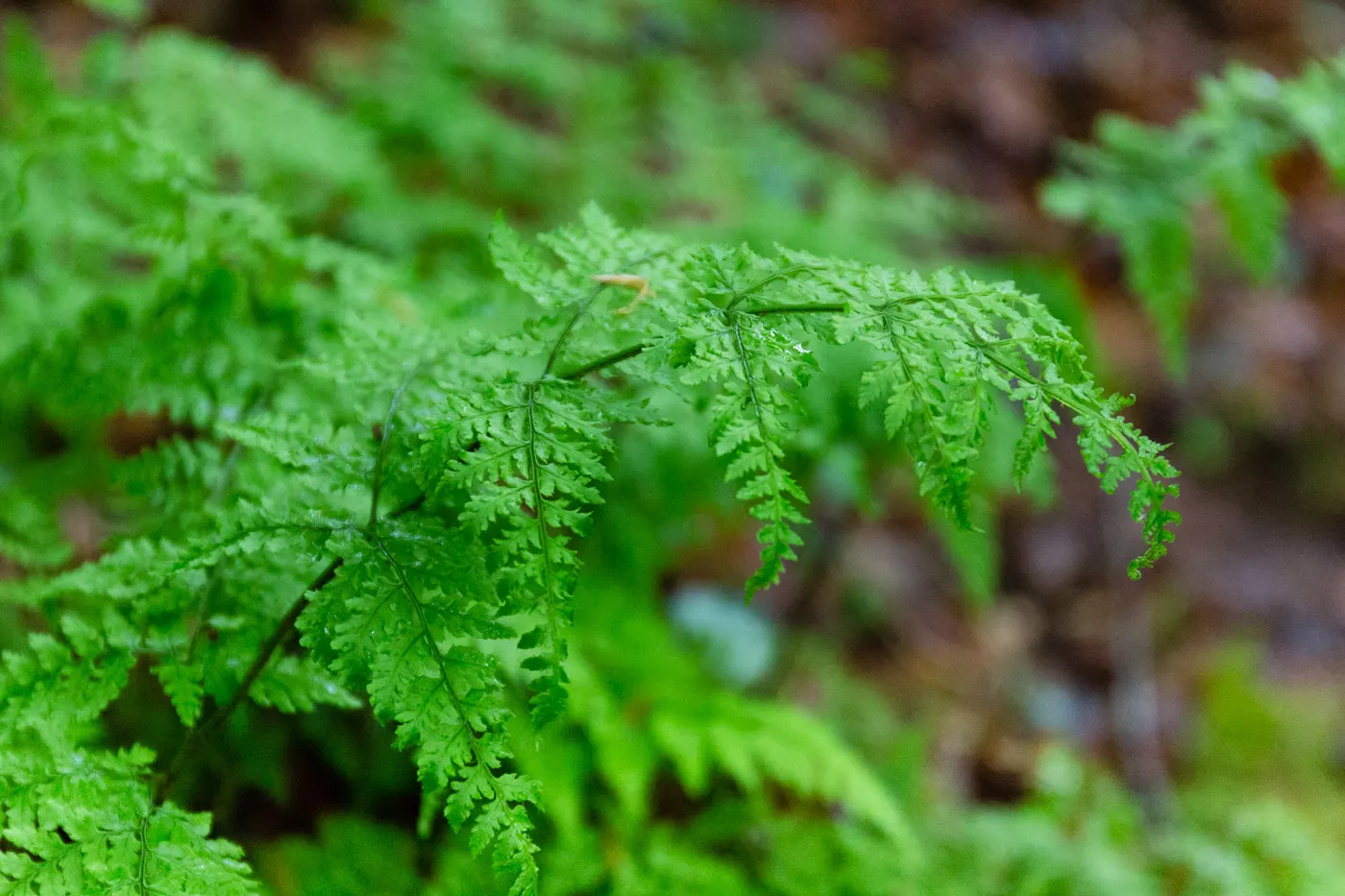
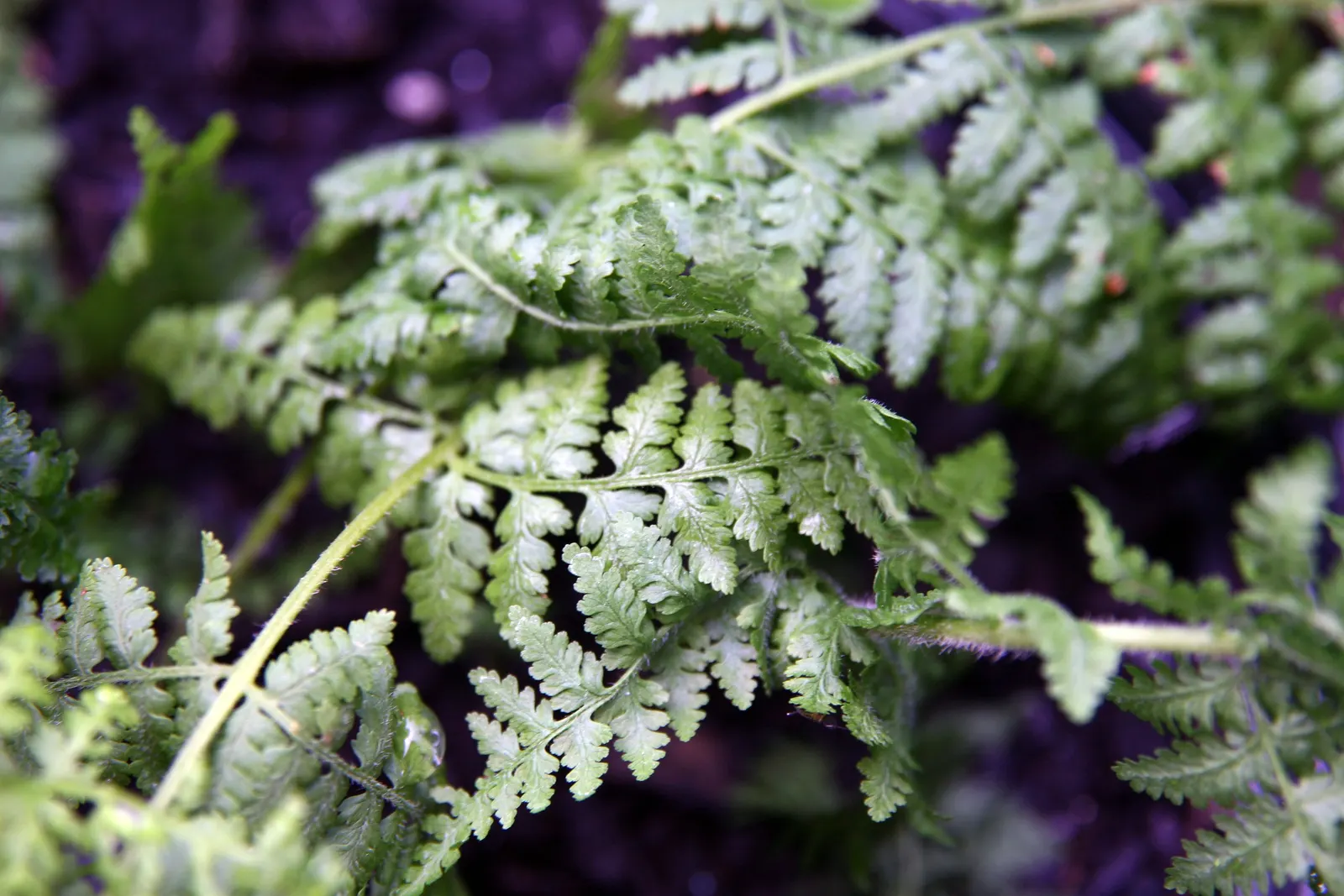
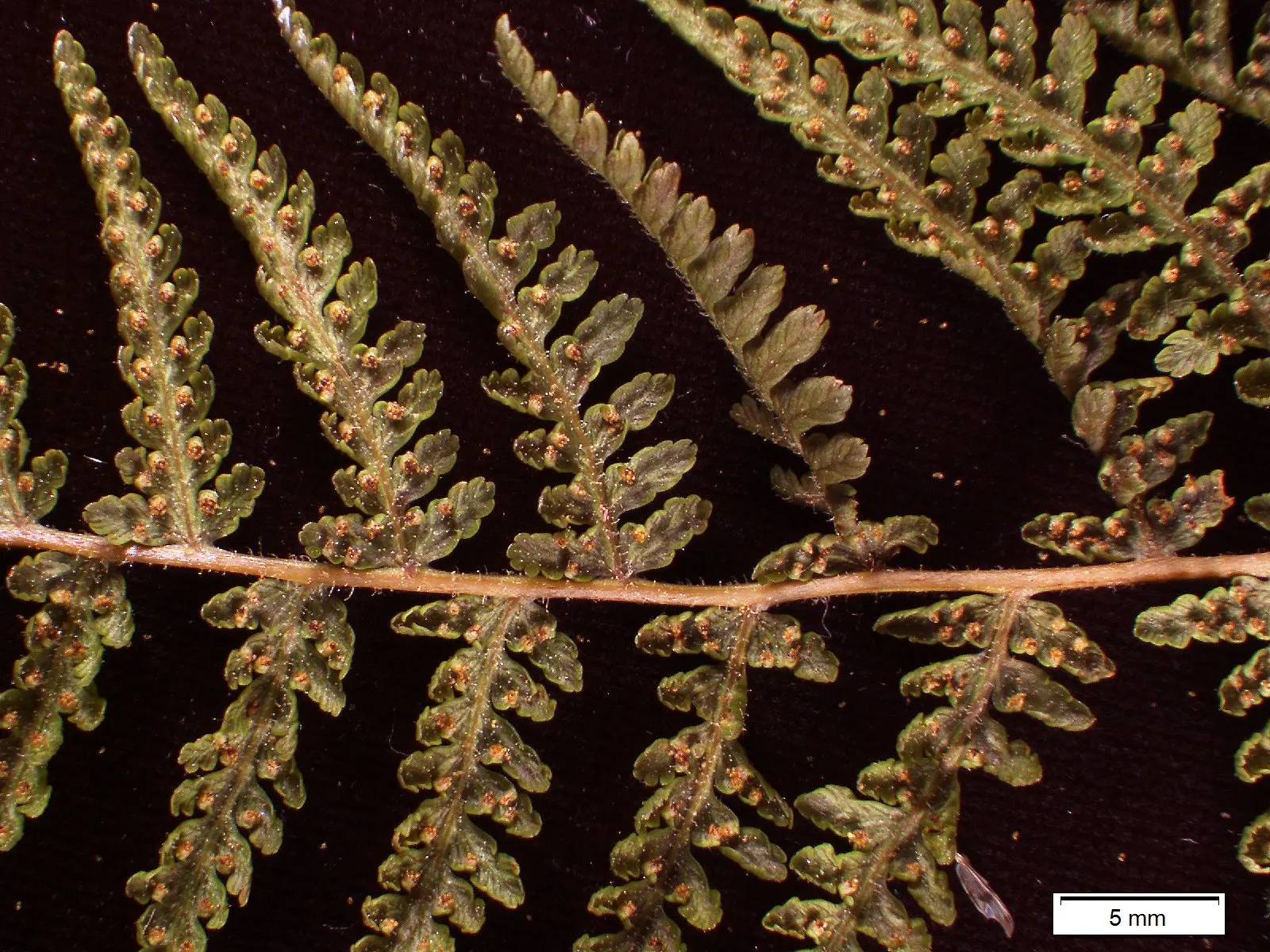
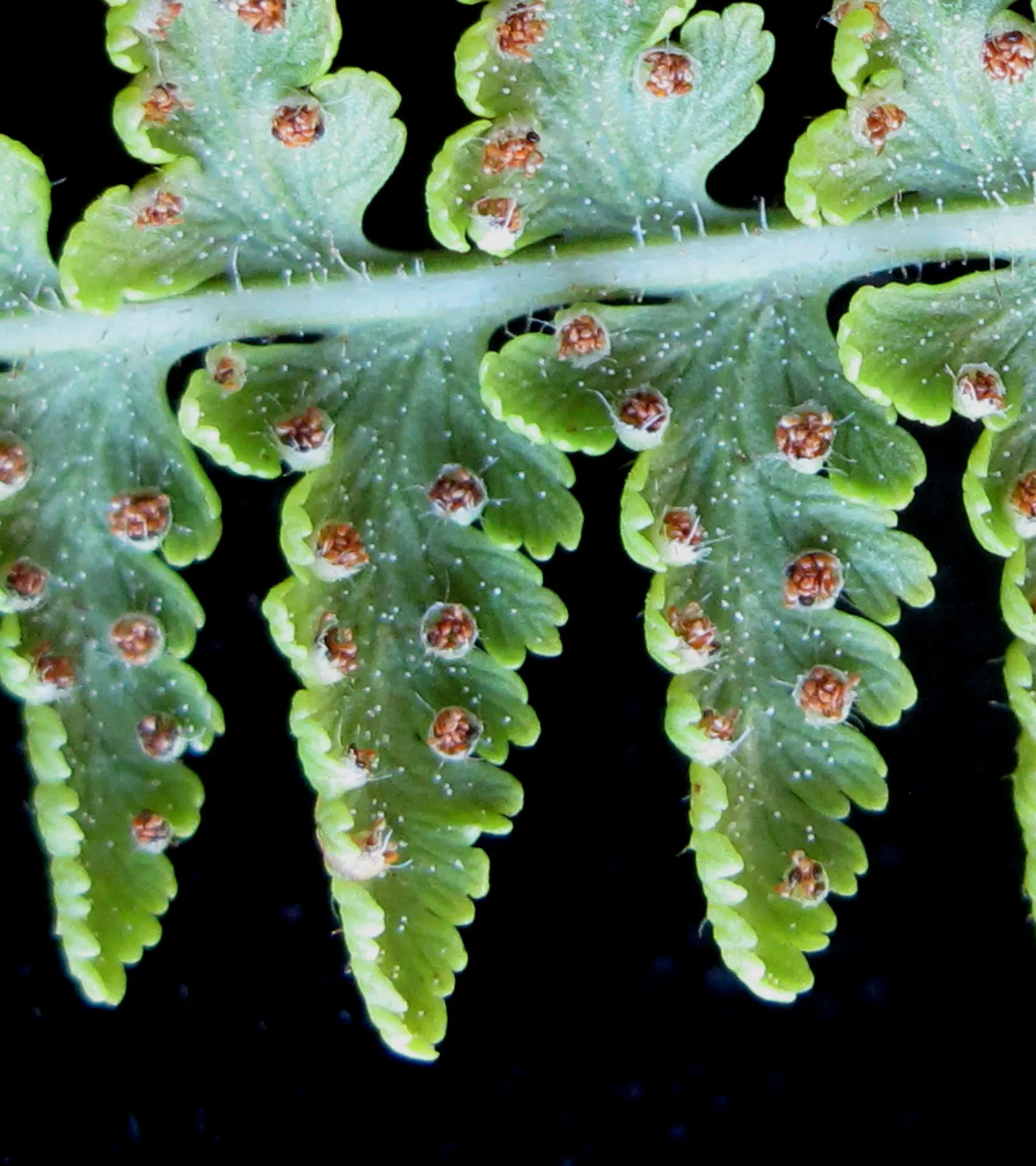
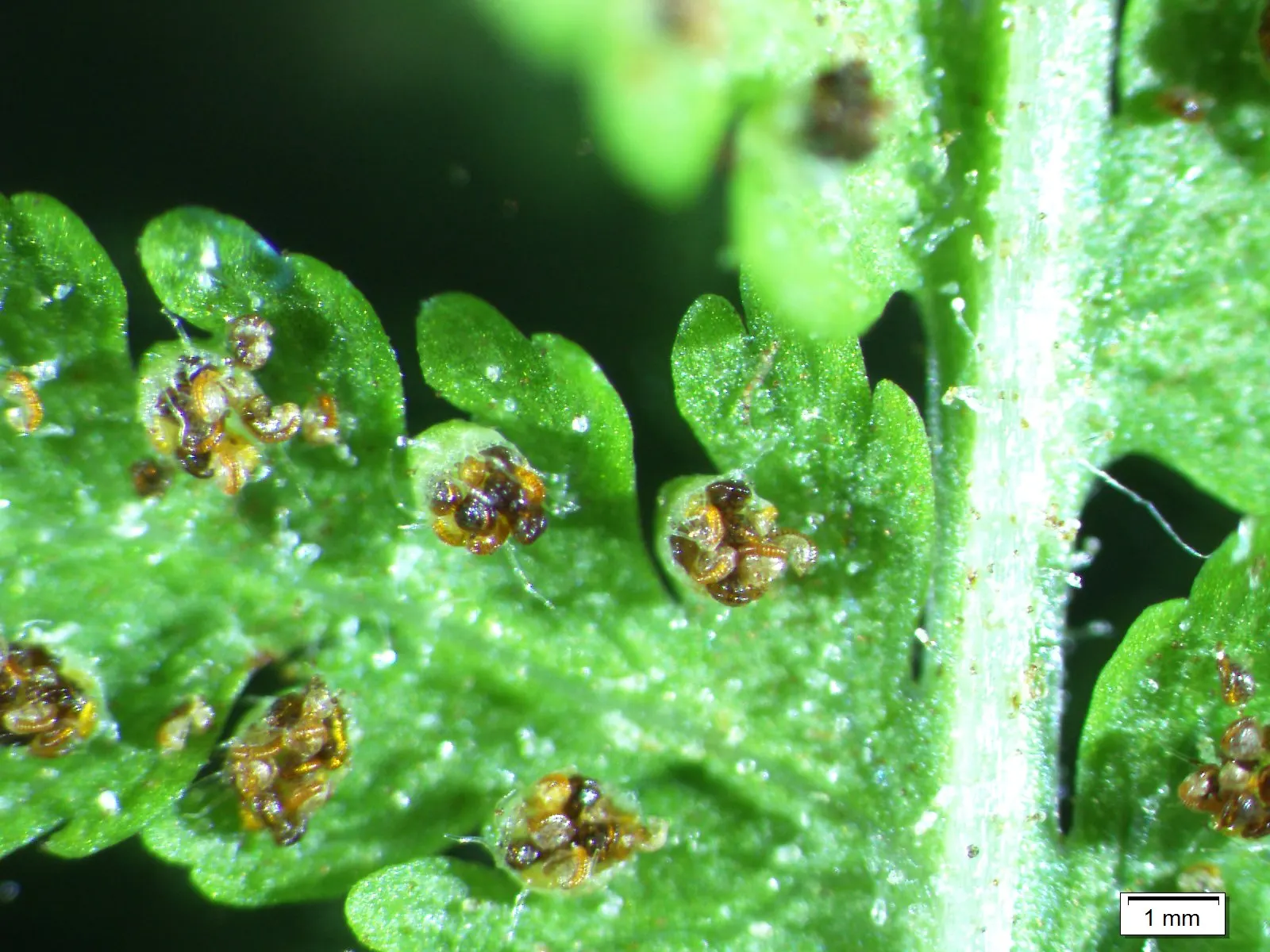
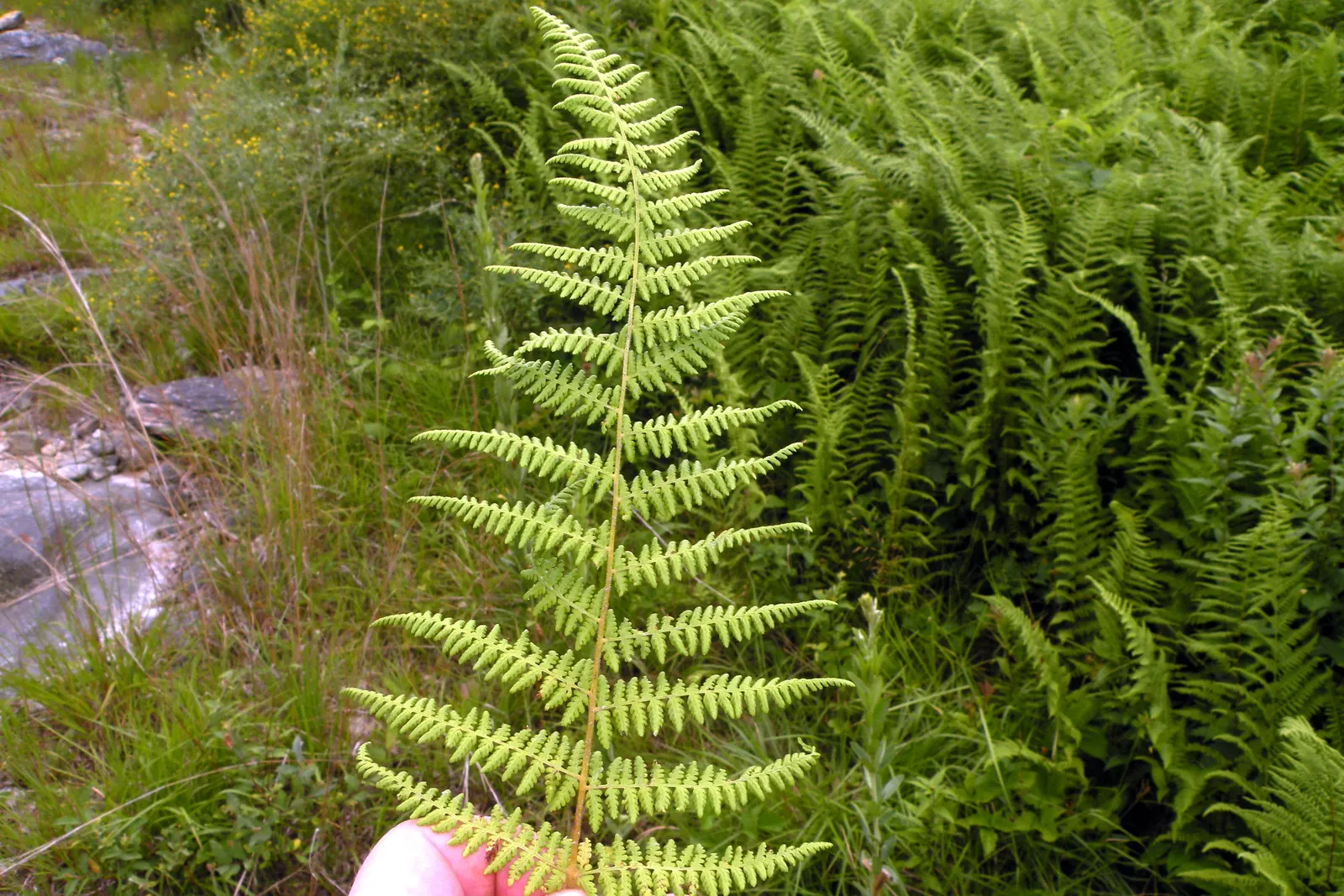
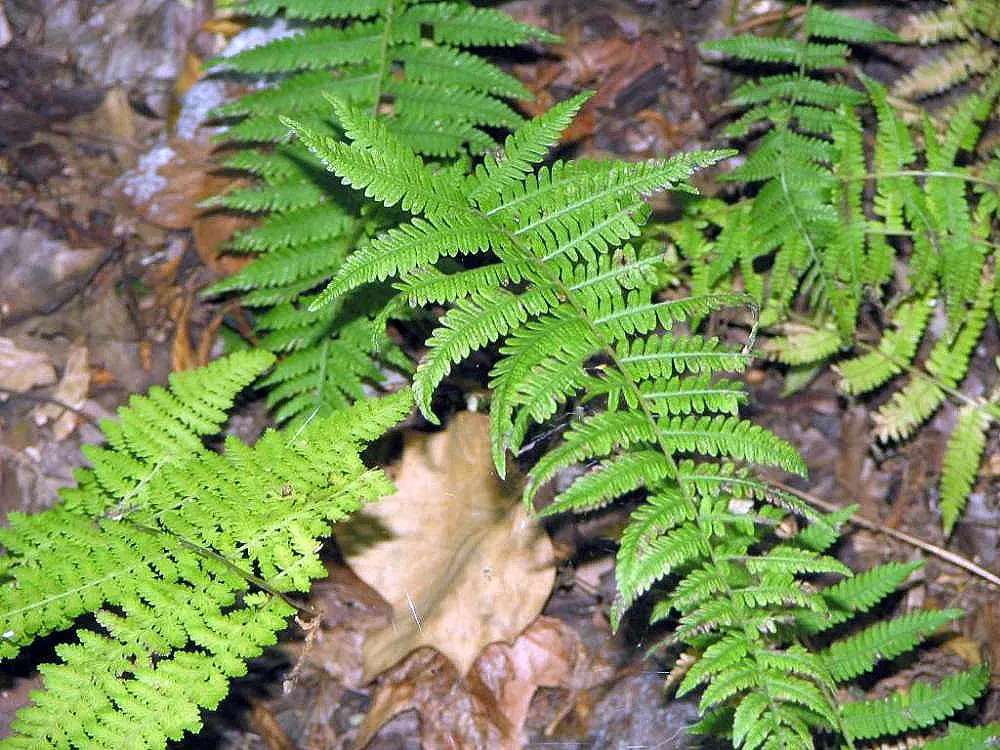
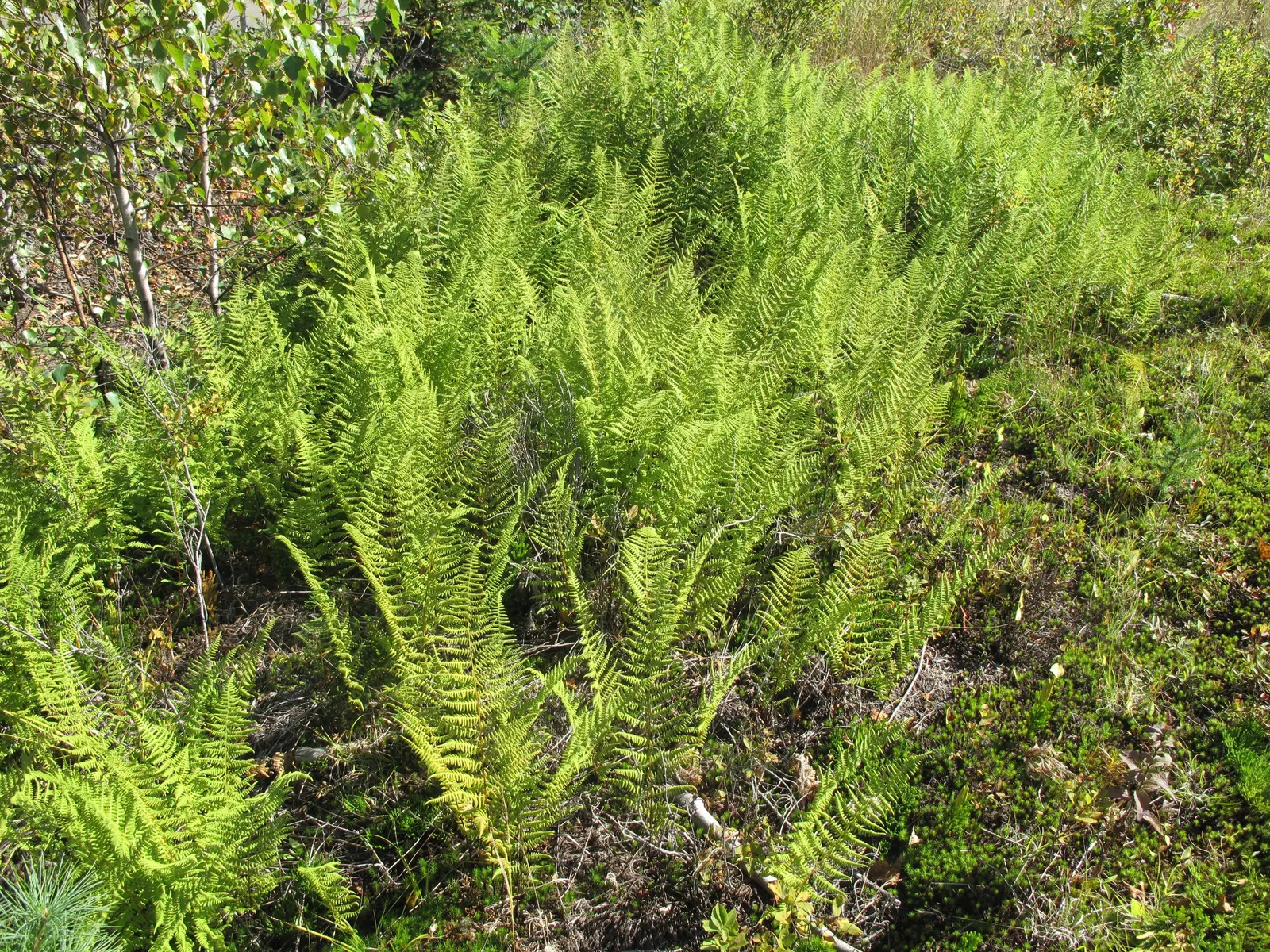
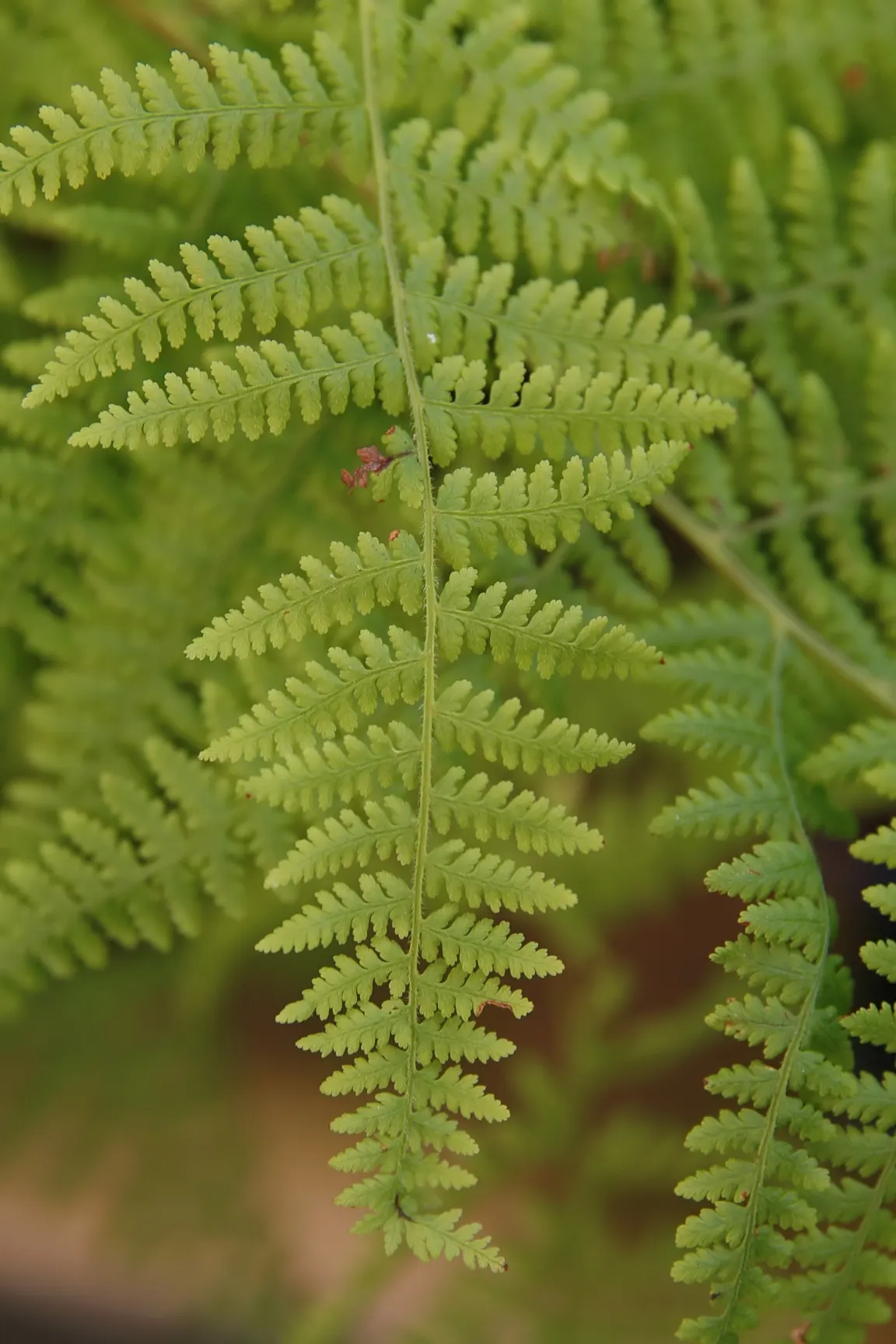
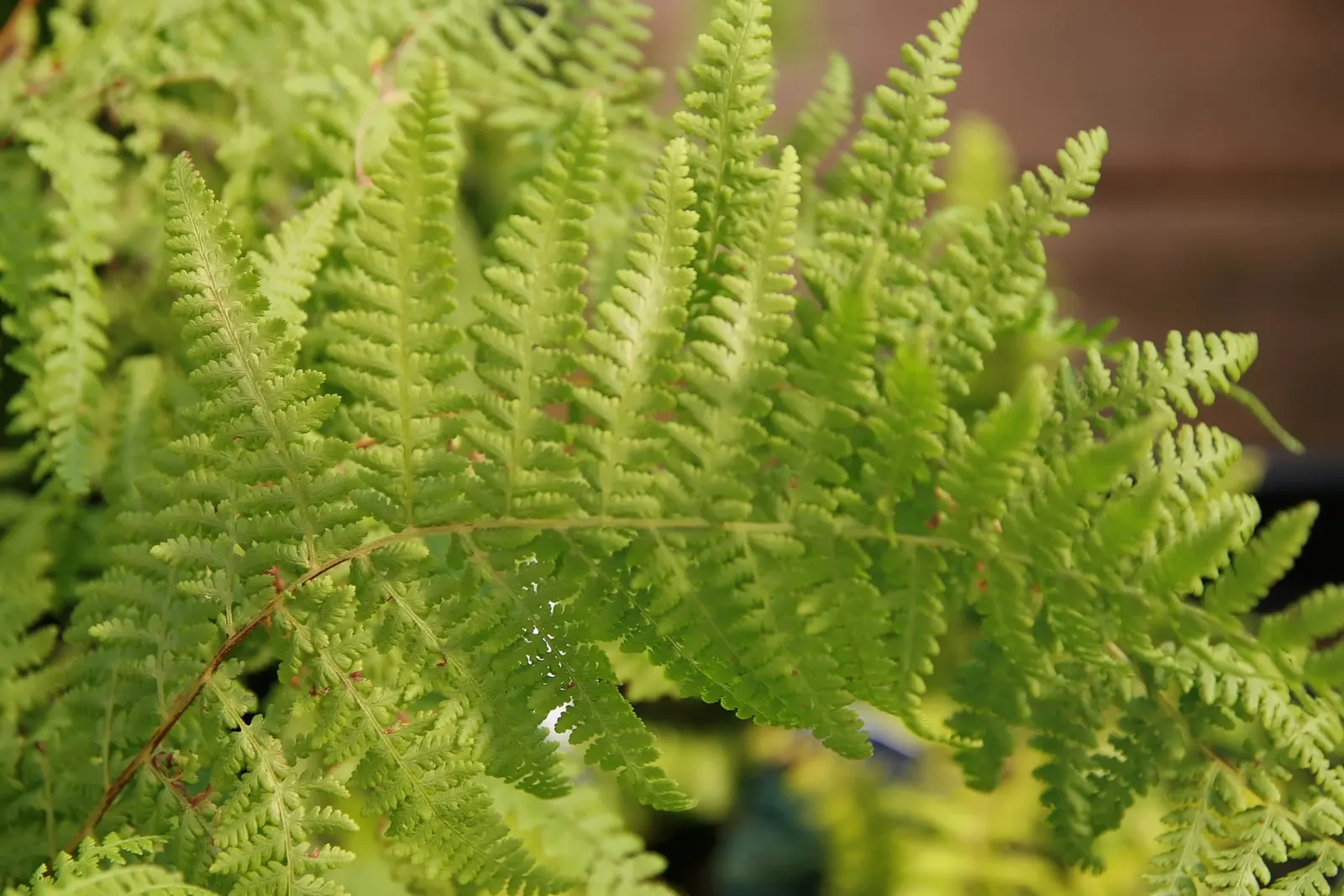
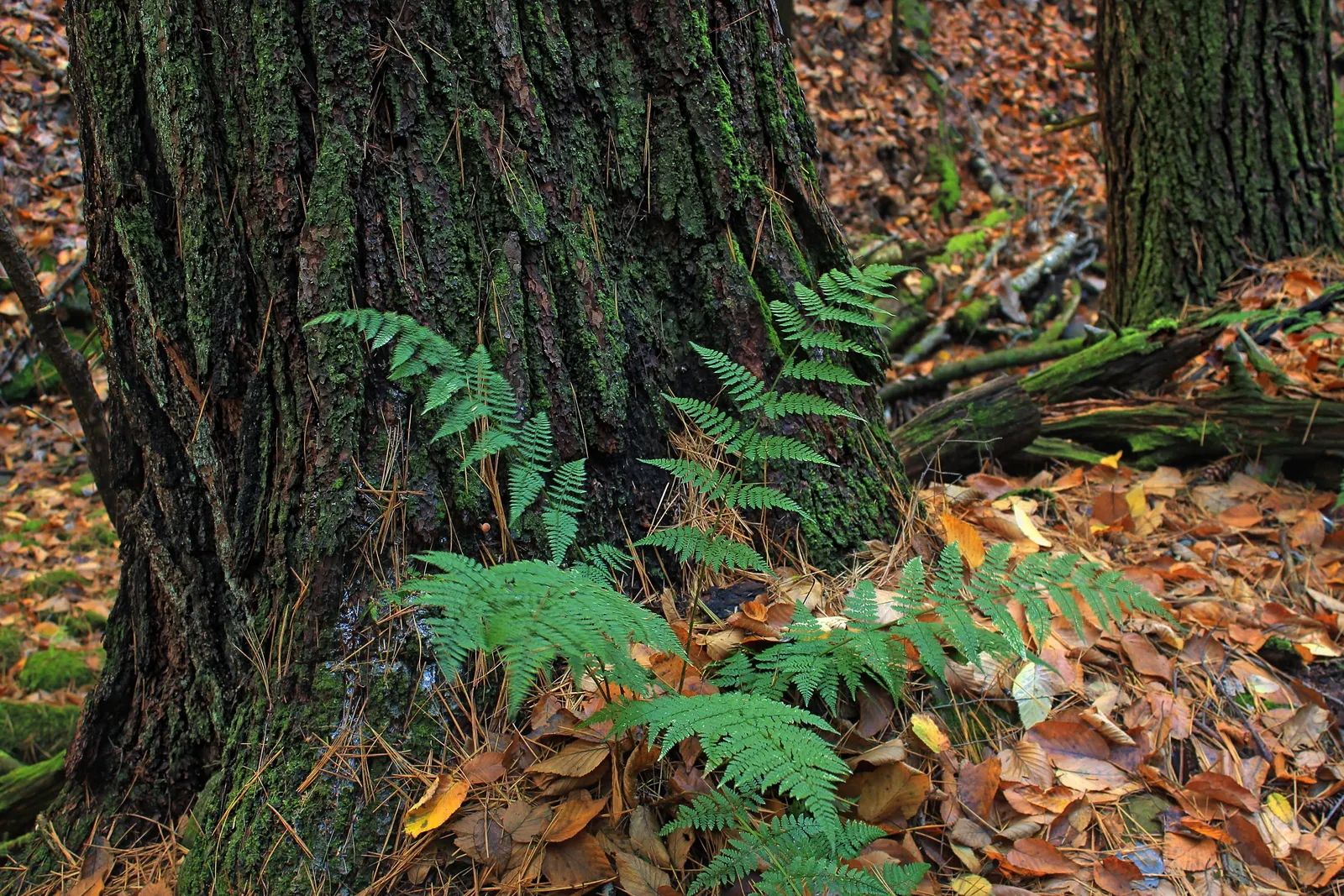
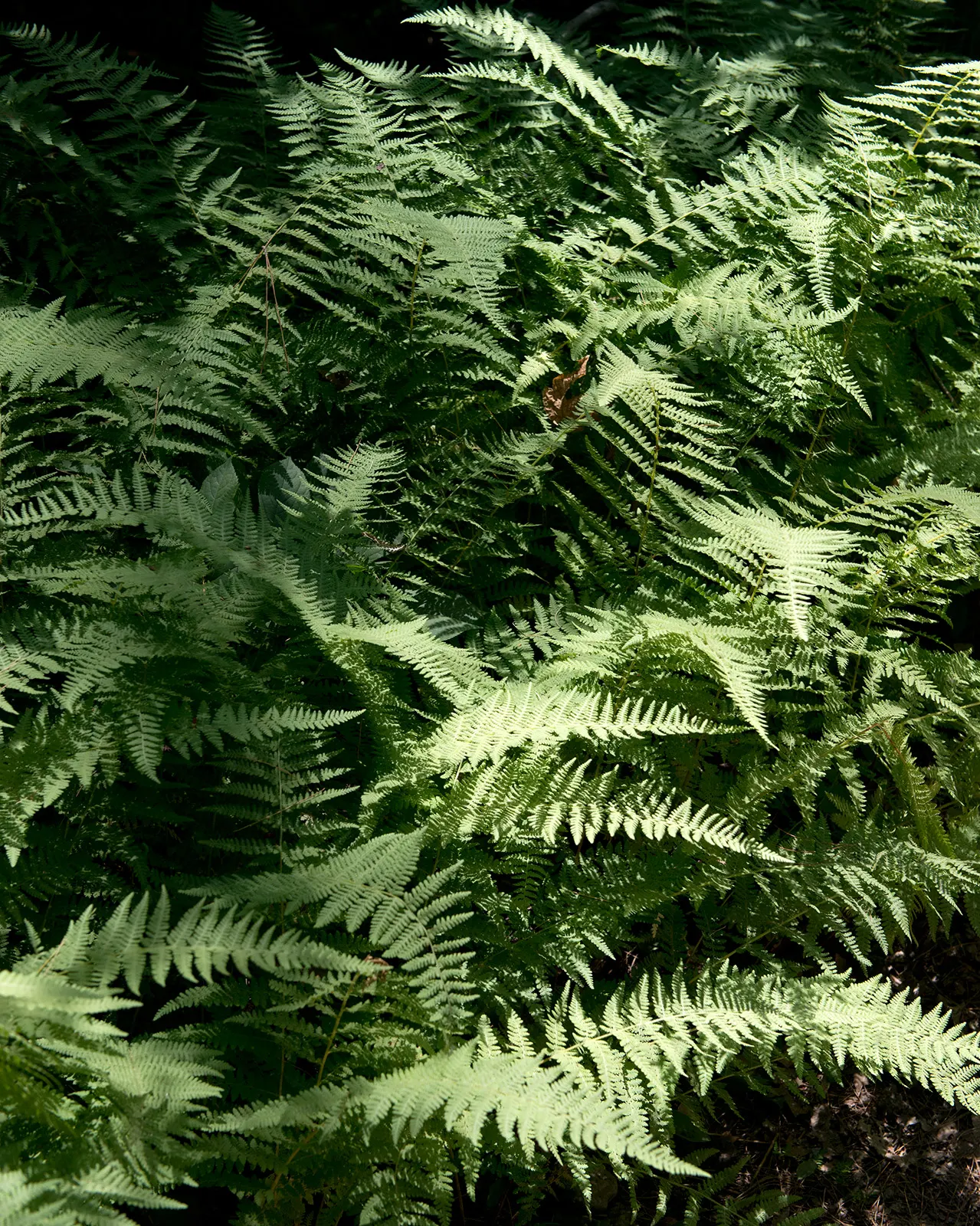
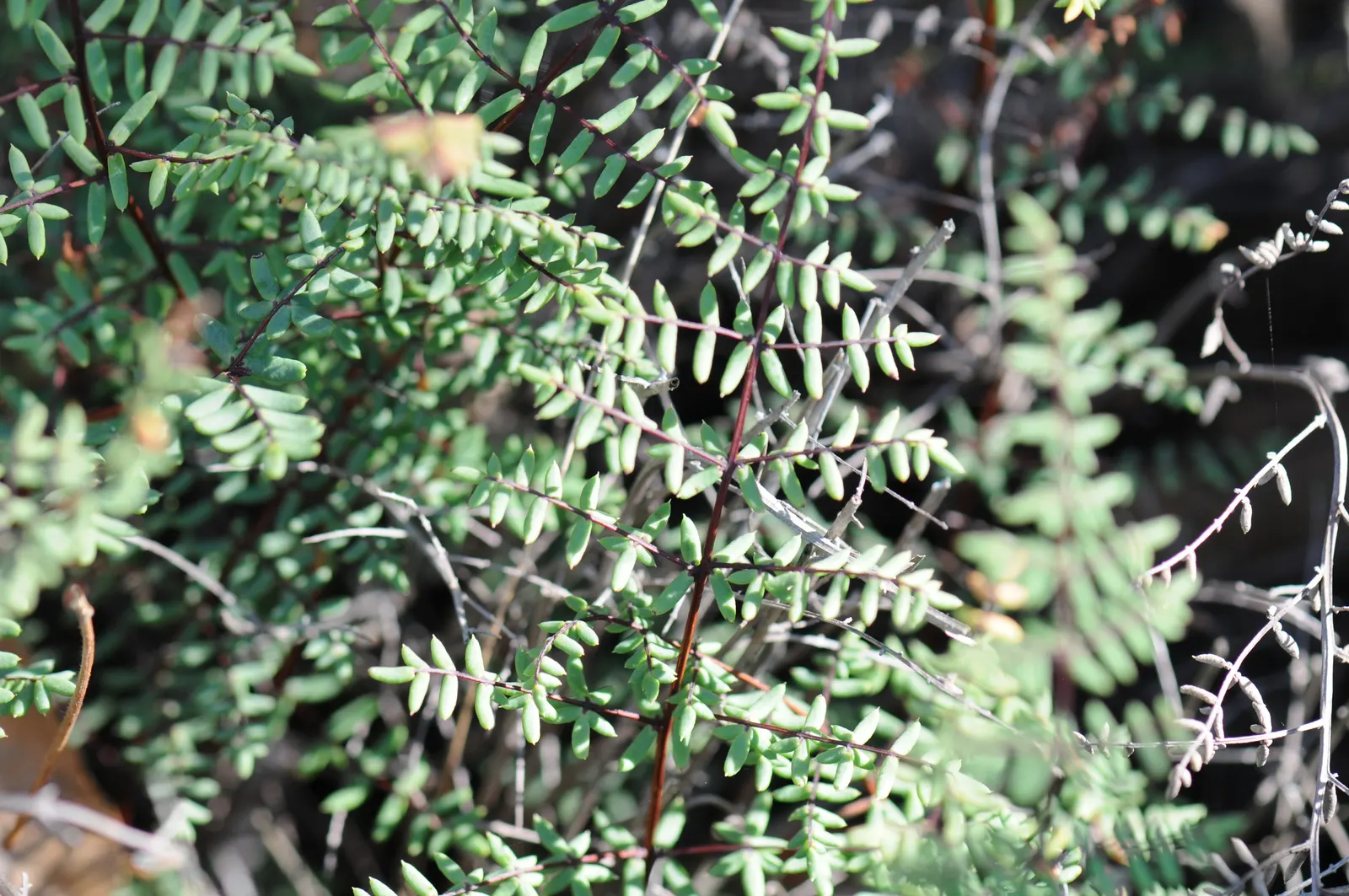
The Hay-Scented Fern, Dennstaedtia punctiloba, is a deciduous perennial with delicate, lace-like fronds that emit a fresh-cut hay fragrance when crushed. Spreading up to 3 feet wide and with a height of 1-2 feet, it forms dense clumps. Ideal for zones 3-8, it thrives in partial to full shade and moist, well-drained soils. Perfect for naturalistic settings and as a groundcover to suppress weeds. Deer resistant.

Sun Deep Shade, Half, ShadeWater Extra in Summer, HighZones 3–8Type Fern

Culture

Sun
Deep Shade, Half, Shade
Water
Extra in Summer, High
USDA zones
3–8

Shape & size

Mature height
1.5–2 Ft.
Mature width
2–3 Ft.

Classification

Type
Fern
Family
Dennstaedtiaceae

See full data, regional cultivation notes, and design tools. Build a client presentation around this plant.

Start your 14-day trial

Photos (69)

Hay-Scented Fern (Dennstaedtia Punctiloba) — It is an excellent choice for a woodland or naturalized garden
Hay-Scented Fern (Dennstaedtia Punctiloba) — When incorporating this fern into a landscape design
Hay-Scented Fern (Dennstaedtia Punctiloba) — although it is quite adaptable and can tolerate a range of soil types including loamy
Hay-Scented Fern (Dennstaedtia Punctiloba) — scientifically known as Dennstaedtia punctilobula; forming expansive colonies over time through its, image 49
Hay-Scented Fern (Dennstaedtia Punctiloba) — scientifically known as Dennstaedtia punctilobula
Hay-Scented Fern (Dennstaedtia Punctiloba) — making it a suitable choice for areas with high deer populations; when incorporating this fern into a landscape
Hay-Scented Fern (Dennstaedtia Punctiloba) — Ideal for zones 3-8, it thrives in partial to full shade and moist, well-drained soils
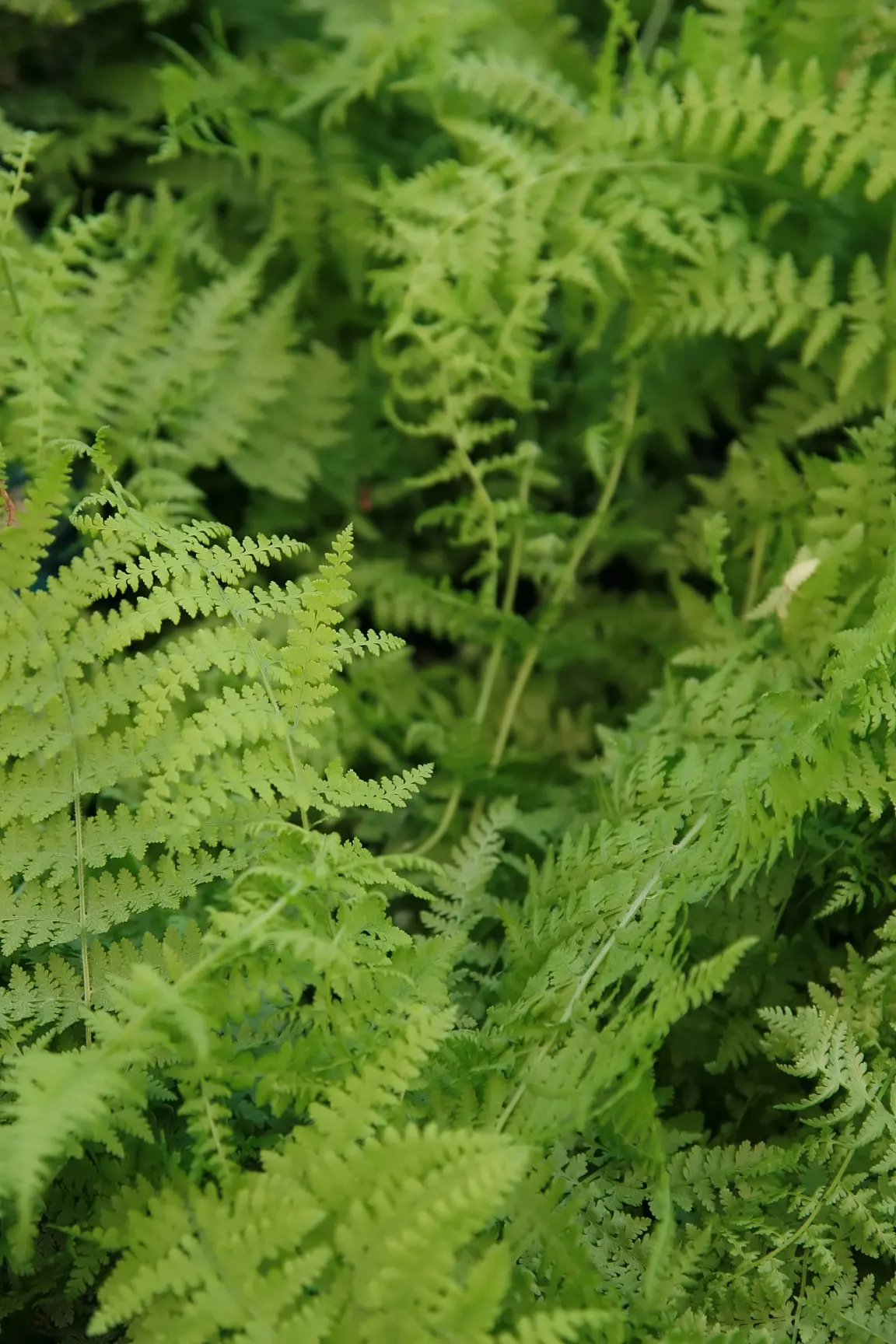
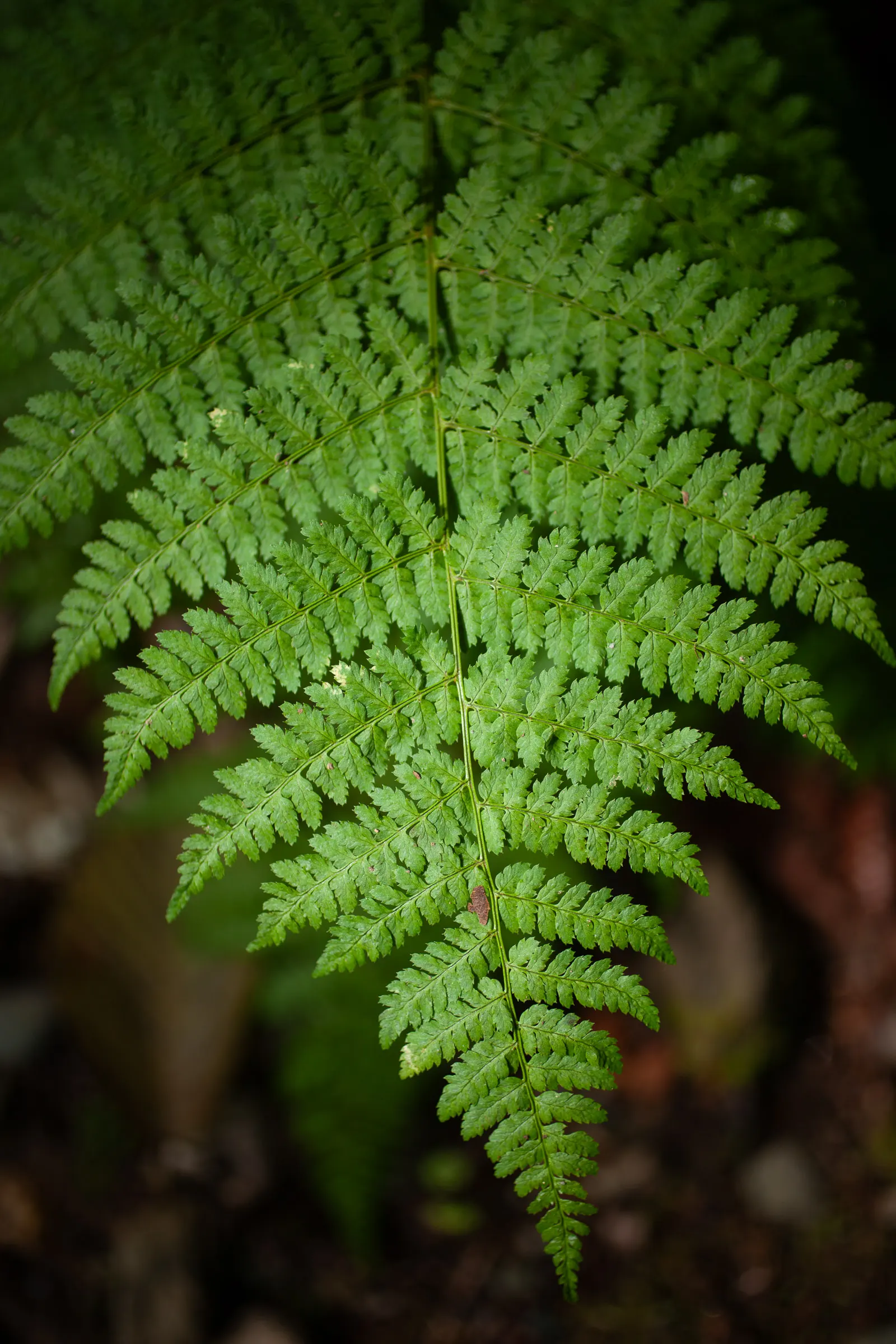
Hay-Scented Fern (Dennstaedtia Punctiloba) — lace-like fronds that emit a fresh-cut hay fragrance when crushed
Hay-Scented Fern (Dennstaedtia Punctiloba) — When incorporating this fern into a landscape design; scientifically known as Dennstaedtia punctilobula
Hay-Scented Fern (Dennstaedtia Punctiloba) — forming expansive colonies over time through its aggressive rhizomatous growth habit
Hay-Scented Fern (Dennstaedtia Punctiloba) — making it a suitable choice for areas with high deer populations
Hay-Scented Fern (Dennstaedtia Punctiloba) — either through rainfall or irrigation.<br><br>Aside from its fragrant attribute; is a captivating deciduous fern
Hay-Scented Fern (Dennstaedtia Punctiloba) — It has a feathery and finely textured appearance; it is an excellent choice for a woodland or naturalized garden
Hay-Scented Fern (Dennstaedtia Punctiloba) — It has a feathery and finely textured appearance
Hay-Scented Fern (Dennstaedtia Punctiloba) — Ideal for zones 3-8, it thrives in partial to full shade and moist, well-drained soils; the, image 47
Hay-Scented Fern (Dennstaedtia Punctiloba) — Dennstaedtia punctilobula is relatively drought-tolerant; bright green fronds that emit a pleasant fragrance
Hay-Scented Fern (Dennstaedtia Punctiloba) — although it is quite adaptable and can tolerate a range of soil types including loamy; it has a feathery and
Hay-Scented Fern (Dennstaedtia Punctiloba) — Dennstaedtia punctilobula is relatively drought-tolerant
Hay-Scented Fern (Dennstaedtia Punctiloba) — Spreading up to 3 feet wide and with a height of 1-2 feet, it forms dense clumps; although it is quite, image 46
Hay-Scented Fern (Dennstaedtia Punctiloba) — especially during dry spells
Hay-Scented Fern (Dennstaedtia Punctiloba) — consider its potential size and spread to ensure sufficient space is allotted for its growth
Hay-Scented Fern (Dennstaedtia Punctiloba) — Ideal for zones 3-8, it thrives in partial to full shade and moist, well-drained soils; the Hay-Scented Fern is
Hay-Scented Fern (Dennstaedtia Punctiloba) — is a captivating deciduous fern native to the eastern United States; either through rainfall or
Hay-Scented Fern (Dennstaedtia Punctiloba) — lace-like fronds that emit a fresh-cut hay fragrance when crushed; perfect for naturalistic settings, image 45
Photographs by 9 contributors

Related plants