Skip to content

Dove Tree, Hankerchief Tree

Davidia Involucrata

Design with this plant

Overview

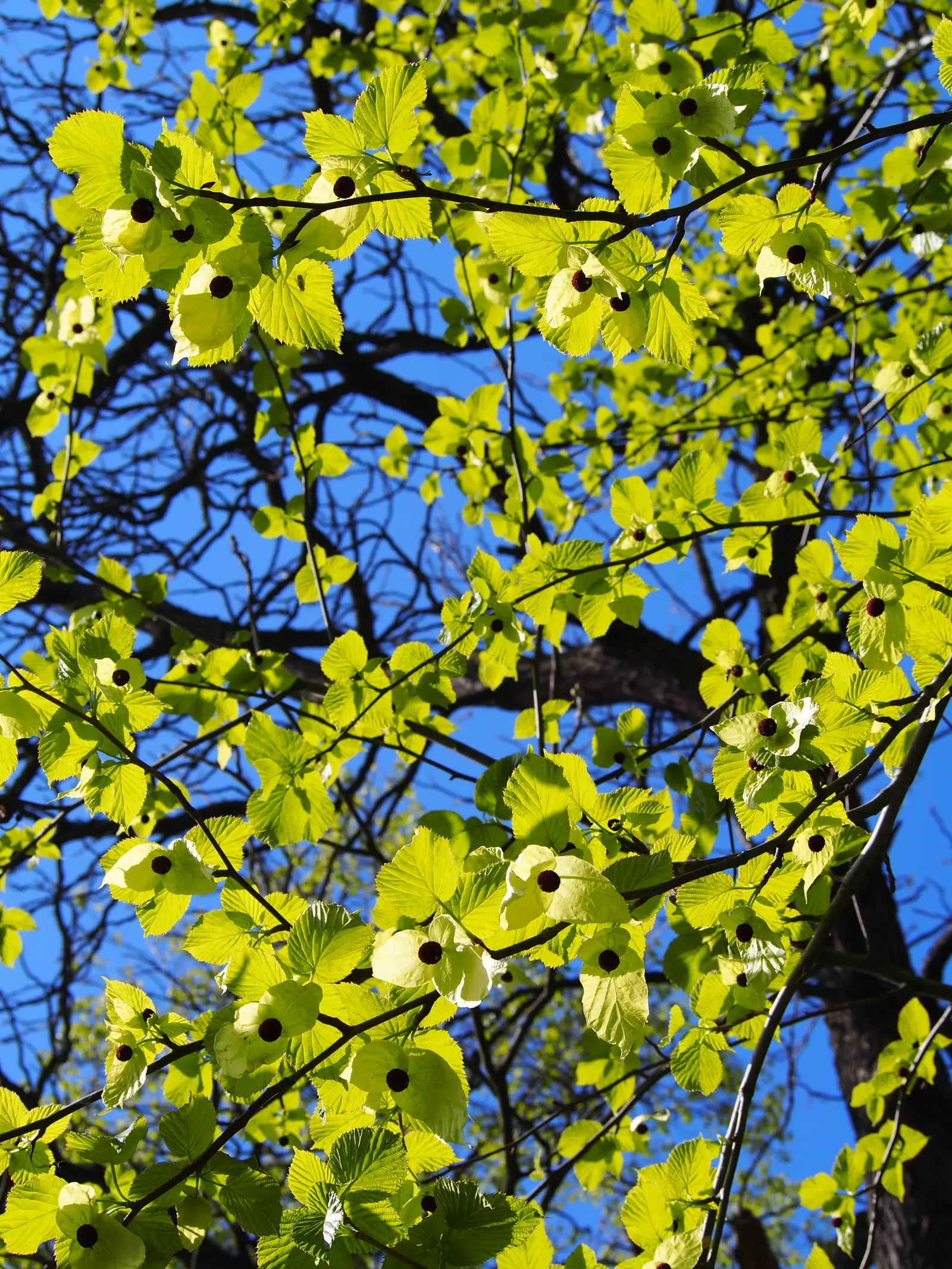
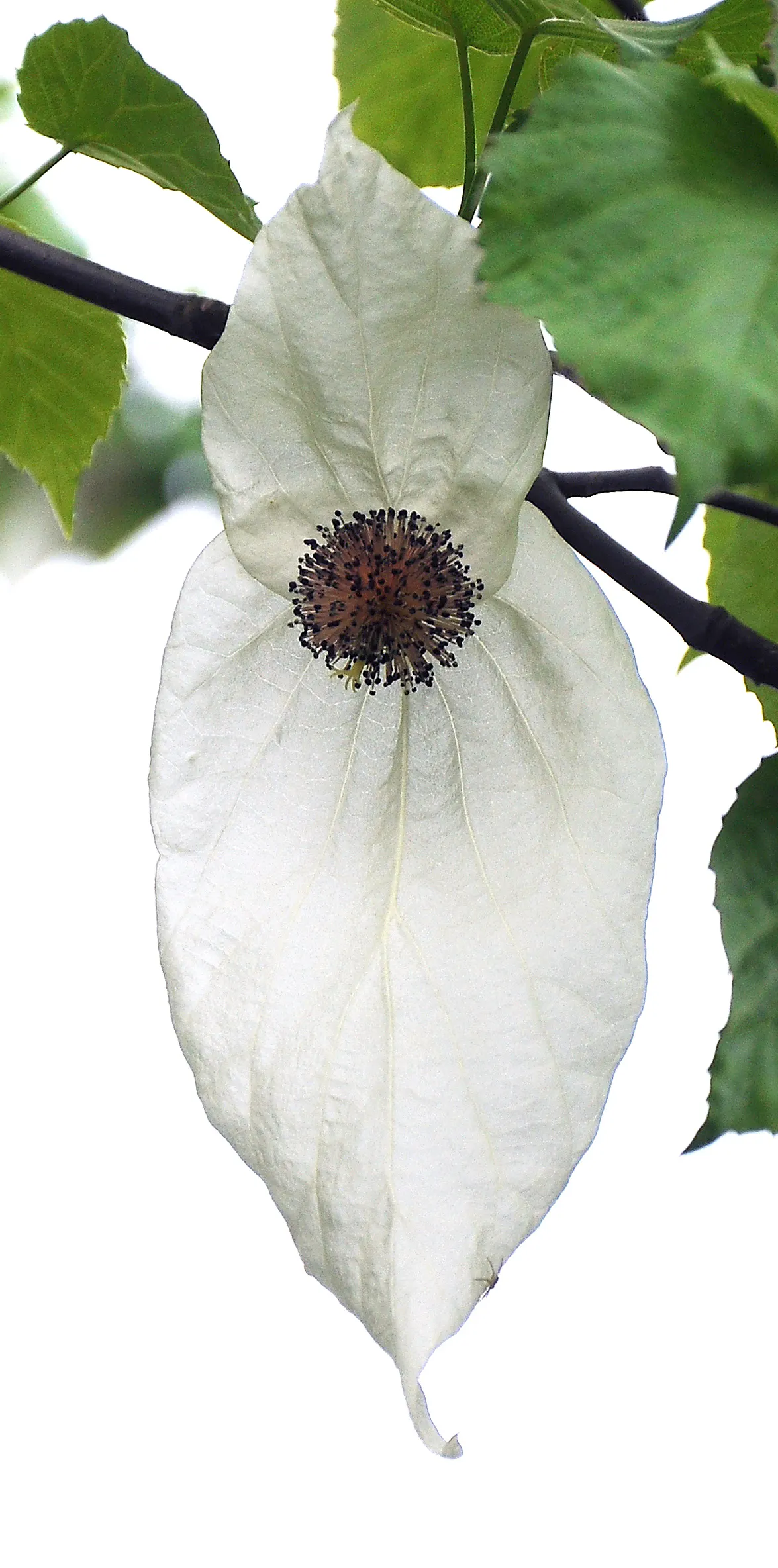
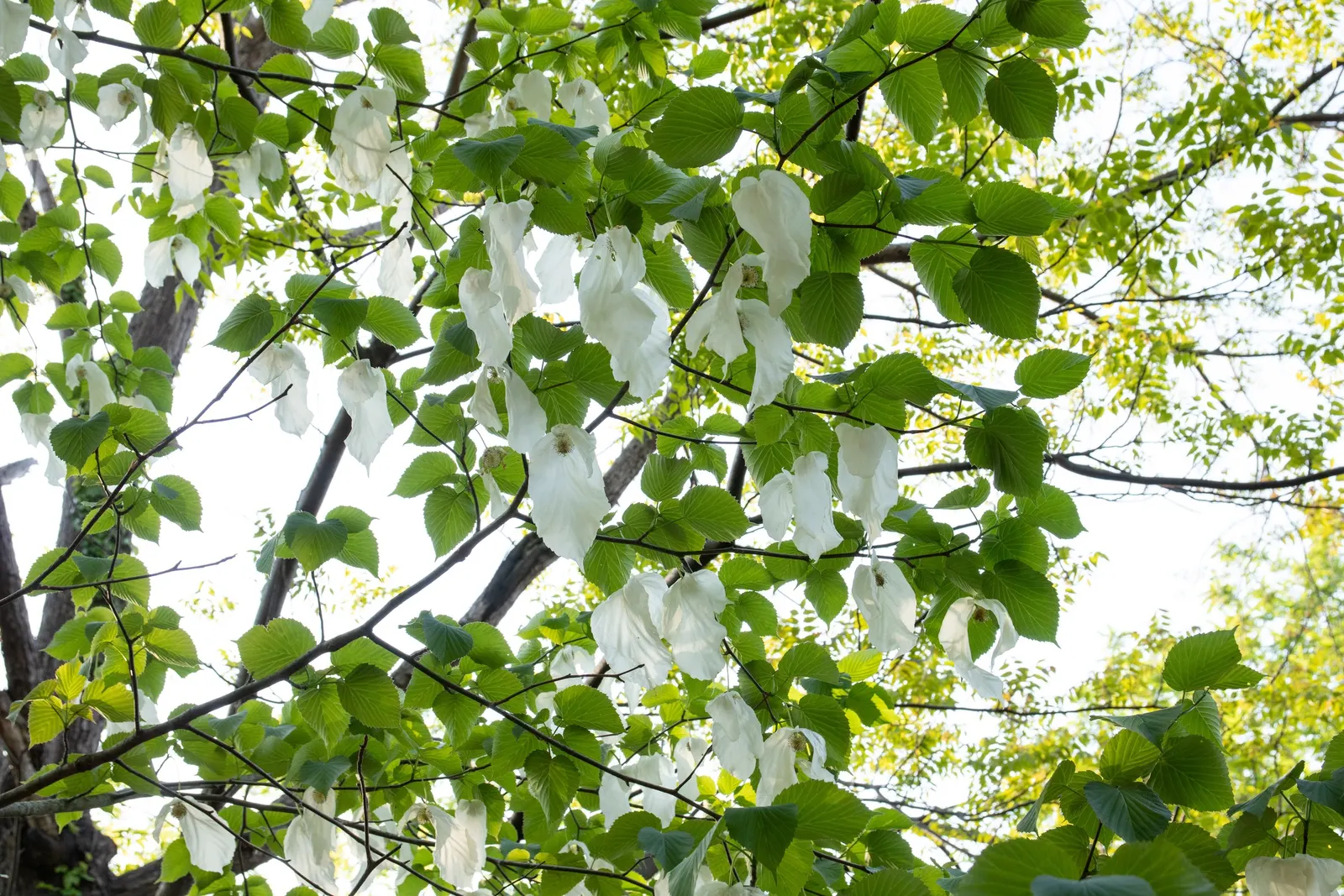
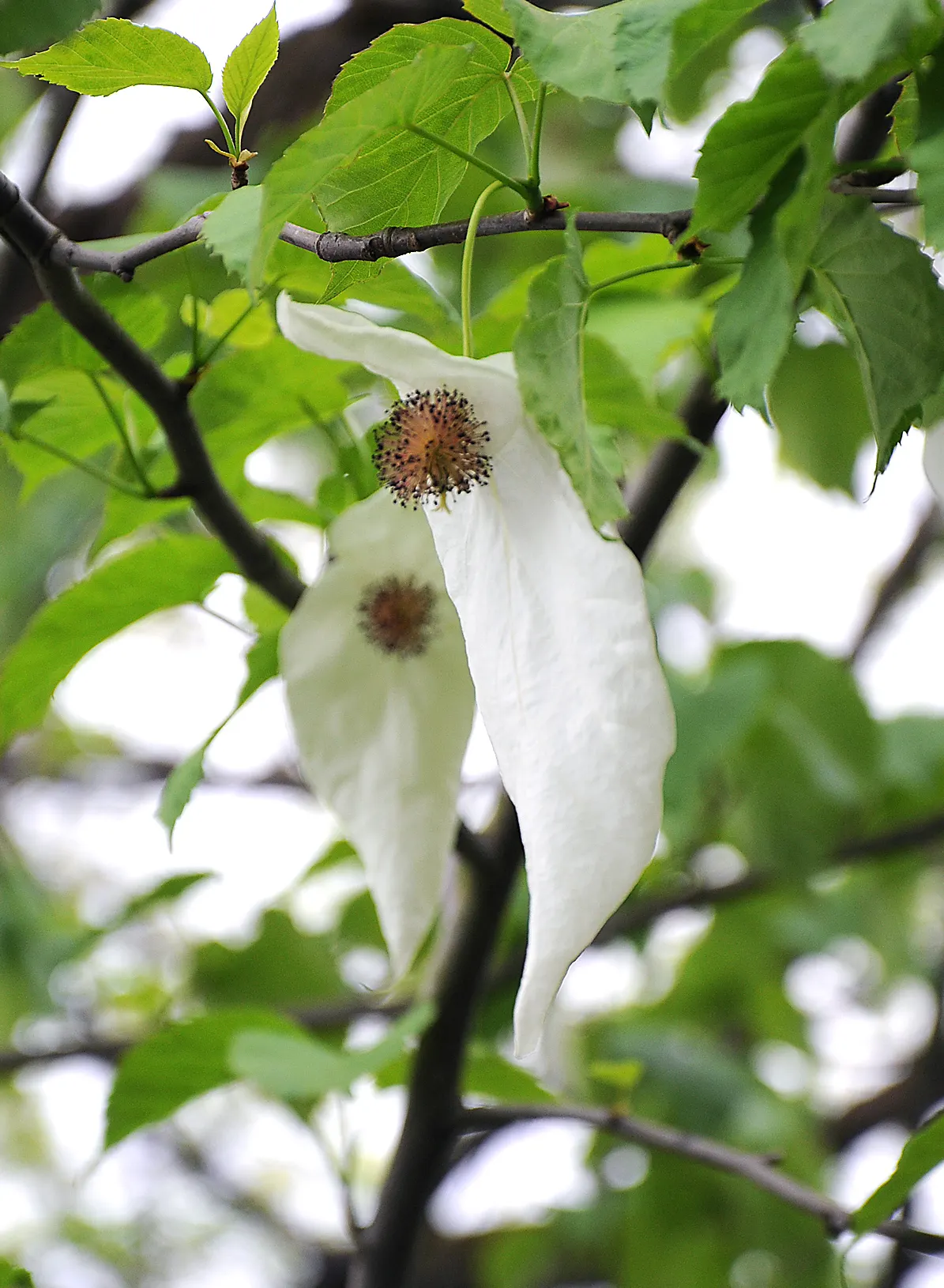
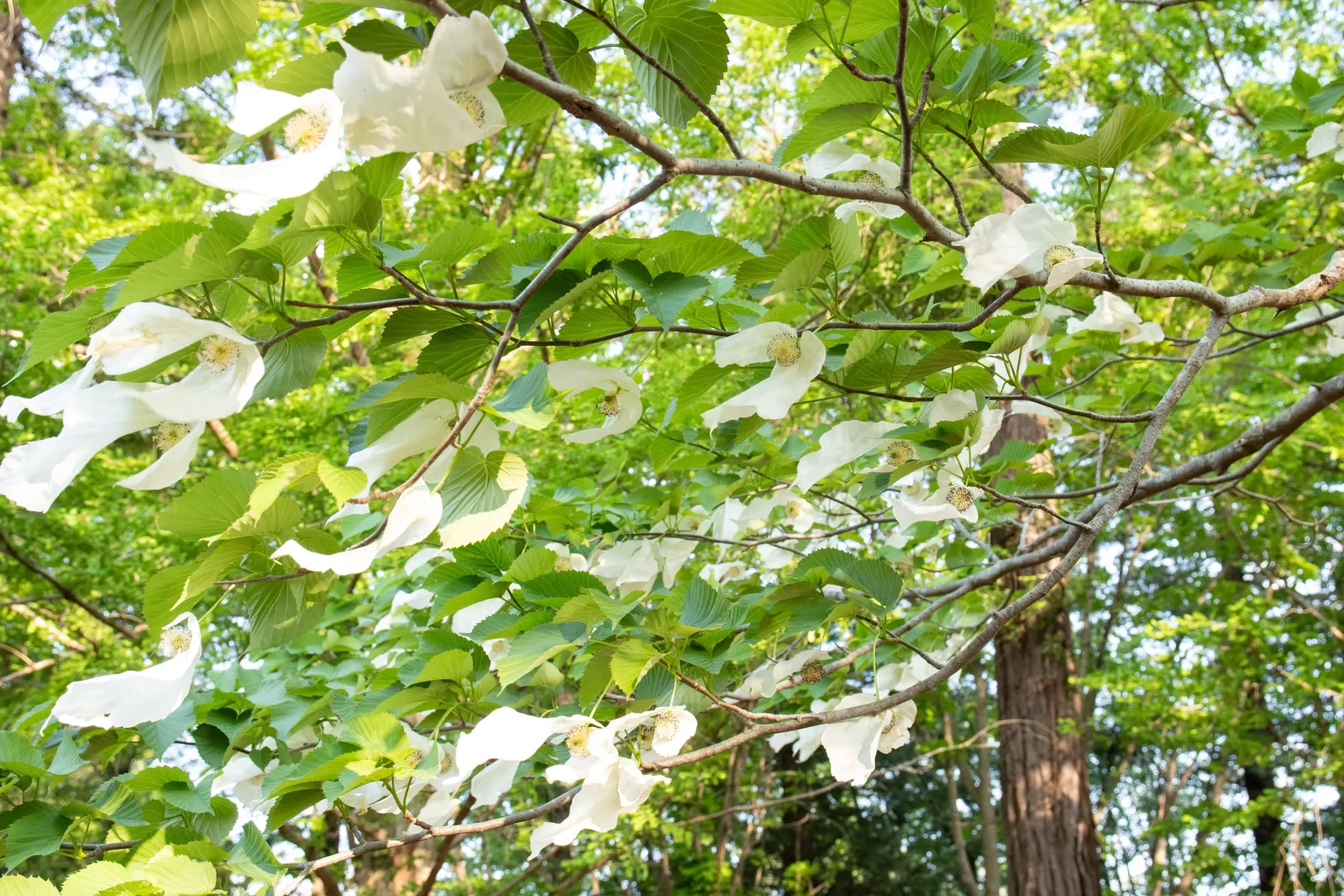
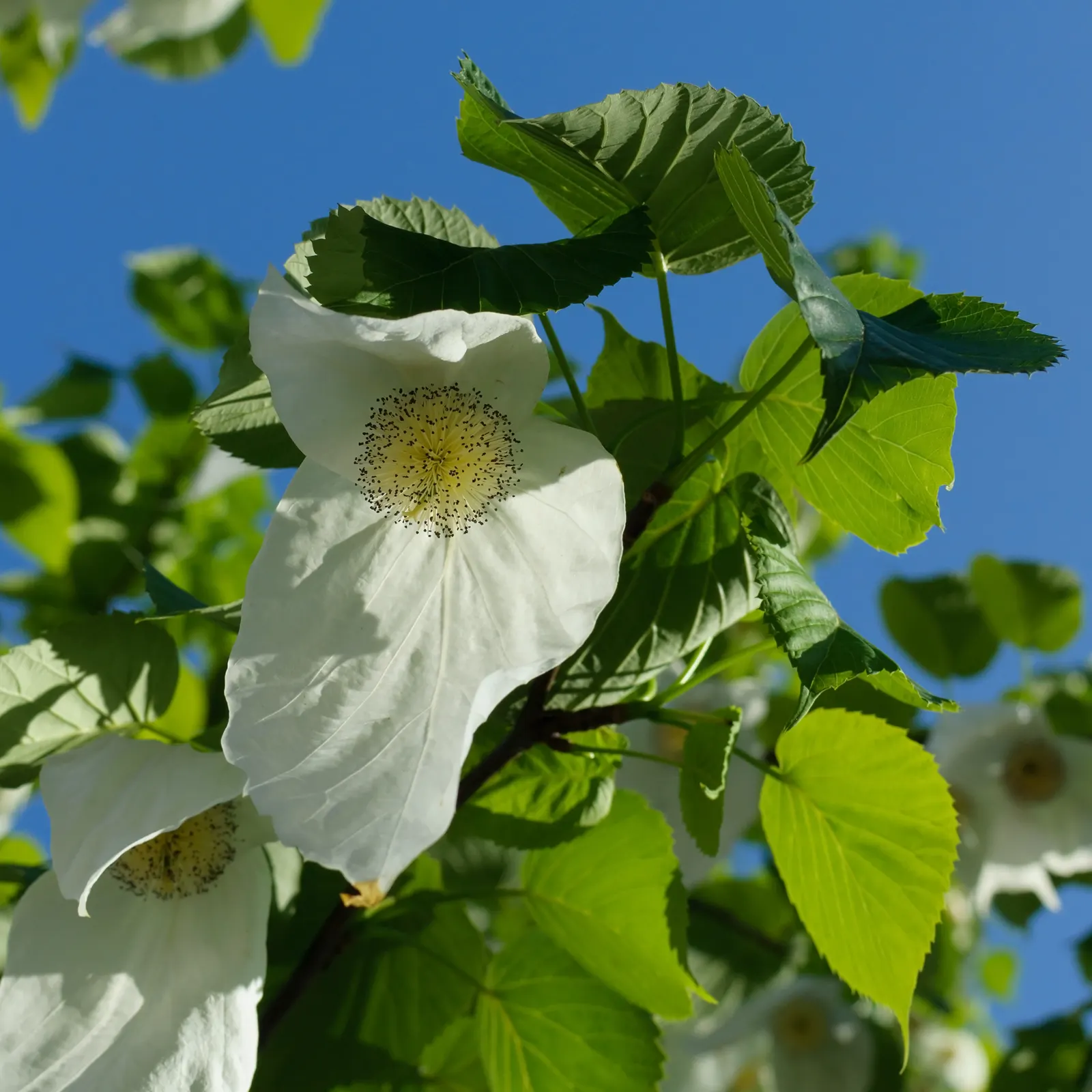
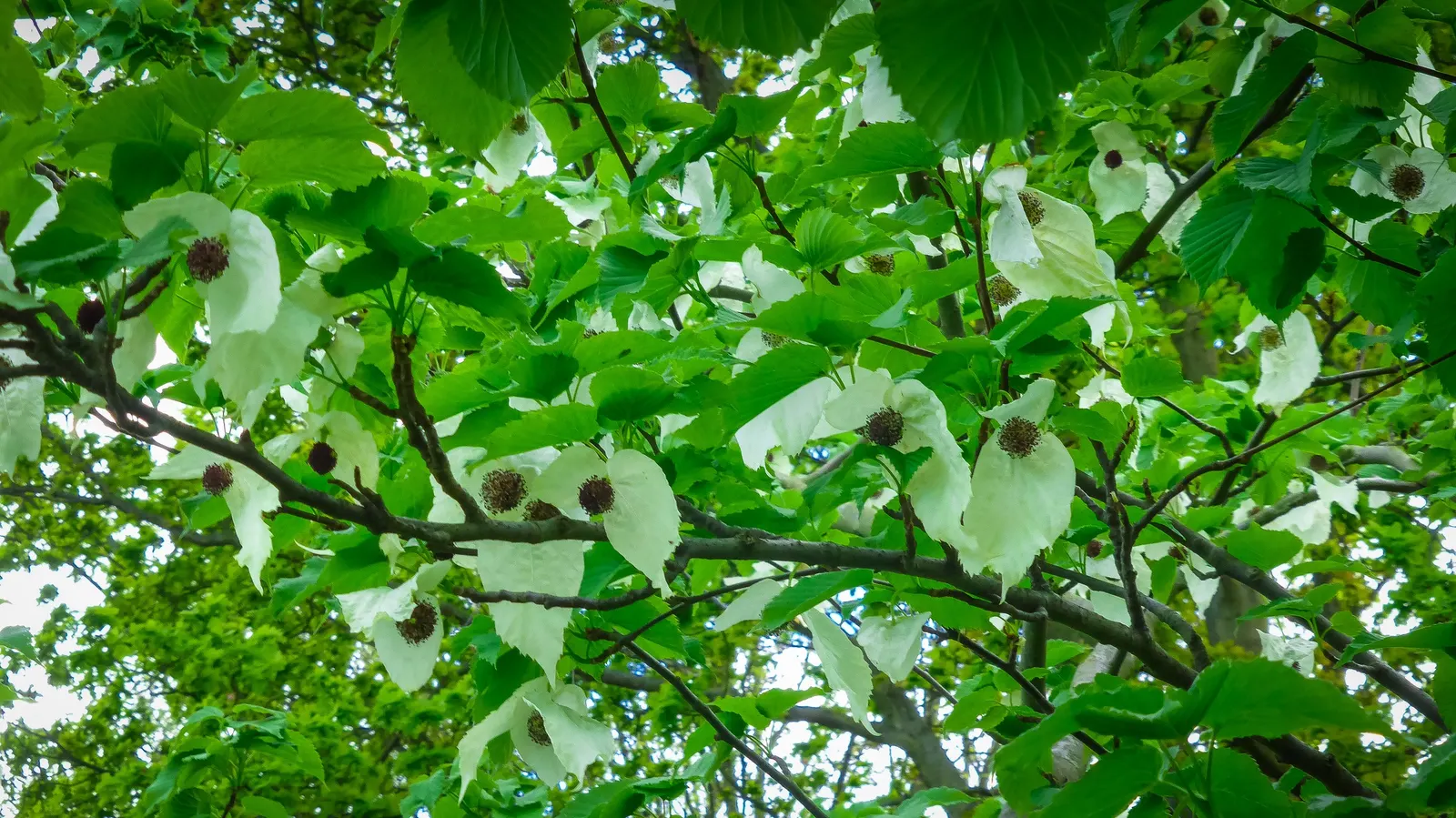
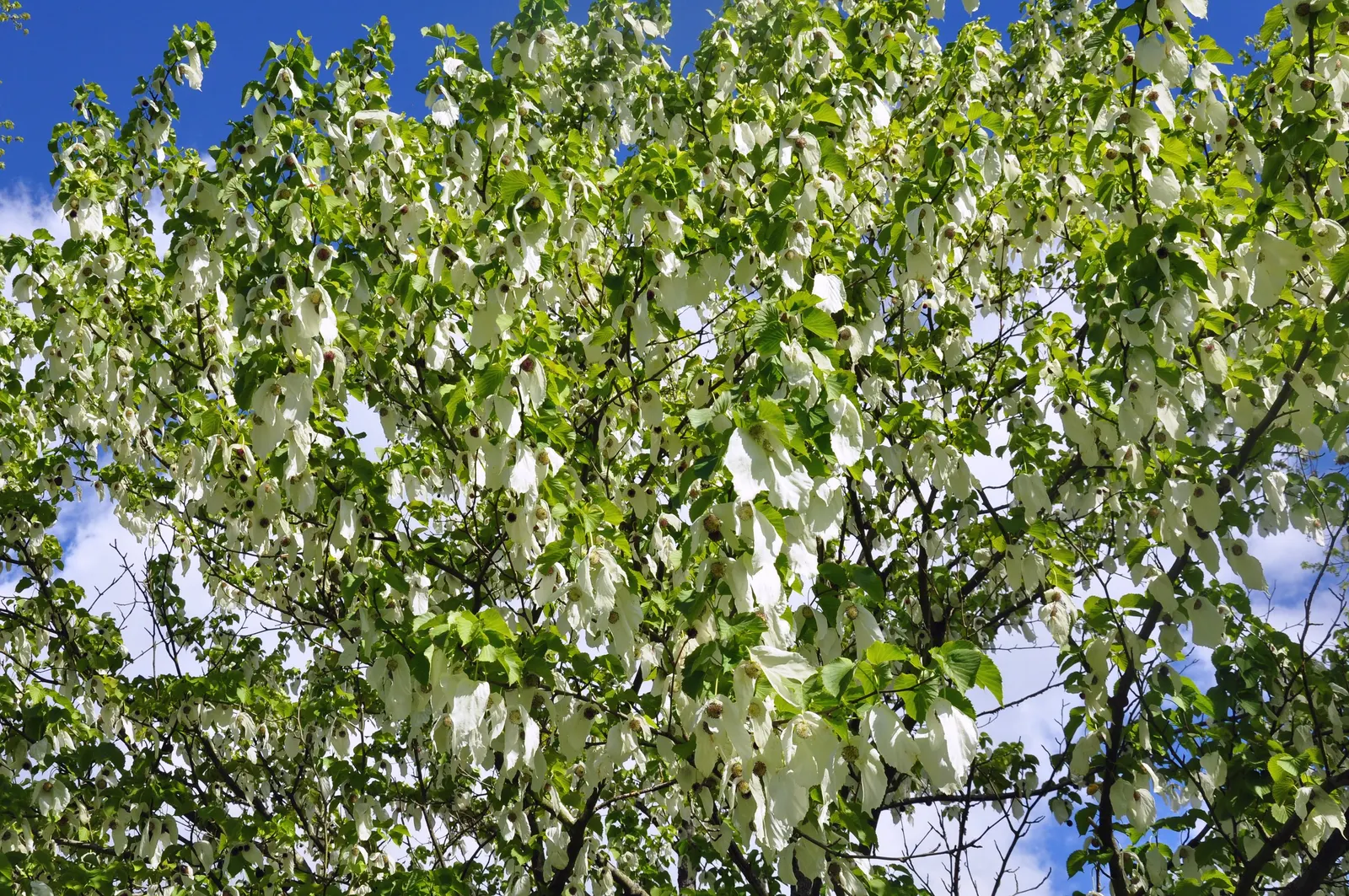
Davidia involucrata, commonly known as Dove or Handkerchief Tree, is a deciduous ornamental tree, renowned for its unique white bracts resembling handkerchiefs or fluttering doves. It typically reaches heights of 20-40 feet with a similar spread. Ideal in USDA zones 6-8, it thrives in moist, well-drained soil, preferring partial to full sun. Its spring bloom offers a spectacular display. It is slow-growing, adding an exotic touch to temperate landscapes.

Sun Full, HalfWater Extra in Summer, HighZones 6–8Climate Temperate
Dove Tree, Hankerchief Tree (Davidia Involucrata) — commonly known as Dove or Handkerchief Tree

Culture

Sun
Full, Half
Water
Extra in Summer, High
USDA zones
6–8

Shape & size

Classification

Family
Nyssaceae
Climate
Temperate

See full data, regional cultivation notes, full-resolution photos, and design tools. Build a client presentation around this plant.

Start your 14-day trial

Photos (83)

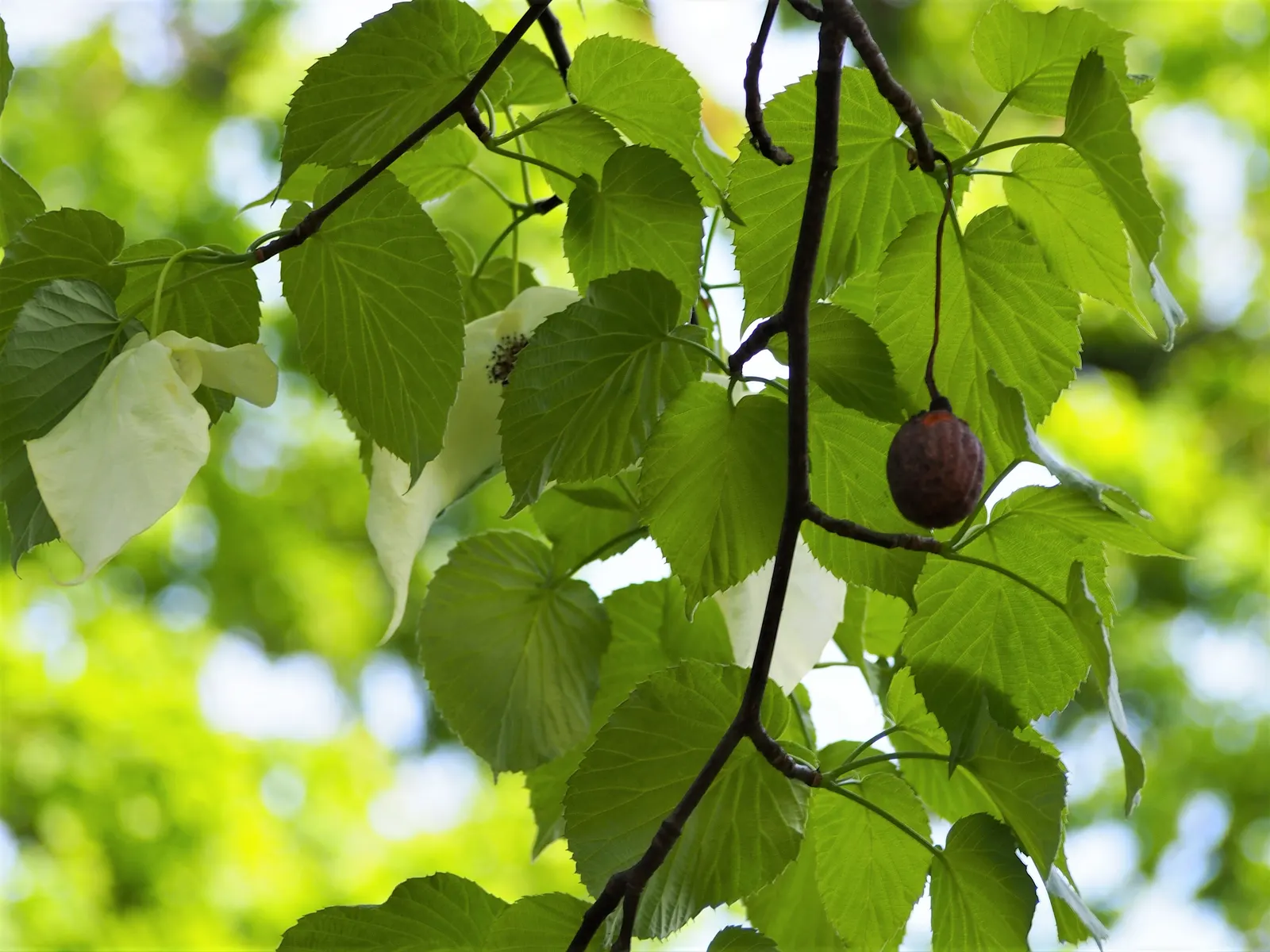
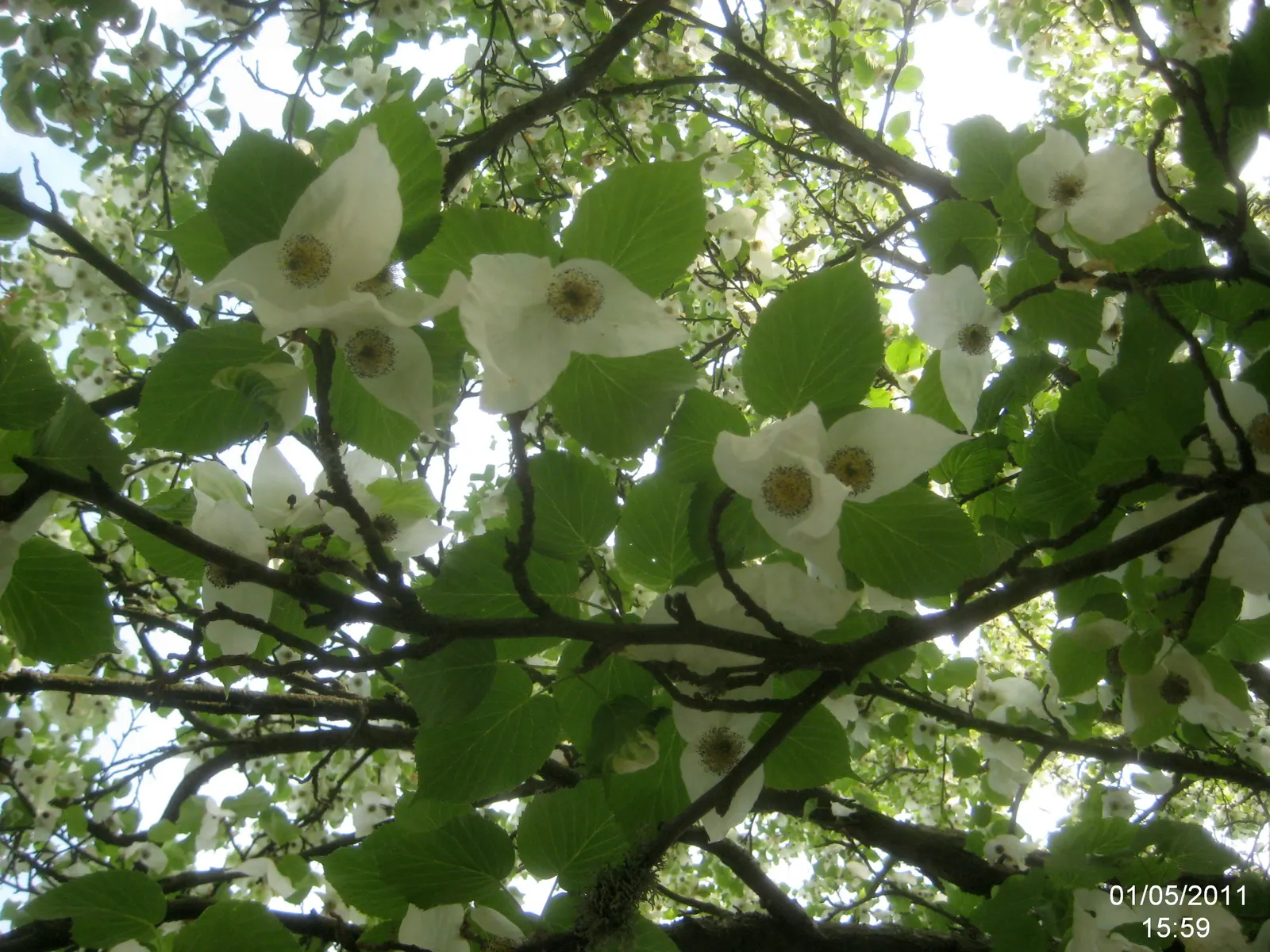
Dove Tree, Hankerchief Tree (Davidia Involucrata) — white flowers in the garden
Dove Tree, Hankerchief Tree (Davidia Involucrata) — but its exceptional beauty is well worth the wait
Dove Tree, Hankerchief Tree (Davidia Involucrata) — often taking several years to bloom
Dove Tree, Hankerchief Tree (Davidia Involucrata) — tree with white blooms
Dove Tree, Hankerchief Tree (Davidia Involucrata) — commonly known as Dove or Handkerchief Tree; it typically reaches heights of 20-40 feet with a similar
Dove Tree, Hankerchief Tree (Davidia Involucrata) — tree for full or half
Dove Tree, Hankerchief Tree (Davidia Involucrata) — is a deciduous ornamental tree; white bracts that dangle from the branches in late spring
Dove Tree, Hankerchief Tree (Davidia Involucrata) — renowned for its unique white bracts resembling handkerchiefs or fluttering doves; it thrives in full sun
Dove Tree, Hankerchief Tree (Davidia Involucrata) — It typically reaches heights of 20-40 feet with a similar spread; often taking several years to bloom
Dove Tree, Hankerchief Tree (Davidia Involucrata) — Its spring bloom offers a spectacular display; native to the woodlands of central China
Dove Tree, Hankerchief Tree (Davidia Involucrata) — Ideal in USDA zones 6-8, it thrives in moist, well-drained soil, preferring partial to full sun; renowned
Dove Tree, Hankerchief Tree (Davidia Involucrata) — It is slow-growing, adding an exotic touch to temperate landscapes; loamy soil with a slightly acidic to
Dove Tree, Hankerchief Tree (Davidia Involucrata) — Native to the woodlands of central China; is a remarkable and distinctive deciduous tree known for its
Dove Tree, Hankerchief Tree (Davidia Involucrata) — commonly known as the Dove Tree or Handkerchief Tree; the Dove Tree is an investment in the landscape
Dove Tree, Hankerchief Tree (Davidia Involucrata) — is a remarkable and distinctive deciduous tree known for its unique and enchanting springtime display; is a
Dove Tree, Hankerchief Tree (Davidia Involucrata) — inconspicuous purple to reddish clusters of flowers; commonly known as the Dove Tree or Handkerchief Tree
Dove Tree, Hankerchief Tree (Davidia Involucrata) — white bracts that dangle from the branches in late spring; the Dove Tree prefers well-drained
Dove Tree, Hankerchief Tree (Davidia Involucrata) — creating a visually dramatic effect.<br><br>For optimal growth, image 44
Dove Tree, Hankerchief Tree (Davidia Involucrata) — the Dove Tree prefers well-drained; providing additional seasonal interest
Dove Tree, Hankerchief Tree (Davidia Involucrata) — resembling handkerchiefs or fluttering doves; being relatively slow-growing
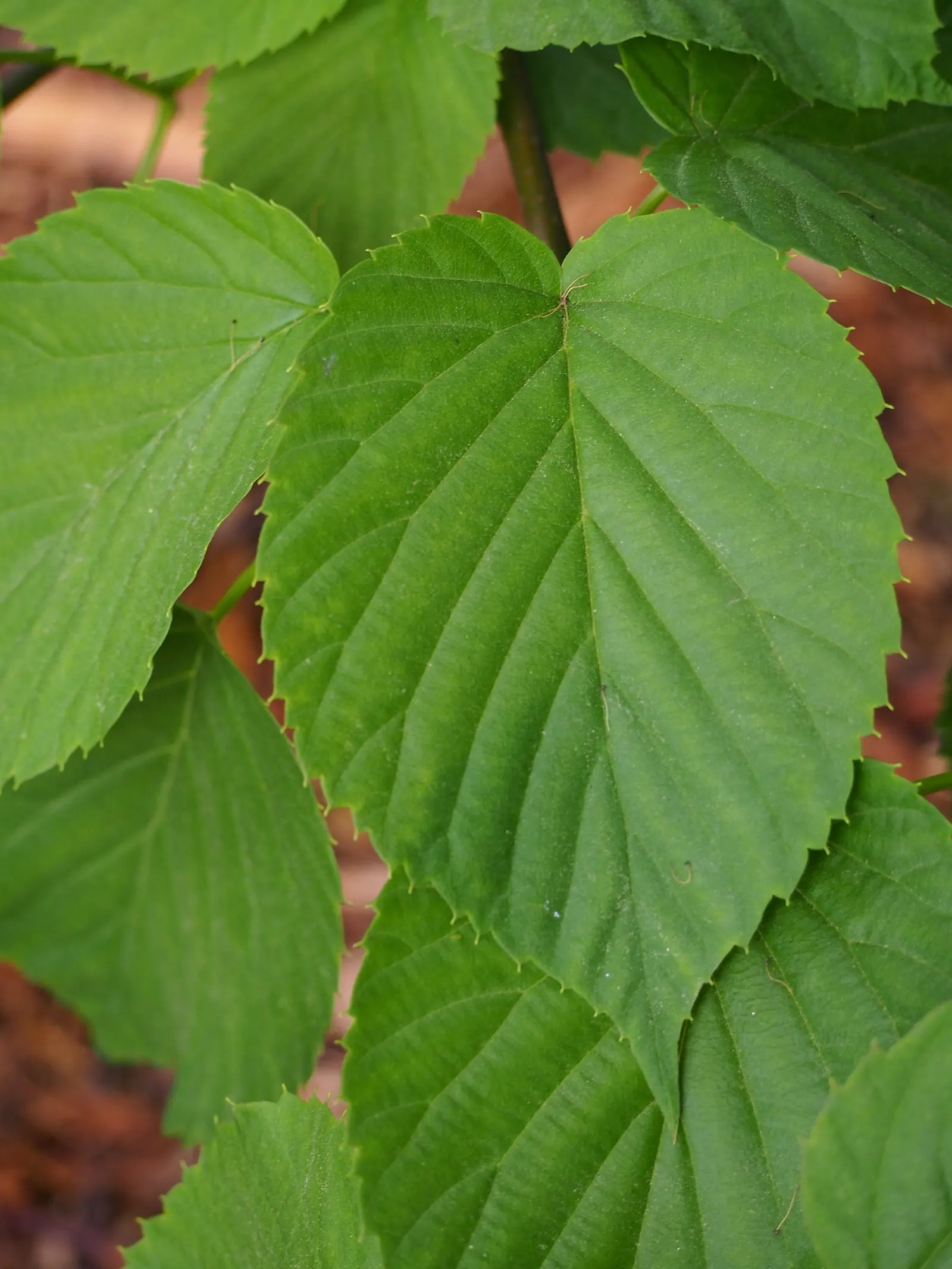
Dove Tree, Hankerchief Tree (Davidia Involucrata) — which can be up to 6 to 8 inches long; commonly known as Dove or Handkerchief Tree
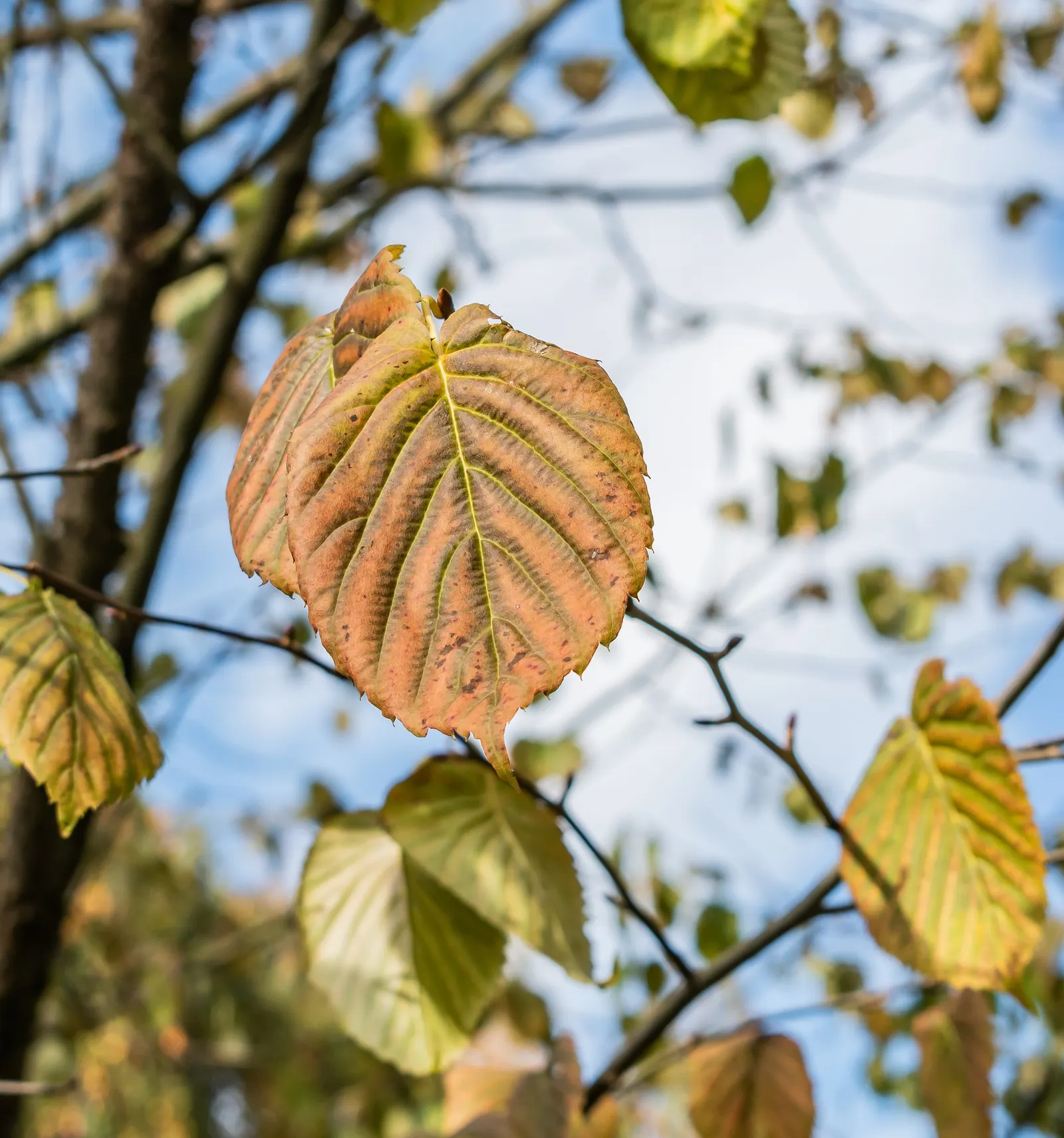
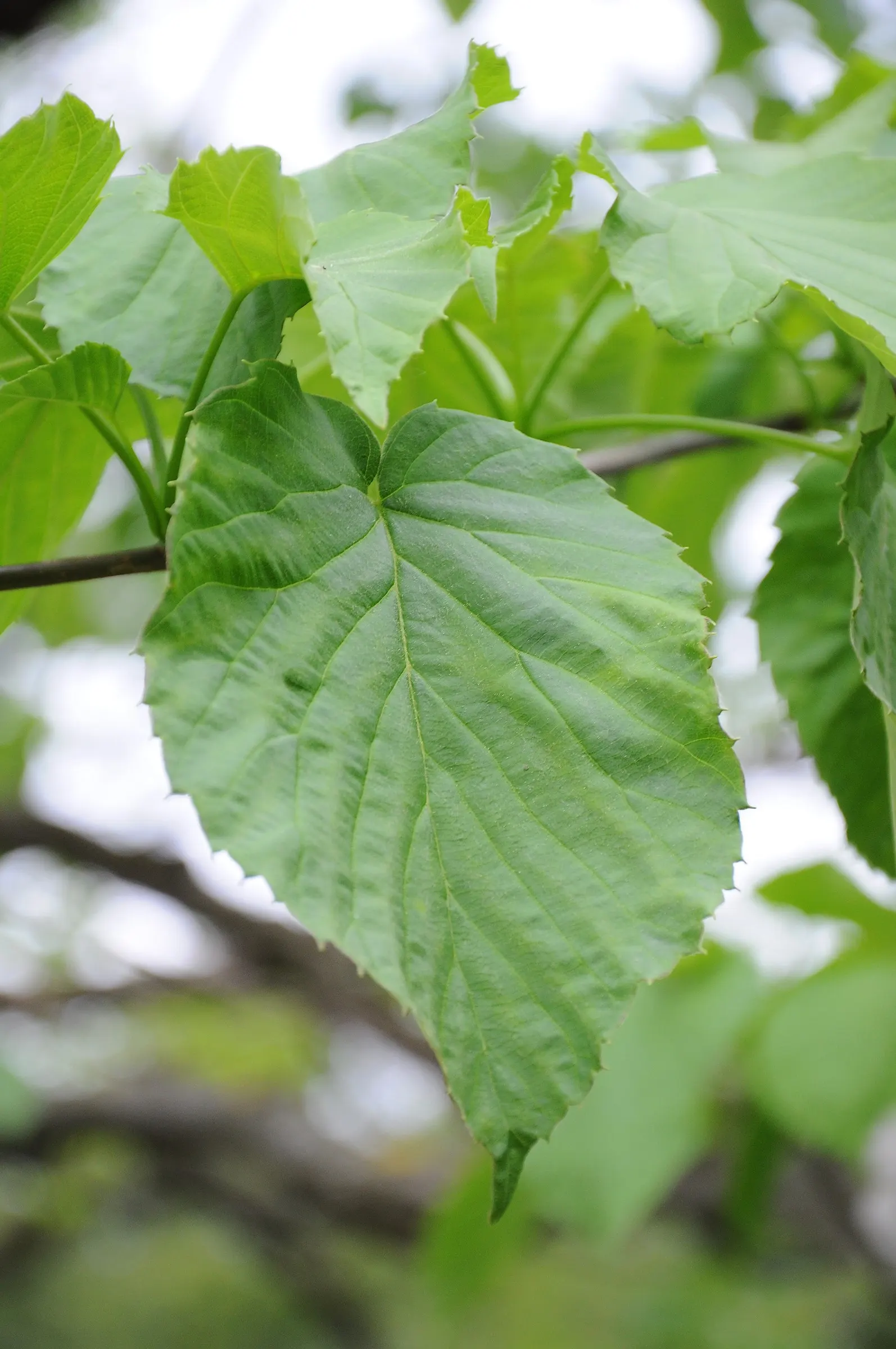
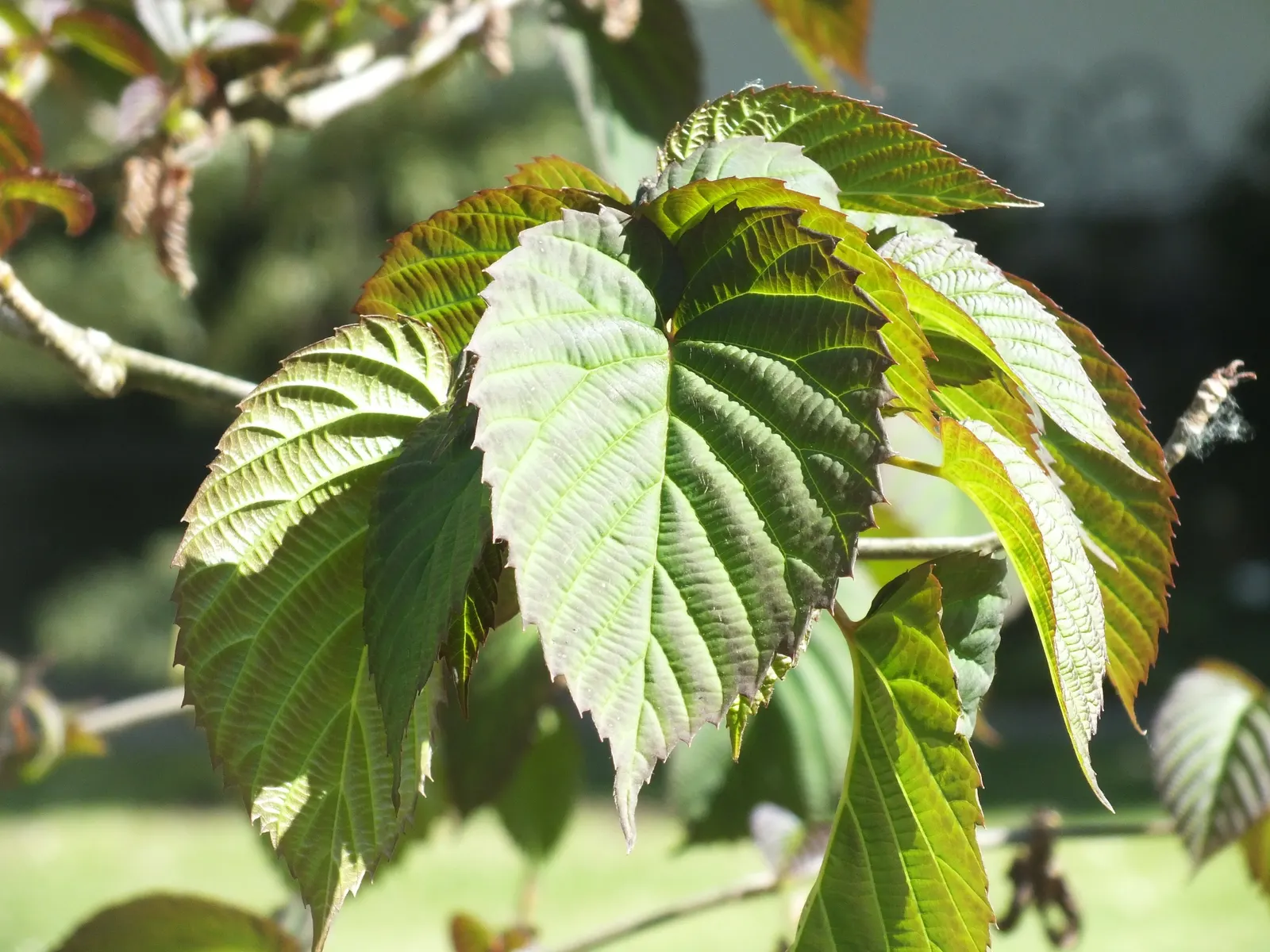
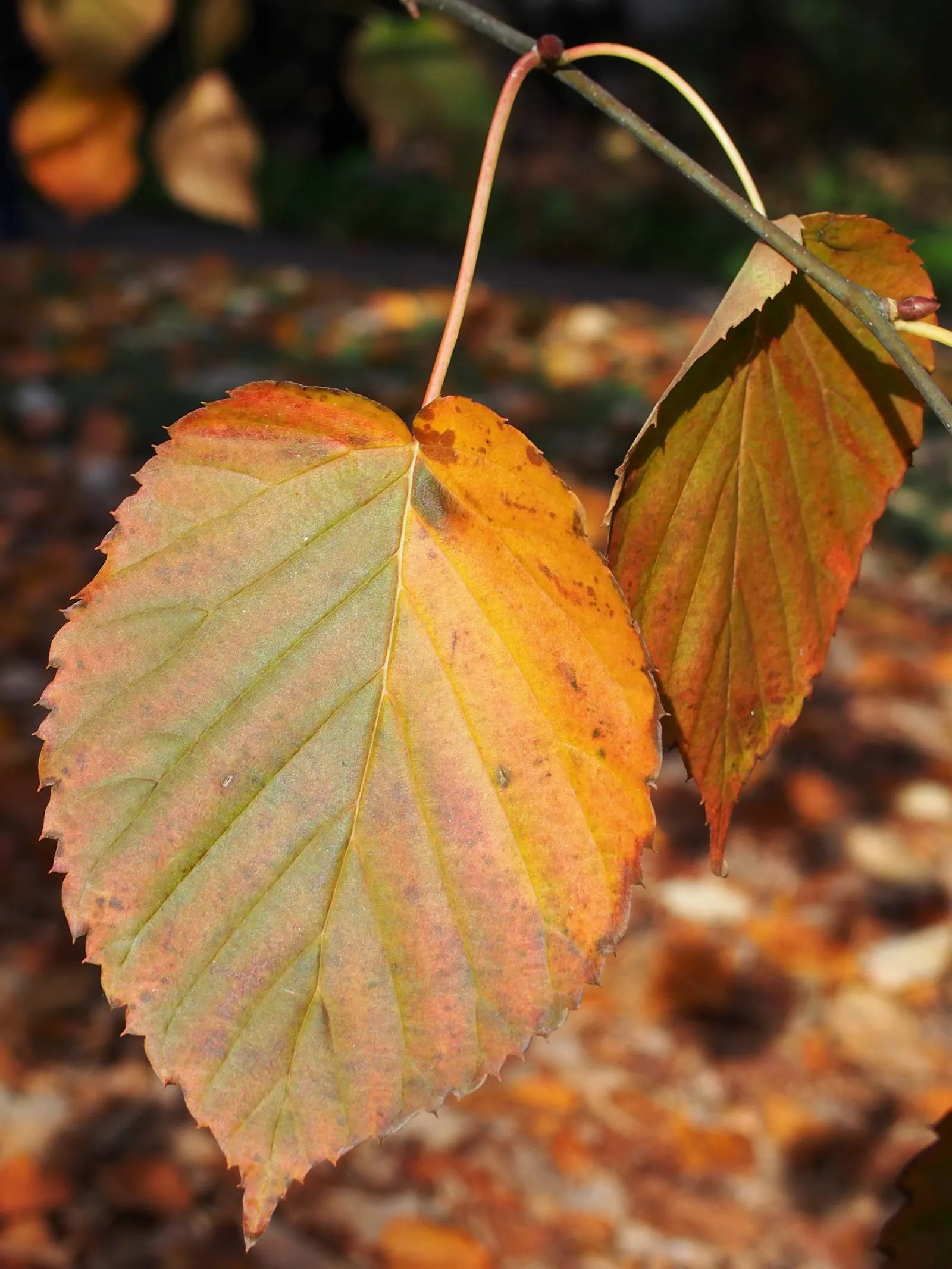
Dove Tree, Hankerchief Tree (Davidia Involucrata) — as large as 4 to 6 inches; turn to a pale yellow or brownish color in fall
Dove Tree, Hankerchief Tree (Davidia Involucrata) — loamy soil with a slightly acidic to neutral pH; tree for full or half
Dove Tree, Hankerchief Tree (Davidia Involucrata) — It thrives in full sun to partial shade and requires regular watering, particularly in dry conditions; it

Related plants