Skip to content

Sacred Datura

Datura wrightii

Design with this plant

Overview

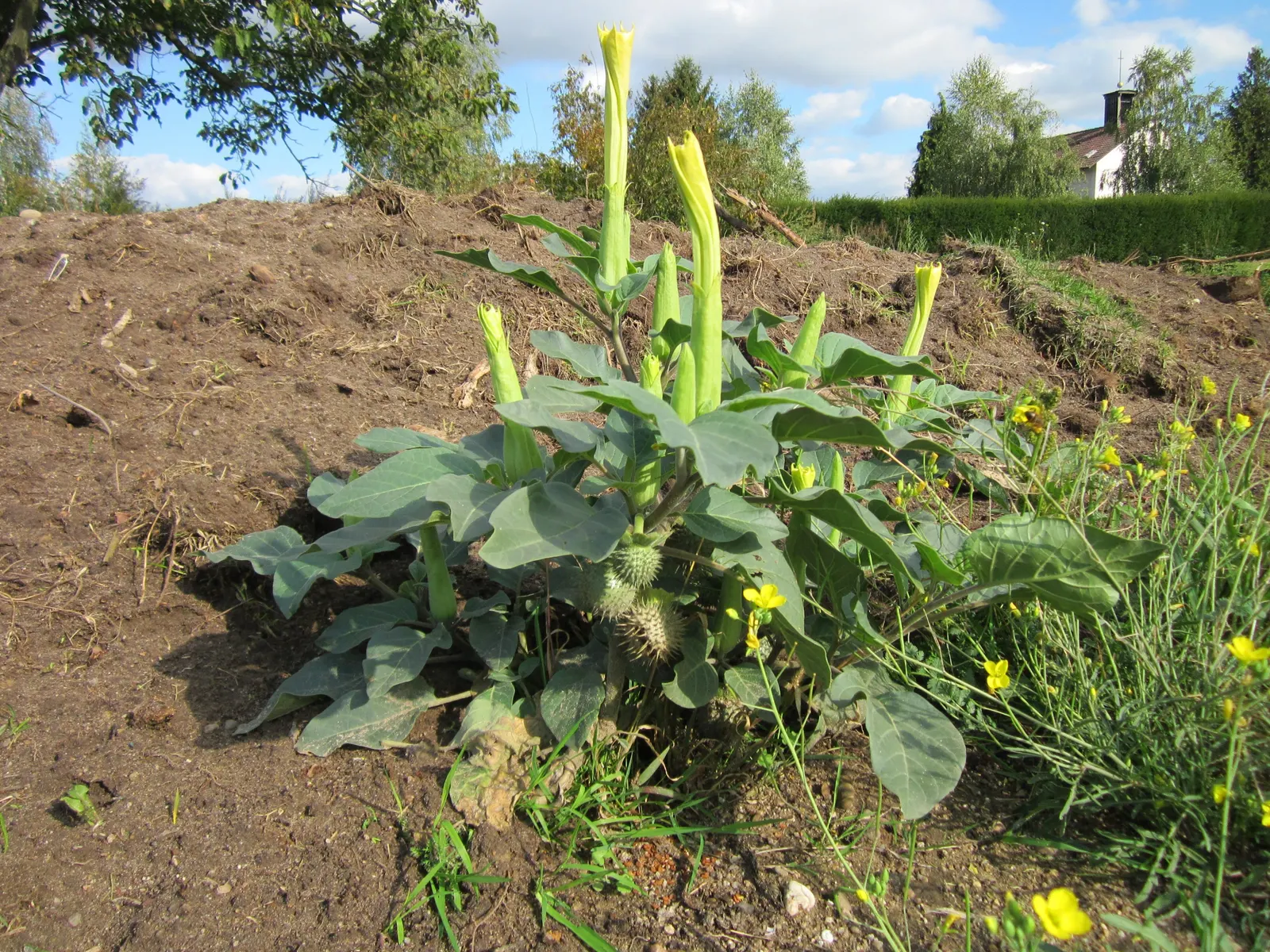
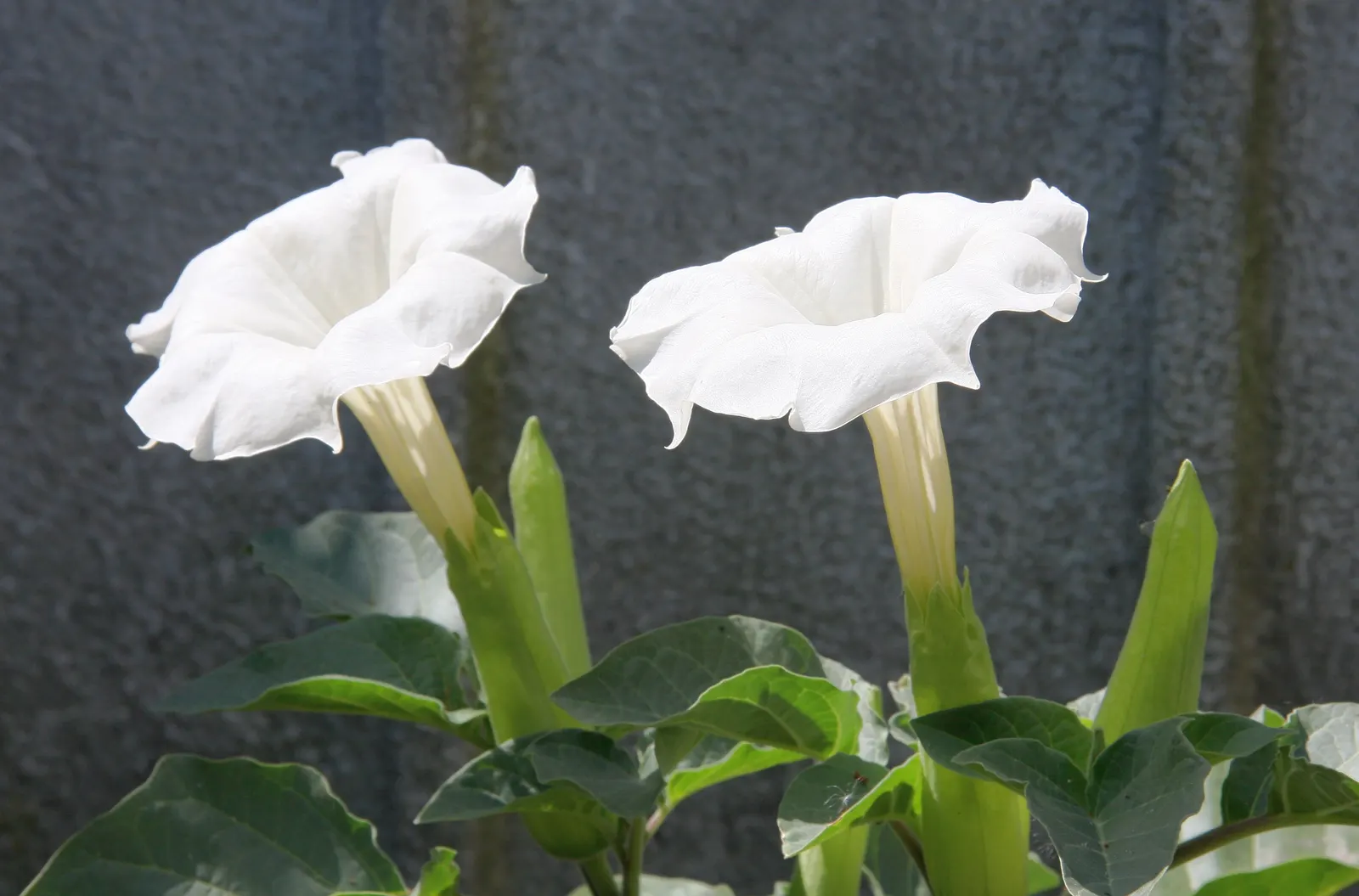
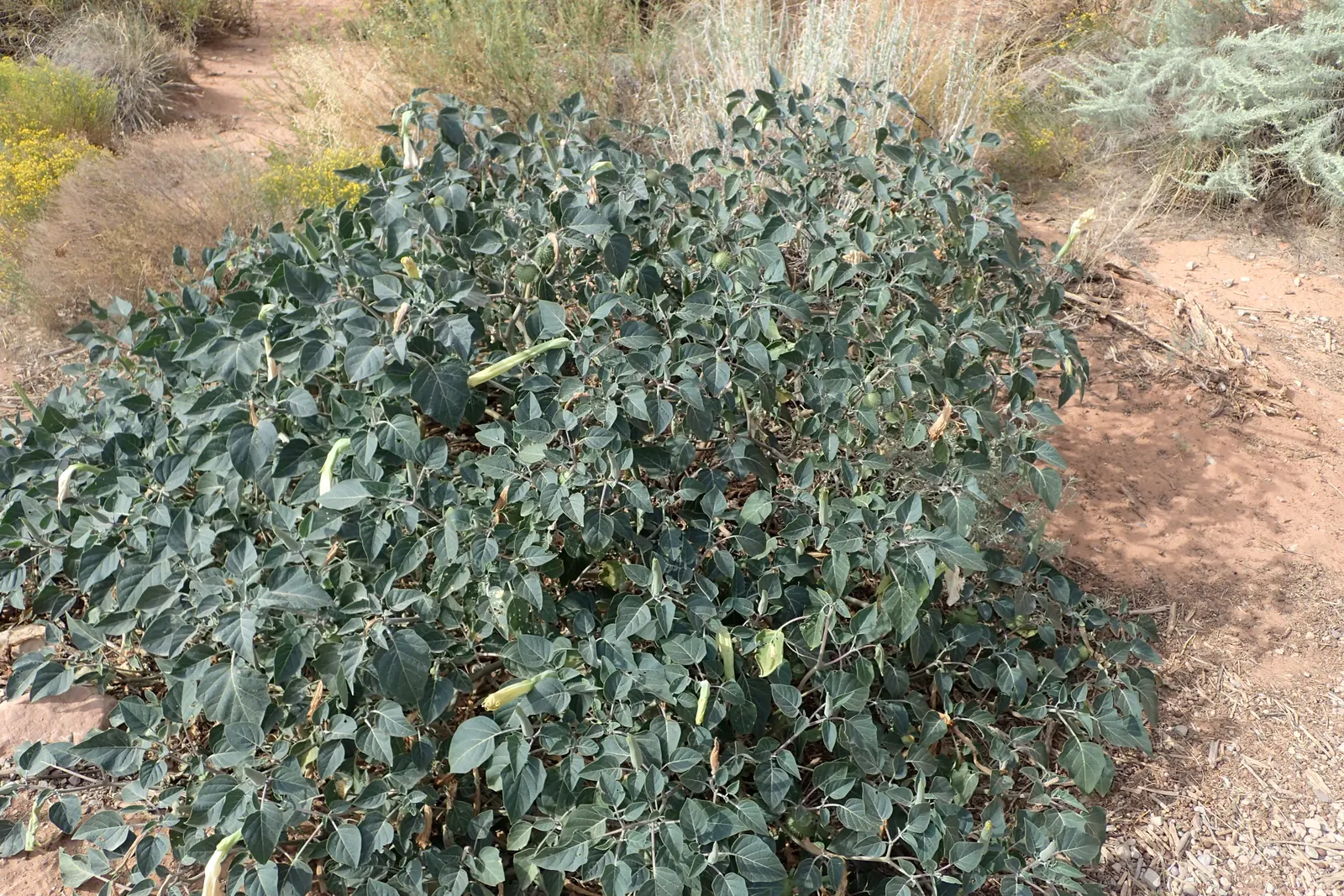
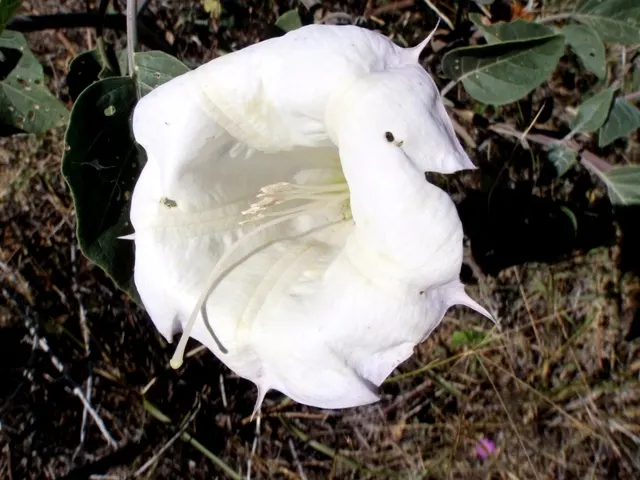
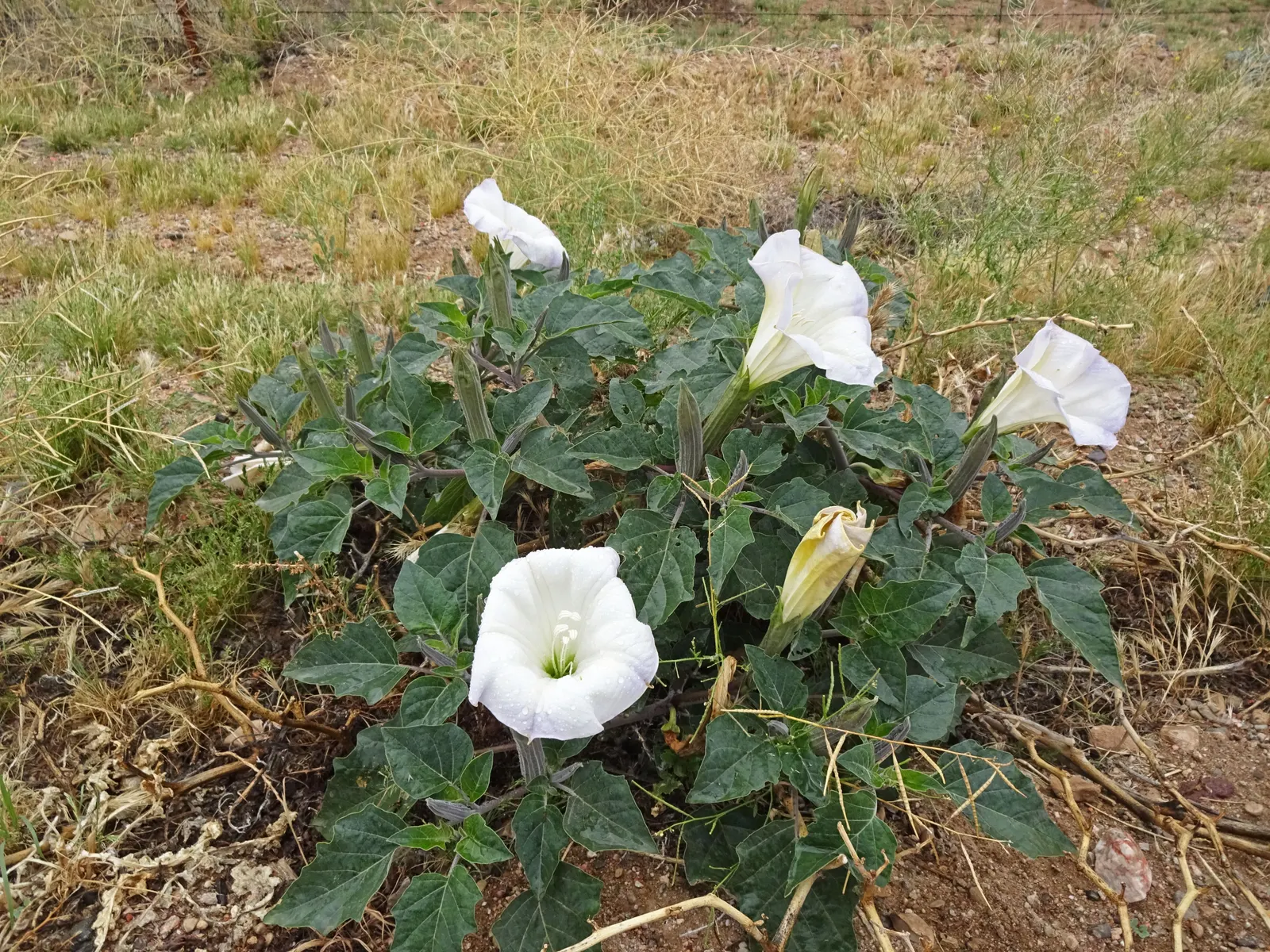
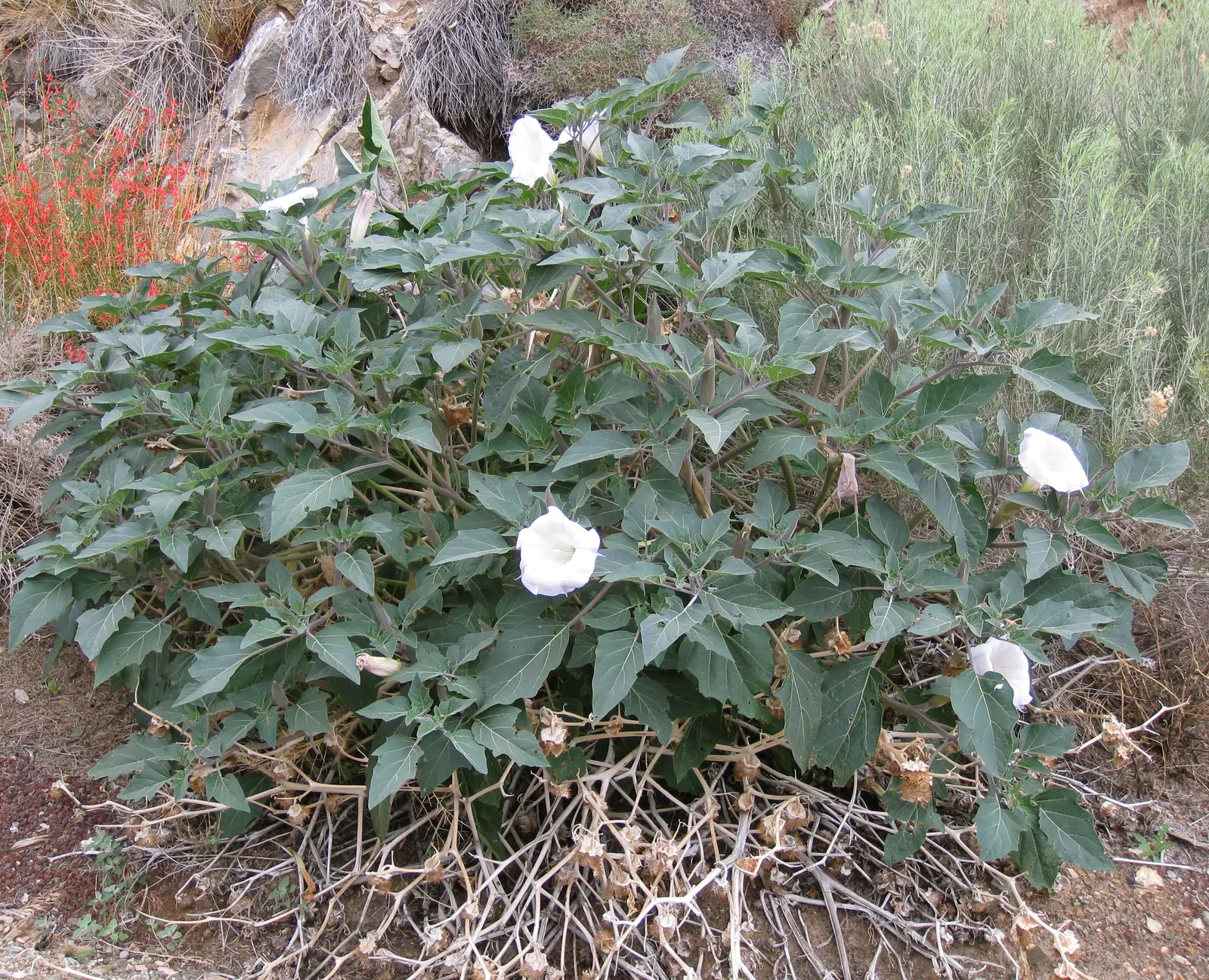
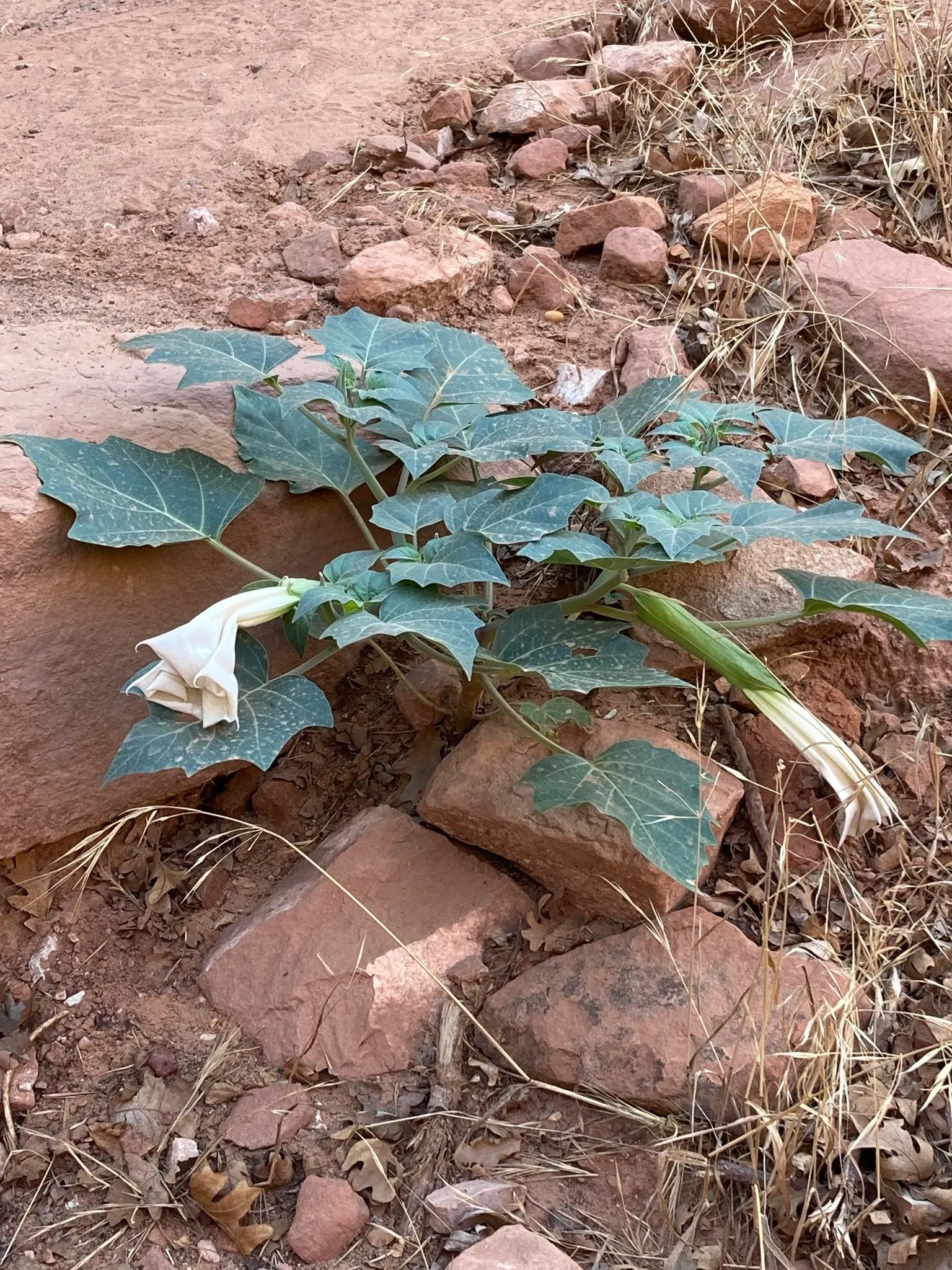
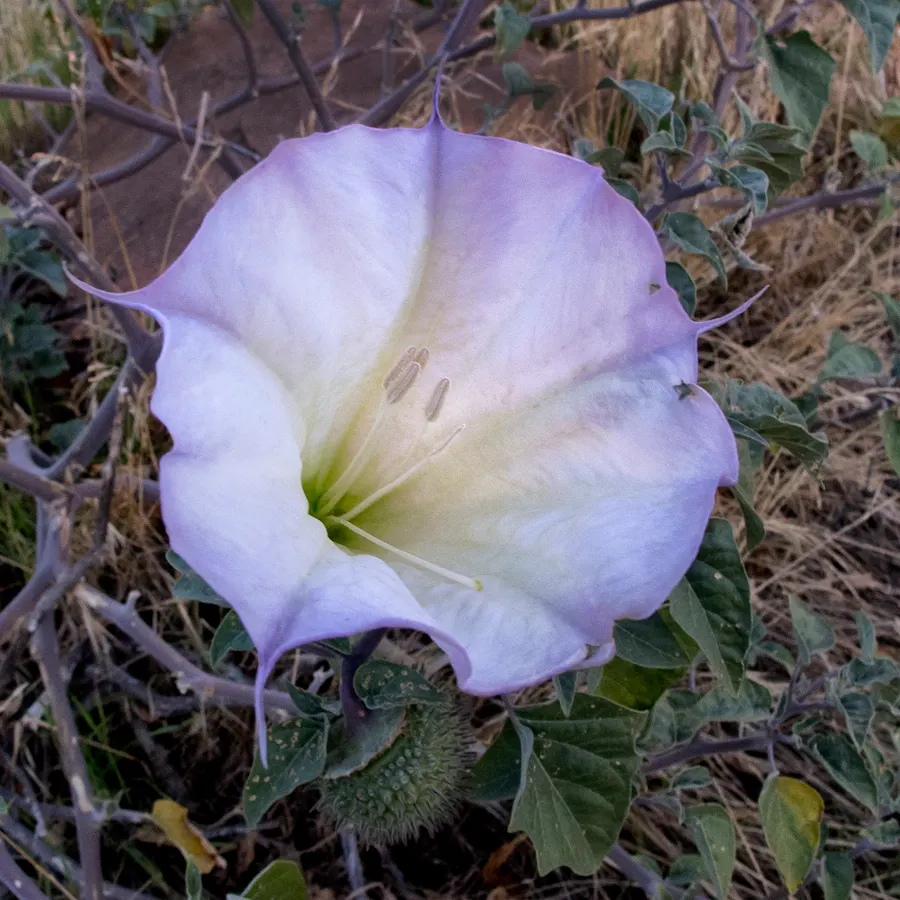
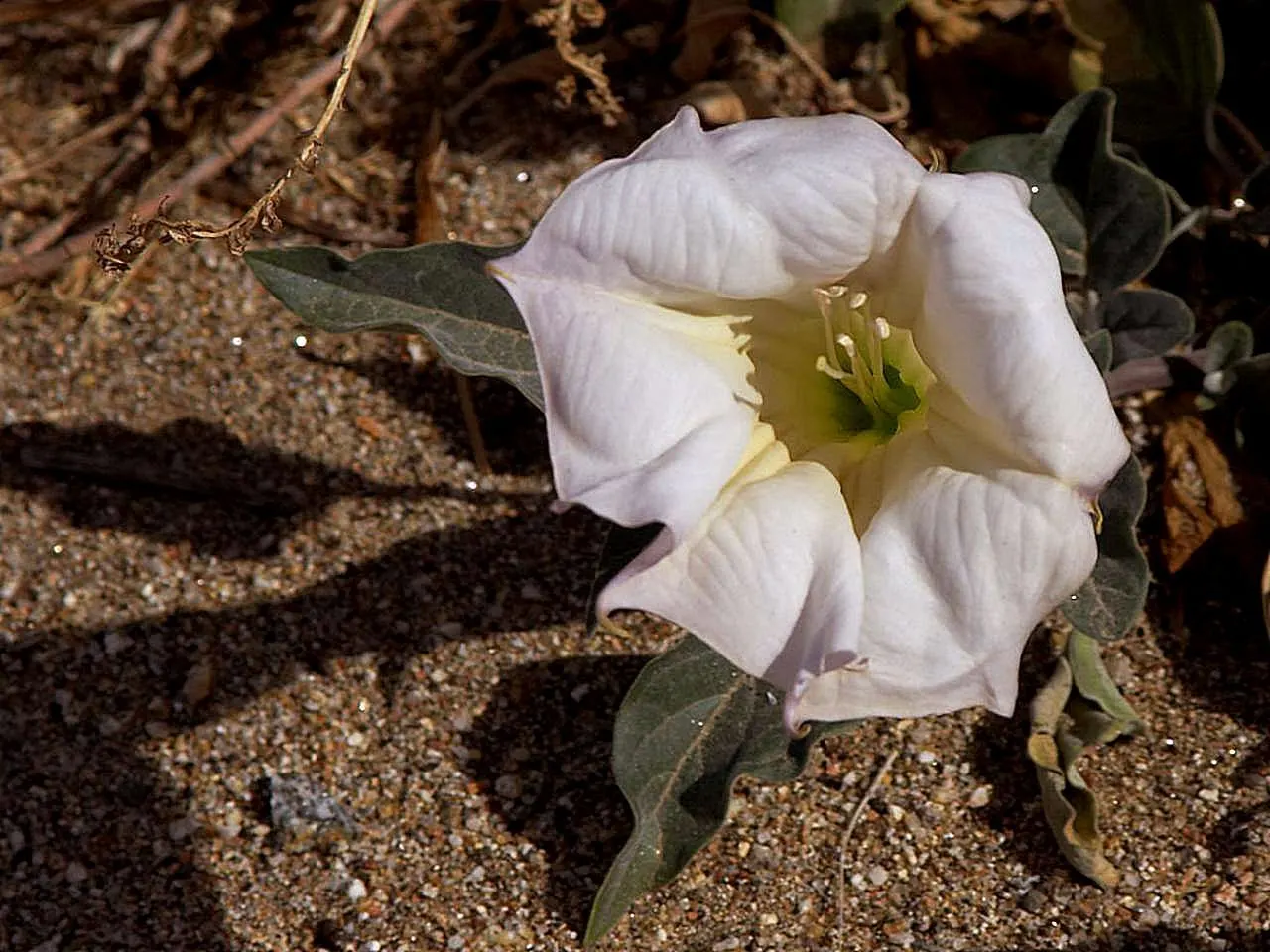
Sacred Datura (Datura wrightii) is a perennial herbaceous plant with large, trumpet-shaped white to lavender flowers, up to 8 inches long. Its spread can reach 4 ft across, with dark green leaves up to 8 inches in length. This night-bloomer is drought-tolerant, prefers full sun, and thrives in USDA zones 9-11. Caution: all parts are toxic if ingested. Adds dramatic flair to xeriscapes and moon gardens.

Sun FullWater LowZones 5–9Type Ground cover, VineClimate Mediterranean, Temperate

Culture

Sun
Full
Water
Low
USDA zones
5–9

Shape & size

Classification

Type
Ground cover, Vine
Family
Cucurbitaceae
Climate
Mediterranean, Temperate

See full data, regional cultivation notes, and design tools. Build a client presentation around this plant.

Start your 14-day trial

Photos (121)

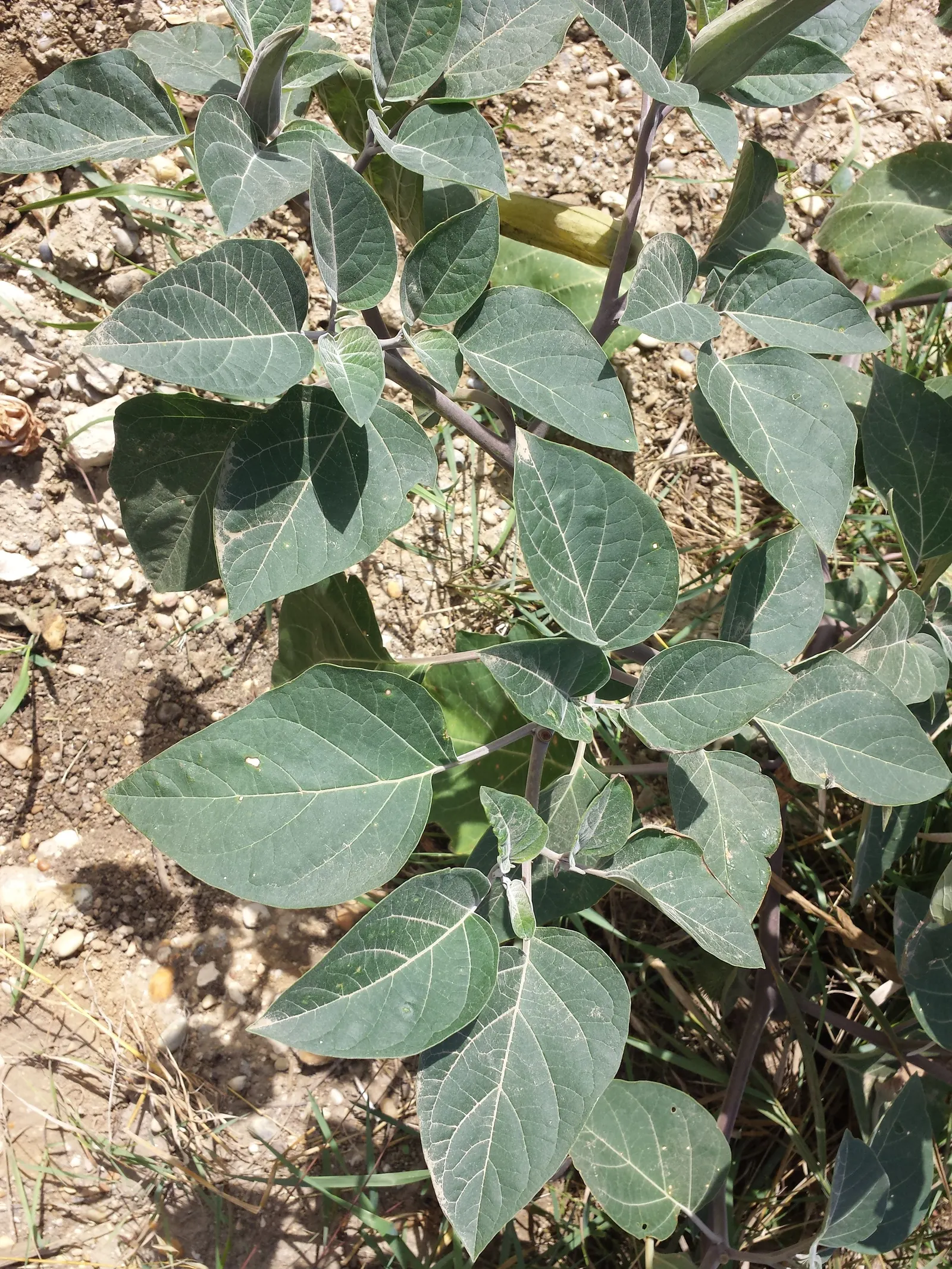
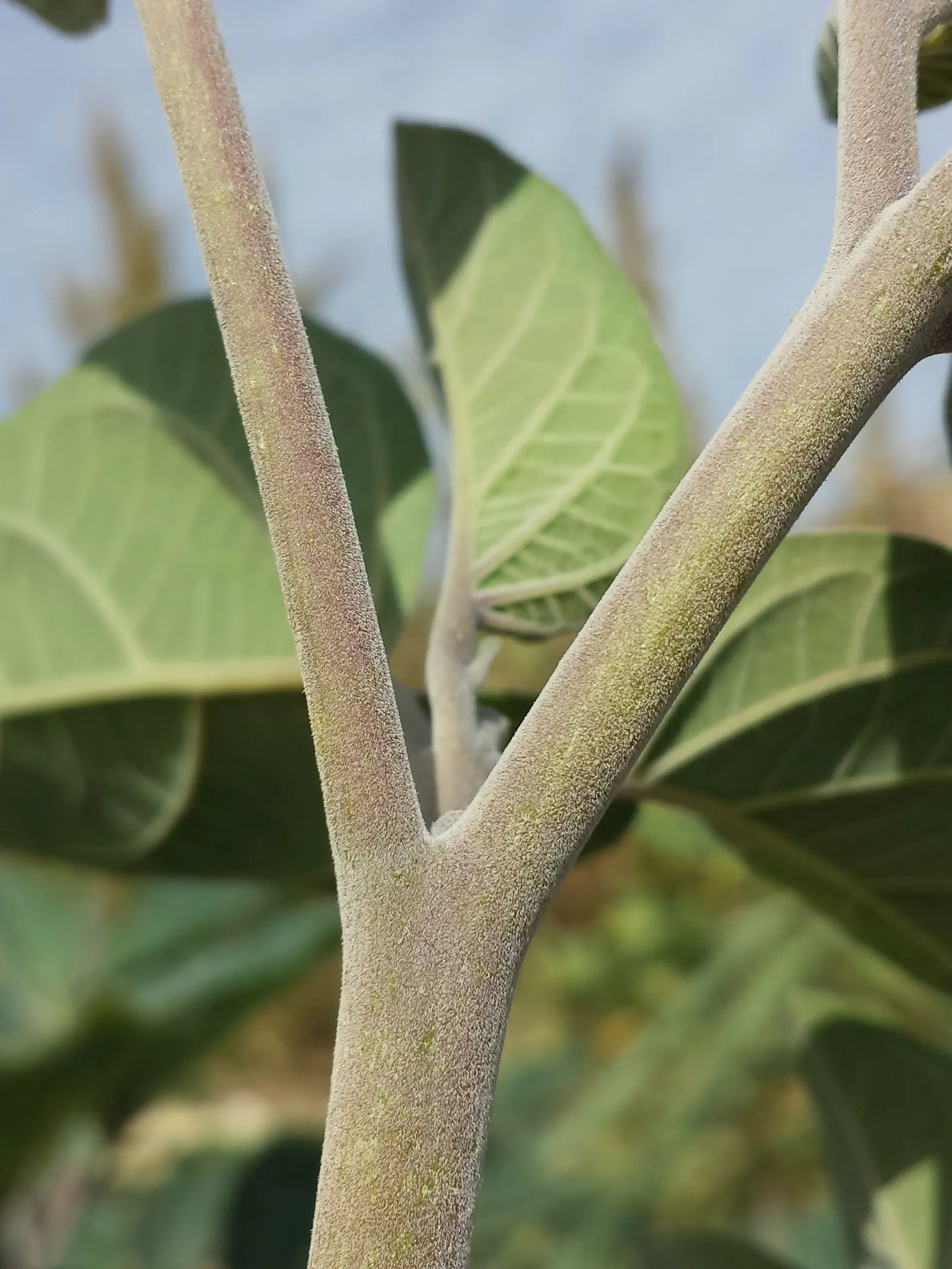
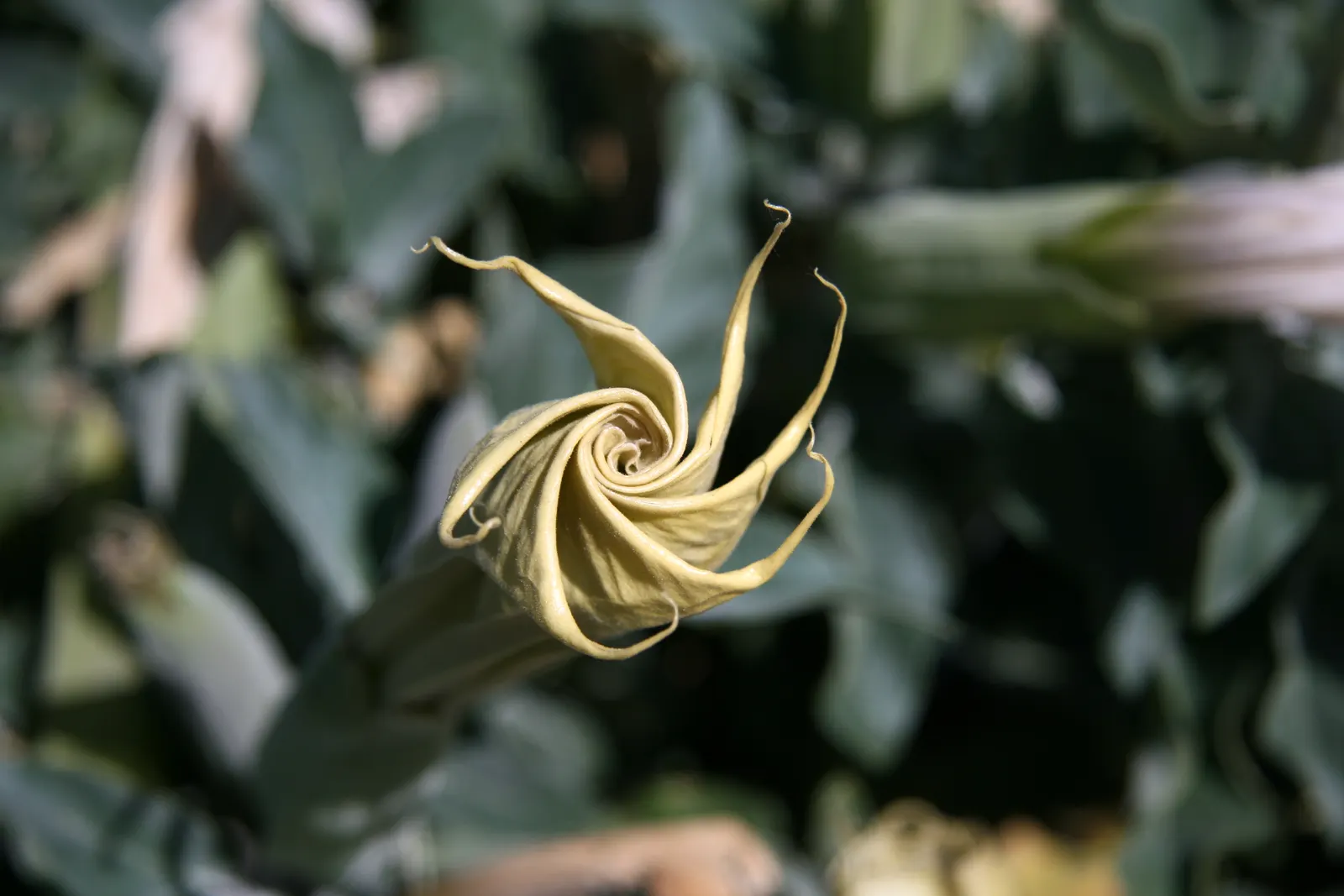
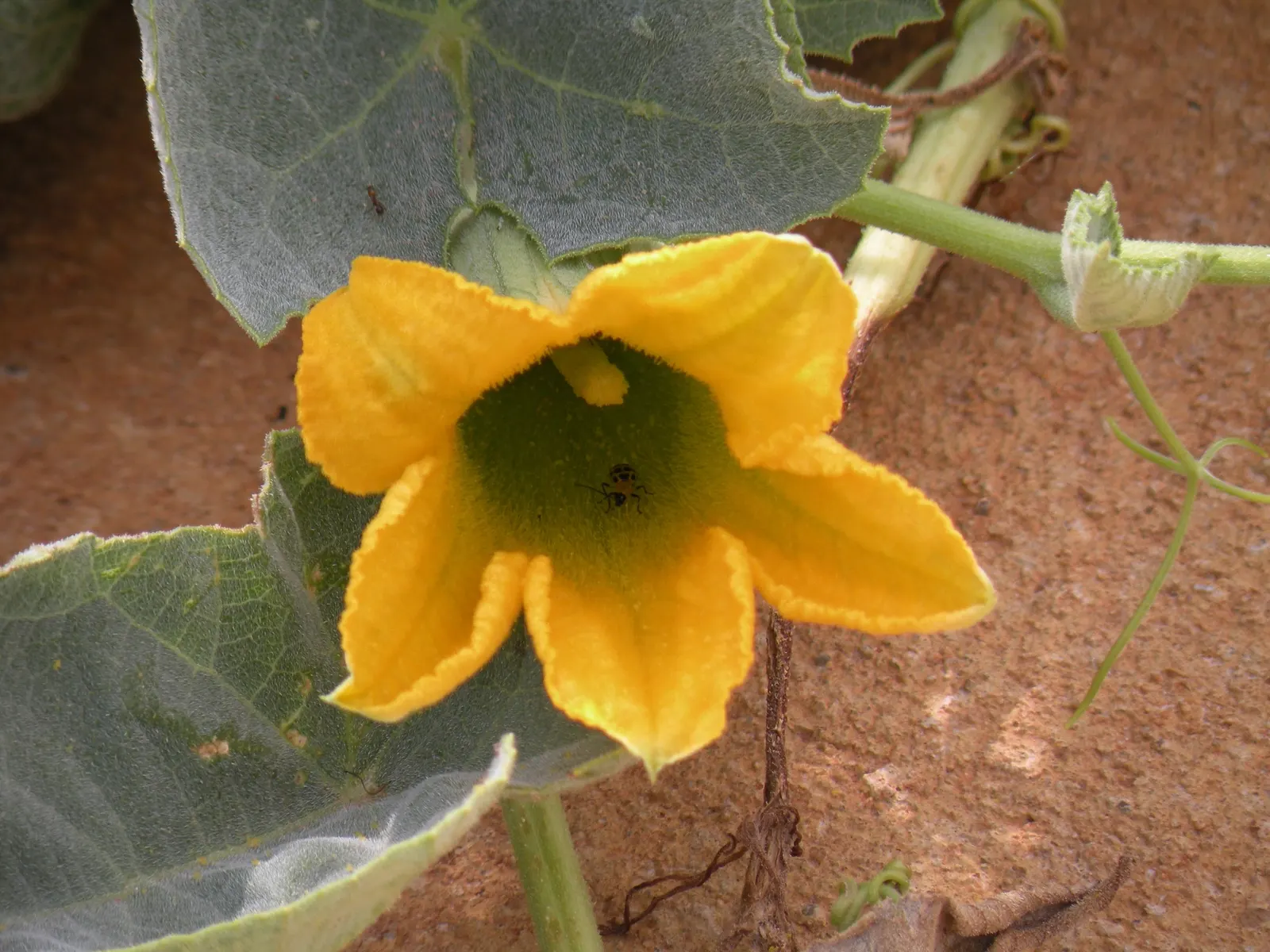
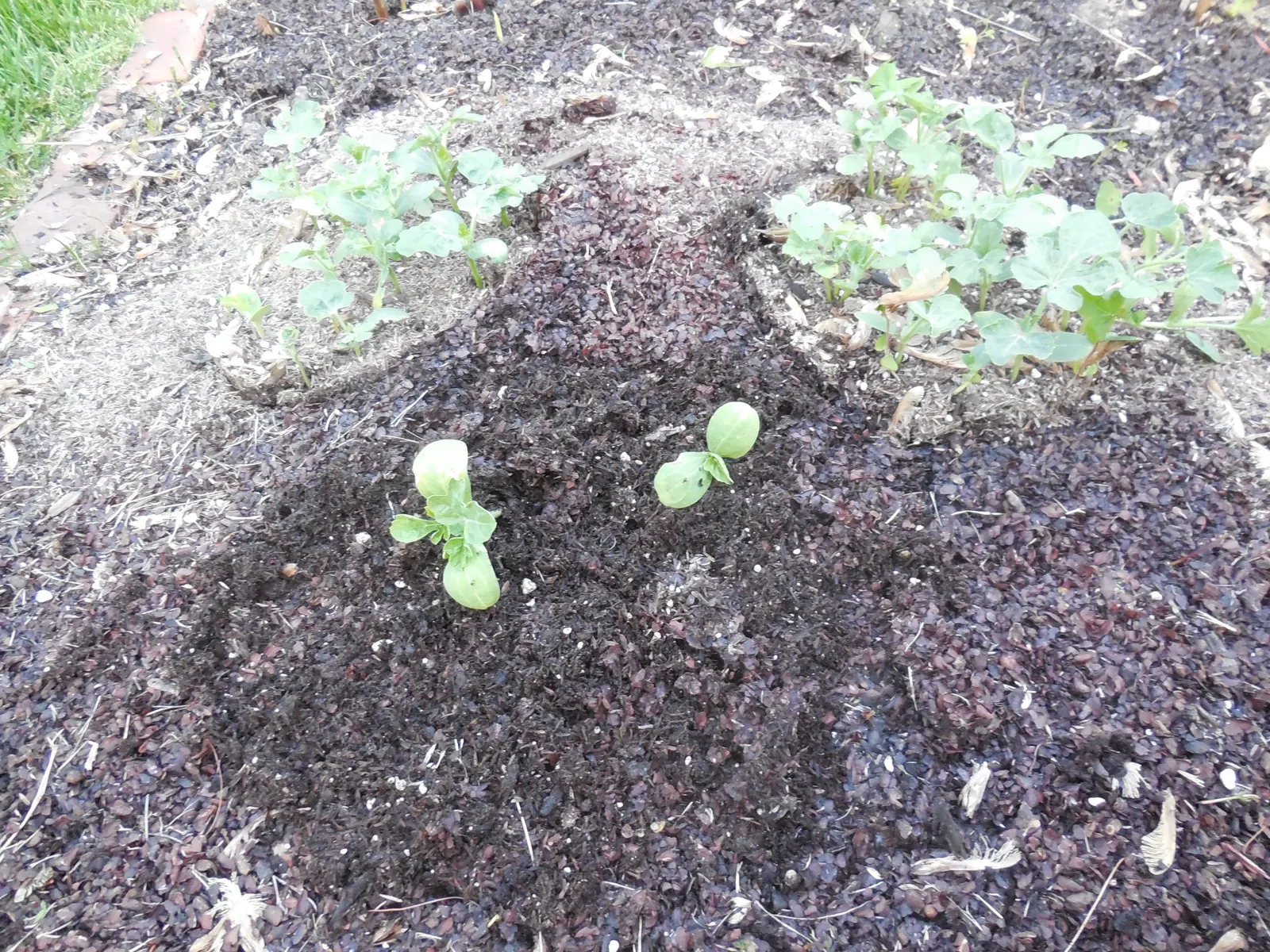
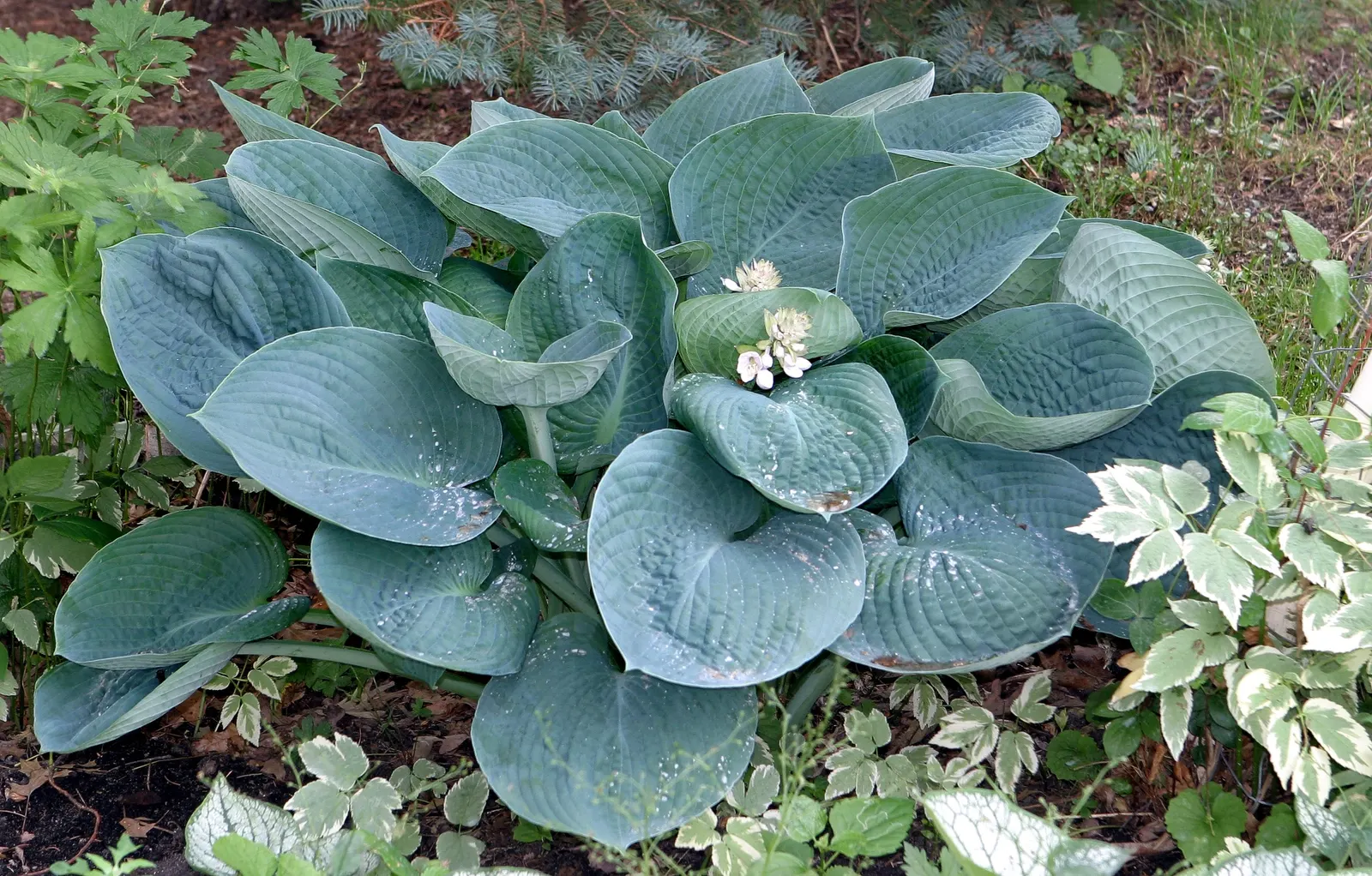
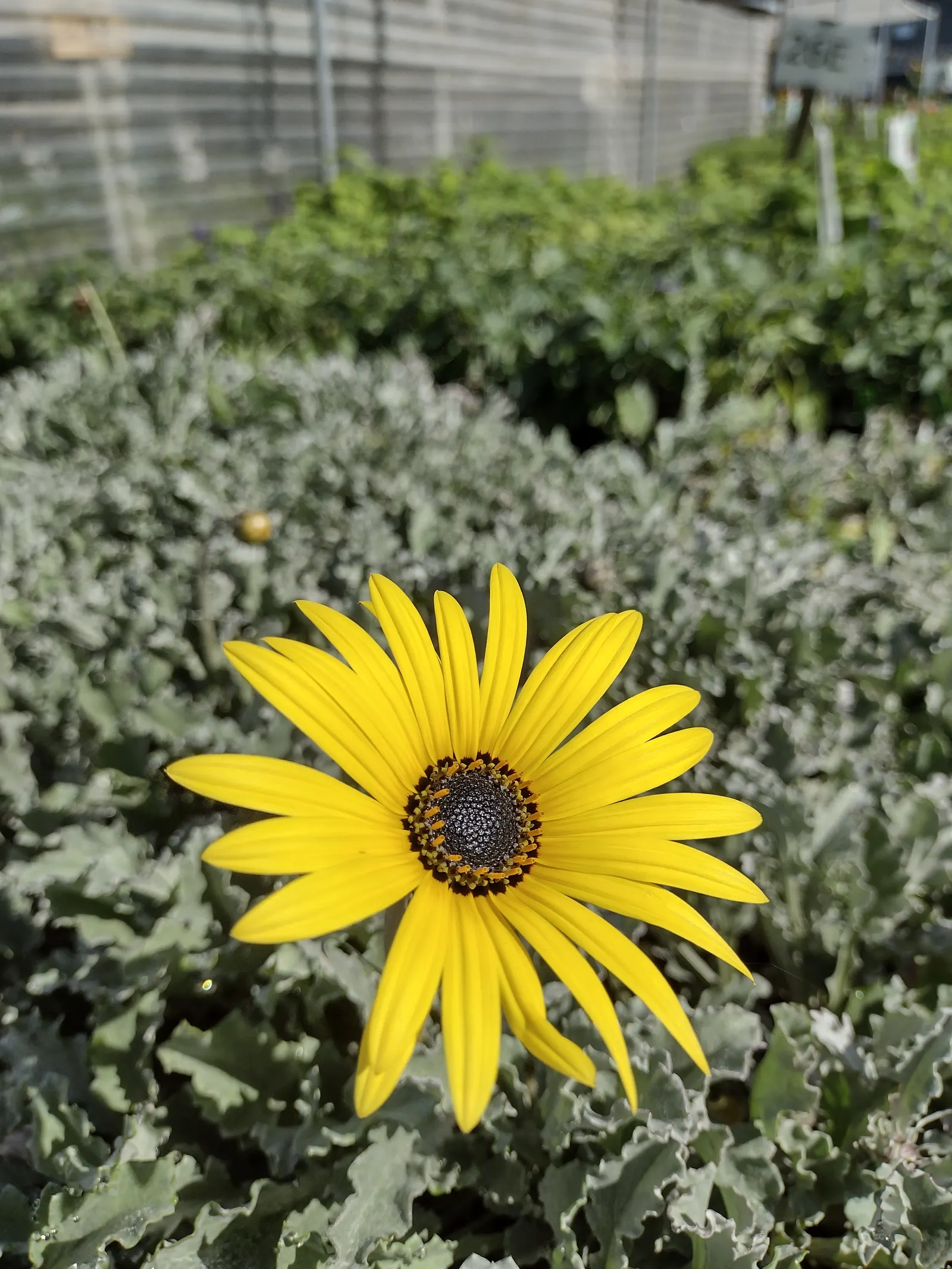
Sacred Datura (Datura wrightii) — consider its mystical ambiance and potential size; it prefers well-draining soil
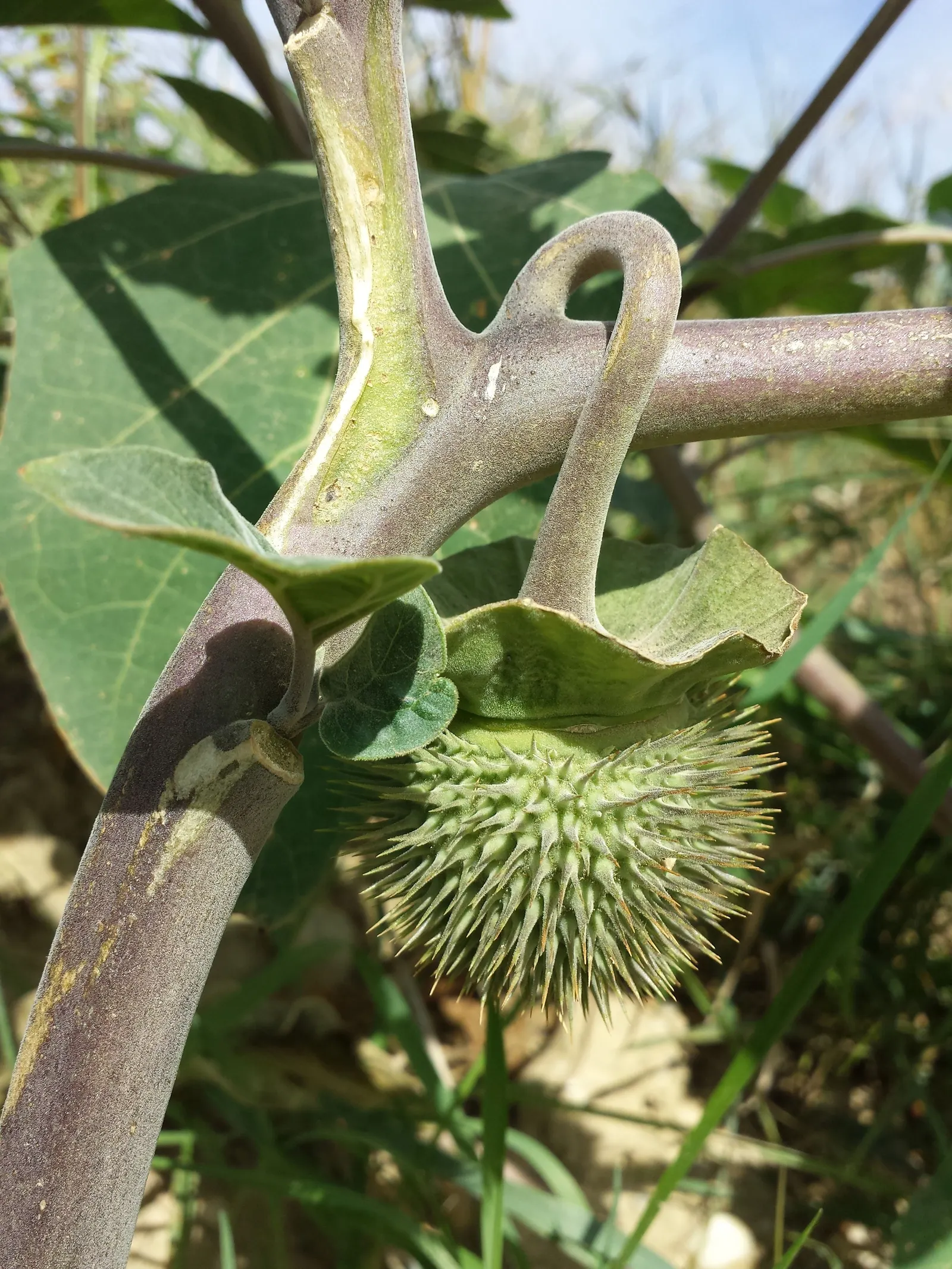
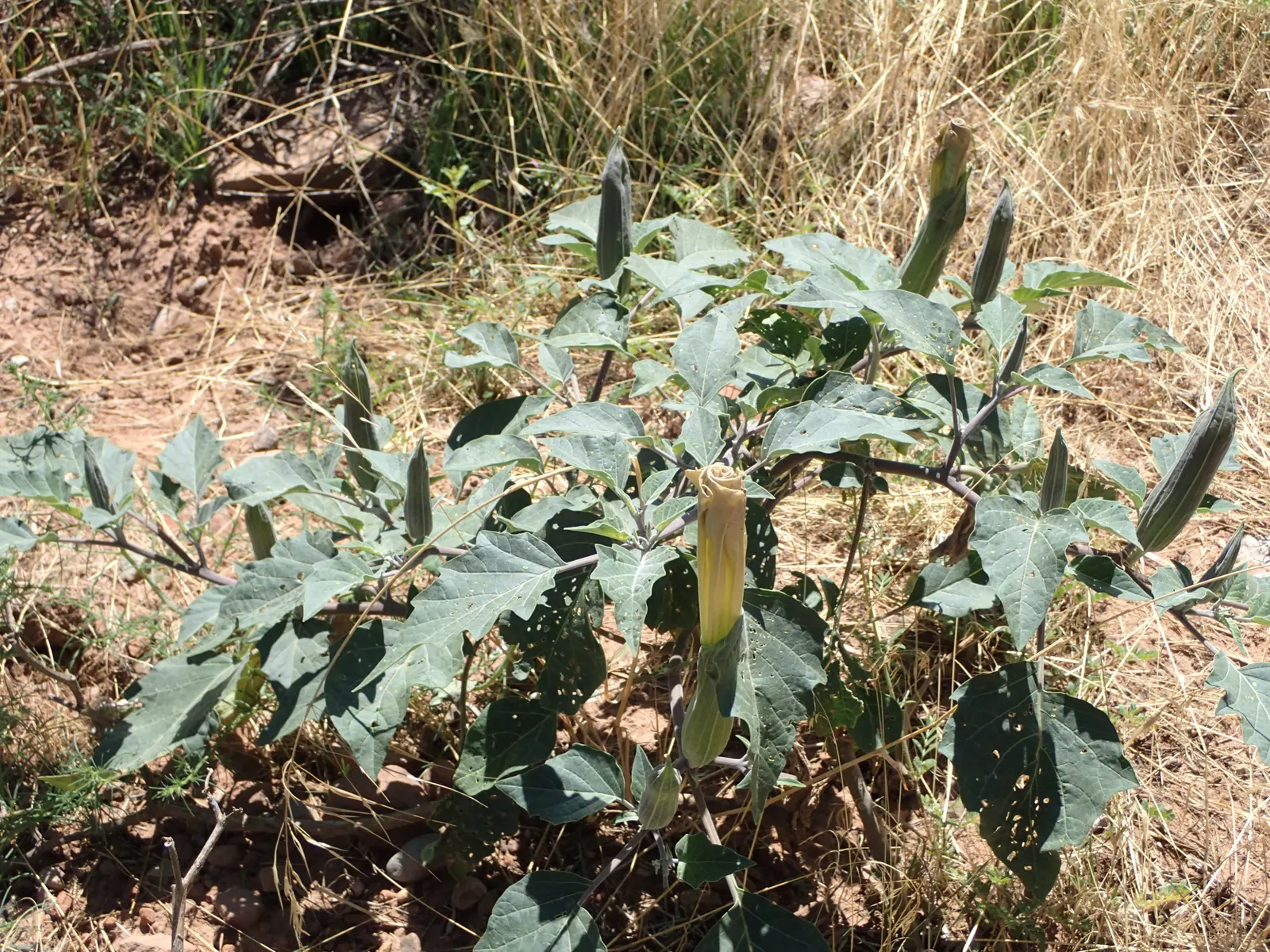
Sacred Datura (Datura wrightii) — Caution: all parts are toxic if ingested; its spread can reach 4 ft across, with dark green leaves up to 8 inches, image 96
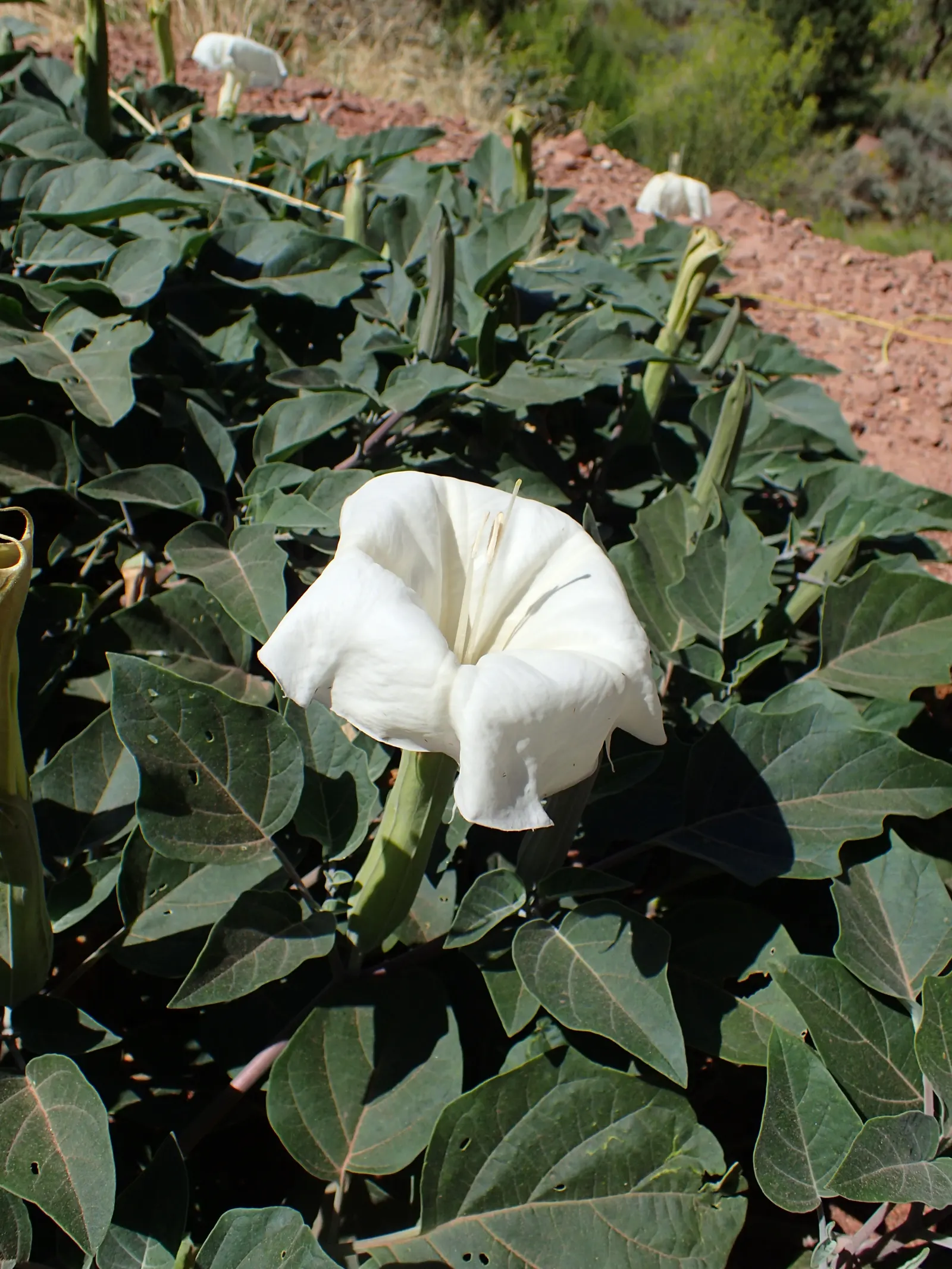
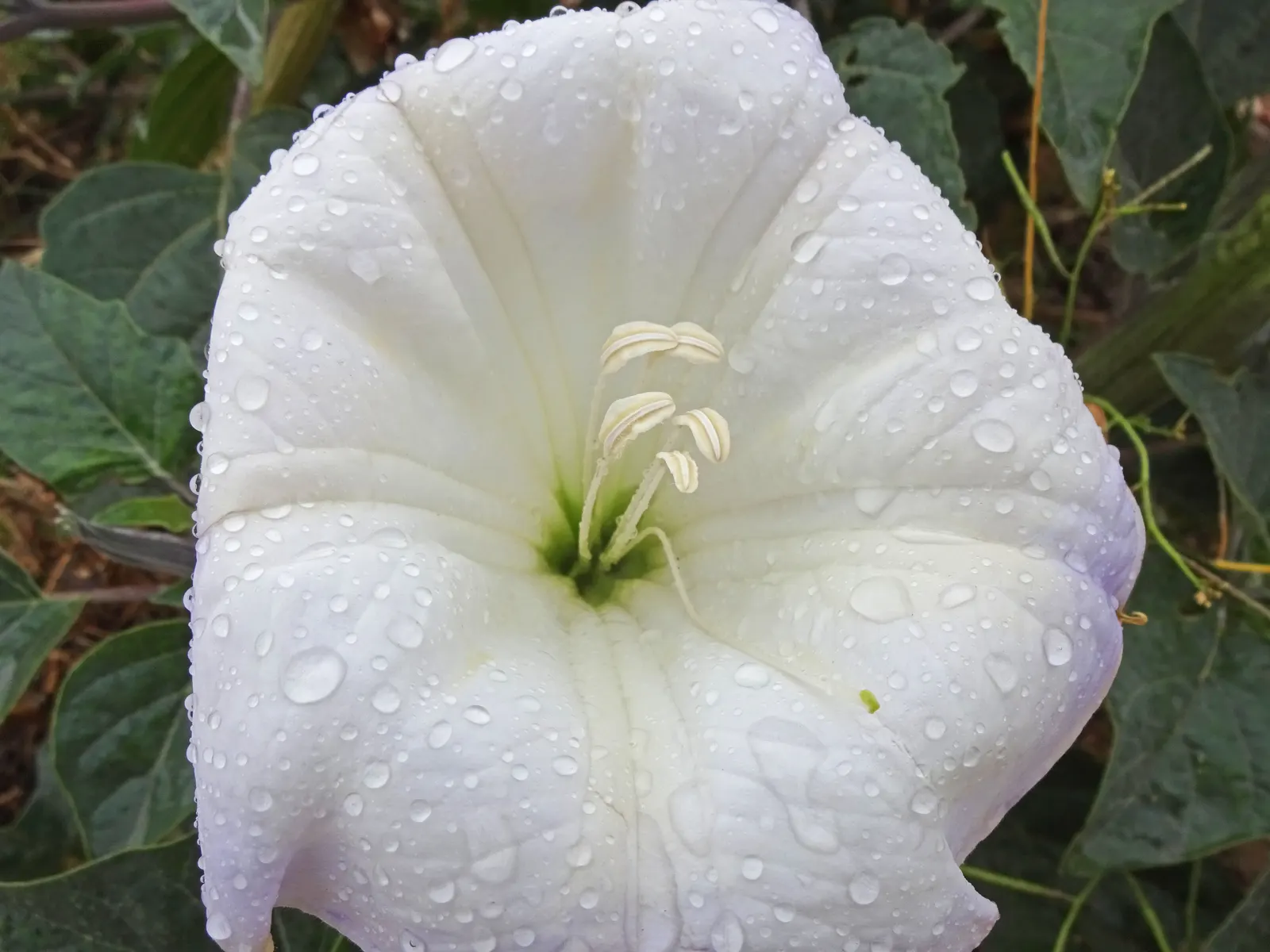
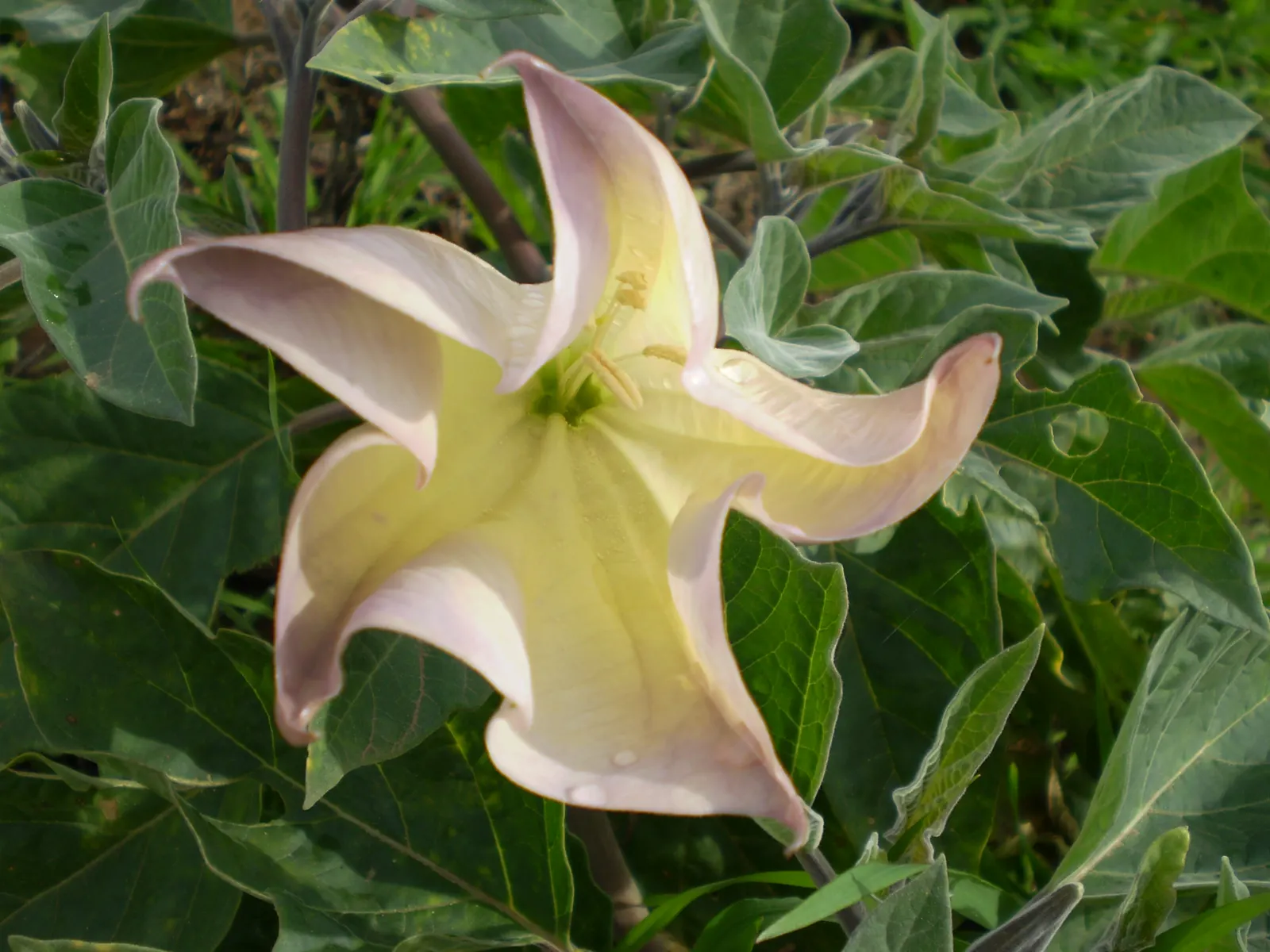
Sacred Datura (Datura wrightii) — white flowers in the garden; scientifically known as Datura wrightii, image 90
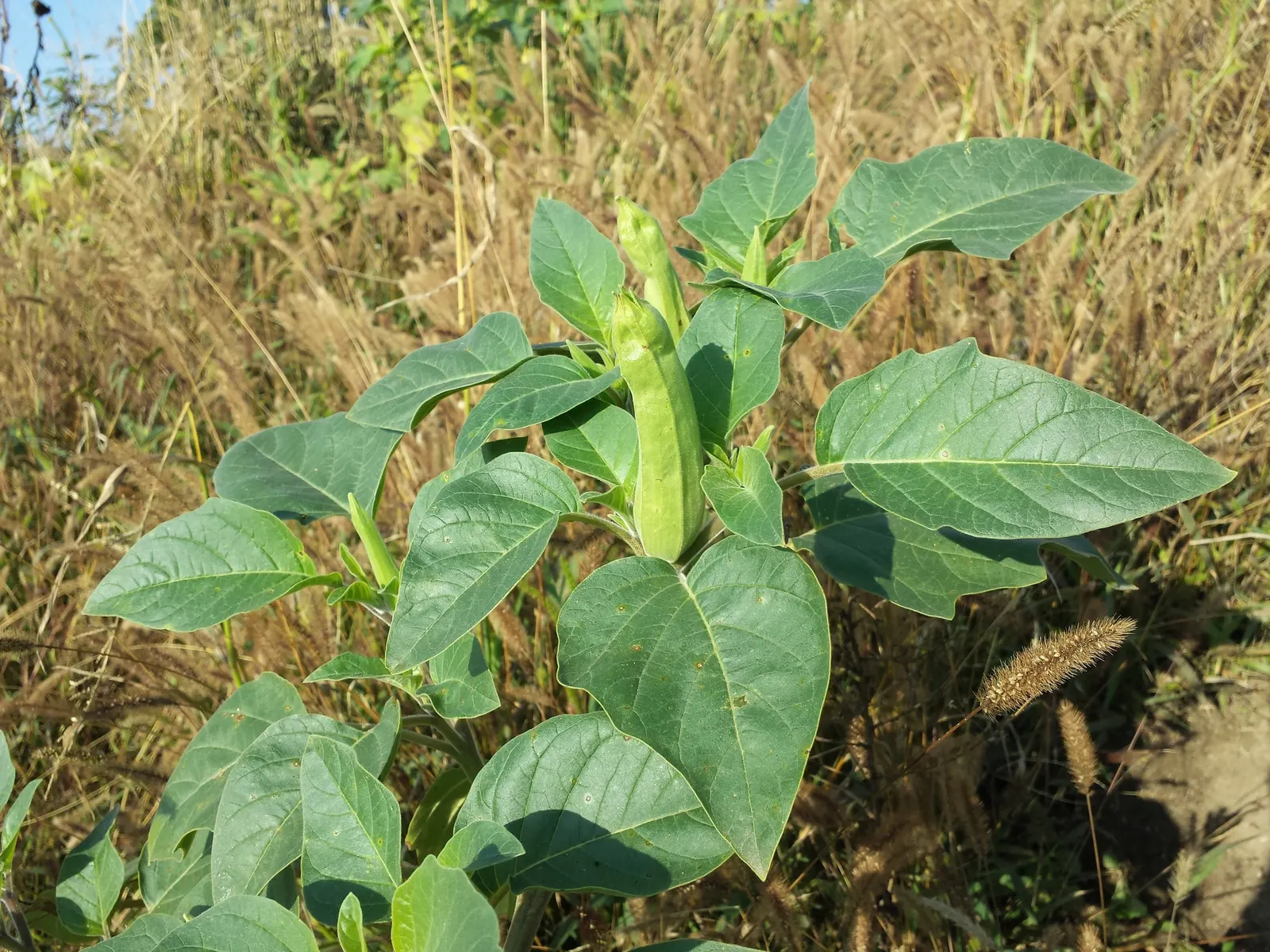
Sacred Datura (Datura wrightii) — ensuring it complements both the aesthetic and safety of the surrounding space; ground cover / vine with white, image 66
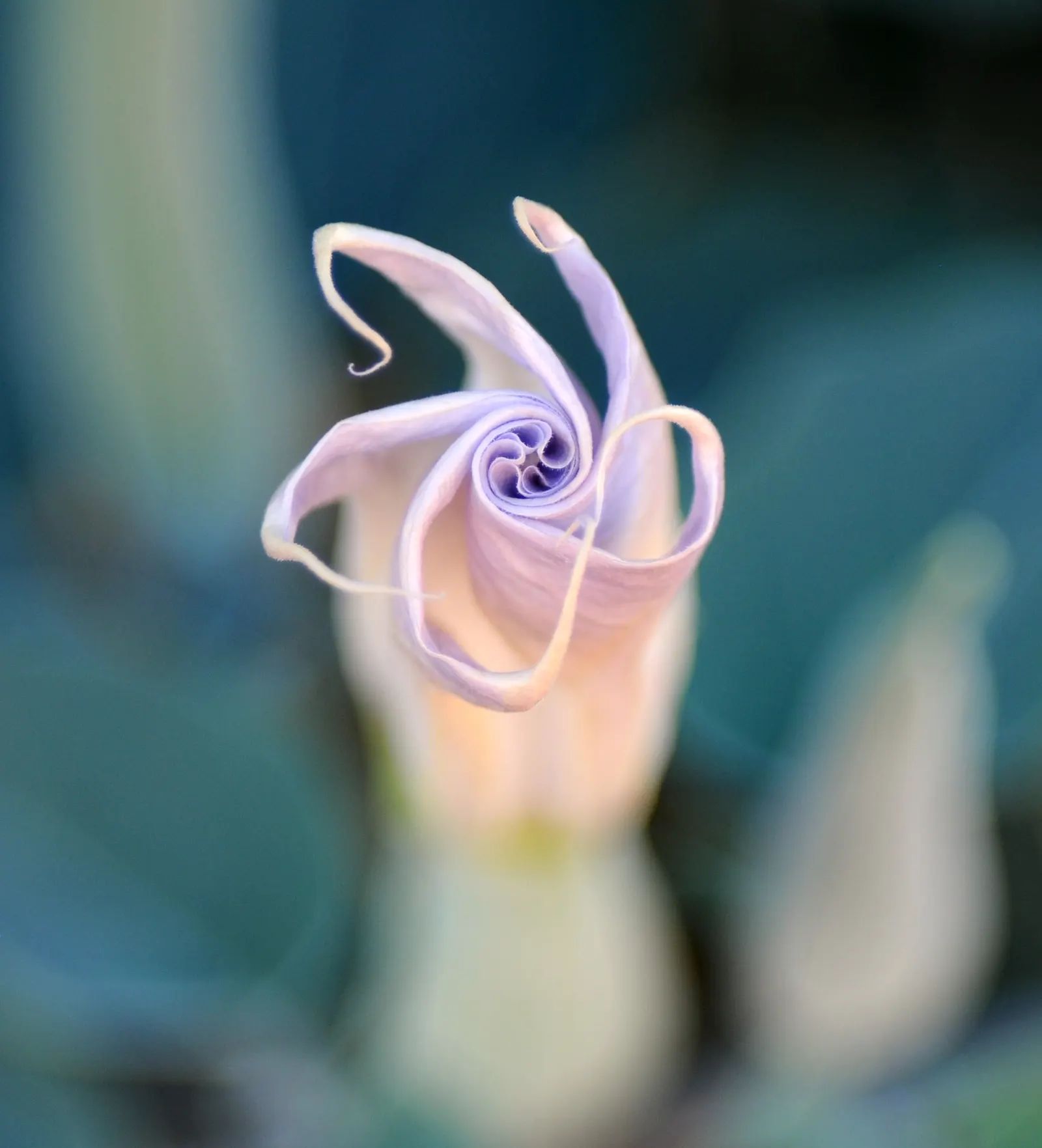
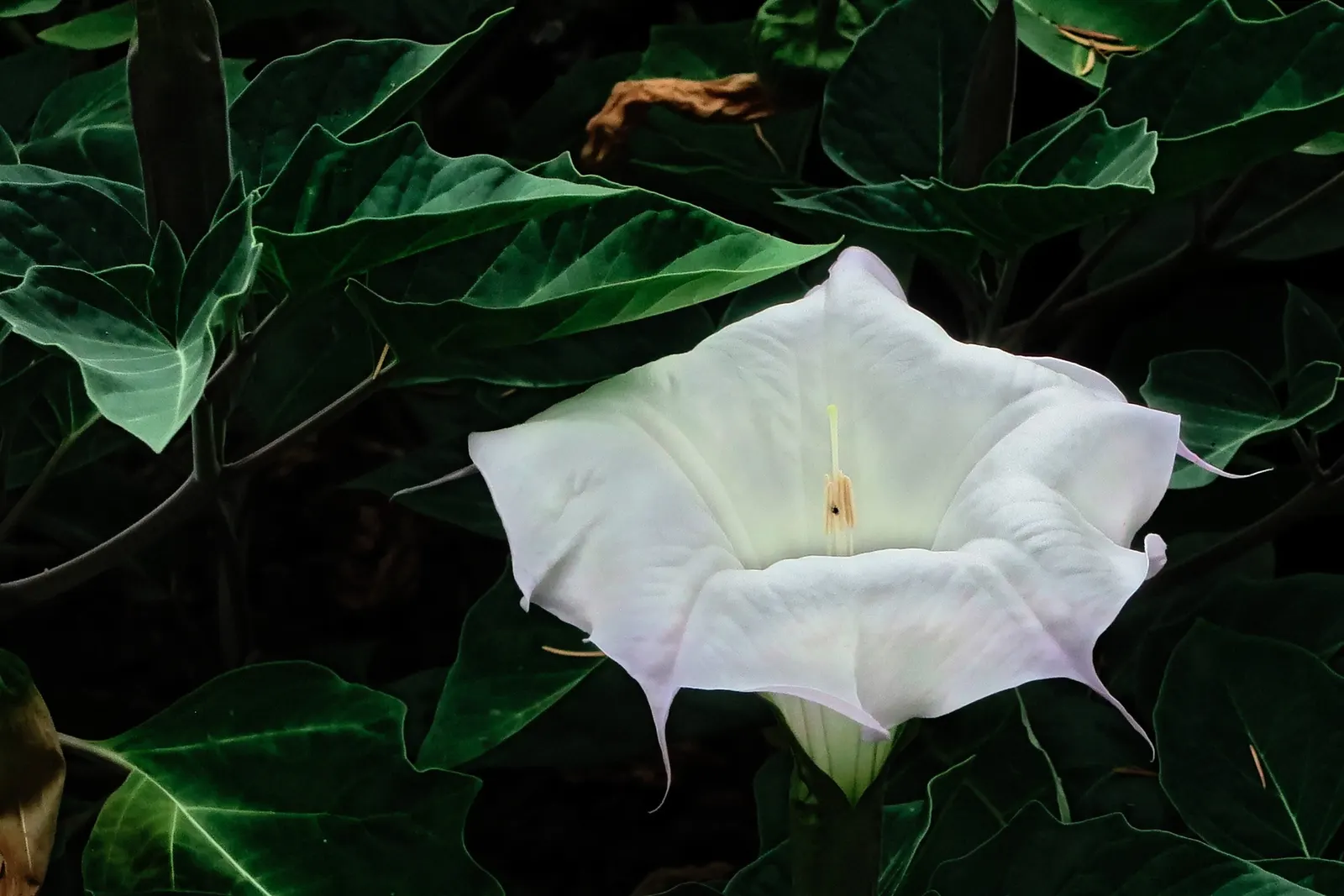
Sacred Datura (Datura wrightii) — It boasts large, trumpet-shaped flowers that exude an intense fragrance, primarily during the evening hours
Sacred Datura (Datura wrightii) — It prefers well-draining soil
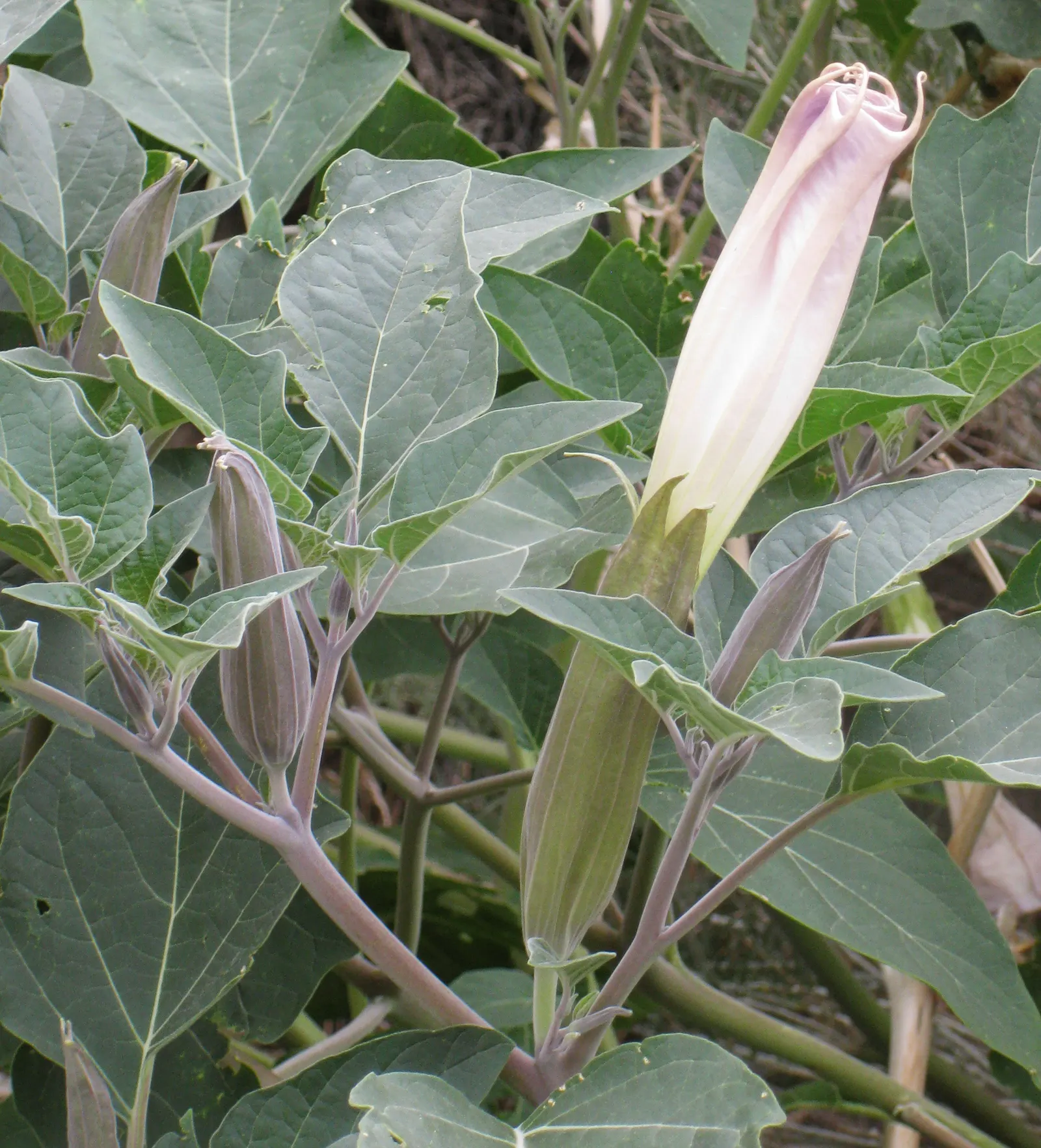
Sacred Datura (Datura wrightii) — trumpet-shaped white to lavender flowers; caution: all parts are toxic if ingested, image 93
Sacred Datura (Datura wrightii) — making it a practical choice for xeriscaping; adds dramatic flair to xeriscapes and moon gardens, image 57
Sacred Datura (Datura wrightii) — It has a sprawling habit, often spreading 2 to 4 feet in width and growing up to 1 to 3 feet in height, image 81
Sacred Datura (Datura wrightii) — scientifically known as Datura wrightii; and while it is tolerant of poor soil quality, image 75
Sacred Datura (Datura wrightii) — The plant typically blooms from late spring until fall; it boasts large, trumpet-shaped flowers that exude an intense
Sacred Datura (Datura wrightii) — Adds dramatic flair to xeriscapes and moon gardens; typically, the blooms are a brilliant white, although subtle, image 74
Sacred Datura (Datura wrightii) — is a resilient and enchanting perennial plant that can add a layer of mystique to any landscape design; ground, image 76
Sacred Datura (Datura wrightii) — reveling in full sun to partial shade; this night-bloomer is drought-tolerant, prefers full sun, and thrives in, image 60
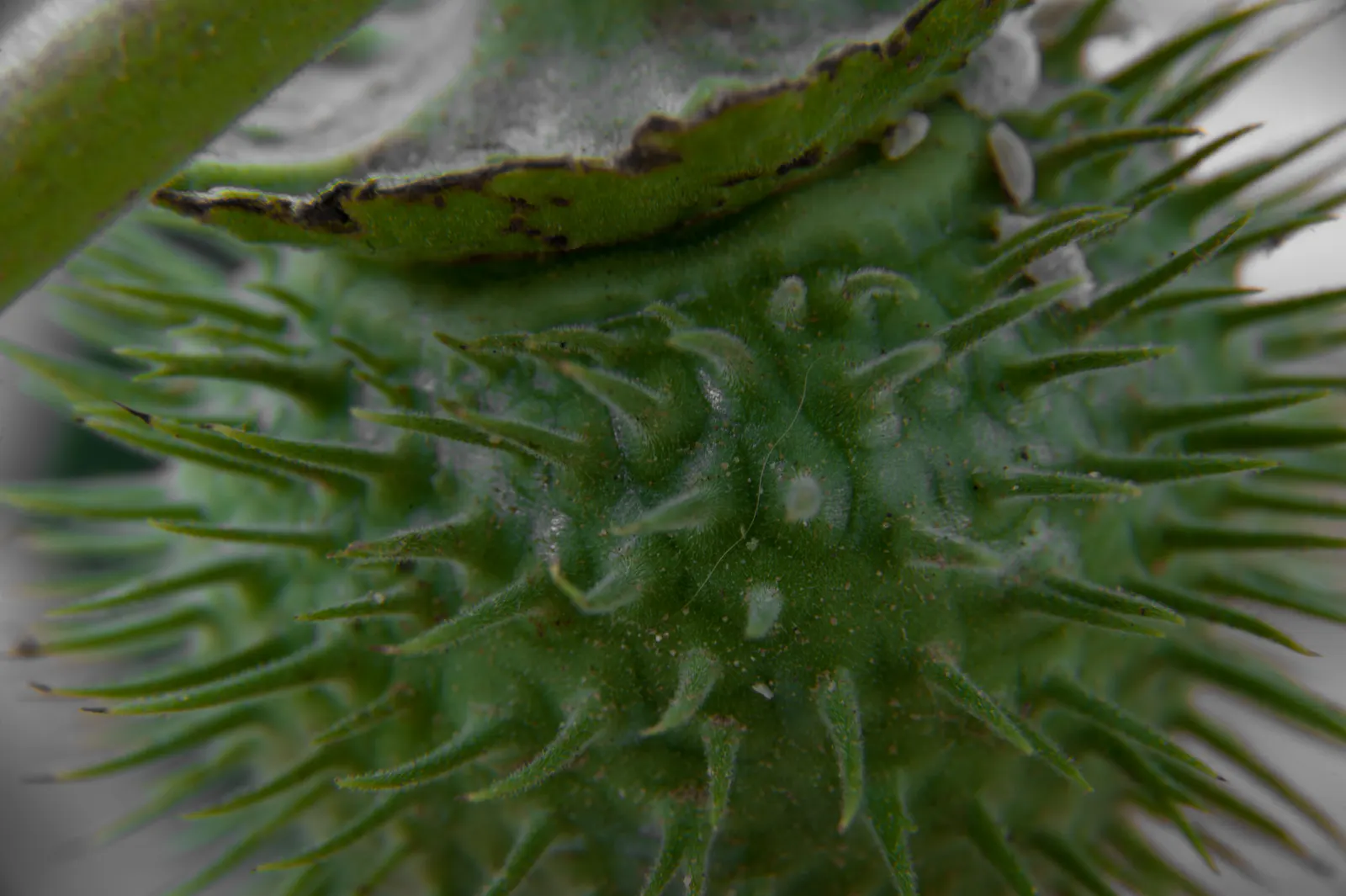
Sacred Datura (Datura wrightii) — All parts of the plant contain poisonous alkaloids that can be harmful if ingested; consider its mystical ambiance and
Sacred Datura (Datura wrightii) — ground cover / vine for full; ensuring it complements both the aesthetic and safety of the surrounding space, image 69
Sacred Datura (Datura wrightii) — It prefers well-draining soil; datura wrightii is drought-tolerant, image 84
Sacred Datura (Datura wrightii) — and while it is tolerant of poor soil quality; moderate fertility will encourage more robust growth
Sacred Datura (Datura wrightii) — white flowers in the garden
Sacred Datura (Datura wrightii) — making it a practical choice for xeriscaping; adds dramatic flair to xeriscapes and moon gardens, image 80
Sacred Datura (Datura wrightii) — It boasts large, trumpet-shaped flowers that exude an intense fragrance, primarily during the evening hours; is a, image 77
Sacred Datura (Datura wrightii) — moderate fertility will encourage more robust growth; trumpet-shaped white to lavender flowers
Sacred Datura (Datura wrightii) — trumpet-shaped white to lavender flowers; caution: all parts are toxic if ingested, image 70
Sacred Datura (Datura wrightii) — Typically, the blooms are a brilliant white, although subtle shades of violet may also be apparent
Photographs by 9 contributors

Related plants