Skip to content

King Tut® Egyptian Papyrus

Cyperus papyrus

Design with this plant

Overview

Proven Winners - Graceful Grasses® King Tut® - Egyptian Papyrus - Cyperus papyrus plant details, information and resources.

Water Medium
King Tut® Egyptian Papyrus (Cyperus papyrus) — Proven Winners - Graceful Grasses® King Tut® - Egyptian Papyrus - Cyperus papyrus plant details

Culture

Water
Medium

Shape & size

Mature height
4–6 Ft.
Mature width
3–4 Ft.

Classification

Family
Cyperaceae

See full data, regional cultivation notes, full-resolution photos, and design tools. Build a client presentation around this plant.

Start your 14-day trial

Photos (131)

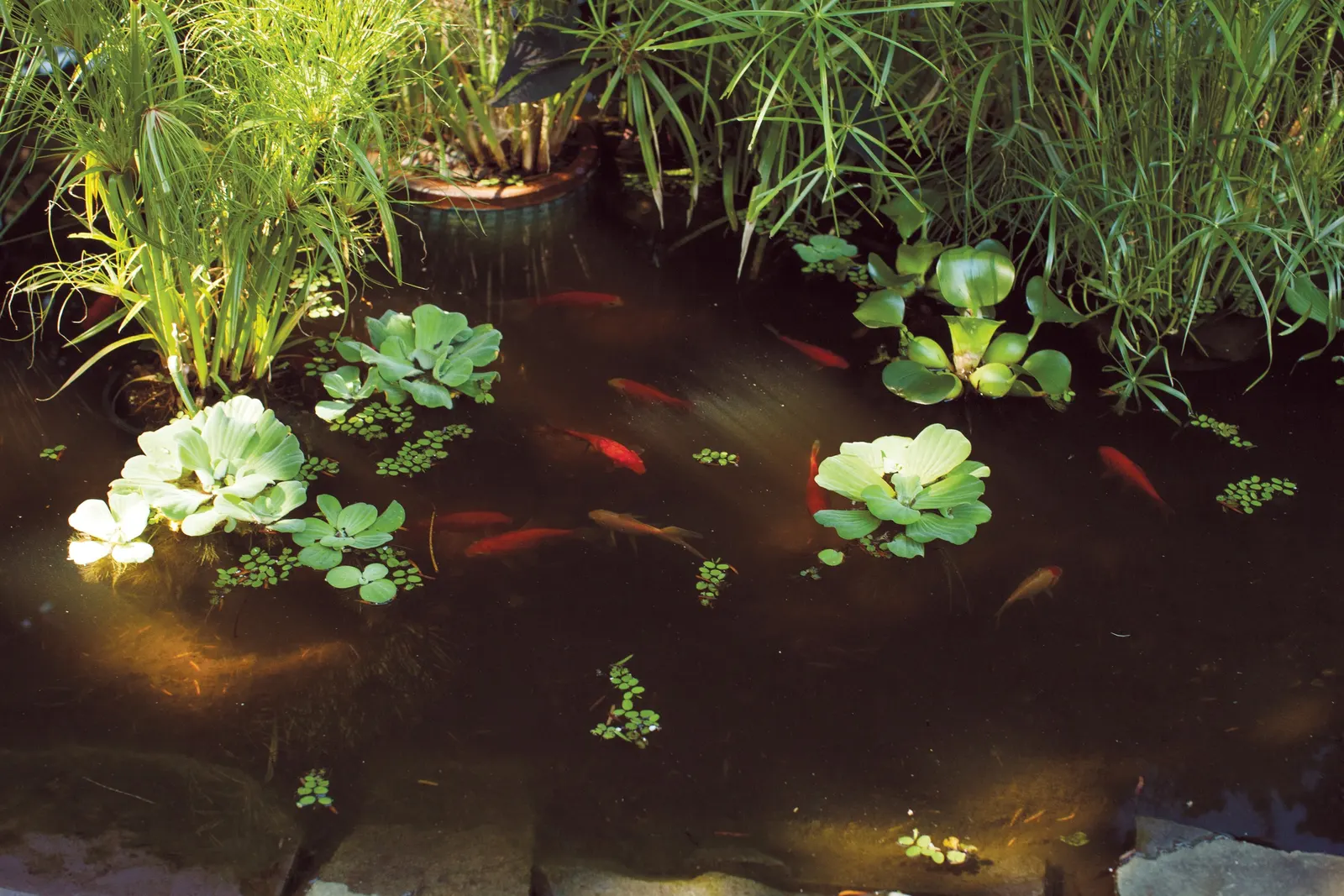
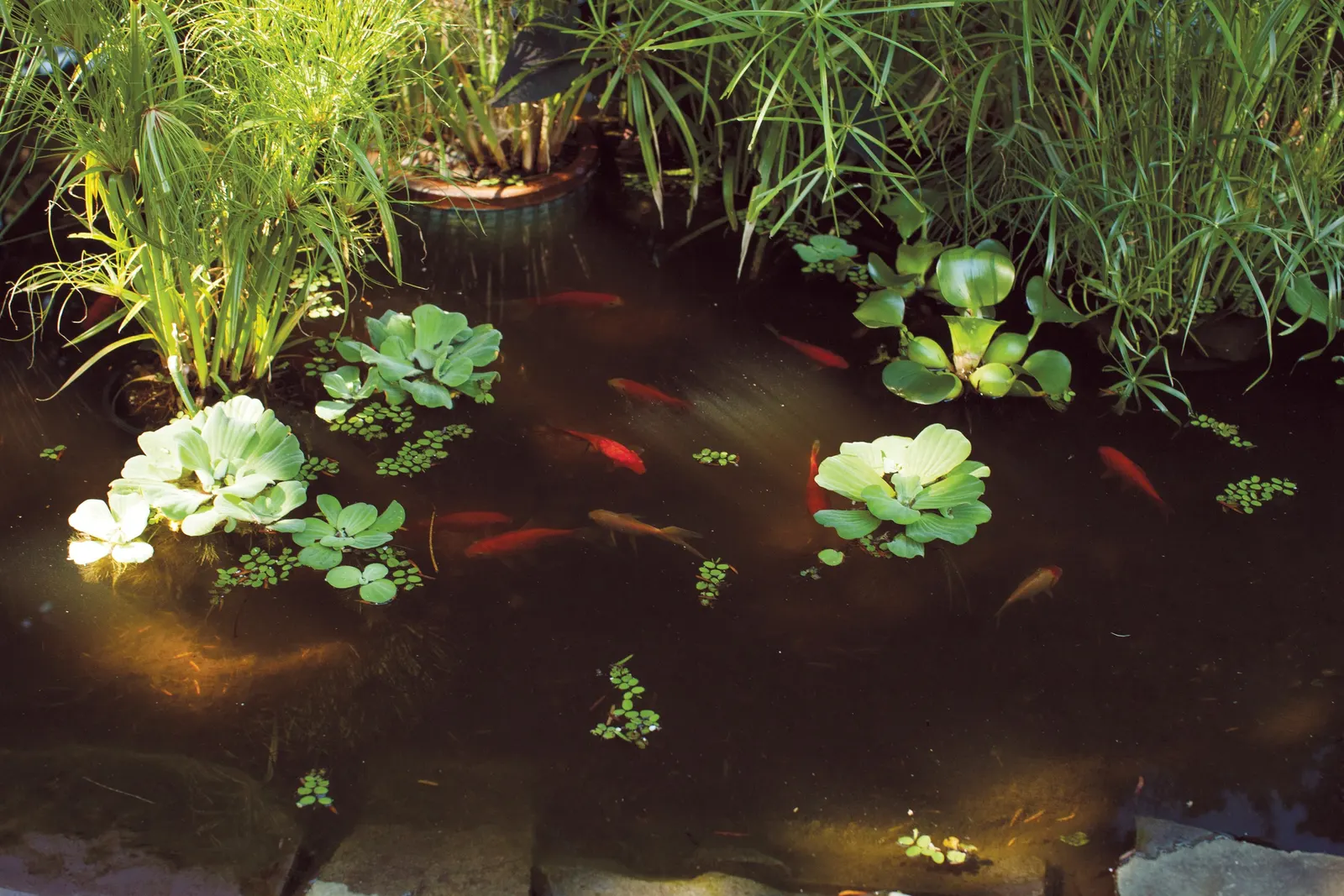
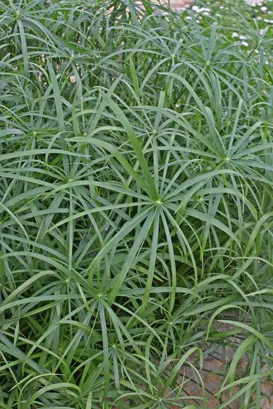
King Tut® Egyptian Papyrus (Cyperus papyrus) — The root ball can be submerged but it isn't necessary; king Tut will also do well when planted in normal garden
King Tut® Egyptian Papyrus (Cyperus papyrus) — The purpose is to keep the bulk of the soil or root mass wet; proven Winners - Graceful Grasses® King Tut®
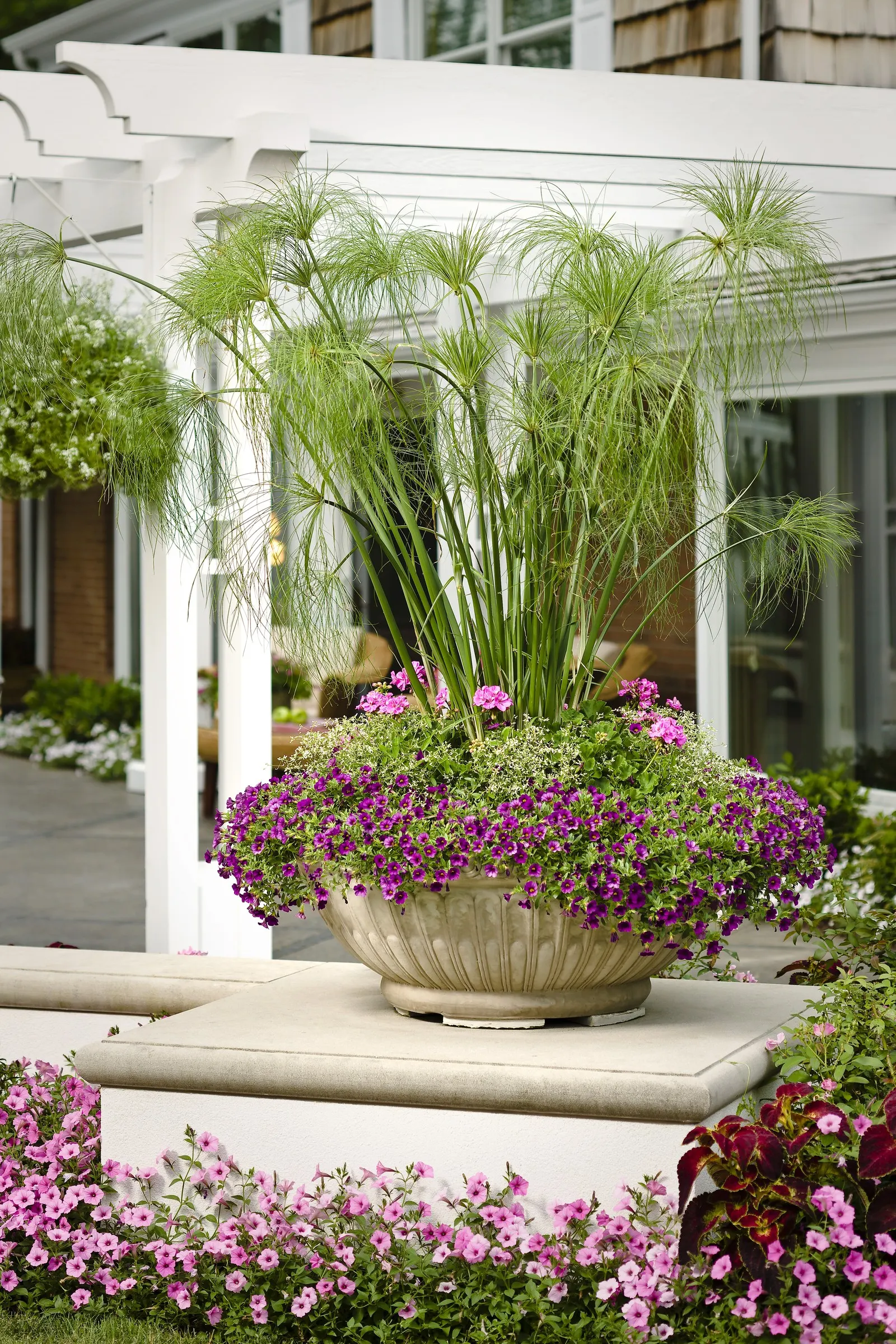
King Tut® Egyptian Papyrus (Cyperus papyrus) — It is best to keep the soil moist; large heads of pendulous leaves
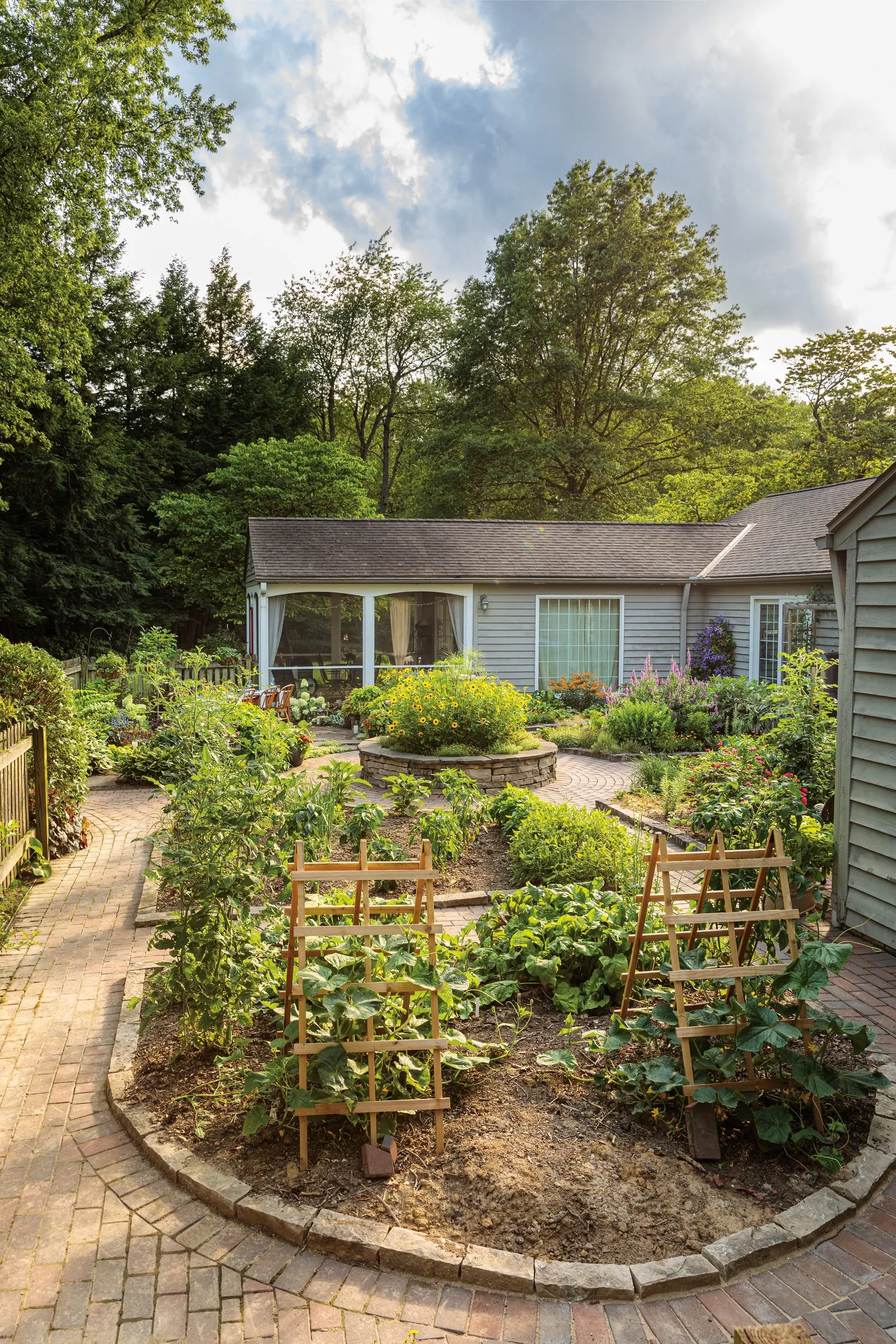
King Tut® Egyptian Papyrus (Cyperus papyrus) — King Tut will also do well when planted in normal garden beds; they are generally called grass-like plants
King Tut® Egyptian Papyrus (Cyperus papyrus) — but once established King Tut has proven to be surprisingly tolerant of dry conditions, image 29
King Tut® Egyptian Papyrus (Cyperus papyrus) — King Tut Cyperus Papyrus is an evergreen grass or neutral grass; evergreen grasses don't ever go dormant
King Tut® Egyptian Papyrus (Cyperus papyrus) — Where temperatures get colder than 35 degrees F, the plants should be treated as annuals; the plant can be
King Tut® Egyptian Papyrus (Cyperus papyrus) — It should not be expected to live through the winter and begin growing again in the spring; for evergreen
King Tut® Egyptian Papyrus (Cyperus papyrus) — Once the grass turns brown it can either be removed immediately or removed in the spring; where temperatures get
King Tut® Egyptian Papyrus (Cyperus papyrus) — they are generally called grass-like plants; the root ball can be submerged but it isn't necessary
King Tut® Egyptian Papyrus (Cyperus papyrus) — Dividing plants wounds them to some degree; it is best to keep the soil moist
King Tut® Egyptian Papyrus (Cyperus papyrus) — Divide evergreen or neutral grasses and grass-like plants in spring only; it should not be expected to live
King Tut® Egyptian Papyrus (Cyperus papyrus) — For evergreen grasses this wounding will really affect their ability to live through the winter; divide
King Tut® Egyptian Papyrus (Cyperus papyrus) — Evergreen grasses don't ever go dormant; information and resources
King Tut® Egyptian Papyrus (Cyperus papyrus) — The purpose is to keep the bulk of the soil or root mass wet; proven Winners - Graceful Grasses®, image 44
King Tut® Egyptian Papyrus (Cyperus papyrus) — greenish flower spikelets can measure 1' across; the purpose is to keep the bulk of the soil or root, image 42
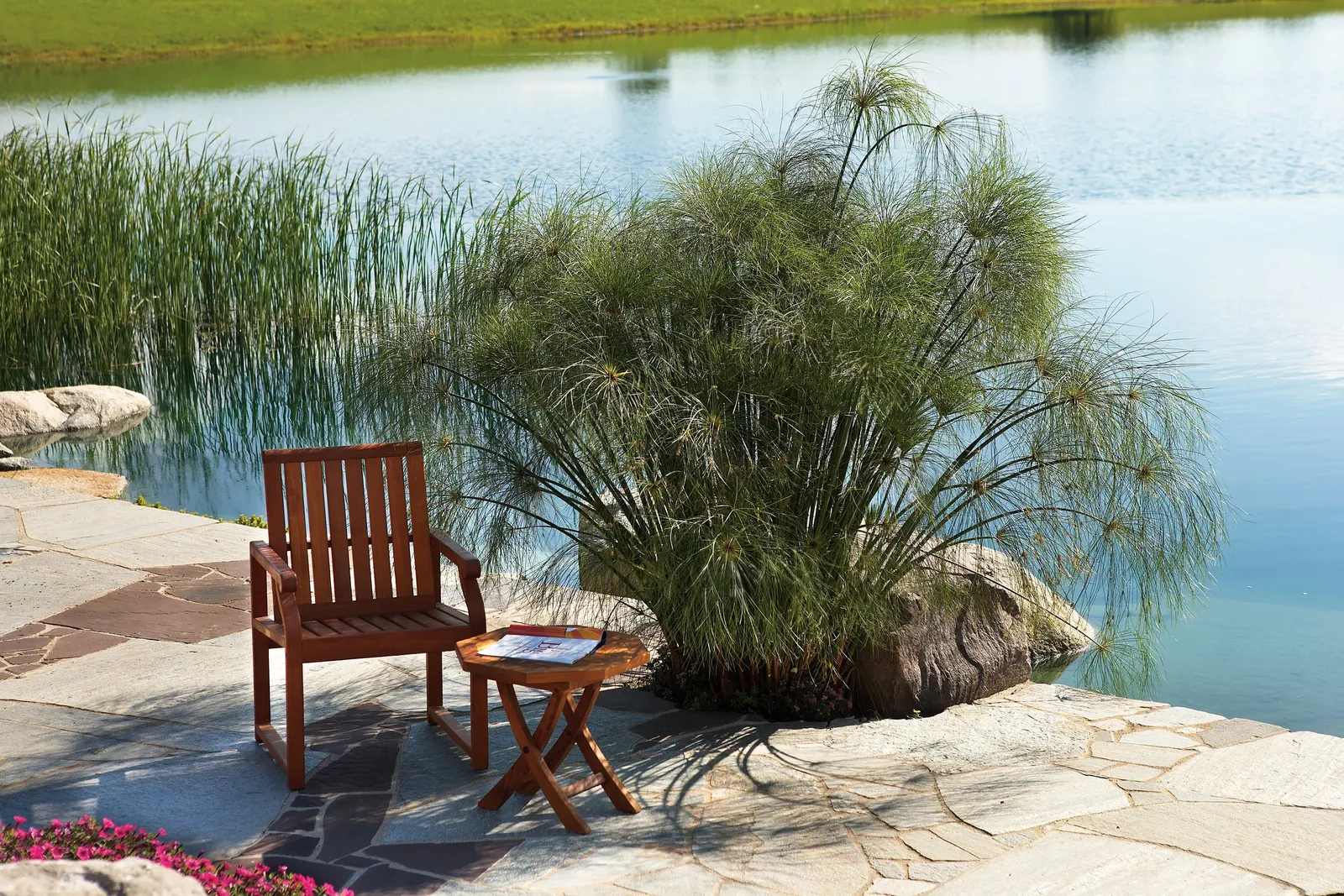
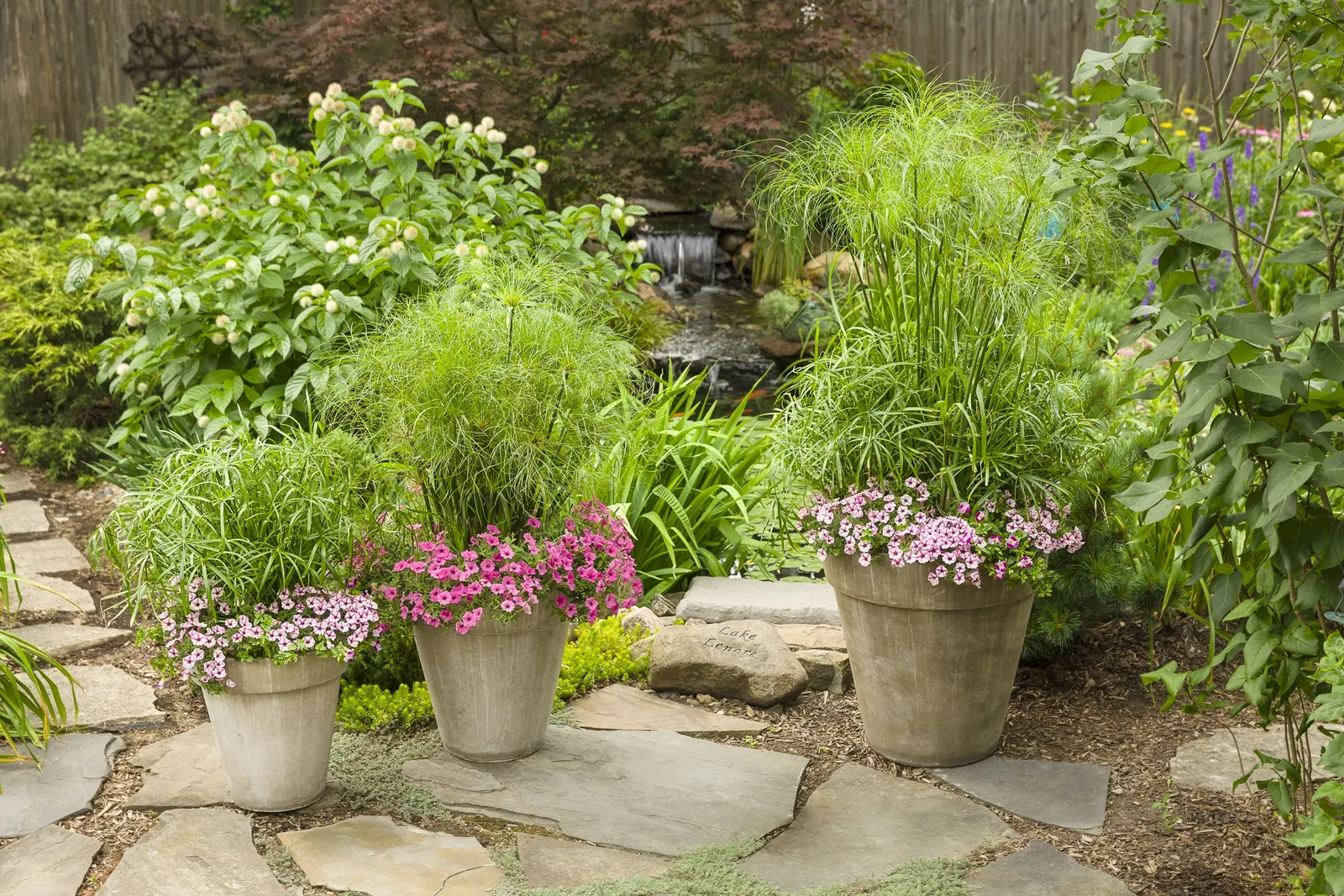
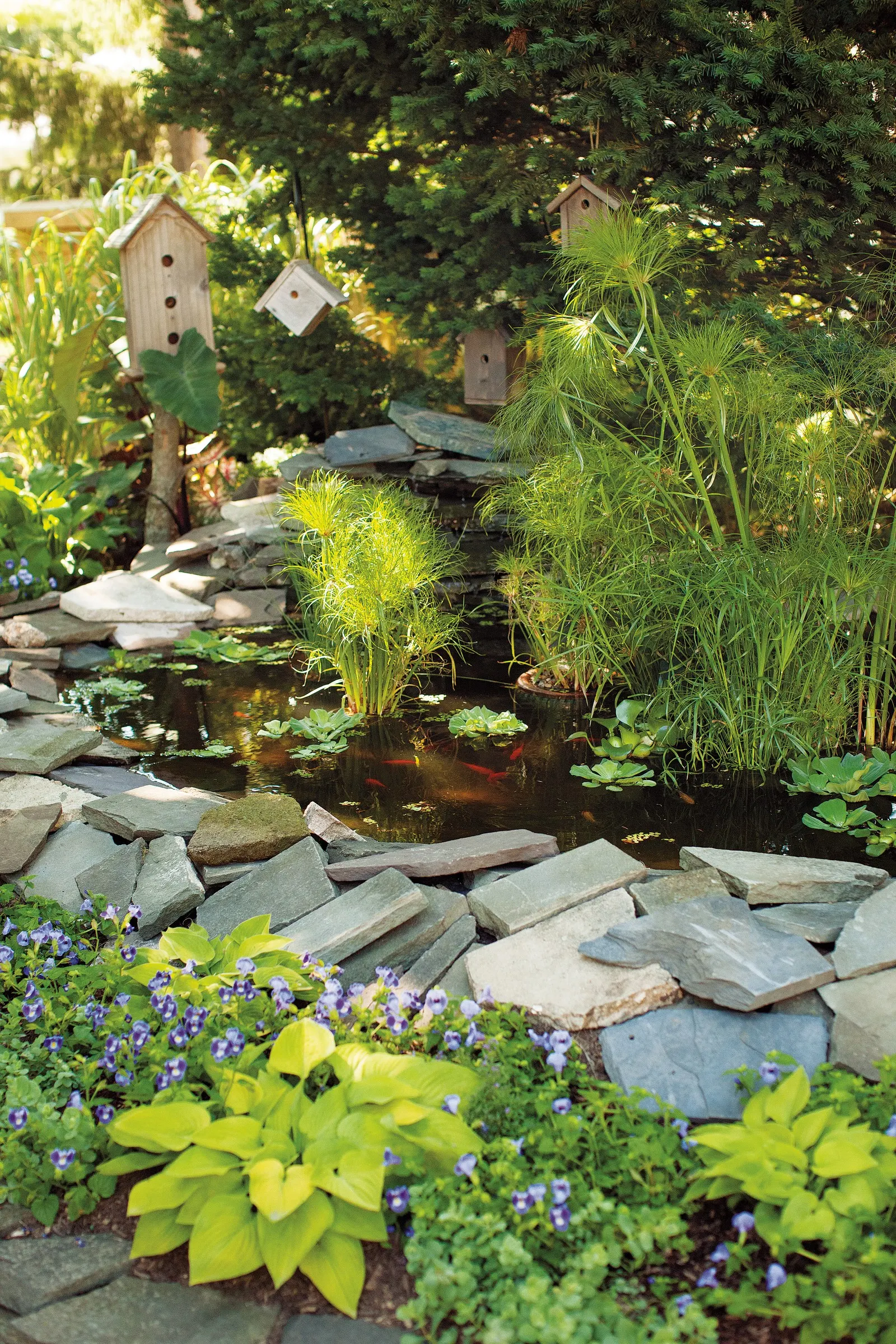
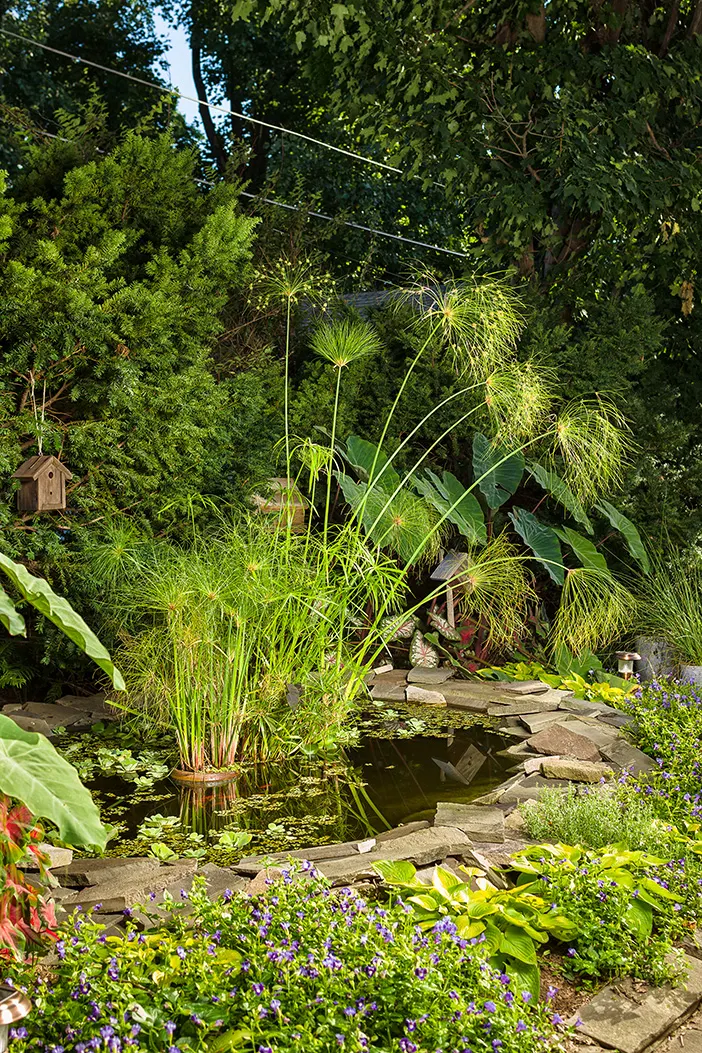
King Tut® Egyptian Papyrus (Cyperus papyrus) — The plant can be planted in pots, along the waters edge of a pond, or even in a pond; once the grass, image 43
King Tut® Egyptian Papyrus (Cyperus papyrus) — The root ball can be submerged but it isn't necessary; king Tut will also do well when planted in, image 45
King Tut® Egyptian Papyrus (Cyperus papyrus) — information and resources; king Tut Cyperus Papyrus is an evergreen grass or neutral grass, image 40
King Tut® Egyptian Papyrus (Cyperus papyrus) — Proven Winners - Graceful Grasses® King Tut® - Egyptian Papyrus - Cyperus papyrus plant details, image 39
King Tut® Egyptian Papyrus (Cyperus papyrus) — Large heads of pendulous leaves; dividing plants wounds them to some degree, image 41
King Tut® Egyptian Papyrus (Cyperus papyrus) — It is best to keep the soil moist; large heads of pendulous leaves, image 47
King Tut® Egyptian Papyrus (Cyperus papyrus) — King Tut will also do well when planted in normal garden beds; they are generally called grass-like, image 46
King Tut® Egyptian Papyrus (Cyperus papyrus) — they are generally called grass-like plants; the root ball can be submerged but it isn't necessary, image 53

Related plants