Skip to content

Prince Tut™ Dwarf Egyptian Papyrus

Cyperus papyrus

Design with this plant

Overview

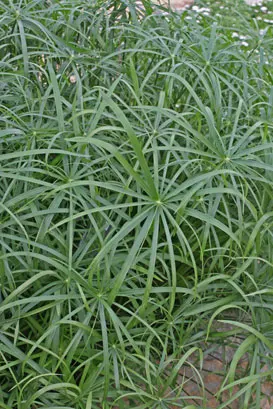
Prince Tut™ Dwarf Egyptian Papyrus, or Cyperus papyrus, is a compact annual with bright green upright stems and playful umbrella-like poms. It grows 18-30 inches tall and 24-36 inches wide, making a striking container thriller or focal point. Plant in part sun to sun with average to moist soil and steady water. Hardy in USDA Zones 10-11.

Water Medium

Culture

Water
Medium

Shape & size

Mature height
1.5–2.5 Ft.
Mature width
2–3 Ft.

Classification

Family
Cyperaceae

See full data, regional cultivation notes, and design tools. Build a client presentation around this plant.

Start your 14-day trial

Photos (242)
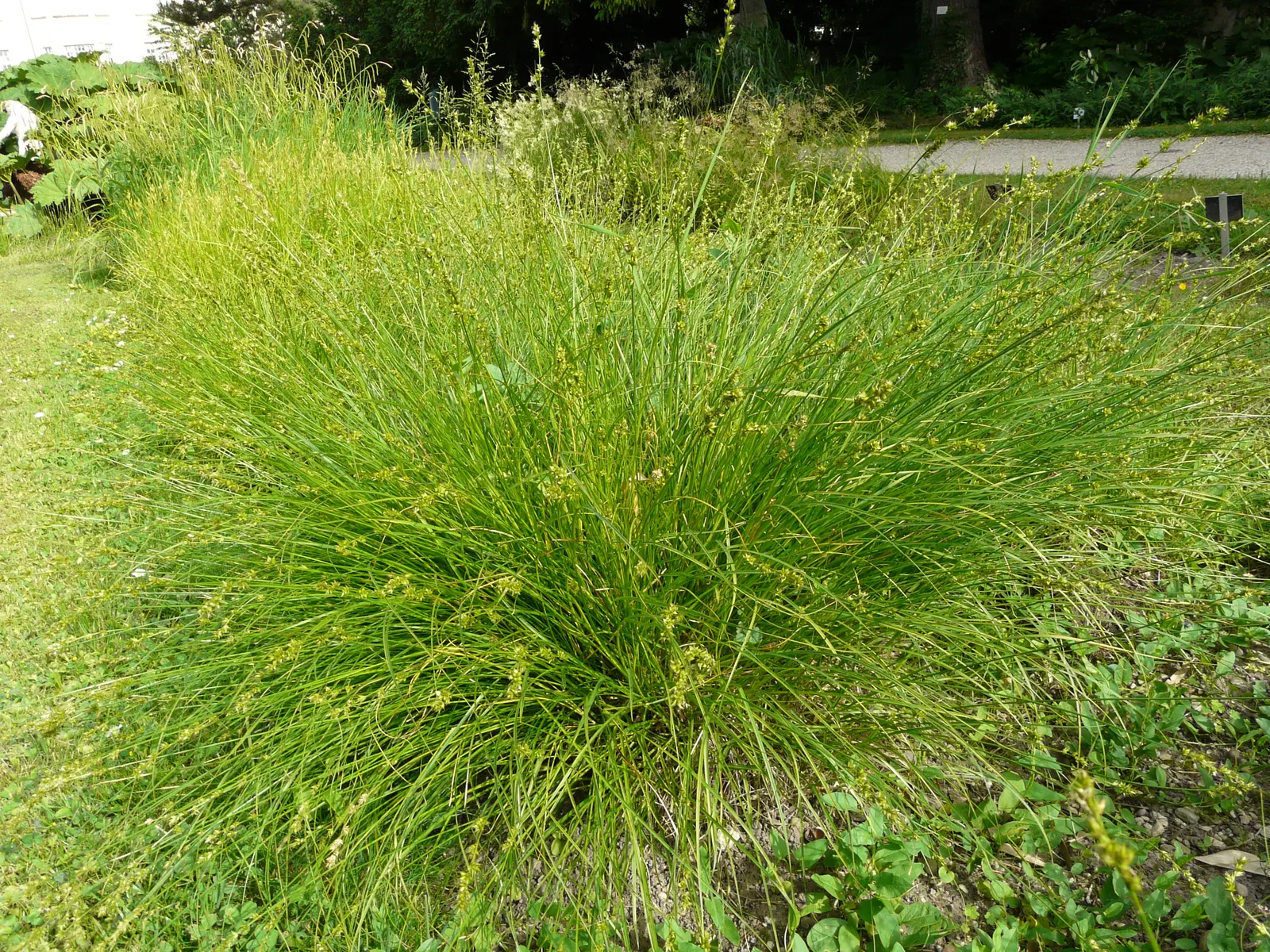
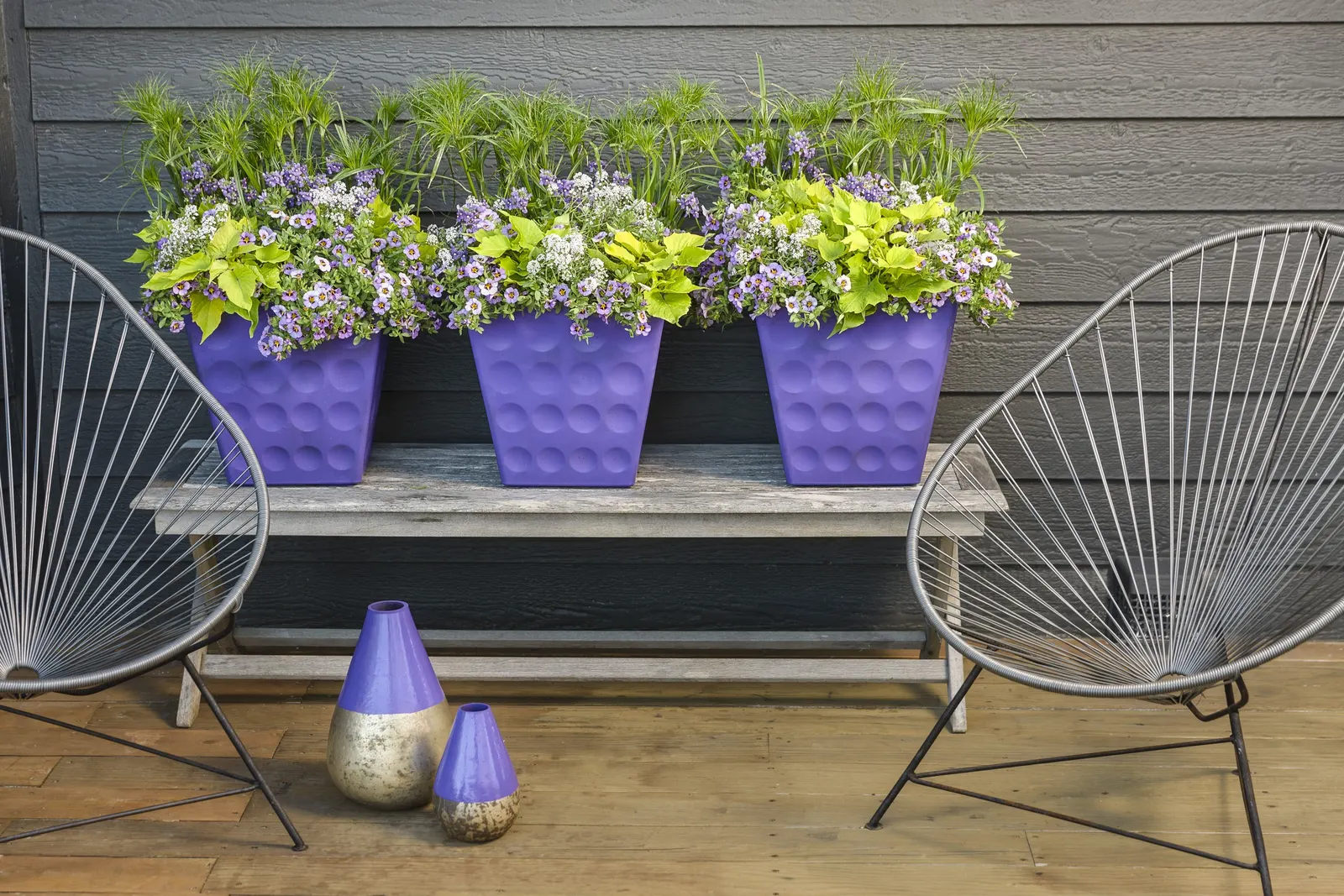
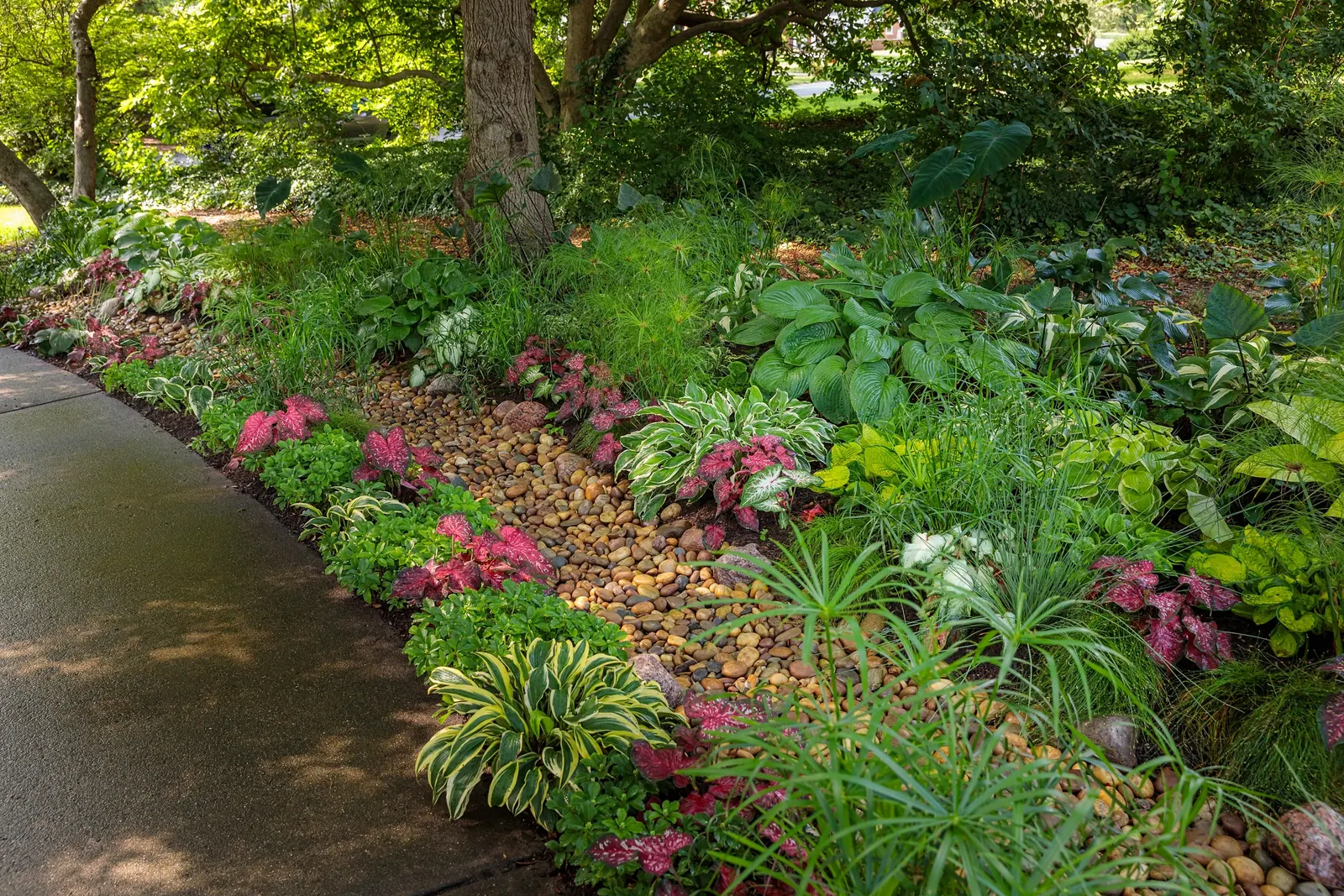
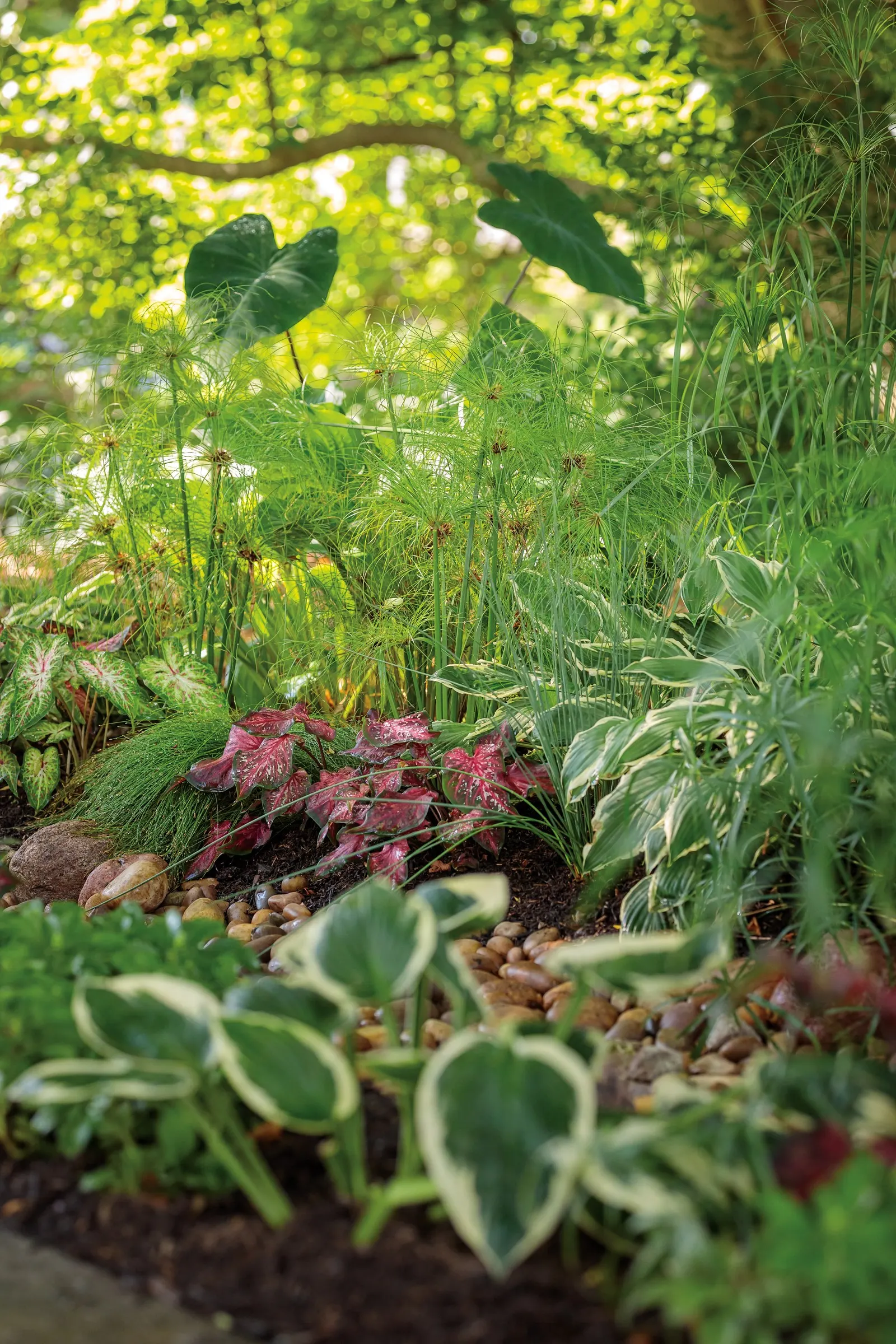
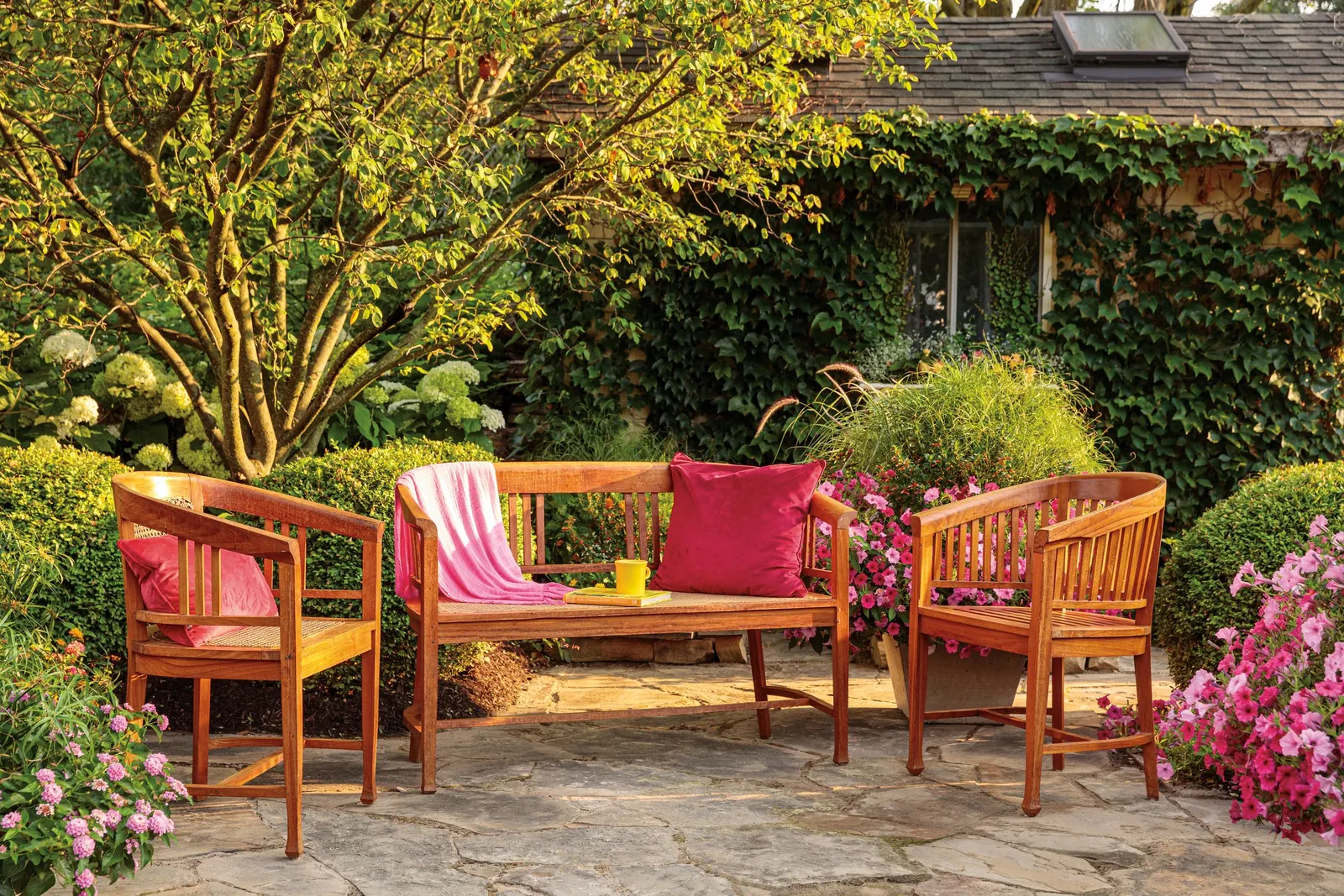
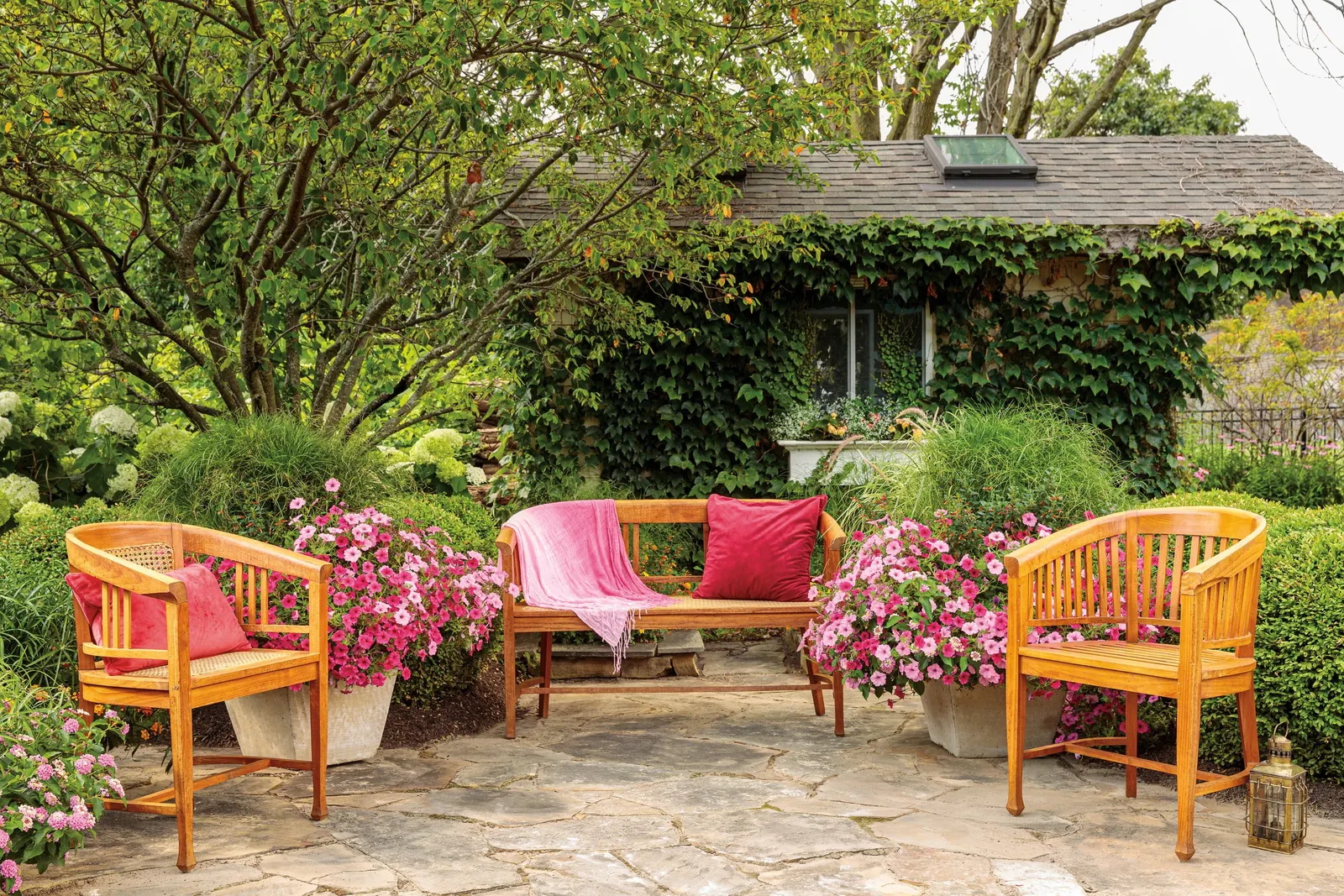
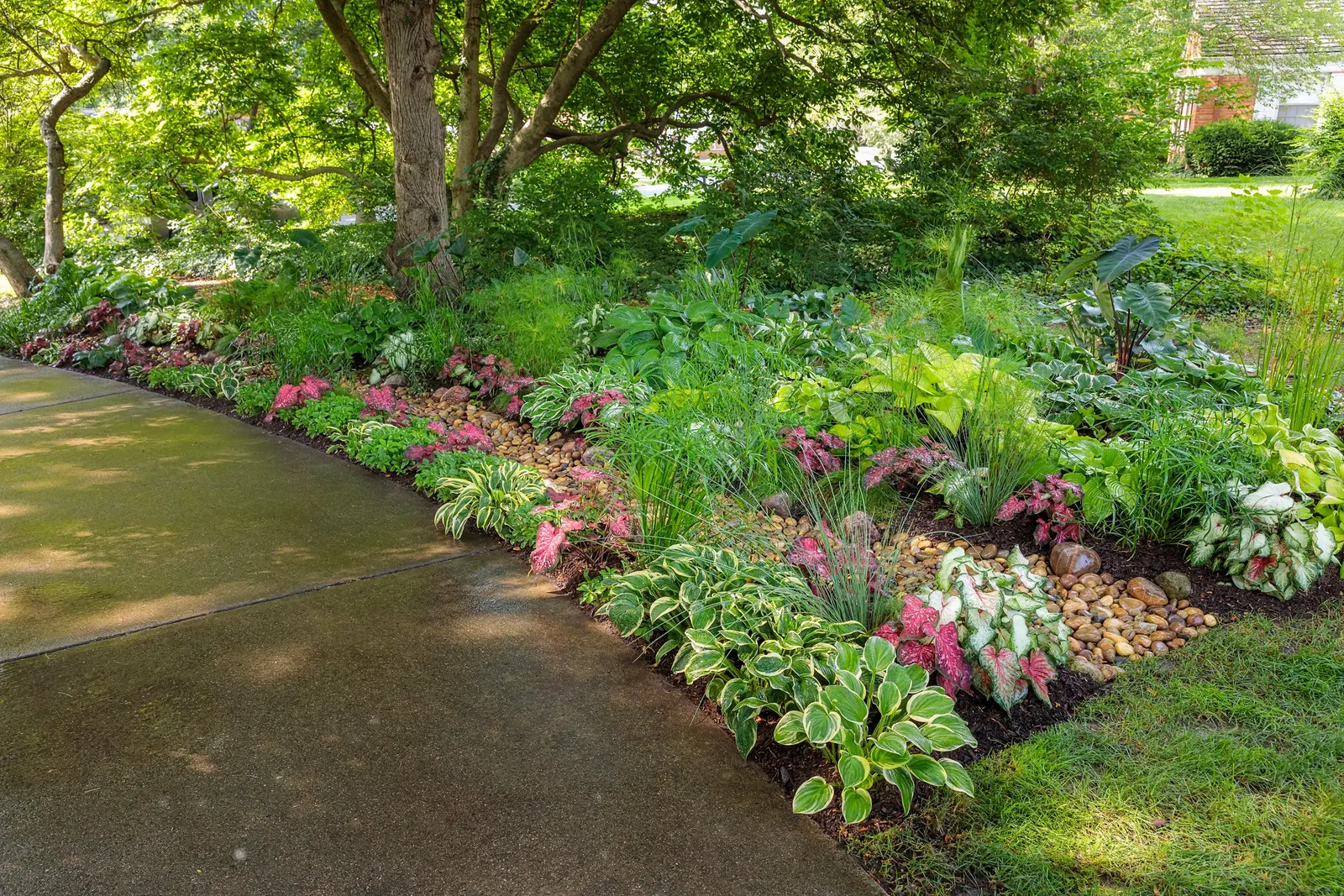
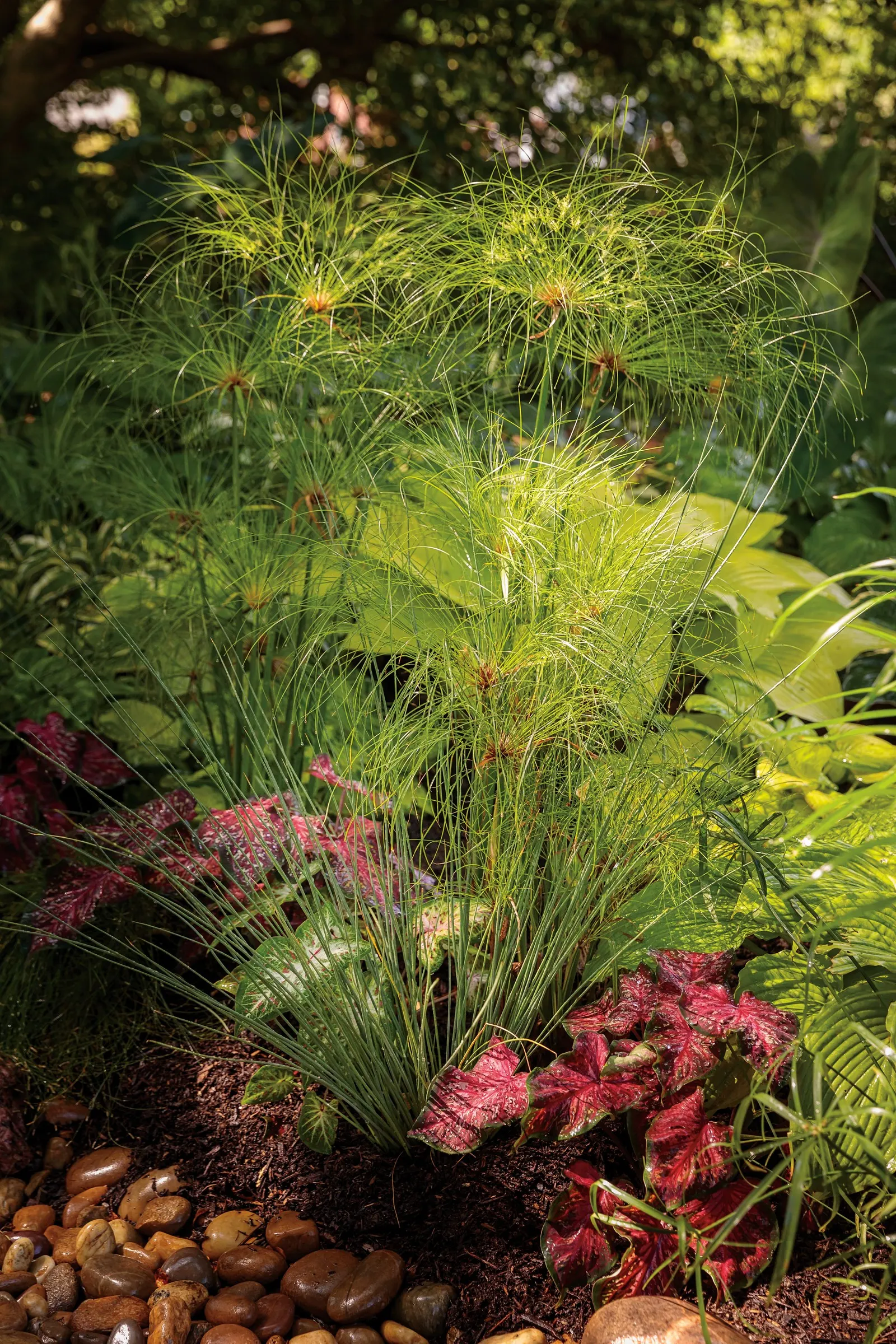
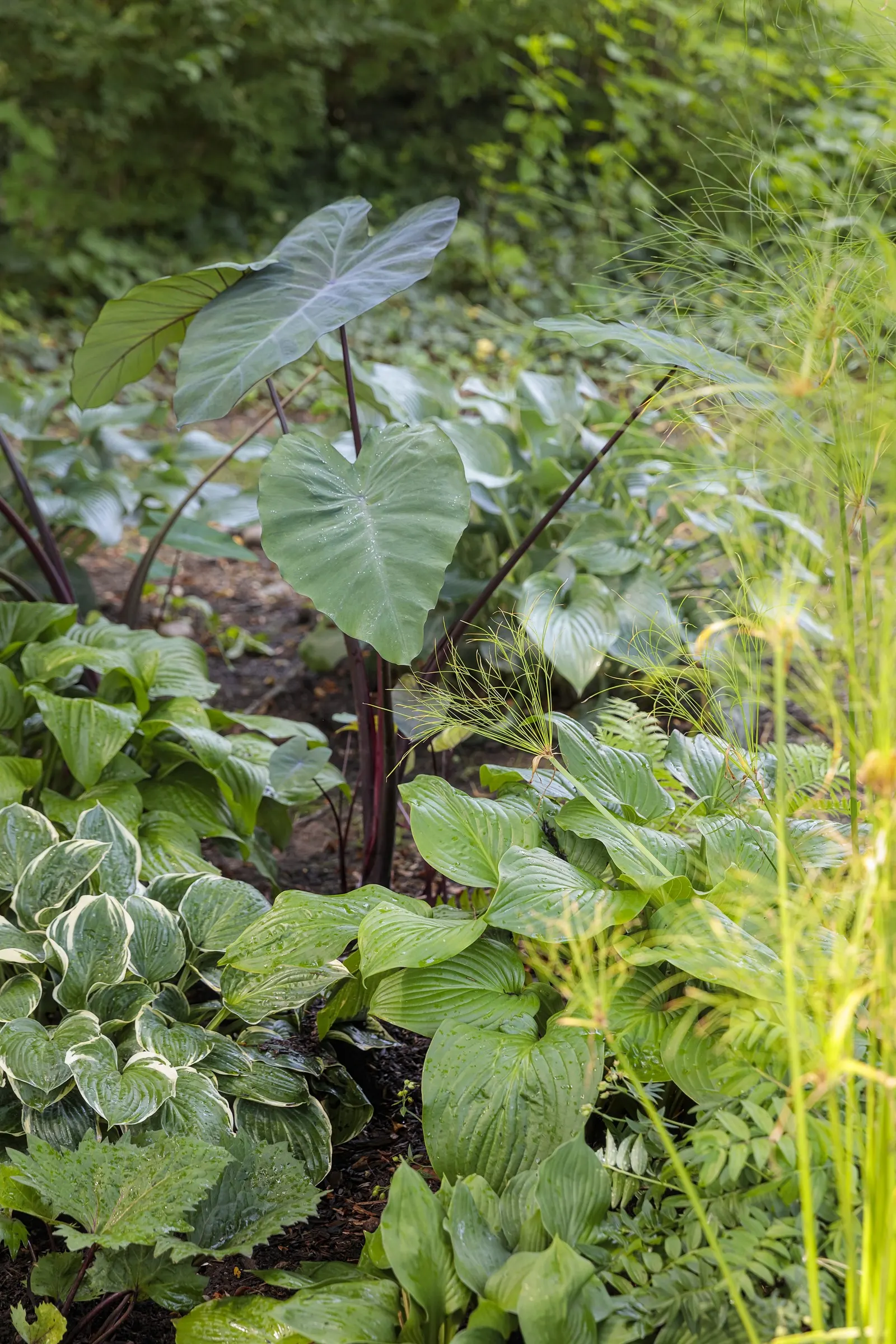
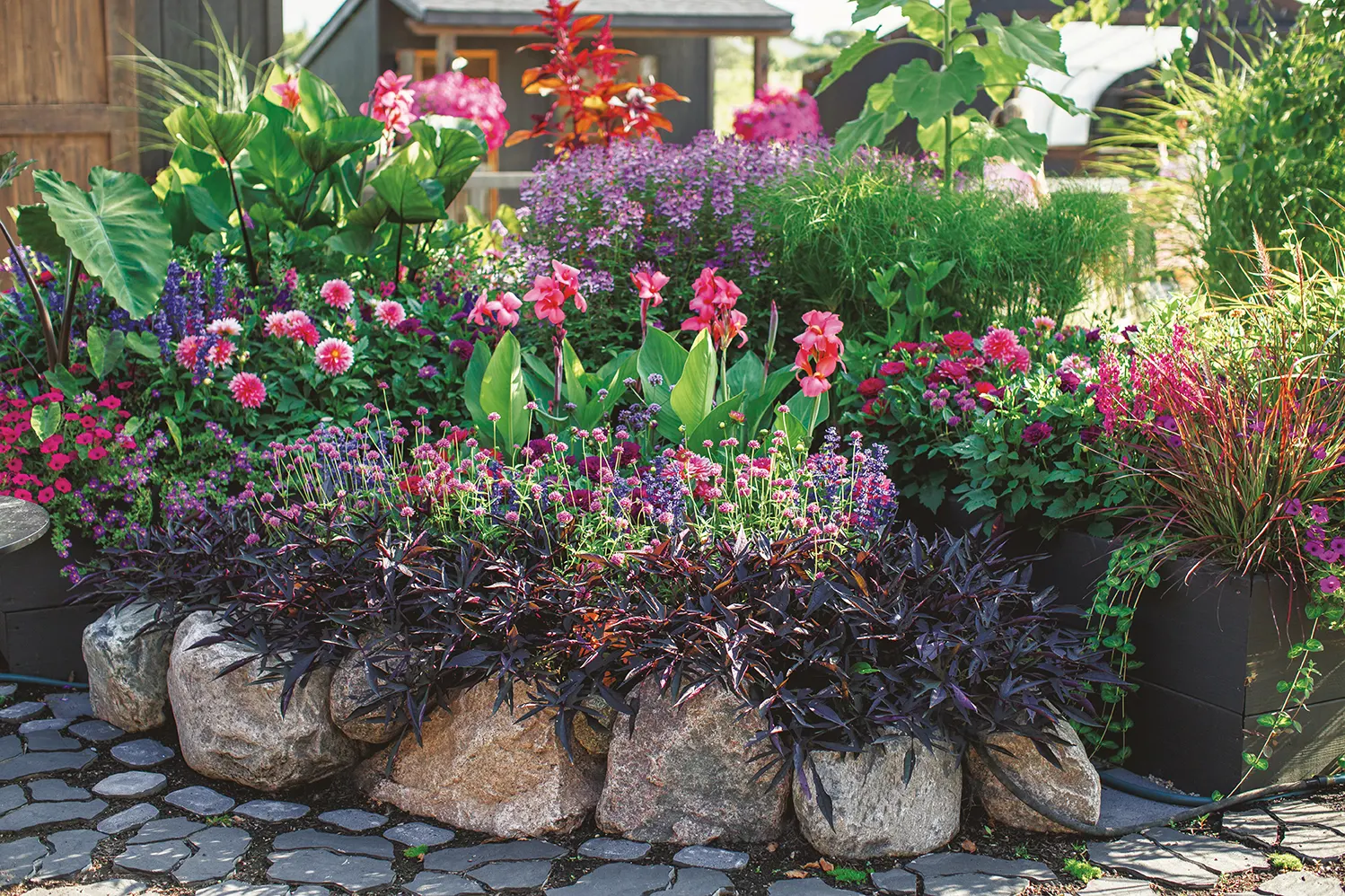
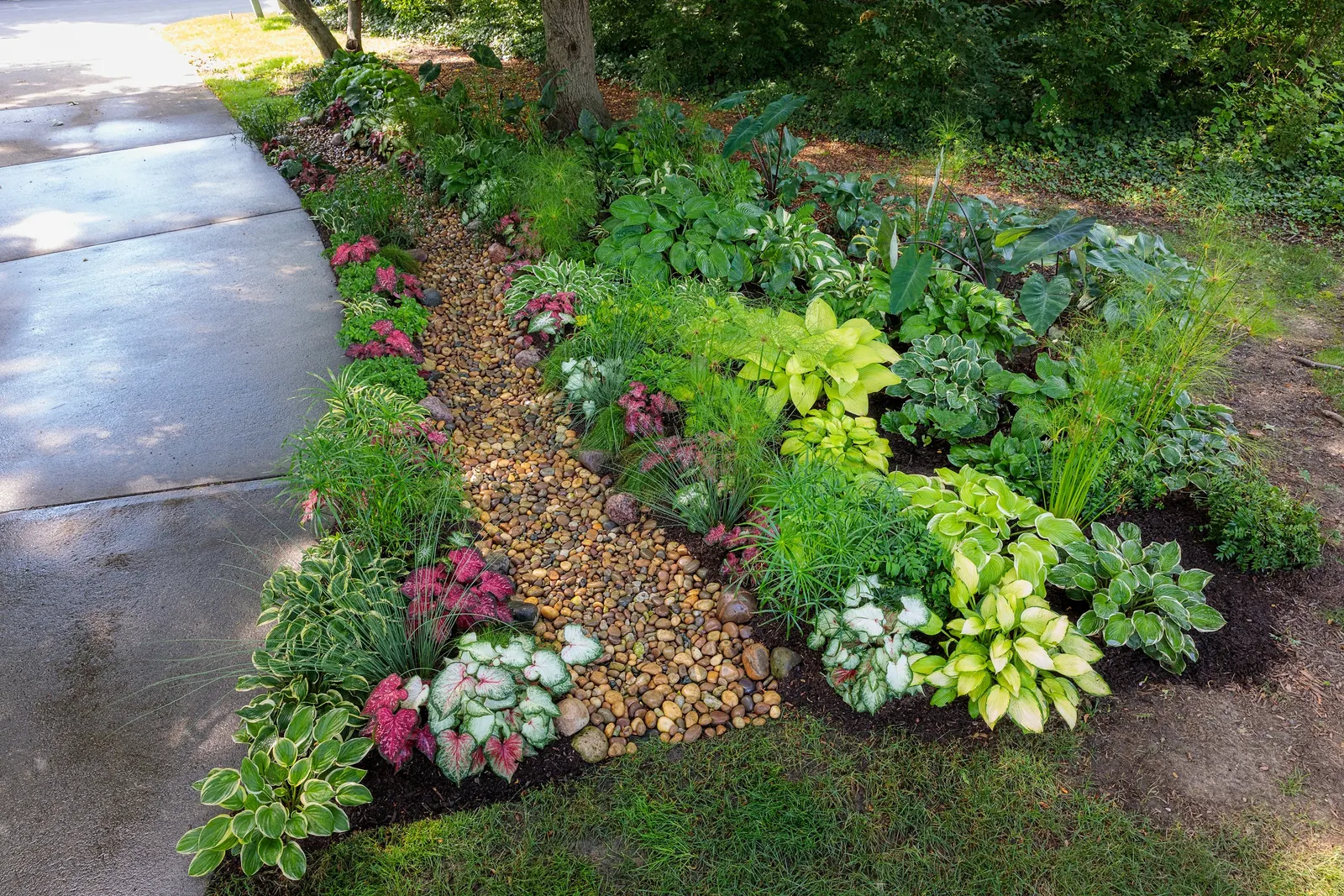
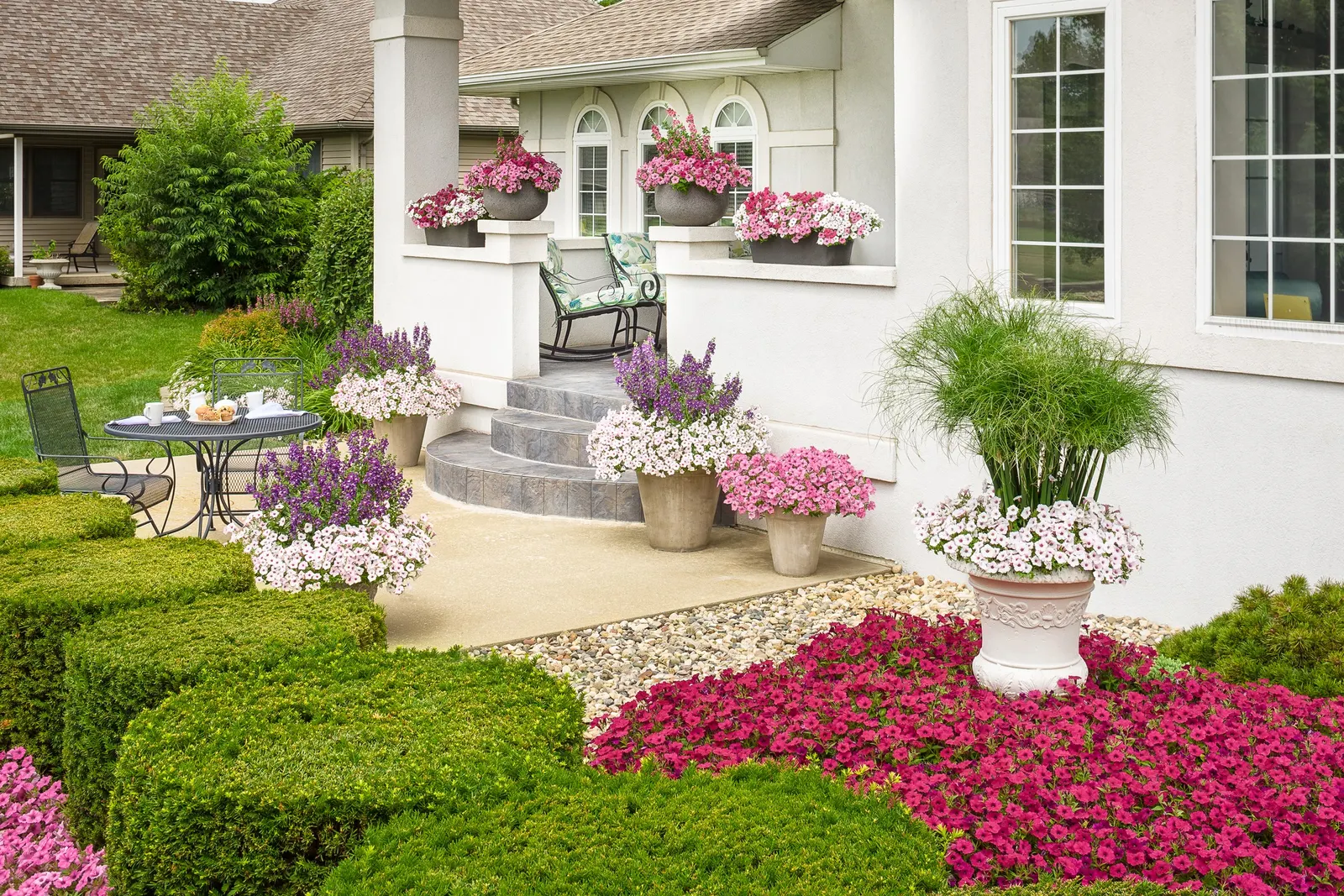
Prince Tut™ Dwarf Egyptian Papyrus (Cyperus papyrus) — is a compact annual with bright green upright stems and playful umbrella-like poms
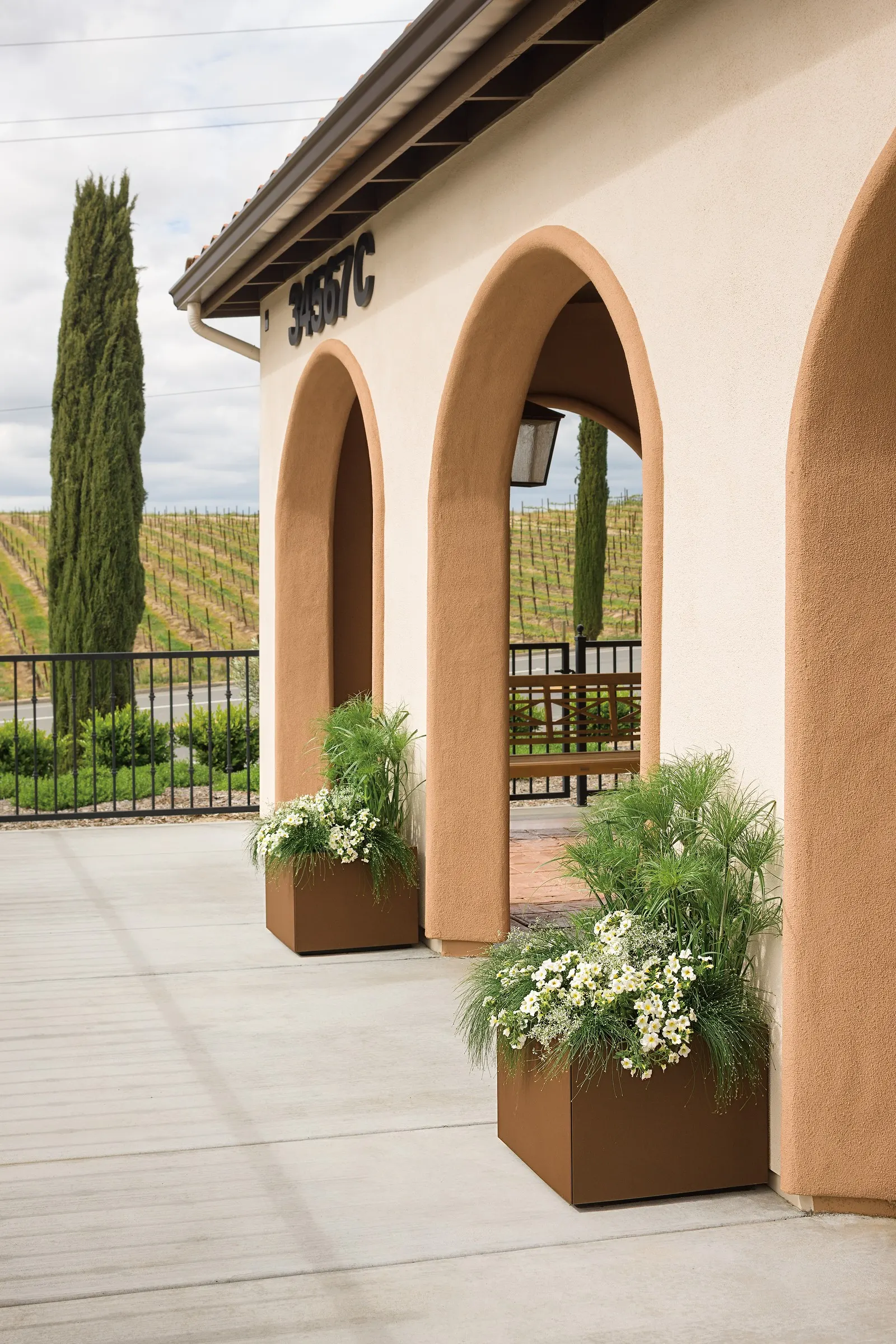
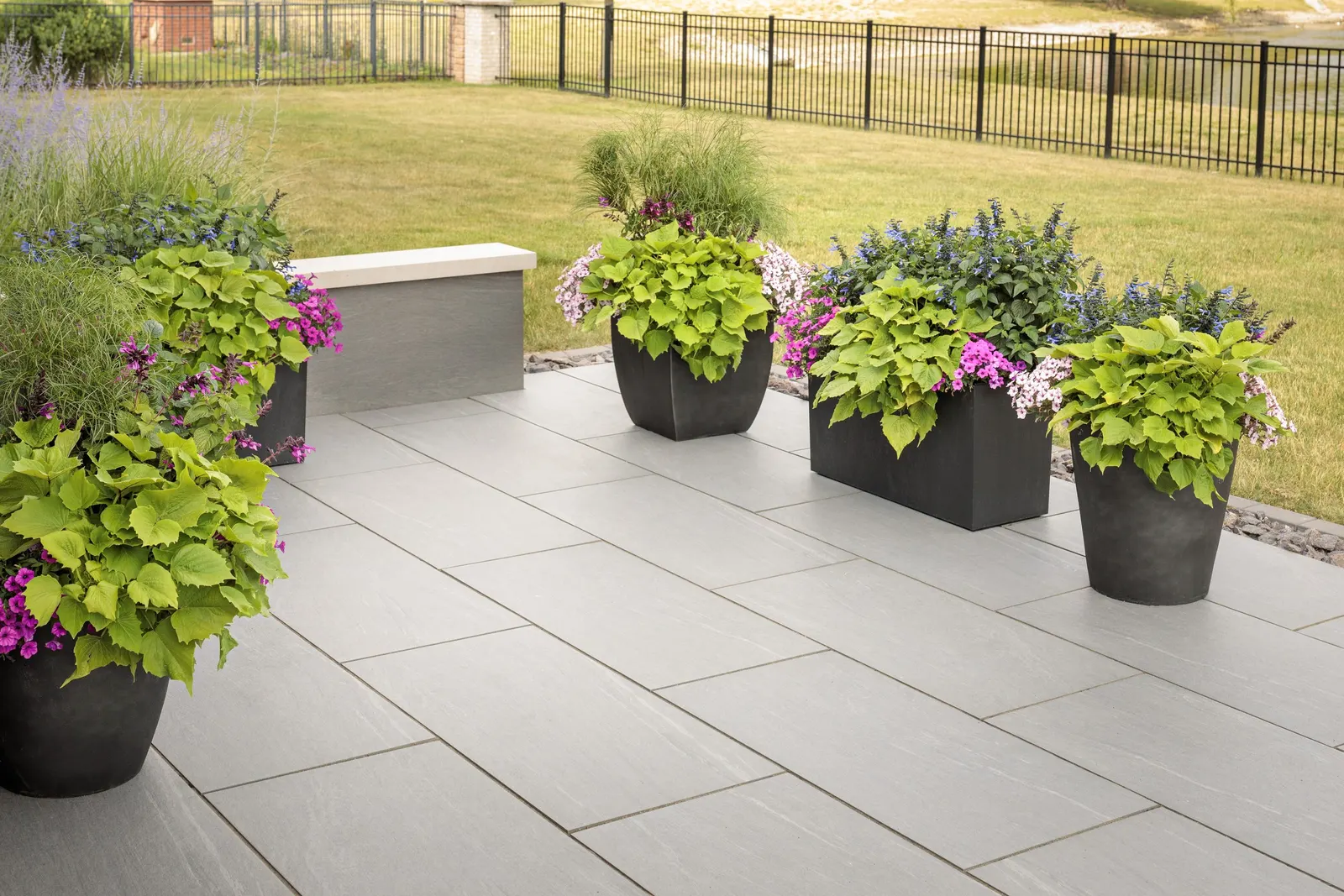
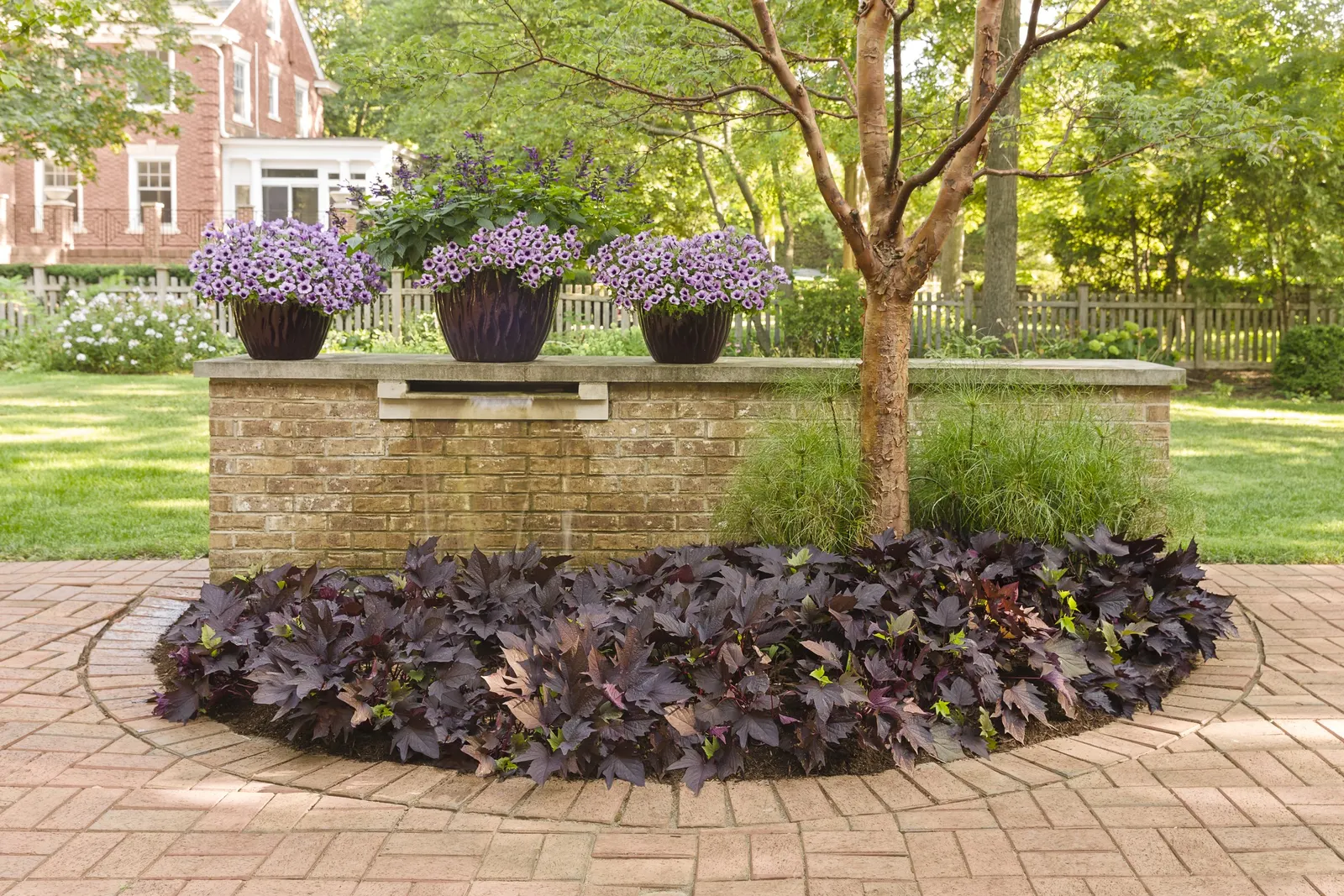
Prince Tut™ Dwarf Egyptian Papyrus (Cyperus papyrus) — making it substantial enough to anchor a container while remaining proportionate for smaller, image 156
Prince Tut™ Dwarf Egyptian Papyrus (Cyperus papyrus) — It is perennial only in warm climates
Prince Tut™ Dwarf Egyptian Papyrus (Cyperus papyrus) — hardy in USDA Zones 10a through 11b; is a compact annual with bright green upright stems and, image 71
Prince Tut™ Dwarf Egyptian Papyrus (Cyperus papyrus) — architectural annual with the unmistakable tropical character of papyrus in a more, image 64
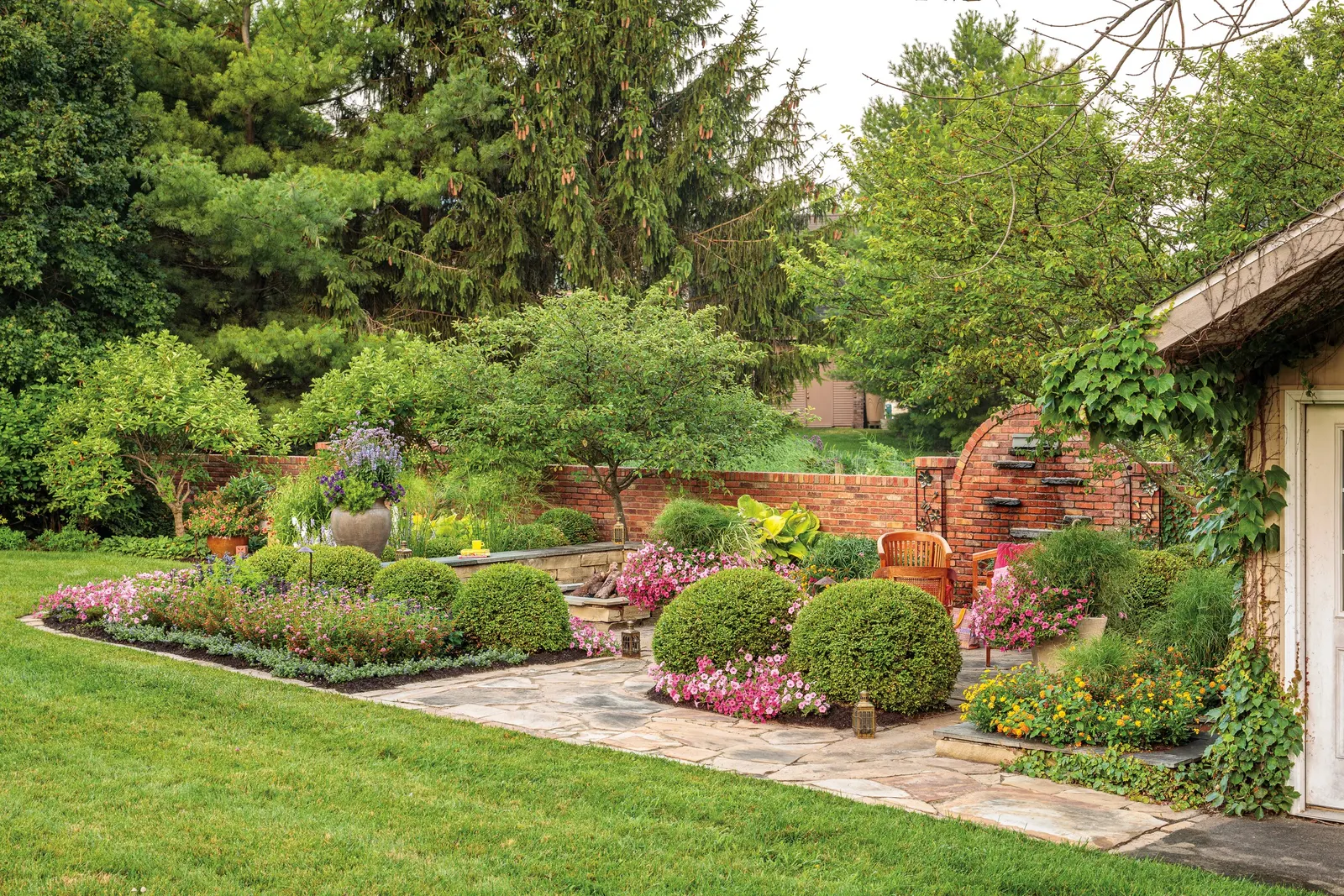
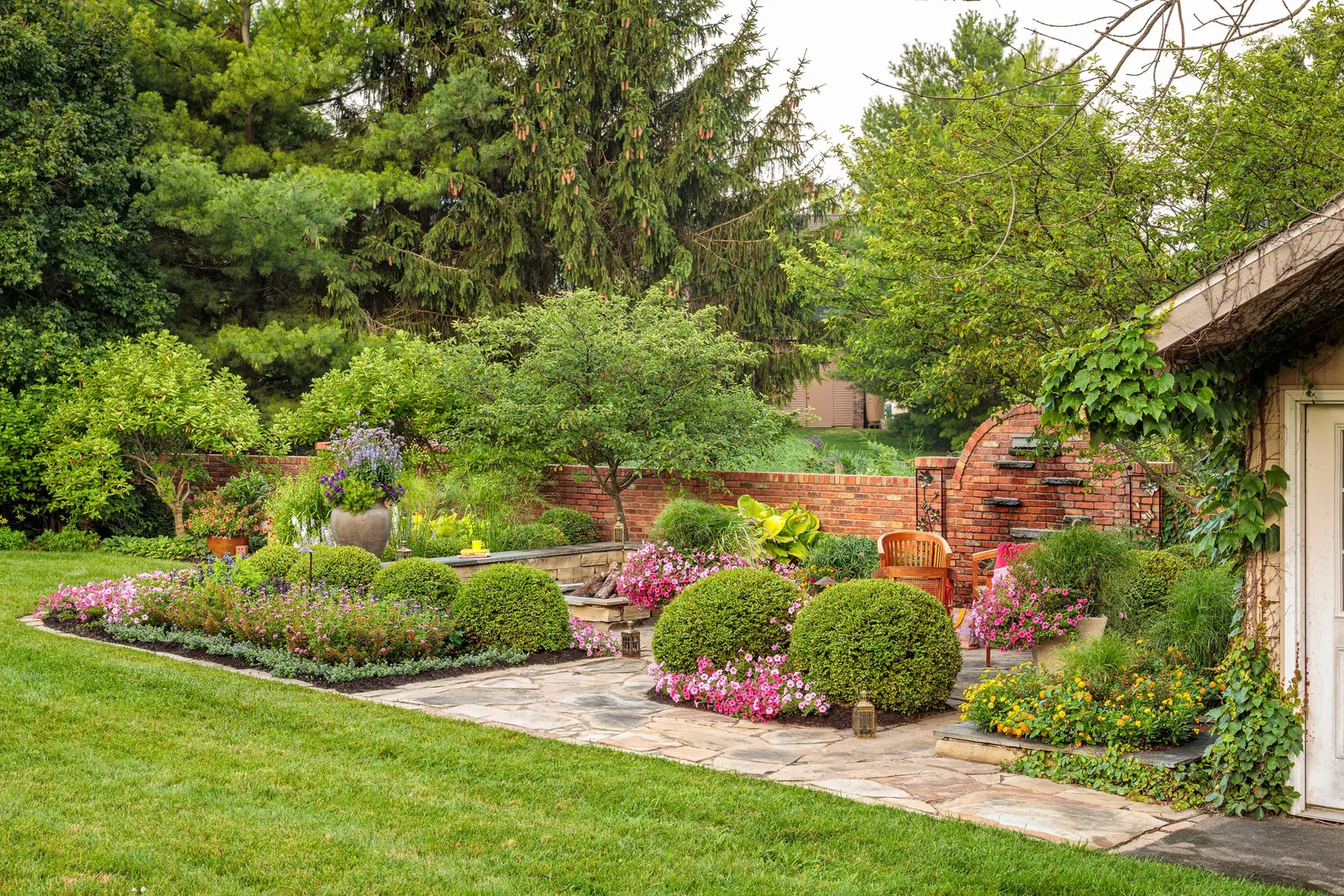
Prince Tut™ Dwarf Egyptian Papyrus (Cyperus papyrus) — Hardy in USDA Zones 10-11; where its vertical stems and tufted tops contrast beautifully, image 178
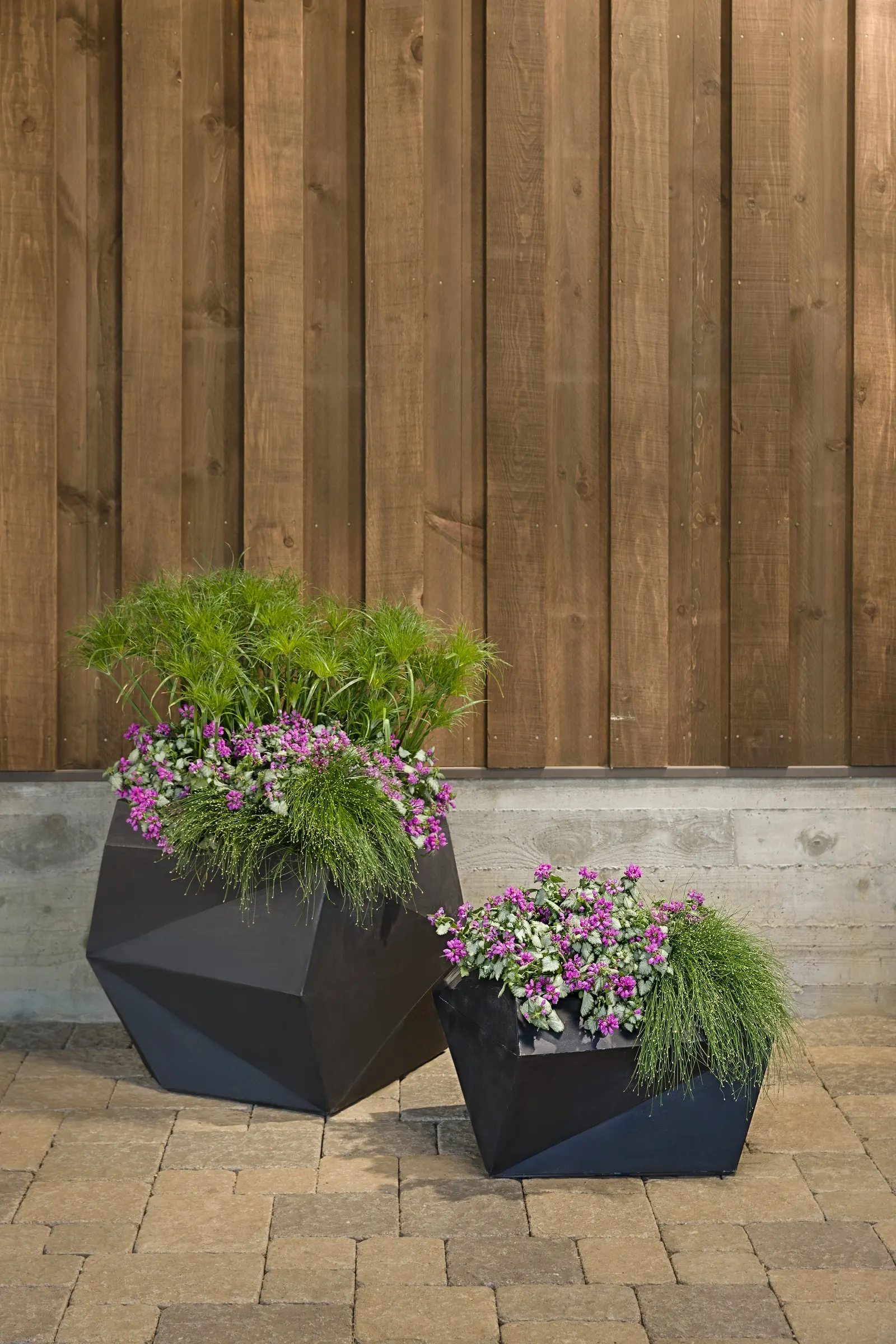
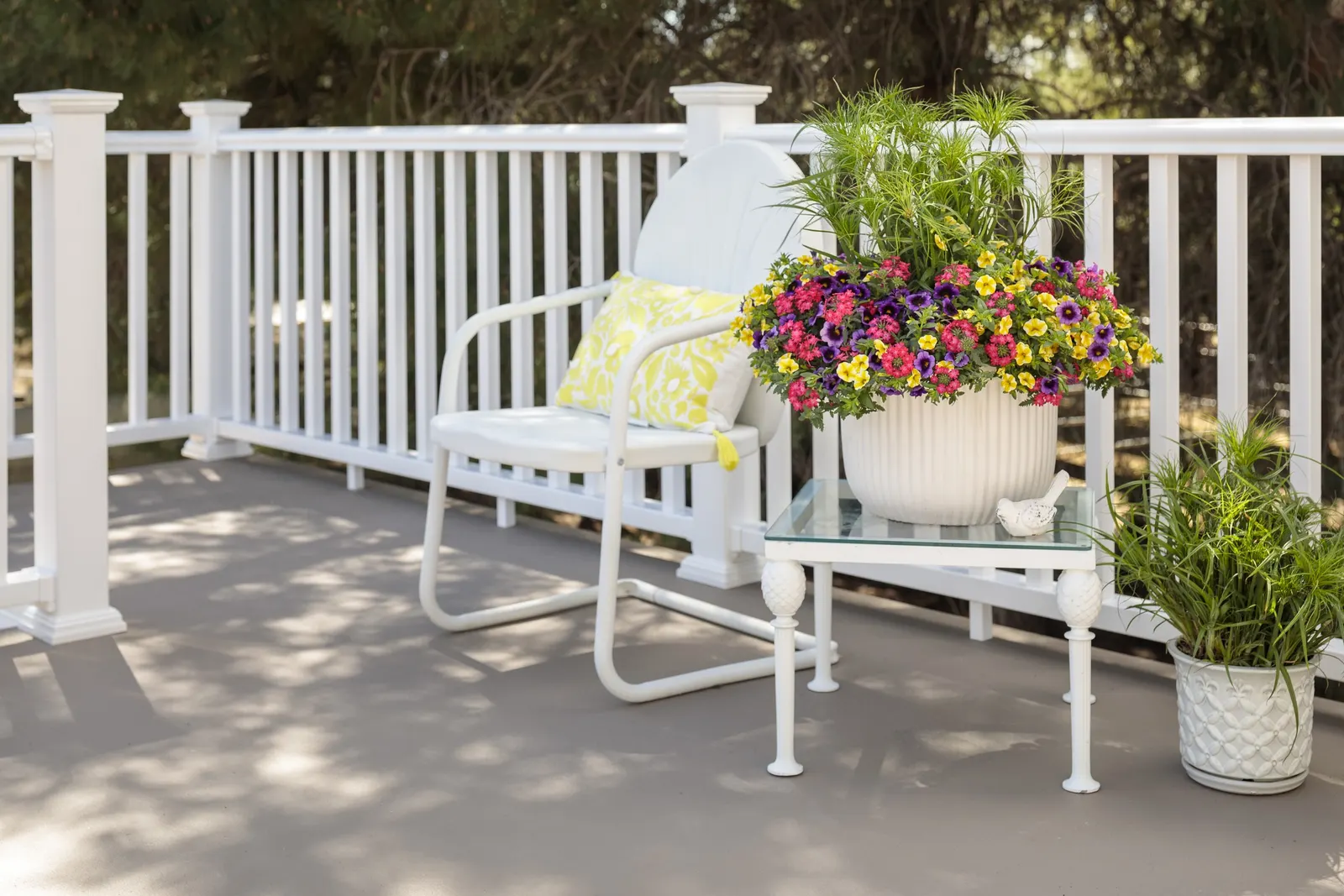
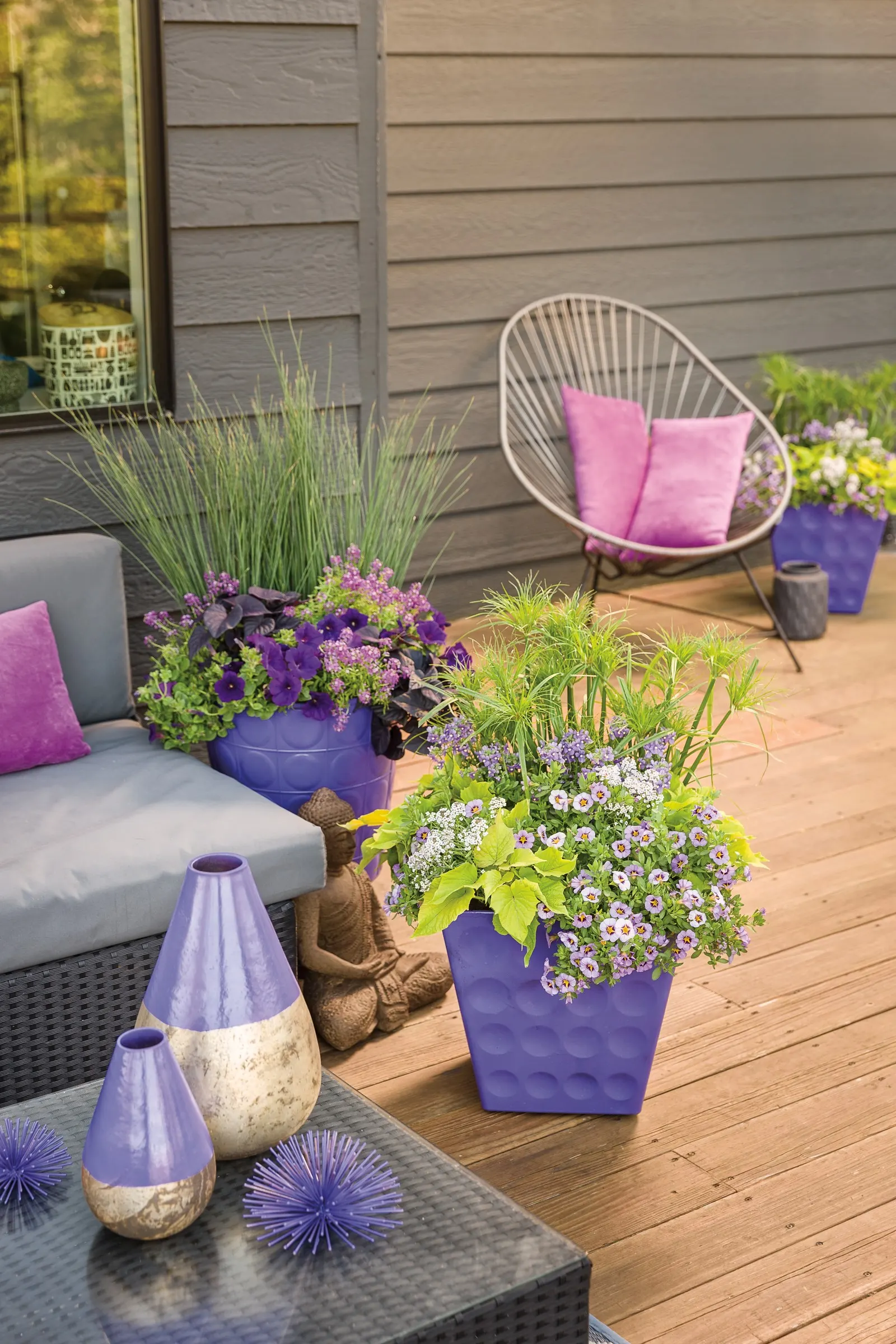
Prince Tut™ Dwarf Egyptian Papyrus (Cyperus papyrus) — Its sculptural silhouette also makes it excellent planted alone in a handsome pot on a deck, image 202
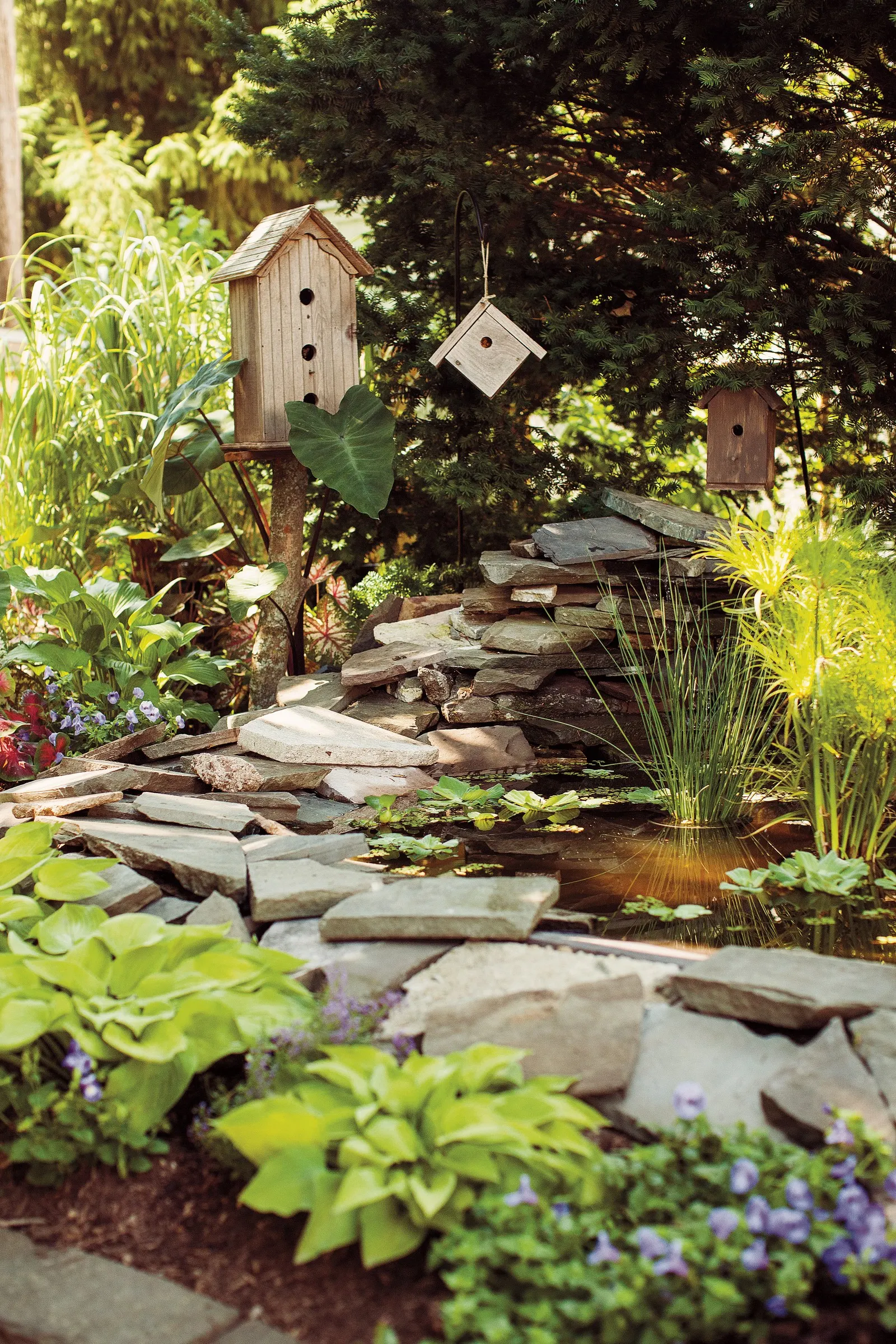
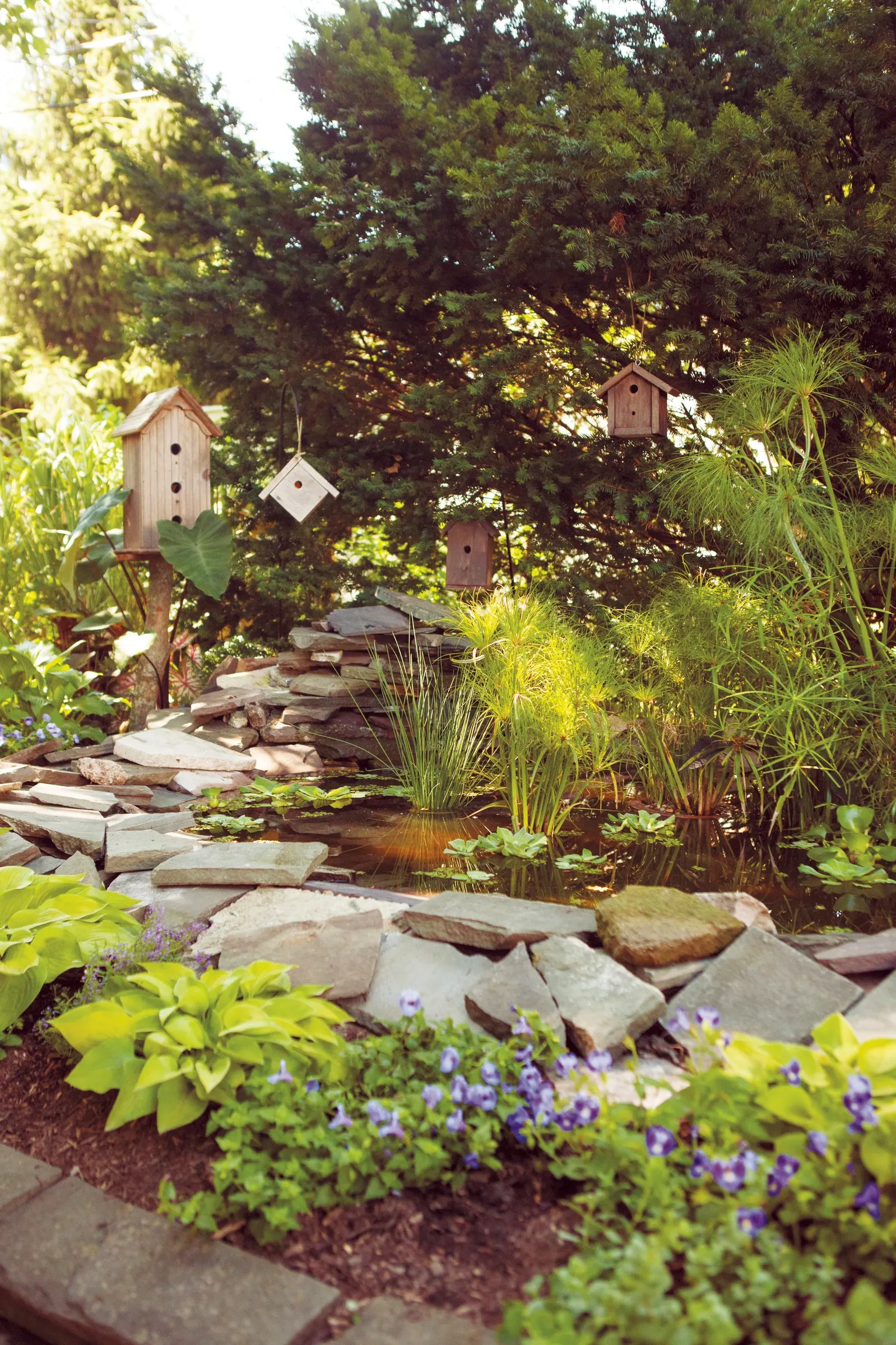
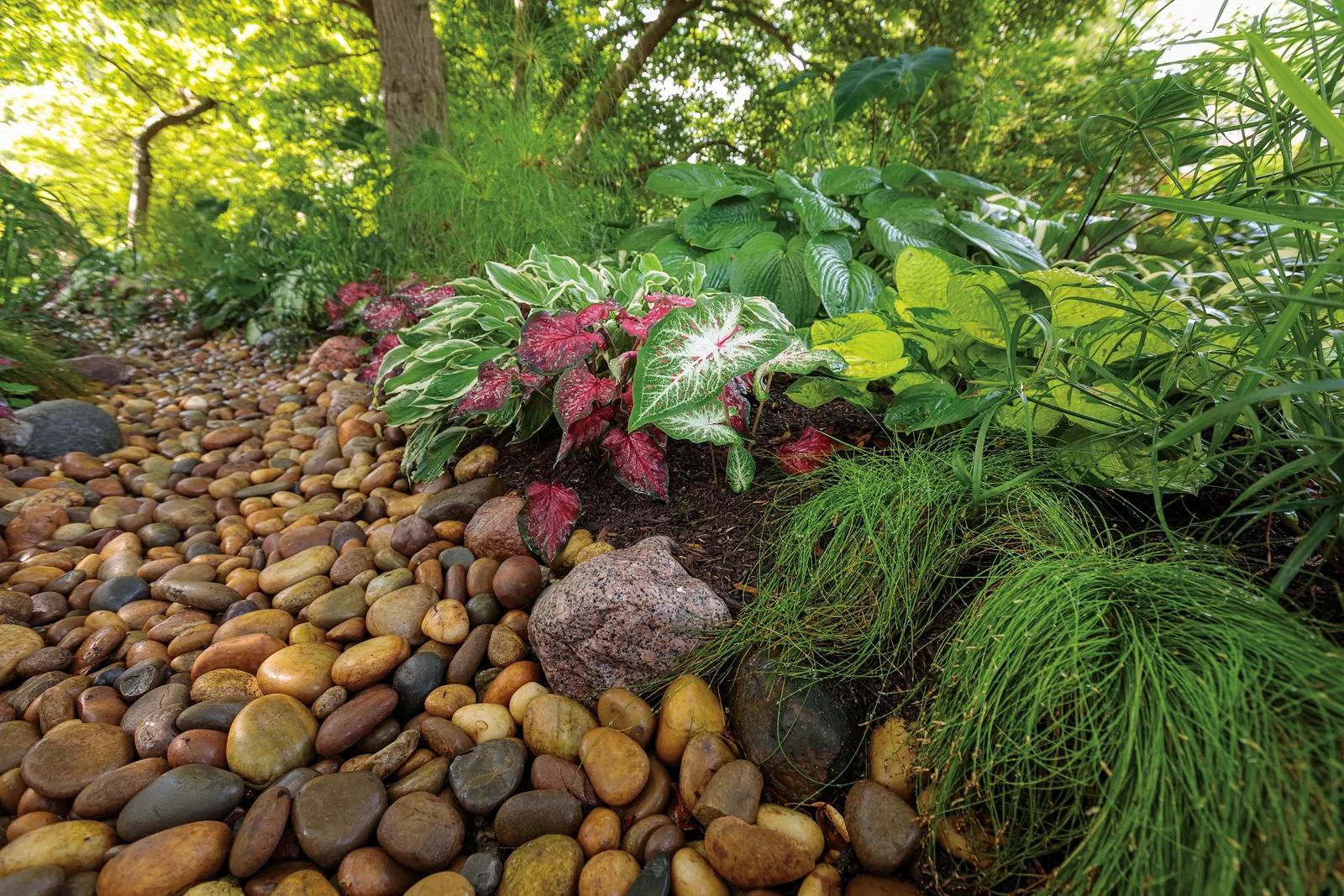
Prince Tut™ Dwarf Egyptian Papyrus (Cyperus papyrus) — Part of the Proven Winners® lineup; while it is especially at home near water, image 152
Prince Tut™ Dwarf Egyptian Papyrus (Cyperus papyrus) — with average to consistently moist soil
Prince Tut™ Dwarf Egyptian Papyrus (Cyperus papyrus) — and should be treated as a fast-growing annual wherever freezing temperatures occur; this, image 101
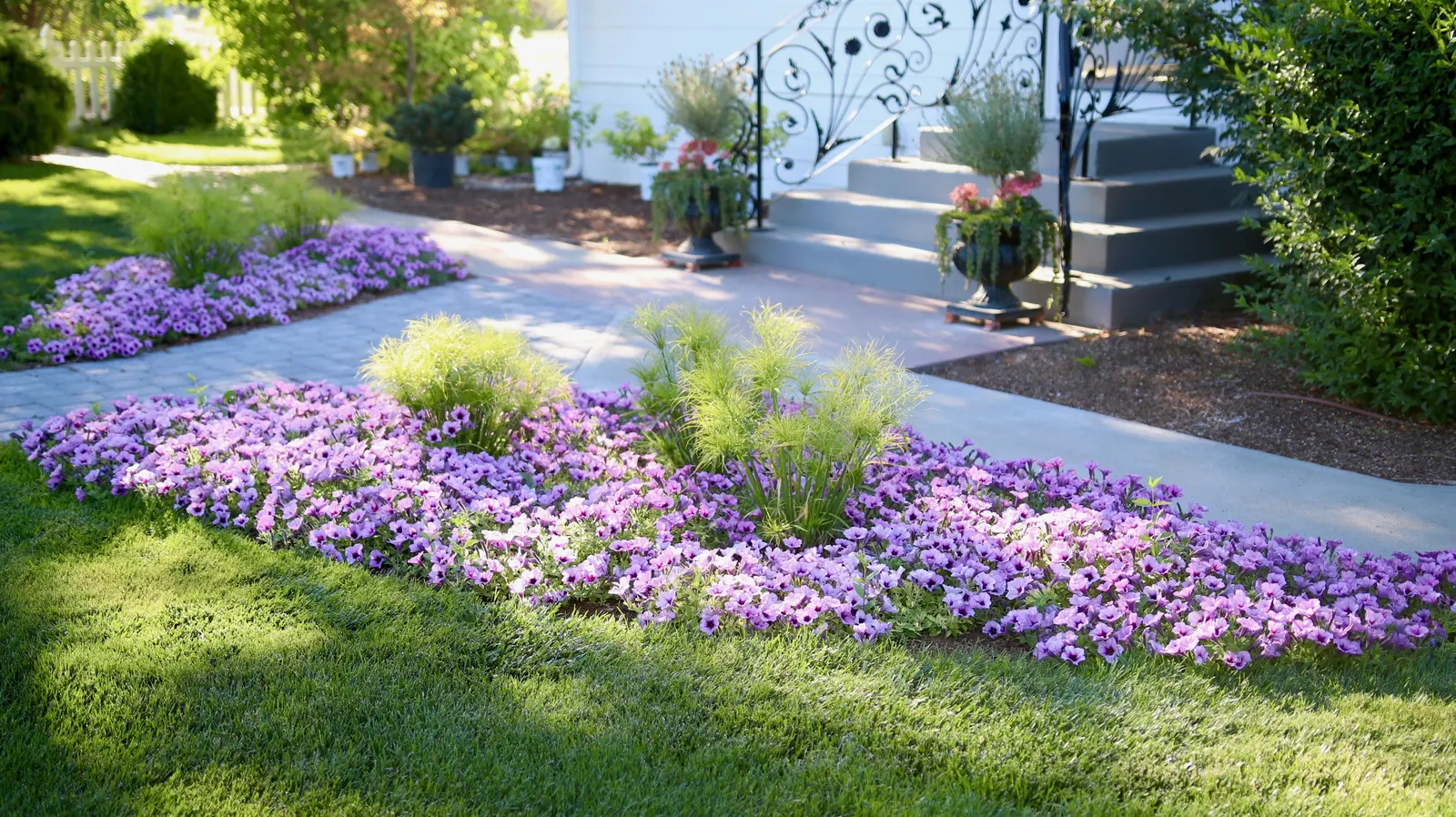
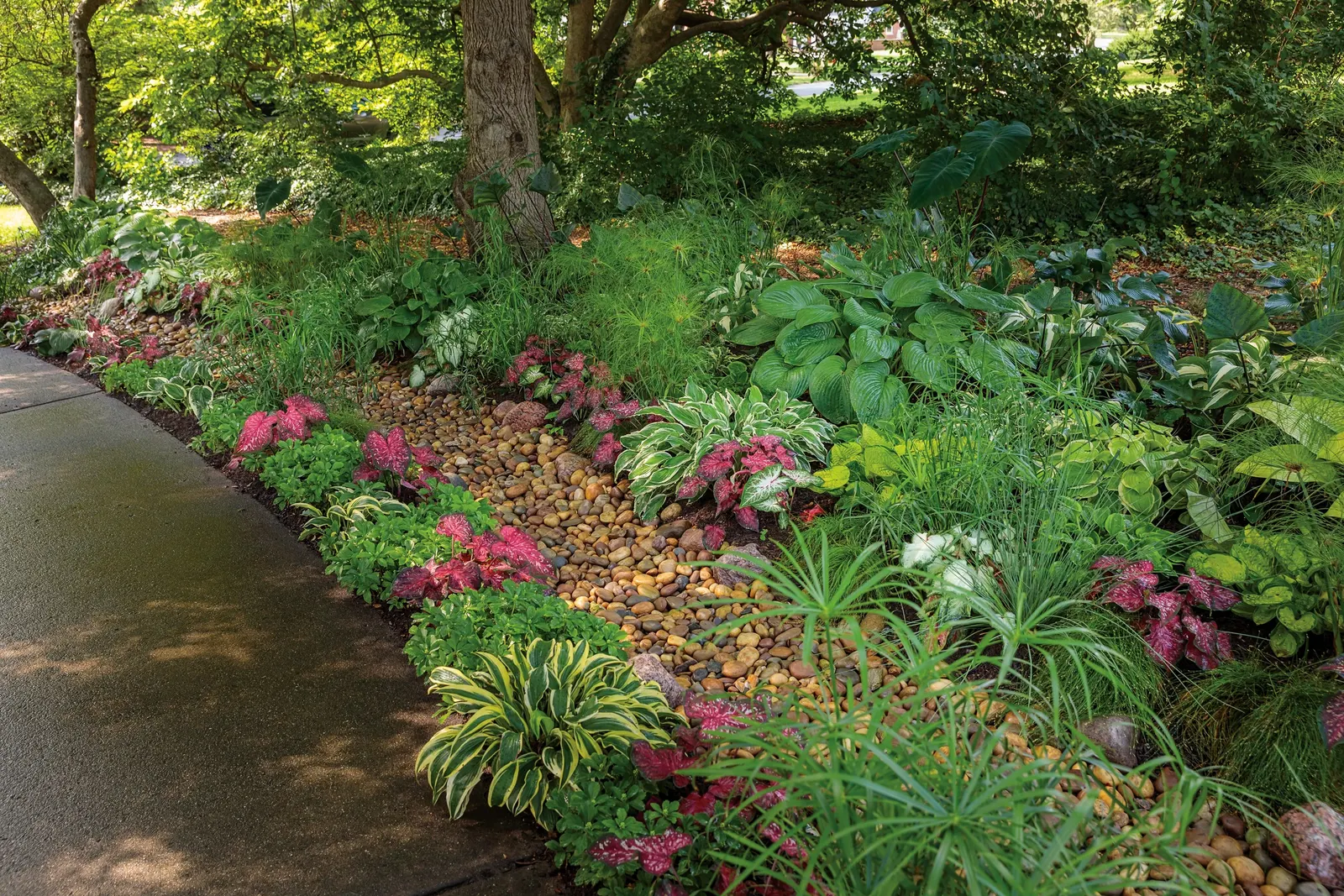
Prince Tut™ Dwarf Egyptian Papyrus (Cyperus papyrus) — resort-like quality to mass plantings or serves as a distinctive focal point beside stone, image 84
Prince Tut™ Dwarf Egyptian Papyrus (Cyperus papyrus) — commonly referred to as Prince Tut™ Dwarf Egyptian Papyrus; plant in part sun to sun with, image 179
Prince Tut™ Dwarf Egyptian Papyrus (Cyperus papyrus) — Part of the Proven Winners® lineup; while it is especially at home near water
Prince Tut™ Dwarf Egyptian Papyrus (Cyperus papyrus) — yet gardeners report it can be forgiving when irrigation is occasionally missed
Prince Tut™ Dwarf Egyptian Papyrus (Cyperus papyrus) — this selection carries bright grass-green stems topped with airy; and maintenance is, image 66
Prince Tut™ Dwarf Egyptian Papyrus (Cyperus papyrus) — It grows 18-30 inches tall and 24-36 inches wide, making a striking container thriller or, image 176
Prince Tut™ Dwarf Egyptian Papyrus (Cyperus papyrus) — hardy in USDA Zones 10a through 11b; is a compact annual with bright green upright stems and, image 187
Prince Tut™ Dwarf Egyptian Papyrus (Cyperus papyrus) — making it substantial enough to anchor a container while remaining proportionate for smaller, image 40
Prince Tut™ Dwarf Egyptian Papyrus (Cyperus papyrus) — It is perennial only in warm climates; deadheading is not necessary
Prince Tut™ Dwarf Egyptian Papyrus (Cyperus papyrus) — It is perennial only in warm climates; deadheading is not necessary, image 70
Prince Tut™ Dwarf Egyptian Papyrus (Cyperus papyrus) — Its sculptural silhouette also makes it excellent planted alone in a handsome pot on a deck, image 115
Prince Tut™ Dwarf Egyptian Papyrus (Cyperus papyrus) — It is perennial only in warm climates; deadheading is not necessary, image 215
Prince Tut™ Dwarf Egyptian Papyrus (Cyperus papyrus) — particularly in hot weather or exposed containers; its sculptural silhouette also makes it, image 166
Prince Tut™ Dwarf Egyptian Papyrus (Cyperus papyrus) — Deadheading is not necessary; hardy in USDA Zones 10a through 11b, image 110

Related plants