Skip to content

Australian Tree Fern

Cyathea cooperi

Design with this plant

Overview

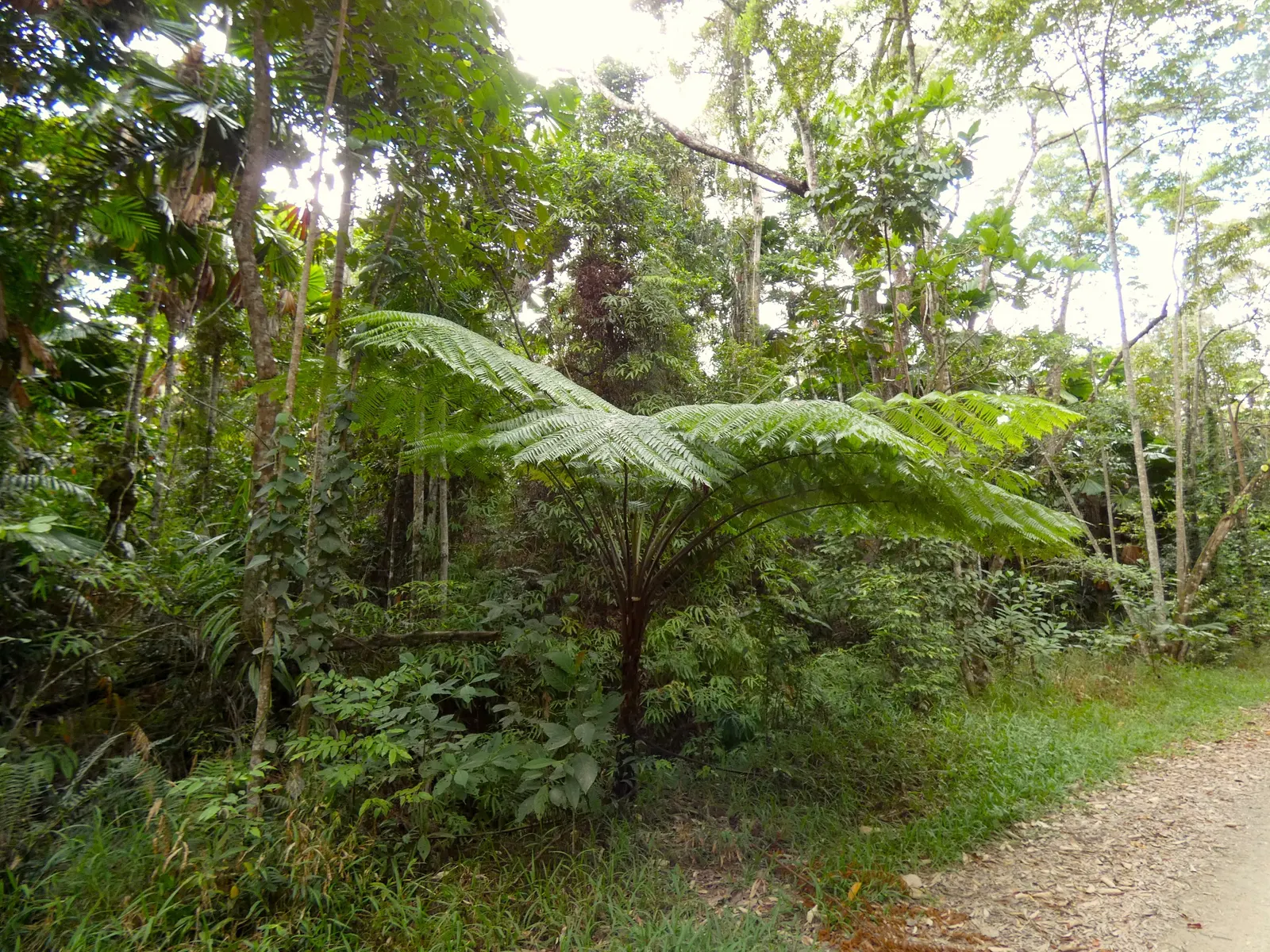
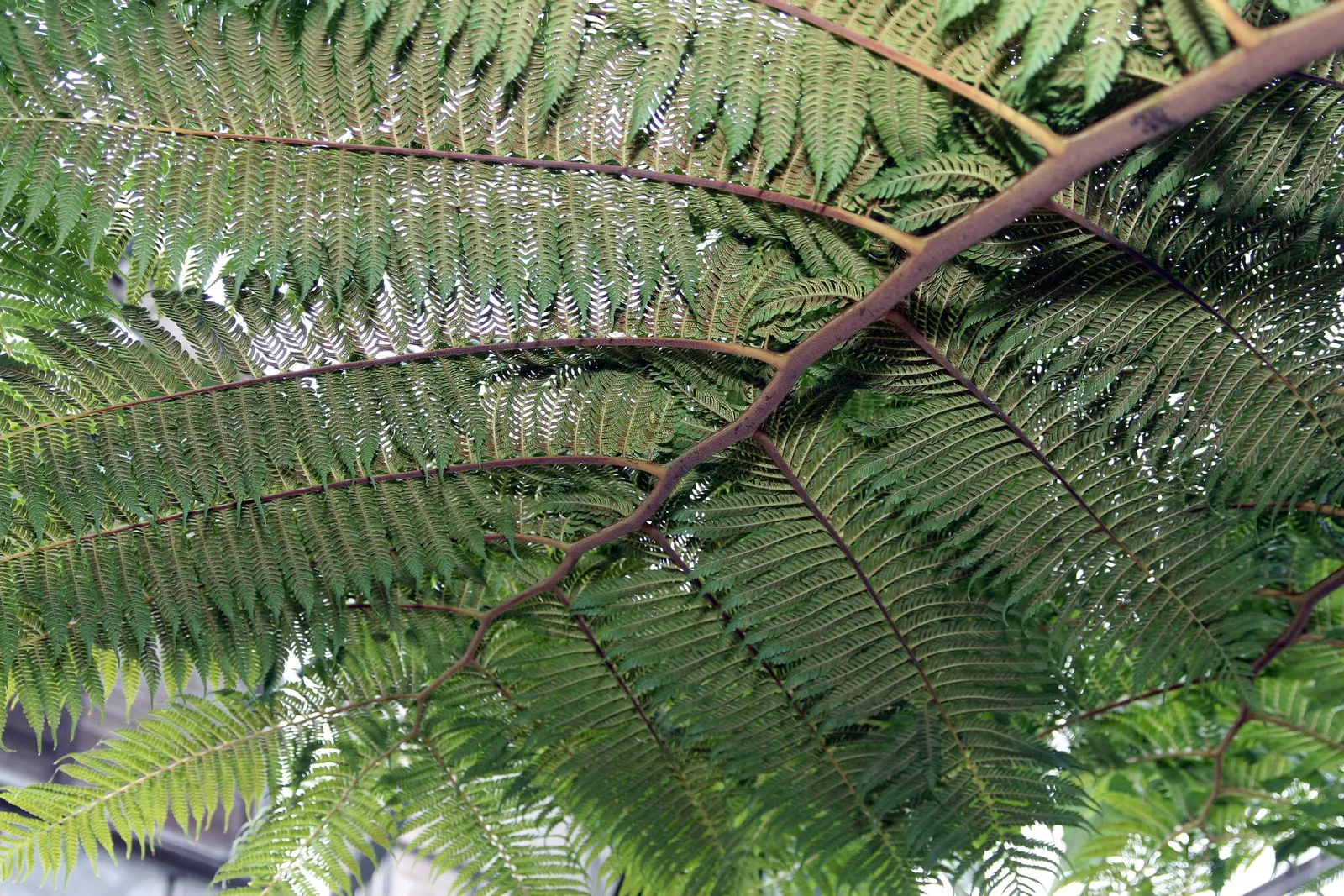
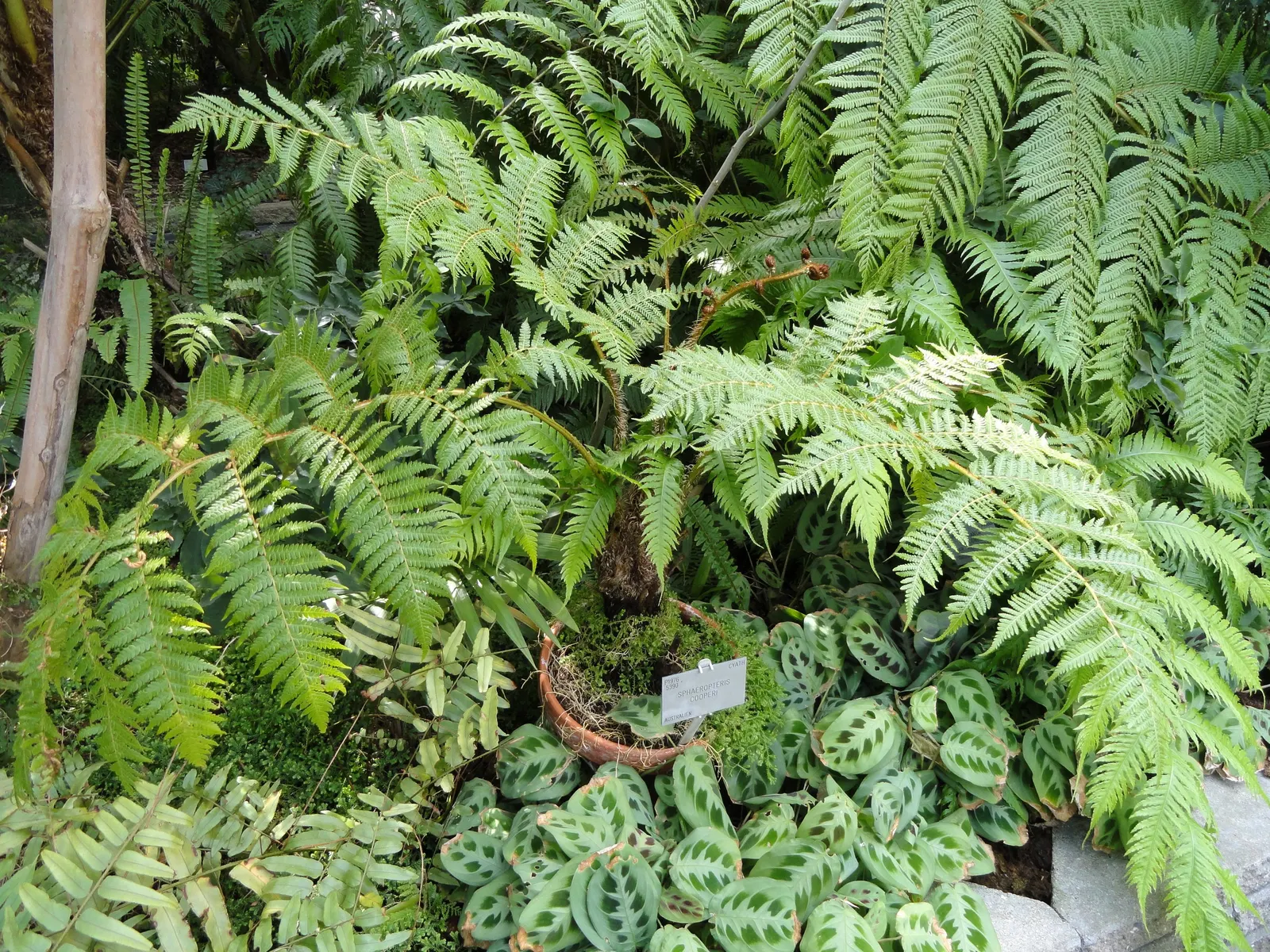
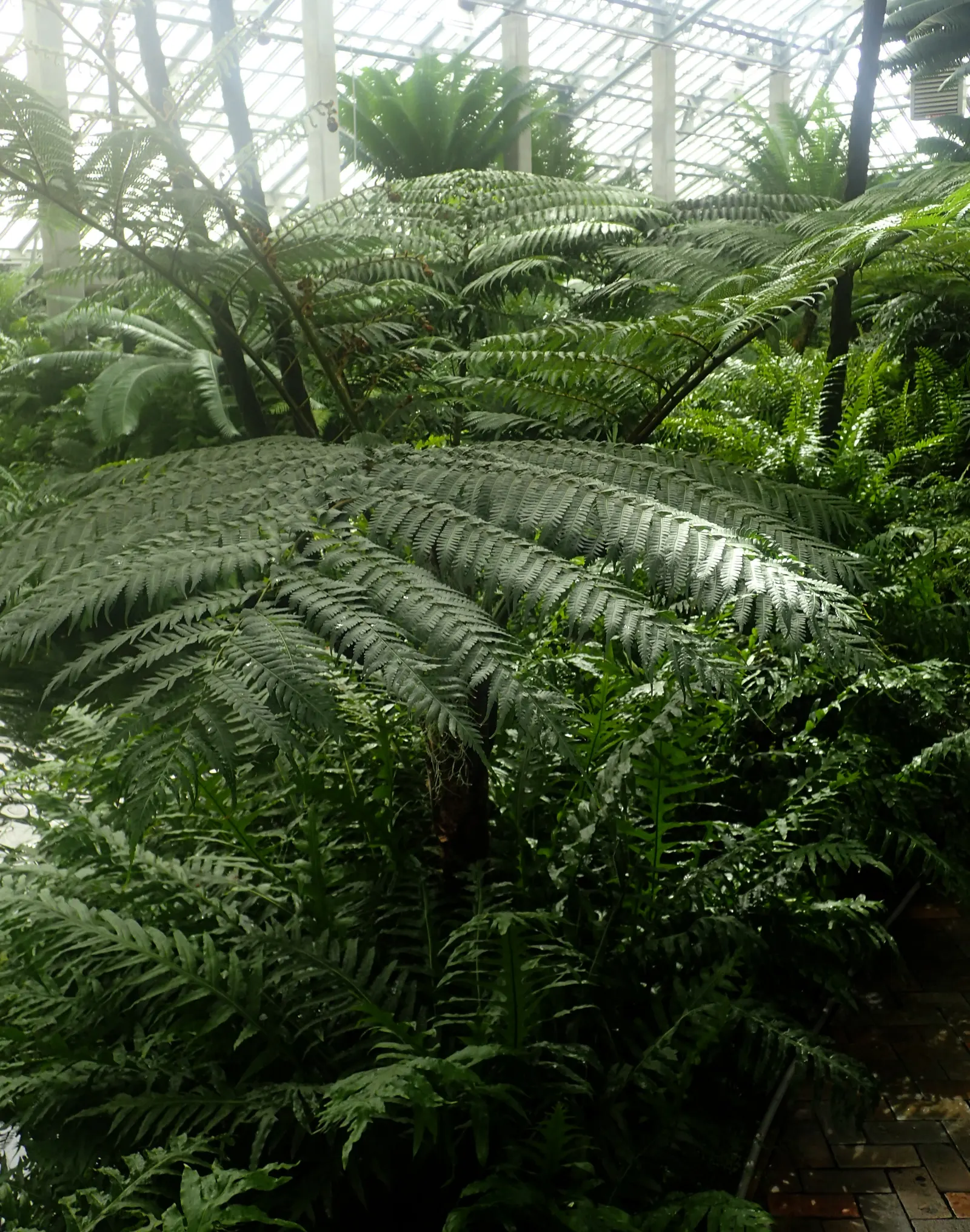
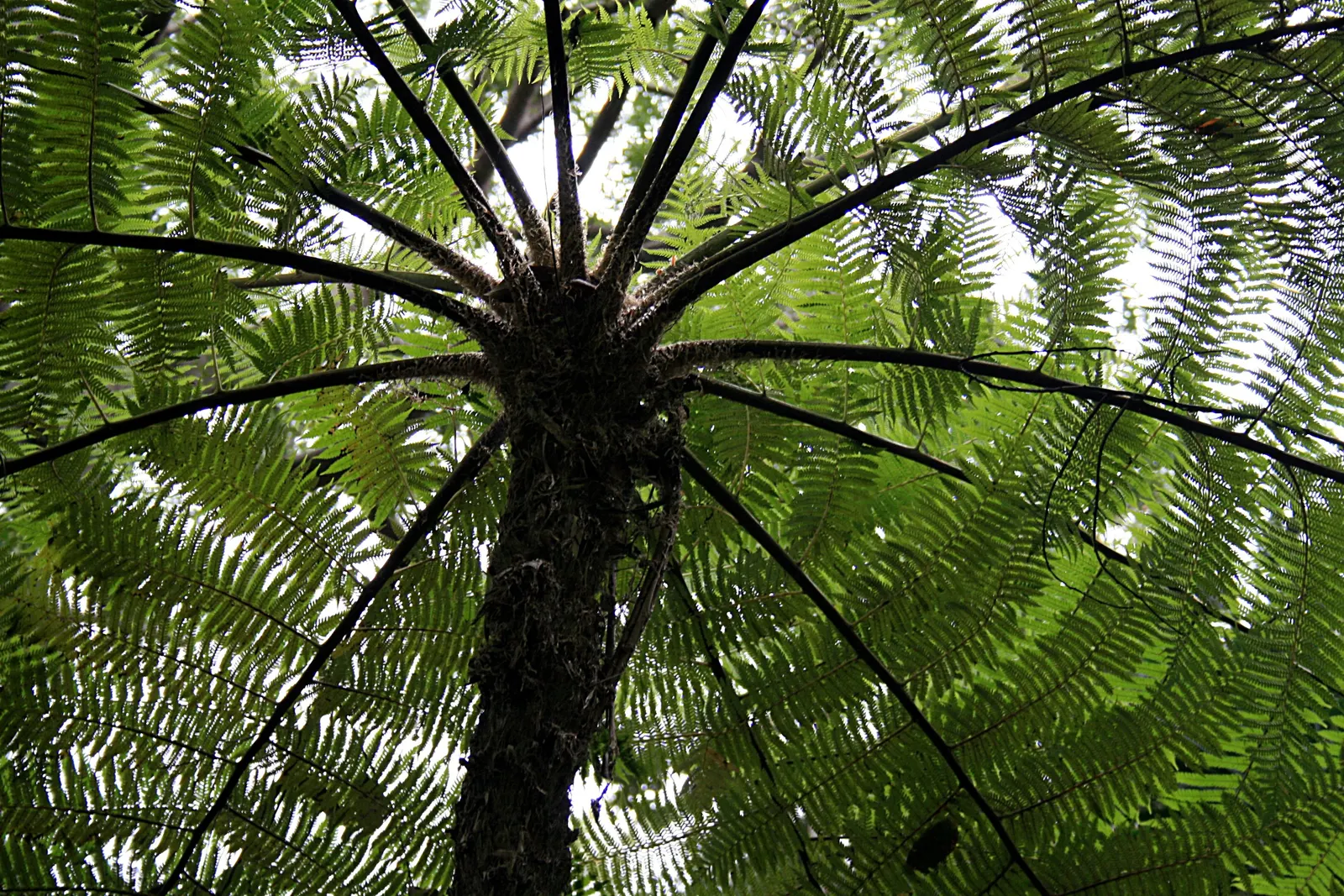
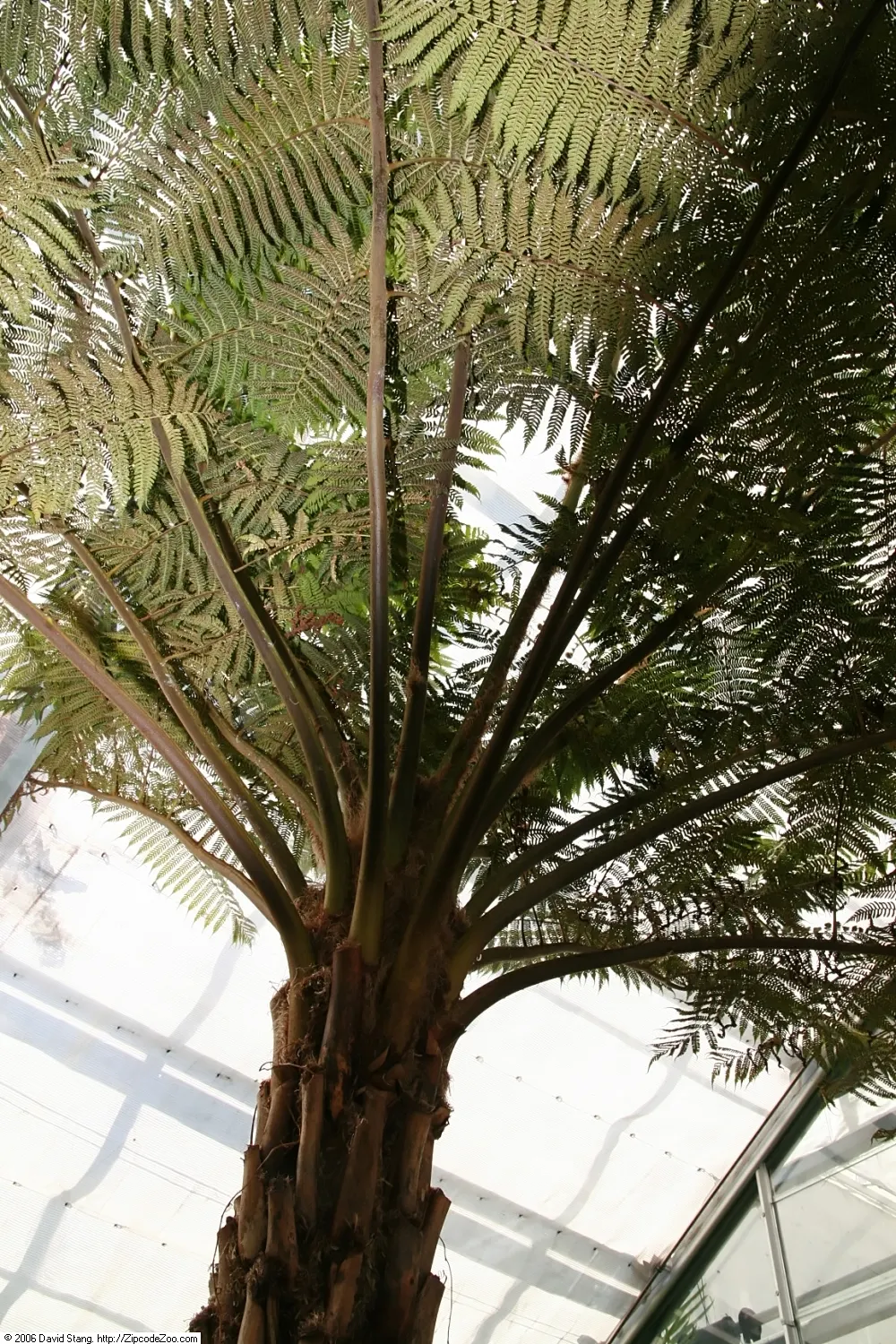
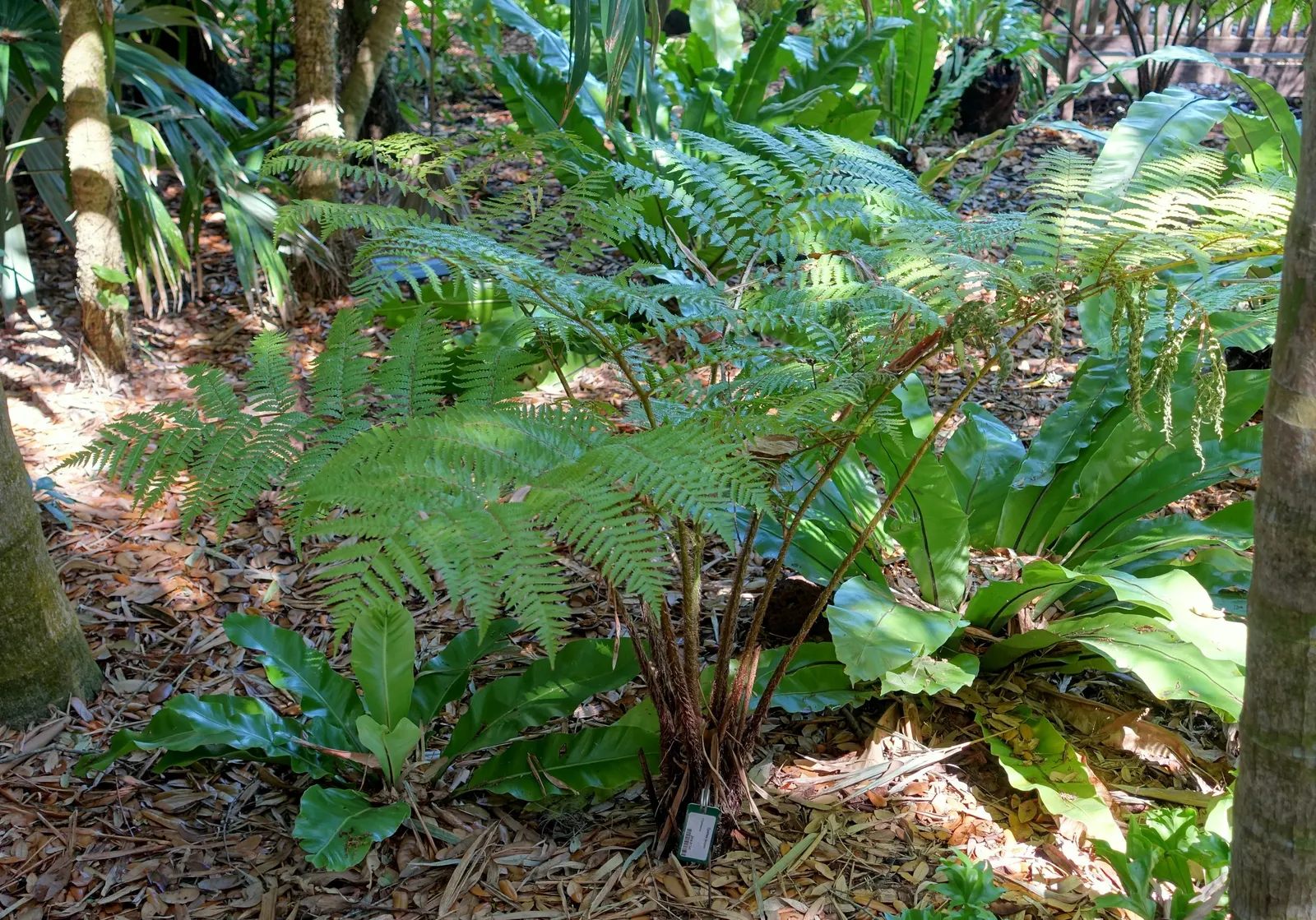
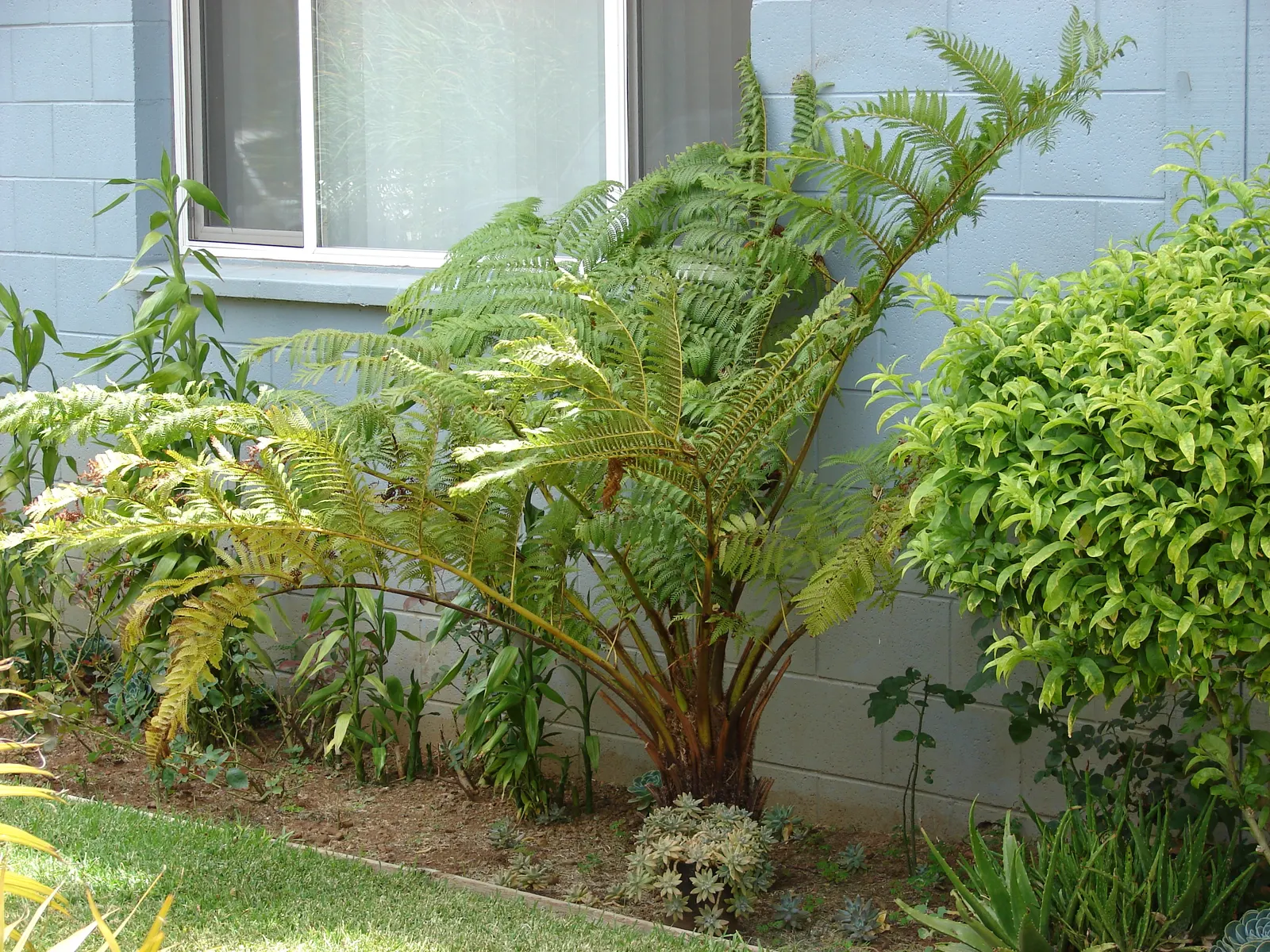
The Australian Tree Fern, Cyathea cooperi, is an elegant species featuring lush green fronds that can reach 10-15 feet in length. This fast-growing fern thrives in USDA zones 9-11, preferring partial to full shade and consistently moist soil. A mature specimen can attain a height of about 15-20 feet, with a spread of 12-15 feet, adding a dramatic, tropical accent to any shaded landscape design.

Sun Half, ShadeWater MediumZones 9–9Type FernClimate Subtropical
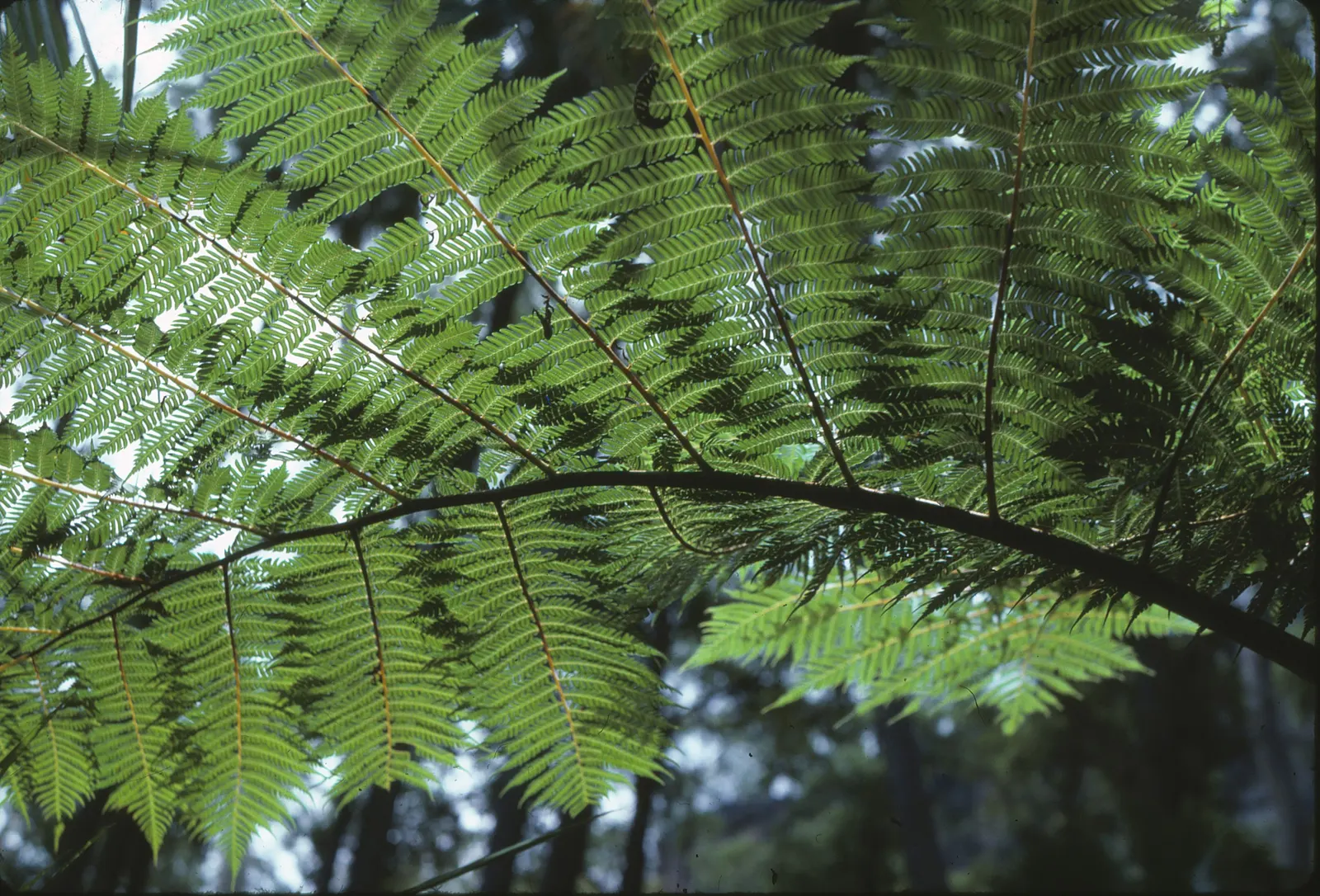
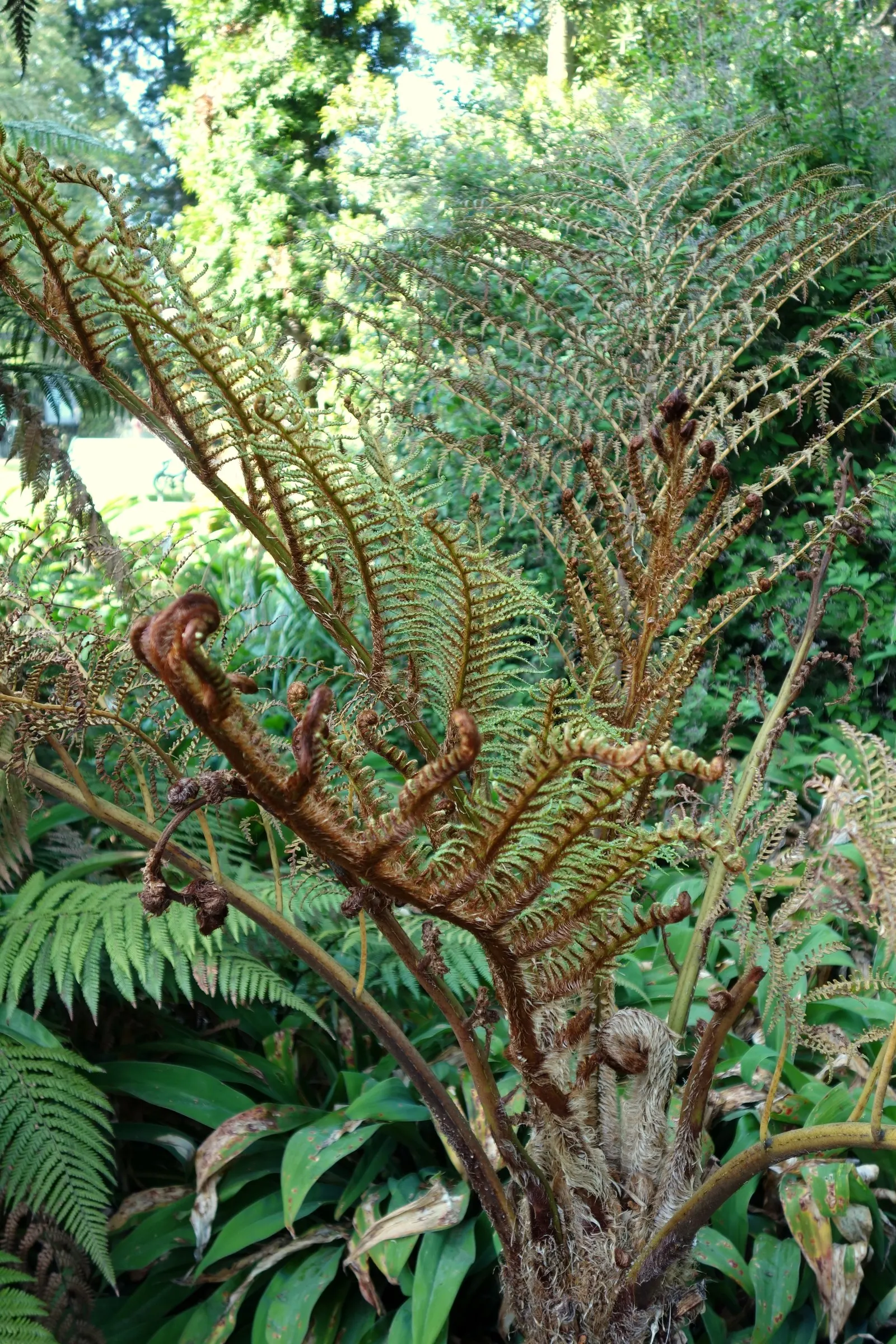
Australian Tree Fern (Cyathea cooperi) — tropical accent to any shaded landscape design; cyathea cooperi thrives in USDA Hardiness Zones 9 to 11, image 87

Culture

Sun
Half, Shade
Water
Medium
USDA zones
9–9

Shape & size

Classification

Type
Fern
Family
Cyatheaceae
Climate
Subtropical

See full data, regional cultivation notes, and design tools. Build a client presentation around this plant.

Start your 14-day trial

Photos (134)

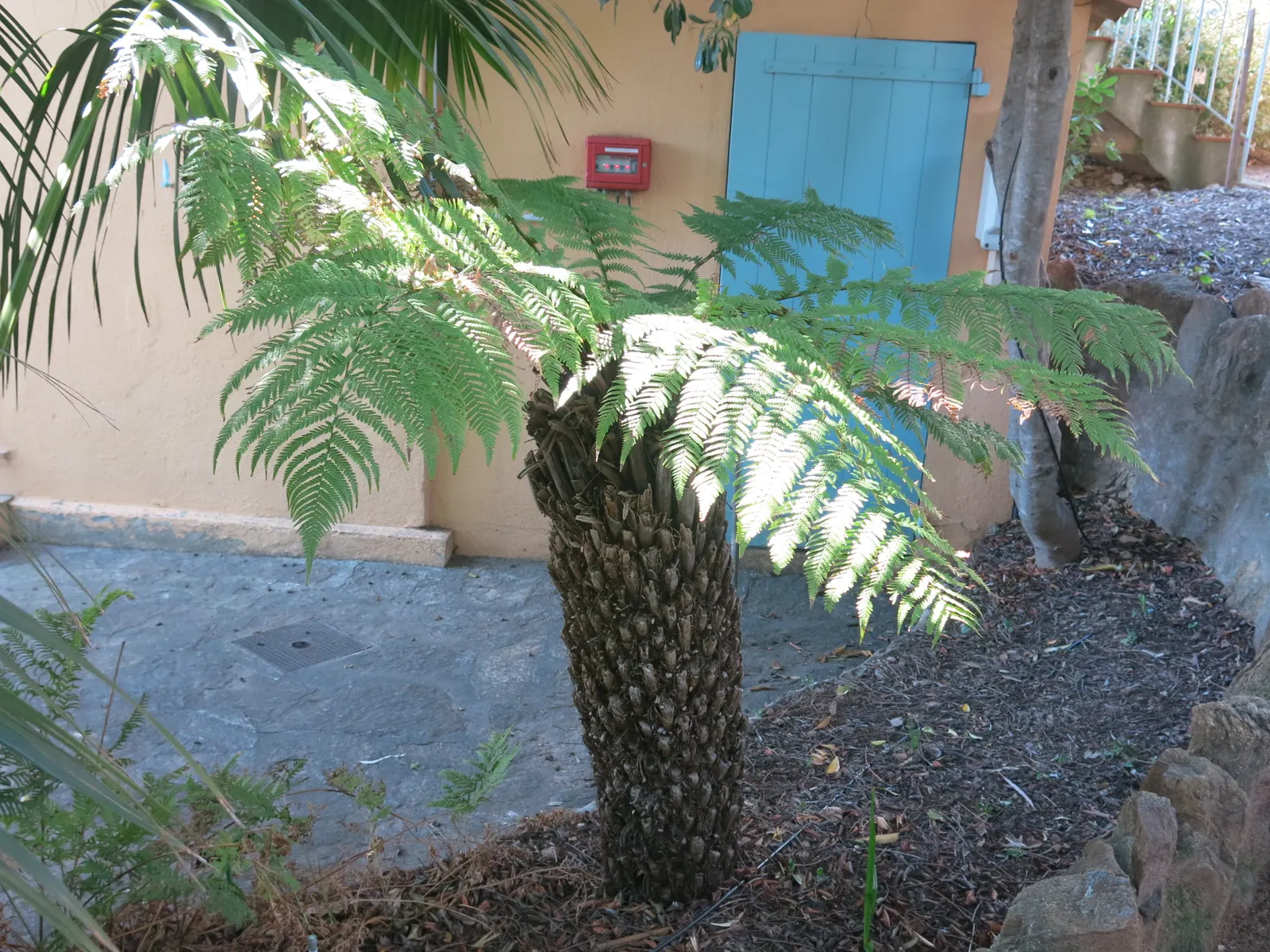
Australian Tree Fern (Cyathea cooperi) — Cyathea cooperi thrives in USDA Hardiness Zones 9 to 11
Australian Tree Fern (Cyathea cooperi) — this fern ultimately requires space to flourish and achieve its full; especially during dry spells, image 107
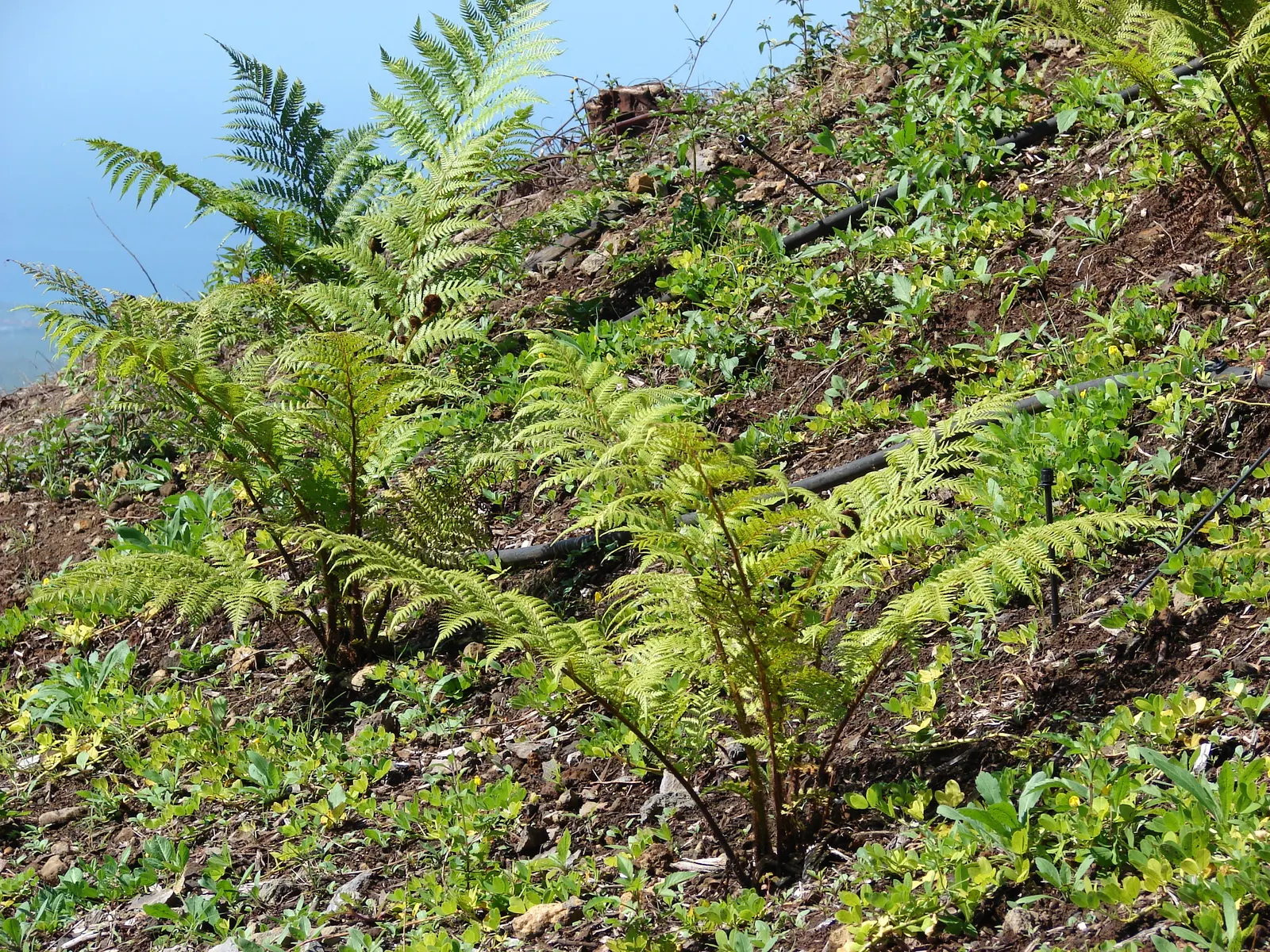
Australian Tree Fern (Cyathea cooperi) — with a spread of 12-15 feet, image 86
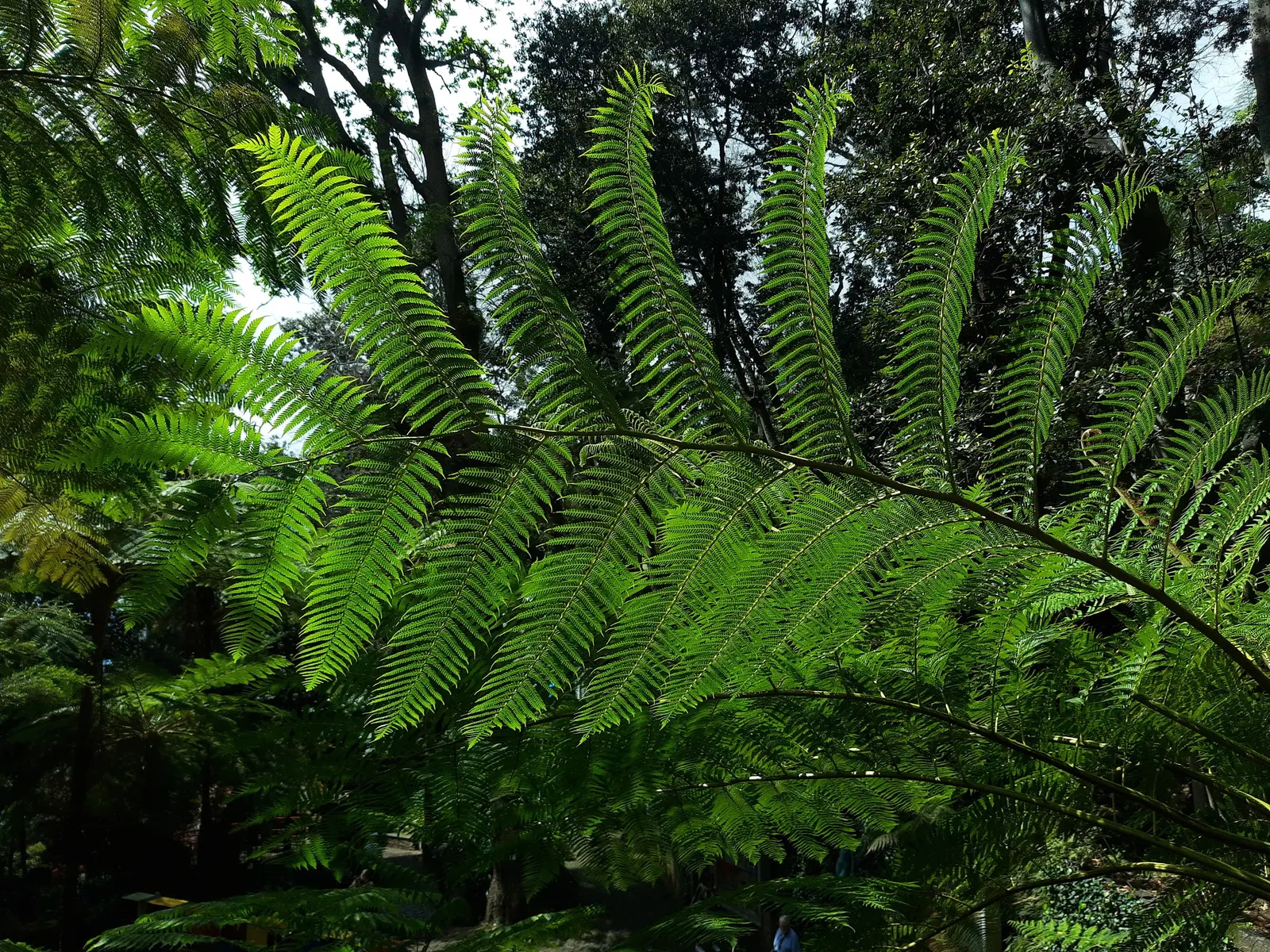
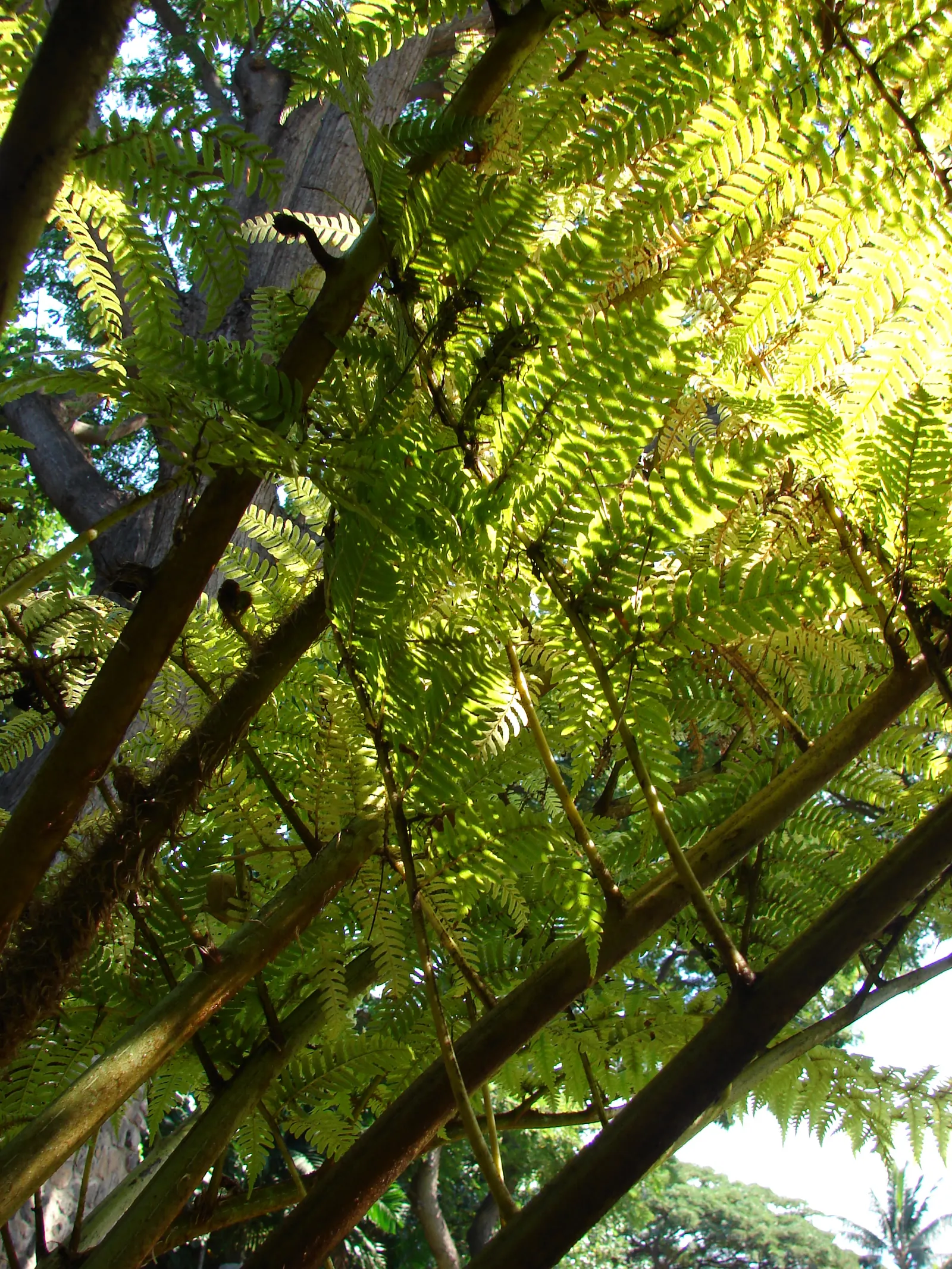
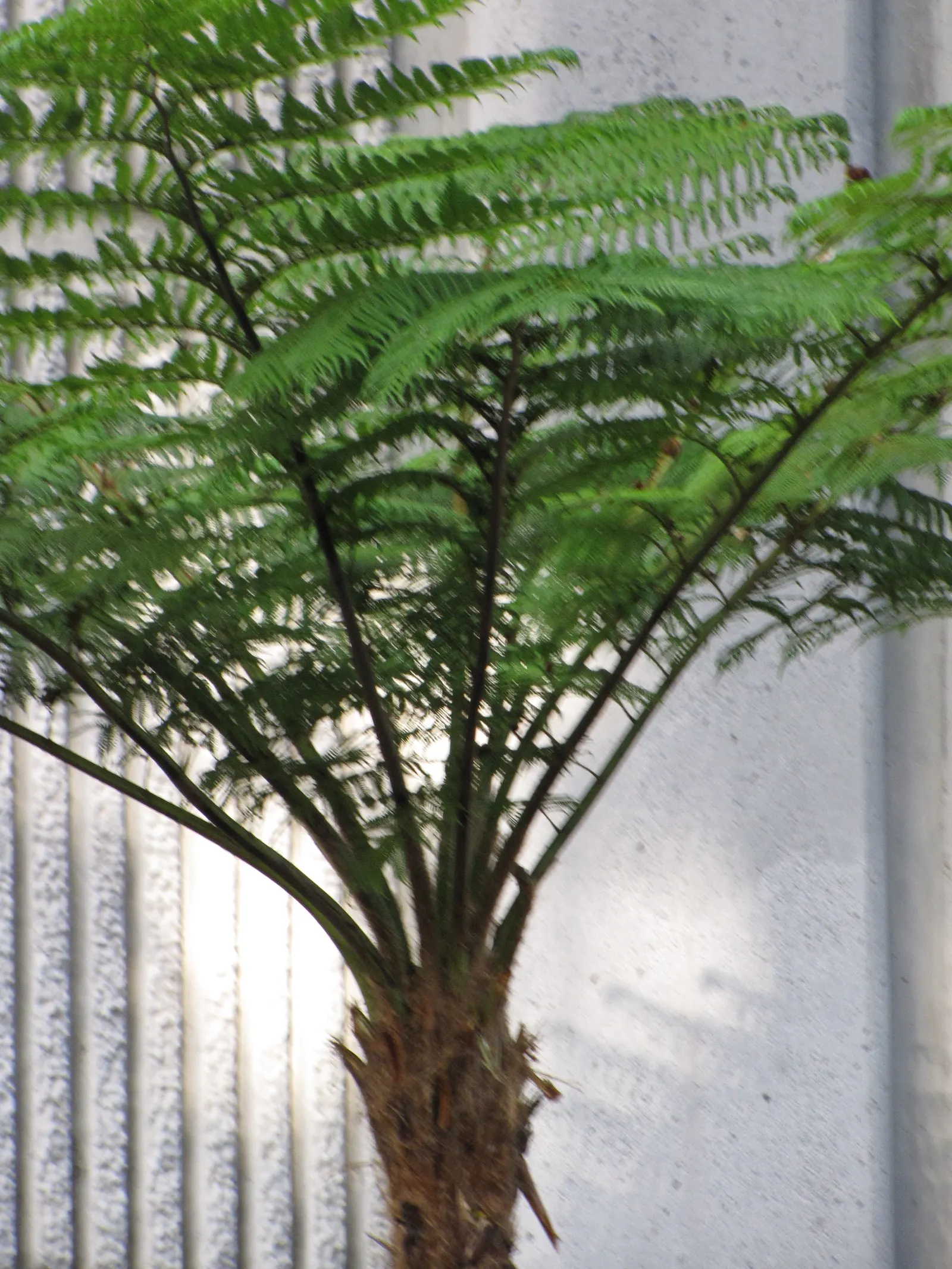
Australian Tree Fern (Cyathea cooperi) — while resistant to brief chills; the Australian Tree Fern offers an exotic touch with its feathery fronds and
Australian Tree Fern (Cyathea cooperi) — the Australian Tree Fern offers an exotic touch with its feathery fronds and tree-like appearance; its root system is
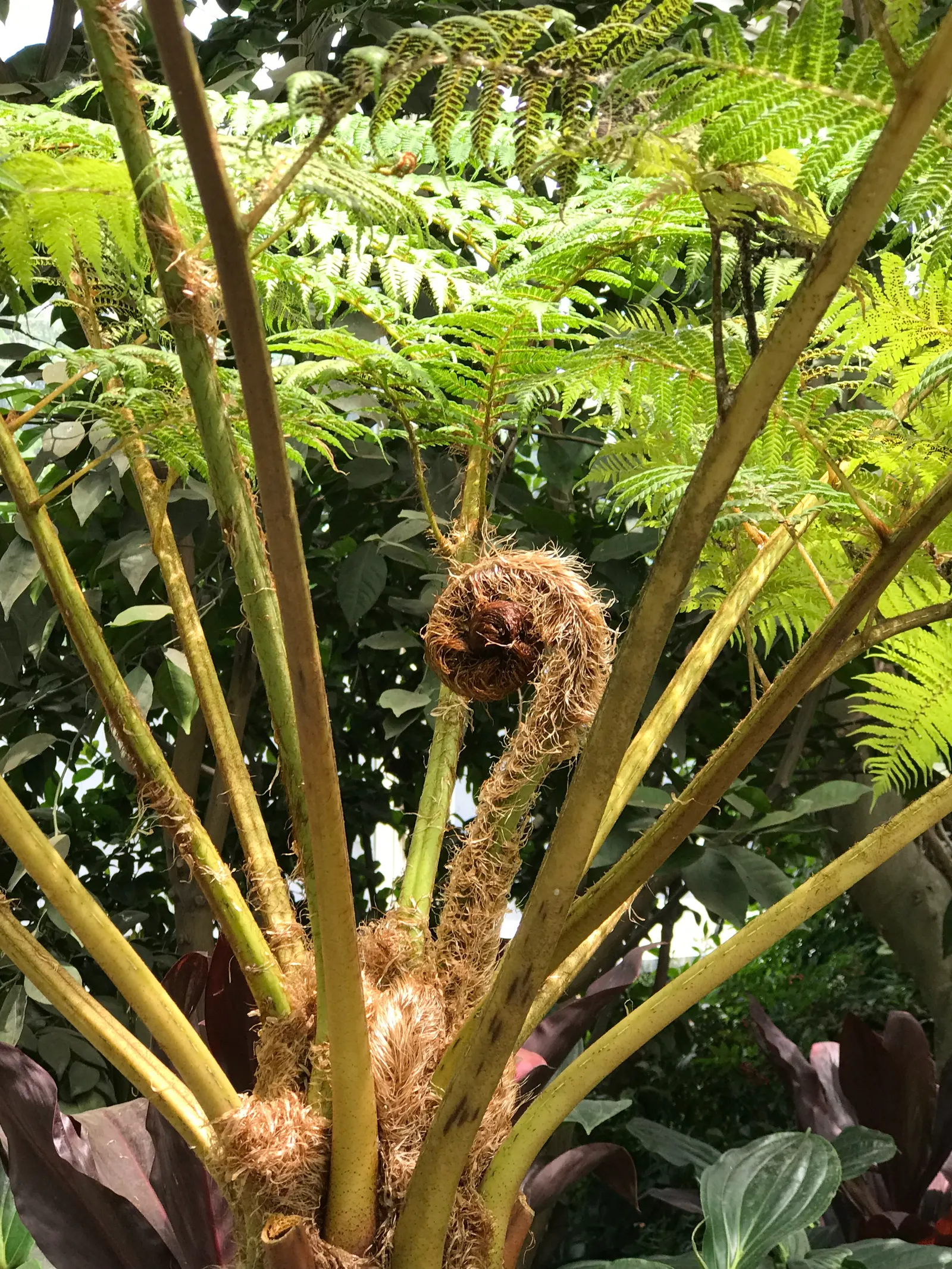
Australian Tree Fern (Cyathea cooperi) — is a magnificent and lush perennial plant that adds a strikingly verdant presence to any garden setting, image 61
Australian Tree Fern (Cyathea cooperi) — preferring partial to full shade and consistently moist soil; to keep the soil evenly moist but not, image 84
Australian Tree Fern (Cyathea cooperi) — fern for half or shade
Australian Tree Fern (Cyathea cooperi) — Australian Tree Fern requires consistently moist, well-drained soil that is rich in organic matter; if, image 96
Australian Tree Fern (Cyathea cooperi) — ideal for creating a focal point, image 77
Australian Tree Fern (Cyathea cooperi) — Cyathea cooperi thrives in USDA Hardiness Zones 9 to 11; fern for half or shade
Australian Tree Fern (Cyathea cooperi) — Its root system is relatively shallow; is an elegant species featuring lush green fronds that can reach, image 70
Australian Tree Fern (Cyathea cooperi) — to keep the soil evenly moist but not waterlogged; australian Tree Fern requires consistently moist, image 99
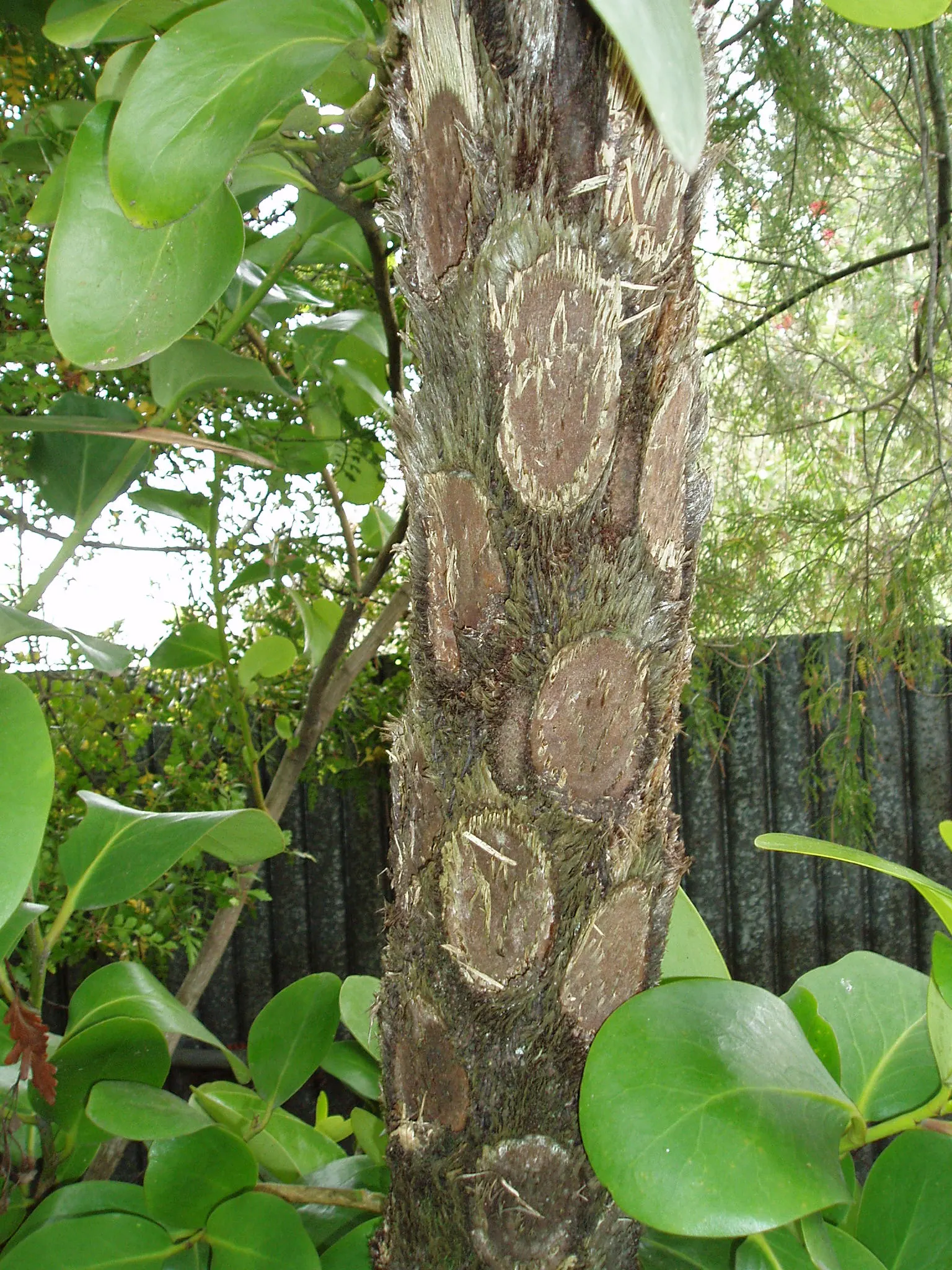
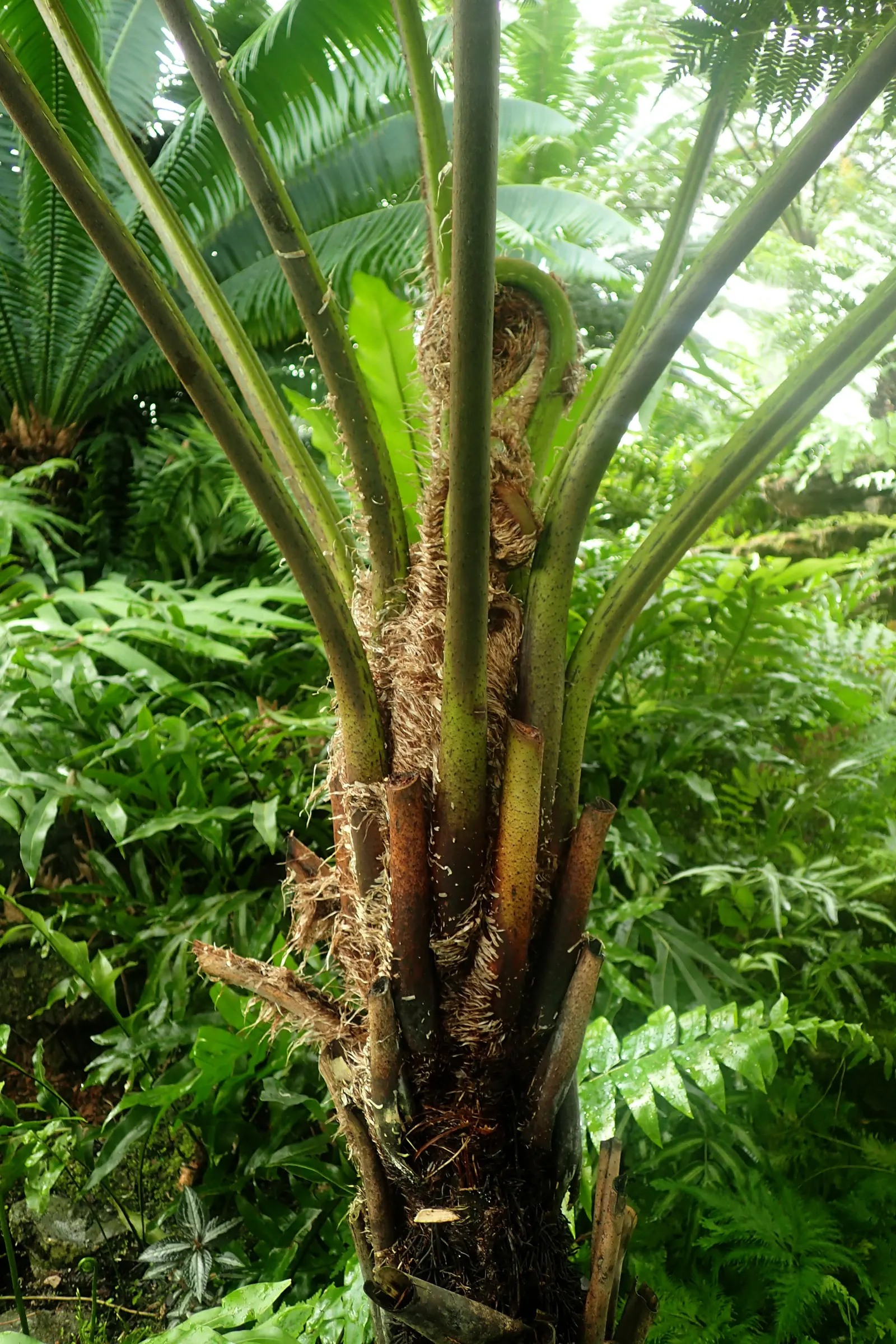
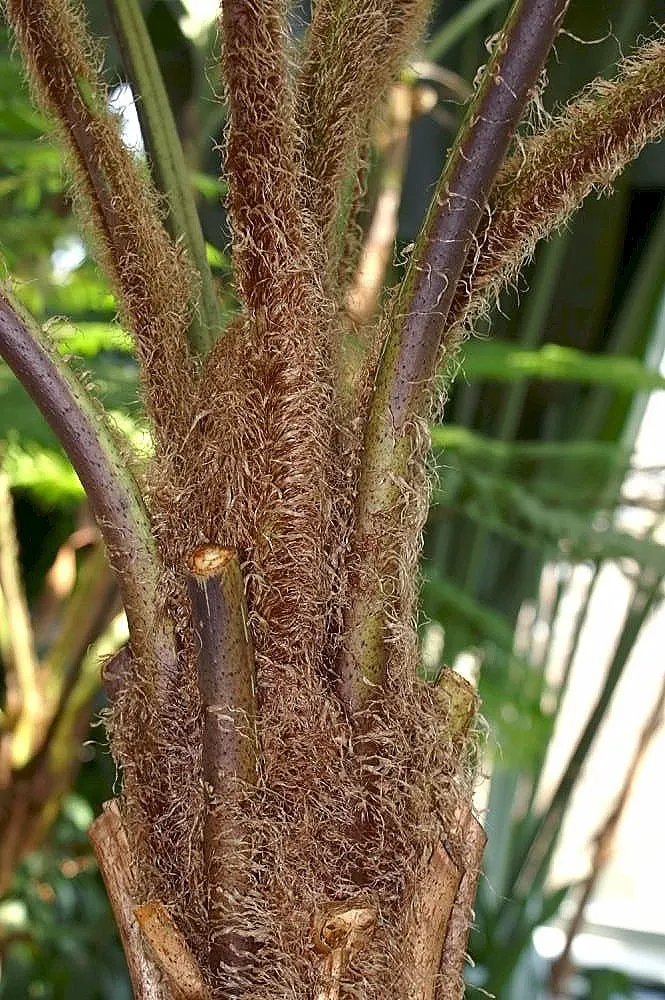
Australian Tree Fern (Cyathea cooperi) — erect trunk that can grow to 12 inches in diameter; it prefers a sheltered location with dappled sunlight, image 91
Australian Tree Fern (Cyathea cooperi) — though typically less in cultivated landscapes.<br><br>Originating from the Eastern parts of Australia
Australian Tree Fern (Cyathea cooperi) — the fern does not tolerate sustained temperatures below 20&deg;F; this fast-growing fern thrives in USDA, image 74
Australian Tree Fern (Cyathea cooperi) — especially during dry spells; this tree fern can reach a grand height of 15 to 30 feet with a spread of 10, image 71
Australian Tree Fern (Cyathea cooperi) — the Australian Tree Fern offers an exotic touch with its feathery fronds and tree-like appearance; its, image 103
Australian Tree Fern (Cyathea cooperi) — This fast-growing fern thrives in USDA zones 9-11; though typically less in cultivated, image 110
Australian Tree Fern (Cyathea cooperi) — Cyathea cooperi thrives in USDA Hardiness Zones 9 to 11; fern for half or shade, image 93
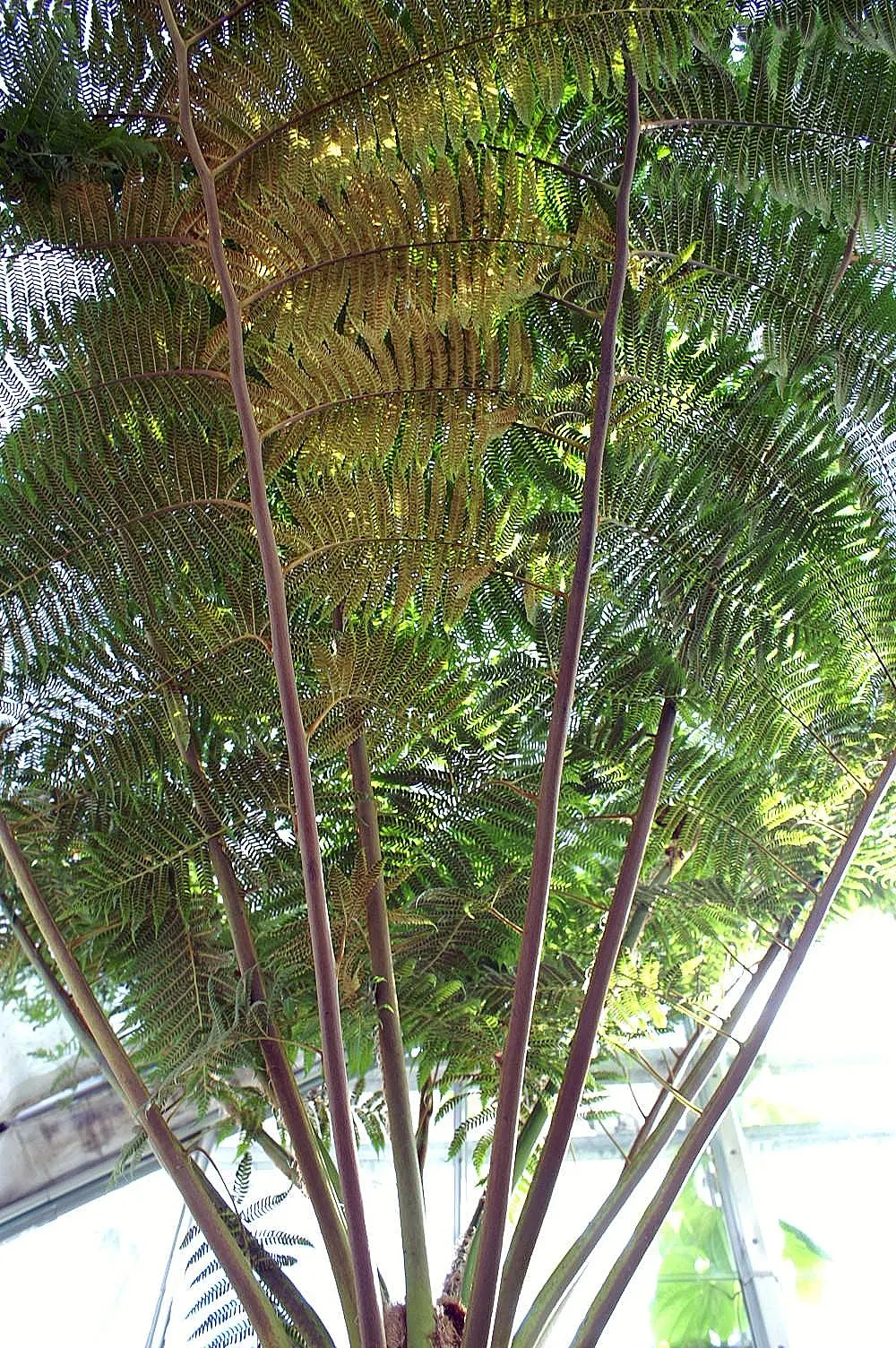
Australian Tree Fern (Cyathea cooperi) — Its fronds unfurl gracefully to lengths of 6 to 10 feet
Australian Tree Fern (Cyathea cooperi) — especially during dry spells; this tree fern can reach a grand height of 15 to 30 feet with a spread of 10 to 15 feet
Australian Tree Fern (Cyathea cooperi) — with a spread of 12-15 feet, image 59
Australian Tree Fern (Cyathea cooperi) — A mature specimen can attain a height of about 15-20 feet; clients should be aware that although slow-growing
Photographs by 9 contributors

Related plants