Skip to content

Carrot Wood

Cupaniopsis Anacardioides

Design with this plant

Overview

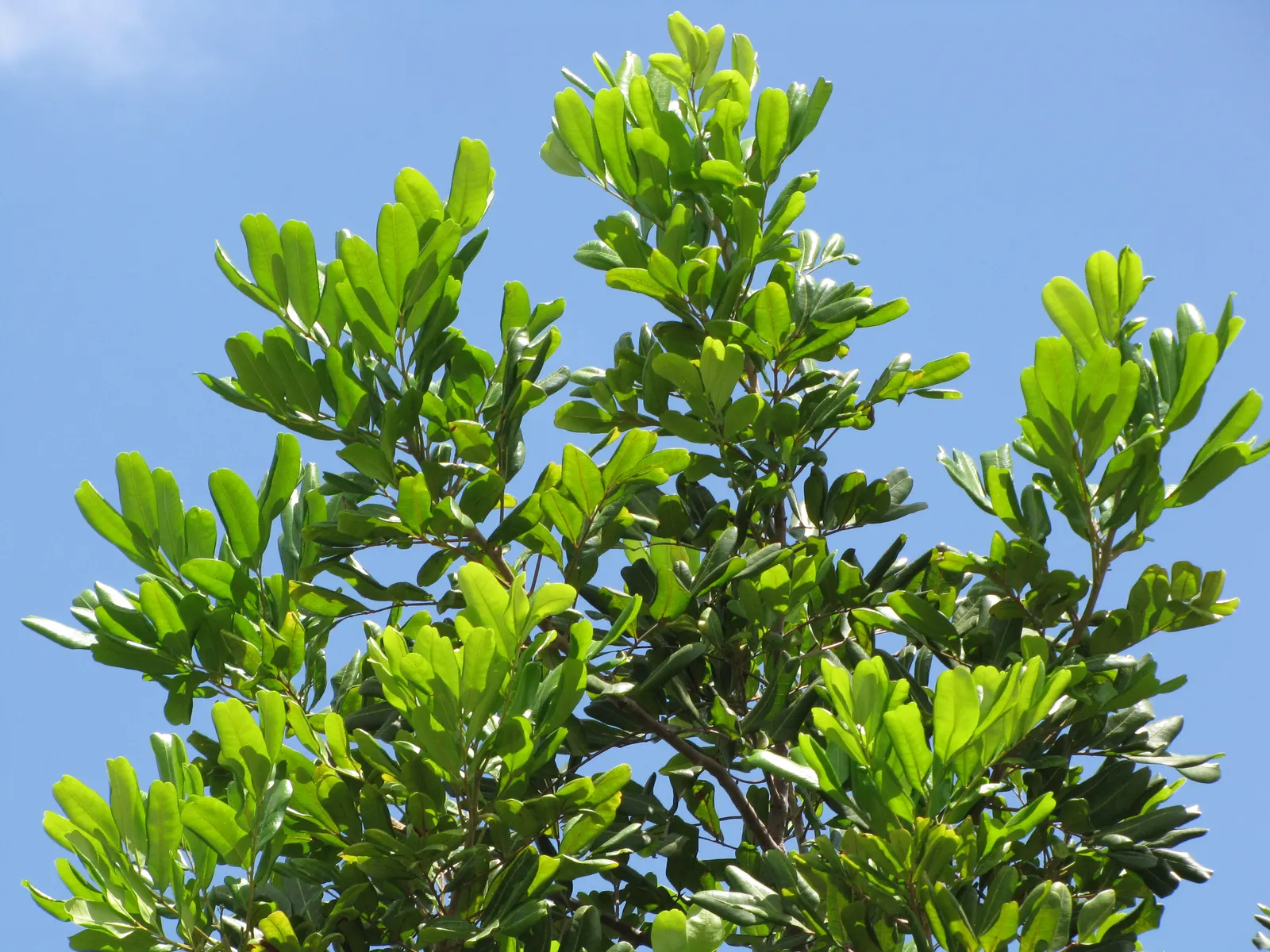
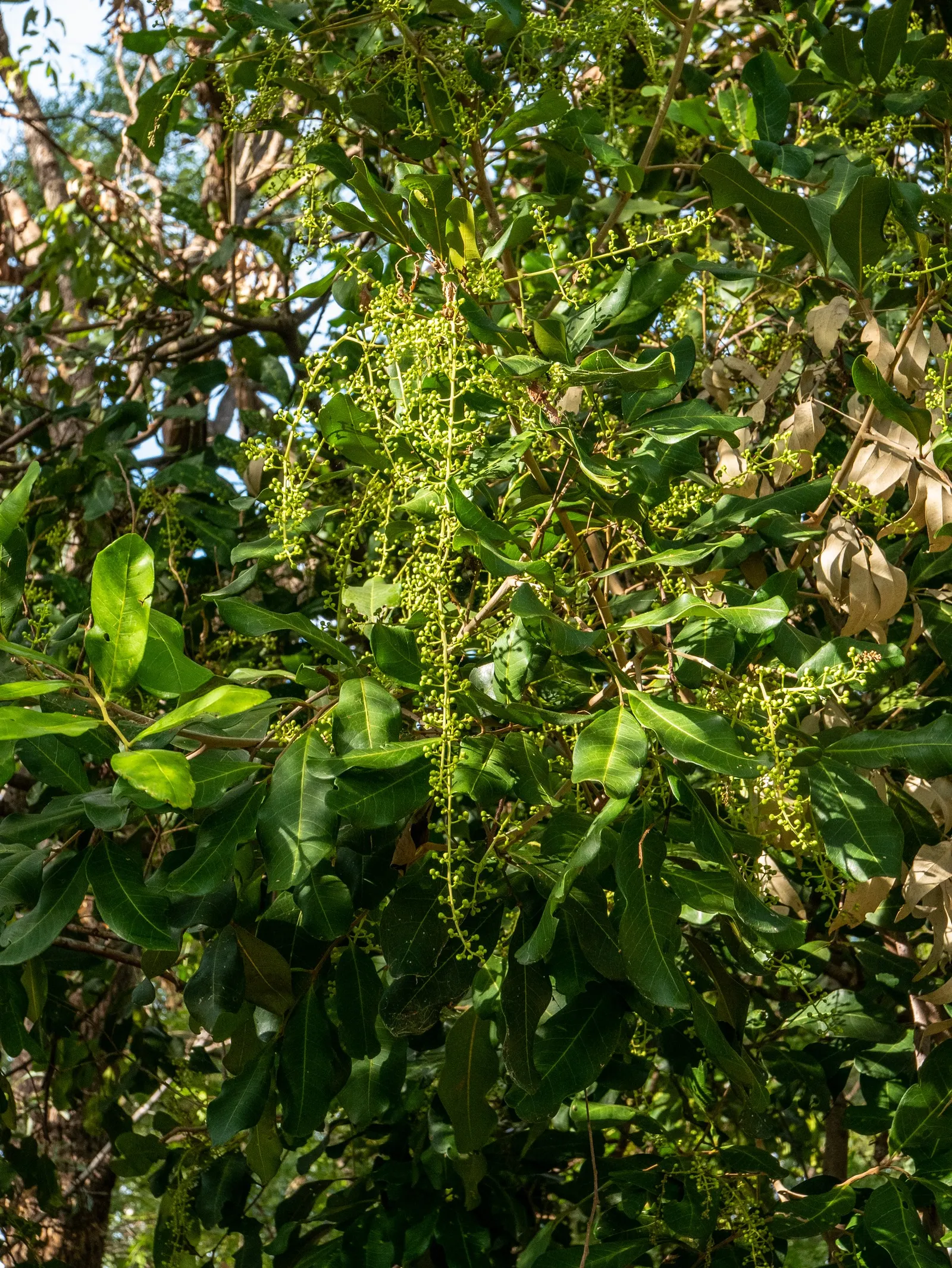
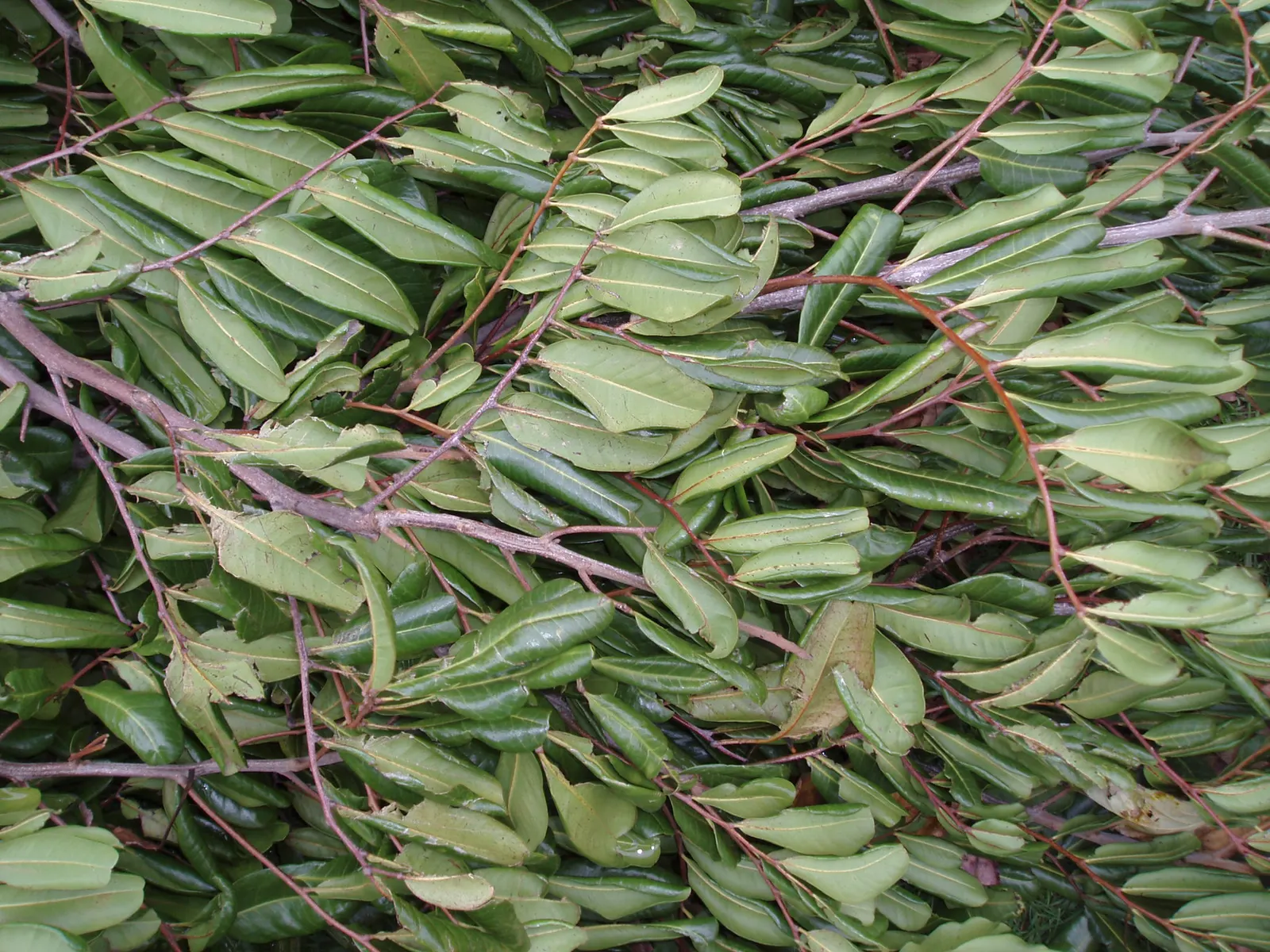
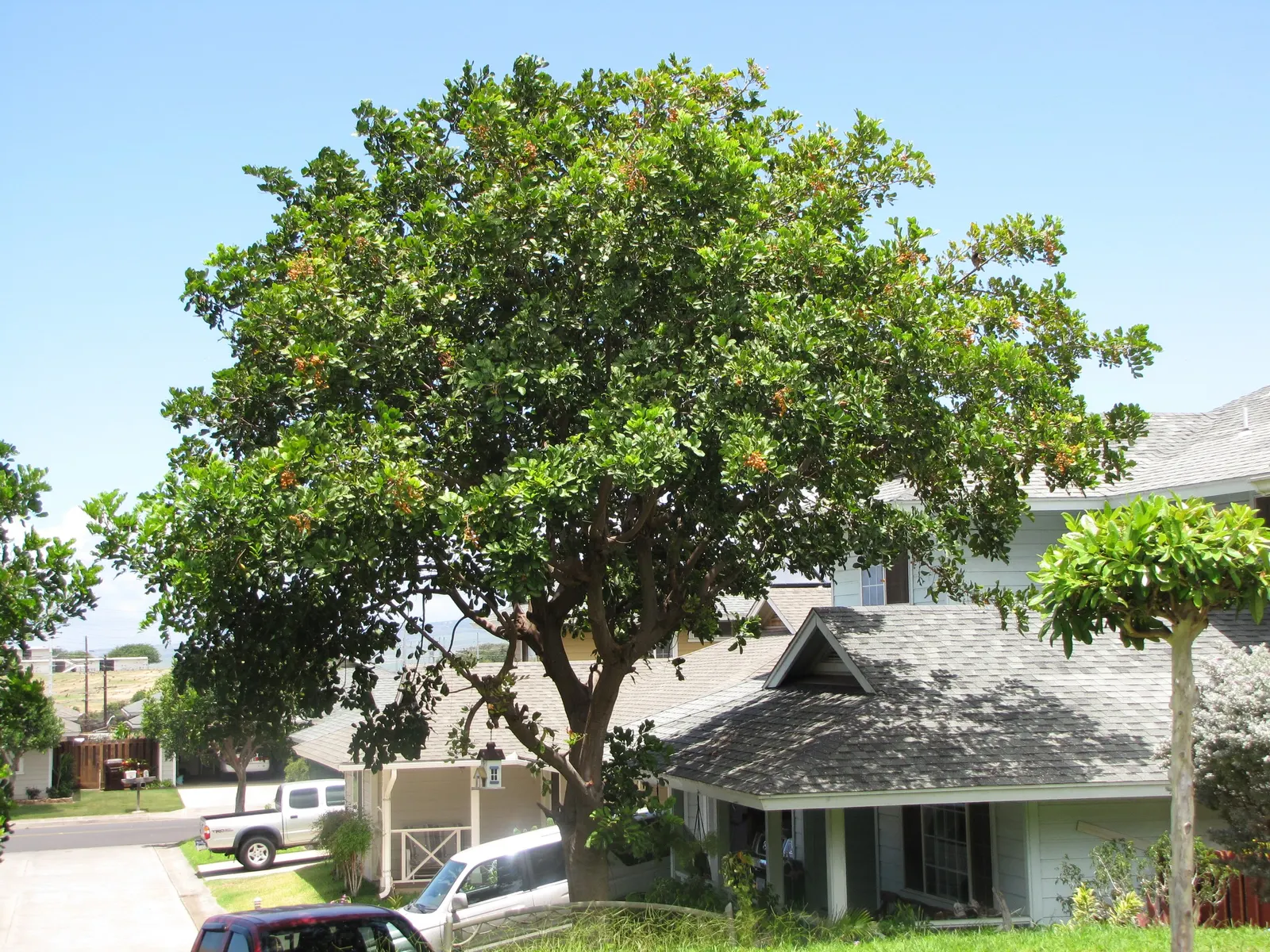
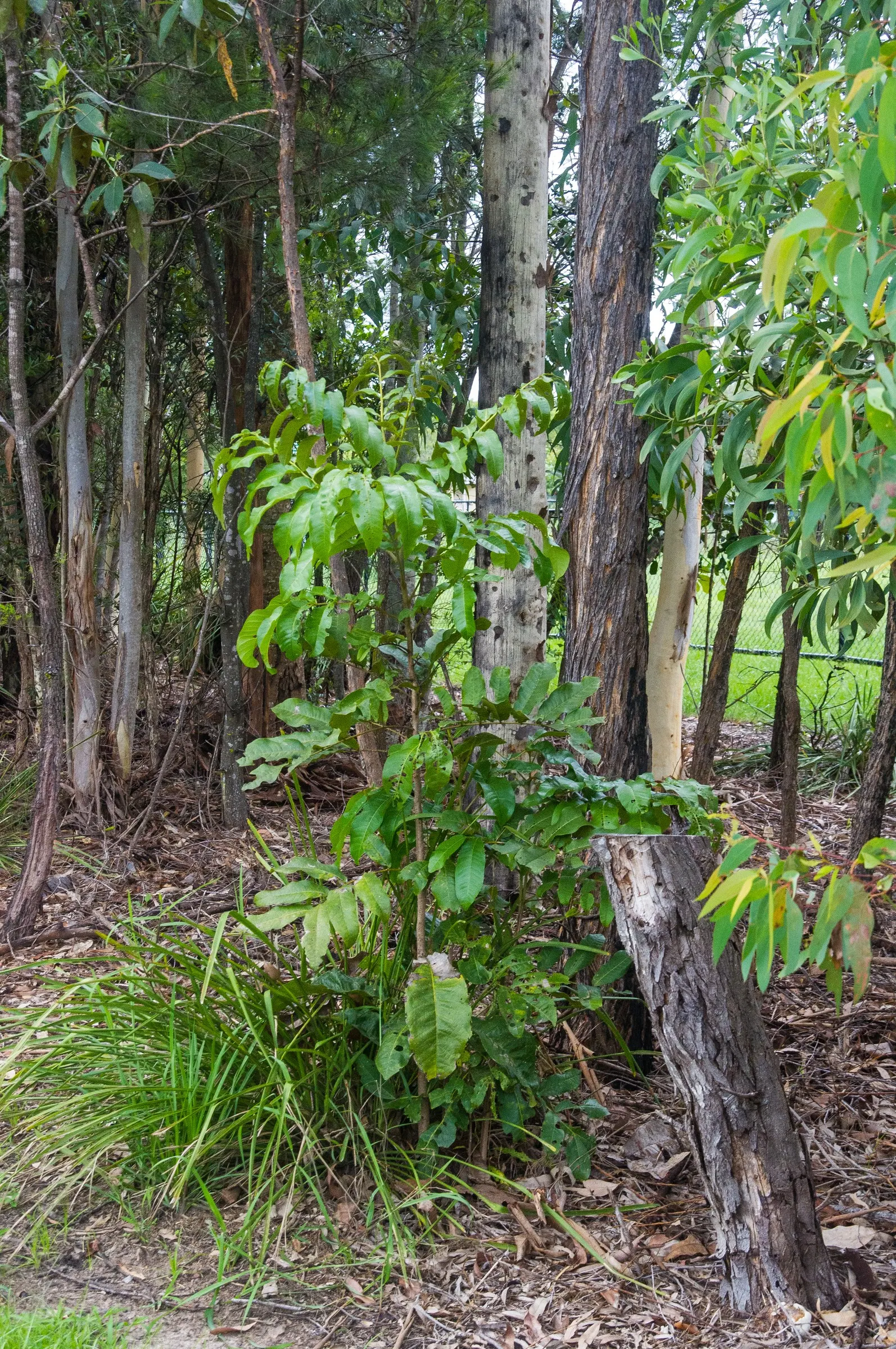
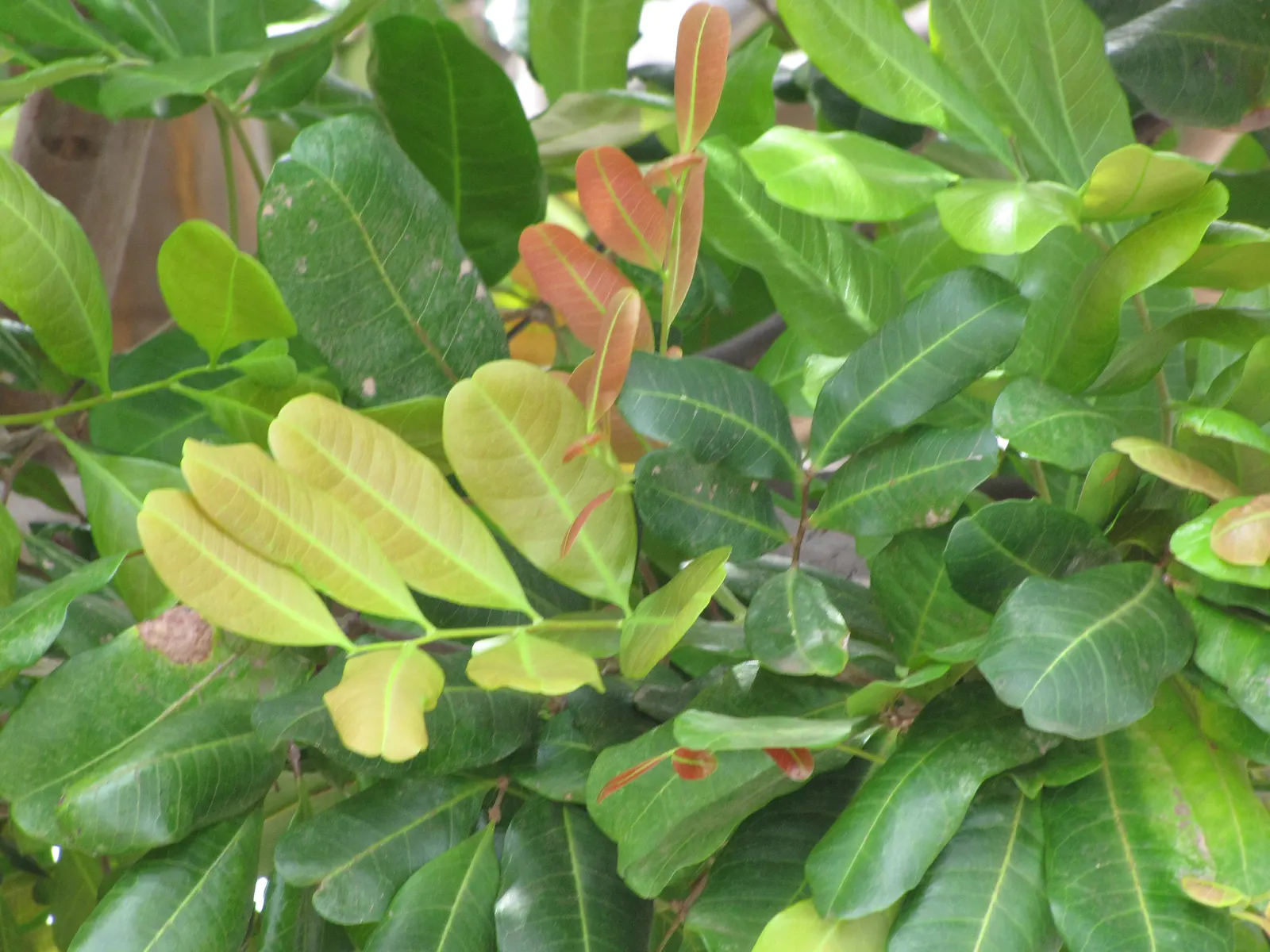
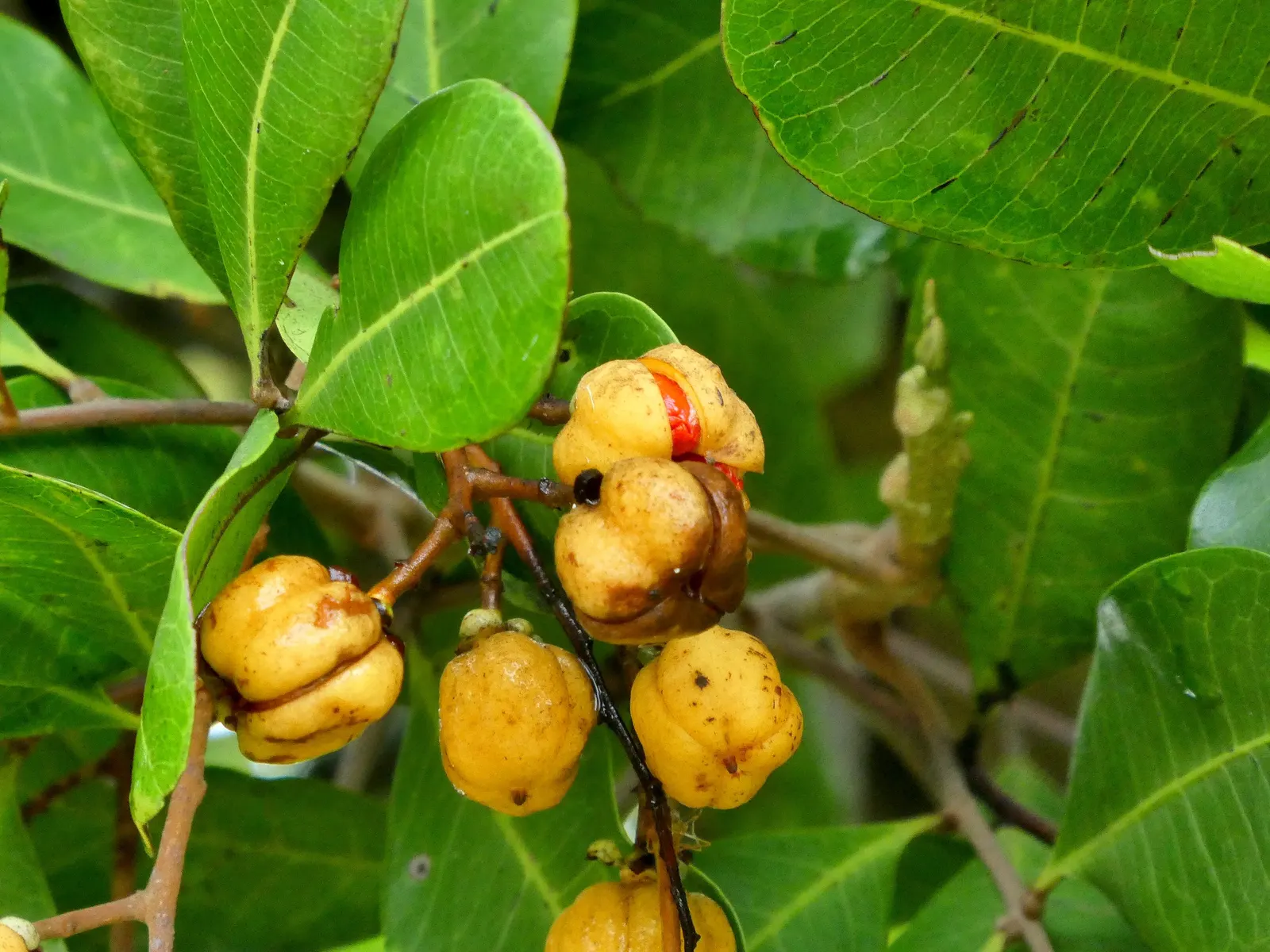
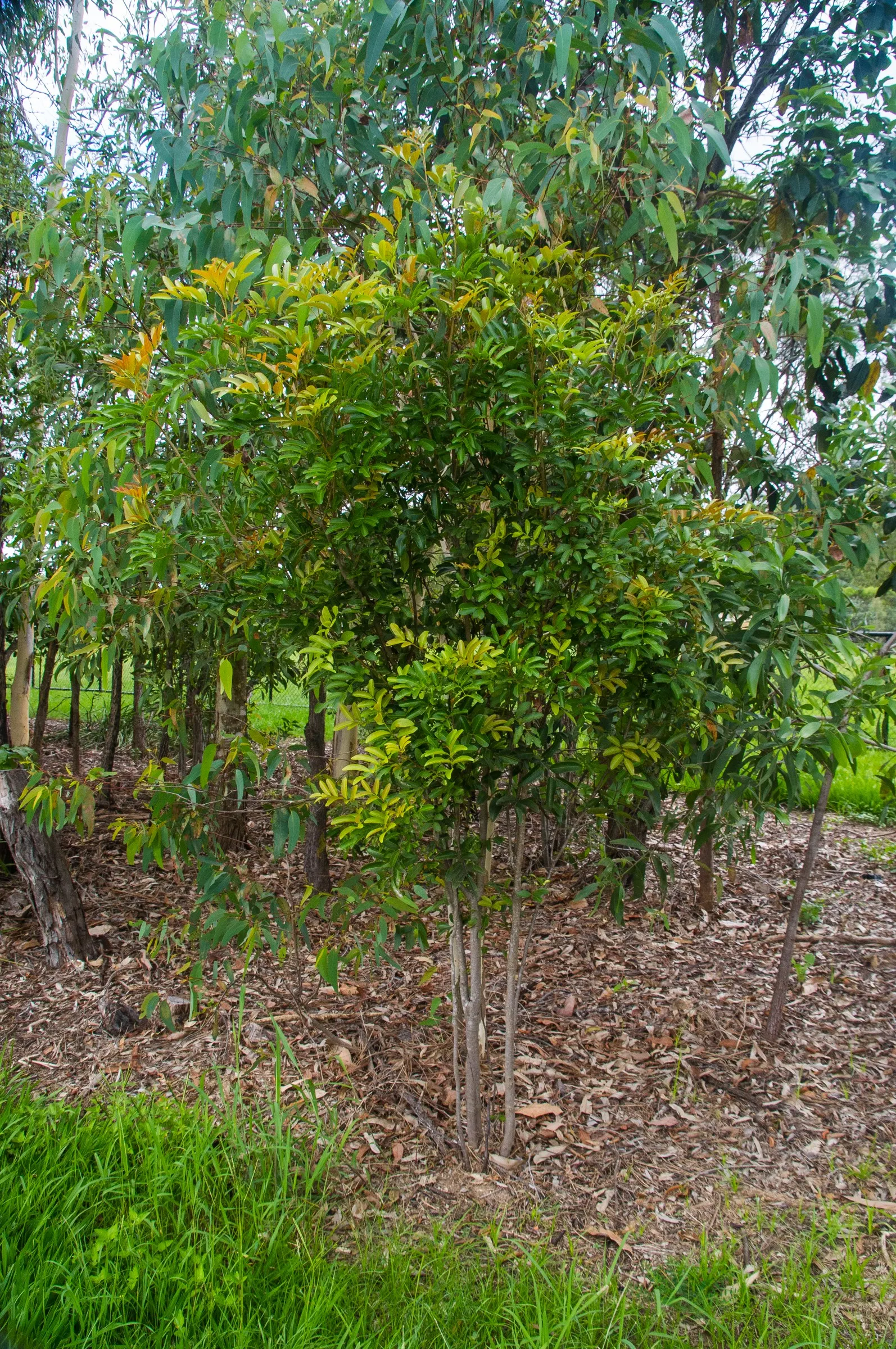
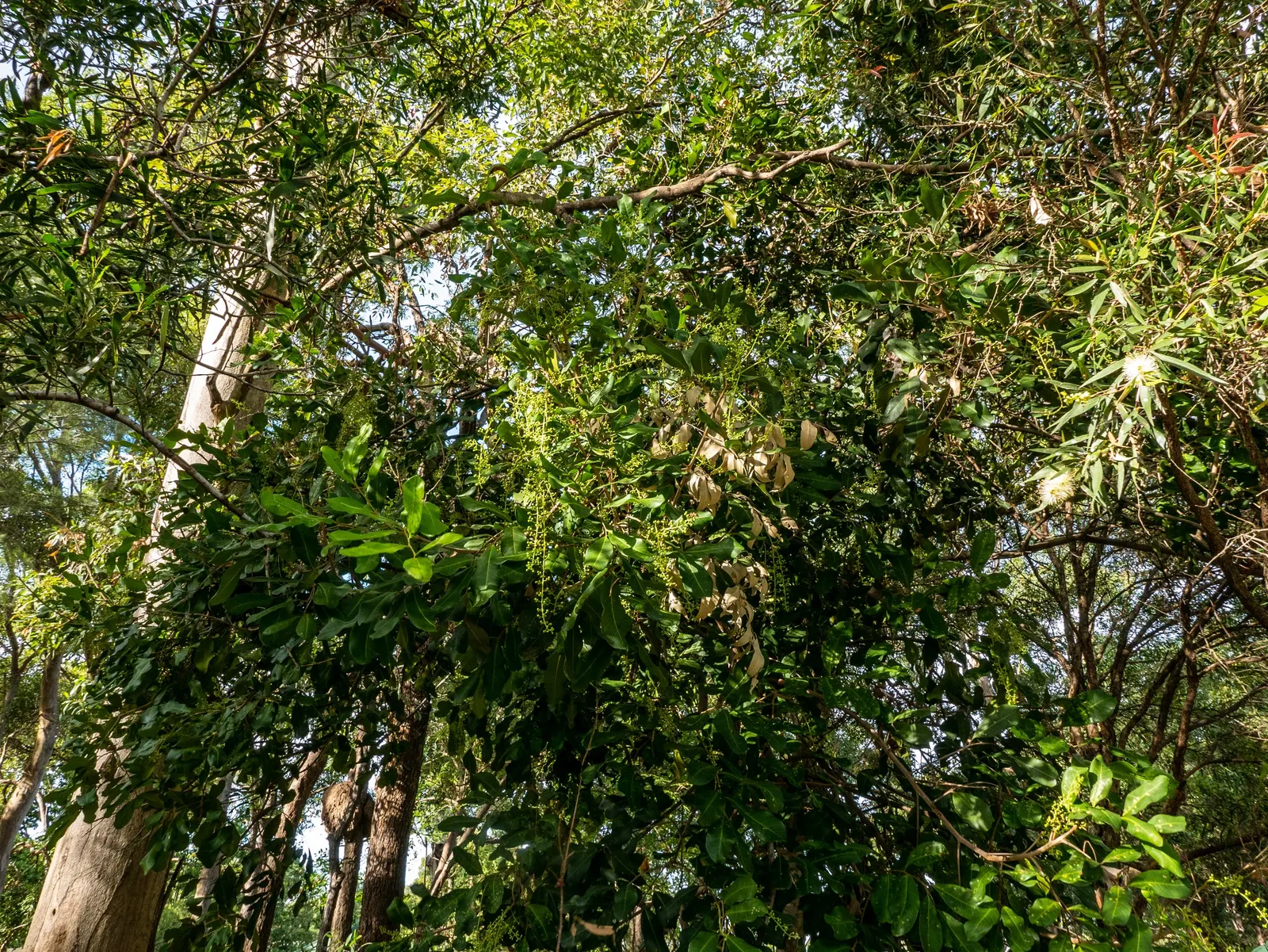
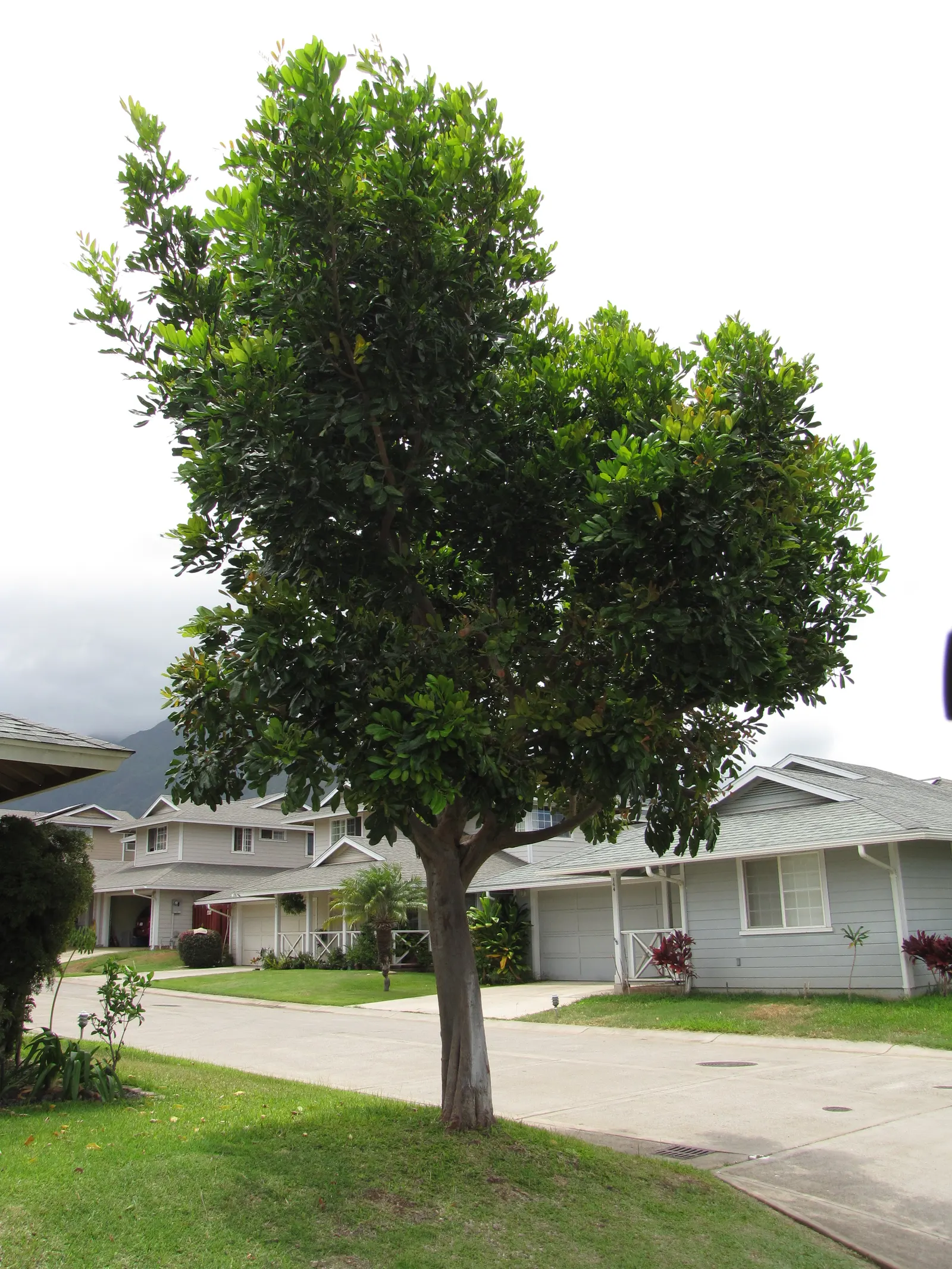
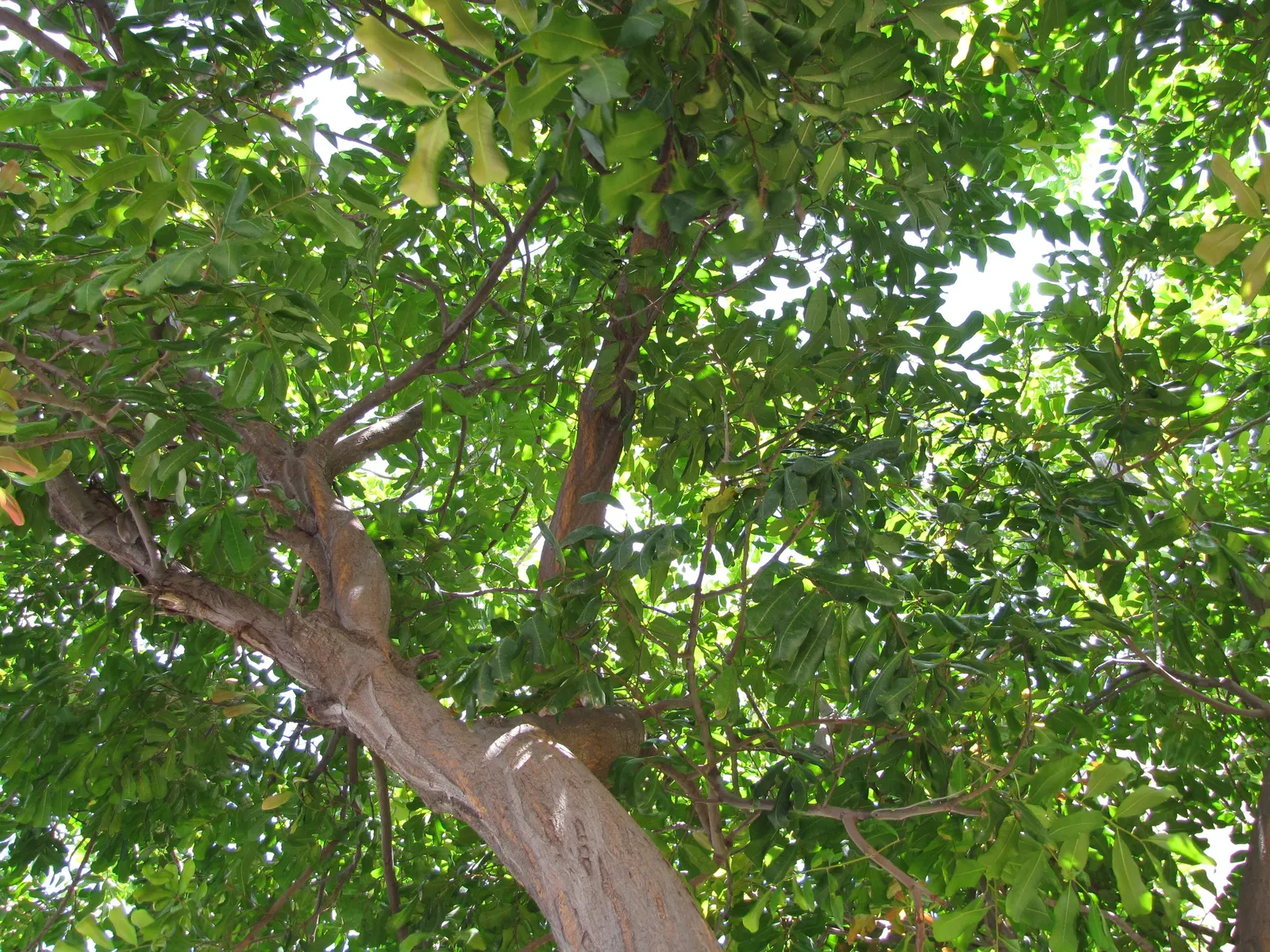
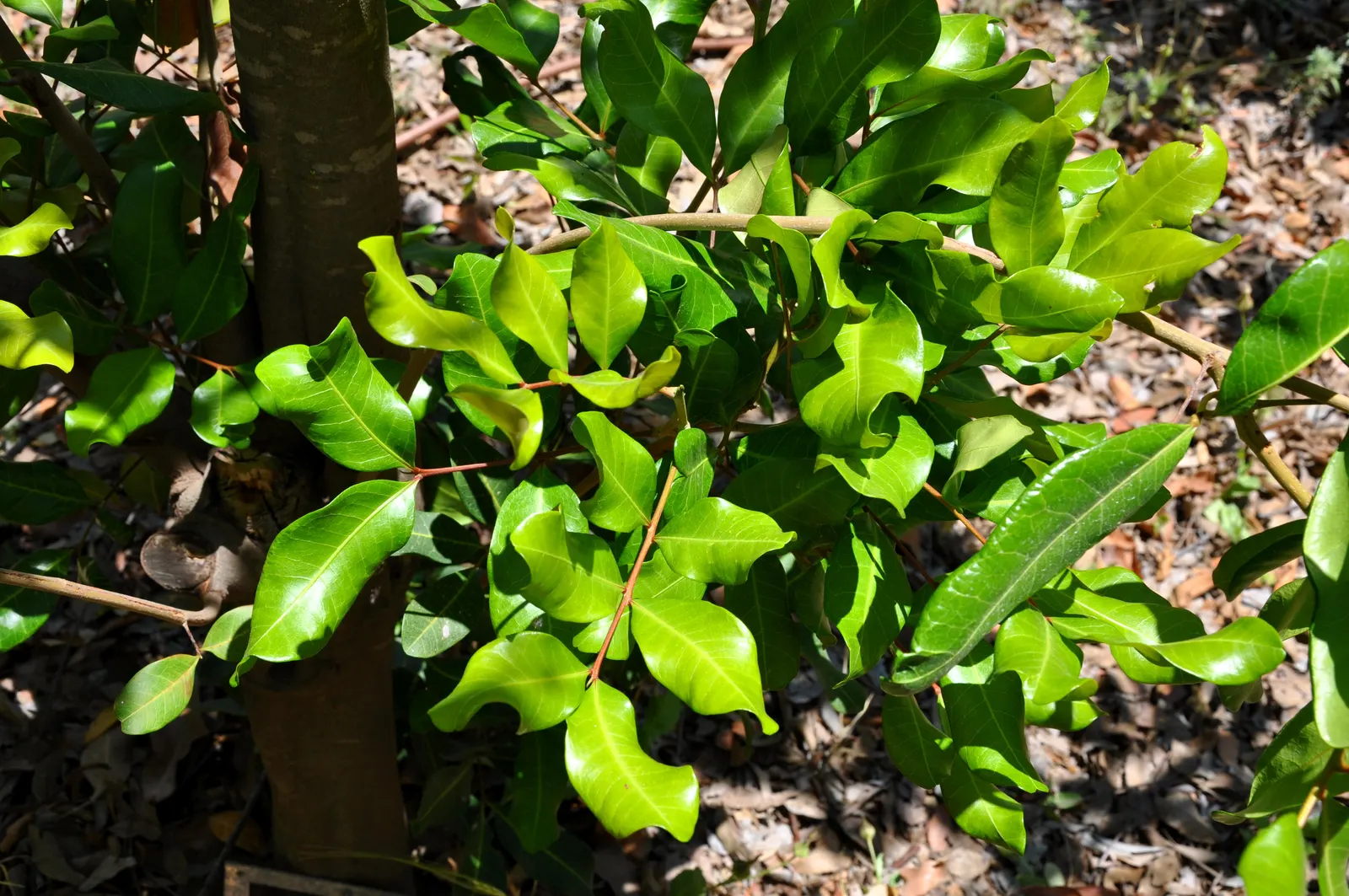
The Carrot Wood (Cupaniopsis anacardioides) is an evergreen tree valued for its dense, rounded canopy and glossy, pinnate leaves, reaching heights of 20-30 feet with a similar spread. Its endurance of various conditions, including coastal exposure, makes it ideal for both street planting and private landscapes. Orange, carrot-like seed pods contribute to its common name and add a decorative touch, although it's considered invasive in some regions.
Sun Full, HalfWater Extra in Summer, HighZones 8–11Type TreeClimate Mediterranean
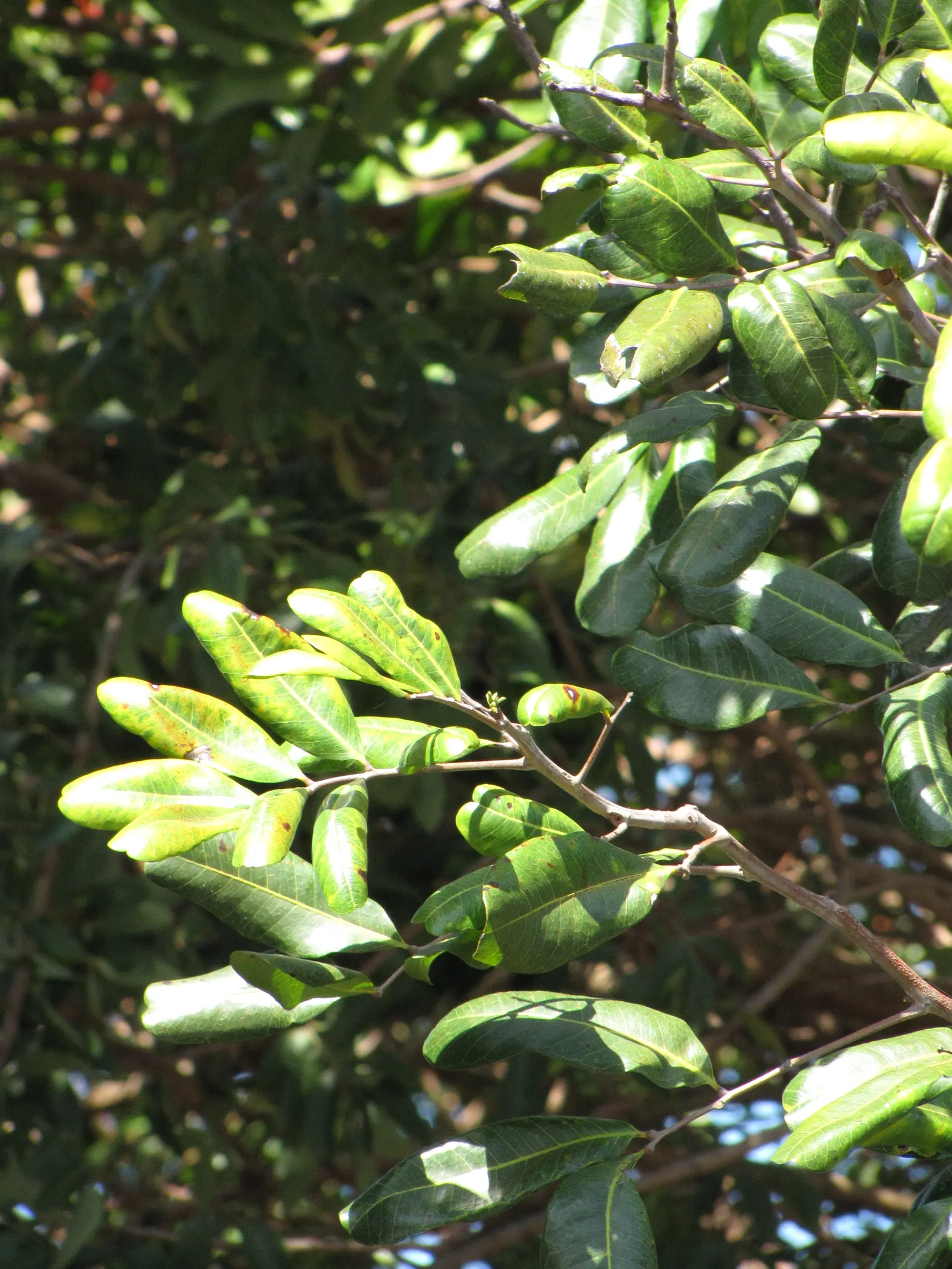
Carrot Wood (Cupaniopsis Anacardioides) — These leaves cluster together in a visually striking manner; with its versatility and attractive features, image 96

Culture

Sun
Full, Half
Water
Extra in Summer, High
USDA zones
8–11

Shape & size

Classification

Type
Tree
Family
Sapindaceae
Climate
Mediterranean

See full data, regional cultivation notes, and design tools. Build a client presentation around this plant.

Start your 14-day trial

Photos (119)

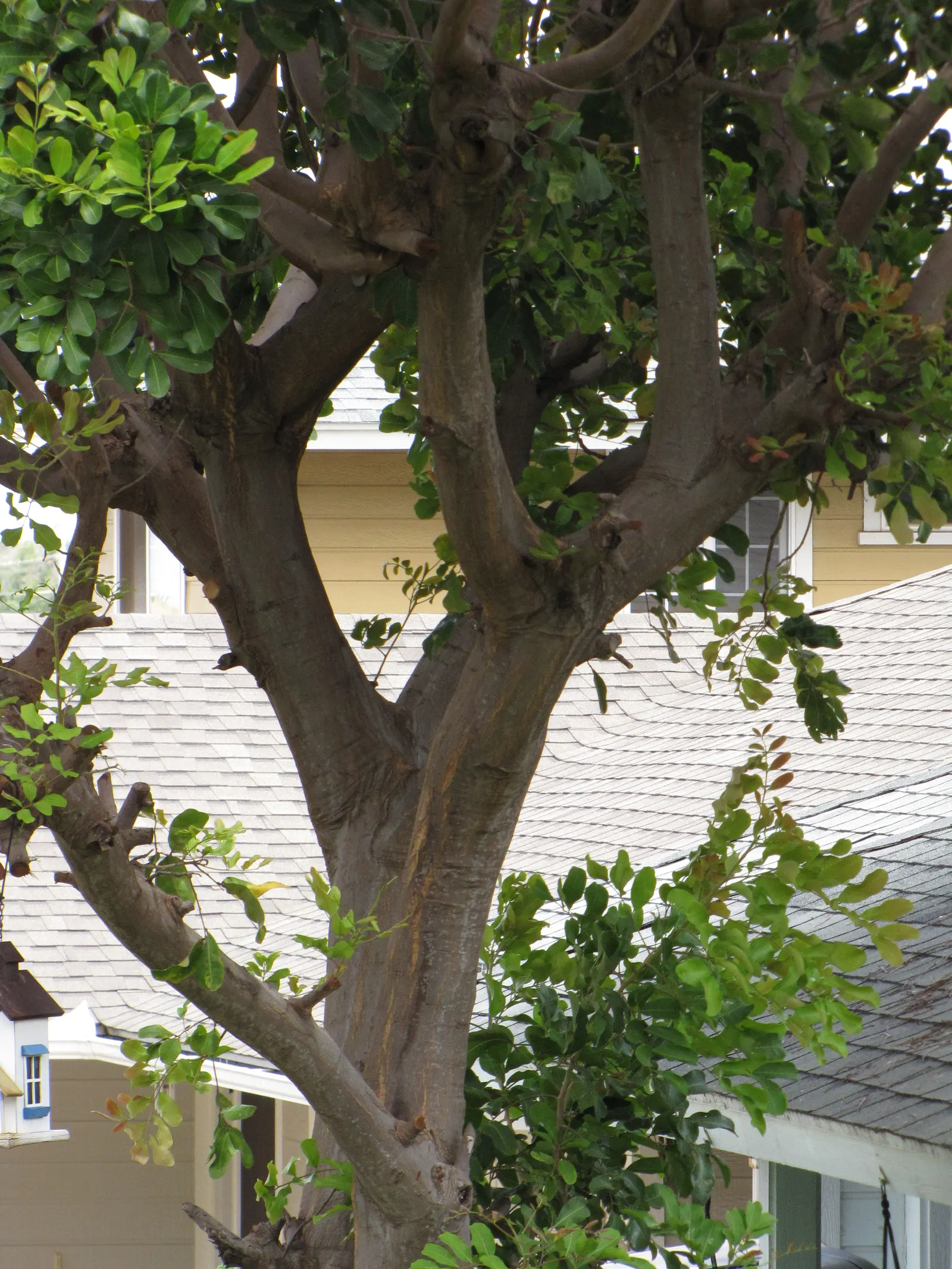
Carrot Wood (Cupaniopsis Anacardioides) — is an evergreen species well-suited for adding a touch of the tropics to any landscape; its endurance of, image 65
Carrot Wood (Cupaniopsis Anacardioides) — maintaining their rich green hue throughout the year.<br><br>Small; its endurance of various conditions, image 97
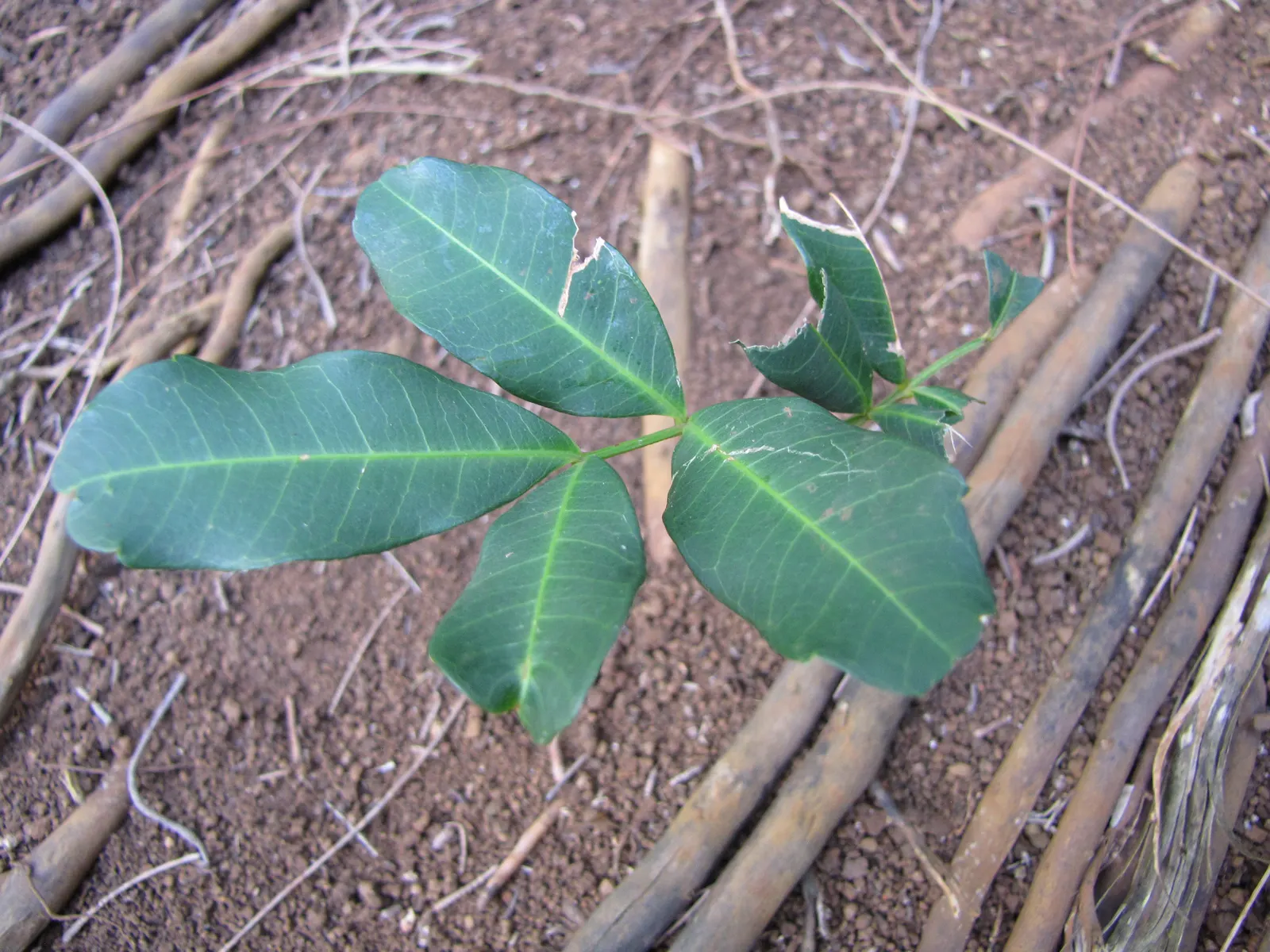
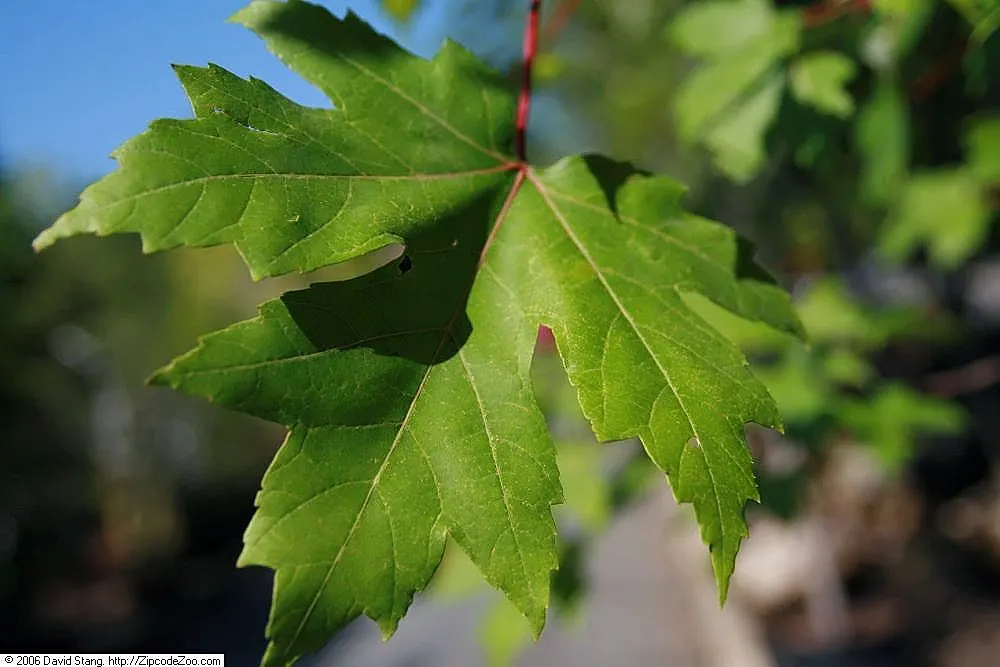
Carrot Wood (Cupaniopsis Anacardioides) — rounded canopy and glossy; each roughly 2 to 4 inches long, image 58
Carrot Wood (Cupaniopsis Anacardioides) — The Carrot Wood (Cupaniopsis anacardioides) is an evergreen tree valued for its dense; its endurance of, image 85
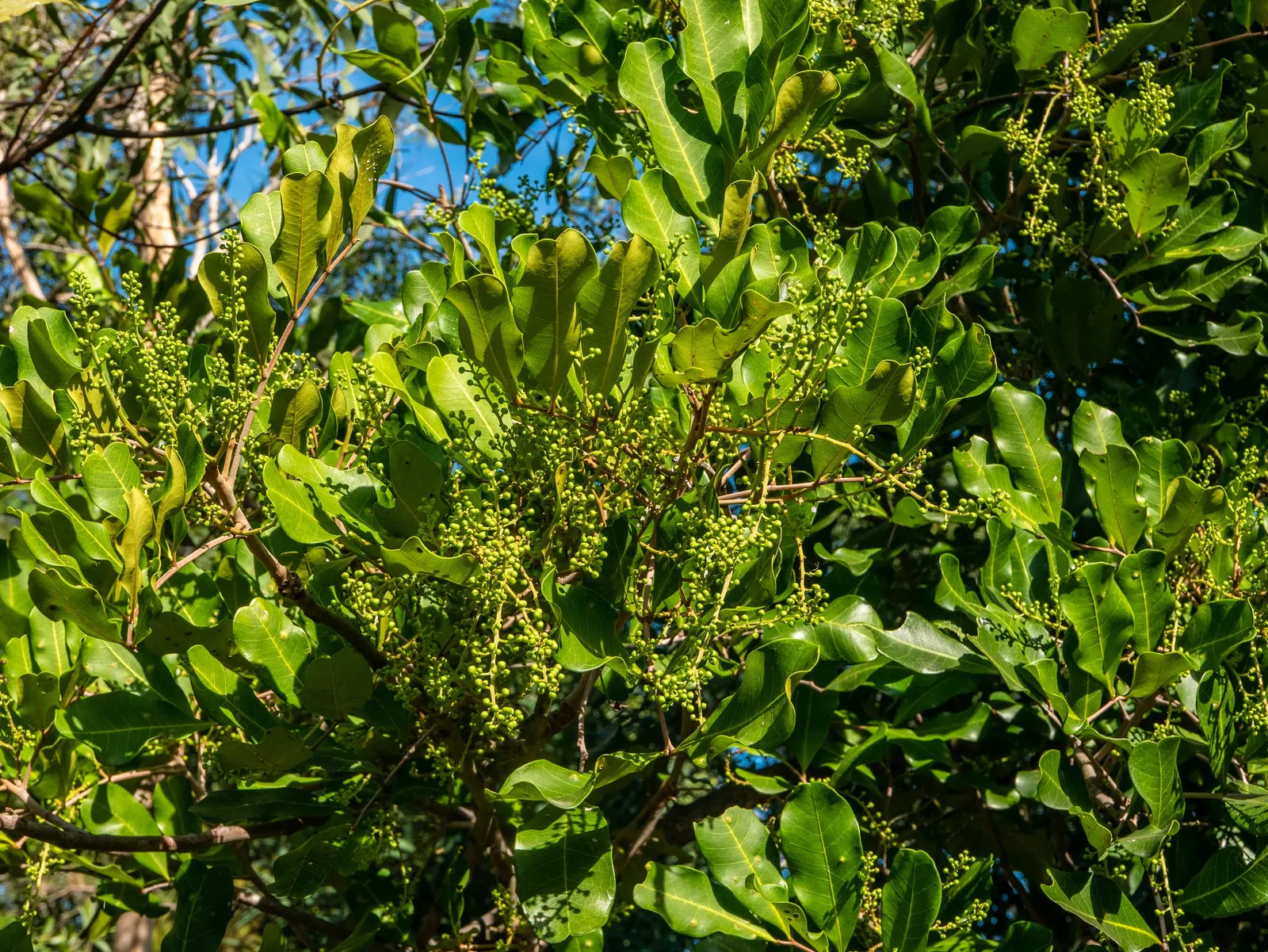
Carrot Wood (Cupaniopsis Anacardioides) — These leaves cluster together in a visually striking manner; with its versatility and attractive features, image 68
Carrot Wood (Cupaniopsis Anacardioides) — although it's considered invasive in some regions
Carrot Wood (Cupaniopsis Anacardioides) — With its versatility and attractive features; its endurance of various conditions, image 81
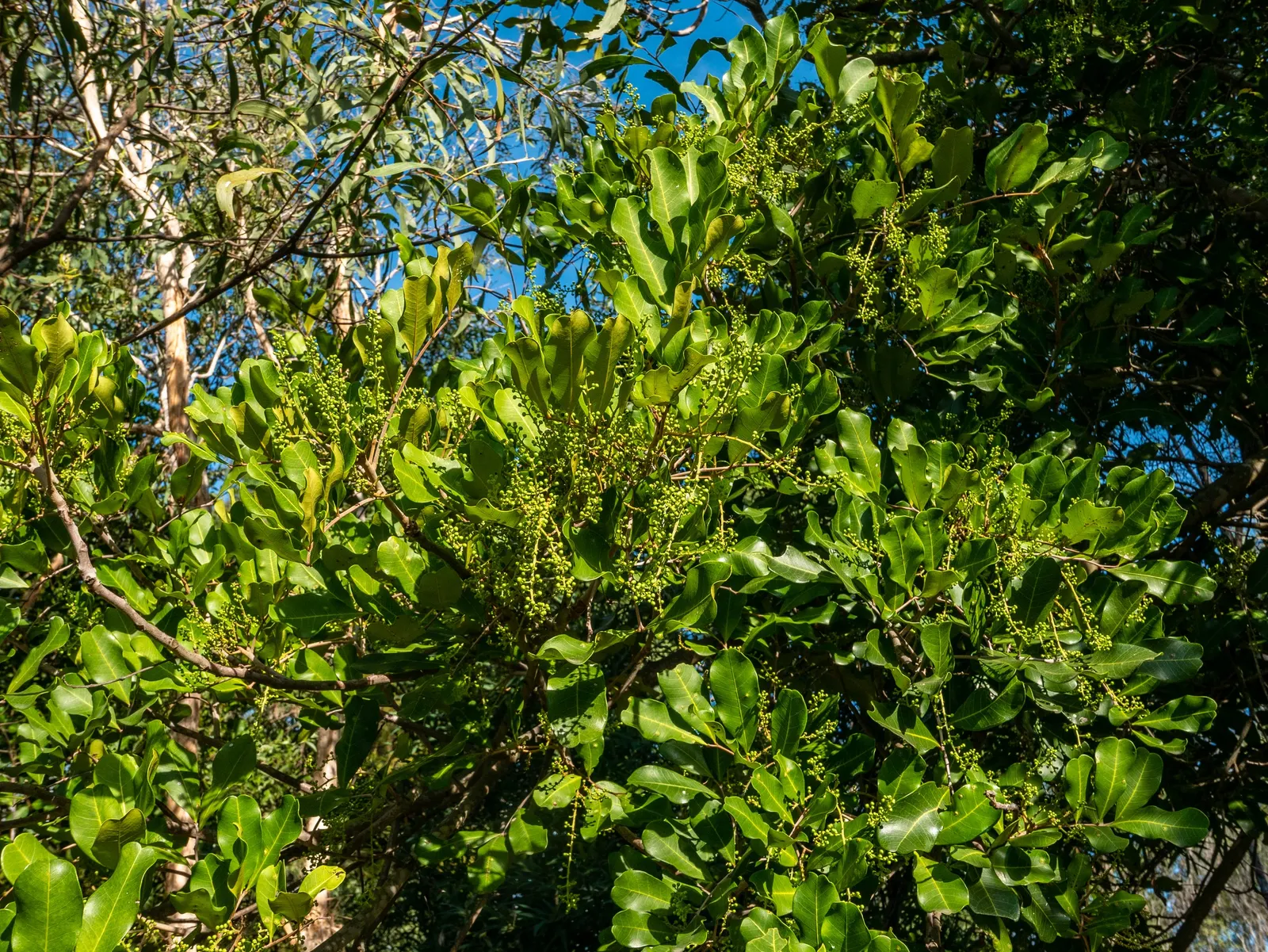
Carrot Wood (Cupaniopsis Anacardioides) — These leaves cluster together in a visually striking manner; with its versatility and attractive features
Carrot Wood (Cupaniopsis Anacardioides) — tree for full or half; with its versatility and attractive features
Carrot Wood (Cupaniopsis Anacardioides) — the Carrot Wood thrives in full sun to partial shade and adapts well to various soil types; its endurance, image 77
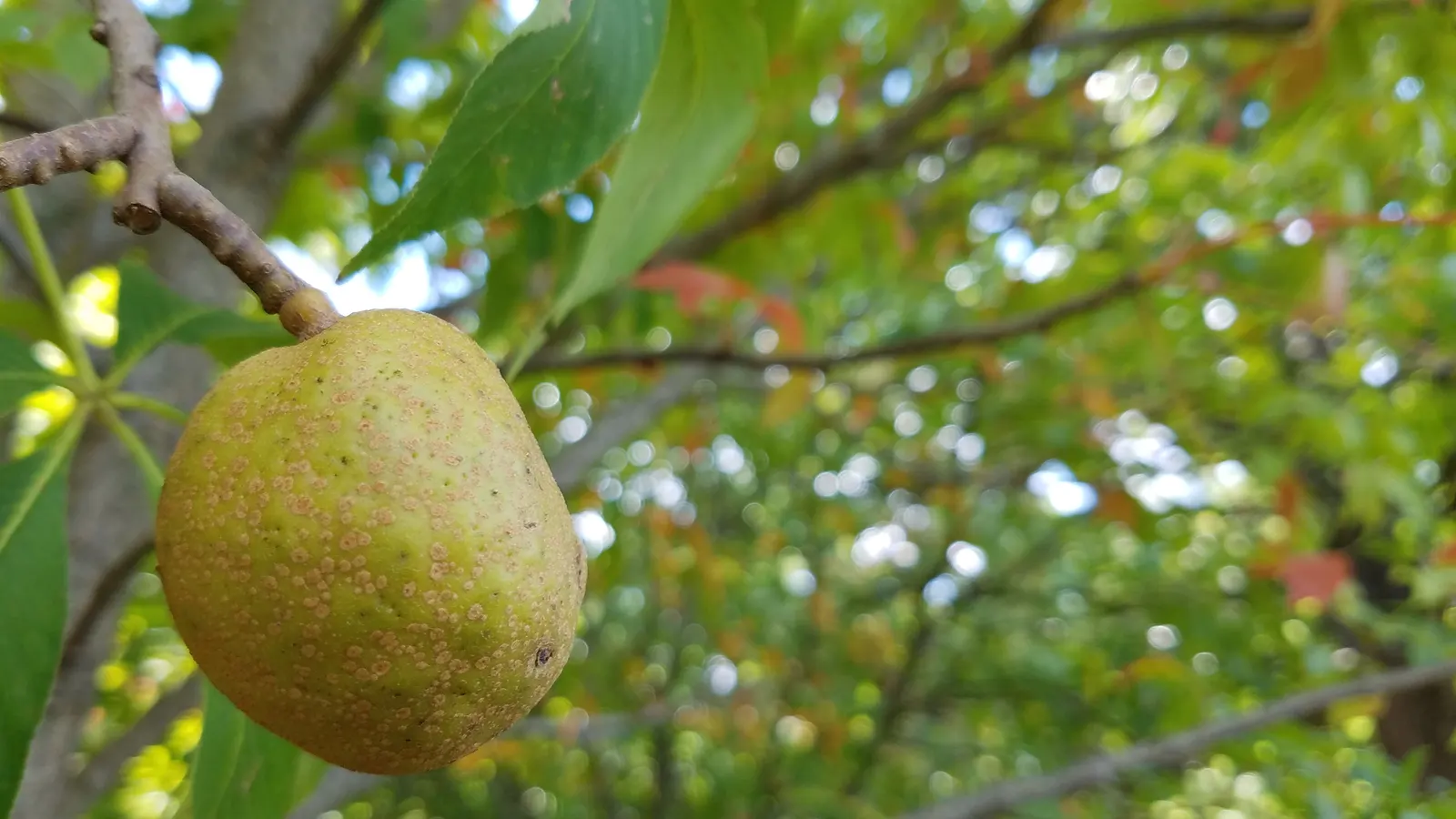
Carrot Wood (Cupaniopsis Anacardioides) — carrot-like seed pods contribute to its common name and add a decorative touch
Carrot Wood (Cupaniopsis Anacardioides) — It is also important to note that the fruits can sometimes be considered a nuisance due to litter; thus; adding a
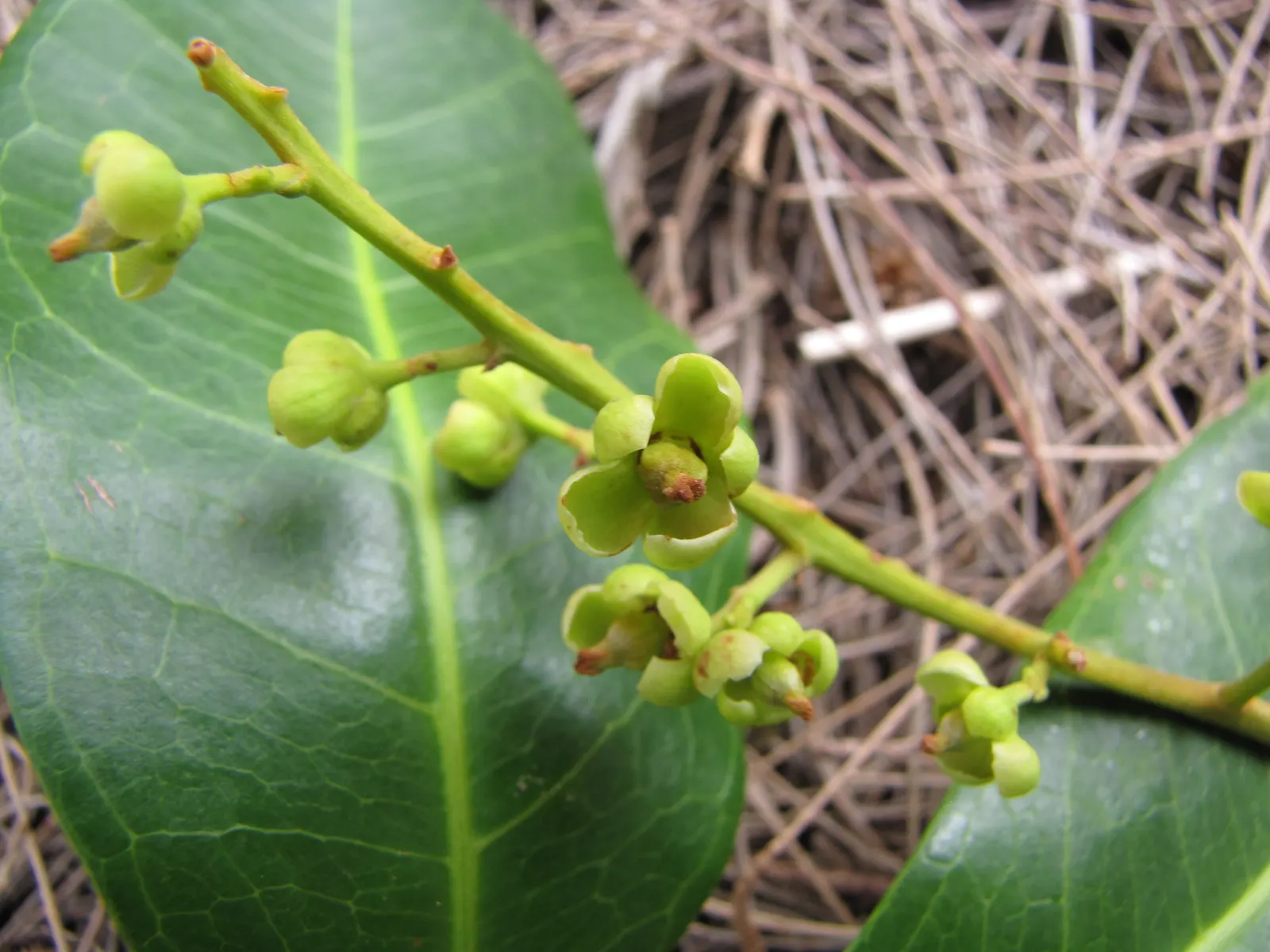
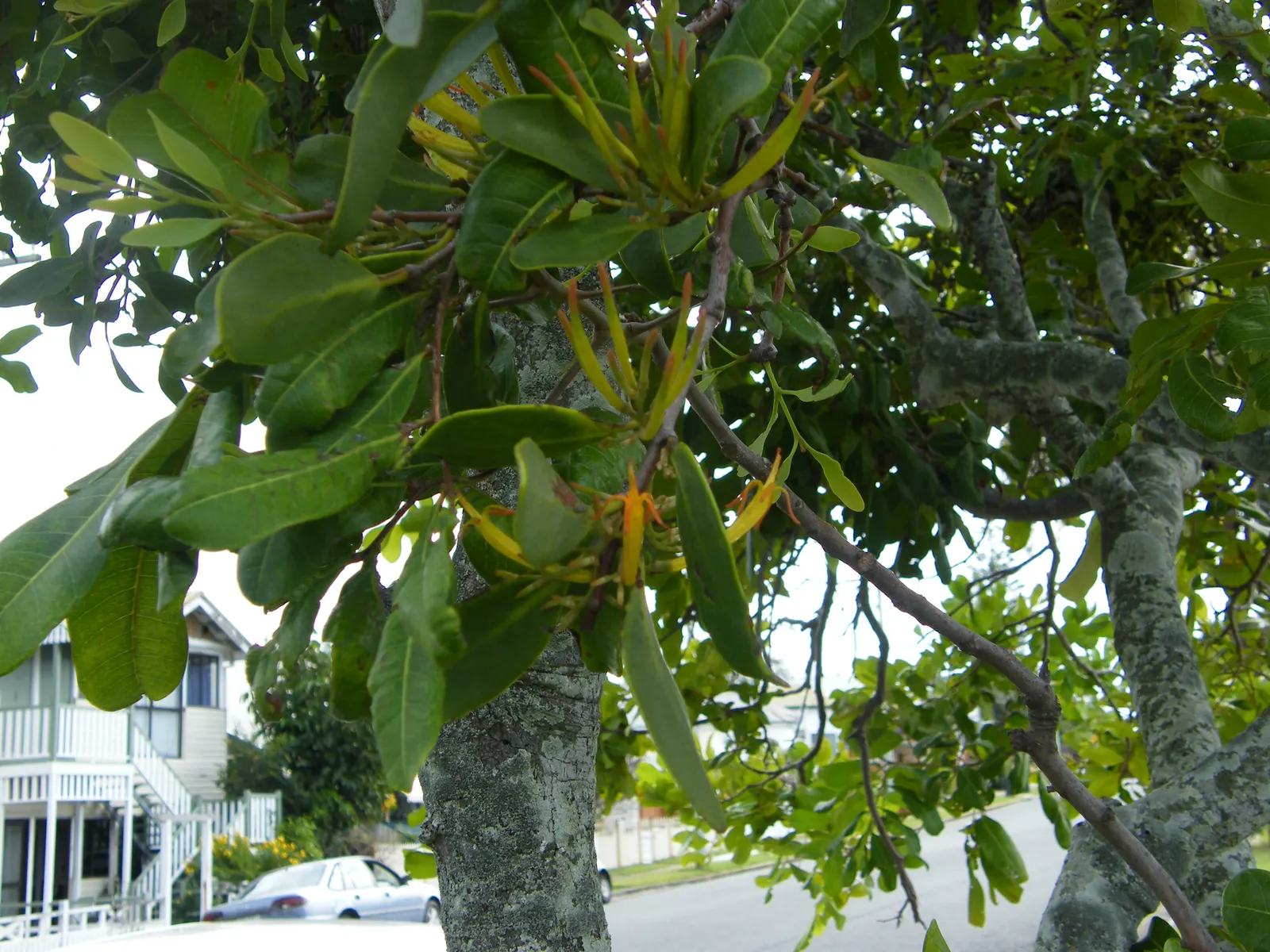
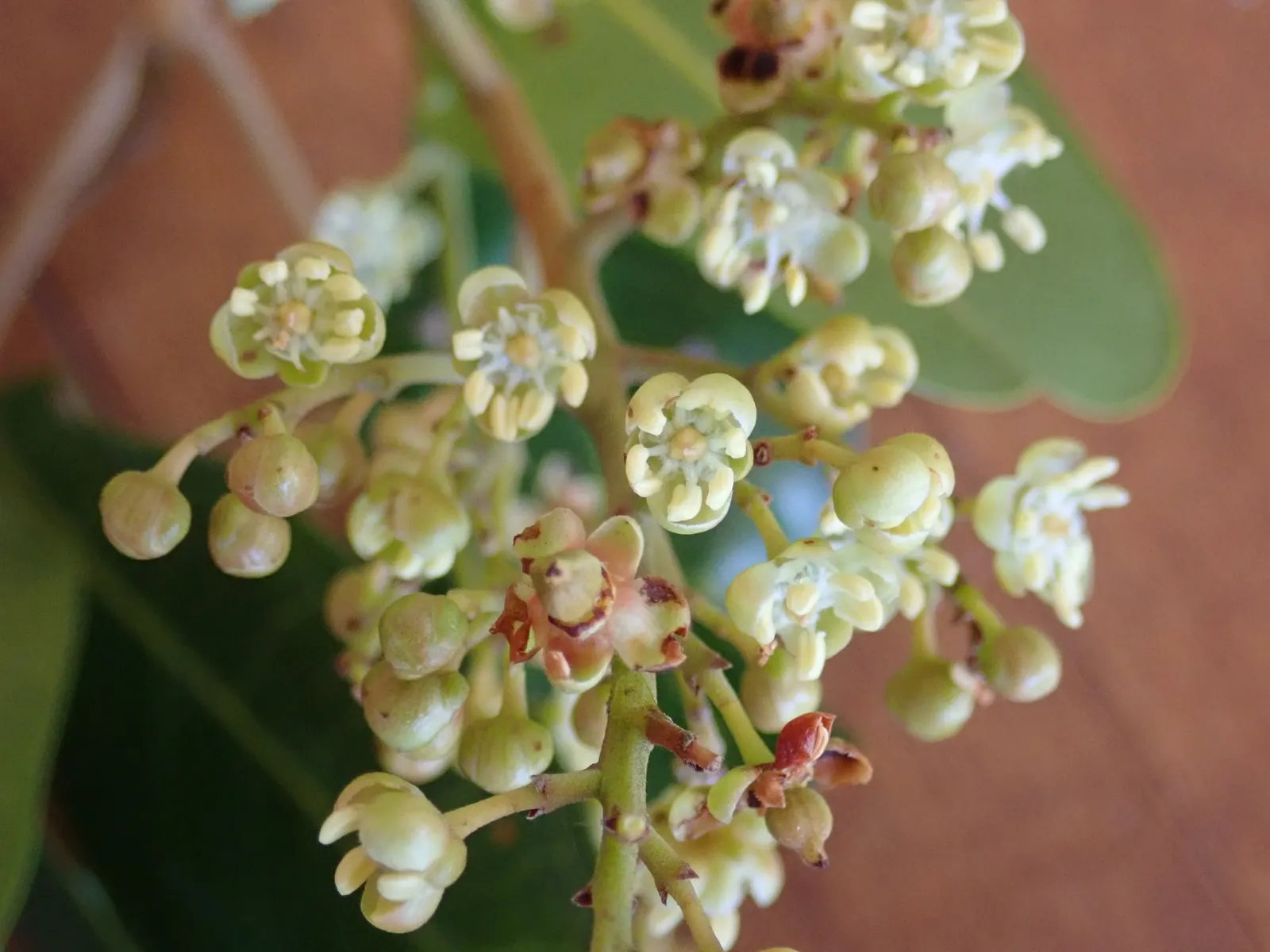
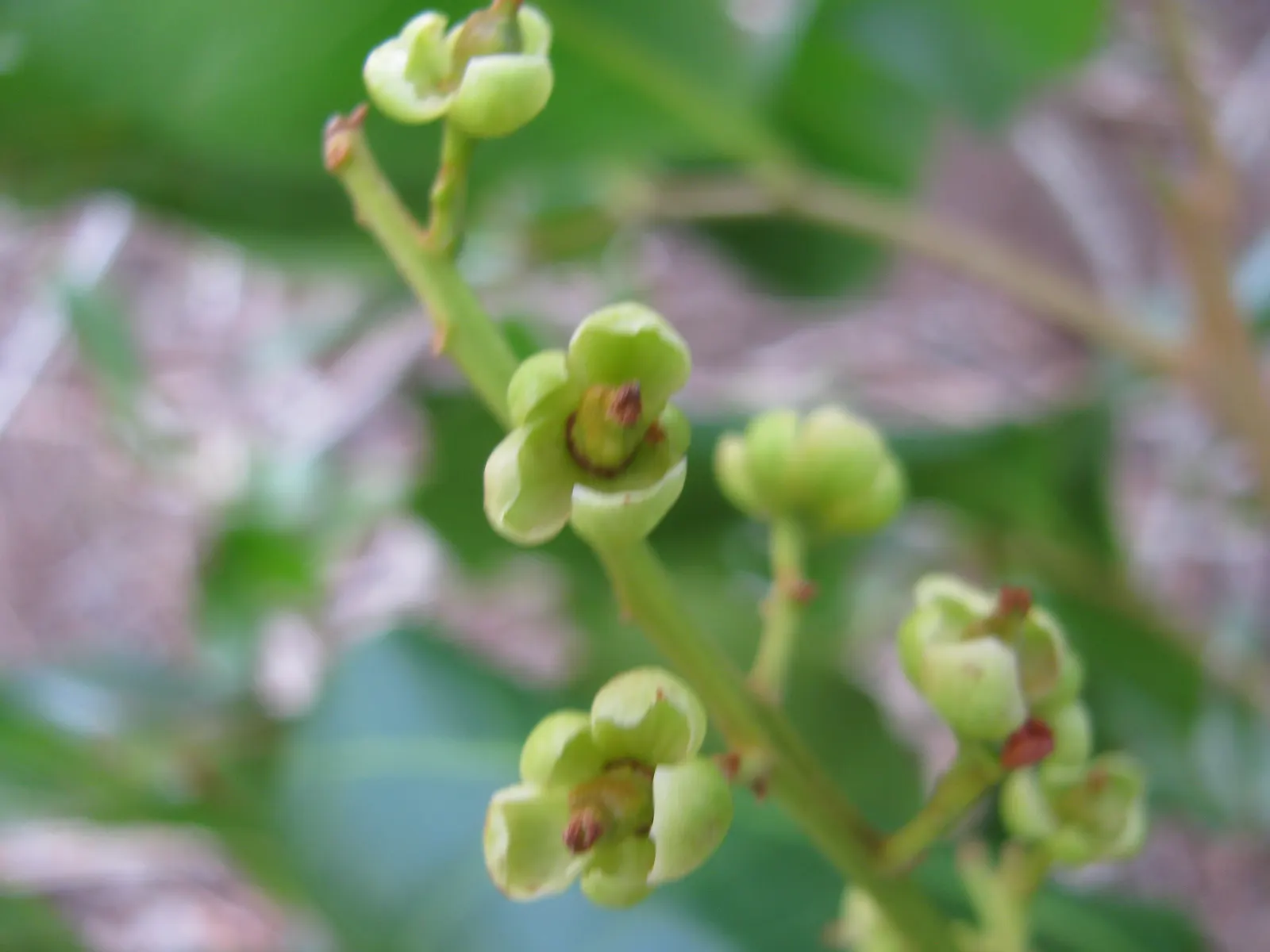
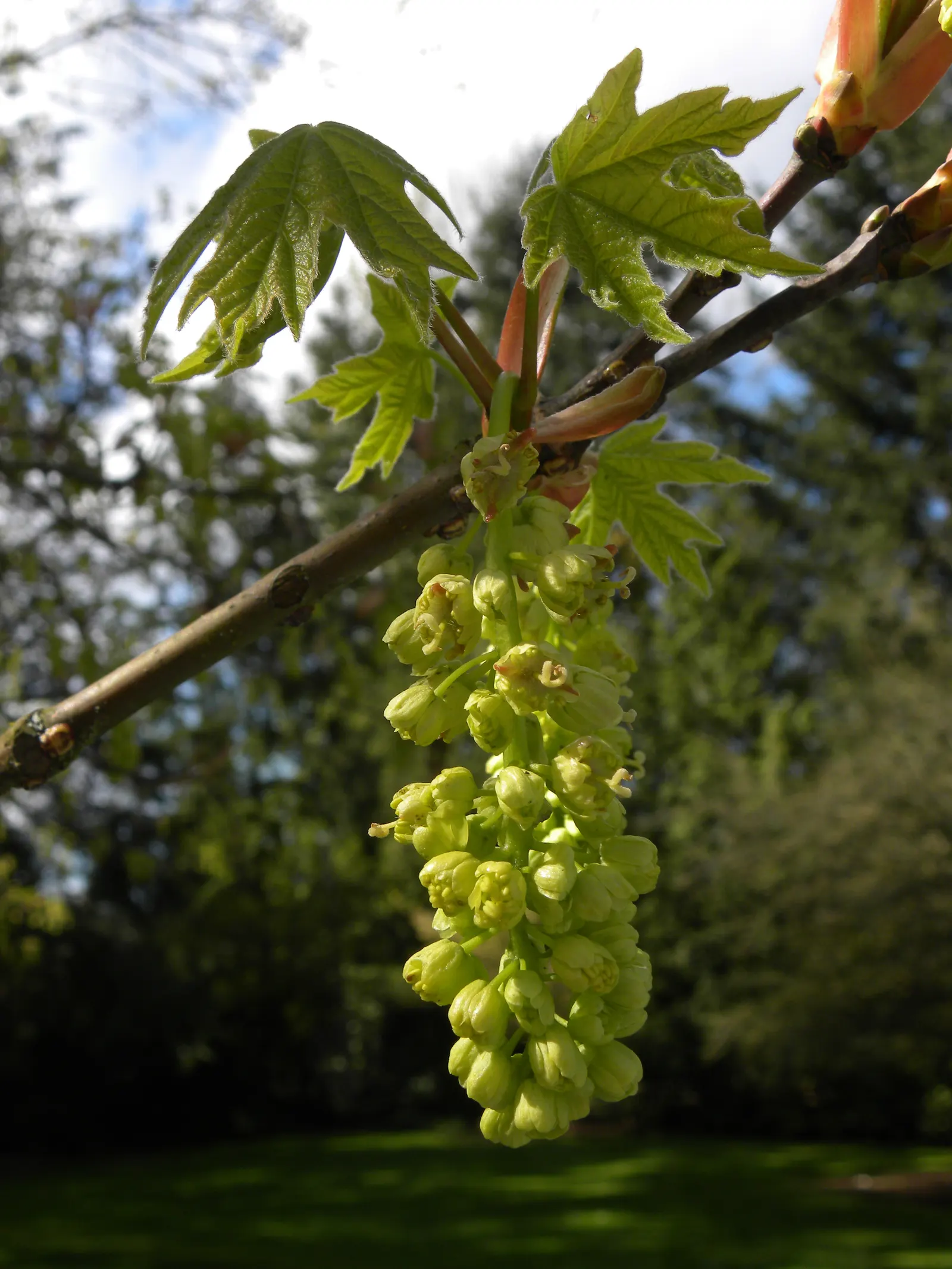
Carrot Wood (Cupaniopsis Anacardioides) — inconspicuous yellowish flowers emerge in the spring; each roughly 2 to 4 inches long, image 98
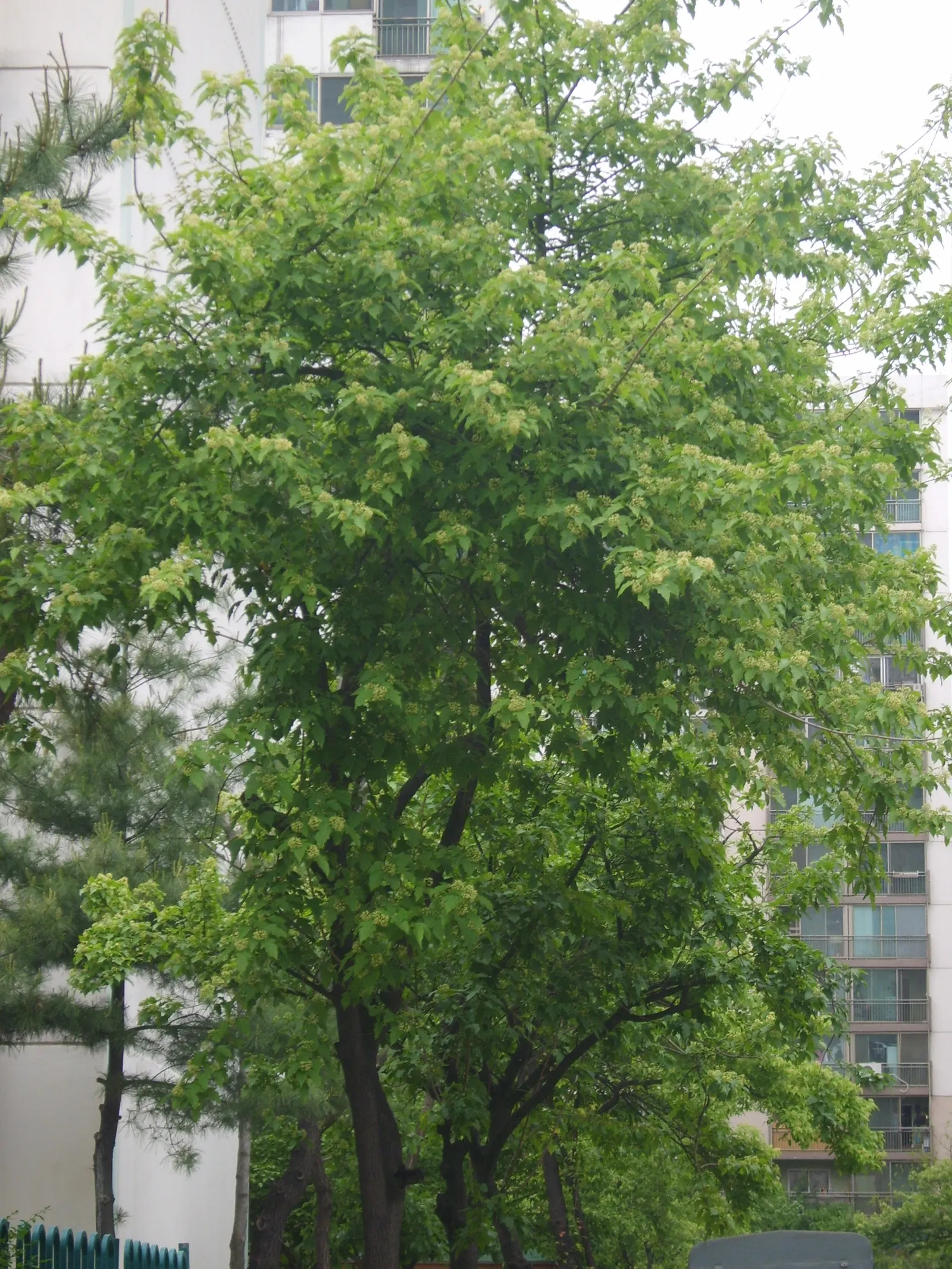
Carrot Wood (Cupaniopsis Anacardioides) — tree with white blooms
Carrot Wood (Cupaniopsis Anacardioides) — It exhibits tolerance to drought conditions once established
Carrot Wood (Cupaniopsis Anacardioides) — It exhibits tolerance to drought conditions once established; adding a layer of dynamic wildlife to the garden
Carrot Wood (Cupaniopsis Anacardioides) — placement away from high-traffic areas or paved surfaces is recommended.<br><br>Hardy in USDA zones 9b to, image 76
Carrot Wood (Cupaniopsis Anacardioides) — It is also important to note that the fruits can sometimes be considered a nuisance due to litter; thus
Carrot Wood (Cupaniopsis Anacardioides) — While not edible for humans
Carrot Wood (Cupaniopsis Anacardioides) — tree with white blooms; adding a layer of dynamic wildlife to the garden, image 83
Carrot Wood (Cupaniopsis Anacardioides) — rounded canopy and glossy
Carrot Wood (Cupaniopsis Anacardioides) — The Carrot Wood (Cupaniopsis anacardioides) is an evergreen tree valued for its dense; its endurance of various
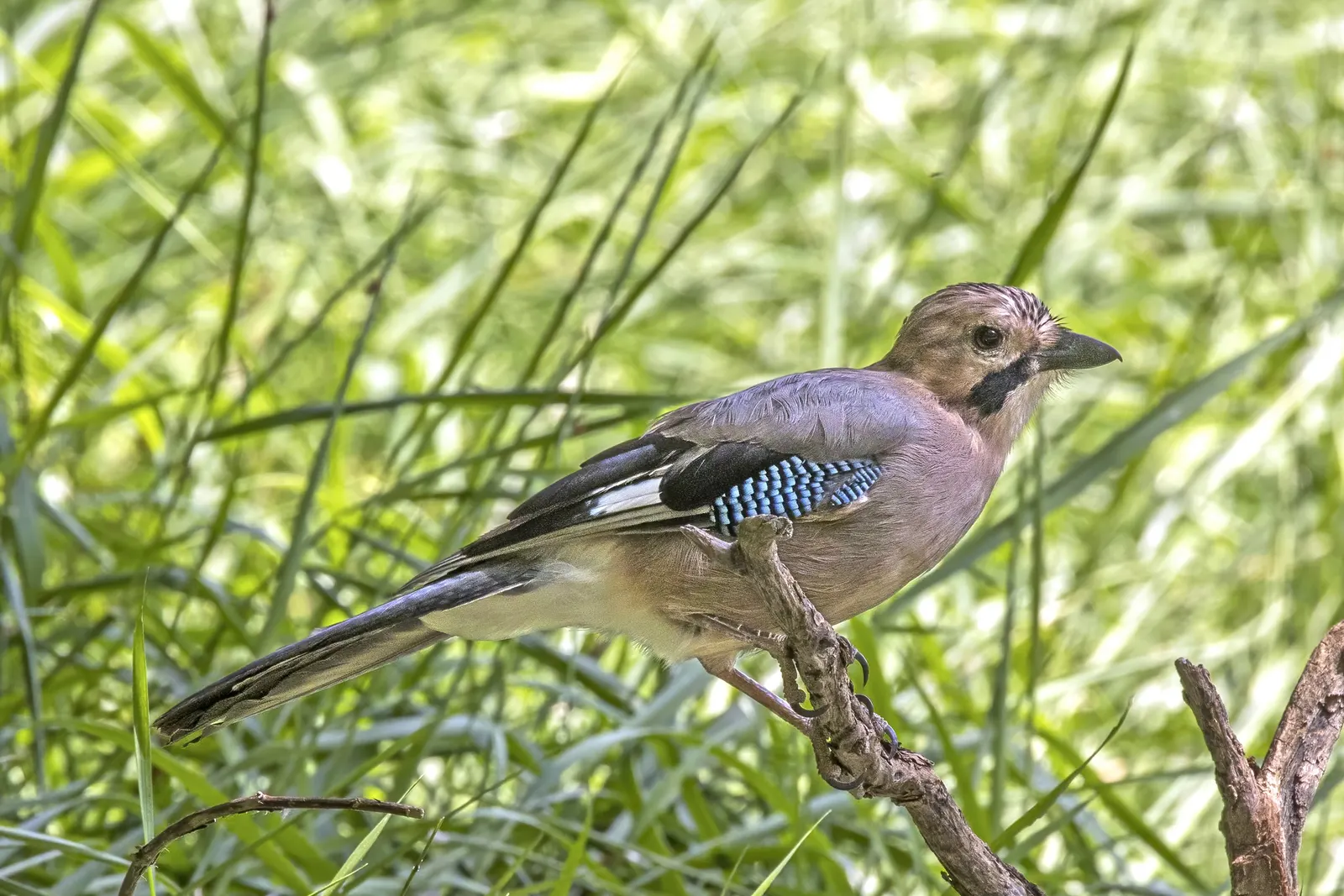
Carrot Wood (Cupaniopsis Anacardioides) — these fruits can attract an array of bird species; its endurance of various conditions, image 73
Carrot Wood (Cupaniopsis Anacardioides) — provided they are well-drained; each roughly 2 to 4 inches long, image 78
Photographs by 8 contributors

Related plants