Skip to content

Queen Emma Lily

Crinum Splendens

Design with this plant

Overview

The Queen Emma Lily, or Crinum splendens, is a striking perennial with long, arching leaves reaching up to 4 feet high. Its majestic, deep purple blooms stand atop sturdy stems up to 5 feet tall, each adorned with large, trumpet-shaped flowers. Thriving in USDA zones 9-11, this lily prefers full sun to partial shade and moist, well-drained soil. Use as a bold focal point in tropical-themed gardens.

Sun Full, HalfWater Low, MediumZones 9–11Type BulbClimate Mediterranean
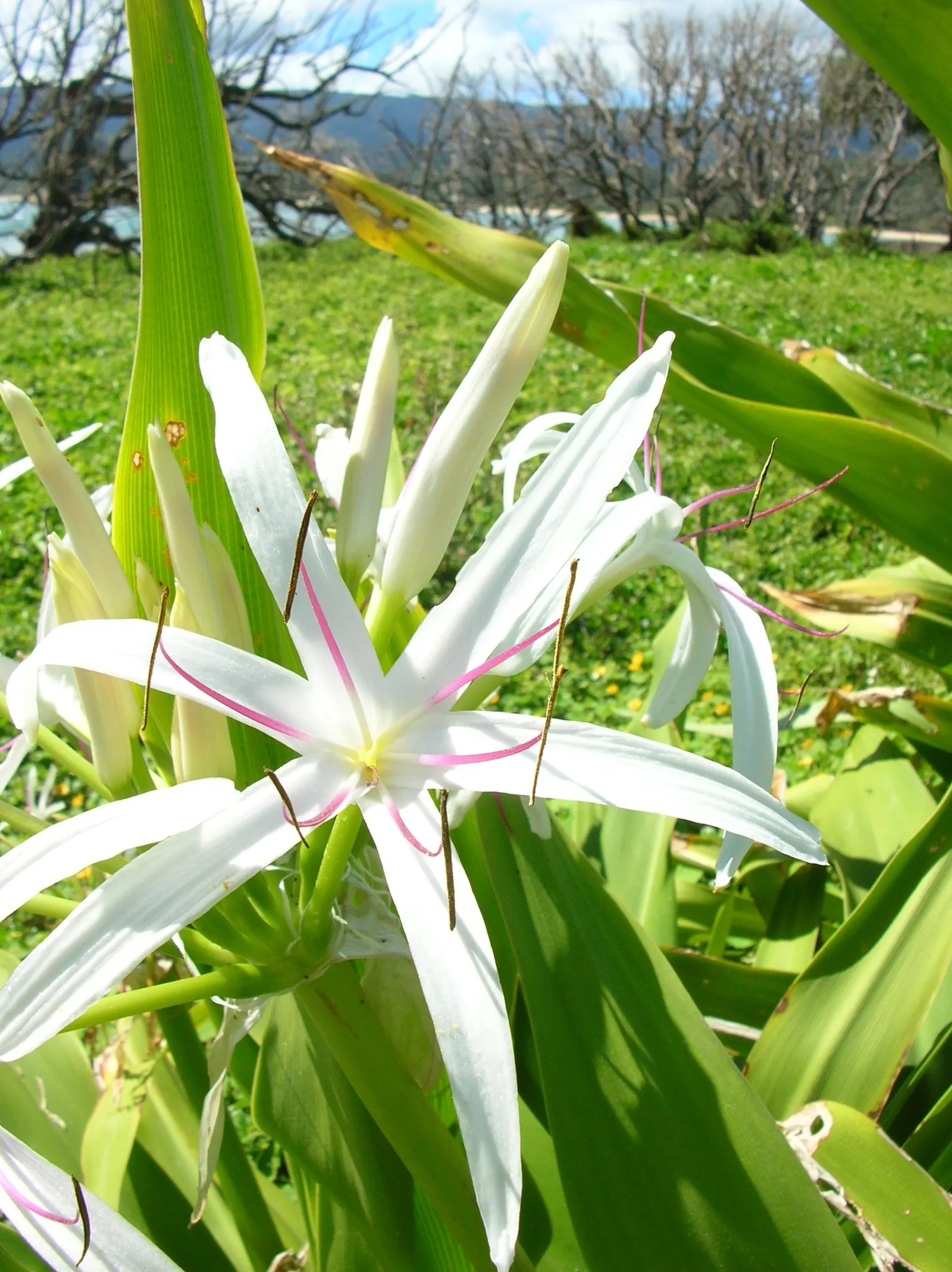
Queen Emma Lily (Crinum Splendens) — is a striking perennial with long

Culture

Sun
Full, Half
Water
Low, Medium
USDA zones
9–11

Shape & size

Mature height
3–4 Ft.
Mature width
4–6 Ft.

Classification

Type
Bulb
Family
Amaryllidaceae
Climate
Mediterranean

See full data, regional cultivation notes, and design tools. Build a client presentation around this plant.

Start your 14-day trial

Photos (108)

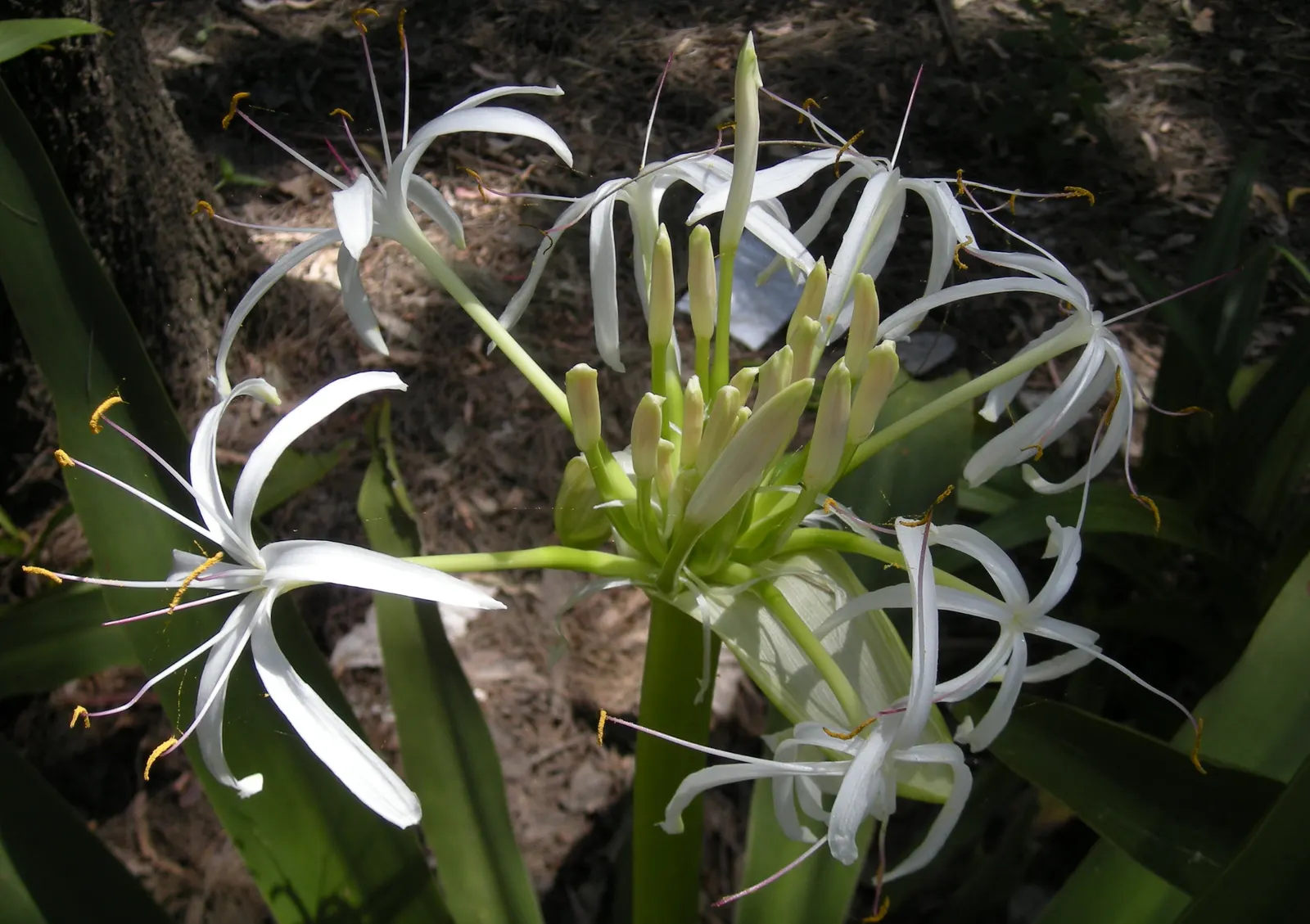
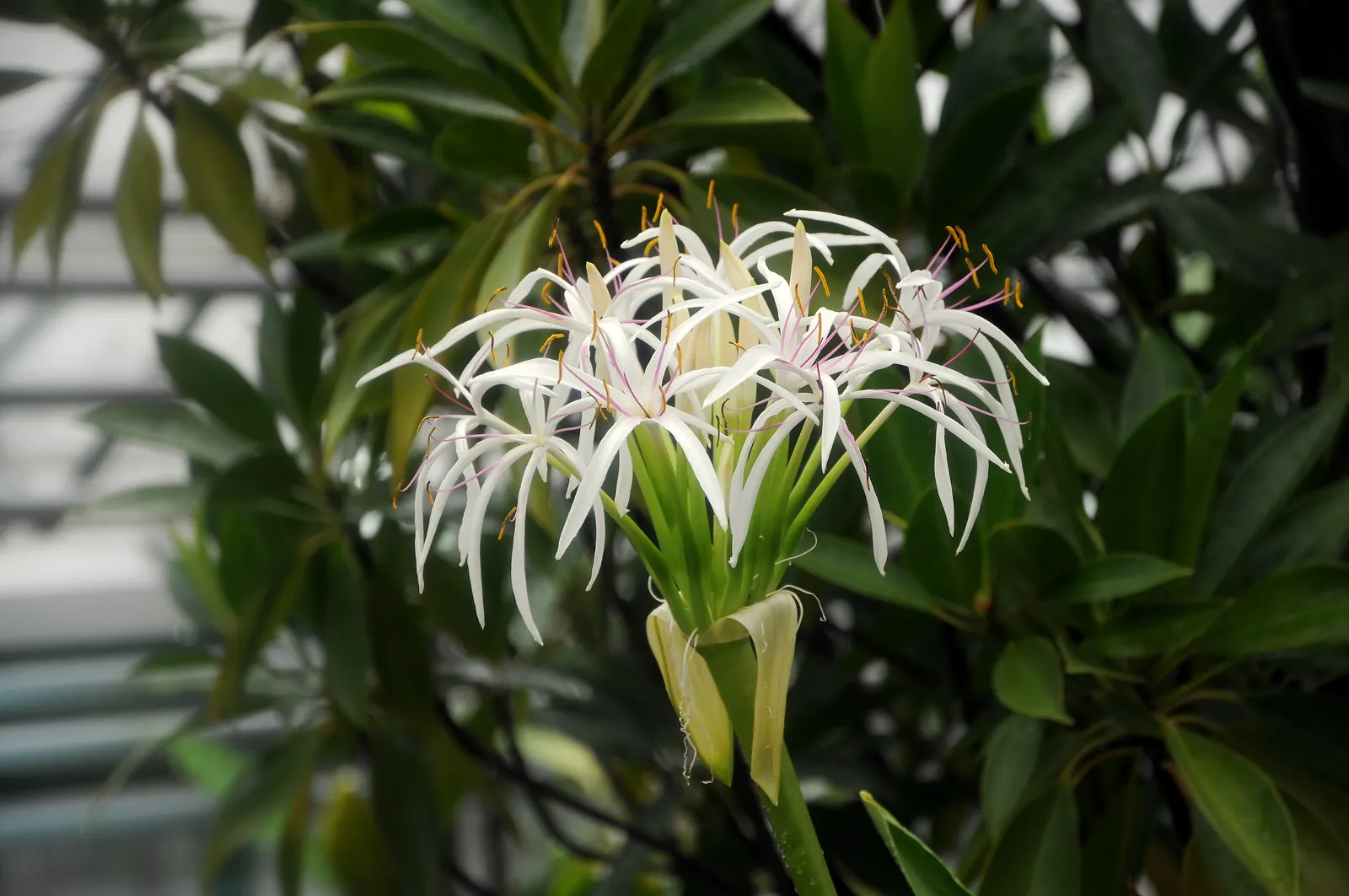
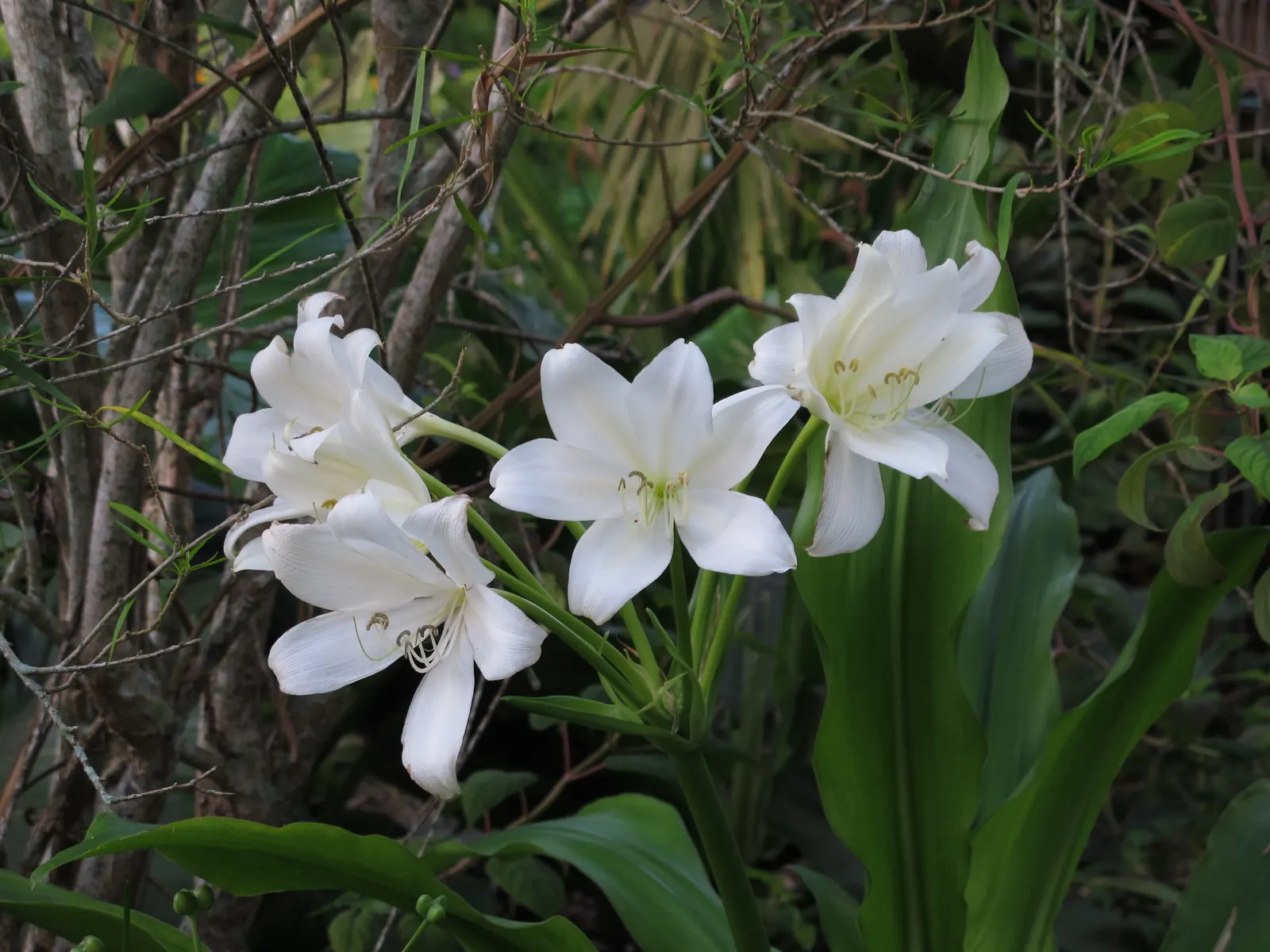
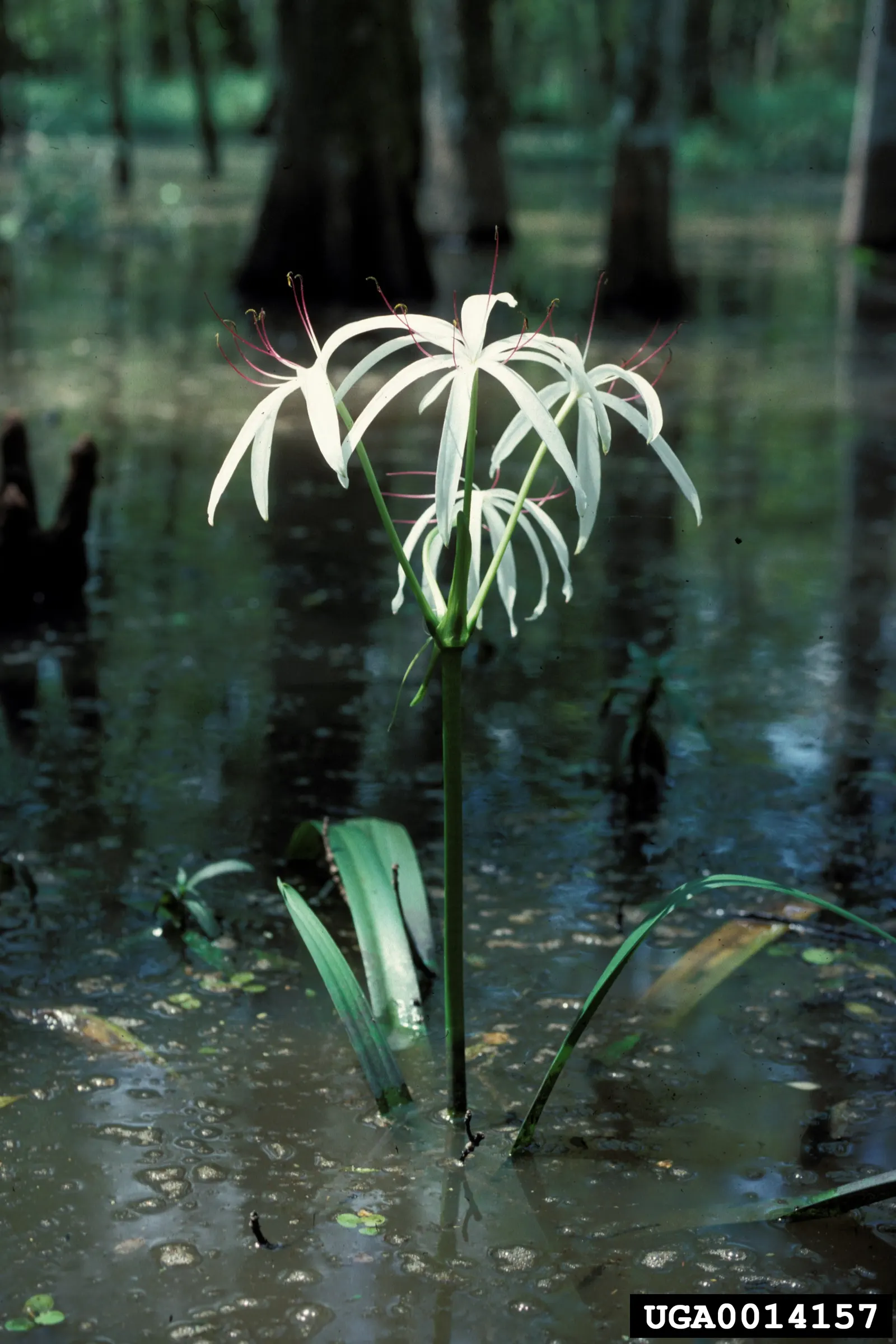
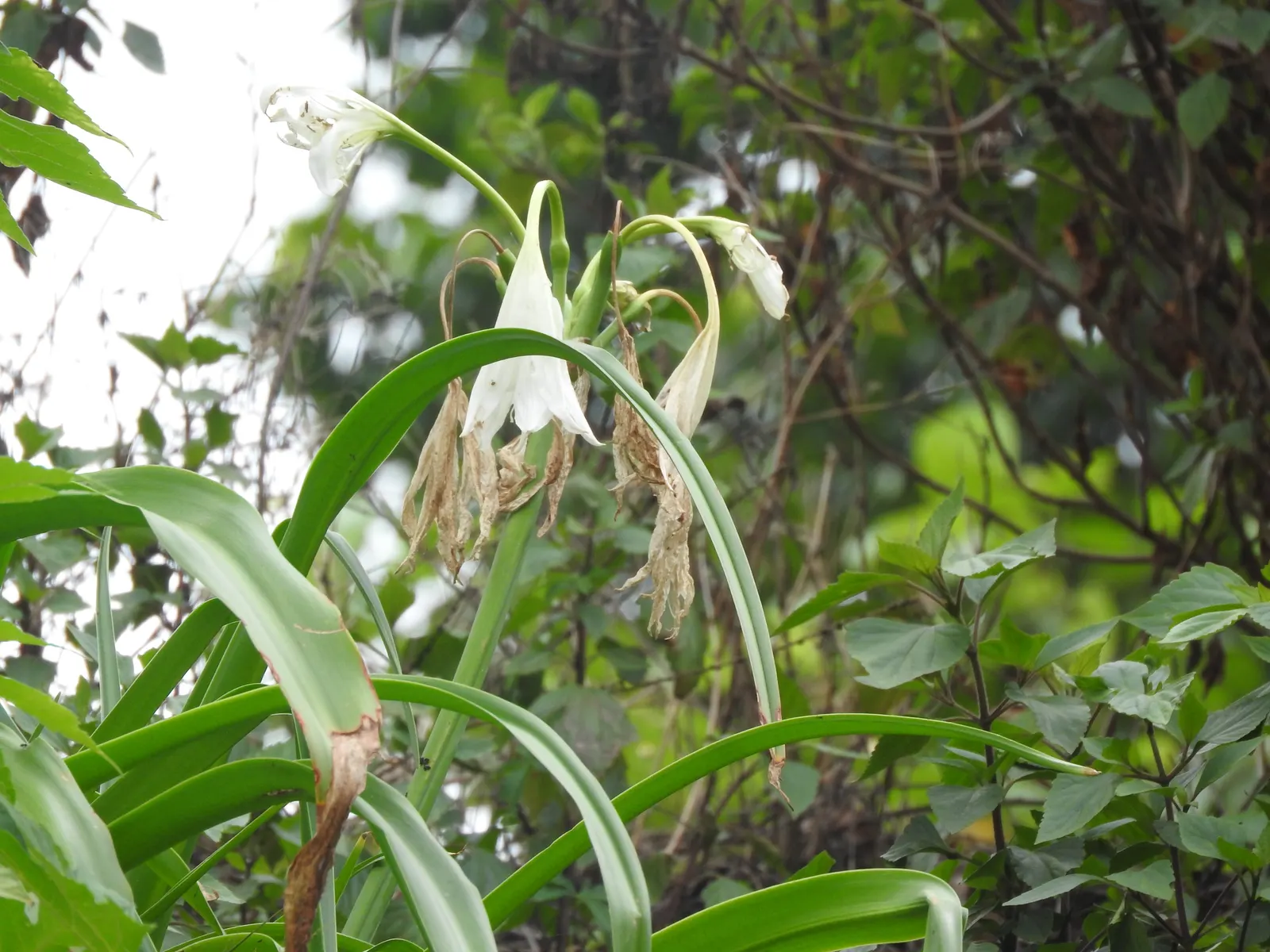
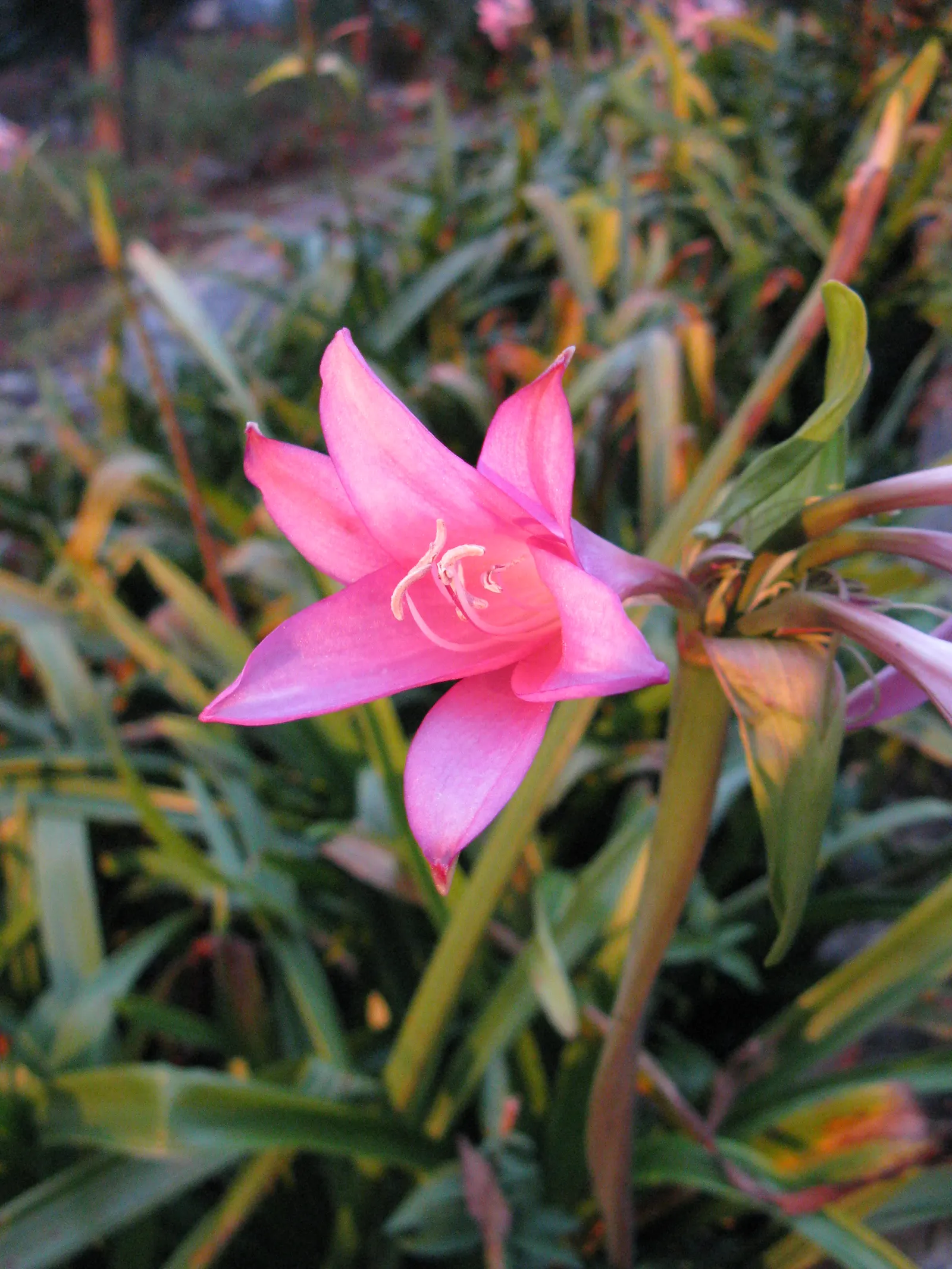
Queen Emma Lily (Crinum Splendens) — Thriving in USDA zones 9-11, this lily prefers full sun to partial shade and moist, well-drained soil; bulb with pink
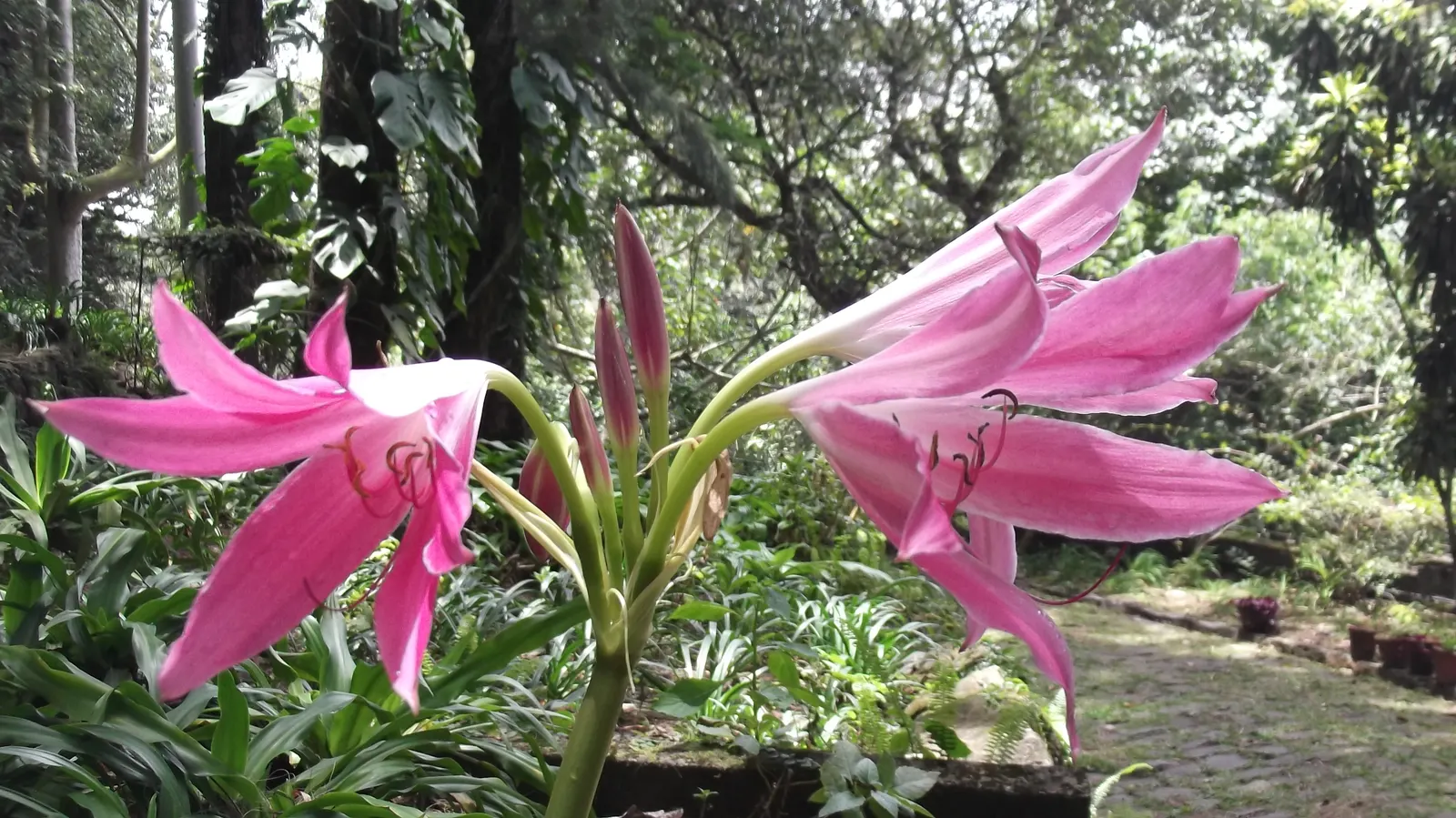
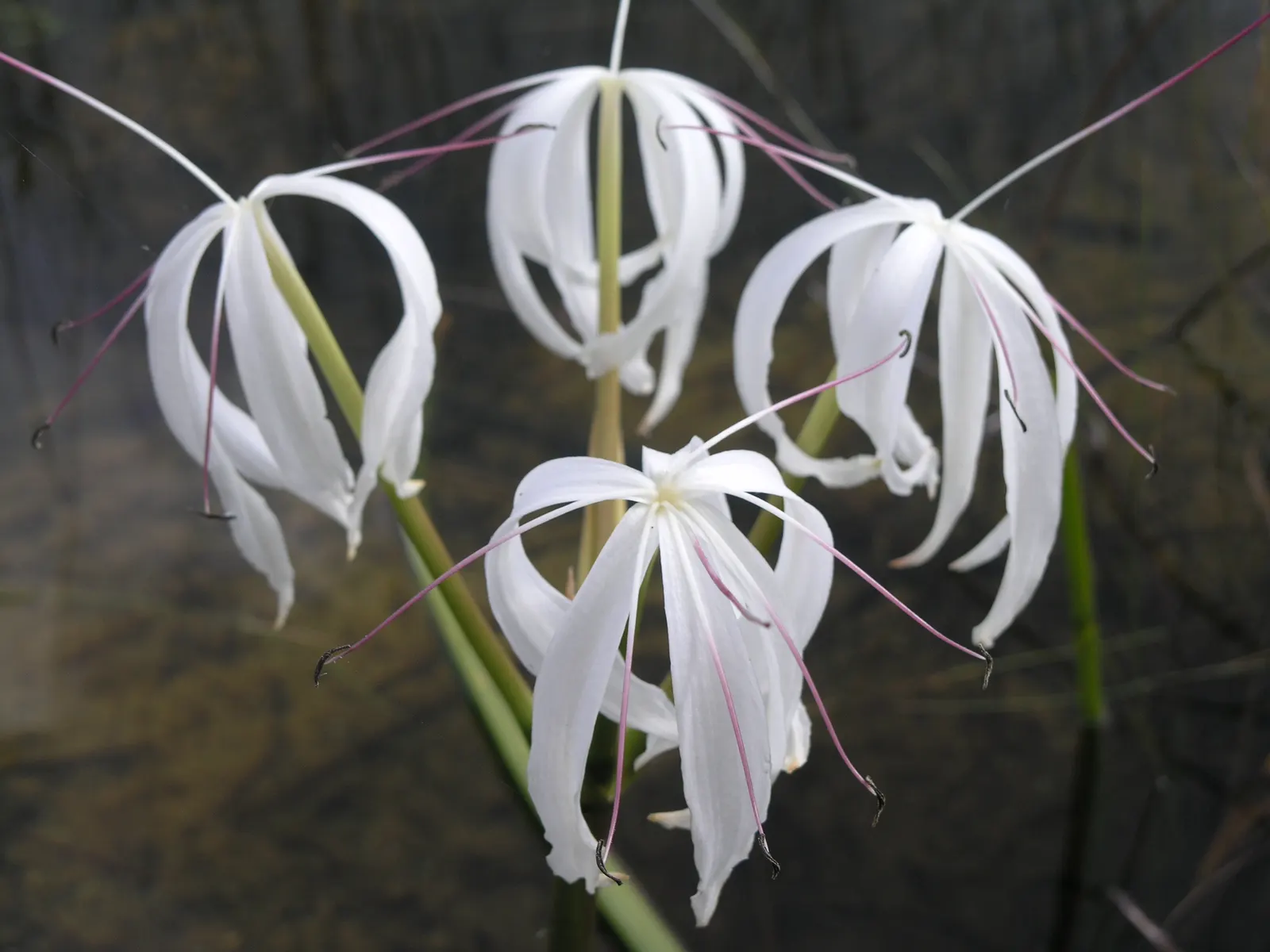
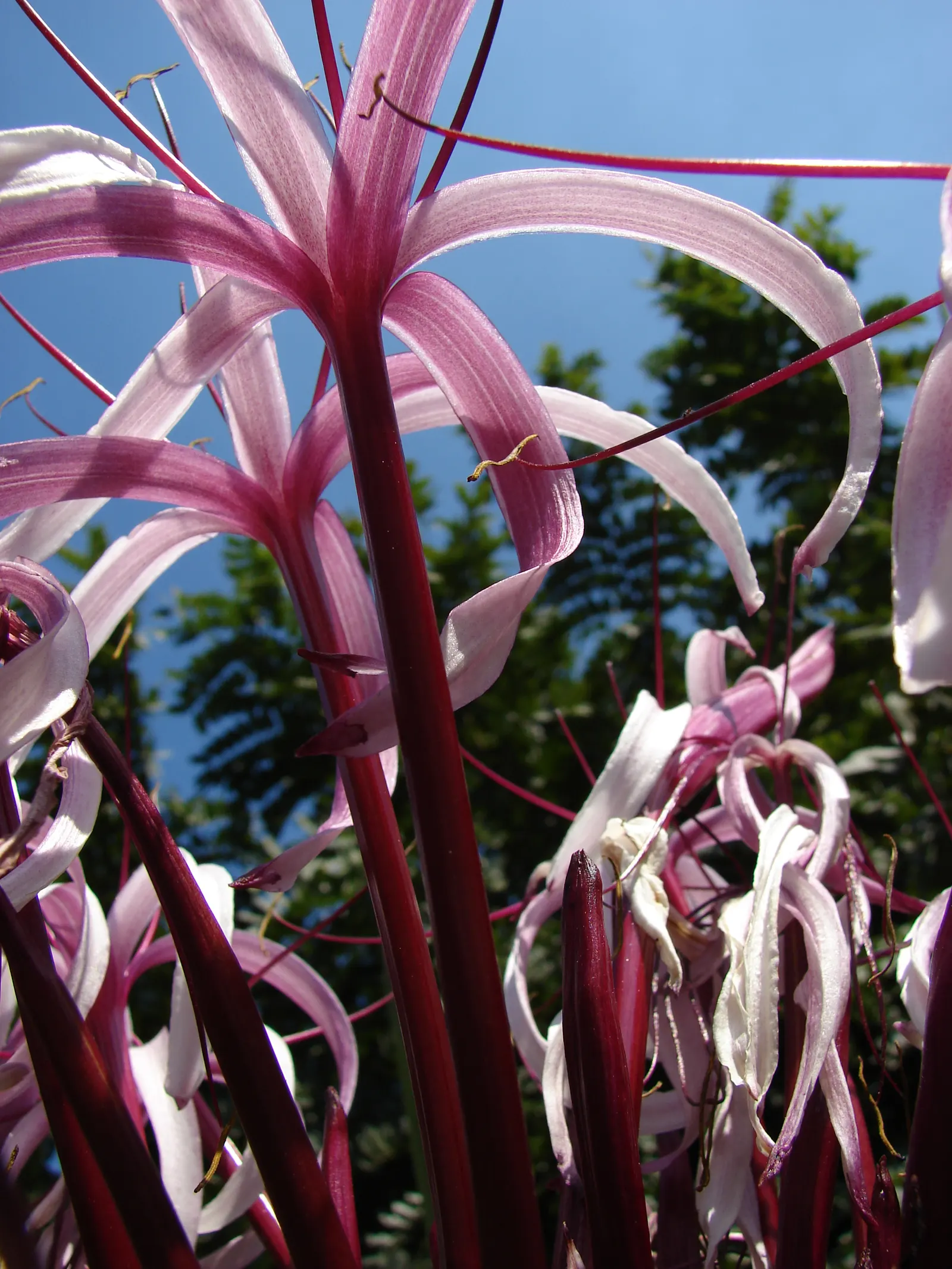
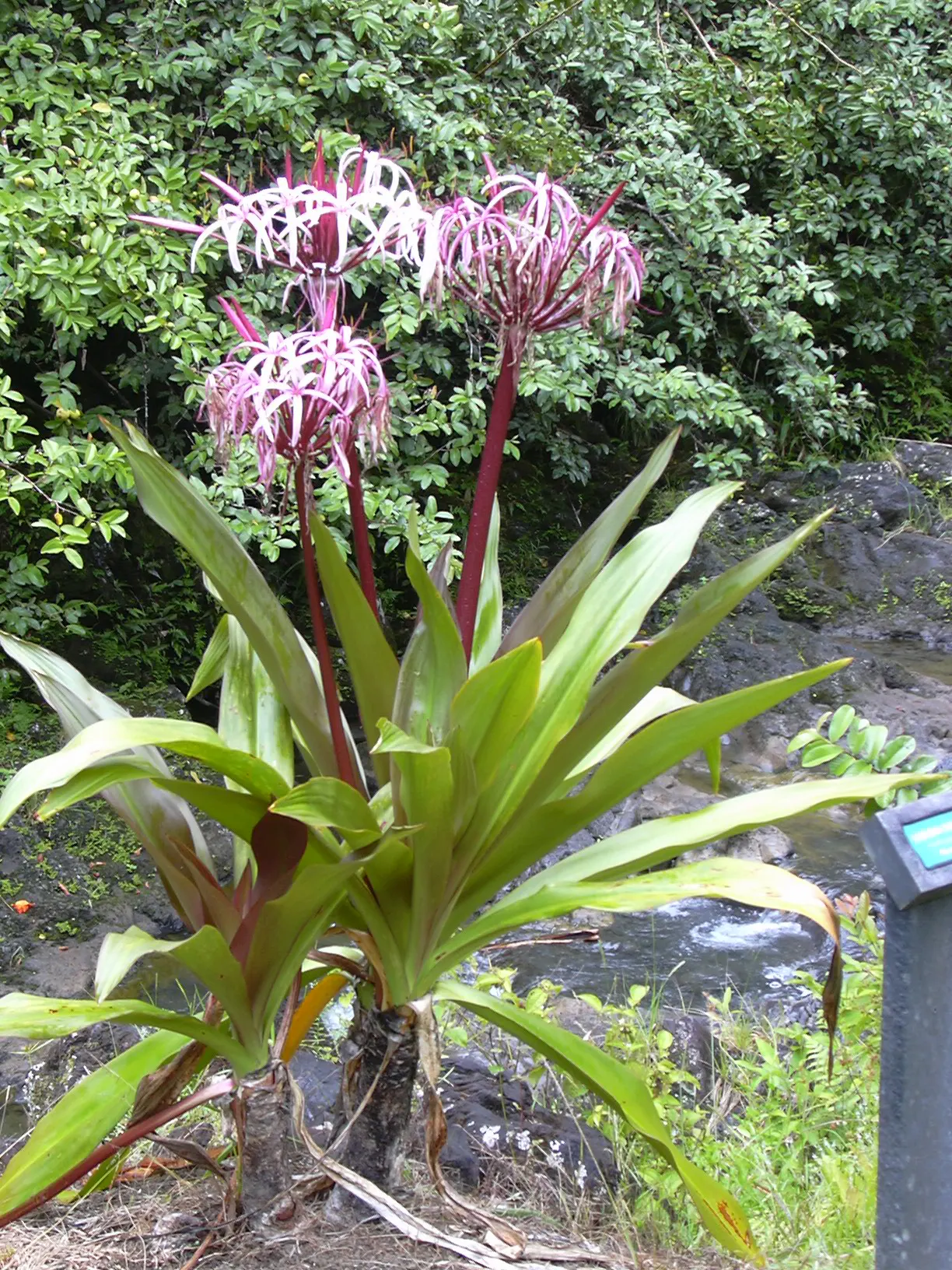
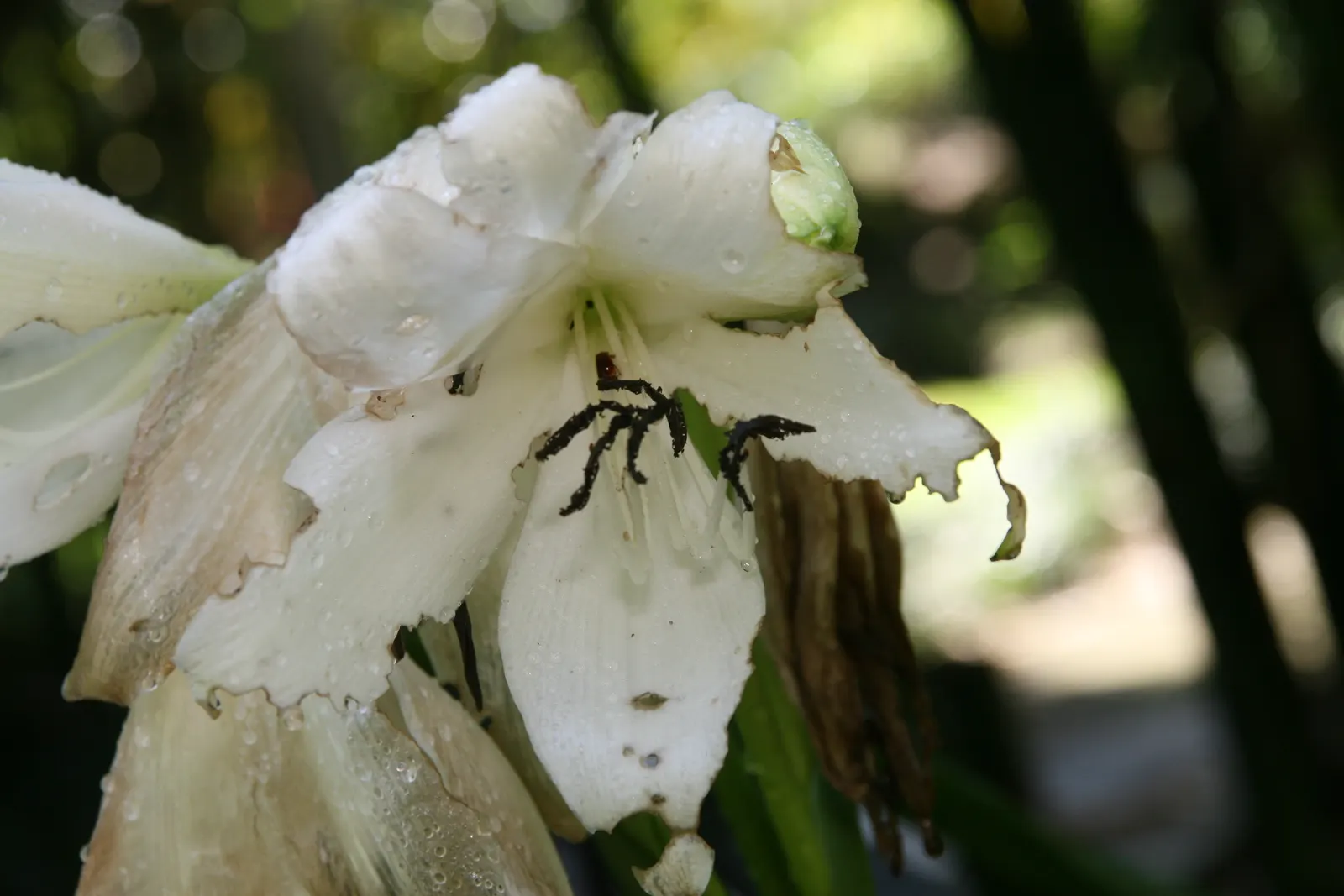
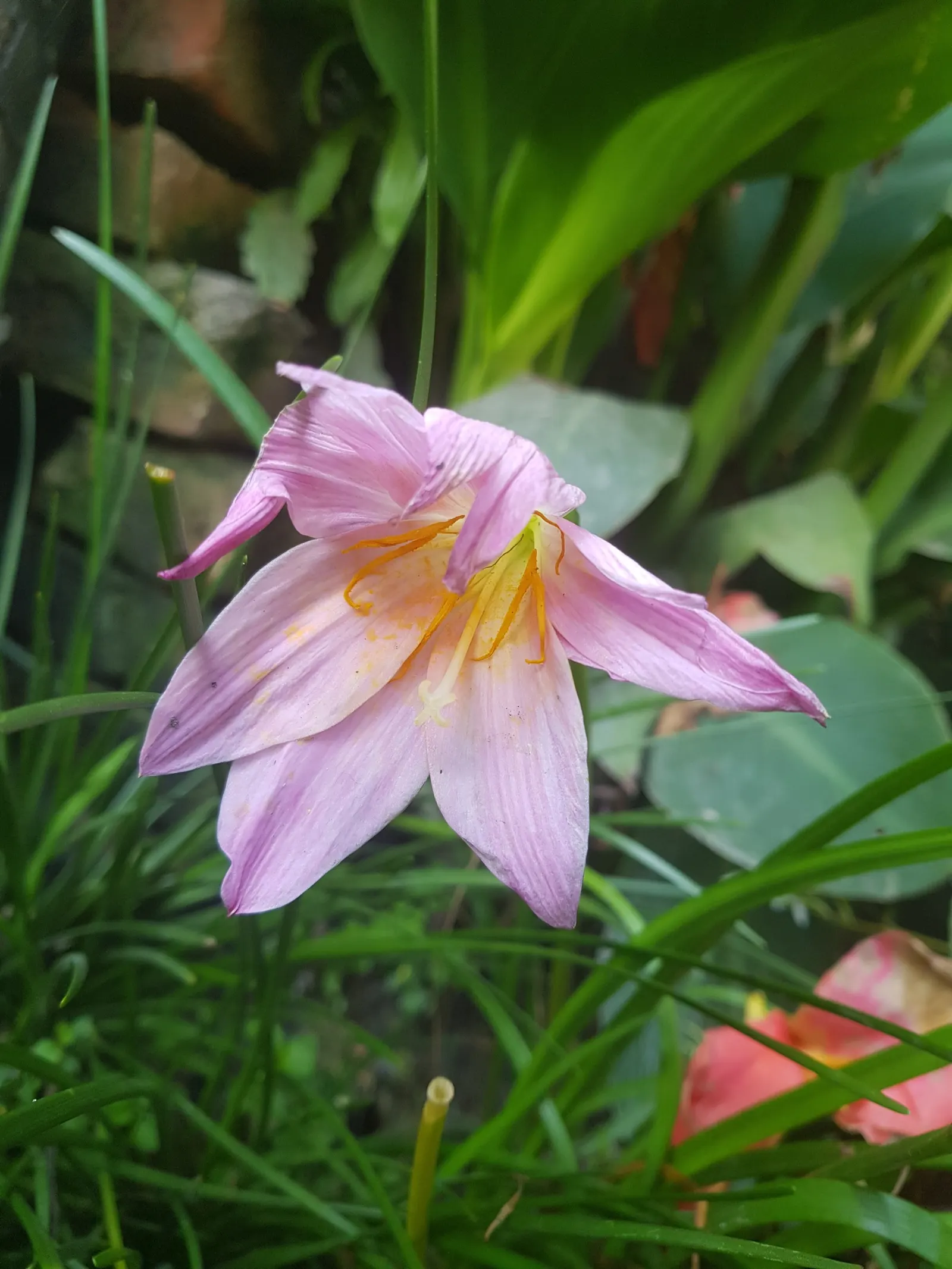
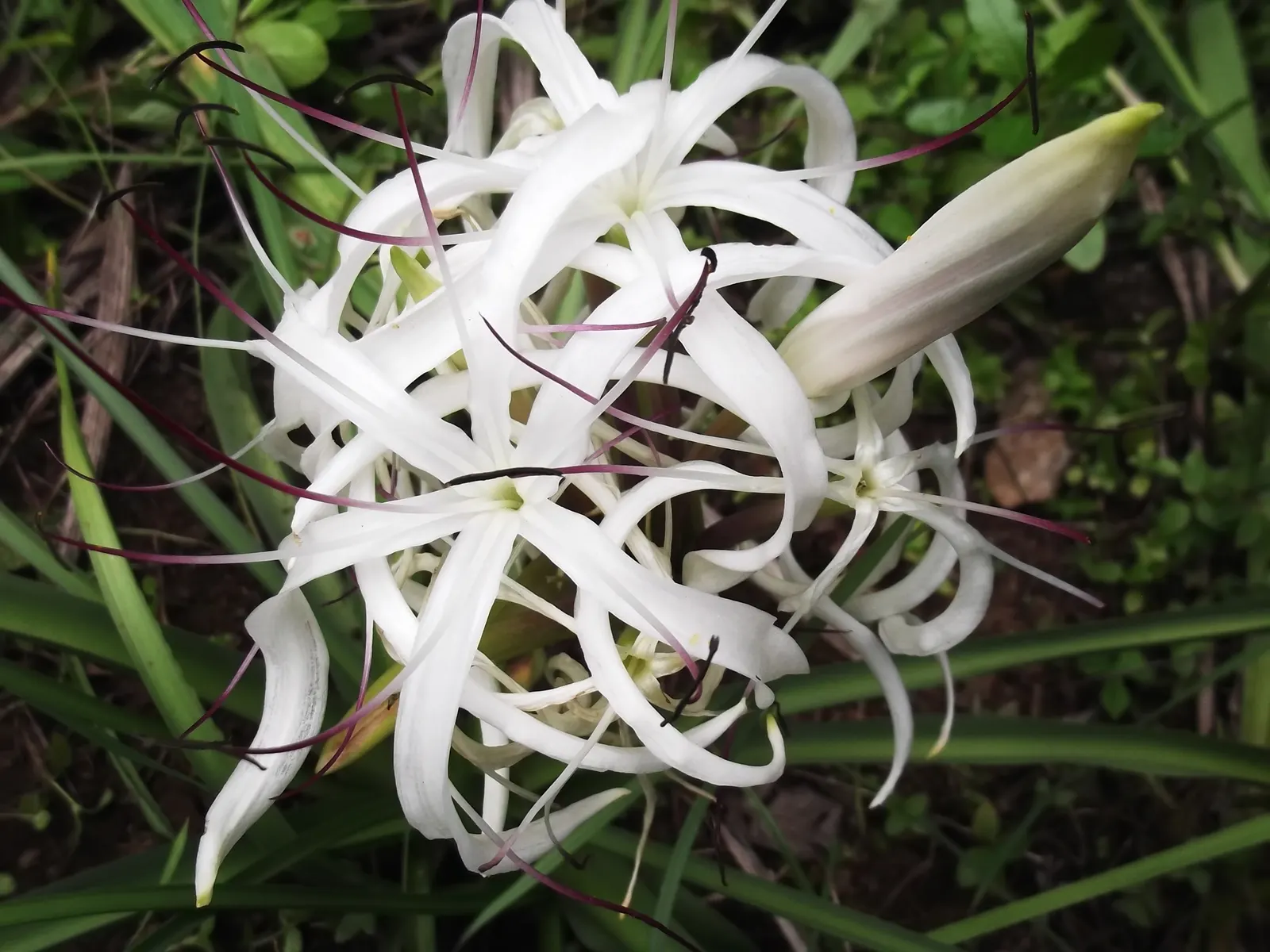
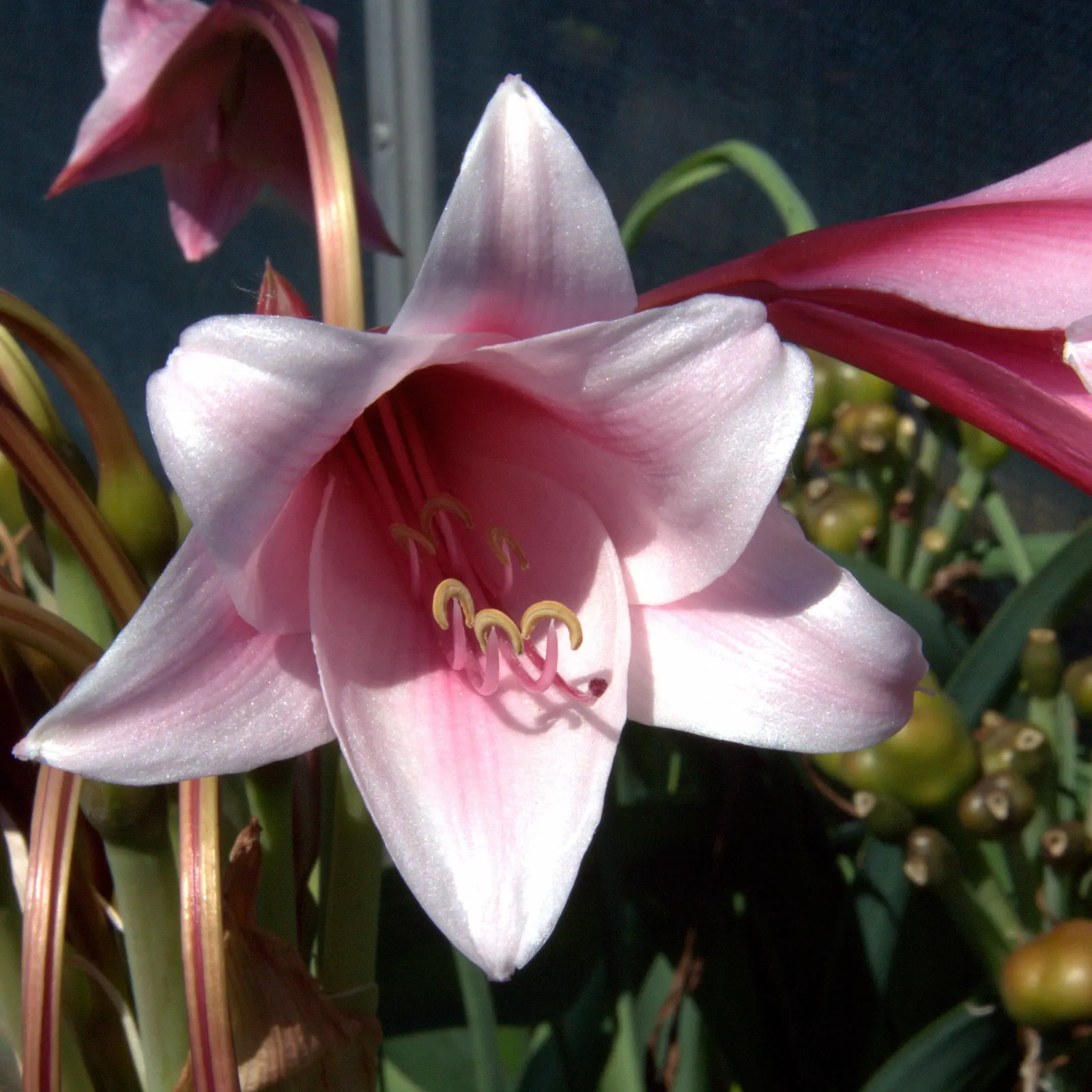
Queen Emma Lily (Crinum Splendens) — present a mesmerizing palette of pink to wine-red hues with striking white throats
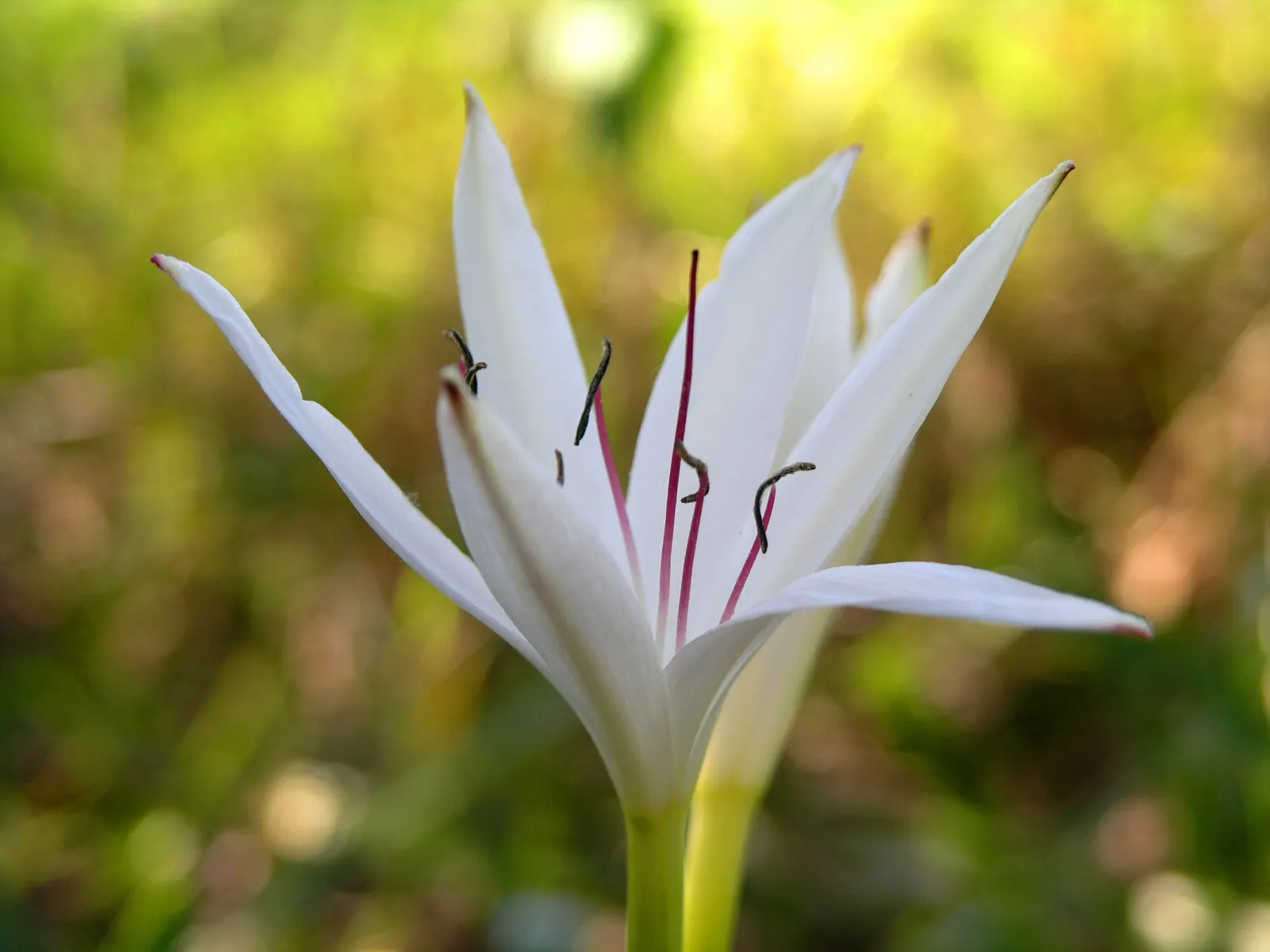
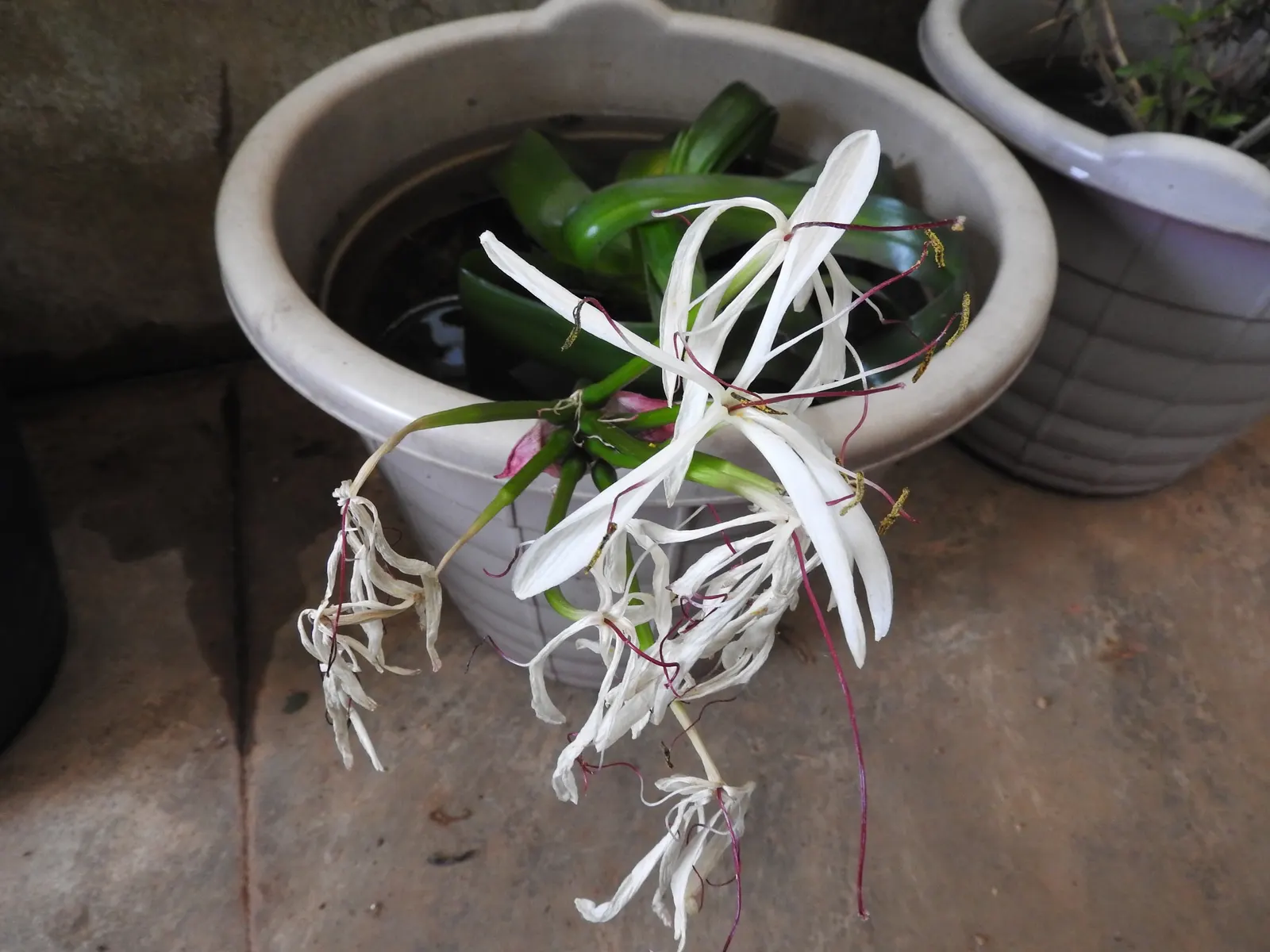
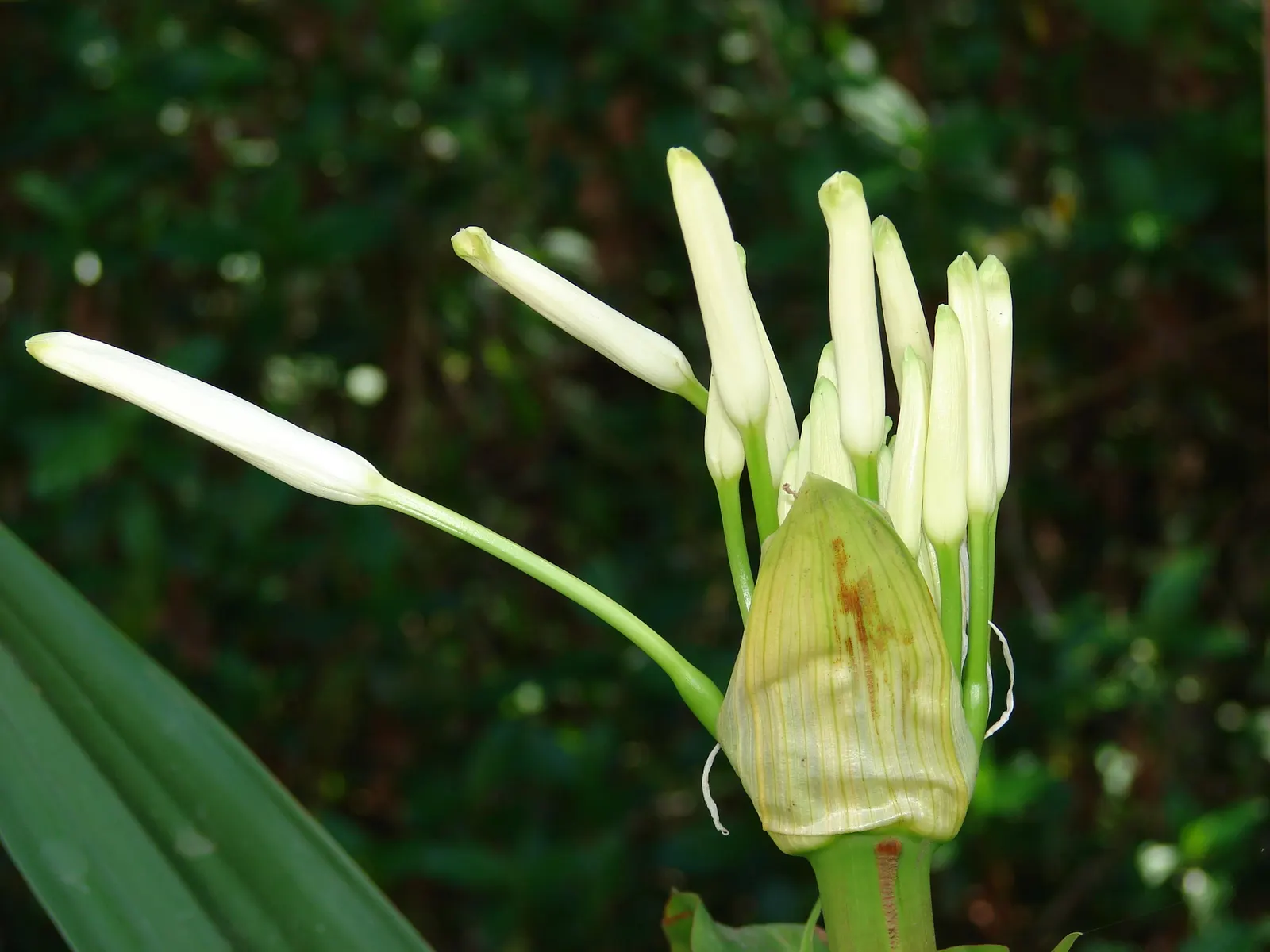
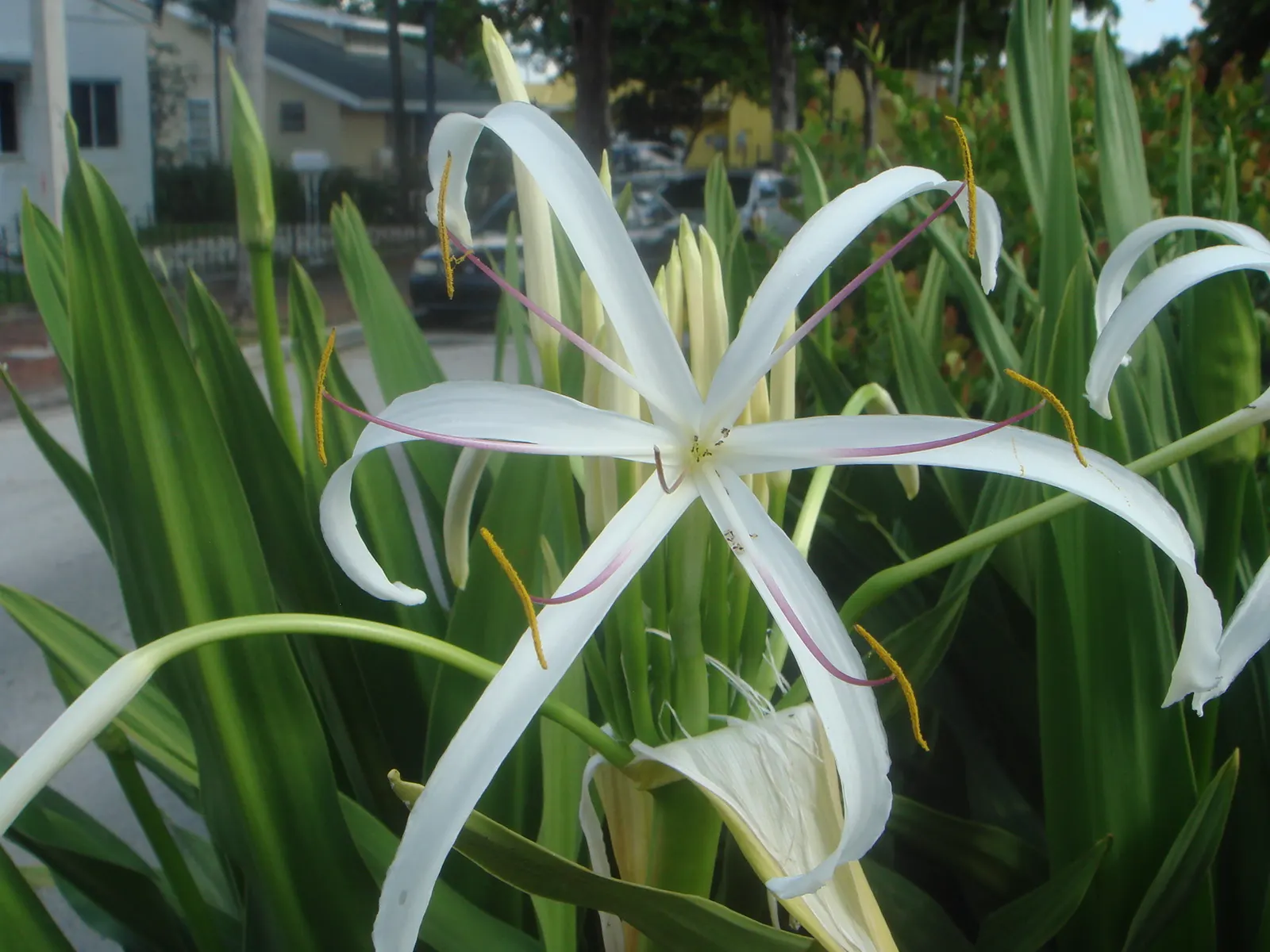
Queen Emma Lily (Crinum Splendens) — is a perennial bulbous plant notable for its extravagant floral display and tropical appeal
Queen Emma Lily (Crinum Splendens) — providing a lush backdrop for the spectacular blooms.<br><br>From mid-summer to early fall
Queen Emma Lily (Crinum Splendens) — offering striking foliage; the Queen Emma Lily is an impressive specimen in any landscape, image 74
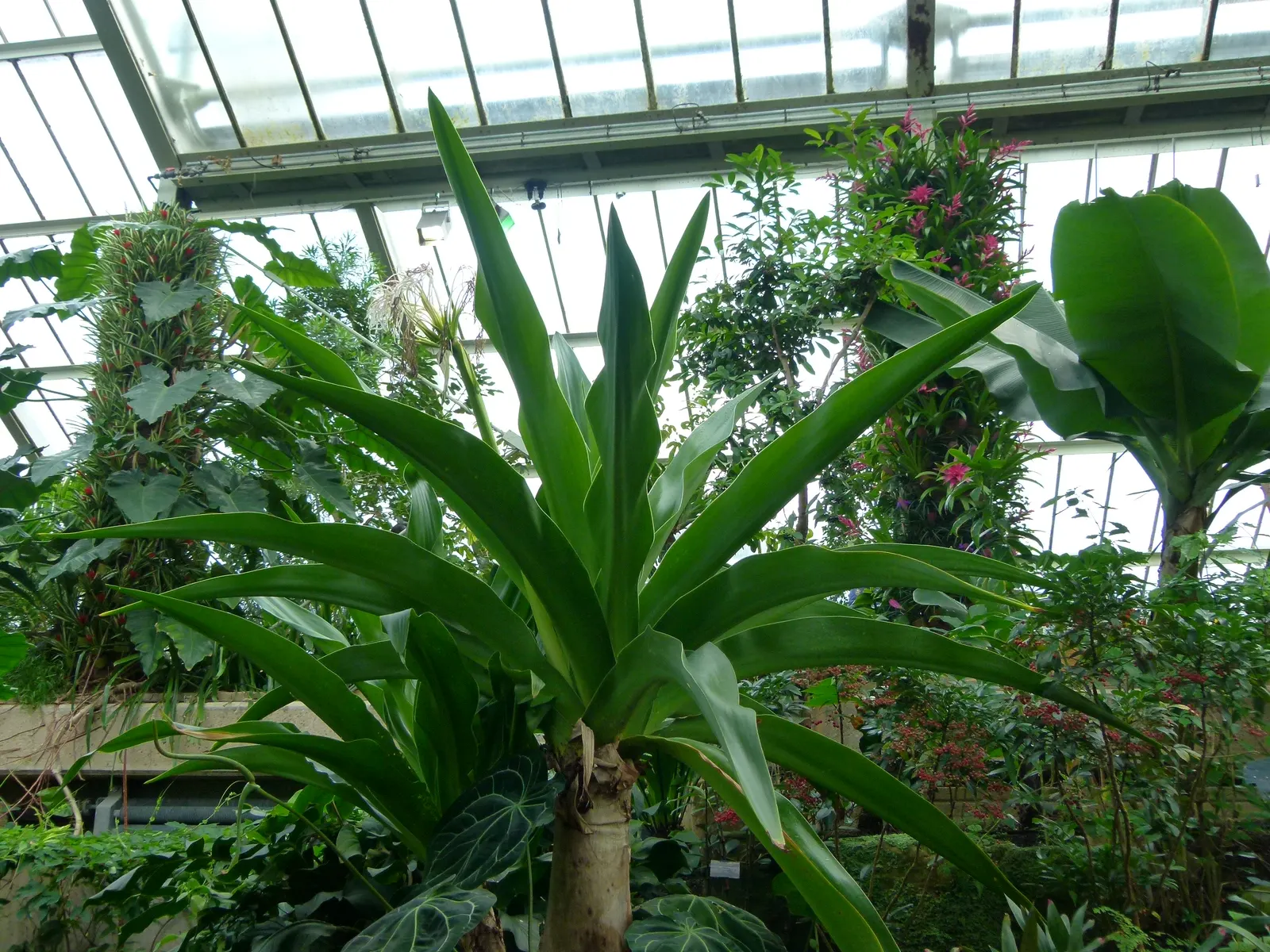
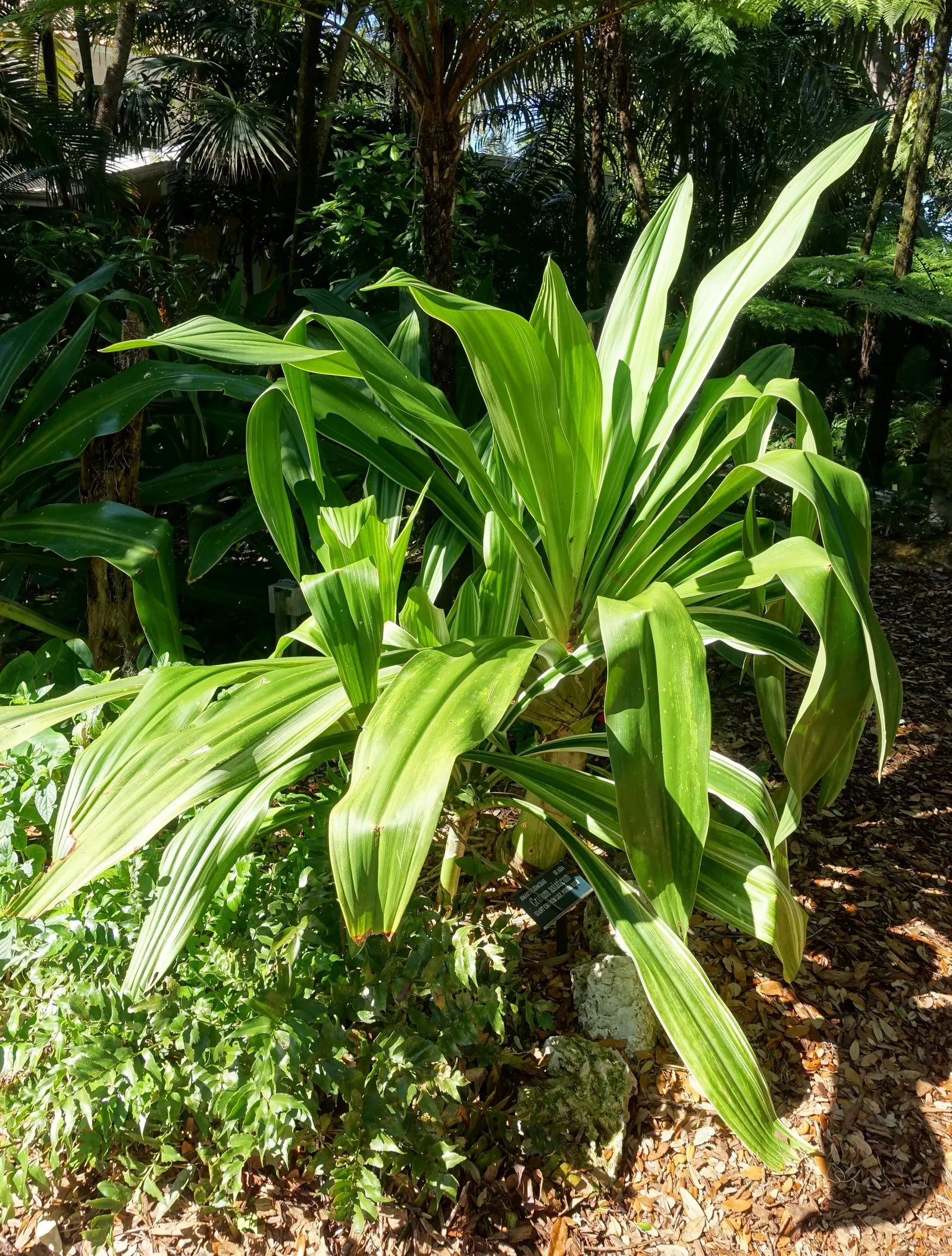
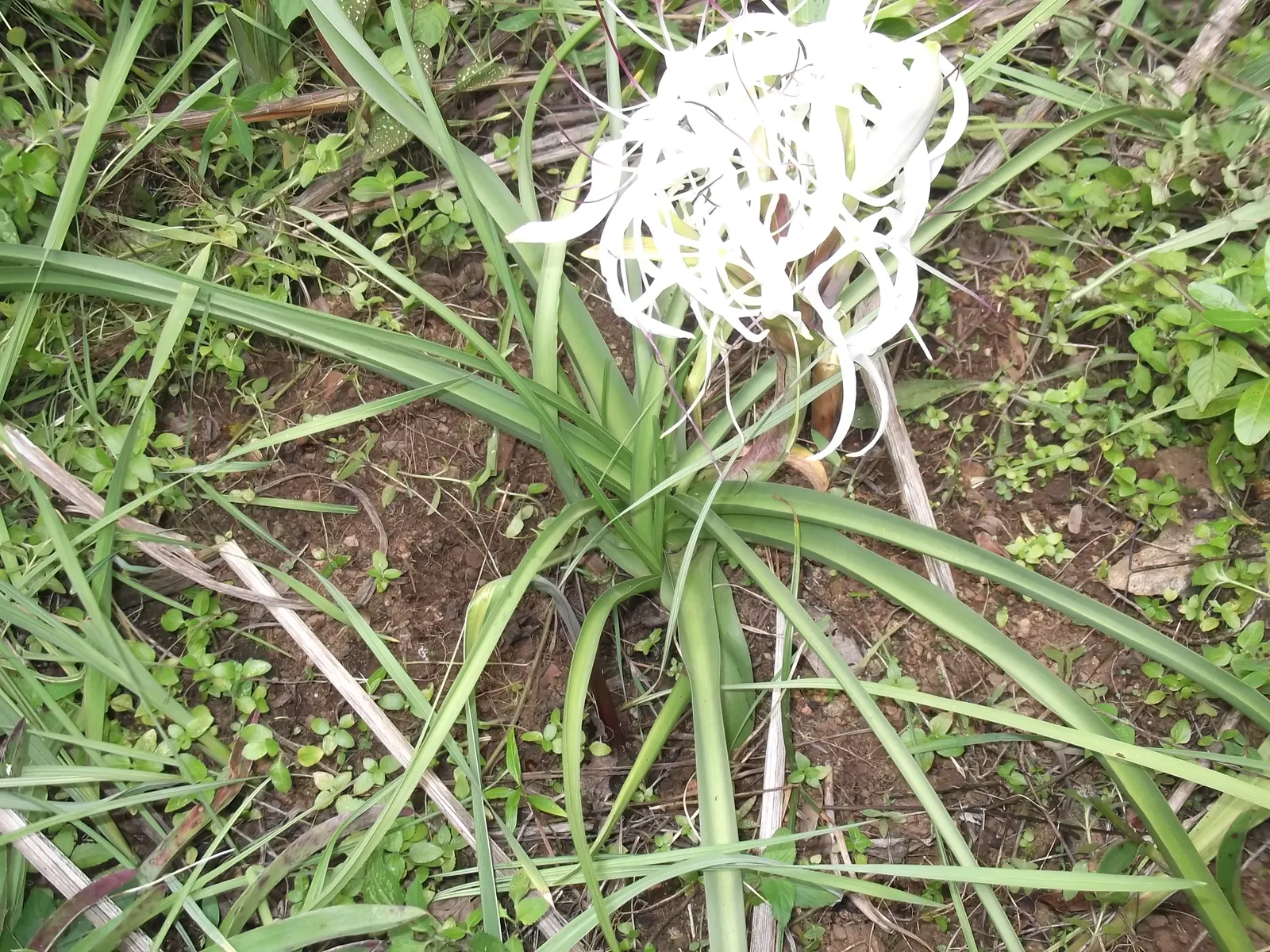
Queen Emma Lily (Crinum Splendens) — arching leaves reaching up to 4 feet high; arching gracefully and growing up to 3 feet in length, image 106
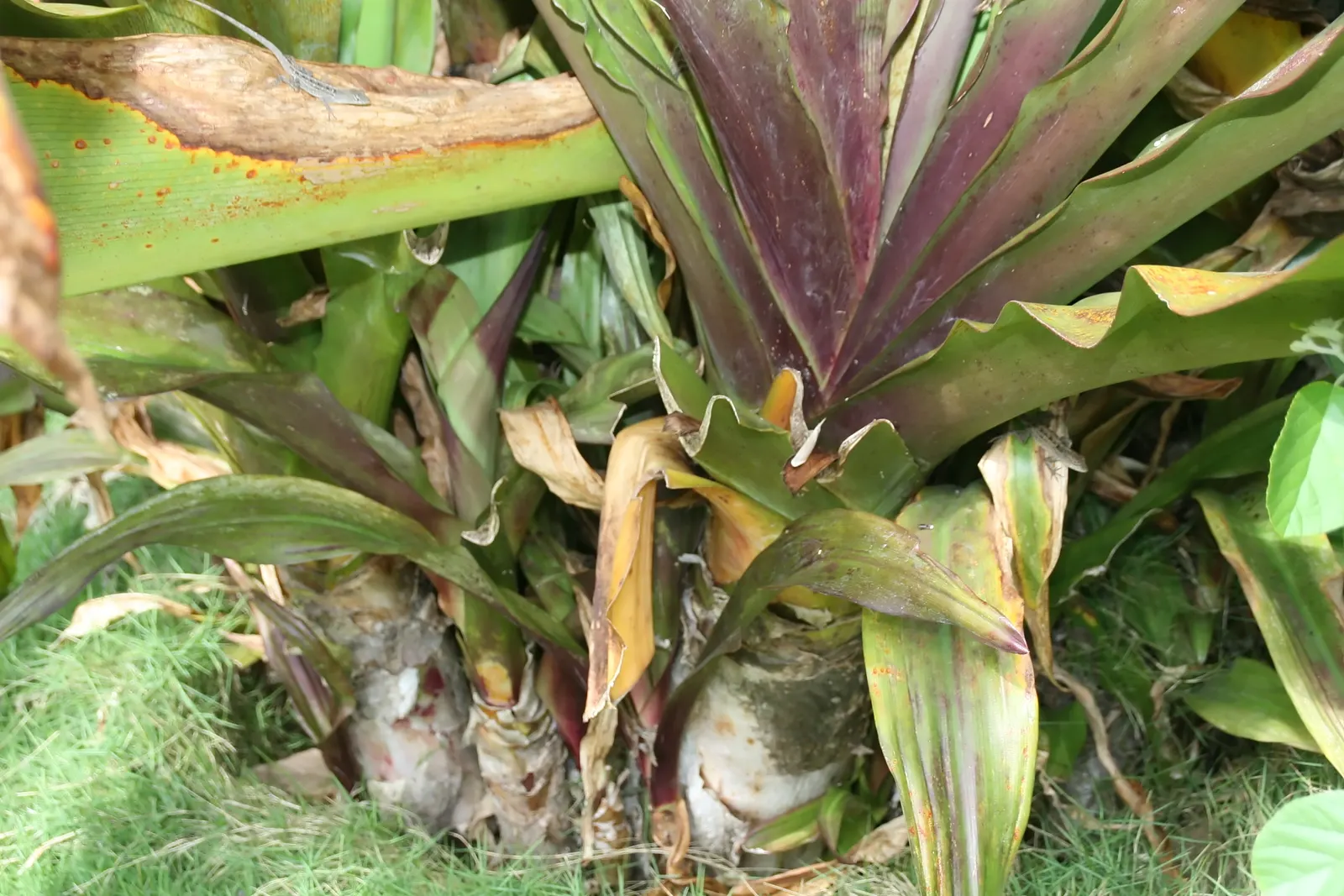
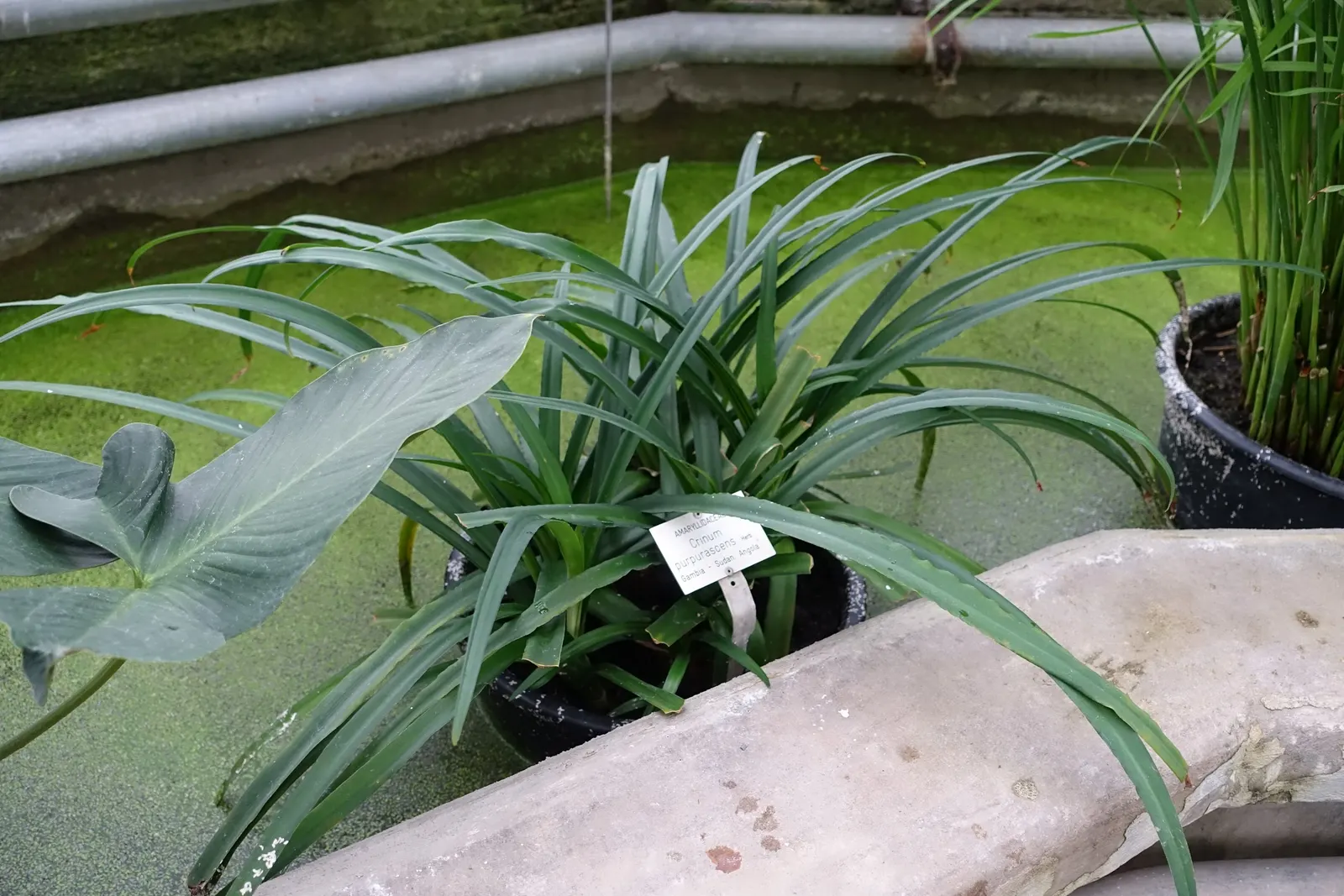
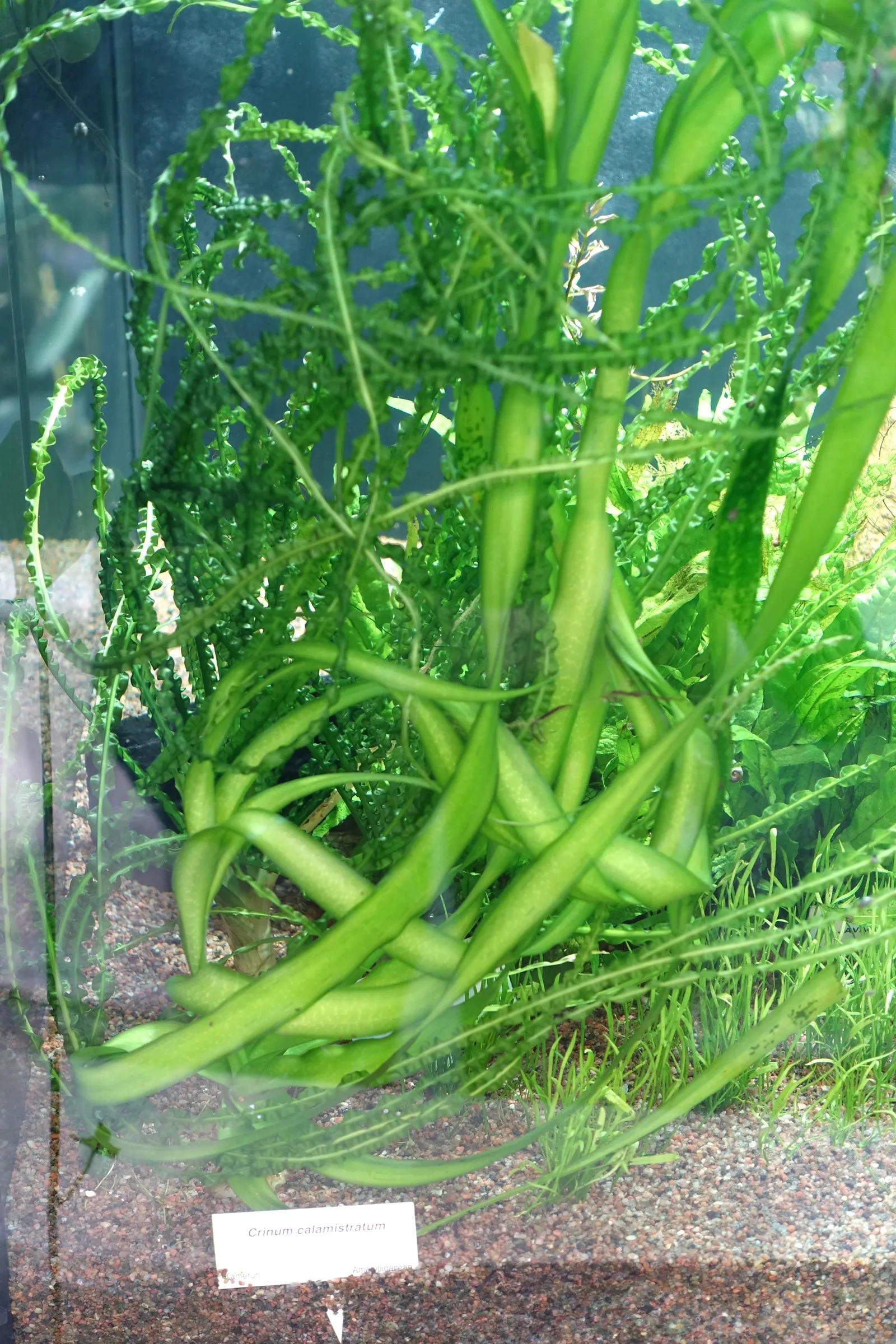
Queen Emma Lily (Crinum Splendens) — offering striking foliage
Queen Emma Lily (Crinum Splendens) — arching gracefully and growing up to 3 feet in length
Queen Emma Lily (Crinum Splendens) — Use as a bold focal point in tropical-themed gardens; scientifically recognized as Crinum splendens, image 83
Queen Emma Lily (Crinum Splendens) — Thriving in USDA zones 9-11, this lily prefers full sun to partial shade and moist, well-drained soil; bulb, image 108
Queen Emma Lily (Crinum Splendens) — present a mesmerizing palette of pink to wine-red hues with striking white throats; emitting a delicate fragrance that
Queen Emma Lily (Crinum Splendens) — is a striking perennial with long; thriving in USDA zones 9-11, this lily prefers full sun to partial shade and moist
Queen Emma Lily (Crinum Splendens) — reaching heights between 4 to 6 feet with an equal spread; it's a focal point in any garden due to its, image 87
Queen Emma Lily (Crinum Splendens) — glossy green leaves of the Queen Emma Lily are a striking attribute; creating a delightful contrast against, image 62
Queen Emma Lily (Crinum Splendens) — the Queen Emma Lily is an impressive specimen in any landscape; present a mesmerizing palette of pink to wine-red hues
Queen Emma Lily (Crinum Splendens) — Each flower cluster rises on robust stalks towering above the foliage; use as a bold focal point in, image 94
Queen Emma Lily (Crinum Splendens) — arching gracefully and growing up to 3 feet in length; offering striking foliage
Queen Emma Lily (Crinum Splendens) — typically 6 to 8 inches in length
Queen Emma Lily (Crinum Splendens) — present a mesmerizing palette of pink to wine-red hues with striking white throats; emitting a delicate, image 92
Queen Emma Lily (Crinum Splendens) — scientifically recognized as Crinum splendens; typically 6 to 8 inches in length
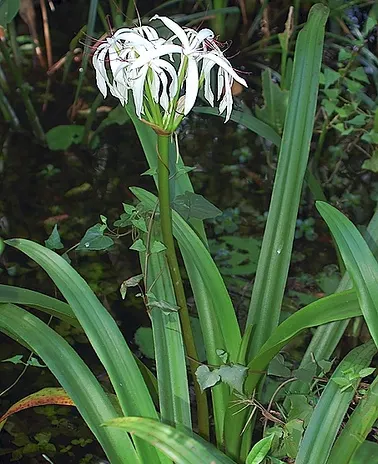
Queen Emma Lily (Crinum Splendens) — deep purple blooms stand atop sturdy stems up to 5 feet tall; queen Emma Lily prefers full sun to partial, image 55
Queen Emma Lily (Crinum Splendens) — arching gracefully and growing up to 3 feet in length; offering striking foliage, image 89
Queen Emma Lily (Crinum Splendens) — reaching heights between 4 to 6 feet with an equal spread
Queen Emma Lily (Crinum Splendens) — arching leaves reaching up to 4 feet high
Photographs by 12 contributors

Related plants