Skip to content

Lily Of The Valley Tree

Crinodendron Patagua

Design with this plant

Overview

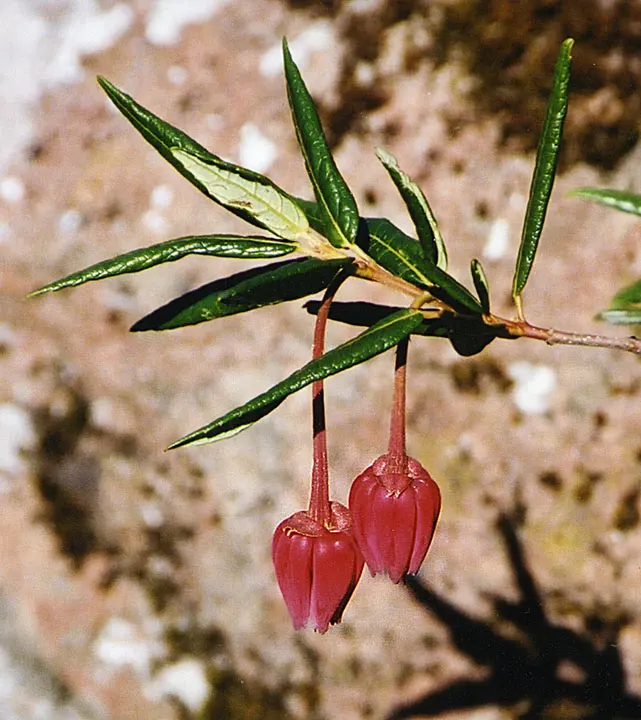
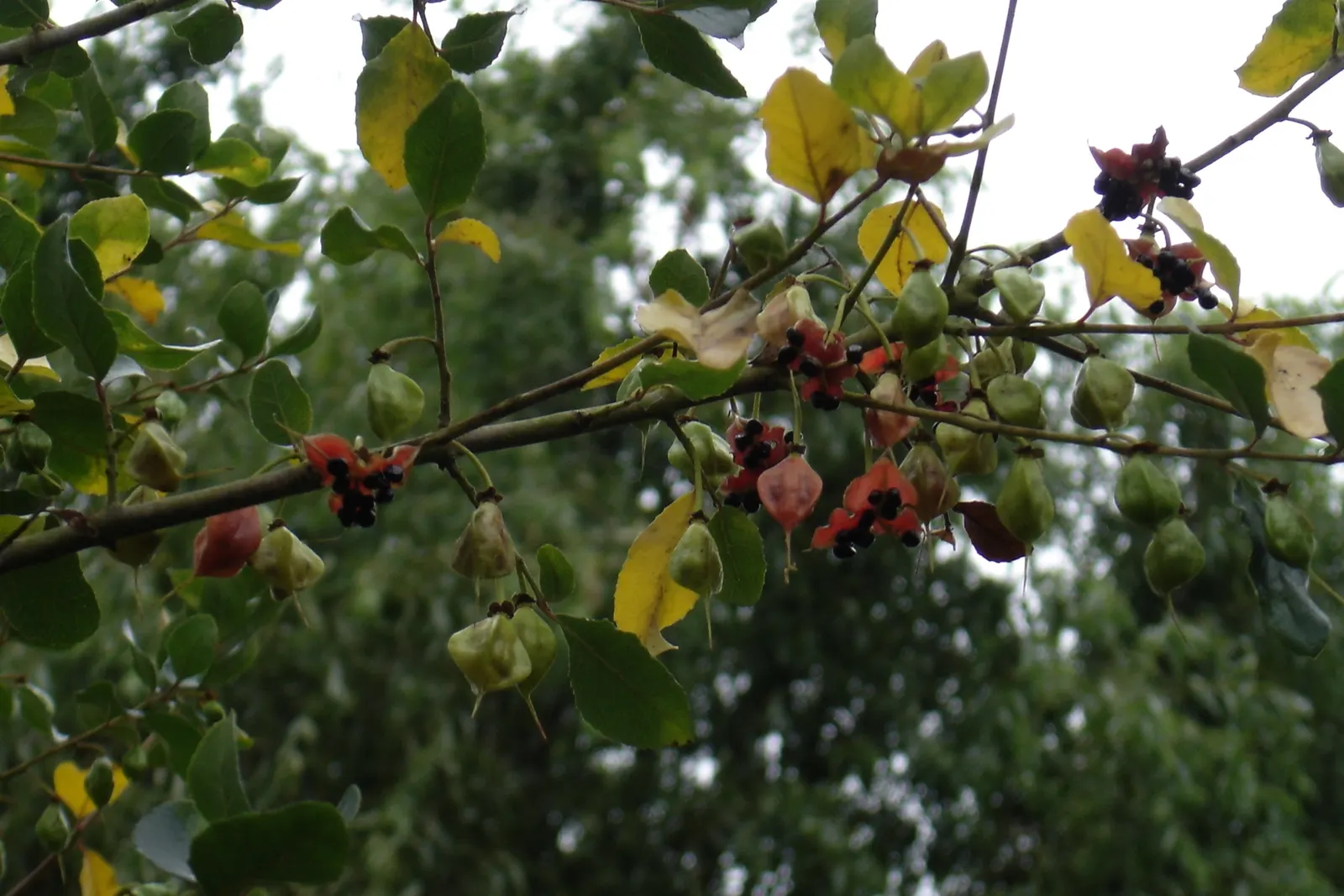
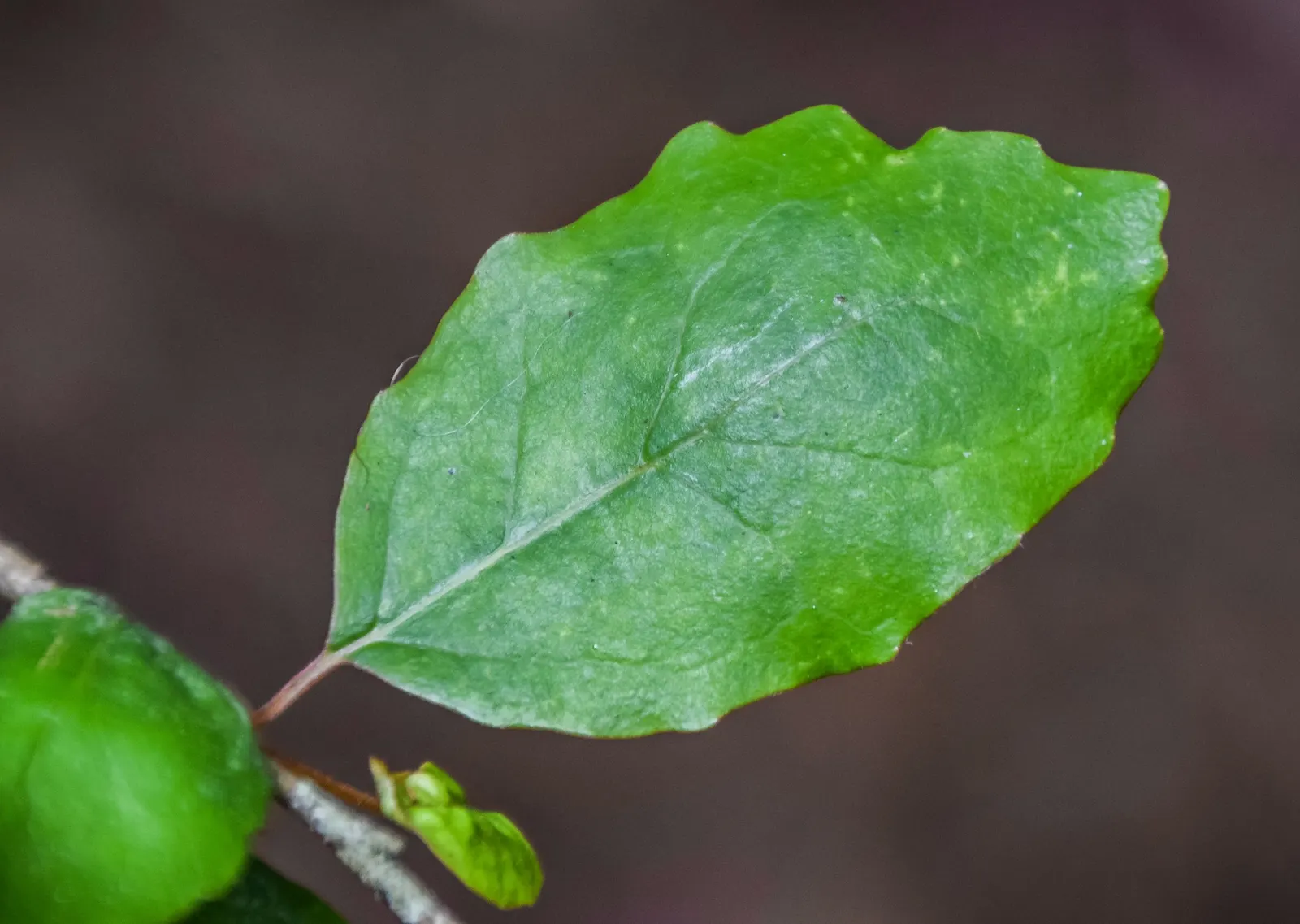
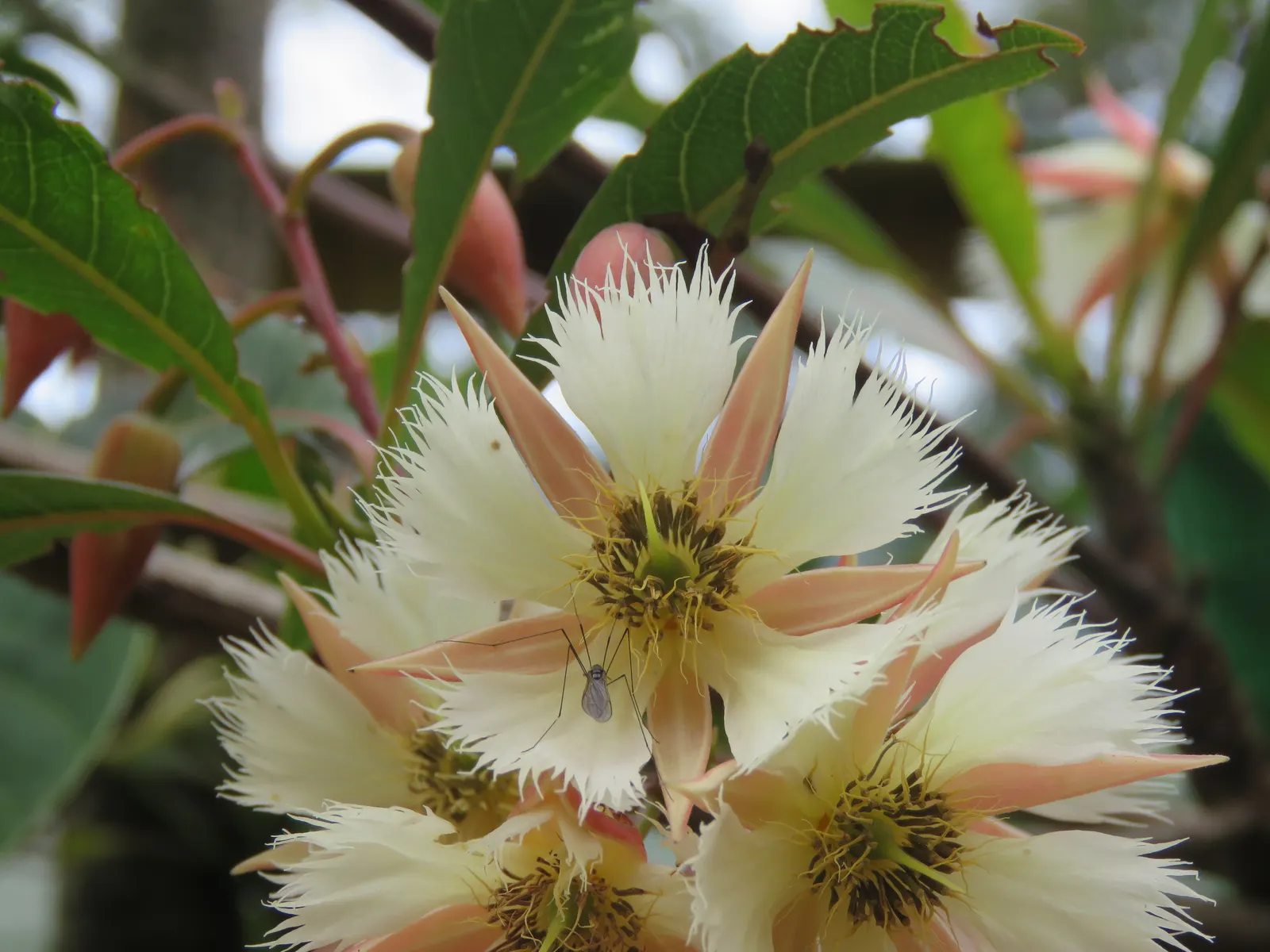
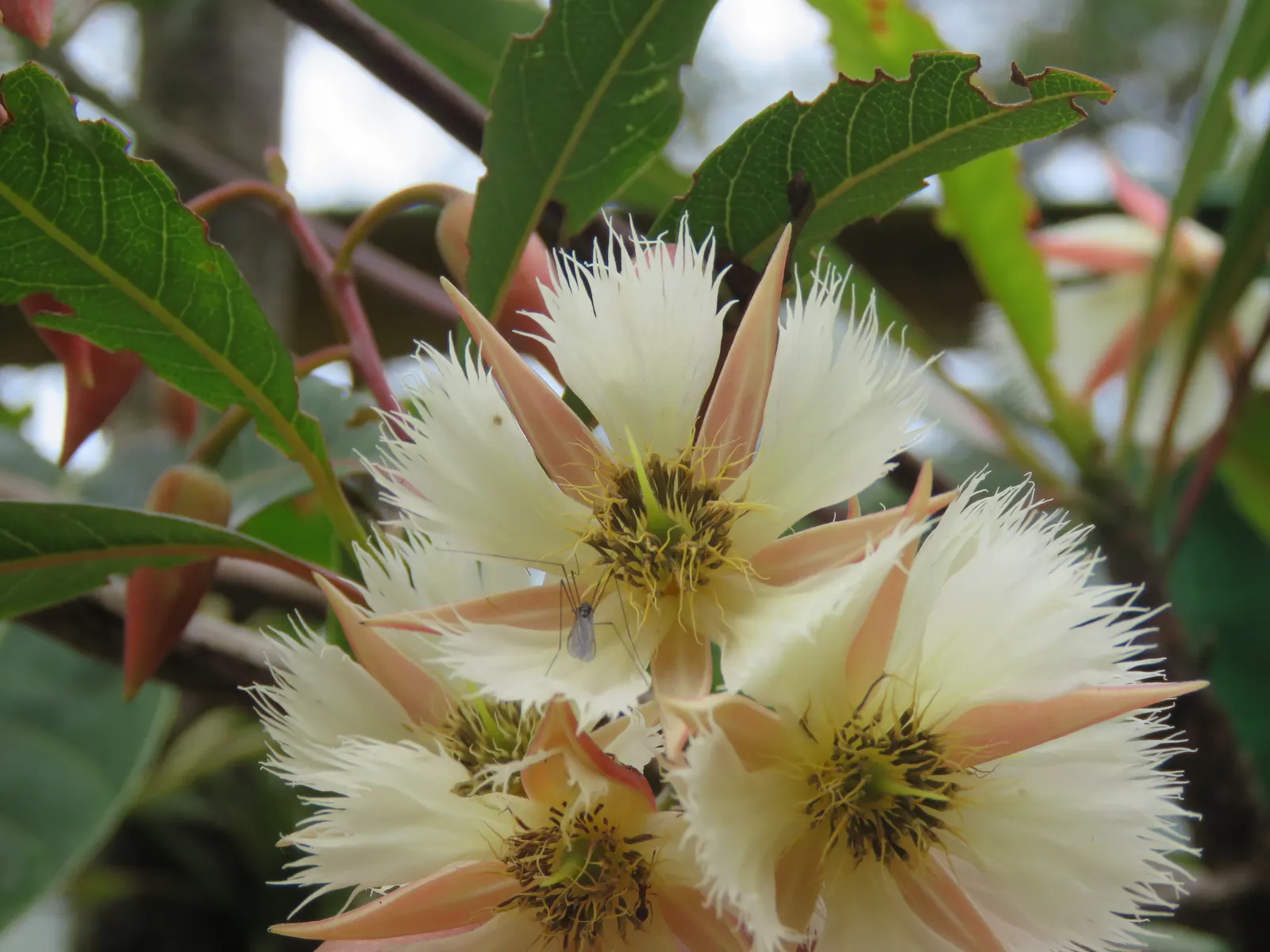
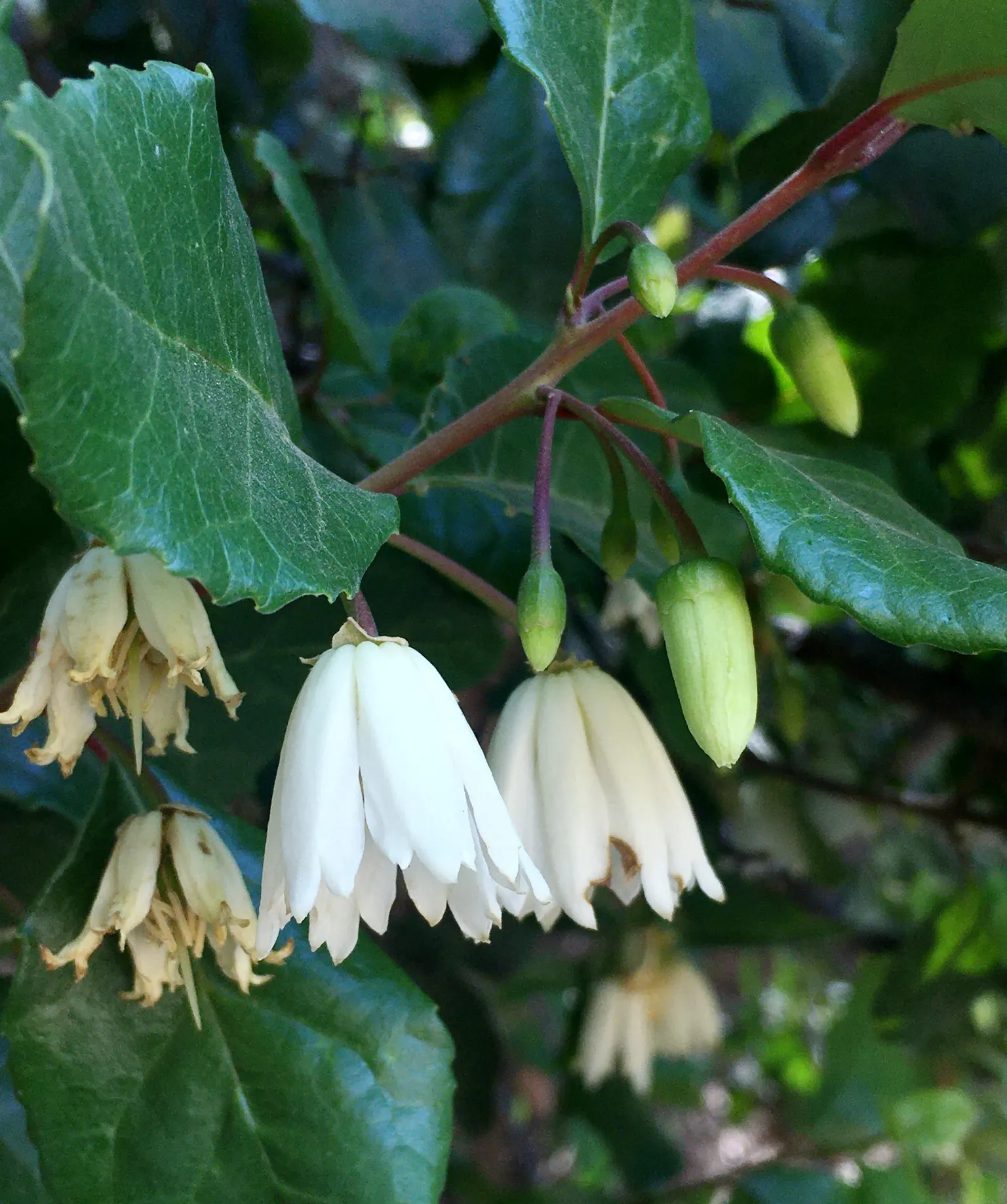
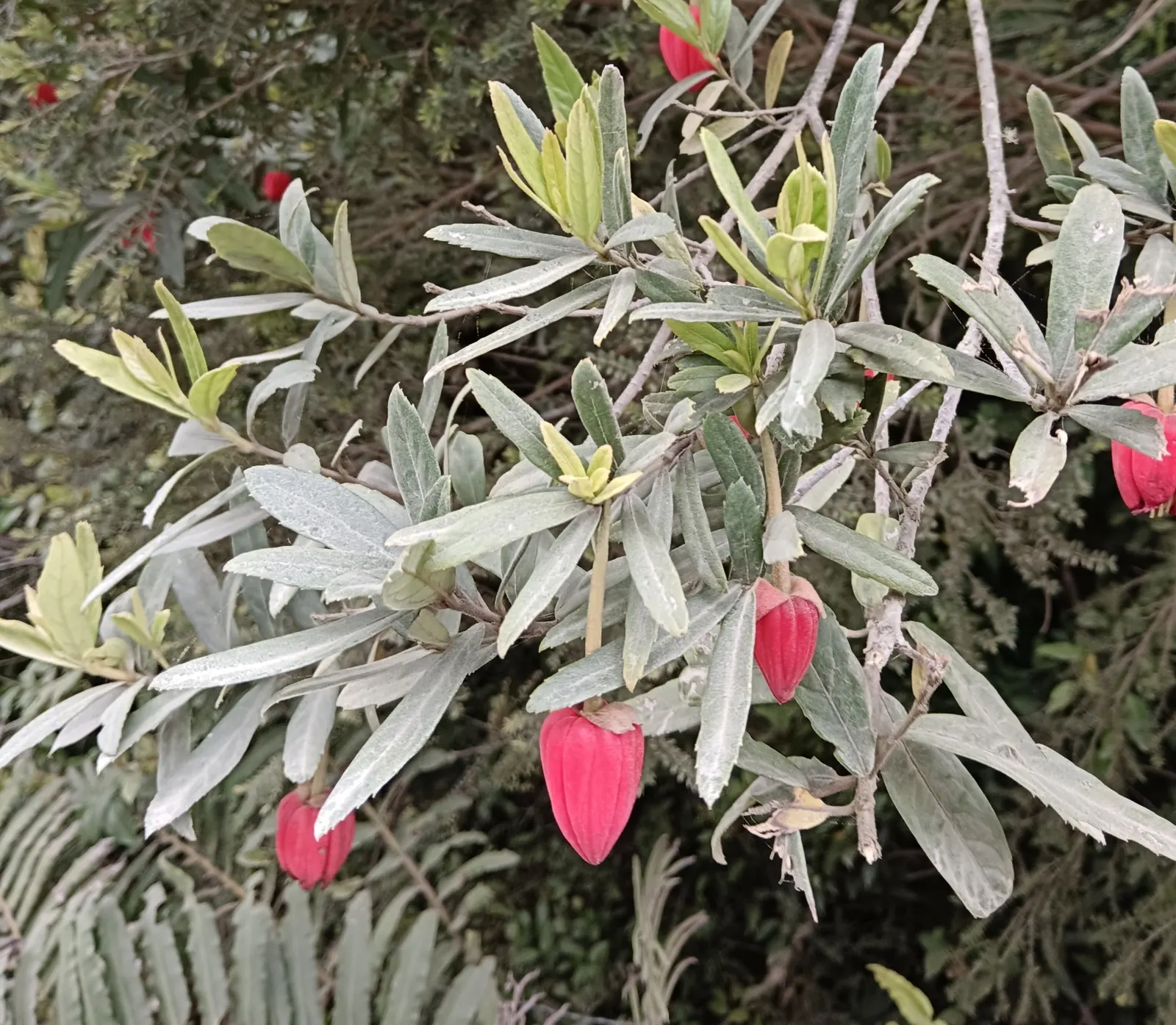
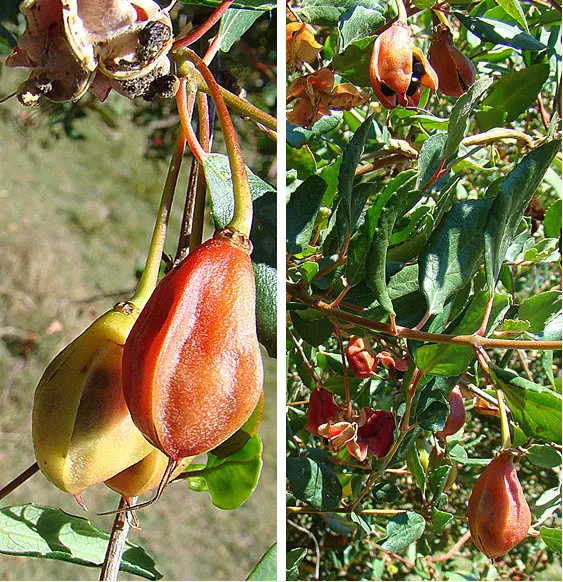
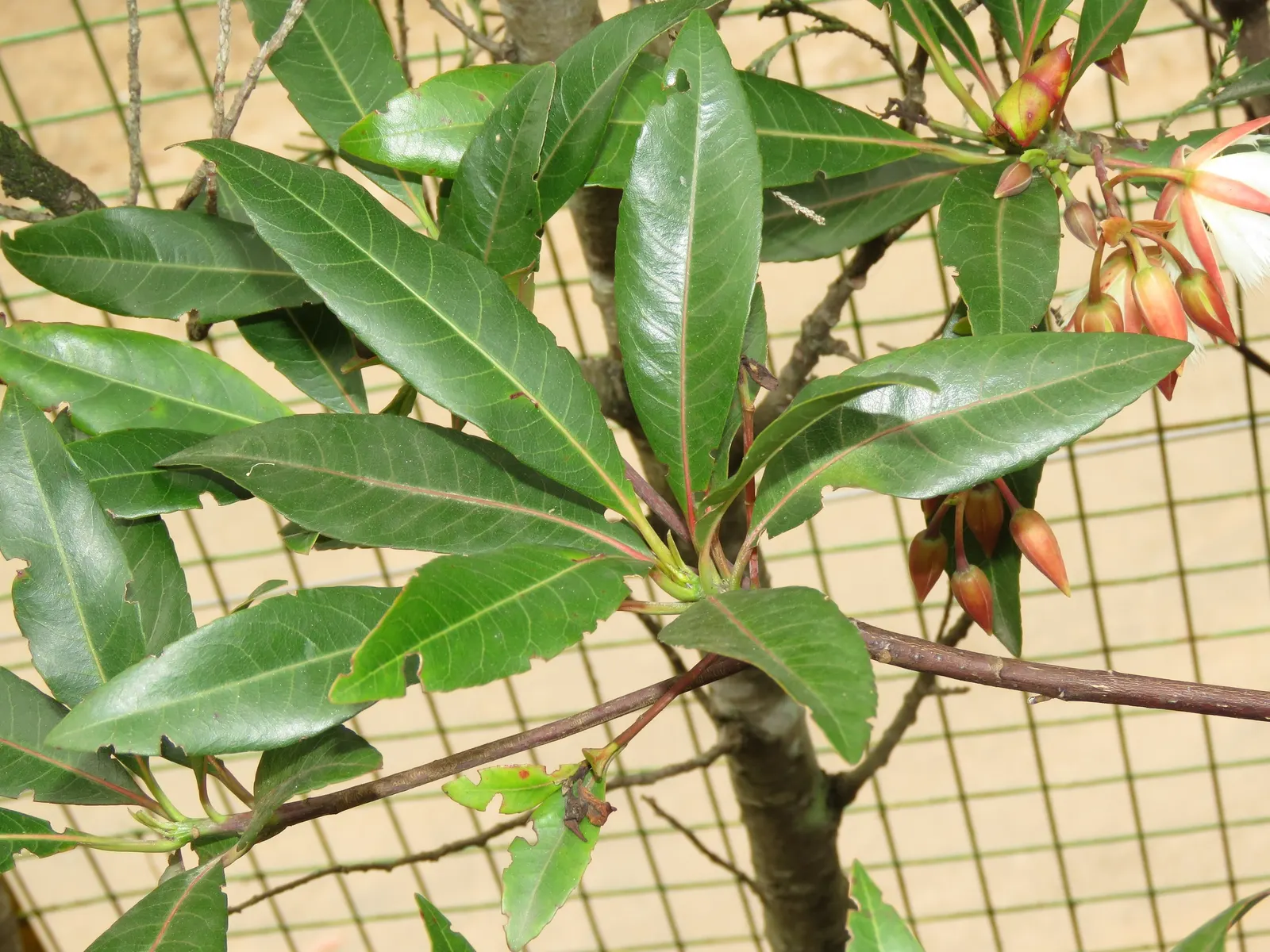
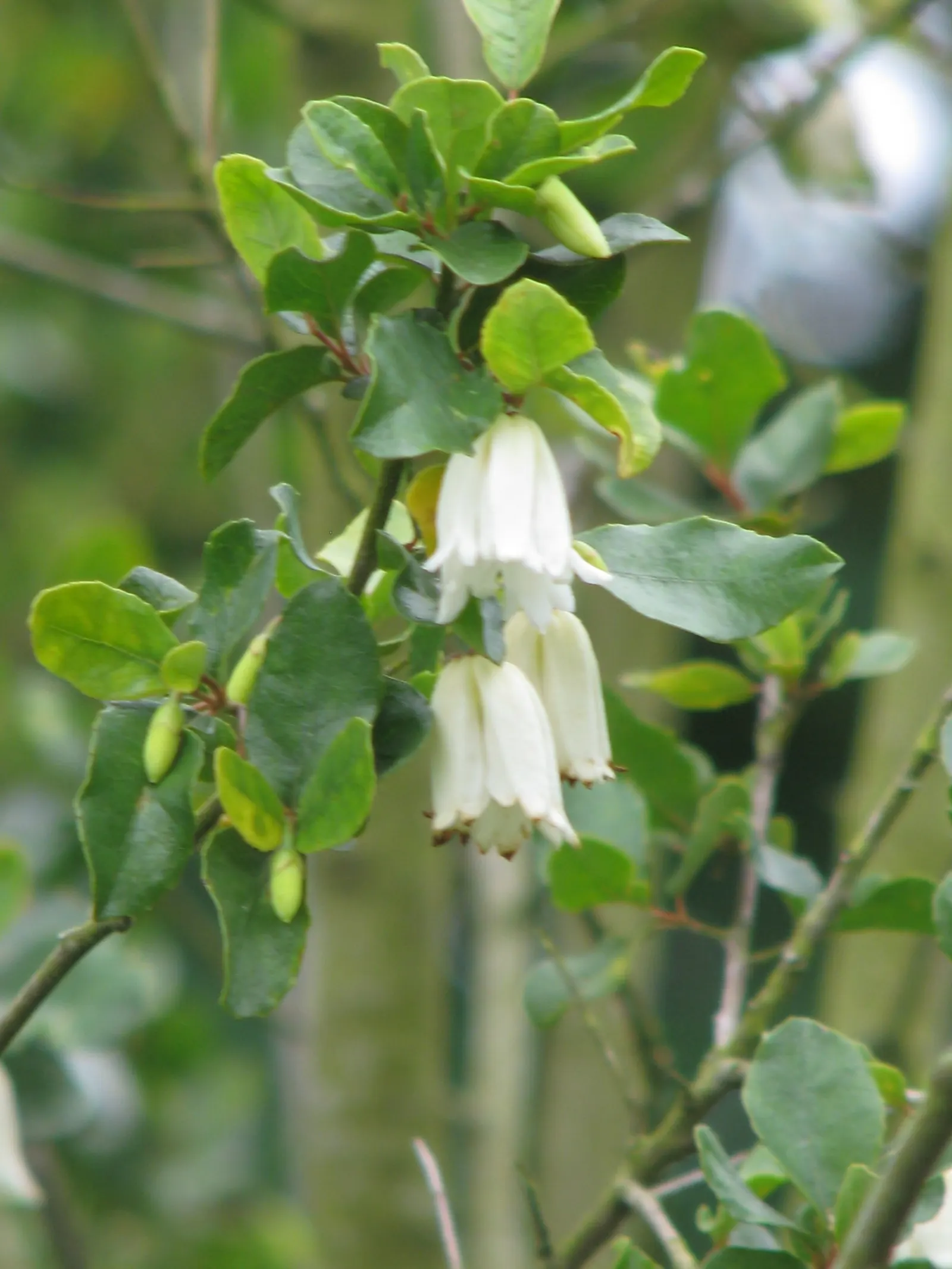
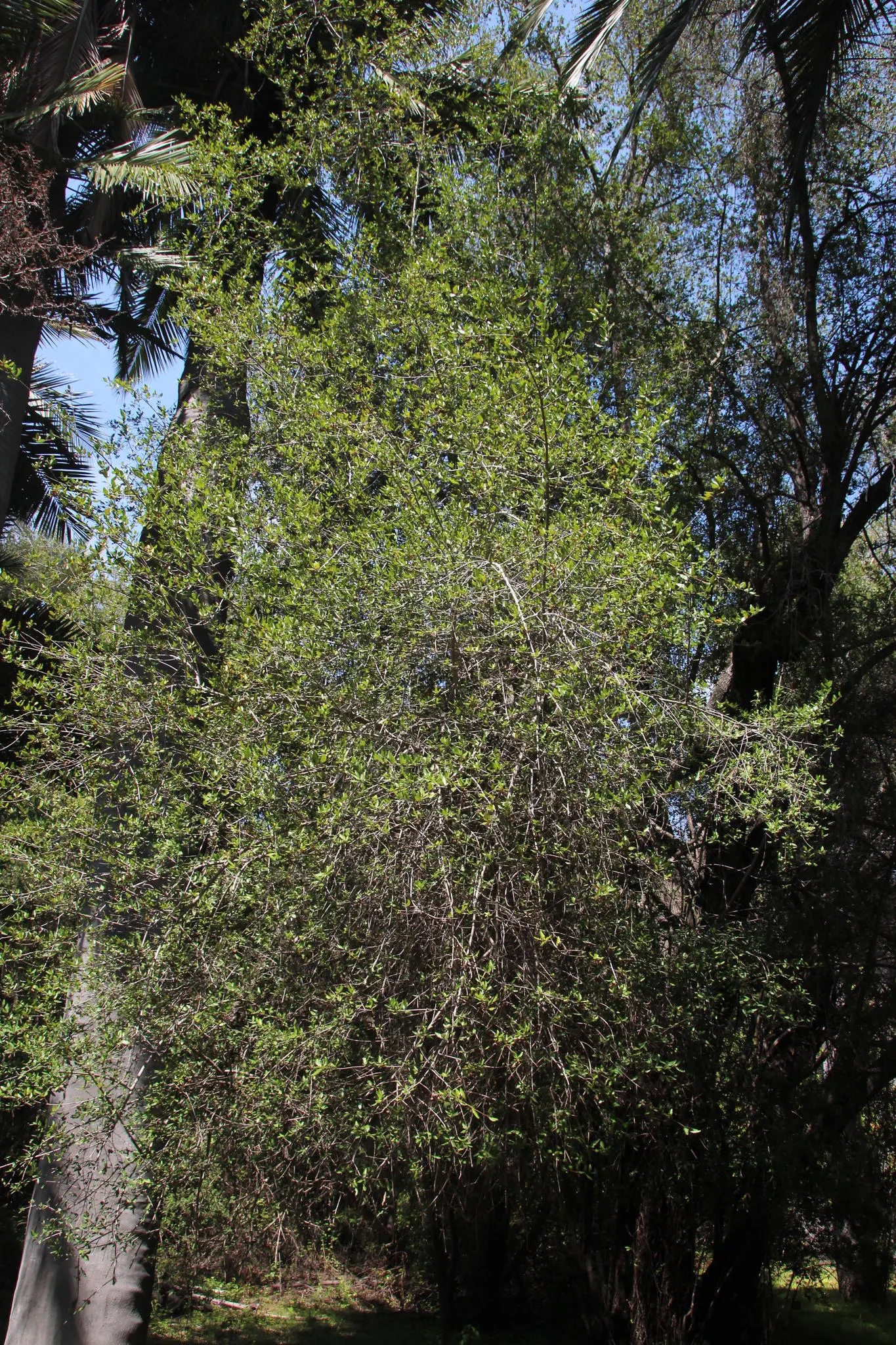
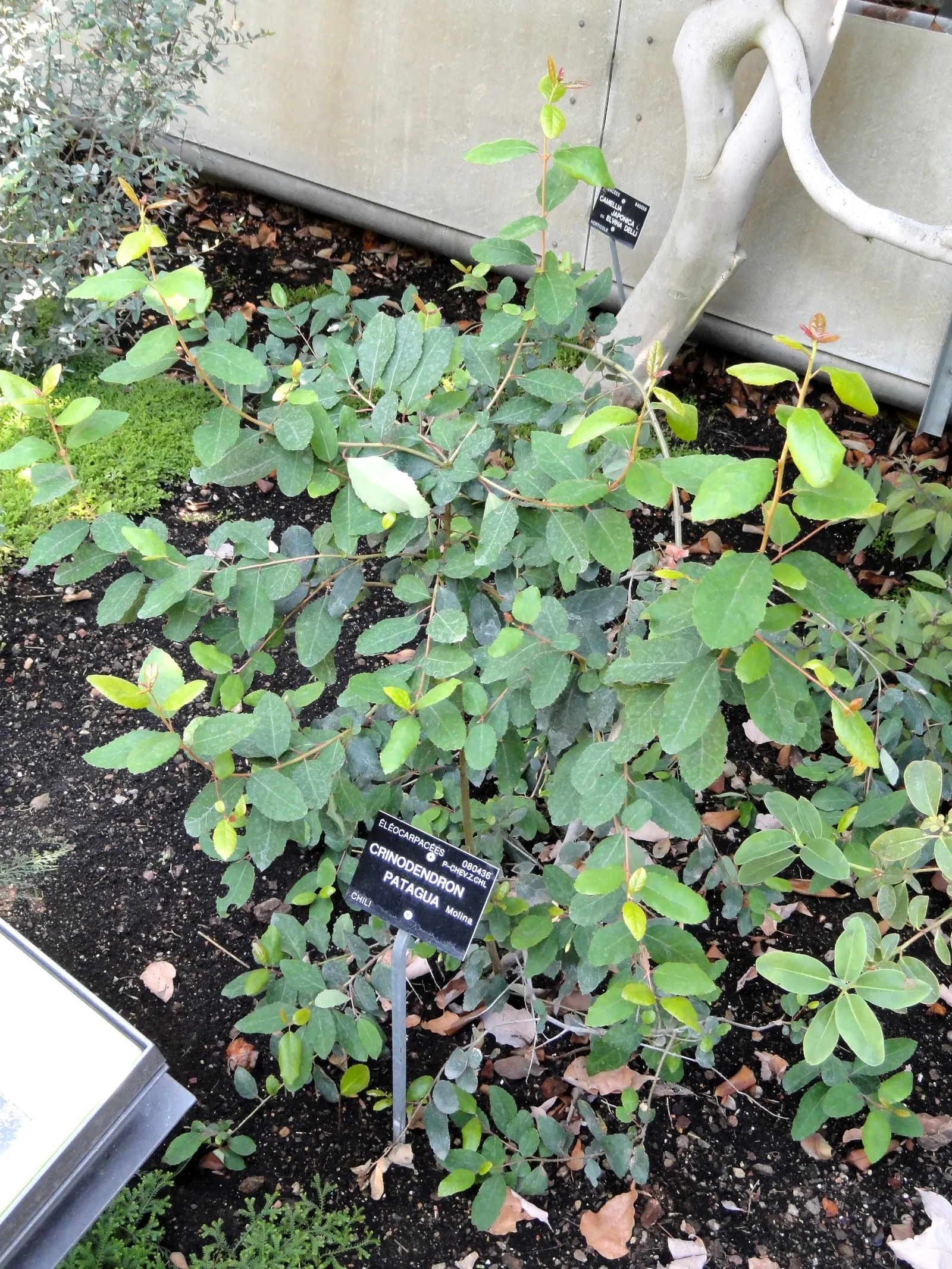
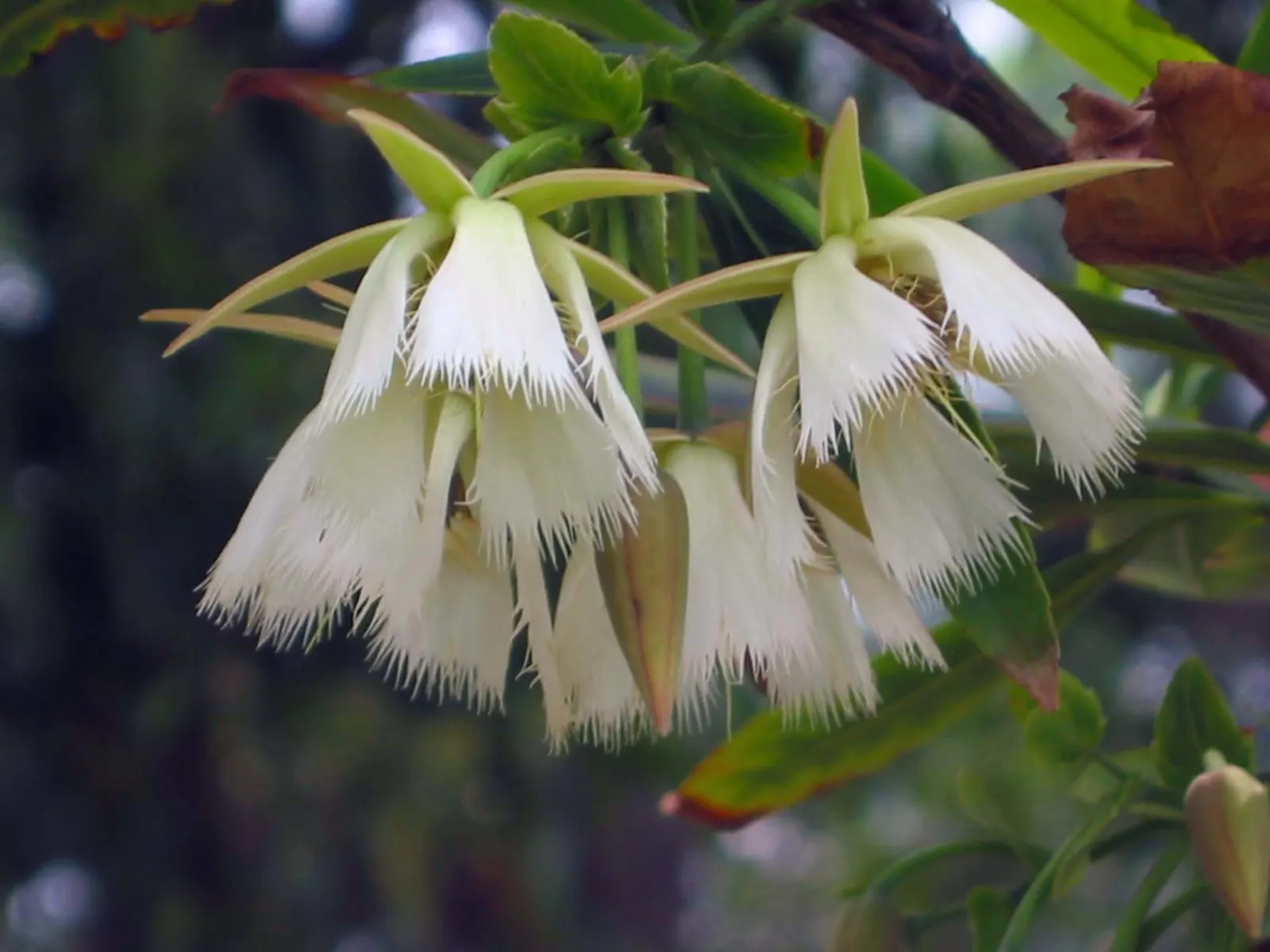
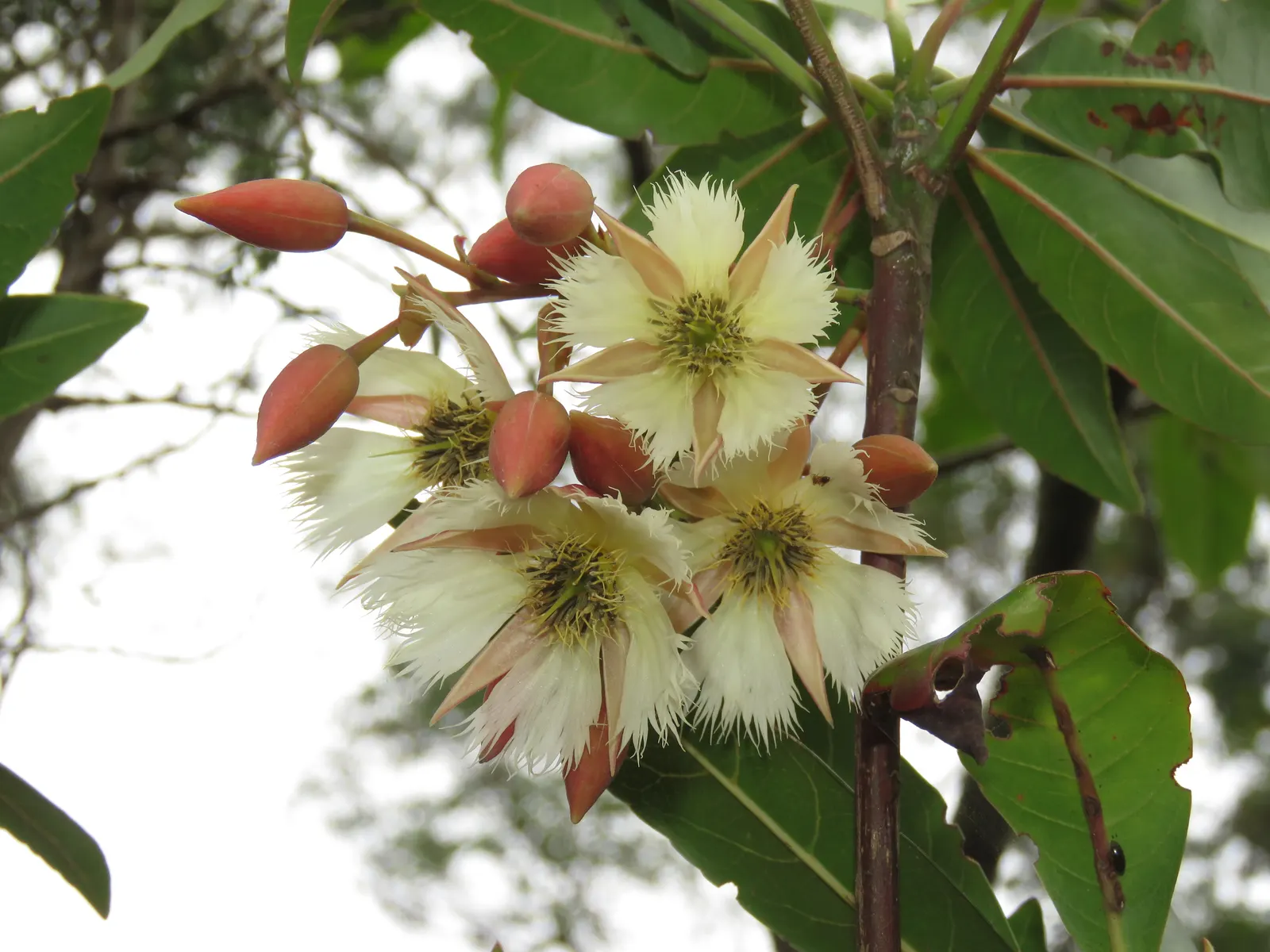
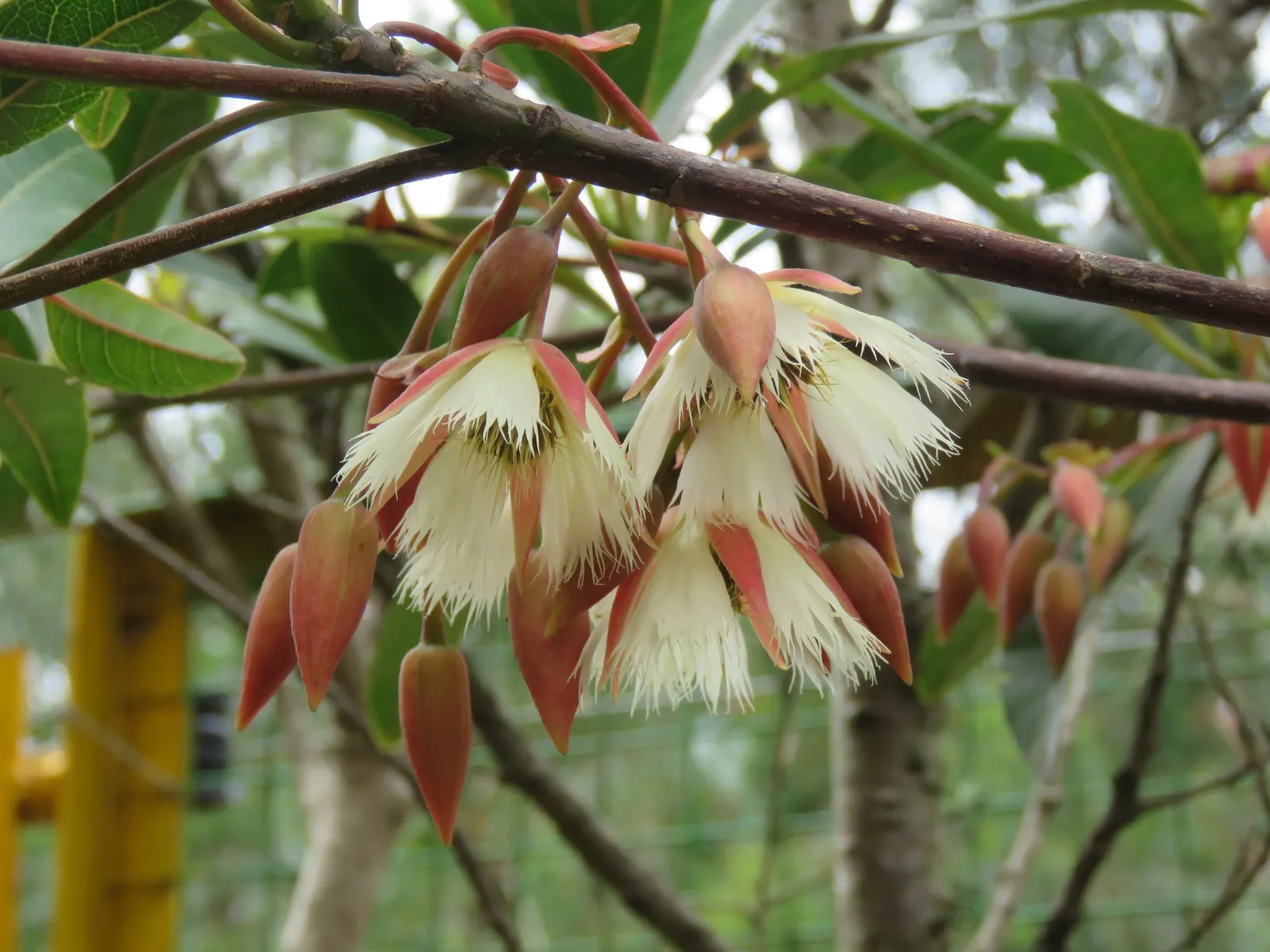
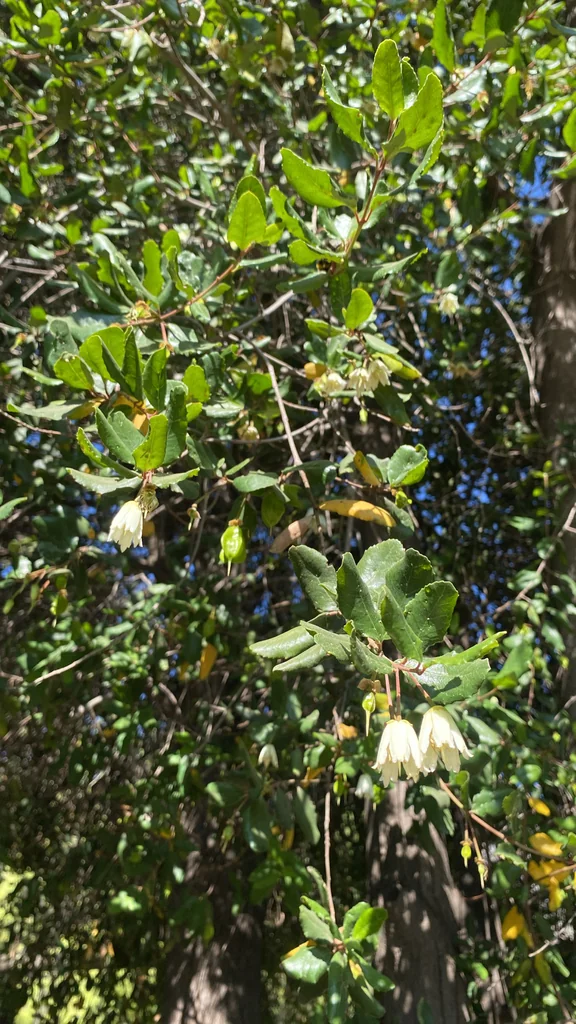
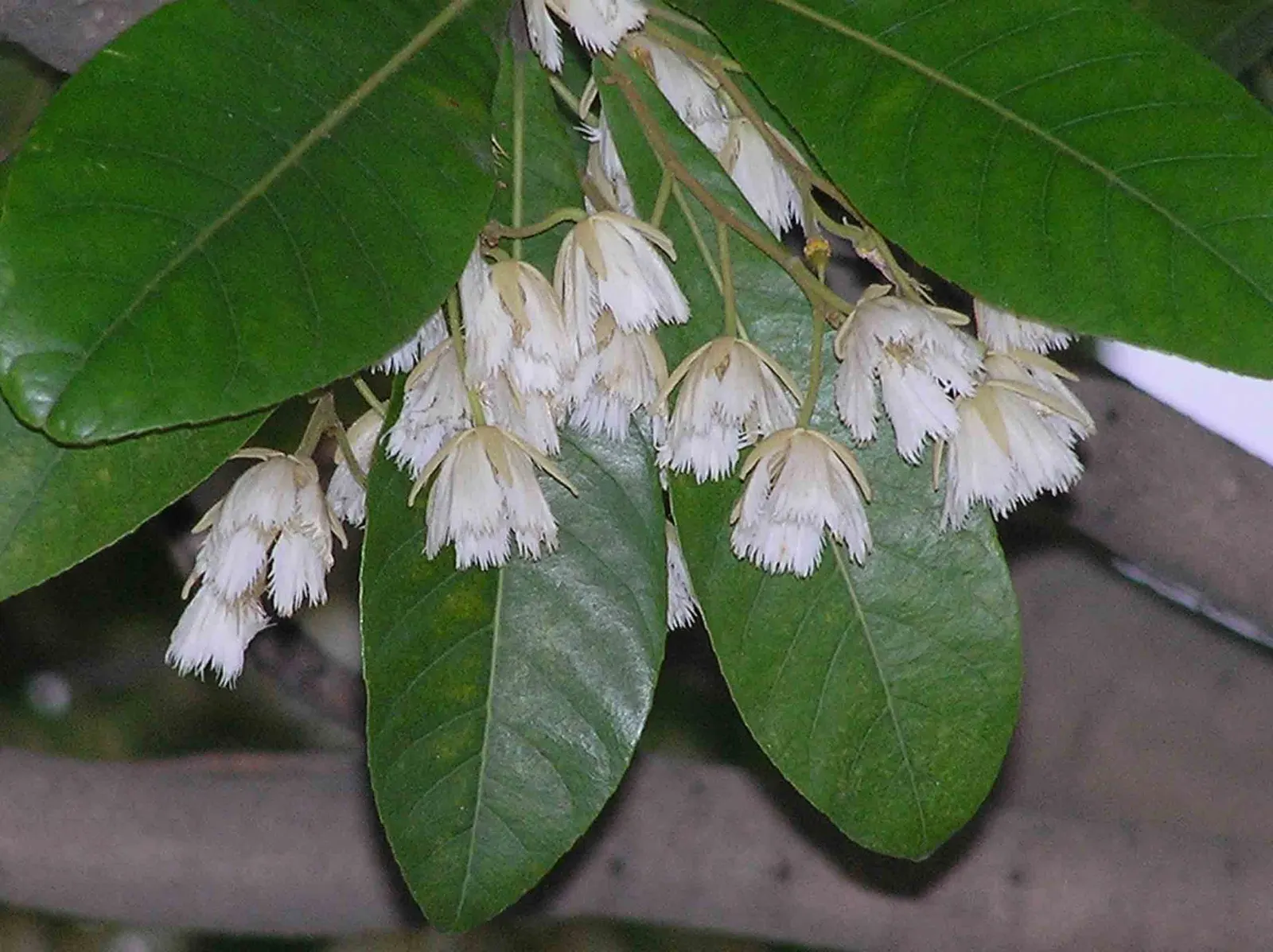
The Lily of the Valley Tree, Crinodendron patagua, is a Chilean native, revered for its profuse white, bell-shaped flowers resembling the namesake perennial. This evergreen tree reaches heights of up to 40 feet with a spread of 20 feet. Preferring well-drained soil, it thrives in full sun to partial shade. Hardy and low-maintenance, it's ideal for creating focal points in temperate gardens, Zones 8-10.

Sun Full, HalfWater MediumZones 8–11Climate Mediterranean
Lily Of The Valley Tree (Crinodendron Patagua) — revered for its profuse white

Culture

Sun
Full, Half
Water
Medium
USDA zones
8–11

Shape & size

Mature height
10–30 Ft.
Mature width
6–20 Ft.

Classification

Family
Elaeocarpaceae
Climate
Mediterranean

See full data, regional cultivation notes, full-resolution photos, and design tools. Build a client presentation around this plant.

Start your 14-day trial

Photos (70)

Lily Of The Valley Tree (Crinodendron Patagua) — These flowers are typically 1 inch in length and can be expected to emerge in late spring to early, image 49
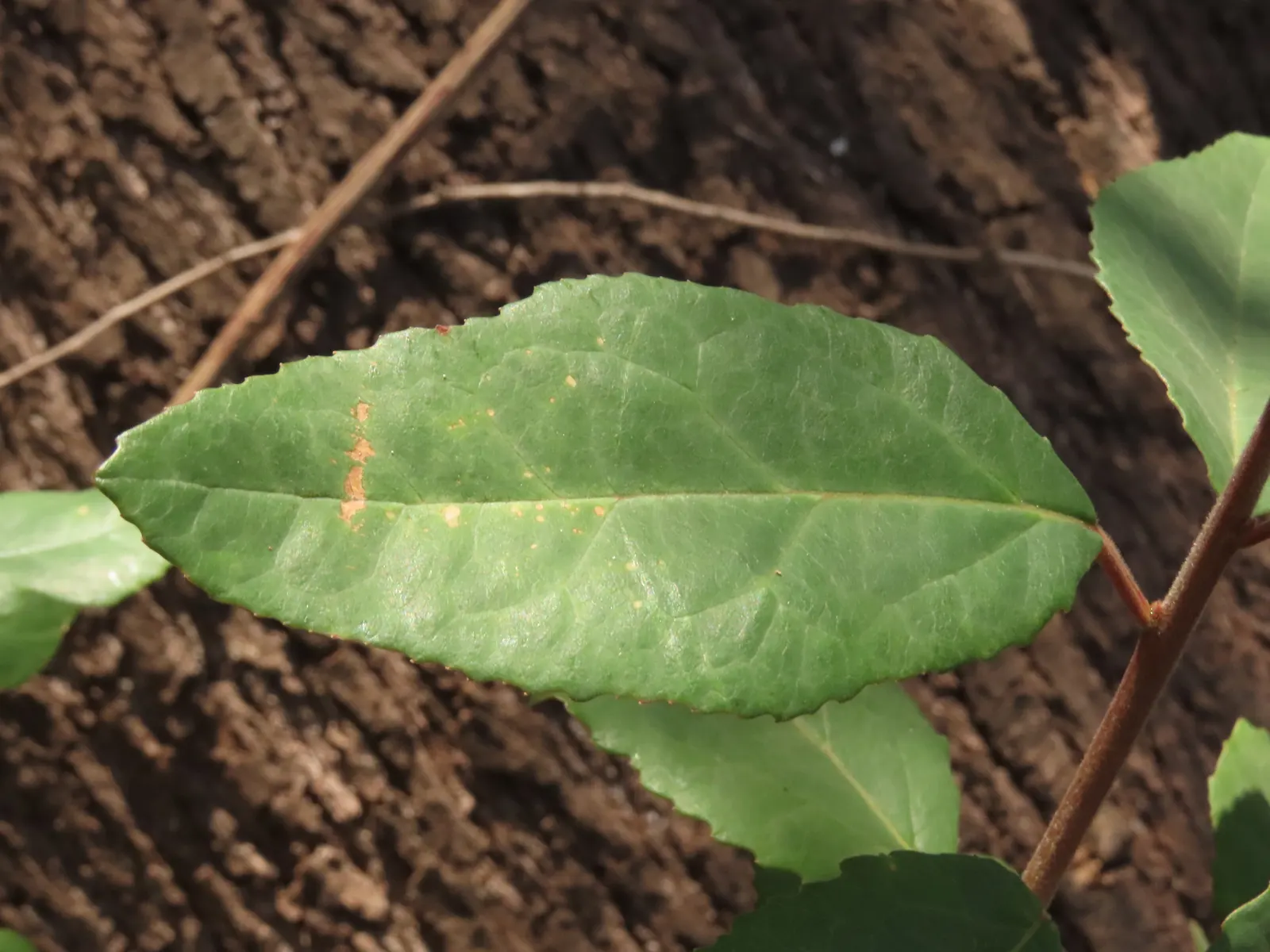
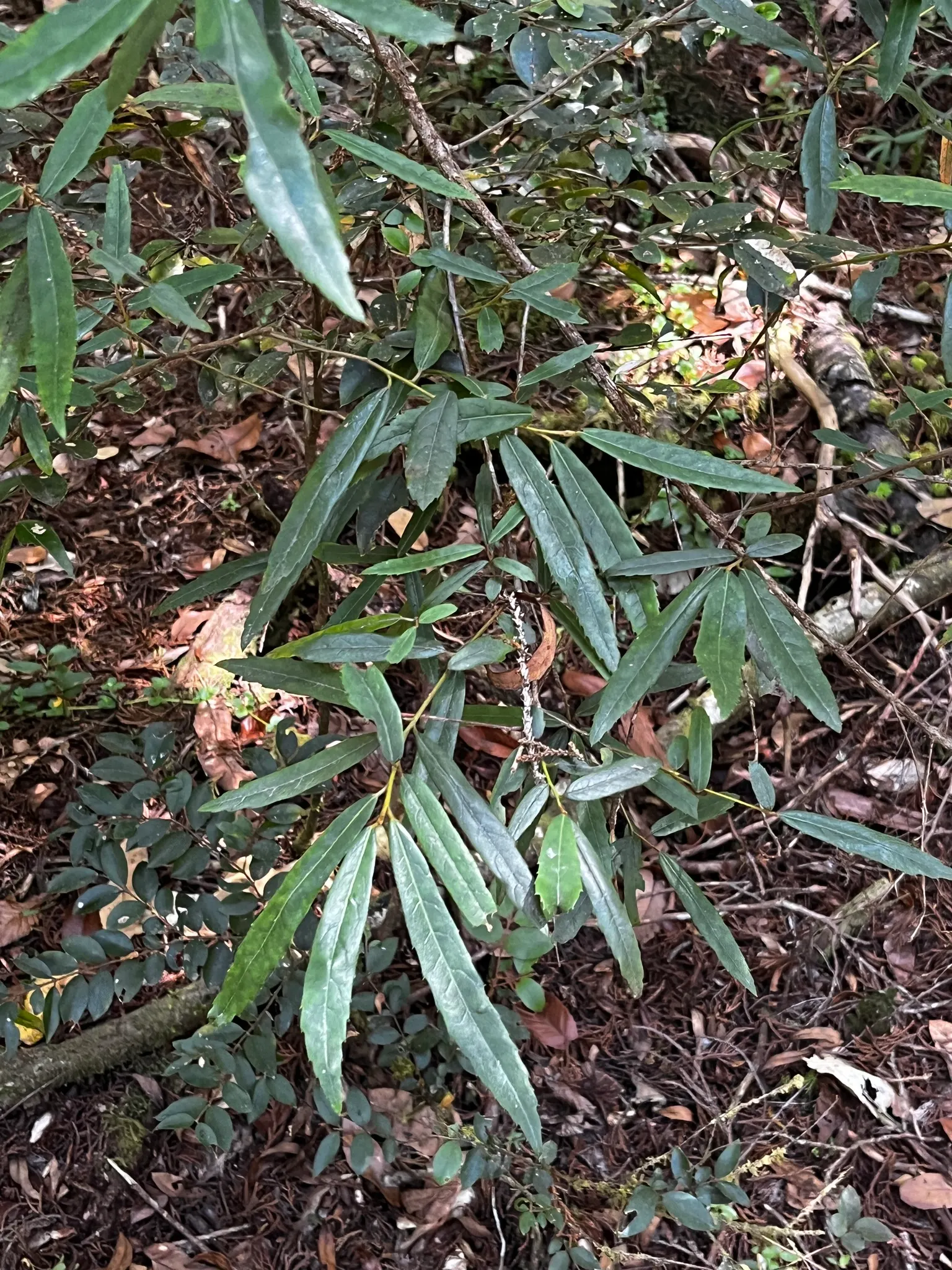
Lily Of The Valley Tree (Crinodendron Patagua) — creating an elegant rounded silhouette in your landscape design.<br><br>Its leathery dark green, image 47
Lily Of The Valley Tree (Crinodendron Patagua) — which drape the tree in a stunning display of white to pinkish blossoms, image 48
Lily Of The Valley Tree (Crinodendron Patagua) — Regular pruning is not essential; which are moderate once established, image 54
Lily Of The Valley Tree (Crinodendron Patagua) — white flowers in the garden; bell-shaped flowers resembling the namesake perennial, image 55
Lily Of The Valley Tree (Crinodendron Patagua) — which are moderate once established; shrub / tree for full or half, image 52
Lily Of The Valley Tree (Crinodendron Patagua) — making it relatively low maintenance; is a captivating and ornamental evergreen species native to, image 53
Lily Of The Valley Tree (Crinodendron Patagua) — This evergreen tree reaches heights of up to 40 feet with a spread of 20 feet; shrub / tree with, image 60
Lily Of The Valley Tree (Crinodendron Patagua) — bell-shaped flowers resembling the namesake perennial; these flowers are typically 1 inch in, image 59
Lily Of The Valley Tree (Crinodendron Patagua) — revered for its profuse white; preferring well-drained soil, it thrives in full sun to partial, image 58
Lily Of The Valley Tree (Crinodendron Patagua) — shrub / tree with white blooms; creating an elegant rounded silhouette in your landscape, image 56
Lily Of The Valley Tree (Crinodendron Patagua) — shrub / tree for full or half; regular pruning is not essential, image 57
Lily Of The Valley Tree (Crinodendron Patagua) — Preferring well-drained soil, it thrives in full sun to partial shade; scientifically named, image 61
Lily Of The Valley Tree (Crinodendron Patagua) — scientifically named Crinodendron patagua; revered for its profuse white, image 63
Lily Of The Valley Tree (Crinodendron Patagua) — Hardy and low-maintenance, it's ideal for creating focal points in temperate gardens, Zones 8-10, image 62
Lily Of The Valley Tree (Crinodendron Patagua) — with a canopy spread of around 15 to 20 feet; making it relatively low maintenance, image 65
Lily Of The Valley Tree (Crinodendron Patagua) — is a captivating and ornamental evergreen species native to the central and southern regions of, image 64
Lily Of The Valley Tree (Crinodendron Patagua) — creating an elegant rounded silhouette in your landscape design.<br><br>Its leathery dark green, image 66
Lily Of The Valley Tree (Crinodendron Patagua) — which drape the tree in a stunning display of white to pinkish blossoms, image 67
Lily Of The Valley Tree (Crinodendron Patagua) — These flowers are typically 1 inch in length and can be expected to emerge in late spring to early, image 68
Lily Of The Valley Tree (Crinodendron Patagua) — It is suitable for USDA hardiness zones 8 through 10; hardy and low-maintenance, it's ideal for, image 69
Lily Of The Valley Tree (Crinodendron Patagua) — When integrating this tree into a landscape design; it is suitable for USDA hardiness zones 8, image 70

Related plants