Skip to content

Jicaro

Crescentia Alata

Design with this plant

Overview

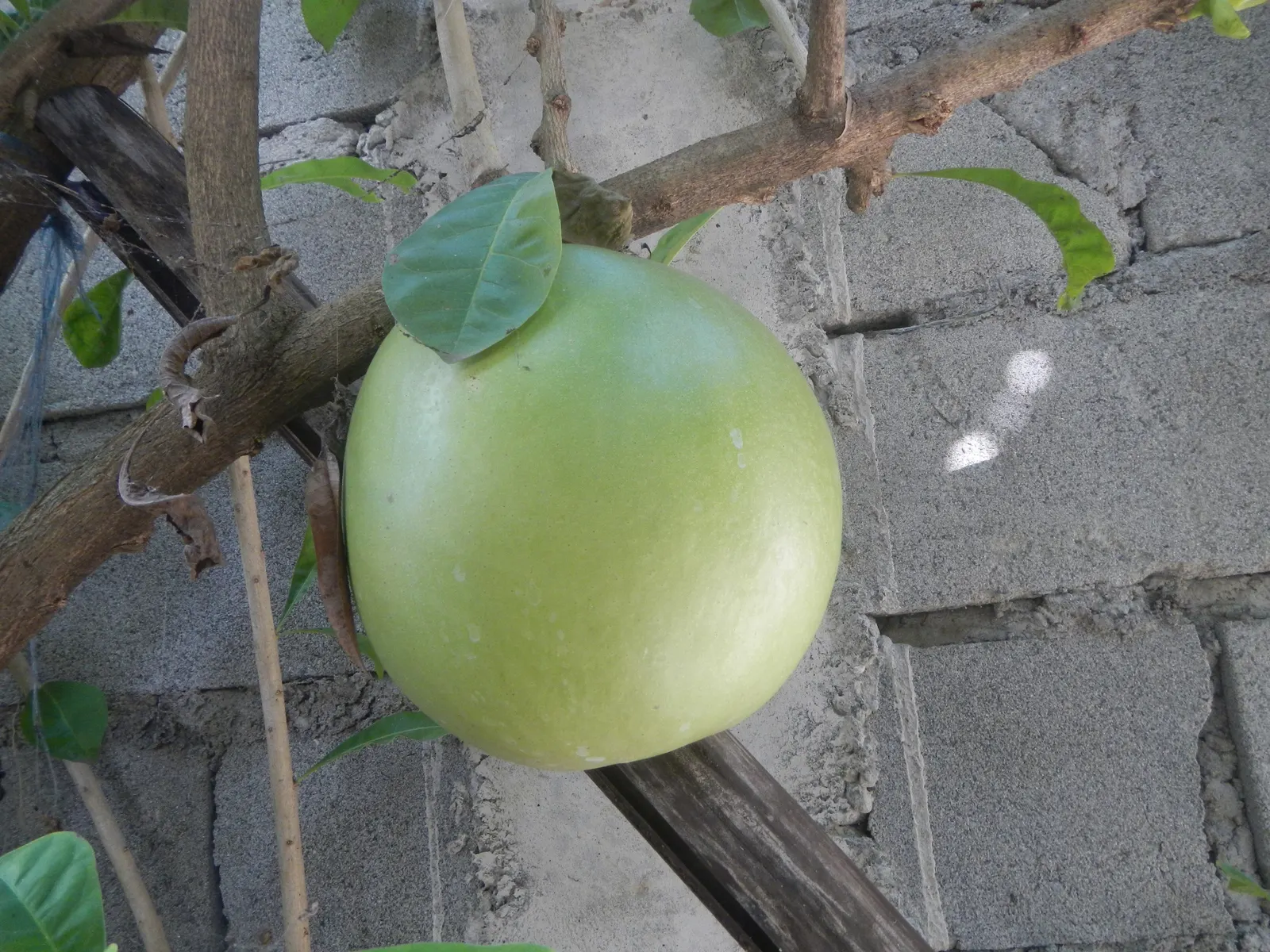
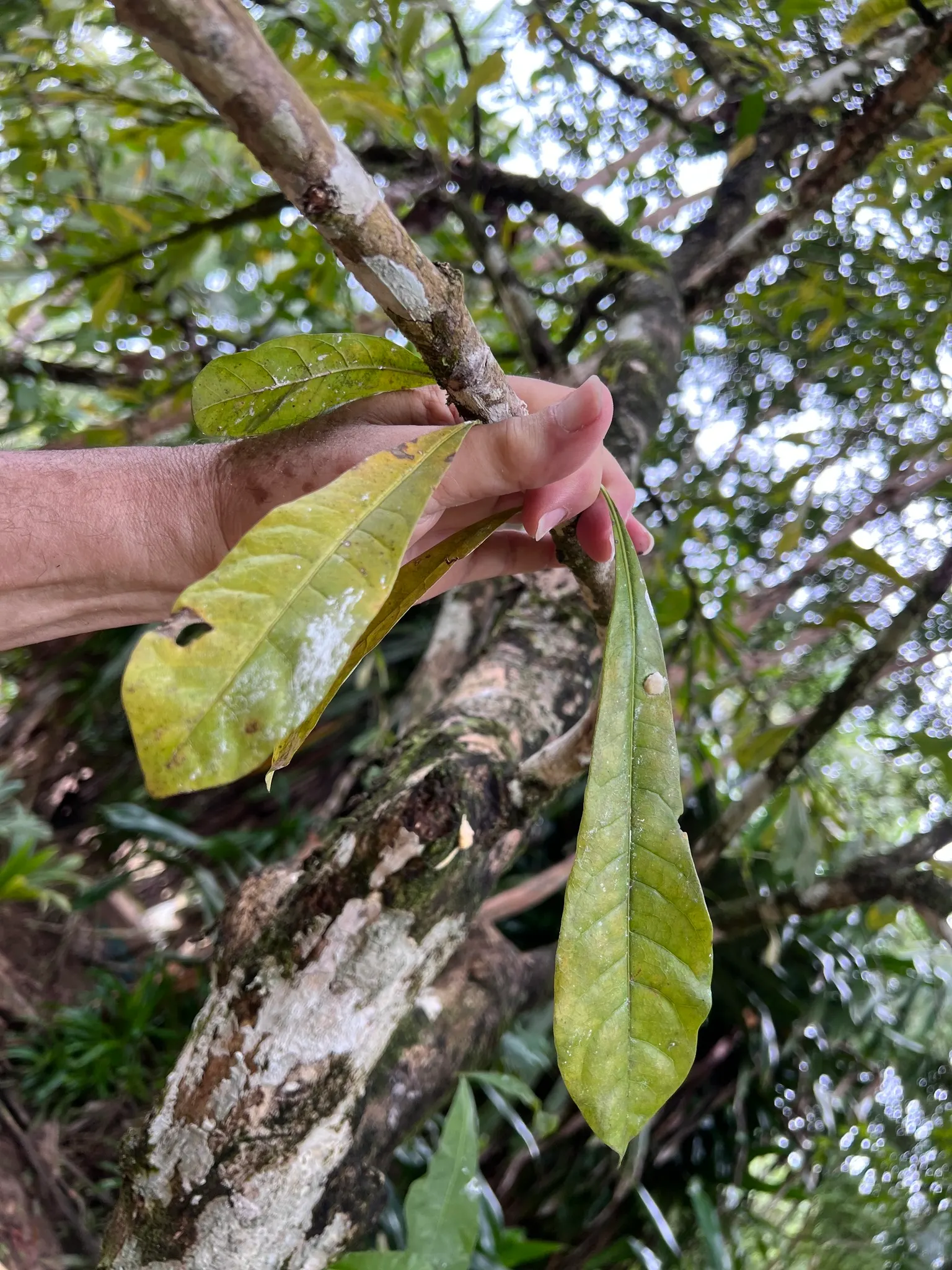
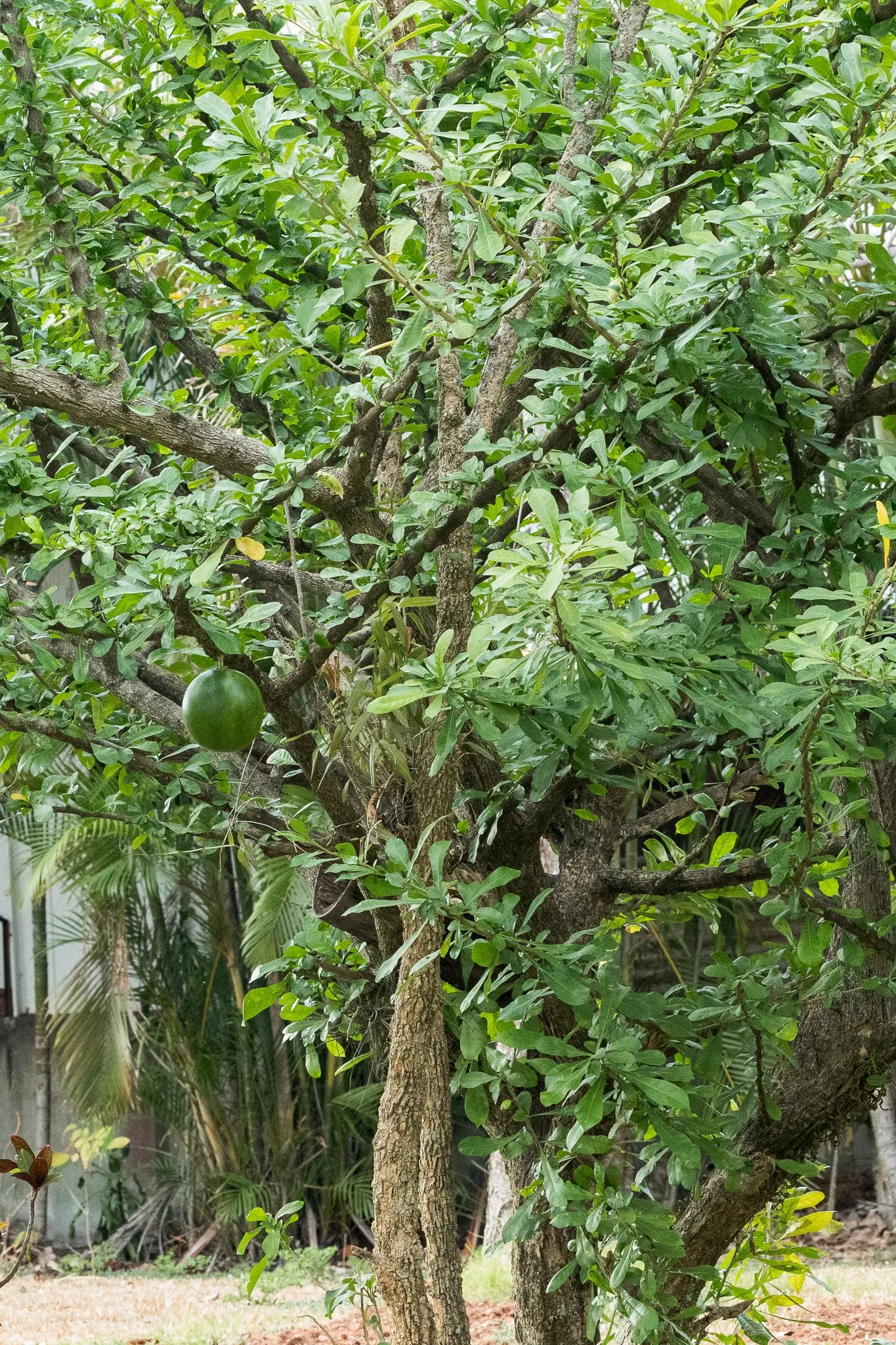
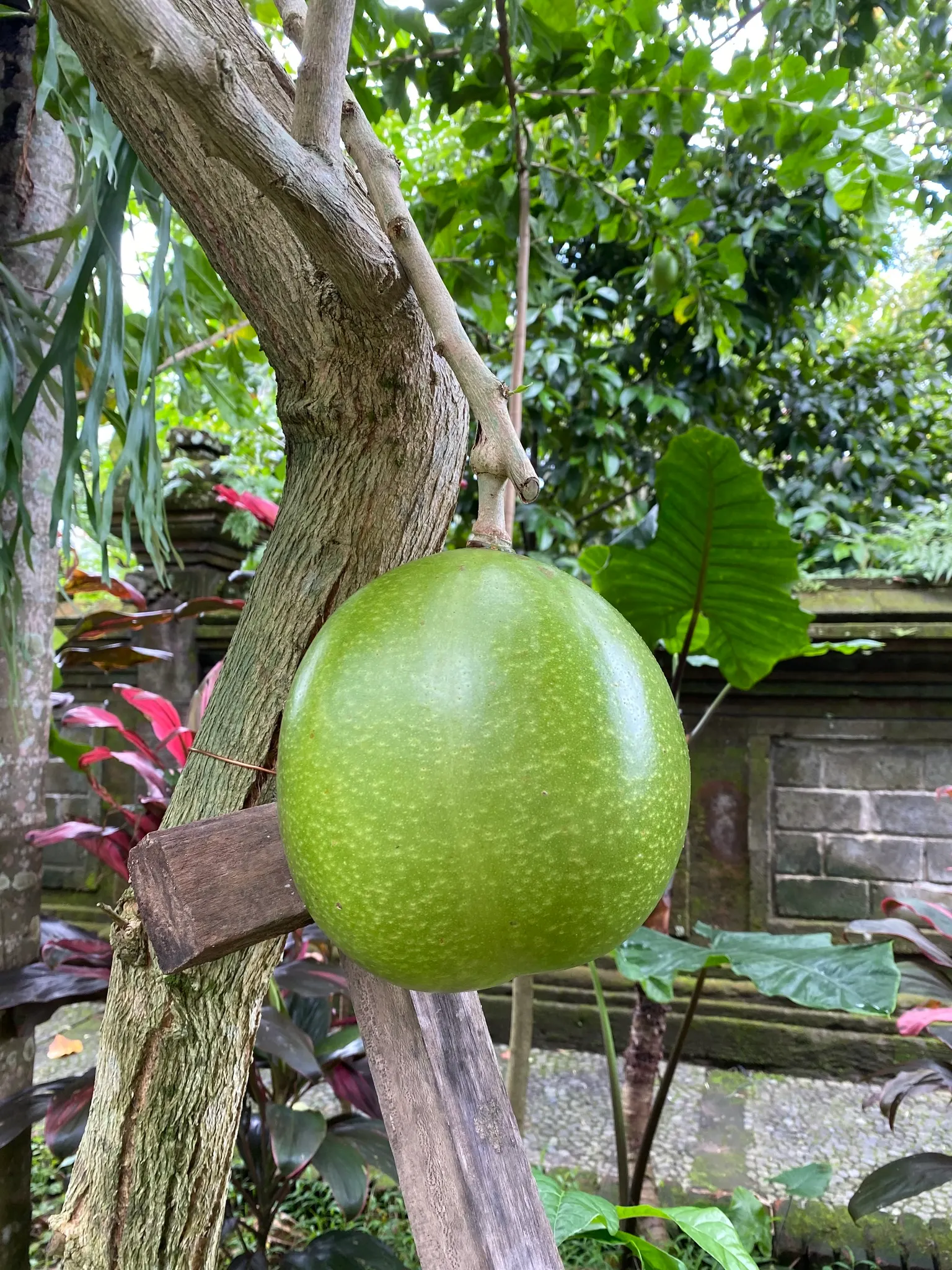
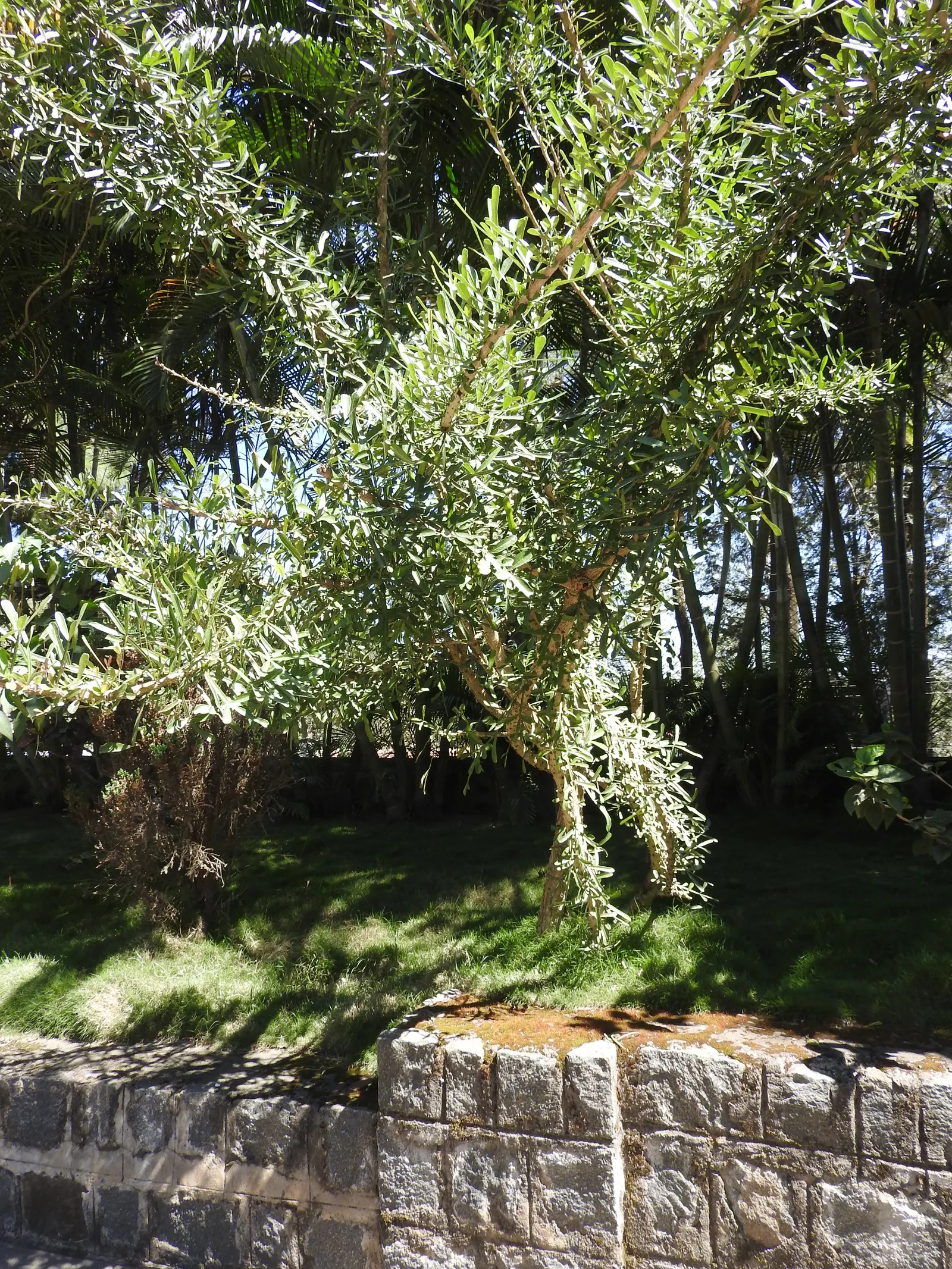
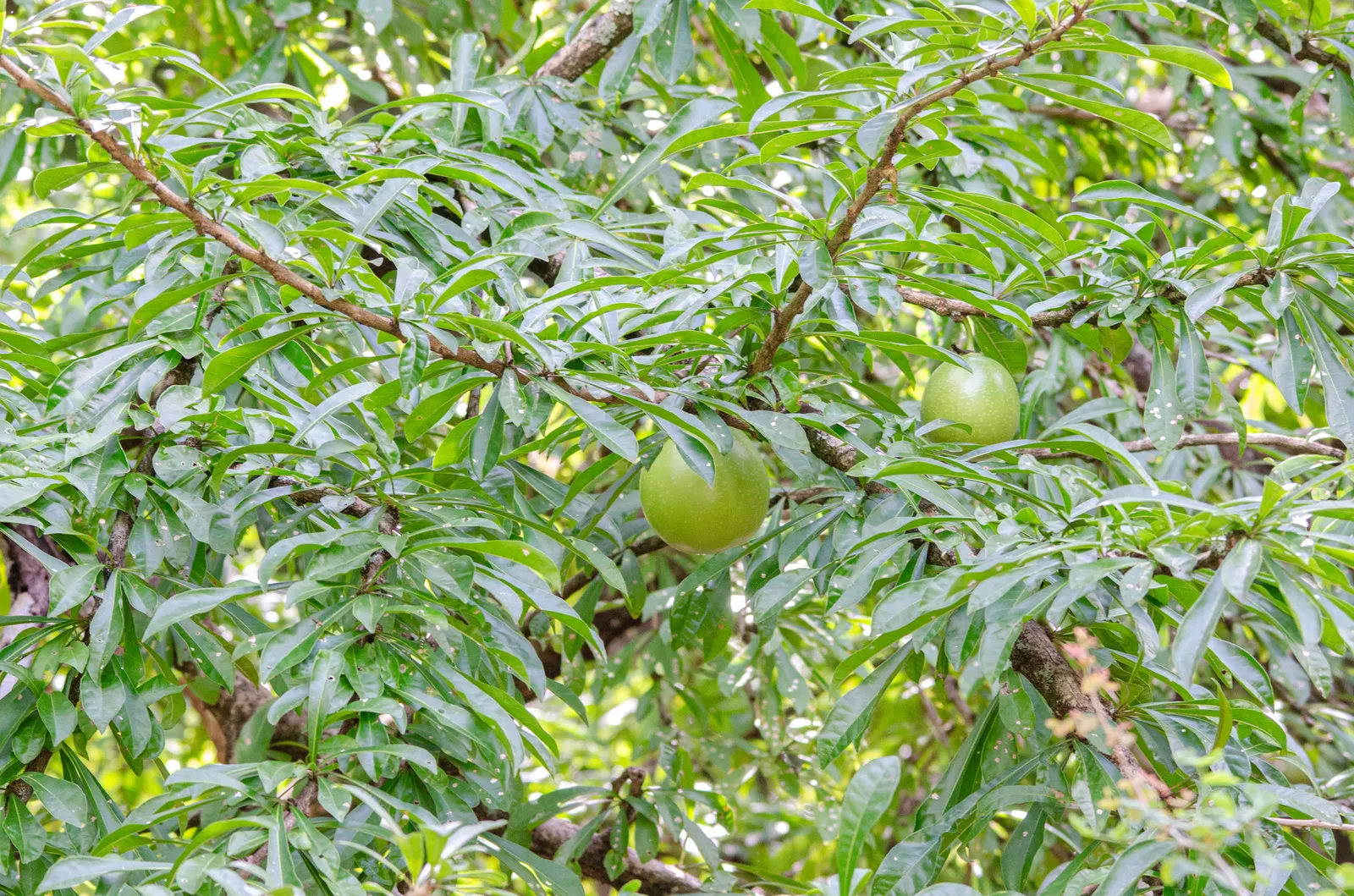
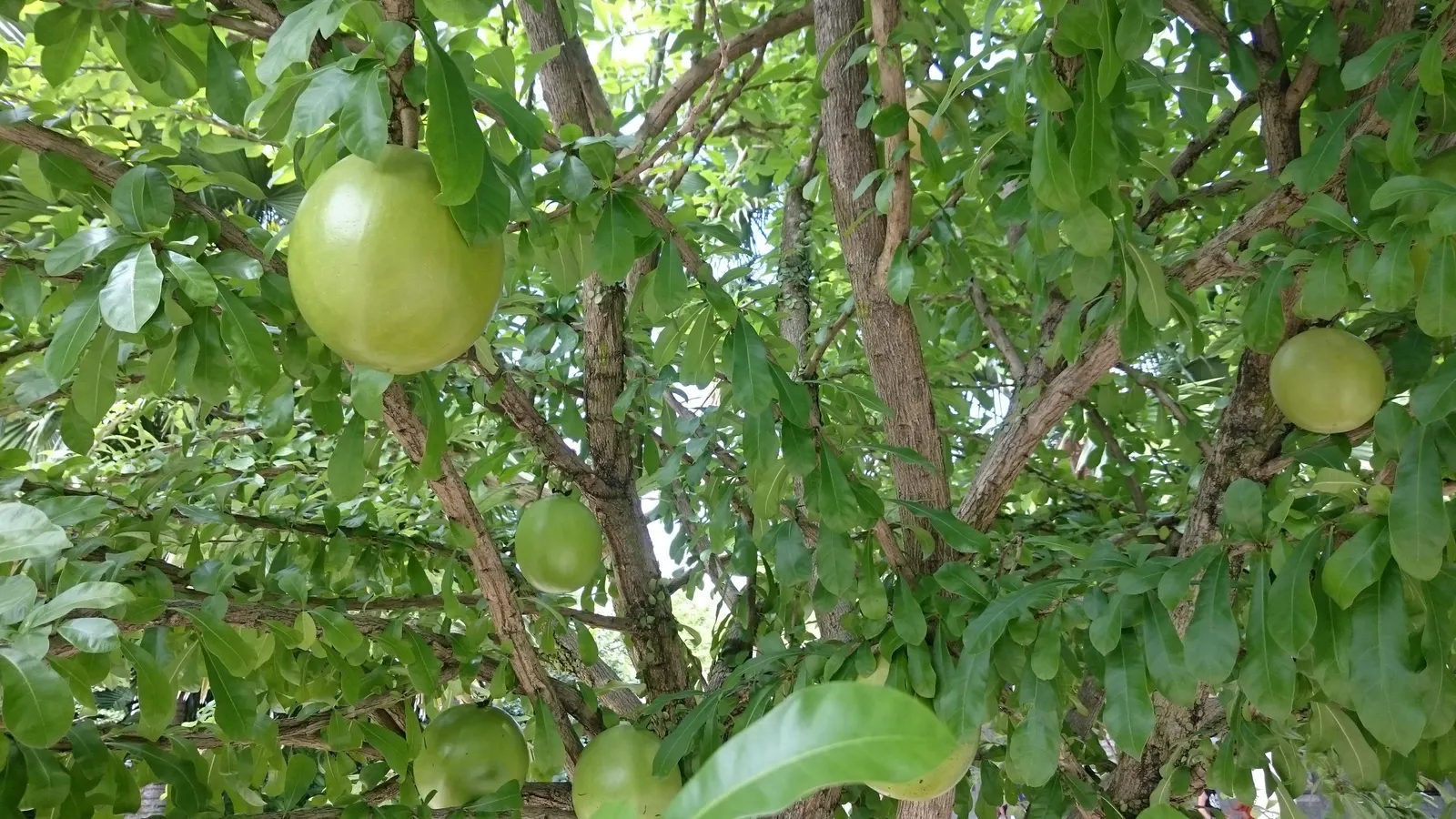
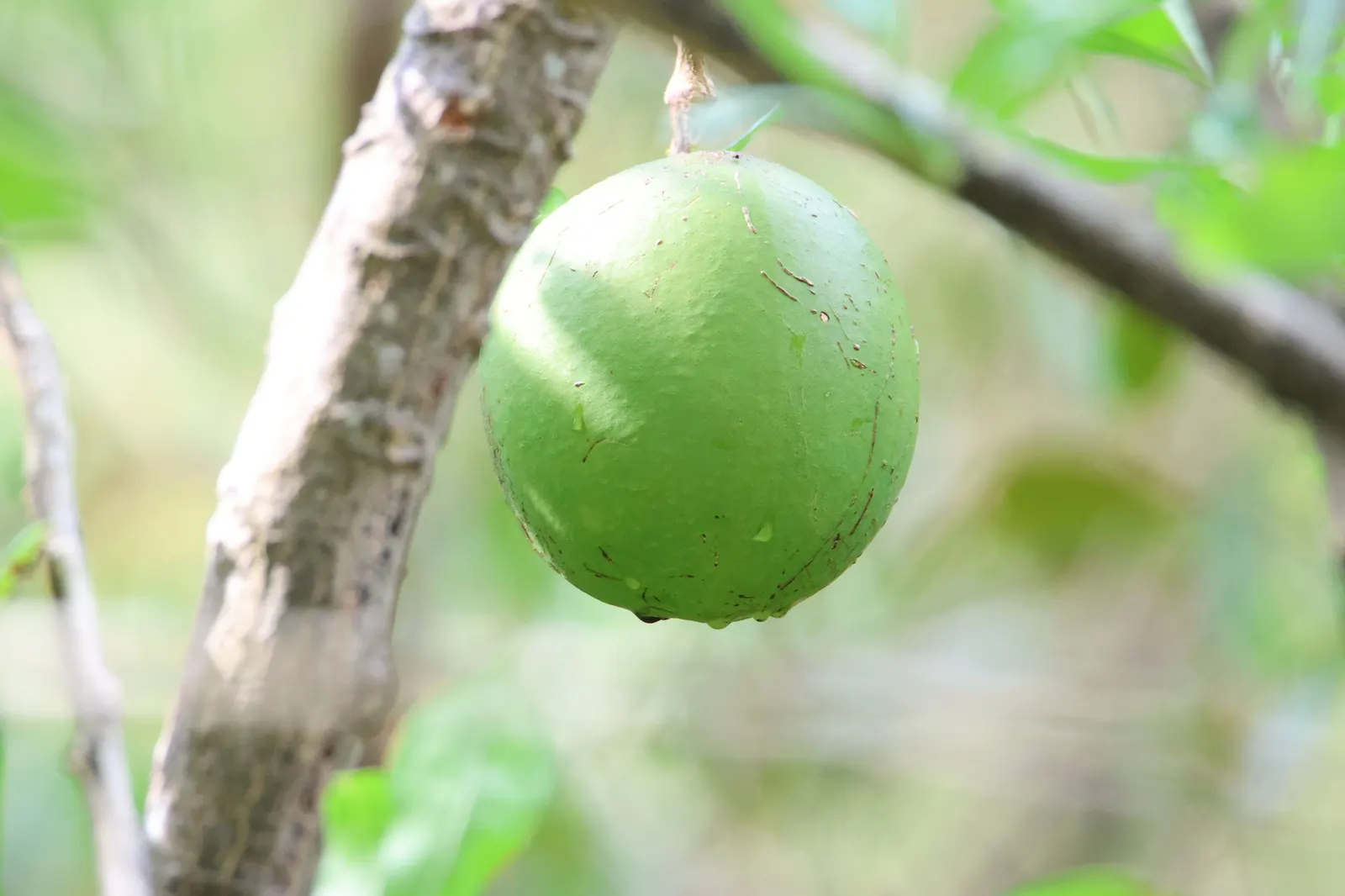
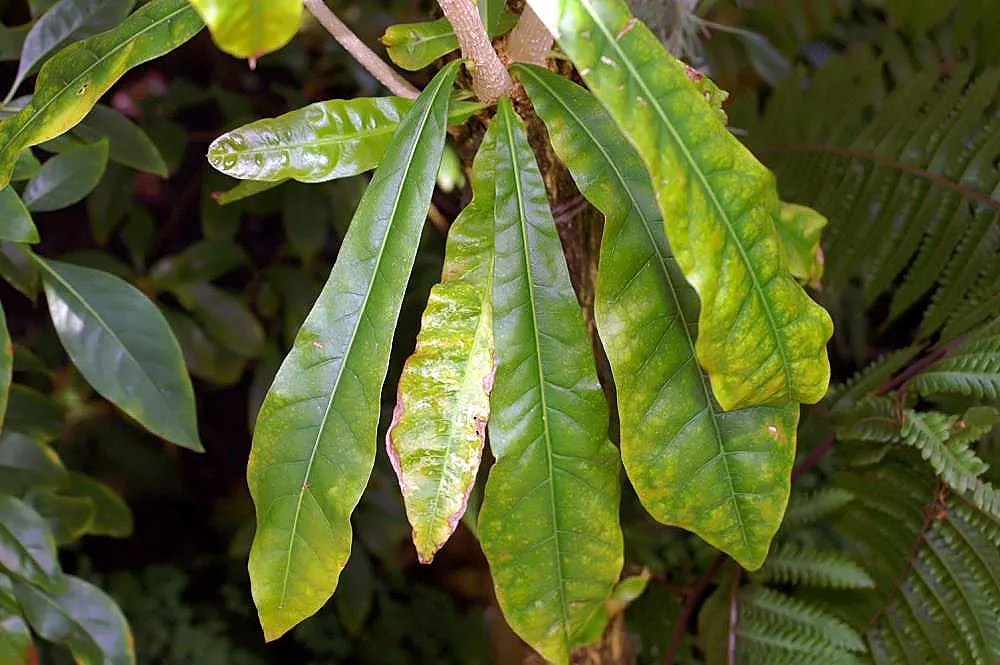
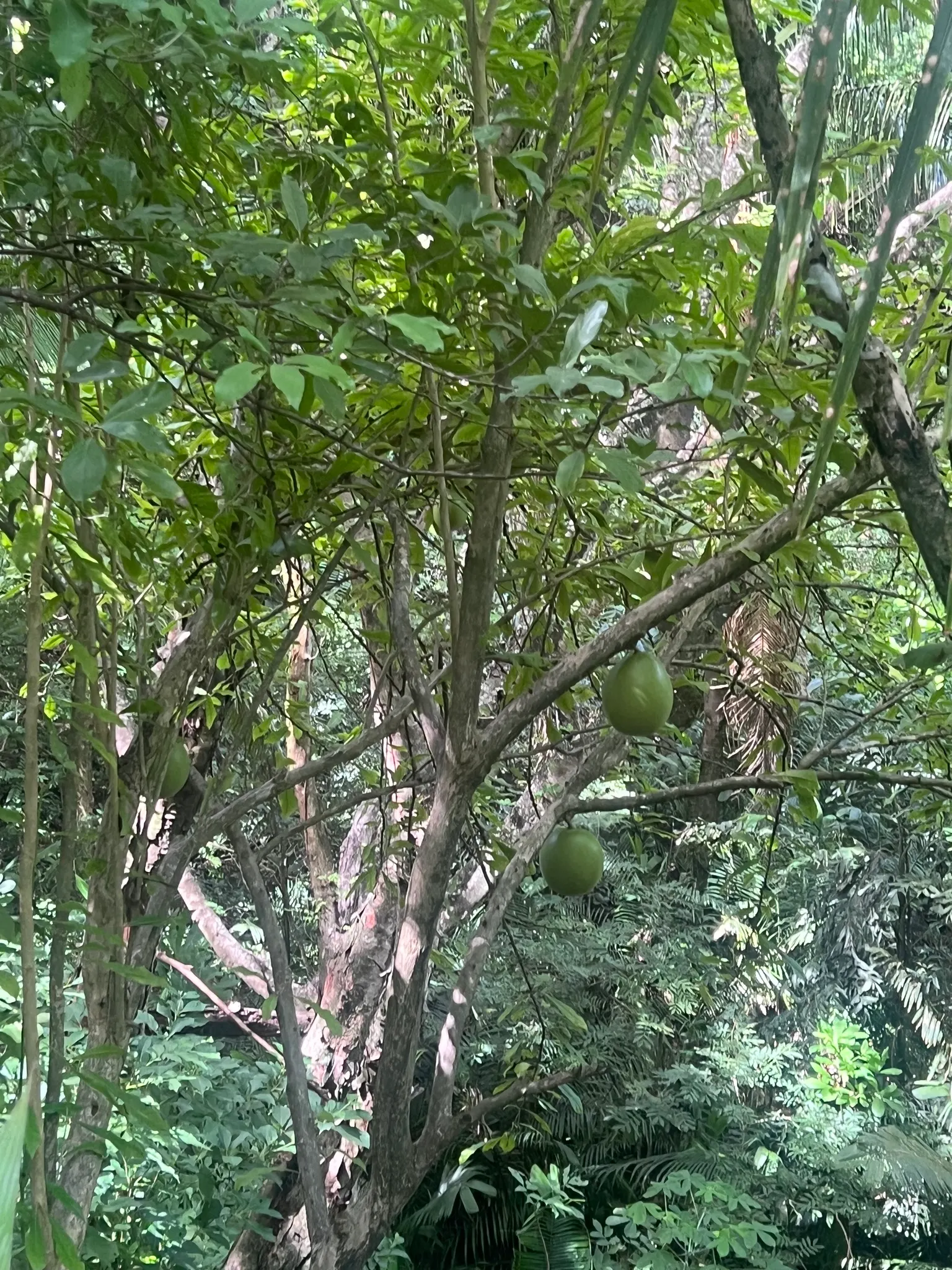
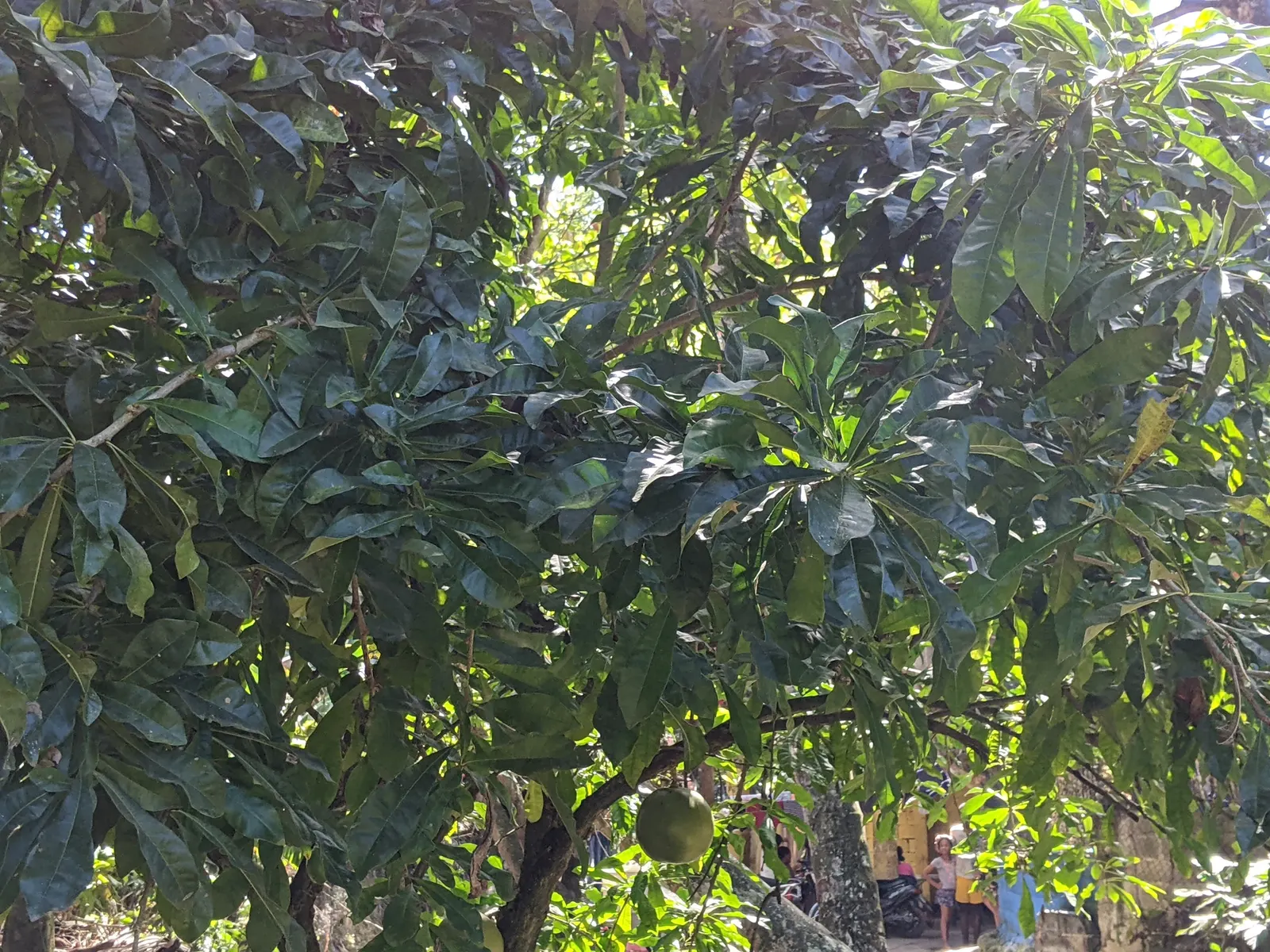
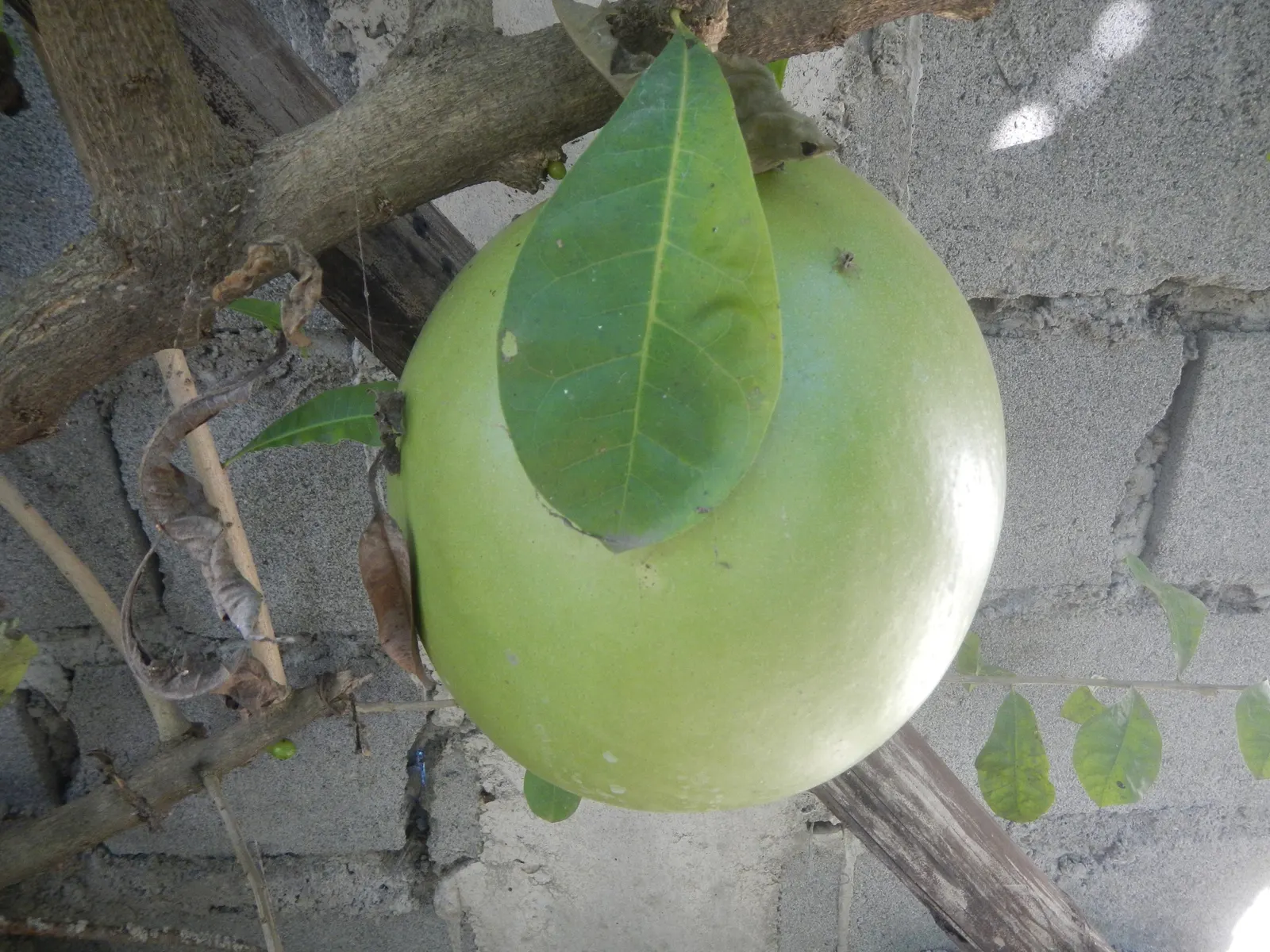
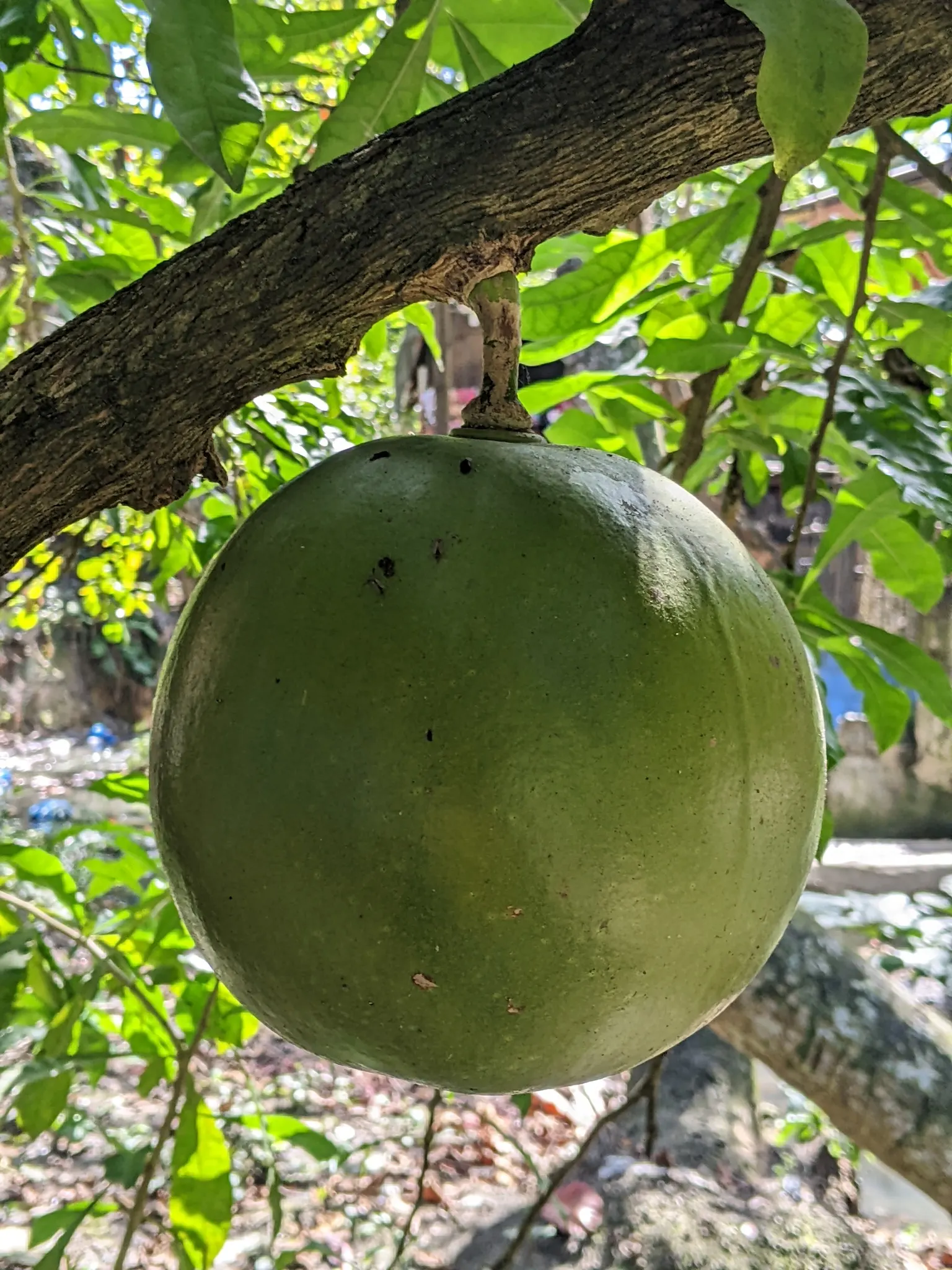
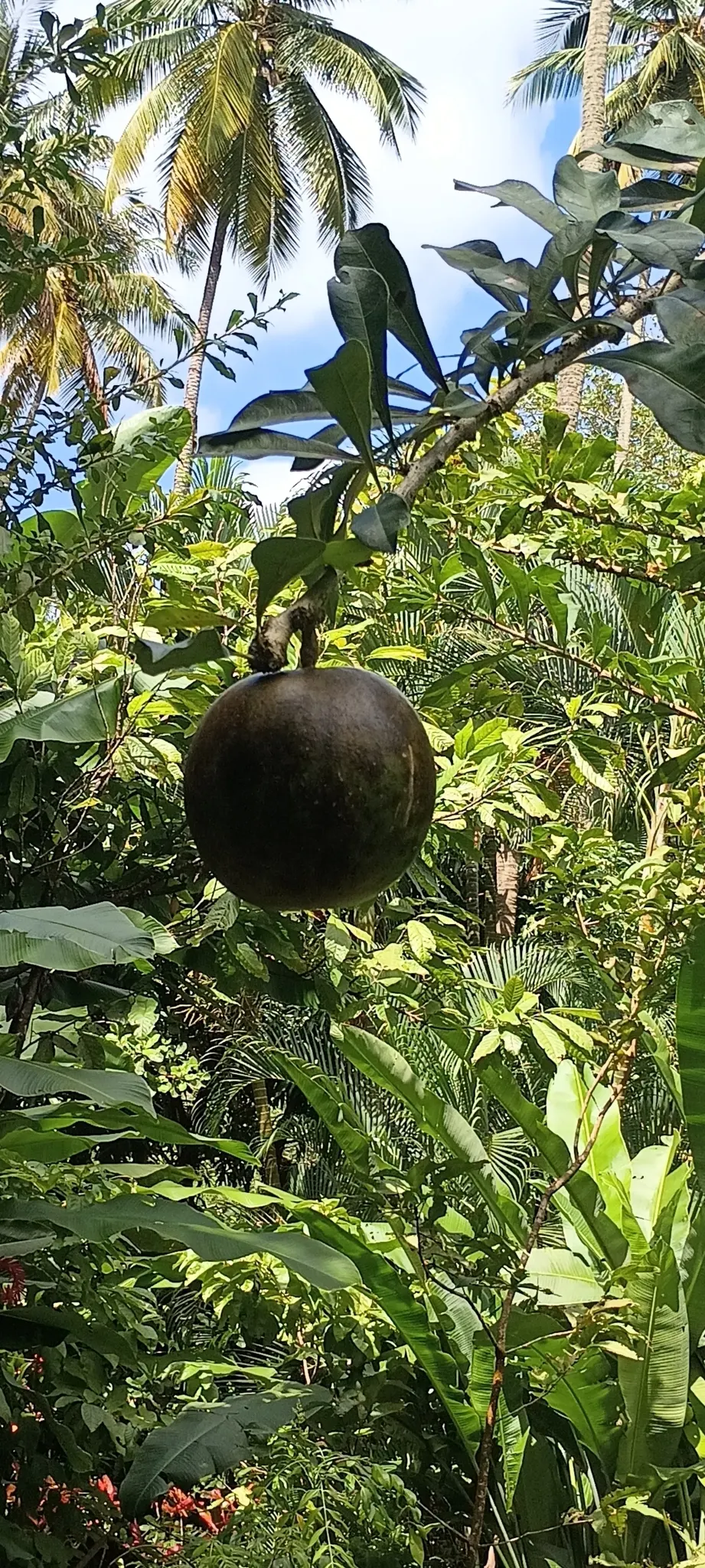
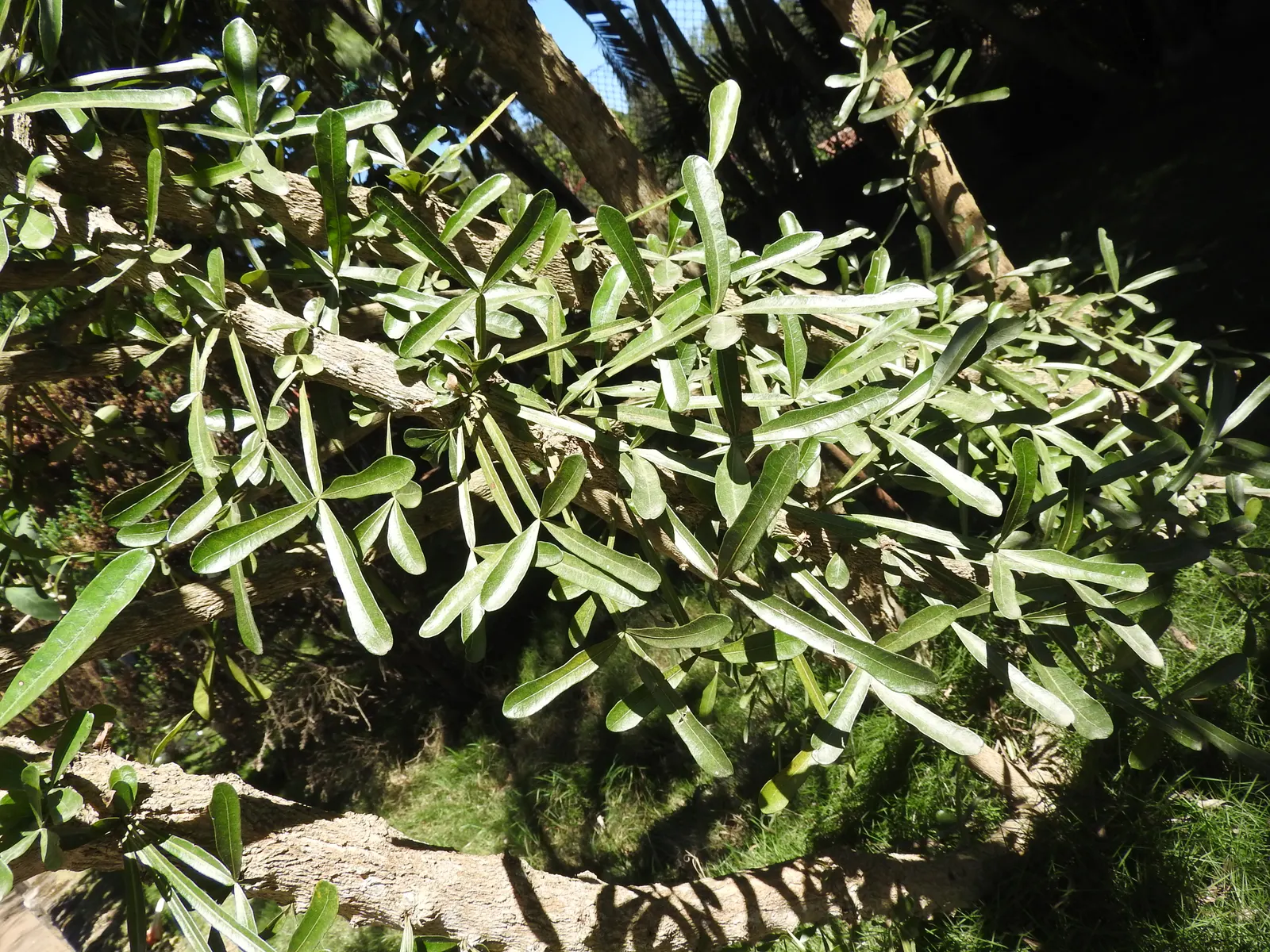
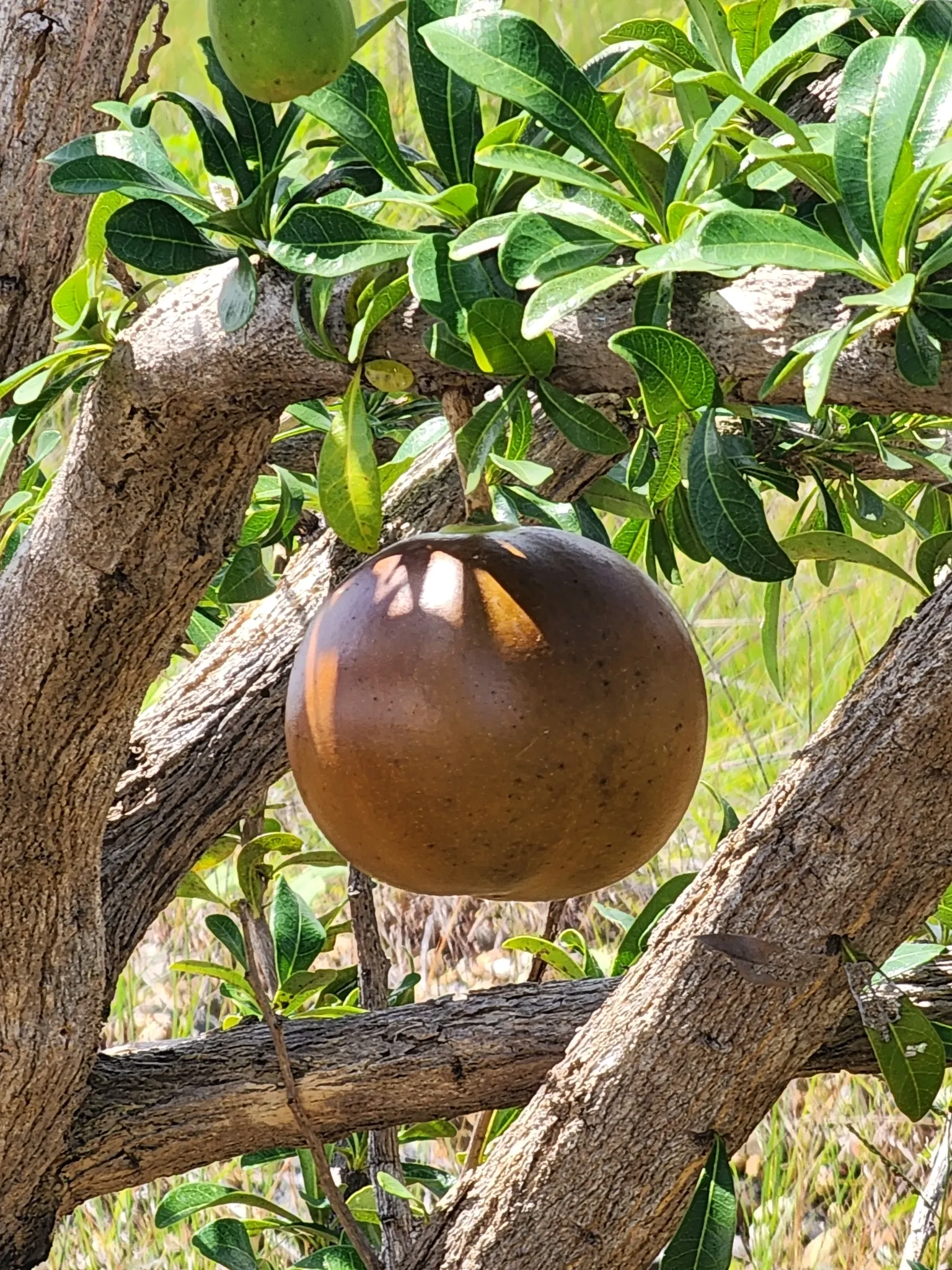
Crescentia alata, or Jicaro, is a small, drought-tolerant tree native to Central America. Typically reaching 15-20 ft in height, it features a distinctive round canopy. Glossy, lime-green leaves contrast with round, gourd-like fruit hanging on long stalks. Prefers full sun and well-drained soil. Requires minimal care, making it a unique and low-maintenance choice for warm climate landscapes. Its unusual silhouette creates visual interest year-round.

Sun Full, HalfWater MediumZones 4–11Type TreeClimate Temperate
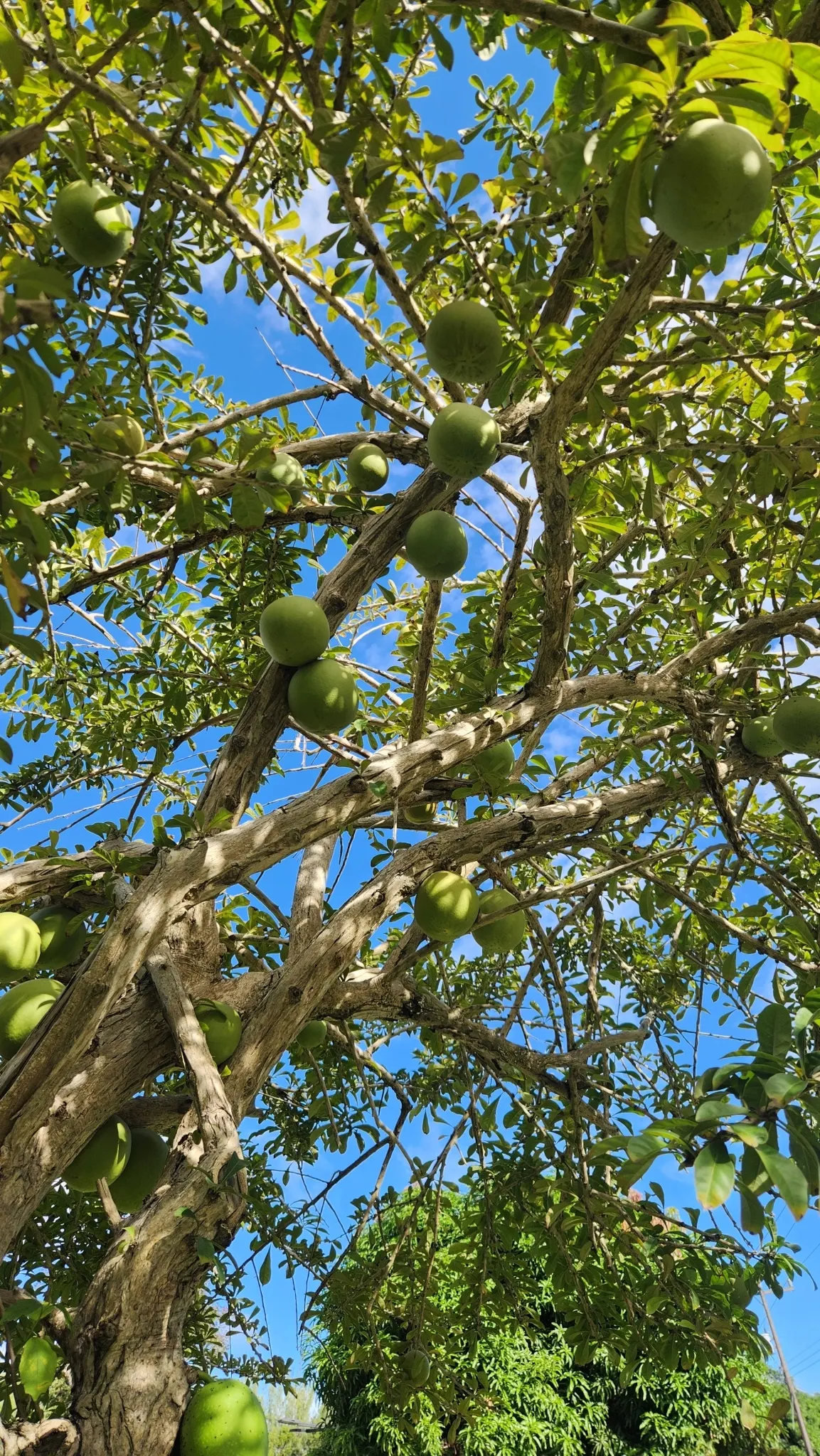
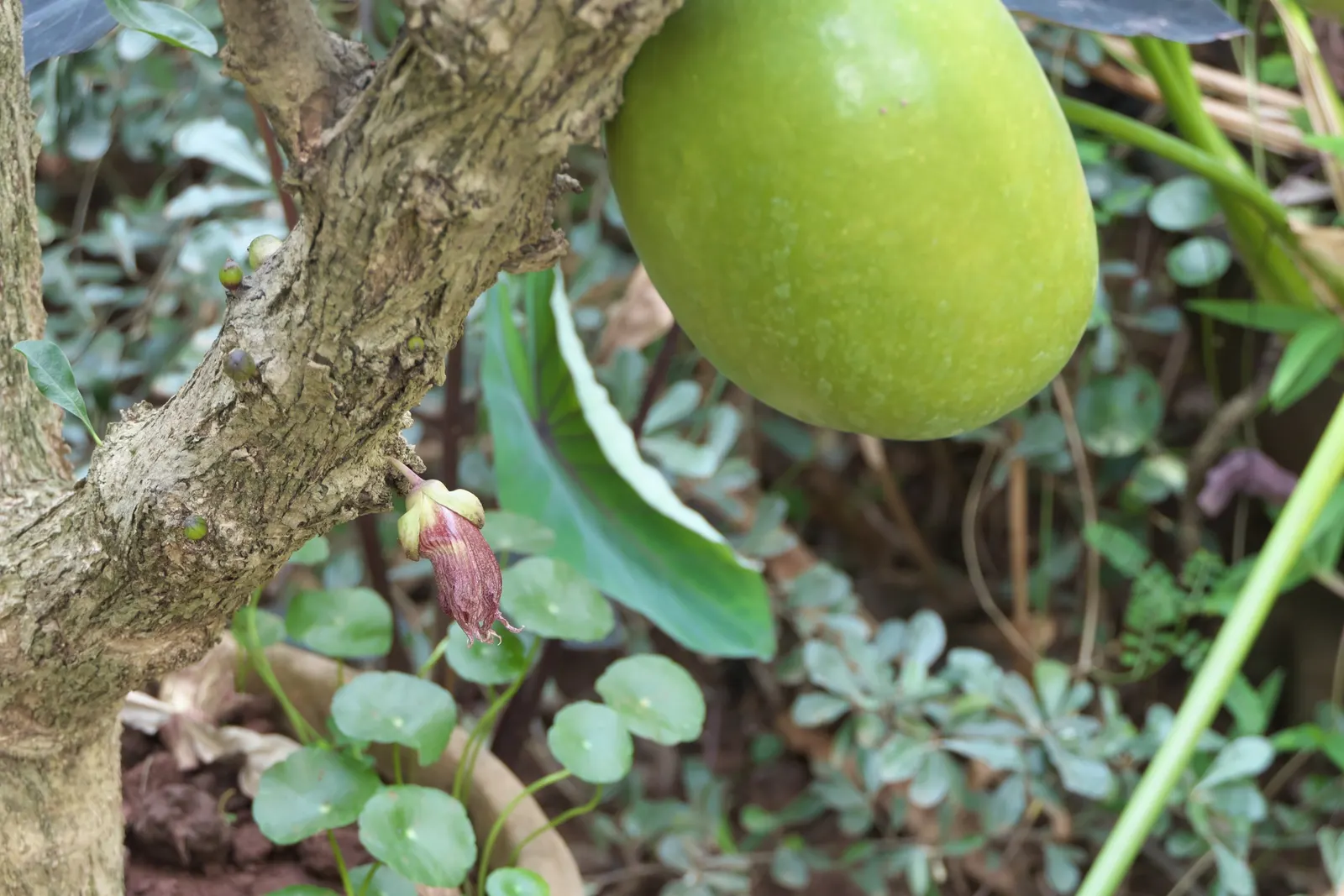
Jicaro (Crescentia Alata) — but it also bears cultural significance; a phenomenon known as cauliflory, image 117

Culture

Sun
Full, Half
Water
Medium
USDA zones
4–11

Shape & size

Mature height
30–35 Ft.

Classification

Type
Tree
Family
Bignoniaceae
Climate
Temperate

See full data, regional cultivation notes, and design tools. Build a client presentation around this plant.

Start your 14-day trial

Photos (142)

Jicaro (Crescentia Alata) — Its fruit is traditionally used to make containers and utensils; white flowers in the garden
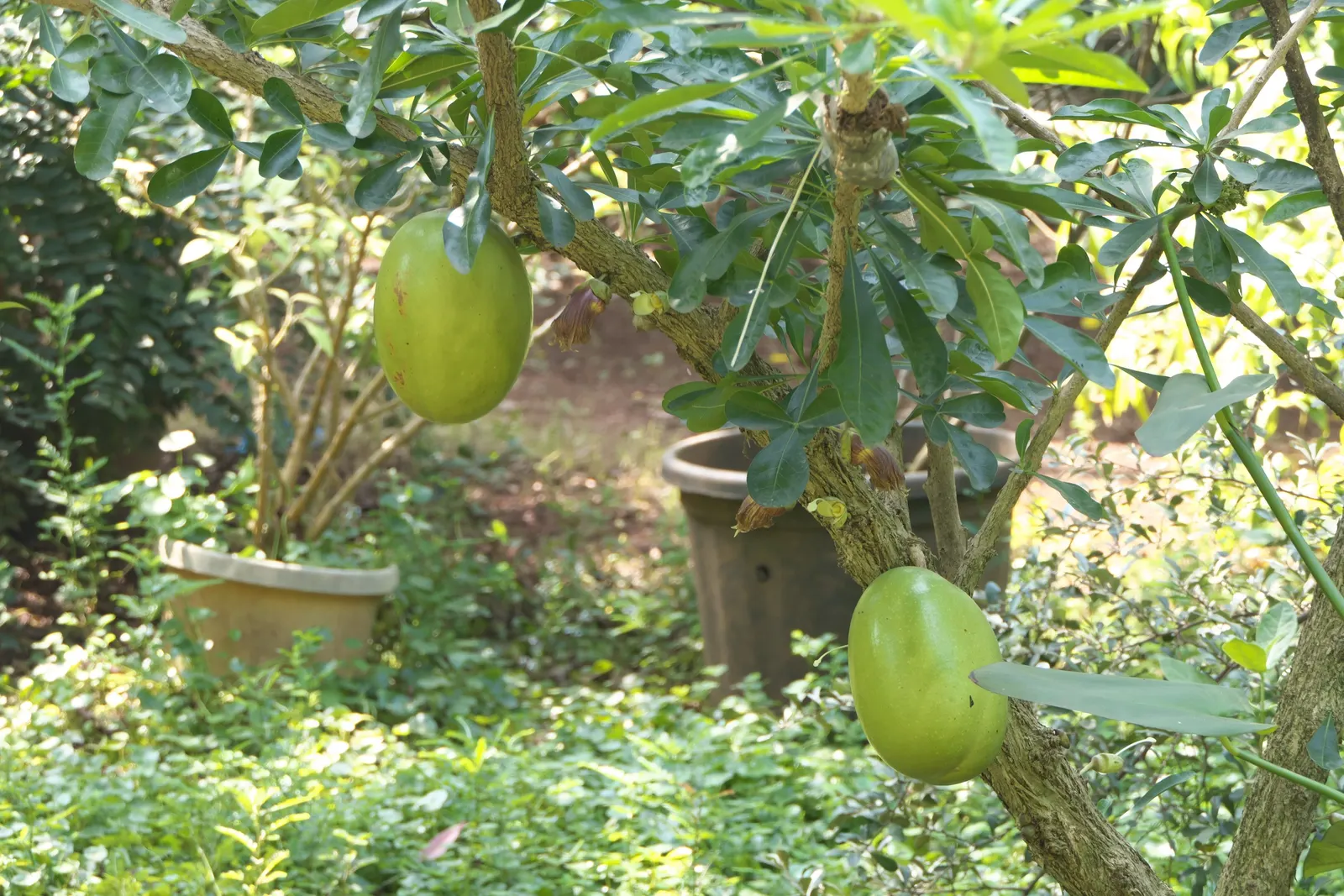
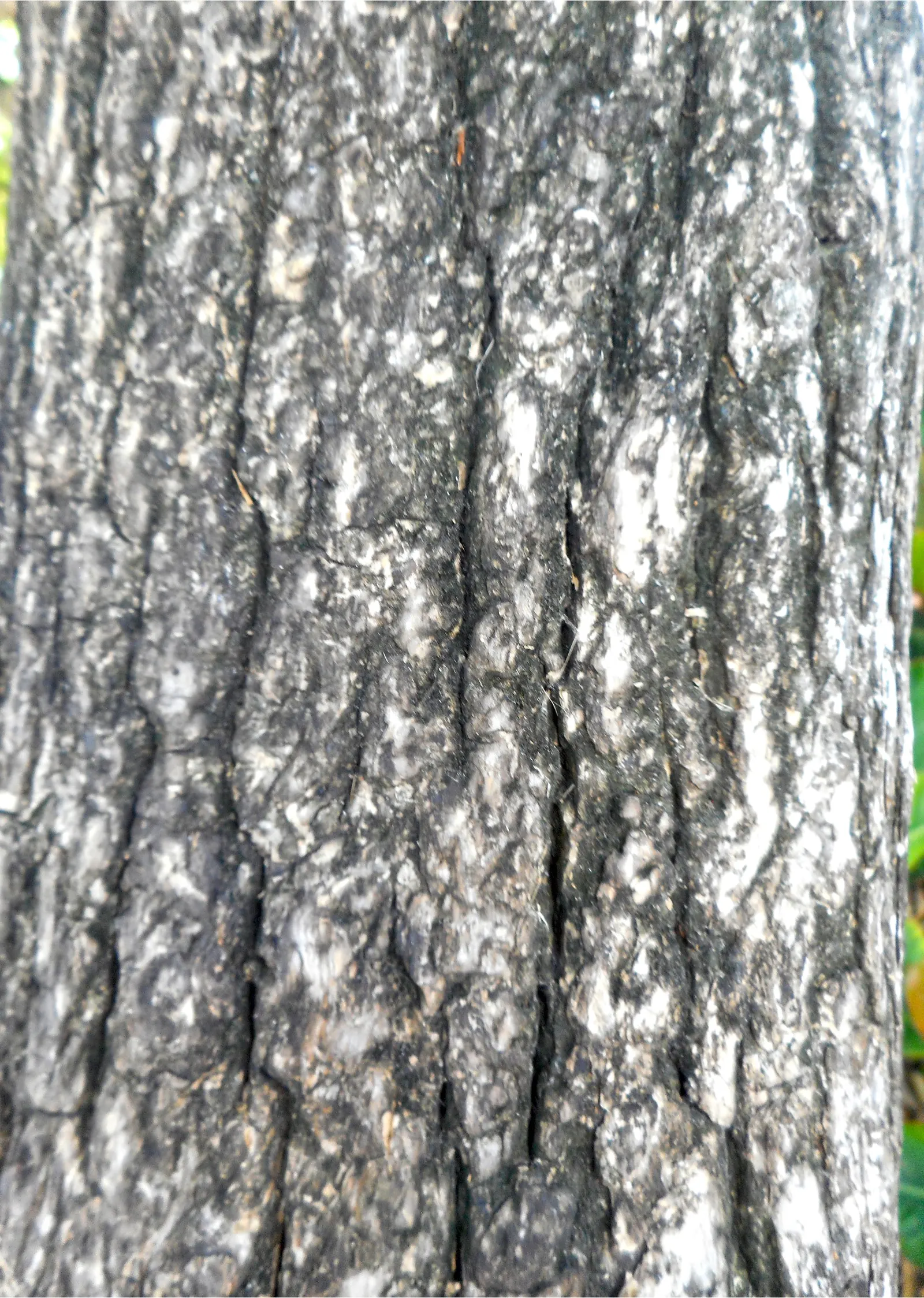
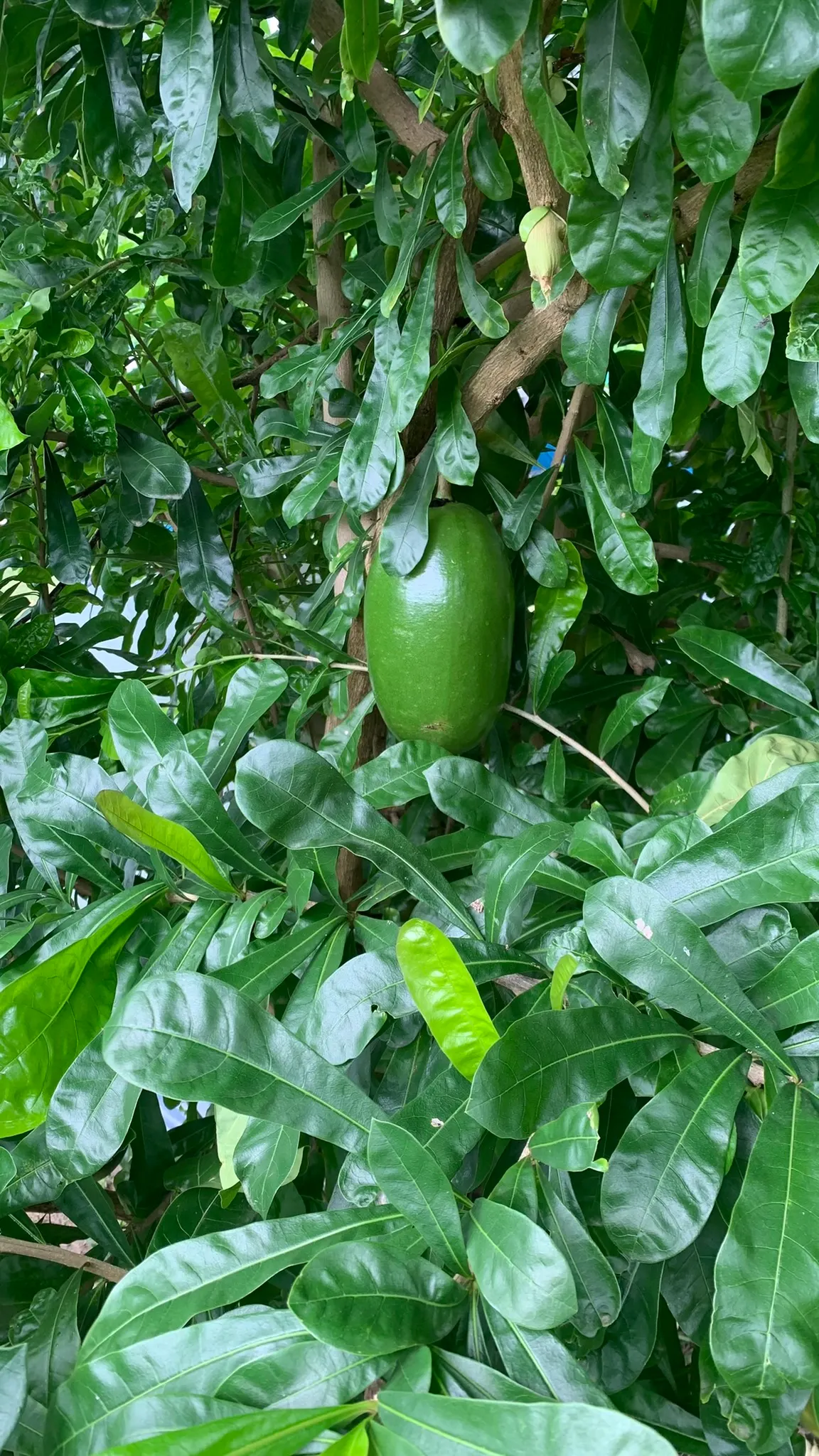
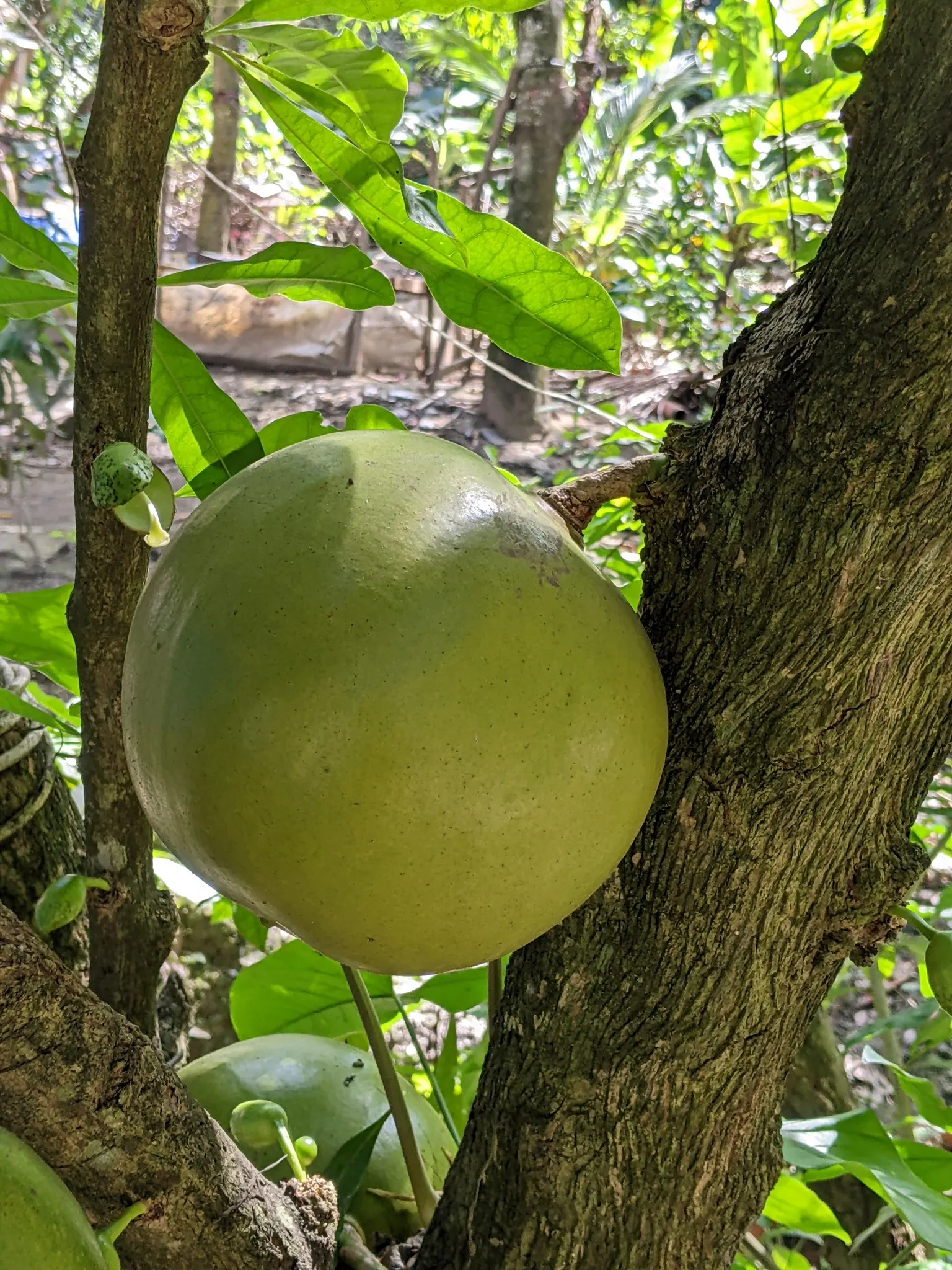
Jicaro (Crescentia Alata) — spherical fruit that grow directly on the trunk and main branches; typically reaching 15-20 ft in height, it features a distinctive
Jicaro (Crescentia Alata) — making it a conversation piece that is both functional and exotic; crescentia alata, or Jicaro, is a small, image 97
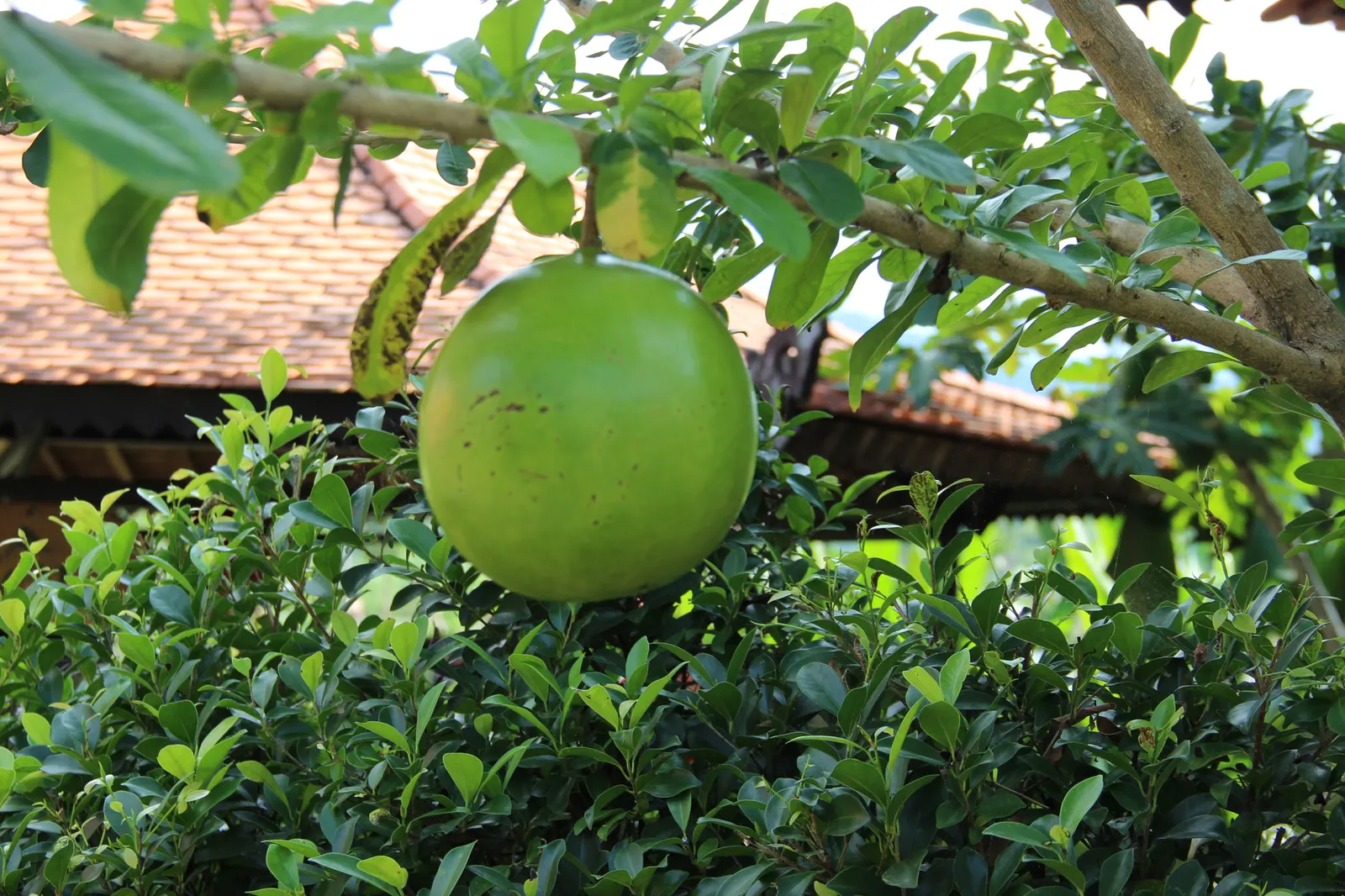
Jicaro (Crescentia Alata) — distinctive fruiting habit; with a canopy spread almost equal to its height, image 120
Jicaro (Crescentia Alata) — with a canopy spread almost equal to its height; its unusual silhouette creates visual interest year-round, image 112
Jicaro (Crescentia Alata) — Requires minimal care, making it a unique and low-maintenance choice for warm climate landscapes; also known by its scientific name
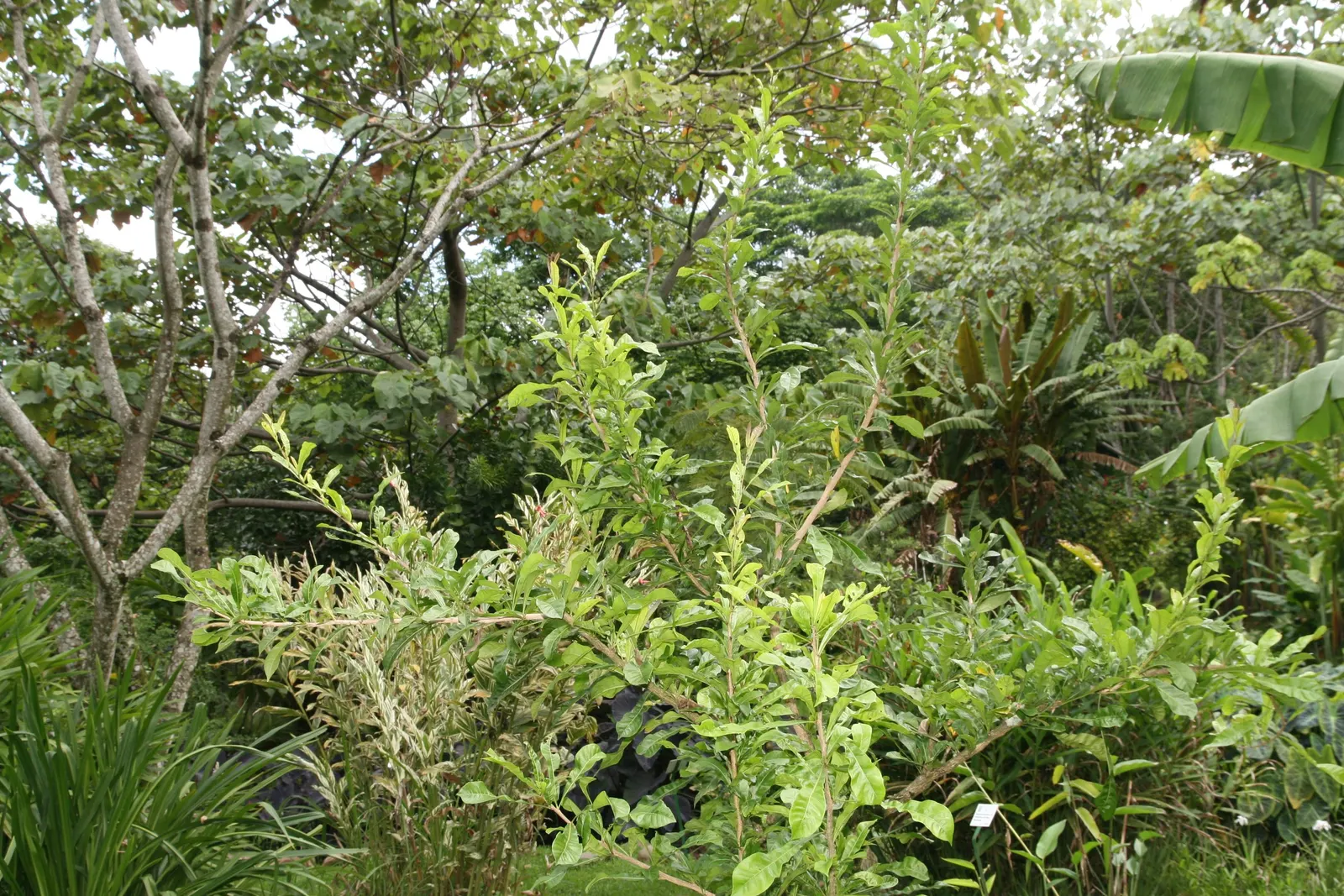
Jicaro (Crescentia Alata) — typically reaches a modest height of around 15 to 25 feet; tree with white blooms, image 61
Jicaro (Crescentia Alata) — Its fruit is traditionally used to make containers and utensils; white flowers in the garden, image 68
Jicaro (Crescentia Alata) — Its fruit is traditionally used to make containers and utensils; white flowers in the garden, image 118
Jicaro (Crescentia Alata) — offering both aesthetic appeal and practical uses; native to Central America
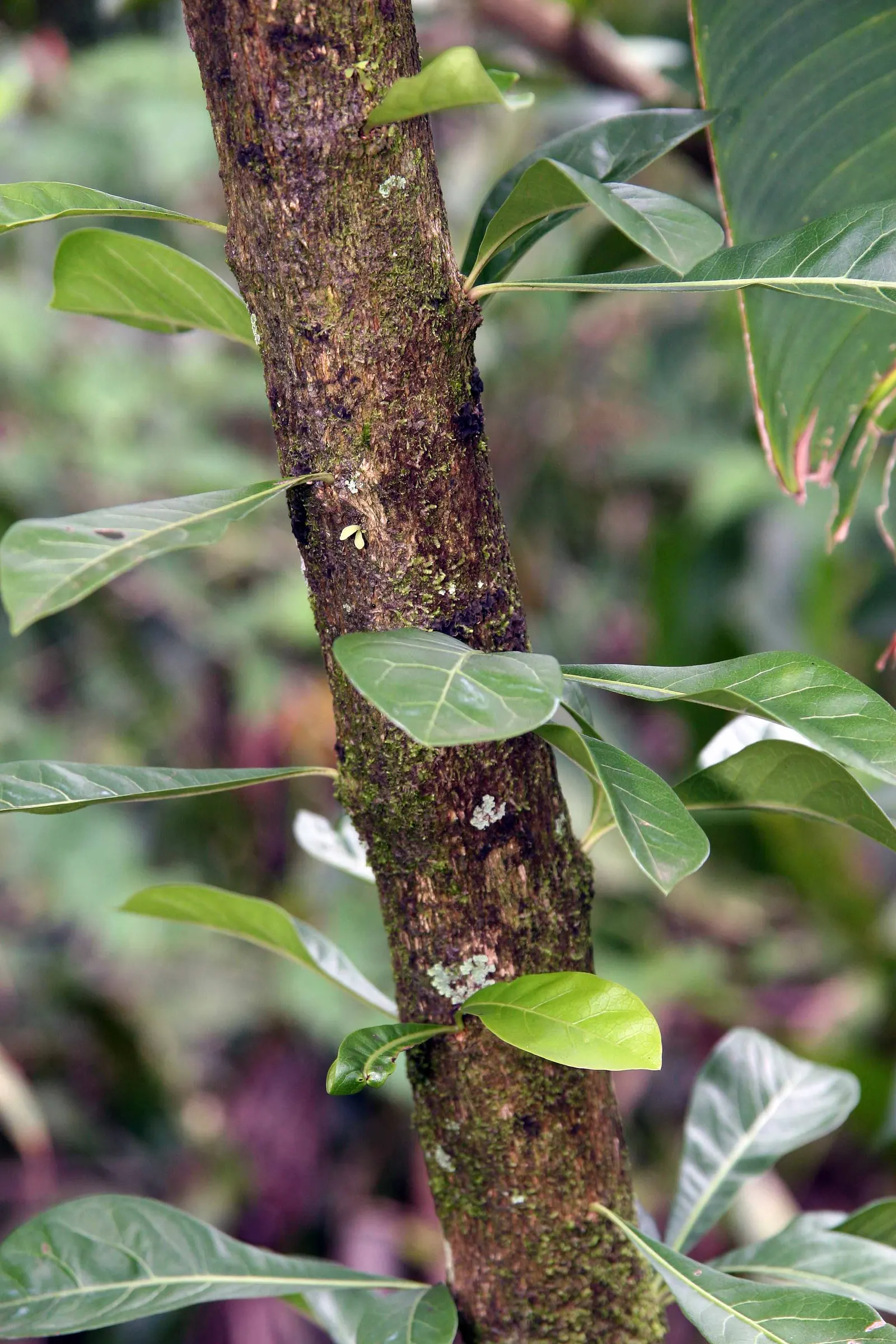
Jicaro (Crescentia Alata) — evergreen leaves that are arranged in a spiral fashion, image 38
Jicaro (Crescentia Alata) — making it a conversation piece that is both functional and exotic
Jicaro (Crescentia Alata) — also known by its scientific name Crescentia alata; and minimal maintenance requirements, image 57
Jicaro (Crescentia Alata) — tree for full or half; making it a conversation piece that is both functional and exotic, image 100
Jicaro (Crescentia Alata) — When selecting the Jicaro for a landscape; requires minimal care, making it a unique and low-maintenance choice for, image 69
Jicaro (Crescentia Alata) — Its fruit is traditionally used to make containers and utensils; white flowers in the garden, image 93
Jicaro (Crescentia Alata) — tree with white blooms; spherical fruit that grow directly on the trunk and main branches
Jicaro (Crescentia Alata) — Requires minimal care, making it a unique and low-maintenance choice for warm climate landscapes; also known by its, image 80
Jicaro (Crescentia Alata) — Crescentia alata, or Jicaro, is a small, drought-tolerant tree native to Central America; prefers full sun and, image 51
Jicaro (Crescentia Alata) — white flowers in the garden
Jicaro (Crescentia Alata) — typically reaches a modest height of around 15 to 25 feet; tree with white blooms
Jicaro (Crescentia Alata) — Glossy, lime-green leaves contrast with round, gourd-like fruit hanging on long stalks; its fruit is traditionally used to make
Jicaro (Crescentia Alata) — typically reaches a modest height of around 15 to 25 feet
Jicaro (Crescentia Alata) — Requires minimal care, making it a unique and low-maintenance choice for warm climate landscapes
Photographs by 13 contributors

Related plants