Skip to content

Necklace Vine

Crassula Perforata

Design with this plant

Overview

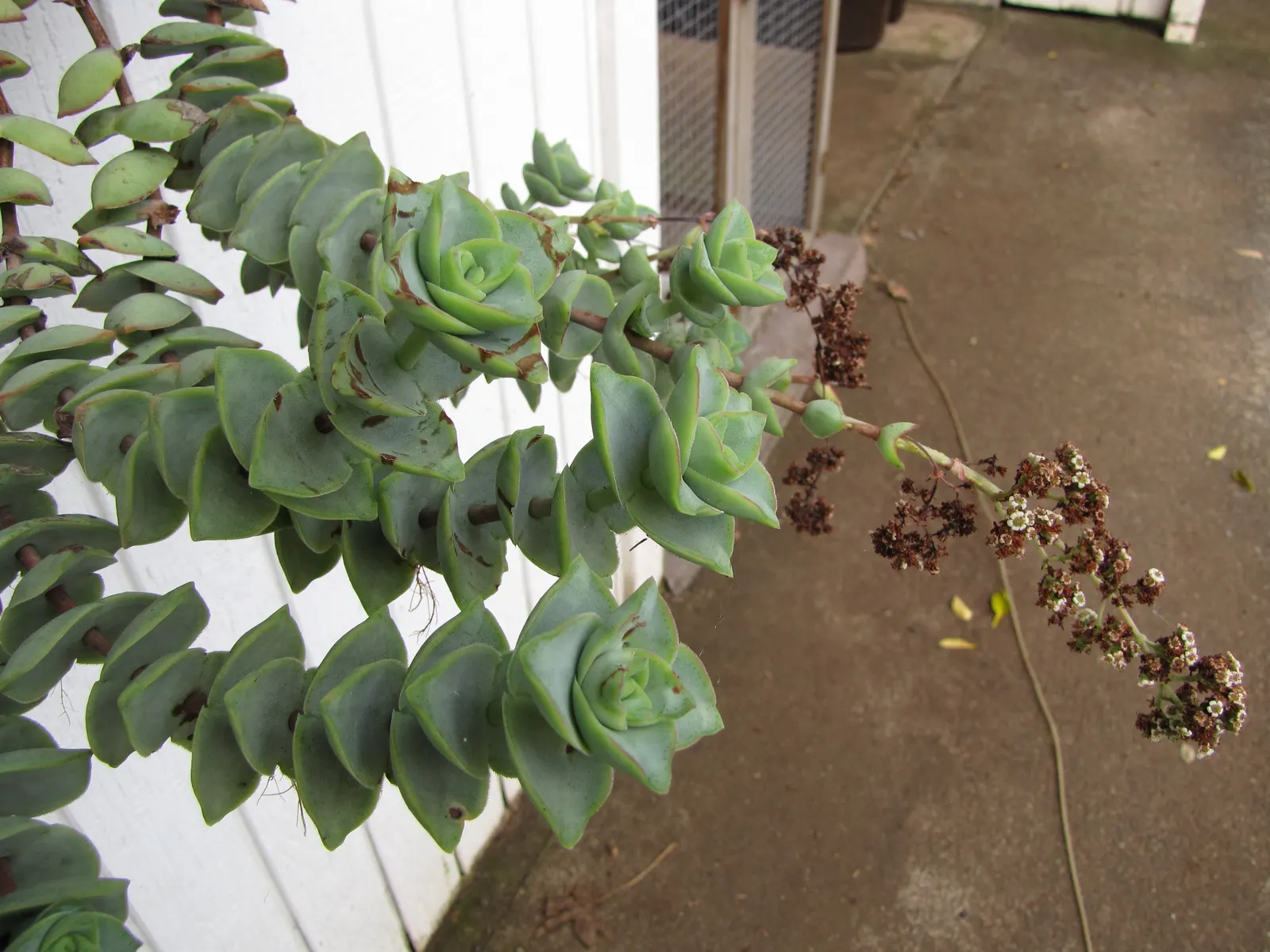
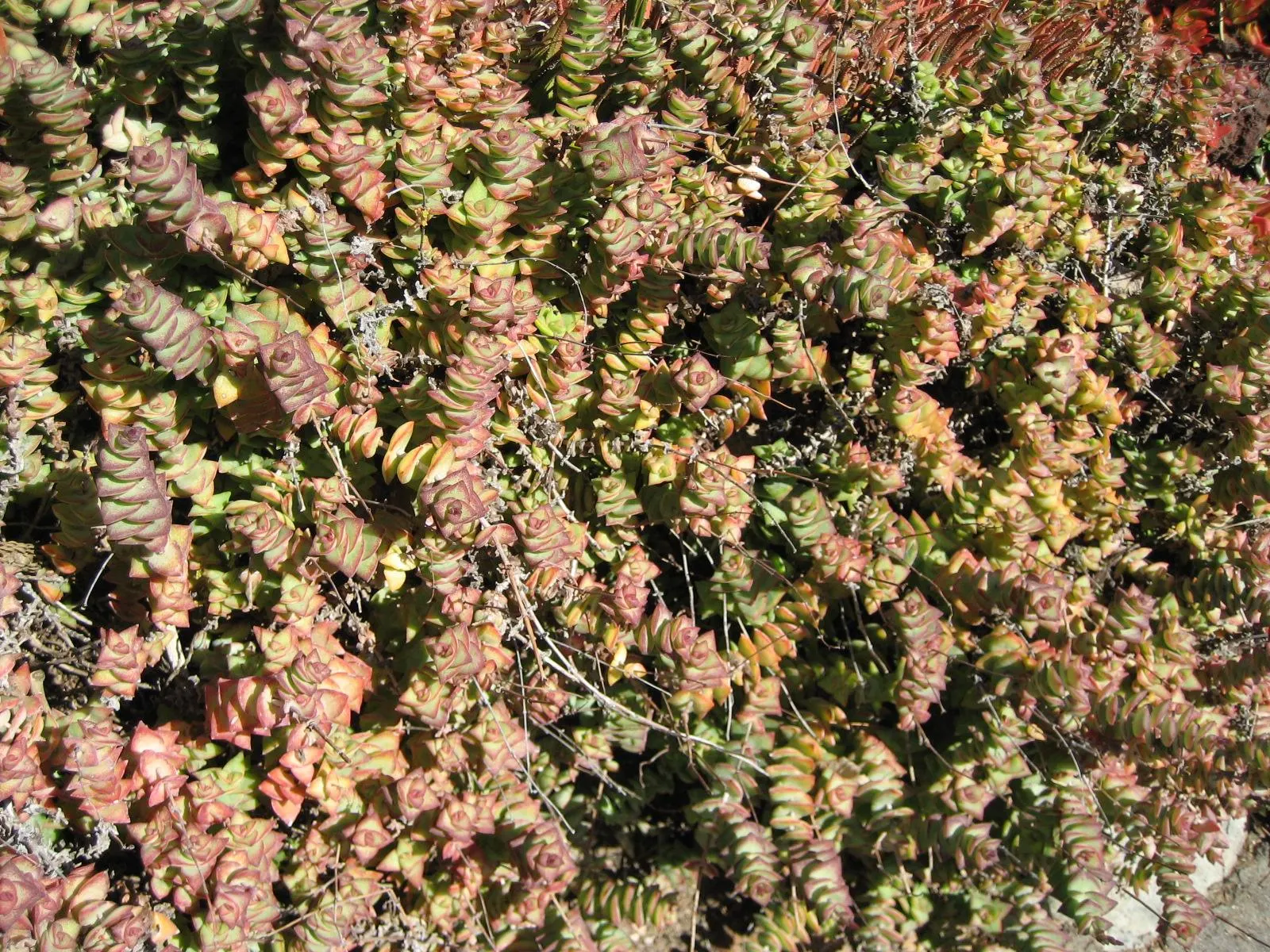
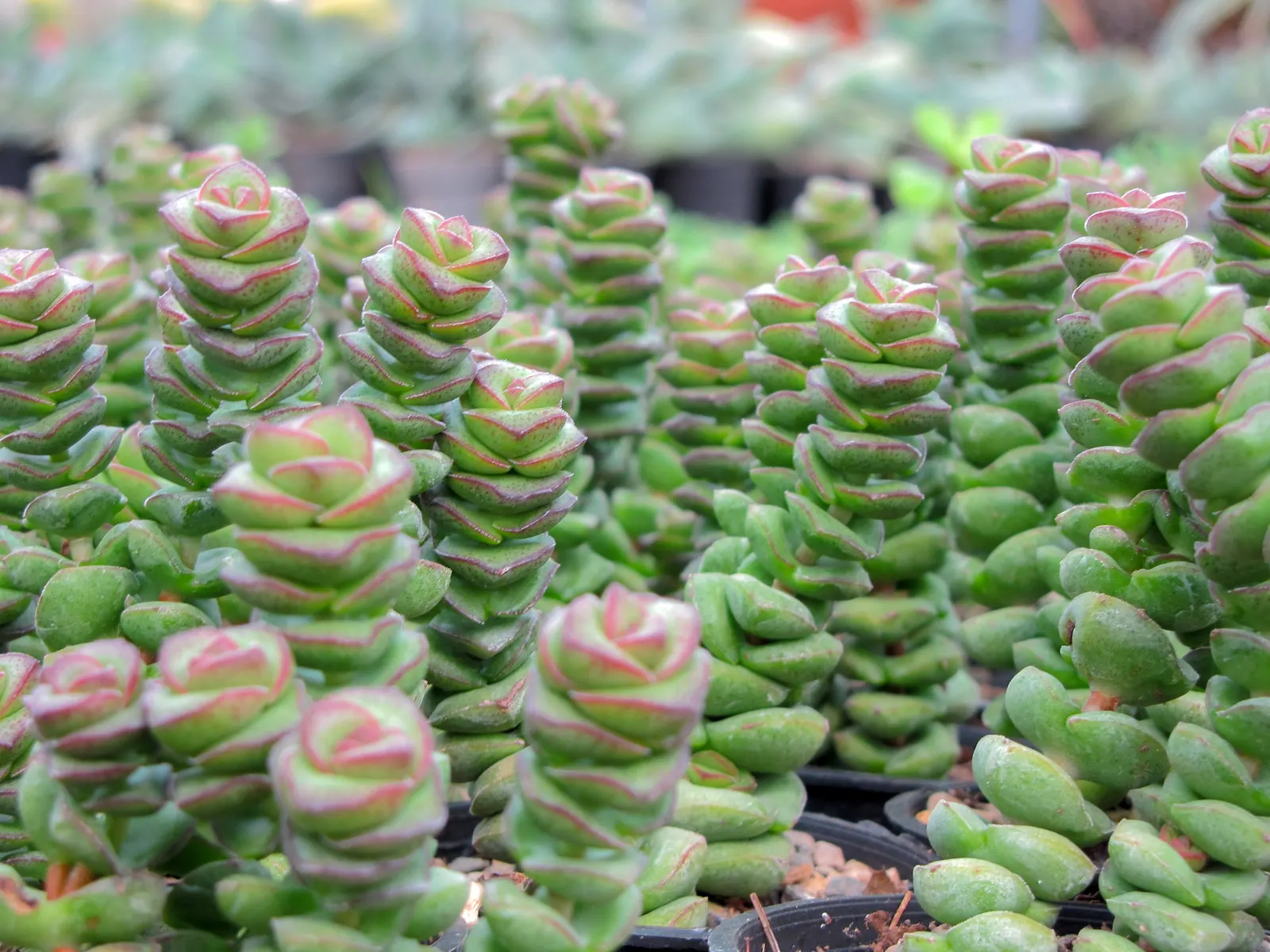
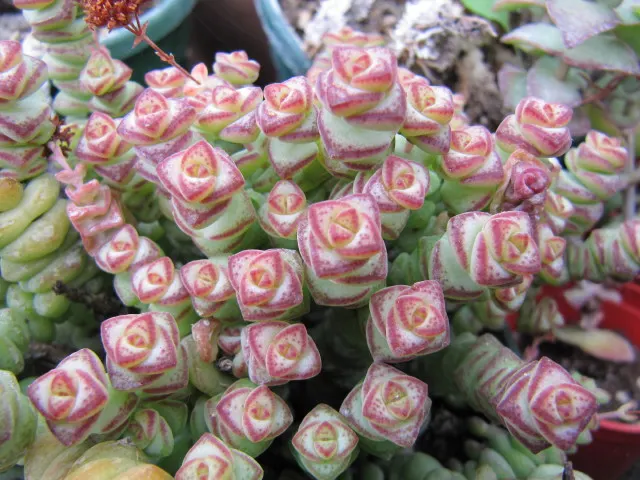
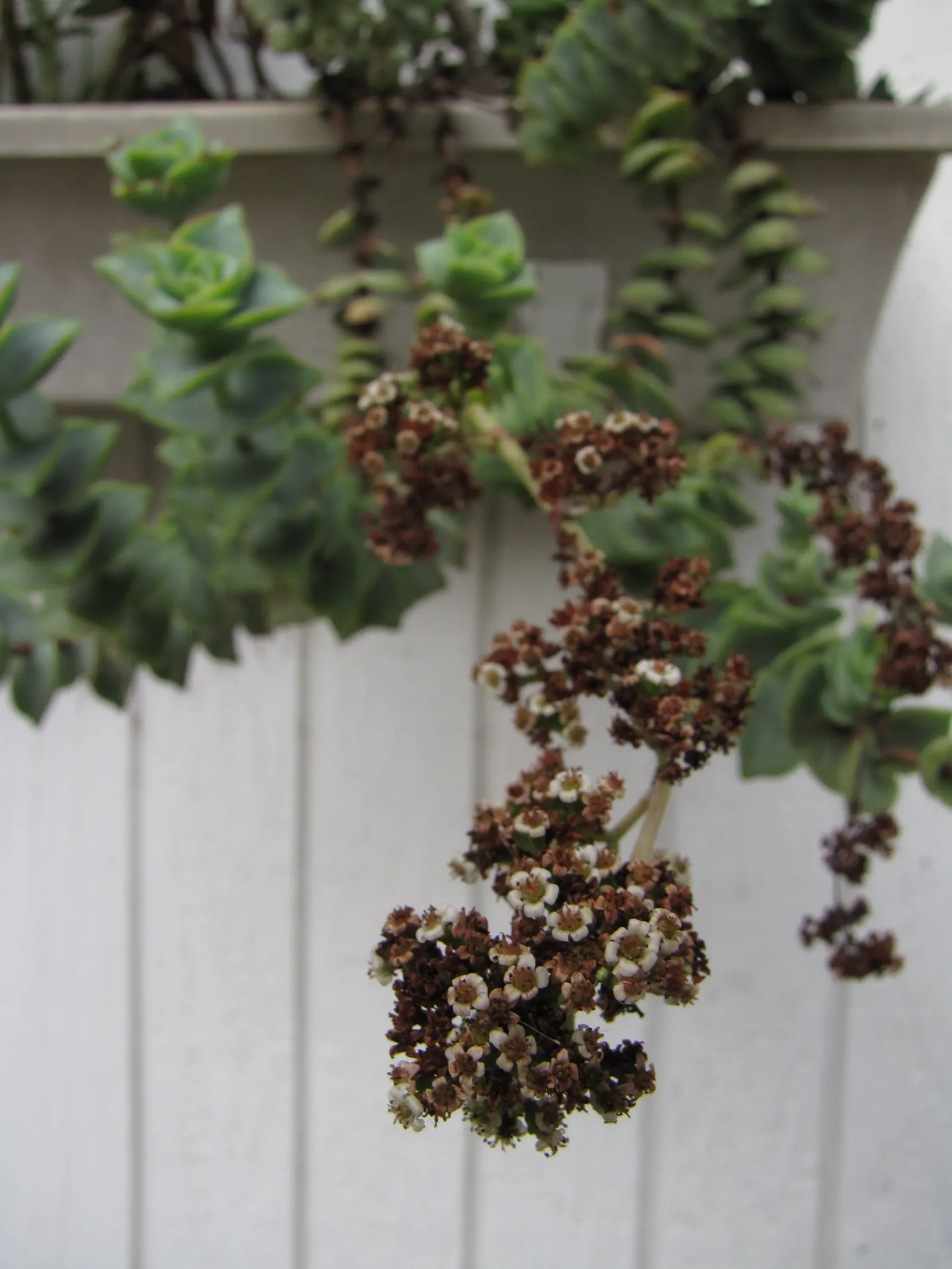
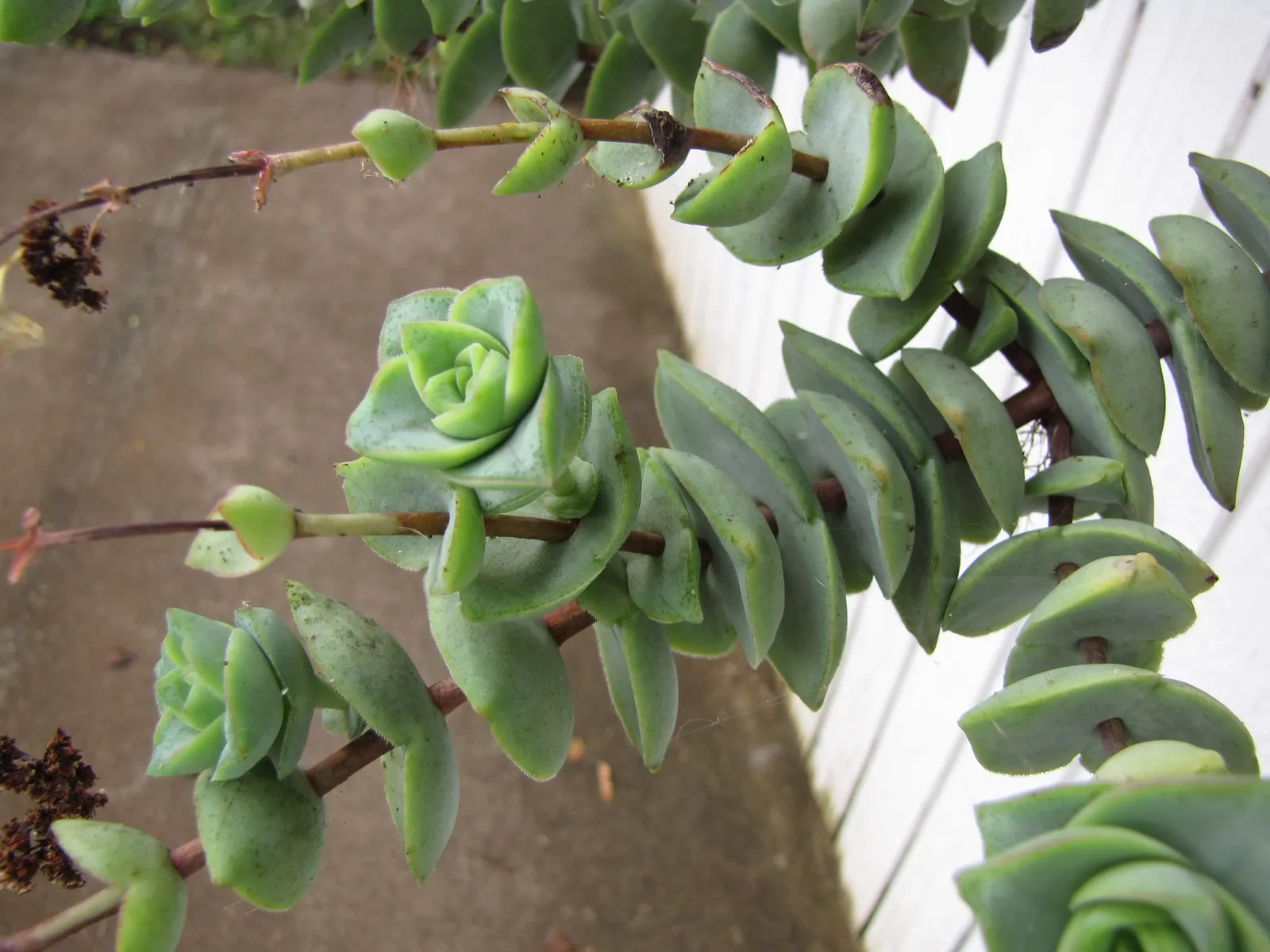
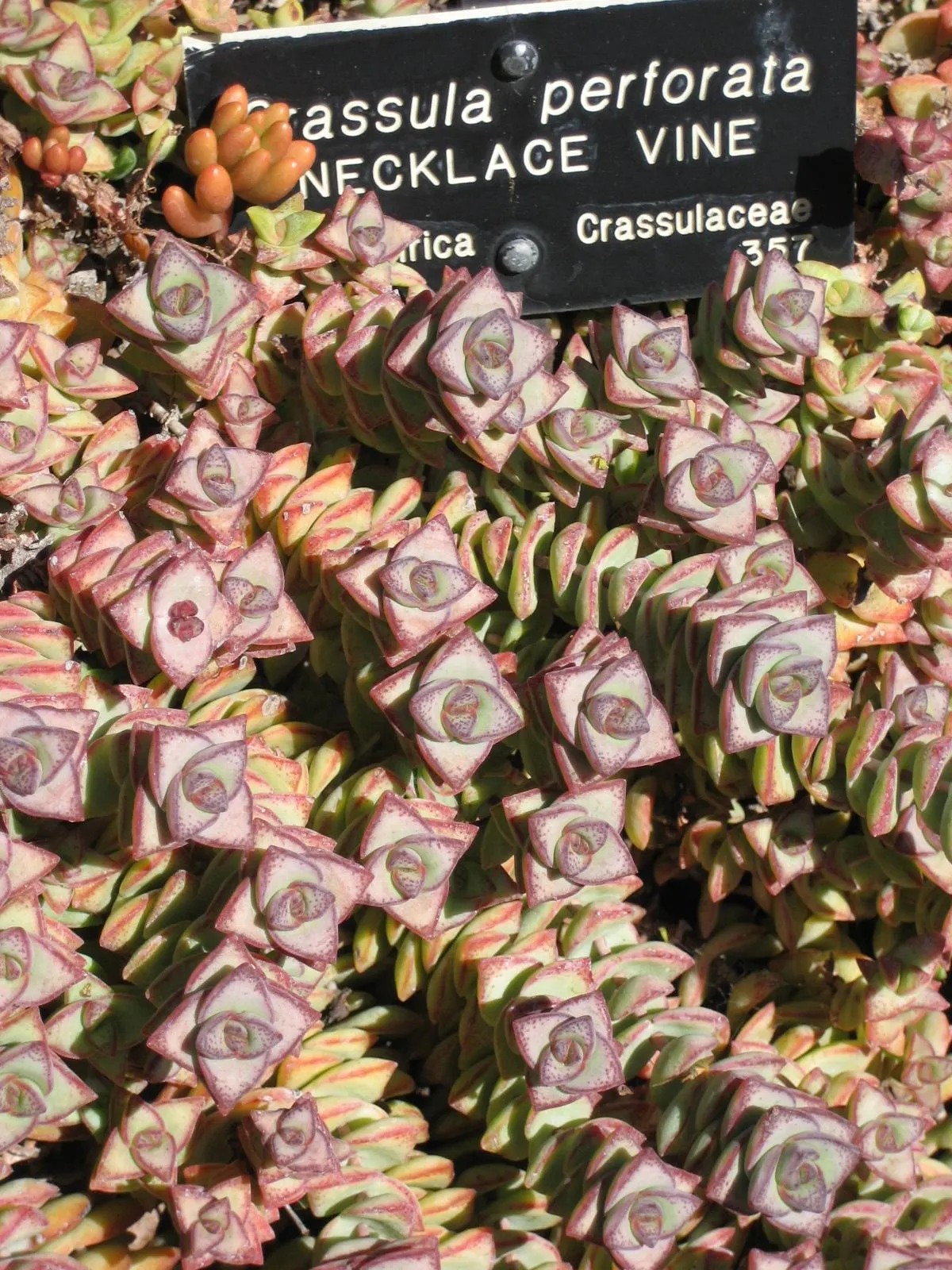
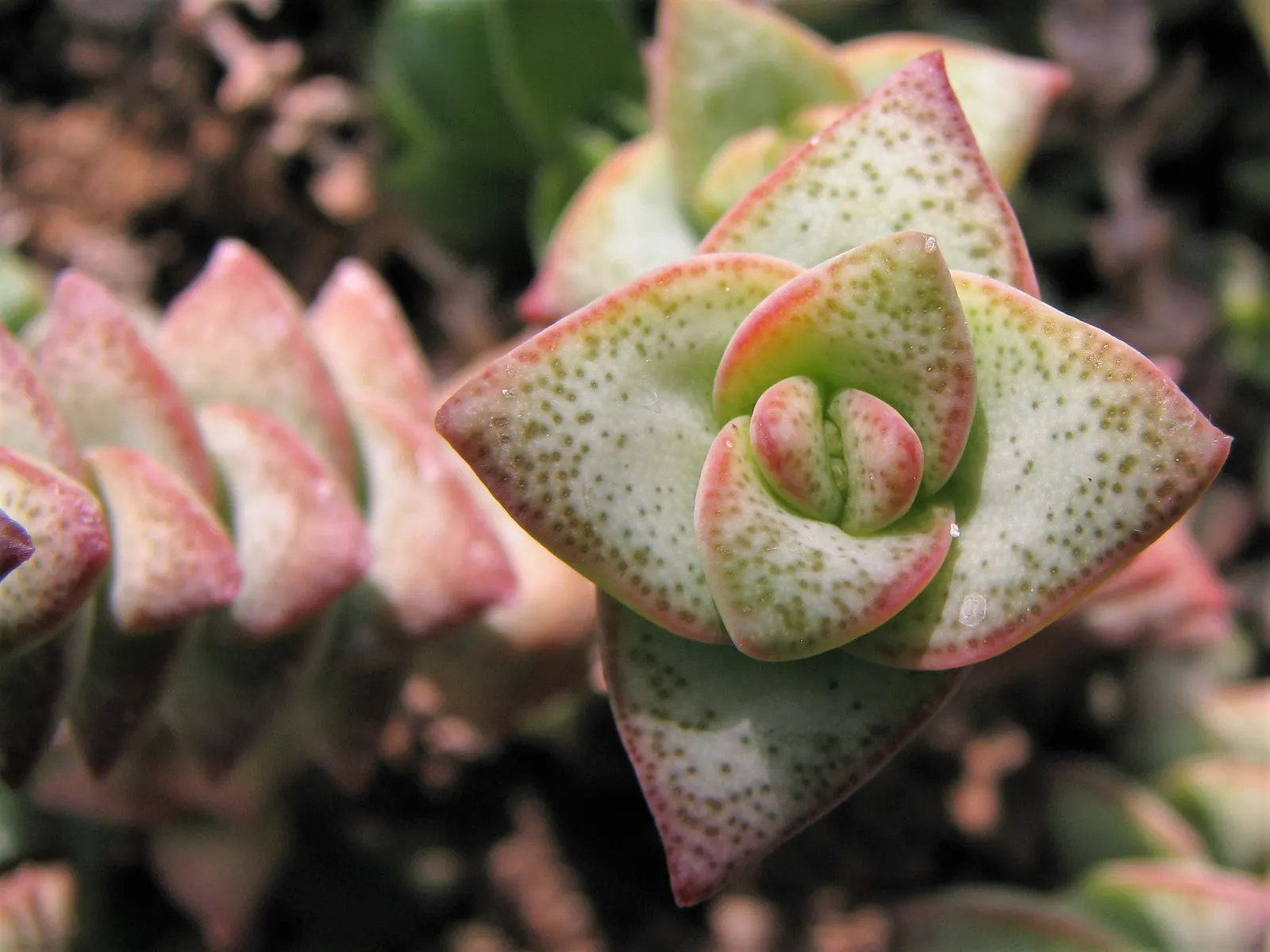
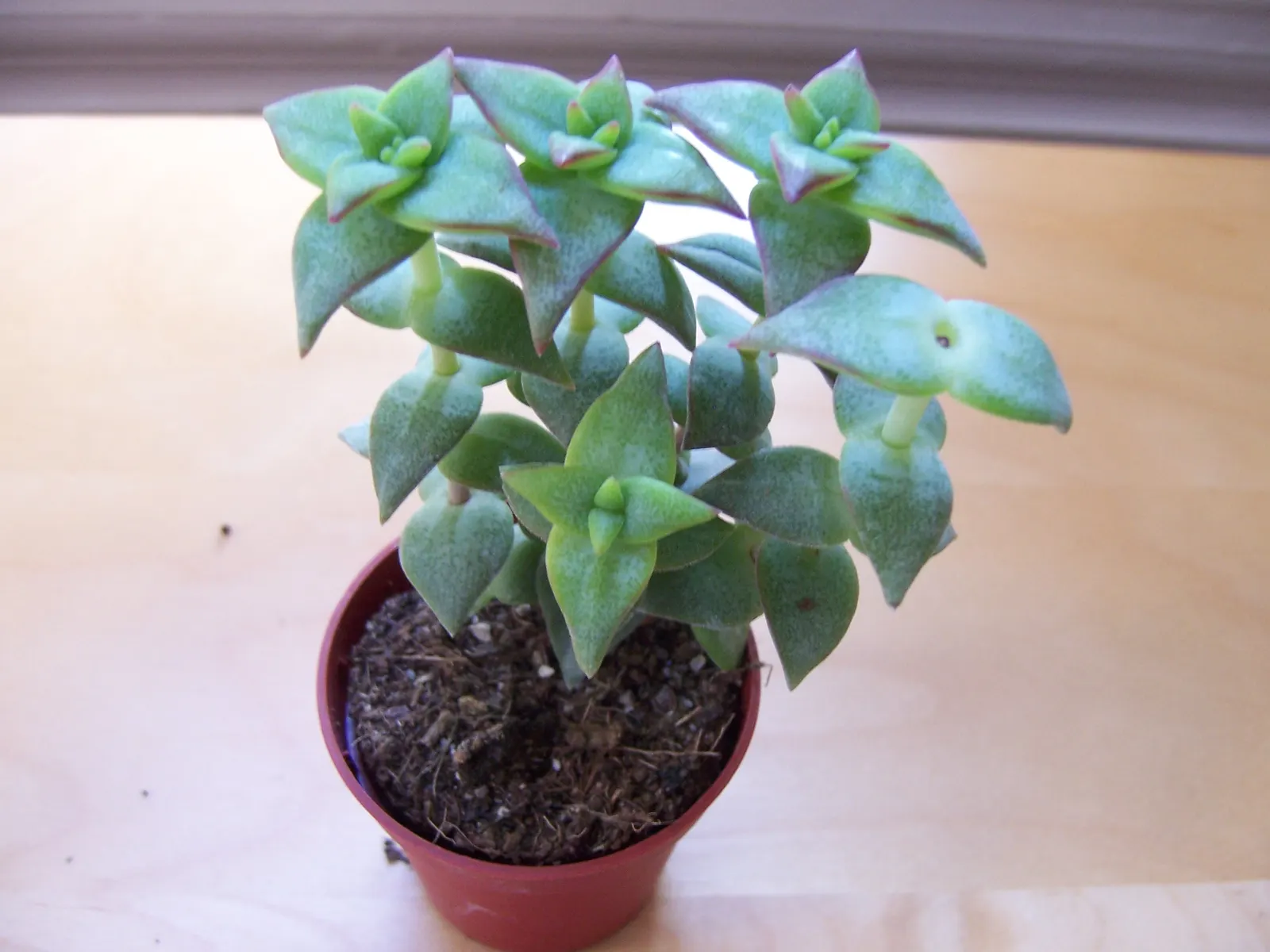
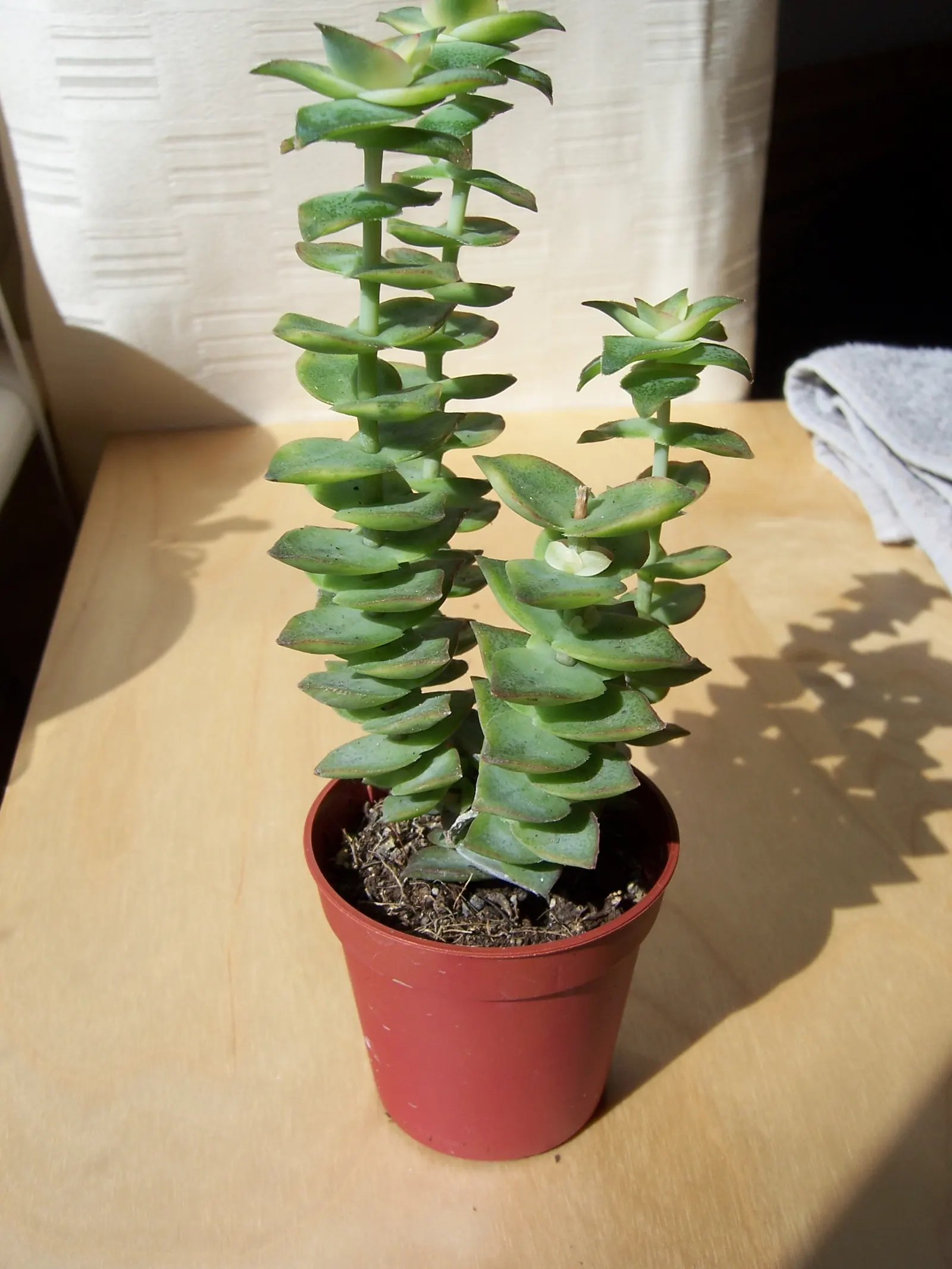
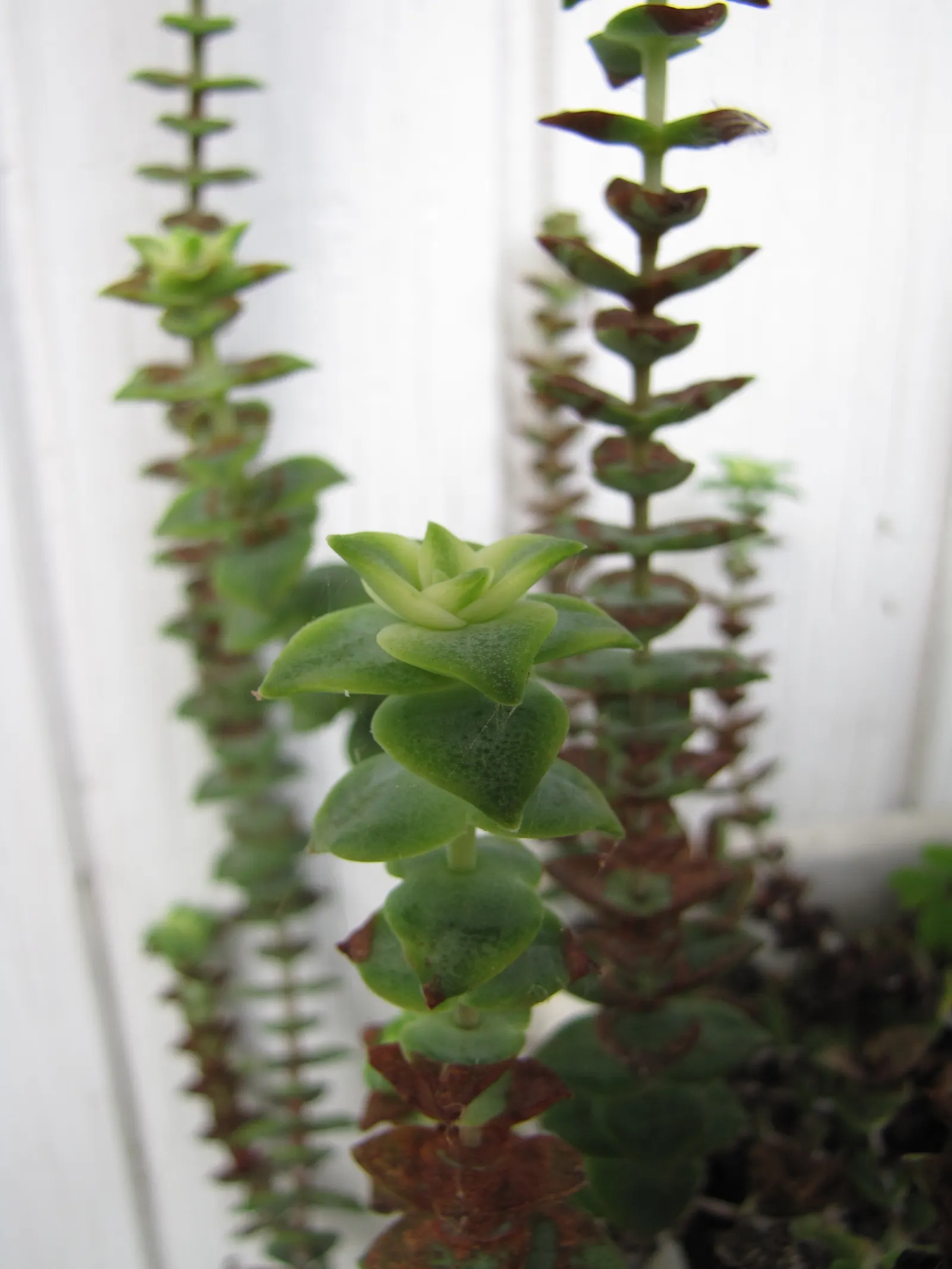
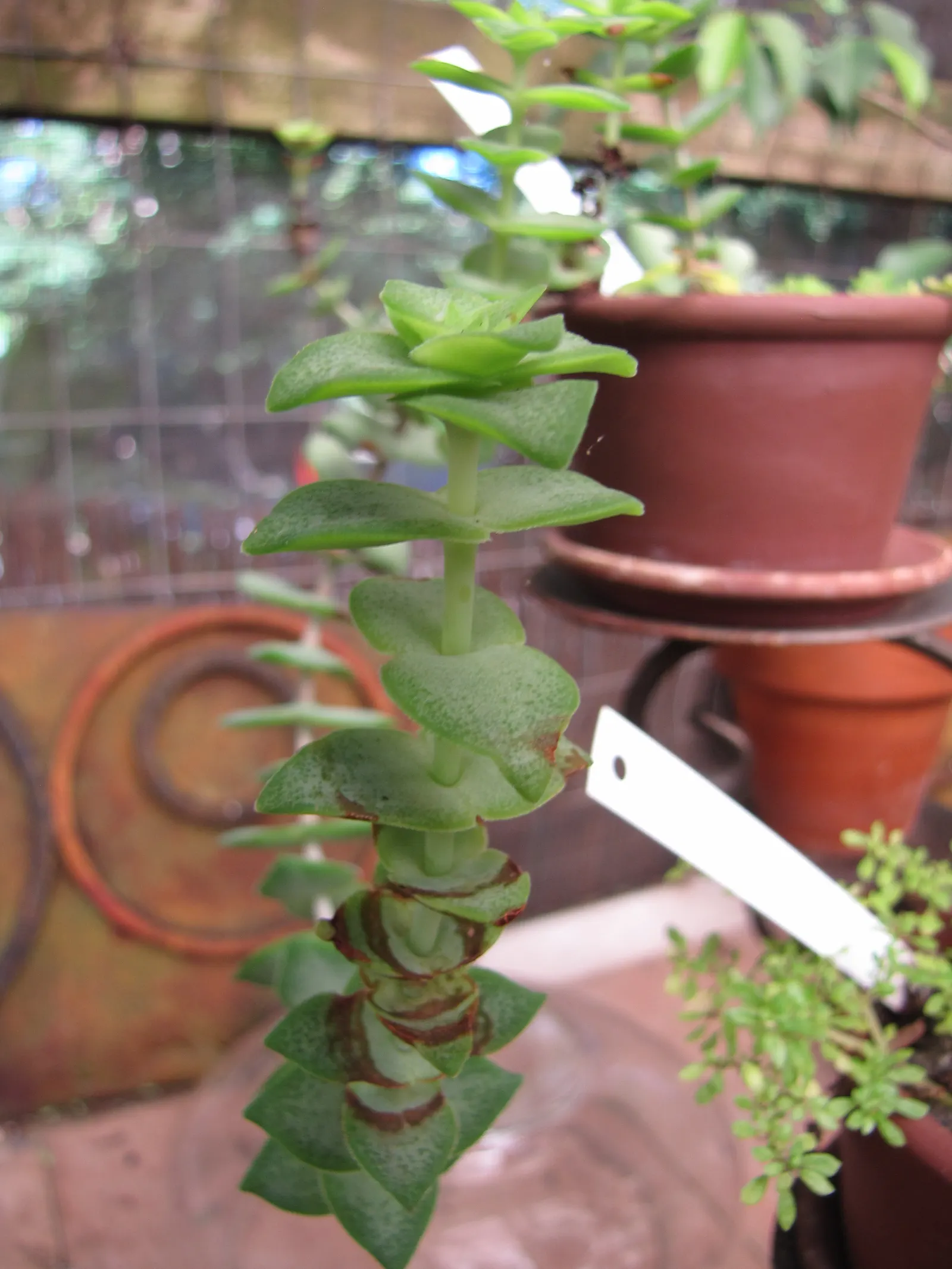
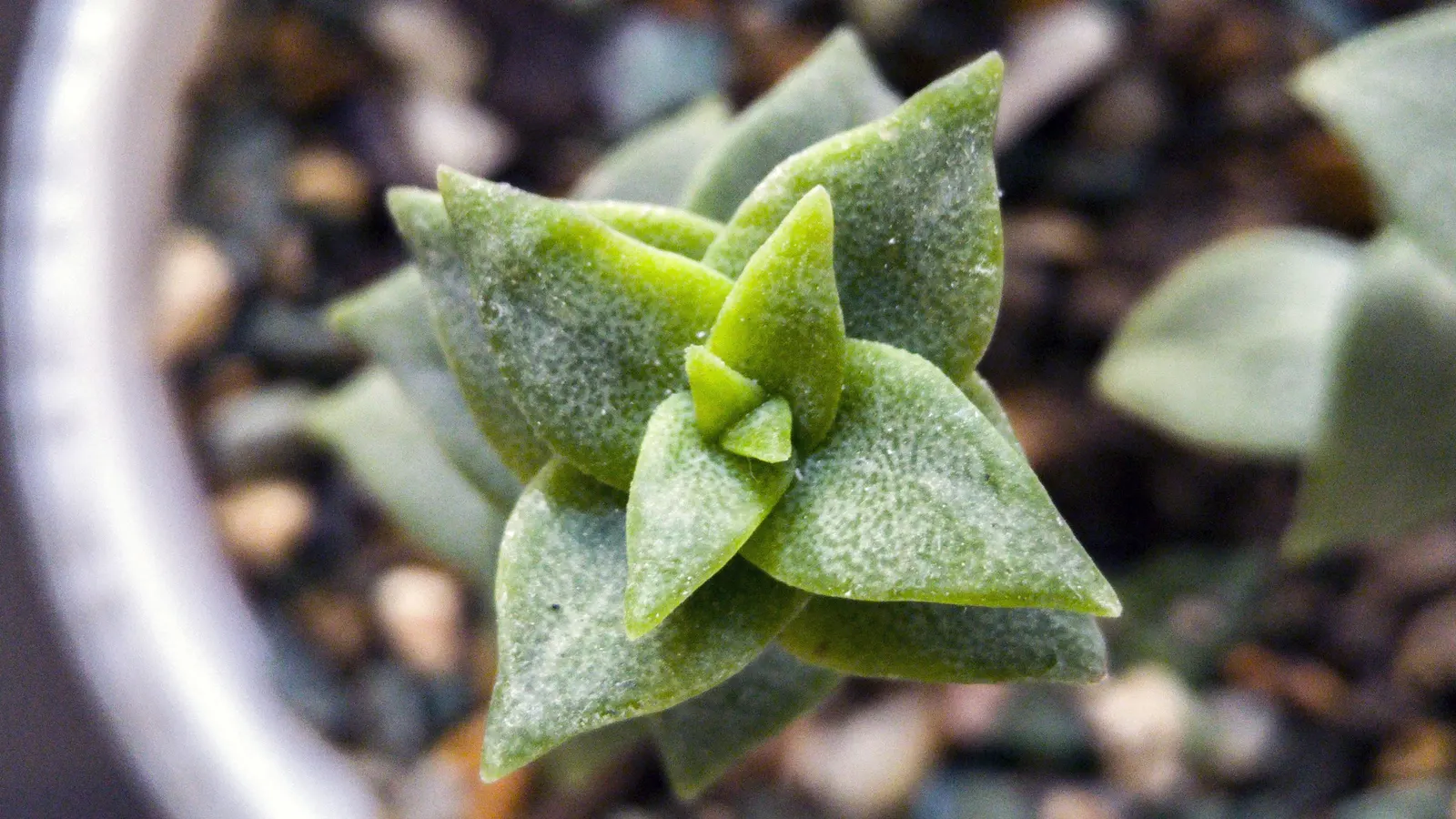
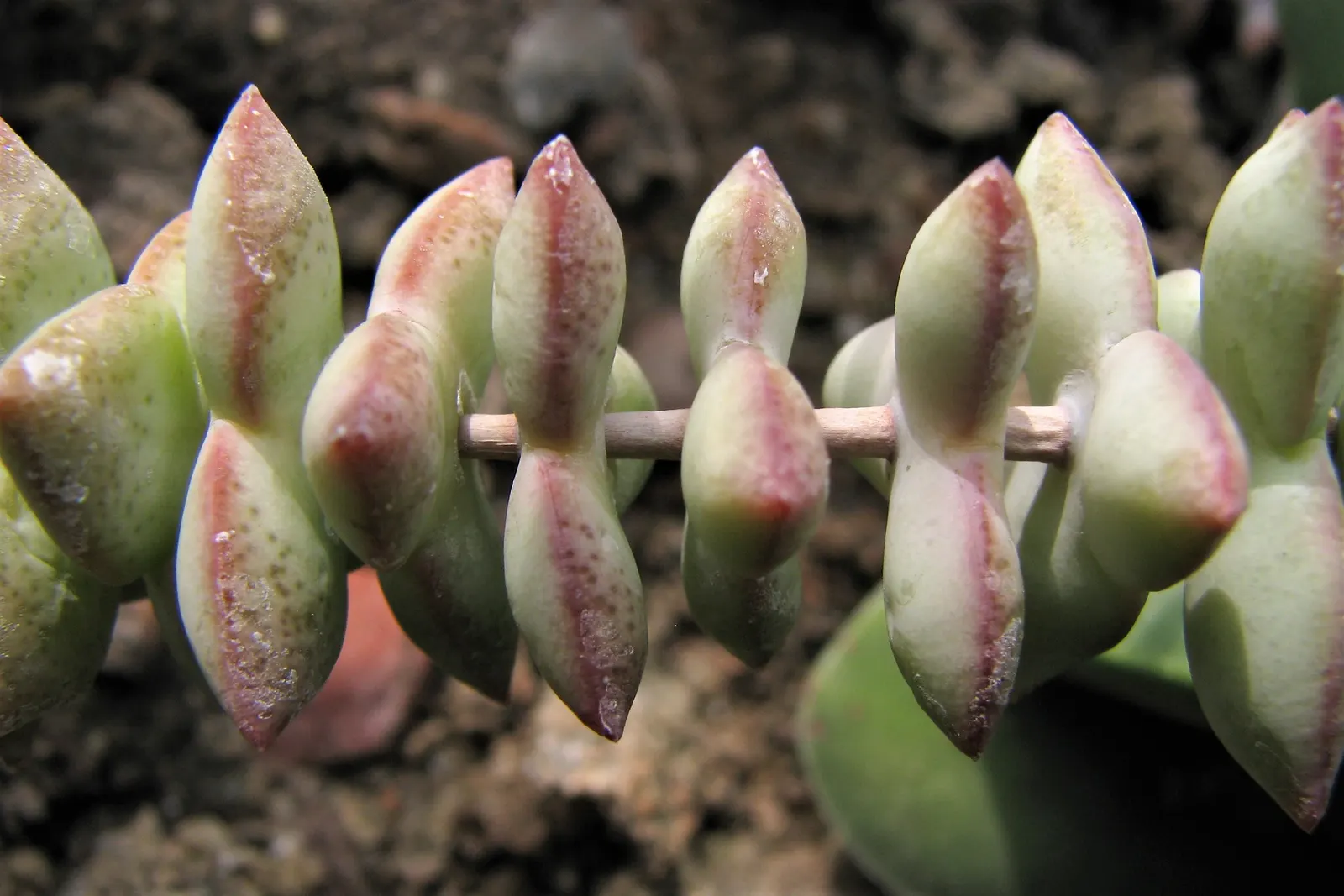
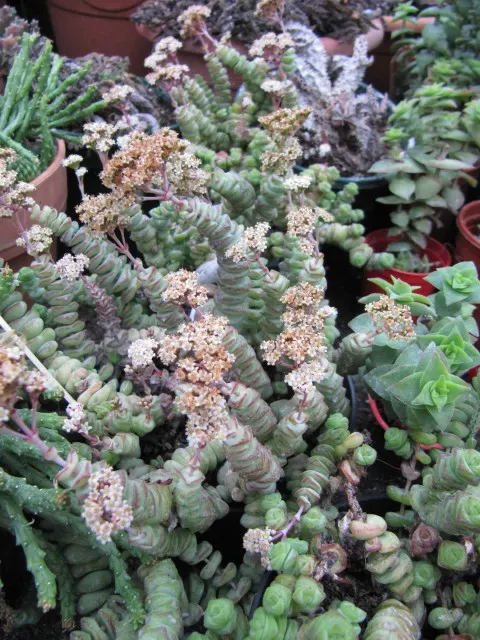
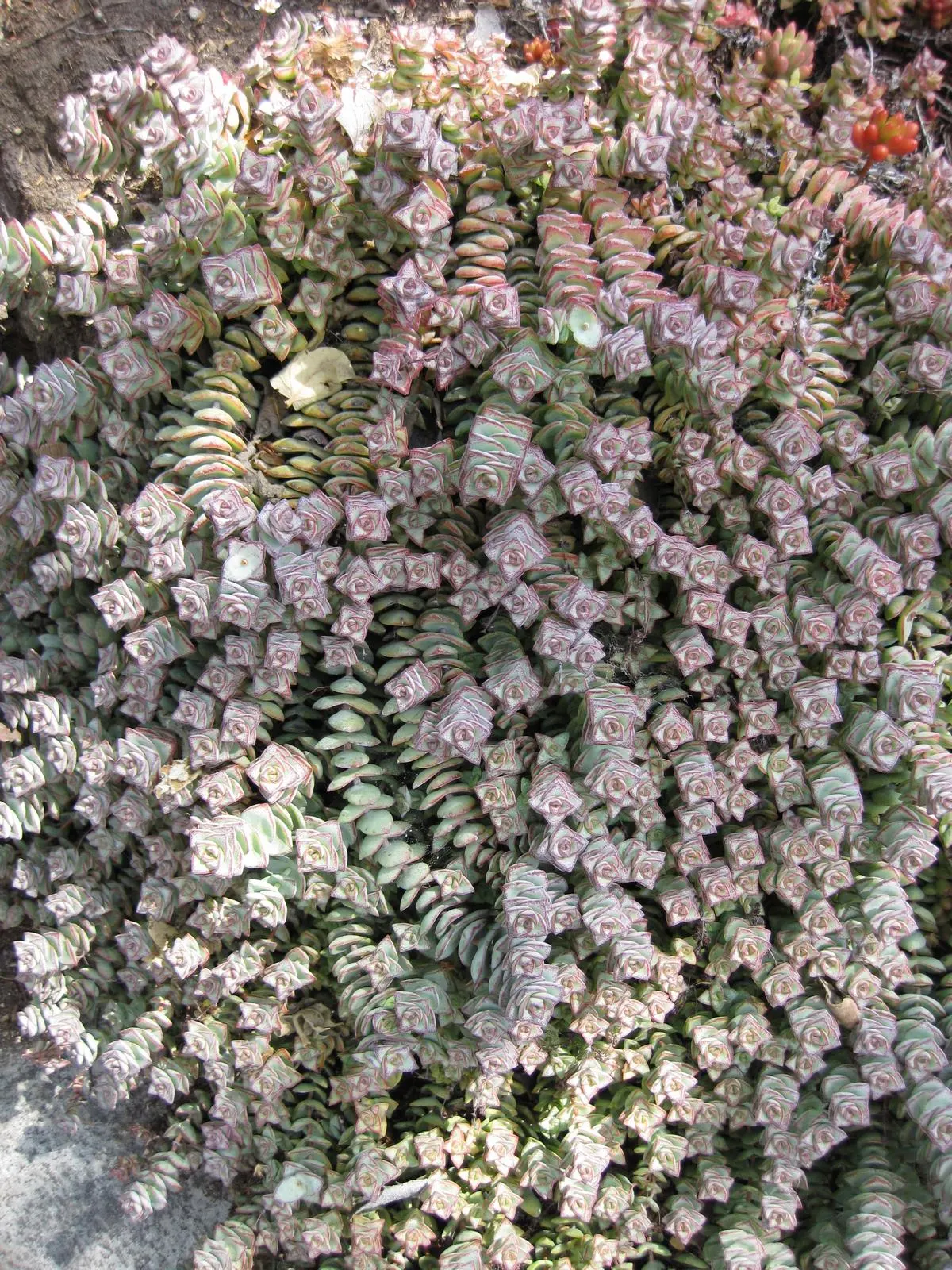
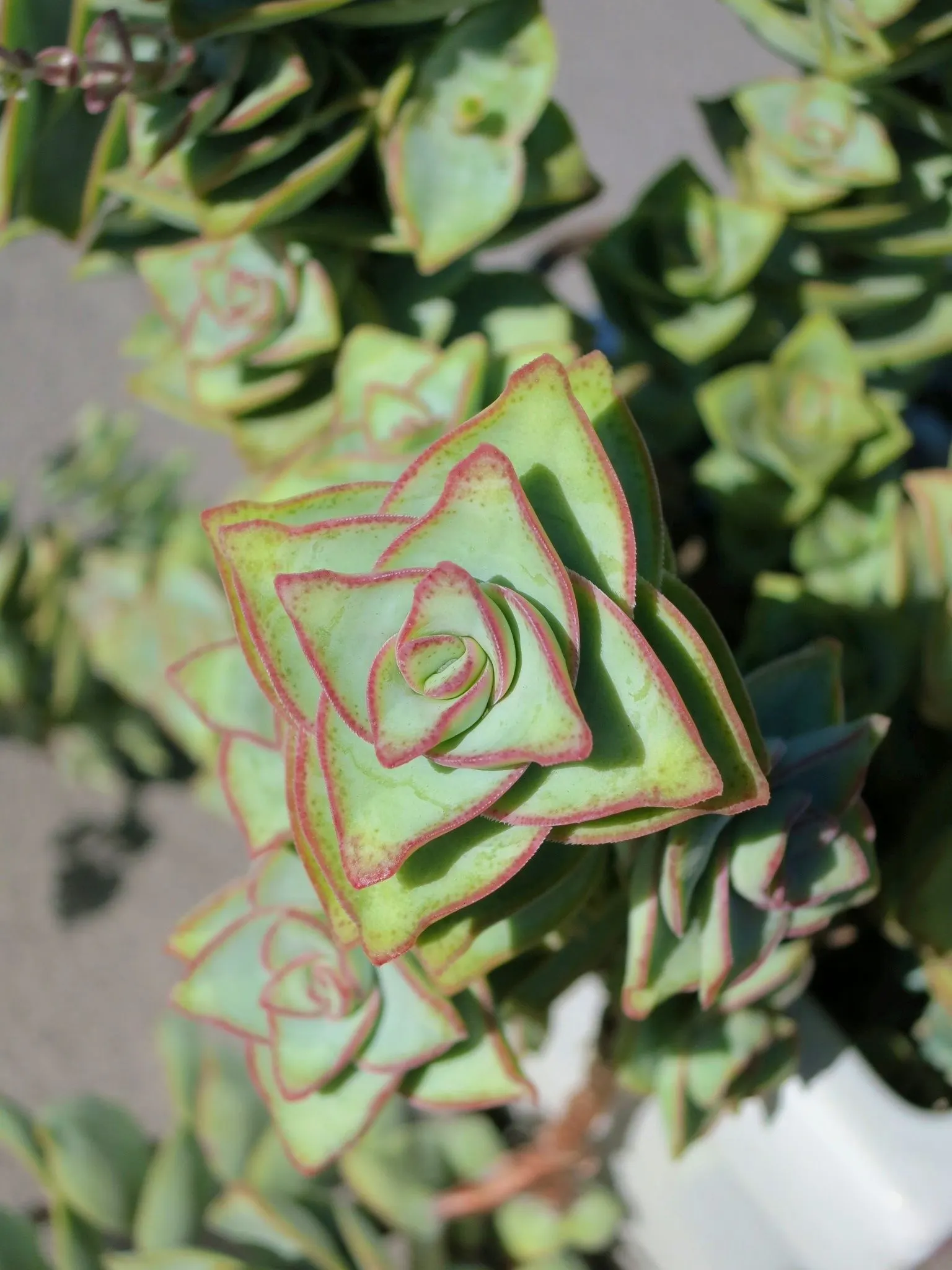
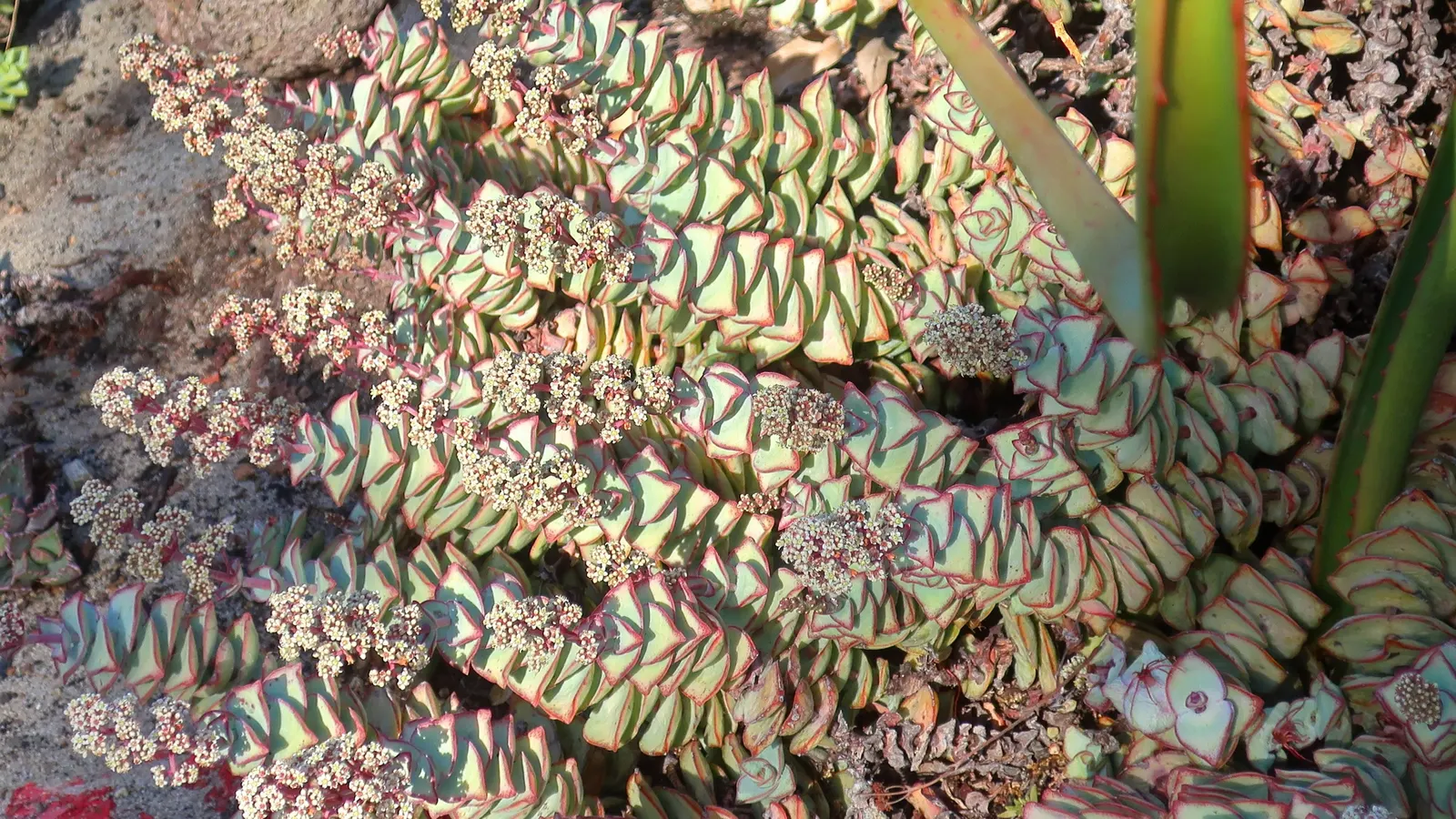
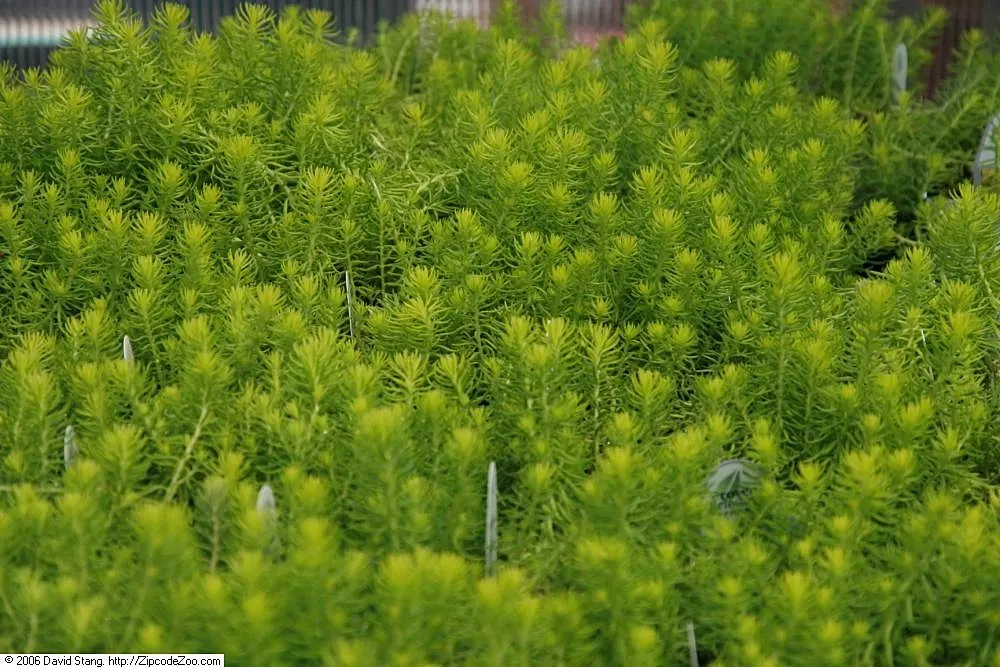
The Necklace Vine, Crassula perforata, is a striking succulent with stacked, coin-shaped leaves that spiral up its stems resembling a string of beads. It thrives in well-draining soil with full to partial sun exposure. Mature plants reach up to 18 inches in height, making it an exceptional choice for rock gardens or as a container accent. Minimal watering requirements and hardiness in USDA zones 9-12 suit a low-maintenance landscape.

Sun Full, HalfWater LowZones 9–11Climate Mediterranean

Culture

Sun
Full, Half
Water
Low
USDA zones
9–11

Shape & size

Classification

Family
Crassulaceae
Climate
Mediterranean

See full data, regional cultivation notes, full-resolution photos, and design tools. Build a client presentation around this plant.

Start your 14-day trial

Photos (47)

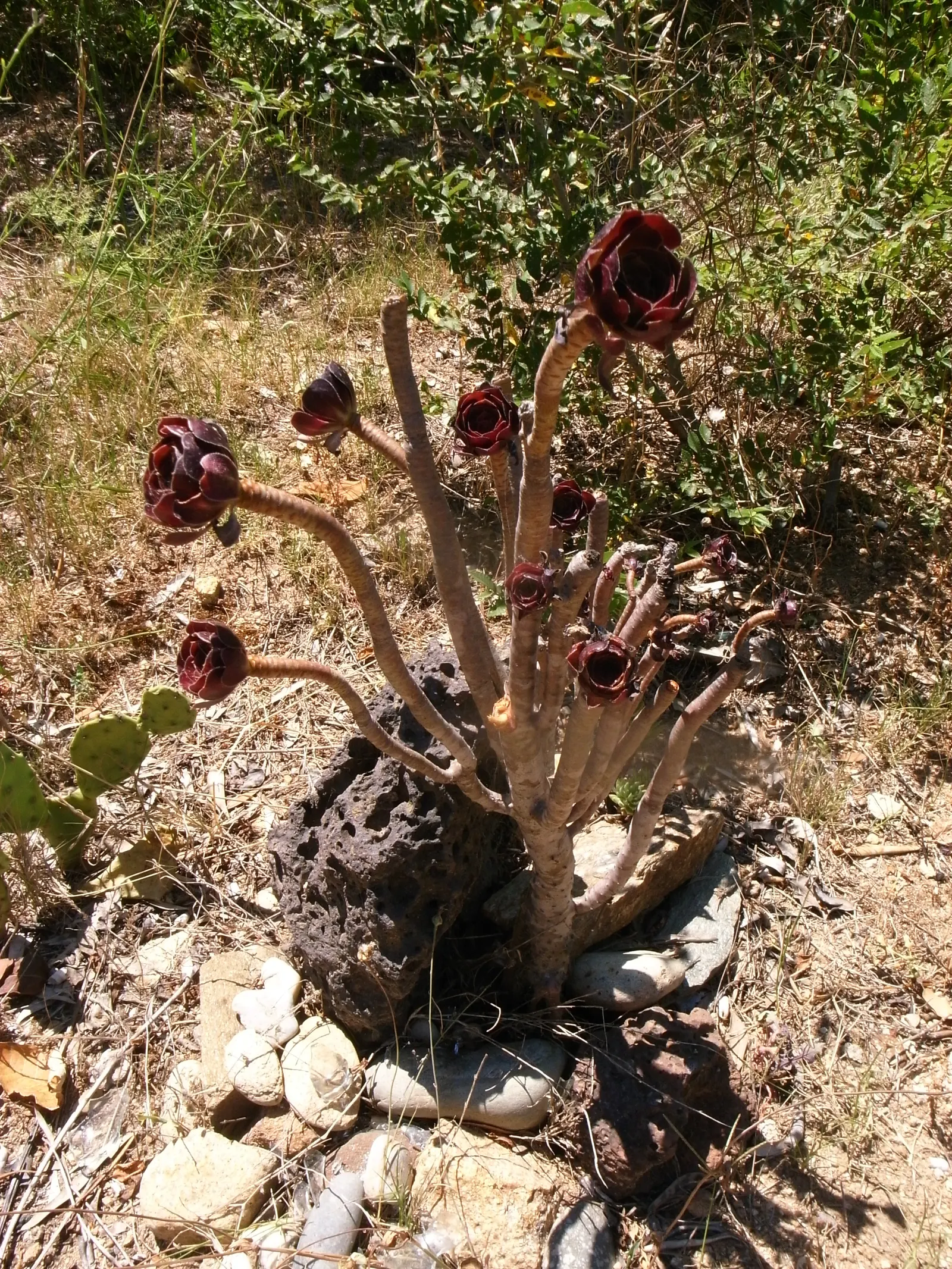
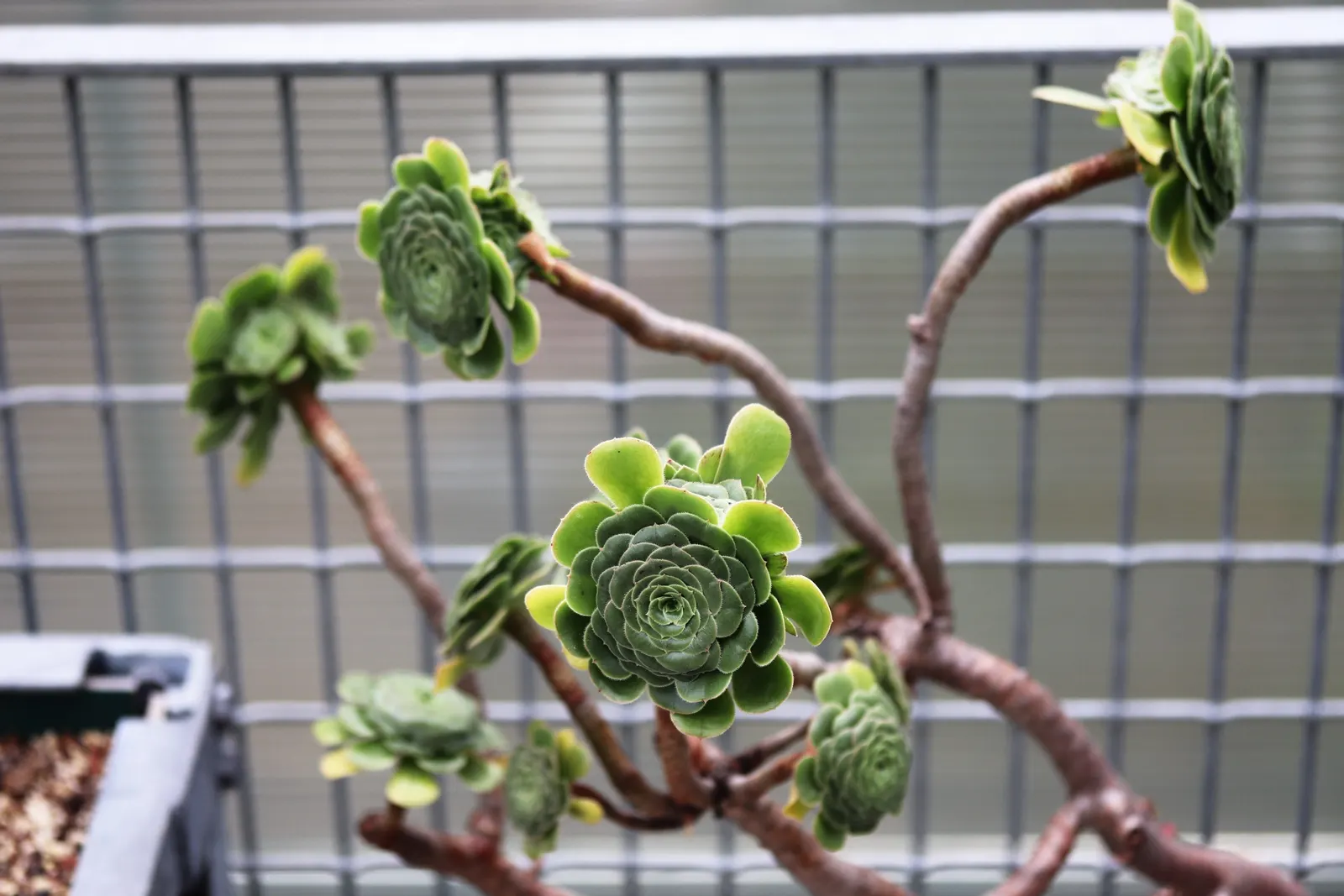
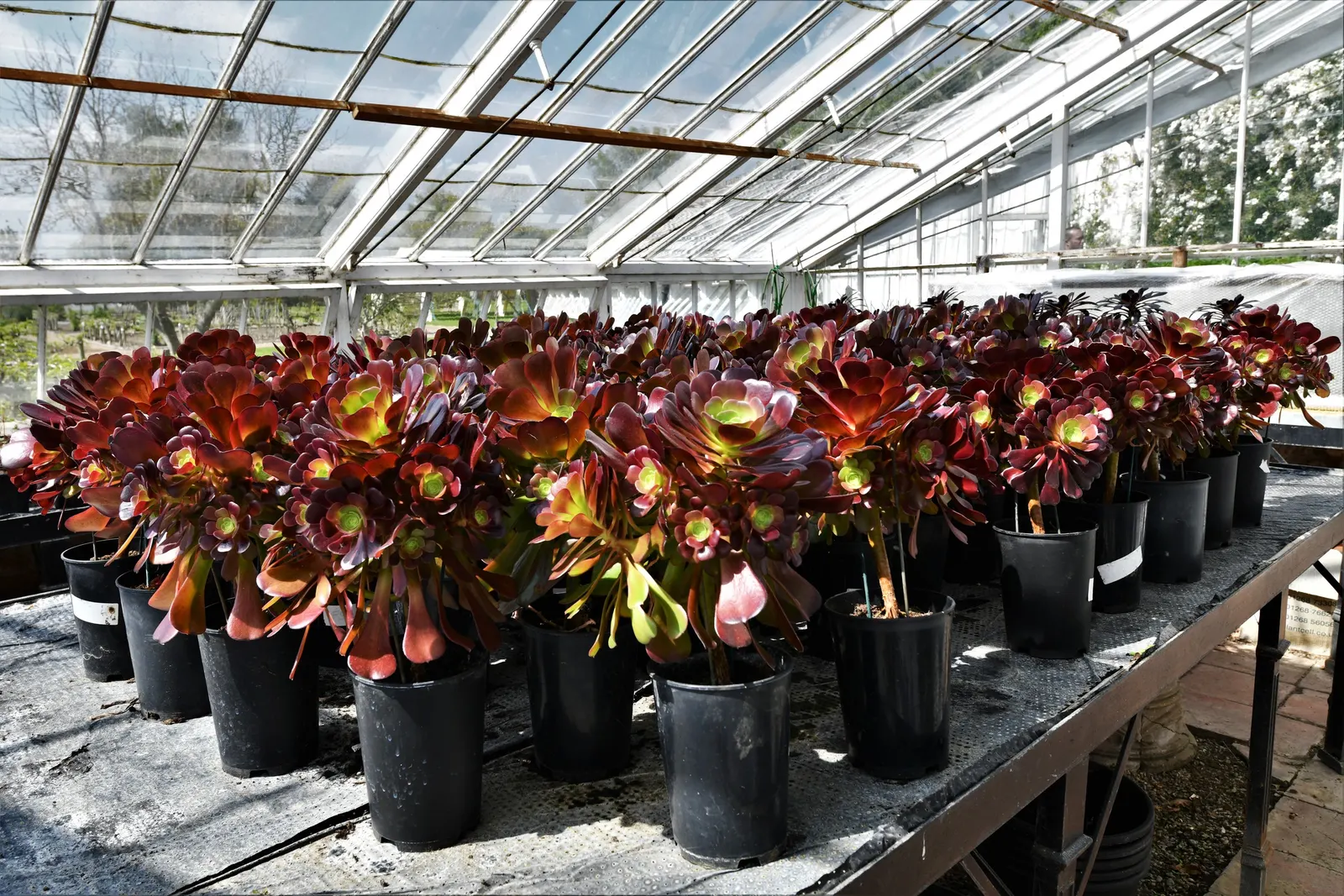
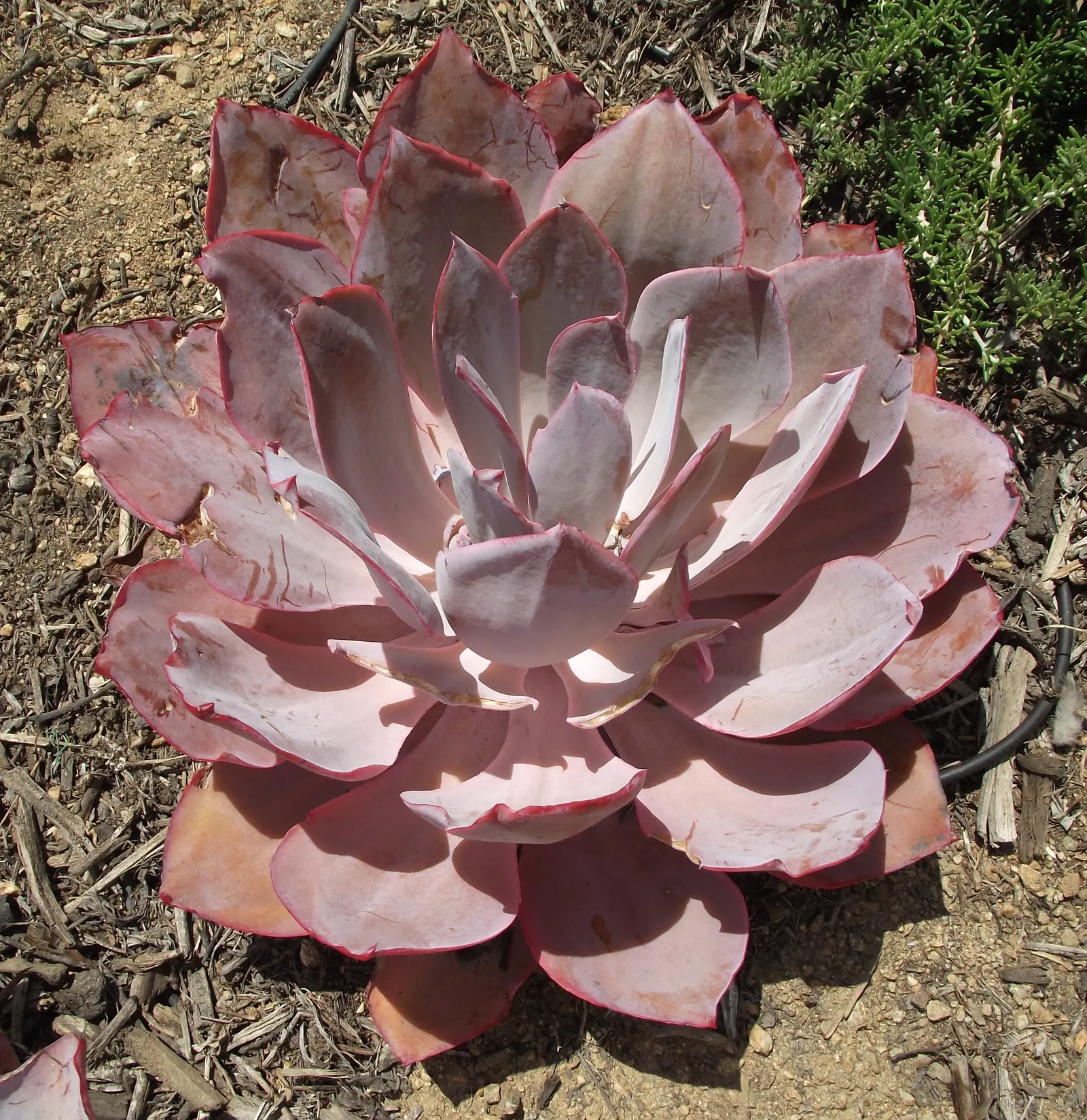
Necklace Vine (Crassula Perforata) — It requires full to partial sun exposure; as overwatering can lead to root rot.<br><br>Although Crassula perforata is
Necklace Vine (Crassula Perforata) — with at least 4 to 6 hours of sunlight per day to maintain optimal health and coloration; is a striking succulent with
Necklace Vine (Crassula Perforata) — be sure to allow the soil to dry out completely between irrigation; is an attractive succulent distinguished by its stacked
Necklace Vine (Crassula Perforata) — as overwatering can lead to root rot.<br><br>Although Crassula perforata is low-maintenance; in regions where temperatures
Necklace Vine (Crassula Perforata) — In regions where temperatures drop below freezing; coin-shaped leaves that spiral up its stems resembling a string of beads
Necklace Vine (Crassula Perforata) — it is best to maintain the plant in containers that can be moved indoors to protect it from frost; coin-shaped leaves
Necklace Vine (Crassula Perforata) — Its minimal upkeep and water requirements; it is best to maintain the plant in containers that can be moved indoors to
Necklace Vine (Crassula Perforata) — it is best to maintain the plant in containers that can be moved indoors to protect it from frost
Necklace Vine (Crassula Perforata) — It requires full to partial sun exposure
Necklace Vine (Crassula Perforata) — creating a visual impression reminiscent of a beaded necklace
Necklace Vine (Crassula Perforata) — coin-shaped leaves which spiral around the stem
Necklace Vine (Crassula Perforata) — is an attractive succulent distinguished by its stacked
Necklace Vine (Crassula Perforata) — is a striking succulent with stacked; mature plants reach up to 18 inches in height
Necklace Vine (Crassula Perforata) — with at least 4 to 6 hours of sunlight per day to maintain optimal health and coloration
Necklace Vine (Crassula Perforata) — is a striking succulent with stacked
Necklace Vine (Crassula Perforata) — coin-shaped leaves that spiral up its stems resembling a string of beads; it requires full to partial sun exposure
Necklace Vine (Crassula Perforata) — It thrives in well-draining soil with full to partial sun exposure; combined with its unique aesthetic
Necklace Vine (Crassula Perforata) — Mature plants reach up to 18 inches in height; making it an exceptional choice for rock gardens or as a container accent
Necklace Vine (Crassula Perforata) — making it an exceptional choice for rock gardens or as a container accent; with at least 4 to 6 hours of sunlight per day
Necklace Vine (Crassula Perforata) — Minimal watering requirements and hardiness in USDA zones 9-12 suit a low-maintenance landscape; make the Necklace Vine a
Necklace Vine (Crassula Perforata) — scientifically known as Crassula perforata; minimal watering requirements and hardiness in USDA zones 9-12 suit a
Necklace Vine (Crassula Perforata) — is an attractive succulent distinguished by its stacked; be sure to allow the soil to dry out completely between irrigation
Necklace Vine (Crassula Perforata) — coin-shaped leaves which spiral around the stem; shrub / succulent for full or half
Necklace Vine (Crassula Perforata) — creating a visual impression reminiscent of a beaded necklace; scientifically known as Crassula perforata

Related plants