Skip to content

Pig's Ear

Cotyledon Orbiculata

Design with this plant

Overview

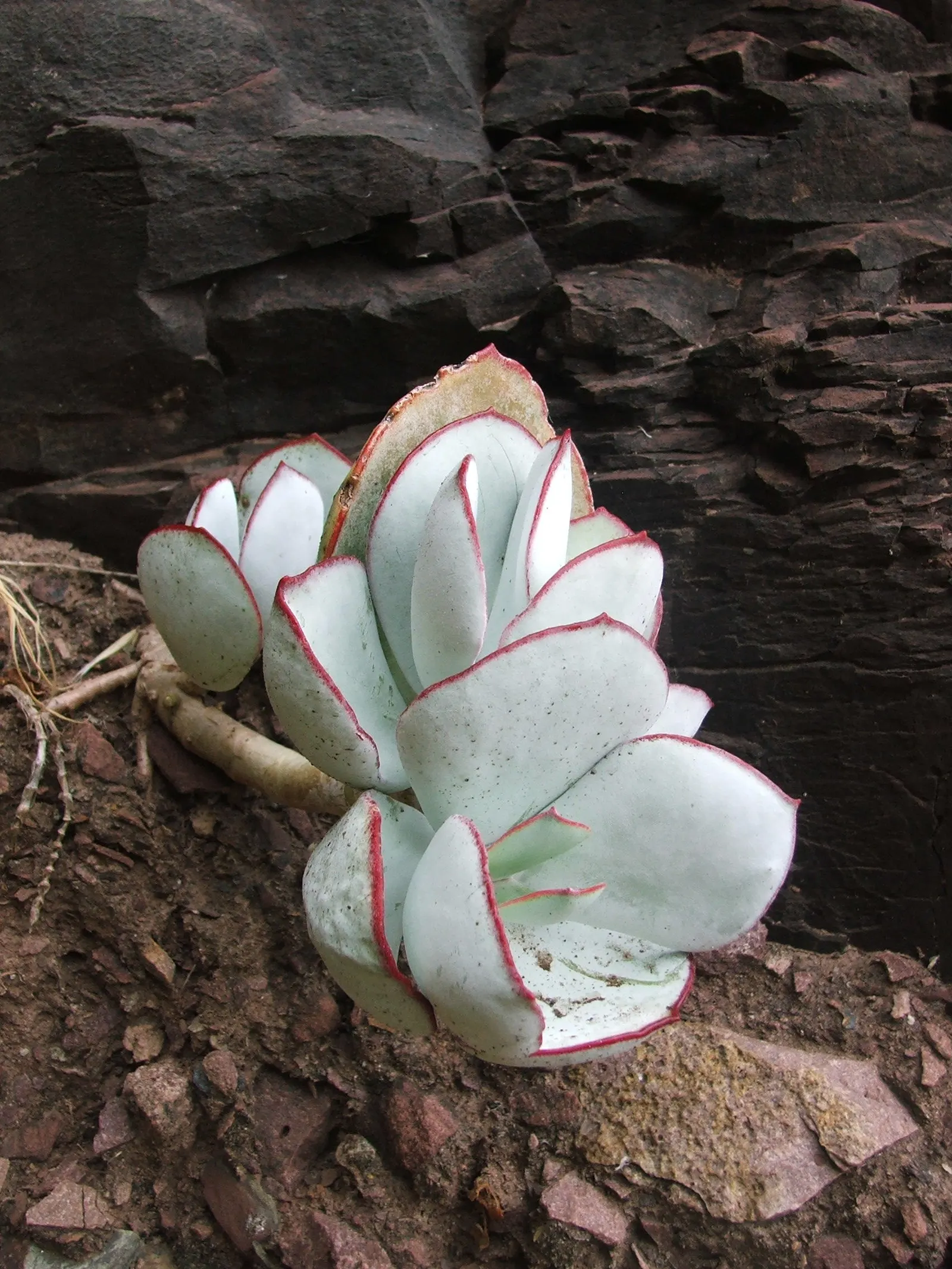
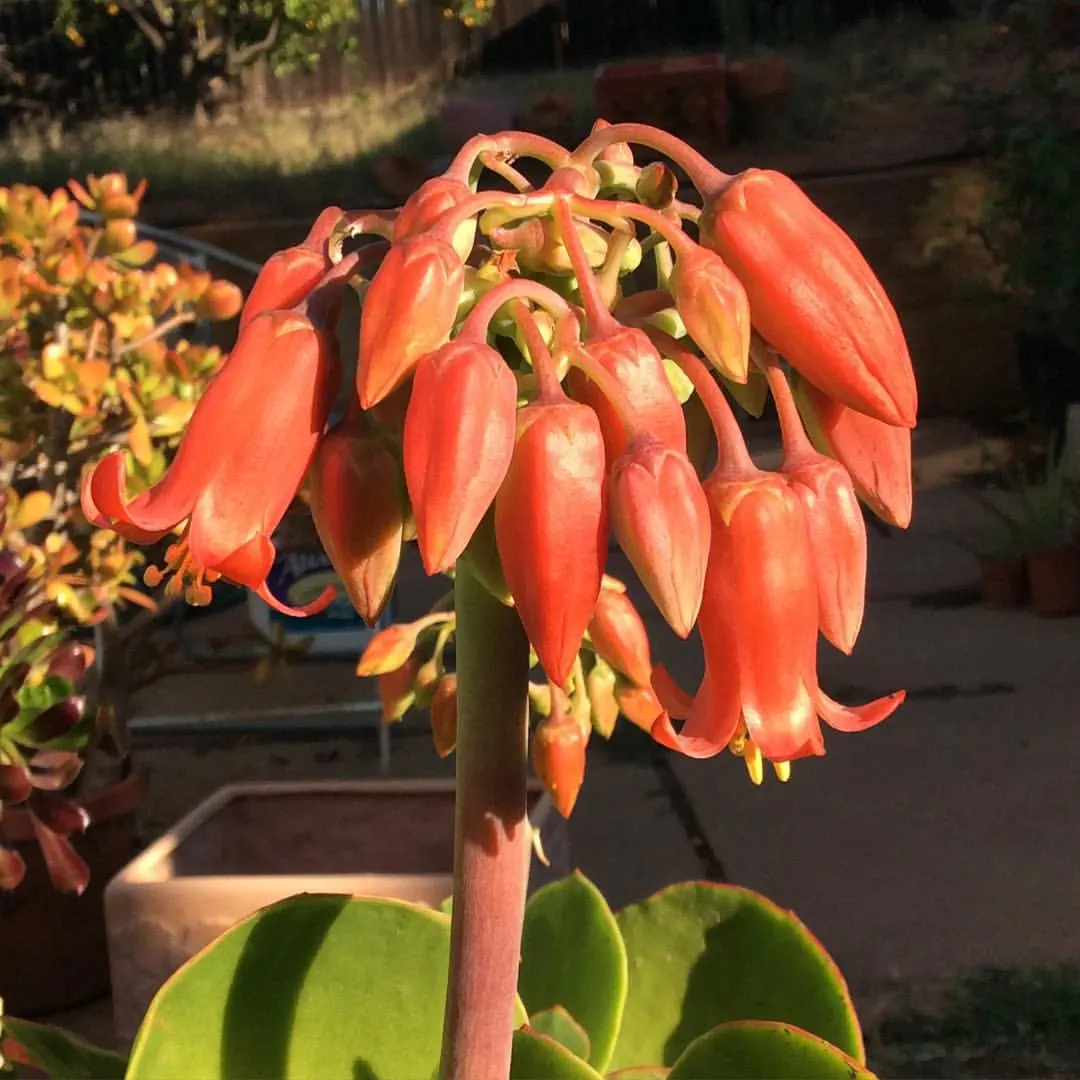
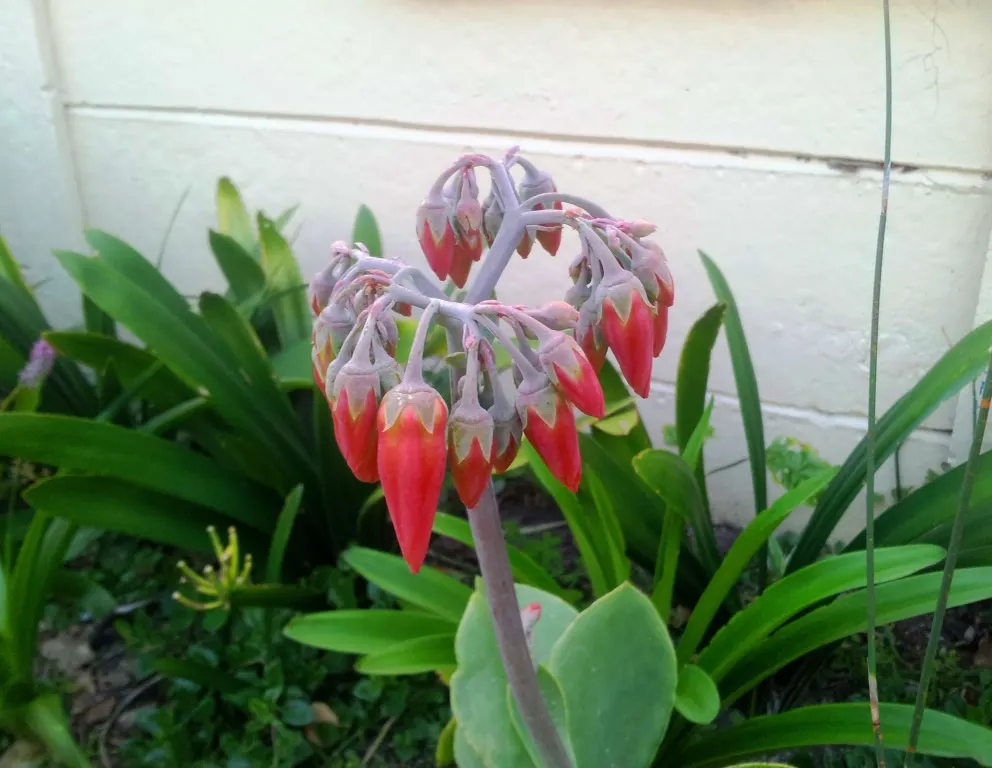
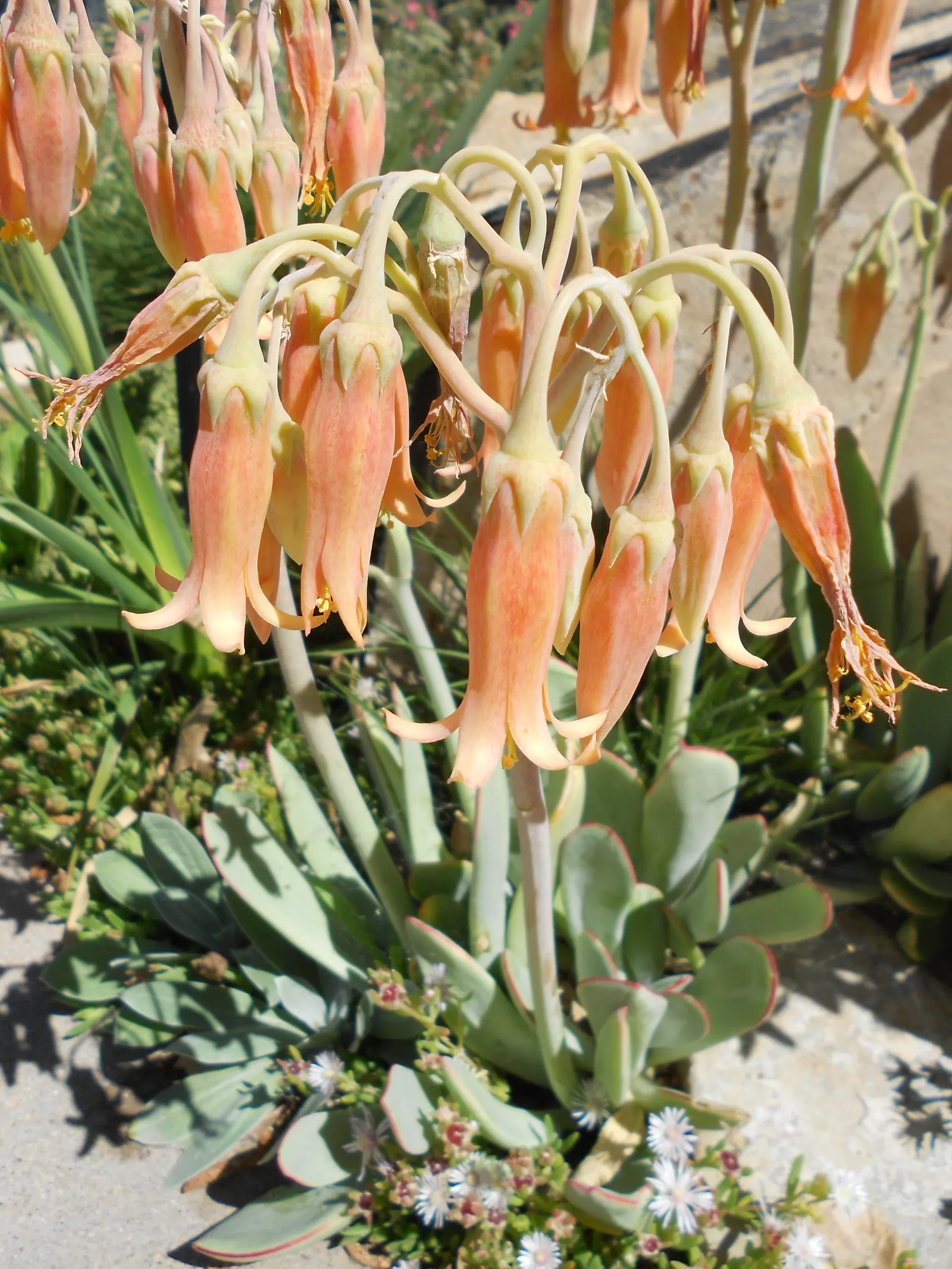
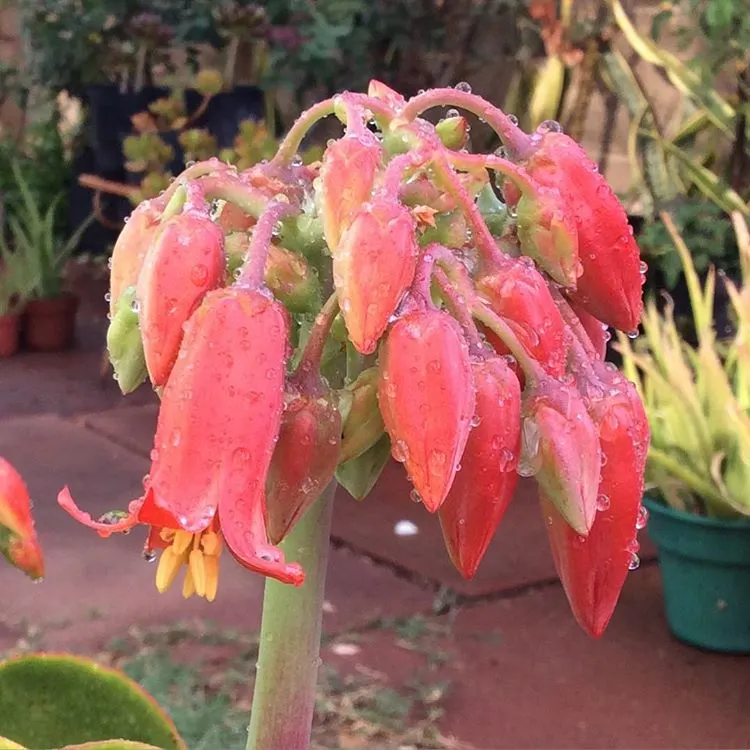
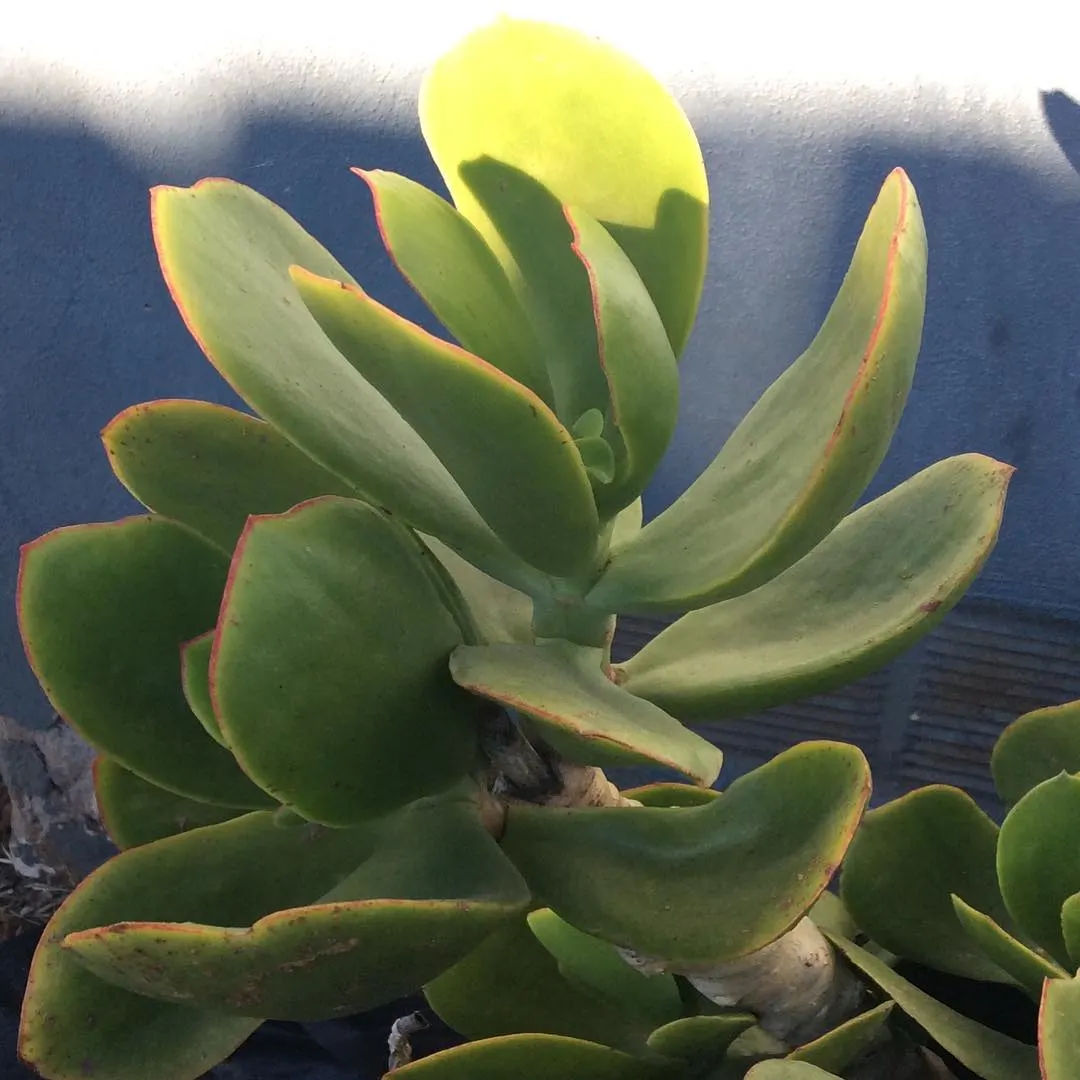
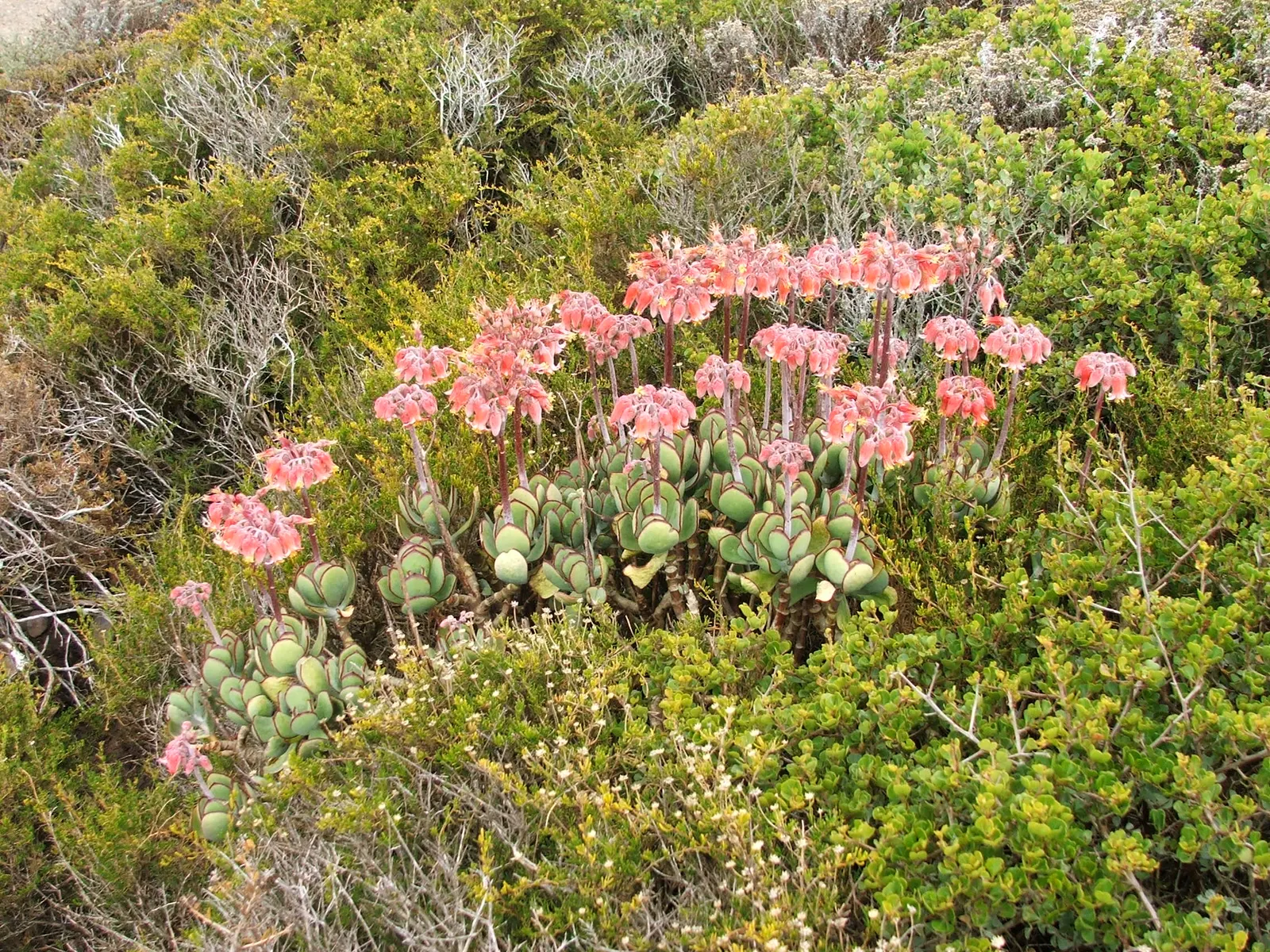
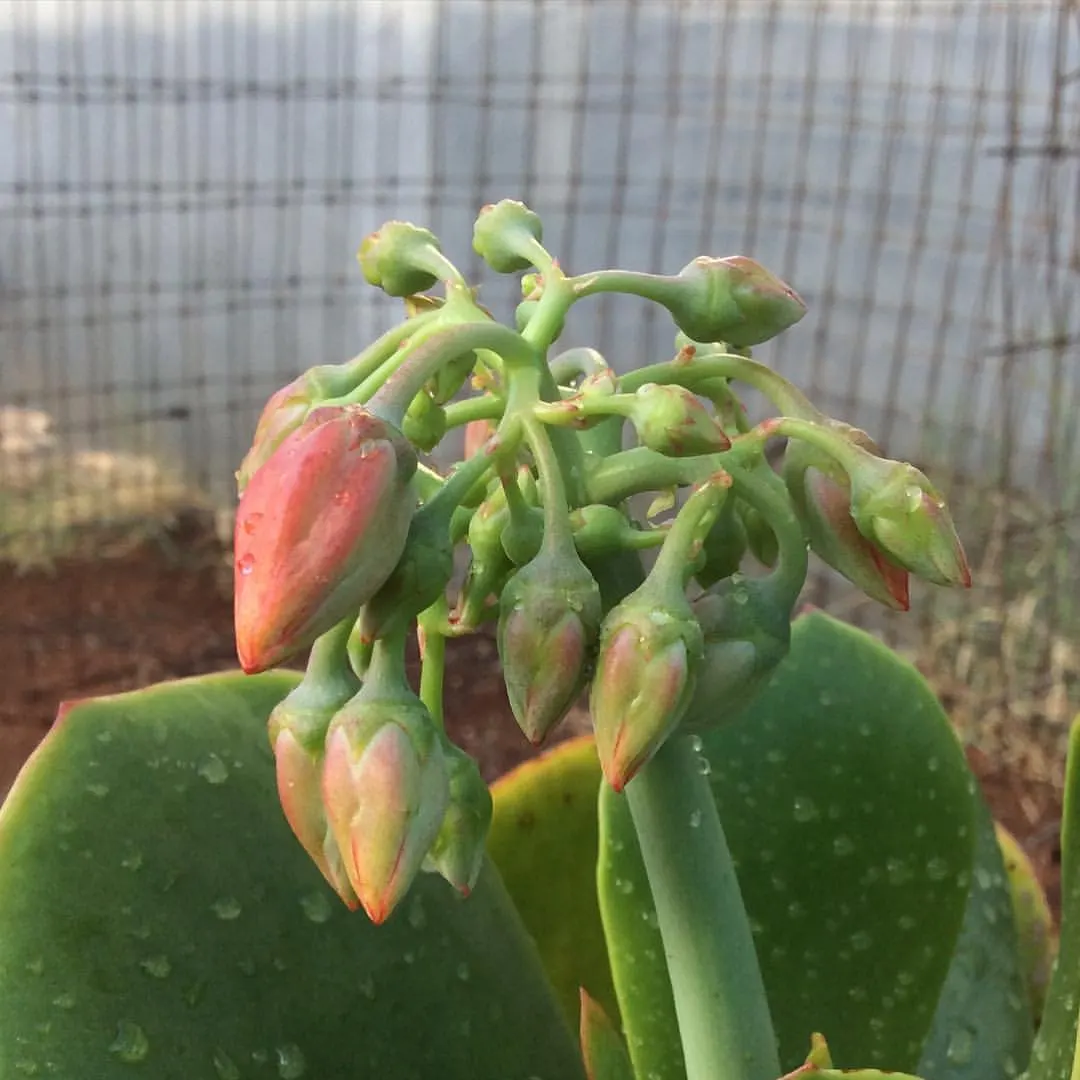
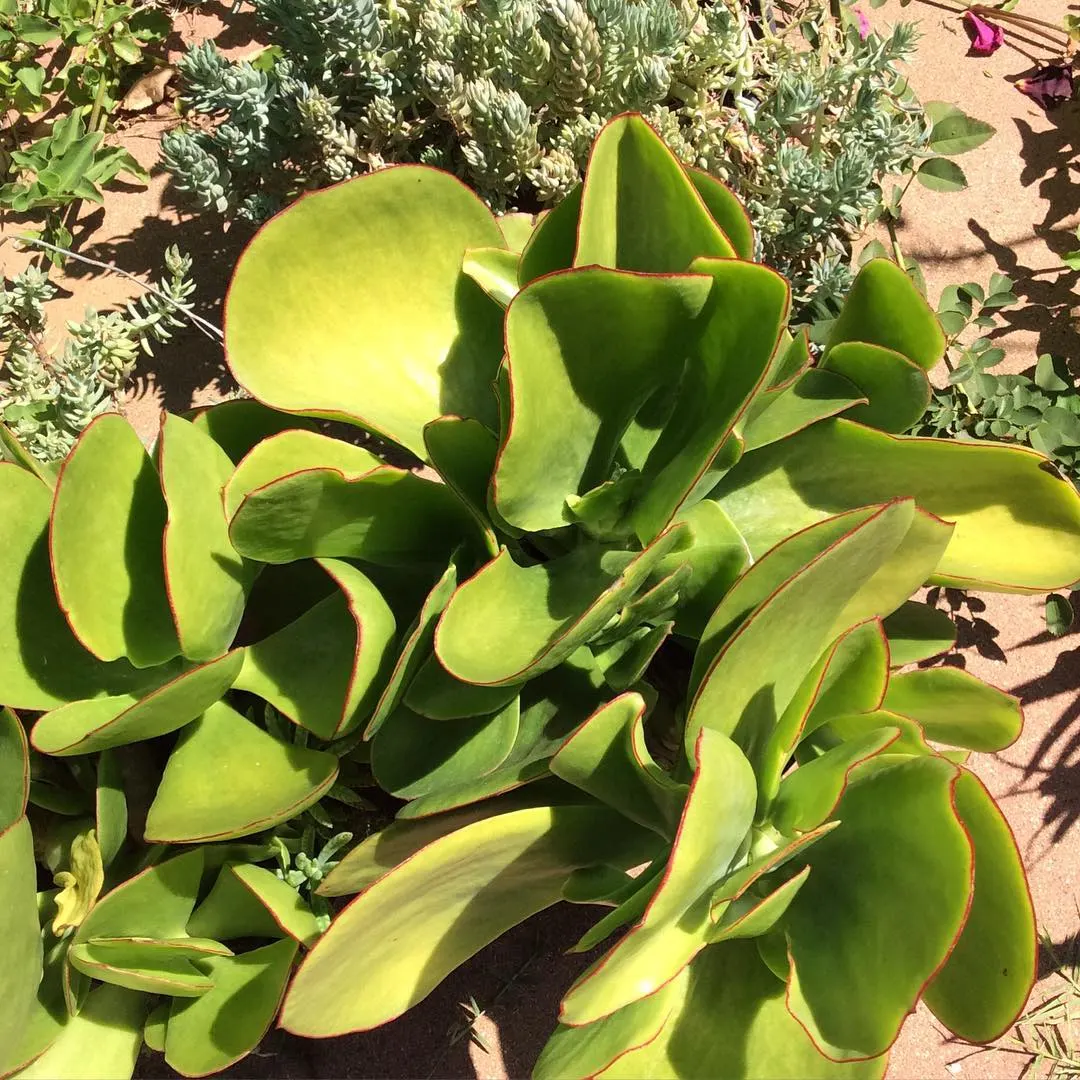
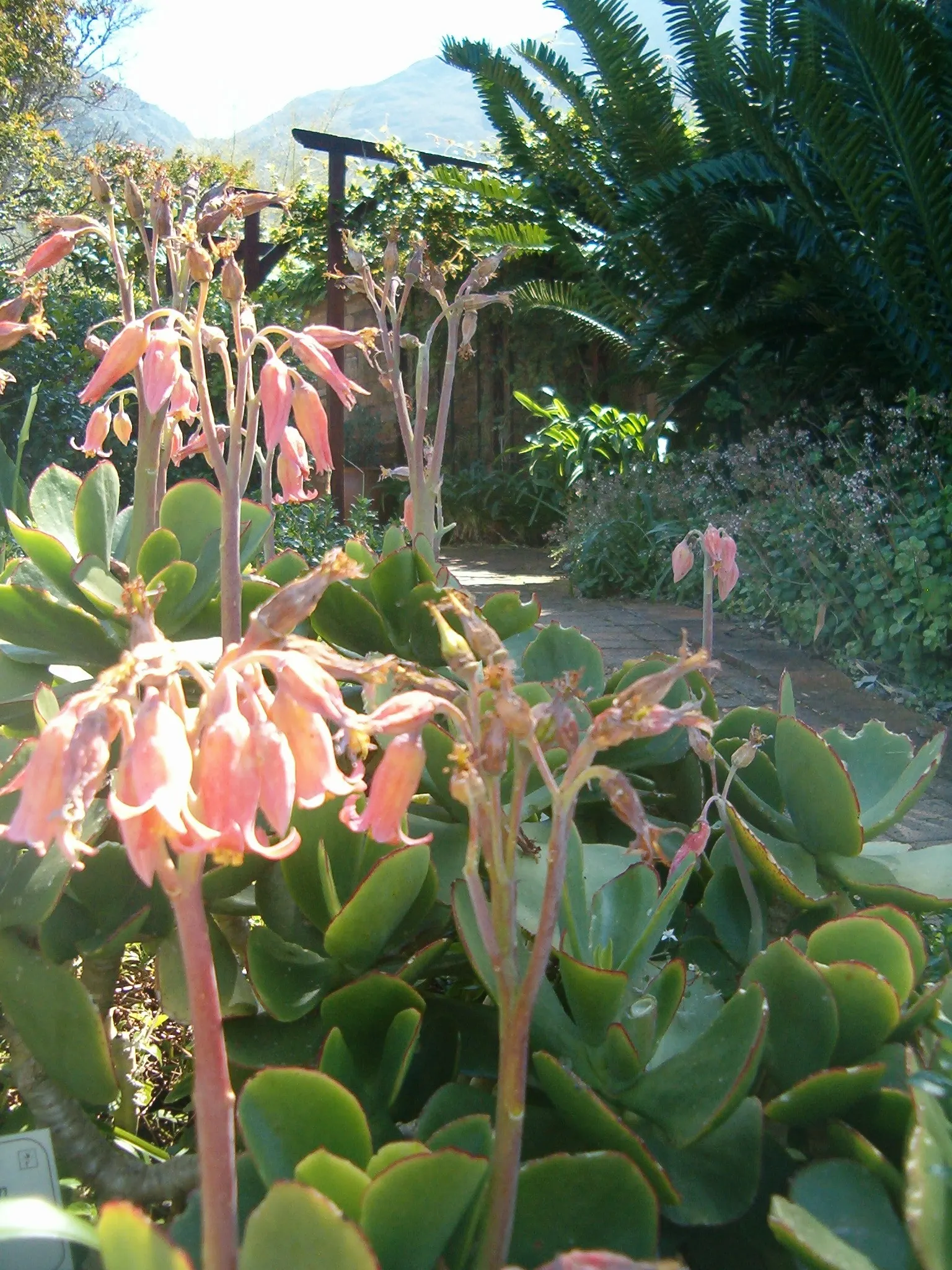
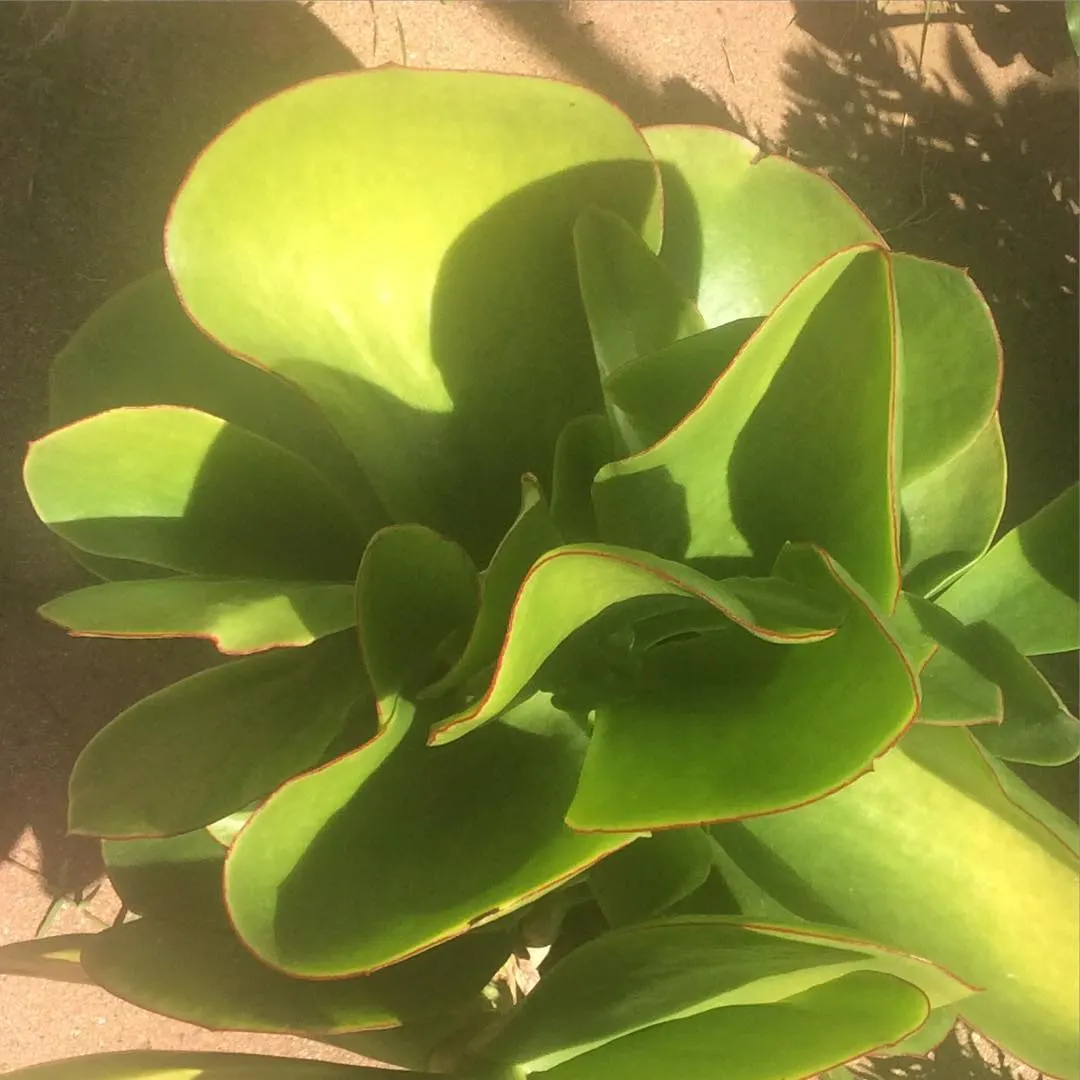
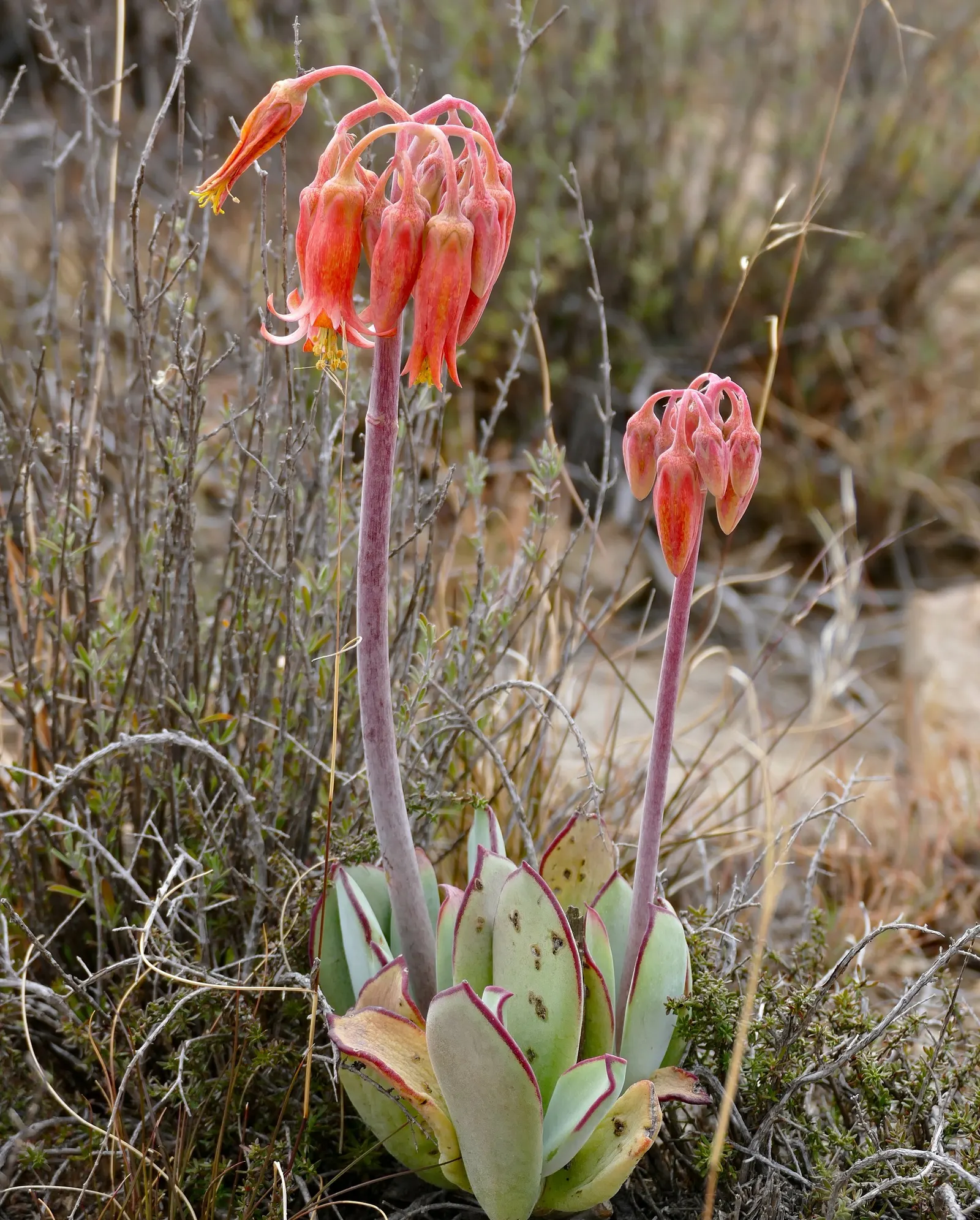
Cotyledon orbiculata, commonly known as "Pig\'s Ear," is a drought-tolerant succulent featuring fleshy, round, gray-green leaves with a red margin. Native to South Africa, it grows up to 24 inches tall and sports bell-shaped orange-red flowers on stalks in summer. It thrives in USDA zones 9-11, requiring well-draining soil and full sun to partial shade. Perfect for xeriscaping, it adds sculptural interest to rock gardens and containers.

Sun FullWater Extra in Summer, Low, MediumZones 9–10Climate Temperate
Pig's Ear (Cotyledon Orbiculata) — Perfect for xeriscaping, it adds sculptural interest to rock gardens and containers

Culture

Sun
Full
Water
Extra in Summer, Low, Medium
USDA zones
9–10

Shape & size

Classification

Family
Crassulaceae
Climate
Temperate

See full data, regional cultivation notes, full-resolution photos, and design tools. Build a client presentation around this plant.

Start your 14-day trial

Photos (113)

Pig's Ear (Cotyledon Orbiculata) — it grows up to 24 inches tall and sports bell-shaped orange-red flowers on stalks in summer; including bees and
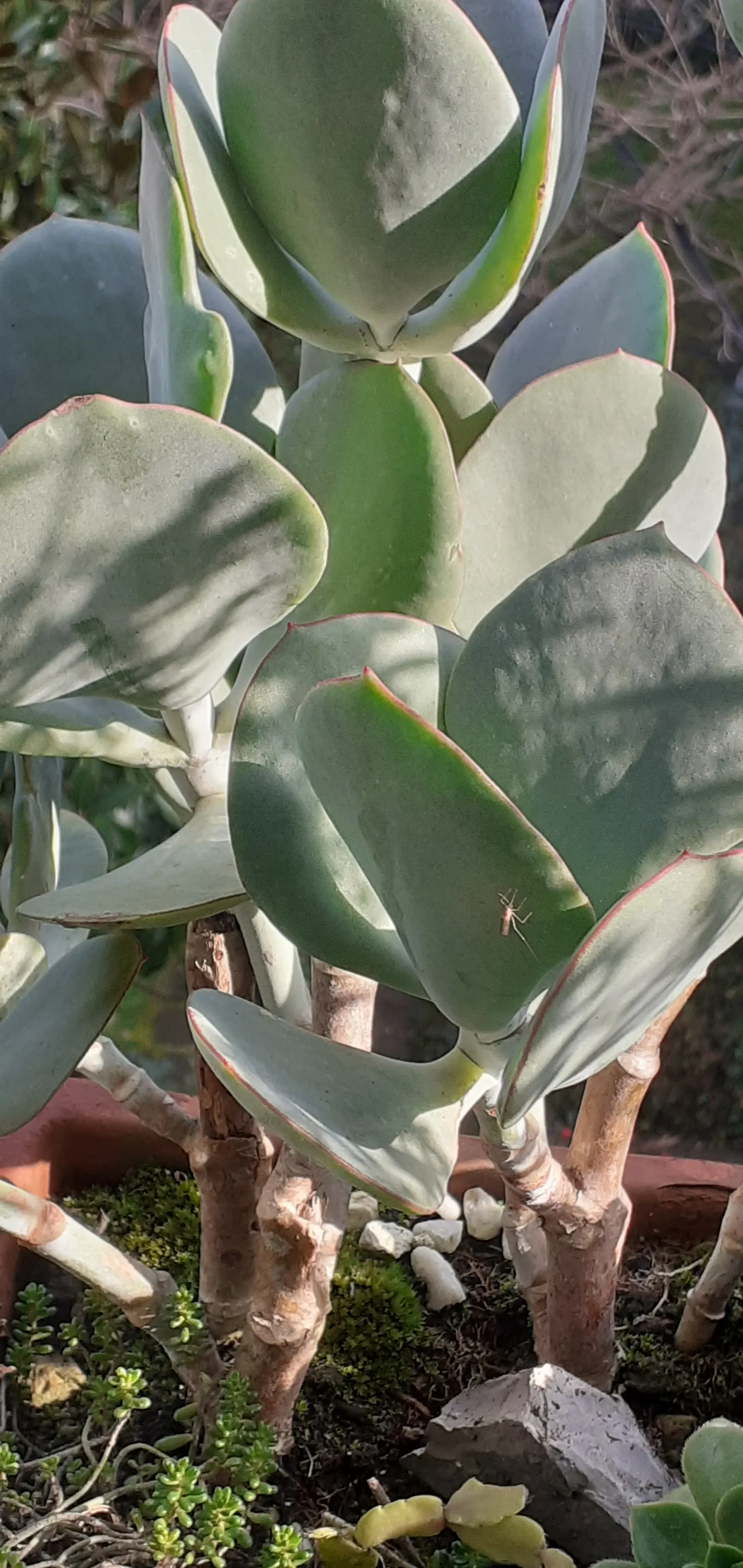
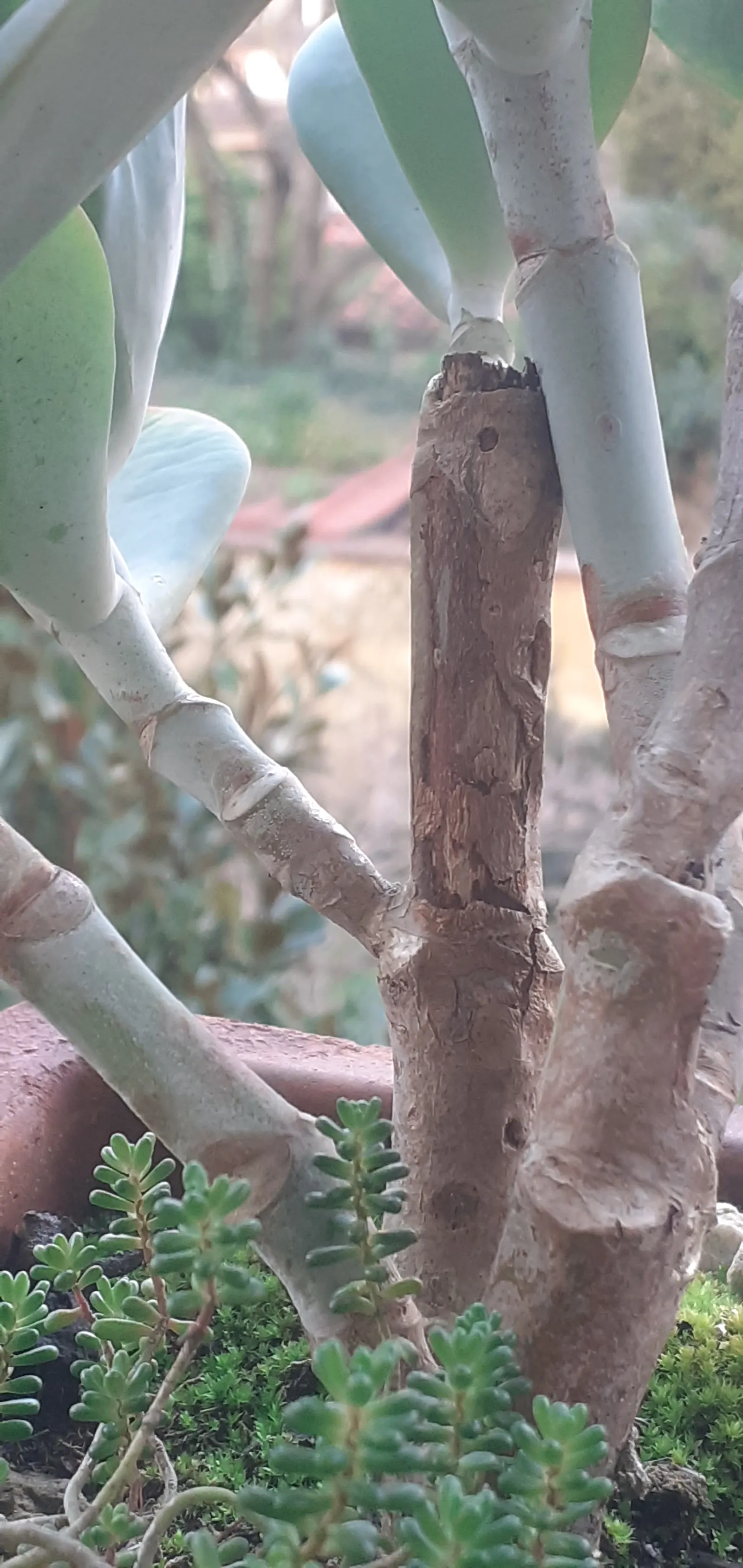
Pig's Ear (Cotyledon Orbiculata) — gray-green leaves with a red margin; hence the common name.<br><br>The leaves emerge from stout stems
Pig's Ear (Cotyledon Orbiculata) — orange flowers in the garden
Pig's Ear (Cotyledon Orbiculata) — succulent with orange blooms
Pig's Ear (Cotyledon Orbiculata) — succulent for full
Pig's Ear (Cotyledon Orbiculata) — commonly known as "Pig\'s Ear," is a drought-tolerant succulent featuring fleshy; it thrives in USDA zones 9-11, requiring
Pig's Ear (Cotyledon Orbiculata) — It thrives in USDA zones 9-11, requiring well-draining soil and full sun to partial shade; orange flowers in the garden
Pig's Ear (Cotyledon Orbiculata) — Pig's Ear can reach heights of approximately 24 inches with a similar spread; cotyledon orbiculata is ideal for low-water
Pig's Ear (Cotyledon Orbiculata) — oval-shaped leaves that grow to about 4 to 6 inches long; succulent with orange blooms
Pig's Ear (Cotyledon Orbiculata) — These silver-gray leaves are often edged with a red margin; cotyledon orbiculata, commonly known as Pig's Ear, is a
Pig's Ear (Cotyledon Orbiculata) — invoking the image of a pig's ear; from late spring to mid-summer
Pig's Ear (Cotyledon Orbiculata) — hence the common name.<br><br>The leaves emerge from stout stems; it requires well-draining soil and thrives in full sun to
Pig's Ear (Cotyledon Orbiculata) — lending an architectural quality to garden compositions; succulent for full
Pig's Ear (Cotyledon Orbiculata) — From late spring to mid-summer; pig's Ear can reach heights of approximately 24 inches with a similar spread
Pig's Ear (Cotyledon Orbiculata) — Perfect for xeriscaping, it adds sculptural interest to rock gardens and containers, image 32
Pig's Ear (Cotyledon Orbiculata) — Cotyledon orbiculata, commonly known as Pig's Ear, is a distinctive succulent plant native to South Africa; lending an
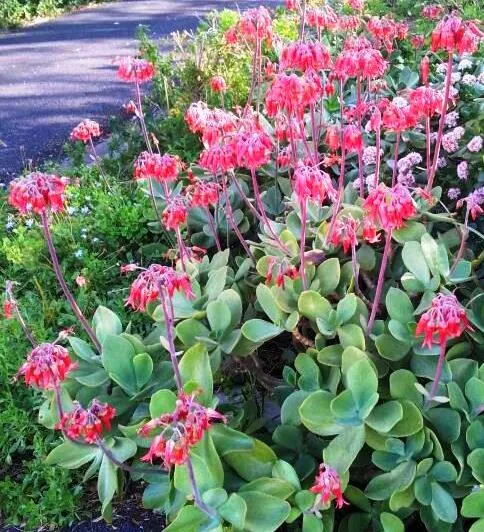
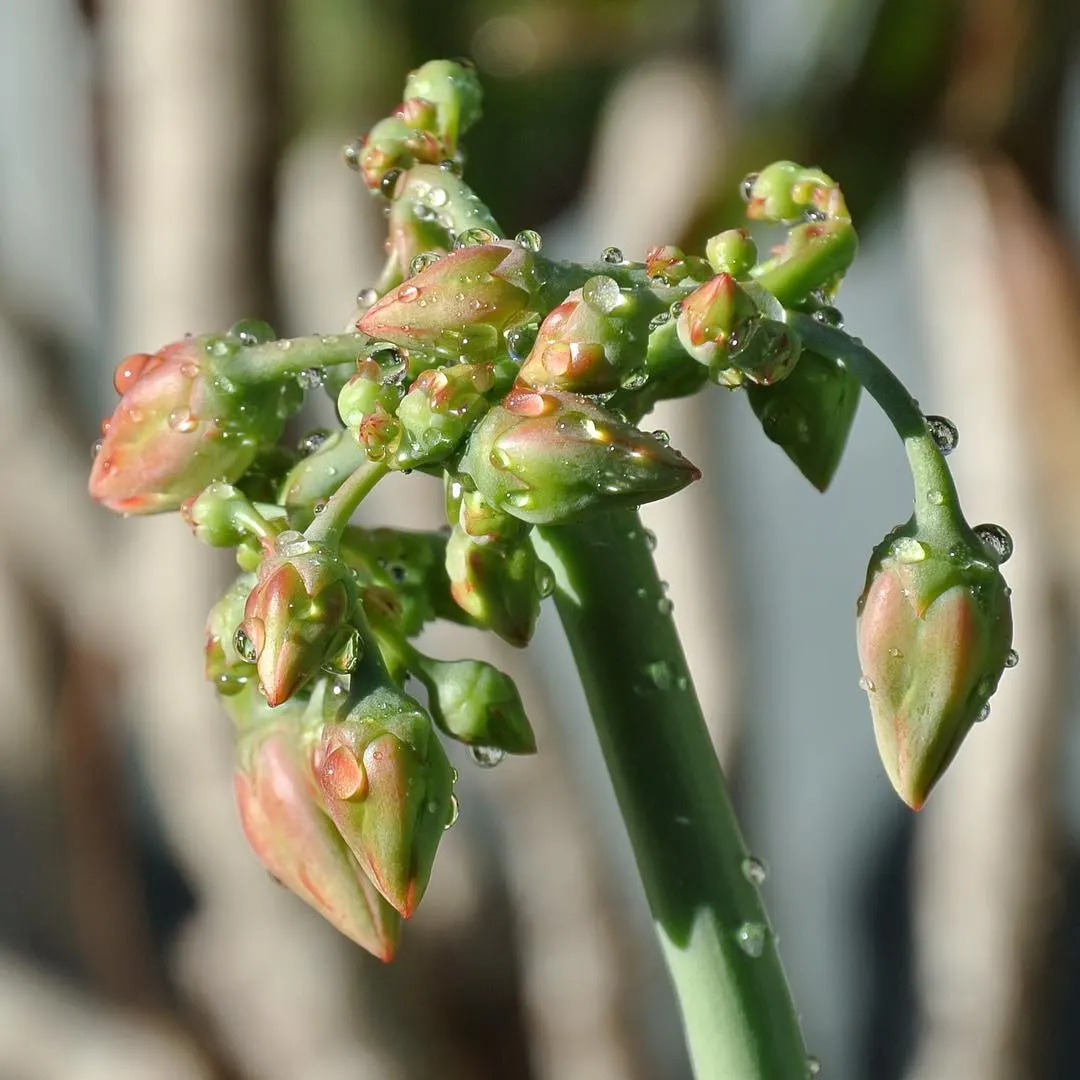
Pig's Ear (Cotyledon Orbiculata) — Pig's Ear produces inflorescences consisting of coral red or orange bell-shaped flowers, image 41
Pig's Ear (Cotyledon Orbiculata) — providing spectacular contrasts against the foliage; when incorporating Pig's Ear into a landscape design
Pig's Ear (Cotyledon Orbiculata) — The flowers stand as tall as 18 inches above the foliage on erect; commonly known as "Pig\'s Ear," is a drought-tolerant
Pig's Ear (Cotyledon Orbiculata) — and they attract a variety of pollinators; oval-shaped leaves that grow to about 4 to 6 inches long
Pig's Ear (Cotyledon Orbiculata) — It requires well-draining soil and thrives in full sun to partial shade; gray-green leaves with a red margin
Pig's Ear (Cotyledon Orbiculata) — Cotyledon orbiculata is ideal for low-water landscaping in USDA hardiness zones 9 through 11; consider its ability to add
Pig's Ear (Cotyledon Orbiculata) — including bees and hummingbirds.<br><br>As a drought-tolerant plant; providing spectacular contrasts against the foliage
Pig's Ear (Cotyledon Orbiculata) — orange flowers in the garden; invoking the image of a pig's ear

Related plants