Skip to content

Annual Cosmos

Cosmos Bipinnatus

Design with this plant

Overview

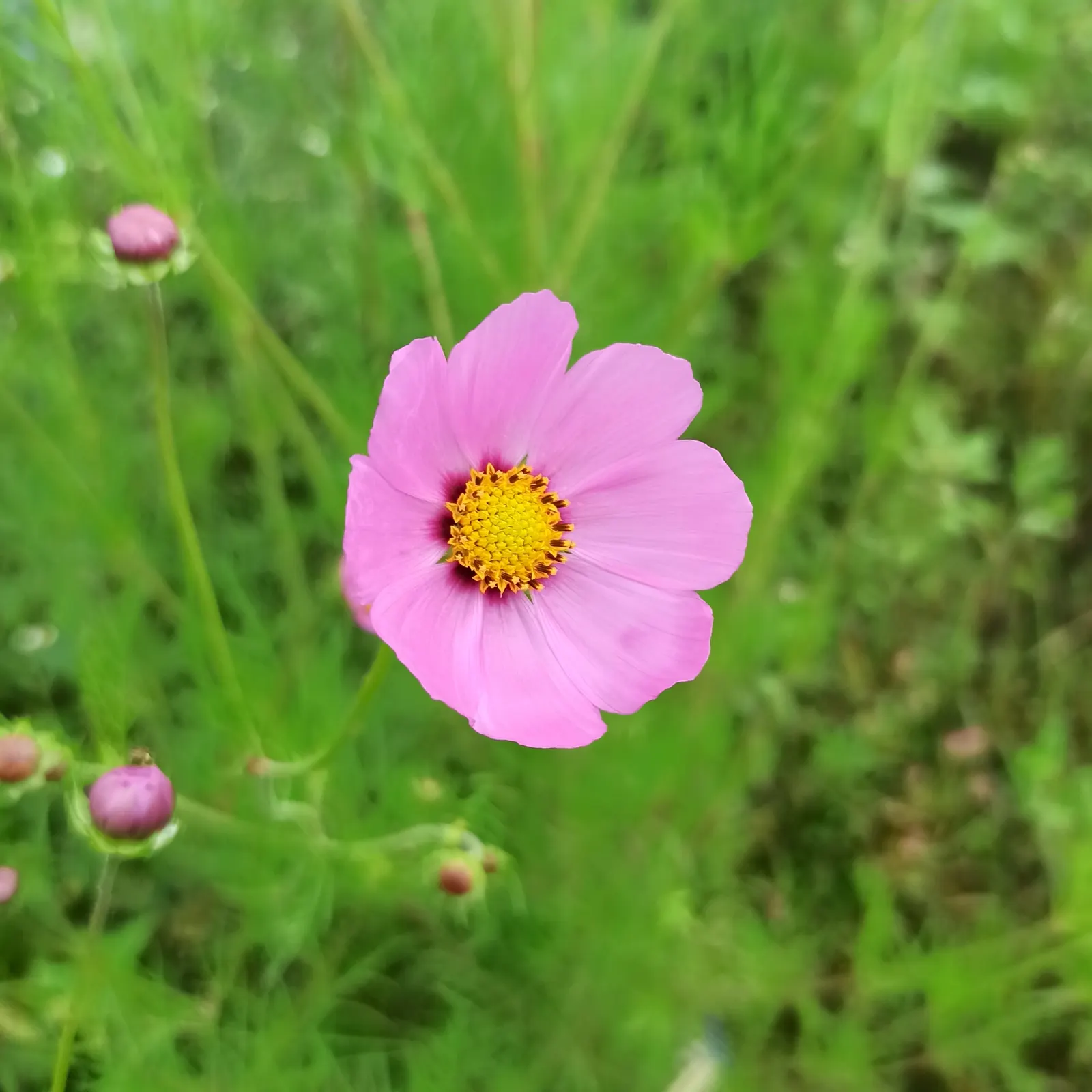
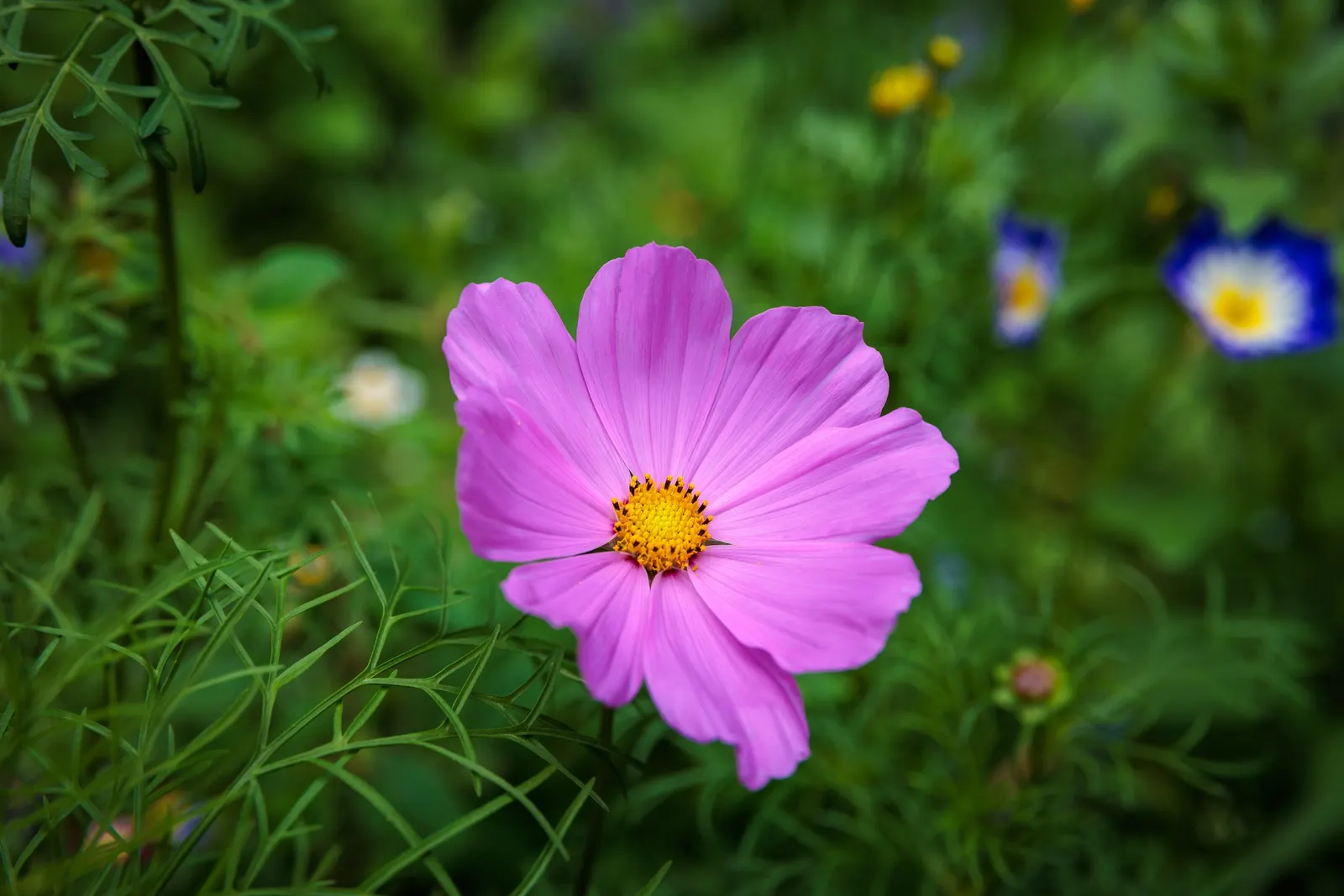
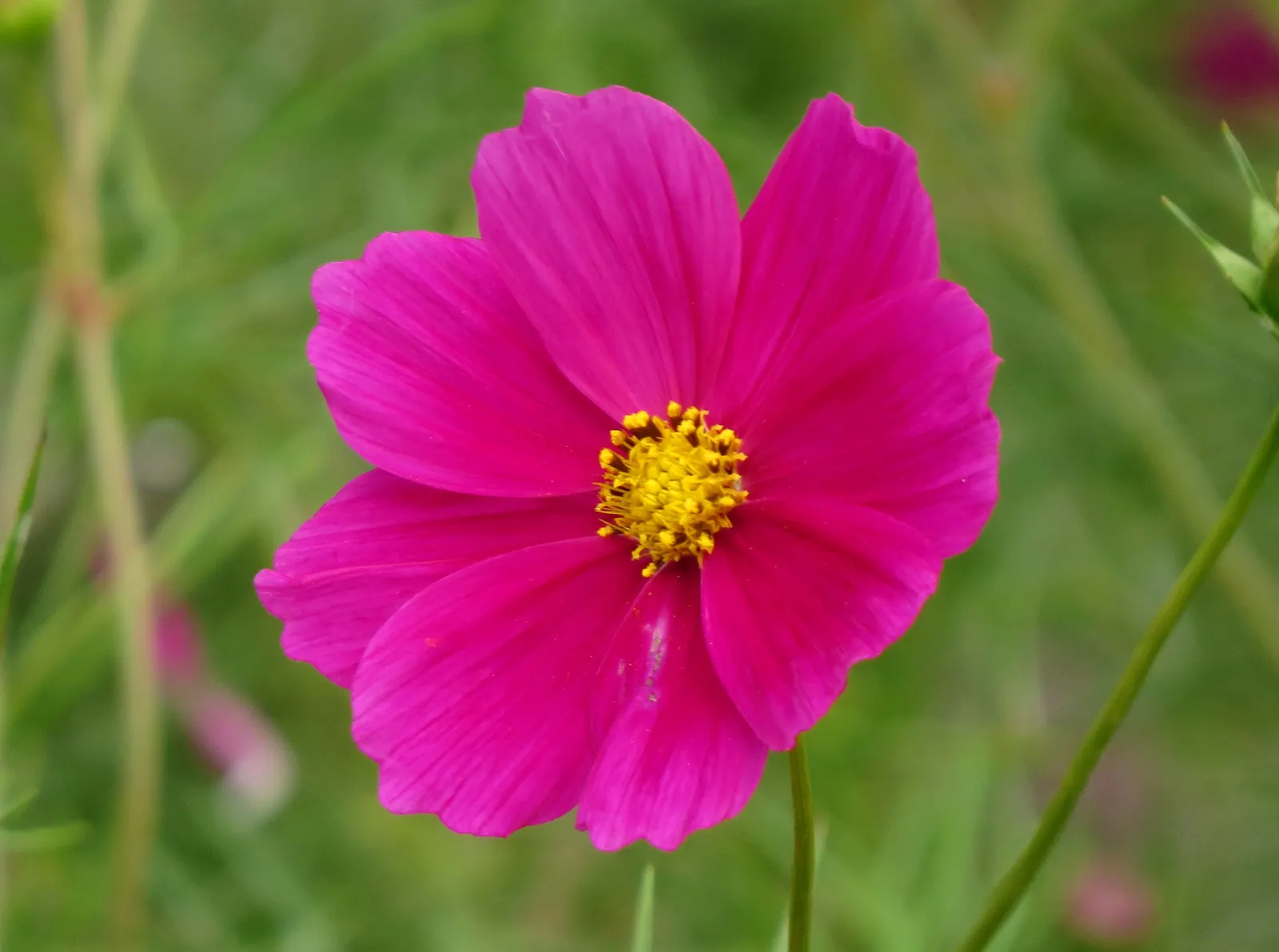
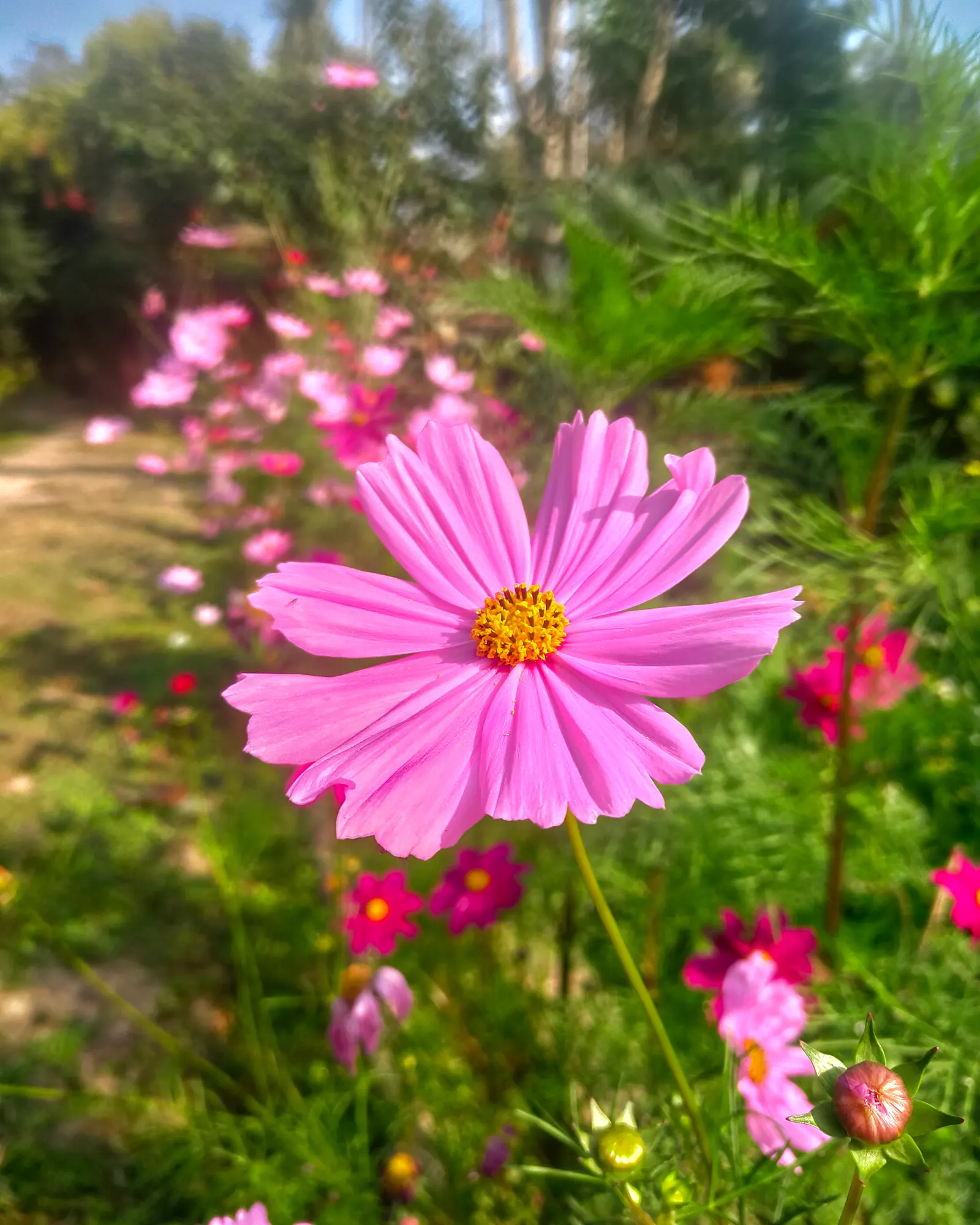
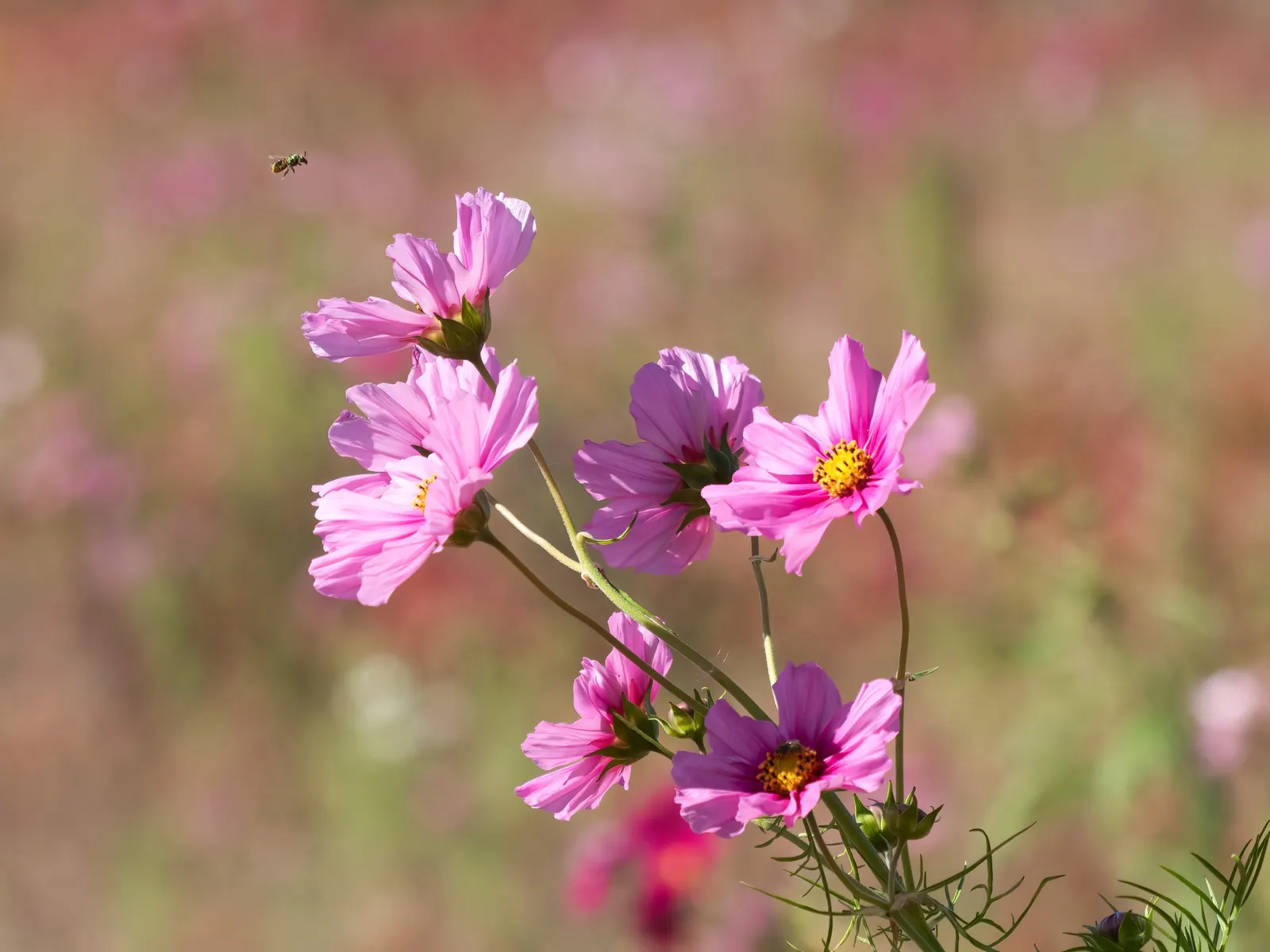
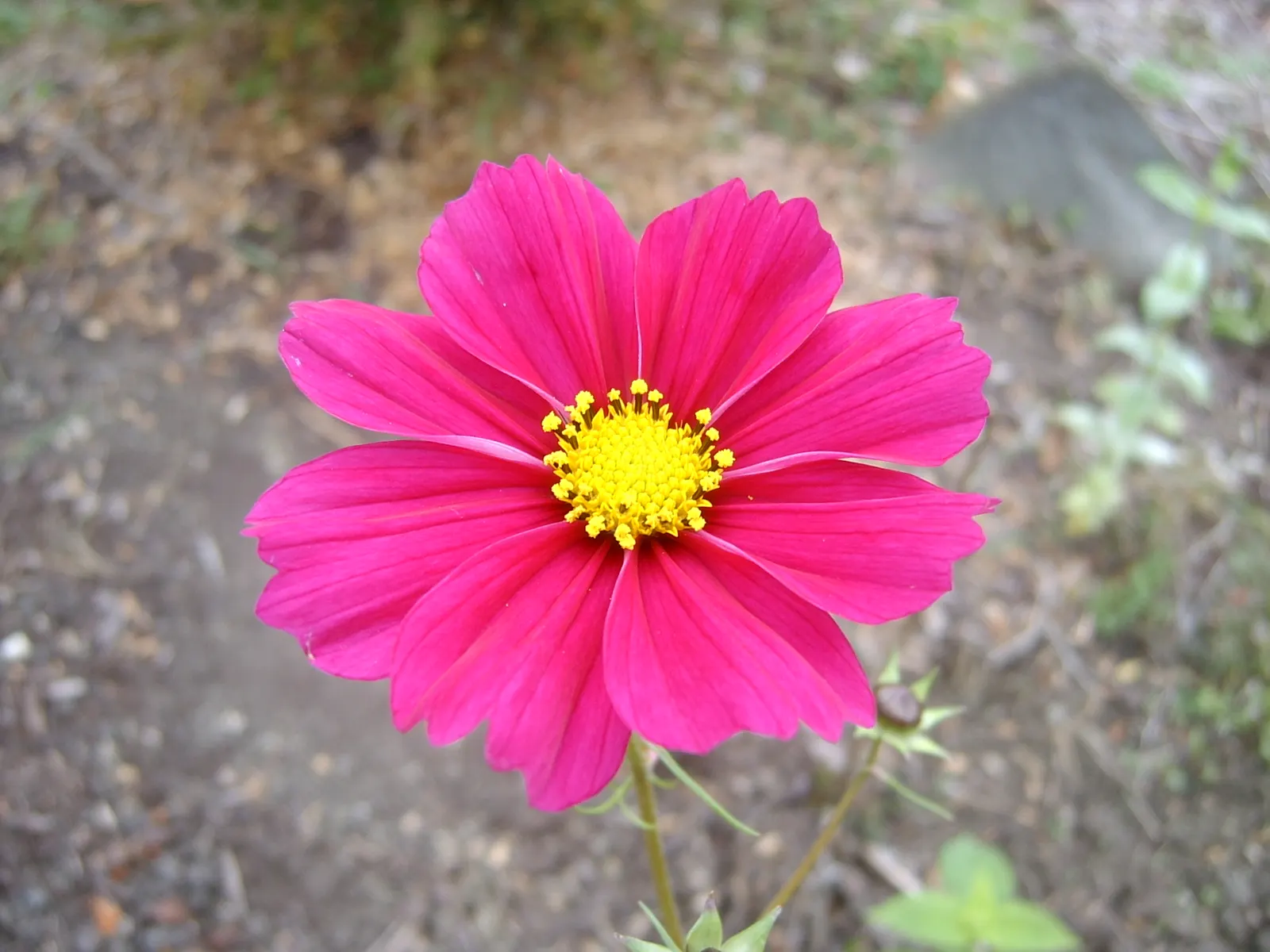
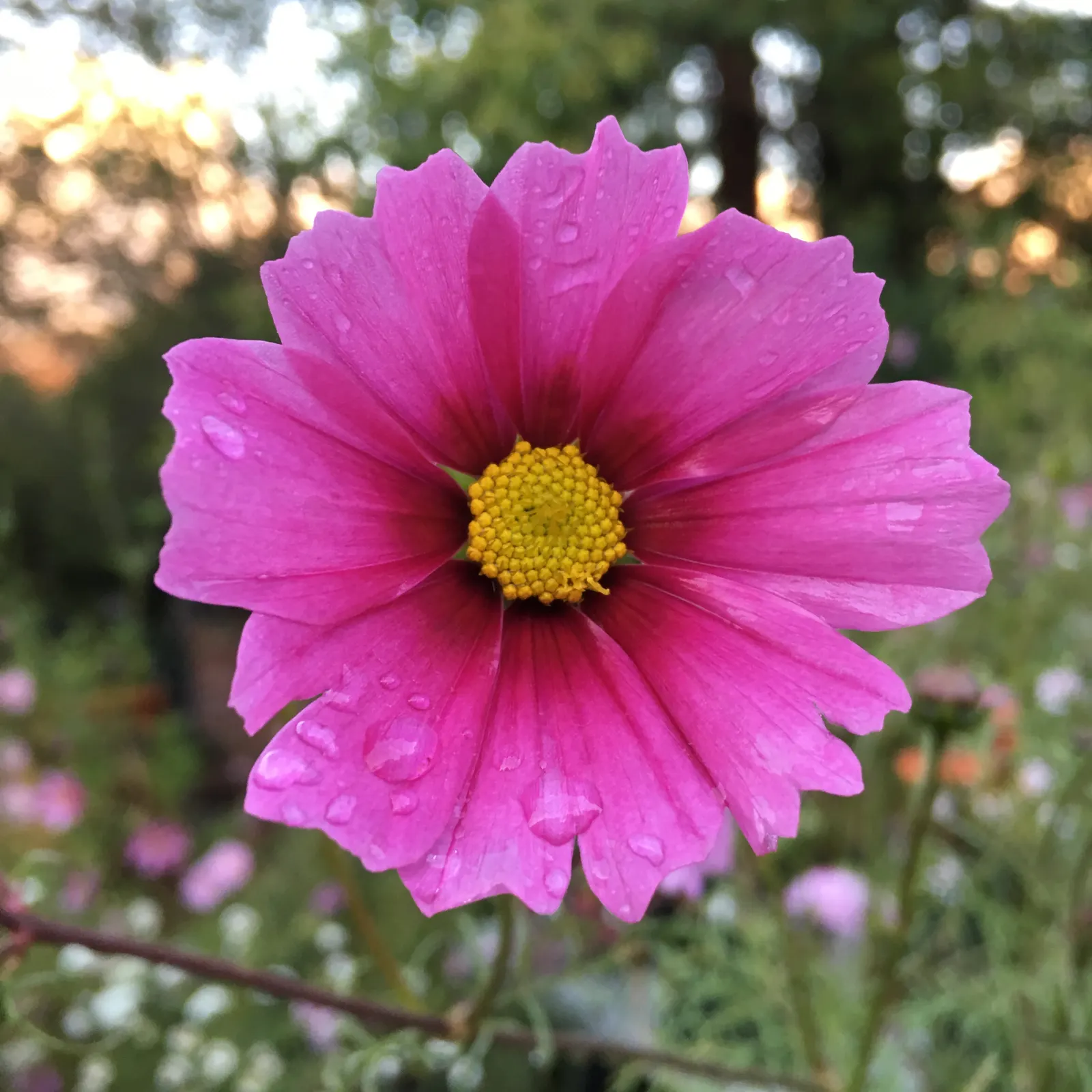
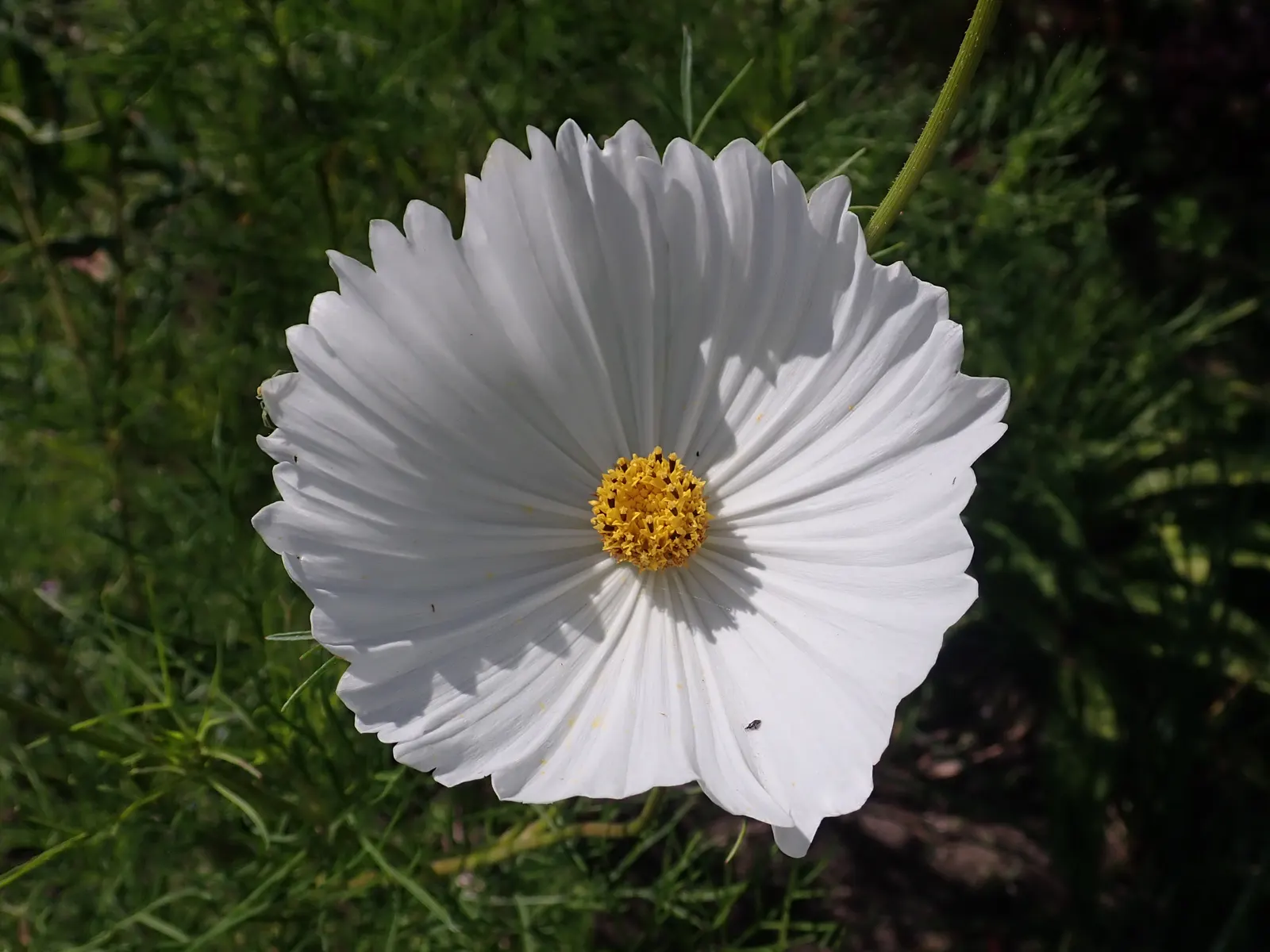
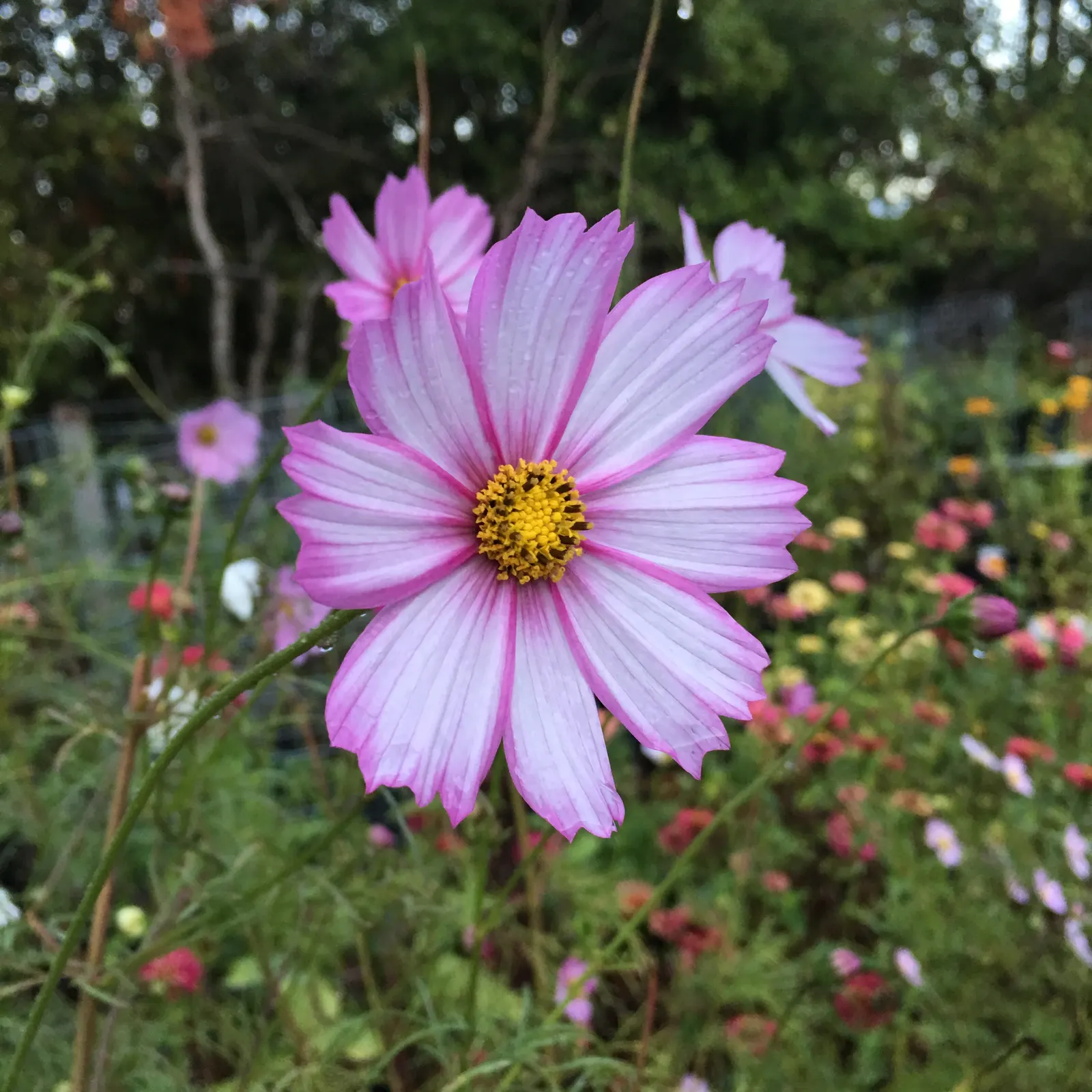
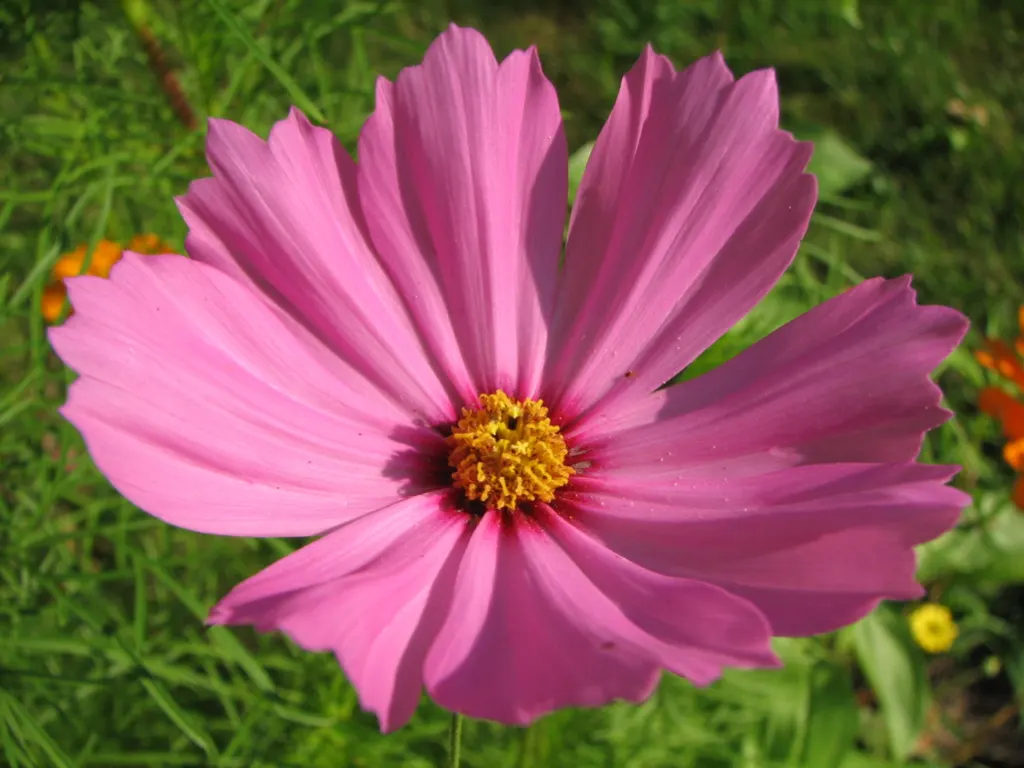
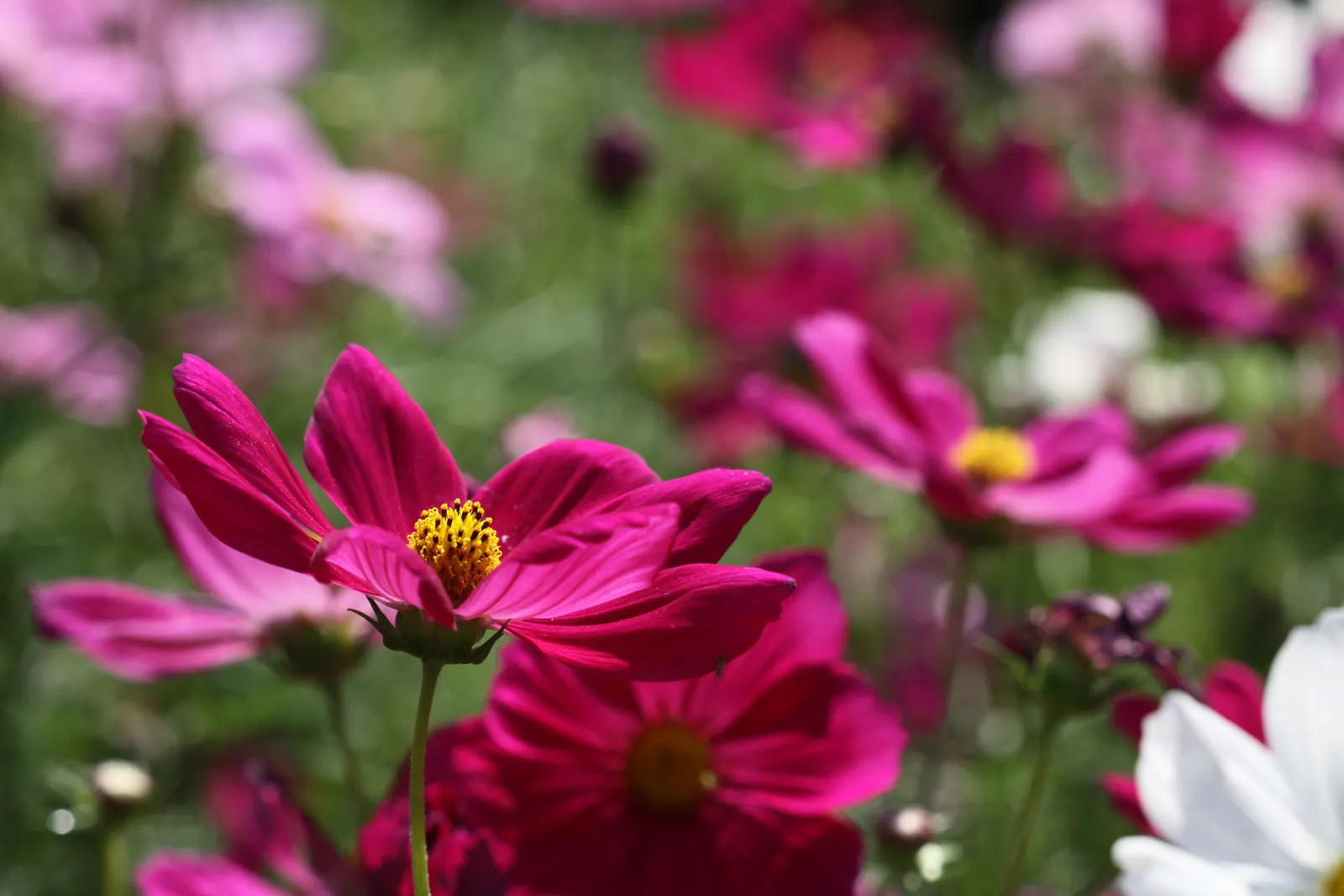
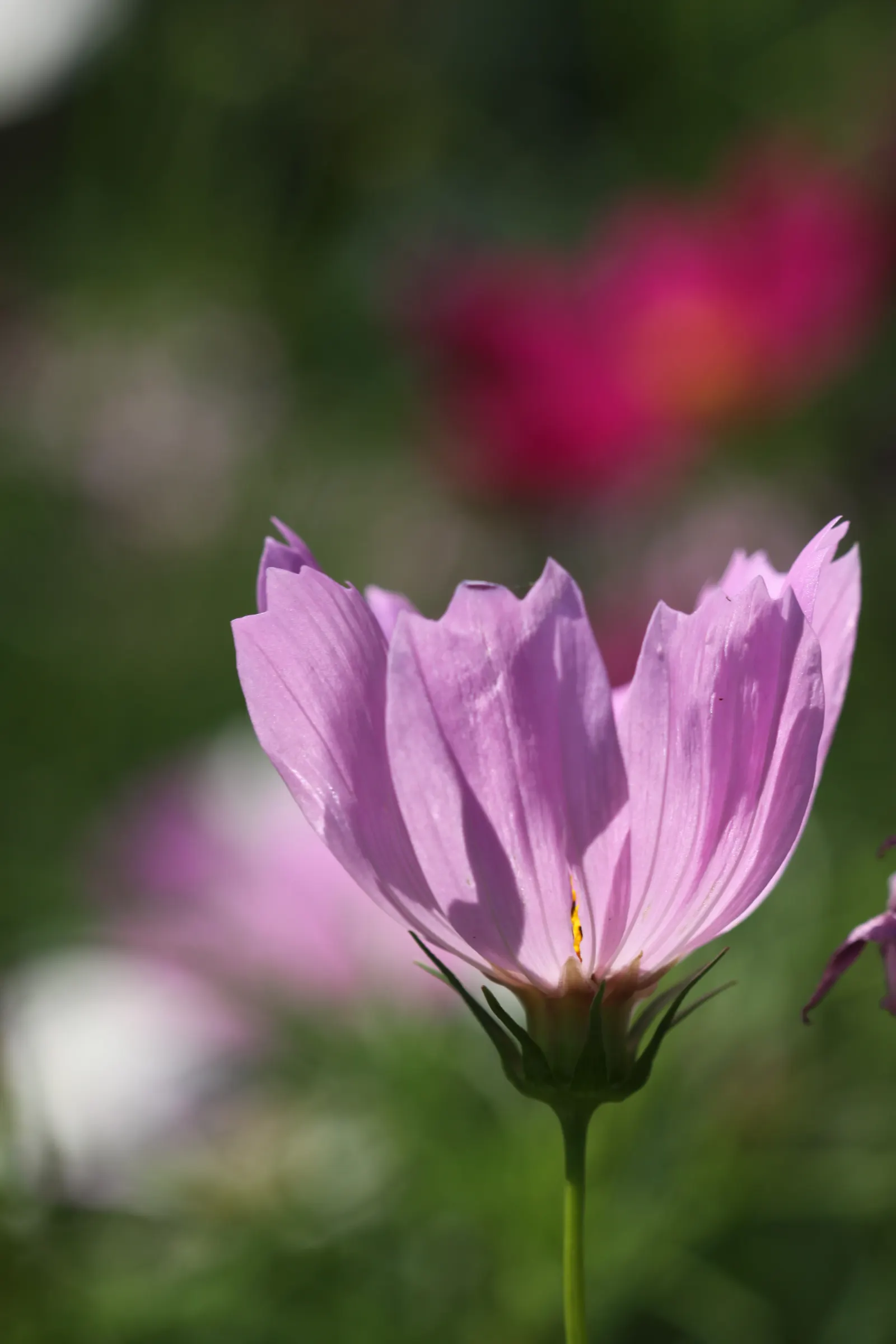
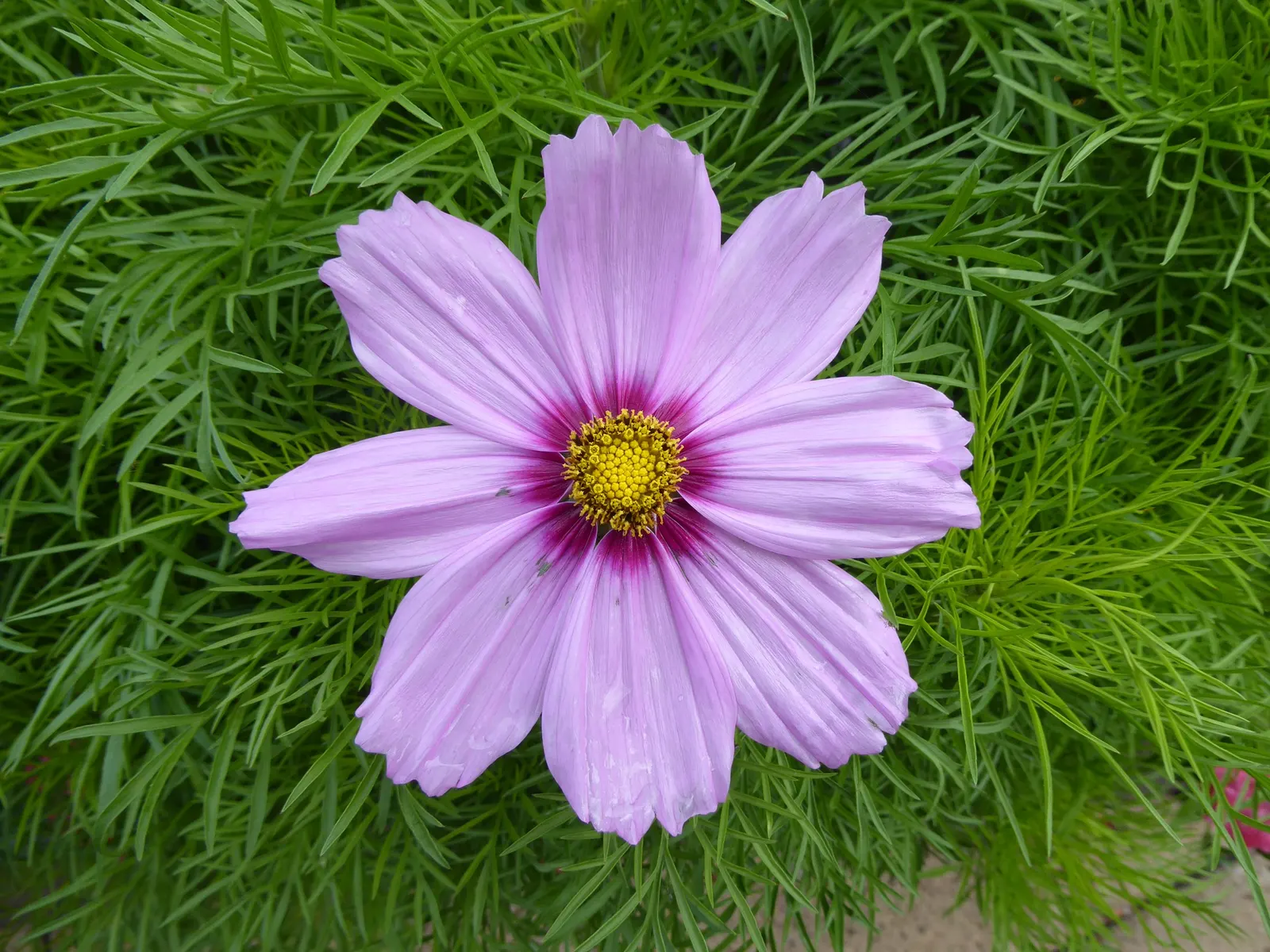
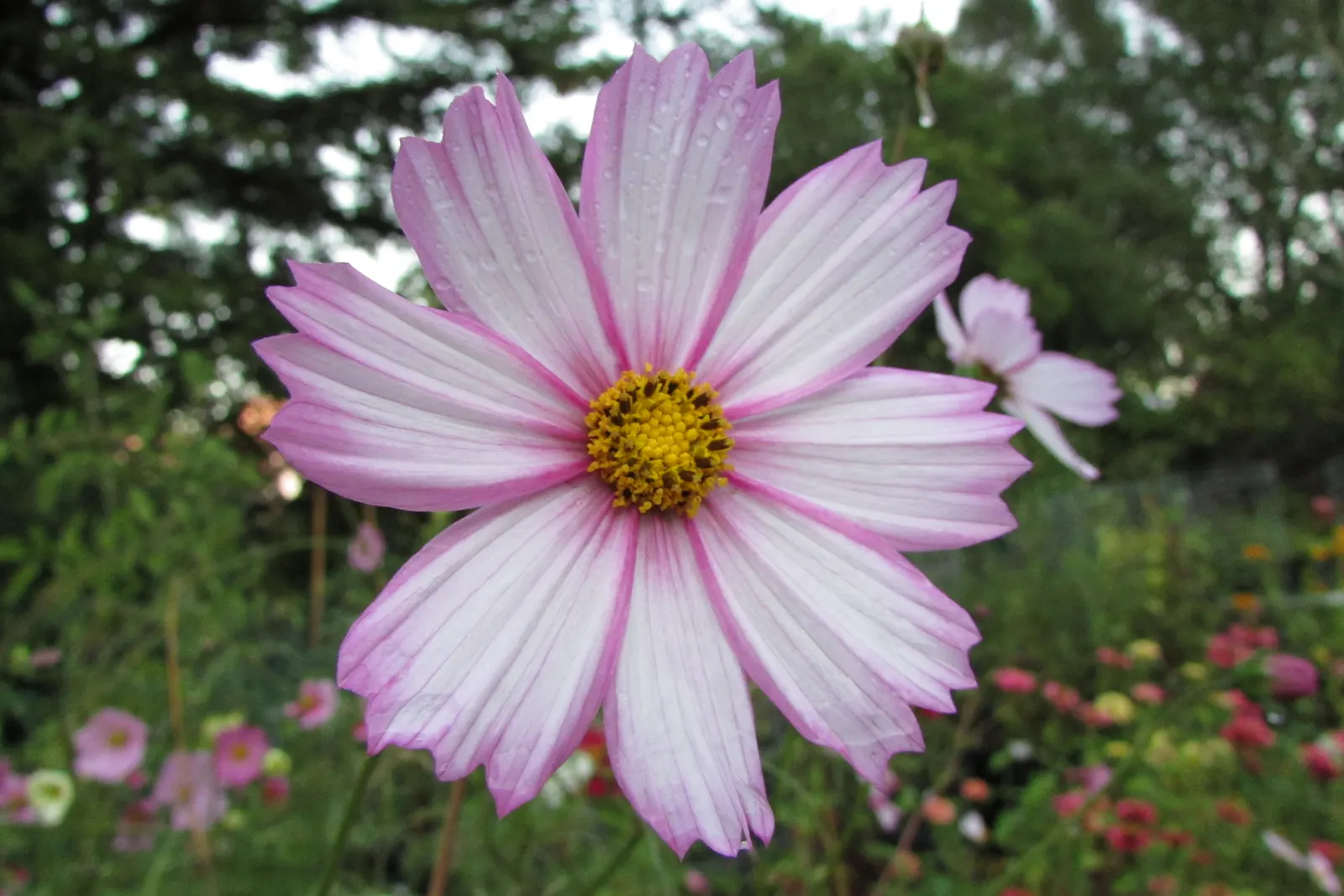
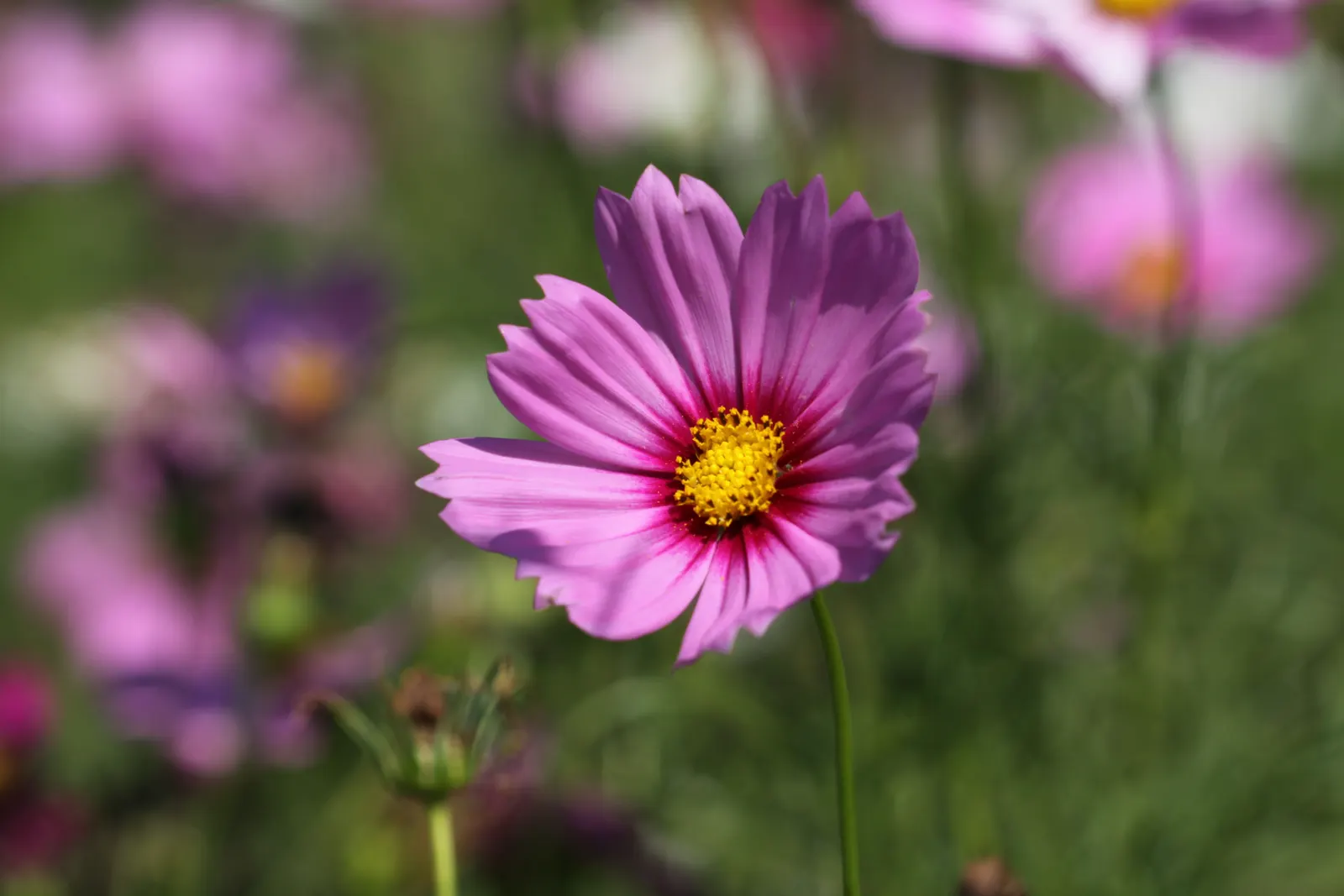
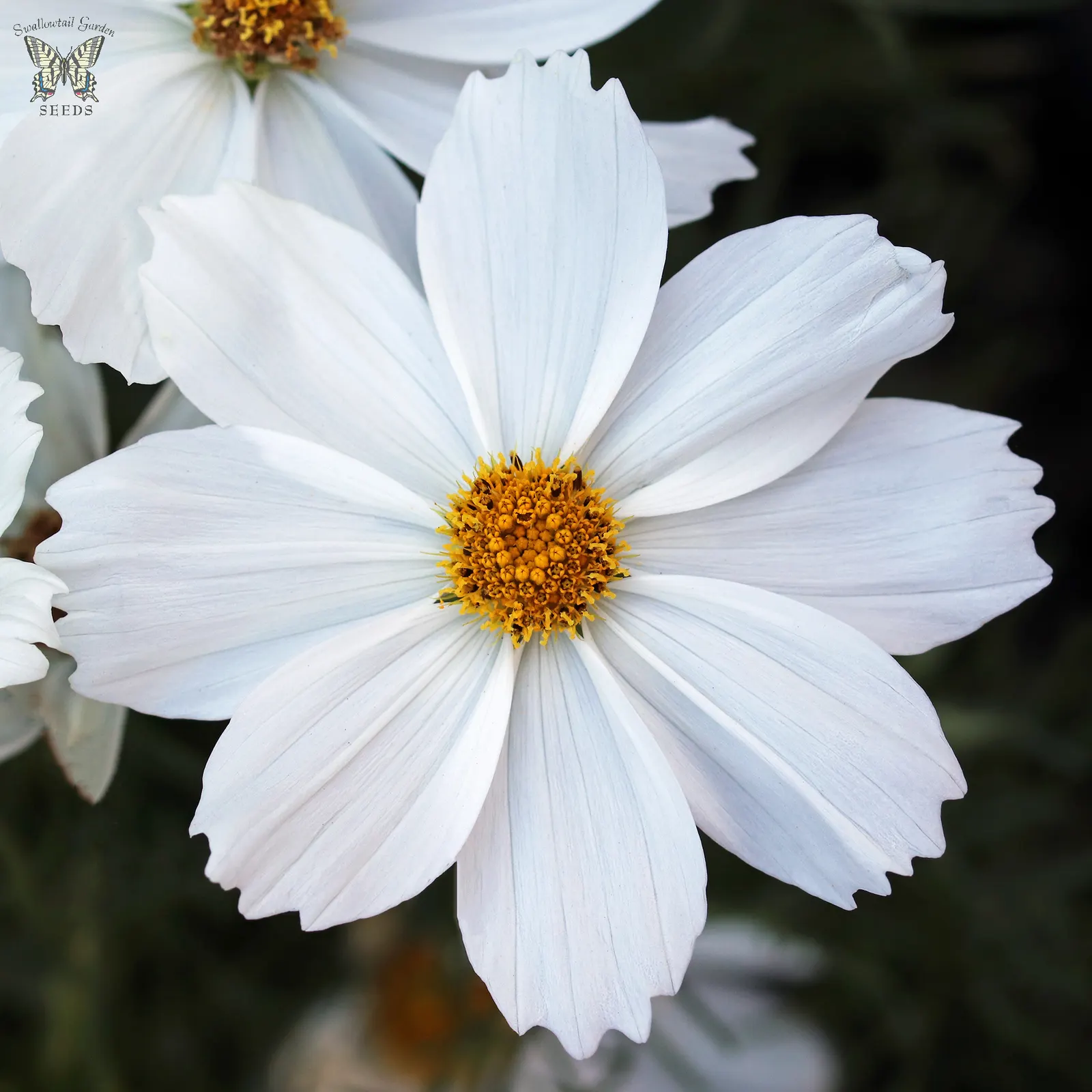
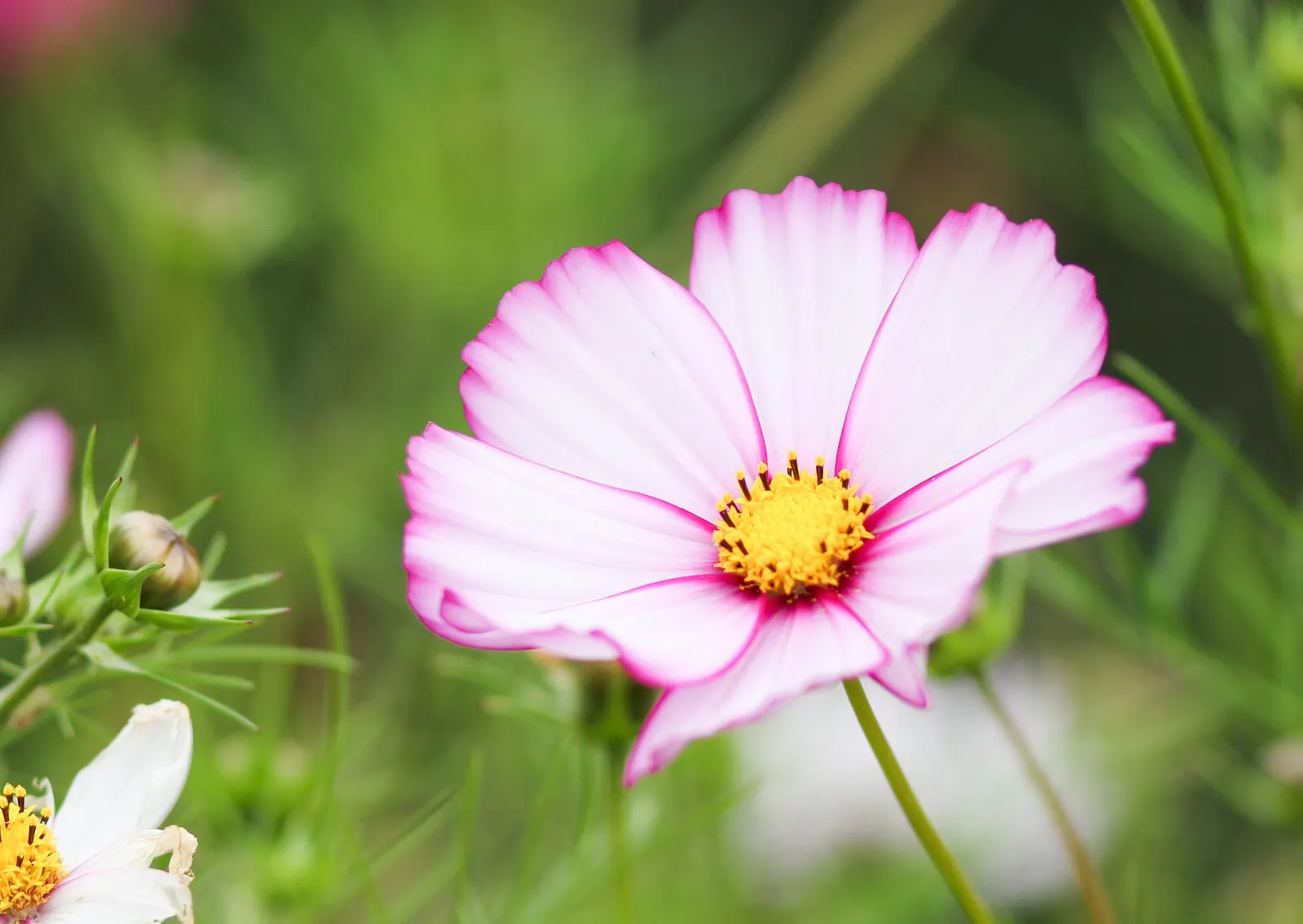
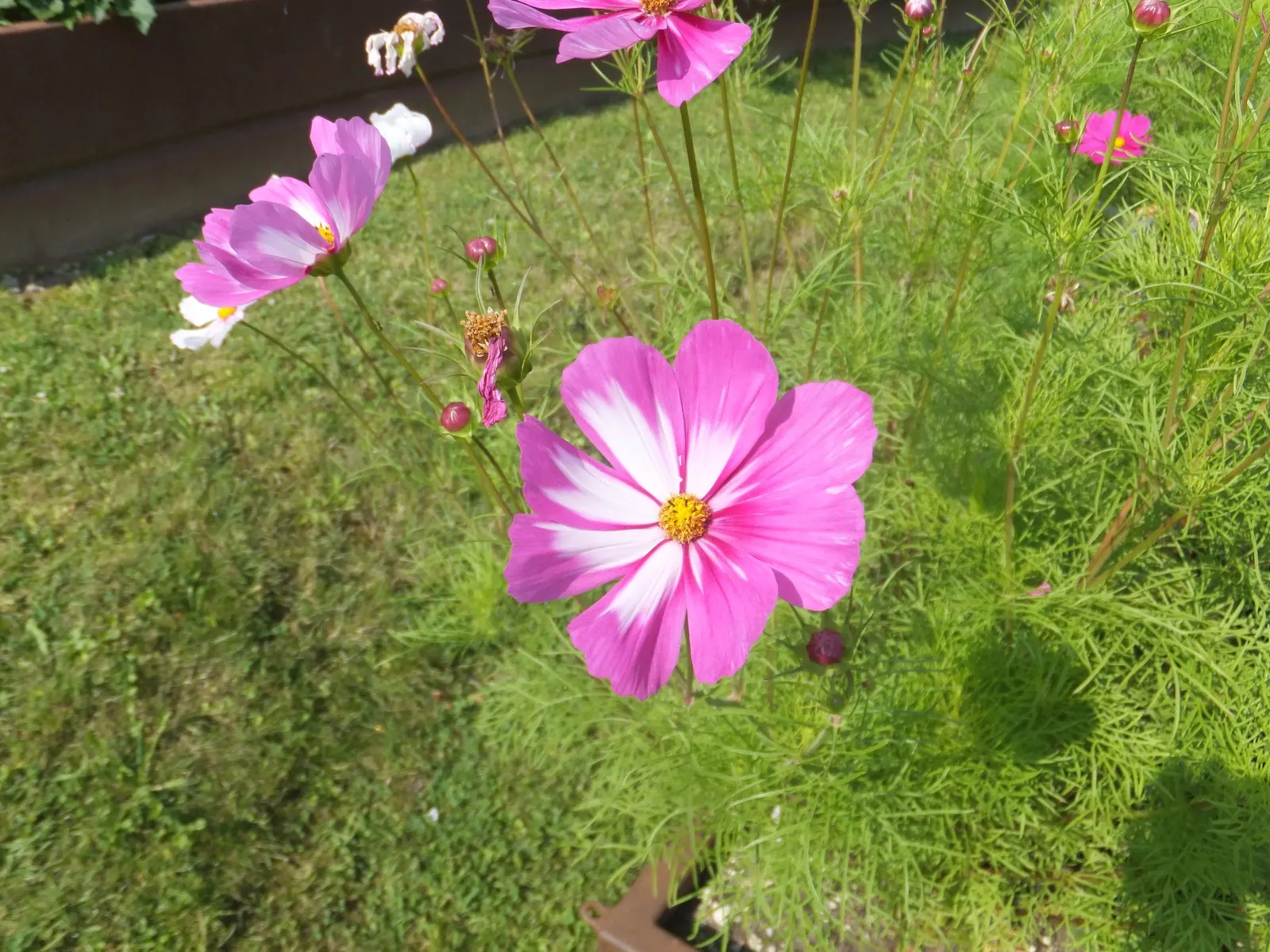
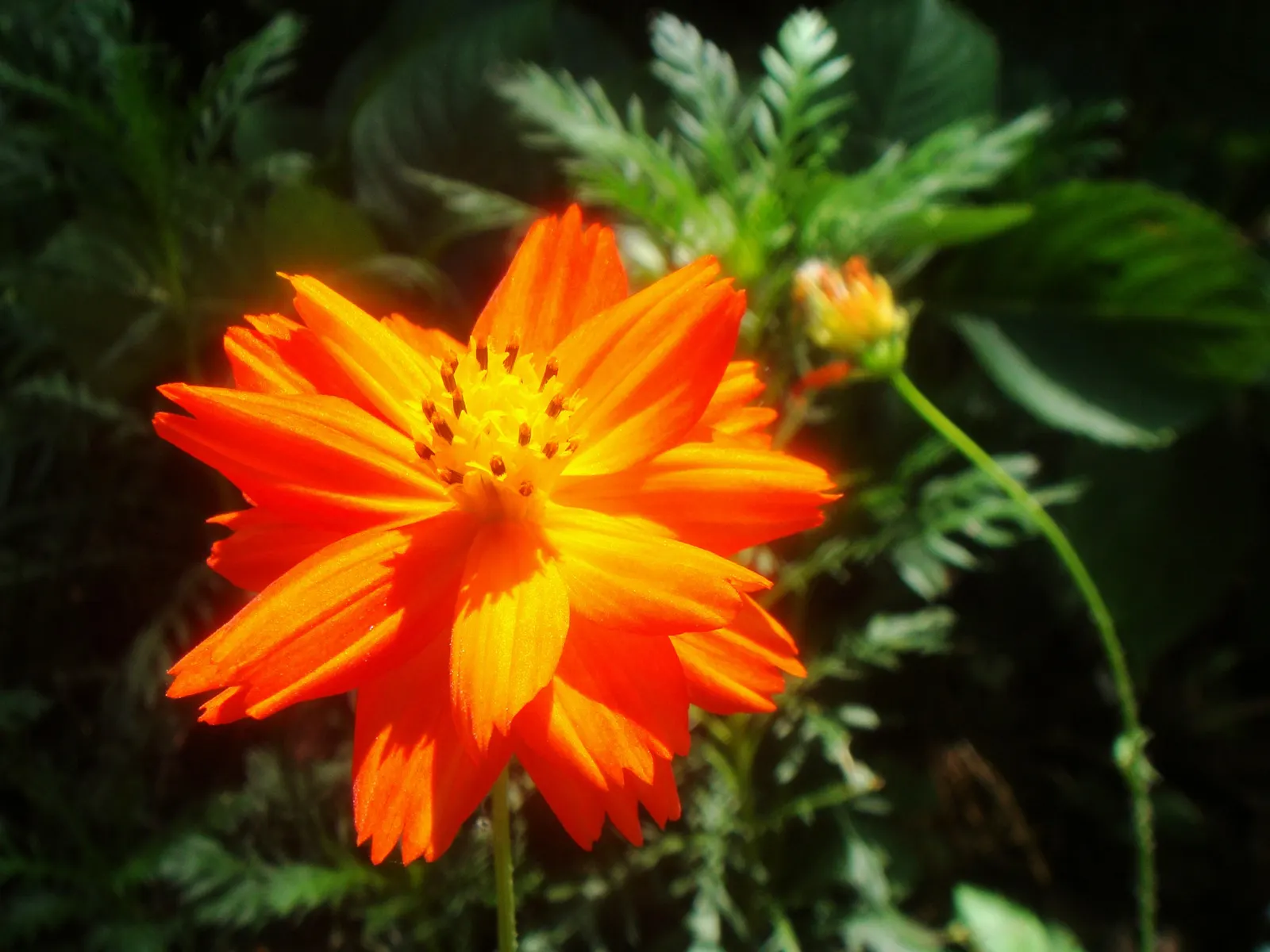
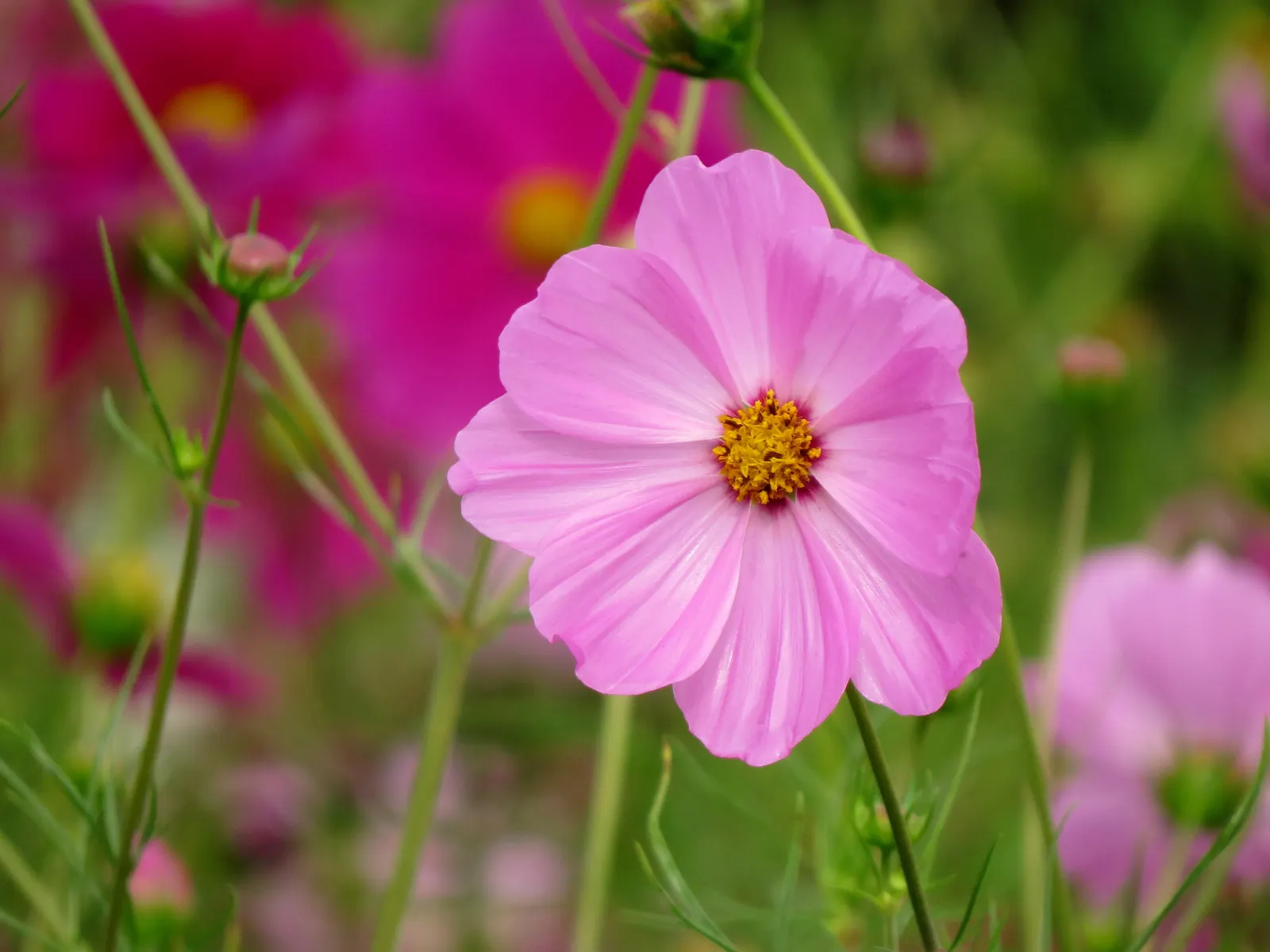
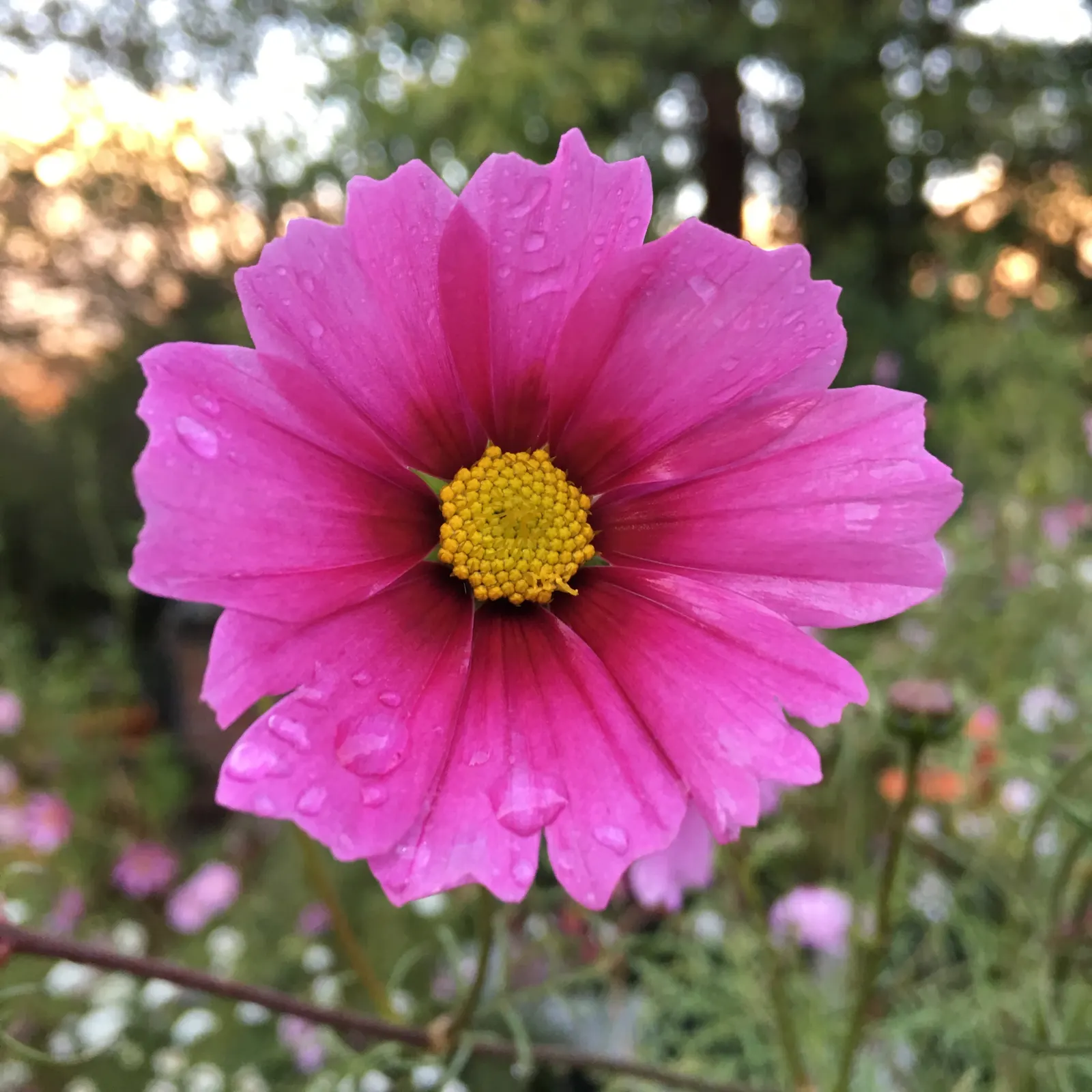
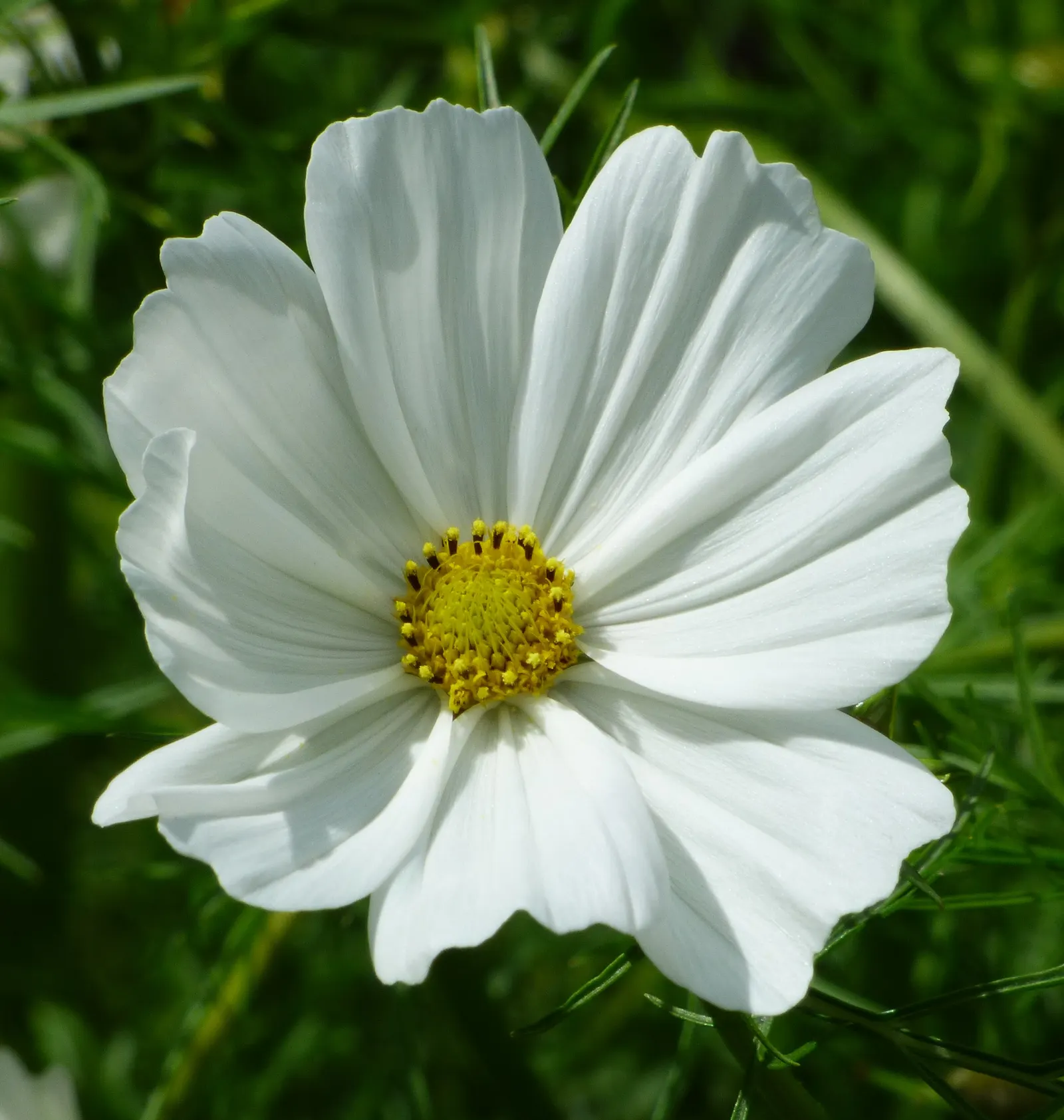
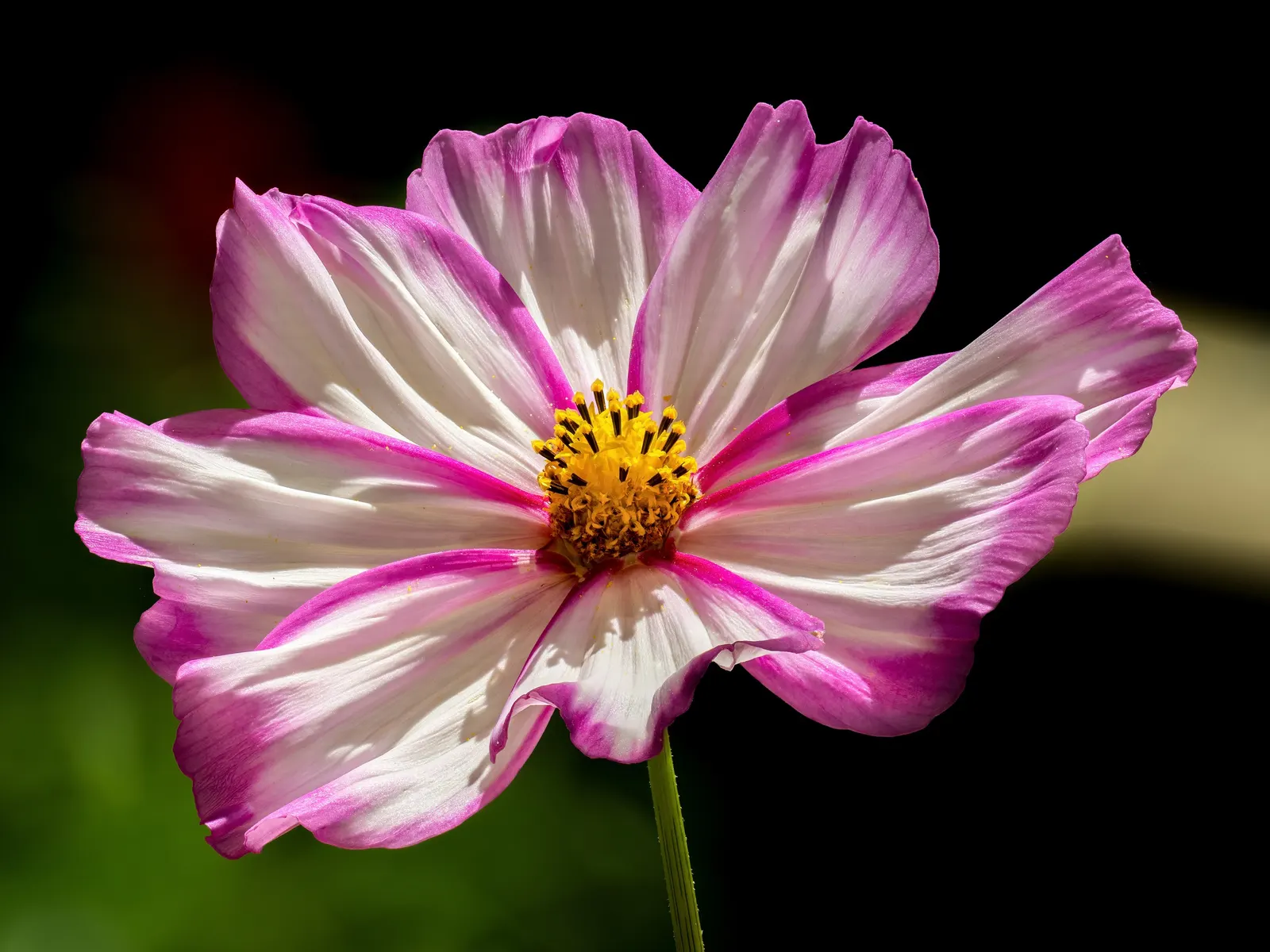
Cosmos bipinnatus, known as Annual Cosmos, is an eye-catching flowering plant. It boasts feathery foliage and vibrant blossoms in shades of pink, purple, white, and red atop slender stems reaching 2-4 feet in height. Blooms measure about 2-4 inches across, adding a splash of color and attracting pollinators. Thriving in full sun and well-draining soils, Cosmos is easy to grow, ideal for borders, and provides continual blooms from summer until frost.

Sun Full, HalfWater LowZones 3–10Type AnnualClimate Subtropical
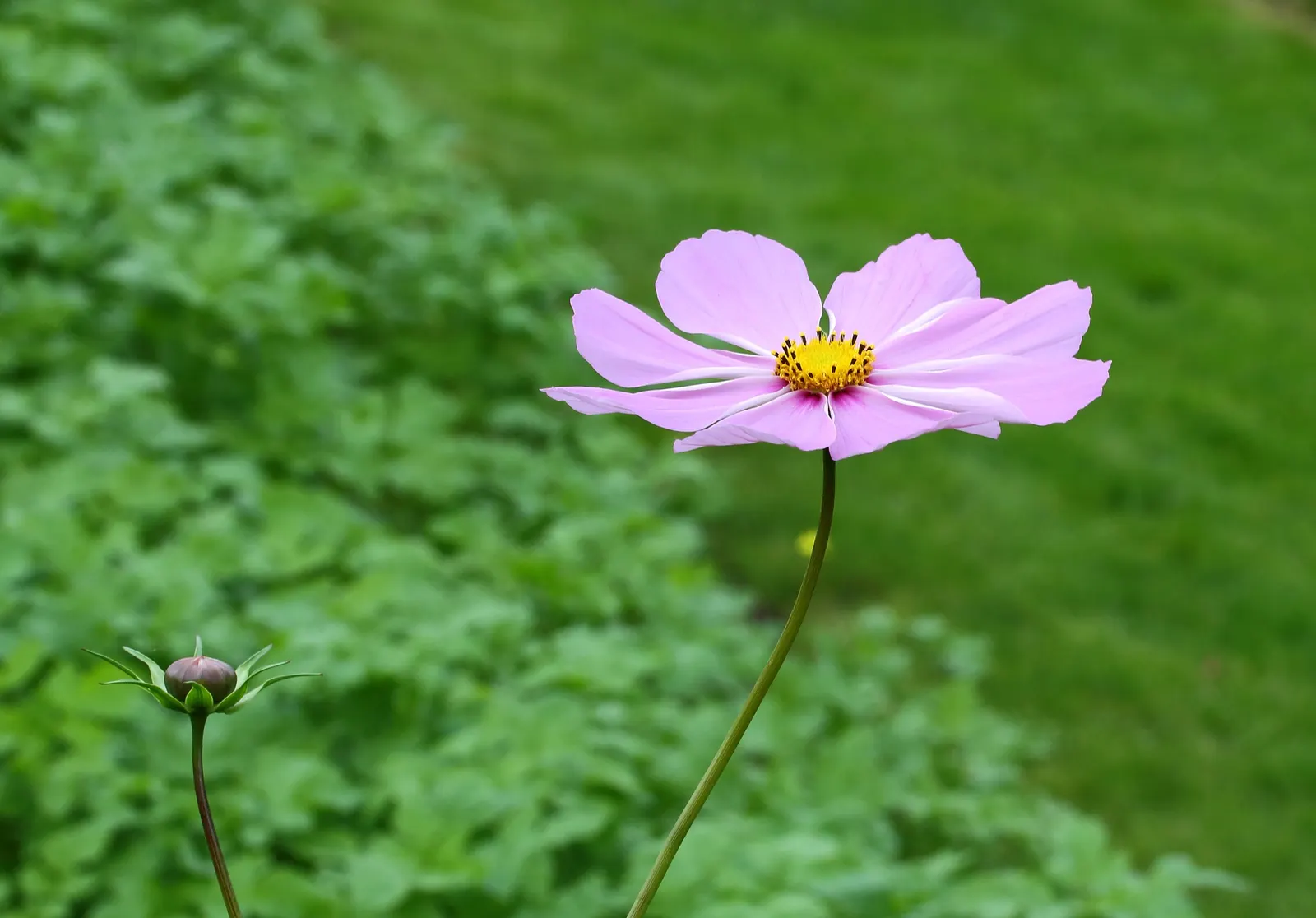
Annual Cosmos (Cosmos Bipinnatus) — annual for full or half; deadheading will encourage continued blooming and maintain a tidy appearance, image 128

Culture

Sun
Full, Half
Water
Low
USDA zones
3–10

Shape & size

Classification

Type
Annual
Family
Asteraceae
Climate
Subtropical

See full data, regional cultivation notes, and design tools. Build a client presentation around this plant.

Start your 14-day trial

Photos (192)

Annual Cosmos (Cosmos Bipinnatus) — Cosmos bipinnatus boasts an upright; with widths spanning from 1 to 2 feet, image 75
Annual Cosmos (Cosmos Bipinnatus) — Plus, their flowers are attractive to butterflies and bees, adding an extra layer of life to your garden
Annual Cosmos (Cosmos Bipinnatus) — and red atop slender stems reaching 2-4 feet in height; requiring at least 6 hours of direct sunlight each day, image 67
Annual Cosmos (Cosmos Bipinnatus) — They are not fussy about soil conditions and do well in average
Annual Cosmos (Cosmos Bipinnatus) — are a popular choice for adding vibrant color and feathery textures to garden landscapes; they are quite drought-tolerant
Annual Cosmos (Cosmos Bipinnatus) — they complete their life cycle within one growing season; for cutting gardens, Cosmos is an exceptional, image 169
Annual Cosmos (Cosmos Bipinnatus) — are a popular choice for adding vibrant color and feathery textures to garden landscapes; they are quite, image 168
Annual Cosmos (Cosmos Bipinnatus) — annual for full or half; deadheading will encourage continued blooming and maintain a tidy appearance, image 96
Annual Cosmos (Cosmos Bipinnatus) — making them a forgiving choice for landscapes in hotter; with a moderate growth rate, image 150
Annual Cosmos (Cosmos Bipinnatus) — Thriving in full sun and well-draining soils; annual for full or half, image 69
Annual Cosmos (Cosmos Bipinnatus) — Deadheading will encourage continued blooming and maintain a tidy appearance; are a popular choice for adding, image 93
Annual Cosmos (Cosmos Bipinnatus) — they complete their life cycle within one growing season; for cutting gardens, Cosmos is an exceptional, image 73
Annual Cosmos (Cosmos Bipinnatus) — and provides continual blooms from summer until frost; affectionately known as Cosmos bipinnatus, image 102
Annual Cosmos (Cosmos Bipinnatus) — with widths spanning from 1 to 2 feet; and red atop slender stems reaching 2-4 feet in height
Annual Cosmos (Cosmos Bipinnatus) — affectionately known as Cosmos bipinnatus; creating a delicate backdrop for the daisy-like flowers, image 71
Annual Cosmos (Cosmos Bipinnatus) — somewhat wispy growth habit; and rich magentas.<br><br>Cosmos thrive in full sun exposure, image 108
Annual Cosmos (Cosmos Bipinnatus) — annual for full or half
Annual Cosmos (Cosmos Bipinnatus) — multi-colored and pink flowers in the garden; these charming blooms measure approximately 2 to 4 inches across, image 158
Annual Cosmos (Cosmos Bipinnatus) — or intersperse them amongst perennials to provide season-long interest
Annual Cosmos (Cosmos Bipinnatus) — well-drained soils; however
Annual Cosmos (Cosmos Bipinnatus) — requiring at least 6 hours of direct sunlight each day
Annual Cosmos (Cosmos Bipinnatus) — and red atop slender stems reaching 2-4 feet in height; requiring at least 6 hours of direct sunlight each day, image 99
Annual Cosmos (Cosmos Bipinnatus) — For cutting gardens, Cosmos is an exceptional candidate, producing long-stemmed flowers ideal for bouquets, image 156
Annual Cosmos (Cosmos Bipinnatus) — are a popular choice for adding vibrant color and feathery textures to garden landscapes; they are quite, image 136
Photographs by 13 contributors

Related plants