Skip to content

Western Dogwood

Cornus Nuttallii

Design with this plant

Overview

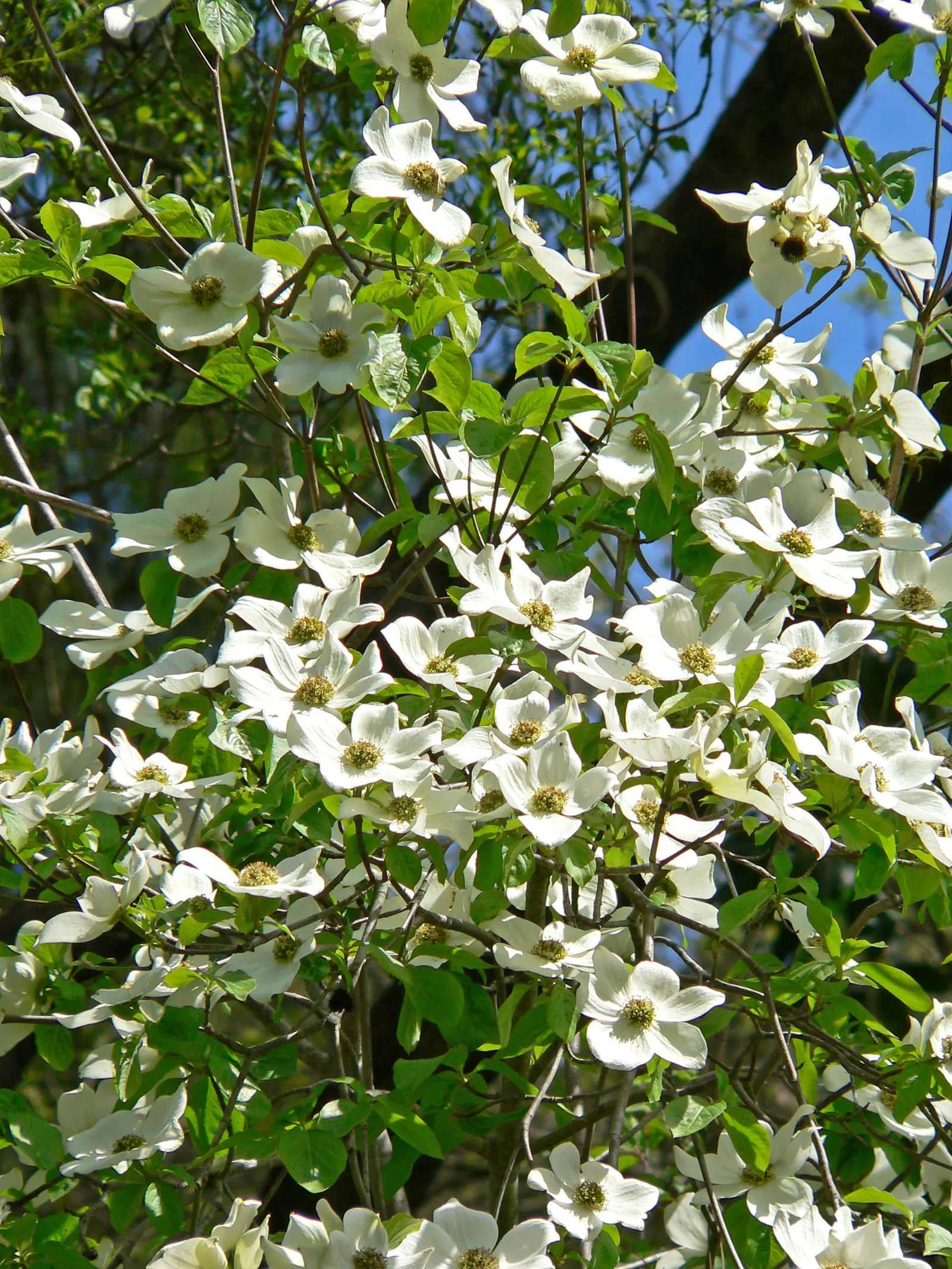
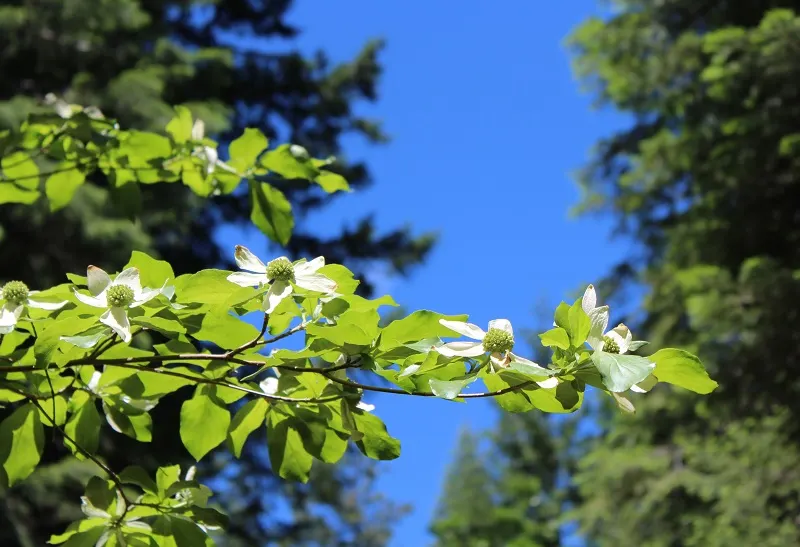
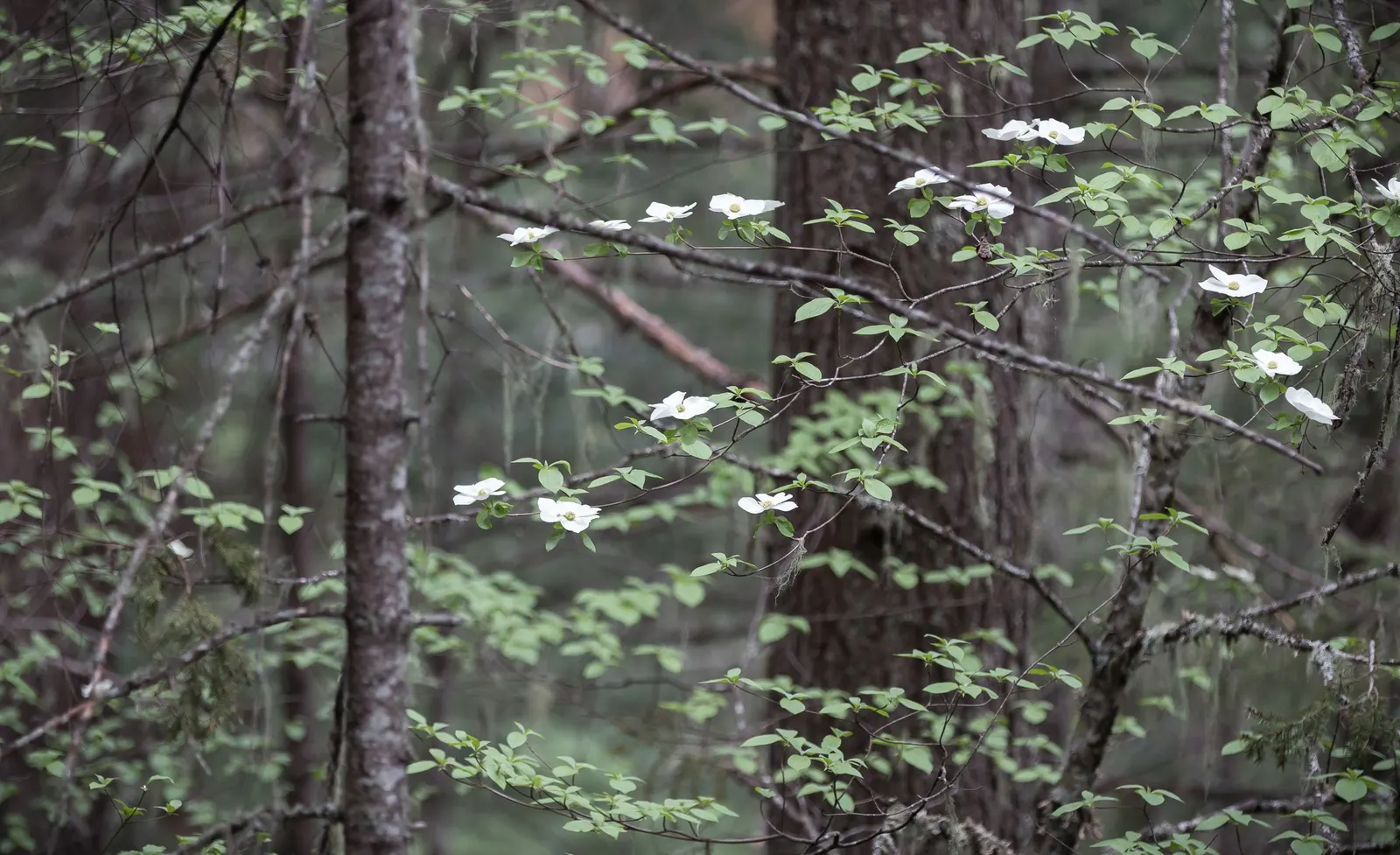
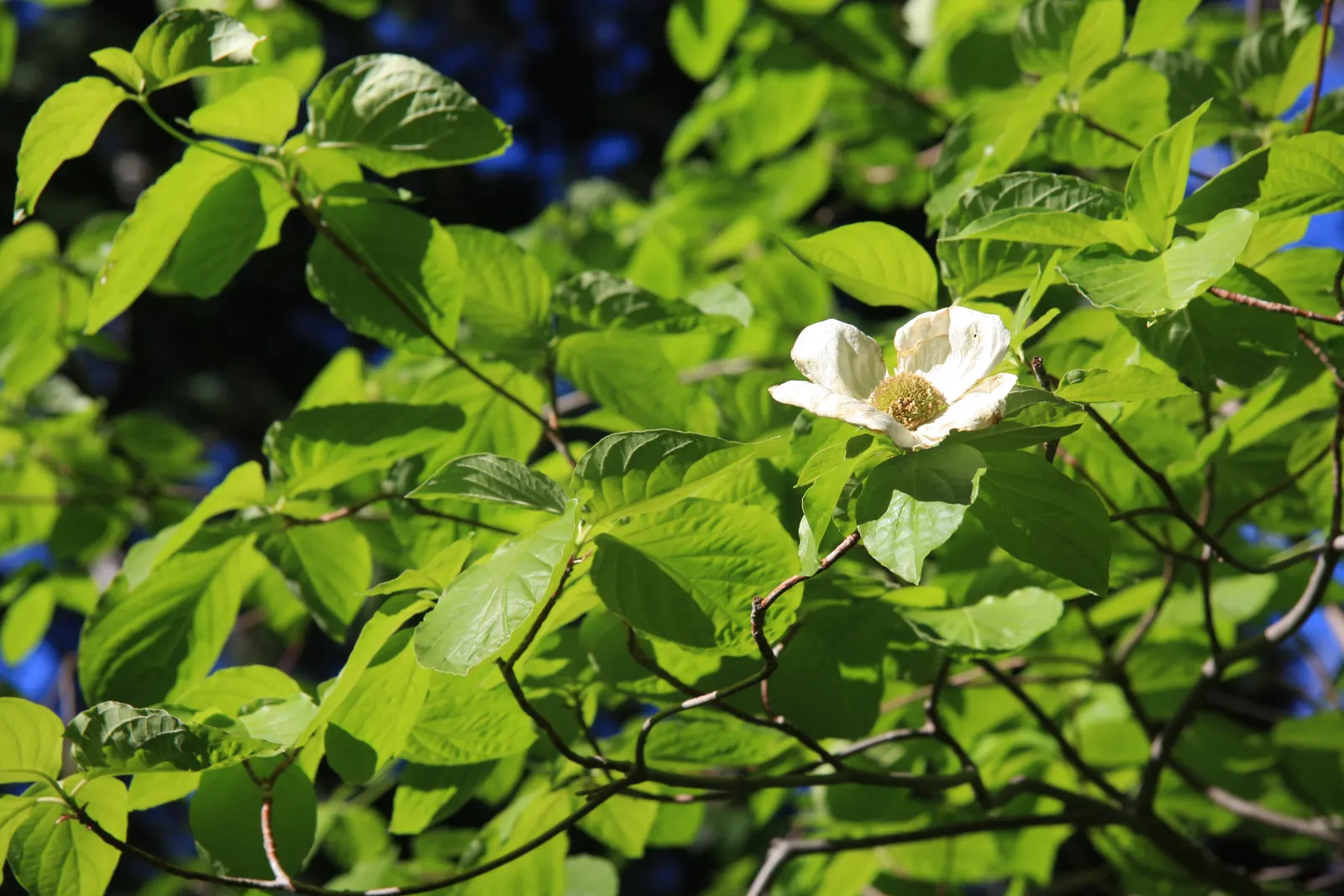
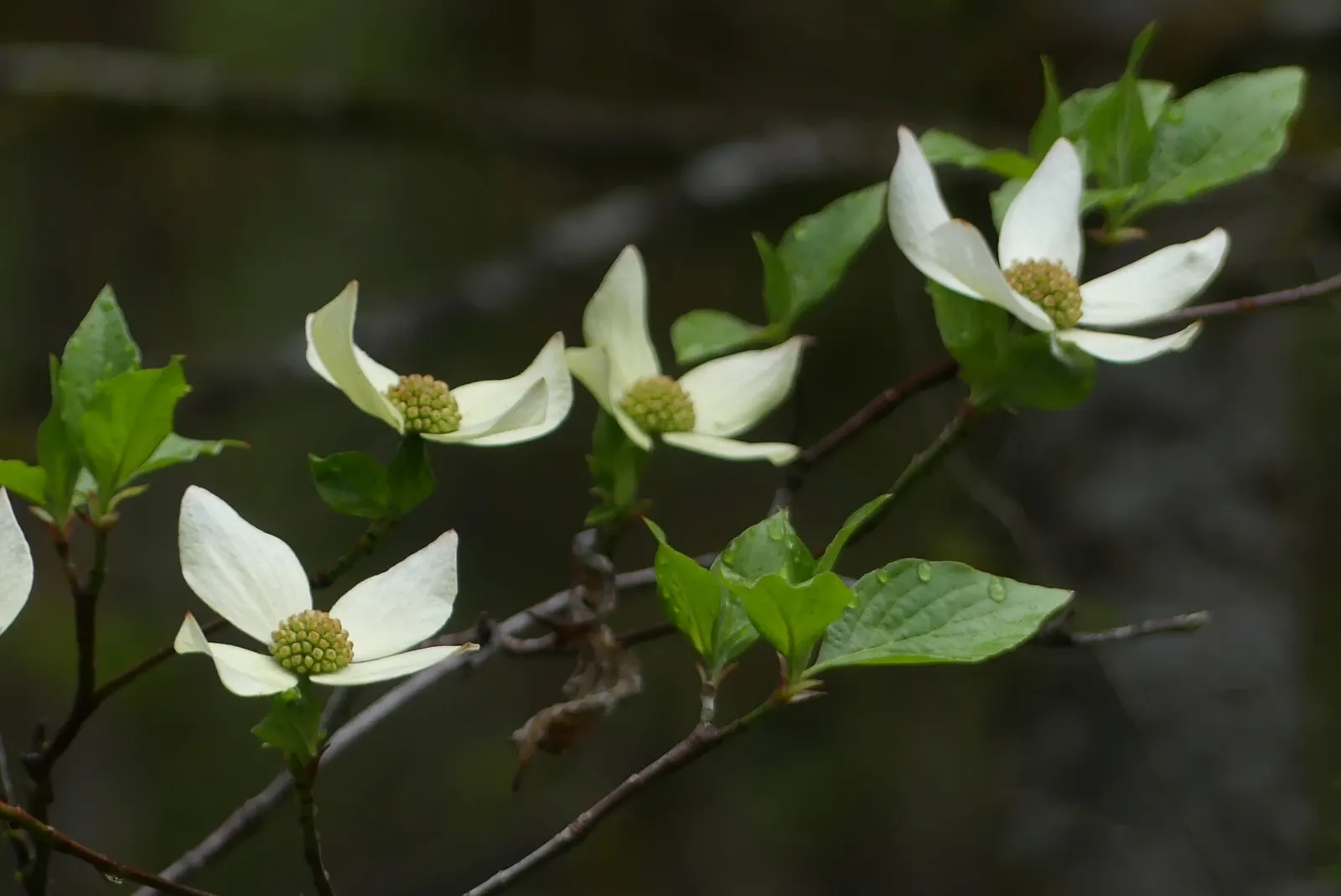
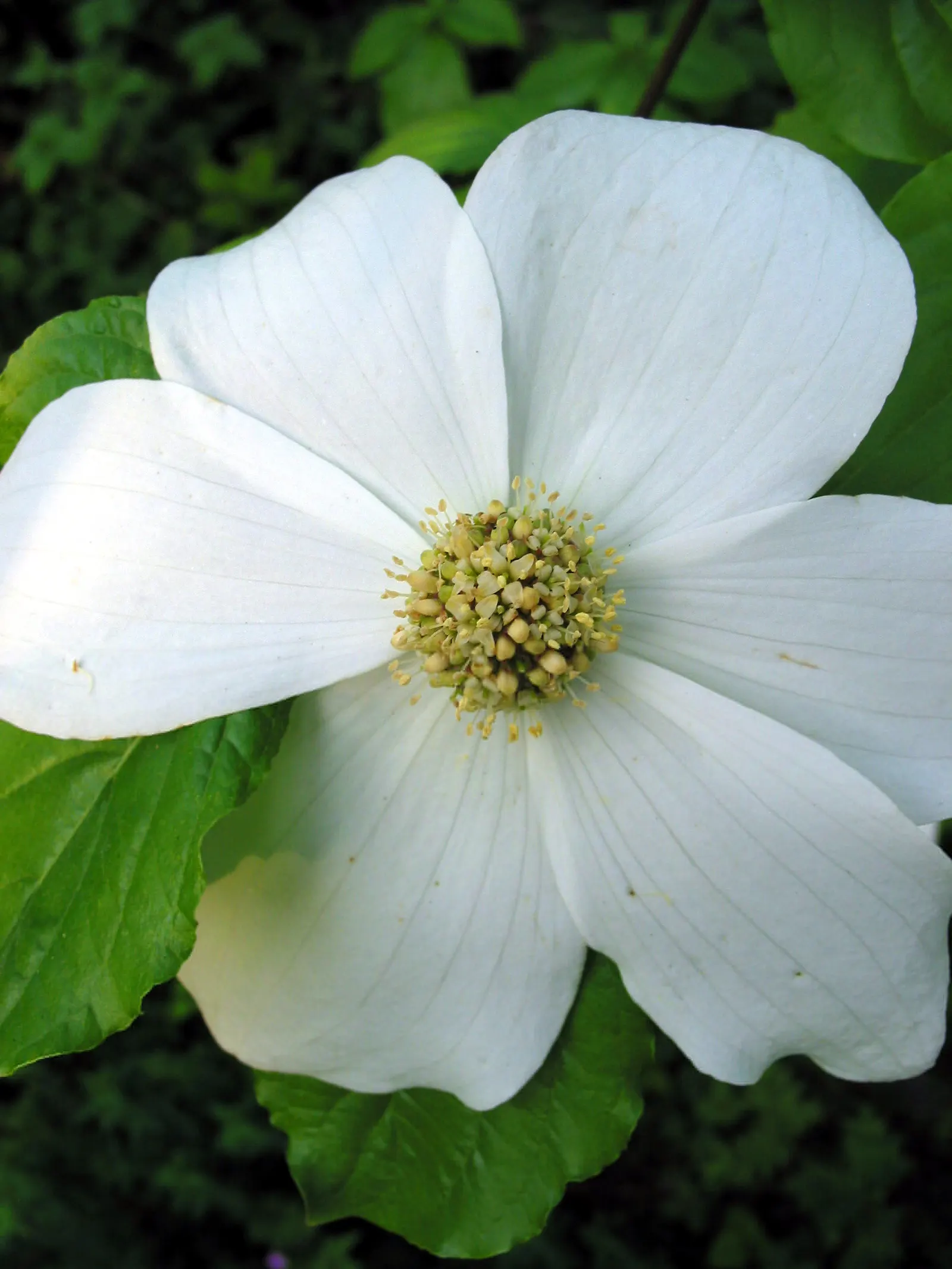
The Western Dogwood (Cornus nuttallii) is a prized deciduous tree, thriving in USDA zones 7-9. It boasts a striking spring display of white to pinkish petal-like bracts, encircling small greenish flowers. In the fall, foliage turns vibrant red-purple, complemented by bright red berries. It reaches 15-30 feet in height and spreads 15-25 feet. Prefers moist, well-drained acidic soil. Moderate growth rate and partial to full sun exposure advised.

Sun Full, HalfWater MediumZones 4–10Climate Temperate

Culture

Sun
Full, Half
Water
Medium
USDA zones
4–10

Shape & size

Classification

Family
Cornaceae
Climate
Temperate

See full data, regional cultivation notes, full-resolution photos, and design tools. Build a client presentation around this plant.

Start your 14-day trial

Photos (105)

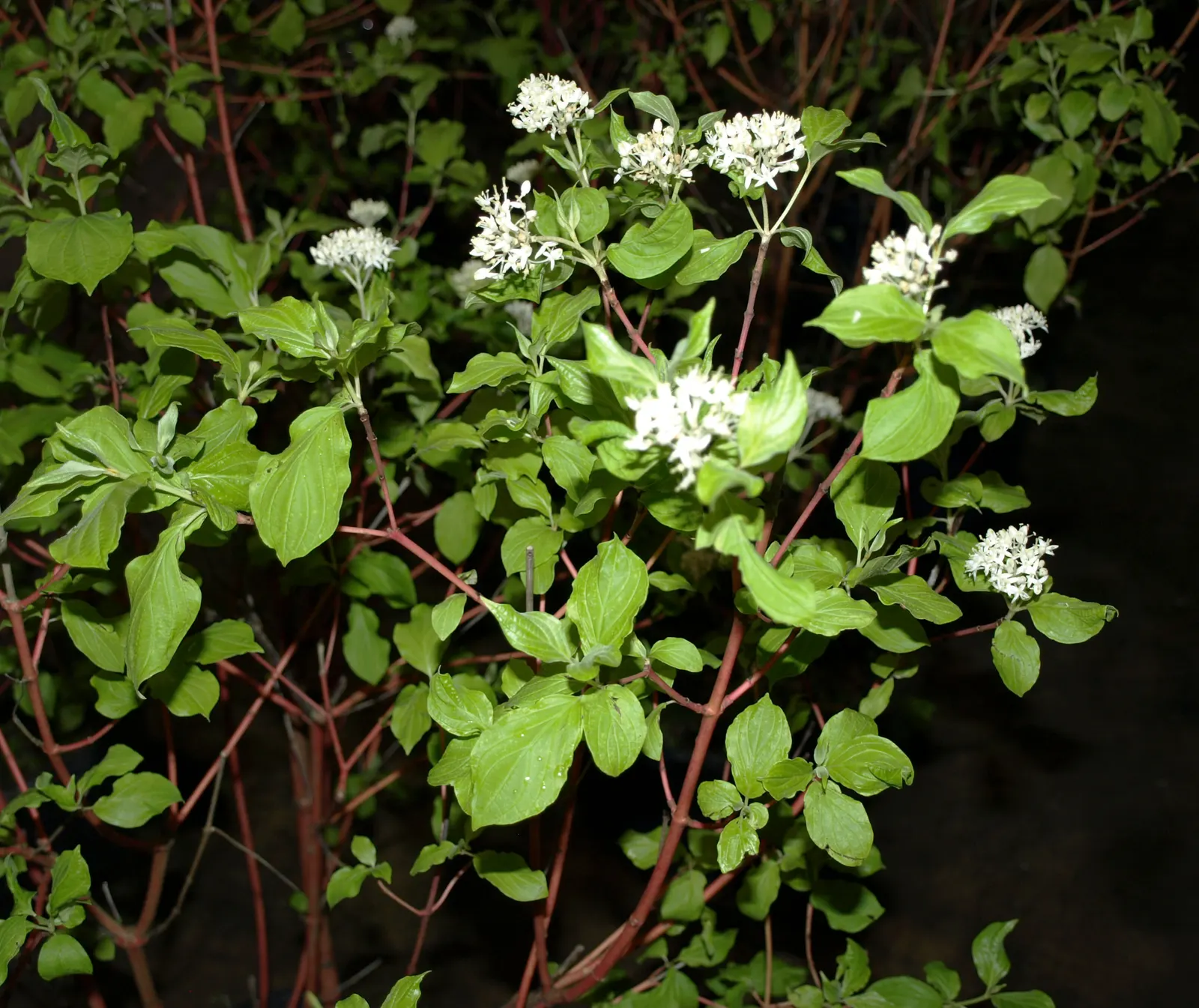
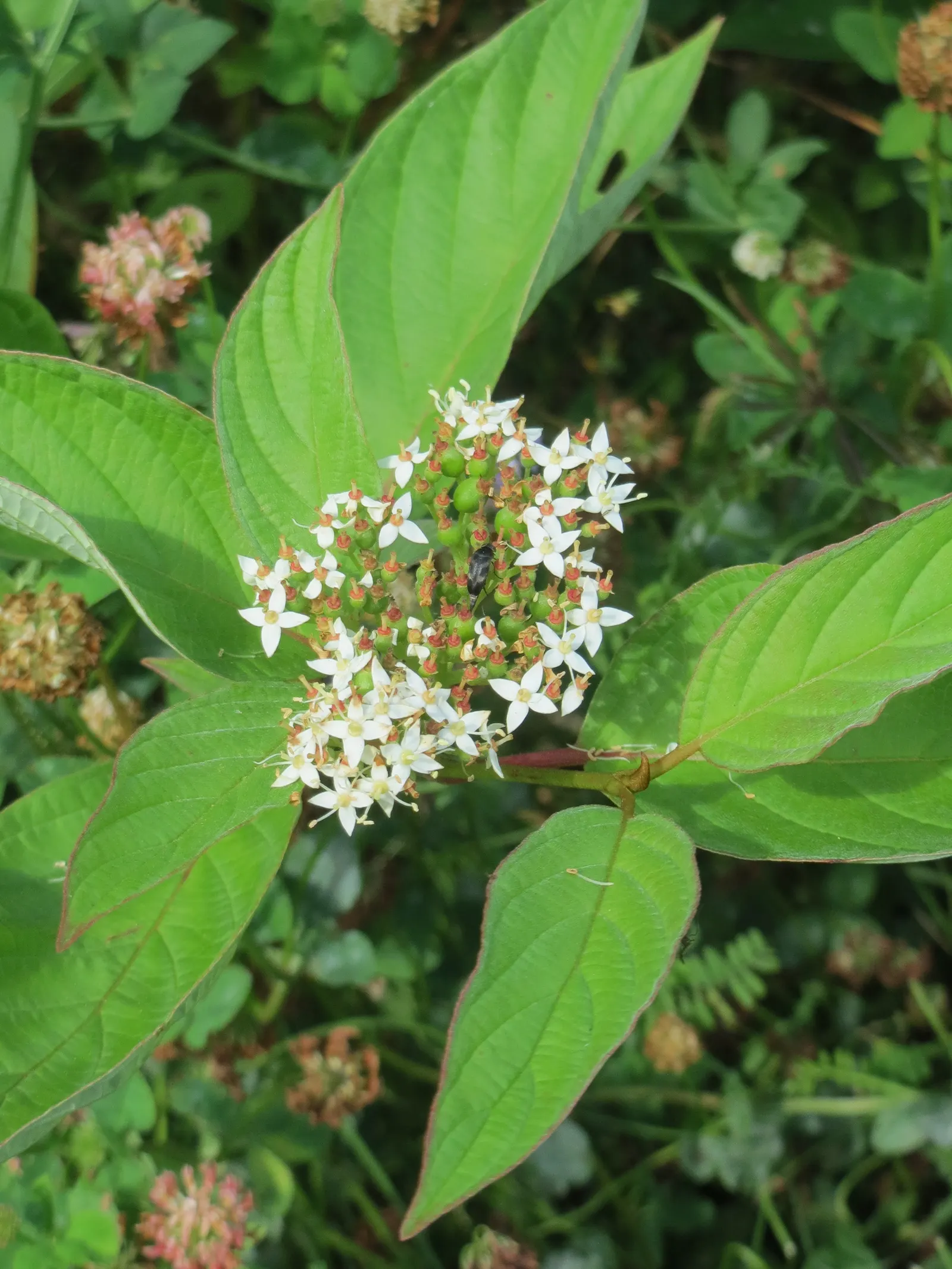
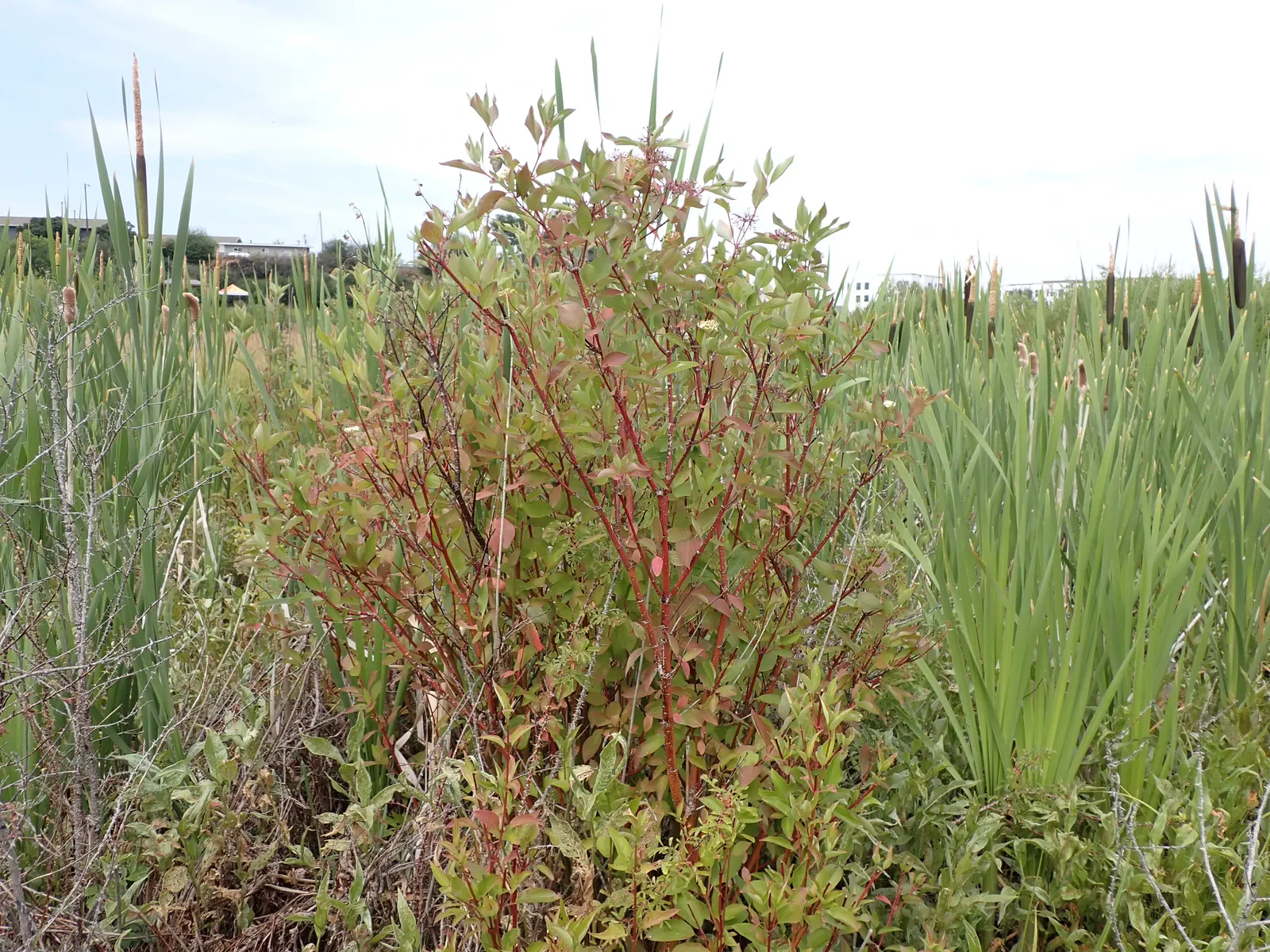
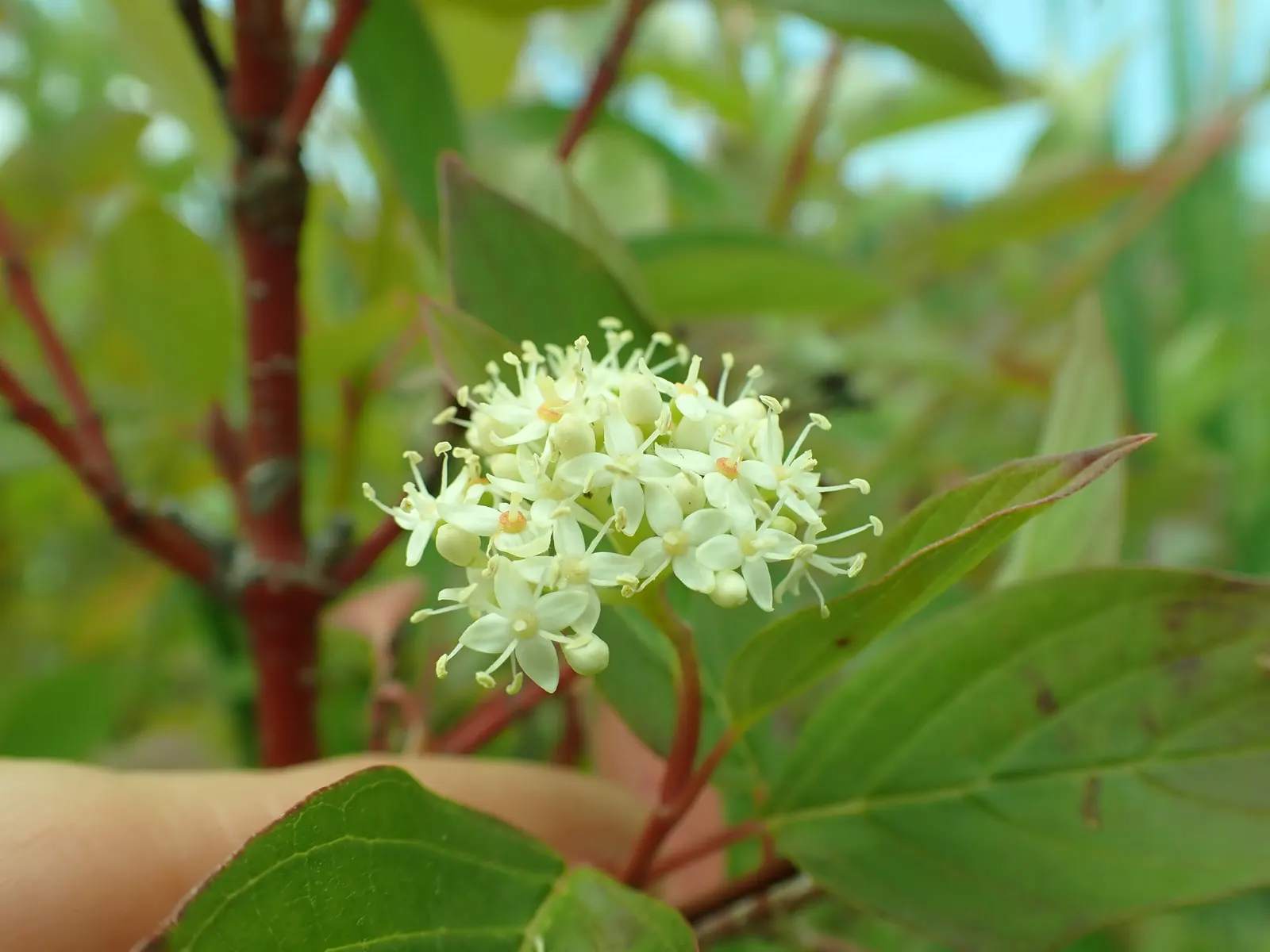
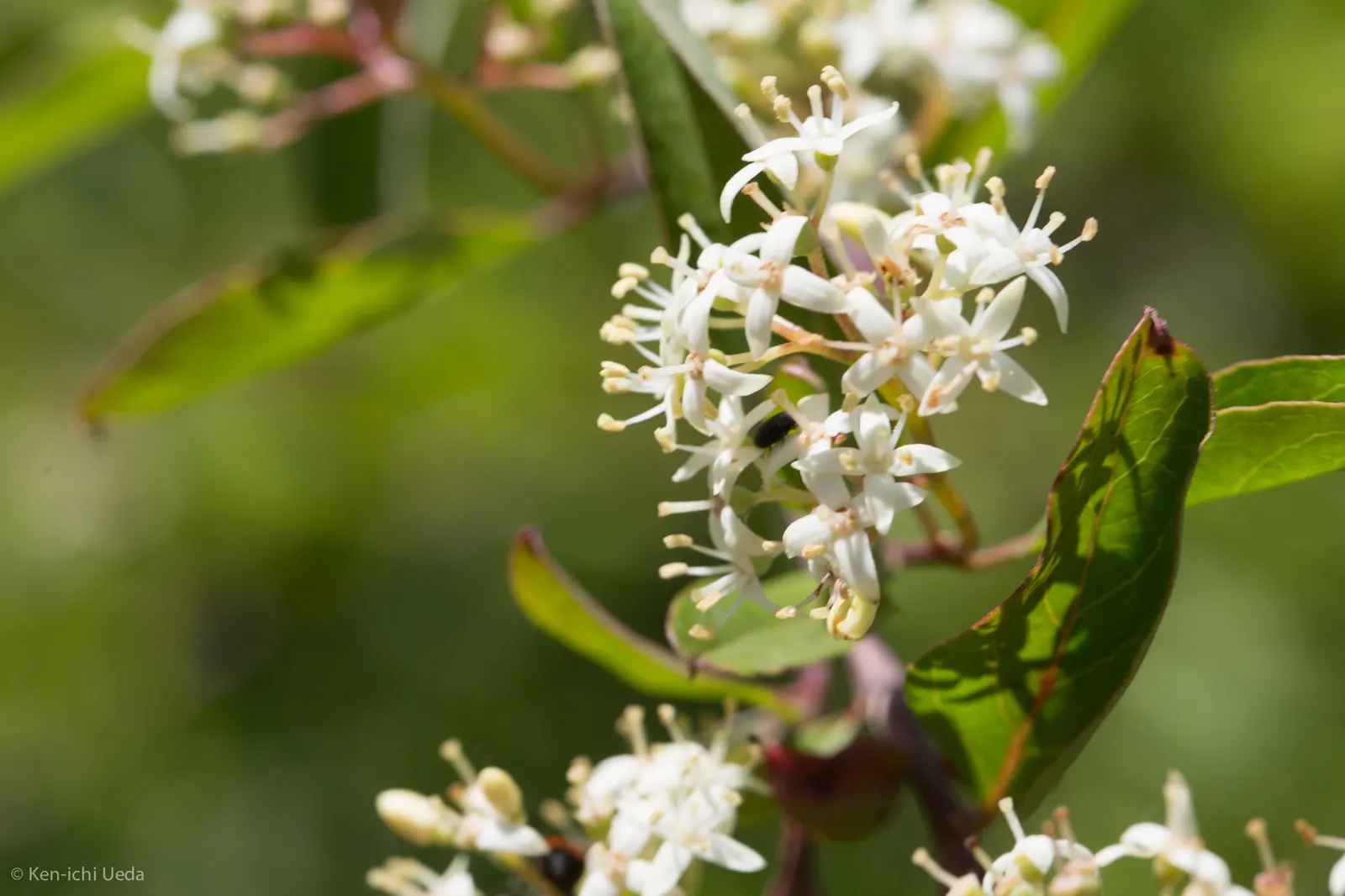
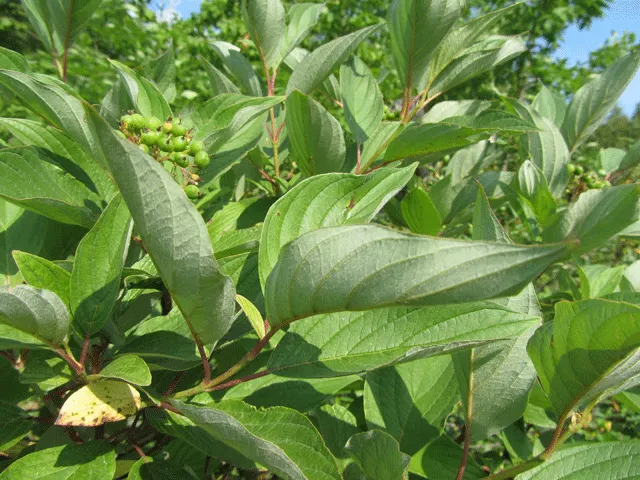
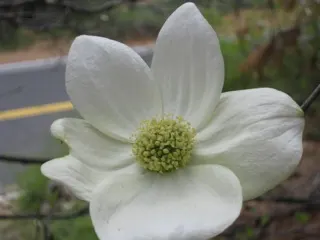
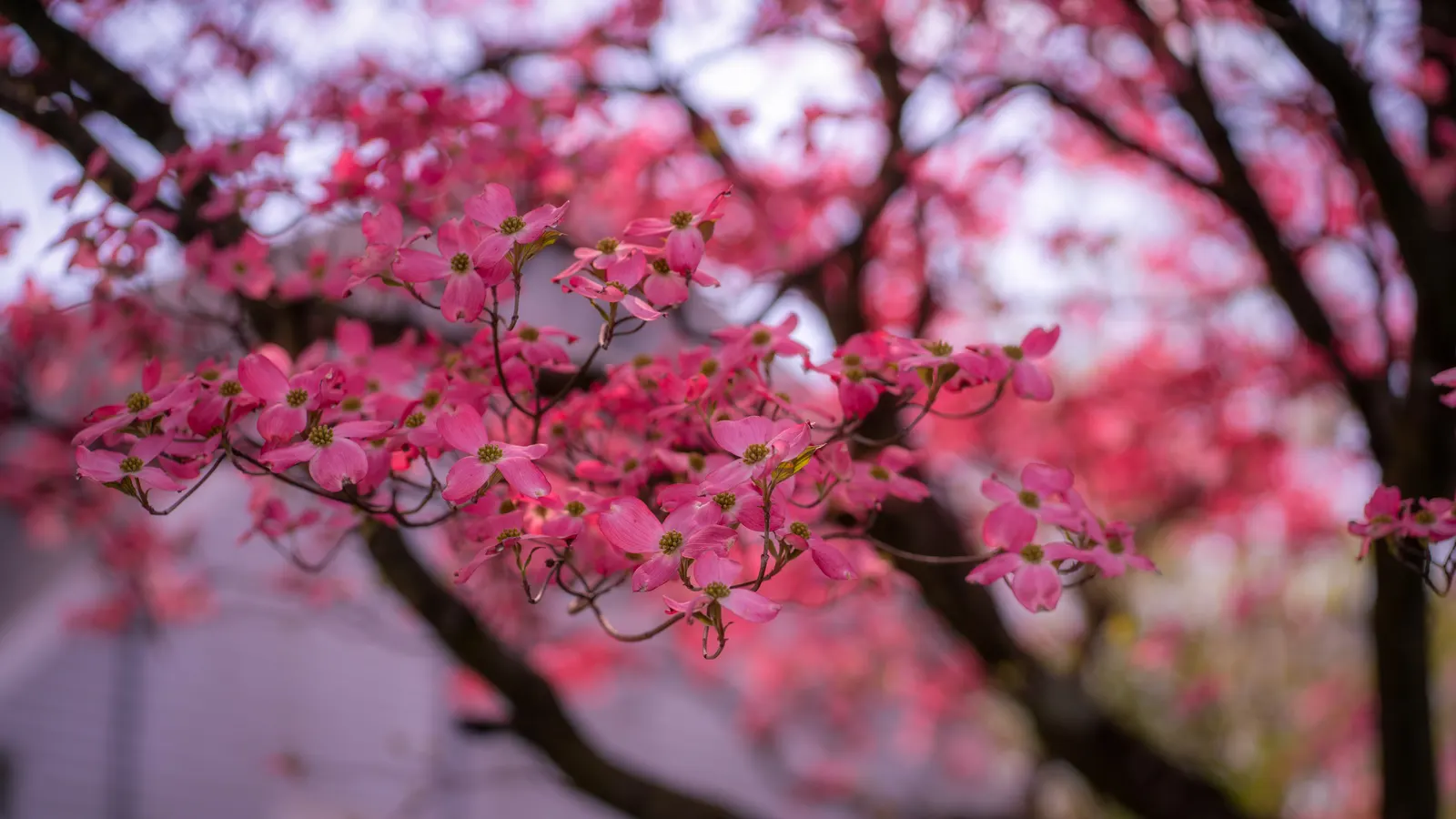
Western Dogwood (Cornus Nuttallii) — tree with white blooms
Western Dogwood (Cornus Nuttallii) — tree for full or half
Western Dogwood (Cornus Nuttallii) — tree with white blooms; it thrives best in well-drained, image 59
Western Dogwood (Cornus Nuttallii) — commonly referred to as the Western Dogwood or Pacific Dogwood; moderate growth rate and partial to full sun exposure
Western Dogwood (Cornus Nuttallii) — Originating from the western United States and Canada; which encircle tiny clusters of true flowers
Western Dogwood (Cornus Nuttallii) — the tree's structure can provide a commanding presence in the landscape; tree for full or half
Western Dogwood (Cornus Nuttallii) — it thrives best in well-drained; commonly referred to as the Western Dogwood or Pacific Dogwood
Western Dogwood (Cornus Nuttallii) — slightly acidic soil and welcomes partial to full sunlight exposure; these bracts can span up to 6 inches across
Western Dogwood (Cornus Nuttallii) — with a preference for some afternoon shade in the hotter climates; the Western Dogwood (Cornus nuttallii) is a prized
Western Dogwood (Cornus Nuttallii) — which encircle tiny clusters of true flowers; originating from the western United States and Canada
Western Dogwood (Cornus Nuttallii) — These bracts can span up to 6 inches across; foliage transforms into a vivid display of reds and purples
Western Dogwood (Cornus Nuttallii) — foliage transforms into a vivid display of reds and purples; it boasts a striking spring display of white to pinkish
Western Dogwood (Cornus Nuttallii) — accompanied by bright red; the tree's structure can provide a commanding presence in the landscape
Western Dogwood (Cornus Nuttallii) — Regular watering and mulching will help maintain its health and enhance its beauty within your garden; accompanied by
Western Dogwood (Cornus Nuttallii) — white flowers in the garden; in the fall, foliage turns vibrant red-purple, complemented by bright red berries
Western Dogwood (Cornus Nuttallii) — tree with white blooms; it thrives best in well-drained
Western Dogwood (Cornus Nuttallii) — tree for full or half; regular watering and mulching will help maintain its health and enhance its beauty within your
Western Dogwood (Cornus Nuttallii) — The Western Dogwood (Cornus nuttallii) is a prized deciduous tree, thriving in USDA zones 7-9; it reaches, image 41
Western Dogwood (Cornus Nuttallii) — It boasts a striking spring display of white to pinkish petal-like bracts, encircling small greenish flowers, image 42
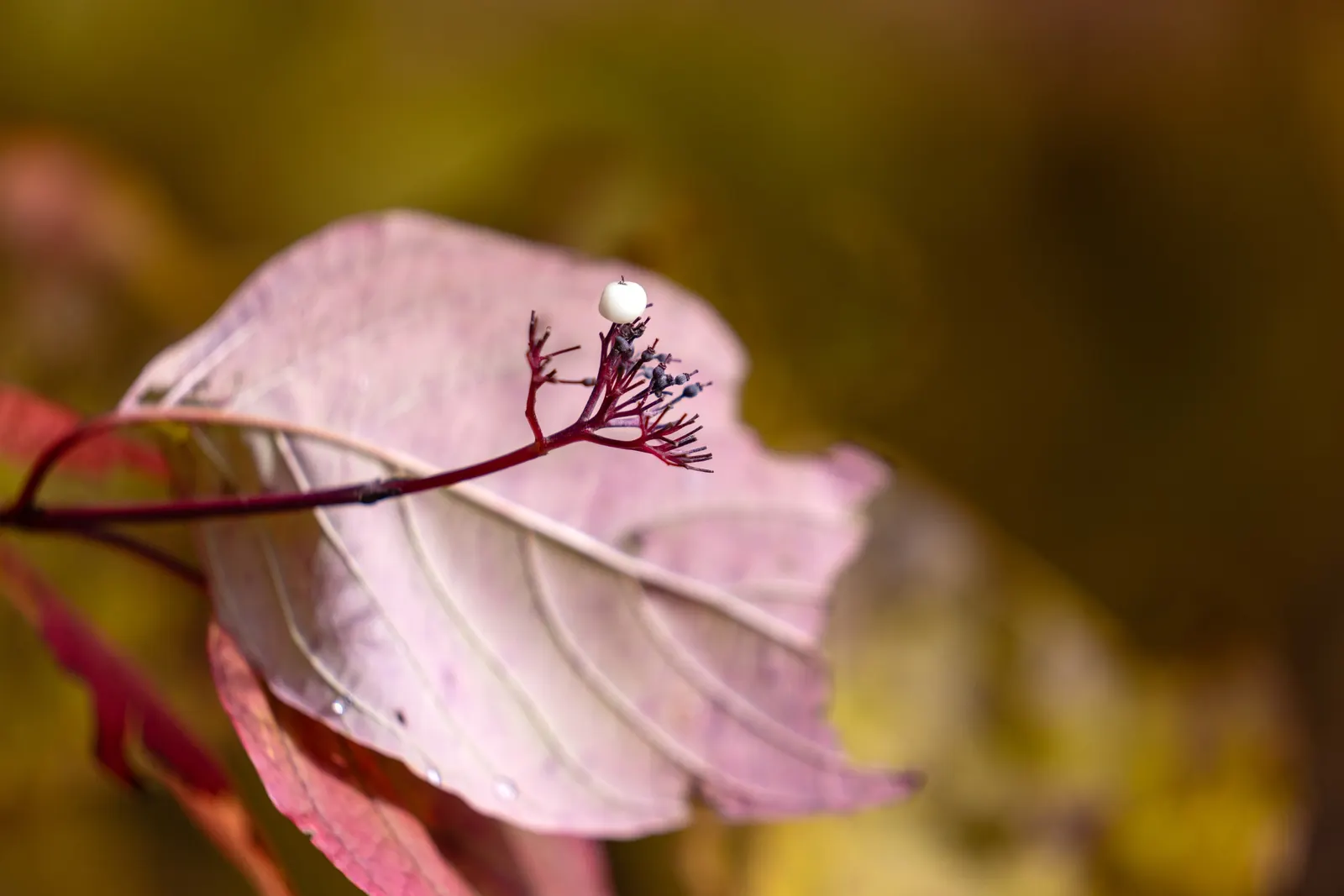
Western Dogwood (Cornus Nuttallii) — In the fall, foliage turns vibrant red-purple, complemented by bright red berries; white flowers in the garden, image 43
Western Dogwood (Cornus Nuttallii) — It reaches 15-30 feet in height and spreads 15-25 feet; prefers moist, well-drained acidic soil, image 44
Western Dogwood (Cornus Nuttallii) — Prefers moist, well-drained acidic soil; with a preference for some afternoon shade in the hotter climates, image 45
Western Dogwood (Cornus Nuttallii) — Moderate growth rate and partial to full sun exposure advised; tree with white blooms, image 46
Western Dogwood (Cornus Nuttallii) — commonly referred to as the Western Dogwood or Pacific Dogwood; moderate growth rate and partial to full sun, image 47

Related plants