
Prairie Coreopsis
Coreopsis Palmata
Overview
Prairie Coreopsis (Coreopsis palmata) thrives in sun-soaked prairies, reaching 1.5-2 feet in height. Its bright yellow flowers, 1-2 inches across, bloom from June to August. With a clumping habit and deeply lobed leaves, this perennial's taproot makes it drought-tolerant, ideal for well-drained soils. It's a pollinator magnet, providing nectar for bees and butterflies, enhancing biodiversity in gardens. Zones 3-8 suit its hardiness.
Sun FullWater MediumZones 3–8Type PerennialClimate Temperate
Culture
- Sun
- Full
- Water
- Medium
- USDA zones
- 3–8
Shape & size
Classification
- Type
- Perennial
- Family
- Asteraceae
- Climate
- Temperate
See full data, regional cultivation notes, and design tools. Build a client presentation around this plant.
Start your 14-day trialPhotos (31)
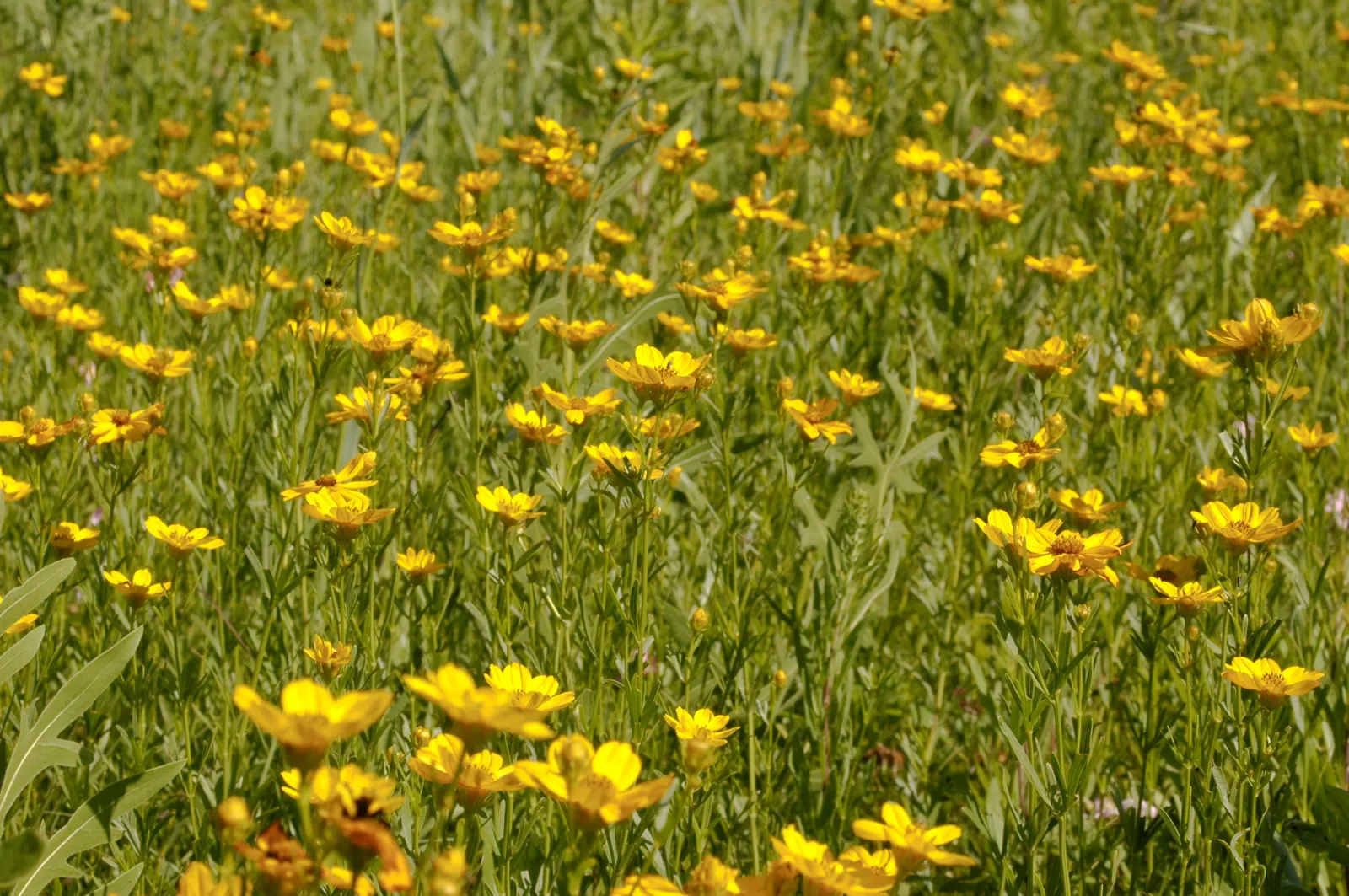
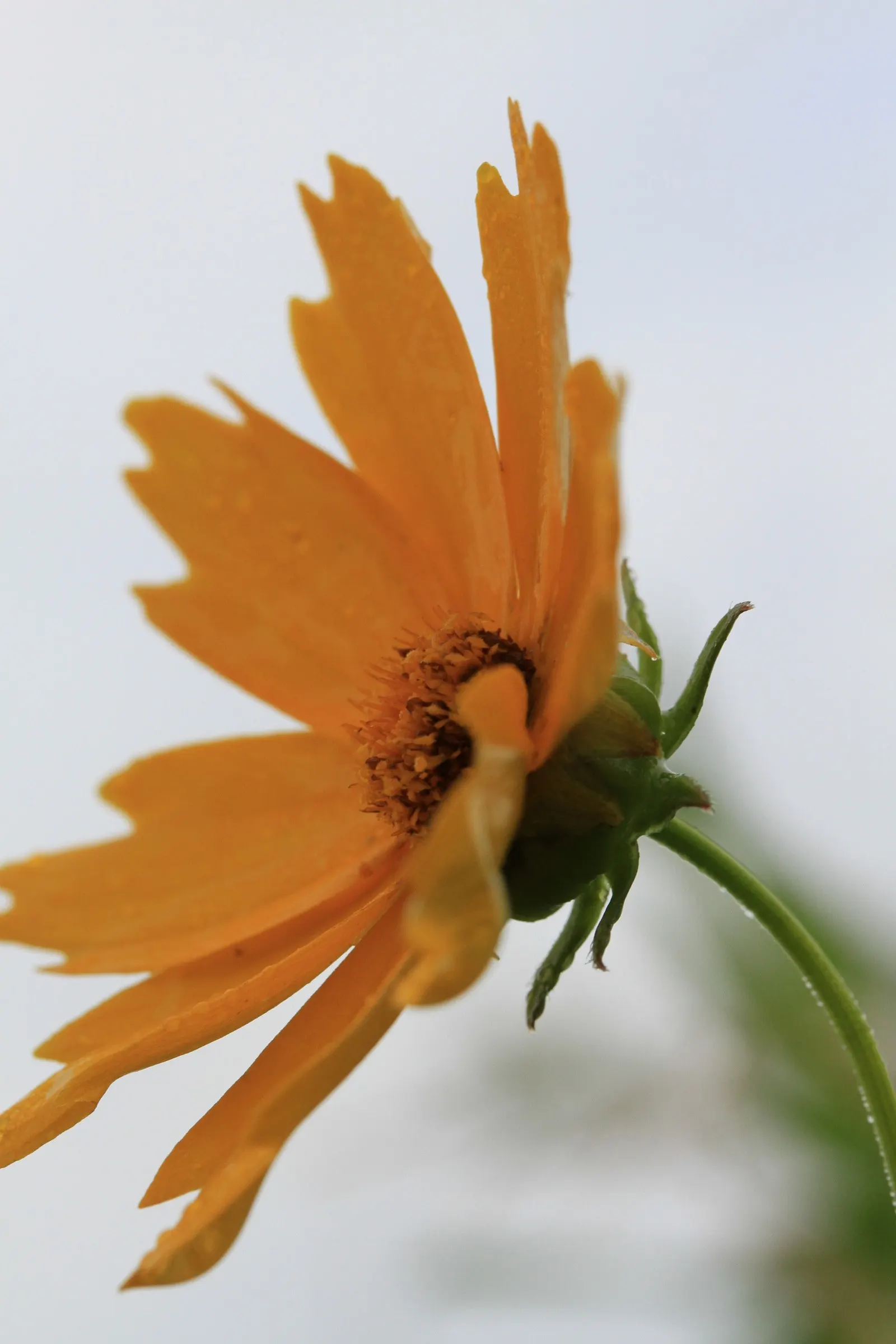
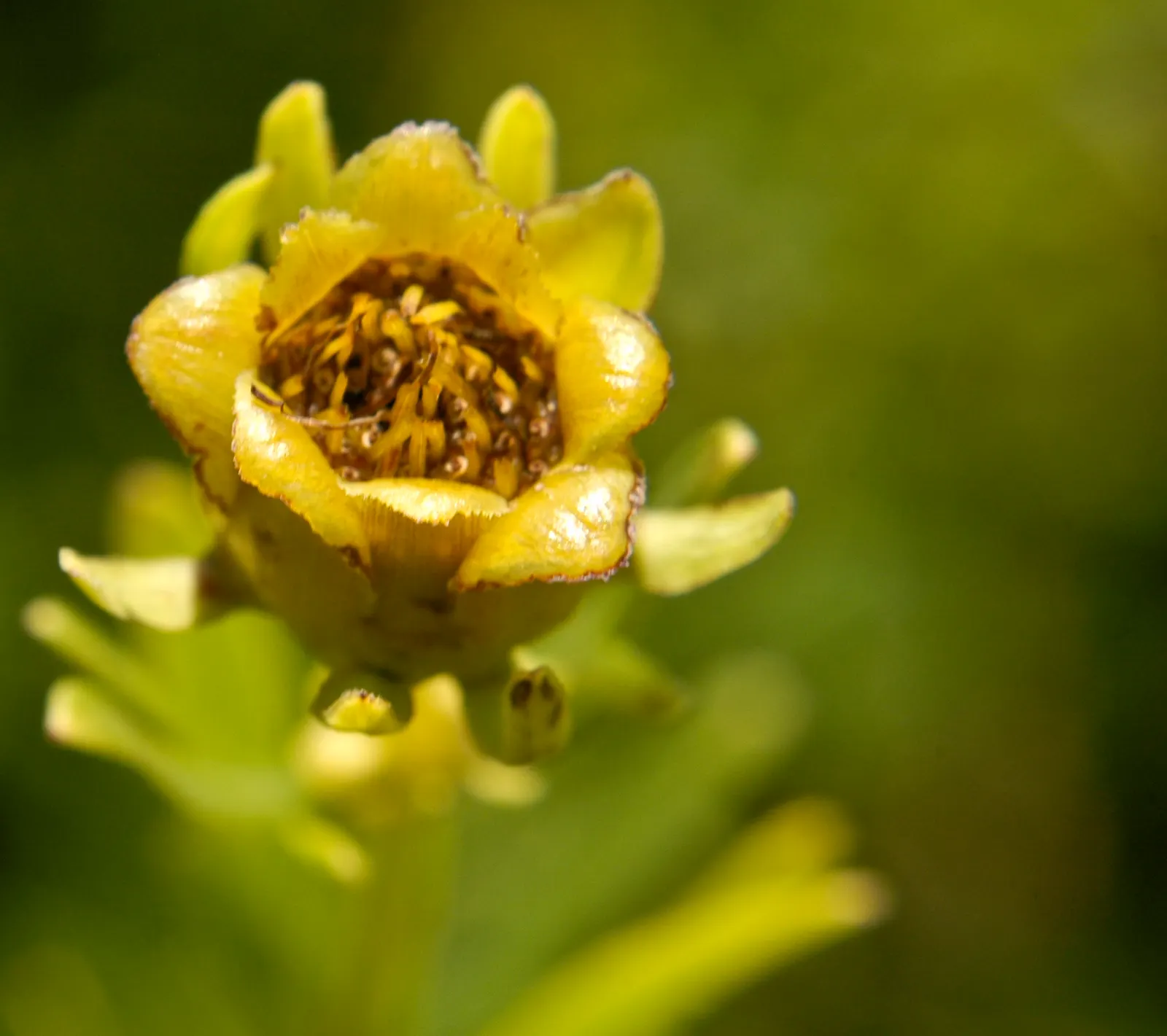
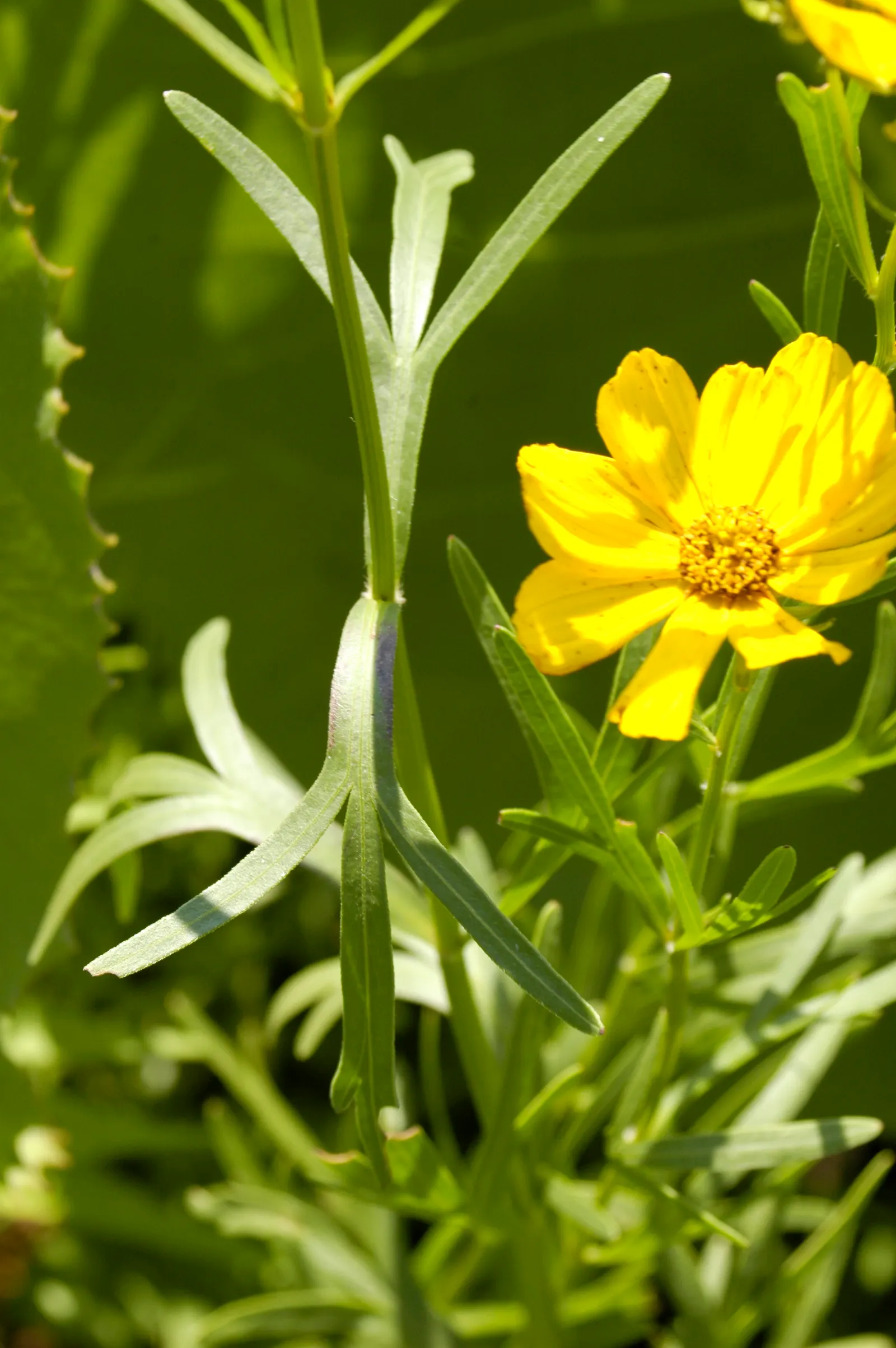
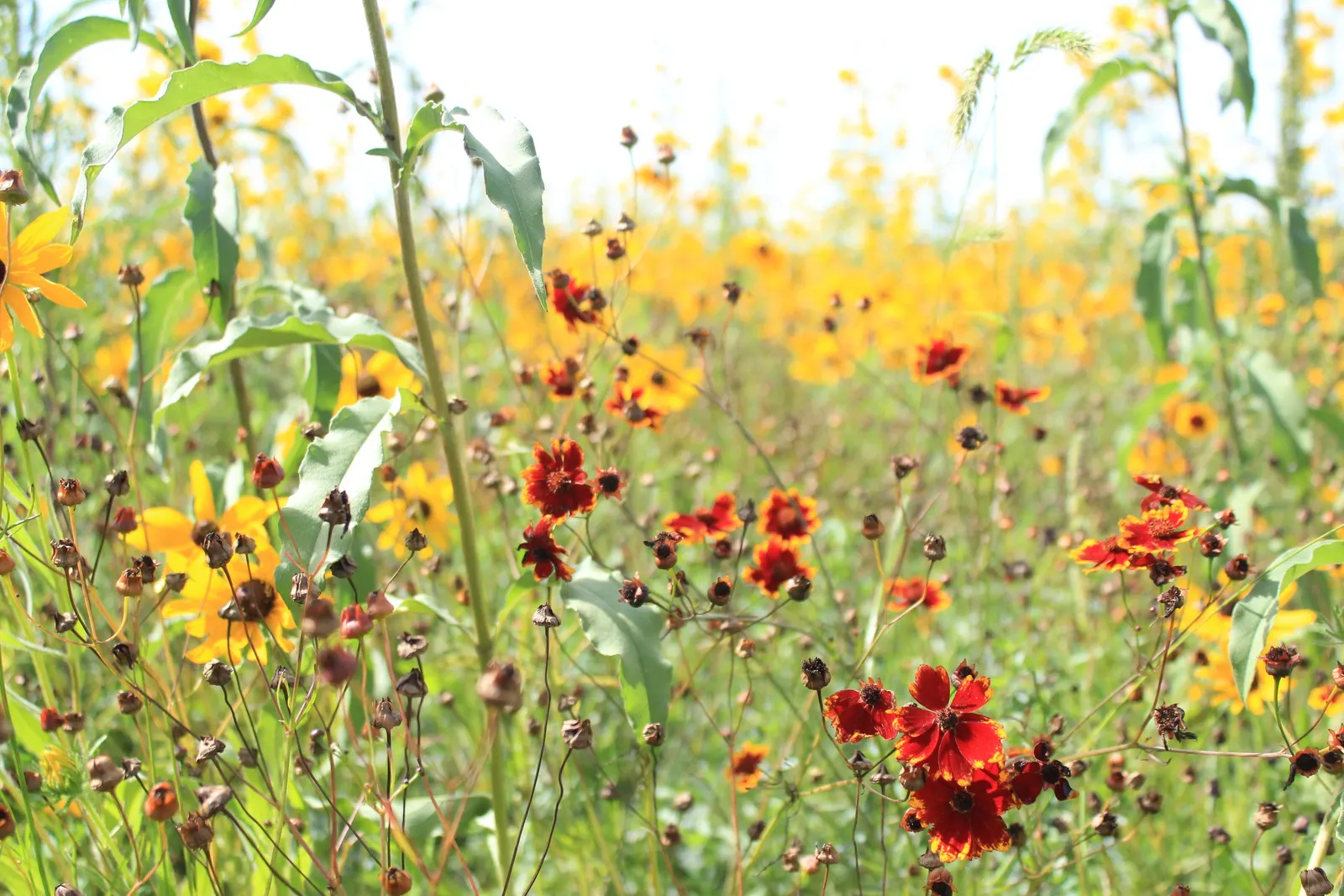
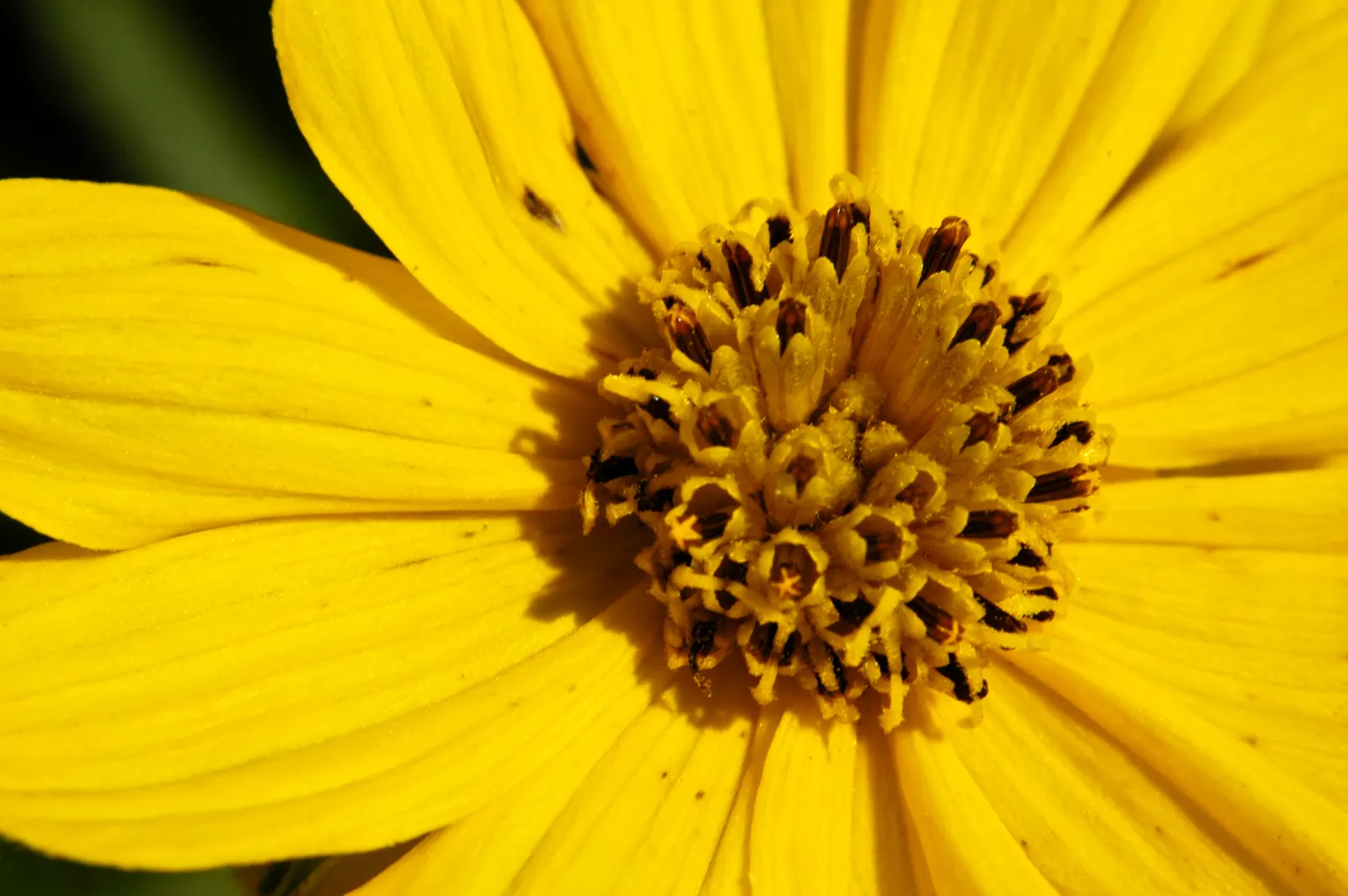
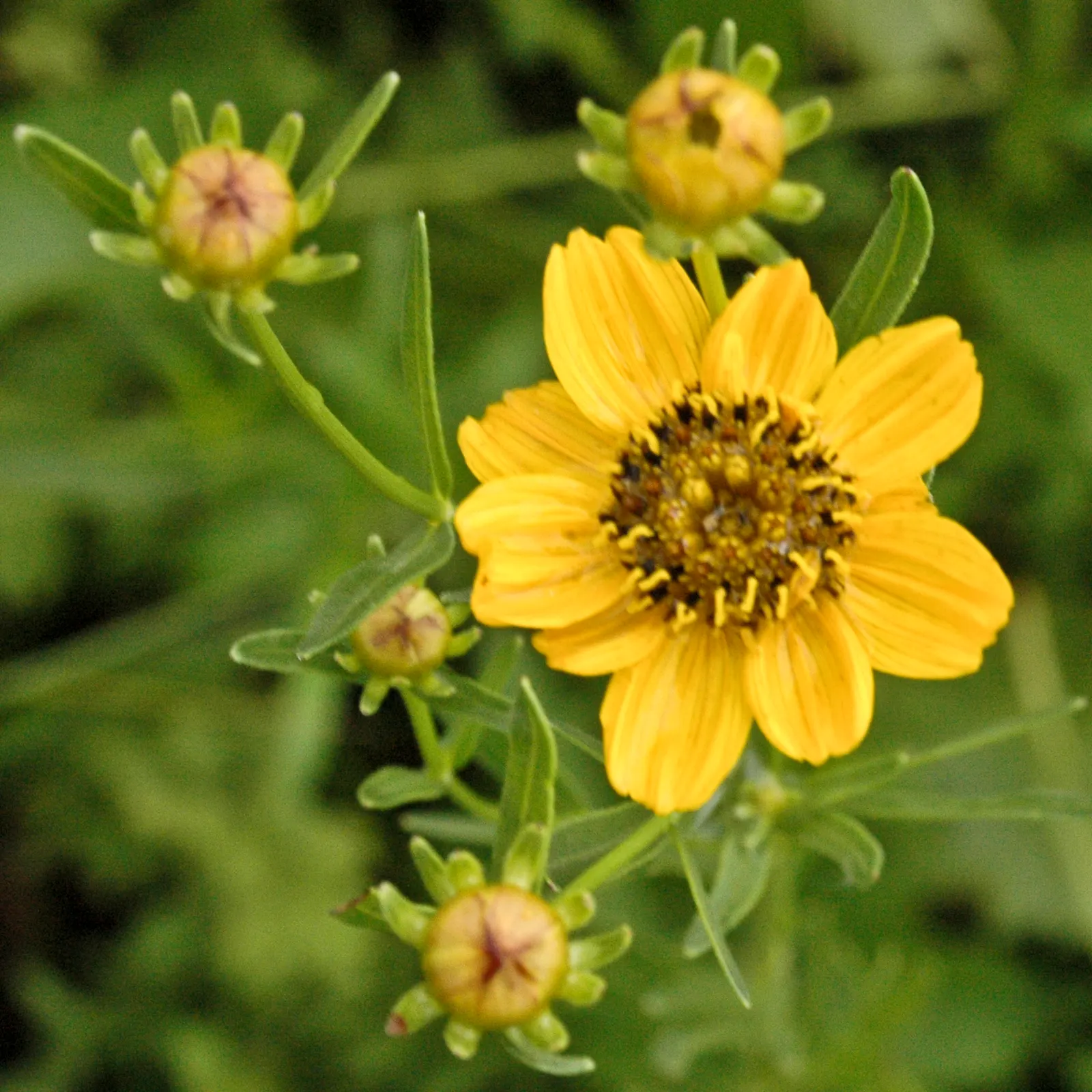
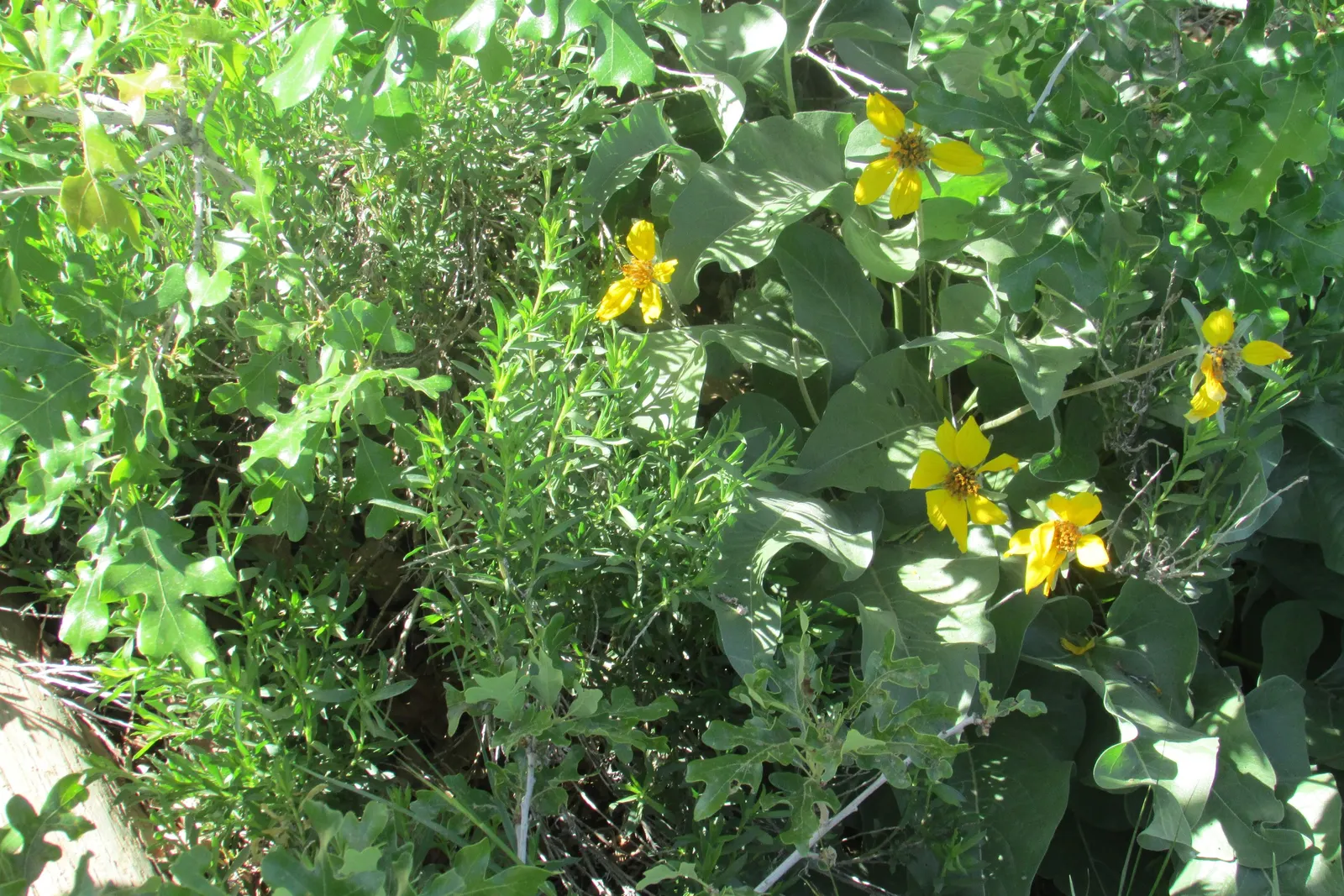
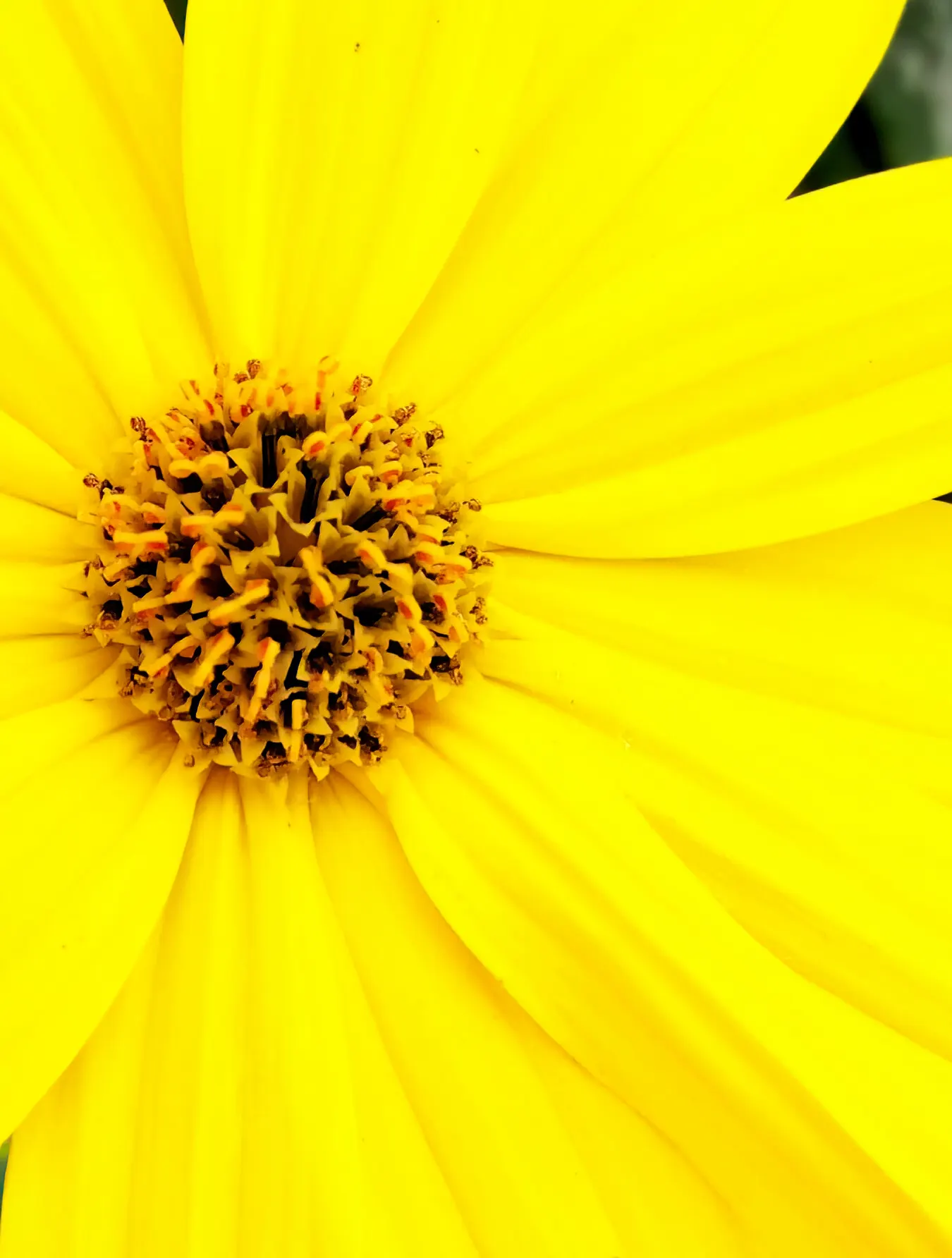
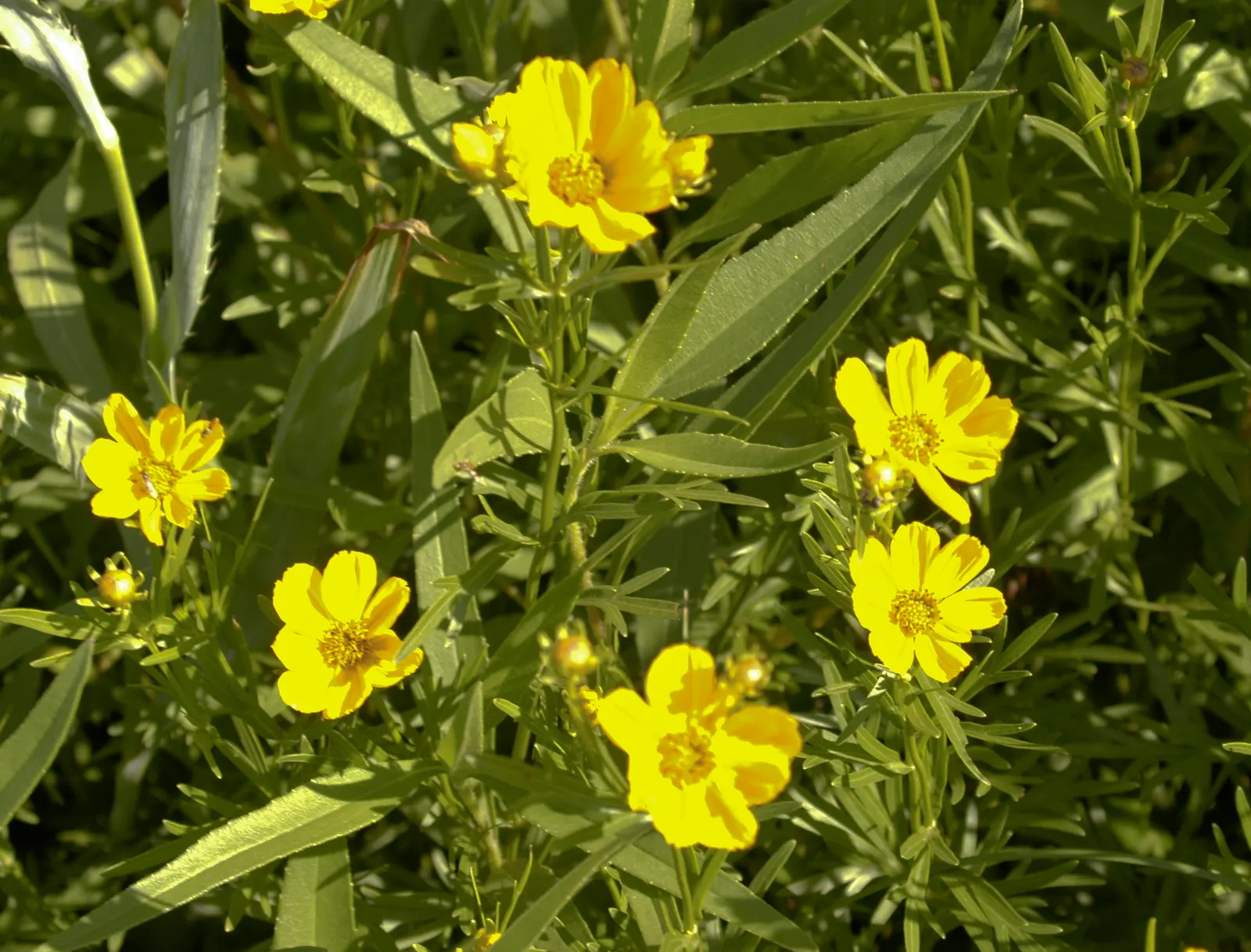
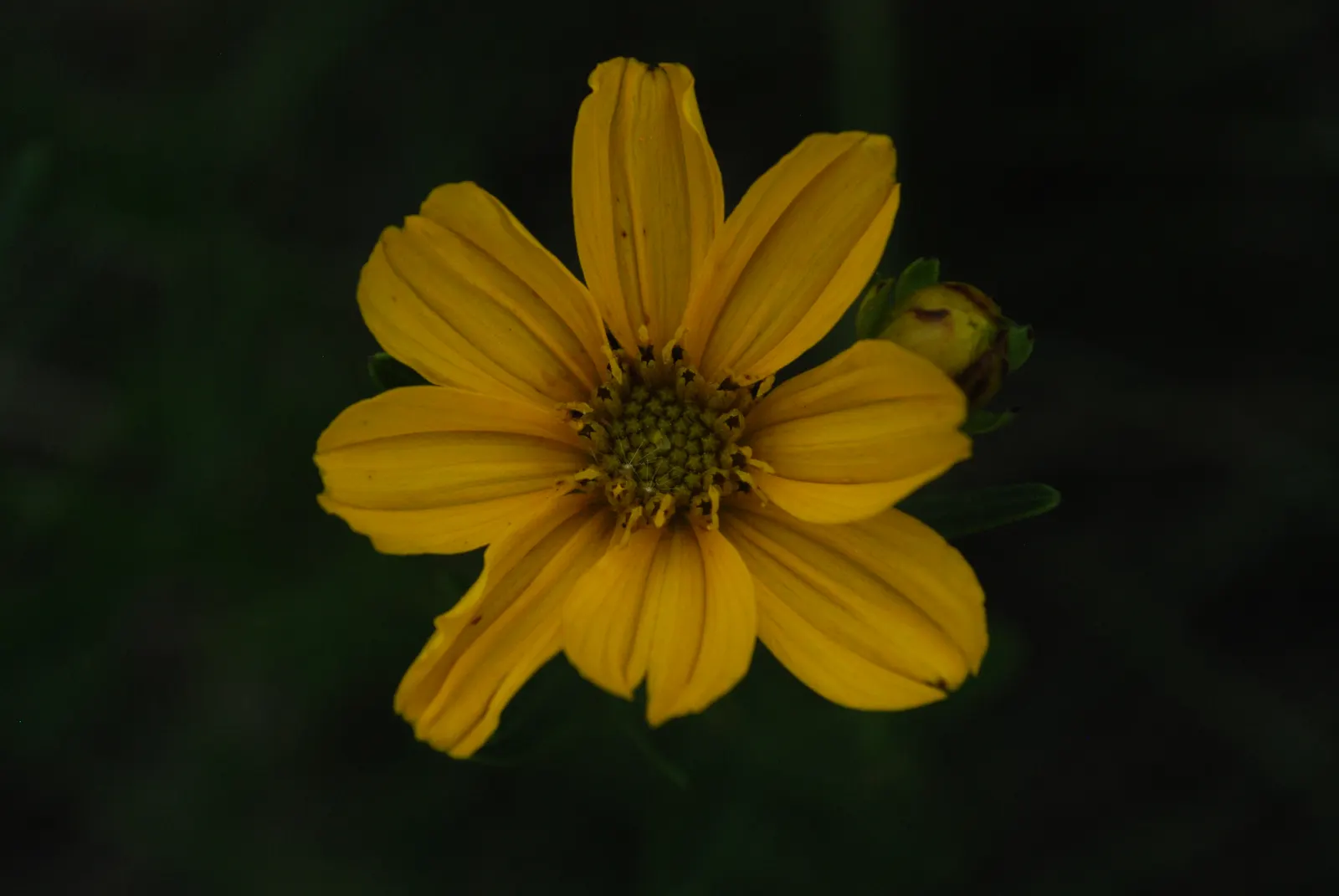
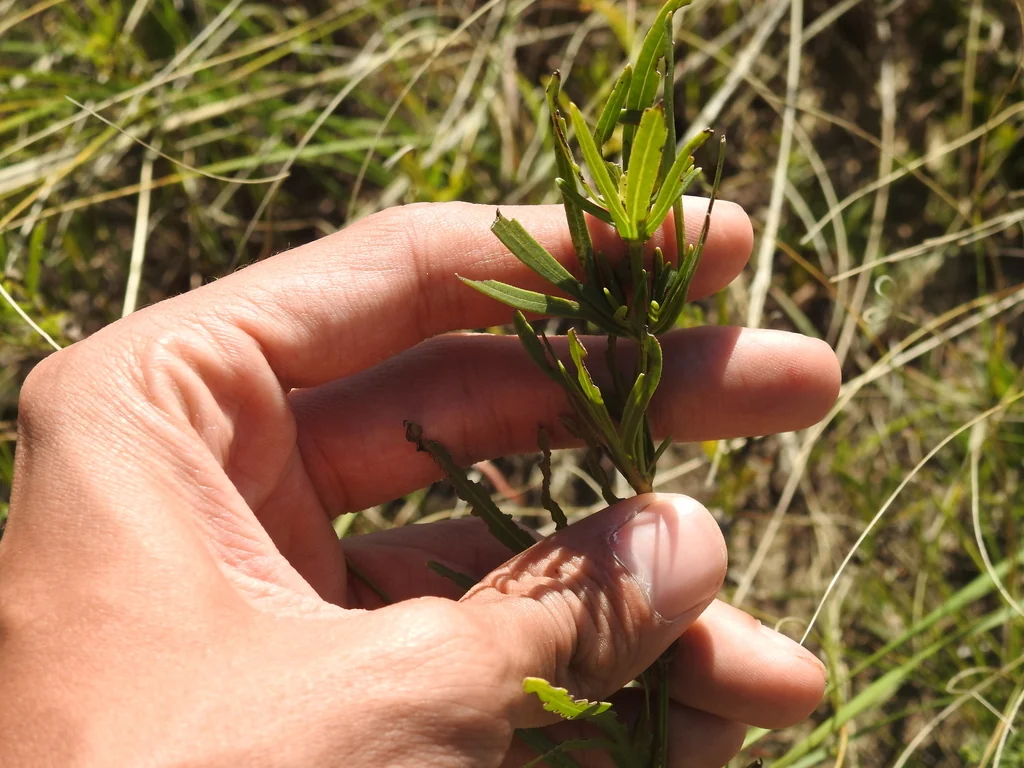
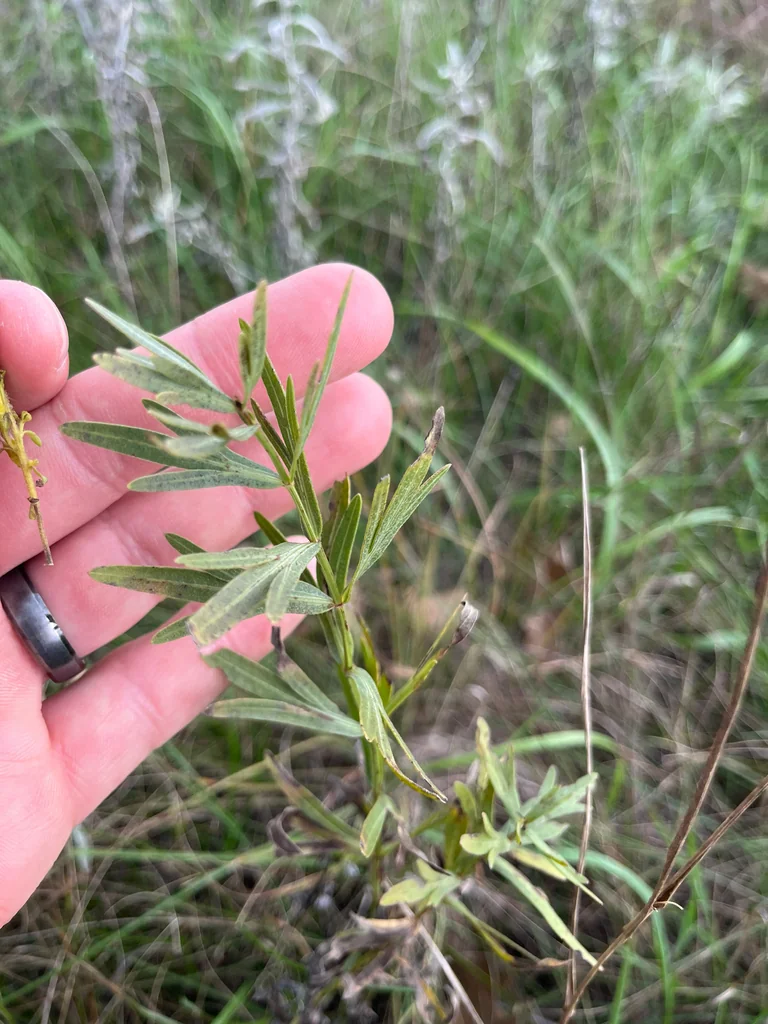
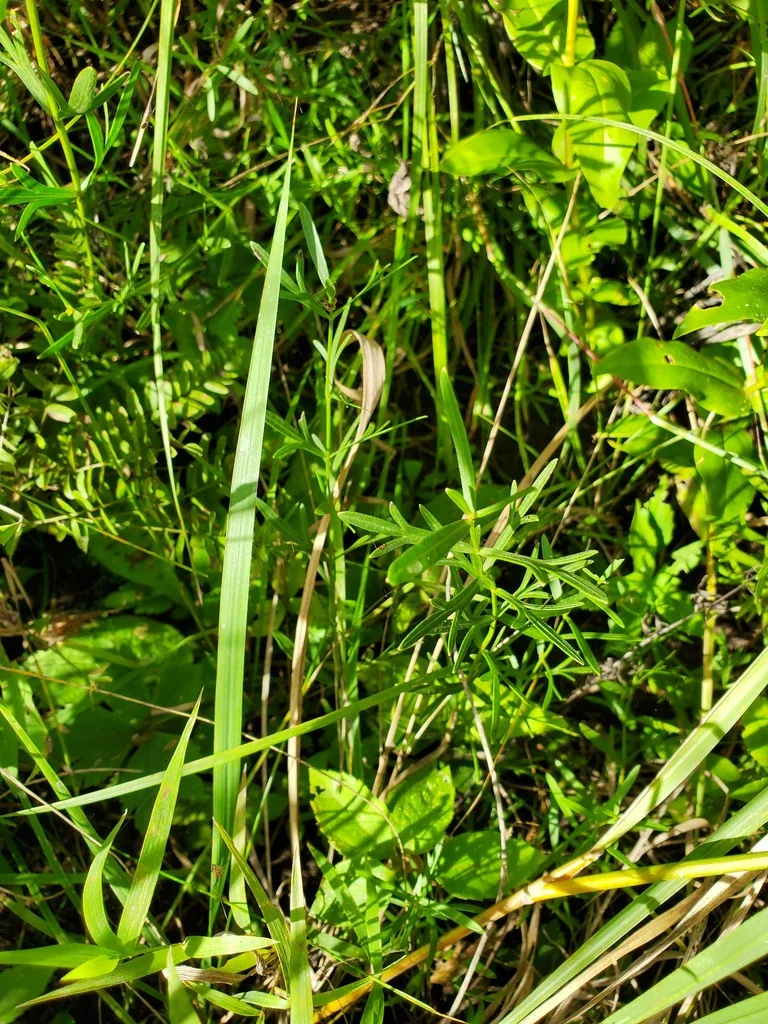

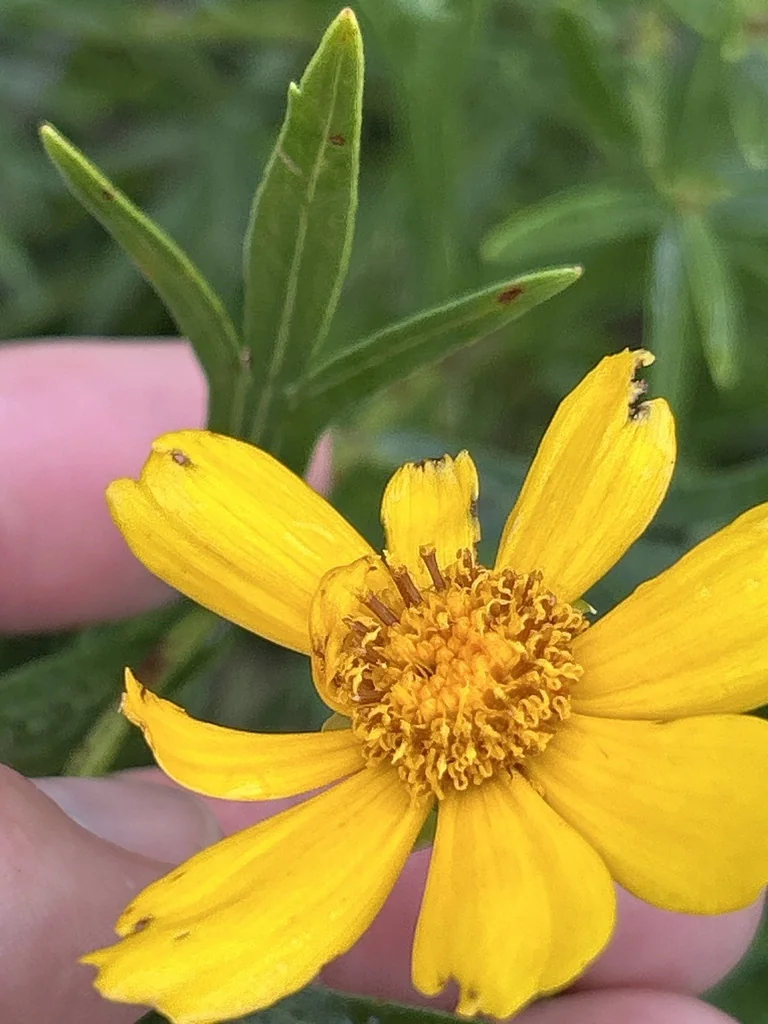
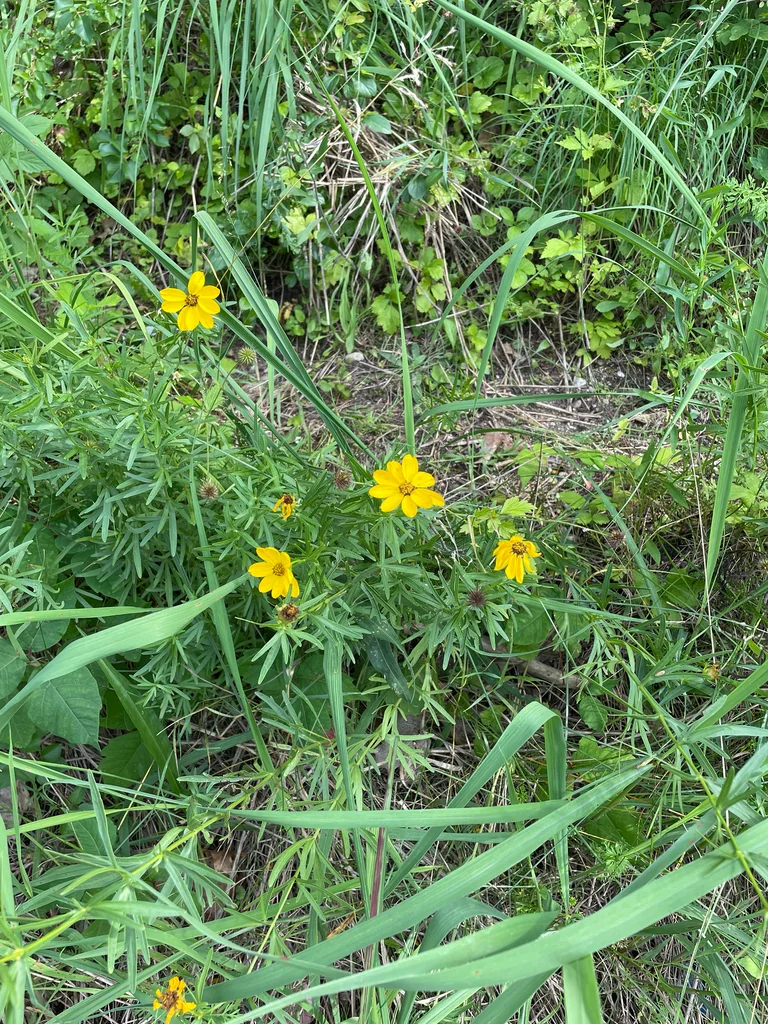
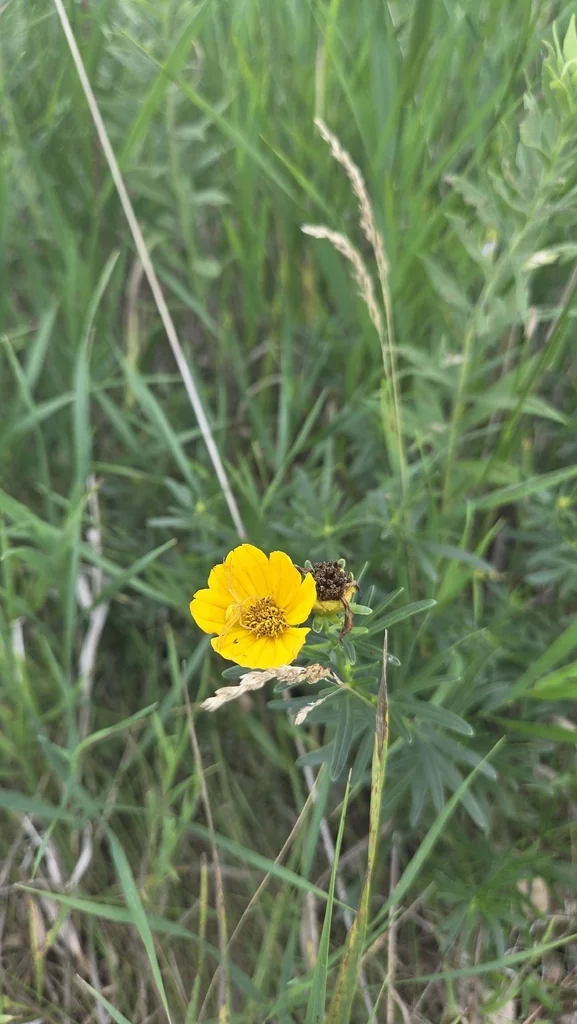
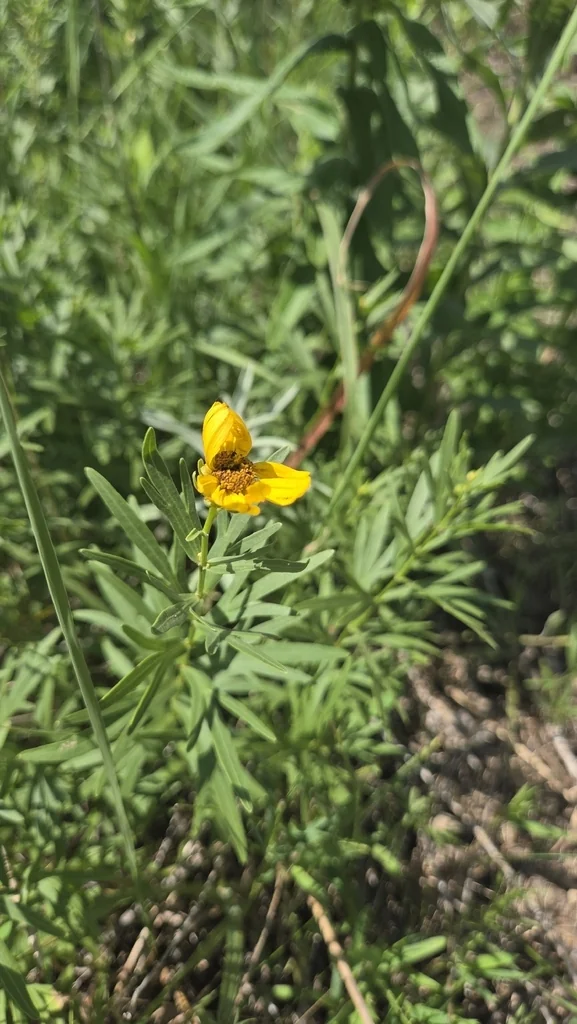
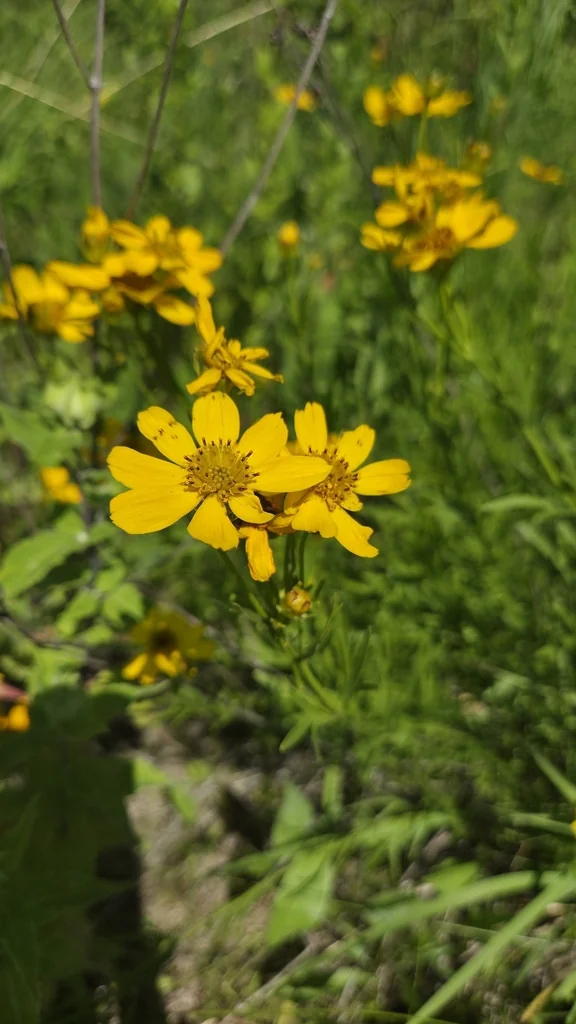

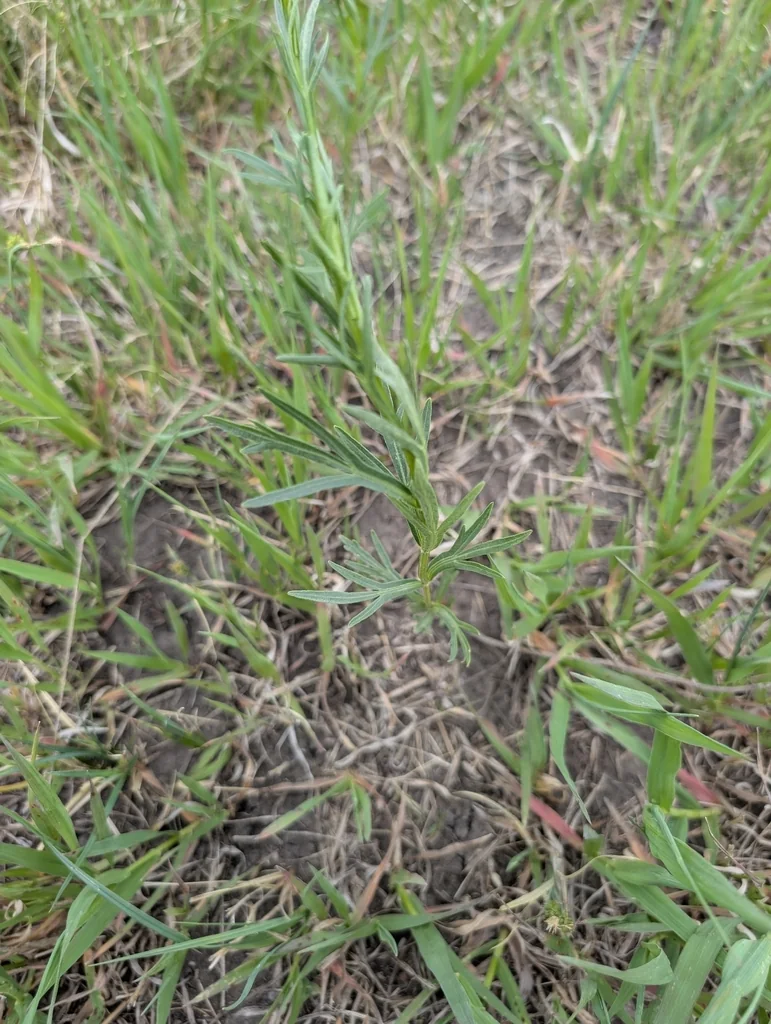

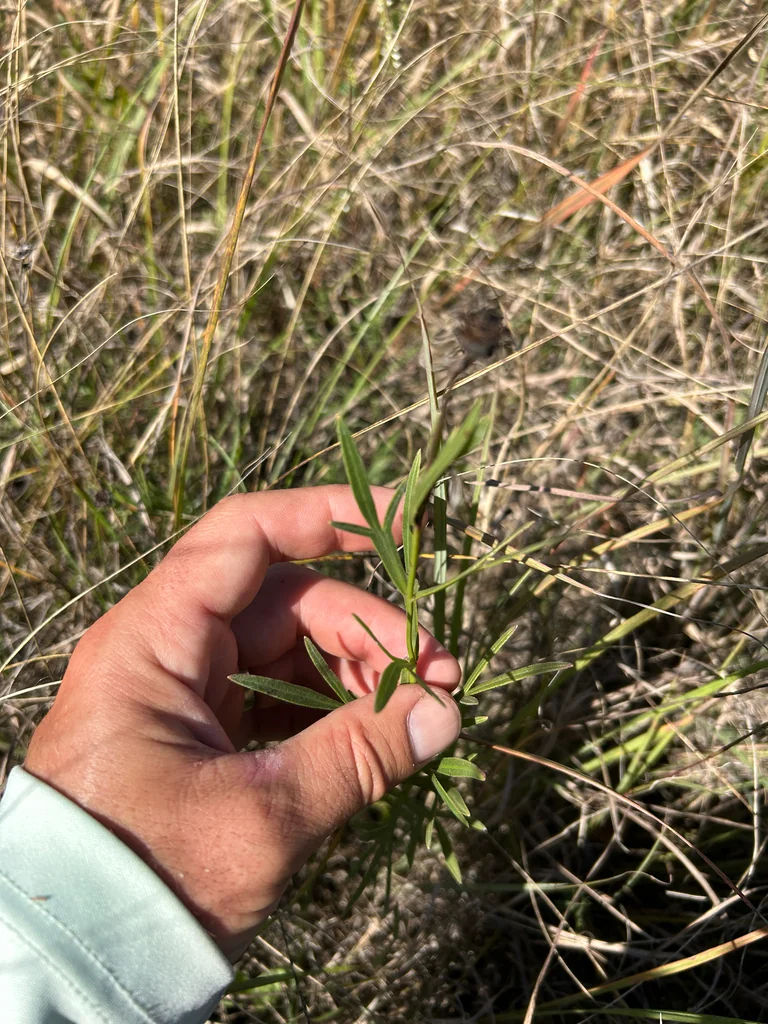
Photographs by 4 contributors
- Frank Mayfield, CC BY-SA 2.0 · source
- Chris Light, CC BY-SA 4.0 · source
- D4E, CC BY 2.0 · source
- Joshua Mayer, CC BY-SA 2.0 · source
Related plants
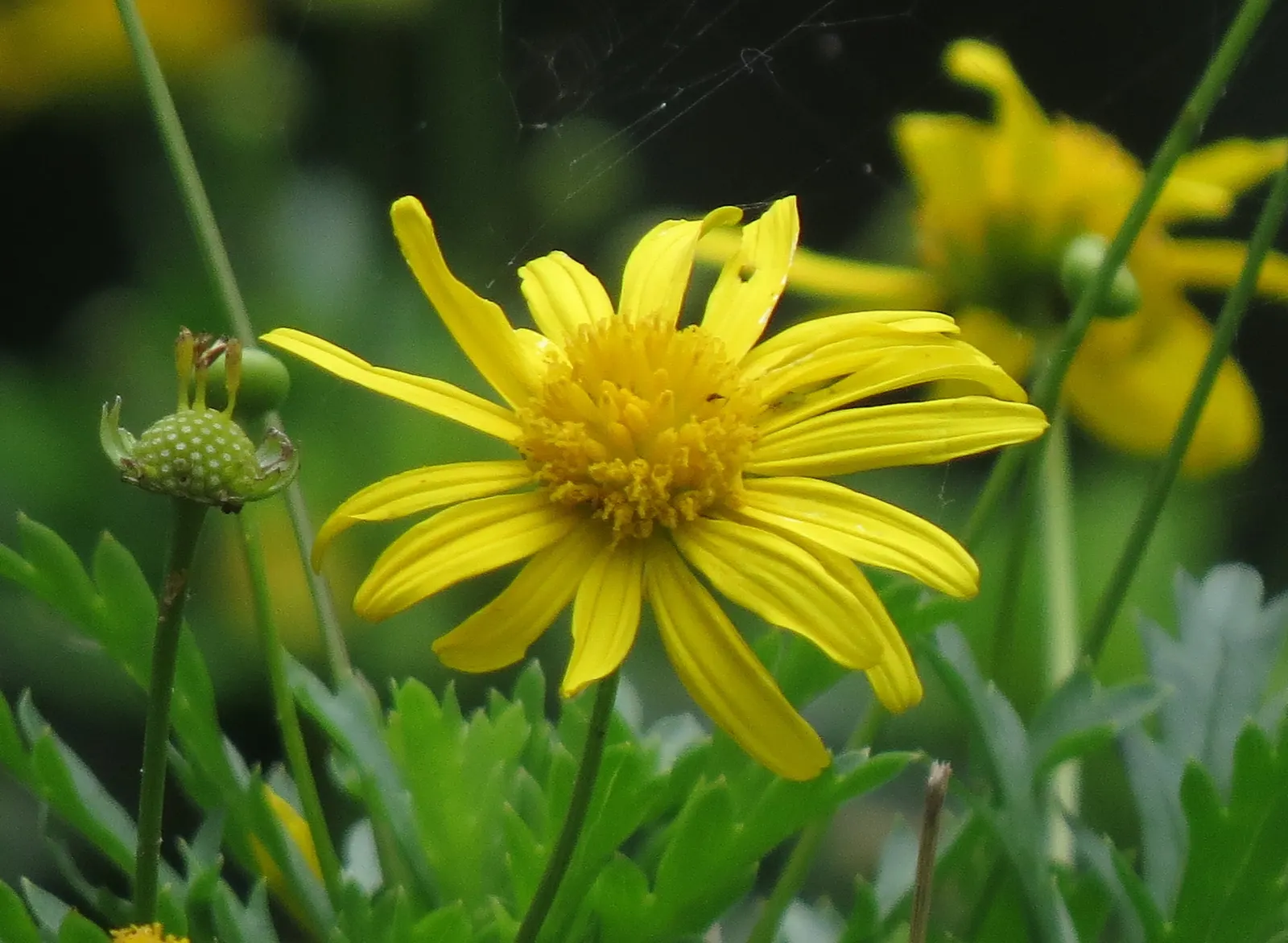
Shrub
African Bush Daisy
Euryops Chrysanthemoides
FullUSDA 9–11
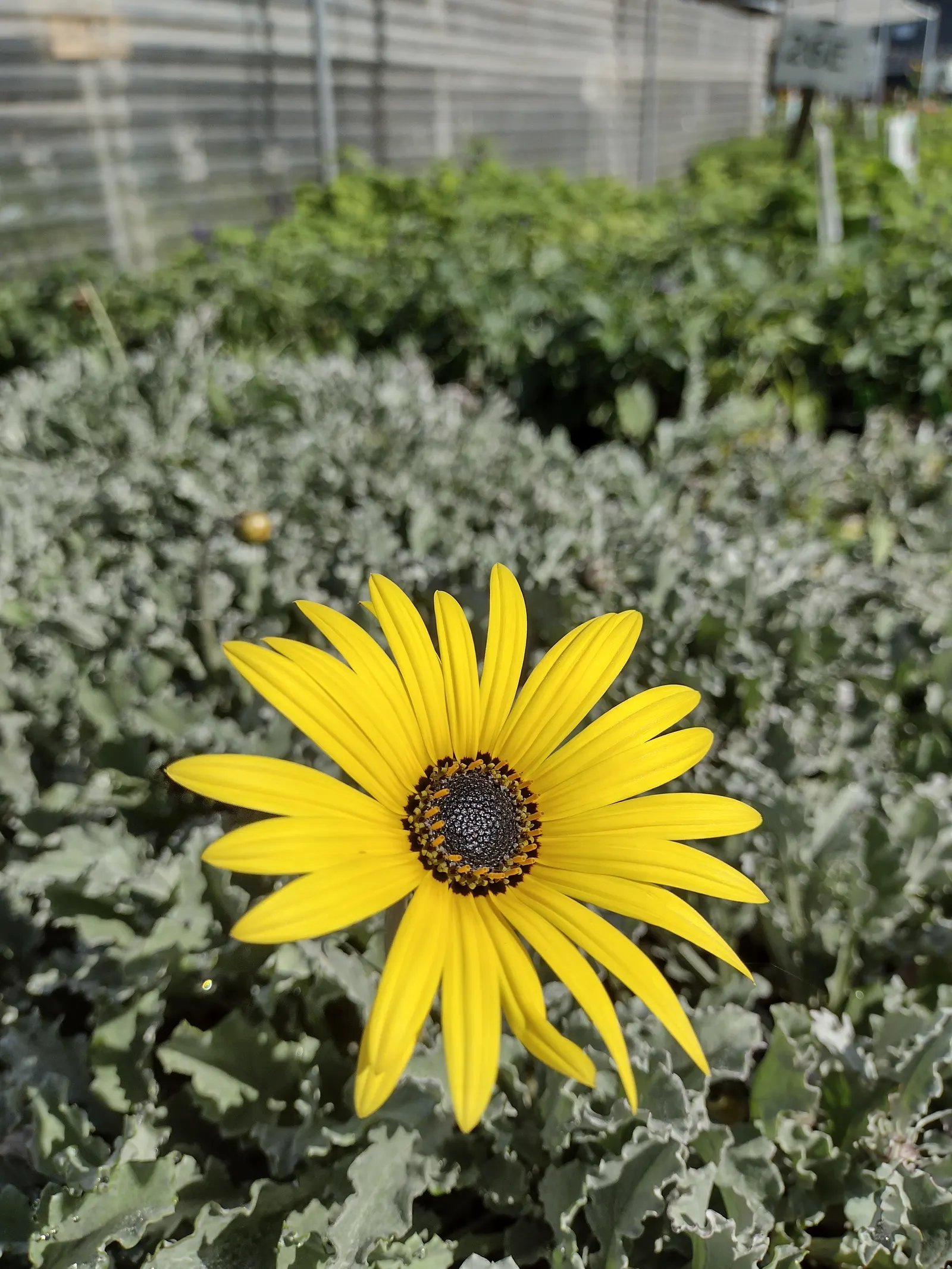
Ground cover
African Daisy
Arctotis Hybrids
FullUSDA 8–10
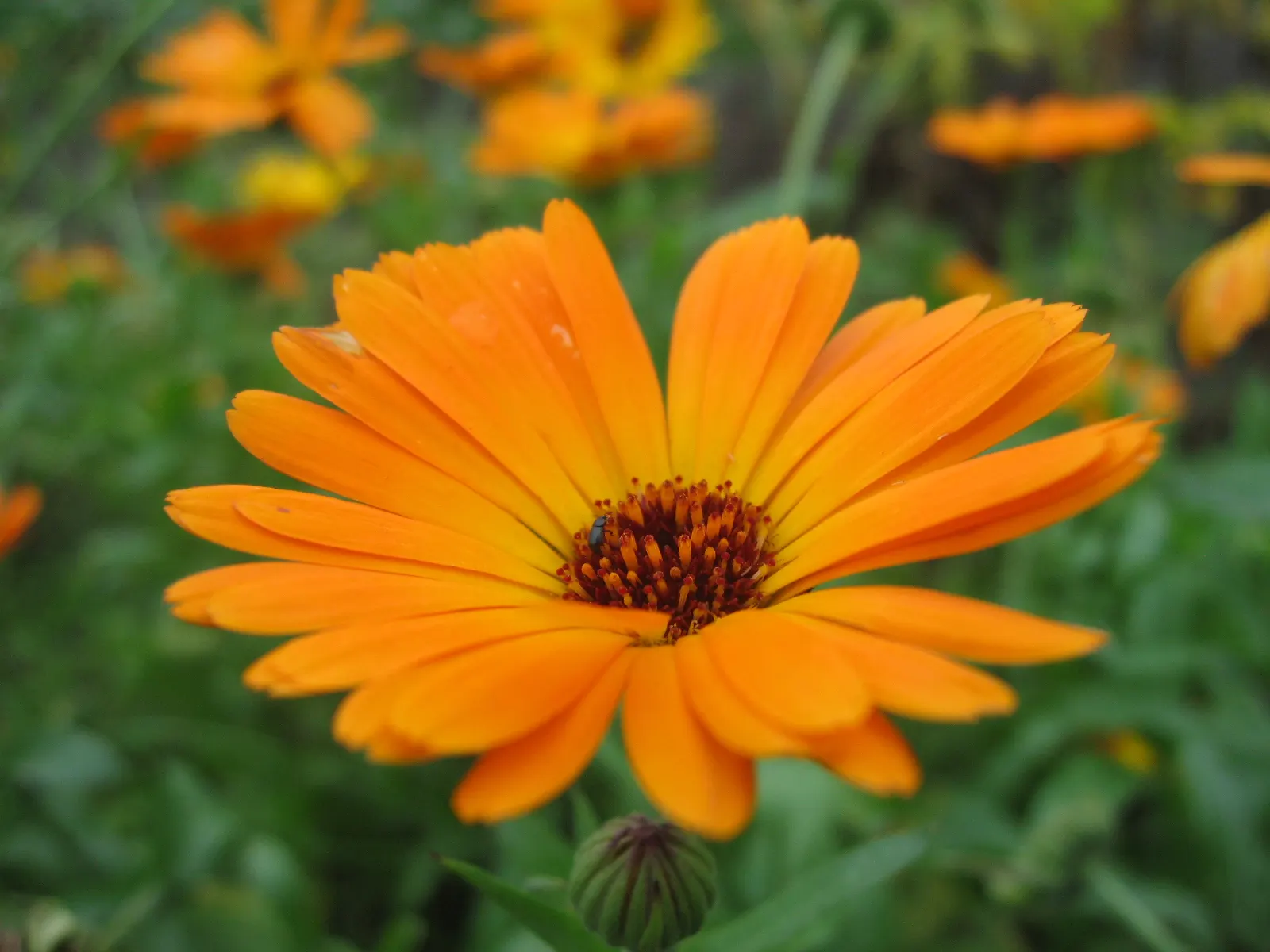
Annual
African Daisy
Dimorphotheca Aurantiaca
FullUSDA 9–10
Perennial
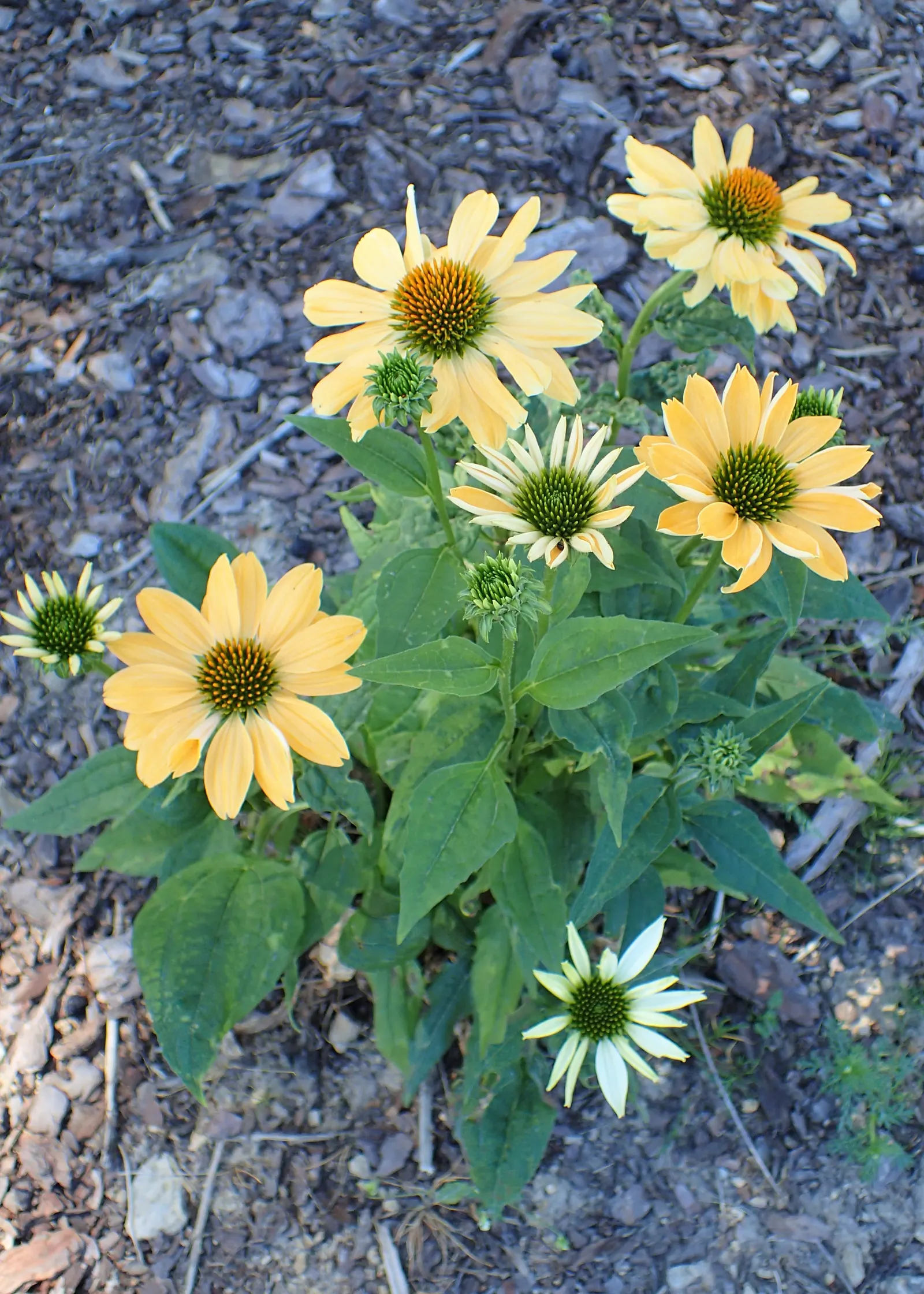
Aloha Coneflower
Echinacea 'Aloha'
FullUSDA 3–9
Perennial
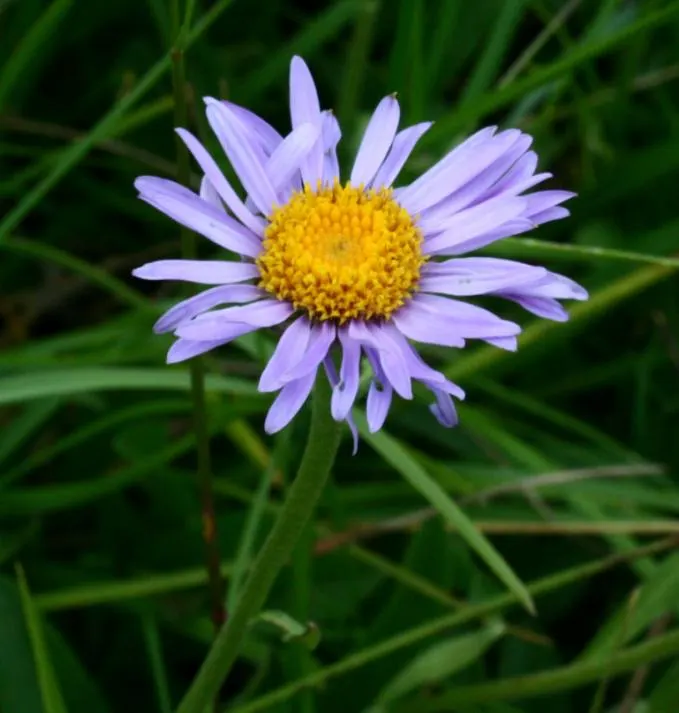
Alpine Aster
Aster Alpinus
FullUSDA 2–10
Perennial
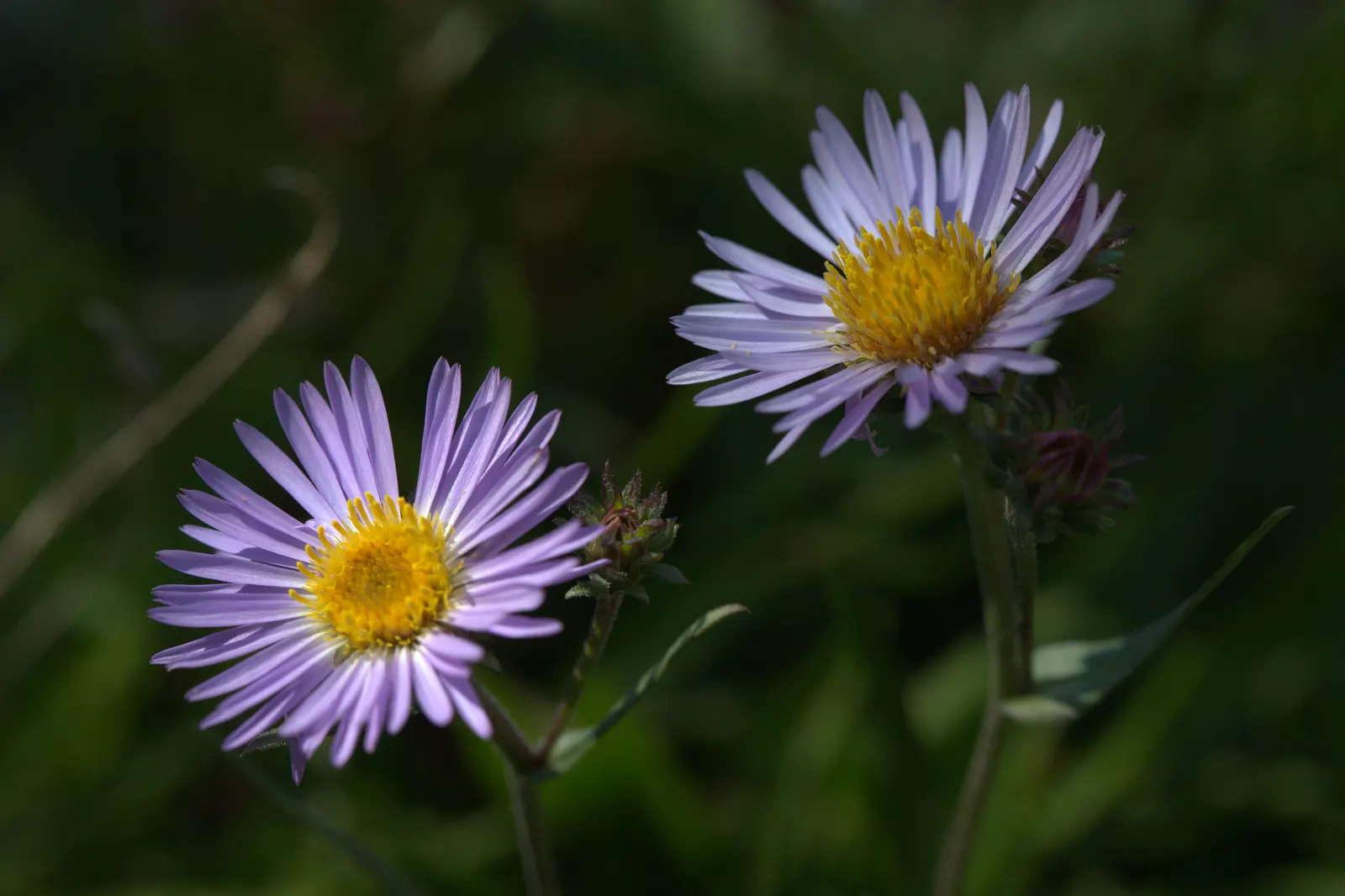
Alpine Aster
Aster alpinus
FullUSDA 6–10