Skip to content

Heart of the Jungle® elephant's ear

Colocasia esculenta

Design with this plant

Overview

Proven Winners - Island Giants® Heart of the Jungle® - elephant's ear - Colocasia esculenta plant details, information and resources.

Water Medium

Culture

Water
Medium

Shape & size

Mature height
3–5 Ft.
Mature width
3–5 Ft.

Classification

Family
Araceae

See full data, regional cultivation notes, and design tools. Build a client presentation around this plant.

Start your 14-day trial

Photos (107)

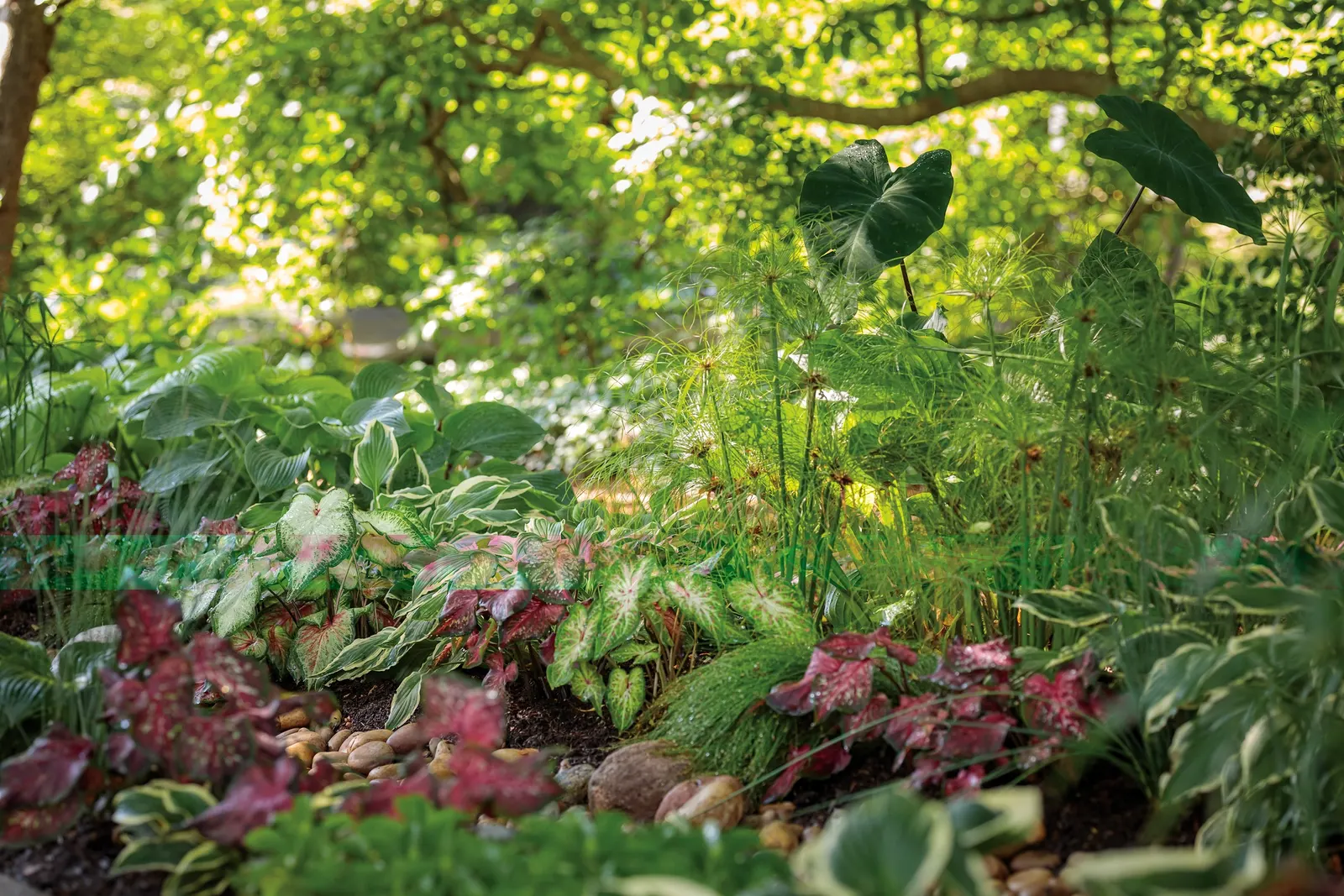
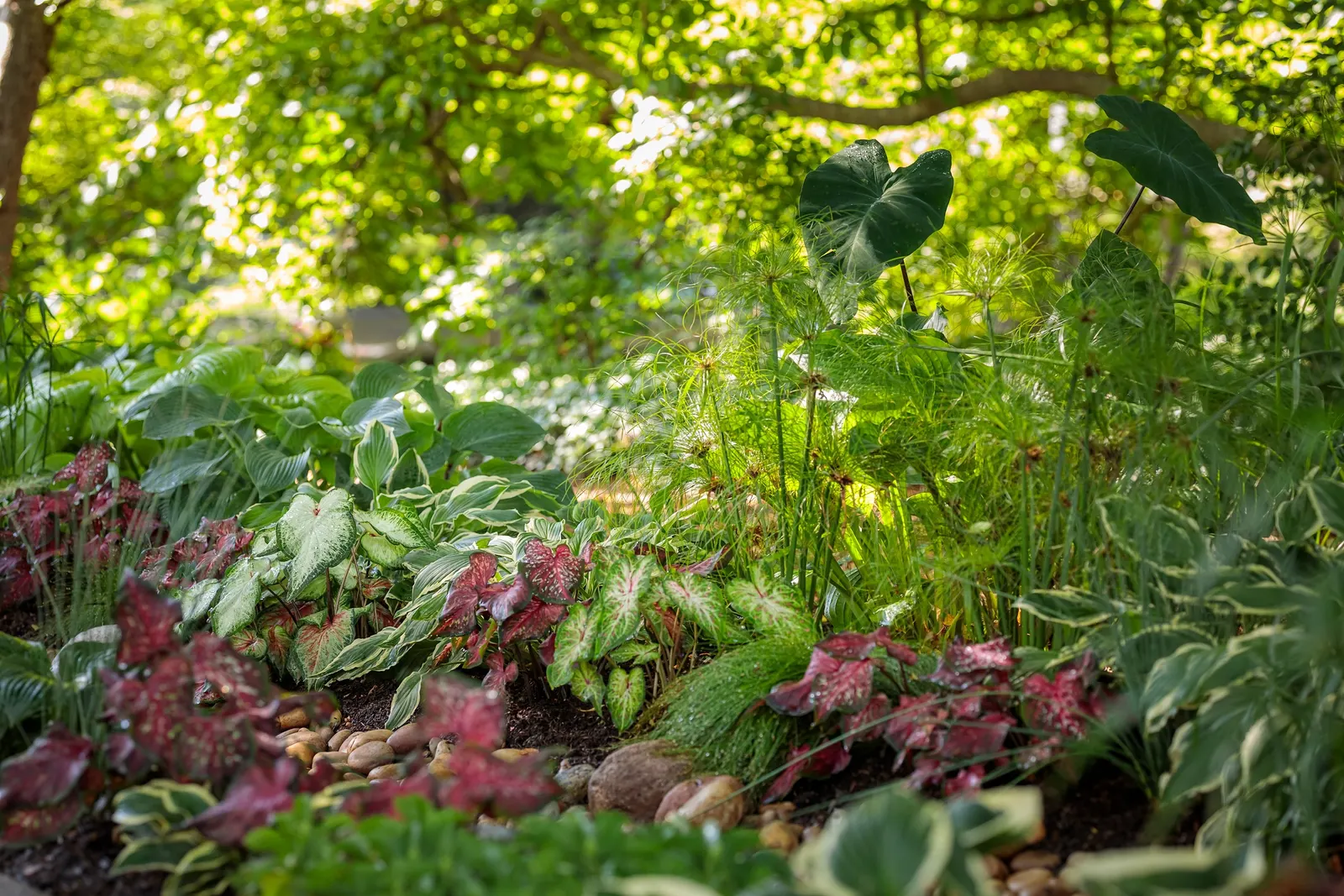
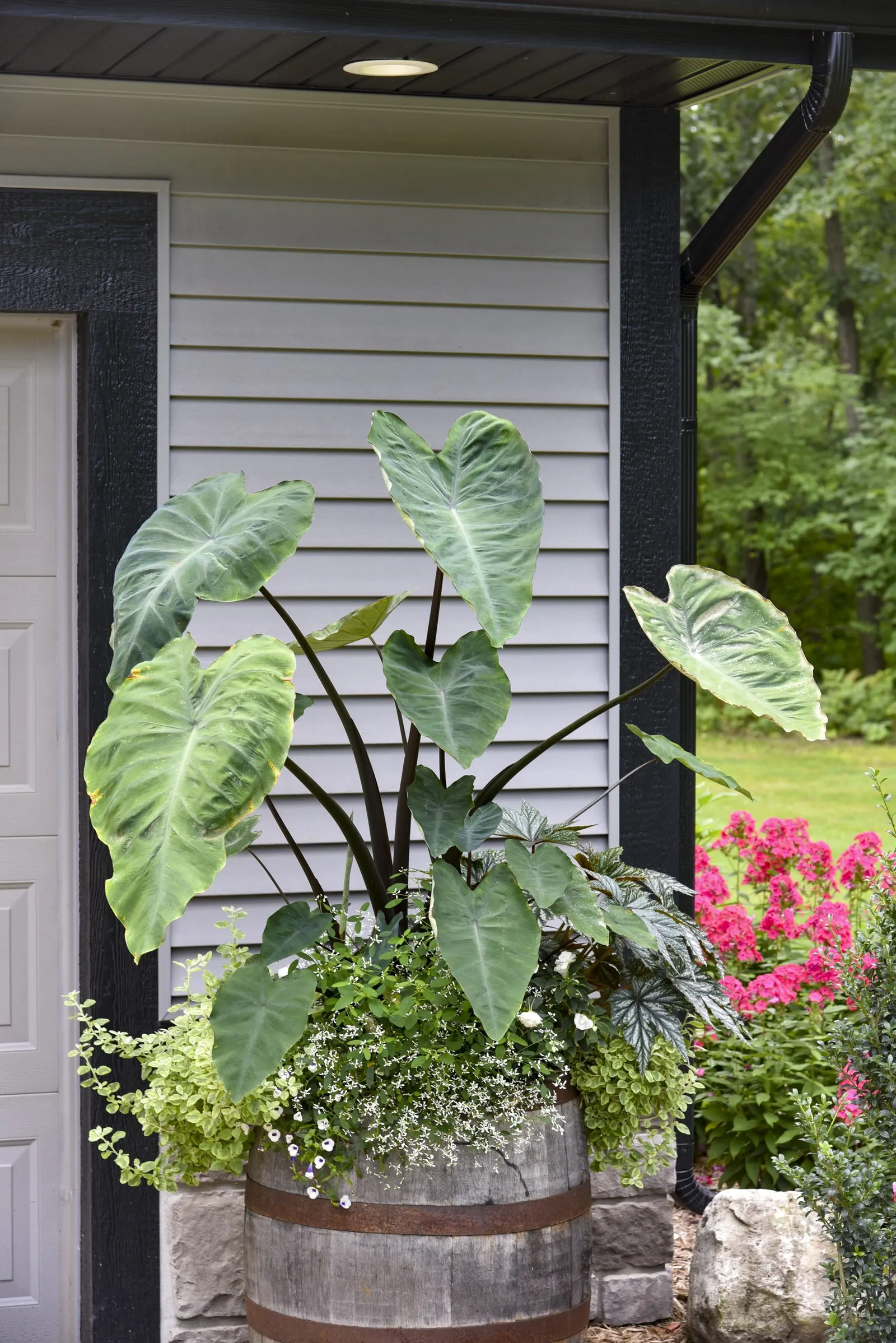
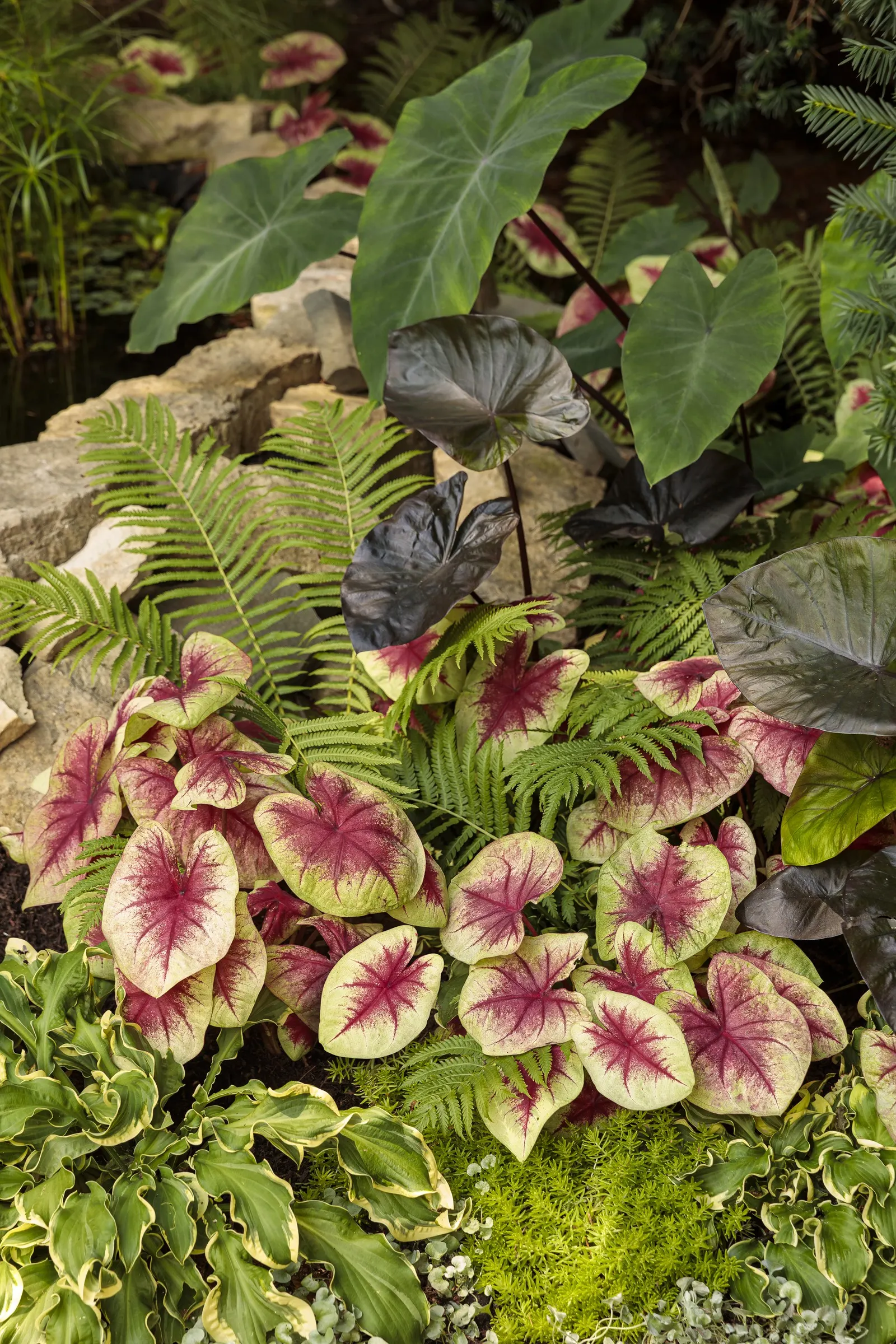
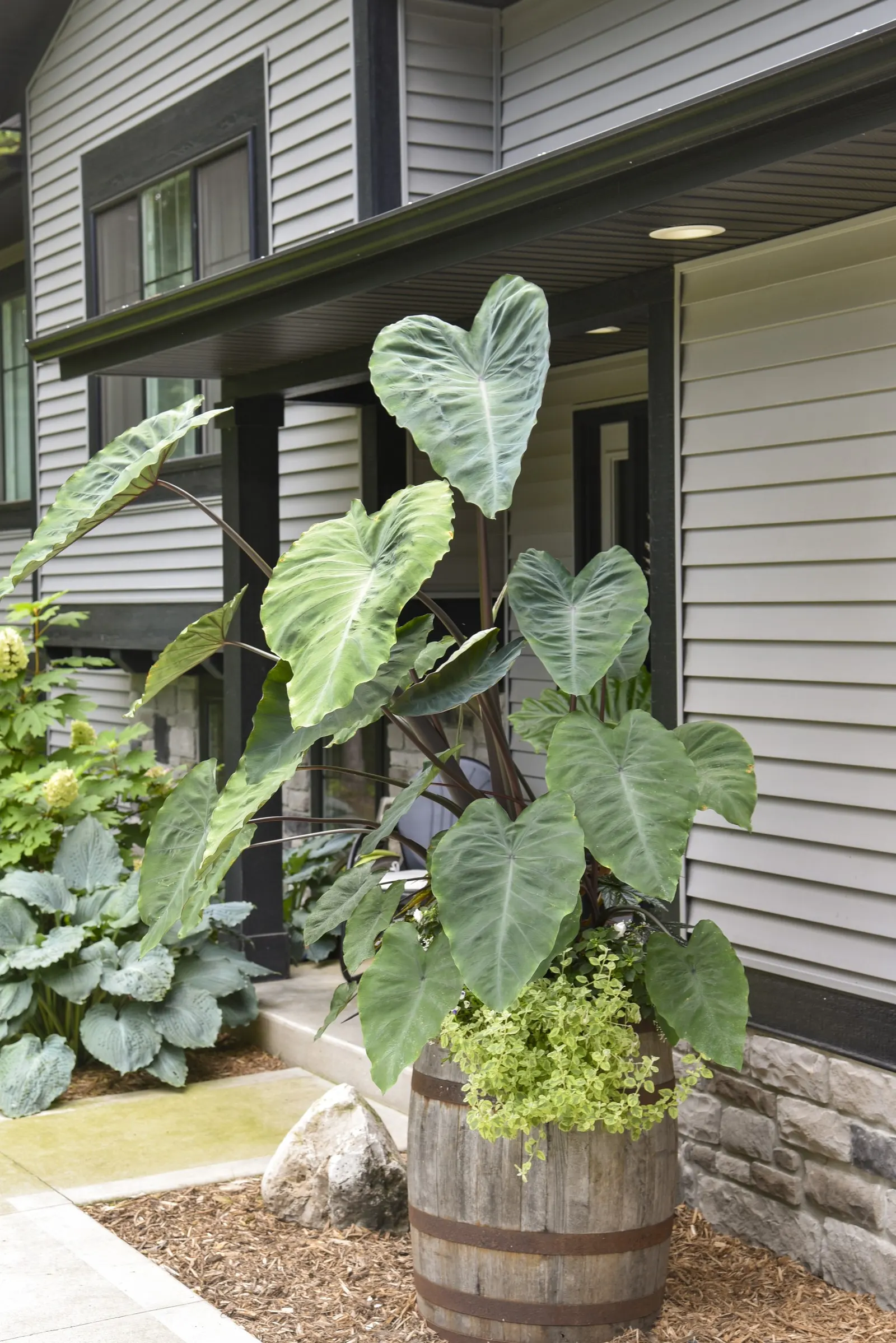
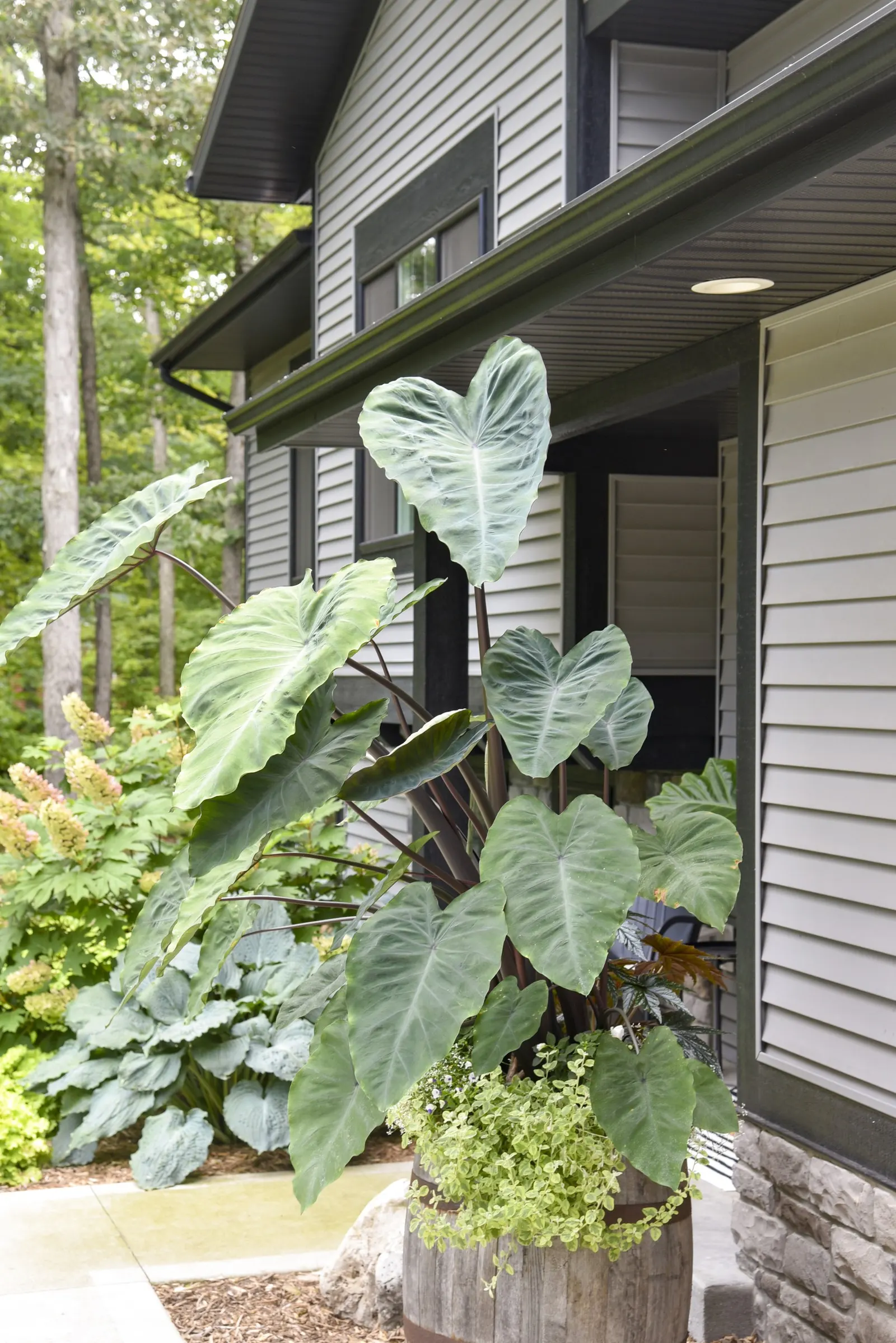
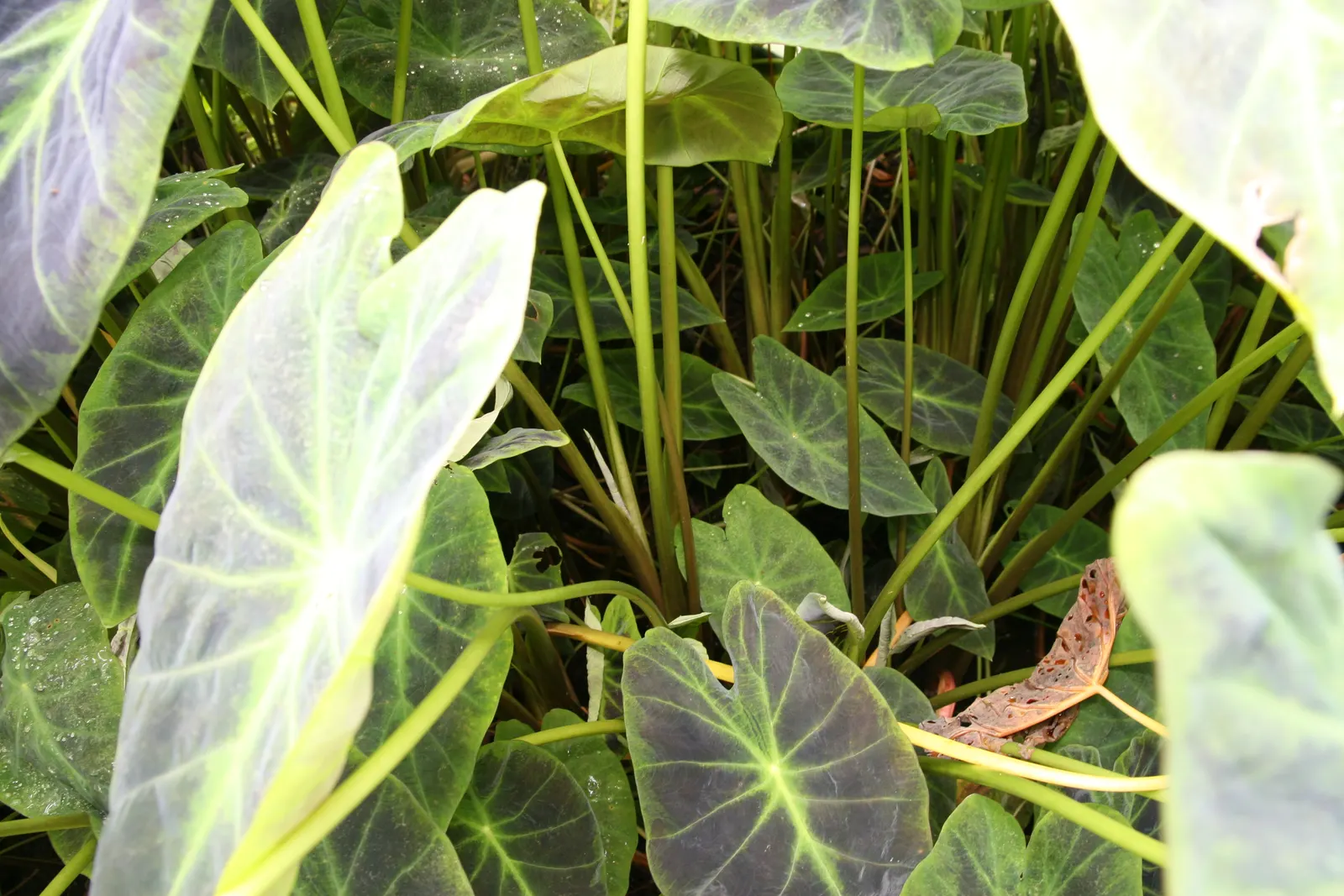
Heart of the Jungle® elephant's ear (Colocasia esculenta) — Proven Winners - Island Giants® Heart of the Jungle® - elephant's ear - Colocasia esculenta plant
Heart of the Jungle® elephant's ear (Colocasia esculenta) — Heart of the Jungle is a Runner.; do not allow tubers to freeze, image 85
Heart of the Jungle® elephant's ear (Colocasia esculenta) — According to the Humane Society of America Colocasia plants can be toxic to pets; this, image 70
Heart of the Jungle® elephant's ear (Colocasia esculenta) — To dig and store tubers follow these directions
Heart of the Jungle® elephant's ear (Colocasia esculenta) — This plant is not edible and can be harmful to humans if ingested; heart of the Jungle, image 56
Heart of the Jungle® elephant's ear (Colocasia esculenta) — information and resources; first, allow frost to kill the top of the plant then cut, image 82
Heart of the Jungle® elephant's ear (Colocasia esculenta) — information and resources
Heart of the Jungle® elephant's ear (Colocasia esculenta) — According to the Humane Society of America Colocasia plants can be toxic to pets; this is means
Heart of the Jungle® elephant's ear (Colocasia esculenta) — Do not allow tubers to freeze; wrap dry tubers in newspapers or pack them in peat moss, image 64
Heart of the Jungle® elephant's ear (Colocasia esculenta) — First, allow frost to kill the top of the plant then cut back the stems and dig the, image 59
Heart of the Jungle® elephant's ear (Colocasia esculenta) — information and resources; first, allow frost to kill the top of the plant then cut, image 66
Heart of the Jungle® elephant's ear (Colocasia esculenta) — Some Colocasia tend to spread by runners, while others remain as a clump
Heart of the Jungle® elephant's ear (Colocasia esculenta) — This is means that the plants are generally identified as having the capability for, image 23
Heart of the Jungle® elephant's ear (Colocasia esculenta) — According to the Humane Society of America Colocasia plants can be toxic to pets; this, image 54
Heart of the Jungle® elephant's ear (Colocasia esculenta) — Wash off any soil and then allow the tubers to dry; proven Winners - Island Giants®, image 76
Heart of the Jungle® elephant's ear (Colocasia esculenta) — According to the Humane Society of America Colocasia plants can be toxic to pets; this, image 86
Heart of the Jungle® elephant's ear (Colocasia esculenta) — To dig and store tubers follow these directions; the huge deep green leaves are a showstopper in
Heart of the Jungle® elephant's ear (Colocasia esculenta) — Proven Winners - Island Giants® Heart of the Jungle® - elephant's ear - Colocasia, image 81
Heart of the Jungle® elephant's ear (Colocasia esculenta) — This is means that the plants are generally identified as having the capability for producing a
Heart of the Jungle® elephant's ear (Colocasia esculenta) — Store tubers in a dark, cool (35 to 45 F) place; according to the Humane Society of, image 63
Heart of the Jungle® elephant's ear (Colocasia esculenta) — The huge deep green leaves are a showstopper in any garden; information and resources, image 67
Heart of the Jungle® elephant's ear (Colocasia esculenta) — Colocasia form tubers and these tubers can be stored for replanting in the spring; wash, image 57
Heart of the Jungle® elephant's ear (Colocasia esculenta) — Wrap dry tubers in newspapers or pack them in peat moss; this plant is not edible and, image 61
Heart of the Jungle® elephant's ear (Colocasia esculenta) — Wash off any soil and then allow the tubers to dry; proven Winners - Island Giants®, image 60

Related plants