Skip to content

Meadow Saffron

Colchicum Speciosum

Design with this plant

Overview

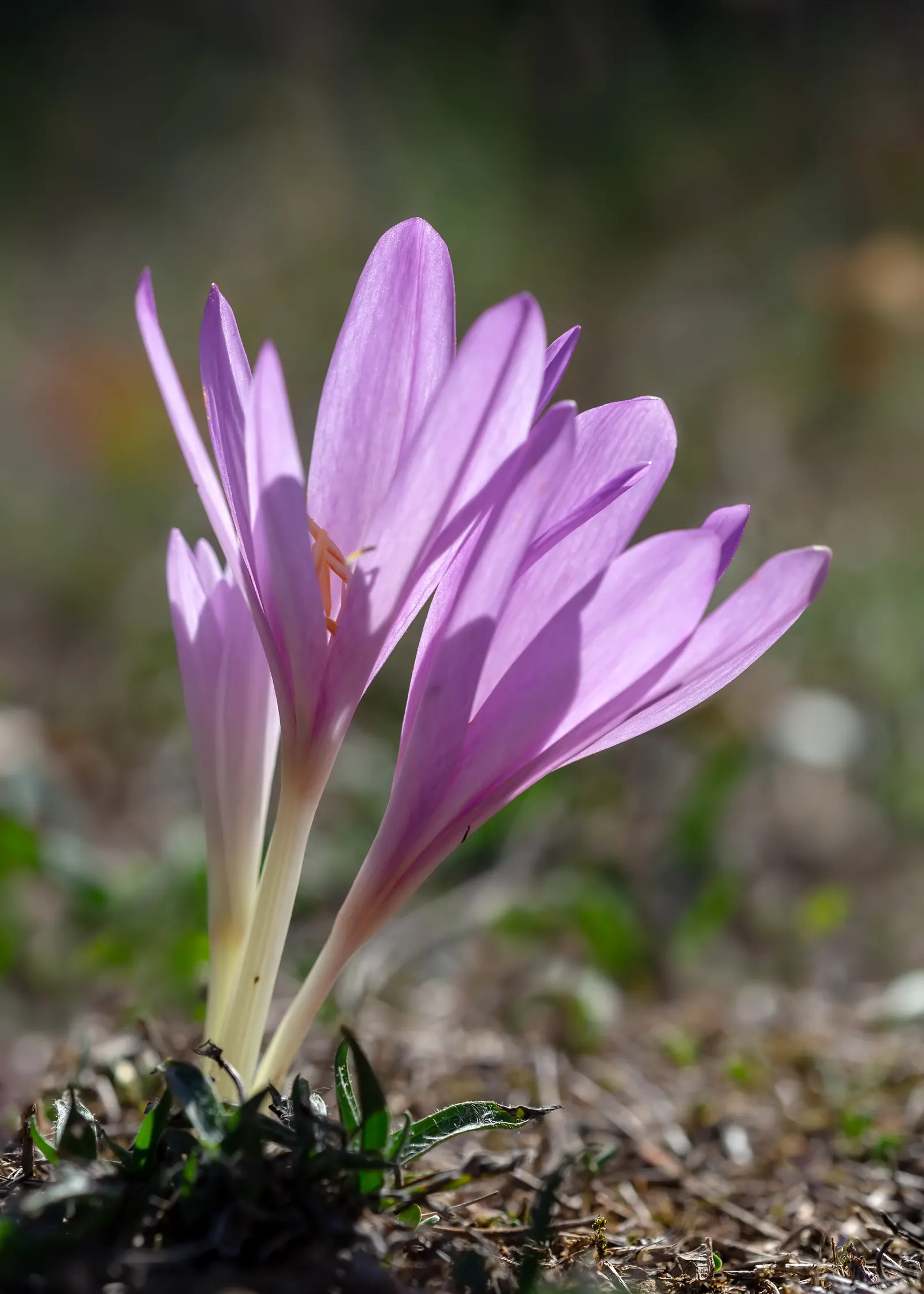
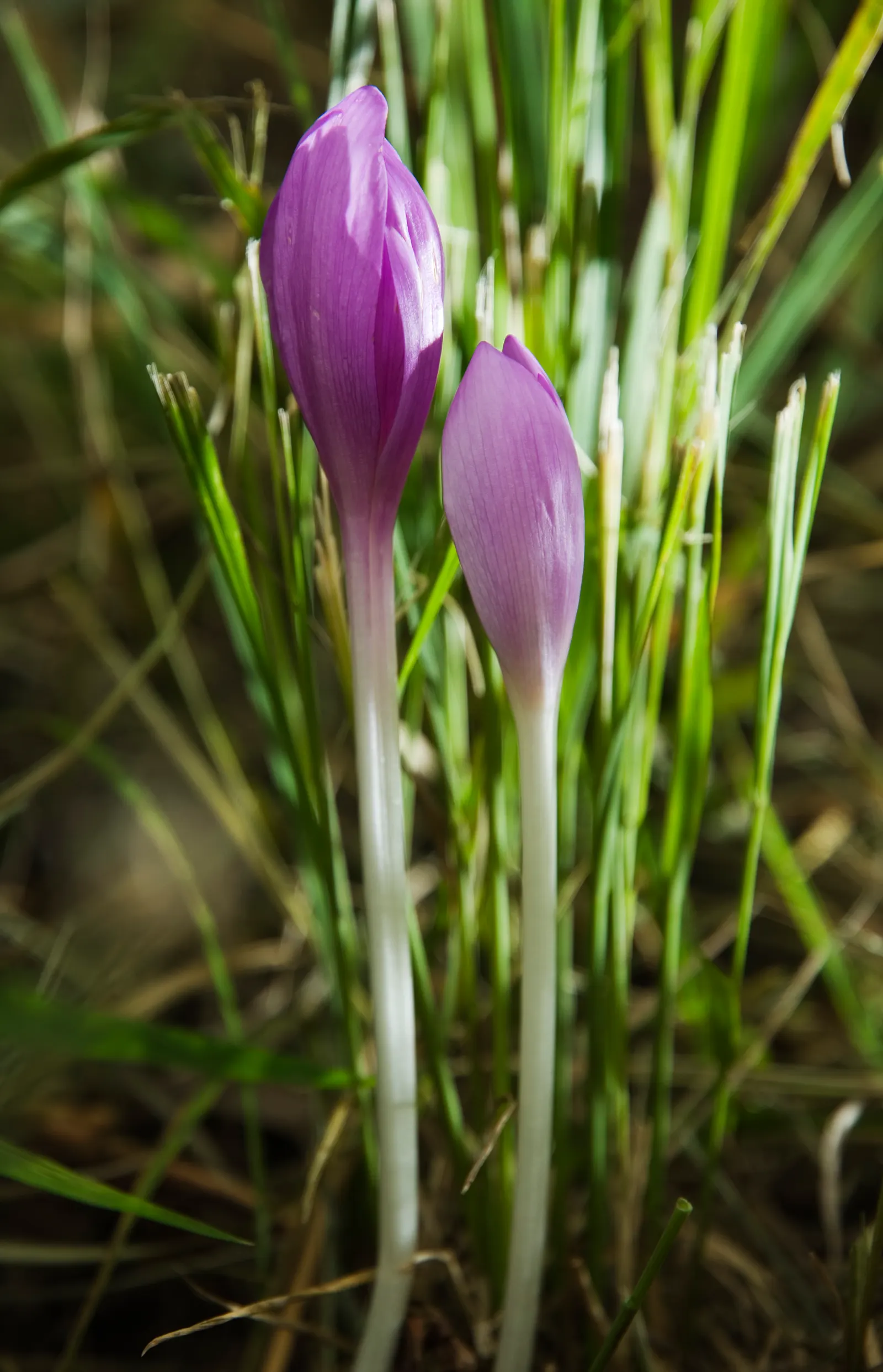
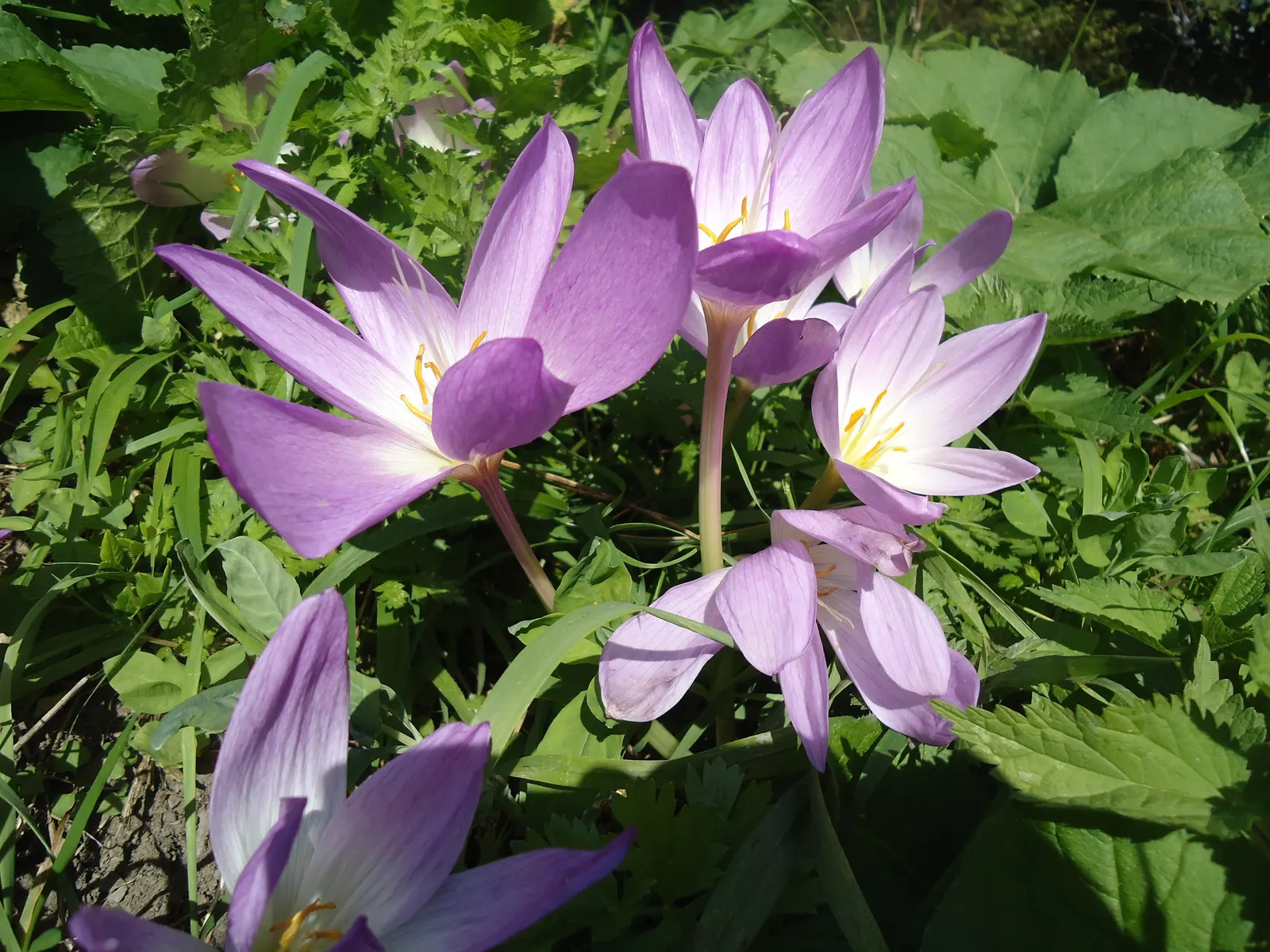
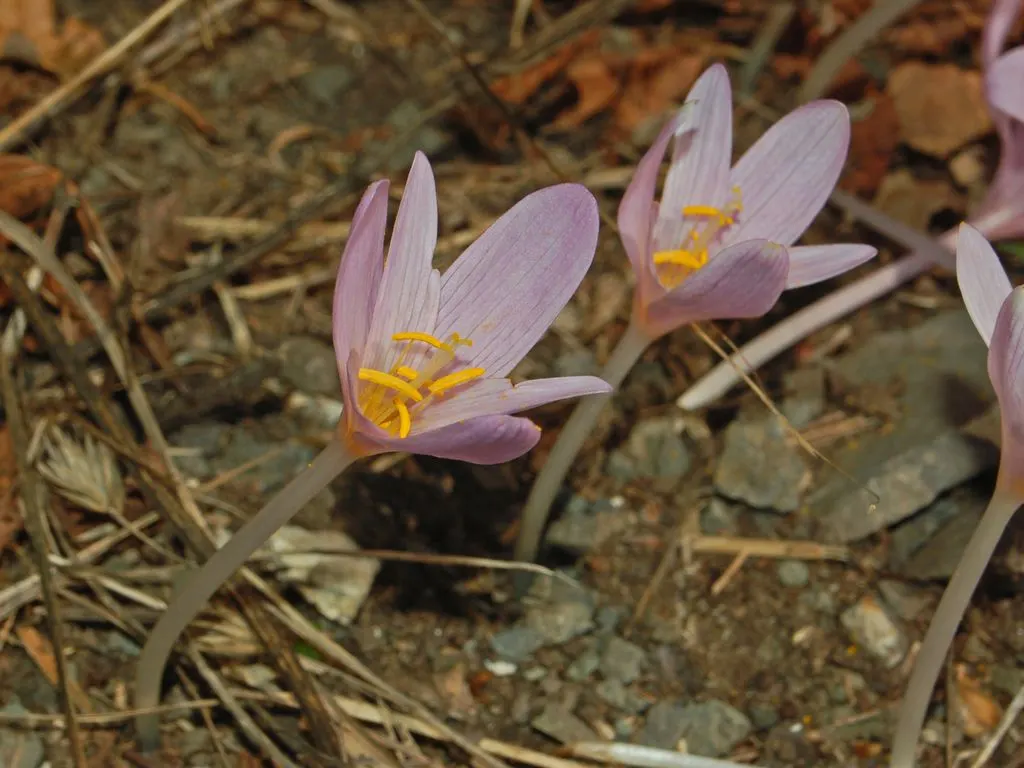
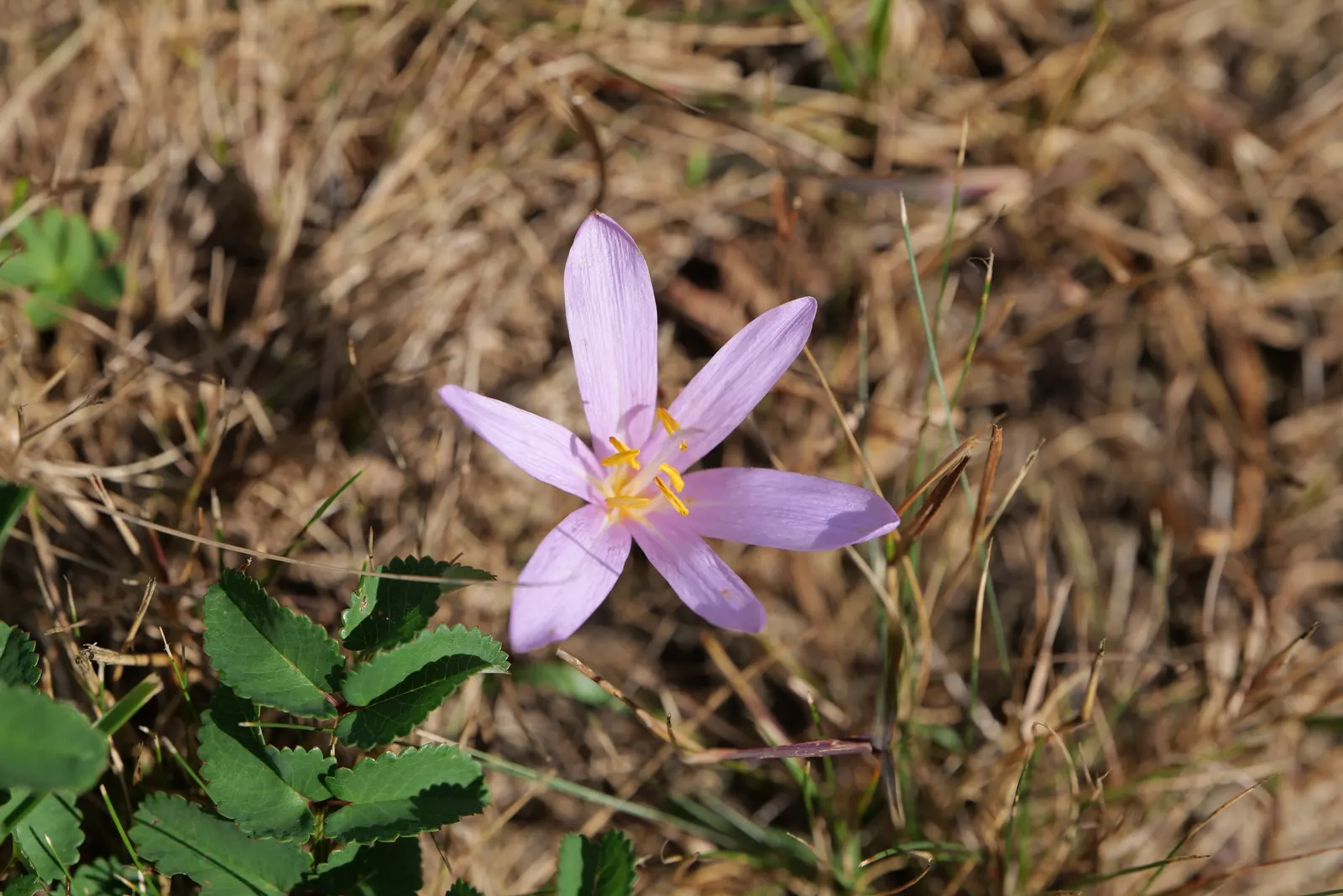
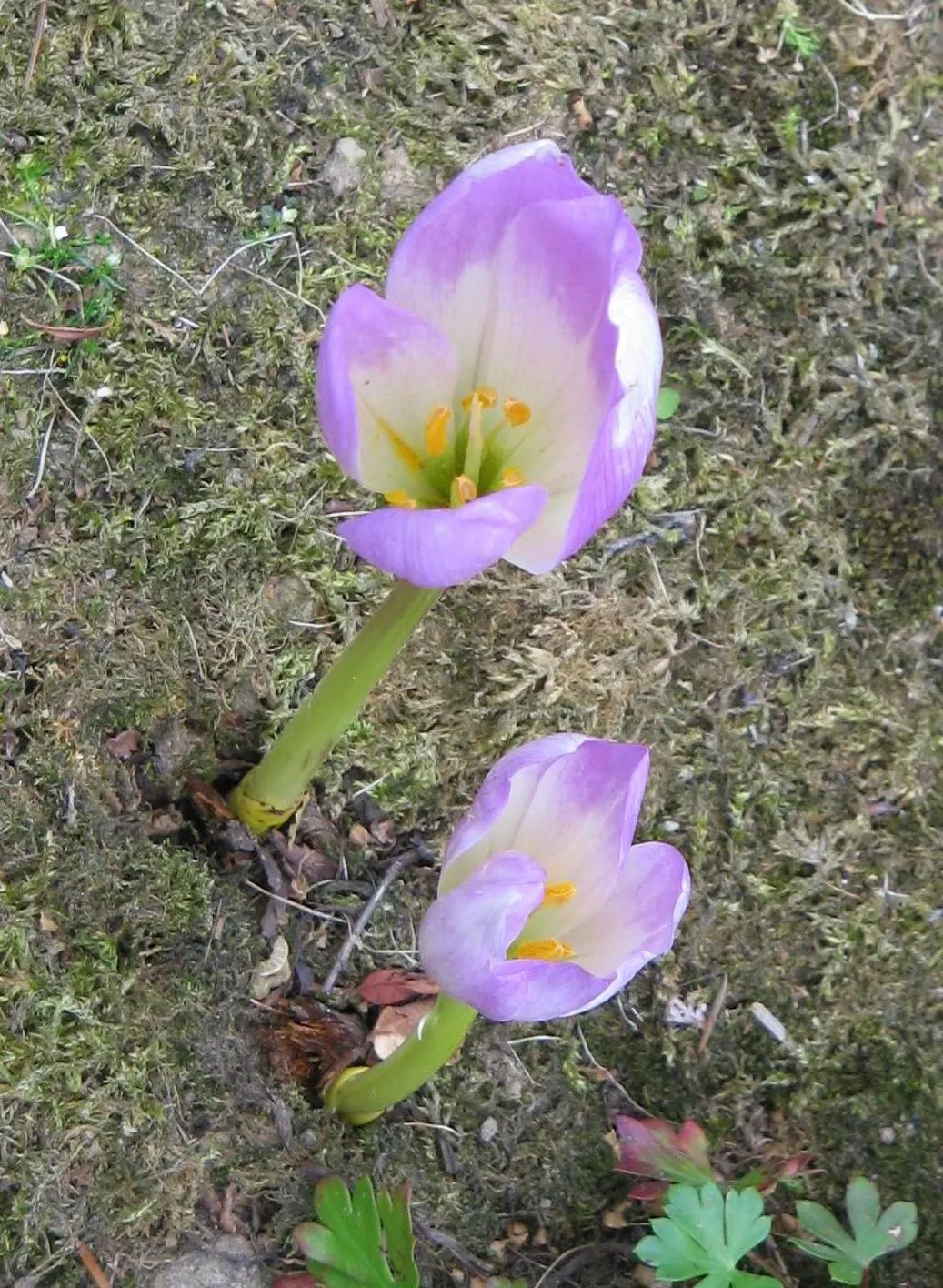
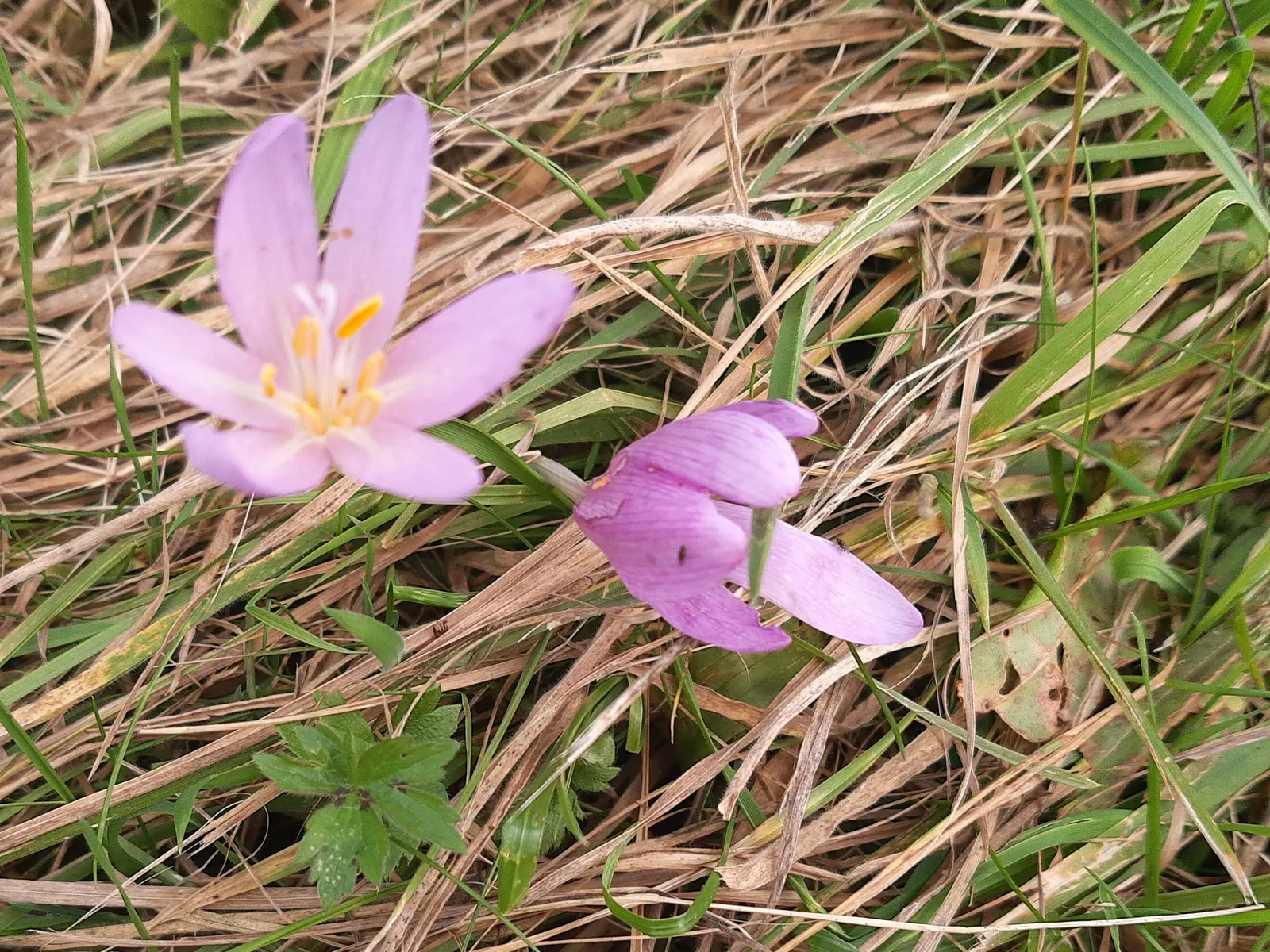
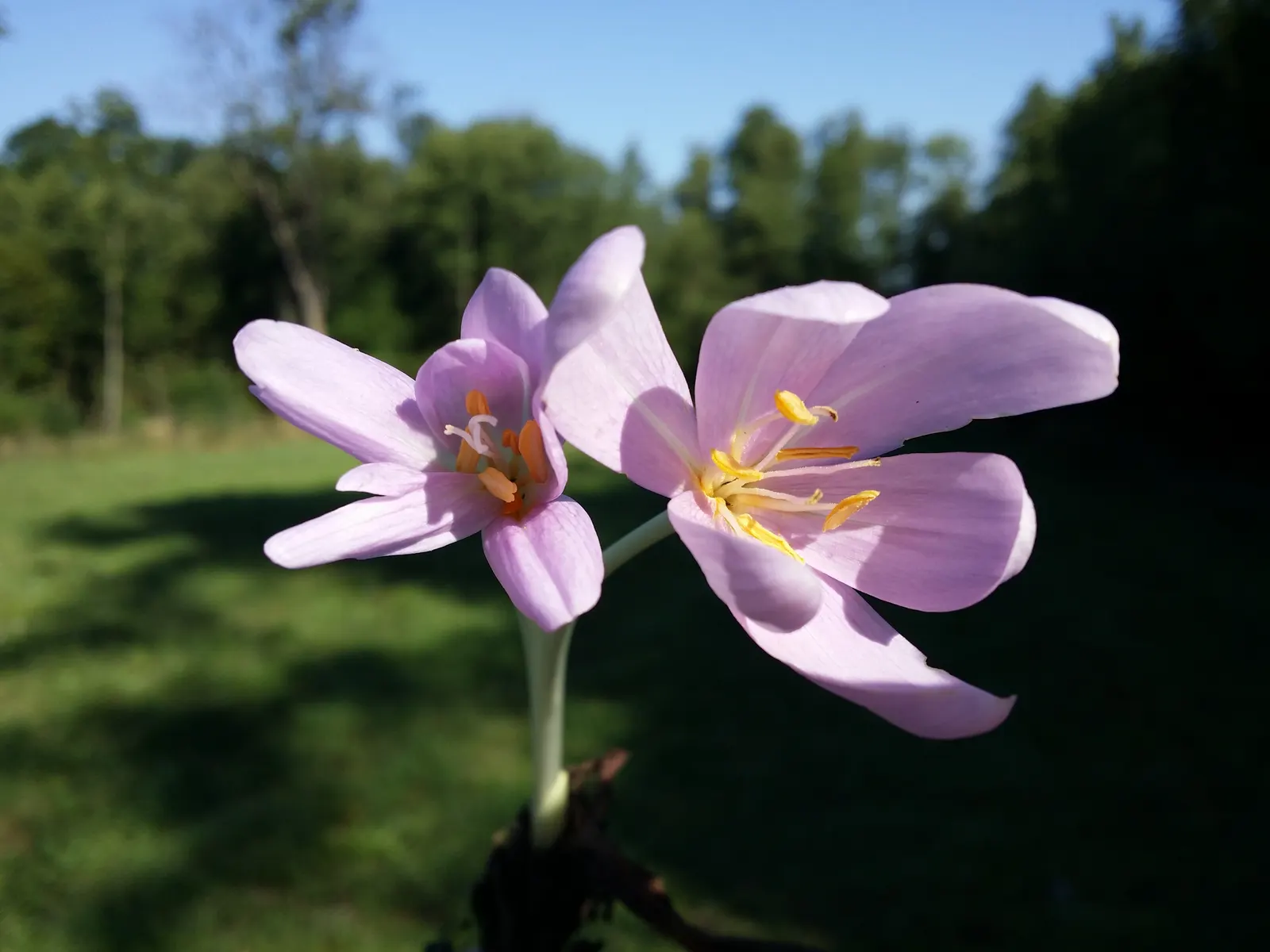
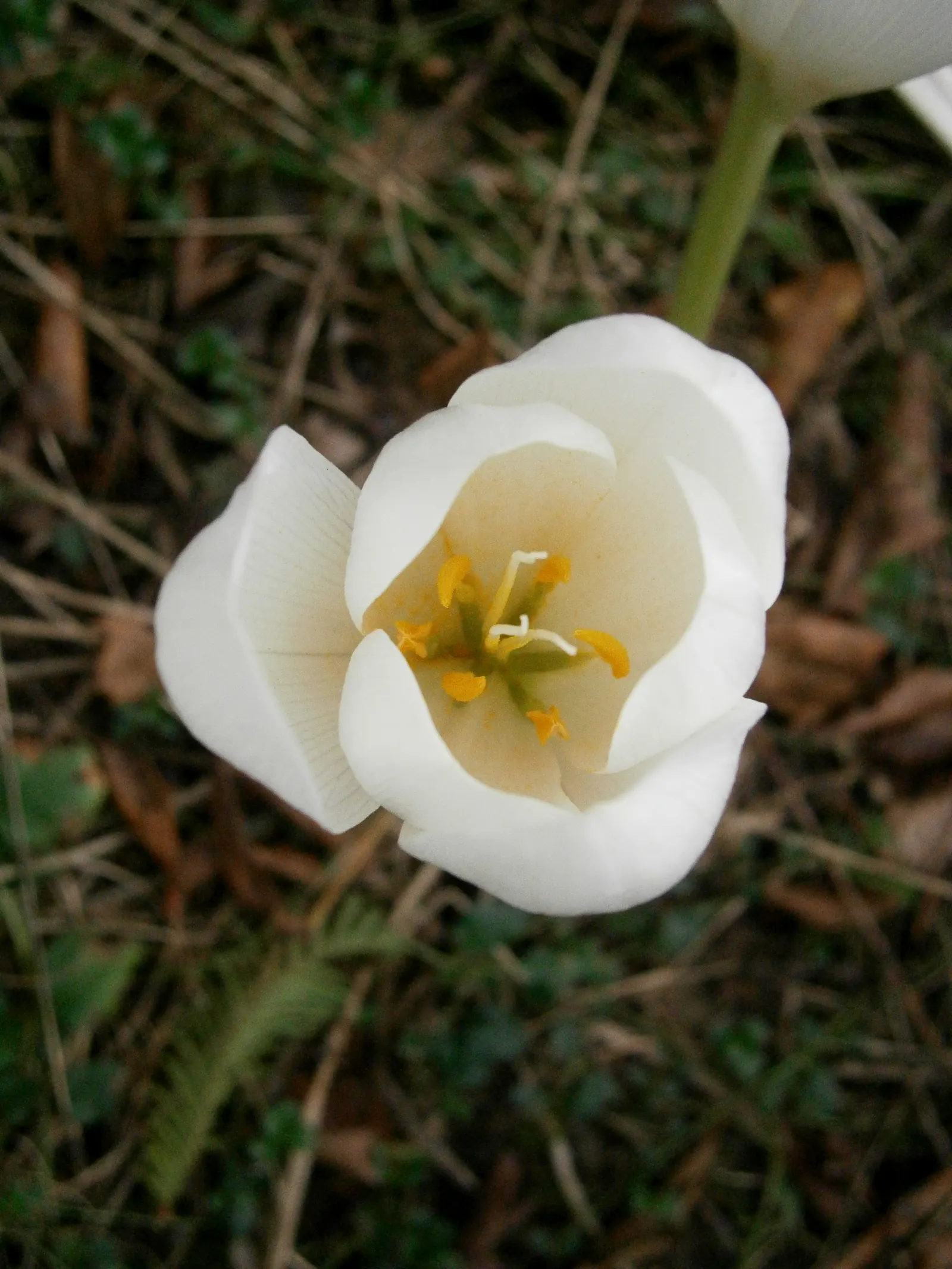
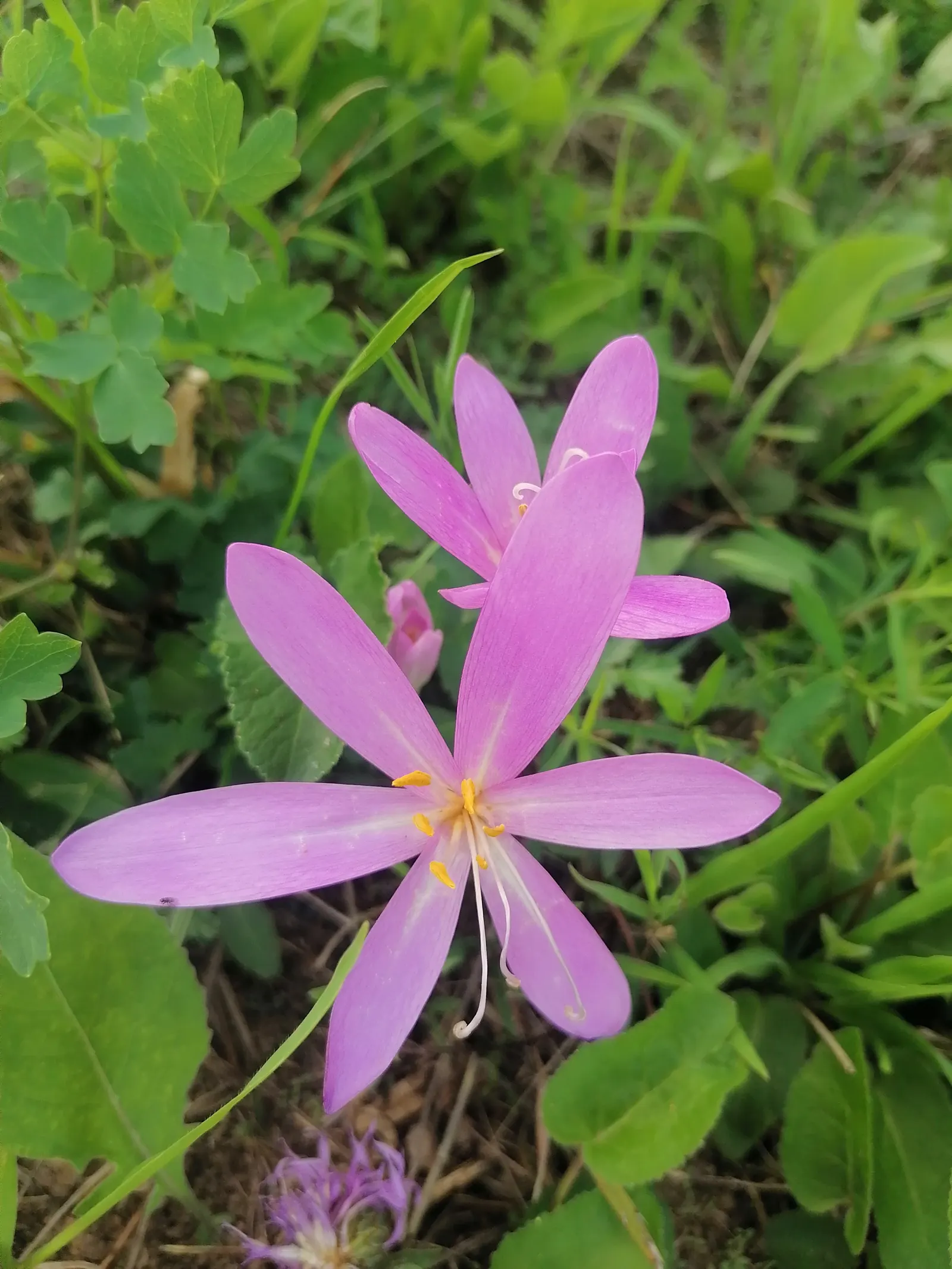
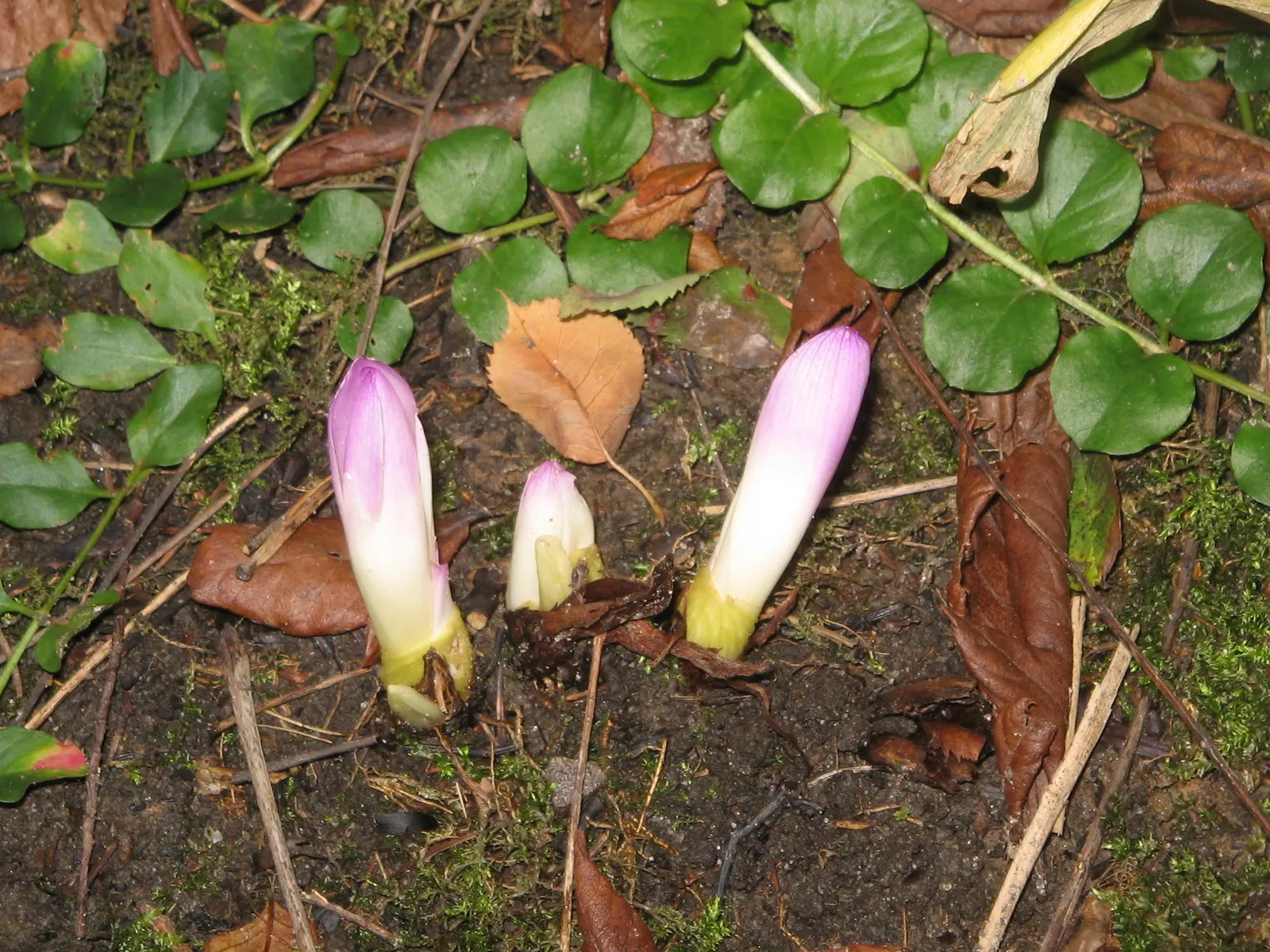
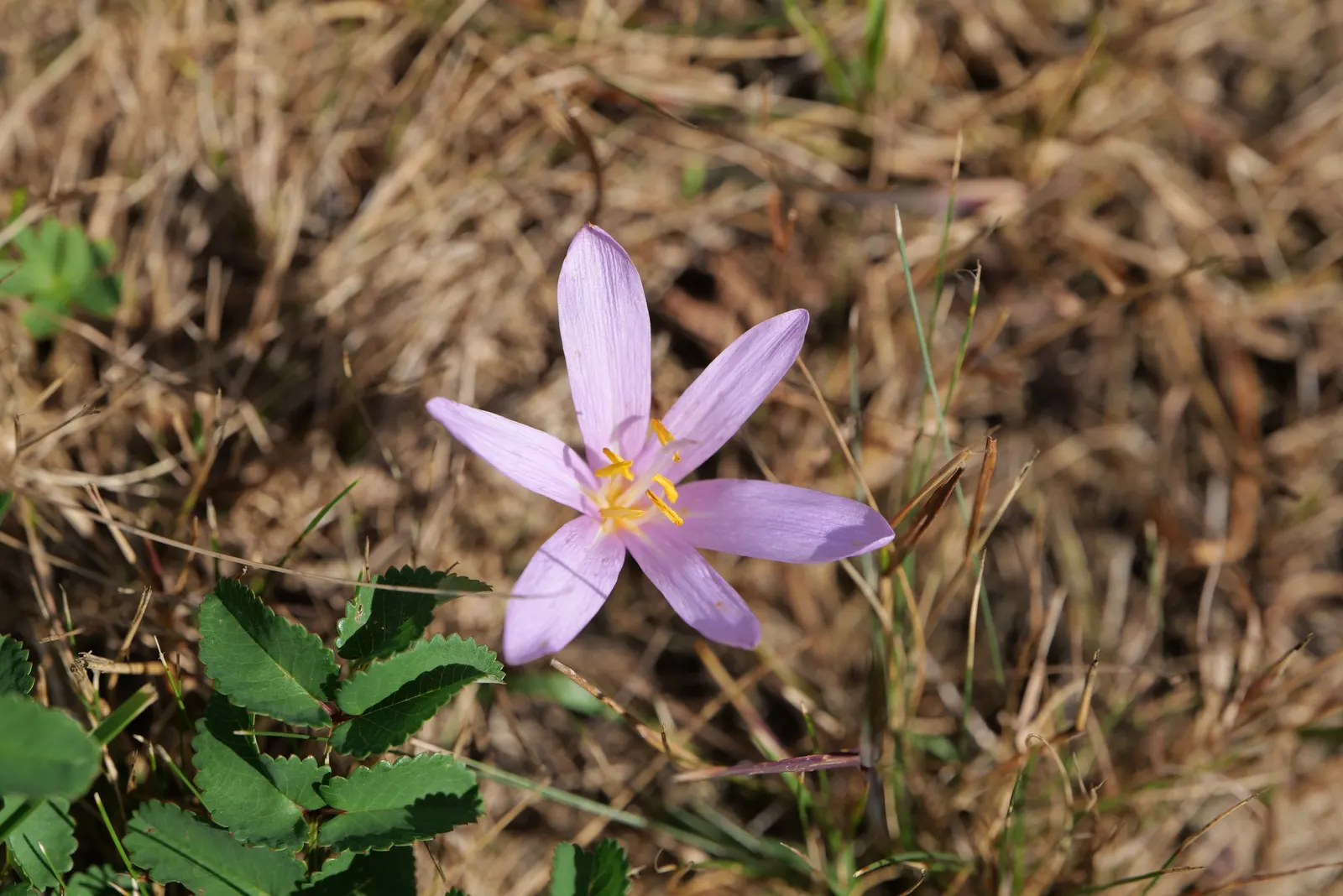
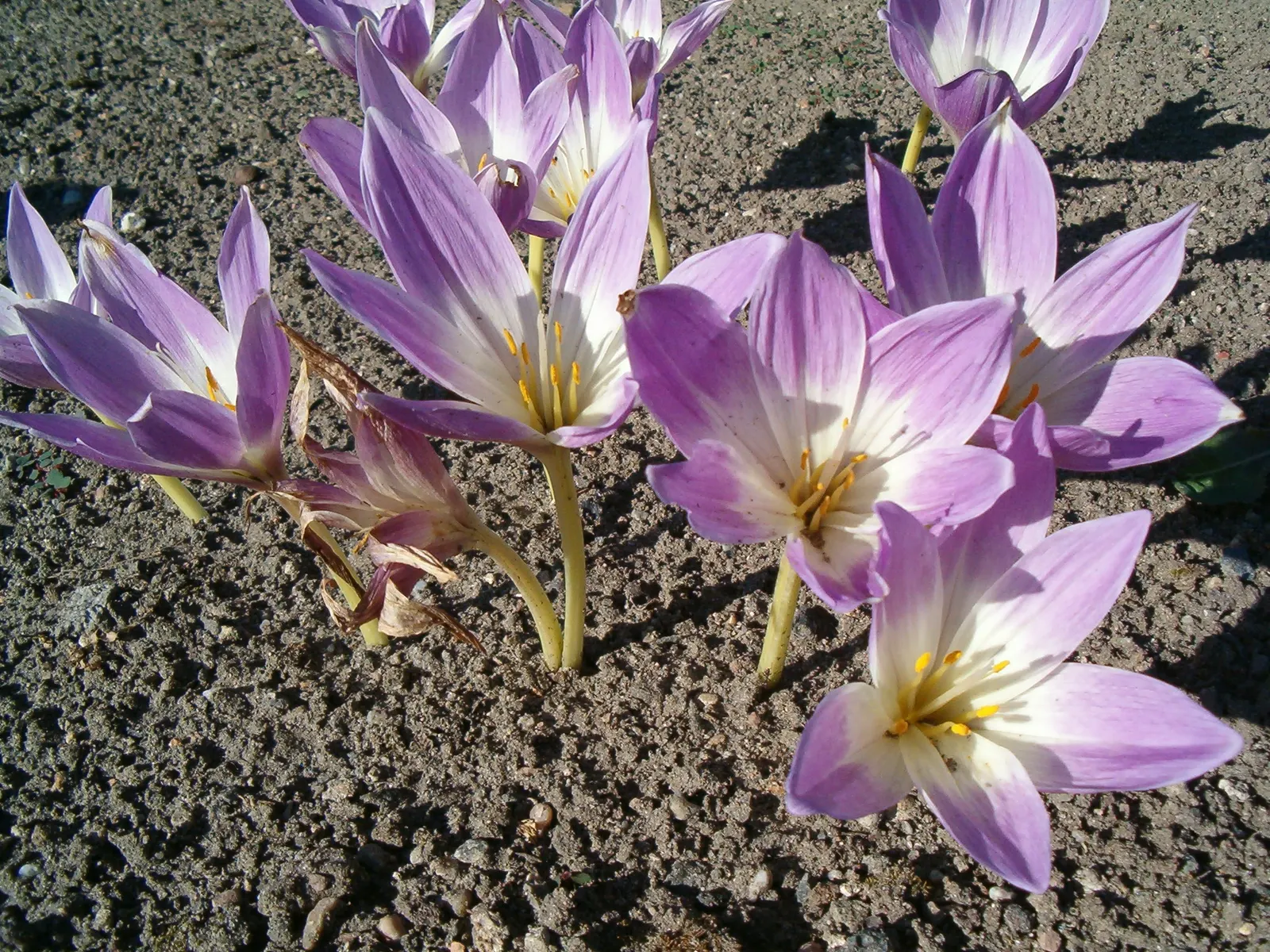
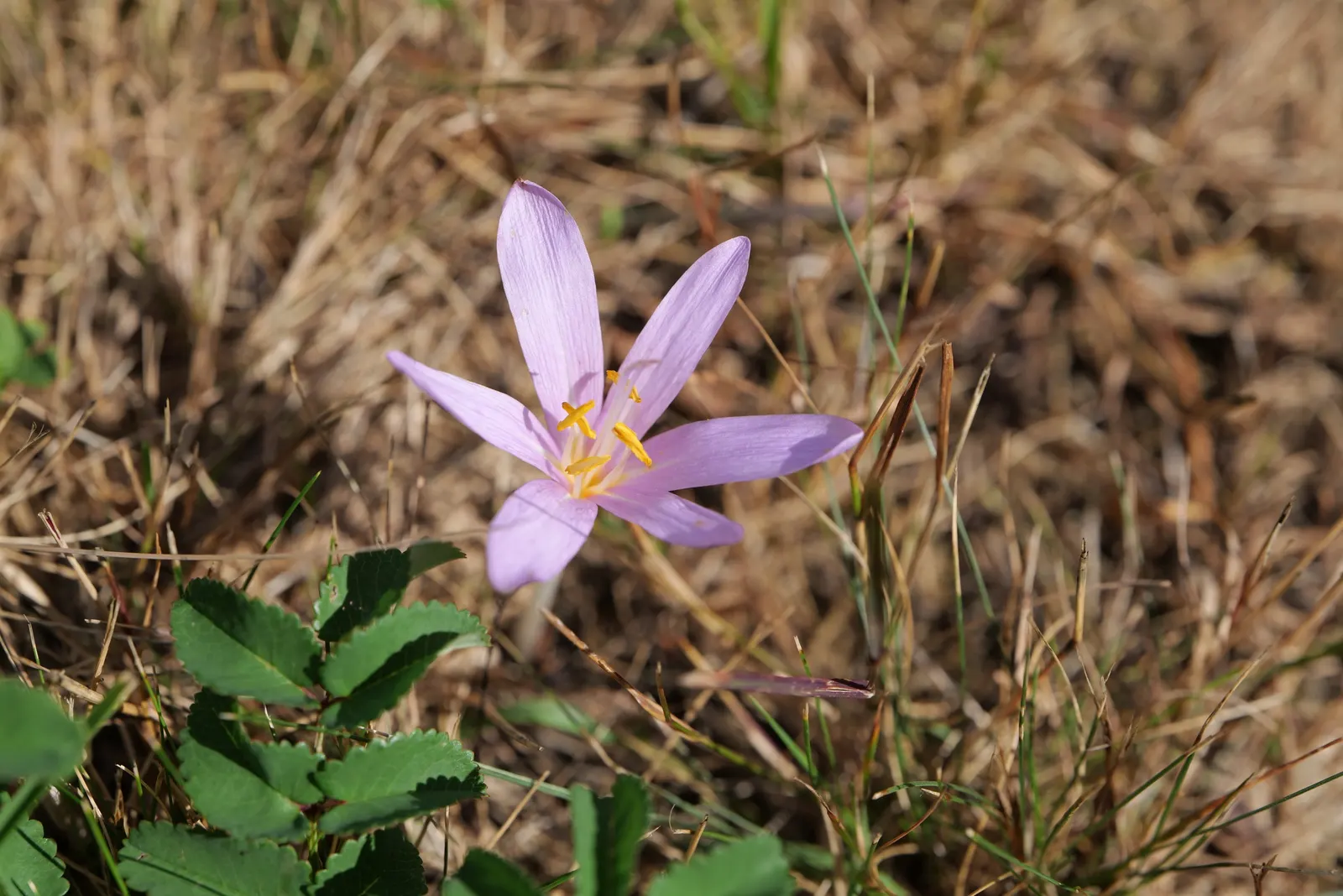
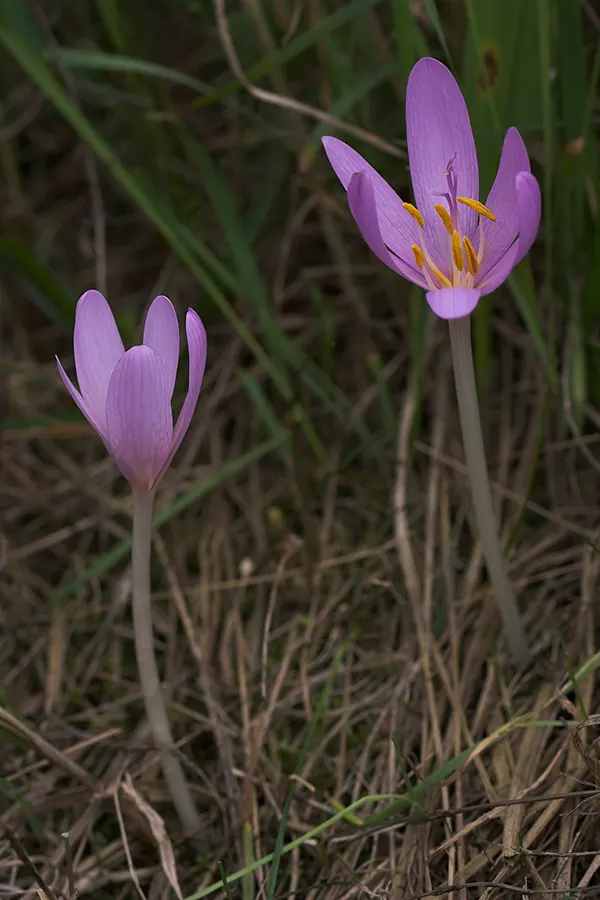
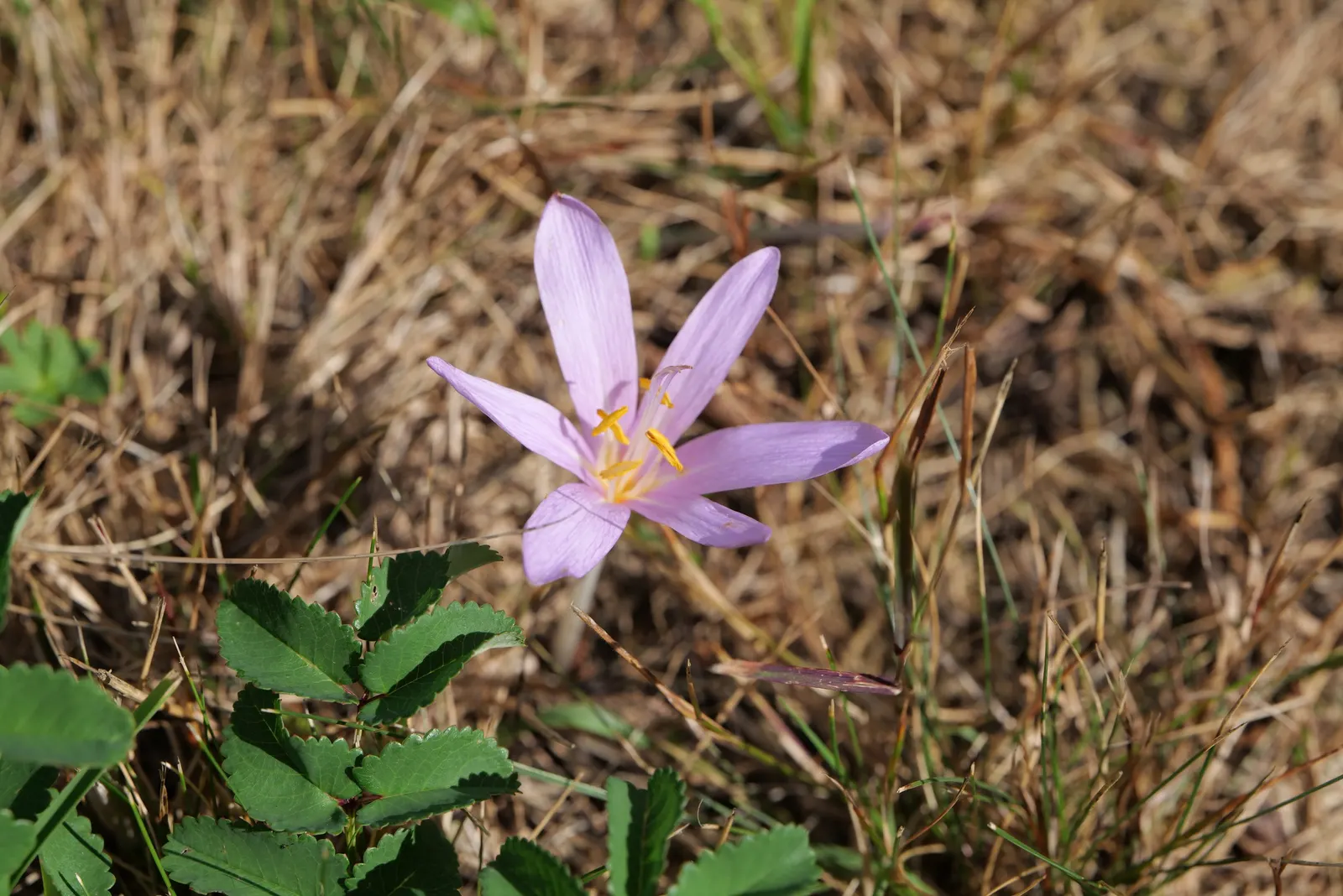
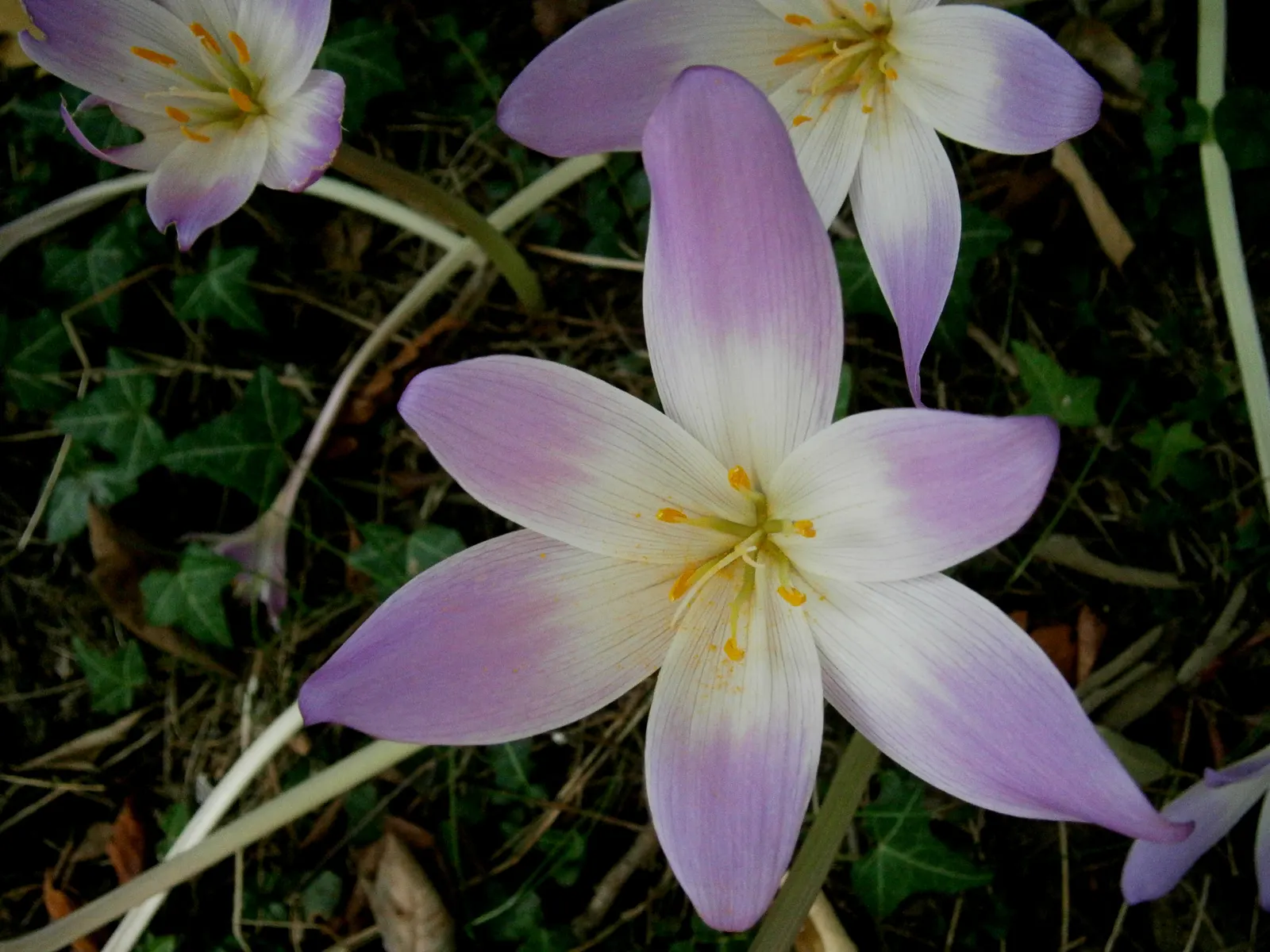
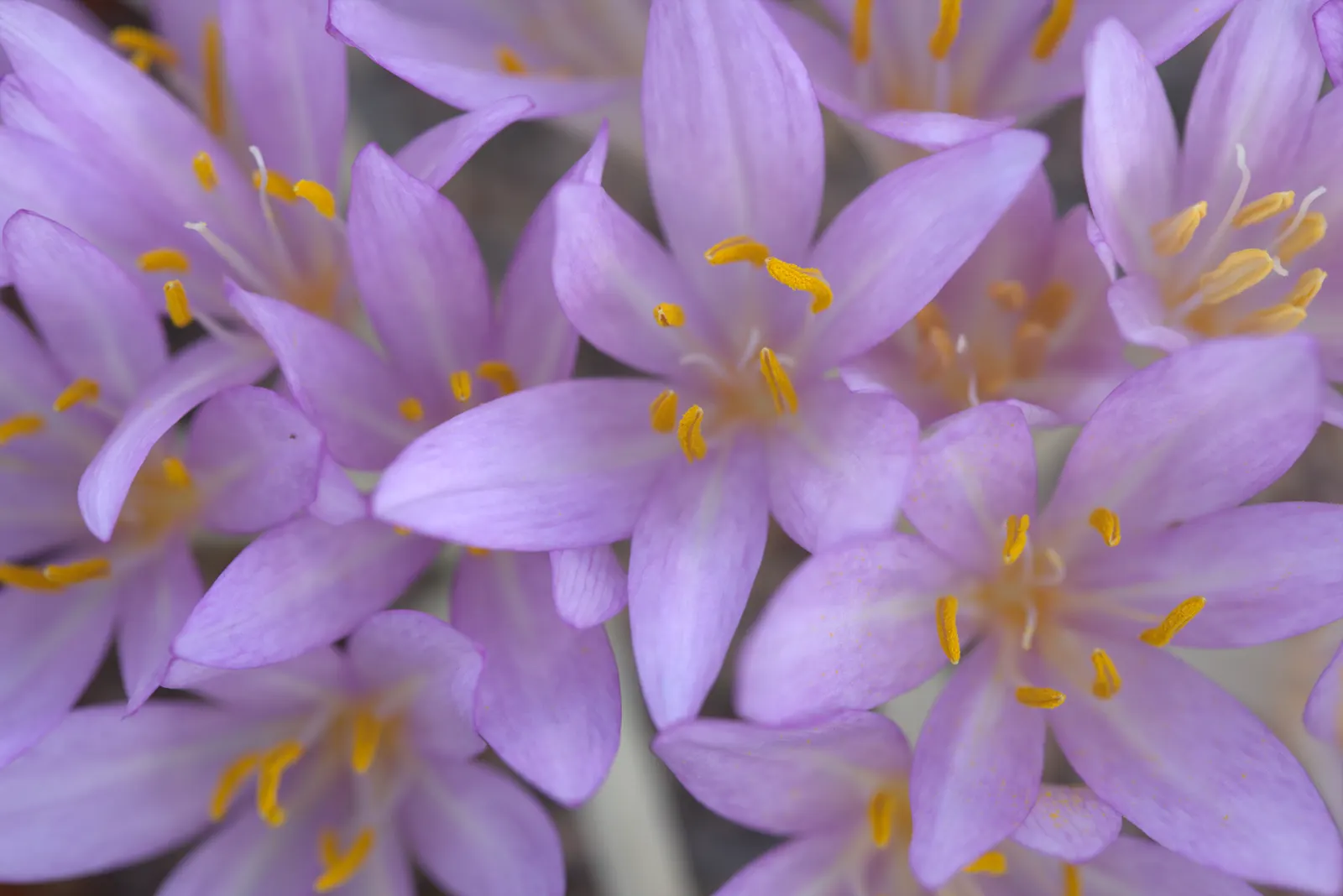
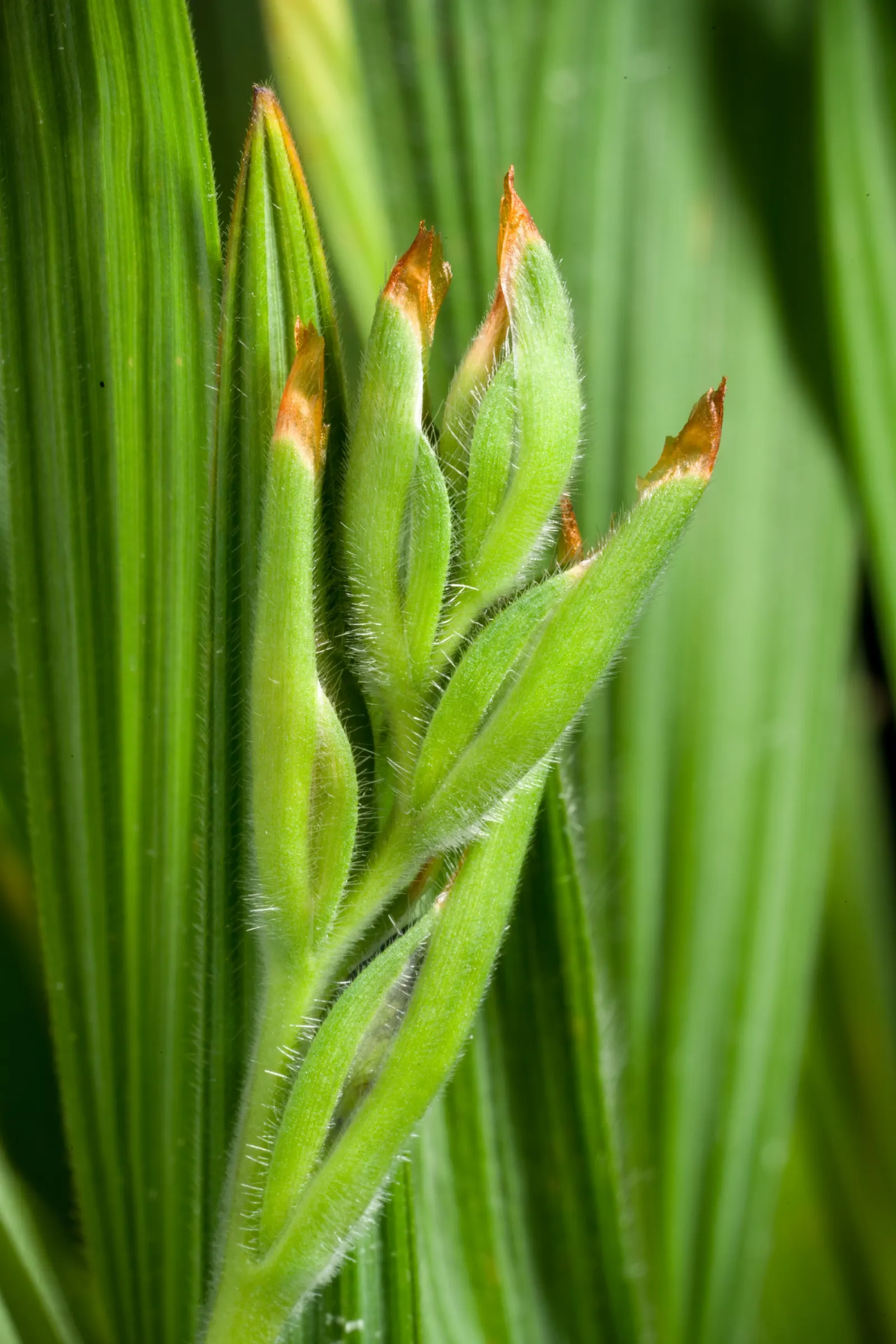
Meadow Saffron (Colchicum speciosum) is a striking fall-blooming perennial, showcasing vibrant, purple-pink, goblet-shaped flowers up to 6 inches tall, appearing before its strappy green leaves in spring. Thriving in USDA zones 4-8, it requires moist, well-drained soil and partial shade. Caution: all plant parts are toxic. Its autumnal blooms add a unique splash of late-season color, ideal for naturalizing in grassy areas or planting in borders and rock gardens.

Sun Full, HalfWater MediumZones 3–8Type BulbClimate Mediterranean
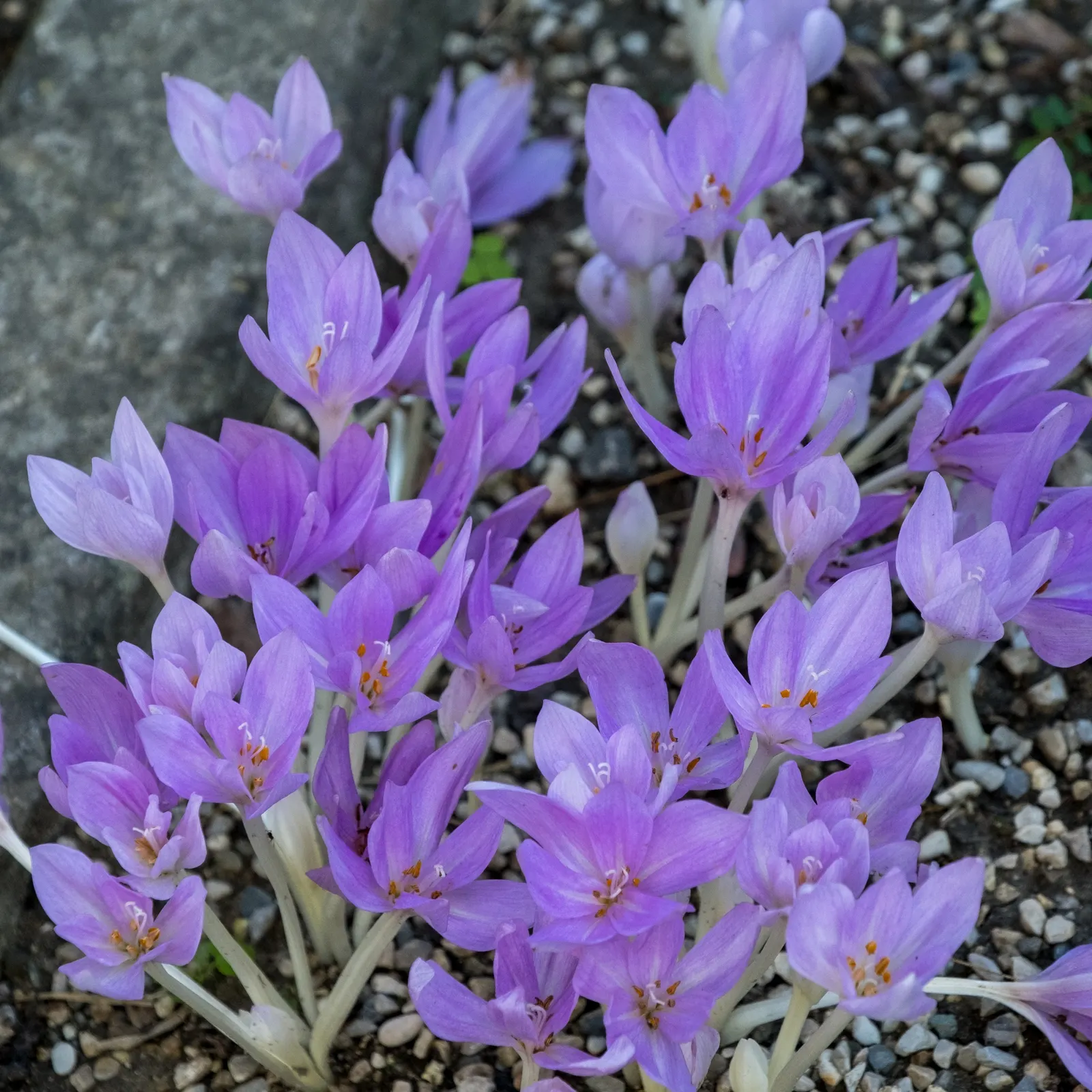
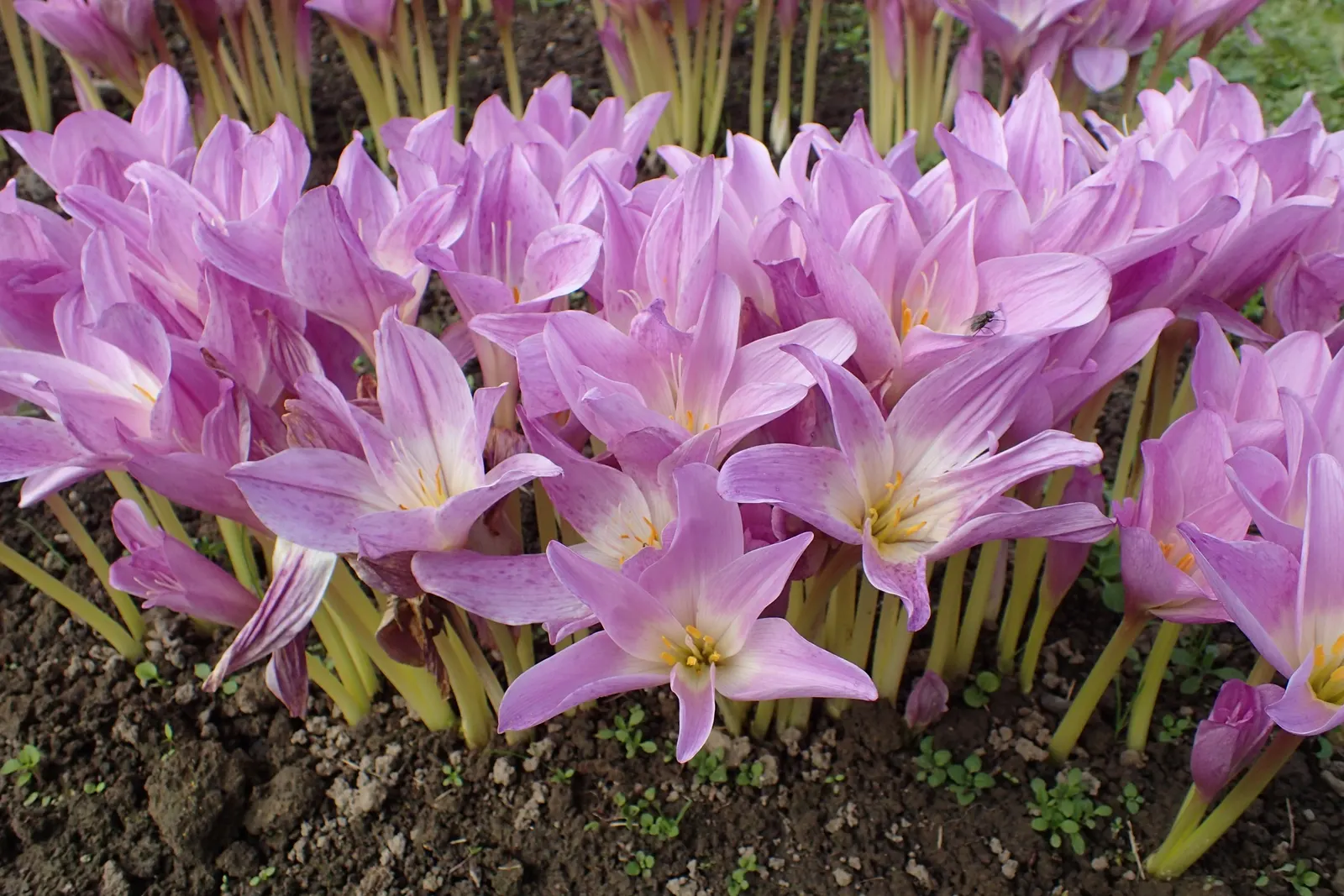
Meadow Saffron (Colchicum Speciosum) — Its autumnal blooms add a unique splash of late-season color; this captivating plant is commonly known for, image 96

Culture

Sun
Full, Half
Water
Medium
USDA zones
3–8

Shape & size

Mature height
0.5–0.75 Ft.
Mature width
0.5–0.75 Ft.

Classification

Type
Bulb
Family
Iridaceae
Climate
Mediterranean

See full data, regional cultivation notes, and design tools. Build a client presentation around this plant.

Start your 14-day trial

Photos (149)

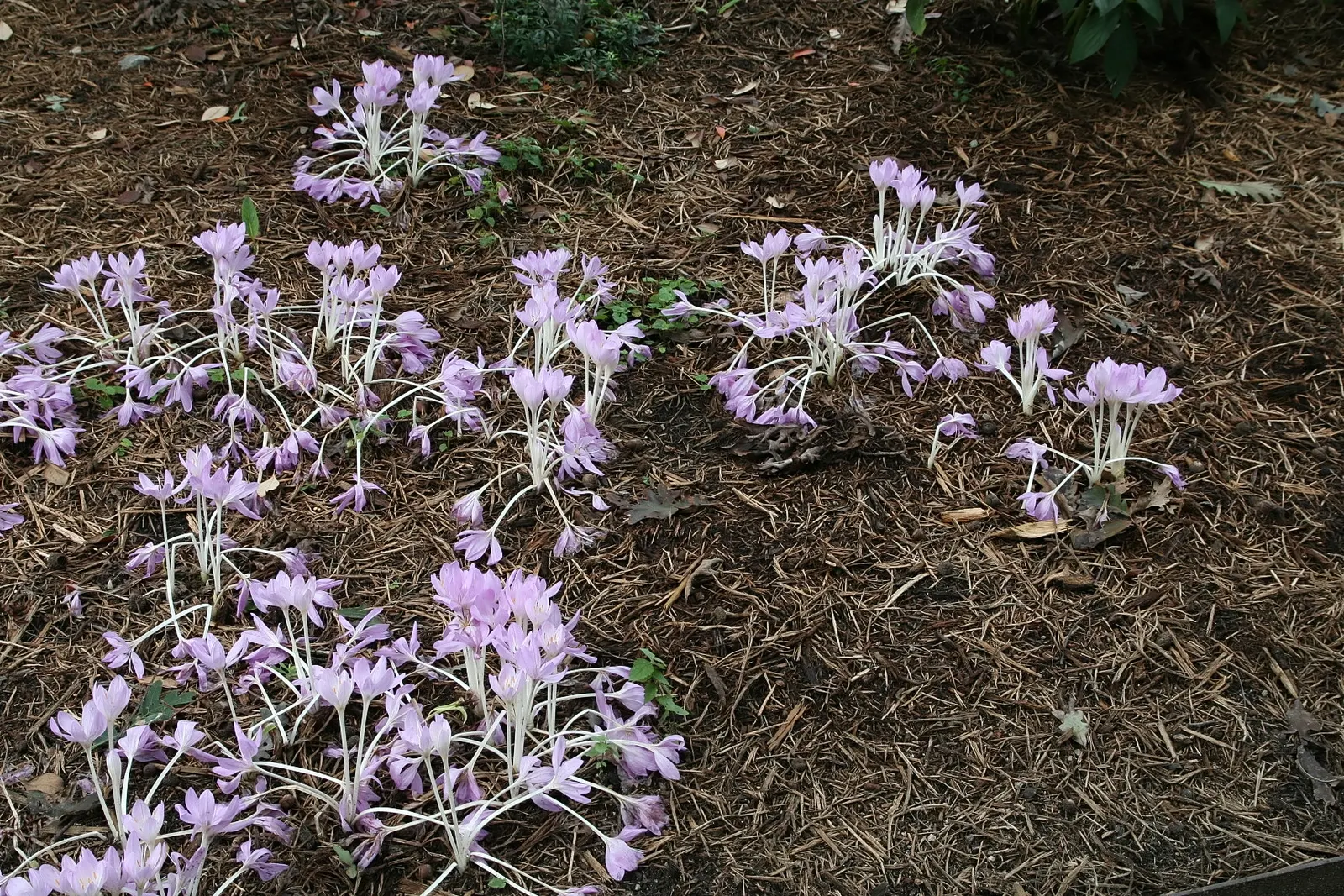
Meadow Saffron (Colchicum Speciosum) — This makes it perfect for garden borders or naturalizing in grassy areas; when most other plants are fading
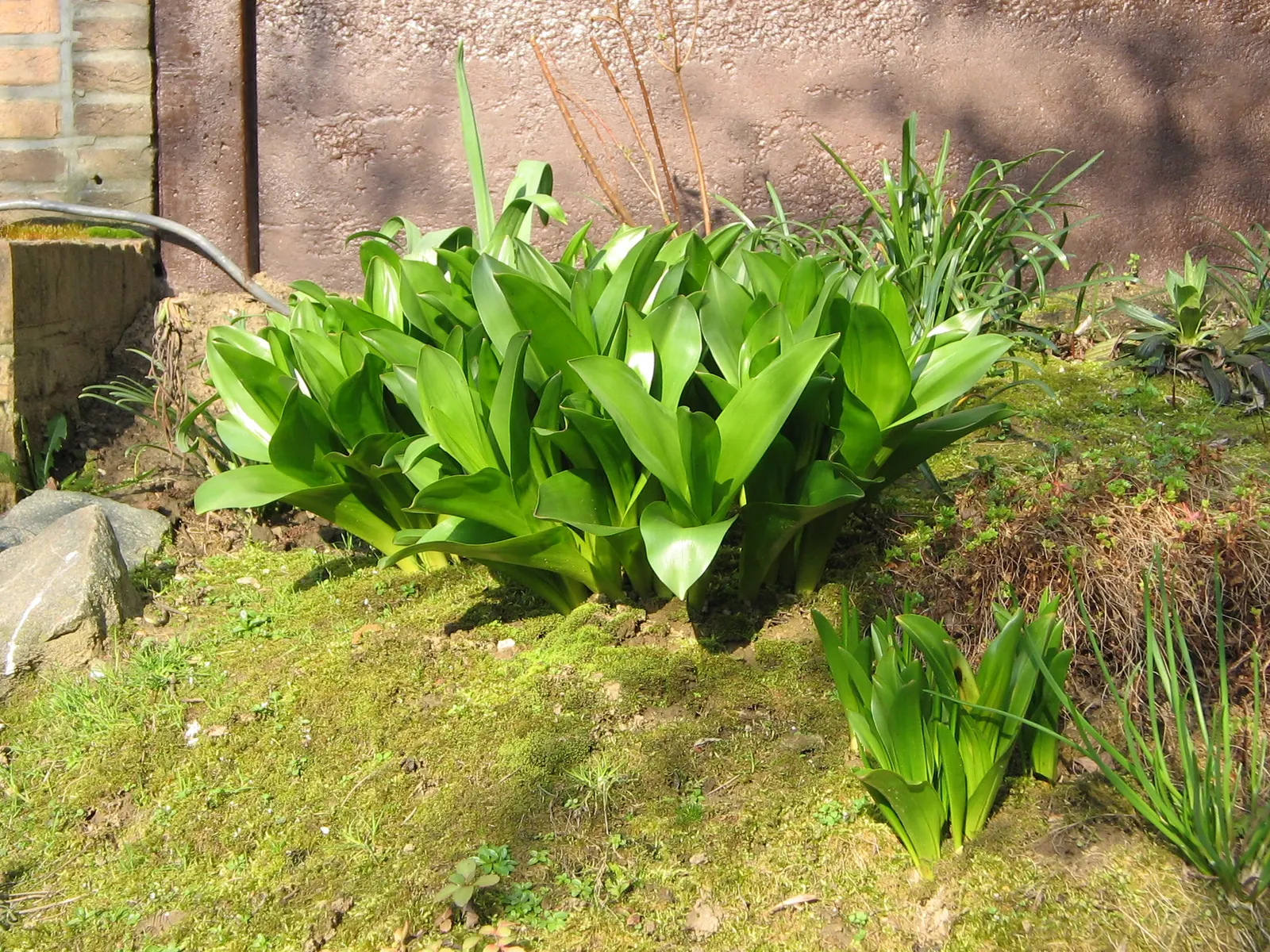
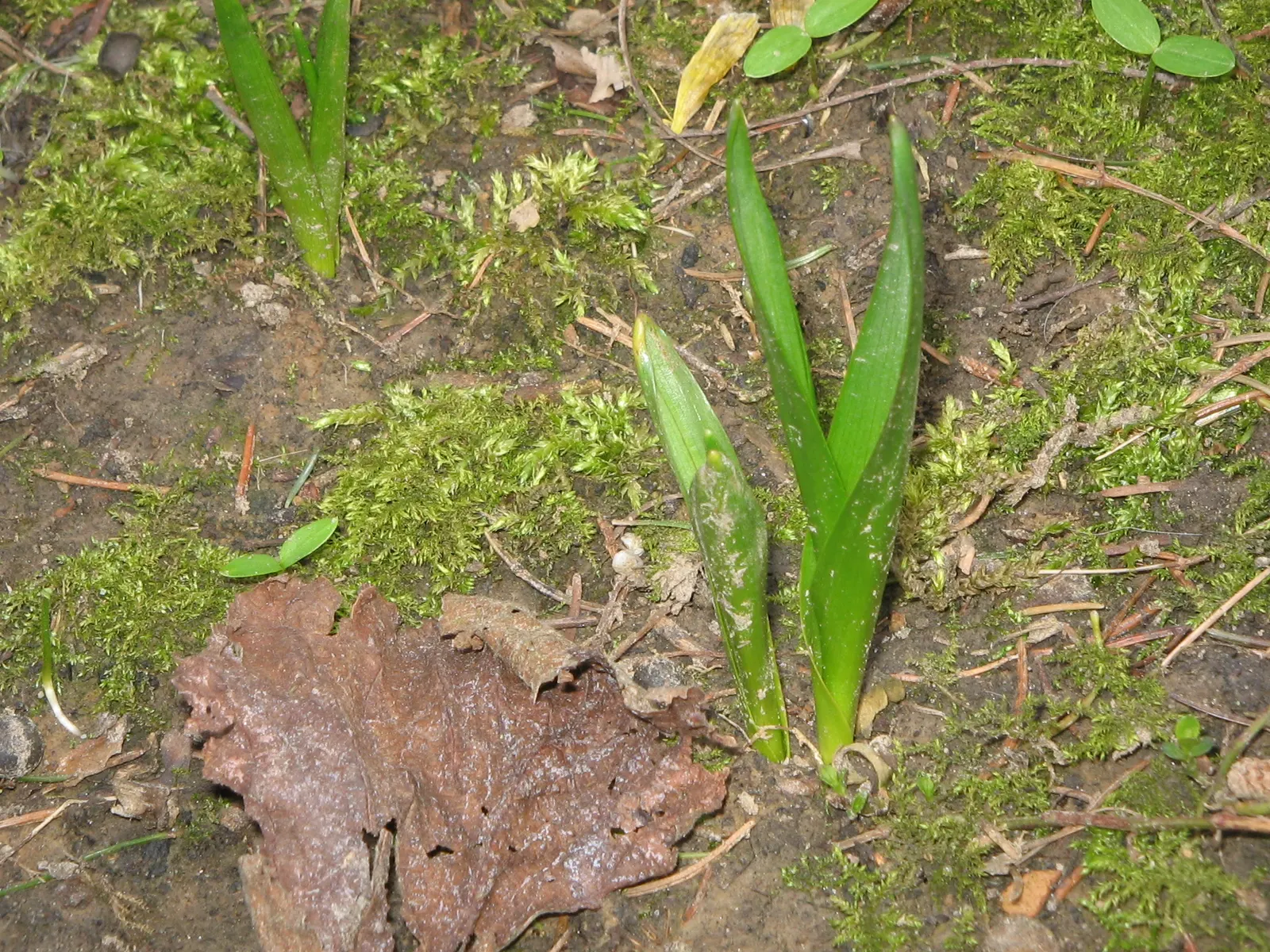
Meadow Saffron (Colchicum Speciosum) — presenting a bold statement in the fall garden; appearing before its strappy green leaves in spring, image 78
Meadow Saffron (Colchicum Speciosum) — It thrives in USDA hardiness zones 4 through 8 and performs best in full sun to partial shade; with a spread, image 105
Meadow Saffron (Colchicum Speciosum) — Colchicum speciosum can be a stunning and resilient addition to any garden; bulb with purple blooms, image 116
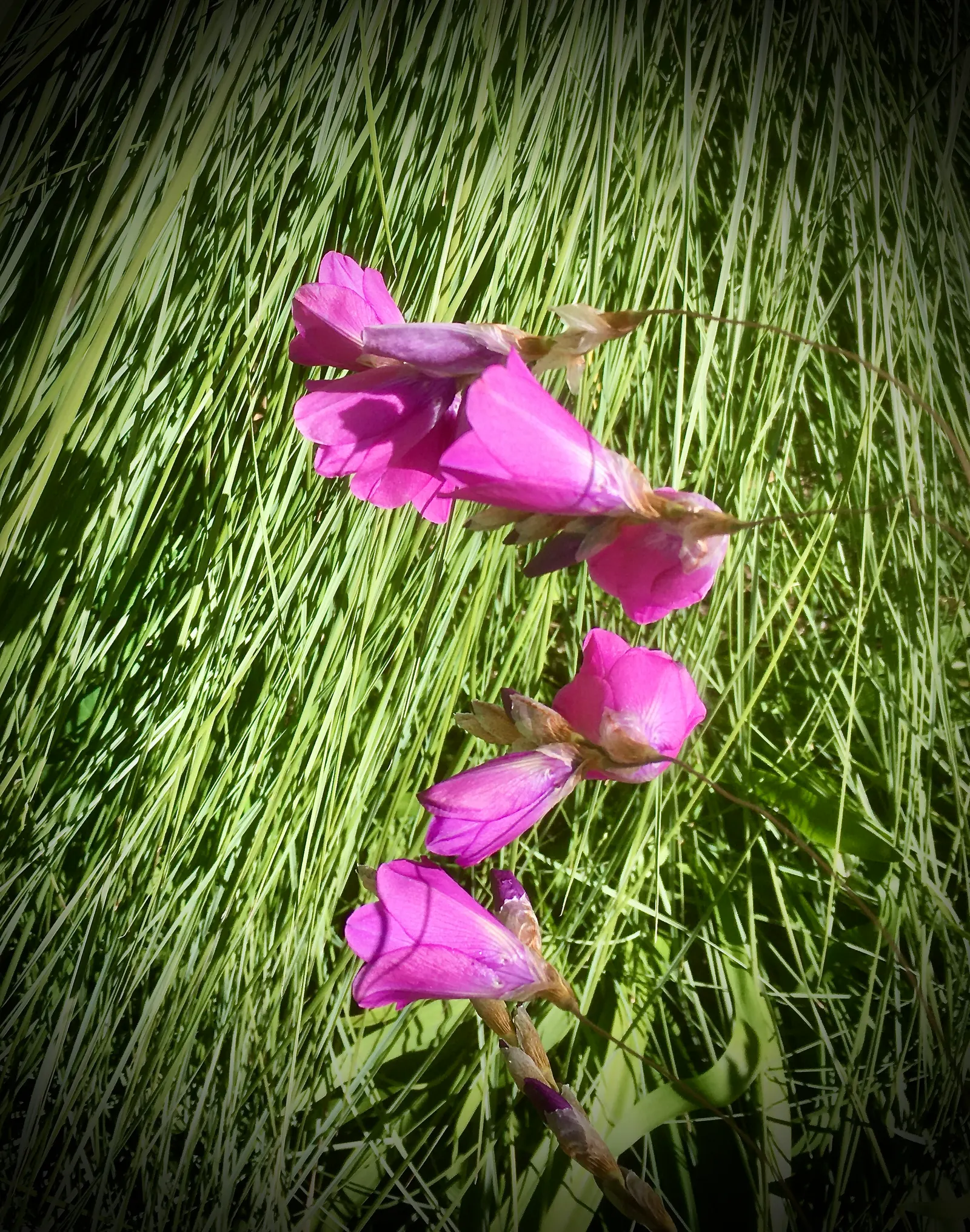
Meadow Saffron (Colchicum Speciosum) — the Meadow Saffron appreciates well-drained; purple flowers in the garden
Meadow Saffron (Colchicum Speciosum) — appearing before its strappy green leaves in spring; presenting a bold statement in the fall garden, image 93
Meadow Saffron (Colchicum Speciosum) — However, avoid waterlogged conditions, as this can lead to bulb rot; so it should be sited away from, image 145
Meadow Saffron (Colchicum Speciosum) — the Meadow Saffron appreciates well-drained; purple flowers in the garden, image 103
Meadow Saffron (Colchicum Speciosum) — purple flowers in the garden
Meadow Saffron (Colchicum Speciosum) — Meadow Saffron (Colchicum speciosum) is a striking fall-blooming perennial
Meadow Saffron (Colchicum Speciosum) — the Meadow Saffron appreciates well-drained; purple flowers in the garden, image 73
Meadow Saffron (Colchicum Speciosum) — purple flowers in the garden; the Meadow Saffron appreciates well-drained, image 118
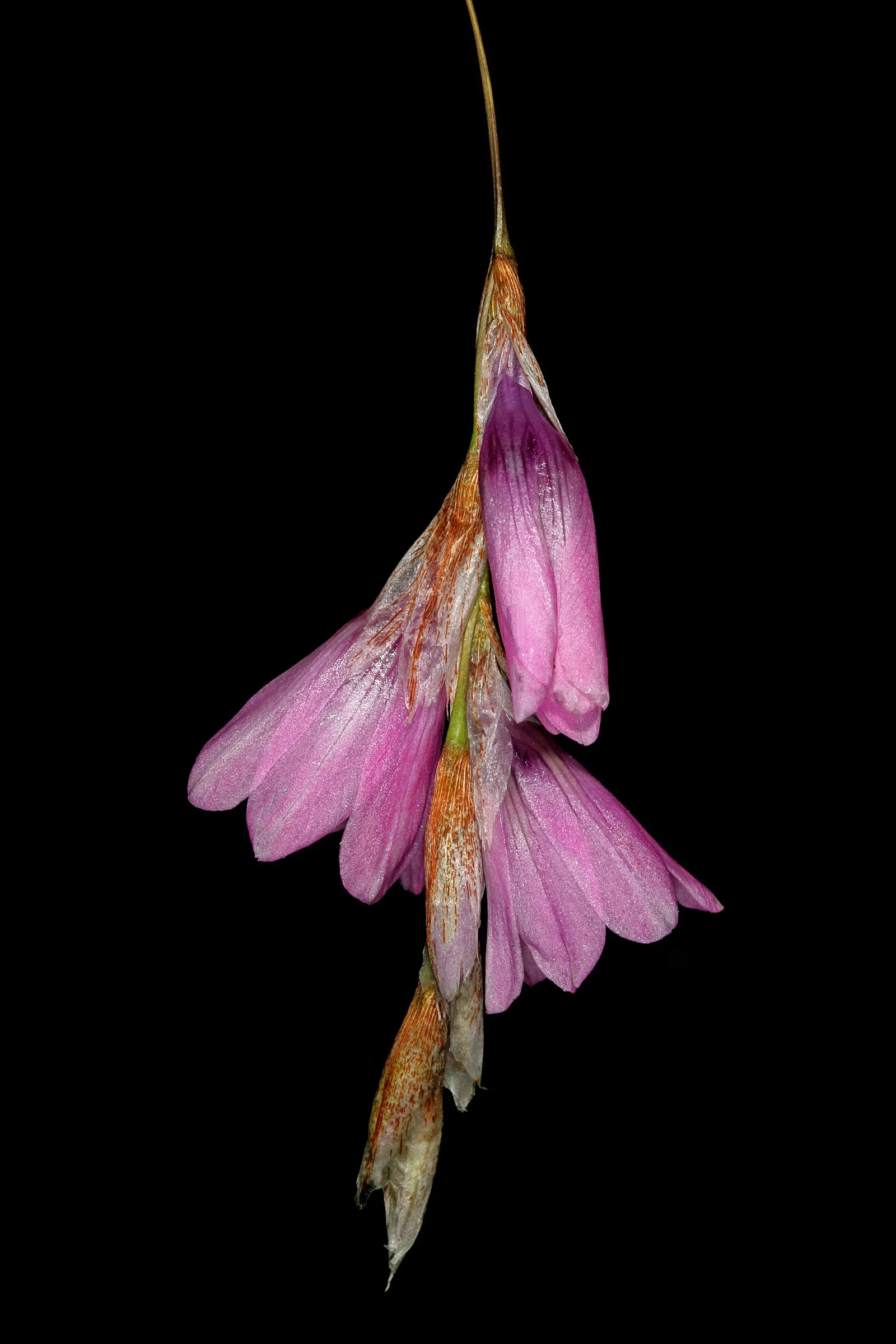
Meadow Saffron (Colchicum Speciosum) — Its autumnal blooms add a unique splash of late-season color
Meadow Saffron (Colchicum Speciosum) — appearing before its strappy green leaves in spring; presenting a bold statement in the fall garden, image 123
Meadow Saffron (Colchicum Speciosum) — However, avoid waterlogged conditions, as this can lead to bulb rot
Meadow Saffron (Colchicum Speciosum) — ideal for naturalizing in grassy areas or planting in borders and rock gardens; this makes it perfect for, image 97
Meadow Saffron (Colchicum Speciosum) — Meadow Saffron (Colchicum speciosum) is a striking fall-blooming perennial; thriving in USDA zones 4-8, it requires
Meadow Saffron (Colchicum Speciosum) — Thriving in USDA zones 4-8, it requires moist, well-drained soil and partial shade; however, avoid, image 64
Meadow Saffron (Colchicum Speciosum) — when most other plants are fading
Meadow Saffron (Colchicum Speciosum) — only to die back before the flowering season.<br><br>Growing to a height of about 6 to 10 inches
Meadow Saffron (Colchicum Speciosum) — Caution: all plant parts are toxic; goblet-shaped flowers up to 6 inches tall
Meadow Saffron (Colchicum Speciosum) — Meadow Saffron (Colchicum speciosum) is a striking fall-blooming perennial; thriving in USDA zones 4-8, it, image 121
Meadow Saffron (Colchicum Speciosum) — bulb for full or half
Meadow Saffron (Colchicum Speciosum) — with a spread of roughly 3 to 6 inches; keep in mind that all parts of this plant are highly toxic if, image 132
Photographs by 14 contributors

Related plants