Skip to content

Summersweet

Clethra Alnifolia

Design with this plant

Overview

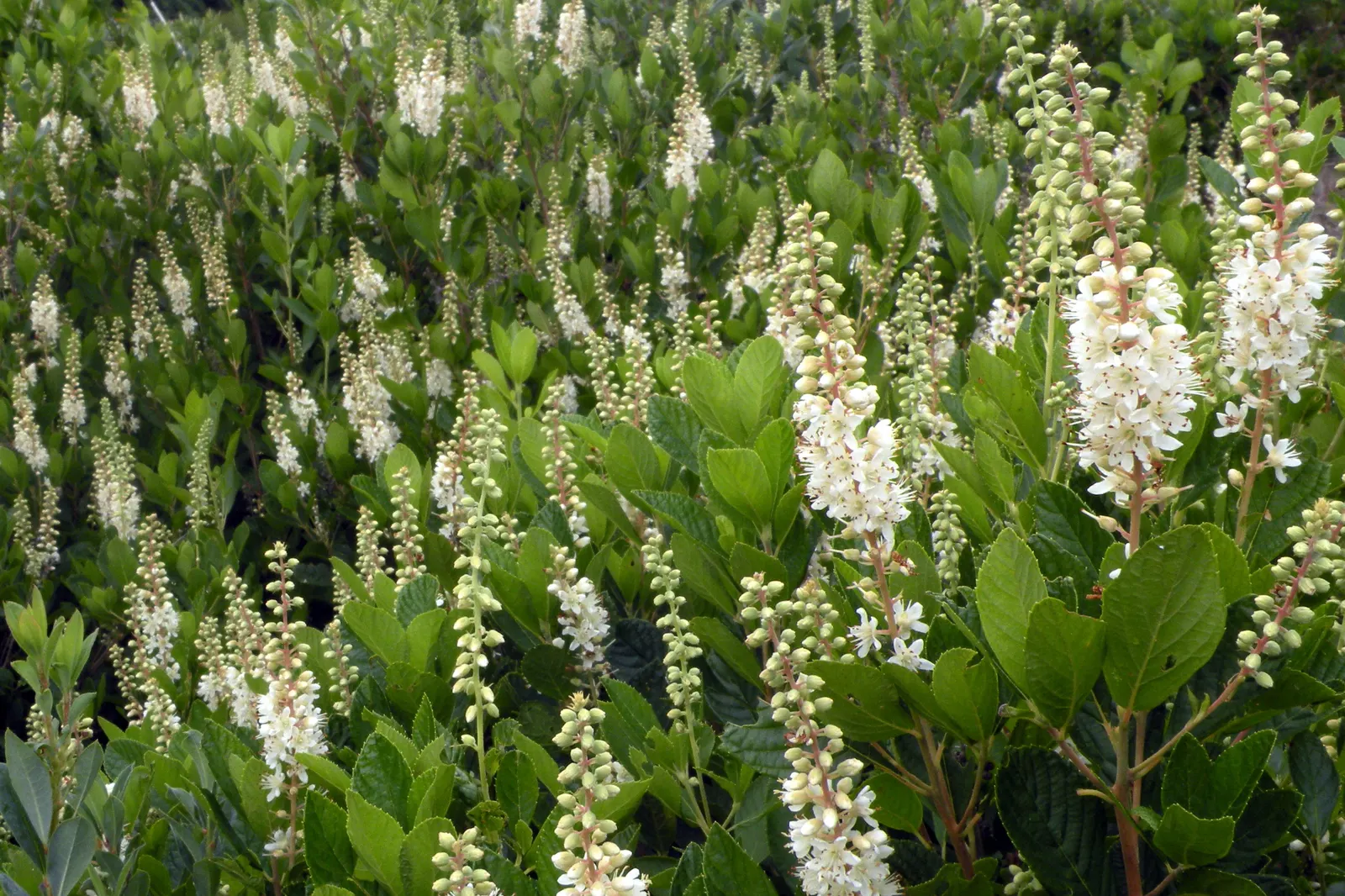
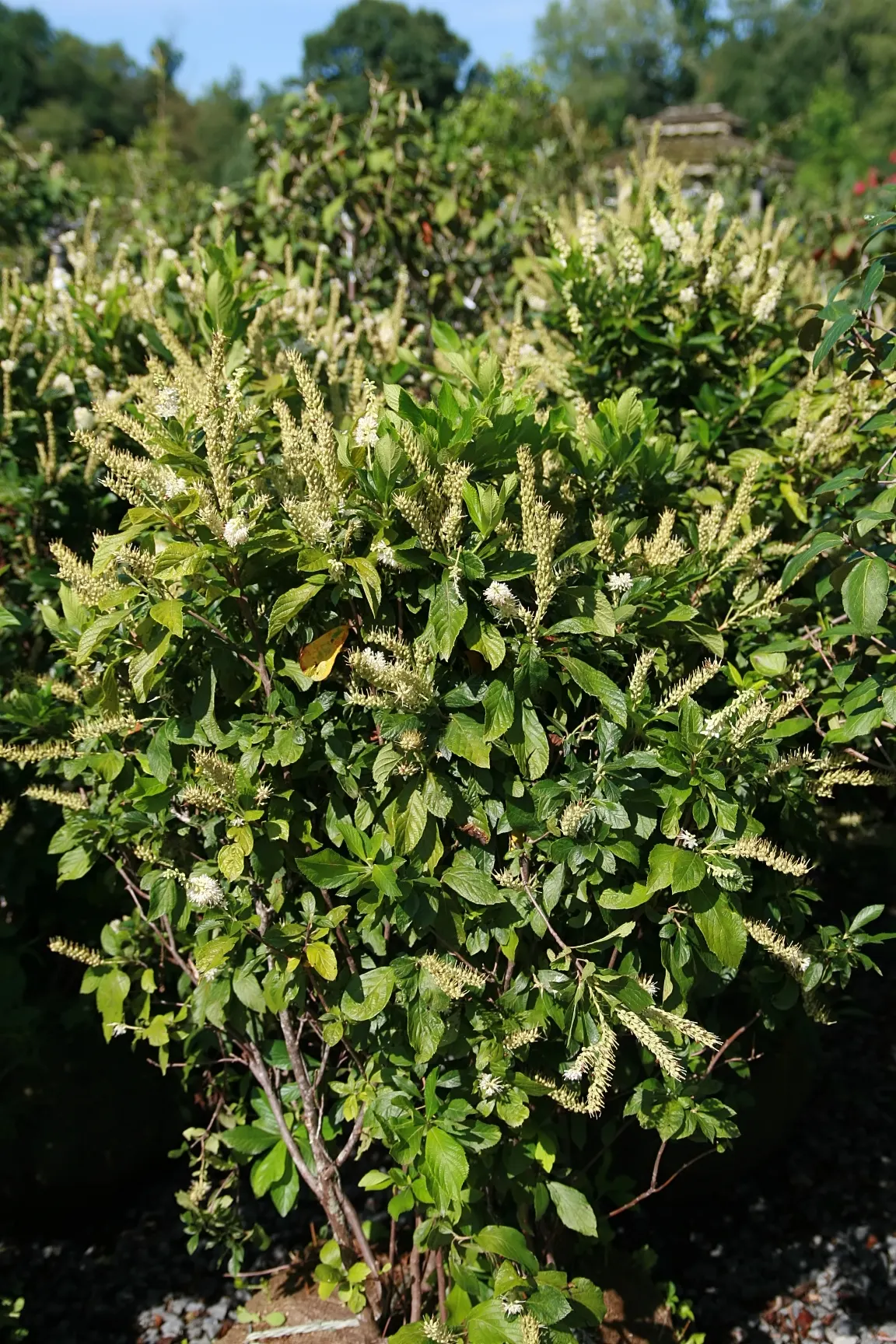
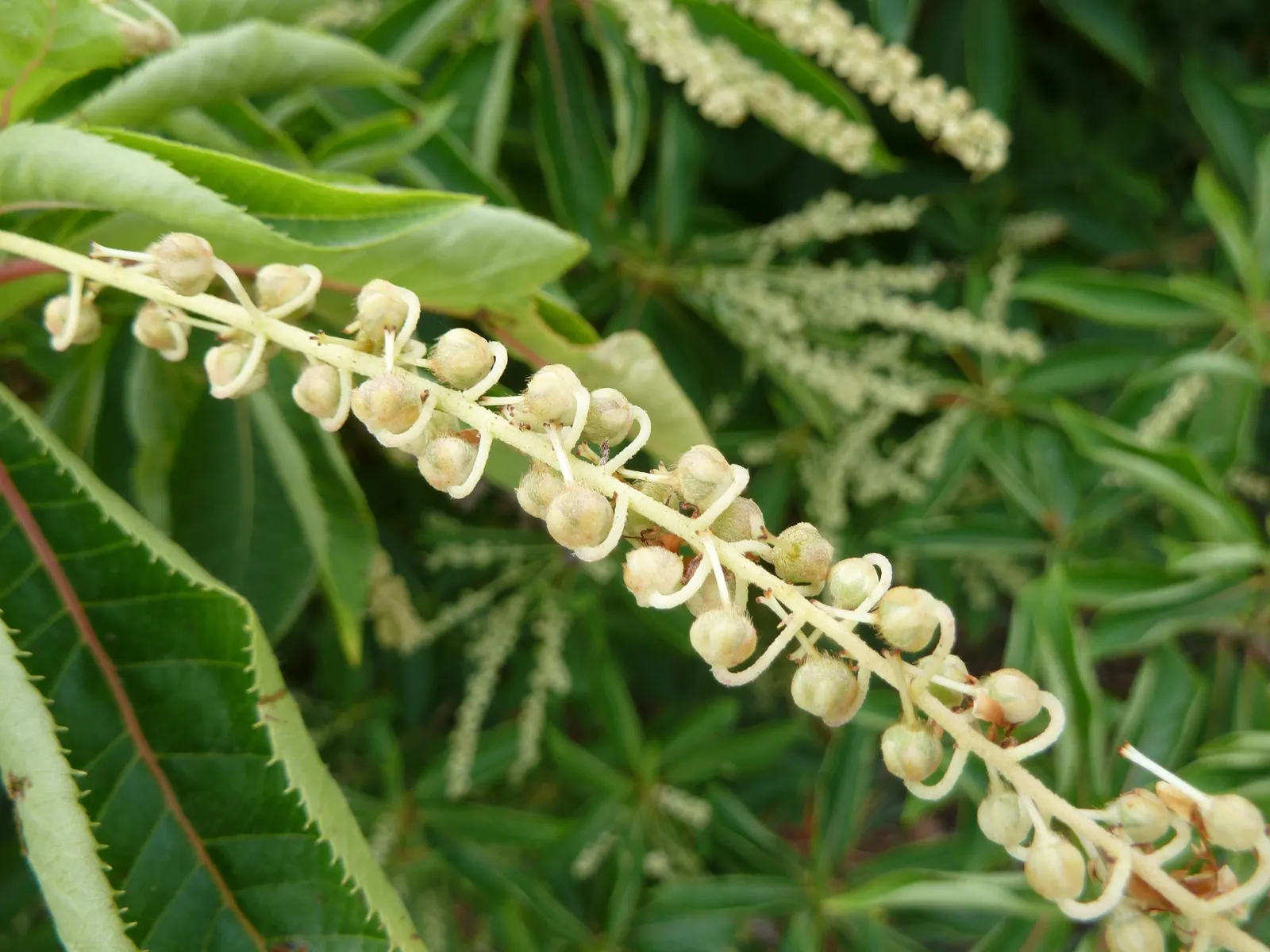
Summersweet, Clethra alnifolia, thrives in USDA zones 4-9 with a mature height of 3-8 feet and a spread of 4-6 feet. This deciduous shrub features fragrant, white-to-pink blooms in late summer, serving as a pollinator magnet. Plant in full sun to part shade in moist, acidic soil. Excellent for rain gardens or naturalized areas, it adds multi-season interest with its fall foliage and exfoliating bark.

Sun Full, Half, ShadeWater HighZones 3–9
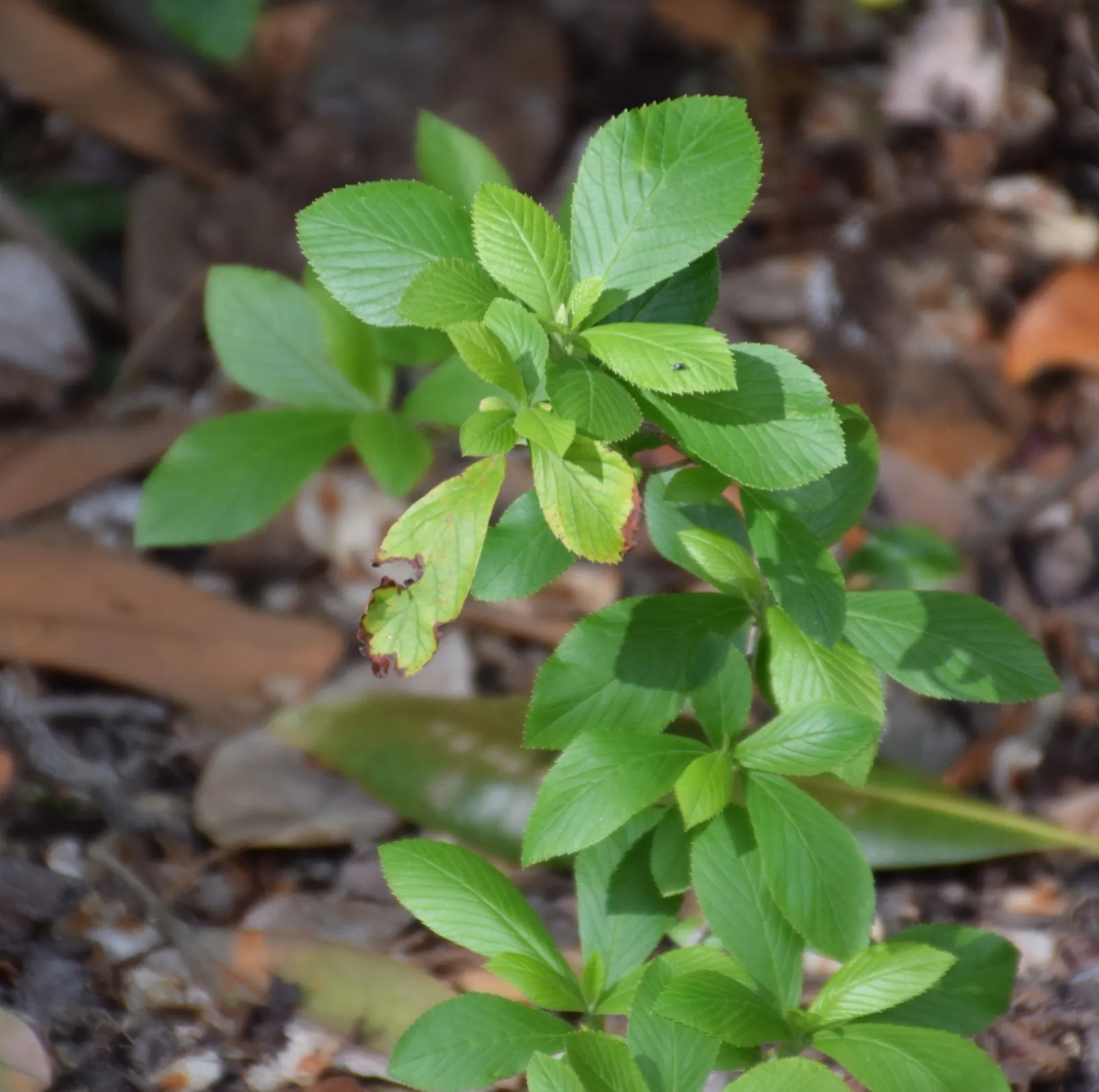
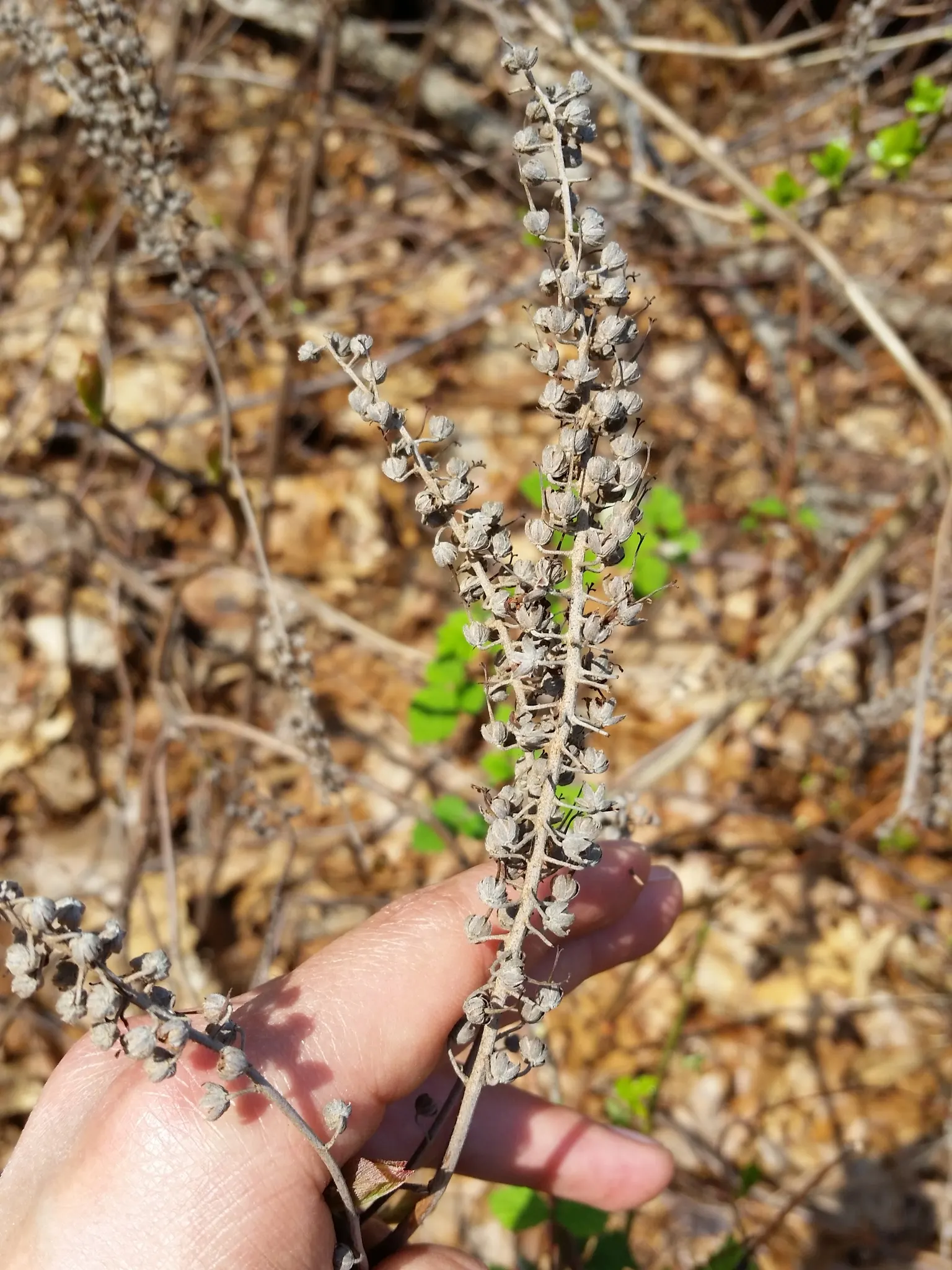
Summersweet (Clethra Alnifolia) — Recognized for its adaptability; scientifically known as Clethra alnifolia, image 90

Culture

Sun
Full, Half, Shade
Water
High
USDA zones
3–9

Shape & size

Mature height
3–8 Ft.
Mature width
4–6 Ft.

Classification

Family
Clethraceae

See full data, regional cultivation notes, full-resolution photos, and design tools. Build a client presentation around this plant.

Start your 14-day trial

Photos (90)

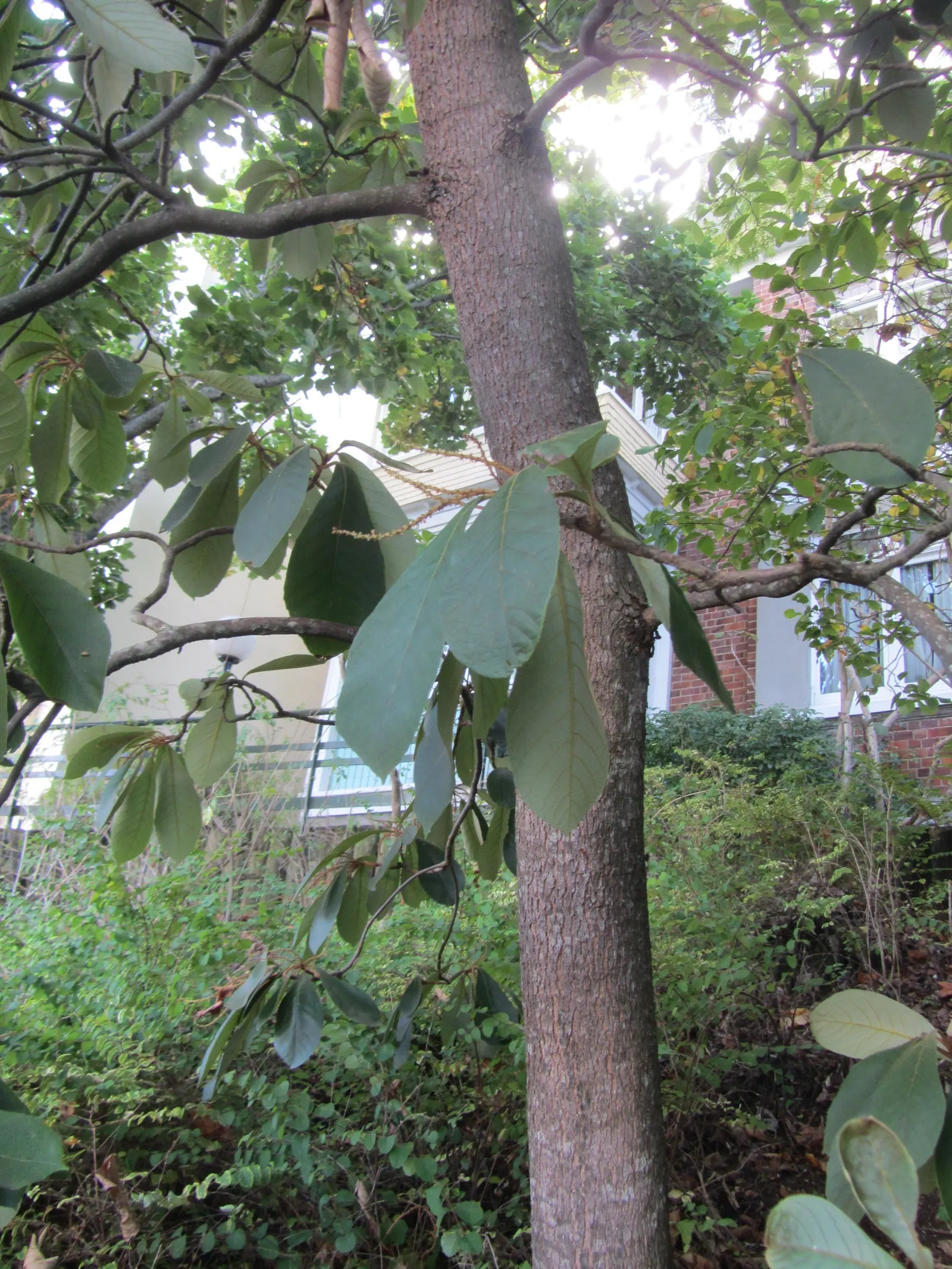
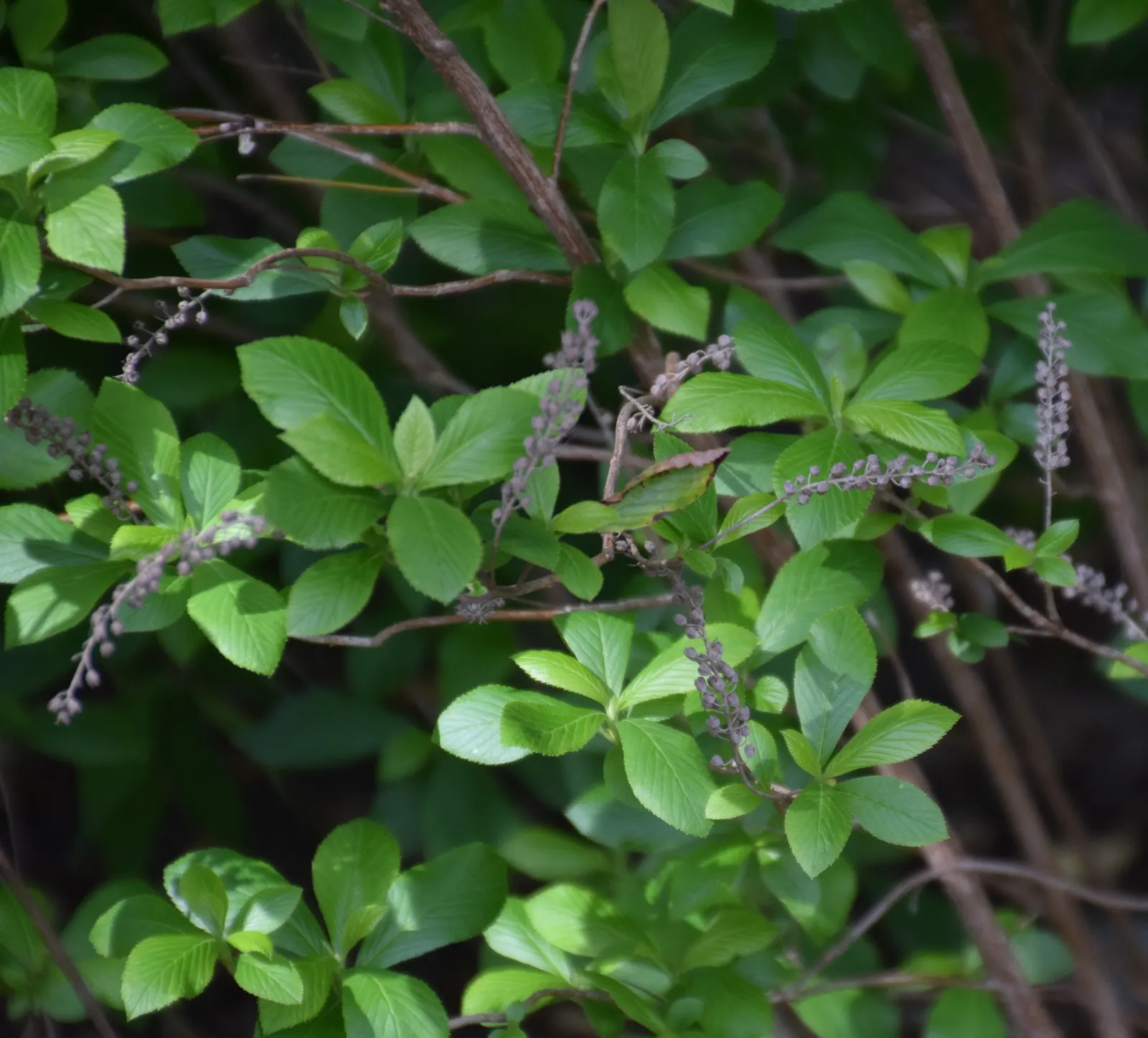
Summersweet (Clethra Alnifolia) — This broadleaf shrub is relatively low maintenance; this deciduous shrub features fragrant, white-to-pink blooms in late
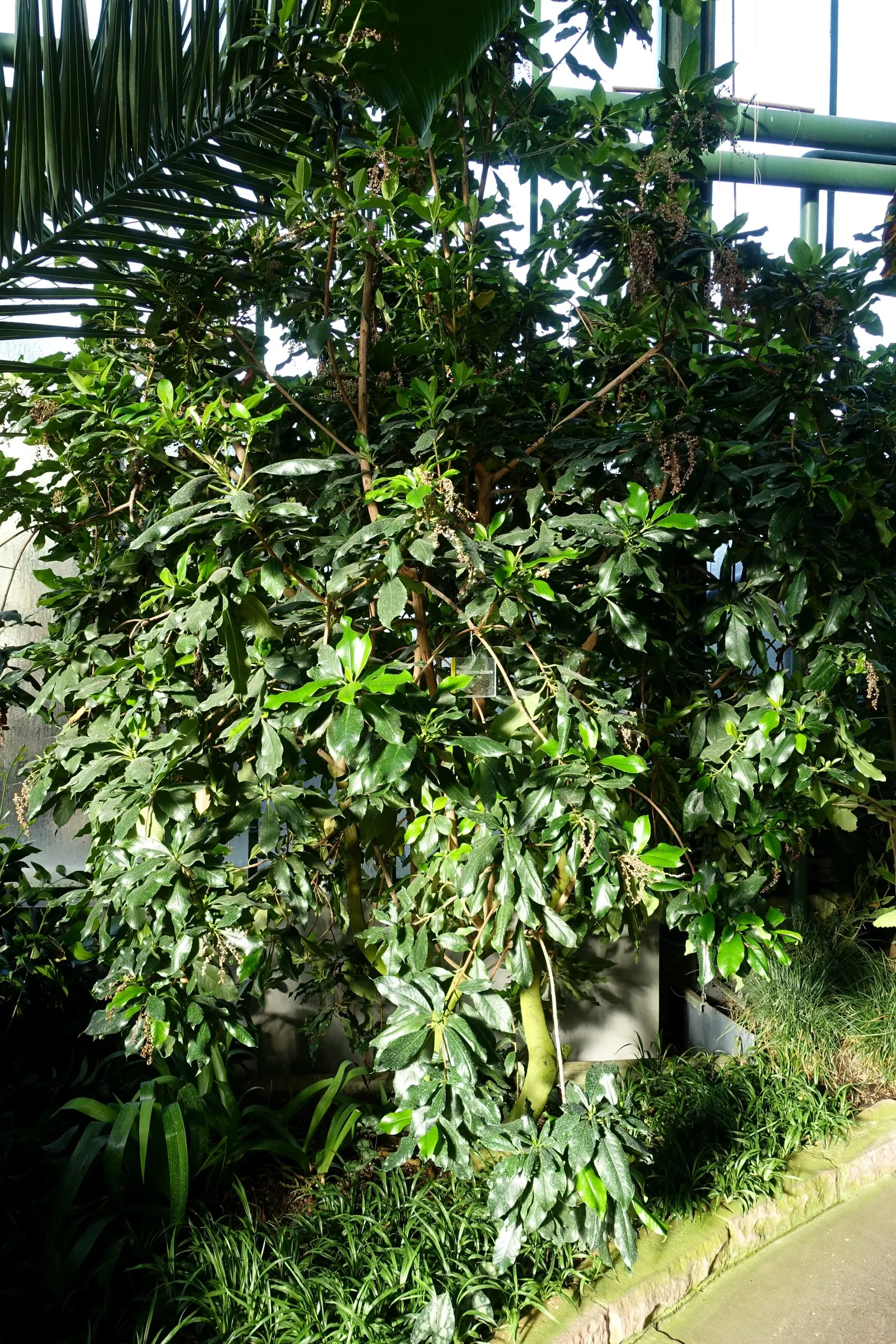
Summersweet (Clethra Alnifolia) — requiring minimal pruning; recognized for its adaptability
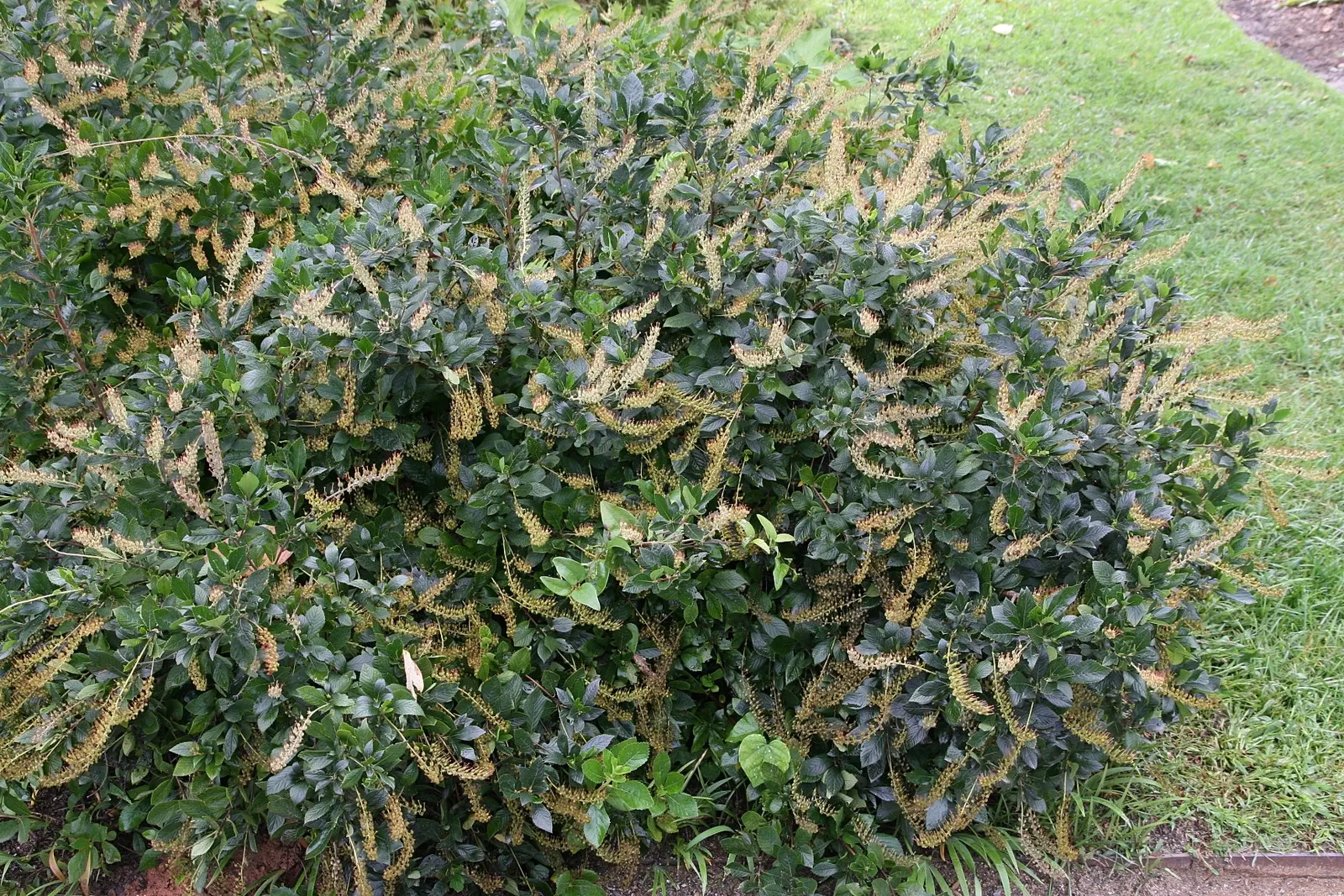
Summersweet (Clethra Alnifolia) — and it is largely resistant to pests and diseases; when many other plants have completed their bloom cycle
Summersweet (Clethra Alnifolia) — To share with your client, image 50
Summersweet (Clethra Alnifolia) — supporting local wildlife; plant in full sun to part shade in moist, acidic soil
Summersweet (Clethra Alnifolia) — white flowers in the garden; it thrives in USDA hardiness zones 3 through 9
Summersweet (Clethra Alnifolia) — shrub with white blooms; summersweet unveils its visual and olfactory charm
Summersweet (Clethra Alnifolia) — shrub for full or half or shade; supporting local wildlife
Summersweet (Clethra Alnifolia) — thrives in USDA zones 4-9 with a mature height of 3-8 feet and a spread of 4-6 feet; excellent for rain gardens or, image 55
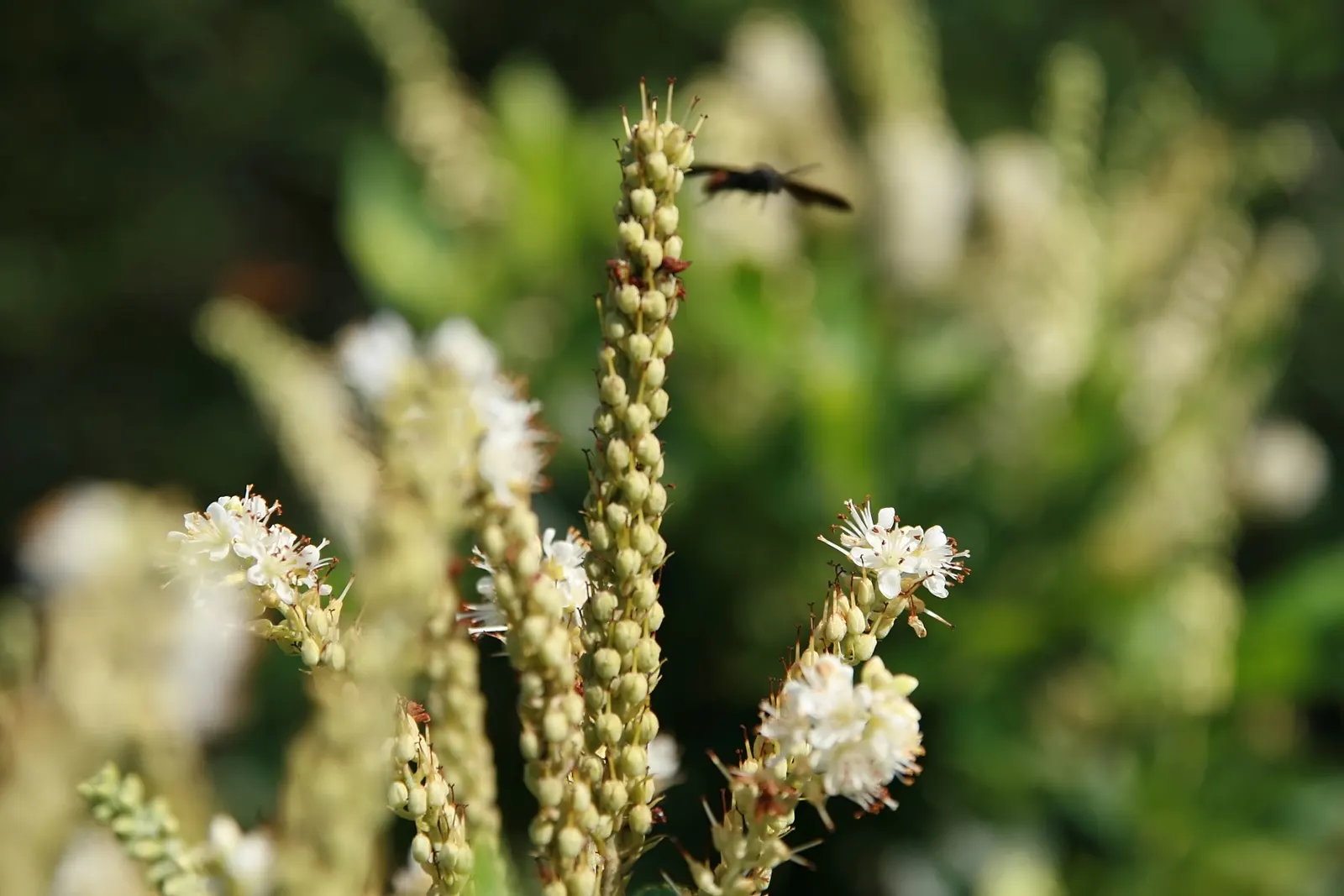
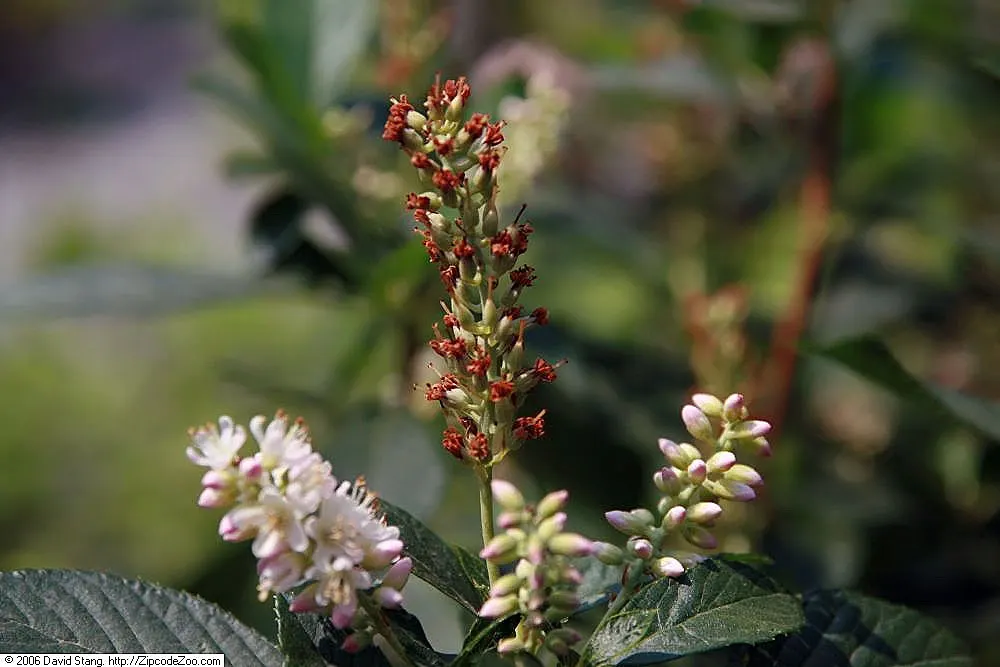
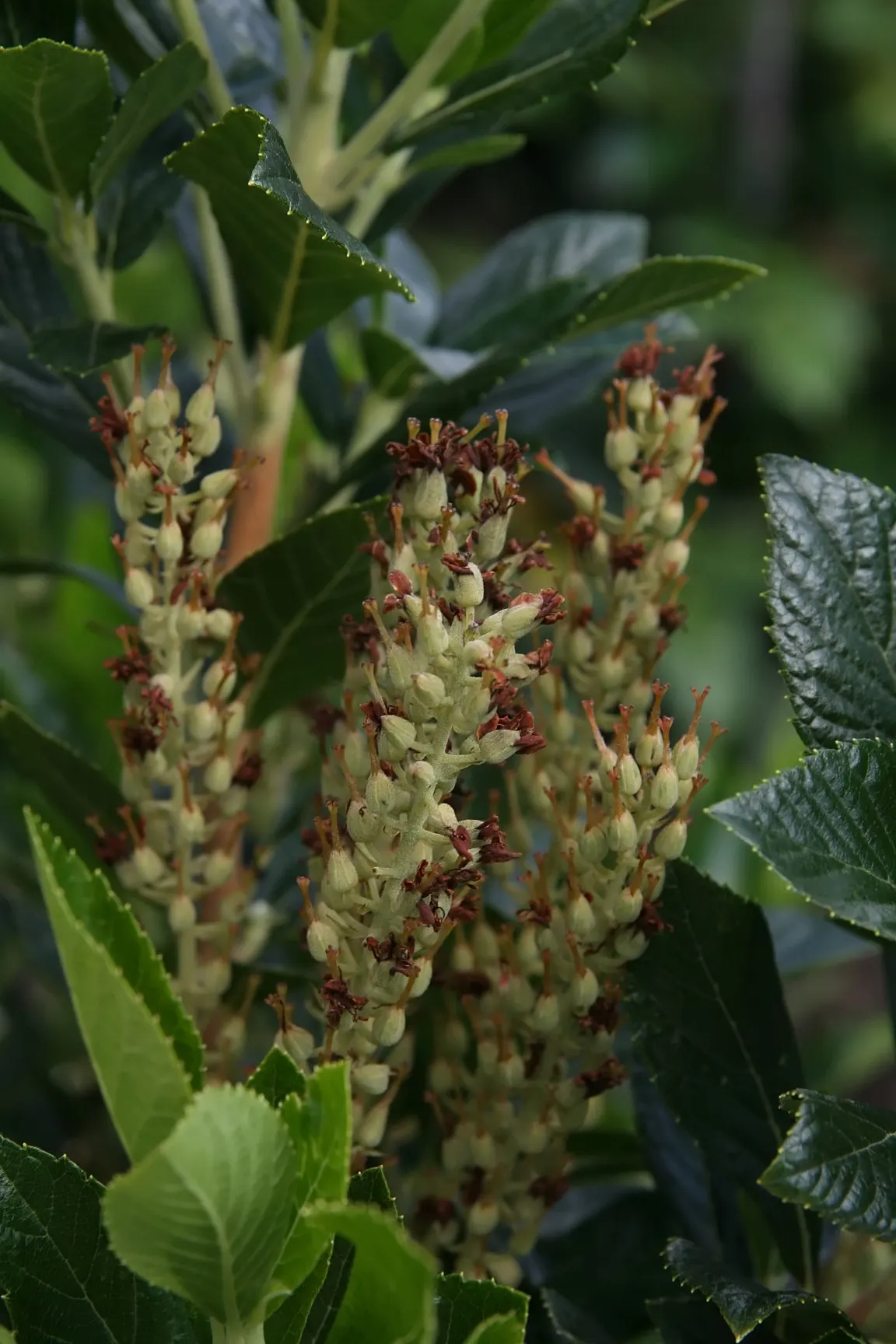
Summersweet (Clethra Alnifolia) — This deciduous shrub features fragrant, white-to-pink blooms in late summer, serving as a pollinator magnet, image 56
Summersweet (Clethra Alnifolia) — Plant in full sun to part shade in moist, acidic soil; upright spikes of fragrant white or pink flowers emerge, image 57
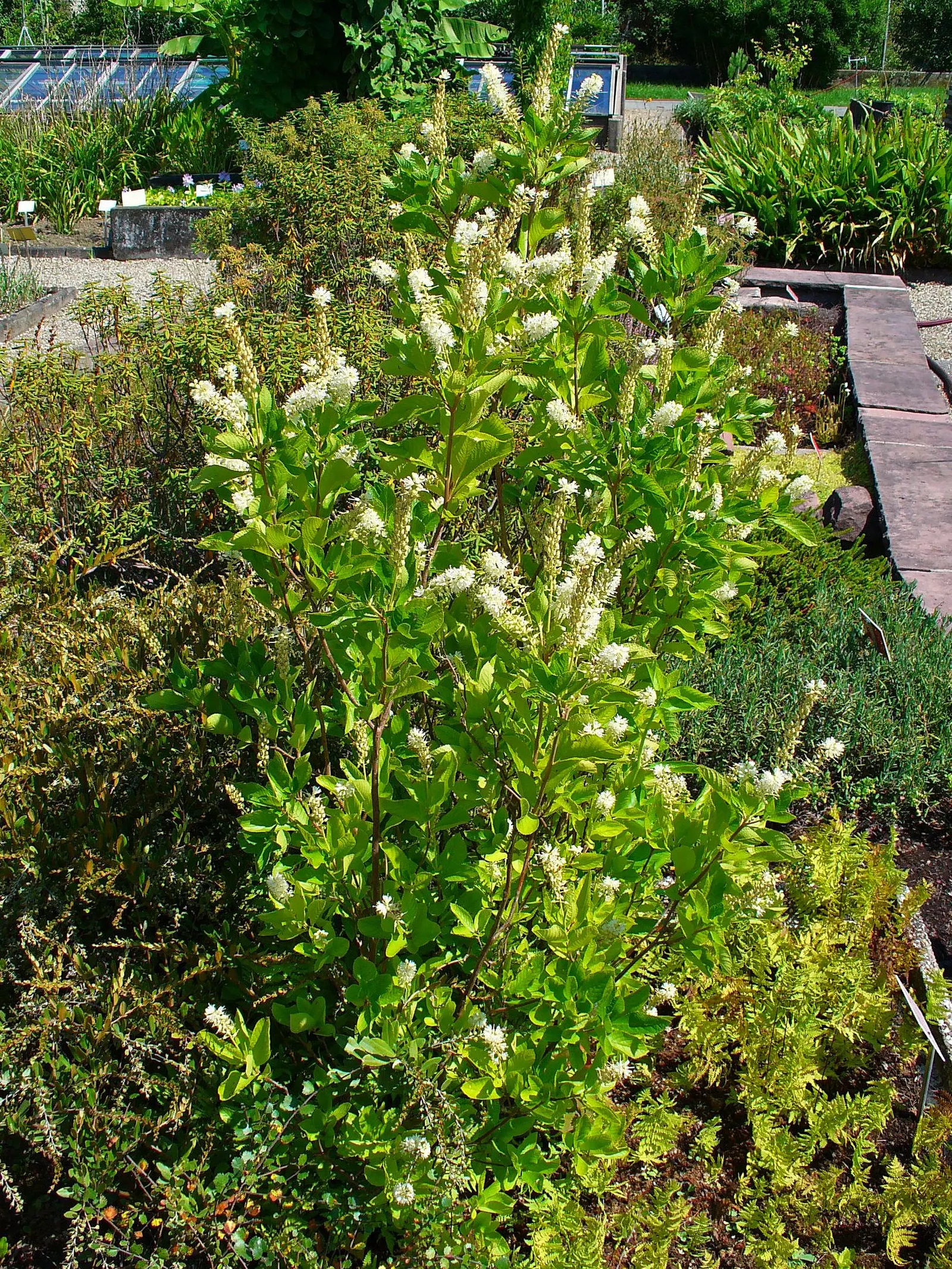
Summersweet (Clethra Alnifolia) — Excellent for rain gardens or naturalized areas; white flowers in the garden, image 58
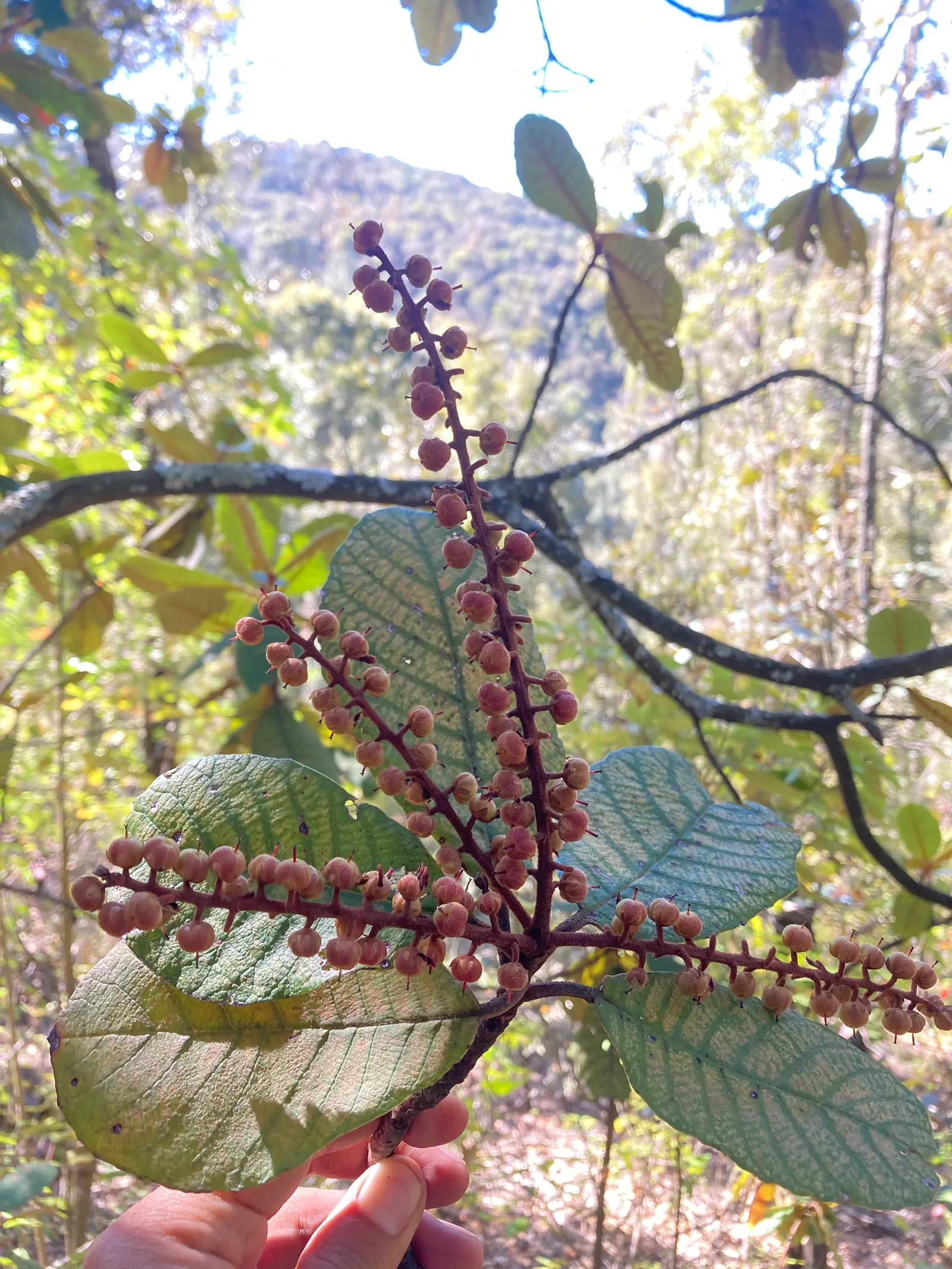
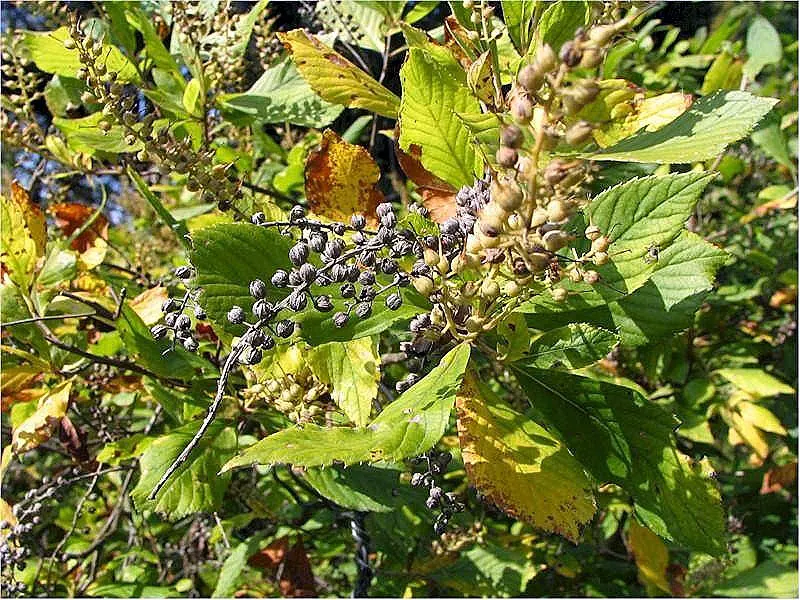
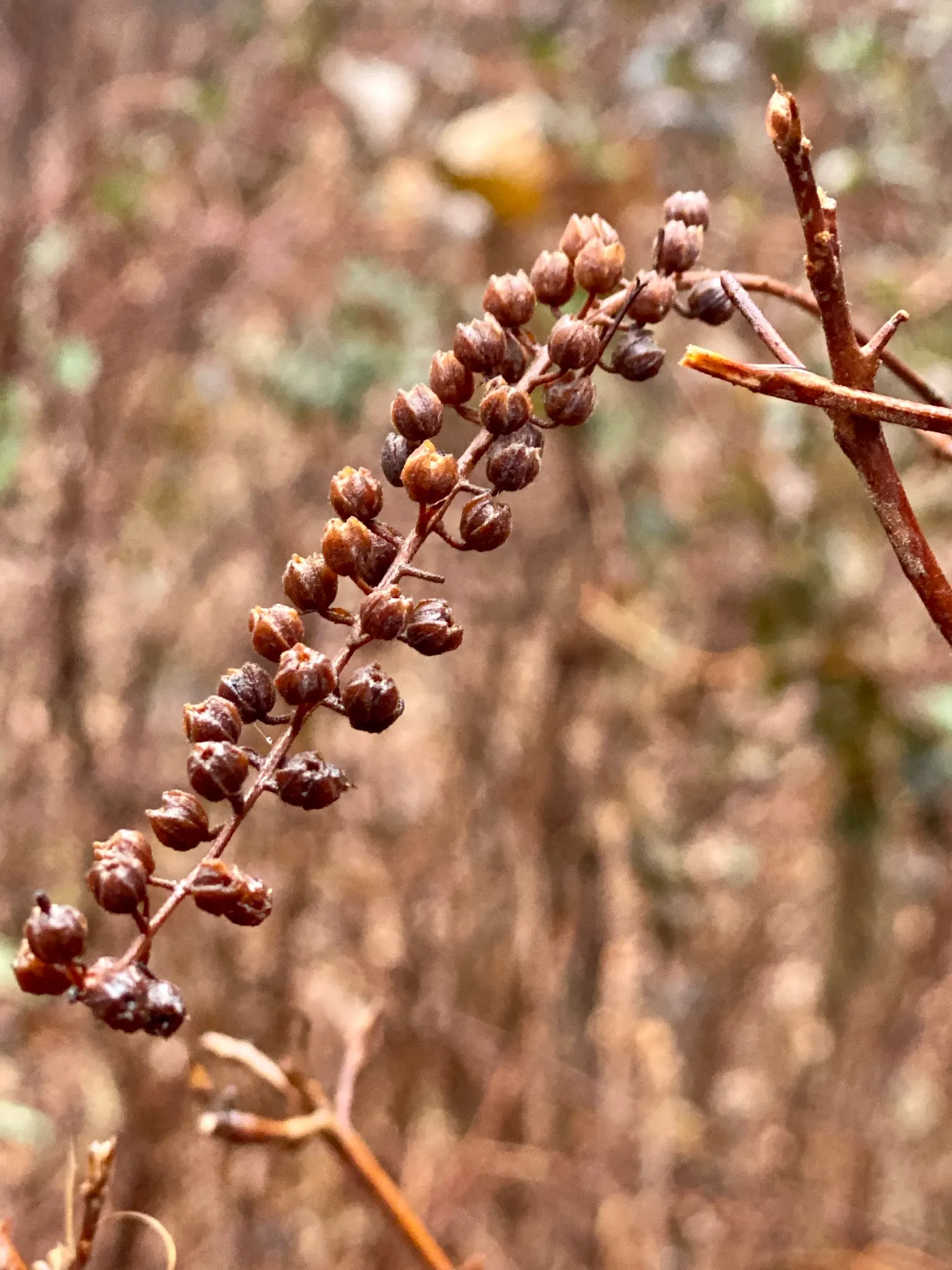
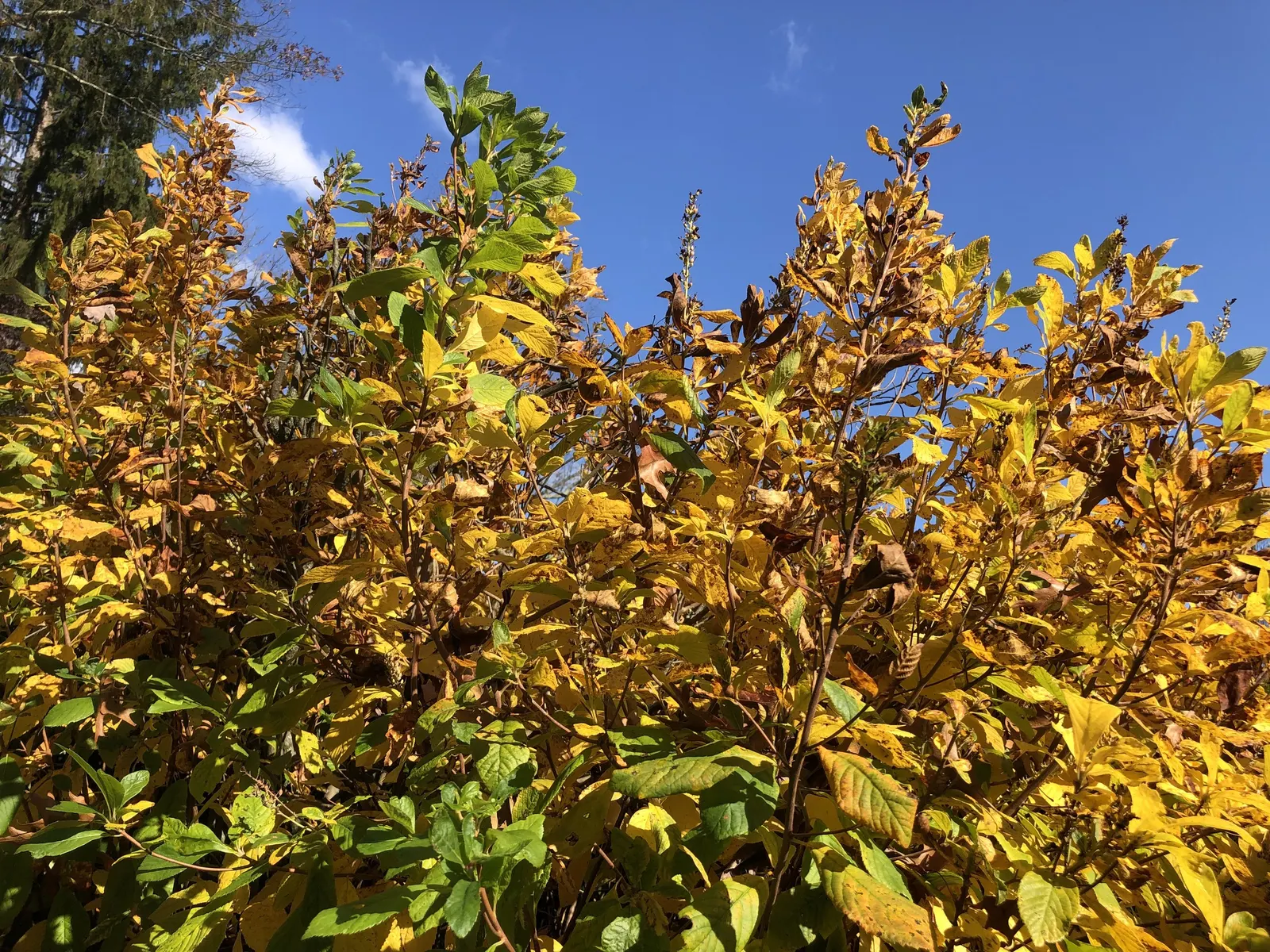
Summersweet (Clethra Alnifolia) — it adds multi-season interest with its fall foliage and exfoliating bark, image 59
Summersweet (Clethra Alnifolia) — scientifically known as Clethra alnifolia; summersweet is particularly forgiving of various soil conditions, image 60
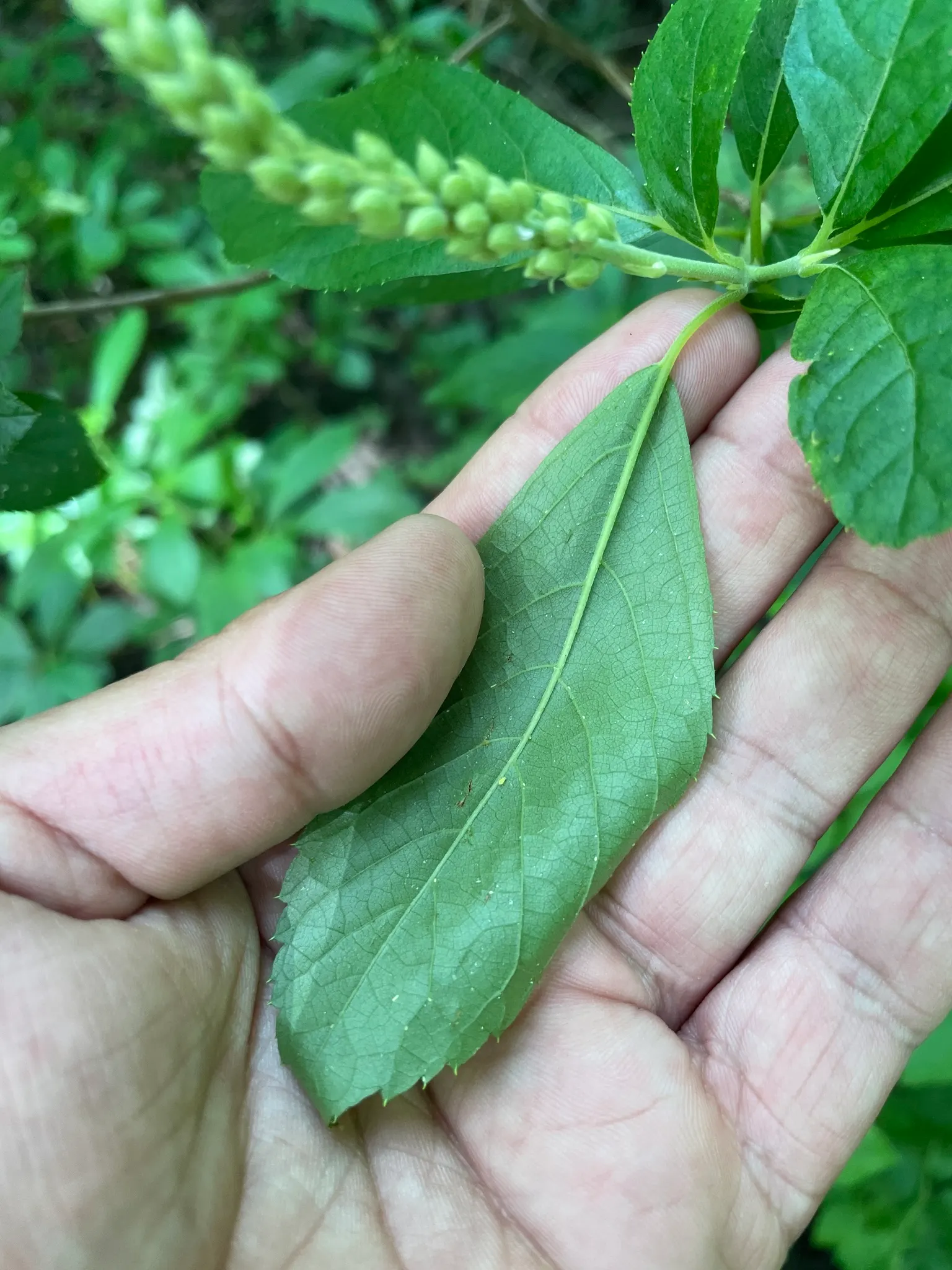
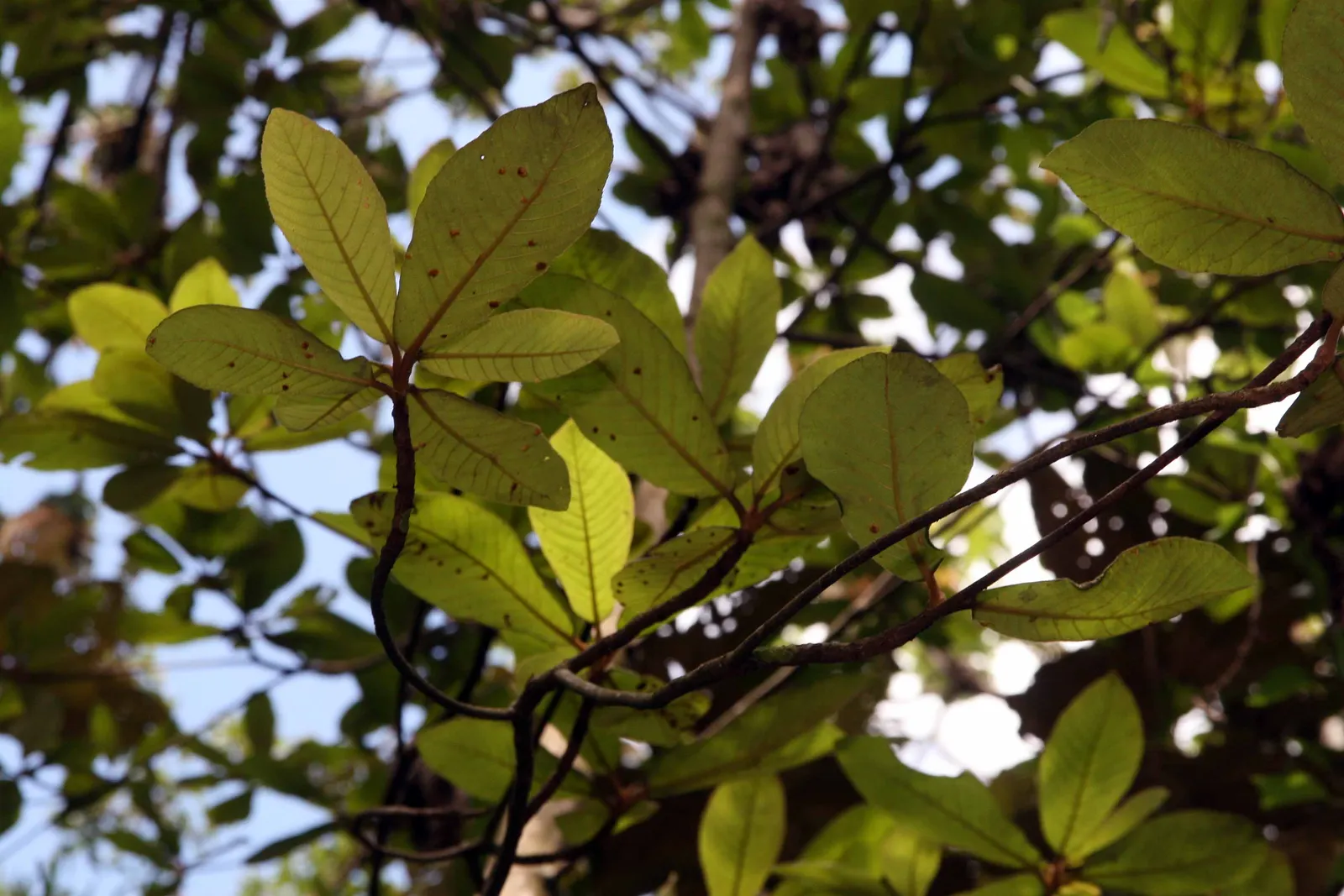
Summersweet (Clethra Alnifolia) — is a versatile deciduous shrub native to North America; dark green leaves that transition to a striking yellow or, image 61
Summersweet (Clethra Alnifolia) — that offers multi-seasonal interest to any landscape design; shrub with white blooms, image 62
Summersweet (Clethra Alnifolia) — Recognized for its adaptability; scientifically known as Clethra alnifolia, image 63
Summersweet (Clethra Alnifolia) — it thrives in USDA hardiness zones 3 through 9; well-drained soils but capable of withstanding periodic, image 64
Summersweet (Clethra Alnifolia) — flourishing in either full sun or partial shade; this broadleaf shrub is relatively low maintenance, image 65
Summersweet (Clethra Alnifolia) — Summersweet is particularly forgiving of various soil conditions; shrub for full or half or shade, image 66
Summersweet (Clethra Alnifolia) — well-drained soils but capable of withstanding periodic waterlogging; is a versatile deciduous shrub native to, image 67
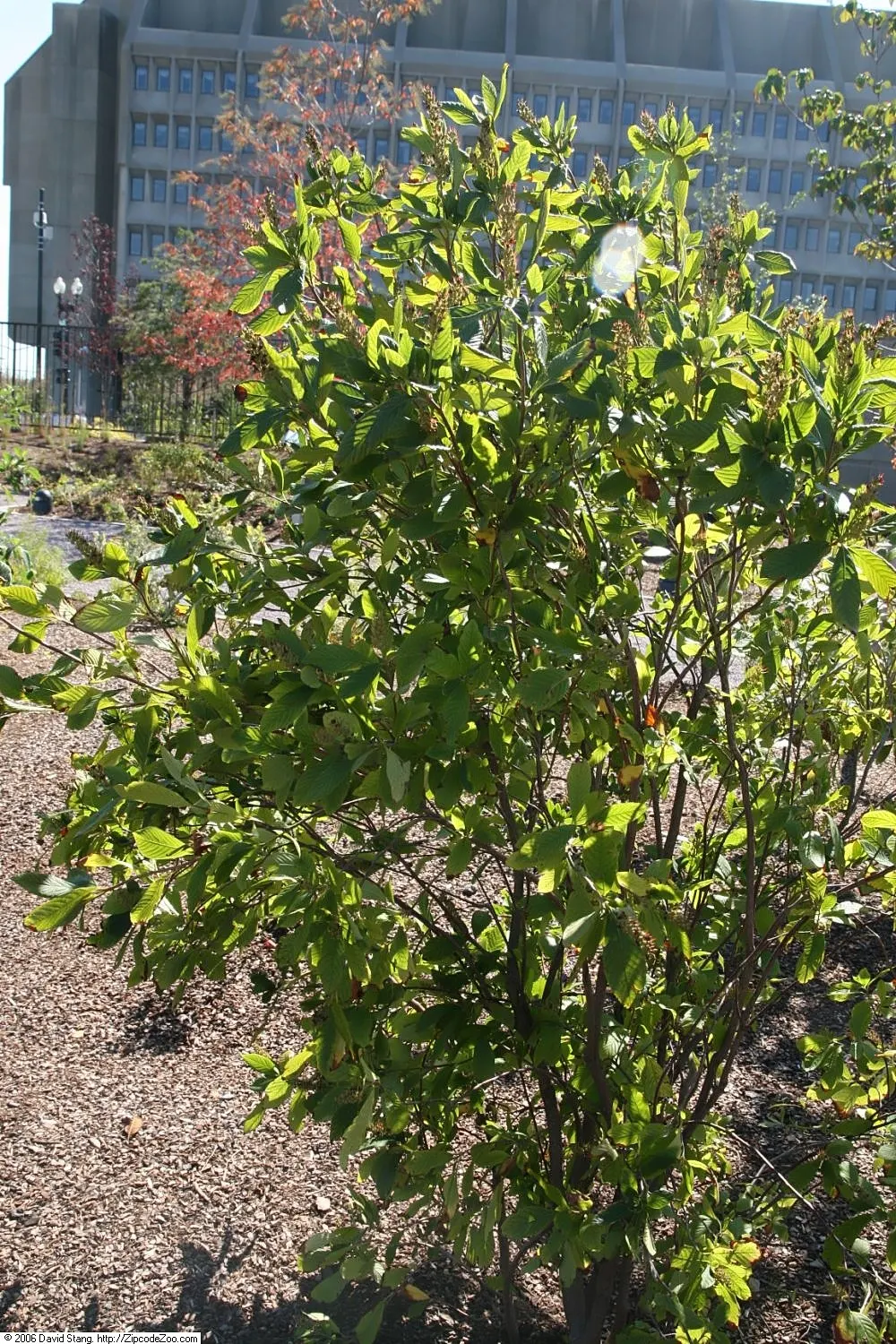
Summersweet (Clethra Alnifolia) — with a similar spread of 4 to 6 feet, image 68
Summersweet (Clethra Alnifolia) — Its upright and slightly rounded form lends a structured yet naturalistic aesthetic; requiring minimal pruning, image 69
Summersweet (Clethra Alnifolia) — when many other plants have completed their bloom cycle; thrives in USDA zones 4-9 with a mature height of 3-8, image 70

Related plants