Skip to content

Italian Clematis

Clematis Viticella

Design with this plant

Overview

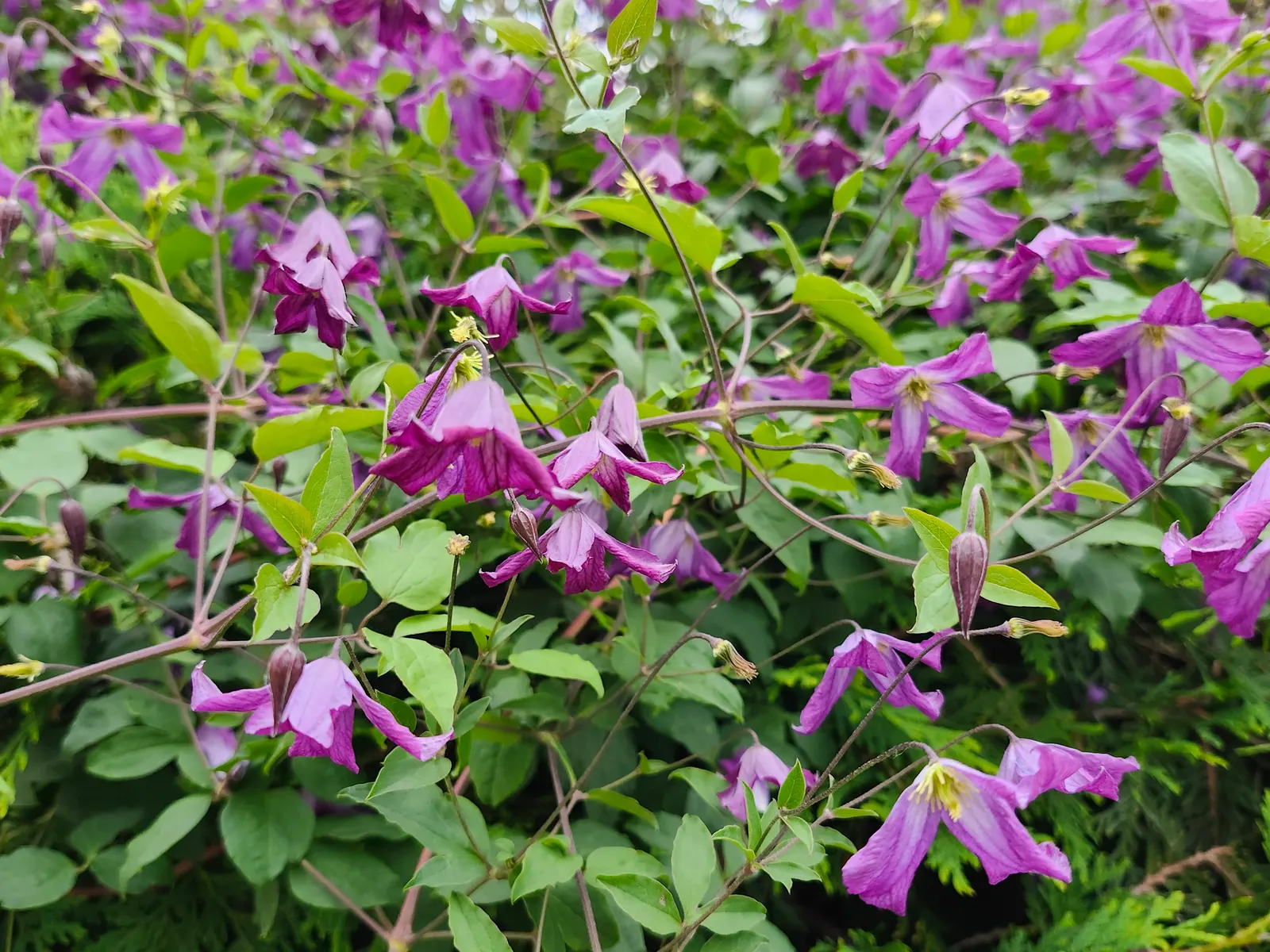
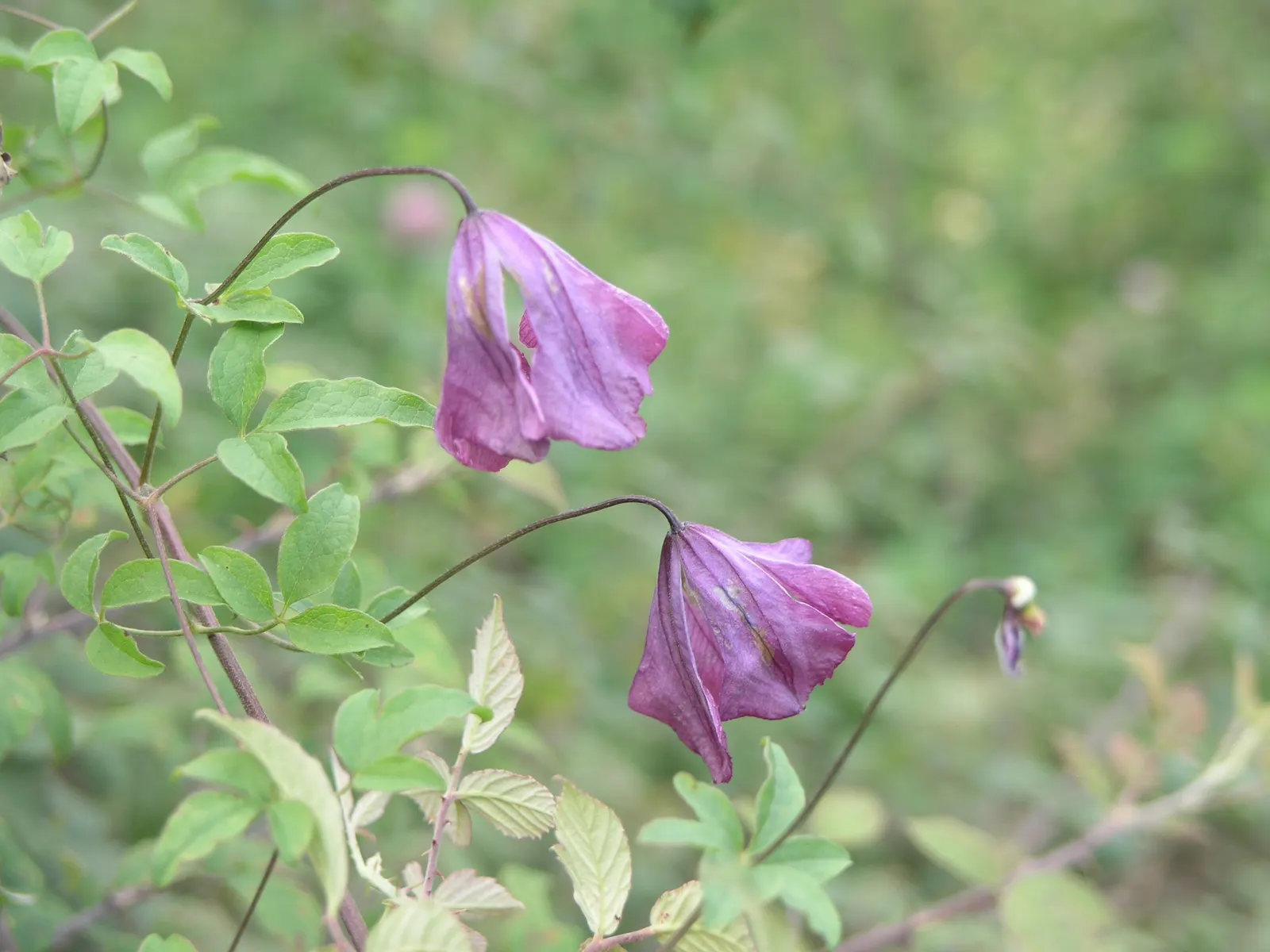
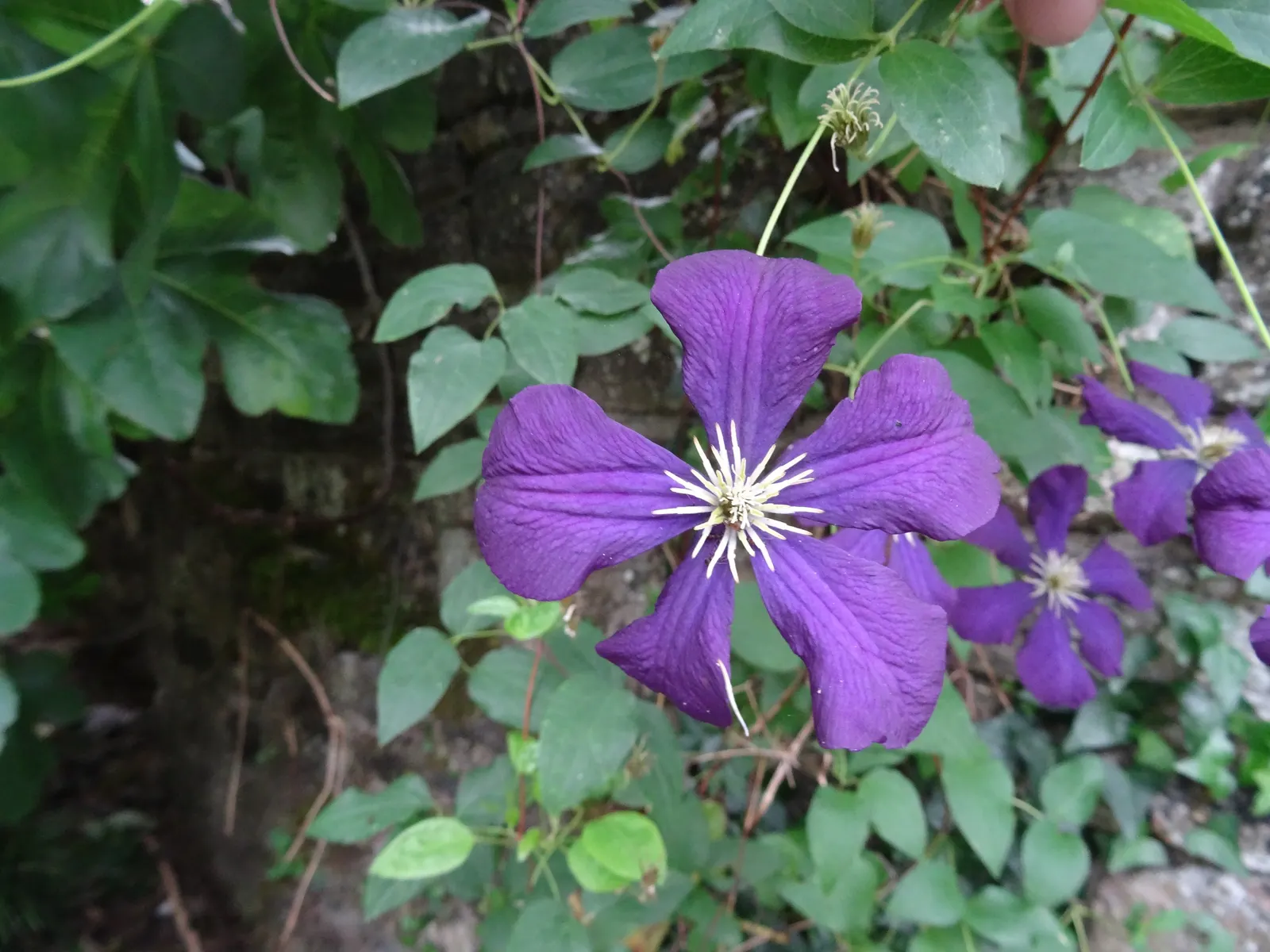
Clematis viticella, or Italian Clematis, is a robust, deciduous vine notable for its masses of bell-shaped flowers, ranging from deep purple to pink, blooming in midsummer to early fall. It can reach heights of 10-15 ft, with a spread of 3-4 ft, requiring a trellis or similar support structure. Hardy in USDA zones 4-9, it thrives in full sun to part shade and prefers well-drained soil. Pruning group 3, it is low-maintenance and disease-resistant.

Sun Full, HalfWater Low, MediumZones 8–10Type VineClimate Temperate

Culture

Sun
Full, Half
Water
Low, Medium
USDA zones
8–10

Shape & size

Classification

Type
Vine
Family
Ranunculaceae
Climate
Temperate

See full data, regional cultivation notes, and design tools. Build a client presentation around this plant.

Start your 14-day trial

Photos (122)

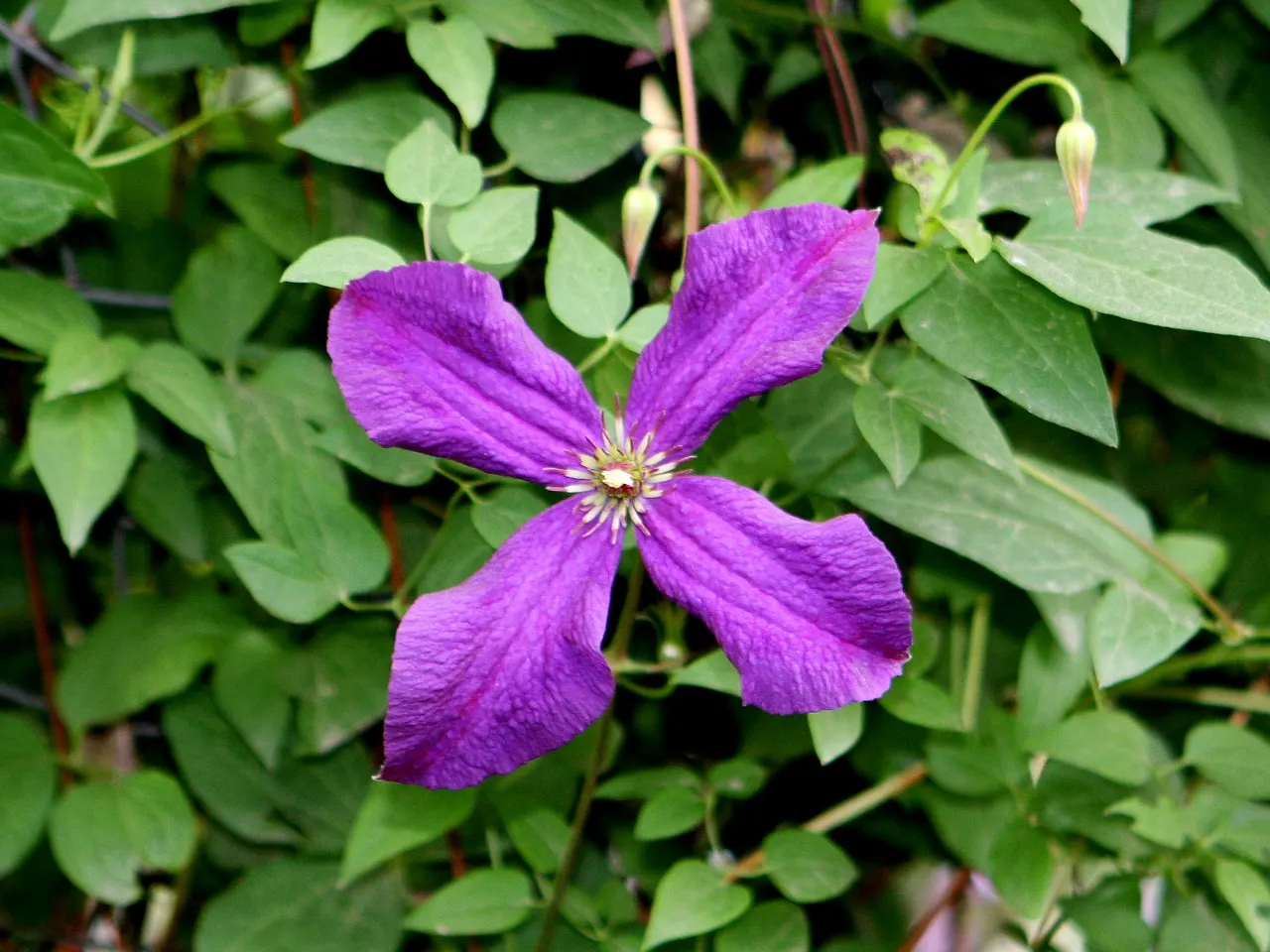
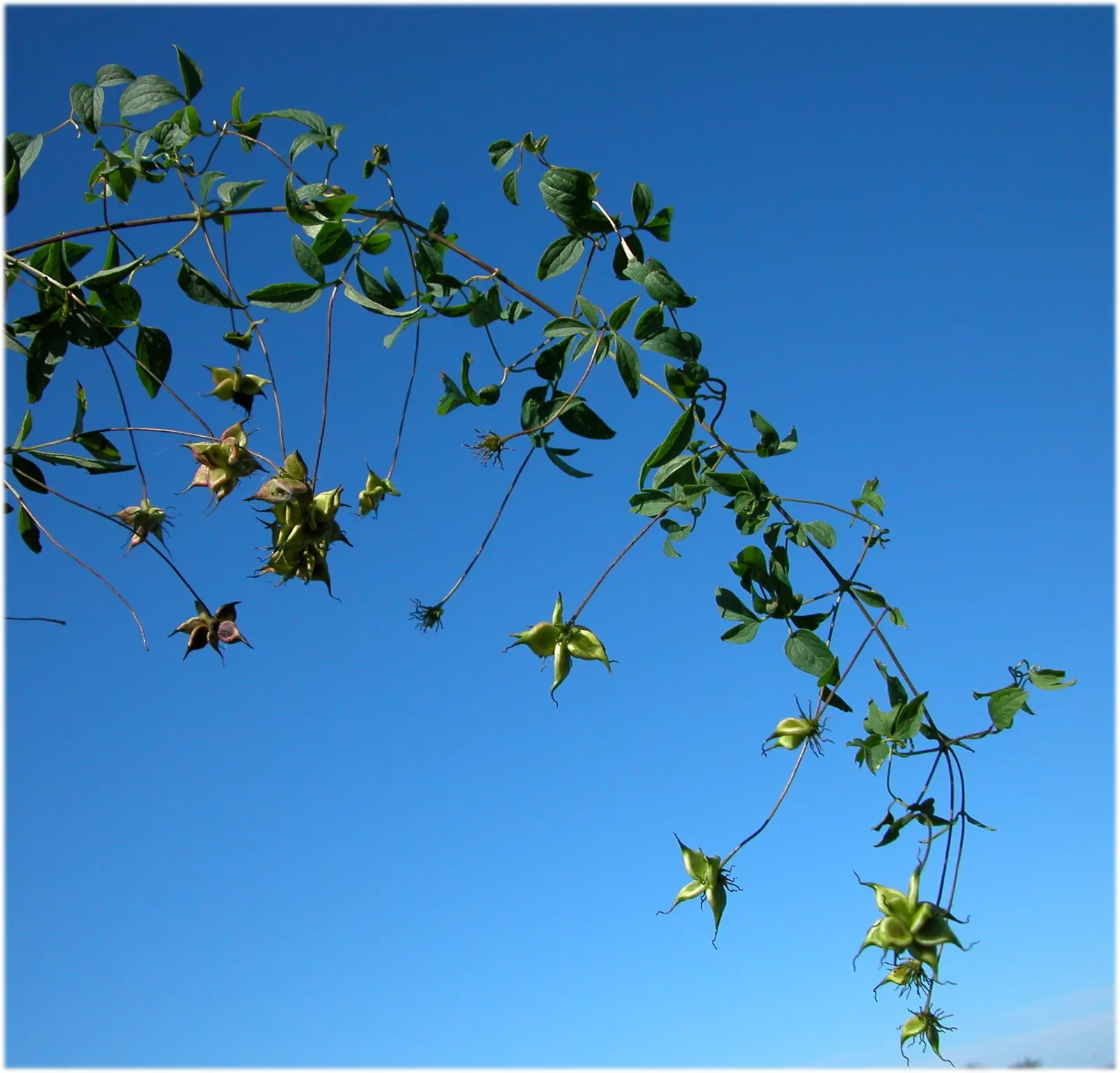
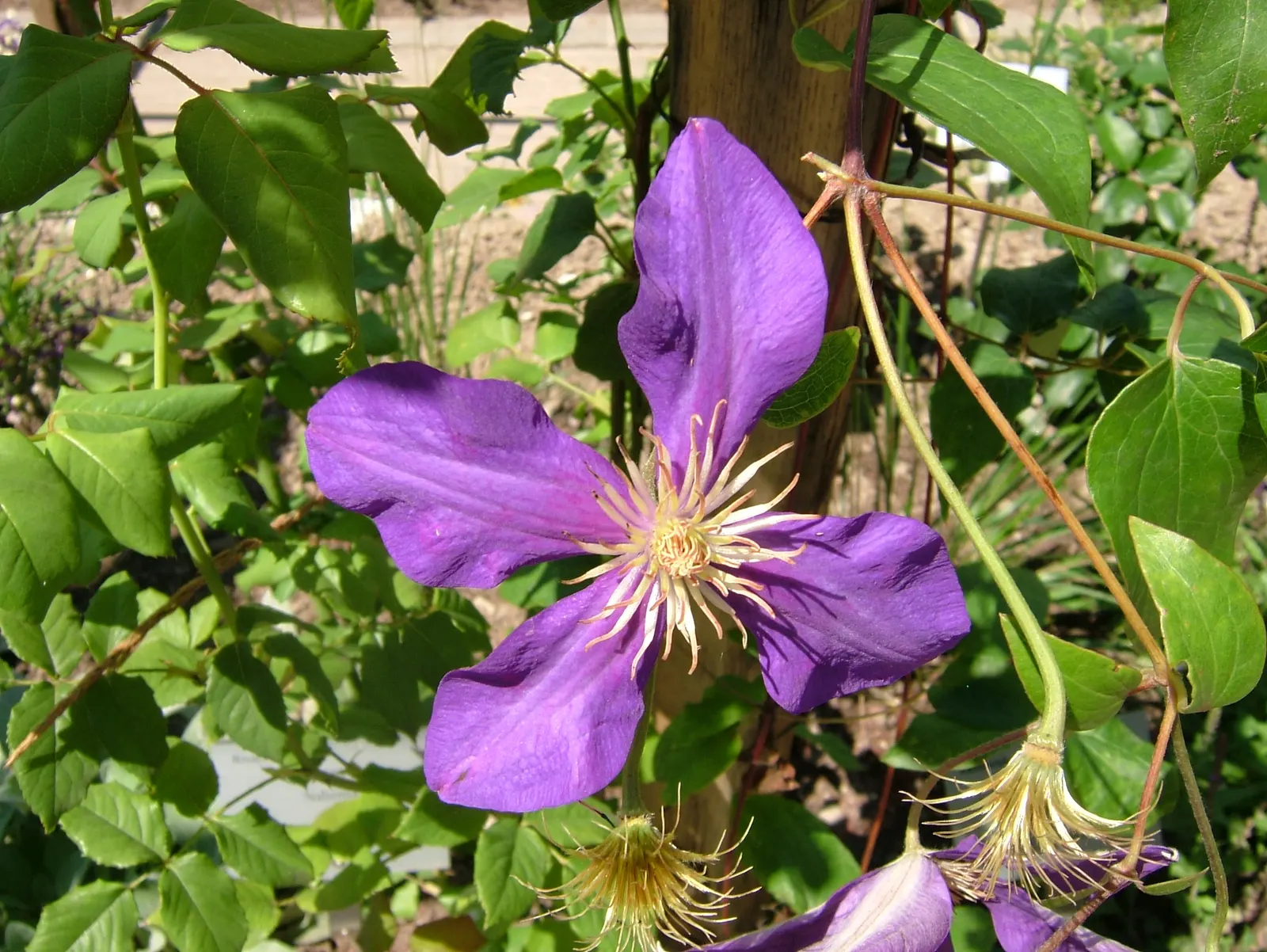
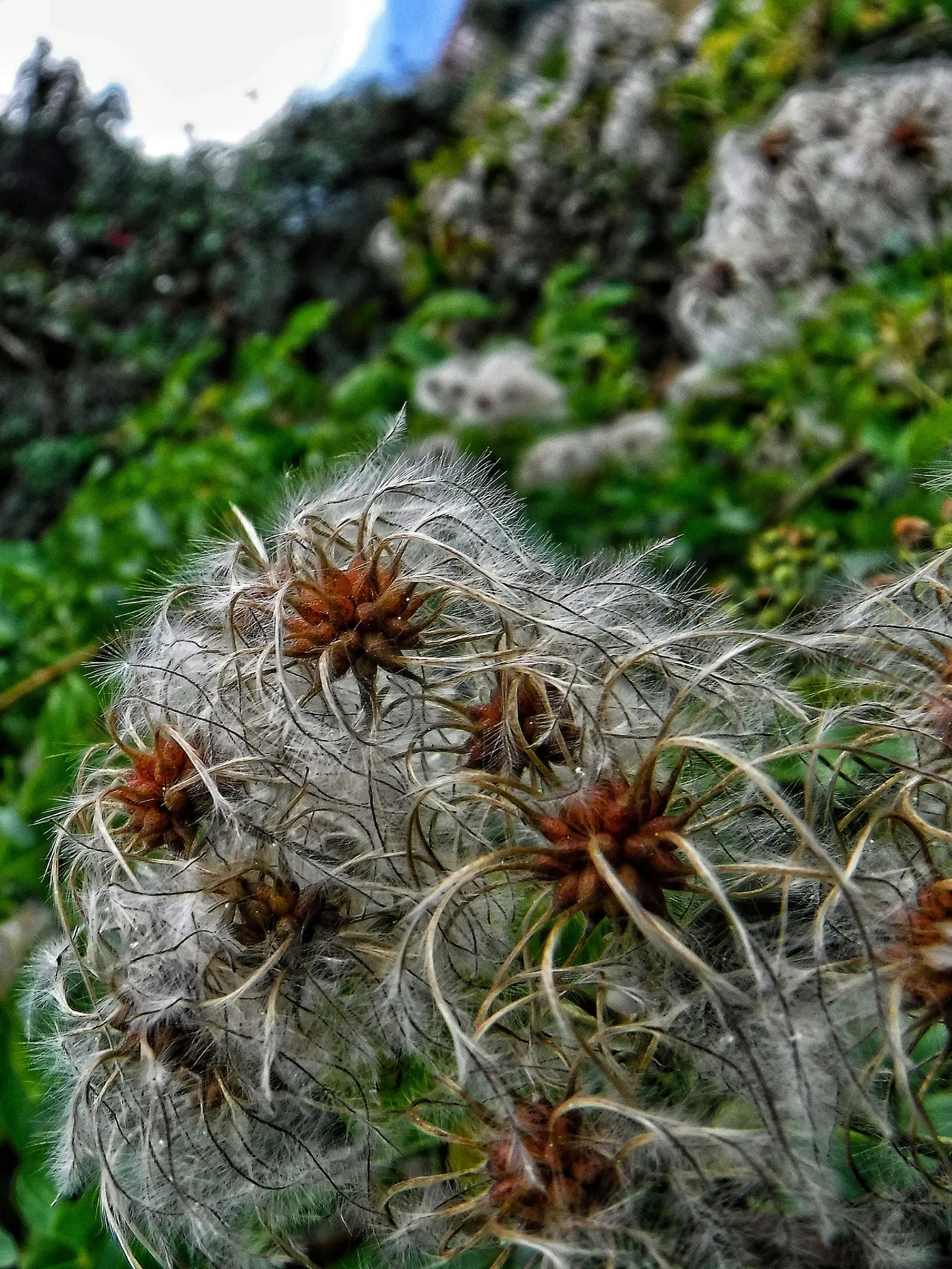
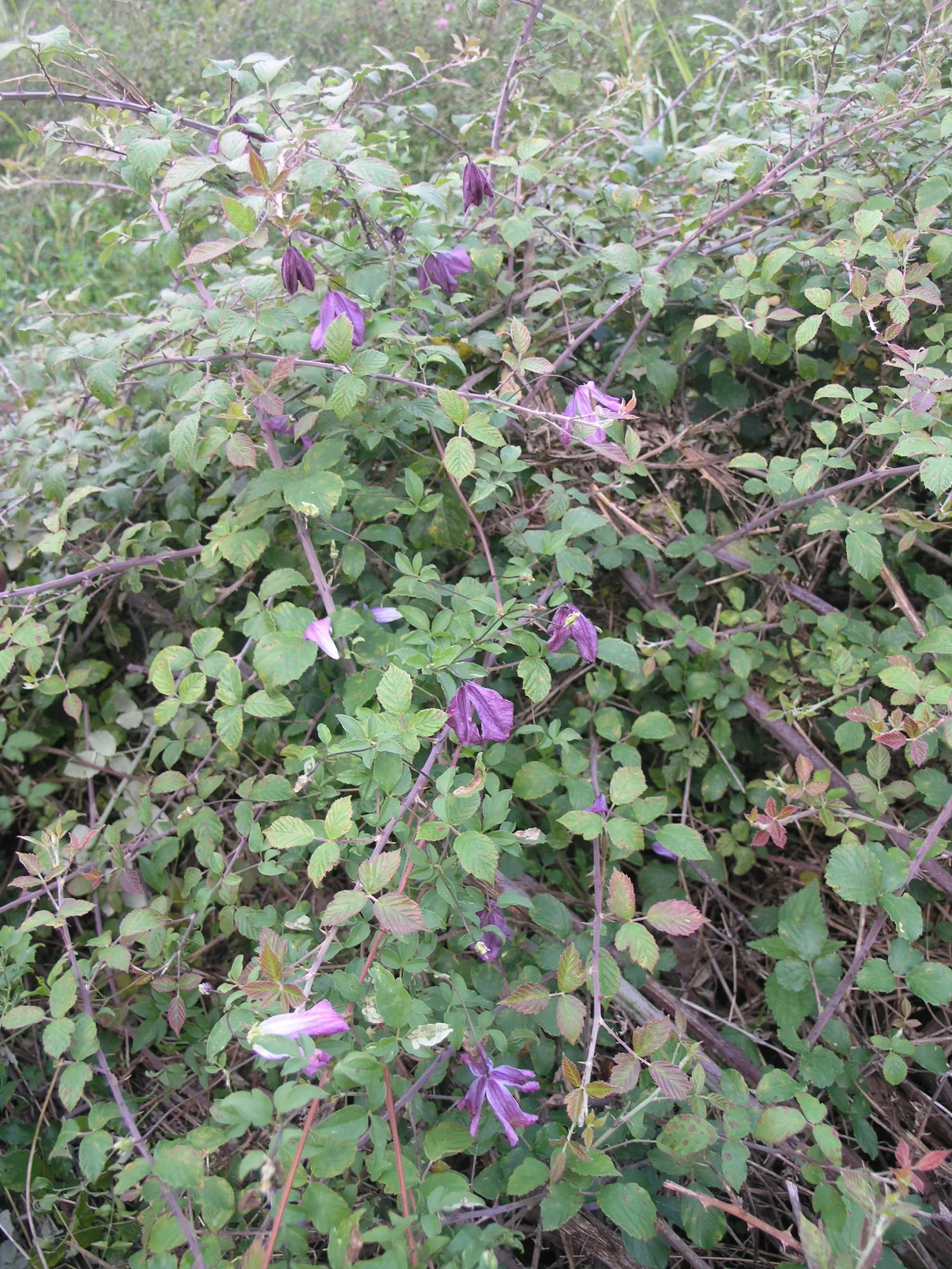
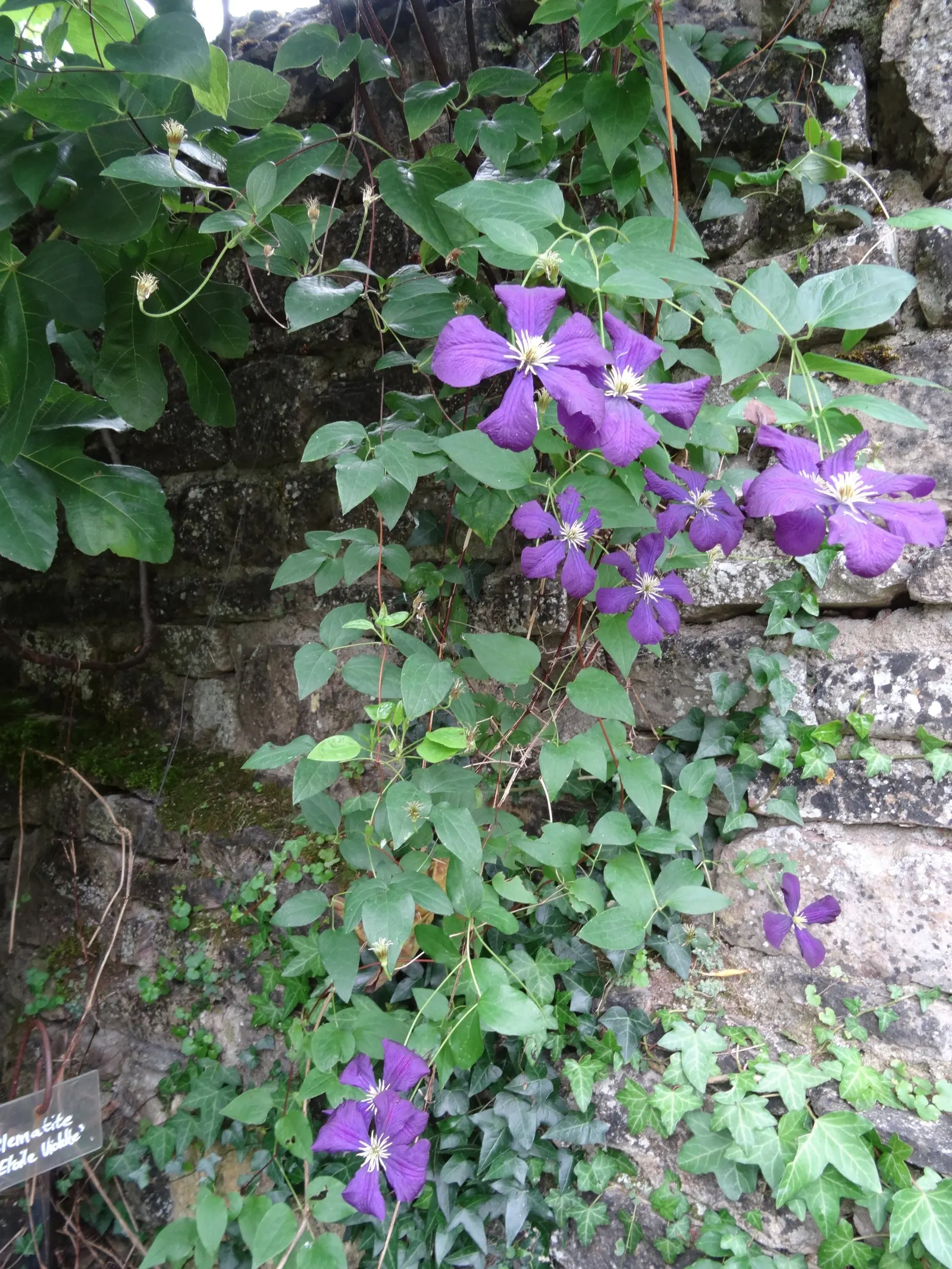
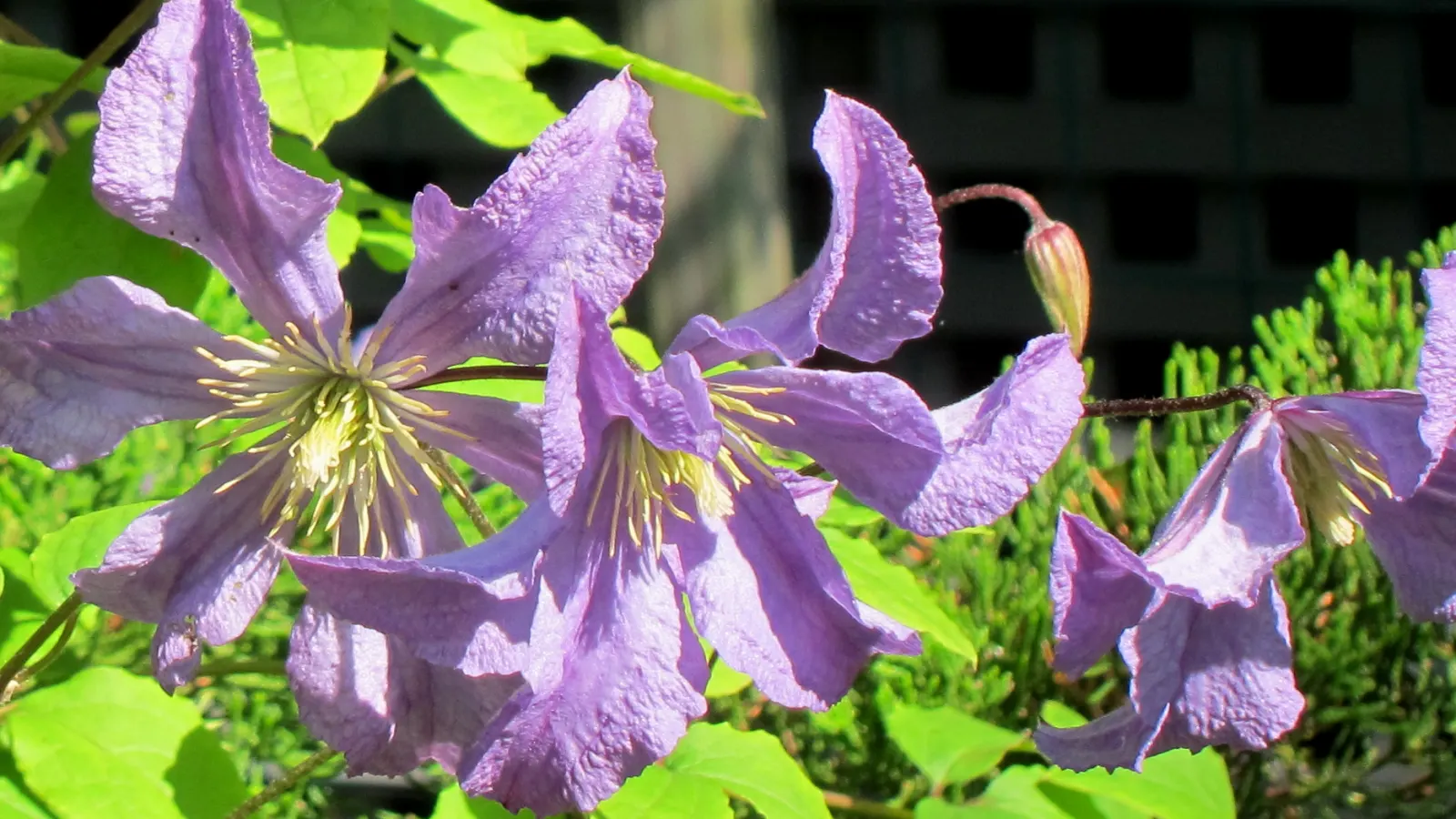
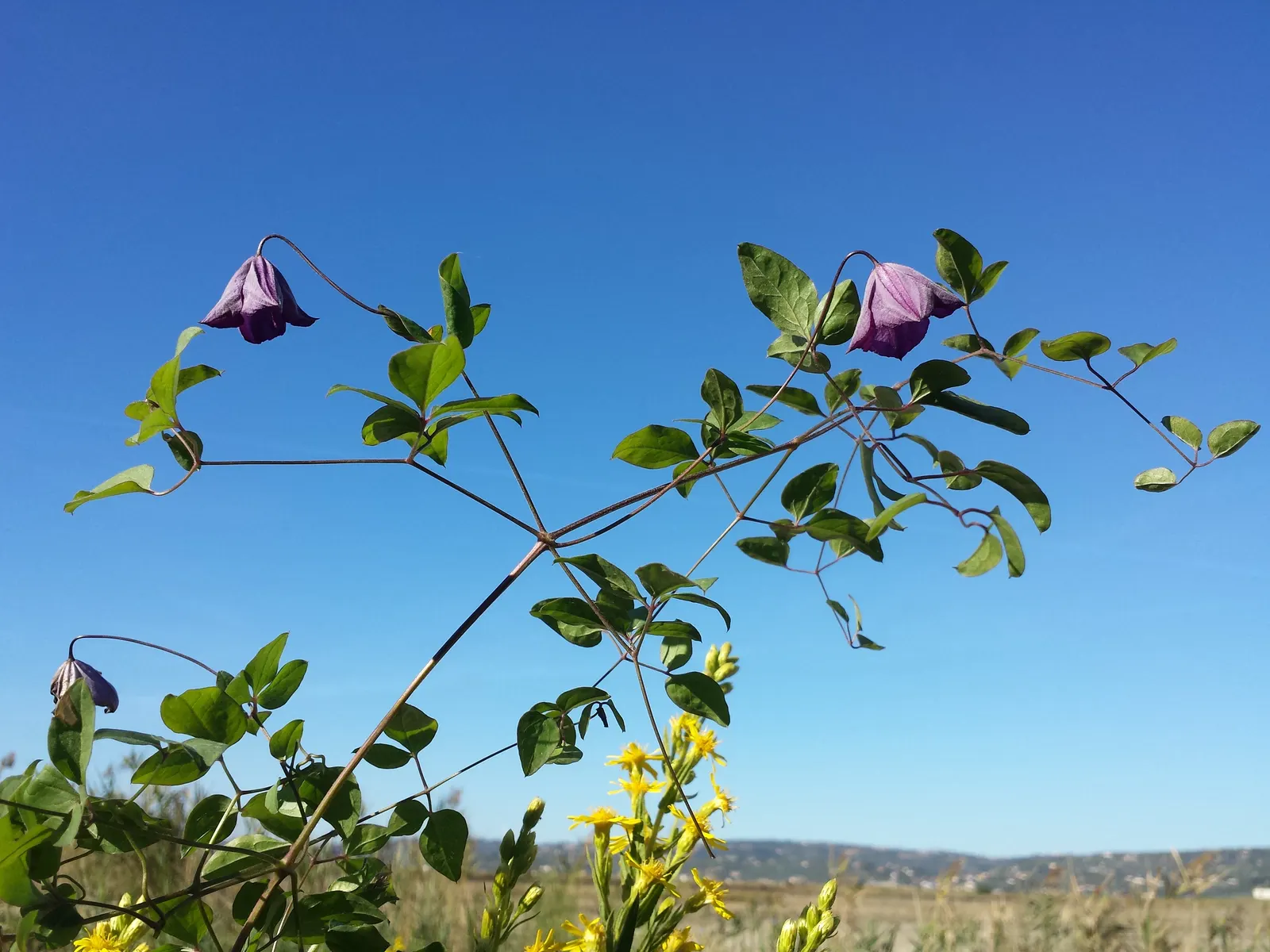
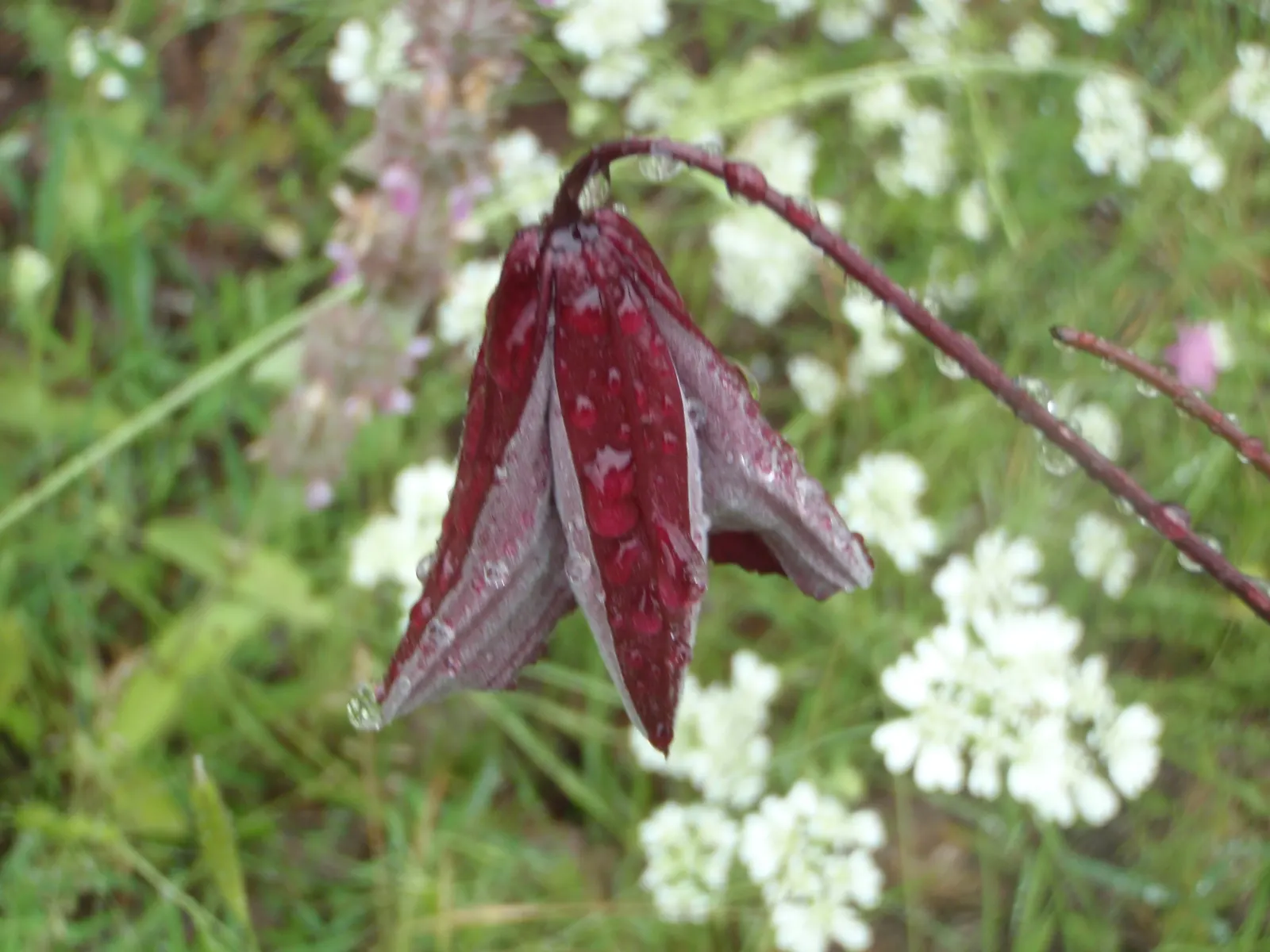
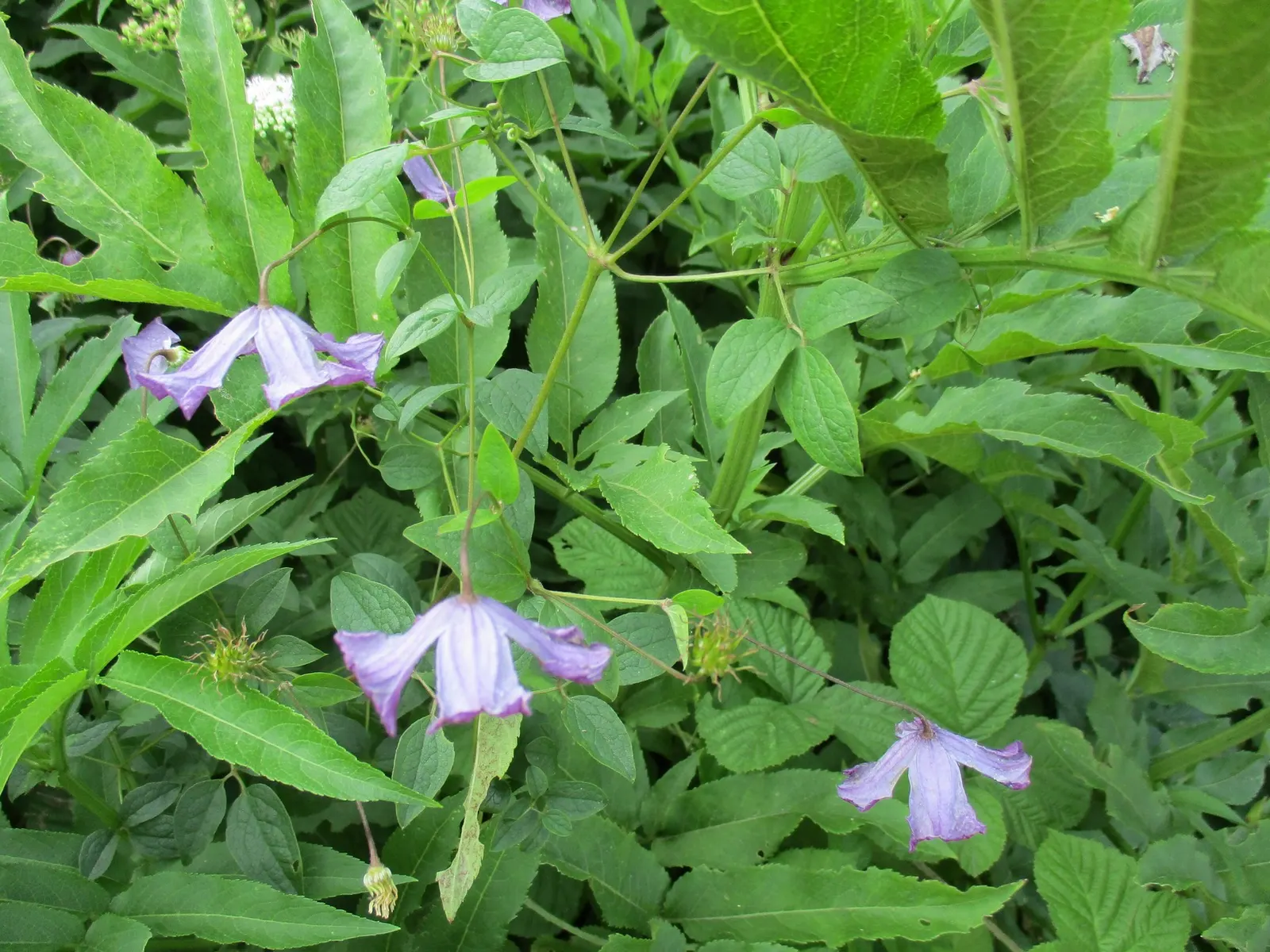
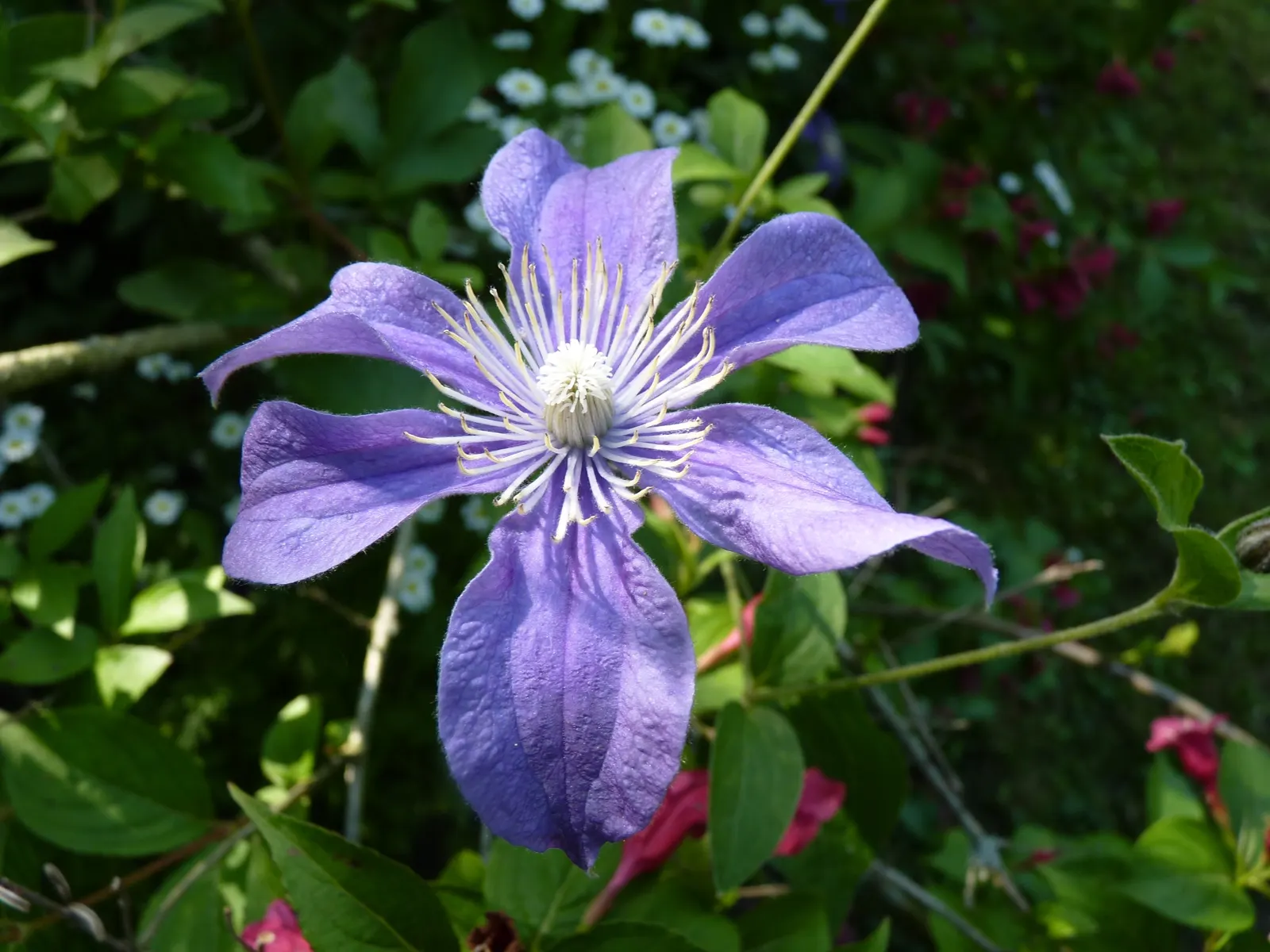
Italian Clematis (Clematis Viticella) — The plant's slender stems are lined with green; blue flowers in the garden, image 102
Italian Clematis (Clematis Viticella) — yet high-impact addition to any garden design; this deciduous perennial is native to southern Europe and thrives in
Italian Clematis (Clematis Viticella) — Hardy in USDA zones 4-9, it thrives in full sun to part shade and prefers well-drained soil; it is suitable, image 74
Italian Clematis (Clematis Viticella) — particularly during dry spells; deciduous vine notable for its masses of bell-shaped flowers
Italian Clematis (Clematis Viticella) — it is suitable for vertical spaces in the landscape; depending on the cultivar, image 101
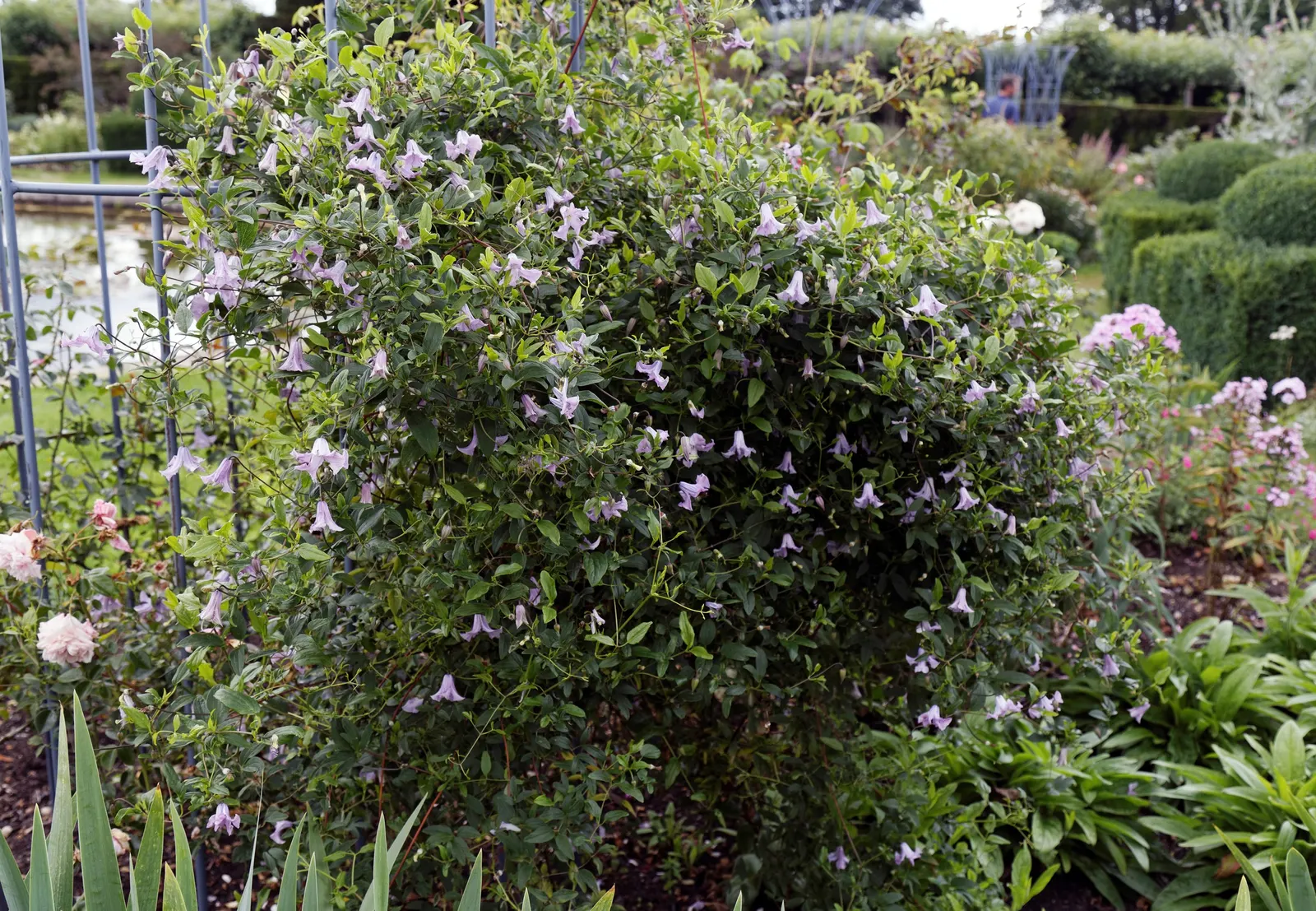
Italian Clematis (Clematis Viticella) — the Clematis viticella produces an abundance of bell-shaped flowers; hardy in USDA zones 4-9, it thrives in, image 80
Italian Clematis (Clematis Viticella) — vine for full or half; and a romantic aesthetic that is sure to captivate any client's eye, image 92
Italian Clematis (Clematis Viticella) — This deciduous perennial is native to southern Europe and thrives in USDA zones 4 through 11; is a, image 100
Italian Clematis (Clematis Viticella) — particularly during dry spells
Italian Clematis (Clematis Viticella) — deciduous vine notable for its masses of bell-shaped flowers; it can reach heights of 10-15 ft, with a, image 70
Italian Clematis (Clematis Viticella) — yet high-impact addition to any garden design; this deciduous perennial is native to southern Europe and, image 87
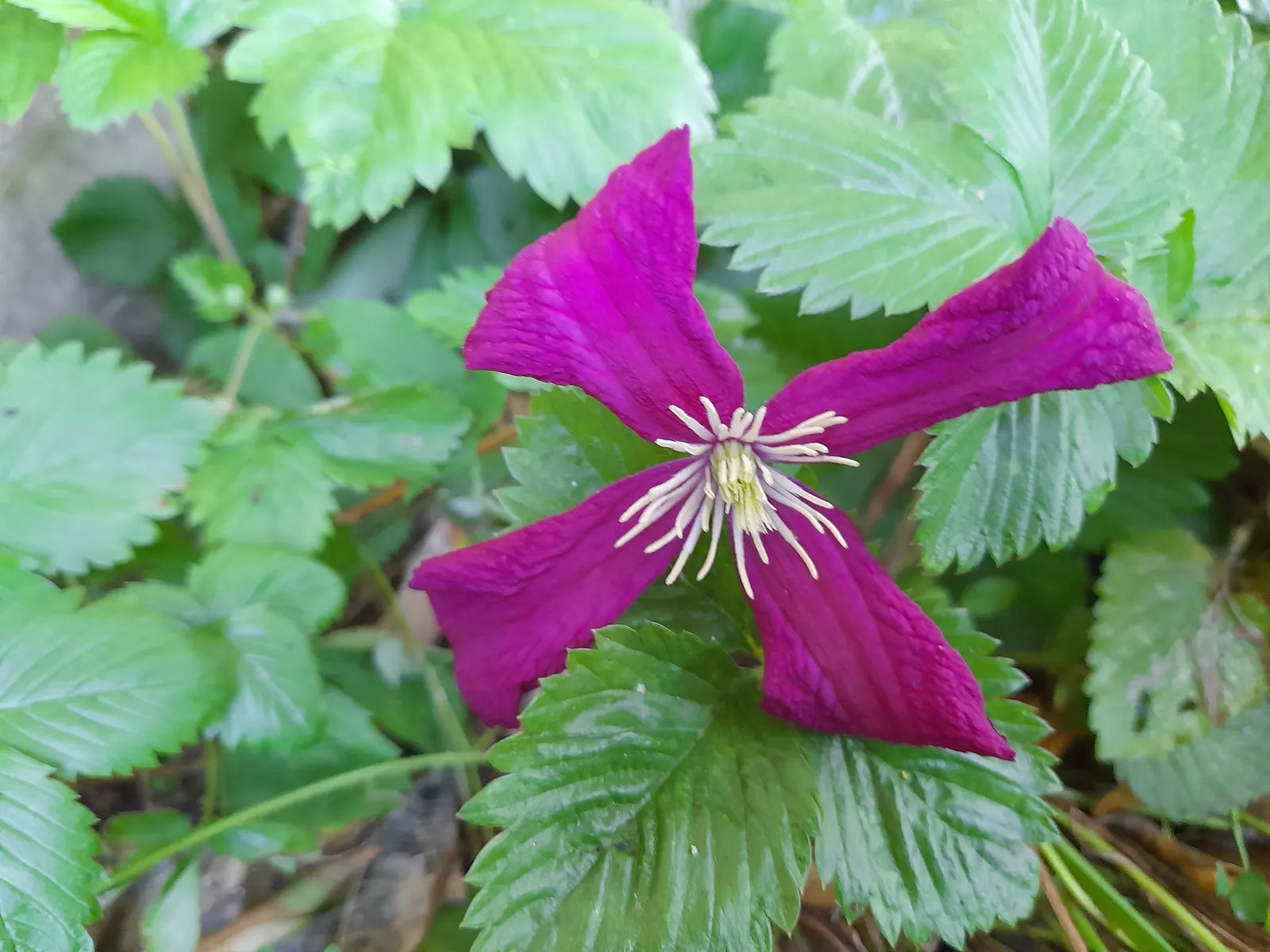
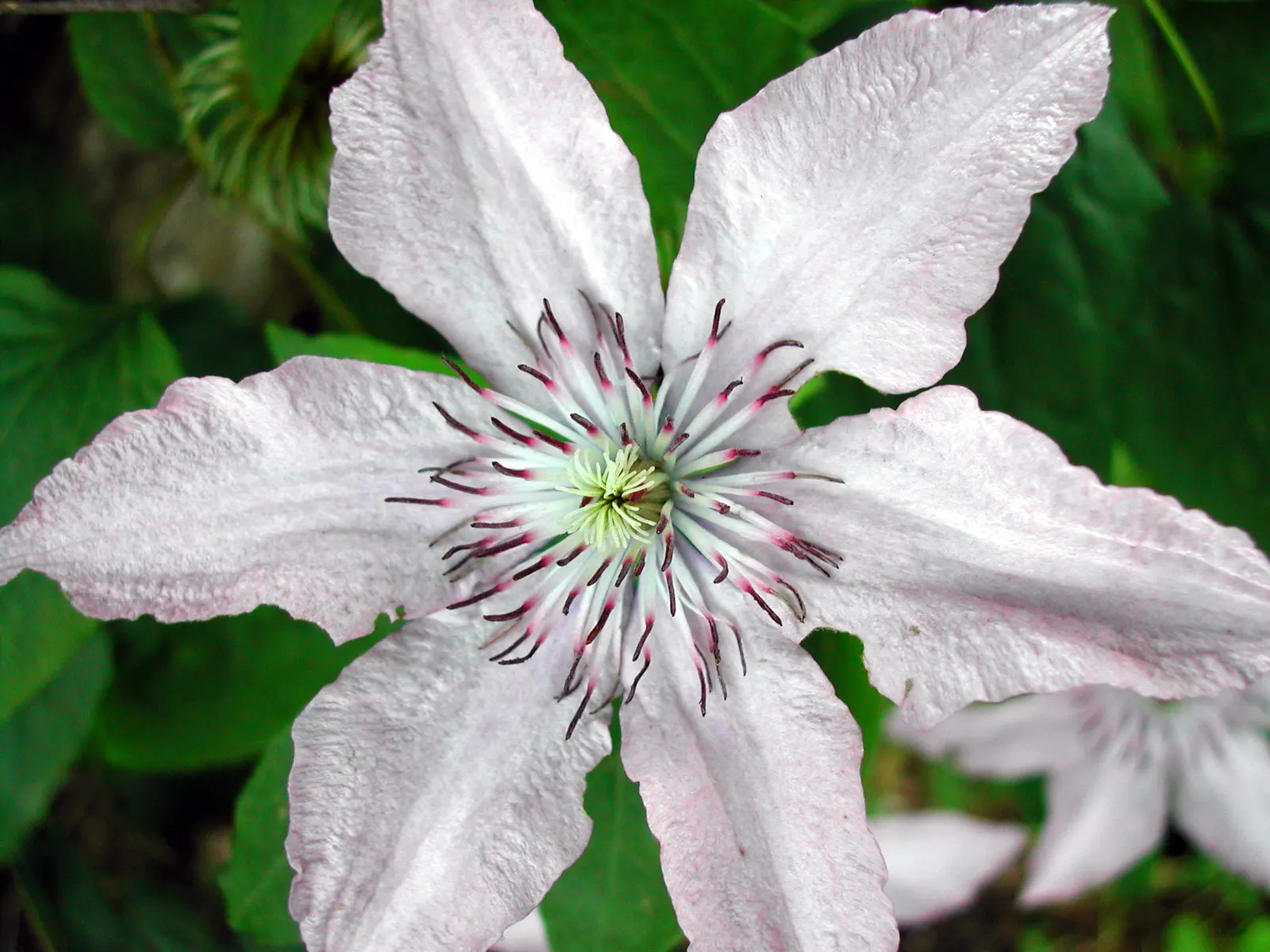
Italian Clematis (Clematis Viticella) — These flowers can be found in an array of colors; providing vertical interest, image 59
Italian Clematis (Clematis Viticella) — depending on the cultivar; blooming in midsummer to early fall, image 60
Italian Clematis (Clematis Viticella) — the Clematis viticella produces an abundance of bell-shaped flowers; hardy in USDA zones 4-9, it thrives in full sun to
Italian Clematis (Clematis Viticella) — blue flowers in the garden; pruning group 3, it is low-maintenance and disease-resistant
Italian Clematis (Clematis Viticella) — is a resilient and versatile climbing plant renowned for its prolific flowering and easy care; vine for full or half
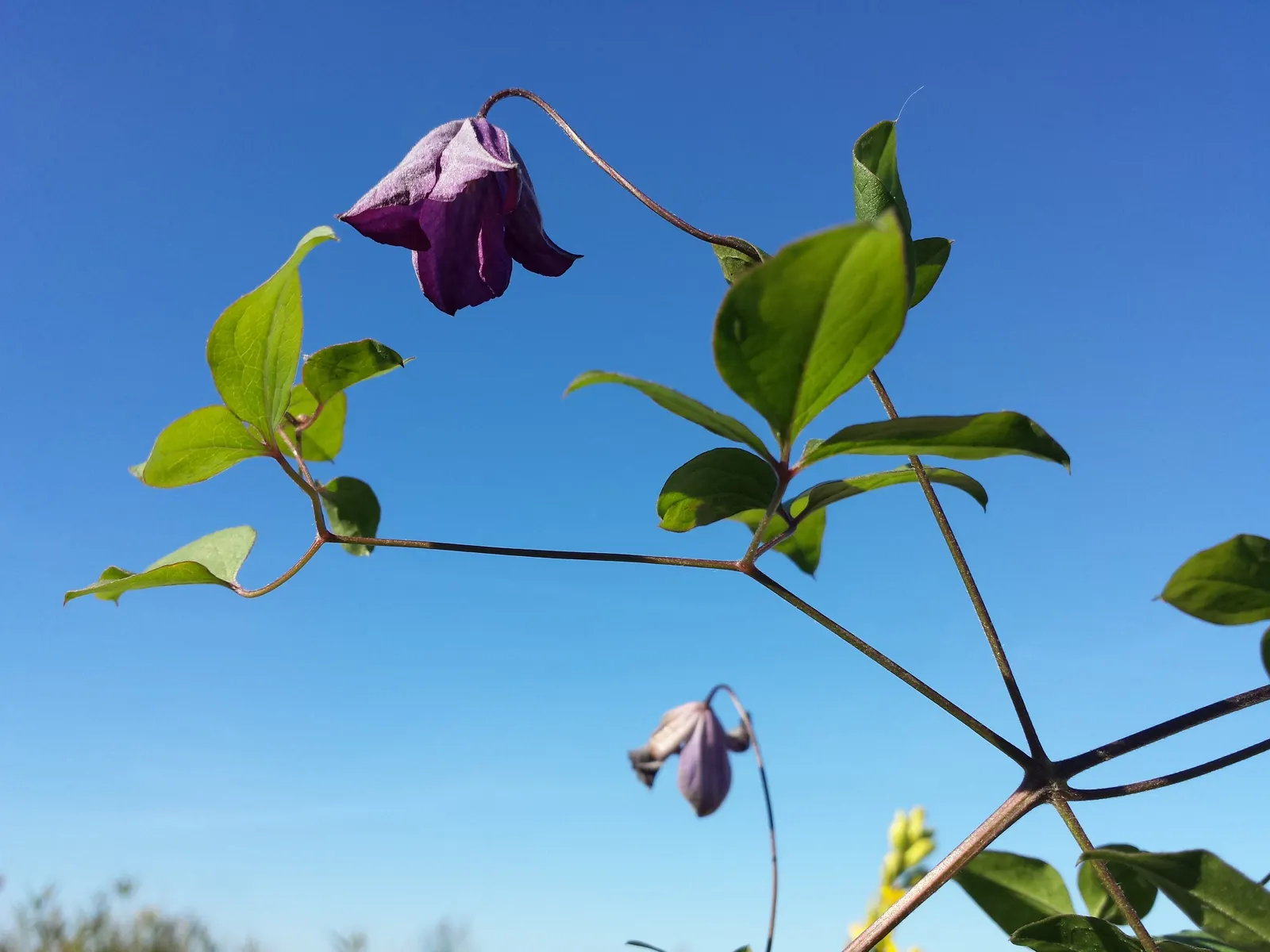
Italian Clematis (Clematis Viticella) — the Clematis viticella produces an abundance of bell-shaped flowers; hardy in USDA zones 4-9, it thrives in, image 57
Italian Clematis (Clematis Viticella) — The plant's slender stems are lined with green; blue flowers in the garden, image 56
Italian Clematis (Clematis Viticella) — ensure the Italian Clematis receives a regular watering schedule
Italian Clematis (Clematis Viticella) — vine with blue blooms; these flowers can be found in an array of colors
Italian Clematis (Clematis Viticella) — ranging from deep purple to pink
Italian Clematis (Clematis Viticella) — with its base and roots shaded or mulched to remain cool; the plant's slender stems are lined with green
Italian Clematis (Clematis Viticella) — providing vertical interest; with its base and roots shaded or mulched to remain cool
Italian Clematis (Clematis Viticella) — vine for full or half; and a romantic aesthetic that is sure to captivate any client's eye
Photographs by 17 contributors

Related plants