Skip to content

Fringe Tree

Chionanthus Virginicus

Design with this plant

Overview

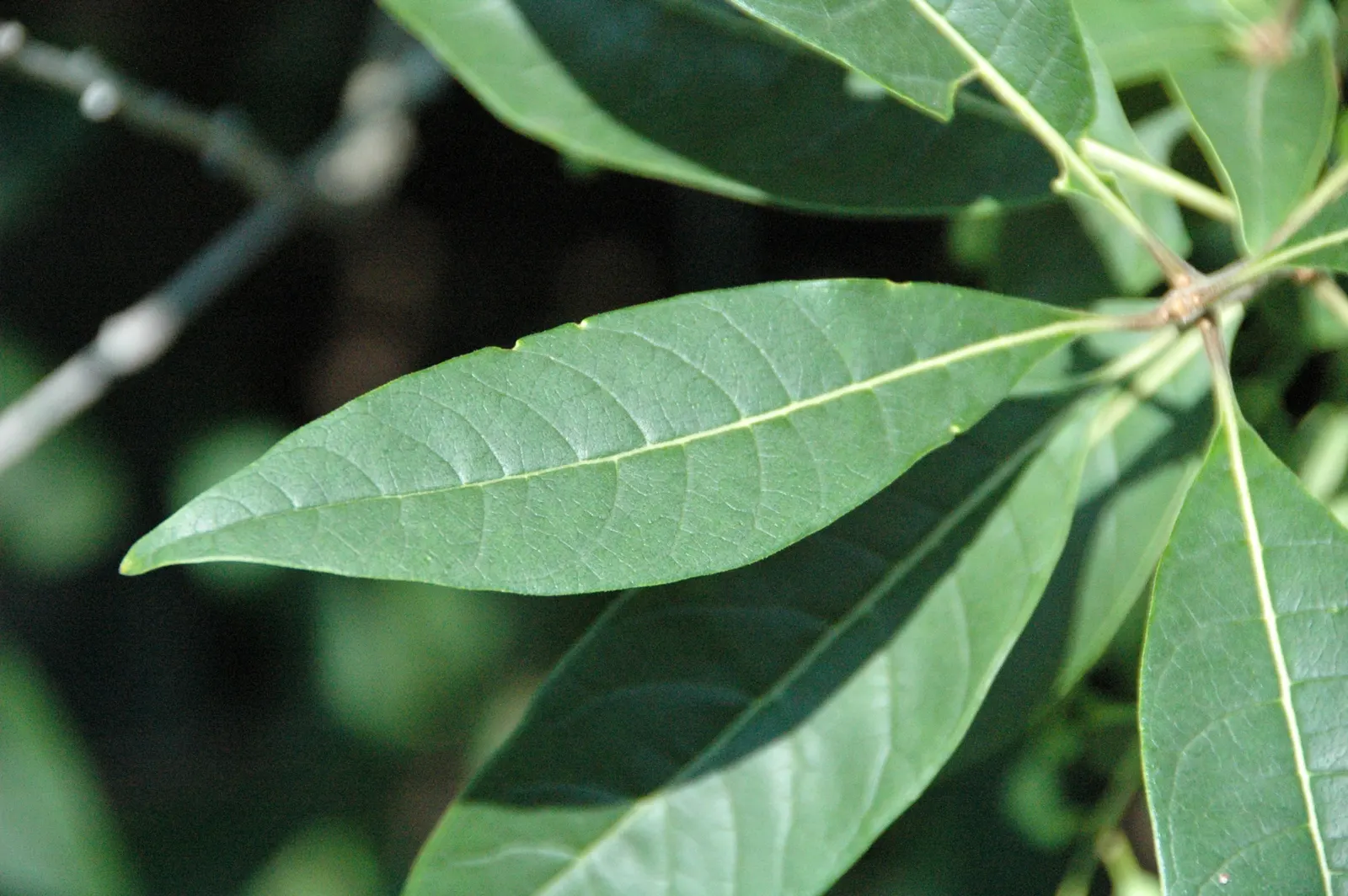
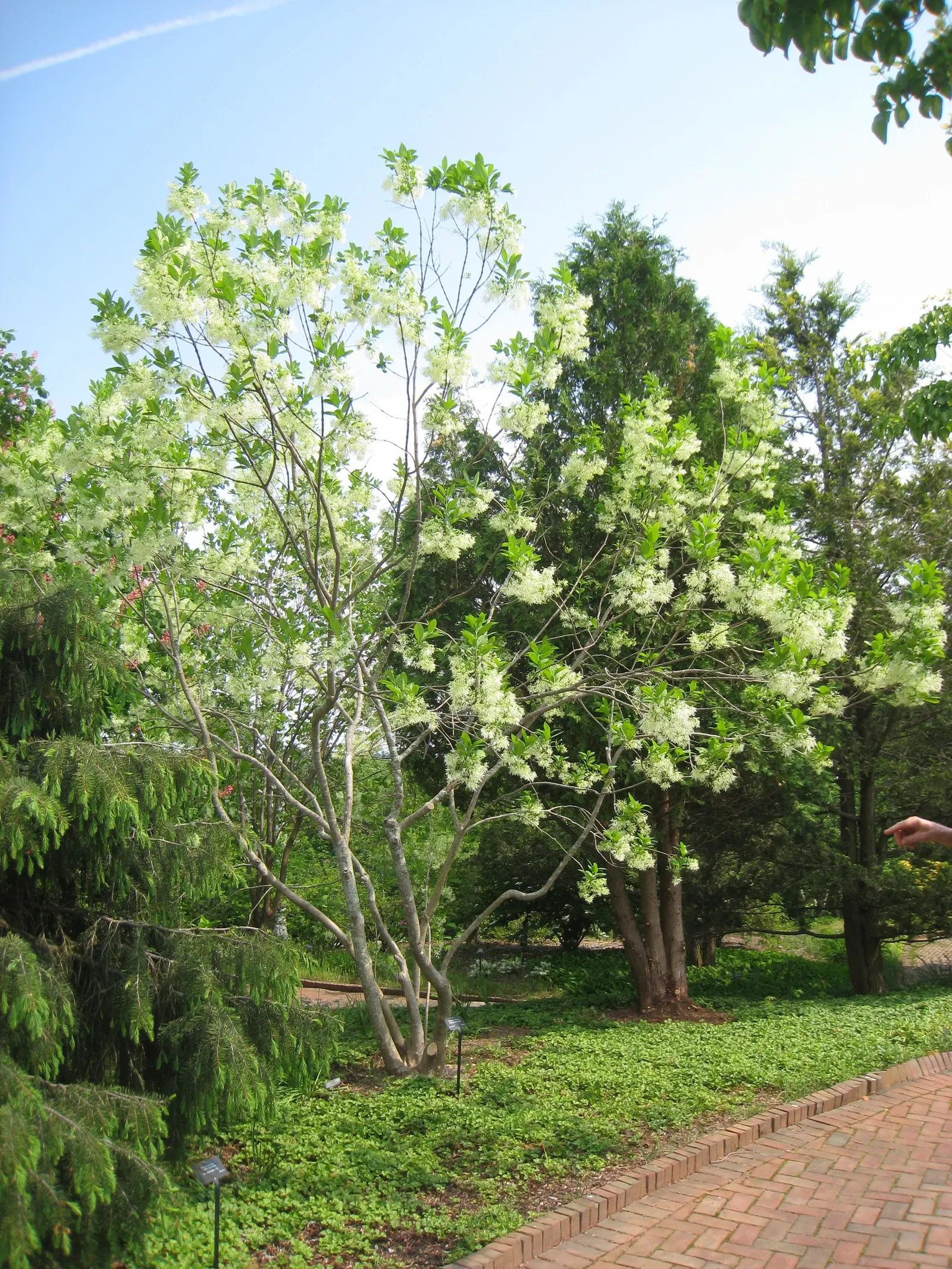
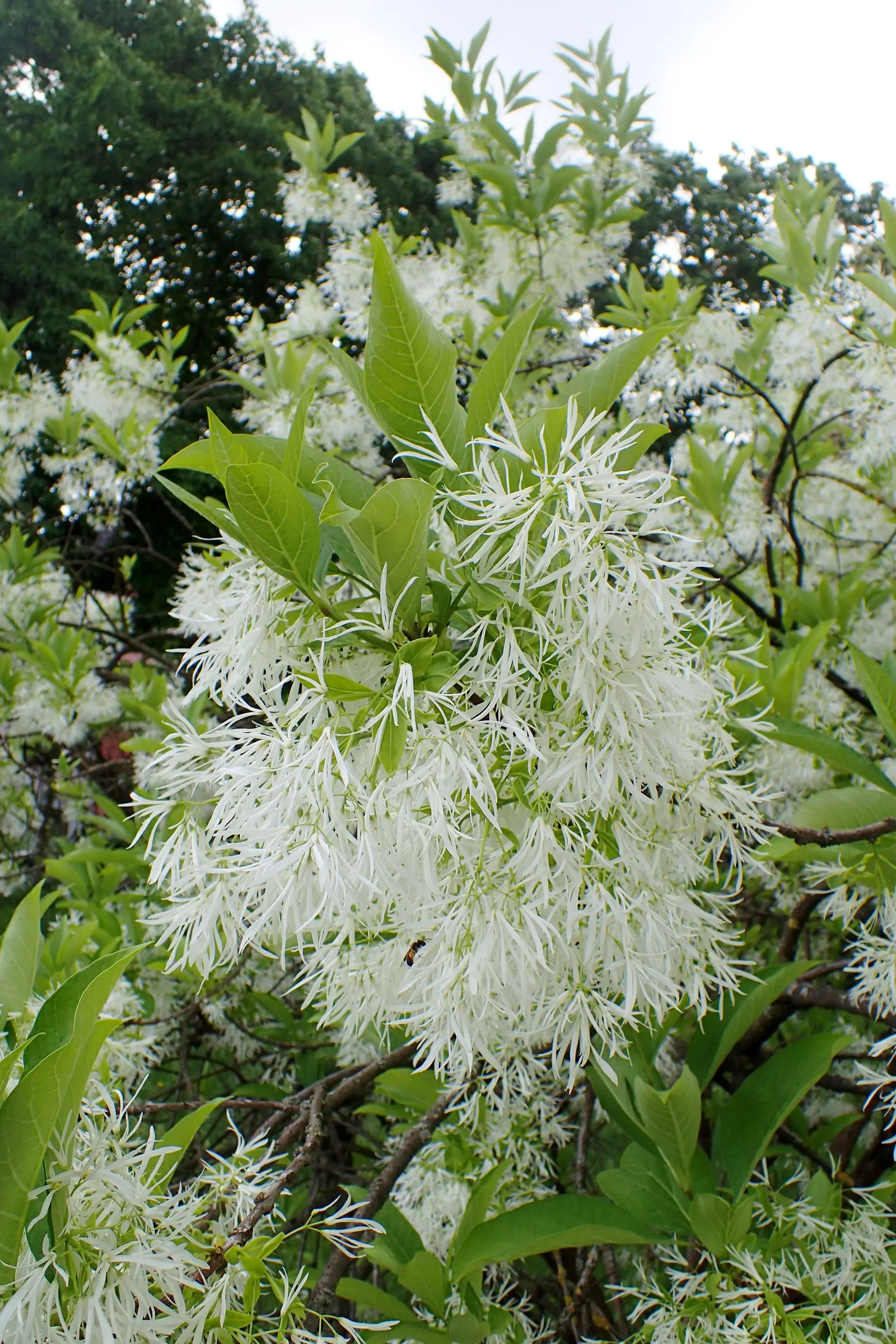
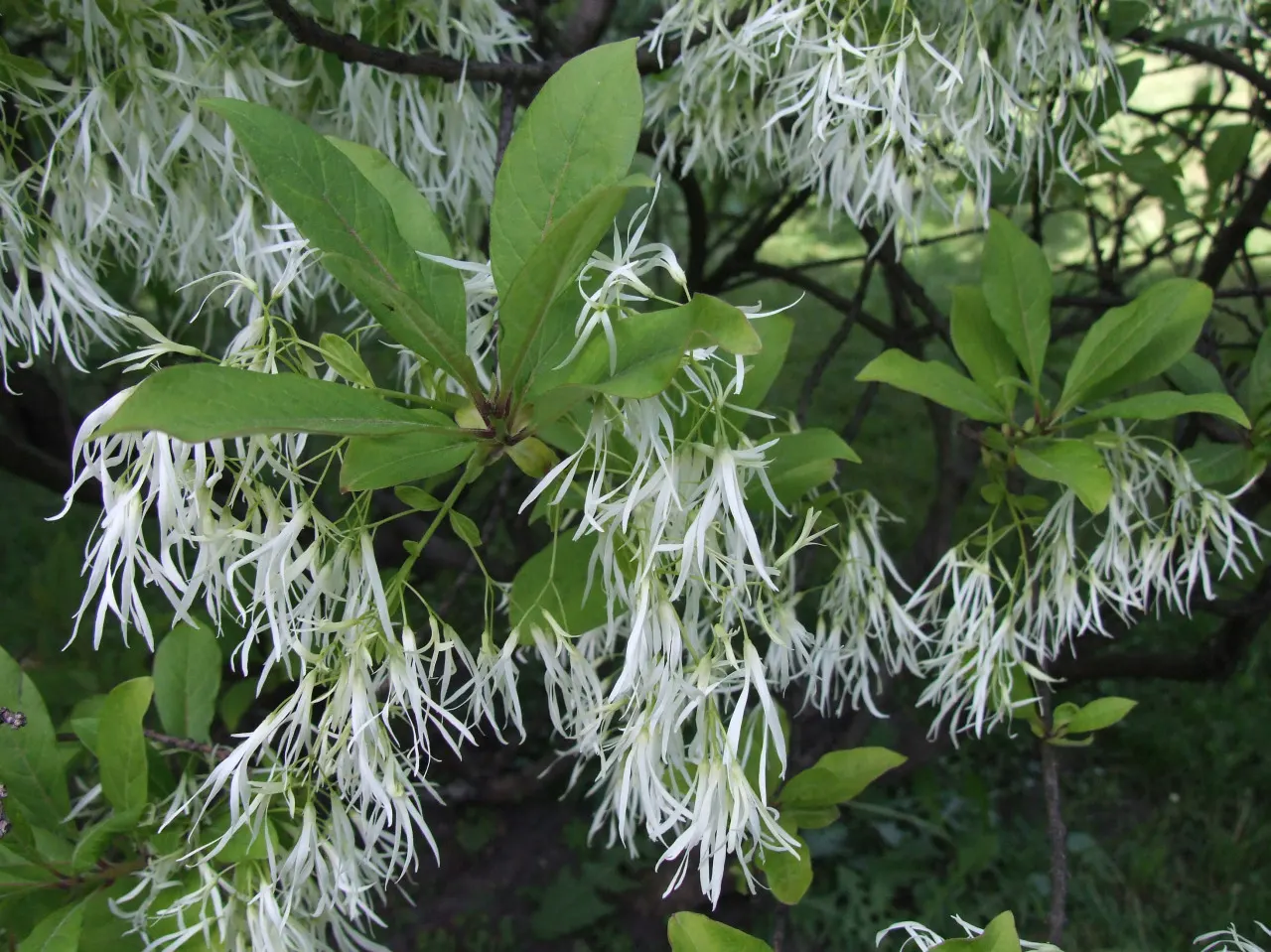
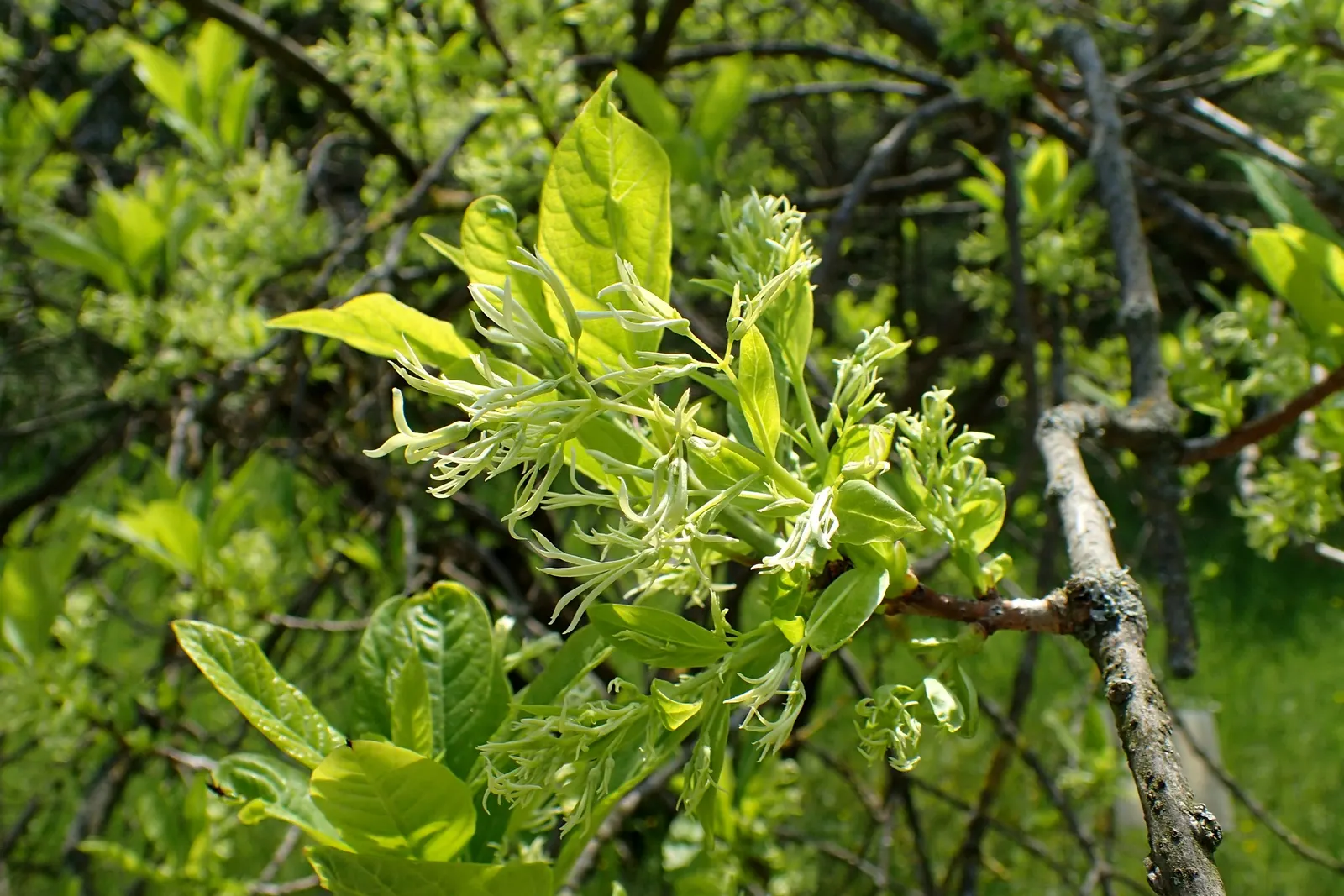
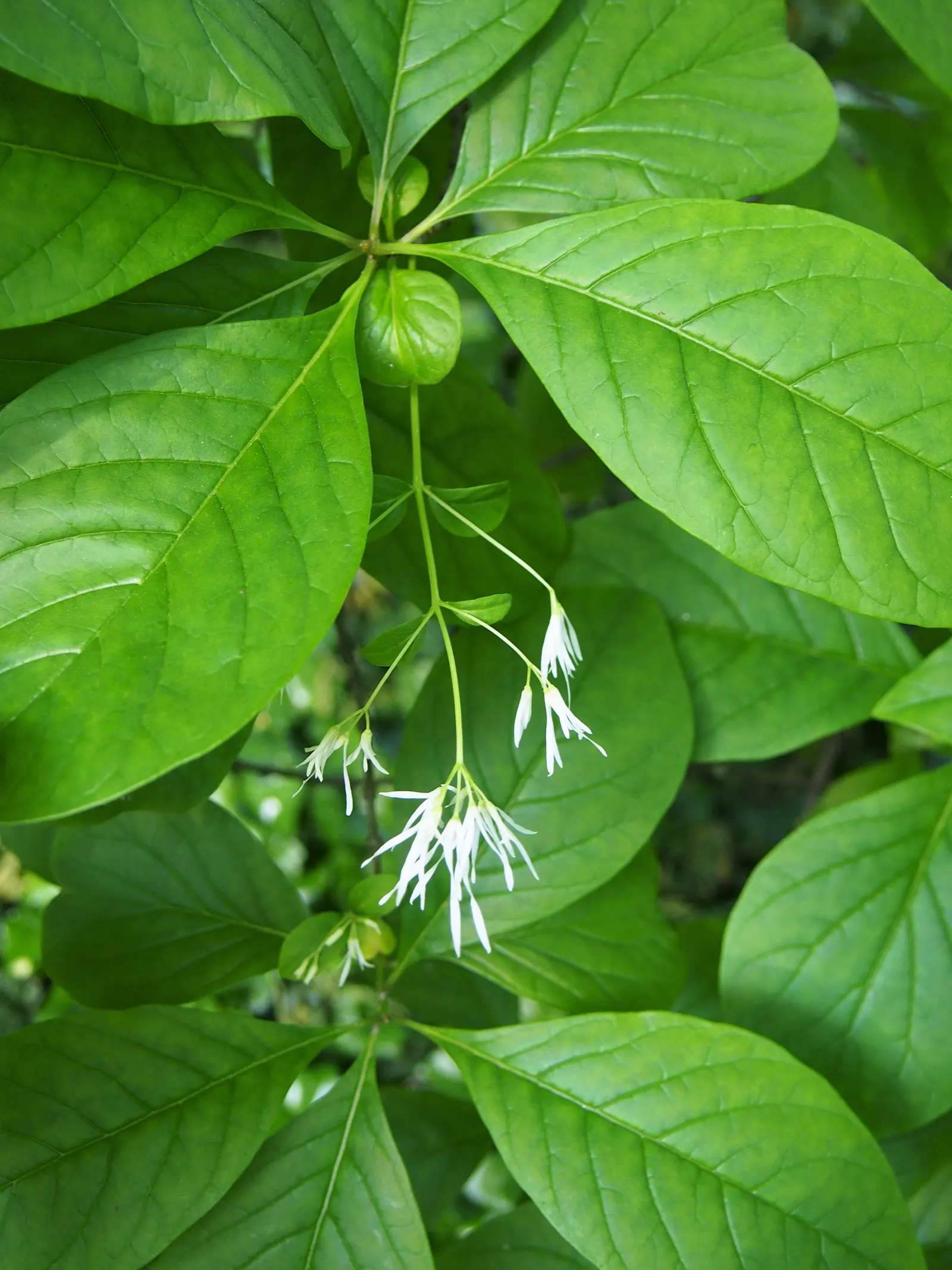
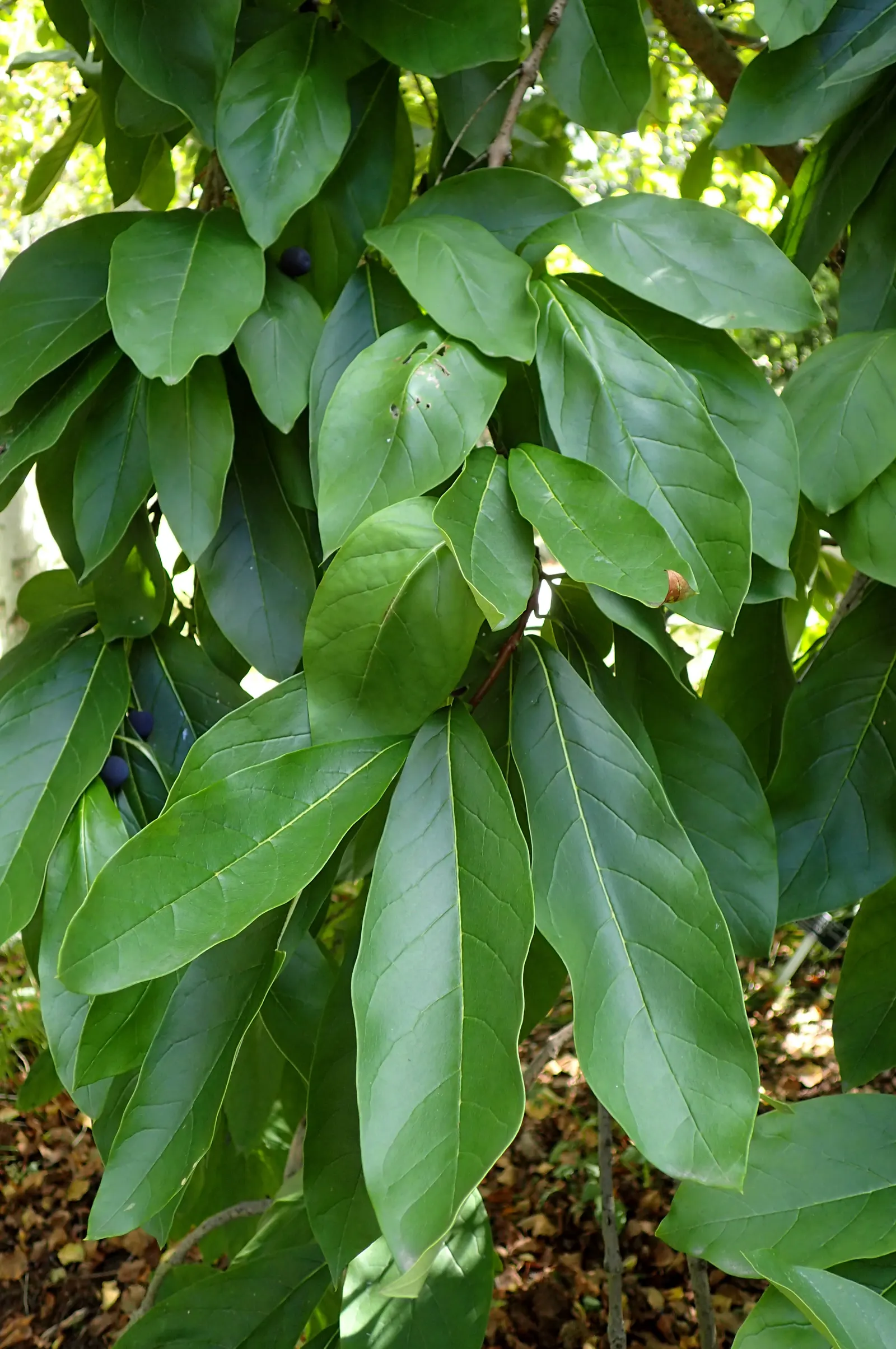
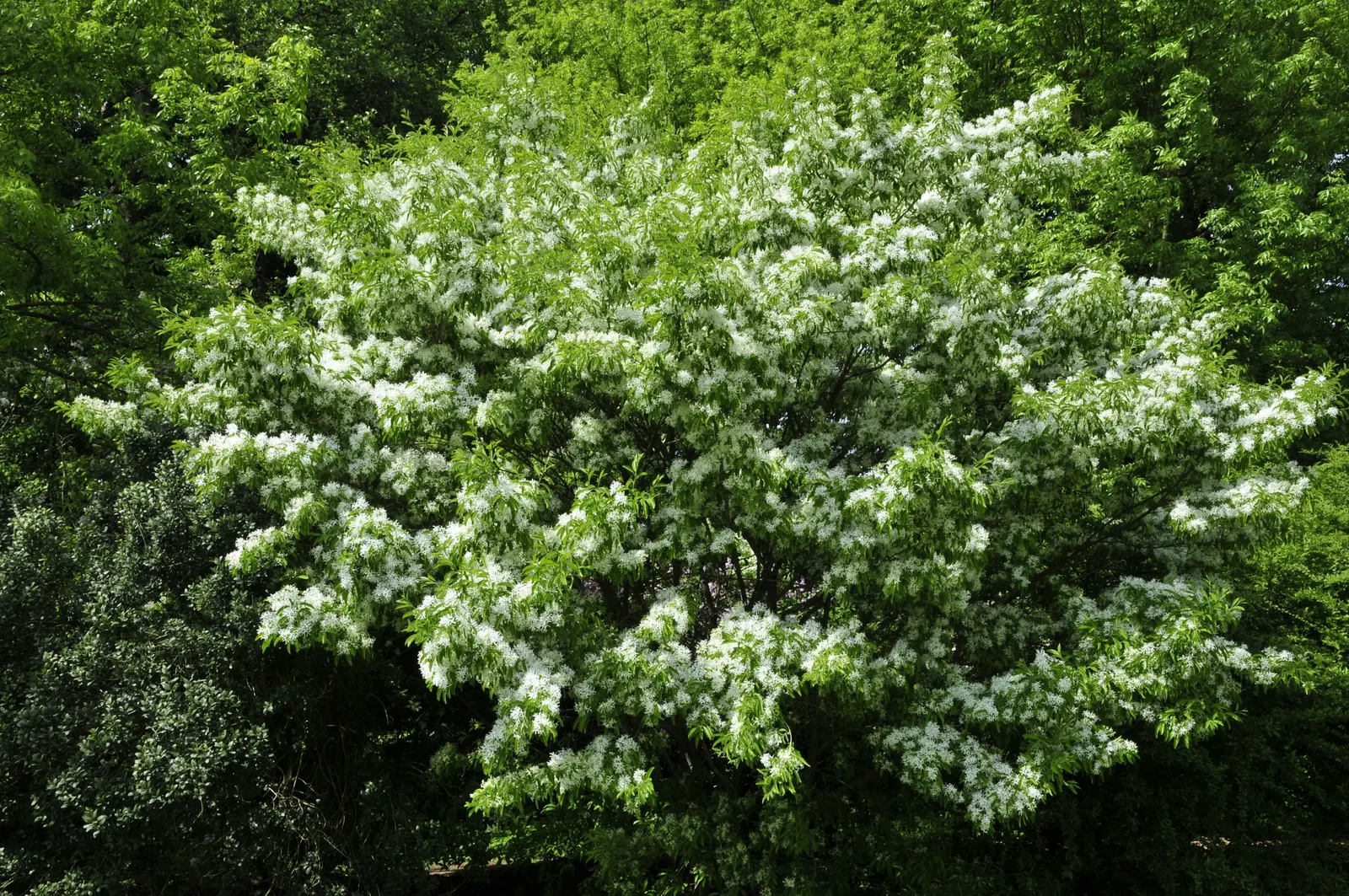
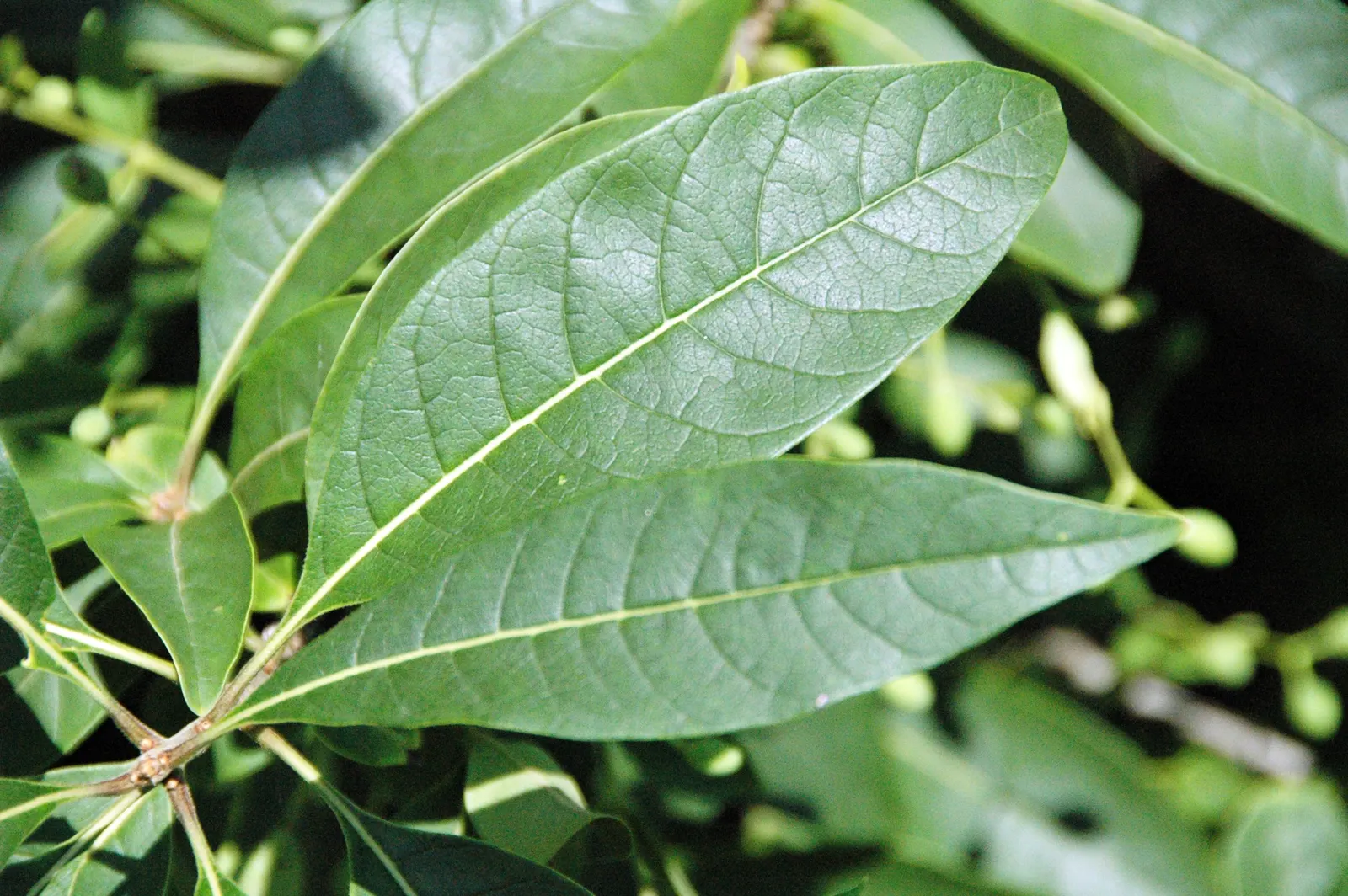
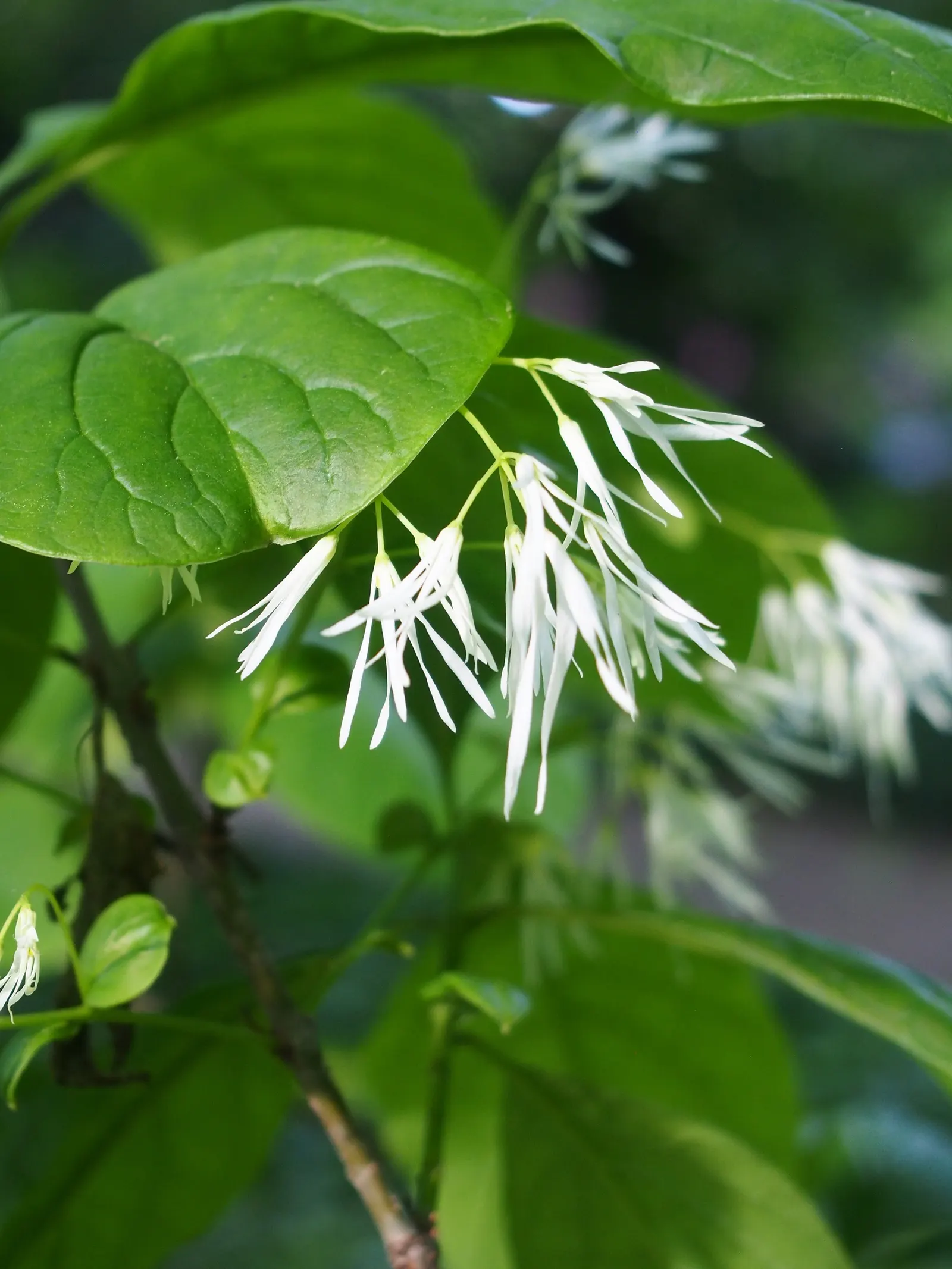
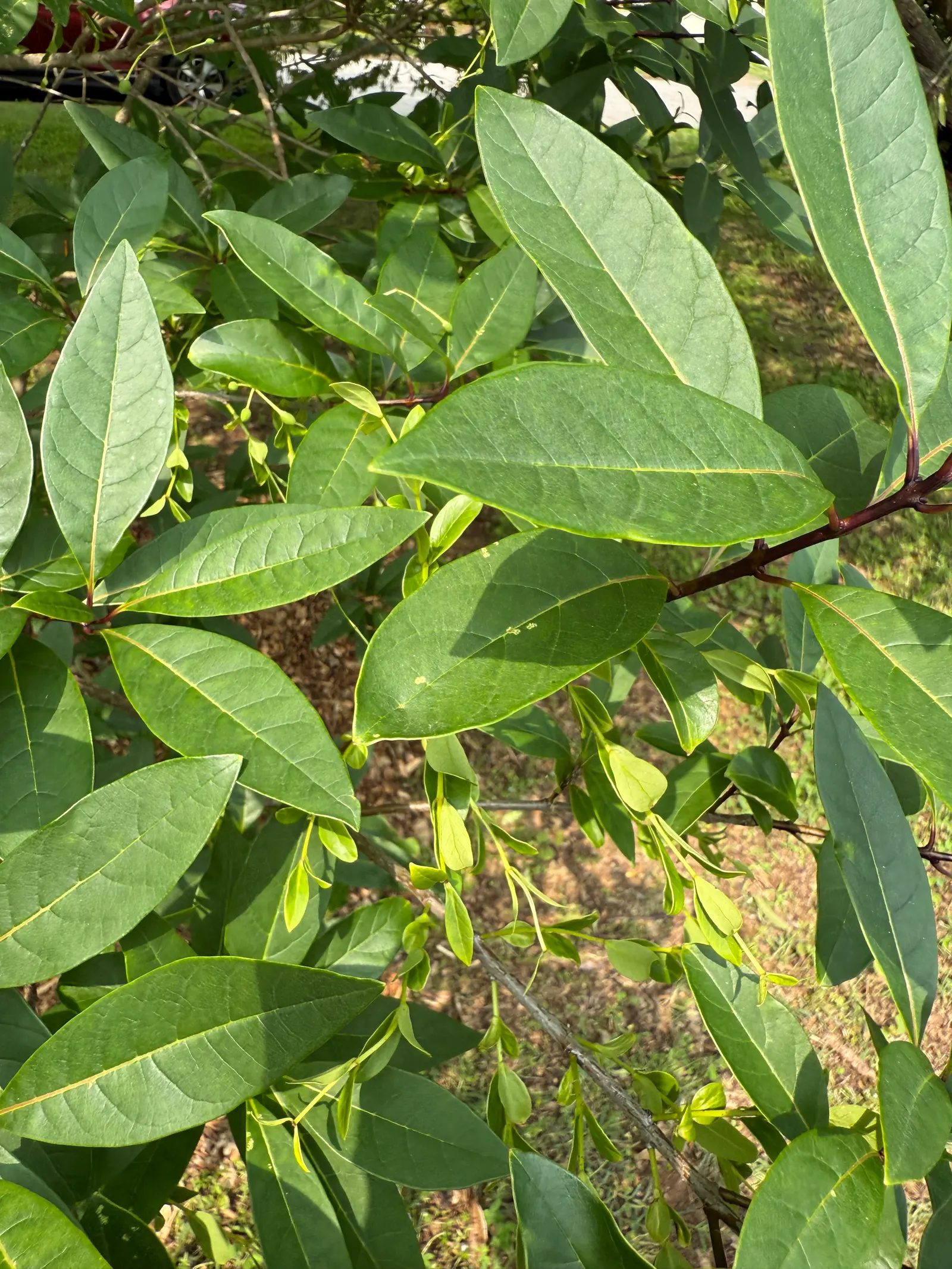
Chionanthus virginicus, commonly known as Fringe Tree, is a deciduous shrub or small tree, reaching 12-20 feet in height with a similar spread. Noted for its fragrant, airy, white flowers that bloom in spring, it has lance-shaped leaves turning yellow in fall. Suited for USDA zones 3-9, prefers full sun to partial shade, and well-drained soil. A low-maintenance addition, providing a striking visual and olfactory accent in a landscape design.

Sun Full, HalfWater Extra in Summer, MediumZones 3–9Type TreeClimate Temperate
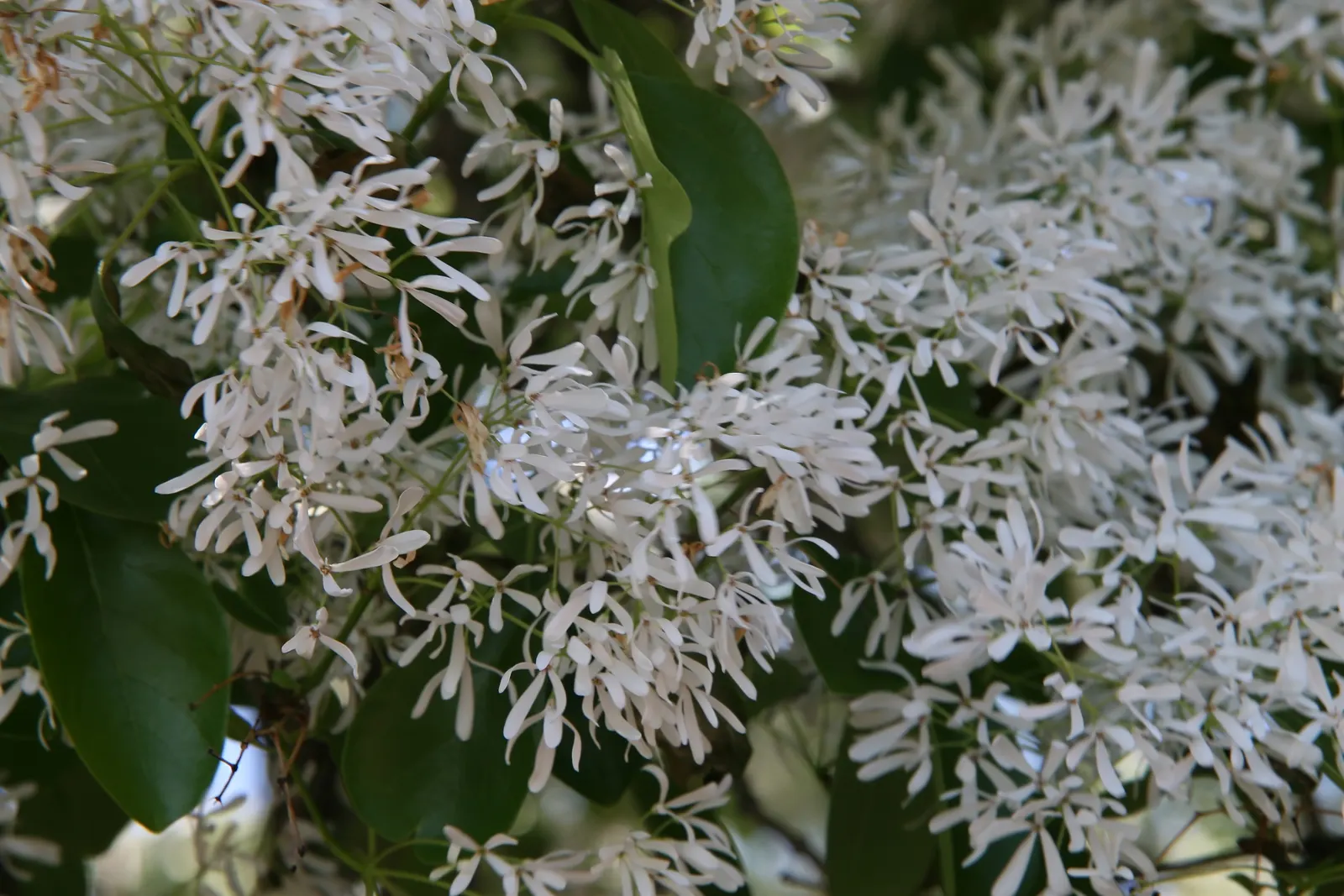
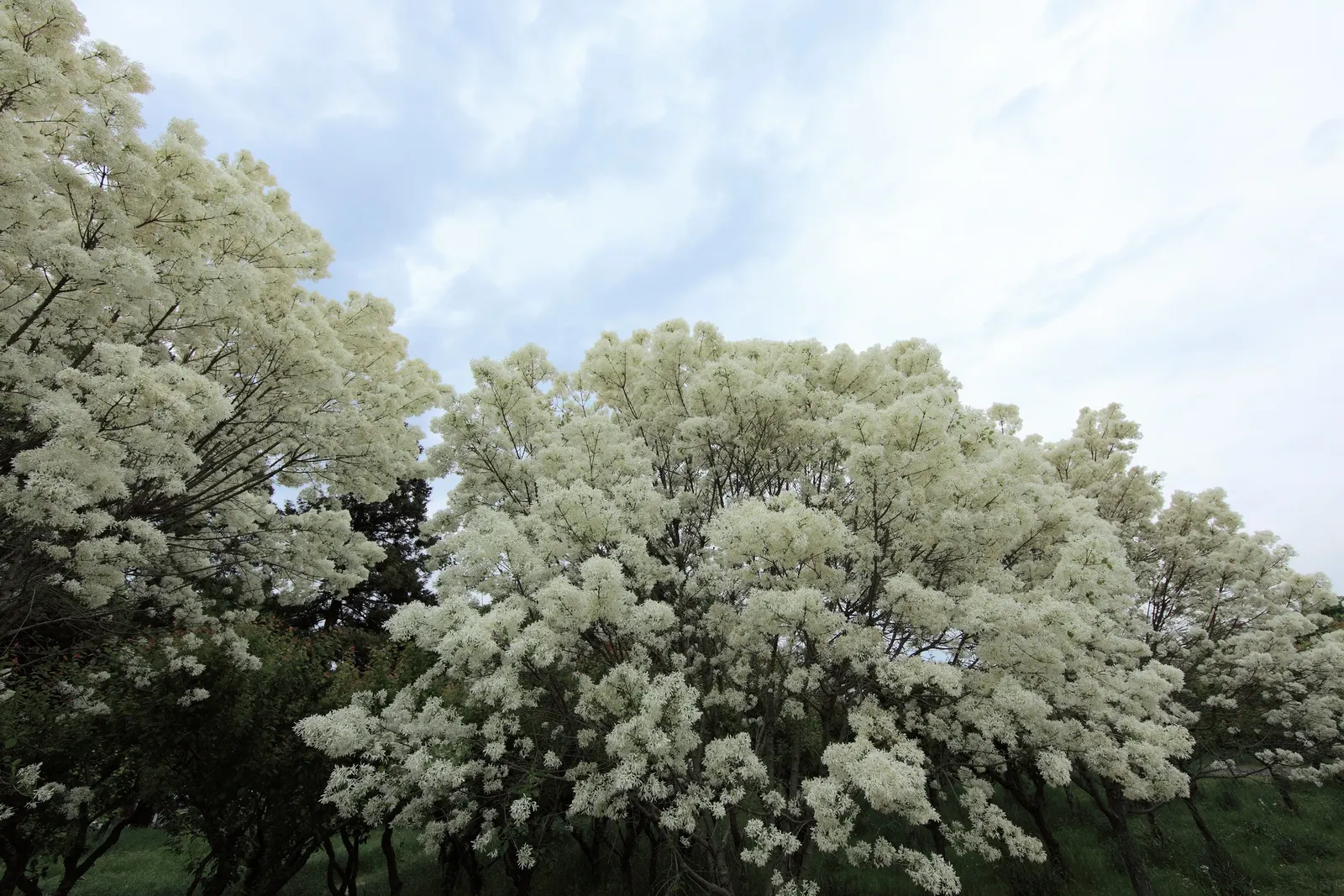
Fringe Tree (Chionanthus Virginicus) — provided they are well-drained; this display is not only visually appealing but also attracts pollinators, image 132

Culture

Sun
Full, Half
Water
Extra in Summer, Medium
USDA zones
3–9

Shape & size

Mature height
12–20 Ft.
Mature width
12–15 Ft.

Classification

Type
Tree
Family
Oleaceae
Climate
Temperate

See full data, regional cultivation notes, and design tools. Build a client presentation around this plant.

Start your 14-day trial

Photos (160)

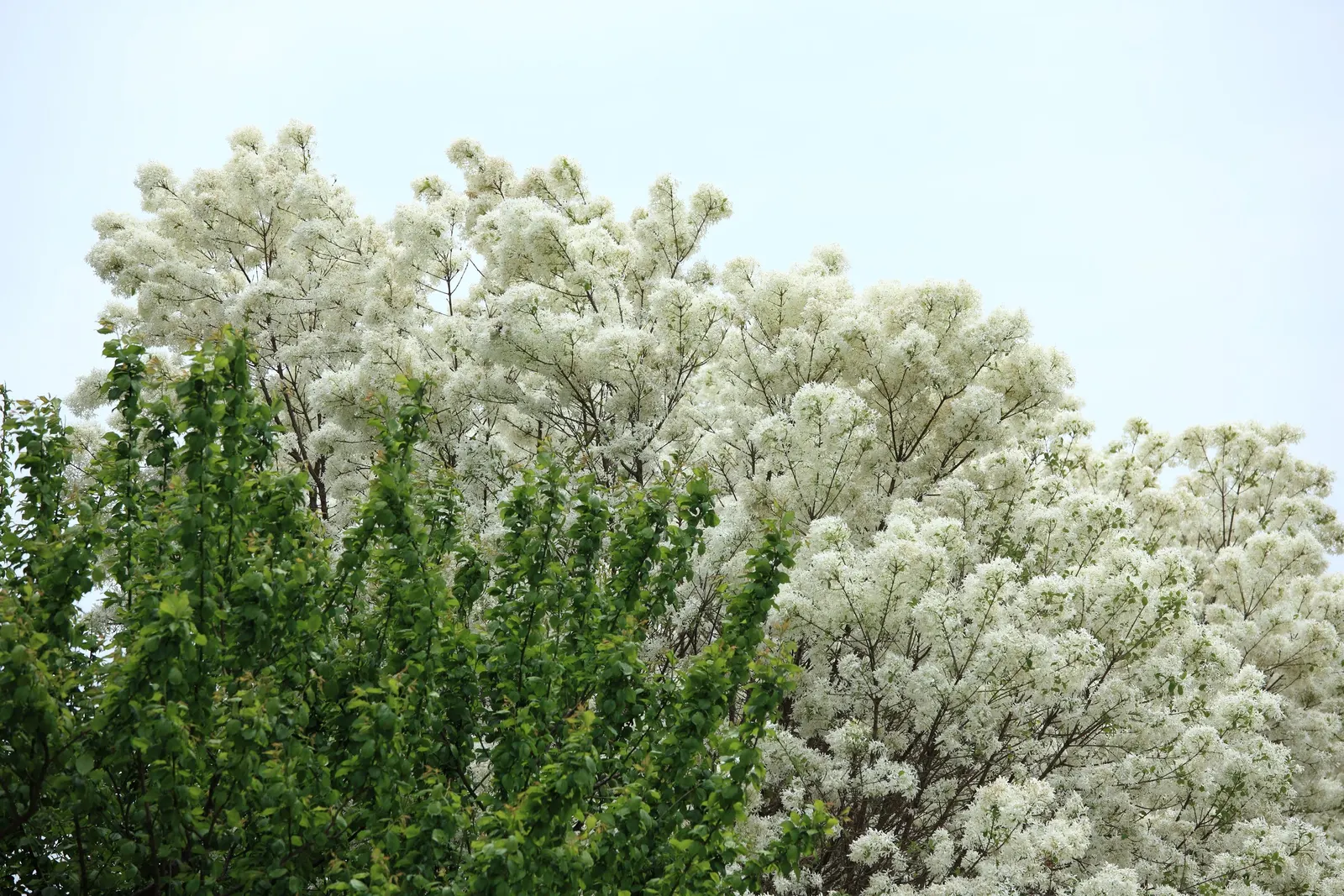
Fringe Tree (Chionanthus Virginicus) — fragrant white flowers that bloom in late spring to early summer; presents a stunning addition to any, image 126
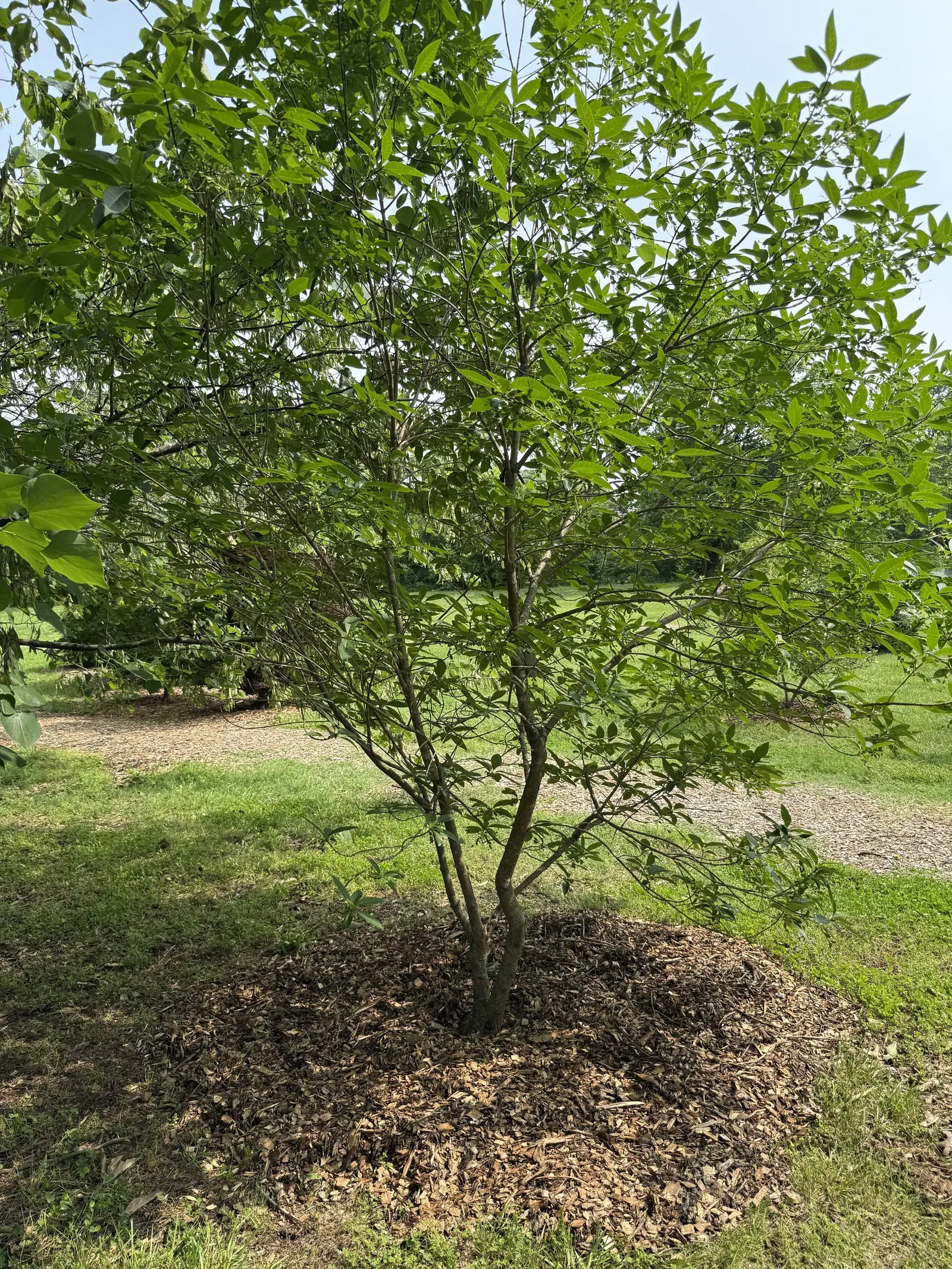
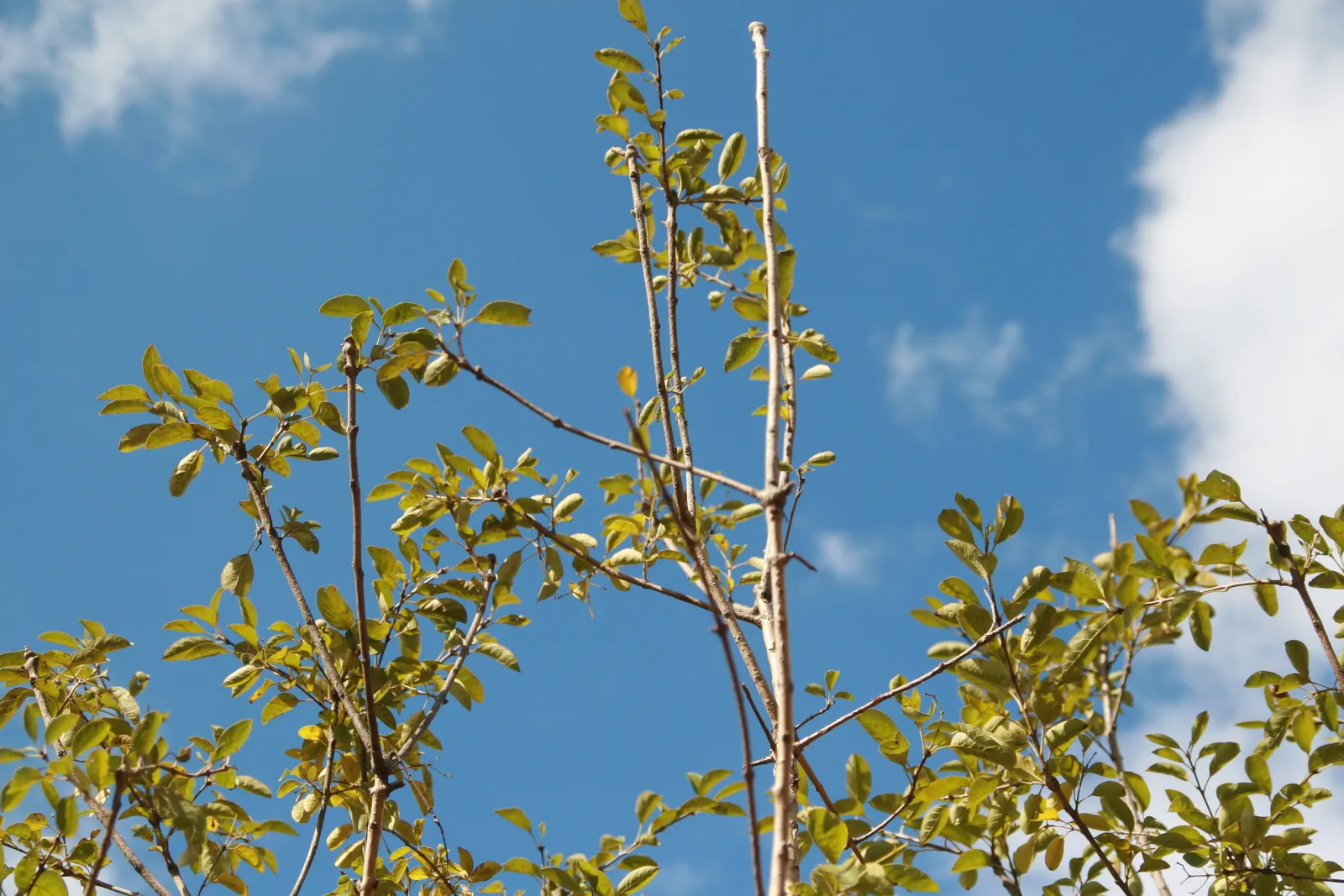
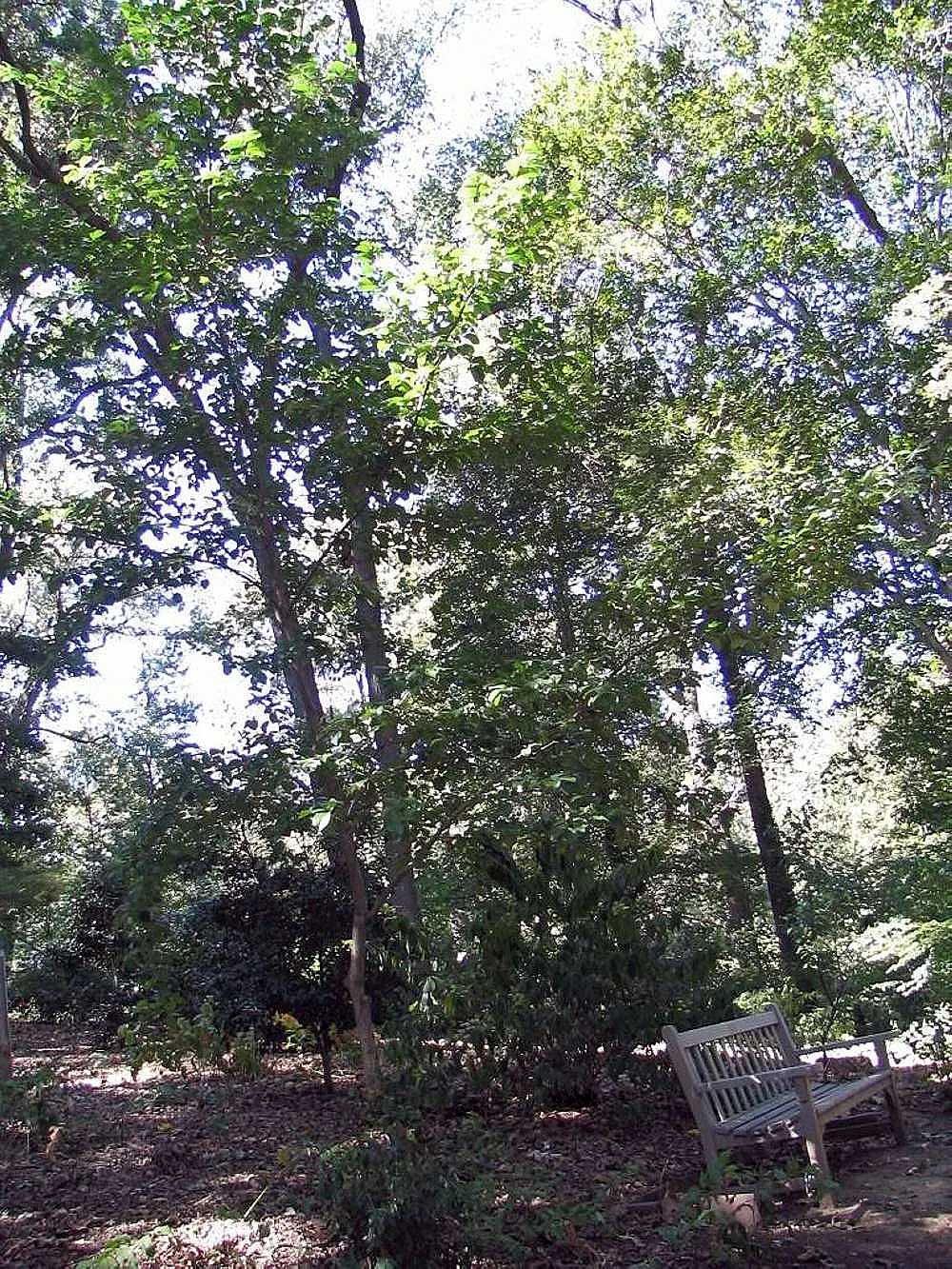
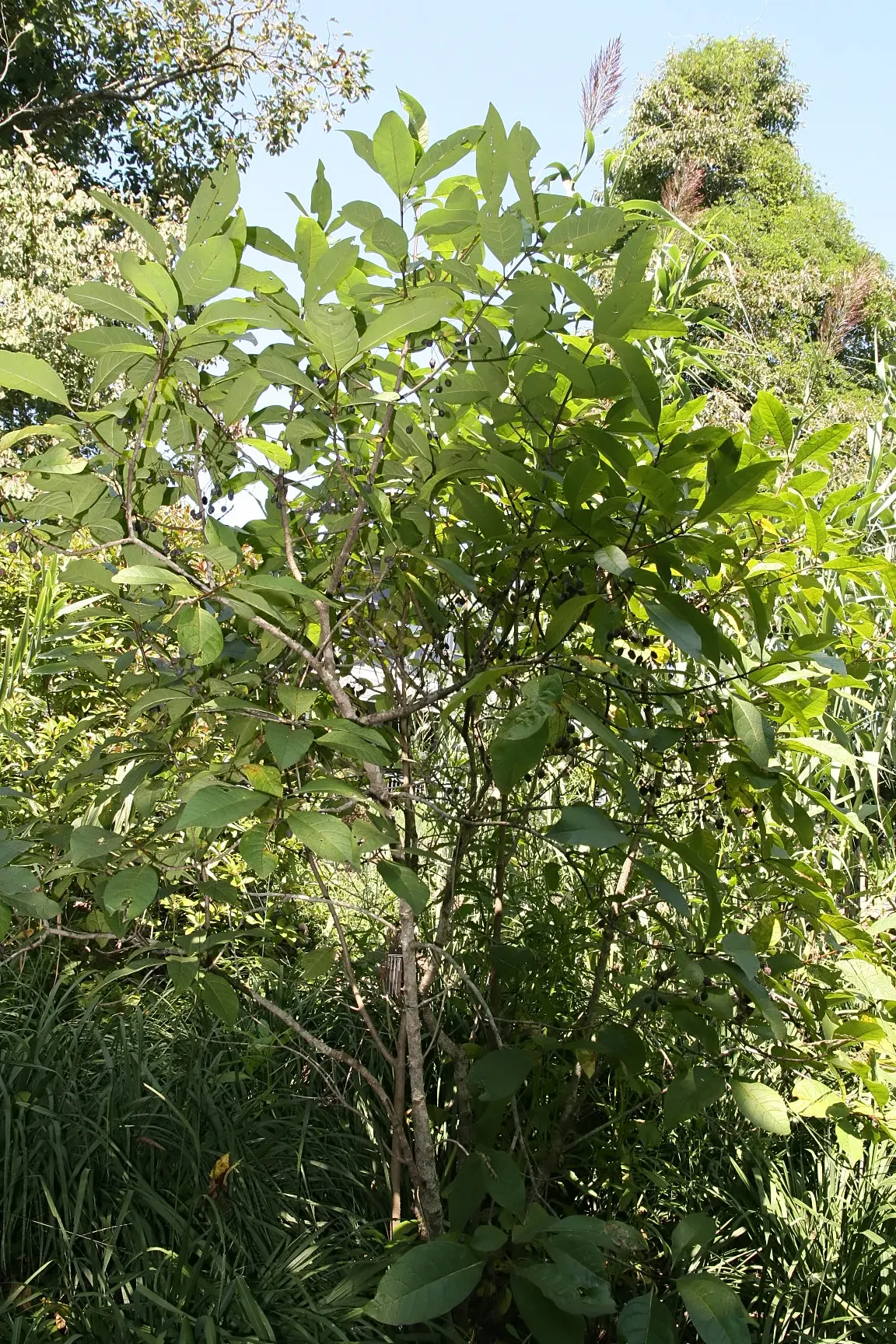
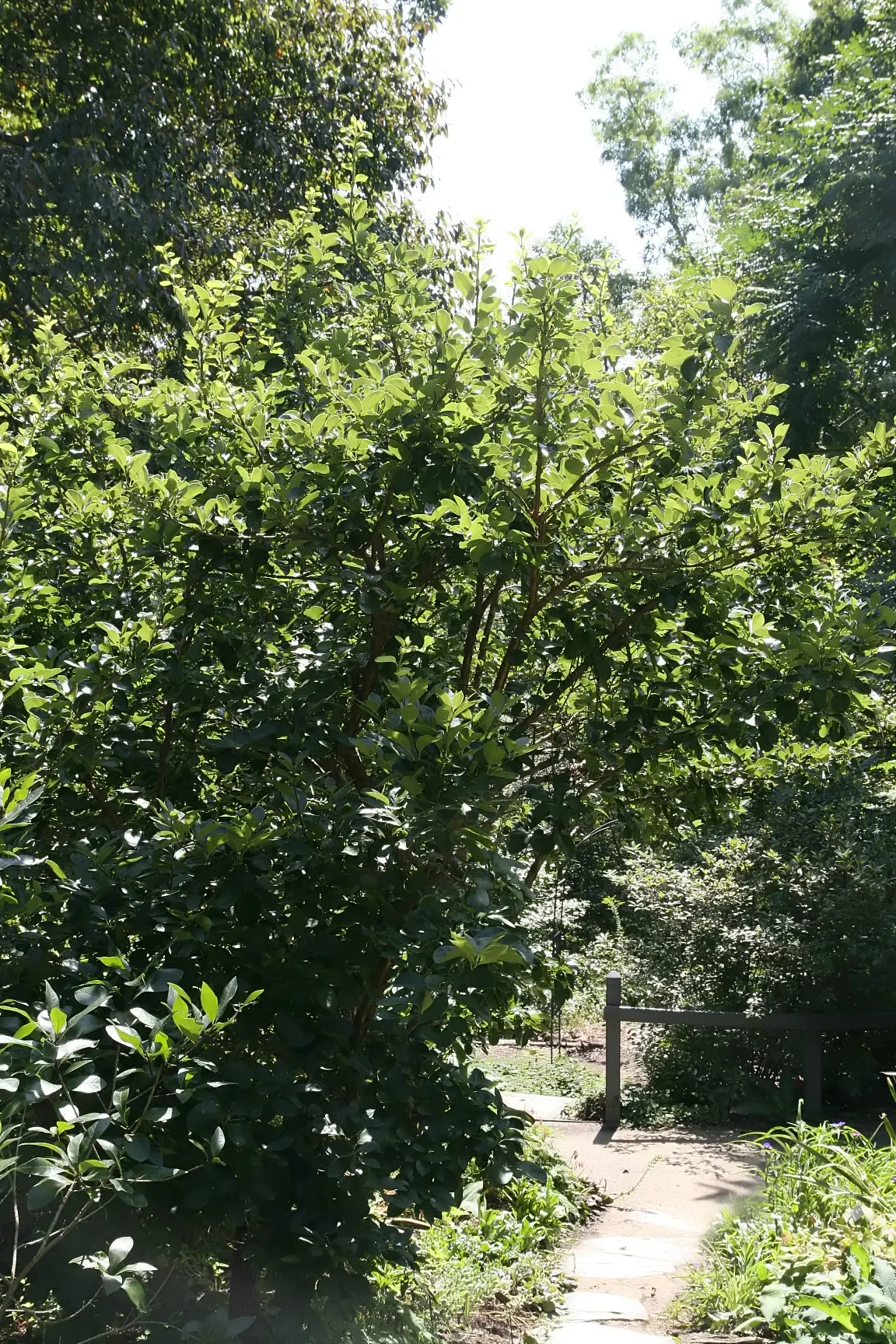
Fringe Tree (Chionanthus Virginicus) — reaching 12-20 feet in height with a similar spread
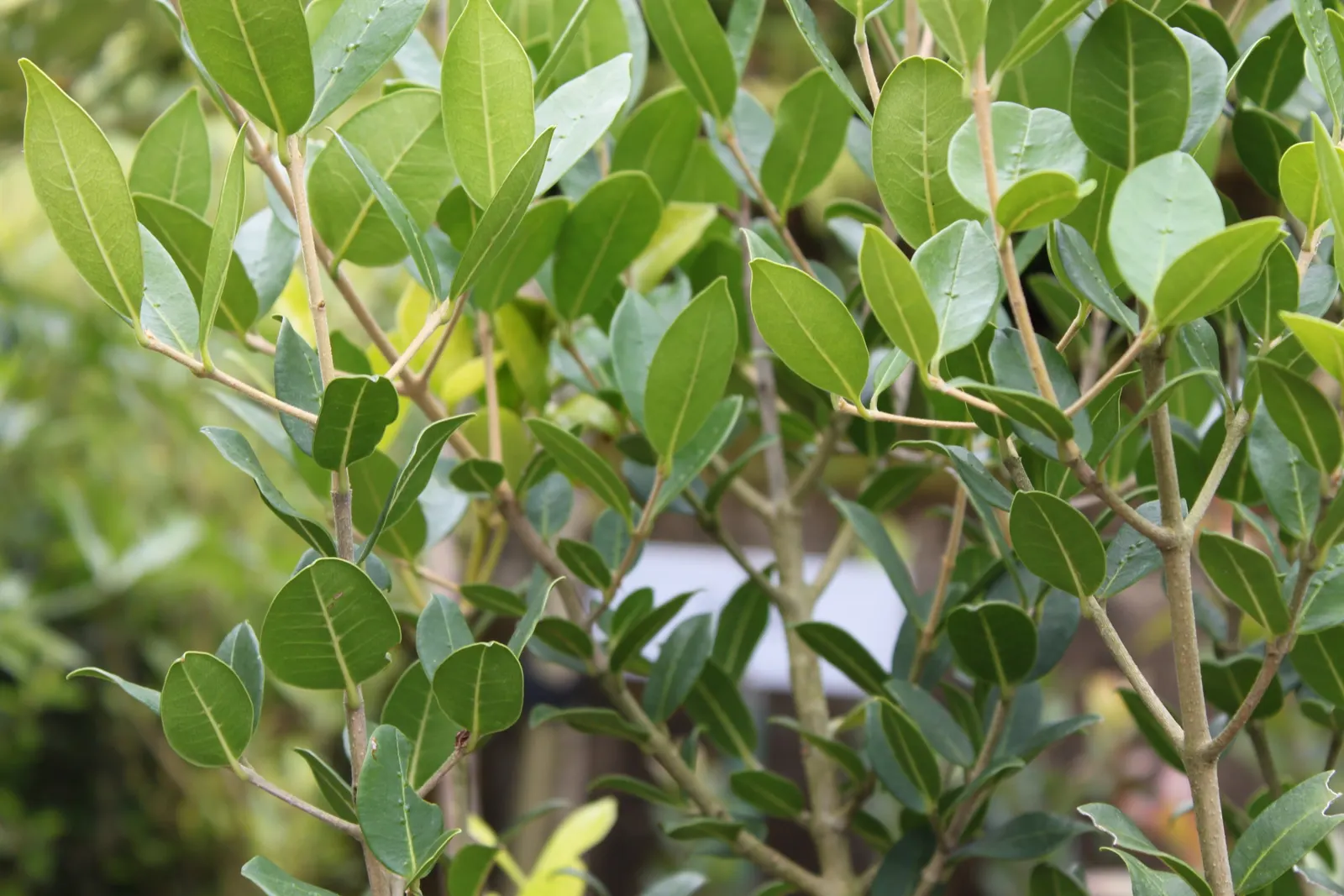
Fringe Tree (Chionanthus Virginicus) — the Fringe Tree is adaptable to various soil types, image 102
Fringe Tree (Chionanthus Virginicus) — is a deciduous shrub or small tree; native to the Eastern United States, image 118
Fringe Tree (Chionanthus Virginicus) — with a similar spread of 12 to 20 feet; commonly known as Fringe Tree, image 100
Fringe Tree (Chionanthus Virginicus) — scientifically known as Chionanthus virginicus; offering food for birds and extending its seasonal interest
Fringe Tree (Chionanthus Virginicus) — provided they are well-drained; this display is not only visually appealing but also attracts pollinators, image 74
Fringe Tree (Chionanthus Virginicus) — commonly known as Fringe Tree; white flowers that bloom in spring
Fringe Tree (Chionanthus Virginicus) — showcasing considerable cold and heat tolerance once established
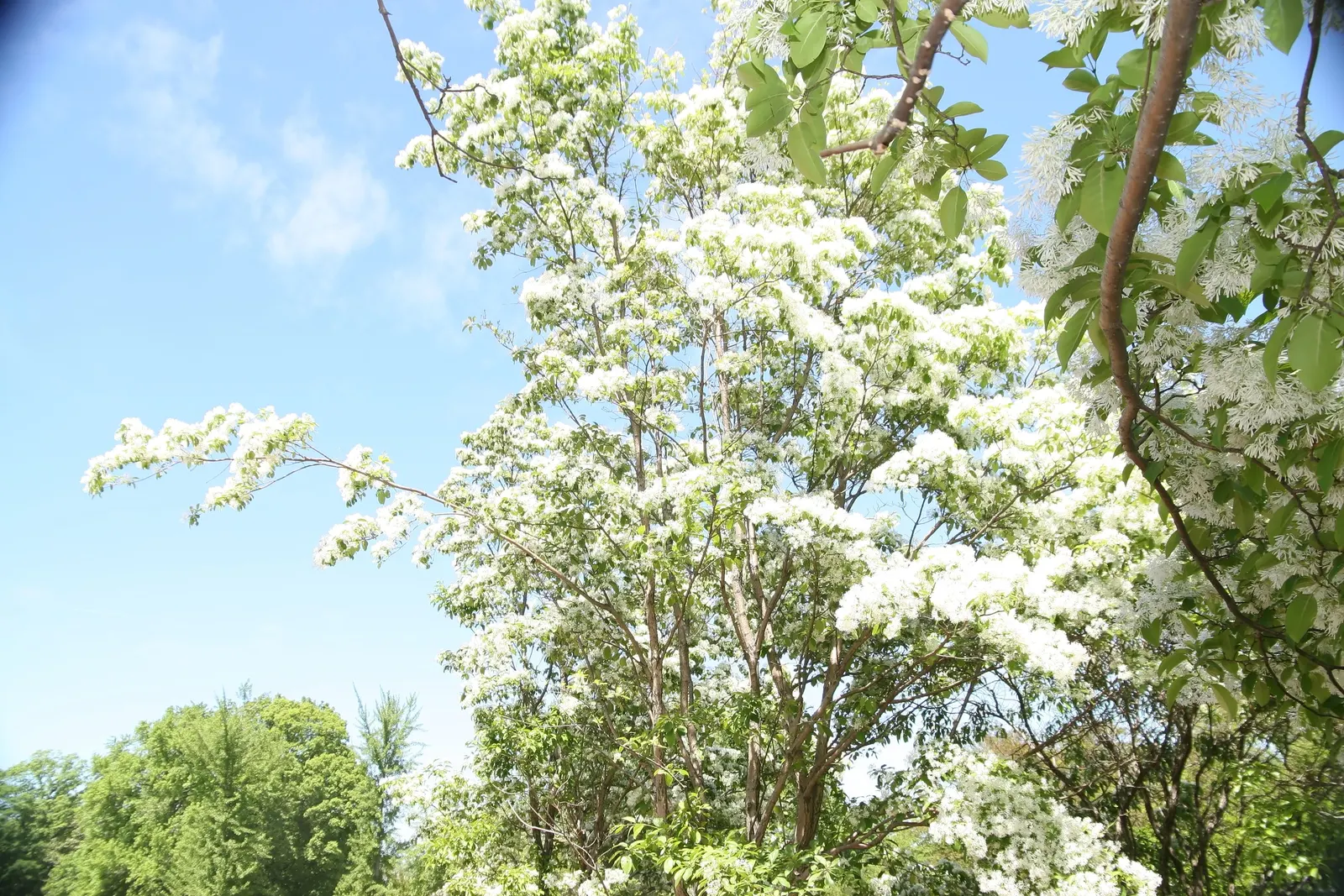
Fringe Tree (Chionanthus Virginicus) — tree with white blooms
Fringe Tree (Chionanthus Virginicus) — presents a stunning addition to any landscape design with its graceful; is a deciduous shrub or small tree, image 125
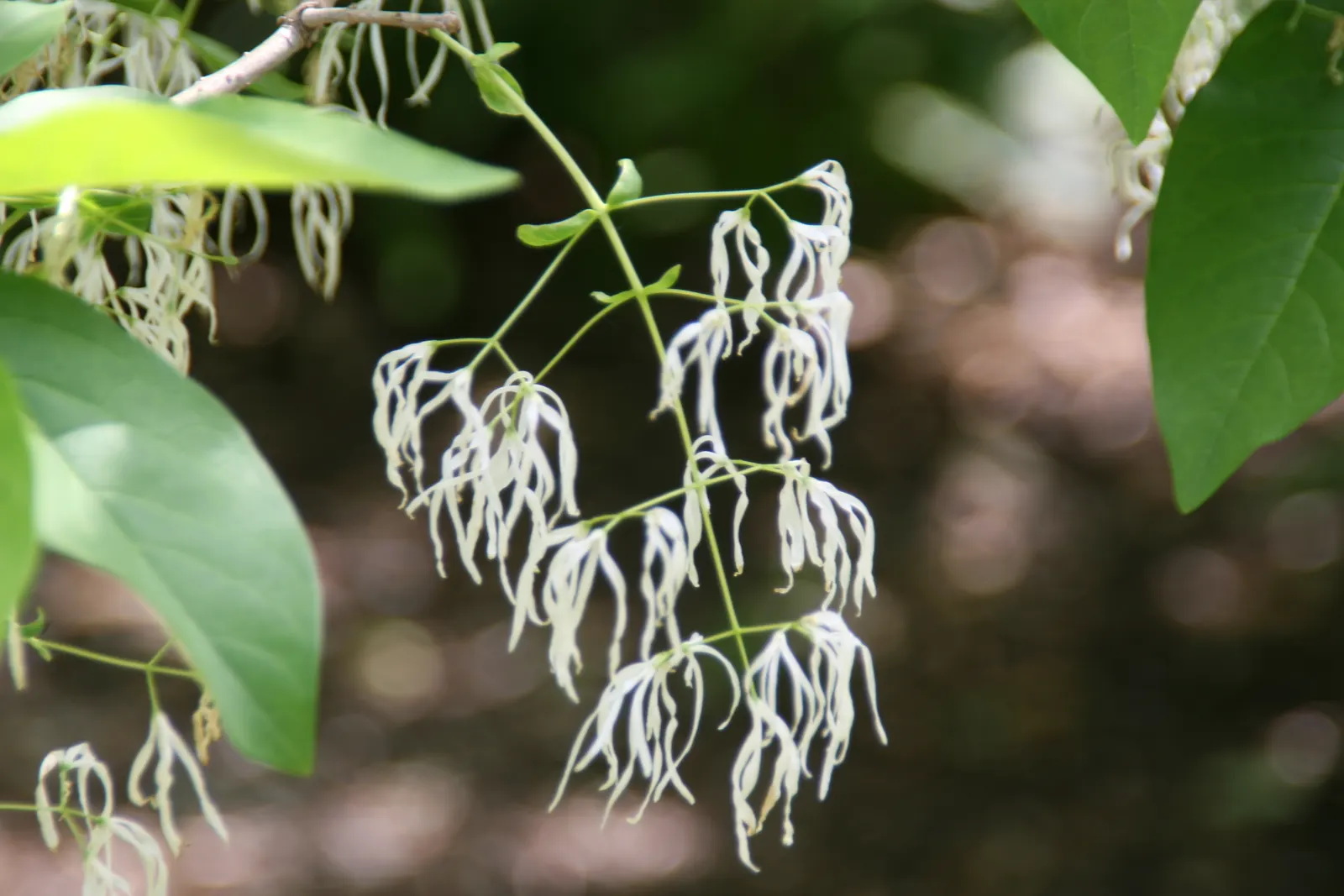
Fringe Tree (Chionanthus Virginicus) — offering food for birds and extending its seasonal interest; fringe-like petals that cascade from its, image 111
Fringe Tree (Chionanthus Virginicus) — this deciduous ornamental tree reaches a mature height of approximately 12 to 20 feet; the tree produces, image 70
Fringe Tree (Chionanthus Virginicus) — This display is not only visually appealing but also attracts pollinators like bees and butterflies
Fringe Tree (Chionanthus Virginicus) — with a similar spread of 12 to 20 feet; commonly known as Fringe Tree, image 71
Fringe Tree (Chionanthus Virginicus) — presents a stunning addition to any landscape design with its graceful
Fringe Tree (Chionanthus Virginicus) — the Fringe Tree is adaptable to various soil types, image 44
Fringe Tree (Chionanthus Virginicus) — tree with white blooms; minimal pruning is required, image 86
Fringe Tree (Chionanthus Virginicus) — It thrives in full sun to partial shade and is hardy in USDA zones 3-9; tree for full or half, image 104
Fringe Tree (Chionanthus Virginicus) — offering food for birds and extending its seasonal interest; fringe-like petals that cascade from its branches
Fringe Tree (Chionanthus Virginicus) — this deciduous ornamental tree reaches a mature height of approximately 12 to 20 feet; the tree produces, image 128
Fringe Tree (Chionanthus Virginicus) — Minimal pruning is required
Fringe Tree (Chionanthus Virginicus) — allowing it to fit into diverse landscape settings.<br><br>Featuring a rounded
Fringe Tree (Chionanthus Virginicus) — showcasing considerable cold and heat tolerance once established; a low-maintenance addition, providing a striking
Photographs by 7 contributors

Related plants