Skip to content

Turtlehead

Chelone Obliqua

Design with this plant

Overview

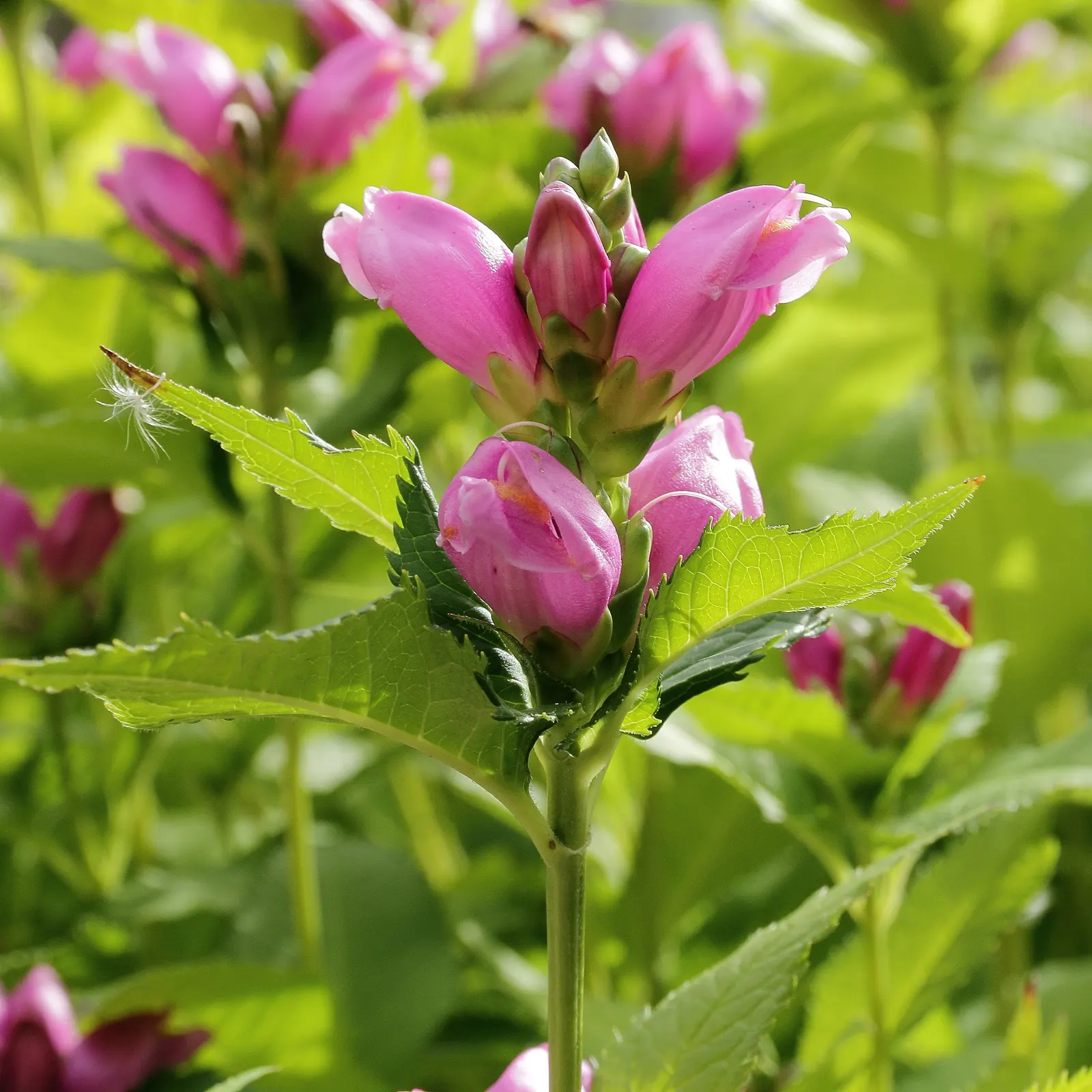
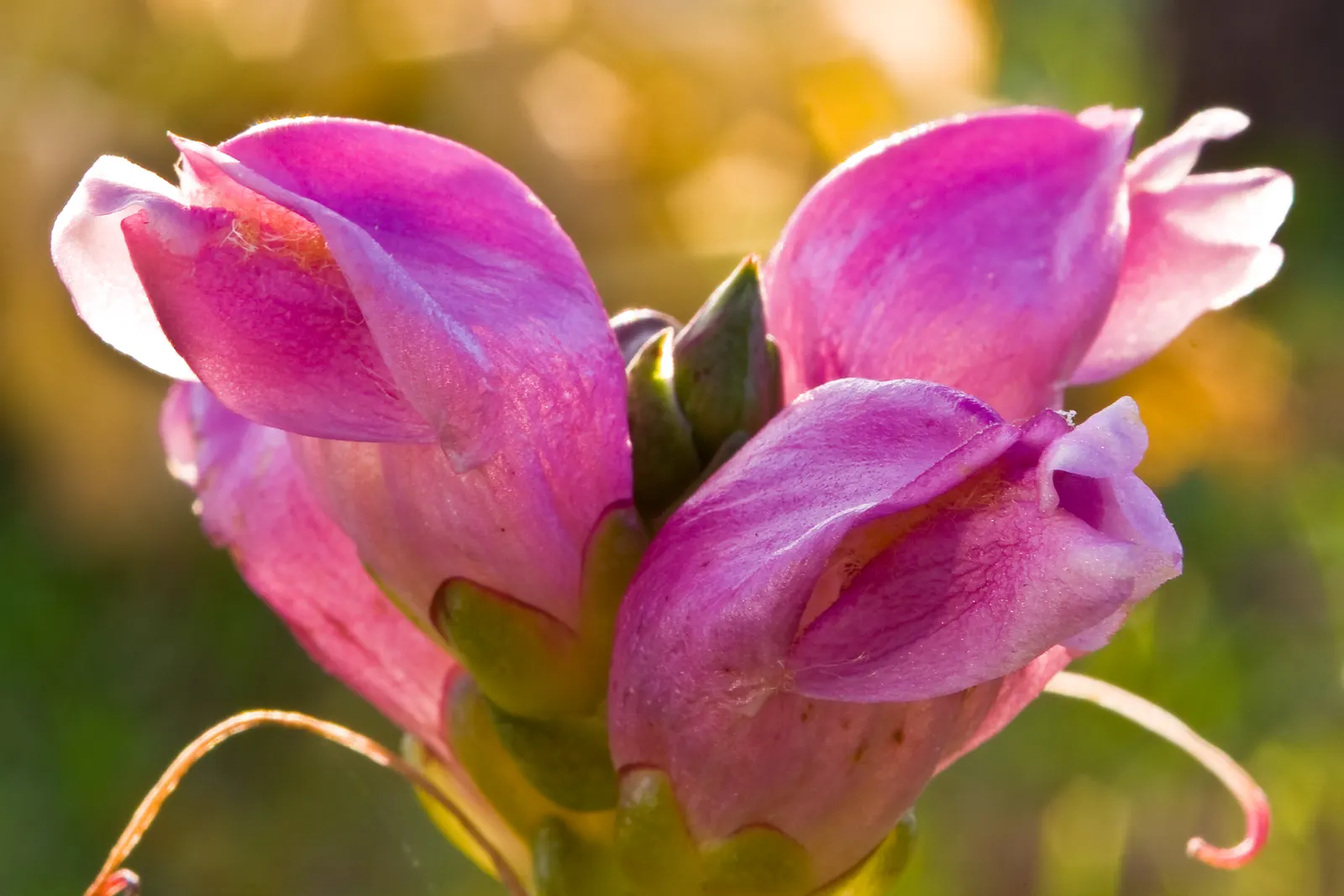
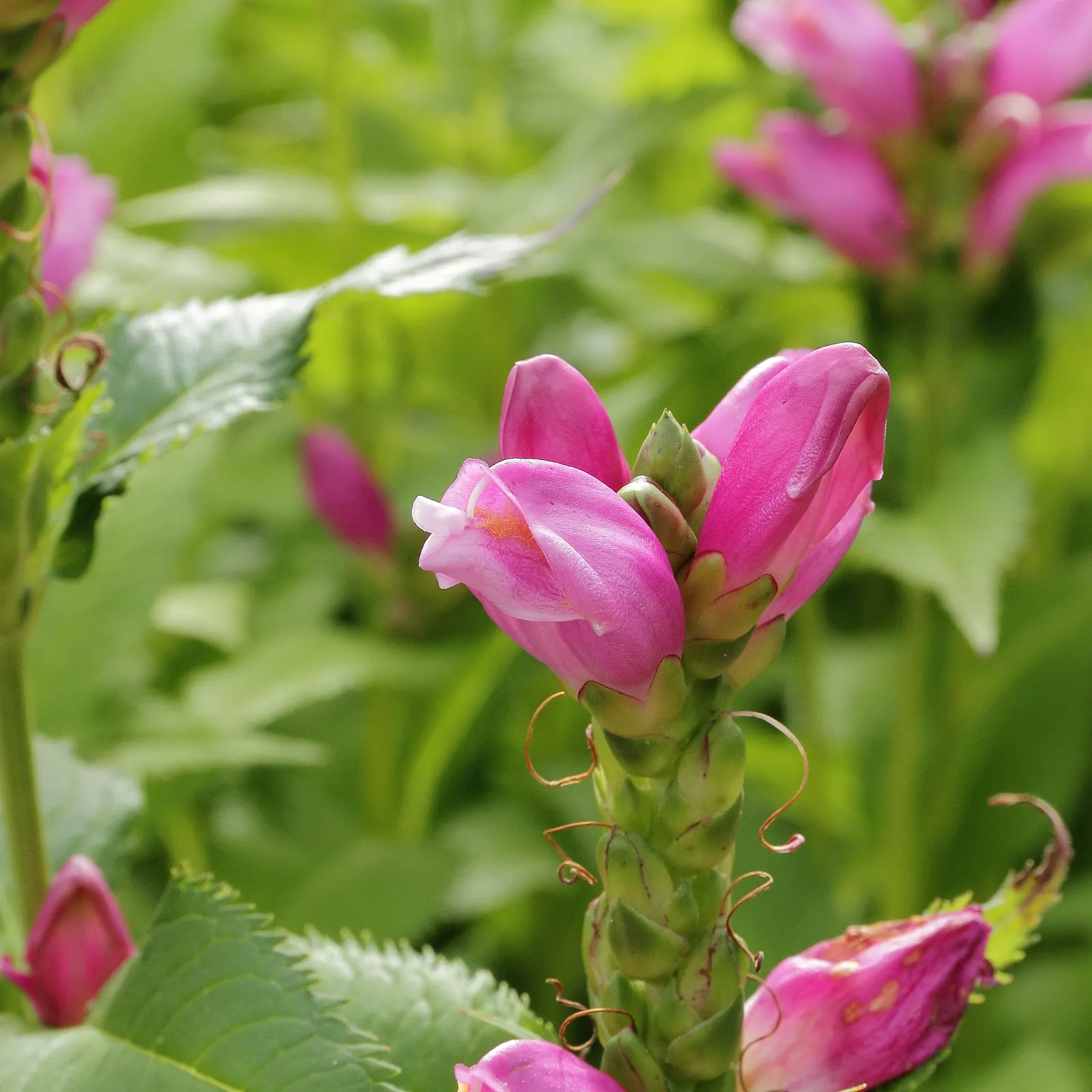
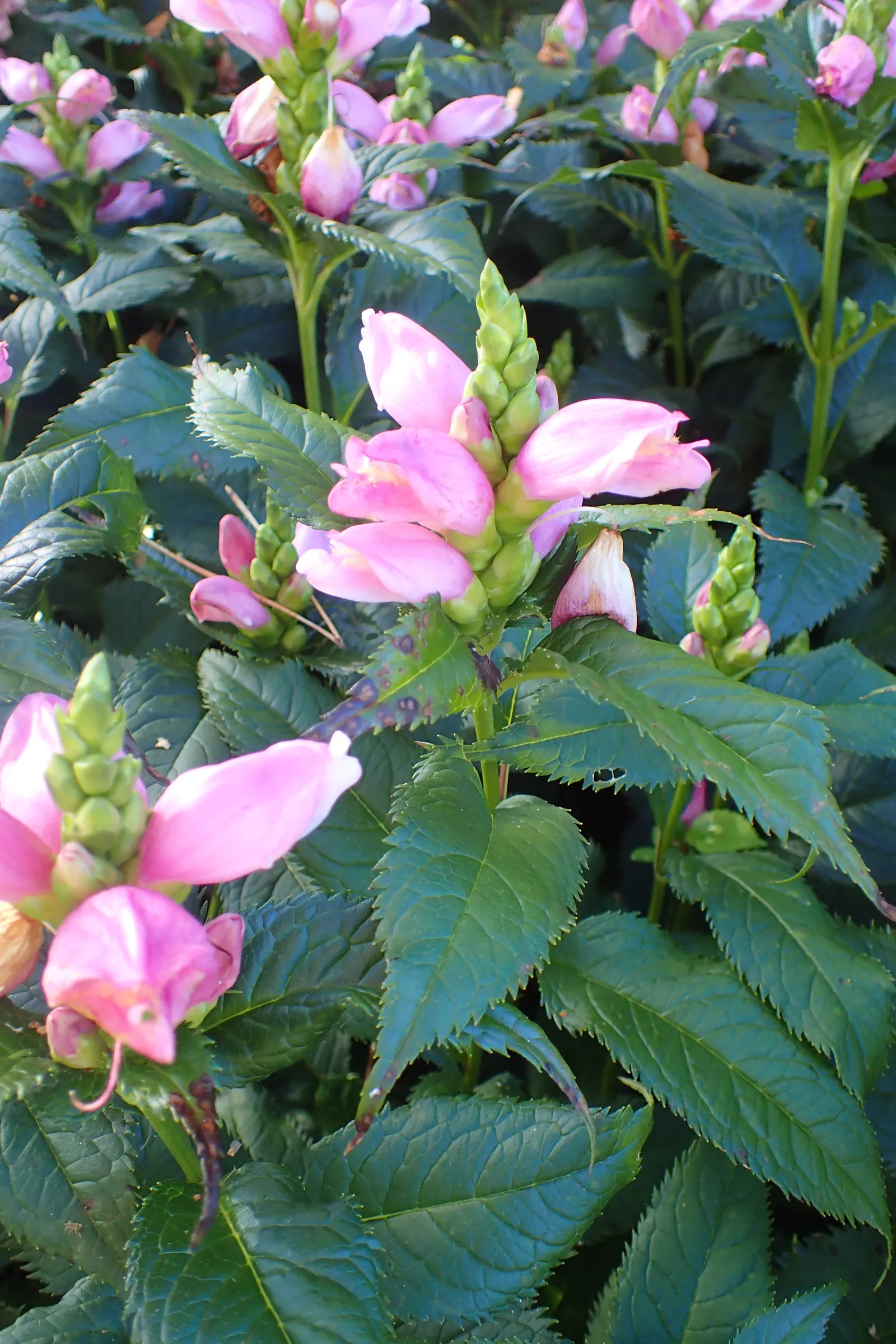
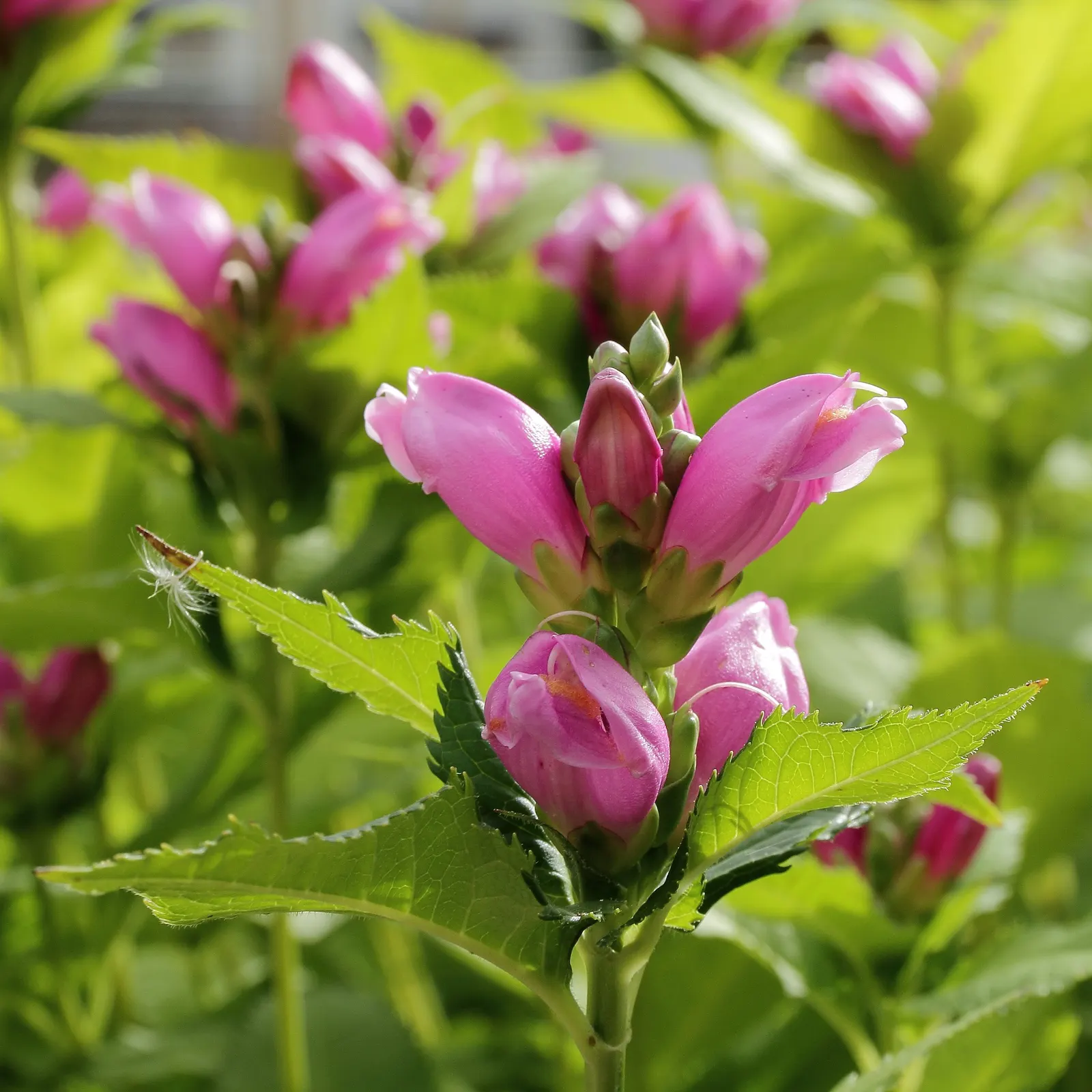
Chelone obliqua, commonly called Turtlehead, is a herbaceous perennial boasting tightly-clustered, deep pink blossoms resembling a turtle's head. Thriving in zones 3-8, it reaches 2-3 feet in height and spreads 2 feet wide. Preferring moist, fertile soil and partial shade, it's ideal for rain gardens or woodland borders. Blooms appear late summer to fall, attracting butterflies and hummingbirds. Foliage is lance-shaped, glossy, and deep green. Requires minimal maintenance once established.

Sun Full, Half, ShadeWater High, MediumZones 3–9Climate Temperate
Turtlehead (Chelone Obliqua) — commonly called Turtlehead

Culture

Sun
Full, Half, Shade
Water
High, Medium
USDA zones
3–9

Shape & size

Mature height
2–3 Ft.
Mature width
1–2 Ft.

Classification

Family
Scrophulariaceae
Climate
Temperate

See full data, regional cultivation notes, full-resolution photos, and design tools. Build a client presentation around this plant.

Start your 14-day trial

Photos (71)

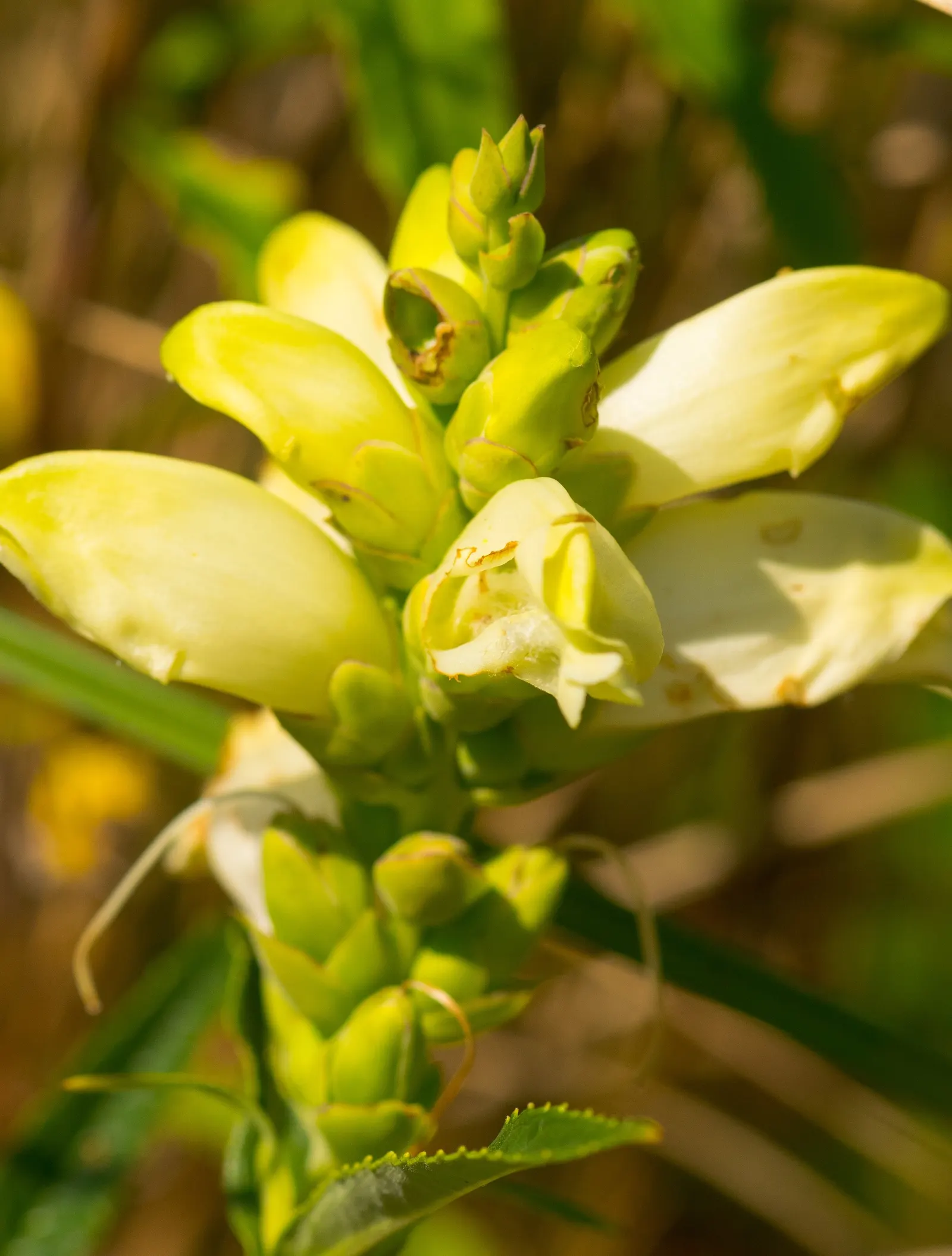
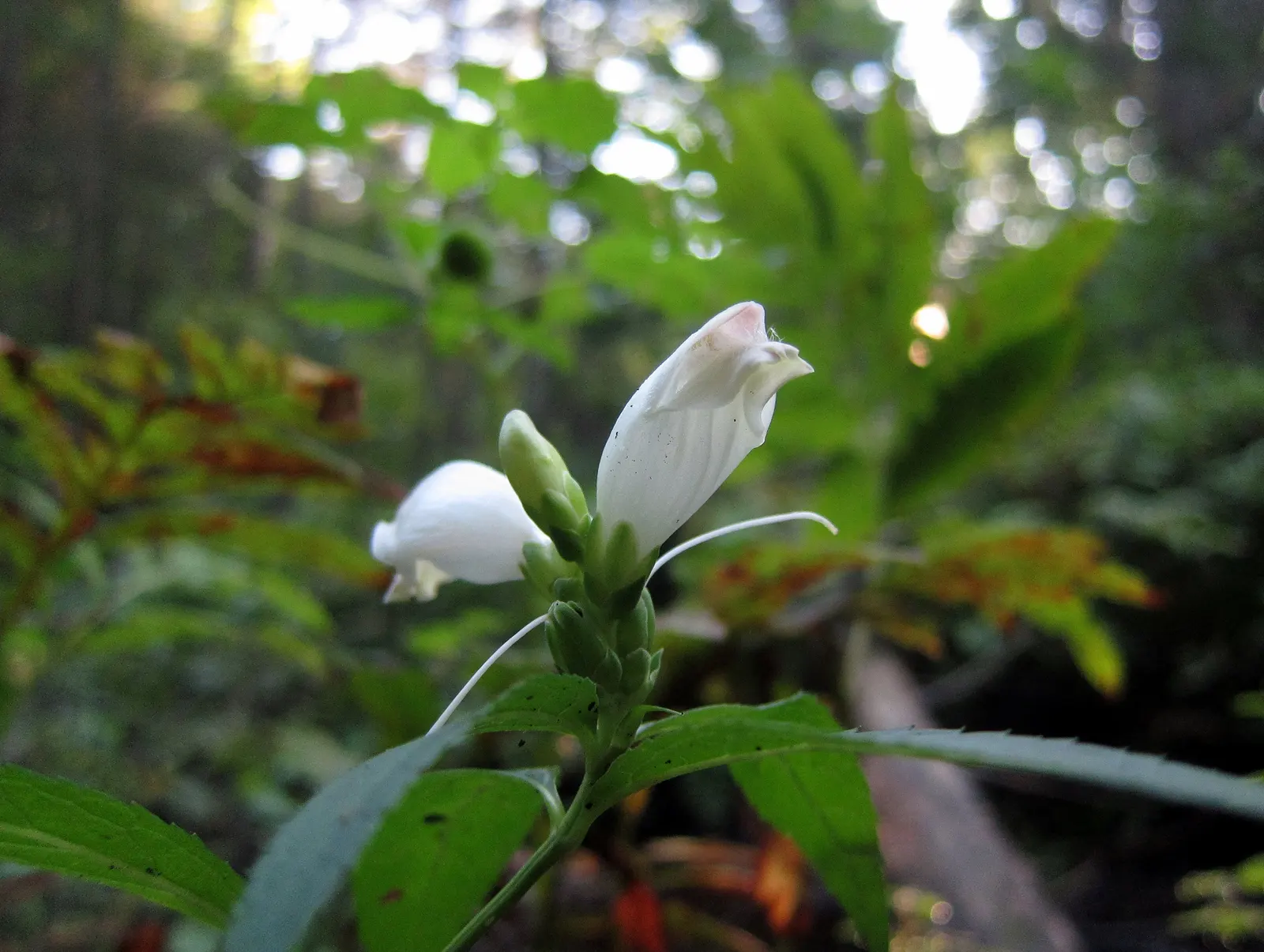
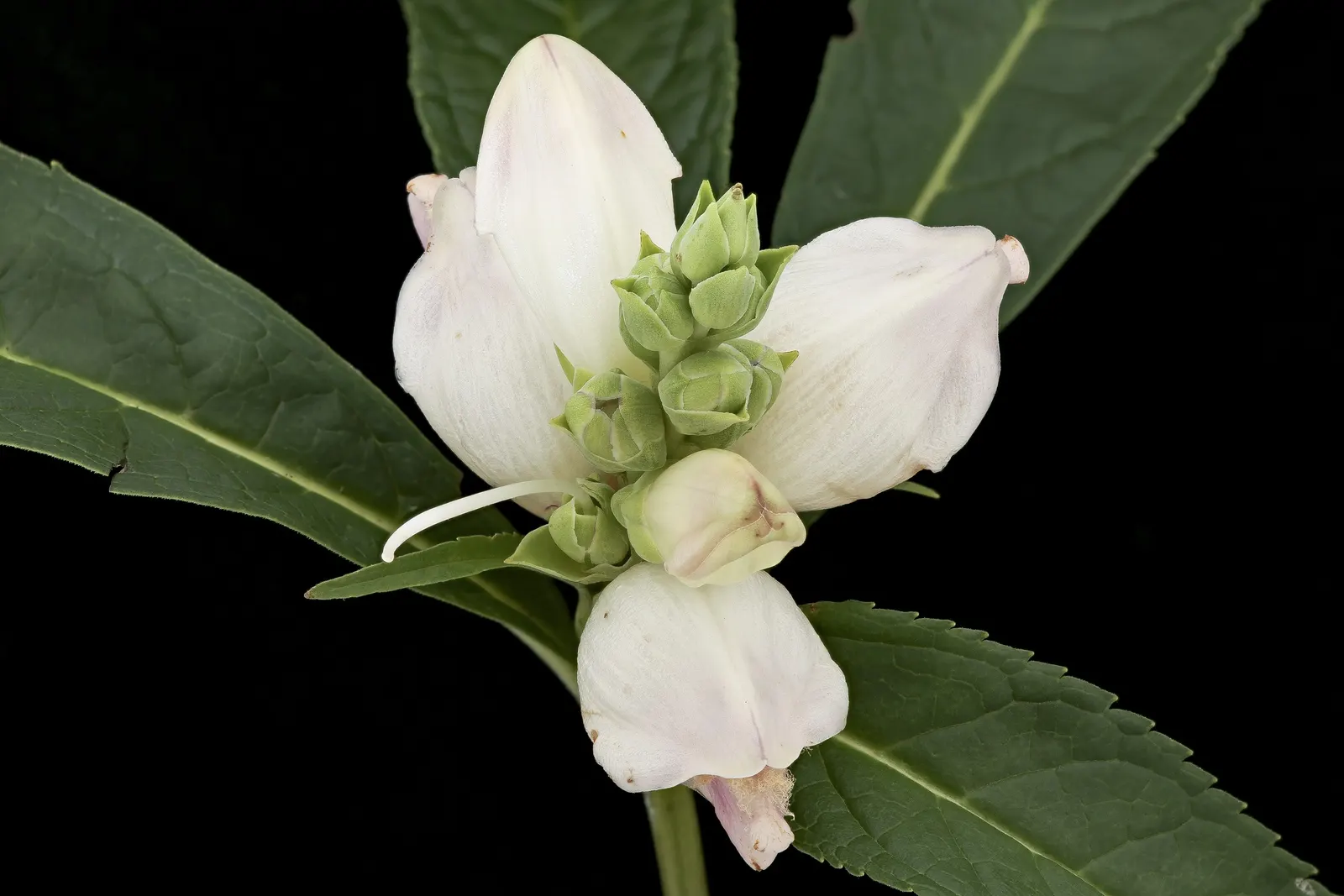
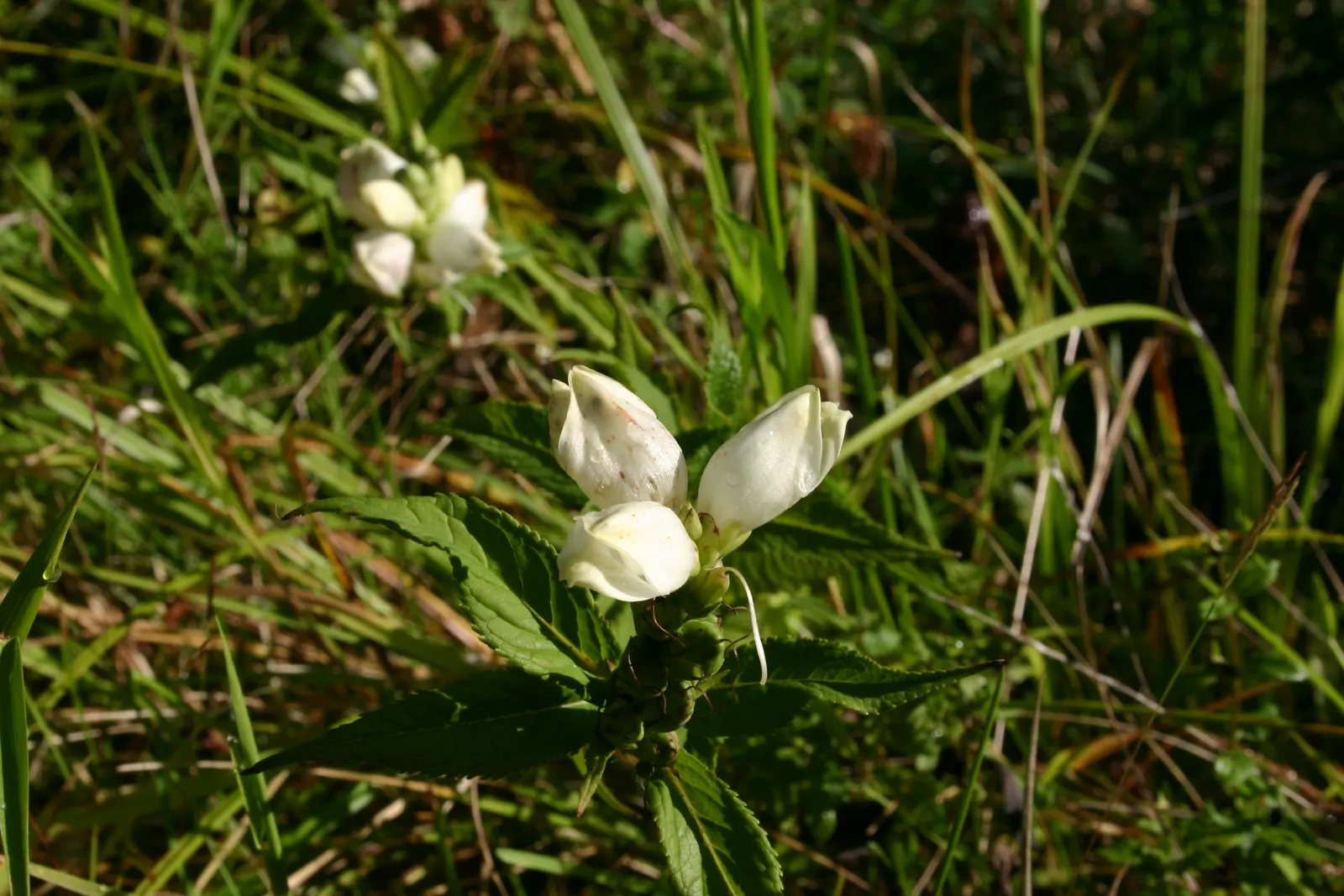
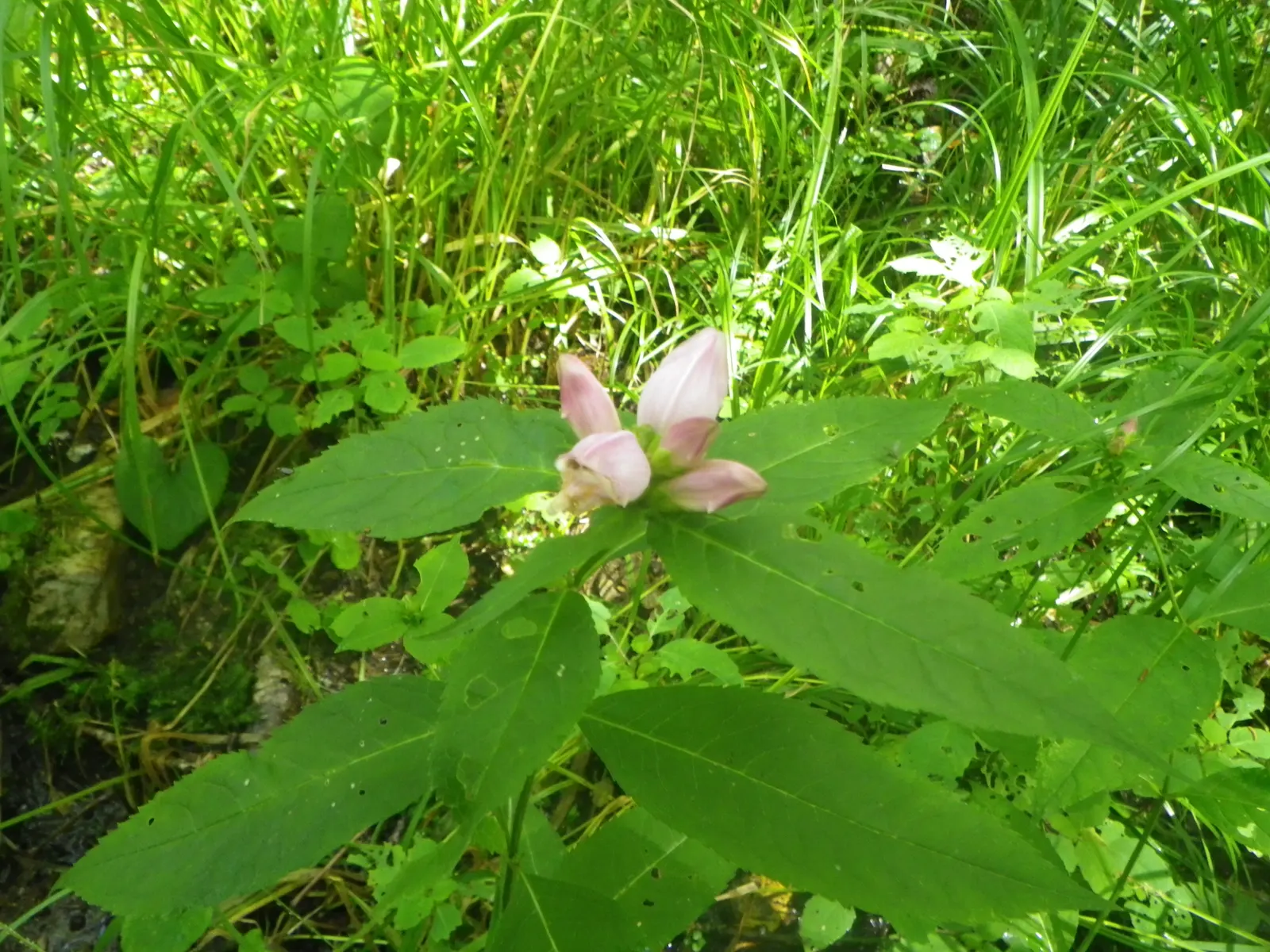
Turtlehead (Chelone Obliqua) — commonly called Turtlehead; thriving in zones 3-8, it reaches 2-3 feet in height and spreads 2 feet wide
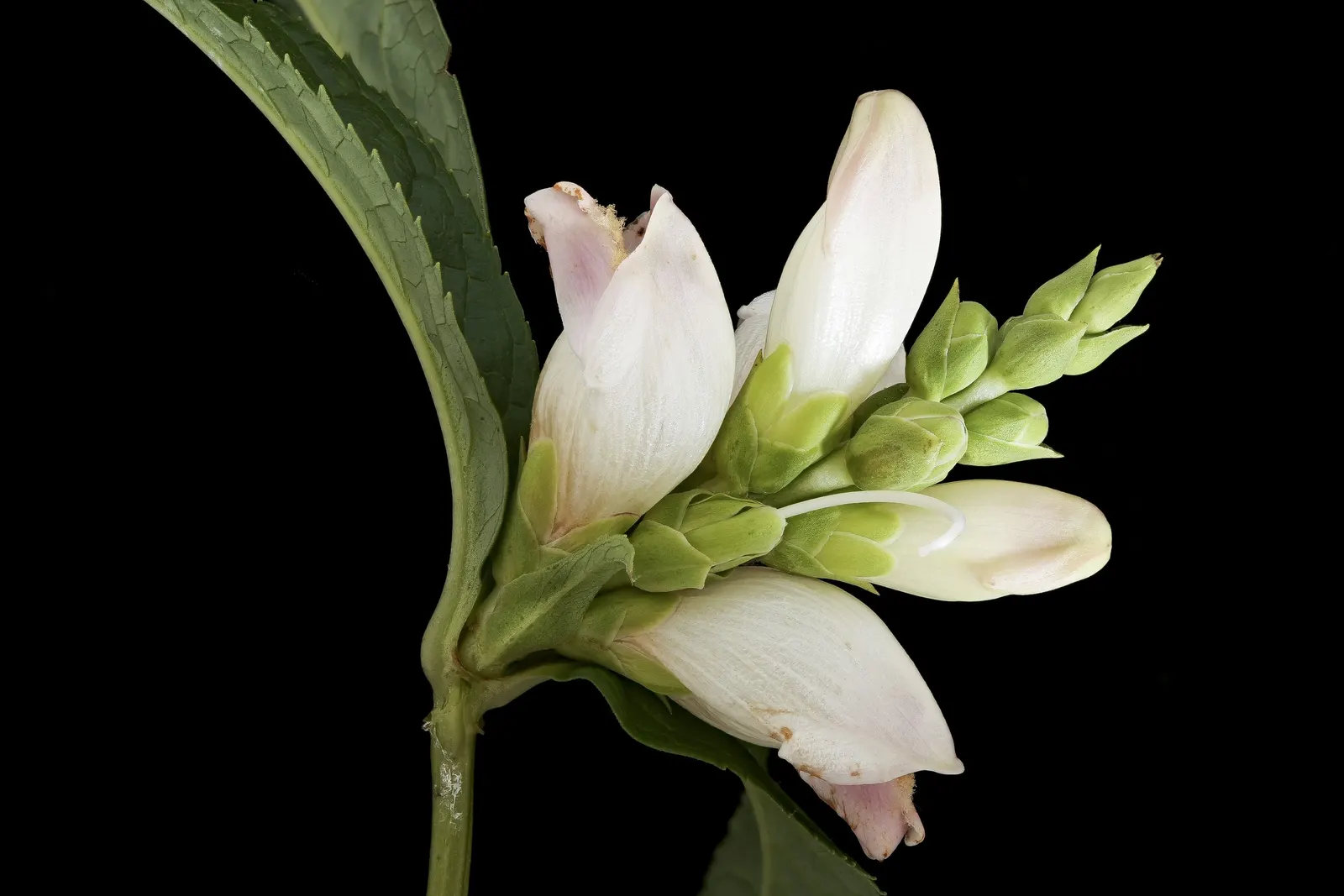
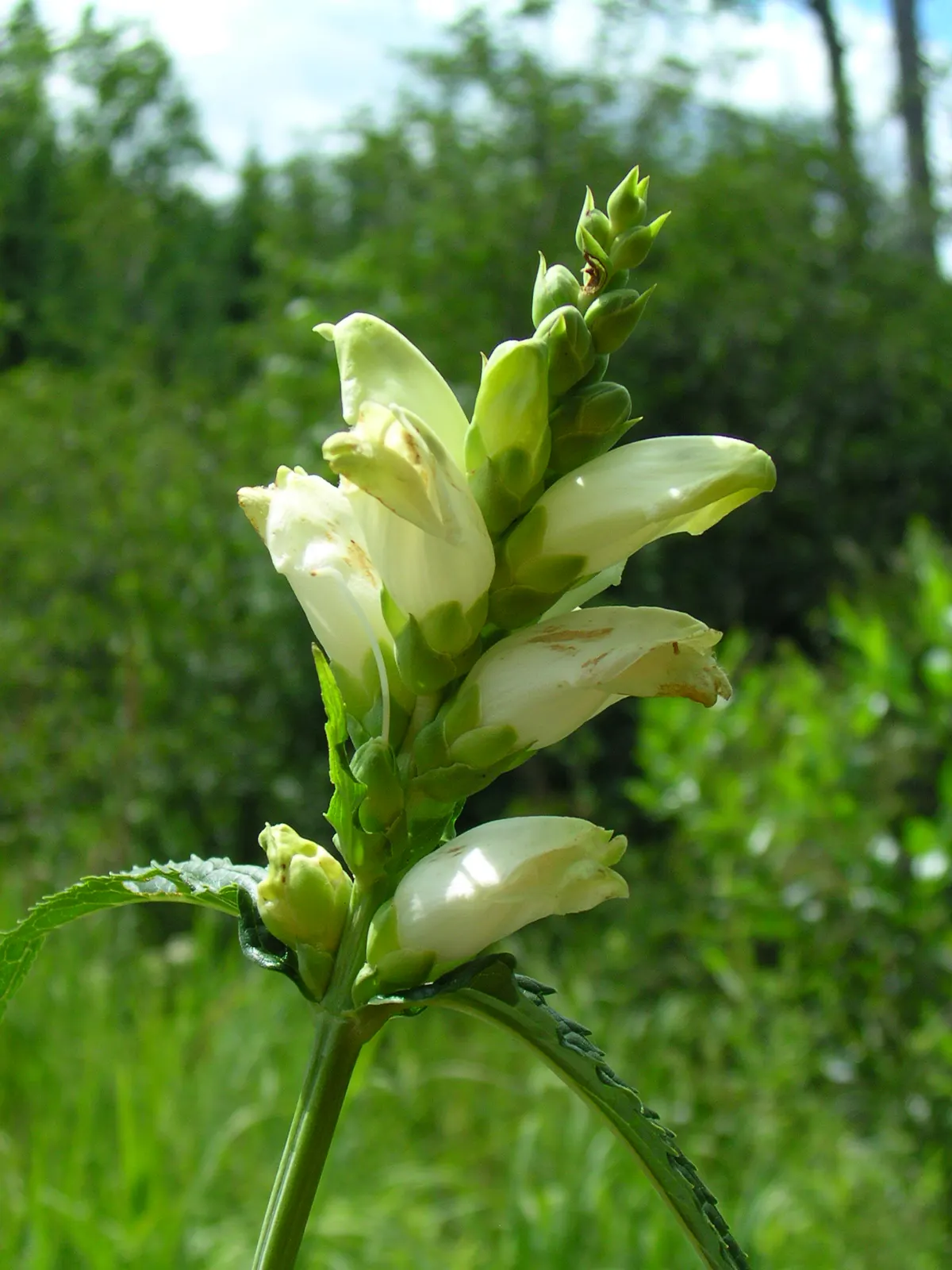
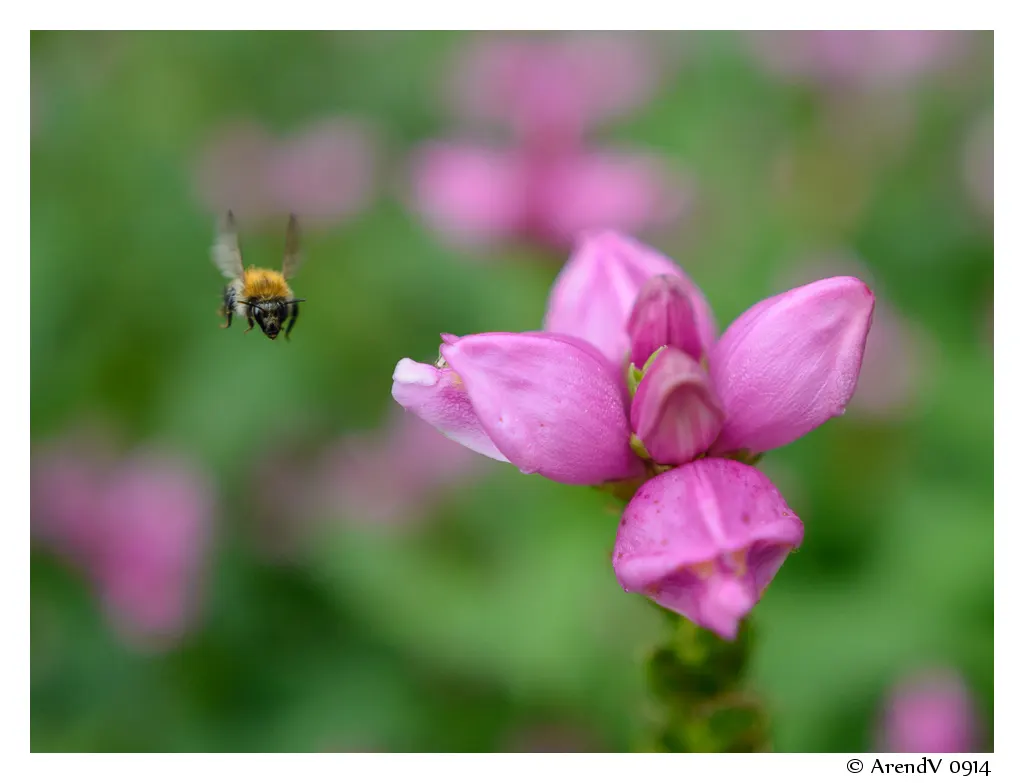
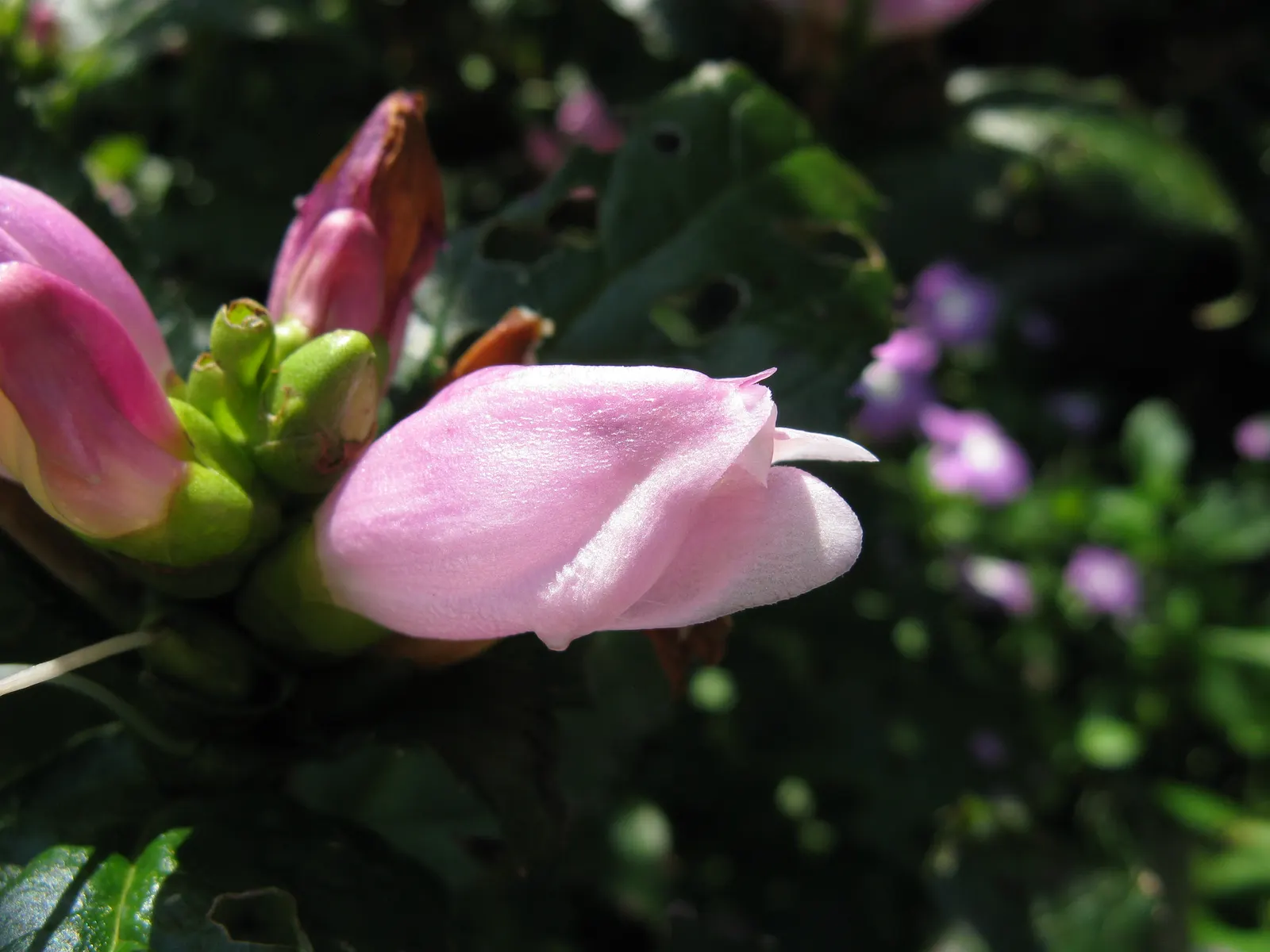
Turtlehead (Chelone Obliqua) — deep pink blossoms resembling a turtle's head; these blooms grow along the top of the erect
Turtlehead (Chelone Obliqua) — perennial with pink blooms
Turtlehead (Chelone Obliqua) — is a herbaceous perennial boasting tightly-clustered; clump-forming beauty is a focal point in any garden
Turtlehead (Chelone Obliqua) — perennial for full or half or shade
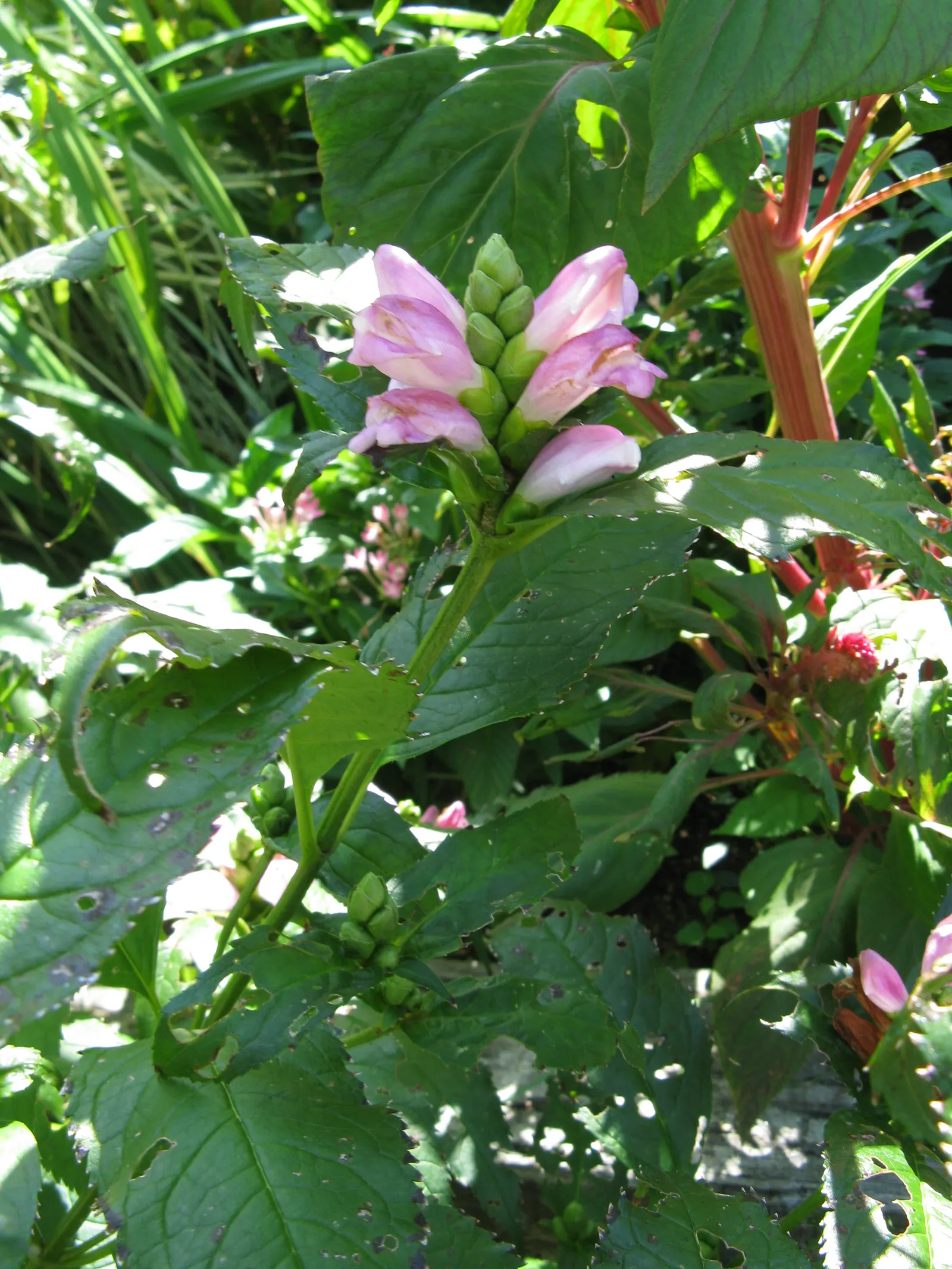
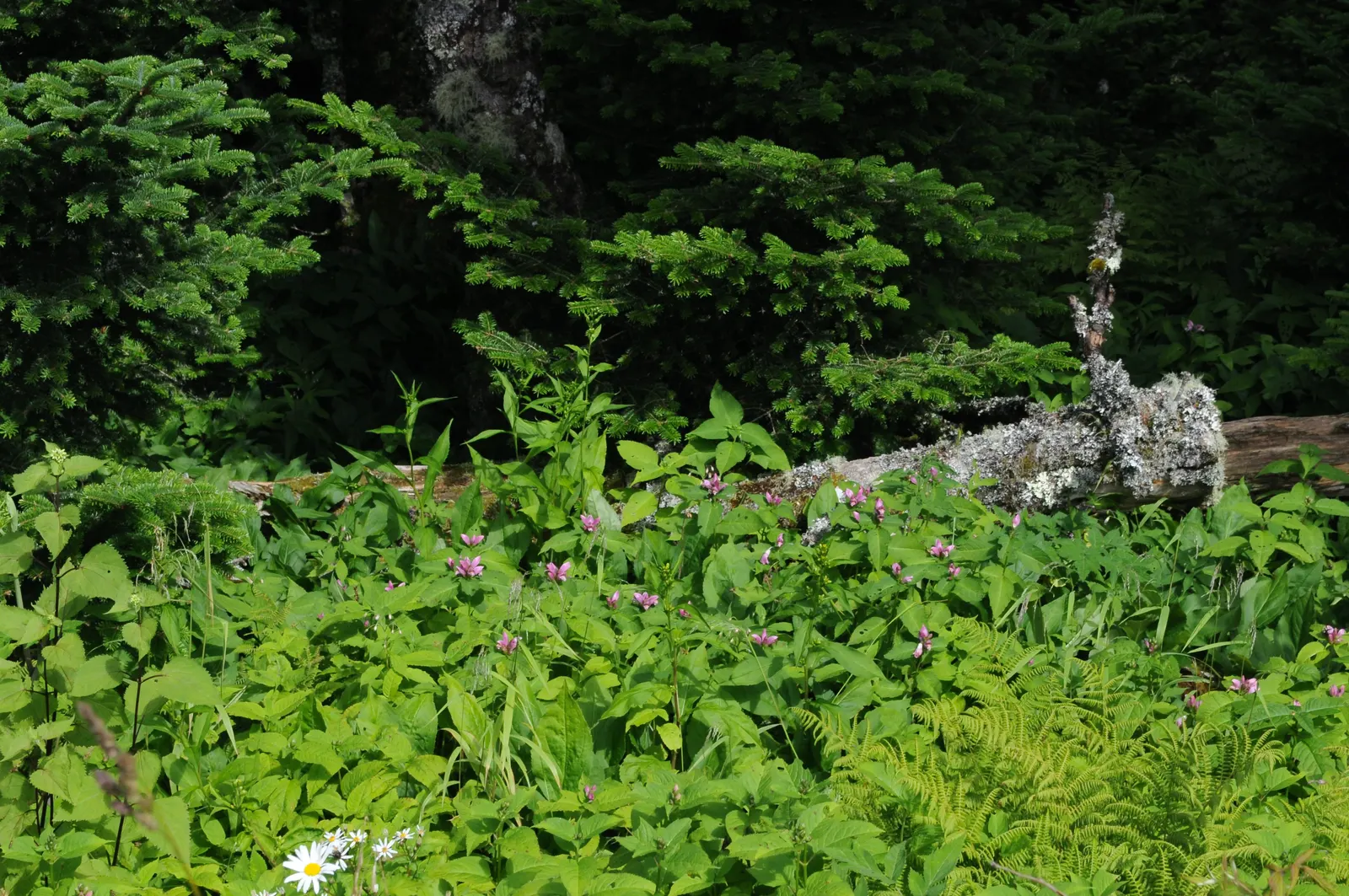
Turtlehead (Chelone Obliqua) — pink flowers in the garden
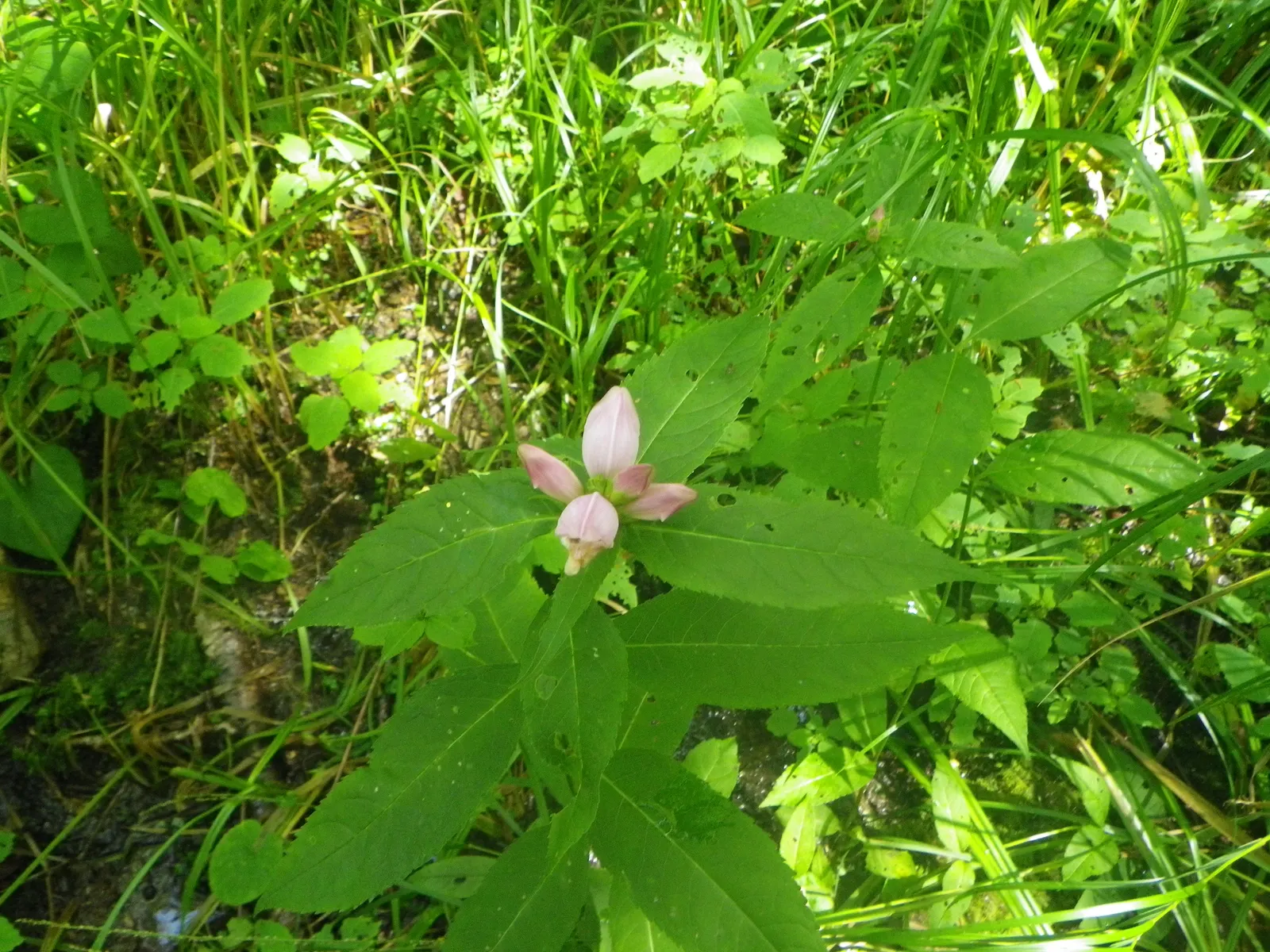
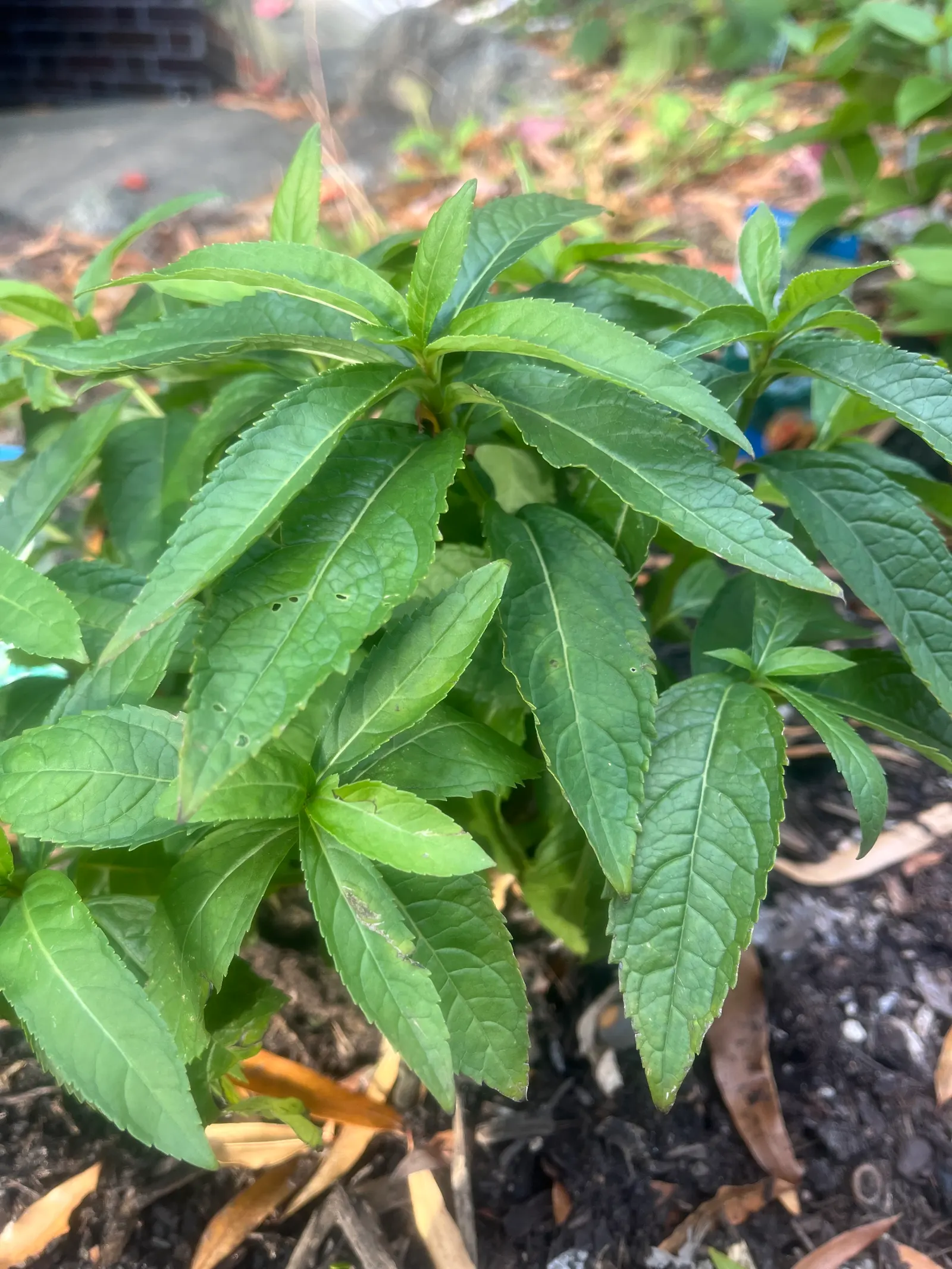
Turtlehead (Chelone Obliqua) — Foliage is lance-shaped, glossy, and deep green; presenting a striking contrast against the lush
Turtlehead (Chelone Obliqua) — Requires minimal maintenance once established; perennial with pink blooms
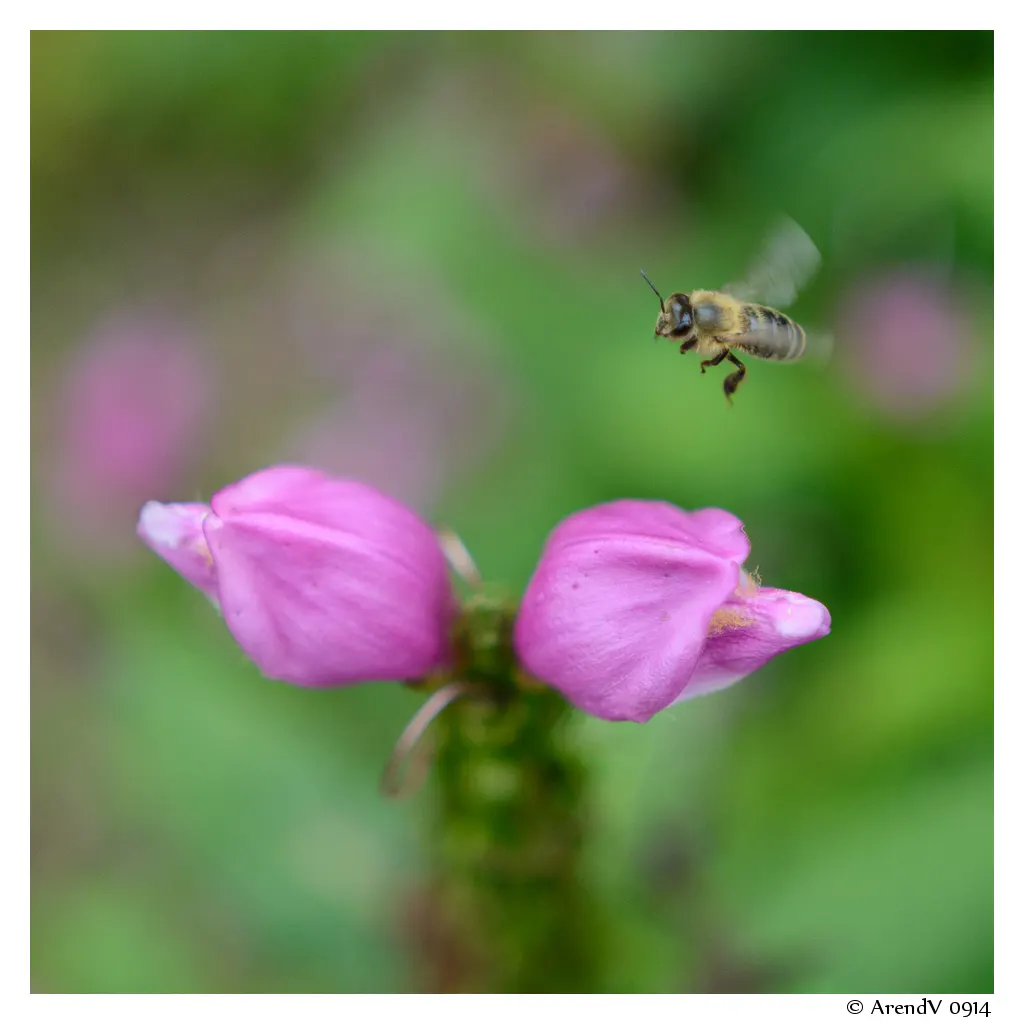
Turtlehead (Chelone Obliqua) — Blooms appear late summer to fall, attracting butterflies and hummingbirds; reaching a mature height of approximately 2 to 3
Turtlehead (Chelone Obliqua) — Thriving in zones 3-8, it reaches 2-3 feet in height and spreads 2 feet wide; pink flowers in the garden
Turtlehead (Chelone Obliqua) — Preferring moist, fertile soil and partial shade, it's ideal for rain gardens or woodland borders, image 32
Turtlehead (Chelone Obliqua) — scientifically known as Chelone obliqua; blooms appear late summer to fall, attracting butterflies and hummingbirds
Turtlehead (Chelone Obliqua) — reaching a mature height of approximately 2 to 3 feet and spreading roughly 1 to 2 feet wide; perennial for full or half or shade
Turtlehead (Chelone Obliqua) — The unique common name arises from its distinctive flowers; foliage is lance-shaped, glossy, and deep green
Turtlehead (Chelone Obliqua) — clump-forming beauty is a focal point in any garden; which grow up to 6 inches long.<br><br>Best planted in USDA Hardiness Zones
Turtlehead (Chelone Obliqua) — is a perennial flowering plant native to the moist woodlands and stream banks of North America; the unique common name arises
Turtlehead (Chelone Obliqua) — Turtlehead flowers are noted for their rich pink to rose-purple color; commonly called Turtlehead
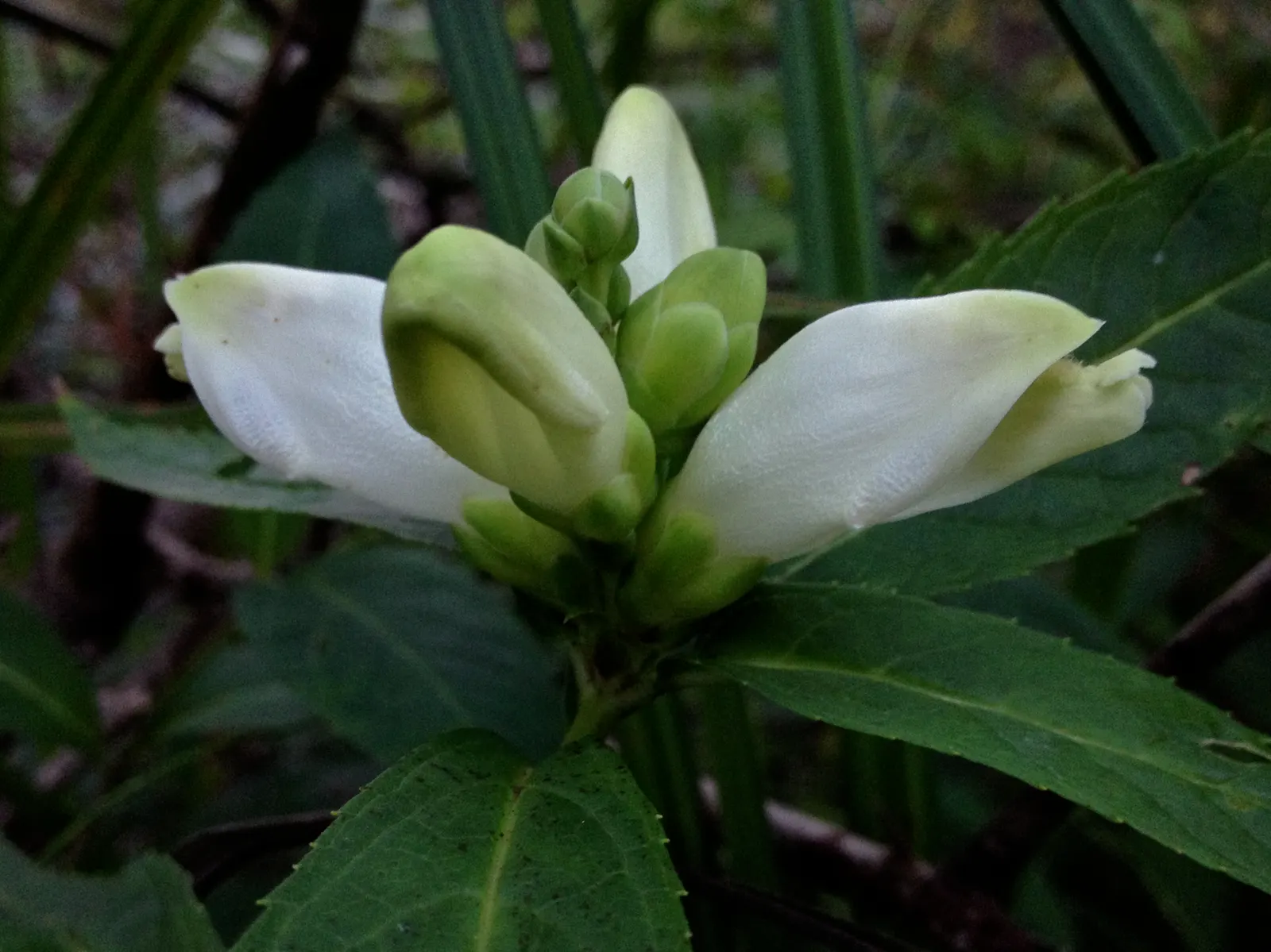
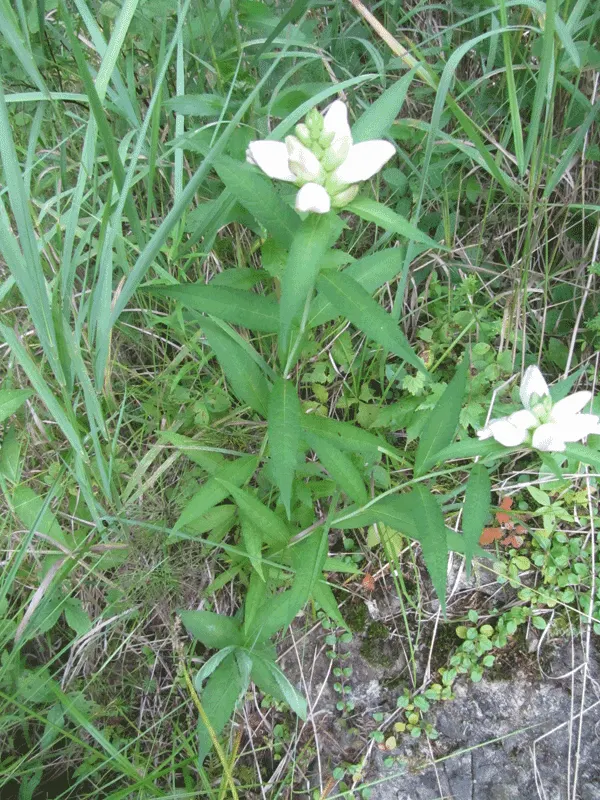
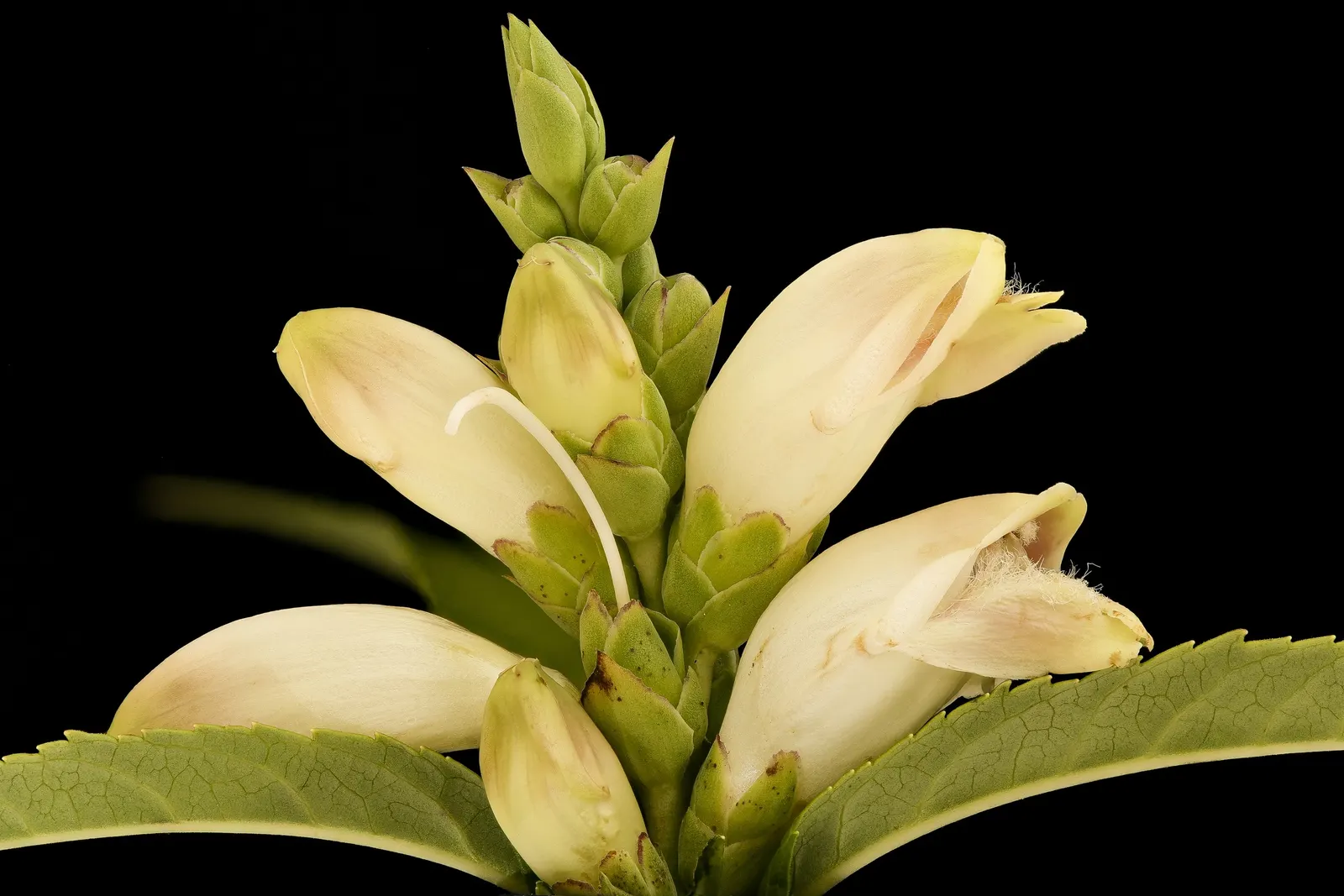
Turtlehead (Chelone Obliqua) — although cultivars may offer shades of white as well; requires minimal maintenance once established
Turtlehead (Chelone Obliqua) — presenting a striking contrast against the lush; but it is also an important nectar source for pollinators
Turtlehead (Chelone Obliqua) — These blooms grow along the top of the erect; hence the term "turtlehead."<br><br>Bearing blooms from late summer to early fall
Turtlehead (Chelone Obliqua) — which closely resemble the head of a turtle with an open mouth, image 41
Turtlehead (Chelone Obliqua) — hence the term "turtlehead."<br><br>Bearing blooms from late summer to early fall; it prefers fertile, humus-rich soil that is
Turtlehead (Chelone Obliqua) — which grow up to 6 inches long.<br><br>Best planted in USDA Hardiness Zones 4 through 8; is a herbaceous perennial boasting
Turtlehead (Chelone Obliqua) — but it is also an important nectar source for pollinators; turtlehead flowers are noted for their rich pink to rose-purple color

Related plants