Skip to content

Buttonbush

Cephalanthus Occidentalis

Design with this plant

Overview

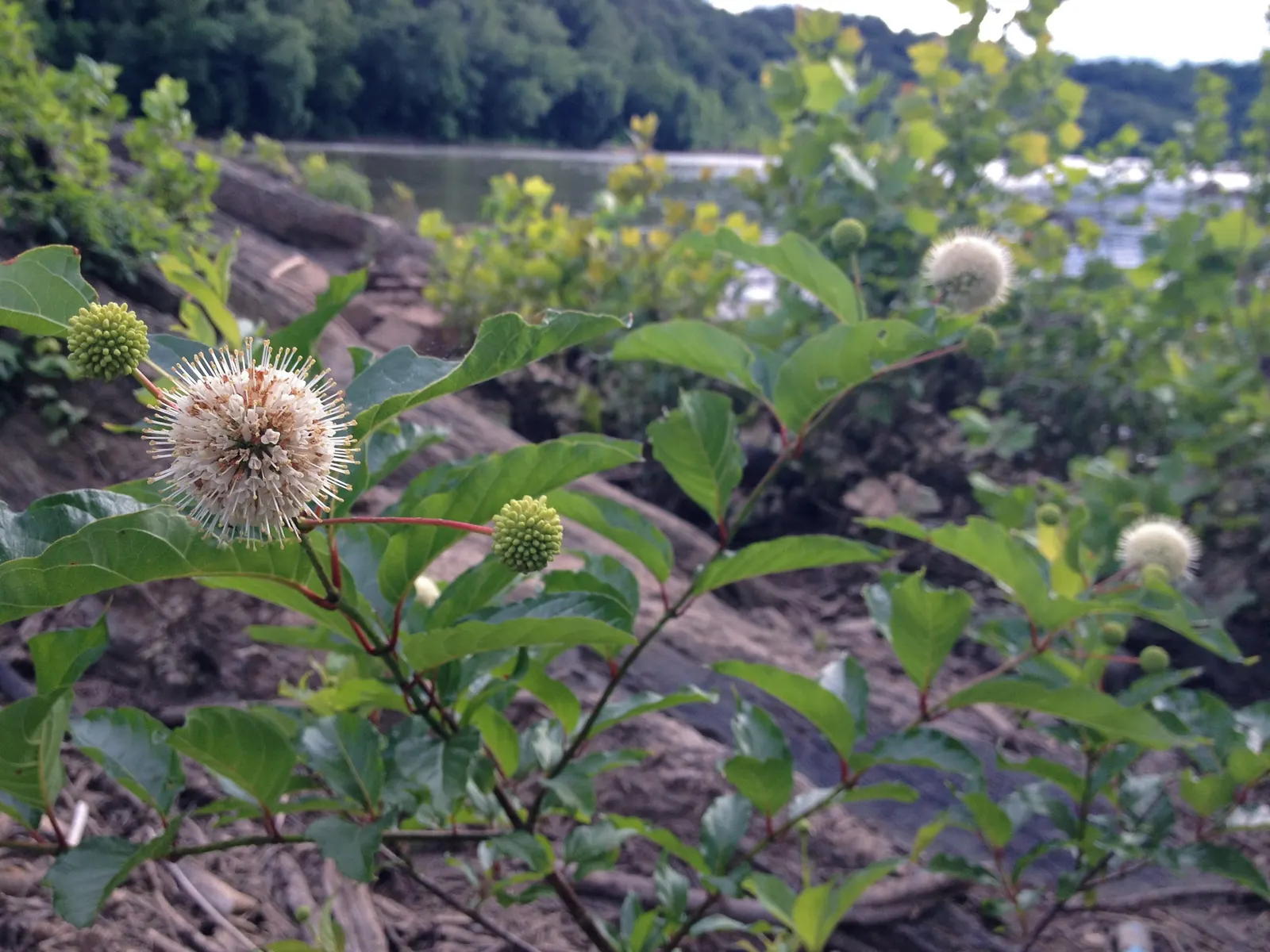
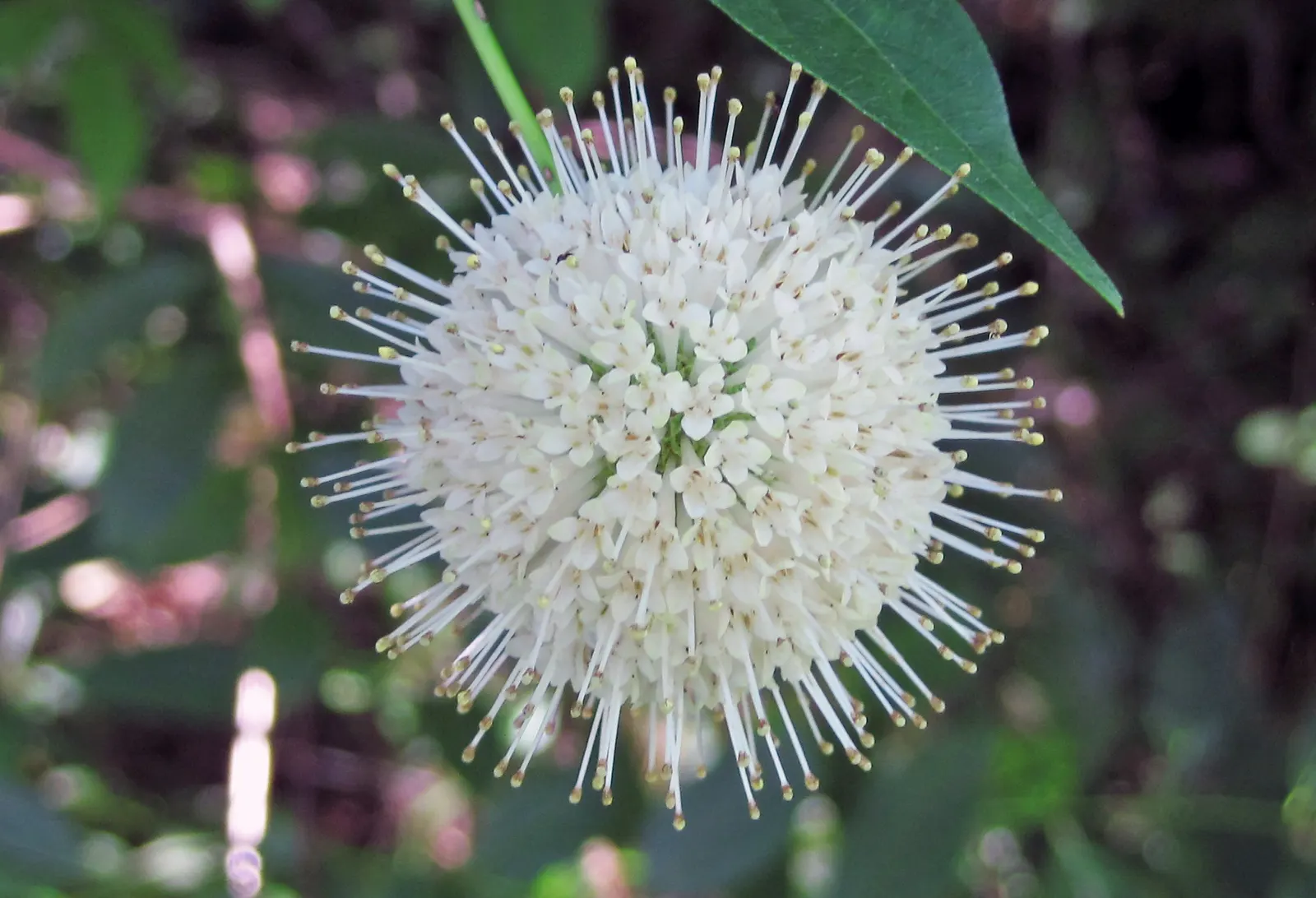
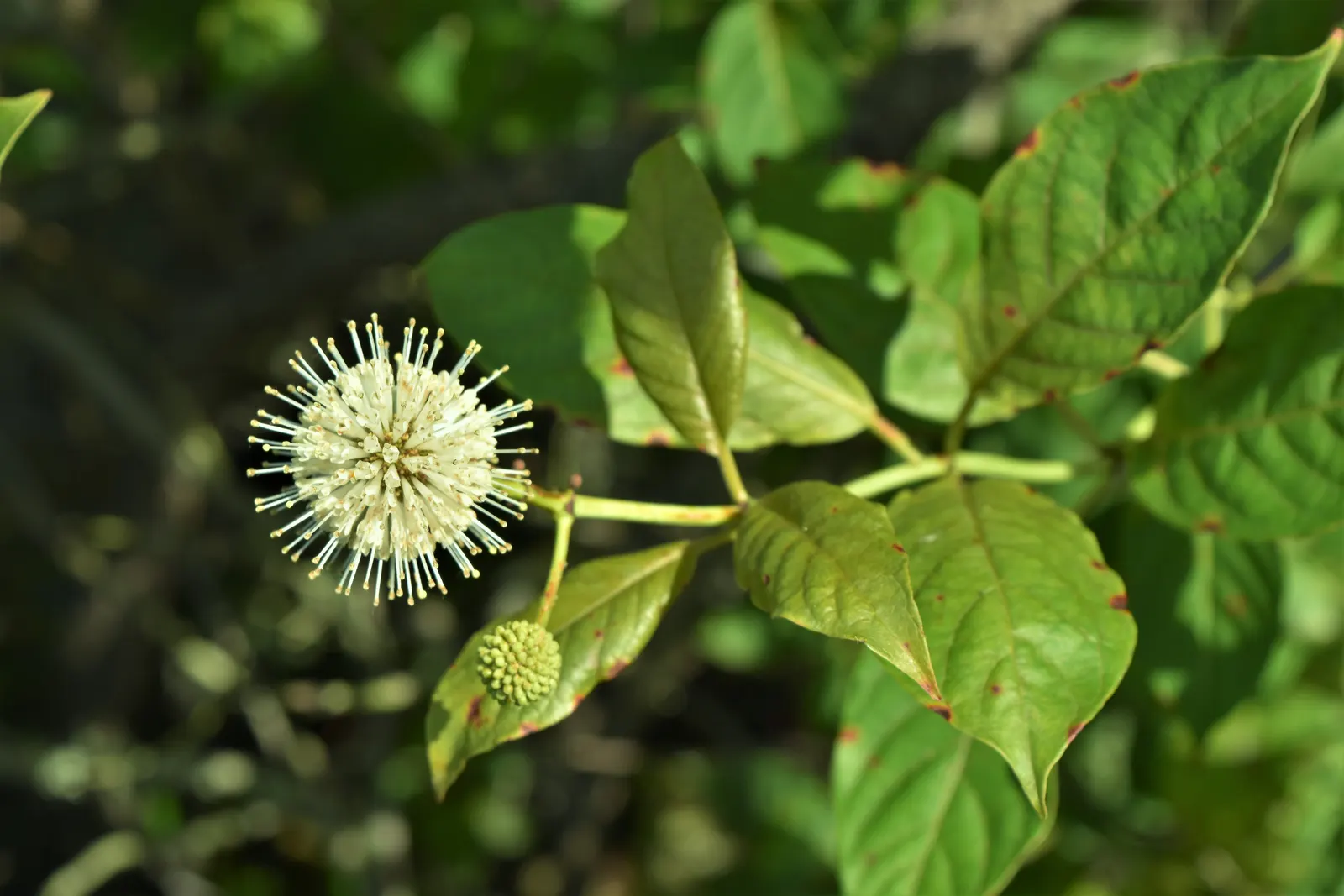
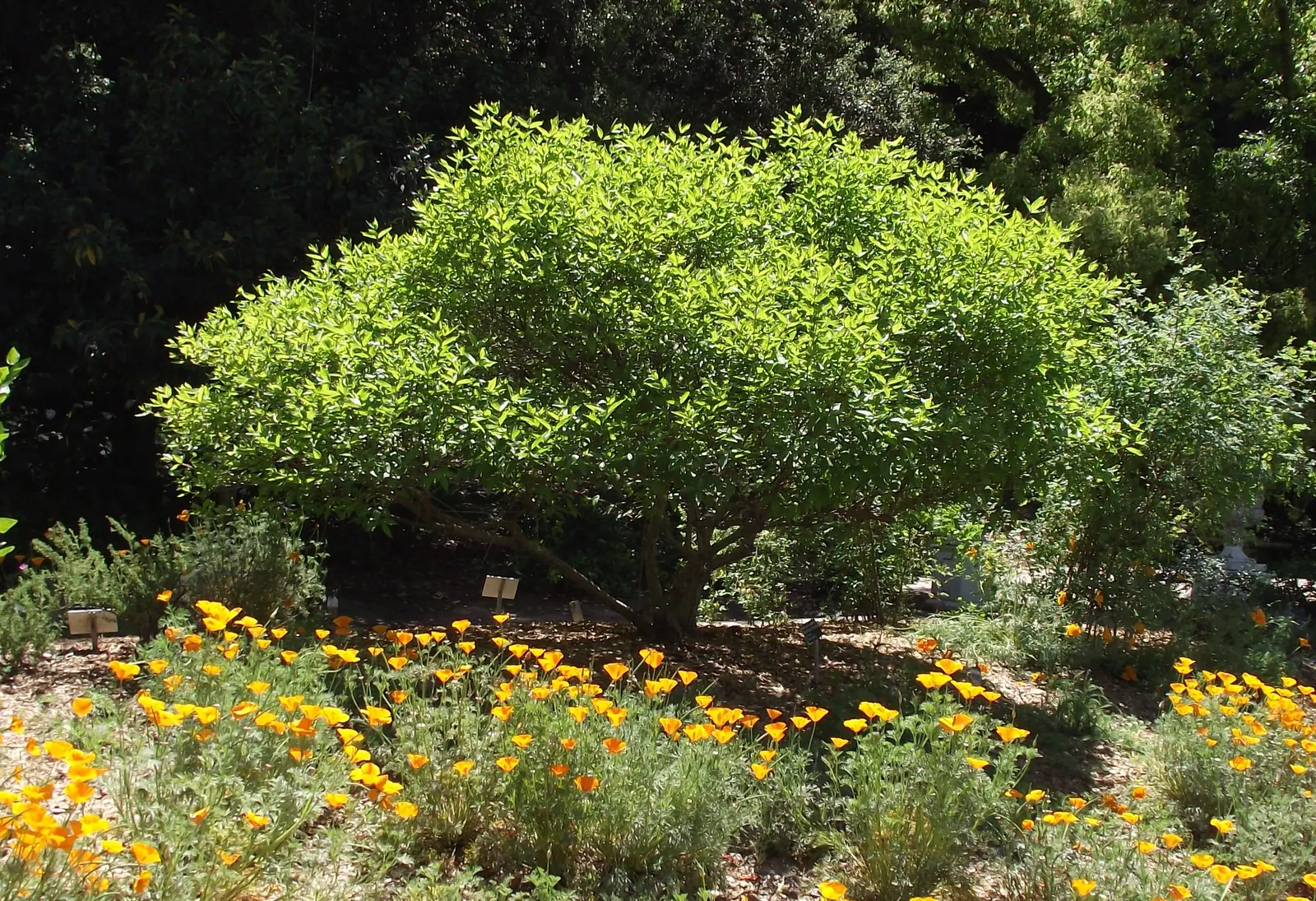
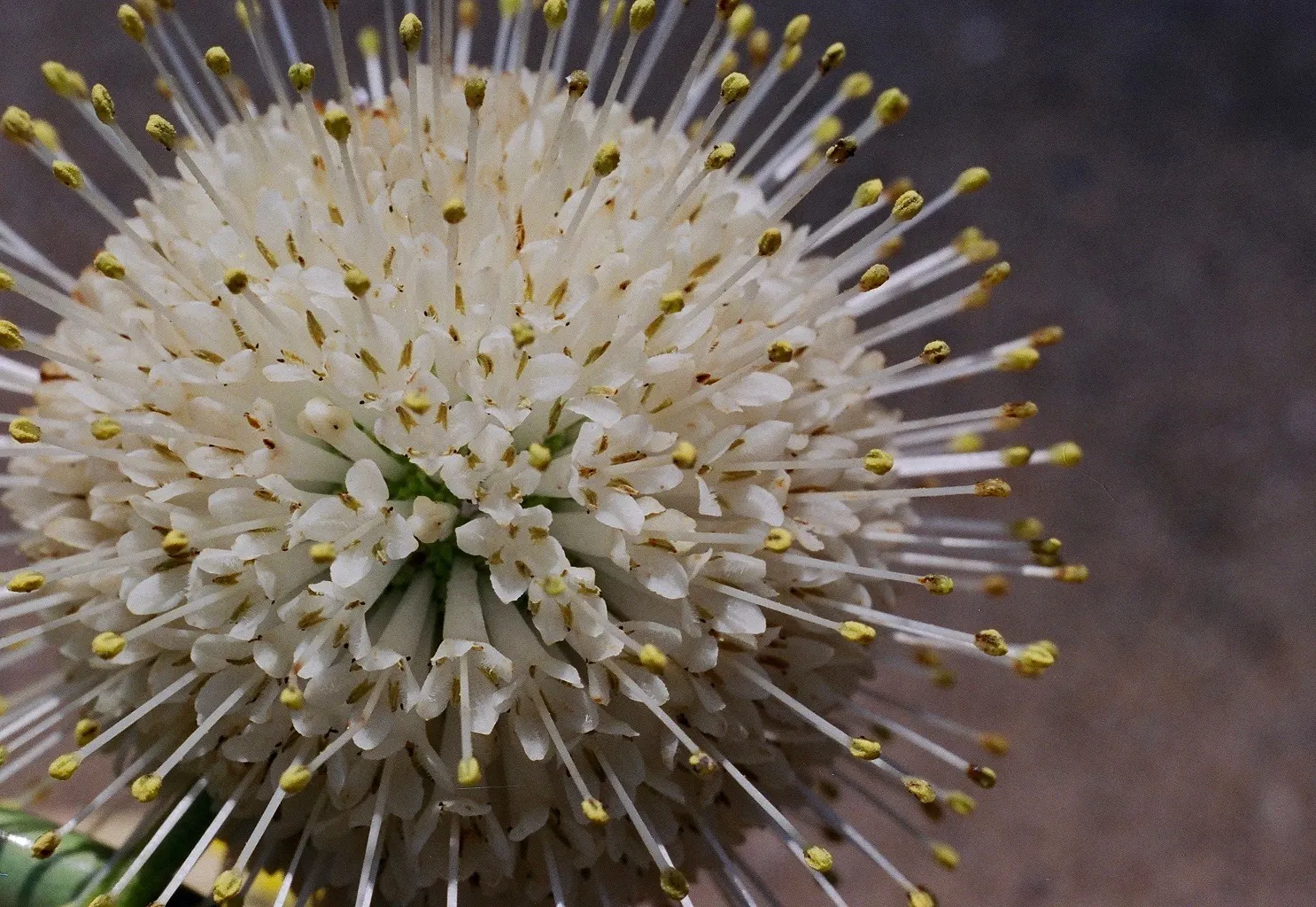
Buttonbush (Cephalanthus occidentalis) is a multi-stemmed shrub, typically reaching 6-12 feet in height, which thrives in USDA zones 5-9. Showcasing glossy green leaves and fragrant round flower clusters in summer, it provides nectar for pollinators. Prefers full sun to partial shade with moist soil conditions. Excellent for enhancing wetland areas or rain gardens.<UFunction Complete 70 Word Limit>

Sun Full, HalfWater High, MediumZones 3–9Climate Temperate
Buttonbush (Cephalanthus Occidentalis) — Buttonbush (Cephalanthus occidentalis) is a multi-stemmed shrub

Culture

Sun
Full, Half
Water
High, Medium
USDA zones
3–9

Shape & size

Mature height
4–8 Ft.
Mature width
6–12 Ft.

Classification

Family
Rubiaceae
Climate
Temperate

See full data, regional cultivation notes, full-resolution photos, and design tools. Build a client presentation around this plant.

Start your 14-day trial

Photos (112)

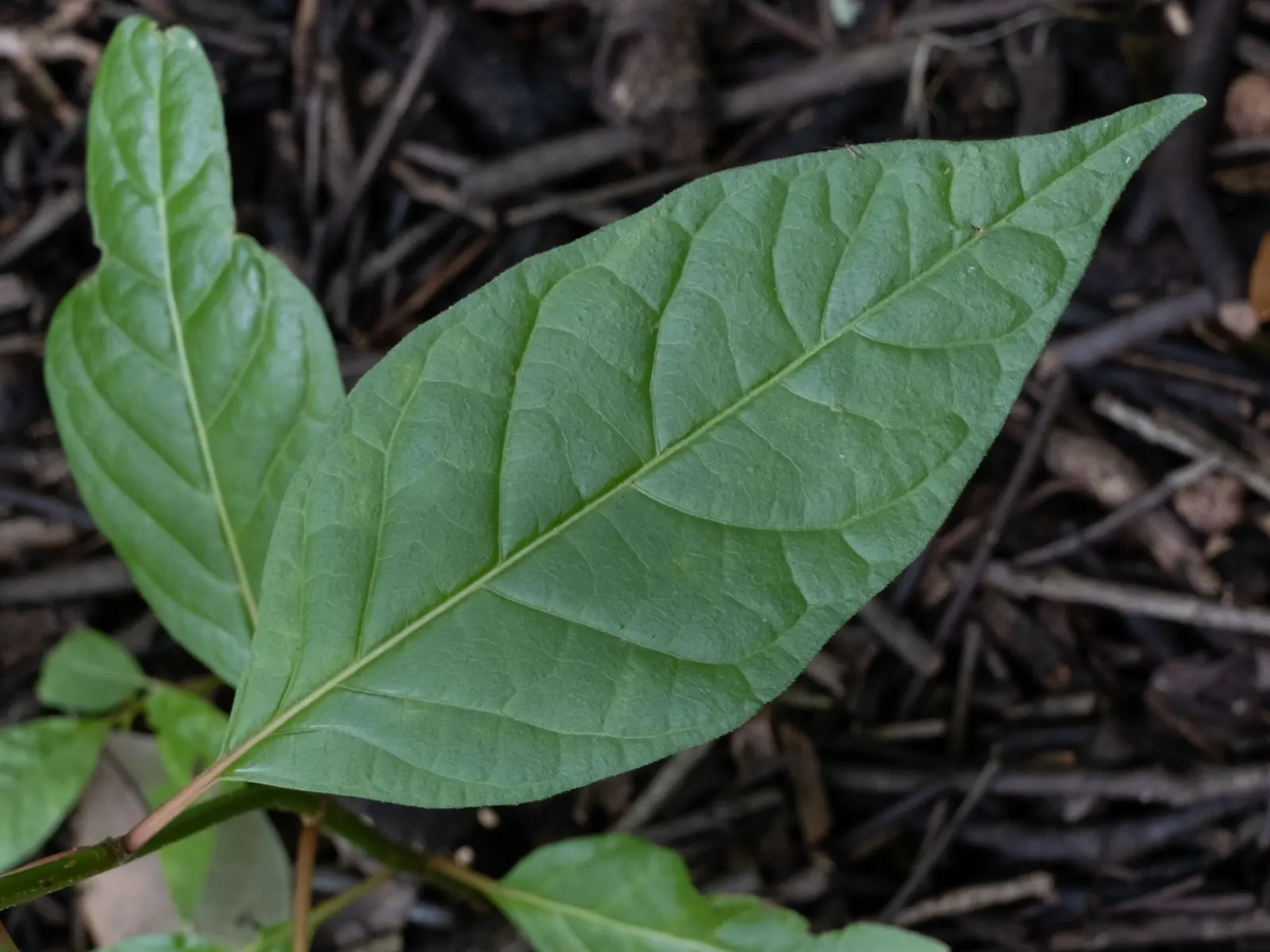
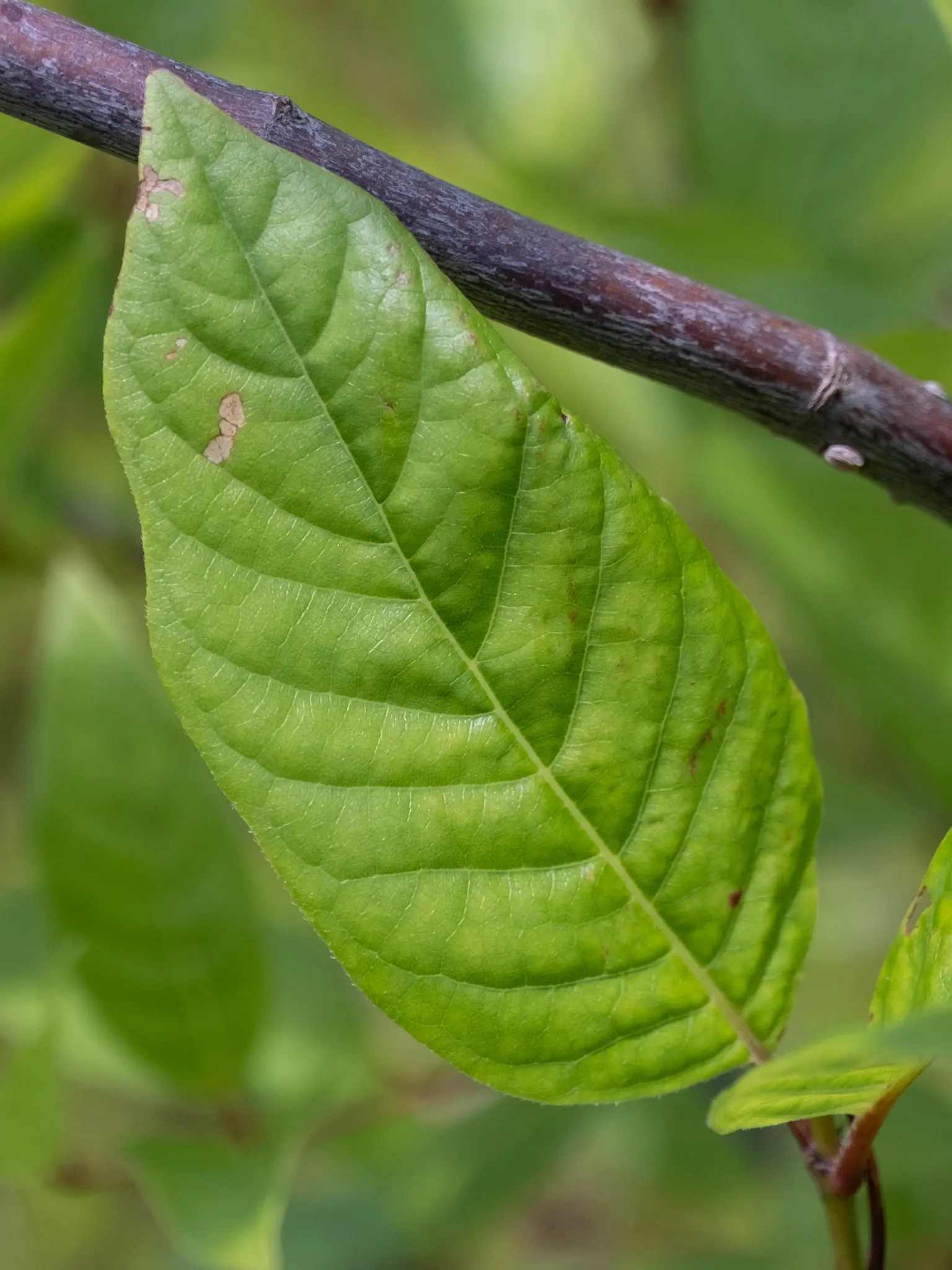
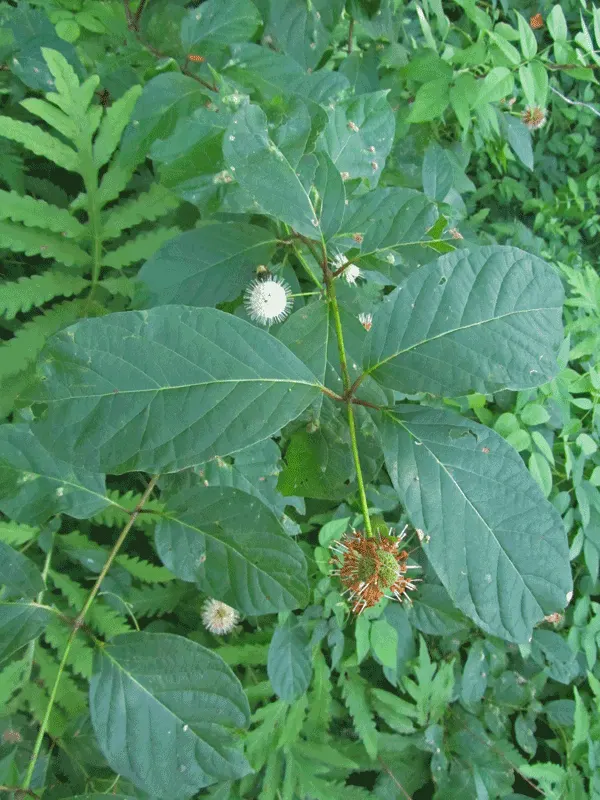
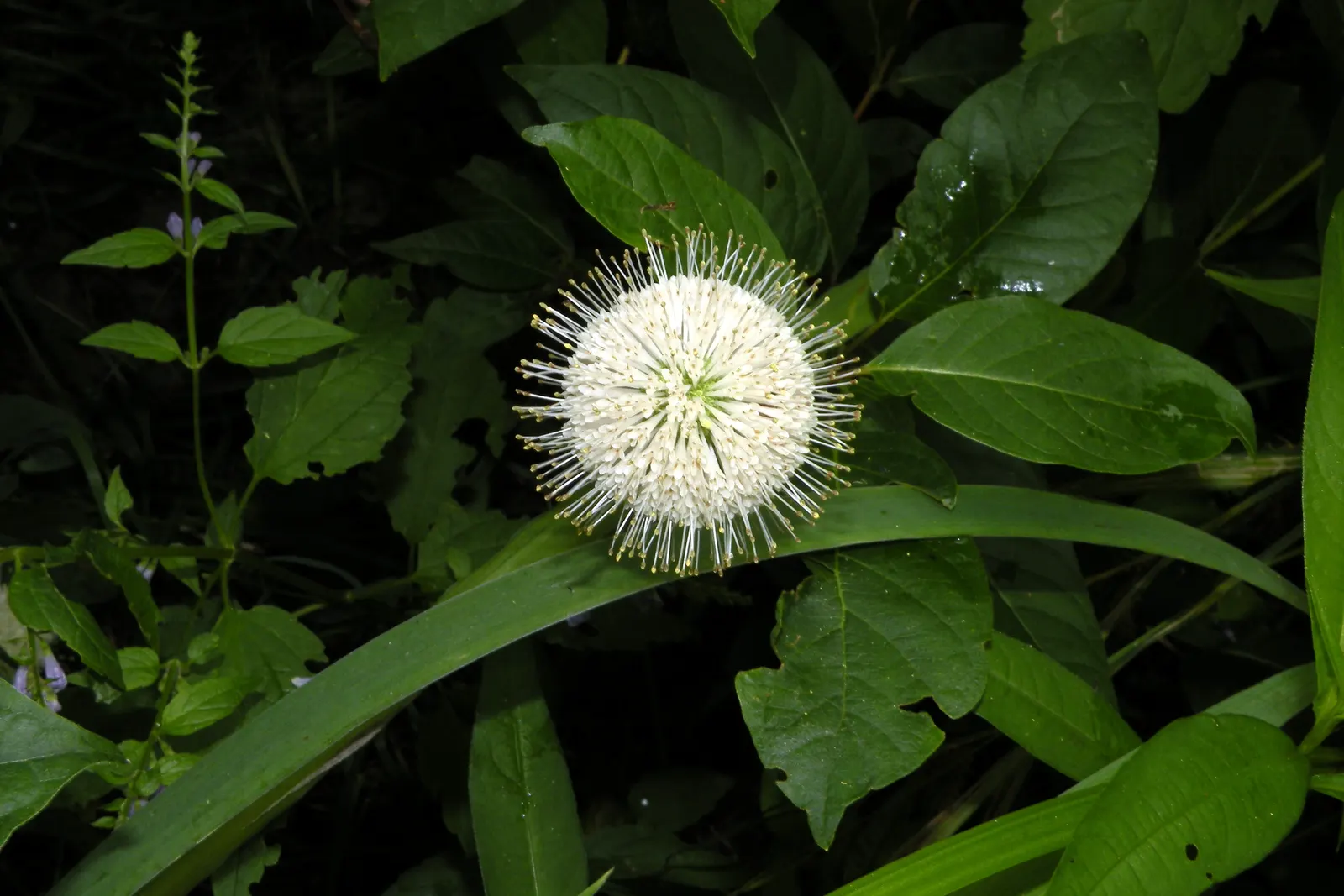
Buttonbush (Cephalanthus Occidentalis) — Prefers full sun to partial shade with moist soil conditions; reaching up to 6 inches long, image 56
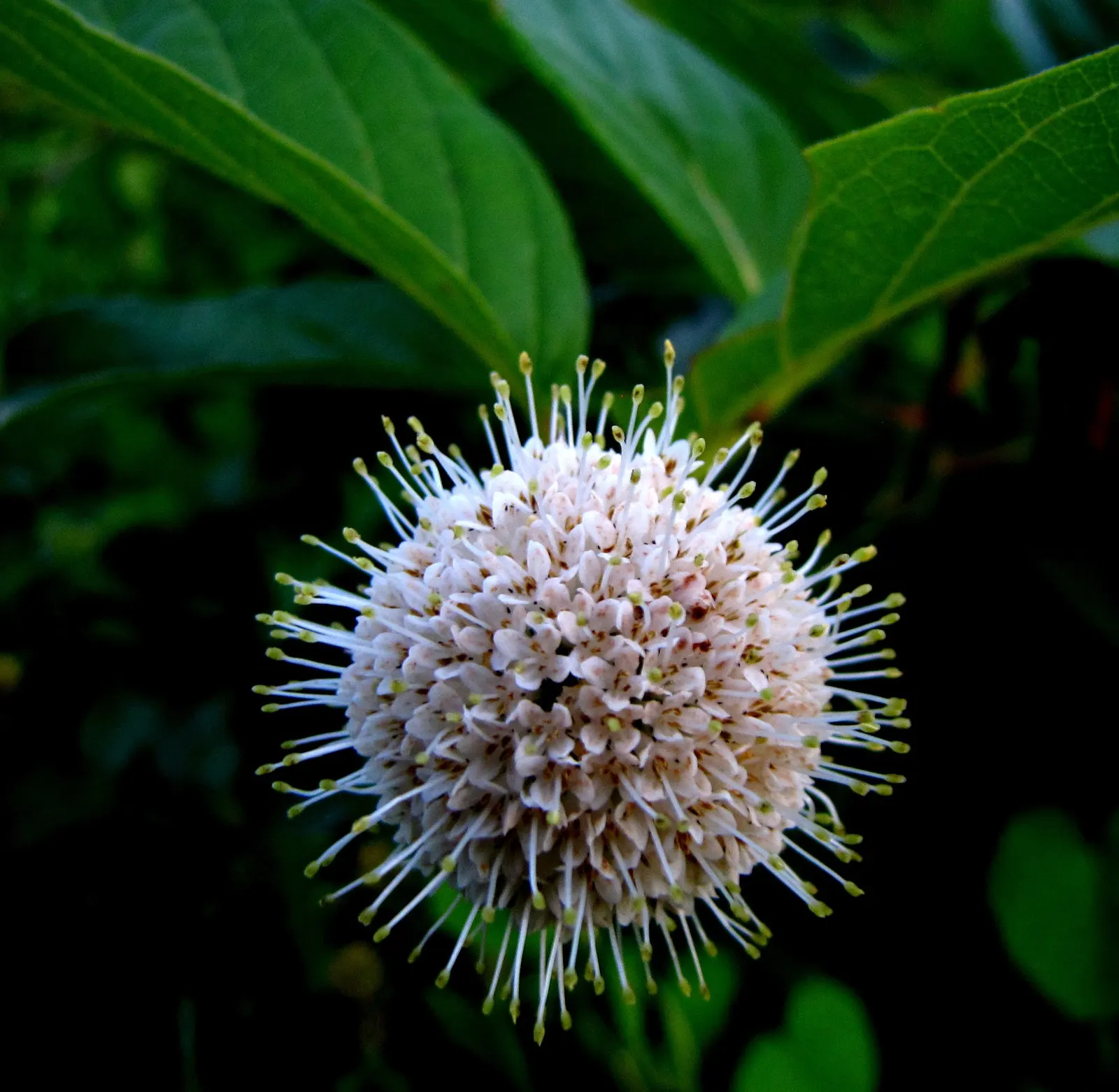
Buttonbush (Cephalanthus Occidentalis) — it provides nectar for pollinators; excellent for enhancing wetland areas or rain gardens.<UFunction, image 55
Buttonbush (Cephalanthus Occidentalis) — Buttonbush (Cephalanthus occidentalis) is a multi-stemmed shrub; showcasing glossy green leaves and, image 51
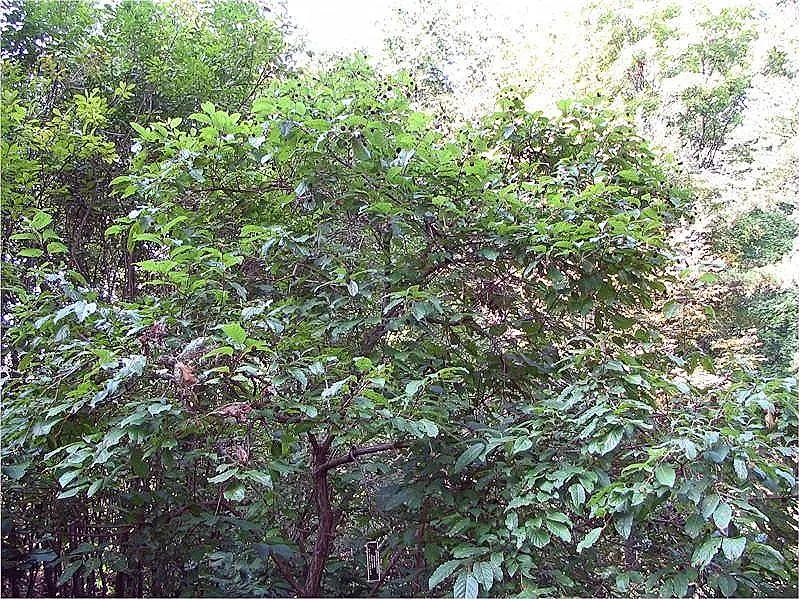
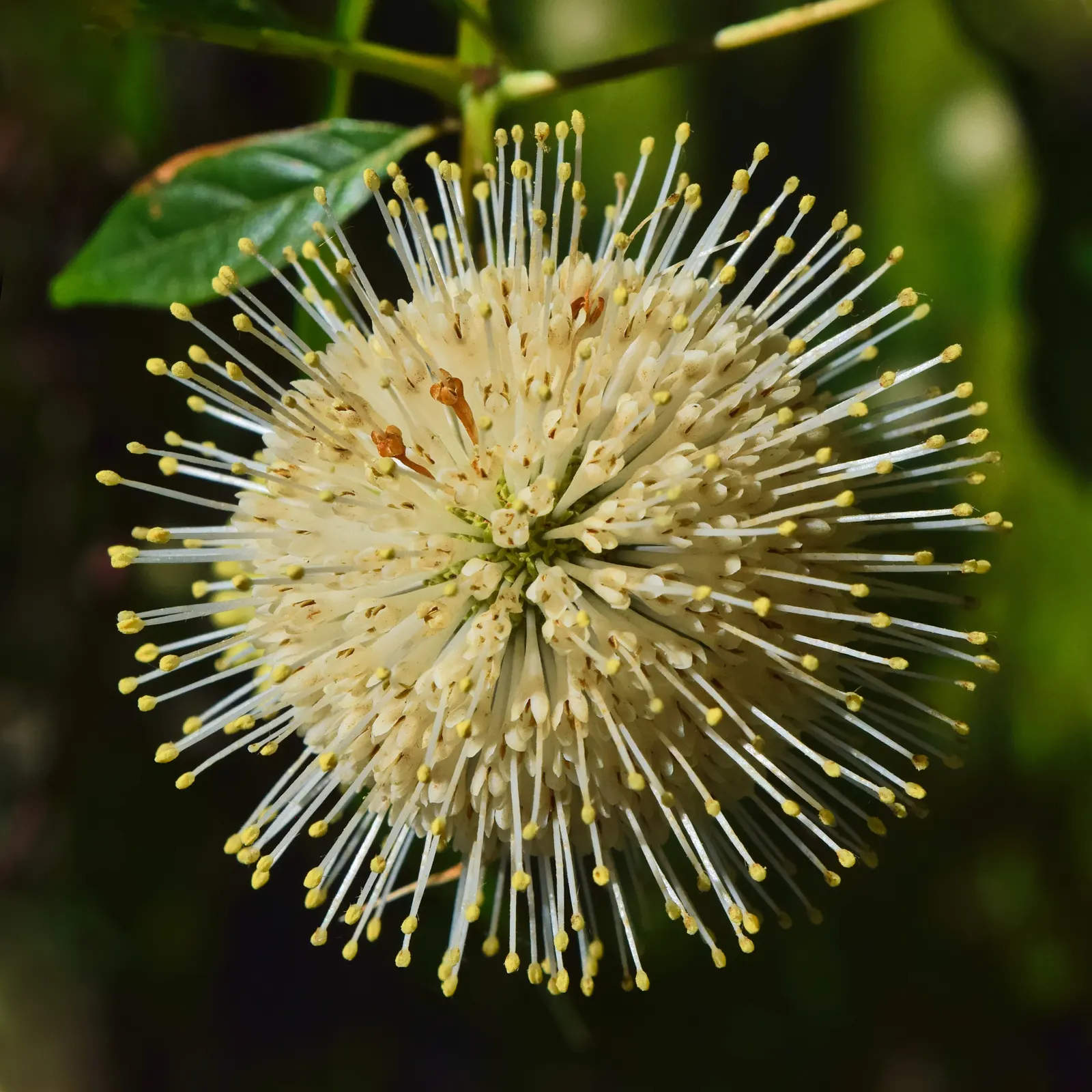
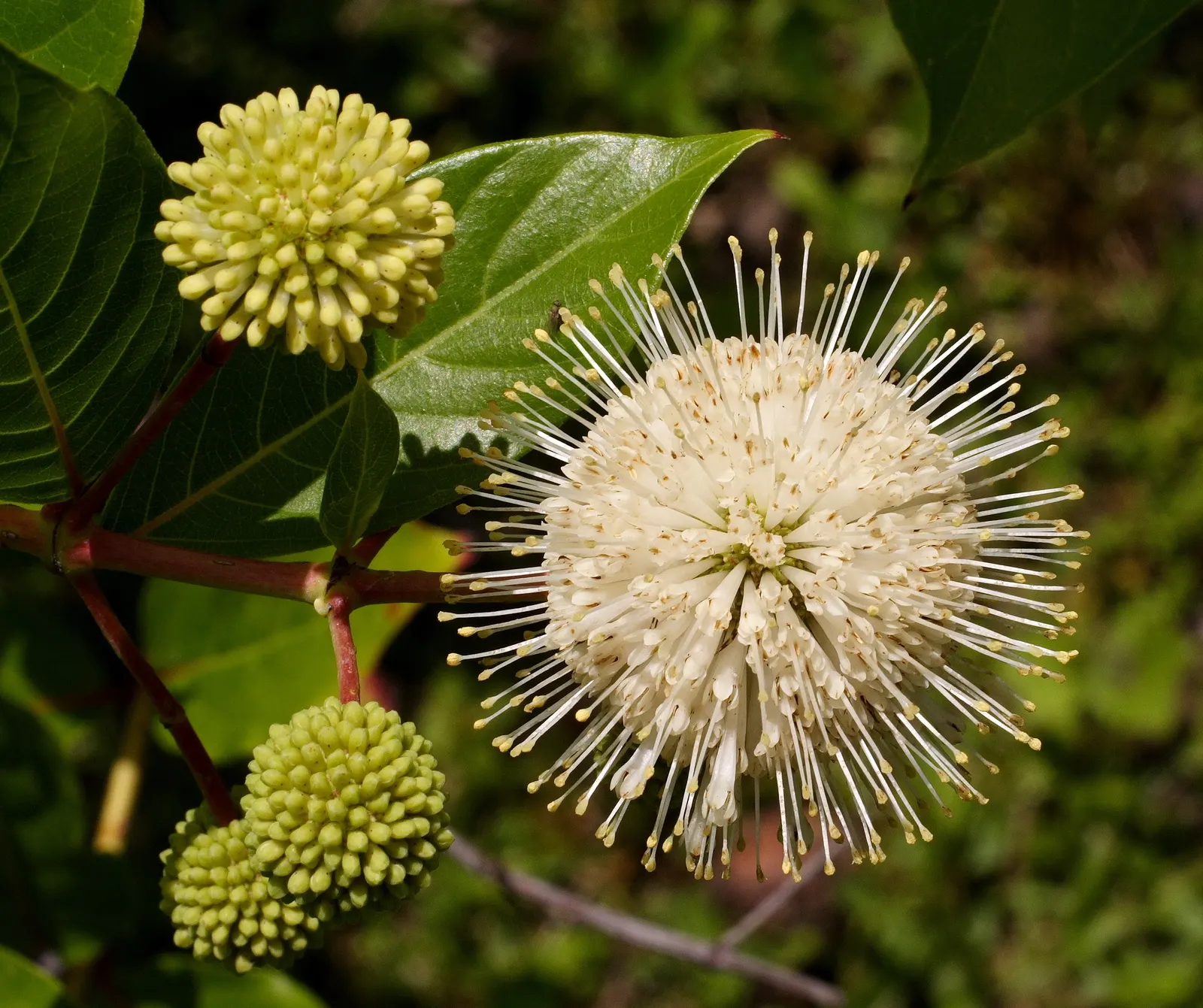
Buttonbush (Cephalanthus Occidentalis) — typically reaching 6-12 feet in height; reaching heights of 6 to 12 feet with a spread nearly as wide, image 52
Buttonbush (Cephalanthus Occidentalis) — which thrives in USDA zones 5-9; nut-like fruit that persists into winter, image 53
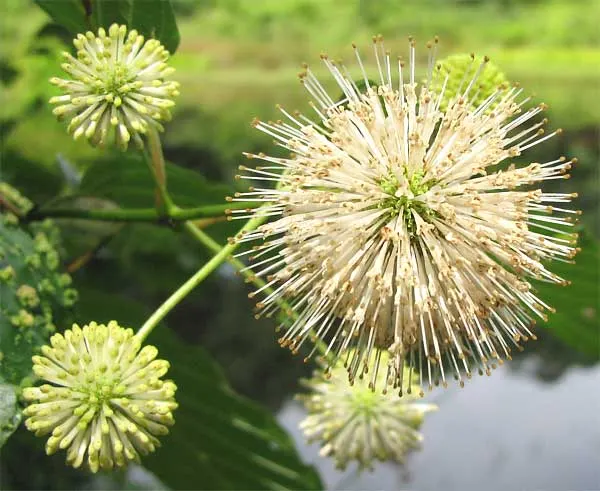
Buttonbush (Cephalanthus Occidentalis) — Showcasing glossy green leaves and fragrant round flower clusters in summer; shrub for full or half, image 54
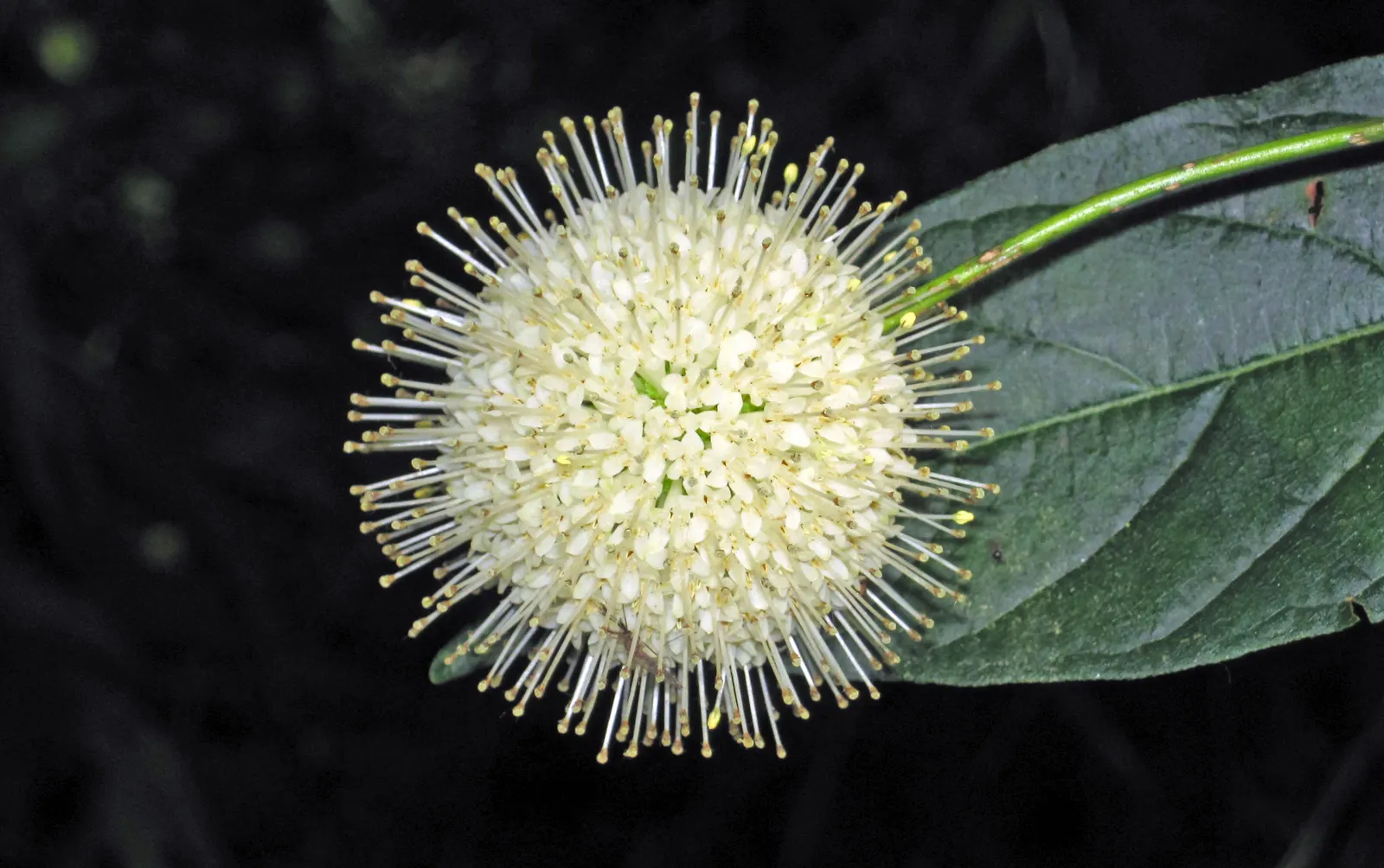
Buttonbush (Cephalanthus Occidentalis) — shrub with white blooms; enhancing the biodiversity of the setting.<br><br>In autumn
Buttonbush (Cephalanthus Occidentalis) — shrub for full or half; and allow it room to spread for all to enjoy its year-round beauty and ecological contributions
Buttonbush (Cephalanthus Occidentalis) — commonly known as Buttonbush; which thrives in USDA zones 5-9, image 58
Buttonbush (Cephalanthus Occidentalis) — Excellent for enhancing wetland areas or rain gardens.<UFunction Complete 70 Word Limit>; consider its, image 57
Buttonbush (Cephalanthus Occidentalis) — Grown largely for its distinctive spherical flower clusters; buttonbush typically flourishes in USDA, image 59
Buttonbush (Cephalanthus Occidentalis) — Buttonbush typically flourishes in USDA hardiness zones 5 through 10; complemented by reddish-brown, image 60
Buttonbush (Cephalanthus Occidentalis) — reaching heights of 6 to 12 feet with a spread nearly as wide; shrub with white blooms, image 61
Buttonbush (Cephalanthus Occidentalis) — complemented by reddish-brown; buttonbush's foliage shifts to a captivating yellow, image 67
Buttonbush (Cephalanthus Occidentalis) — offering visual interest in the dormant season and serving as a food source for waterfowl and other birds, image 69
Buttonbush (Cephalanthus Occidentalis) — nut-like fruit that persists into winter; white flowers in the garden, image 68
Buttonbush (Cephalanthus Occidentalis) — enhancing the biodiversity of the setting.<br><br>In autumn; typically reaching 6-12 feet in height, image 65
Buttonbush (Cephalanthus Occidentalis) — Its tolerance for standing water makes it an ideal choice for rain gardens; prefers full sun to partial, image 62
Buttonbush (Cephalanthus Occidentalis) — or other riparian contexts, image 63
Buttonbush (Cephalanthus Occidentalis) — reaching up to 6 inches long; when incorporating Cephalanthus occidentalis into the landscape, image 64
Buttonbush (Cephalanthus Occidentalis) — Buttonbush's foliage shifts to a captivating yellow; grown largely for its distinctive spherical flower, image 66
Buttonbush (Cephalanthus Occidentalis) — shrub for full or half; and allow it room to spread for all to enjoy its year-round beauty and ecological, image 75
Buttonbush (Cephalanthus Occidentalis) — consider its mature size for optimum placement; offering visual interest in the dormant season and serving, image 71
Buttonbush (Cephalanthus Occidentalis) — and allow it room to spread for all to enjoy its year-round beauty and ecological contributions; buttonbush, image 72

Related plants