Skip to content

Mountain Bluet

Centaurea Montana

Design with this plant

Overview

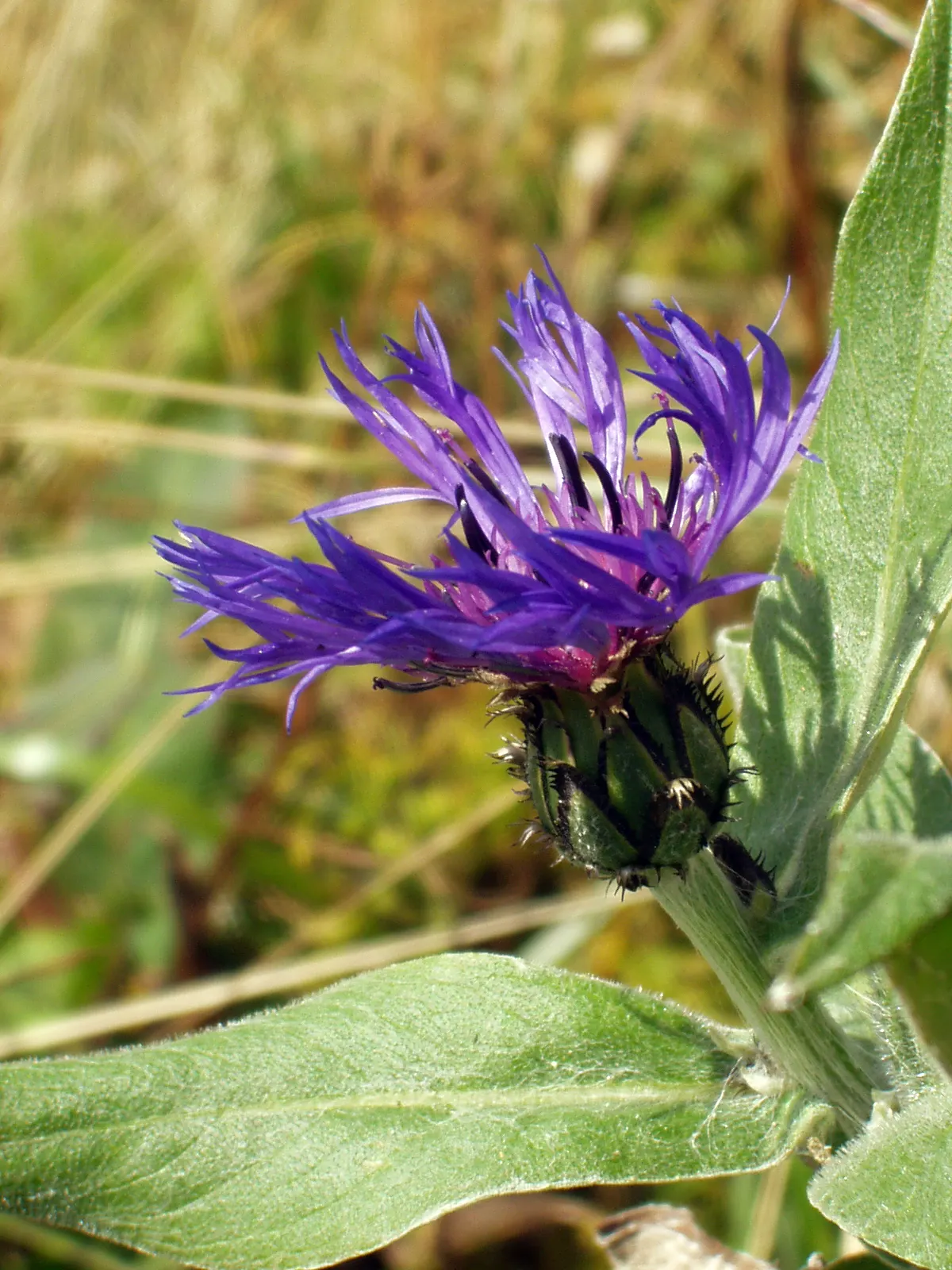
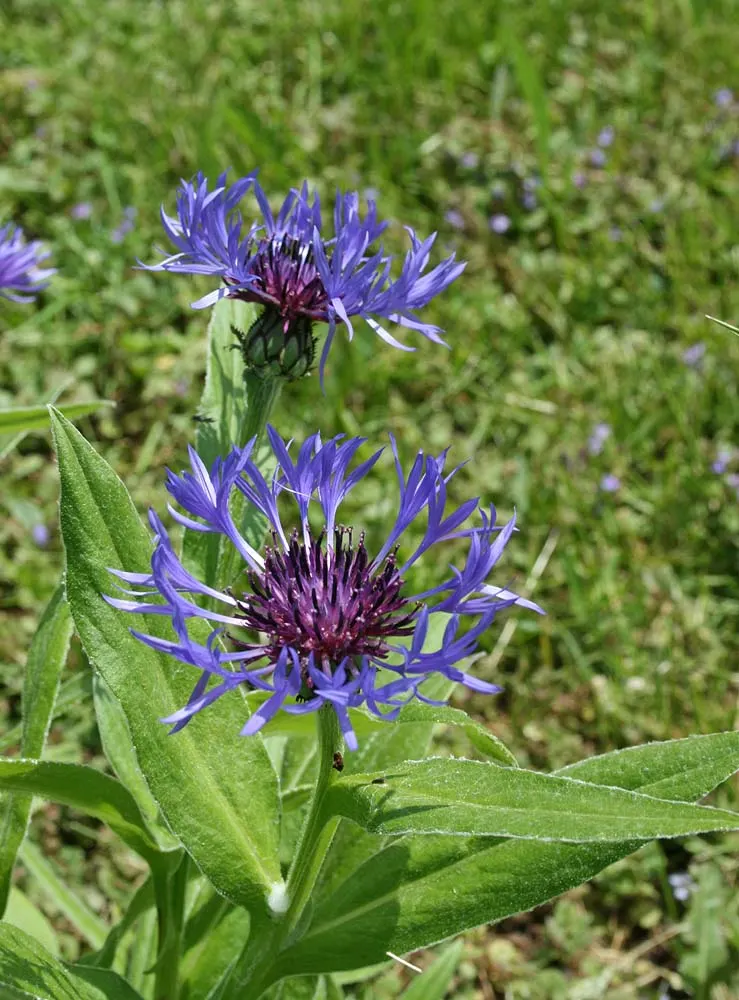
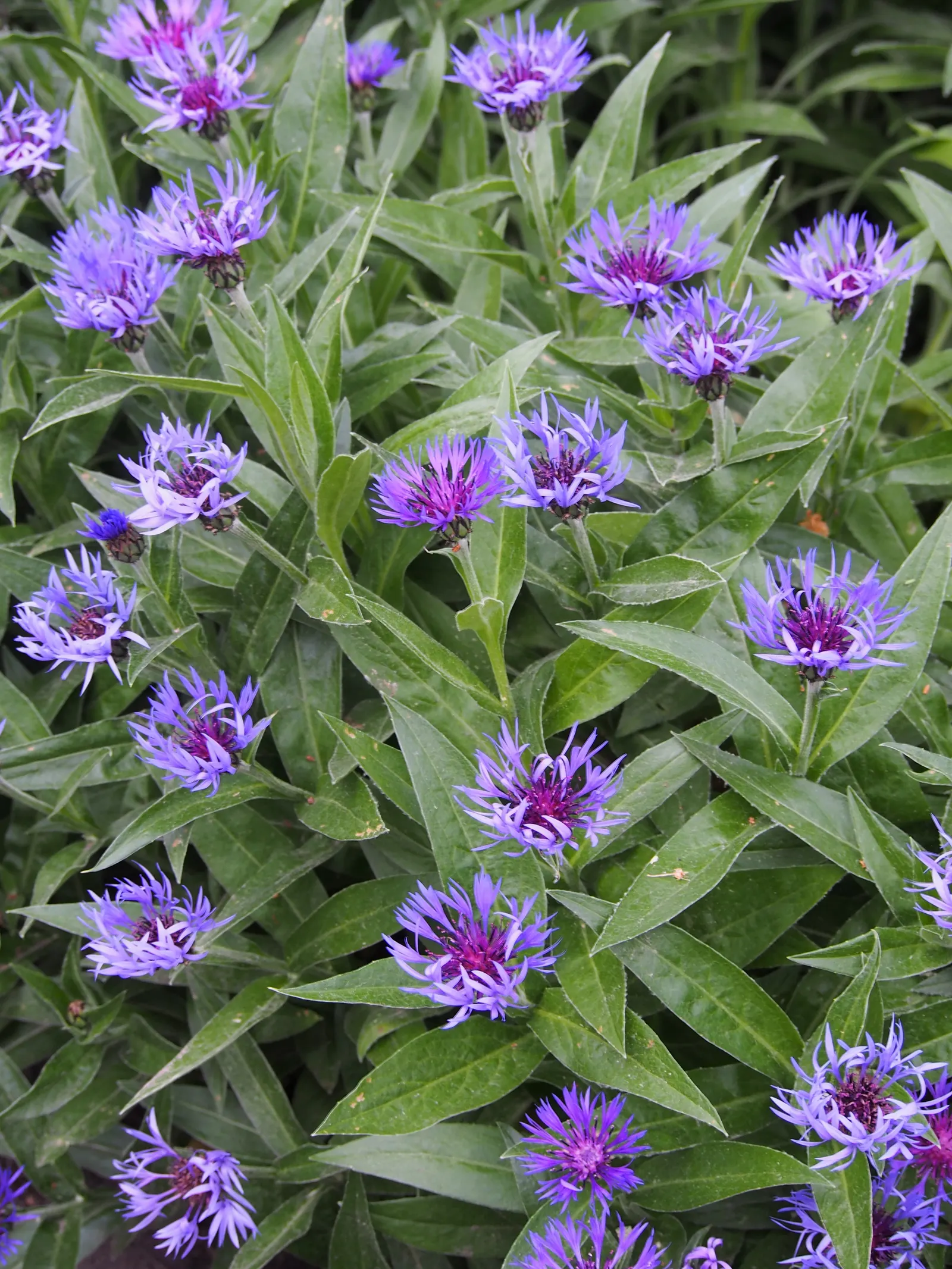
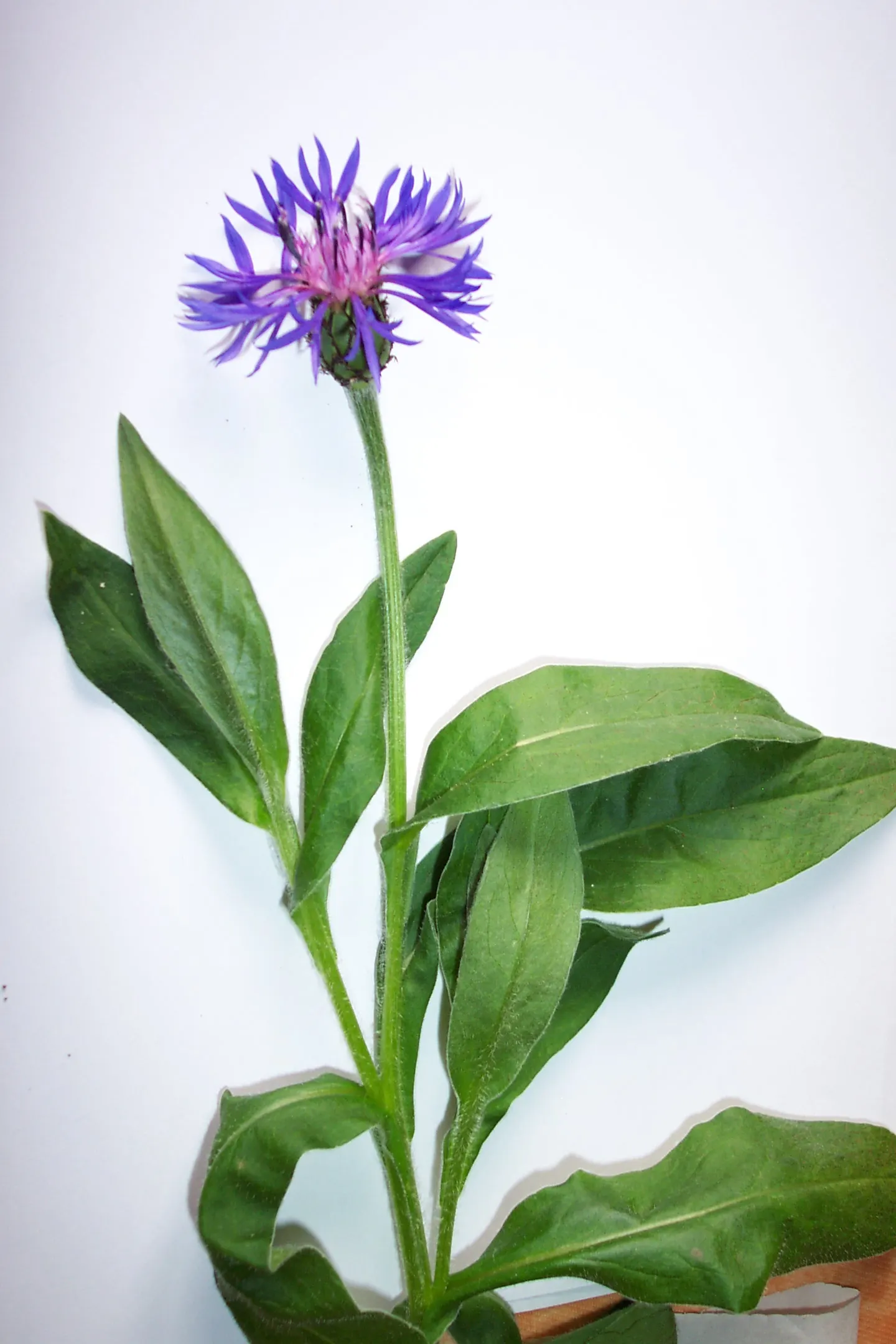
Mountain Bluet (Centaurea montana) is a charming perennial, thriving in USDA zones 3-8. Prized for its vivid blue flowers, it blooms from late spring to early summer, creating a striking contrast with gray-green, lance-shaped foliage. Reaching a mature size of 12-18 inches tall and wide, this low-maintenance plant attracts pollinators, preferring full sun to partial shade and well-drained soil. Ideal for borders and cottage gardens.

Sun FullWater MediumZones 3–8Type Perennial
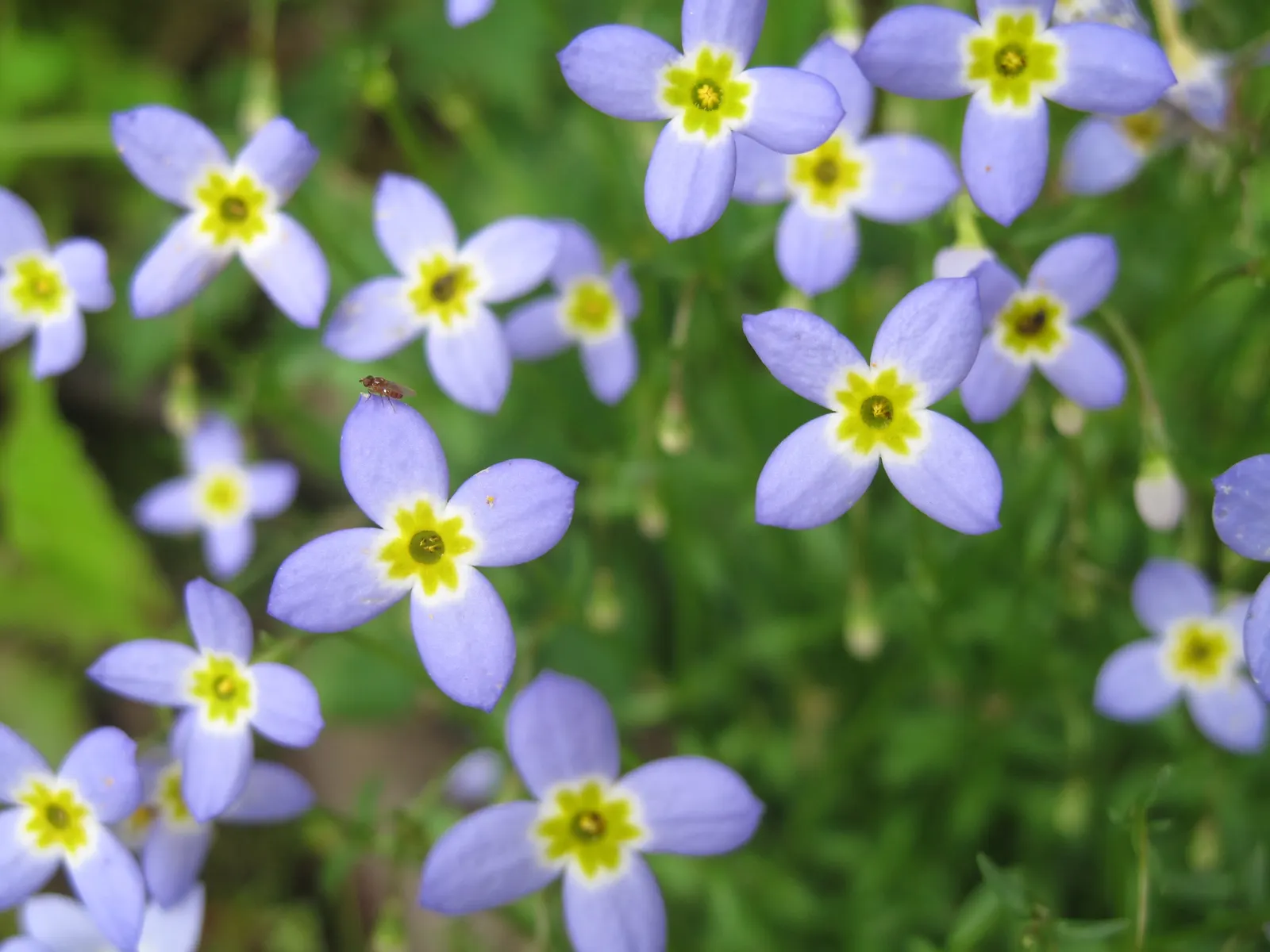
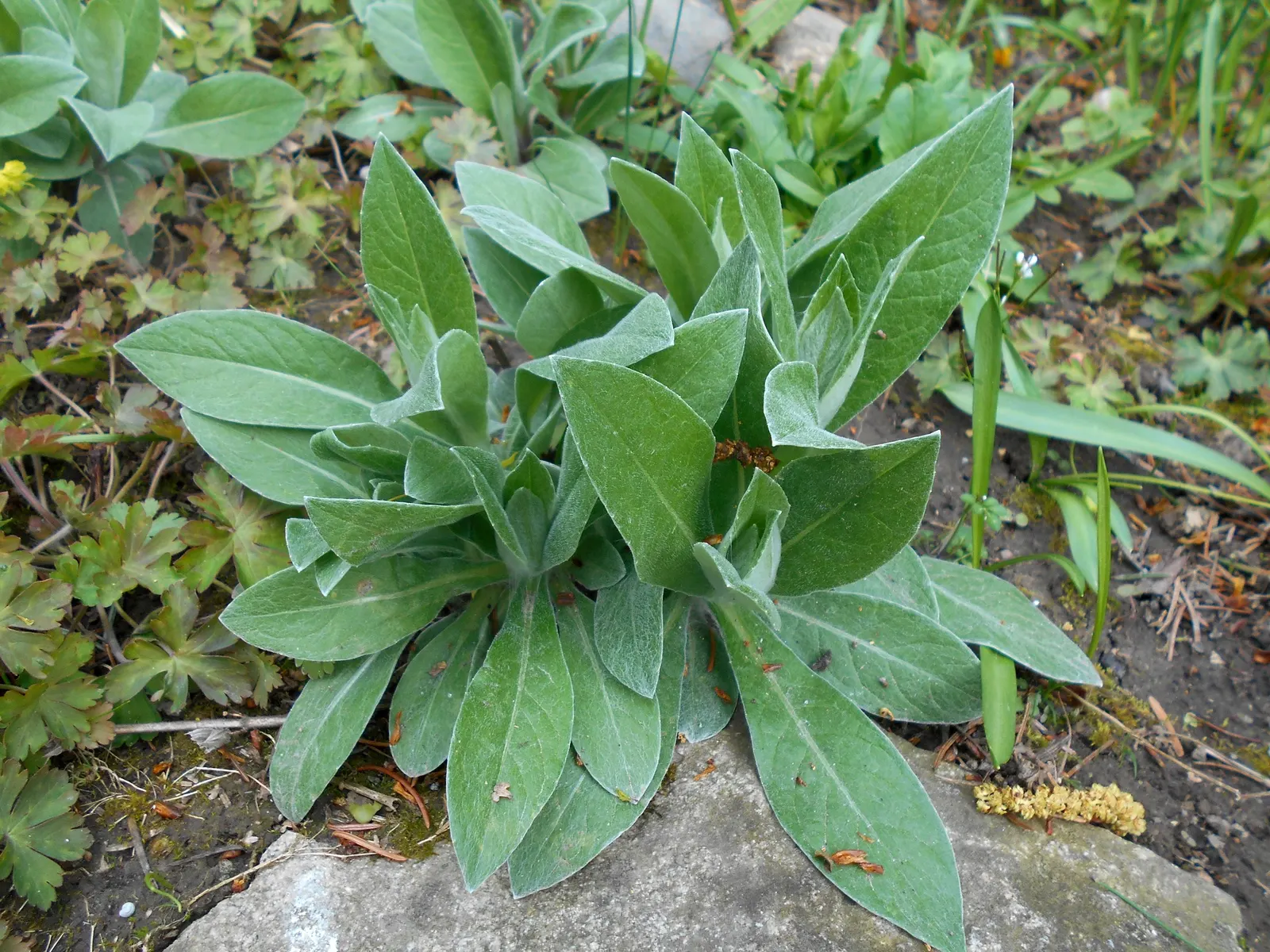
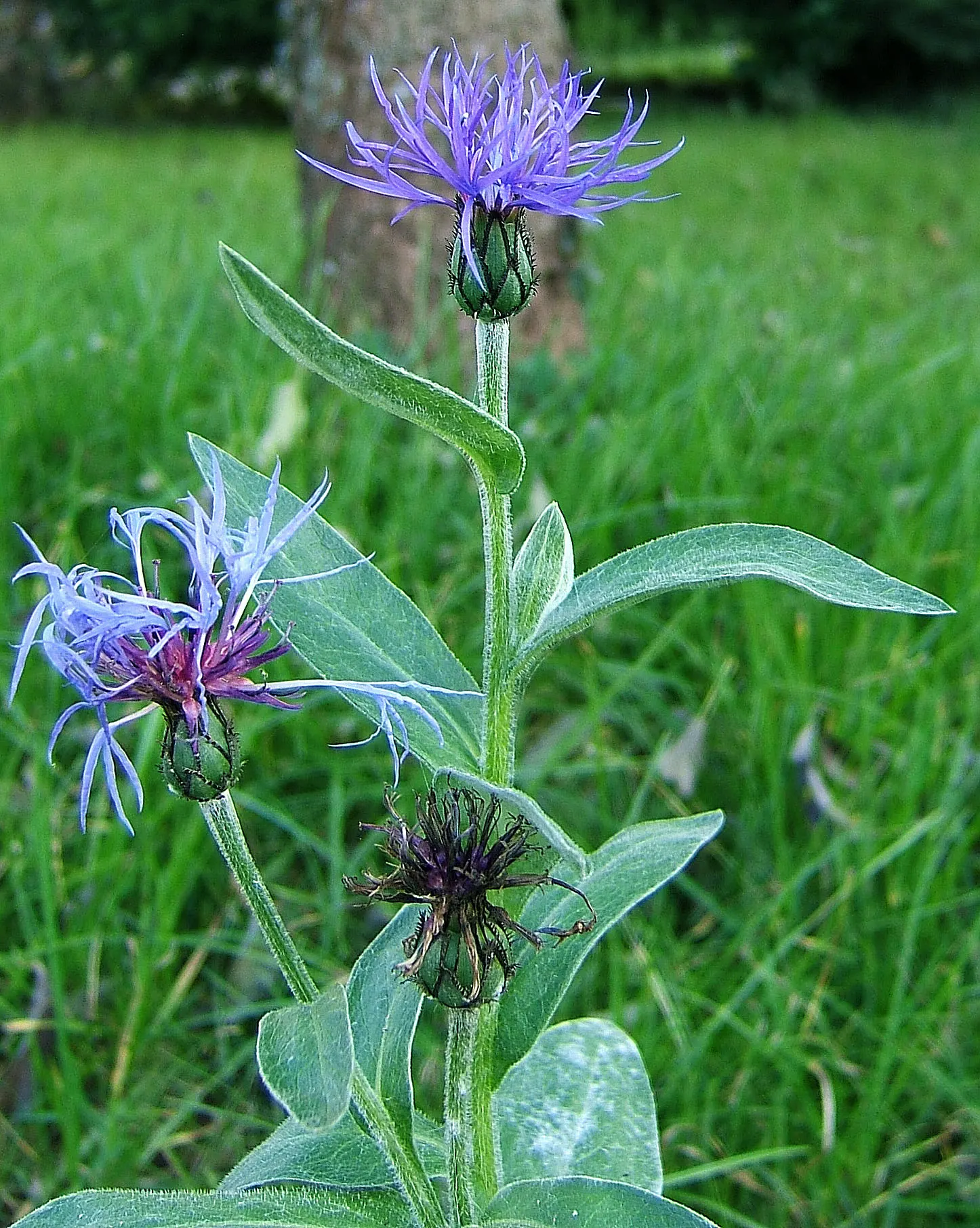
Mountain Bluet (Centaurea Montana) — Known for its unique flower heads; the foliage itself is lance-shaped

Culture

Sun
Full
Water
Medium
USDA zones
3–8

Shape & size

Mature height
1–2 Ft.

Classification

Type
Perennial
Family
Asteraceae

See full data, regional cultivation notes, and design tools. Build a client presentation around this plant.

Start your 14-day trial

Photos (151)

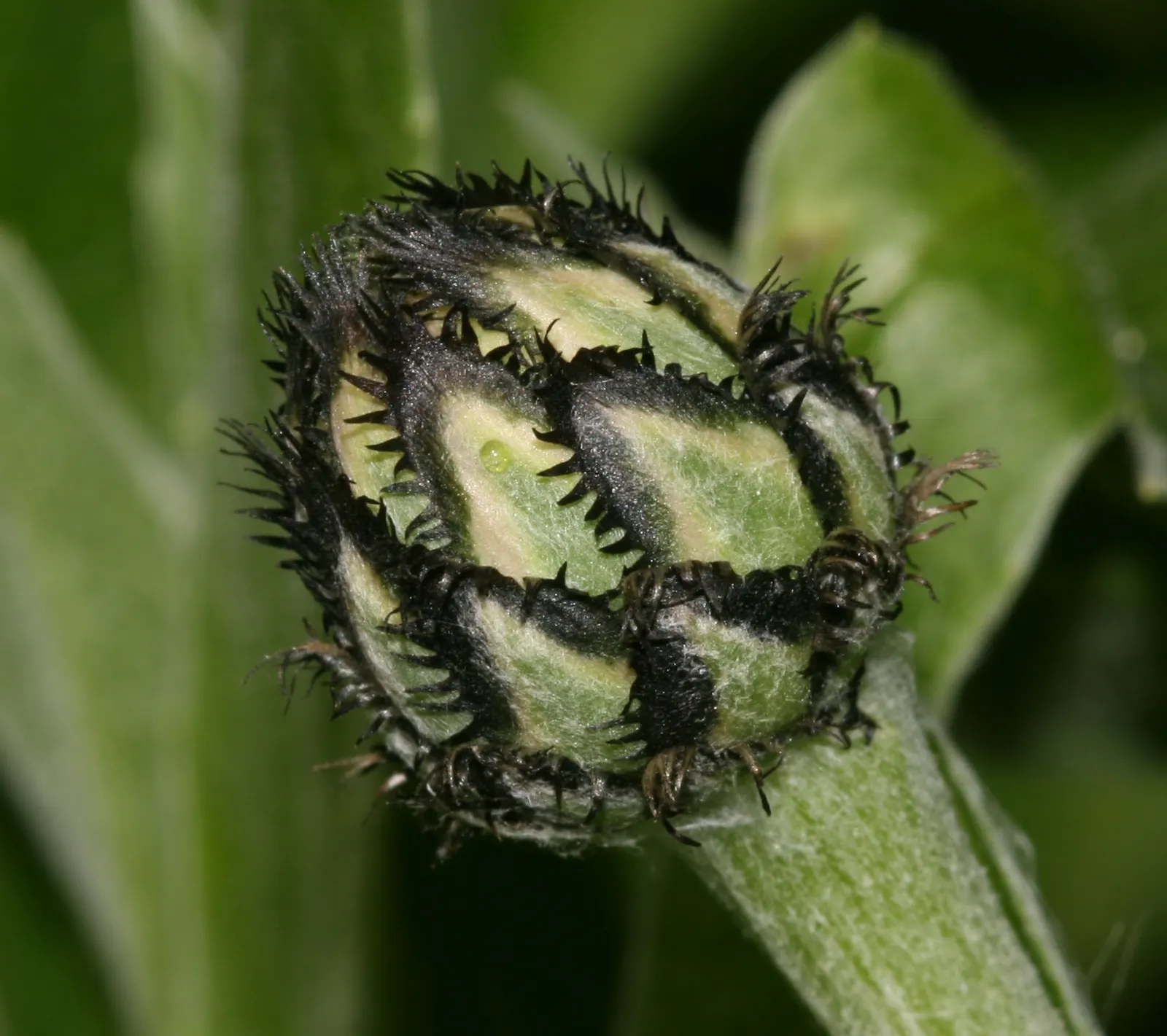
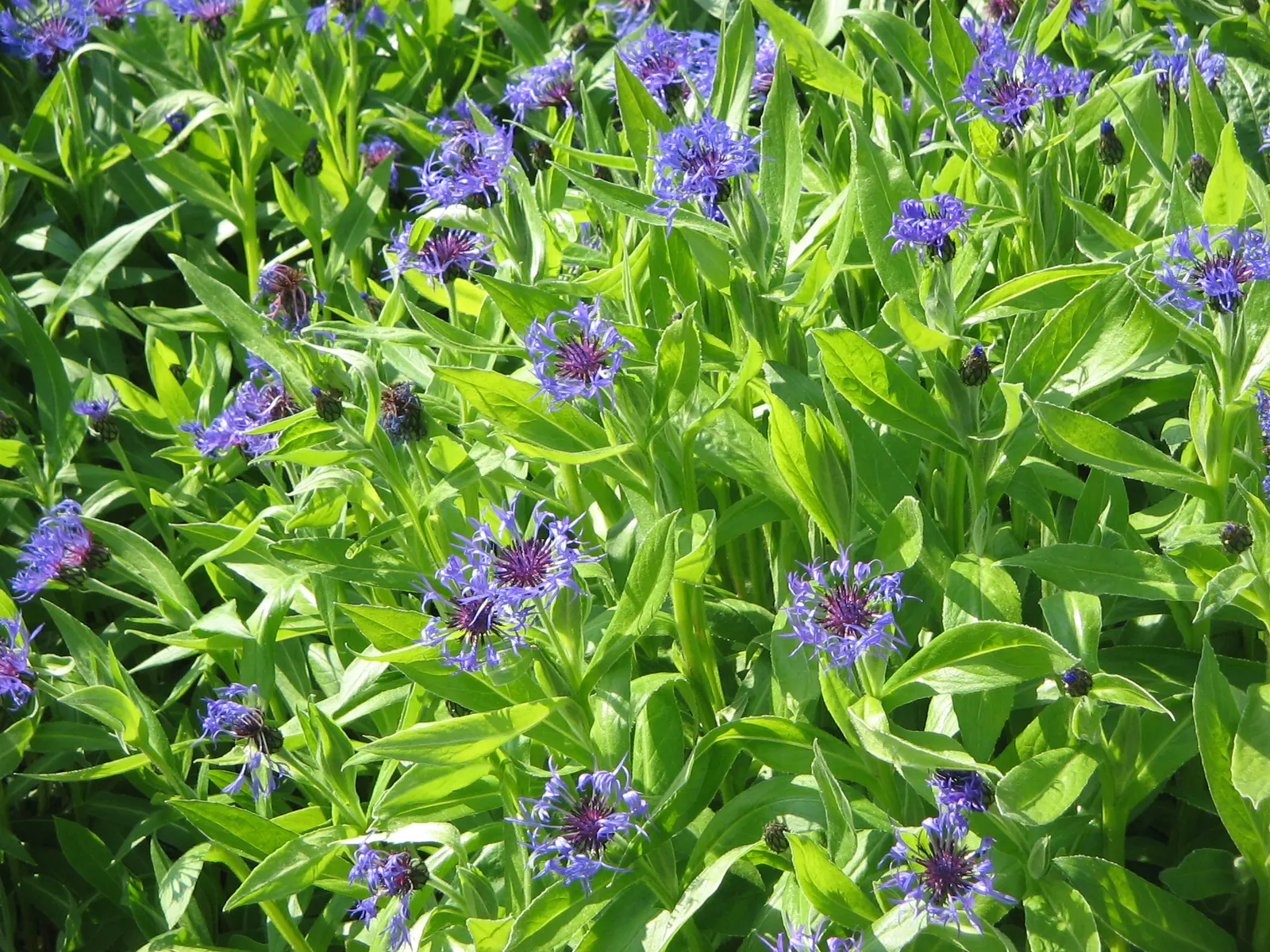
Mountain Bluet (Centaurea Montana) — contributing a textured backdrop throughout the growing season.<br><br>Typically; it bears strikingly vivid
Mountain Bluet (Centaurea Montana) — presents as a stunning perennial; perennial for full, image 69
Mountain Bluet (Centaurea Montana) — or as part of a cottage garden palette; prized for infusing a touch of wildflower charm to cultivated gardens
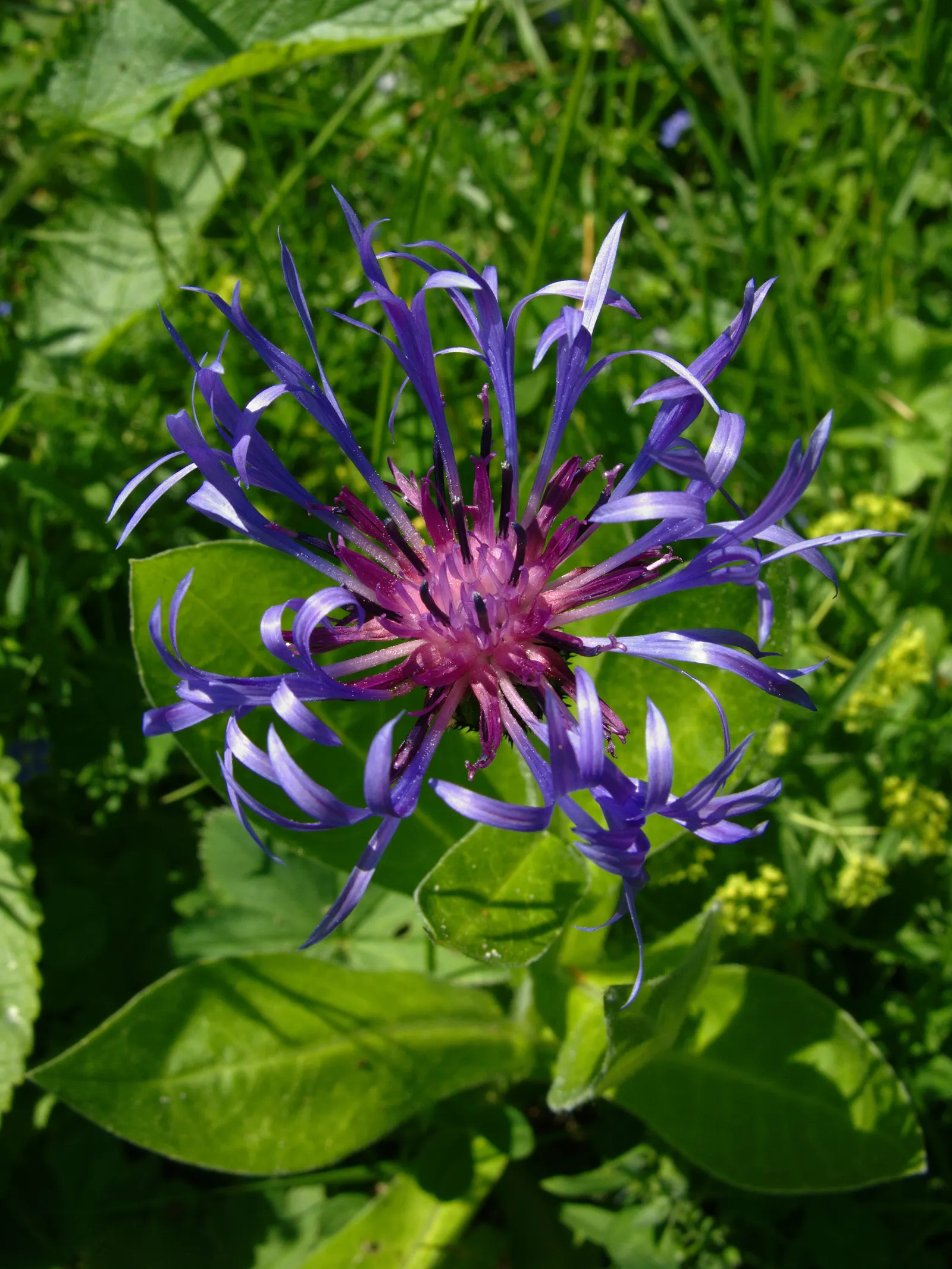
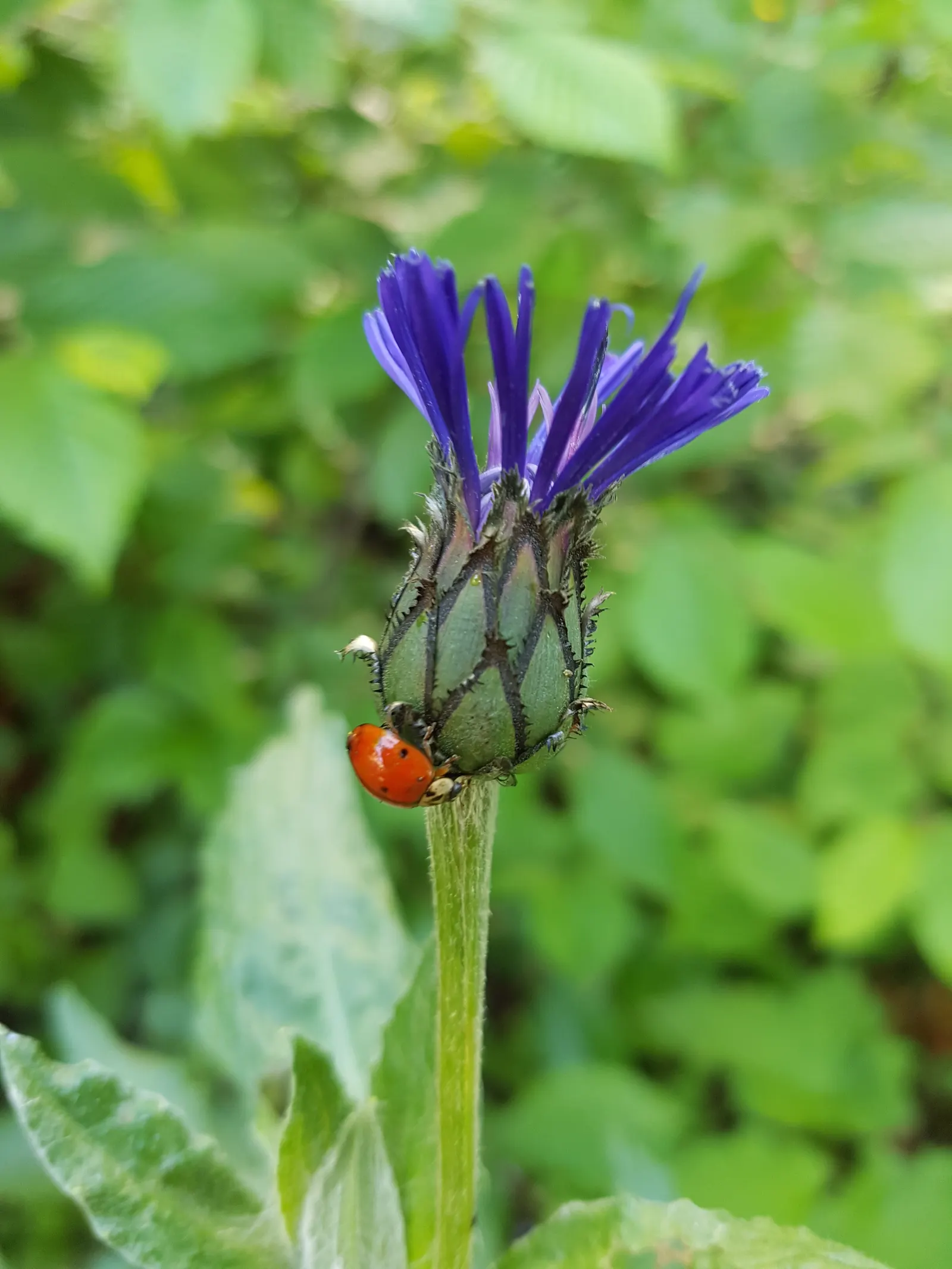
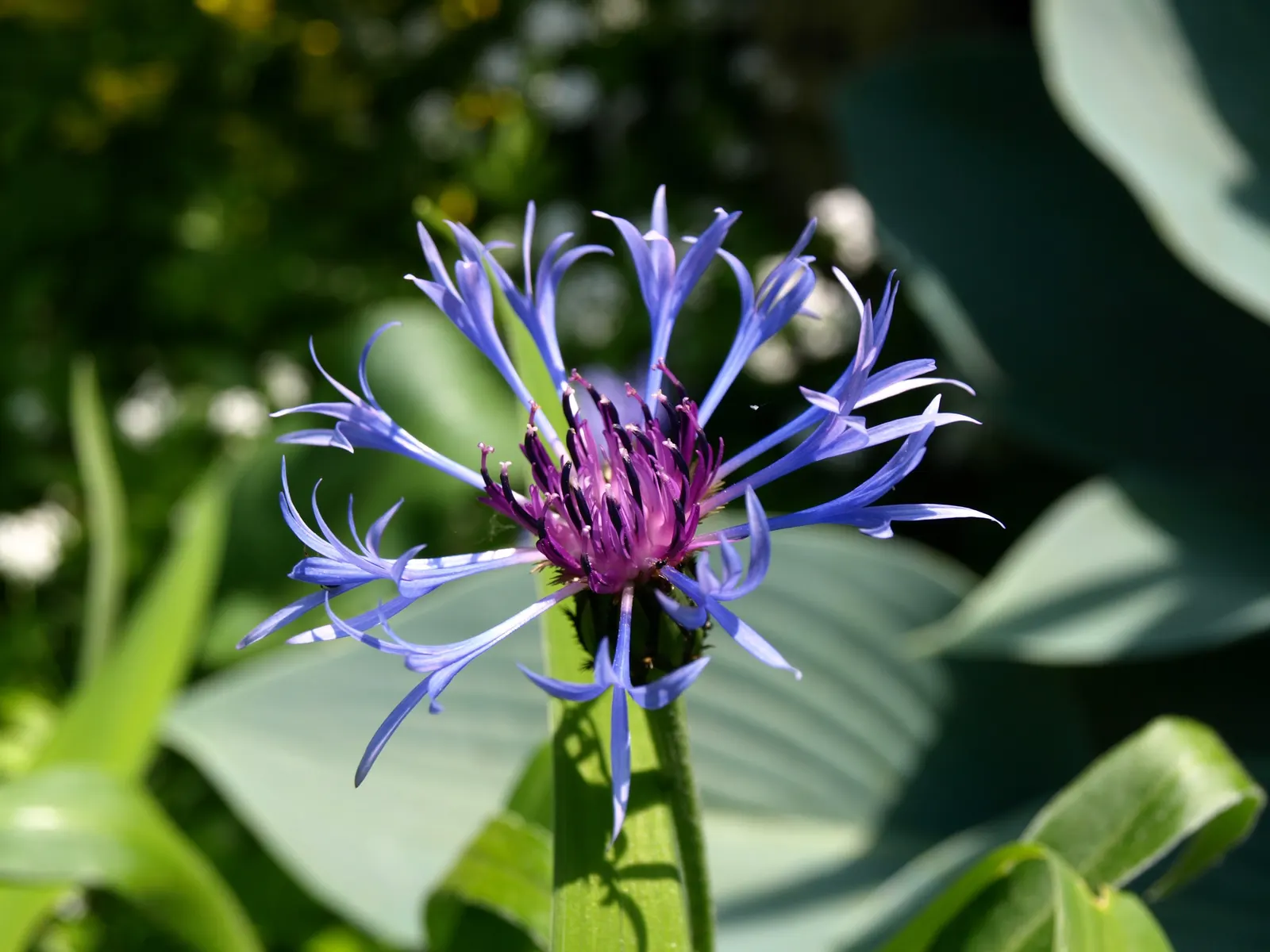
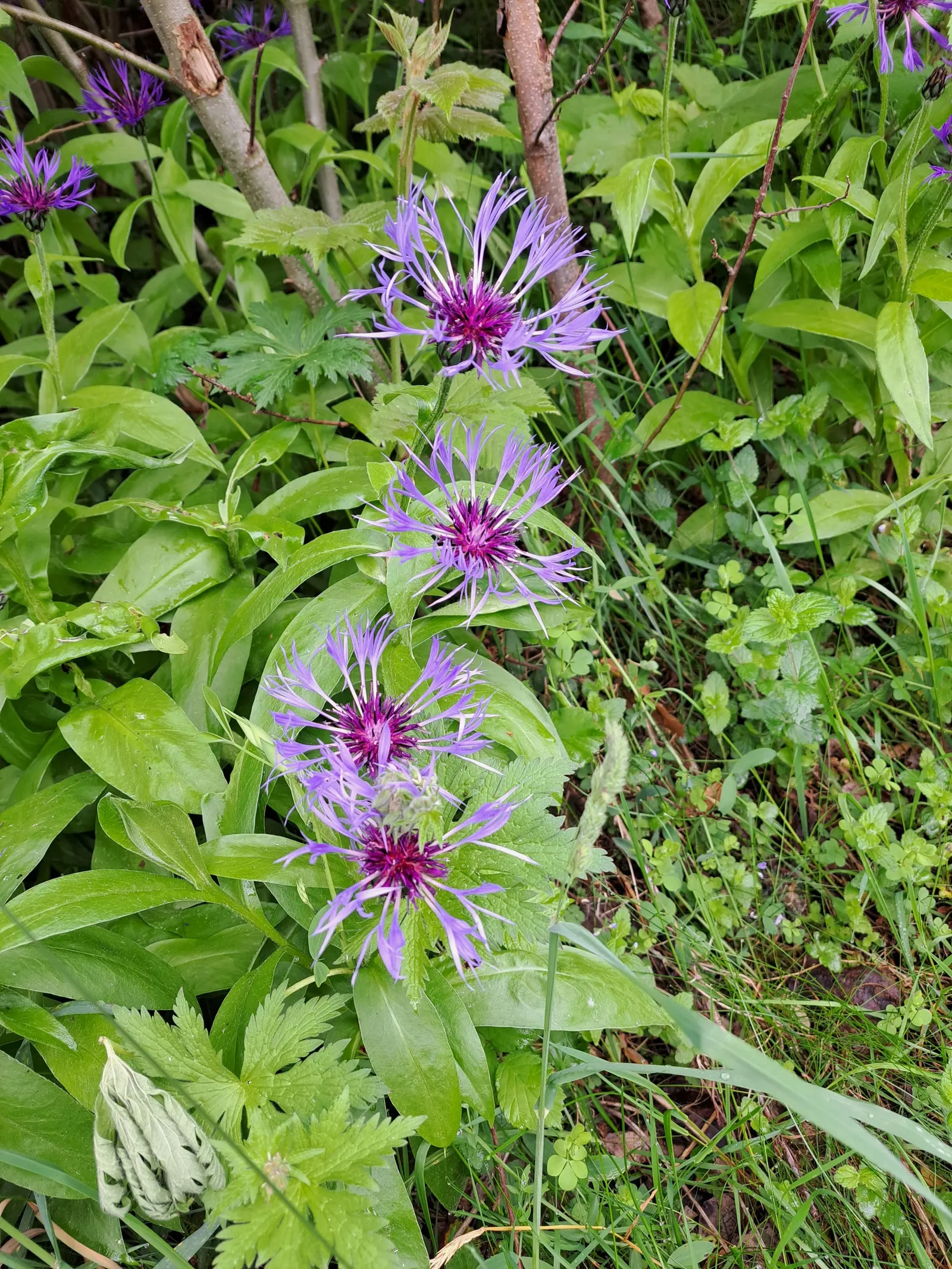
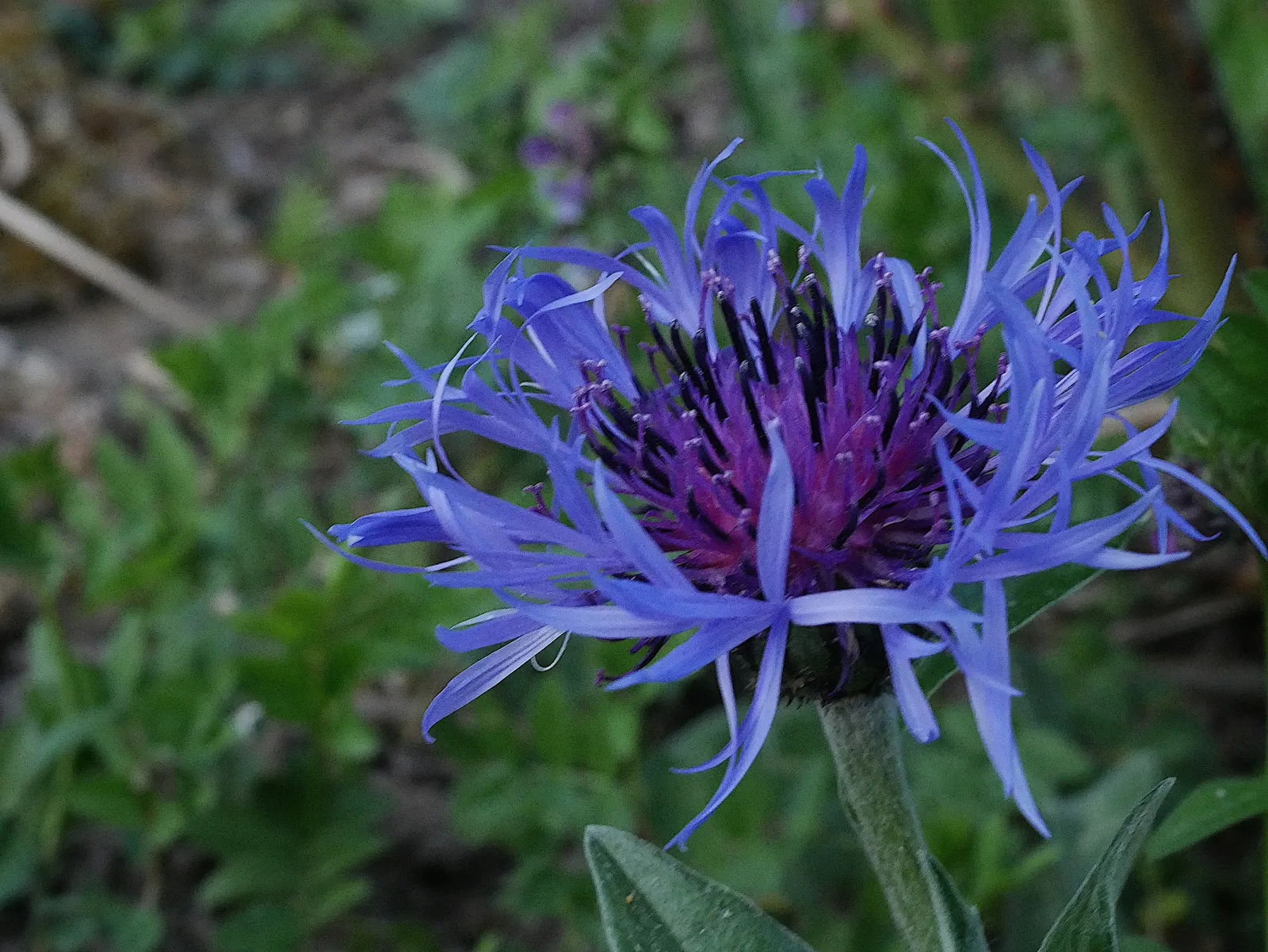
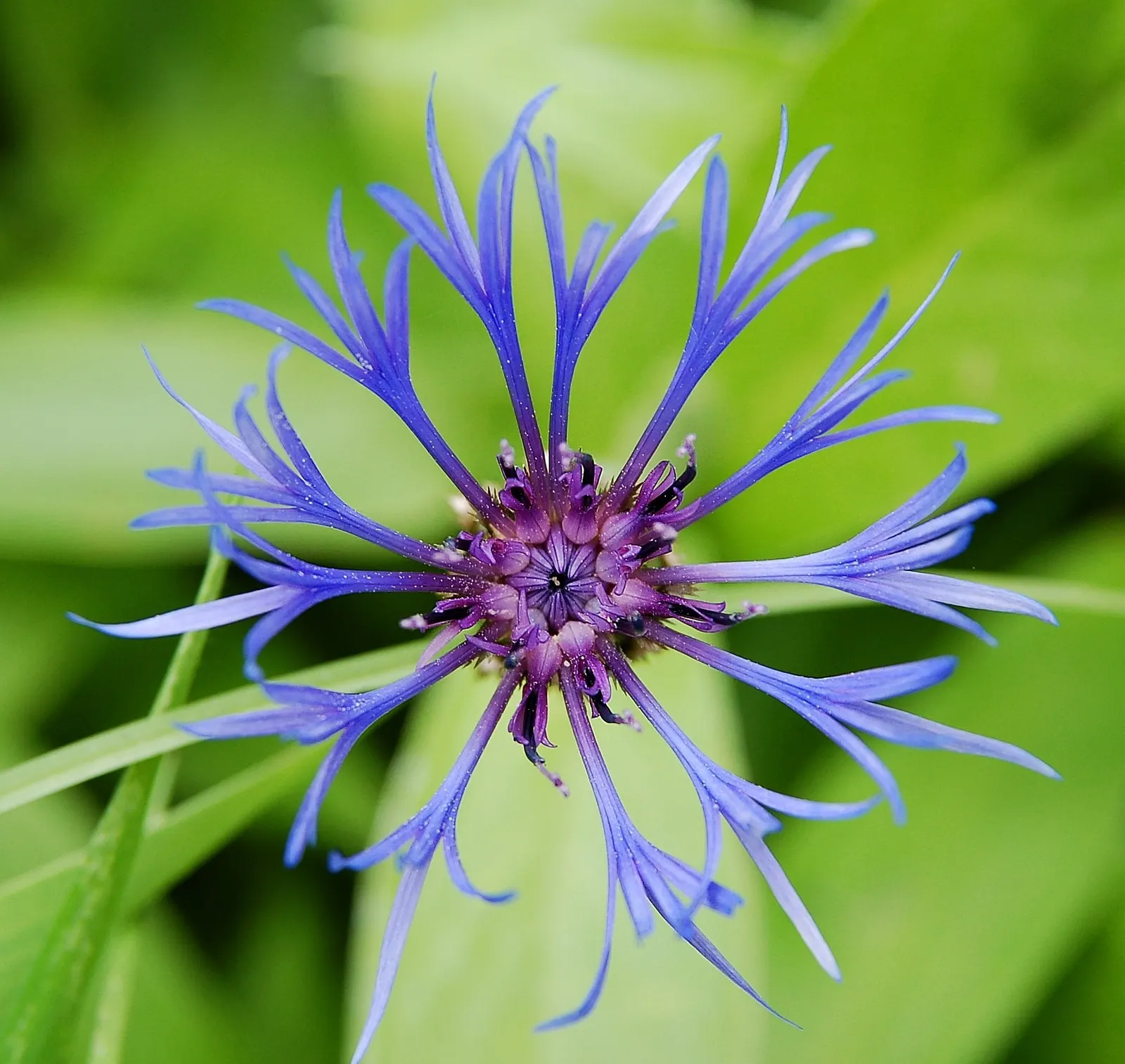
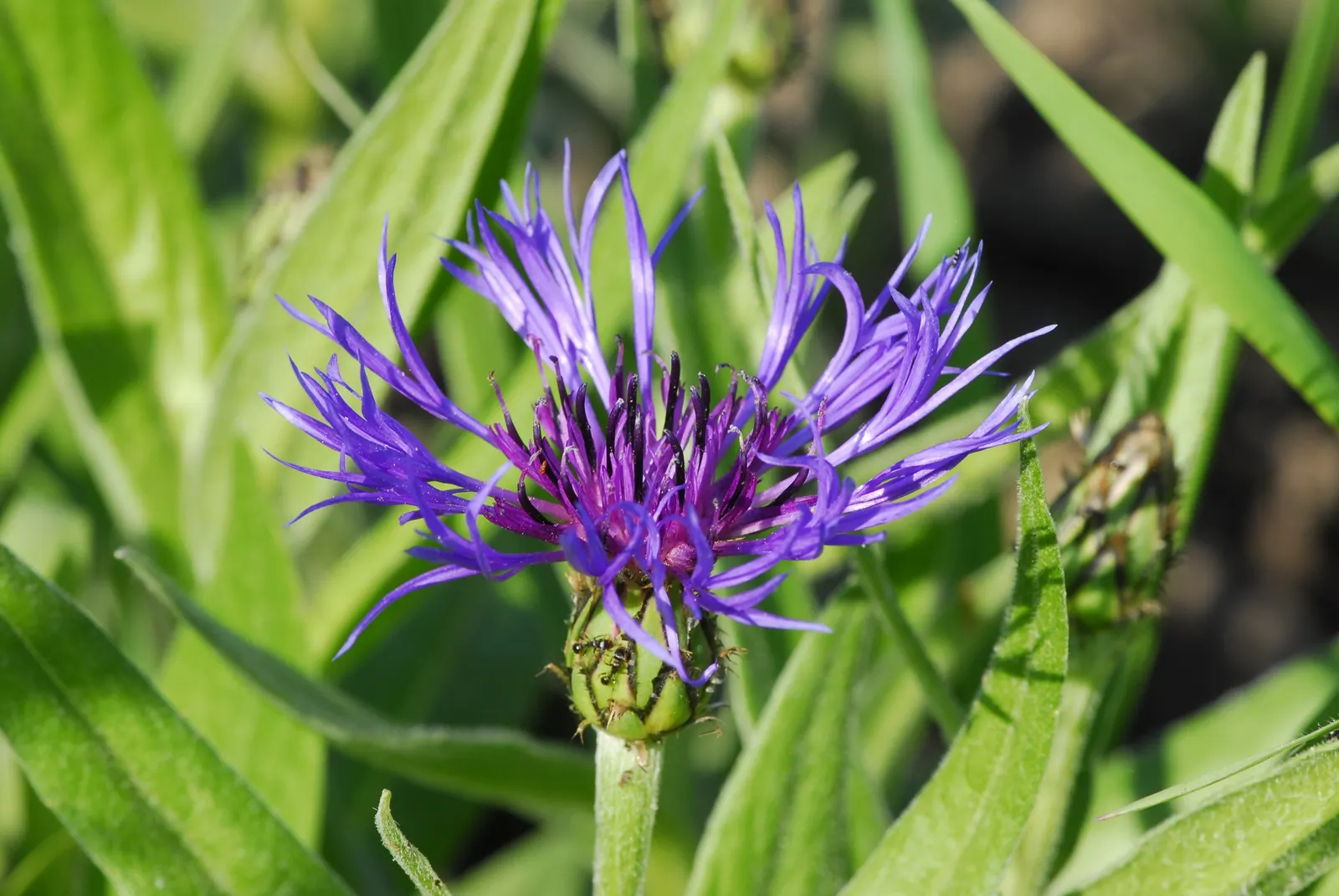
Mountain Bluet (Centaurea Montana) — it bears strikingly vivid periwinkle-blue petals
Mountain Bluet (Centaurea Montana) — it blooms from late spring to early summer
Mountain Bluet (Centaurea Montana) — creating a striking contrast with gray-green; deadheading the spent flowers can encourage a second bloom
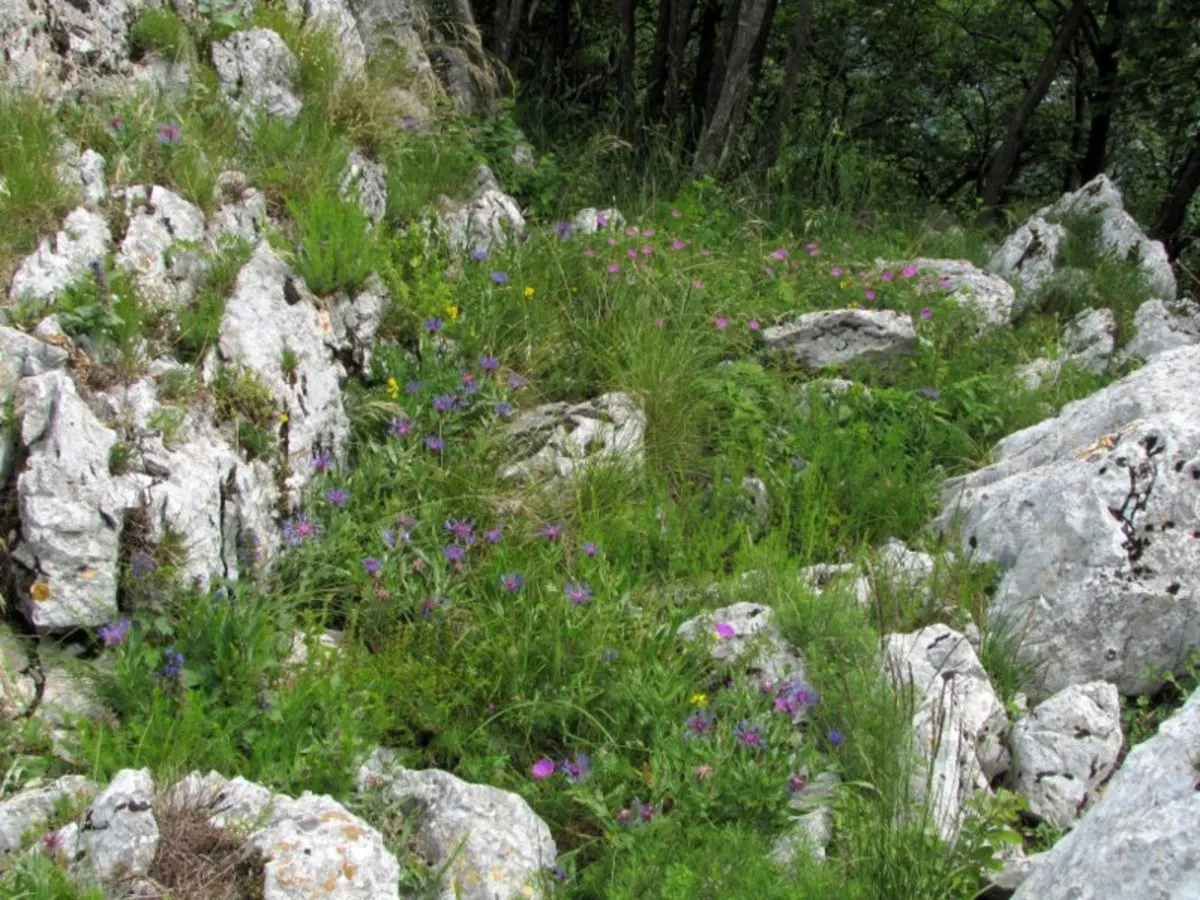
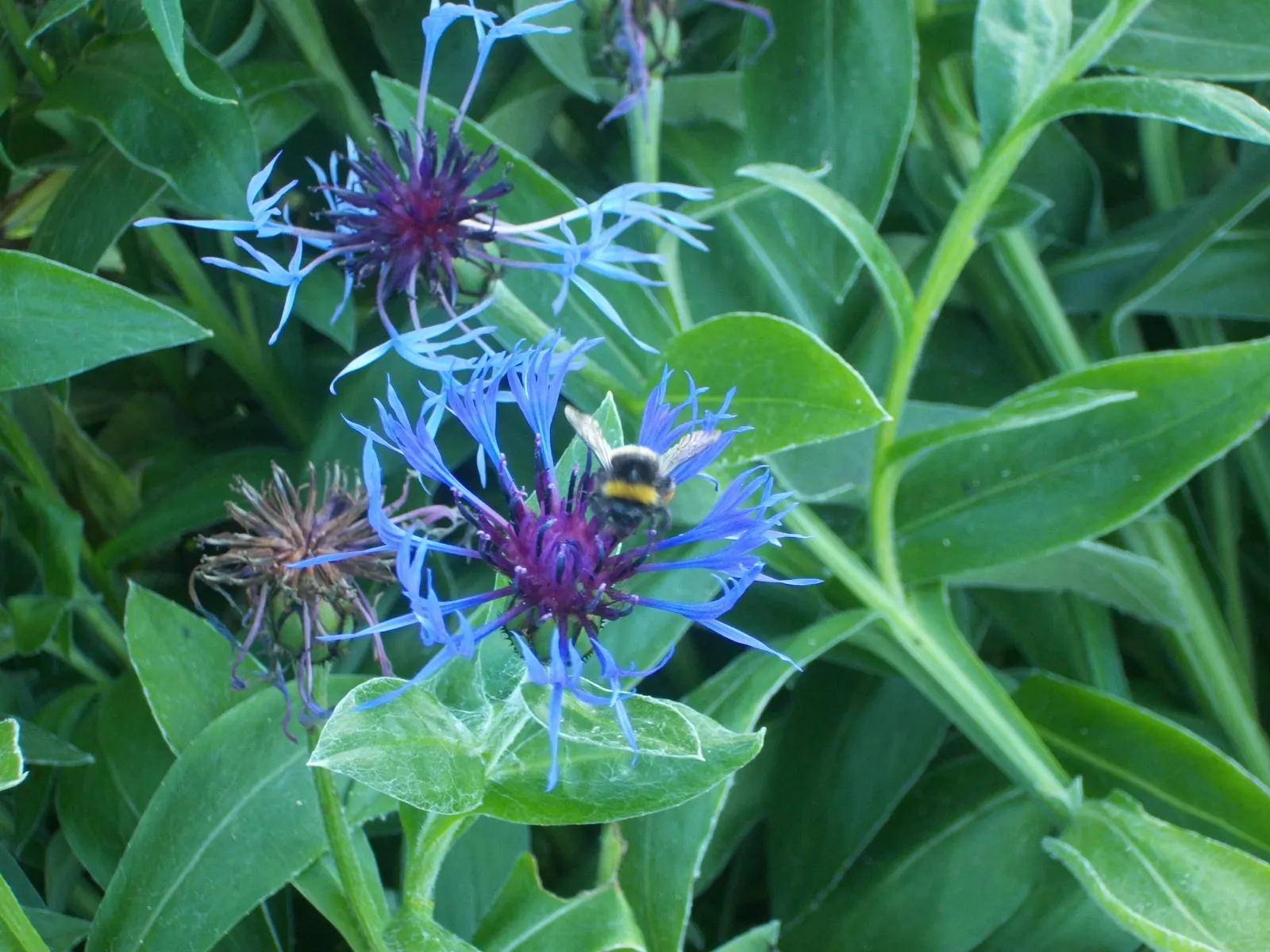
Mountain Bluet (Centaurea Montana) — blue flowers in the garden
Mountain Bluet (Centaurea Montana) — Centaurea montana requires full sun to partial shade; flourishing best in USDA hardiness zones 3 through 8, image 110
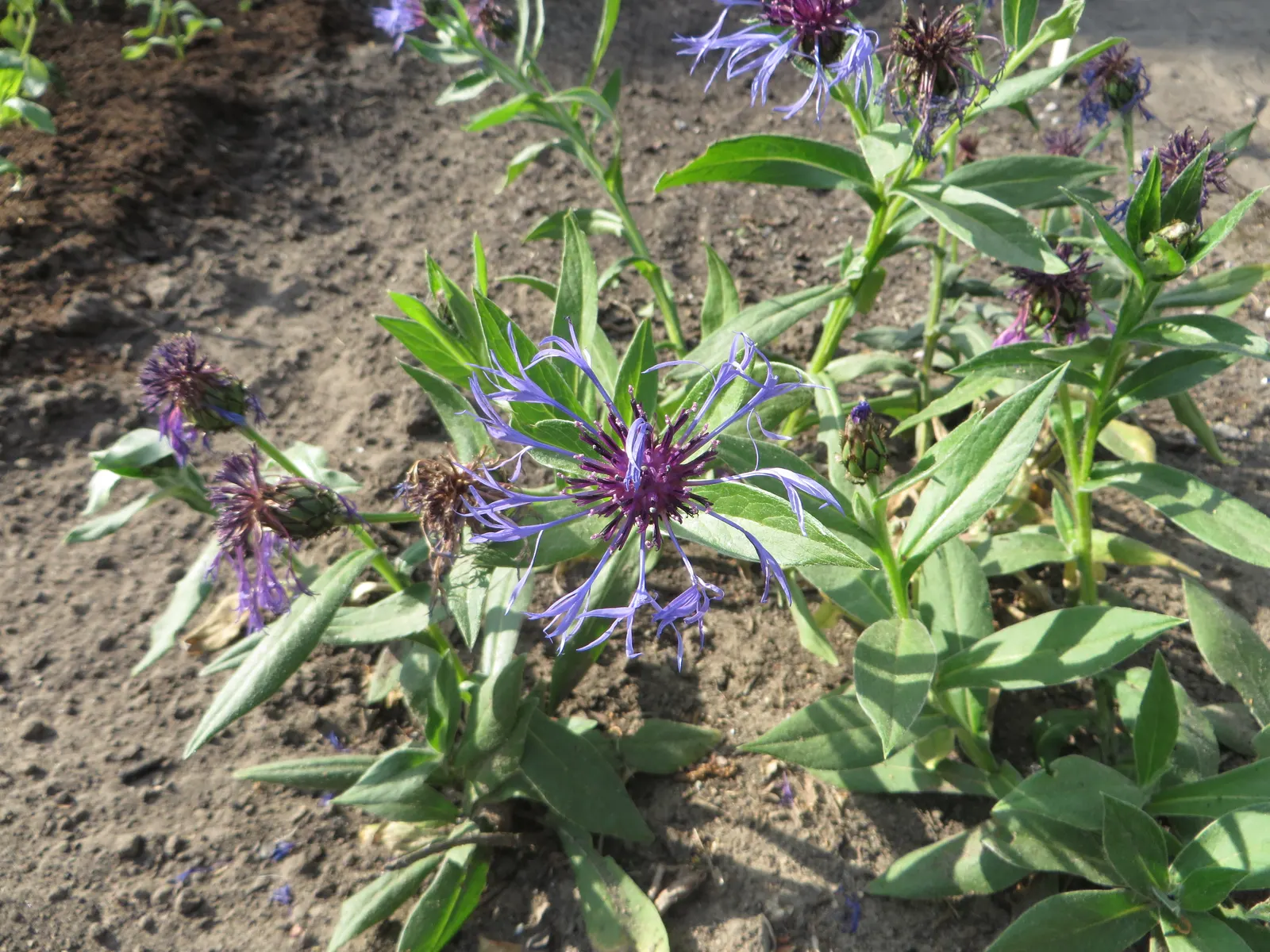
Mountain Bluet (Centaurea Montana) — perennial for full; plan for sufficient spacing of approximately 1.5 to 2 feet apart to permit adequate airflow and growth
Mountain Bluet (Centaurea Montana) — they are quite adaptable and can tolerate a certain degree of soil variability; mountain Bluet (Centaurea, image 82
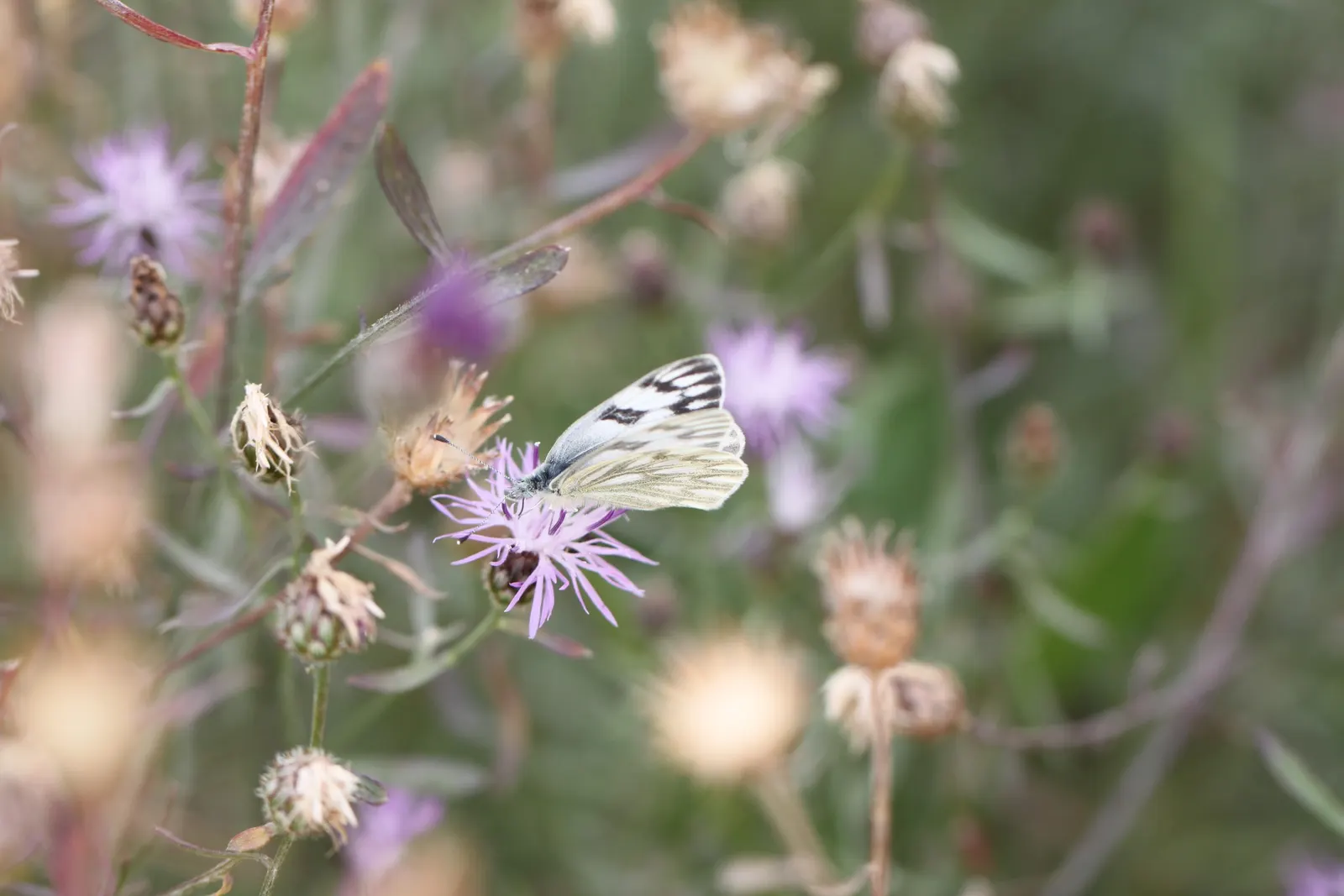
Mountain Bluet (Centaurea Montana) — this low-maintenance plant attracts pollinators; presents as a stunning perennial, image 66
Mountain Bluet (Centaurea Montana) — Prized for its vivid blue flowers; known for its unique flower heads
Mountain Bluet (Centaurea Montana) — perennial for full; plan for sufficient spacing of approximately 1.5 to 2 feet apart to permit adequate, image 120
Mountain Bluet (Centaurea Montana) — often with a reddish-purple center that creates a beautiful contrast against its silvery-green foliage; blue, image 73
Mountain Bluet (Centaurea Montana) — Mountain Bluets reach a modest height of about 1 to 1.5 feet and spread out nearly as wide; or as part of a, image 106
Mountain Bluet (Centaurea Montana) — often with a reddish-purple center that creates a beautiful contrast against its silvery-green foliage
Mountain Bluet (Centaurea Montana) — Due to its moderate mature size; perennial with blue blooms, image 86
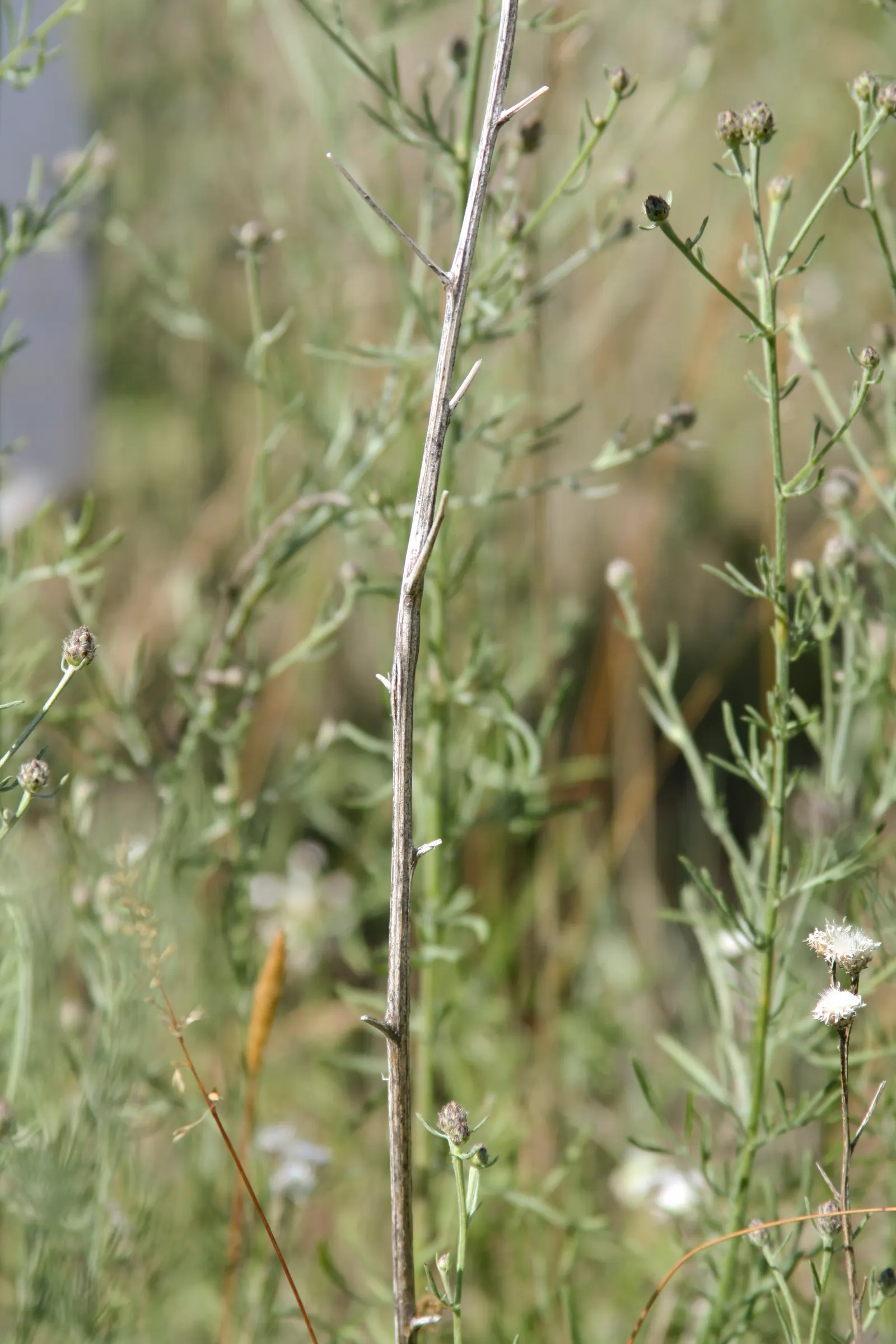
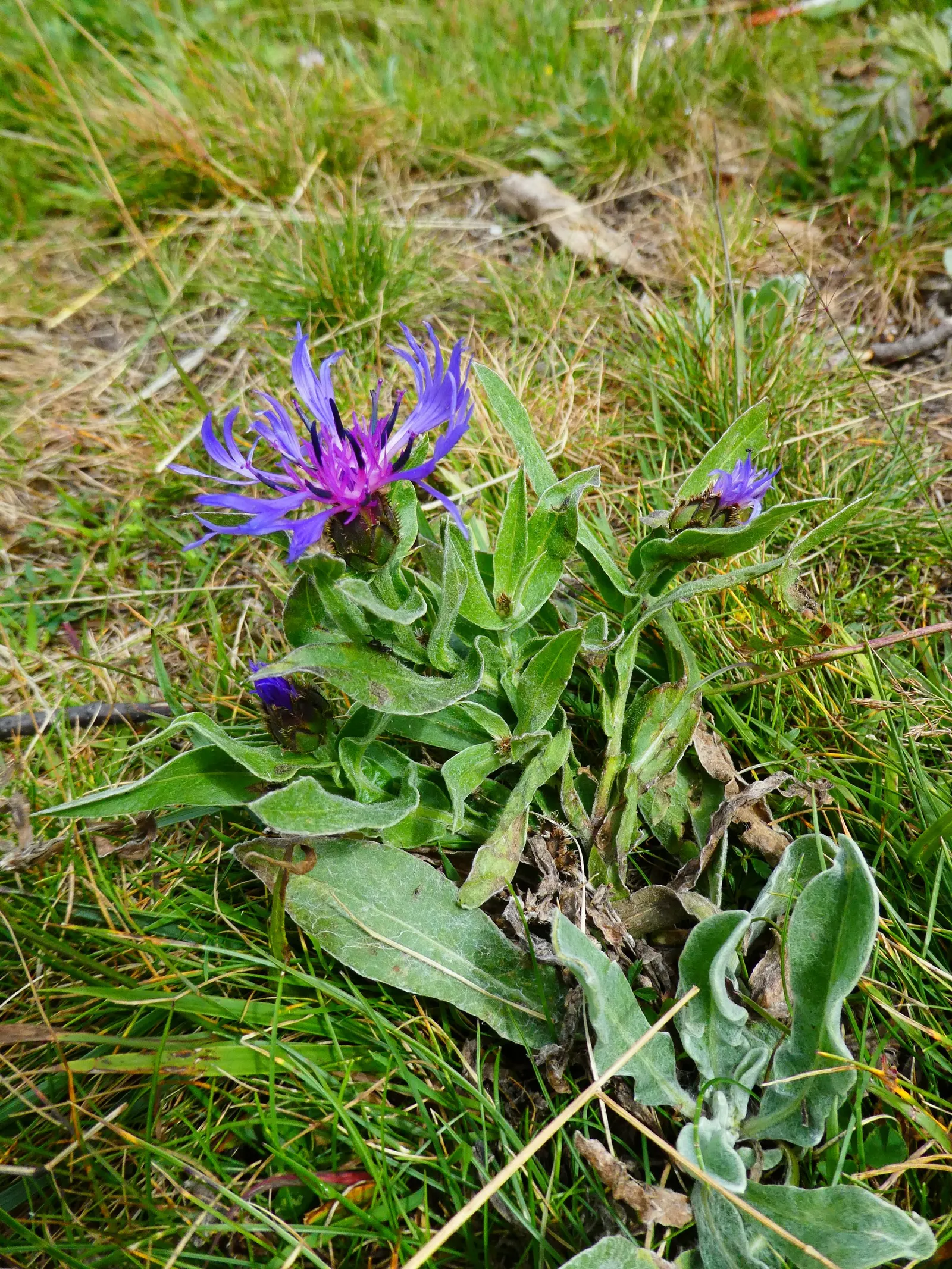
Mountain Bluet (Centaurea Montana) — The foliage itself is lance-shaped; reaching a mature size of 12-18 inches tall and wide, image 74
Mountain Bluet (Centaurea Montana) — it blooms from late spring to early summer; they display a clumping habit which makes them an excellent choice, image 93
Mountain Bluet (Centaurea Montana) — preferring full sun to partial shade and well-drained soil
Mountain Bluet (Centaurea Montana) — prized for infusing a touch of wildflower charm to cultivated gardens; preferring full sun to partial shade and
Mountain Bluet (Centaurea Montana) — Ideal for borders and cottage gardens; but with potentially reduced vigor.<br><br>When incorporating Mountain, image 68
Mountain Bluet (Centaurea Montana) — creating a striking contrast with gray-green; deadheading the spent flowers can encourage a second bloom, image 124
Mountain Bluet (Centaurea Montana) — Centaurea montana requires full sun to partial shade; flourishing best in USDA hardiness zones 3 through 8
Photographs by 13 contributors

Related plants