Skip to content

Western Catalpa

Catalpa Speciosa

Design with this plant

Overview

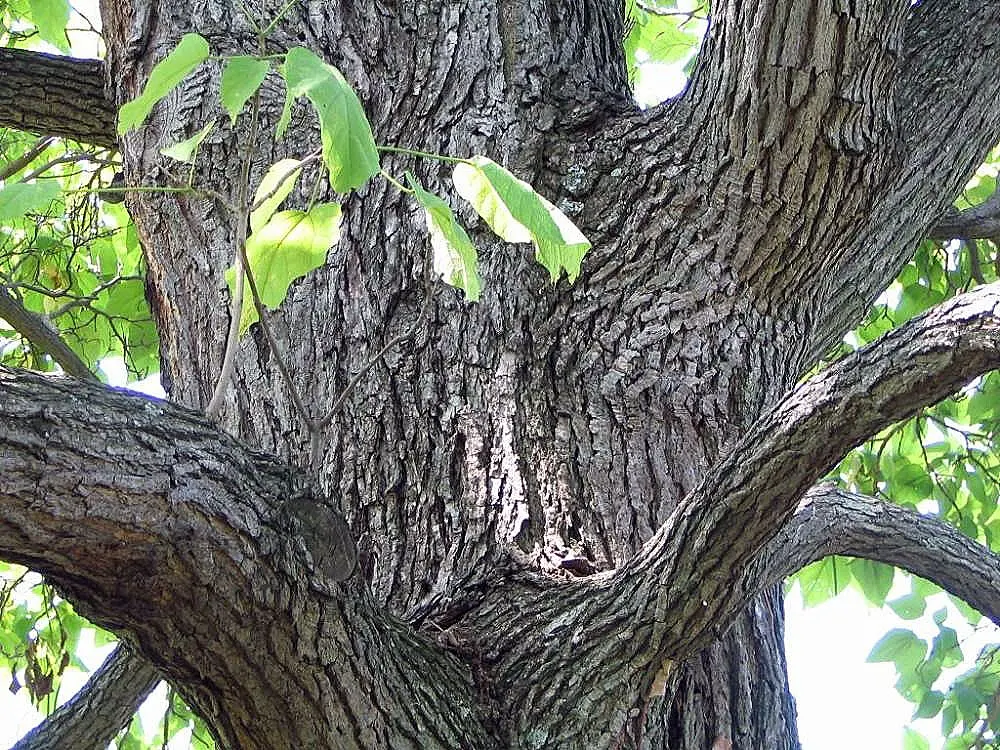
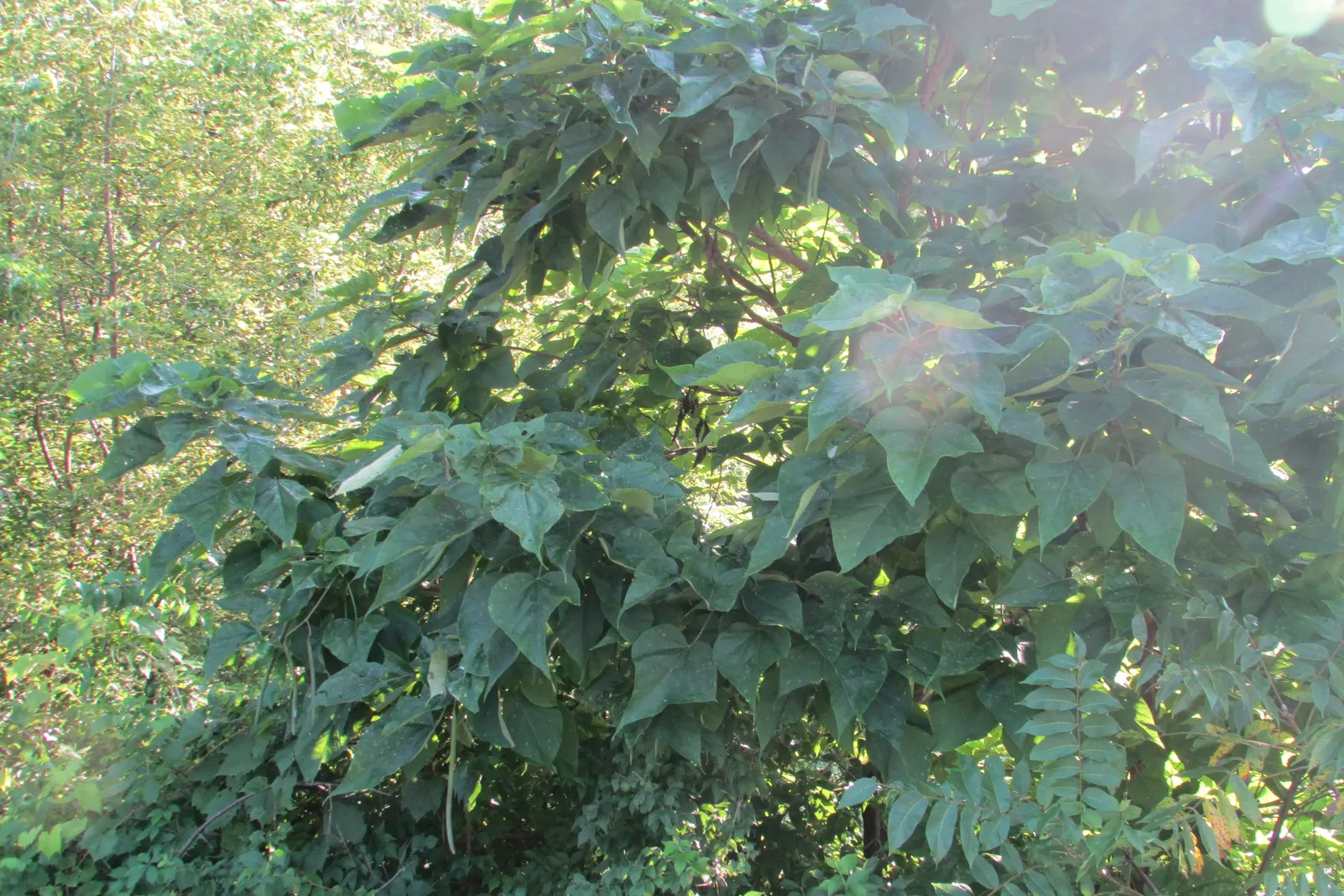
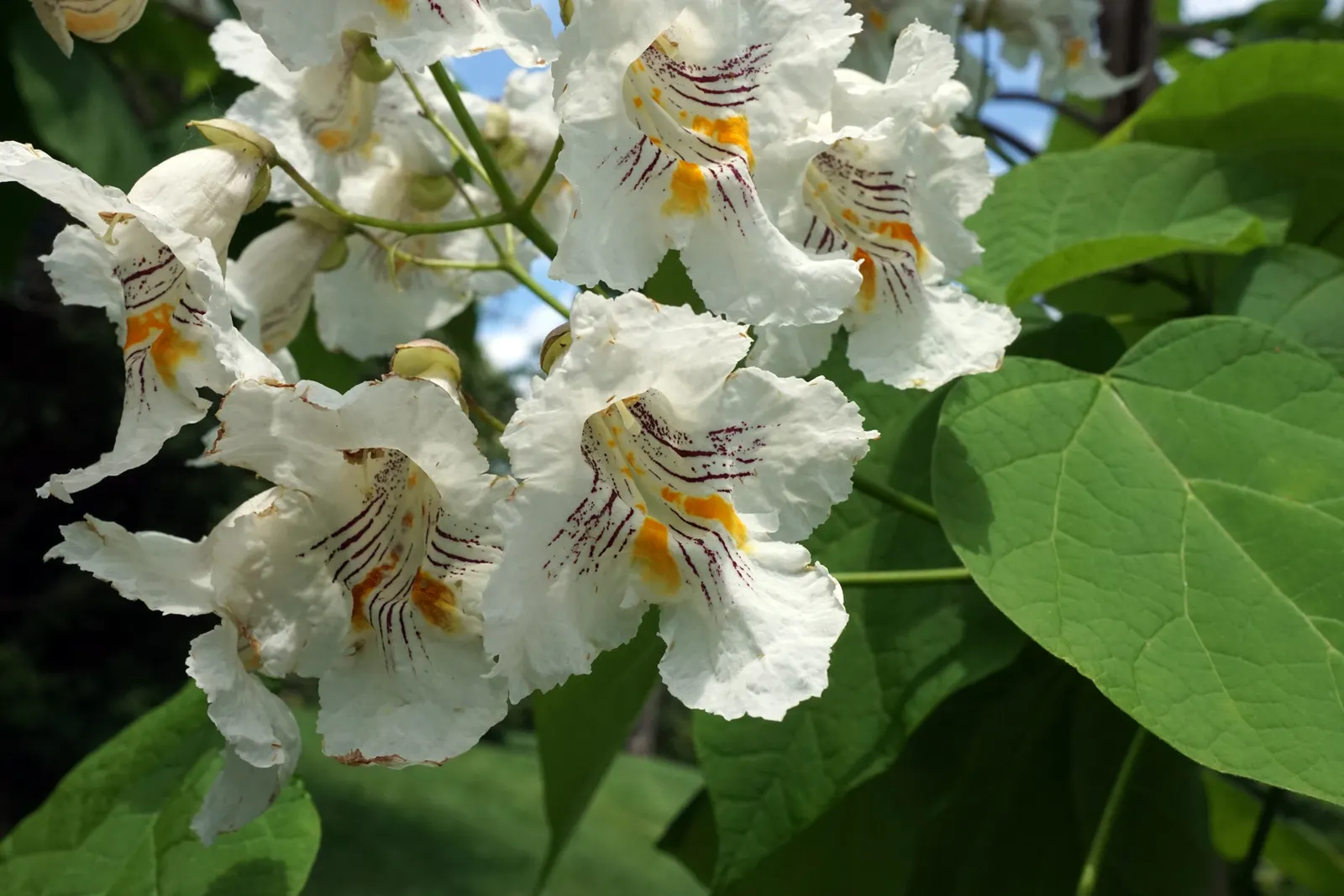
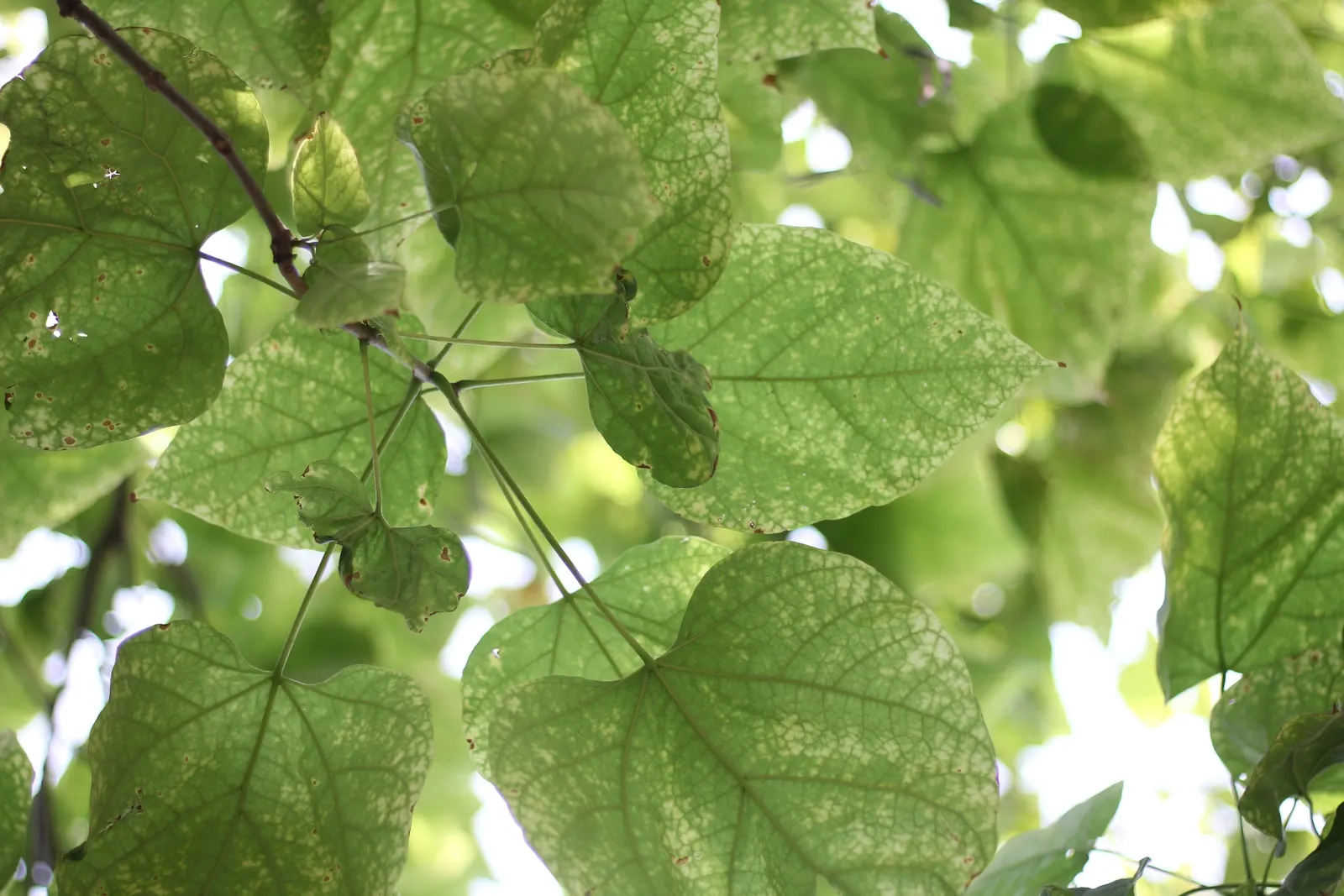
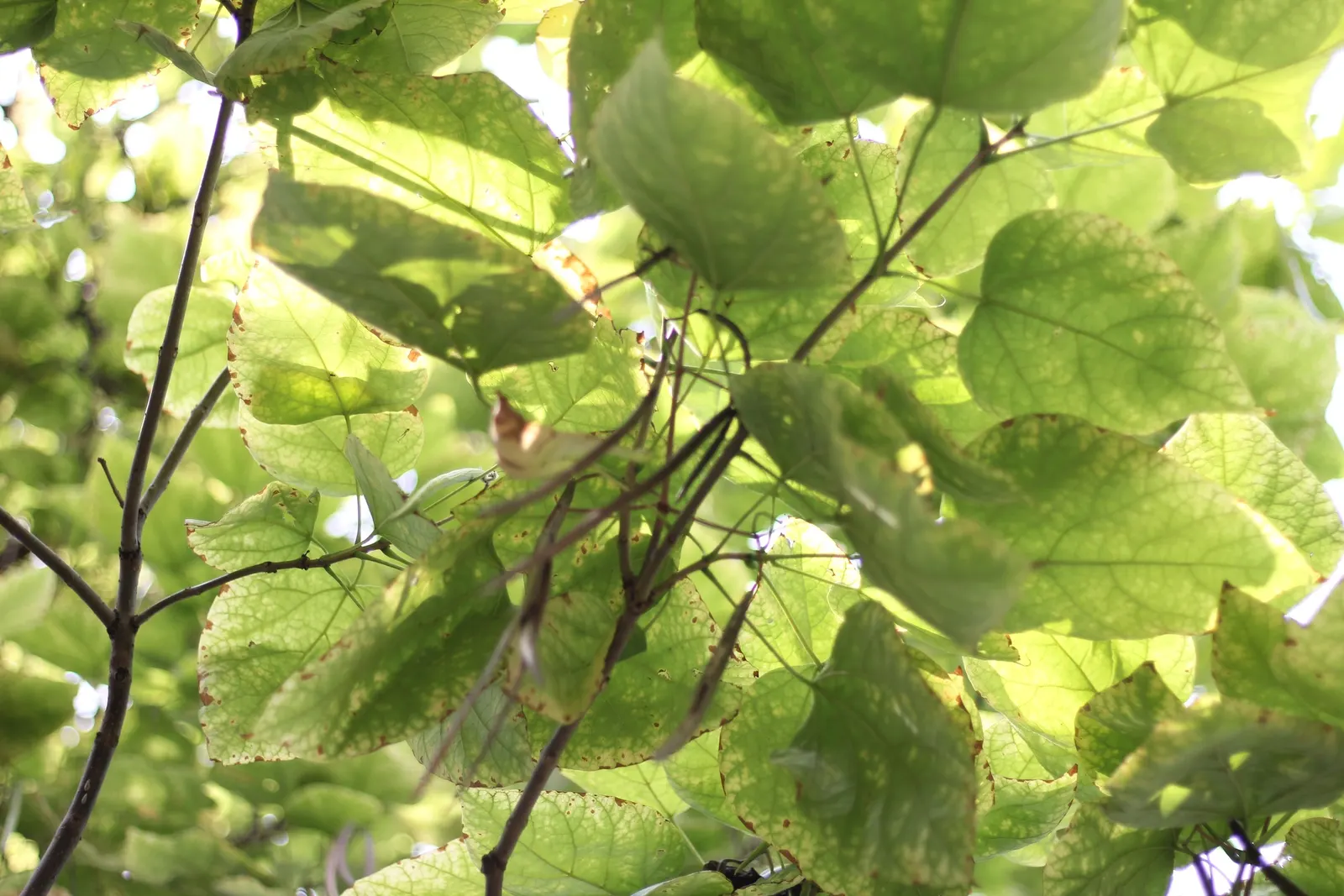
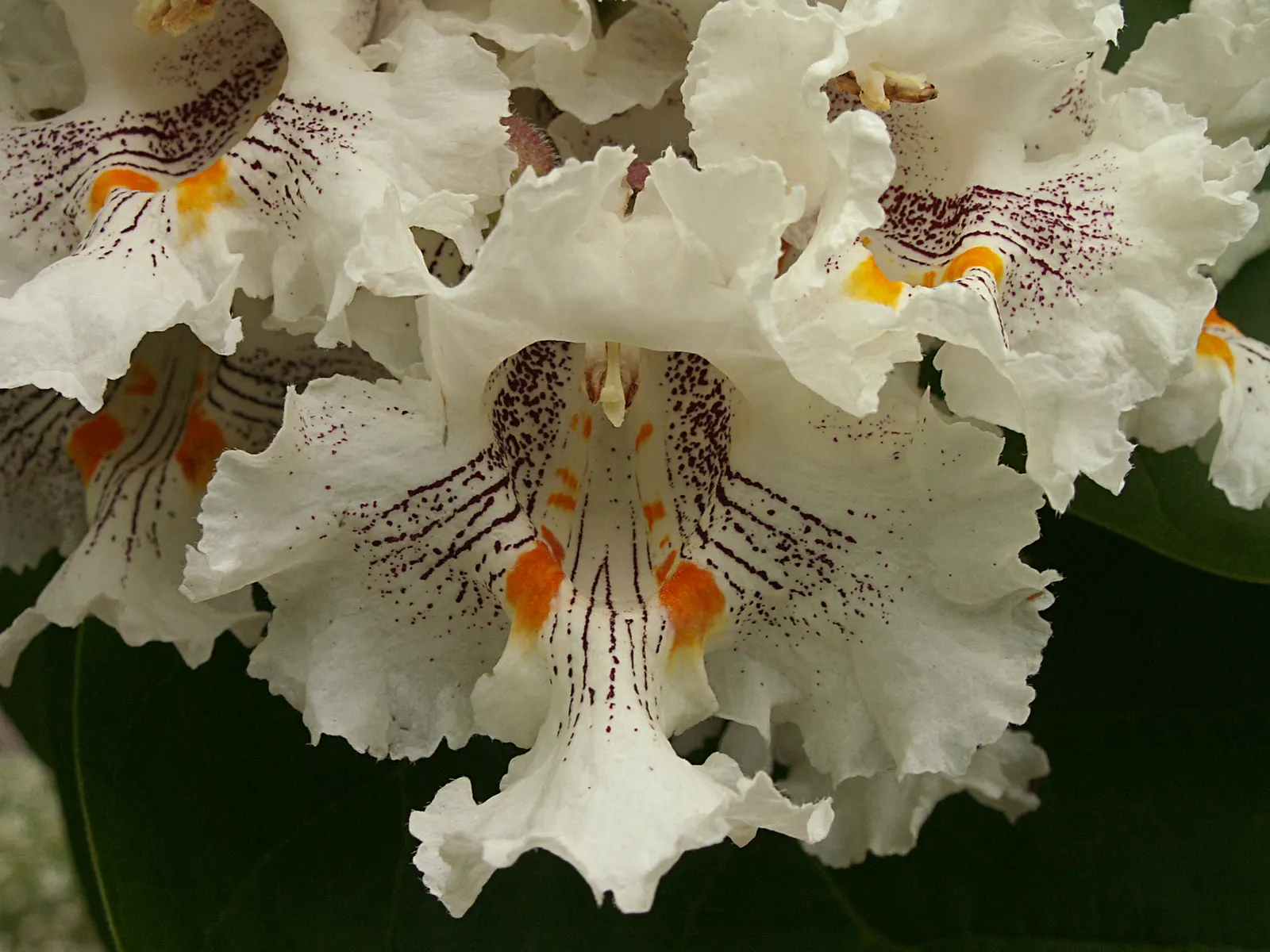
The Western Catalpa (Catalpa speciosa) is a stately deciduous tree celebrated for its broad, heart-shaped leaves and showy, white, trumpet-shaped flowers adorned with purple and yellow markings. It reaches up to 60 feet in height, with a spread of 20 to 40 feet, providing ample shade. The long, slender seed pods add a unique aesthetic in fall. Prefers full sun and adapts to various soil types. Hardy in Zones 4 through 8.

Sun Full, HalfWater MediumZones 4–11Climate Temperate
Western Catalpa (Catalpa Speciosa) — The Western Catalpa (Catalpa speciosa) is a stately deciduous tree celebrated for its broad

Culture

Sun
Full, Half
Water
Medium
USDA zones
4–11

Shape & size

Classification

Family
Bignoniaceae
Climate
Temperate

See full data, regional cultivation notes, full-resolution photos, and design tools. Build a client presentation around this plant.

Start your 14-day trial

Photos (65)

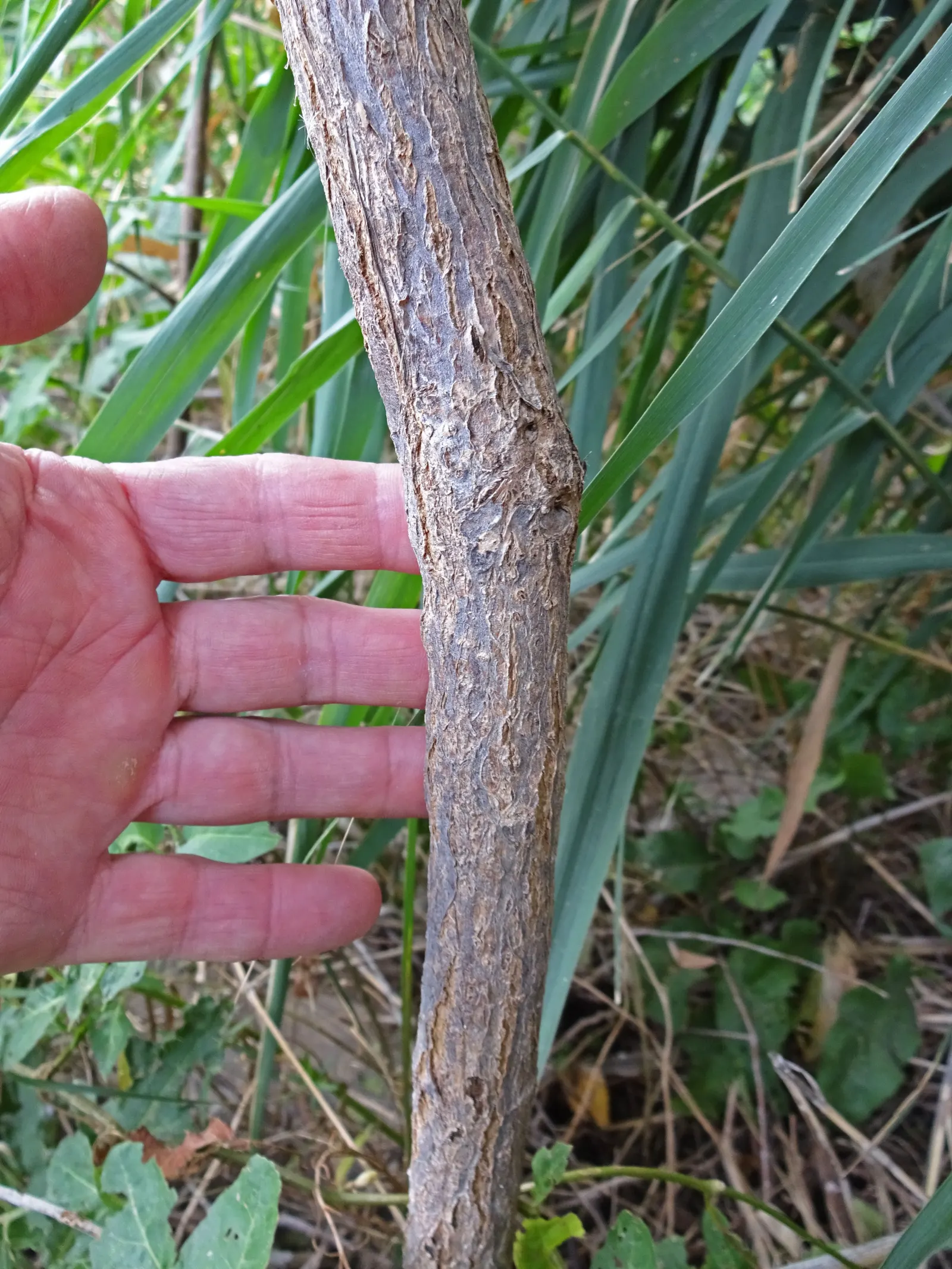
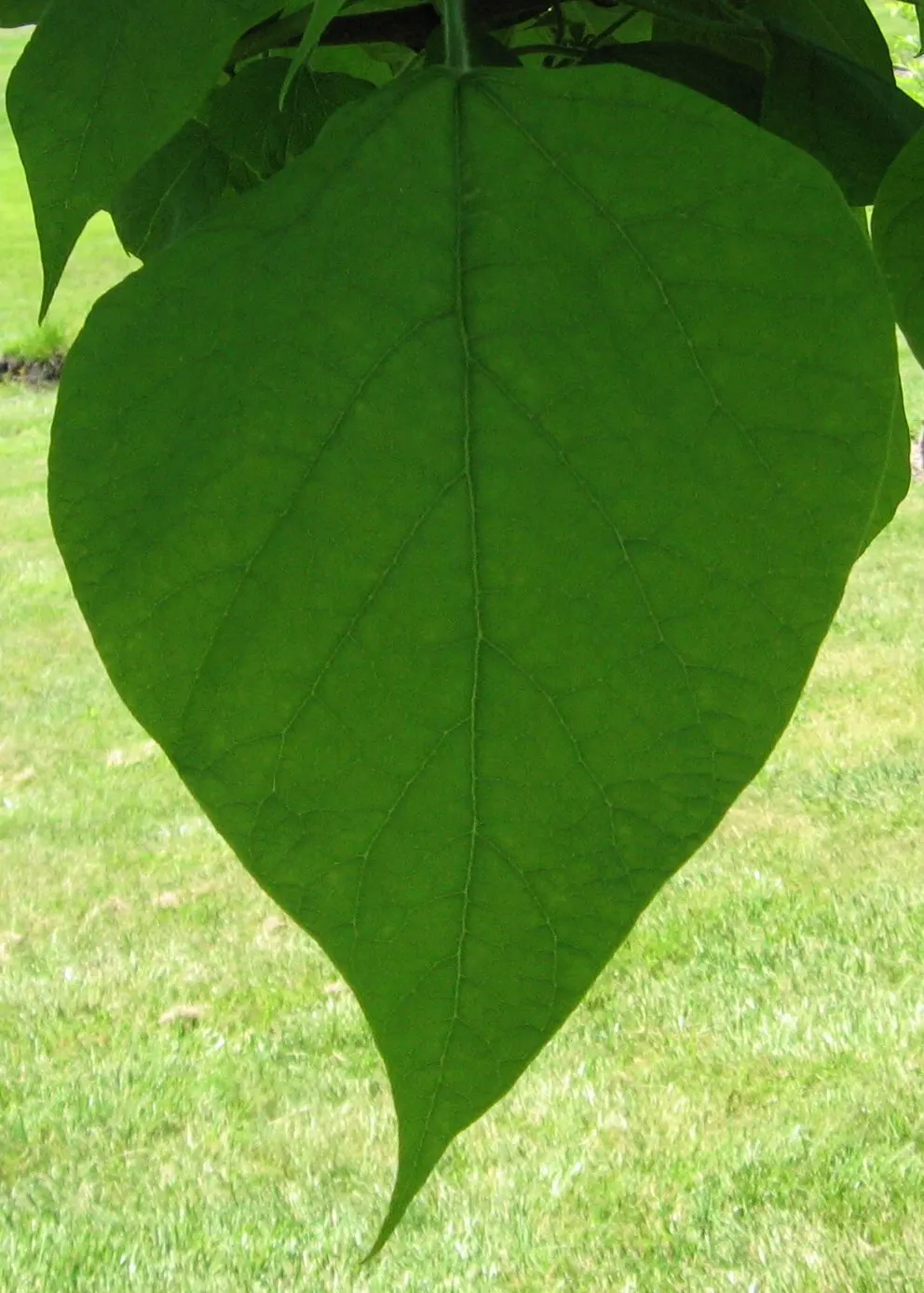
Western Catalpa (Catalpa Speciosa) — reaching up to 20 inches in length
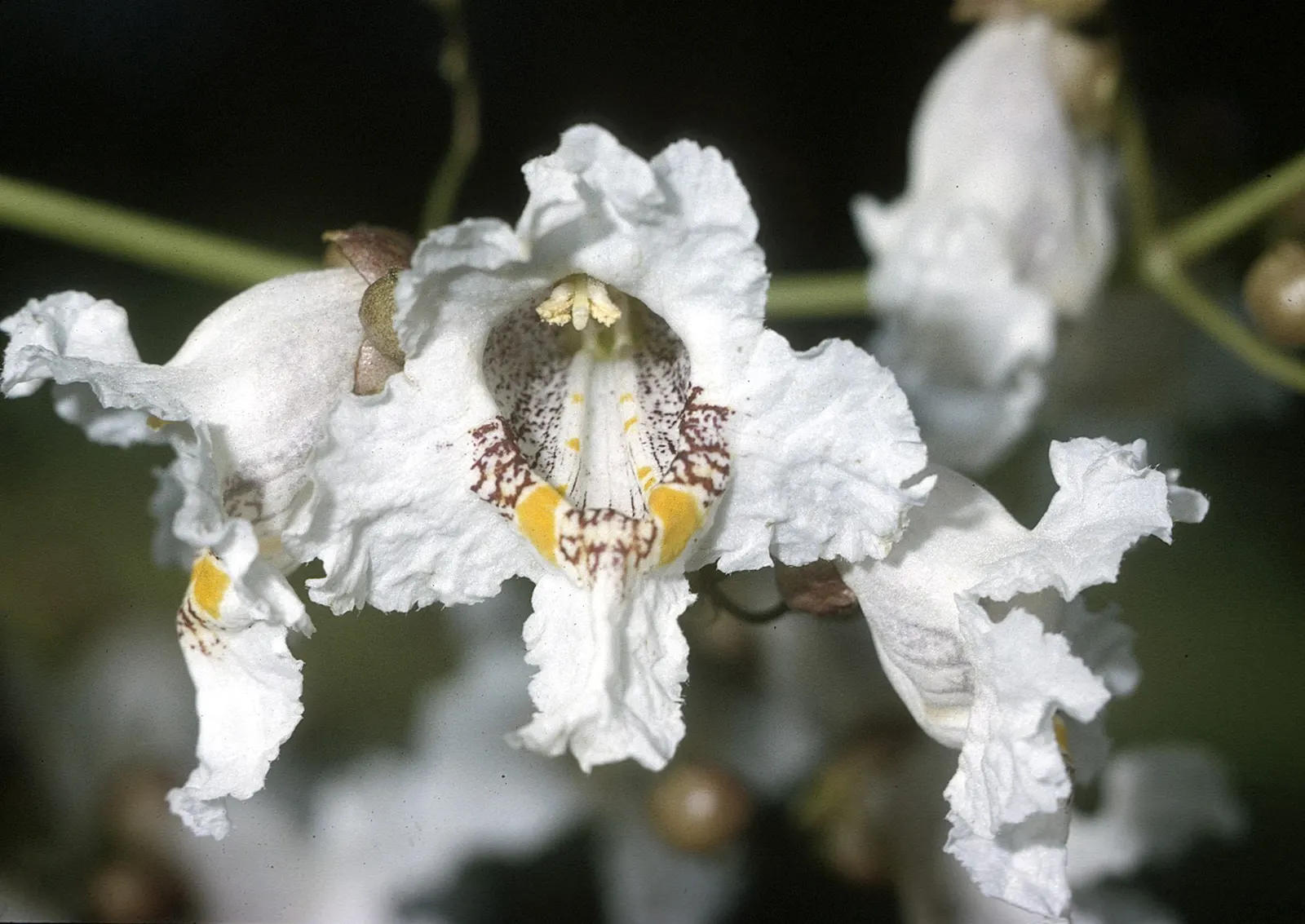
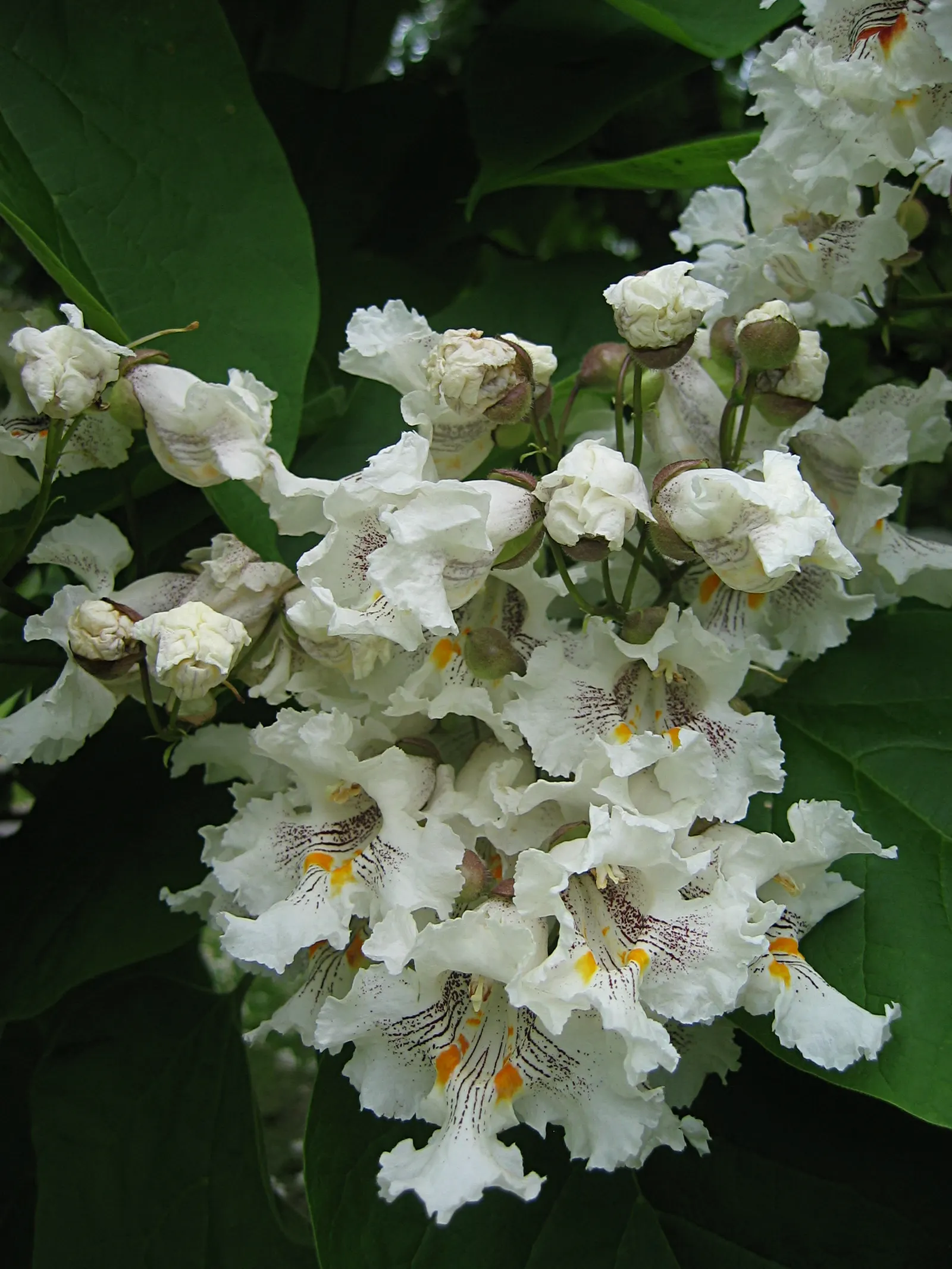
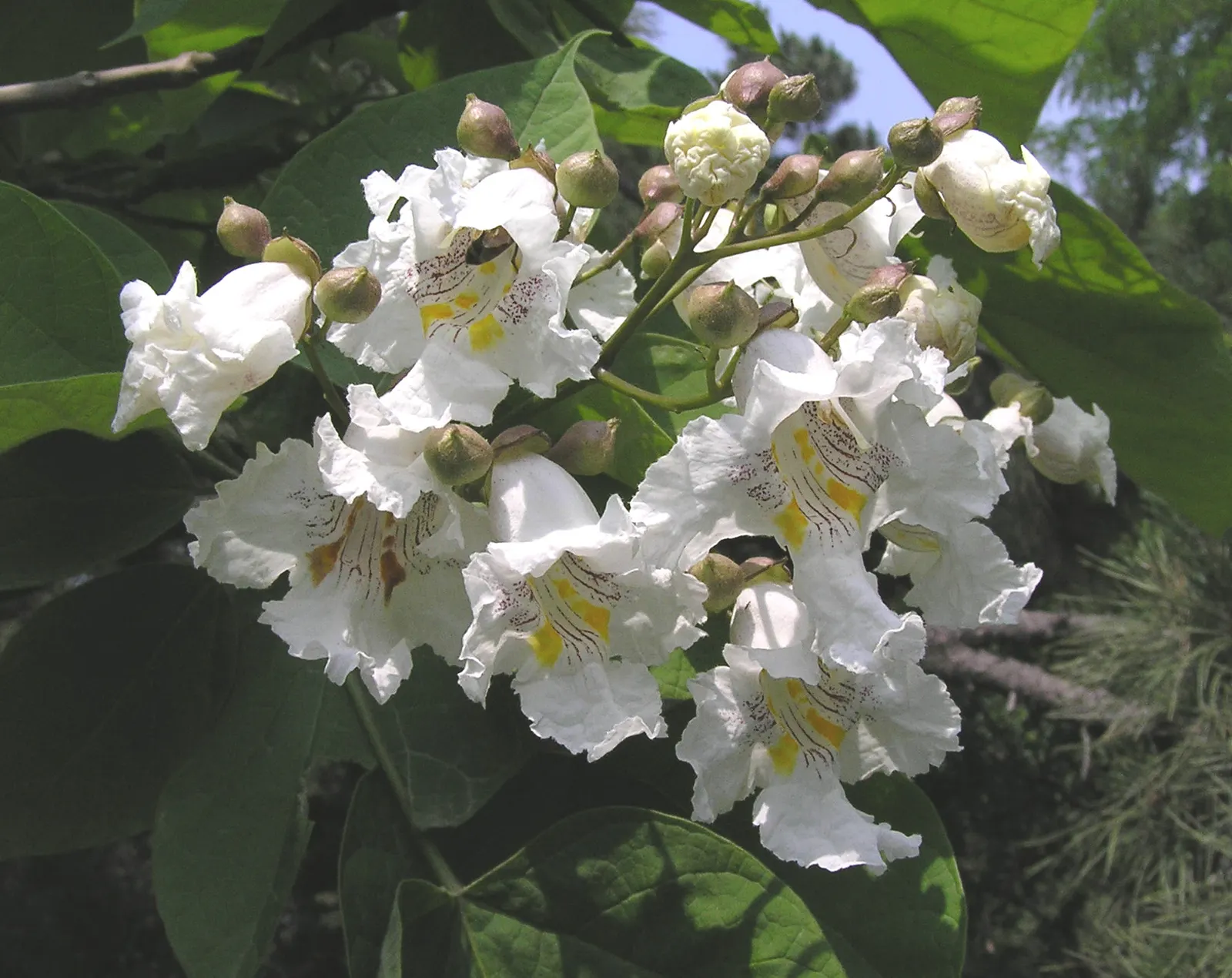
Western Catalpa (Catalpa Speciosa) — each blossom being approximately 2 inches across
Western Catalpa (Catalpa Speciosa) — and is tolerant of various soil types
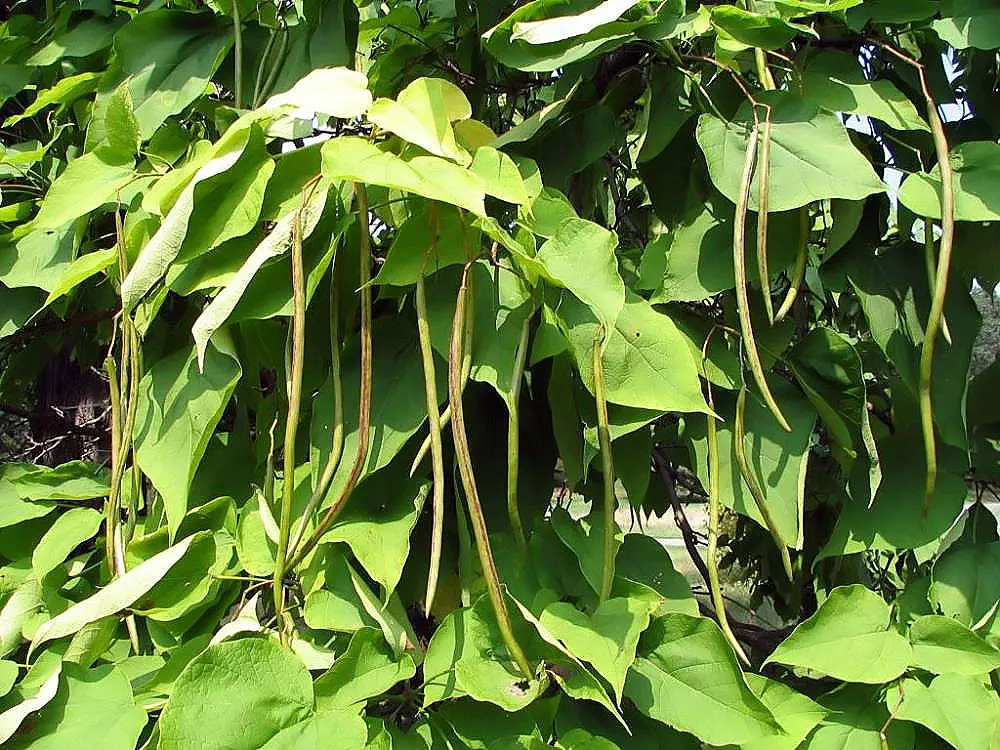
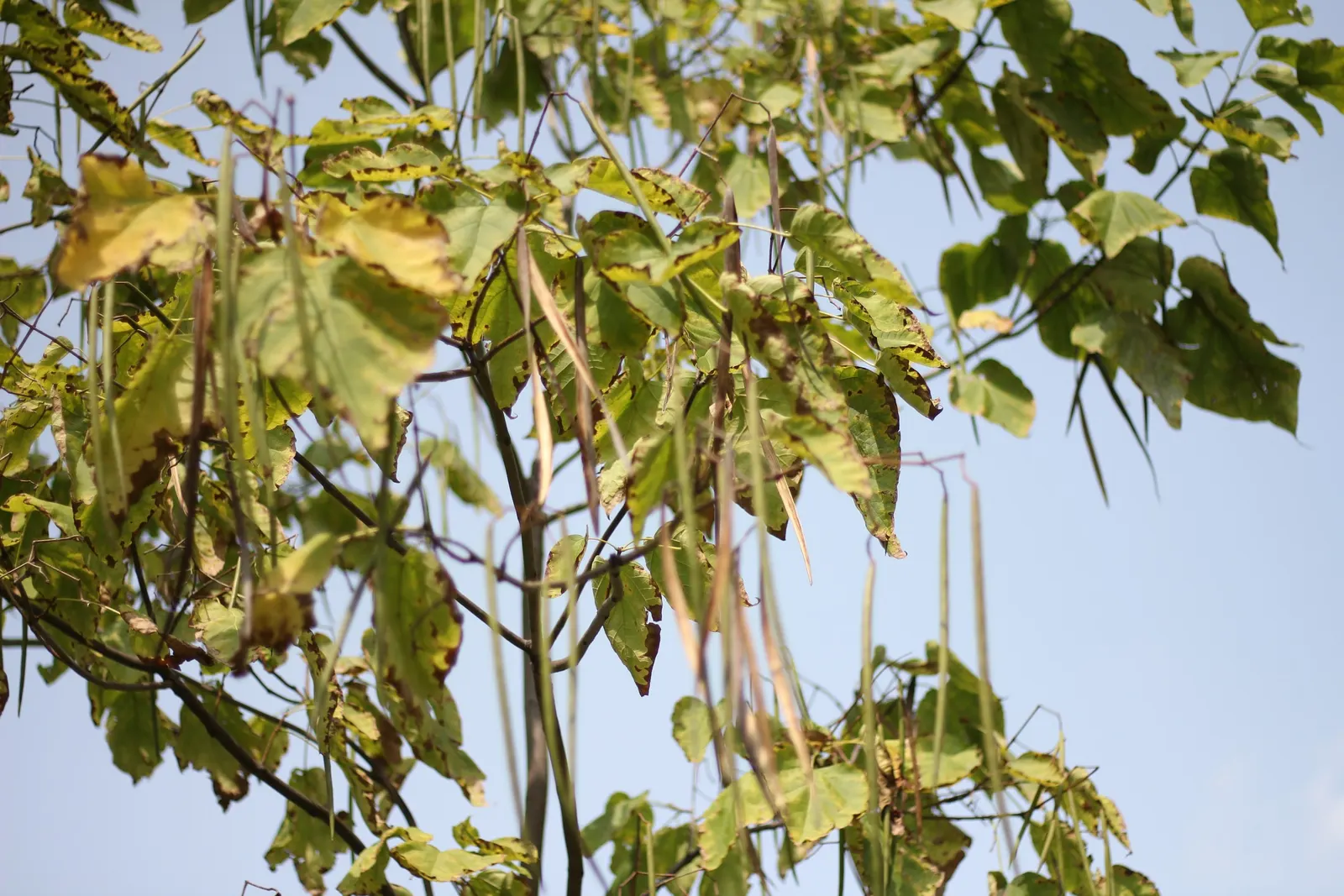
Western Catalpa (Catalpa Speciosa) — The long, slender seed pods add a unique aesthetic in fall; prefers full sun and adapts to various soil types
Western Catalpa (Catalpa Speciosa) — adding visual interest in the barren months.<br><br>Catalpa speciosa thrives in USDA zones 4 to 8; the Western Catalpa
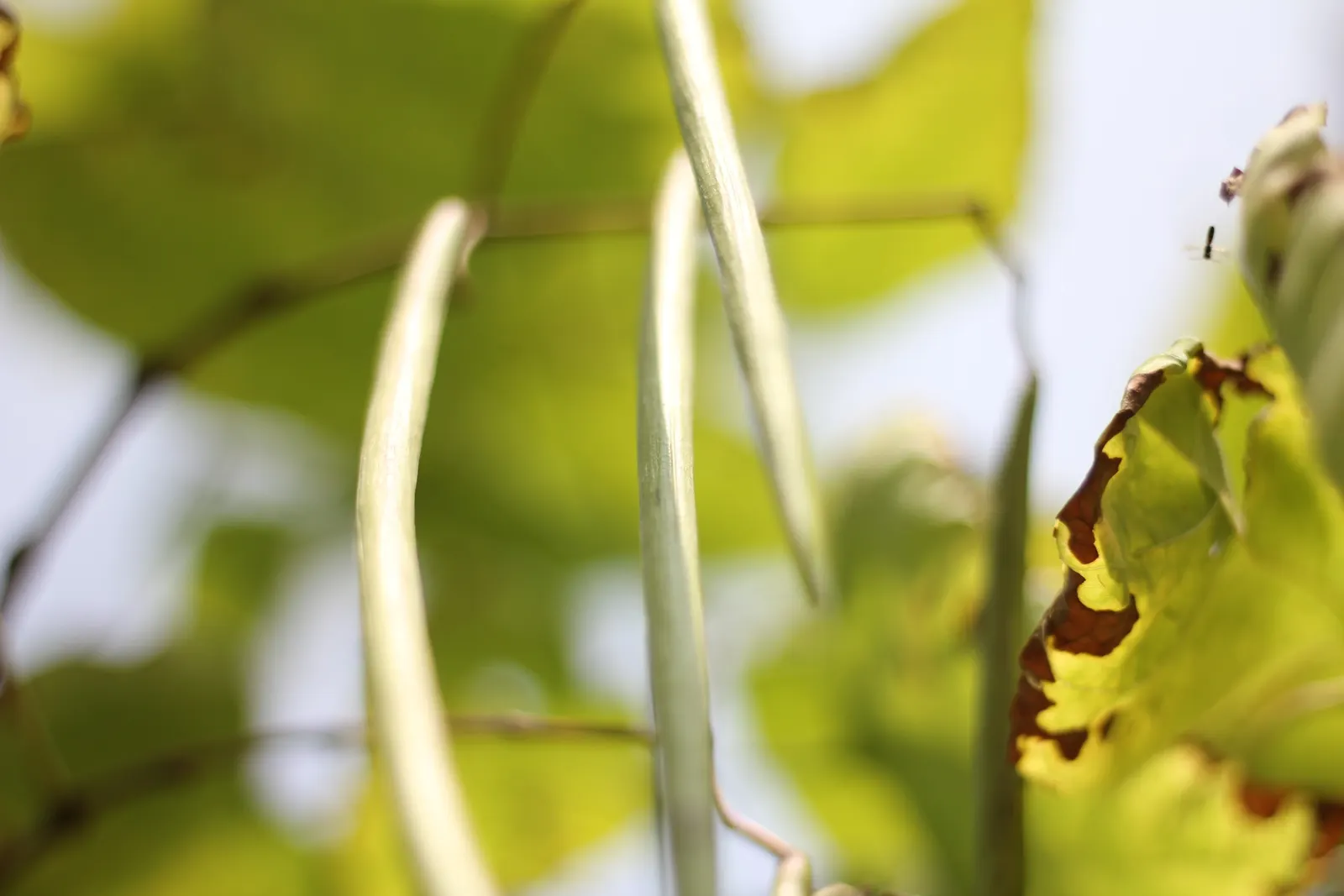
Western Catalpa (Catalpa Speciosa) — earning the tree the nickname "cigar tree." These pods persist through winter; hardy in Zones 4 through 8
Western Catalpa (Catalpa Speciosa) — Hardy in Zones 4 through 8; earning the tree the nickname "cigar tree." These pods persist through winter
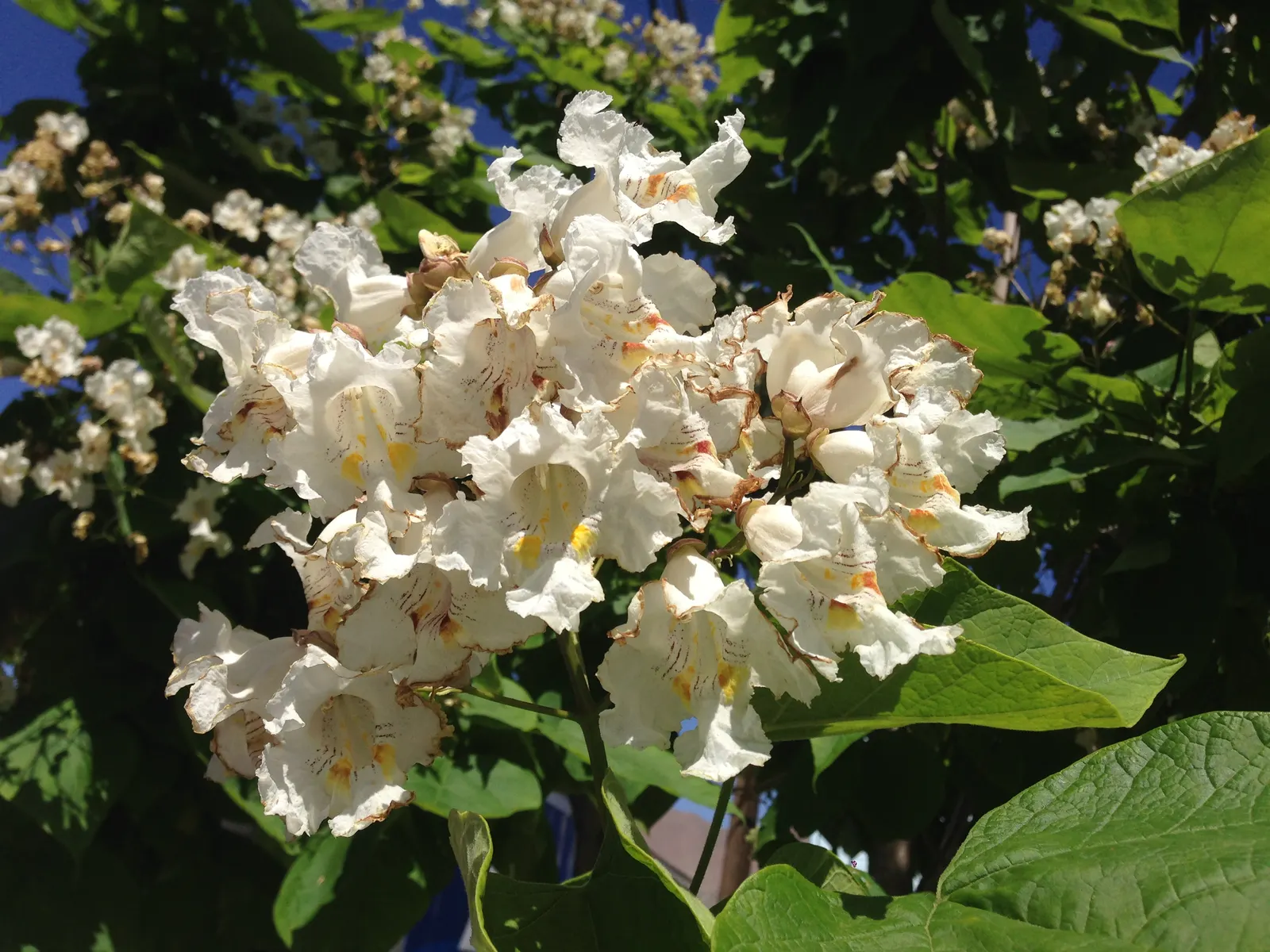
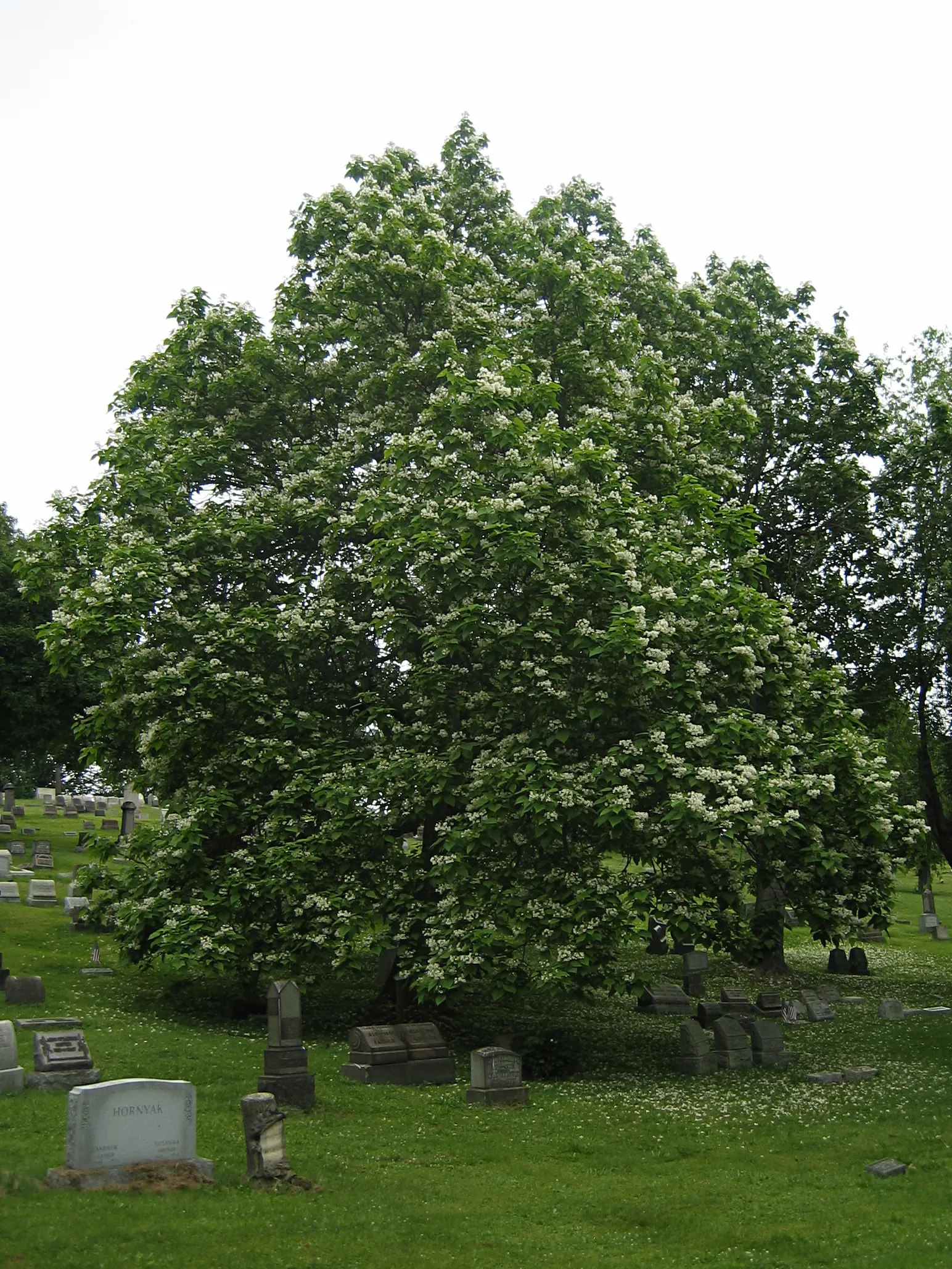
Western Catalpa (Catalpa Speciosa) — It reaches up to 60 feet in height, with a spread of 20 to 40 feet, providing ample shade; tree with white blooms
Western Catalpa (Catalpa Speciosa) — trumpet-shaped flowers adorned with purple and yellow markings; each blossom being approximately 2 inches across
Western Catalpa (Catalpa Speciosa) — is a deciduous tree celebrated for its striking appearance and adaptability; the Western Catalpa (Catalpa speciosa) is a
Western Catalpa (Catalpa Speciosa) — reaching up to 20 inches in length; tree for full or half
Western Catalpa (Catalpa Speciosa) — each blossom being approximately 2 inches across; reaching up to 20 inches in length
Western Catalpa (Catalpa Speciosa) — white flowers in the garden; making it a splendid choice for both ornamental and practical purposes in landscaping designs
Western Catalpa (Catalpa Speciosa) — tree with white blooms; come late spring to early summer
Western Catalpa (Catalpa Speciosa) — the tree is adorned with showy clusters of white flowers; it boasts a relatively fast growth rate
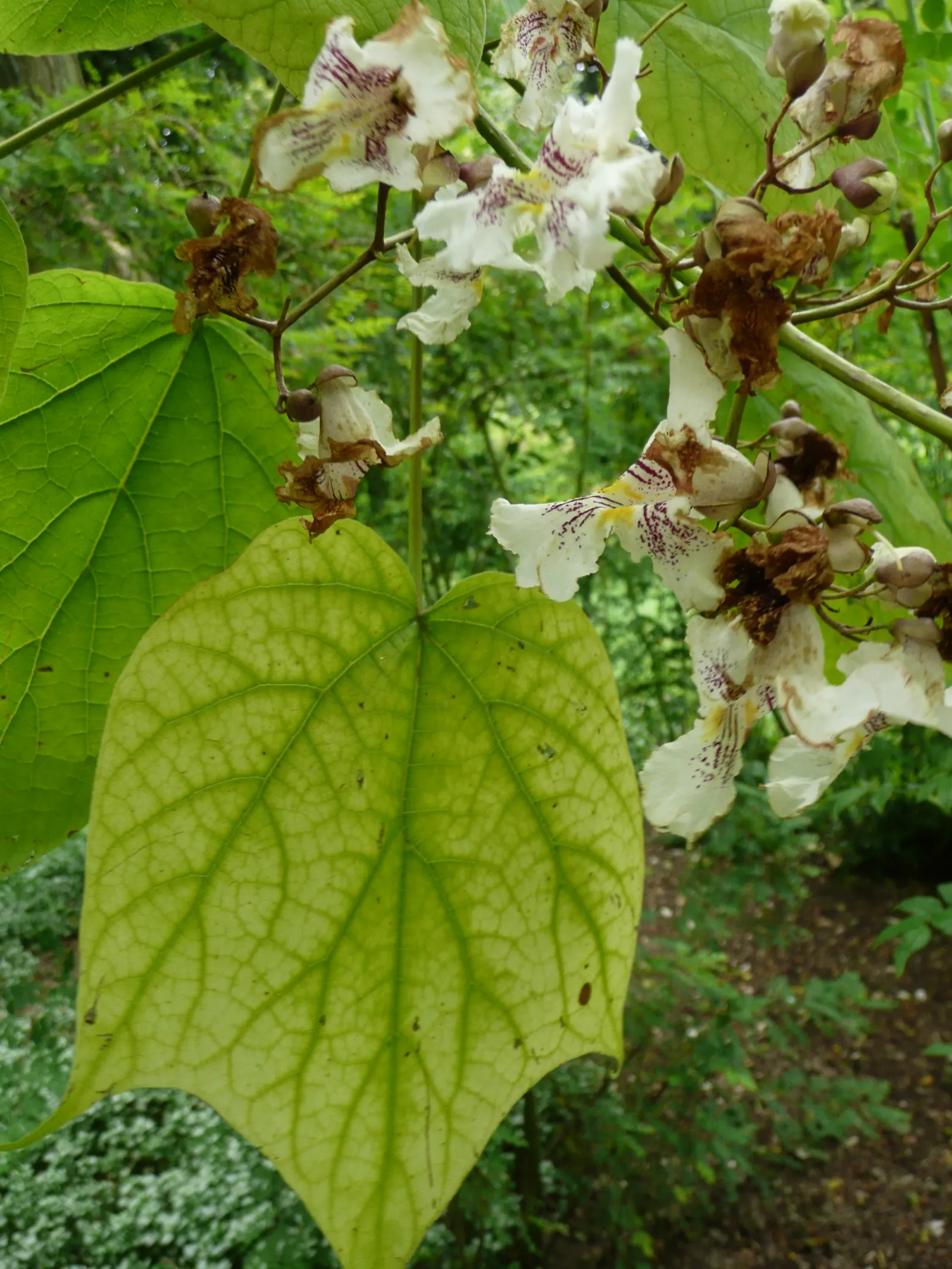
Western Catalpa (Catalpa Speciosa) — heart-shaped leaves and showy; this robust species commands presence
Western Catalpa (Catalpa Speciosa) — tree for full or half; notably resistant to disease and pests
Western Catalpa (Catalpa Speciosa) — The Western Catalpa (Catalpa speciosa) is a stately deciduous tree celebrated for its broad; it reaches up to, image 53
Western Catalpa (Catalpa Speciosa) — heart-shaped leaves and showy; this robust species commands presence, image 54
Western Catalpa (Catalpa Speciosa) — trumpet-shaped flowers adorned with purple and yellow markings; each blossom being approximately 2 inches, image 55
Western Catalpa (Catalpa Speciosa) — It reaches up to 60 feet in height, with a spread of 20 to 40 feet, providing ample shade; tree with white, image 56
Western Catalpa (Catalpa Speciosa) — Come late spring to early summer; the long, slender seed pods add a unique aesthetic in fall
Western Catalpa (Catalpa Speciosa) — The leaves emerge a luminous green in spring, transitioning to a yellowish color in the autumn before shedding; white
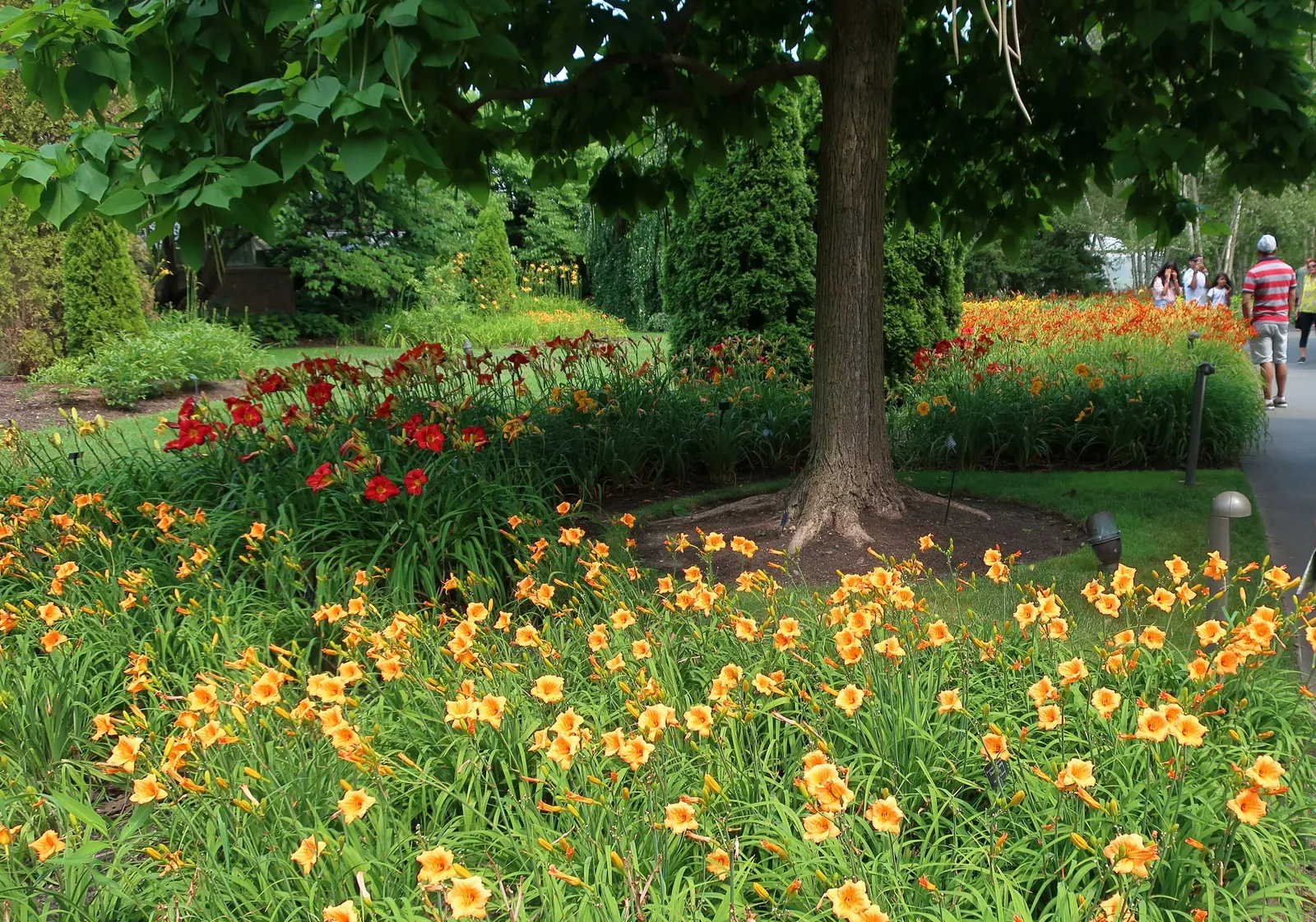
Western Catalpa (Catalpa Speciosa) — the Western Catalpa provides an expansive canopy of shade with a coarse texture; the tree is adorned with showy clusters

Related plants