Skip to content

Indian Paintbrush

Castilleja Affinis

Design with this plant

Overview

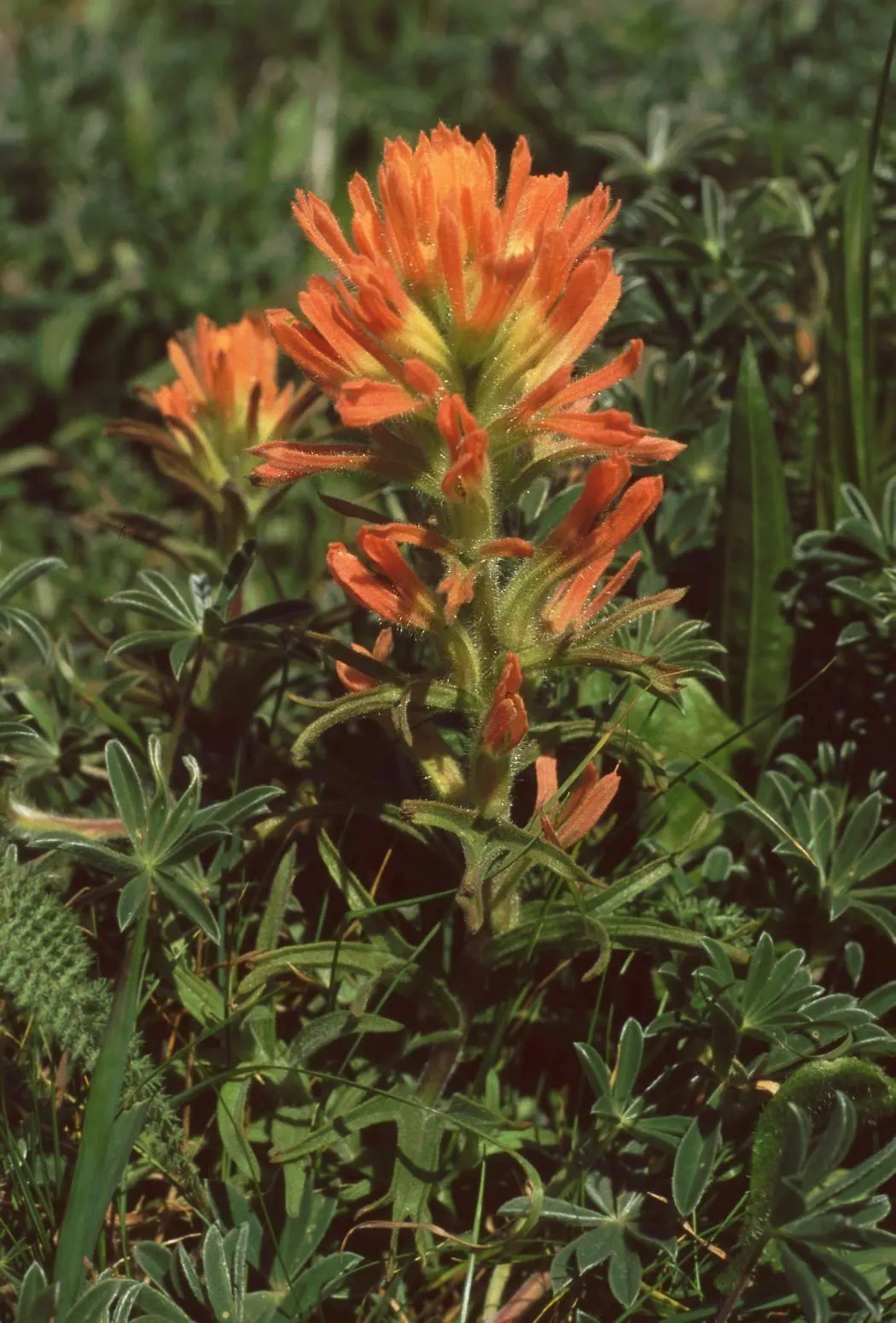
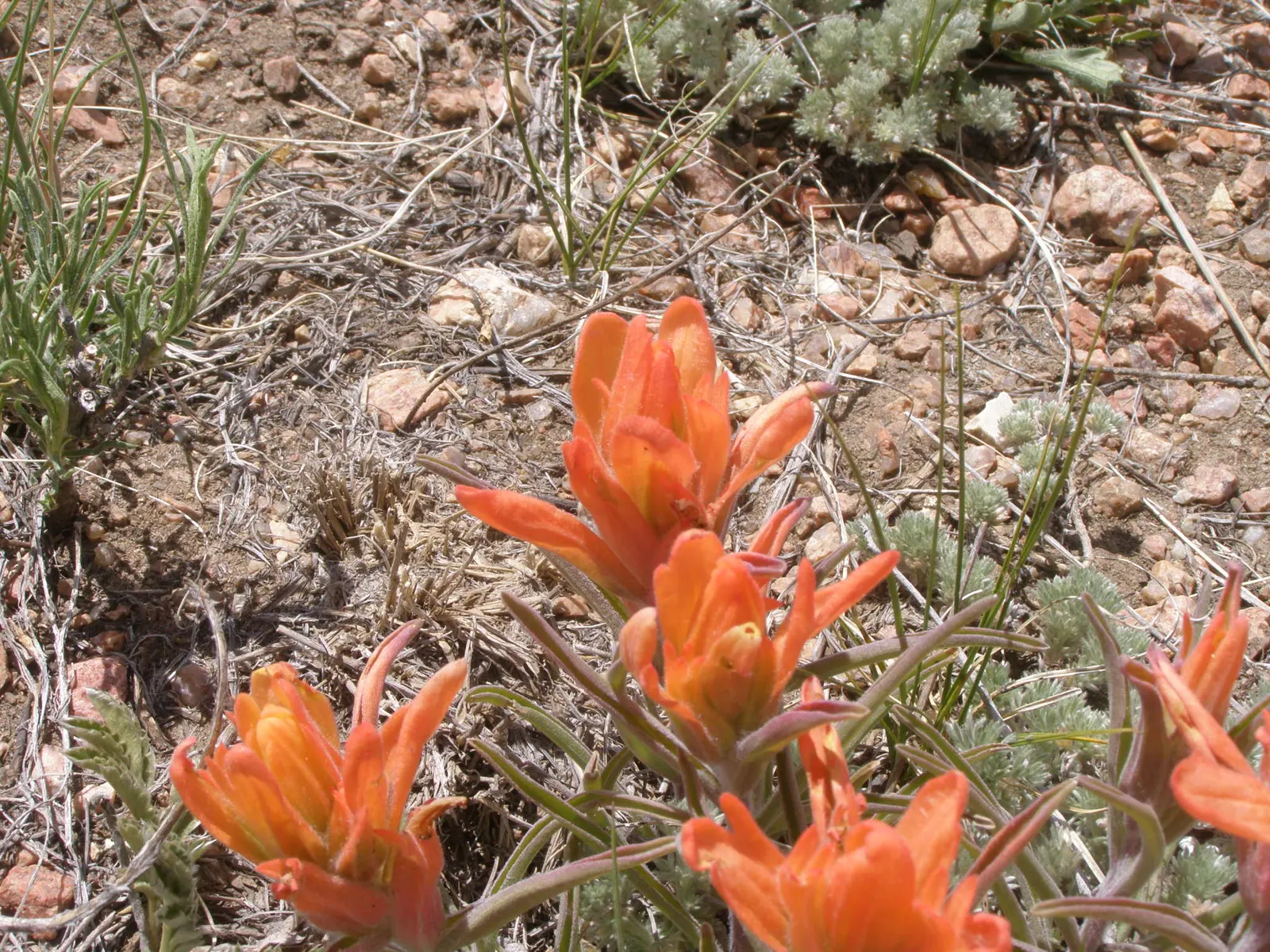
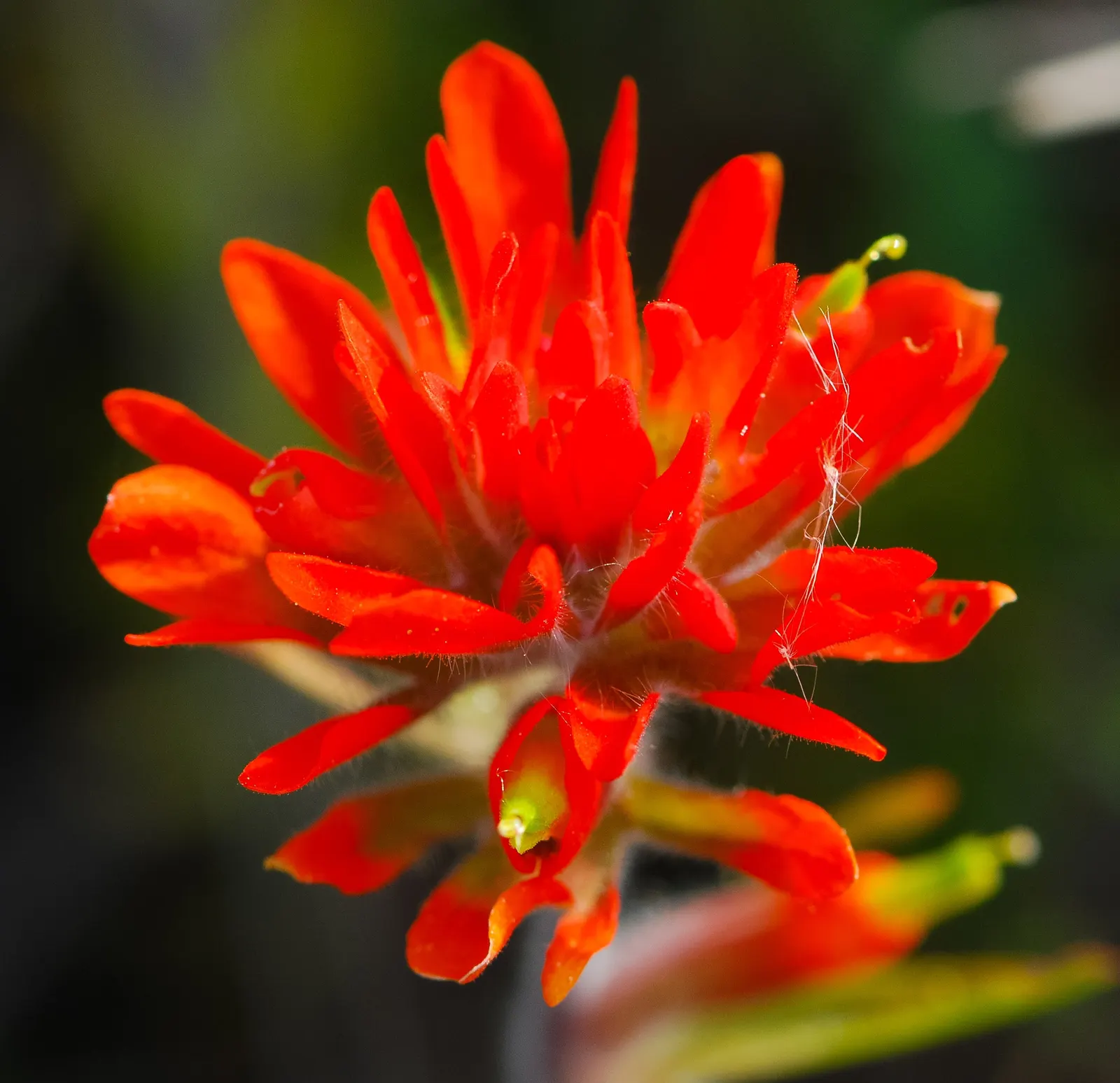
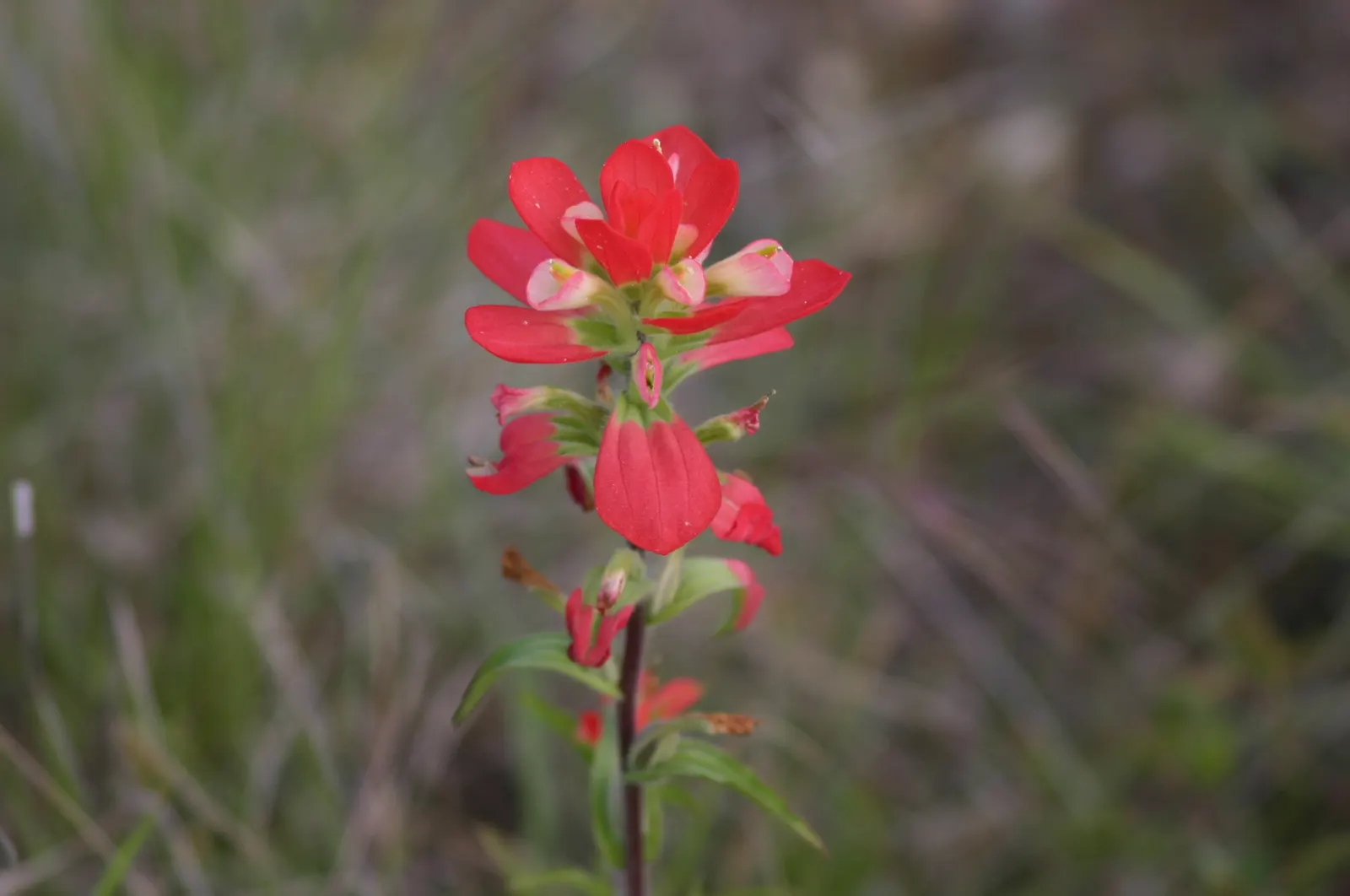
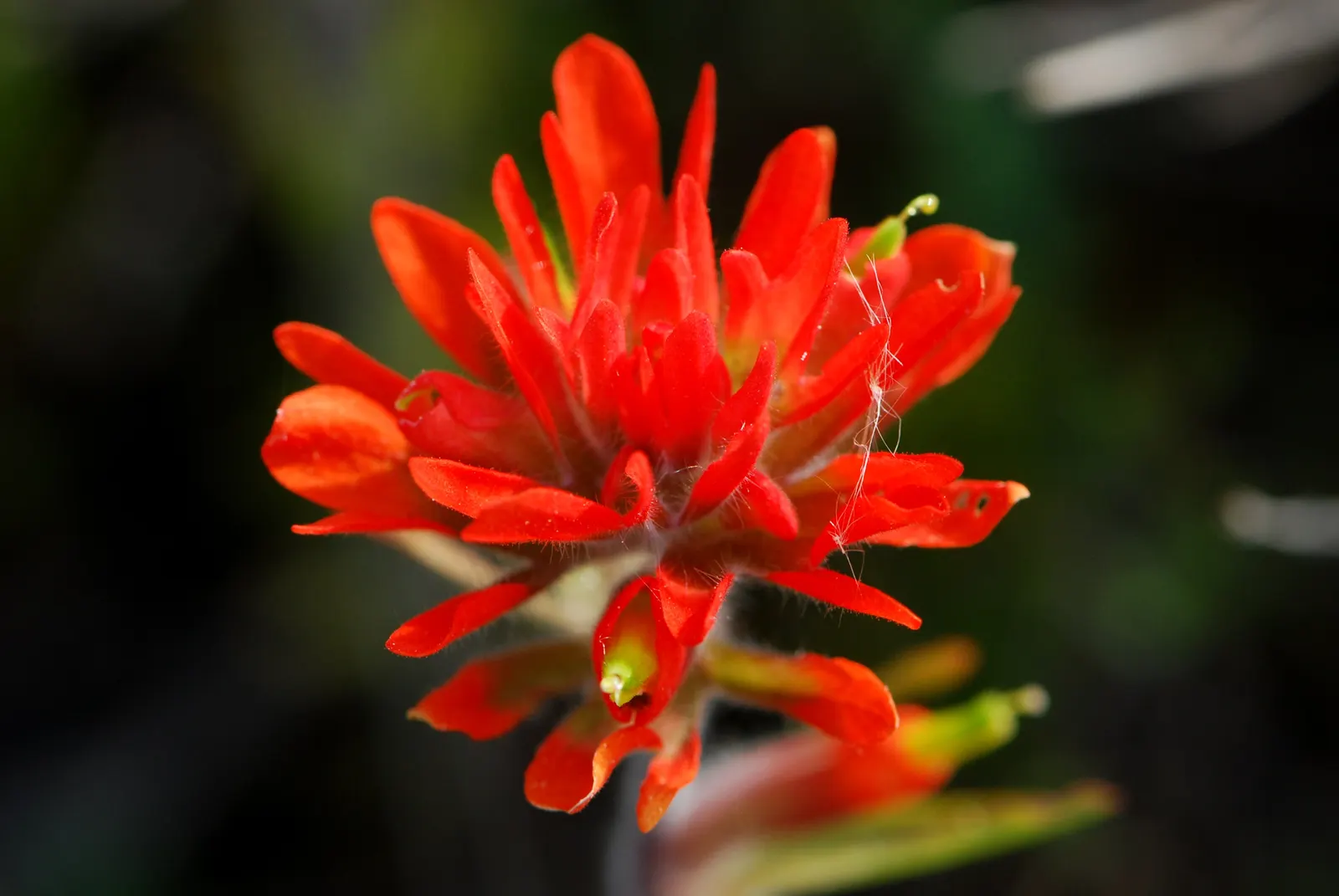
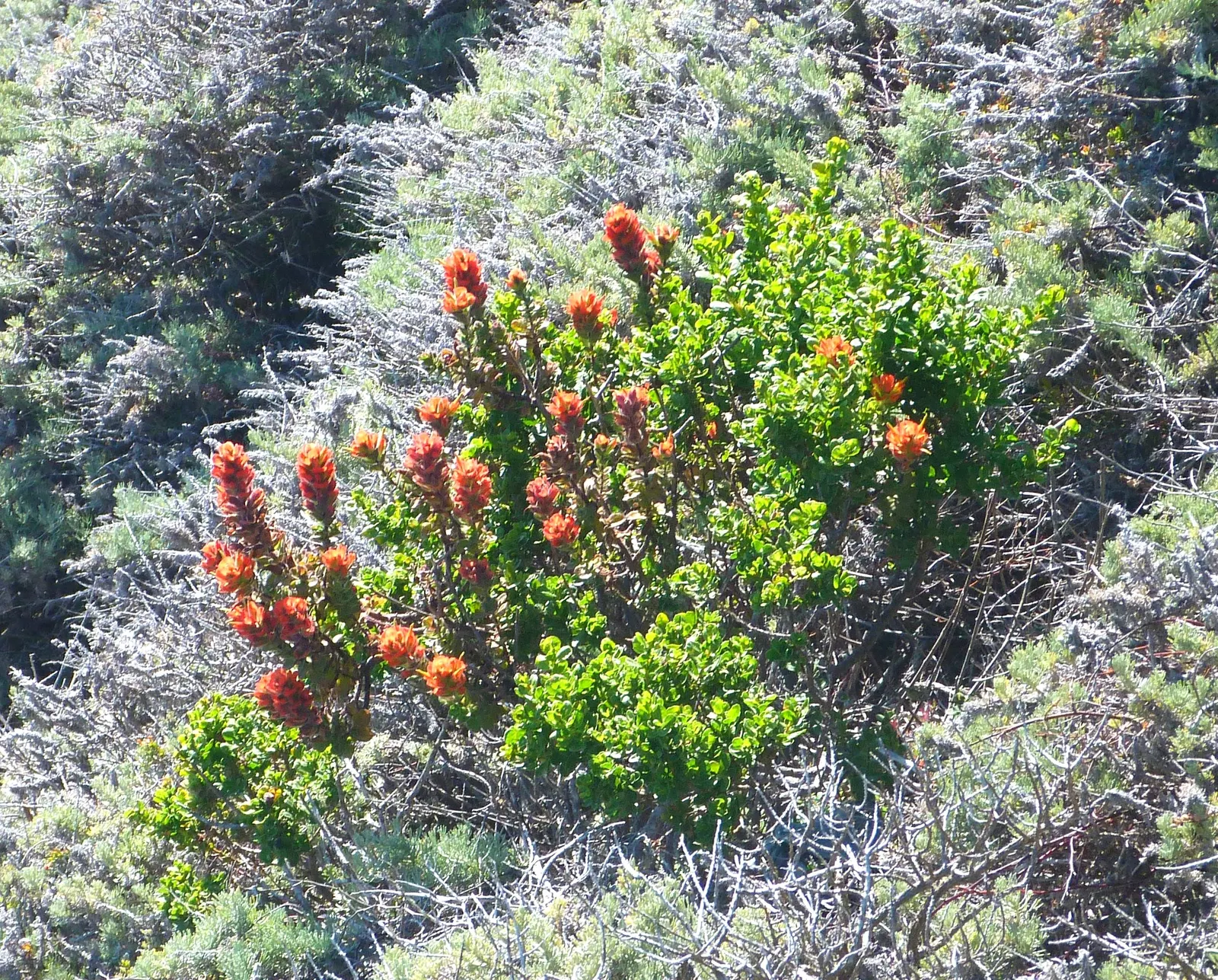
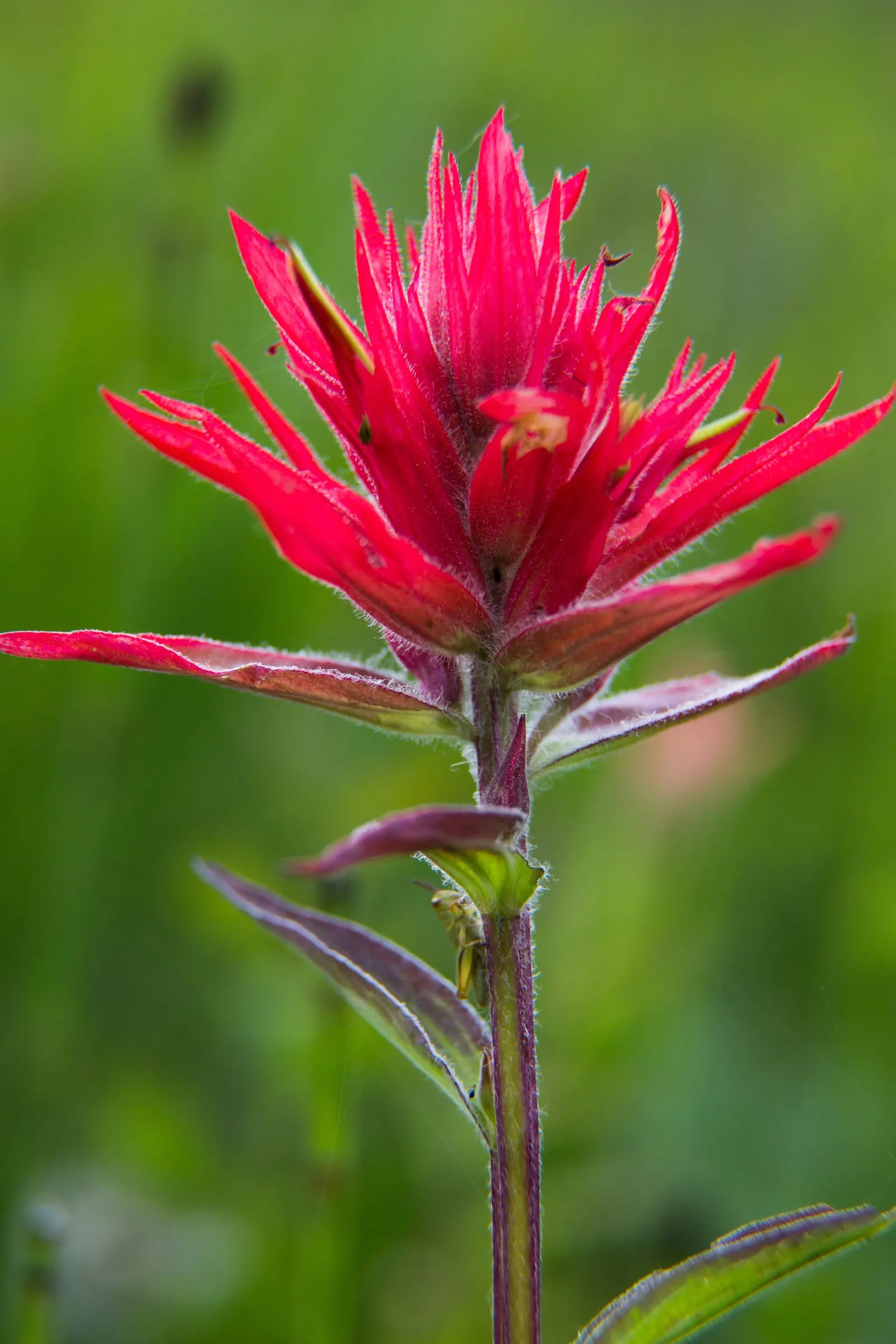
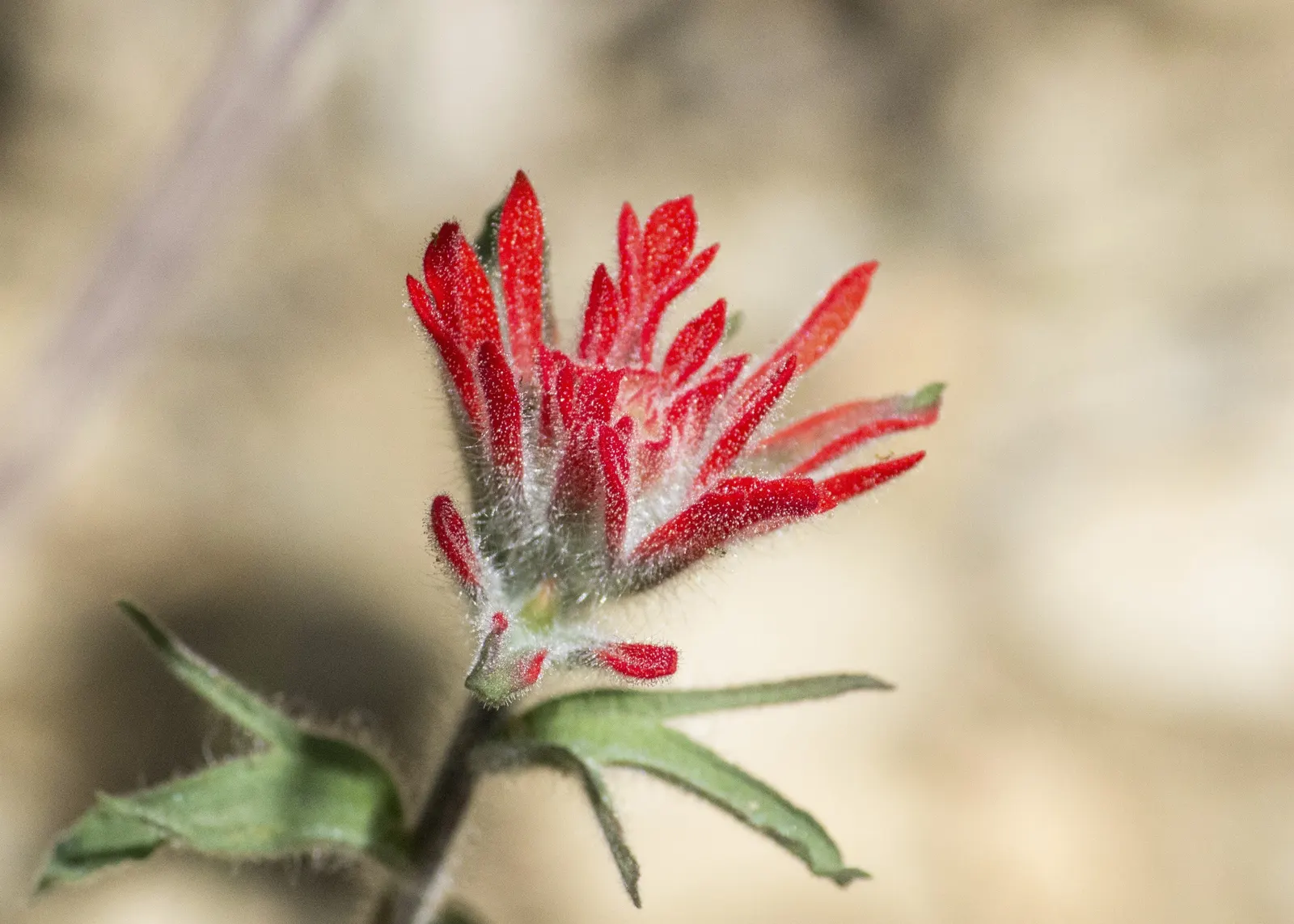
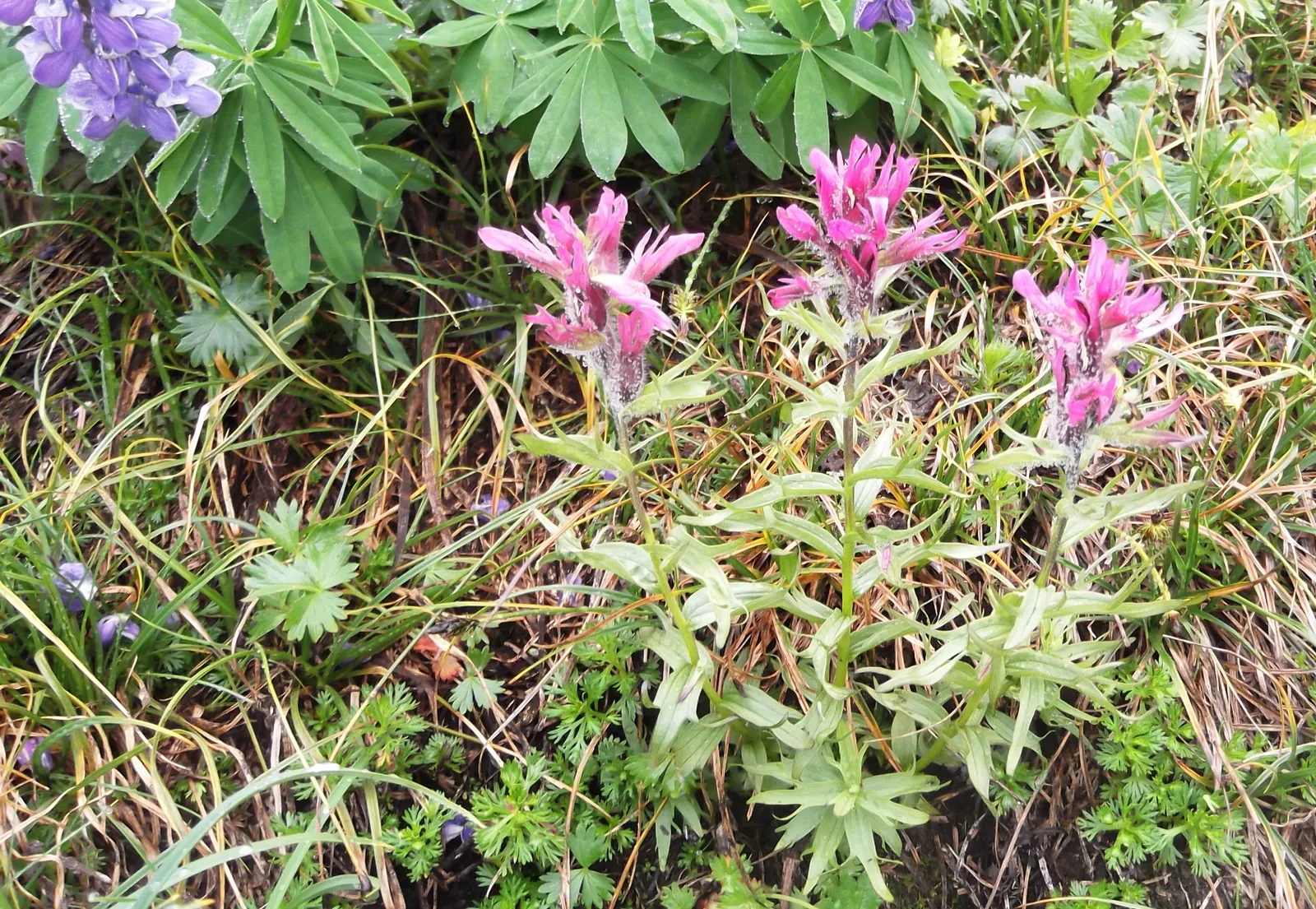
Indian Paintbrush, Castilleja affinis, is a vibrant perennial known for its fiery red-orange bracts. Native to western North America, it thrives in full sun, reaching 1-2 feet in height. It prefers well-draining soils and can tolerate drought. This low-maintenance plant attracts hummingbirds and is excellent for adding color pops in wildflower meadows or native gardens. Plant in clusters for a striking visual impact. USDA zones 7-10.

Sun FullWater LowZones 9–10Type Perennial

Culture

Sun
Full
Water
Low
USDA zones
9–10

Shape & size

Classification

Type
Perennial
Family
Orobanchaceae

See full data, regional cultivation notes, and design tools. Build a client presentation around this plant.

Start your 14-day trial

Photos (176)

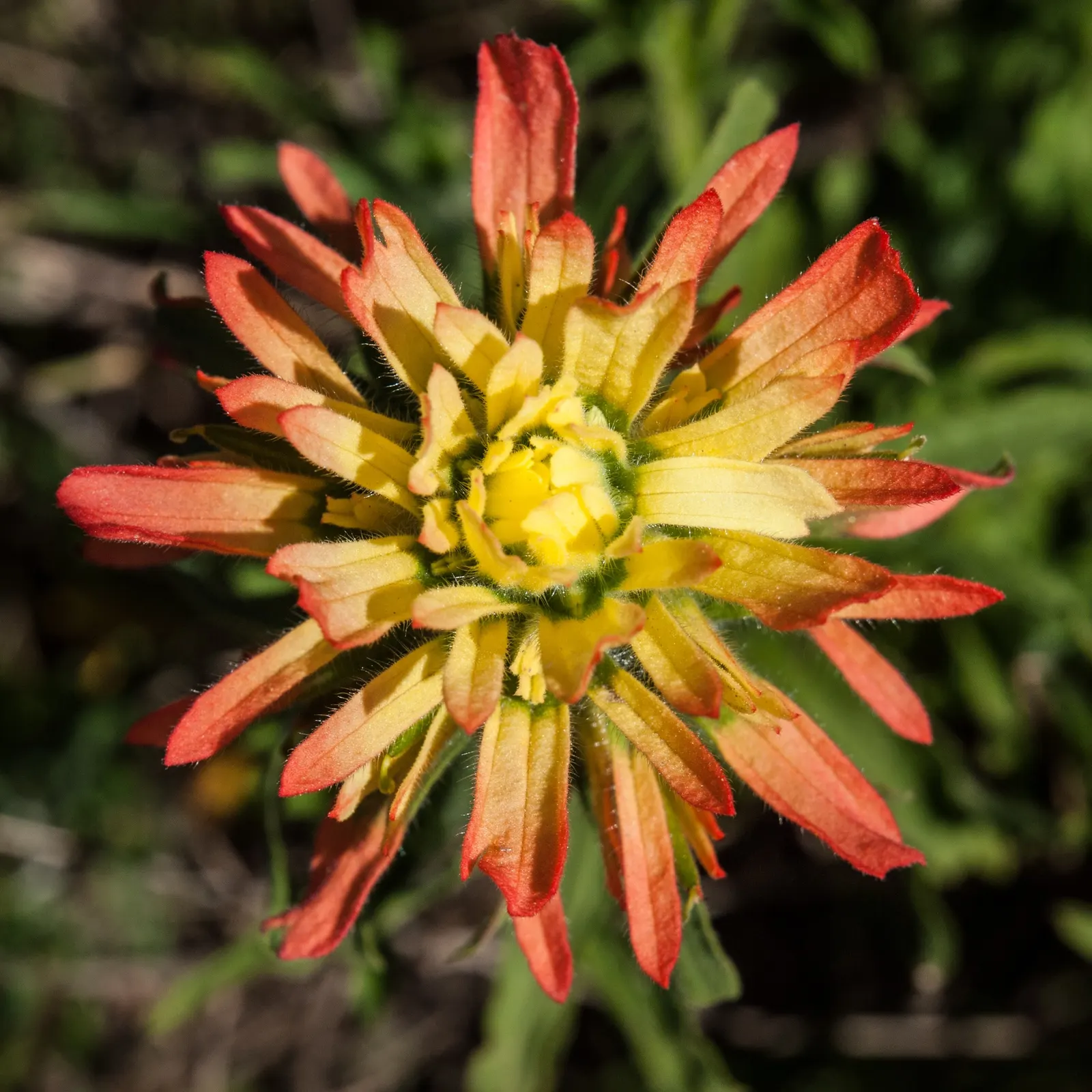
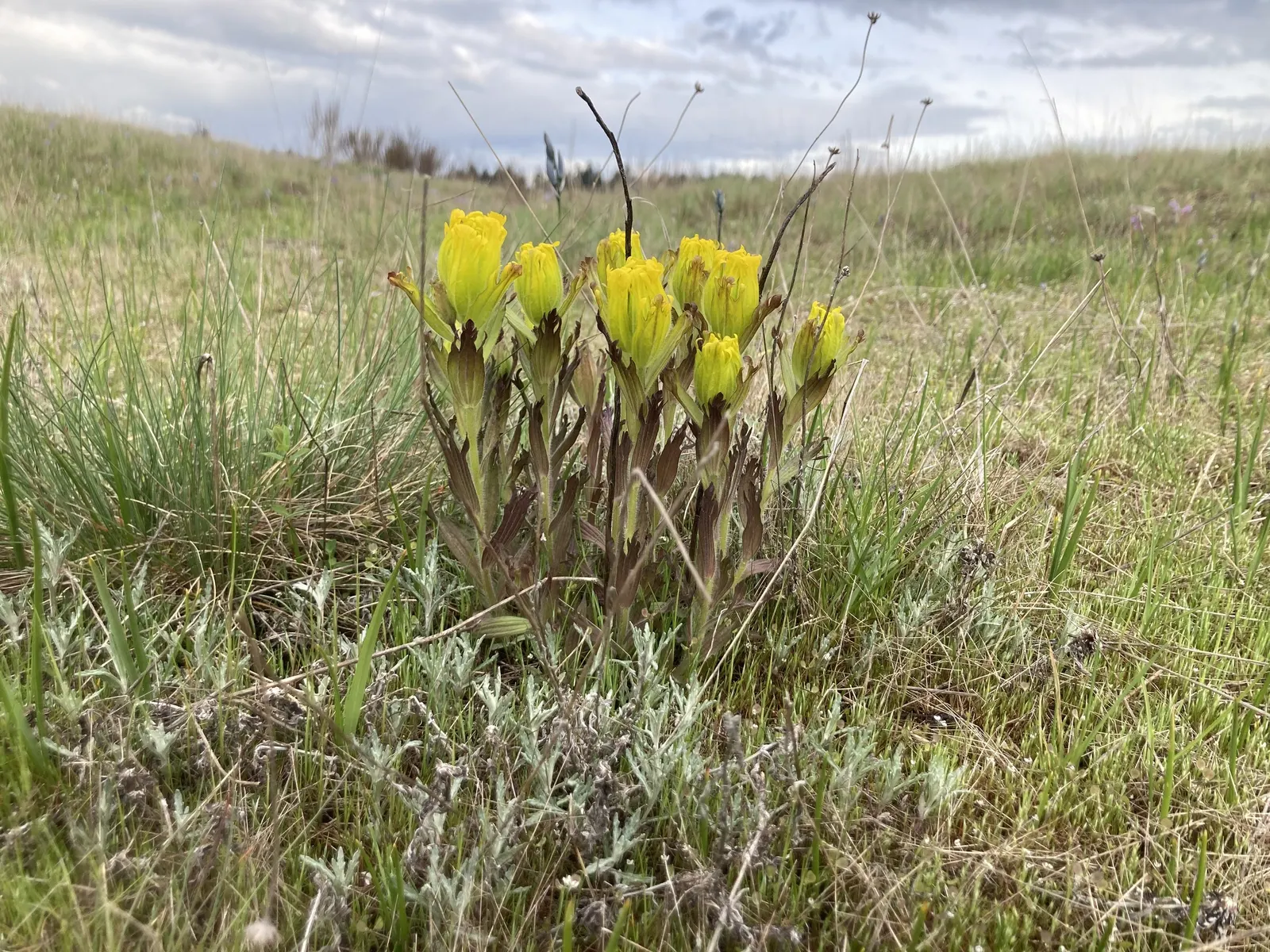
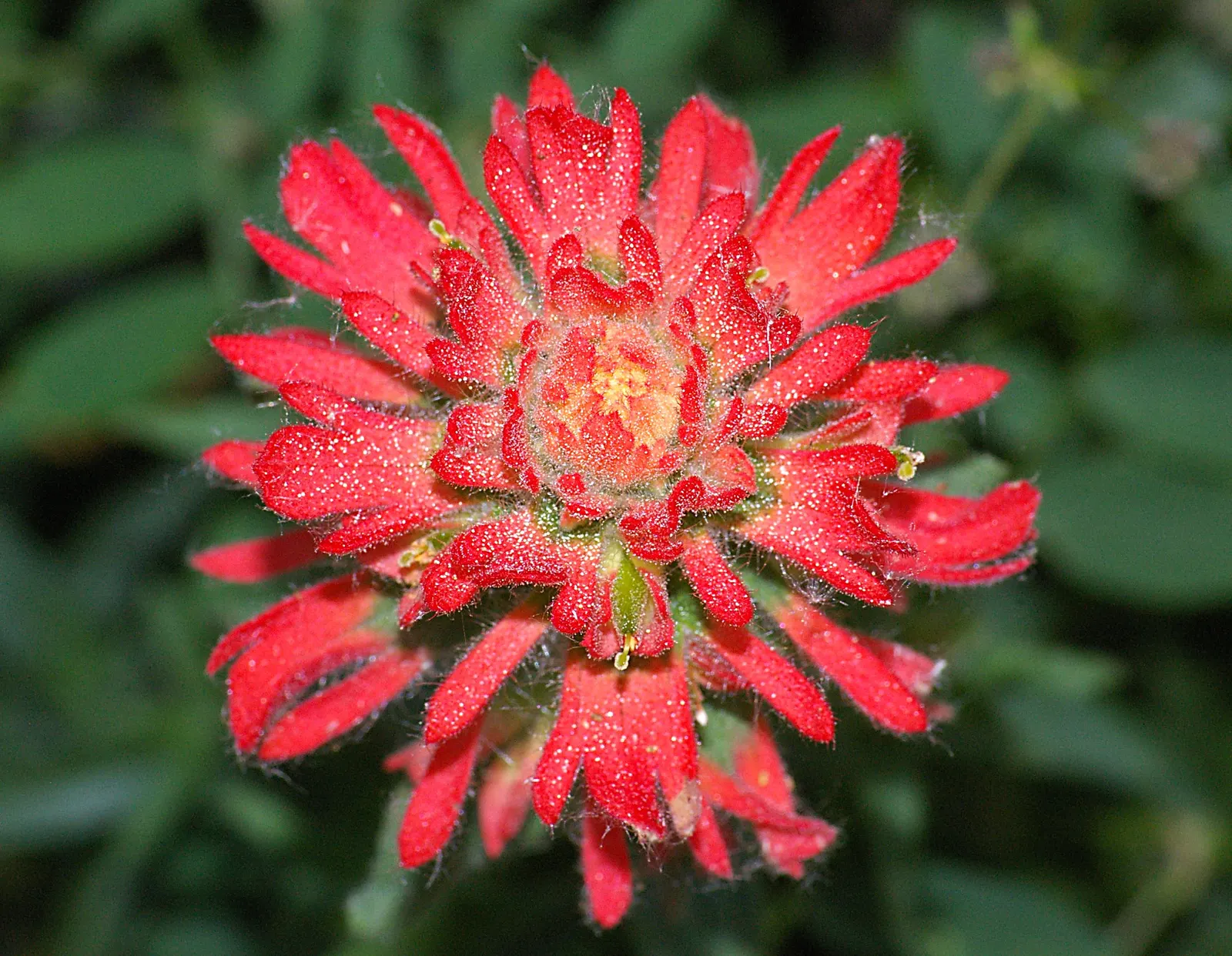
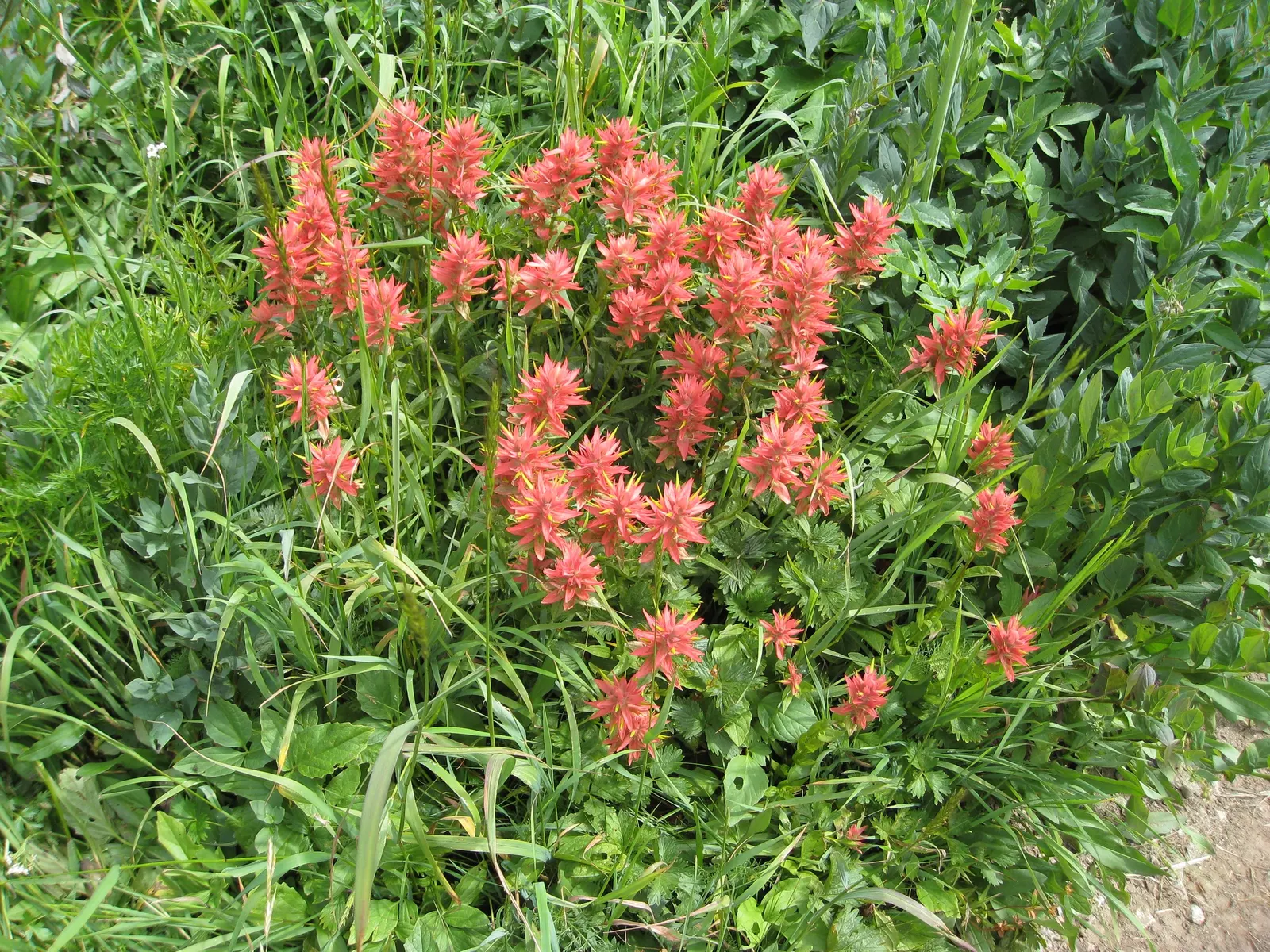
Indian Paintbrush (Castilleja Affinis) — This makes Castilleja affinis a suitable candidate for xeriscaping.<br><br>In a landscape design; this, image 152
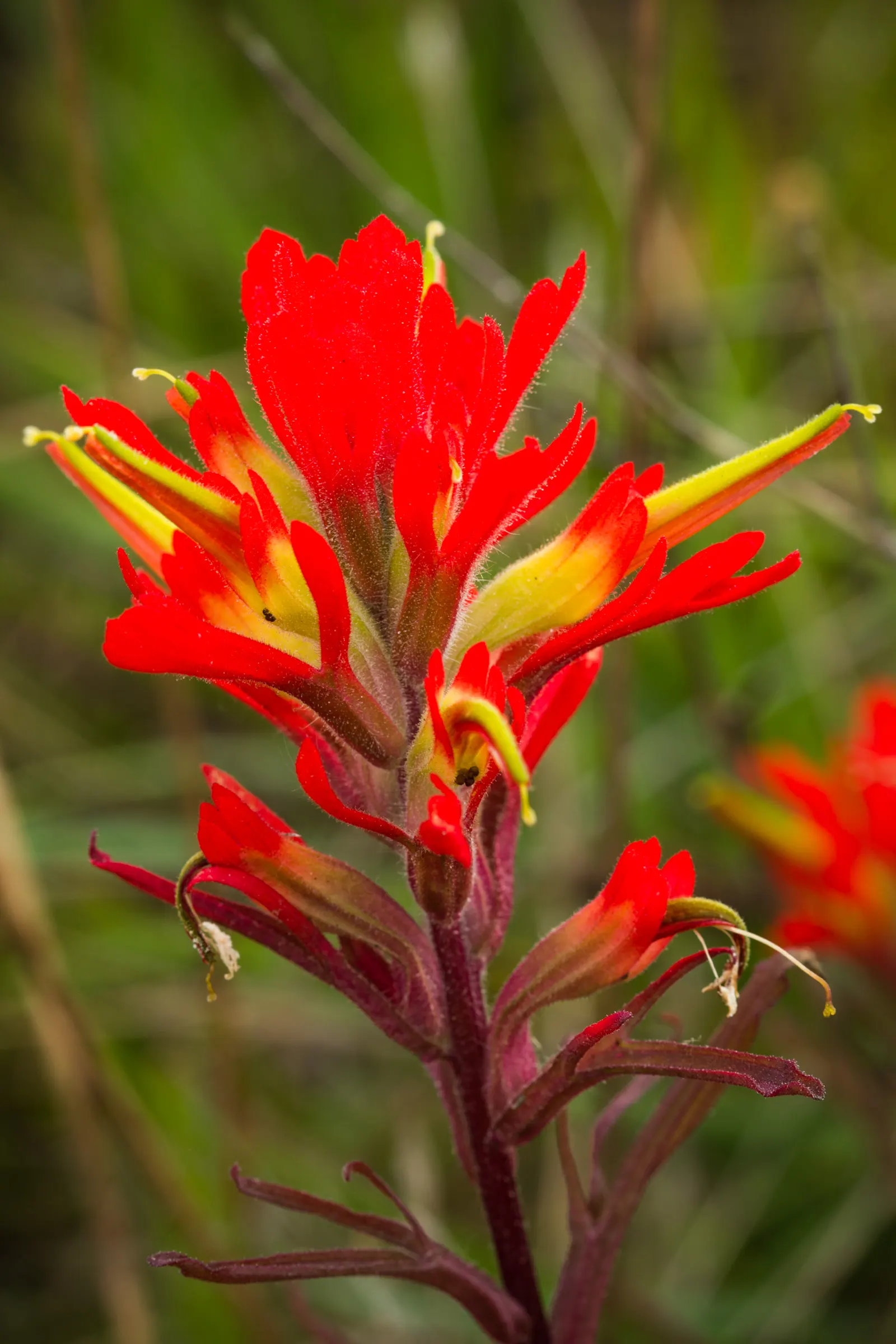
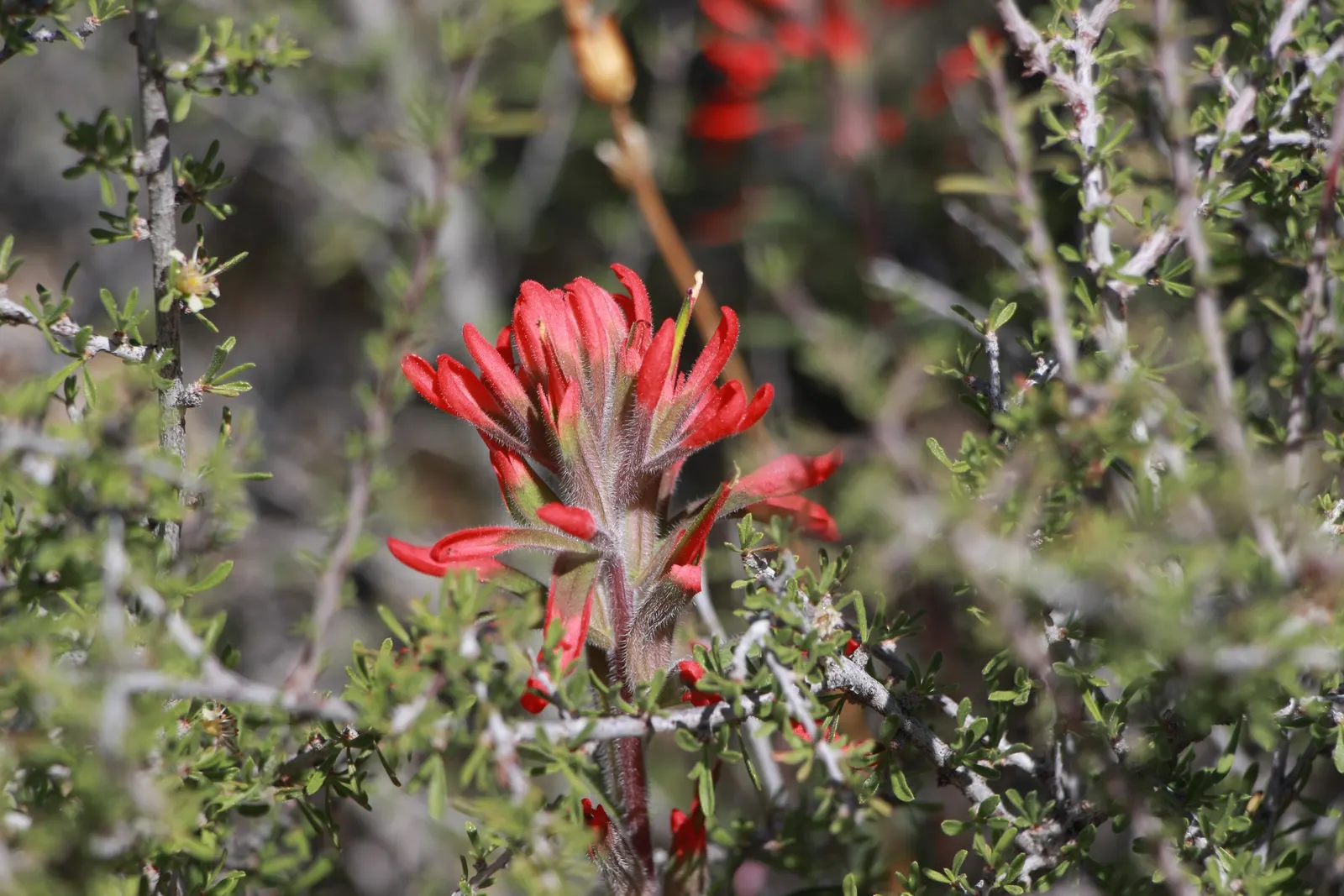
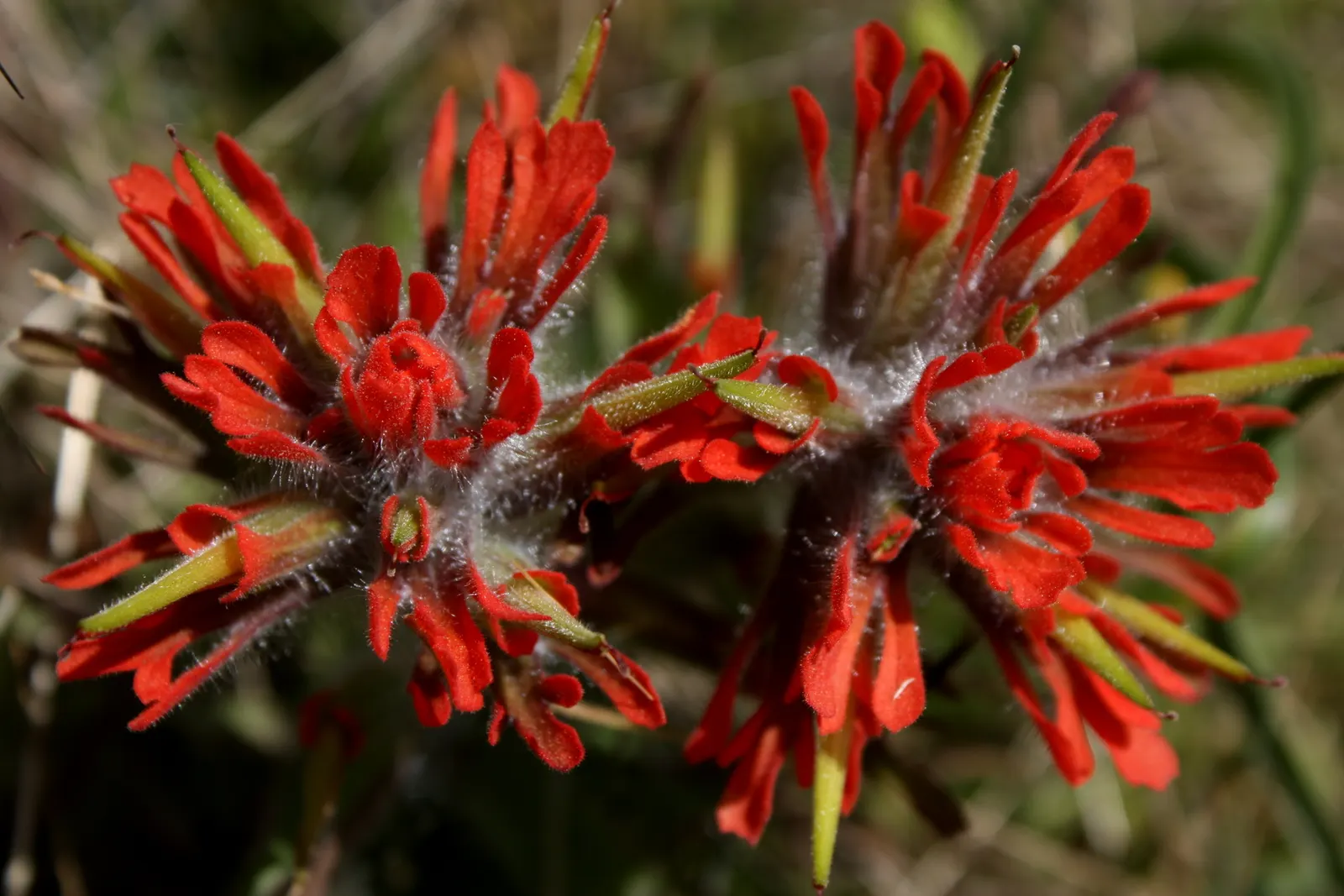
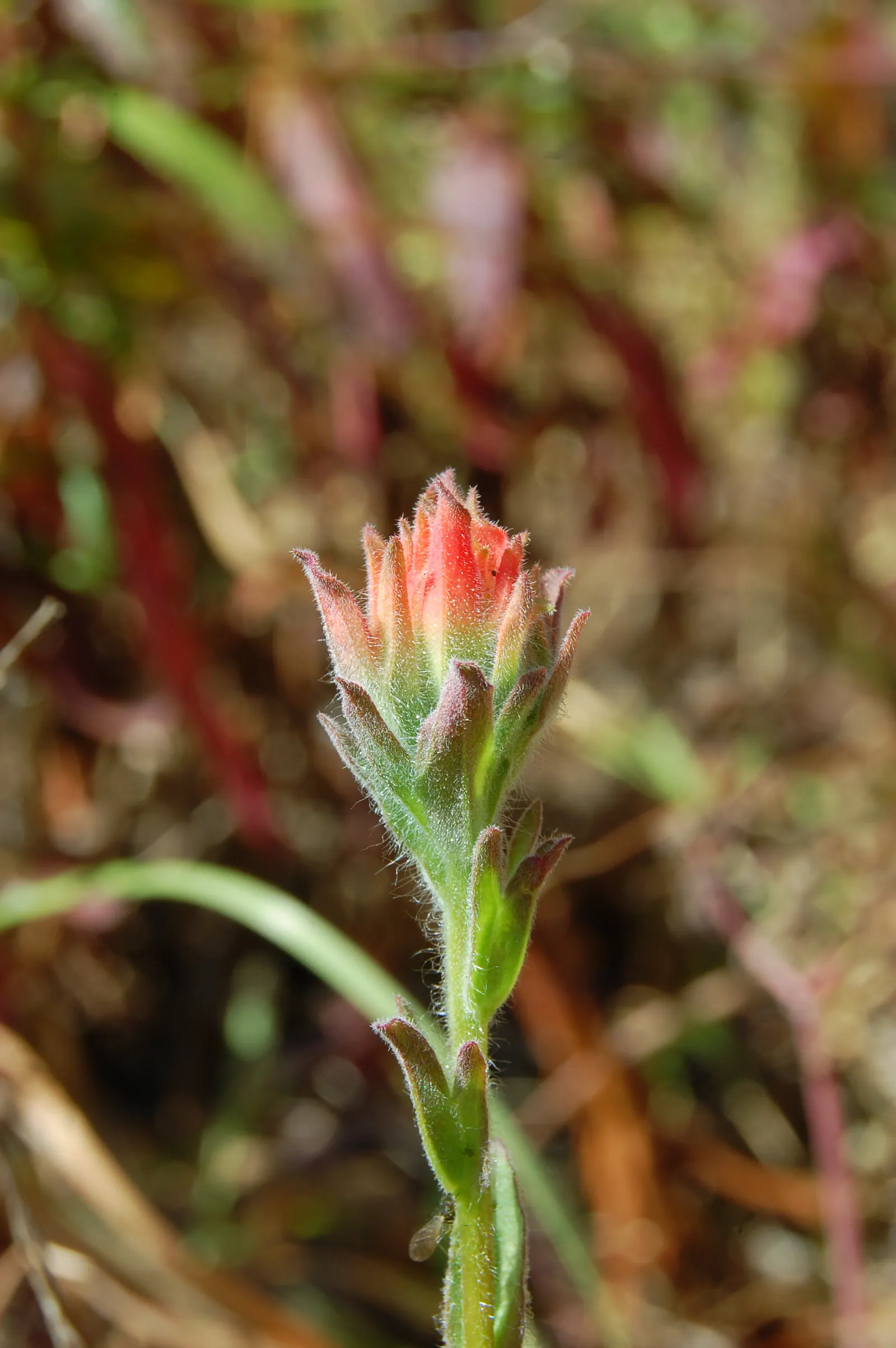
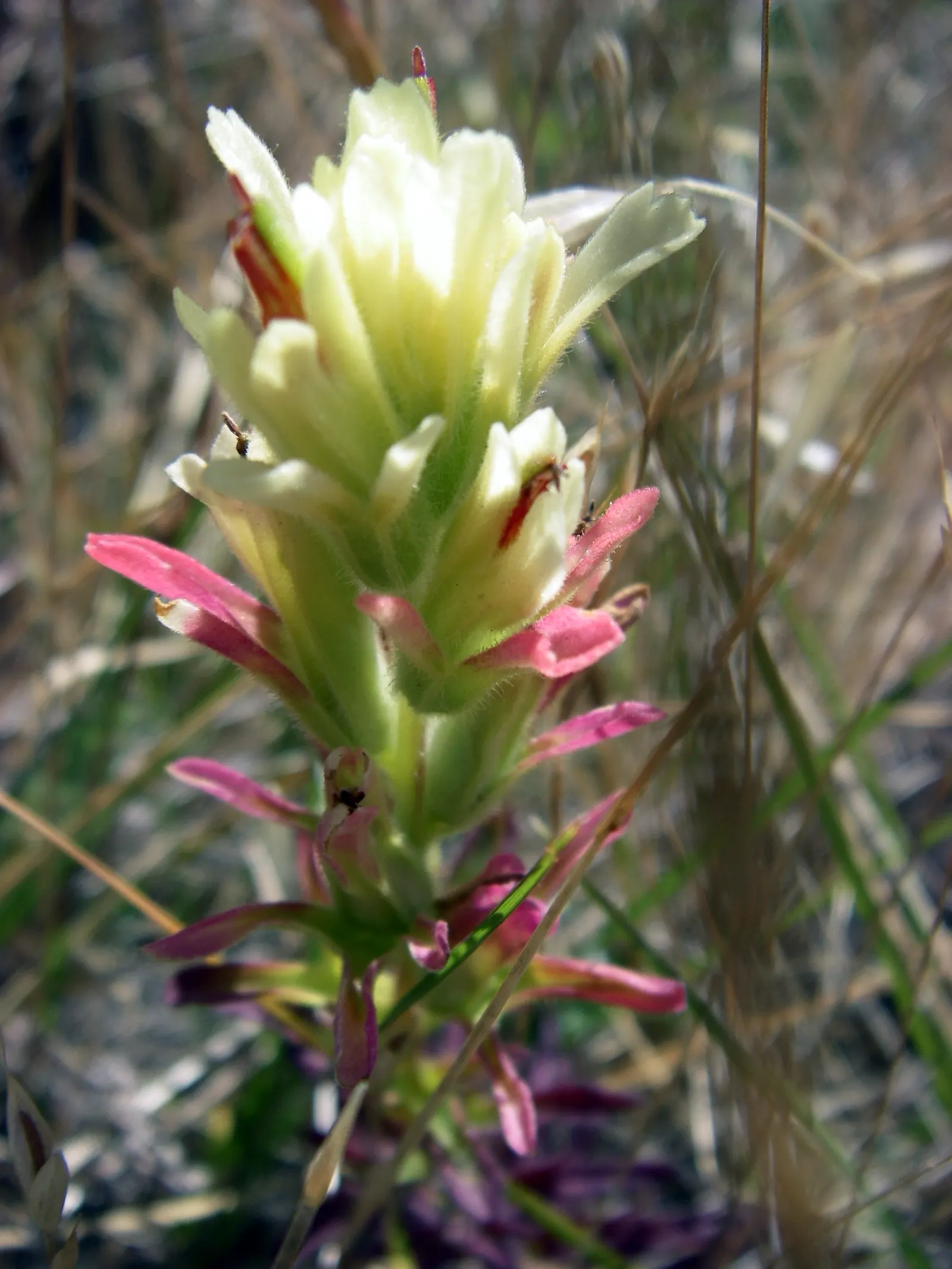
Indian Paintbrush (Castilleja Affinis) — is a perennial wildflower native to the western coastal regions of North America; are actually modified, image 87
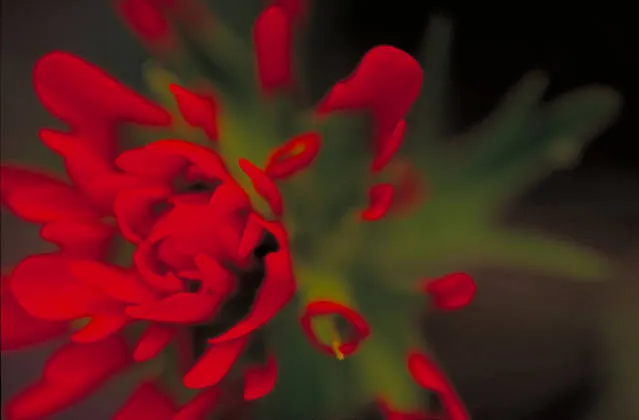
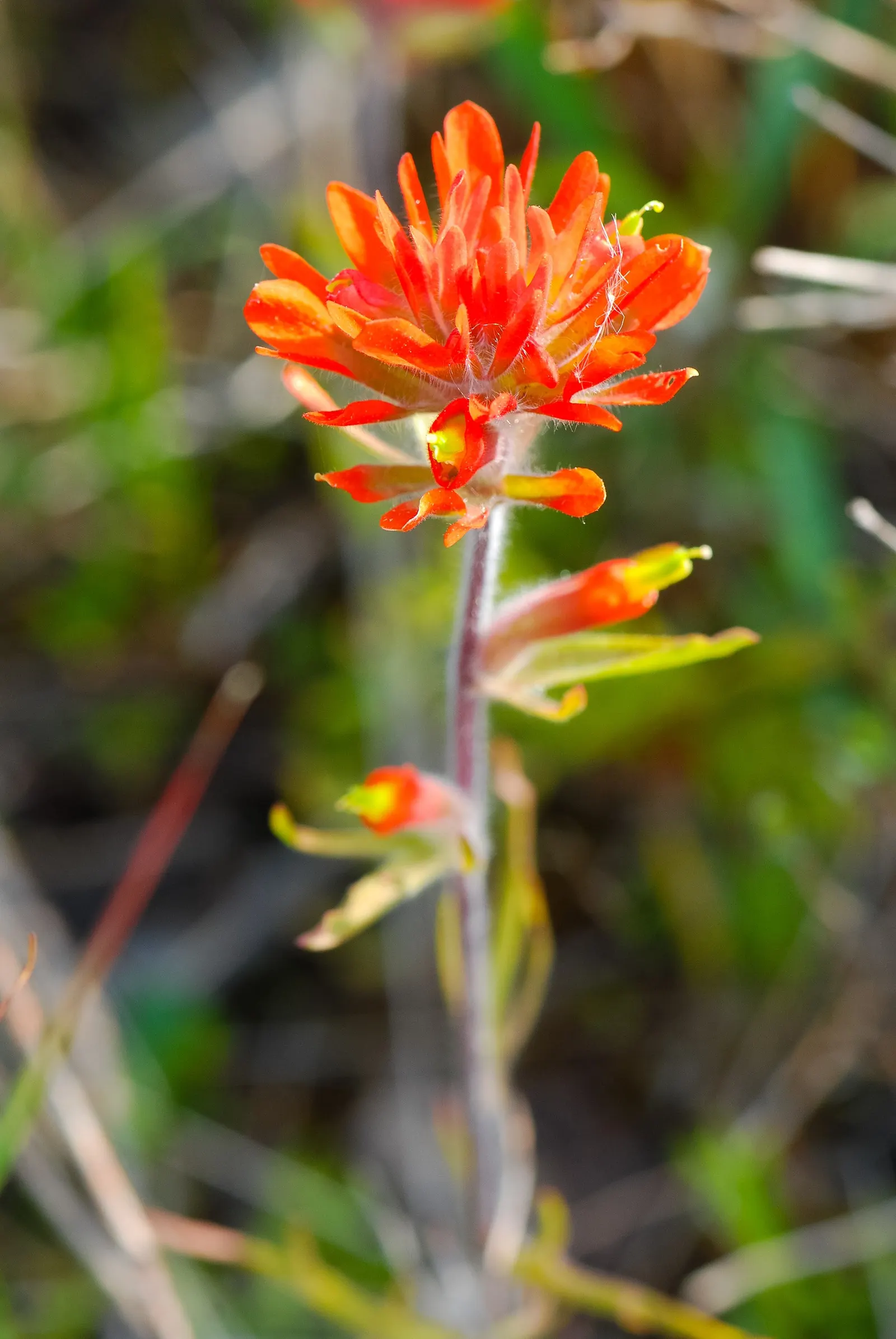
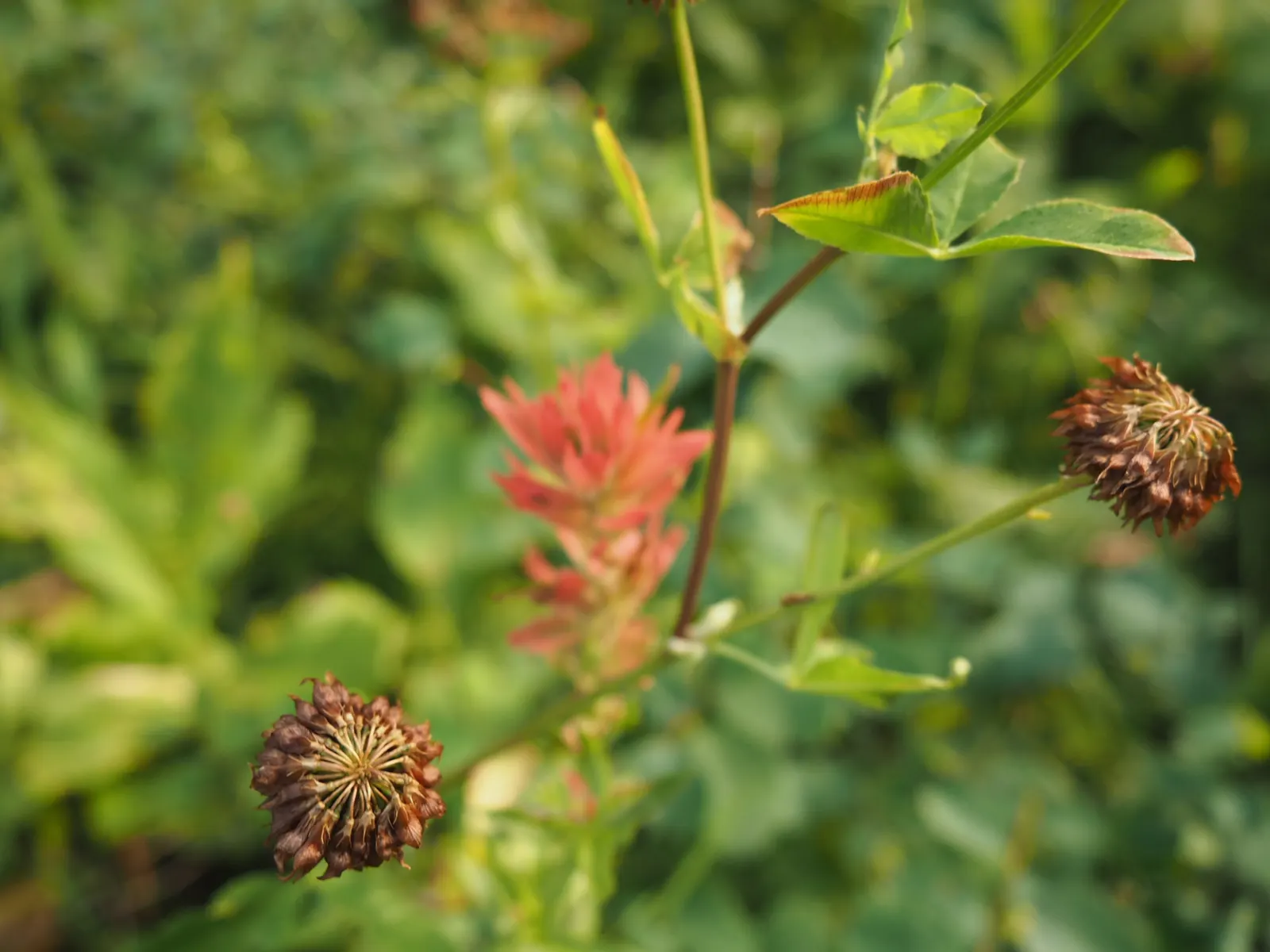
Indian Paintbrush (Castilleja Affinis) — perennial with orange and pink and red blooms; this makes Castilleja affinis a suitable candidate for, image 107
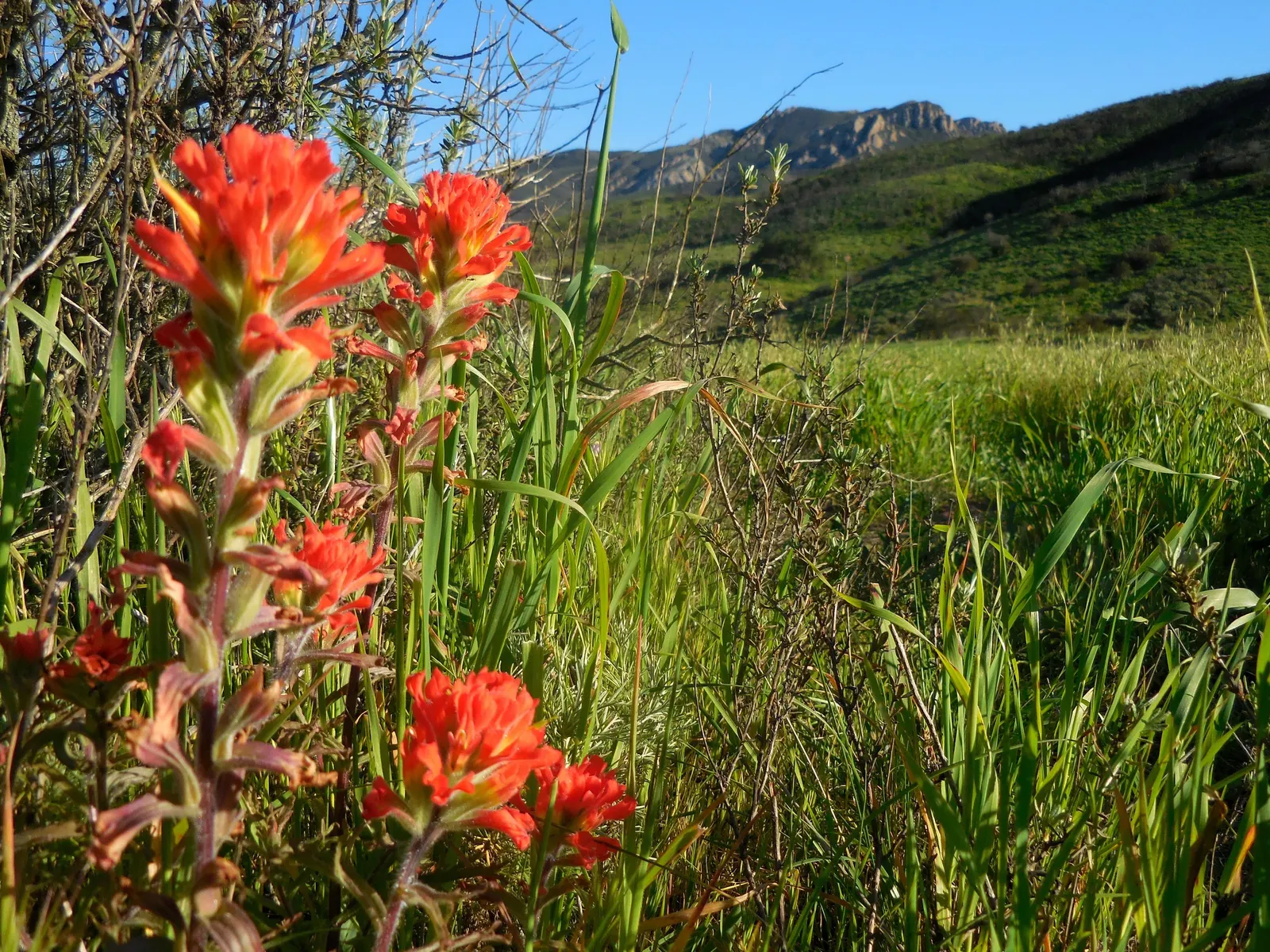
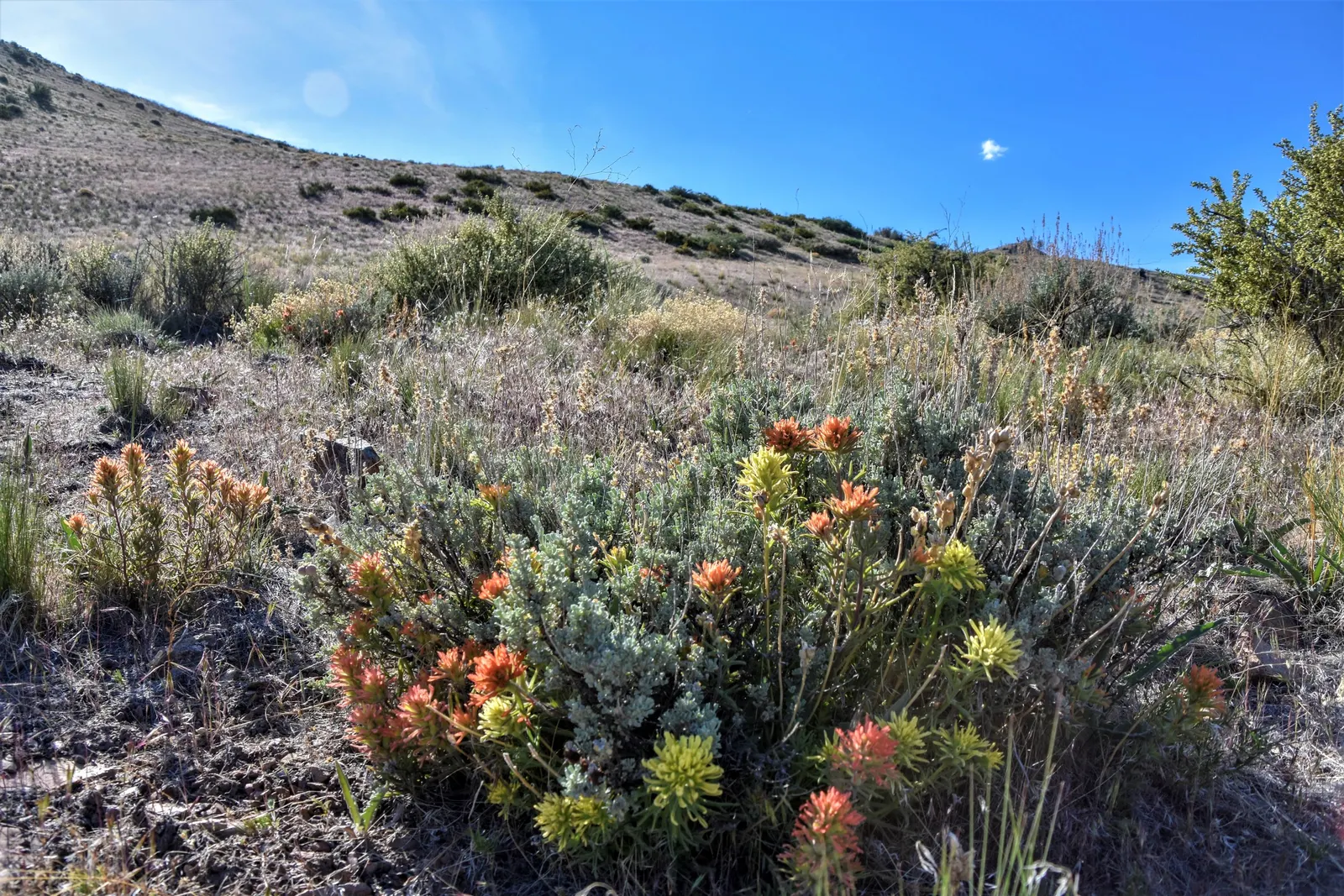
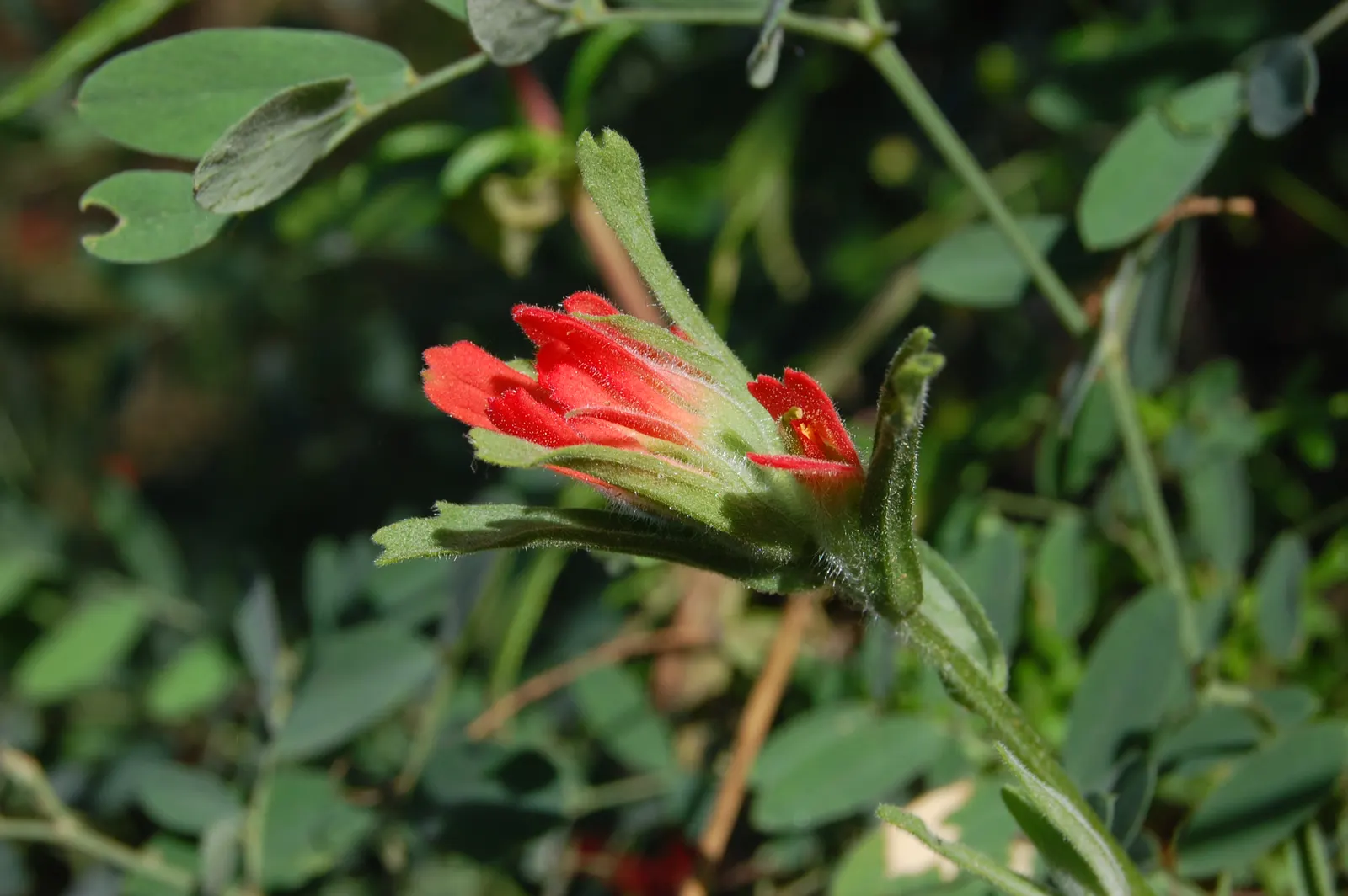
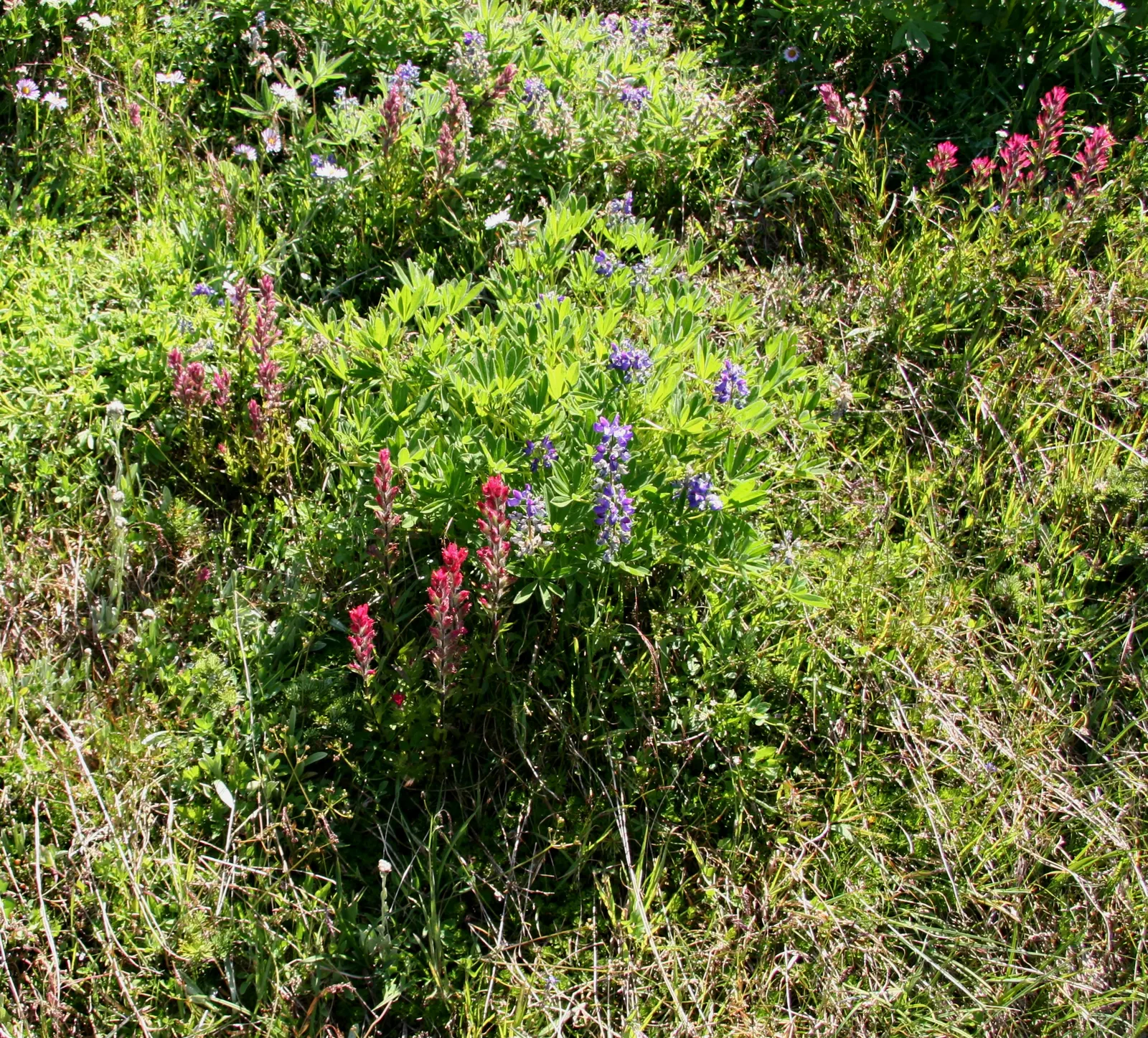
Indian Paintbrush (Castilleja Affinis) — which can serve as a subtle backdrop to its fiery floral display; is a perennial wildflower native to the, image 117
Indian Paintbrush (Castilleja Affinis) — Native to western North America, it thrives in full sun, reaching 1-2 feet in height; observed from late, image 83
Indian Paintbrush (Castilleja Affinis) — orange and pink and red flowers in the garden; the "flowers" of the Indian Paintbrush, image 133
Indian Paintbrush (Castilleja Affinis) — they are excellent attractors of pollinators such as hummingbirds and bees
Indian Paintbrush (Castilleja Affinis) — Plant in clusters for a striking visual impact
Indian Paintbrush (Castilleja Affinis) — Drought-tolerant once established, it requires minimal supplemental water; indian Paintbrush, Castilleja, image 151
Indian Paintbrush (Castilleja Affinis) — observed from late spring to early summer; enhancing the ecological value of the garden, image 92
Indian Paintbrush (Castilleja Affinis) — orange and pink and red flowers in the garden; the "flowers" of the Indian Paintbrush
Indian Paintbrush (Castilleja Affinis) — Indian Paintbrush is a low-maintenance, image 131
Indian Paintbrush (Castilleja Affinis) — they are excellent attractors of pollinators such as hummingbirds and bees; use them in groups or as accent points
Indian Paintbrush (Castilleja Affinis) — Native to western North America, it thrives in full sun, reaching 1-2 feet in height
Indian Paintbrush (Castilleja Affinis) — orange and pink and red flowers in the garden; the "flowers" of the Indian Paintbrush, image 106
Indian Paintbrush (Castilleja Affinis) — Celebrated for its vibrant bristle-like inflorescences; they are excellent attractors of pollinators such as
Indian Paintbrush (Castilleja Affinis) — This makes Castilleja affinis a suitable candidate for xeriscaping.<br><br>In a landscape design; this, image 125
Indian Paintbrush (Castilleja Affinis) — which are brilliantly coloured in shades of red; celebrated for its vibrant bristle-like inflorescences, image 67
Indian Paintbrush (Castilleja Affinis) — positioning these vibrant plants in full sun to partial shade will maximize their blooming potential, image 99
Indian Paintbrush (Castilleja Affinis) — creating the illusion of a painter\'s brush dipped in paint, image 149
Indian Paintbrush (Castilleja Affinis) — this plant can reach a modest height of approximately 1 to 2 feet; perennial with orange and pink and red, image 116
Indian Paintbrush (Castilleja Affinis) — perennial for full; bringing both visual interest and habitat support to your landscape, image 81
Indian Paintbrush (Castilleja Affinis) — Celebrated for its vibrant bristle-like inflorescences; they are excellent attractors of pollinators such, image 142
Indian Paintbrush (Castilleja Affinis) — use them in groups or as accent points among native grasses or low shrubs to achieve an eye-catching, image 130
Photographs by 13 contributors

Related plants