American Chestnut
Castanea Dentata
Overview
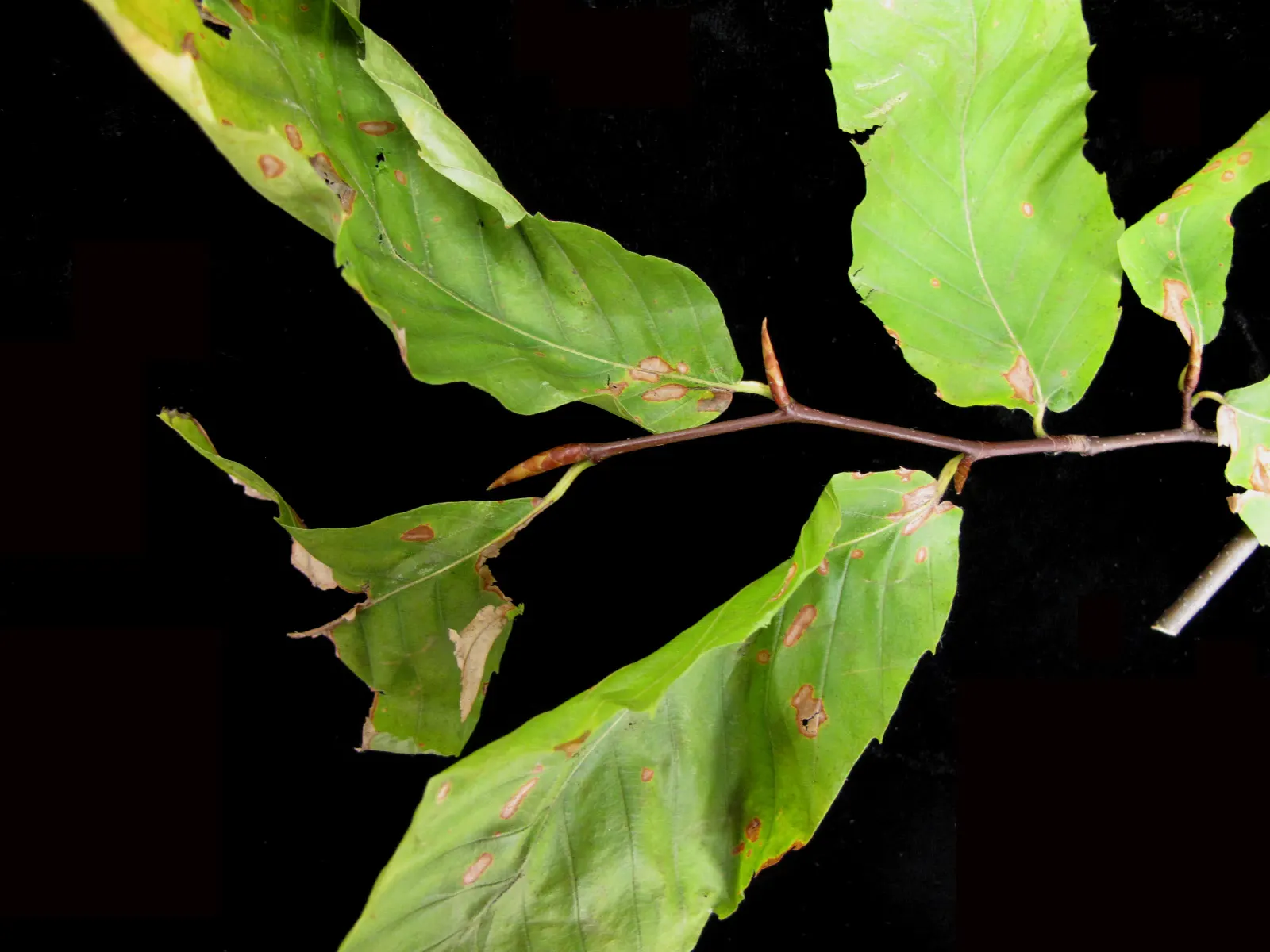
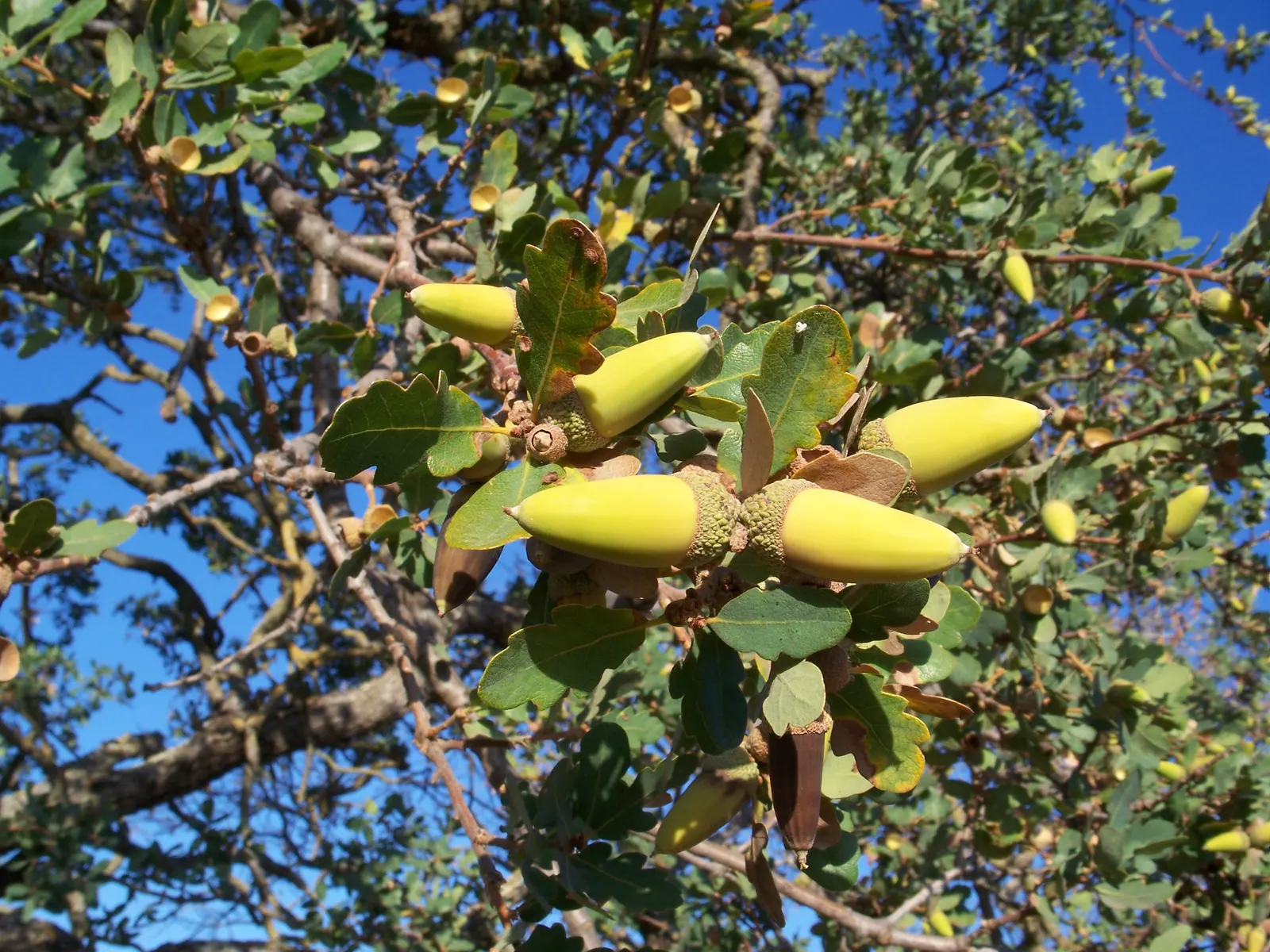
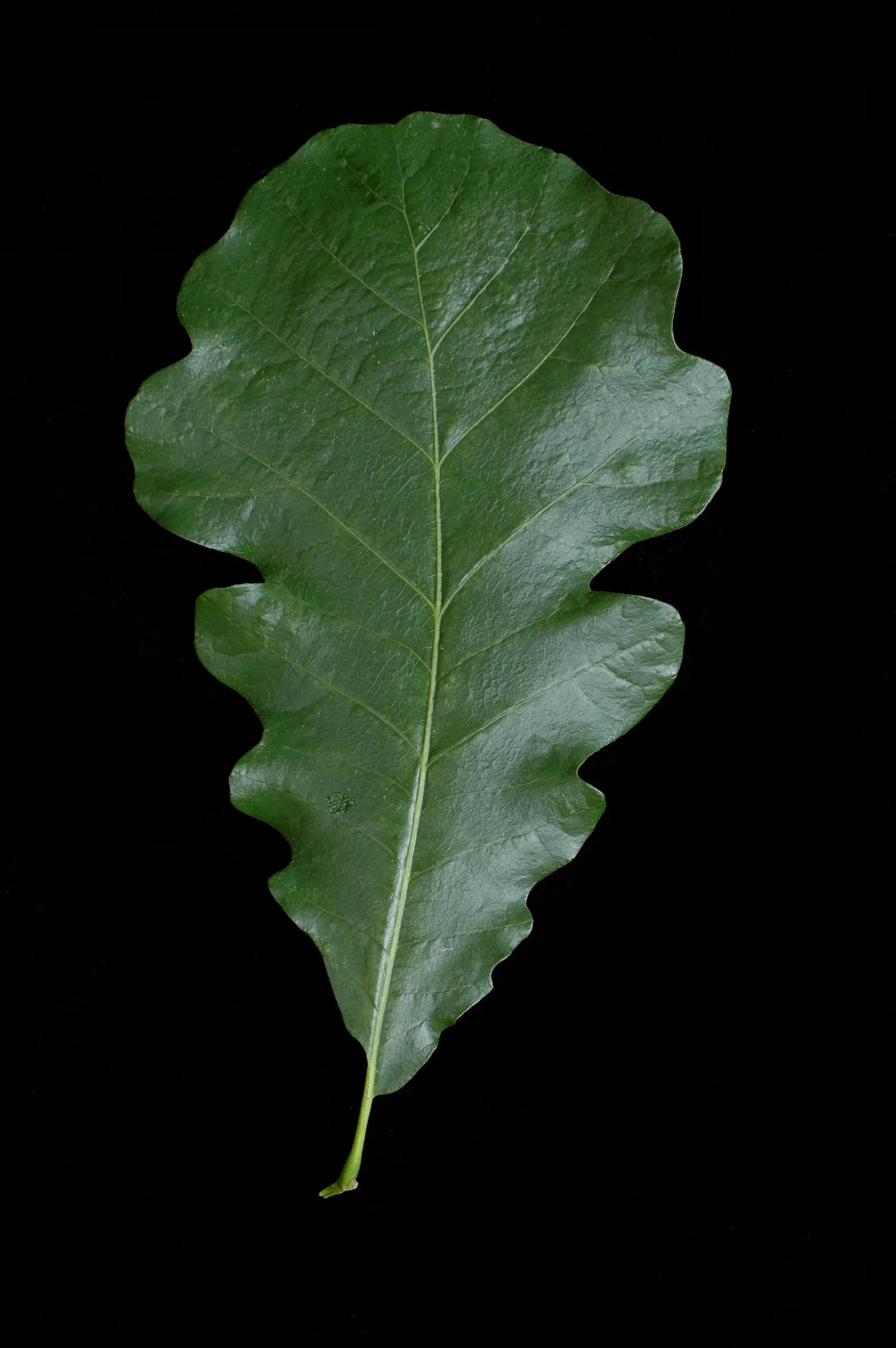
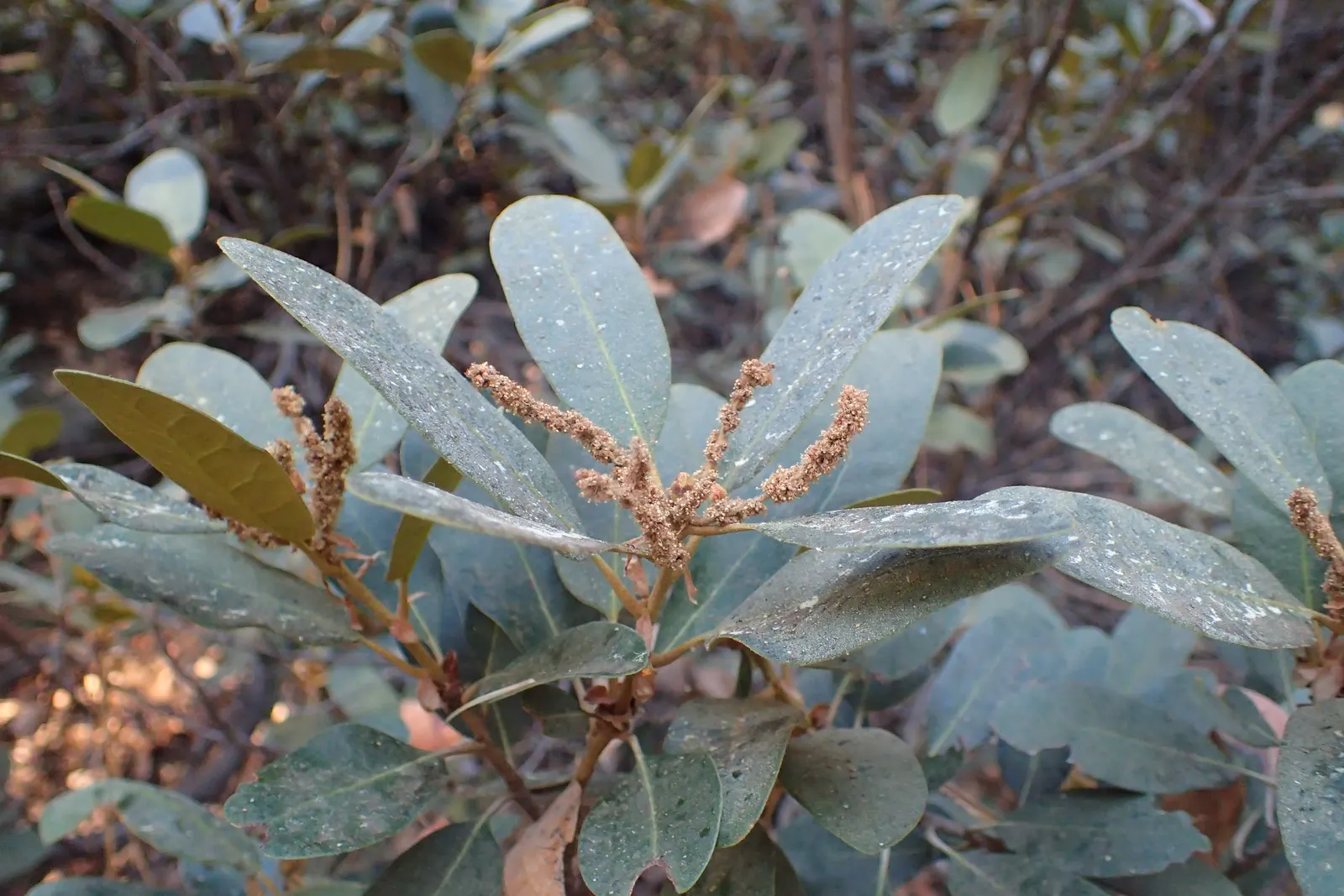
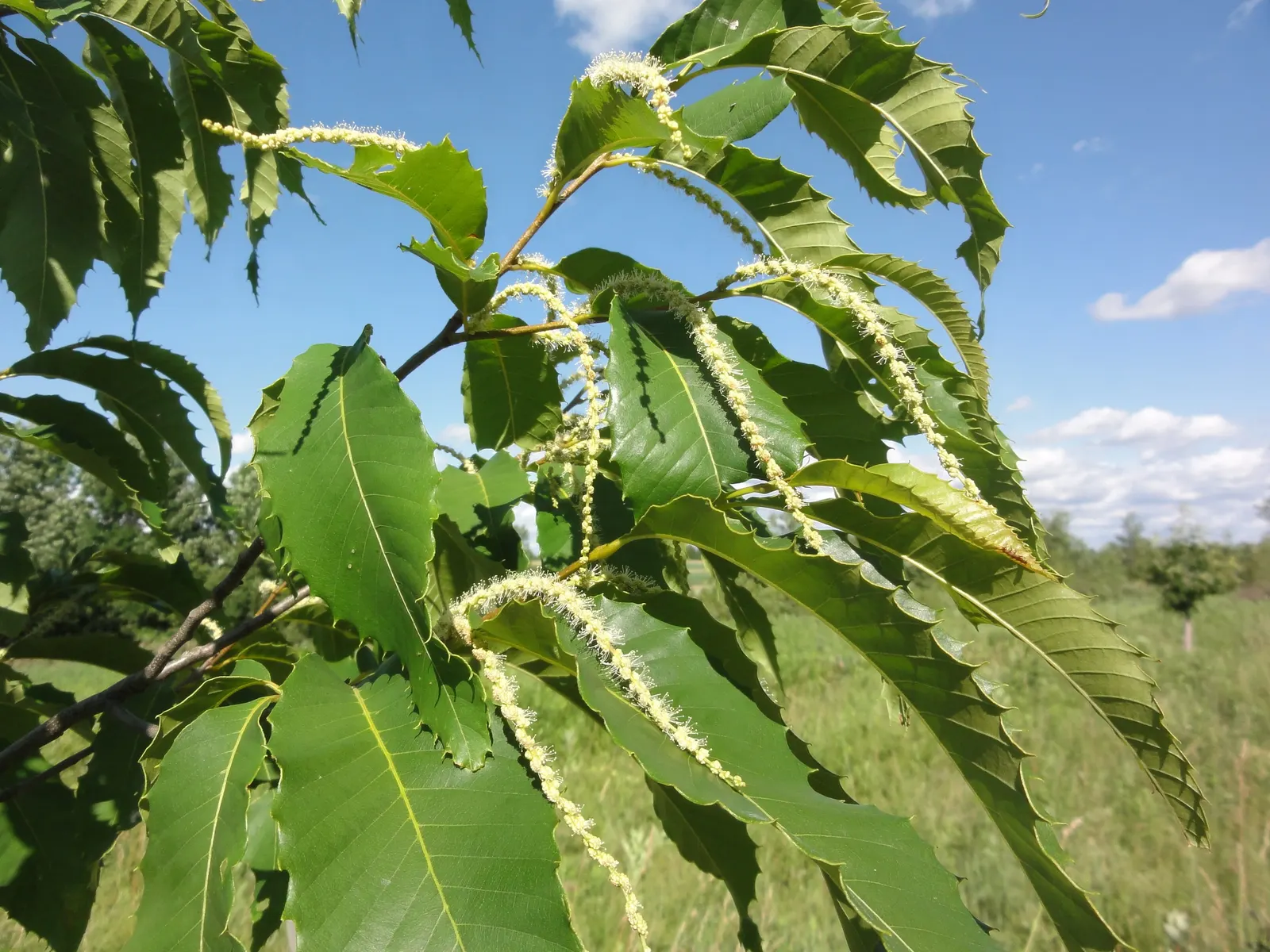
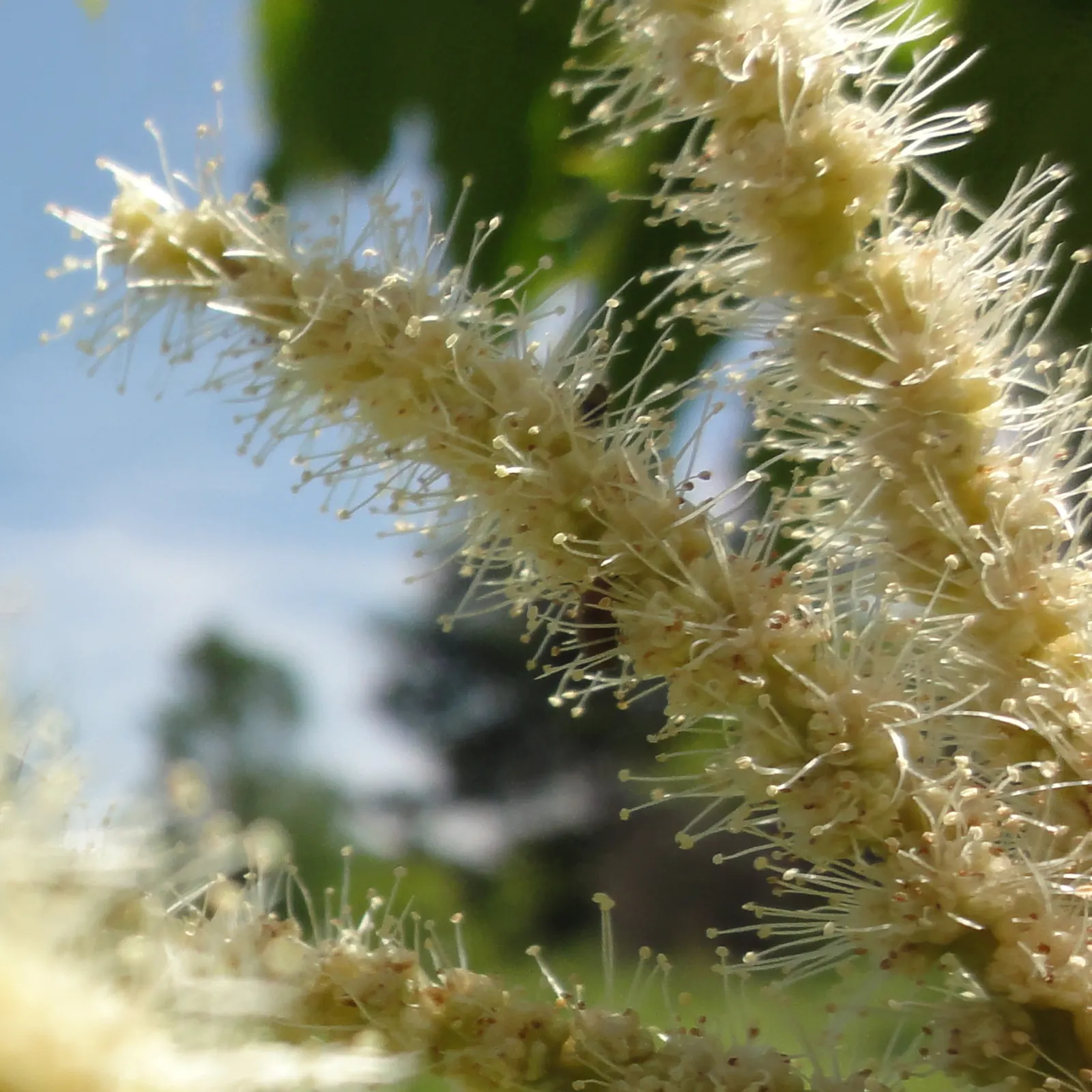
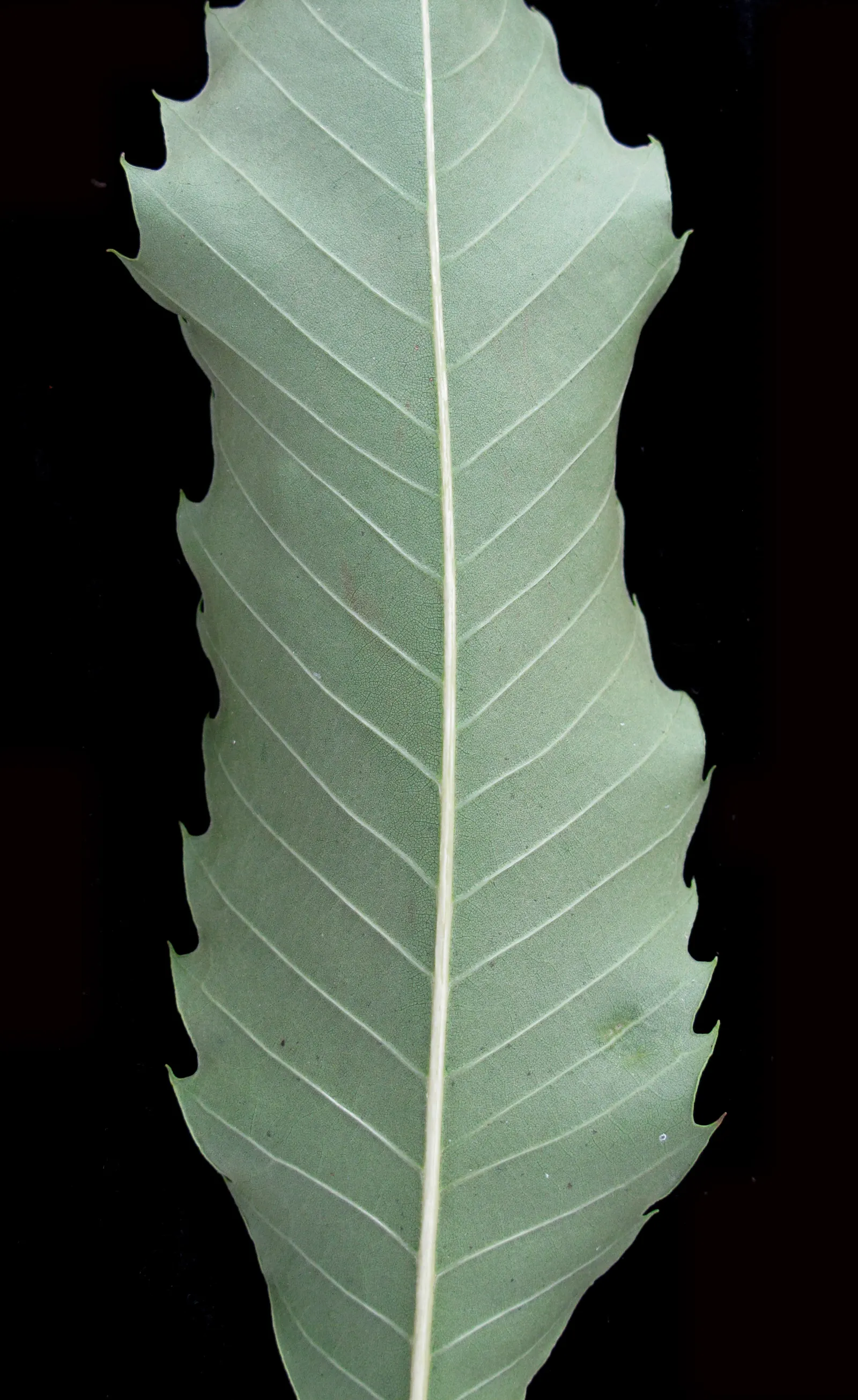
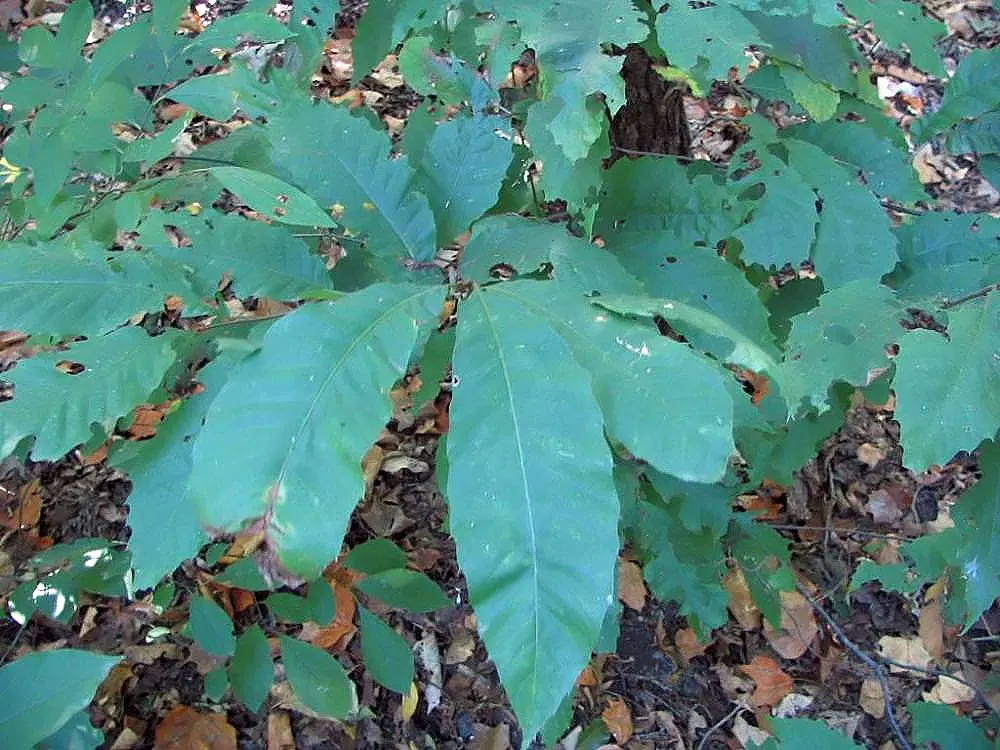
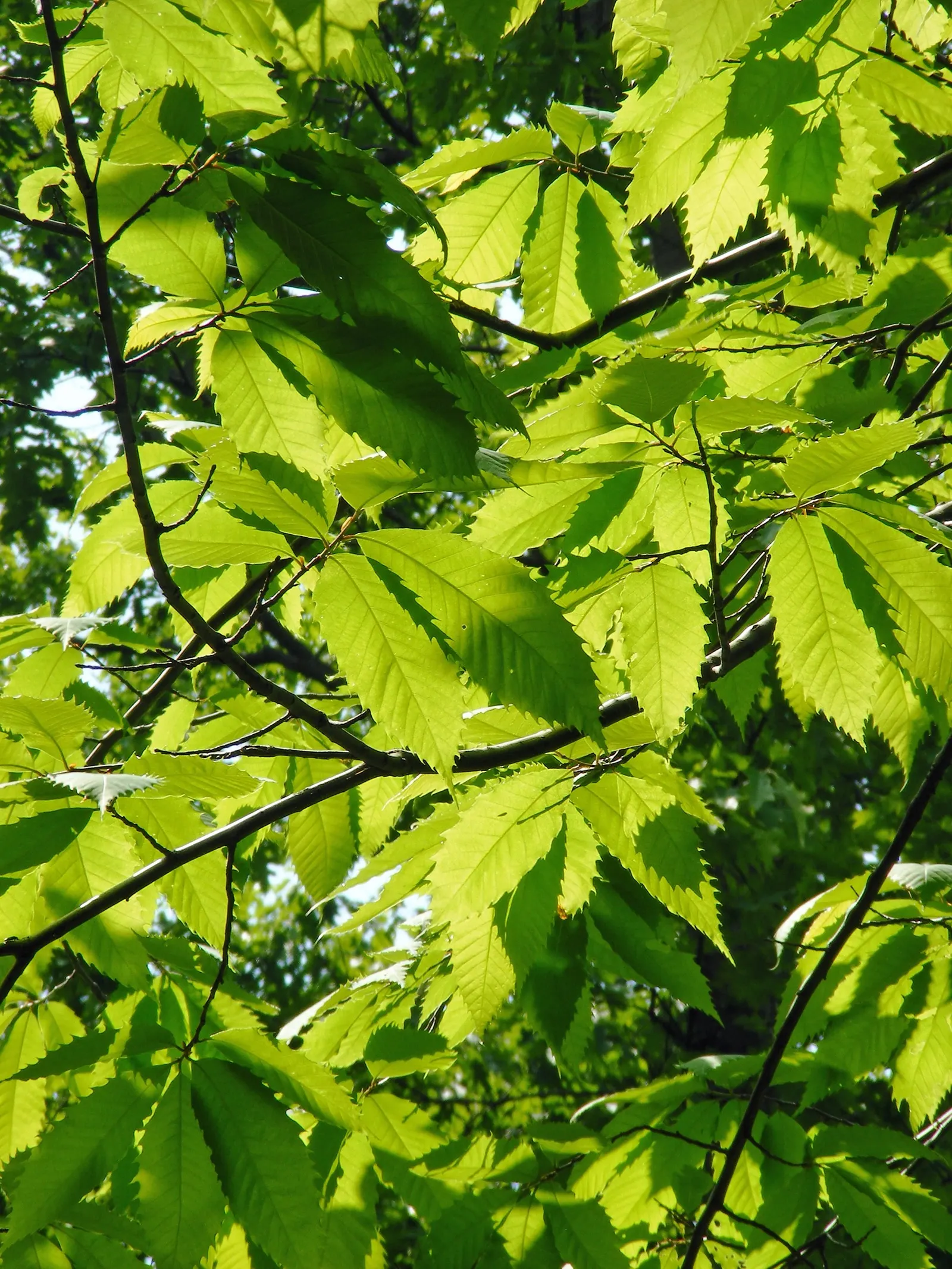
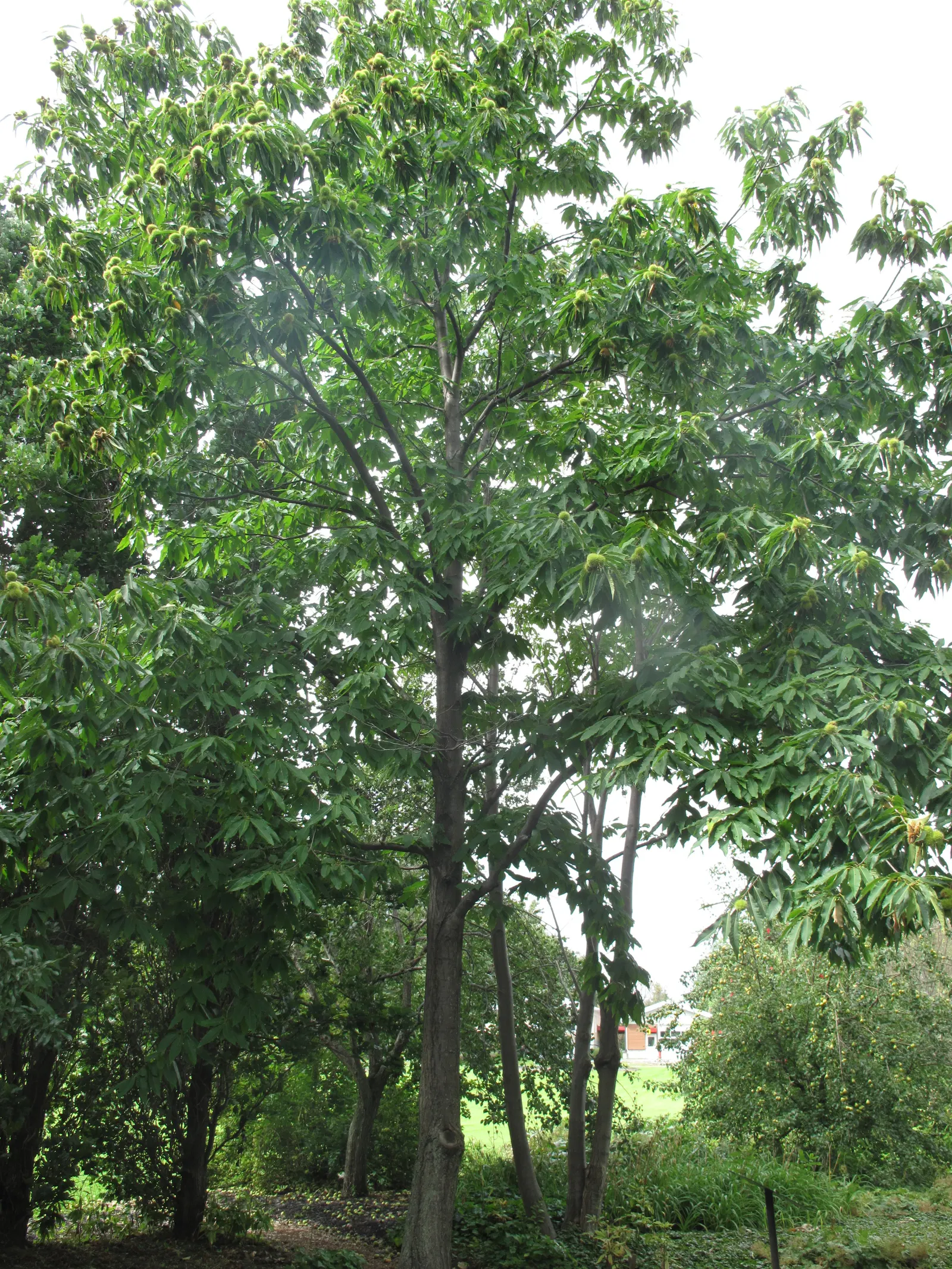
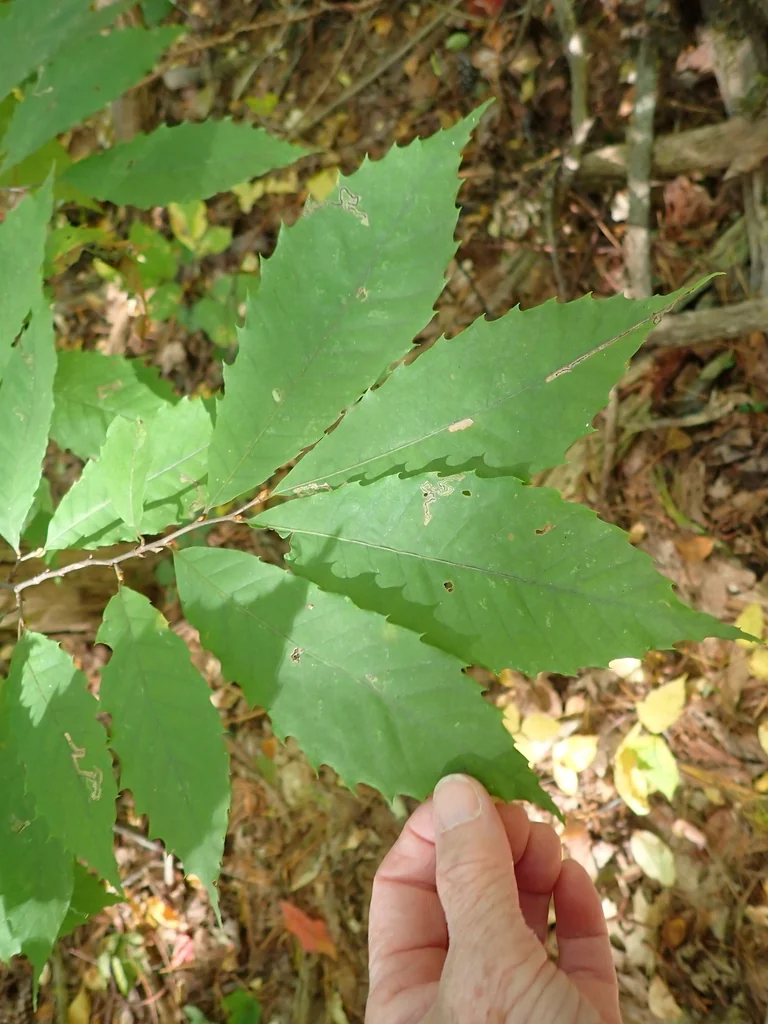
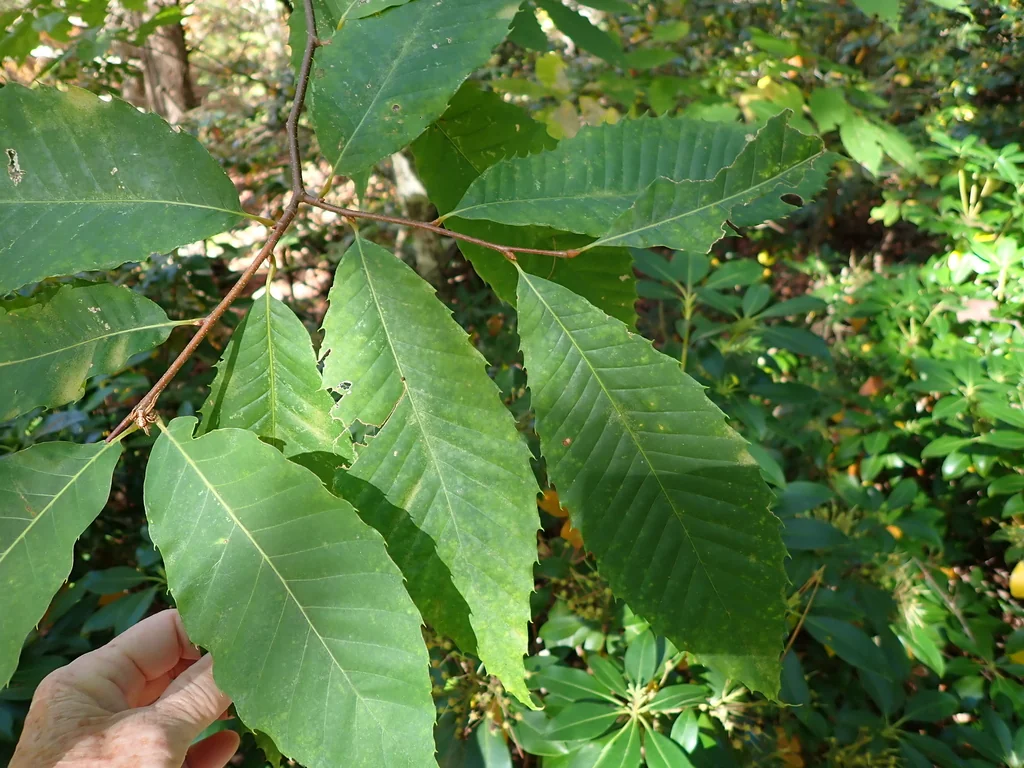
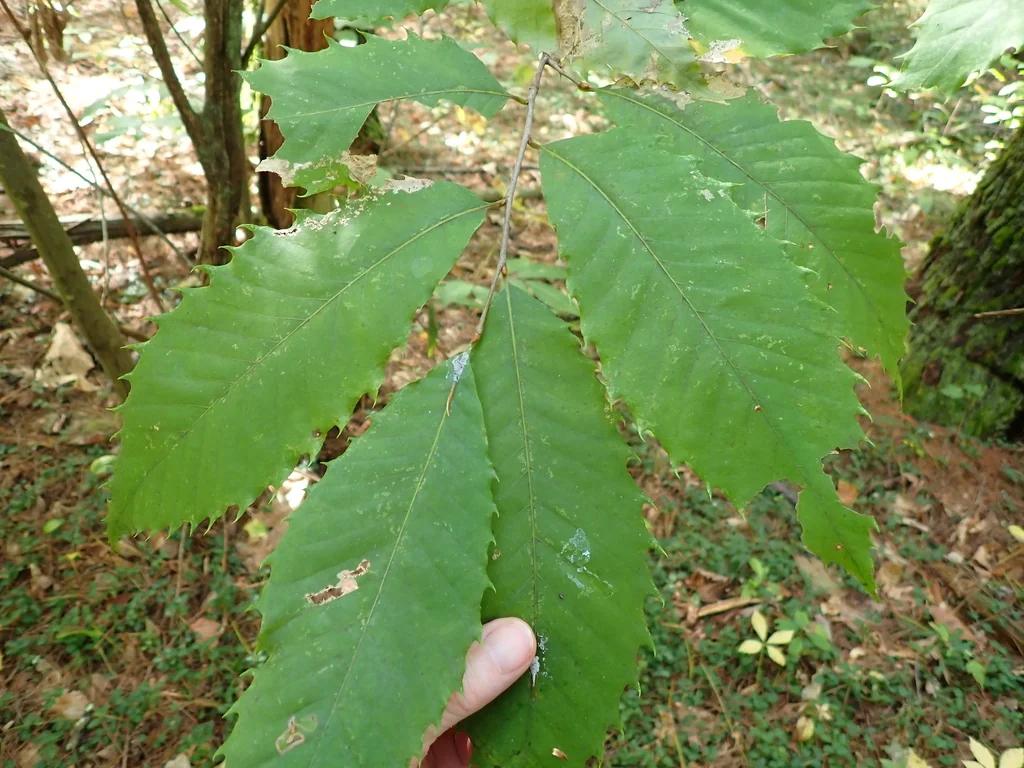
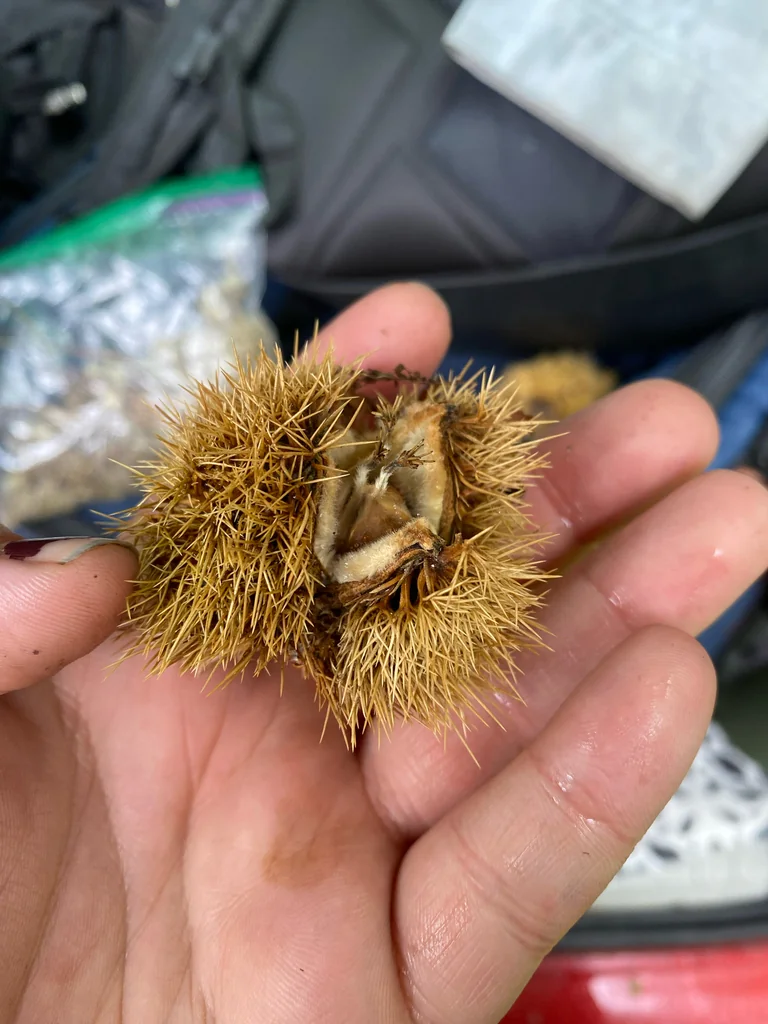
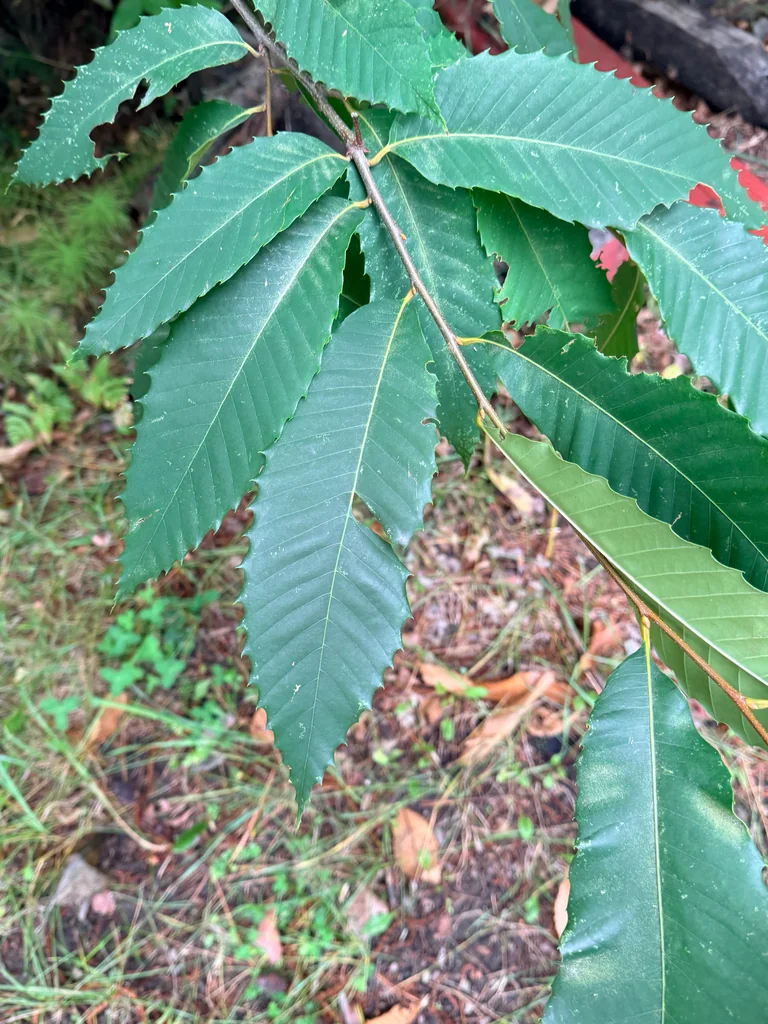
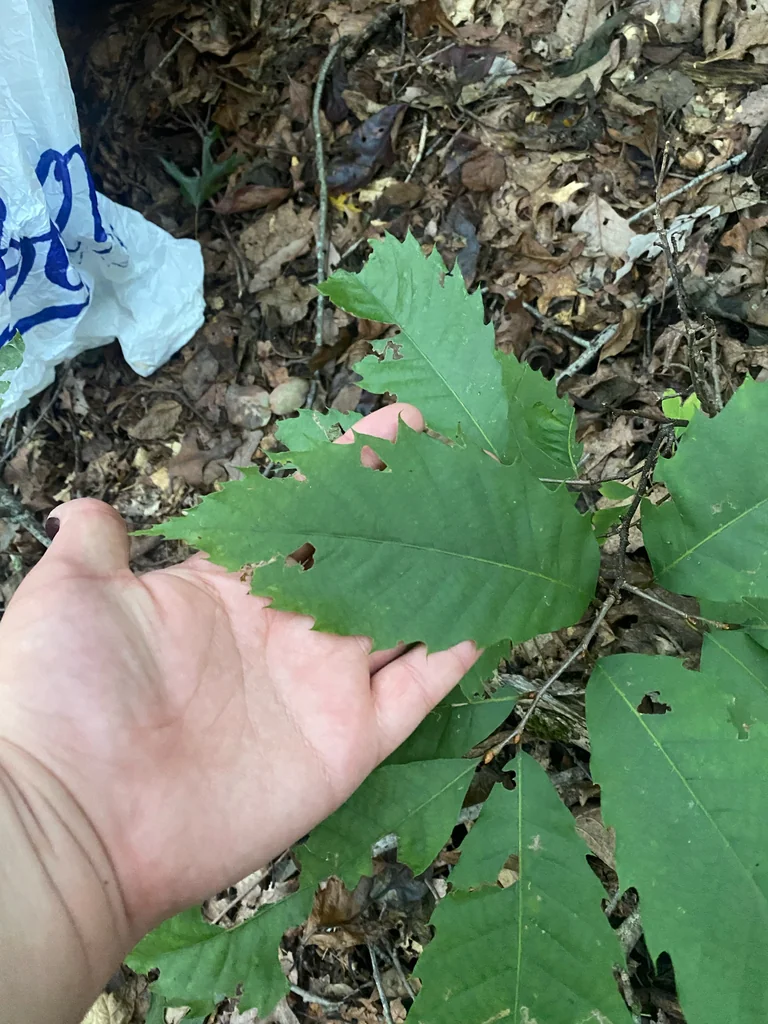
The American Chestnut, Castanea dentata, once a dominant hardwood in eastern forests, towers up to 100 ft with a broad crown. Tragically reduced by blight, this fast-growing tree features oblong, toothed leaves and produces spiny burs enclosing edible nuts. Thriving in well-drained soils across USDA zones 4-8, its majestic form and showy catkins make it a striking choice for spacious landscapes with full sunlight.
Sun FullWater Extra in Summer, Medium, Very LowZones 5–8Type TreeClimate Temperate
Culture
- Sun
- Full
- Water
- Extra in Summer, Medium, Very Low
- USDA zones
- 5–8
Shape & size
- Mature height
- 50–75 Ft.
- Mature width
- 40–50 Ft.
Classification
- Type
- Tree
- Family
- Fagaceae
- Climate
- Temperate
See full data, regional cultivation notes, and design tools. Build a client presentation around this plant.
Start your 14-day trialPhotos (80)

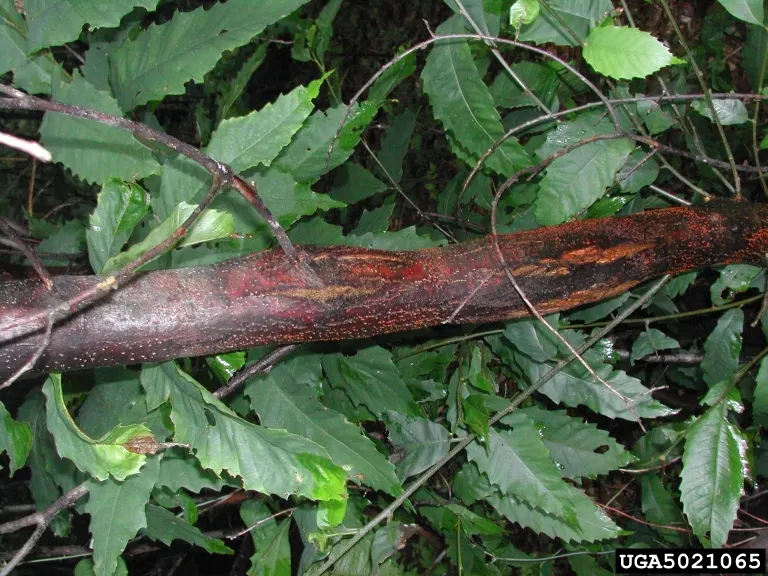

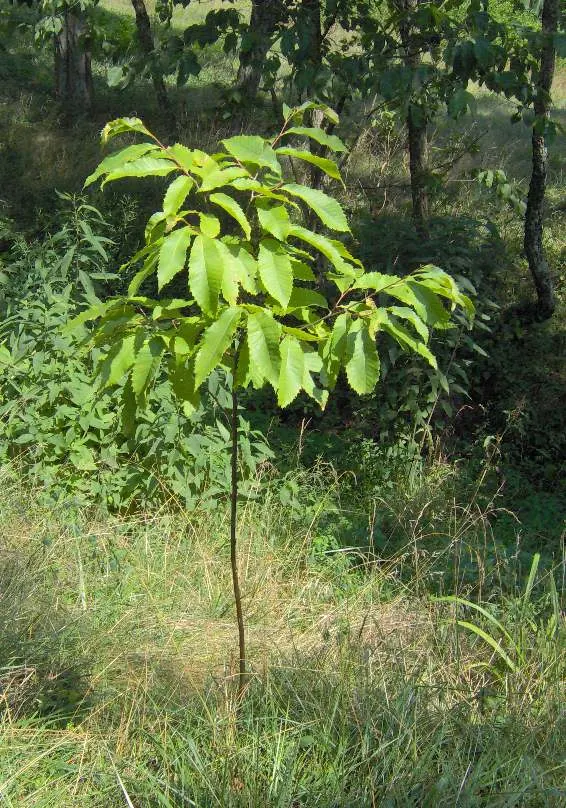
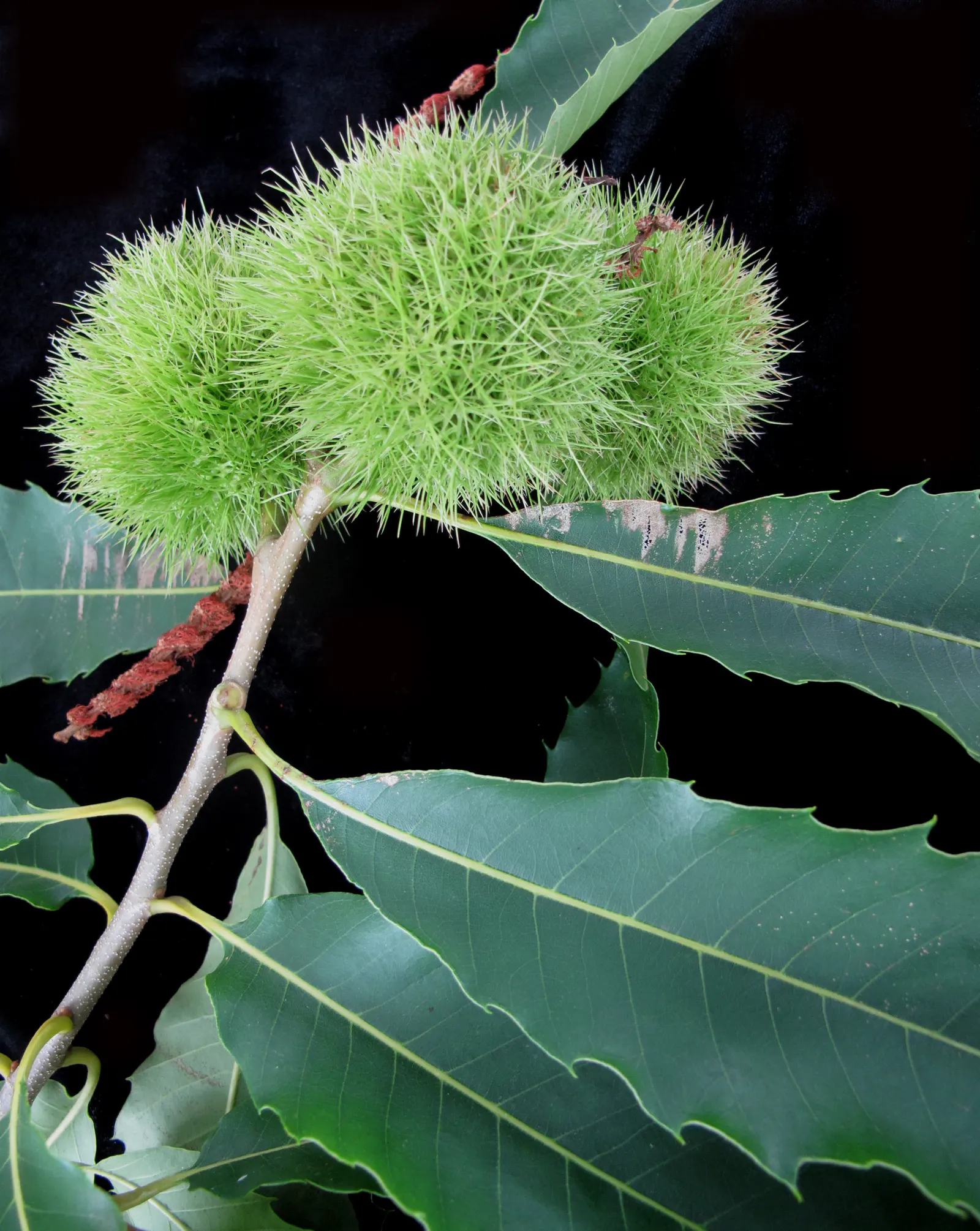
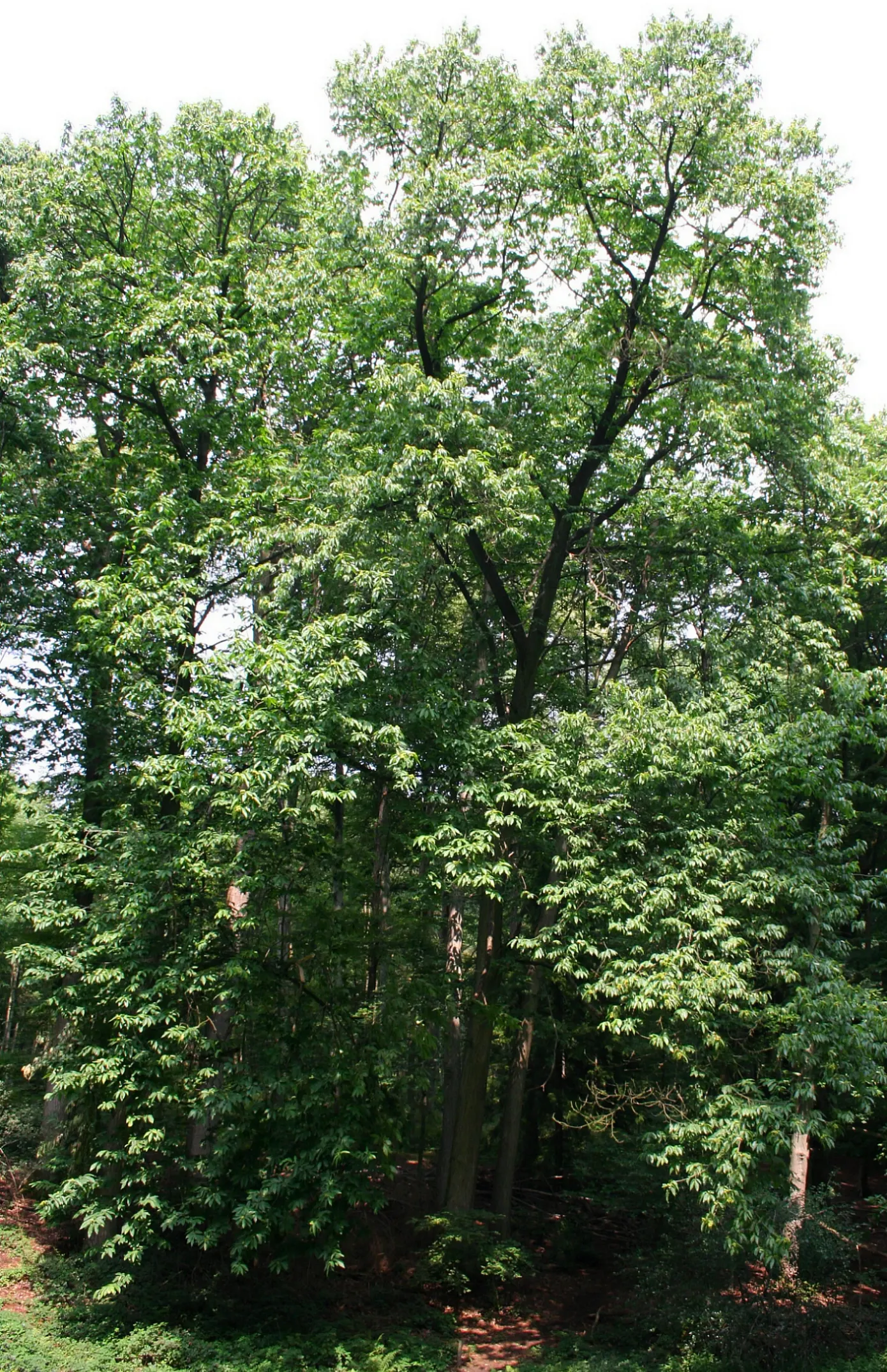





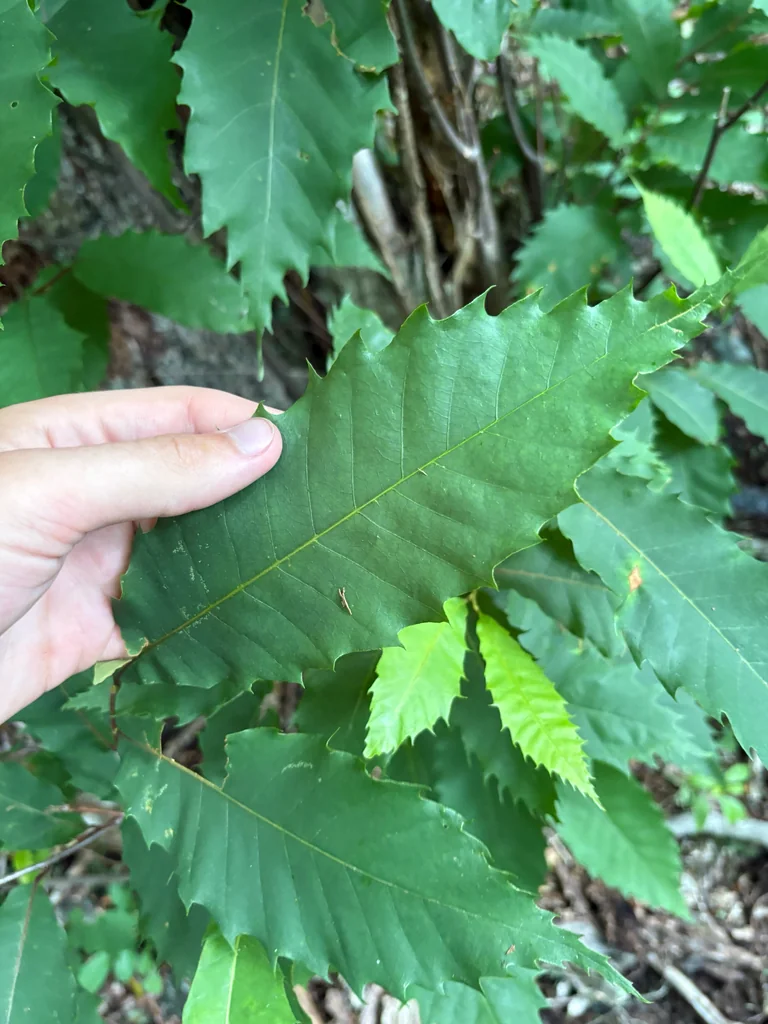
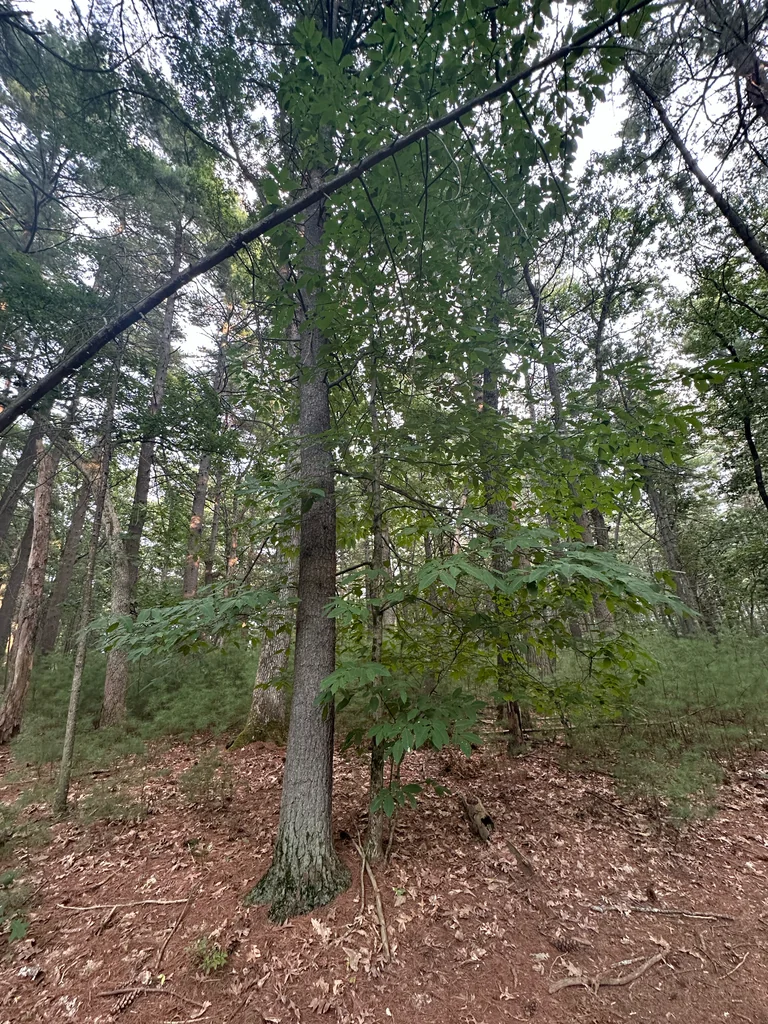
Photographs by 9 contributors
- Randy Nonenmacher, CC BY-SA 3.0 · source
- Ayotte, Gilles, 1948-, CC BY-SA 4.0 · source
- David J. Stang, CC BY-SA 4.0 · source
- Nicholas A. Tonelli from Northeast Pennsylvania, CC BY 2.0 · source
- Pennsylvania Department of Conservation and Natural…, CC BY 3.0 us · source
- R. A. Nonenmacher, CC BY-SA 4.0 · source
- User:Jaknouse, CC BY-SA 3.0 · source
- Jean-Pol GRANDMONT, CC BY-SA 3.0 · source
- {{{1}}}, CC BY 2.0 · source