Skip to content

Shagbark Hickory

Carya Ovata

Design with this plant

Overview

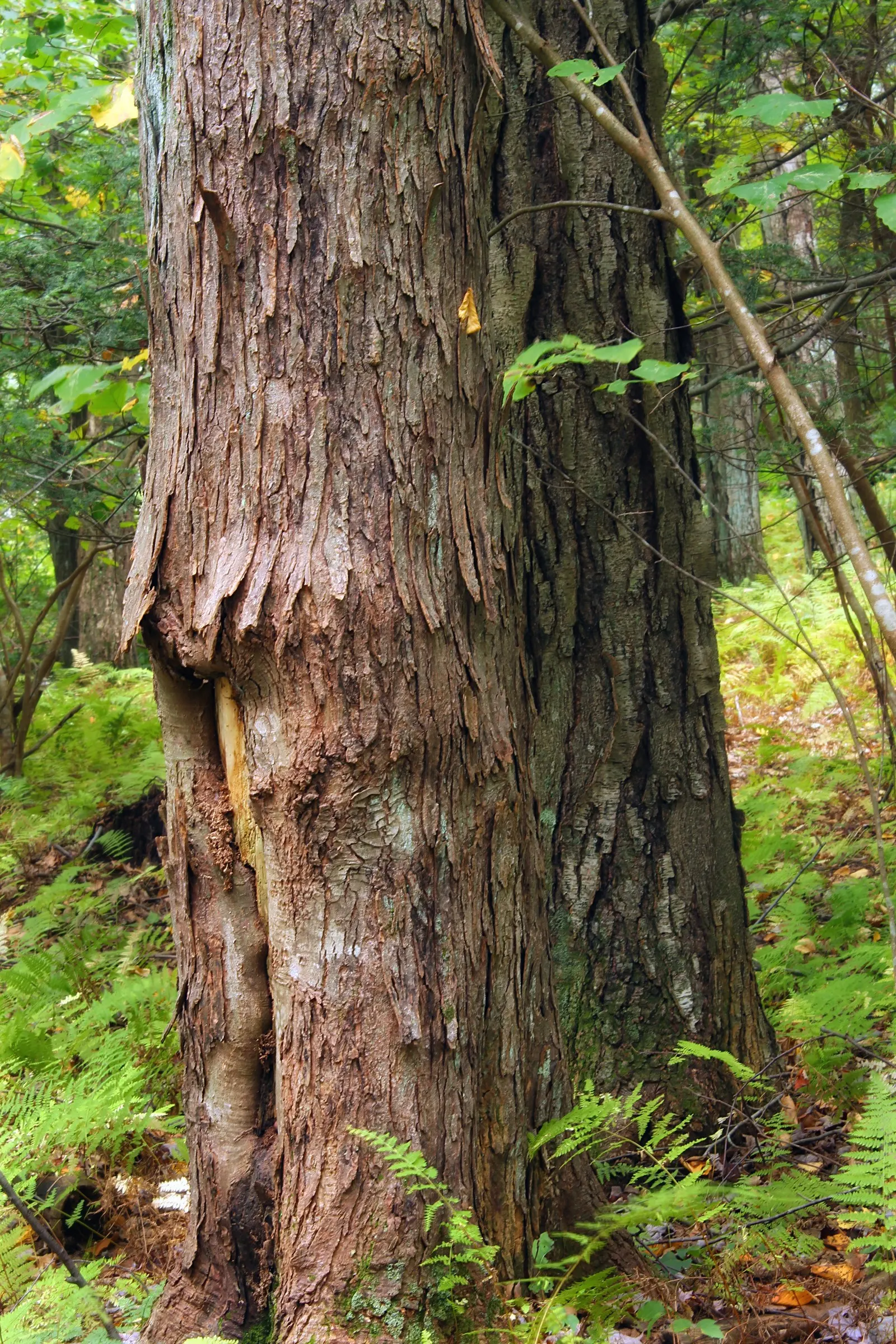
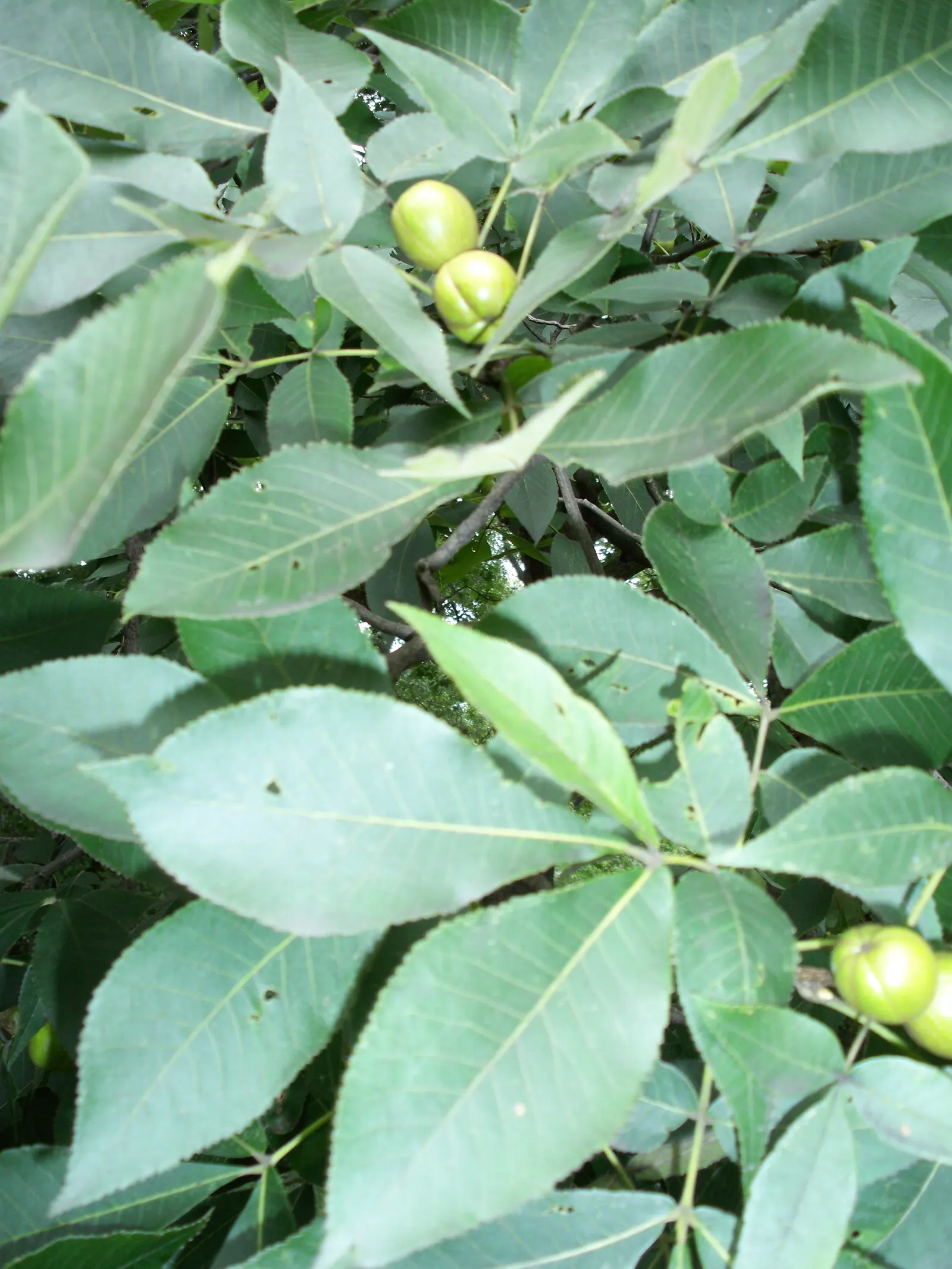
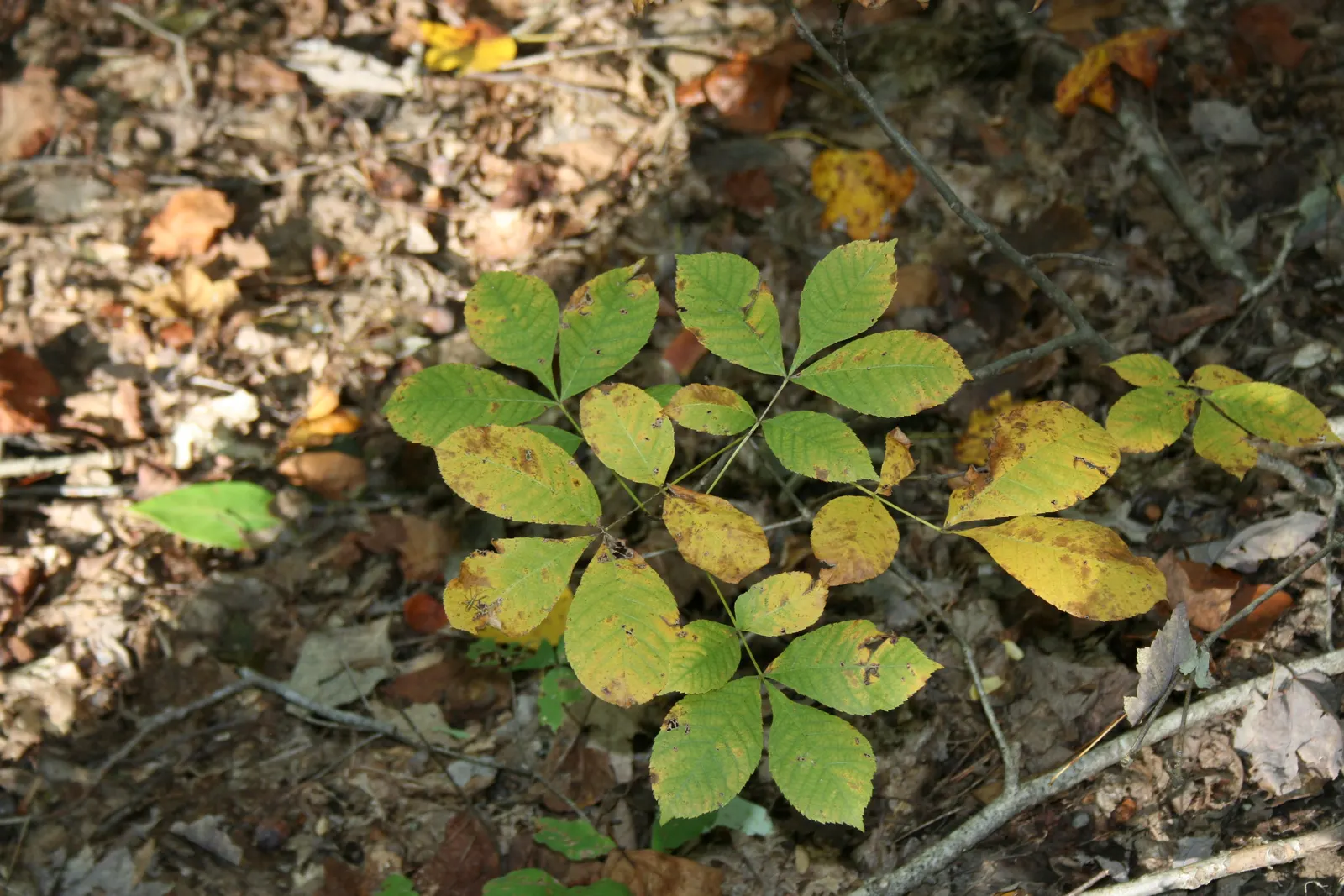
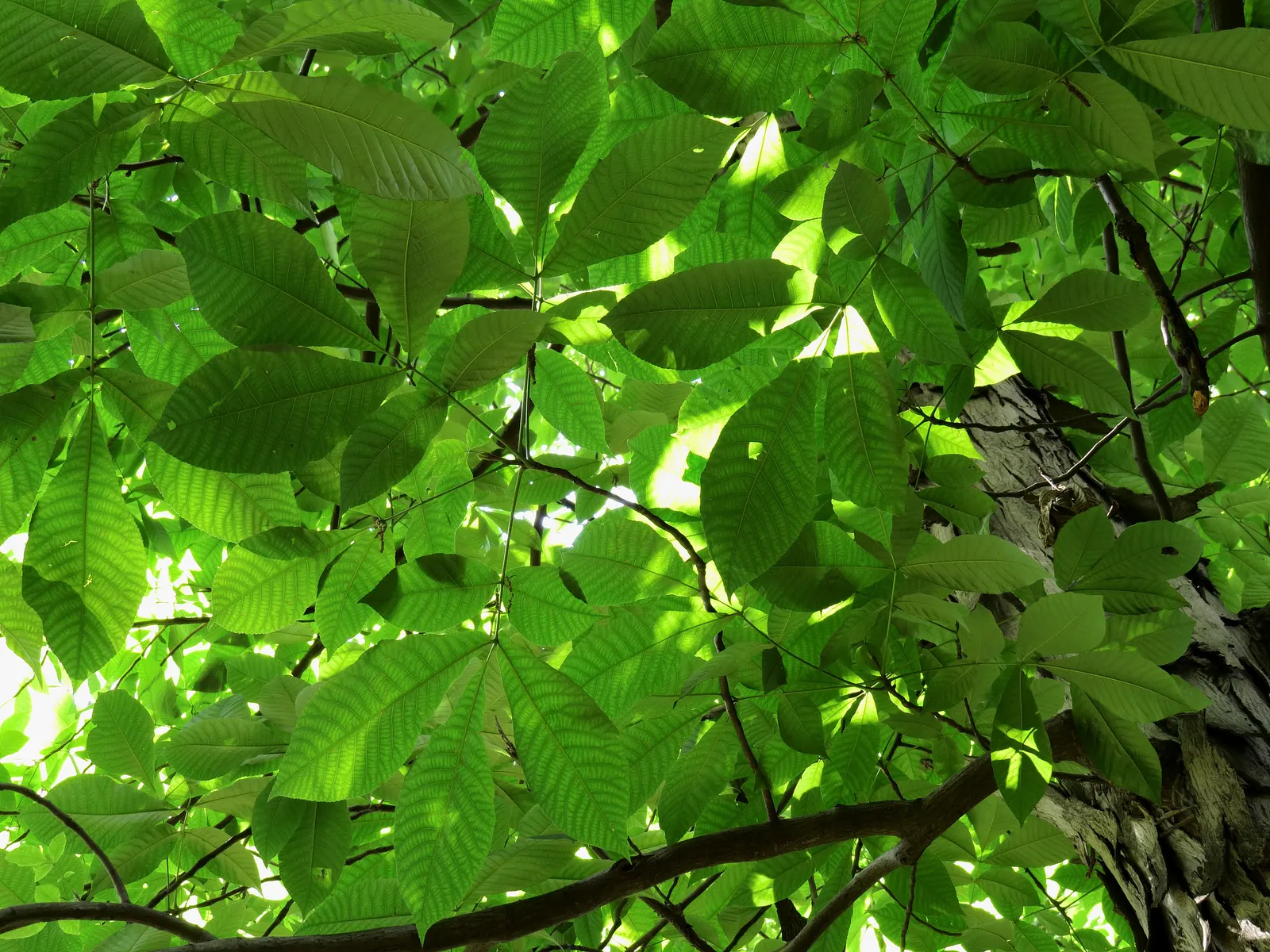
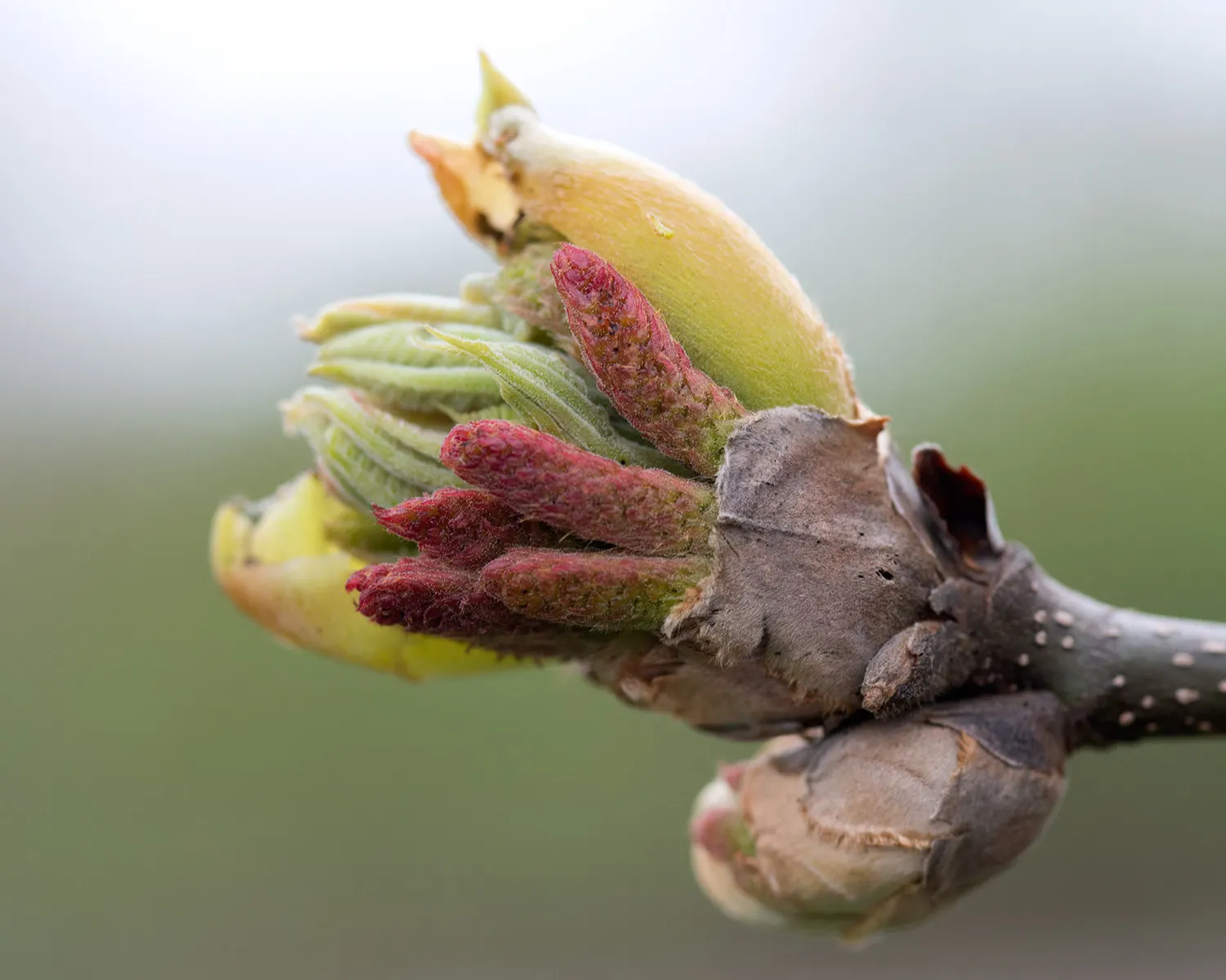
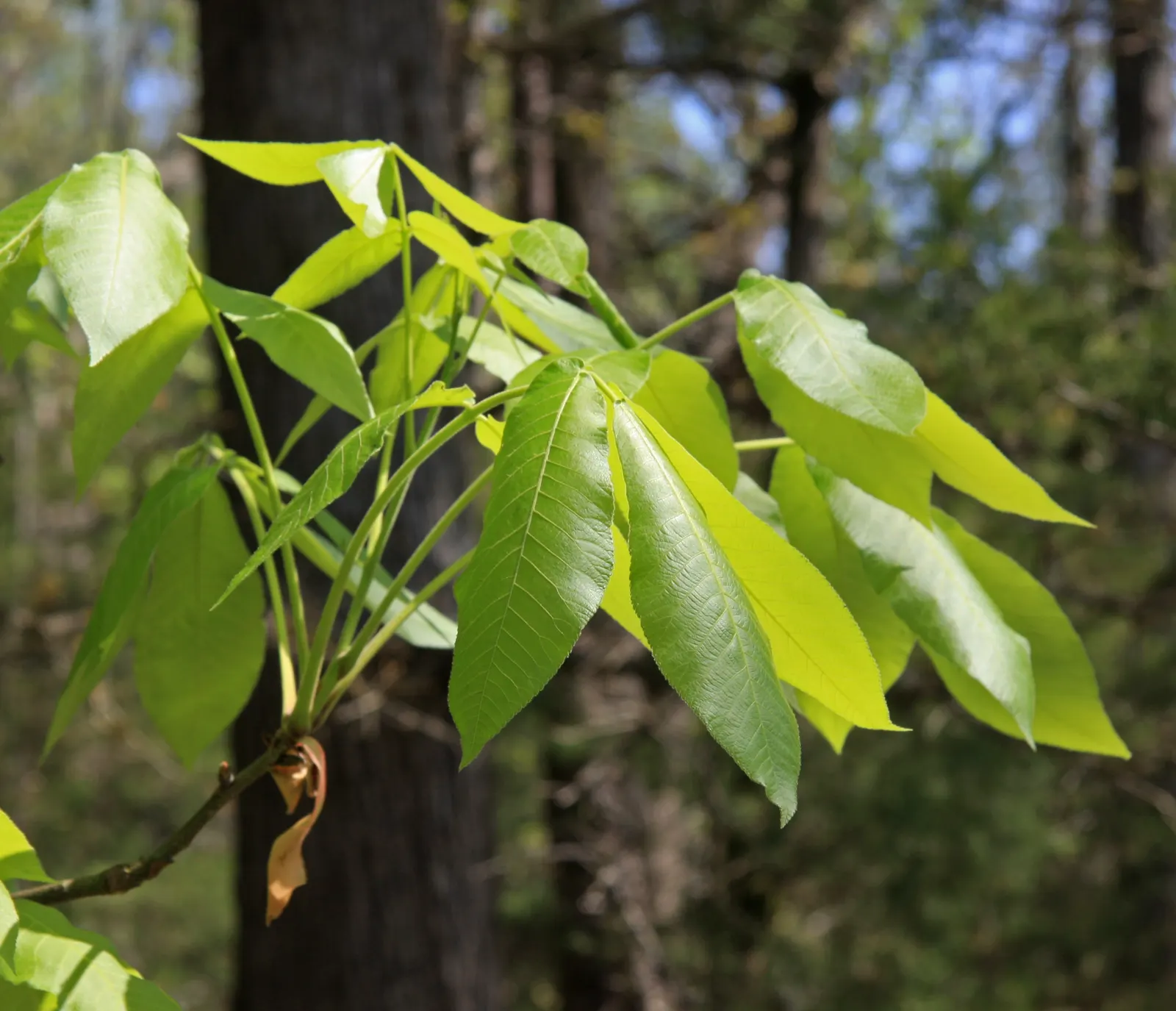
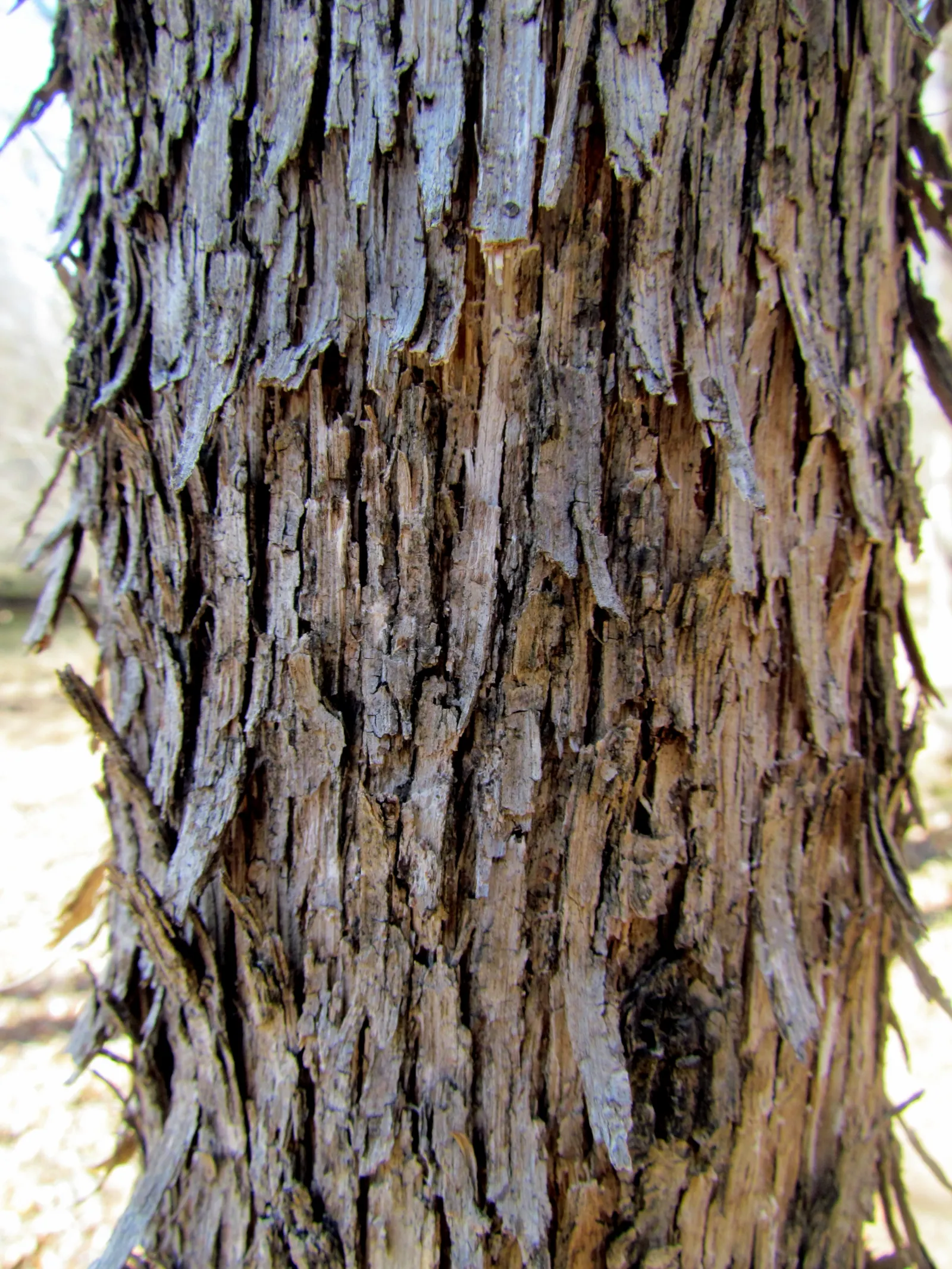
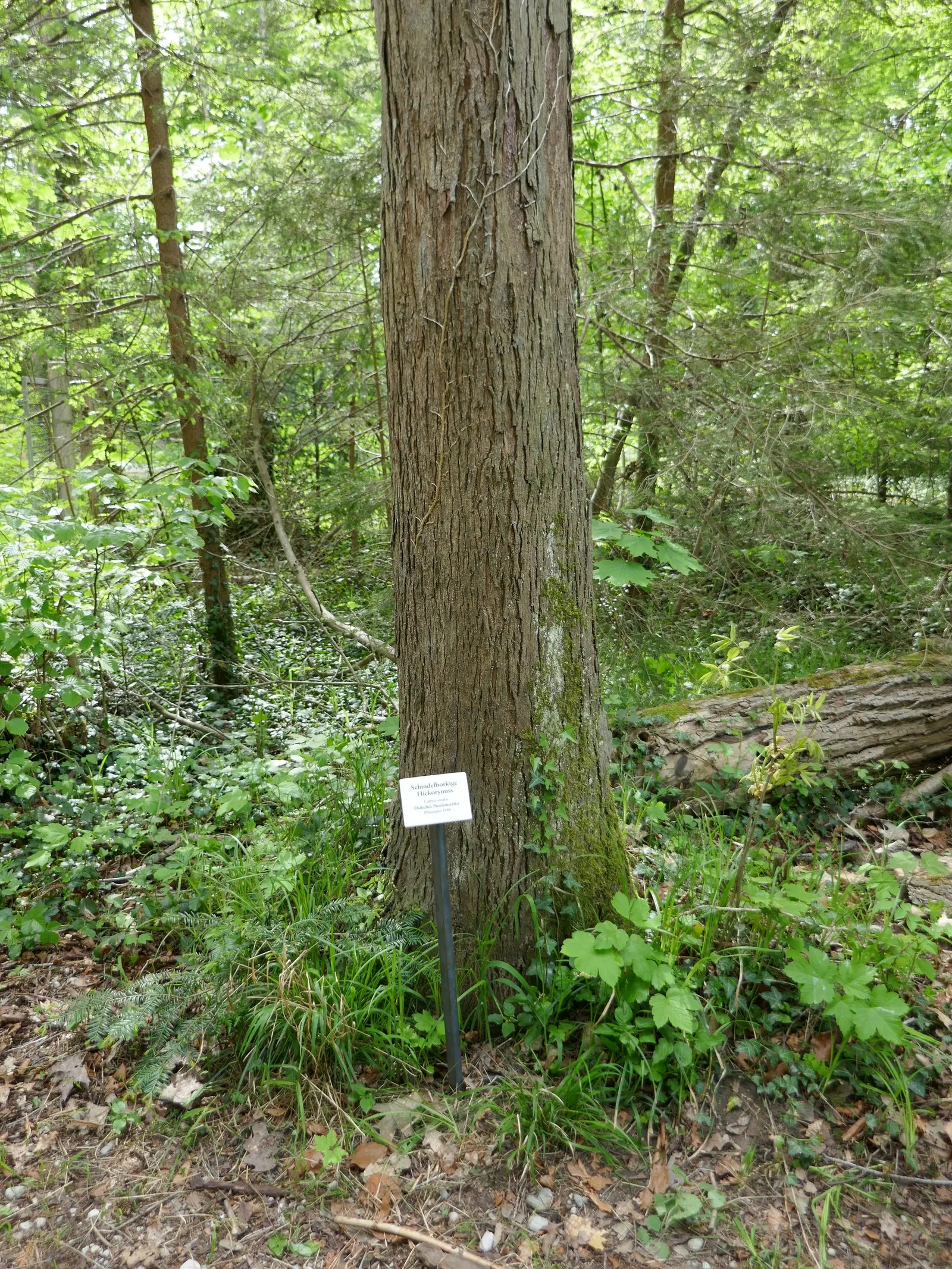
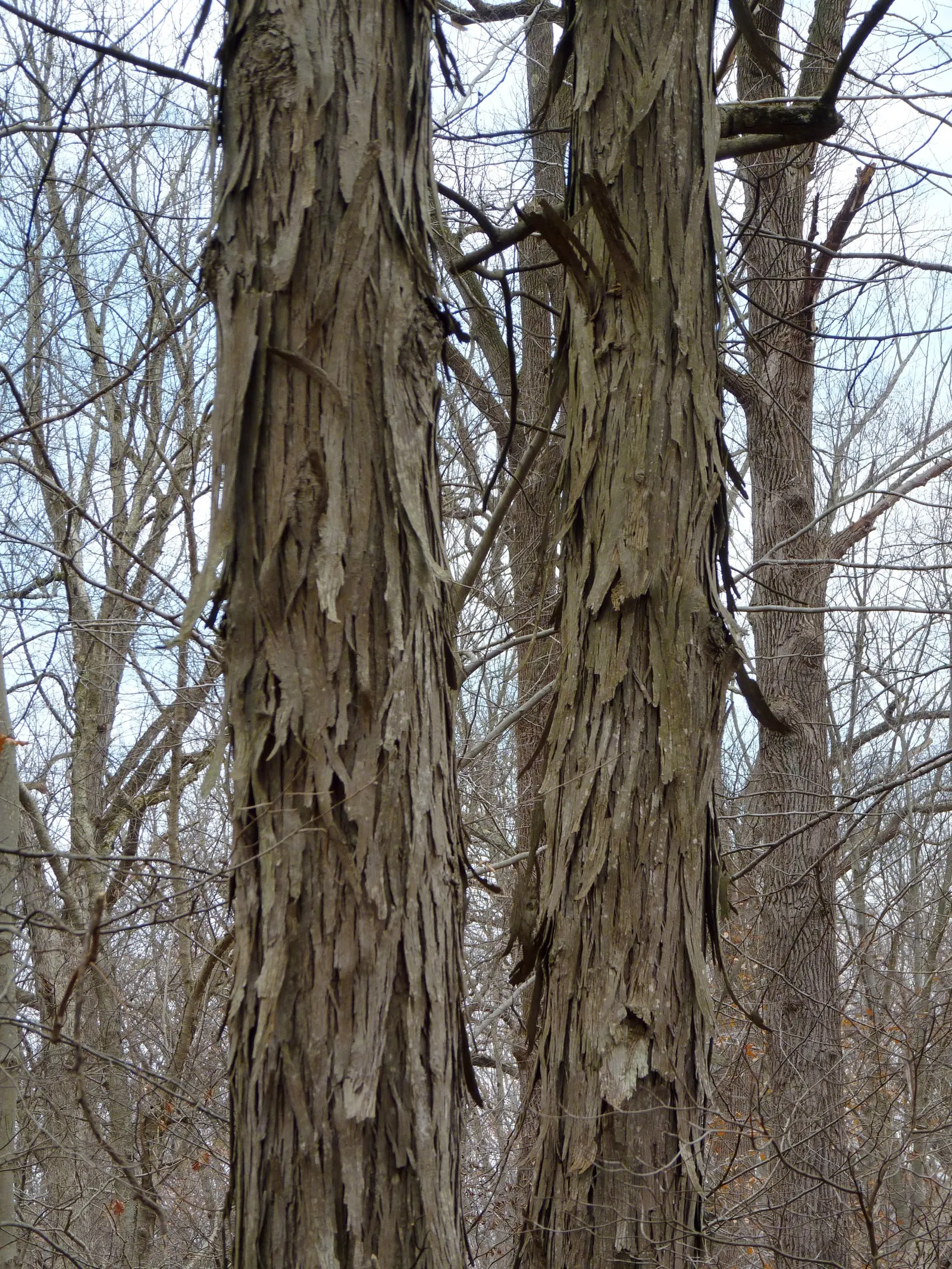
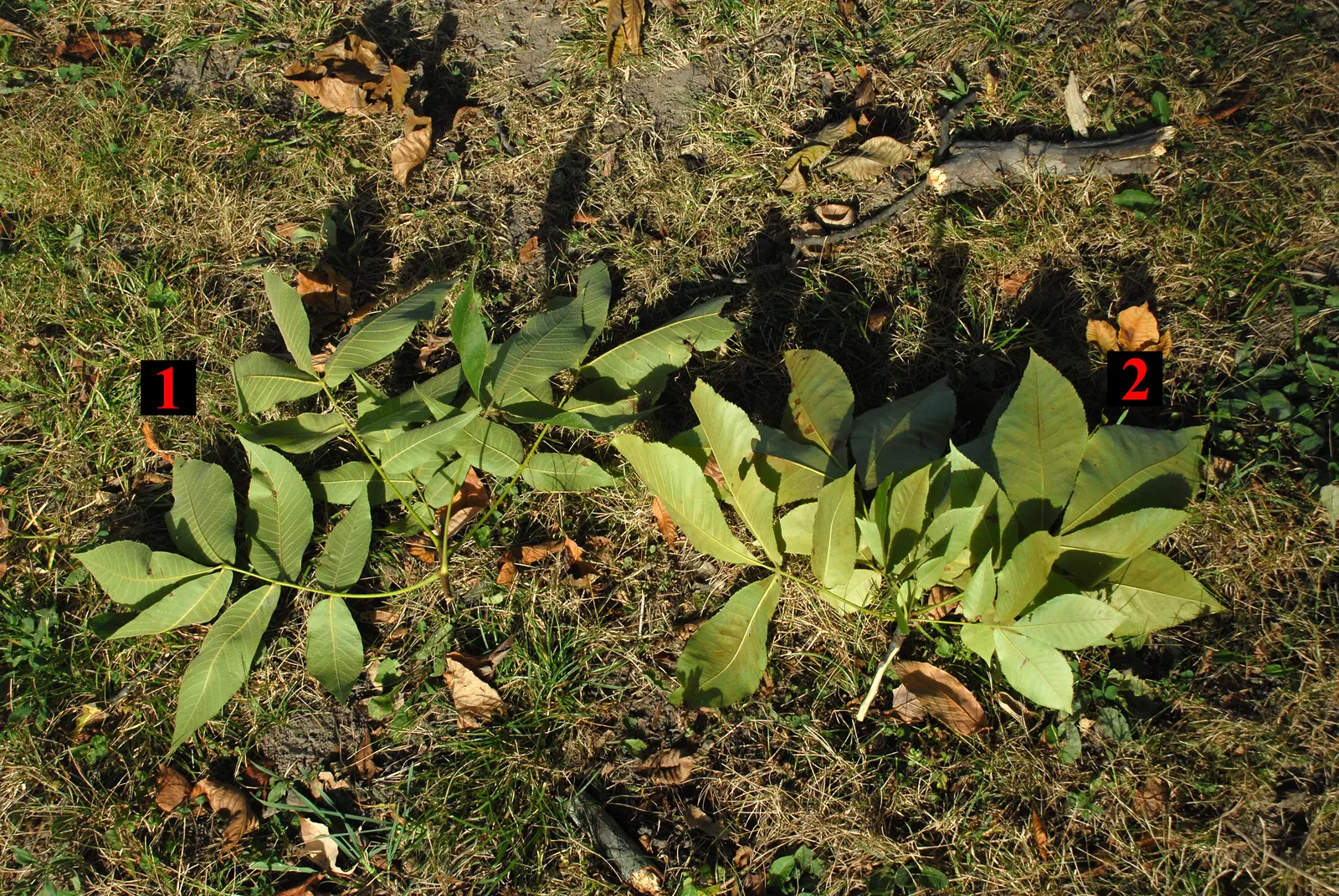
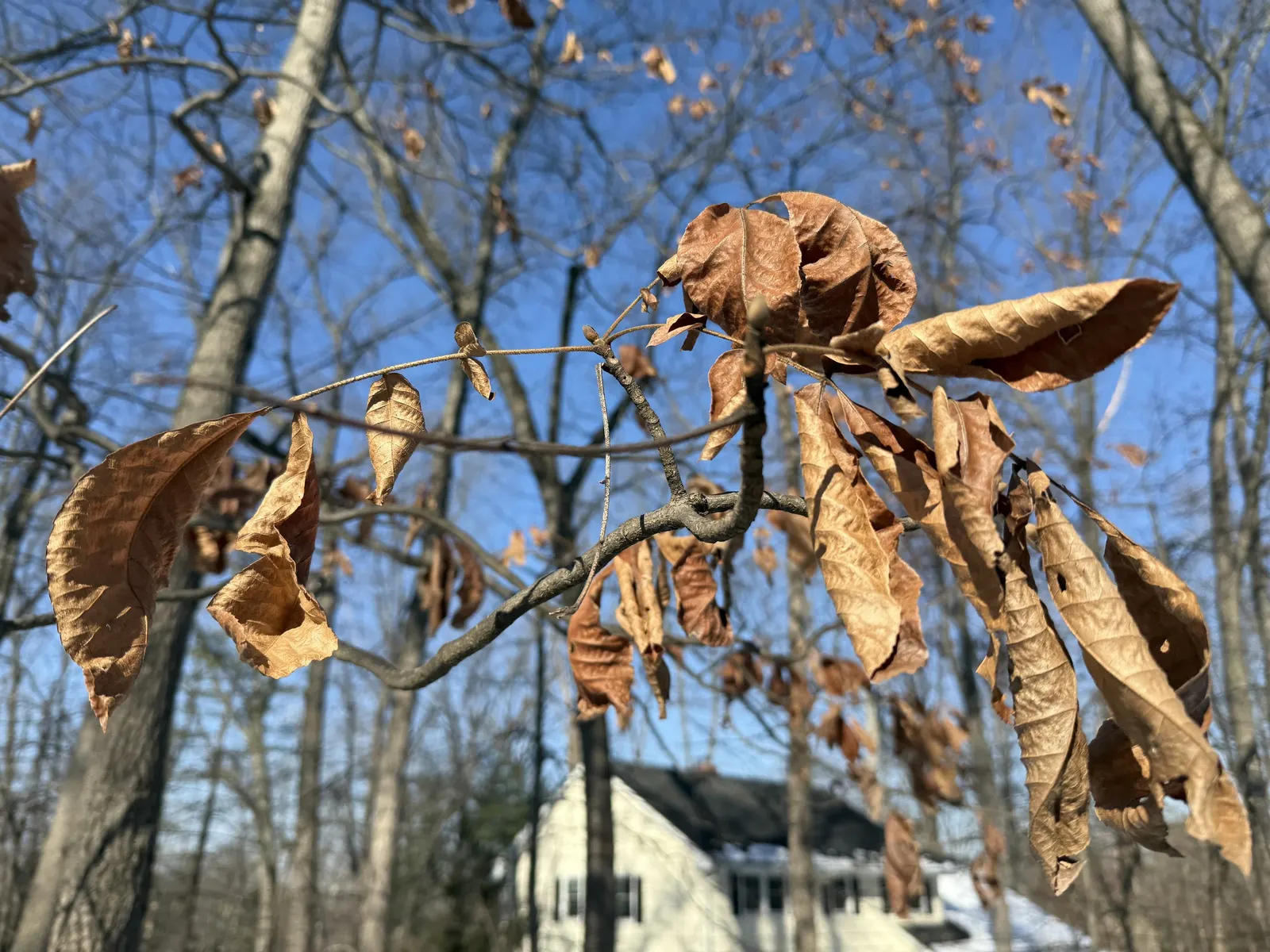
The Shagbark Hickory (Carya ovata) is a striking deciduous tree, prized for its unique, peeling bark and pinnate leaves, reaching lengths up to 24 inches. Mature specimens stand 70-90 feet with canopy spreads up to 70 feet, encouraging placement in spacious landscapes. It yields edible nuts favored by wildlife and is valued for its hard, durable wood. Prefers well-drained soils and full sun, offering splendid golden fall foliage.

Sun Full, HalfWater Extra in Summer, MediumZones 5–10Climate Temperate
Shagbark Hickory (Carya Ovata) — The Shagbark Hickory (Carya ovata) is a striking deciduous tree

Culture

Sun
Full, Half
Water
Extra in Summer, Medium
USDA zones
5–10

Shape & size

Classification

Family
Juglandaceae
Climate
Temperate

See full data, regional cultivation notes, full-resolution photos, and design tools. Build a client presentation around this plant.

Start your 14-day trial

Photos (58)

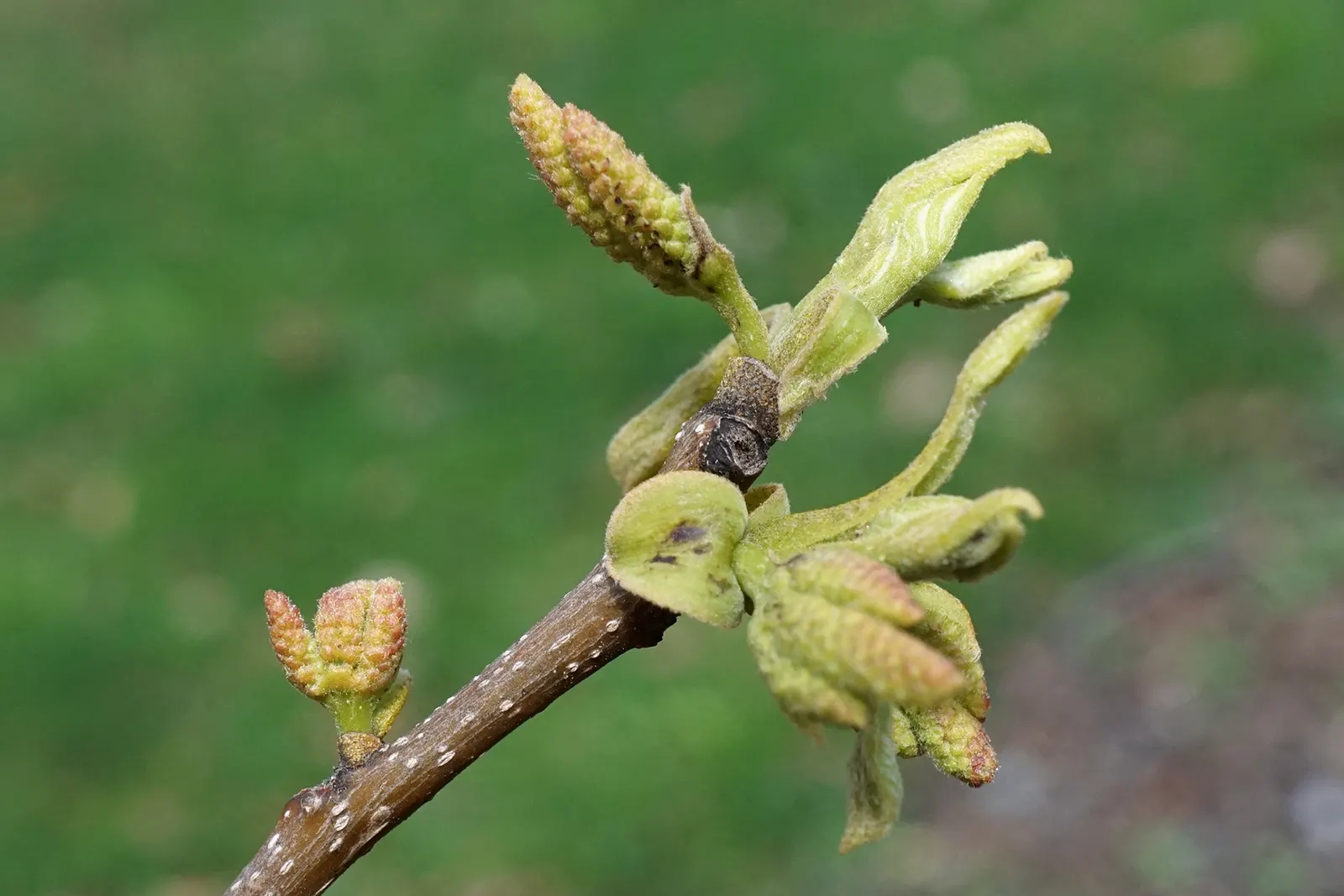
Shagbark Hickory (Carya Ovata) — rich loam with a preference for full sun to partial shade
Shagbark Hickory (Carya Ovata) — tree for full or half
Shagbark Hickory (Carya Ovata) — reaching lengths up to 24 inches; <br><br>The Carya ovata provides ecological benefits
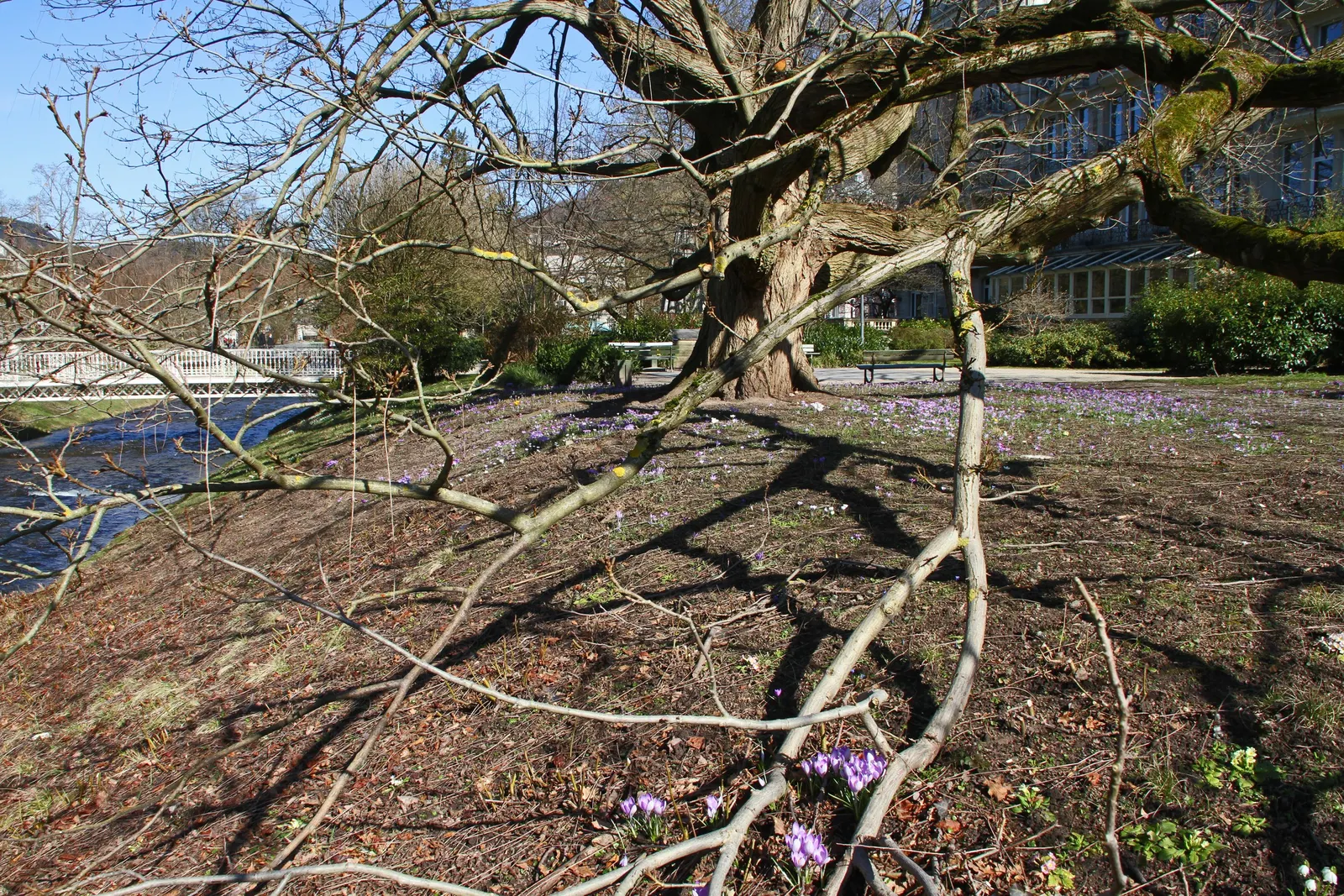
Shagbark Hickory (Carya Ovata) — Mature specimens stand 70-90 feet with canopy spreads up to 70 feet; the Shagbark Hickory (Carya ovata) is a striking
Shagbark Hickory (Carya Ovata) — encouraging placement in spacious landscapes; the Shagbark Hickory (Carya ovata) is a majestic deciduous hardwood tree
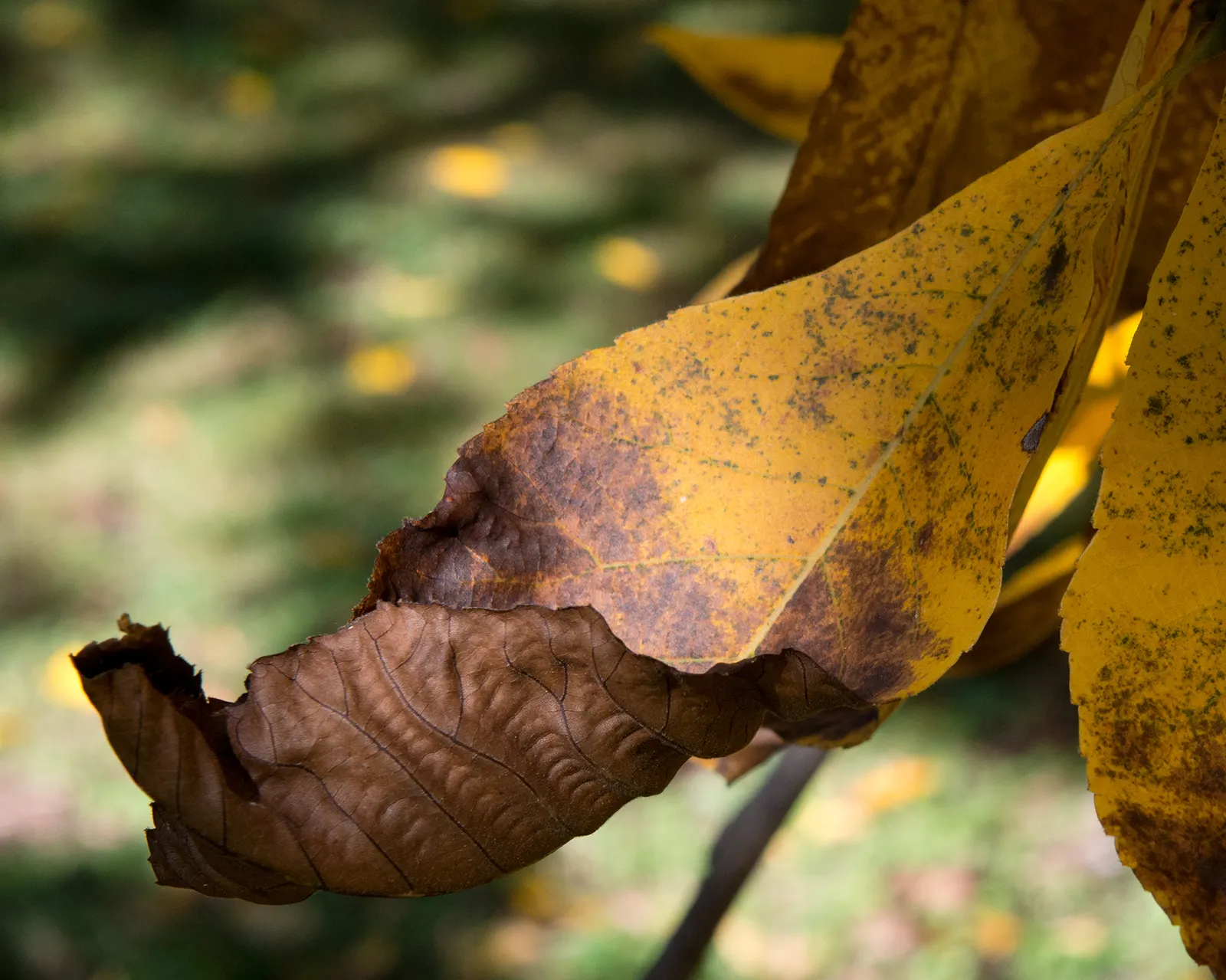
Shagbark Hickory (Carya Ovata) — Prefers well-drained soils and full sun, offering splendid golden fall foliage; the tree is adaptable to various soils but
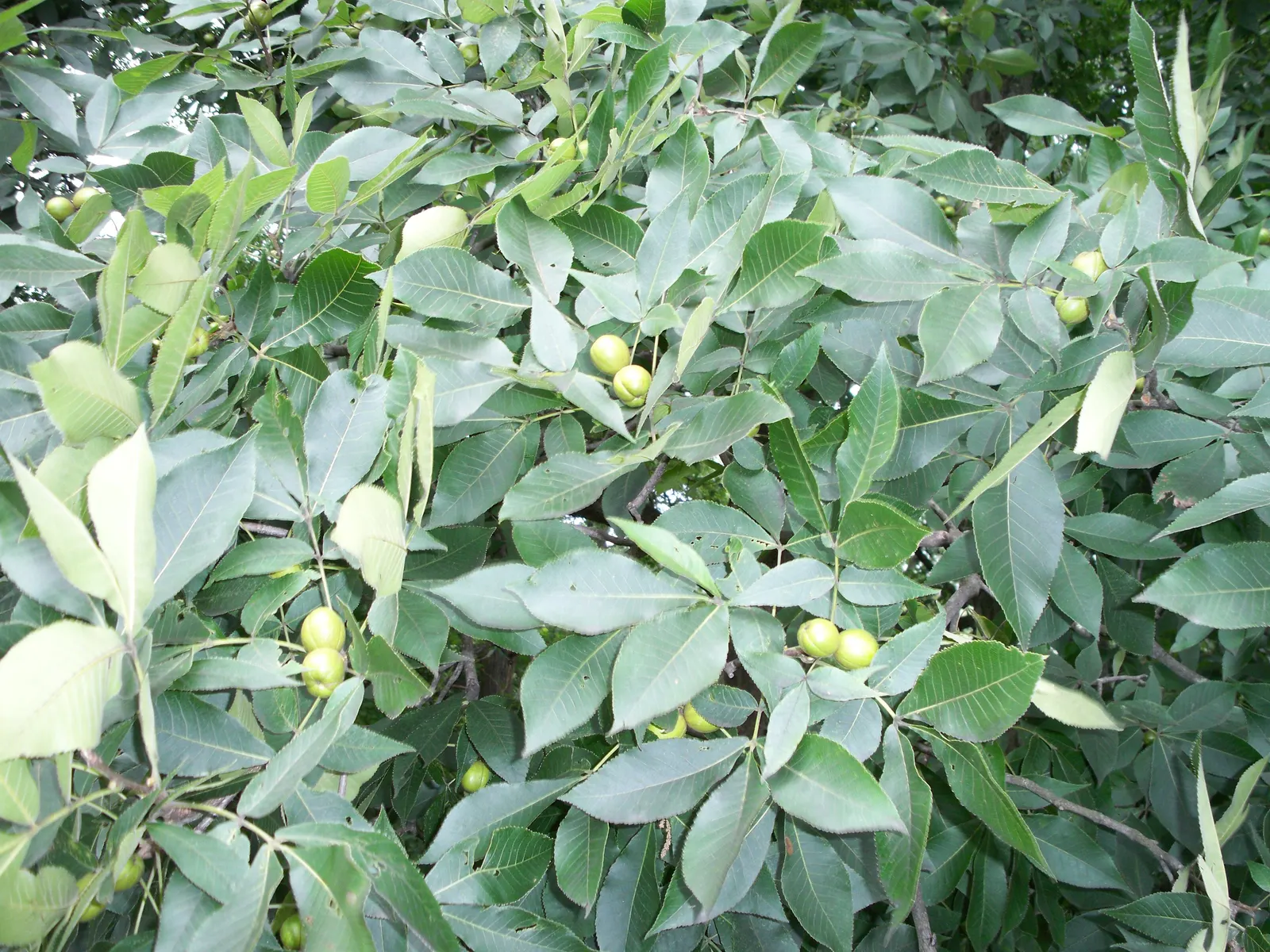
Shagbark Hickory (Carya Ovata) — It yields edible nuts favored by wildlife and is valued for its hard, durable wood; the tree's compound leaves are vibrant
Shagbark Hickory (Carya Ovata) — providing striking textural interest for any landscape design; consider its mature size: the Shagbark Hickory can reach lofty
Shagbark Hickory (Carya Ovata) — when incorporating this North American native into your garden; peeling bark and pinnate leaves
Shagbark Hickory (Carya Ovata) — As landscape architect assistants; such as attracting a variety of wildlife; its nuts are a favorite for squirrels and other
Shagbark Hickory (Carya Ovata) — The Shagbark Hickory (Carya ovata) is a majestic deciduous hardwood tree; encouraging placement in spacious landscapes
Shagbark Hickory (Carya Ovata) — which allows it to be drought-resistant once established; rich loam with a preference for full sun to partial shade
Shagbark Hickory (Carya Ovata) — The tree's compound leaves are vibrant green; it yields edible nuts favored by wildlife and is valued for its hard, durable
Shagbark Hickory (Carya Ovata) — with a canopy spread of 40 to 70 feet; turning to a golden hue in autumn
Shagbark Hickory (Carya Ovata) — consider its mature size: the Shagbark Hickory can reach lofty heights between 60 to 80 feet; providing striking textural
Shagbark Hickory (Carya Ovata) — turning to a golden hue in autumn; with a canopy spread of 40 to 70 feet
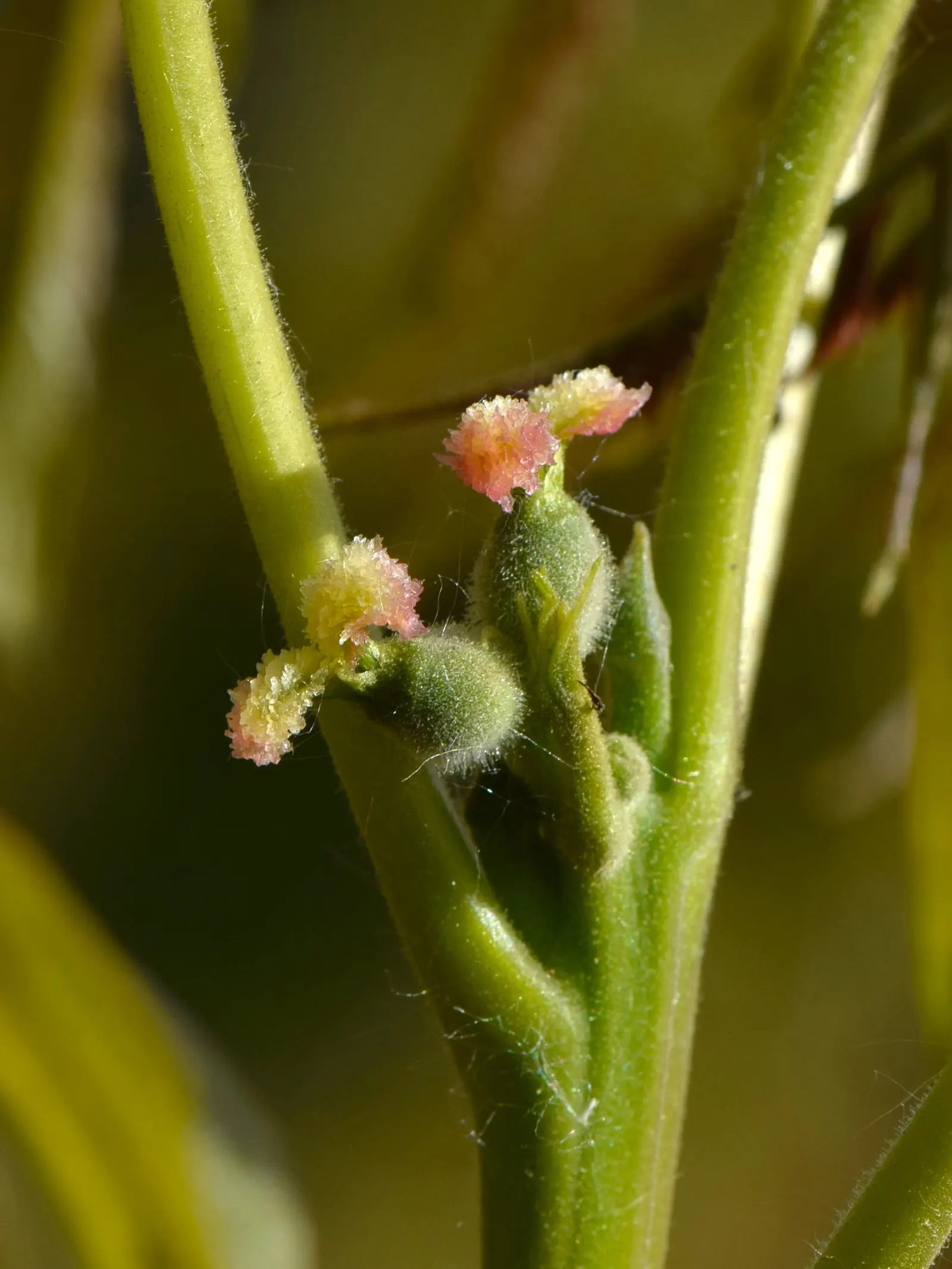
Shagbark Hickory (Carya Ovata) — adding seasonal color to your garden; and the tree's flowers support pollinators
Shagbark Hickory (Carya Ovata) — <br><br>The Carya ovata provides ecological benefits; reaching lengths up to 24 inches
Shagbark Hickory (Carya Ovata) — such as attracting a variety of wildlife; its nuts are a favorite for squirrels and other small mammals; as landscape
Shagbark Hickory (Carya Ovata) — Easy to grow in USDA Hardiness Zones 4 to 8; tree for full or half
Shagbark Hickory (Carya Ovata) — and the tree's flowers support pollinators; adding seasonal color to your garden
Shagbark Hickory (Carya Ovata) — the tree is adaptable to various soils but flourishes in well-drained; prefers well-drained soils and full sun, offering
Shagbark Hickory (Carya Ovata) — rich loam with a preference for full sun to partial shade; which allows it to be drought-resistant once established
Shagbark Hickory (Carya Ovata) — tree for full or half; easy to grow in USDA Hardiness Zones 4 to 8

Related plants