Skip to content

Pignut

Carya Glabra

Design with this plant

Overview

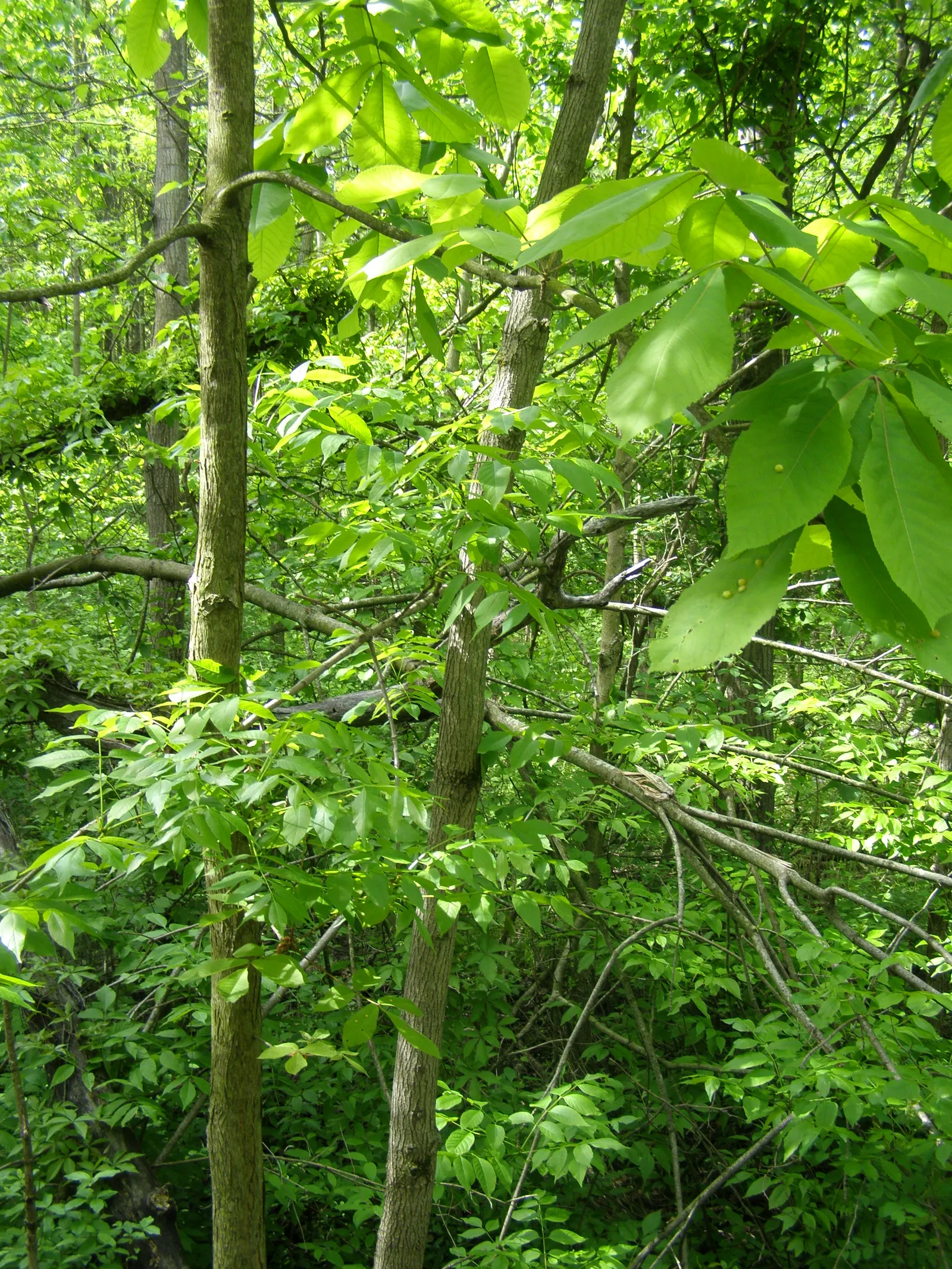
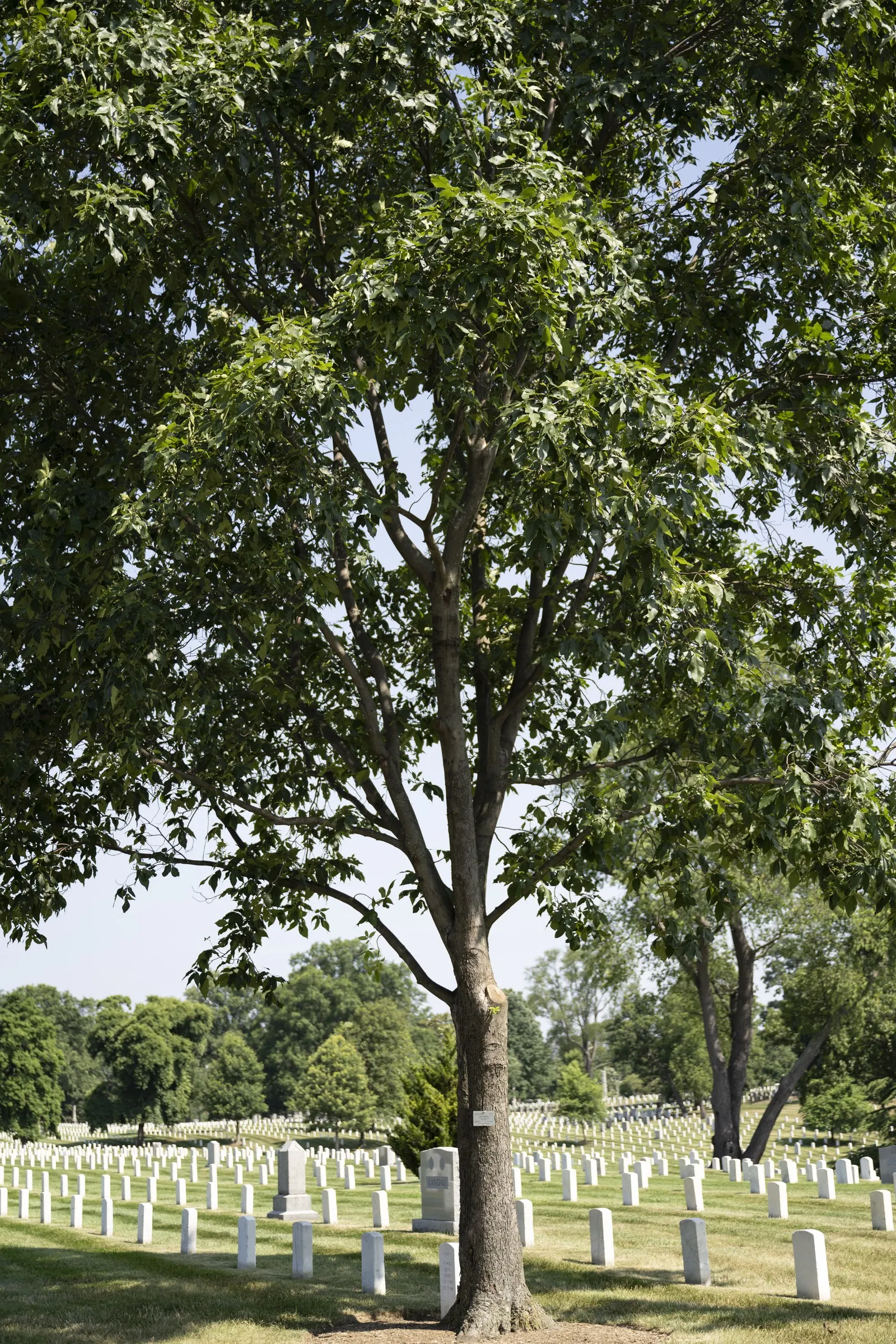
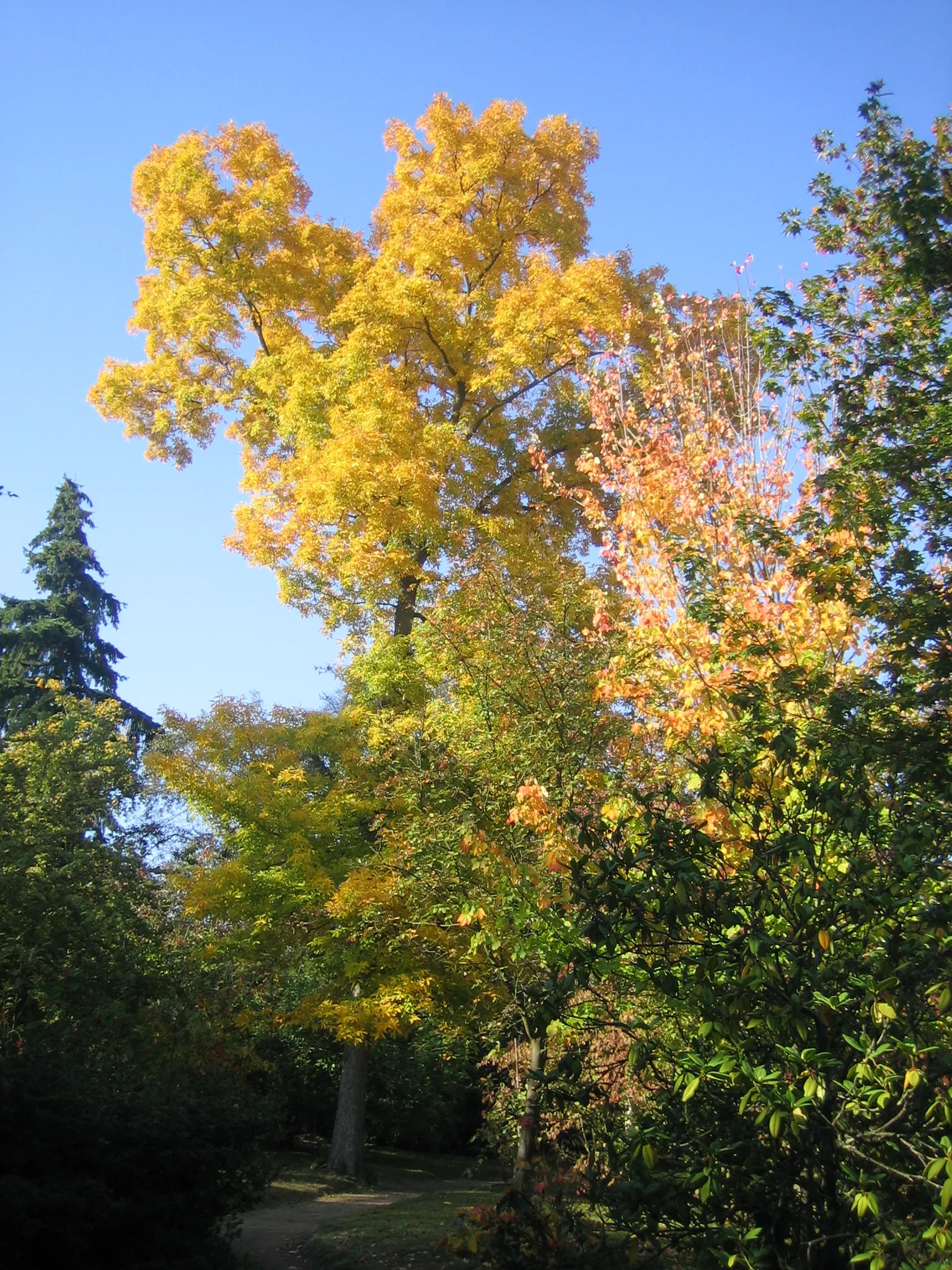
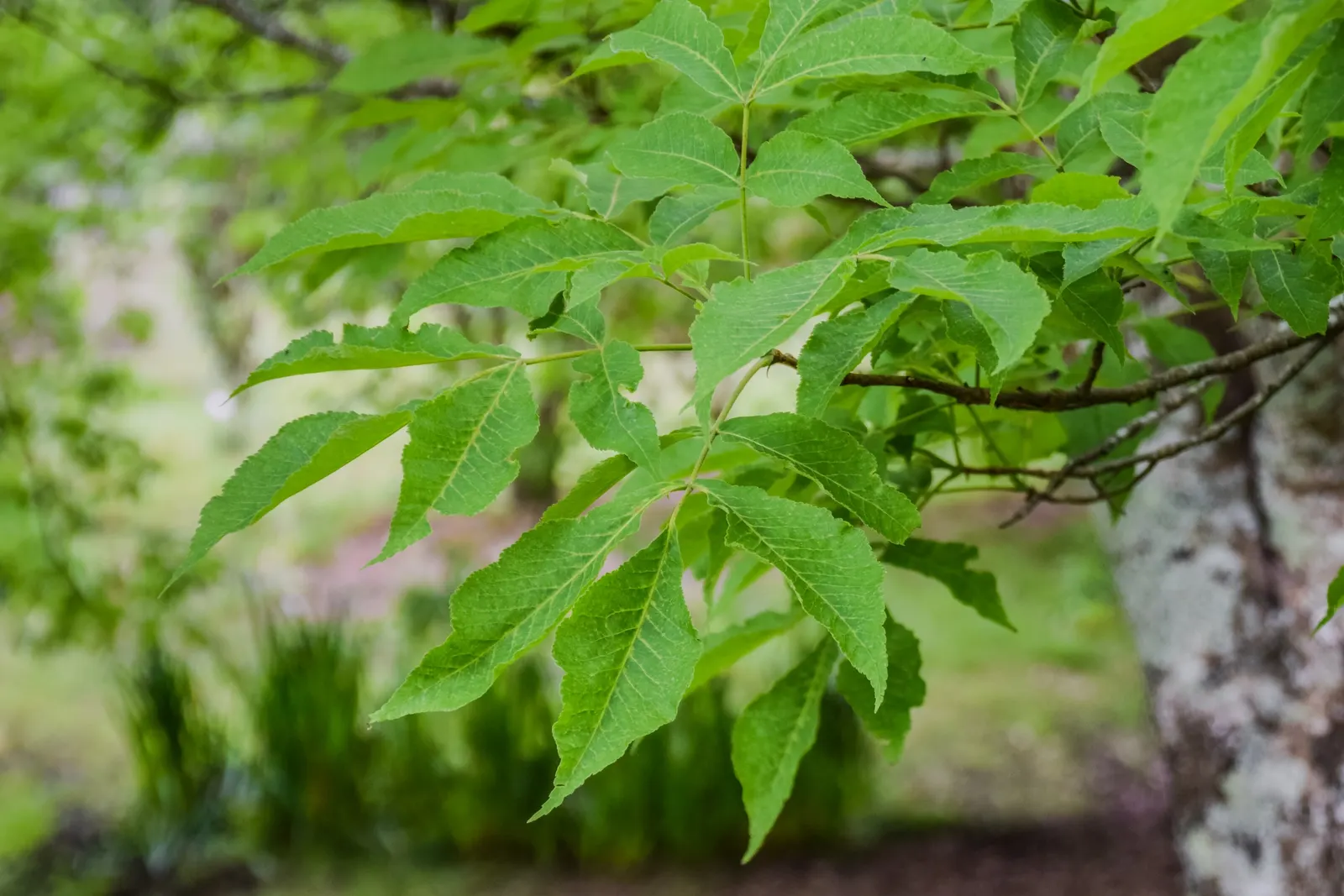
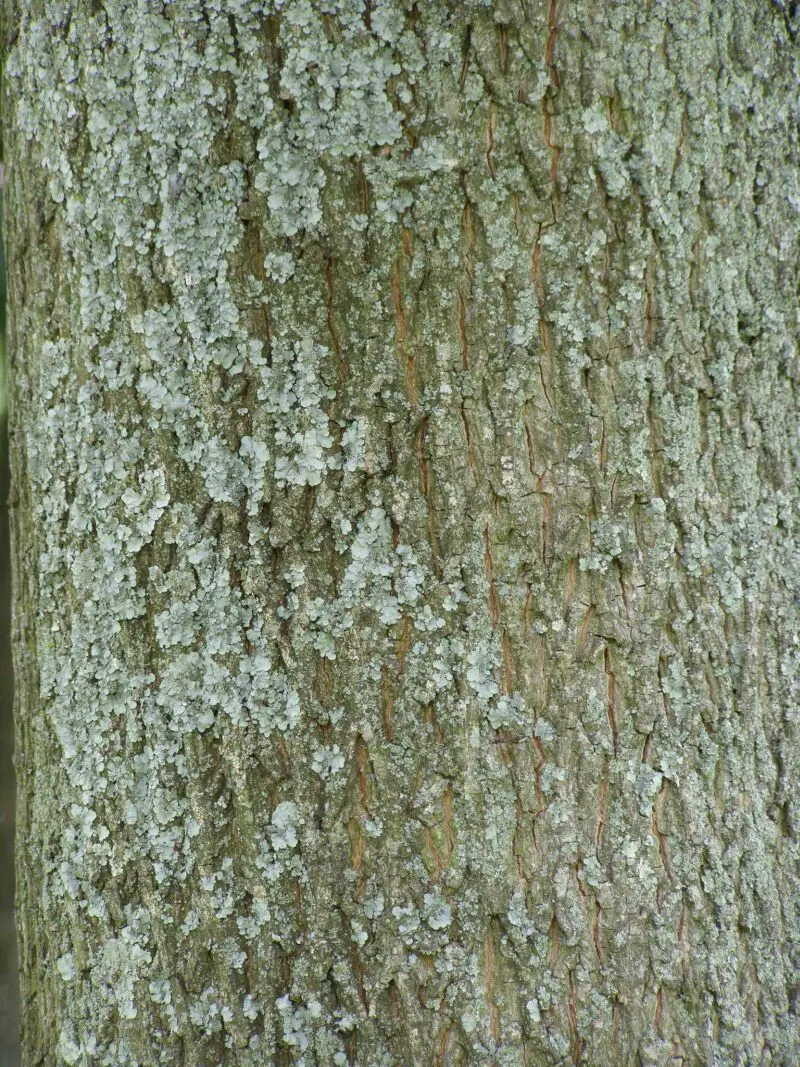
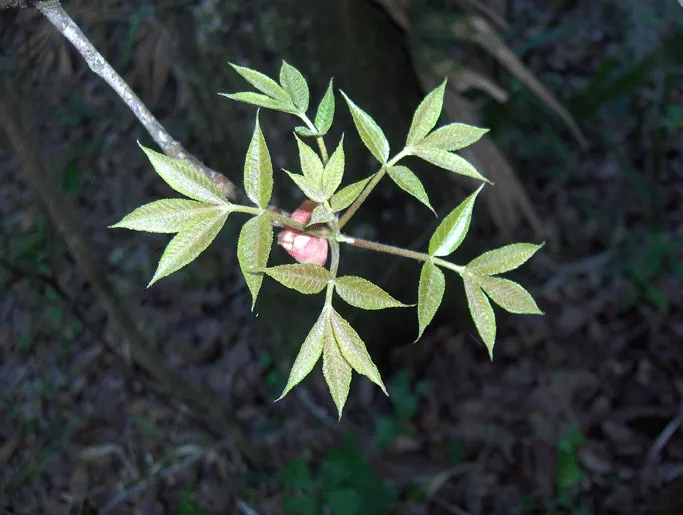
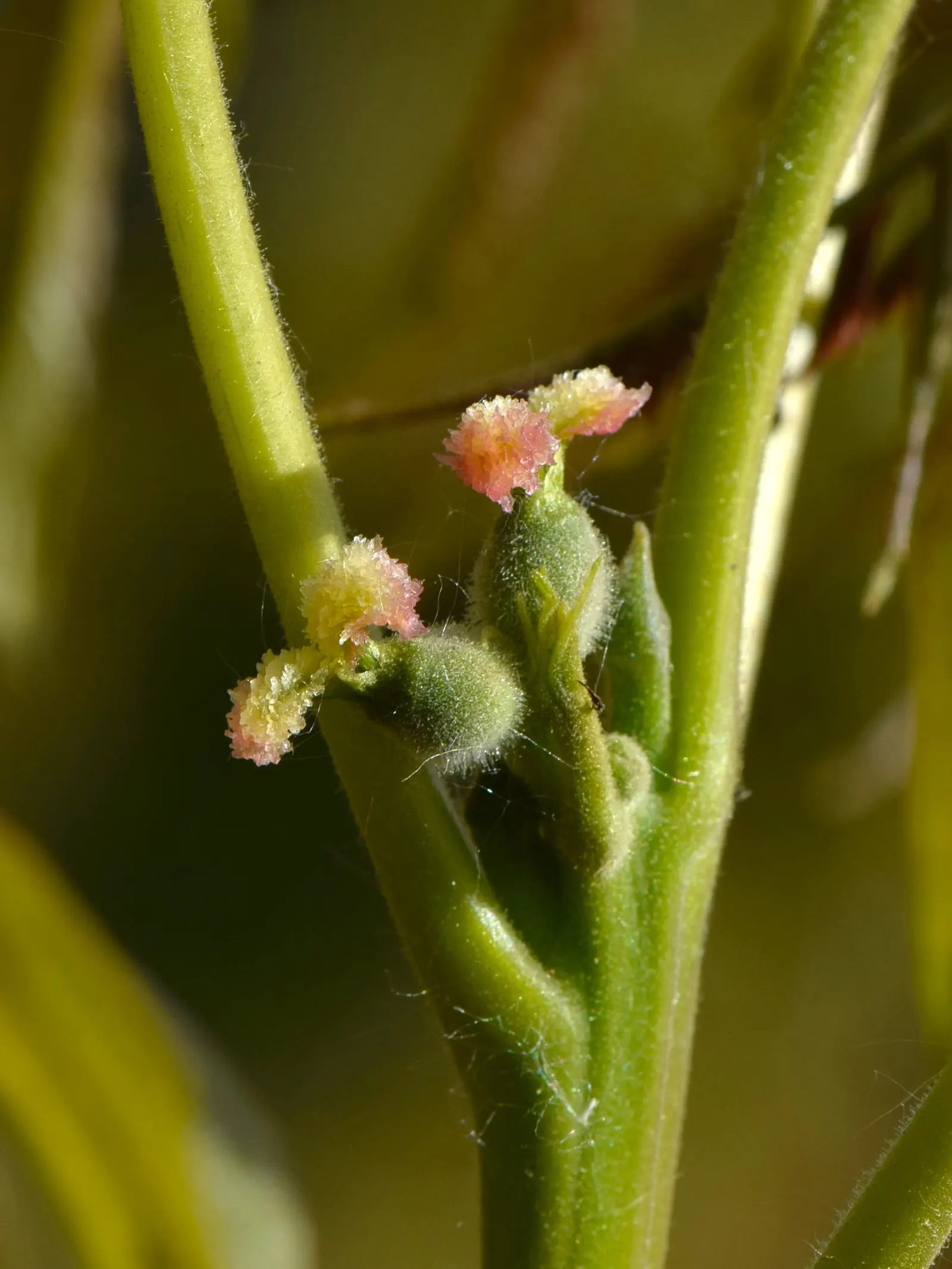
The Pignut Hickory, Carya glabra, is a deciduous hardwood native to eastern North America, admired for its slender, straight trunk and rounded crown. Reaching up to 100 feet tall, it prospers in well-drained soil. Its pinnately compound leaves, with five leaflets, turn golden in fall. In spring, small, yellow-green flowers emerge, followed by brown, pear-shaped nuts, which provide valuable wildlife sustenance. Zones 4-9 suffice for this hardy specimen.

Sun Full, HalfWater Extra in Summer, MediumZones 5–10Climate Temperate
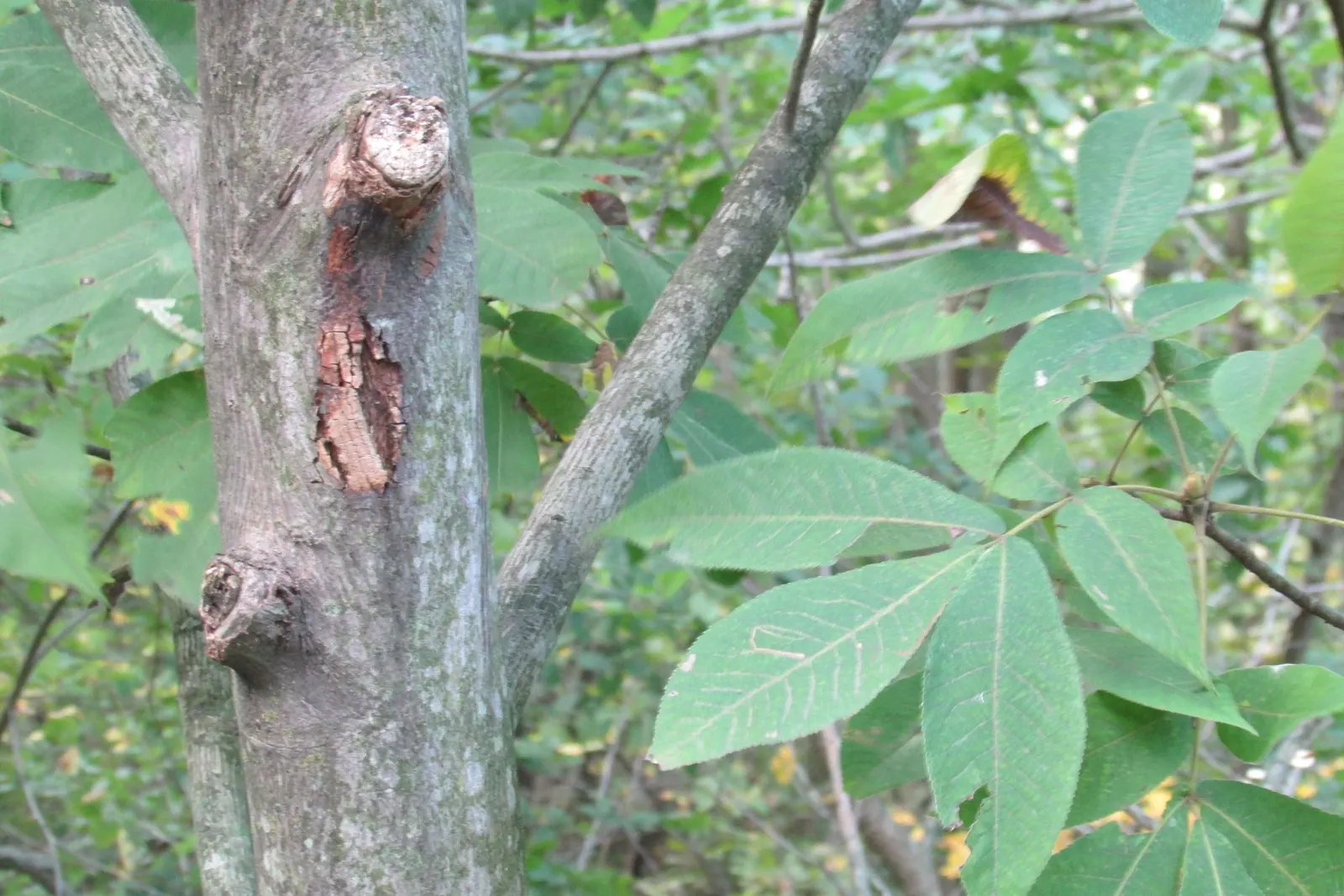
Pignut (Carya Glabra) — straight trunk and rounded crown

Culture

Sun
Full, Half
Water
Extra in Summer, Medium
USDA zones
5–10

Shape & size

Classification

Family
Juglandaceae
Climate
Temperate

See full data, regional cultivation notes, full-resolution photos, and design tools. Build a client presentation around this plant.

Start your 14-day trial

Photos (67)

Pignut (Carya Glabra) — Hardy in USDA zones 4 through 9
Pignut (Carya Glabra) — this low-maintenance hickory necessitates ample space to flourish and is an enduring addition to the landscape
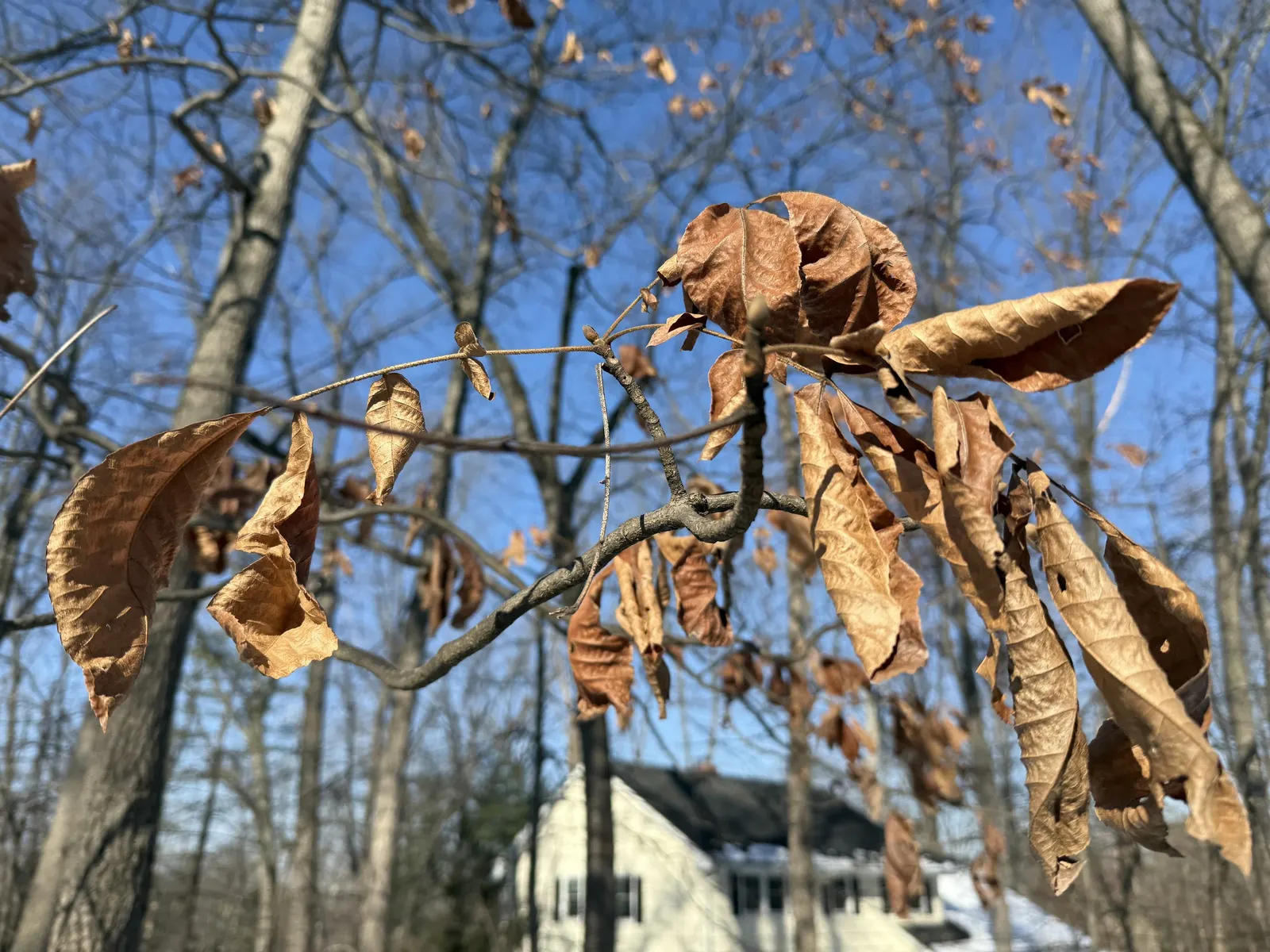
Pignut (Carya Glabra) — is a deciduous hardwood native to eastern North America; its pinnately compound leaves, with five leaflets, turn golden in fall
Pignut (Carya Glabra) — providing ecological value and stately beauty
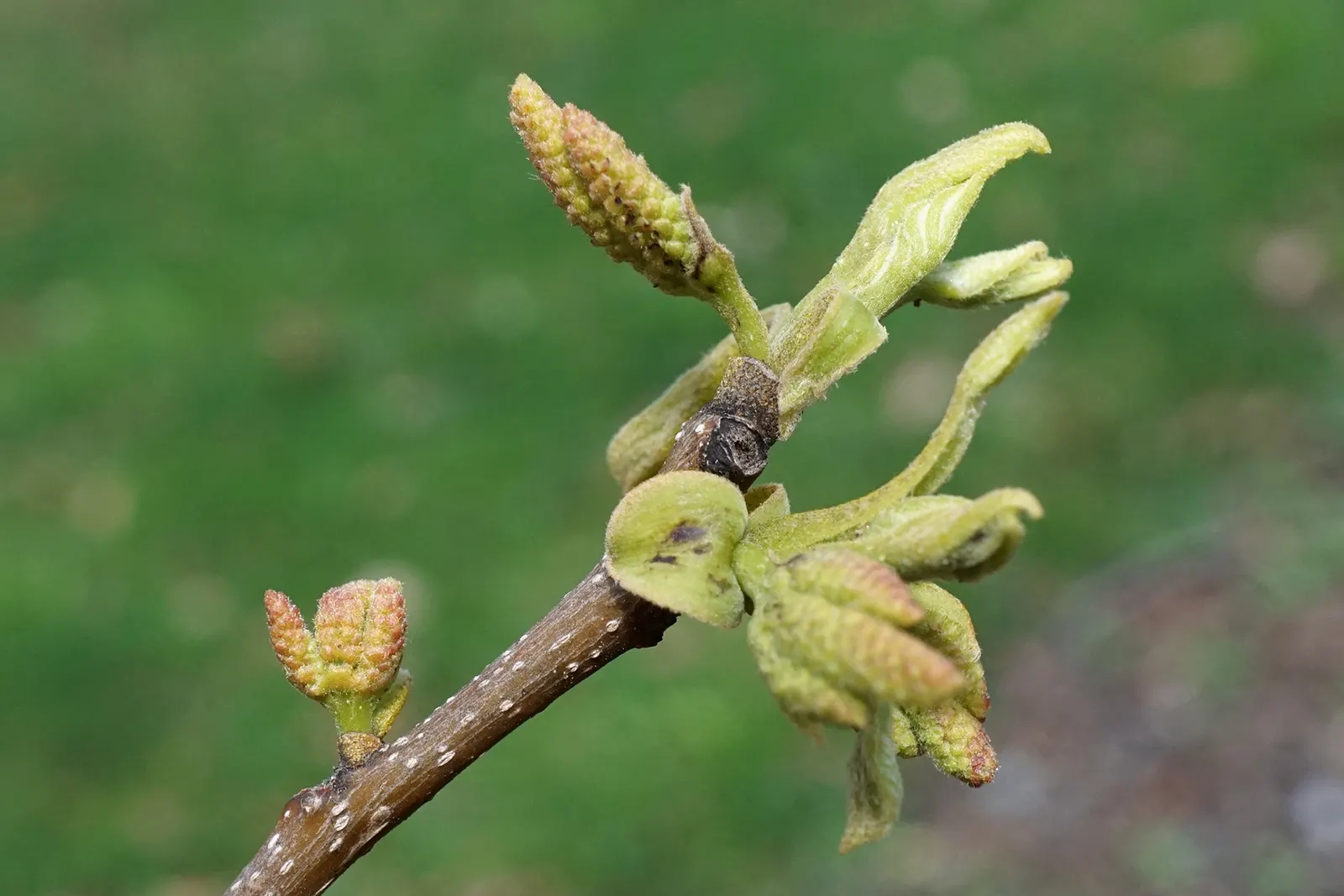
Pignut (Carya Glabra) — yellow-green flowers emerge, image 32
Pignut (Carya Glabra) — which provide valuable wildlife sustenance; this species typically reaches heights of 50 to 60 feet
Pignut (Carya Glabra) — Its pinnately compound leaves, with five leaflets, turn golden in fall; this low-maintenance hickory necessitates ample space to
Pignut (Carya Glabra) — Reaching up to 100 feet tall, it prospers in well-drained soil; these nuts provide valuable sustenance for various wildlife
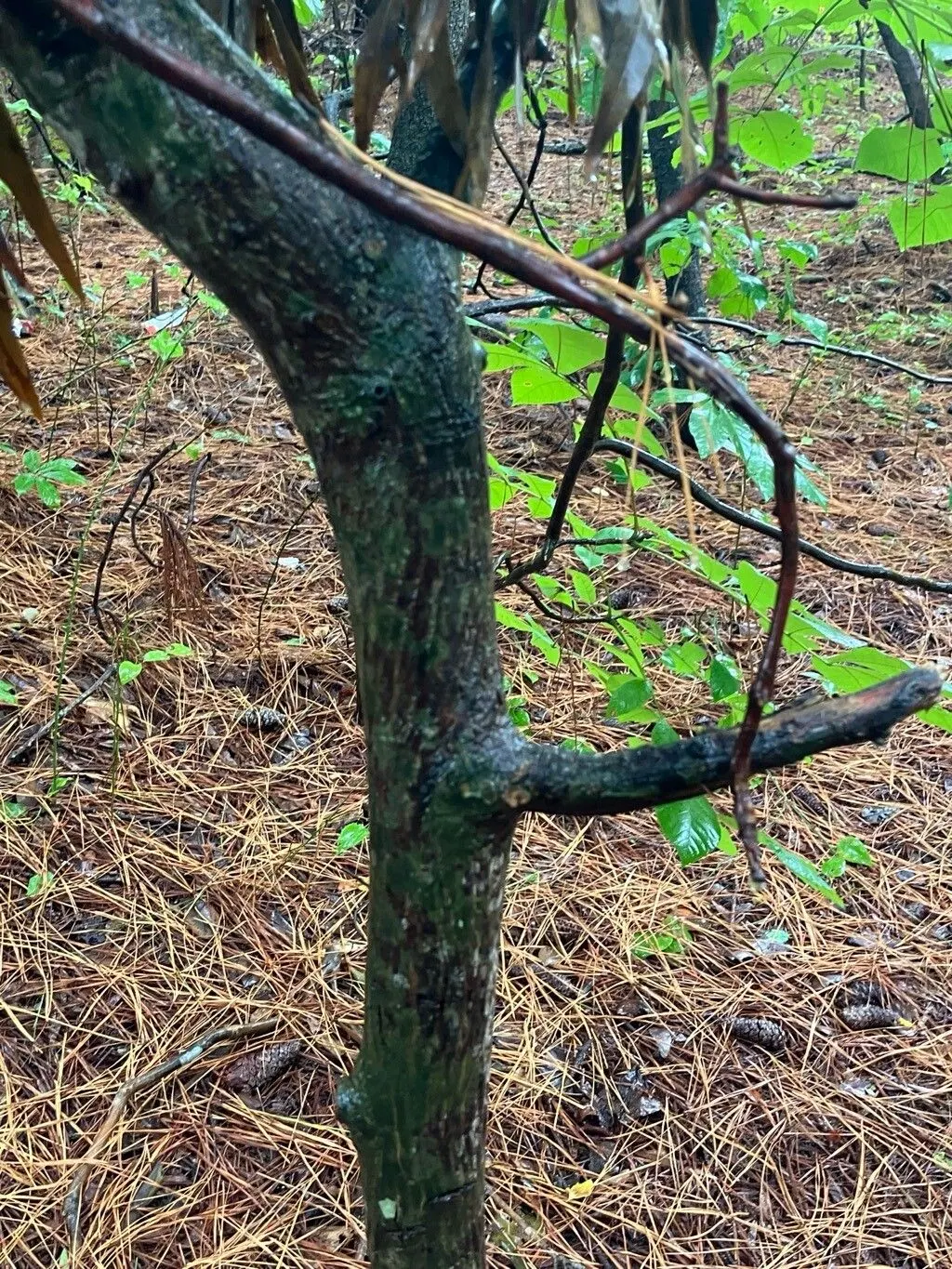
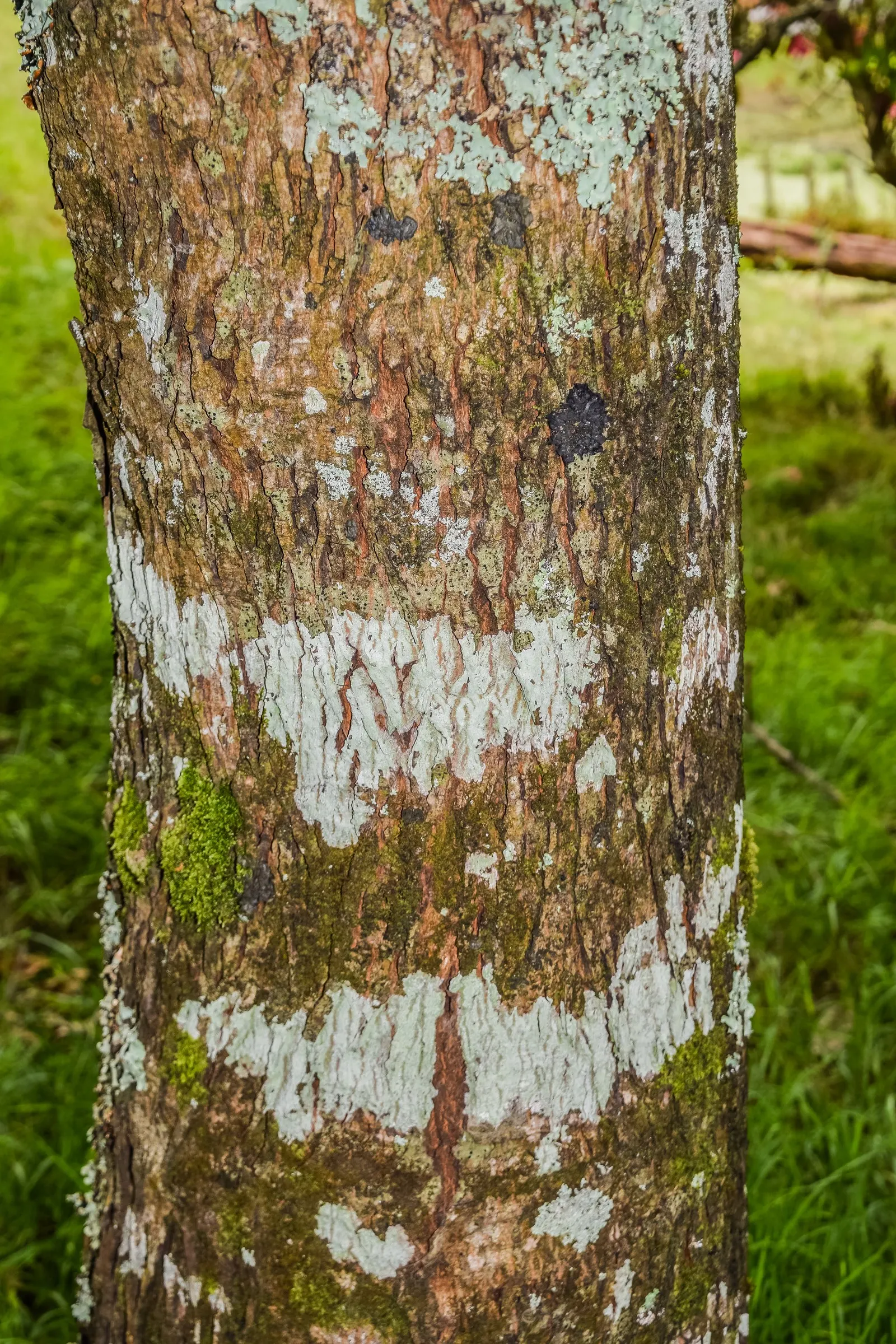
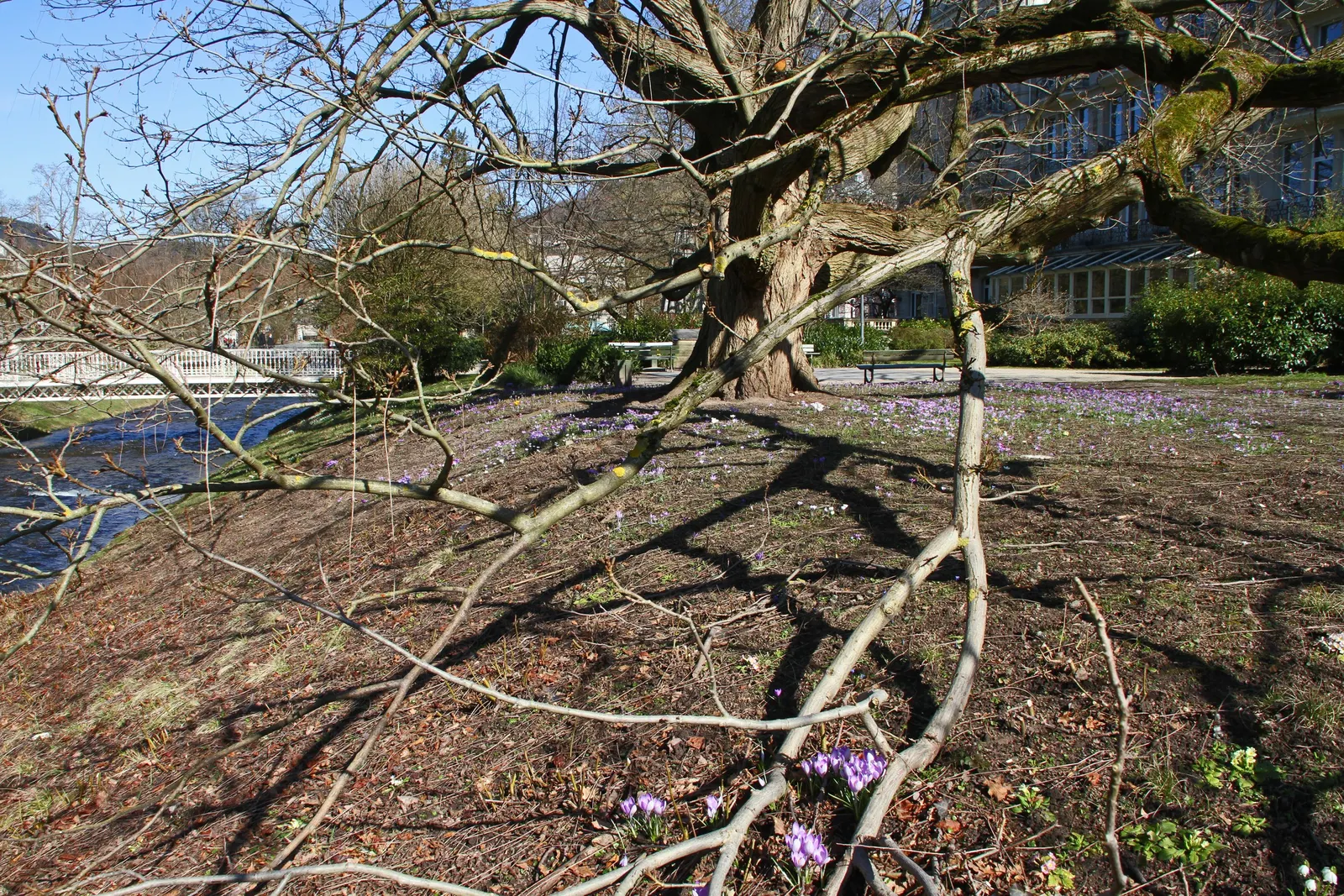
Pignut (Carya Glabra) — straight trunk and rounded crown; slender trunk with a narrow crown
Pignut (Carya Glabra) — scientifically named Carya glabra; providing ecological value and stately beauty
Pignut (Carya Glabra) — Zones 4-9 suffice for this hardy specimen; though it is adaptable to a range of soil types
Pignut (Carya Glabra) — is a deciduous hardwood tree native to eastern North America; which provide valuable wildlife sustenance
Pignut (Carya Glabra) — Characterized by a straight; with some specimens soaring up to 100 feet under optimal conditions
Pignut (Carya Glabra) — slender trunk with a narrow crown; it thrives in full sun to partial shade and is notably drought-tolerant once established
Pignut (Carya Glabra) — this species typically reaches heights of 50 to 60 feet; tree for full or half
Pignut (Carya Glabra) — In the fall, the foliage exhibits a stunning transformation, displaying shades of golden yellow to rich brown; making it an excellent
Pignut (Carya Glabra) — The canopy width generally spans from 25 to 35 feet, image 41
Pignut (Carya Glabra) — with some specimens soaring up to 100 feet under optimal conditions; zones 4-9 suffice for this hardy specimen
Pignut (Carya Glabra) — though it is adaptable to a range of soil types; the Pignut's deep taproot system can make transplantation challenging; hence
Pignut (Carya Glabra) — While not widely consumed by humans; scientifically named Carya glabra
Pignut (Carya Glabra) — these nuts provide valuable sustenance for various wildlife; in the fall, the foliage exhibits a stunning transformation, displaying
Pignut (Carya Glabra) — round nuts encased in thin husks that split open when ripe in autumn; is a deciduous hardwood native to eastern North America
Pignut (Carya Glabra) — The Pignut's deep taproot system can make transplantation challenging; hence; round nuts encased in thin husks that split open when
Pignut (Carya Glabra) — careful site selection is essential, image 50

Related plants